

Archaeological Sites in England
Fortress/citadel in England (381)
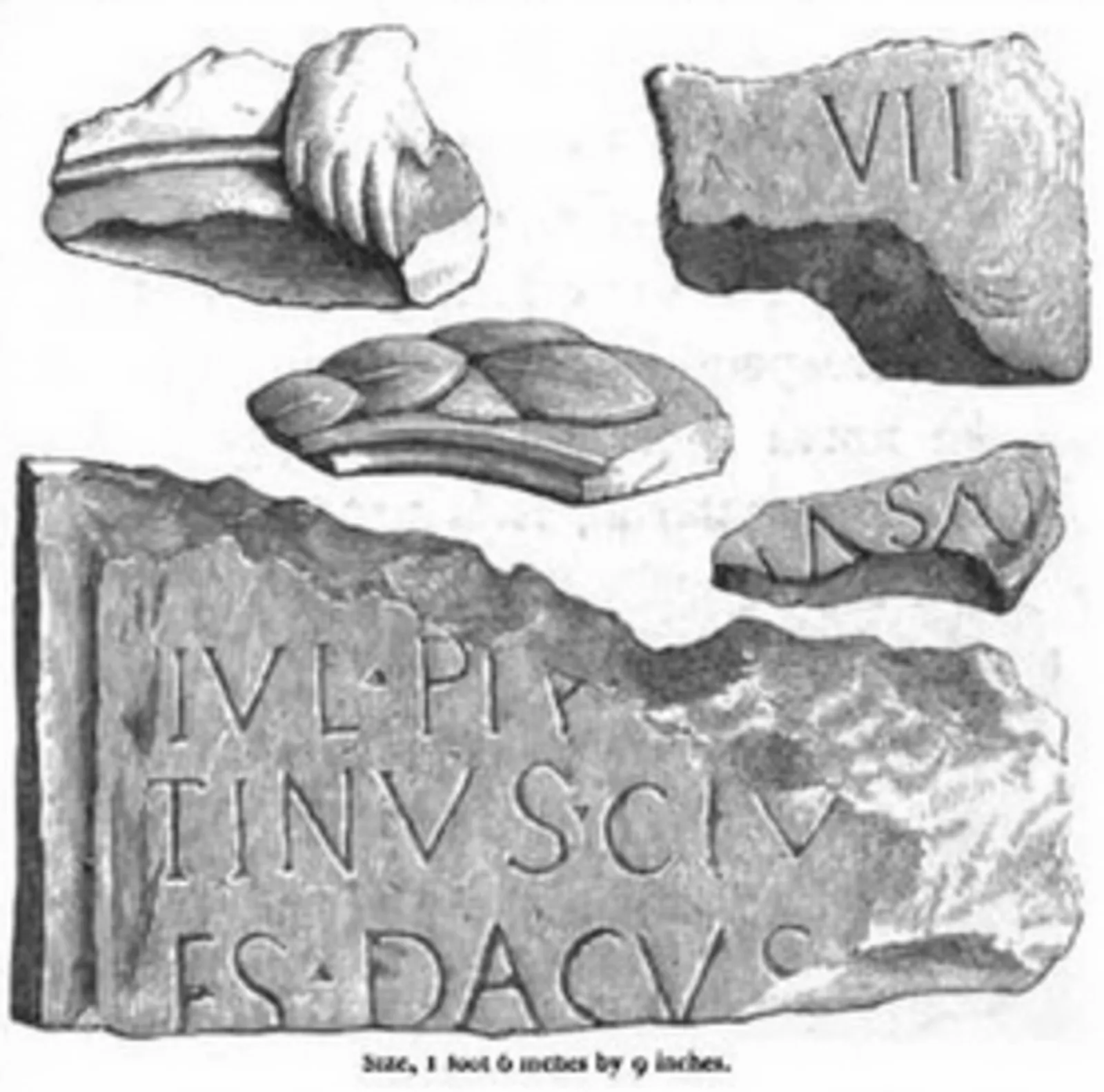
Aballava
Aballava was a Roman fortress on Hadrian's Wall situated about one and a half miles south of the Solway Firth, guarding the Peat Wath and Sandwath fords. The fort stood between…
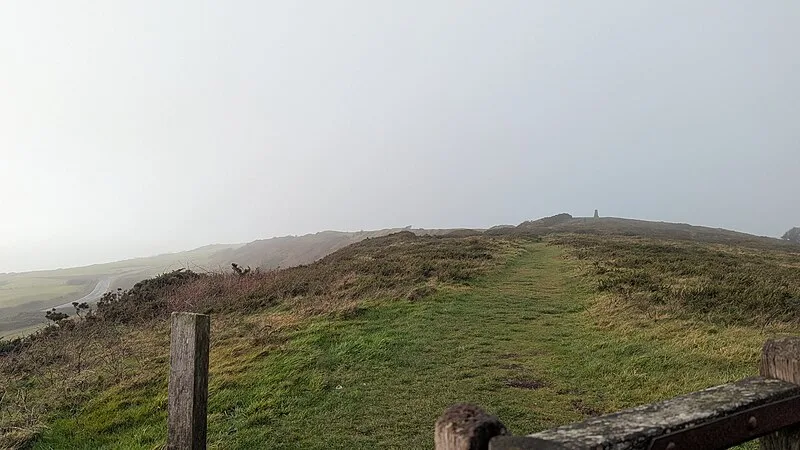
Abbotsbury Castle
Abbotsbury Castle is an Iron Age hillfort in southwest Dorset, England, situated on Wears Hill above the village of Abbotsbury, seven miles west of Dorchester and Maiden Castle.…
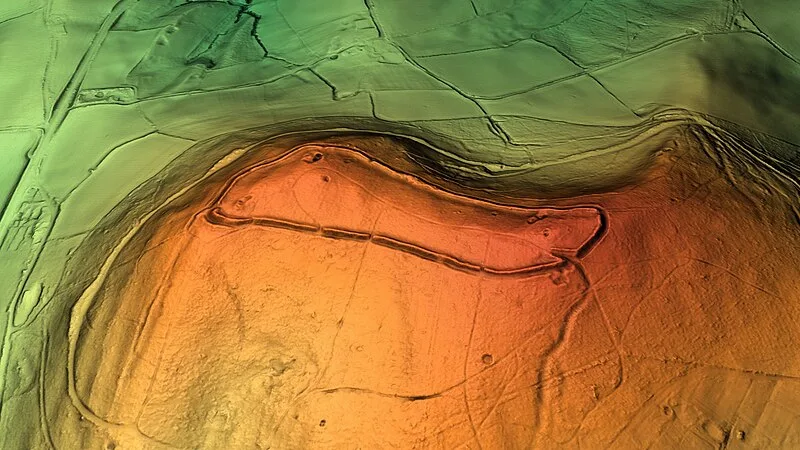
Aconbury Camp
Aconbury Camp is an Iron Age hillfort on Aconbury Hill in Herefordshire, England, about 4 miles (6 km) south of Hereford. It is a scheduled monument encompassing approximately 17½…
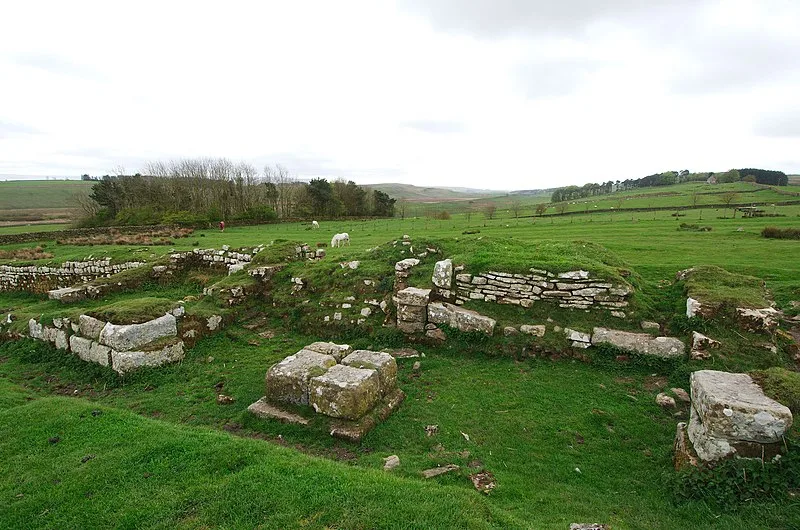
Aesica
Aesica (modern Great Chesters) was a Roman fort on Hadrian's Wall, situated 2.4 km (1.5 mi) north of Haltwhistle in Northumberland, England. It served as the ninth fort along the…
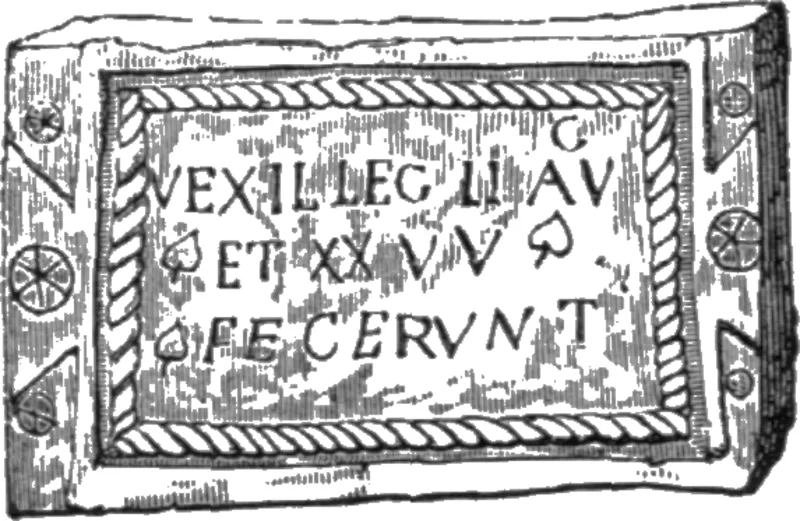
Alauna, Maryport
Alauna was a Roman fort on the Cumbrian coast established around AD 122 as a command and supply base for the western defences of Hadrian's Wall. Geophysical surveys revealed a…
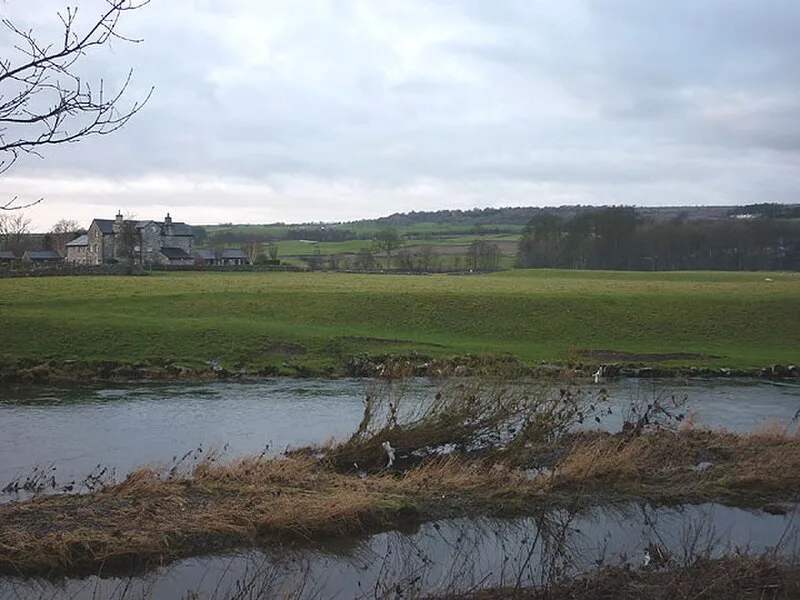
Alavana
Alavana is a tentative name for a Roman fort at Watercrook, about 3.2 km (2 mi) south of Kendal in Cumbria, England. The fort was originally constructed around AD 90 in timber and…
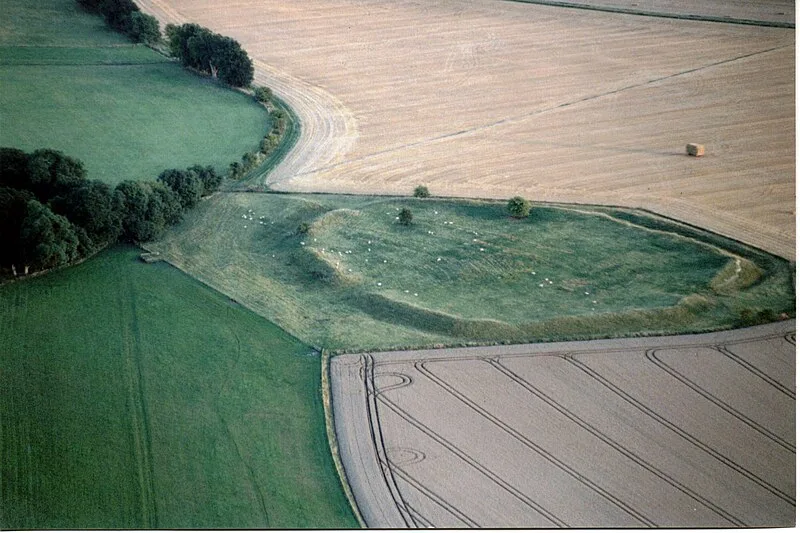
Alfred's Castle
Alfred's Castle is a small Iron Age hill fort in Oxfordshire, located behind Ashdown Park in the civil parish of Ashbury. Situated 2–3 km south of the Ridgeway, it was established…
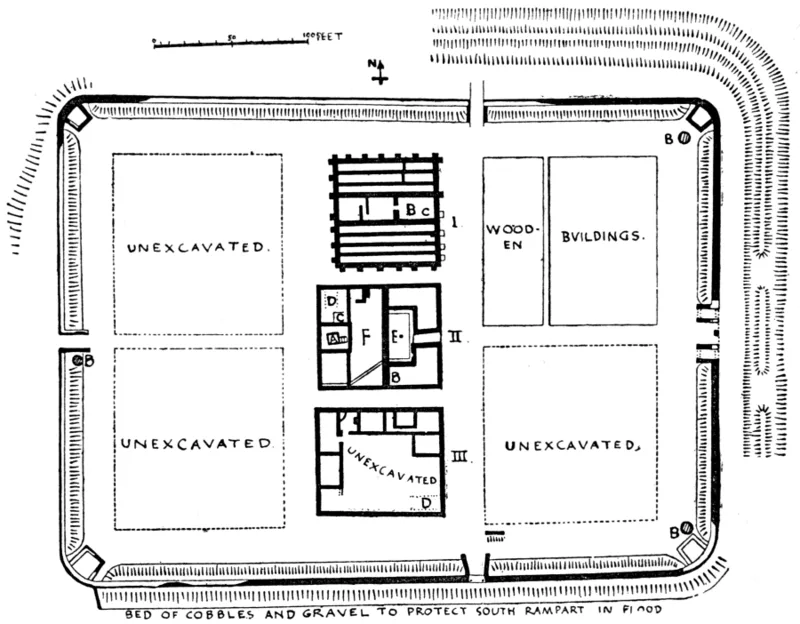
Ambleside Roman Fort
A Roman fort tentatively identified as Galava, located on the northern shore of Lake Windermere at Waterhead in the Lake District, England. An initial timber fort was built c. AD…

Ambresbury Banks
An Iron Age univallate hillfort in Epping Forest, Essex, England, believed to have been constructed around 700 BC and last occupied c. 42 AD. The fort encloses roughly 5 hectares…
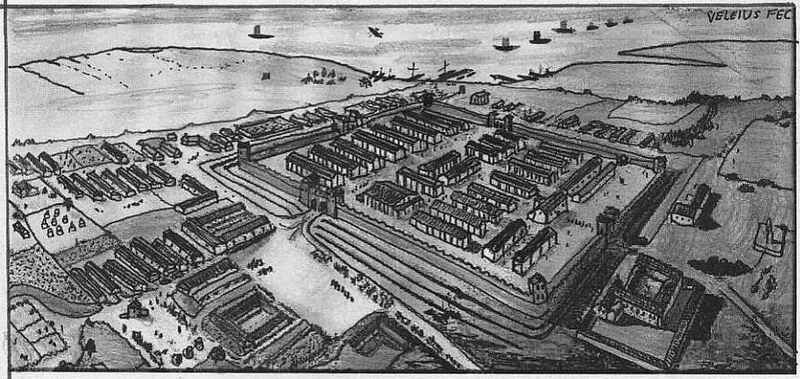
Arbeia
Arbeia is a Roman fort in South Shields, Tyne and Wear, England, founded around AD 163 on the Lawe Top overlooking the mouth of the River Tyne. Originally garrisoning infantry and…
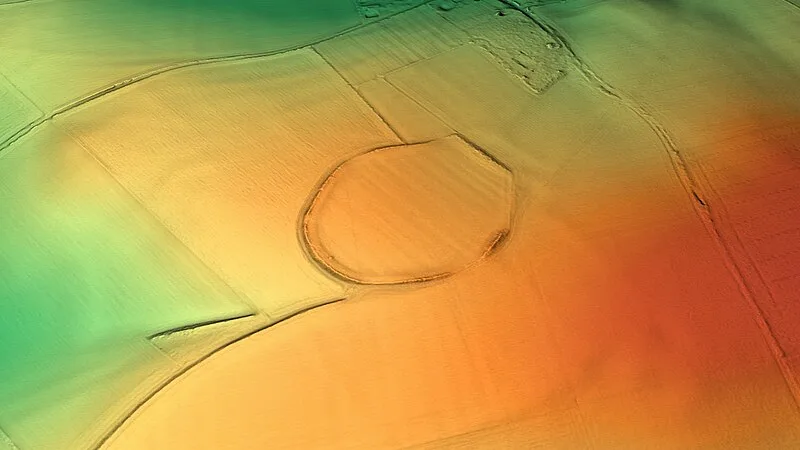
Arbury Banks, Hertfordshire
Arbury Banks is an Iron Age hillfort southwest of Ashwell, Hertfordshire, England, likely first constructed during the Late Bronze Age (1000-700 BC). Measuring approximately 290…
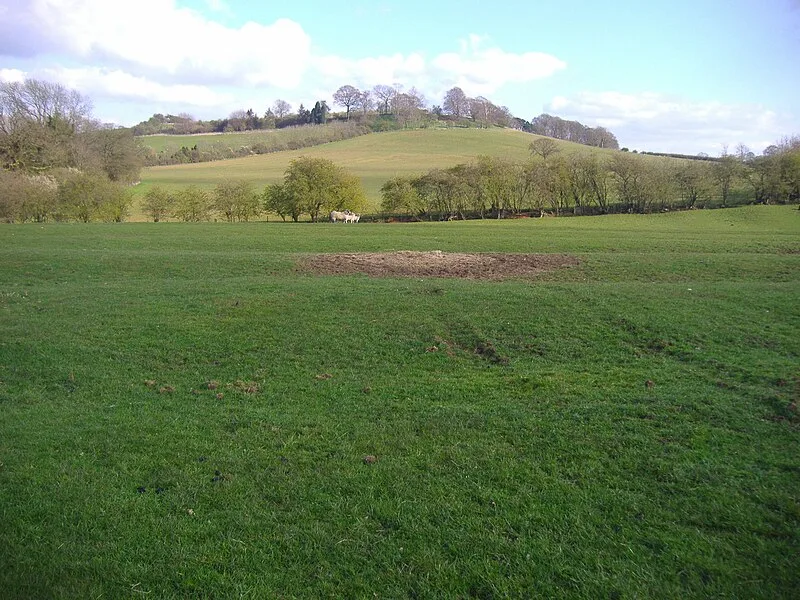
Arbury Hill
Arbury Hill, at 225 metres, is the joint highest point in Northamptonshire, England, located 9 km southwest of Daventry. On its summit lie the vestiges of a probable Iron Age…
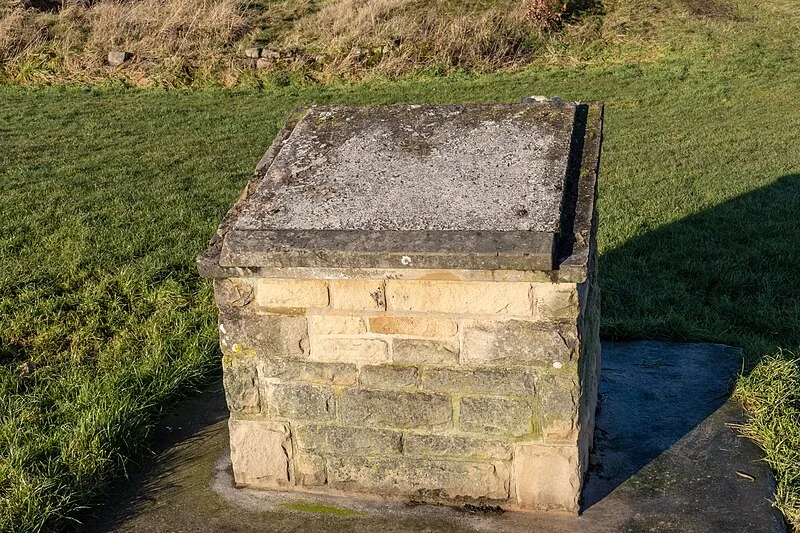
Ardotalia
A Roman fort in Gamesley near Glossop, Derbyshire, first built in turf and timber c. AD 78, then rebuilt in stone c. AD 120 under Hadrian. Constructed by the First Cohort of…

Ashleys Copse
Ashley's Copse is an Iron Age hillfort in southern England, located about 13 km (8 mi) northeast of Salisbury and straddling the border between Wiltshire and Hampshire. The site…
Backwell Hillfort
An Iron Age promontory hillfort located approximately 1.8 km from Backwell in North Somerset, England. First identified in 1933, the fort had two of its three sides defended by a…
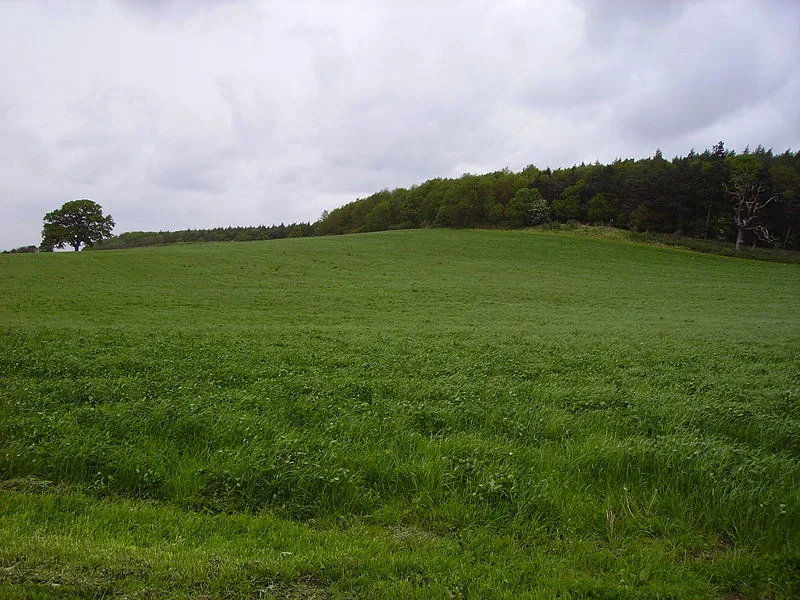
Badbury Hill
Badbury Hill is an Iron Age hill fort in Oxfordshire, England. The roughly circular earthwork enclosure, known as Badbury Camp, was largely levelled in the early 19th century. The…
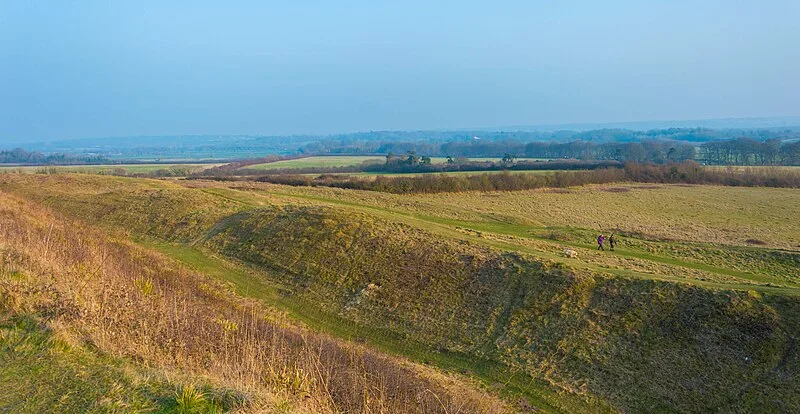
Badbury Rings
Badbury Rings is an Iron Age hill fort in east Dorset, England. It was a major settlement in the territory of the Durotriges tribe. In the Roman period, a temple stood immediately…
Balksbury
Balksbury is a Bronze Age hill fort site southwest of Andover, Hampshire. Originally triangular, most was destroyed by the A303 Andover Bypass and housing development. Only the…
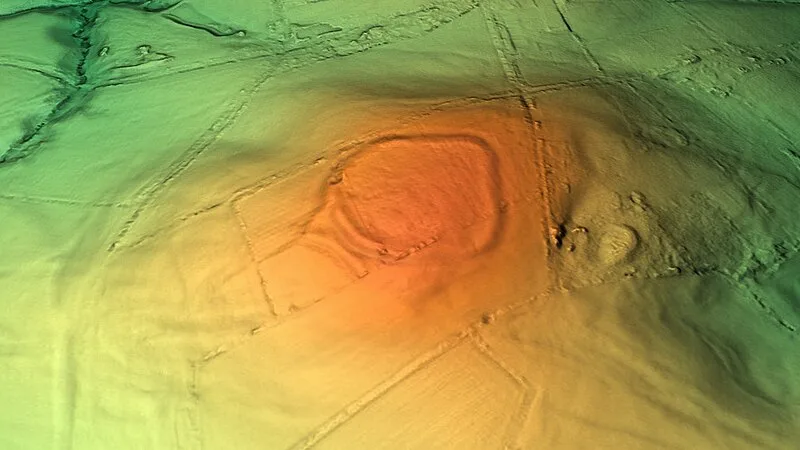
Banbury Hill
An Iron Age hillfort about 2 km south of Sturminster Newton in Dorset, England, designated as a scheduled monument. A single bank encloses a roughly circular area of about 1.2…
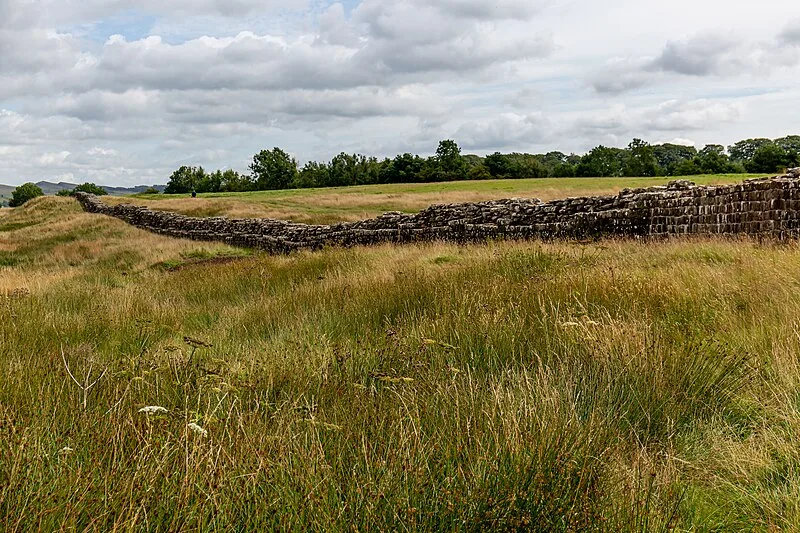
Banna, Birdoswald
A Roman fort on Hadrian's Wall in Cumbria, built from AD 122 and spanning 2.14 hectares, making it one of the larger forts on the Wall. Named Banna ("horn" in Celtic) for its…
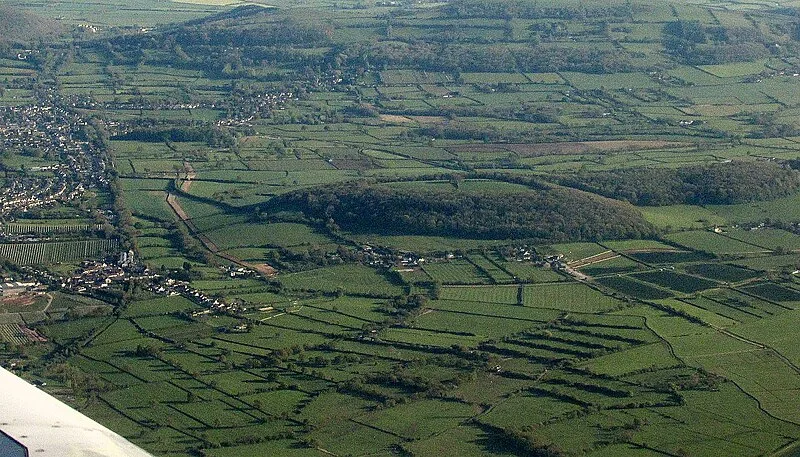
Banwell Camp
Banwell Camp is a univallate Iron Age hill fort located in the North Somerset district of Somerset, England, situated approximately 2.6 km (1.6 mi) east of Banwell village. The…
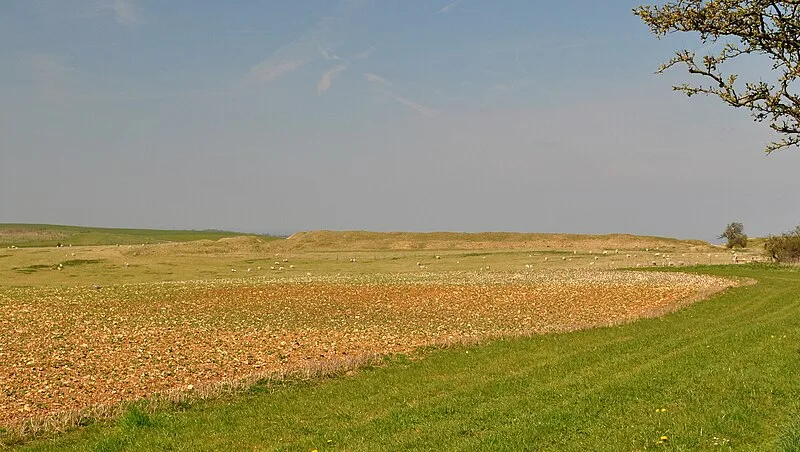
Barbury Castle
Barbury Castle is an Iron Age hillfort in Wiltshire, England, dating to 1500–500 BC. Located about 5.5 miles south of Swindon on Barbury Hill, it sits along the ancient Ridgeway…
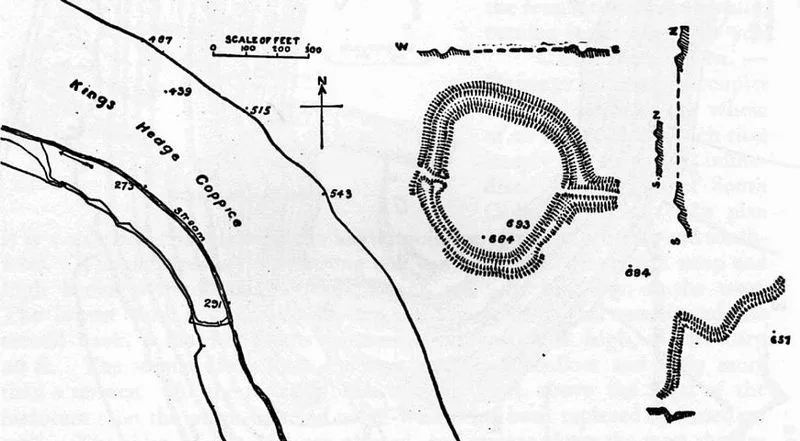
Bat's Castle
Bat's Castle is an Iron Age hillfort on the 213-metre (699 ft) summit of Gallox Hill in the parish of Carhampton, southwest of Dunster in Somerset, England. The site was…
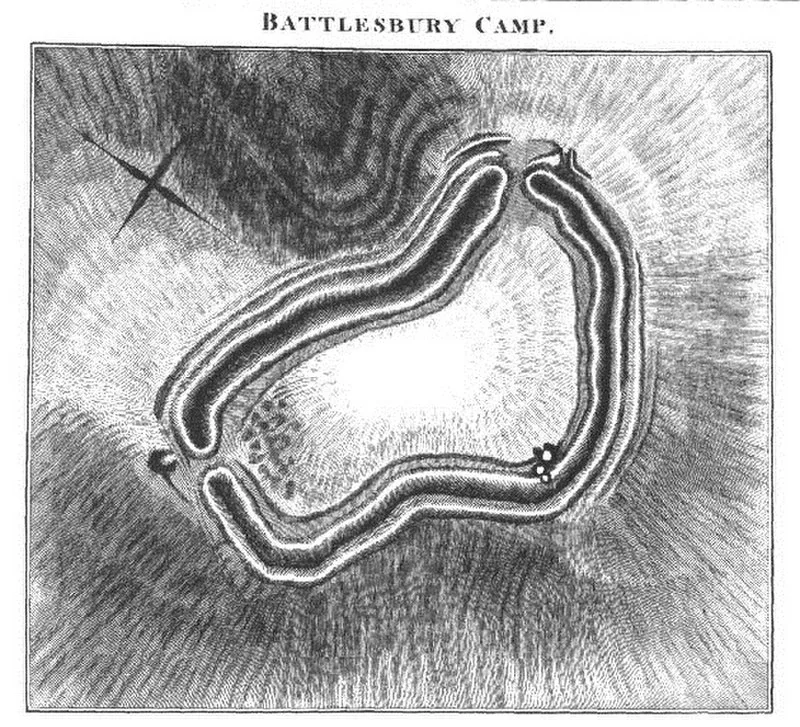
Battlesbury Camp
Battlesbury Camp is an Iron Age bivallate hillfort occupying the summit of Battlesbury Hill near Warminster in Wiltshire, England. The site encompasses approximately 10 hectares…
Beacon Castle
Beacon Castle is an Iron Age hillslope enclosure near Parracombe in Devon, England, situated at approximately 290 metres above sea level overlooking the Heddon Valley. The site is…
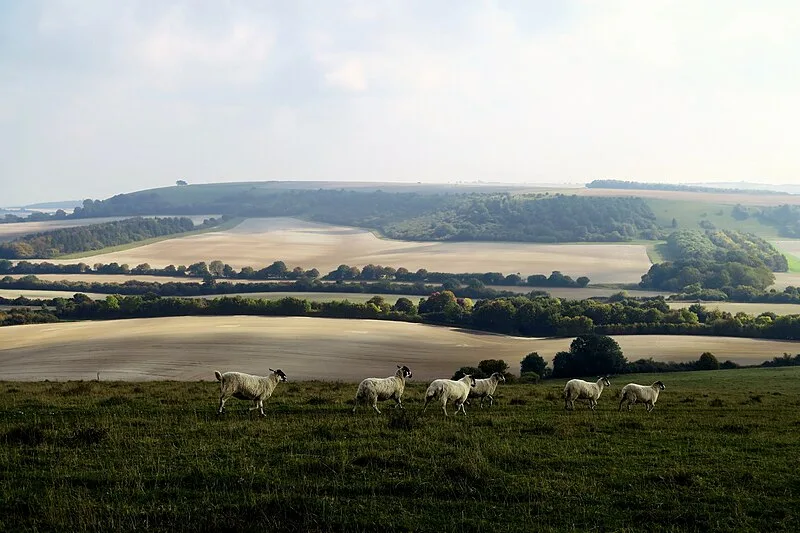
Beacon Hill, Burghclere, Hampshire
(1500-500 BC) Beacon Hill is a prehistoric hill fort near Burghclere in north Hampshire, standing 261 metres (856 ft) high. One of England's most famous hill forts, it occupies a…
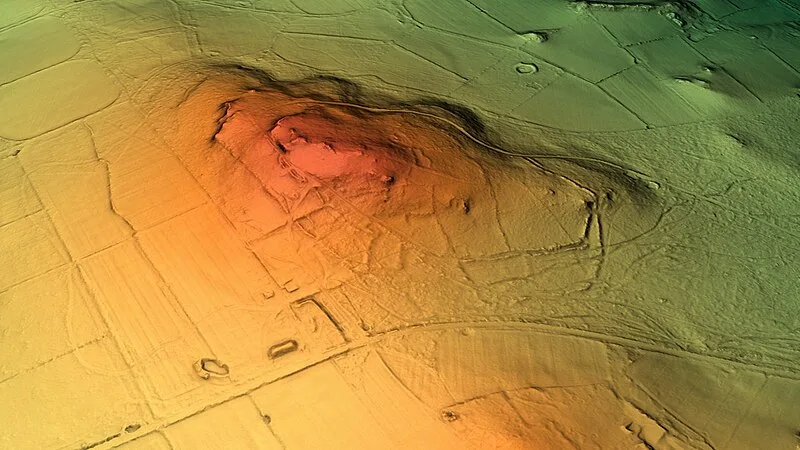
Beacon Hill, Leicestershire
Beacon Hill is a Bronze Age hill fort site in Charnwood Forest, Leicestershire, rising to 248 m above sea level. Defensive earthworks discovered near the summit confirmed the…
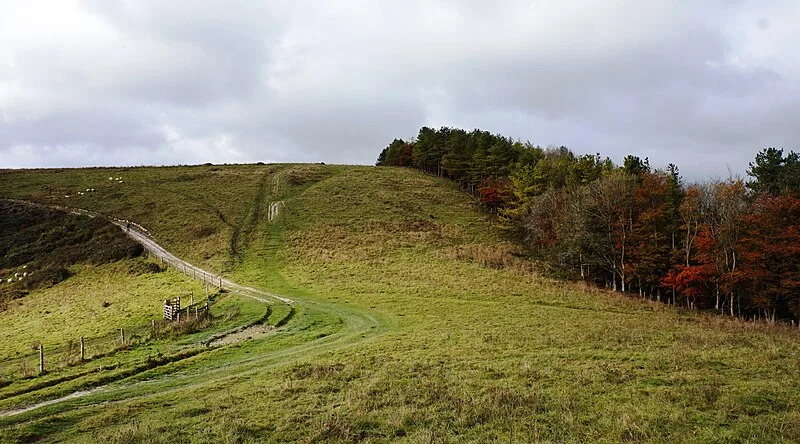
Beacon Hill, West Sussex
Beacon Hill, also known as Harting Beacon, is a hillfort on the South Downs in West Sussex, England. Located in the parish of Elsted and Treyford within Chichester District, the…
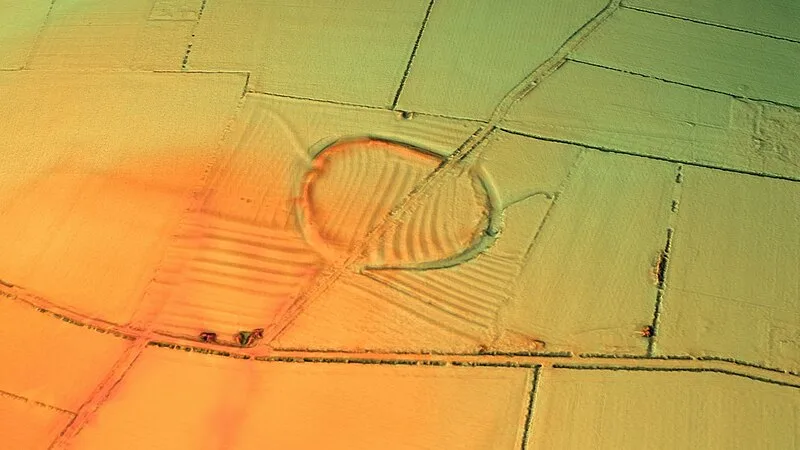
Belsar's Hill
Belsar's Hill is a hillfort near Willingham, Cambridgeshire, England. The site occupies an oval area measuring 220 by 265 metres, enclosing approximately 2.4 hectares (6 acres).…

Berry Camp
Berry Camp is an Iron Age univallate promontory hillfort on a cliff-top plateau at Littlecombe Hill near Branscombe, Devon, roughly 140 m above sea level. The near-rectangular…
Berry Castle, Huntshaw
Berry Castle is an Iron Age hillfort in Huntshaw Wood near Weare Giffard, north Devon, occupying a promontory about 95 m above sea level overlooking the valleys of Huntshaw Water…
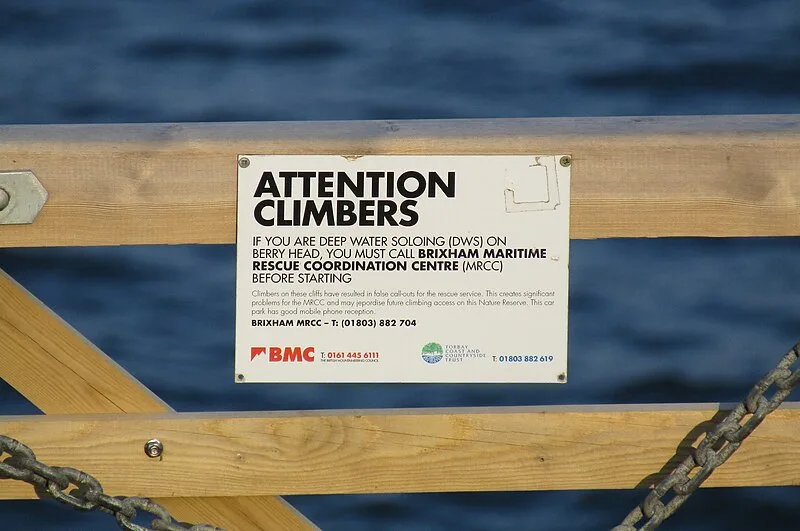
Berry Head
Berry Head is a limestone headland forming the southern boundary of Tor Bay near Brixham, Devon, fortified since the Iron Age as a promontory fort. An 18th-century observer…
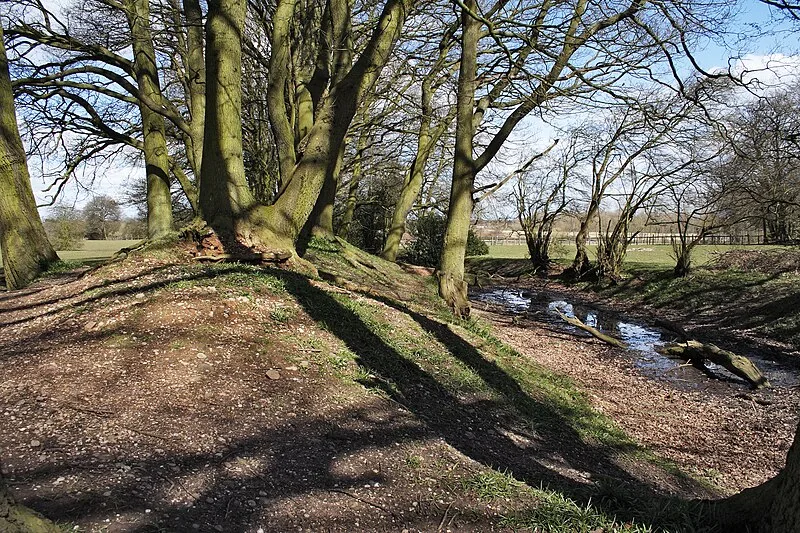
Berry Mound
Berry Mound is an Iron Age univallate hillfort near Shirley on the outskirts of Birmingham, in the Bromsgrove district of Worcestershire, dated to the 1st or 2nd century BC. The…
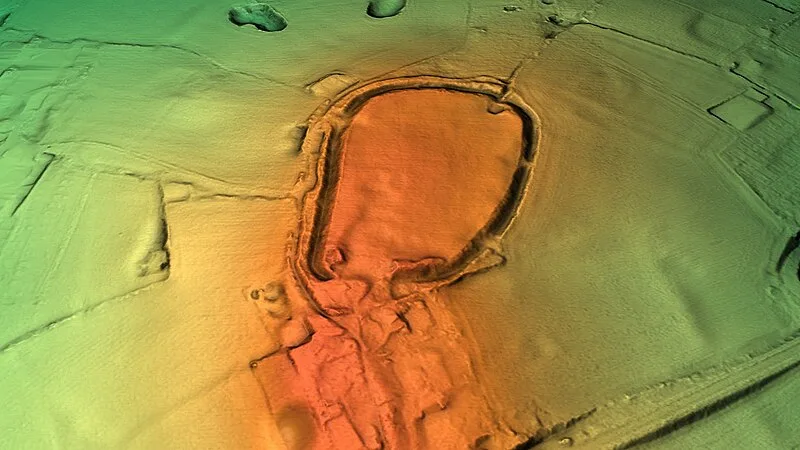
Berry Ring
Berry Ring (also known as Bury Ring) is an Iron Age univallate hillfort about 3.2 km south-west of Stafford in Staffordshire, on elevated ground north of the village of…
Berry's Wood
Berry's Wood is an Iron Age hillfort near Newton Abbot in Devon, set at about 75 m above sea level on a commanding promontory above the River Lemon with views down the Teign…
Berth Hill
Berth Hill is an Iron Age multivallate hillfort near the village of Maer in Staffordshire, about 8 km south-west of Newcastle-under-Lyme, and a Scheduled Monument. Sited on a…
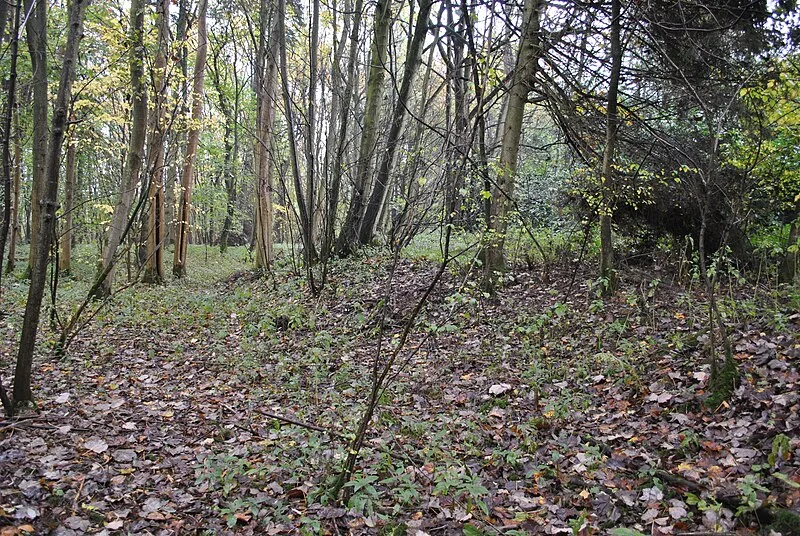
Bevisbury
Bevisbury is an Iron Age plateau fort on a chalk ridge in Hampshire, England. The fort uses a single bank and ditch construction, enclosing 1.7 hectares (4.2 acres). The…
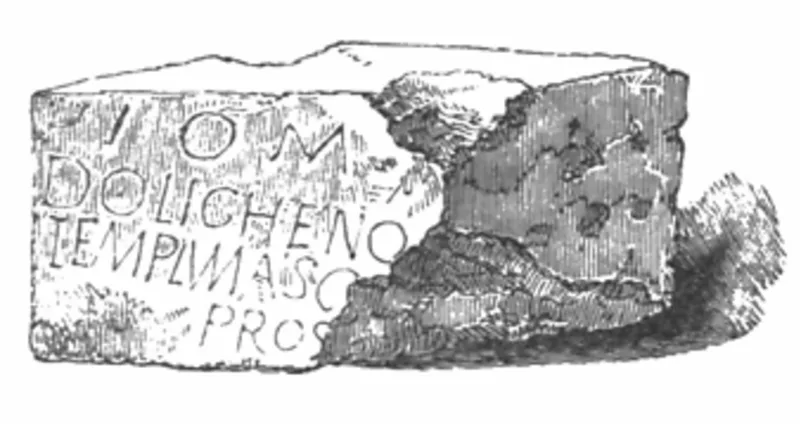
Bewcastle Roman Fort
Bewcastle Roman Fort was built north of Hadrian's Wall as an outpost fort, possibly for scouting and intelligence operations. Located at the village of Bewcastle in Cumbria, the…
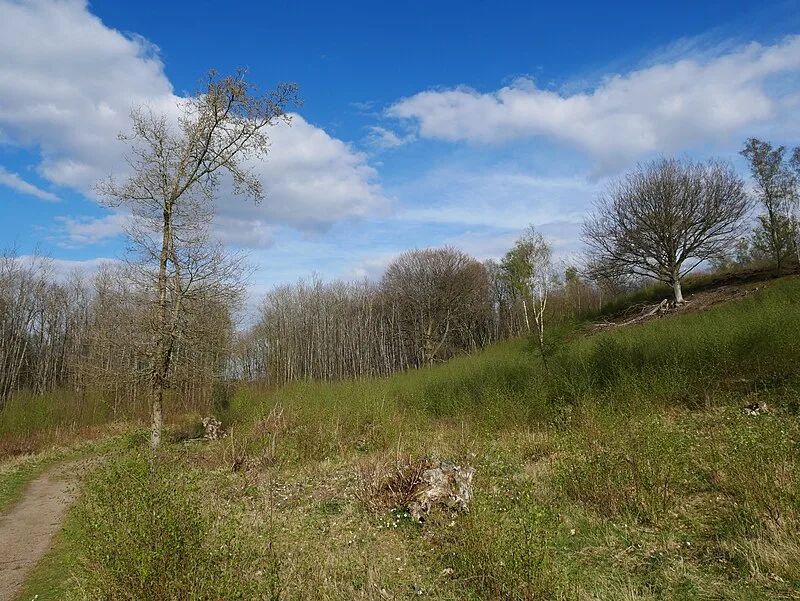
Bigbury Camp
A univallate Iron Age hillfort in the parish of Harbledown and Rough Common, Kent, the only confirmed Iron Age hillfort in east Kent. First occupied around 350 BC, with…
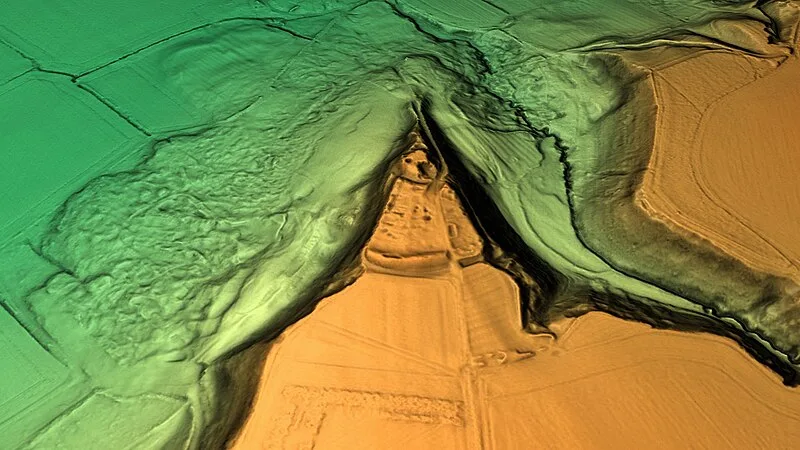
Bincknoll Castle
Bincknoll Castle, or Bincknoll Camp, is a scheduled monument near Wroughton in Wiltshire, England, occupying a triangular promontory on the escarpment beneath the Ridgeway.…
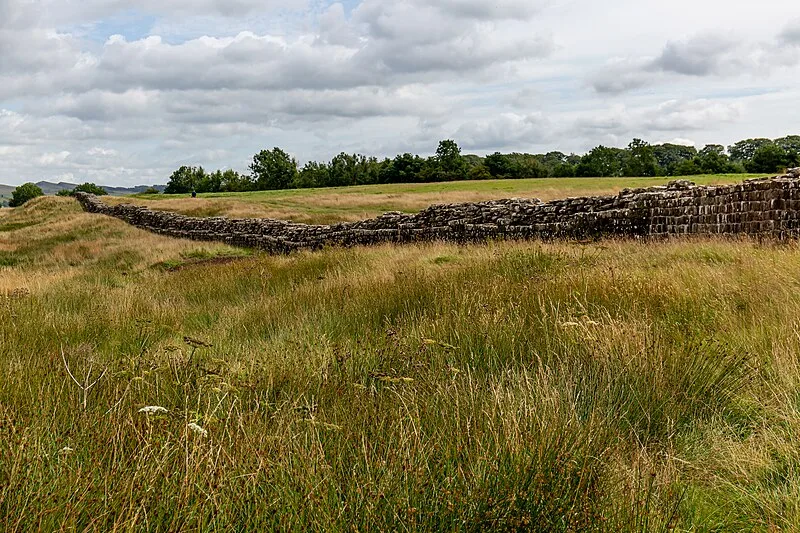
Birdoswald Roman Fort
Birdoswald Roman Fort, known as Banna in antiquity, sits on a triangular spur above the River Irthing in Cumbria, towards the western end of Hadrian's Wall. Construction began in…
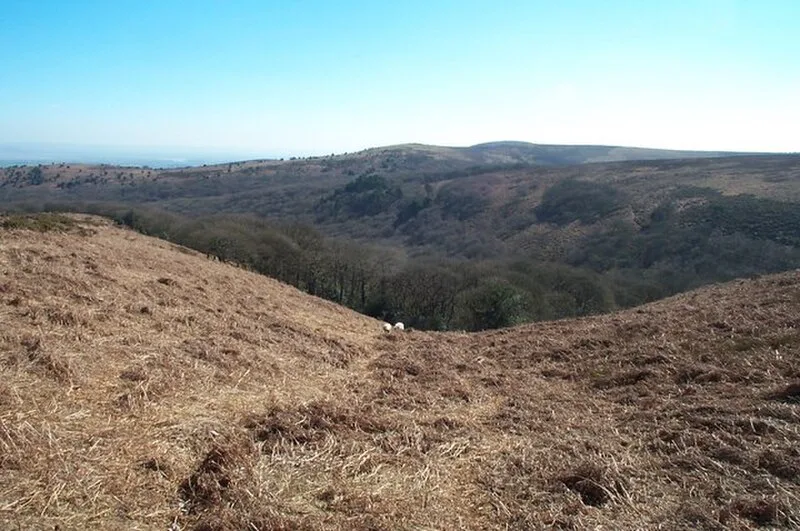
Black Ball Camp
Black Ball Camp is an Iron Age hillfort located on the northern summit of Gallox Hill, south-west of Dunster in Somerset, England. The fortified site features a 3-metre-high…
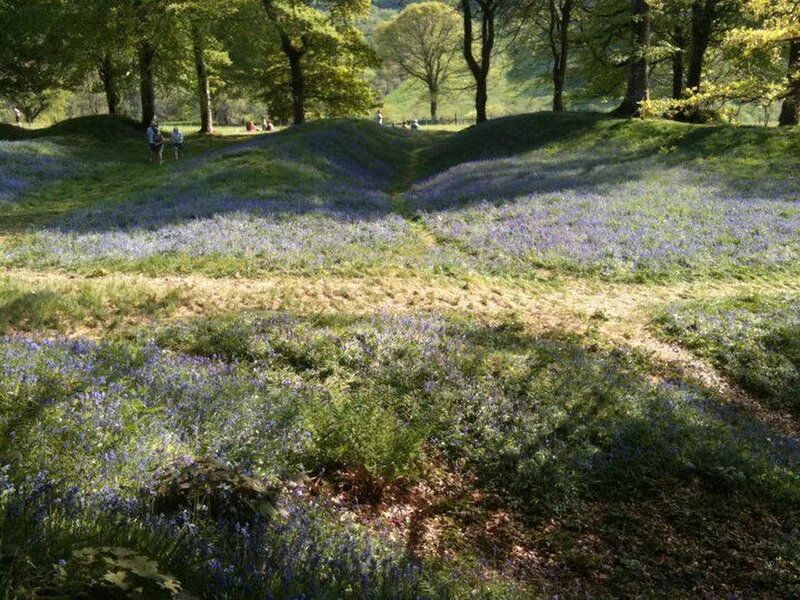
Blackbury Camp
An Iron Age hillfort near Southleigh in Devon, built around the 4th century BC. The oval enclosure measures roughly 200 m by 100 m, defended by a rampart about 3 m high and 10 m…
Blacker's Hill
An Iron Age promontory hillfort at Chilcompton, 4.5 km southwest of Radstock in Somerset. The fort encloses approximately 4.5 hectares on a natural spur, defended on the north and…
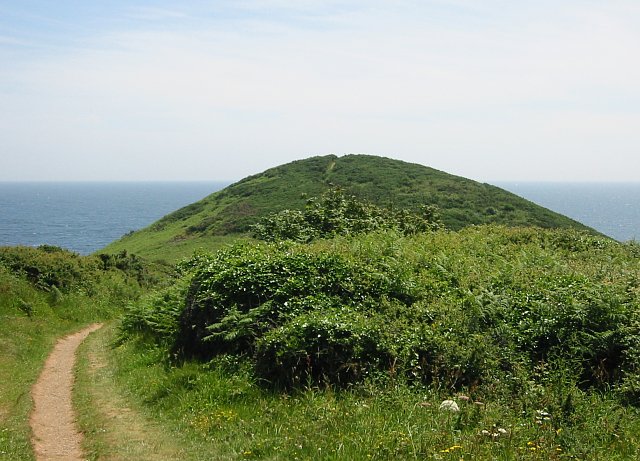
Black Head, Cornwall
Black Head is a headland at the western end of St Austell Bay, Cornwall, England, owned by the National Trust. It features an Iron Age promontory fort with two massive parallel…
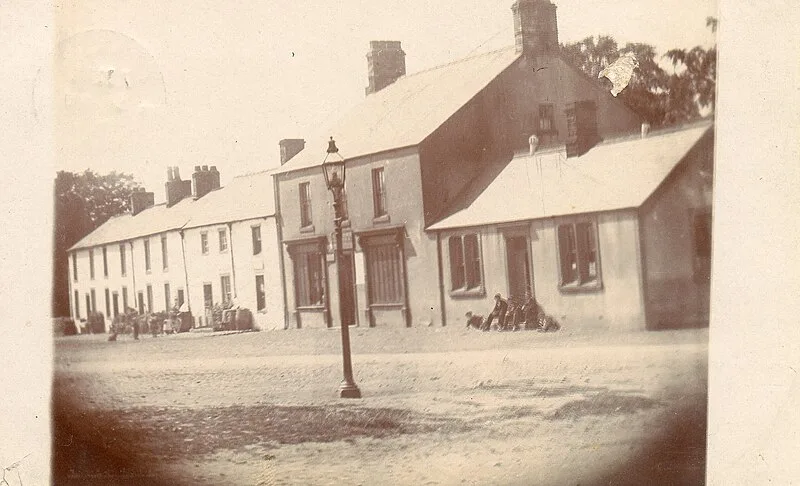
Blennerhasset and Torpenhow
Blennerhasset Roman Fort is a Scheduled Monument in Cumbria, England, situated on the Roman road between Old Carlisle and Papcastle at the crossing of the River Ellen. Identified…
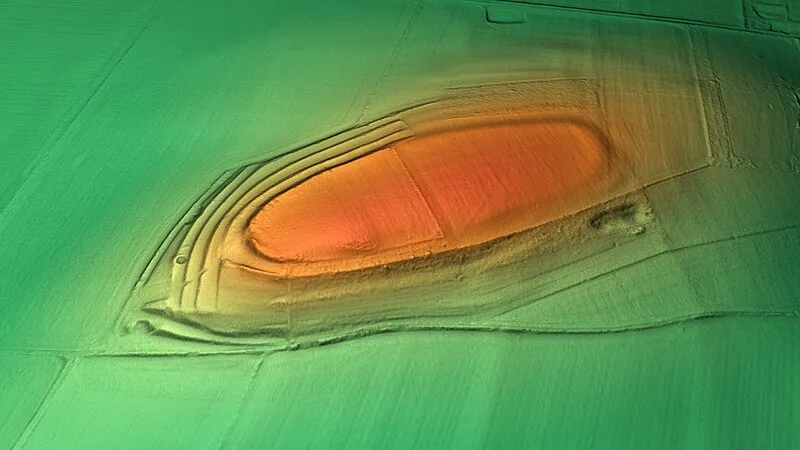
Blewburton Hill
(5th c. BC) Blewburton Hill is the site of an Iron Age hillfort in Oxfordshire, England. It was a univallate hillfort (single rampart) surrounded by farmland with small wooded…
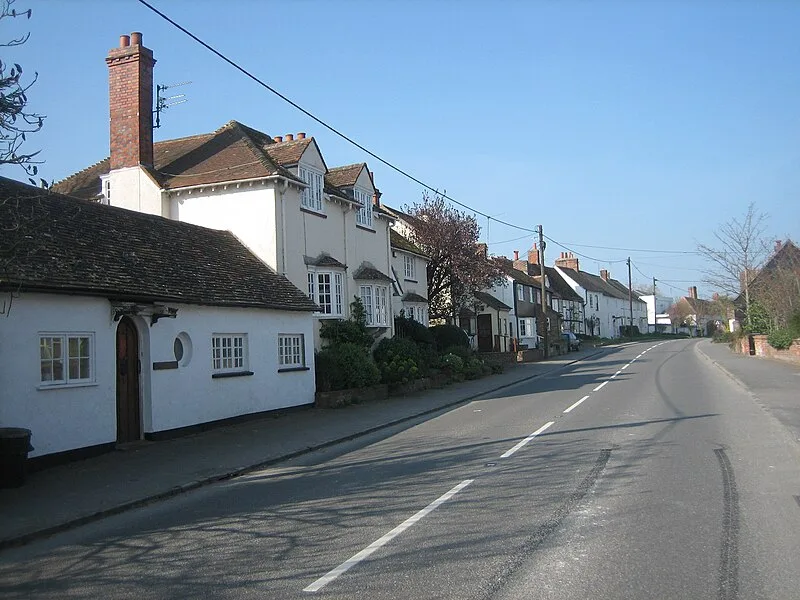
Blewbury
Blewbury is a village and civil parish in Oxfordshire, England, situated at the foot of the Berkshire Downs on the North Wessex Downs. The southern part of the parish encompasses…
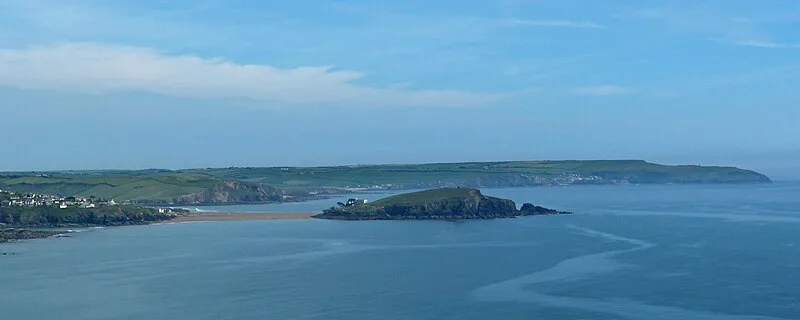
Bolt Tail
Bolt Tail is a headland in South Devon, England, southwest of Hope Cove, occupied by an Iron Age promontory fort of about 4.9 hectares thought to date from around 600-300 BC. The…
Borough Hill, Sawston
Borough Hill is a large multivallate hillfort near Sawston, Cambridgeshire, England. The site occupies an oval area measuring 430 metres east to west and 300 metres north to…
Bradley Hill Fort
Bradley Hill Fort is an Iron Age hillfort and the smallest of the seven hillforts in Cheshire, covering about 2 acres (8,100 sq m) with an enclosed area of roughly 1.5 acres.…
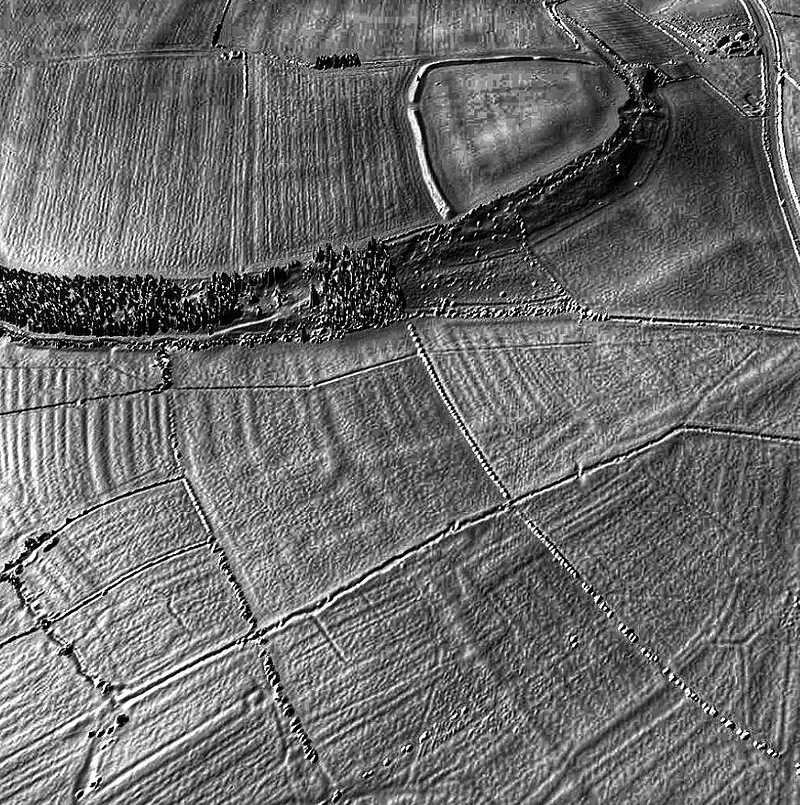
Brandon Camp
Brandon Camp is an Iron Age hillfort that was later occupied as a Roman fort, located about 1.6 km south of Leintwardine in Herefordshire. The roughly triangular univallate…
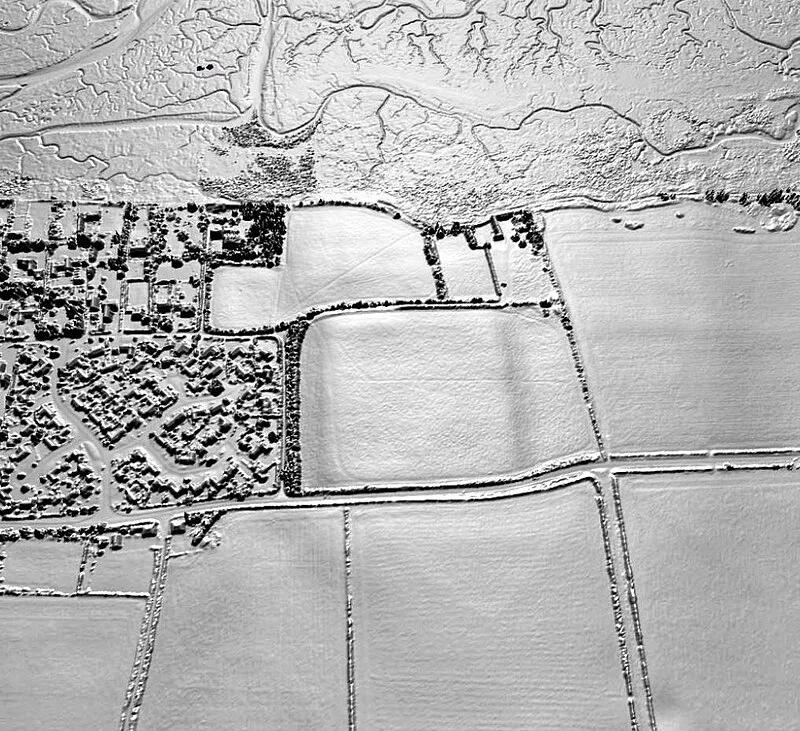
Branodunum
Branodunum was a Roman fort east of modern Brancaster in Norfolk, built in the 230s AD and later incorporated into the Saxon Shore fortification system. Its Celtic-derived name…
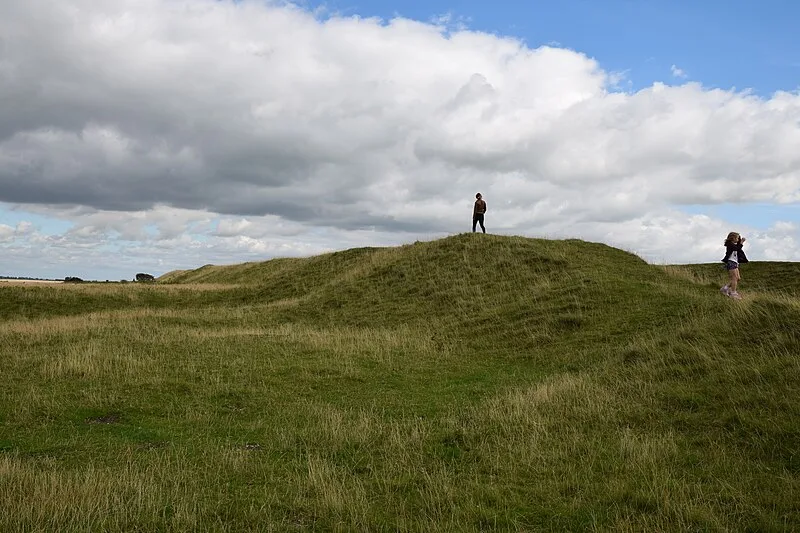
Bratton Castle
Bratton Castle is a large bivallate Iron Age hillfort on Bratton Down at the western edge of the Salisbury Plain escarpment in Wiltshire, enclosing a pentagonal area of 9.3…

Brean Down
Brean Down is a limestone promontory extending 2.5 km into the Bristol Channel in Somerset, rising 97 m high as a geological continuation of the Mendip Hills. The site has deep…
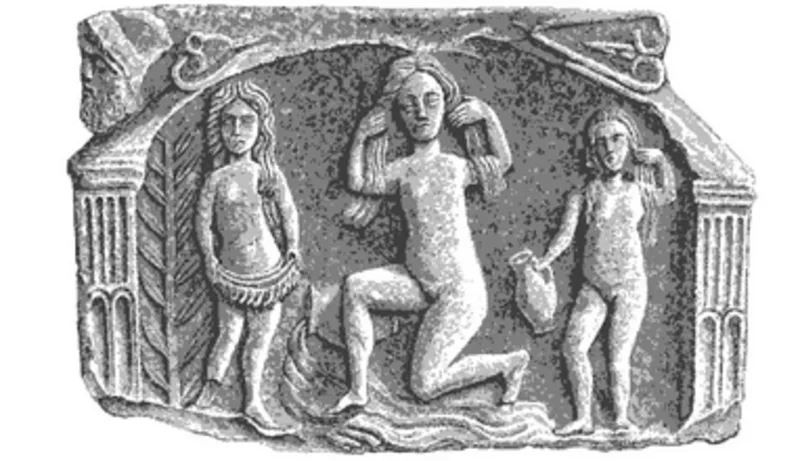
Bremenium
Bremenium was a Roman fort (castrum) at Rochester, Northumberland, built along Dere Street, a major Roman road connecting York to Corbridge and onwards to Melrose. Located…
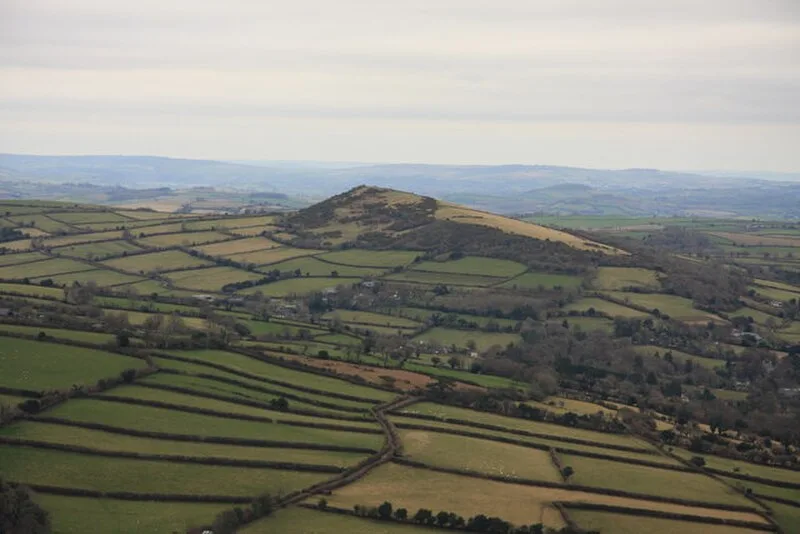
Brent Hill
Brent Hill is an Iron Age univallate hillfort near South Brent on Dartmoor, Devon, occupying a prominent summit at approximately 311 m above sea level. The fort survives as an…
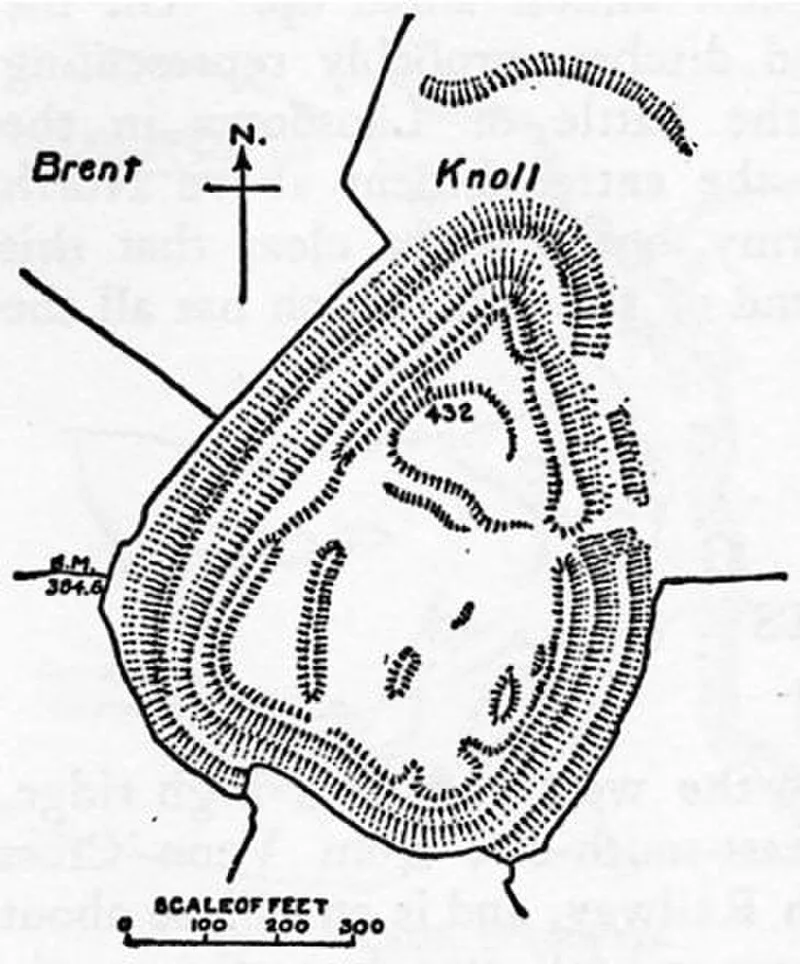
Brent Knoll Camp
Brent Knoll Camp is an Iron Age hillfort crowning the 137 m Brent Knoll near Burnham-on-Sea, Somerset, a dramatic landmark rising above the flat Somerset Levels. Before drainage,…
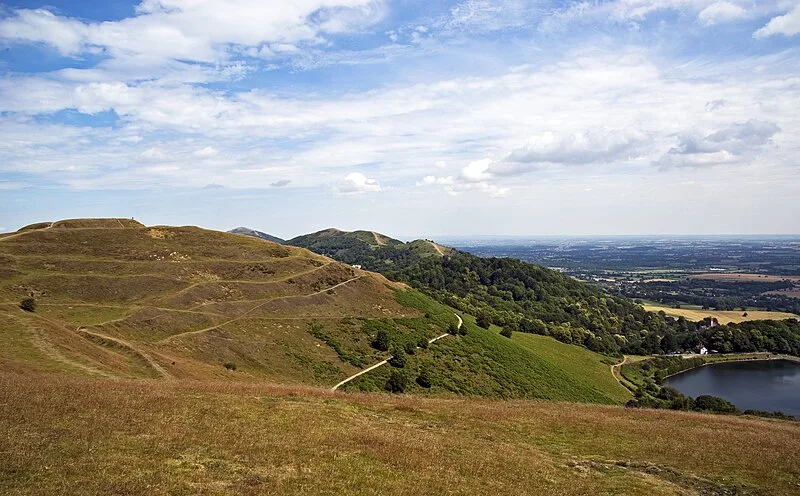
British Camp
British Camp is a major Iron Age hillfort on Herefordshire Beacon (338 m) in the Malvern Hills, first constructed around the 2nd century BC and expanded in multiple phases to…
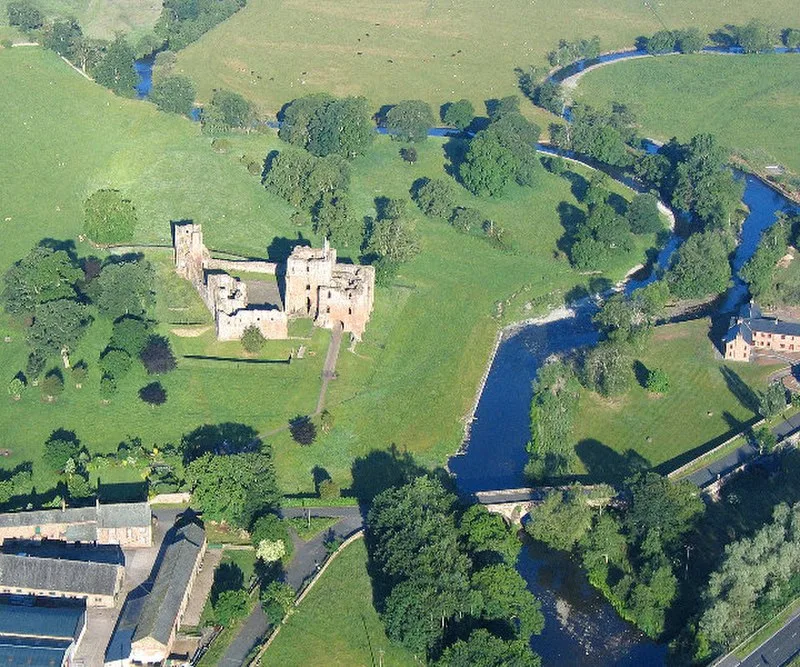
Brocavum
Roman auxiliary fort at Brougham near Penrith, Cumbria, covering over 3.4 acres at the junction of three major Roman roads. Probably founded during the governorship of Agricola…
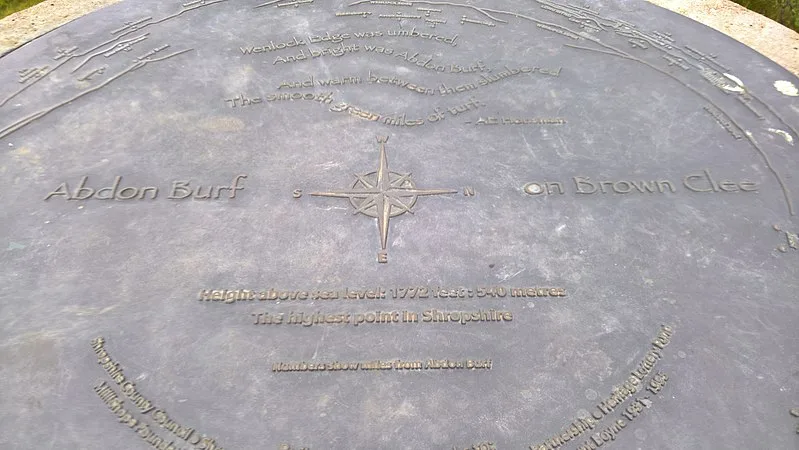
Brown Clee Hill
At 540 metres, the highest hill in Shropshire and home to three Iron Age hillforts, of which only Nordy Bank survives intact. The univallate fort occupies a spur on the hill's…
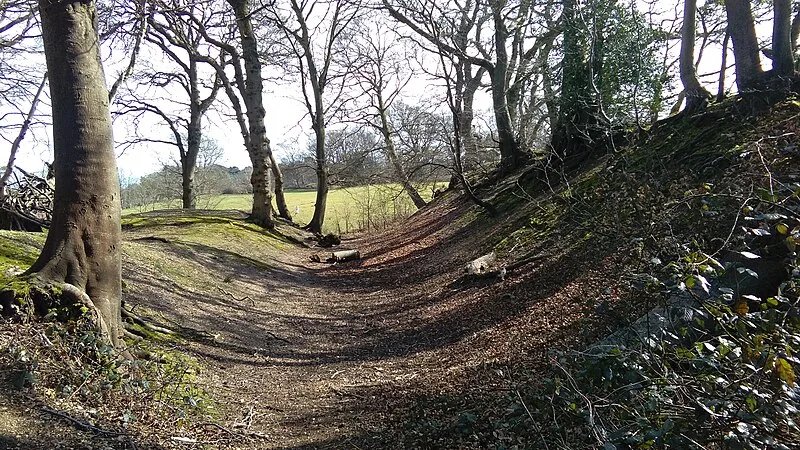
Buckland Rings
Buckland Rings is an Iron Age hill fort in Lymington, Hampshire. The earthworks and defensive ditches remain clearly visible today, though the western outer bank lies beneath a…
Buckton Roman Fort
Buckton Roman Fort is a scheduled monument in Herefordshire, England, located about 1 mile south-west of Leintwardine.
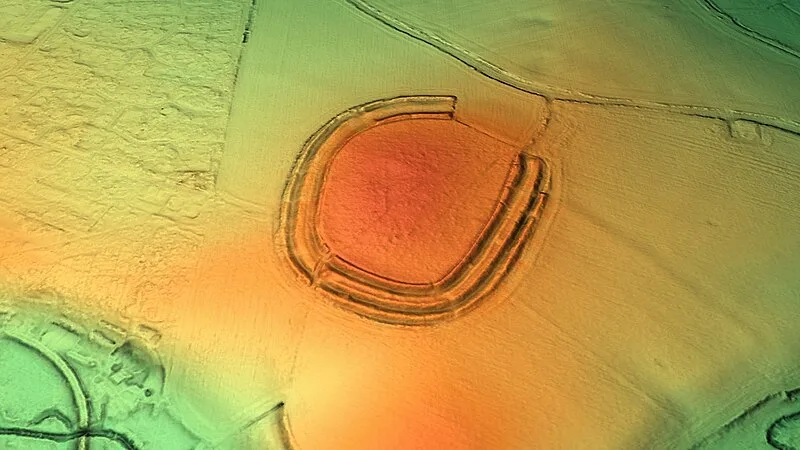
Bullsdown Camp
Bullsdown Camp is an Iron Age multivallate plateau fort between Bramley Green and Sherfield on Loddon in Hampshire, England. The fort encloses 3.4 hectares with a total footprint…
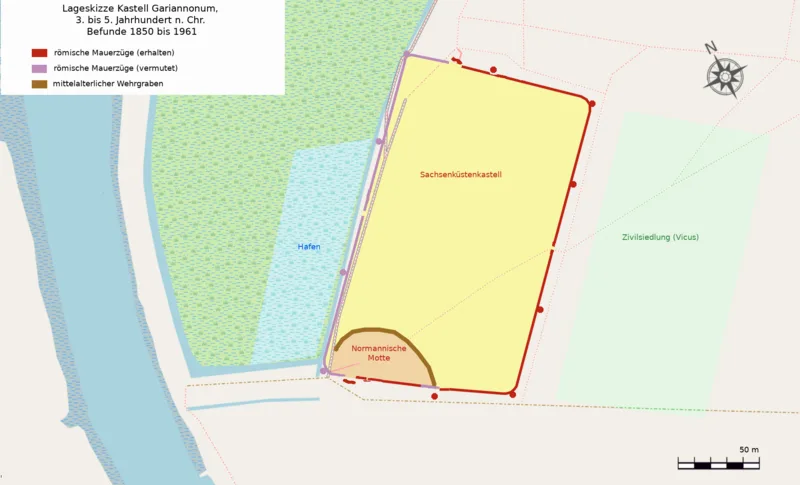
Burgh Castle - Roman Fortification
Burgh Castle, possibly the Roman fort of Gariannonum, is one of nine Saxon Shore forts built in the late 3rd century AD (c. 260-280) to defend against seaborne raiders along…
Burgh Walls Camp
Burgh Walls Camp is a multivallate Iron Age hill fort in North Somerset, England, dating from approximately 1500–500 BC. Located within Leigh Woods about 2.6 km (1.6 mi)…
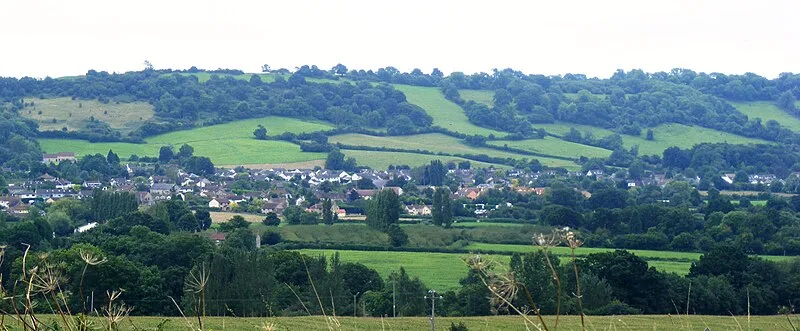
Burledge Hill
Burledge Hill is the site of a univallate Iron Age hillfort on the southern edge of Bishop Sutton, Somerset, England. Excavated in 1955 by the University of Bristol Spelaeological…

Burley Wood
Burley Wood is an Iron Age hill fort located north of Lydford in Devon, England. The fort occupies most of a hilltop approximately 220 metres above sea level, overlooking the…
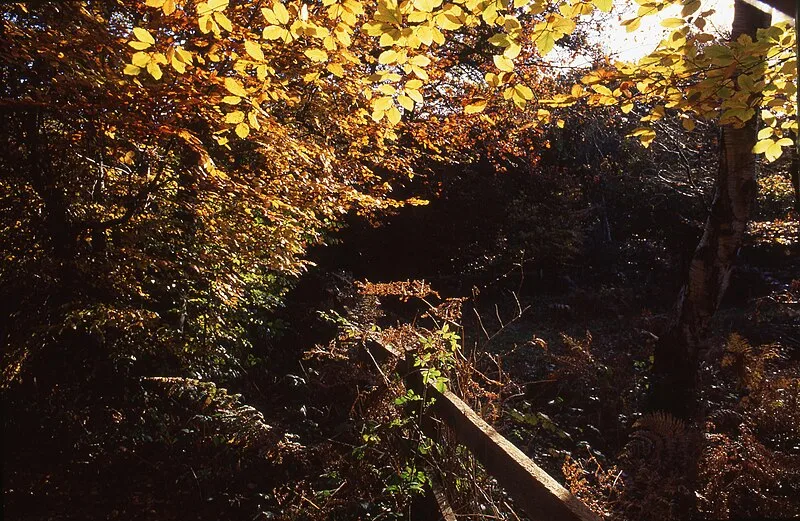
Burnham Beeches
Burnham Beeches, a 374.6-hectare woodland near Farnham Common in Buckinghamshire, contains a slight univallate hillfort at Seven Ways Plain dating to the Late Bronze Age or Early…

Burridge Fort
Burridge Fort is an Iron Age hill fort situated to the northeast of Barnstaple in Devon, England. The fort occupies a hilltop approximately 150 metres (492 ft) above sea level,…
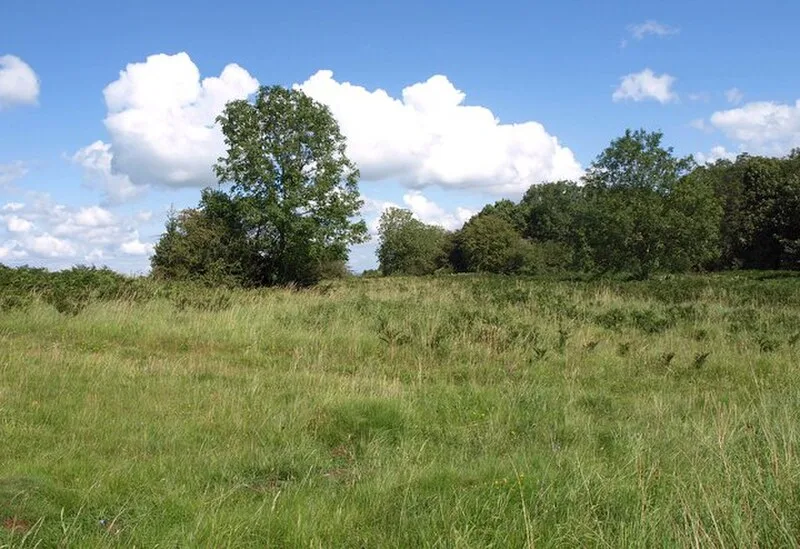
Burrington Camp
Burrington Camp, also known as Burrington Ham, is a late prehistoric hill-slope enclosure in the Mendip Hills of North Somerset, approximately 1 km south of the village of…
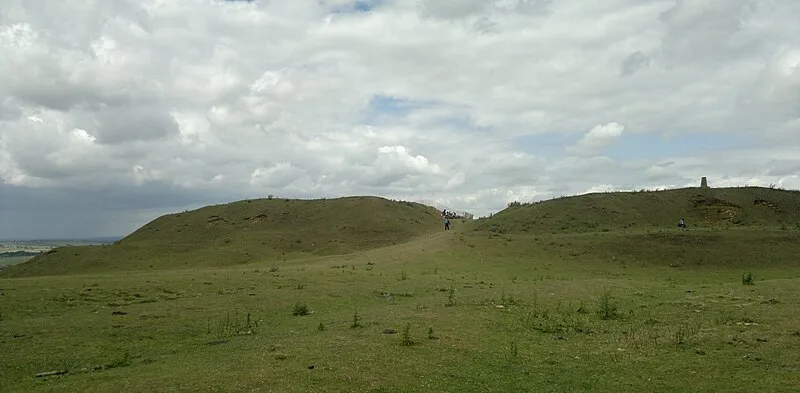
Burrough Hill
Burrough Hill is an Iron Age hillfort in Burrough on the Hill, 11 km (7 mi) south of Melton Mowbray in Leicestershire, England. Situated on a promontory about 210 metres (690 ft)…
Burscough Roman Fort
Burscough Roman Fort is a 1st-century AD auxiliary fort near Burscough in West Lancashire, the most significant Roman discovery in the county for over a century. The 3-hectare…
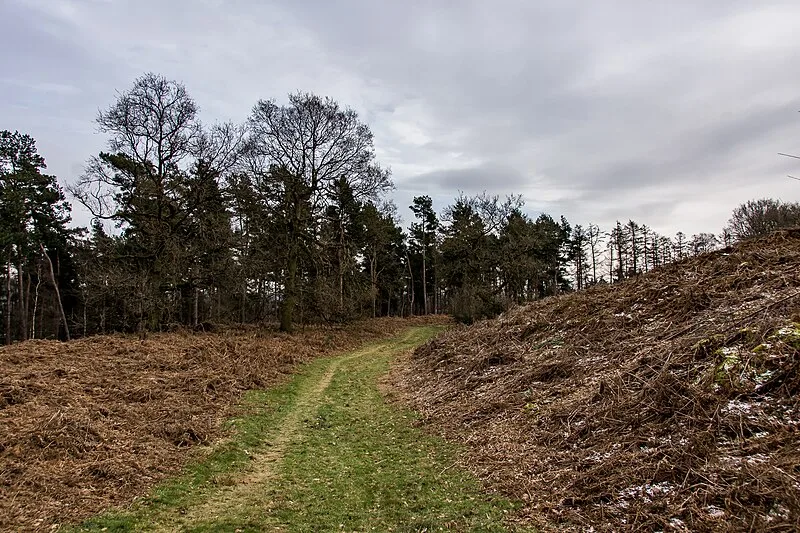
Bury Bank
Bury Bank is an Iron Age multivallate hillfort in Staffordshire, about 2.4 km northwest of Stone near the village of Meaford. The defences follow the contours of a small hill,…
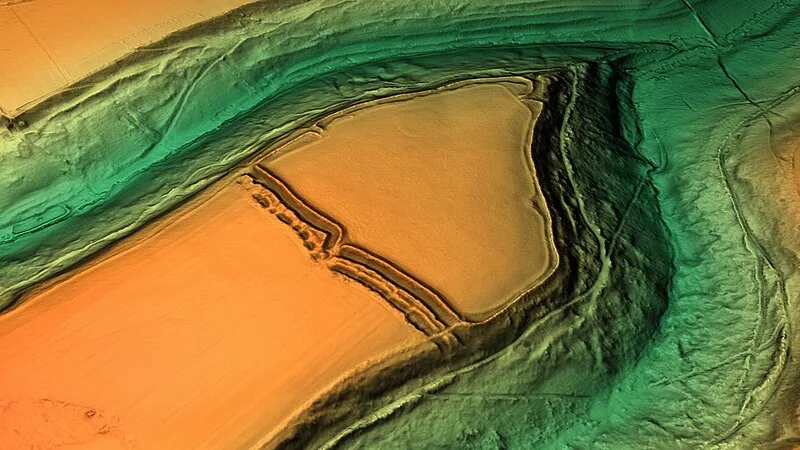
Bury Camp
Bury Camp is an Iron Age multivallate hillfort in northwest Wiltshire, England, dating to 500 BC–1 AD. It occupies a triangular promontory of Colerne Down at the southern edge of…
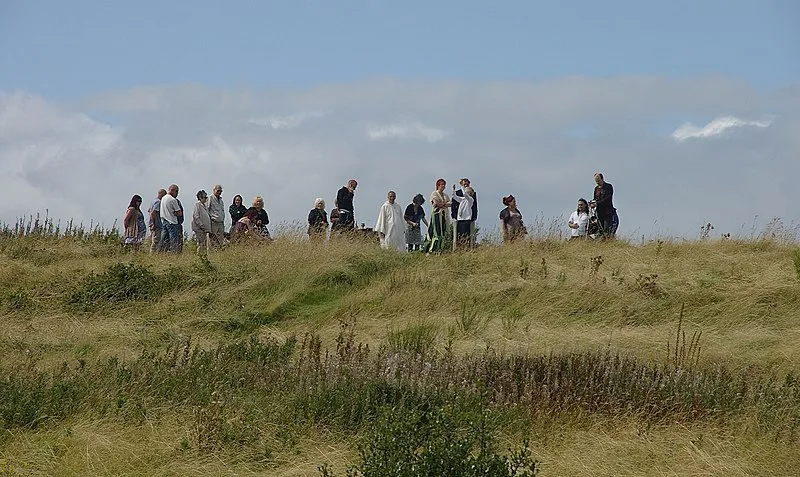
Bury Ditches
Bury Ditches is an Iron Age hillfort between Clun and Bishop's Castle in the Shropshire Hills, dating from around 500 BC. Situated on the crown of Sunnyhill, it forms a neat oval…
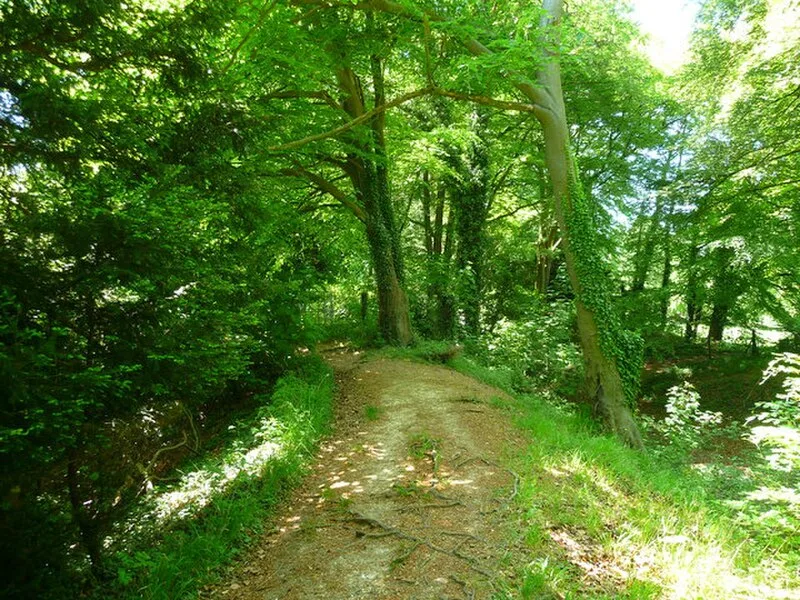
Bury Hill
Bury Hill is an Iron Age hillfort in Hampshire, England, located 2.4 km (1.5 mi) southwest of Andover. The 8.9-hectare (22-acre) enclosure shows two construction phases: an…
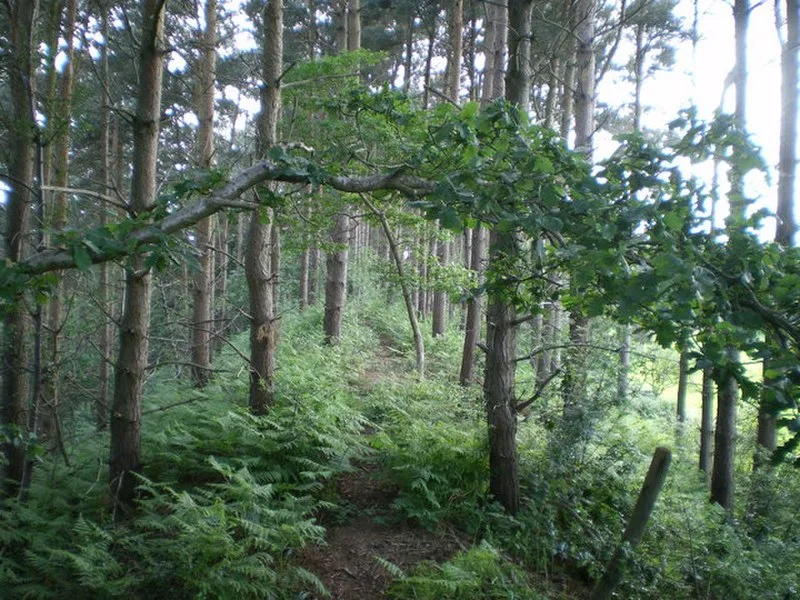
Bury Walls
Bury Walls is a large multivallate Iron Age hillfort near Weston-under-Redcastle in Shropshire, designated as a scheduled monument. Positioned on a south-facing sandstone…
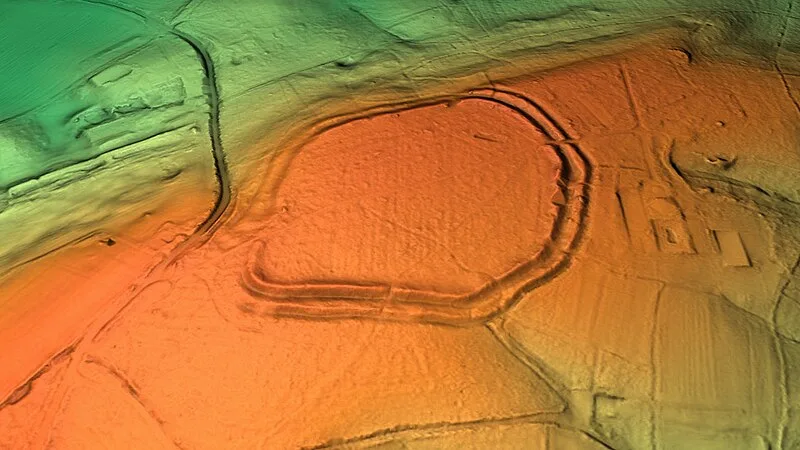
Bussock Camp
Bussock Camp is an Iron Age bivallate hillfort located on Phillip's Hill within Bussock Wood, south of Chieveley in Berkshire, England. The defences feature a double bank and…
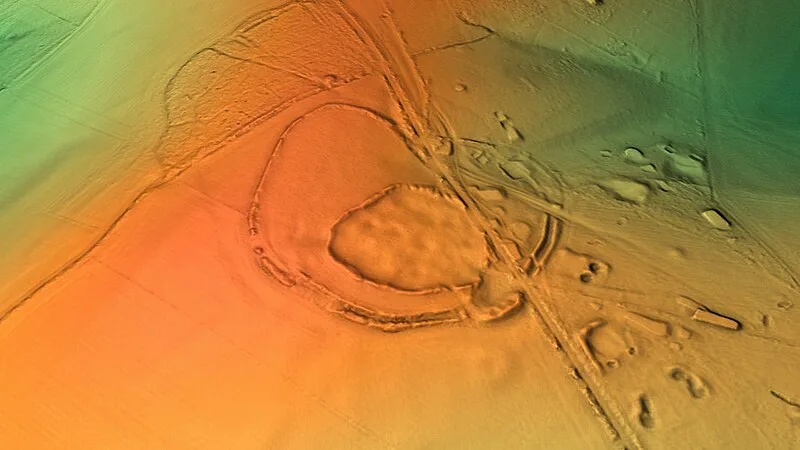
Buzbury Rings
Buzbury Rings is an Iron Age hillfort about 3.2 km east of Blandford Forum in Dorset, England, designated as a Scheduled Ancient Monument. It comprises a kidney-shaped outer…
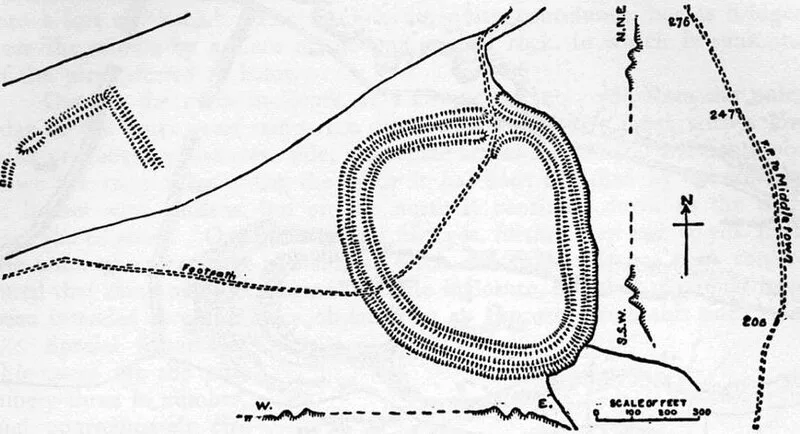
Cadbury Camp
Cadbury Camp is an Iron Age hill fort in Somerset, England, near Tickenham, and is a scheduled monument. Although primarily known as an Iron Age fort, artefacts including a bronze…
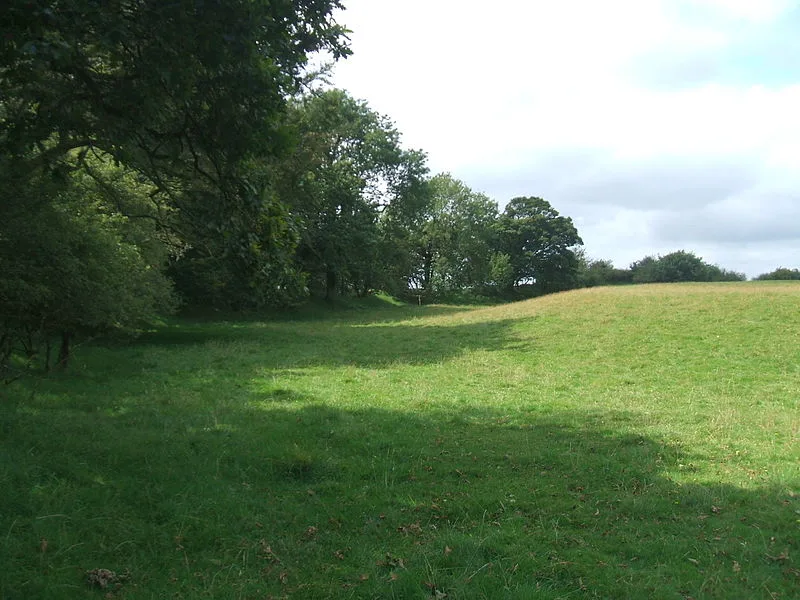
Cadbury Castle, Devon
Iron Age hillfort near Bickleigh in Devon, situated roughly 250 metres above sea level overlooking the Exe Valley. Excavations revealed at least two phases of prehistoric…
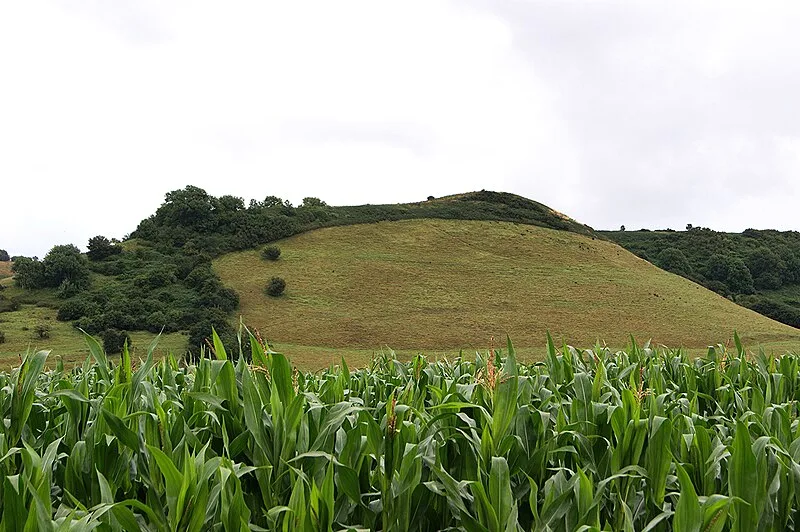
Cadbury Castle, Somerset
Major Bronze and Iron Age hillfort in South Cadbury, Somerset, famously linked to King Arthur's Camelot since John Leland identified it as 'Camallate' in 1542. Excavations by…

Cadbury Hill
Iron Age hillfort atop Cadbury Hill near Congresbury in North Somerset, known archaeologically as Cadbury-Congresbury to distinguish it from the Somerset Cadbury Castle. The fort…
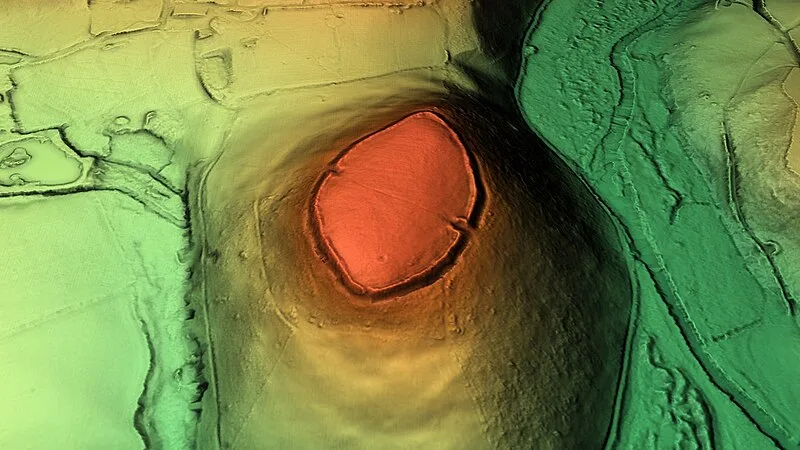
Cadson Bury
Cadson Bury is an Iron Age hillfort in Cornwall, England, located about 3.2 km (2 mi) south-west of Callington. Sited on Cadson Bury Down, it occupies a commanding position above…
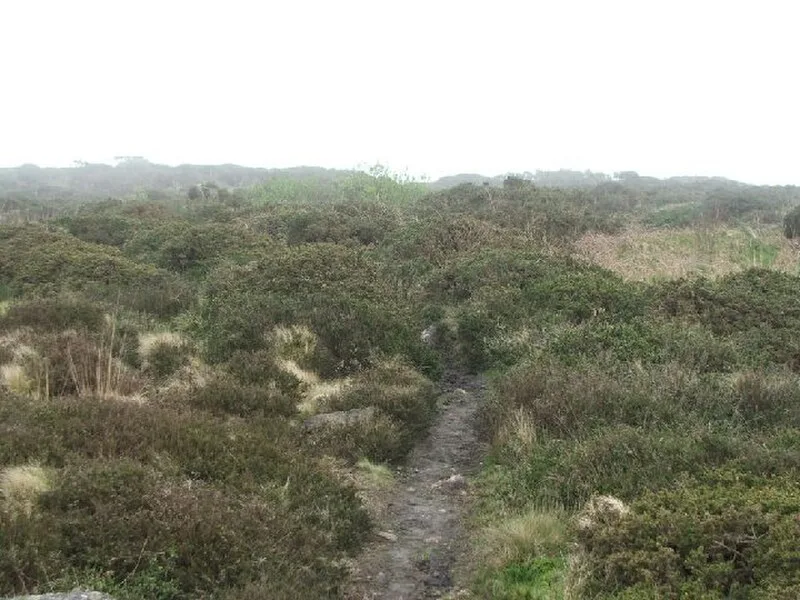
Caer Bran
Multi-period hillfort on the Penwith peninsula near Sancreed in Cornwall, commanding a 360-degree panorama of the surrounding landscape. Research in the 1990s revealed Bronze Age…
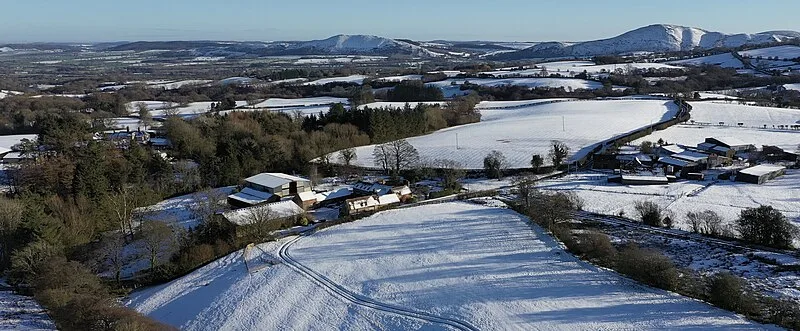
Caer Caradoc
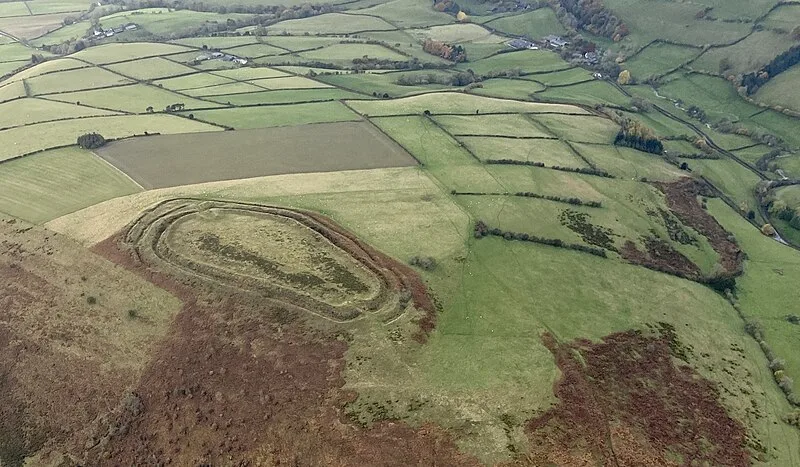
Large multivallate Iron Age hillfort crowning the 460-metre volcanic summit of Caer Caradoc Hill east of Church Stretton, Shropshire. The fort extends 450 metres along the ridge…
Caer Caradoc - Chapel Lawn
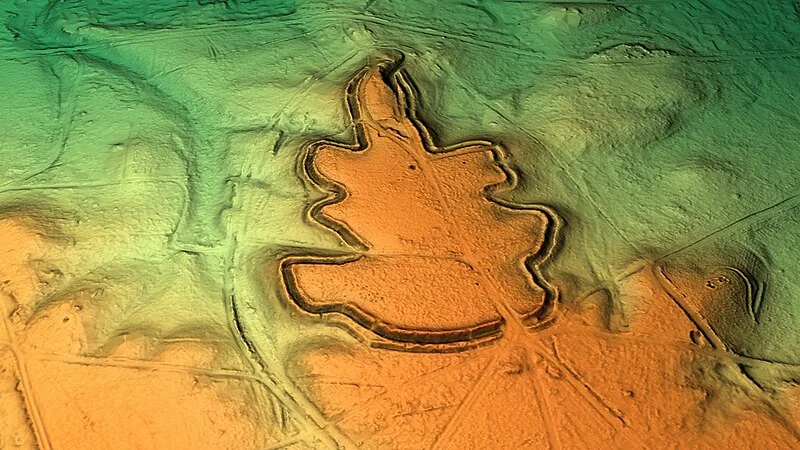
Small multivallate Iron Age hillfort and Scheduled Monument near Clun in south-west Shropshire, overlooking Chapel Lawn within a loop of the River Redlake. A nationally rare type…
Caesar's Camp, Bracknell Forest
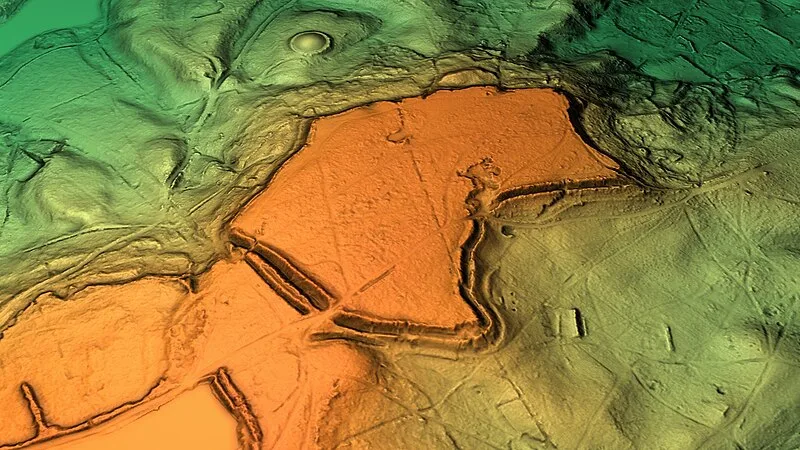
Iron Age hillfort dating to around 500-300 BC in Crowthorne, Berkshire, one of the largest in southern England at roughly 7 hectares (17 acres), surrounded by a mile-long ditch.…
Caesar's Camp, Rushmoor and Waverley
Multivallate Iron Age hillfort straddling the Surrey-Hampshire border, standing 177 metres above sea level roughly 3 km north of Farnham. The fort developed through three Iron Age…
Caister Roman Site
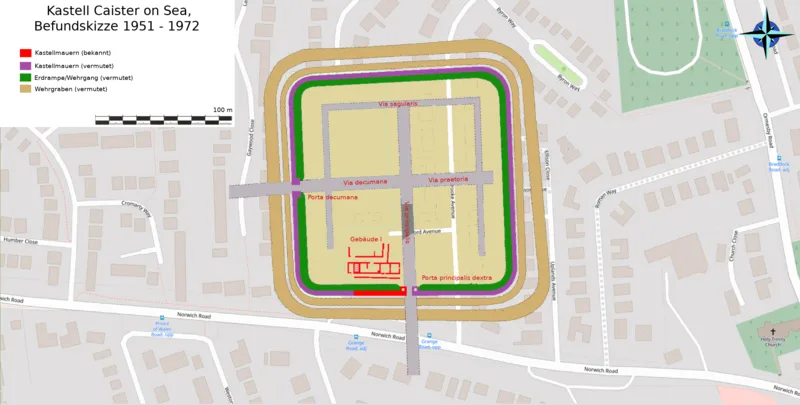
Caister Roman Fort was built around AD 200 as part of the Saxon Shore chain of coastal defenses protecting Roman Britain against seaborne raiders. The fort garrisoned 500 to 1,000…
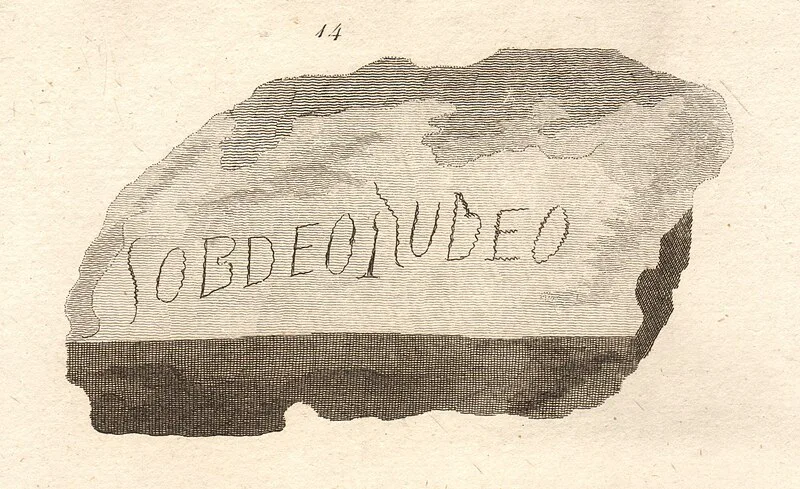
Camboglanna
Camboglanna (modern Castlesteads) was a Roman fort on Hadrian's Wall. It was the twelfth fort from the east, situated between Banna (Birdoswald) 11 km to the east and Uxelodunum…
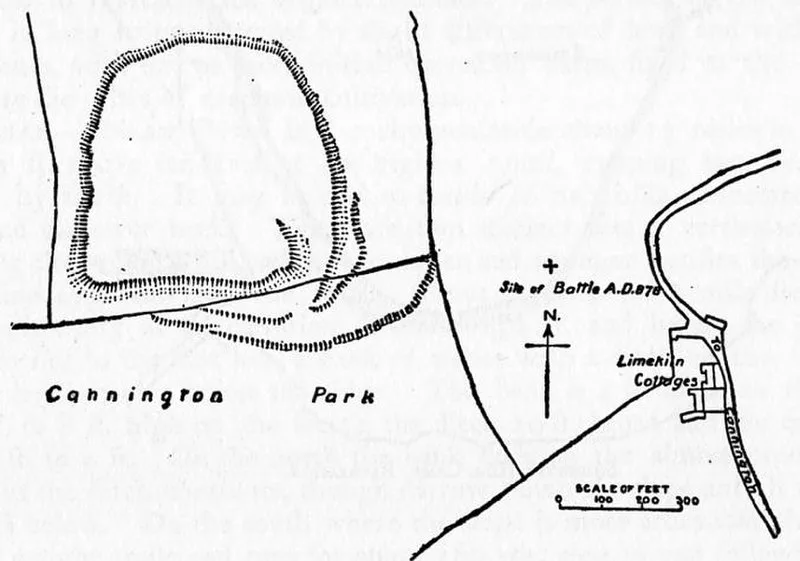
Cannington Camp
Cannington Camp is a univallate hillfort on an isolated 80-metre hilltop near Cannington, Somerset, England, enclosing 3.1 hectares. Originally protected by a stone wall with the…
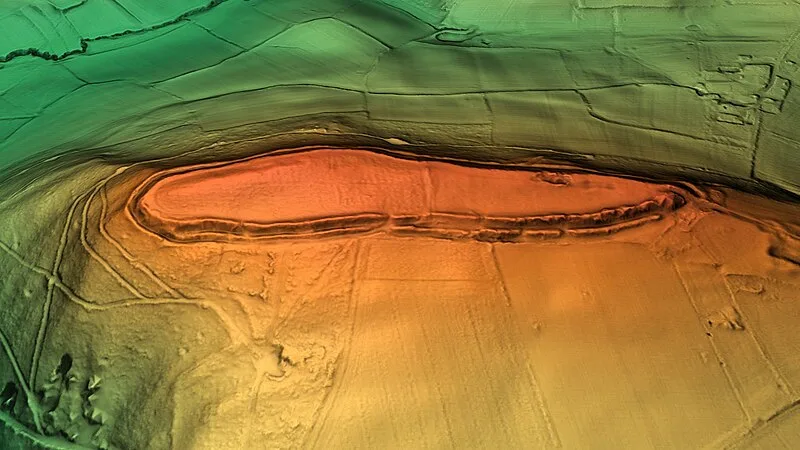
Capler Camp
Capler Camp is an Iron Age contour hillfort of approximately 4.6 hectares, positioned on a steep spur promontory overlooking a bend in the River Wye south of Fownhope,…
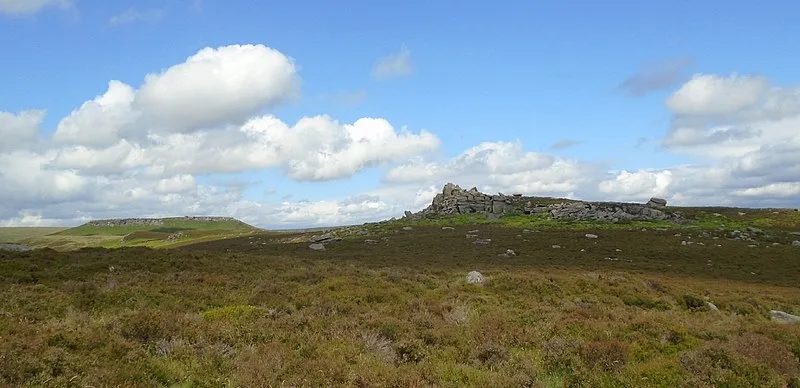
Carl Wark
Carl Wark is an Iron Age hillfort on Hathersage Moor in the Peak District, just inside Sheffield's boundary in South Yorkshire. The rocky promontory is defended by vertical cliffs…
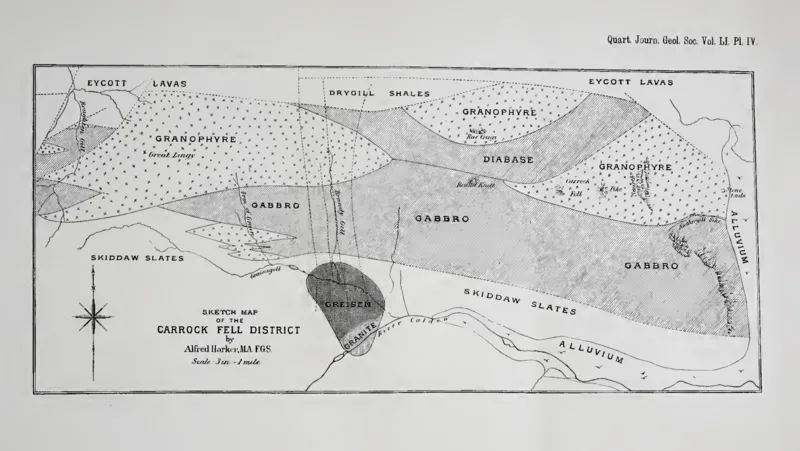
Carrock Fell
Carrock Fell is a fell in the northern Lake District crowned by a large Iron Age hillfort, now a Scheduled Monument. The oval enclosure measures approximately 245m by 112m and is…
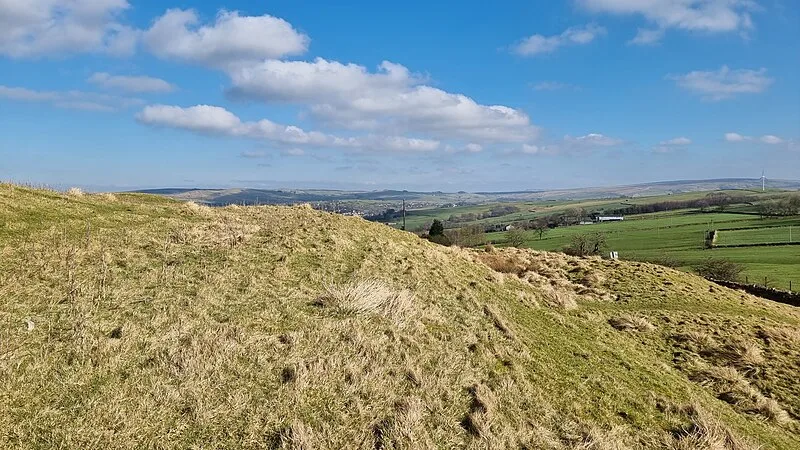
Castercliff
Castercliff is an Iron Age multivallate hillfort near Nelson and Colne in Lancashire, England.
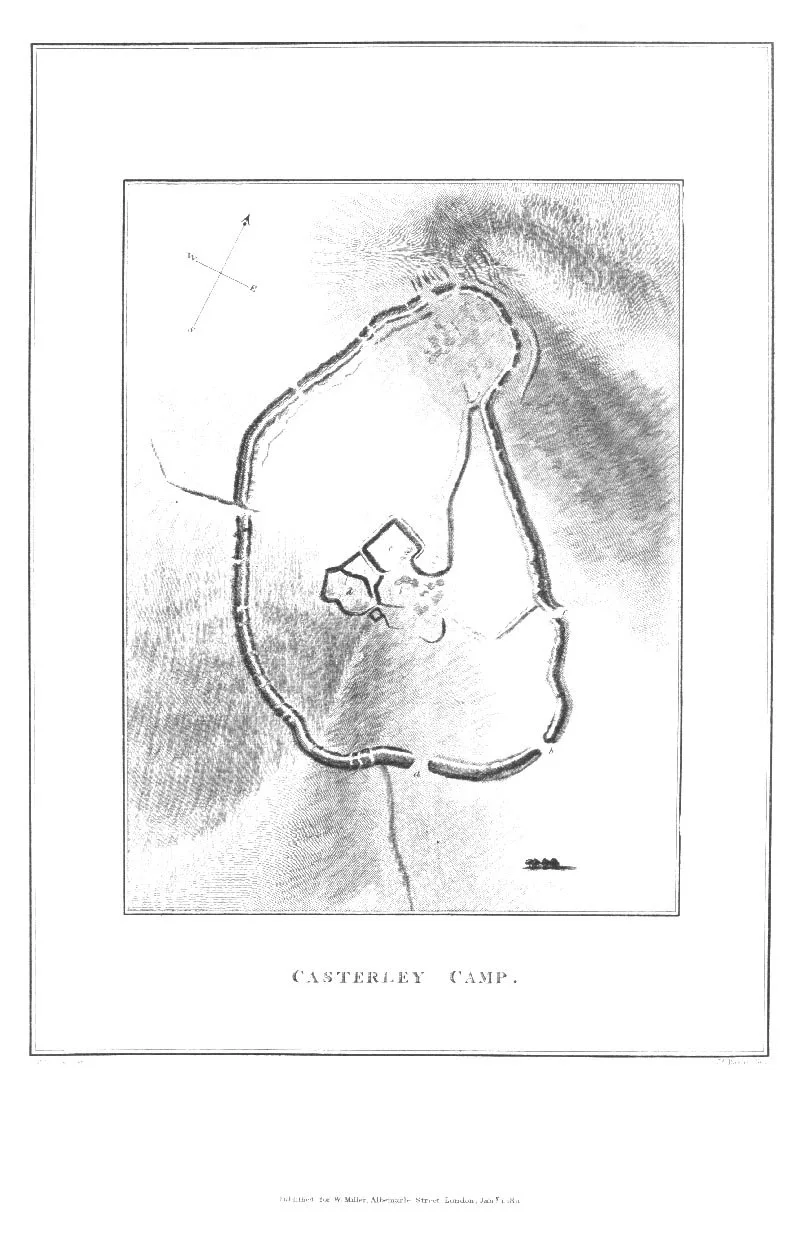
Casterley Camp
Casterley Camp is an Iron Age univallate hillfort in Wiltshire, England, situated about 2.4 km (1.5 mi) southwest of Upavon village. The site comprises a large, incomplete Iron…
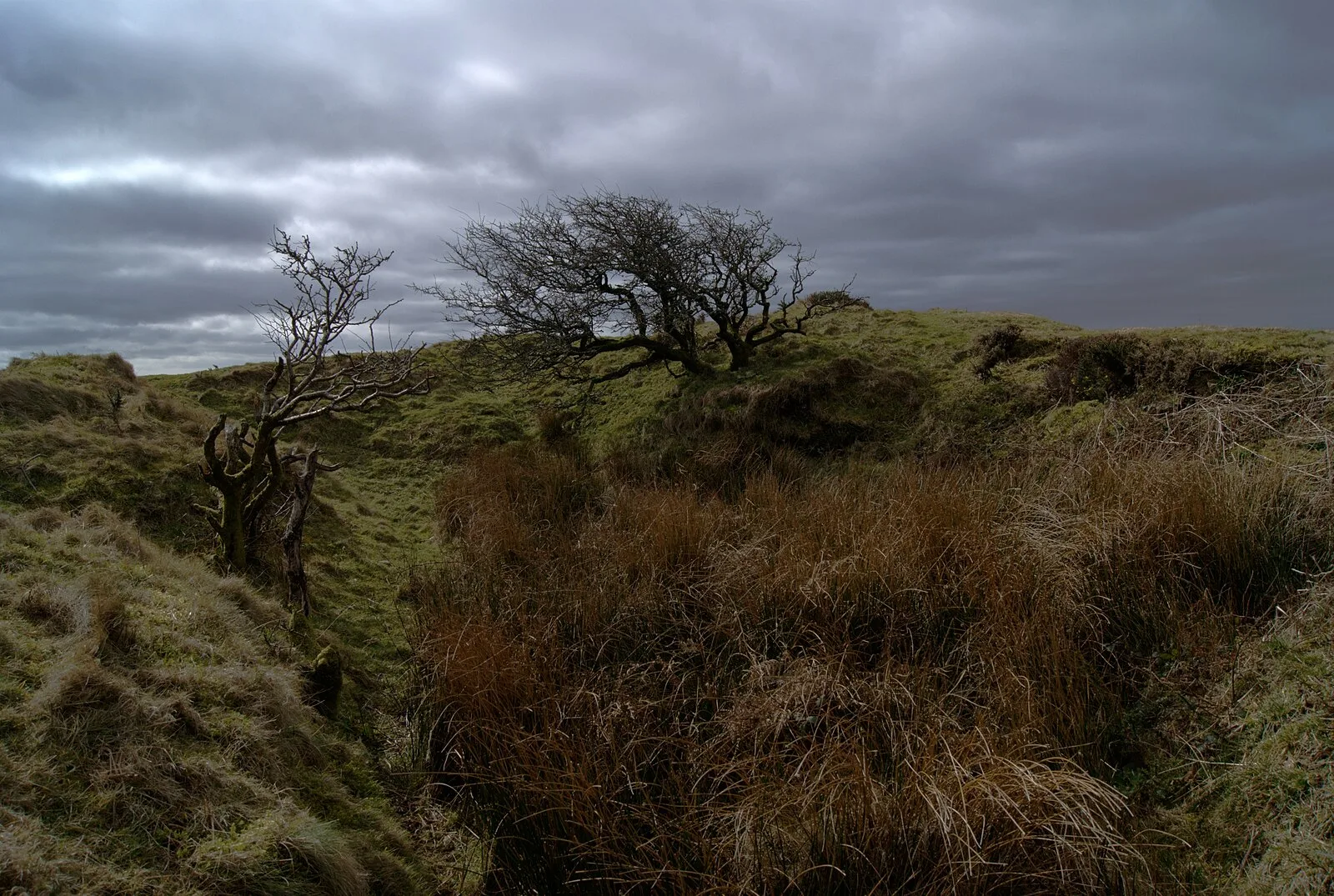
Castle an Dinas, St Columb Major
Castle an Dinas is an Iron Age hillfort at the summit of Castle Downs near St Columb Major in Cornwall, dating to the 3rd-2nd century BC. It comprises three concentric rings of…
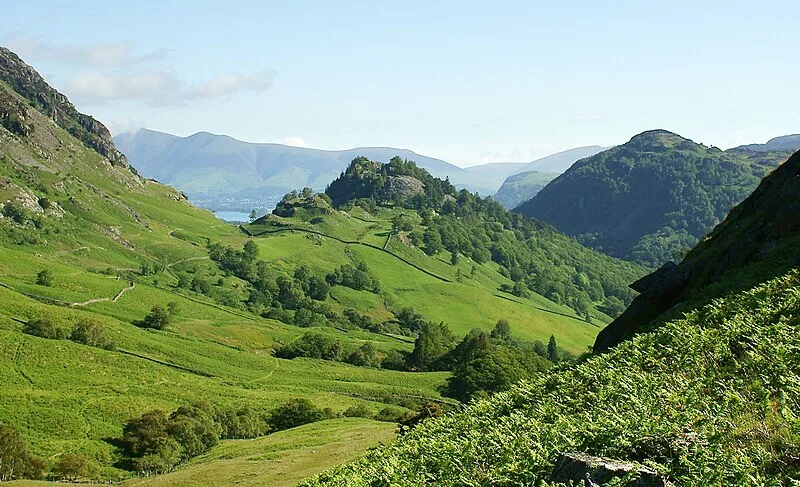
Castle Crag
Castle Crag is a conical hill in Borrowdale, Lake District, whose summit hosted a slight univallate Iron Age hillfort. The internal enclosure measures approximately 60 m by 25 m,…
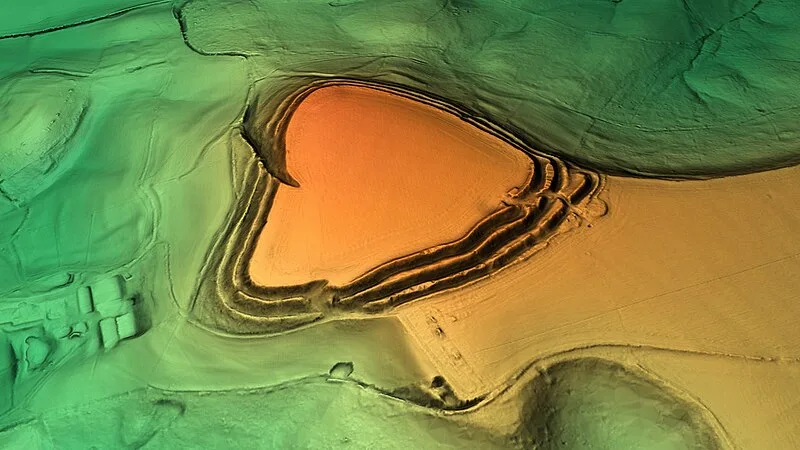
Castle Ditches
Castle Ditches is the site of an Iron Age trivallate hillfort in the south-east of Tisbury parish in Wiltshire, England. It is probable that its ancient name was Spelsbury; it was…
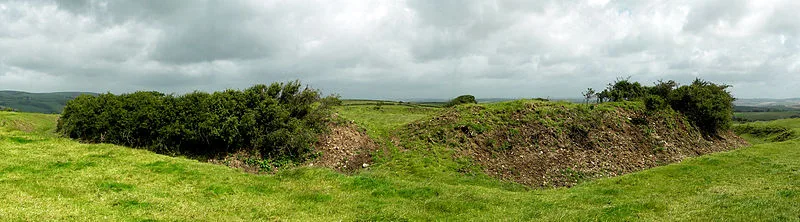
Castle Dore
Castle Dore is a small multivallate Iron Age hillfort near Fowey in Cornwall, dating from the 5th-4th century BC to the 1st century BC. Excavated by C.A. Raleigh Radford in…
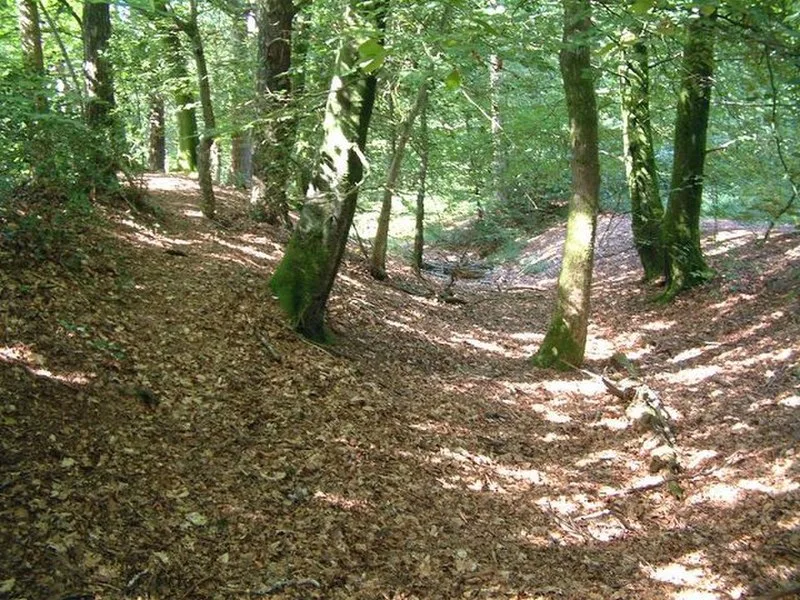
Castle Dyke
Castle Dyke is an Iron Age hill fort situated between Chudleigh and Dawlish in Devon, England. The fort occupies a hilltop position at approximately 140 metres (460 ft) above sea…
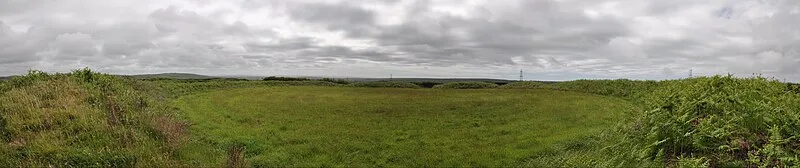
Castle Goff
Castle Goff is a Cornish "round" -- a small circular embanked enclosure dating from the late Iron Age to the early post-Roman period -- located about 2.4 km south-west of…
Castle Head, Devon
Castle Head is an Iron Age hill fort dating to between 1500–500 BC, occupying a commanding promontory position at the neck of a bend in the River Tamar on the Devon side near…
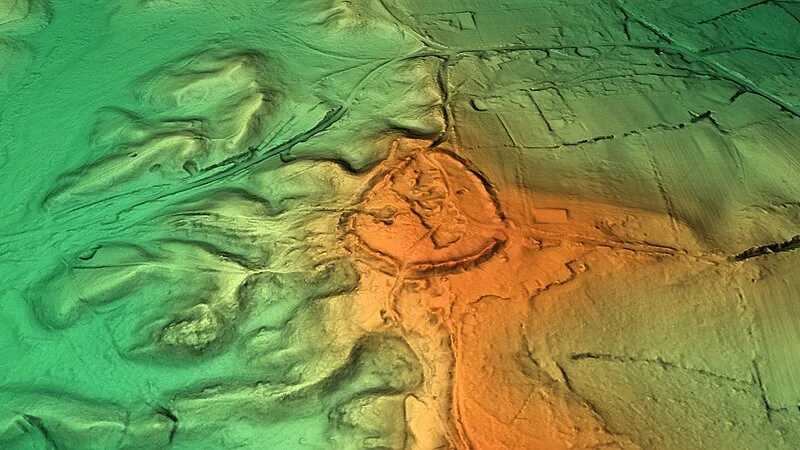
Castle Hill, Hampshire
Castle Hill is an Iron Age univallate hillfort in Burley, New Forest, Hampshire, England. Its single rampart and ditch enclose approximately 5 acres of land. The earthworks are in…

Castle Hill, Huddersfield
Castle Hill is a scheduled ancient monument in Almondbury overlooking Huddersfield, West Yorkshire, England. The hilltop has been occupied for at least 4,000 years. The site…
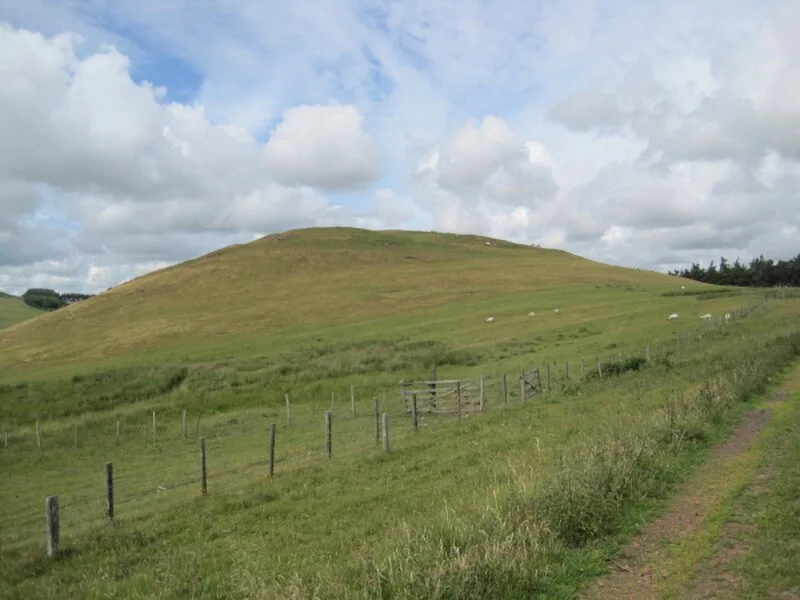
Castle Knowe, Northumberland
Castle Knowe, also known as Clinch Castle, is a multivallate Iron Age hillfort in the Cheviot Hills of Northumberland, about 1.6 km south-east of Ingram. The fort summit measures…
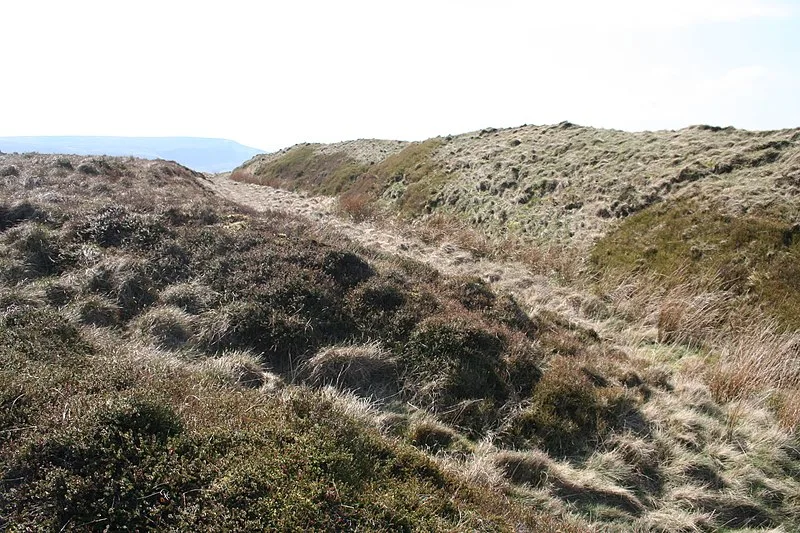
Castle Naze
Castle Naze is an Iron Age promontory hillfort occupying a triangular spur of Combs Edge in the Derbyshire Peak District, at approximately 427 metres above sea level. The fort…
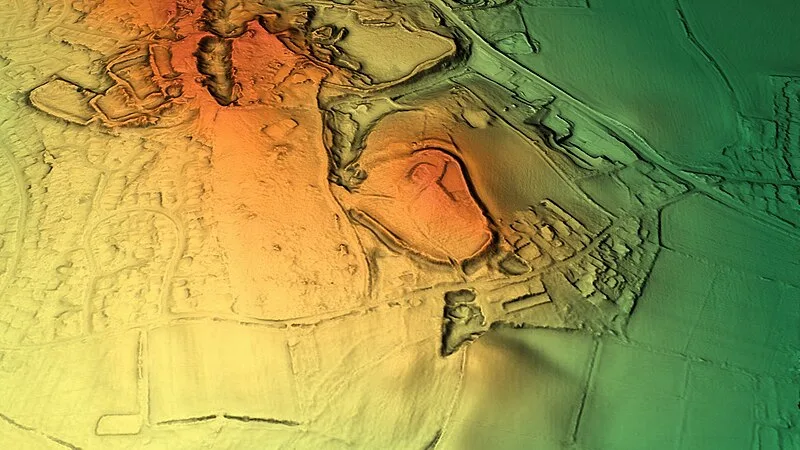
Castle Old Fort
Castle Old Fort is a small Iron Age hill fort in Stonnall, Walsall, West Midlands, England. Its interior is now occupied by a house.
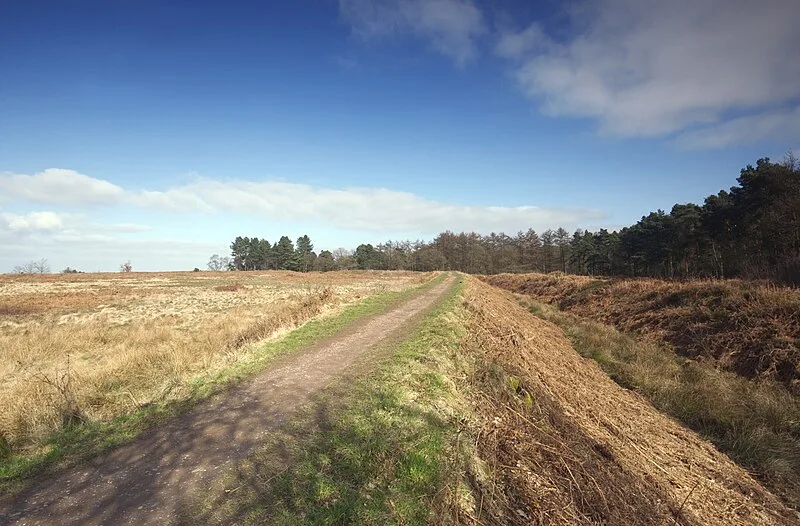
Castle Ring
Castle Ring is a multivallate Iron Age hillfort on the southern edge of Cannock Chase in Staffordshire, occupying the highest point at 242 metres elevation. Dating from…
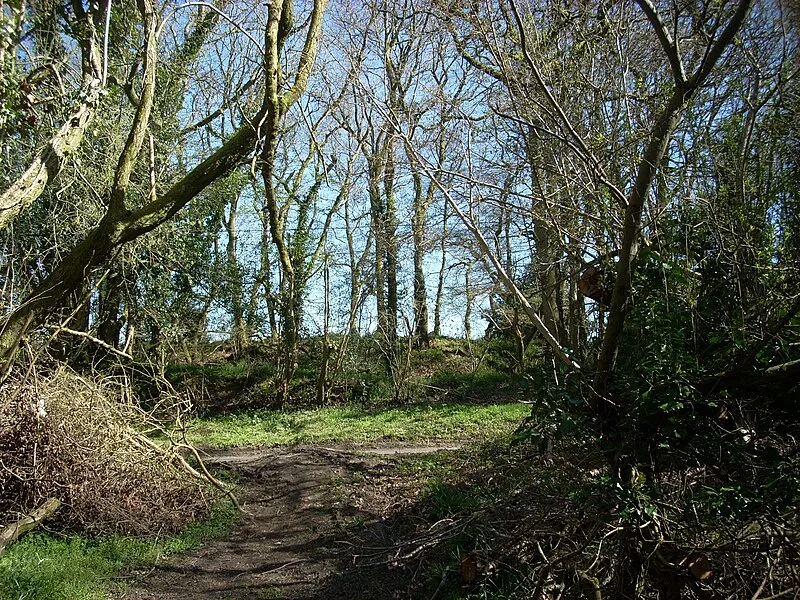
Castle Rings, Wiltshire
Castle Rings is a univallate hill fort in Donhead St Mary parish, Wiltshire, dating to the Iron Age (c. 800 BC - 1st century AD). The site sits at 228 metres (748 ft) elevation on…
Castles Camp
Castles Camp is a univallate Iron Age hillfort in the Taunton Deane district of Somerset, situated approximately 1.6 km west of the village of Bathealton. The fort is defined by a…
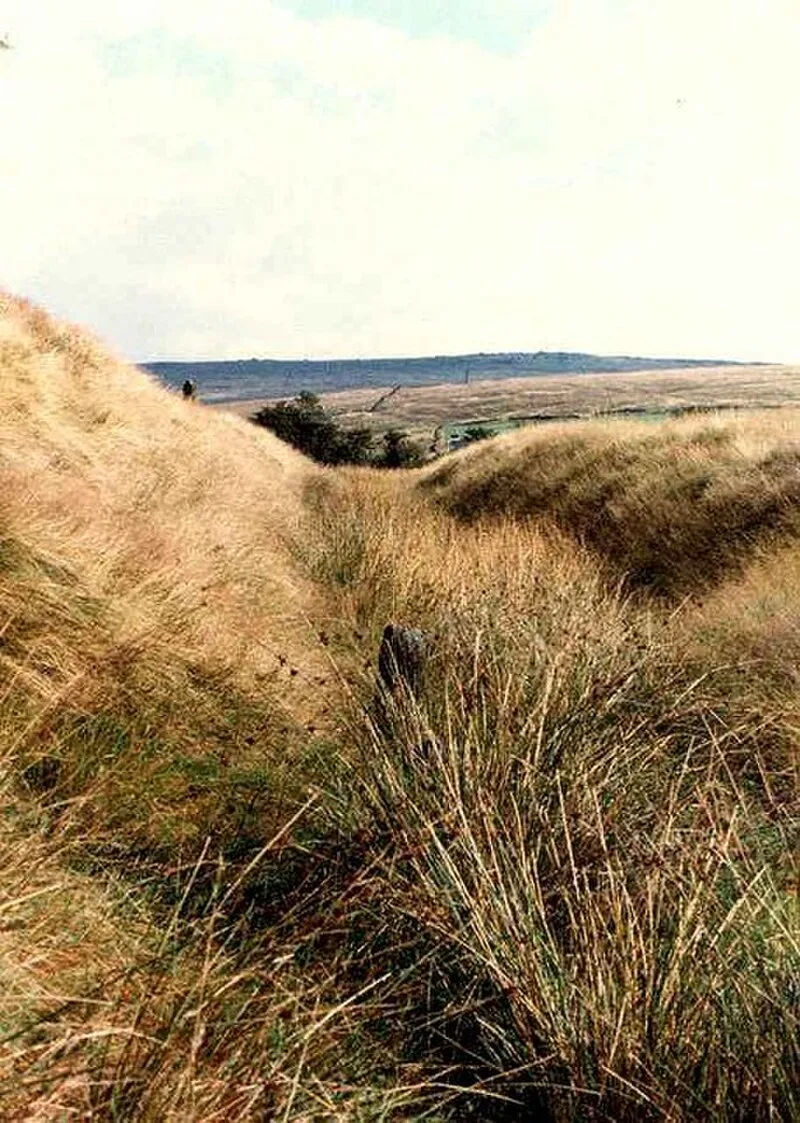
Castleshaw Roman Fort
Castleshaw Roman Fort was a 1st-century AD Roman fortification in Britannia, located on Castle Hill overlooking the Castleshaw Valley at the foot of Standedge in Greater…
Castlesteads, Greater Manchester
Castlesteads is a late Iron Age promontory fort on the east bank of the River Irwell in Bury, Greater Manchester. Occupied from the 5th century BC into the Roman period, the fort…
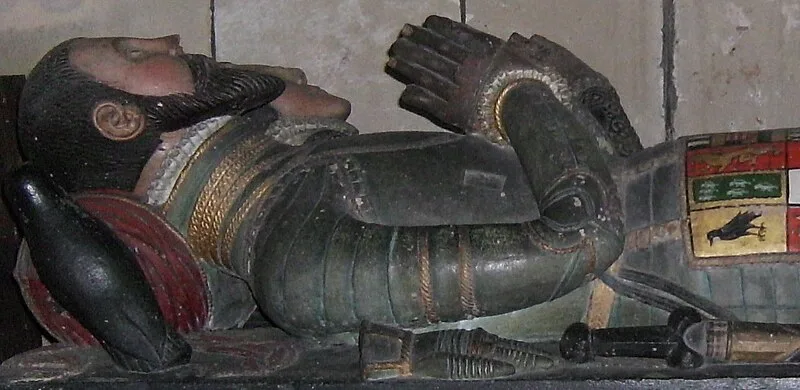
Caus Castle
Caus Castle is a ruin of a hill fort and medieval castle in Westbury, Shropshire, England. It sits on the eastern foothills of the Long Mountain, guarding the historic route from…
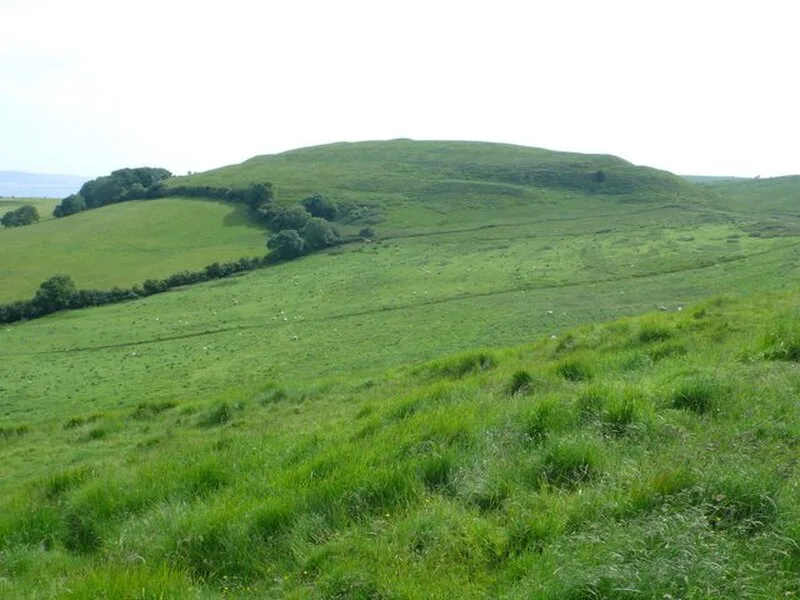
Chalbury Hillfort
Chalbury is an Iron Age hillfort near Bincombe in Dorset, England, enclosing approximately 8.5 acres at 380 feet above sea level with commanding views over Weymouth Bay. The…
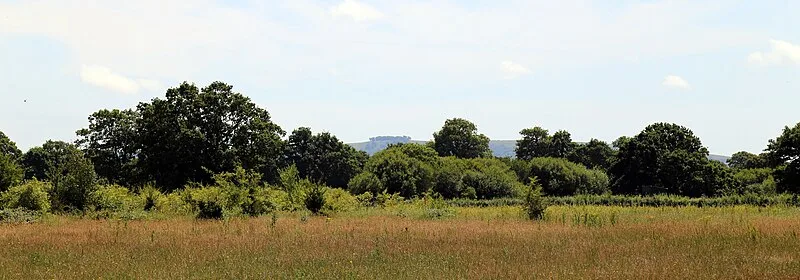
Chanctonbury Ring
Chanctonbury Ring is a prehistoric hillfort situated atop Chanctonbury Hill on the South Downs in West Sussex, England. The site occupies a strategic position on the Sussex Downs,…
Charterhouse Camp
Charterhouse Camp is a univallate Iron Age hillfort in the Mendip district of Somerset, England, situated approximately 0.6 miles (0.97 km) east of the village of Charterhouse.…
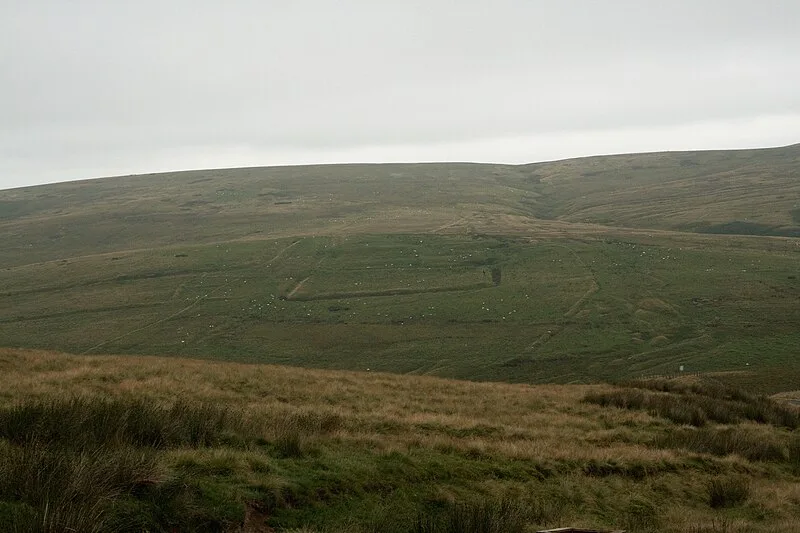
Chew Green
Chew Green is a Roman military complex in Northumberland, England, 13 km north of Rochester and 14 km west of Alwinton. Located beside Dere Street, the Roman road linking York…
Chilworth Ring
Chilworth Ring is a small univallate Iron Age hillfort in Hampshire. Partial excavations were carried out in 1928. The site was later developed in the 1960s into a circle of…
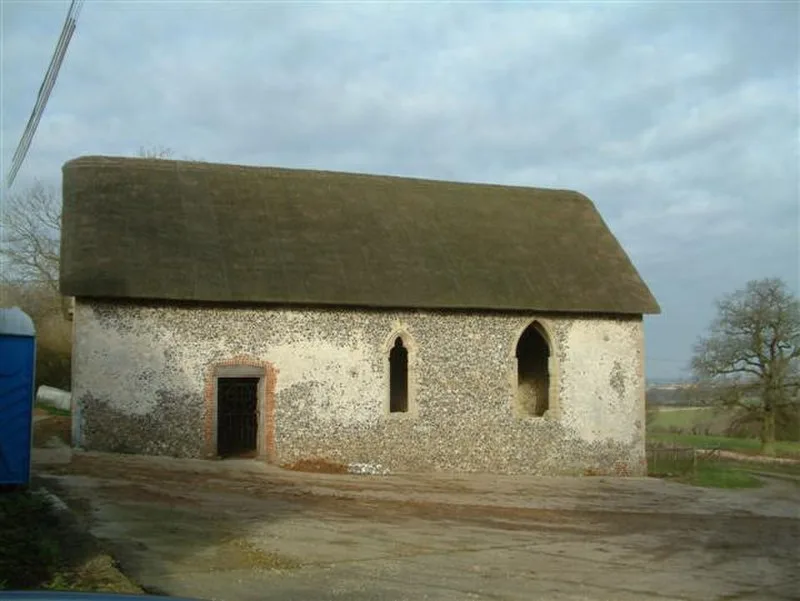
Chisbury
Chisbury Camp is a prehistoric hillfort in the civil parish of Little Bedwyn, Wiltshire, covering approximately 14 acres at 176 m above sea level. Palaeolithic, Neolithic and…
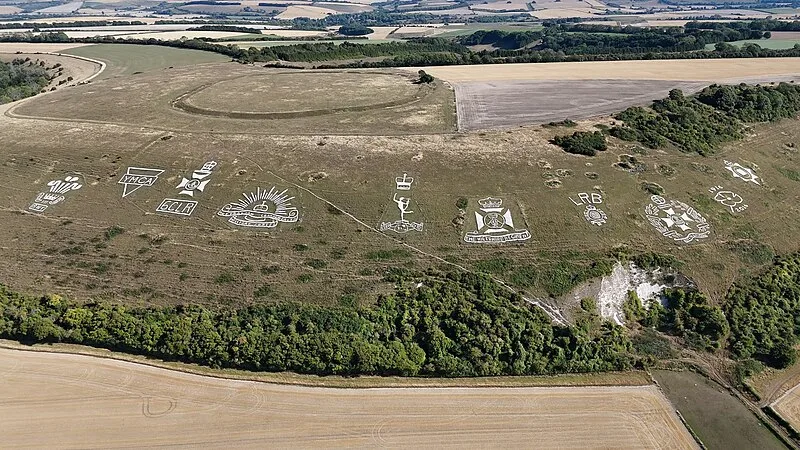
Chiselbury
Chiselbury is an Iron Age univallate hillfort in Wiltshire. The sub-circular enclosure covers approximately 10.5 acres and is defended by an earthen rampart up to 3.6m high and an…
Chisenbury Camp
Chisenbury Camp is an Iron Age univallate hillfort in Broad Chalke parish, Wiltshire, England. The site comprises a small circular 5-acre enclosure that was levelled in 1931. The…
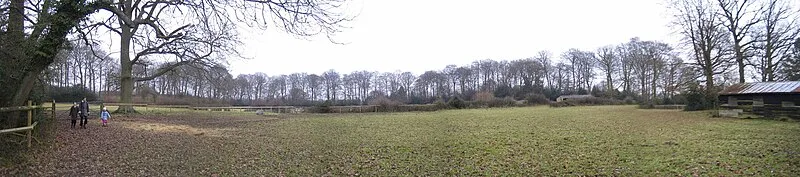
Cholesbury Camp
Cholesbury Camp is a large Iron Age hill fort situated on the northern edge of the village of Cholesbury in Buckinghamshire, England. The roughly oval-shaped enclosure covers 6.1…
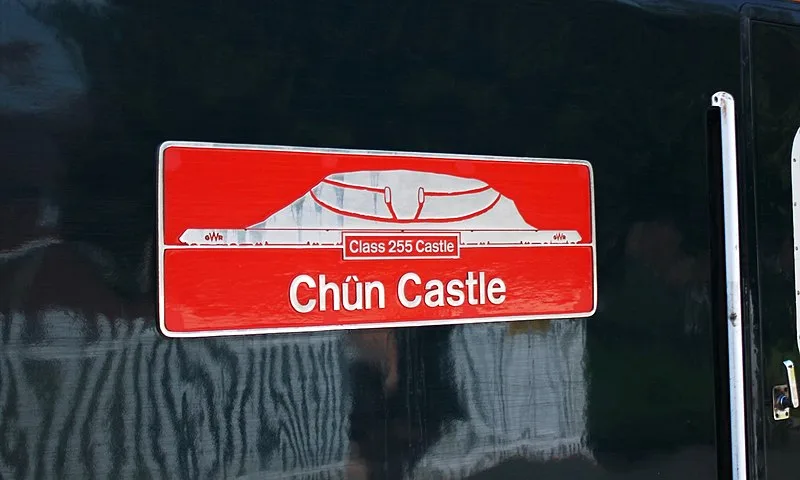
Chûn Castle
Chûn Castle is a large Iron Age hillfort (ringfort) near Penzance in Cornwall, England. The fort was built about 2,500 years ago and fell into disuse until the early centuries AD…
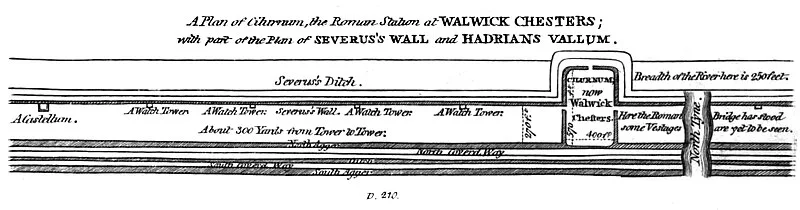
Cilurnum
Cilurnum was a Roman cavalry fort built c. AD 124 on Hadrian's Wall near the village of Walwick, Northumberland. It housed approximately 500 horsemen, first the ala Augusta ob…
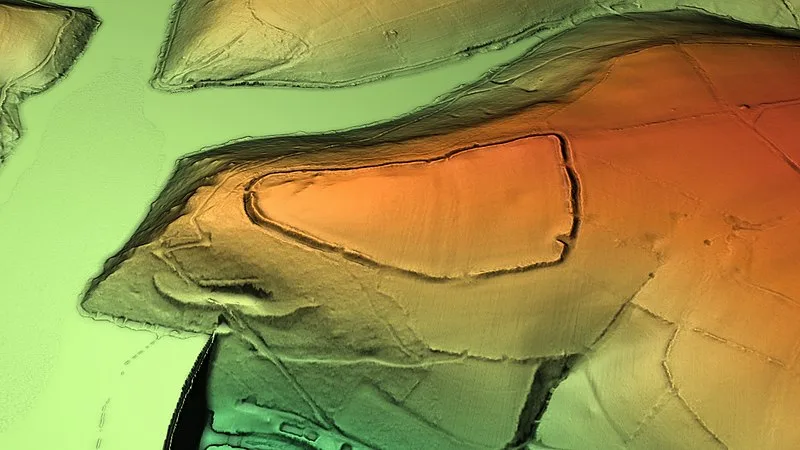
Clatworthy Camp
Clatworthy Camp is an Iron Age hill fort located 3 miles (4.8 km) north west of Wiveliscombe in Somerset, England. The site has been scheduled as an Ancient Monument and added to…
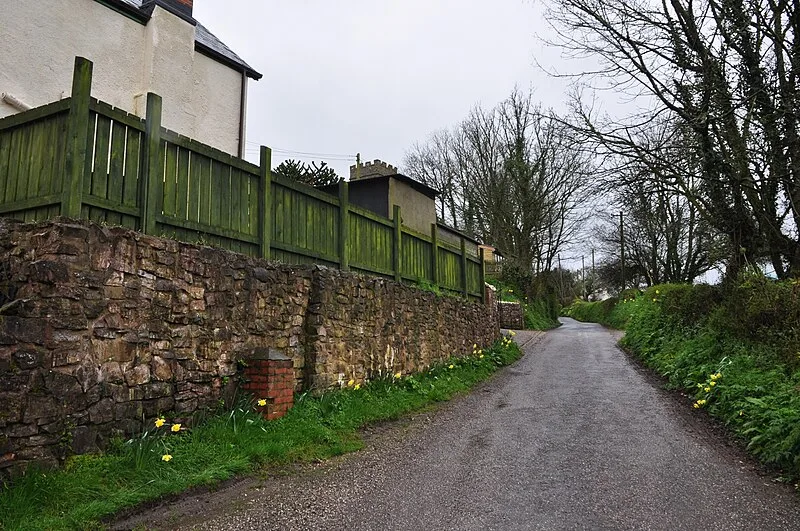
Clayhanger, Devon
Near the hamlet of Clayhanger in Devon lies the site of a Roman fort at Cudmore Farm, overlooking a tributary of the River Batherm. Considered the best-surviving Roman fort in…
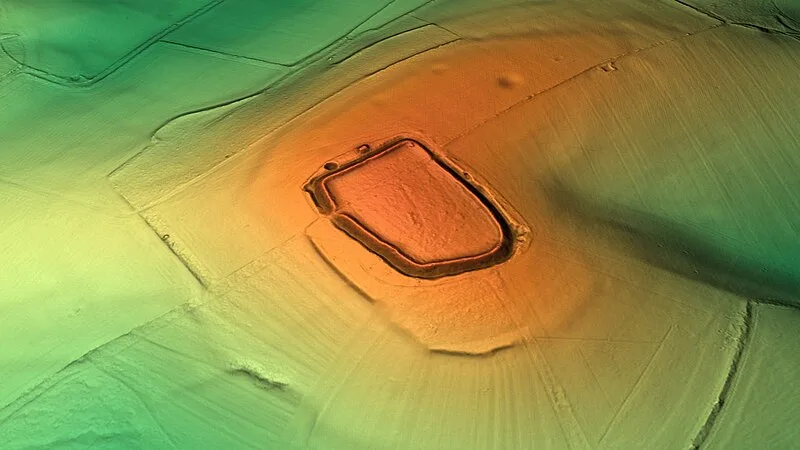
Clearbury Ring
Clearbury Ring is a univallate Iron Age hillfort in the parish of Downton, Wiltshire, England, situated approximately 5 km (3 mi) due south of Salisbury city centre. The site is a…
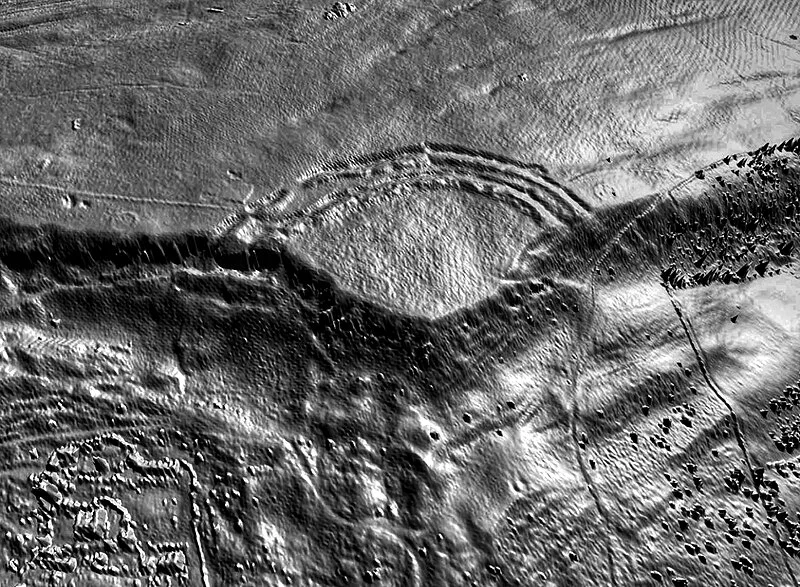
Cleeve Hill, Gloucestershire
Cleeve Hill, the highest point of the Cotswolds at 330 metres, hosts a small multivallate Iron Age hillfort dating from c. 500 BC, one of 35 hillforts along the Cotswold…
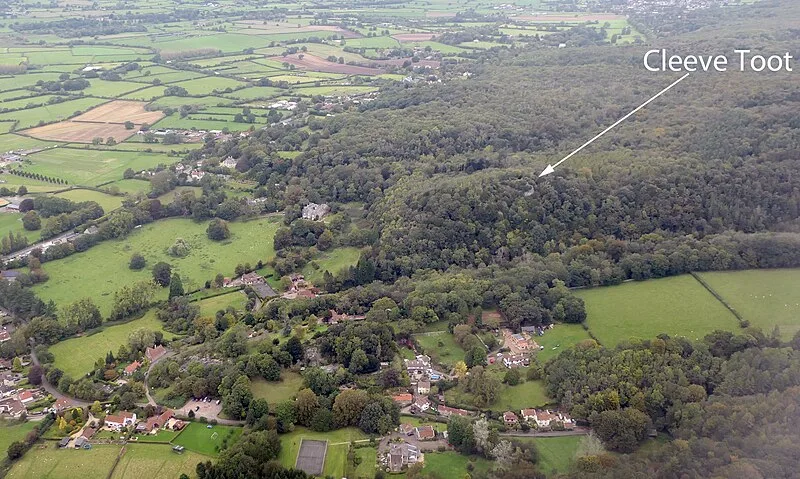
Cleeve Toot
Cleeve Toot is an Iron Age univallate hillfort above Goblin Combe in Cleeve, Somerset, designated as a Scheduled Ancient Monument. The roughly oval enclosure measures…
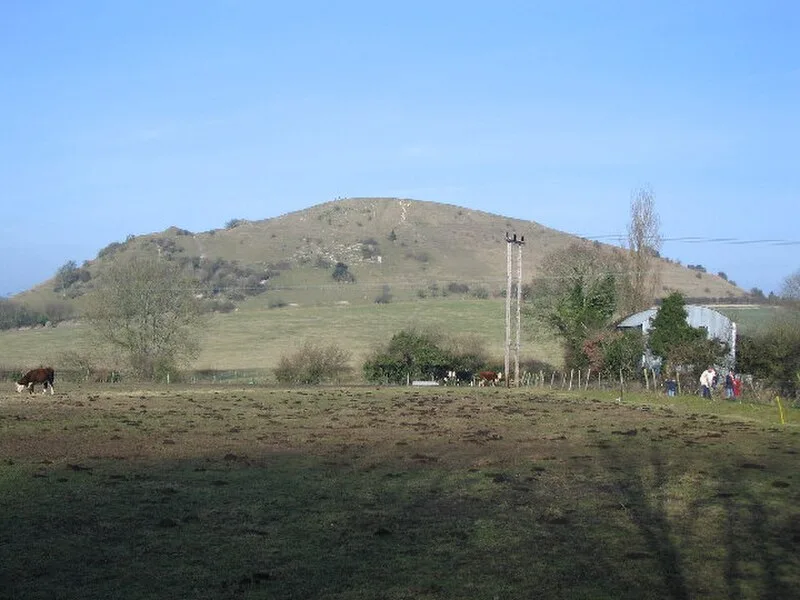
Cley Hill
Cley Hill is a prominent chalk hill west of Warminster in Wiltshire, rising to 244 metres, owned by the National Trust since 1954. It features a large univallate Iron Age…
Clovelly Dykes
Clovelly Dykes is an Iron Age hill fort in Devon, England. Located on a coastal plateau 210 metres above sea level, it is one of Devon's largest hill-forts, spanning approximately…
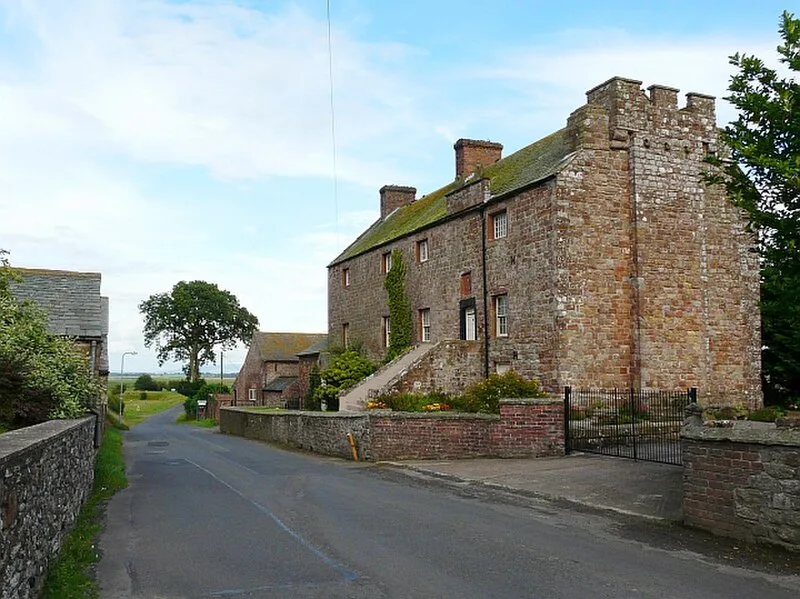
Coggabata
Coggabata (modern Drumburgh) was a Roman fort on Hadrian's Wall in Cumbria, built to guard two important Solway Firth fords, the Stonewath and Sandwath. The stone fort measured…
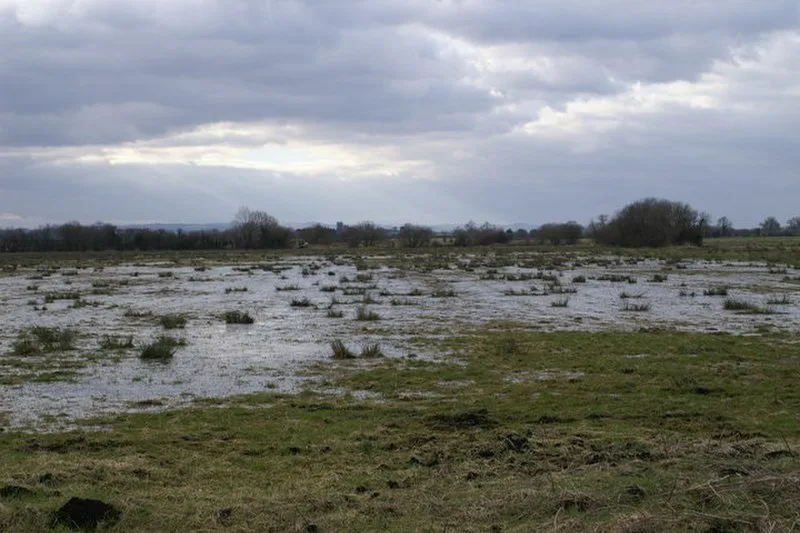
Compton Dundon
Dundon Hill Hillfort is a univallate Iron Age hillfort in Compton Dundon, Somerset, England, designated as a Scheduled Ancient Monument. Situated above the River Cary overlooking…
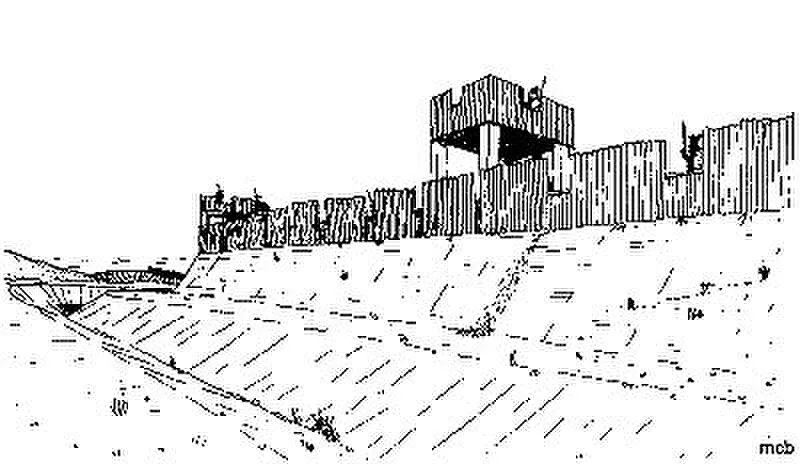
Concangis
Concangis was a Roman auxiliary fort in Britannia Inferior, located in modern Chester-le-Street, County Durham, England. Measuring approximately 165 by 152 meters (about 6.25…
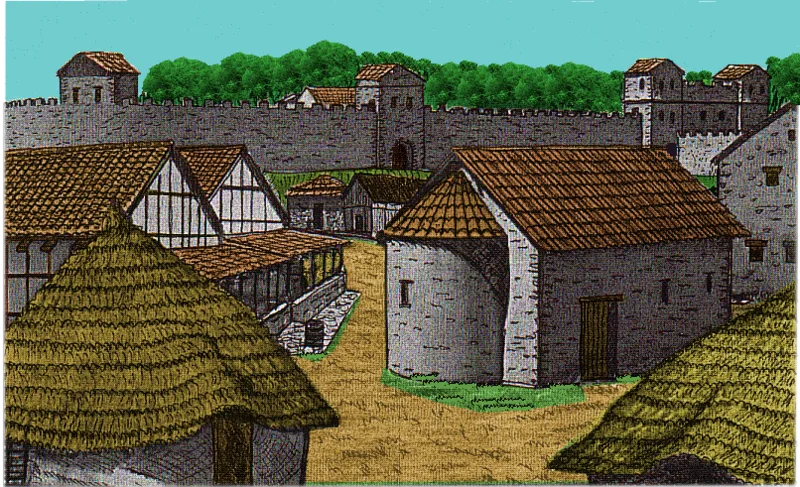
Condercum
Condercum was a Roman fort on Hadrian's Wall, located in modern-day Benwell, a suburb of Newcastle upon Tyne, England. It was the third fort on the wall, situated on a hilltop…
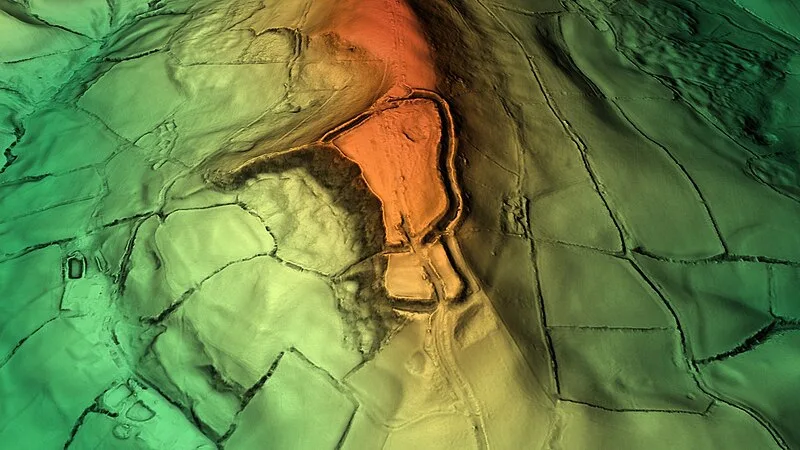
Coney's Castle
Coney's Castle is an Iron Age hillfort in Dorset, England. The name derives from the Old English for rabbit, suggesting medieval use as a domestic warren similar to nearby Pilsdon…
Conygar Hillfort
Conygar Hillfort is a small multivallate Iron Age hill fort located in the North Somerset district of Somerset, England, approximately 0.8 km (0.5 mi) south of the village of…
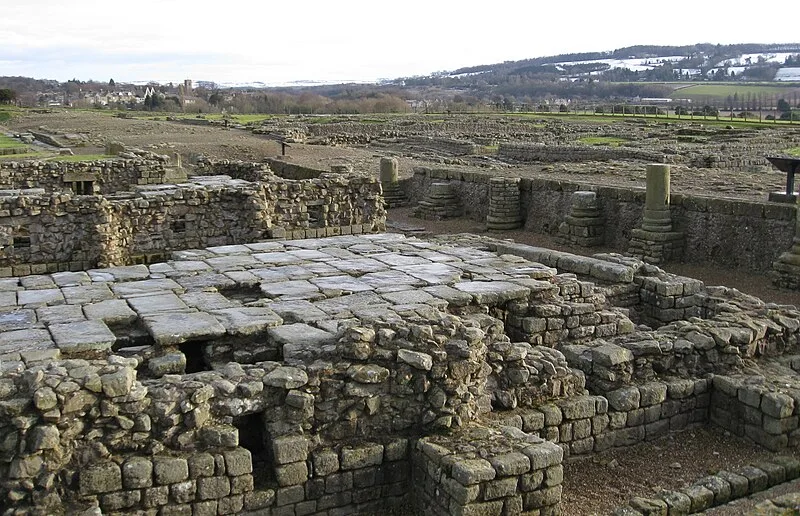
Coria, Corbridge
Coria was a Roman fort and town 2.5 miles (4.0 km) south of Hadrian's Wall in the province of Britannia. It stood at the junction where a major north-south Roman road crossed the…
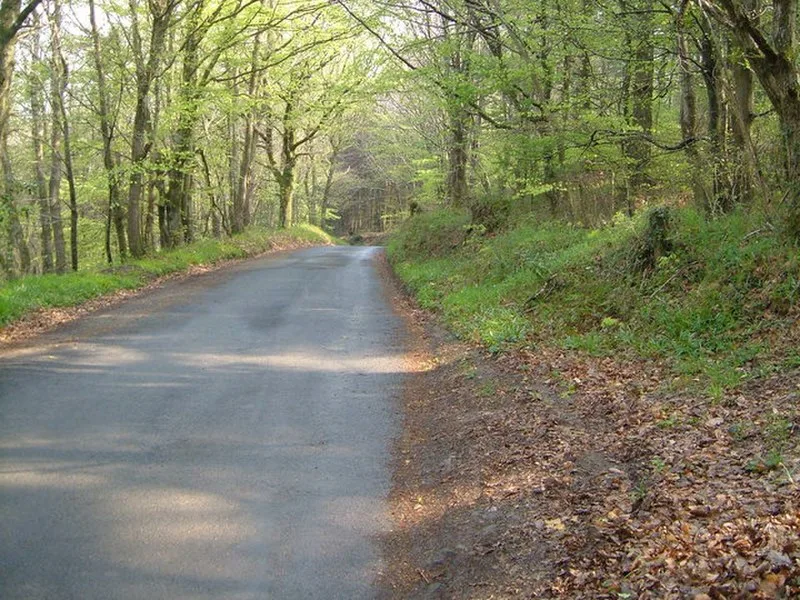
Cotley Castle
Cotley Castle is a large Iron Age univallate hillfort near Dunchideock in Devon, southwest of Exeter, occupying a triangular hilltop at 220 m above sea level on the Haldon Hills…
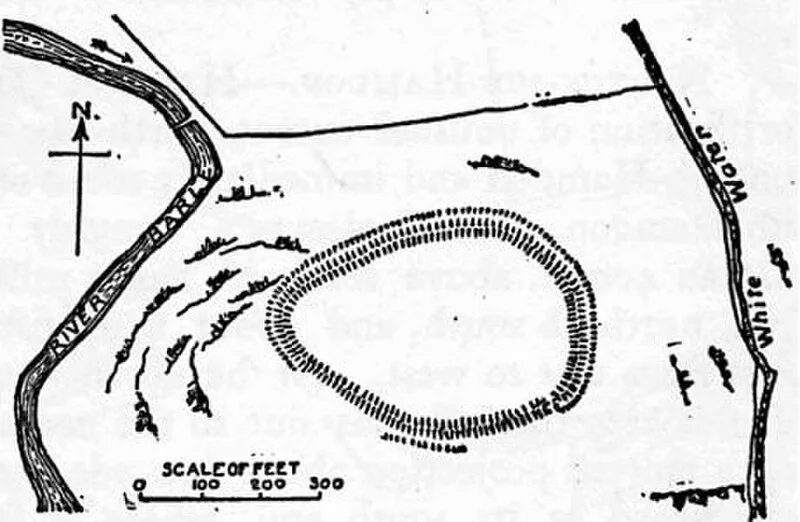
Cow Castle
Cow Castle is a rare slight univallate hillfort on an isolated hilltop 5.75 km west-southwest of Exford in Somerset, within Exmoor National Park. Dating from the Late Bronze Age…
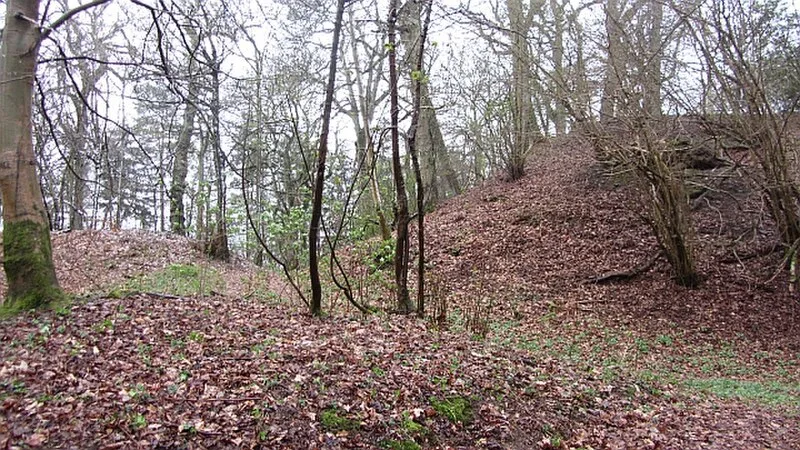
Coxall Knoll
Coxall Knoll is an Iron Age hillfort on the Shropshire-Herefordshire border, encompassing roughly 12 acres across three enclosures with up to three ramparts and two ditches on its…
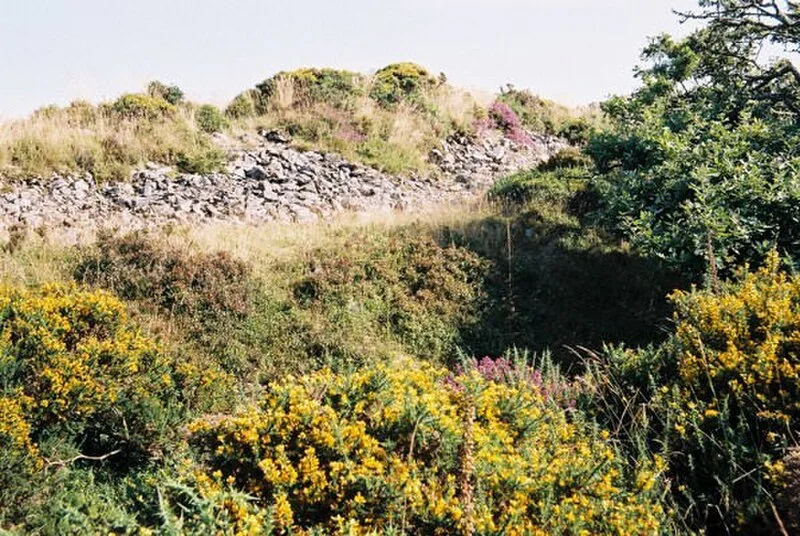
Cranbrook Castle
Cranbrook Castle is an Iron Age hill fort in Devon, England. The fort occupies a commanding hilltop at 337 metres (1,106 ft) above sea level, overlooking the Teign valley. It lies…
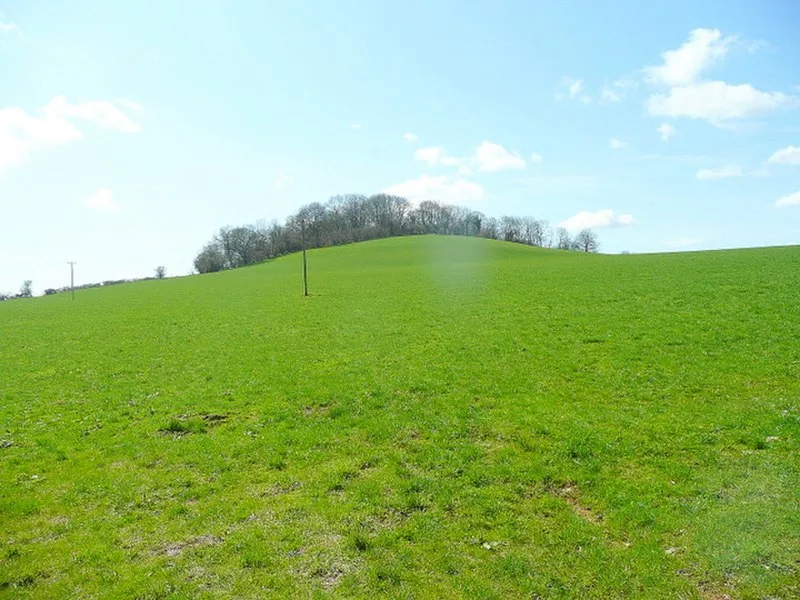
Creech Hill
Creech Hill in southeast Somerset features a univallate Iron Age hillfort at its northern end near Milton Clevedon, designated a Scheduled Ancient Monument. Lamyatt Beacon, the…
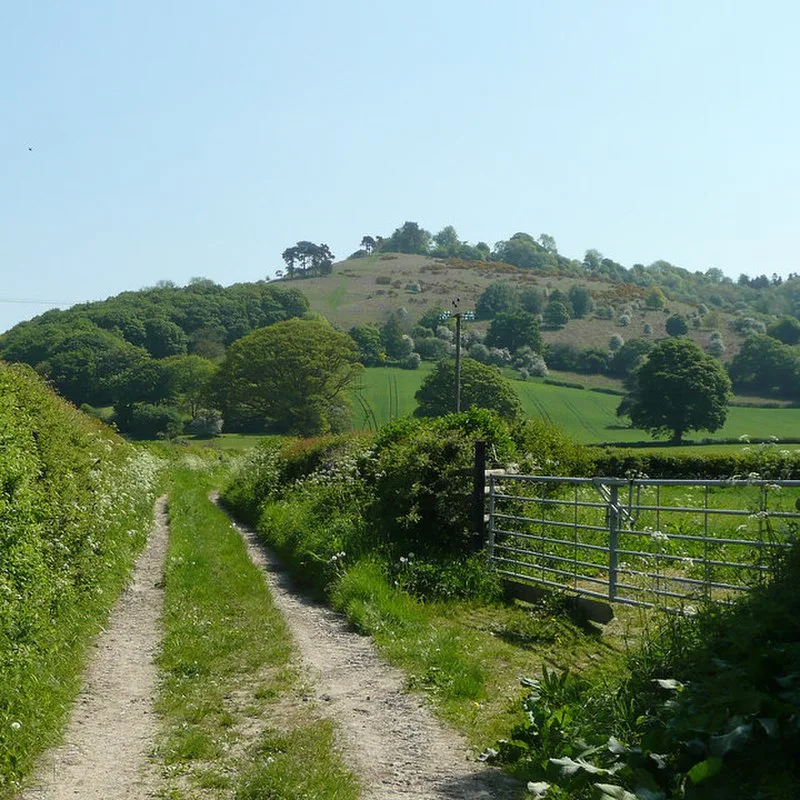
Croft Ambrey
Croft Ambrey is an Iron Age hillfort on Yatton Hill in Herefordshire, England, overlooking the valleys north of Leominster. Excavated between 1960 and 1966, the triangular fort…
Cunnilear Camp
Cunnilear Camp is a slight univallate Iron Age hillfort near the village of Loxhore in Devon, England, situated on a promontory above the River Yeo at approximately 110 metres…
Curdon Camp
Curdon Camp is an Iron Age hill-slope enclosure approximately 1.3 km northwest of Stogumber in Somerset, England, designated as a Scheduled Ancient Monument. Likely constructed…
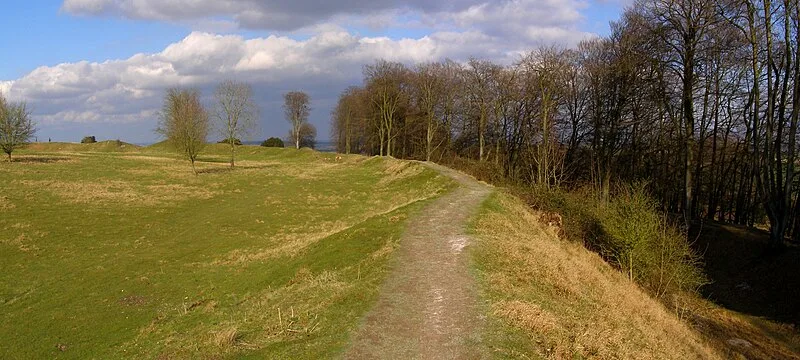
Danebury
(6th c. BC) Danebury is an Iron Age hillfort in Hampshire, England, about 19 km (12 mi) north-west of Winchester. The site covers 5 hectares (12 acres) and was excavated by Barry…
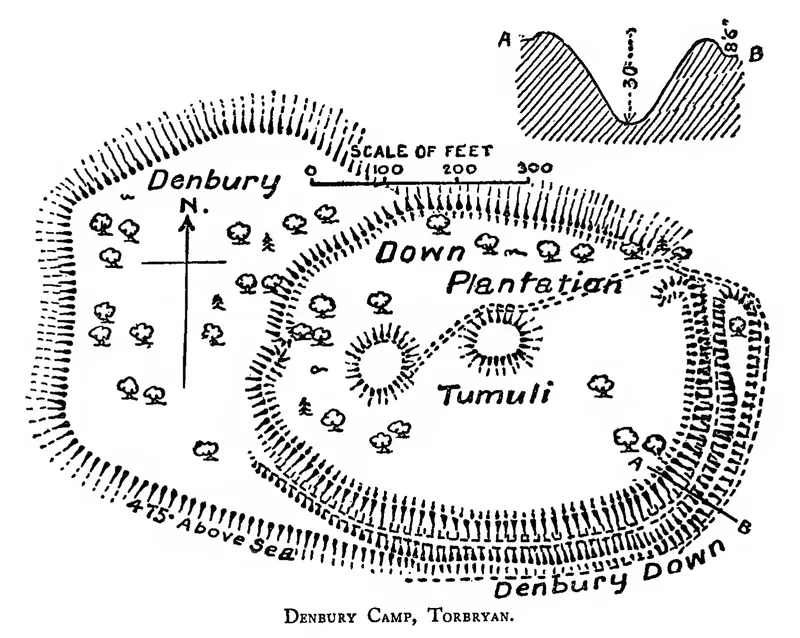
Denbury Hill
Denbury Hill (also Denbury Camp or Denbury Down) is an Iron Age hillfort near Denbury village in Devon, England, occupying the entire hilltop at 160 metres above sea level. The…
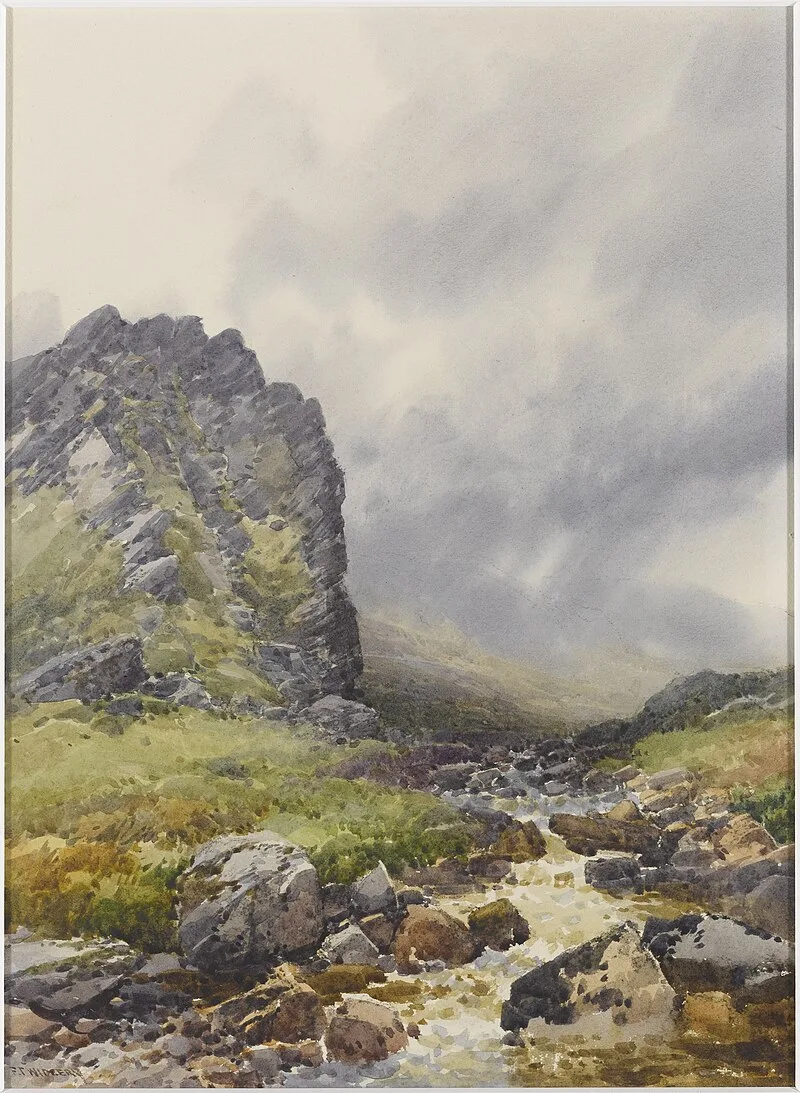
Dewerstone
Dewerstone is an Iron Age hill fort on a rocky promontory overlooking the River Plym on the south-west edge of Dartmoor, approximately 210 metres above sea level. The…
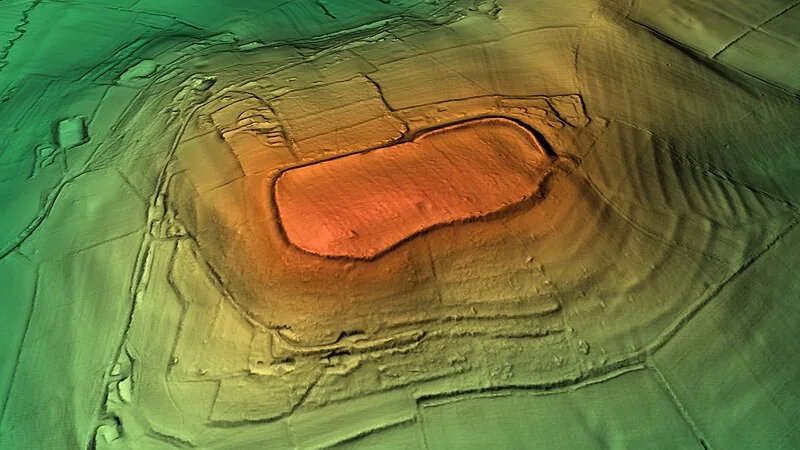
Dinedor Camp
Dinedor Camp is an Iron Age univallate hillfort on a spur of Dinedor Hill, about 3 km south of Hereford, overlooking the confluence of the Wye and Lugg rivers. The sub-rectangular…
Dinghurst Fort
Dinghurst Fort is an Iron Age univallate hillfort situated south of Churchill in Somerset, England. The earthwork defenses consist of a scarp encircling the hilltop enclosure,…
Dinies Camp
Dinies Camp is a univallate Iron Age hill fort enclosure in the Mendip district of Somerset, situated approximately 1.6 km southwest of the village of Downhead. The site is…
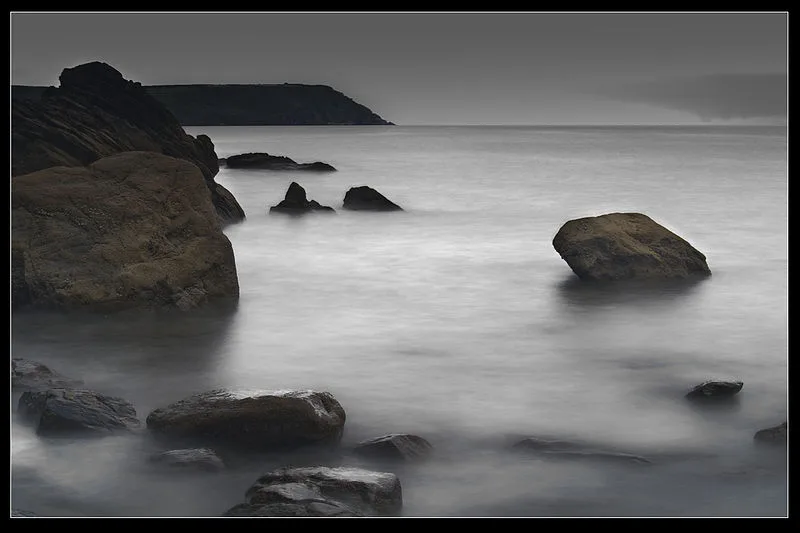
Dodman Point
Dodman Point is a headland on the south Cornwall coast, rising 114 metres (374 ft) above sea level. The site contains the remains of an Iron Age promontory fort. At its seaward…
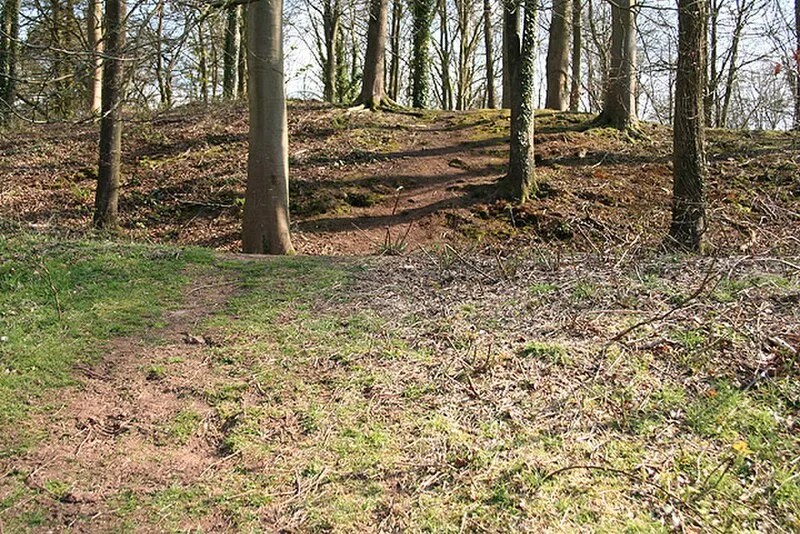
Dolbury
Dolbury is an Iron Age hillfort within the grounds of Killerton Park in Devon, England, dating to around 600 BC. Situated on a 120-metre hilltop overlooking the River Culm, it…
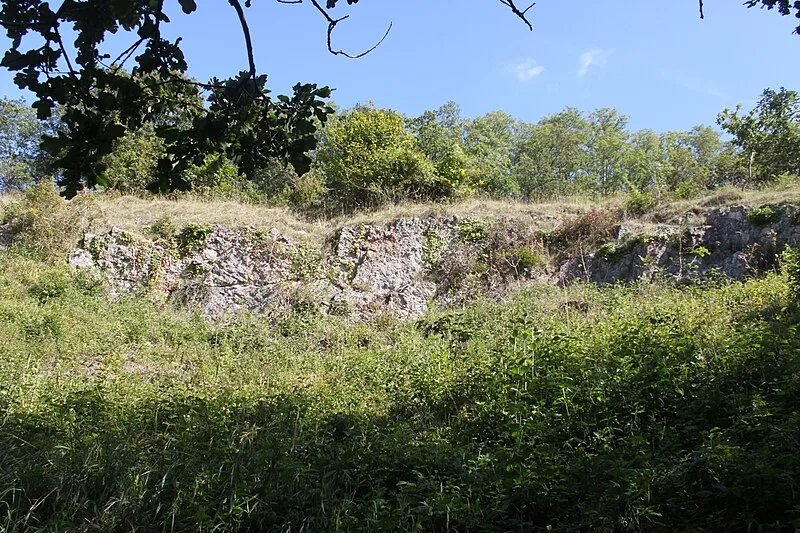
Dolebury Warren
Dolebury Warren is a 90.6-hectare (224-acre) hill fort and biological Site of Special Scientific Interest (SSSI) in North Somerset, South West England. It is owned by the National…
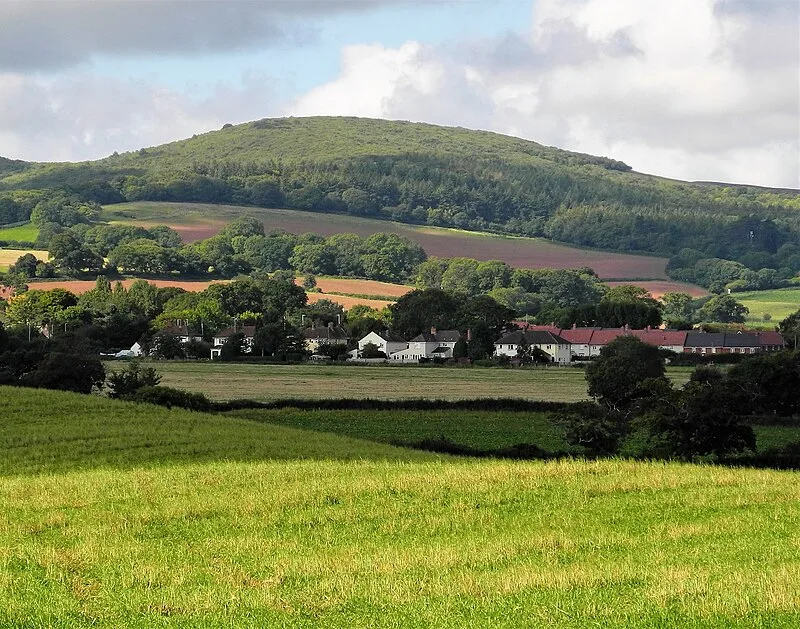
Dowsborough Camp
An Iron Age univallate hillfort on the Quantock Hills near Nether Stowey, Somerset, believed to date from the first millennium BC. The oval-shaped fort encloses 7 acres with a…
Drakelow Hillfort
A small multivallate Iron Age hillfort on a steep-sided promontory at the southern end of Kinver Edge, in Wolverley and Cookley parish, Worcestershire. The defences include two…
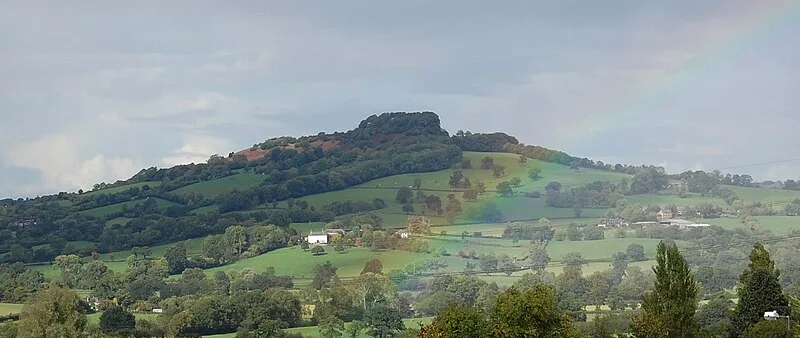
Dumpdon Hill
Dumpdon Hill is an Iron Age hillfort near Honiton in Devon, occupying a striking 260m-high detached hill between the River Otter and Luppitt Brook. The triangular fort encloses…
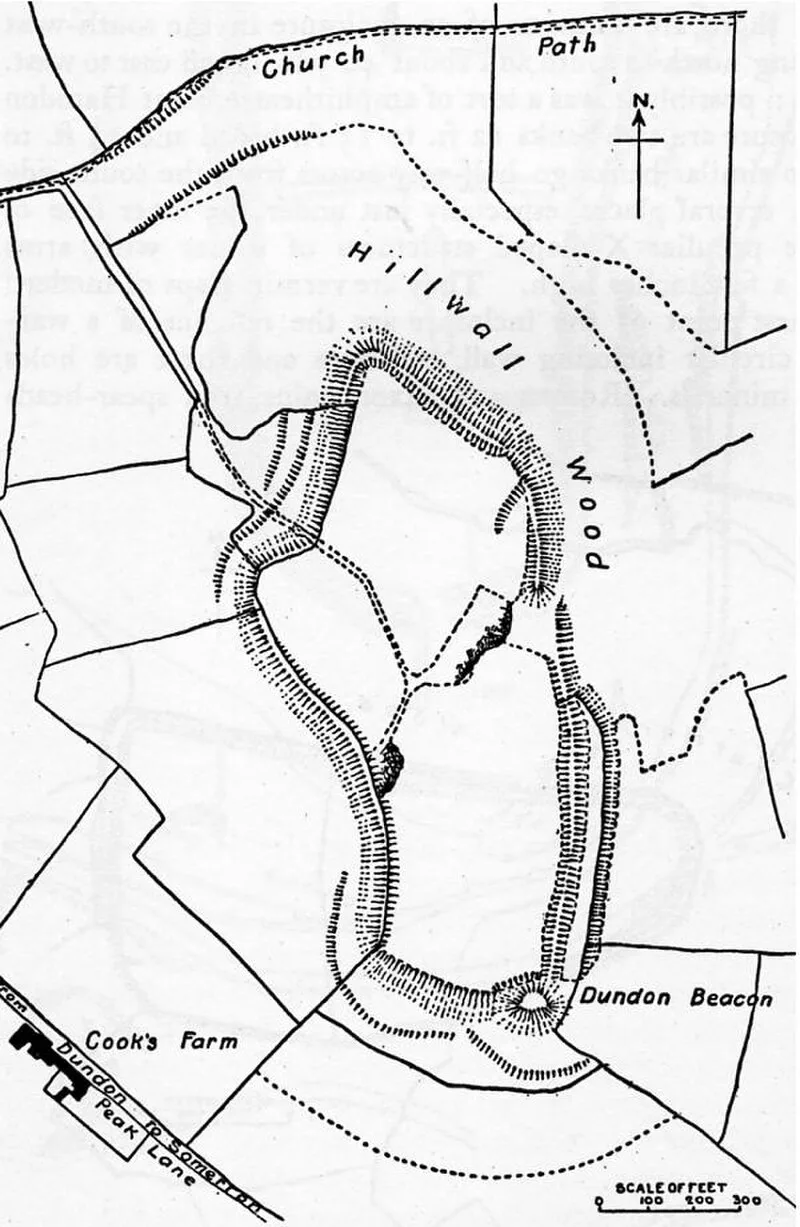
Dundon Hill Hillfort
Dundon Hill Hillfort is an Iron Age hillfort in Compton Dundon, Somerset. Located southeast is a Bronze Age bowl barrow, later modified into a Norman motte called Dundon Beacon.…
Dungeon Hill
Dungeon Hill is an Iron Age hillfort in Dorset, England, located about 2 km north of Buckland Newton village. It is a scheduled monument.
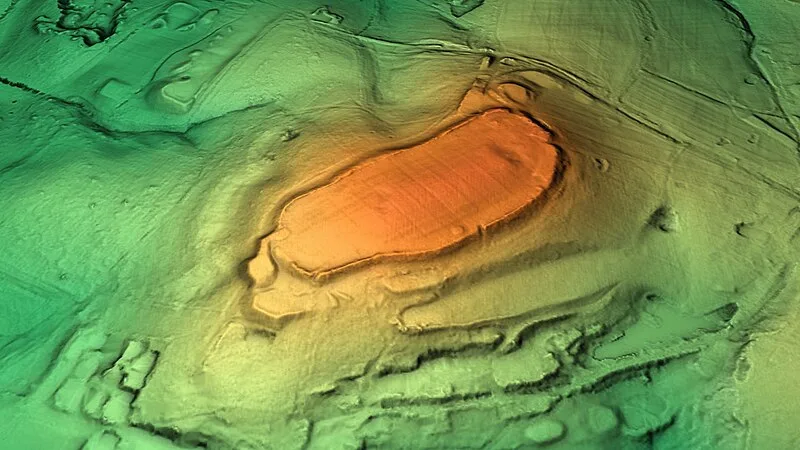
Dunwood Camp
Dunwood Camp is an Iron Age hillfort in Hampshire, England, occupying the summit of a sandy hill at 93 metres above Ordnance Datum. The site features a single rampart but lacks…
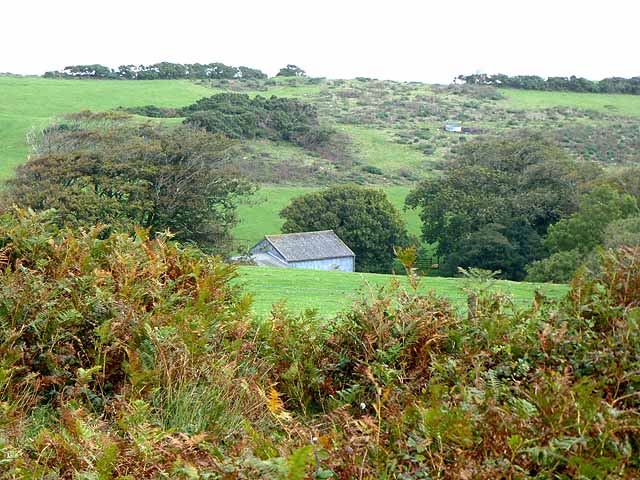
East Myne
East Myne is a univallate Iron Age hill fort enclosure in Somerset, England, situated about 1.1 miles (1.8 km) west of Minehead. The fortified site was later repurposed as a…
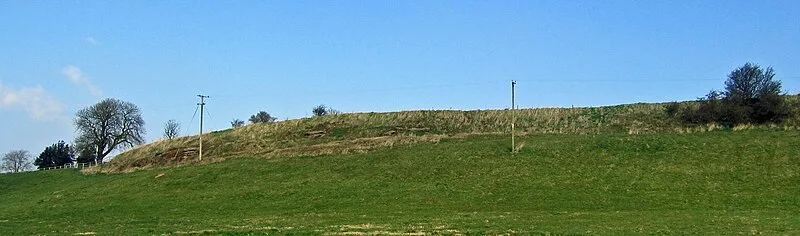
Eddisbury Hill Fort
Eddisbury Hill Fort, also known as Castle Ditch, is an Iron Age hill fort near Delamere, Cheshire, northern England. Constructed before 200–100 BC, it is the largest and most…
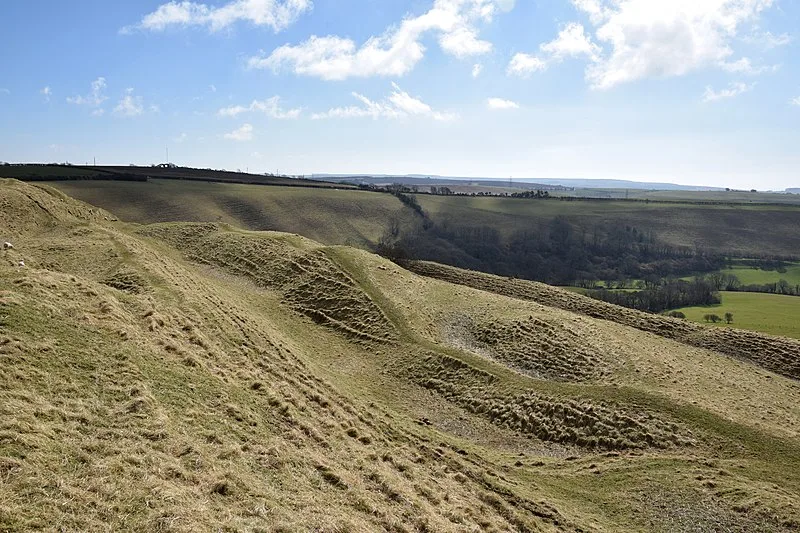
Eggardon Hill
Eggardon Hill is a prehistoric hillfort on chalk uplands in Dorset, England, situated approximately four miles east of Bridport. The hillfort occupies a strategic position on the…
Elborough Hill
Elborough Hill is an Iron Age hill fort located in North Somerset, England, 1.9 km east of Hutton village and 1.6 km south of Elborough village. The oval-shaped fortification…
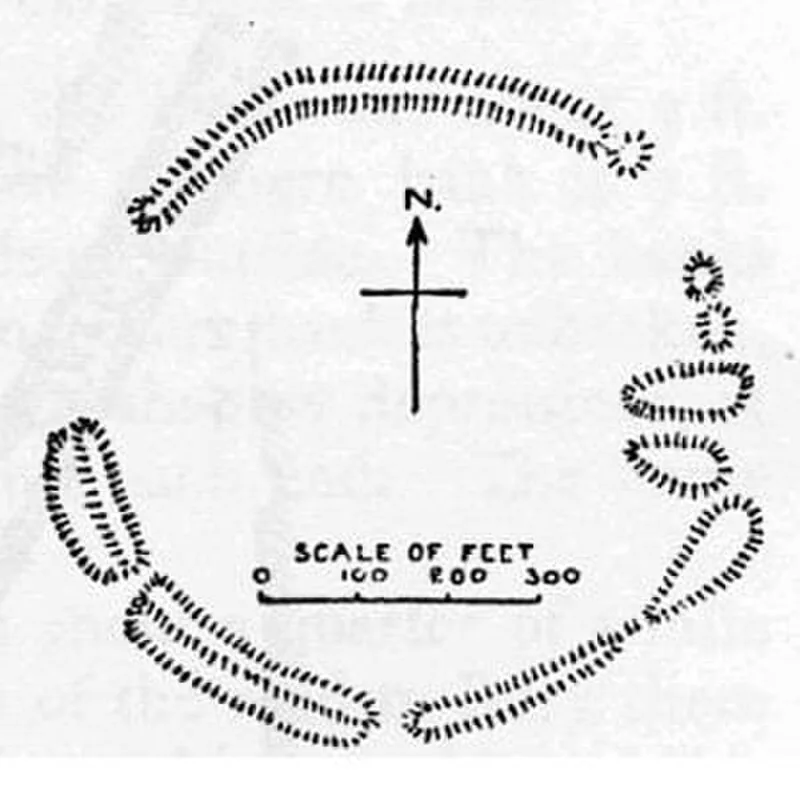
Elworthy Barrows
Elworthy Barrows is an unfinished Iron Age hillfort in the parish of Brompton Ralph, Somerset, covering 3.5 hectares. Despite its name, it is not a Bronze Age barrow but a…
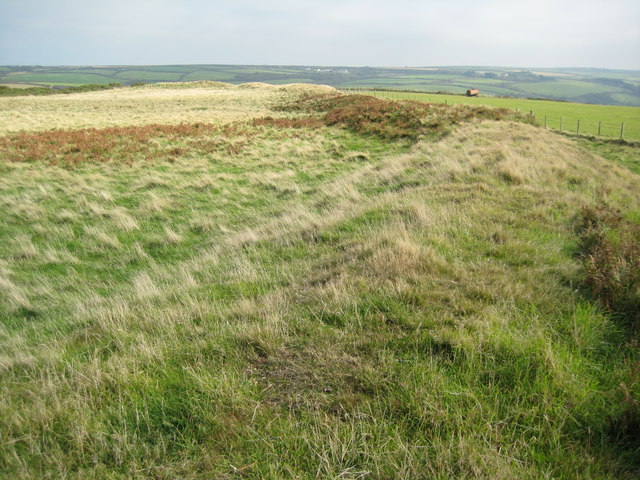
Embury Beacon
Embury Beacon is an Iron Age promontory fort on the Hartland Peninsula in north Devon, perched on west-facing cliffs at approximately 150 metres above sea level. The fort has…
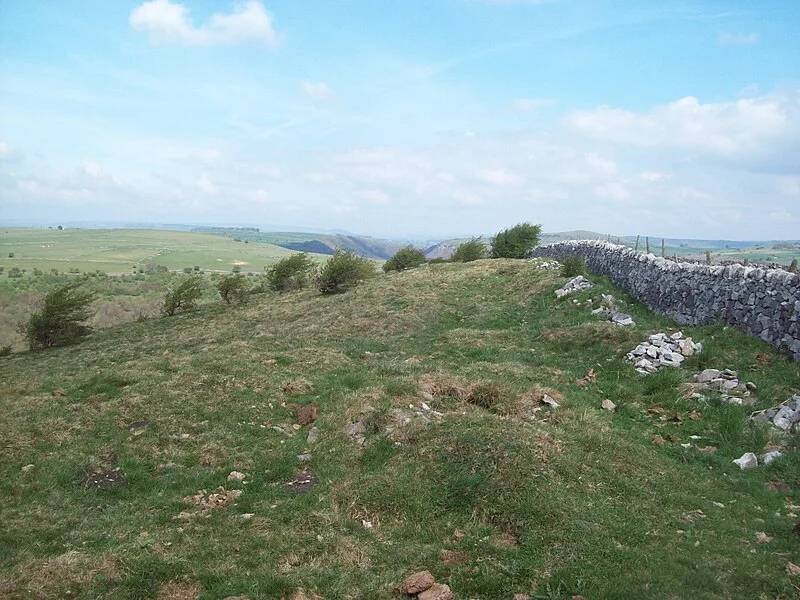
Fin Cop
Fin Cop is an Iron Age hillfort in Monsal Dale, Derbyshire, constructed between 440-390 BC. The fort featured a defensive wall 4 metres wide and 3-4 metres high with a single bank…
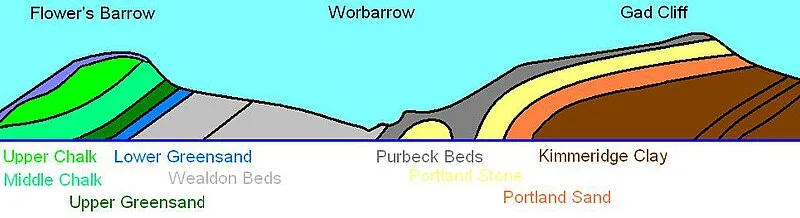
Flower's Barrow
Flower's Barrow is an Iron Age hillfort in Dorset, England. It overlooks Worbarrow Bay on the south coast, approximately 18 km west of Swanage and 10 km south-west of Wareham. The…
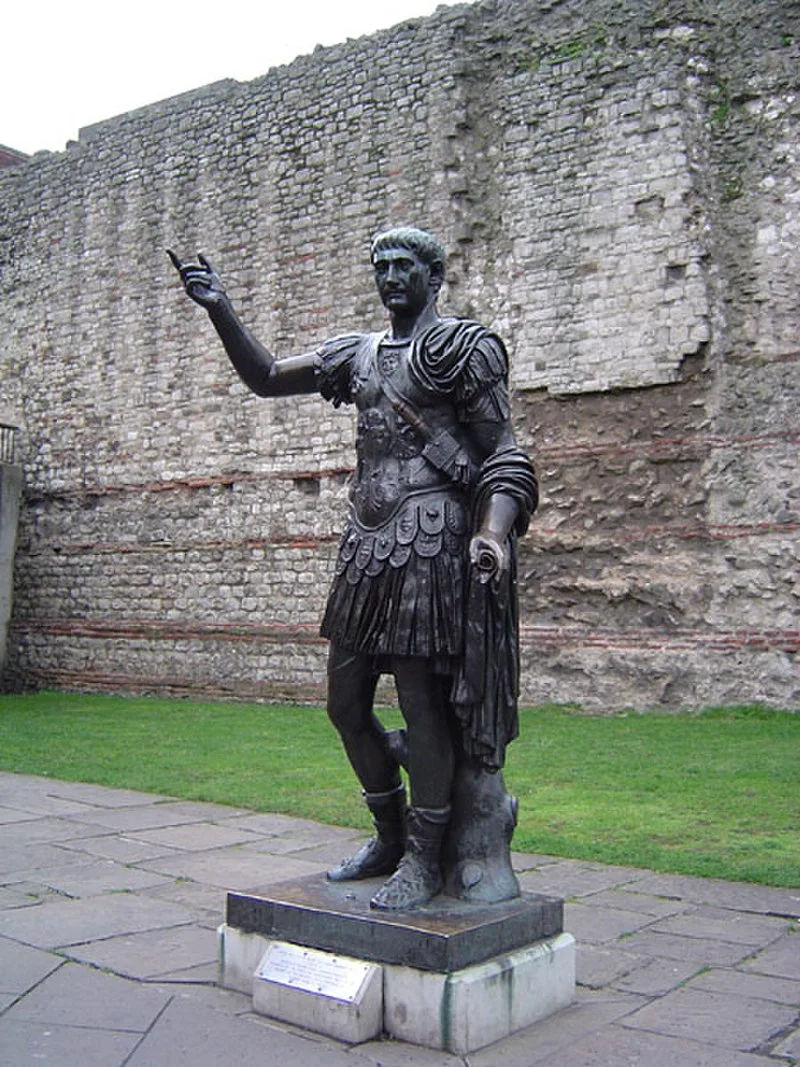
Fortifications of London
The defensive wall of Roman Londinium, first built c. AD 200, stretching approximately 2.5 miles and enclosing 134 hectares. Constructed with a rubble core bound in hard mortar…
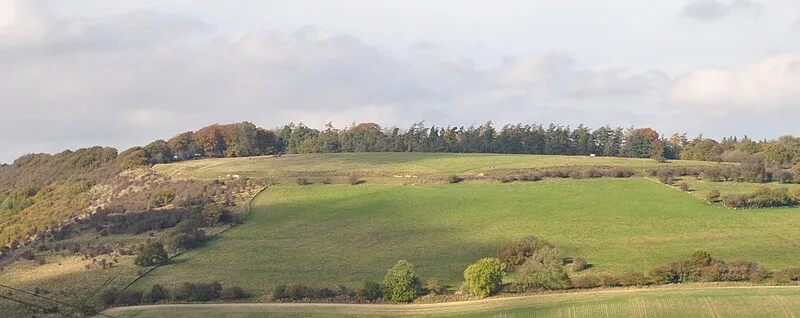
Fosbury Camp
Fosbury Camp is an Iron Age bivallate hillfort in Wiltshire, oval in shape and enclosing approximately 10.5 hectares (26 acres). Sitting atop Knolls Down, it is excellently…
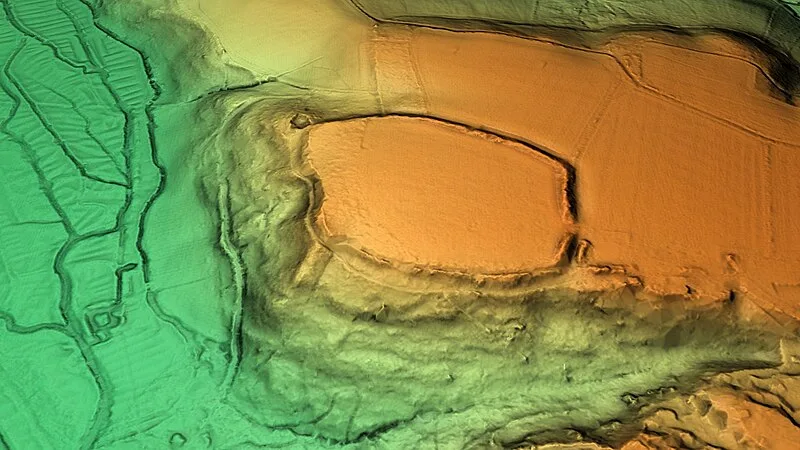
Frankenbury Camp
Frankenbury Camp is an Iron Age univallate hillfort on the northwestern edge of the New Forest in Hampshire, and the largest Iron Age hillfort in the New Forest area. The fort…
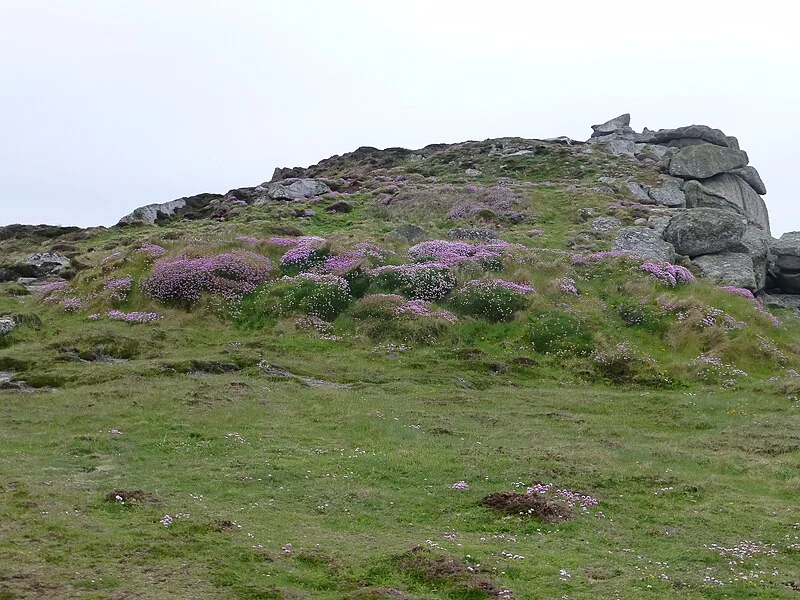
Giant's Castle, Isles of Scilly
Giant's Castle is an Iron Age cliff castle on St Mary's, Isles of Scilly, occupying a 0.4-hectare rocky promontory defended by sea cliffs 15-25 metres high. The landward side…
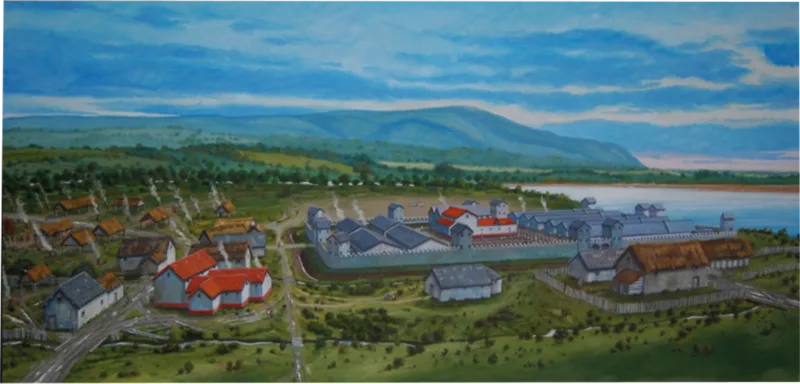
Glannoventa
Glannoventa is a Roman fort and naval base at Ravenglass in Cumbria. The fort appears in Roman records under various names: Clanoventa (2nd-century Antonine Itinerary),…
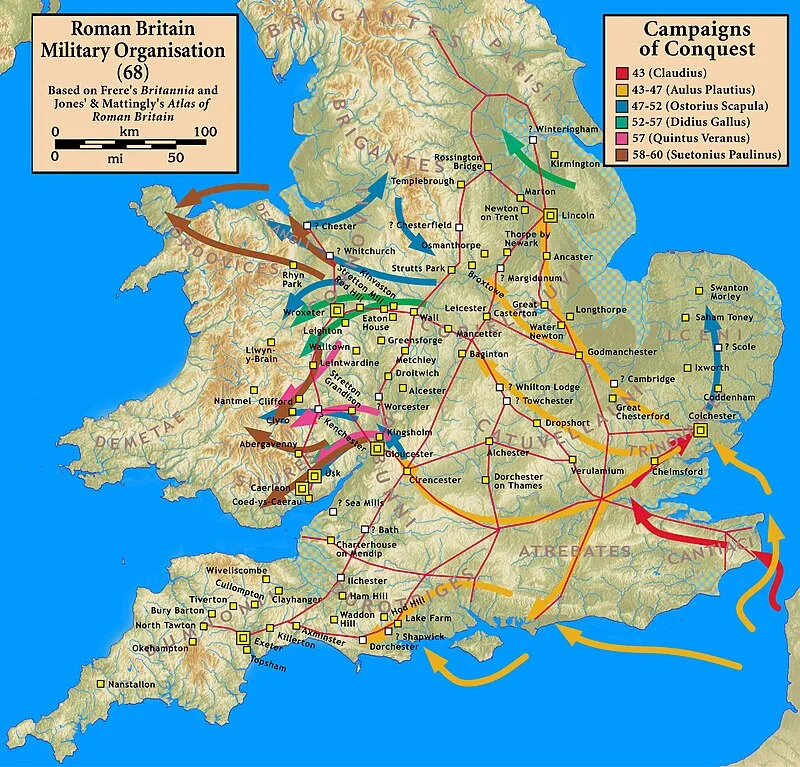
Glevum
Glevum was a Roman fort that became a colonia (a settlement for retired legionaries) in AD 97. Today, the site is occupied by modern Gloucester, the county town of…
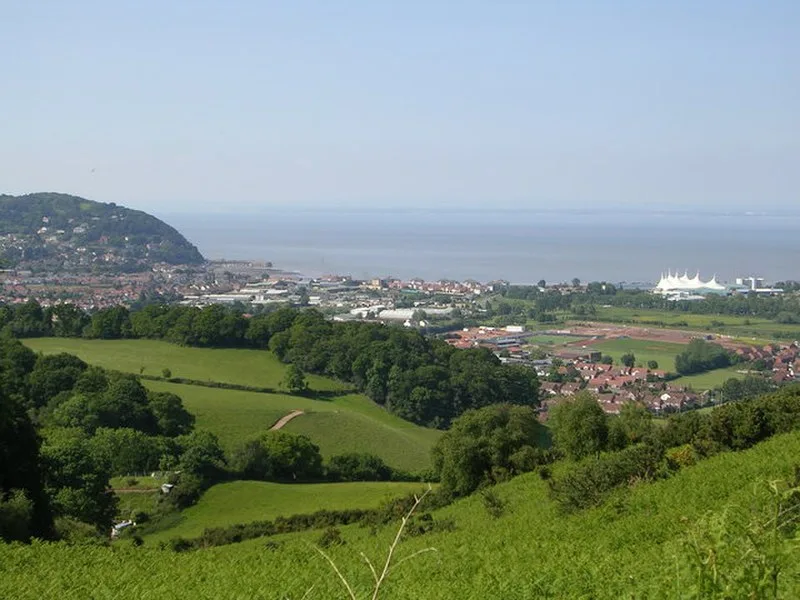
Grabbist Hillfort
Grabbist Hillfort is an Iron Age oval hillfort or defended enclosure located west of Dunster in Somerset, England.
Greenway Camp
Greenway Camp (also called Noss) is a Late Iron Age multiple enclosure hill fort in the parish of Kingswear near Dartmouth, Devon. Situated 65-80m above sea level overlooking Noss…
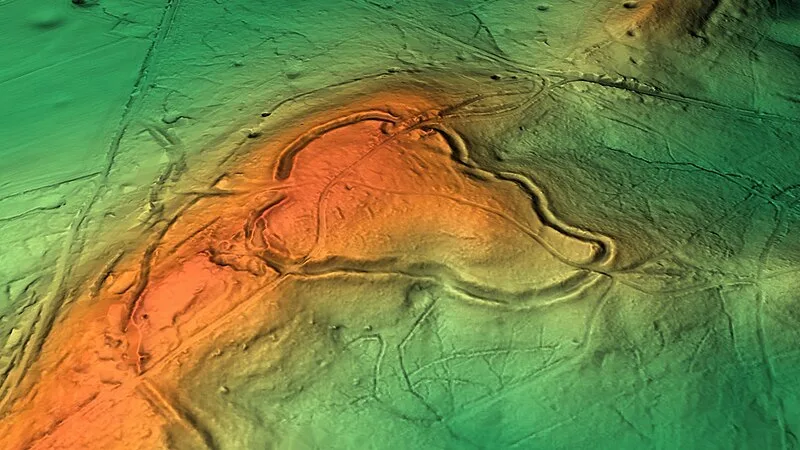
Grimsbury Castle
Grimsbury Castle is a slight univallate Iron Age hill fort situated within Grimsbury Wood between Cold Ash and Hermitage in Berkshire, enclosing about 8 acres of plateau. The…
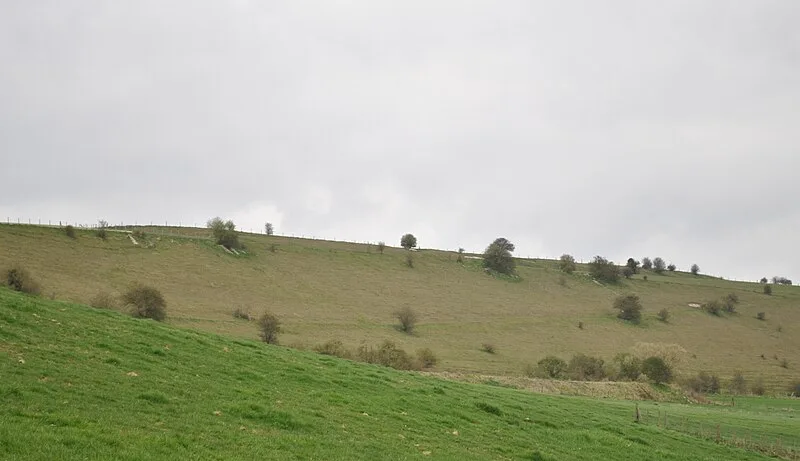
Grovely Castle
Grovely Castle is an Iron Age univallate hill fort in Steeple Langford, Wiltshire. The remaining ramparts stand 3.2 m high with 1.5 m deep ditches, though ploughing has damaged…
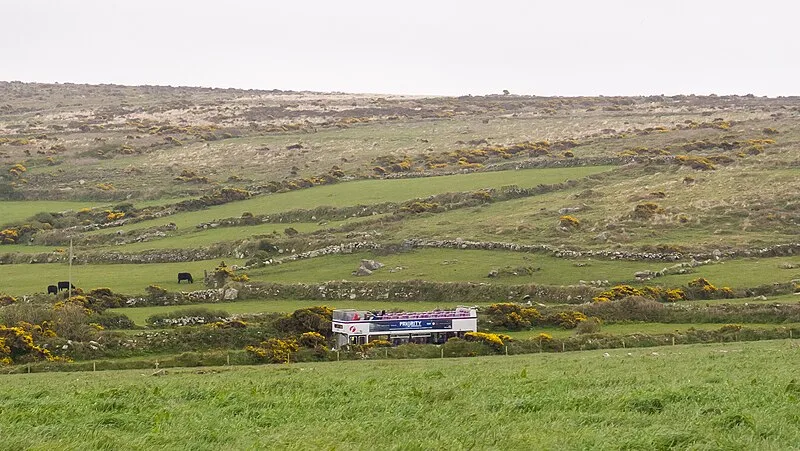
Gurnard's Head
An Iron Age promontory fort (cliff castle) called Trereen Dinas on a narrow headland in Zennor parish, Cornwall, defended by two stone ramparts each about 60 metres long with…
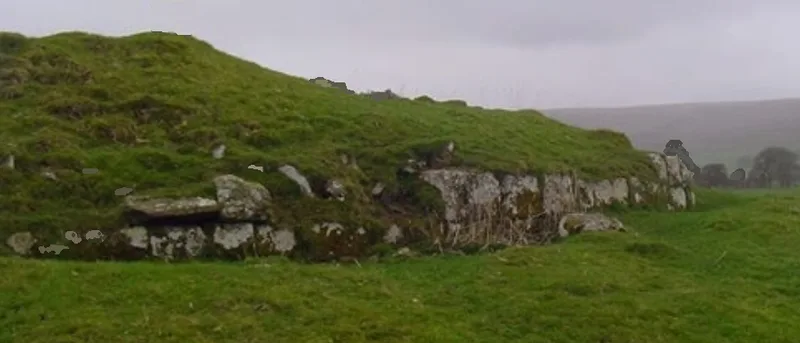
Habitancum
A Roman outpost fort at Risingham, Northumberland, built along Dere Street during the Antonine period (c. 138 CE), destroyed c. 197 CE, and rebuilt under Emperor Severus in the…
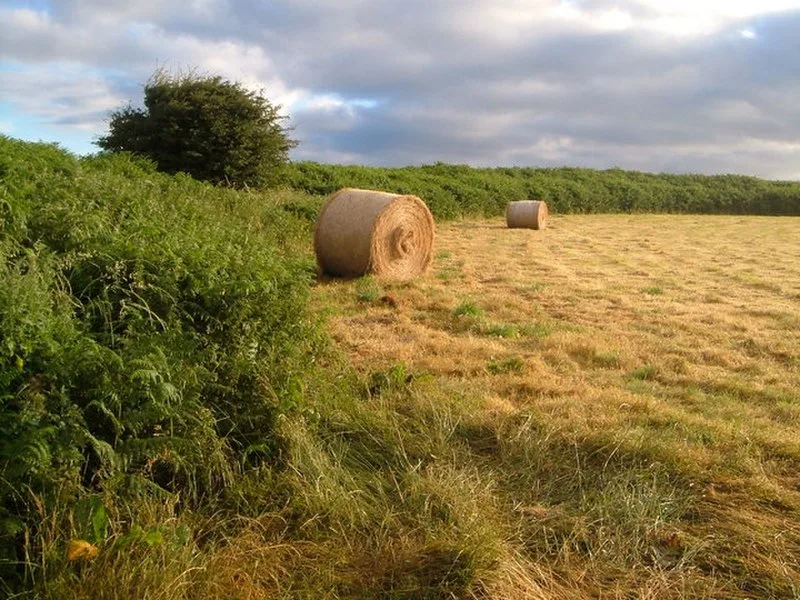
Halwell Camp
Halwell Camp is an Iron Age hill fort (c. 1500-500 BC) situated close to the village of Halwell in Devon, England. The fort occupies a strategic position on a pass between two…
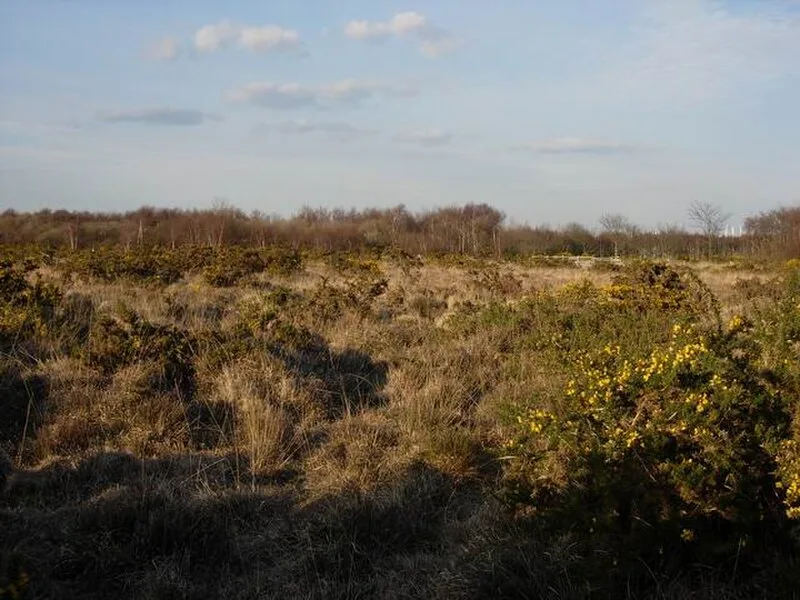
Hamble Common Camp
Iron Age promontory hillfort on a 22-hectare peninsula between Southampton Water and the River Hamble in Hampshire, England. The fort exploited the natural defensive advantages of…
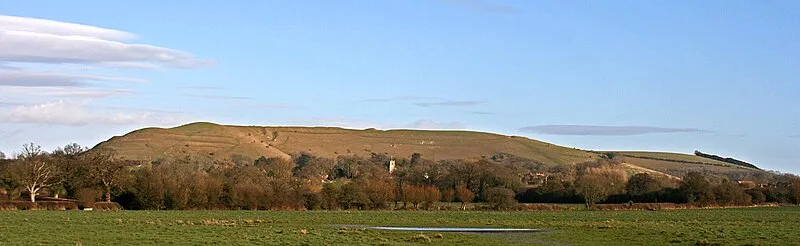
Hambledon Hill
Major prehistoric site in Dorset, England, with occupation spanning over 5,000 years. The earliest phase (c. 3680-3630 BC) comprised Neolithic causewayed enclosures used for…
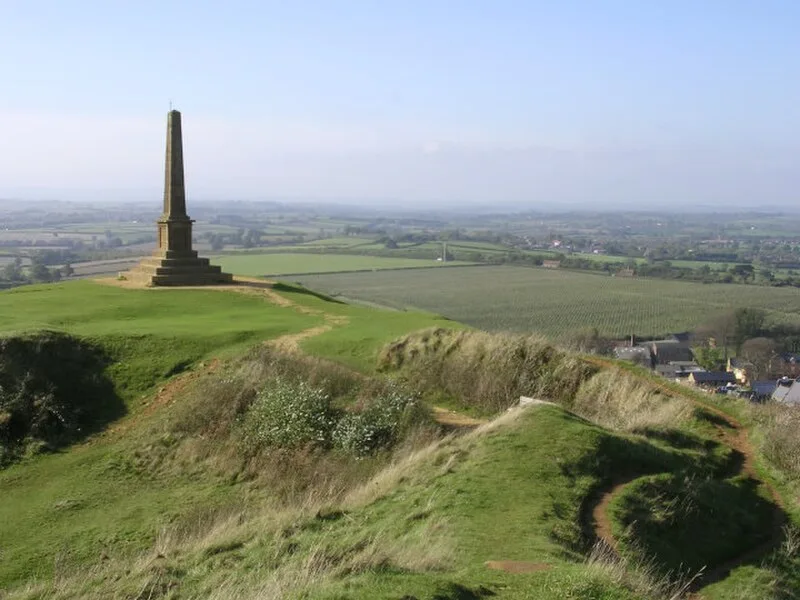
Ham Hill Hillfort
Ham Hill Hillfort is an Iron Age hillfort on Ham Hill in Somerset, England, dating to 1500–500 BC. Evidence shows earlier Mesolithic and Neolithic occupation, followed by Roman…
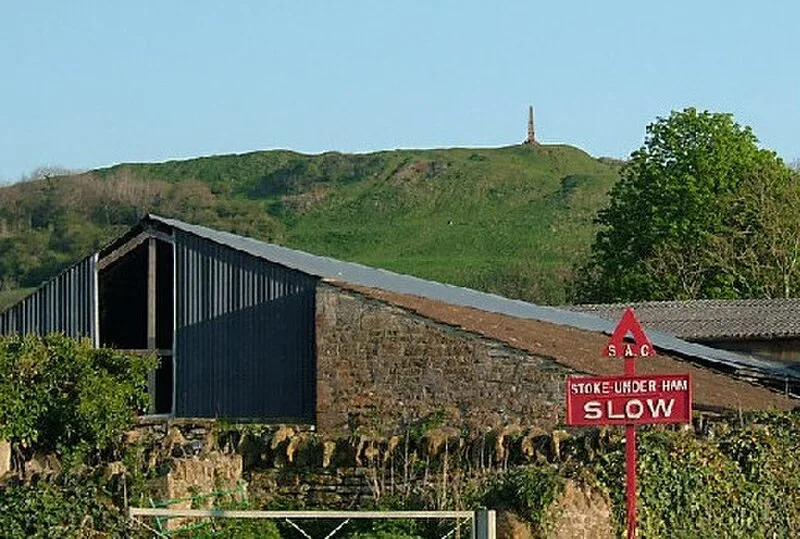
Ham Hill, Somerset
Ham Hill is an Iron Age hill fort and Roman site in Somerset, England, located west of Yeovil. It is a geological Site of Special Scientific Interest (SSSI), Scheduled Ancient…
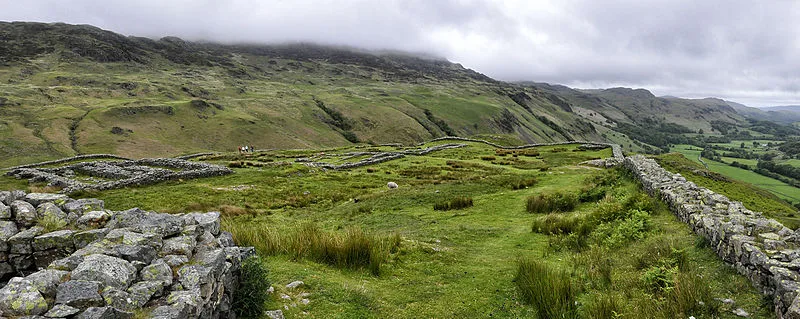
Hardknott Roman Fort
Hardknott Roman Fort (Mediobogdum) is a Roman fortress on the western slope of the Hardknott Pass in Cumbria, England. Built between 120 and 138 AD on a rocky spur, it was…
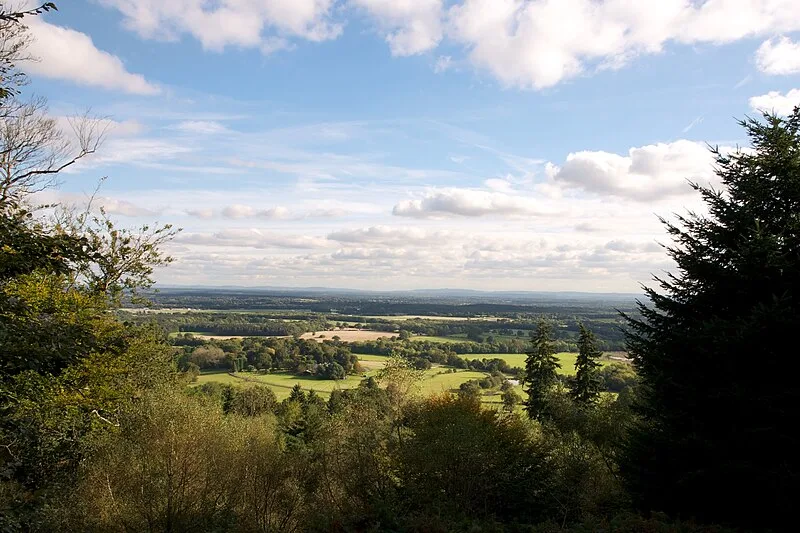
Hascombe Hill
An Iron Age multivallate hillfort occupying a prominent position on a greensand ridge near the village of Hascombe in Surrey, England. The roughly trapezoidal enclosure covers 2.4…
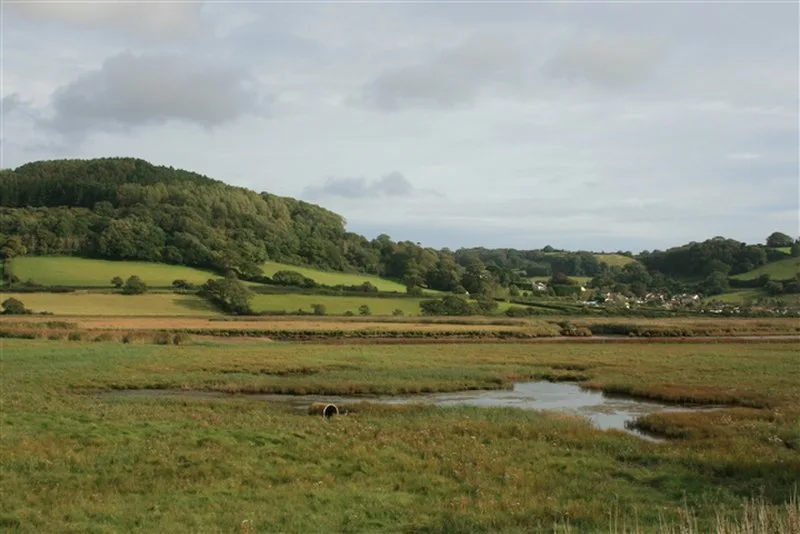
Hawkesdown Hill
Hawkesdown Hill, also known as Hawkesdown Camp, is an Iron Age hill fort situated on a prominent hillside above the Axe Estuary near Axmouth in Devon, England. The fort stands…
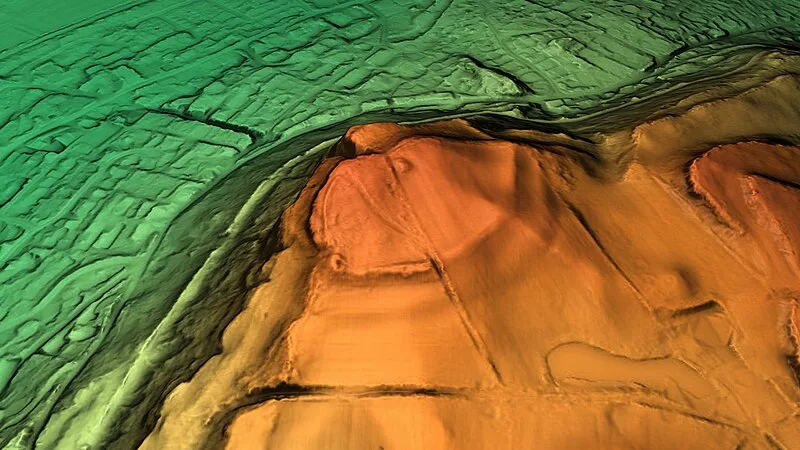
Helsby Hill Fort
Helsby Hill Fort is an Iron Age hillfort overlooking the village of Helsby in Cheshire, northwest England. The hill has steep cliffs on the northern and western sides, providing…
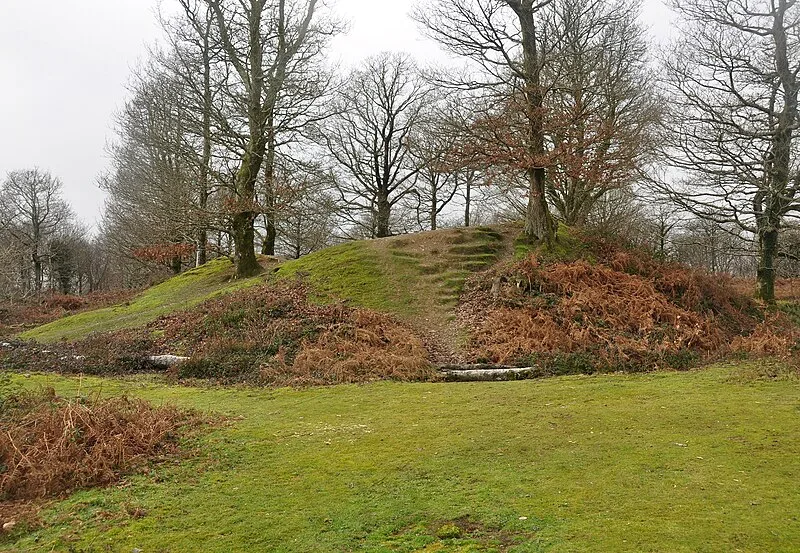
Hembury Castle, Buckfast
Hembury Castle is an Iron Age hillfort located about a mile north-west of Buckfast village on the south-eastern edge of Dartmoor in Devon, England. The fort stands at…
Hembury Castle, Tythecott
Hembury Castle is an Iron Age promontory hill fort near Tythecott, south of Buckland Brewer in Devon, situated at 137 metres above sea level. The defences consist of an inner…
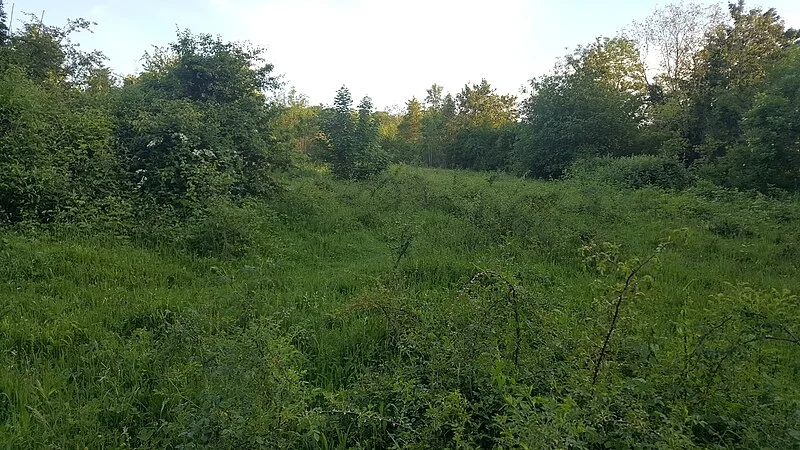
Hexton
Ravensburgh Castle at Hexton is the largest Iron Age hillfort in the Chilterns, covering 22 acres including its defences. The site saw three construction phases from the Early…
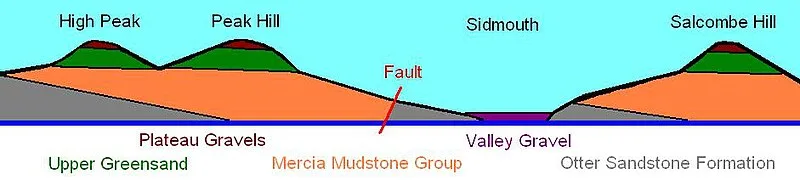
High Peak, Devon
High Peak is a partially eroded hill with a cliff face on the English Channel coast, southwest of Sidmouth, Devon, England. Its highest point reaches approximately 157 metres (515…
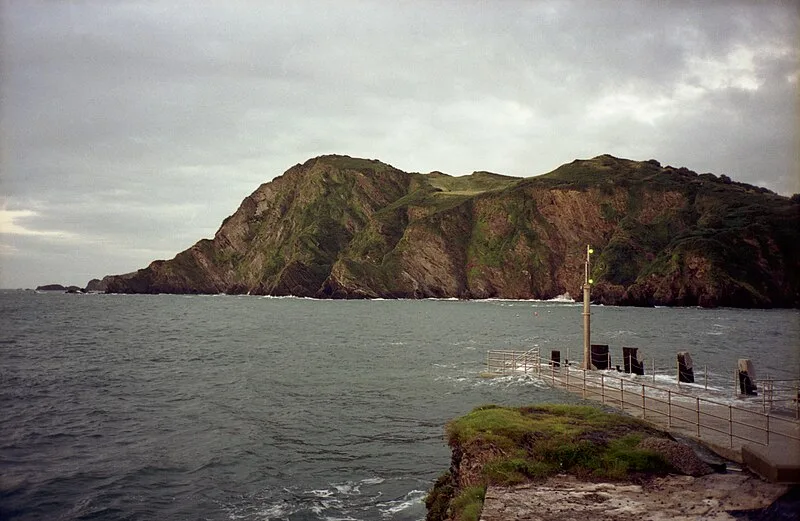
Hillsborough, Devon
Hillsborough is a local nature reserve in Ilfracombe, North Devon, known locally as the 'sleeping elephant'. The site contains the remains of an Iron Age hill fort. Purchased by…
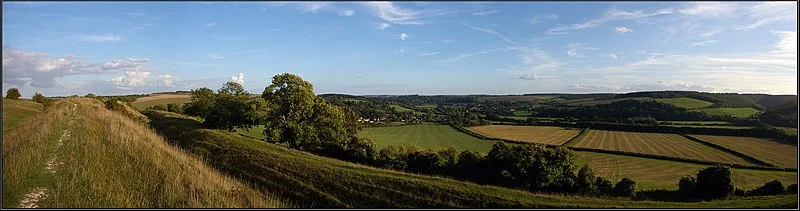
Hod Hill
Hod Hill is one of the largest Iron Age hillforts in Dorset, England, enclosing 22 hectares on a 143-metre chalk hill overlooking the River Stour. Fortified no later than the 5th…
Holbury, Holbeton
Holbury is an Iron Age hill fort near Holbeton in Devon, England, classified as a multiple enclosure fort -- one of four such examples in the South Devon Area of Outstanding…
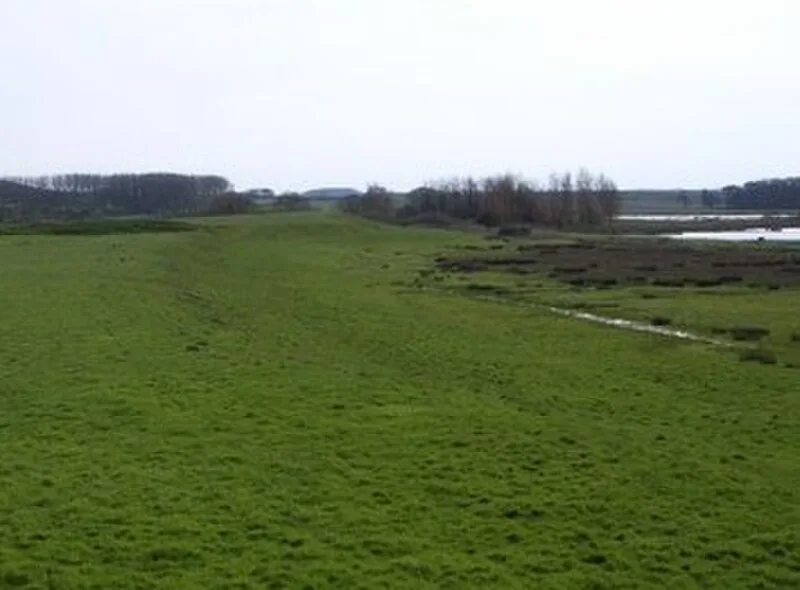
Holkham Camp
Holkham Camp is an Iron Age fort in Norfolk, England, an irregular oval earthwork enclosing approximately 2.5 hectares on a sand and gravel spit within the Holkham National Nature…
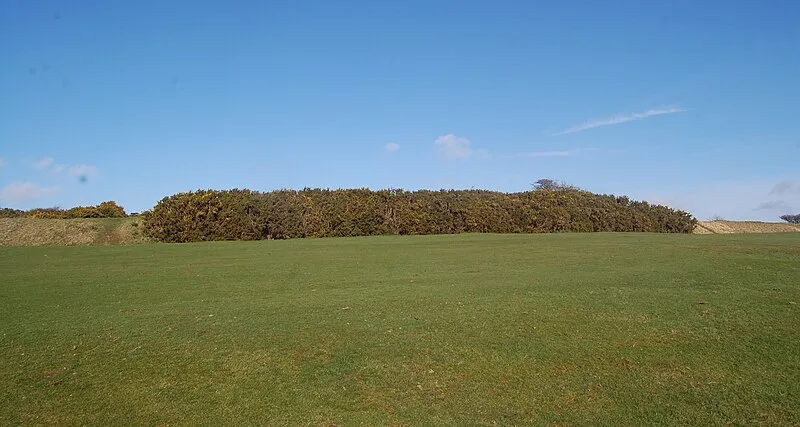
Hollingbury Castle
Hollingbury Castle is an Iron Age hillfort on the northern edge of Brighton, East Sussex, enclosing about 3.6 hectares within a single bank and ditch of roughly square plan with…
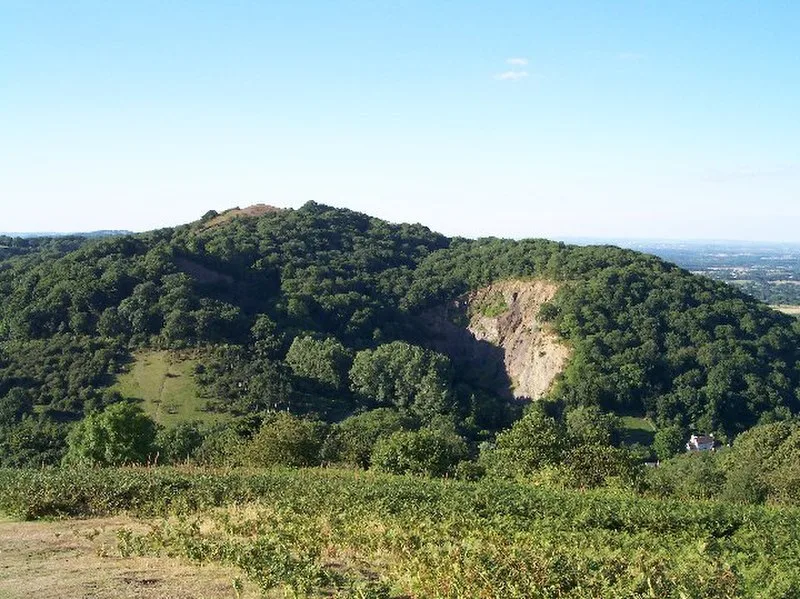
Hollybush Hill
Hollybush Hill (242 m elevation) is an Iron Age hill fort in the Malvern Hills on the Herefordshire-Worcestershire border, east of Midsummer Hill. The site is a Scheduled Ancient…

Holmbury Hill
Holmbury Hill is an Iron Age hillfort in Surrey, England, rising to 261 metres (856 ft) above sea level along the Greensand Ridge. Its name derives from Old Saxon: "holm" means…
Holne Chase Castle
Holne Chase Castle is a slight univallate Iron Age hillfort in Devon, England, built during the Late Bronze Age to Early Iron Age transition (8th-5th centuries BC). The oval…
Horse Pool Camp
Horse Pool Camp, also known as Whitestaunton Camp, is a univallate Iron Age hillfort in South Somerset, England, situated about 1.6 km west of Whitestaunton near the Devon border.…
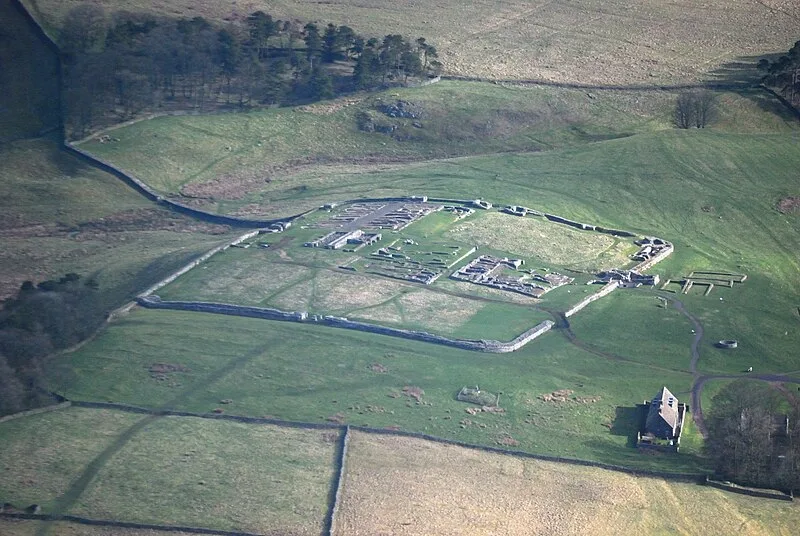
Housesteads Roman Fort
The most complete Roman fort in Britain, built in stone c. AD 124 on Hadrian's Wall in Northumberland, England. Covering 2.2 hectares, it housed an 800-strong infantry regiment,…
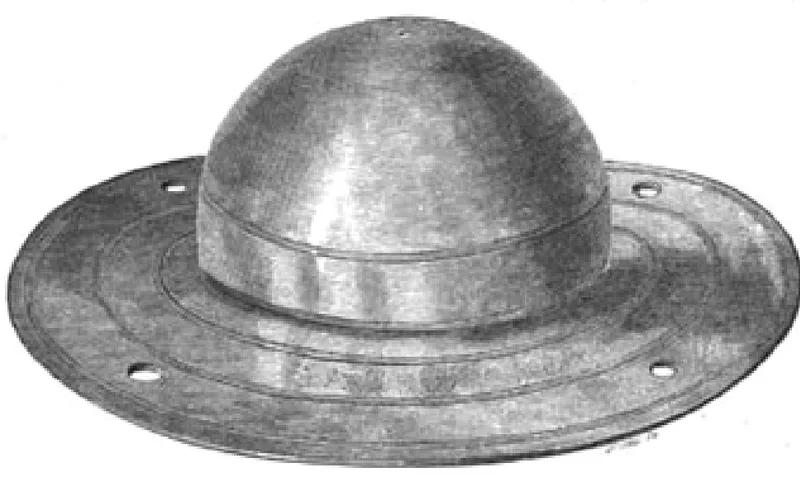
Hunnum
Roman fort on Hadrian's Wall, located north of Halton, Northumberland. It was the fifth fort built along the wall, situated approximately 7.5 miles west of Vindobala fort, 5.9…
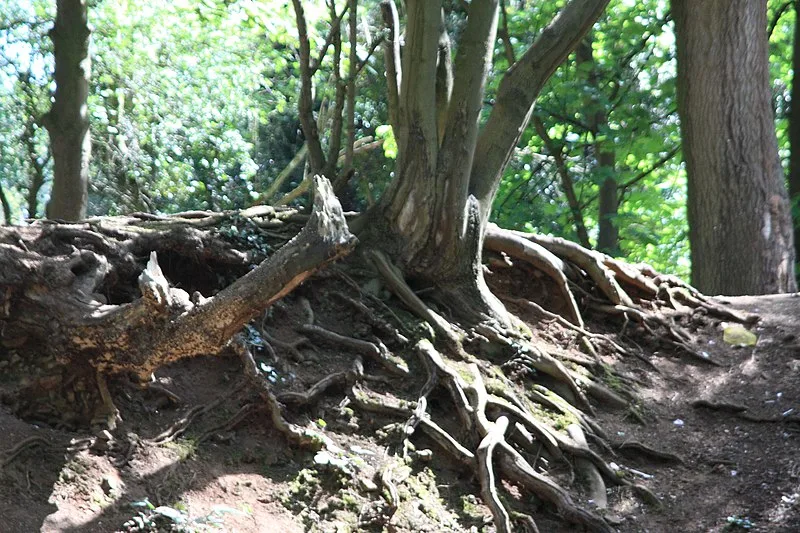
Hunsbury Hill
An Iron Age hillfort 3 km southwest of Northampton, also known as Danes Camp, with defences built between the 7th and 4th centuries BC. The 1.6-hectare site features a deep ditch…
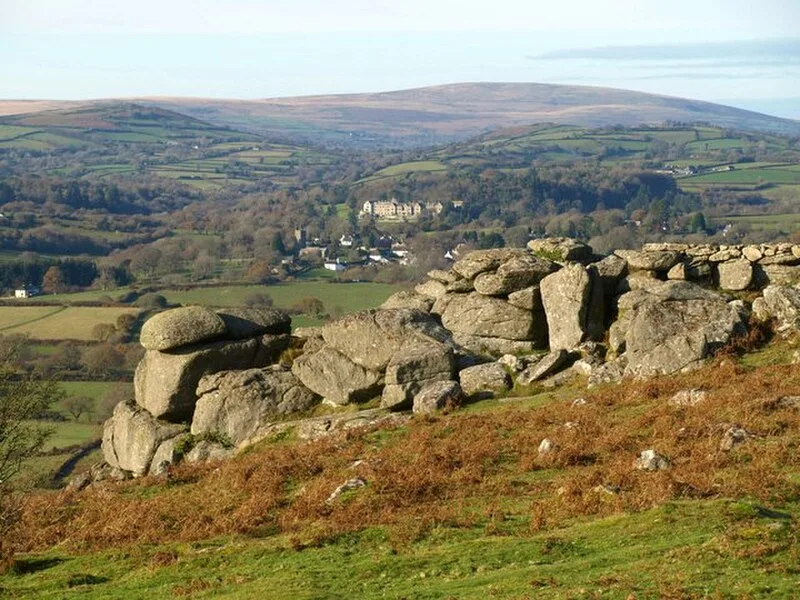
Hunter's Tor, Lustleigh Cleave
Hunter's Tor is a granite tor in the parish of Lustleigh on Dartmoor, one of two tors sharing this name, with the other located in the Teign Gorge.
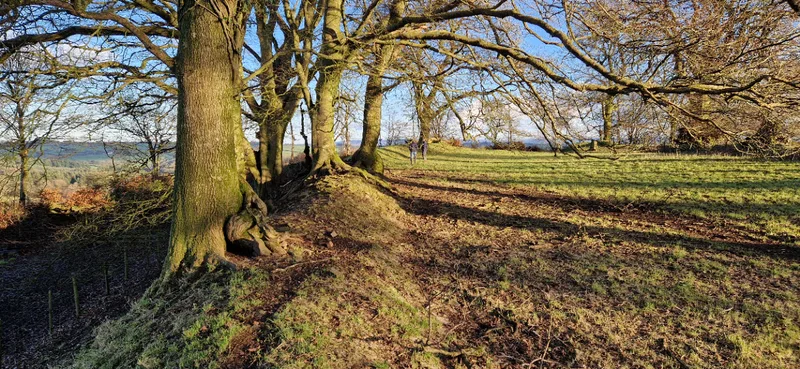
Huntsham Castle
Iron Age hillfort (c. 500-300 BC) in Devon, England, occupying a prominent hill 260m above sea level. The sub-circular univallate enclosure spans approximately 150m in diameter,…
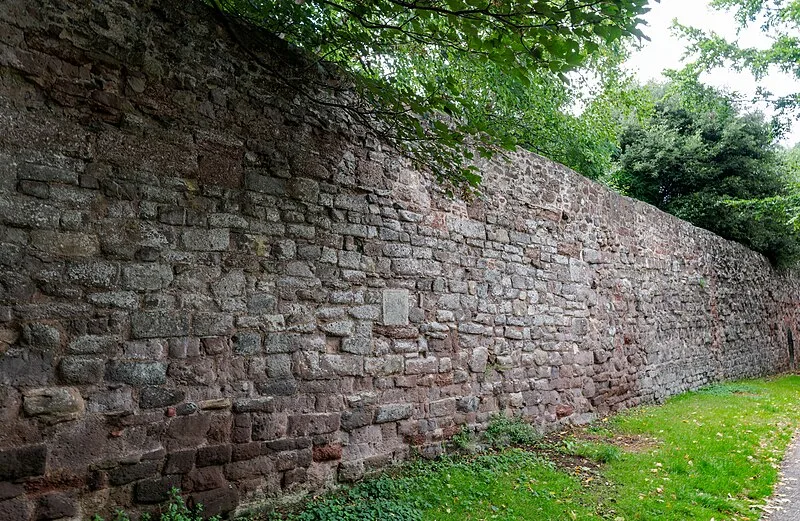
Isca Dumnoniorum
(c. AD 55) Roman legionary fortress at modern Exeter, built for the Legio II Augusta to secure southwest Britannia against the Dumnonii tribe. The 37-acre fort included a stone…
Ivington Camp
An Iron Age multivallate hillfort located at Brierley, 3 km south of Leominster, Herefordshire. The site encompasses an inner enclosure of about 24 acres surrounded by a rampart,…

Jenny's Lantern
Jenny's Lantern is an Iron Age hillfort in north Northumberland, England, overbuilt by a well-preserved Romano-British stone settlement and field system. The site sits on a small…
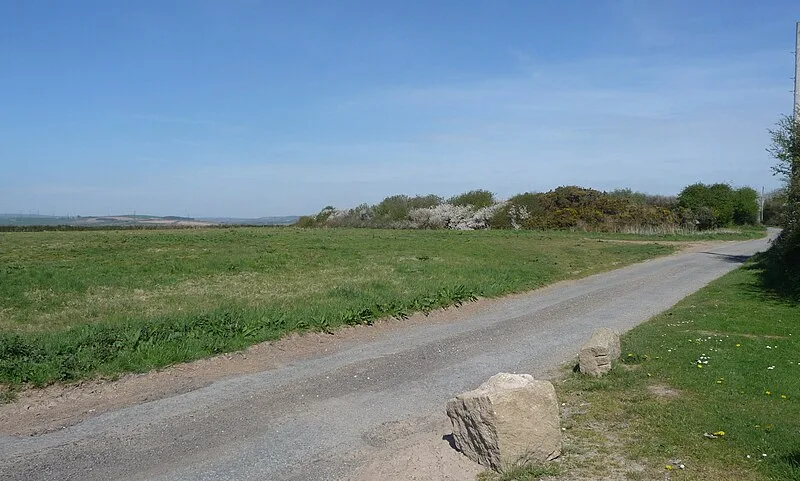
Kelly Rounds
Kelly Rounds (Castle Killibury) is a bivallate Iron Age hillfort covering 5 hectares near Wadebridge in Cornwall, England. Radiocarbon dating places the main occupation between…
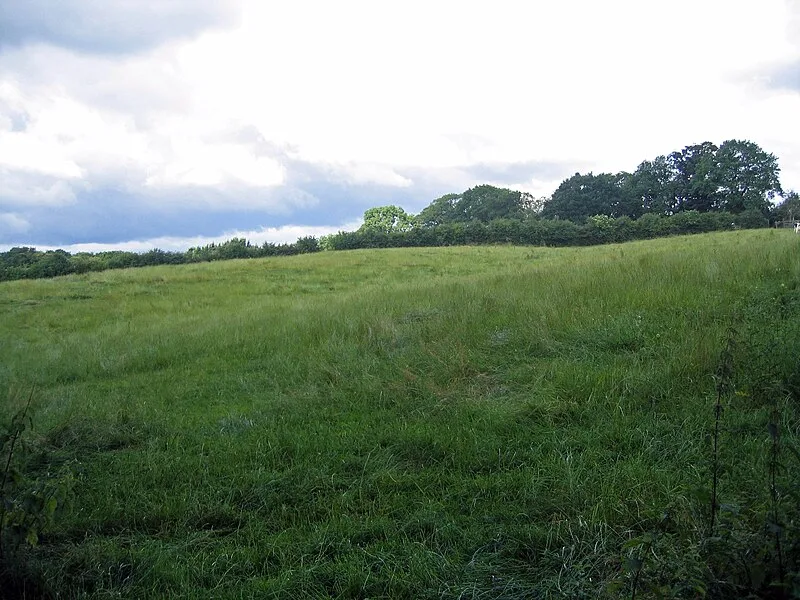
Kelsborrow Castle
Kelsborrow Castle is an Iron Age hill fort in Cheshire, one of only seven in the county. The fort was likely occupied for only a short period. Archaeological finds include a…
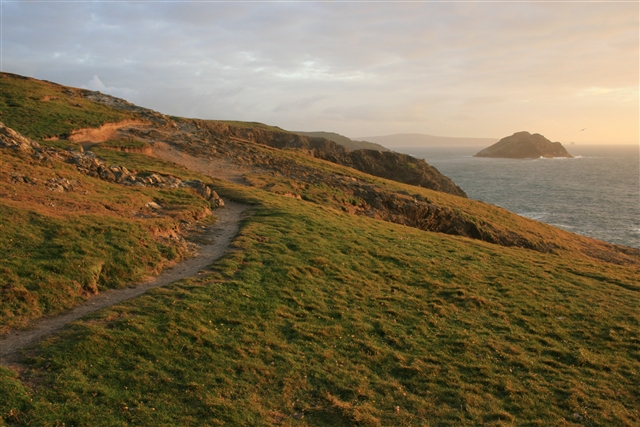
Kelsey Head
Kelsey Head is a coastal Site of Special Scientific Interest (SSSI) and headland in north Cornwall, England, noted for its biological interest. The site contains an Iron Age hill…
Kentisbury Down
Kentisbury Down is an Iron Age univallate hill-slope enclosure on the edge of Exmoor in Devon, England, close to Blackmore Gate. Situated on the southeast slope of the down at…
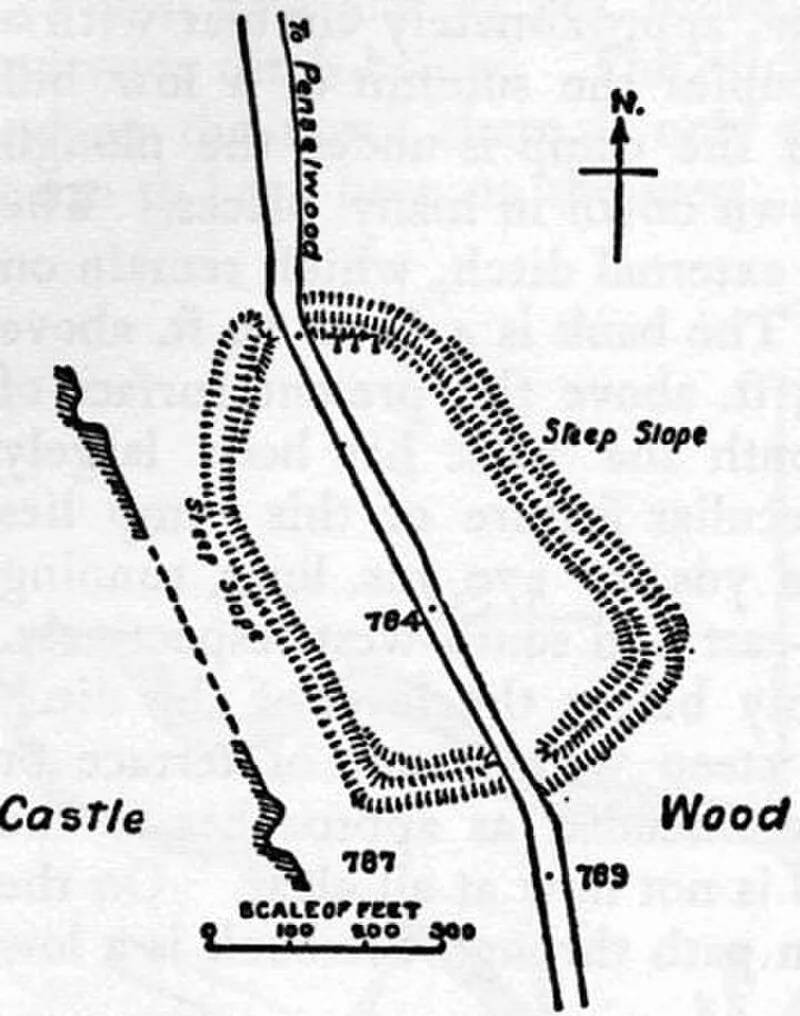
Kenwalch's Castle
Kenwalch's Castle is an Iron Age univallate hillfort near Penselwood, Somerset, believed to have been converted into a Roman fortress. The site covers 1.6 hectares within Castle…
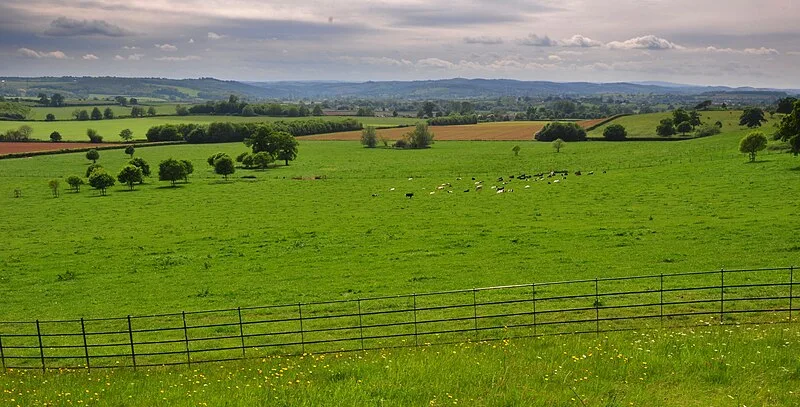
Killerton
Dolbury Hillfort at Killerton is an Iron Age enclosure dating to c. 600 BC, situated on a 120 m hilltop overlooking the River Culm in Broadclyst, Devon. The Scheduled Monument…
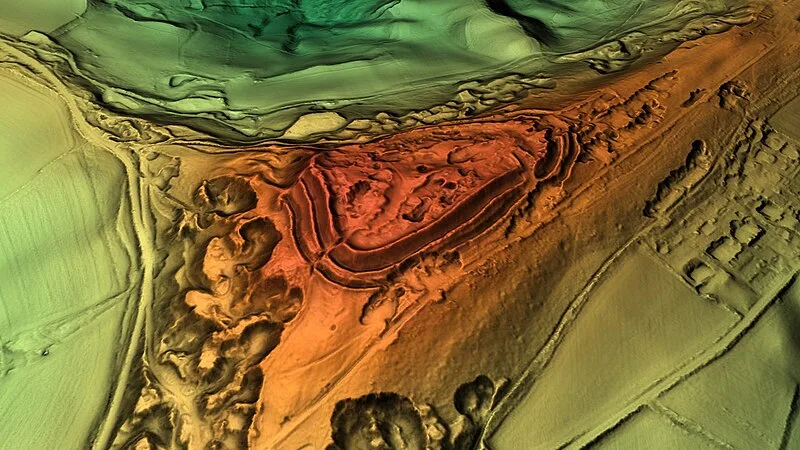
Kimsbury Hill Fort
An Iron Age hillfort on Painswick Beacon in the Cotswolds, Gloucestershire, also known as Castle Godwyn or Kimsbury Camp. Dating to c. 400 BC with use extending into the Roman era…
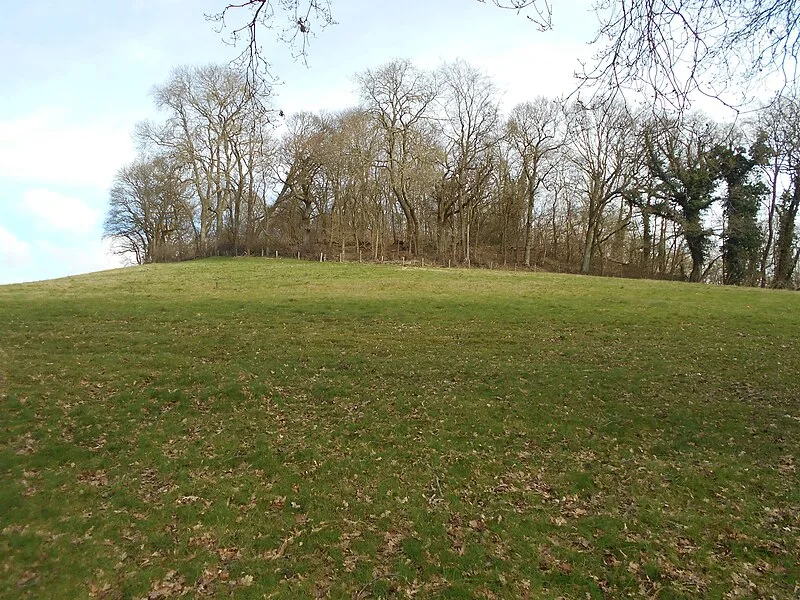
King John's Hill
King John's Hill is an Iron Age multivallate hillfort in the parish of Worldham, East Hampshire, rising 129 m above sea level. Dated on ceramic evidence to approximately 100 BC,…
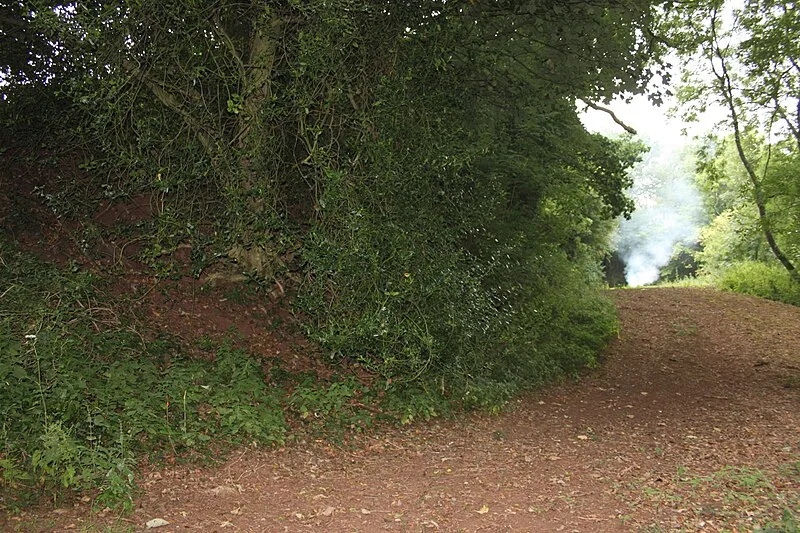
King's Castle, Wiveliscombe
King's Castle is an Iron Age hillfort located 1 km east of Wiveliscombe in Somerset, England. The site features two concentric banks separated by a ditch, with the inner wall…
Kingsdown Camp
Kingsdown Camp is an Iron Age univallate hillfort at Buckland Dinham, 4.5 km southeast of Radstock, Somerset. The roughly quadrilateral enclosure covers 0.15 ha and features a…
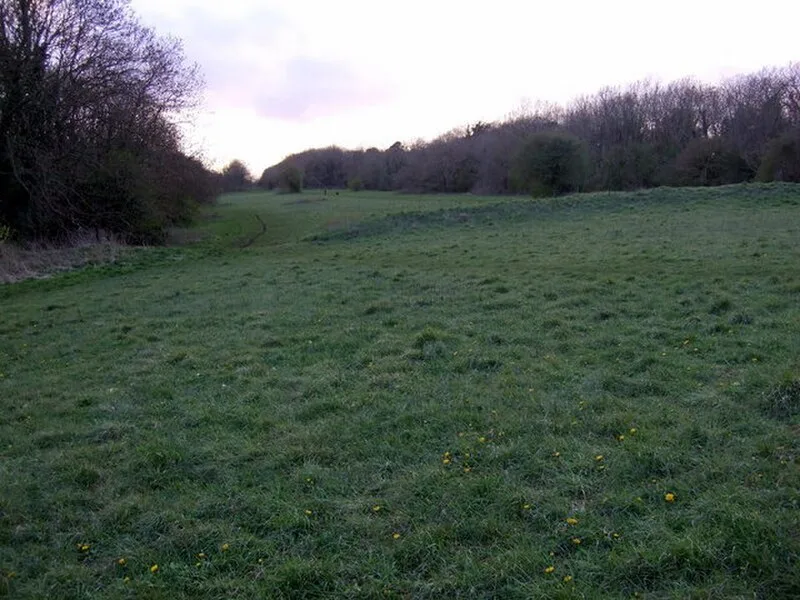
Kings Weston Hill
Kings Weston Hill is an Iron Age hill fort in north Bristol, England. The ridge extends 1.6 km (1 mi) from Henbury to Shirehampton, dividing Lawrence Weston from Coombe Dingle.…
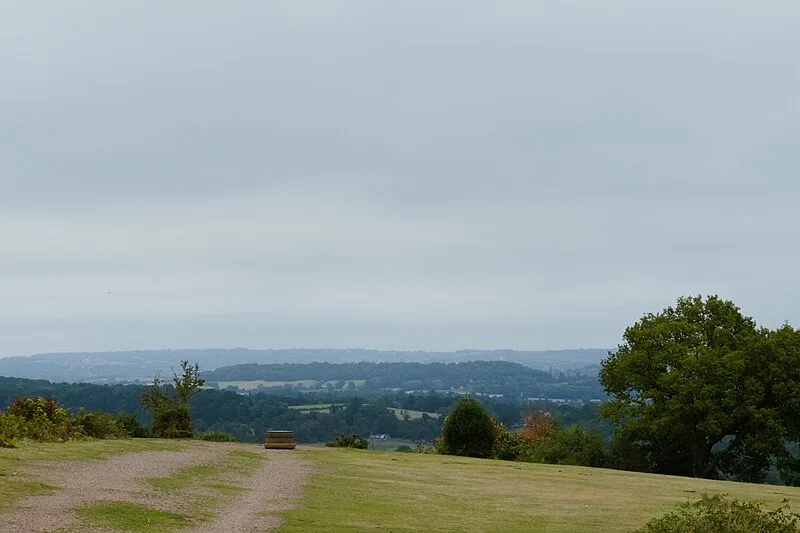
Kinver Edge Hillfort
Kinver Edge Hillfort is a univallate Iron Age hillfort situated at the northern end of Kinver Edge in the civil parish of Kinver, Staffordshire, England. The site features a…
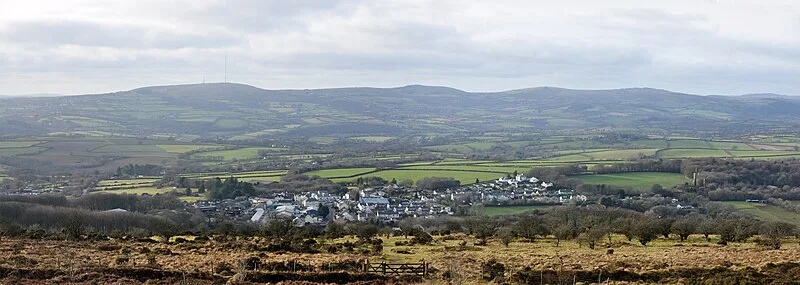
Kit Hill
Kit Hill is a Neolithic to Early Bronze Age hillfort in southeast Cornwall, England, standing 334 metres high and dominating the landscape between Callington and the River Tamar.…
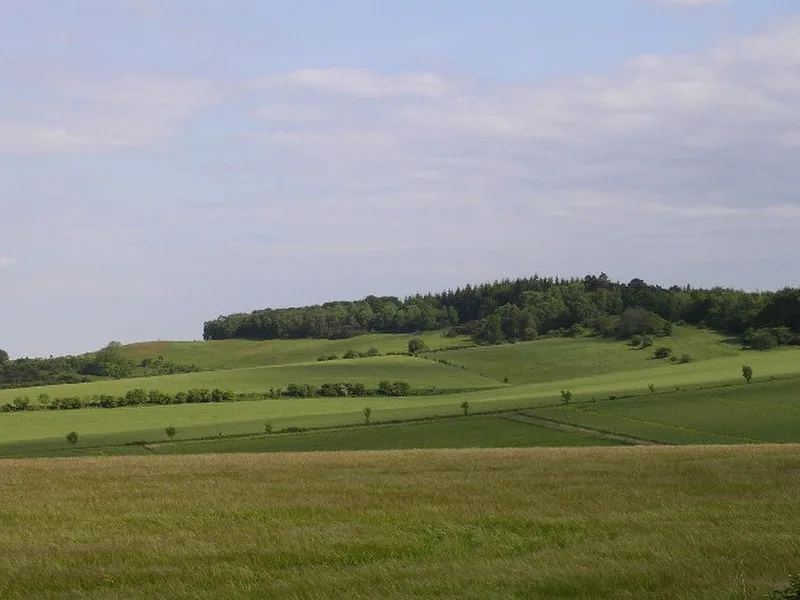
Knoll Camp
Knoll Camp (or Damerham Knoll) is an Iron Age univallate hillfort in Hampshire, England, on the border with Wiltshire near the village of Rockbourne. The circular earthwork…
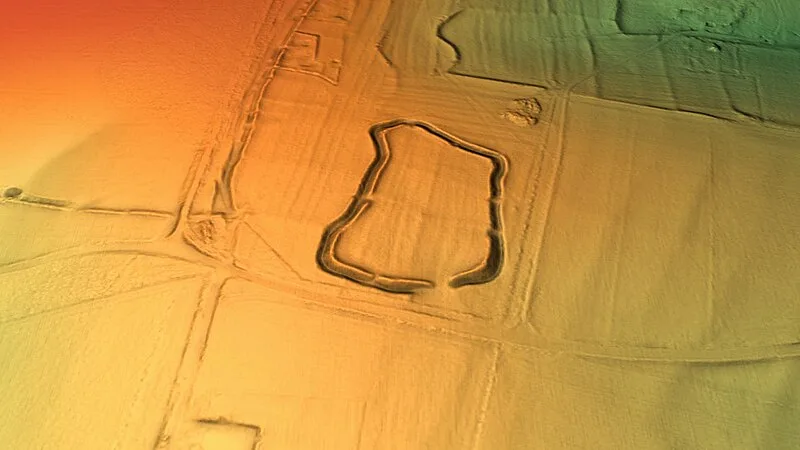
Knook Castle
Knook Castle is an Iron Age univallate hillfort on Knook Down in Wiltshire, England, located near the village of Knook but largely within the civil parish of Upton Lovell. The…

Knowle Hill Castle
Knowle Hill Castle is an Iron Age hillfort near Braunton in Devon, England, situated on a promontory approximately 90 metres above sea level overlooking the River Caen. The…
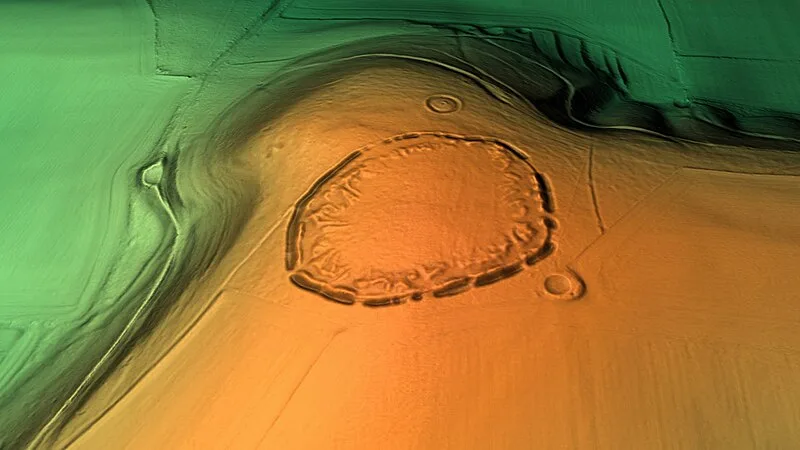
Ladle Hill
An unfinished Iron Age hillfort on Great Litchfield Down near Kingsclere in Hampshire, England, designated as a Scheduled Monument and Site of Special Scientific Interest. The…
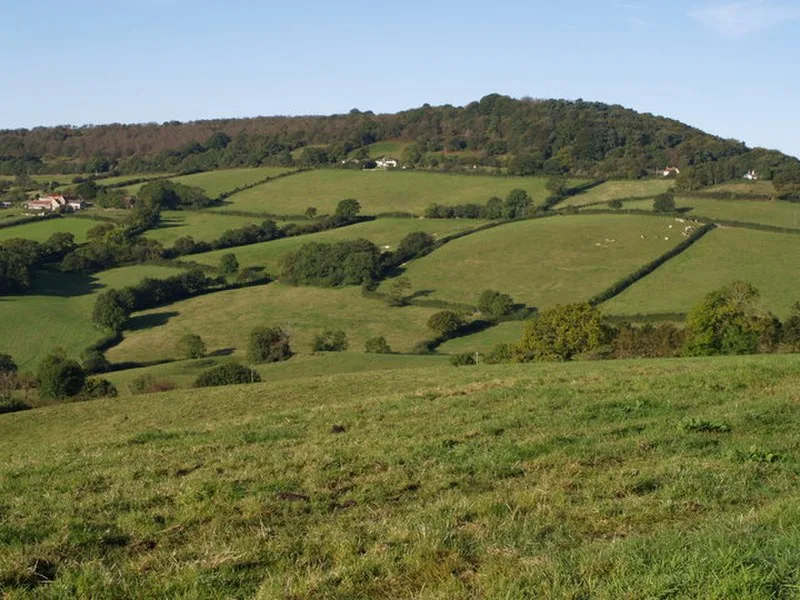
Lambert's Castle
Built between 500-1500 BC, Lambert's Castle is an Iron Age hillfort in Dorset featuring extensive earthworks across its hilltop location. Since 1981 it has been designated as a…
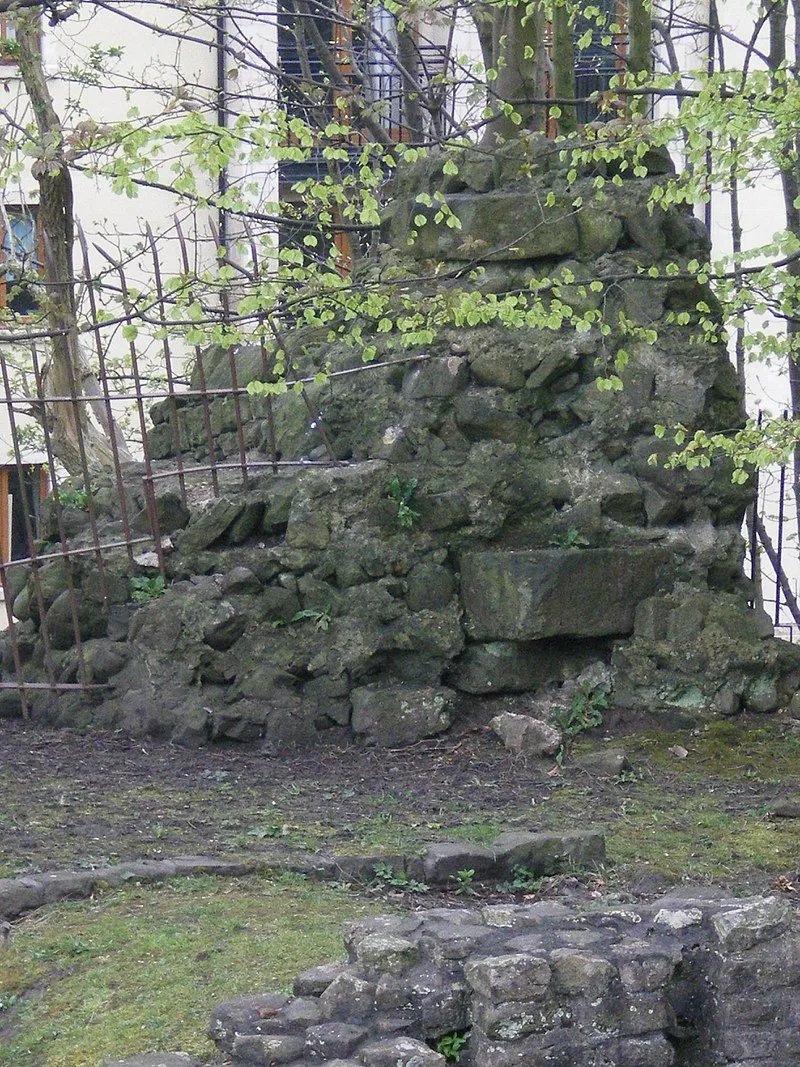
Lancaster Roman Fort
Lancaster Roman Fort, also known as Wery Wall or Galacum, sits atop Castle Hill in Lancaster, England. First established around 71-80 AD as a turf-and-timber fort, it was rebuilt…
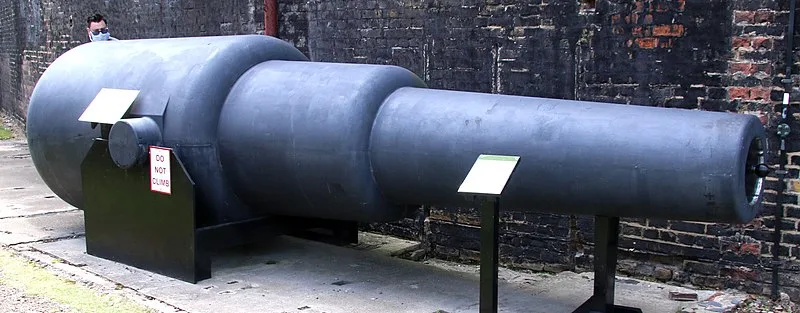
Landguard Fort
Landguard Fort is a fort at the mouth of the River Orwell outside Felixstowe, Suffolk, designed to guard the river mouth. Originally known as Langer Fort, the first fortifications…
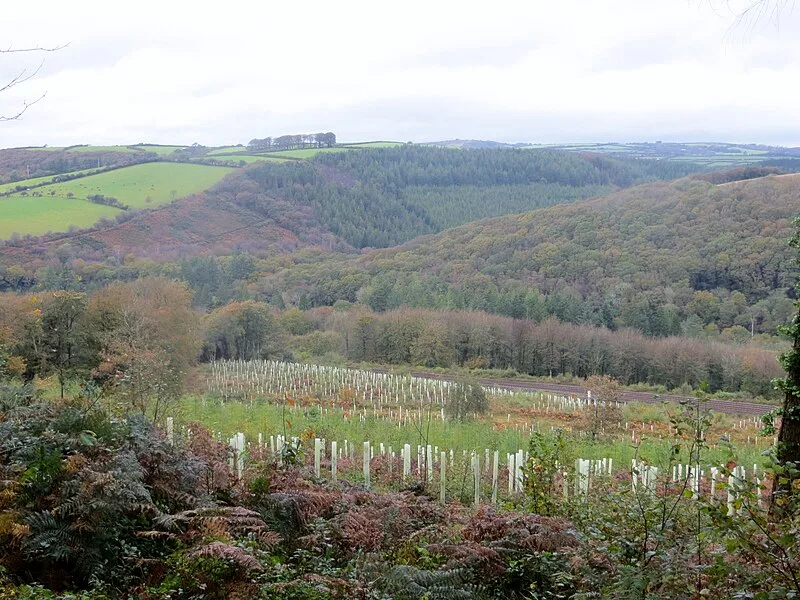
Largin Castle
Largin Castle is a large multivallate Iron Age hillfort in East Cornwall, sitting atop a steep ridge above the River Fowey valley at 130 metres elevation. Covering approximately…
Lavatrae
Lavatrae (also Lavatris) was a Roman fort in the modern village of Bowes, County Durham, guarding the eastern entrance to the Stainmore Pass through the Pennines. Built with…
Lee Wood
Lee Wood is an Iron Age hillslope enclosure near Braunton and Barnstaple in Devon, situated on a promontory above Knowle Water at approximately 120 metres above sea level. The…
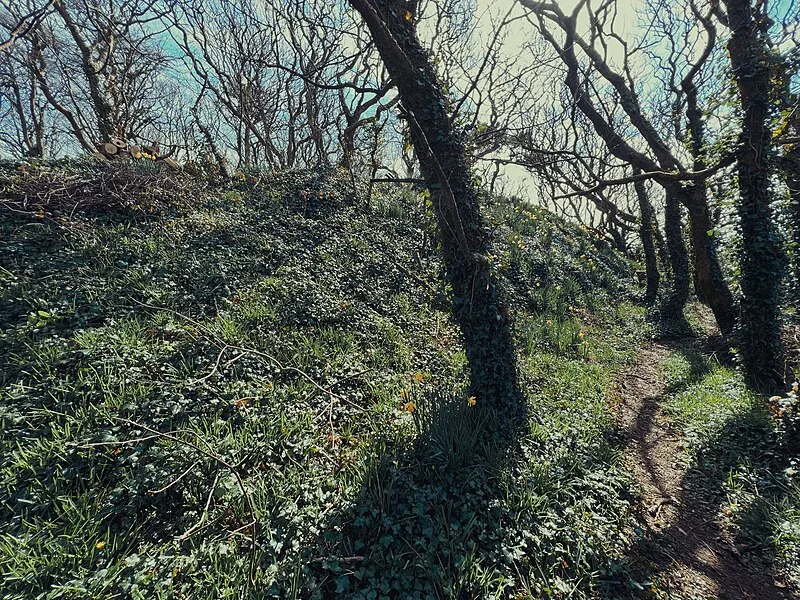
Lesingey Round
Located 1.6 km west of Penzance, Cornwall, Lesingey Round is a ringfort (a smaller hillfort) dating from the late Iron Age to the early post-Roman period (1st century BC – 7th…
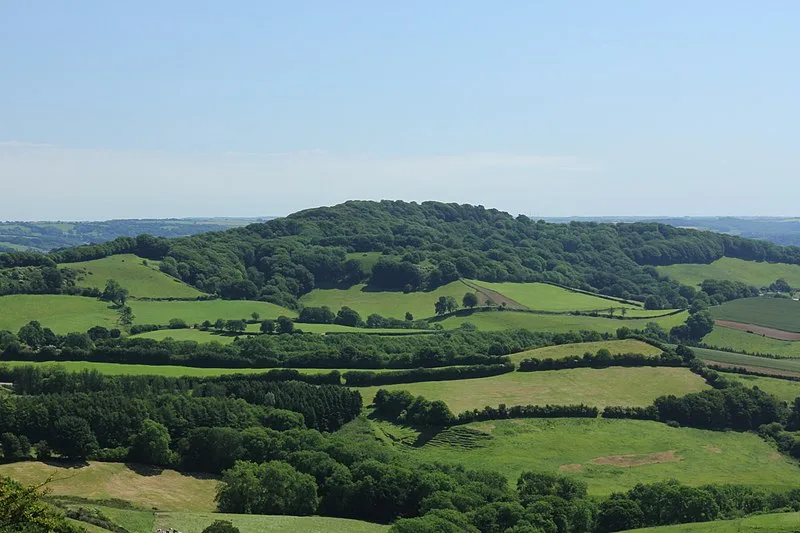
Lewesdon Hill
Lewesdon Hill is the highest point in Dorset at 279 metres (915 ft). Located near Broadwindsor in west Dorset, the site is now owned and managed by the National Trust as part of…
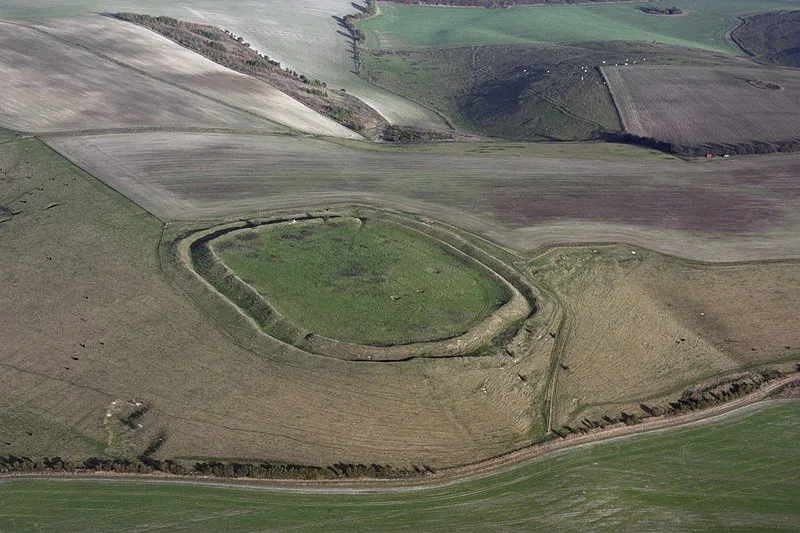
Liddington Castle
A Late Bronze Age and Early Iron Age univallate hillfort in Wiltshire, England, covering 3 hectares on a commanding hilltop close to the ancient Ridgeway trackway. Excavations by…
Lockerley Camp
Lockerley Camp is an Iron Age univallate hillfort in Hampshire, England, dating to 1500–500 BC. Situated on a low gravel-capped plateau, it covers approximately 2 hectares (5…
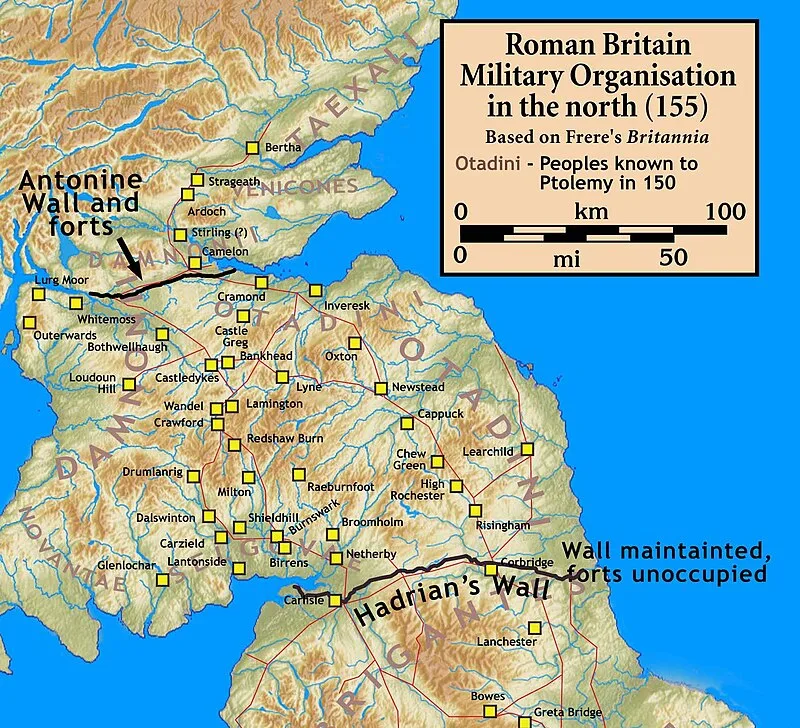
Longovicium
Longovicium was a Roman auxiliary fort on Dere Street southwest of Lanchester, County Durham, built c. 150 AD by the Legio XX Valeria Victrix. Measuring approximately 160 by 140…
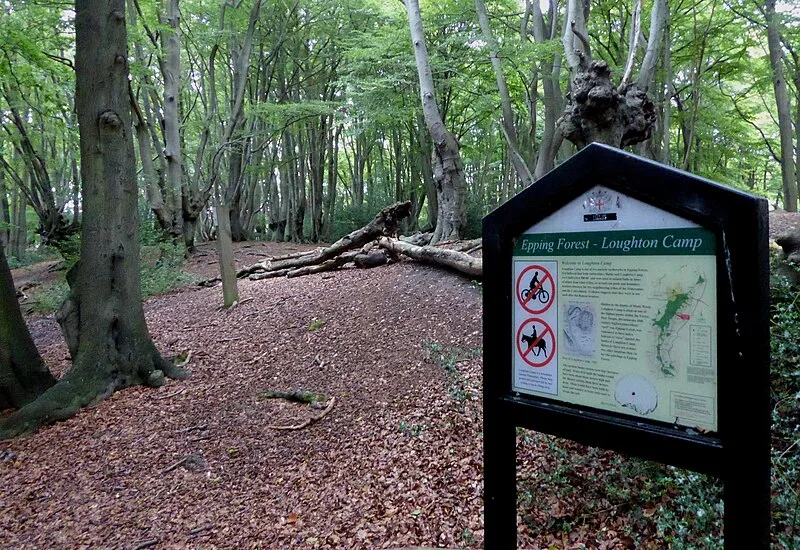
Loughton Camp
An Iron Age hill fort (c. 500 BC) in Epping Forest, Essex, covering approximately 4 hectares with earthworks consisting of a single bank reaching 2 m in height and an outer ditch…
Maen Castle
Maen Castle is an Iron Age promontory fort (cliff castle) on a dramatic headland near Land's End in Cornwall. One of only two fortified sites in Cornwall where Early Iron Age…
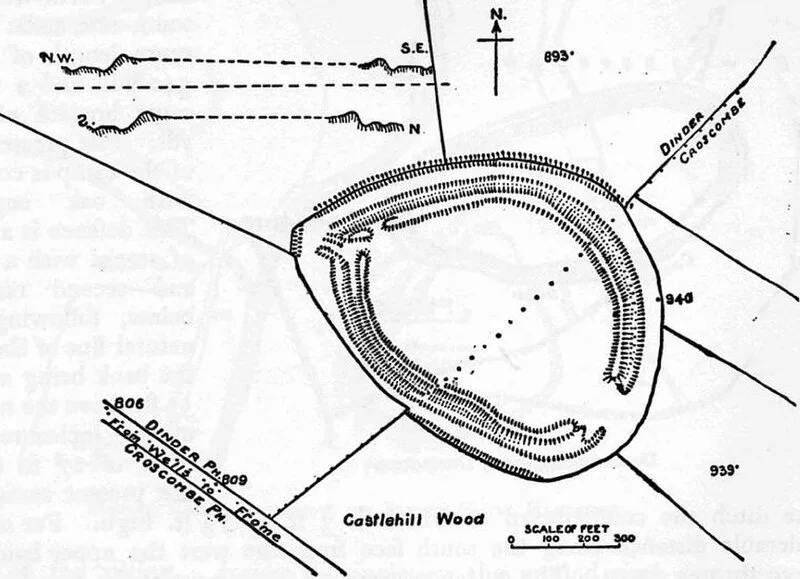
Maesbury Castle
Maesbury Castle is an Iron Age univallate hill fort in the parish of Croscombe on the Mendip Hills, north of Shepton Mallet, Somerset, England. The enclosure covers 2.5 hectares…
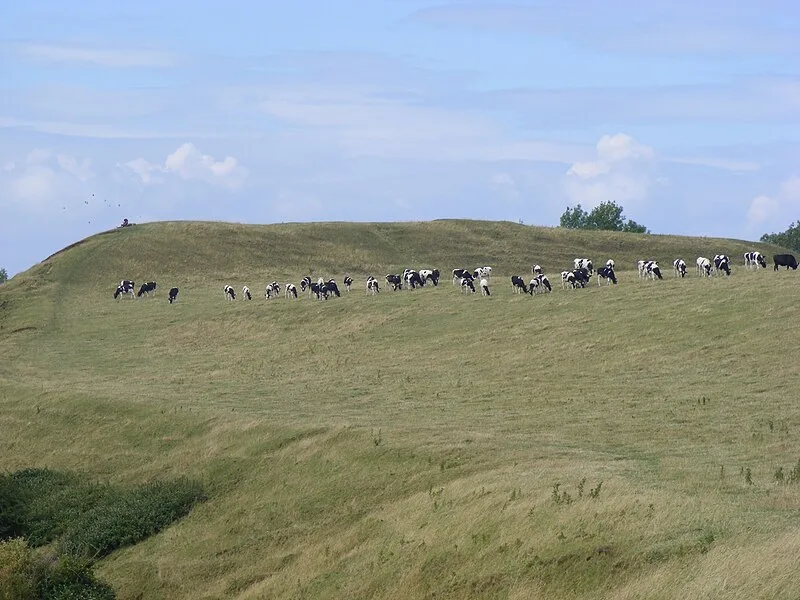
Maes Knoll
Maes Knoll is an Iron Age hill fort in Somerset, England, situated at the eastern end of the Dundry Down ridge, south of Bristol and north of Norton Malreward village. It is a…

Magnis, Carvoran
Magnis (or Magna) was a Roman fort near Hadrian's Wall in northern Britain, now known as Carvoran Roman Fort, located near Carvoran, Northumberland. Built on the Stanegate…
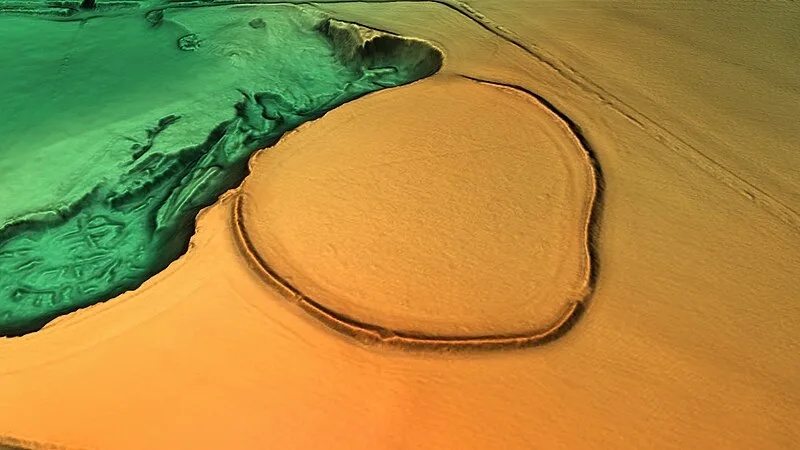
Maiden Bower Hill Fort
Maiden Bower is a multi-period hillfort and causewayed enclosure near Dunstable in Bedfordshire, England, dating from the Neolithic to the Iron Age (c. 4500 BC – 500 BC). The…
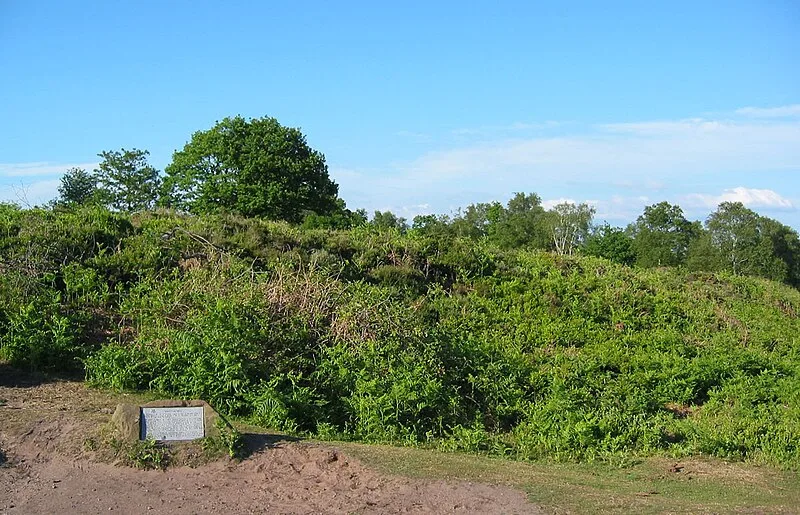
Maiden Castle, Cheshire
Maiden Castle is an Iron Age hill fort in Cheshire, one of only seven fortified settlements in the county. Constructed around 600 BC, it was occupied until the Roman conquest of…

Maiden Castle, Dorset
Maiden Castle is an Iron Age hillfort located 2.6 km (1.6 mi) southwest of Dorchester in Dorset, England. The earliest archaeological evidence consists of a Neolithic causewayed…
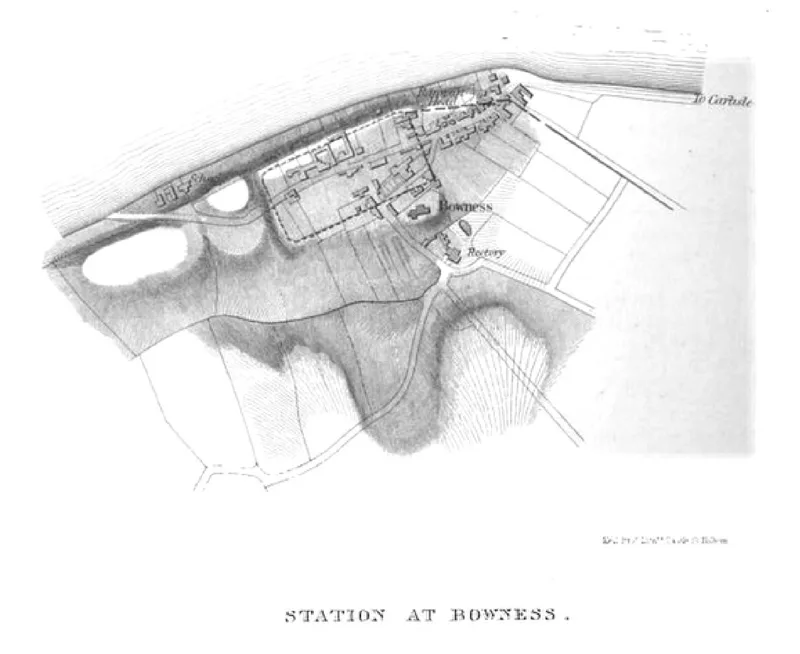
Mais, Bowness
Maia (Mais) at Bowness-on-Solway in Cumbria was the western terminus of Hadrian's Wall, overlooking the Solway Firth. Covering approximately 7.5 acres (3 ha), it was the…

Mam Tor
Mam Tor is a 517-metre hill near Castleton in Derbyshire, England, crowned by a Late Bronze Age to Early Iron Age hillfort dating to 1200-500 BC. The univallate fort encloses…
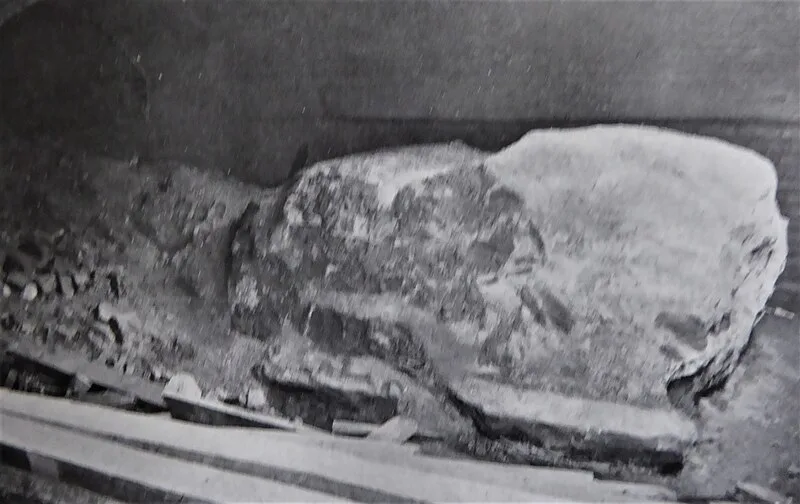
Mamucium
Mamucium (AD 79) was a Roman fort in what is now Manchester, England. Founded around AD 79 during Roman Britain, it housed a cohort of auxiliary troops near two major Roman roads.…
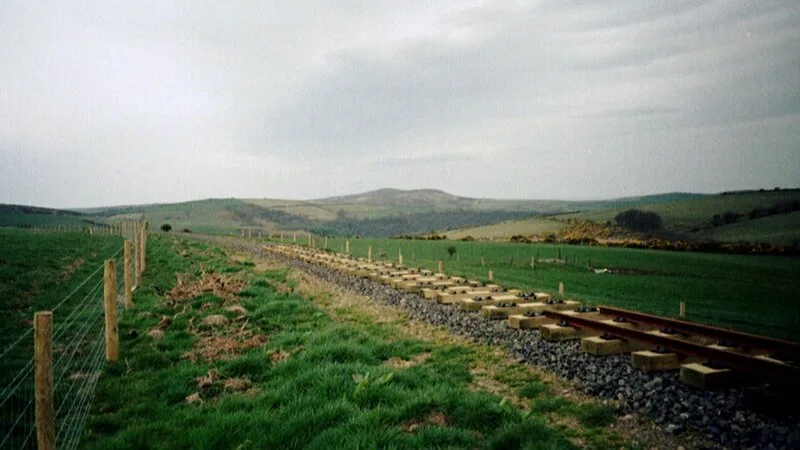
Martinhoe
The Beacon Roman Fortlet at Martinhoe sits on a cliff top overlooking Heddon's Mouth on Devon's north coast, within Exmoor National Park. Occupied for roughly 10-20 years between…
.webp)
Mellor Hill Fort
Mellor Hill Fort is a prehistoric hill fort in North West England, dating from the British Iron Age (800 BC to 100 AD). Located on a hill in Mellor, Greater Manchester, on the…
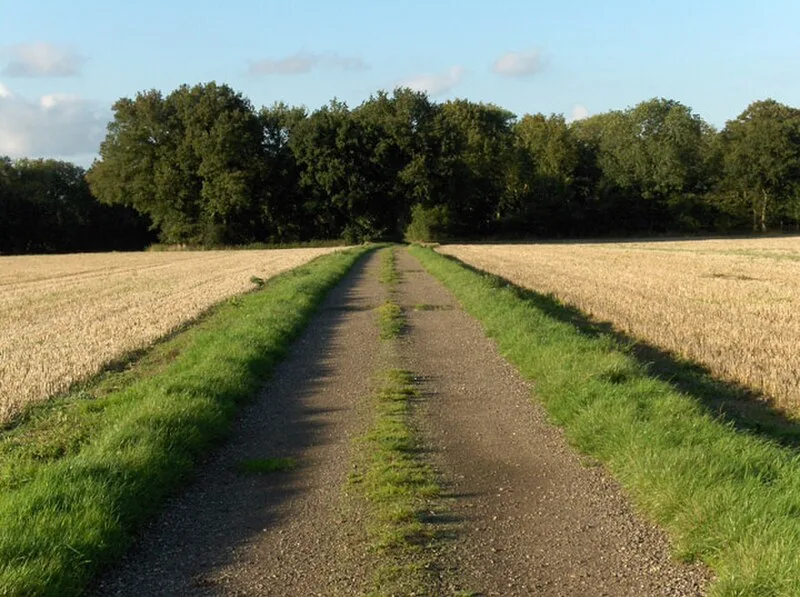
Membury Camp
Iron Age hill fort spanning the Wiltshire-Berkshire border, occupying 14 hectares on a small plateau's southwestern corner. The single ditch with outer and inner banks encloses a…
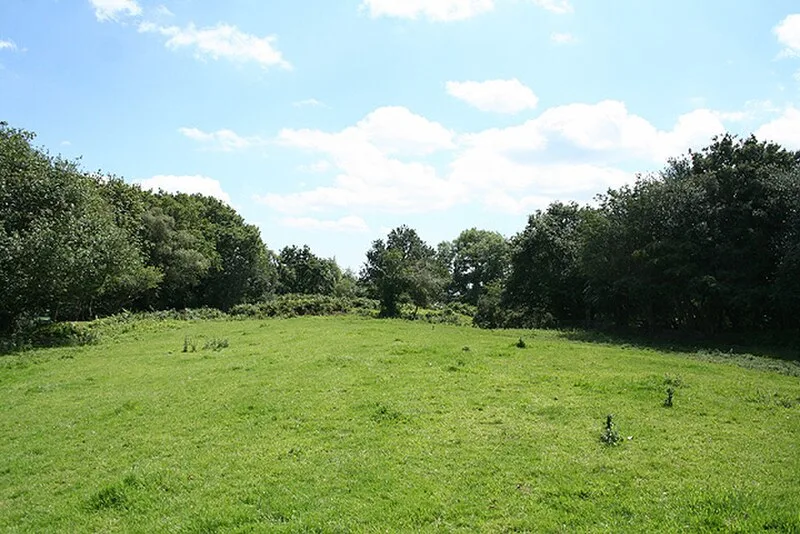
Membury Castle
Membury Castle is an Iron Age univallate hillfort above the village of Membury in Devon, England. It occupies a commanding hilltop at 204 m above sea level between the Yarty and…
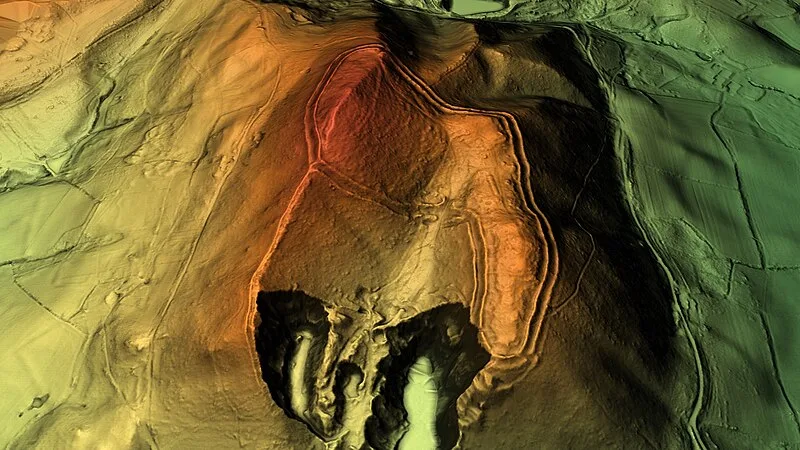
Midsummer Hill
Midsummer Hill is an Iron Age hill fort situated in the Malvern Hills, a range extending approximately 13 km north-south along the Herefordshire-Worcestershire border. The fort…
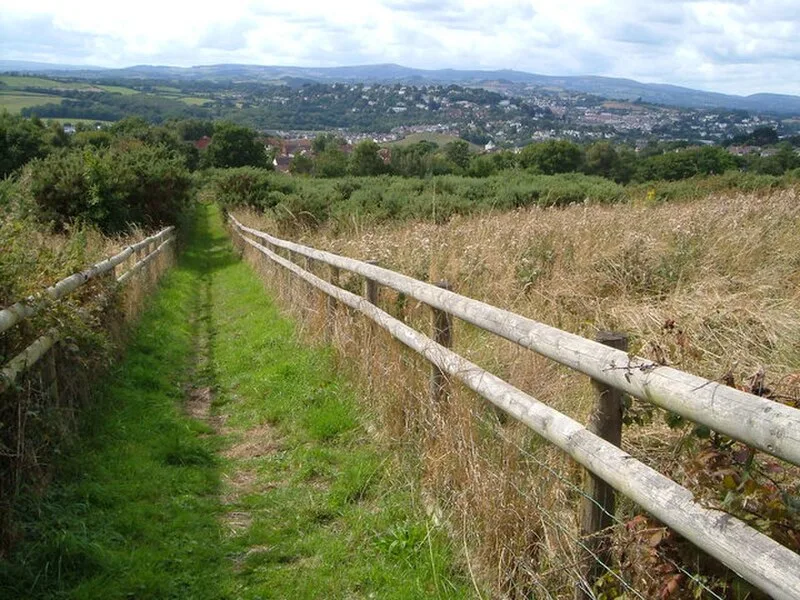
Milber Down
Milber Down is an Iron Age hill fort on the north-western slope of Milber Down, approximately 110 metres (360 ft) above sea level, above the suburb of Milber in Newton Abbot,…
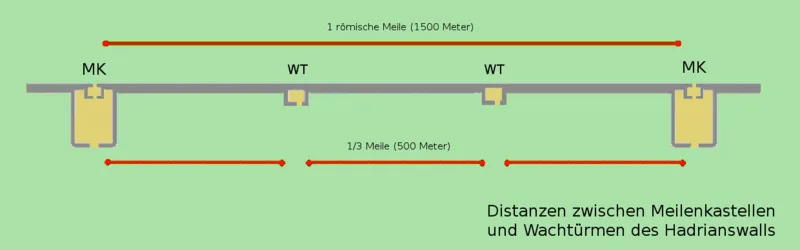
Milecastles - Hadrian's Wall
Milecastles were 80 small rectangular forts placed at intervals of one Roman mile along Hadrian's Wall, built from AD 122 onward. Each measured approximately 15-18m by 17-23m…
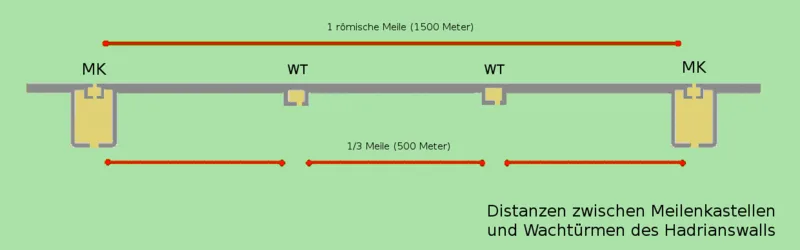
Milefortlet - Hadrians Wall
Milefortlets were small Roman forts extending Hadrian's Wall defensive system along the Cumbrian coast from Bowness-on-Solway southward for at least 27 miles. Unlike milecastles…
Mockham Down
Mockham Down is an Iron Age hill fort located near Brayfordhill in Devon, England. The site features a multi-ditch and rampart enclosure situated close to the top of Mockham Down…
Moridunum, Axminster
Moridunum was a Roman fort and small town in Britannia, located at Woodbury Farm south of Axminster, Devon, England. The square fort was built in the 2nd century AD at the…
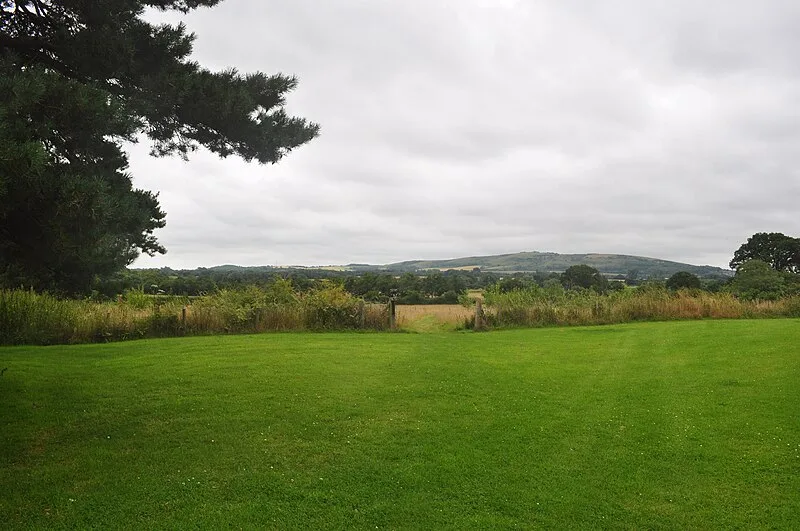
Mount Caburn
Mount Caburn is a 150-metre hill east of Lewes in East Sussex bearing an Iron Age multivallate hillfort of about 1.74 hectares. First excavated by Augustus Pitt Rivers in 1877-78,…
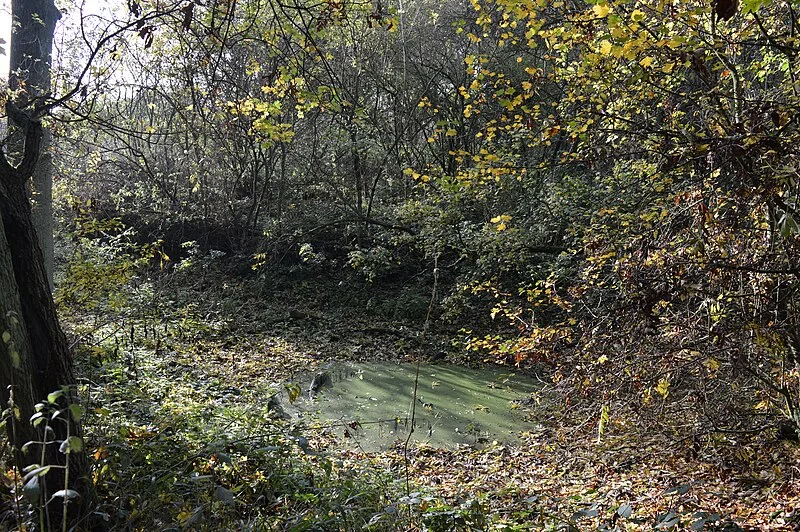
Mowsbury Hill
Mowsbury Hill is a 2.8-hectare Scheduled Monument and Local Nature Reserve in north Bedford, England, containing one of only 10 univallate hillforts in Bedfordshire.…

Musbury Castle
Musbury Castle is an Iron Age hill fort located above the village of Musbury in Devon, England. The fortress sits on a commanding hilltop approximately 175 metres (575 ft) above…
Myrtlebury
Myrtlebury is an Iron Age hillslope enclosure near Lynmouth in Devon, England, situated on Exmoor above the steep East Lyn River valley at approximately 150 metres elevation. The…
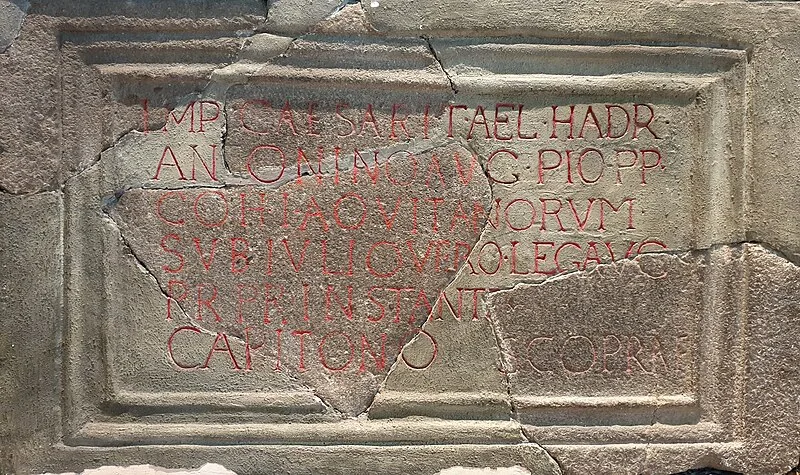
Navio Roman Fort
Navio Roman Fort overlooks the confluence of the River Noe and Bradwell Brook at Brough-on-Noe near Hope, Derbyshire, England. First built c. AD 73 during Agricola's governorship…
Newberry Castle
An Iron Age hillfort near Combe Martin in North Devon, England, situated on the northeastern shoulder of Newberry Hill at 110 m elevation. The earthwork enclosure features a…
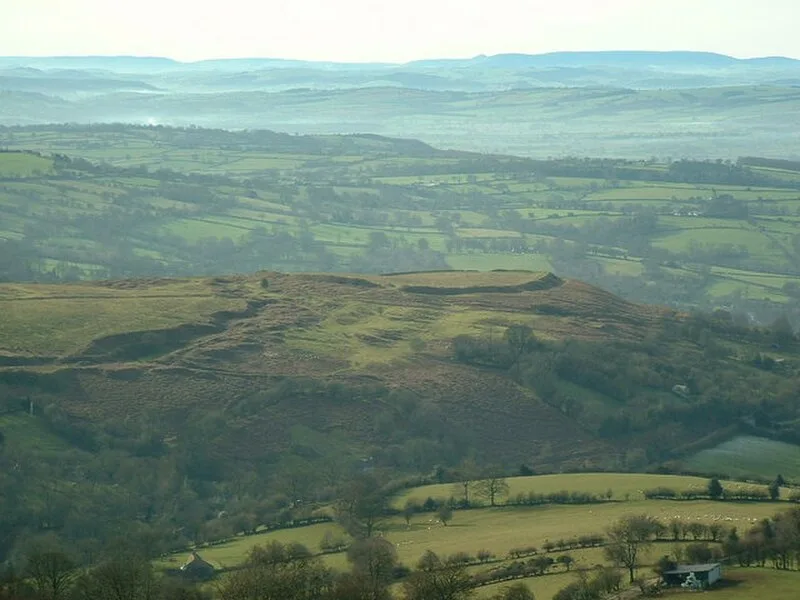
Nordy Bank
Nordy Bank is an Iron Age univallate hillfort on the western spur of Brown Clee Hill in Shropshire, England. The oval enclosure measures 260m by 200m, covering 3.2 hectares,…
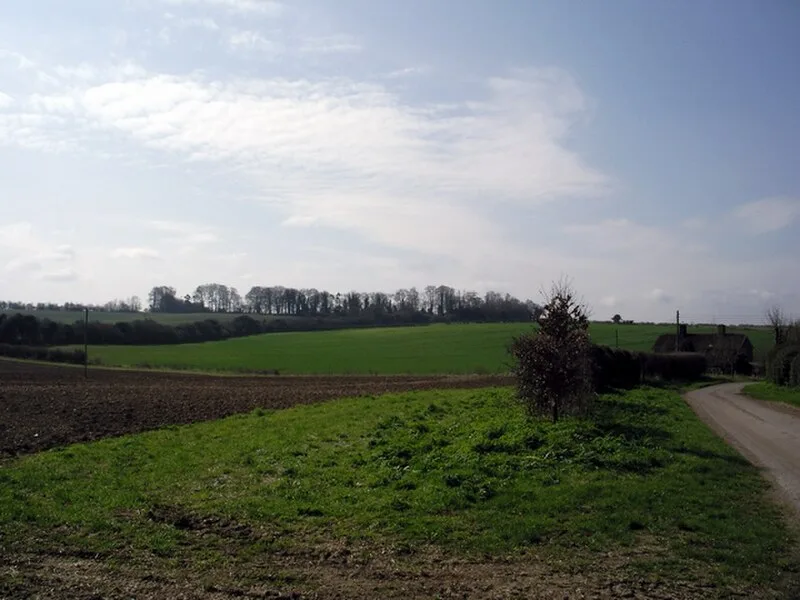
Norsebury Ring
Norsebury Ring is an Iron Age univallate hillfort near Micheldever in Hampshire, England, enclosing just under 10 acres with a single bank and ditch. The name derives from Old…
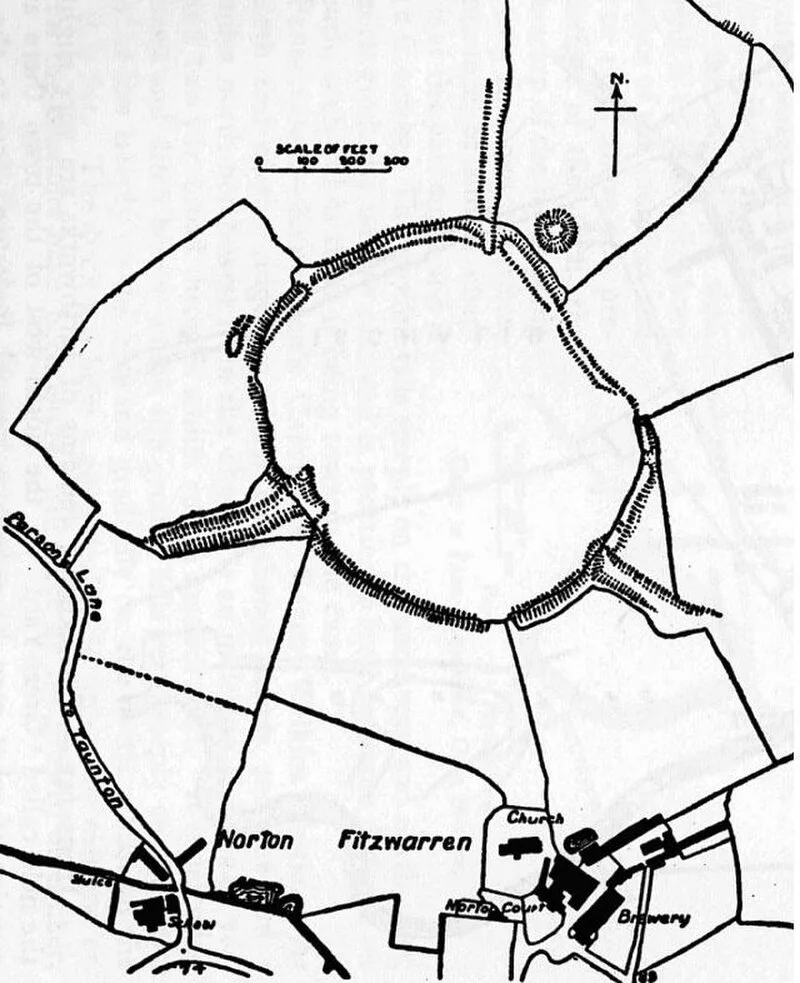
Norton Camp
(2200-800 BC) Norton Camp is a Bronze Age hill fort at Norton Fitzwarren near Taunton in Somerset, England.
Oakmere Hill Fort
Oakmere hill fort is an Iron Age promontory fort in Cheshire, northern England, one of only seven hill forts in the county. Despite its low-lying position, the site occupies a…
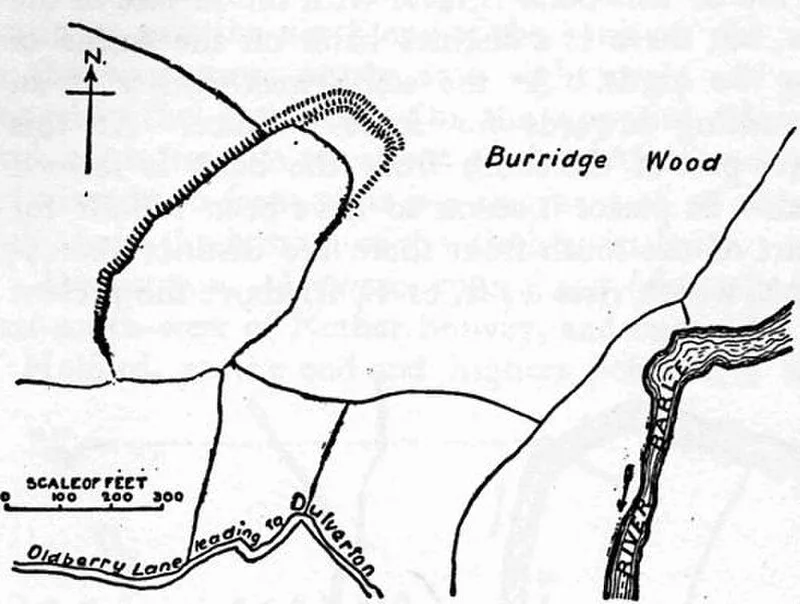
Oldberry Castle
Oldberry Castle is an Iron Age univallate hillfort located northwest of Dulverton in Somerset, England, close to the Devon border. The fort is an irregular oval measuring…
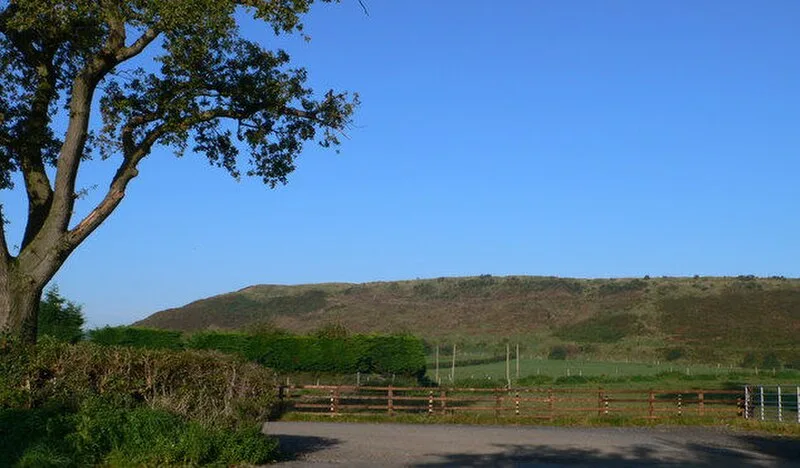
Old Oswestry
Old Oswestry is a large early Iron Age hill fort in the Welsh Marches near Oswestry in north west Shropshire, England. The earthworks remain one of the best preserved hill forts…
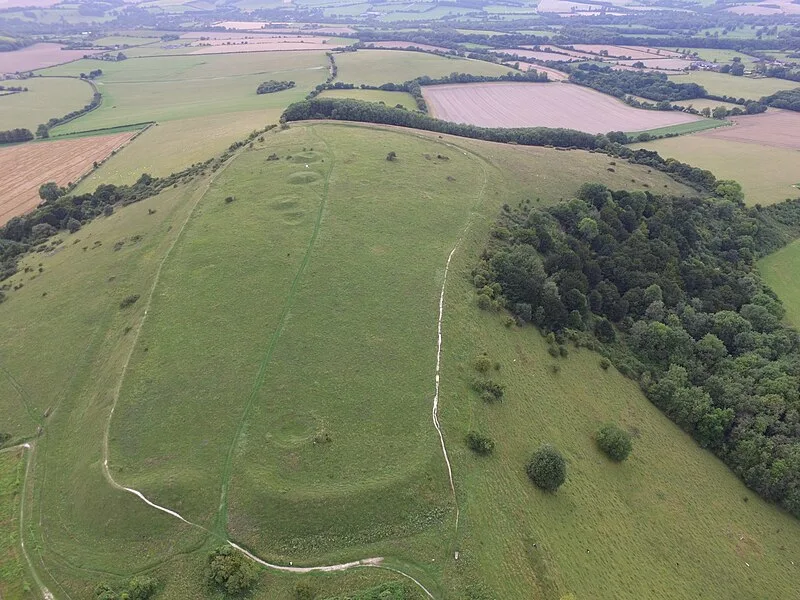
Old Winchester Hill
Old Winchester Hill is an Iron Age hillfort and nature reserve on the South Downs chalk ridge in Hampshire, England. The fort was probably built in the Early to Middle Iron Age…
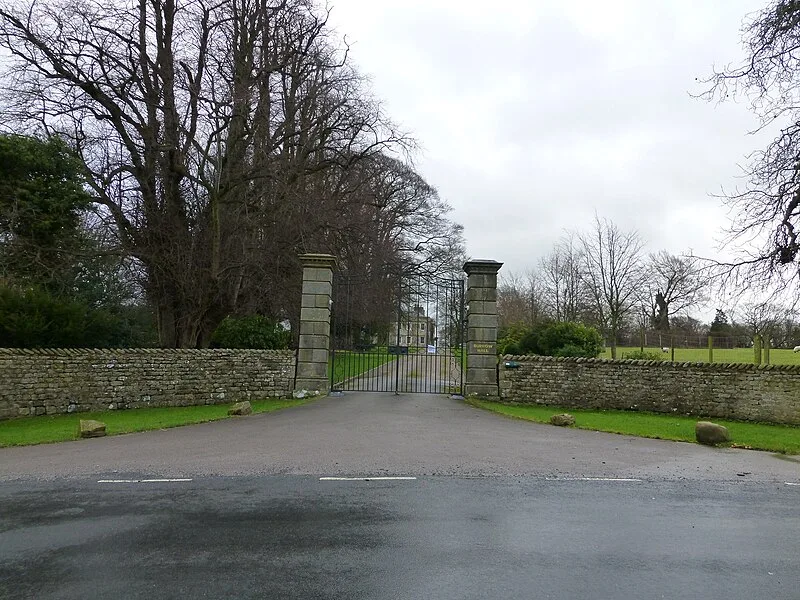
Over Burrow Roman Fort
Over Burrow Roman Fort is a former Roman fort at Over Burrow in Lancashire, North West England. The first castra is thought to have been founded in the 1st century AD within the…
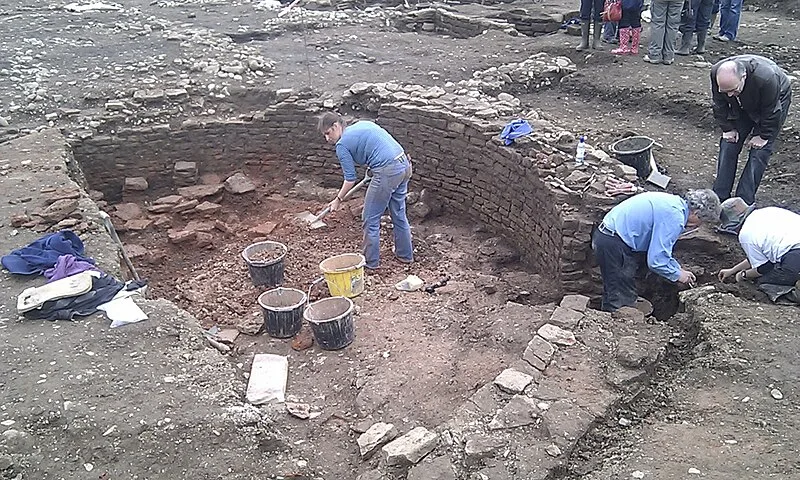
Papcastle
Papcastle was the site of Derventio, a Roman fort established c. AD 80 in what is now Cumbria, England. Initially built in timber, it was reconstructed in stone during the…
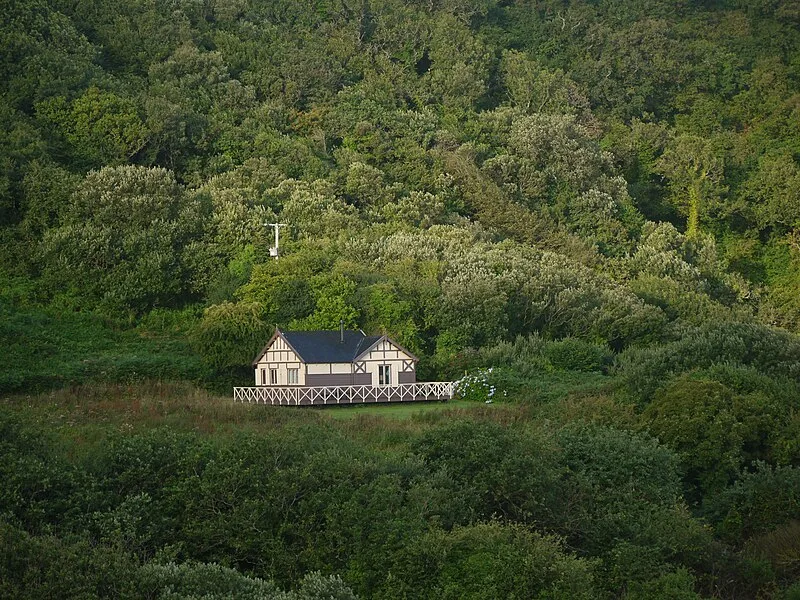
Peppercombe Castle
Peppercombe Castle is an Iron Age hill fort on the cliffs immediately west of Peppercombe valley on Devon's north-western coast, standing approximately 80 metres above sea level.…
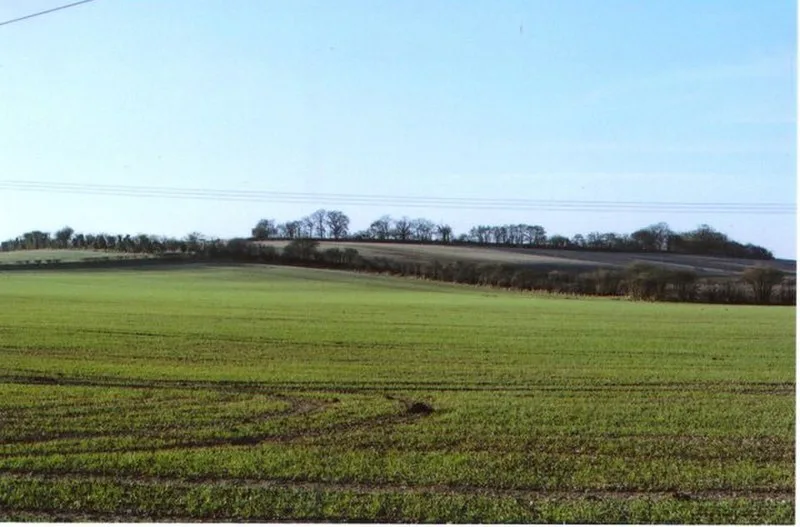
Perborough Castle
Perborough Castle is the site of an Iron Age univallate hillfort located at Compton in Berkshire, England. The fort covers approximately 5.7 hectares (14 acres) on the chalky…
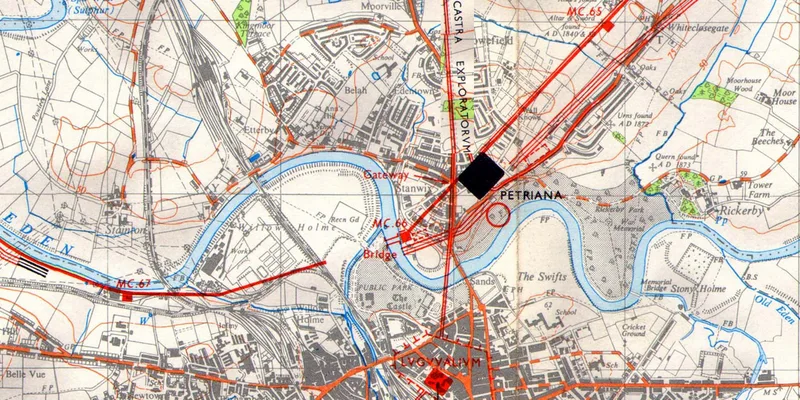
Petriana
Petriana (also called Uxelodunum, modern Stanwix) was the largest fort on Hadrian's Wall, measuring 177 x 213 metres (over 9 acres) on a natural platform above the River Eden in…
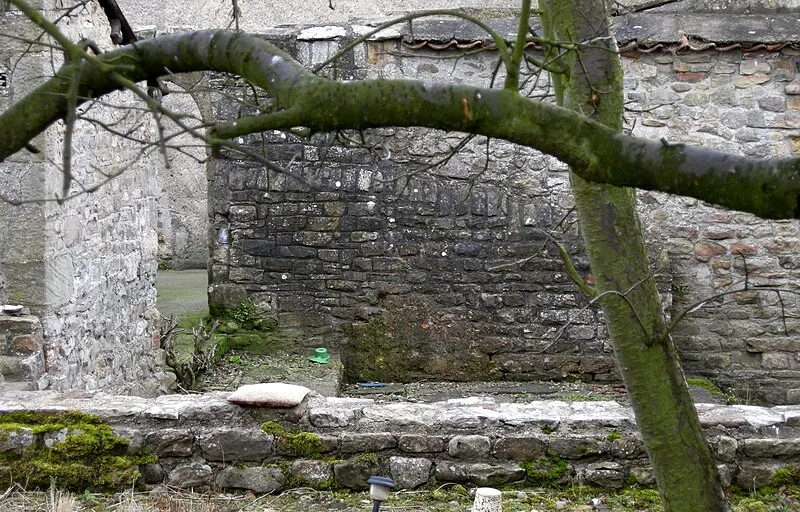
Piercebridge Roman Fort
Piercebridge Roman Fort is a scheduled ancient monument in the village of Piercebridge on the River Tees in County Durham, England. Established around AD 70, the fort was occupied…
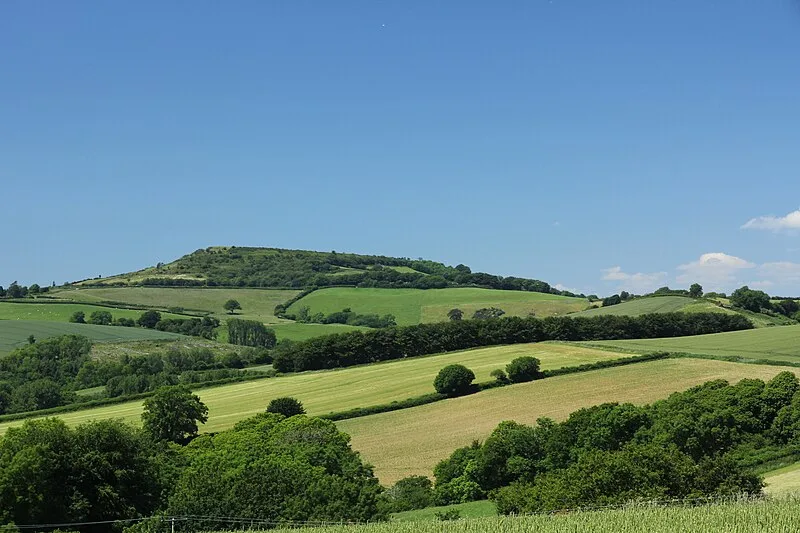
Pilsdon Pen
Pilsdon Pen is a 277-metre (909 ft) hill in Dorset, South West England, at the north end of Marshwood Vale, approximately 4.5 miles west of Beaminster. It is Dorset's second…
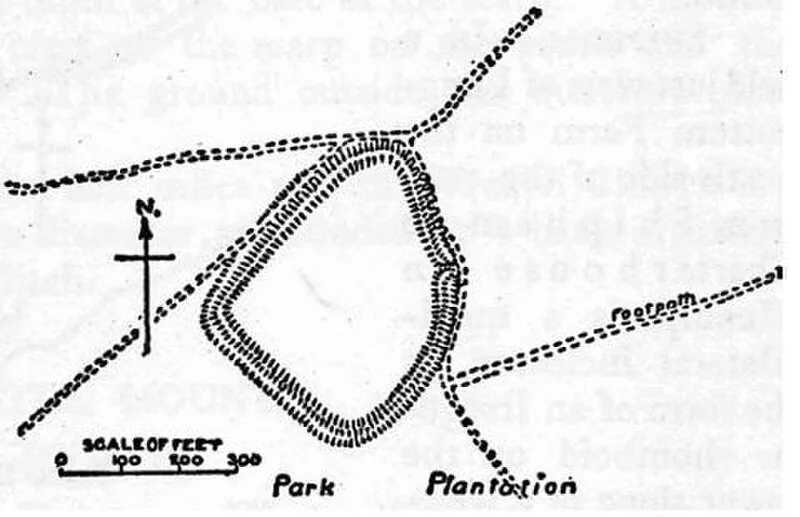
Plainsfield Camp
Plainsfield Camp (also called Park Plantation or Cockercombe Castle) is a probable Iron Age earthwork on the Quantock Hills near Aisholt in Somerset, England. The sub-rectangular…
Pomeroy Wood
Pomeroy Wood is a 1st-century AD Roman military site near Honiton in Devon, probably a fort or marching camp, though its exact type remains inconclusive. Discovered during…
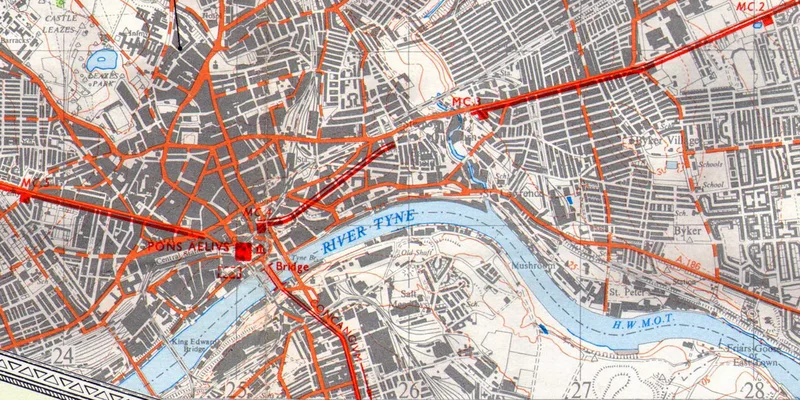
Pons Aelius
Pons Aelius (Latin for 'Aelian Bridge') was a Roman auxiliary fort and settlement on Hadrian's Wall at the site of present-day Newcastle upon Tyne, guarding a crucial River Tyne…
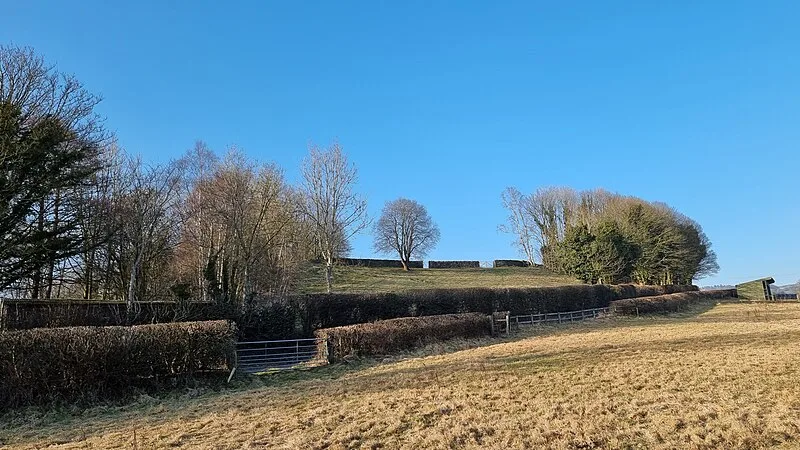
Portfield Hillfort
Portfield (Planes Wood Camp) is a late Bronze Age or Iron Age hillfort located near Whalley in Lancashire, England. The original univallate (single rampart) structure was later…
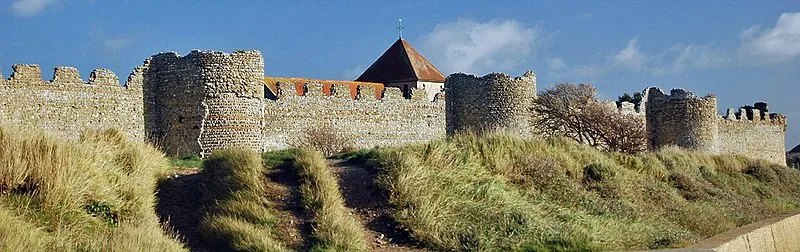
Portus Adurni
Portus Adurni is a 3rd-century Roman Saxon Shore fort at the north end of Portsmouth Harbour, widely regarded as the best-preserved Roman fort north of the Alps. Enclosing 9 acres…
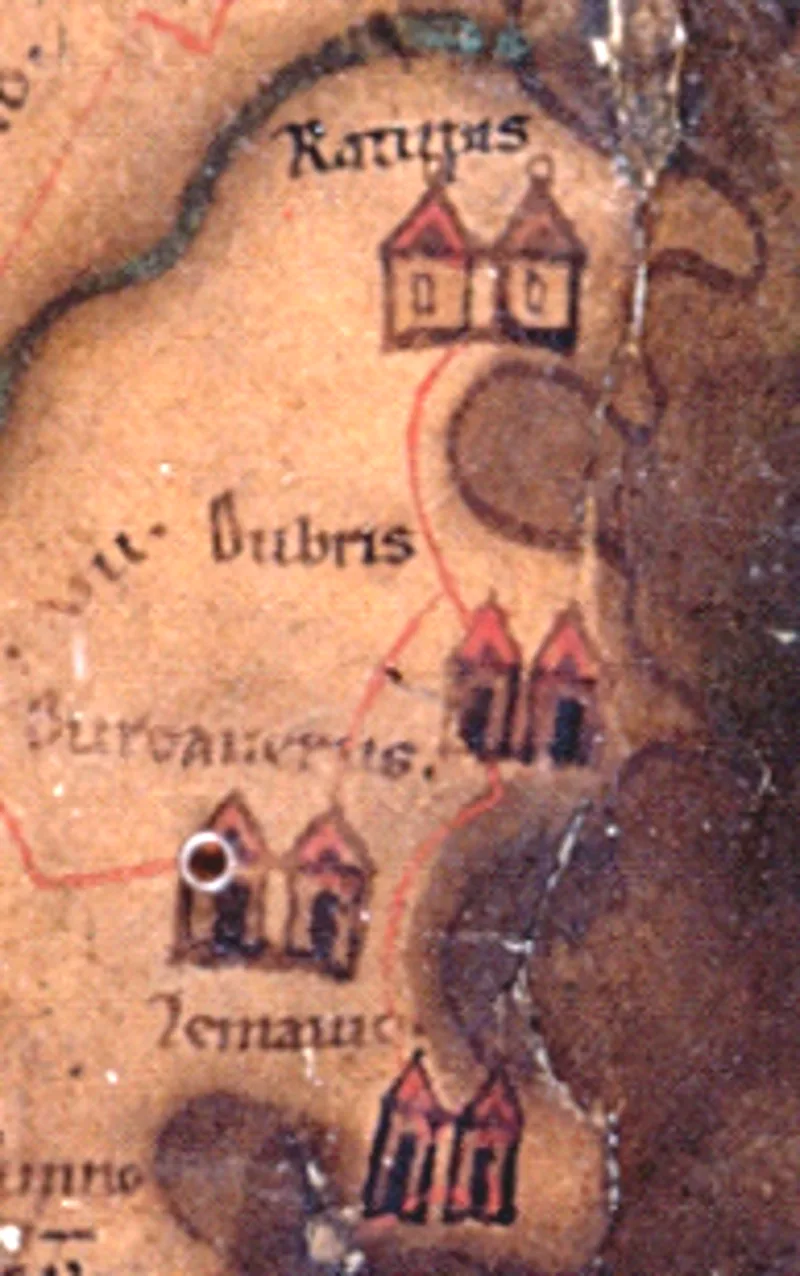
Portus Lemanis
Portus Lemanis (Latin for "Port of the Leman"), also recorded as Lemanae, was a Roman Saxon Shore fort, settlement and port in southern Kent, England. The fortification, dating to…
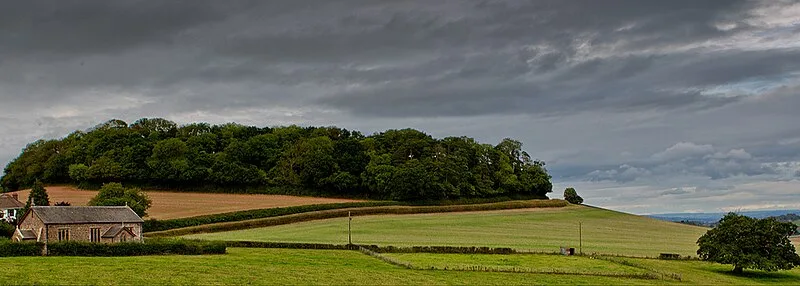
Posbury Hill Fort
Posbury Hill Fort is an Iron Age hill fort in Devon, England, located about 3 miles (4.8 km) south-west of Crediton on a hilltop 180 metres (590.5 ft) above sea level. The site…
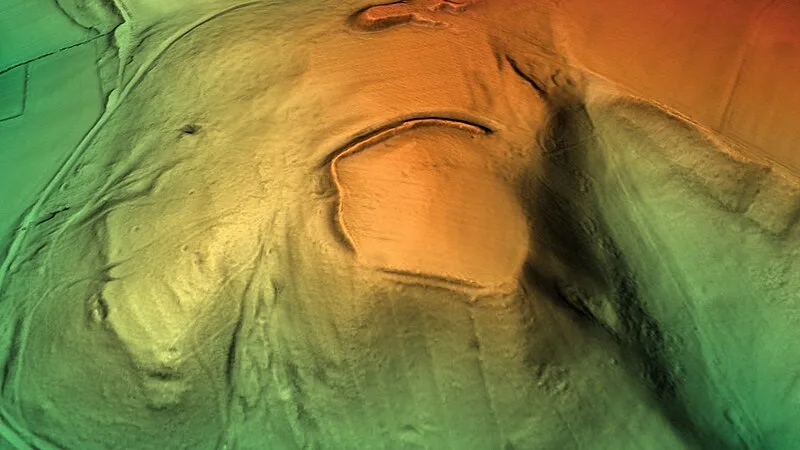
Poston Camp
Poston Camp is an Iron Age hillfort located just south of Vowchurch in Herefordshire, England, and is a scheduled monument. It is one of over 30 Iron Age hillforts in…
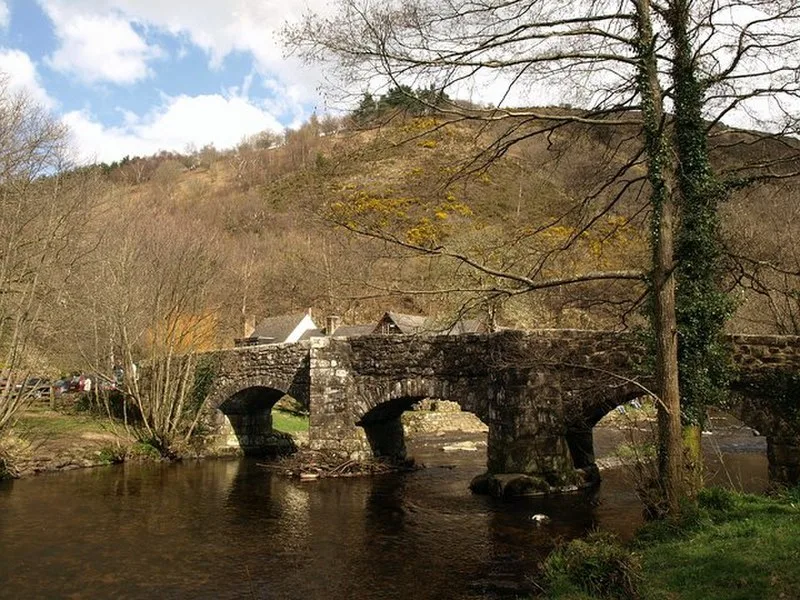
Prestonbury Castle
Prestonbury Castle is an Iron Age hillfort on the northeast edge of Dartmoor in Devon, overlooking the Teign Valley at 240m above sea level. The site comprises three enclosures…
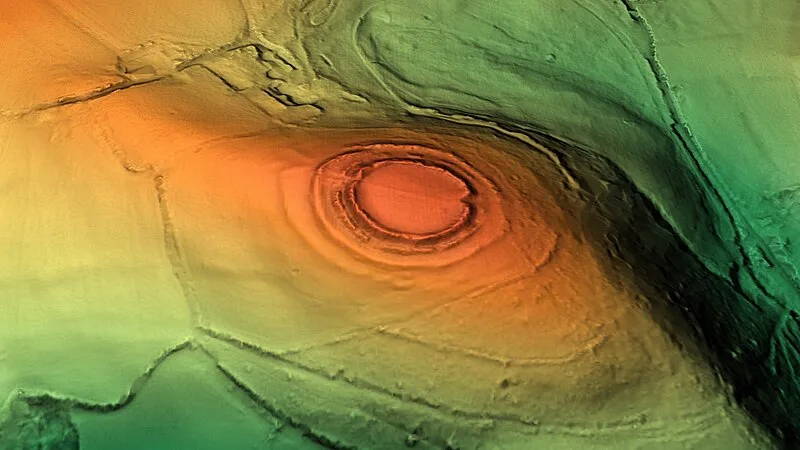
Prideaux Castle
Prideaux Castle is a multivallate Iron Age hillfort atop a 133m conical hill near Luxulyan in Cornwall. The quadrivallate defences consist of four concentric ramparts and ditches,…

Quarley Hill
An Iron Age univallate hillfort near Andover in Hampshire, southern England, enclosing approximately 3.6 hectares in a distinctive pear shape. The fort features well-defined…
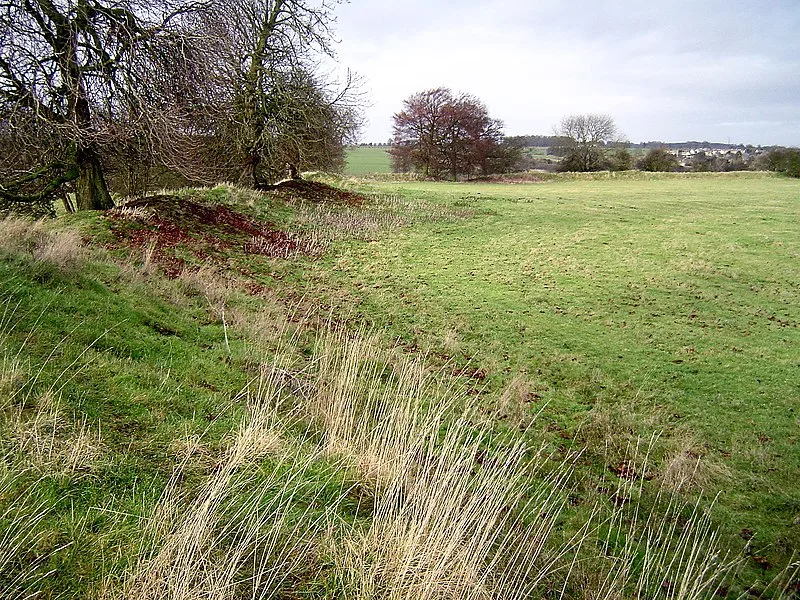
Rainsborough Camp
Rainsborough Camp is a bivallate Iron Age hillfort in West Northamptonshire, England, covering 2.5 hectares. The ramparts were built in the 5th century BC, with the inner ring of…
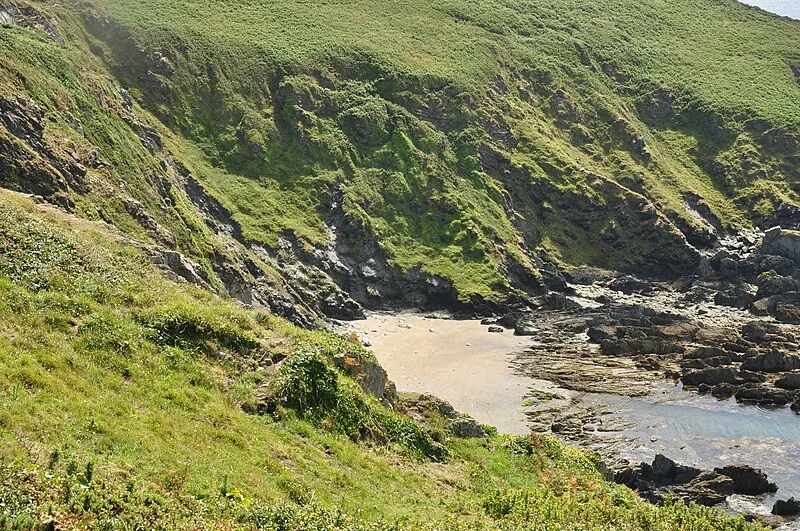
Rame Head
Rame Head is a coastal headland in southeast Cornwall featuring an Iron Age promontory fort, or 'cliff castle', defended by steep cliffs on three sides. The narrow neck of land…
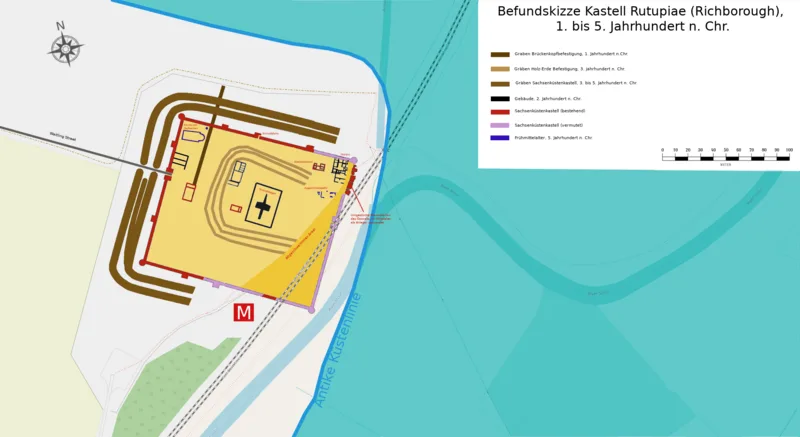
Richborough Castle
Richborough Castle (Roman Rutupiae) near Sandwich, Kent, was the probable landing point for the Roman invasion of Britain in AD 43 under Emperor Claudius. The site evolved from a…
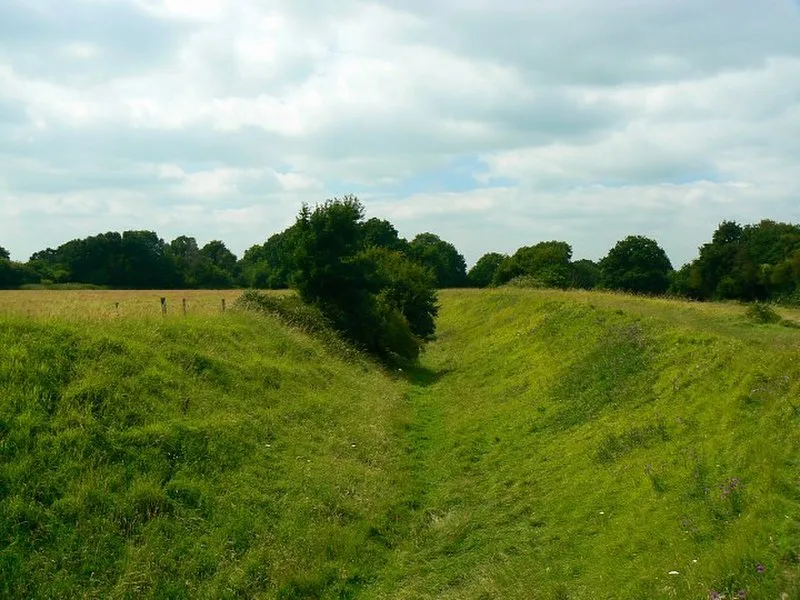
Ringsbury Camp
An Iron Age multivallate hillfort dating to approximately 50 BC in the parish of Purton, Wiltshire. The scheduled monument encloses 3.4 hectares within double banks: the inner…
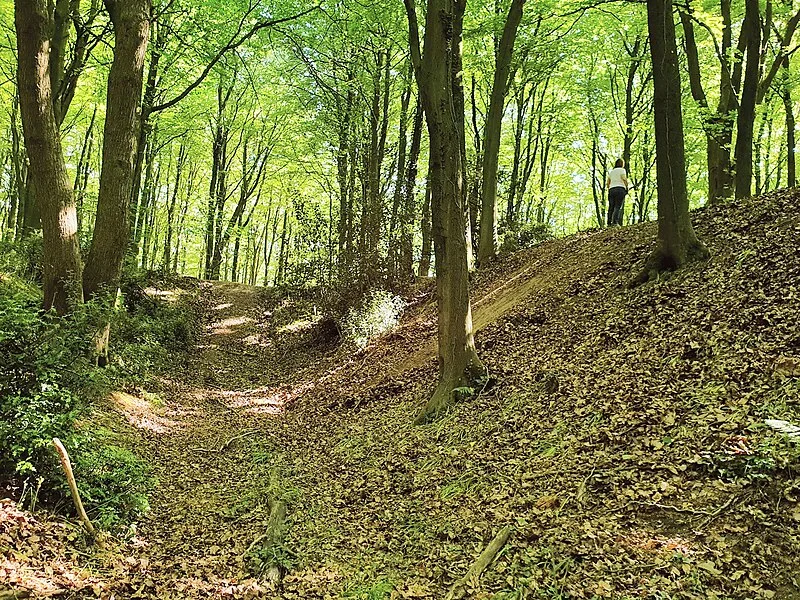
Roddenbury Hillfort
Roddenbury Hillfort is a univallate Iron Age hillfort in the parish of Selwood, Somerset, England. It is a Scheduled Monument that was on the Heritage at Risk Register in 2011. In…
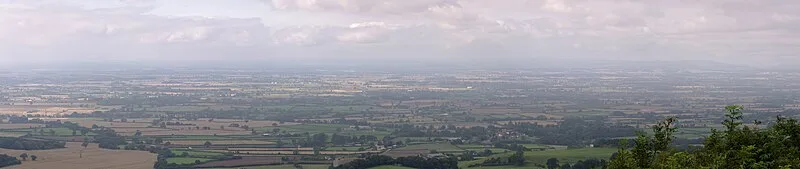
Roulston Scar, Sutton Bank
Roulston Scar is a major Iron Age hillfort located on Sutton Bank, a prominent hill in the Hambleton Hills of North Yorkshire, England. Built around 400 BC, this massive…
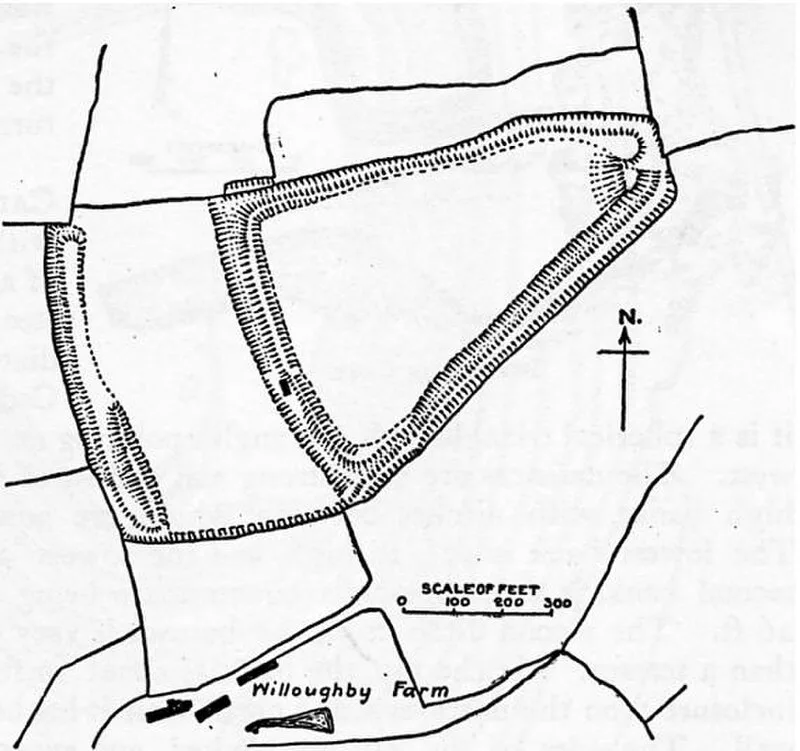
Ruborough Camp
Ruborough Camp is an Iron Age hillfort on the Quantock Hills near Broomfield in Somerset, England, whose name derives from the Old English Rugan beorh meaning "Rough Hill". The…
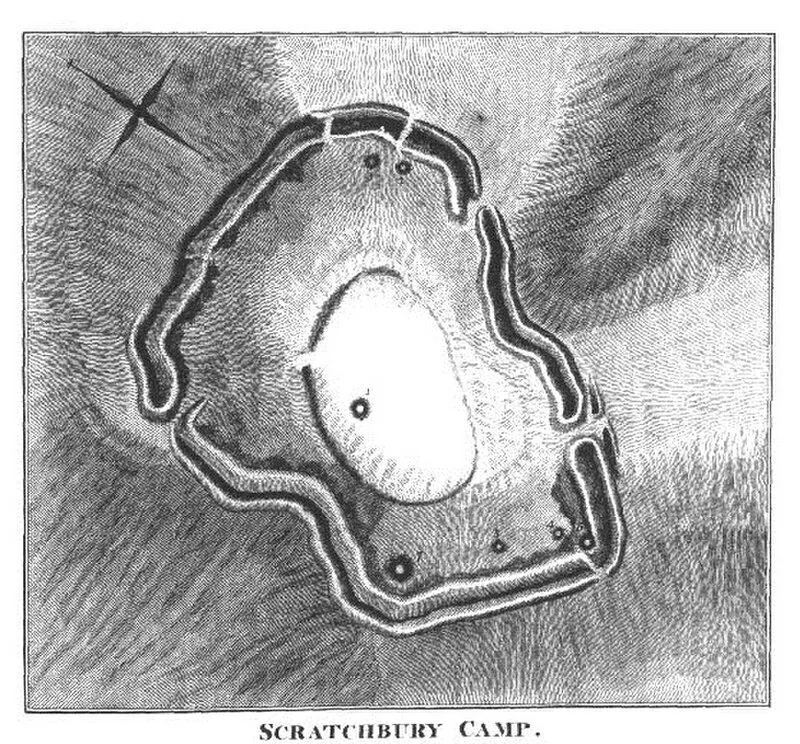
Scratchbury Camp
Scratchbury Camp is an Iron Age univallate hillfort on Scratchbury Hill, overlooking the Wylye valley about 1 km northeast of Norton Bavant in Wiltshire, England. The fort covers…
Seaton Down
Seaton Down is an Iron Age promontory hill fort in Devon, England, situated approximately 125 metres above sea level. The fort features a large linear rampart cutting off a…
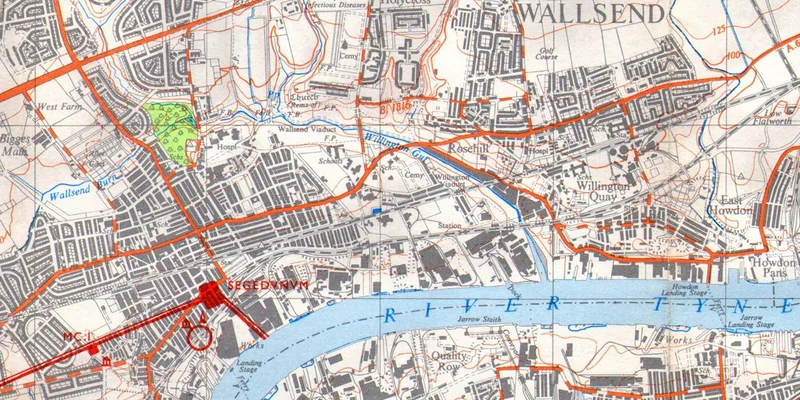
Segedunum
Segedunum was a Roman fortress at Wallsend, North East England, positioned at the eastern terminus of Hadrian's Wall along the River Tyne. Built around 122 AD during Emperor…
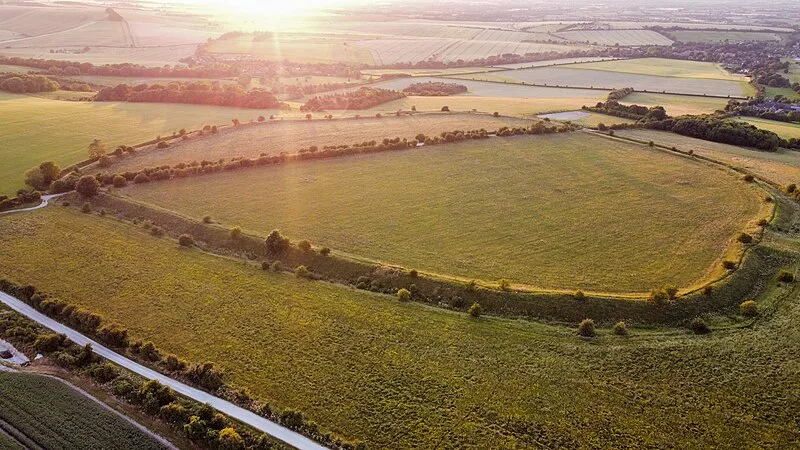
Segsbury Camp
Segsbury Camp is an Iron Age hillfort on the crest of the Berkshire Downs near the Ridgeway above Wantage, Oxfordshire. The univallate fort features a rampart bank standing 3m…
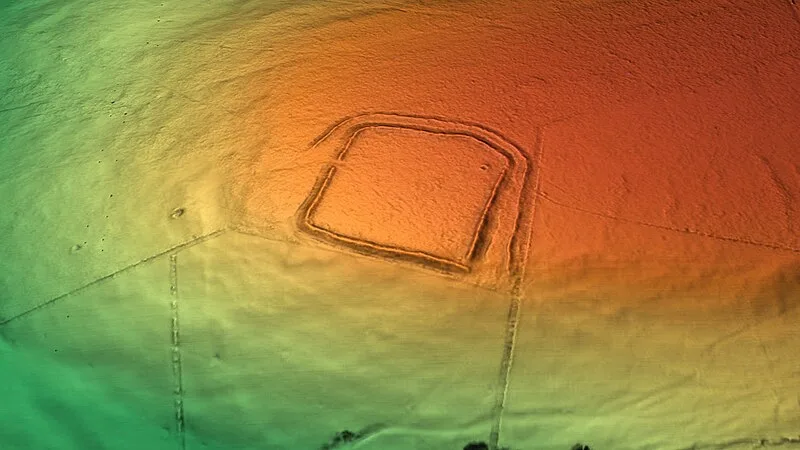
Shoulsbury Castle
An Iron Age hillfort on Shoulsbarrow Common near Challacombe in Devon, England, at 460 m elevation on Exmoor. The rectangular enclosure measures approximately 147 x 142 m with…
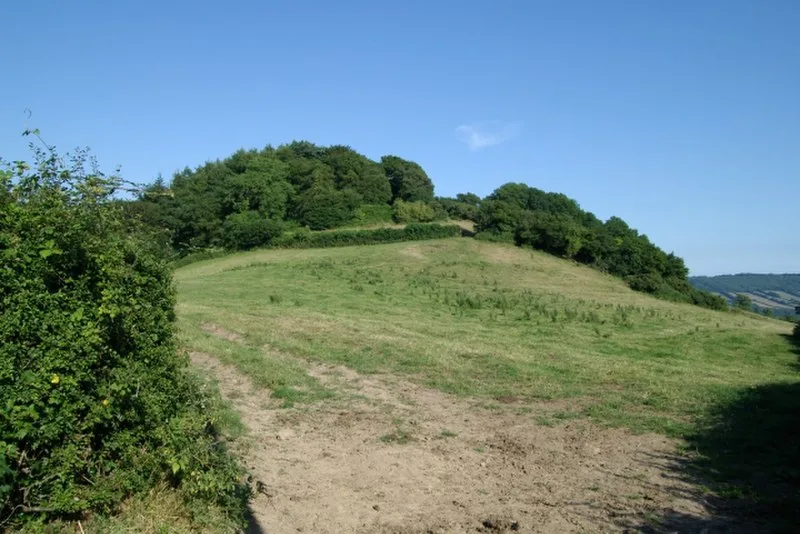
Sidbury Castle
Sidbury Castle is a substantial Iron Age hill fort situated near Sidbury in Devon, England. The fortress occupies a prominent hilltop position approximately 185 metres (607 ft)…
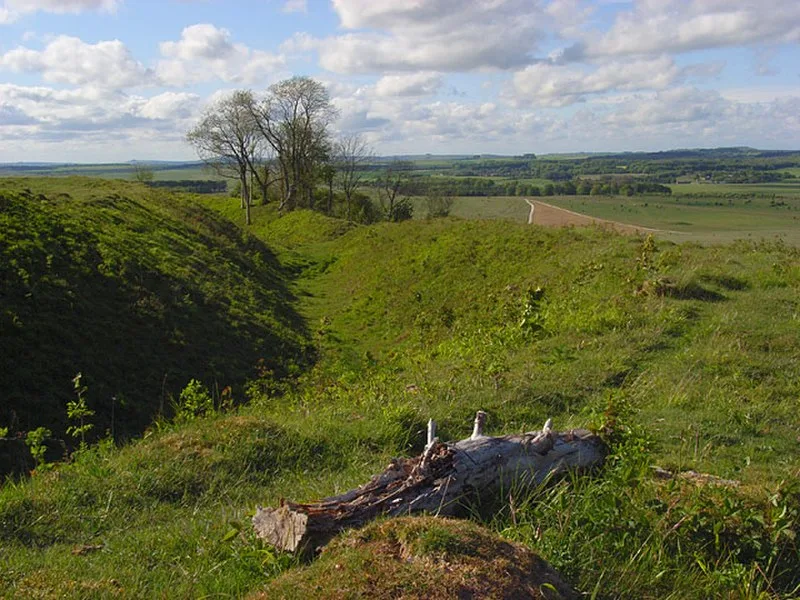
Sidbury Hill
(800 BC – 1st c. AD) Sidbury Hill, or Sidbury Camp, is an Iron Age bivallate hillfort on the eastern edge of Salisbury Plain in Wiltshire, England. The sub-triangular site covers…
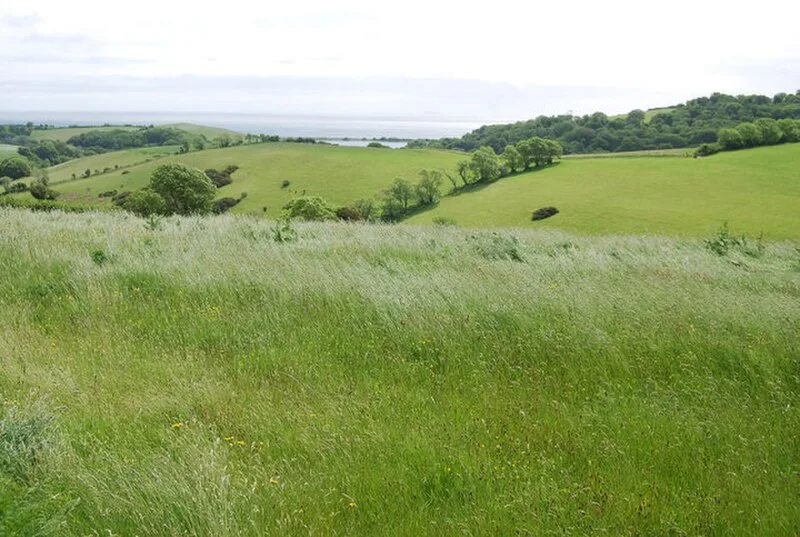
Slapton Castle
Slapton Castle is an Iron Age hill fort situated on a promontory near Slapton in Devon, England, at approximately 65 metres above sea level overlooking Slapton Ley. The fort…
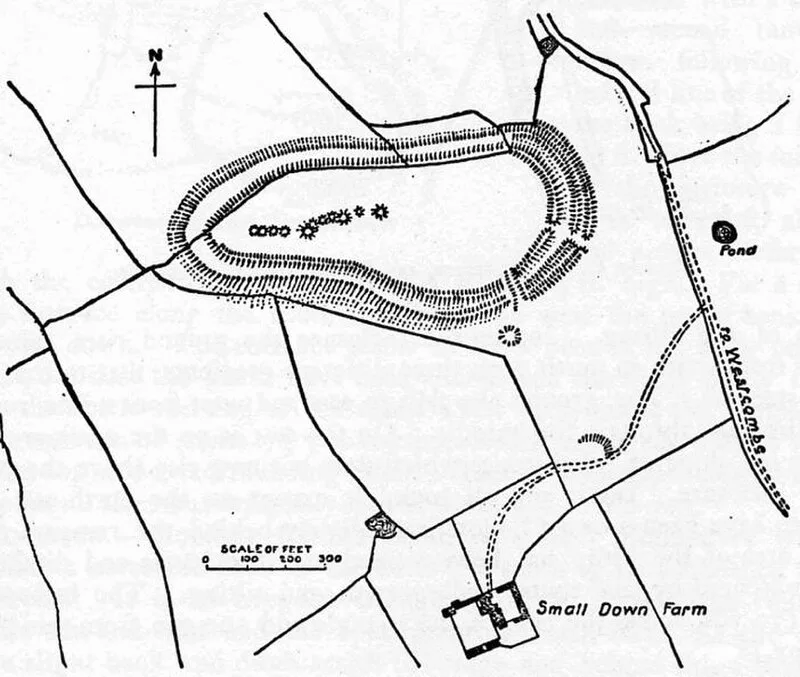
Small Down Knoll
Small Down Knoll, or Small Down Camp, is a Bronze Age multivallate hill fort near Evercreech on the southern edge of the Mendip Hills in Somerset, England, rising to 222 m. The…
Smythapark
Smythapark is the site of an Iron Age hill fort near Bratton Fleming in Devon, England, positioned on a promontory above a tributary of the River Yeo at approximately 200 m above…
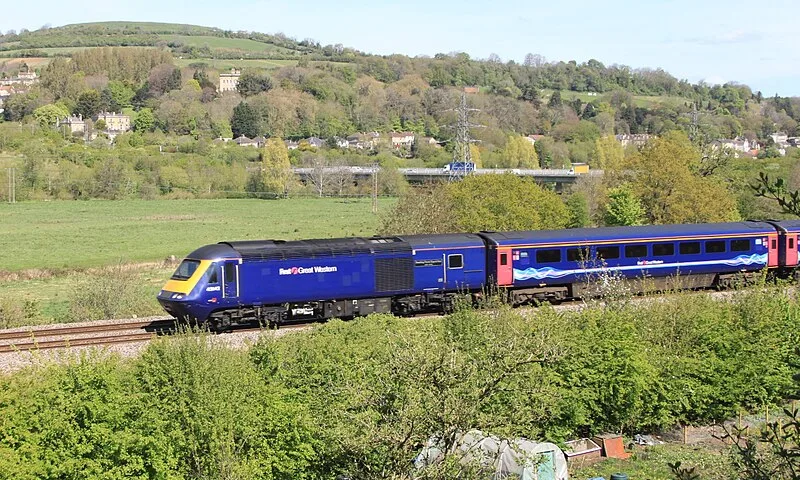
Solsbury Hill
Little Solsbury Hill is an Iron Age hillfort above Batheaston in Somerset, England, occupied from approximately 300 to 100 BC. The triangular hilltop was enclosed by a univallate…
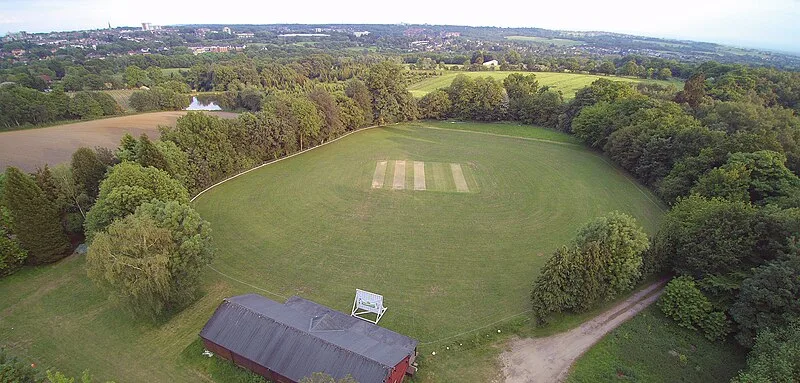
South Weald Camp
South Weald Camp was a hillfort in South Weald, Brentwood, Essex, dating to the late Iron Age (1st century BC to 1st century AD). The roughly circular fortification covered 2.8…
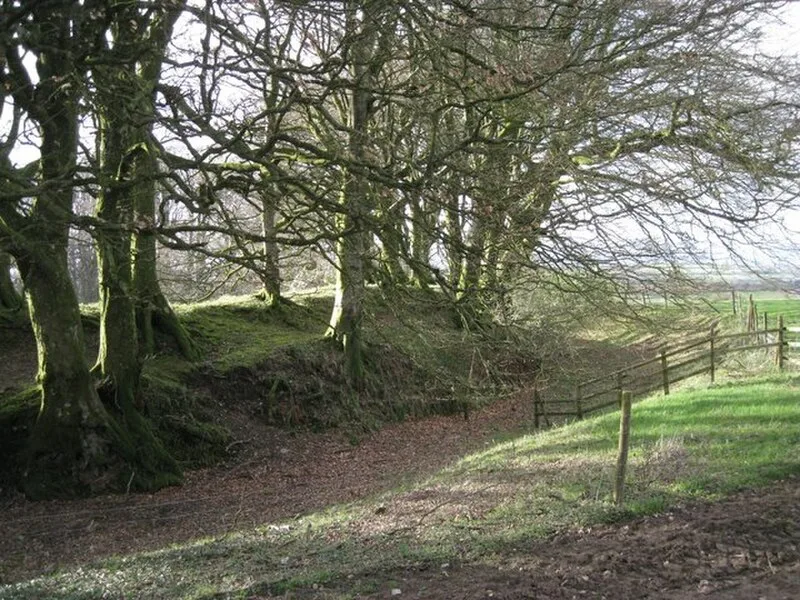
Stanborough
Stanborough is an Iron Age hill fort near the village of Halwell, south of Totnes in Devon, England. The fort occupies a strategic promontory on the western edge of a hill,…
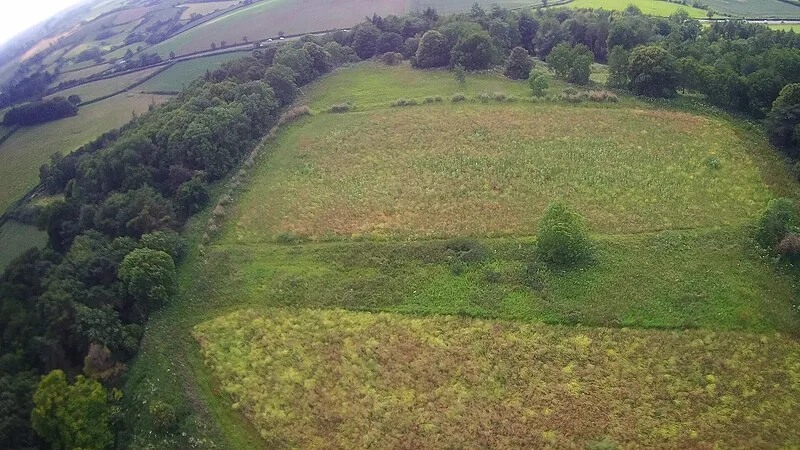
Stantonbury Camp
Stantonbury Camp is a univallate Iron Age hillfort covering less than 3 acres near Stanton Prior in Somerset, England. Situated atop an isolated outcrop of Oolitic Limestone, its…
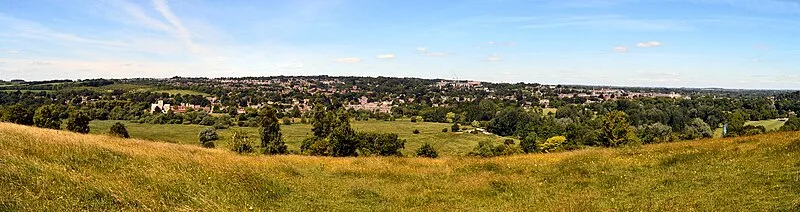
St Catherine's Hill, Hampshire
St. Catherine's Hill is a chalk downland hill in Hampshire topped by an Iron Age hillfort (c. 500–300 BC), a Scheduled Monument. The 43‑hectare (110‑acre) site is a biological…
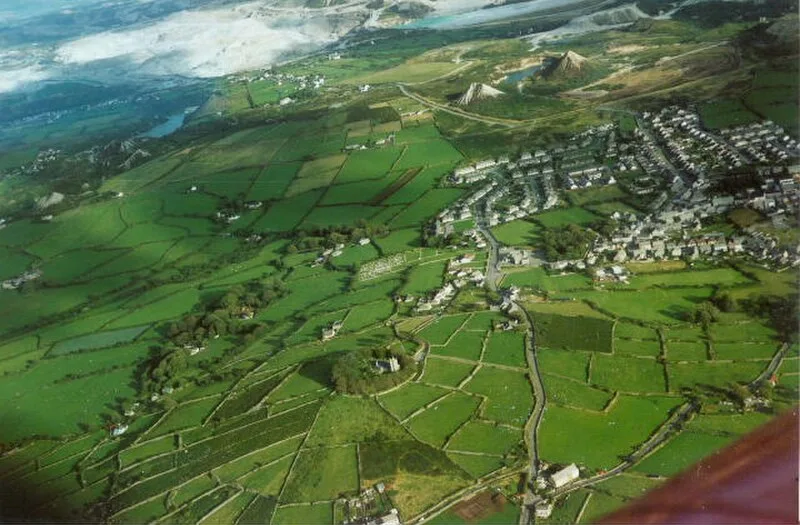
St Dennis, Cornwall
St Dennis in Cornwall sits on a strikingly conical hill that was formerly an Iron Age bivallate hillfort with an internal diameter of about 230 feet. The inner rampart was…
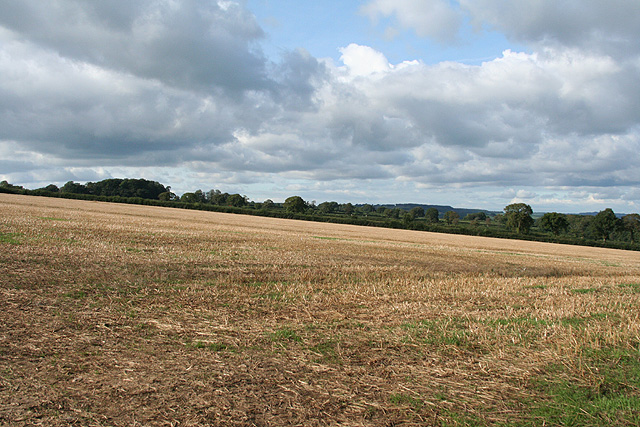
Stockland Castle
Stockland Castle is the name given to two Iron Age hill forts on Stockland Hill close to Stockland in Devon, England. Stockland Great Castle occupies a position on the eastern…
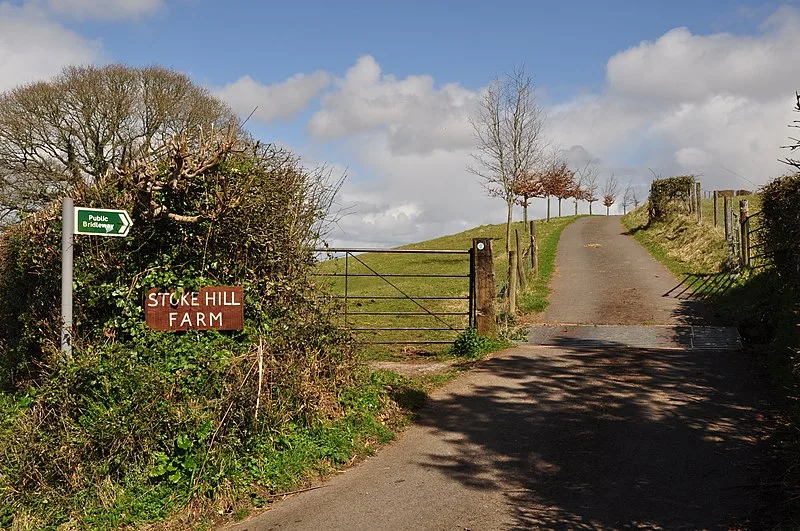
Stoke Hill
Stoke Hill is a prominent hill north of Exeter in Devon, England, notable for both an Iron Age hillfort and a Roman signal station. The univallate hillfort, built during the Iron…
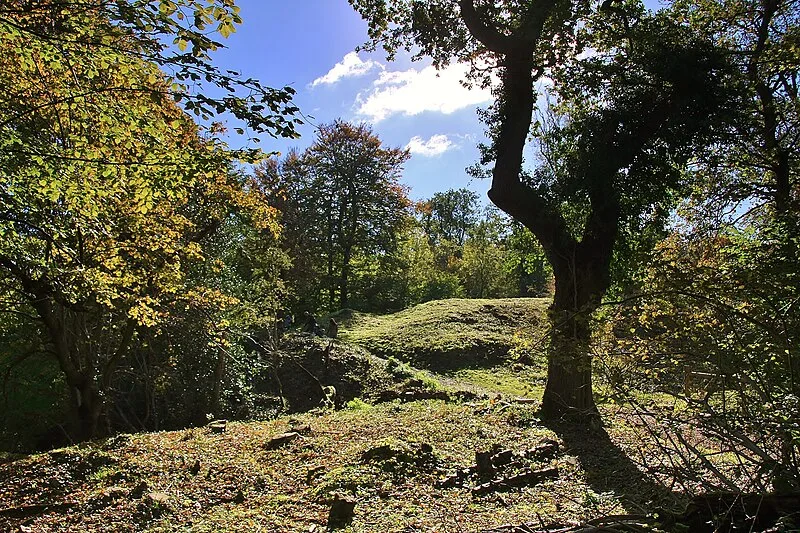
Stokeleigh Camp
Stokeleigh Camp is an Iron Age promontory fort in Leigh Woods, North Somerset, near Bristol, dating to 500 BC–1 AD. The hill fort is one of three Iron Age fortifications…
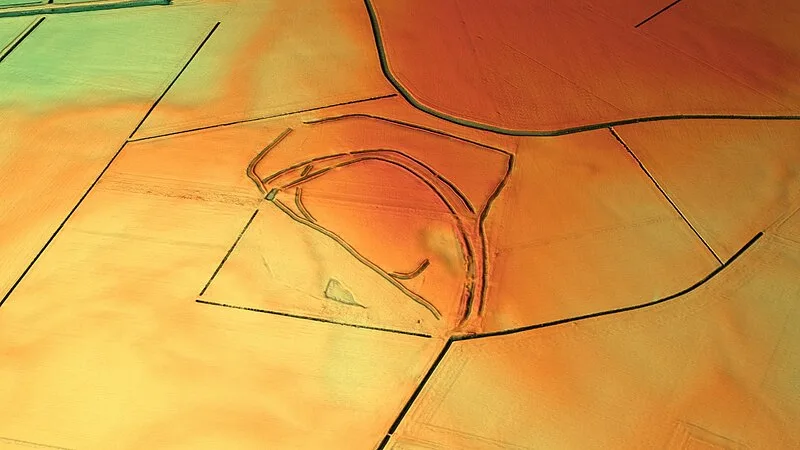
Stonea Camp
Stonea Camp is an Iron Age multivallate hill fort at Stonea near March in the Cambridgeshire Fens, situated on a gravel bank just 2 metres above sea-level, making it the lowest…
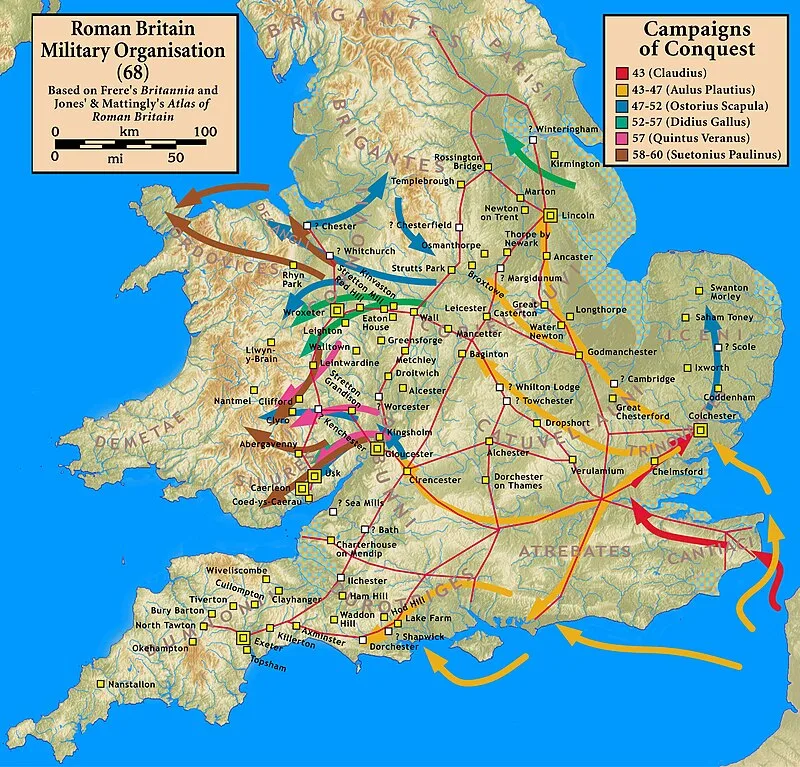
Strutt's Park Roman Fort
Strutt's Park Roman Fort was an early Roman military installation in Derby, Derbyshire, England, established around 50 AD following the defeat of Caratacus. Positioned on the…
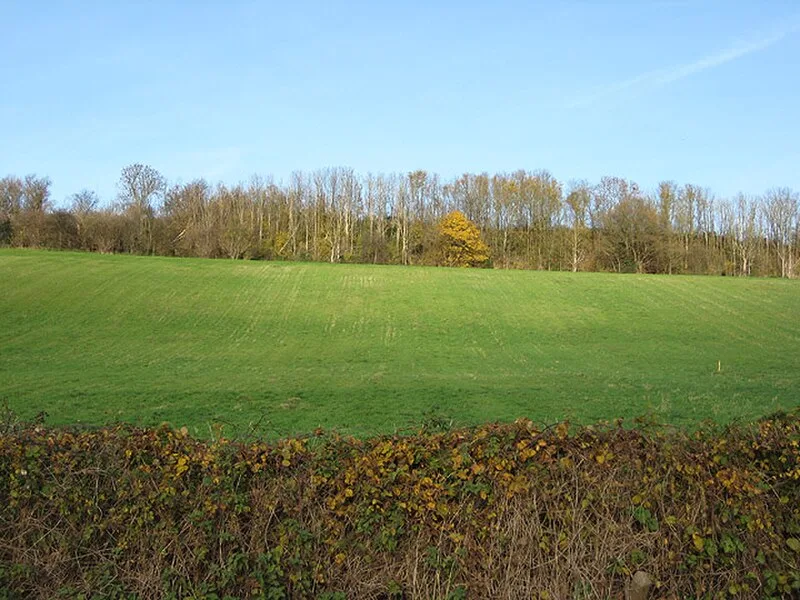
Sutton Walls Hill Fort
Sutton Walls is an elongated ovoid Iron Age hillfort located 4 miles north of Hereford, England. Defenses began around 100 BC with a V-shaped ditch and internal bank reinforced…
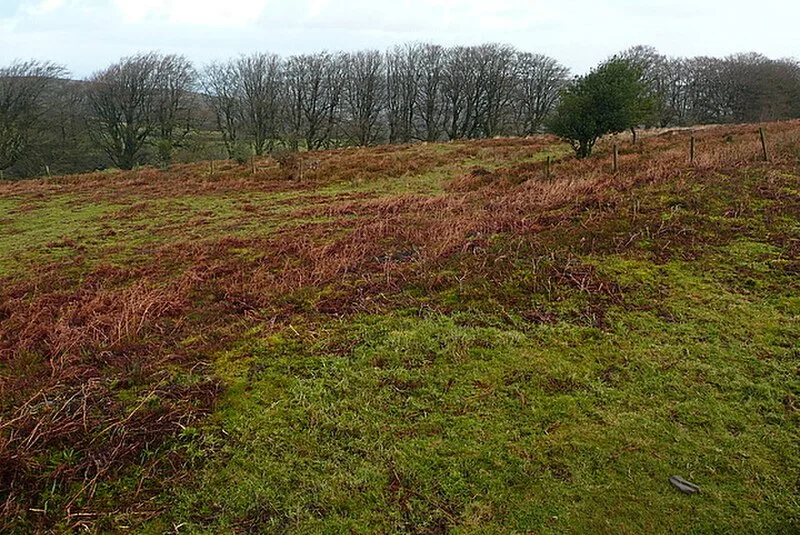
Sweetworthy
Sweetworthy is an Iron Age defended settlement at Luccombe, on the north-facing slope of Dunkery Hill, Somerset. The site comprises two enclosures: one with a single rampart and…
Taps Combe Camp
Taps Combe Camp, also known as Chelvey Batch Settlement, is an Iron Age promontory hillfort of approximately 2 acres located between Brockley and Backwell in North Somerset,…
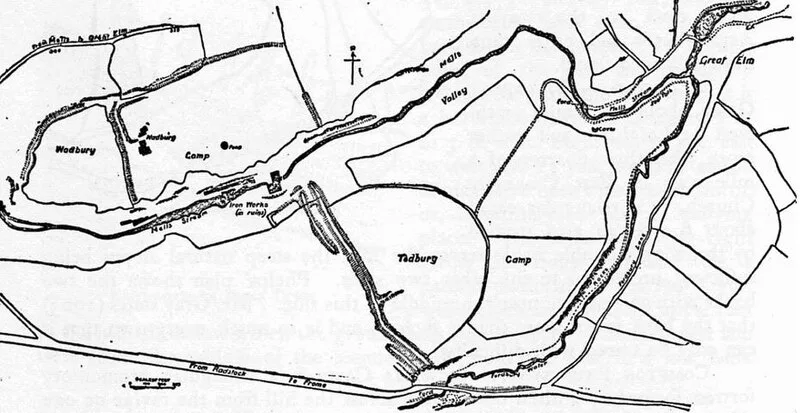
Tedbury Camp
Tedbury Camp is a multivallate Iron Age promontory hill fort near Great Elm, Somerset, England, covering approximately 60 acres of triangular ground between the Mells River and…
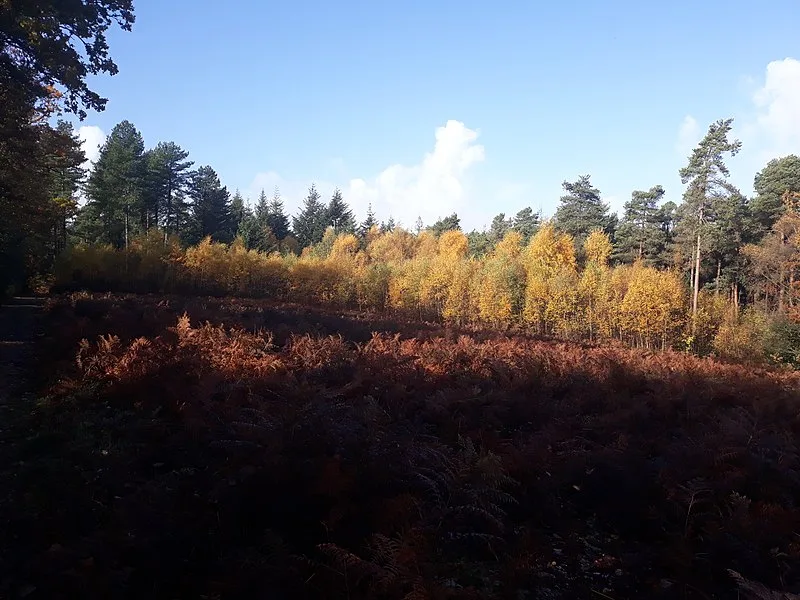
The Frith
The Frith is a small univallate Iron Age hillfort located north of Silchester (Calleva Atrebatum) in Hampshire, England, dating to approximately 500–300 BC. The fortified site…
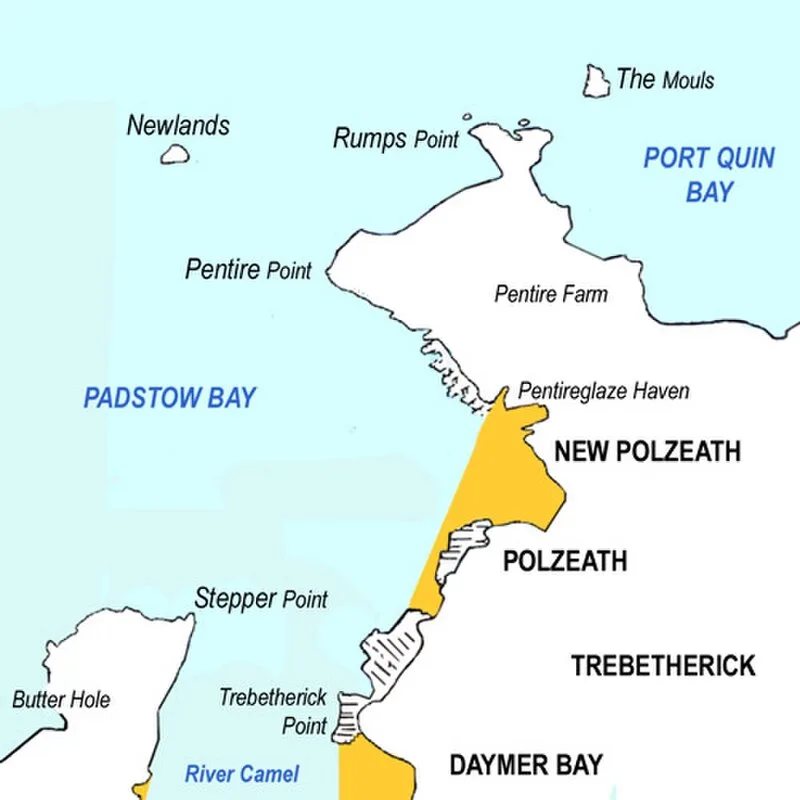
The Rumps
The Rumps is an Iron Age promontory fort on a twin headland at Pentire Head in north Cornwall, enclosing approximately 3.1 hectares of rocky coastline. Three ramparts with…
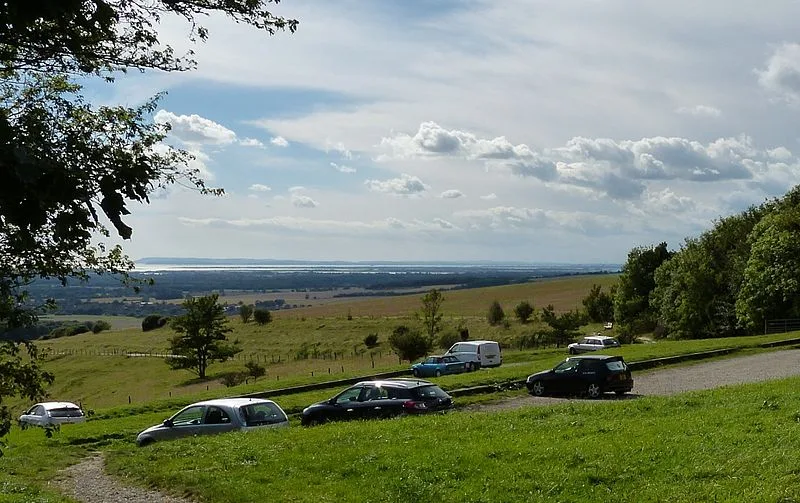
The Trundle
The Trundle is an Iron Age hillfort on St Roche's Hill, approximately 6 km (4 miles) north of Chichester, West Sussex, England. Built on the site of a Neolithic causewayed…
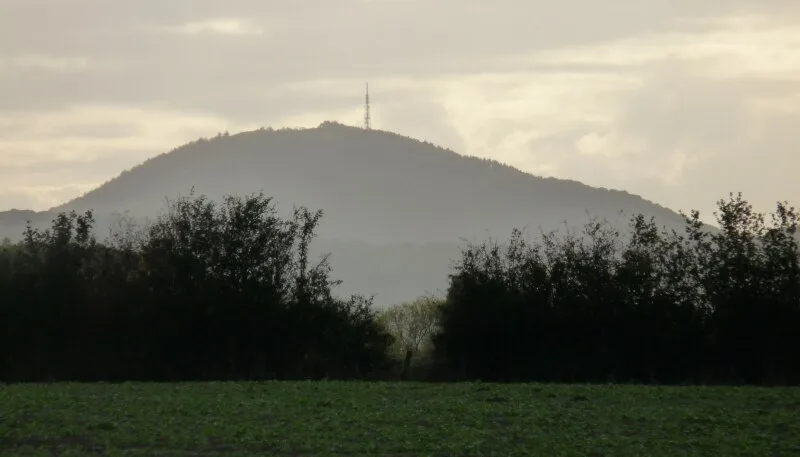
The Wrekin
The Wrekin is an Iron Age hillfort in east Shropshire, England, dating from 1500–500 BC. It rises 407 metres (1,335 ft) above sea level, located about 8 km (5 mi) west of Telford.…
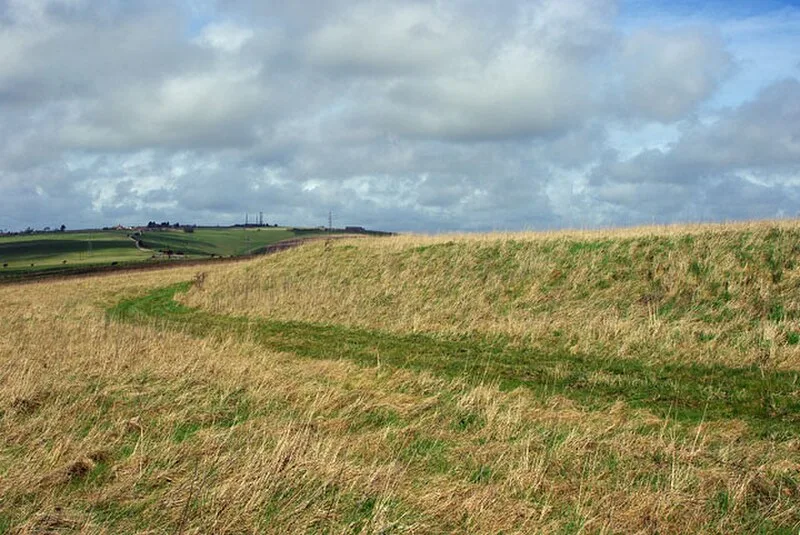
Thundersbarrow Hill
A multi-period archaeological site on a chalk ridge of the South Downs north of Shoreham-by-Sea in West Sussex. The site includes a late Bronze Age Martin Down-style enclosure…
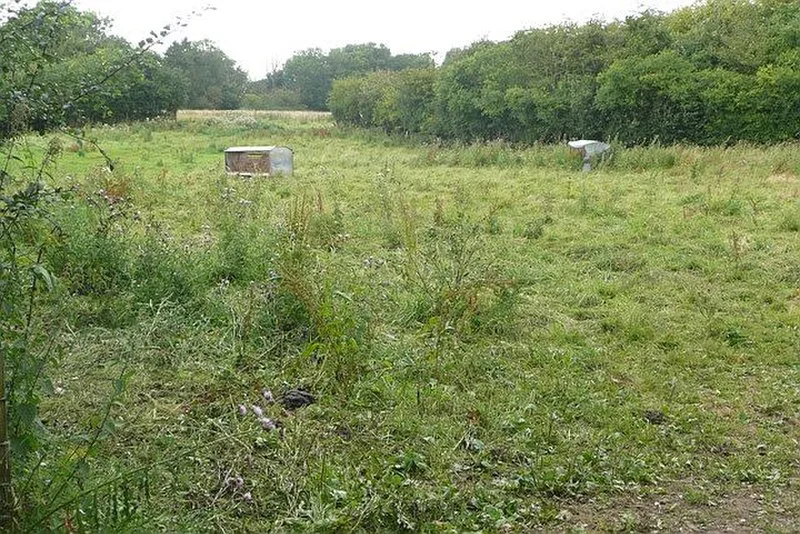
Tidbury Ring
Tidbury Ring is an Iron Age univallate hillfort in Hampshire, England, dating to 800 BC–1st century AD. The earthworks suffered significant damage from ploughing, though southern…
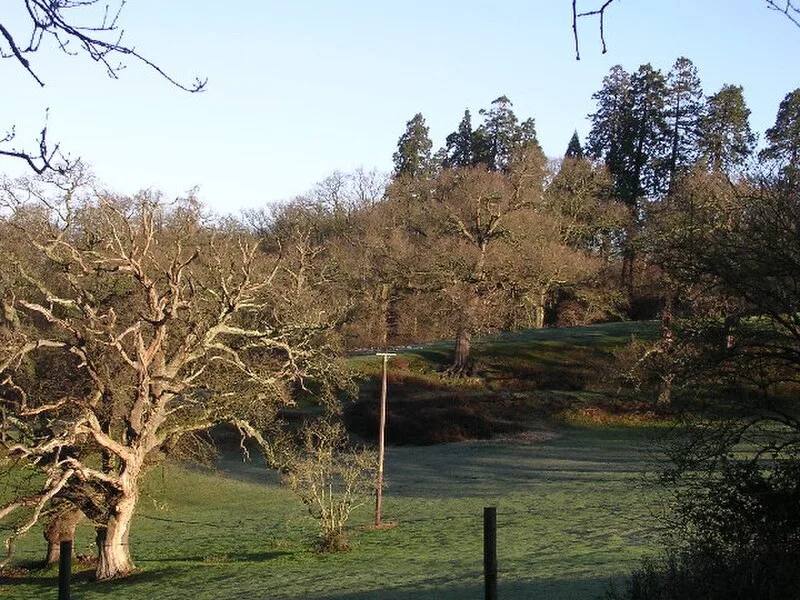
Toothill Fort
Toothill Fort is an Iron Age univallate hill fort situated on a spur in Hampshire, England. The site occupies an exceptionally strong defensive position at the northern end of a…
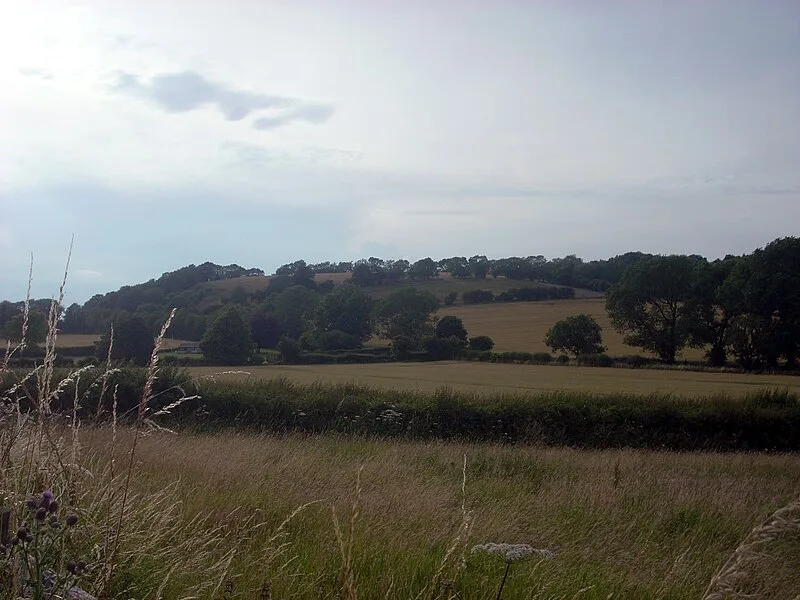
Torberry Hill
Torberry Hill is an Iron Age hillfort in West Sussex, southern England, located within the South Downs National Park in the parish of Harting. The chalk spur projects northwards…
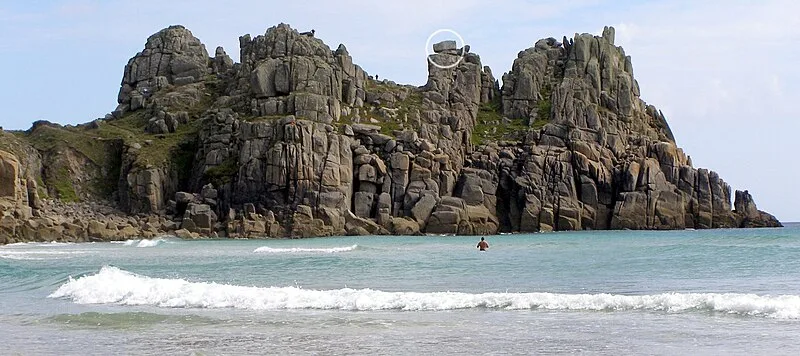
Treryn Dinas
Treryn Dinas is an Iron Age promontory fort on a granite headland near Treen in Cornwall, England, owned by the National Trust and designated as a Scheduled Monument. Its defenses…
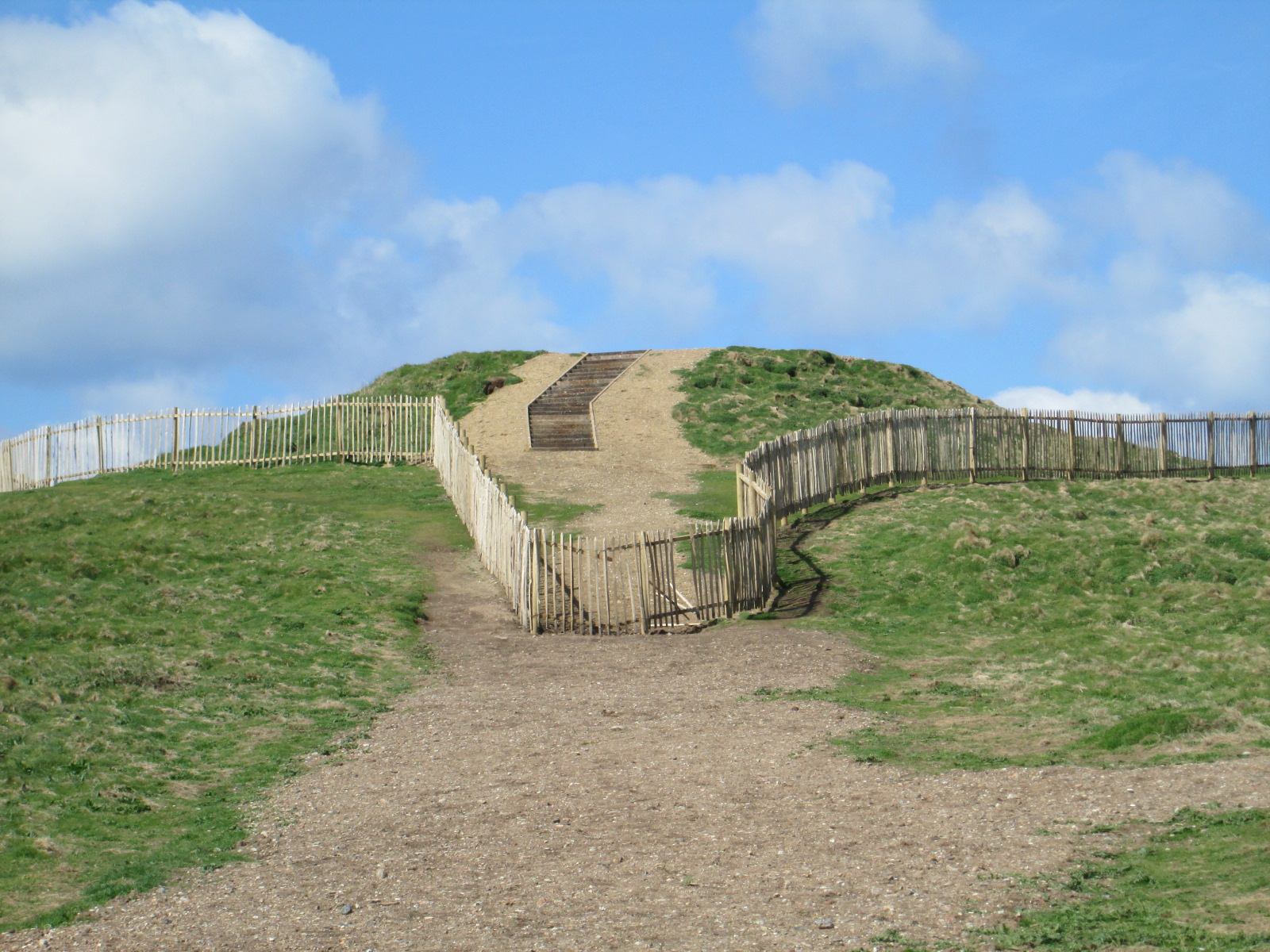
Trevelgue Head
Trevelgue Head, also known as Porth Island, is a headland on the north-eastern edge of Newquay Bay in Cornwall, England. The site encompasses an Iron Age promontory fort featuring…
Tunley Camp
Tunley Camp is an Iron Age hill fort situated 1.3 km (0.8 mi) north-east of Camerton in Bath and North East Somerset, Somerset, England. The site retains the slight earthwork…
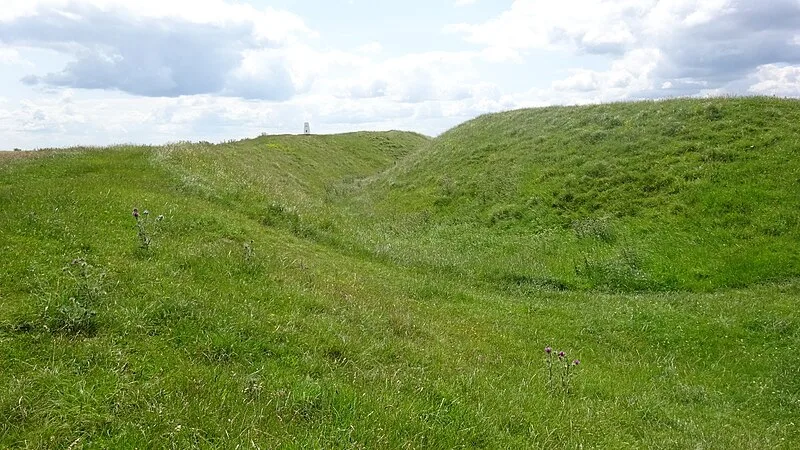
Uffington Castle
Uffington Castle is an Early Iron Age univallate hillfort in Oxfordshire, dating to approximately 800-500 BC. It covers about 3.2 hectares and is surrounded by two earth banks…
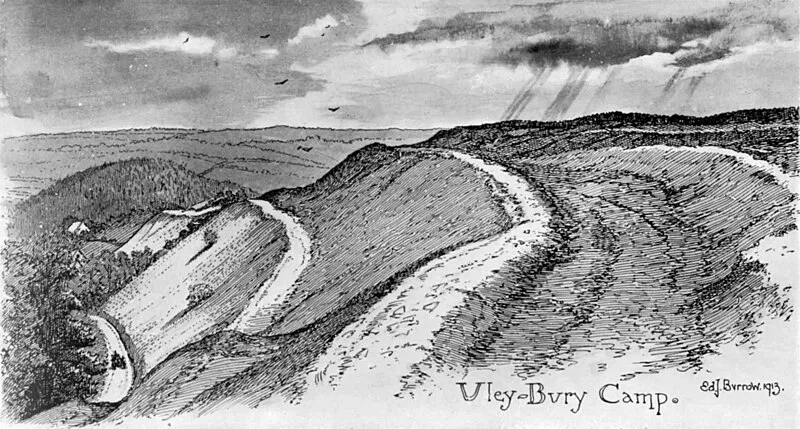
Uley Bury
An impressive multi-vallate Iron Age hillfort on the Cotswold escarpment near Uley, Gloucestershire, occupied c. 300 BC to 100 AD. The bivallate fort covers 13 hectares with a 1.6…
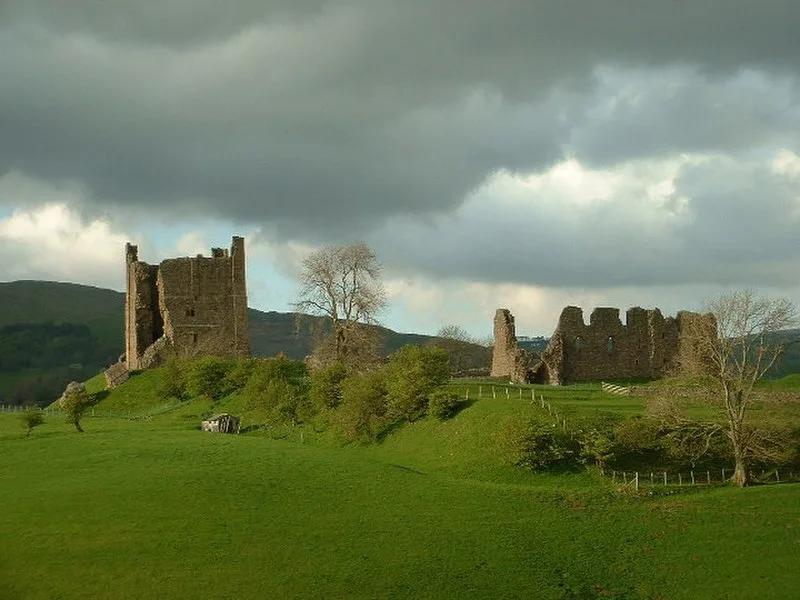
Verterae
Verterae was a Roman fort located in what is now Brough, Cumbria, England. The fortress was occupied from the 1st through the 5th century AD, protecting a key Roman road through…
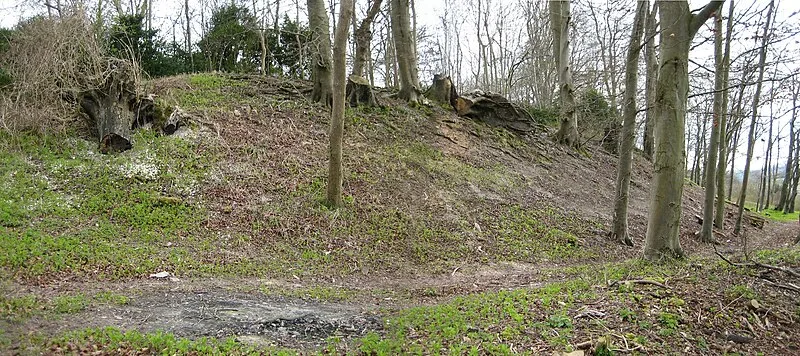
Vespasian's Camp
Vespasian's Camp is an Iron Age hillfort in Wiltshire, England, located just west of Amesbury and less than 3 km from Stonehenge. Built on a hill beside the Stonehenge Avenue, the…
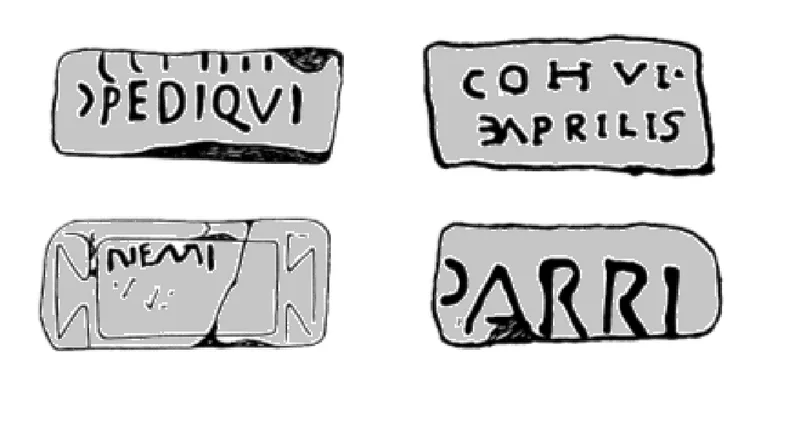
Vindobala
A Roman auxiliary fort on Hadrian's Wall at modern Rudchester, Northumberland, covering 4.5 acres (1.8 ha) and measuring 157 by 117 metres. The fourth fort west along the Wall, it…
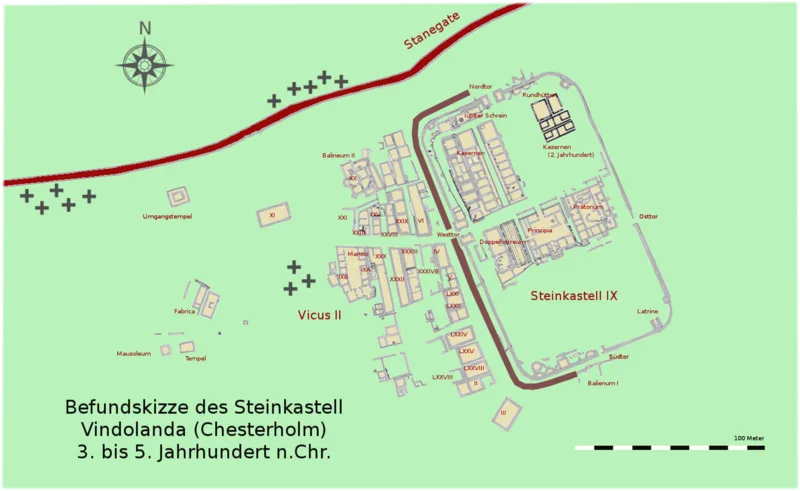
Vindolanda
Vindolanda was a Roman auxiliary fort (castrum) located just south of Hadrian's Wall in northern England, which it predated. Archaeological excavations reveal it was occupied from…
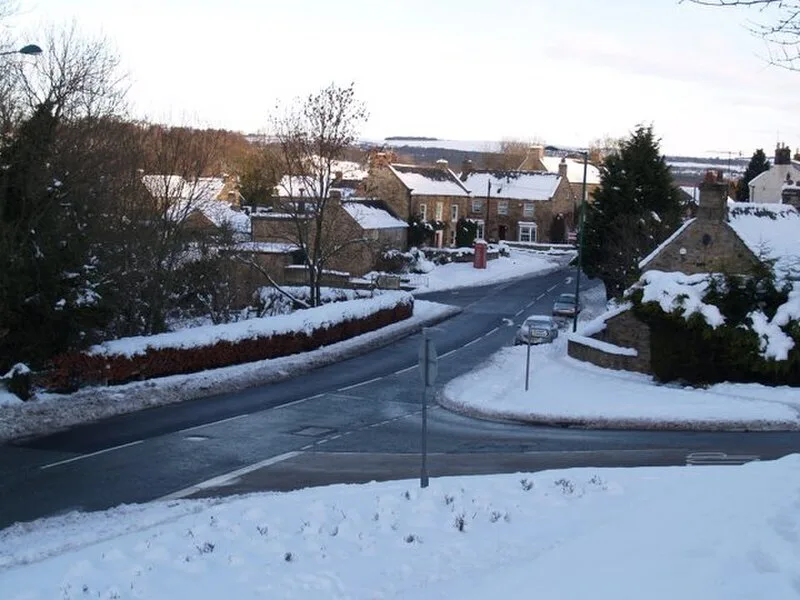
Vindomora
Vindomora was a Roman auxiliary fort on Dere Street in the province of Lower Britain. Its ruins, known as Ebchester Roman Fort, lie at Ebchester in County Durham, 12 miles (19 km)…
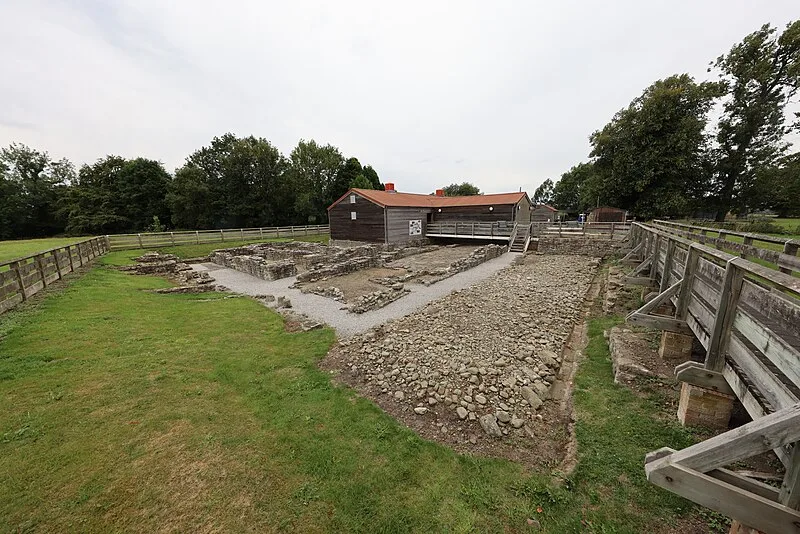
Vinovia
Vinovia (also Vinovium) was a Roman fort and settlement on the banks of the River Wear in County Durham, England, located about 1.6 km (1 mi) north of modern Bishop Auckland. The…
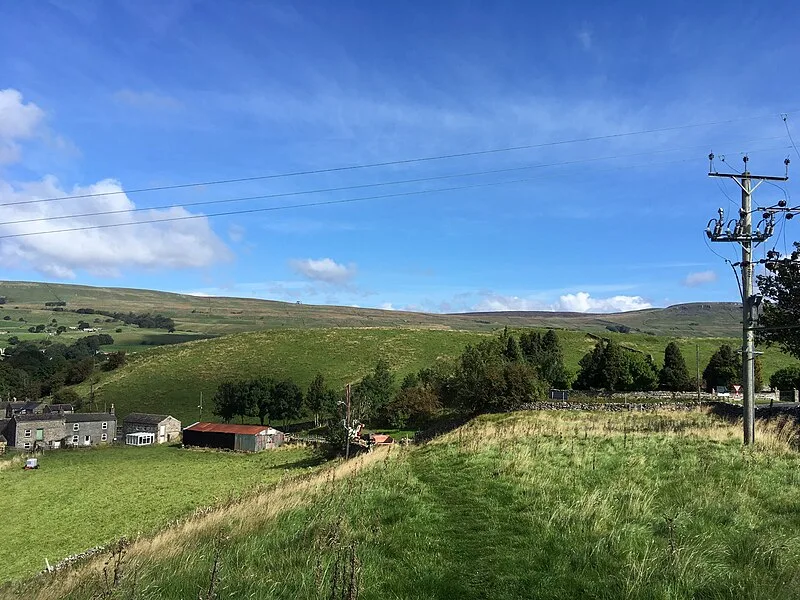
Virosidum
Virosidum was a Roman fort and settlement near Bainbridge, North Yorkshire, England. The site is a Scheduled monument.
Voley Castle
Voley Castle is an Iron Age hill fort located near Parracombe in north Devon, England. It sits on a promontory on the eastern slope of Heale Down at approximately 230 metres (750…
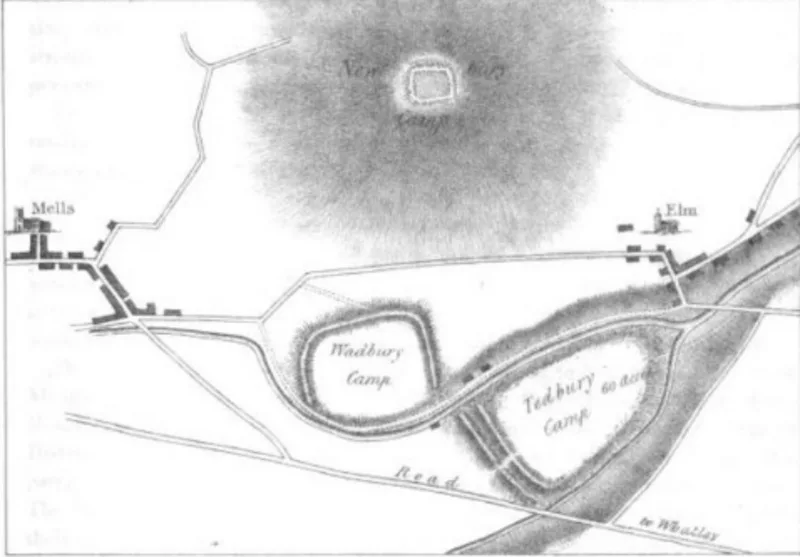
Wadbury Camp
Wadbury Camp is a promontory fort in Somerset, England that protected the mining district of the Mendip Hills in pre-Roman times. It seems to have been an outwork of the larger…
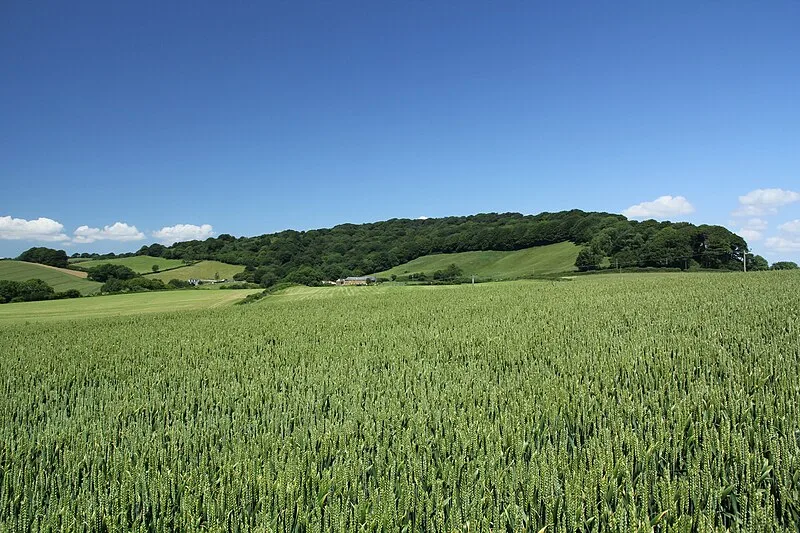
Waddon Hill
Waddon Hill is the site of a Roman fort near Beaminster in Dorset, England, constructed by the Legio II Augusta under Vespasian around AD 50 during the conquest of the Durotriges…
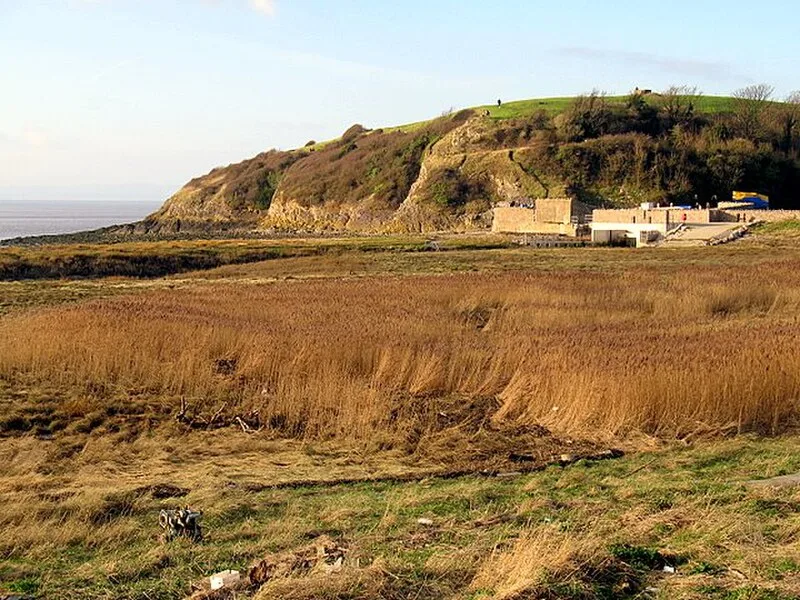
Wain's Hill
Wain's Hill is an univallate Iron Age hill fort located approximately 1.6 km (1 mile) south-west of Clevedon in North Somerset, England. The site occupies a naturally defensible…
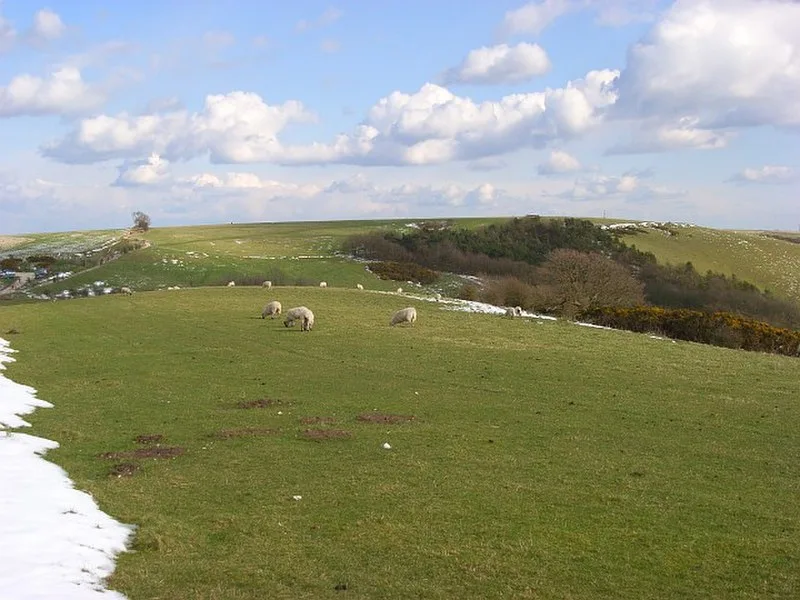
Walbury Hill
Walbury Hill in Berkshire, England, at 297 metres is the highest natural point in South East England. Its summit hosts Walbury Camp, the largest Iron Age hillfort in Berkshire at…
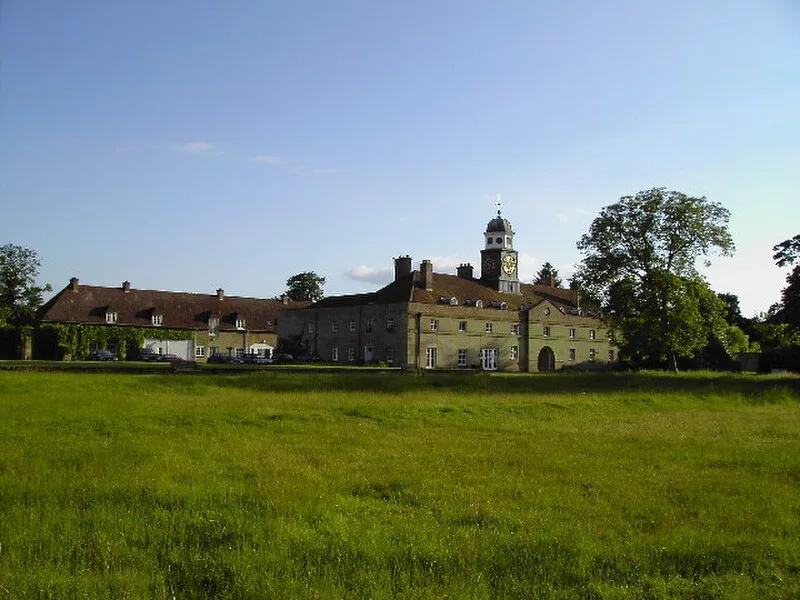
Wandlebury Hill
Wandlebury Hill is a 74-metre chalk peak in the Gog Magog Hills, southeast of Cambridge, England. Bronze Age people inhabited the site, and around 500 BC an Iron Age hill fort…
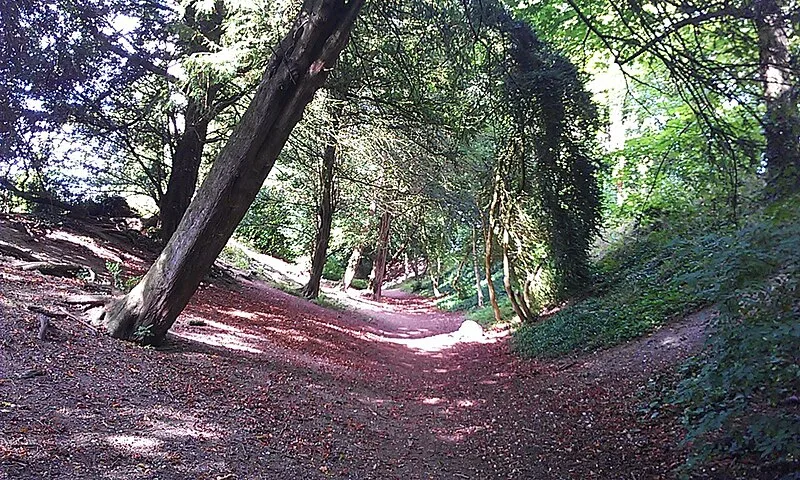
Wandlebury Hill Fort
Wandlebury Hill Fort (c. 400 BC–1st century AD) is an Iron Age hillfort on Wandlebury Hill in the Gog Magog Hills, Cambridgeshire, England, southeast of Cambridge. The first…
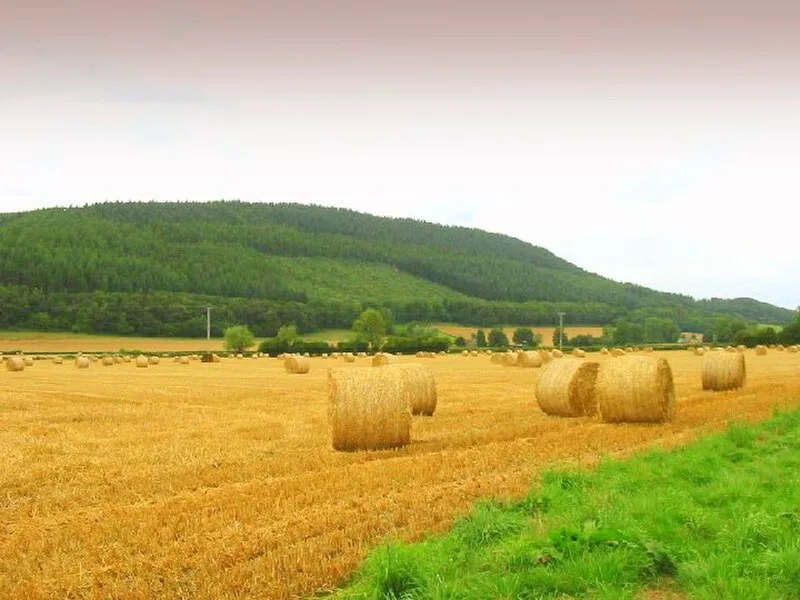
Wapley Hill
Wapley Hill is a large multivallate Iron Age hillfort in Herefordshire, 3 km southeast of Presteigne, occupying approximately 5.5 hectares on a west-facing escarpment. The roughly…
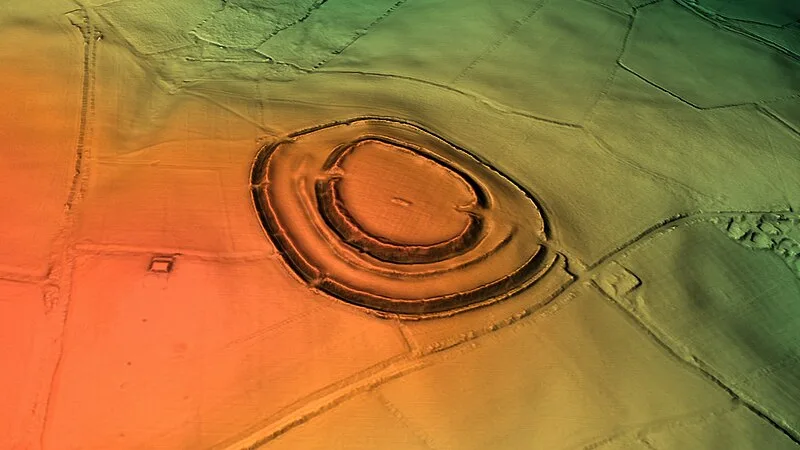
Warbstow Bury
Warbstow Bury is an Iron Age hillfort about 0.5 miles (0.8 km) west of Warbstow village in Cornwall, England. It is a scheduled monument.
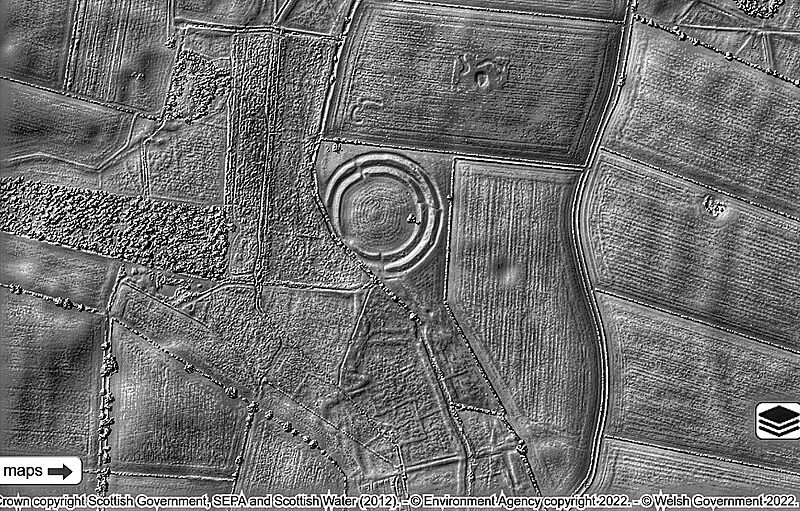
Warham Camp
Warham Camp is an Iron Age circular hillfort with a diameter of 212 metres located near Warham, south of Wells-next-the-Sea in Norfolk, England. It is a scheduled monument dated…
Washing Wells Roman Fort
Washing Wells was a Roman fort in Britannia, discovered from aerial photographs in 1970 southeast of Whickham in Gateshead, overlooking the Team Valley. The trapezoid fort…
Wasteberry Camp
Wasteberry Camp is an Iron Age hill fort in Devon, England, located on a hilltop in Warren Wood approximately 90 metres (300 ft) above sea level, close to the hamlet of Blackpool…

Welshbury Hill
Welshbury Hill is an Iron Age hill fort near Mitcheldean in Gloucestershire, England. It is thought to have been built by Celts and dates back to 1600 BC.
Westbury Camp
Westbury Camp is a univallate Iron Age hill fort in the Mendip Hills, Somerset, situated in the parish of Rodney Stoke approximately 1.6 km (1 mi) north-east of Draycott and 2.4…
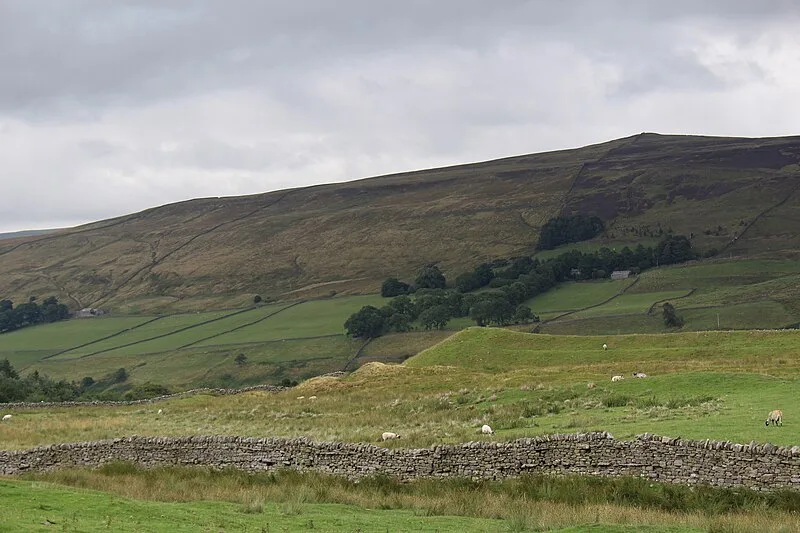
Whitley Castle
Whitley Castle (Epiacum) is a large, unusually shaped Roman fort located north-west of Alston, Cumbria, England. Built by the Roman Army early in the 2nd century AD, it was partly…
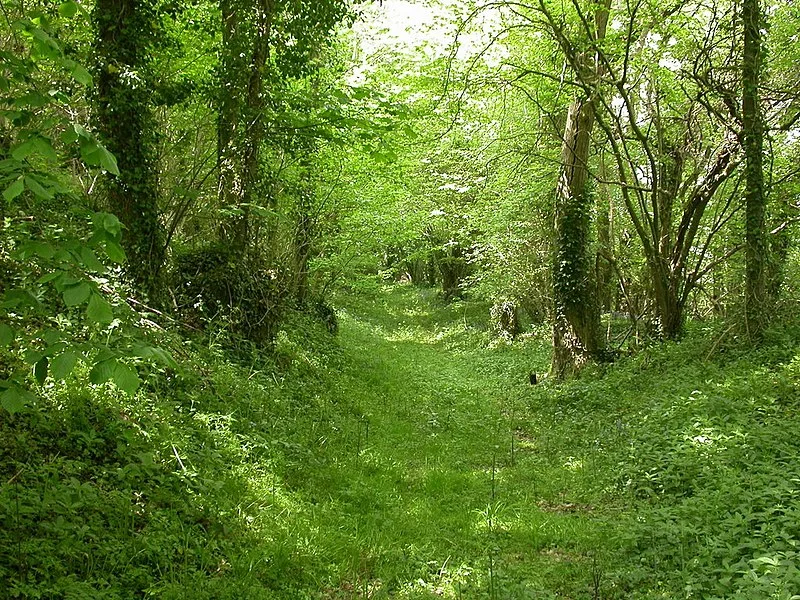
Whitsbury Castle
Whitsbury Castle Ditches is an Iron Age hillfort near Whitsbury in Hampshire, covering approximately 6.5 hectares on a chalk outcrop. The pear-shaped fort is defended by three…
Wilbury Hill Camp
Wilbury Hill Camp is a late Bronze Age hillfort situated southwest of Letchworth Garden City in Hertfordshire, England. It forms part of a line of six similar hill forts along the…
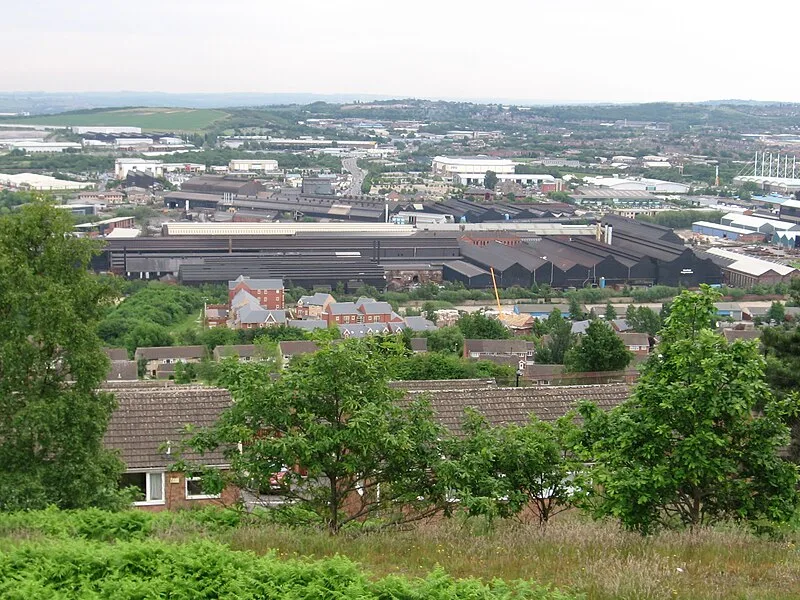
Wincobank - Hill Fort
Iron Age univallate hillfort on an isolated sandstone hill overlooking the River Don, 2.5 miles northeast of Sheffield. The oval enclosure spans roughly 130 x 80m (1 hectare),…
Windbury Head
Windbury Head is the site of an Iron Age hill fort on the Hartland Peninsula in North Devon, England. Most of the site has been lost to coastal erosion over centuries. Only the…
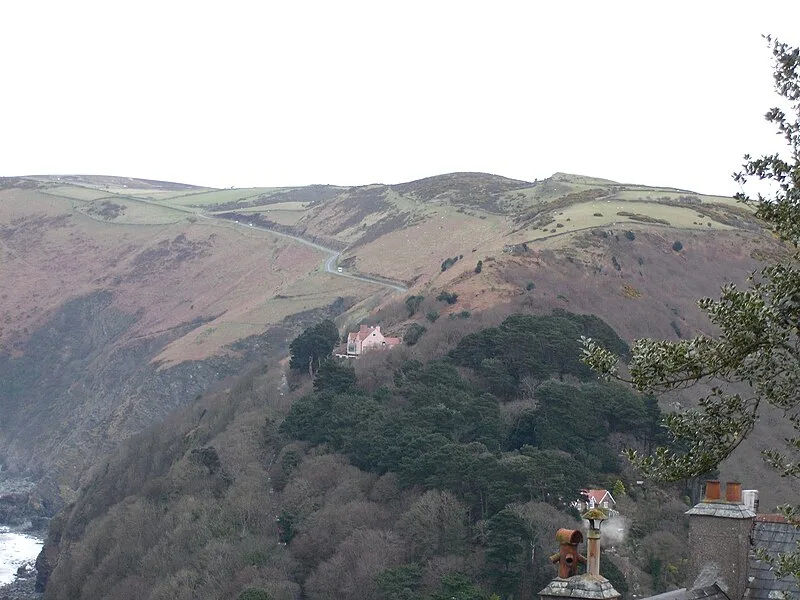
Wind Hill
Wind Hill is an Iron Age spur hill fort near Lynmouth in Devon, England. The site occupies a natural promontory formed by the steep East Lyn River valley to the south and coastal…
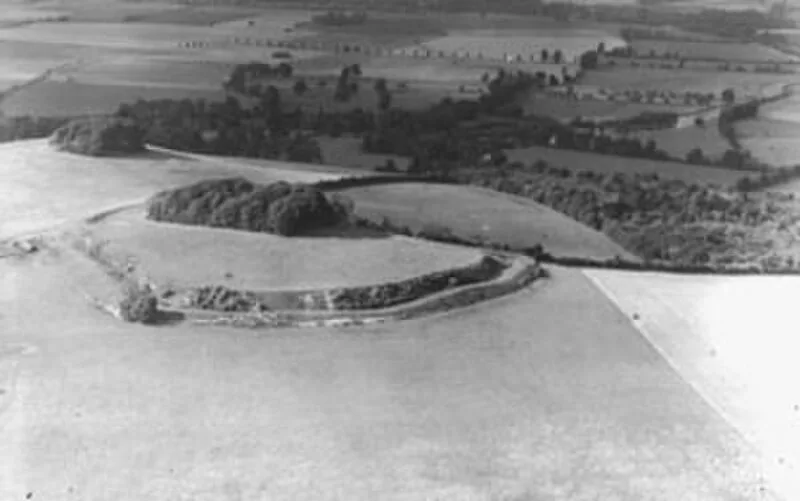
Wittenham Clumps
A pair of chalk hills in the Thames Valley featuring Castle Hill, an Iron Age hillfort with earliest earthworks from the Late Bronze Age. A large settlement at the foot of the…
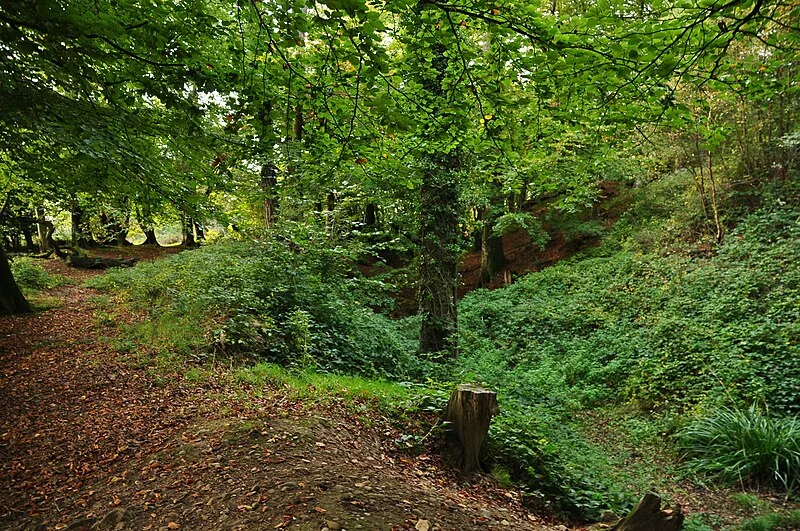
Woodbury Castle
Woodbury Castle is an Iron Age hillfort near the village of Woodbury in Devon, approximately eight miles southeast of Exeter.
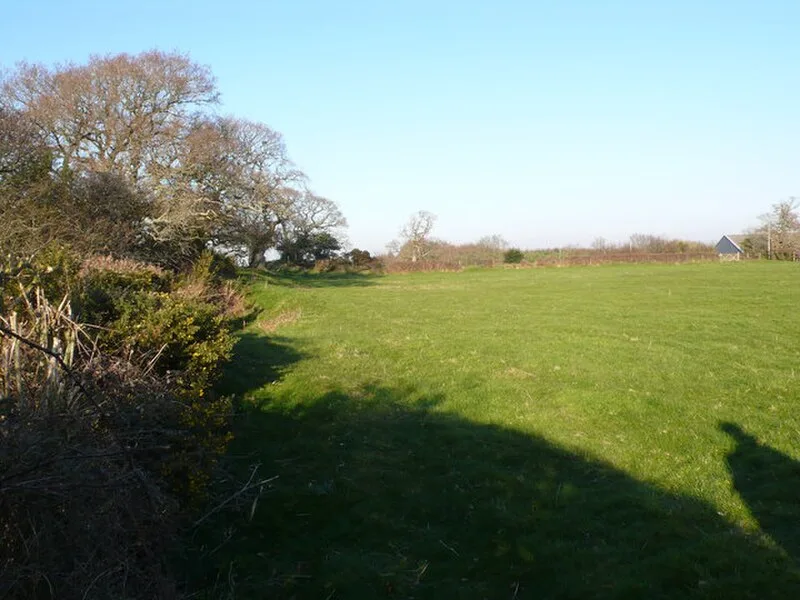
Woodbury Hill, Dorset
Woodbury Hill is an Iron Age hillfort near Bere Regis in Dorset, England. The site was also the location of an annual fair from medieval times until the mid-20th century.
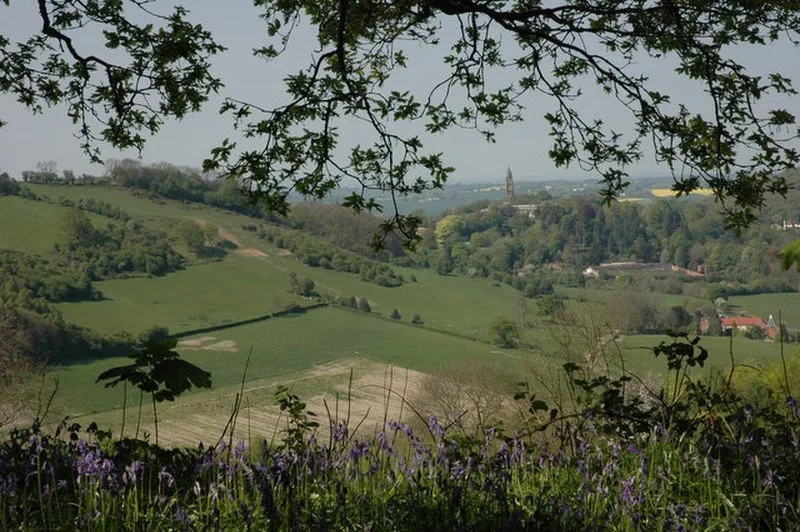
Woodbury Hill, Worcestershire
Woodbury Hill is an Iron Age hillfort near Great Witley, Worcestershire, England, situated about 8km southwest of Stourport-on-Severn.
Woodbury, Stoke Fleming
Woodbury is an Iron Age hillfort (c. 500–150 BC) in the parish of Stoke Fleming, Devon, England, overlooking Dartmouth. The fort sits on a promontory on the southern side of…
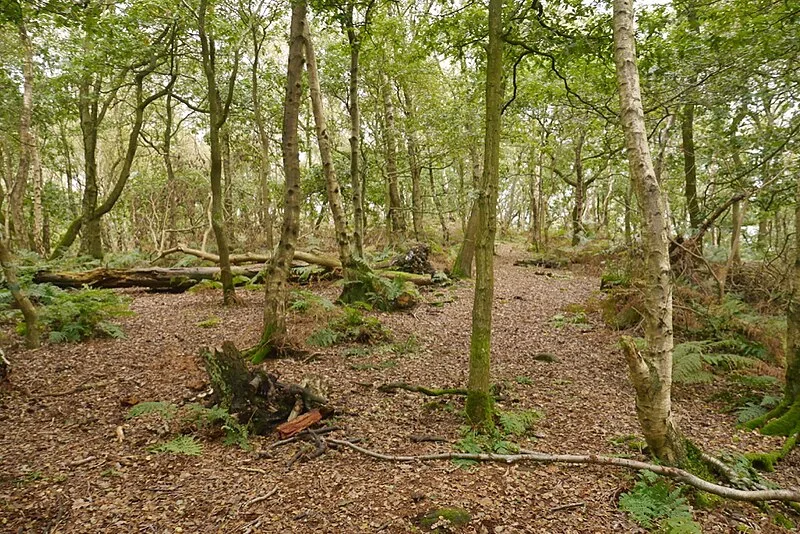
Woodhouse Hill Fort
Woodhouse Hill Fort is an Iron Age hillfort (c. 1500–500 BC) between Frodsham and Helsby in Cheshire, England, occupying the northern end of the Mid Cheshire Ridge. Steep cliffs…
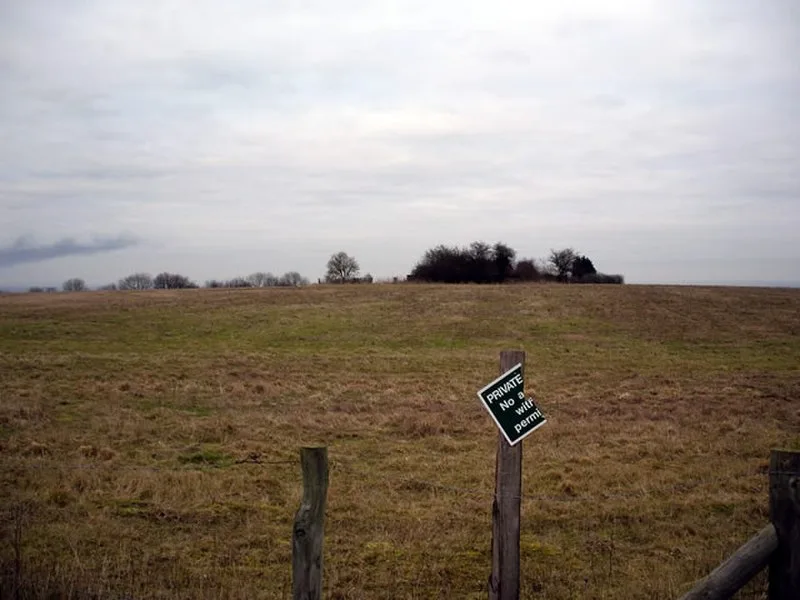
Woolbury
An Iron Age univallate hillfort on Stockbridge Down, Hampshire, enclosing 7.5 hectares with a single rampart and ditch. Barry Cunliffe's 1989 excavation dated initial construction…
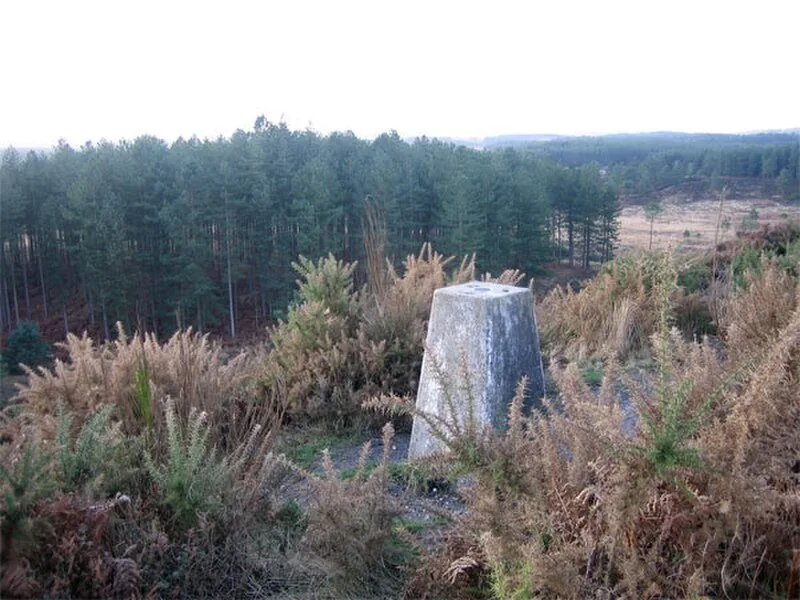
Woolsbarrow Hillfort
A slight univallate hillfort on Bloxworth Heath in Dorset, dating to the Late Bronze Age to Early Iron Age (8th-5th centuries BC). At just 67 metres elevation on a flat-topped…
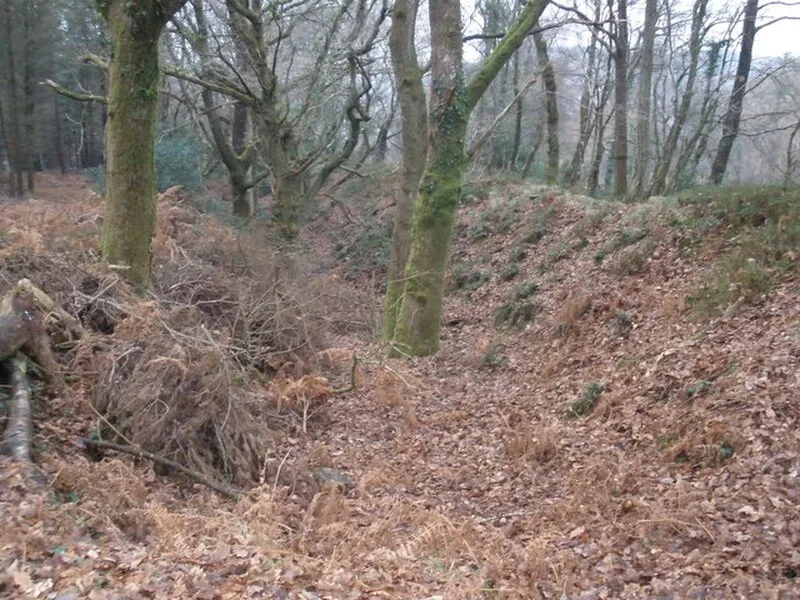
Wooston Castle
Wooston Castle is an Iron Age multivallate hillfort overlooking the River Teign valley in Devon, designated a Scheduled Monument. The inner enclosure measures roughly 160 by 140…
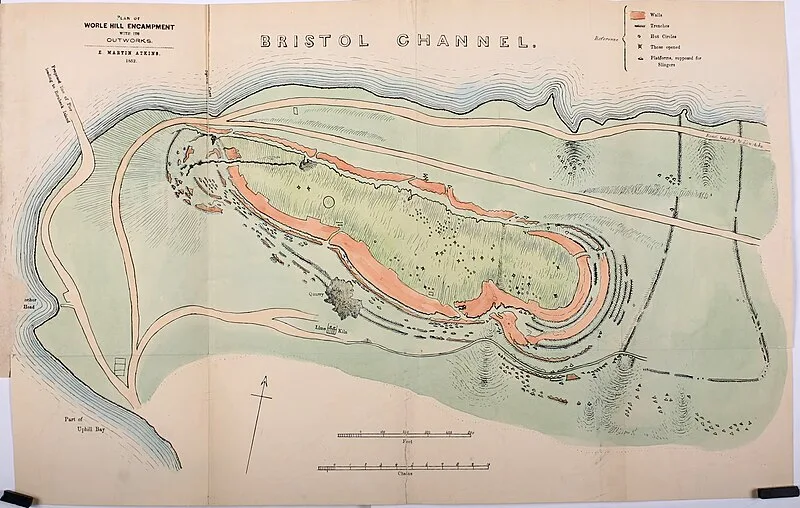
Worlebury Camp
Worlebury Camp is an Iron Age hillfort on Worlebury Hill, north of Weston-super-Mare in Somerset, England. The fort was heavily defended with multiple walls, embankments and…
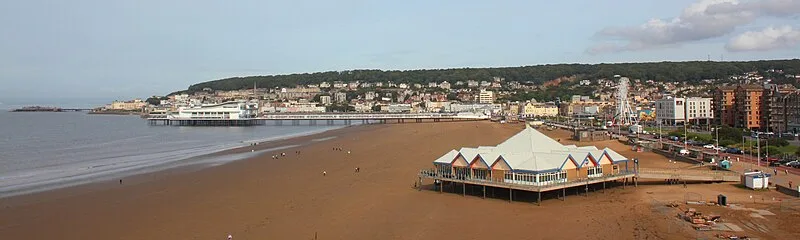
Worlebury Hill
Worlebury Camp is an Iron Age hillfort occupying 10 hectares atop Worlebury Hill, overlooking Weston Bay and the Bristol Channel in North Somerset. Designated a scheduled monument…
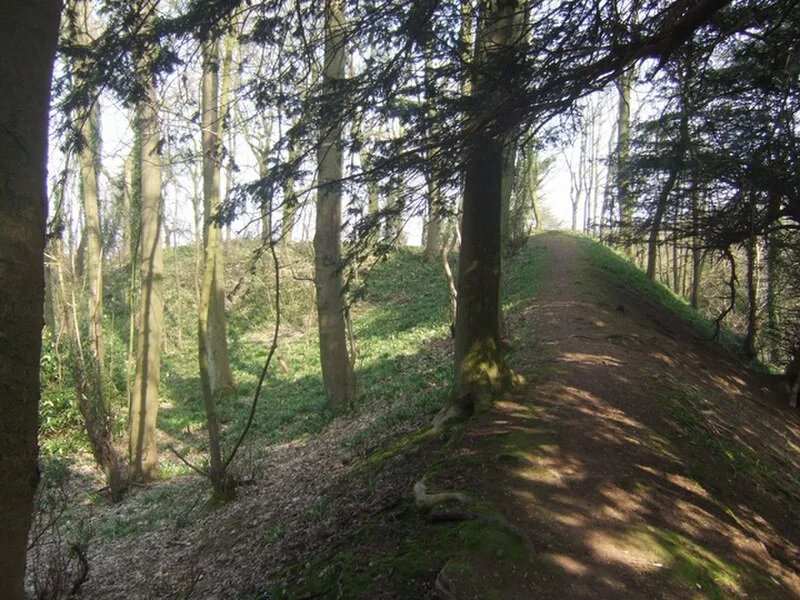
Wychbury Ring
Wychbury Ring is an Iron Age hillfort on Wychbury Hill near Hagley, Stourbridge, on the West Midlands-Worcestershire border. Covering 2.93 hectares, it measures 250m east-west by…
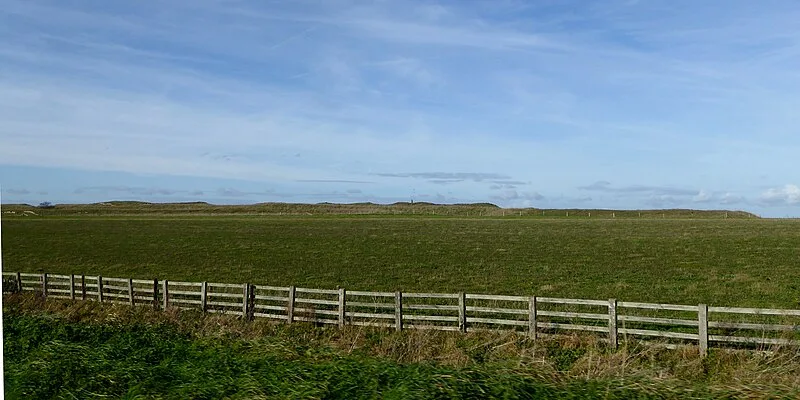
Yarnbury Castle
Yarnbury Castle is a multiphase, multivallate Iron Age hillfort near Steeple Langford, Wiltshire, England, dating to 500 BC–1 AD. The 28.5-acre (11.5-ha) site was surveyed by the…
Yarrowbury
Yarrowbury is an Iron Age hill fort located near Bigbury in Devon, England. The fort occupies Hilltop, a natural promontory rising approximately 80 metres (260 ft) above sea…

Yeavering Bell
The largest Iron Age hillfort in northern England, enclosing approximately 4.9 hectares atop a twin-peaked hill at 353 metres in the Cheviot Hills, Northumberland. The summit is…
City/town/settlement in England (175)
Alchester - Roman Town
Alchester is the site of a Roman town about 3 km south of Bicester in Oxfordshire, England, whose ancient name remains unknown. Excavations revealed it was one of the earliest…
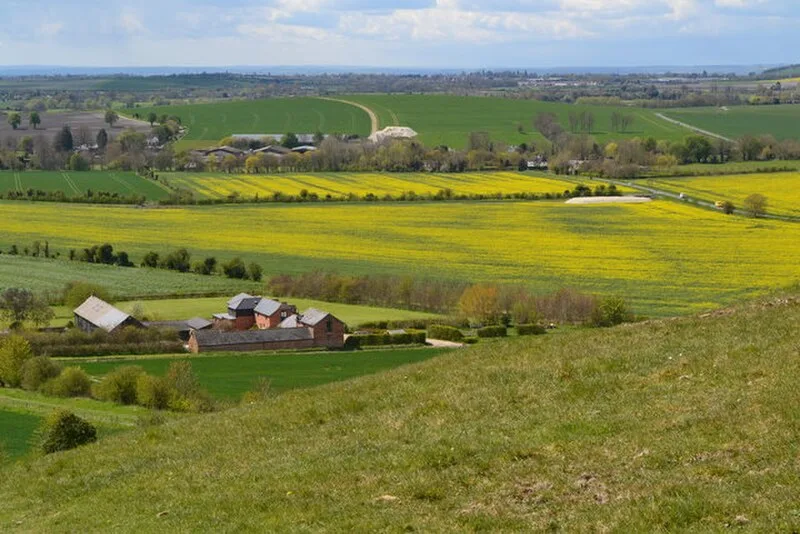
All Cannings Cross
All Cannings Cross is an archaeological site near Devizes in Wiltshire, England, and a scheduled ancient monument. It is notable as the first site where the emergence of Iron Age…
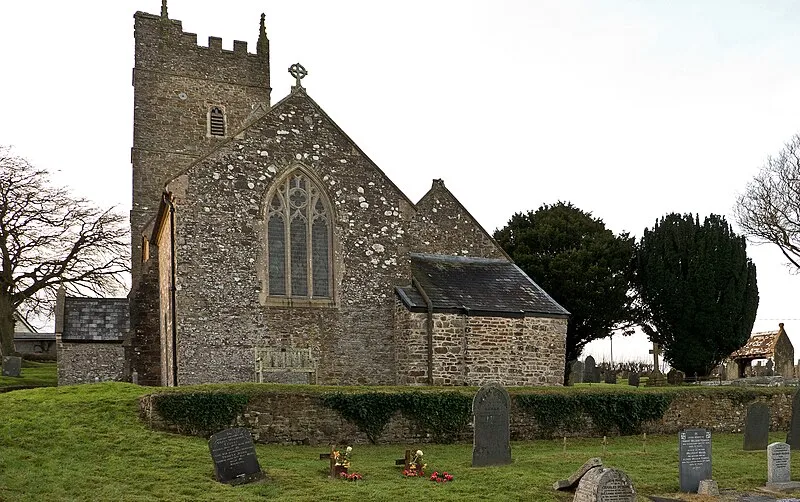
Alverdiscott
Alverdiscott is a village and civil parish in Torridge, Devon, England, 9 km south-south-west of Barnstaple. The area contains a Scheduled Ancient Monument: a Roman marching camp…
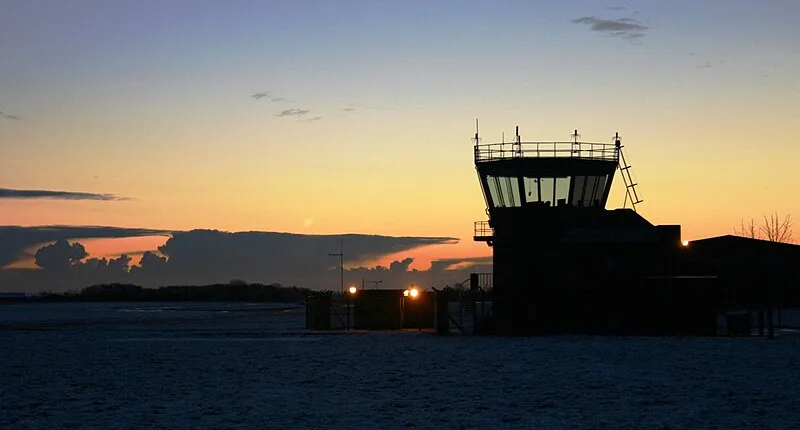
Ancaster, Lincolnshire
A Roman settlement in Lincolnshire, England, possibly ancient Causennae, at the junction of Ermine Street and King Street. A Claudian auxiliary fort was built here shortly after…
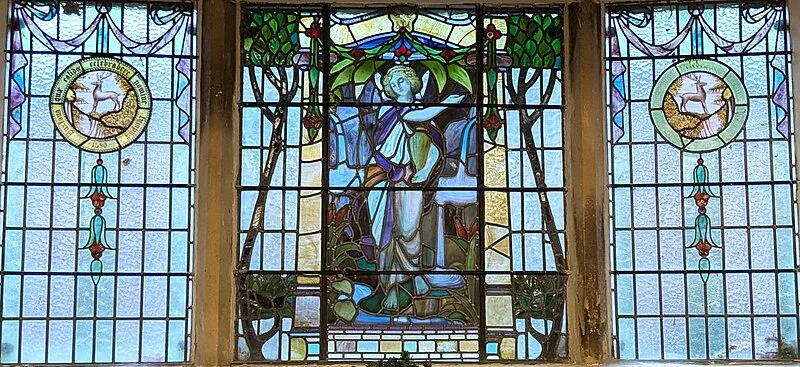
Aquae Arnemetiae
Aquae Arnemetiae was a Roman spa town in Britannia, now Buxton, Derbyshire, occupied from c. 75-410 AD. Its name means "Waters of Arnemetia," honoring a Celtic goddess of the…

Aquae Sulis
Aquae Sulis was a Roman settlement established in the first few years after AD 43, where the Fosse Way crossed the River Avon around naturally occurring hot springs. By the 3rd…
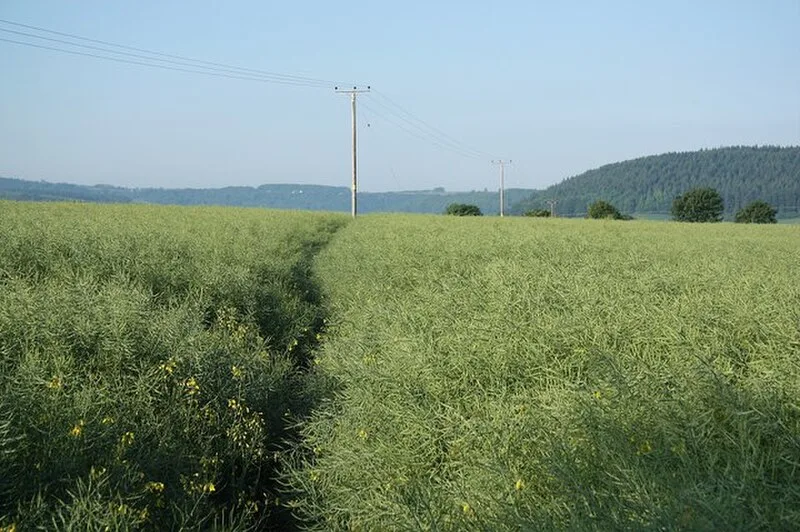
Ariconium
A Romano-British settlement at Weston under Penyard, Herefordshire, listed as a road station in the Antonine Itinerary, 15 miles from Gloucester and 11 from Monmouth. The site was…
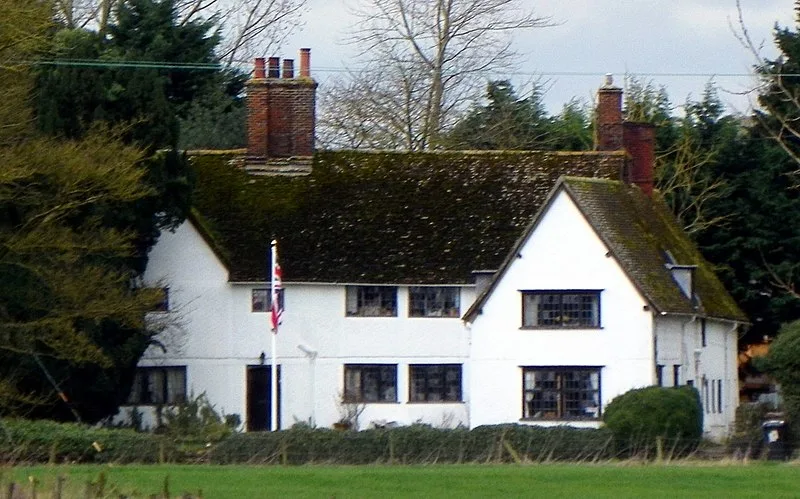
Ashwell, Hertfordshire
A village in Hertfordshire with deep archaeological significance. Southwest of the settlement lies Arbury Banks, the remains of an Iron Age hill fort largely levelled by…

Aylesbury
County town of Buckinghamshire, built atop a univallate Iron Age hillfort dating to the first half of the 4th century BC. Excavations at The Prebendal in 1985 revealed a ritual…
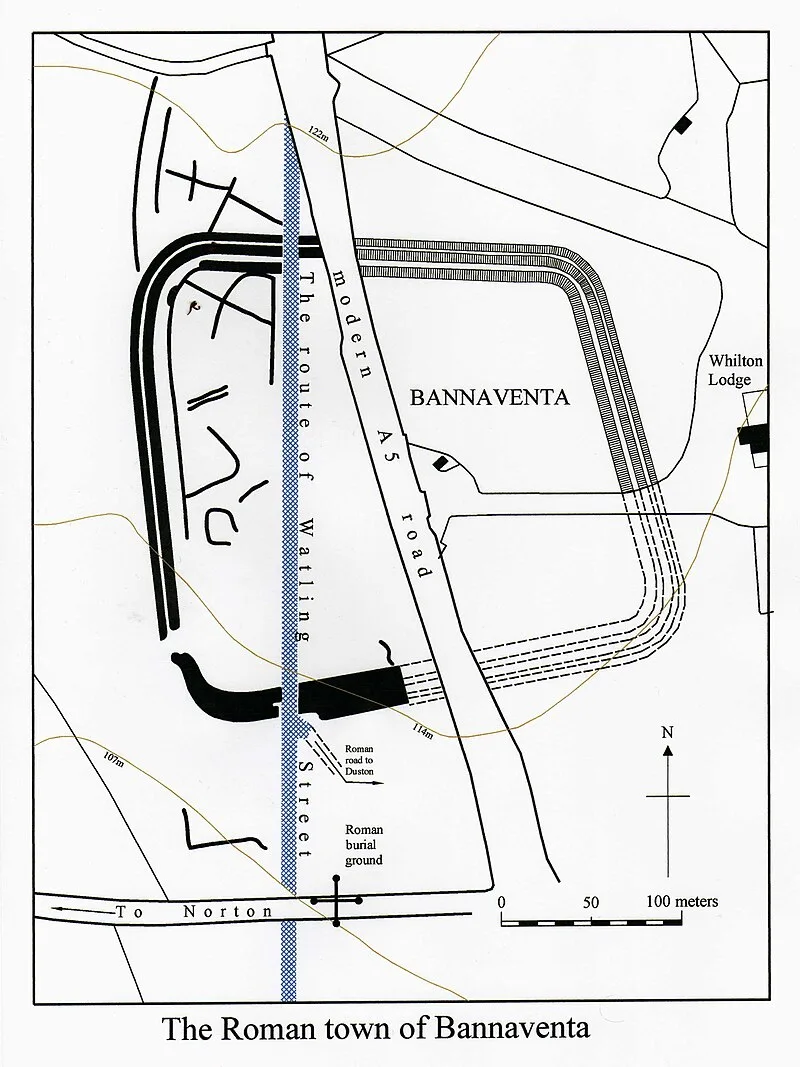
Bannaventa
A Romano-British fortified town on Watling Street (modern A5) straddling the boundaries of Norton and Whilton, Northamptonshire, England. Serving as a staging post for…
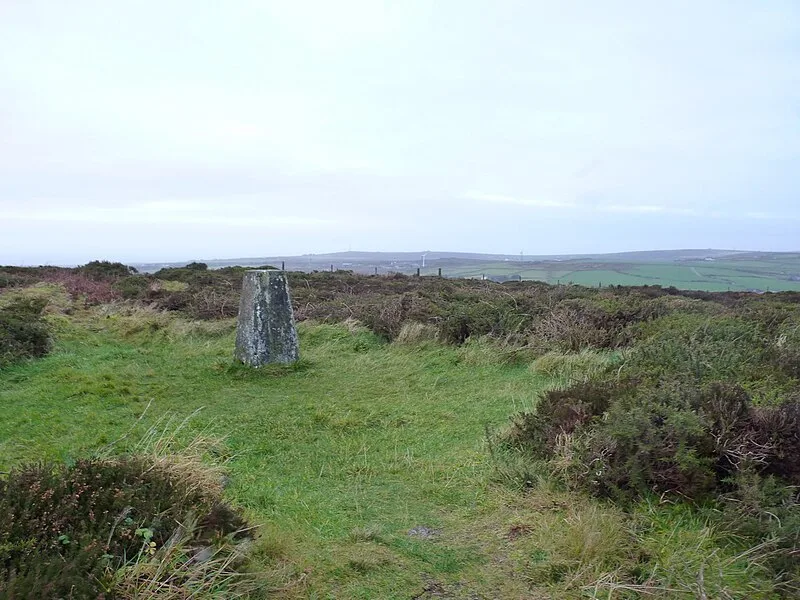
Bartinney Castle
Bartinney Castle is an Iron Age enclosure located in the Penwith Peninsula of Southwest Cornwall, England, surrounded by a circular earthwork on a hilltop. The site is surrounded…
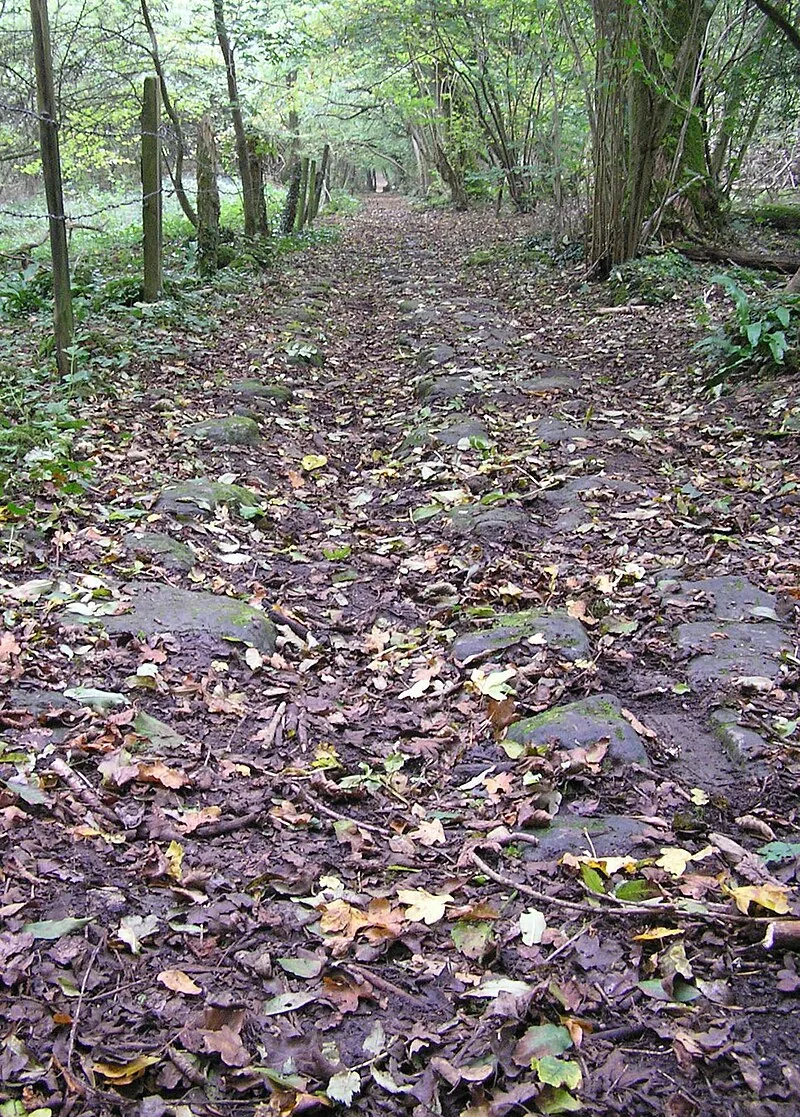
Bathampton Down
Bathampton Down is a flat limestone plateau near Bathampton, Somerset, England, overlooking the River Avon and the city of Bath. The site includes Bathampton Camp, an Iron Age…
Bayston Hill
Bayston Hill is a village in Shropshire, England, located 5 km south of Shrewsbury, with evidence of both an Iron Age hillfort and a Roman settlement on its high grounds.…
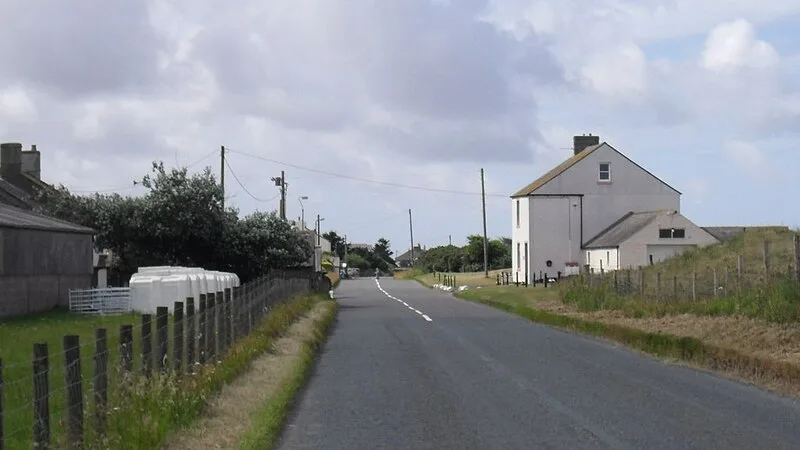
Beckfoot
Beckfoot is a hamlet in the civil parish of Holme St Cuthbert in Cumbria, England, situated on the B5300 coast road approximately 3 miles (4.8 km) south of Silloth-on-Solway and 2…
Blick Mead
Blick Mead is a chalkland spring site about 1.6 km east of Stonehenge, excavated by University of Buckingham archaeologists since 2005. Radiocarbon dates span the 8th to 4th…
Bosporthennis
Bosporthennis is a Late Iron Age to Roman-period settlement in the civil parish of Zennor on the Penwith peninsula, west Cornwall, England. The site comprises at least three…
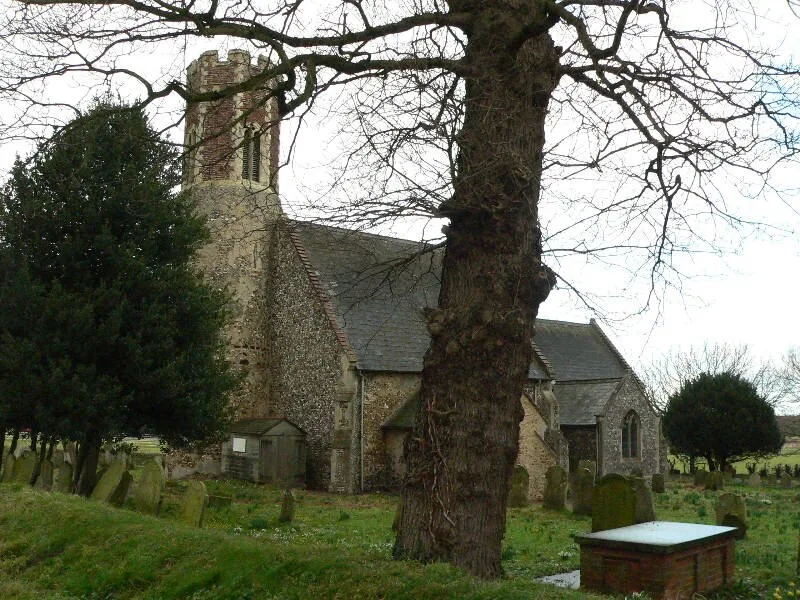
Brampton, Norfolk
Brampton is a village in Norfolk's Bure Valley, east of Aylsham, notable for a major Roman industrial settlement. Archaeological excavations in the 1960s revealed a Roman bath…
Braughing - Roman Town
Braughing was a small Roman town in Hertfordshire, situated at the navigable extremity of the River Rib and at the junction of Ermine Street and Stane Street. Iron Age settlement…
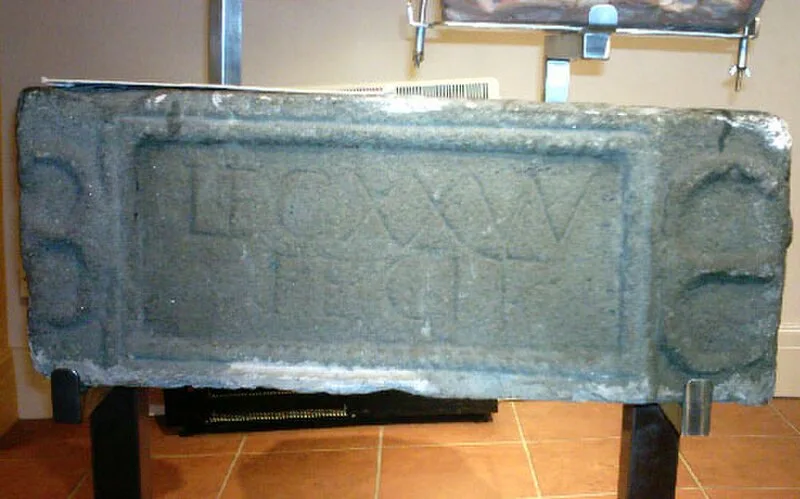
Bremetennacum
Bremetennacum Veteranorum was a Roman auxiliary fort at modern Ribchester in Lancashire, guarding a crossing of the River Ribble. First built in timber around AD 72-73 by Legio XX…
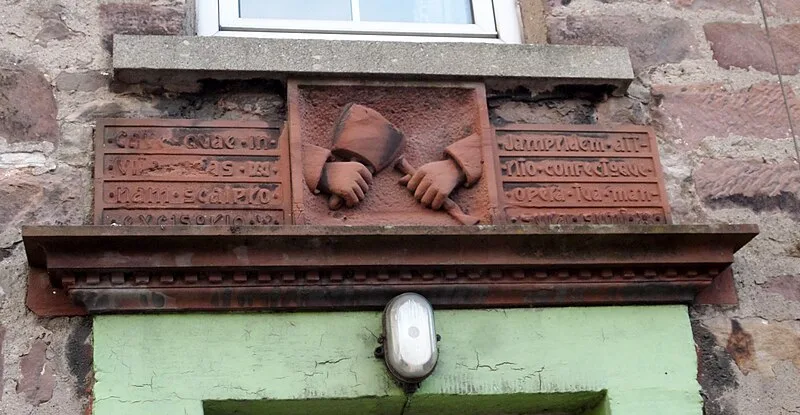
Brough, Cumbria
Village in Cumbria built over the Roman fort of Verterae, which guarded the strategic Stainmore Pass across the Pennines between Carlisle and York. The 3-acre rectangular fort was…
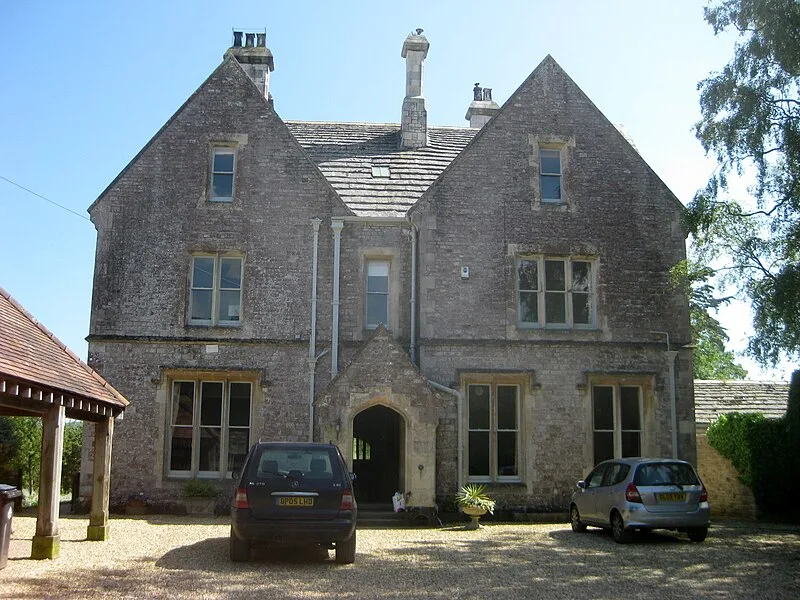
Bucknowle Farm
Archaeological investigations at Bucknowle Farm have revealed a Romano-British settlement and villa complex in the Isle of Purbeck, Dorset. The site is positioned 1 km southeast…
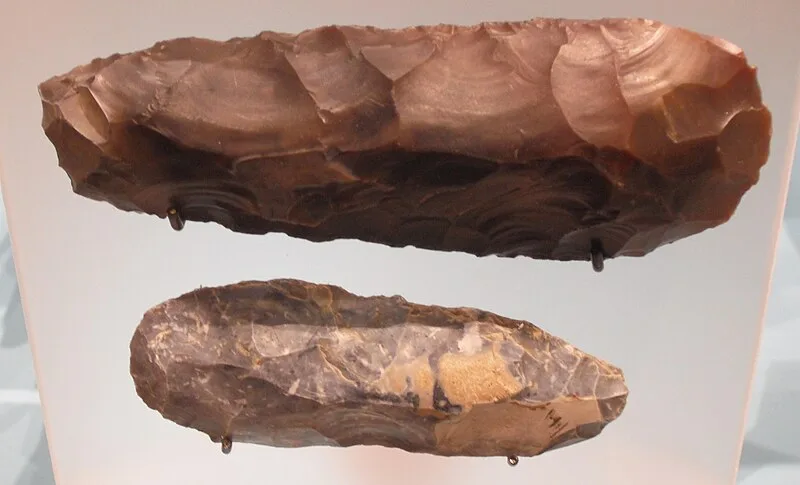
Burnt Fen
Burnt Fen is a low-lying fenland area between Littleport in Cambridgeshire and Mildenhall in Suffolk, surrounded on three sides by rivers and dependent on pumped drainage. The…
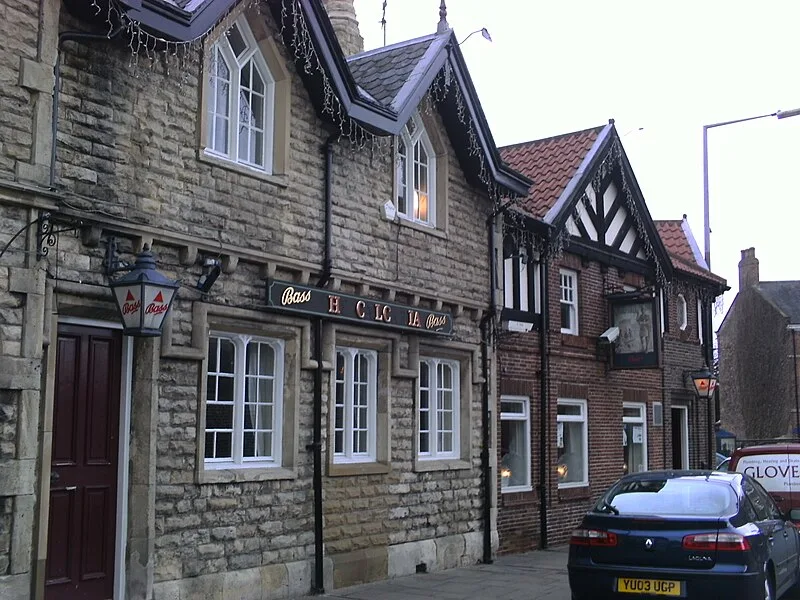
Calcaria
Calcaria was a Roman settlement at the crossing of the River Wharfe on the road from Danum (Doncaster) to Eburacum (York), in what is now Tadcaster, North Yorkshire. Named from…
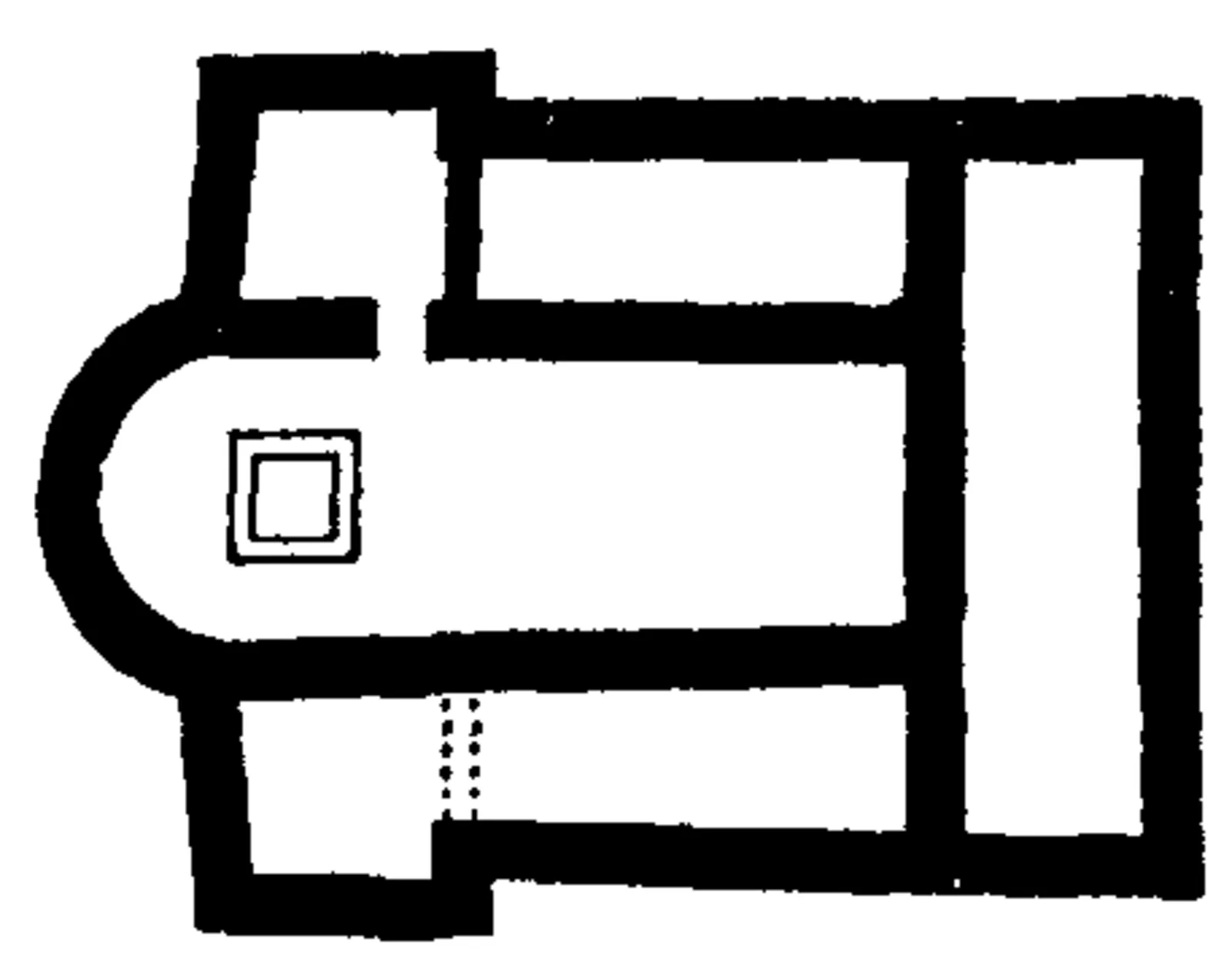
Calleva Atrebatum
Calleva Atrebatum was an Iron Age oppidum established c. 20-10 BC as the capital of the Atrebates tribe, covering over 32 hectares. After the Roman conquest in AD 43, it developed…
Cambria Farm
Cambria Farm is a multi-period archaeological site spanning the Bronze Age, Iron Age, and Roman periods, located between Ruishton and Taunton in Somerset, England. Excavations…
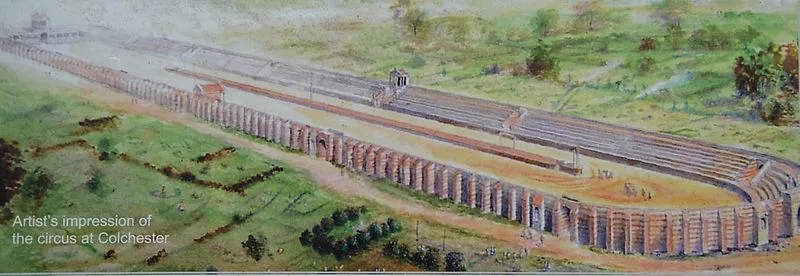
Camulodunum
Camulodunum, modern Colchester in Essex, was the first capital of Roman Britain. Originally the Celtic oppidum of the Trinovantes tribe under King Cunobelin, it was conquered…
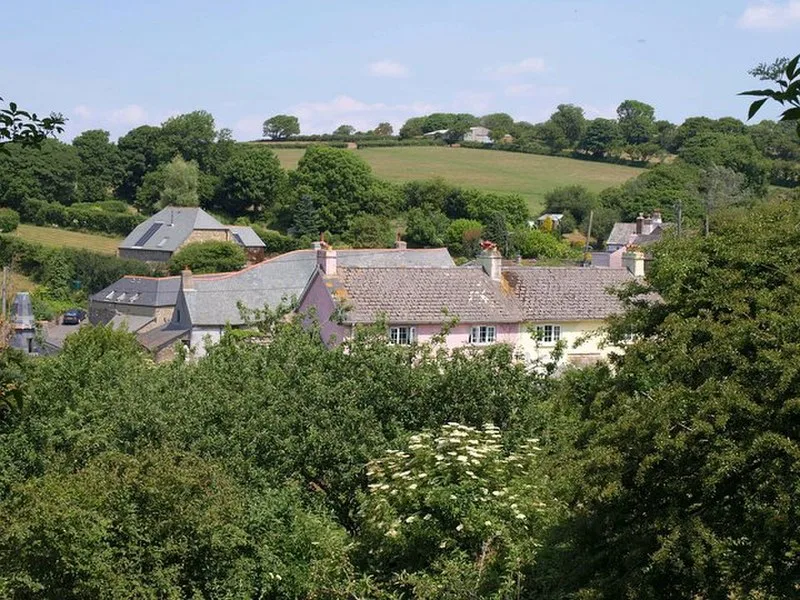
Capton
Capton is a small village near Dartmouth in South Devon, England. On a hilltop to the east of the village, at approximately 185 metres (600 ft) above sea level, lies an Iron Age…
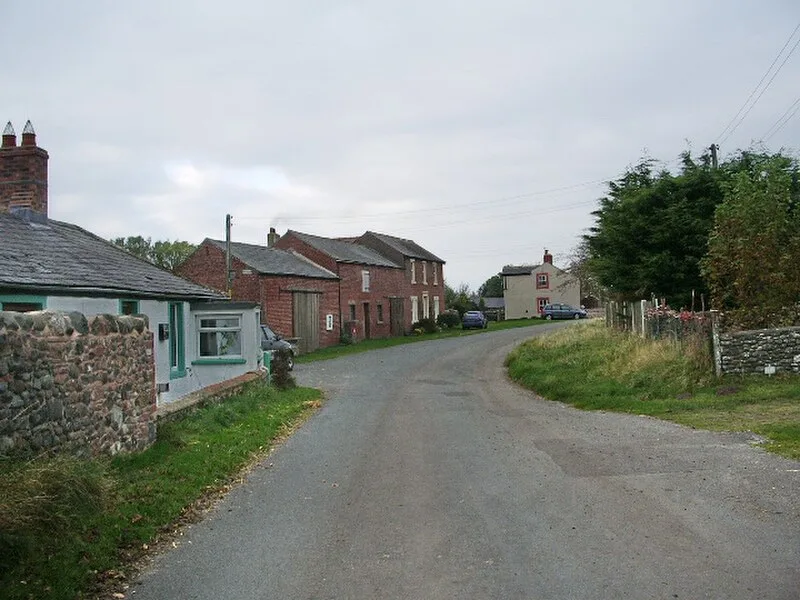
Cardurnock
Cardurnock is a Roman-era coastal settlement in Cumbria, England, situated 20 km west of Carlisle. The western extension of Hadrian's Wall frontier defences once traversed the…
Carn Brea, Redruth
Carn Brea is a Neolithic tor enclosure in Cornwall, England, located 1.6 km southwest of Redruth. The fortified hilltop settlement was occupied between 3700 and 3400 BC, making it…
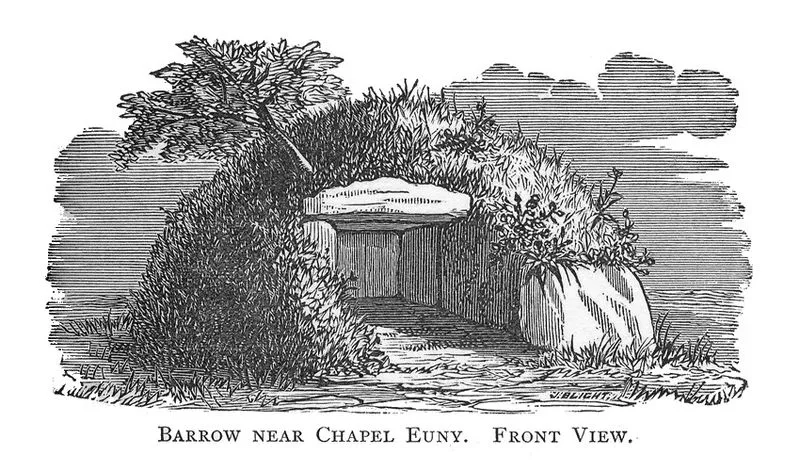
Carn Euny
Carn Euny is an Iron Age and post-Iron Age settlement on the Penwith peninsula in Cornwall, England, with archaeological evidence showing activity as early as the Neolithic…
Carrawburgh
Carrawburgh (Roman name Brocolitia) is an auxiliary fort on Hadrian's Wall built around 130 AD to fill a gap between the forts at Housesteads and Chesters. The 3.5-acre fort…
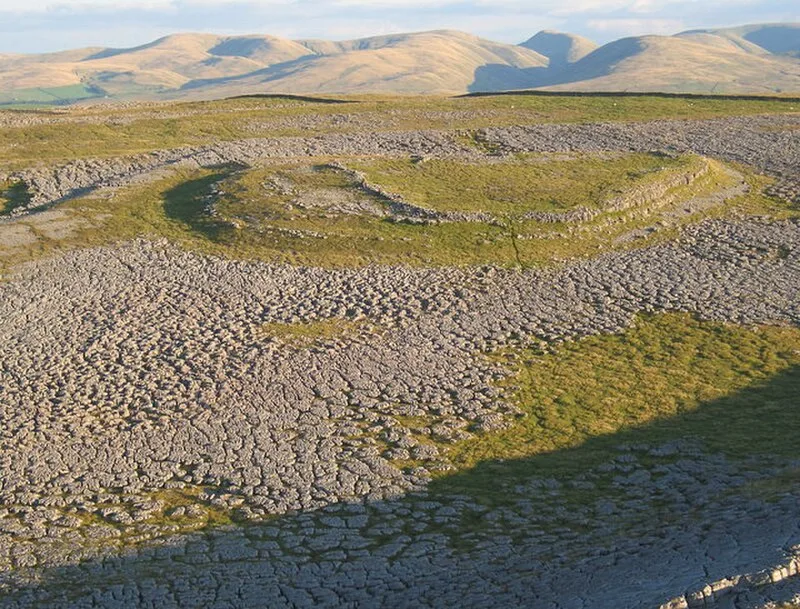
Castle Folds
Castle Folds, also known as Castlesteads, is a Romano-British defended stone-walled settlement on Great Asby Scar, an area of limestone pavement in the parish of Asby, Cumbria.…
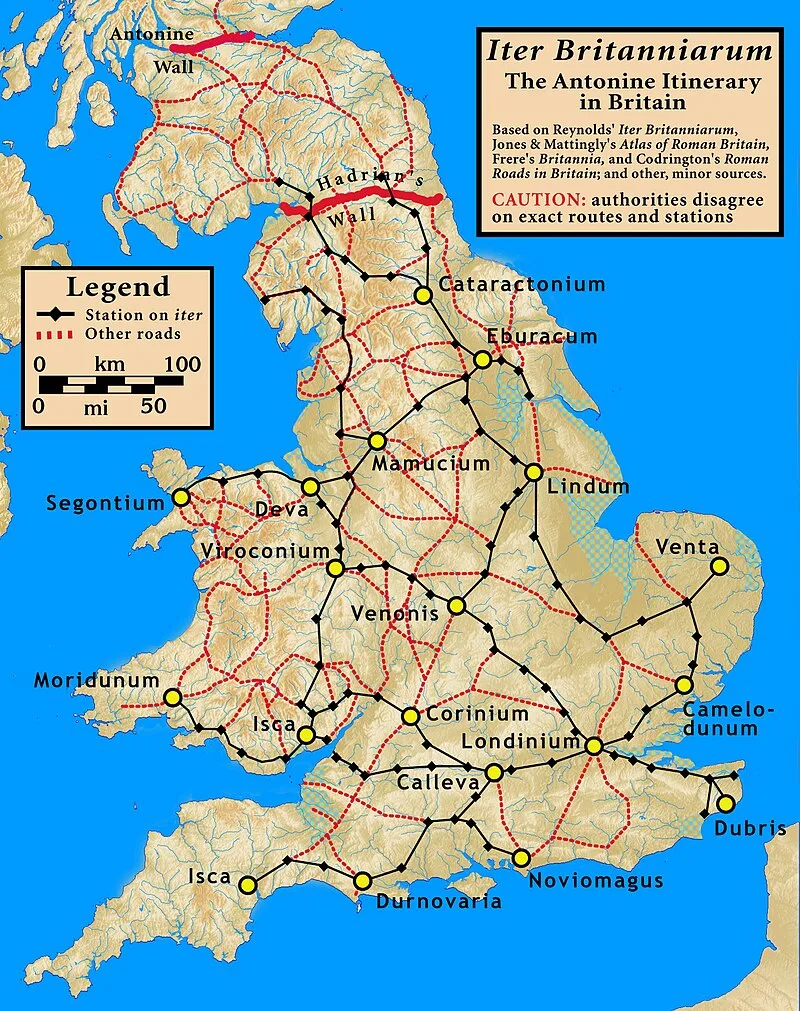
Cataractonium
Roman fort and settlement in North Yorkshire, England, established in the AD 70s by Julius Agricola at a strategic crossing of the River Swale along Dere Street. The civilian town…
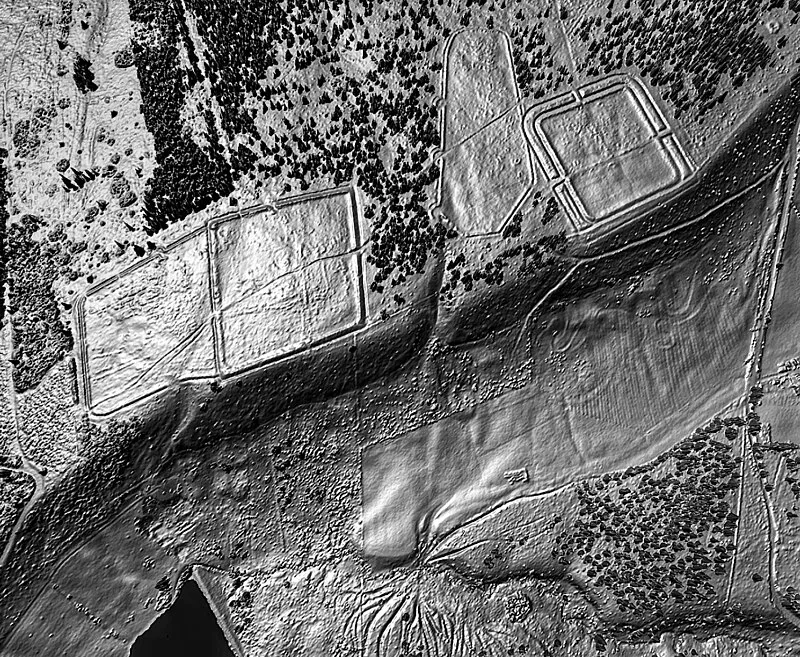
Cawthorne Roman Camp
Cawthorn Roman Camps is a well-preserved Roman military site 6 km north of Pickering in the North York Moors, dating to the late 1st-early 2nd century AD (c. 80-120 AD). The…
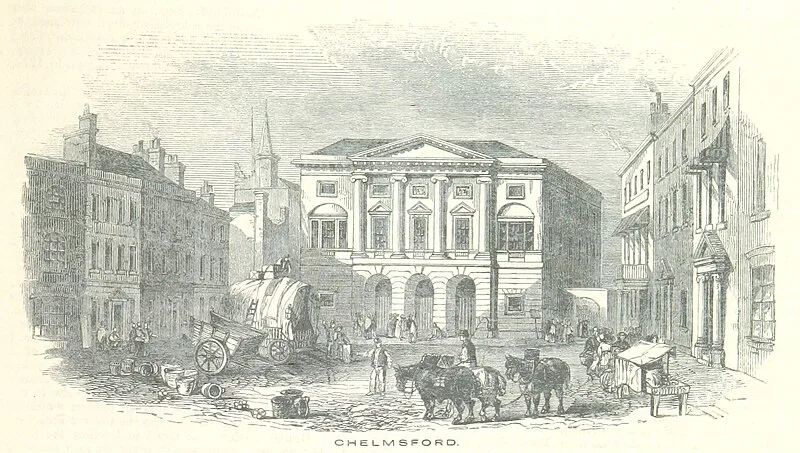
Chelmsford
Chelmsford is the county town of Essex, England, with roots stretching back to the Neolithic period. Remains of a Neolithic causewayed enclosure and a Late Bronze Age defended…

Chesterfield, Derbyshire
Chesterfield originated as a Roman auxiliary fort built c. AD 54-55 on a spur overlooking the River Rother valley in Derbyshire. The fort guarded Ryknield Street, the Roman road…
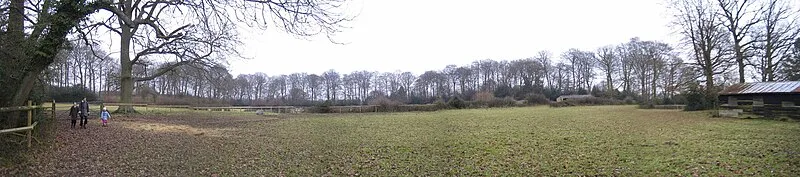
Cholesbury
Cholesbury Camp is a large, well-preserved Iron Age hillfort in the Chiltern Hills of Buckinghamshire, roughly oval in shape and measuring approximately 310 m by 230 m. It is a…
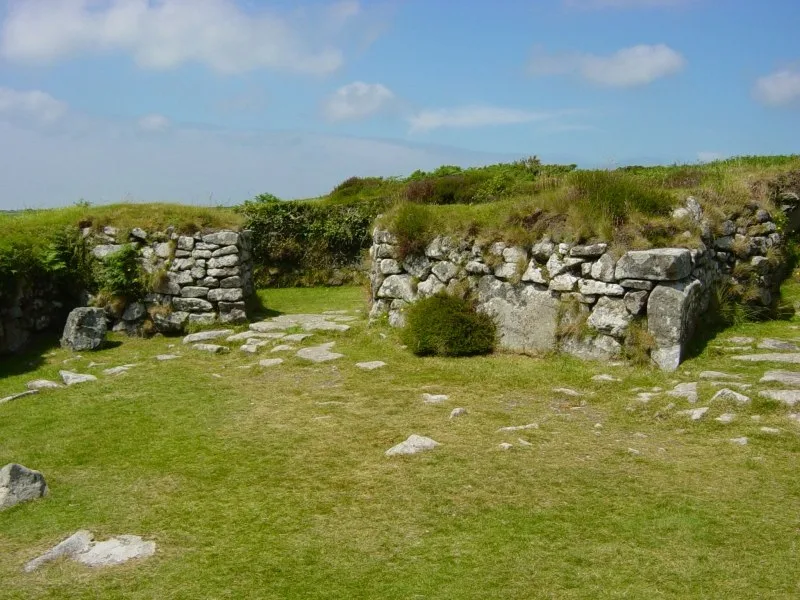
Chysauster Ancient Village
Chysauster Ancient Village is a late Iron Age and Romano-British settlement of courtyard houses in Cornwall, England. The village comprises eight to ten houses, each with its own…
Clare, Suffolk
Clare is a market town on the River Stour in Suffolk with evidence of human habitation spanning from the Paleolithic to the present. Clare Camp, featuring impressive double…

Clausentum
Clausentum was a Roman port town at modern Bitterne Manor, Southampton, founded no later than AD 70 to serve as a port facility for Winchester (Venta Belgarum). Excavations in…
Colebrooke, Devon
Colebrooke is a village and parish in Devon, England, about 5 miles (8 km) west of Crediton. The site is notable for remains of a Roman road agger visible in a field roughly 300…
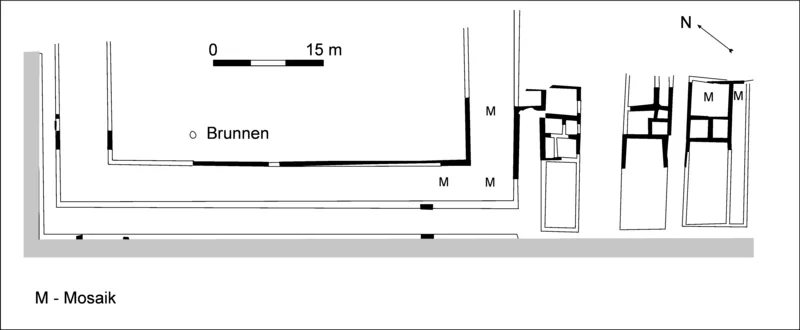
Corinium Dobunnorum
Corinium Dobunnorum was the Romano-British settlement at modern Cirencester in Gloucestershire, established around AD 44 as a Roman fort and growing into the second-largest town…
Cossington, Kent
Cossington is a small settlement on Blue Bell Hill north of Maidstone, Kent, notable as the site of a spring and a now-vanished group of sarsen stones thought to be remains of a…
Costa Beck
Costa Beck is a small river near Pickering in North Yorkshire whose name also designates an important archaeological site. John Kirk excavated the Costa Beck site between 1925 and…
Court Hill, Sussex
Court Hill is a Neolithic causewayed enclosure near East Dean in West Sussex, dating to the 4th millennium BC. Identified as potentially significant in 1951, it was excavated by…
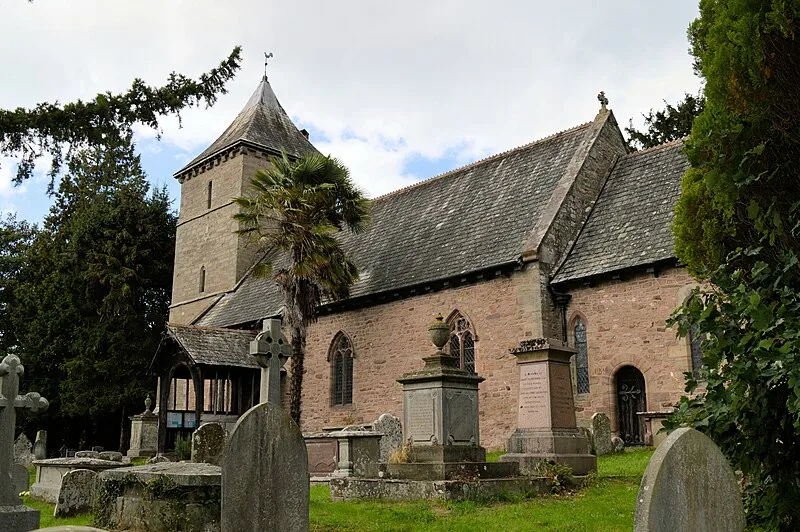
Credenhill
Credenhill Camp is an Iron Age univallate hillfort in Herefordshire, one of the largest in Britain at approximately 20 hectares, occupied from c.750 BC to 45 AD. The single…
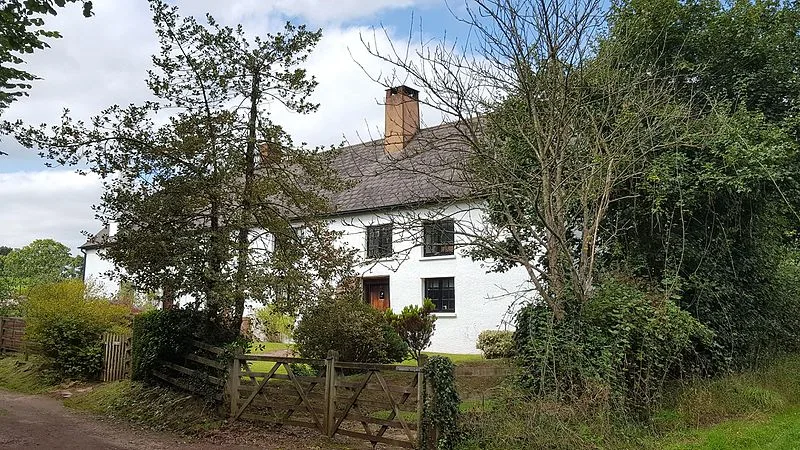
Cullompton
Cullompton is a town in Mid Devon, England, with its earliest evidence of occupation from the Roman period. Two Roman forts were discovered on St Andrew's Hill in 1984 through…
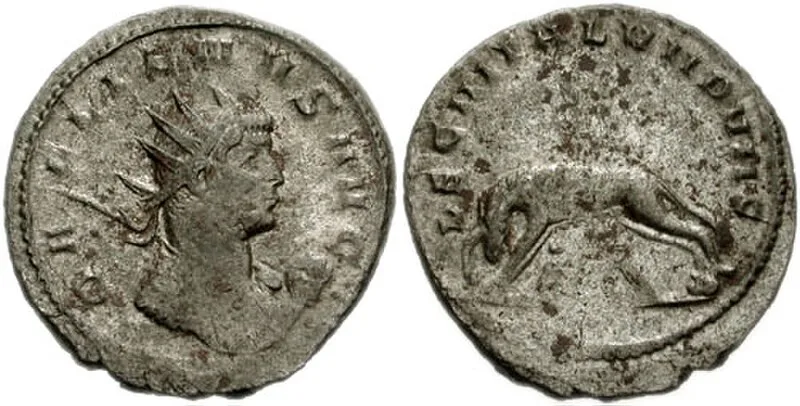
Cunetio
Cunetio was a large walled Romano-British town in the River Kennet valley in Wiltshire, England, occupied from the 2nd century AD until the early 5th century. Located near…
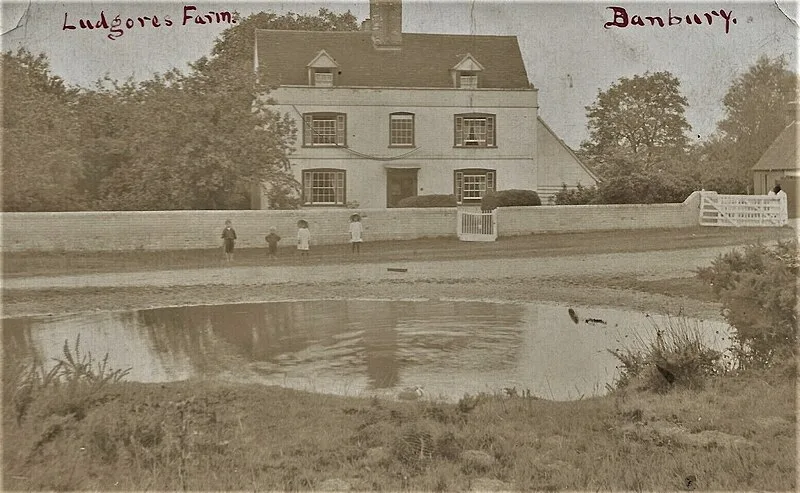
Danbury, Essex
Danbury is a village in Essex, England, built on a hilltop 112 metres above sea level that has been occupied for some 12,000 years. The summit preserves the remains of an Iron Age…
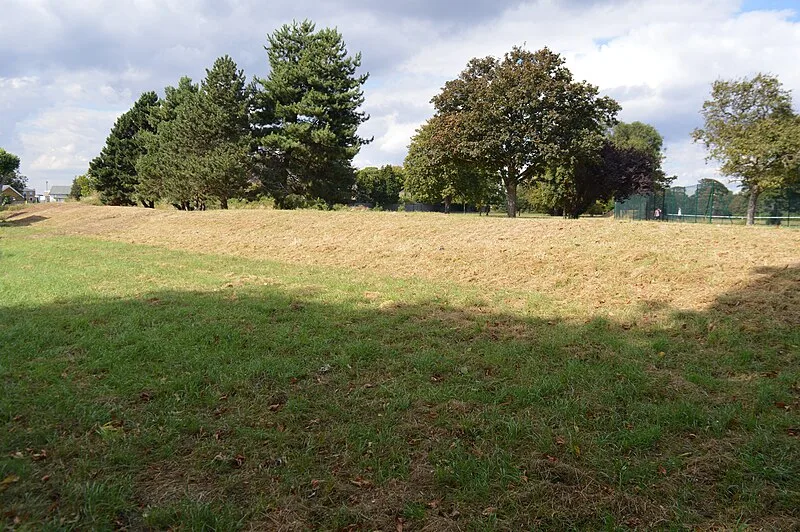
Danish Camp
Danish Camp is an Iron Age fortified settlement in Shoeburyness, Essex, classified as a Scheduled Monument and one of only about 150 slight univallate hillforts recorded in…
Deepcar
Deepcar is a Mesolithic archaeological site in South Yorkshire, England, excavated by J. Radley in 1962 near the junction of the Don and Little Don rivers at Wharncliffe Wood. The…
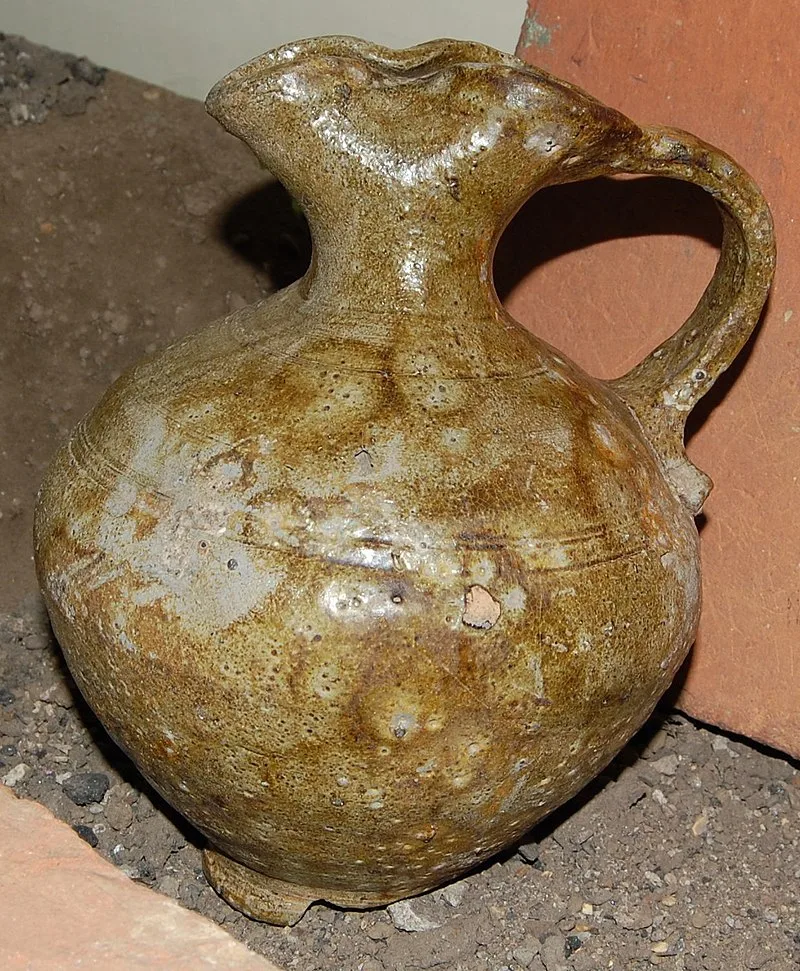
Derby Racecourse Roman Settlement
The Derby Racecourse Roman Settlement was the third settlement in Derby, known as Derventio, a small town in the Roman province of Britannia. Located 600 metres east of the…
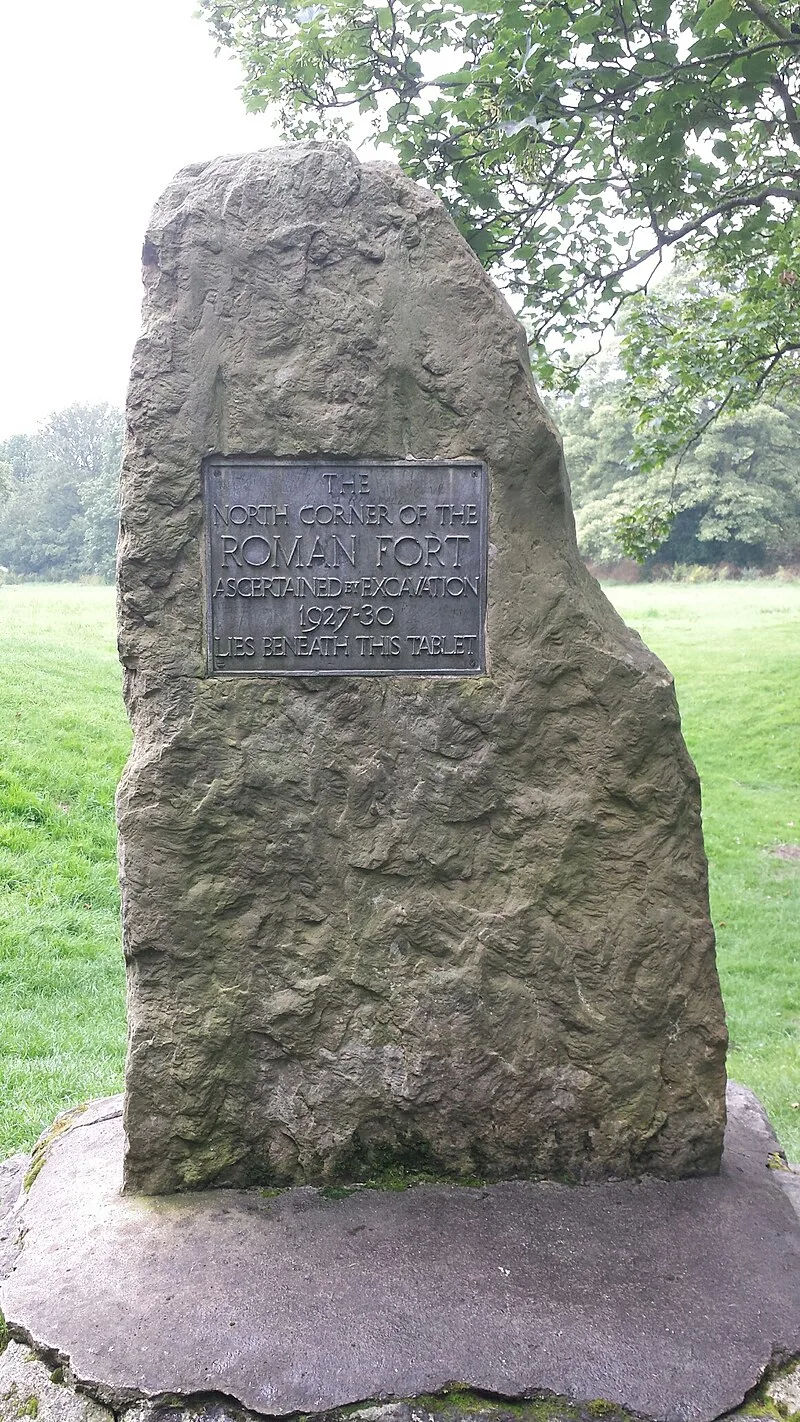
Derventio Brigantum
Derventio Brigantum was a Roman fort and settlement beneath the modern town of Malton in North Yorkshire, England, strategically positioned on the River Derwent about 29 km…
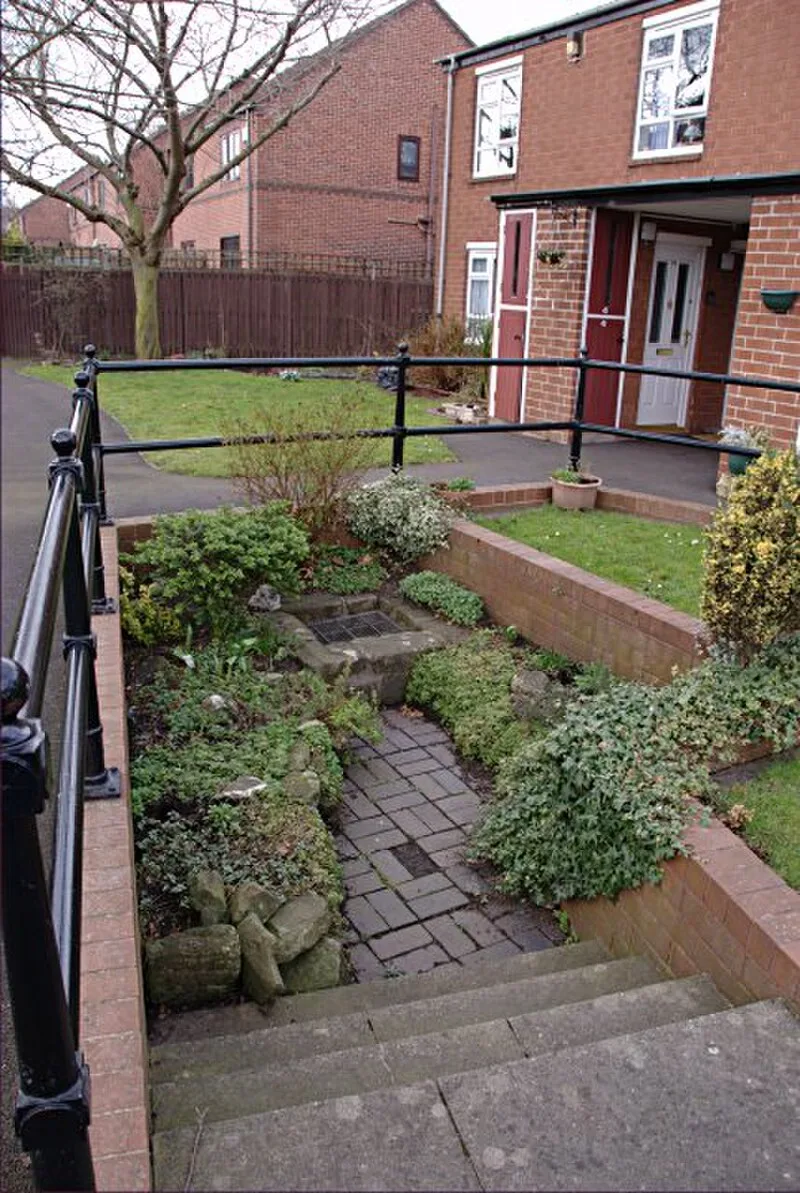
Derventio Coritanorum
Derventio Coritanorum was a Roman fort and small town at Little Chester on the outskirts of Derby, England. The first fort in the area was built at Strutts Park around 52-57 AD…

Dorn, Gloucestershire
Dorn is a hamlet in the Cotswold district of Gloucestershire, England, about 1.6 km north of Moreton-in-Marsh.
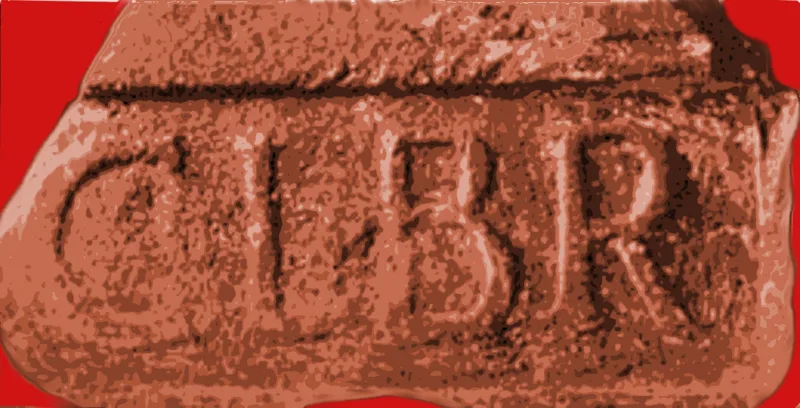
Dubris
Dubris (Portus Dubris) was the principal Roman cross-channel port at modern Dover, Kent, strategically sited at Britain's closest point to continental Europe. The Romans built an…

Durnovaria
Durnovaria was a Roman civitas capital at the site of modern Dorchester in Dorset, England, established around 70 AD after the Legio II Augusta garrison withdrew. Before Roman…
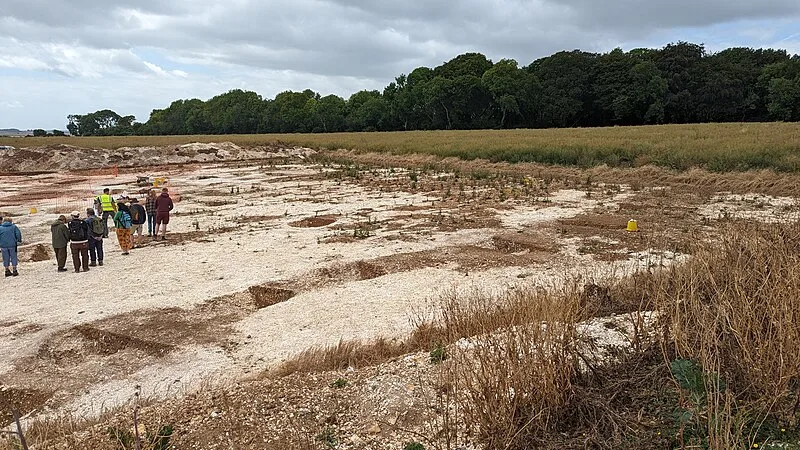
Duropolis
Duropolis is an Iron Age archaeological site at Winterborne Kingston in Dorset, England, believed to be the remains of the first planned town in Britain. Discovered in 2008 by…
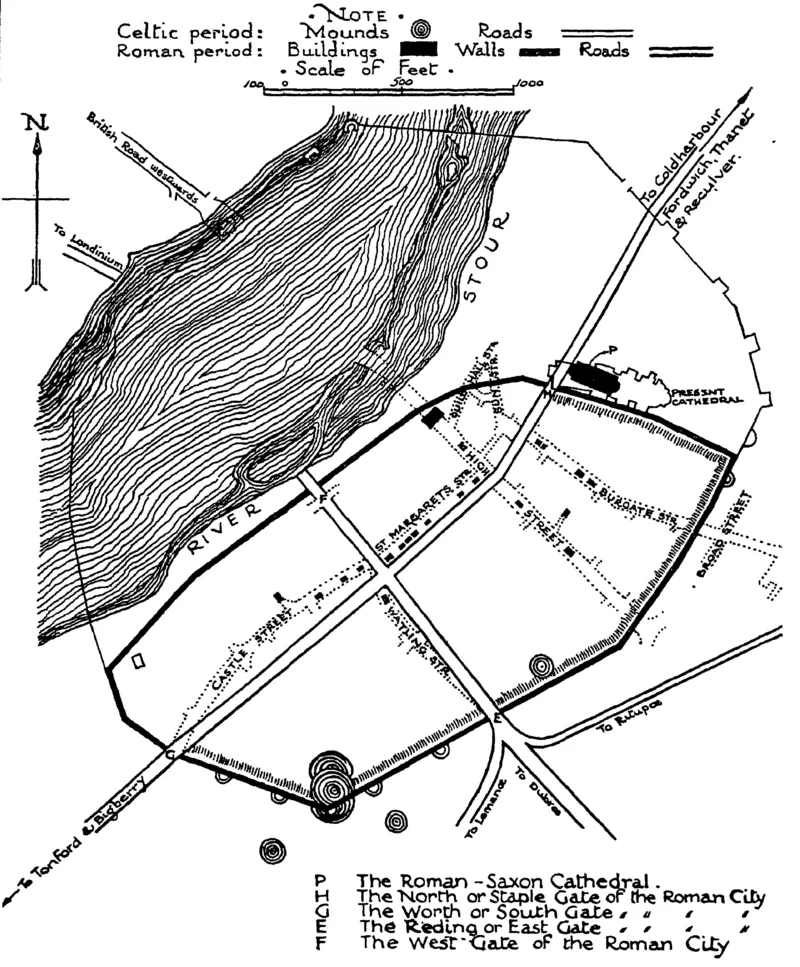
Durovernum Cantiacorum
Durovernum Cantiacorum, meaning "fort of the Cantiaci by the alder swamp," was a major Roman town at modern Canterbury in Kent, strategically located at a ford on the River Stour.…
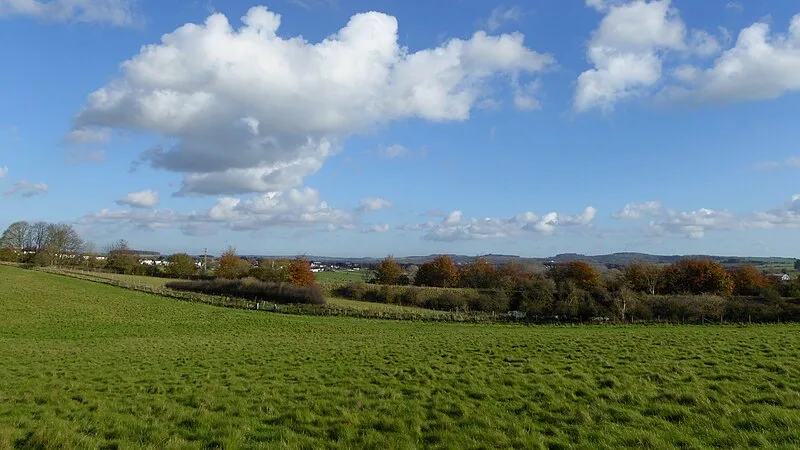
Durrington Walls
Durrington Walls is a large Neolithic settlement and henge enclosure in the Stonehenge World Heritage Site, Wiltshire, lying 3.2 km northeast of Stonehenge. The henge measures…
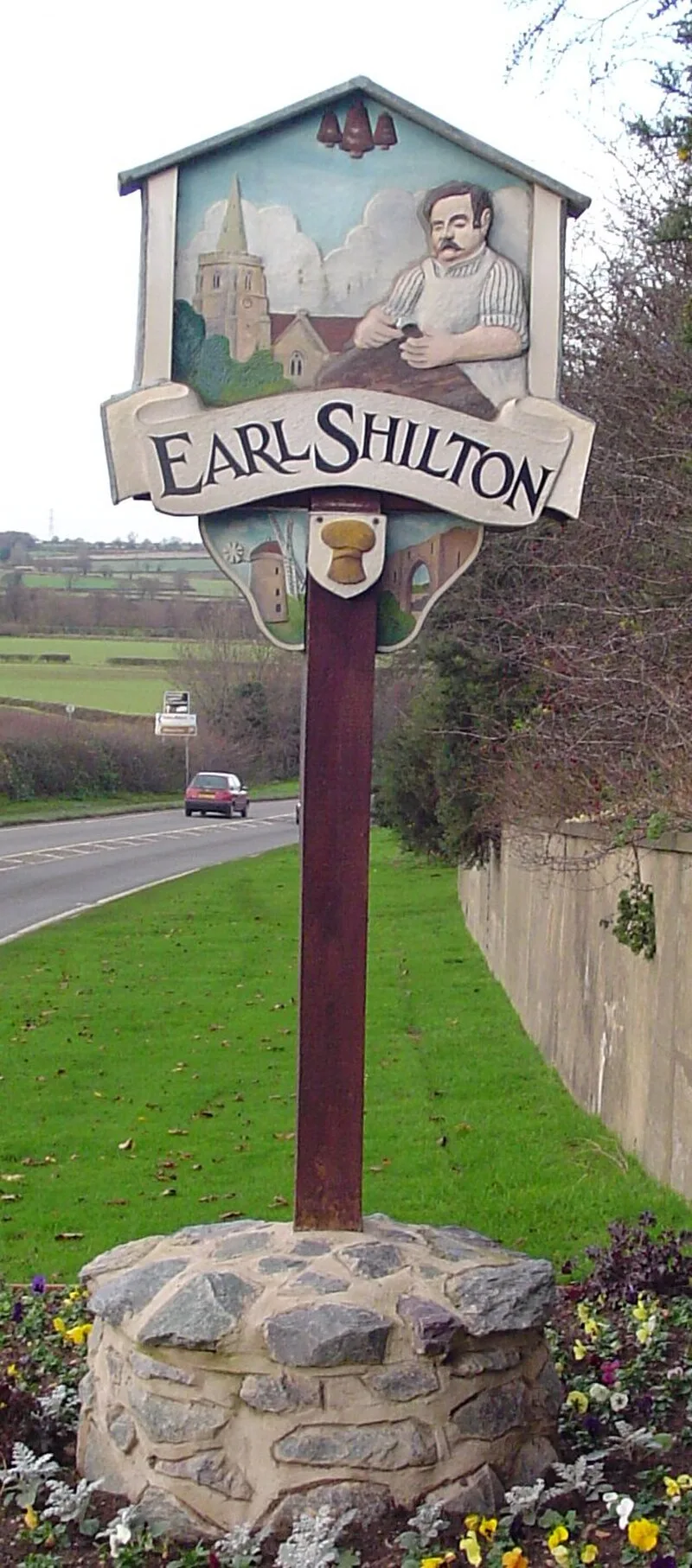
Earl Shilton
Earl Shilton is a market town in Leicestershire, England, with roots in Iron Age and Roman-period settlement. The area was inhabited by the Corieltauvi, a confederation of Belgic…
.webp)
Ebbsfleet Valley
Ebbsfleet Valley in Kent, England, is an extraordinarily rich archaeological landscape spanning from the Palaeolithic to the modern era. The valley gave its name to the Ebbsfleet…
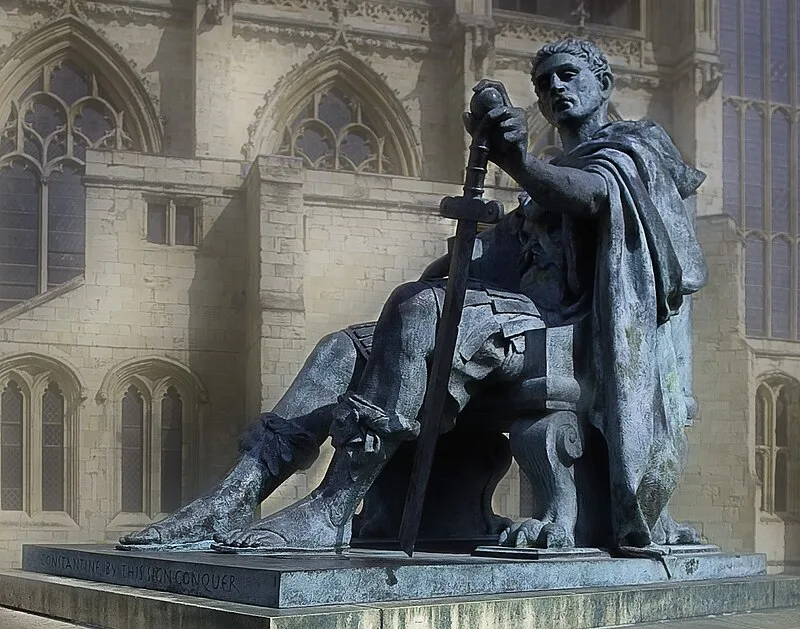
Eboracum
Eboracum was a Roman legionary fortress established in AD 71 by the Ninth Legion Hispana on the banks of the River Ouse. The rectangular fortress covered 50 acres and was rebuilt…
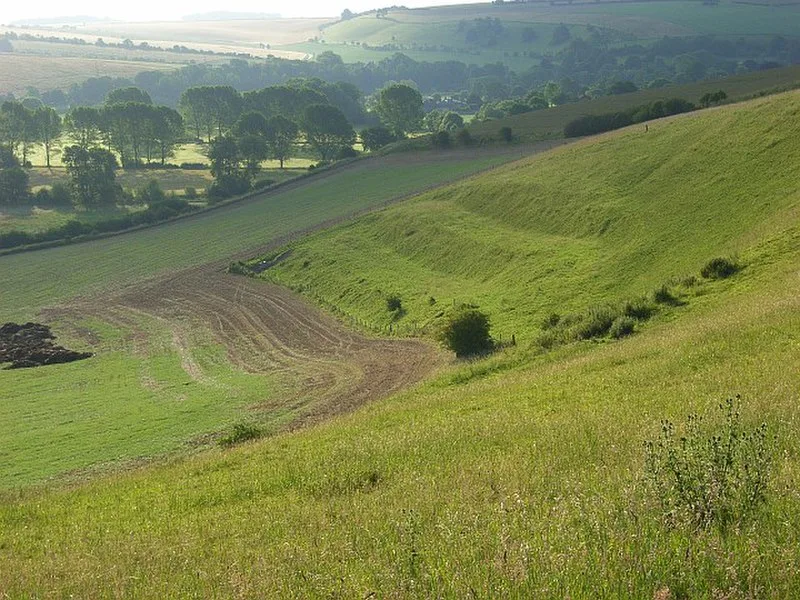
Ebsbury
The site of Ebsbury, in Wiltshire, England, includes the remains of an Iron Age enclosed settlement, field system and possible hill fort, and a Romano-British enclosed settlement.…
Foxholes, Hertford
Foxholes is an eastern suburb of Hertford, Hertfordshire, England. Archaeological excavations have uncovered finds indicating Roman occupation from the 1st to 4th century AD. The…
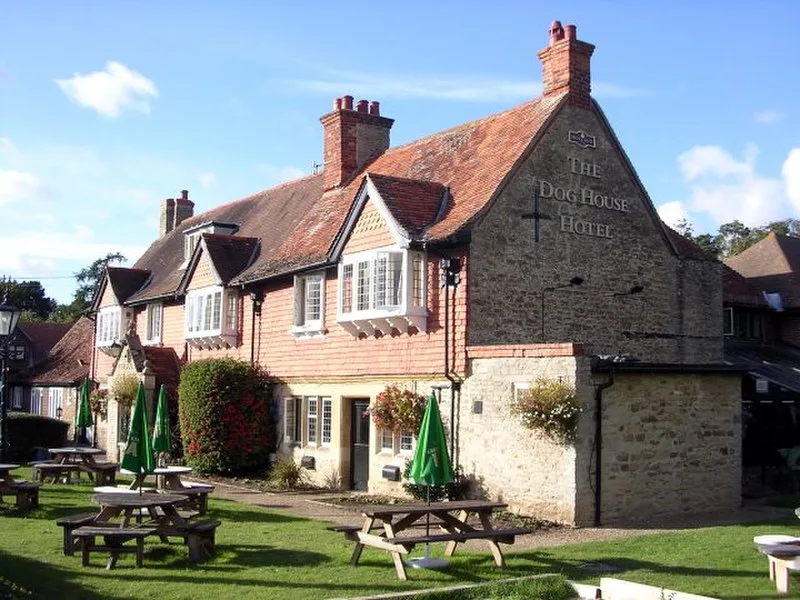
Frilford
Frilford (in Marcham parish) is a major Romano-British religious complex in Oxfordshire featuring a Romano-Celtic temple, a circular rotunda, and what may be an amphitheatre or…
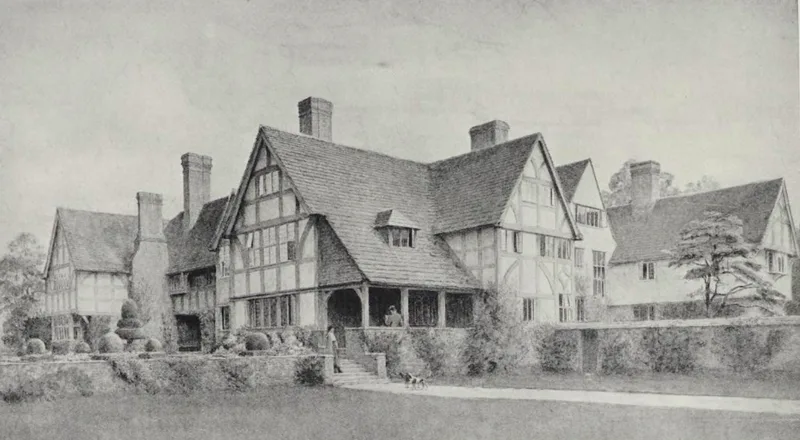
Gerrards Cross
Gerrards Cross is a town in Buckinghamshire, England, on the lower slopes of the Chiltern Hills near the River Misbourne. The area contains Bulstrode Park Camp, an Iron Age…
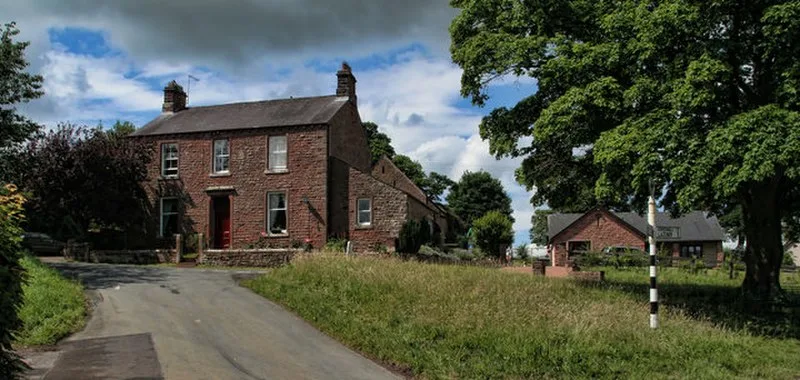
Glassonby
Glassonby stone circle, actually a kerbed cairn, lies 2 km north of the famous Long Meg and Her Daughters site in Cumbria. An oval arrangement of approximately 30 kerb stones…
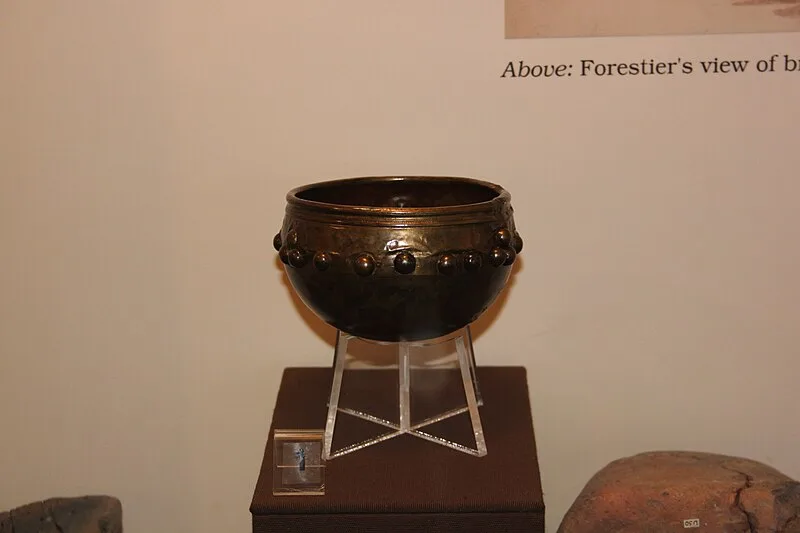
Glastonbury Lake Village
Glastonbury Lake Village was an Iron Age settlement built on a crannog (man-made island) in the Somerset Levels. Located near Godney, about 3 miles (5 km) northwest of Glastonbury…
Goldsborough, Scarborough
Goldsborough, near Whitby in North Yorkshire, preserves a late 4th-century AD Roman signal station, part of a 60 km coastal chain from Huntcliff to Filey built around 370 CE to…
Great and Little Kimble cum Marsh
Great and Little Kimble cum Marsh is a civil parish in central Buckinghamshire, England, located 5 miles (8 km) south of Aylesbury. The parish encompasses the ancient villages of…
Great Casterton
Roman fort established c. 44 AD on the north bank of the River Gwash during the Claudian campaigns, guarding the crossing of Ermine Street. The 6-acre fort housed auxiliary…
Great Wymondley
A village near Hitchin in Hertfordshire containing two scheduled ancient monuments. Wymondley Roman Villa, near Ninesprings in the River Purwell valley, was partly excavated in…
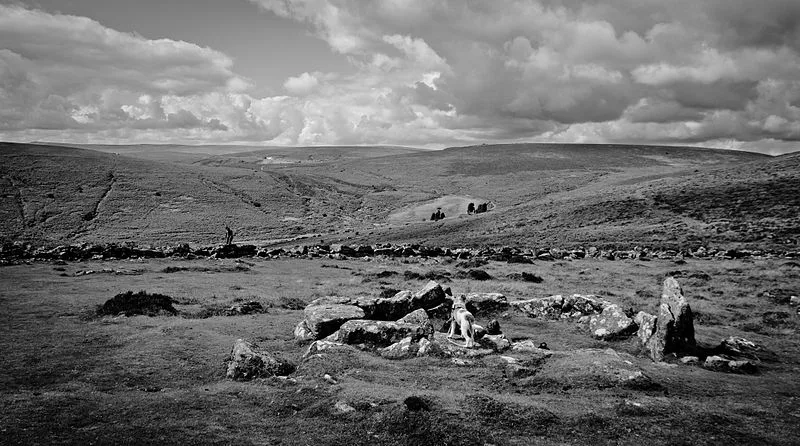
Grimspound
Grimspound is a Late Bronze Age settlement on Dartmoor in Devon, England, dating to around 1300 BC. The site comprises 24 circular hut foundations enclosed by a massive granite…
Grimstock Hill Romano-British Settlement
Grimstock Hill, located north of the River Cole in Coleshill, Warwickshire, was a Romano-British settlement dating from the 1st to the 5th century AD. Discovered in 1978, the site…
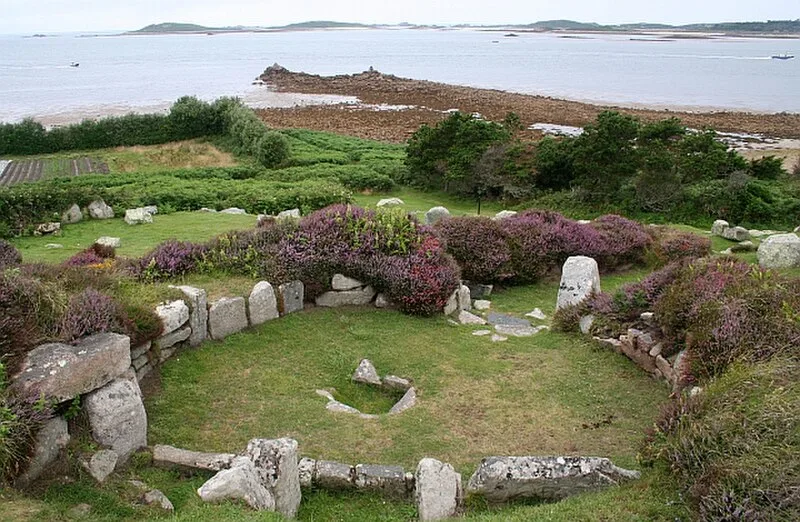
Halangy Down
Halangy Down is a prehistoric settlement on St Mary's in the Isles of Scilly, covering the lower slope of Halangy Down hill and overlooking the coastal inlet between St Mary's and…
Hengistbury Head
Hengistbury Head is a Bronze Age settlement site (c. 3000-1500 BC) on a headland jutting into the English Channel between Bournemouth and Mudeford in Dorset. It is a site of…
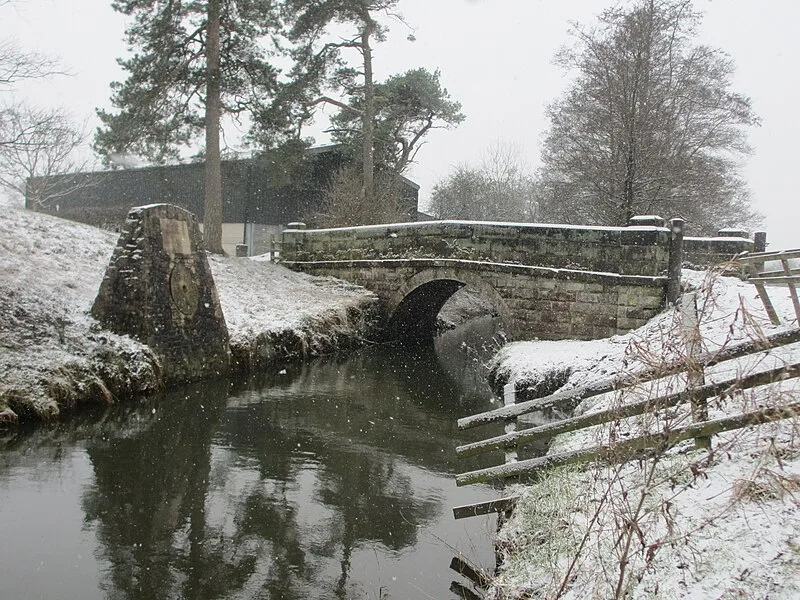
Henmore Brook
The Henmore Brook is a 20 km tributary of the River Dove in Derbyshire, England, whose valley preserves extensive evidence of prehistoric human settlement. Palaeolithic sites…
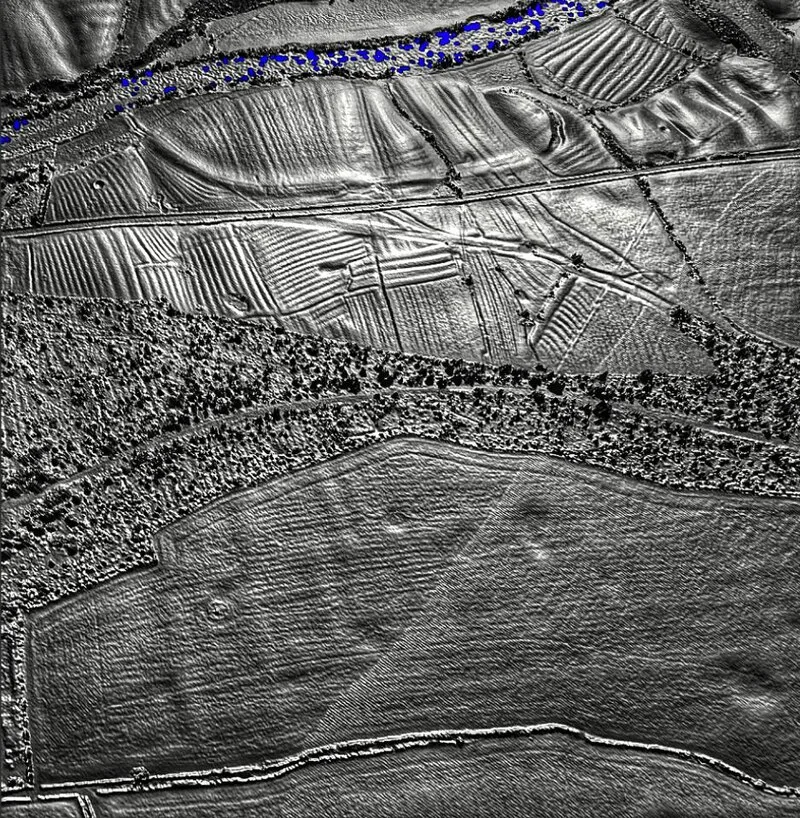
Heronbridge Roman Site
A major Roman settlement on Watling Street, 2 km south of Chester, England, continuously occupied from the late 1st century to at least 350 AD. The site features a large…
Horncastle
Horncastle is a Roman settlement in Lincolnshire, England, located 27 km east of Lincoln. Archaeological evidence shows it flourished between the 1st and 5th centuries AD. A…
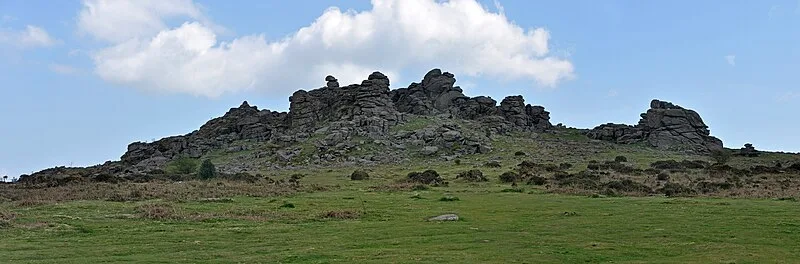
Hound Tor
Hound Tor is a weathered granite tor on Dartmoor, Devon, England, located near the B3387 road between Bovey Tracey and Widecombe-in-the-Moor. To the south-east stand remains of…
Huckhoe Settlement
Huckhoe Settlement is an archaeological site in Northumberland, England, near the village of Bolam approximately 11 km (7 miles) west of Morpeth. Excavations revealed at least…
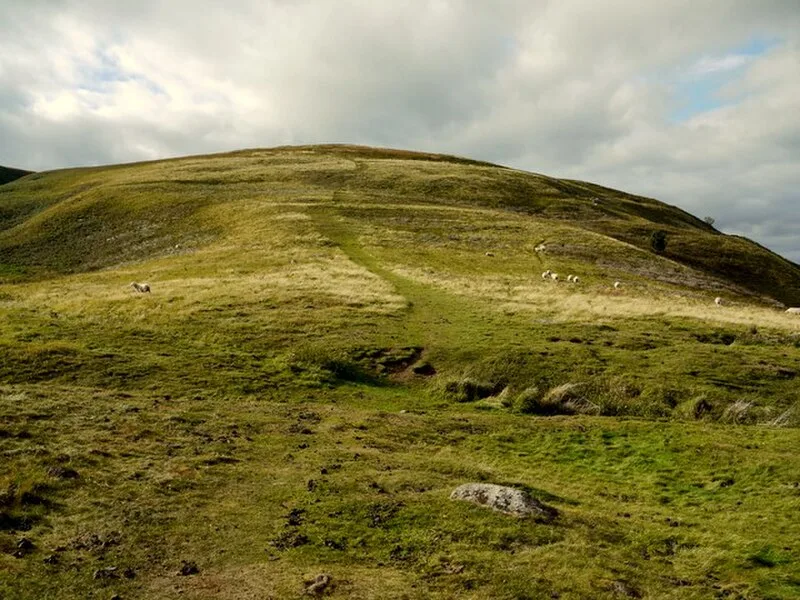
Humbleton Hill
A hill near Wooler in Northumberland, England, containing an enclosed prehistoric settlement and Iron Age hillfort on its summit. The site features two stone-built ramparts with…
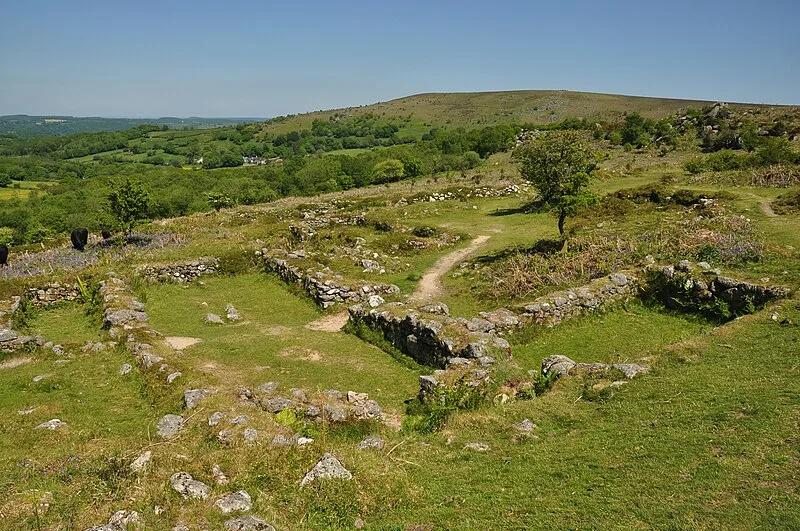
Hundatorra
Bronze Age settlement emerged around 1700-1200 BCE at Hundatorra, a deserted village on Dartmoor's northeast-facing slopes at 340 metres elevation. The site was abandoned by 1000…
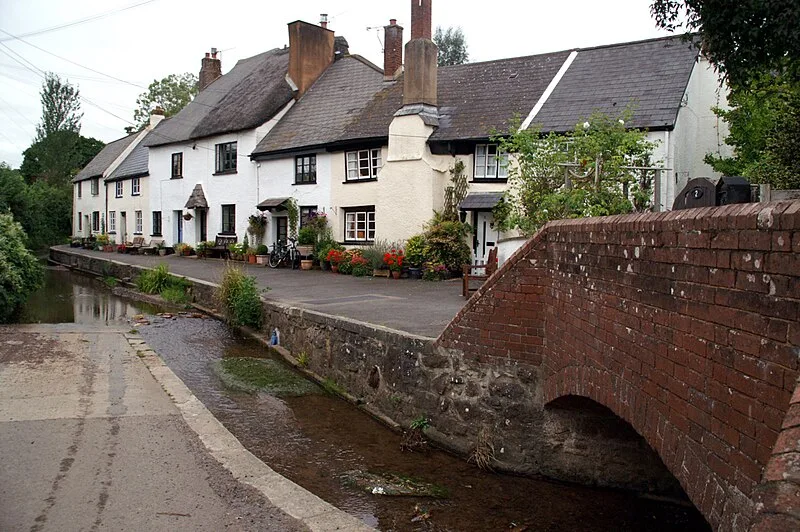
Ide, Devon
A village in Devon, England, 1.6 km southwest of Exeter, notable for a Roman signal station on the hilltop above the settlement. The signal station features an outer rectangular…
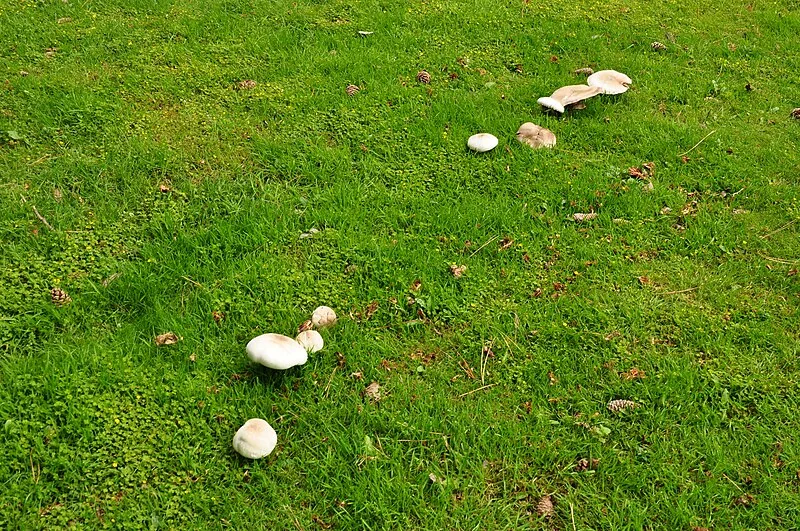
Isurium Brigantum
Isurium Brigantum was a Roman civitas capital at present-day Aldborough in North Yorkshire, England, serving as the administrative center for the Brigantes, the largest tribe in…
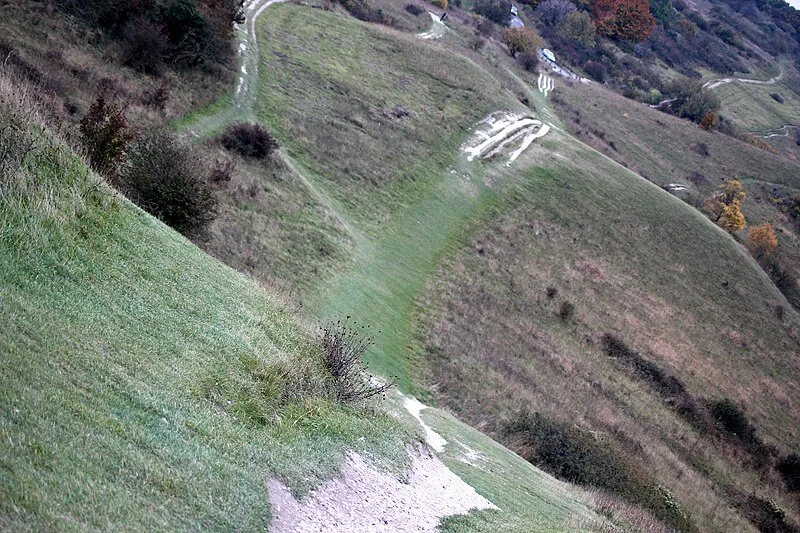
Ivinghoe
Ivinghoe Beacon is a Late Bronze Age to Early Iron Age hillfort in the Chiltern Hills, Buckinghamshire, enclosing approximately 2.2 hectares in a triangular plan. Constructed…
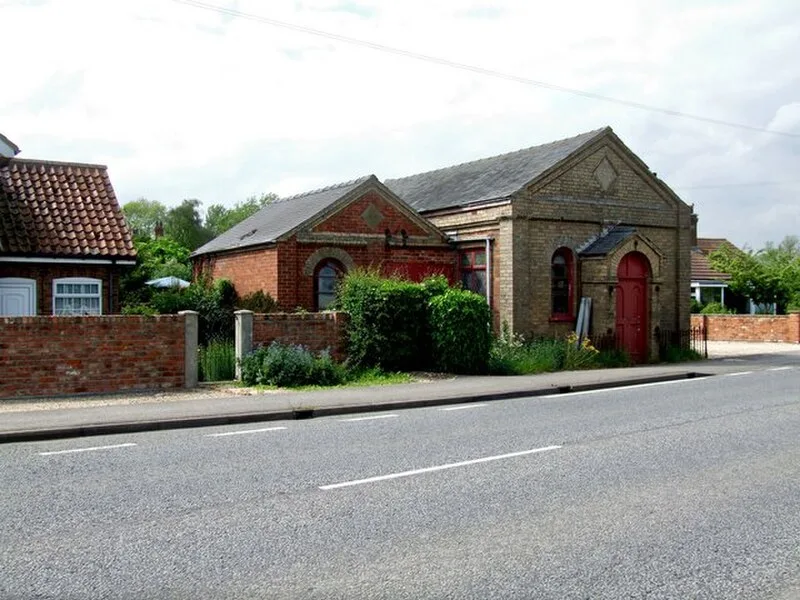
Keal Cotes
Keal Cotes is a small village in East Lindsey, Lincolnshire, England, with archaeological evidence of Roman occupation from the 1st to 4th century AD. A 1960s excavation and field…
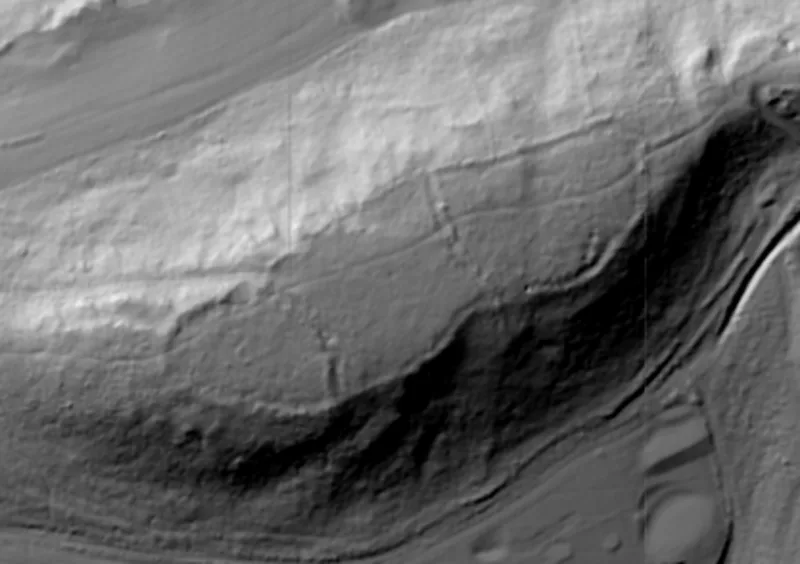
King's Castle, Wells
King's Castle is an Iron Age enclosed hilltop settlement at the south-western edge of the Mendip Hills near Wells in Somerset, England. Dating to between 1500-500 BC, it remains…
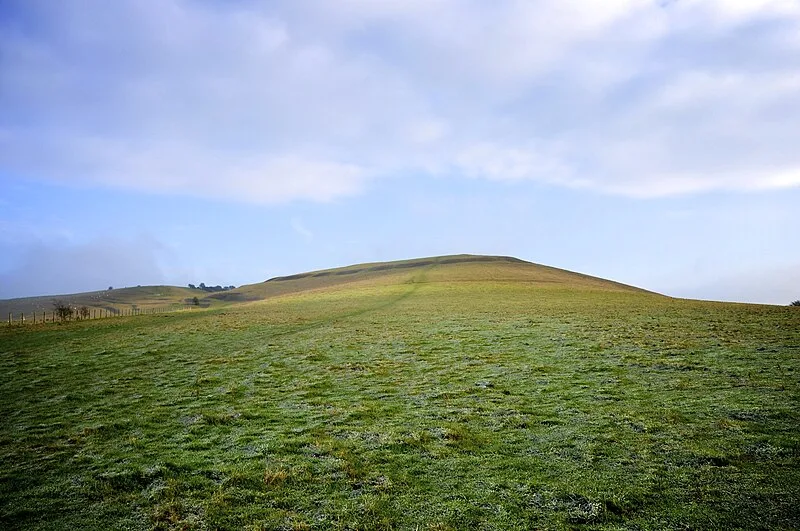
Knap Hill
Knap Hill is a Neolithic causewayed enclosure on the northern rim of the Vale of Pewsey in northern Wiltshire, England, about 1.6 km (1 mi) north of Alton Priors village. Built…
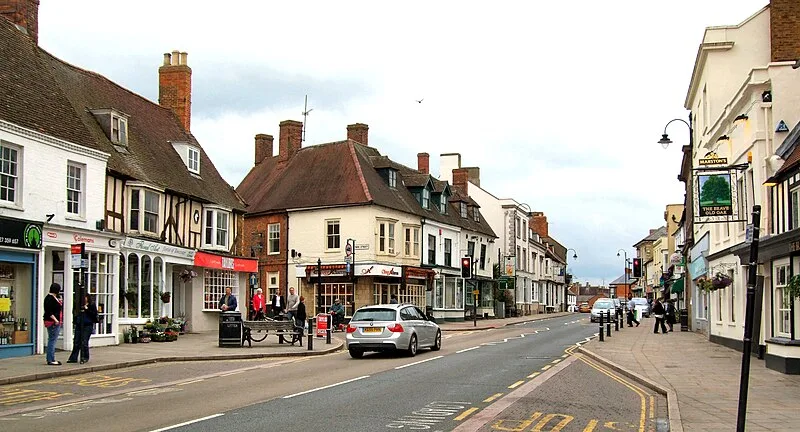
Lactodurum
Lactodurum was a Roman town on Watling Street in the province of Britannia, now the town of Towcester in Northamptonshire, England. First settled in the mid-1st century AD, it…

Lagentium
Lagentium was a Roman auxiliary fort and civilian settlement underlying the modern town of Castleford in West Yorkshire, England, built on the south bank of the River Aire near…
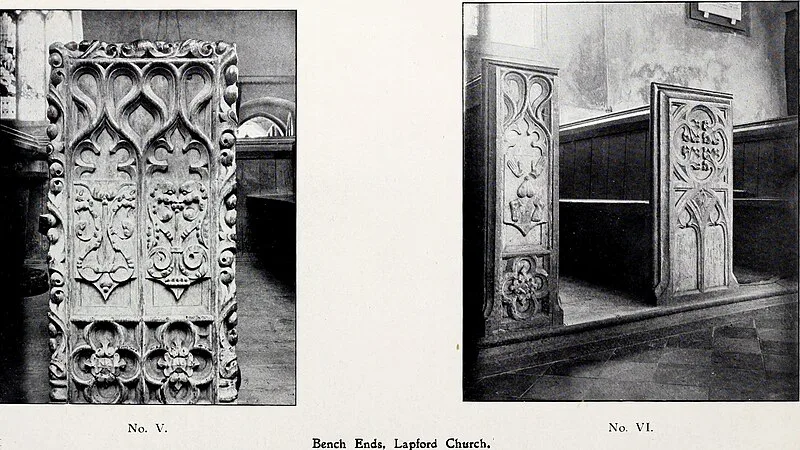
Lapford
Near the village of Lapford in Mid Devon lies the Bury Barton Roman fort, a Scheduled Monument first identified from aerial photography by Professor St Joseph in 1975. Ground…
Lees Hall Roman Camp
Lees Hall Roman Camp is a Roman temporary camp near Hadrian's Wall in Northumberland, approximately 1 km south of the Wall and 680 metres south of the Vallum. One of over 40…
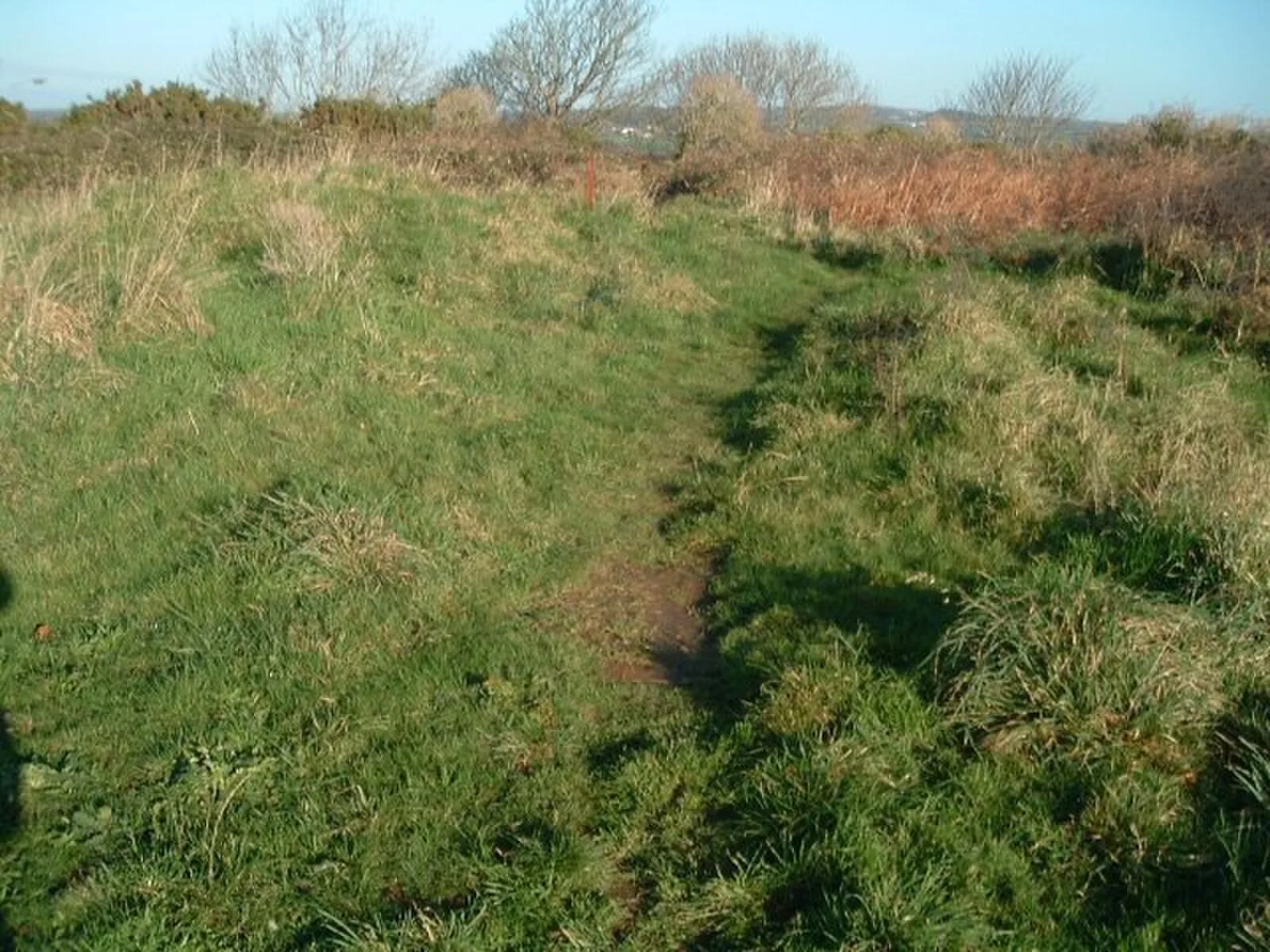
Lescudjack Hill Fort
Built between 1500-500 BC, Lescudjack Hill Fort is an unexcavated Iron Age settlement in Penzance, Cornwall. It sits on the summit of a steep hill in the eastern part of the city…
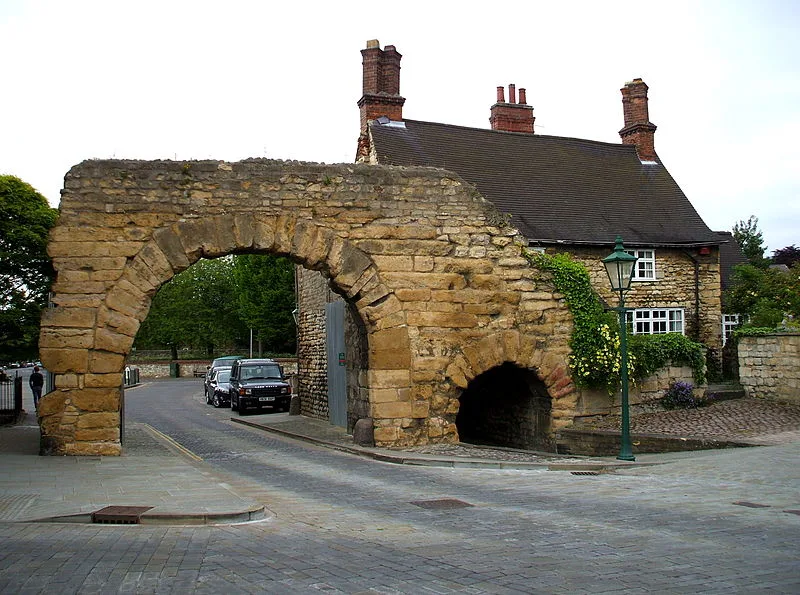
Lindum Colonia
Lindum Colonia was a Roman legionary fortress founded during Emperor Nero's reign (58-68 AD), which evolved into the settlement now known as Lincoln in Lincolnshire. Roman…
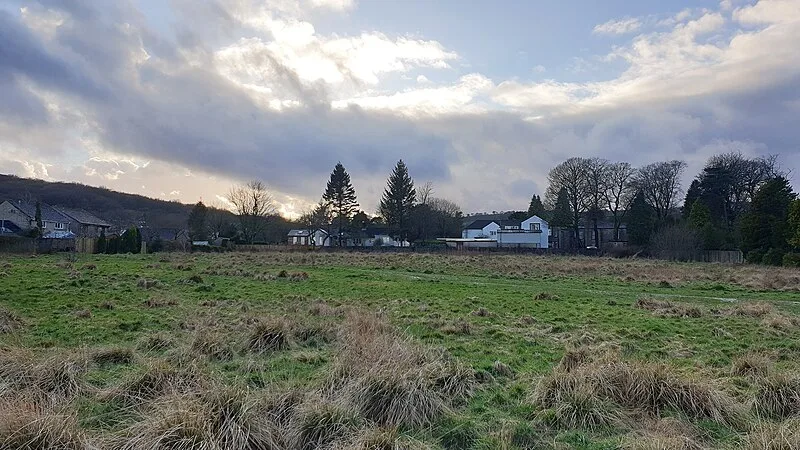
Lismore Fields
Lismore Fields is a prehistoric settlement near the River Wye in Buxton, Derbyshire, discovered in 1984 by the Trent and Peak Archaeological Trust while searching for a Roman…
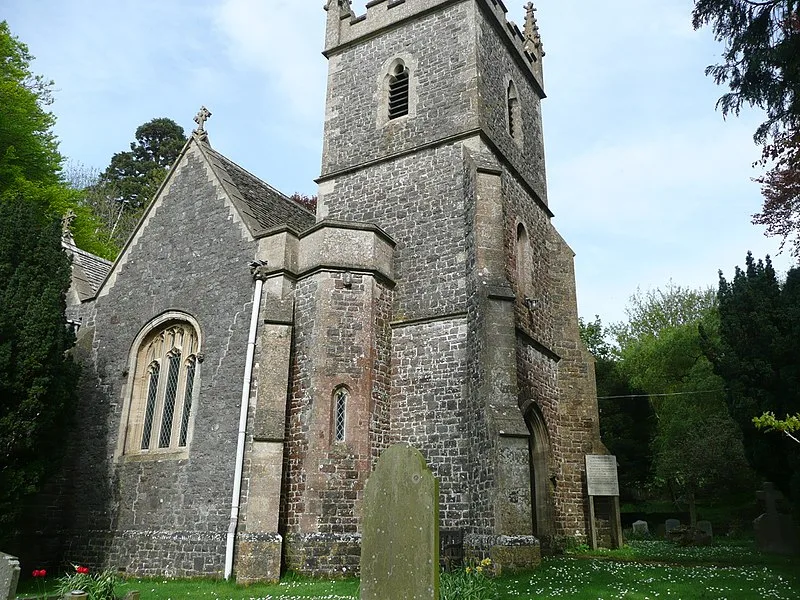
Little Sodbury
Little Sodbury is a village in South Gloucestershire, England, notable for its Iron Age hillfort atop the Cotswold Ridge, accessible via the Cotswold Way. The fort covers…
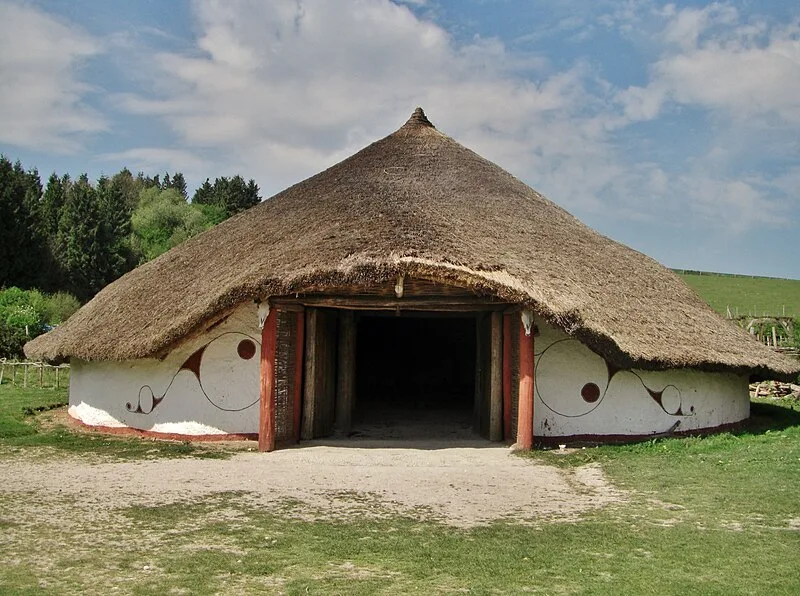
Little Woodbury
An Iron Age settlement near Salisbury, Wiltshire, excavated in 1938-1939 by German archaeologist Gerhard Bersu using revolutionary open-area techniques. Bersu identified the first…
Longforth Farm
Longforth Farm near Wellington, Somerset, was uncovered during 2013 excavations by Wessex Archaeology prior to housing development. The earliest features are Bronze Age field…
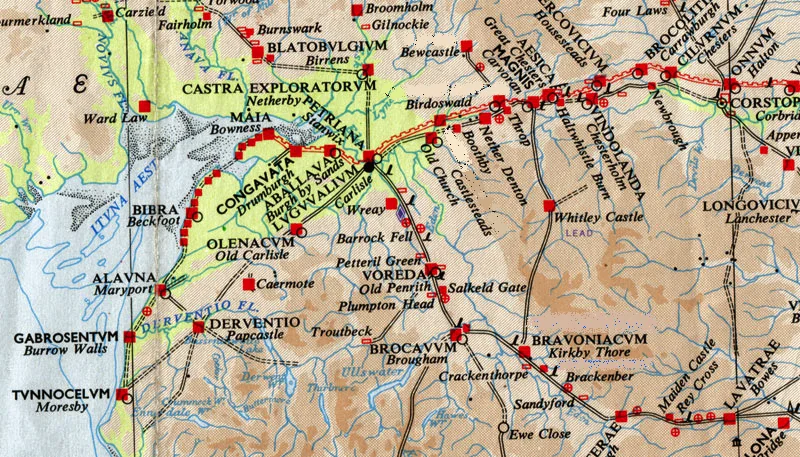
Luguvalium
Luguvalium was a Roman fort and town at modern Carlisle, established in AD 72-73 by a detachment of Legio IX Hispana during campaigns against the Brigantian leader Venutius.…
Lydney Park
Lydney Park in Gloucestershire contains a late Roman temple complex built after AD 364 atop an Iron Age hillfort. The rectangular temple, measuring 80 by 60 feet, was dedicated to…
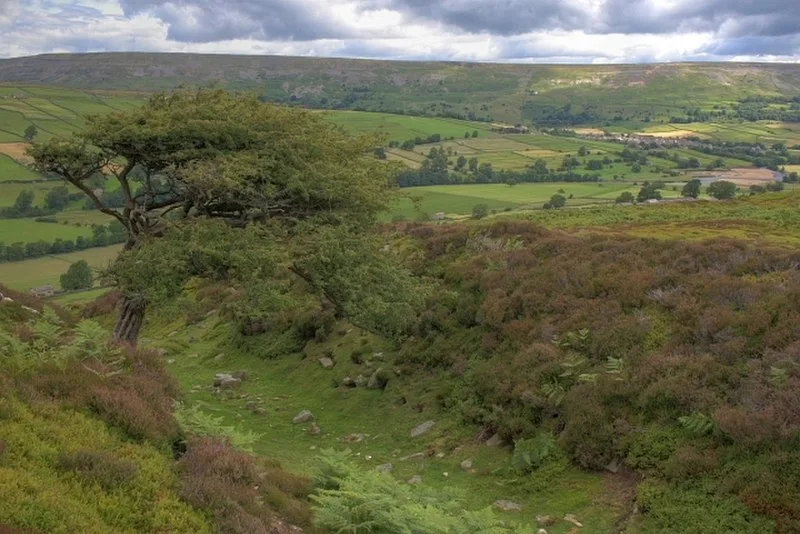
Maiden Castle, North Yorkshire
Maiden Castle is an Iron Age settlement in Grinton, North Yorkshire, dating from approximately 1500-500 BC. The pear-shaped enclosure measures 108 by 88 metres, covering about…
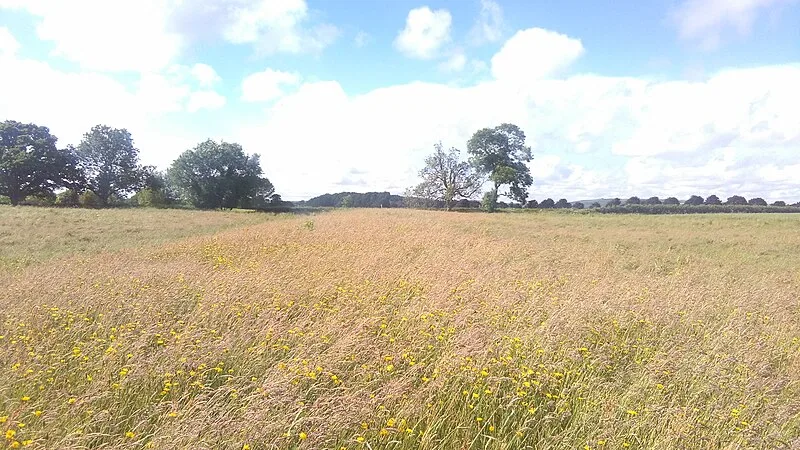
Marden Henge
Marden Henge is the largest Neolithic henge enclosure in the United Kingdom. Located northeast of the village of Marden in Wiltshire, it sits within the Vale of Pewsey, positioned…
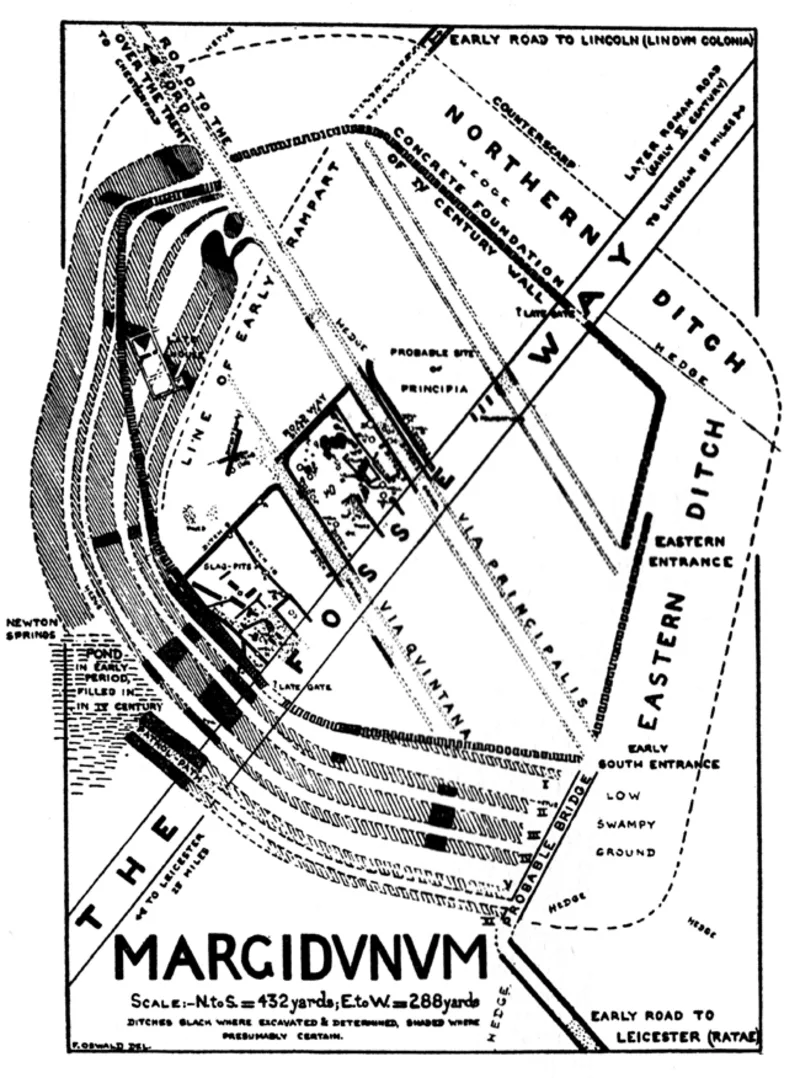
Margidunum
Margidunum was a Roman settlement on the Fosse Way near present-day Bingham in Nottinghamshire, England, now a protected Scheduled Monument. Initially a military post around 55-60…
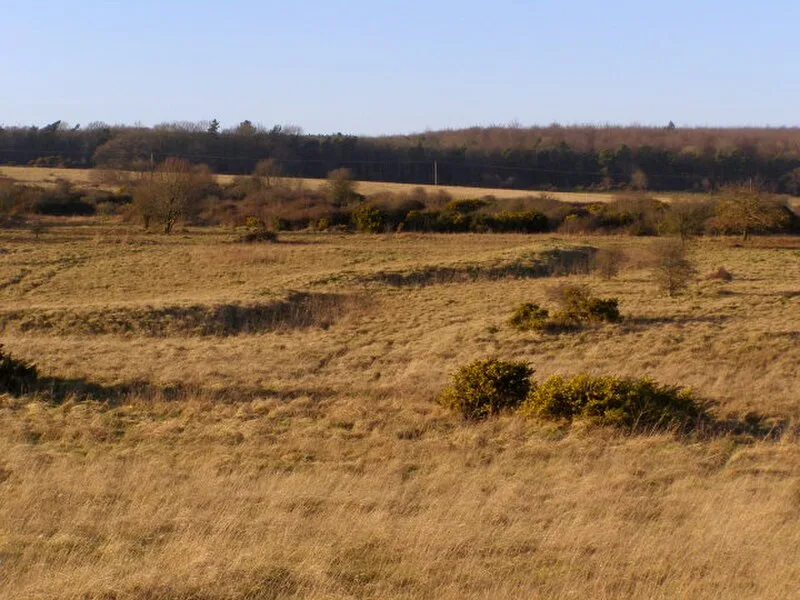
Martin Down Enclosure
Martin Down Enclosure is a scheduled monument near the village of Martin in Hampshire, England, and the type site for "Martin Down style enclosures" -- small Bronze Age domestic…
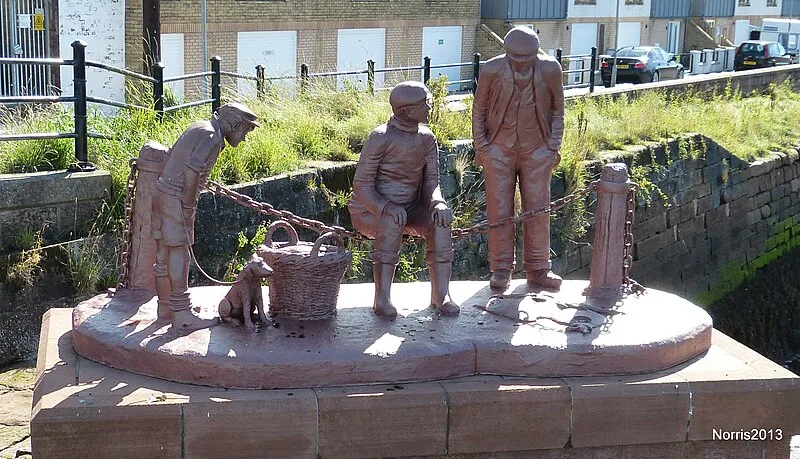
Maryport
Alauna at Maryport in Cumbria was a Roman fort established around AD 122 as a command and supply base protecting the western seaward flank of Hadrian's Wall. Initially garrisoned…
Meare Lake Village
Meare Lake Village is an Iron Age settlement on the Somerset Levels at Meare, Somerset, England, occupied between 300 BC and 100 AD. Two villages of 50-60 hut sites each were…
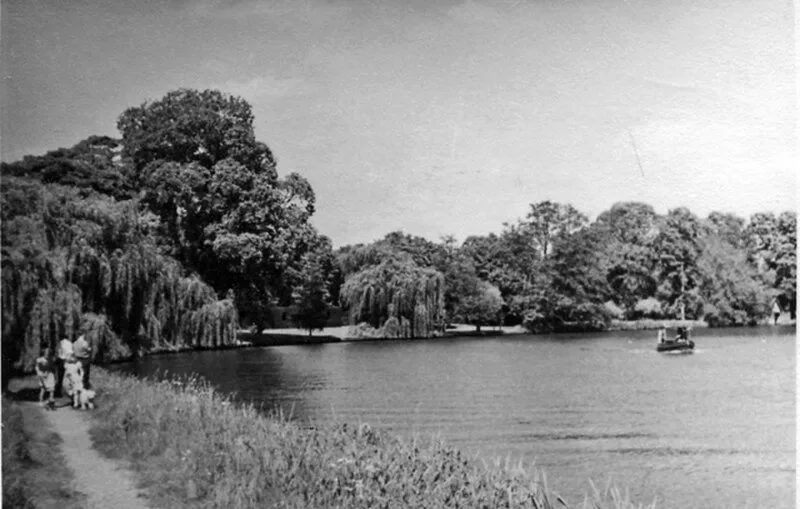
Medmenham
Medmenham in Buckinghamshire, England, is notable for two Iron Age hillforts along the Thames. Medmenham Camp is a univallate hillfort enclosing approximately 17 acres on a spur…
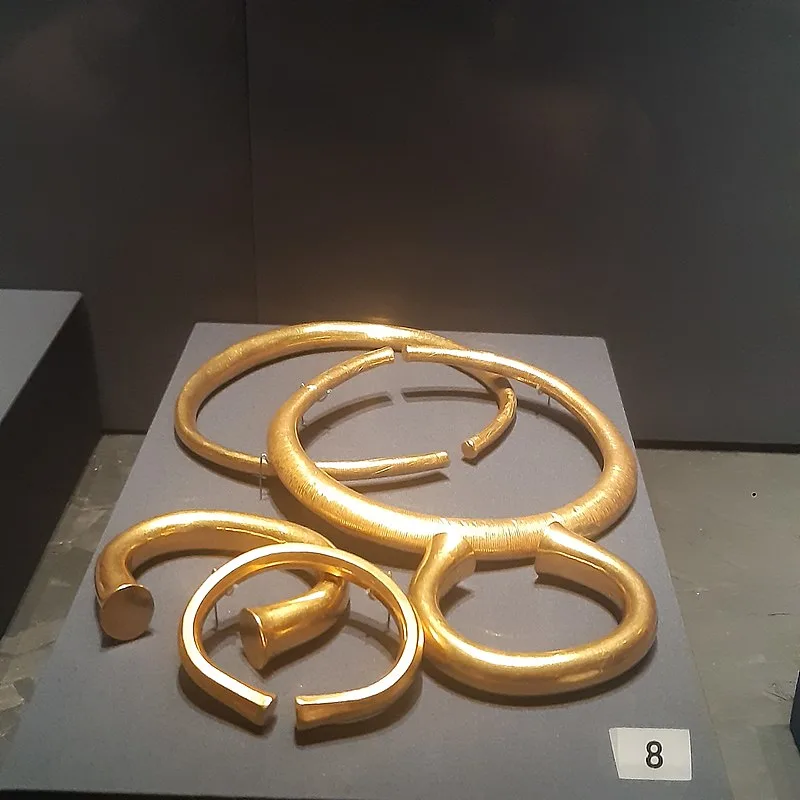
Milton Keynes Hoard
The Milton Keynes Hoard is a Bronze Age gold hoard discovered in September 2000 at Monkston Park in Milton Keynes, England. The hoard consisted of two torcs, three bracelets, and…
Morgan's Hill Enclosure
Morgan's Hill Enclosure is a scheduled monument on Morgan's Hill southeast of Calne, Wiltshire, England, approximately 130 m north of the Wansdyke. The square earthwork, aligned…
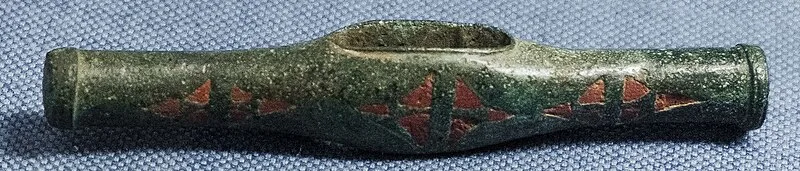
Muntham Court Romano-British Site
The Muntham Court Romano-British site is a Scheduled Ancient Monument on the western edge of Findon village in West Sussex, England. Excavated between 1954 and 1956, the site…
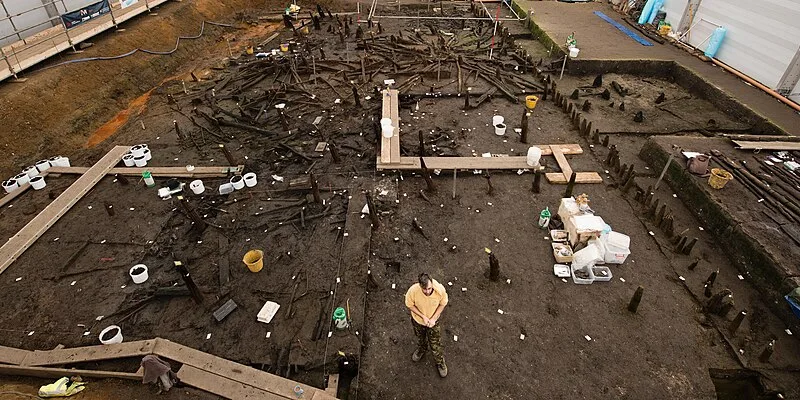
Must Farm Bronze Age Settlement
Must Farm is a Bronze Age settlement in Cambridgeshire, England, consisting of five houses built on wooden stilts above a river around 950 BC. The settlement was destroyed by a…
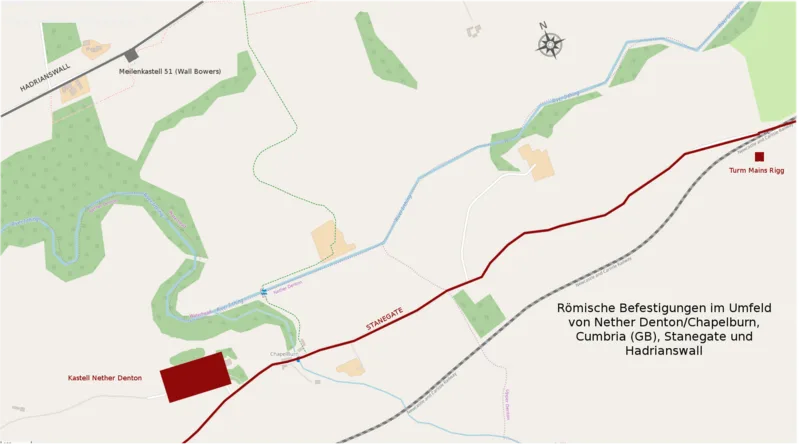
Nether Denton
A Roman fort on the Stanegate road in Cumbria, approximately 0.8 km south of Hadrian's Wall. Built in the late 1st to early 2nd century AD, it was contemporary with Trajanic-era…
Nettleton, Wiltshire
Nettleton is a village and civil parish approximately 10.5 km (6.5 mi) northwest of Chippenham in Wiltshire, England, encompassing the villages of Burton and West Kington.
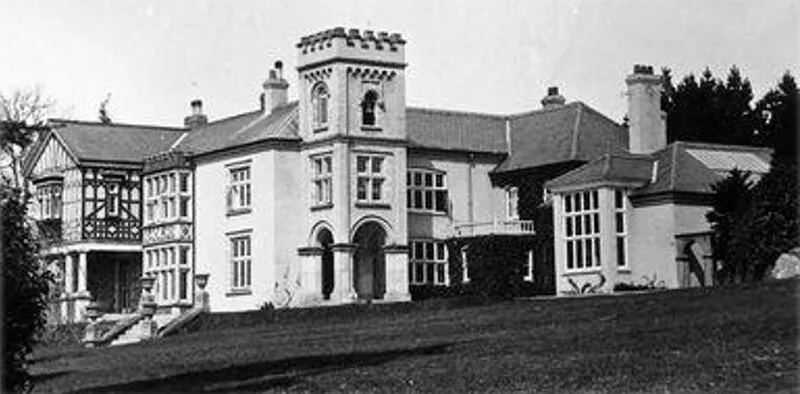
North Tawton
North Tawton is the site of the Roman fort Nemetostatio in Devon, England, whose name combines Celtic 'nemeton' (sacred grove) with Latin 'statio' (road-station), suggesting it…
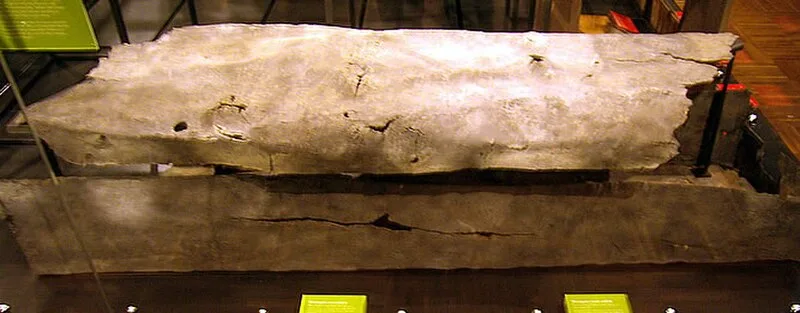
Noviomagus Reginorum
Noviomagus Reginorum, meaning 'the New Port,' was the Roman name for modern Chichester in West Sussex, England, and served as the capital of the Civitas Reginorum. Established as…
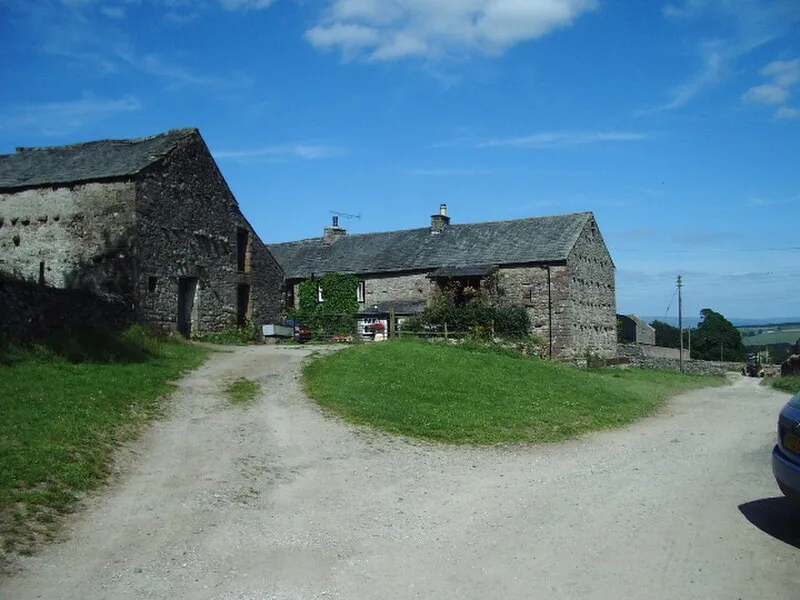
Oddendale
Oddendale is a hamlet in Cumbria, England, near the village of Shap, notable for its nearby concentric stone circle. The monument features an outer ring of 34 pink granite…
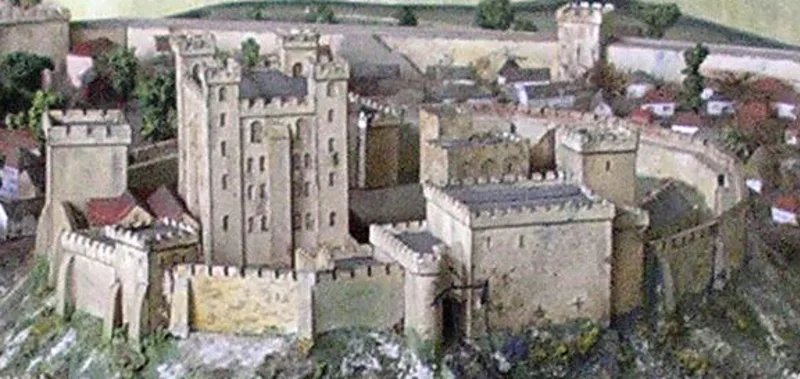
Old Sarum
Old Sarum is the ruined site of the earliest settlement of Salisbury in Wiltshire, England, with evidence of habitation from around 3000 BC. An Iron Age hillfort was established…
Oram's Arbour
Oram's Arbour was an Iron Age enclosed settlement (oppidum) located in what is now Winchester, England. The earthwork enclosure dates to the early-mid first century BC based on…
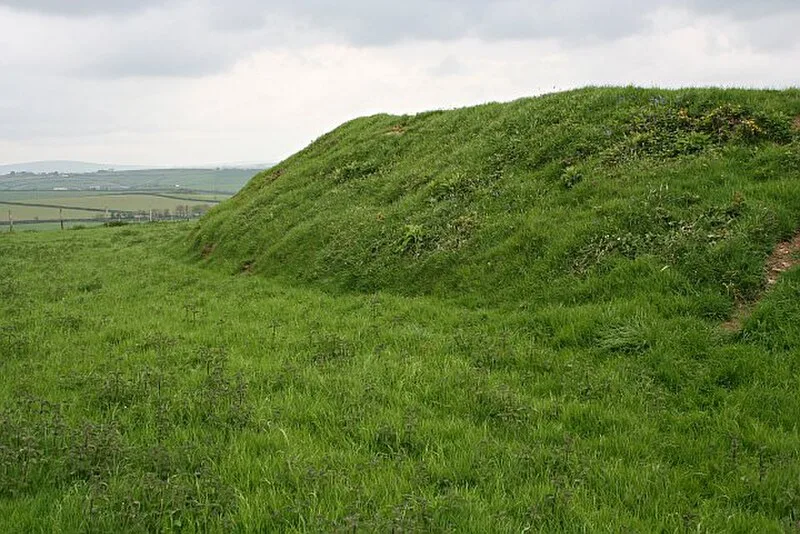
Padderbury Top
Padderbury Top is an Iron Age defended settlement (hillfort) about 3.2 km south-east of Menheniot in Cornwall, England. The roughly circular enclosure has an interior diameter of…
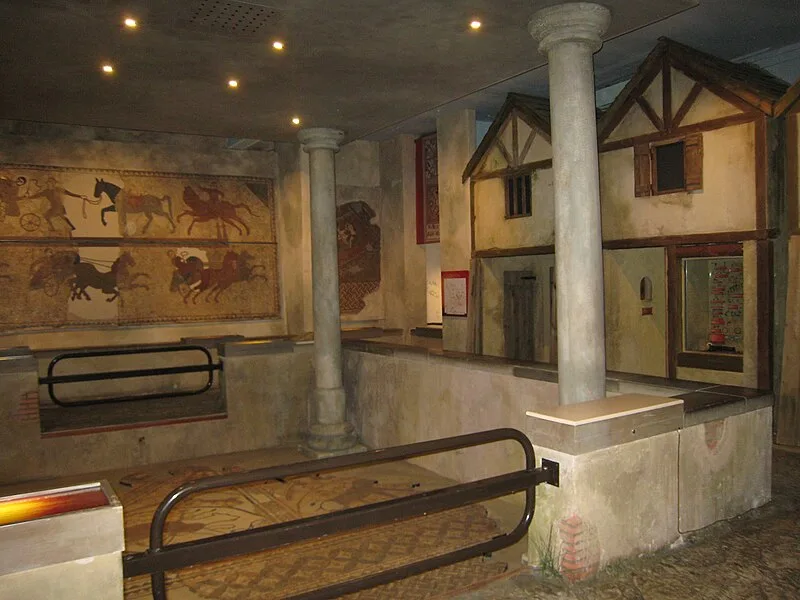
Petuaria
Petuaria was a Roman fort founded in 70 AD at modern Brough in the East Riding of Yorkshire, abandoned by 125 AD. The adjacent civilian settlement grew into the probable capital…
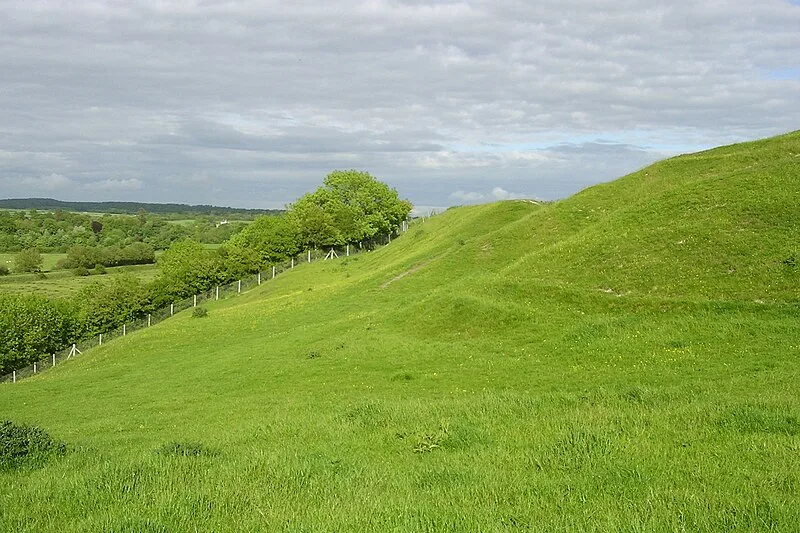
Poundbury Hill
Poundbury Hill in Dorset, England, is a multi-period archaeological site spanning Neolithic to Roman times. It features a substantial Bronze Age occupation site and an Iron Age…
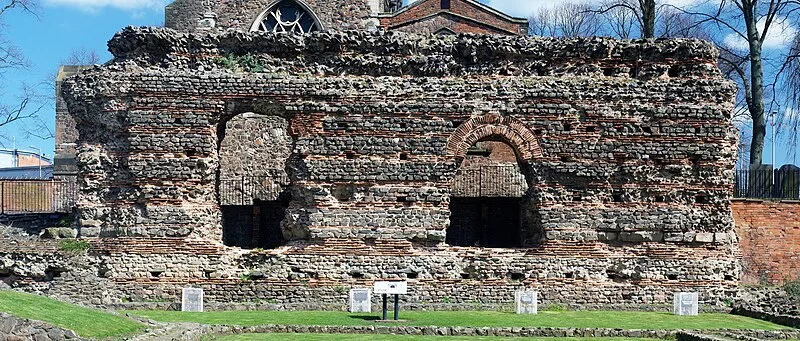
Ratae Corieltauvorum
Ratae Corieltauvorum was a Roman town in Britannia, now known as Leicester in Leicestershire, England. Roman occupation began after the conquest of Britain in AD 43, and by the…
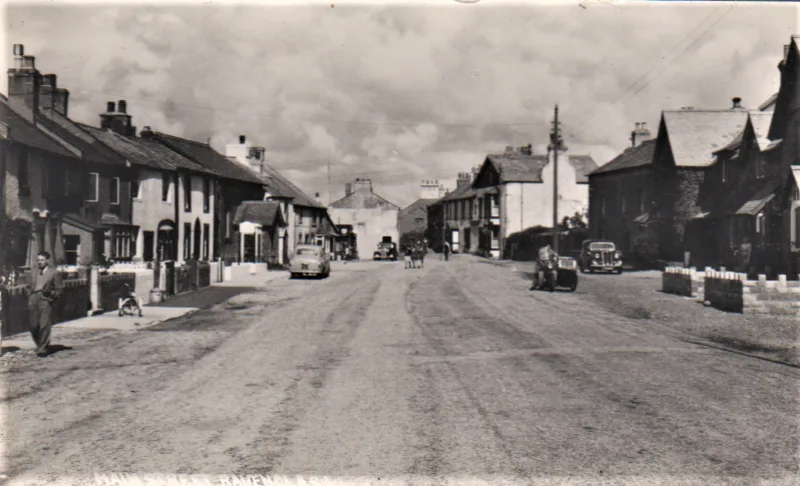
Ravenglass
Ravenglass was a Roman naval base in Cumbria, England, established during Emperor Hadrian's reign (AD 117-138) at the confluence of the rivers Esk, Mite, and Irt. Garrisoned by…
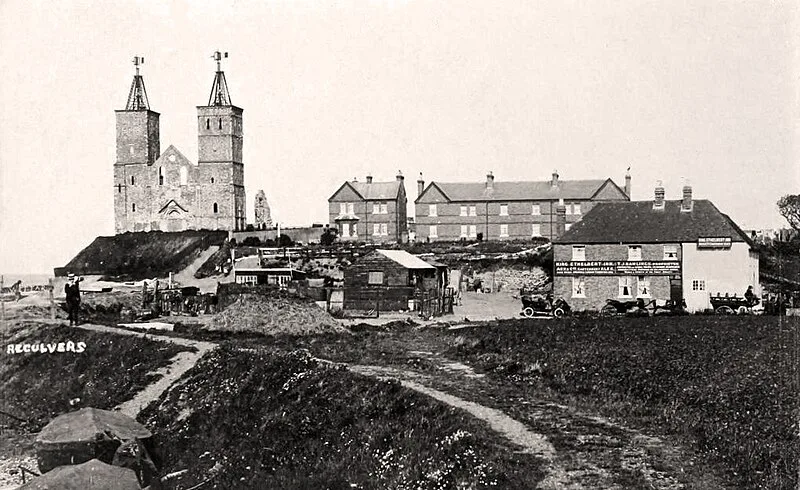
Reculver
Reculver (Regulbium) is an archaeological site on the north Kent coast where occupation spans from prehistory to the medieval period. A small Roman fort was built here after the…
Redbourn
Redbourn is a village in Hertfordshire, England, on the line of Roman Watling Street, with archaeological evidence spanning from the Iron Age to the Roman period. Southwest of the…
Robin Hood's Ball
Robin Hood's Ball is a Neolithic causewayed enclosure on Salisbury Plain in Wiltshire, England, dating to 4500–3000 BC. The site lies approximately 8 km (5 mi) northwest of…

Roman Baths, Bath
The Roman Baths are well-preserved thermae in the city of Bath, Somerset, England. A temple was constructed on the site between 60 and 70 AD in the first few decades of Roman…
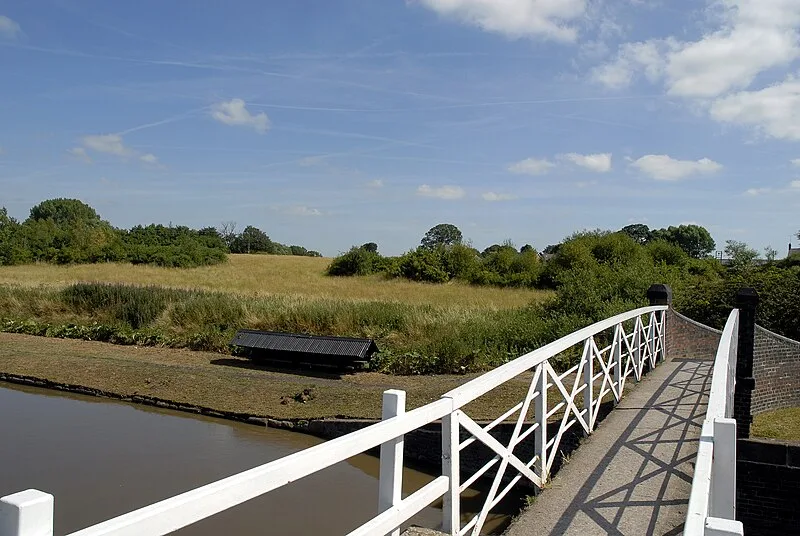
Roman Middlewich
Roman Middlewich (c. 1st–5th century AD) was established by Romans as Salinae, named for its salt deposits, making it one of the major Roman salt production centers in Britain.…
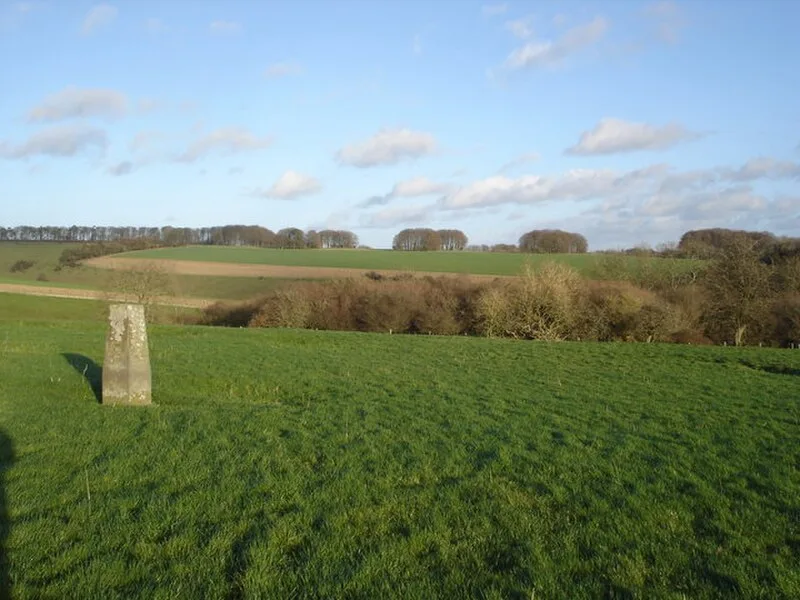
Rotherley Down Settlement
Rotherley Down Settlement is a late Iron Age and Romano-British archaeological site on Cranborne Chase in Wiltshire, England, about 2.4 km south of Berwick St John. The site…
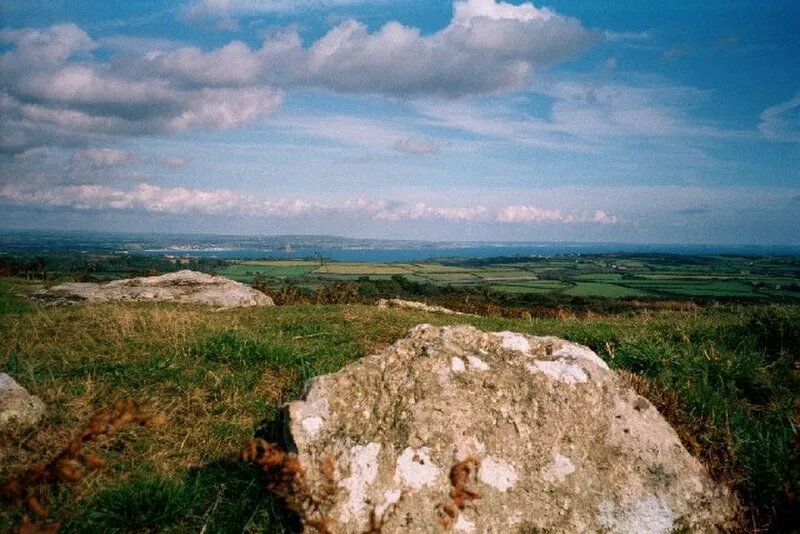
Sancreed Beacon
Sancreed Beacon is a Bronze Age archaeological site near the village of Sancreed on the Penwith peninsula in Cornwall, England, dating to roughly 3000-500 BC. The hilltop features…
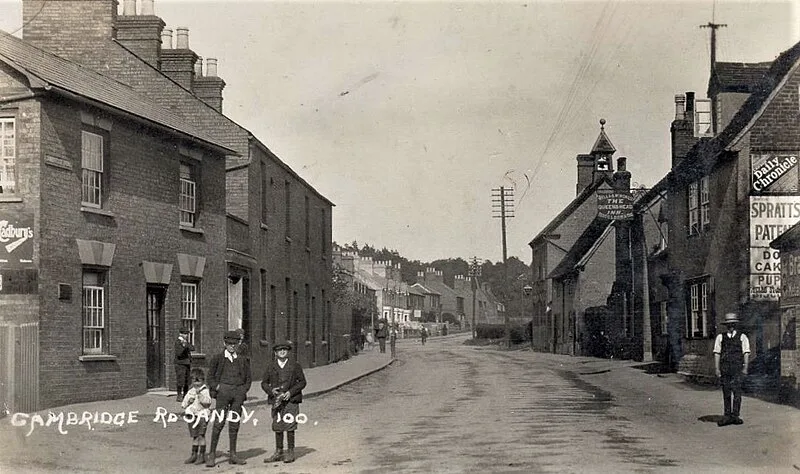
Sandy, Bedfordshire
Sandy was a significant Romano-British small town in Central Bedfordshire, situated at the junction of two major Roman roads. Recent excavations uncovered the first Roman town…
Scholes Coppice
Scholes Coppice is an area of ancient woodland northwest of Kimberworth in the Metropolitan Borough of Rotherham, South Yorkshire, England. It was once part of the Kimberworth…
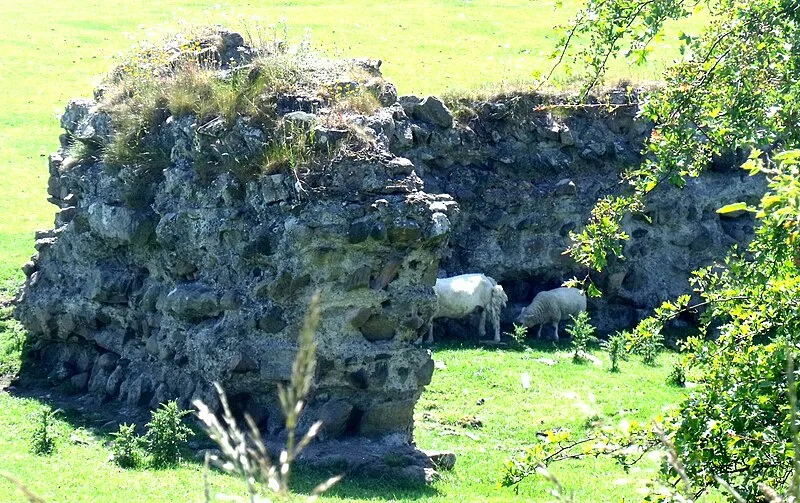
Seaton, Cumbria
Seaton is a large village in Cumbria, England, on the north side of the River Derwent opposite Workington. The parish had 5,033 residents in 2021. The archaeological site Burrow…
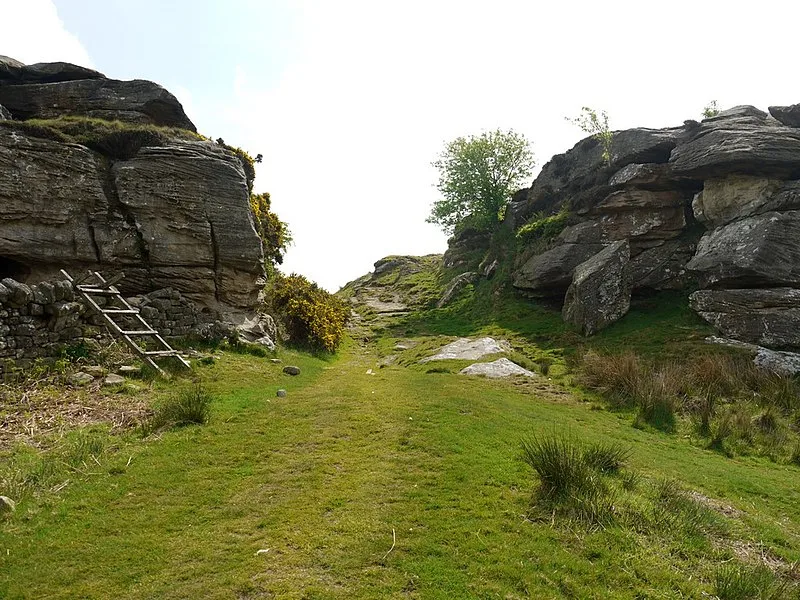
Shaftoe Crags Settlement
Shaftoe Crags Settlement is an Iron Age and Romano-British archaeological site in Northumberland, England, located 13 km (8 miles) west of Morpeth. The site features a curving…
Shearplace Hill Enclosure
Shearplace Hill Enclosure is a Bronze Age settlement site about 2.4 km southwest of Cerne Abbas in Dorset, England, designated as a scheduled monument. A Martin Down style…

Shinewater
A Late Bronze Age settlement discovered in 1995 during clearing of Hydneye lake in Eastbourne, East Sussex, England. The site includes a timber platform extending over 200 sq m,…
Shipton Hill Settlement
An Iron Age defended settlement near Shipton Gorge in Dorset, England, designated as a Scheduled Monument. The hilltop site, described by 19th-century antiquarian Charles Warne as…
Sigwells
Sigwells is a hamlet on a rural plateau overlooking Cadbury Castle hillfort in Somerset, England, rich in archaeological remains spanning from the Bronze Age to the early medieval…
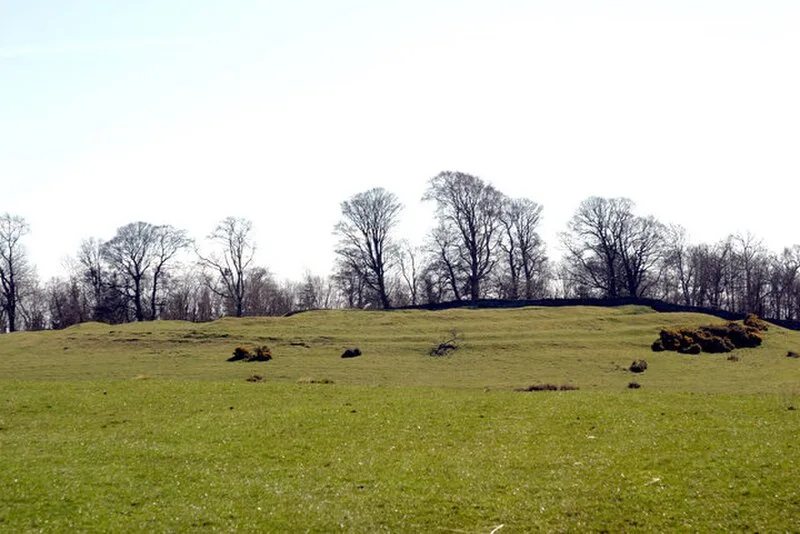
Slate Hill Settlement
Slate Hill Settlement is an Iron Age defended settlement on a hilltop near Bolam, approximately 11 km west of Morpeth in Northumberland, England. The semi-circular enclosure…
Smedmore Hill Settlement
The Smedmore Hill Settlement is an Iron Age and Romano-British archaeological site about 3.2 km southwest of Corfe Castle in Dorset, England. The scheduled monument comprises an…
South Lodge Camp
South Lodge Camp is a Bronze Age archaeological site on Cranborne Chase, about 1 km southeast of Tollard Royal in Wiltshire, England, near the Dorset boundary. It is designated as…
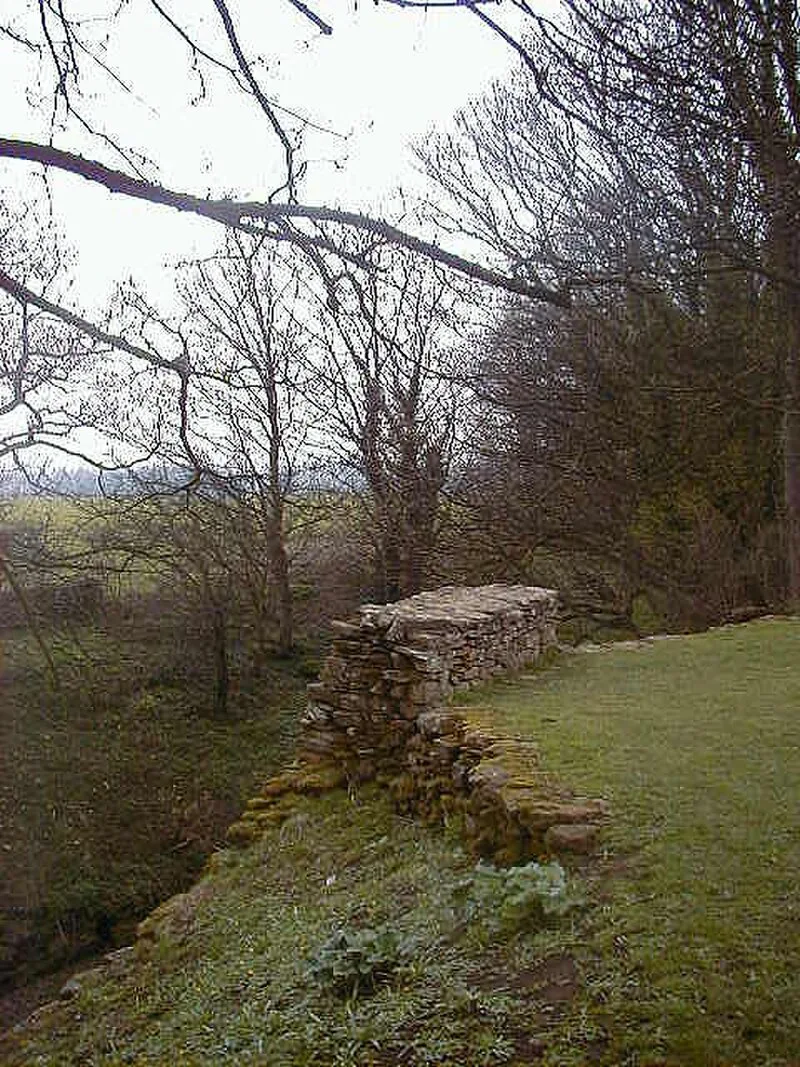
Stanwick Iron Age Fortifications
Stanwick Iron Age Fortifications (1st c. AD), also called 'Stanwick Camp', is a massive Iron Age hill fort in North Yorkshire, England. Covering approximately 300 hectares (740…
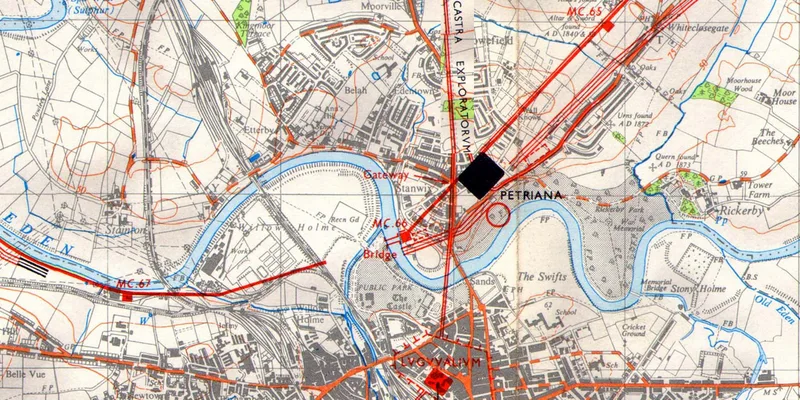
Stanwix
Stanwix, known in Roman times as Uxelodunum (or Petriana), was the largest fort on Hadrian's Wall, measuring approximately 177 by 213 metres and enclosing over 9 acres. It…
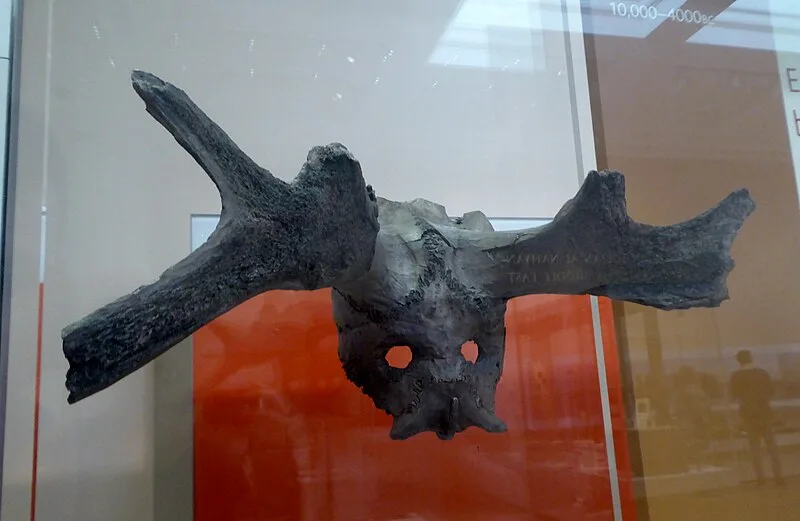
Star Carr
Star Carr is a Mesolithic archaeological site in North Yorkshire, England, located 8 km south of Scarborough. It is widely regarded as the most important and informative…
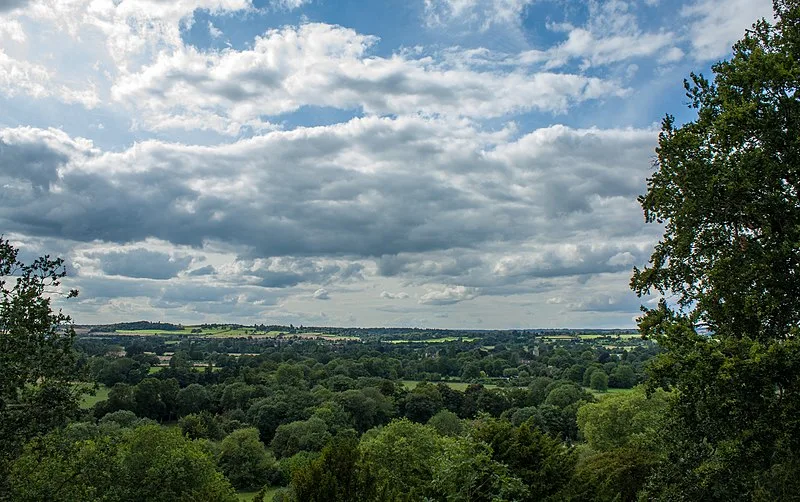
Taplow
Taplow is best known for the Taplow Barrow, a 7th-century Anglo-Saxon burial mound standing 4.5 m high and 24 m in diameter. Excavated in 1883, it contained the lavishly furnished…
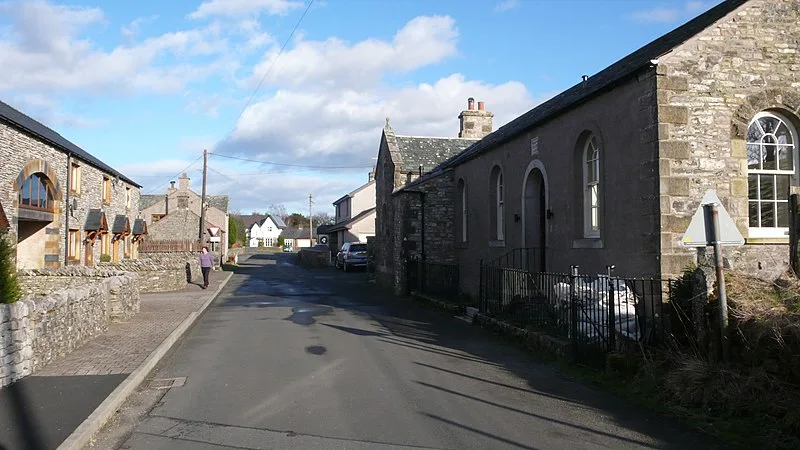
Tebay
Tebay is a village in the upper Lune Valley, Cumbria, England, with significant Roman-era and medieval archaeological remains. The nearby Low Borrowbridge Roman fort is a…
Templeborough
Templeborough is a suburb of Rotherham, South Yorkshire, England. The area takes its name from the remains of a Roman fort found there, which were mistakenly believed to be those…
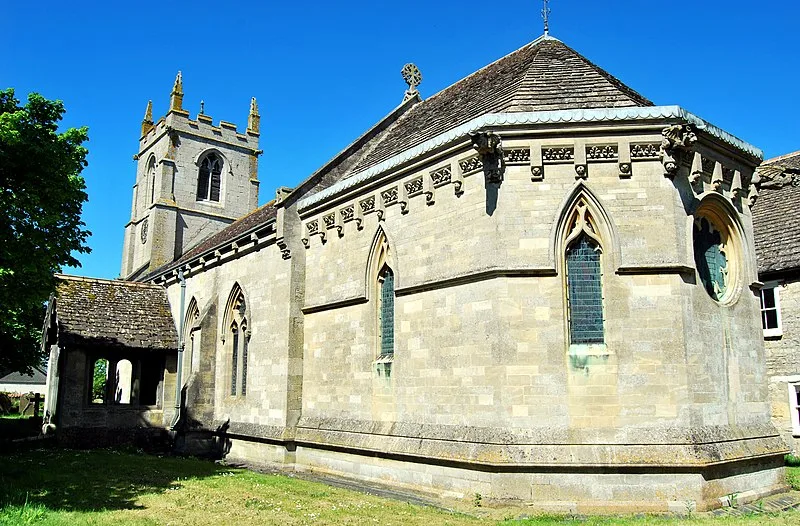
Thistleton
Thistleton is a Romano-British settlement site in Rutland, England, positioned on the territorial boundary between the Catuvellauni and Coritani tribes. The settlement extended to…
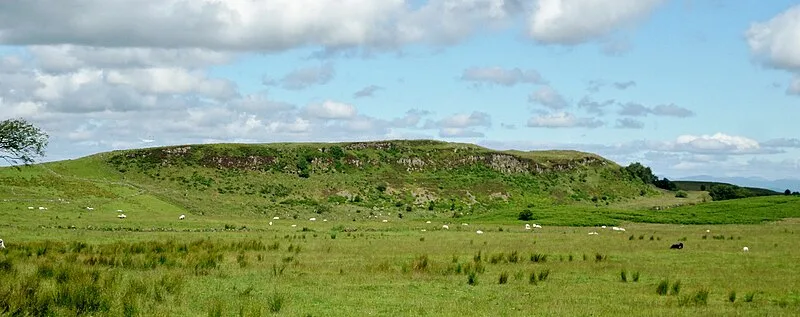
Thornbury, Herefordshire
Thornbury is a village in Herefordshire, England, 5.5 km north of Bromyard. Two tributaries of the River Frome surround the village. The village has one church and Thornbury Court…
Tiverton, Devon
Tiverton is a town at the confluence of the rivers Exe and Lowman in Devon, England, with human occupation dating to the Stone Age, evidenced by numerous flint tools found in the…
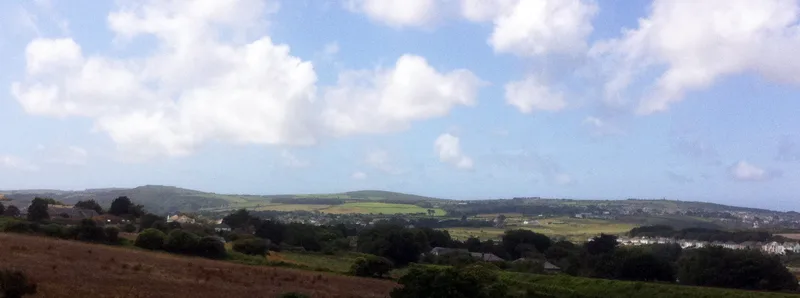
Trencrom Hill
Trencrom Hill is a prominent hill fort in Cornwall, England, owned by the National Trust near Lelant. It is crowned by an univallate Neolithic tor enclosure, which was later…
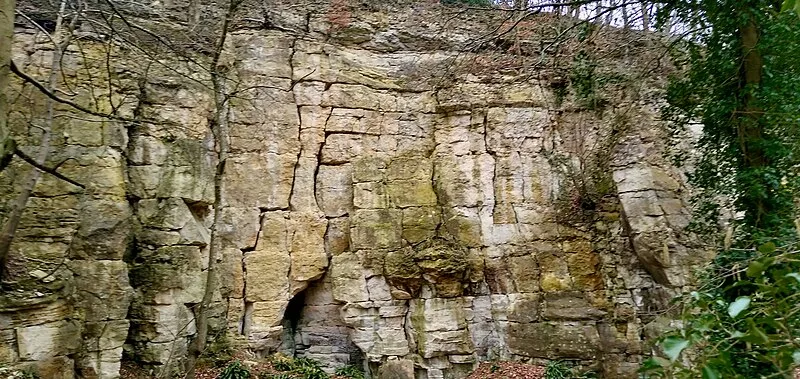
Uley
Romano-British temple complex on West Hill dedicated to Mercury, built atop a Neolithic sanctuary. Excavated 1977-79, the site yielded over 60,000 pottery fragments, 250,000…
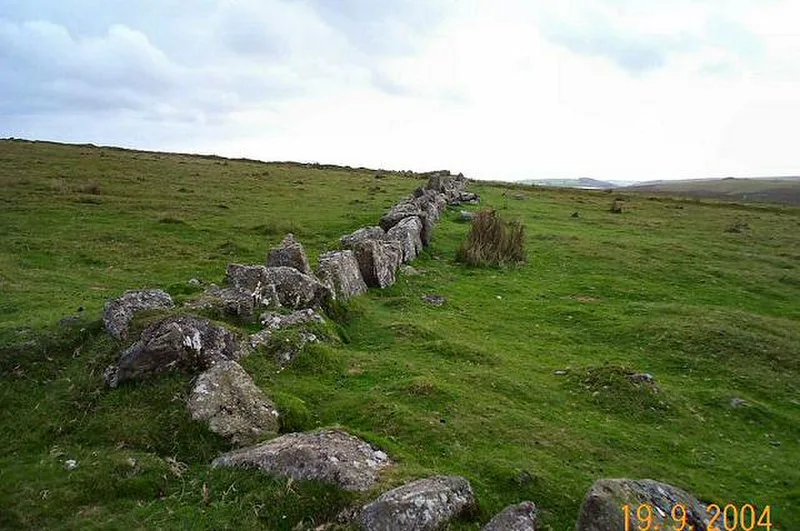
Upper Plym Valley
The Upper Plym Valley is a 15.5 km² archaeological landscape on Dartmoor, Devon, England, containing approximately 300 prehistoric and medieval sites. Notable prehistoric sites…
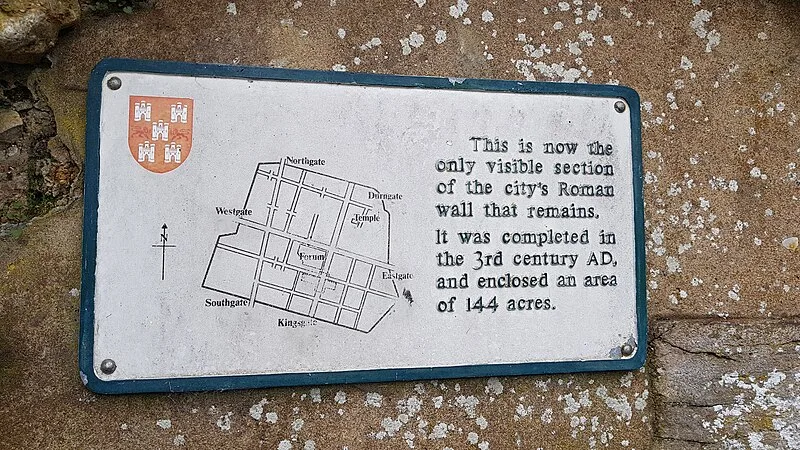
Venta Belgarum
Venta Belgarum was the Roman civitas capital of the Belgae tribe, now the city of Winchester in Hampshire, England. Established around 70 AD on the site of earlier Iron Age…
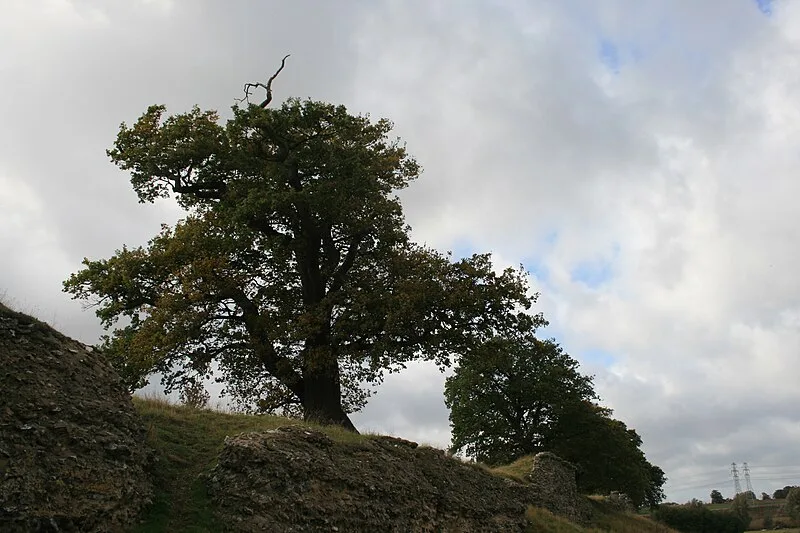
Venta Icenorum
Venta Icenorum was the civitas capital of the Iceni tribe and the largest Roman town in East Anglia, located at modern-day Caistor St Edmund in Norfolk. Established around 70 AD…
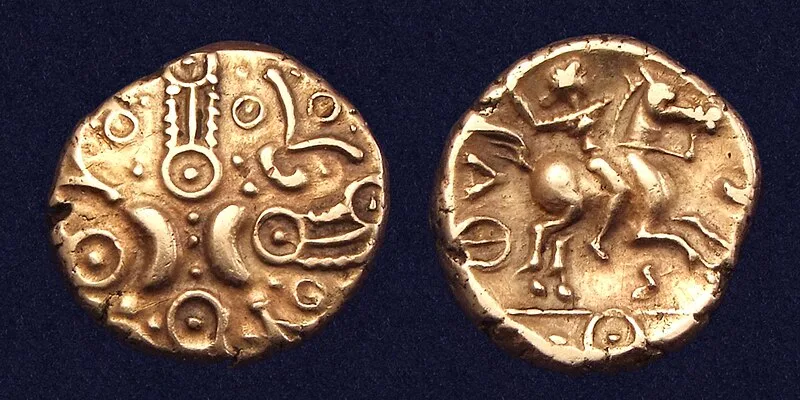
Verlamion
Verlamion (or Verlamio) was a major Iron Age settlement and the capital of the Catuvellauni tribe from approximately 20 BC until after the Roman conquest of AD 43. Located on Prae…
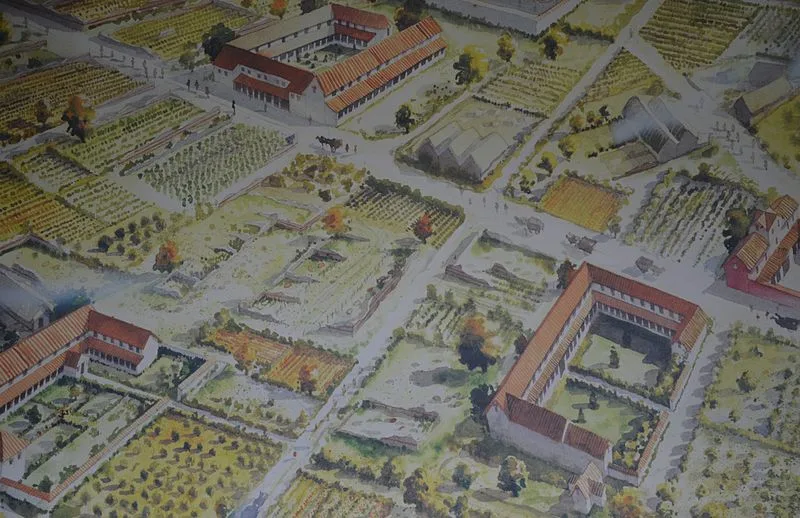
Verulamium
Verulamium was the third-largest city in Roman Britain, located southwest of modern St Albans in Hertfordshire. Granted the rare status of municipium around 50 AD, the town was…
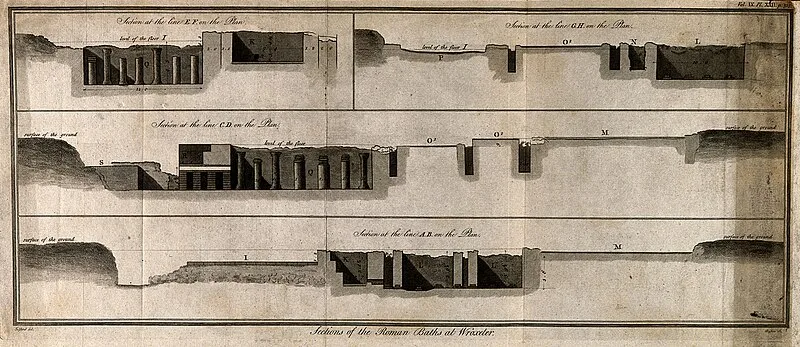
Viroconium Cornoviorum
Viroconium Cornoviorum was a major Roman city in what is now Wroxeter, Shropshire, England, located about 5 miles (8 km) east-south-east of Shrewsbury. At its peak, it was the…
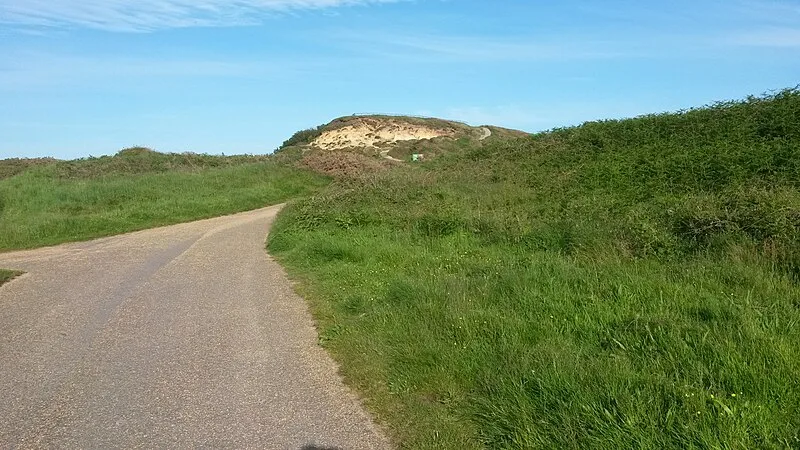
Warren Hill, Bournemouth
Warren Hill is the elevated part of Hengistbury Head in Dorset, England, overlooking Christchurch to the north and dominating Poole Bay to the west. With finds stretching back…
Washingborough
Washingborough is a village and civil parish in the North Kesteven district of Lincolnshire, England, situated on the lower slopes of Lincoln Cliff limestone escarpment where the…
.webp)
Wednesbury
A market town in the West Midlands whose name derives from Old English meaning "Woden's Fort," one of the few English places named after a pre-Christian deity. Church Hill is…
Welbeck Hill
An Early Anglo-Saxon cemetery at Irby on Humber, North East Lincolnshire, dating to c. AD 425-650. Excavated by amateur archaeologist Gordon Taylor between 1962 and 1979, the site…
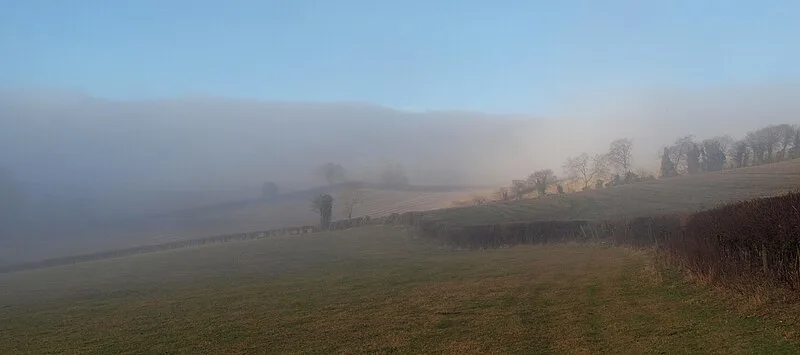
Wendover
Wendover is a town and civil parish in Buckinghamshire, England, situated at the foot of the Chiltern Hills at the junction of the main road across the Chilterns between London…
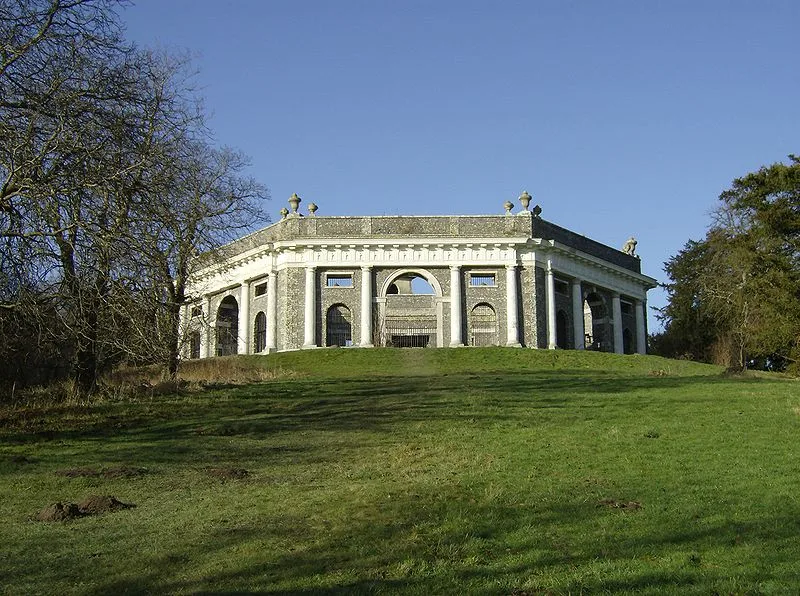
West Wycombe
West Wycombe Camp is an Iron Age univallate hillfort on Church Hill in Buckinghamshire, enclosing approximately 2.75 acres. The oval enclosure measures 120m by 100m with a ditch…
Whelpley Hill
Whelpley Hill Camp is a univallate defended enclosure on a plateau in the parish of Ashley Green, Buckinghamshire. The roughly oval site measures 120m by 100m, covering 1.8…
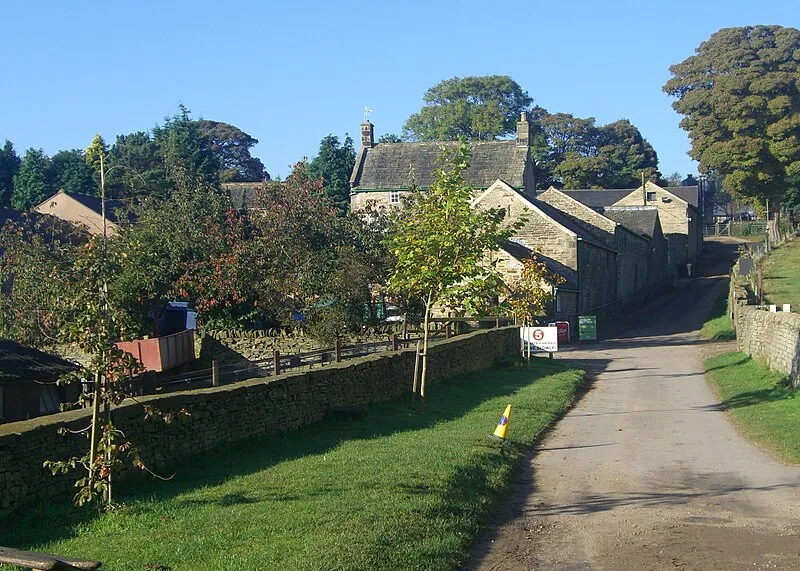
Whirlow Hall Farm
Whirlow Hall Farm is a working farm on Broad Elms Lane at Whirlow in Sheffield, England. Since 1979 it has hosted the Whirlow Hall Farm Trust, a charity enabling children and…
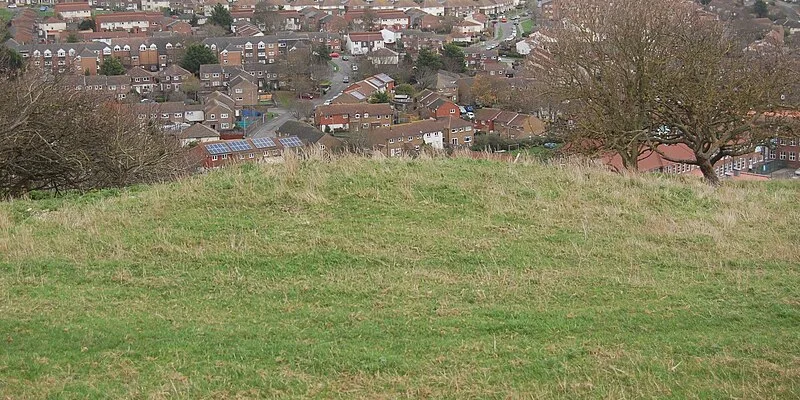
Whitehawk Camp
Whitehawk Camp is a Neolithic causewayed enclosure on Whitehawk Hill near Brighton, East Sussex, dating to approximately 3700-3500 BC. The site features four concentric circular…
Wilsford Henge
Wilsford Henge is a Neolithic henge located west of the village of Wilsford in Wiltshire, England, within the Vale of Pewsey. The site was discovered through aerial photography…
Witham Shield
The Witham Shield is an Iron Age decorative bronze shield facing of La Tène style, dating to about the 4th century BC. It was discovered in the River Witham near Washingborough…
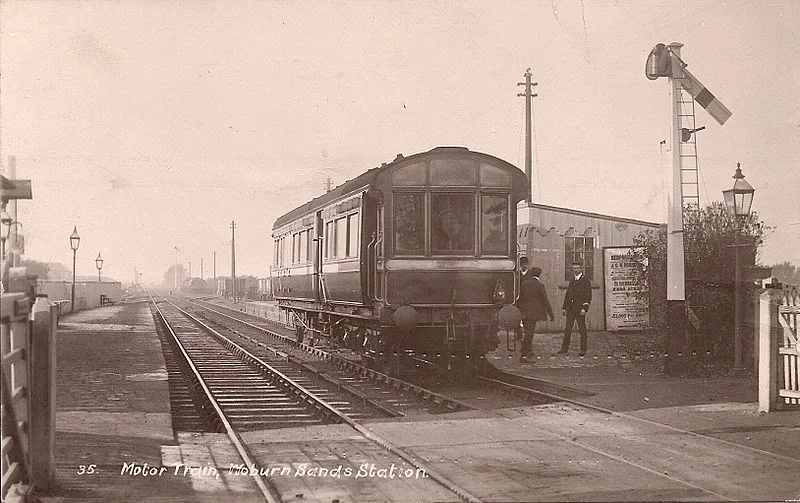
Woburn Sands
Danesborough Camp is an Iron Age univallate hillfort on Aspley Heath near Woburn Sands, Buckinghamshire. The roughly oval fortification spans 8.5 acres at 500 feet elevation, with…
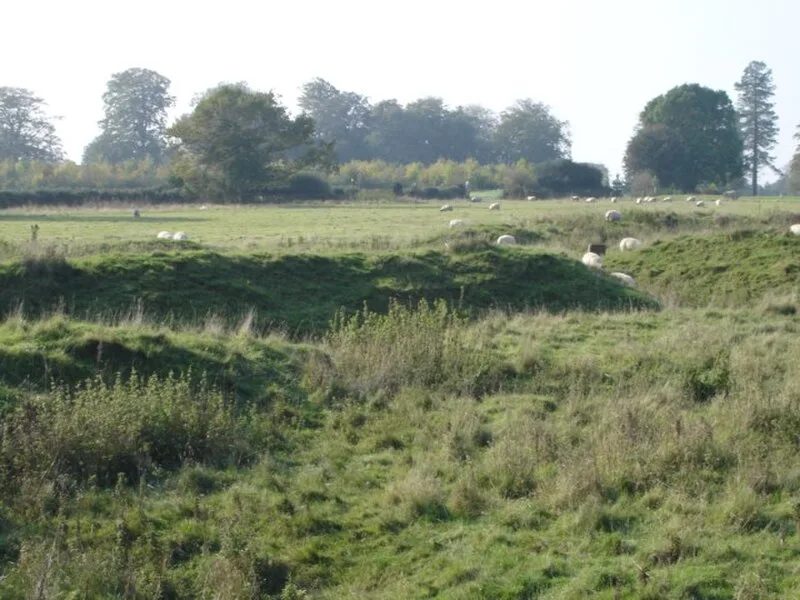
Woodcutts Settlement
A late Iron Age to Romano-British farmstead on Cranborne Chase, Dorset, excavated by Augustus Pitt Rivers in 1884-85. The 1.6-hectare site features a roughly circular enclosure of…
Wraxall, Somerset
Wraxall is a village in North Somerset with significant archaeological heritage spanning multiple periods. Earthworks of an oval Iron Age defended settlement, surrounded by a bank…
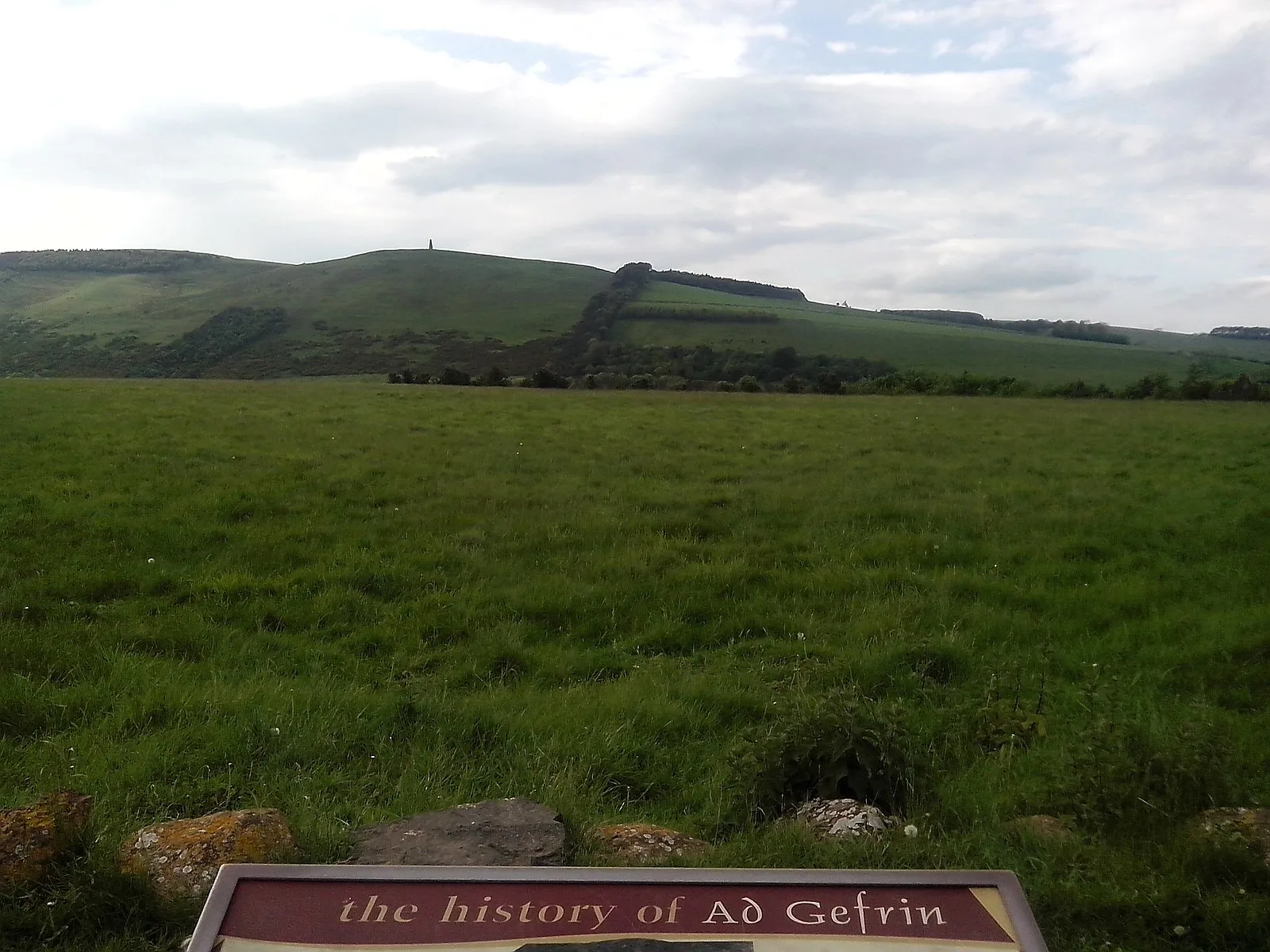
Yeavering
Yeavering is a hamlet in the civil parish of Kirknewton, Northumberland, situated on the River Glen at the northern edge of the Cheviot Hills. The site is renowned for a large…
Barrow in England (69)
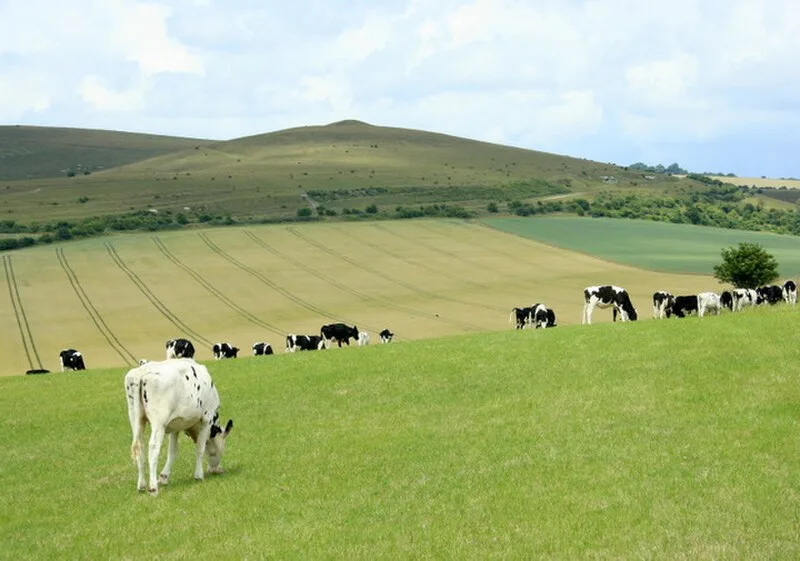
Adam's Grave
A Neolithic chambered long barrow dating to the first half of the 4th millennium BC, located on the summit of Walker's Hill near Alton Barnes, Wiltshire. The mound is 70 m long…
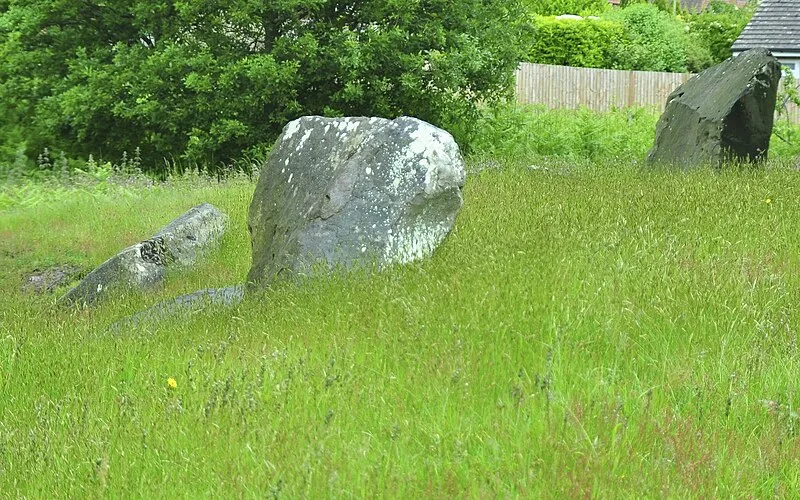
Addington Long Barrow
Addington Long Barrow is a chambered long barrow located near the village of Addington in Kent, England. Probably constructed in the fourth millennium BCE during Britain's Early…
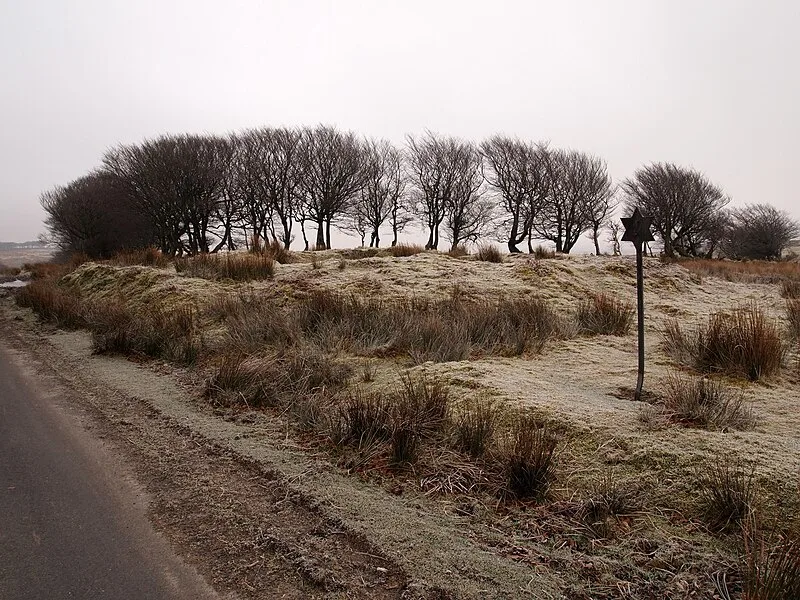
Alderman's Barrow
Alderman's Barrow is a Bronze Age bowl barrow on Exmoor, England, serving as a burial chamber and later a boundary marker for the parishes of Exford, Exmoor, Luccombe, and…
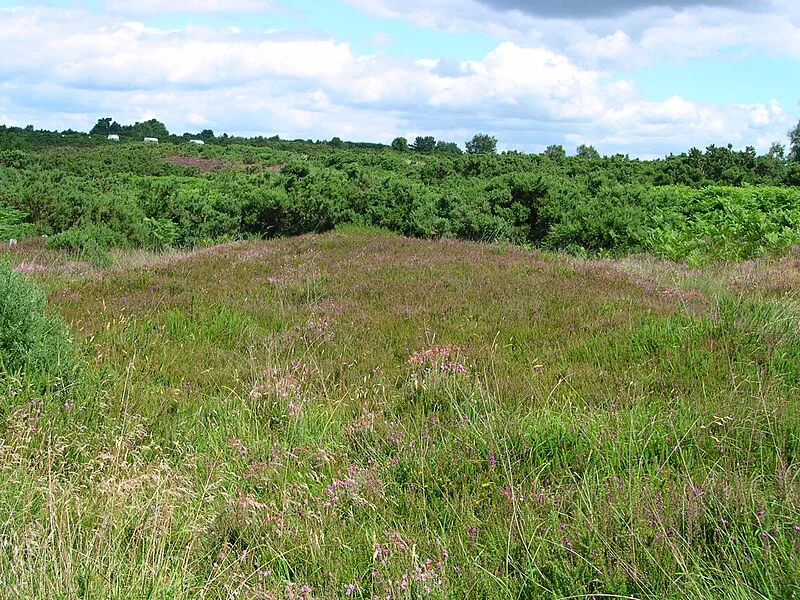
Ashdown Forest
Ashdown Forest contains over 570 archaeological sites preserved by heathland conditions and minimal ploughing. The earliest evidence is a stone hand axe found near Gills Lap,…
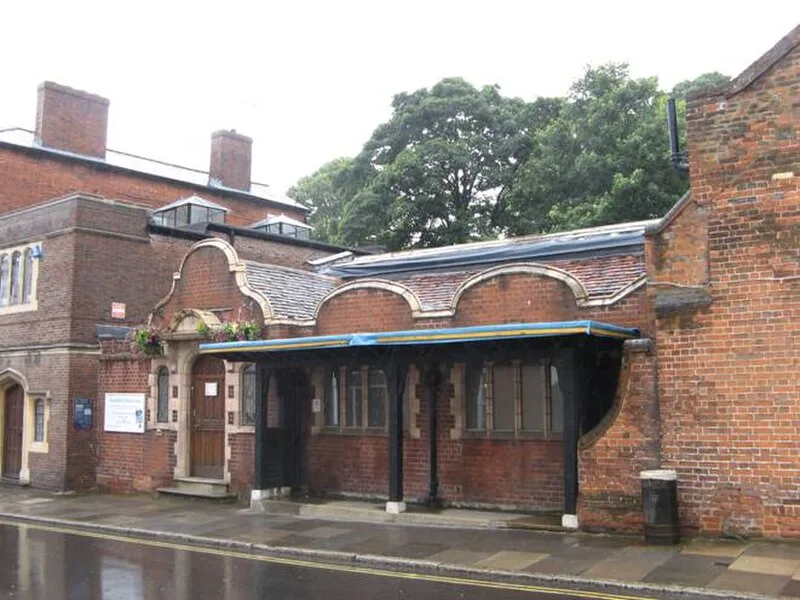
Badshot Lea Long Barrow
The only known Neolithic long barrow in Surrey, England, also called Farnham Long Barrow, probably built in the 4th millennium BC. Discovered in 1936 by W.F. Rankine, it was…
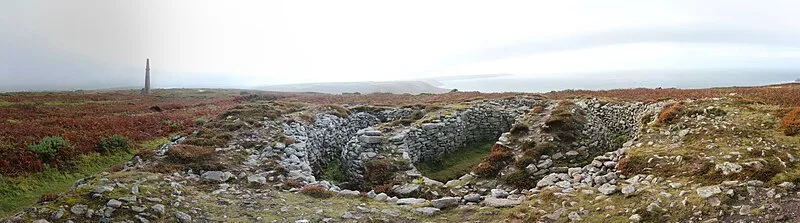
Ballowall Barrow
Complex prehistoric funerary cairn on the cliff top at Ballowall Common near St Just in Cornwall, also known as Carn Gluze. One of the largest funerary monuments along the West…

Barrow Clump
Barrow Clump is a Neolithic and Early Bronze Age barrow on Salisbury Plain in Wiltshire, England, located about 5.6 km (3.5 mi) north of Amesbury. The site, a scheduled monument,…
Battlegore Burial Chamber
Battlegore Burial Chamber is a Bronze Age barrow complex in Williton, Somerset, England. The site comprises three round barrows and possibly a long, chambered barrow. It was…
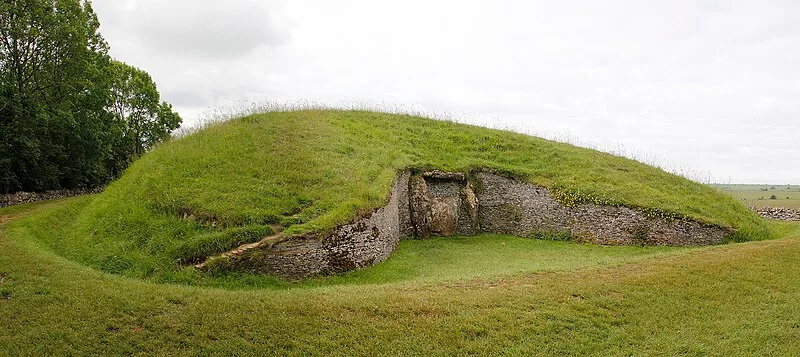
Belas Knap
Belas Knap is a Neolithic chambered long barrow on Cleeve Hill near Winchcombe in Gloucestershire, England, dating to approximately 3800 BC. The wedge-shaped mound stretches over…
Borough Hill
Borough Hill is a prominent hilltop east of Daventry, Northamptonshire, rising over 200 m above sea level. It contains two Bronze Age bowl barrows, two Iron Age hillforts -- one…
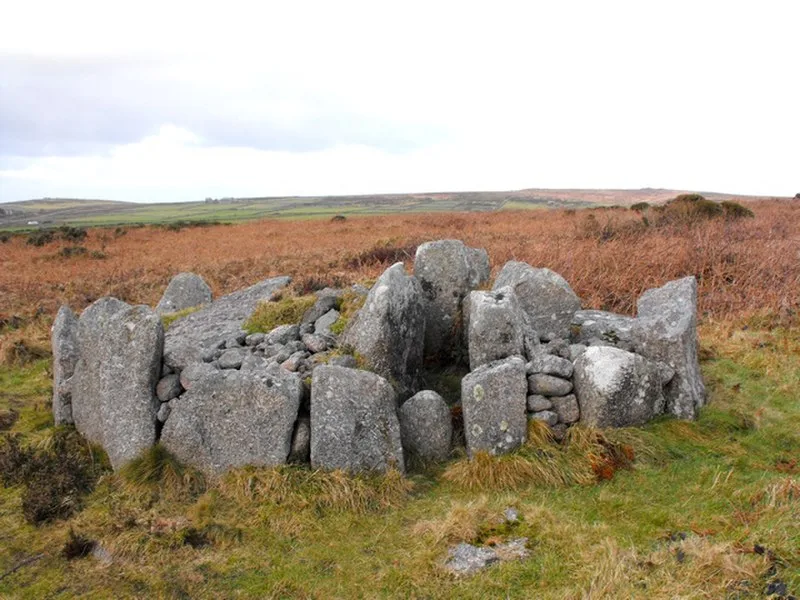
Bosiliack Barrow
Bosiliack Barrow is a Neolithic chambered tomb on the Penwith Moors between Madron and Morvah near Bosiliack hamlet in Cornwall, England. It is a Scillonian entrance grave, a type…
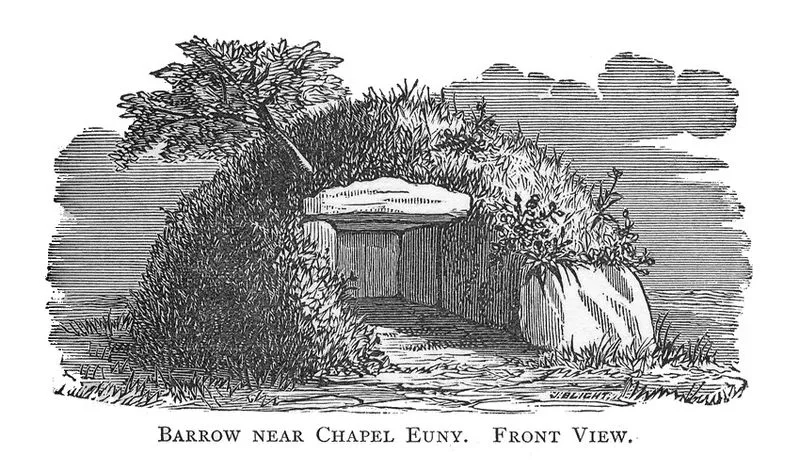
Brane Barrow
Brane Barrow, also known as Chapel Euny Barrow, is a Neolithic entrance grave near the hamlet of Brane in Cornwall, considered one of the smallest and best-preserved burial…
Brown Low
Brown Low is a bowl barrow dating to the Bronze Age, located east of Marple in Greater Manchester, England. The earth and stone mound survives as a Scheduled Ancient Monument. It…
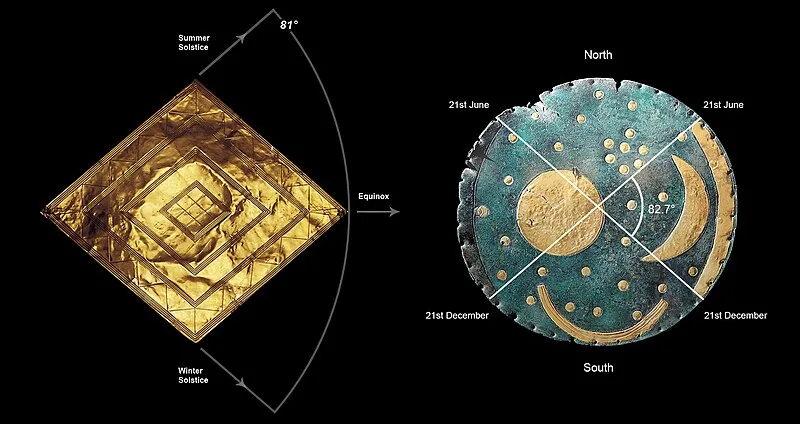
Bush Barrow
Bush Barrow is an Early Bronze Age Wessex culture site at the western end of the Normanton Down Barrows cemetery in Wiltshire, England. It is among the most important sites of the…
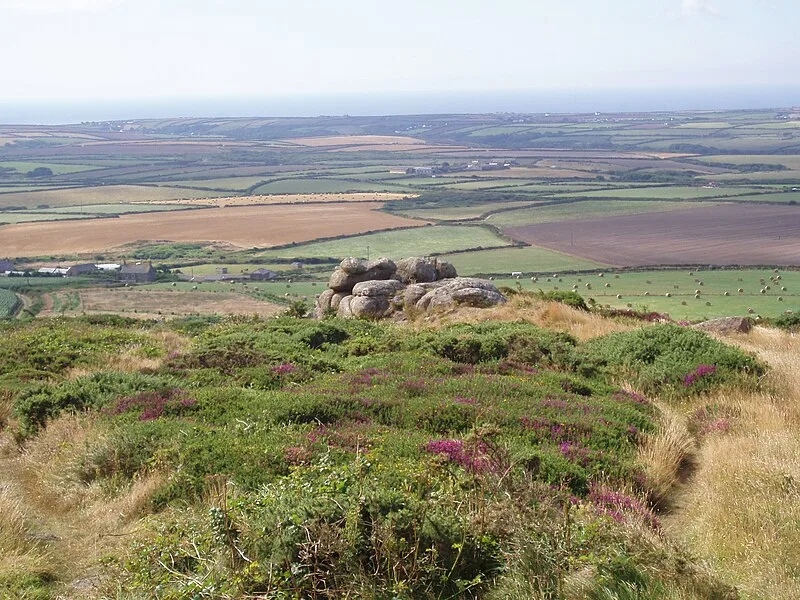
Chapel Carn Brea
Chapel Carn Brea is an elevated Hercynian granite outcrop in Cornwall, England, owned by the National Trust at the southern edge of the civil parish of St Just. The hill rises 5…
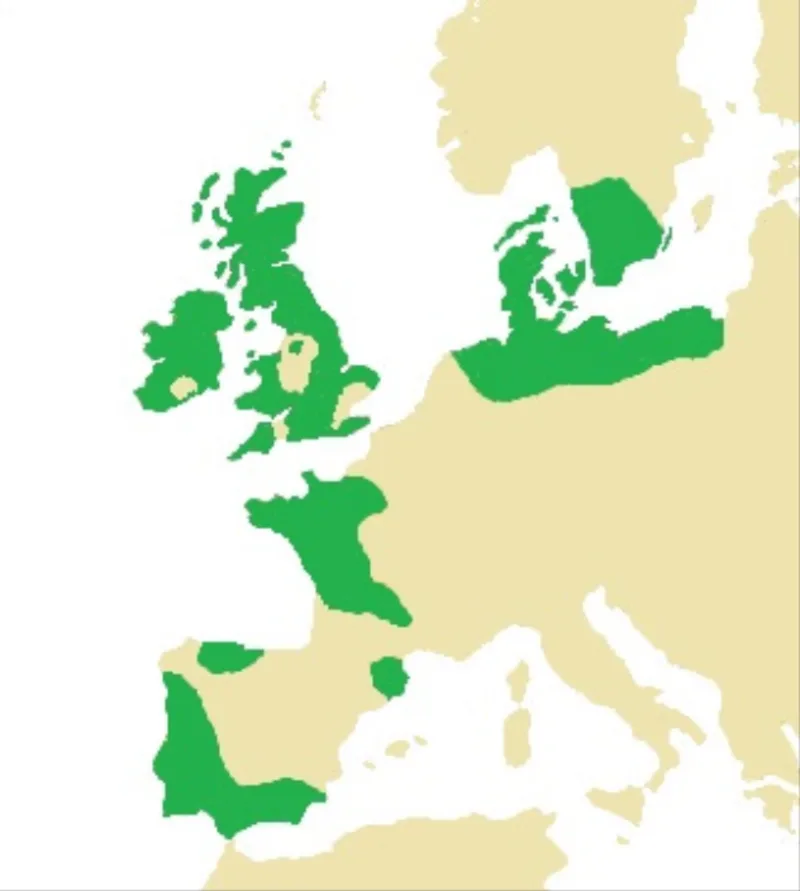
Chestnuts Long Barrow
Chestnuts Long Barrow (also called Stony Warren or Long Warren) is a chambered long barrow near Addington in Kent, England. Probably constructed in the fifth millennium BC during…

Clandon Barrow
Clandon Barrow is a large Bronze Age barrow near Martinstown in Dorset, England, lying near Maiden Castle.
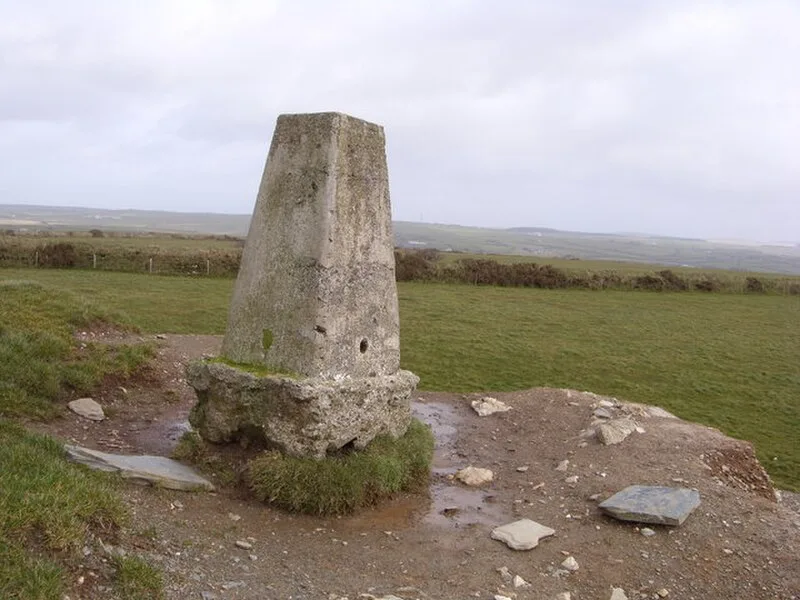
Condolden
Condolden is a hill in north Cornwall, England, UK. The summit rises 308 metres (1,010 ft) above ordnance datum.
Crawley Edge Cairns
The Crawley Edge Cairns are a group of 42 Bronze Age round barrows, cairns, and clearance cairns on a south-facing slope in Crawleyside, near Stanhope, County Durham. Ranging from…
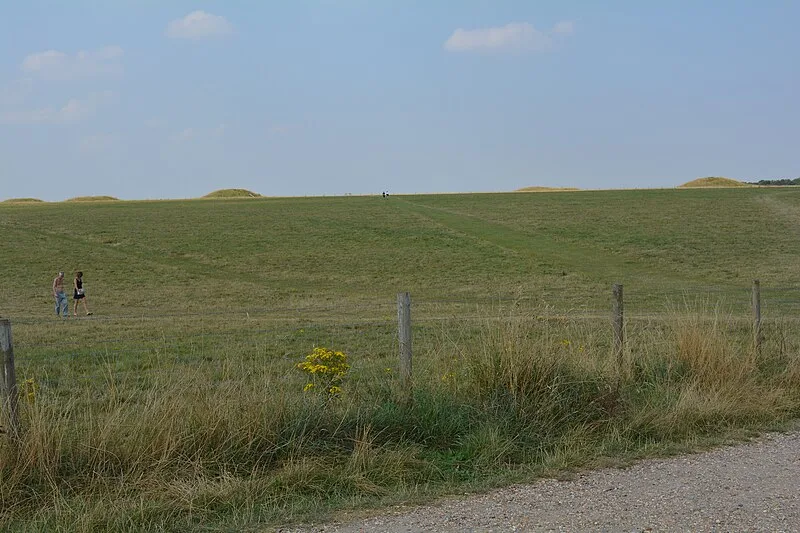
Cursus Barrows
(3300 BC) The Cursus Barrows is a Neolithic and Bronze Age round barrow cemetery located mostly south of the western end of the Stonehenge Cursus in Wiltshire, England. The…
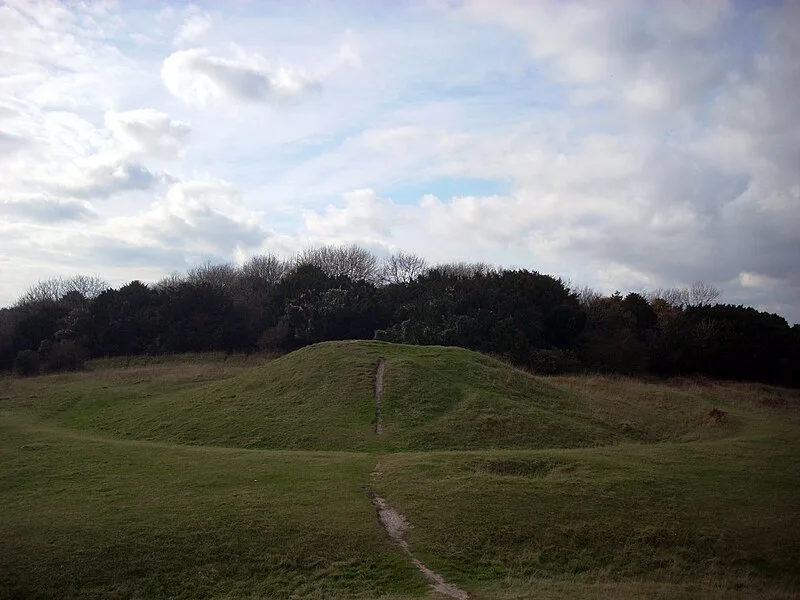
Devil's Humps, Stoughton
The Devil's Humps are four Bronze Age barrows on Bow Hill in the South Downs near Stoughton, West Sussex, England. Situated on a downland ridgeway crossed by an ancient trackway…
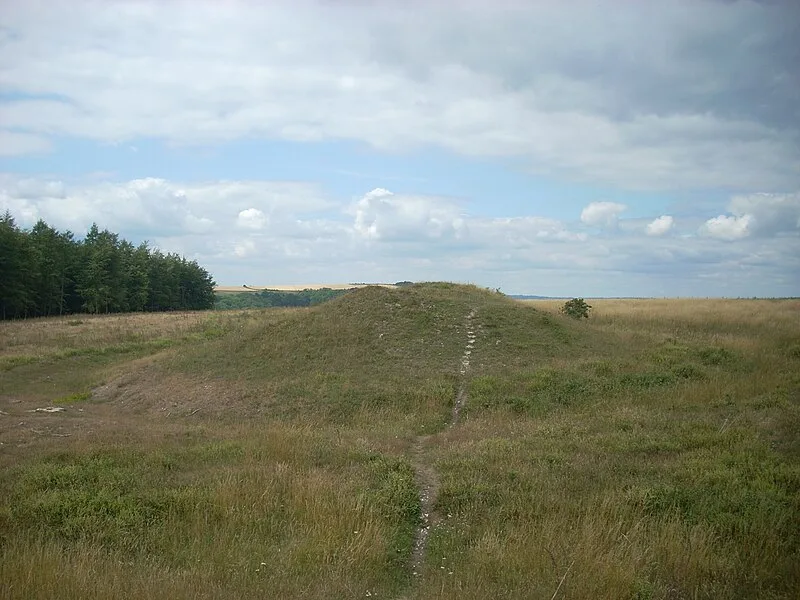
Devil's Jumps, Treyford
The Devil's Jumps are a group of five large Bronze Age bell barrows on the South Downs, 1.2 km southeast of Treyford in West Sussex, considered the best-preserved barrow cemetery…
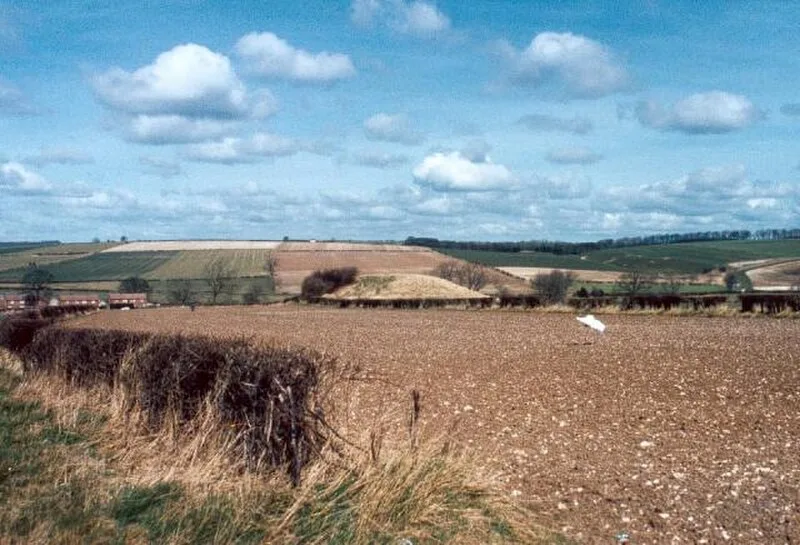
Duggleby Howe
Duggleby Howe is one of the largest round barrows in Britain, located in the Great Wold Valley of East Yorkshire. Dating to the Late Neolithic period (c. 3000 BC), the mound has a…
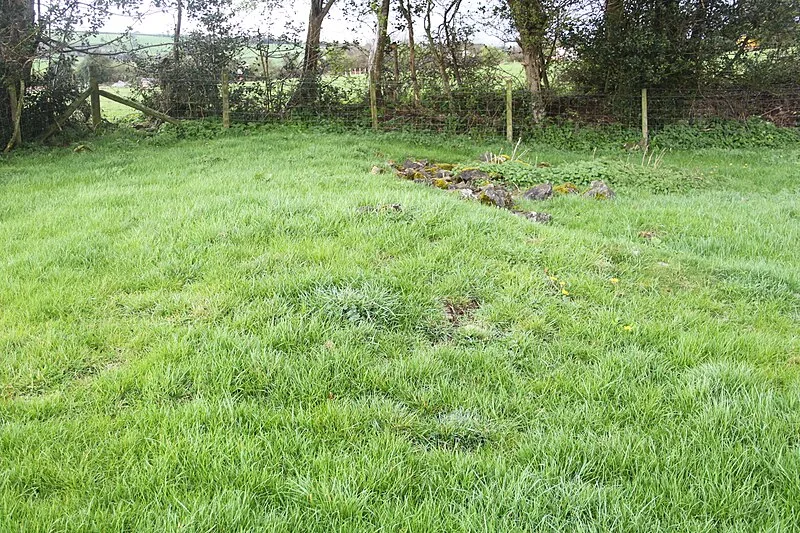
Fairy Toot
Built 4500–3000 BC, Fairy Toot is an extensive oval barrow in Nempnett Thrubwell, Somerset. It is an example of the Severn-Cotswold tomb type, a chambered long barrow featuring…
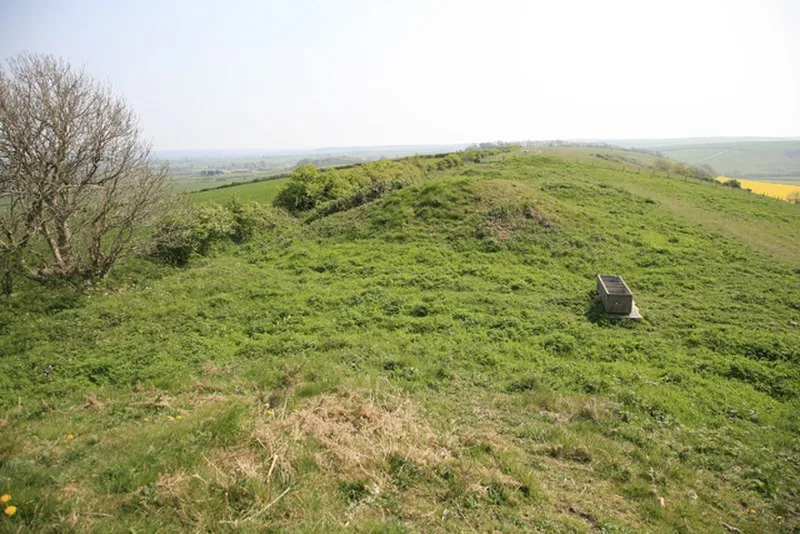
Five Marys
The Five Marys is a Bronze Age round barrow cemetery on a ridge near Chaldon Herring, Dorset, comprising two bell barrows, a pond barrow, and seven bowl barrows. The name derives…
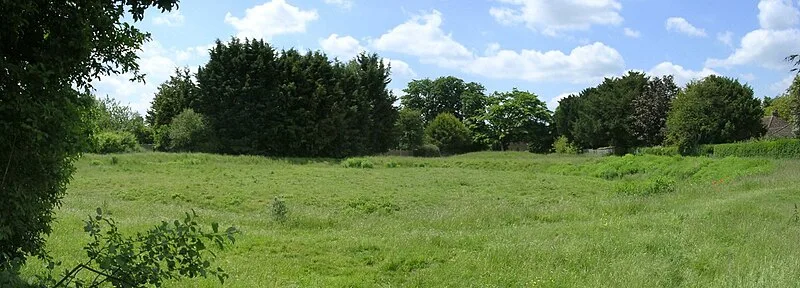
Flowerdown Barrows
Flowerdown Barrows is a Bronze Age burial site near Littleton, Winchester, comprising three well-preserved round barrows constructed approximately 4,000 years ago as part of a…
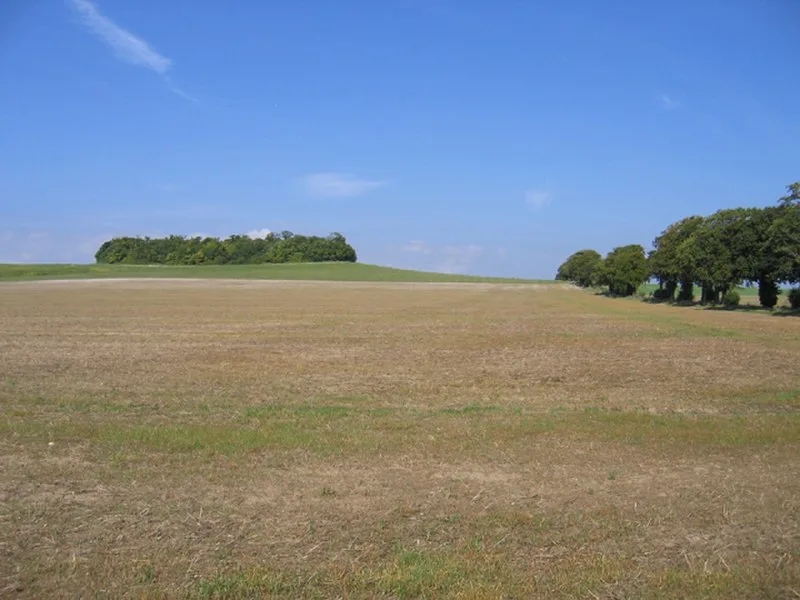
Goffers Knoll
Goffers Knoll is a prominent chalk spur on the Hertfordshire-Cambridgeshire border near Royston, standing about 60 m above sea level. Crowning the knoll within a copse of trees is…
Hazleton Long Barrows
Hazleton long barrows are a pair of Neolithic chambered tombs of the Cotswold-Severn Group, located near Hazleton in Gloucestershire, England. Dating to approximately 3700-3600…
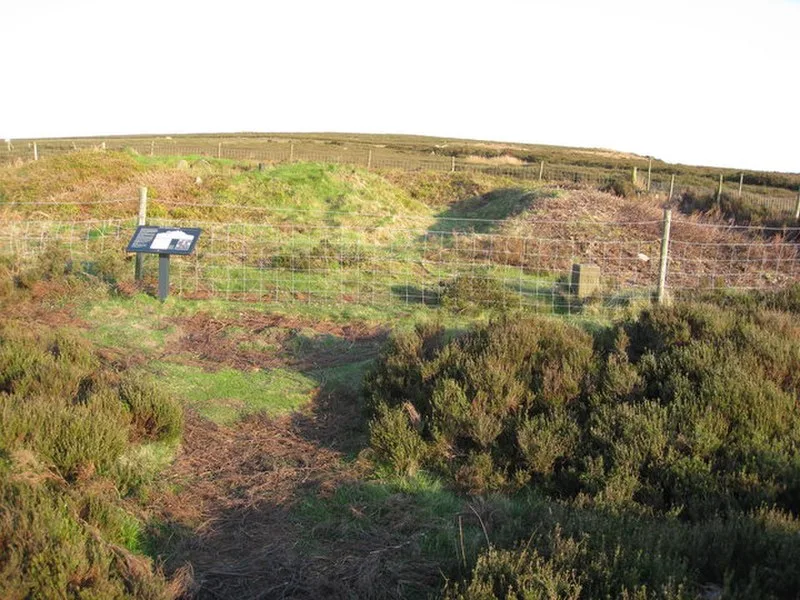
Hob Hurst's House
Hob Hurst's House is a Bronze Age barrow on Beeley Moor near Bakewell in Derbyshire, England. It is unique among British barrows for its rectangular shape rather than the typical…
Jacket's Field Long Barrow
Jacket's Field Long Barrow is an unchambered long barrow located near the village of Boughton Aluph in Kent, England. Constructed during the fourth millennium BCE in Britain's…
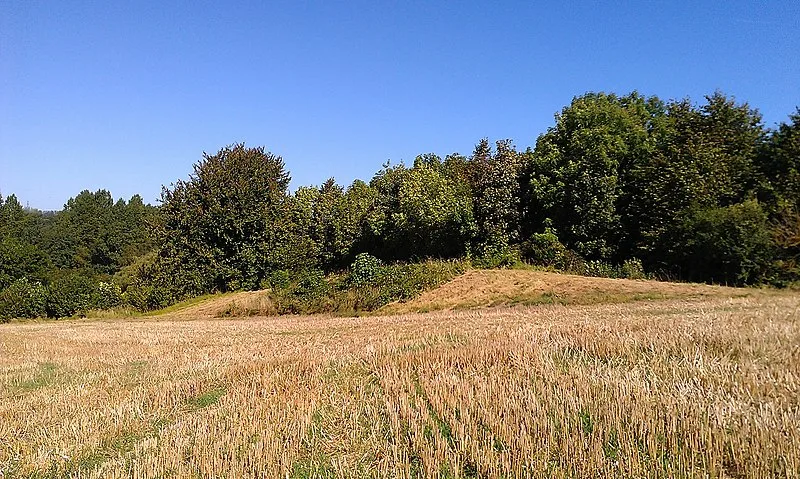
Julliberrie's Grave
Julliberrie's Grave is an unchambered long barrow situated near the village of Chilham in Kent, England. Constructed during the fourth millennium BCE, it dates to Britain's Early…
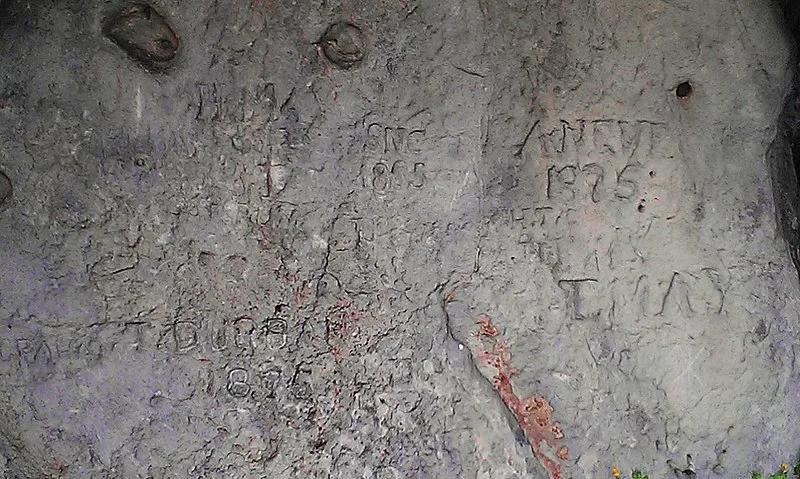
Kit's Coty House
Kit's Coty House is a Neolithic chambered long barrow near Aylesford in Kent, England, constructed between 4300 and 3000 BC. Part of the Medway Megaliths, the most southeasterly…
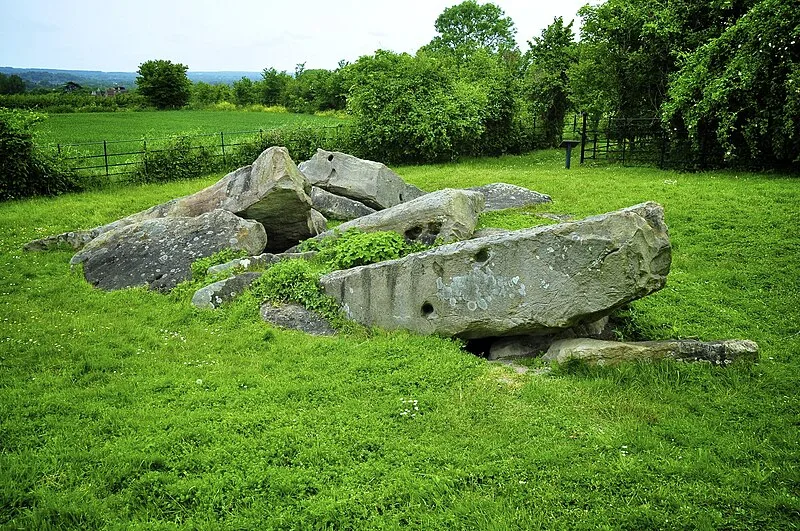
Little Kit's Coty House
Little Kit's Coty House, also called Lower Kit's Coty House or the Countless Stones, is a chambered long barrow near Aylesford in Kent, England. Constructed around 4000 BCE during…
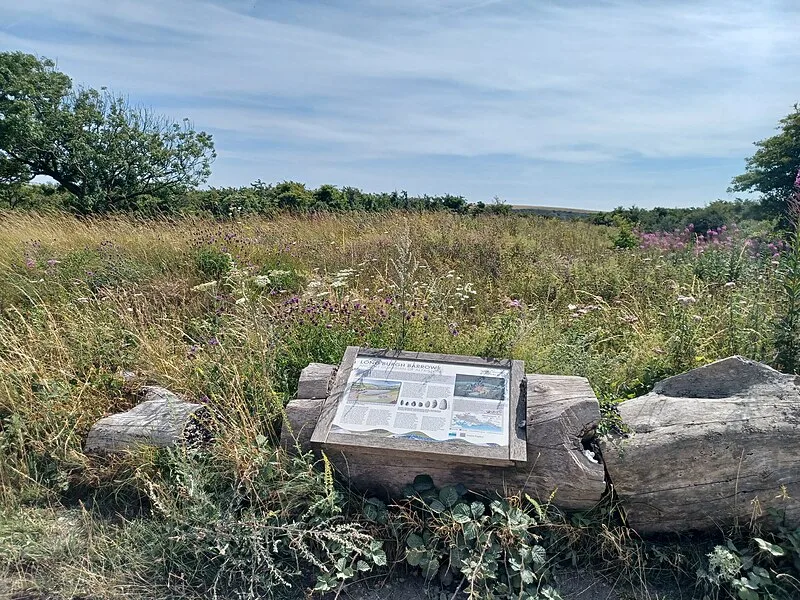
Long Burgh Long Barrow
Long Burgh is an unchambered Neolithic long barrow near Alfriston in East Sussex, constructed between approximately 3400 and 2400 BC. The mound measures 56 metres long, 28 metres…
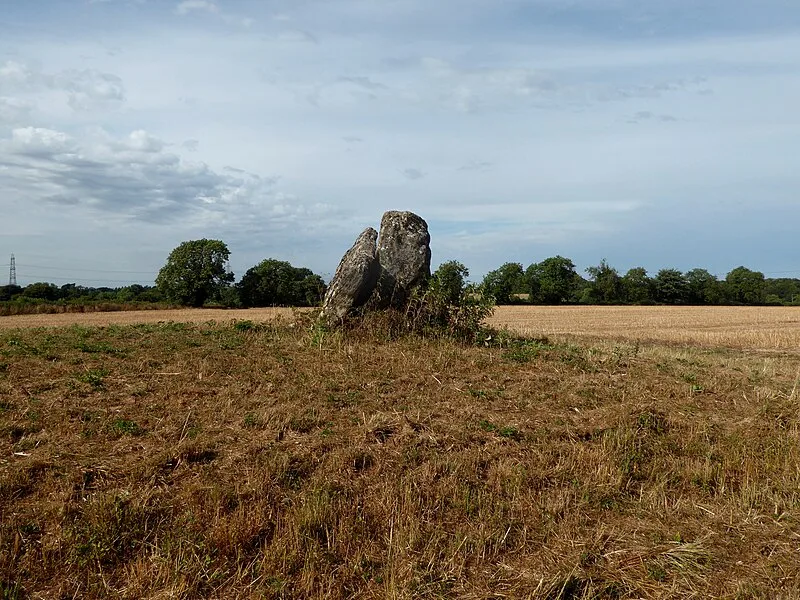
Lugbury Long Barrow
Lugbury Long Barrow is a Neolithic chambered tomb of the Cotswold-Severn tradition near Nettleton in Wiltshire, England, constructed between approximately 3800 and 3625 BC.…
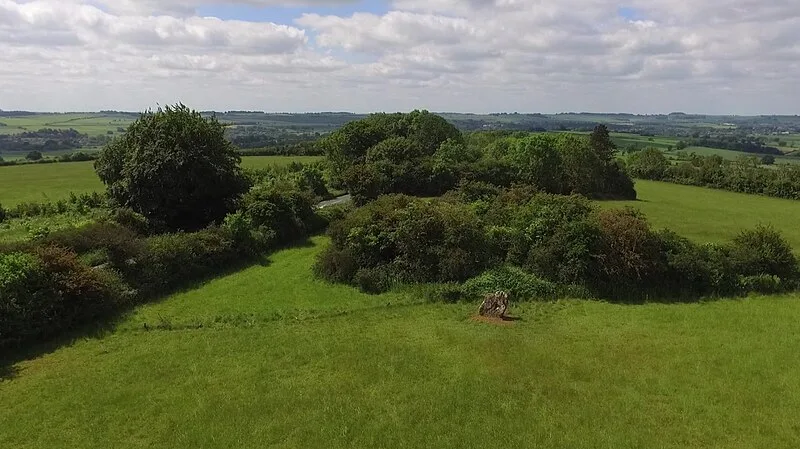
Lyneham Long Barrow
Lyneham Long Barrow is a Neolithic chambered long barrow near Lyneham, Oxfordshire, likely one of the earliest surviving structures in the area at 5,000 to 6,000 years old. The…
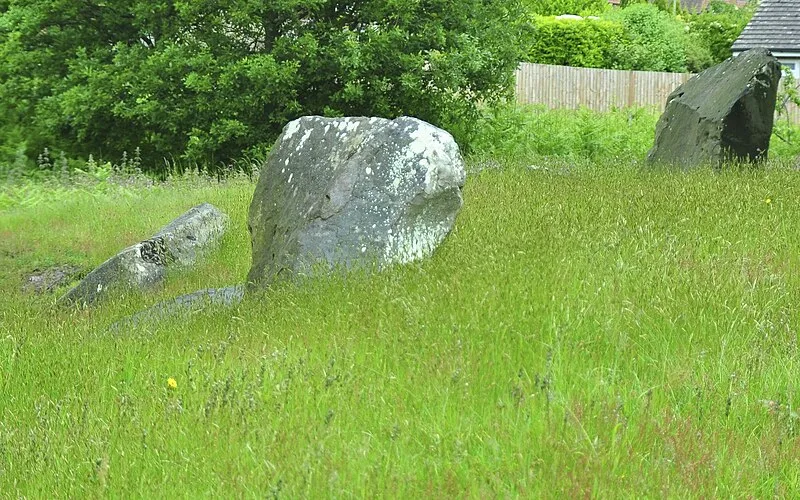
Medway Megaliths
Medway Megaliths (4500-3000 BC) are a group of Early Neolithic chambered long barrows and megalithic monuments in the lower River Medway valley, Kent, southeast England.…
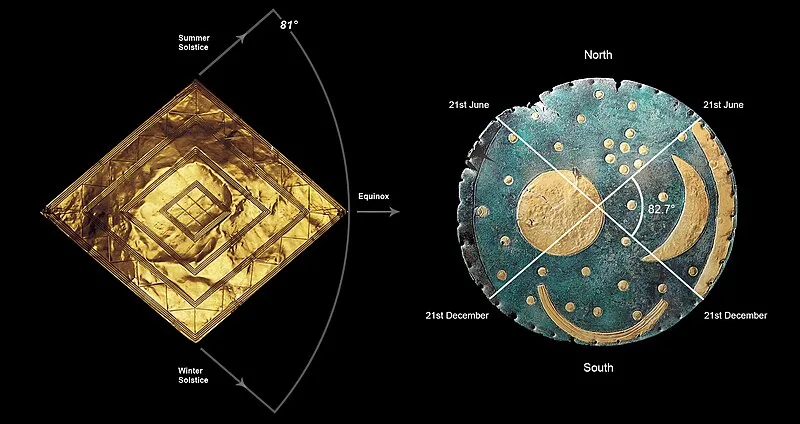
Normanton Down Barrows
Normanton Down is a Neolithic and Bronze Age barrow cemetery located about 0.6 miles (1 km) south of Stonehenge on the Wiltshire chalk downland in England. The site contains a…
Notgrove Long Barrow
Notgrove Long Barrow is a Neolithic chambered tomb of the Cotswold-Severn type in Gloucestershire, England. The east-west oriented mound measures 50m long by 26m wide, supported…
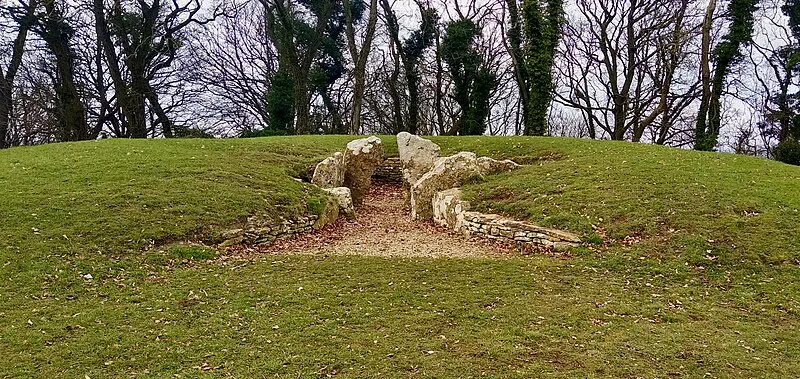
Nympsfield Long Barrow
Nympsfield Long Barrow is a Neolithic burial site located close to the village of Nympsfield in Gloucestershire, South West England.
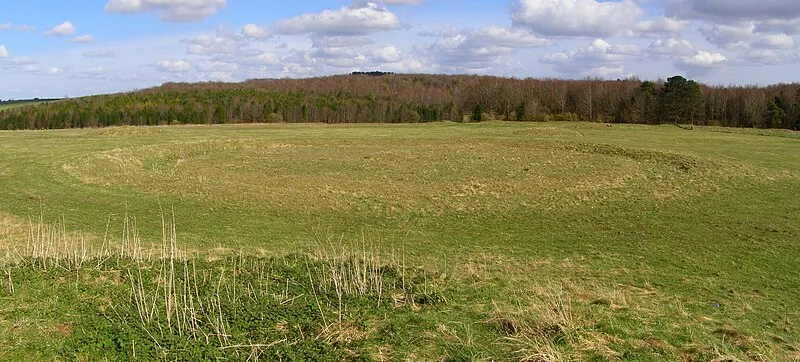
Oakley Down Barrow Cemetery
Oakley Down Barrow Cemetery is one of the finest groups of Bronze Age round barrows on Cranborne Chase, located near Sixpenny Handley in Dorset, England. The scheduled monument…
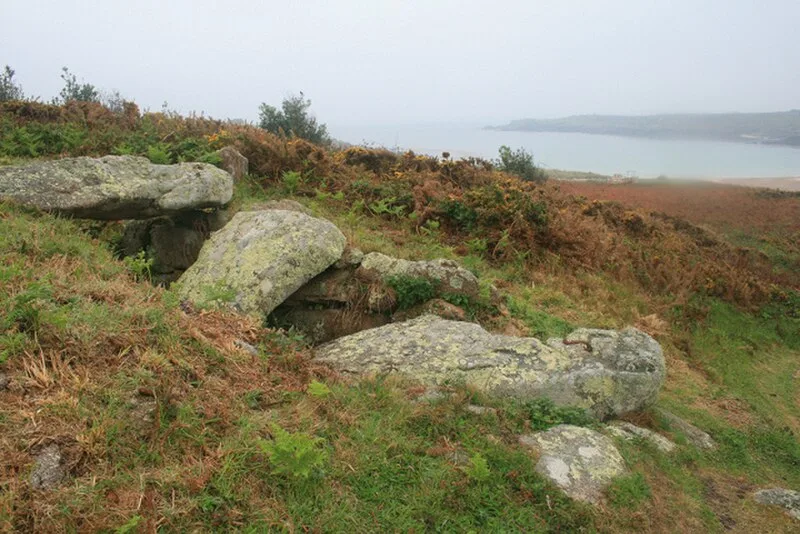
Obadiah's Barrow
Obadiah's Barrow (also called Obadiah's Grave) is a Neolithic entrance grave on the island of Gugh in the Isles of Scilly, England. The grave is situated on a steep southwestern…
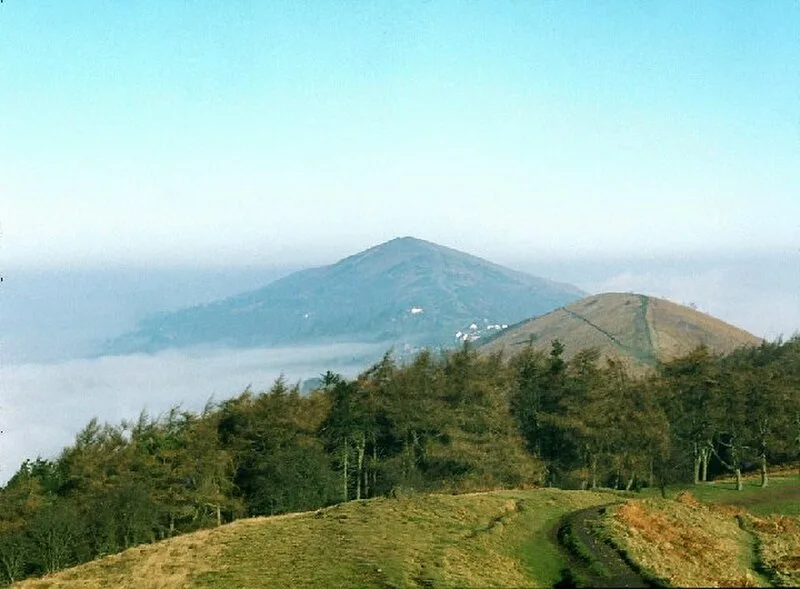
Pinnacle Hill
Pinnacle Hill is a Bronze Age barrow site in the Malvern Hills of England, rising to 357 metres (1,171 ft) above sea level. The hill runs approximately 13 kilometres (8 mi)…
Ponton Heath Barrow Cemetery
The Ponton Heath Barrow Cemetery comprises at least eleven Middle Bronze Age round barrows on high ground south of Grantham in South Kesteven, Lincolnshire, England. Five barrows…
Preston Candover Long Barrow
Preston Candover Long Barrow is an unchambered Neolithic long barrow near the village of Preston Candover in Hampshire, England. It is one of only two known long barrows on the…
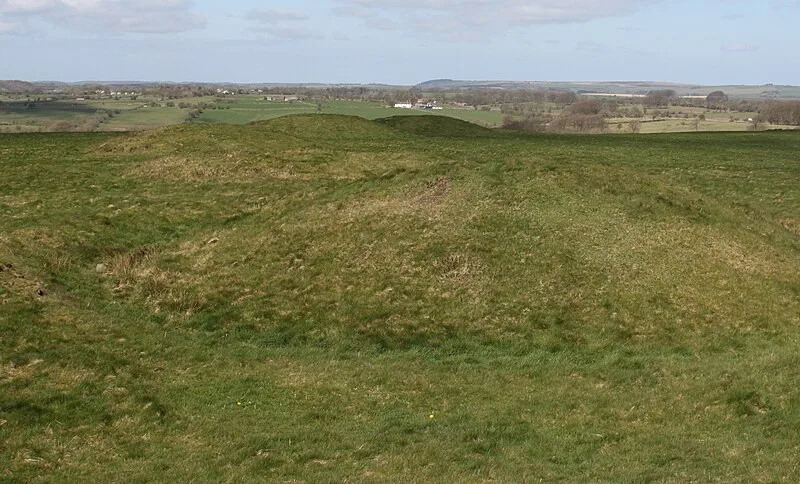
Priddy Nine Barrows and Ashen Hill Barrow Cemeteries
Priddy Nine Barrows and Ashen Hill are Bronze Age barrow cemeteries (c. 2000-700 BC) on the Mendip Hills in Somerset. Ashen Hill comprises six bowl barrows and two bell barrows…
Richmond Park
Richmond Park in the London Borough of Richmond upon Thames contains rare prehistoric burial mounds now protected as scheduled monuments. King Henry VIII's Mound is likely a…
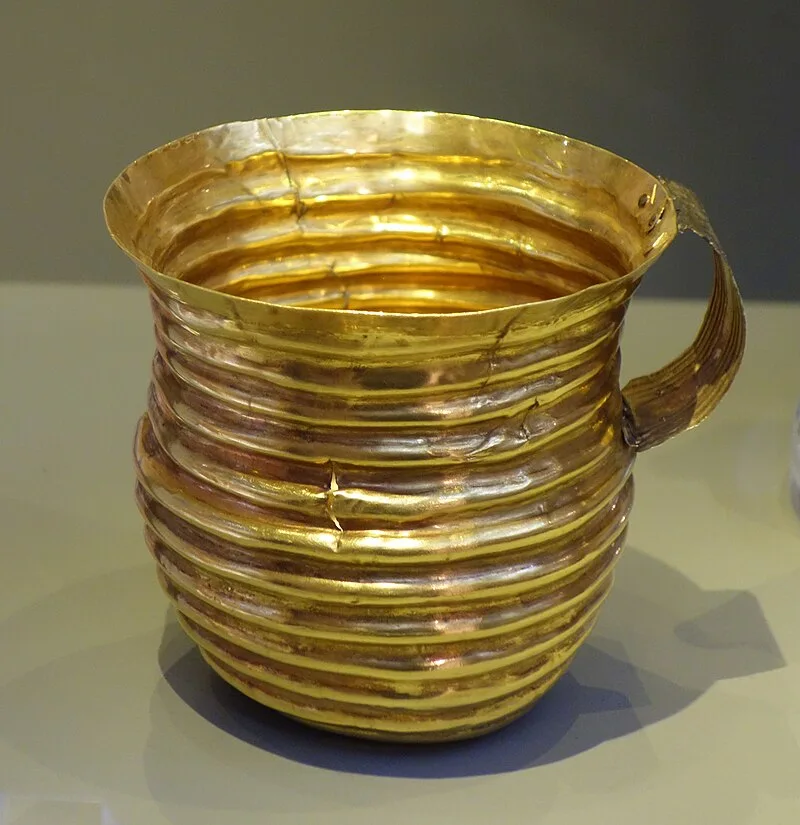
Rillaton Barrow
Rillaton Barrow is a Bronze Age round barrow on the eastern flank of Bodmin Moor in Cornwall. Excavated in 1837 by workmen searching for building stone, it revealed a stone cist…
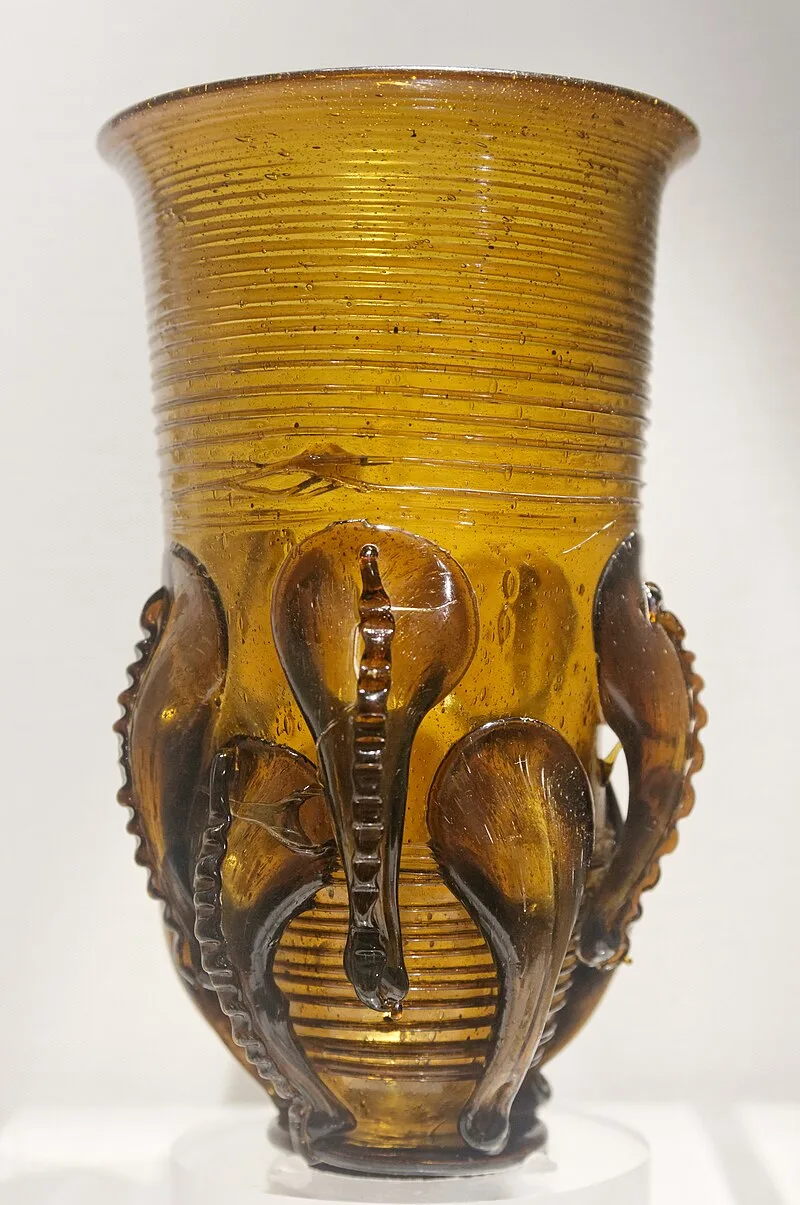
Ringlemere Barrow
Ringlemere Barrow near Sandwich, Kent, is an Early Bronze Age funerary site (c. 2300 BC) famous for the discovery of the Ringlemere Gold Cup. Found by metal detectorist Cliff…

Robin Hood's Butts
A group of Bronze Age round barrows on the Blackdown Hills near Otterford, Somerset, scheduled as ancient monuments. The barrows include bowl and bell types, with diameters…
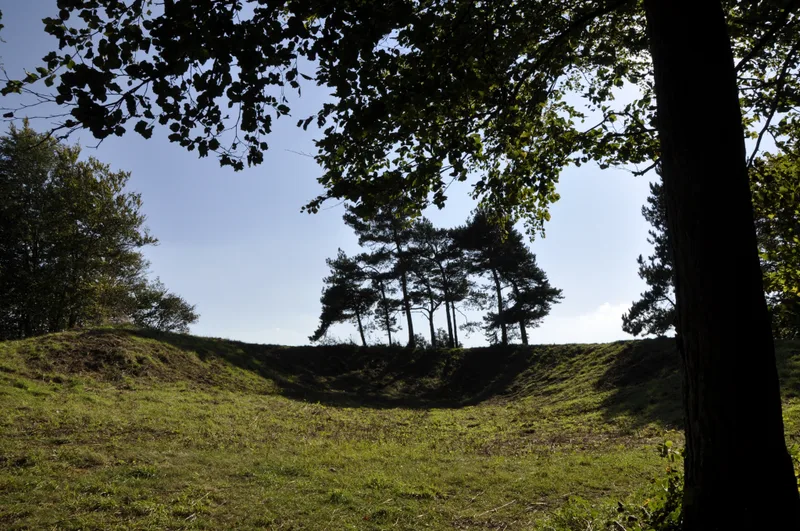
Scutchamer Knob
Scutchamer Knob, originally called Cwichelm's Barrow (Cwichelmeshlaew), is an Iron Age round barrow on the Ridgeway in Oxfordshire, England, rumoured to be the burial place of the…
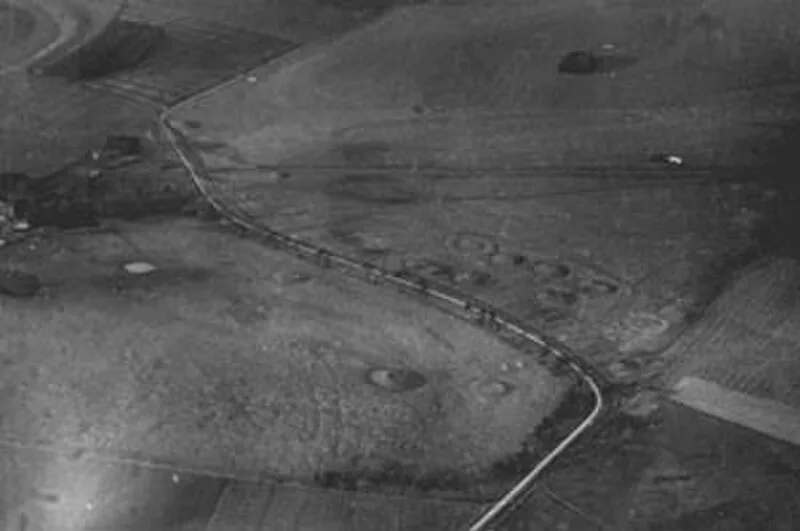
Seven Barrows
Seven Barrows is a Bronze Age (3000–1500 BC) bowl barrow cemetery located at Upper Lambourn in the civil parish of Lambourn, Berkshire, England. The site covers 4 hectares (9.9…
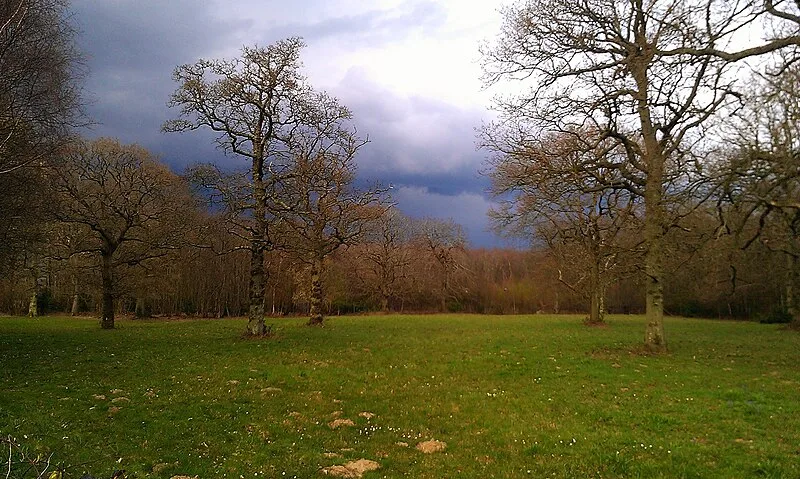
Shrub's Wood Long Barrow
Shrub's Wood Long Barrow is an unchambered long barrow located near Elmsted in Kent, southeastern England. Constructed in the fourth millennium BCE during Britain's Early…
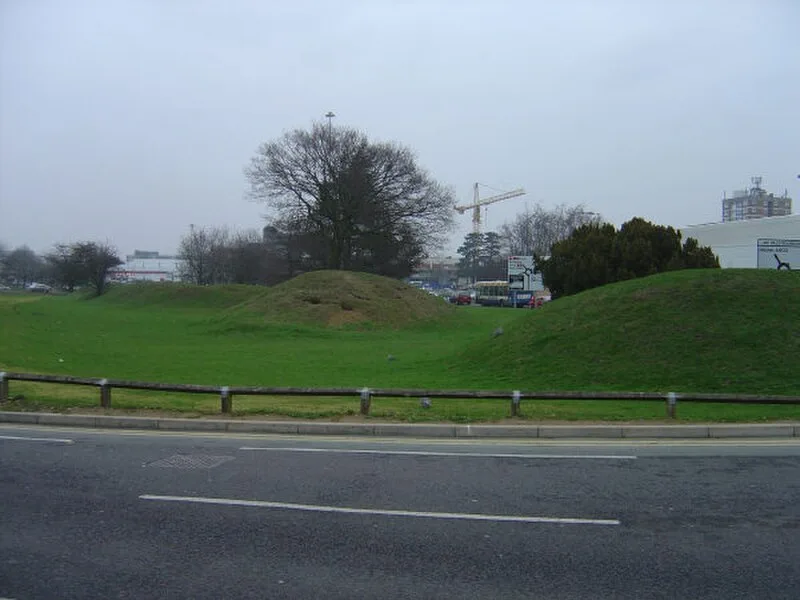
Six Hills
The Six Hills are a collection of Roman barrows dating to the 1st–2nd century AD, situated alongside the old Great North Road on Six Hills Common in Stevenage, Hertfordshire,…
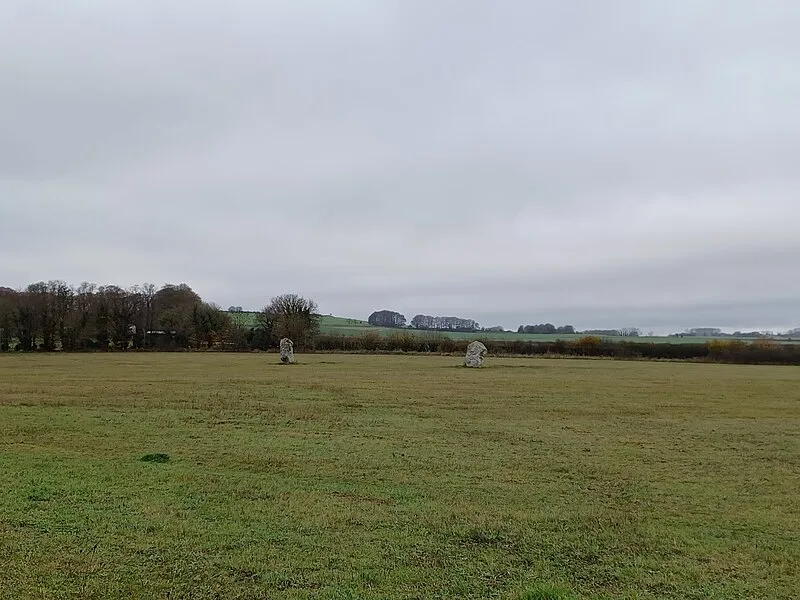
South Street Barrow
The South Street barrow is a Neolithic long barrow in Wiltshire, England, near Beckhampton. It lies around 70 metres southeast of the cove of The Longstones and may therefore be…
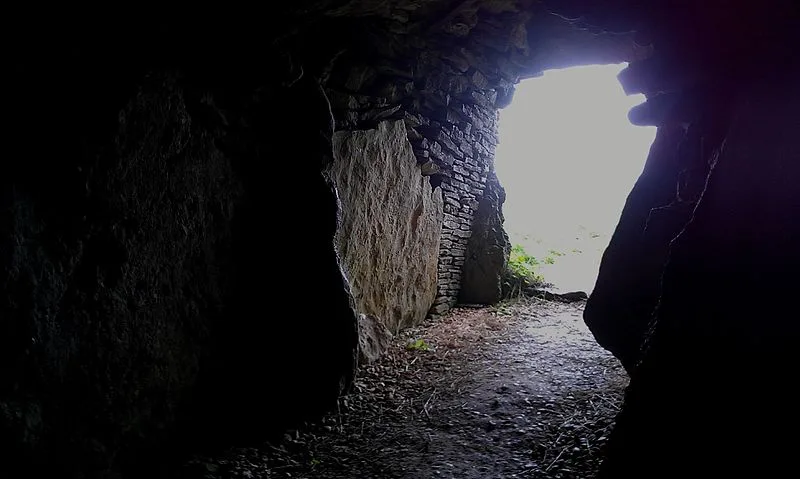
Stoney Littleton Long Barrow
Stoney Littleton Long Barrow is a Neolithic chambered tomb near Wellow in Somerset, England, built between approximately 3750 and 3400 BC. The barrow measures 30 metres long and…
Sunningdale Barrow
Sunningdale Barrow is an archaeological site in Berkshire, England, comprising three Bronze Age round barrows. One bowl barrow is located near Sunningdale railway station, in an…
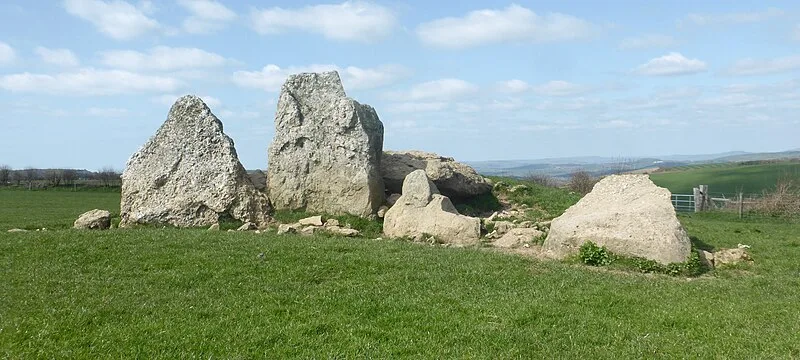
The Grey Mare and her Colts
The Grey Mare and her Colts is a Neolithic chambered long barrow near Abbotsbury in Dorset, England, constructed during the Early and Middle Neolithic periods. The burial chamber…
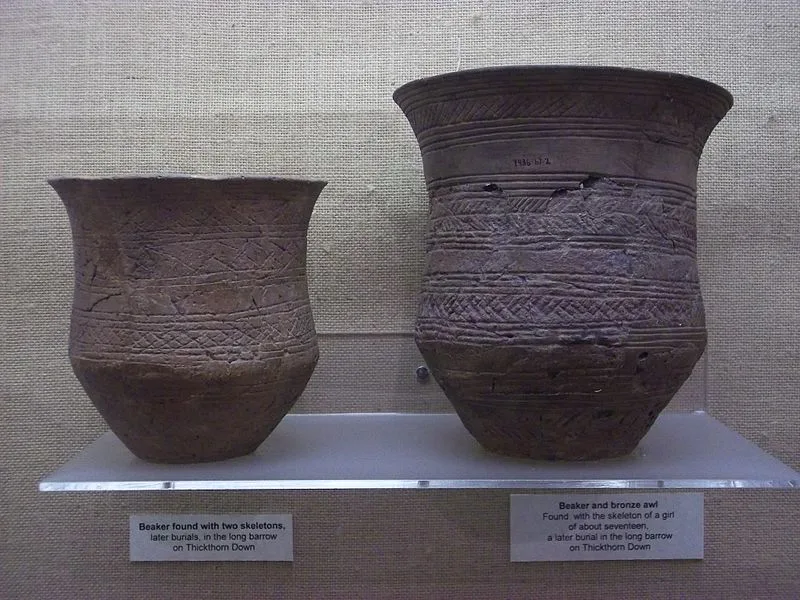
Thickthorn Down Long Barrows
The Thickthorn Down Long Barrows are two Neolithic long barrows near Gussage St Michael in Dorset, situated at the southwestern terminal of the Dorset Cursus. The southern barrow,…
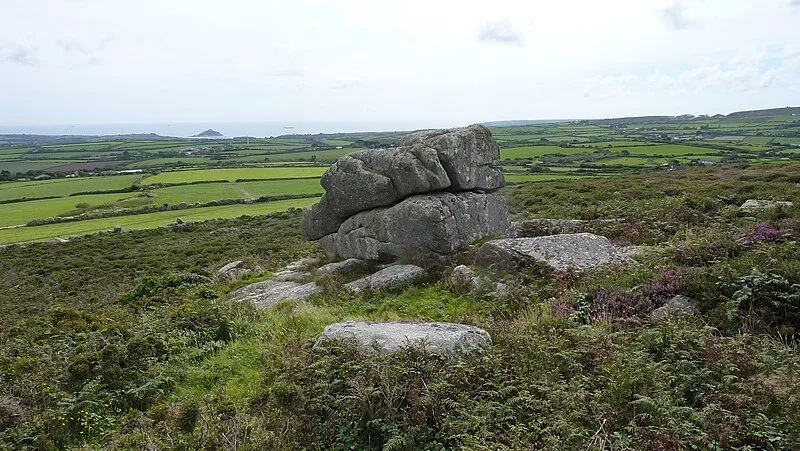
Trink Hill
Trink Hill is a 212-meter-high hill between the hamlets of Trink and Cripplesease near Nancledra, Cornwall, England. A Bronze Age round barrow sits at its summit, while on the…
Uley Long Barrow
Also known as Hetty Pegler's Tump, this Neolithic transepted gallery grave near Uley, Gloucestershire, was built before 3000 BC. The mound measures 37 metres long and 3 metres…
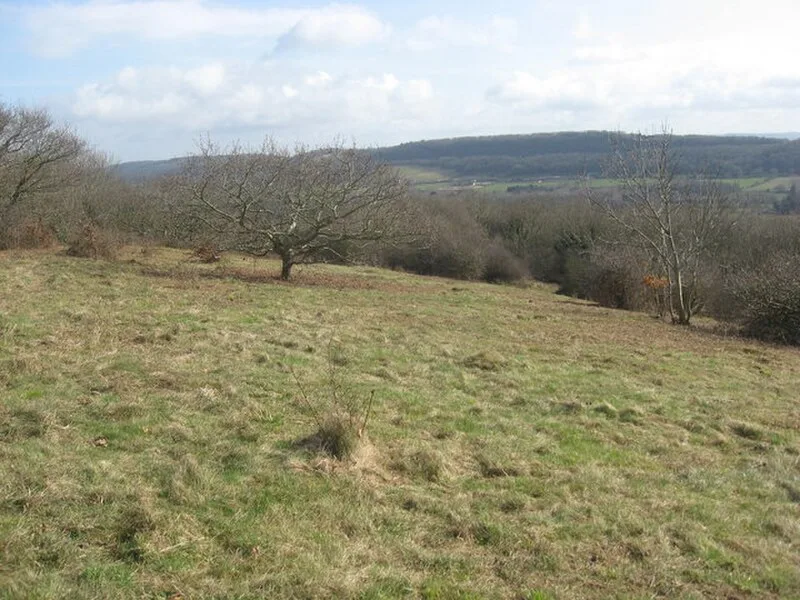
Walton Common
Walton Common is a 25.5-hectare site near the village of Walton in Gordano, North Somerset, designated both a Scheduled Ancient Monument and a Site of Special Scientific Interest.…
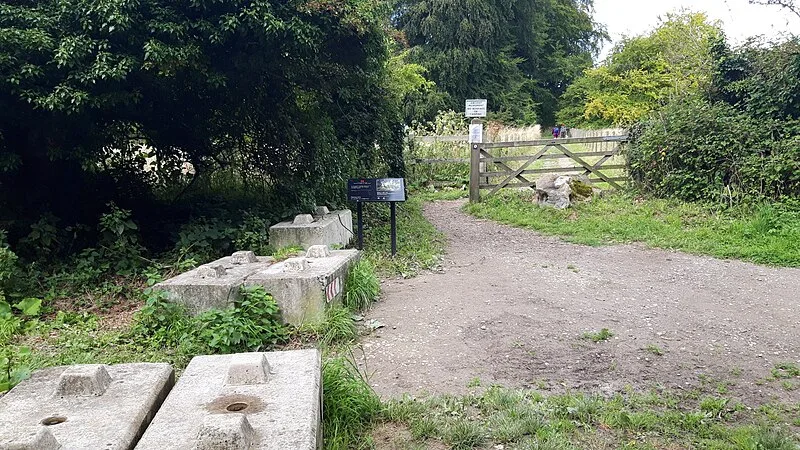
Wayland's Smithy
Wayland's Smithy is an Early Neolithic chambered long barrow located near Ashbury, Oxfordshire, completed around 3430 BCE by pastoral communities shortly after agriculture arrived…
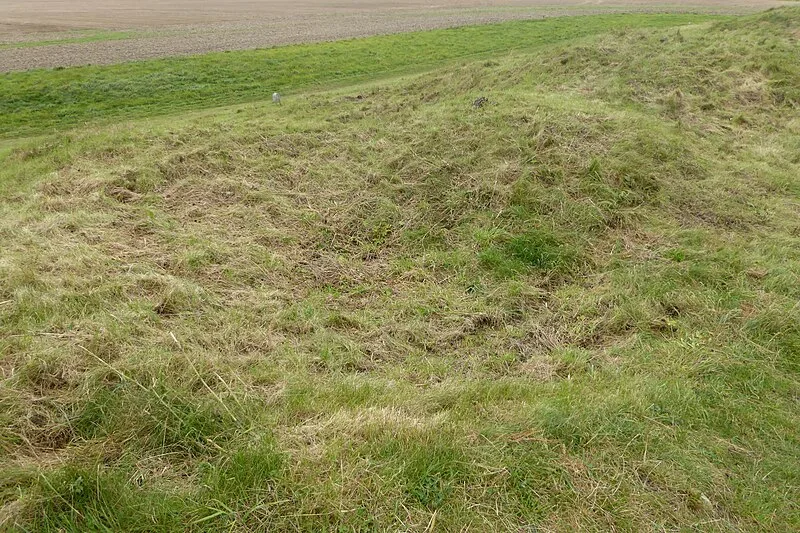
West Kennet Long Barrow
One of the largest Neolithic chambered tombs in Britain, built around 3650 BC near Avebury, Wiltshire. The mound stretches over 100m long and up to 3.2m high, with five burial…
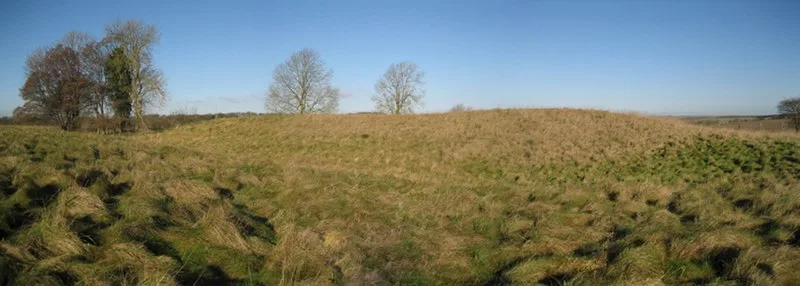
White Barrow
White Barrow is a Neolithic long barrow on Copehill Down, Salisbury Plain, south of Tilshead in Wiltshire, dating to approximately 4000-3500 BC. It measures about 77.5m long and…
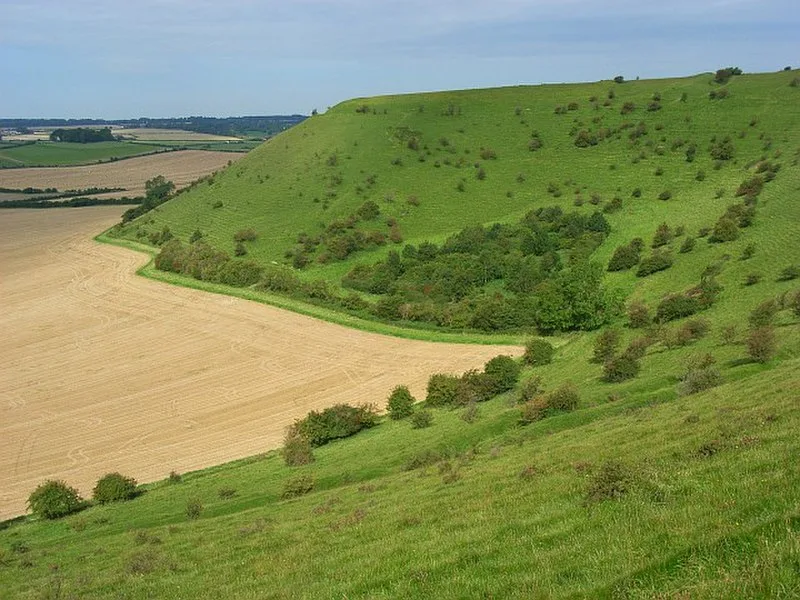
White Sheet Hill
White Sheet Hill is a chalk downland hill in Wiltshire, England, representing one of the most westerly areas of British downland. The site contains a Neolithic causewayed…
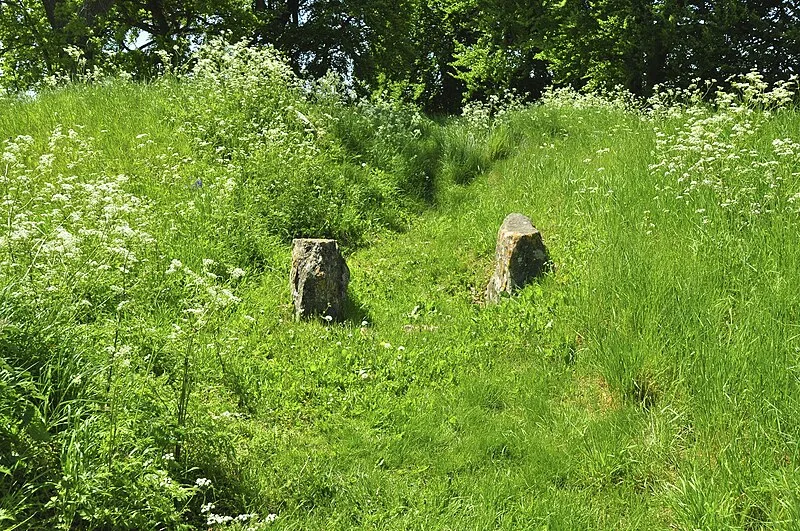
Windmill Tump
Windmill Tump, also known as Rodmarton Chambered Tomb, is a Neolithic burial site, a stone tumulus or barrow. Located in Gloucestershire, it lies west of Rodmarton village, south…
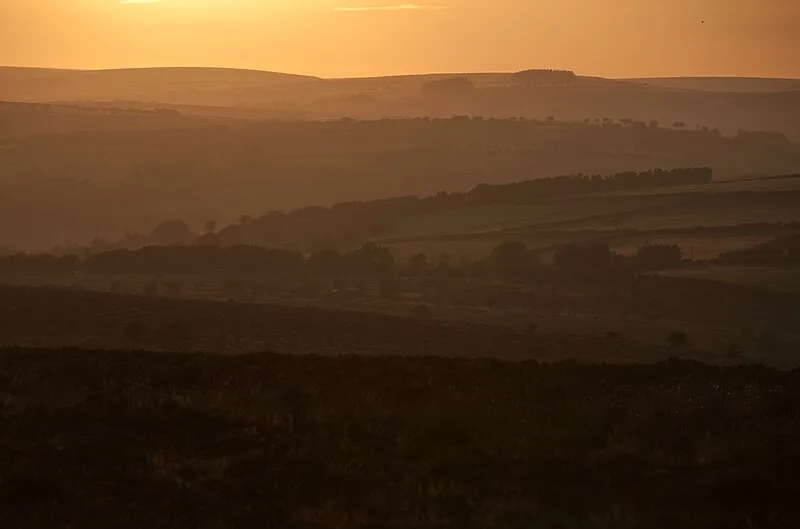
Winsford, Somerset
Bronze Age round barrow cemetery on the summit of Winsford Hill, Exmoor. The cemetery includes the Wambarrows, three prominent bowl barrows ranging from 17.6m to 28.8m in diameter…
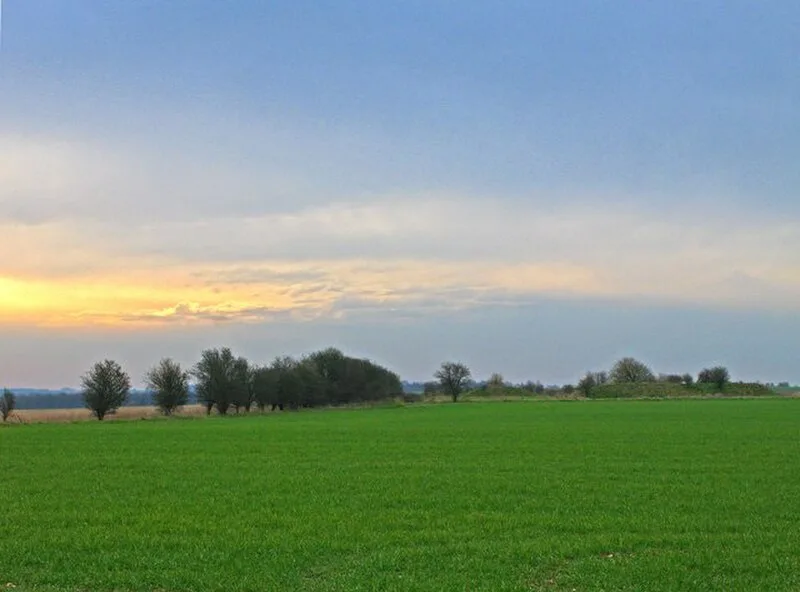
Wor Barrow
Wor Barrow is a Neolithic long barrow on Cranborne Chase, near Sixpenny Handley in Dorset. Excavated by Augustus Pitt Rivers in 1893-94, it was the first Neolithic long barrow…
Earthwork in England (62)
Abingdon - Causewayed Enclosure
Abingdon - Causewayed Enclosure is a Neolithic earthwork in England. The site is now largely destroyed by gravel extraction and housing development, though the southern extremity…

Aves Ditch
An Iron Age linear earthwork running approximately 4.8 km through the Cherwell District of Oxfordshire. Once mistaken for a Roman road, excavation revealed it to be a boundary…
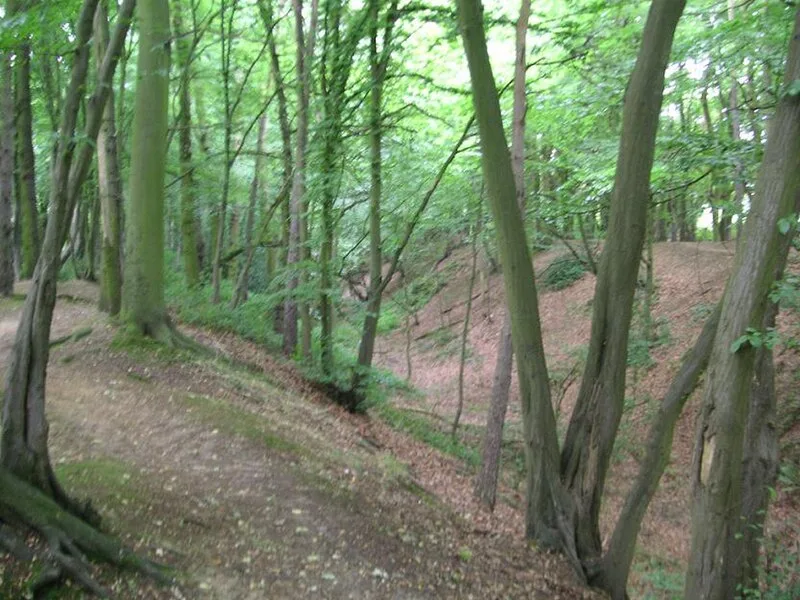
Beech Bottom Dyke
Beech Bottom Dyke is a massive Late Iron Age earthwork at the northern edge of St Albans, Hertfordshire, up to 30 m wide and 10 m deep, traceable for nearly 1.2 km. Constructed…
Belbury Castle
Belbury Castle is an Iron Age hillfort near Ottery St Mary in Devon, England, situated at approximately 115 metres above sea level overlooking the River Otter valley. The roughly…
Berry Castle, Black Dog
Berry Castle is an enigmatic earthwork near Black Dog in Devon, north of Crediton, probably dating to the Iron Age. Unlike typical hillforts, it does not occupy a hilltop but sits…
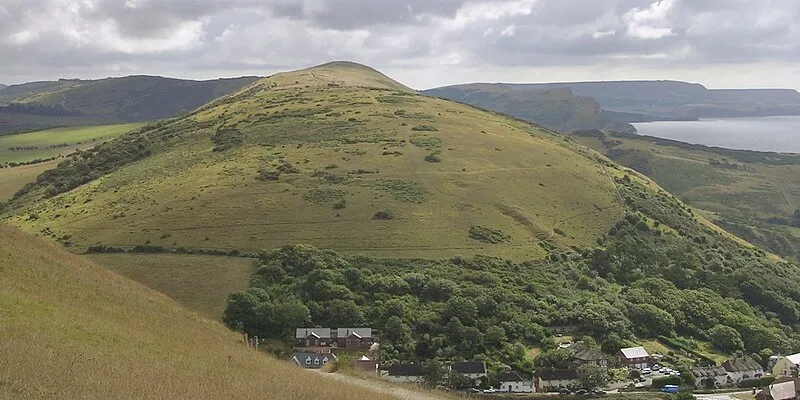
Bindon Hill
Bindon Hill is an extensive Iron Age univallate earthwork on the Jurassic Coast near Lulworth Cove in Dorset, England, about 19 km west of Swanage and 6 km southwest of Wareham.…
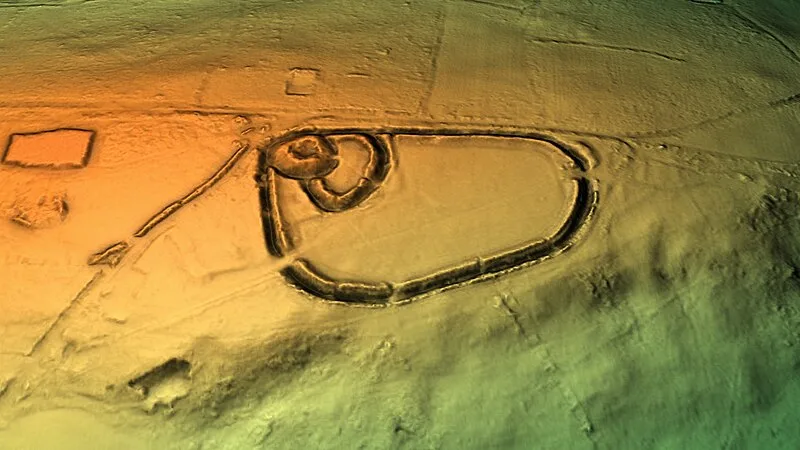
Blackdown Rings
An Iron Age hillfort near the hamlet of Hazelwood in Devon, occupying a roughly oval area of approximately 2.4 hectares on a hilltop 185 m above sea level, commanding the River…
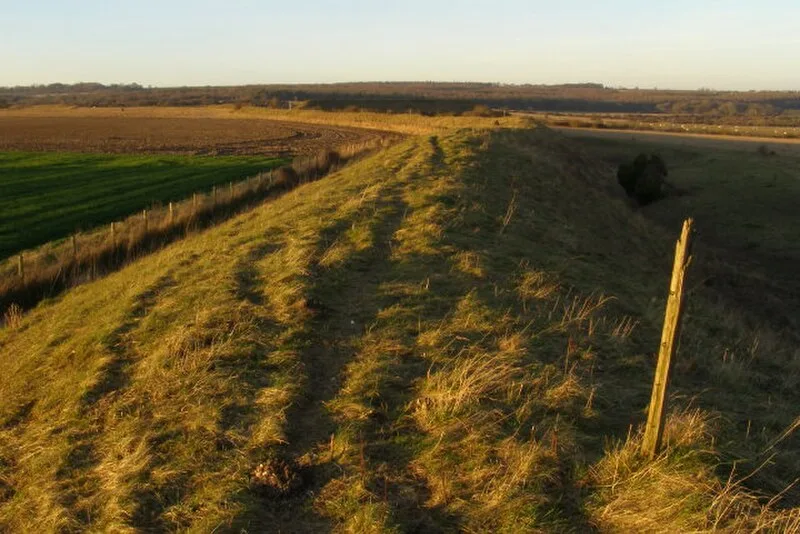
Bokerley Dyke
Bokerley Dyke is a linear earthwork 5.75 km long on Cranborne Chase in Dorset, running along the county border with Hampshire between Woodyates and Martin. It may have originated…
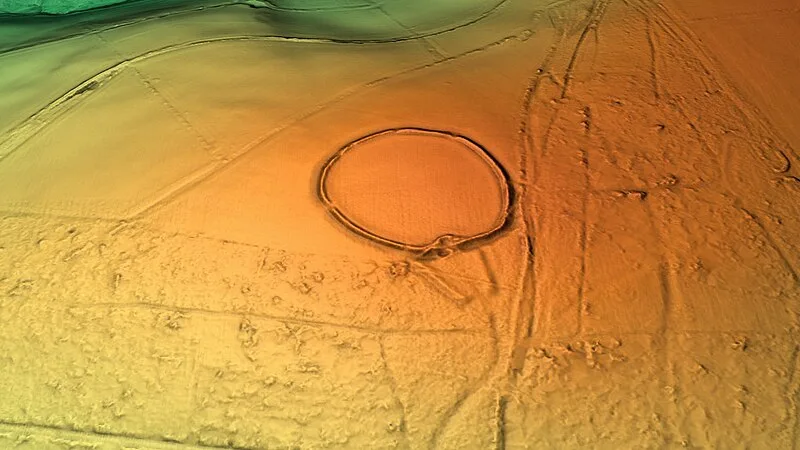
Boringdon Camp
Boringdon Camp is an Iron Age and Roman earthwork in Cann Woods, near Plympton, Plymouth, Devon. The site is a scheduled ancient monument owned by South Hams District Council. The…
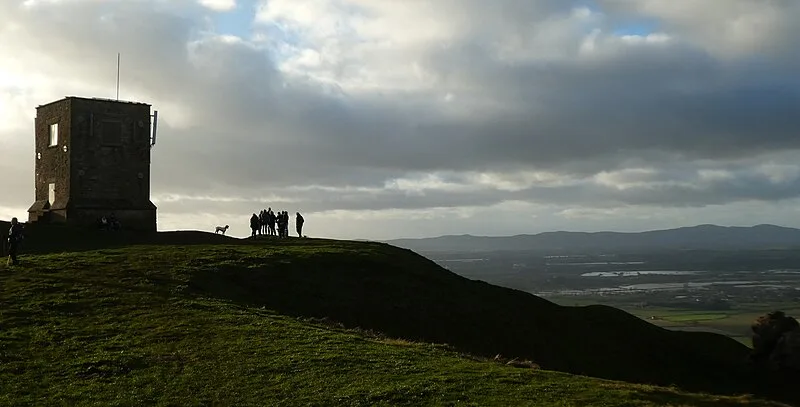
Bredon Hill
Bredon Hill rises to 299 m in Worcestershire, crowned by Kemerton Camp, an Iron Age hillfort enclosing 22 acres within double ramparts and ditches, with the inner defences dating…

Bremridge Wood
Bremridge Wood, formerly part of the Domesday Book estate of Bremridge, is an Iron Age enclosure or hill fort near South Molton, Devon, England. The earthwork is situated in…
Brewer's Castle
Brewer's Castle is an Iron Age defended settlement in the Exmoor region of Somerset, situated on a steep, flat-topped knoll at the eastern end of Hawkridge Ridge Wood in the lower…
Broadbury Castle
Broadbury Castle is an archaeological earthwork on a high ridge near Beaworthy in Devon, consisting of a single bank and ditch enclosing a nearly square area of 58 by 68 m with…
Broomfield Camp
Broomfield Camp is a univallate Iron Age hill fort in the Taunton Deane district of Somerset, England, situated approximately 0.6 miles (0.97 km) south-east of the village of…
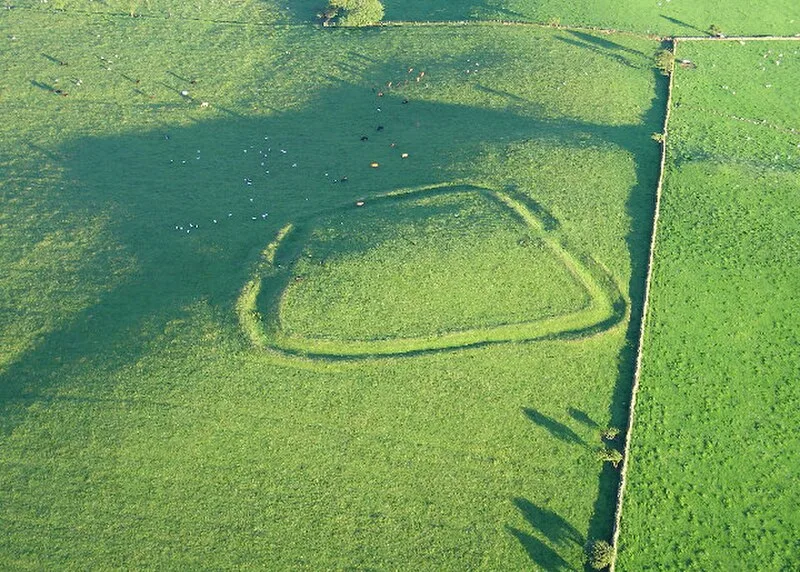
Caer Mote
Caer Mote is a hill of 289 metres (948 ft) in the north of the English Lake District near Bothel, Cumbria. Its summit lies just outside the boundary of the Lake District National…
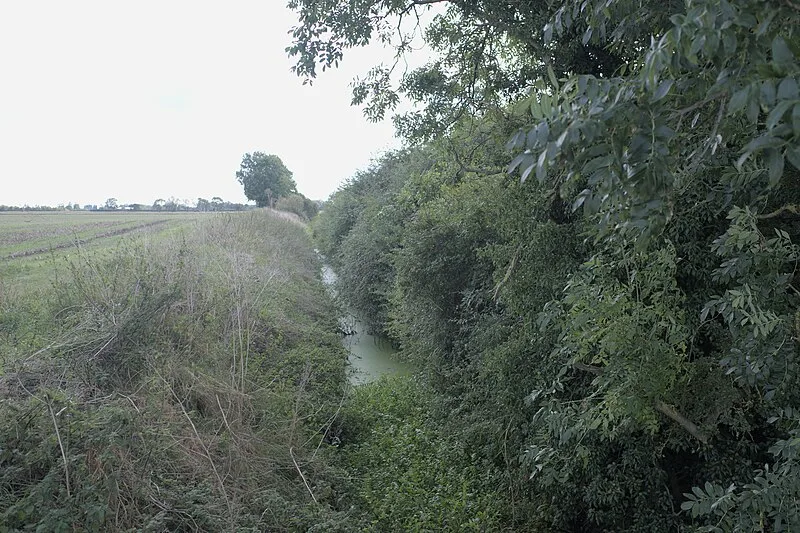
Car Dyke
Car Dyke is a Roman-era earthwork extending approximately 92 km (57 mi) along the western edge of the Fens in eastern England. This substantial ditch was long believed to mark the…
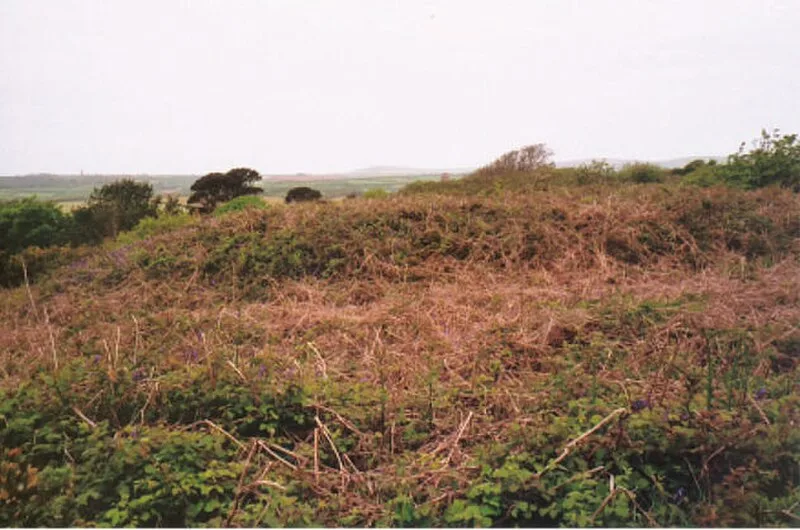
Castallack Round
Castallack Round (also Roundago) is a prehistoric earthwork near Castallack in Cornwall, England, and a scheduled monument dating to the late Iron Age through early post-Roman…
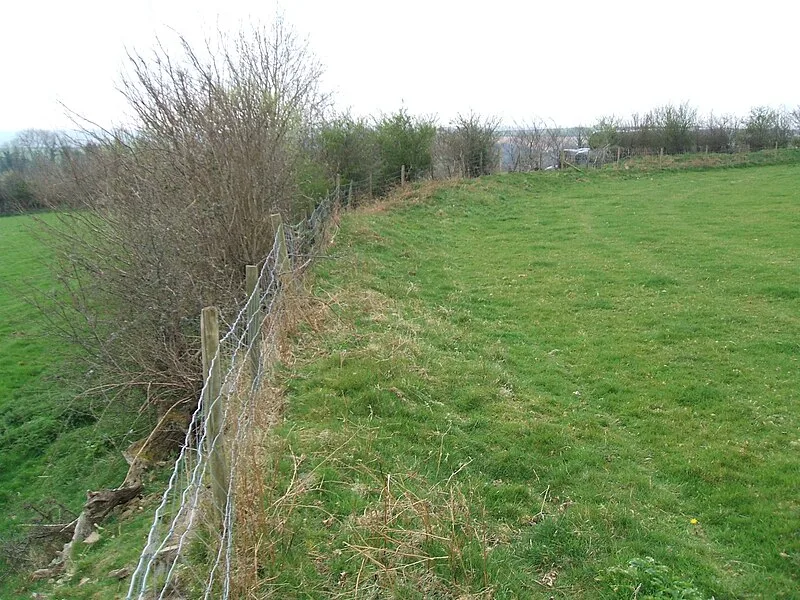
Castle Close
Castle Close is a circular univallate earthwork near Stoodleigh in Mid Devon, England, situated 208 m above sea level overlooking the River Exe. Most likely an Iron Age hillfort…
Chillerton Down
Chillerton Down is downland on the Isle of Wight, England, between the villages of Shorwell and Chillerton. The hill's highest point reaches 167 metres (548 ft), with a prominence…
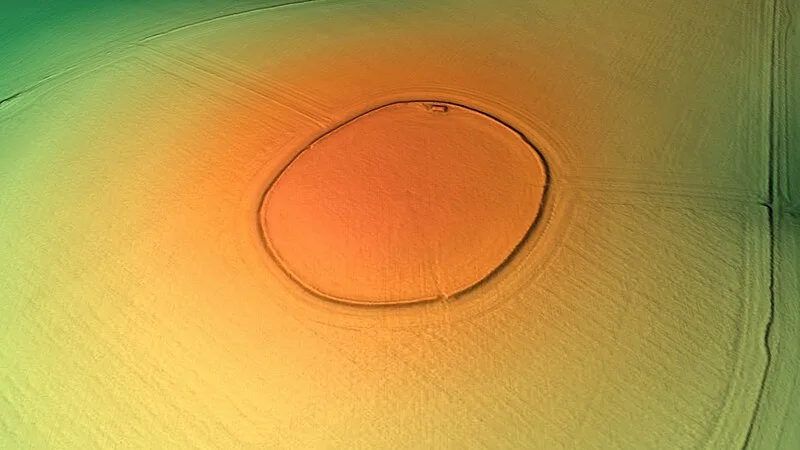
Codford Circle
Codford Circle (also known as Wilsbury Ring, Woldsbury, and possibly Oldbury Camp) is a Neolithic hilltop enclosure or possible hillfort situated on the summit of Codford Hill, a…
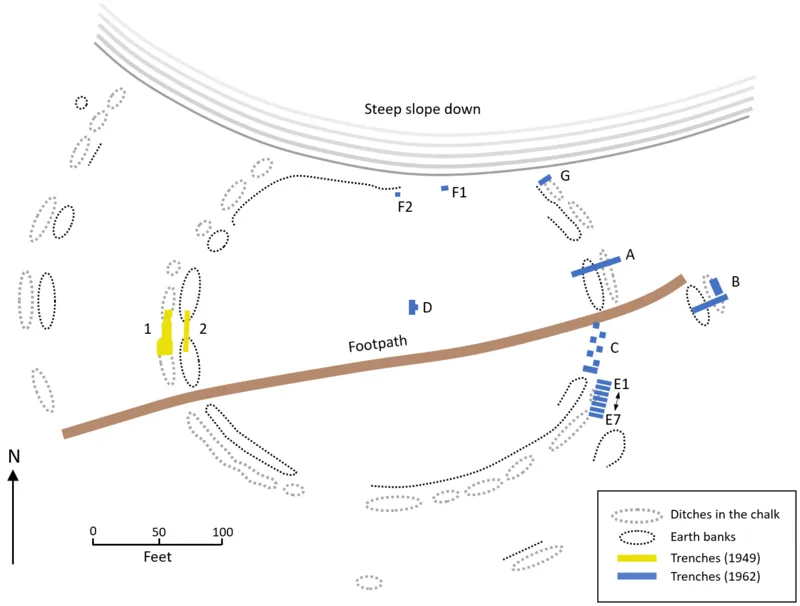
Combe Hill, East Sussex
Combe Hill is a Neolithic causewayed enclosure on the South Downs near Eastbourne, East Sussex, dating to c. 3700–3500 BC. It features an inner circuit of ditches and banks,…
Combs Ditch
Combs Ditch is a linear earthwork on Charlton Down in Dorset, England. The earthwork serves as a parish boundary, separating Charlton Marshall and Spetisbury to the north-east…
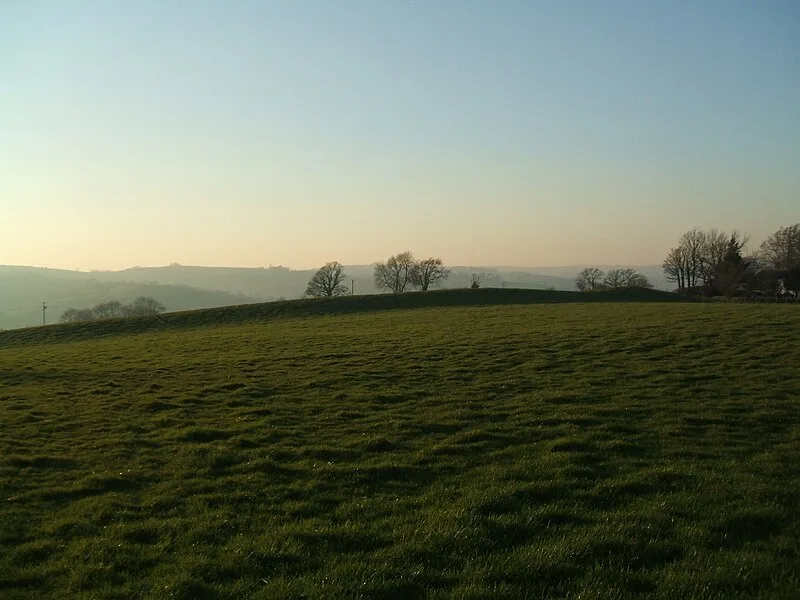
Cranmore Castle
Cranmore Castle is an Iron Age earthwork above the Devon town of Tiverton, covering over 15 acres and ranking among the largest enclosures in Devon. Its substantial ramparts and…
Dead Woman's Ditch
Dead Woman's Ditch is a prehistoric linear earthwork in Over Stowey, Somerset, England, on the Quantock Hills. It consists of a bank with a ditch along the west side, running…
Devil's Dyke, Hertfordshire
Devil's Dyke is the remains of a prehistoric defensive earthwork situated at the east side of the village of Wheathampstead, Hertfordshire, England. Protected as a Scheduled…
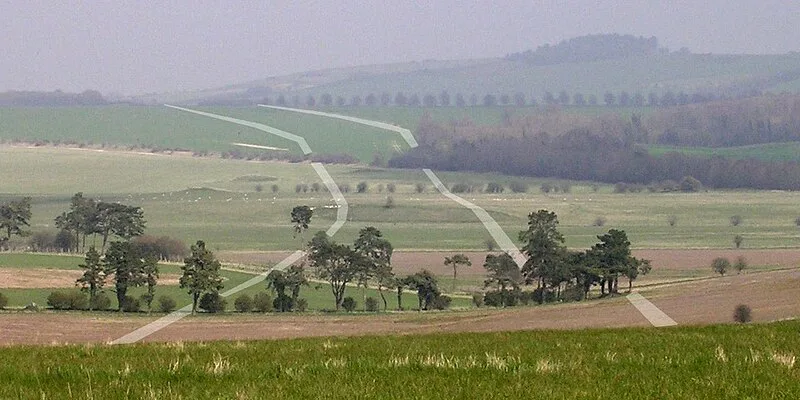
Dorset Cursus
The Dorset Cursus is a Neolithic linear earthwork stretching 10 km across the chalk downland of Cranborne Chase in east Dorset, England. It is better interpreted as a pair of…
Dudsbury Camp
Dudsbury Camp (also known as Dudsbury Rings) is an Iron Age hillfort situated on the north bank of the River Stour near West Parley in Dorset, England. It forms part of a linear…

Featherwood Roman Camps
Two 1st-century AD Roman temporary marching camps in Northumberland, England, situated on either side of Dere Street, the Roman road running from York into Scotland. The eastern…
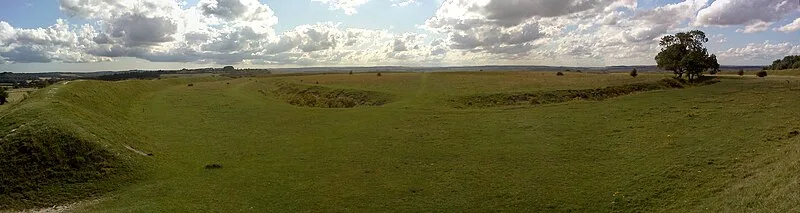
Figsbury Ring
A multi-period earthwork enclosure on a chalk ridge northeast of Salisbury, Wiltshire, with occupation from roughly 2500 BC. The oval hillfort encloses 6.4 hectares with ramparts…
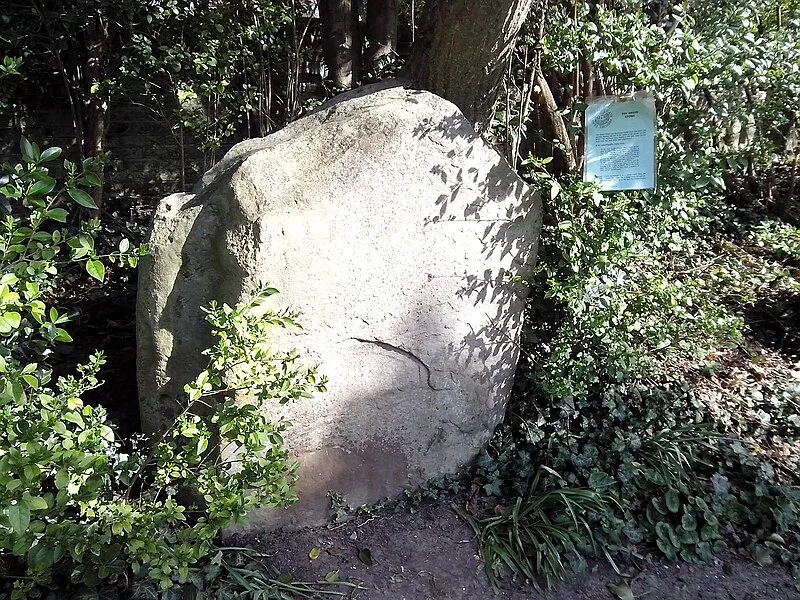
Flagstones Enclosure
Flagstones Enclosure is a late Neolithic interrupted ditch enclosure located on the outskirts of Dorchester, Dorset, England. It derives its name from being discovered beneath the…
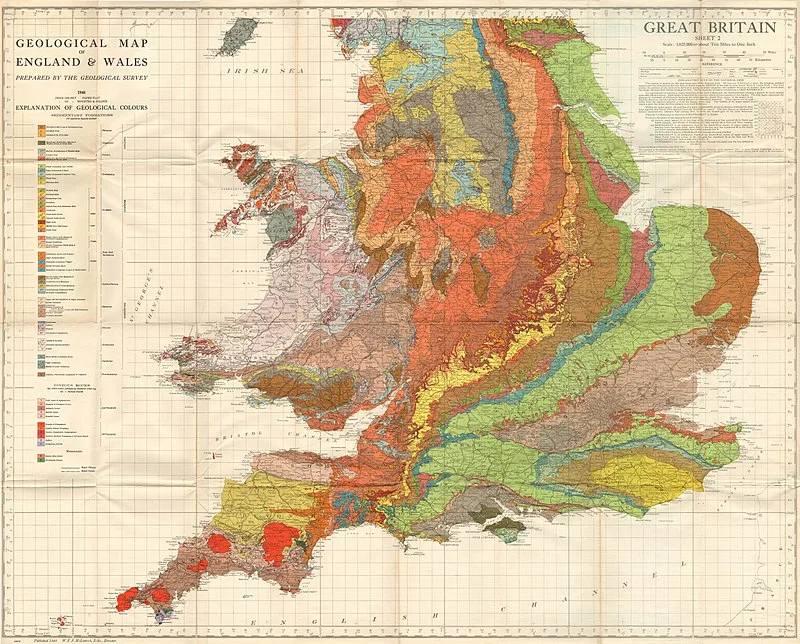
Fleam Dyke
Fleam Dyke is a linear earthwork spanning 4.8 km (3 mi) between Fulbourn and Balsham in Cambridgeshire, constructed between AD 330 and 510. The earthwork rises 7 metres high from…
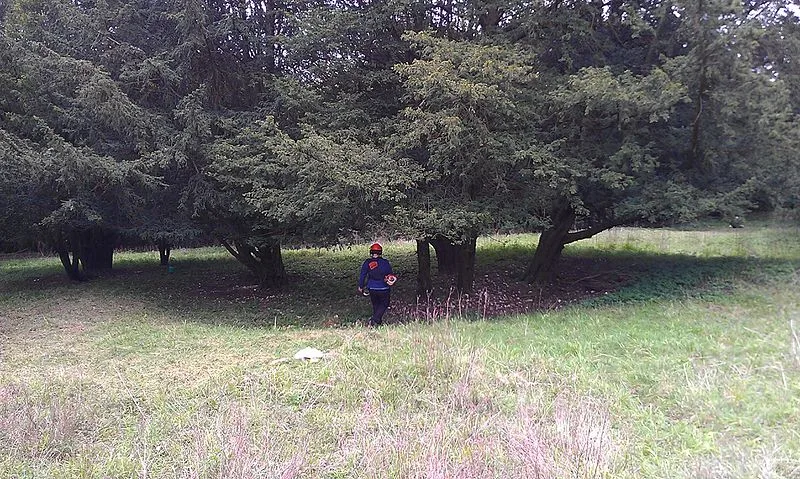
Goosehill Camp
Goosehill Camp is an Iron Age (1500-500 BC) hillfort earthwork on the South Downs, located within Kingley Vale National Nature Reserve in West Sussex, England. The site features…
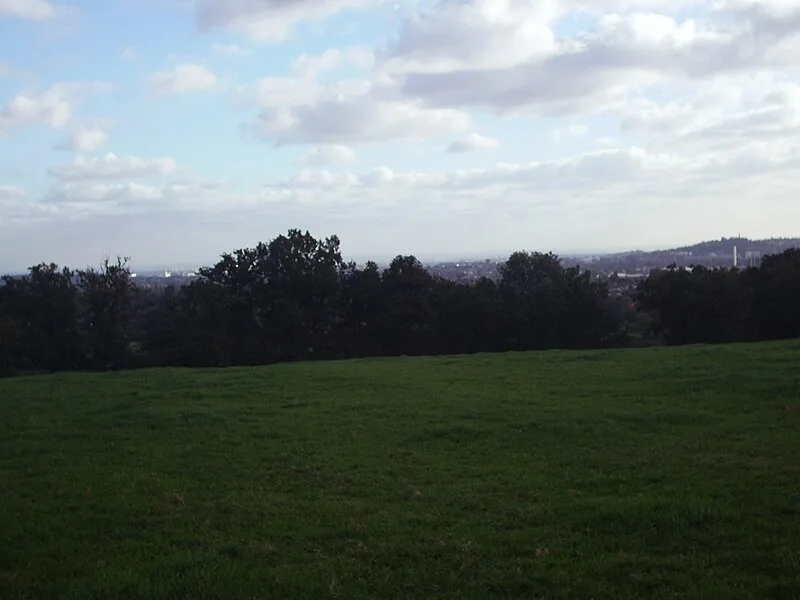
Grim's Ditch, Harrow
Grim's Ditch is a linear earthwork in the London Borough of Harrow, Middlesex, extending approximately 6 miles (9.7 km) east-west from Stanmore to Pinner Green. Thought to have…
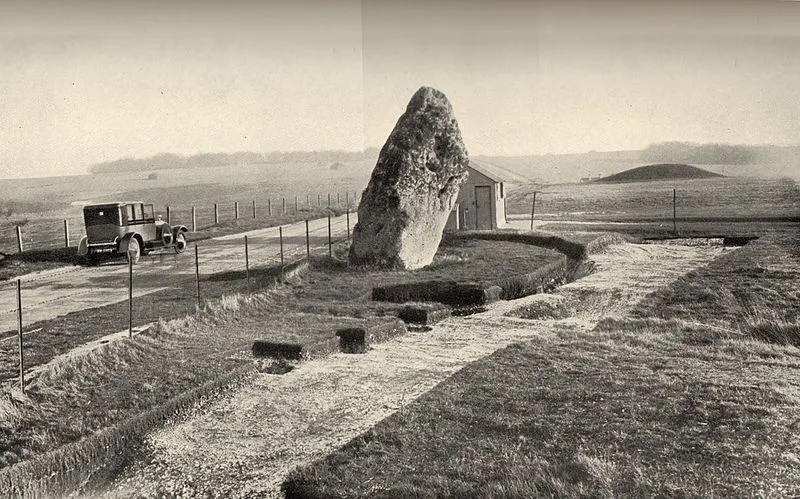
Heelstone Ditch
Heelstone Ditch is a roughly circular earthwork surrounding the Heel Stone at Stonehenge, England. The ditch has steep sloping sides ending in a narrow flat base, measuring…
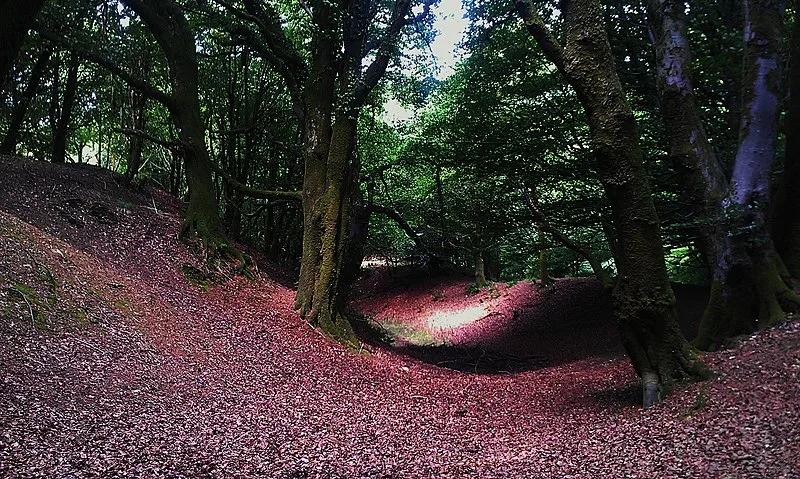
Hembury
Hembury is a Neolithic causewayed enclosure and Iron Age hillfort near Honiton in Devon, England. Its history spans from the late fifth and early fourth millennia BC to the Roman…
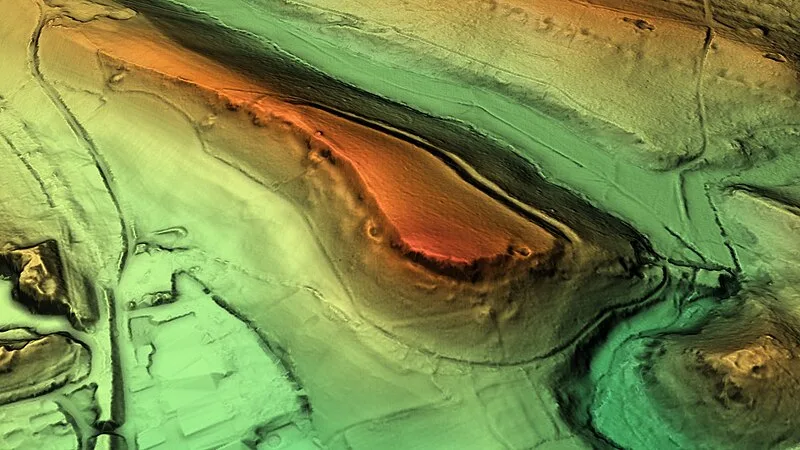
Highbury Hill, Clutton
An Iron Age univallate hillfort occupying 3 hectares of woodland at the southeastern end of a narrow ridge in Clutton, Somerset. The defences include a 0.5-metre outer bank and a…
Jaw Hill
Jaw Hill is a hill in the City of Leeds district of West Yorkshire, England, near Kirkhamgate. A large square cropmark enclosure investigated in 1995 was identified as a possible…
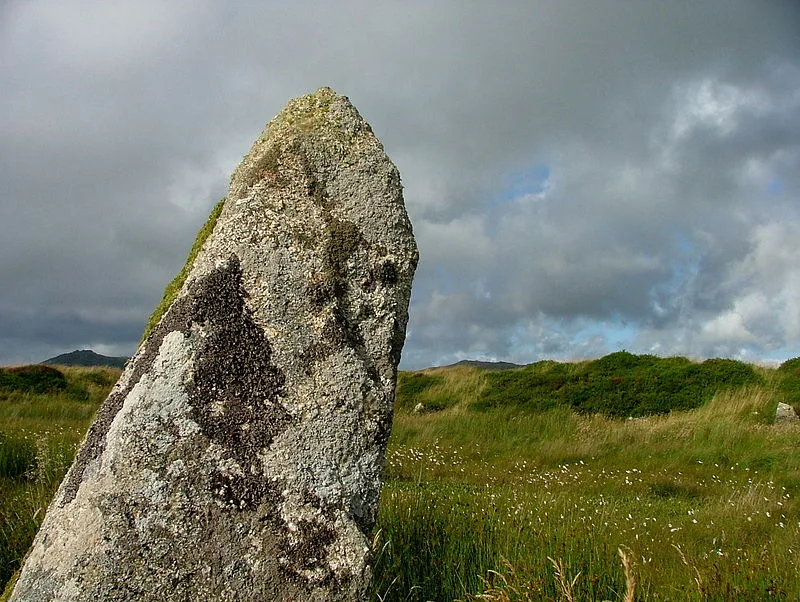
King Arthur's Hall
King Arthur's Hall is a megalithic enclosure on Bodmin Moor in Cornwall, England, dating to the late Neolithic to early Bronze Age. It consists of fifty-six stones arranged in a…
King Lud's Entrenchments and The Drift
King Lud's Entrenchments is a Scheduled Ancient Monument and 23.9-hectare Site of Special Scientific Interest straddling the Lincolnshire-Leicestershire border, east of Croxton…
Long Wood Enclosure
A small enclosure in West Somerset, England, possibly a univallate Iron Age hill fort, located approximately 3.5 km southwest of the village of Dunster. The enclosure is roughly…
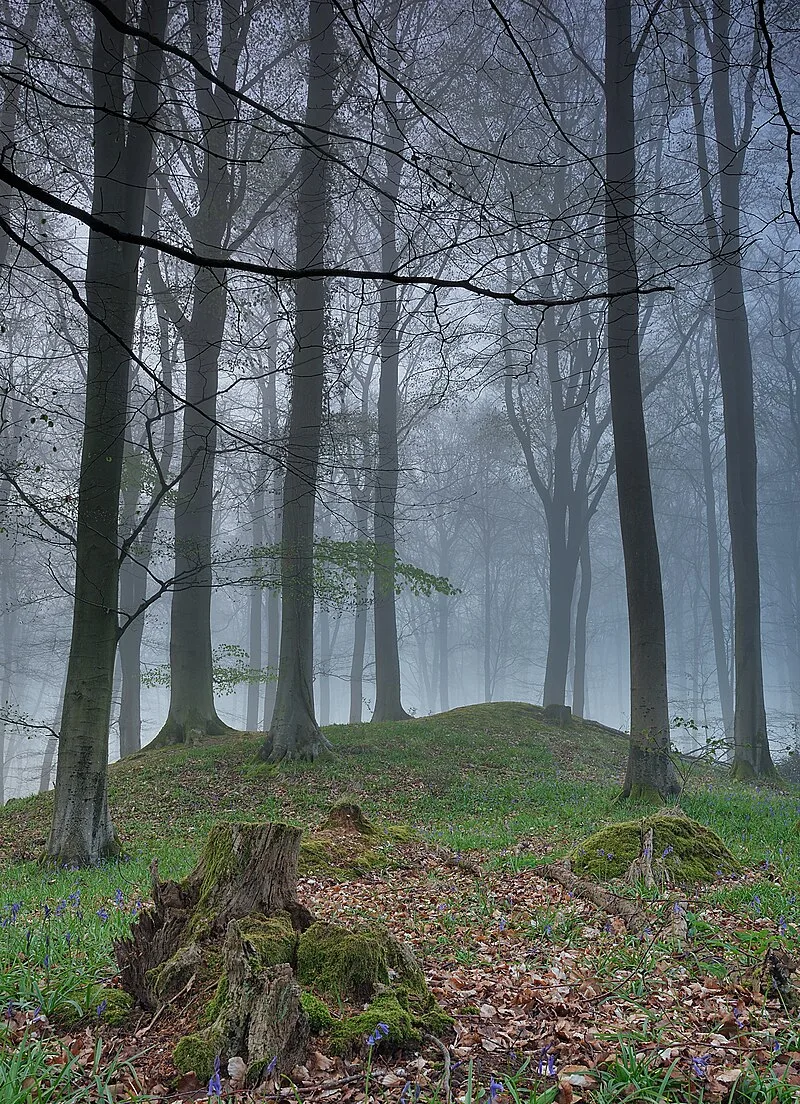
Micheldever Wood
Micheldever Wood is a Bronze Age to Romano-British archaeological site in Hampshire, England, located about 8 km (5 mi) north-east of Winchester near the village of Micheldever.…
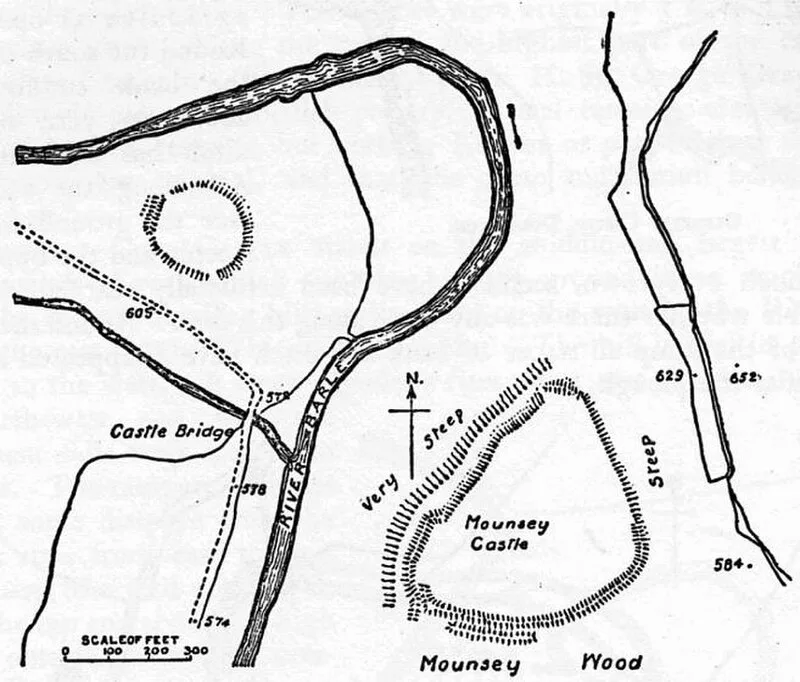
Mounsey Castle
Mounsey Castle is an Iron Age promontory fort situated on a steep-sided ridge above the confluence of the River Barle and Danes Brook, northwest of Dulverton in Somerset, England.…
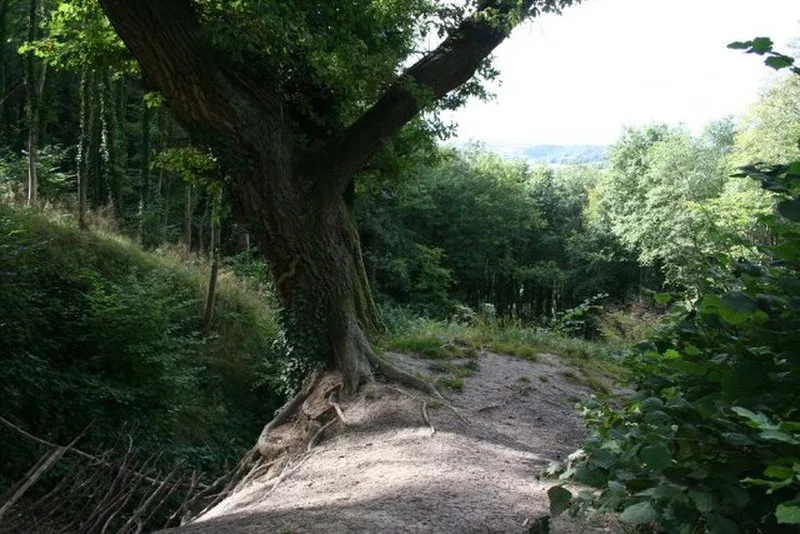
New Ditch
New Ditch is a linear earthwork of possible Iron Age or Medieval construction, situated in woodlands on the Polden Hills approximately 1.8 km (1.1 mi) southwest of Butleigh in…
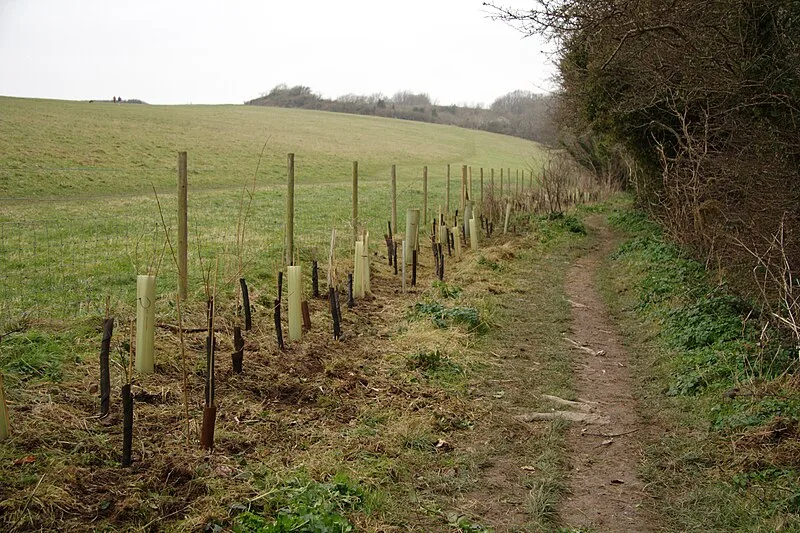
Offham Hill
Offham Hill is a causewayed enclosure near Lewes, East Sussex, England, dating to approximately 3700–3300 BC. The site was identified as a possible causewayed enclosure in 1964 by…
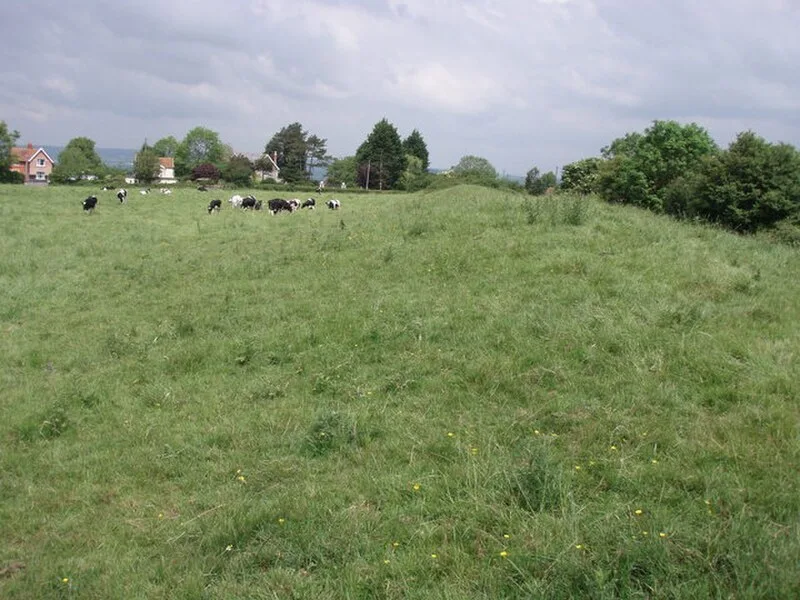
Ponter's Ball Dyke
Ponter's Ball Dyke is a linear earthwork located near Glastonbury in Somerset, England. It crosses at right angles an ancient road that continues to the former island of dry land…
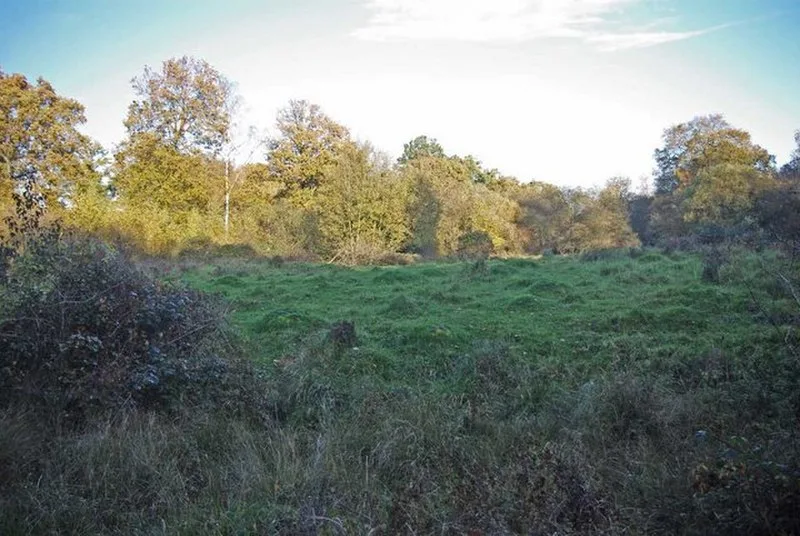
Portingbury Hills
Portingbury Hills (or Portingbury Rings) is an Iron Age earthwork site in Hatfield Forest, Essex, consisting of a rectangular mound (100 by 70 feet) with a V-shaped ditch up to 35…
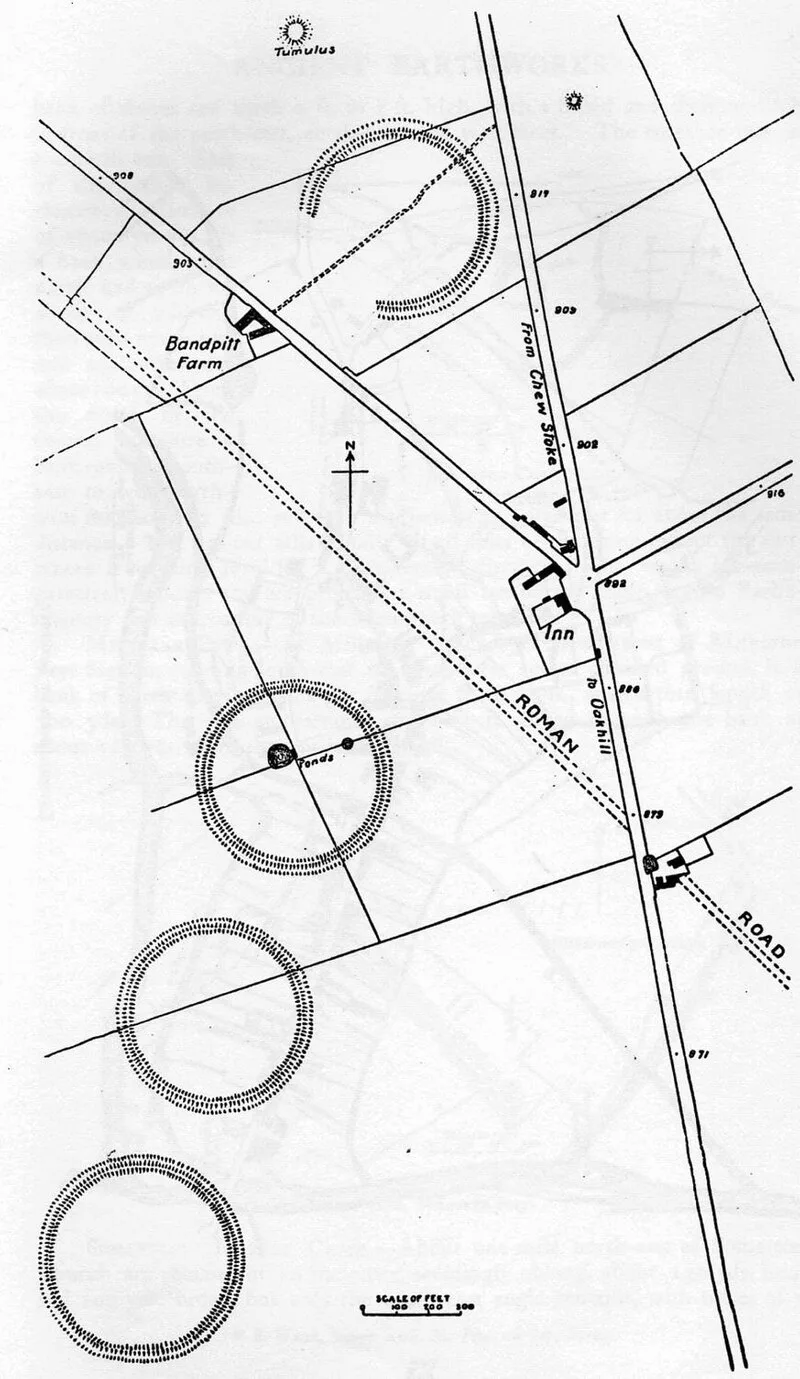
Priddy Circles
Priddy Circles are four circular earthwork enclosures near Priddy on the Mendip Hills in Somerset, each nearly 200m in diameter, stretching over 1.2km. Their external rather than…
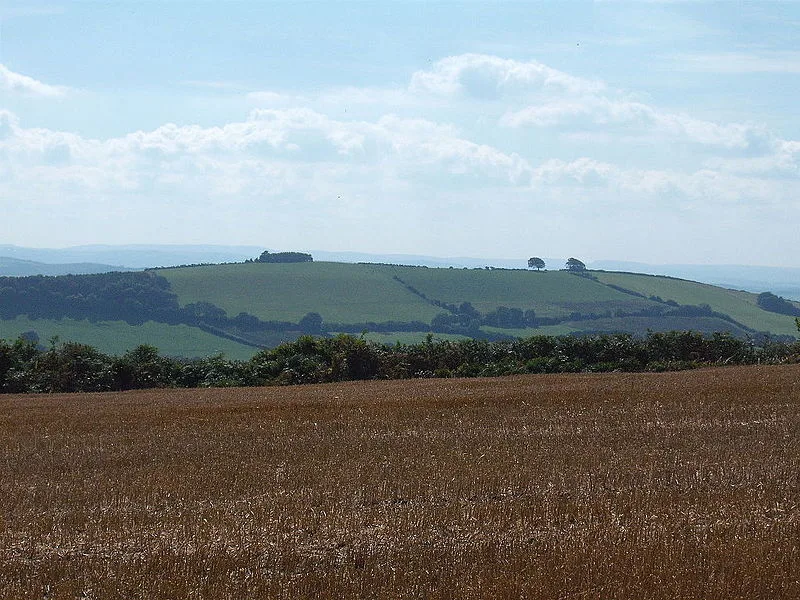
Raddon Top
Raddon Top is the highest point of the Raddon Hills, a small ridge in the Shobrooke area of Mid Devon, England. The summit reaches approximately 235 metres (770 ft) above sea…
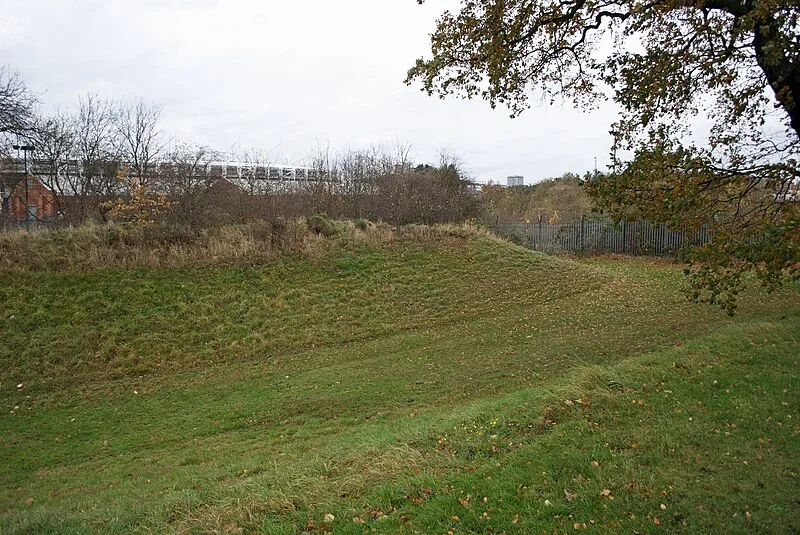
Raw Dykes
Raw Dykes is a Roman earthwork and scheduled monument in Leicester consisting of two parallel banks up to 20 metres apart with a channel between them. A 110-metre stretch survives…
Road Castle
Road Castle is an Iron Age hillfort earthwork in Somerset, England. Located about 3.2 km (2 mi) west of Winsford village, the small fortified enclosure features a distinctive…
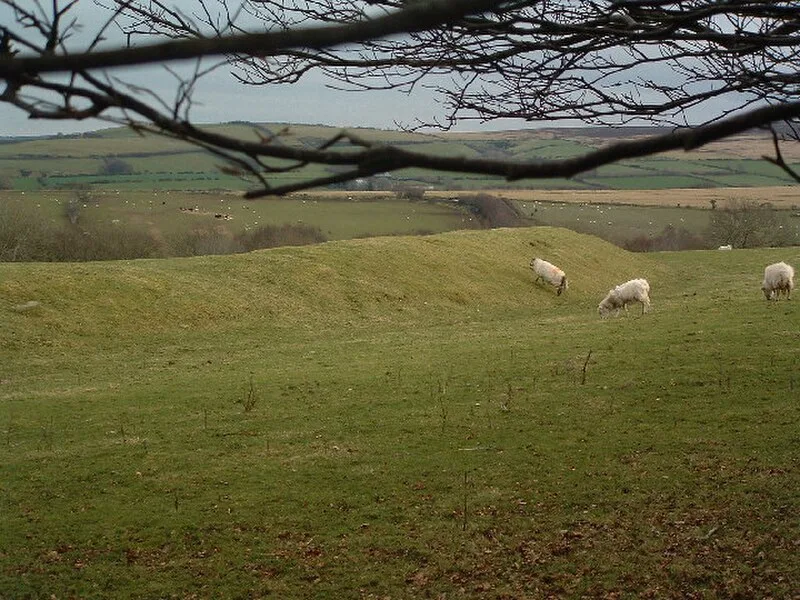
Roborough Castle
Roborough Castle is an Iron Age hill fort located near Lynton in Devon, England. The earthwork occupies a promontory on the north-eastern edge of a hillside, overlooking Hoaroak…
Rodhuish Common
A small oval Iron Age earthwork enclosure on the steep southeast-facing slopes of Rodhuish Common in Somerset, England. The enclosure measures 31.7 m north-south by 28.3 m…
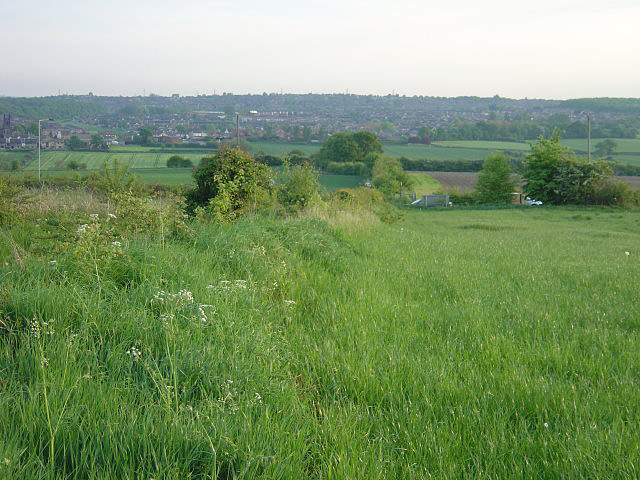
Roman Rig
The Roman Rig is a series of earthworks in north Rotherham, South Yorkshire, England. The earthworks are believed to have originally formed a single dyke extending from near…
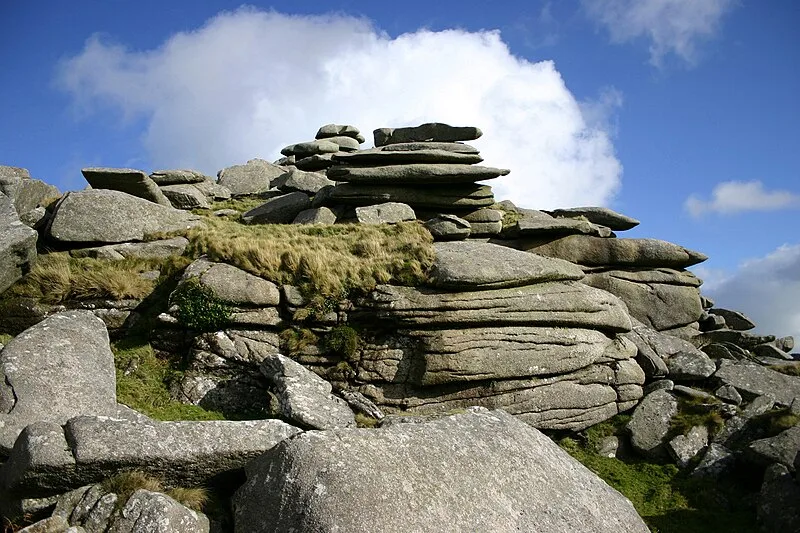
Rough Tor
Rough Tor is an archaeologically rich tor on Bodmin Moor, Cornwall, standing at 400 metres above sea level as Cornwall's second highest point. The summit features a Neolithic tor…
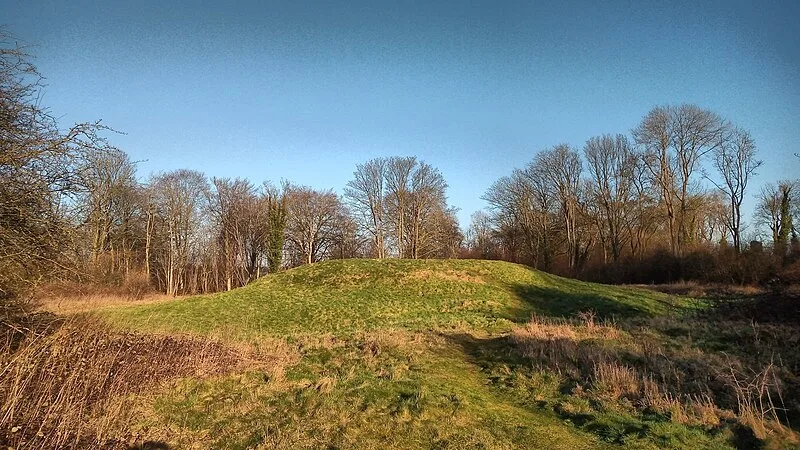
Stonehenge Cursus
Stonehenge Cursus is a large Neolithic earthwork on Salisbury Plain, Wiltshire, England, dating to 3630-3375 BCE—several centuries before Stonehenge's earliest phase around 3000…

The Warbanks
The Warbanks are ancient linear earthworks on the eastern boundary of Lawshall parish in Suffolk, extending into neighbouring Cockfield and Shimpling. Comprising two sections…
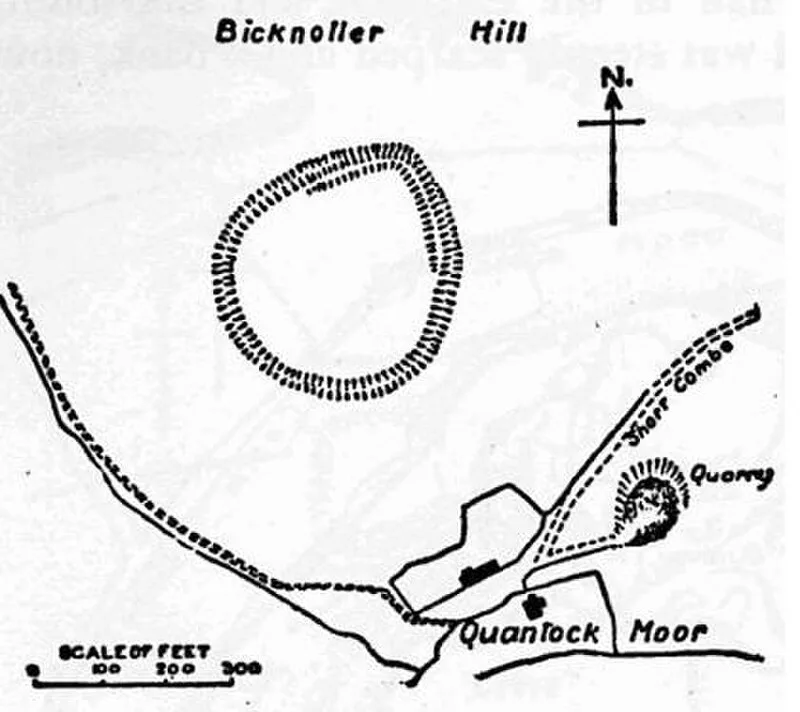
Trendle Ring
Trendle Ring (or Trundle Ring) is a late prehistoric earthwork on the Quantock Hills near Bicknoller in Somerset, England, and is a Scheduled Monument. Covering 0.8 hectares, it…
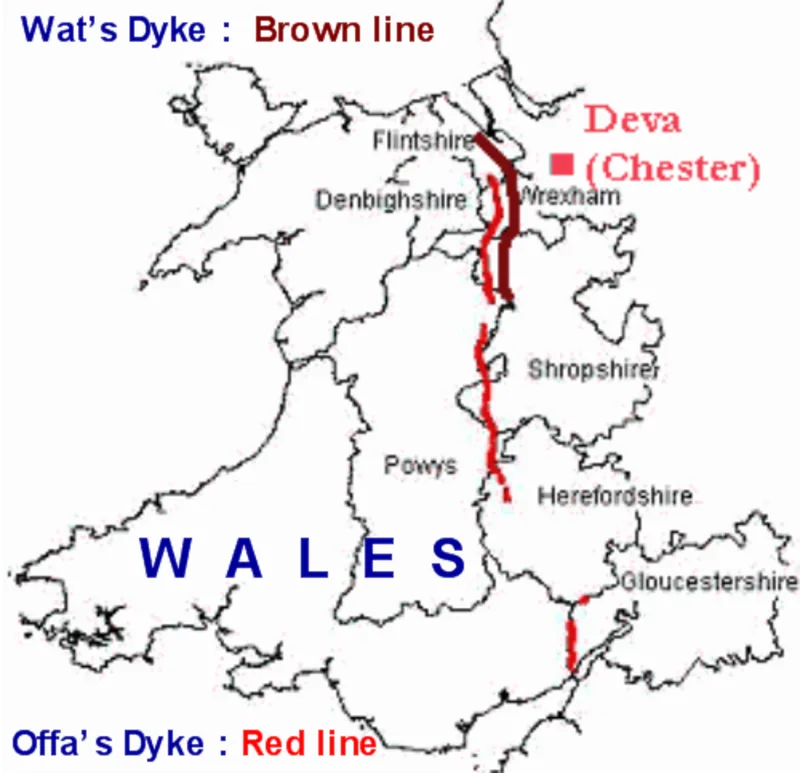
Wat's Dyke
(1st–9th c. AD) Wat's Dyke is a 40-mile (64 km) linear earthwork in the northern Welsh Marches, running from Basingwerk Abbey on the River Dee estuary east of Oswestry to Maesbury…
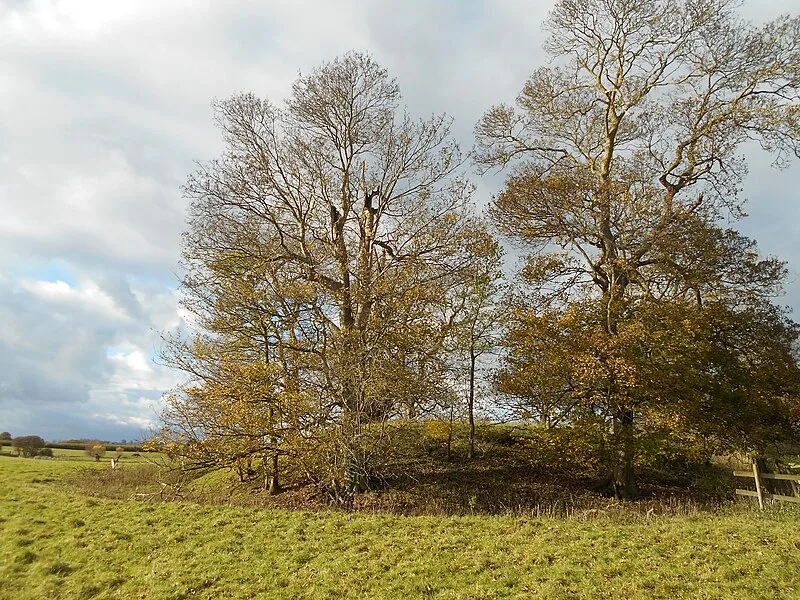
Wimble Toot
Scheduled monument near Babcary, Somerset, standing 2.74m high with a well-preserved ditch around its eastern side. Its origin is debated: traditionally classified as a Bronze Age…
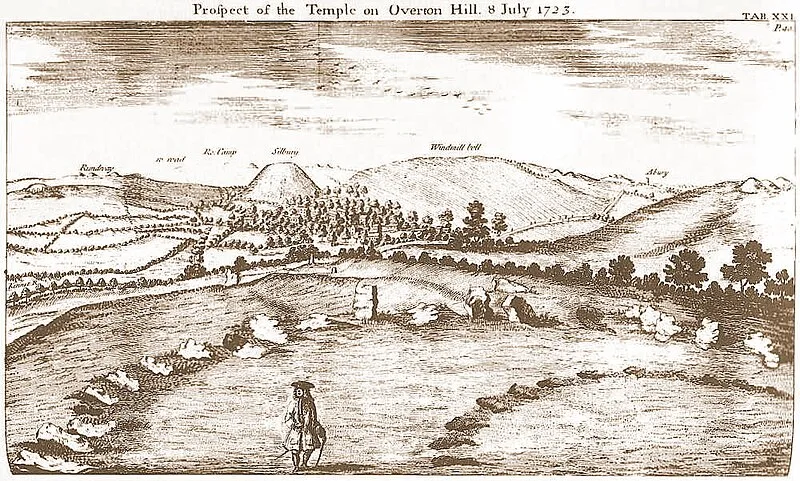
Windmill Hill, Avebury
Windmill Hill is a Neolithic causewayed enclosure in Wiltshire, England, forming part of the Avebury World Heritage Site. Located about 2 km (1.2 mi) northwest of Avebury, it…
Wraxall Camp
Wraxall Camp (also called Failand Camp) is a small Iron Age enclosed settlement in North Somerset, situated on carboniferous limestone upland between Wraxall and Failand villages.…
Yellowberries Copse
Yellowberries Copse is an enclosure, possibly a hillfort, situated south of South Brent in Devon, England. The site dates to the late Bronze Age or early Iron Age. The site is…
Stone circle in England (60)
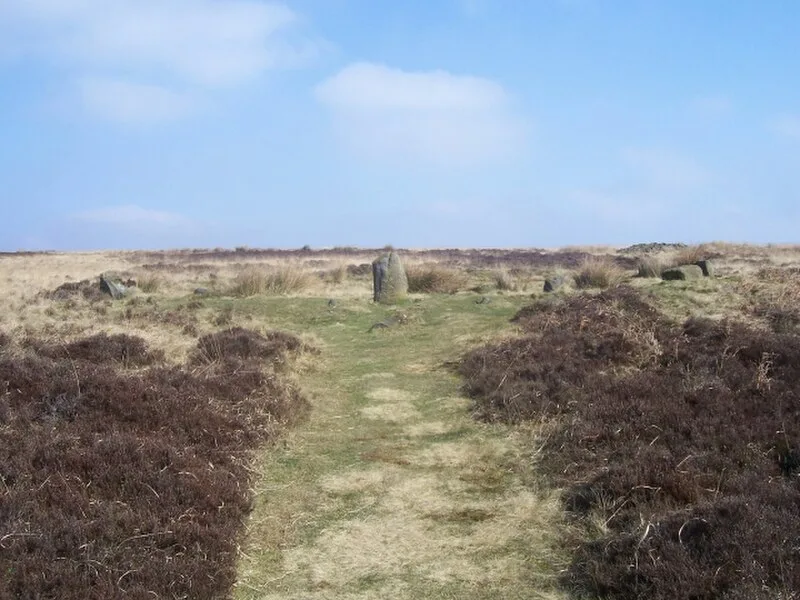
Barbrook One
Barbrook One is an embanked stone circle on Ramsley Moor in the Peak District, dating to 3300-500 BC. It consists of one prominent standing stone, 1 metre (3.2 ft) high, and 11…
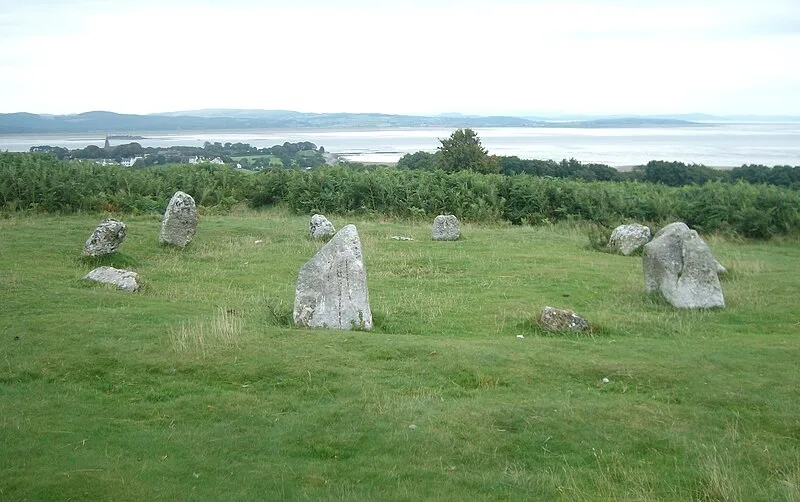
Birkrigg Stone Circle
A Bronze Age double stone circle on Birkrigg Common, 3.2 km south of Ulverston in Cumbria, dating to 1700-1400 BC. Also known as the Druid's Temple, it consists of an outer ring…
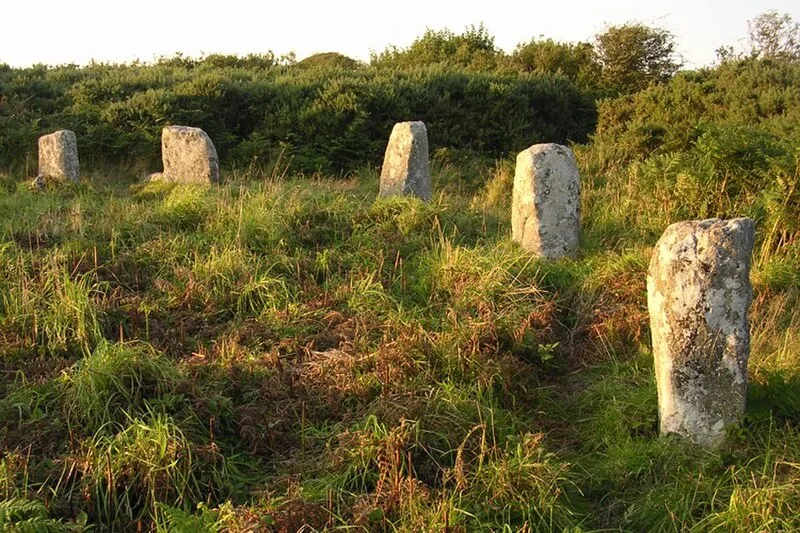
Boscawen-Un
Boscawen-Un is a Bronze Age stone circle near St Buryan in Cornwall, England. It comprises nineteen upright stones arranged in an ellipse with a leaning central stone just south…
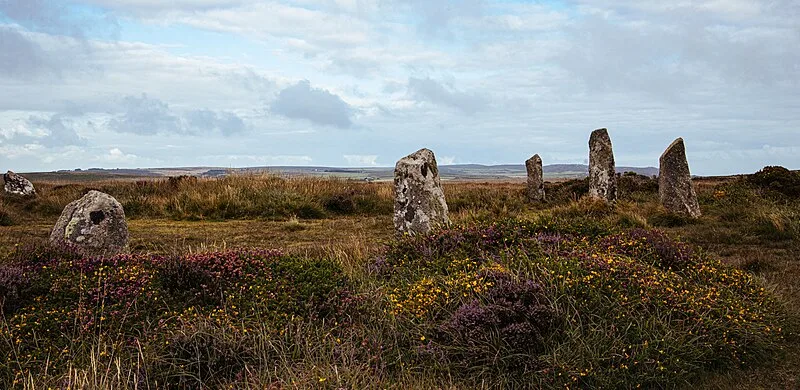
Boskednan Stone Circle
Boskednan Stone Circle, traditionally known as the Nine Maidens, is a late Neolithic or early Bronze Age monument located 6.4 km northwest of Penzance in Cornwall, England. The…
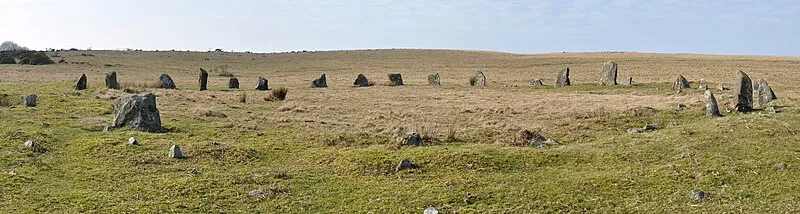
Brisworthy Stone Circle
Brisworthy Stone Circle is a Bronze Age stone circle on Dartmoor, Devon, situated in the Upper Plym Valley about 300 m from Ringmoor Stone Row. The slightly oval ring has a…
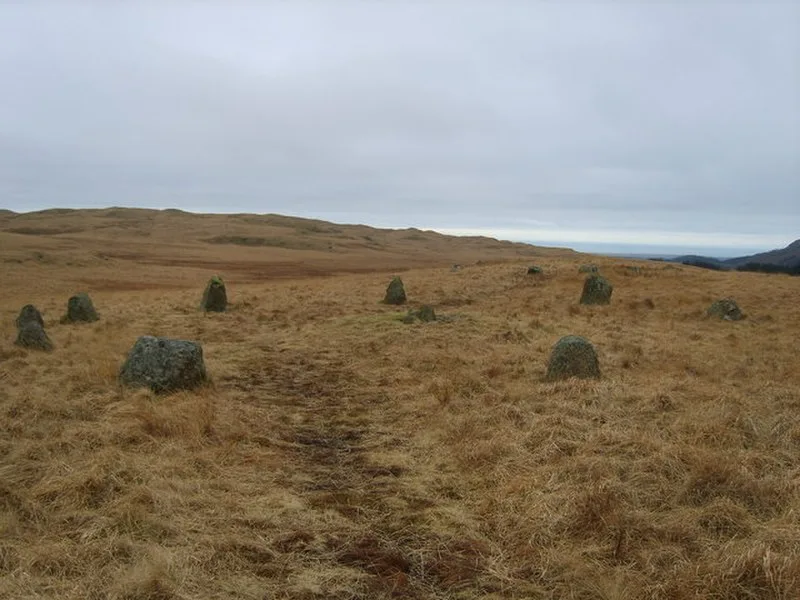
Burnmoor Stone Circles
The Burnmoor Stone Circles are a group of five Bronze Age stone circles in Cumbria, England. Located about 1.6 km (1 mi) north of Boot village on the slopes of Boat How, the site…
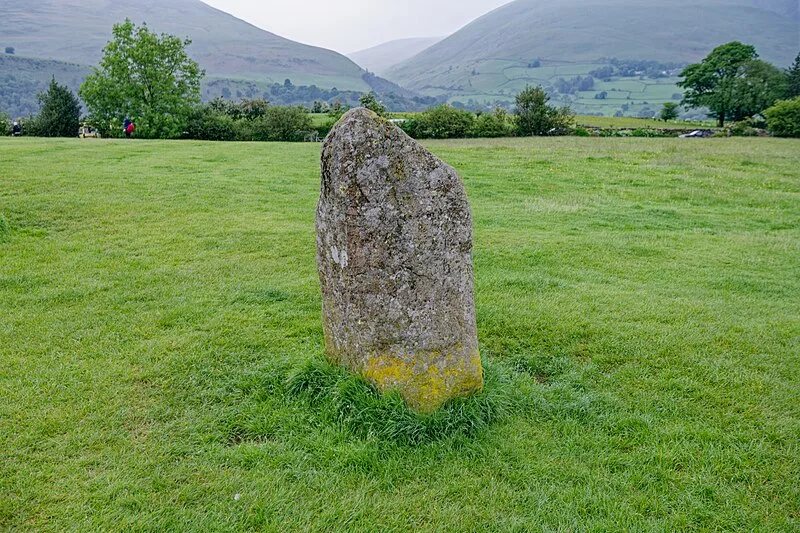
Castlerigg Stone Circle
Castlerigg Stone Circle sits on a prominent hill east of Keswick in the Lake District National Park, North West England. It is one of approximately 1,300 stone circles in the…
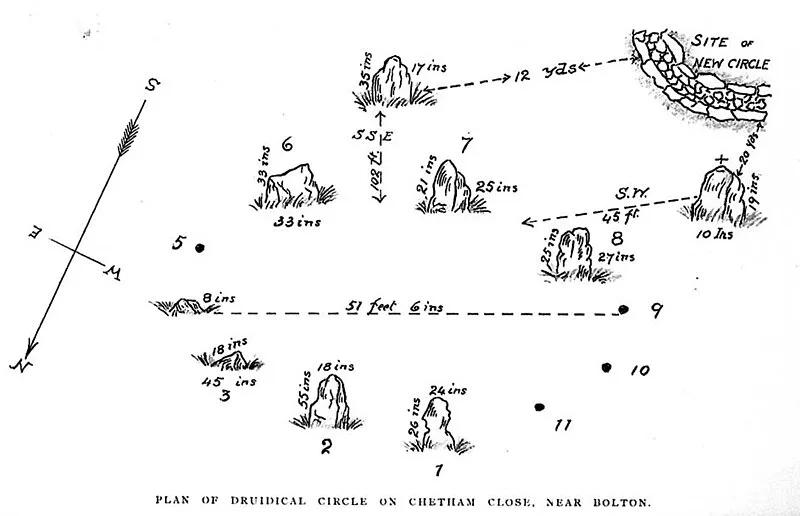
Cheetham Close
Cheetham Close is a Neolithic to Early Bronze Age stone circle and scheduled ancient monument located in Lancashire, near the boundary with Greater Manchester, England. According…
Craddock Moor Stone Circle
Craddock Moor Stone Circle is a Bronze Age monument on Bodmin Moor in Cornwall, dating to approximately 2500-1000 BC. Unusually, all of its stones are recumbent; originally up to…

Day House Lane Stone Circle
Day House Lane Stone Circle, also known as Coate Stone Circle, is a Late Neolithic to Early Bronze Age sarsen megalith circle near Coate on the southeastern edge of Swindon,…
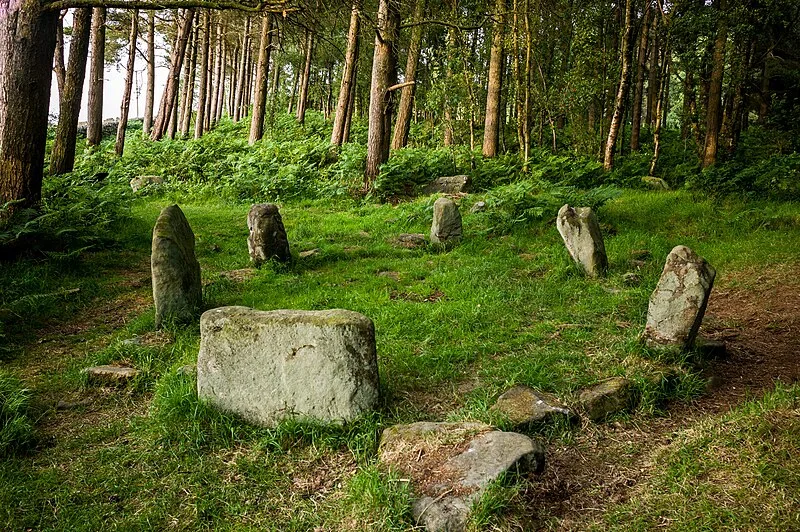
Doll Tor
Doll Tor is a stone circle situated just west of Stanton Moor near Birchover, Derbyshire, England. Built during the Late Neolithic and Early Bronze Ages, between 3300 and 900 BCE,…
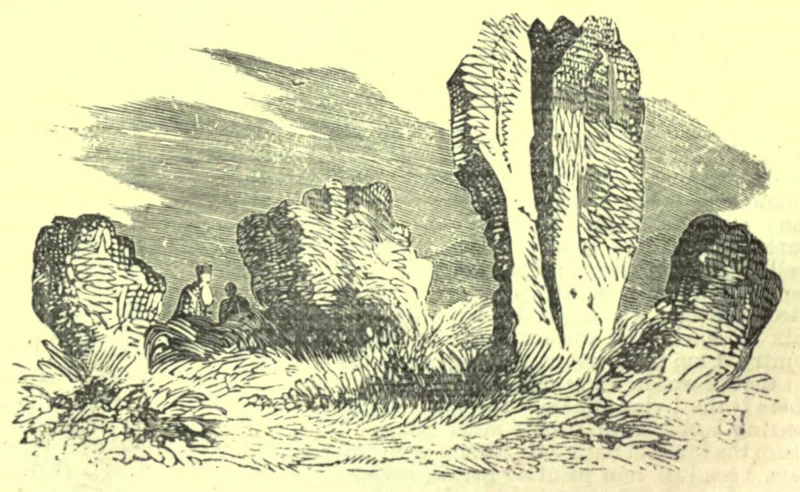
Duddo Five Stones
Duddo Five Stones is a Neolithic stone circle in North Northumberland, England, situated approximately 6 km (4 mi) south of the Scottish Border. The site originally featured seven…
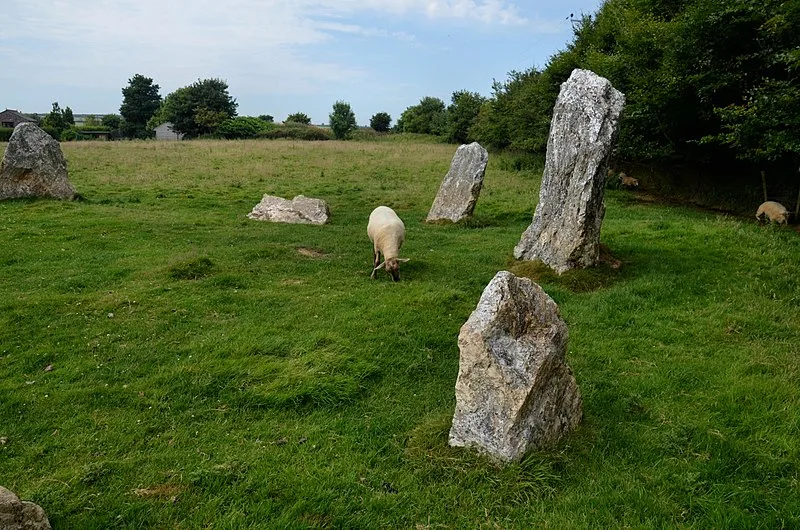
Duloe Stone Circle
Duloe Stone Circle is the smallest stone circle in Cornwall but features the largest stones of any Cornish circle, uniquely constructed from white quartz rather than the typical…
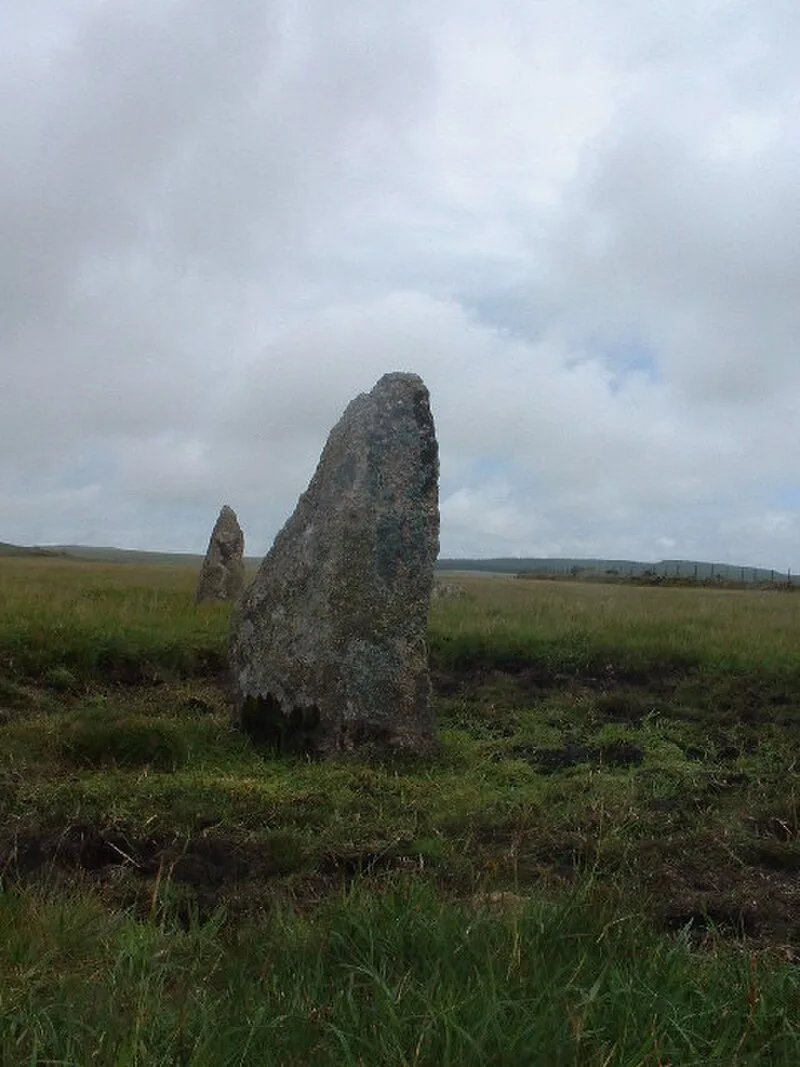
Emblance Downs Stone Circles
Emblance Downs Stone Circles are a pair of Bronze Age stone circles on Bodmin Moor, Cornwall, in the parish of St Breward. Each circle is approximately 23 metres in diameter and…
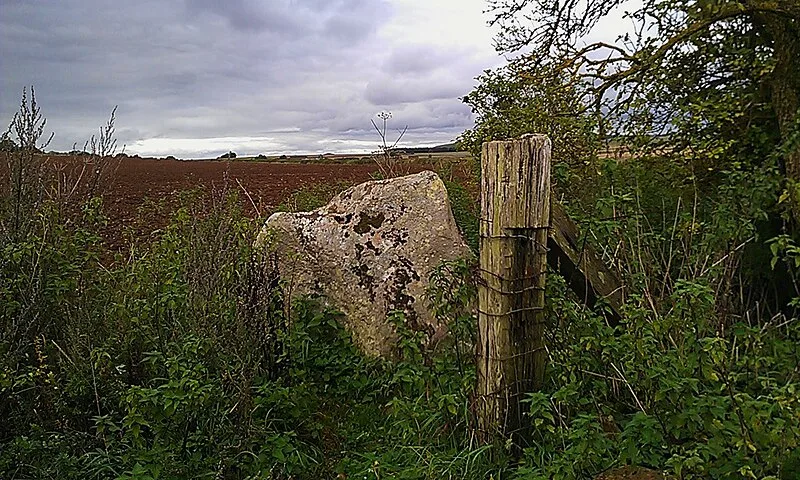
Falkner's Circle
Falkner's Circle was a stone circle near the village of Avebury in the south-western English county of Wiltshire. Built from twelve sarsen megaliths, it measured about 37 metres…
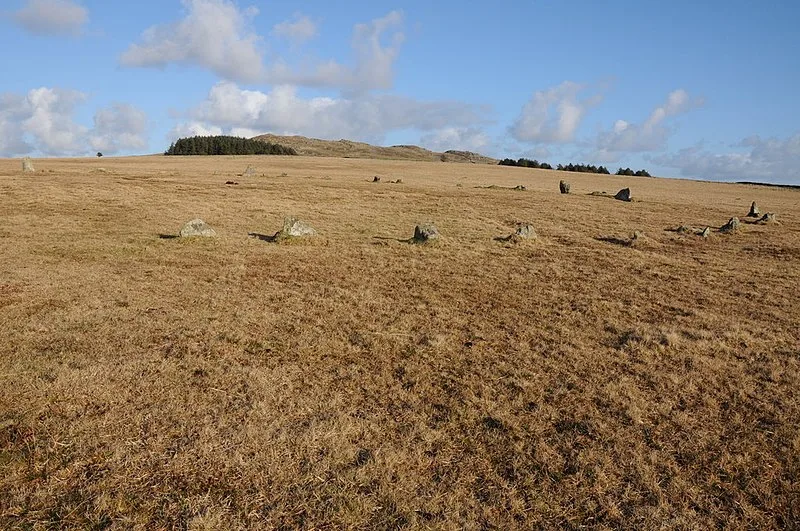
Fernacre
One of Cornwall's largest stone circles, located on Bodmin Moor northeast of St Breward. The oval monument measures 46 x 44 metres and contains approximately 70 irregularly shaped…
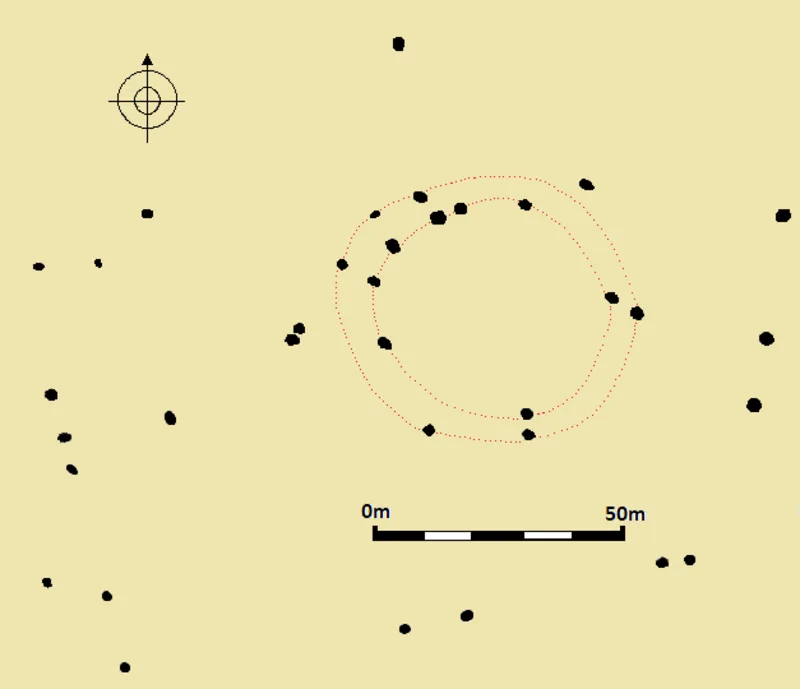
Fir Clump Stone Circle
Fir Clump Stone Circle was a prehistoric stone circle located in Burderop Wood near Wroughton, Wiltshire, in South West England. Built between 3300 and 900 BCE during the Late…
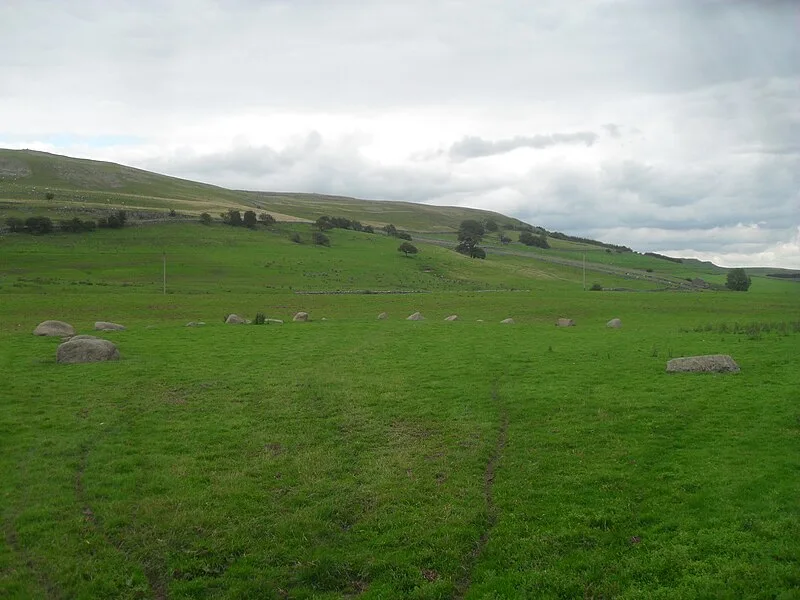
Gamelands Stone Circle
Prehistoric embanked stone circle at the foot of Knott Scar near Orton in Cumbria, England, dating from the Late Neolithic to Early Bronze Age (c. 2900-1600 BC). The largest stone…
Goodaver Stone Circle
Goodaver Stone Circle is a Bronze Age monument on Bodmin Moor in Cornwall, England, situated on Shepherd's Hill at about 306 m altitude. The near-circular arrangement measures…
Grey Croft Stone Circle
Grey Croft is a Bronze Age stone circle near Seascale in Cumbria, measuring approximately 30 metres in diameter with 10 surviving stones of an original 12, some reaching nearly…
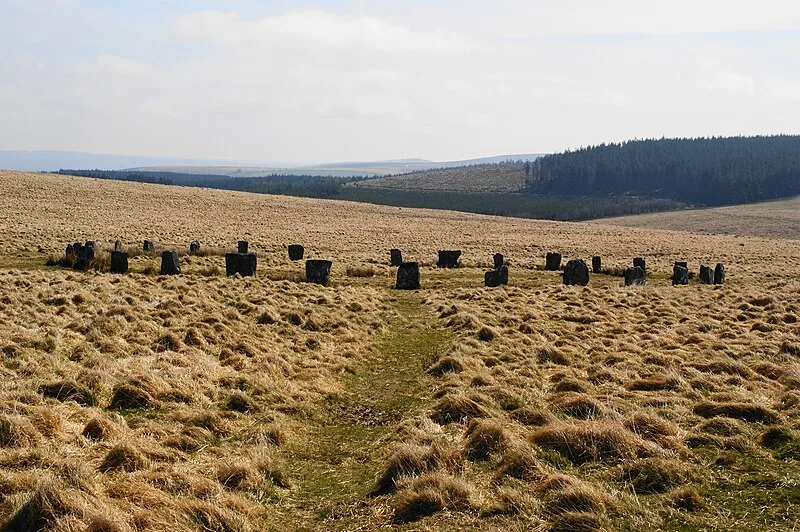
Grey Wethers
Grey Wethers is the only double stone circle on Dartmoor and stands at the highest altitude of all Dartmoor circles, on a grassy plateau north of Postbridge. The northern circle…
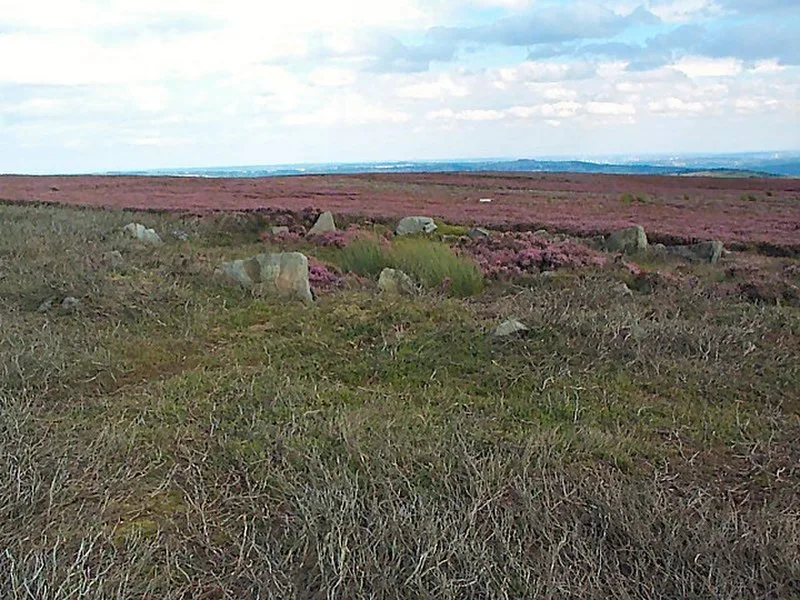
Grubstones
4500-3000 BC: The Grubstones is a stone circle on Burley Moor in West Yorkshire, England, situated below the hilltop on a gentle south-facing slope. It is believed to be either an…
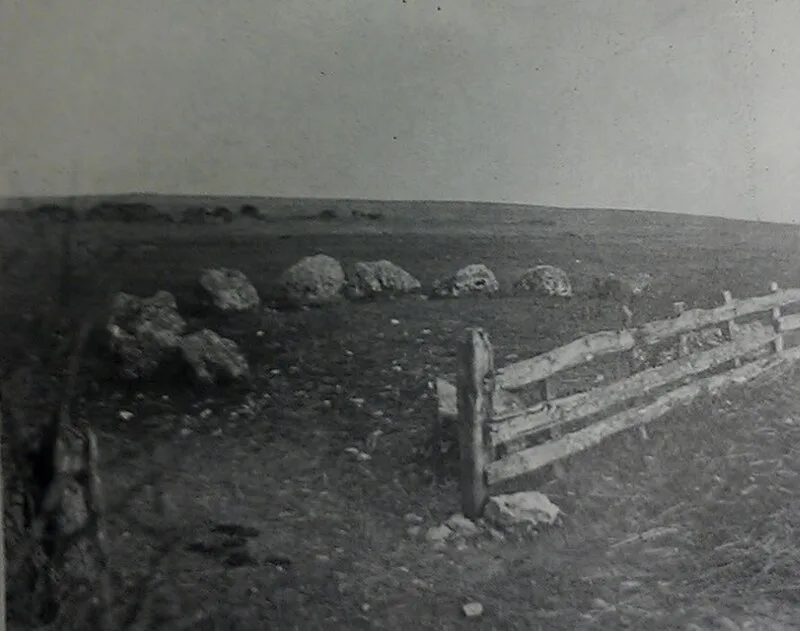
Hampton Down Stone Circle
The Hampton Down Stone Circle is a prehistoric monument near Portesham in Dorset, England. Archaeologists believe it was erected during the Late Neolithic to Early Bronze Age…
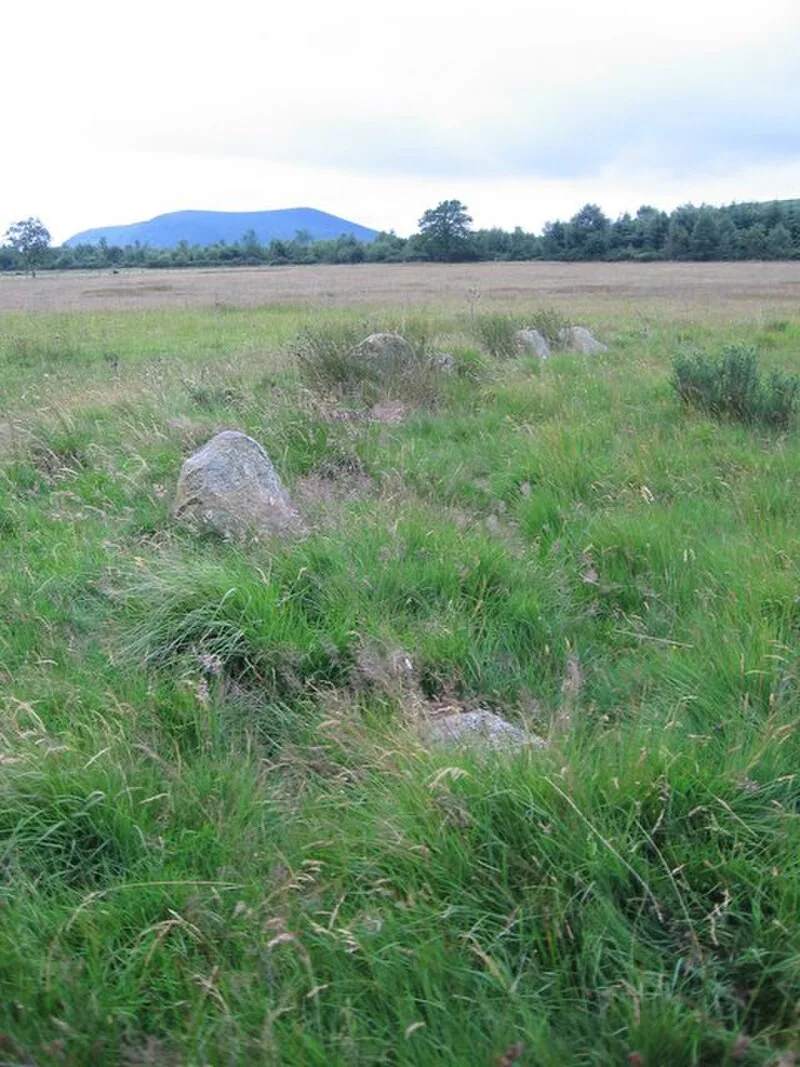
Hoarstones
The Hoarstones is a Neolithic to Bronze Age stone circle in Chirbury with Brompton, Shropshire, measuring 23.3 by 21.1 metres in an elliptical shape. It contains 38 to 40 small…
Hodson Stone Circle
Hodson Stone Circle was a stone circle in the village of Hodson, Wiltshire, England, part of the Late Neolithic and Early Bronze Age tradition of stone circle construction dating…
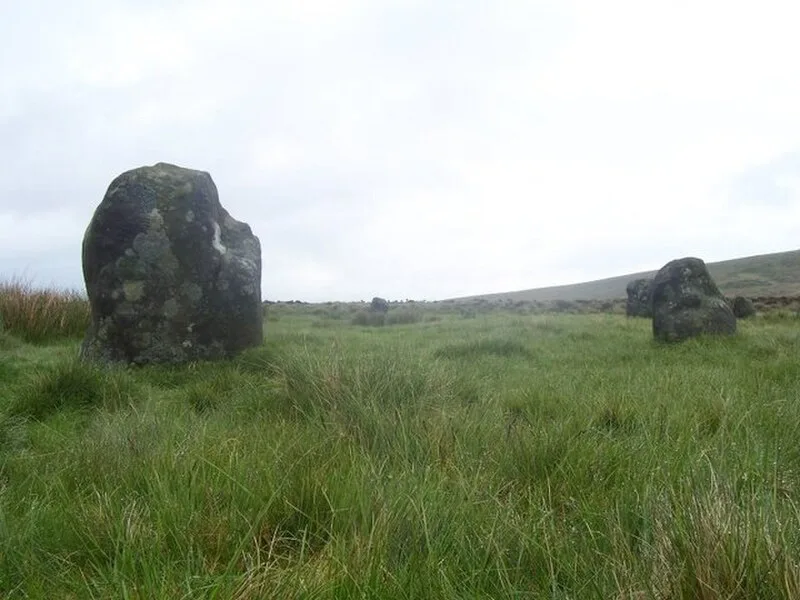
Hordron Edge Stone Circle
Hordron Edge Stone Circle, also known as the Seven Stones of Hordron, is a Bronze Age stone circle on Moscar Moor in Derbyshire, England, overlooking the upper Derwent Valley. The…
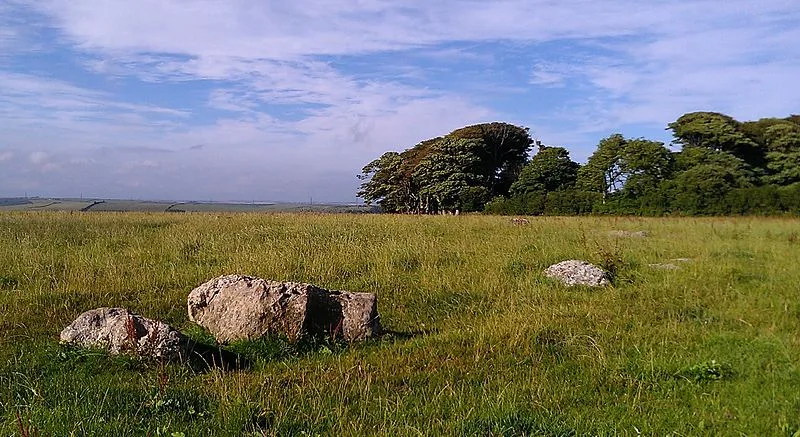
Kingston Russell Stone Circle
Kingston Russell Stone Circle, also known as the Gorwell Circle, is the largest surviving stone circle in Dorset, located on a chalk ridge between Abbotsbury and Littlebredy at…
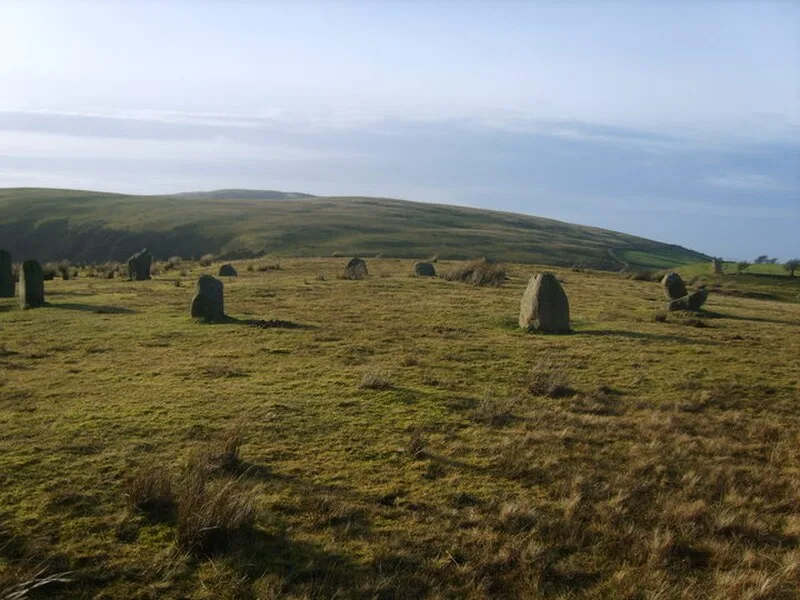
Kinniside Stone Circle
Kinniside Stone Circle (also called Blakeley Raise) is a reconstructed Bronze Age stone circle in the civil parish of Ennerdale and Kinniside, Cumbria, situated alongside the fell…
Leaze Stone Circle
Leaze Stone Circle is a Bronze Age monument in the parish of St. Breward on Bodmin Moor, Cornwall. The circle is approximately 23-24 metres in diameter and is composed of sixteen…
Leskernick Hill
Leskernick Hill is a Neolithic to Bronze Age archaeological site on Bodmin Moor in Cornwall, England, rising to 329 metres (1,079 ft) above sea level. The hill falls within the…
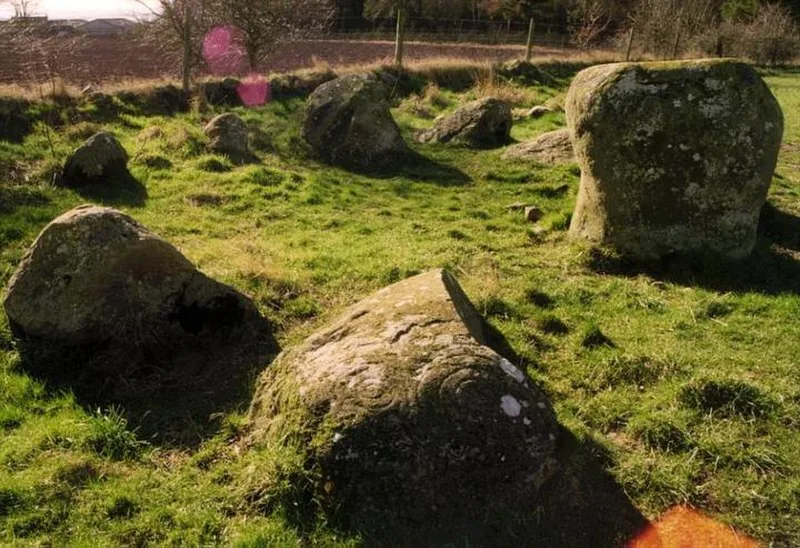
Little Meg
Little Meg is a small circle of large kerb stones probably surrounding a Bronze Age kerb cairn, located near Langwathby village northeast of Penrith in Cumbria, England. It lies…
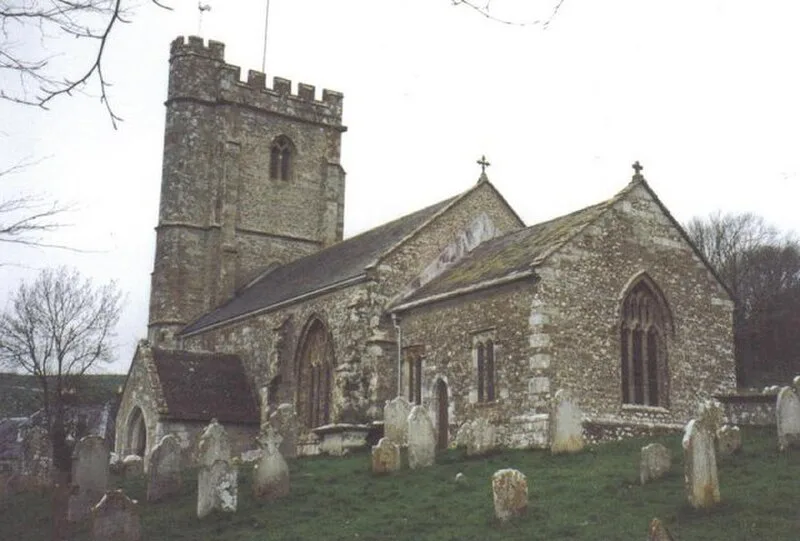
Litton Cheney
A possible Bronze Age stone circle or timber circle site near Litton Cheney village in Dorset, England. In the 1930s, Stuart and Cecily Piggott surveyed the site and identified a…
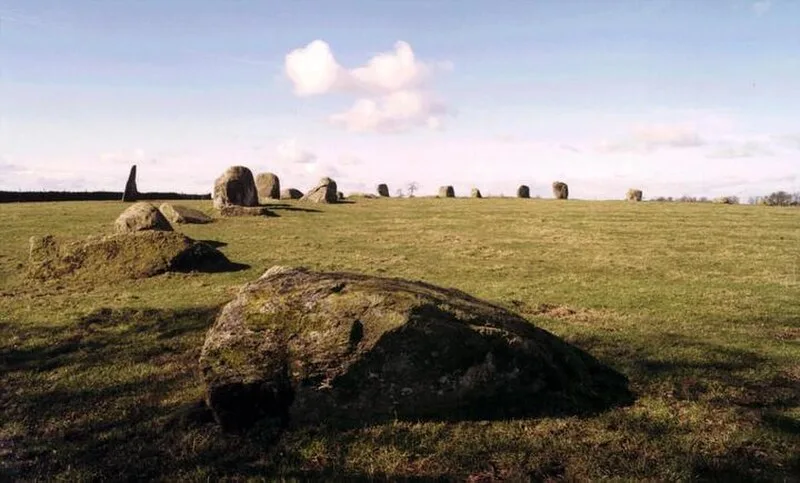
Long Meg and Her Daughters
Long Meg and Her Daughters is a Neolithic stone circle in Cumbria, England. One of approximately 1,300 stone circles in the British Isles and Brittany, it comprises 59 stones (27…
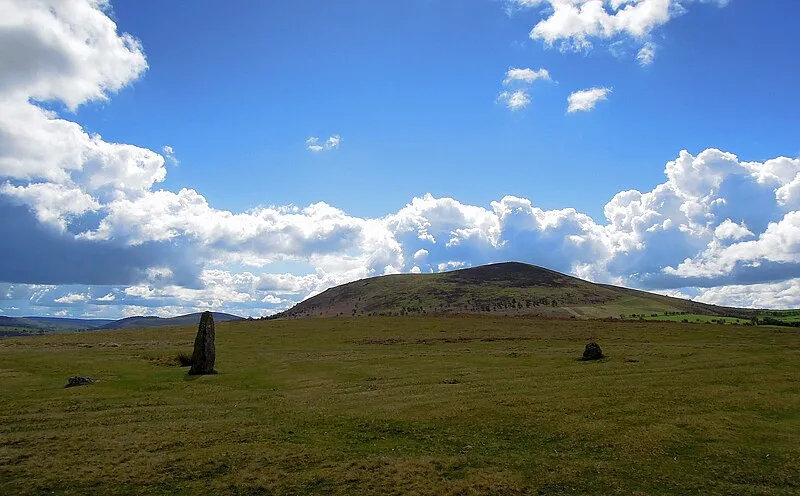
Mitchell's Fold Stone Circle
Mitchell's Fold is a Bronze Age stone circle on Stapeley Hill in southwest Shropshire, England, standing at 330 metres elevation. Built around 2000-1400 BC using dolerite stones…
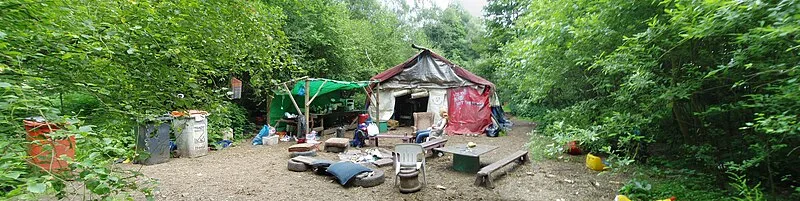
Nine Ladies Stone Circle
The Nine Ladies is a stone circle on Stanton Moor in Derbyshire, East Midlands, England. Built during the Late Neolithic to Early Bronze Age (3300–900 BCE), it consists of ten…
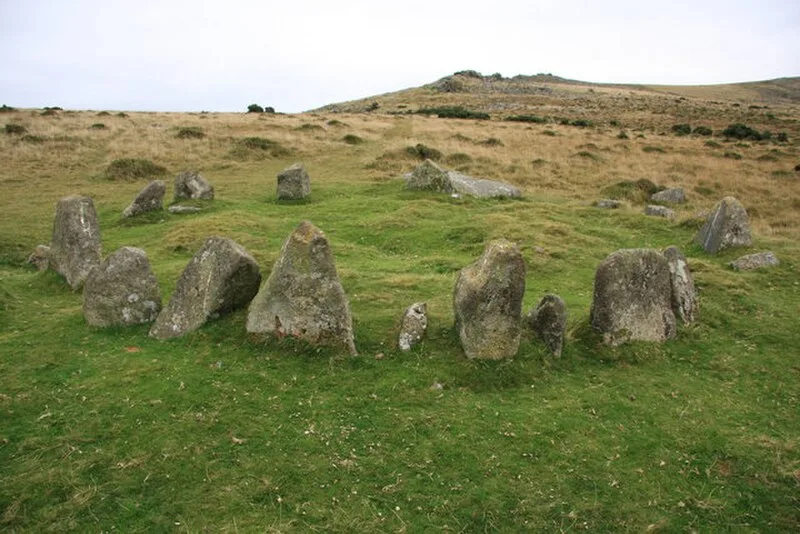
Nine Maidens Stone Circle
The Nine Maidens, also called the Seventeen Brothers, is a Bronze Age cairn circle on Belstone Common on northern Dartmoor, Devon, England. The circle has an internal diameter of…
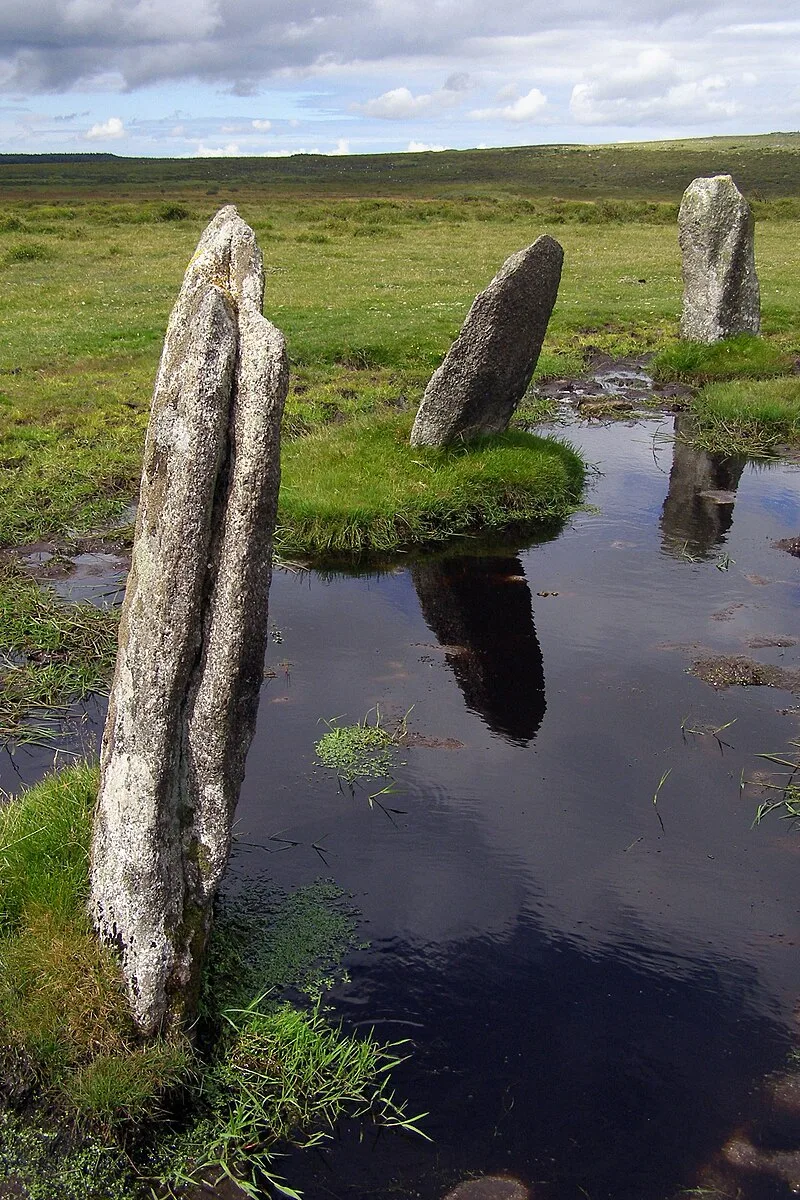
Nine Stones, Altarnun
A Neolithic and Bronze Age stone circle on Bodmin Moor, Cornwall, located 3 km south-southeast of Altarnun. The smallest stone circle on Bodmin Moor, it measures approximately…
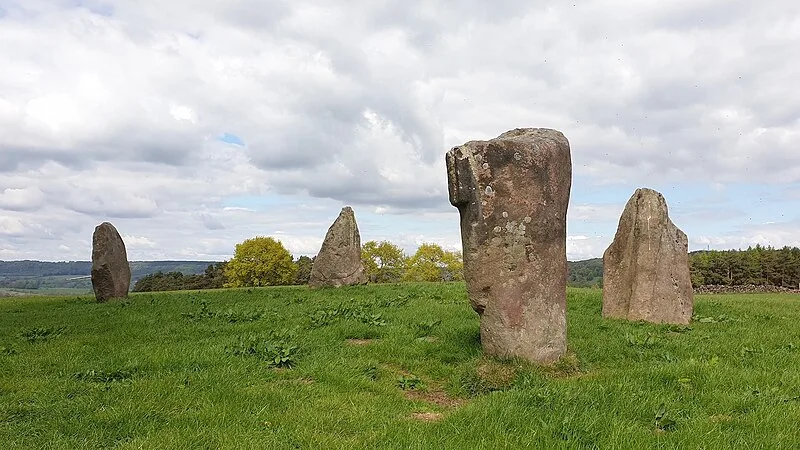
Nine Stones Close
A late Neolithic to early Bronze Age stone circle on Harthill Moor in Derbyshire, also known as the Grey Ladies, so called because the stones supposedly represent ladies who dance…
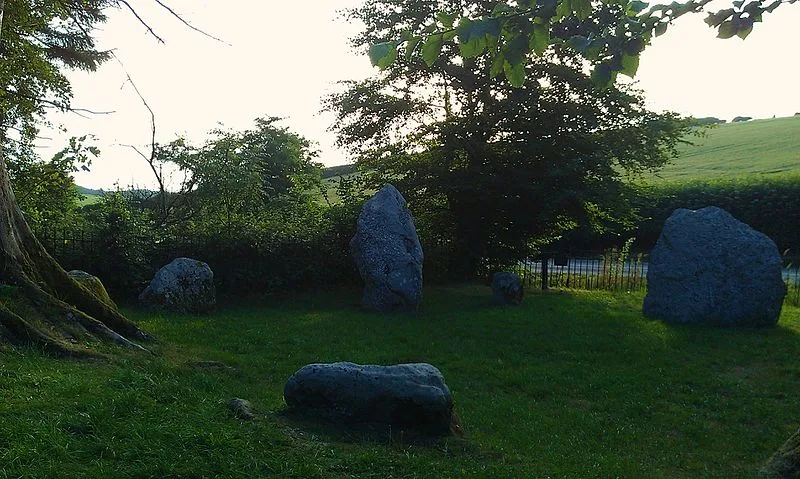
Nine Stones, Winterbourne Abbas
A late Neolithic to early Bronze Age stone circle near Winterbourne Abbas in Dorset, dating to approximately 2000 BC. The circle has a maximum diameter of about 8 metres and…
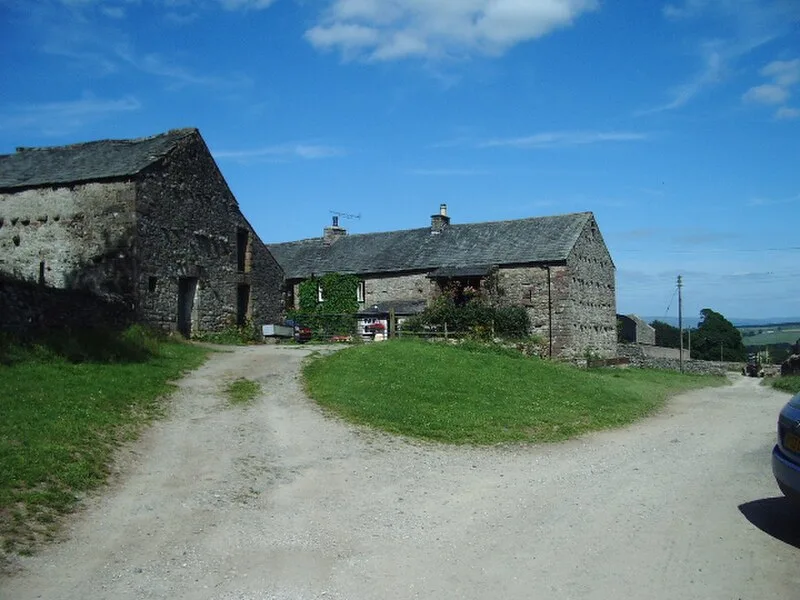
Oddendale Stone Circle
Oddendale Stone Circle is a Neolithic-to-Bronze Age concentric stone circle near Shap in Cumbria, the finest of the Crosby Ravensworth circles. It comprises an outer ring of 34…
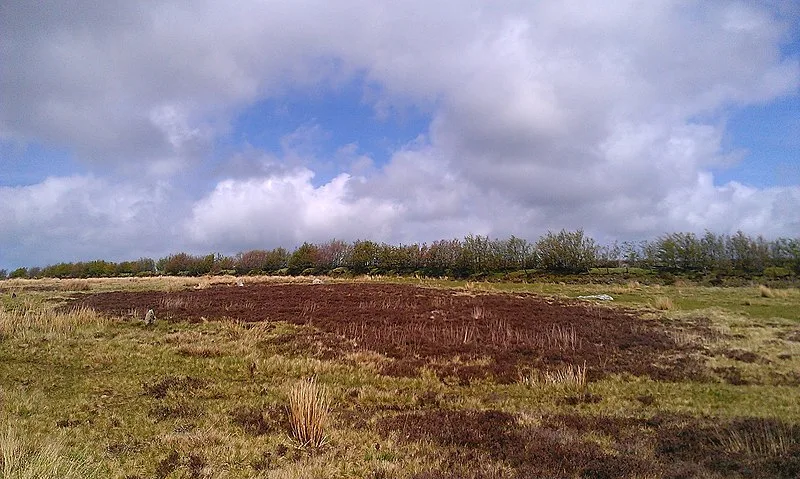
Porlock Stone Circle
Porlock Stone Circle is a stone circle on Exmoor near the village of Porlock in Somerset, England. Built during the Late Neolithic to Early Bronze Age, it dates to between 3300…
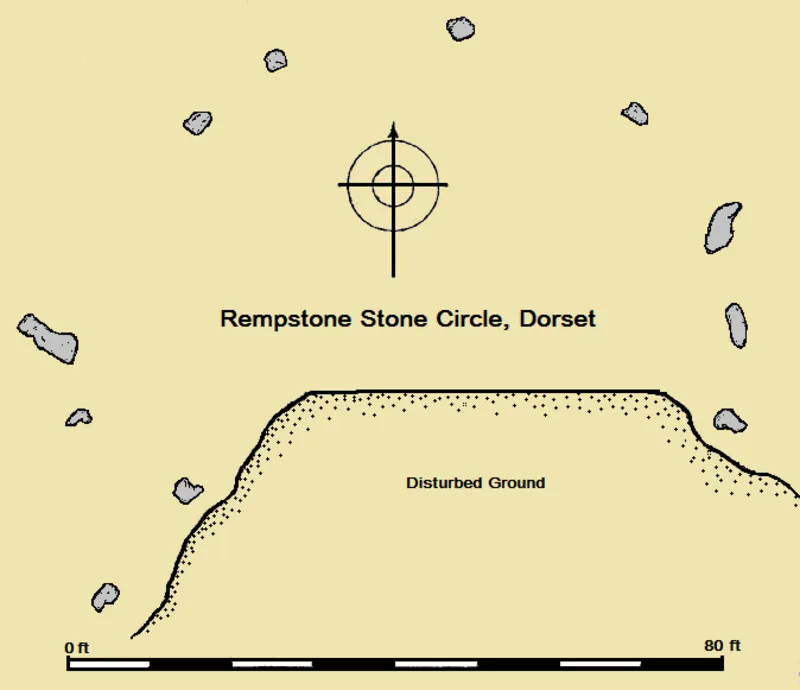
Rempstone Stone Circle
Rempstone Stone Circle is a Bronze Age monument near Corfe Castle on the Isle of Purbeck in Dorset, England. The surviving stones form an arc suggesting an original diameter of…
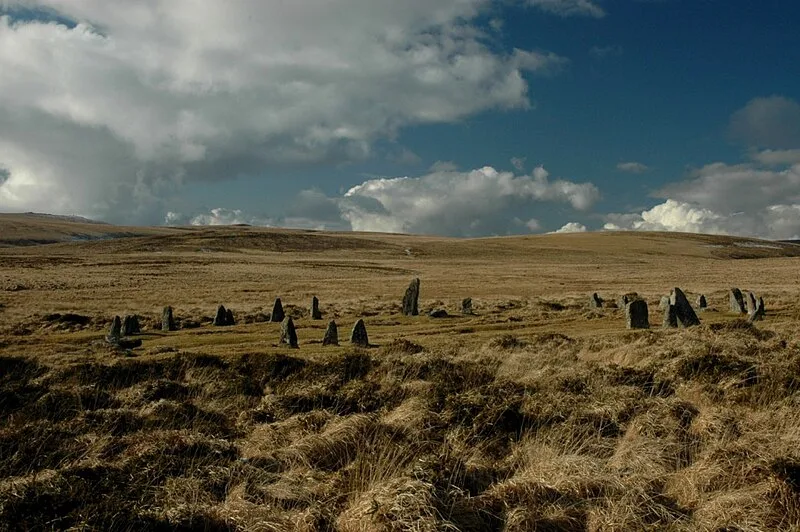
Scorhill Stone Circle
Scorhill Stone Circle, also known as Gidleigh Stone Circle, is widely considered Dartmoor's finest stone circle, located on Gidleigh Common in northeast Dartmoor, Devon. Built…

Snowden Crags
Snowden Crags is a stone circle on Askwith Moor in North Yorkshire, England. Local antiquarian Eric Cowling first documented the site, which includes a stone circle and…
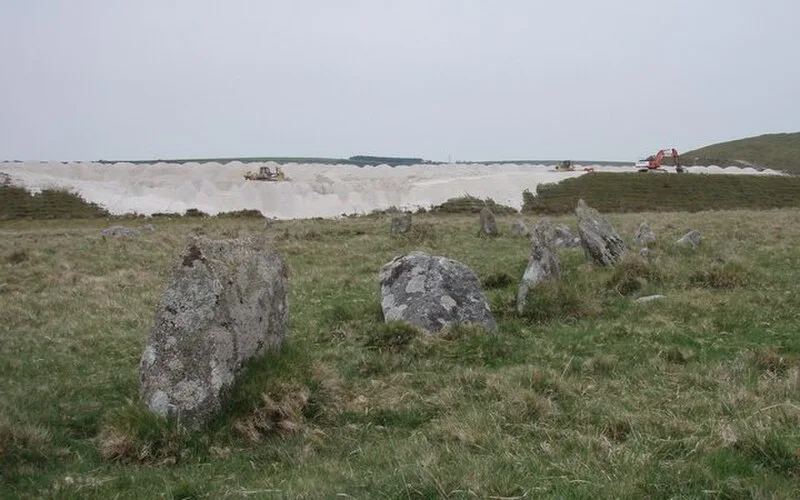
Stannon Stone Circle
Stannon Stone Circle is a large late Neolithic or early Bronze Age monument on the western slopes of Bodmin Moor near St. Breward, Cornwall. It comprises around 47 closely spaced…
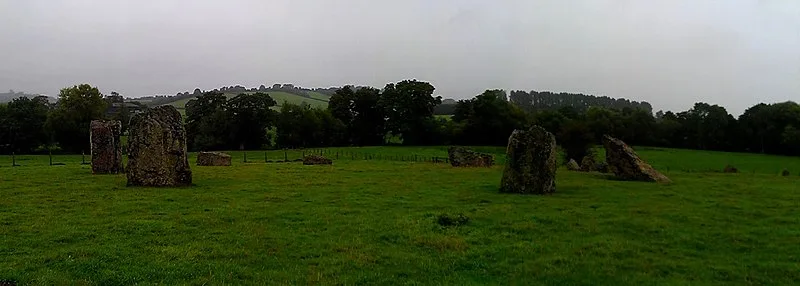
Stanton Drew Stone Circles
The Stanton Drew Stone Circles are located just outside the village of Stanton Drew in Somerset, England. The Great Circle measures 113 metres (371 ft) in diameter, making it the…

Stapeley Hill
Stapeley Hill in southwest Shropshire is home to Mitchell's Fold, a Bronze Age stone circle constructed over 3,000 years ago from dolerite stones quarried from the hill itself.…
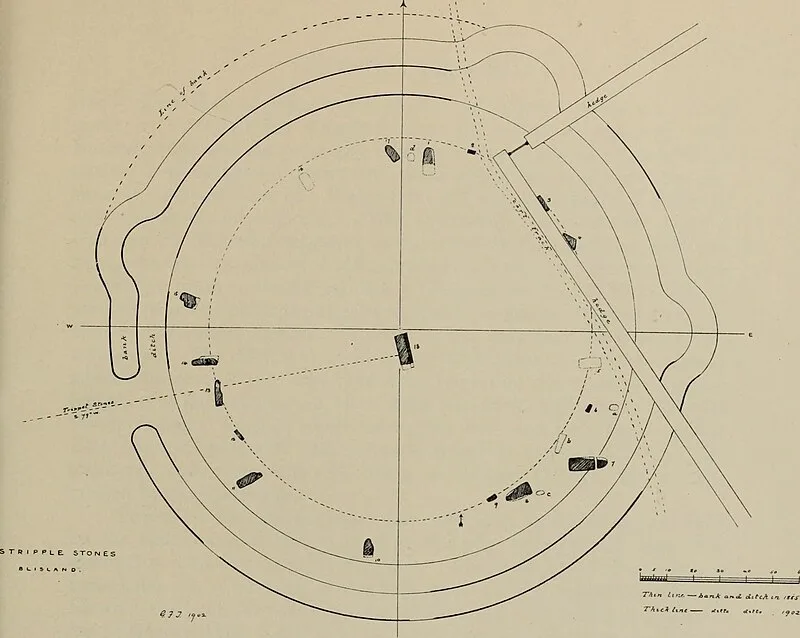
Stripple Stones
The Stripple Stones is a late Neolithic henge and stone circle on the south slope of Hawk's Tor, Bodmin Moor, Cornwall, England. Unique in Cornwall as the only stone circle built…
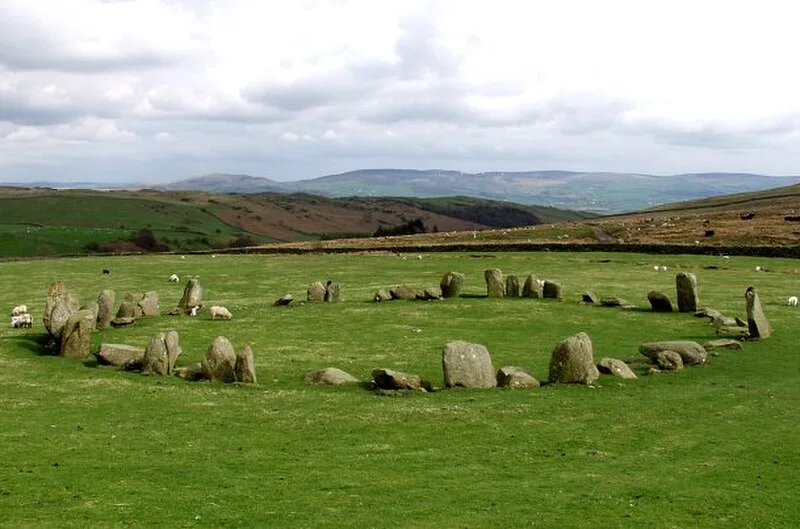
Swinside
Swinside (also known as Sunkenkirk and Swineshead) is a Neolithic-Bronze Age stone circle on Swinside Fell, part of Black Combe in southern Cumbria, North West England. One of…
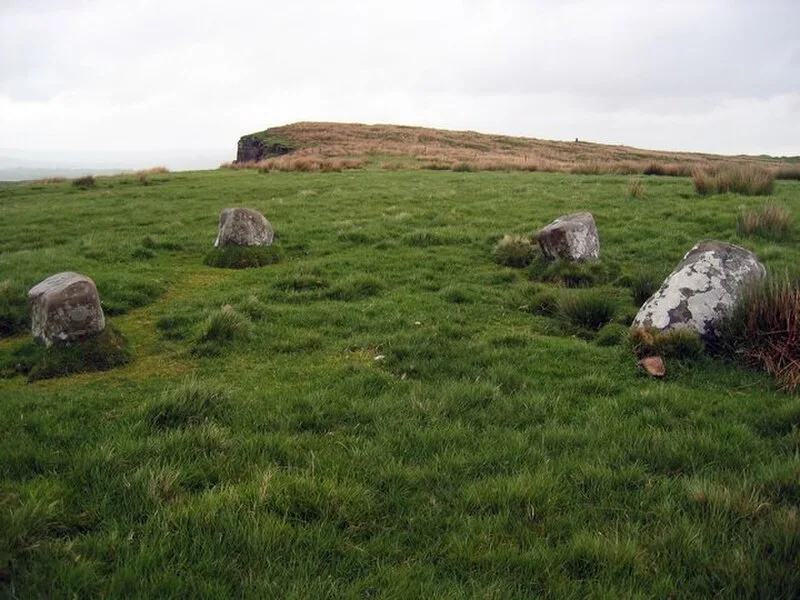
The Goatstones
A Bronze Age four-poster stone circle near Ravensheugh Crags in Northumberland, 4 km north of Hadrian's Wall in the parish of Wark-on-Tyne. It consists of four squat stones no…
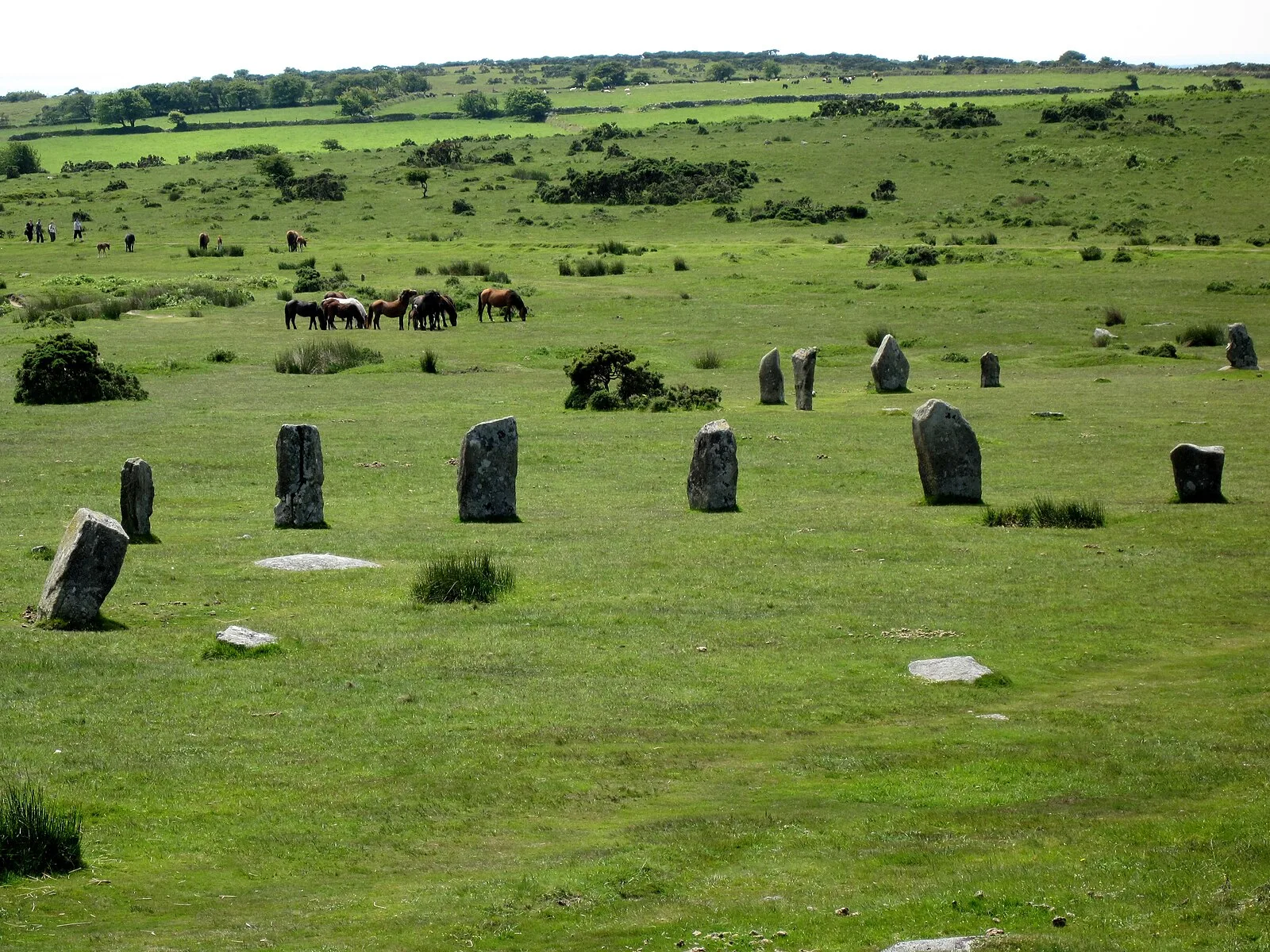
The Hurlers Stone Circles
A unique group of three Late Neolithic or Early Bronze Age stone circles near Minions on Bodmin Moor, Cornwall. This close grouping of three regular circles is unparalleled in…
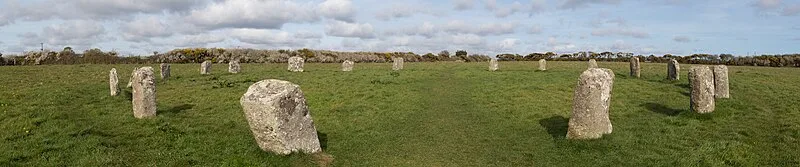
The Merry Maidens
The Merry Maidens (also known as Dawn's Men) is a Late Neolithic stone circle in Cornwall, England, dating to 4500–3000 BC. Located 3 km south of St Buryan, the complete circle…
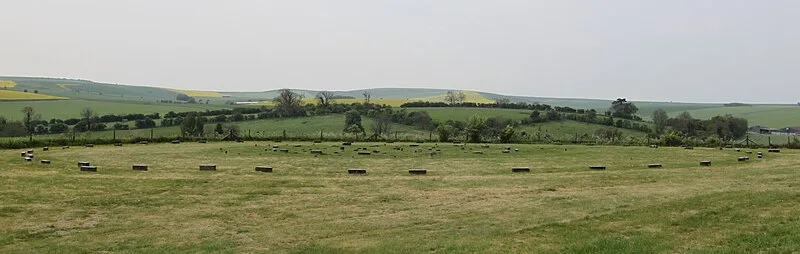
The Sanctuary
The Sanctuary was a late Neolithic stone and timber ceremonial monument on Overton Hill near Avebury, built around 2500 BC. Maud Cunnington's 1930 excavation revealed two…
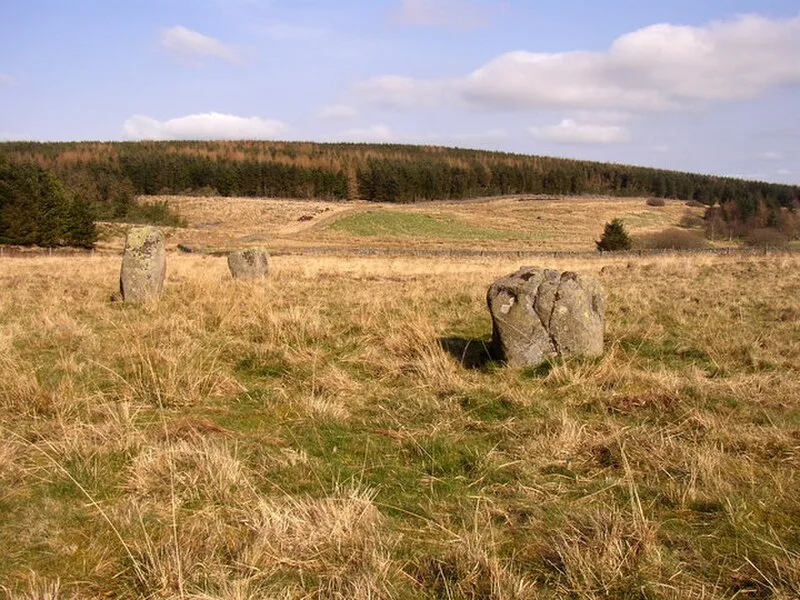
Threestoneburn Stone Circle
A late Neolithic or early Bronze Age stone circle near Ilderton in Northumberland, set on a promontory overlooking the confluence of Threestone Burn and a tributary. The oval ring…
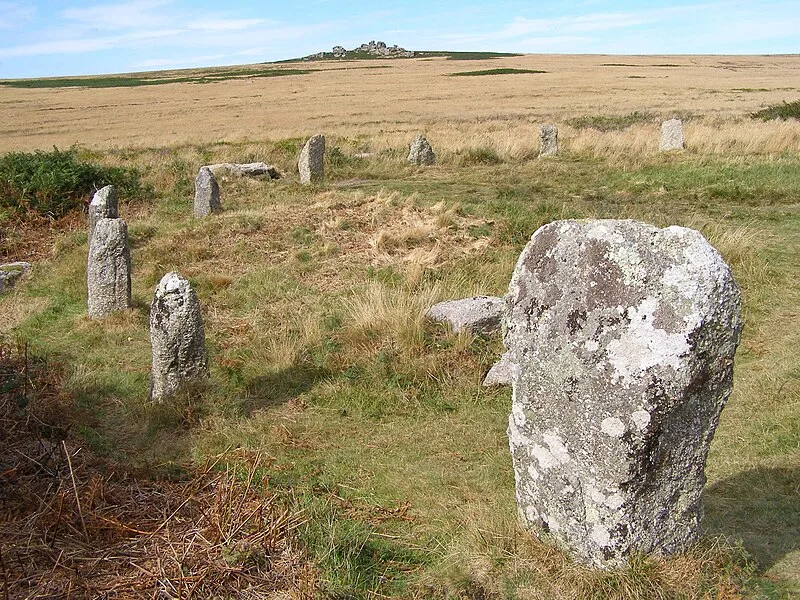
Tregeseal East Stone Circle
Tregeseal East (Cornish: Meyn an Dons, meaning "Stones of the Dance") is a heavily restored prehistoric stone circle located 1.6 km (1 mi) northeast of St Just in Cornwall,…
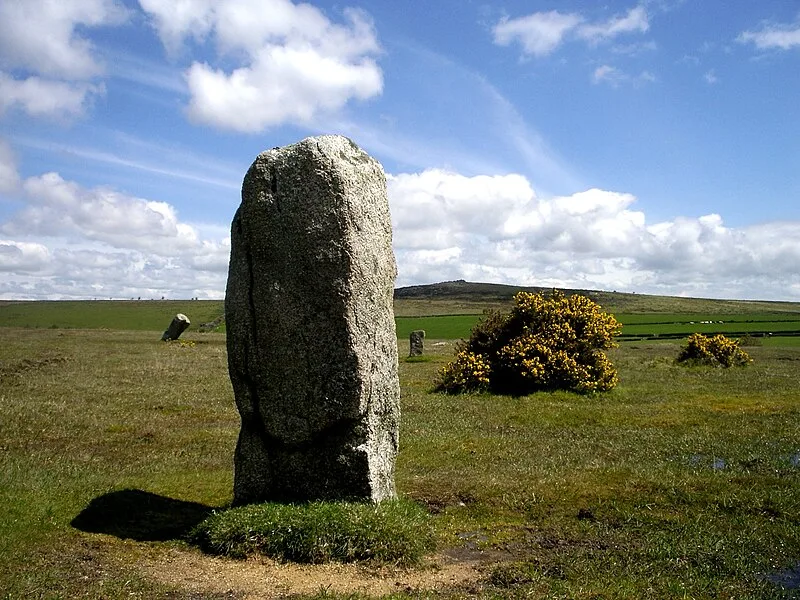
Trippet Stones
The Trippet Stones is a Bronze Age stone circle on Bodmin Moor, Cornwall, dating to approximately 2000 BC. The circle is 33 metres in diameter with eight upright granite stones…
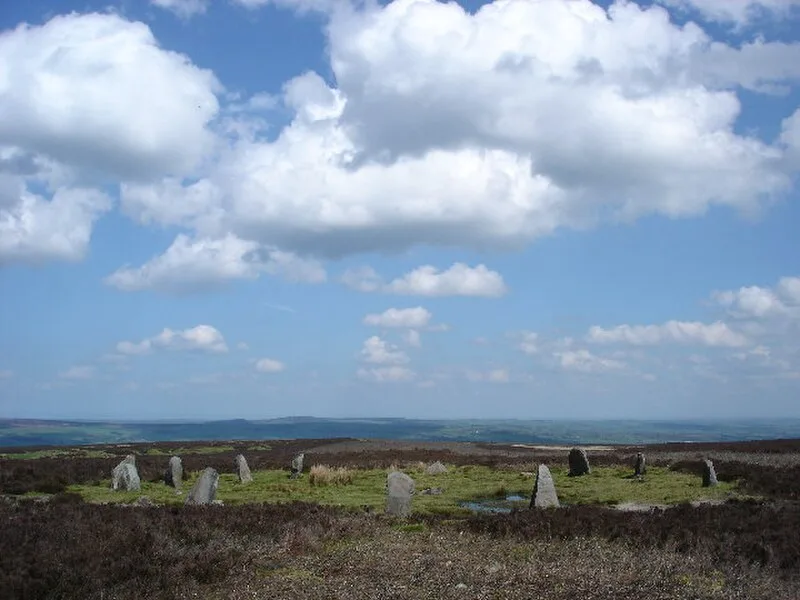
Twelve Apostles, West Yorkshire
3300 - 500 BC: The Twelve Apostles is a stone circle near Ilkley and Burley in Wharfedale in West Yorkshire, England.
Winterbourne Bassett Stone Circle
Remains of a Neolithic double concentric stone circle near the village of Winterbourne Bassett in Wiltshire, 5.5 km north of Avebury. The outer ring measured approximately 234…
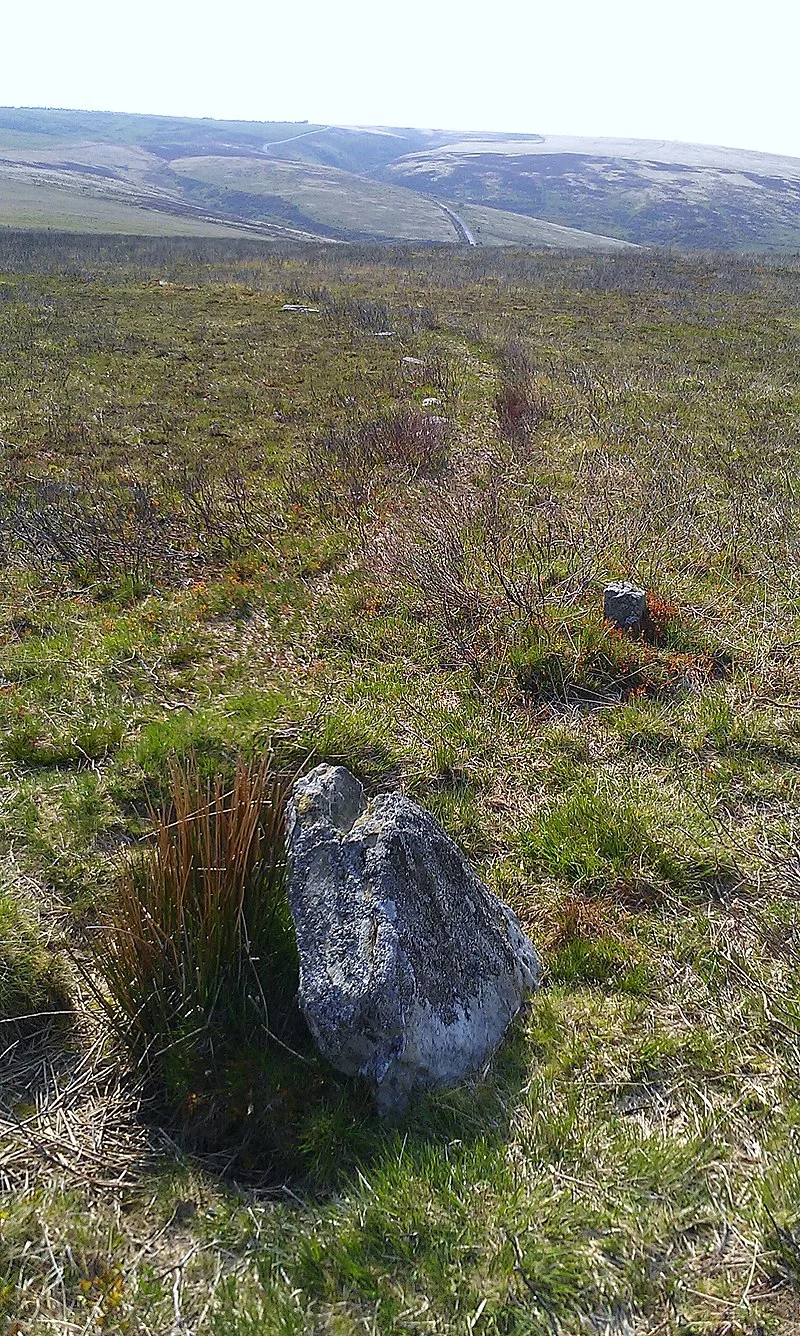
Withypool Stone Circle
Withypool Stone Circle sits on the Exmoor moorland in Somerset, England, near the village of Withypool. Constructed during the Late Neolithic to Early Bronze Age (circa 3300–900…
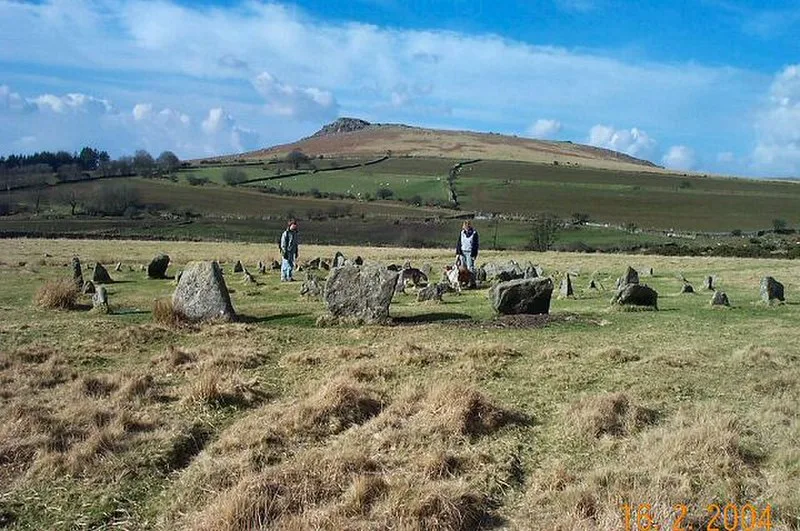
Yellowmead Stone Circle
Yellowmead Stone Circle near Sheepstor in Devon is a Bronze Age concentric stone circle consisting of four rings of stones set within one another, with the largest measuring 20…
Road/avenue/trackway in England (51)
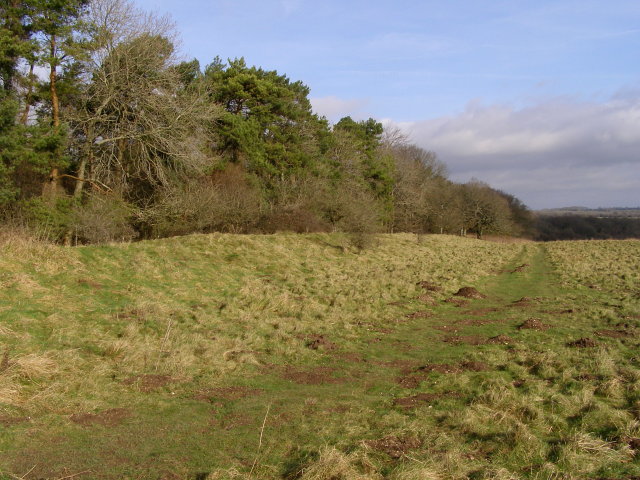
Ackling Dyke
Ackling Dyke is a Roman road in England running 22 miles from Old Sarum (Roman name Sorviodunum) to Badbury Rings (Roman name Vindocladia). The agger (road embankment) measures up…
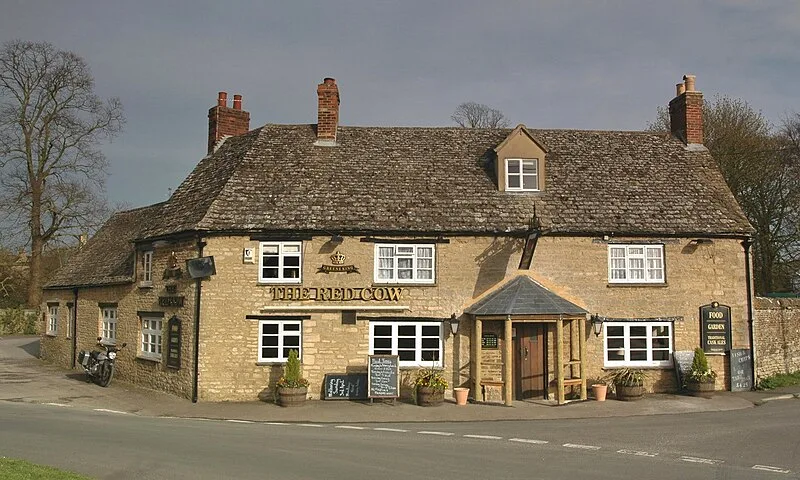
Akeman Street
A Roman road in southern England stretching approximately 117 km east-west from Verulamium (St Albans) to Corinium Dobunnorum (Cirencester), linking Watling Street with the Fosse…
Batham Gate
Batham Gate is the medieval name for a Roman road in Derbyshire, England, running approximately 16 km from Brough-on-Noe (Roman Navio) southwest to Buxton (Roman Aquae…
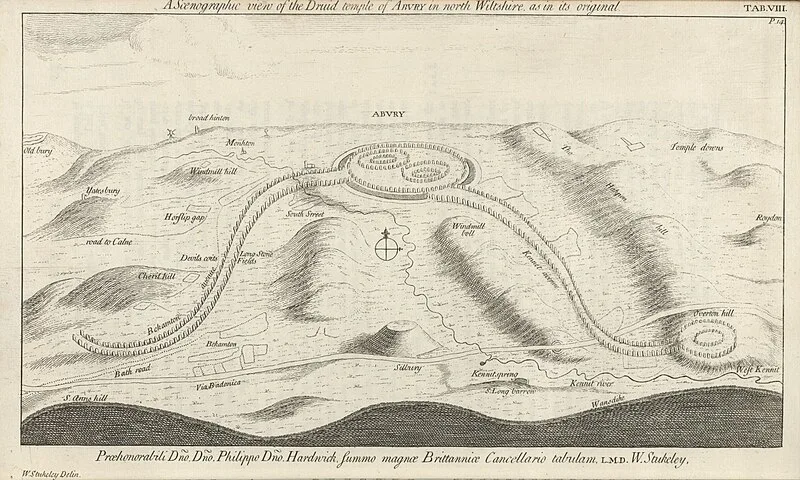
Beckhampton Avenue
The Beckhampton Avenue was a curving Neolithic avenue of paired standing stones running southwest from the Avebury henge toward Beckhampton in Wiltshire, dating to the late…
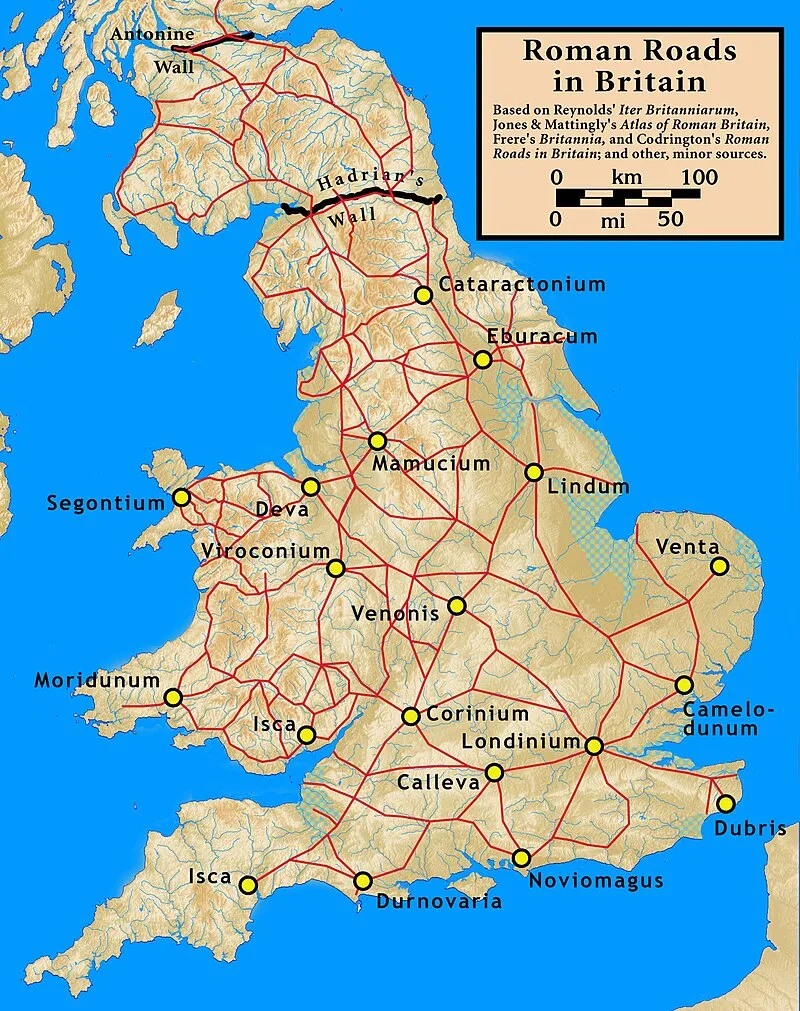
Cade's Road
(1st–5th c. AD) Cade's Road is a Roman road in northeast England, named after John Cade of Durham, an 18th-century antiquarian who in 1785 proposed its existence and possible…
Camlet Way
Camlet Way was a Roman road in England running east-west between Colchester (Camulodunum) in Essex and Silchester (Calleva Atrebatum) in Hampshire, passing through St Albans…
Chichester to Silchester Way
The Chichester to Silchester Way is a Roman road linking Chichester (Noviomagus, capital of the Regni) to Silchester (Calleva Atrebatum, capital of the Atrebates). The road had…

Derbyshire Portway
The Derbyshire Portway is a prehistoric trackway running approximately 49 miles (79 km) across the Peak District, from Stapleford Hill near Nottingham to Mam Tor in north…
Dere Street
Dere Street was a major Roman road running north from Eboracum (York) to the Antonine Wall in Scotland, serving as the primary route for Roman military communications and supplies…
Devil's Causeway
(1st–5th c. AD) The Devil's Causeway is a Roman road in Northumberland, North East England. It branches off Dere Street north of Corbridge and extends approximately 55 miles (89…
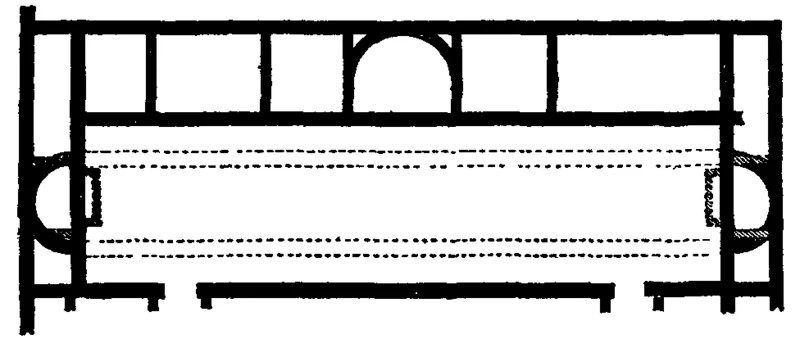
Devil's Highway - Roman Britain
The Devil's Highway was a Roman road built during the winter of AD 47-48, connecting Londinium (London) to Calleva Atrebatum (Silchester) via Pontes (Staines). Measuring 7.5-8.7…

Doctor's Gate
Doctor's Gate is a Roman road in the Derbyshire Peak District, England, which ran between Melandra fort at Glossop and Navio fort at Brough-on-Noe. The road was recorded in 1627…
Ermin Way
Ermin Way (Margary number 41) was a Roman road in Britain linking Glevum (Gloucester) to Corinium (Cirencester) and onward to Calleva (Silchester), forming a critical junction in…
Fen Causeway
A Roman road crossing the Cambridgeshire and Norfolk fens, linking Ermine Street near Peterborough in the west to Denver, Norfolk in the east, spanning 39 km. The road was raised…
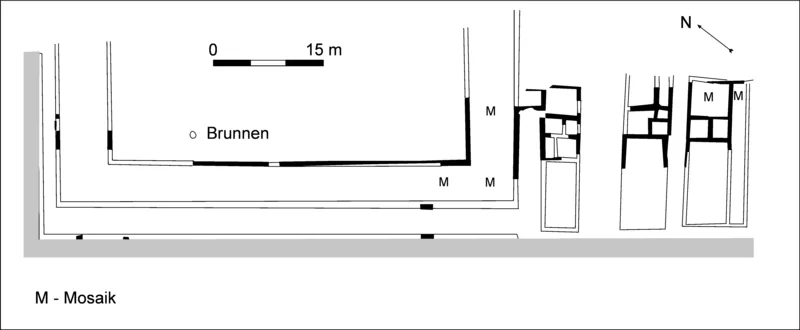
Fosse Way
The Fosse Way is a major Roman road built after the invasion of Britain in 43 AD, running approximately 230 miles from Exeter in the southwest to Lincoln in the northeast via…
Greater Ridgeway
The Greater Ridgeway is an ancient trackway crossing southern England from Dorset to Norfolk, following chalk upland routes used since prehistory. During Roman Britain (1–500 AD),…
Hadrian's Wall Path
Hadrian's Wall Path is an 84-mile (135 km) National Trail in northern England, established in 2003 as the 15th National Trail. It stretches from Wallsend on the east coast to…
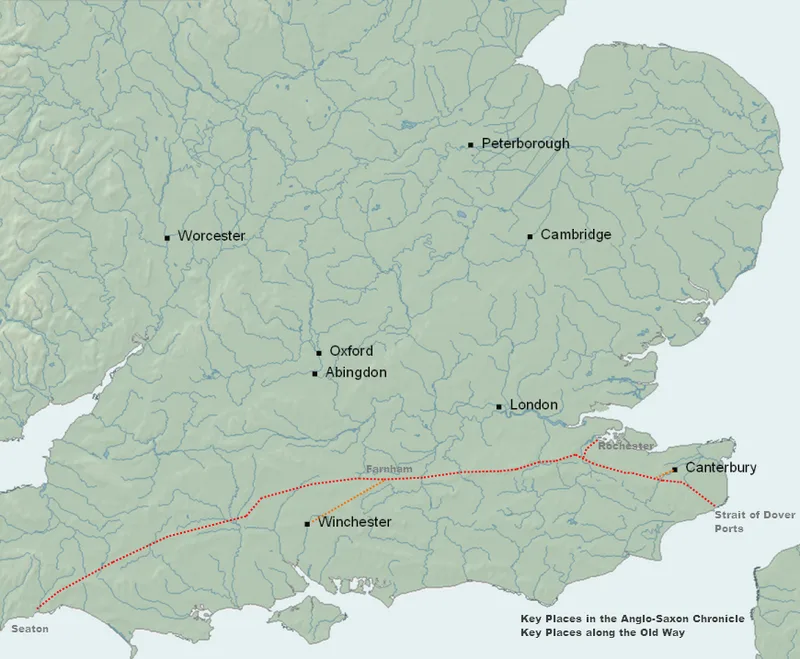
Harrow Way
The Harrow Way, also called the Old Way, is an ancient trackway in southern England dated by archaeological finds to 600–450 BC, though likely in existence since the Stone Age.…
Hatfield Neolithic Trackway
The Hatfield Neolithic Trackway (Lindholme Trackway) is an ancient timber route discovered in 2004. Dating to approximately 2900-2500 BC, it ranks among the oldest known ancient…
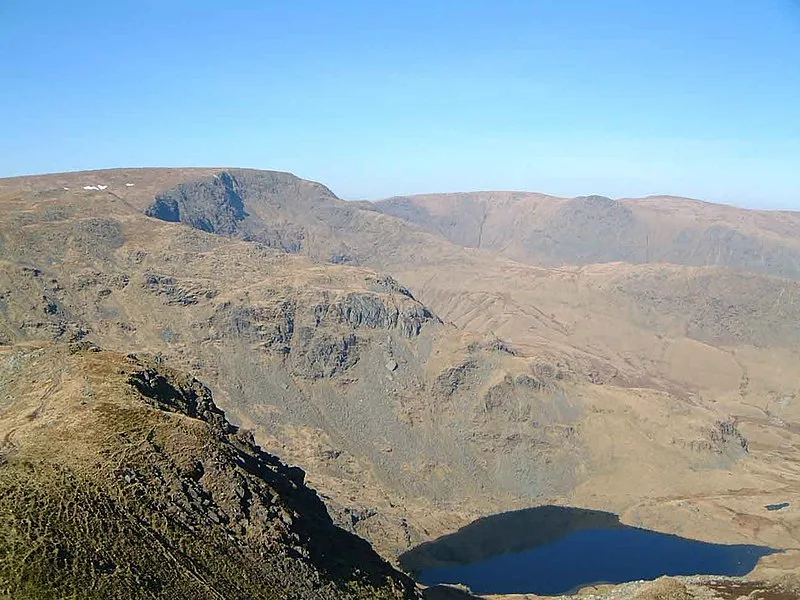
High Street, Lake District
A Roman road crossing the summit of High Street fell at 828 metres, the highest Roman road in England, connecting the forts at Brougham (Brocavum) and Ambleside (Galava). Likely…
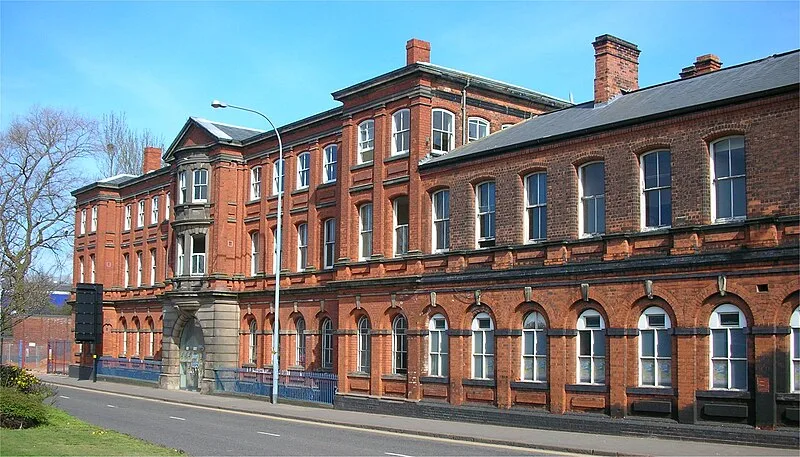
Icknield Street
A Roman road in England running southwest to northeast from Bourton on the Water in Gloucestershire to Templeborough in South Yorkshire, passing through Birmingham, Lichfield, and…
Icknield Way
The Icknield Way is an ancient trackway in southern England running from Norfolk to Wiltshire along the chalk escarpment of the Berkshire Downs and Chiltern Hills. It is…
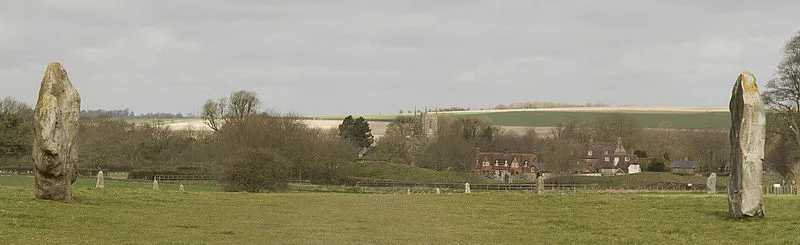
Kennet Avenue
West Kennet Avenue is a prehistoric stone avenue in Wiltshire, England, stretching 2.5 km between the Neolithic henge at Avebury and The Sanctuary on Overton Hill. Originally…
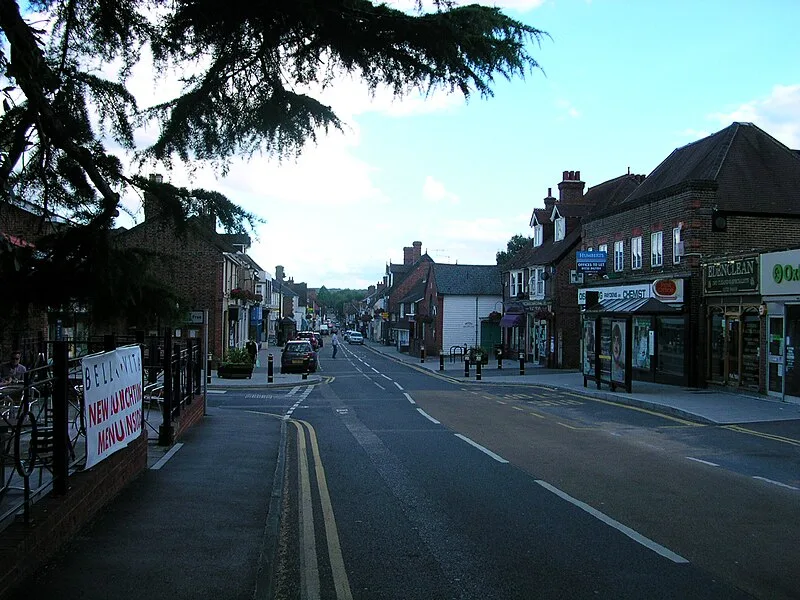
London to Lewes Way
The London to Lewes Way is a 71 km (44 mi) Roman road built in the 1st century AD, connecting Watling Street at Peckham to Lewes in Sussex. The route passes through Beckenham and…
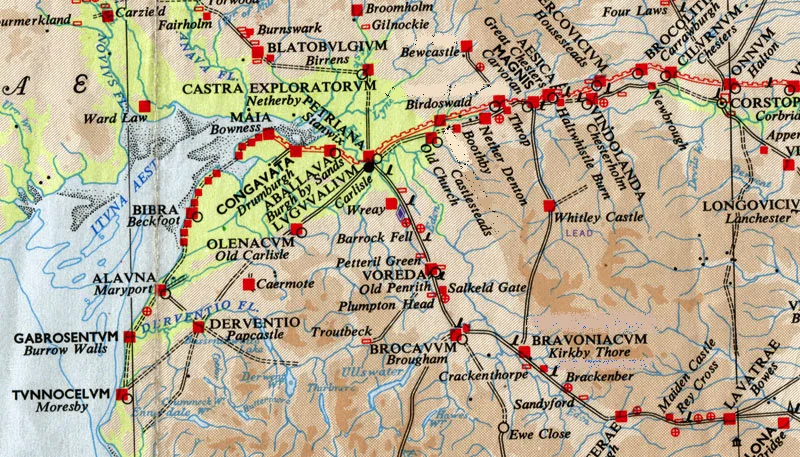
Maiden Way
The Maiden Way was a roughly 32 km (20 mi) Roman road in northern England connecting the fort of Bravoniacum (Kirkby Thore) with Magnis (Carvoran) on Hadrian's Wall, via the…

Military Way - Hadrian's Wall
The Military Way is a Roman road built directly south of Hadrian's Wall.
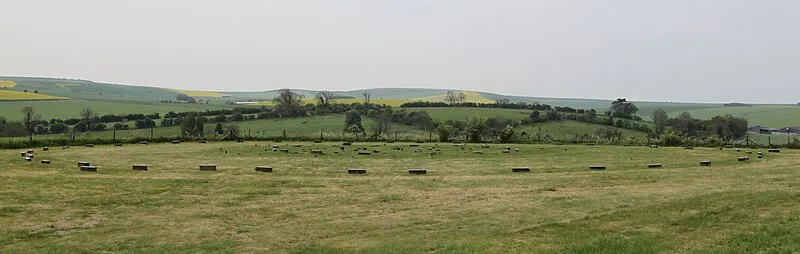
Overton Hill
Overton Hill is a 174-metre hill at the southern edge of the Marlborough Downs in Wiltshire, England. It is notable as the start point of the Ridgeway National Trail, which…
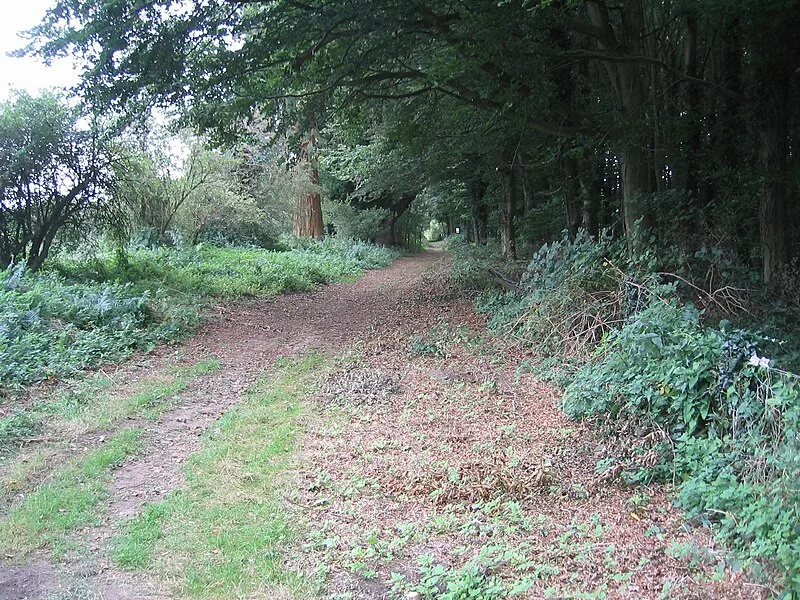
Peddars Way
Peddars Way is a 74 km (46 mi) long-distance path following a Roman road from Knettishall Heath in Suffolk to Holme-next-the-Sea in Norfolk. Its remarkably straight alignment…
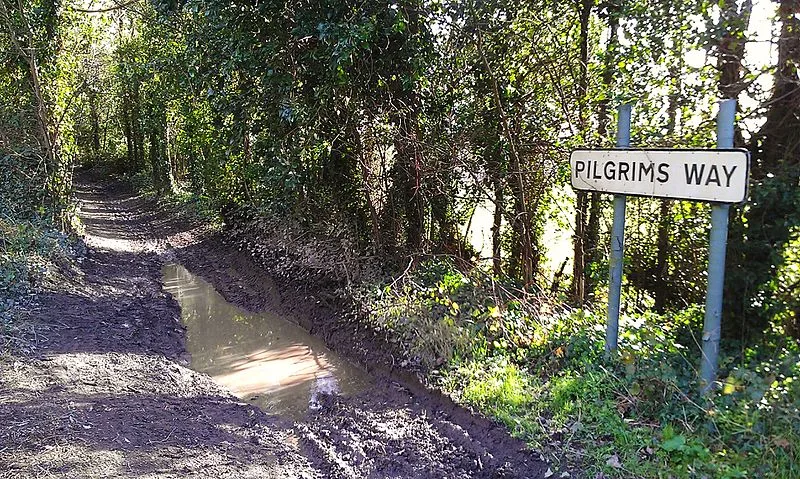
Pilgrims' Way
The Pilgrims' Way is an ancient trackway in southern England, originally dating to 600-450 BC though likely used since the Stone Age. The name refers to the medieval pilgrimage…
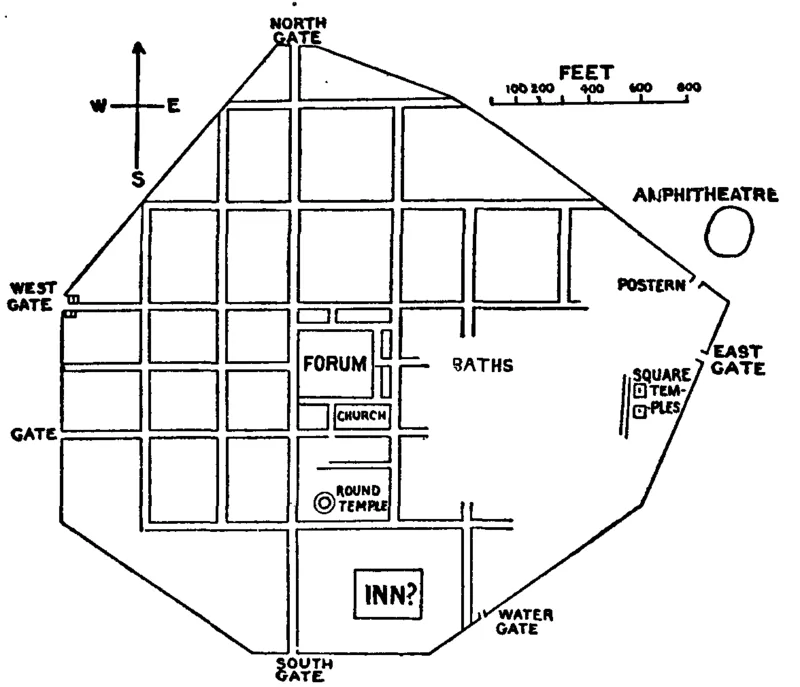
Port Way
The Port Way (or Portway) is a 58 km ancient road in southern England connecting Calleva Atrebatum (Silchester) to Sorbiodunum (Old Sarum), possibly predating the Roman…
Post Track
The Post Track is an ancient timber causeway in the River Brue valley on the Somerset Levels, England. Dated to around 3838 BCE, it is approximately 30 years older than the nearby…
Pye Road
Pye Road (Margary route 3d) is a Roman road in eastern England running from Venta Icenorum (Caistor St Edmund near Norwich) to the legionary base at Camulodunum (Colchester),…
Roman Ridge
Roman Ridge is a surviving section of Ermine Street, one of the major Roman roads in Britain, running between Scawsby and Redhouse north of Doncaster in South Yorkshire. The…
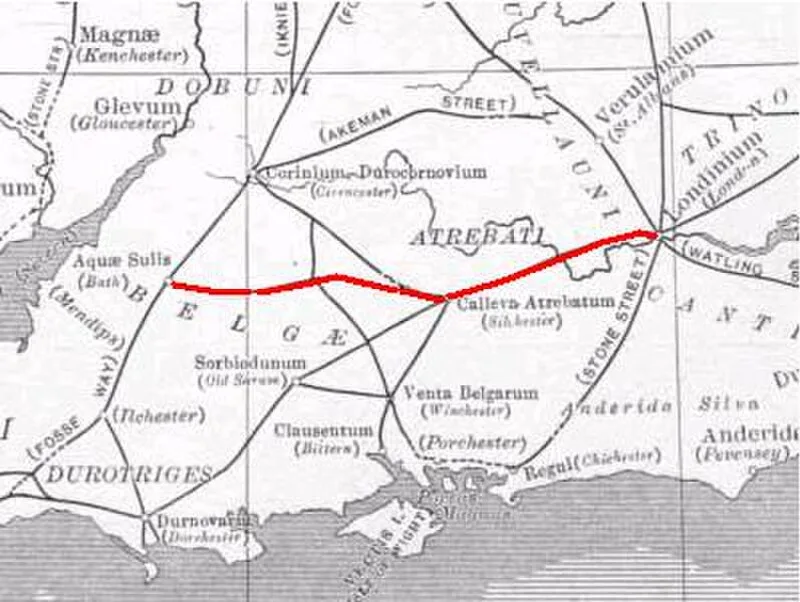
Roman Road from Silchester to Bath
Roman road (1st-5th c. AD) linking Calleva Atrebatum (Silchester) with Aquae Sulis (Bath) via Spinae (Speen), Cunetio and Verlucio. This route served as a vital east-west corridor…
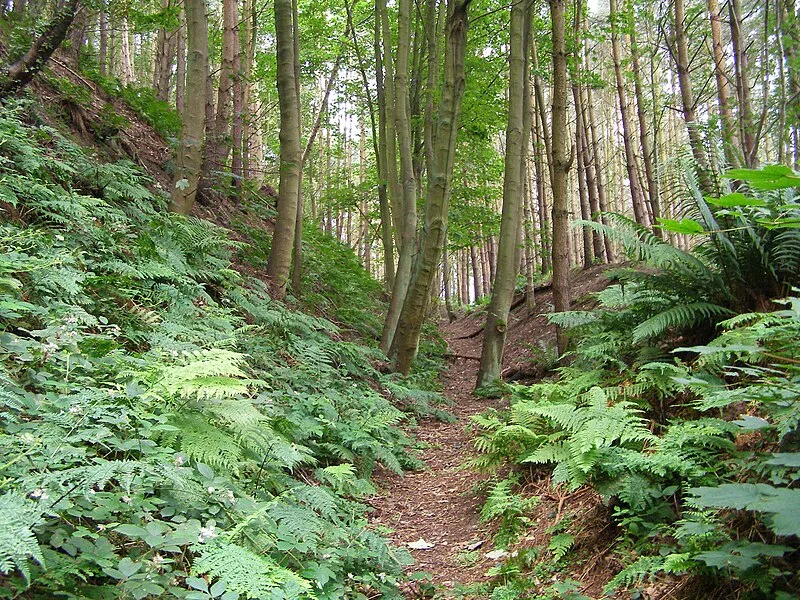
Ruthergate
Ruthergate is a disused Roman-era road near Guisborough in North Yorkshire, England. The ancient trackway leads south from Ruther Cross on Hutton Lane, ascending Kemplah Hill via…
Rykeneld Street
Rykeneld Street (also Ryknield Street) was a Roman road in northern England's Midlands, connecting Deva (modern Chester) to Derventio (Derby) via Stoke-on-Trent. It should not be…
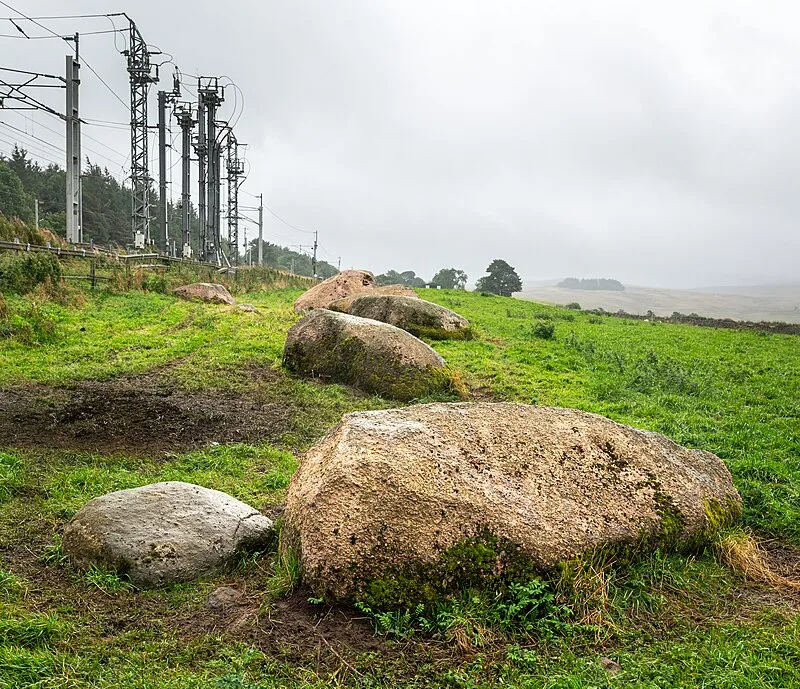
Shap Stone Avenue
The Shap Stone Avenue is a largely destroyed Late Neolithic megalithic complex near Shap in Cumbria, England, dating to approximately 3200-2500 BC. Before its destruction it was…
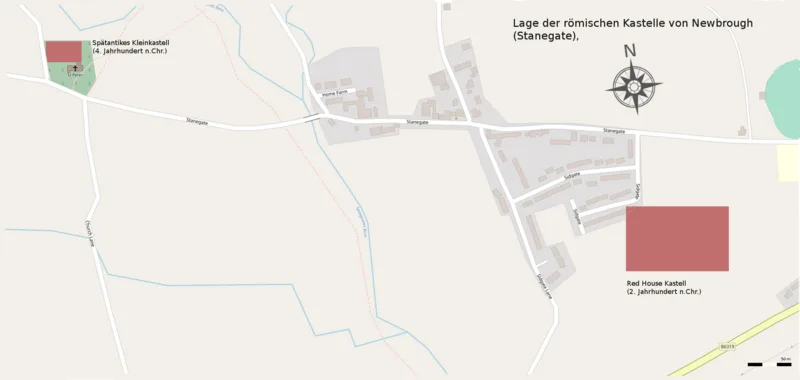
Stanegate
The Stanegate (meaning "stone road" in Northumbrian dialect) was a Roman road built across northern England under Governor Agricola between 77 and 85 AD. It linked Corstopitum…
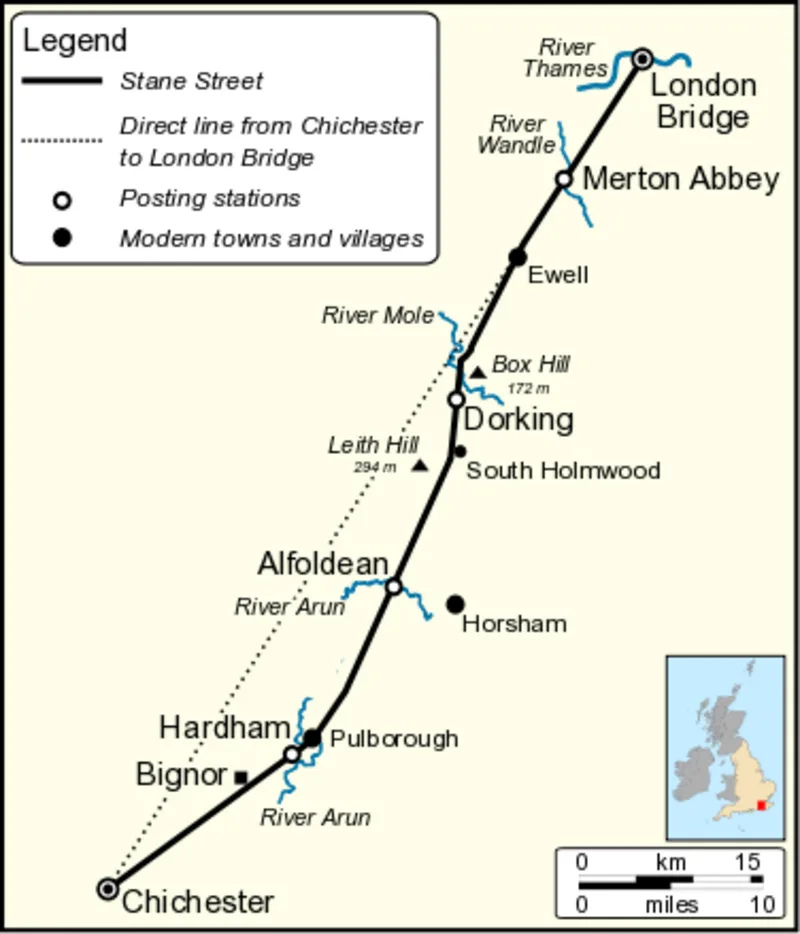
Stane Street, Chichester
Stane Street is the modern name of a 91 km (57 mi) Roman road in southern England that linked Londinium (London) to Noviomagus Reginorum (Chichester). The exact date of…
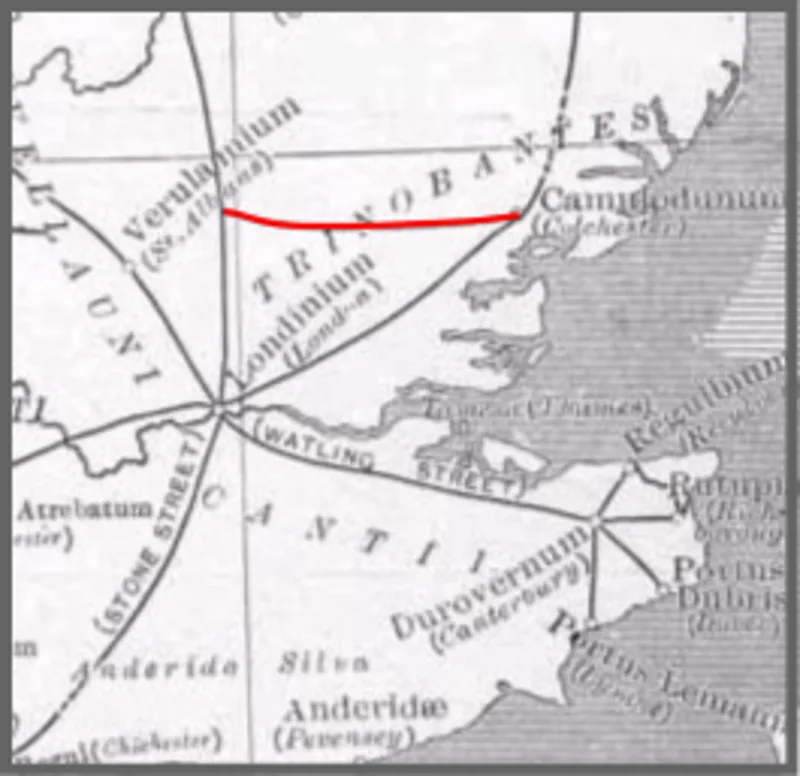
Stane Street, Colchester
Stane Street is a 39-mile (63 km) Roman road that connected Ermine Street at Braughing, Hertfordshire to Camulodunum (Colchester), Essex.
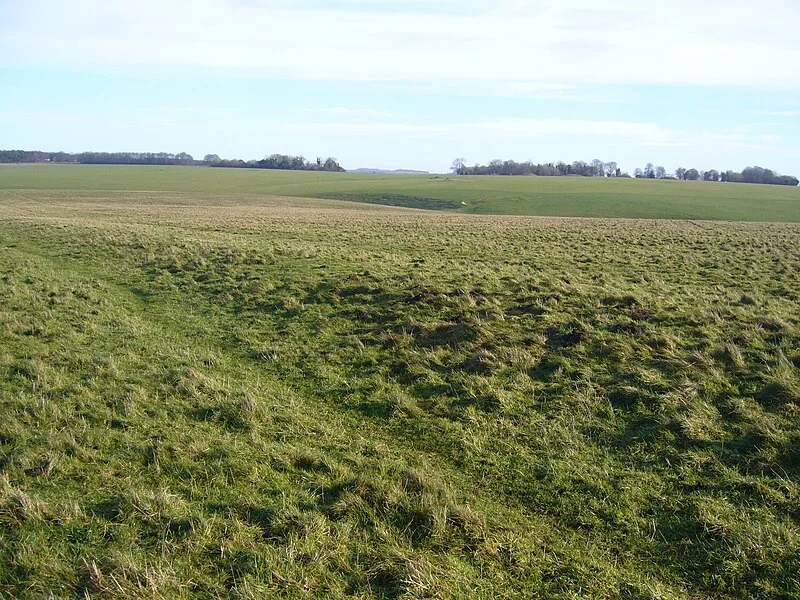
Stonehenge Avenue
Stonehenge Avenue is an ancient avenue on Salisbury Plain, Wiltshire, England, forming part of the Stonehenge, Avebury and Associated Sites UNESCO World Heritage Site. Discovered…
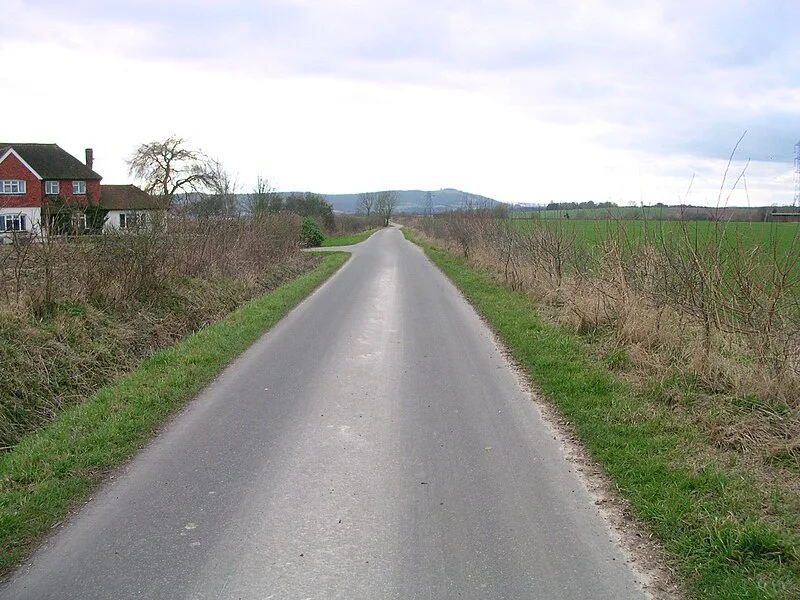
Sussex Greensand Way
The Sussex Greensand Way is a Roman road in southern England running east-west across the greensand ridge north of the South Downs, connecting the London to Lewes Way at Barcombe…
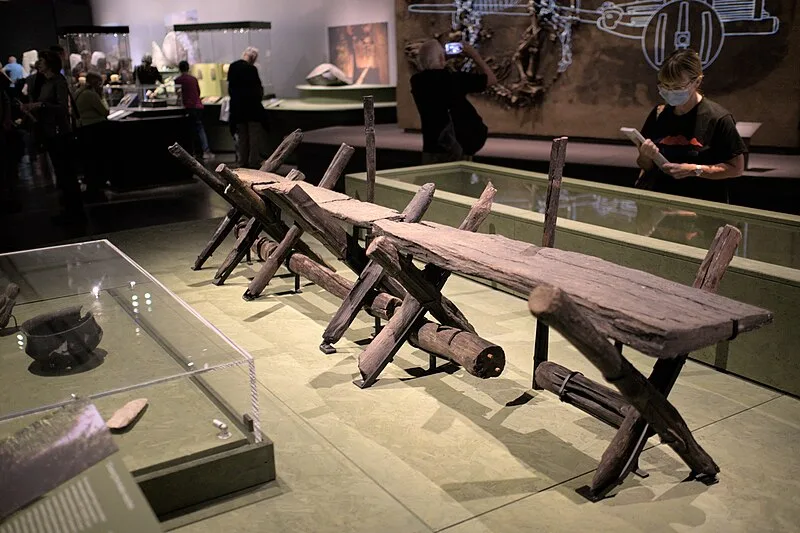
Sweet Track
Built in 3807 BC, the Sweet Track is a Neolithic timber causeway in the Somerset Levels, England, named after its discoverer Ray Sweet. It is the second-oldest timber trackway…
The Long Lane, Derbyshire
The Long Lane is the medieval and modern name for a Roman road that ran almost due west from Derventio, the Roman fort and vicus in the suburbs of modern Derby, through Derbyshire…
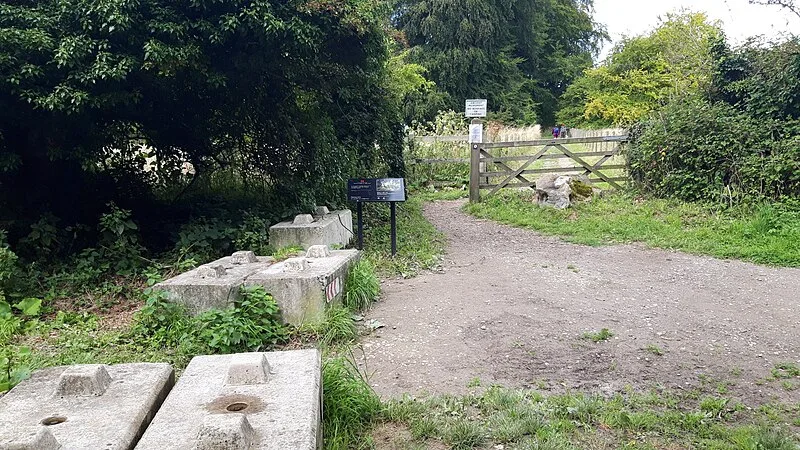
The Ridgeway
The Ridgeway is a ridgeway and ancient trackway, often described as Britain's oldest road. The preserved section runs from Wiltshire along the chalk ridge of the Berkshire Downs…
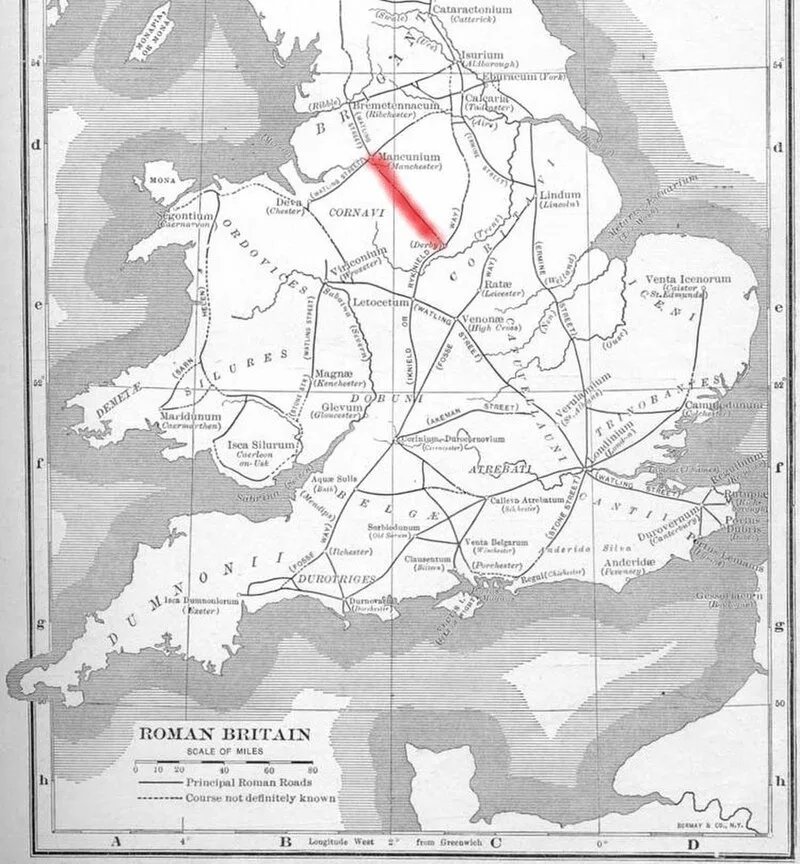
The Street, Derbyshire
(1st - 5th c. AD) The Street is the medieval name of the Roman road that crossed the high limestone plateau of central Derbyshire from the spa town of Buxton (Aquae Arnemetiae)…
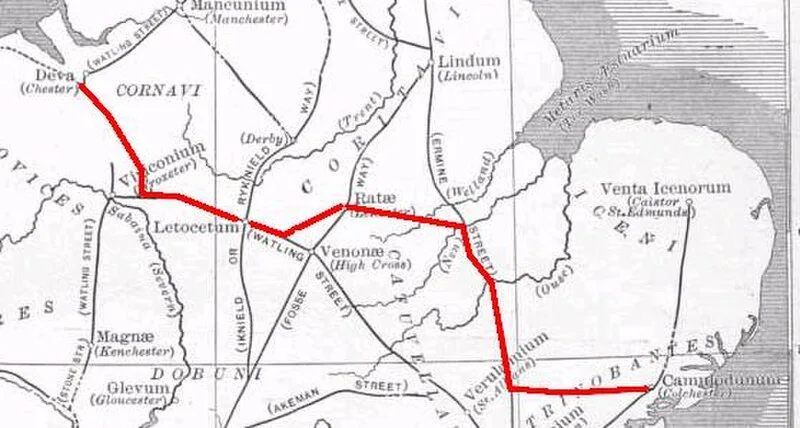
Via Devana
(1st–5th c.) Via Devana was a Roman road running roughly 200 miles from Colchester (Colonia Victricensis, the oldest Roman city in Britain) through Cambridge to Chester (ancient…
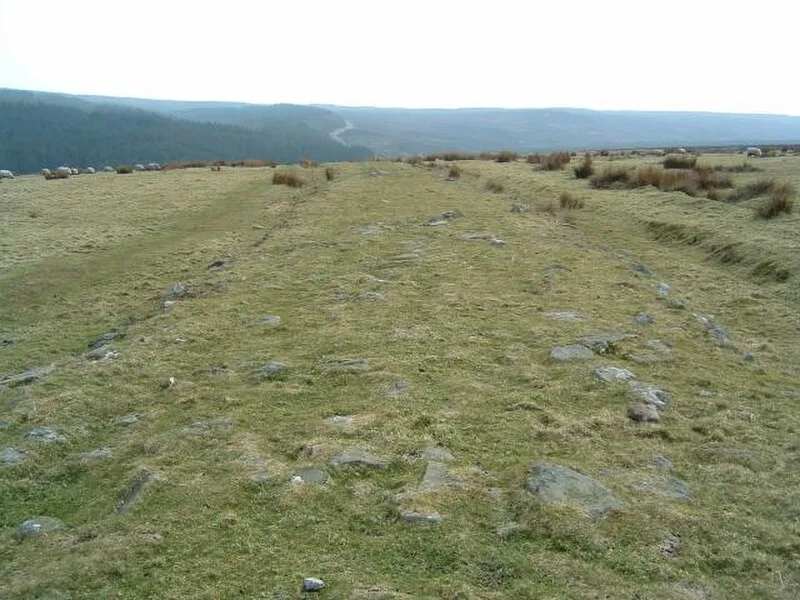
Wade's Causeway
Wade's Causeway is a sinuous, linear earthwork in the North York Moors, North Yorkshire, England, potentially spanning up to 40 km (25 mi) across the moors. The visible course on…
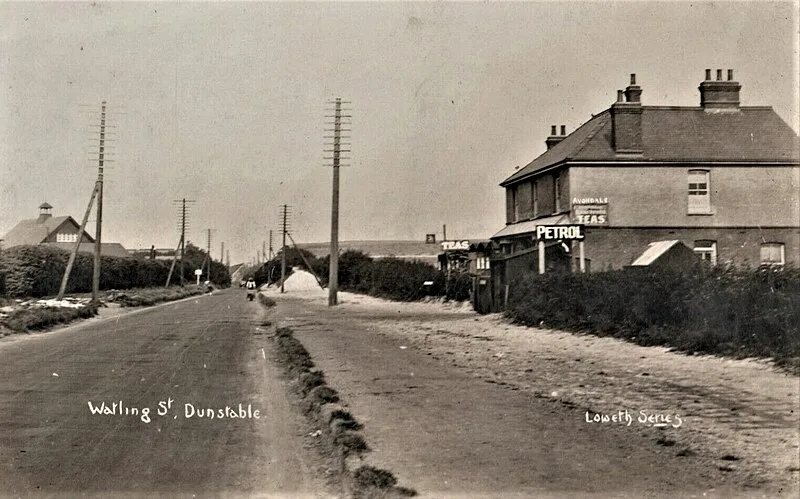
Watling Street
Watling Street is a historic route in England running from Dover and London in the southeast, via St Albans to Wroxeter. The road crosses the River Thames at London and was used…
Welsh Road
A drover's road running through the English Midlands used to transport cattle from North Wales to South East England. Many stretches coincide with parish boundaries, suggesting…
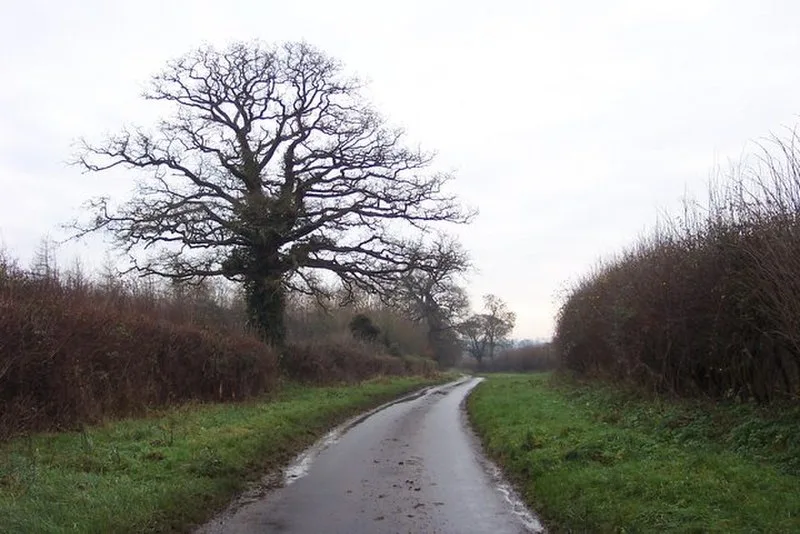
Welsh Way
An Iron Age trade route that carried commerce between South Wales and the Oxford area across the Cotswold Hills. It links the highest navigable point on the River Thames at…
Residence/villa/farmhouse in England (48)
Aiskew Roman Villa
Aiskew Roman Villa is a Roman villa in Aiskew, North Yorkshire, England. It was discovered by geophysical survey in July 2013 ahead of construction of the Bedale, Aiskew and…
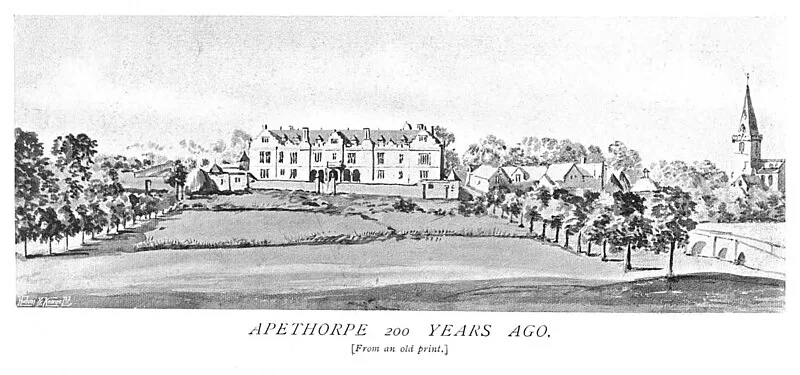
Apethorpe Roman Villa
(1st–5th c. AD) Apethorpe Roman Villa located in Northamptonshire, England, represents a Roman-era rural settlement. The site lies near the village of Apethorpe, 17 km west of…
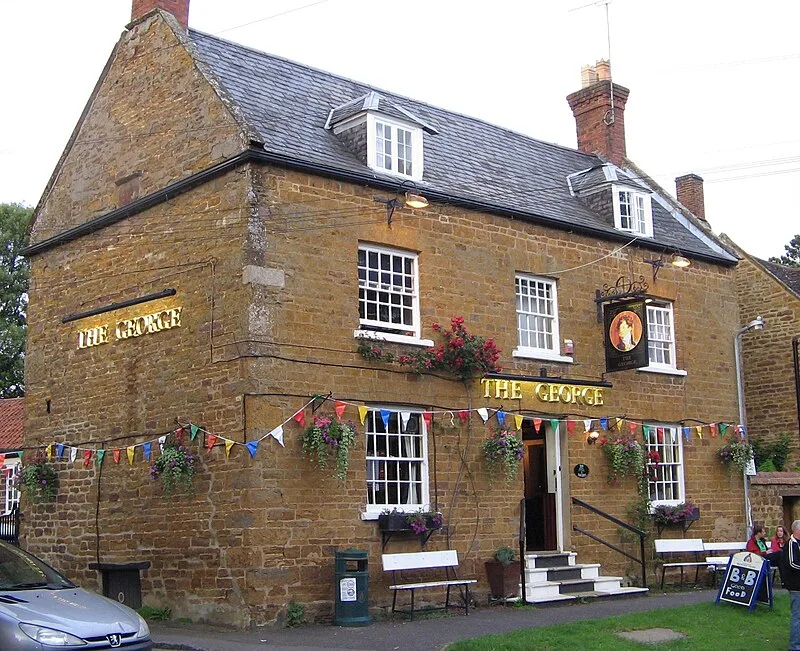
Ashley, Northamptonshire
An Iron Age and Romano-British settlement near the River Welland in North Northamptonshire, close to the Roman road Via Devana linking Leicester to Cambridge. Excavations in…
Beadlam Roman Villa
Built in the 3rd-4th centuries AD, Beadlam Roman Villa is a large Romano-British farmstead on the east bank of the River Riccal in North Yorkshire, England. First excavated in…
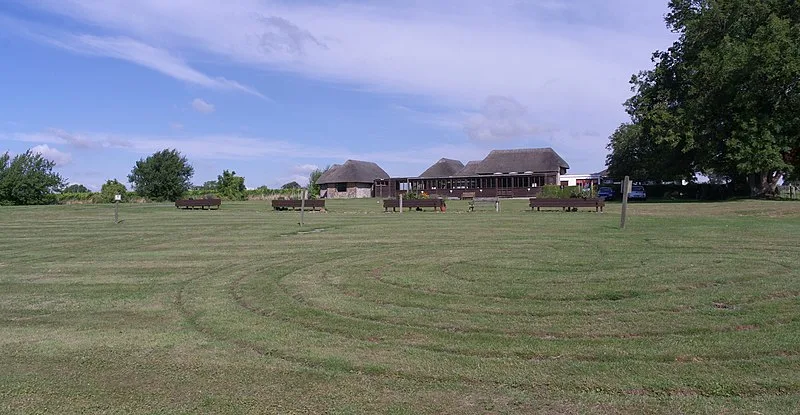
Bignor Roman Villa
Bignor Roman Villa is a large Roman courtyard villa in West Sussex, England, discovered in 1811 when a farmer's plough struck a buried stone. First occupied in the late 1st…
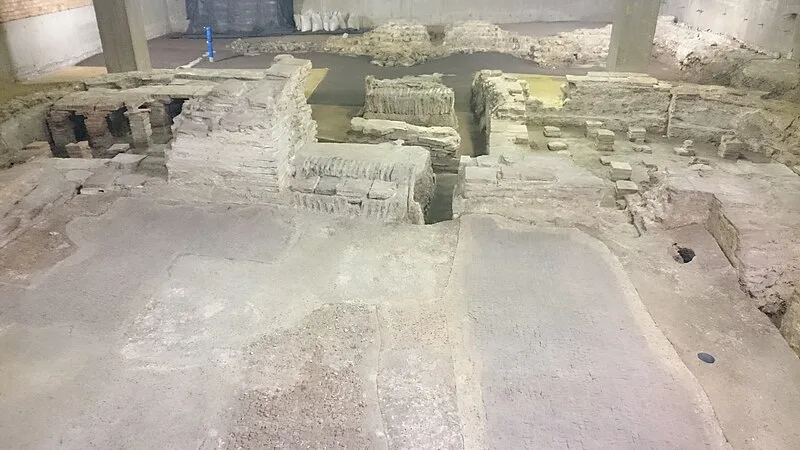
Billingsgate Roman House and Baths
Billingsgate Roman House and Baths is the only Roman private residence discovered in Londinium (Roman London), erected in the late 2nd century with north and east wings around a…
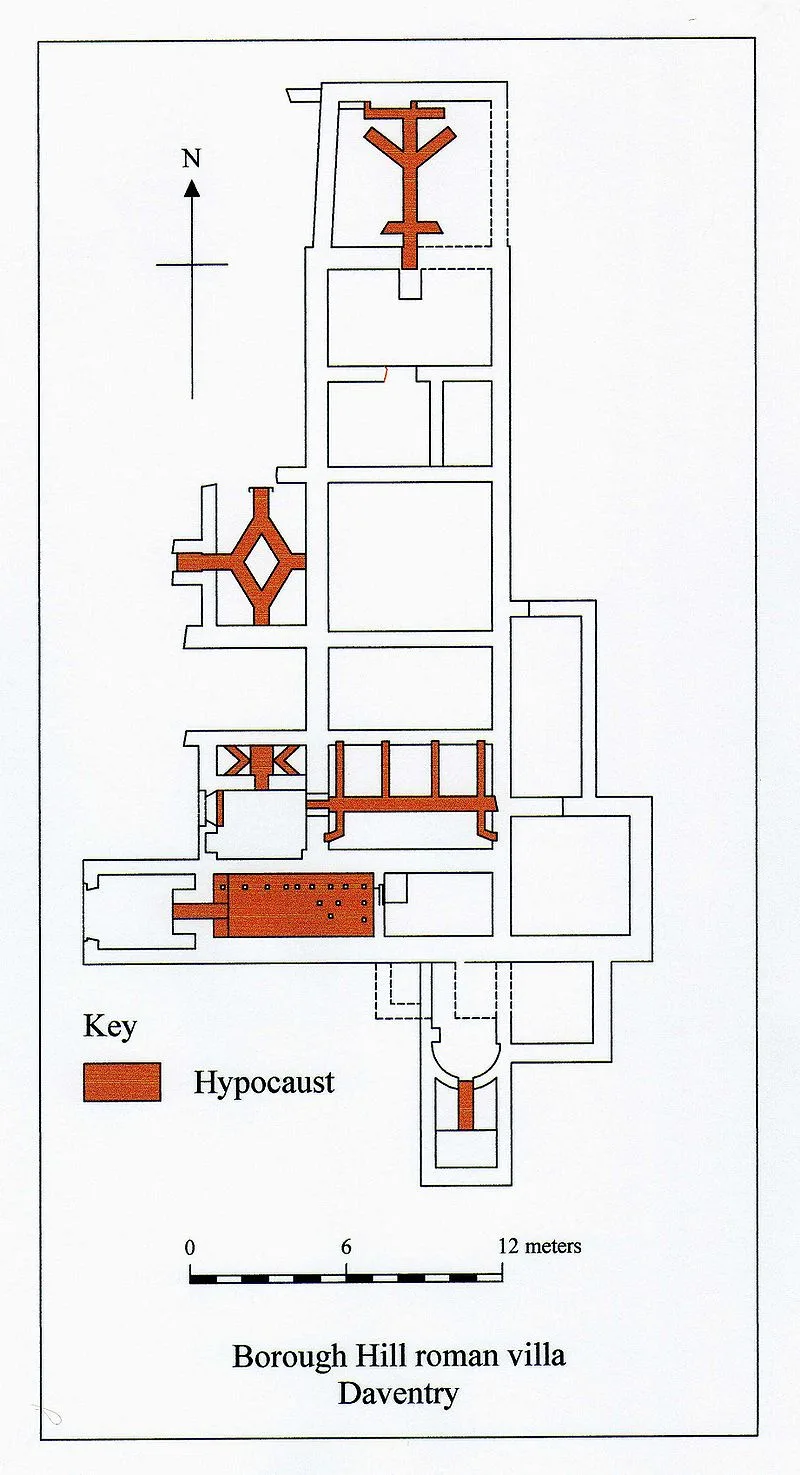
Borough Hill Roman Villa
Borough Hill Roman Villa occupies the north tip of Borough Hill, a prominent hill near Daventry in Northamptonshire, sitting within the ramparts of an Iron Age fortress that…
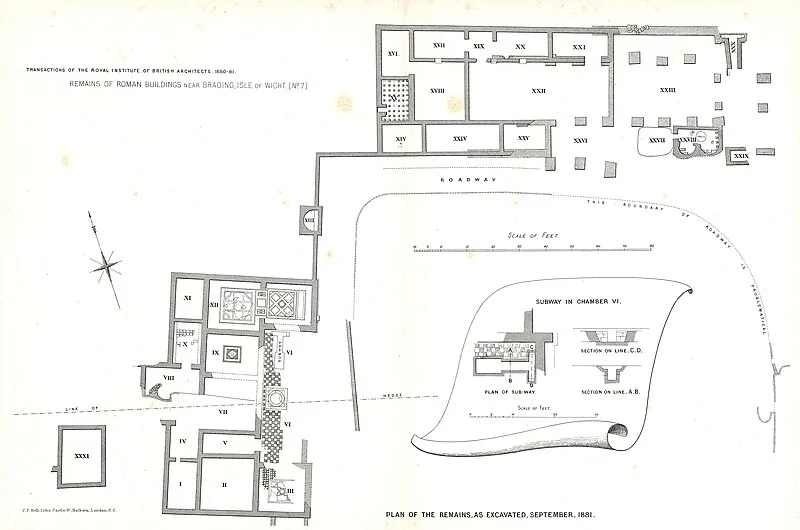
Brading Roman Villa
Brading Roman Villa is a Roman courtyard villa in Brading on the Isle of Wight, England, now open as a museum. Following the Roman conquest of the island by Vespasian's 2nd…
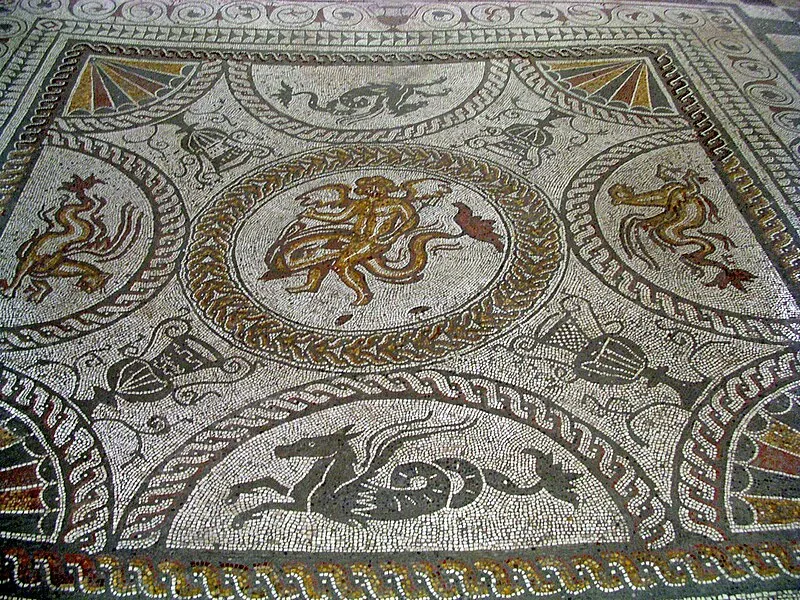
Brantingham Roman Villa
Brantingham Roman Villa is a scheduled monument near Brantingham in the East Riding of Yorkshire, closely associated with the Roman town of Petuaria (modern Brough). Discovered in…
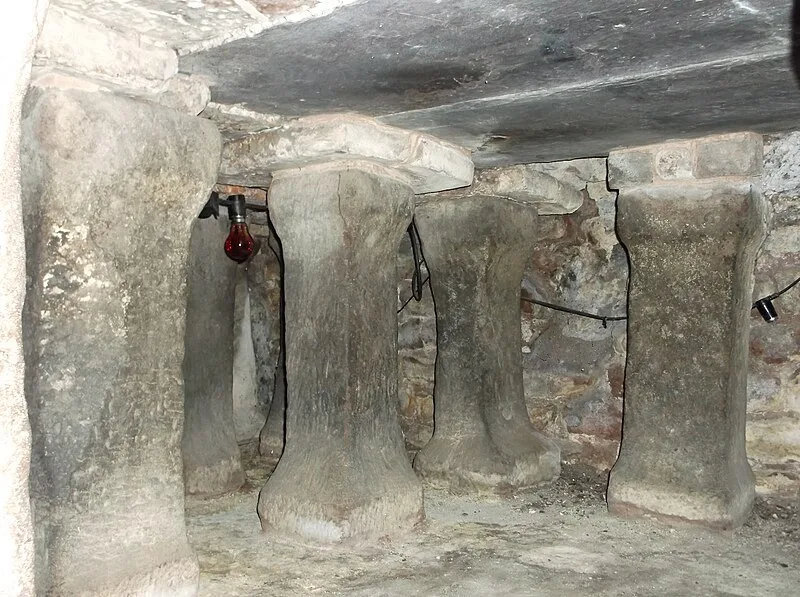
Bridge Street Number 39, Chester
39 Bridge Street is a Grade I listed building in Chester, England, remarkable for preserving a Roman hypocaust in its cellar dating to the 2nd century AD. The heating system…
Brighstone
Brighstone is a village and civil parish on the Isle of Wight, 6 miles (9.6 km) southwest of Newport on the B3399 road. Previously known as "Brixton," the name derives from Old…
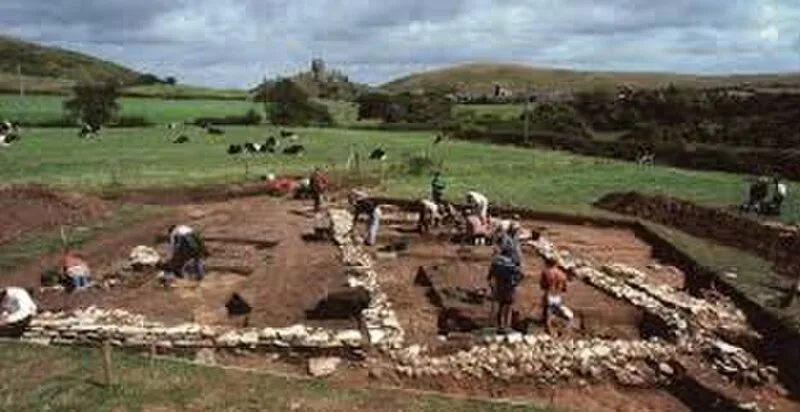
Bucknowle Roman Villa
Bucknowle Roman Villa is a Roman villa in Dorset, England, located within a camping site on Bucknowle Farm.
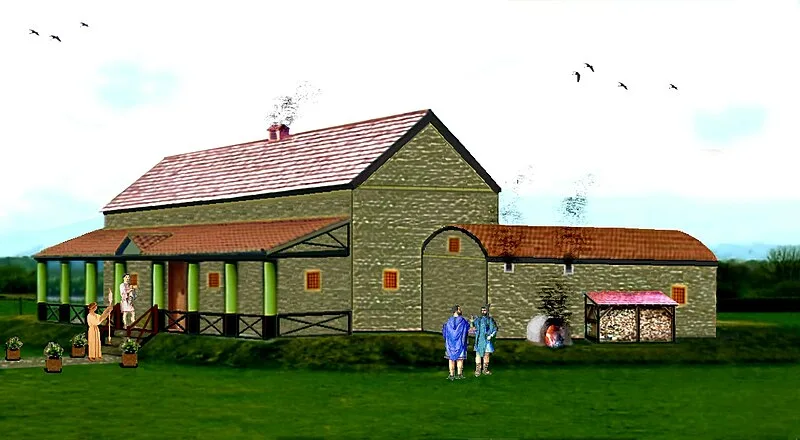
Carsington Roman Villa
The Carsington Roman Villa is a Roman villa complex at Scow Brook, Carsington near Wirksworth, Derbyshire, England. The site is now submerged beneath Carsington Water reservoir.…
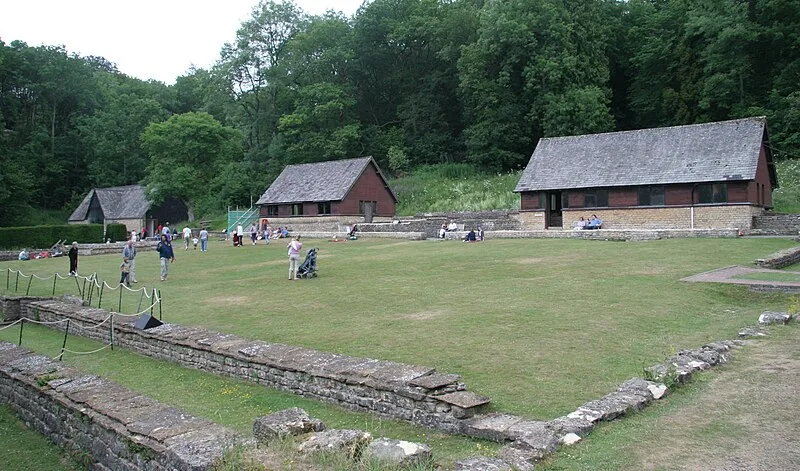
Chedworth Roman Villa
Chedworth Roman Villa, located near Chedworth, Gloucestershire, is a scheduled monument and one of the largest and most elaborate Roman villas discovered in Britain. Built in…
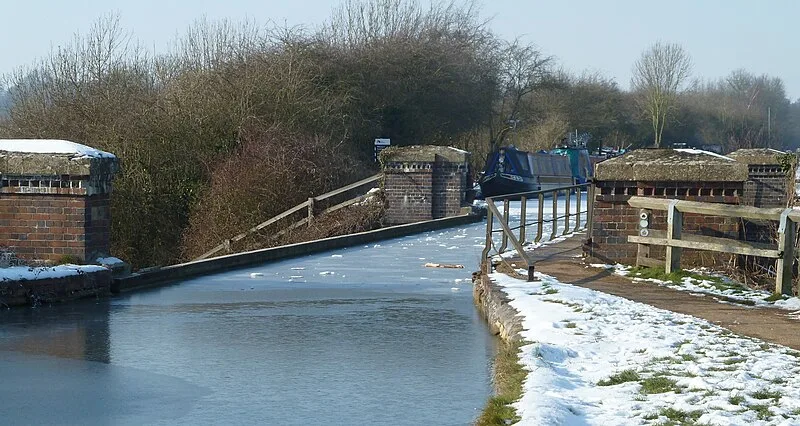
Cosgrove, Northamptonshire
Cosgrove is a village in Northamptonshire notable for an extensive Roman villa, bath house, and temple complex south-east of Cosgrove Hall. Discovered in 1957 when Roman pottery…
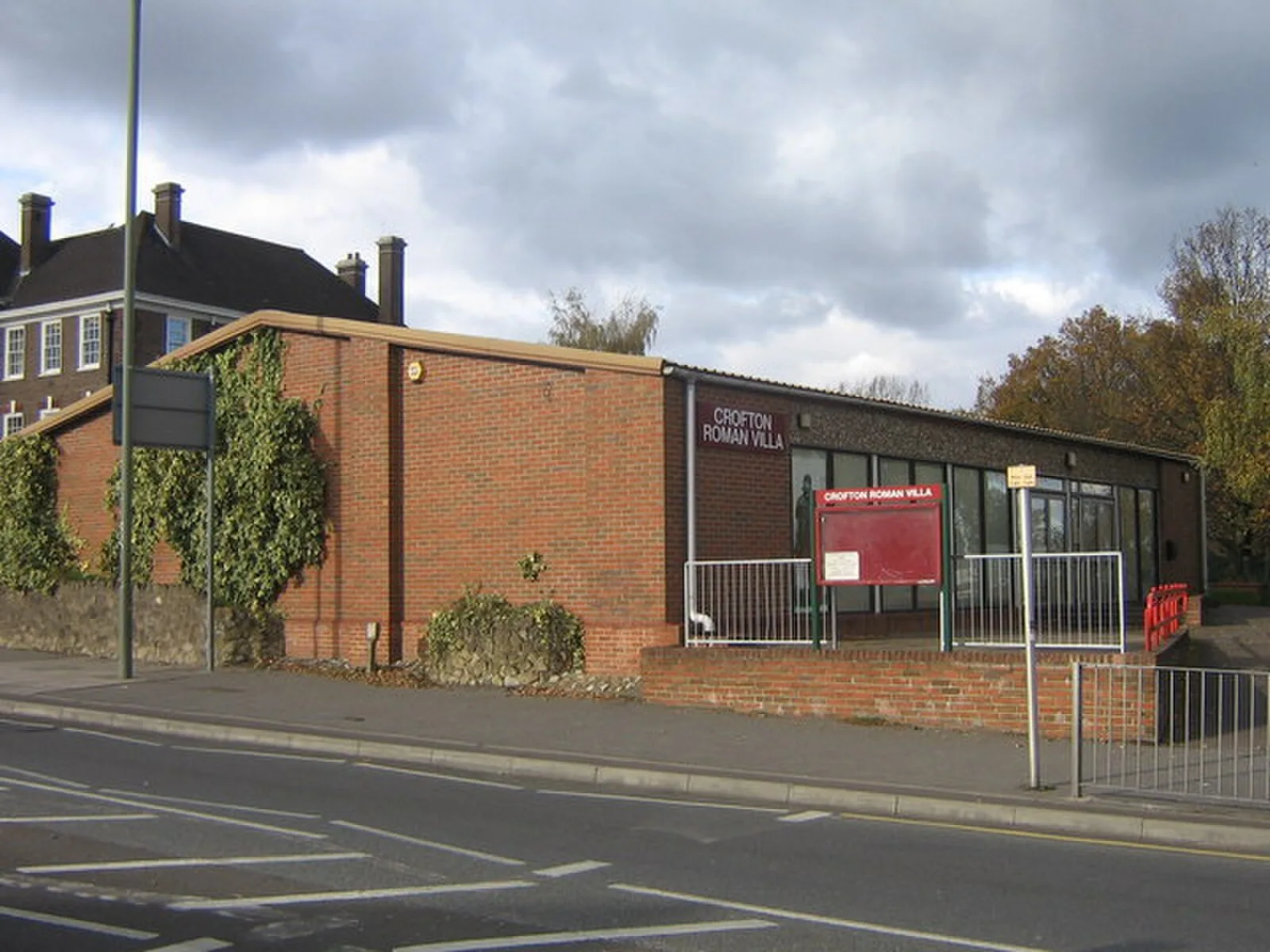
Crofton Roman Villa
Crofton Roman Villa in Orpington, Kent, is a Roman villa complex inhabited from roughly 140 to 400 AD. It served as the centre of a 500-acre (200 ha) farming estate with nearby…
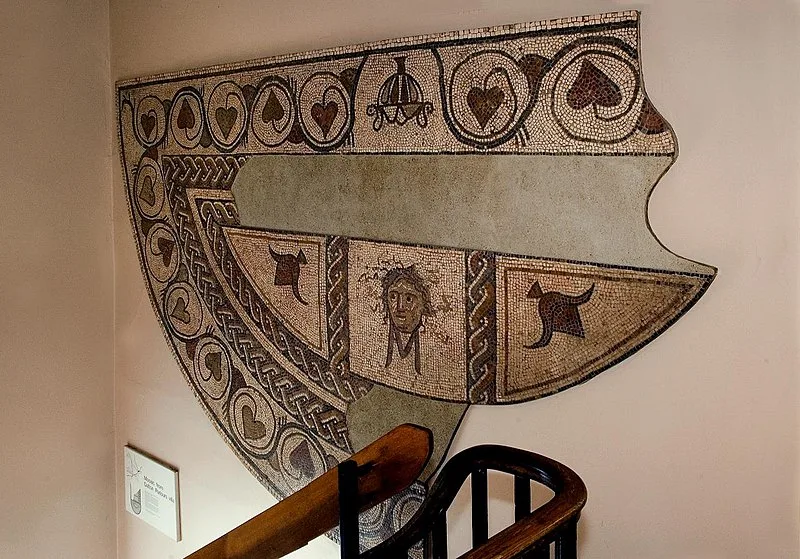
Dalton Parlours Roman Villa
Dalton Parlours is a Roman villa and scheduled monument near Collingham, West Yorkshire, the only known example of its type in the region. Discovered in 1854, major excavations in…
Eccles Roman Villa
Eccles Roman Villa is a 1st–4th century AD residence in Kent, England. Excavated between 1962 and 1976, the villa reached 112 metres in length during the 2nd century, making it…
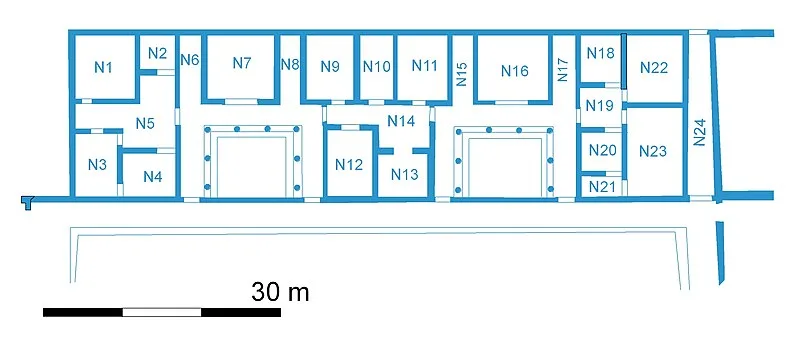
Fishbourne Roman Palace
Fishbourne Roman Palace, located in Fishbourne near Chichester, West Sussex, is the largest known Roman residence north of the Alps. Built around 75 AD, approximately thirty years…
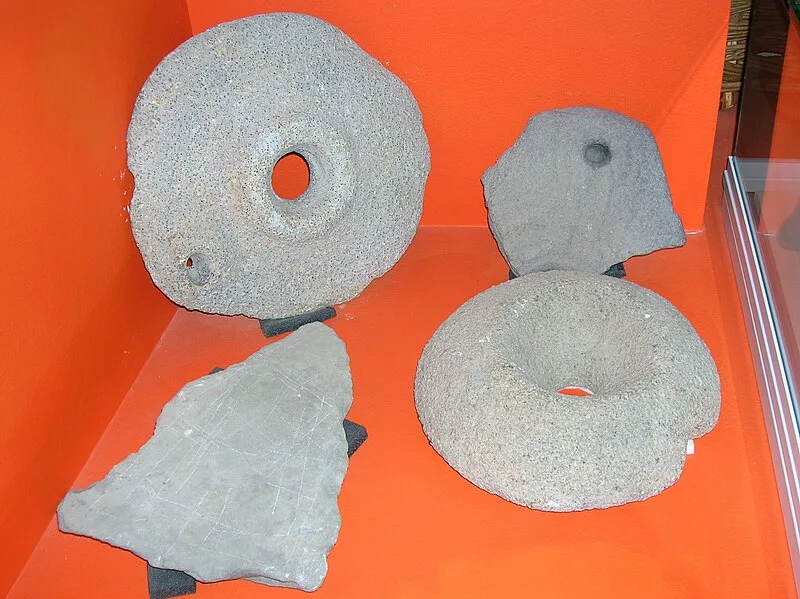
Folkestone Roman Villa
Built around AD 75, Folkestone Roman Villa is a Roman villa in East Wear Bay near Folkestone, Kent, England. The villa sits on a cliff top overlooking the English Channel, with…
Gayton Thorpe Roman Villa
Gayton Thorpe Roman Villa (1st-6th century AD) is located near Gayton Thorpe, about 8 km (5 mi) east of King's Lynn in Norfolk, England. The villa was discovered in 1906 and was…
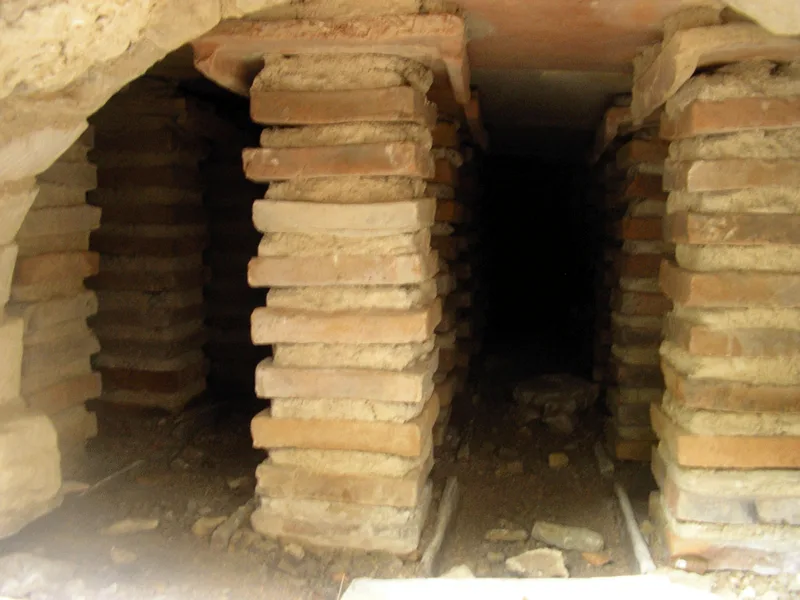
Great Witcombe Roman Villa
A large Roman villa built c. 150-200 AD on a hillside near Gloucester in Gloucestershire, constructed on four terraces to cope with difficult terrain. The west wing contained two…
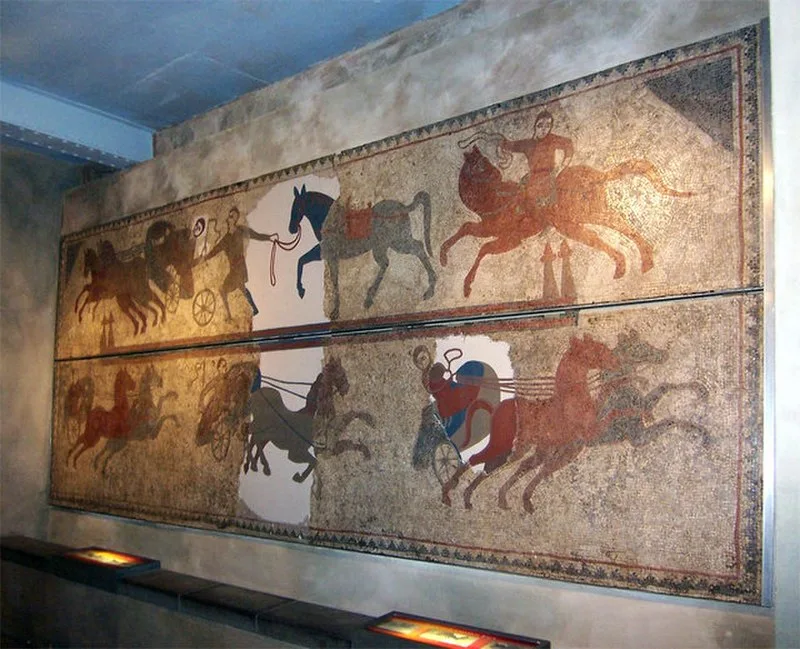
Horkstow Roman Villa
Horkstow Roman villa is a Roman villa and scheduled monument in Horkstow, North Lincolnshire, discovered in 1797 when labourers found a large floor mosaic. A geophysical survey in…
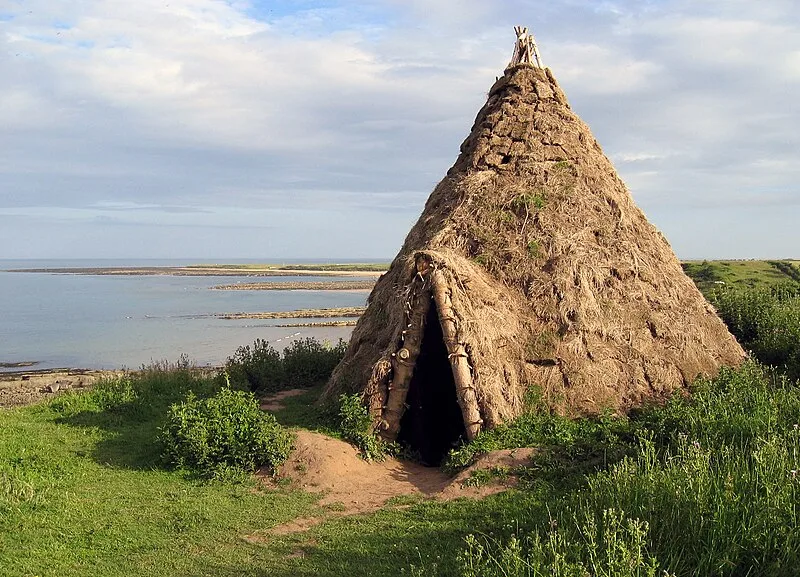
Howick House
Howick House is a Mesolithic settlement in Northumberland, England, featuring circular post-built structures with internal hearths. Excavations revealed substantial post holes…
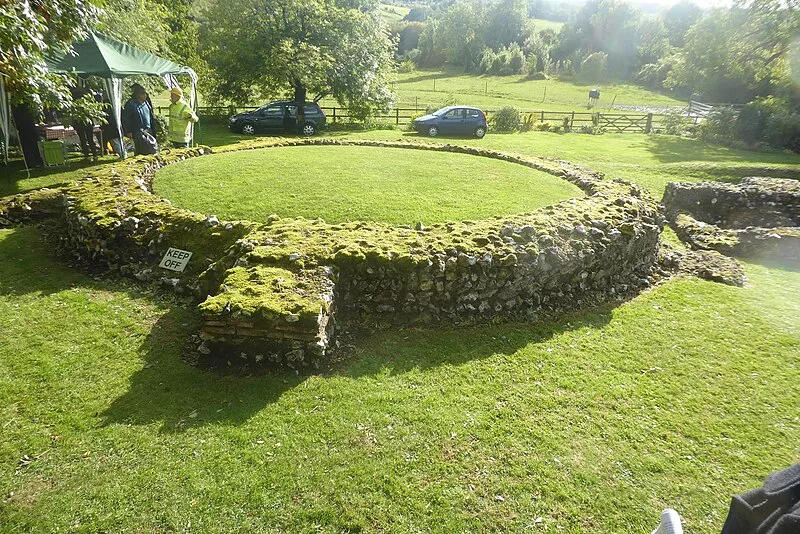
Keston Roman Villa
The Keston Roman villa is an archaeological site in the London Borough of Bromley, originating from an Iron Age settlement that developed into a Roman villa complex. Excavated…
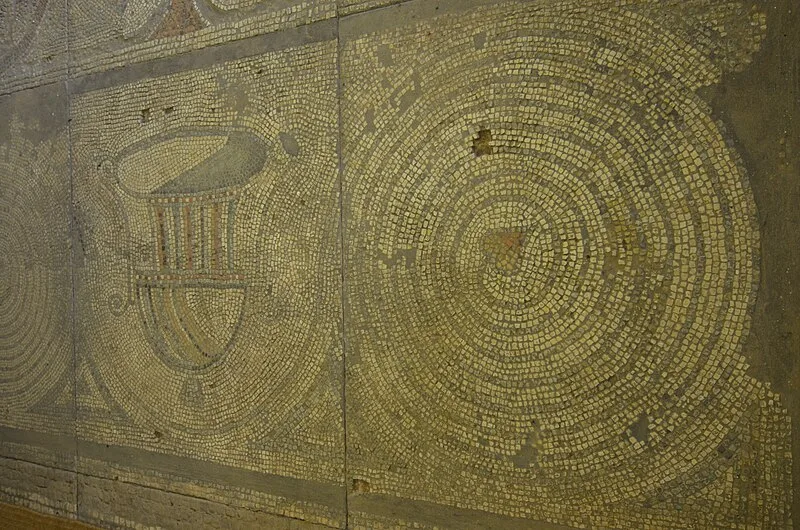
Kings Weston Roman Villa
(3rd - 5th c. AD) Kings Weston Roman Villa is a Roman villa complex in Lawrence Weston, north-west of Bristol. Discovered in 1947 during construction of the post-war housing…
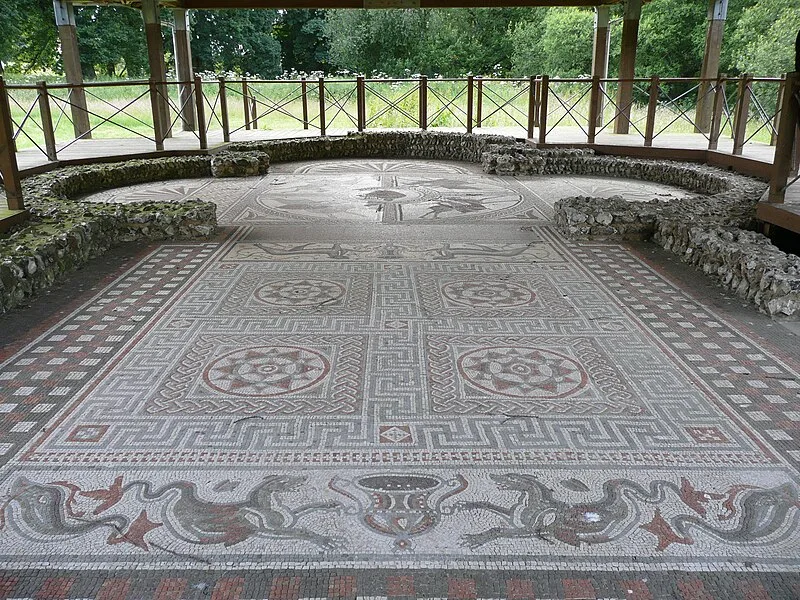
Littlecote Roman Villa
Littlecote Roman Villa is an extensive Roman villa complex at Littlecote Park near Hungerford, Berkshire, England, occupied from the 1st to 5th century AD. The villa featured…
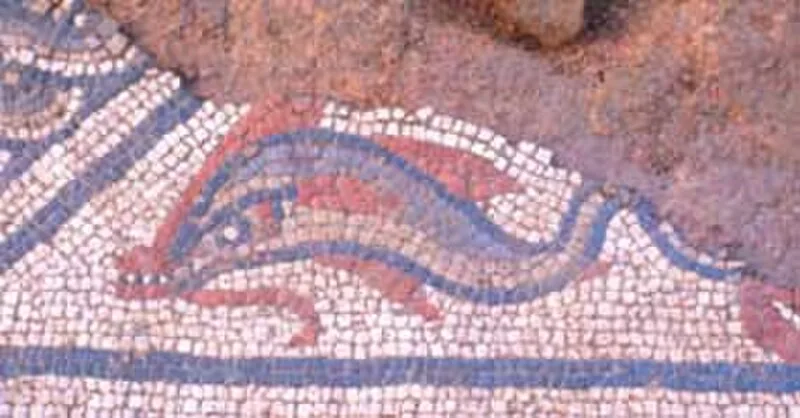
Lopen Roman Mosaic
A large Roman mosaic from a villa in the village of Lopen, Somerset, accidentally discovered in 2001 during construction of an access road near Bridge Farm. Rescue excavation…
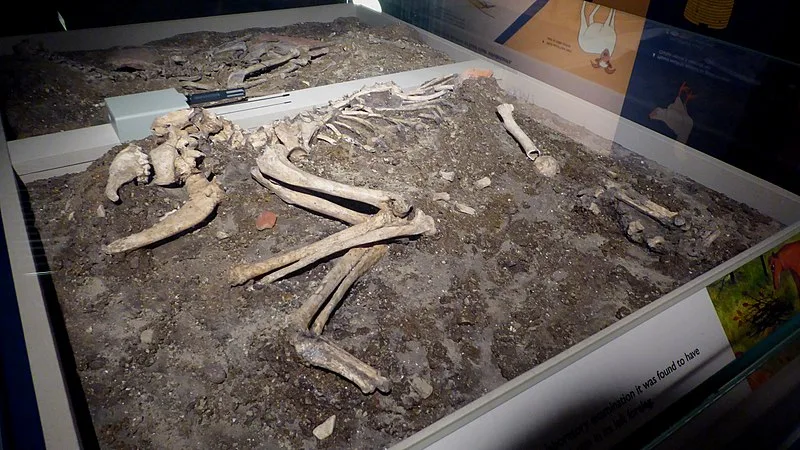
Lullingstone Roman Villa
Lullingstone Roman Villa is a Roman-era residence in Kent, southeastern England, located in the Darent Valley alongside six other villas. Built around AD 80-90 during the Roman…
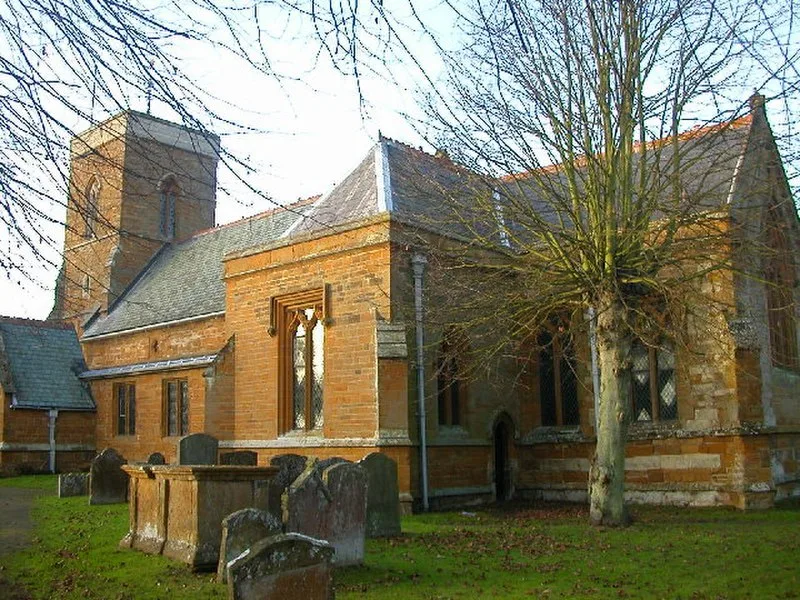
Nether Heyford
Site of a Romano-British villa estate at Whitehall Farm in West Northamptonshire, near the Roman road Watling Street (modern A5). Discovered by metal detectorists in 1996,…
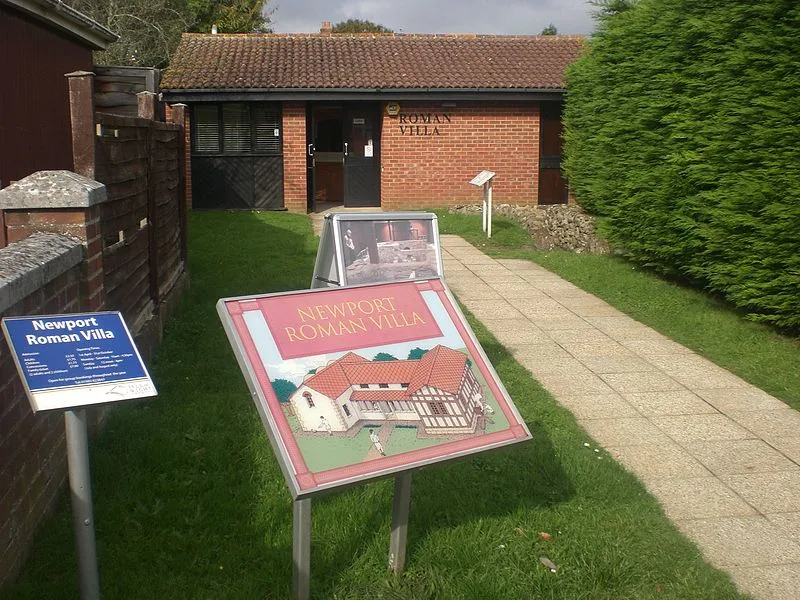
Newport Roman Villa
Newport Roman Villa was a Romano-British farmhouse constructed in 280 AD near Newport on the Isle of Wight. The walls survive almost at their original height, built from local…
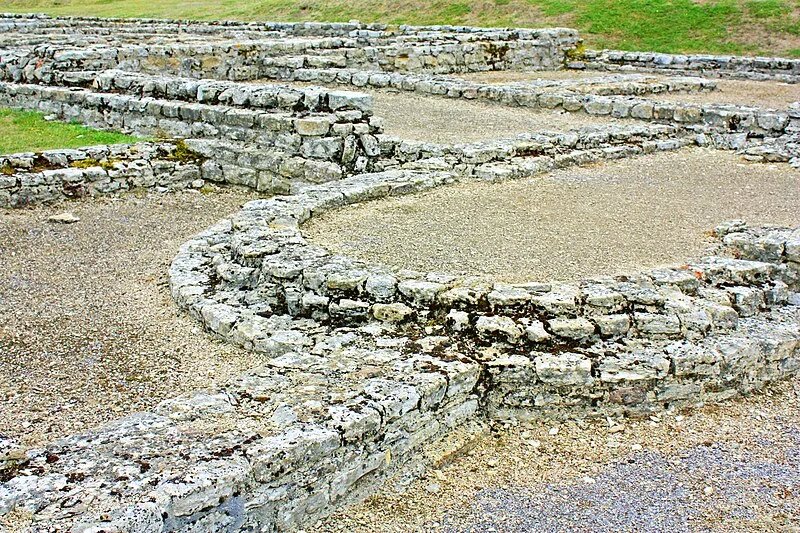
North Leigh Roman Villa
North Leigh Roman Villa was a Roman courtyard villa in the Evenlode Valley about 0.5 miles (800 m) north of the hamlet of East End in North Leigh civil parish in Oxfordshire,…
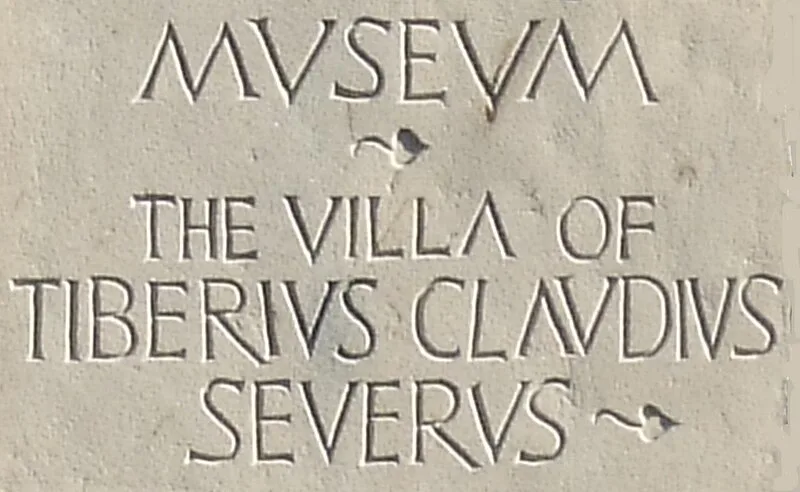
Piddington Roman Villa
Piddington Roman Villa is a large Romano-British site at Piddington, Northamptonshire, about 9.7 km southeast of Northampton. Occupied from circa 50 BC with late Iron Age circular…
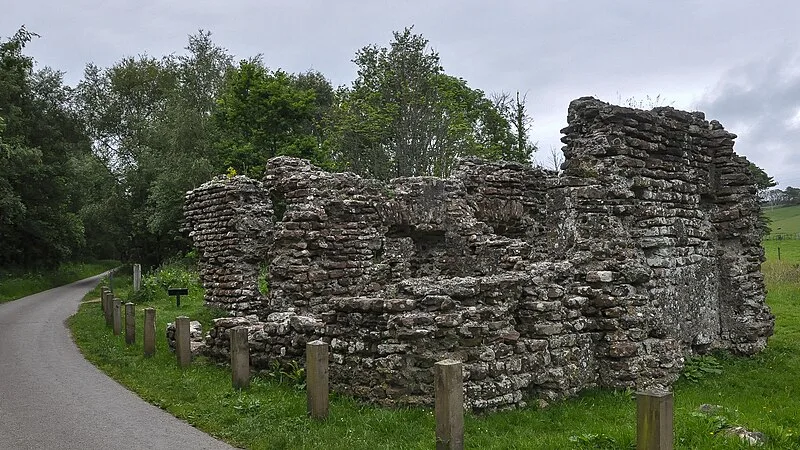
Ravenglass Roman Bath House
2nd-century Roman bath house at Ravenglass, Cumbria, belonging to a Roman fort and naval base known as Itunocelum. Described by architectural historian Matthew Hyde in the Pevsner…
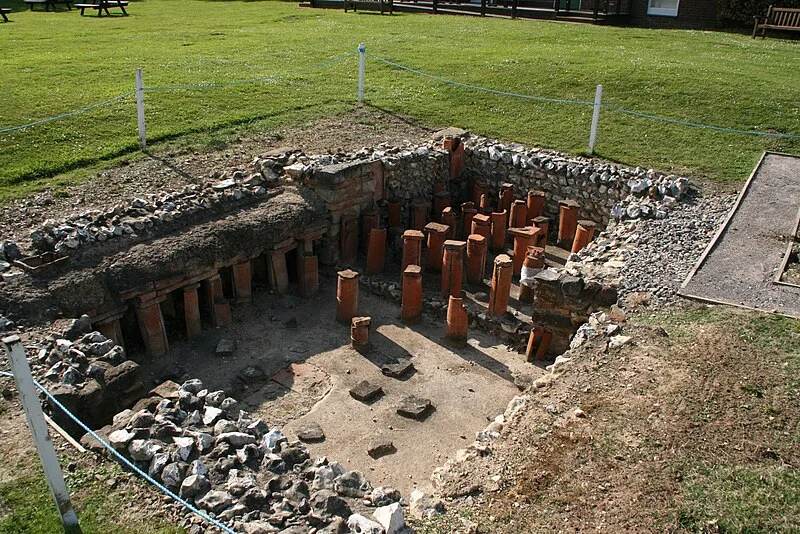
Rockbourne Roman Villa
Rockbourne Roman Villa is a Roman courtyard villa in Hampshire, England. Discovered in 1942 by a local farmer, it was excavated over three decades by A. T. Morley Hewitt. Today…
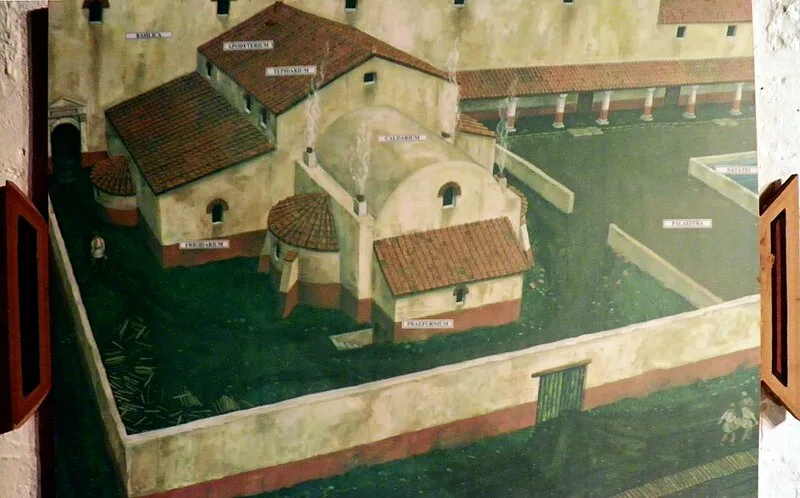
Roman Bath, York
The ancient remains were uncovered during construction of the current building in 1929–31, which replaced an earlier inn. The pub's exterior features Tudor Revival architecture…
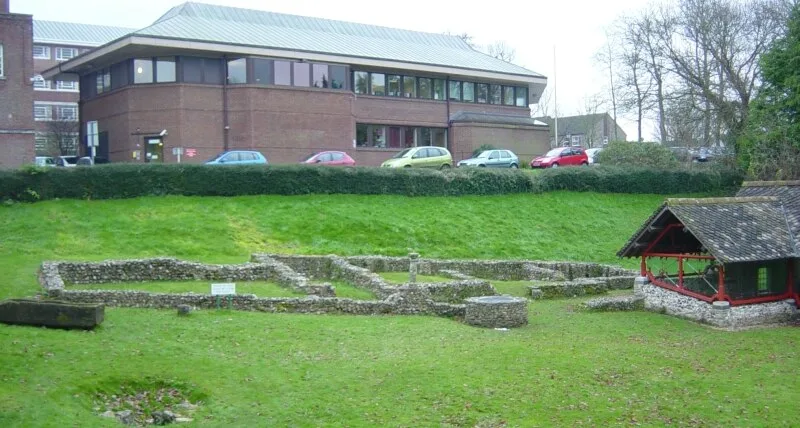
Roman Town House, Dorchester
The Roman Town House in Dorchester is a Roman ruin located within Colliton Park, Dorset, England. It was discovered in 1937/38 during an archaeological investigation carried out…
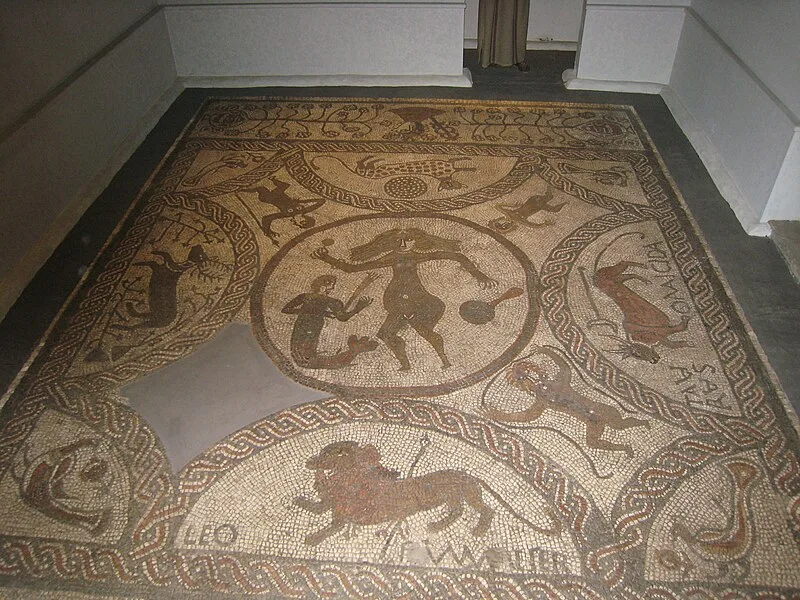
Rudston Roman Villa
A 3rd-4th century AD courtyard villa near Rudston in East Riding of Yorkshire, first excavated in 1839. Notable for outstanding mosaics including the Venus Mosaic (discovered…
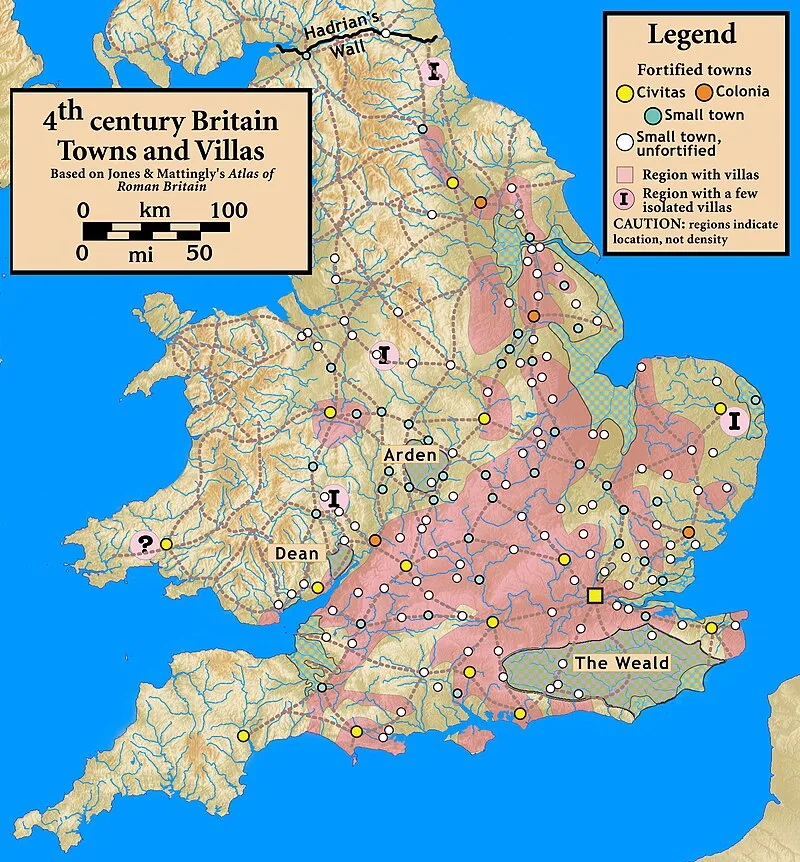
Rutland Roman Villa
A Romano-British villa discovered in 2020 in Rutland, England, featuring the most significant Roman mosaic find in the UK in over a century. The mosaic, measuring 11m by 7m,…
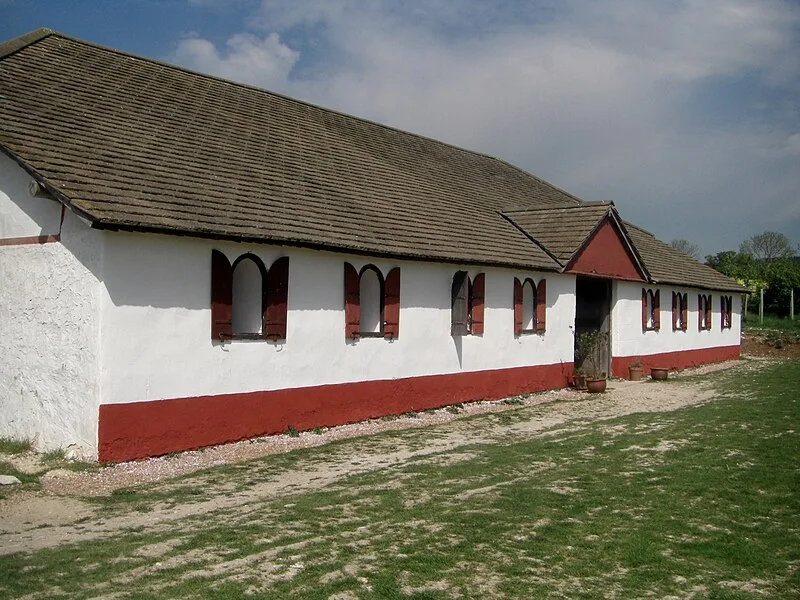
Sparsholt Roman Villa
Sparsholt Roman Villa was a Roman estate near Sparsholt, Hampshire, about 4 miles west of Winchester (Venta Belgarum), crossed by the Roman road to Old Sarum. It began as a single…
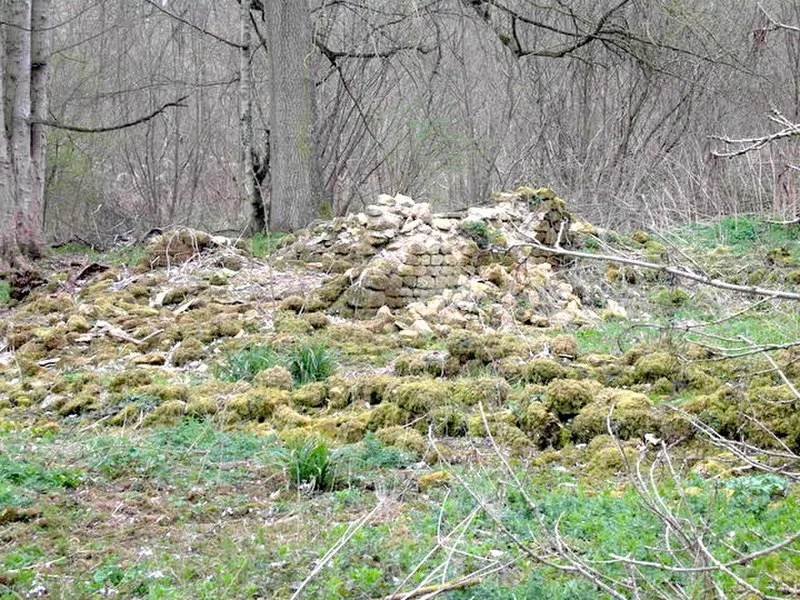
Spoonley Wood Roman Villa
Spoonley Wood Roman Villa is a courtyard-type Roman villa located 2 km south-east of Sudeley Castle near Winchcombe, Gloucestershire, England. Excavated in 1882, the villa dates…
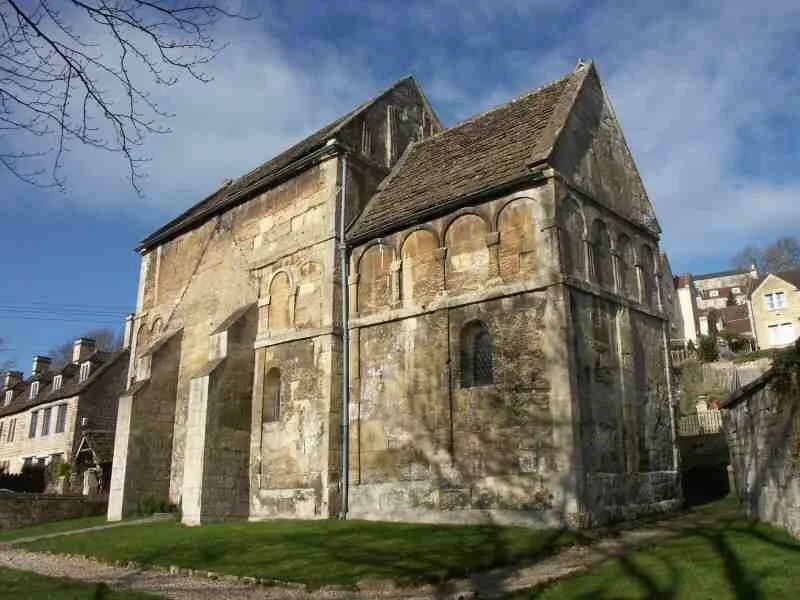
St Laurence School - Roman Villa
St Laurence School - Roman Villa (1st–5th c. AD) is an archaeological site in Bradford-on-Avon, Wiltshire, England. Aerial photographs and minor excavations in 1976 revealed the…
Sturminster Newton Castle
Sturminster Newton Castle is an Iron Age promontory fort reused as a medieval manorial site, located on a triangular limestone spur above the River Stour in Dorset, England. The…
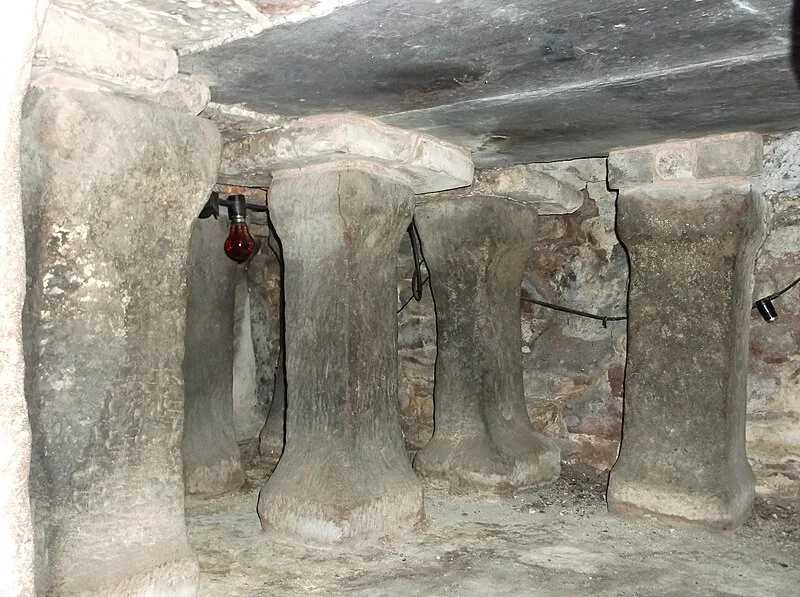
Thirty-nine (39) Bridge Street, Chester
A Grade I listed building in Chester, England, notable for the remains of a 2nd-century Roman hypocaust in its cellar, discovered during reconstruction of the property in 1864.…
Totternhoe Roman Villa
Totternhoe Roman Villa is a Scheduled Monument on Church Farm in Totternhoe, Bedfordshire, England. Excavated by the Manshead Archaeological Society in the 1950s under C. L.…
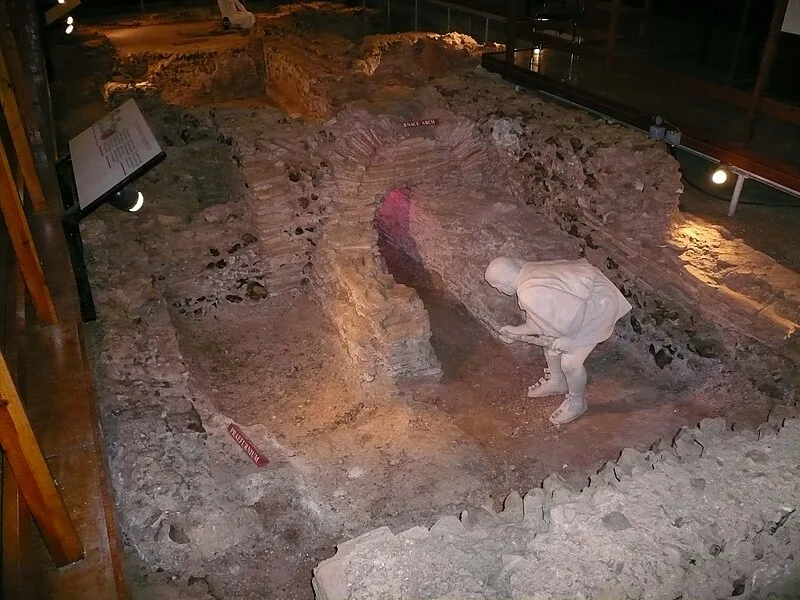
Welwyn Roman Baths
Remains of a 3rd-century AD Roman bathhouse preserved beneath the A1(M) motorway near Welwyn Garden City, Hertfordshire. Part of the Dicket Mead villa complex, the baths were…
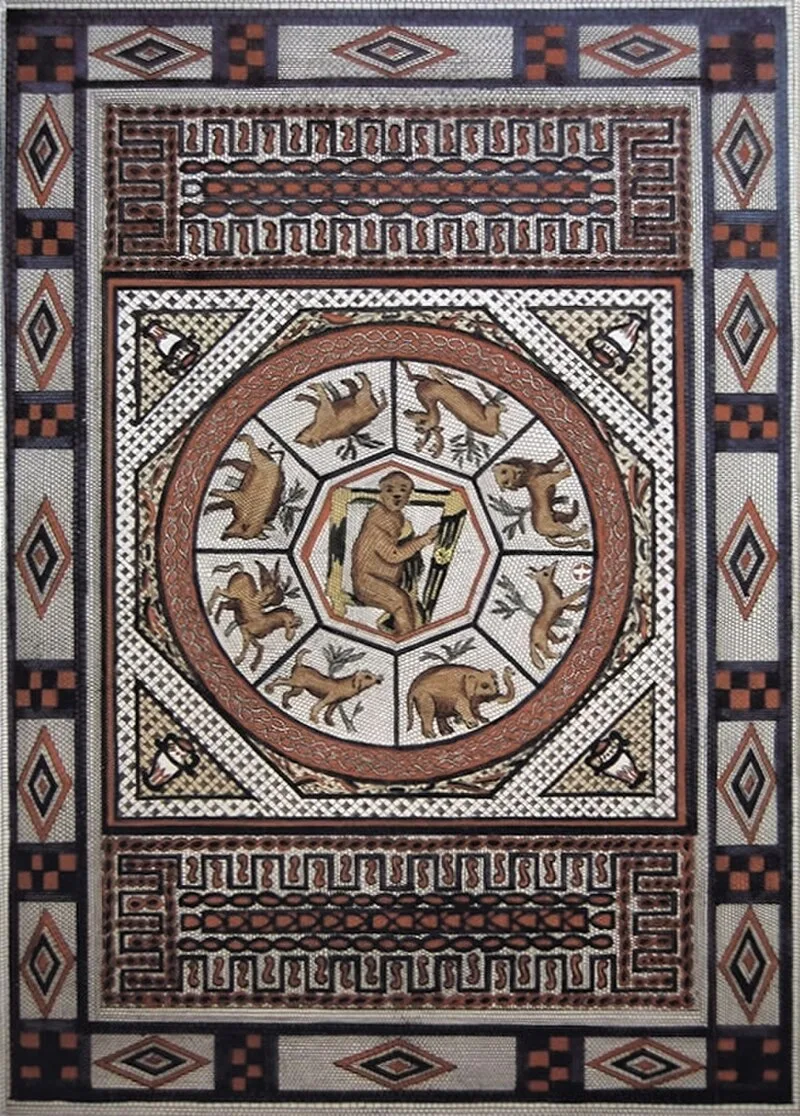
Winterton Roman Villa
A Roman villa complex in Winterton, North Lincolnshire, discovered in 1747. Built in three phases from the early 2nd century to mid-4th century AD, the villa features buildings…
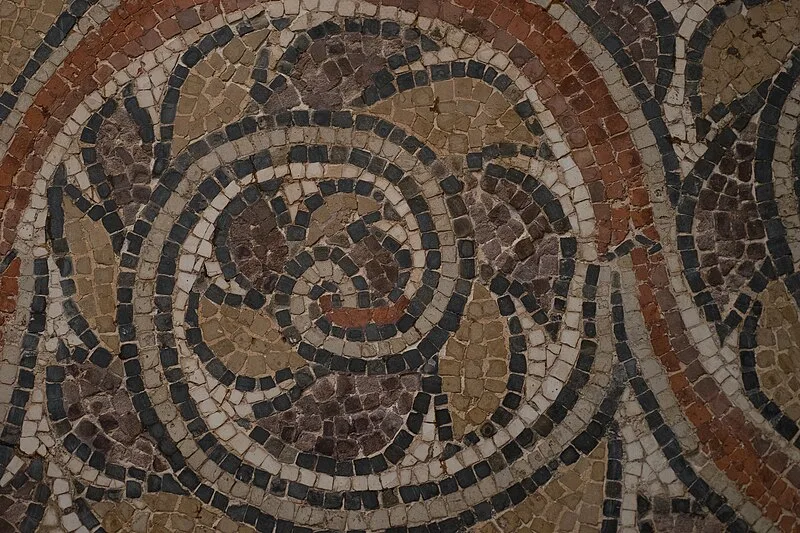
Woodchester Roman Villa
Woodchester Roman Villa was a luxurious Roman countryside residence in Woodchester, Gloucestershire, occupied from the early 2nd to late 4th century AD. The villa's most…
Megalithic stones in England (43)
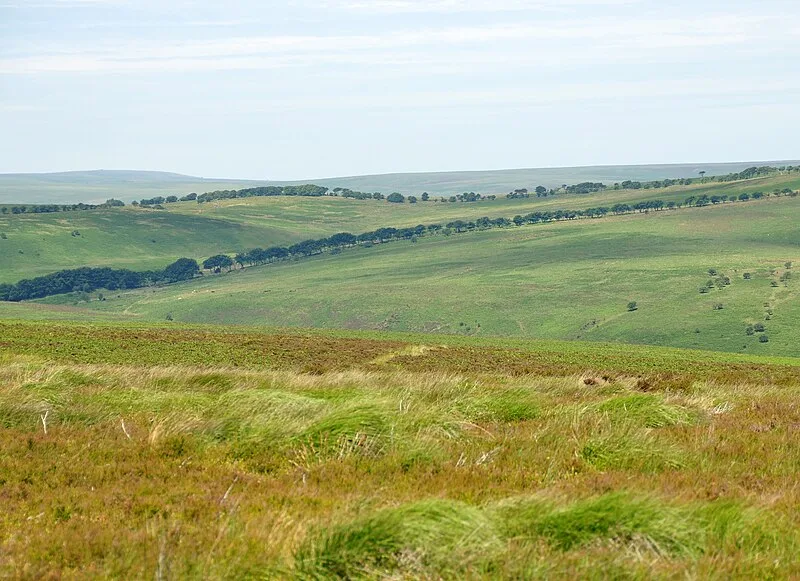
Almsworthy Common
Almsworthy Common is an area of unenclosed moorland on Exmoor in southwestern England, containing prehistoric stone settings dating from the Late Neolithic to Middle Bronze Age…
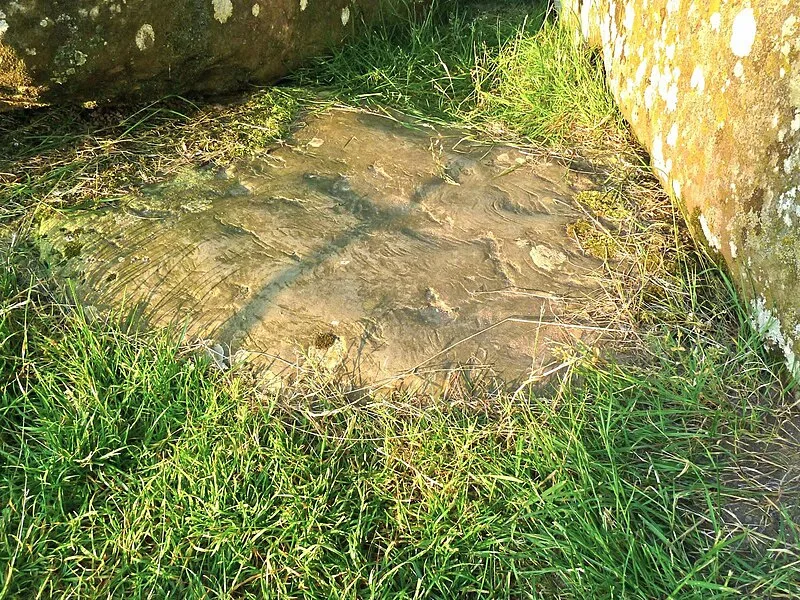
Altar Stone - Stonehenge
The Altar Stone (Stone 80) is a recumbent megalith at the center of Stonehenge, dating to around 2600 BC. A 2024 study published in Nature revealed that this six-ton sandstone…
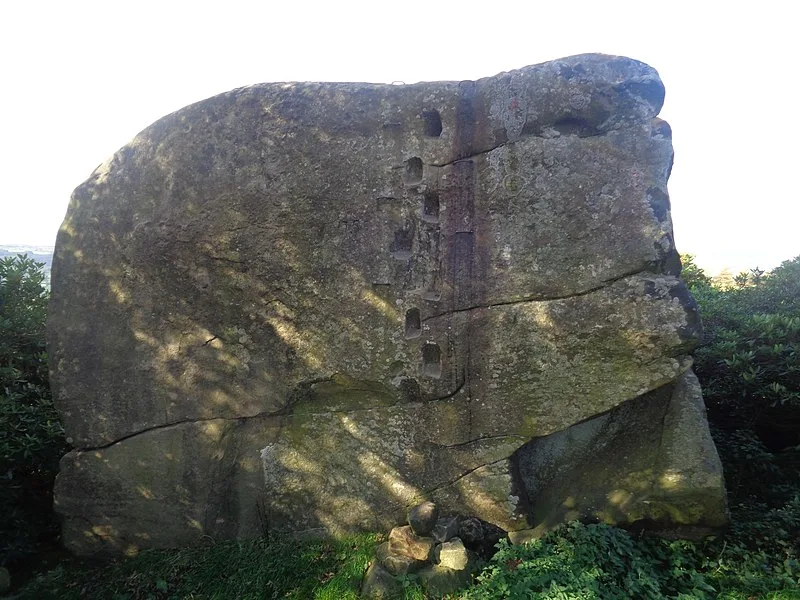
Andle Stone
The Andle Stone is a large gritstone boulder on Stanton Moor in Derbyshire. The massive stone block measures 6m long and 4m high, lying within a low, circular, dry stone wall…
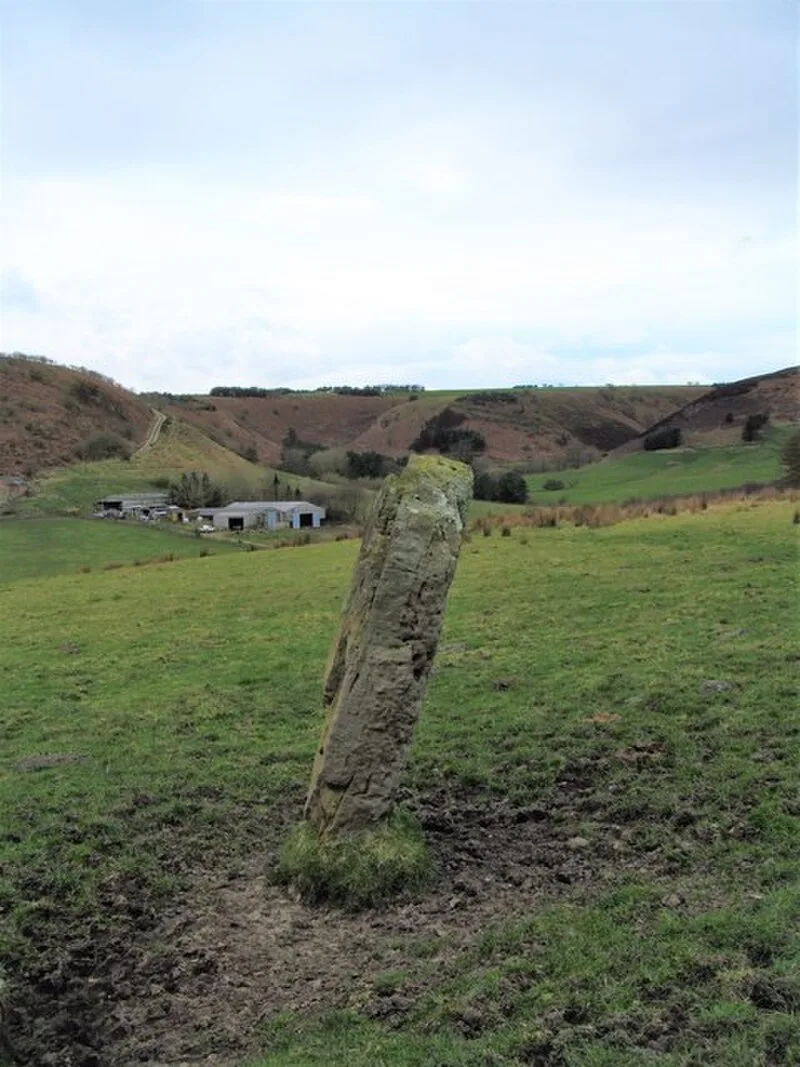
Blakey Topping Standing Stones
Blakey Topping Standing Stones are the remains of a probable Bronze Age stone circle at the foot of Blakey Topping hill in the North York Moors. Robert Knox recorded three large…
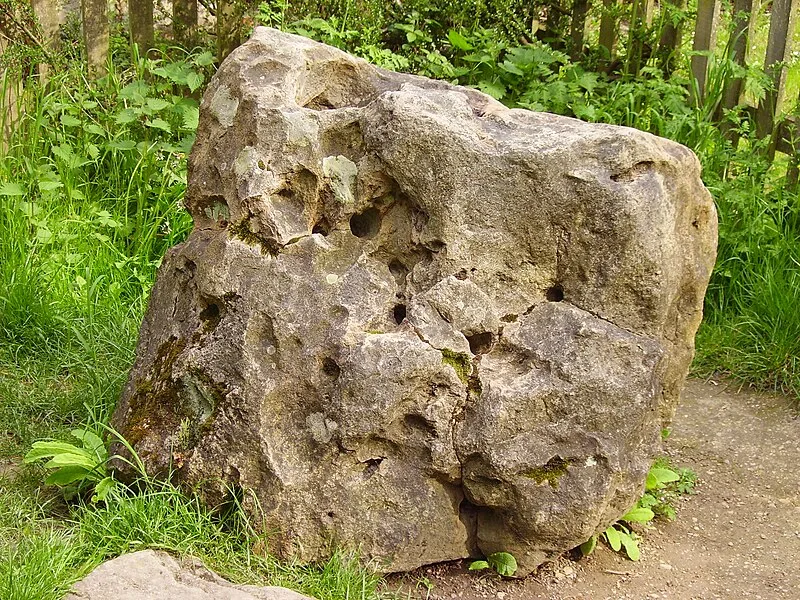
Blowing Stone
The Blowing Stone is a perforated sarsen megalith in Kingston Lisle, Oxfordshire (historically Berkshire). Located at the foot of Blowingstone Hill south of the Icknield Way, this…
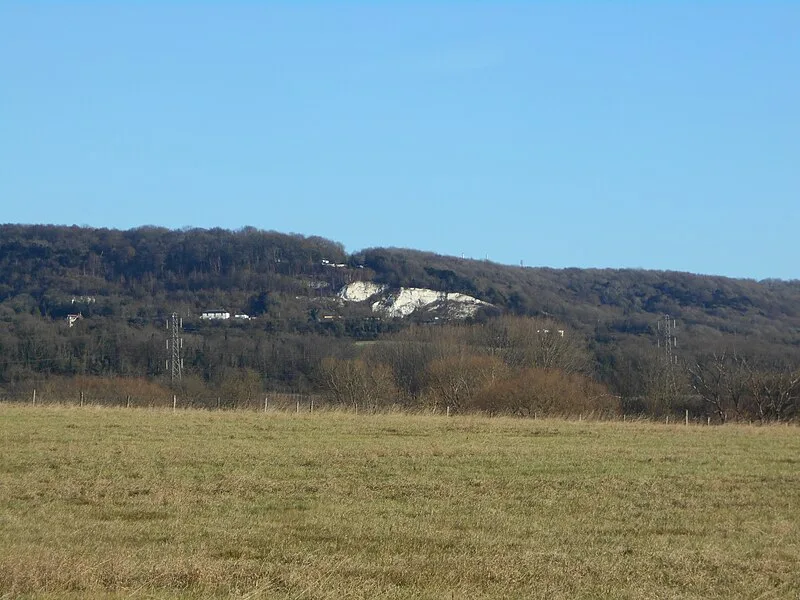
Blue Bell Hill
Blue Bell Hill is a chalk hill in Kent between Maidstone and Rochester, home to the eastern cluster of the Medway Megaliths, a group of Early Neolithic chambered long barrows…
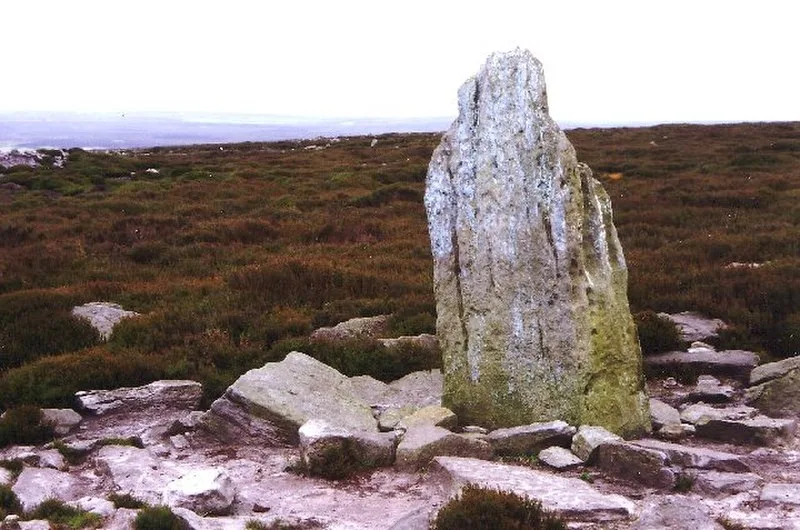
Blue Man-i'-th'-Moss
Blue Man-i'-th'-Moss is a 2-metre-tall standing stone on Wheeldale Moor in the North York Moors, along the route of the Lyke Wake Walk. Though now used as a parish boundary…
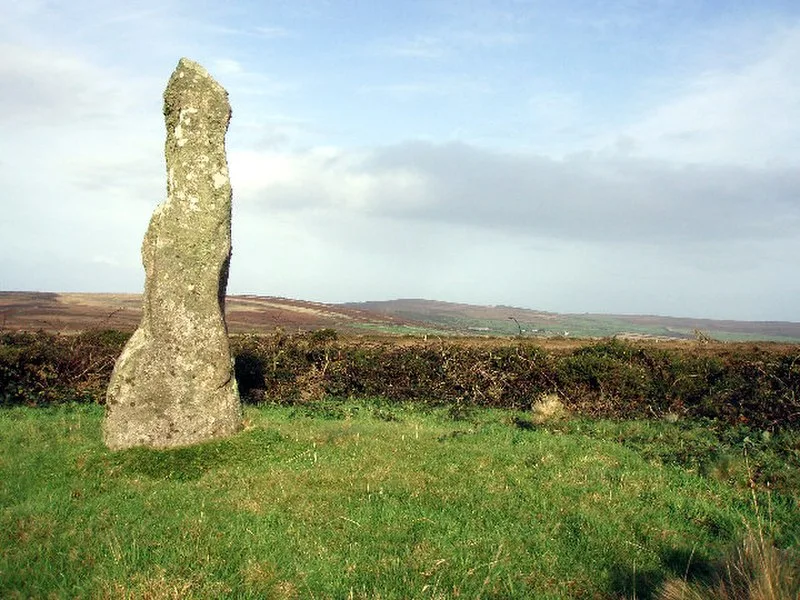
Boswens Menhir
Boswens Menhir is a standing stone located 3 km northeast of St Just in Penwith, Cornwall, England, also known as the Long Stone or Boswens Standing Stone.
Carfury Standing Stone
Carfury Standing Stone is a standing stone in Penwith, Cornwall, about 4km northwest of Penzance. Also called Cuckoo Rock, the stone stands around 3m tall and is 0.7m wide by 0.4m…
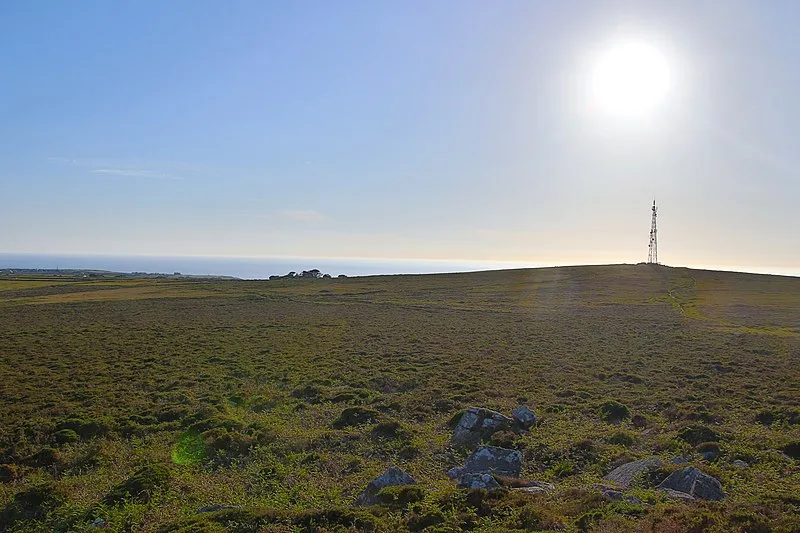
Carn Kenidjack
Carn Kenidjack is a 202-metre granite tor in Tregeseal, west Cornwall, covered in megaliths including the Tregeseal stone circles. The site anchors a Bronze Age ritual landscape,…
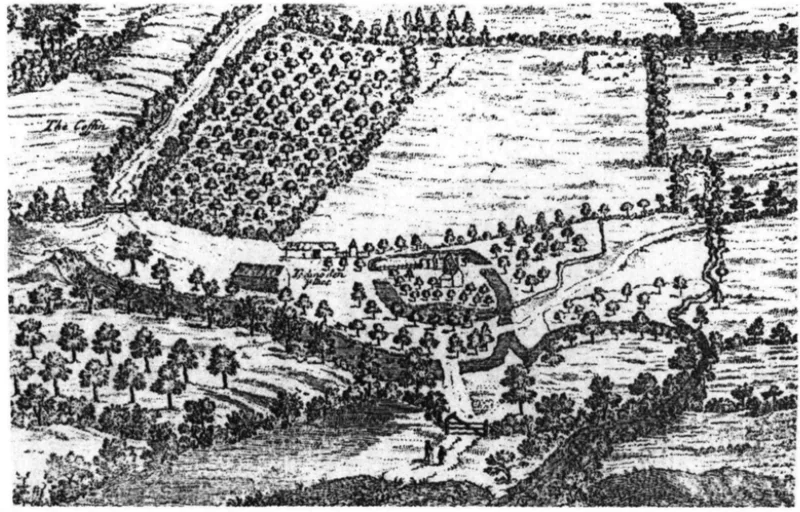
Coffin Stone
The Coffin Stone is a large sarsen stone at the foot of Blue Bell Hill near Aylesford in Kent, England. Now lying horizontally, it probably once stood upright nearby. Various…
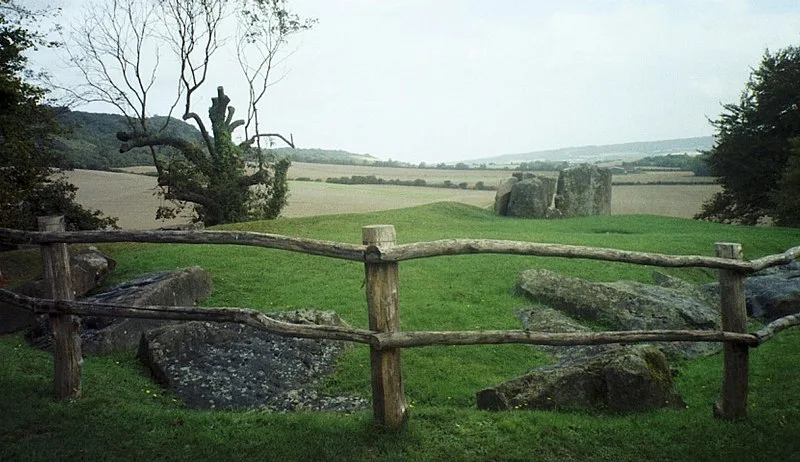
Coldrum Long Barrow
The Coldrum Long Barrow, also known as the Coldrum Stones and the Adscombe Stones, is a chambered long barrow located near the village of Trottiscliffe in the south-eastern…
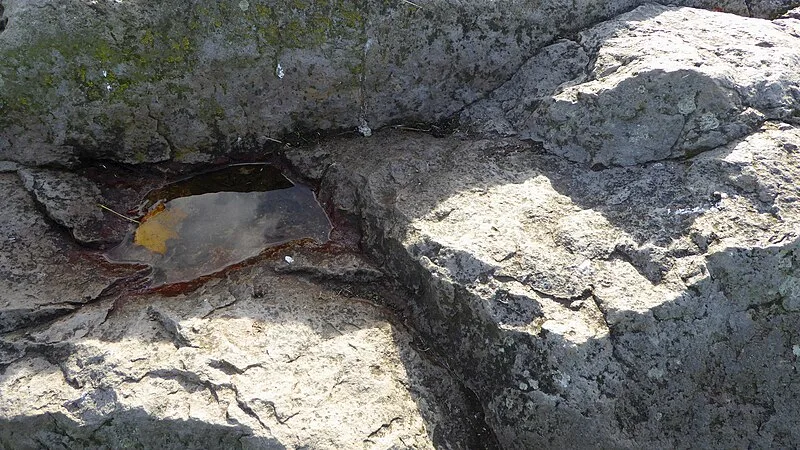
Cuckoo Stone
The Cuckoo Stone is a Neolithic or Bronze Age sarsen standing stone, now fallen on its side, located in a field near Woodhenge and Durrington Walls in Wiltshire, England, part of…
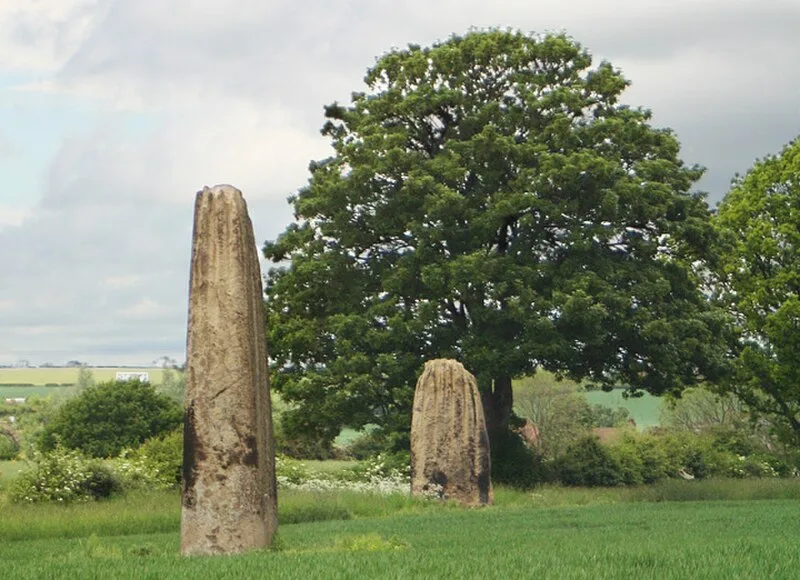
Devil's Arrows
The Devil's Arrows are three surviving Early Bronze Age standing stones (c. 2000 BC) aligned north-to-south over 374 metres near Boroughbridge, North Yorkshire. Fashioned from…
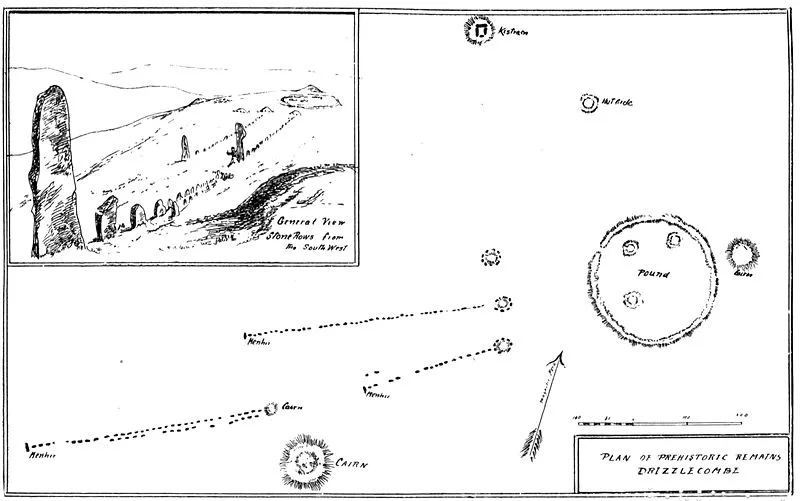
Drizzlecombe
A Bronze Age ceremonial and settlement complex on Dartmoor's southwest slope of Hartor Hill, Devon, featuring three principal stone rows each aligned roughly southwest-northeast…
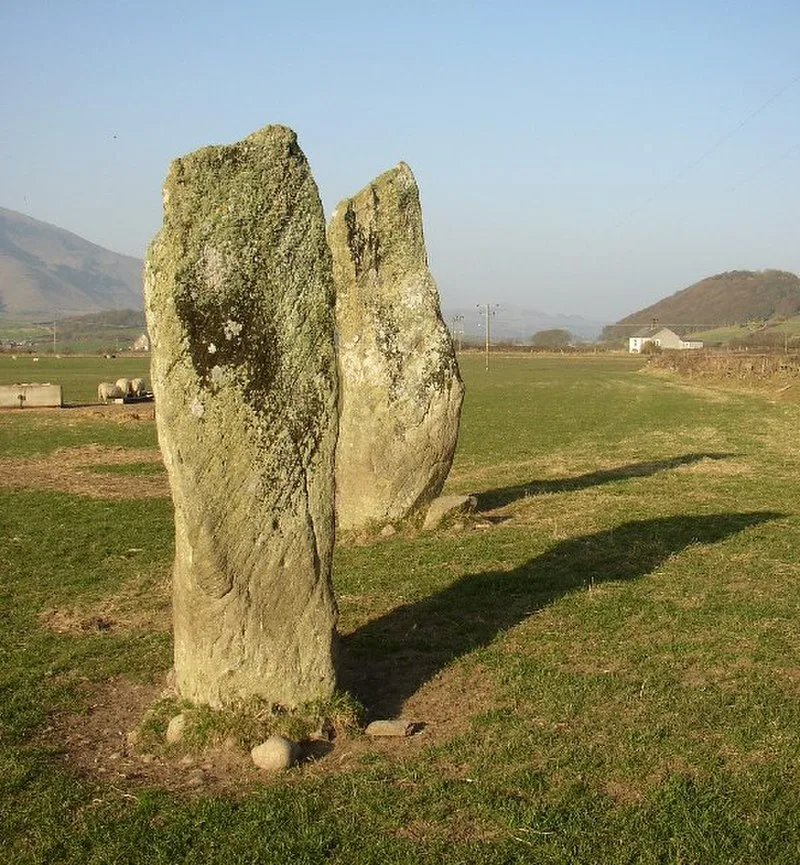
Giant's Grave, Cumbria
Giant's Grave is a pair of standing stones at the foot of Black Combe in Cumbria, England, dating to the Neolithic period (4500–3000 BC). The smaller stone features three…
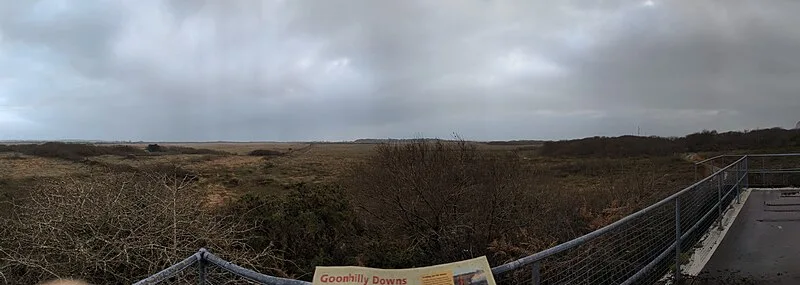
Goonhilly Downs - Dry Tree Menhir
The Dry Tree Menhir is a Bronze Age standing stone approximately 3 m tall on Goonhilly Downs, Lizard Peninsula, Cornwall. Made of gabbro rock transported from Crousa Downs about 2…
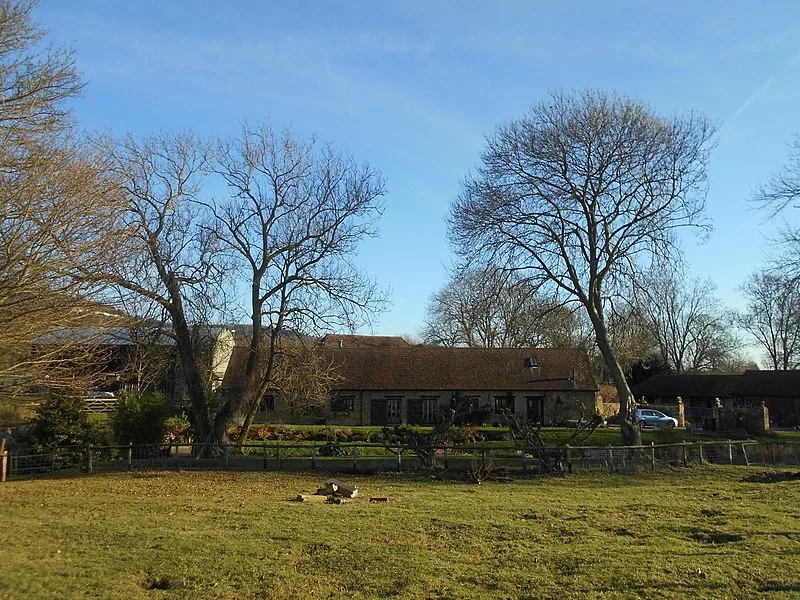
Great Tottington
Great Tottington is a moated manor farm near Maidstone in Kent, England, featuring scattered sarsen stones around a spring that may represent remains of a Neolithic monument…
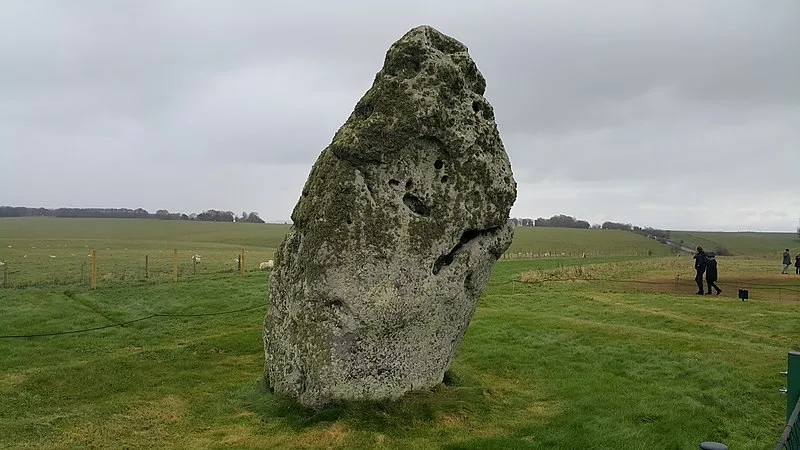
Heel Stone
The Heel Stone is a massive sarsen monolith standing within the Avenue outside Stonehenge's entrance in Wiltshire, England. Rising 4.7 metres above ground with 1.2 metres buried…
Leper Stone
The Leper Stone (also Newport Stone) is a sarsen megalith near Newport, Essex. Its name derives from the medieval Hospital of St. Mary and St. Leonard, a former leper hospital…
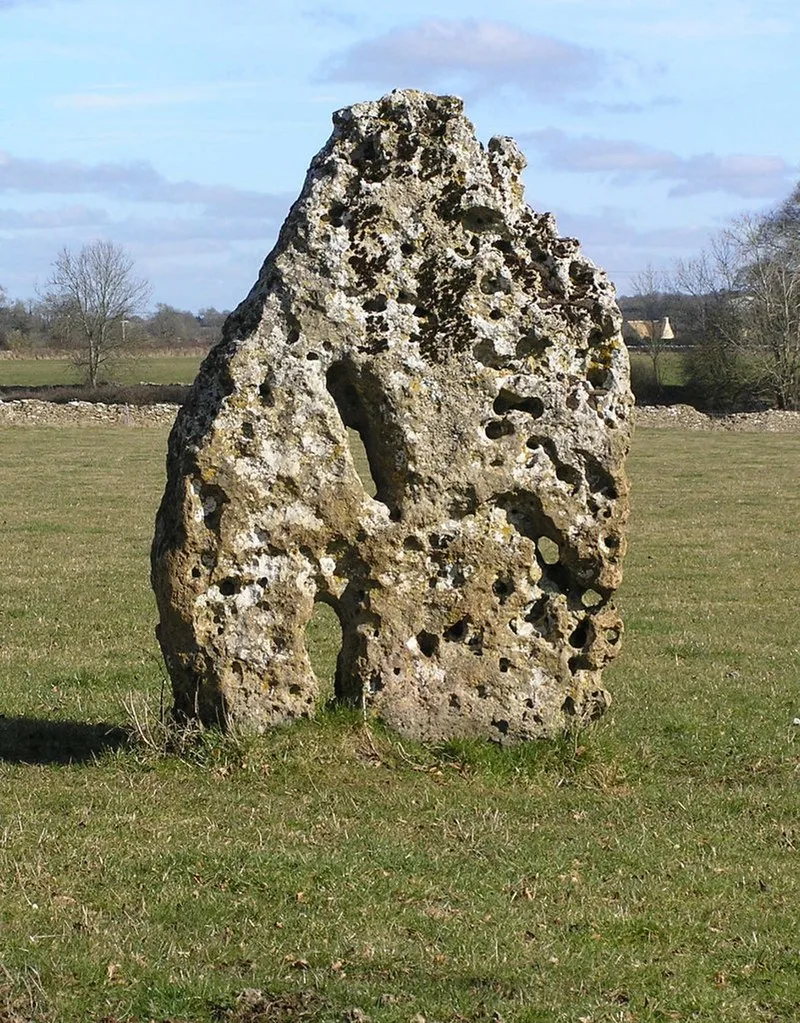
Longstone of Minchinhampton
A late Neolithic or early Bronze Age standing stone on Minchinhampton Common in Gloucestershire, standing 2.3 m high and made of oolitic limestone. The stone is perforated by two…
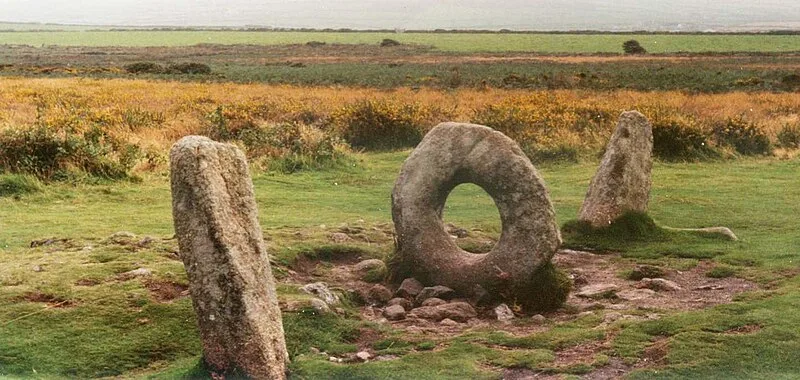
Mên-an-Tol
The Men-an-Tol (Cornish for 'the stone with a hole') is a late Neolithic or early Bronze Age monument near Madron in Cornwall, England. It consists of a 1.3 m wide circular holed…
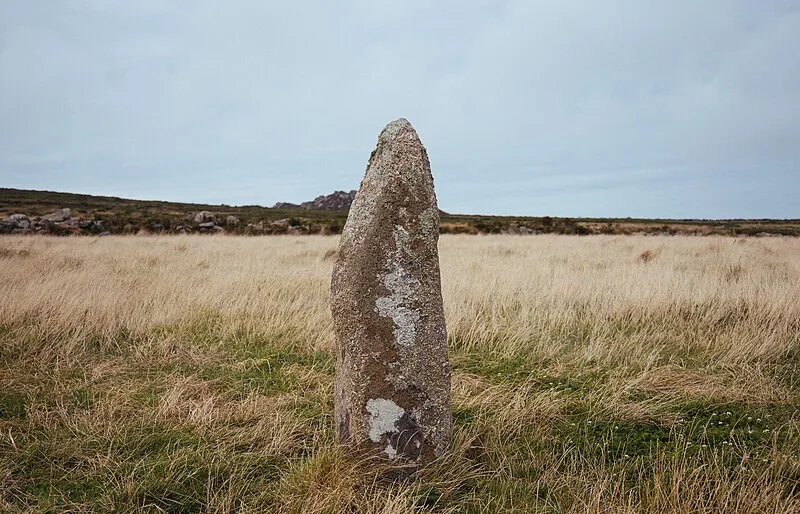
Mên Scryfa
An inscribed standing stone near the Madron-to-Morvah road in Cornwall, England, standing 1.8 m tall. The name means "stone with writing" in Cornish. Likely erected in the Bronze…
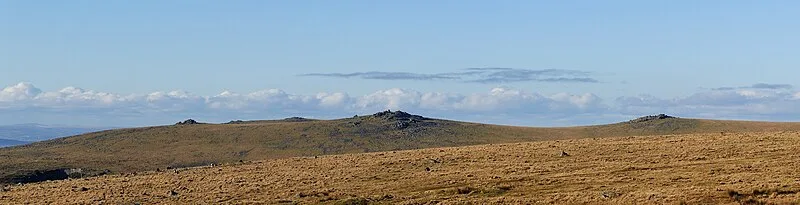
Merrivale, Devon
Merrivale is a Bronze Age and Neolithic ceremonial complex on western Dartmoor, Devon. The site includes two double stone rows (the longest stretching 263 metres), a stone circle…
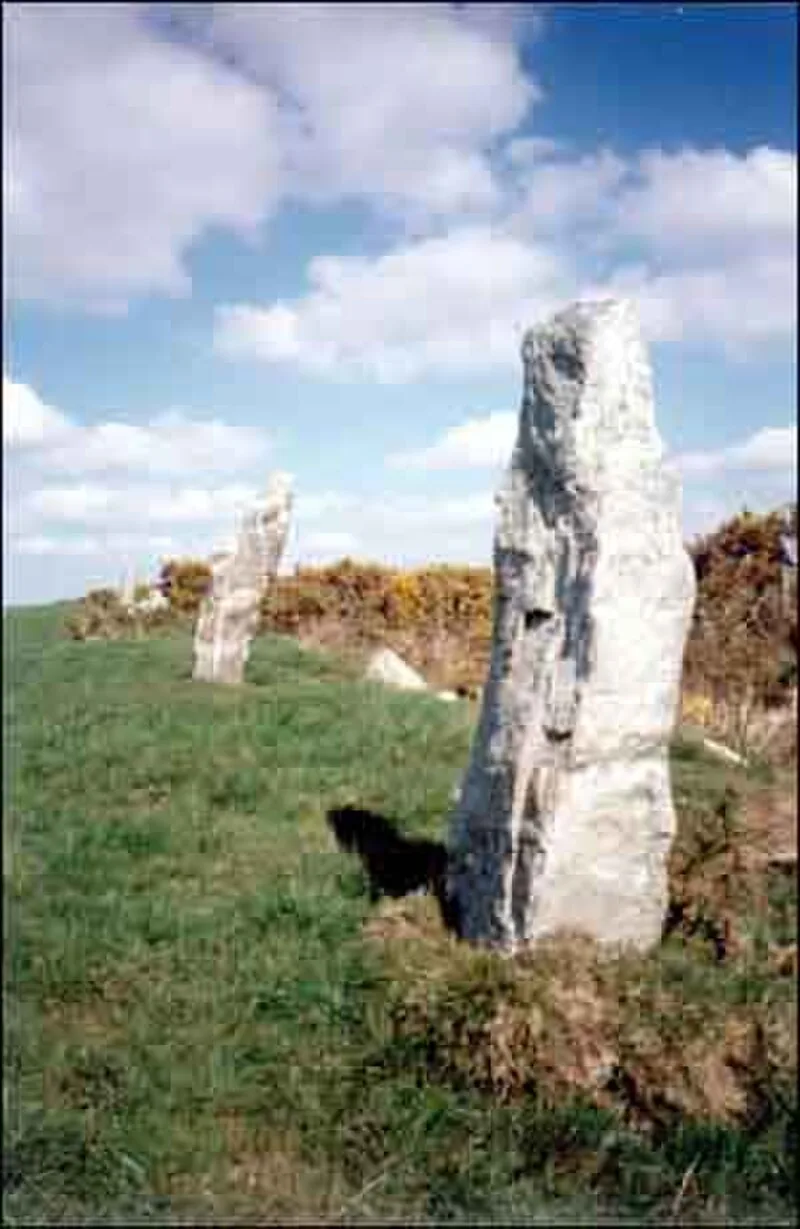
Nine Maidens Stone Row
A late Neolithic stone row in the parish of St Columb Major, Cornwall, comprising nine granite megaliths stretching approximately 108 metres in a northeast alignment. Stone…
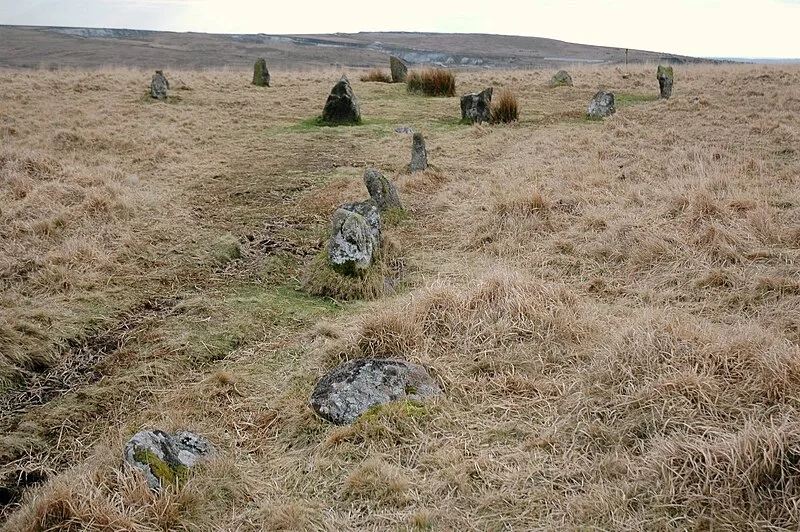
Ringmoor Stone Row and Cairn Circle
A Bronze Age stone row and cairn circle on Ringmoor Down in Dartmoor, Devon, part of the Upper Plym Valley archaeological landscape. The stone row extends 356 metres, mainly…
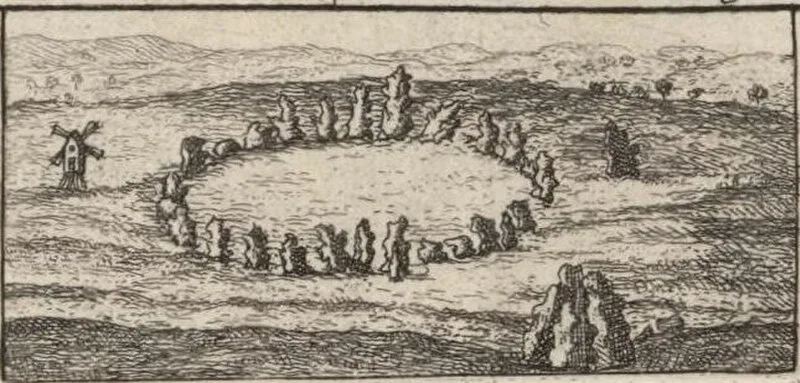
Rollright Stones
The Rollright Stones are a complex of three Neolithic and Bronze Age megalithic monuments near Long Compton, on the Oxfordshire-Warwickshire border. Constructed from local oolitic…
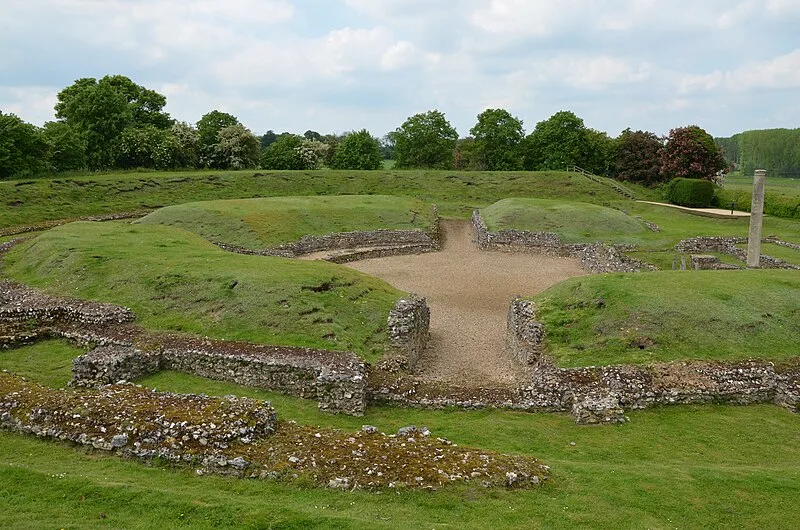
Roman Theatre, St Albans
Built around 140 AD within the Roman walled city of Verulamium, this is the only known Roman theatre with a stage (as opposed to an amphitheatre) in Britain. Originally used for…
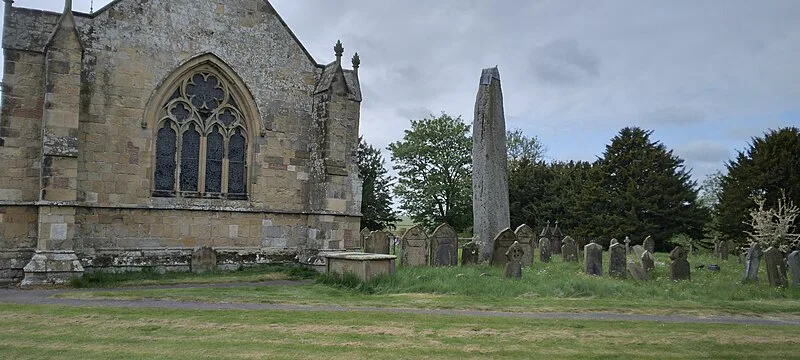
Rudston Monolith
The tallest megalith in the United Kingdom at nearly 8 metres high with a circumference of 5 metres, standing in the churchyard of All Saints Church in Rudston, East Riding of…
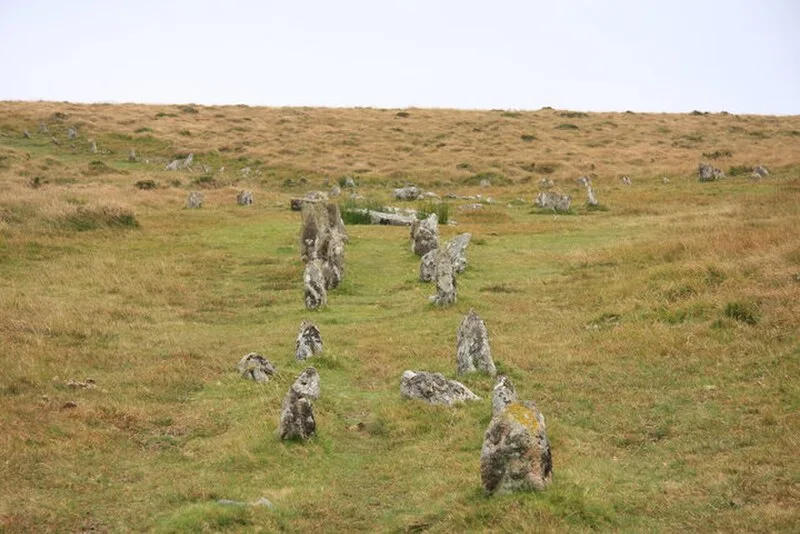
Shovel Down
Shovel Down is a megalithic complex on Dartmoor, Devon, featuring multiple stone rows, the Fourfold Stone Circle, and standing stones.
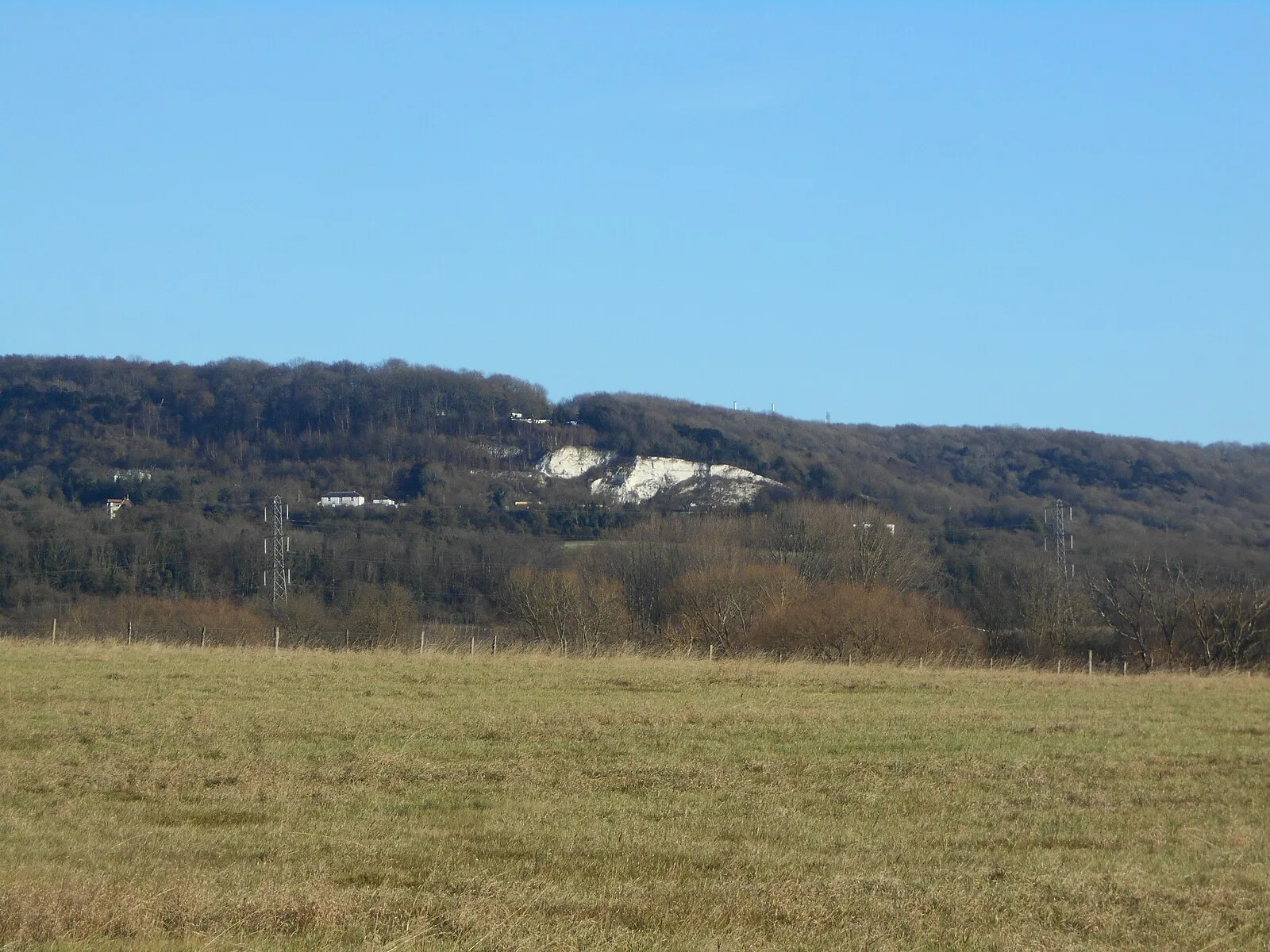
Smythe's Megalith
Smythe's Megalith, also called Warren Farm Chamber, was a chambered long barrow near Aylesford in Kent, England. Probably built in the 4th millennium BCE during Britain's Early…
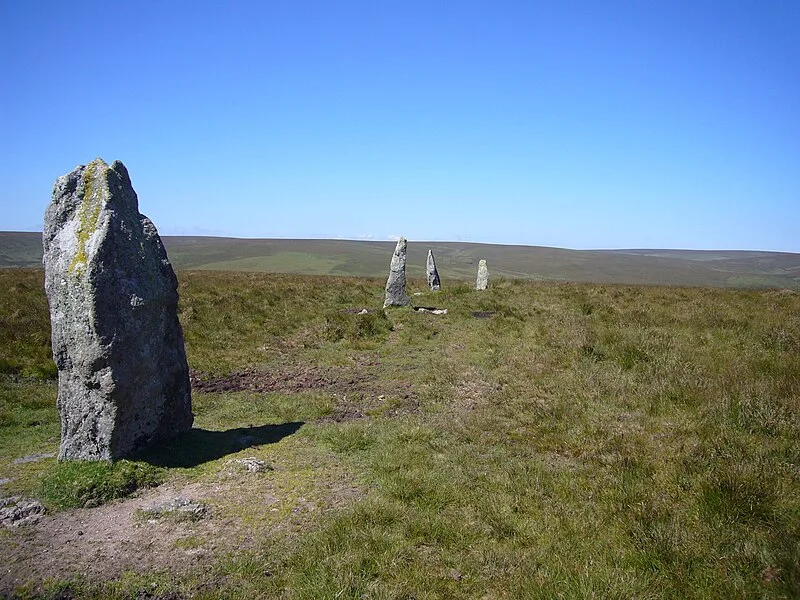
Stalldown Barrow
Stalldown Barrow is a megalithic site on Dartmoor in Devon, England, located approximately 5 kilometres from Harford. The monument consists of a long stone row. The site is…
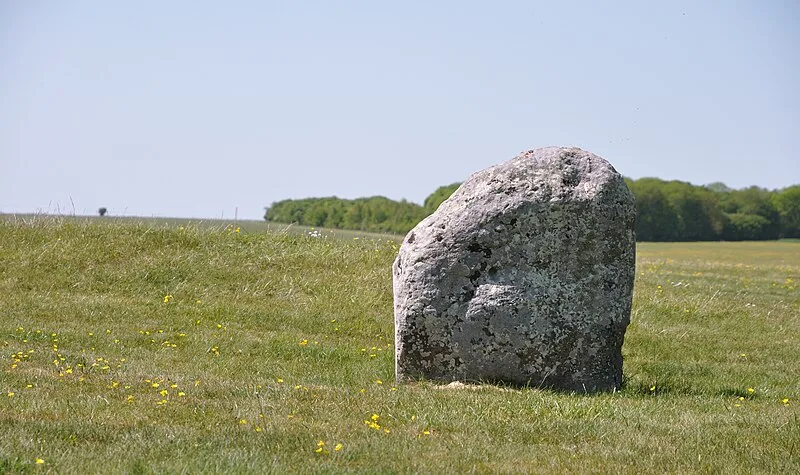
Station Stones - Stonehenge
The Station Stones are four sarsen stones erected at Stonehenge during its second or third phase, around 2640-2480 BCE, forming the corners of a precise rectangle straddling the…
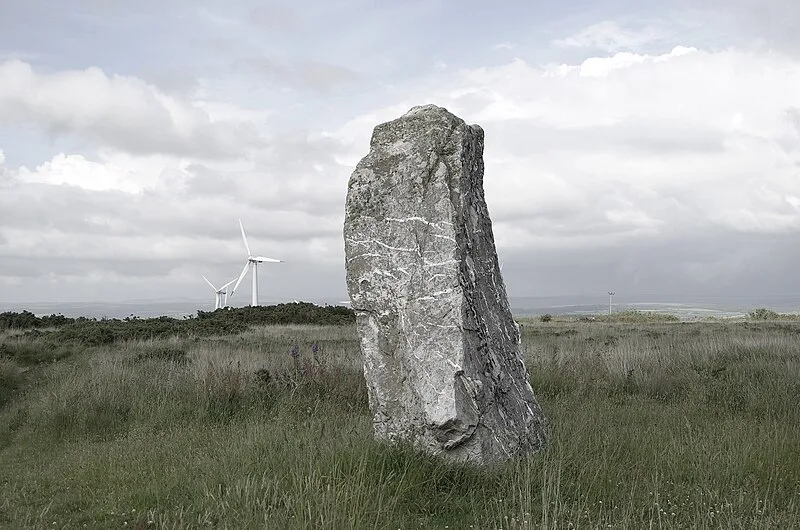
St Breock Downs Monolith
St Breock Downs Monolith is a prehistoric standing stone (menhir) on the summit of St Breock Downs in Cornwall, England. It is the largest and heaviest megalithic stone in…
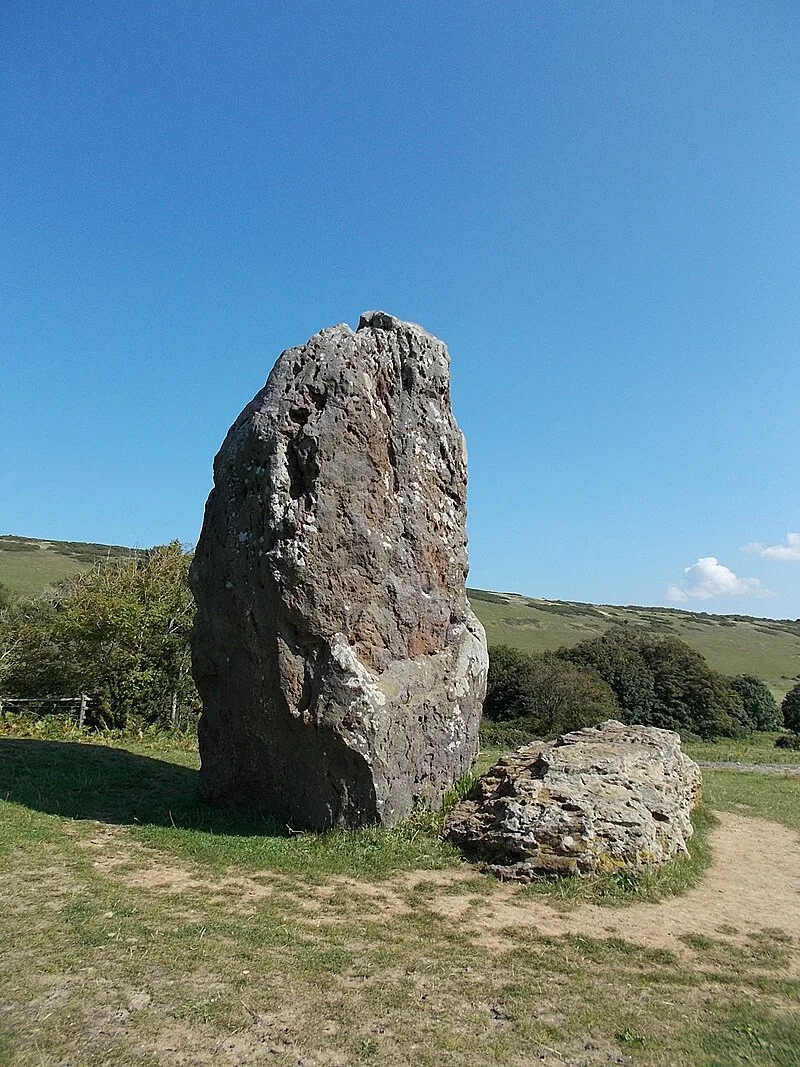
The Longstone, Mottistone
The Longstone is a megalithic monument near Mottistone on the Isle of Wight, dating to 4500–3000 BC. It is the only megalithic monument on the island. The monument consists of two…
The Longstones
Two prehistoric standing stones known as 'Adam' and 'Eve' near Beckhampton in Avebury parish, Wiltshire. Adam, the larger stone weighing an estimated 62 tons, is the surviving…
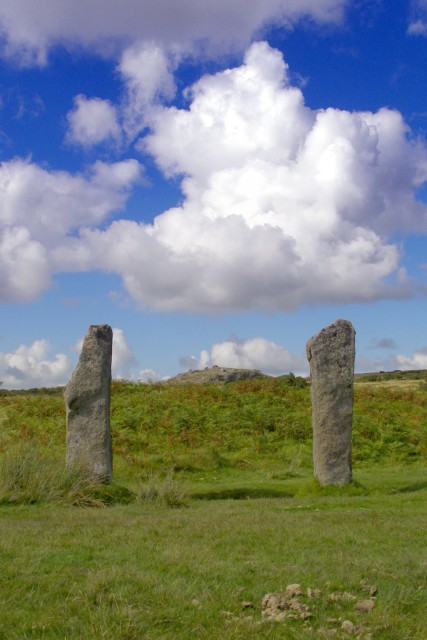
The Pipers
The Pipers are a pair of standing stones situated approximately 120 metres west-southwest of the central Hurlers stone circle on Bodmin Moor near Minions, Cornwall. Standing about…
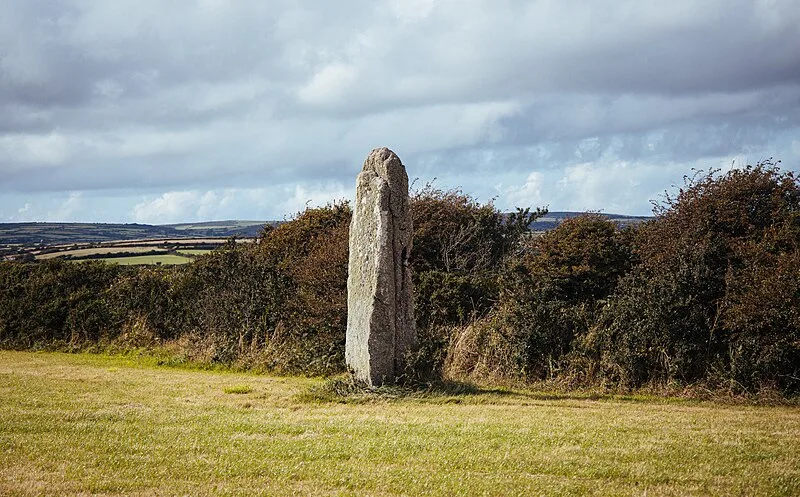
The Pipers, St Buryan
The Pipers at St Buryan are a pair of standing stones near the Merry Maidens stone circle in west Cornwall. The NE Piper stands 4.6 metres tall, making it Cornwall's tallest…

Three Brothers, Lancashire
The Three Brothers are three large erratic boulders perched on limestone pavement in the hills above Morecambe Bay, immediately north of Warton Crag in Lancashire, England. Placed…
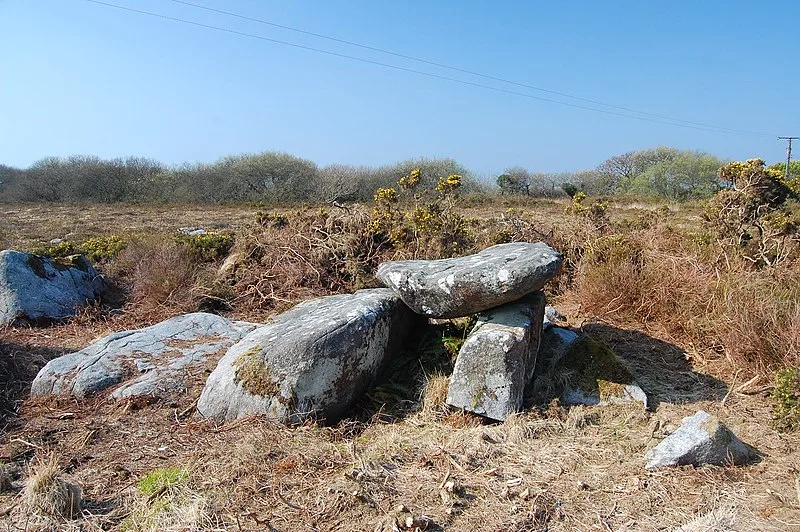
Three Brothers of Grugith
A Neolithic portal dolmen near St Keverne on the Lizard peninsula in Cornwall, dating to approximately 3500-2600 BC. Two parallel orthostats support a large capstone enclosing a…
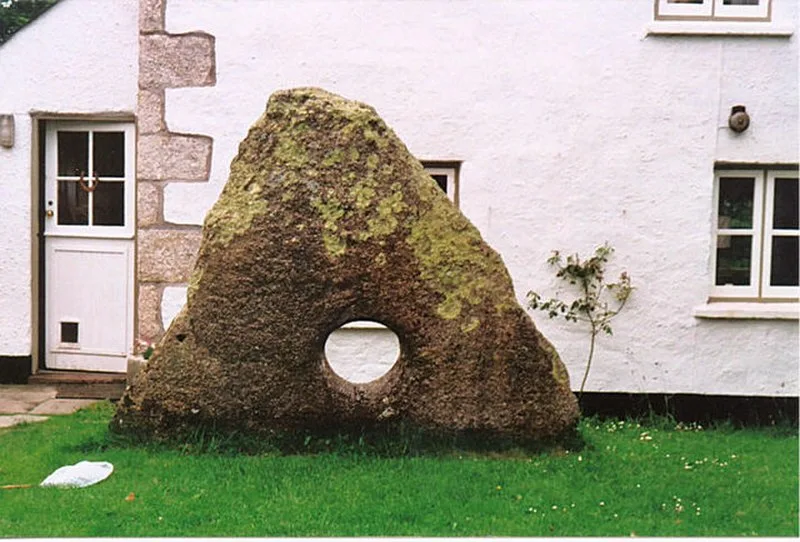
Tolvan Holed Stone
The Tolvan Holed Stone is a triangular Neolithic standing stone near the village of Gweek in Cornwall, England, dating to approximately 3500-2600 BC. Standing 2.3 metres high, it…
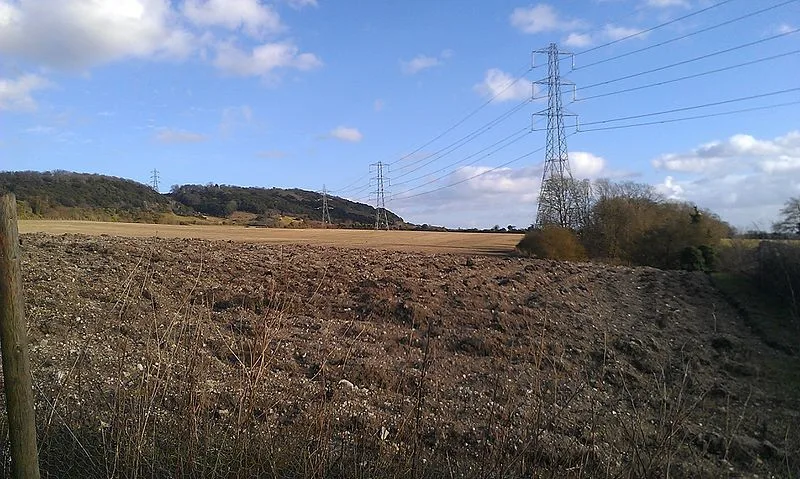
White Horse Stone
The White Horse Stone comprises two sarsen megaliths on Blue Bell Hill near Aylesford, Kent, England. The Lower Stone was destroyed before 1834; the surviving Upper Stone took on…
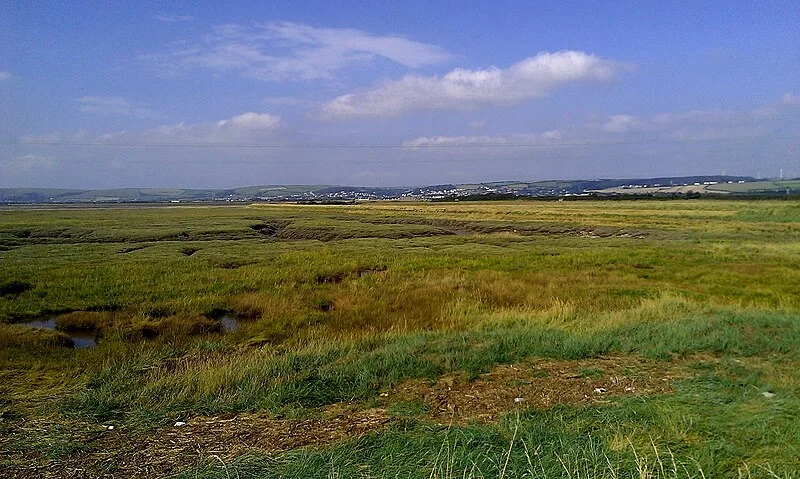
Yelland Stone Rows
A prehistoric double stone row of approximately 22 small standing stones extending 34.5 metres across the tidal mudflats of the River Taw estuary in Devon, England. Excavations in…
Henge in England (17)
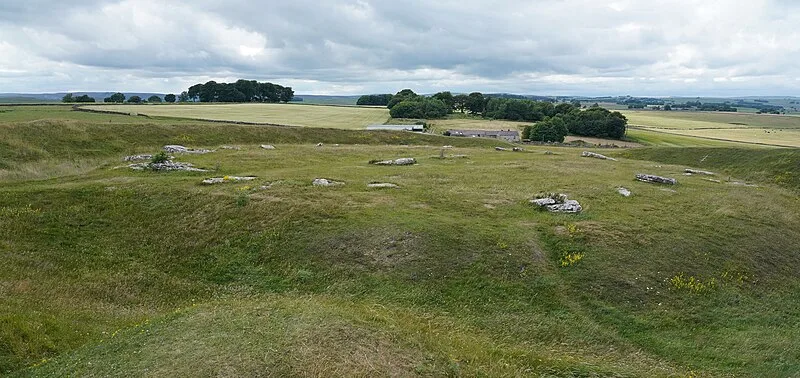
Arbor Low
Arbor Low is a Neolithic henge monument in the Derbyshire Peak District, England, considered the most important prehistoric site in the East Midlands. Its bank and ditch were…
Arminghall
Arminghall is a Neolithic henge and timber circle monument in Norfolk, England. The site, discovered in 1929, features a circular earthwork enclosure with an internal timber…
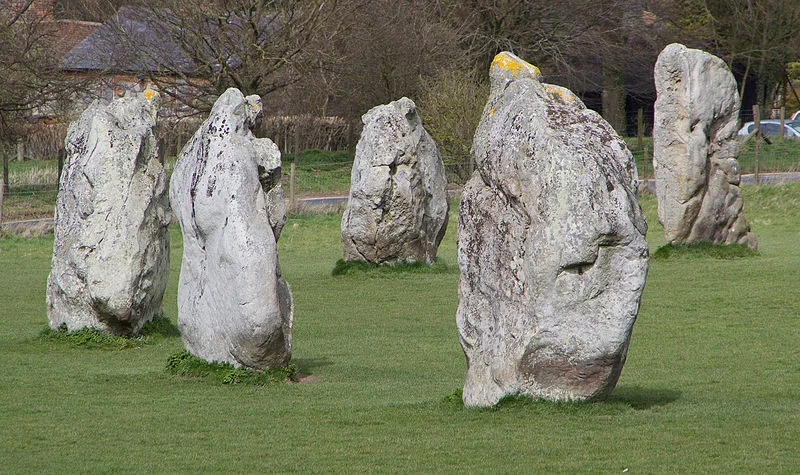
Avebury
Avebury is a Neolithic henge monument in Wiltshire, England. It encloses three stone circles and contains the largest megalithic stone circle in the world. One of the best-known…
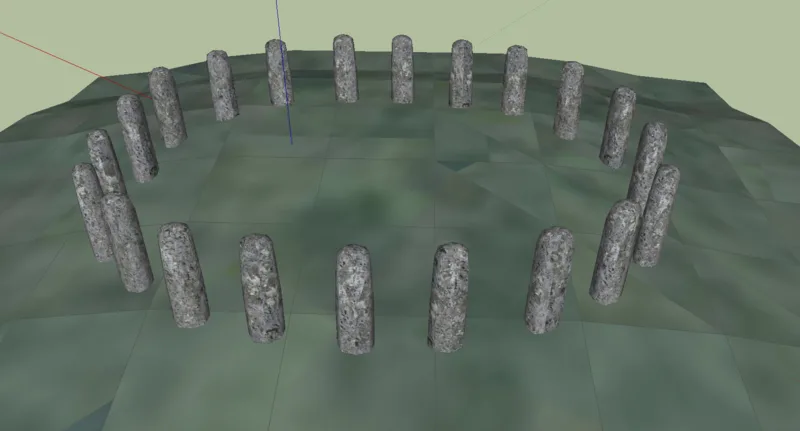
Bluestonehenge
Bluestonehenge (West Amesbury Henge) is a prehistoric stone circle discovered in 2009 by Mike Parker Pearson's Stonehenge Riverside Project, located where the Stonehenge Avenue…
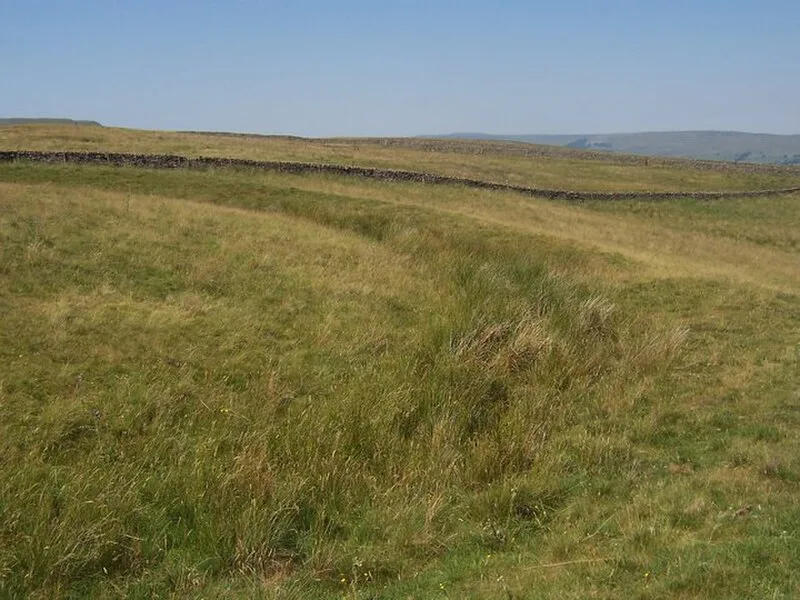
Castle Dykes Henge
Castle Dykes Henge is a well-preserved Class I Neolithic henge earthwork in the Yorkshire Dales National Park, situated between the villages of Aysgarth and Thornton Rust. The…
Coneybury Henge
Coneybury Henge is a henge in Wiltshire, England, within the Stonehenge Landscape. The site was only discovered in the 20th century and has been almost completely flattened by…
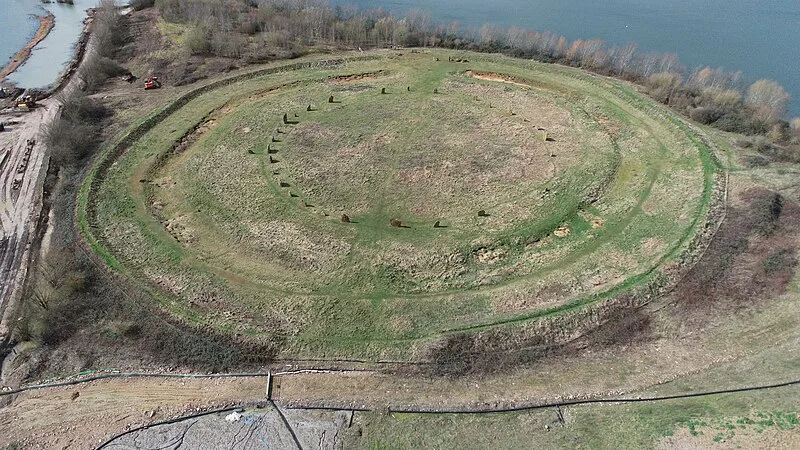
Devil's Quoits
Devil's Quoits is a Neolithic henge and stone circle located south of Stanton Harcourt in Oxfordshire, England. Built between 4500 and 3000 BC, the monument is approximately…
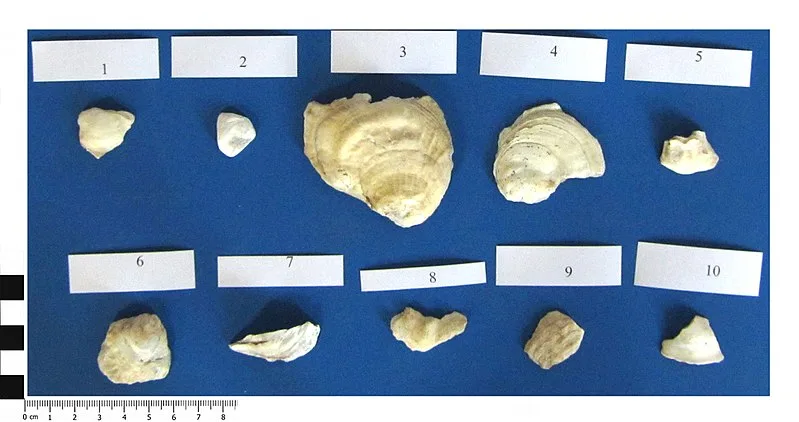
Ferrybridge Henge
Ferrybridge Henge is a Neolithic henge near Ferrybridge, West Yorkshire, England. It is the furthest south of Yorkshire's henges and the only one in West Yorkshire. The site holds…
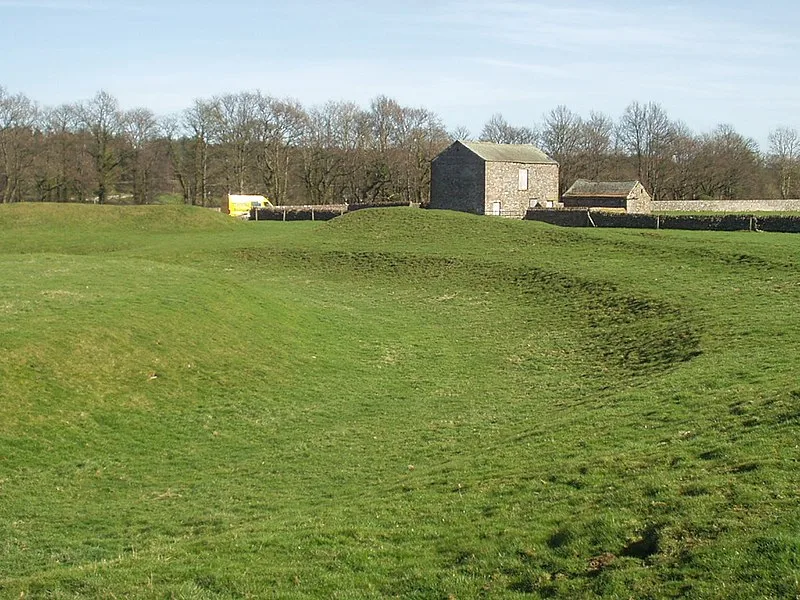
King Arthur's Round Table
King Arthur's Round Table is a Neolithic henge dating from about 2000 BC, located in Eamont Bridge, Cumbria, approximately 2 km southeast of Penrith. The monument is around 90 m…
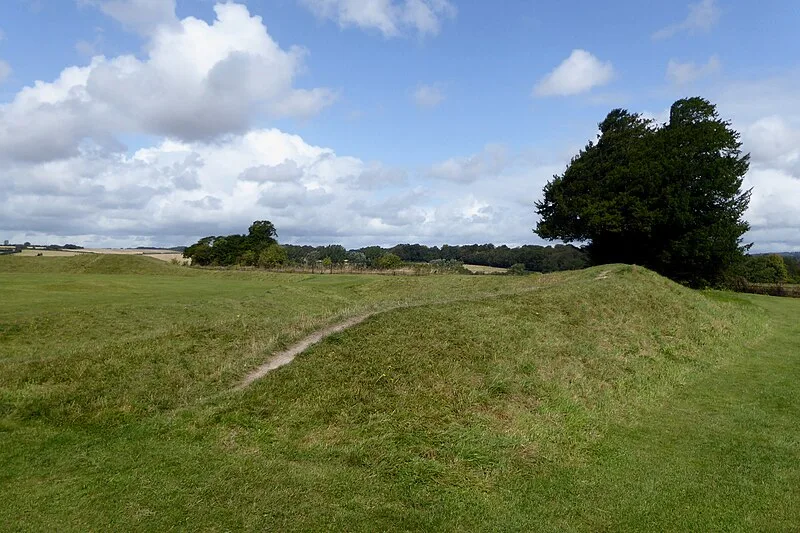
Knowlton Circles
Knowlton Circles are a complex of Neolithic and Bronze Age henges and earthworks in Knowlton, Dorset, England. The site comprises at least three henges, with Church Henge being…
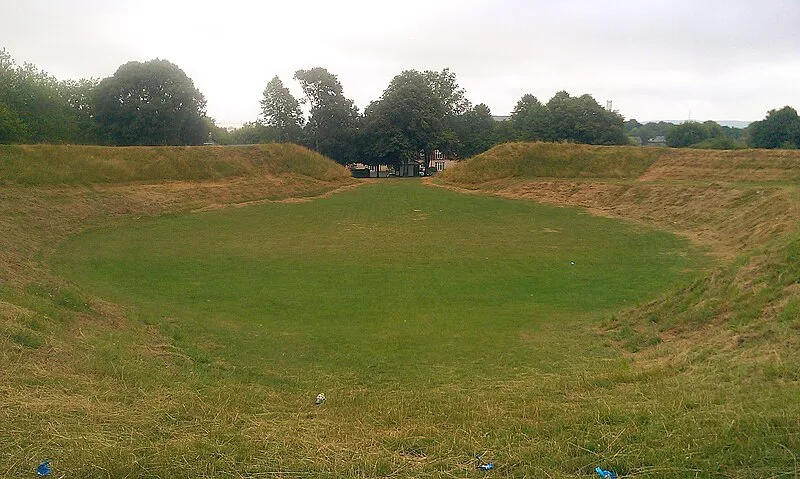
Maumbury Rings
Maumbury Rings is a Neolithic henge in Dorchester, Dorset, England. It consists of a circular earthwork 85 metres in diameter with a single bank and a north-east entrance. During…
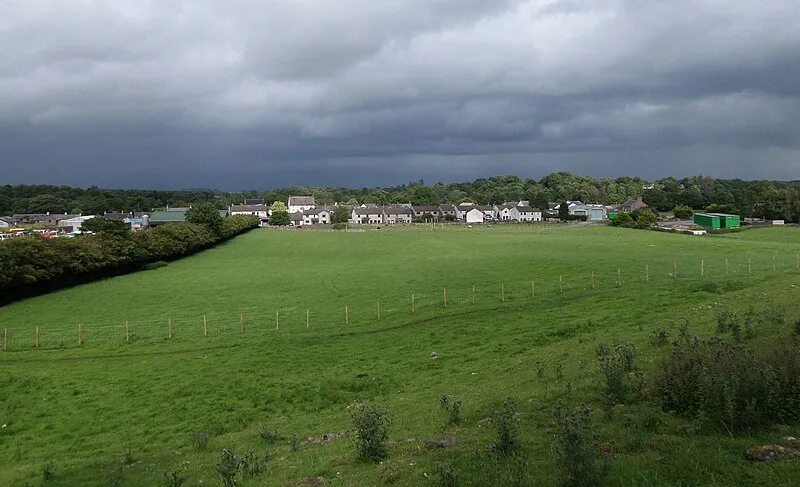
Mayburgh Henge
Mayburgh Henge is a large late Neolithic or early Bronze Age monument near Eamont Bridge in Cumbria, England, dating to approximately 2500 BC. The massive circular bank, built…
Mount Pleasant Henge
Mount Pleasant is a Neolithic mega-henge enclosure in Dorset, England, southeast of Dorchester in the parish of West Stafford. The egg-shaped enclosure measures approximately 370m…
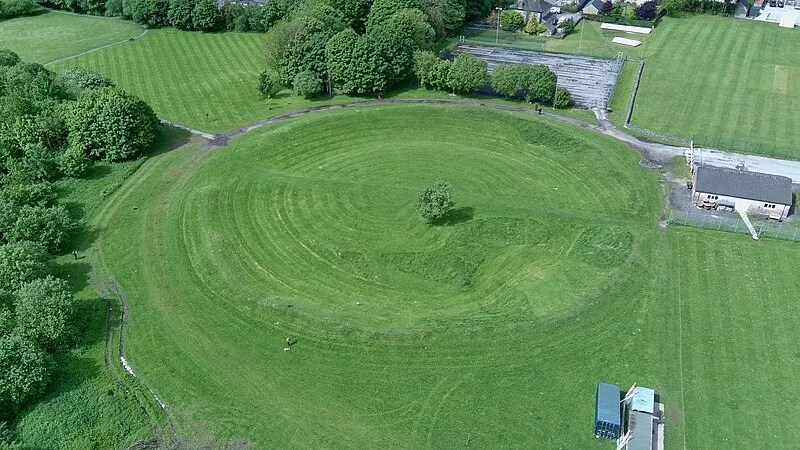
The Bull Ring
The Bull Ring is a Class II henge monument near Dove Holes in Derbyshire, England, dating to the Late Neolithic to Early Bronze Age period (c. 3000-1500 BC). The monument measures…
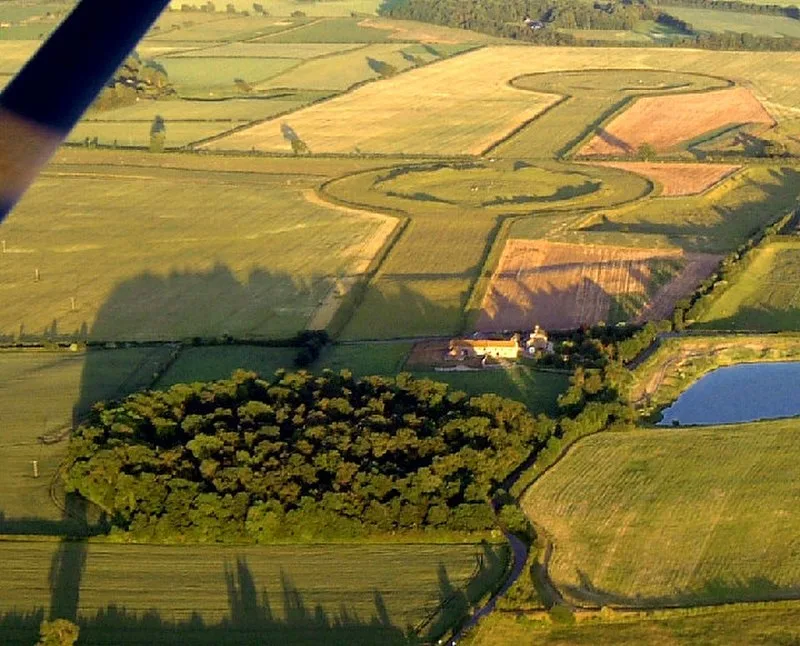
Thornborough Henges
The Thornborough Henges are a complex of three aligned henges near the River Ure in North Yorkshire, England, each approximately 250 meters in diameter and stretching over a mile…
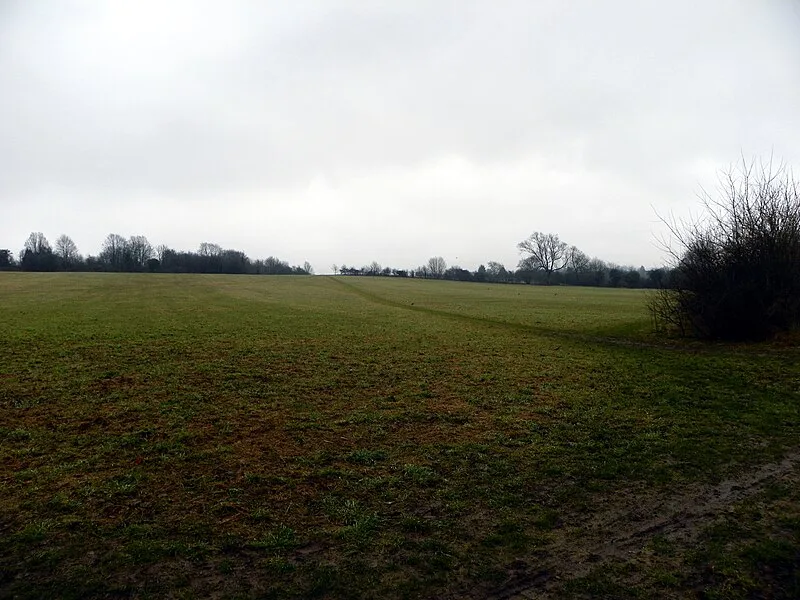
Waulud's Bank
A large D-shaped Neolithic henge enclosure at Leagrave, Luton, dating to approximately 3000 BC. The earthwork encloses around 7 hectares with a bank reaching 2.5m high and a ditch…
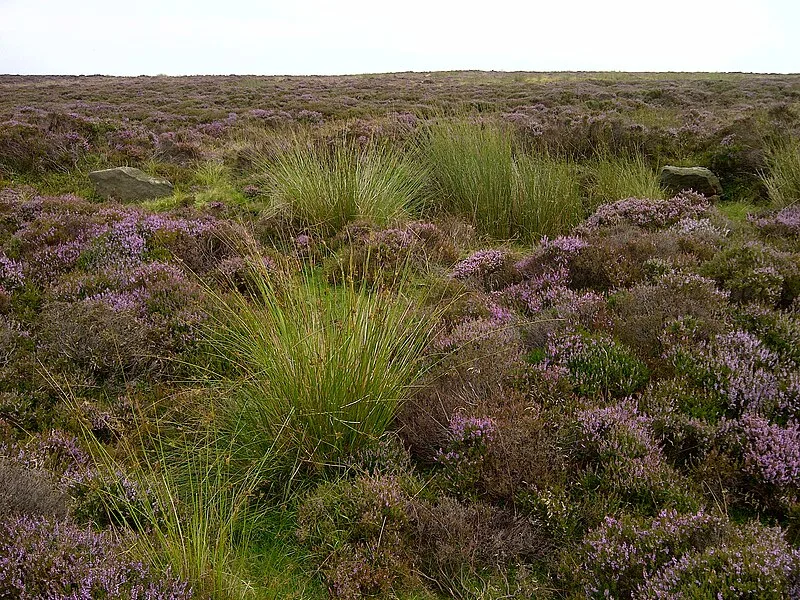
Wet Withens
Wet Withens is a Bronze Age embanked stone circle on Eyam Moor in the Derbyshire Peak District, and the largest of its type in the county. The continuous bank measures…
Mound/tumulus in England (14)
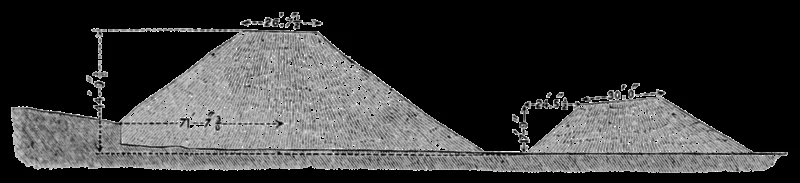
Bartlow Hills
Bartlow Hills is a Roman tumuli cemetery in Bartlow, Cambridgeshire, England, comprising four surviving barrows from an original group of seven. The tallest mound reaches 15…
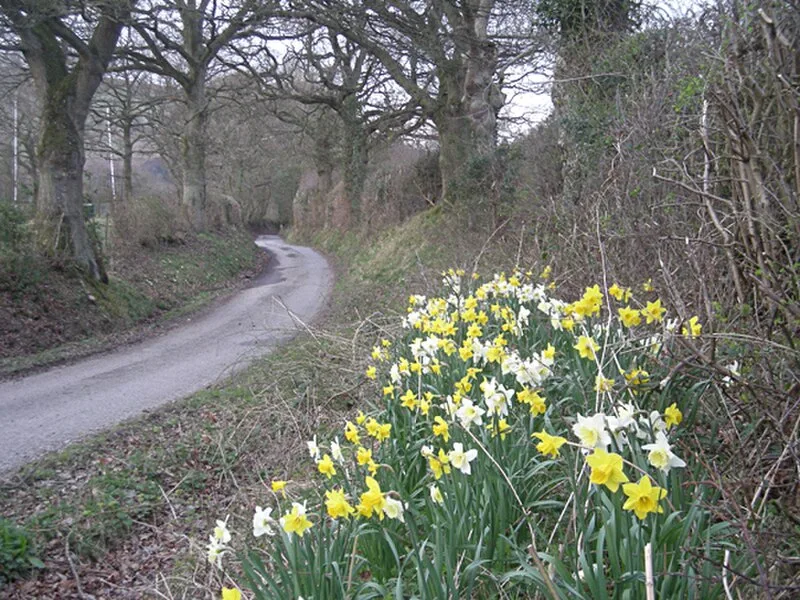
Botley Stone
Botley Stone is a Neolithic mound or tumulus in Shropshire, England, dating to 4500-3000 BC. Located near the hamlet of Hamperley.
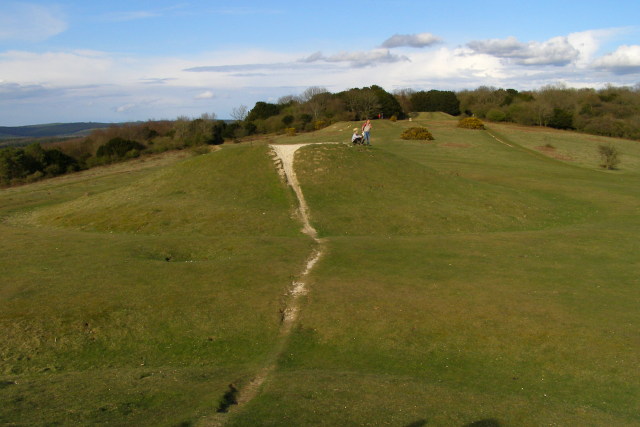
Bow Hill, Sussex
Bow Hill is a 206-metre elongated ridge in the South Downs, West Sussex, England, with a 74-metre prominence.
Burnt Mound in Fox Hollies Park
The Burnt Mound in Fox Hollies Park is a Bronze Age archaeological feature in the Acocks Green area of south Birmingham, scheduled as an ancient monument in 2002. The low oval…

Eston Nab
Eston Nab is a rocky promontory at 242 metres elevation in Redcar and Cleveland, England, overlooking the Tees Valley. The site shows evidence of human activity from the…
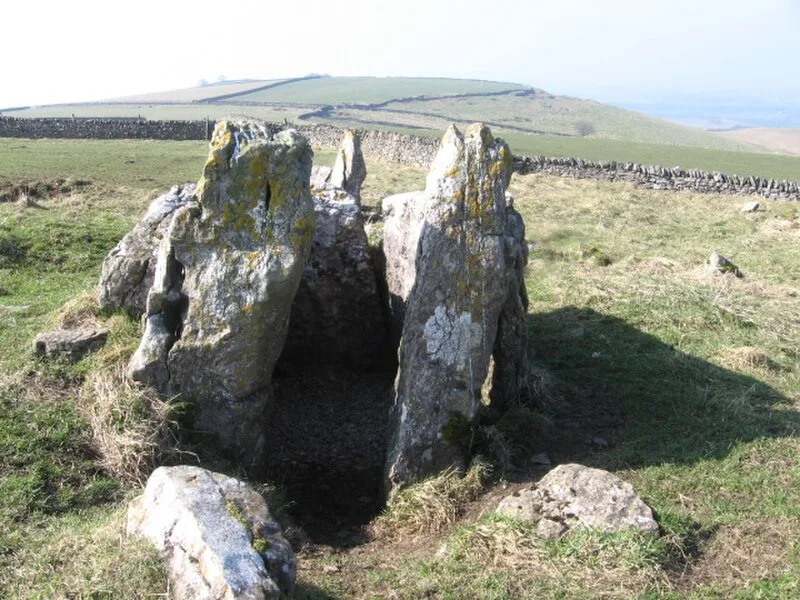
Five Wells
Five Wells is a Neolithic chambered tomb on Taddington Moor in the Derbyshire Peak District, reputed to be the highest megalithic tomb in Britain. Built between approximately…
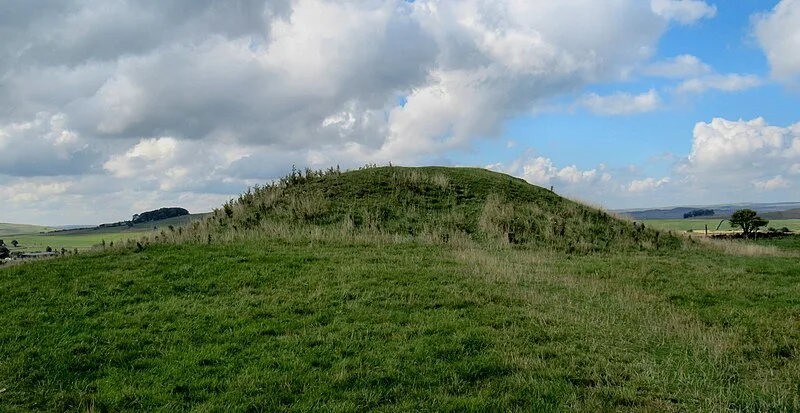
Gib Hill
Gib Hill is a large composite burial mound in the Peak District, Derbyshire, located 300 metres southwest of Arbor Low henge. It comprises a Neolithic oval barrow (27m by 46m, 2m…
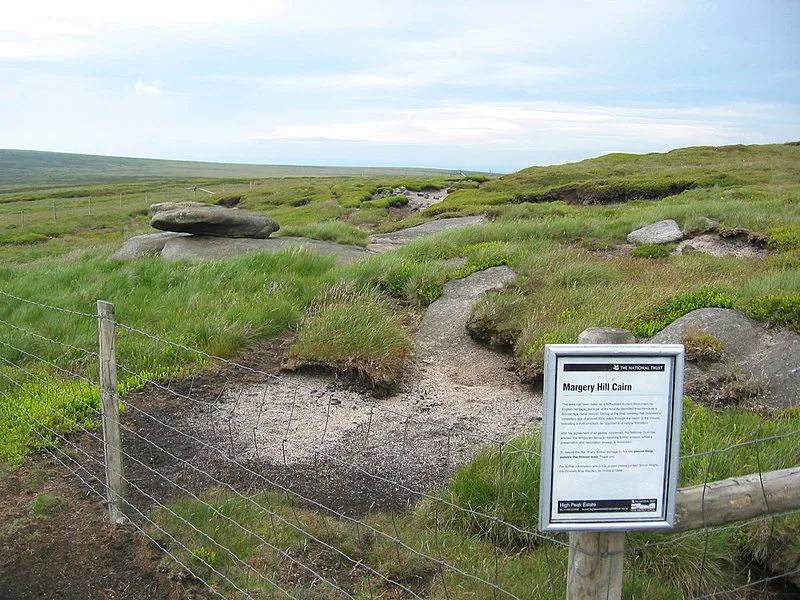
Margery Hill
Margery Hill is a 546-metre summit on the Howden Moors in South Yorkshire, England, within the Peak District National Park. Peat near the summit cairn has been radiocarbon dated…
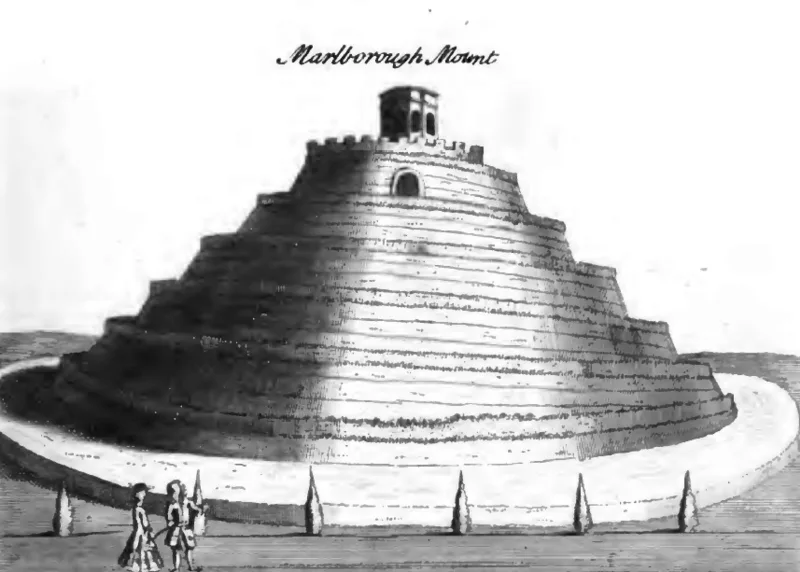
Marlborough Mound
2400 BC Marlborough Mound is a Neolithic mound in Marlborough, Wiltshire, standing 19 metres (60 ft) tall. It is the second-largest such monument in Britain, surpassed only by…
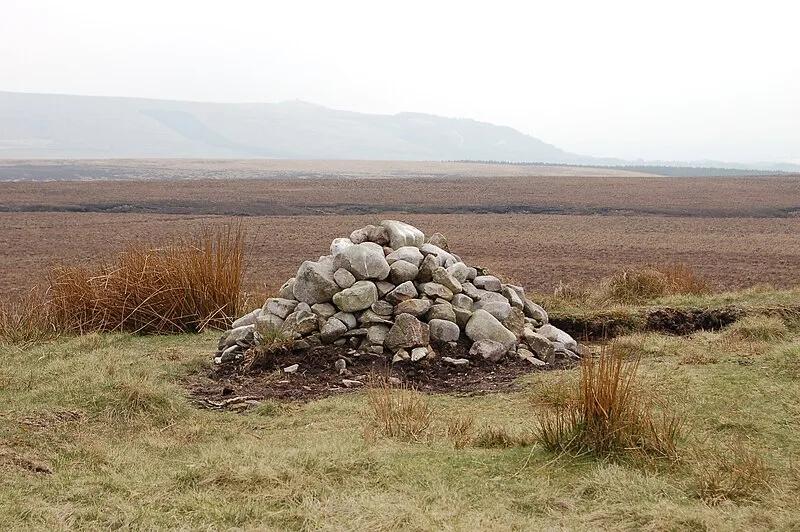
Round Loaf
Round Loaf is a Late Neolithic or Bronze Age tumulus on Anglezarke Moor in the West Pennine Moors near Chorley, Lancashire, dating to approximately 2400-1500 BC. The bowl barrow…
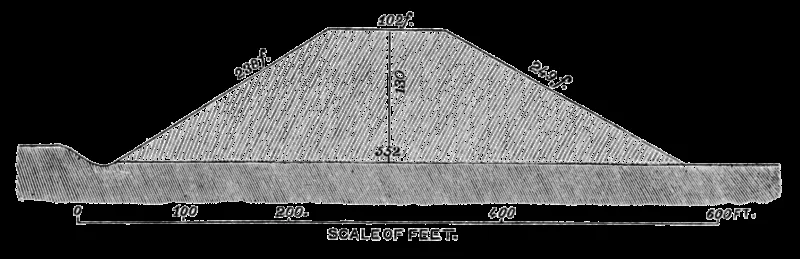
Silbury Hill
Silbury Hill is a prehistoric artificial chalk mound near Avebury in Wiltshire. At 39.3 metres (129 ft) high, it is the second tallest prehistoric man-made mound in Europe and…
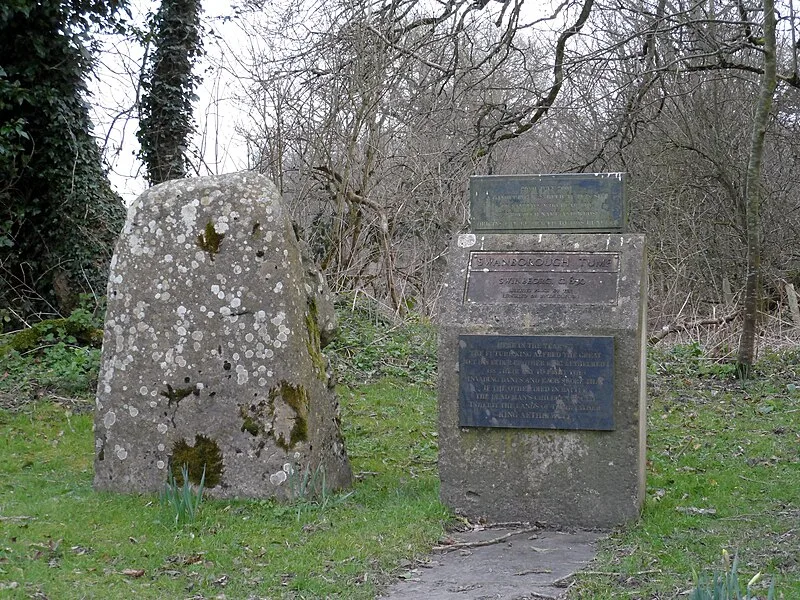
Swanborough Tump
Swanborough Tump is an earthen mound in Manningford parish, Wiltshire, listed as a scheduled monument. Its origins are debated -- it may be a Neolithic long barrow, Early Bronze…
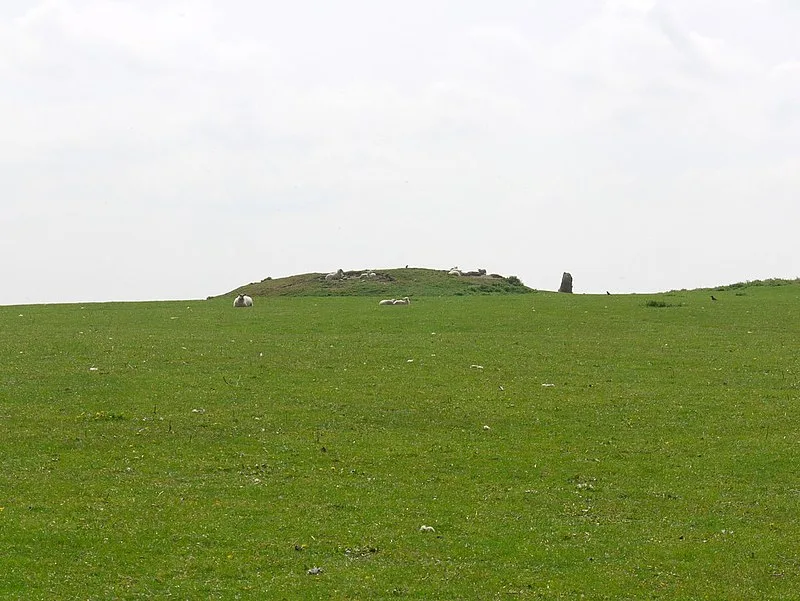
The Poind and his Man
The Poind and his Man is a Late Neolithic to Early Bronze Age site near Bolam in Northumberland, consisting of a round cairn and a standing stone, designated a scheduled monument.…
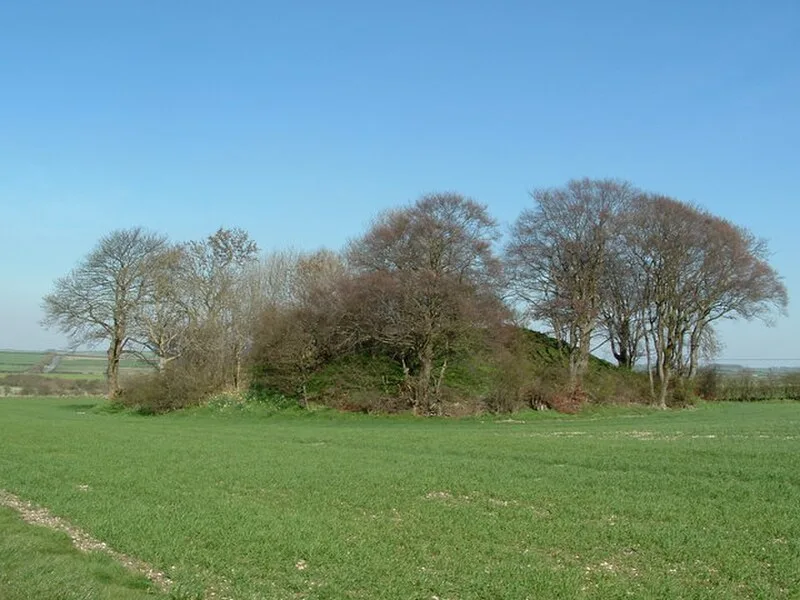
Willy Howe
Large Neolithic round barrow in the Yorkshire Wolds, standing 7.5m high and 40m in diameter between Wold Newton and Burton Fleming. Excavated by Lord Londesborough (1857) and…
Gate/archway/bridge in England (13)

Aldersgate
Aldersgate is an area in the City of London named after a Roman-era gate on the northern side of the London Wall. The ward was traditionally divided into Aldersgate Within and…
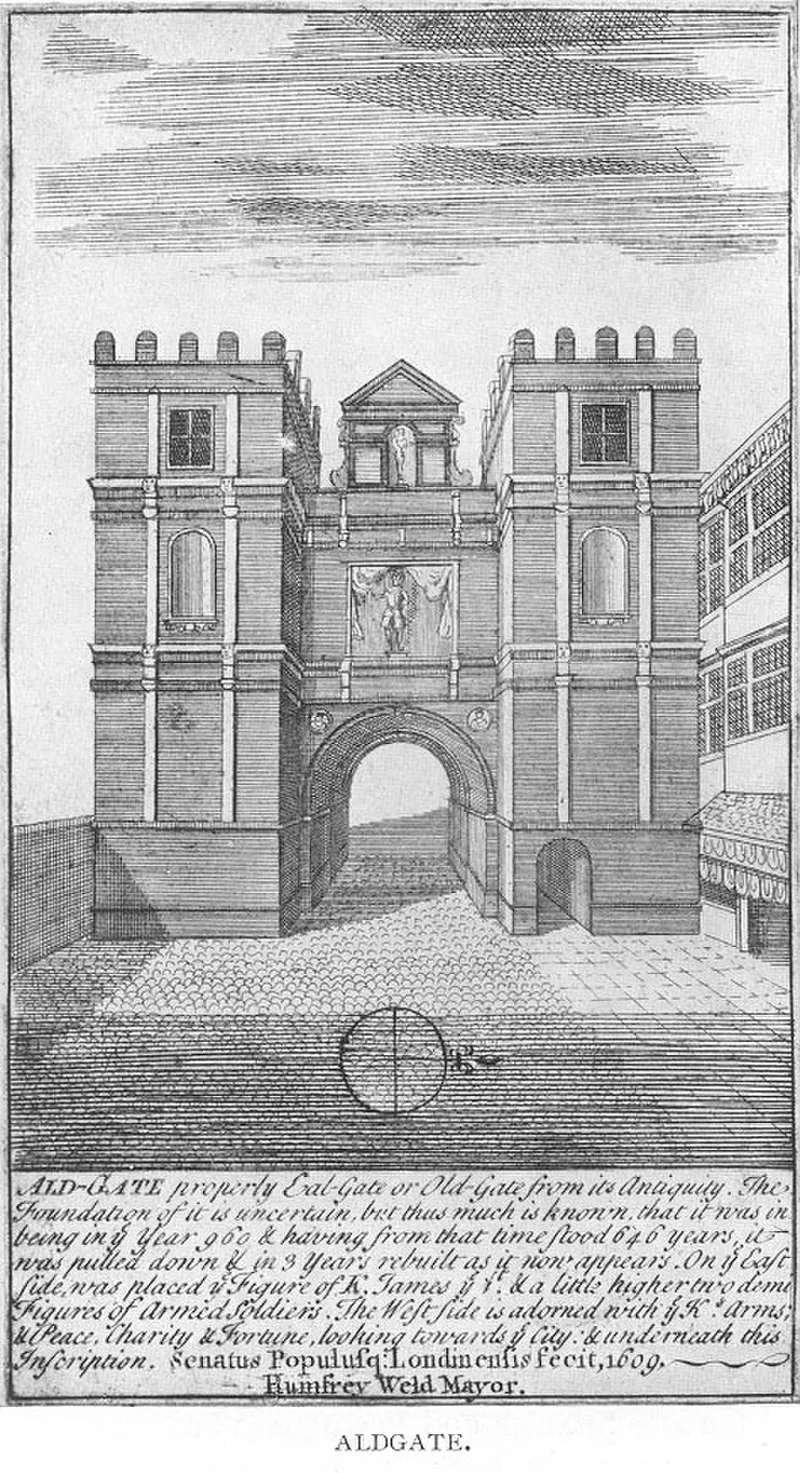
Aldgate
Aldgate was a Roman gate in London Wall, constructed in the 1st–2nd century AD on the eastern side of the city. The gate controlled the thoroughfare leading to Colchester and…
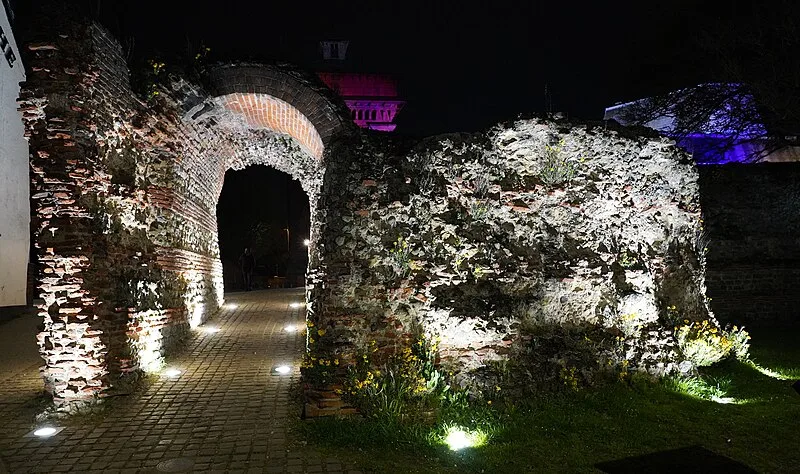
Balkerne Gate
Built in the 2nd century AD, Balkerne Gate is a Roman gateway in Colchester (ancient Camulodunum). It is the largest surviving gateway in Roman Britain, constructed where the…
Bishopsgate
Bishopsgate was one of the eastern gates in London's former Roman defensive wall. The gate's name is traditionally attributed to Earconwald, who served as Bishop of London in the…

Chesters Bridge
Chesters Bridge was a Roman bridge carrying Hadrian's Wall across the River North Tyne at Chollerford, Northumberland, adjacent to the cavalry fort of Cilurnum. Built in two…
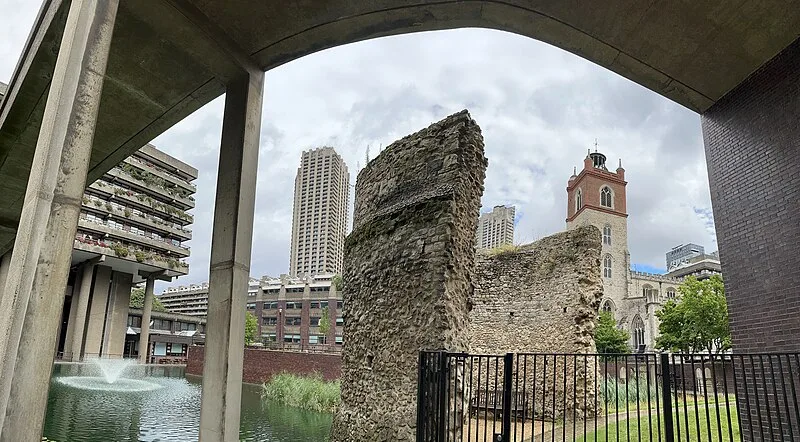
Cripplegate
Cripplegate was a northern gate in the Roman London Wall, built around 120–150 AD—approximately 80 years before the rest of the wall was completed. It remained in use until at…
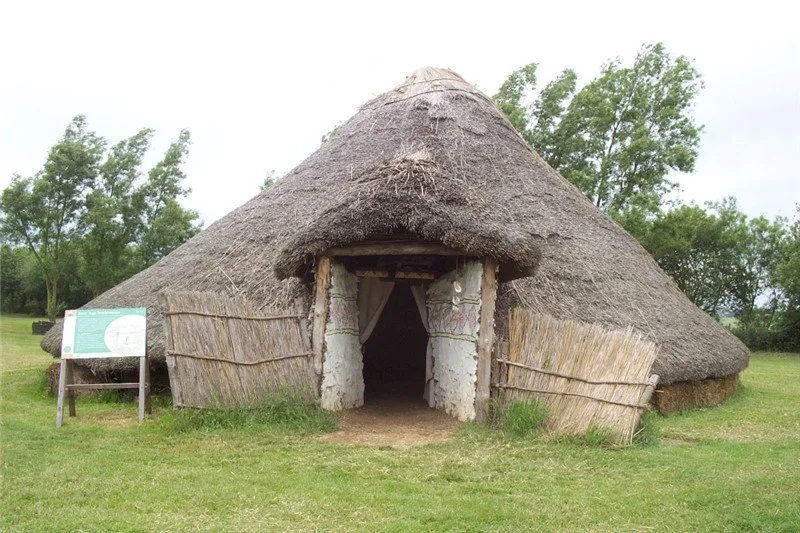
Flag Fen
Flag Fen is a Bronze Age site in England constructed around 3,500 years ago, consisting of more than 60,000 timbers arranged in five long rows to create a wooden causeway across…
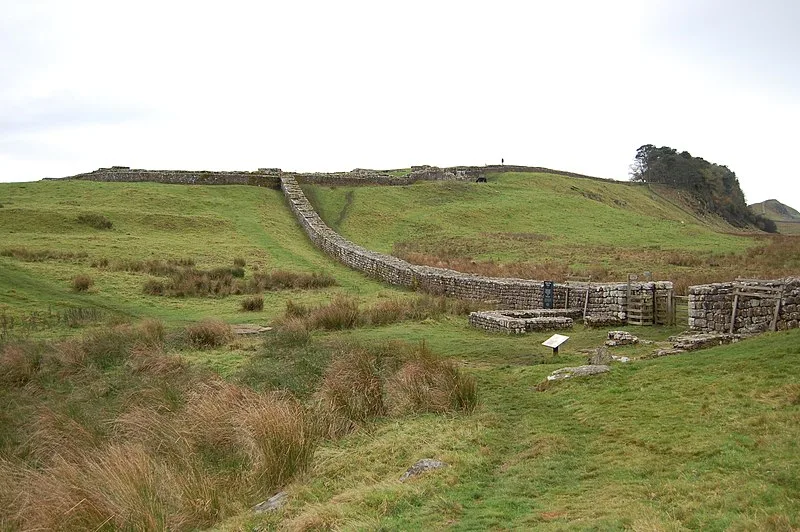
Knag Burn Gateway
The Knag Burn Gateway is a 4th-century gateway built into Hadrian's Wall at the point where the wall crosses the Knag Burn, just east of Housesteads Roman Fort in Northumberland.…
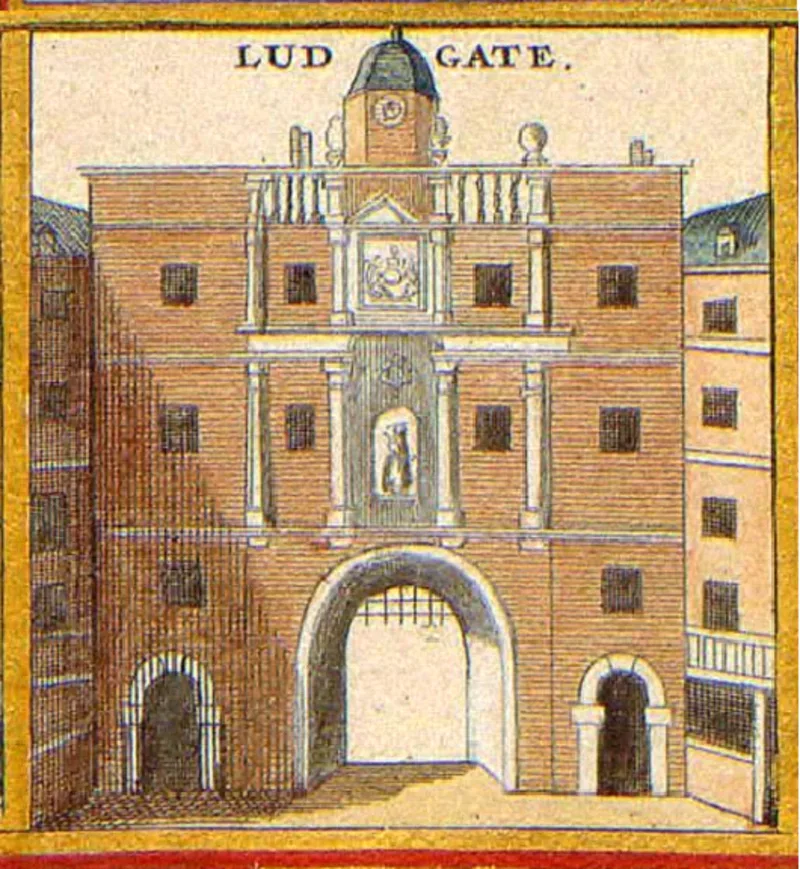
Ludgate
Ludgate was the westernmost gate in London's Roman city wall. Originally constructed during the Roman period, it was rebuilt multiple times over the centuries, surviving into the…
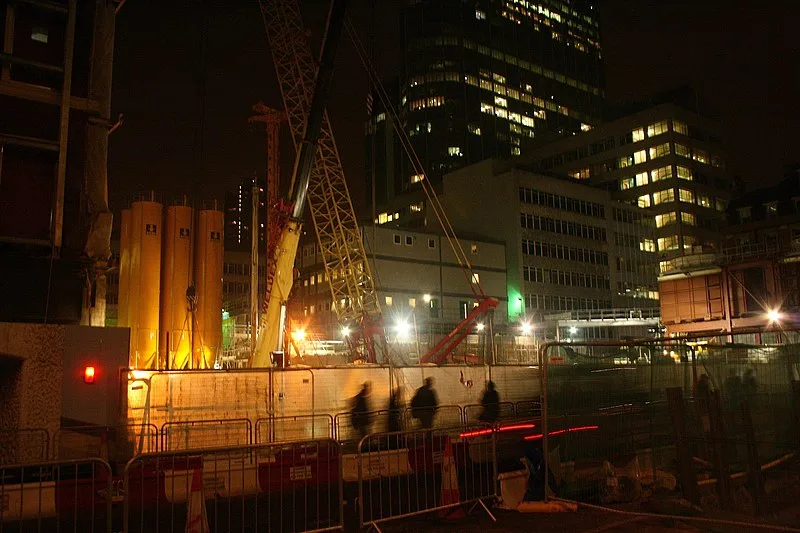
Moorgate
Moorgate was the last gate added to London's defensive wall, originally a small postern that became a full gate in 1415 under Lord Mayor Thomas Falconer. Unlike the city's other…
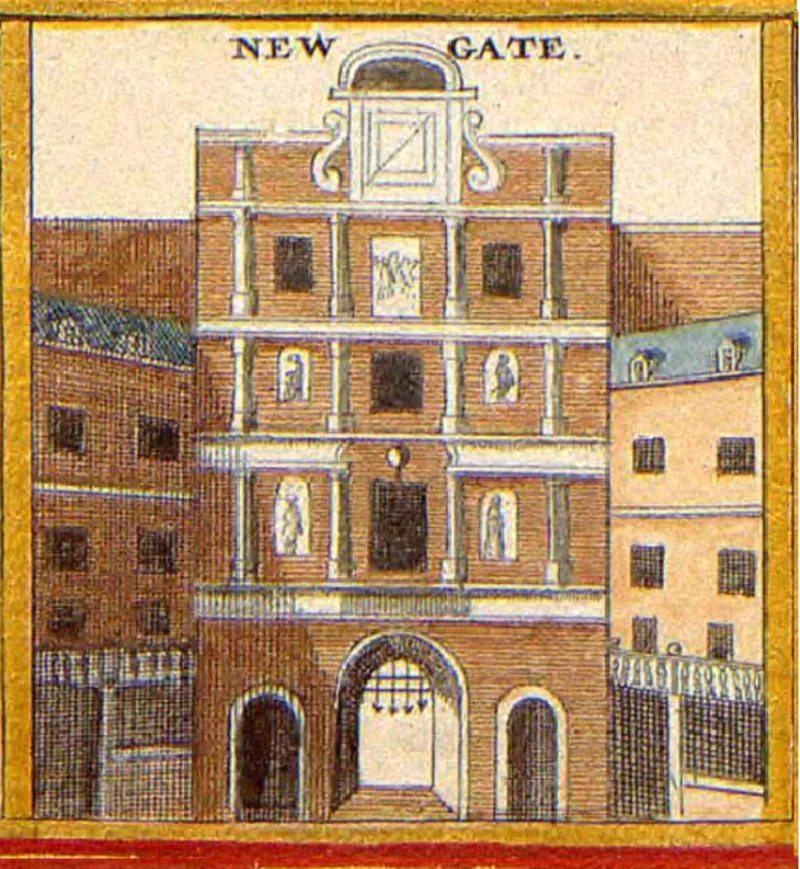
Newgate
Newgate was a Roman gate in the London Wall. One of the seven gates protecting the City of London, it stood on the western side of the wall and controlled the road crossing the…
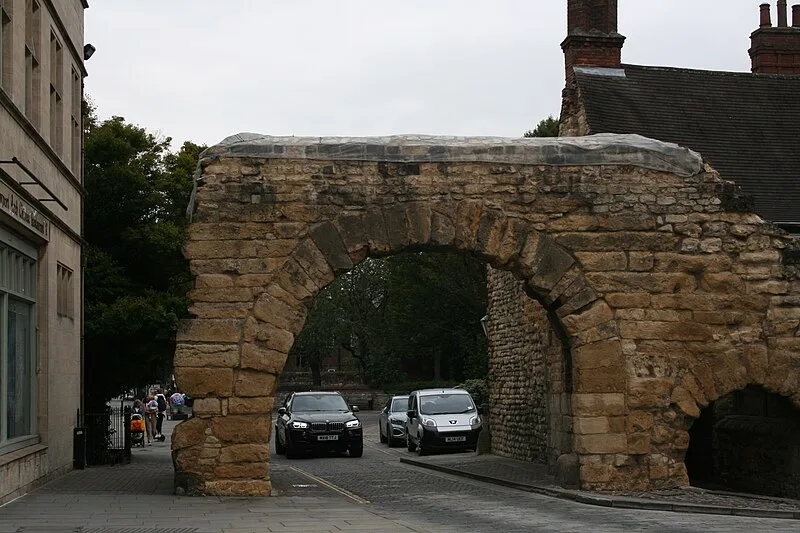
Newport Arch
A 3rd-century Roman gate in Lincoln, Lincolnshire, serving as the north gate of Lindum Colonia and carrying Ermine Street northward toward York. The original structure featured a…
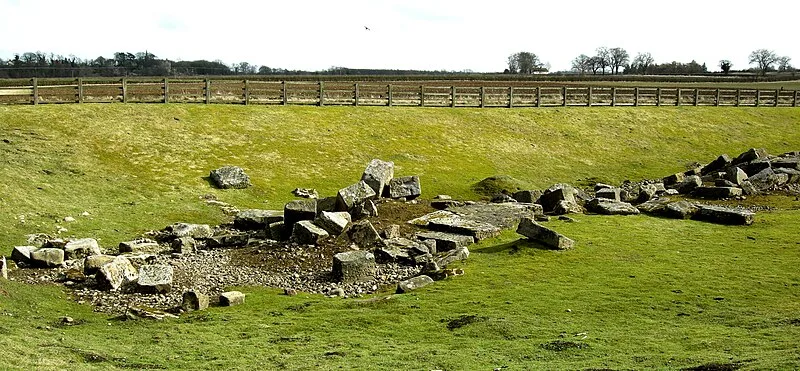
Piercebridge Roman Bridge
Piercebridge Roman Bridge is the ruin of a Roman bridge over the River Tees in northern England, near the villages of Cliffe and Piercebridge. It carried Dere Street, the major…
Dolmen in England (12)
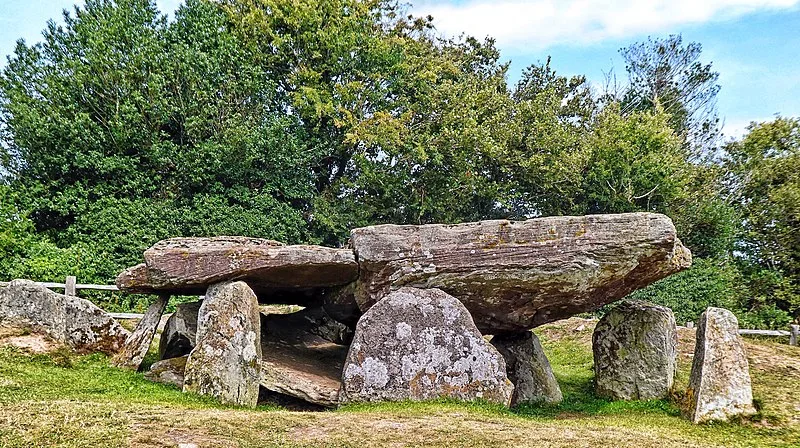
Arthur's Stone, Herefordshire
A Neolithic chambered tomb over 5,000 years old on a ridge overlooking the Golden Valley and Wye Valley in Herefordshire, England. Its massive capstone, estimated at over 25…
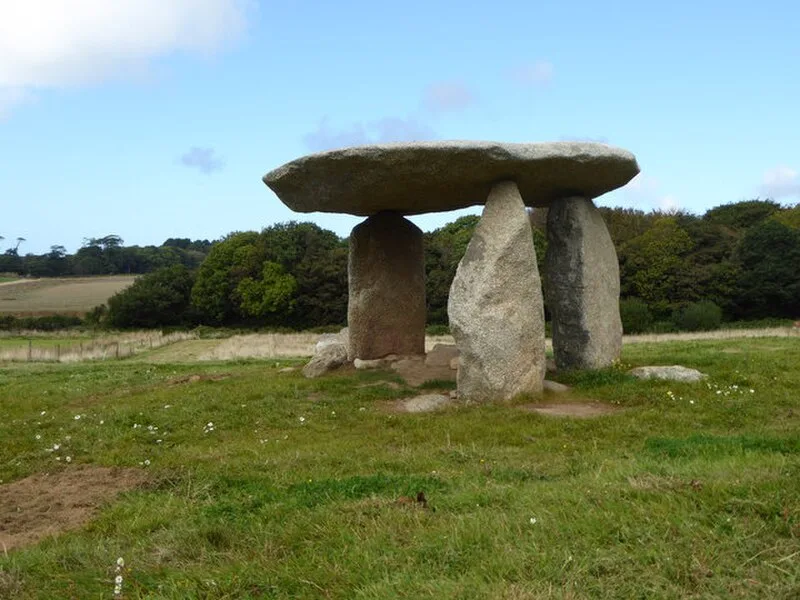
Carwynnen Quoit
Carwynnen Quoit is a Neolithic portal dolmen located at Carwynnen near Camborne in west Cornwall, England. The monument, also known as 'The Giant's Quoit', 'The Giant's Frying…
Chûn Quoit
Chûn Quoit is one of the best-preserved Neolithic quoits in western Cornwall. The structure features a capstone supported by upright stones, creating a chamber typical of…
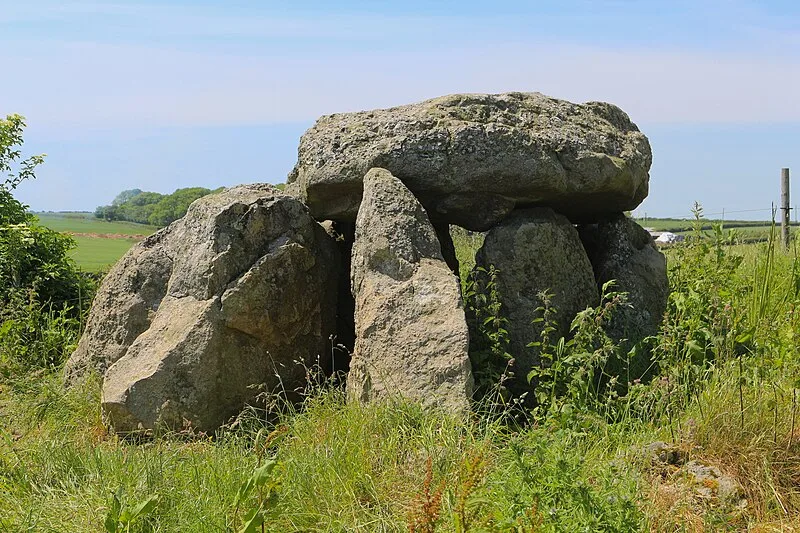
Hell Stone
The Hell Stone is a Neolithic dolmen on Portesham Hill in Dorset, England, originally part of a long barrow measuring 88 feet (27 m) aligned with the midwinter sunrise and summer…
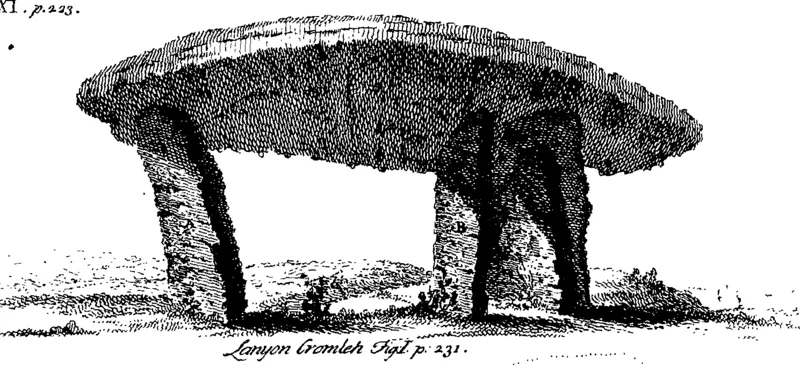
Lanyon Quoit
Lanyon Quoit is a Neolithic dolmen in Cornwall dating to 3500-2500 BC, predating the Egyptian pyramids. The capstone weighs over 13 tonnes and originally rested on four upright…
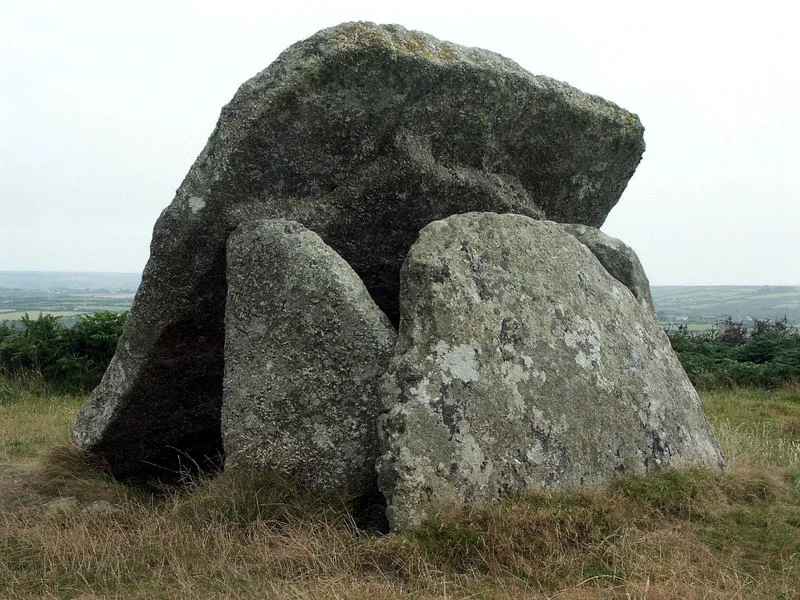
Mulfra Quoit
Mulfra Quoit is a Neolithic dolmen in Cornwall, England, perched on Mulfra Hill north of the hamlet of Mulfra.
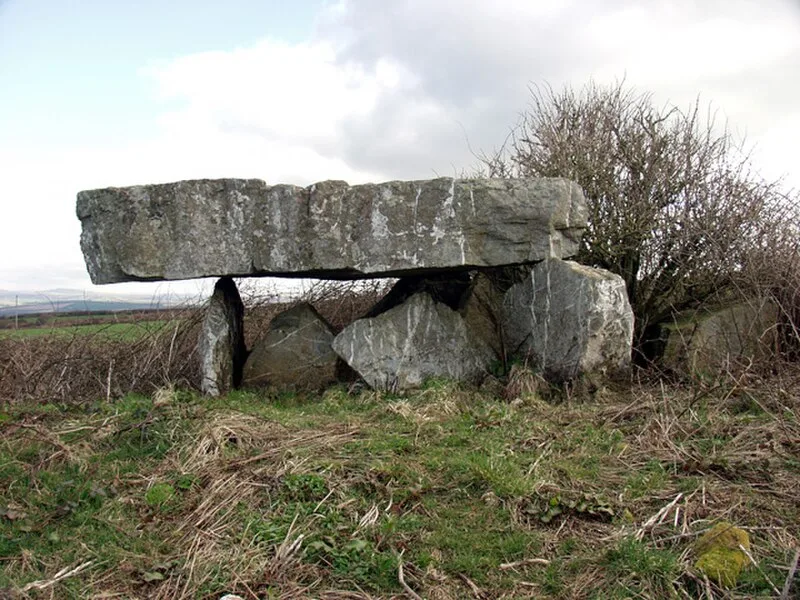
Pawton Quoit
Pawton Quoit is a prehistoric portal dolmen dating to the Early and Middle Neolithic period (3500-2600 BC). Located near Haycrock Farm, south of St Breock in Cornwall, England,…
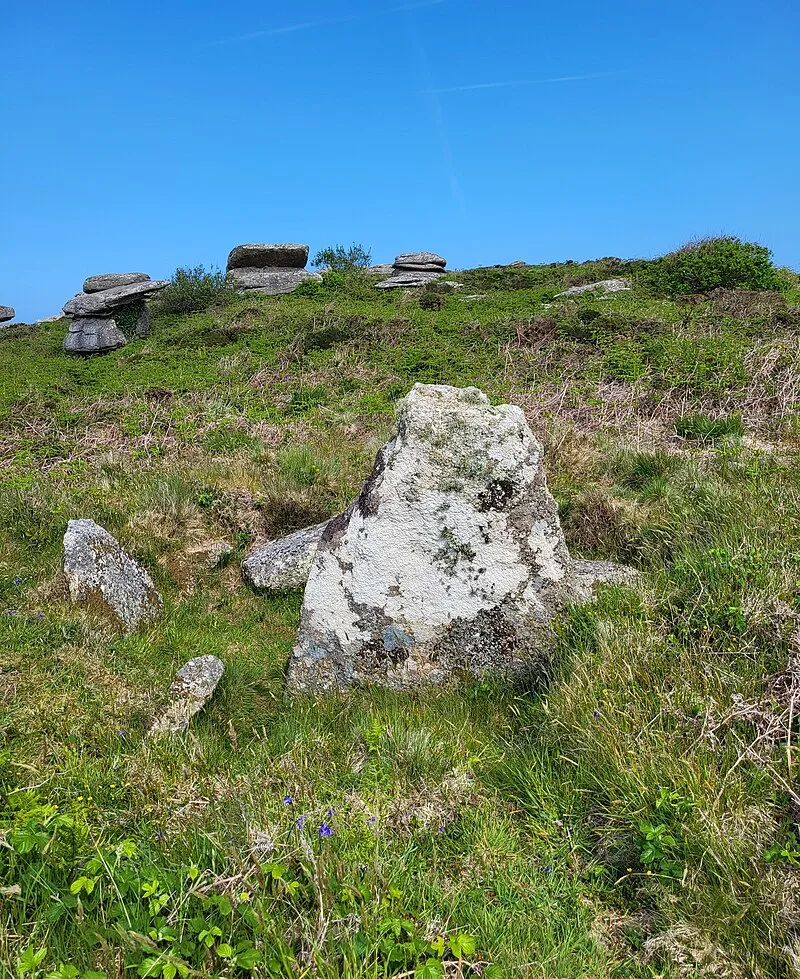
Sperris Quoit
Sperris Quoit is a ruined megalithic burial chamber (dolmen) dating to 5000–3000 BC, one of a unique tomb type found only in West Penwith, Cornwall. Located on exposed moorland…
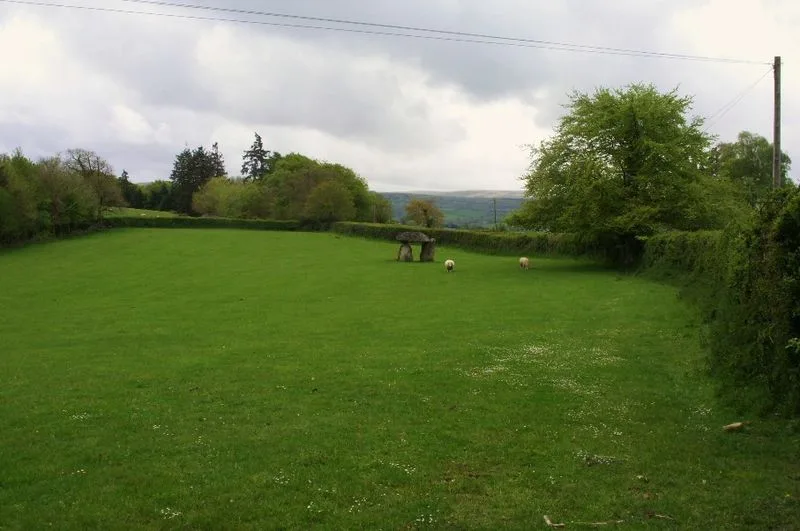
Spinsters' Rock
Spinsters' Rock is a Neolithic dolmen near Drewsteignton in Devon, England. Situated on Shilstone Farm west of the village, close to the A382 road, it consists of three granite…
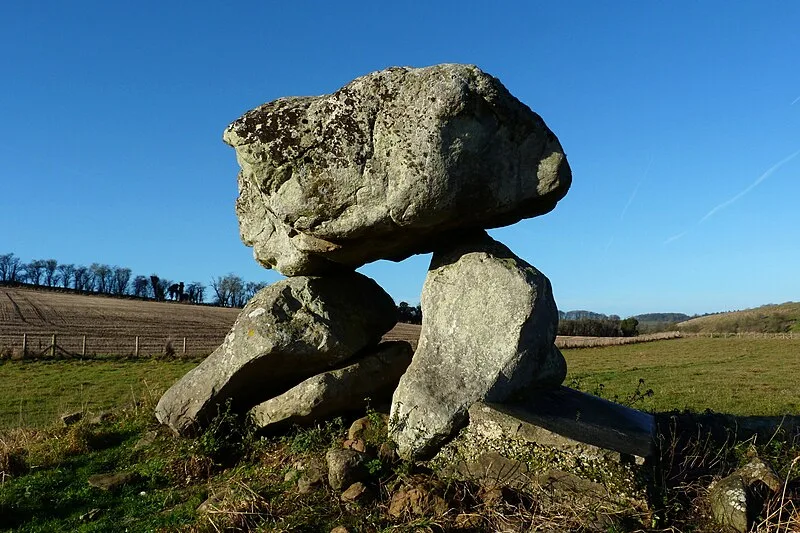
The Devil's Den
The Devil's Den is a Neolithic dolmen burial chamber on Fyfield Hill near Marlborough, Wiltshire. Part of a larger passage grave on Fyfield Down, only two standing stones, a…
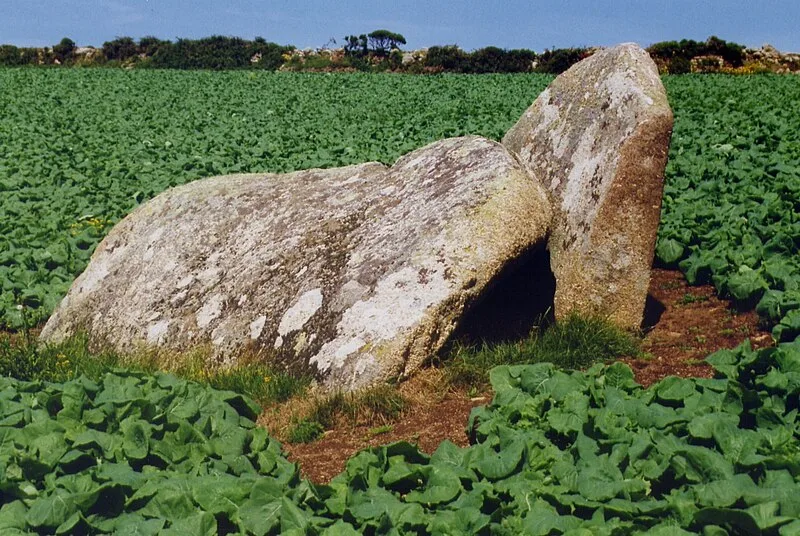
West Lanyon Quoit
West Lanyon Quoit is a prehistoric dolmen in Madron, Cornwall. Excavated in the late 18th century, much of the original structure has been destroyed. It was designated a scheduled…
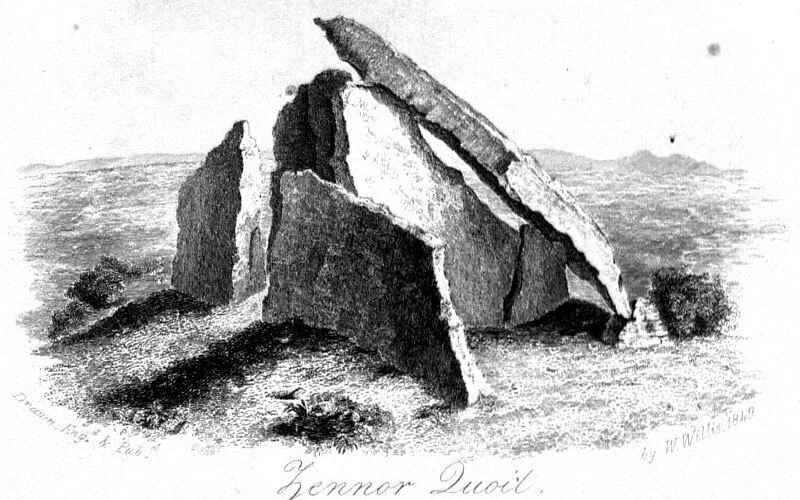
Zennor Quoit
Zennor Quoit is a ruined megalithic burial chamber (dolmen) on Zennor Moor, Cornwall, dating to 2500–1500 BC. Located about 1.6 km (1 mi) east of Zennor village, it features…
Other sites in England (107)
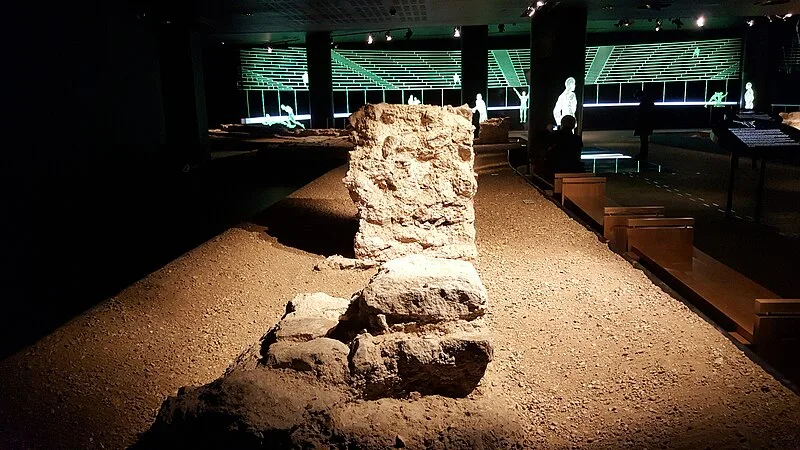
Amphitheatre, London
(1st–4th c. AD) The remains of a Roman amphitheatre lie beneath Guildhall Yard in the City of London, with some structures displayed in situ in the basement of the Guildhall Art…
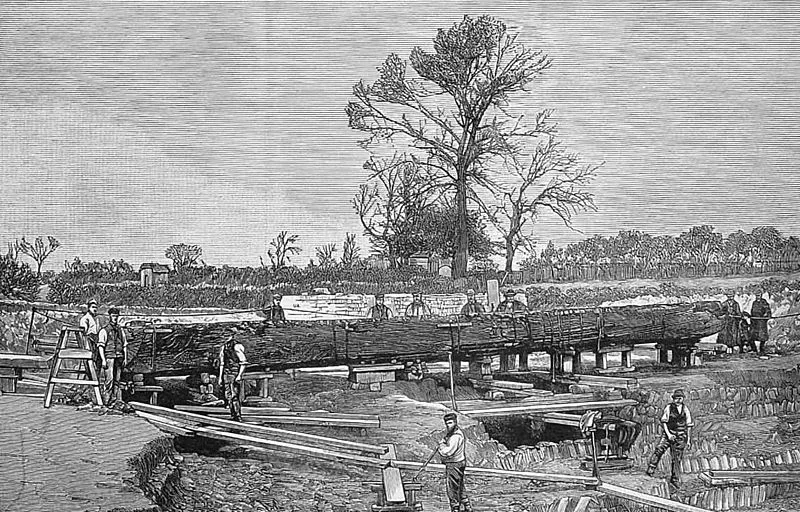
Appleby Logboat
The Appleby logboat is a Bronze Age vessel discovered in 1943 during dredging of the old River Acholme near Appleby, North Lincolnshire, England. Dating to 1500–1300 BC, it is one…
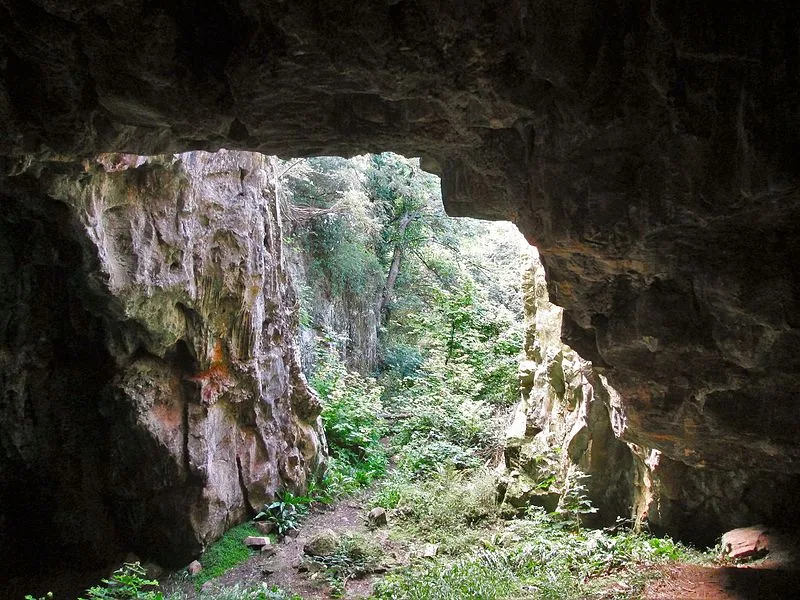
Ash Hole Cavern
Ash Hole Cavern is a limestone cave system in Brixham, Devon, with evidence of human habitation dating back to the Neolithic period. Archaeological excavations have uncovered…
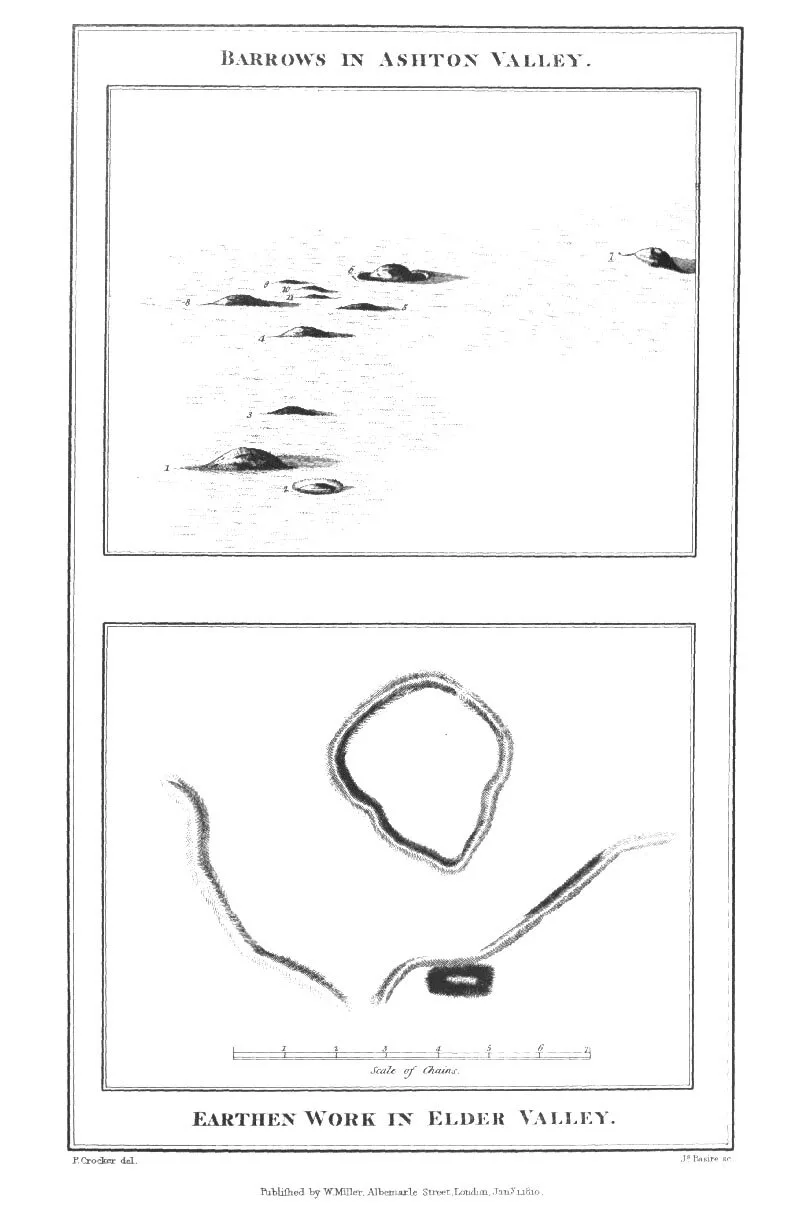
Aston Valley Barrow Cemetery
Bronze Age barrow group on the south-facing edge of Codford Down, Wiltshire, England, dating to roughly 3300-800 BC. Originally comprising ten bowl barrows and one bell barrow,…
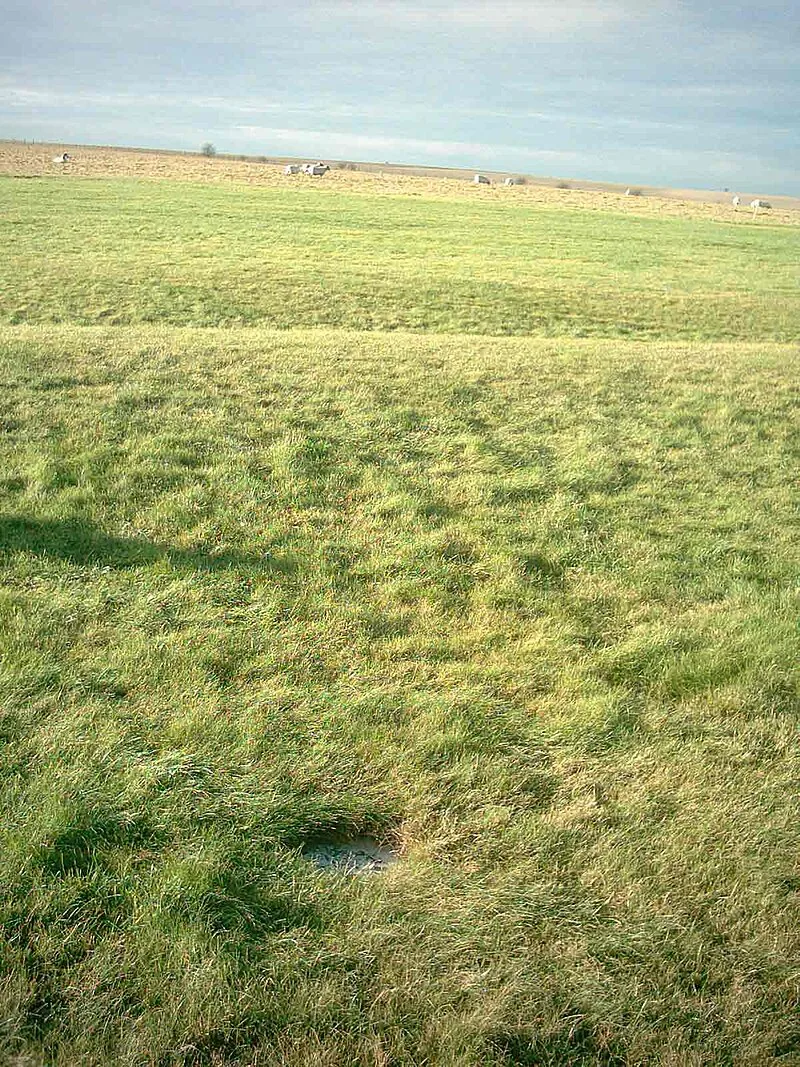
Aubrey Holes - Stonehenge
Ring of 56 chalk pits forming the earliest phase of Stonehenge (c. 3000 BC), first noted by antiquarian John Aubrey in 1666 and formally identified by Robert Newall during Colonel…
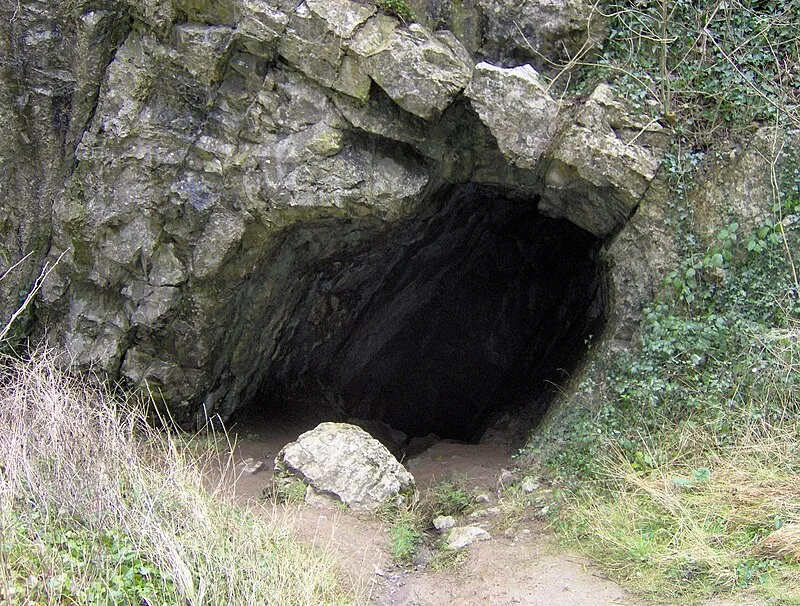
Aveline's Hole
Aveline's Hole is a cave at Burrington Combe in the limestone of the Mendip Hills, Somerset, England. It contains the earliest scientifically dated cemetery in Britain, with human…
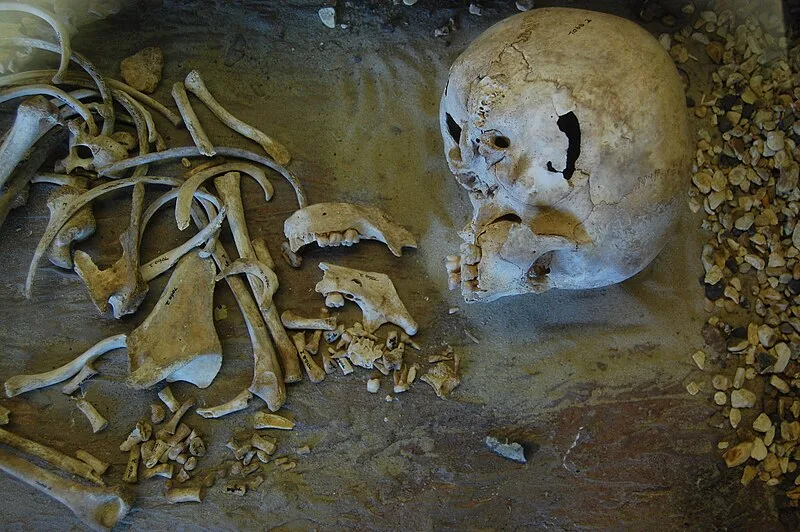
Aymestrey Burial
The Aymestrey burial was a Beaker cist discovered at Aymestrey, Herefordshire, England. The remains and associated objects are now displayed in a recreated cist at Leominster…
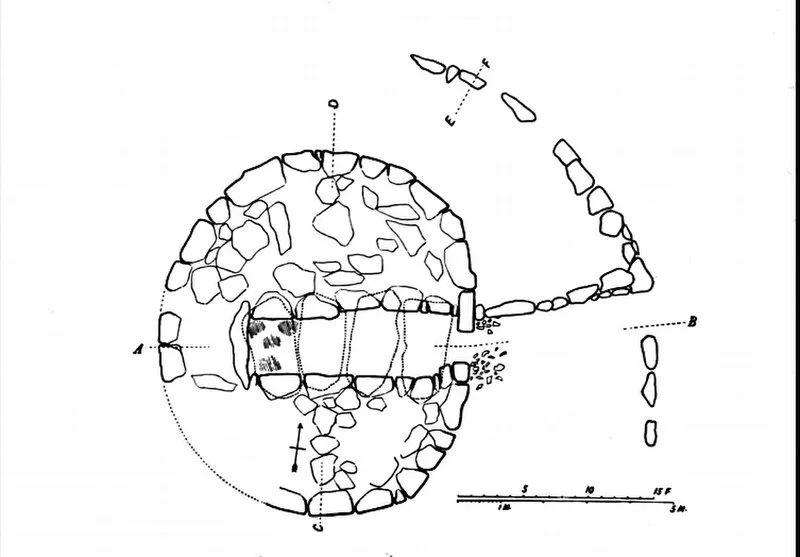
Bant's Carn
(3000–1500 BC) Bant's Carn is a Bronze Age entrance grave on St Mary's in the Isles of Scilly, England. One of the finest Scillonian entrance graves, it measures approximately 8…
Barton-le-Clay
Barton-le-Clay is a village in Central Bedfordshire, England, at the foot of the Chiltern Hills, with prehistoric roots evidenced by Bronze Age round barrows on nearby Galley Hill…
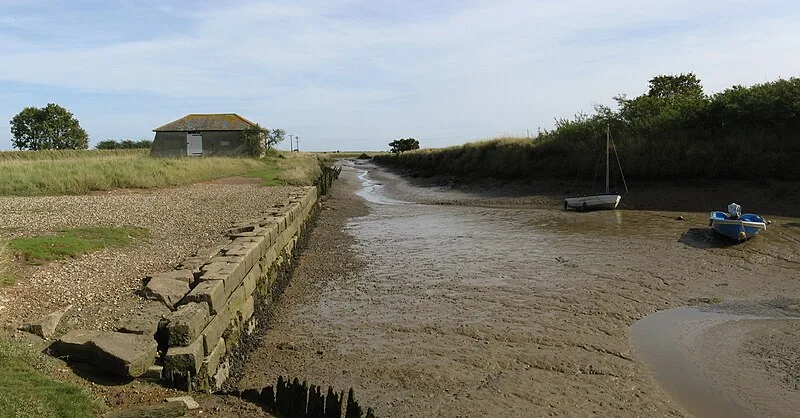
Beaumont Cut
Beaumont Cut was a 1 km (0.6 mi) canal in Beaumont-cum-Moze, Tendring, Essex, England, linking Beaumont Quay with Hamford Water and the North Sea. Constructed in 1832 using stone…
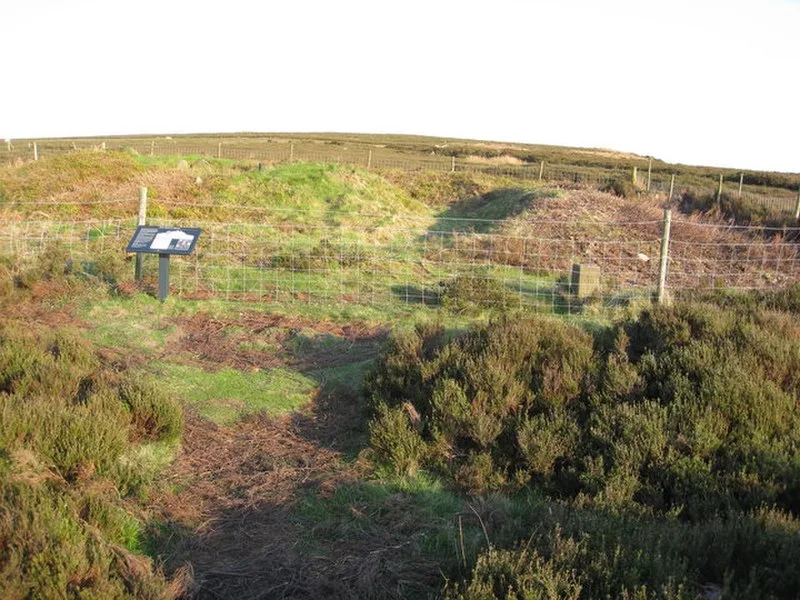
Beeley Moor
Beeley Moor is a gritstone upland in the Derbyshire Peak District, rising to 371 m, preserving a rich prehistoric landscape of Bronze Age cairns, cairn fields, burial mounds,…
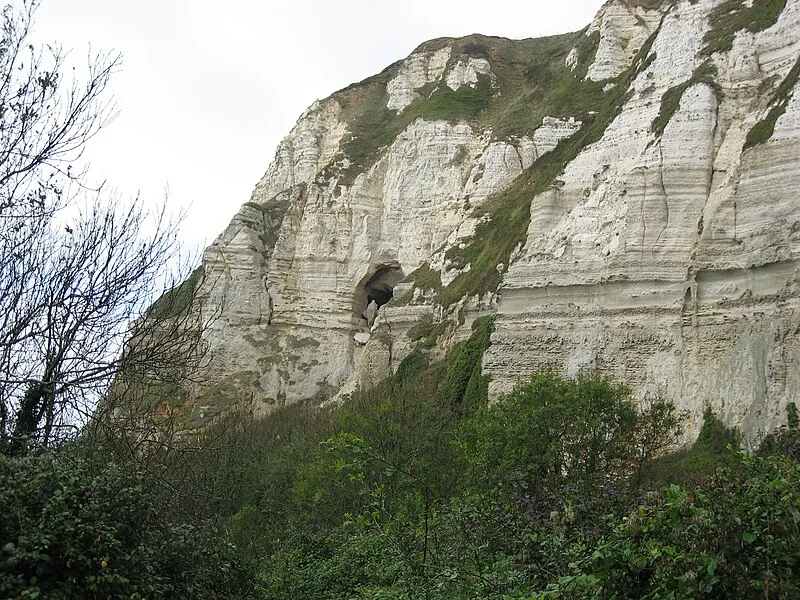
Beer Quarry Caves
Beer Quarry Caves is a man-made limestone underground complex located about 1.6 km (1 mi) west of the village of Beer, Devon, England. The tunnels resulted from 2,000 years of…
Berry Castle, Somerset
Berry Castle is a hillslope enclosure in Somerset, England, situated approximately 5.1 km (3.2 mi) west of the village of Luccombe. The site features surviving earthworks and…
Blackpatch
A Neolithic flint mining complex and Bronze Age barrow cemetery in West Sussex, about 3.2 km west of Findon. The site contains over 64 infilled shafts up to 6 m in diameter and 3…
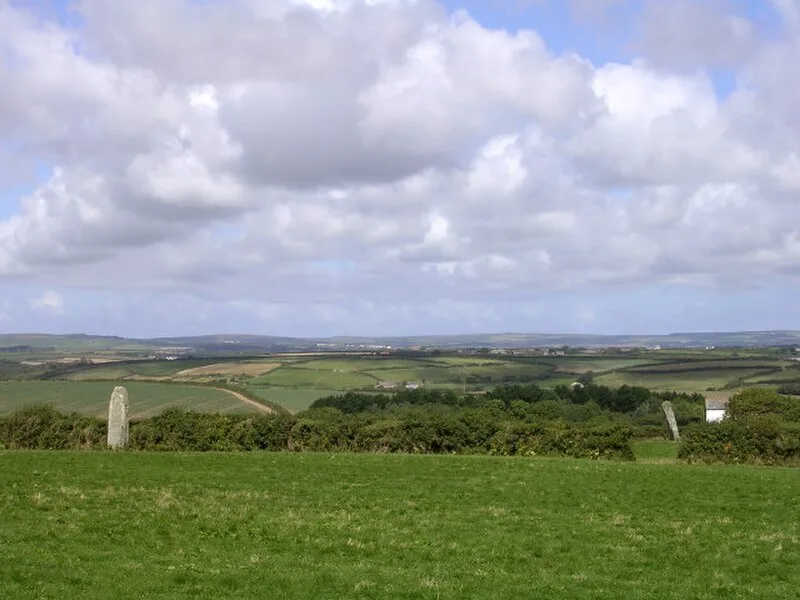
Boleigh Fogou
Boleigh Fogou is an Iron Age underground dry-stone passage near St Buryan in Cornwall, considered one of the best-preserved fogous in the county. Unusual for having more than one…
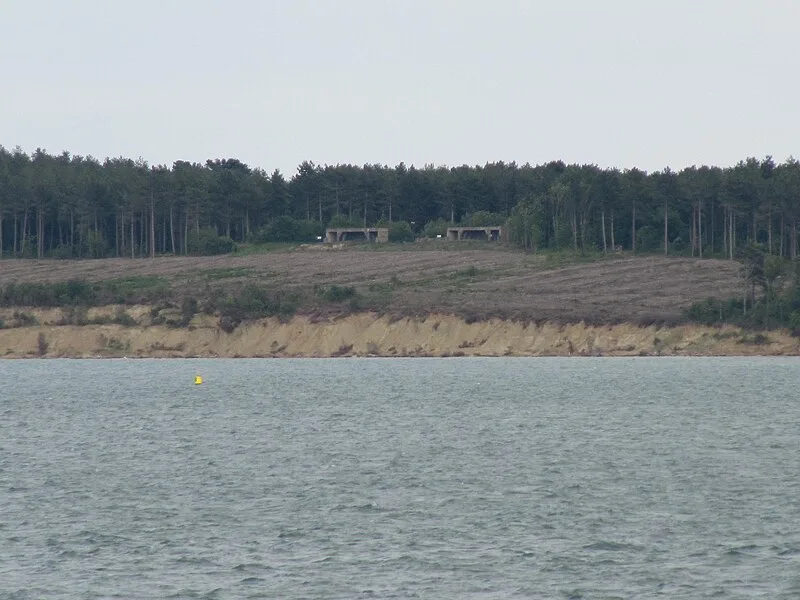
Bouldnor Cliff
Bouldnor Cliff is a submerged prehistoric settlement site in the Solent, England. Discovered in 1999 when a lobster was observed discarding worked flint tools from its burrow on…
Brean Down Fort
Brean Down Fort is a Victorian Palmerston Fort built 18 m above sea level on the Brean Down headland in Somerset, constructed between 1864 and 1871 to defend the Bristol Channel…
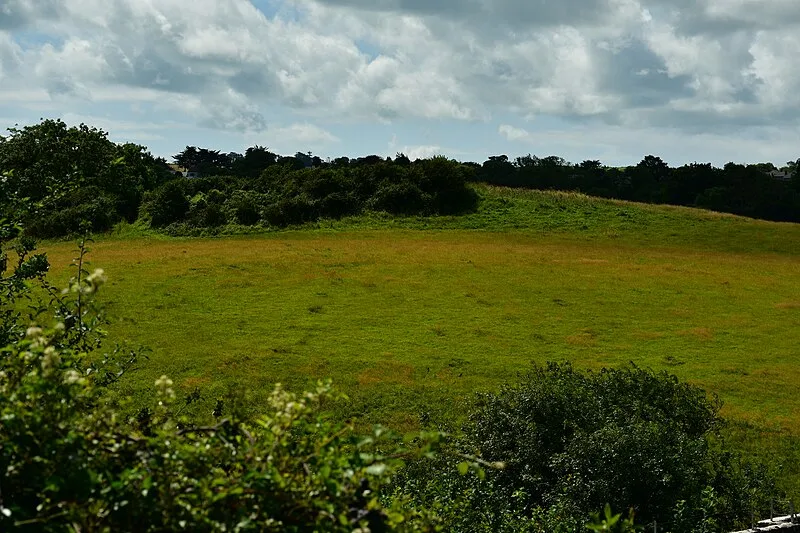
Broadsands Chambered Tomb
Neolithic passage grave overlooking Broadsands Beach in Torbay, Devon, and the only known surviving example of its type in the county. Excavated by Ralegh Radford in 1958, the…
Brown Willy Cairns
Brown Willy is the highest point in Cornwall at 420 m above sea level on Bodmin Moor, crowned by two prehistoric cairns on its summit. Dating studies of Bodmin Moor cairns place…
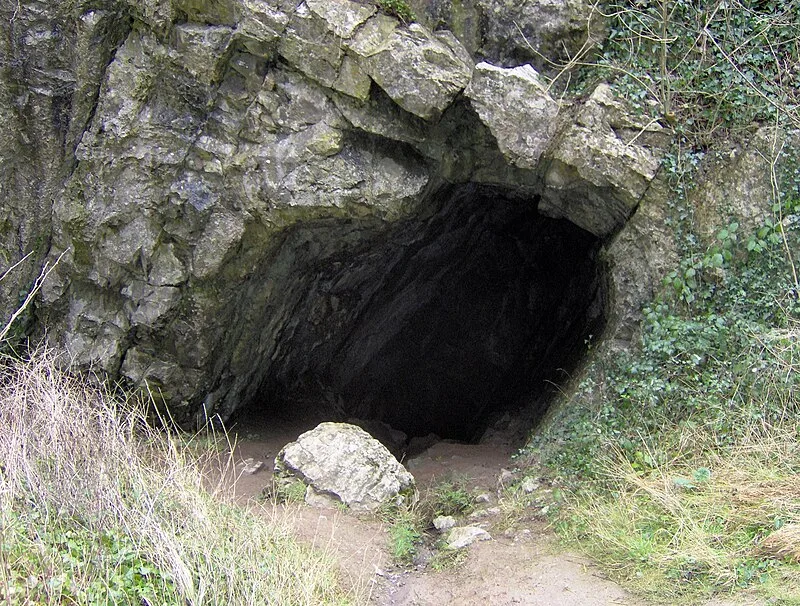
Burrington Combe
Burrington Combe is a Carboniferous Limestone gorge on the north side of the Mendip Hills in North Somerset, containing entrances to numerous caves including Aveline's Hole,…
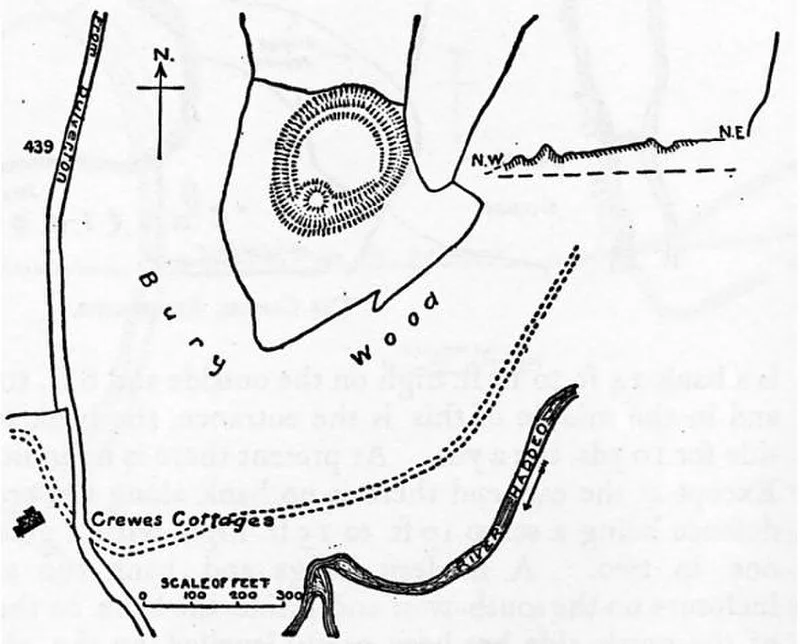
Bury Castle, Selworthy
Bury Castle is a small Iron Age hillfort near Selworthy in Somerset, designated as a scheduled monument. Built on a spur of land overlooking the surrounding terrain, the fort…
Castle Hill, Torrington
Castle Hill in Great Torrington, Devon, comprises two hills, the first within the town being the site of the Norman and Medieval castles, which was probably an Iron Age hill fort…
Catholme Ceremonial Complex
Neolithic ceremonial site in Staffordshire, England, near the confluence of the Rivers Trent, Tame, and Mease. Discovered through aerial reconnaissance in the 1960s-70s as…
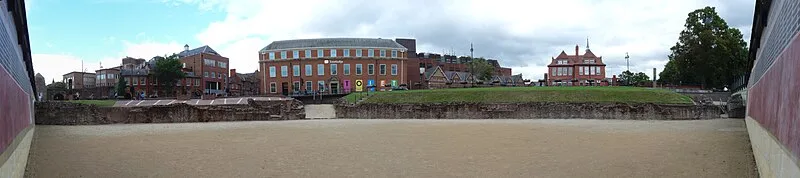
Chester Roman Amphitheatre
Chester Amphitheatre is a Roman amphitheatre in Chester, Cheshire, northwest England, managed by English Heritage and designated as a Grade I listed building and scheduled…
Church Hill, West Sussex
Church Hill is a Neolithic and Bronze Age flint mining site on the South Downs near Findon, West Sussex, about 4.8 km northwest of Worthing. The scheduled monument contains…
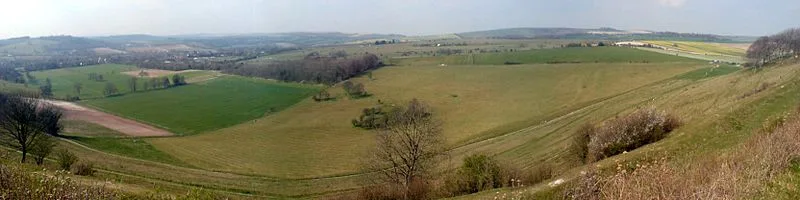
Cissbury Ring
Cissbury Ring is an 84.2-hectare (208-acre) biological Site of Special Scientific Interest north of Worthing in West Sussex, England. It is owned by the National Trust and is…
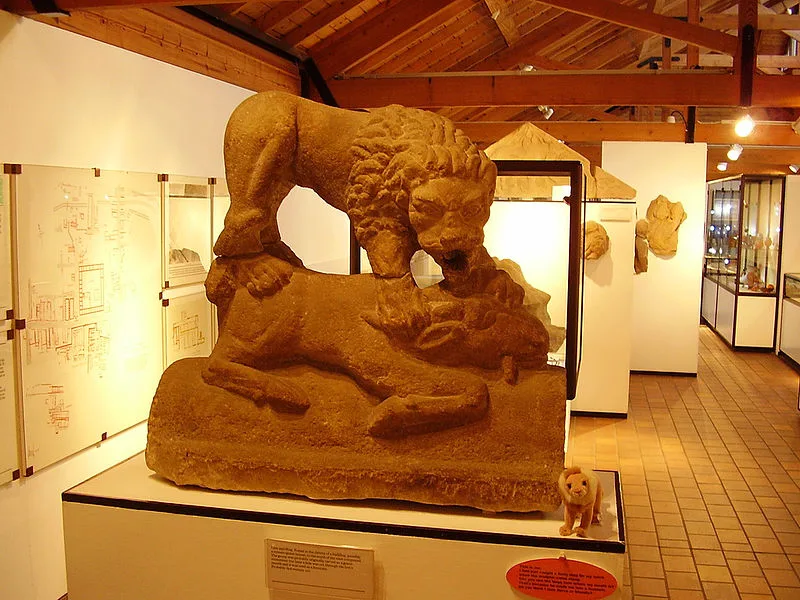
Corbridge Lion
The Corbridge Lion is a 2nd–3rd century AD Roman free-standing sandstone sculpture discovered in 1907 at Corbridge, Northumberland. Measuring 0.95m long, 0.36m wide and 0.87m…
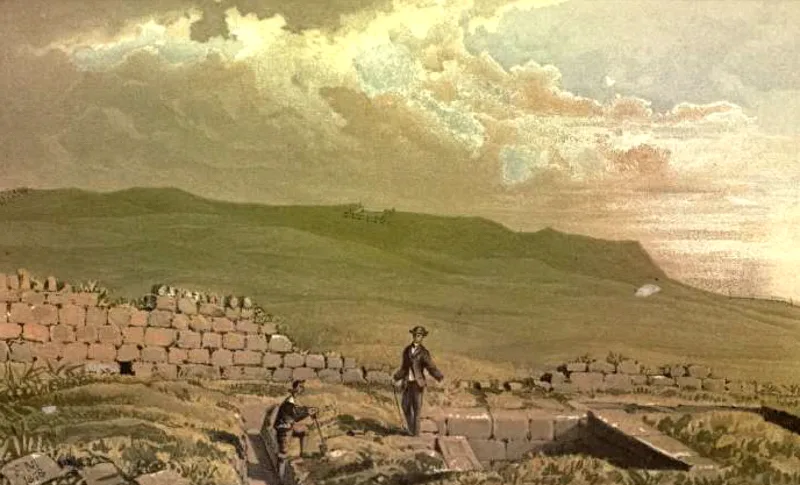
Coventina
Coventina was a Romano-British goddess of wells and springs venerated at a sacred well near the Roman fort of Brocolitia (Carrawburgh) on Hadrian's Wall in Northumberland. The…
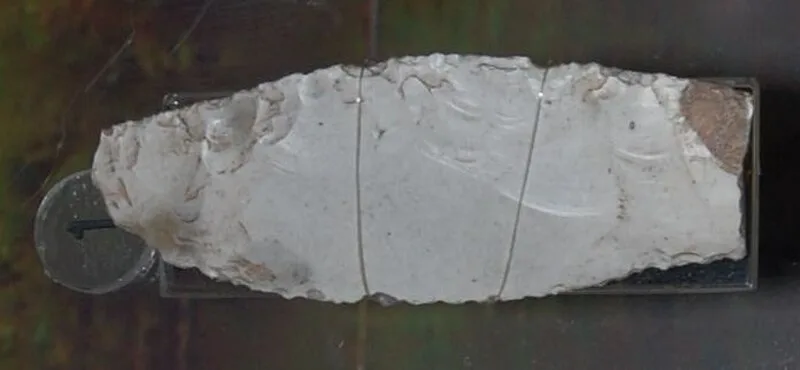
Creswell Crags
Creswell Crags is an enclosed limestone gorge on the border between Derbyshire and Nottinghamshire, England, near the villages of Creswell and Whitwell. The cliffs contain several…
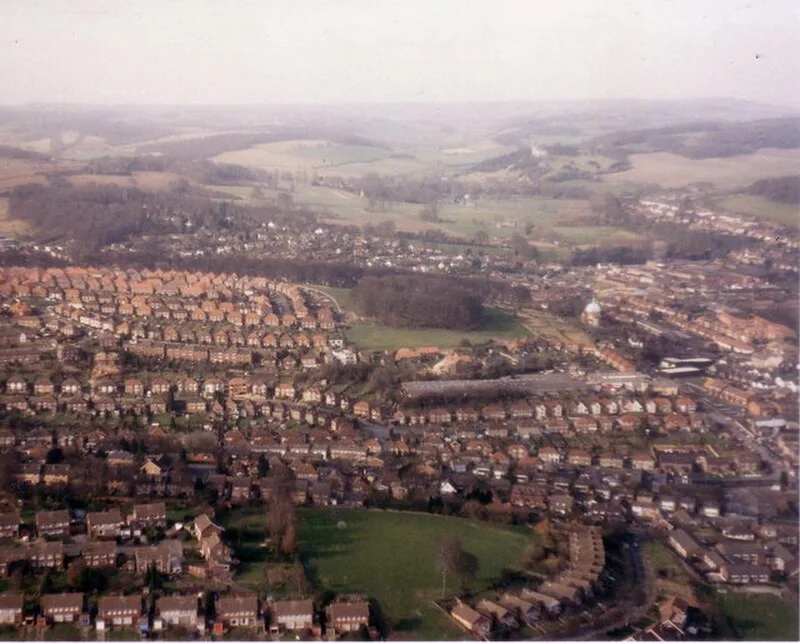
Desborough Castle
Desborough Castle is an Iron Age hill fort in Buckinghamshire, situated on the southern side of the River Wye valley within the Chiltern Hills, which runs from The Ridgeway and…
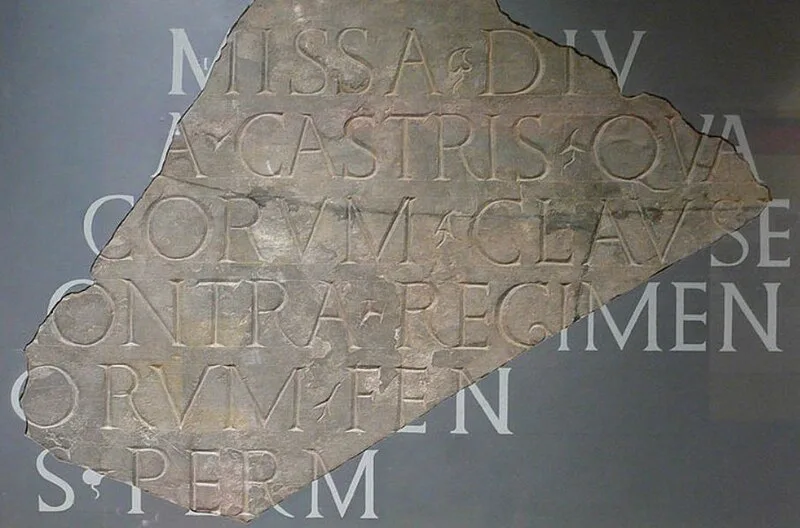
Deva Victrix
Deva Victrix was a legionary fortress and settlement in the Roman province of Britannia, located on the site of modern Chester, England. The fortress was originally built by Legio…
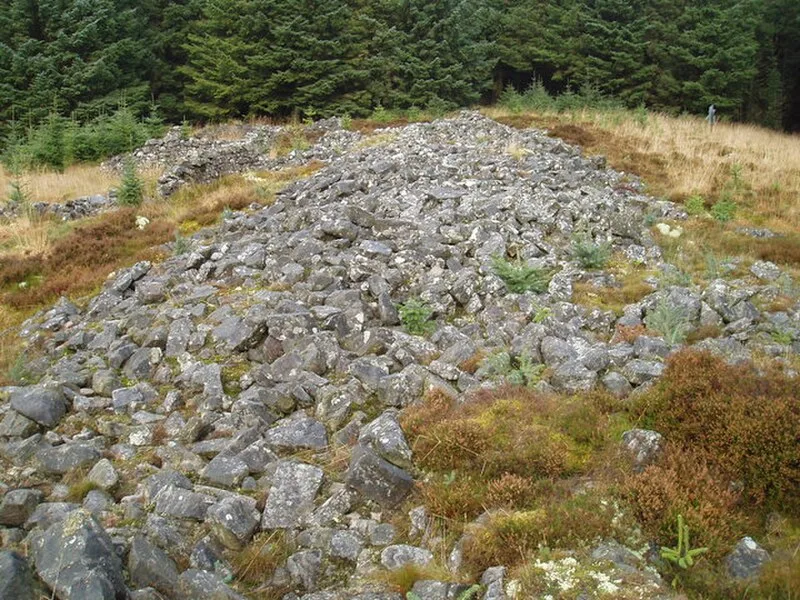
Devil's Lapful
Devil's Lapful is a Neolithic long cairn in Kielder Forest, Northumberland, dating to approximately 3400-2400 BC. One of few surviving long cairns in Northumberland, it measures…
Dog Hole Cave
Dog Hole Cave is an archaeologically significant cave near Storth in Cumbria, England, consisting of a 12-metre shaft in Carboniferous Limestone. First excavated by J. W. Jackson…
Double Arches Pit
A former sand quarry near Heath and Reach, Bedfordshire, opened in 1916, now designated a Site of Special Scientific Interest. Archaeological excavations revealed a substantial…
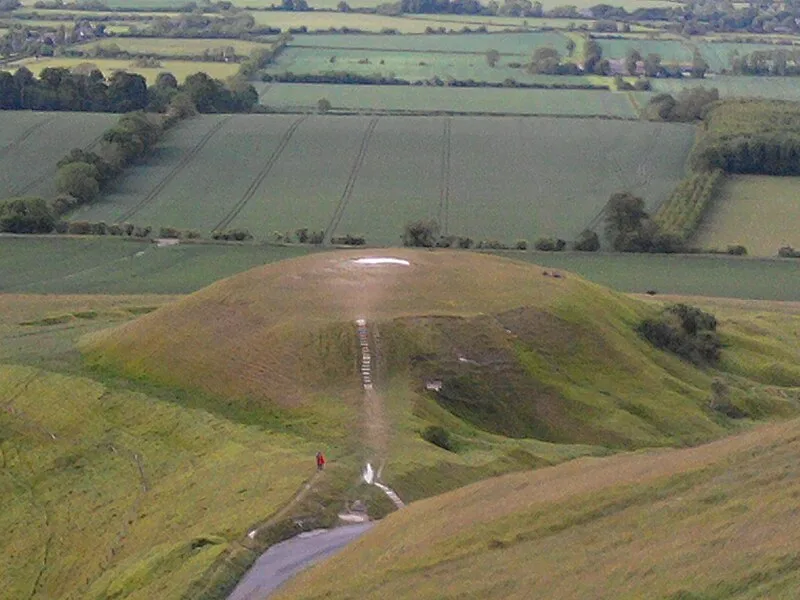
Dragon Hill, Uffington
A natural chalk hill about 10 metres high with an artificially flattened top, situated immediately below the Uffington White Horse on the Oxfordshire-Wiltshire border. Likely…

Dunkery Beacon - Dunkery Hill
Dunkery Beacon, at 519 metres the highest point on Exmoor and in Somerset, contains a compact group of five Bronze Age cairns dating from approximately 2350-701 BC that occupy…
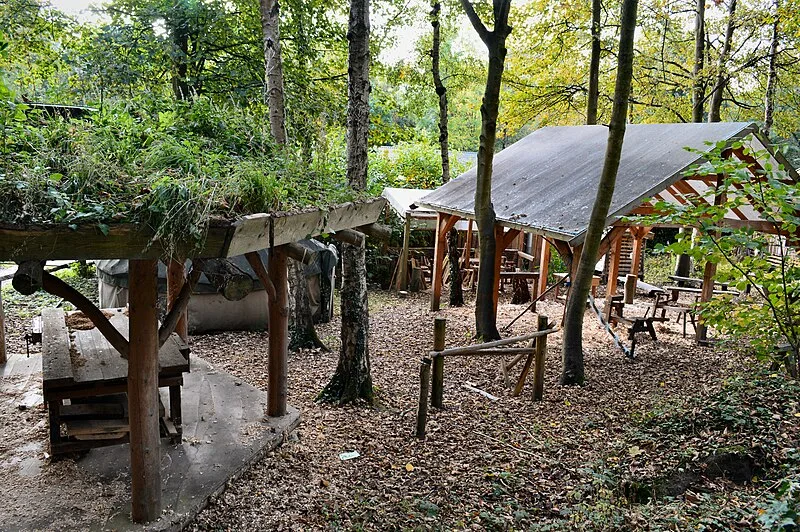
Ecclesall Woods
Ecclesall Woods is an area of woodland in south-west Sheffield, South Yorkshire, England, covering approximately 350 acres (1.4 km²) of mature semi-natural deciduous woodland.…
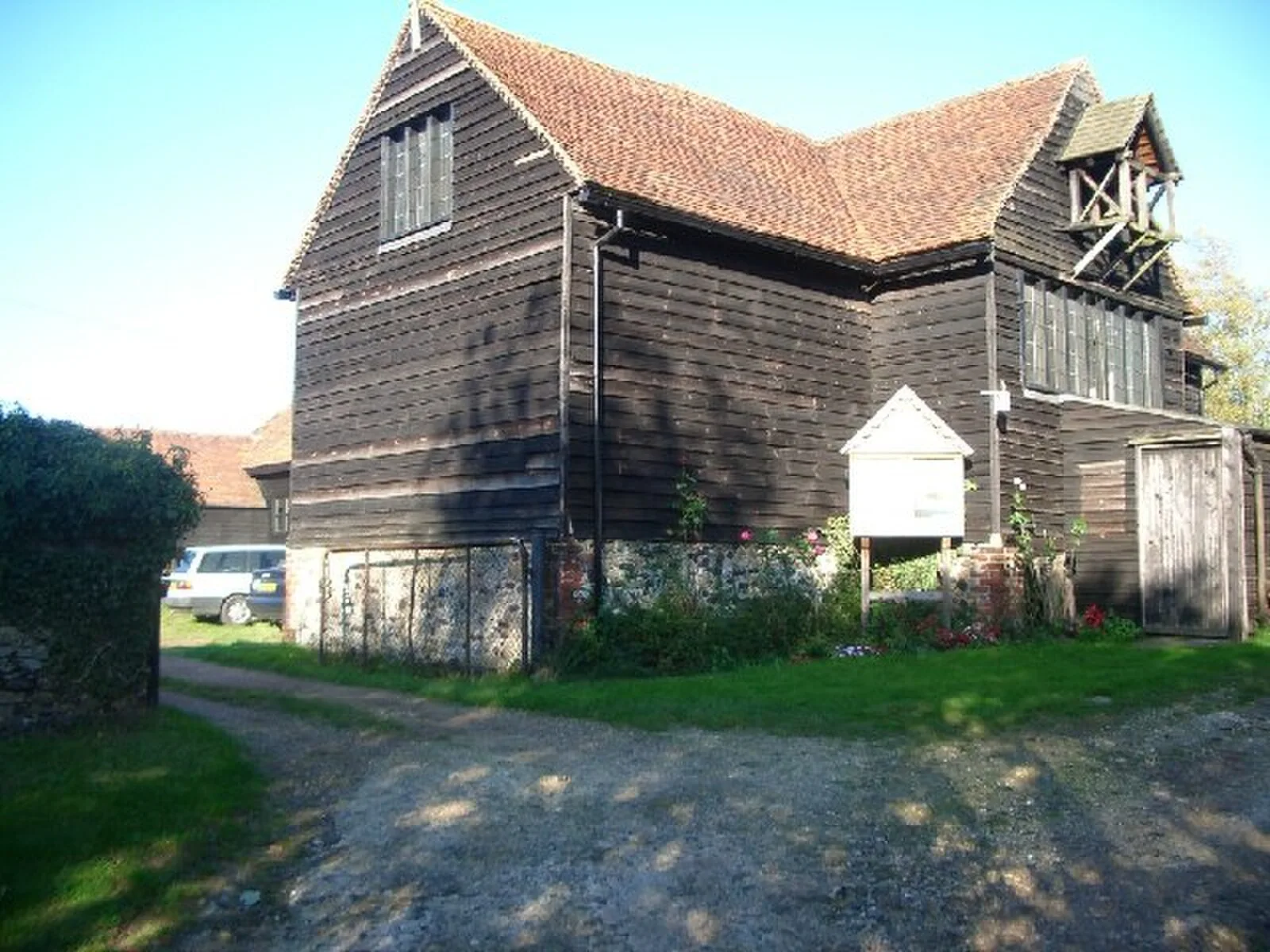
Farley Green, Surrey
Site of a Romano-Celtic temple on Farley Heath near Albury, Surrey, representing the largest Romano-British settlement in the county. The square temple featured an outer portico…

Fiskerton Log Boat
The Fiskerton log boat is an Iron Age vessel dating to c. 500–300 BC, discovered during 2001 excavations on the banks of the River Witham near Fiskerton, Lincolnshire. Carved from…
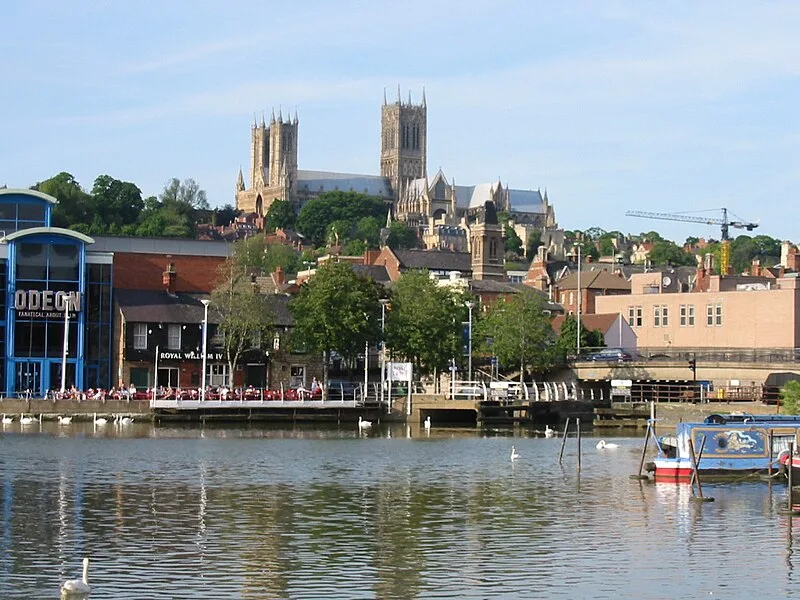
Foss Dyke
The Foss Dyke is a Roman-built canal linking the River Trent at Torksey to Lincoln, potentially the oldest navigable canal in England still in use. Constructed around AD 120,…
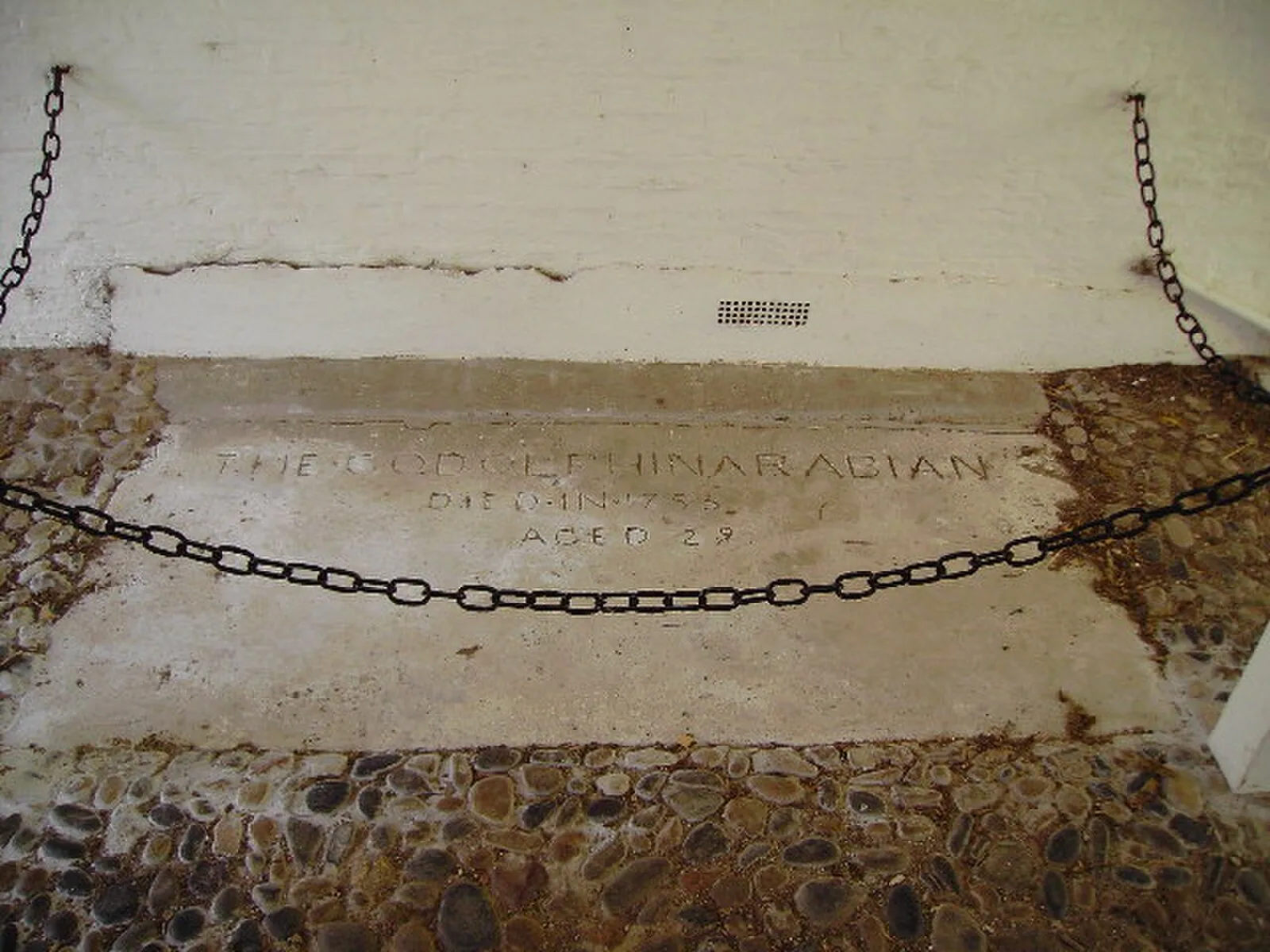
Gog Magog Hills
The Gog Magog Hills, a range of low chalk hills southeast of Cambridge, contain a rich archaeological landscape spanning millennia. Little Trees Hill preserves a Neolithic…
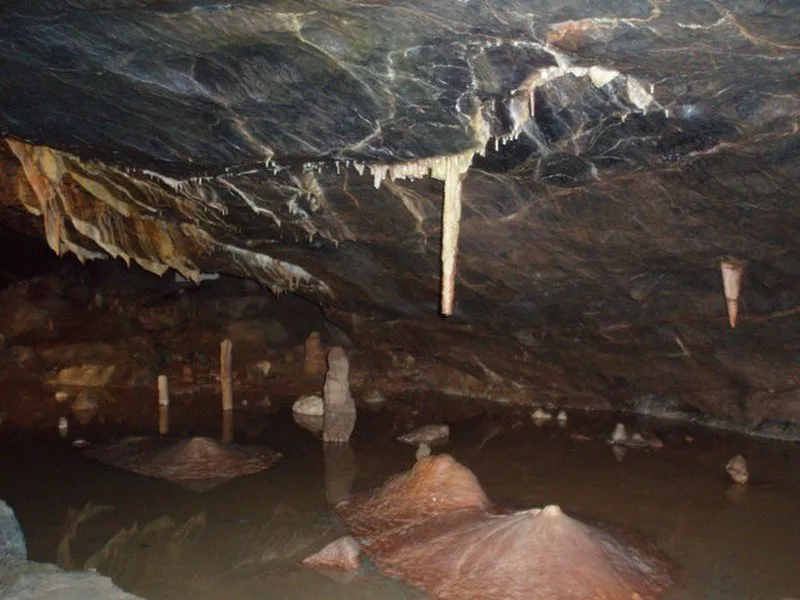
Gough's Cave
Gough's Cave is located in Cheddar Gorge on the Mendip Hills in Somerset, England. The cave extends 115 meters deep and 3.405 kilometers in length, featuring large chambers and…
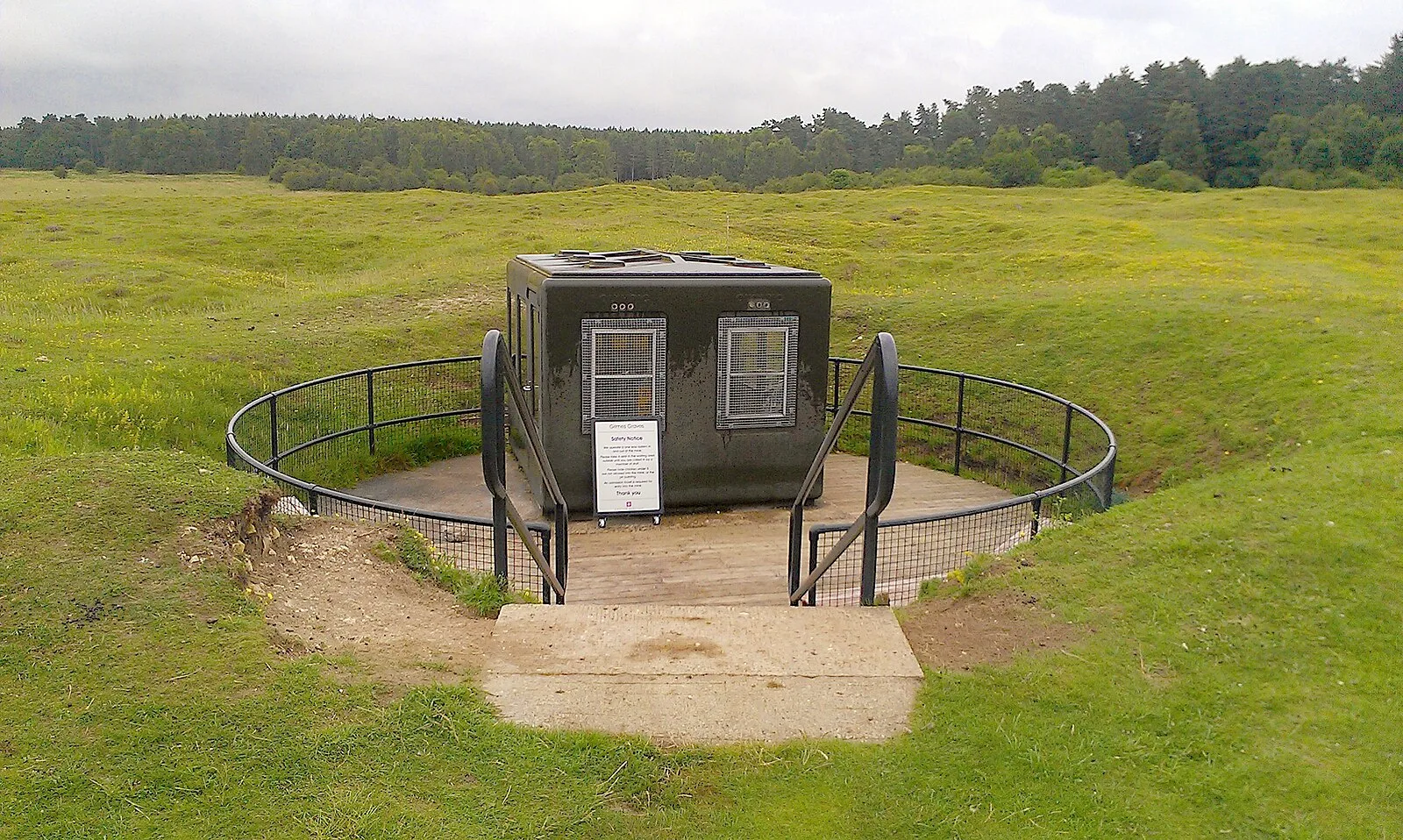
Grime's Graves
Grime's Graves is a large Neolithic flint mining complex in Norfolk, England, located 8 km (5 mi) north-east of Brandon, Suffolk. The site was worked between approximately 2600…
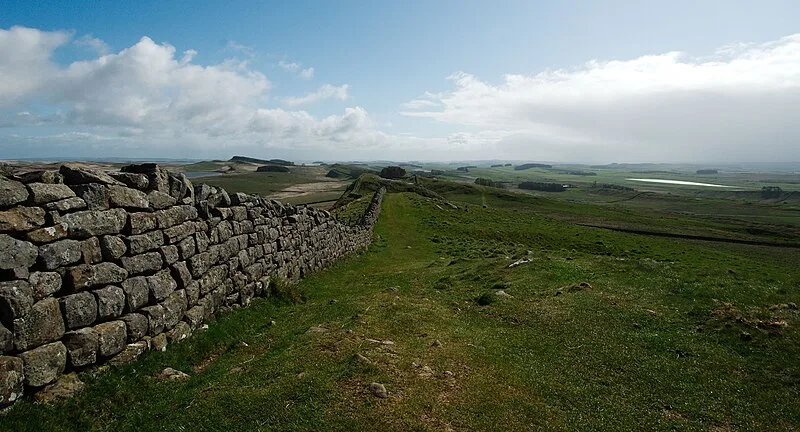
Hadrian's Wall
Built in AD 122 during Emperor Hadrian's reign, Hadrian's Wall is a former Roman defensive fortification in Britannia. Stretching 73 miles from Wallsend on the River Tyne to…
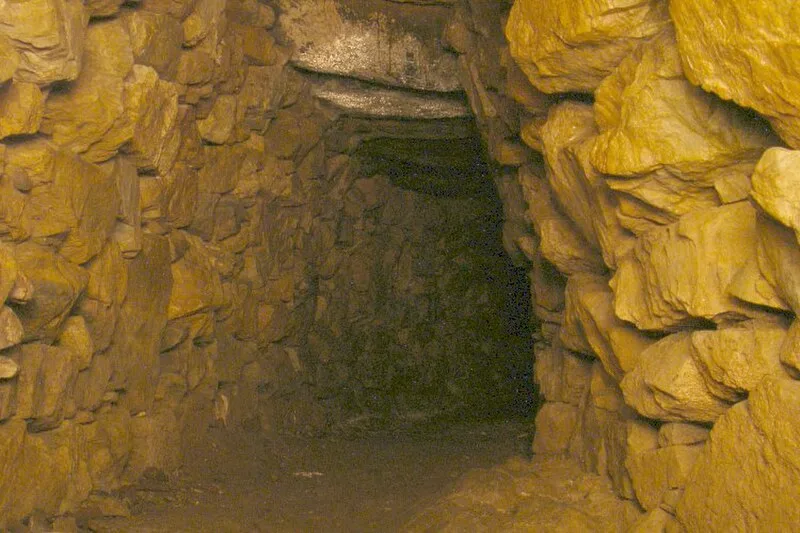
Halliggye Fogou
The largest and best-preserved fogou (underground stone passage) in Cornwall, England, constructed in the 5th or 4th centuries BC during the middle Iron Age. The complex features…
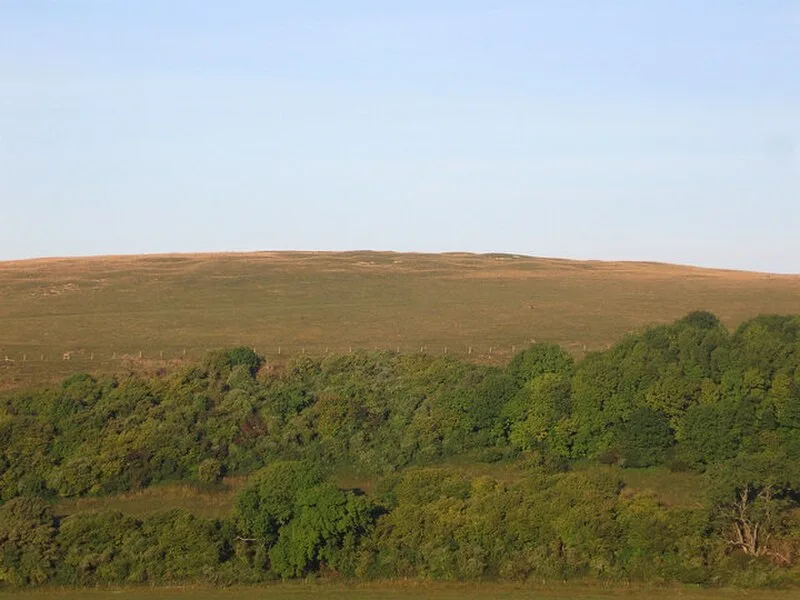
Harrow Hill, West Sussex
A Neolithic flint mining site on the South Downs in West Sussex, England, about 5 km north of Angmering. The mine occupies approximately 8 hectares on the crown of the hill, with…
Hastings Hill
Hastings Hill is a prehistoric necropolis located in Sunderland, Tyne and Wear, England. The site was excavated in 1911, revealing a burial complex containing several…
Heaning Wood Bone Cave
Heaning Wood Bone Cave is a cave of major archaeological importance in Great Urswick, Cumbria, England, first excavated by Holland in 1958. Excavations since 2016 by local…
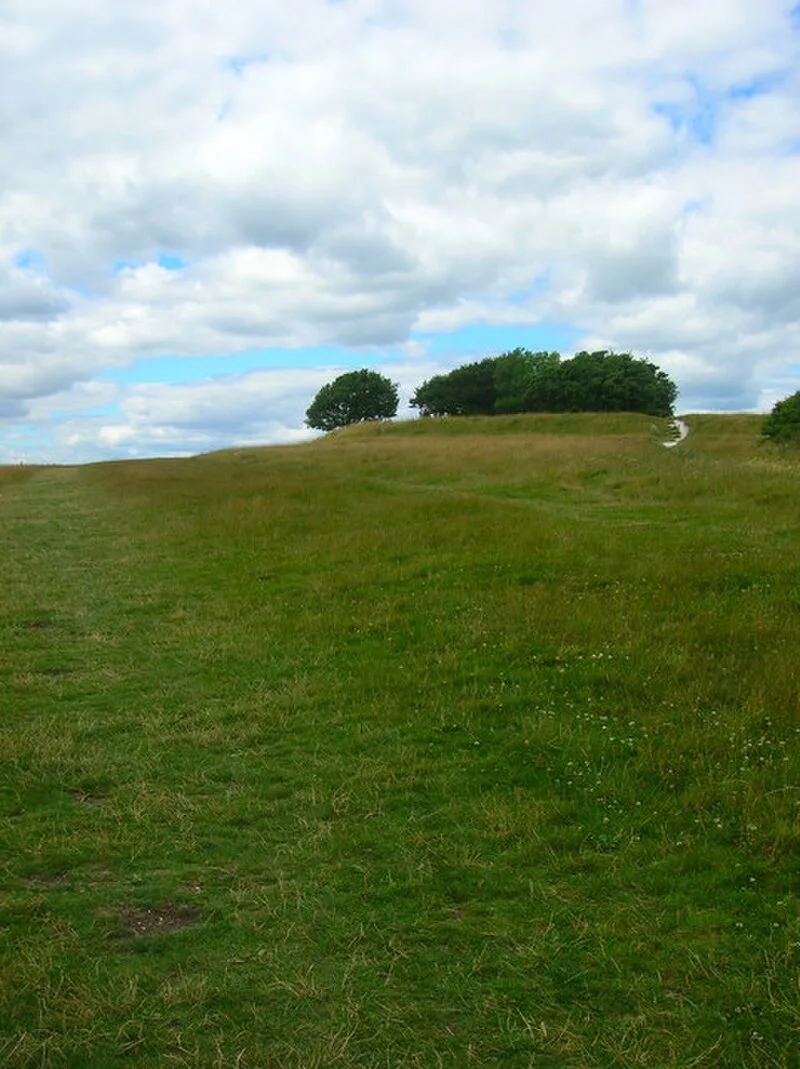
Highdown Hill
A multi-period archaeological site on an 81-metre chalk hill in West Sussex, featuring a Bronze Age Ram's Hill type enclosure, an Iron Age univallate hillfort refortified c.…
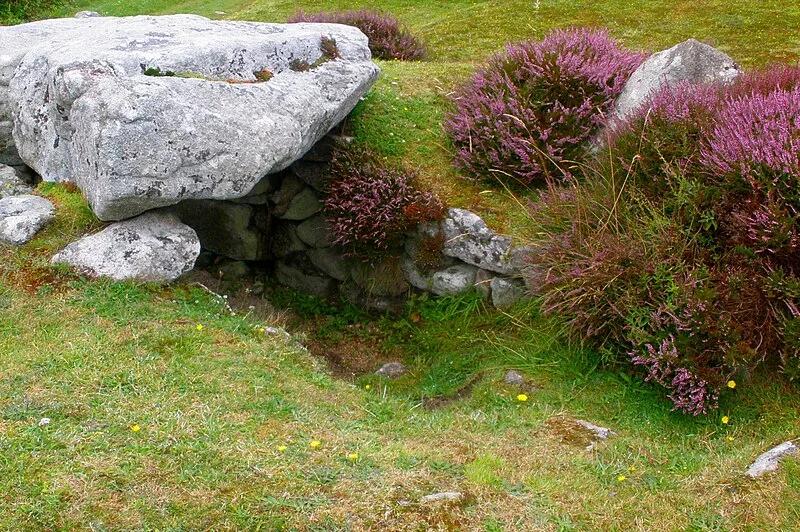
Innisidgen
Innisidgen is the site of two Bronze Age entrance graves (c. 2500-800 BC) on Innisidgen Hill, St Mary's, Isles of Scilly, overlooking Crow Sound toward the Eastern Isles. Upper…
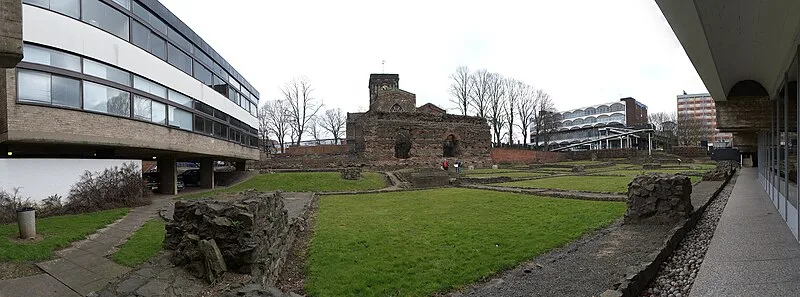
Jewry Wall
The Jewry Wall is a substantial ruined wall of 2nd-century Roman masonry with two large archways, located in Leicester, England. It formed the west wall of a public building in…
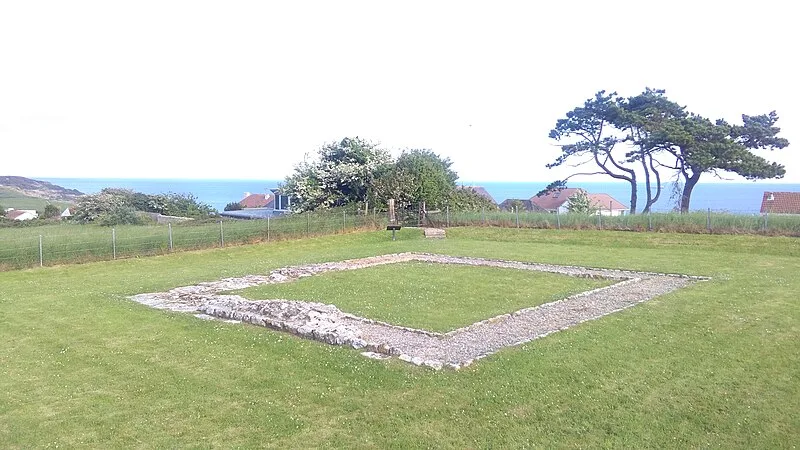
Jordan Hill Roman Temple
Jordan Hill Roman Temple is a Romano-Celtic temple and Roman ruin situated on Jordan Hill above Bowleaze Cove in the eastern suburbs of Weymouth, Dorset, England. Original amateur…
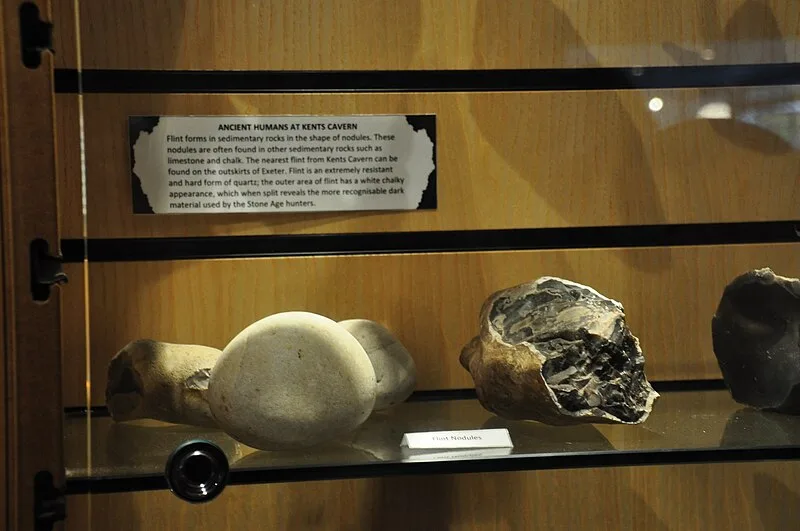
Kents Cavern
Kents Cavern is a prehistoric cave system in Torquay, Devon, and one of Europe's most important Palaeolithic sites. A human jawbone fragment found in 1927 has been dated to…

King Richard III Visitor Centre
The King Richard III Visitor Centre is a museum in Leicester, England, opened on 26 July 2014 on the site of the excavated Greyfriars friary where Richard III was buried in 1485…
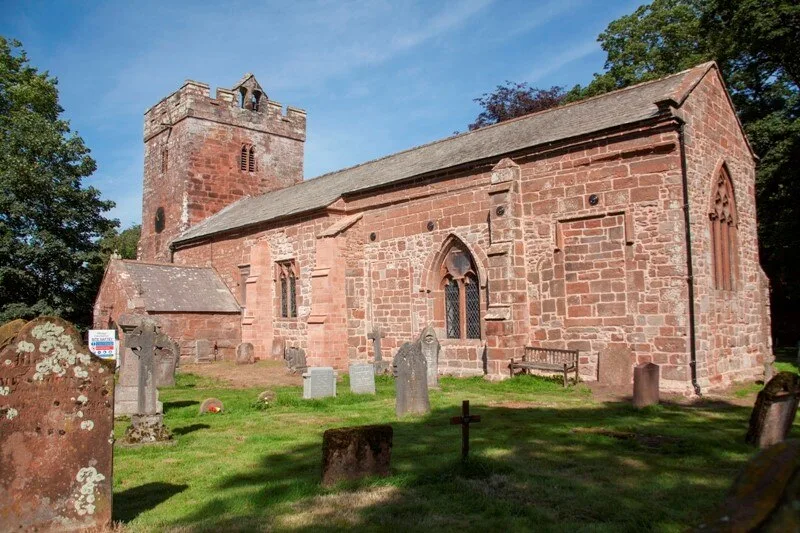
Kirkby Thore
Kirkby Thore is the site of the Roman fort Bravoniacum in Cumbria, England. Originally a Flavian turf-and-timber fort (c. AD 69-96), it was destroyed around AD 125 and rebuilt in…
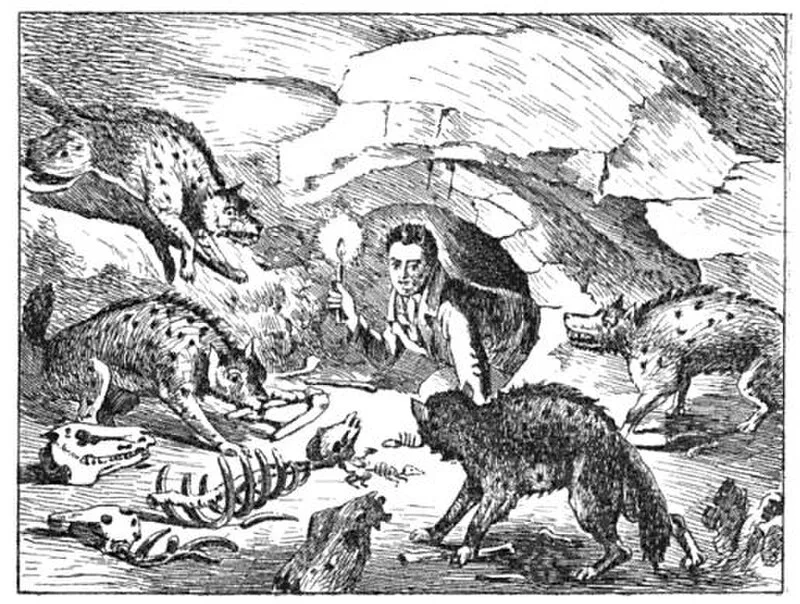
Kirkdale Cave
Kirkdale Cave is a fossil site near Kirkbymoorside in the Vale of Pickering, North Yorkshire, England. Discovered by quarry workers in 1821, it contained fossilised bones of…
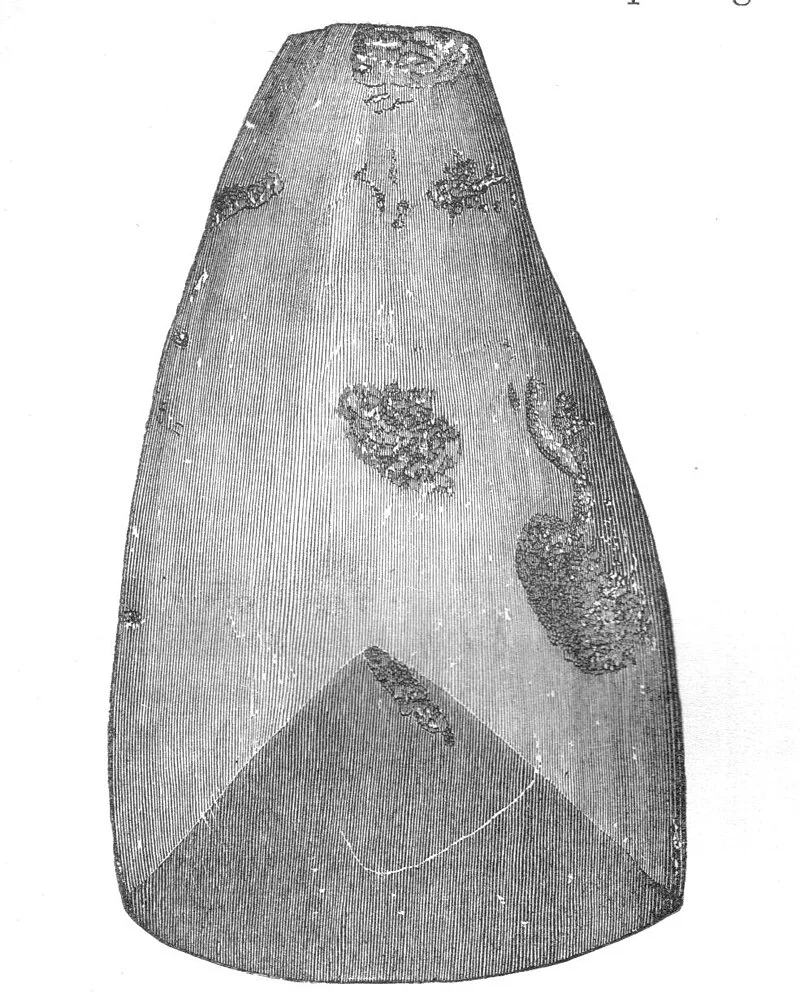
Langdale Axe Industry
The Langdale Axe Industry was a major Neolithic stone axe production centre in the Lake District, using local greenstone volcanic rock to manufacture polished axes between…
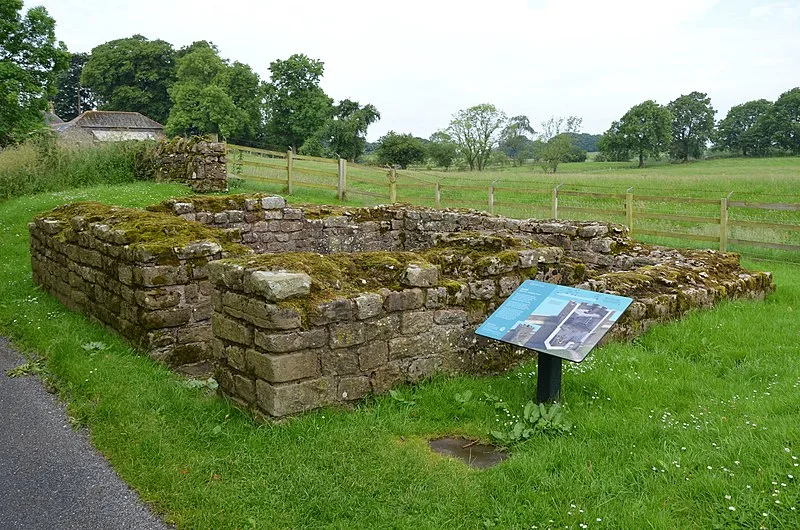
Leahill Turret, Hadrian's Wall
Leahill Turret (designated 51b) is a Roman lookout tower on Hadrian's Wall near Banks in Cumbria, built shortly after 122 AD. Part of the standard system of two turrets per Roman…
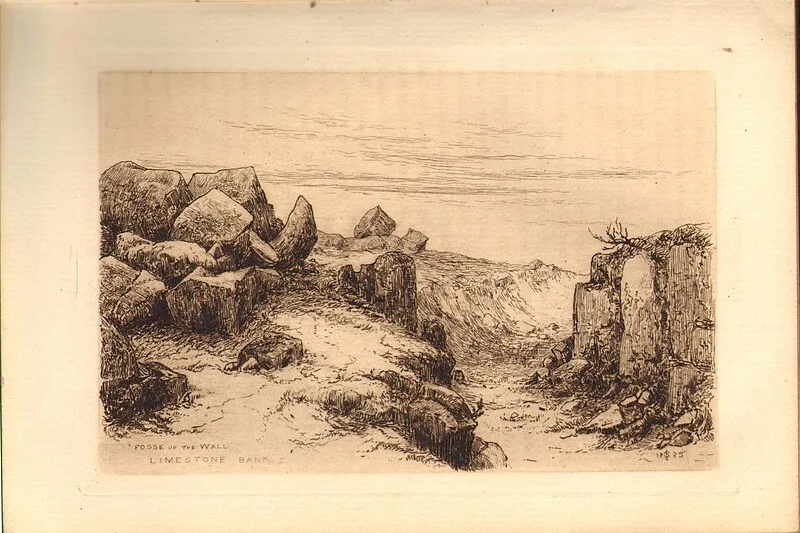
Limestone Corner
The northernmost point of Hadrian's Wall in northern England, representing the most northerly extent of the Roman Empire outside the periods when the Antonine Wall was occupied.…
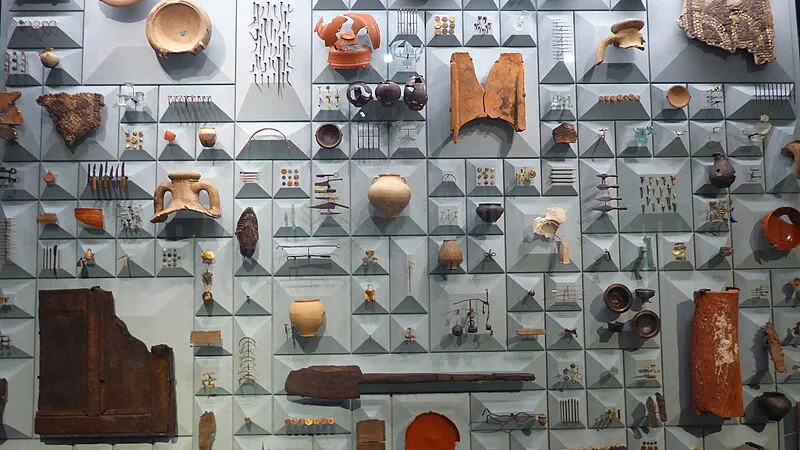
London Mithraeum
The London Mithraeum (Temple of Mithras) is a Roman Mithraeum discovered in 1954 during construction on Walbrook street in the City of London. The entire temple was dismantled and…
London Wall
The London Wall was a Roman defensive wall first constructed around Londinium around AD 200, following the destructive Boudican revolt of 60–61 AD. The wall enclosed approximately…
Long Low, Wetton
Long Low is a Neolithic and Bronze Age site about 2 km southeast of Wetton in Staffordshire, consisting of two round cairns linked by a connecting bank -- a layout unique in…

Long Man of Wilmington
The Long Man of Wilmington is a 72-metre-tall hill figure on Windover Hill near Wilmington, East Sussex, making it Europe's largest portrayal of the human form. The figure holds…
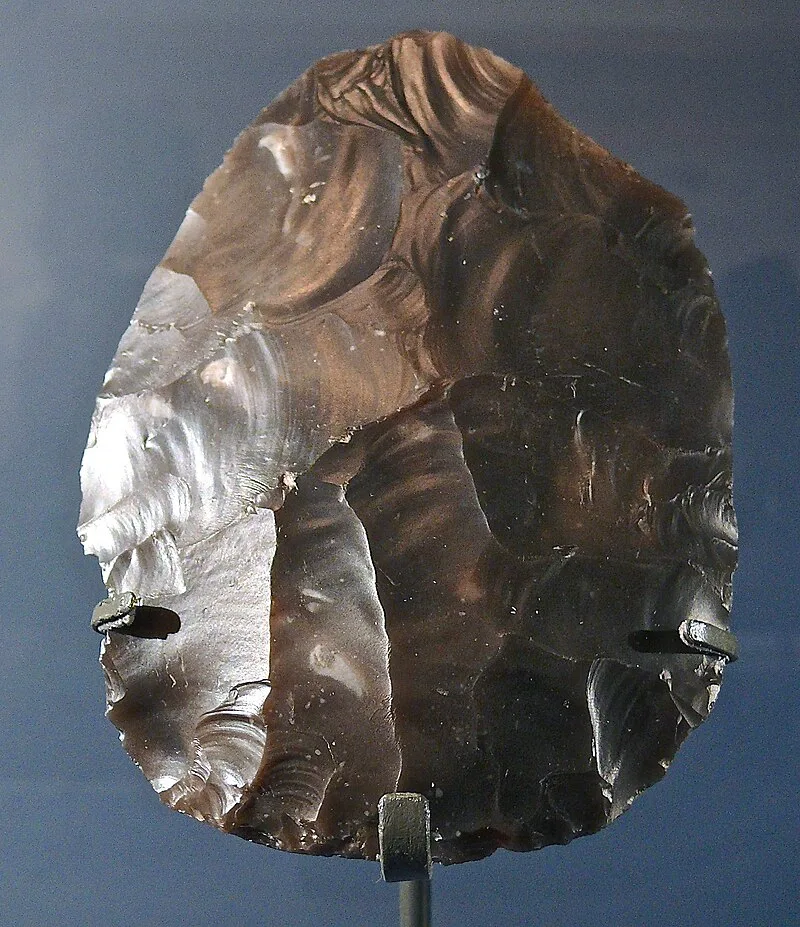
Lynford Quarry
Approximately 60,000 years ago, Lynford Quarry near Mundford, Norfolk, was a Middle Palaeolithic hunting site where Neanderthals killed and butchered at least nine woolly…
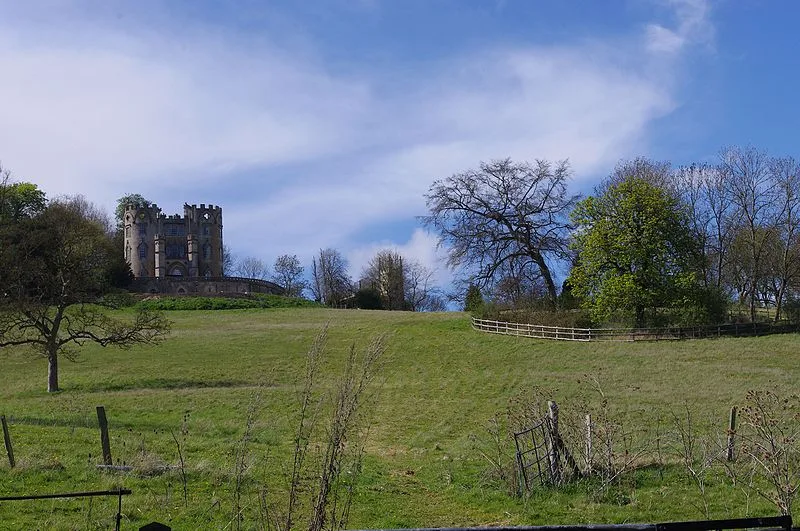
Midford Castle
Midford Castle is a Grade I listed Gothic-style folly built in 1775 for Henry Disney Roebuck, designed by architect John Carter. The castle features a distinctive club-shaped plan…
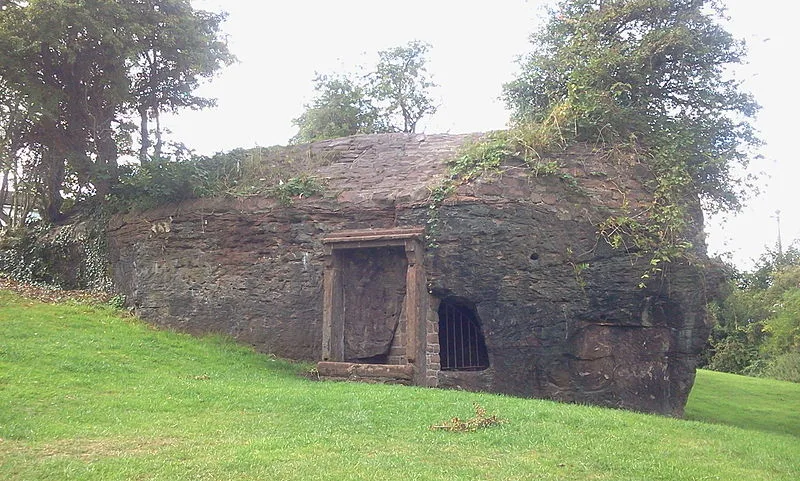
Minerva's Shrine, Chester
Minerva's Shrine is a Roman relief carved into a sandstone quarry face in Edgar's Field, Handbridge, Chester, England, dating from the early 2nd century AD. Dedicated to the…
Nebstone
The Nebstone is a notable rock on the northern edge of Ilkley Moor in West Yorkshire, England. It resembles the lid of a grand piano and stands a few hundred metres west of the…
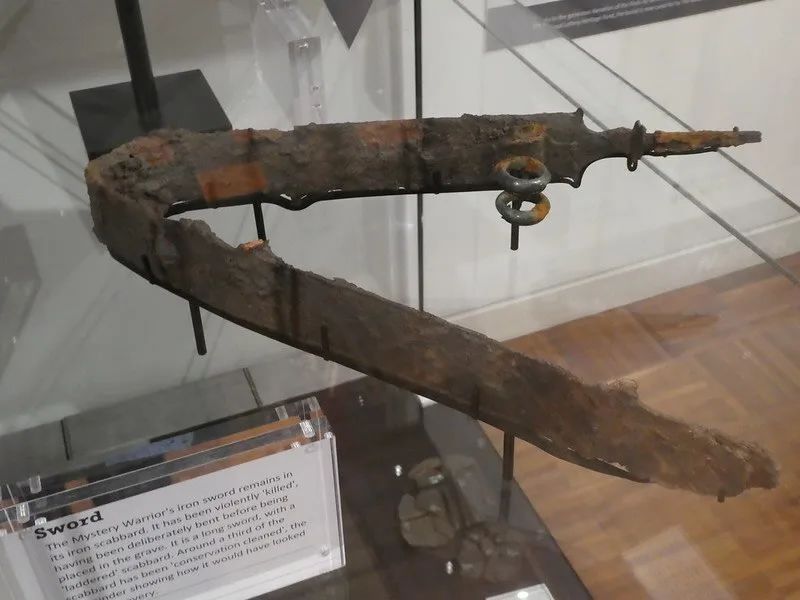
North Bersted Man
(1st c. BC) The North Bersted Man is an Iron Age warrior discovered in 2008 during excavations by Thames Valley Archaeological Services near North Bersted, England. The burial…
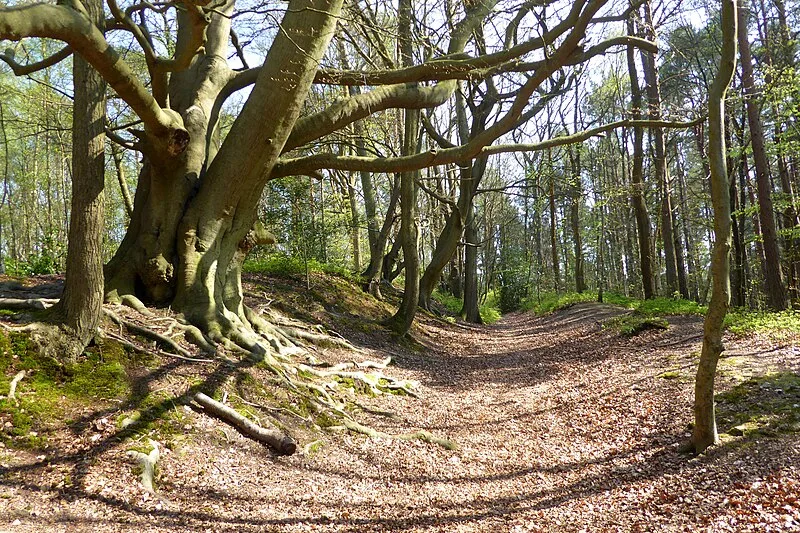
Oldbury Camp
Oldbury Camp is the largest Iron Age multivallate hillfort in south-eastern England, built around 100 BC by Celtic British tribes on a hilltop west of Ightham, Kent. The defences…
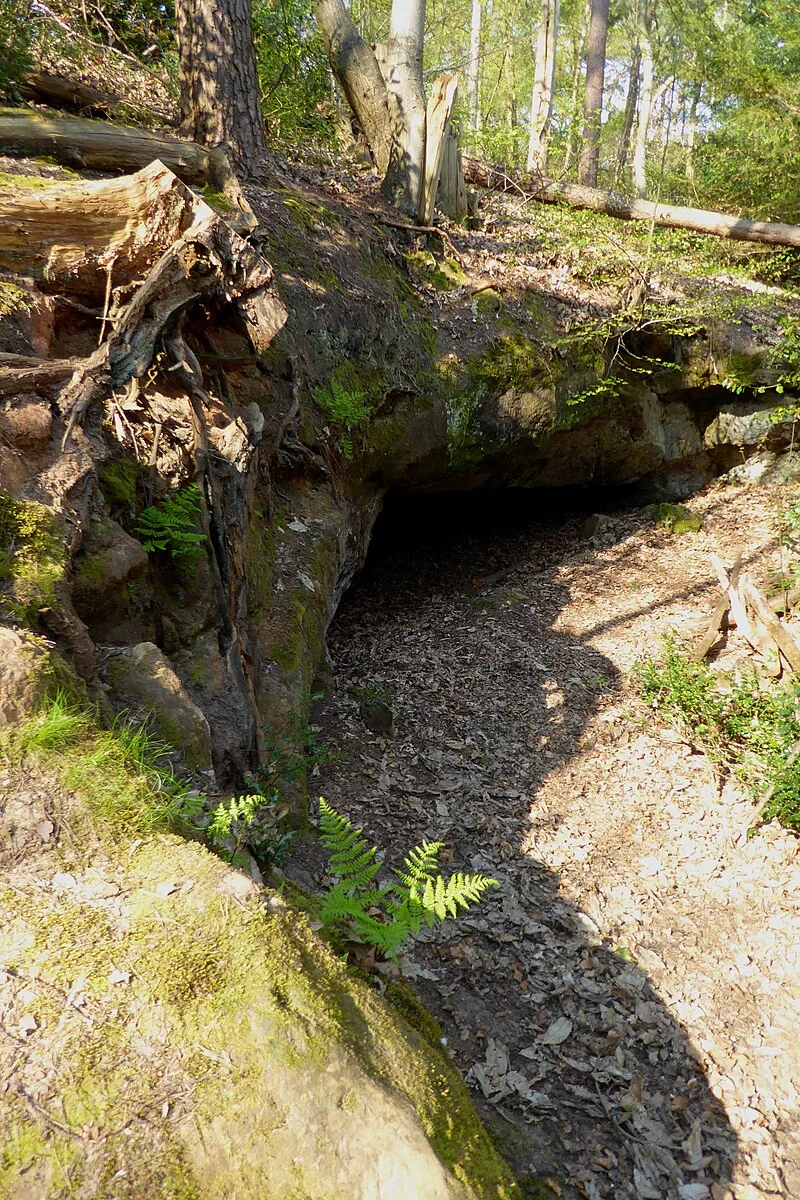
Oldbury Rock Shelters
The Oldbury Rock Shelters are a complex of Middle Palaeolithic sites on the slopes of Oldbury hillfort near Ightham, Kent, representing one of Britain's oldest prehistoric sites.…
Overstone Anglo-Saxon Cemetery
Anglo-Saxon burial site discovered in 2019 near Overstone, Northamptonshire, England. The 15 hectare cemetery is the largest Anglo-Saxon burial ground found in Northamptonshire.…
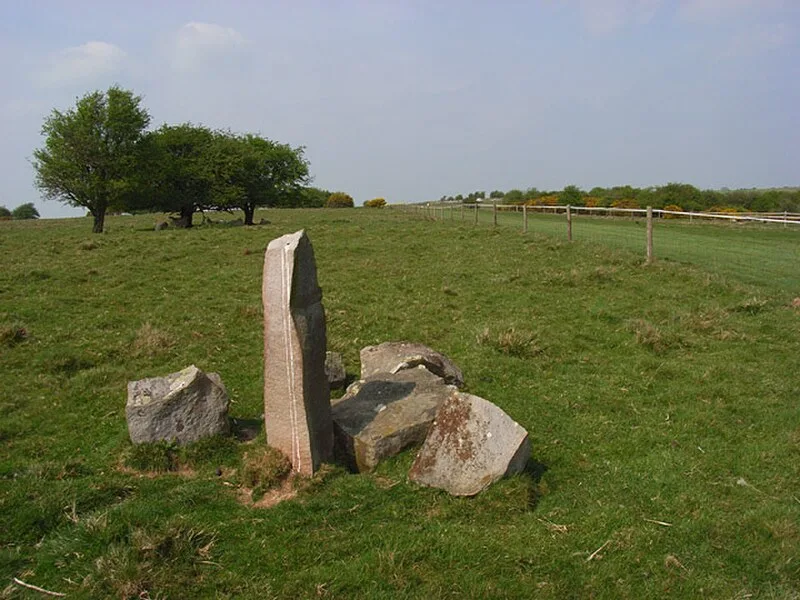
Overton Down
Overton Down Experimental Earthwork is a pioneering long-term experiment in archaeology on Overton Down, Wiltshire, England. Built in 1960, an earthwork was constructed to…
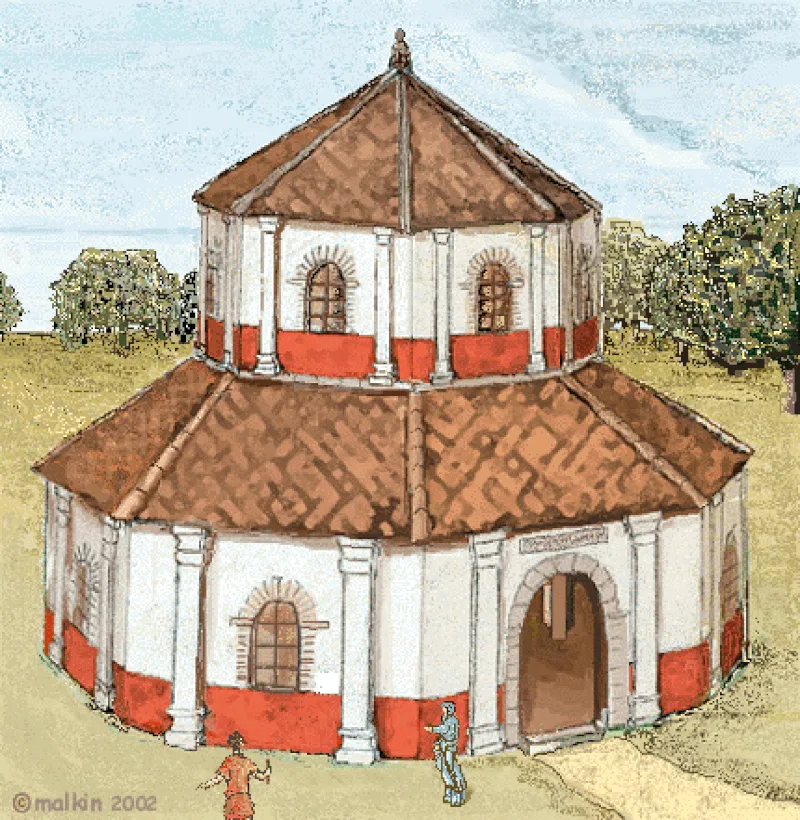
Pagans Hill Roman Temple
Pagans Hill Roman Temple was a Romano-Celtic temple on a promontory overlooking the River Chew at Chew Stoke, Somerset. An Iron Age shrine was first established here in the 6th…
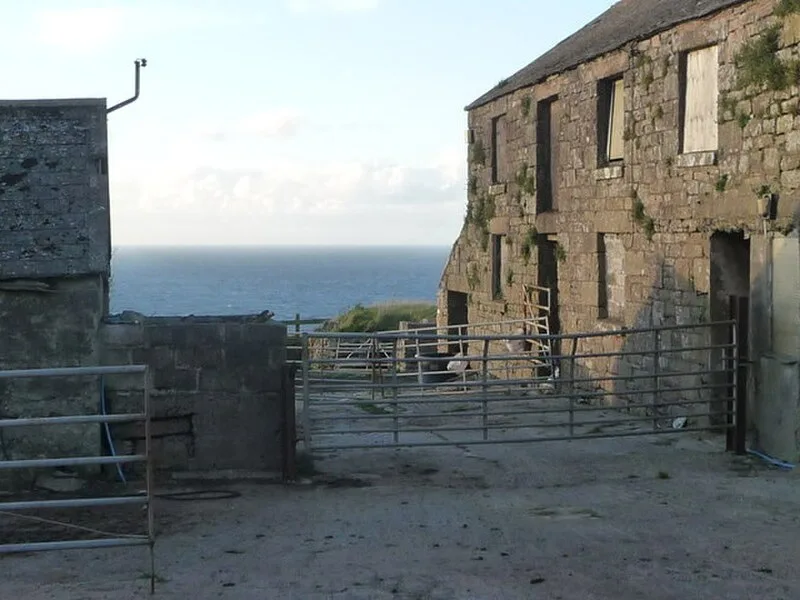
Pendeen Vau
Pendeen Vau is a fogou (underground stone chamber) on the Cornish coast, situated at Pendeen Manor farm near Pendeen Lighthouse. Dating to the Iron Age (roughly 500-1500 BC),…
Picken's Hole
Picken's Hole is a small cave on the southern side of Crook Peak in the Mendip Hills, Somerset, designated as a scheduled monument. Named after M. J. Picken who found teeth in…
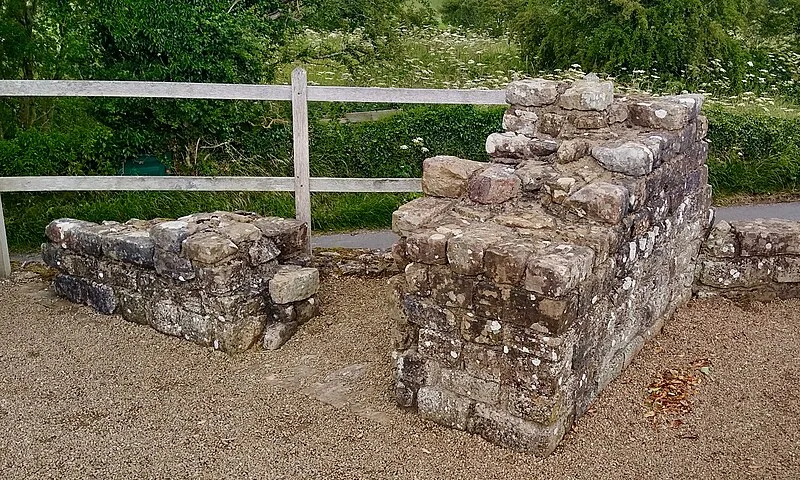
Pike Hill Signal Tower
Built in the early 2nd century AD, Pike Hill Signal Tower was a Roman signal station constructed on high ground overlooking the Stanegate road in northern Britannia. The tower was…
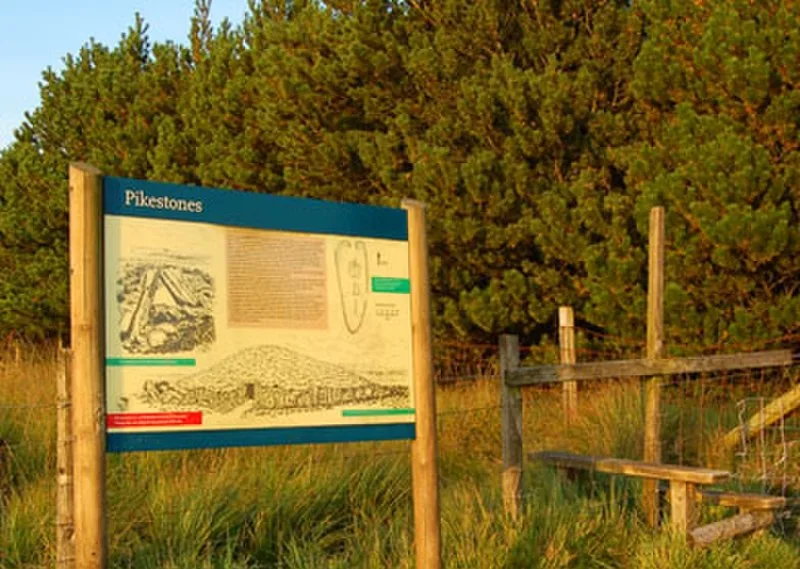
Pikestones
Pikestones is the remains of a Neolithic burial cairn on Anglezarke moor in Lancashire, England. The site measures approximately 45 m (150 ft) long and 18 m (60 ft) wide, with a…
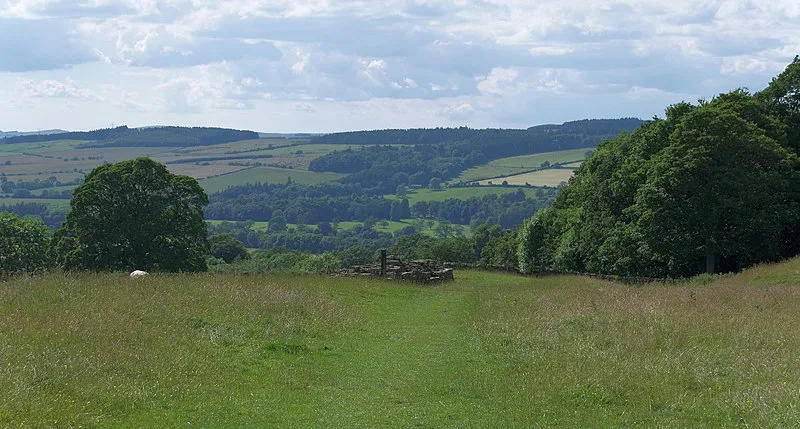
Planetrees - Hadrian's Wall Section
(2nd c. AD) Planetrees is an extant section of Hadrian's Wall named after the farm located around 250 metres (820 ft) to the west. The surviving section is 35 metres (115 ft) in…
Pocklington Iron Age Burial Ground
Discovered in 2014 on the outskirts of Pocklington in East Riding of Yorkshire, England, the Pocklington Iron Age Burial Ground is a prehistoric cemetery dating to the Middle Iron…
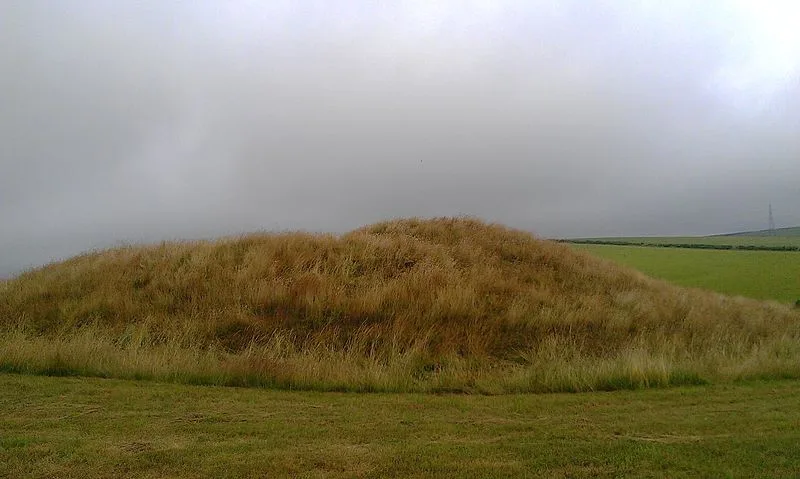
Poor Lot Barrow Cemetery
A Bronze Age barrow cemetery dating to approximately 1500 BC near the A35 road west of Winterbourne Abbas in Dorset, England. The site contains 44 round barrows including bowl,…

Popping Stone
The Popping Stone is a group of three rounded boulders in the Irthing Gorge near Gilsland, England. Historical photographs from before 1870 show that the site originally featured…

Porth Hellick Down
Porth Hellick Down is a Neolithic and Bronze Age burial site on St Mary's, Isles of Scilly, featuring at least six entrance graves -- the largest surviving assembly of this rare…
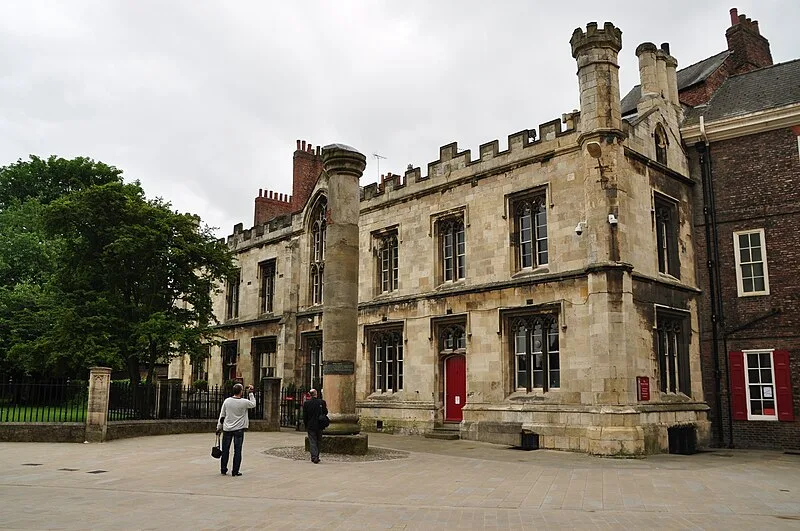
Roman Column, York
A 1st-century Roman column standing in Minster Yard, York, originally part of the headquarters basilica of Eboracum. Built around AD 100 by Legio IX Hispana and later reused by…
Rudchester Mithraeum
Roman temple dedicated to the god Mithras at Vindobala, an auxiliary fort on Hadrian's Wall in northern England. First discovered in 1844 when a farmer uncovered a statue and five…
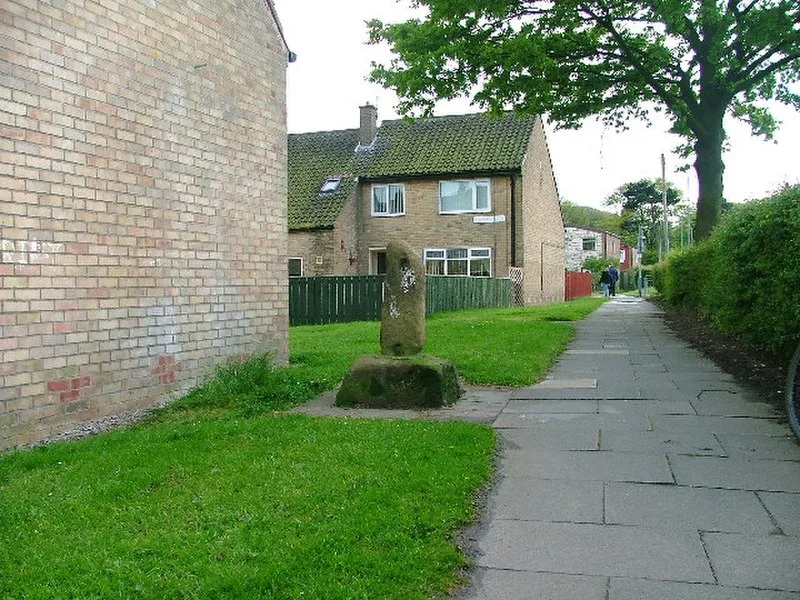
Ruther Cross
Ruther Cross is the weathered shaft of a medieval stone cross situated in Guisborough, Redcar and Cleveland, England. Located near the historic junction where Ruthergate crossed…
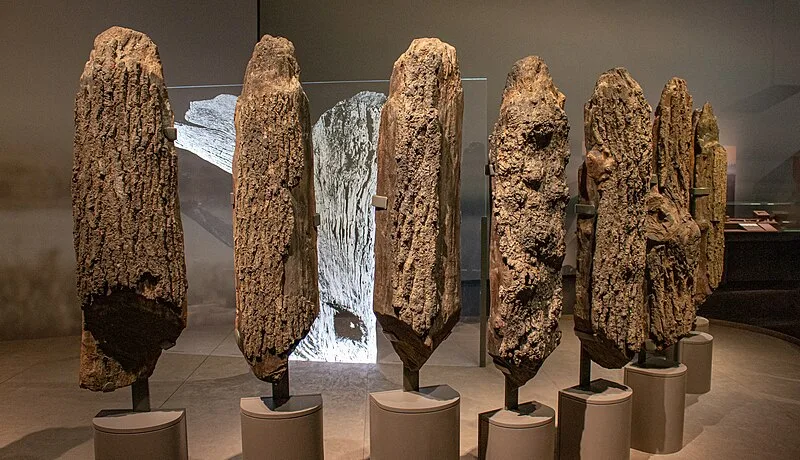
Seahenge
Seahenge (Holme I) was a Bronze Age timber circle discovered in 1998 on Holme Beach in Norfolk, England, after coastal erosion exposed it. Built in 2049 BC, the monument consisted…

Showery Tor
Showery Tor is a Neolithic to Early Bronze Age ring cairn on Bodmin Moor, Cornwall, consisting of a natural 5-metre (16 ft) granite outcrop enveloped by a massive circular stone…
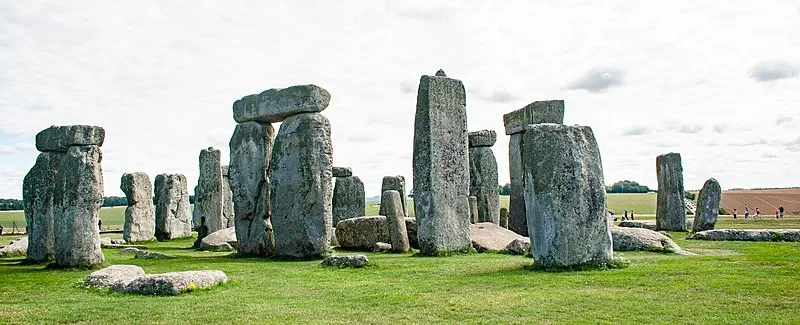
Stonehenge
Stonehenge is a prehistoric megalithic structure on Salisbury Plain in Wiltshire, England, two miles (3 km) west of Amesbury. It consists of an outer ring of vertical sarsen…
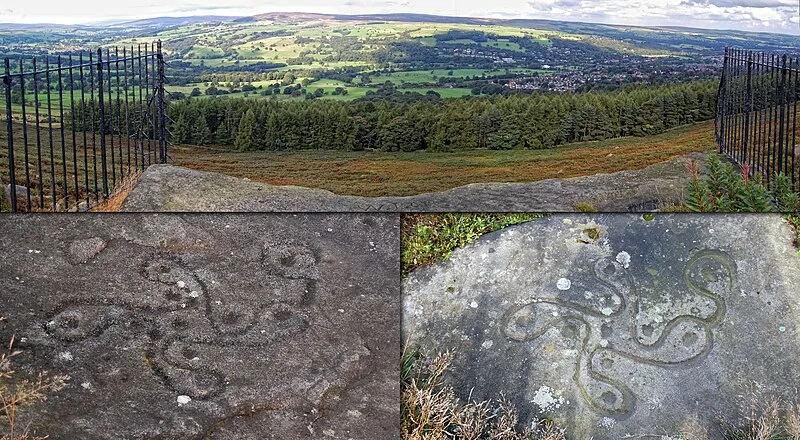
Swastika Stone
The Swastika Stone is a prehistoric rock carving on Woodhouse Crag at the northern edge of Ilkley Moor in West Yorkshire, England. The stone features a double-outlined swastika…
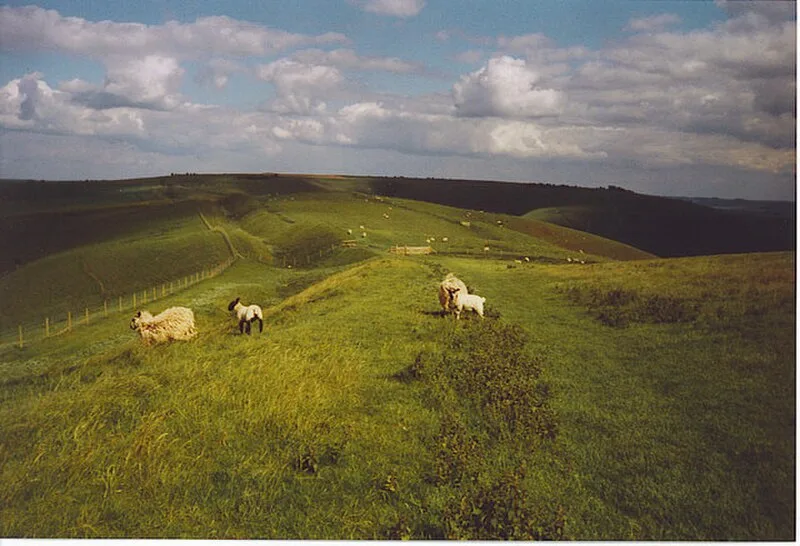
Tan Hill, Wiltshire
Tan Hill is a prominent hill in All Cannings parish, Wiltshire, rising to 294 m above sea level as the second highest point of the North Wessex Downs. The hill once bore a…
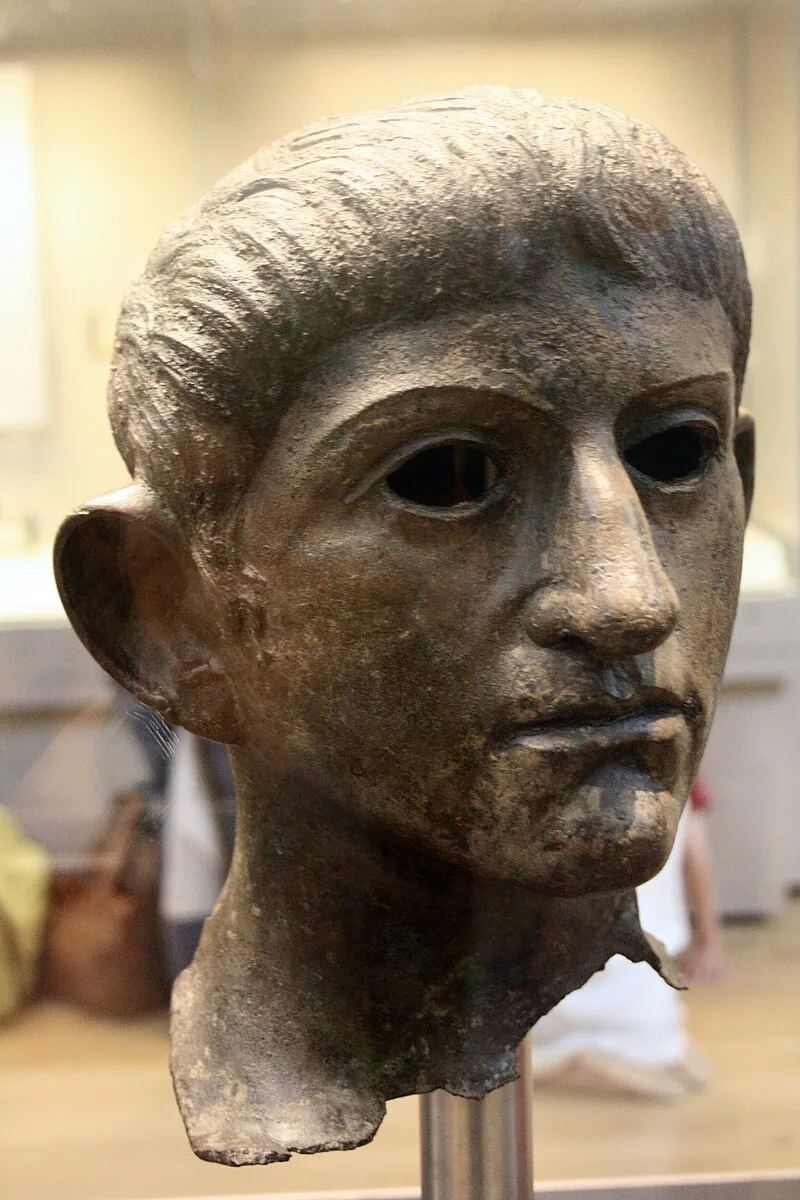
Temple of Claudius, Colchester
Built between 49 and 60 AD in Camulodunum (modern Colchester), the Temple of Claudius was a large octastyle temple dedicated to the deified Roman emperor Claudius. It was the…
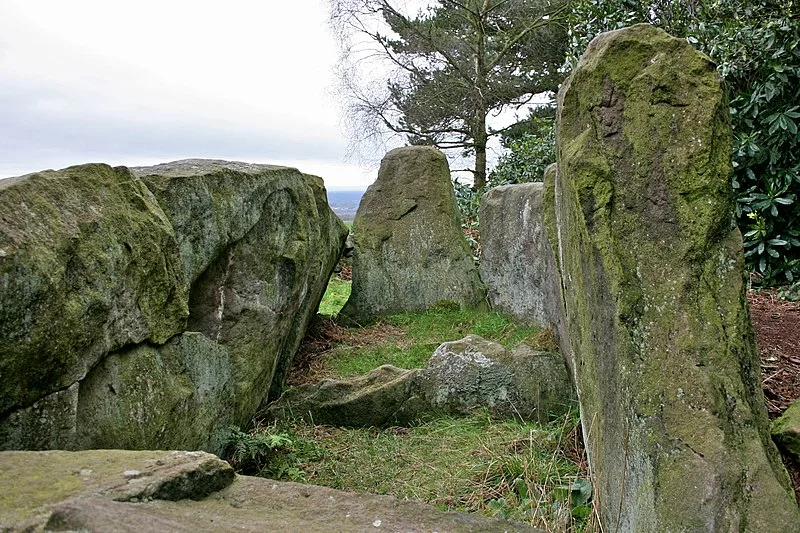
The Bridestones
The Bridestones is a chambered cairn near Congleton, Cheshire, England, constructed in the Neolithic period approximately 3500–2400 BC. When described in 1764, it measured 110…
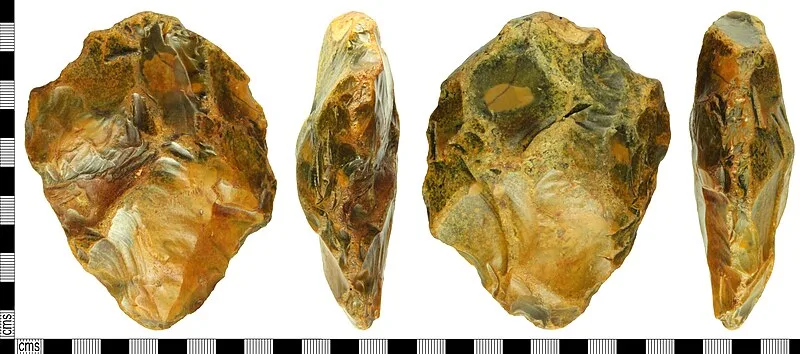
The Salisbury Museum
The Salisbury Museum, founded in 1860 by Dr Richard Fowler, is housed in The King's House, a Grade I listed building in the Cathedral Close. It holds one of Britain's most…
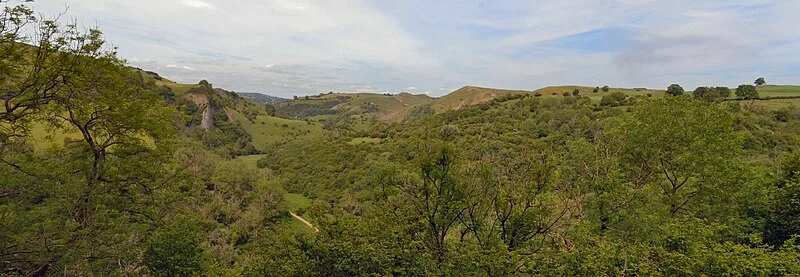
Thor's Cave
Thor's Cave is a natural cavern located in the Manifold Valley of the White Peak in Staffordshire, England. Situated in a steep limestone crag, the cave entrance forms a…
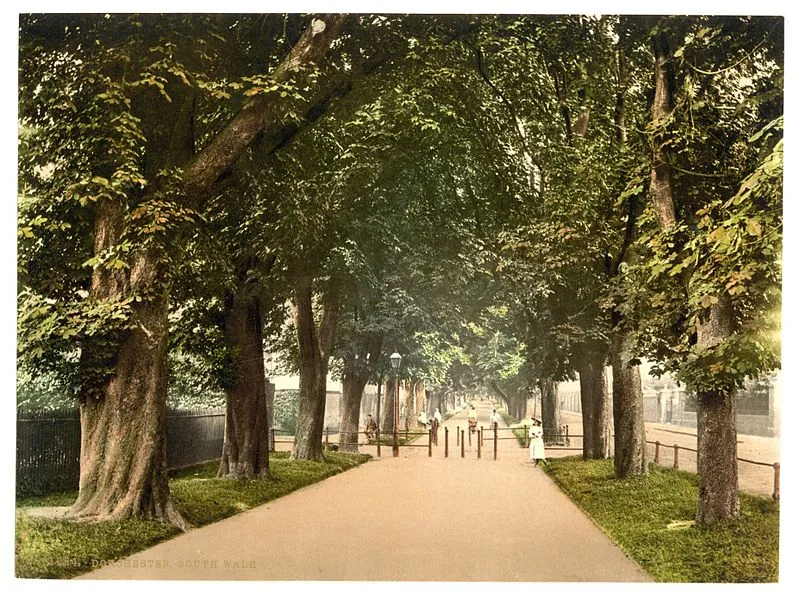
Town Walks, Dorchester
The Town Walks are tree-lined public promenades in Dorchester, Dorset, following the line of the Roman defences of Durnovaria. The first earthen bank and ditch were constructed no…
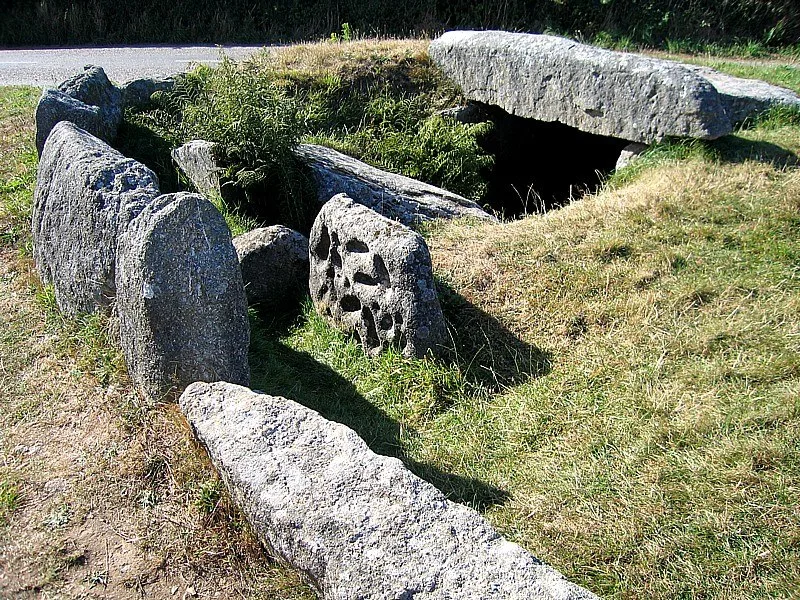
Tregiffian Burial Chamber
(4300–3300 BC) The Tregiffian Burial Chamber is a Neolithic or early Bronze Age chambered cairn located near Lamorna in west Cornwall, England. It is a rare type of passage grave…
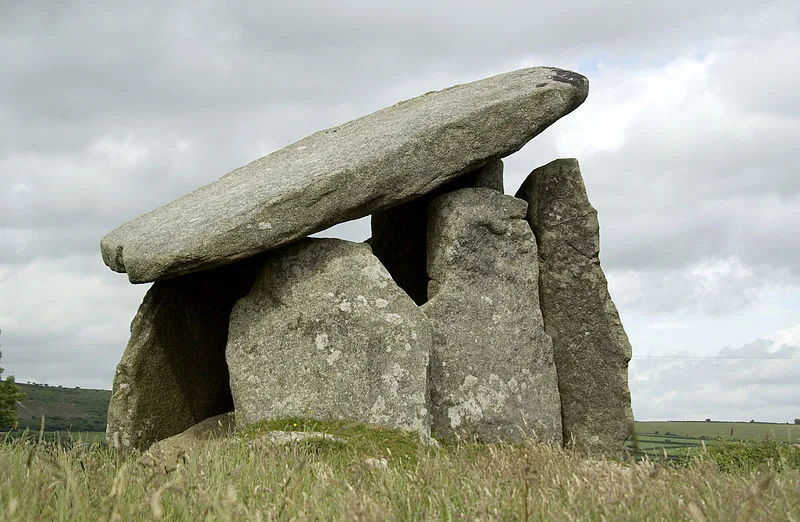
Trethevy Quoit
Trethevy Quoit is a well-preserved megalithic structure between St Cleer and Darite in Cornwall, England. Standing 2.7 metres (9 ft) high, it consists of five standing stones…
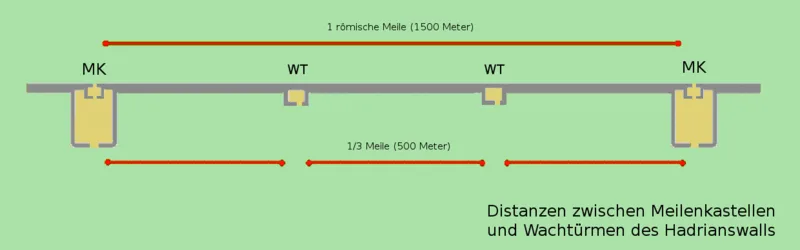
Turret - Hadrian's Wall
A turret was a small watch tower incorporated into Hadrian's Wall, built by the Romans in the 2nd century AD. The turrets were spaced at one-third Roman mile intervals…

Uffington White Horse
The Uffington White Horse is a prehistoric hill figure located on Whitehorse Hill in Oxfordshire, England. Measuring 110 metres (360 feet) in length, the geoglyph is created by…
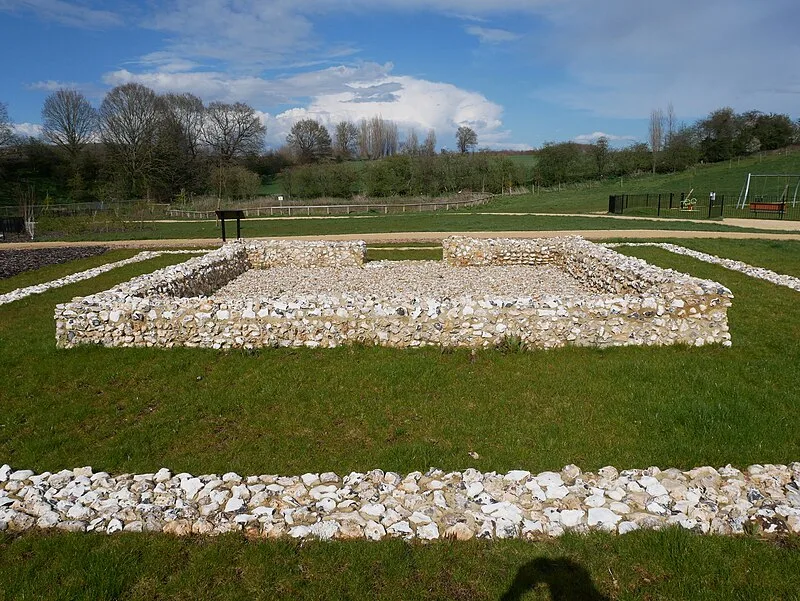
Watling Temple
Romano-Celtic temple discovered in 2019 within a Roman industrial town near the A2 road at Newington, Kent. The square flint-walled temple measured 12.5m by 11.5m and is one of…
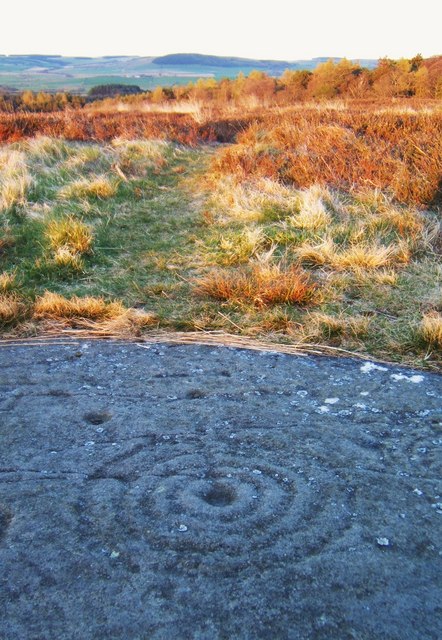
Weetwood Moor
Weetwood Moor near Wooler, Northumberland, contains prehistoric rock art with about 30 sandstone panels of cup-and-ring markings carved into sandstone, dating to 3800-1500 BC.…

West Woods
West Woods is a 2,000-acre area of managed woodland near Marlborough, Wiltshire. In 2020, a landmark study published in Science Advances by the Universities of Brighton and others…
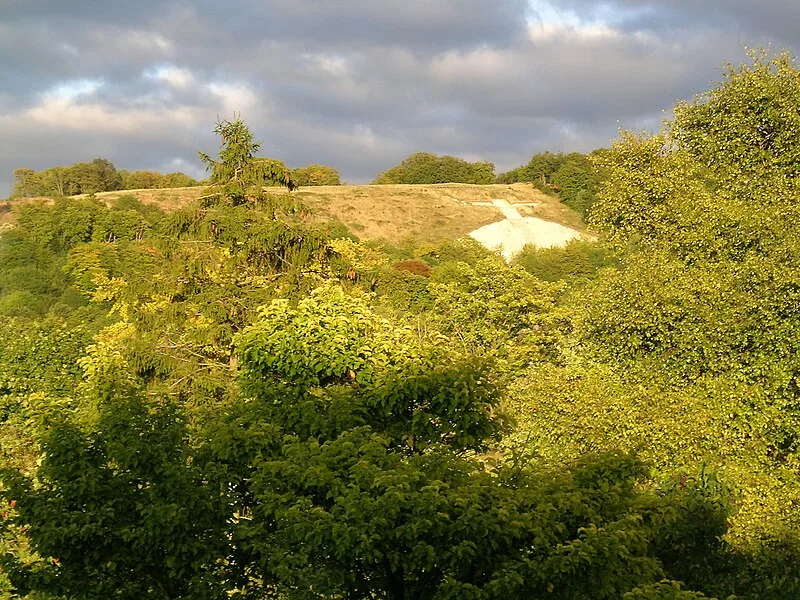
Whiteleaf Cross
Whiteleaf Cross is a chalk hill figure on Whiteleaf Hill near Princes Risborough, Buckinghamshire. The figure comprises a Latin cross 24m across with 6m-wide arms atop a…
Wicklewood Roman Temple
Romano-Celtic temple discovered in 1959 from cropmarks near Wymondham, Norfolk. The rectangular building (15x17m) features a cella of mortared flint rubble with plastered walls…
Woodhenge
A Neolithic henge and timber circle within the Stonehenge World Heritage Site, 3.2 km northeast of Stonehenge. Discovered from aerial photography by Gilbert Insall in 1925 and…
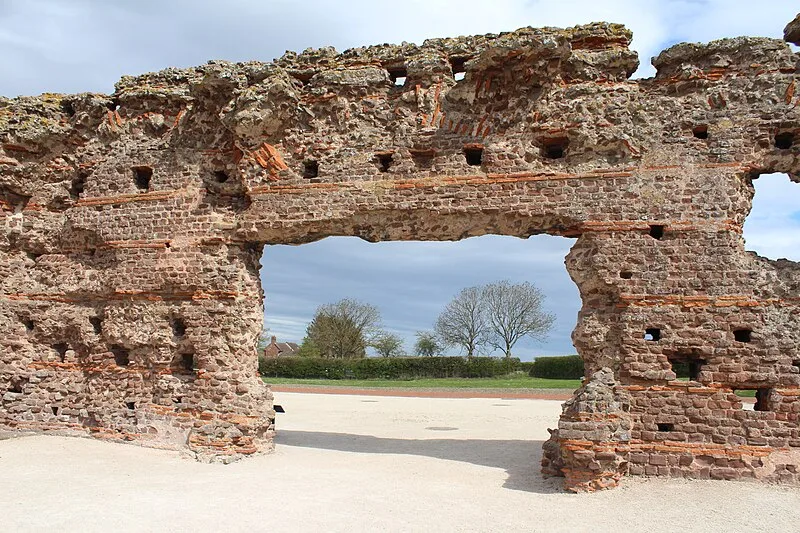
Wroxeter Stone
The Wroxeter Stone (also known as the Cunorix Stone) is an inscribed memorial stone dated to c. 460-475 AD, ploughed up in 1967 just outside the defenses of the Roman city of…

York City Walls
York has been fortified since Roman times (c. 71 AD), when the city was known as Eboracum. Today, York City Walls remain the longest town walls in England, with more miles of…
Keep exploring
Every site on this page sits on the globe, and the people who research them are on the Discord.
3D Globe · Sites by country · Story Archive · Research Library · Weekly Journal · Search