
 England
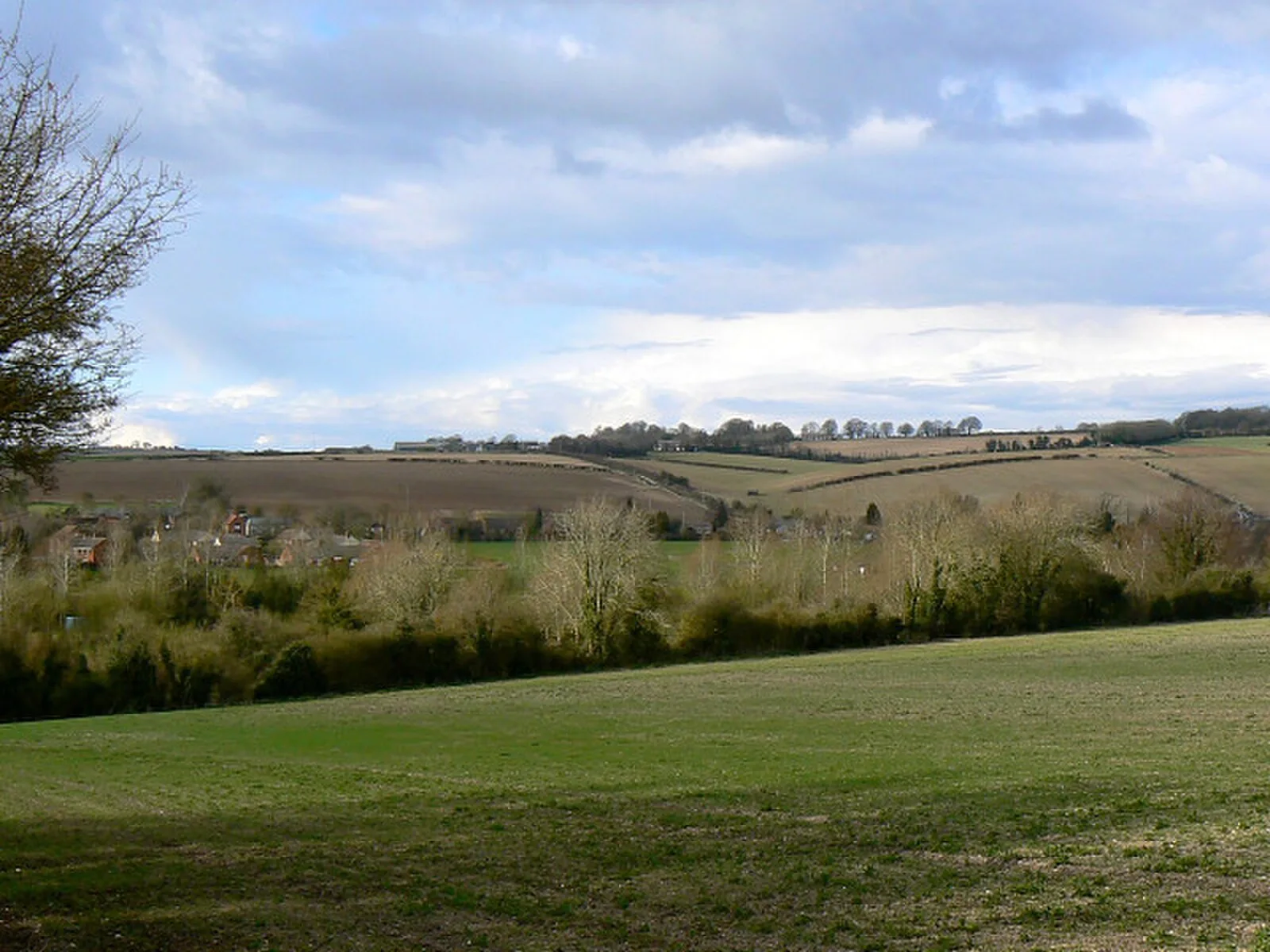
Cunetio was a large walled town in a valley of the River Kennet in modern-day Wiltshire, England [1]. Occupied from the 2nd century AD by Romano-British people, the settlement was abandoned in the early 5th century, the emerging post-Roman period [1]. It lay near what is now the village of Mildenhall, about 1+1⁄2 miles (2.4 km) east of the market town of Marlborough [1]. Artefacts recovered from Cunetio have included kitchenware, personal effects, and two hoards of Roman coinage [1]. In the 1960s, a small coin hoard was found, followed in 1978 by the much larger Cunetio Hoard of over 55,000 coins [1]. The town grew around a mansio that had been built near the crossing of two Roman roads: the east–west road from Speen in Berkshire to Aquae Sulis (Bath), and the south-east to north road from Winchester to Wanborough [1]. As the town grew, it developed a regular grid of streets and stone buildings on its eastern side but retained less regular and substantial structures in the west part [1].
Text: Wikipedia – 'Cunetio' (revision of 2026-07-19), CC BY-SA 4.0 · sentences selected and shortened by an AI system · source →Cunetio
| Type | City/town/settlement |
|---|---|
| Period | 1 - 500 AD |
| Country | England |
| Coordinates | 51.4238° N, 1.6907° W |