
 England
Hambledon Hill is a prehistoric hill fort in Dorset, England, in the Blackmore Vale five miles northwest of Blandford Forum [1]. The hill itself is a chalk outcrop, on the southwestern corner of Cranborne Chase, separated from the Dorset Downs by the River Stour [1]. Excavations in the 1970s and 1980s by Roger Mercer produced large quantities of Neolithic material [1]. Environmental analysis indicated the site was occupied whilst the area was still wooded with forest clearances coming later, in the Bronze Age [1]. The hillfort is a Scheduled Monument, as is the adjacent Neolithic causewayed camp [1].
Text: Wikipedia – 'Hambledon Hill' (revision of 2026-09-17), CC BY-SA 4.0 · sentences selected and shortened by an AI system · source →Hambledon Hill
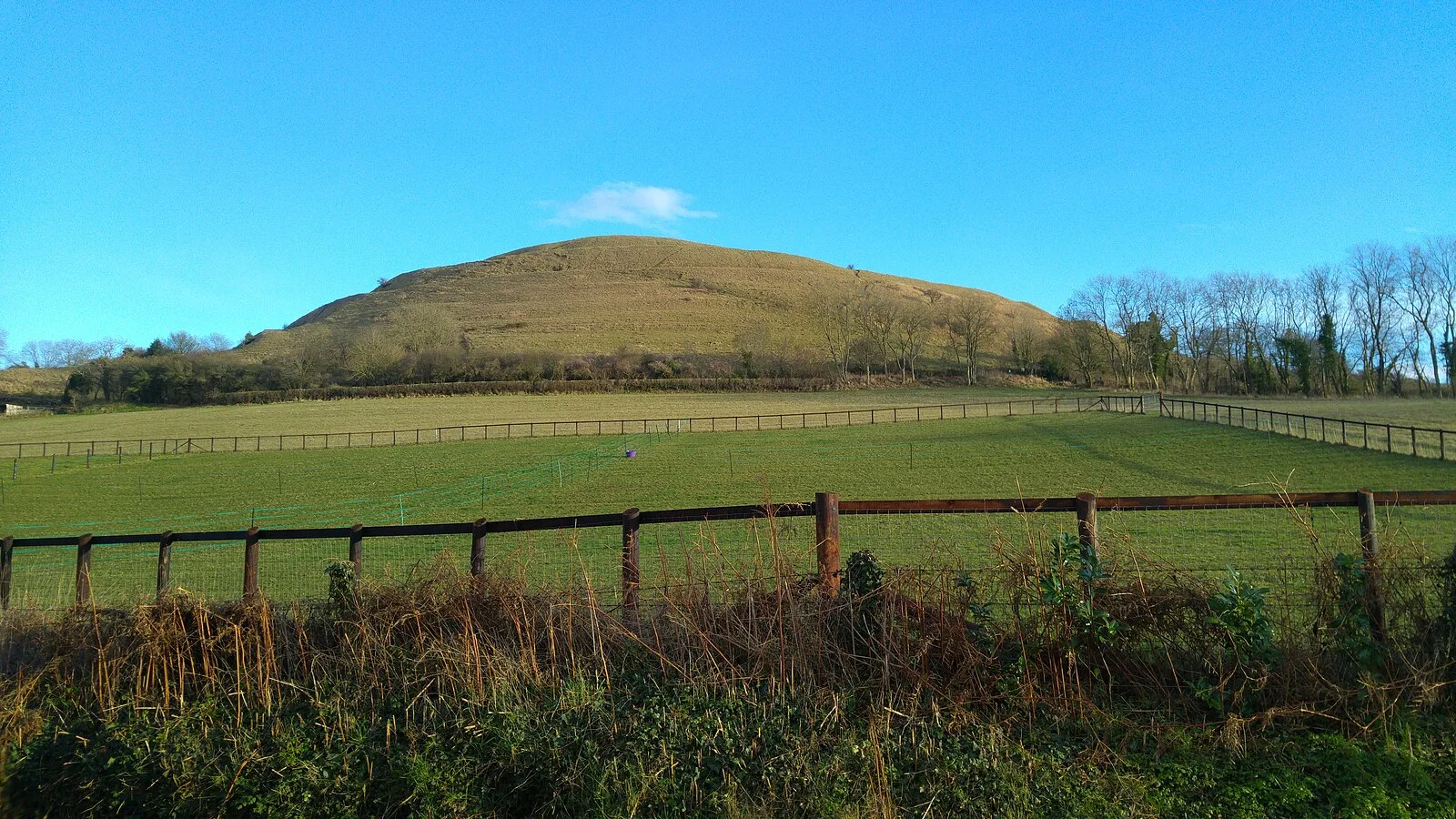
Also known as: Hambledon Hill camp
| Type | Fortress/citadel |
|---|---|
| Period | 3000 - 1500 BC |
| Country | England |
| Coordinates | 50.9127° N, 2.2218° W |