
 England
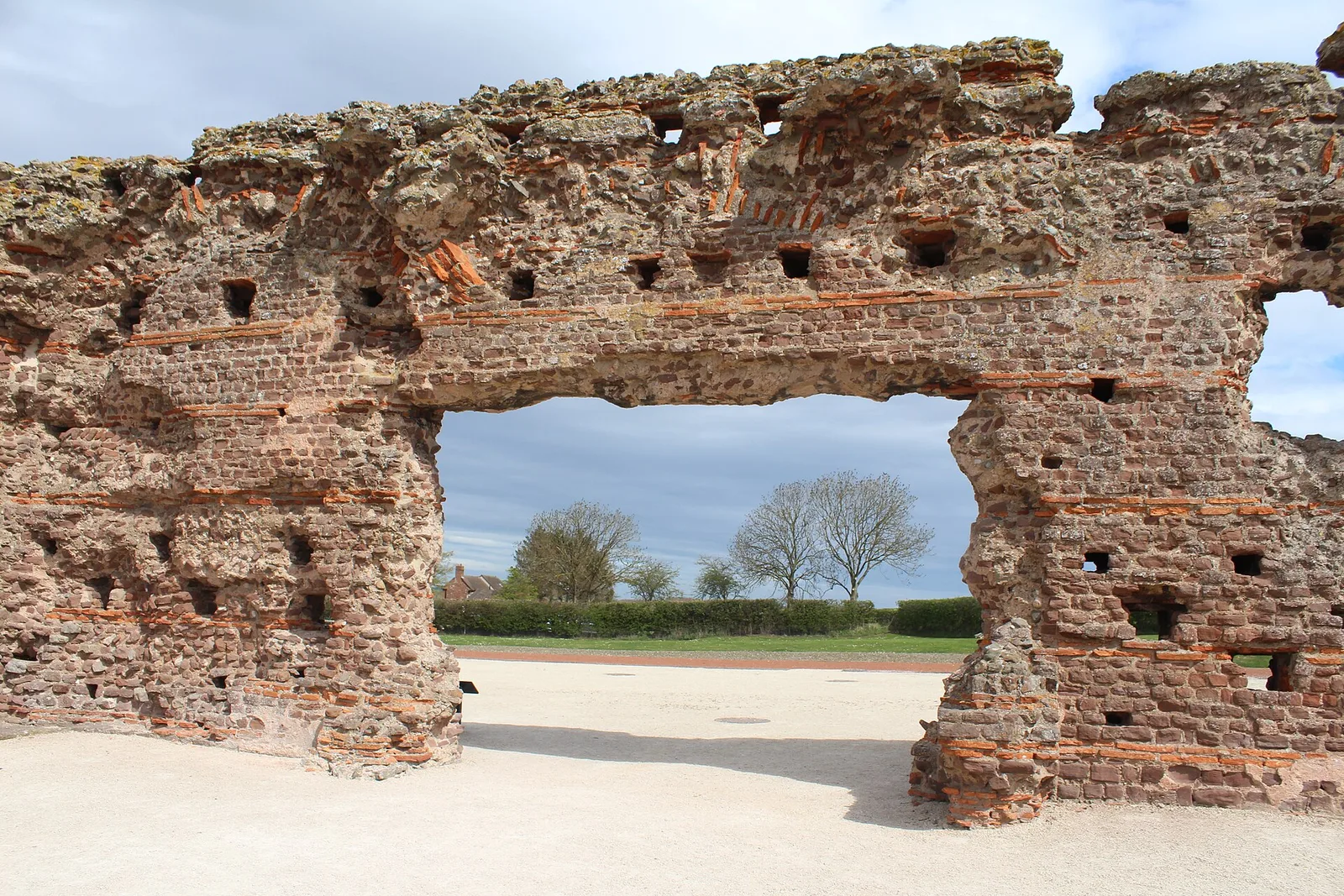
The Wroxeter Stone is the name given to a c. 460–75 AD inscribed stone unearthed in 1967 at Wroxeter, England (earlier the Roman city of Viroconium Cornoviorum) [1]. The text reads: CVNORIX | MACVSM/A | QVICO[L]I[N]E, traditionally normalised as Cunorix macus Maqui Coline and translated as Cunorīx son of Maqqos Colinī, where Cunorīx and Maqqos Colinī are personal names [1]. Cunorīx, literally meaning 'hound-king', is a well attested Celtic name, and may relate to the etymology of the name of Cynric of Wessex, a 6th-century king [1]. Maqui Coline was read by Kenneth H. Jackson as a rendering of Primitive Irish *Maqqī-Colinī (genitive of *Maqqos-Colinī); this name literally means 'son of holly', but is an example of a type of name fashionable in early Irish that, despite looking like patronyms, were in fact given names [1]. It is one of a number of such names that include words for trees and is attested in later Old Irish in the form Macc-Cuilinn [1].
Text: Wikipedia – 'Wroxeter Stone' (revision of 2026-08-05), CC BY-SA 4.0 · sentences selected and shortened by an AI system · source →Wroxeter Stone
| Type | Inscription |
|---|---|
| Period | 500 - 1000 AD |
| Country | England |
| Coordinates | 52.6743° N, 2.6442° W |