
 England
Willy Howe (also Willey-Hou) is a tumulus in the Yorkshire Wolds, East Riding of Yorkshire [1]. Willy Howe is a large round barrow 7.5 m (25 ft) high, located between Wold Newton and Burton Fleming in the civil parish of Thwing [1]. The mound has been recorded as being excavated several times: by Lord Londesborough in 1857; and by Canon William Greenwell in 1887 [1]. Neither found burials or grave goods; Greenwell found a feature approximating a shallow grave [1].
Text: Wikipedia – 'Willy Howe' (revision of 2026-02-09), CC BY-SA 4.0 · sentences selected and shortened by an AI system · source →Willy Howe
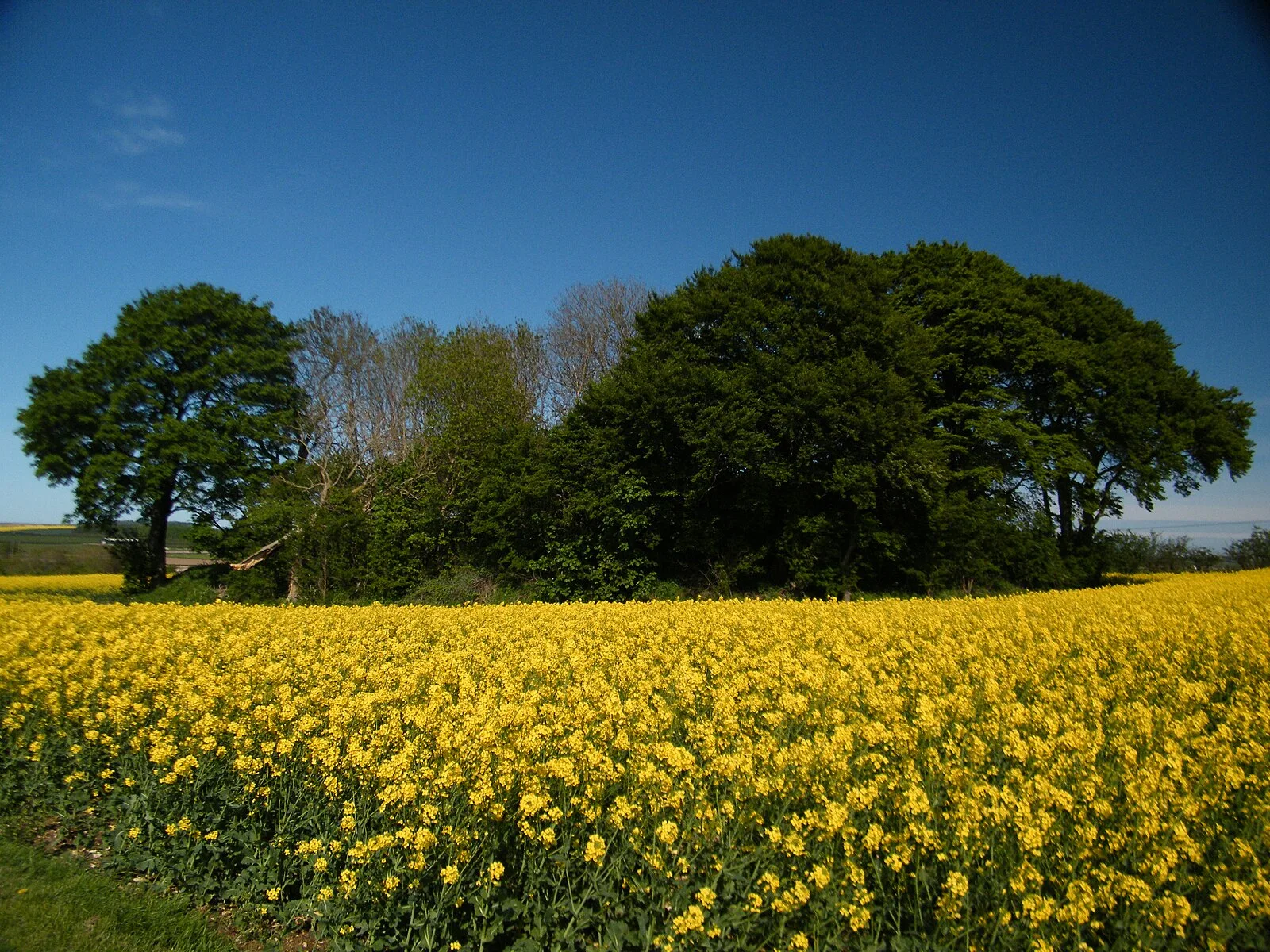
Also known as: Willy Howe round barrow
| Type | Mound/tumulus |
|---|---|
| Period | 4500 - 3000 BC |
| Country | England |
| Coordinates | 54.1362° N, 0.3766° W |