
 England
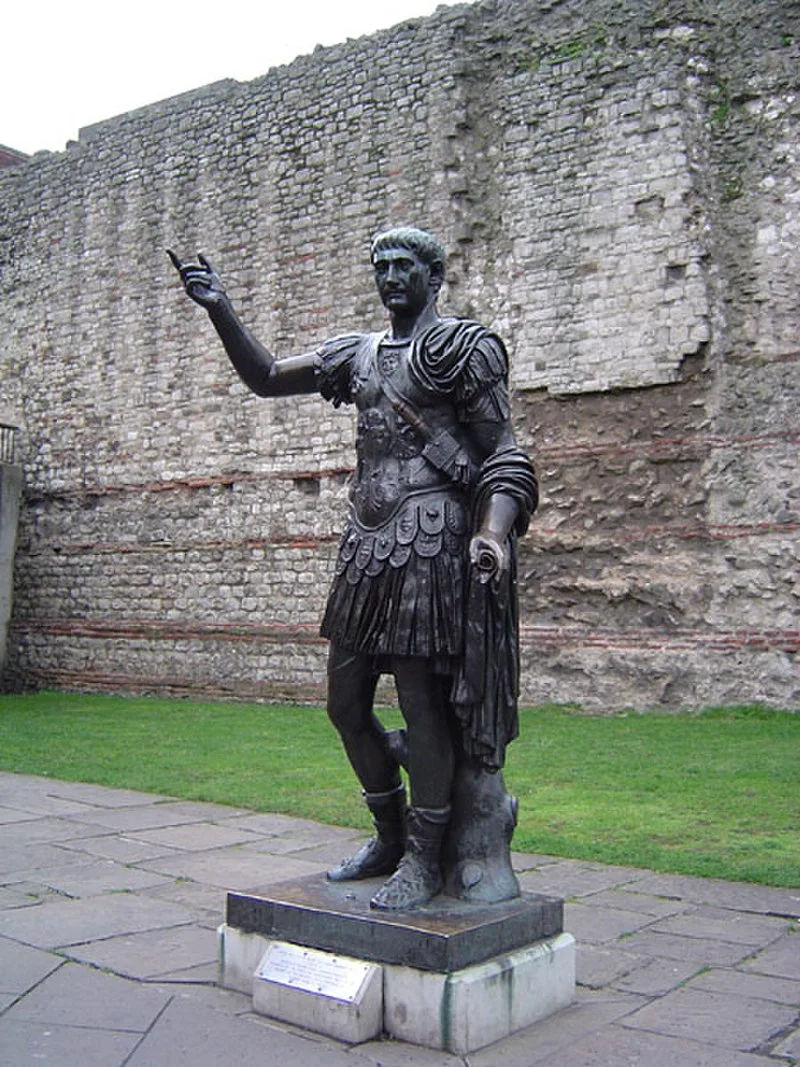
The fortifications of London are extensive and mostly well maintained, though many of the City of London's fortifications and defences were dismantled in the 17th and 18th century [1]. London's first defensive wall was built by the Romans around 200 AD [1]. This was around 80 years after the construction of the city's fort (whose north and west walls were thickened and doubled in height to form part of the new city wall), and 150 years after the city was founded as Londinium [1]. The London Wall remained in active use as a fortification for over 1,000 years afterwards, defending London against raiding Saxons in 457 and surviving into medieval times [1]. There were six main entrances through the wall into the City, five built by the Romans at different times in their occupation of London [1]. These were, going clockwise from Ludgate in the west to Aldgate in the east: Ludgate, Newgate, Aldersgate, Cripplegate, Bishopsgate and Aldgate [1].
Text: Wikipedia – 'Fortifications of London' (revision of 2026-05-01), CC BY-SA 4.0 · sentences selected and shortened by an AI system · source →Fortifications of London
Also known as: Fortificações de Londres, fortifications de Londres, حصون لندن
| Type | Fortress/citadel |
|---|---|
| Period | 1 - 500 AD |
| Country | England |
| Coordinates | 51.5157° N, 0.0931° W |