

Research Library
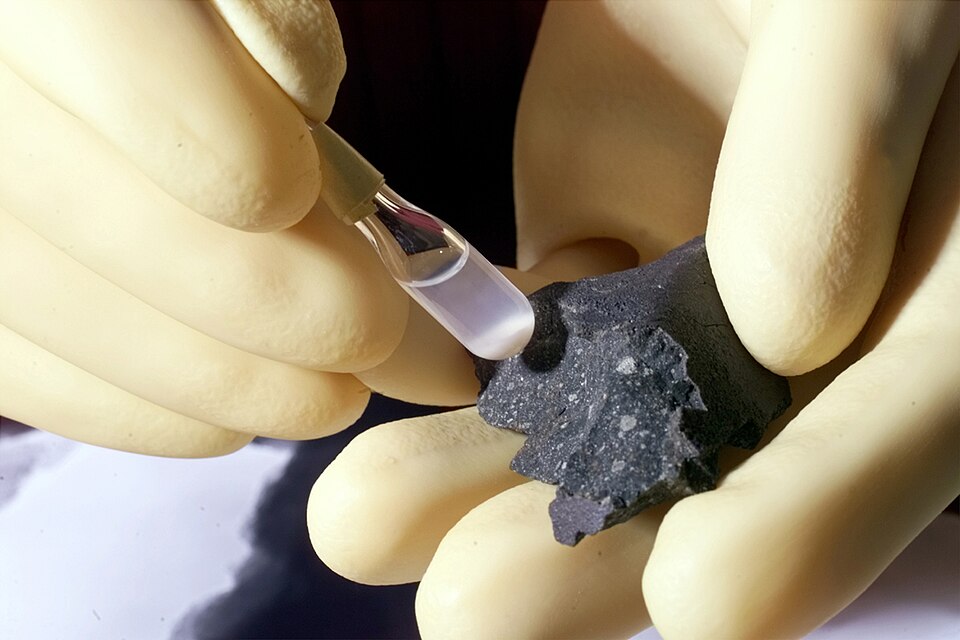
This paper argues that Crick and Orgel's 1973 directed panspermia hypothesis, built on molybdenum's terrestrial scarcity and the universality of the genetic code, was founded on two "weak facts" already rebutted by 1974 and had been prefigured in Olaf Stapledon's 1930 novel and J.B.S. Haldane's 1954 essay decades before the scientific version. It concludes that panspermia remains fringe science because it sidesteps abiogenesis itself and resists experimental test, though extremophile space-survival data and 105 confirmed Martian meteorites support only the narrower "pseudo-panspermia" view that prebiotic molecules were delivered to early Earth. The Dresser Formation benchmark at roughly 3.48 billion years constrains when life appeared without demonstrating complete biological transfer through the ejection-exposure-entry-colonization cycle.

This paper concludes that mainstream explanations of ancient Egyptian hard-stone working — copper tools charged with quartz sand or emery, tubular drilling with bow or flywheel drive, and free-abrasive sawing — remain adequate to account for the precision found on artifacts like Serapeum sarcophagi, Dynastic IV drill cores, and granite vases, without invoking lost machining technology. A 2025 peer-reviewed Keyence VL-500 study by Fomitchev and Zamilov found 19 predynastic vessels cluster with modern handmade carvings on overall manufacturing quality, directly undercutting claims of universally machine-like precision, and the paper further argues that supposedly anomalous features such as Core #7's spiral grooves and Dunn's serapeum straight-edge measurements have plausible abrasive-based reinterpretations. The most celebrated "super-precise" vases promoted in alternative-research circles are dismissed as likely early-20th-century forgeries lacking documented archaeological provenance.
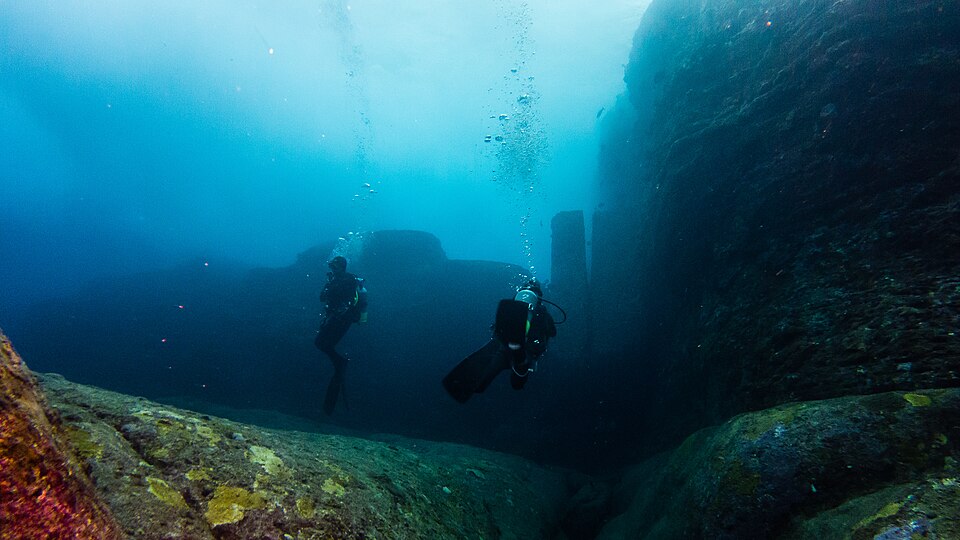
The paper argues that prominent claims of ancient human construction at submerged sites like the Yonaguni Monument, Gulf of Khambhat, and Bimini Road lack credible evidence, with natural geological processes — bedding-plane jointing, tectonic fracturing, and coastal erosion — adequately explaining the geometric features, and no definitive human artifacts having been recovered through controlled excavation. It categorizes the debate into well-documented baselines, plausible-but-uncertain interpretations, and speculative fringe claims, concluding that pseudoarchaeological assertions about lost civilizations tied to these formations are not supported by the geological and archaeological record.
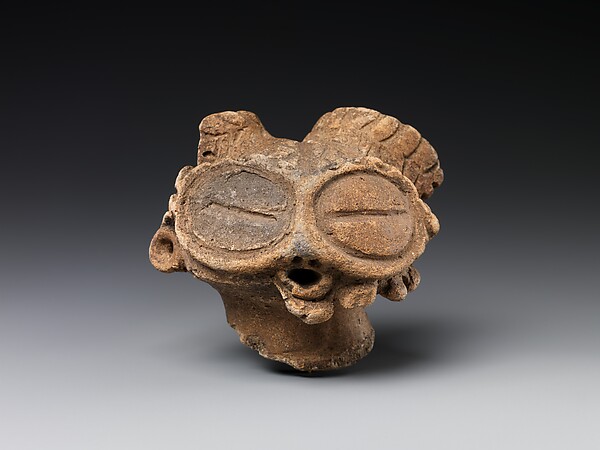
The paper concludes that ancient-astronaut interpretations of five artifacts—the Palenque sarcophagus lid of Pakal, Jōmon dogū figurines, Nazca lines, and the Saqqara Bird—are systematically undermined by iconographic and contextual evidence, with mainstream scholarship offering specific alternative readings (Maya World Tree cosmology, ritual/fertility functions, water-and-pilgrimage alignments, and toy or weather-vane identifications respectively). The author argues these pseudohistorical readings persist specifically because visual ambiguity rewards untrained perception while iconographic context must be actively learned, and identifies an open methodological gap in that no specialist has yet cross-compared the rhetorical and visual strategies that make the same misreadings recur across geographically and culturally unrelated artifacts.
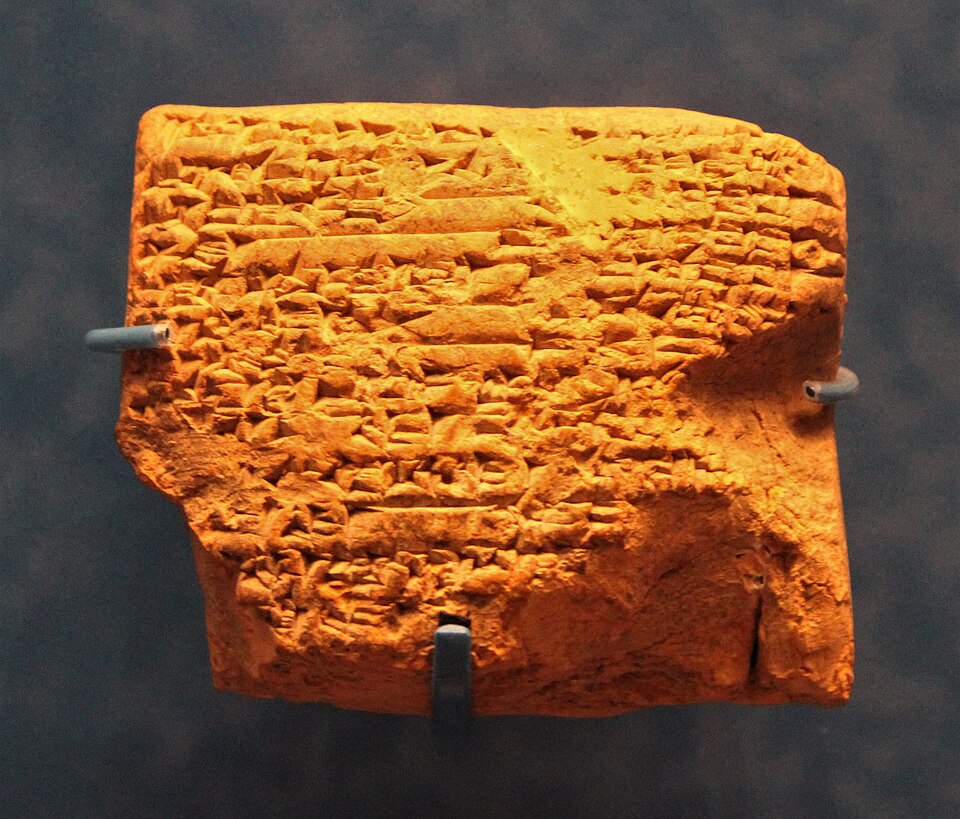
The paper concludes that the comparative method's roughly 10,000-year reconstruction ceiling makes any Proto-World ancestor — dated between 50,000 and 135,000 years ago — methodologically unreachable, and that linguists widely dismiss Merritt Ruhlen's proposed Proto-World lexical reconstructions as speculative and impossible at that depth. While the monogenesis intuition recurs persistently across cultures (Enki in Mesopotamia, Thoth in Egypt, Vāc in Hindu tradition, the Babel narrative), the paper finds that none of this mythical or typological material establishes a real historical primordial tongue. The question of whether human language arose once or multiple times remains open, but the search for a lost universal tongue is treated as methodologically closed off from empirical resolution.
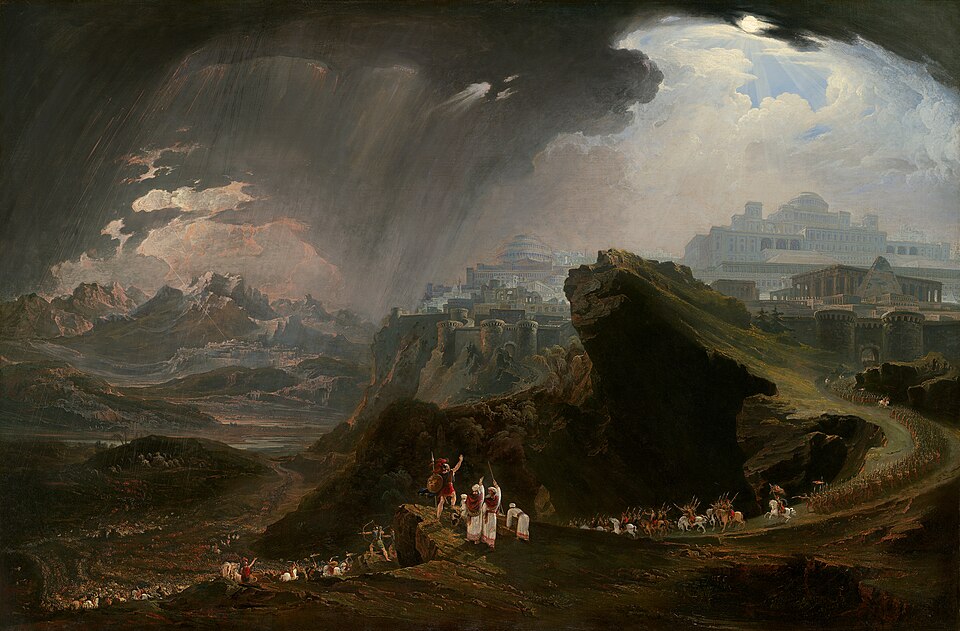
This paper concludes that geomagnetic excursions, including the Laschamp event, are well-documented paleomagnetic phenomena that have no established link to mass extinctions, dramatic climate disruptions, or biospheric catastrophe, with Earth's atmosphere independently providing radiation shielding equivalent to roughly thirteen feet of concrete. It further concludes that Hapgood's Earth Crust Displacement hypothesis and related pole-shift catastrophism lack credible geophysical support, as Last Glacial Maximum ice-sheet modeling shows such shifts could displace the pole by less than 0.25°, while speculative links between excursions and events like megafaunal extinctions or the Younger Dryas impact remain unestablished or actively contested.
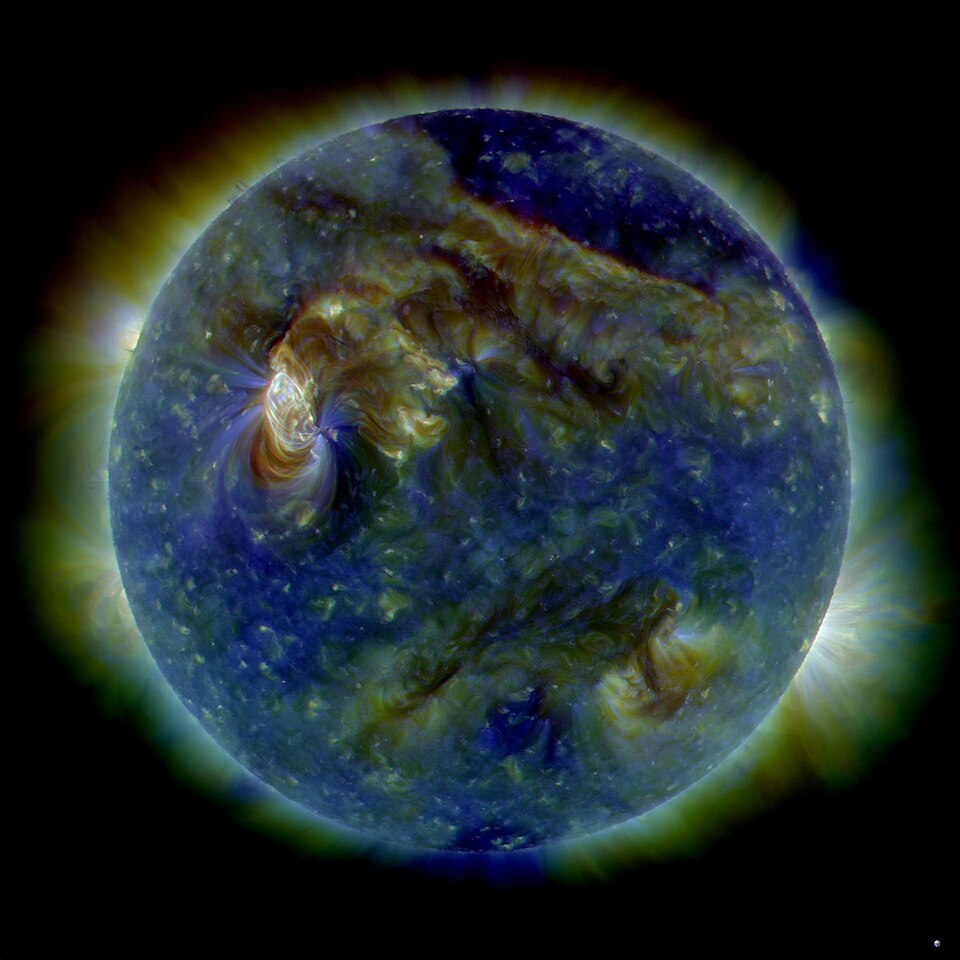
The paper concludes that extreme solar particle events like the Miyake-class storms demonstrably strike Earth far more often than the instrumental record suggests, with Sun-like stars confirmed capable of 10^34 erg superflares on 800–5,000 year timescales, while cross-cultural flood-and-fire mythology shows convergent symbolic structures predating modern catastrophism that resist explanation as literary borrowing. However, the proposed ~12,000-year cycle linking solar superflares, cosmic impacts, and Younger Dryas cooling remains speculative: the Younger Dryas trigger is still contested, no consistent periodicity in Miyake events has been demonstrated, and whether the 12,350 BCE event was sufficient to cause civilizational collapse is unresolved.

This paper argues that the popular fallen-angels reading of Genesis 6:1-4 is historically more recent and more contested than its popularizers acknowledge, and that the mainstream scholarly position treats the passage's fourfold interpretive plurality as a deliberate feature rather than a defect to be resolved through a single sensationalistic reading. It contends that the Sethite interpretation emerged not from neutral exegesis but from apologetic pressure against pagan critics like Celsus and Julian the Apostate, and that 1 Enoch's non-canonical status means Jude's quotation of it should be read as citation rather than endorsement of its full cosmology. Ultimately, the paper concludes that significant works in the field, including Stuckenbruck's, Annus's, and Sanders's contributions, remain hypotheses under active debate rather than settled consensus.
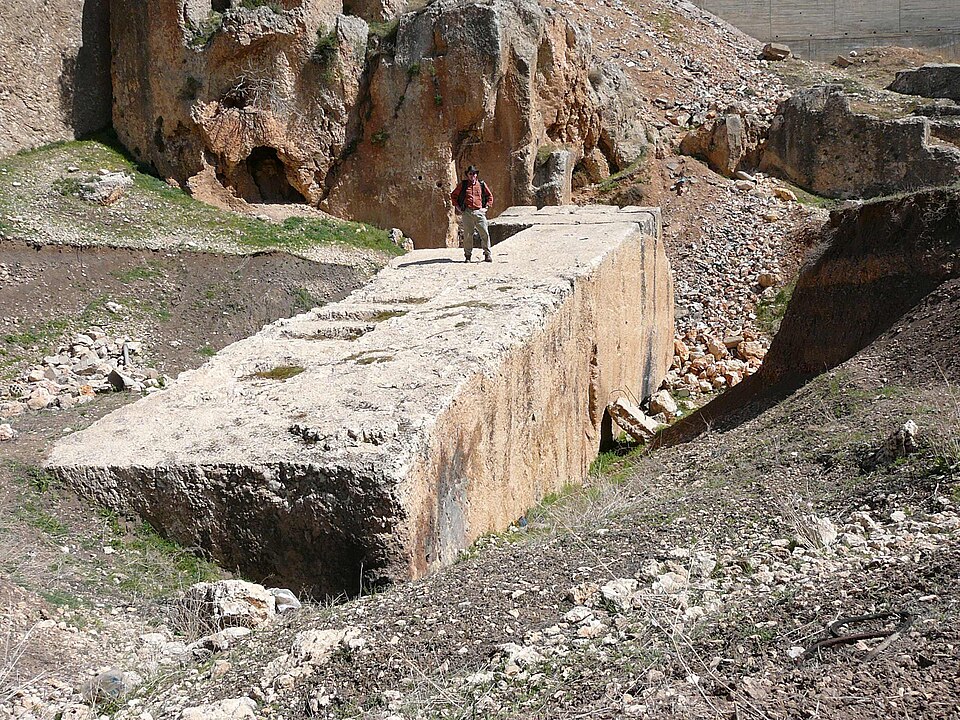
The paper concludes that the mainstream Roman attribution of the Baalbek Trilithon remains an unverified engineering model rather than a documented reconstruction: Adam's 1977 calculations have never been independently reproduced, mainstream engineering now considers simple Roman methods insufficient at 800 tonnes, and the German Archaeological Institute itself treats the transport question as actively open. Competing explanations for the three abandoned quarry megaliths — a project redesign, a structural crack, and a ceremonial birthplace claim — answer different questions, while the specific assertion of a Hellenistic podium core rests on one non-peer-reviewed working paper and contradicts the peer-reviewed redating by the German Baalbek project. Overall the paper argues that the speculative tier — Hellenistic origins, machine-like striations, and Roman crane capacities — outruns the available archaeological evidence.

The Bosnian hills promoted as ancient pyramids are natural geological formations composed of Miocene-age sedimentary layers tilted by tectonic activity, identical to surrounding mountains. Independent geologists, archaeologists, and professional bodies have uniformly rejected the pyramid hypothesis, identifying the features as a flatiron and other standard landforms while documenting damage to genuine archaeological sites. The paper frames the project as a pseudoscientific venture sustained by nationalist symbolism, tourism revenue, and New Age appeal rather than evidence.
The paper argues that the structurally consistent phenomenology of near-death experiences — recurring across cultures, clinical populations, and historical reincarnation traditions like Hindu and Buddhist conceptions of post-death states — represents a cross-cultural pattern that is well-documented and not fully accounted for by neurobiological explanations alone. It concludes that Stevenson's reincarnation research and modern NDE studies converge on evidence of patterned, recurrent phenomena (birthmark-wound correspondences, shared experiential elements, replicated aftereffects) that challenge purely materialist accounts of consciousness at the threshold of death, while acknowledging that non-local consciousness remains unproven. The paper ultimately frames the structural recurrence itself — not any single case — as the hardest feature to dismiss.

This paper surveys the simulation hypothesis and concludes that the strongest contemporary case rests on Bostrom's 2003 trilemma — that either civilizations rarely reach a posthuman stage capable of running ancestor-simulations, posthuman civilizations rarely choose to run them, or we are almost certainly living in one — supported by Wheeler's "it from bit" doctrine and Tegmark's Mathematical Universe Hypothesis as physicalist scaffolding. It traces the idea's intellectual lineage from Śaṅkarācārya's doctrine of Māyā and Pythagorean numerology through Zuse, Fredkin, and Wolfram, and catalogues the major objections, including Weatherson's challenge to the indifference principle, Crawford's Boltzmann-brain critique, Greene's termination-risk argument, and Chalmers's reformulation in terms of "sim blockers."
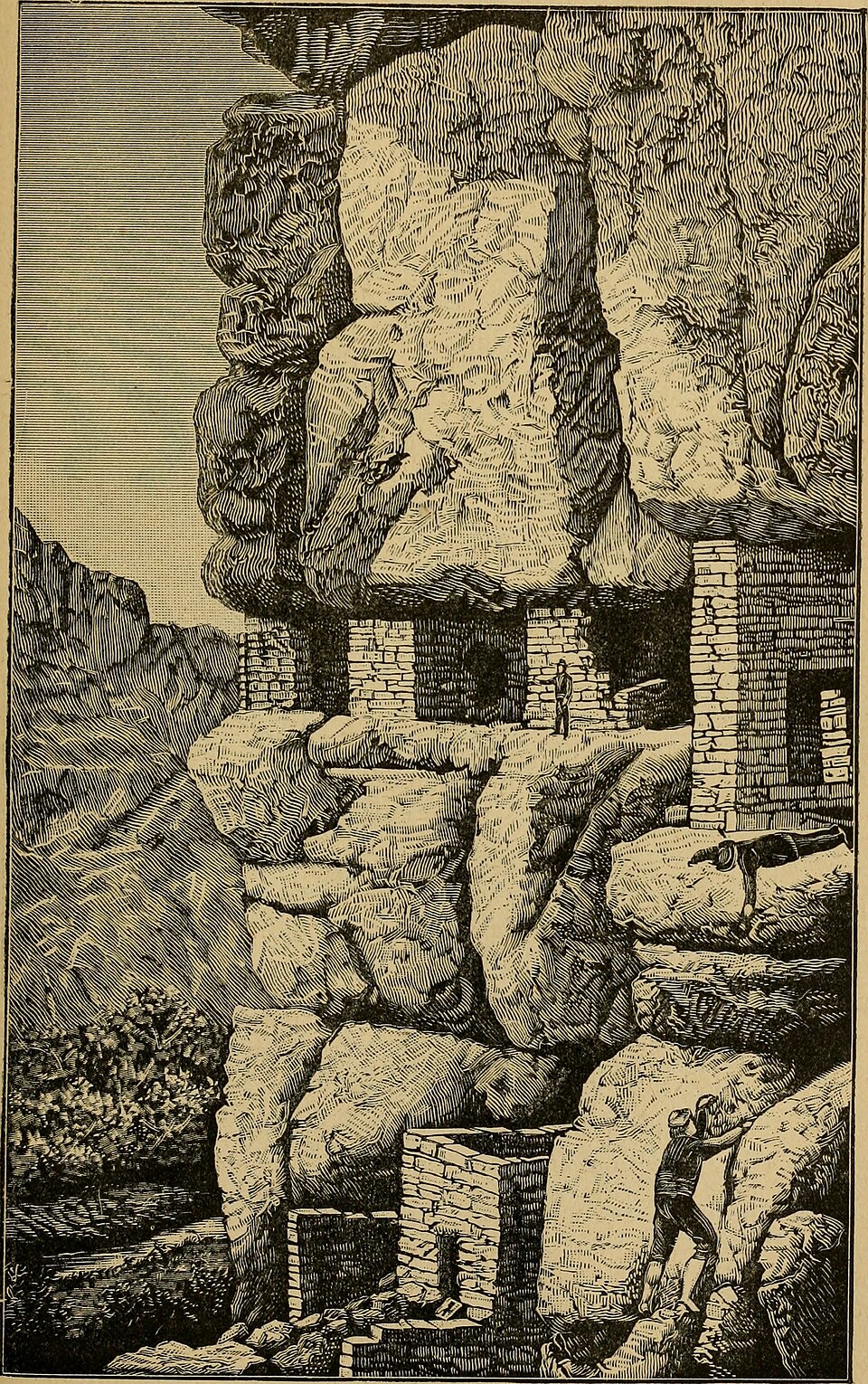
This paper applies Bayesian chronological modeling and stratigraphic analysis to Mogollon Village (LA 11568) and surrounding Upper Gila sites, concluding that the settlement spans cal AD 5–990 with only a handful of pithouses occupied at any given time, cross-validated by Mauldin's earlier obsidian hydration work. It affirms the mainstream three-period Mogollon sequence (Early Pithouse, Late Pithouse, Mogollon Pueblo) and rejects fringe claims — including alleged transoceanic contact coverups, the "Moyon realm" terminology, and a primarily defensive function for the Gila Cliff Dwellings — as pseudoarchaeological and unsupported by peer-reviewed evidence. The paper also emphasizes that "Mogollon" is an archaeological construct rather than a self-identified ethnic group, and that post-abandonment groups dispersed to other pueblos rather than "disappearing."
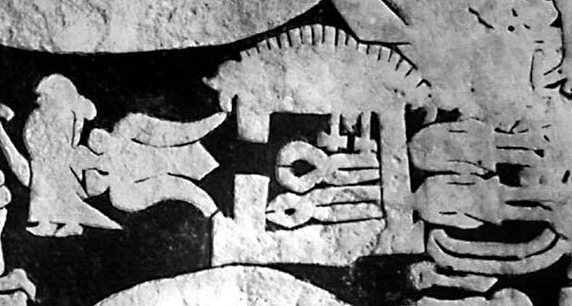
Ardre VIII (GP 21) depicts Wayland the smith's forge as described in Völundarkviða, a reading supported by convergence across five independent specialist angles of iconographic analysis, while the rival "elf astronaut" interpretation promoted in YouTube counter-narratives is dismissed as pseudoarchaeology that misdates the discovery and fabricates suppression stories. The paper positions the mainstream Wayland identification on solid ground but flags specific uncertainties — including the bottom-right snake-pit scene's attribution and whether the eight-legged horse depicts Sleipnir — as genuinely unresolved rather than settled.

The paper concludes that the mainstream identification of Hawara's Labyrinth as the mortuary temple complex of Amenemhat III — supported by cartouche evidence, and the textual accounts of Herodotus and Strabo — remains the best-supported position, while fringe interpretations invoking pre-Younger Dryas civilizations or buried metallic objects are inconsistent with the surviving material and geophysical record. It further argues that the true substructure remains genuinely undetermined because modern irrigation-driven groundwater has raised the water table four to five meters above the platform, blocking direct investigation even as recent VLF-EM and satellite radar surveys hint at more extensive subsurface features than Petrie's nineteenth-century reconstruction mapped.
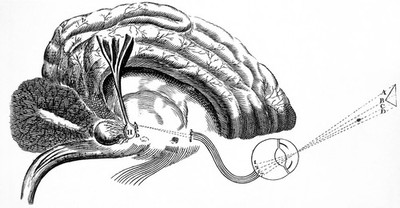
The paper concludes that while DMT experiences show genuine phenomenological overlap with near-death experiences and cross-cultural mystical traditions, the central causal claim — that the pineal gland releases enough DMT at the moment of death to produce NDE phenomenology — remains unmeasured and unsubstantiated in humans. The canonical DMT biosynthetic pathway has been undermined by recent knockout-tissue evidence, INMT is most highly expressed in thyroid, adrenal, and lung tissue rather than pineal, and rat extracellular DMT concentrations sit orders of magnitude below psychoactive thresholds. Endogenous DMT may still function as a neurotransmitter, neuromodulator, hormone, or immunomodulator in subtler physiological roles, but the dying-brain neuroscience (gamma surges, DMT surges) and the popular pineal-NDE hypothesis have not yet been linked in a single experiment.
The paper concludes that the 1908 Kybalion is almost certainly a modern New Thought composition — most likely by William Walker Atkinson — rather than a transmission of genuine ancient Hermetic doctrine, since its seven principles cannot be located in the historical Corpus Hermeticum, its central axiom "as above, so below" is a modern English paraphrase of an Arabic-Latin alchemical verse, and the figure it invokes, Hermes Trismegistus, is a syncretic mythological construct with no verified historical existence. It acknowledges that the specific question of whether any of the seven principles have even an indirect pedigree in ancient Hermetic sources remains unresolved, as no systematic principle-by-principle mapping has yet been performed.

The paper inventories the Stargate Project's twenty-year history and concludes that while the 1995 AIR review found a statistically significant but modest laboratory effect (effect size 0.34), the program failed to produce any verifiable actionable intelligence, and the case-level operational claims remain uncorroborated against declassified records. It situates this within a broader mainstream scientific consensus that characterizes remote viewing as a pseudoscience lacking proper controls and reproducibility, leaving the central question of whether the operational signal ever existed genuinely unresolved.
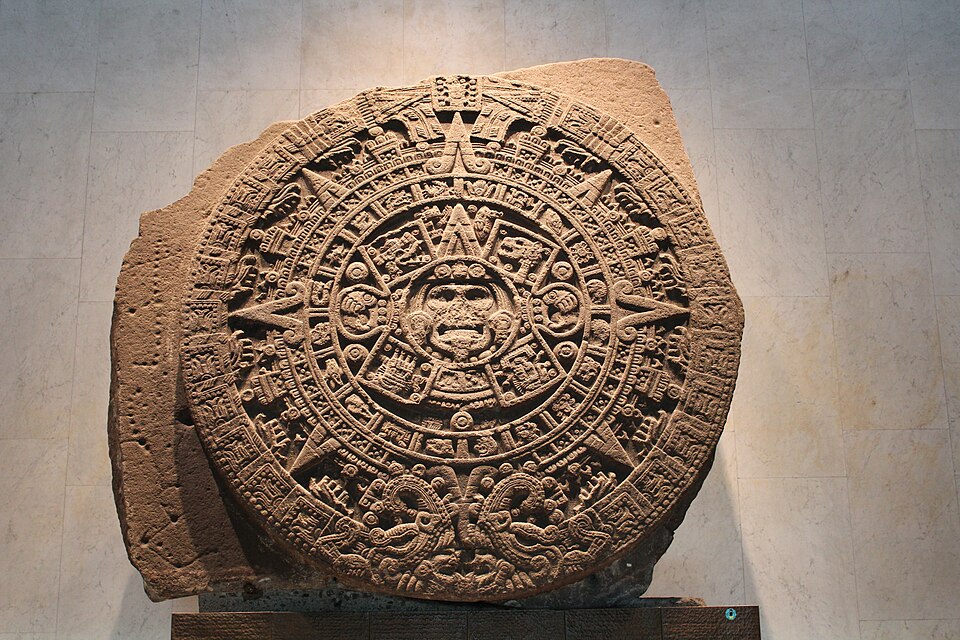
The paper argues that cyclical world-age traditions across Greek, Aztec, Hindu, Maya, and Kabbalistic sources share genuine structural parallels — metallic succession, flood-fire alternation, declining virtue, and culture-bearing survivors — while specifically rejecting claims of mathematical transmission between distant traditions such as the Hindu-Maya 432,000-year parallel, since the underlying base architectures differ and no evidence of contact exists. It also concludes that the universal cyclical-renewal claim overgeneralizes from traditions like Hindu and Kabbalistic thought to traditions like colonial-era Nahua sources that explicitly deny a successor cycle.

The paper concludes that Valles Marineris is well-explained by mainstream Tharsis-load subsidence augmented by magmatic and hydrothermal processes, that Mars's atmospheric loss involves multiple coexisting mechanisms rather than solar-wind stripping alone, and that catastrophist and Electric Universe interpretations — including Velikovsky's planetary encounters and claims of gigascale electrical scarring on Mars — are pseudoscience ruled out by spacecraft evidence. The one genuinely unresolved question it surfaces is whether the weak electrostatic discharges Perseverance has documented at Gale crater could scale up to any geologically significant process beyond surface chemistry, given the mismatch between observed millimeter-scale events and the canyon-scale scarring EU proponents invoke.
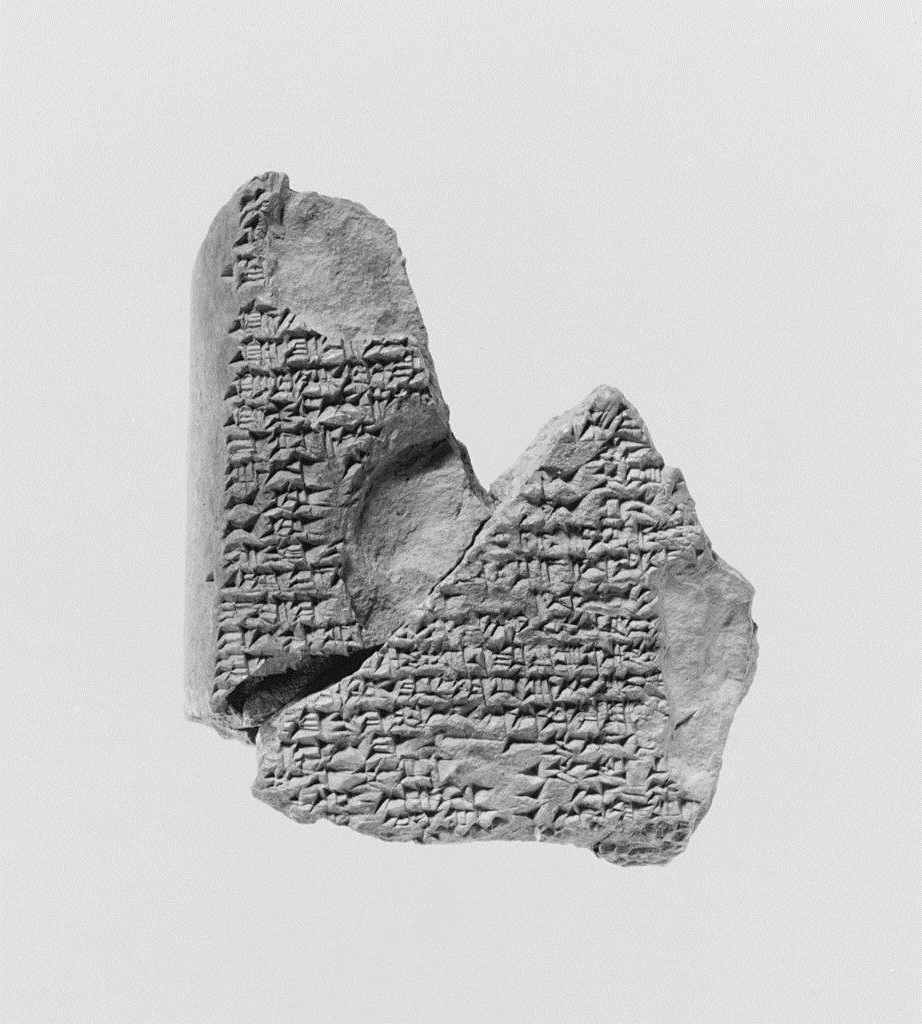
This paper concludes that the cuneiform evidence does not support Zacharia Sitchin's interpretation of the Enuma Elish as describing a destroyed planet (Tiamat) shattered by a twelfth planet (Nibiru/Marduk) inhabited by extraterrestrial Anunnaki. Across all surviving recensions, Tiamat is consistently a primordial goddess of salt water and chaos whose dismemberment forms the cosmos through standard Mesopotamian cosmological template, while Nibiru is a flexible astronomical term applied variously to Jupiter, Mercury, the pole star, or the autumnal equinox—none of Sitchin's specific claims. The argument against Sitchin is that his reading, while structurally suggestive, simply does not match what the texts actually say.
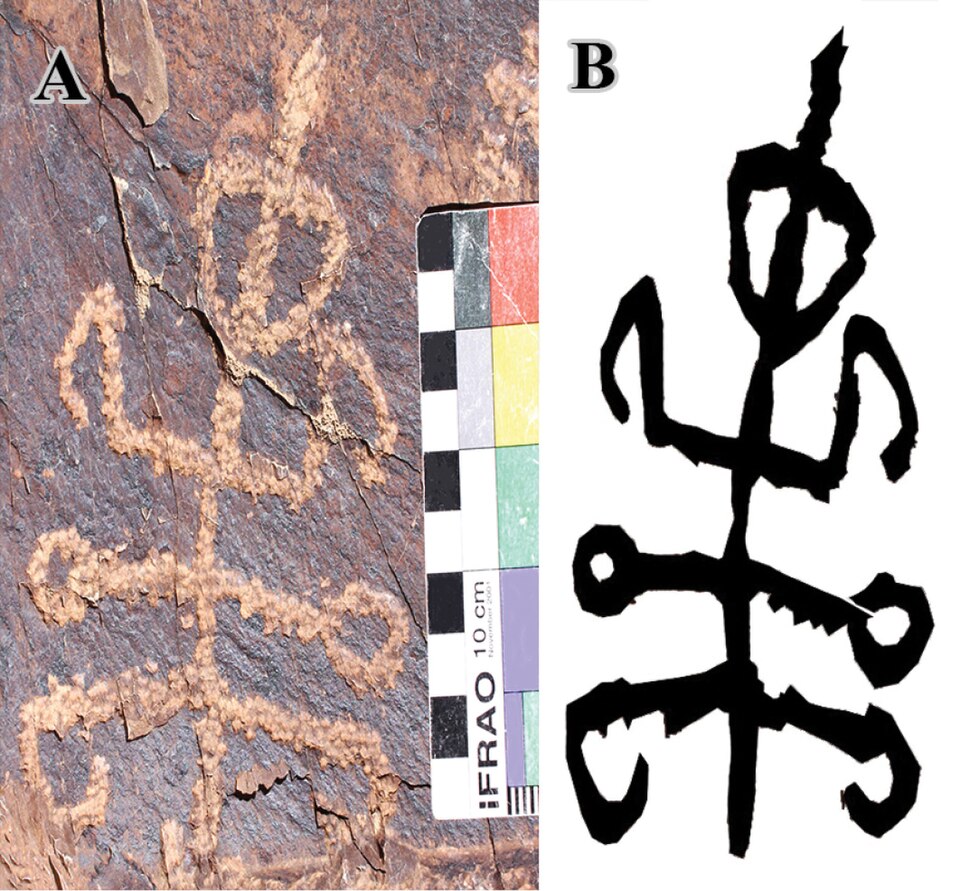
The paper concludes that Peratt's hypothesis that the "squatter man" petroglyph and similar Neolithic rock art depict high-current Z-pinch auroral plasma instabilities is morphologically plausible but not yet established, and that its load-bearing premises remain speculative. It finds the quantitative physics objection decisive—proposed Birkeland currents would need to be five to six orders of magnitude above current magnetospheric measurements, and a timescale gap of nine to twelve orders of magnitude separates laboratory Z-pinch disassembly from human carving behavior—and notes that the cross-cultural morphological matching lacks blind-testing, inter-rater reliability, or statistical controls against pareidolia. The paper places the plasma hypothesis alongside entoptic/neuropsychological and shamanic-projection explanations as comparably grounded but mutually unresolved.
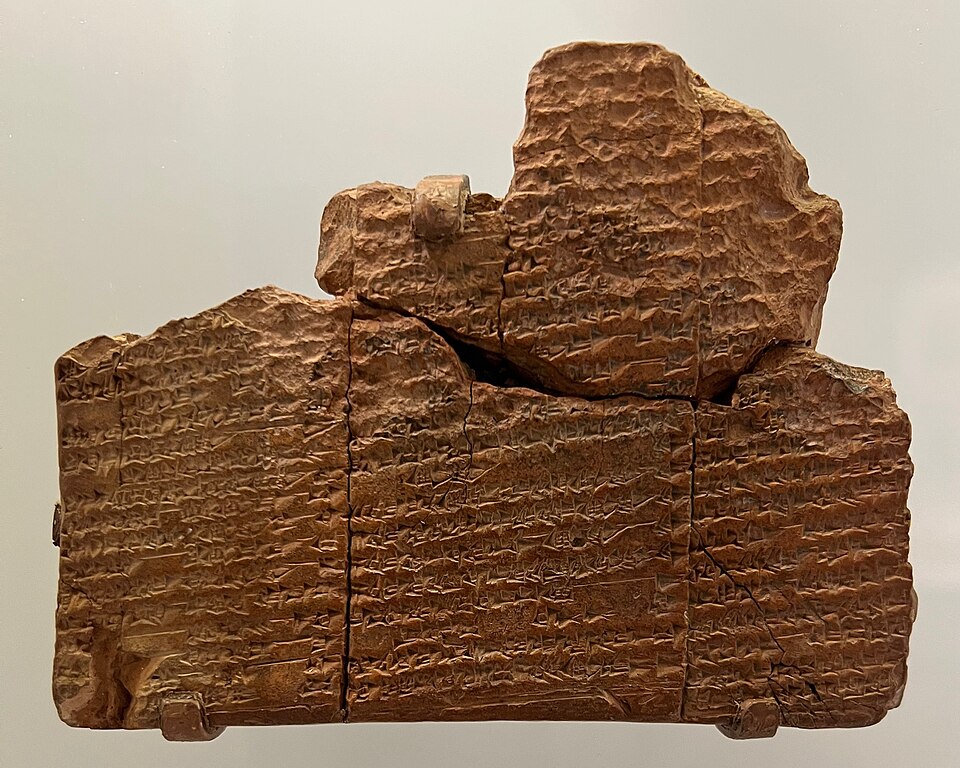
The paper concludes that global flood myths most likely derive from localized environmental events encoded into oral traditions — particularly repeated Mesopotamian overbank floods recorded into the Old Babylonian Atrahasis template — rather than a single prehistoric deluge, and that the Younger Dryas impact hypothesis should be rejected based on the absence of YD-age craters, failed replication of nanodiamond and microspherule diagnostics, and the systematic ecological variation of flood narratives across cultures. It further argues that no peer-reviewed evidence connects any non-literate flood tradition to ~12,900 years ago, and that the ~13-millennia gap between the proposed Younger Dryas catastrophe and the earliest written flood accounts makes the single-catastrophe model for global flood myths untenable.
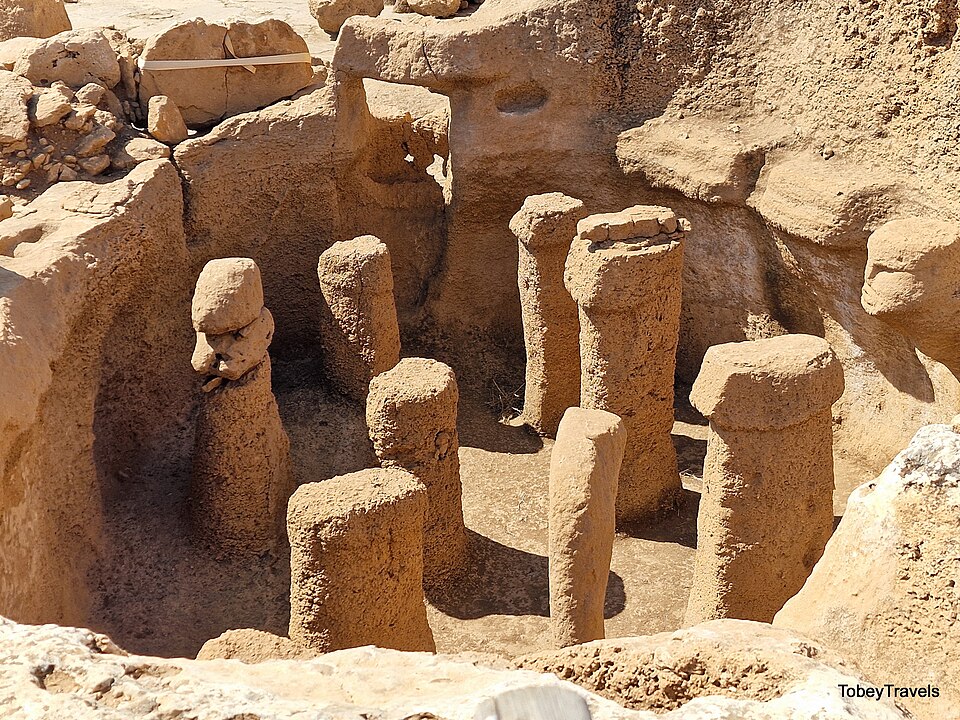
The paper acknowledges that piezoelectric effects in granite, limestone, and basalt are real and measurable in laboratory conditions, and that acoustic resonances at megalithic sites have been documented. However, it concludes that the hypothesis that ancient builders intentionally designed megalithic structures to function as energy-harvesting systems lacks any peer-reviewed evidence, independent replication, or proper exclusion of conventional geological explanations, and that many claims in this area rely on anecdotal accounts rather than controlled experimental verification.

The paper argues that water erosion is an unsupported explanation for weathering features on the Osiris Shaft walls, because no geological studies have actually documented such features within the shaft itself, and alternative processes like salt crystallization and thermal cycling can produce similar damage in arid conditions without requiring the prolonged rainfall or wetter paleoclimate that the water erosion hypothesis invokes.
Keep exploring
Every site on this page sits on the globe, and the people who research them are on the Discord.
3D Globe · Sites by country · Story Archive · Research Library · Weekly Journal · Search