
 England
Harrow Hill is an archaeological site in West Sussex, England [1]. It is on the South Downs about 3 miles north of the village of Angmering and 5 miles north-west of Worthing [1]. A shaft was excavated in 1924–25: its width was 6.1 metres and it was found to be 6.7 metres deep [1]. There had been some exploitation of upper levels of flint, and there were six radiating galleries at the bottom of the pit [1].
Text: Wikipedia – 'Harrow Hill, West Sussex' (revision of 2026-07-18), CC BY-SA 4.0 · sentences selected and shortened by an AI system · source →Harrow Hill, West Sussex
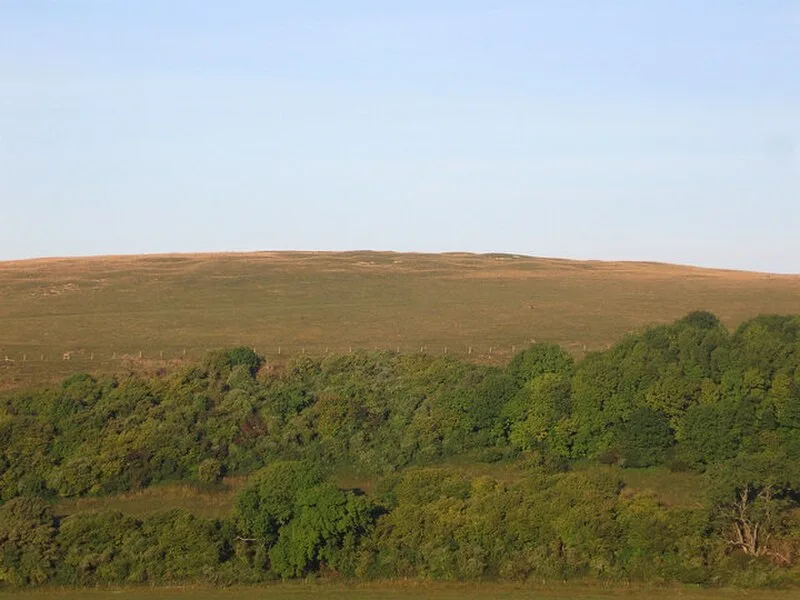
Also known as: Harrow Hill, Prehistoric flint mine and a Martin Down style enclosure on Harrow hill, 850m south east of Lee Farm
| Type | Mine/quarry |
|---|---|
| Period | 4500 - 3000 BC |
| Country | England |
| Coordinates | 50.8790° N, 0.4636° W |