
 England
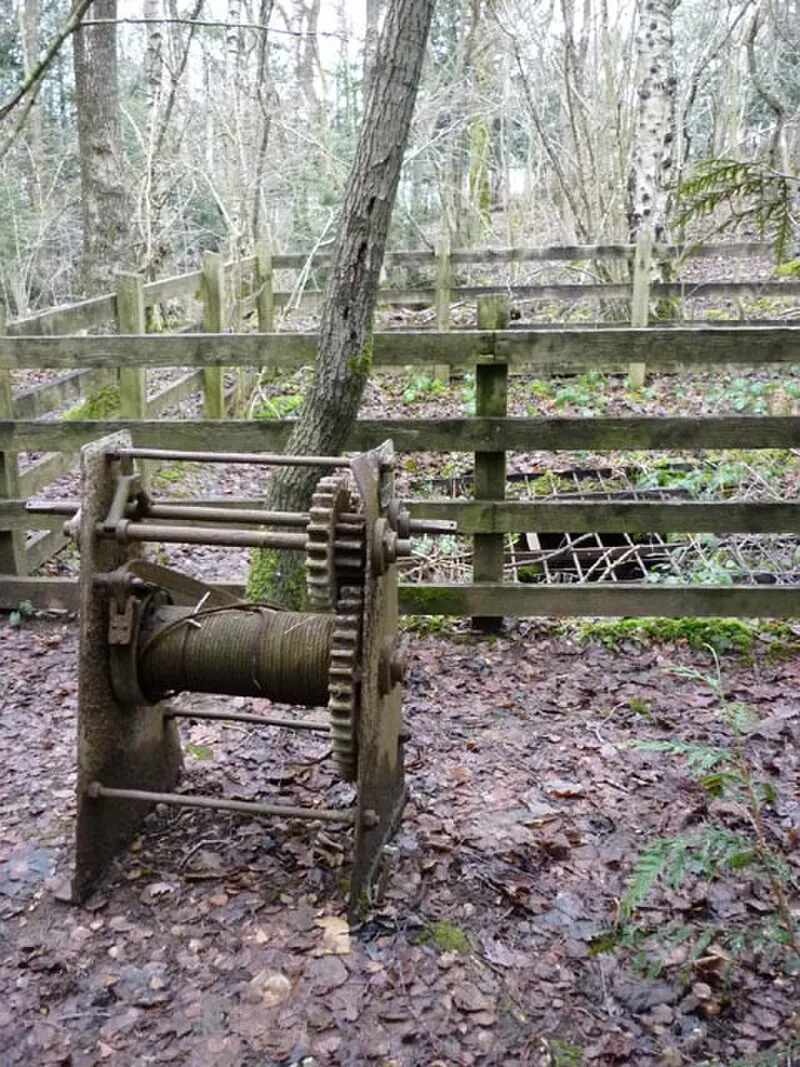
Dog Hole Cave is an archaeologically significant cave near Storth, Cumbria, England [1]. Other names for the cave include Haverbrack Bank Pot, Haverbrack Dog Hole, Fairy Cave, The Dog Hole, and Doghole Cave [1]. It consists of a largely excavated 12 metres shaft formed in Carboniferous Limestone with 6 metres of steeply dipping phreatic tube at the bottom [1]. Further excavation was carried out by local scouts in the 1950s, and by researchers from Liverpool John Moores University in 2003 [1]. Radiocarbon dating of the deposits has provided dates ranging from Romano-British to Early Medieval [1].
Text: Wikipedia – 'Dog Hole Cave' (revision of 2026-06-29), CC BY-SA 4.0 · sentences selected and shortened by an AI system · source →Dog Hole Cave
Also known as: Fairy Cave, Fairy Hole, Fairy Hole;Fairy Cave, كهف حفرة الكلب
| Type | Cave Structures |
|---|---|
| Period | 1 - 500 AD |
| Country | England |
| Coordinates | 54.2151° N, 2.7941° W |