
 England
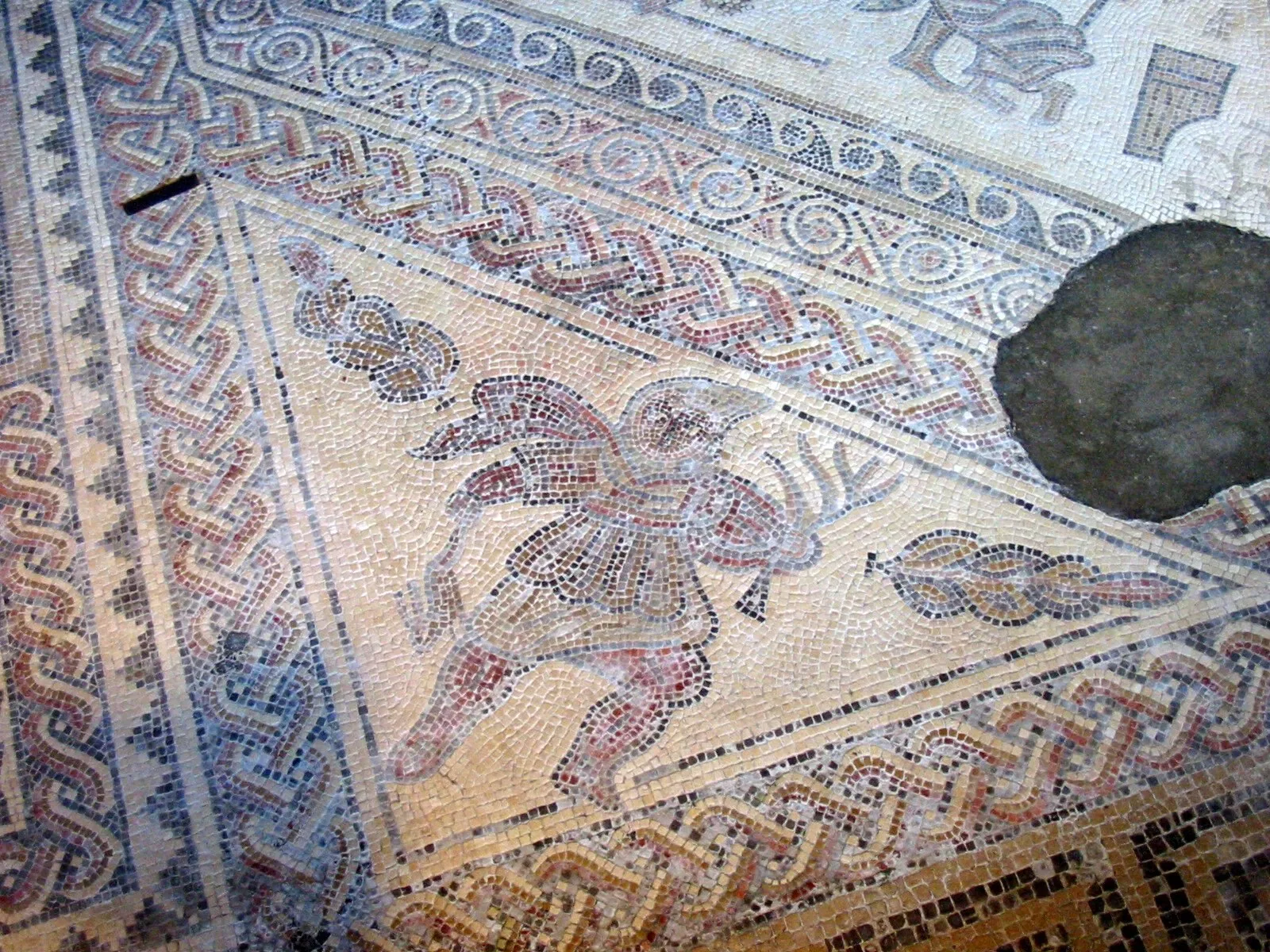
Glevum was originally a Roman fort in Roman Britain that became a "colonia" of retired legionaries in AD 97 [1]. Today, it is known as Gloucester, in the English county of Gloucestershire [1]. In AD 97, the city was designated a colonia by the Emperor Nerva [1]. The legionaries were given farmland in the surrounding district, and could be called upon as a Roman auxiliary armed force [1]. The city was built within the legionary fortress and used the same rectilinear street plan and ramparts [1]. A large and impressive administrative basilica and forum market-place were built in the town, as well as many fine homes with mosaic floors [1]. Excavations at Gloucester's New Market Hall in the 1960s showed that Romano-British occupation of the town may have continued in some form into the sub-Roman period, even if the town's population may have been greatly reduced [1].
Text: Wikipedia – 'Glevum' (revision of 2026-05-26), CC BY-SA 4.0 · sentences selected and shortened by an AI system · source →Glevum
Also known as: Colonia Nervia Glevensium, Glevum Roman colonia, Glevum (urbs Romana), グルビューム, グレヴム
| Type | Fortress/citadel |
|---|---|
| Period | 1 - 500 AD |
| Country | England |
| Coordinates | 51.8672° N, 2.2490° W |