
 England
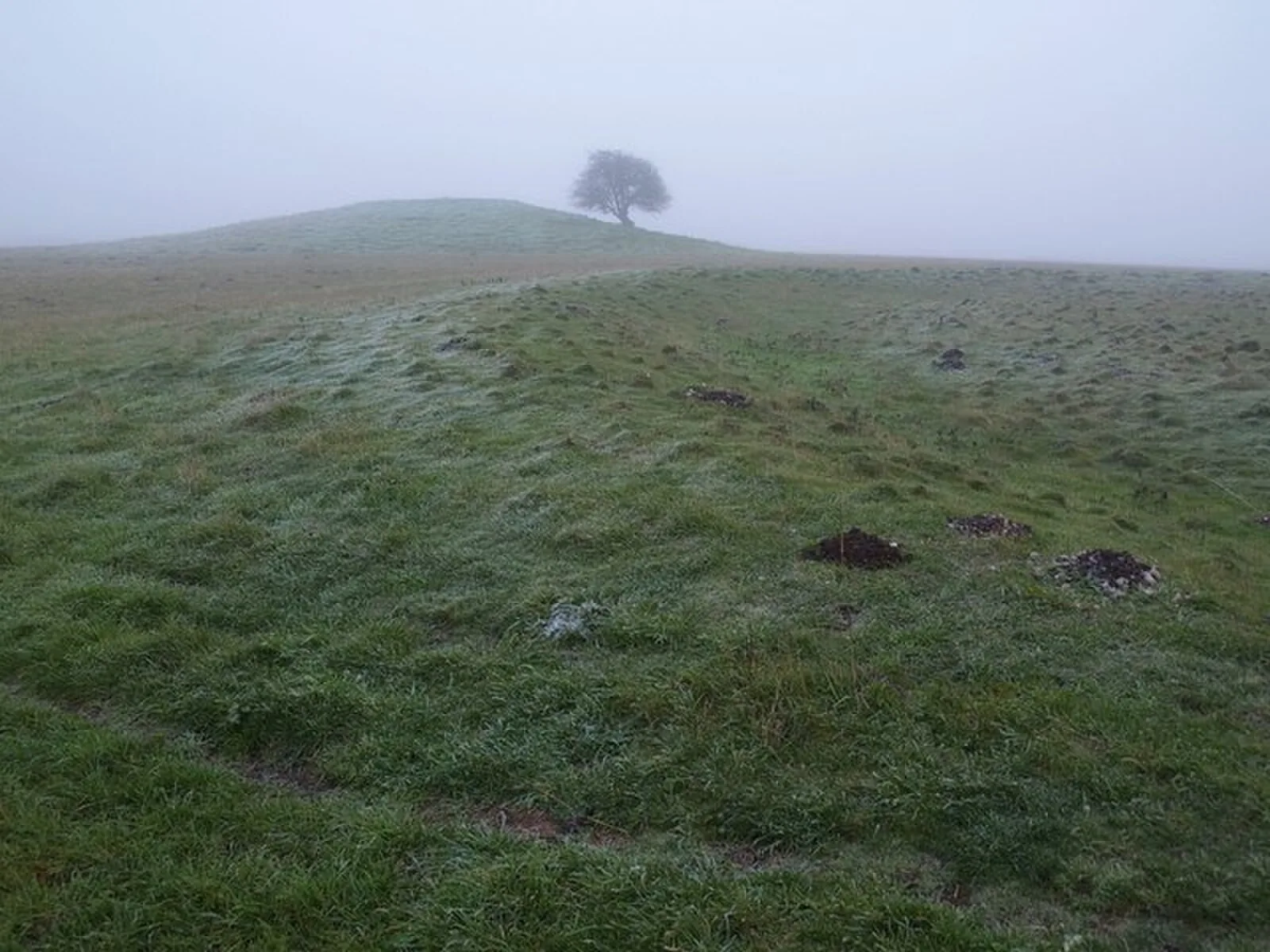
Bush Barrow is a site of the early British Bronze Age Wessex culture (c. 1950 BC), at the western end of the Normanton Down Barrows ancient cemetery in Wiltshire [1]. It is among the most important sites of the Stonehenge complex, having produced some of the most spectacular grave goods in Britain [1]. Bush Barrow lies around 1 kilometre southwest of Stonehenge on Normanton Down [1]. The barrow was excavated in 1808 by William Cunnington for Sir Richard Colt Hoare [1]. It contained a male skeleton, described as the 'Bush Barrow chieftain', with a collection of funerary goods that make it "the richest and most significant example of a Bronze Age burial monument not only in the Normanton group or in association with Stonehenge, but arguably in the whole of Britain" [1]. The items date the burial to the early Bronze Age, circa 1950 BC, and include a large 'lozenge'-shaped sheet of gold, a sheet gold belt plate, three bronze daggers, a bronze axe, a stone macehead and bronze rivets, all held by the Wiltshire Museum, Devizes [1].
Text: Wikipedia – 'Bush Barrow' (revision of 2026-09-23), CC BY-SA 4.0 · sentences selected and shortened by an AI system · source →Bush Barrow
Also known as: Буш, Буш (курган), Բուշ, Բուշ (դամբանաթումբ)
| Type | Barrow |
|---|---|
| Period | 3000 - 1500 BC |
| Country | England |
| Coordinates | 51.1706° N, 1.8348° W |