
 England
Lancaster Roman Fort is the modern name given to a ruined former Roman fort atop Castle Hill in Lancaster in North West England [1]. The first fort at Lancaster was built out of timber, probably around 80 AD, although Roman coins have been found in Lancaster dating back to the early 60s [1]. It was likely built on this site, now known as Castle Hill, to command a crossing over the River Lune [1]. The north wall was about 187 metres long and ran east-west a short distance north of the Old Vicarage, the south side has still to be ascertained (presumed under Lancaster Castle) [1]. Later in the century the northern defences were extended by 37 metres, before it seems to have been abandoned for a period [1]. The fort was reoccupied again during the 2nd century and it was rebuilt in stone around 102 AD, with an almost 2-metre thick revetment wall built in front of the clay-and-turf rampart [1].
Text: Wikipedia – 'Lancaster Roman Fort' (revision of 2026-08-21), CC BY-SA 4.0 · sentences selected and shortened by an AI system · source →Lancaster Roman Fort
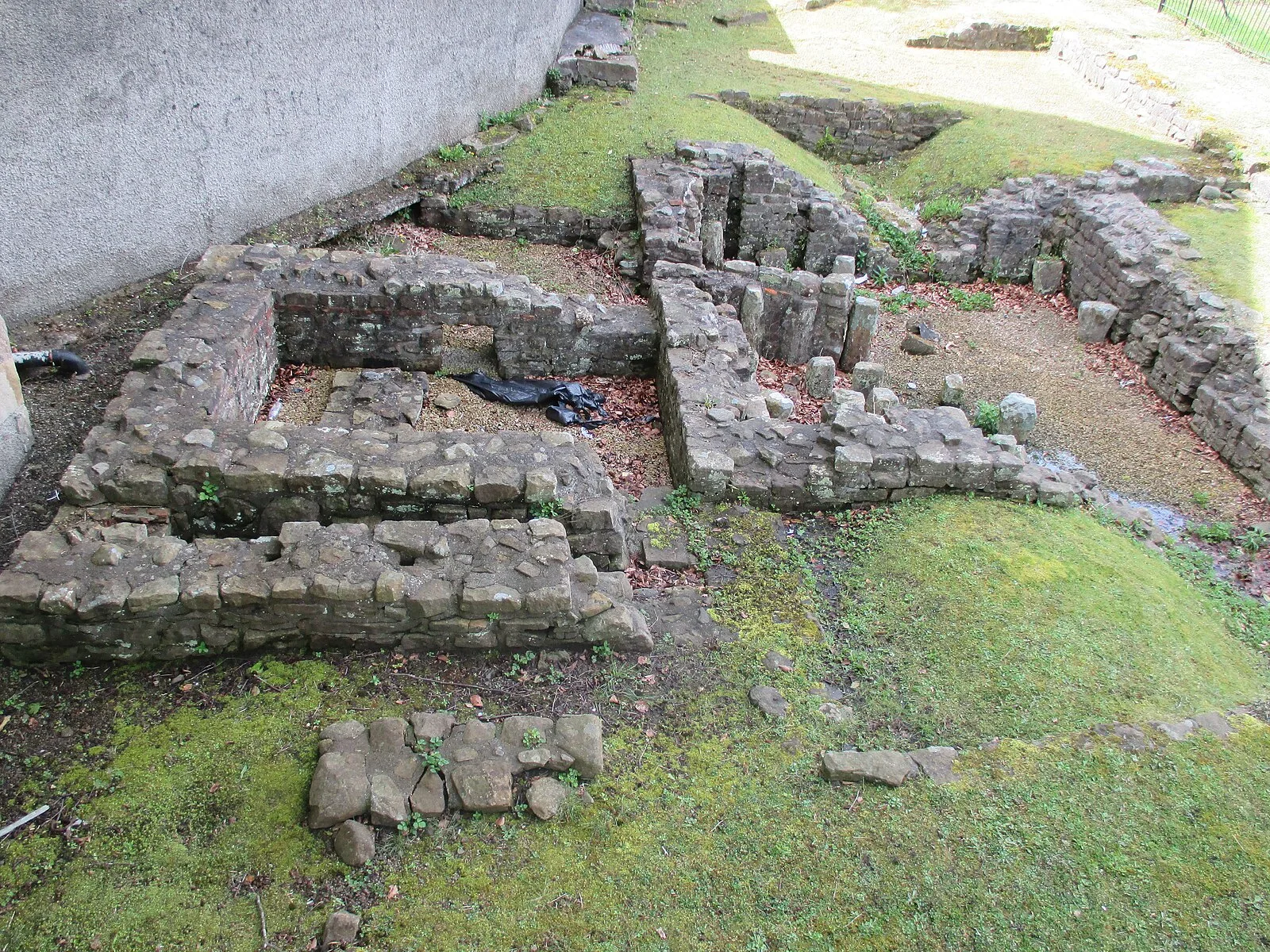
Also known as: Calunium, Galacum, Wery Wall
| Type | Fortress/citadel |
|---|---|
| Period | 1 - 500 AD |
| Country | England |
| Coordinates | 54.0516° N, 2.8035° W |