
 England
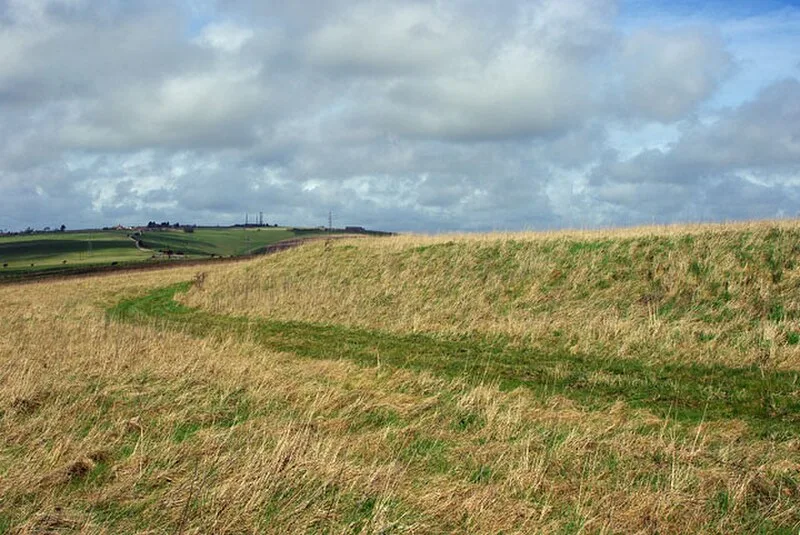
A multi-period archaeological site on a chalk ridge of the South Downs north of Shoreham-by-Sea in West Sussex. The site includes a late Bronze Age Martin Down-style enclosure (10th-9th century BC), a univallate Iron Age hillfort of about 1.2 hectares built in the 6th century BC with inturned entrances, and a Romano-British farming village and field system active from around 50 BC to AD 400. Excavated by Curwen in 1932 and Rudling in 1985, the hillfort yielded pottery, bone fragments, and worked flint. The site is largely destroyed by ploughing and survives mostly in buried form. It is a scheduled monument.
Thundersbarrow Hill
| Type | Fortress/citadel |
|---|---|
| Period | 1500 - 500 BC |
| Country | England |
| Coordinates | 50.8621° N, 0.2547° W |