

Archaeological Sites in Greece
City/town/settlement in Greece (144)
Achilleion, Thessaly
Achilleion is a Neolithic settlement in Thessaly, Greece, dating to approximately 6400–5600 BCE, making it among the earliest Neolithic sites in the country. A Greek-American team…
Acontisma
Acontisma was an ancient Macedonian settlement located near the border of Thrace on the coast, situated on the Via Egnatia. It was positioned 8 or 9 miles east of Neapolis on a…
Aigeira
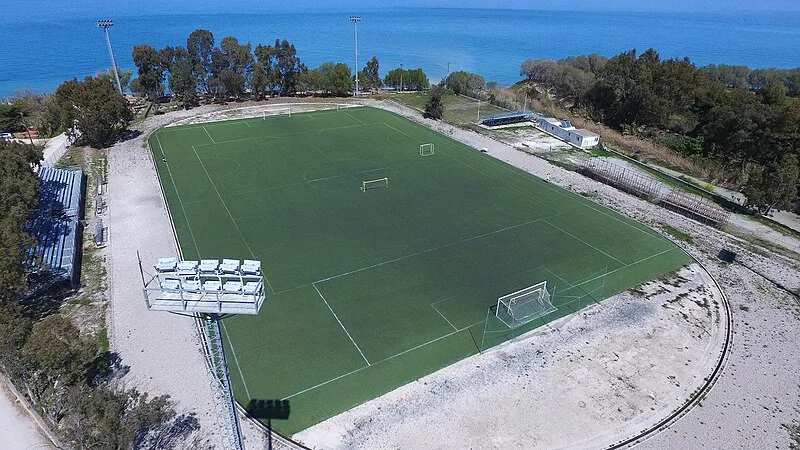
Aigeira is an archaeological site in northeastern Achaea, West Greece, located on the Gulf of Corinth. The settlement dates to 4500-3000 BC during the Early Helladic period,…
Akrotiri - Prehistoric City
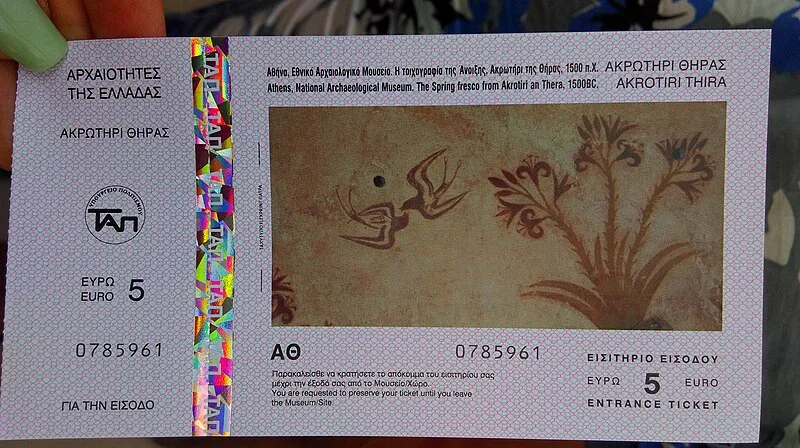
A Cycladic Bronze Age settlement on Santorini, Greece, associated with Minoan civilization through Linear A inscriptions and artistic parallels. First inhabited in the 5th…
Alogonia - Town
Alagonia was an ancient town near the Laconia-Messenia border in the Peloponnese, Greece. Pausanias lists it among the cities of the Free Laconians (Eleuthero-Lacones), situated…
Amfissa
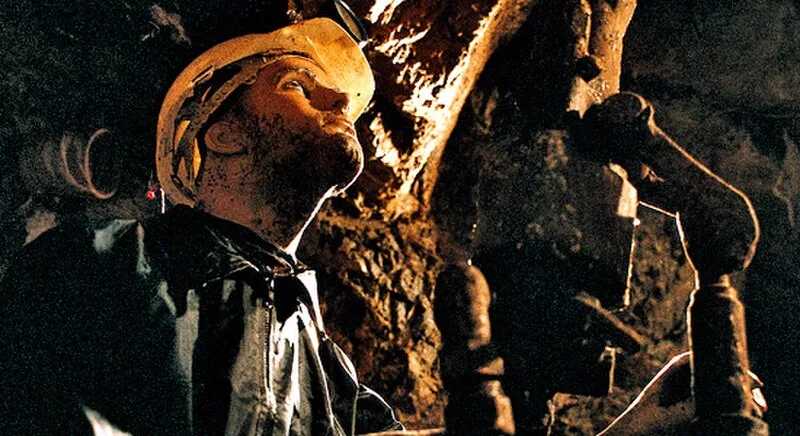
Ancient city in central Greece and capital of the Ozolian Locrians, with a history spanning roughly 3,000 years. The acropolis walls date to the 7th-6th century BC, and recent…
Amnisos
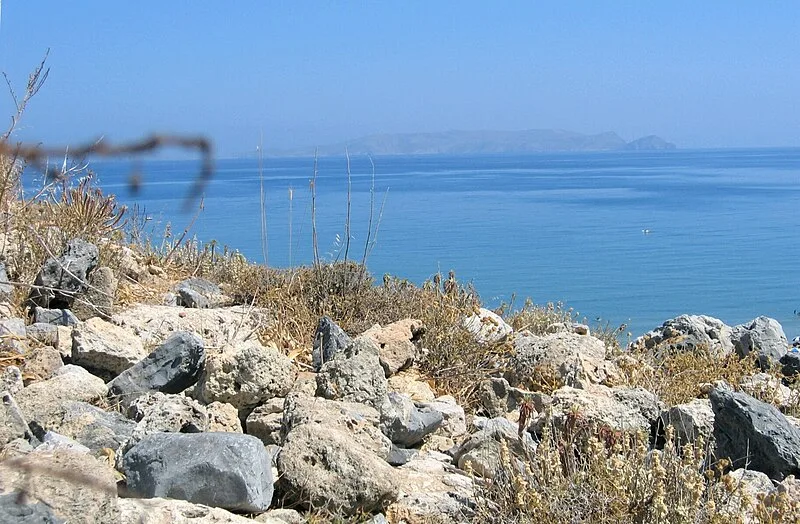
A Bronze Age Minoan port settlement on the north coast of Crete, 7 km east of Heraklion, serving the palace of Knossos. The site features the "House of the Lilies," a large Minoan…
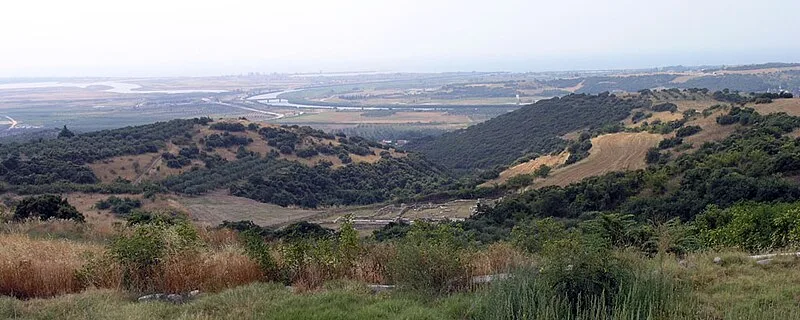
Amphipolis
Amphipolis (Greek: Αμφίπολη) was an ancient Greek polis and later Roman city in Macedonia, Greece, founded as an Athenian colony in 438/437 BC on the strategic Strymon River near…
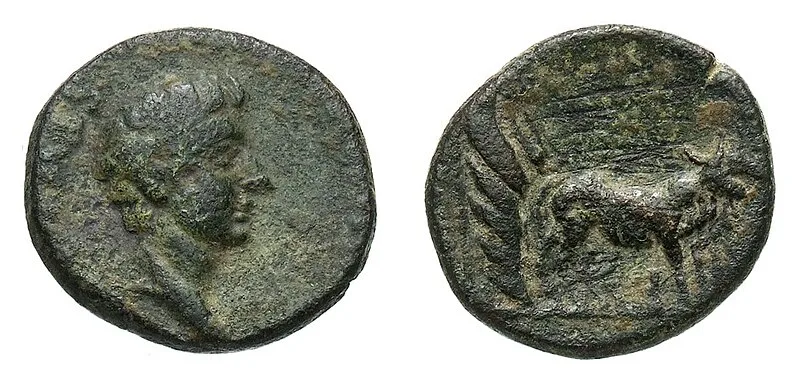
Ancient City of Philippi
Founded by Philip II of Macedon in 356 BC to control nearby gold mines, Philippi sits on the Via Egnatia in northeastern Greece. Site of the pivotal 42 BC battle where Octavian…
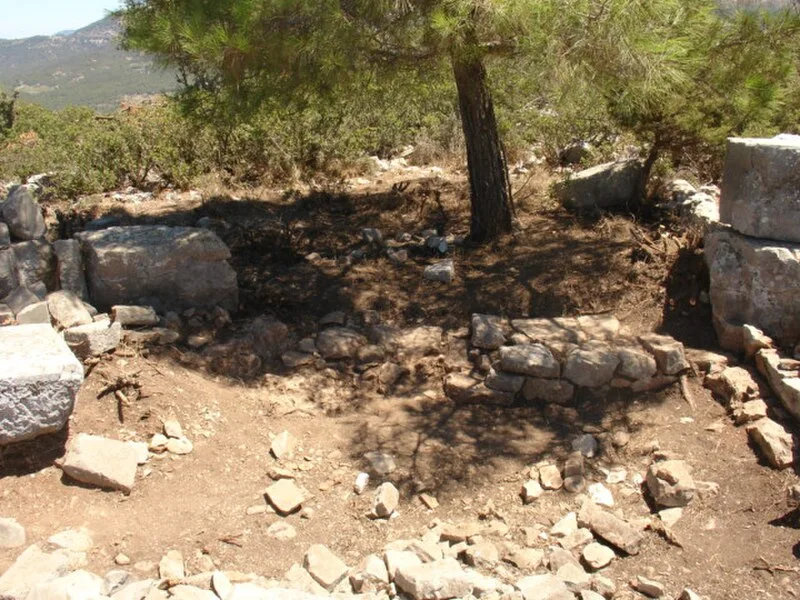
Ancient Kymissala
The archaeological site of ancient Kymissala lies ~70 km southwest of Rhodes city, within the Municipality of Atavyros, covering coastal areas of Monolithos and Sianna. One of…

Ancient Methone
A Greek colony in coastal Pieria, Macedonia, founded by Eretrian settlers around 733/732 BC. Famous for the siege of 354 BC when Philip II of Macedon captured the city and lost…
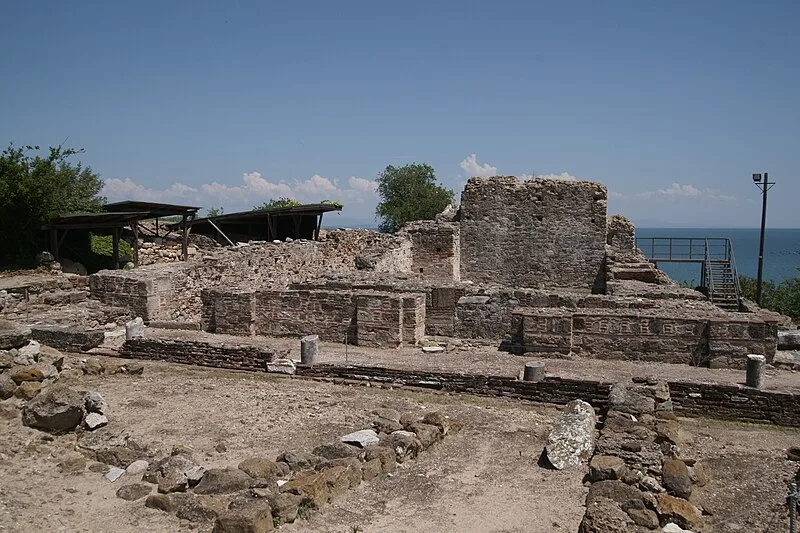
Ancient Pydna
Pydna was an ancient Greek city in Pieria, Central Macedonia, situated directly on the Aegean Sea coast, approximately 16 km northeast of Katerini and 2.5 km from Makrygialos…
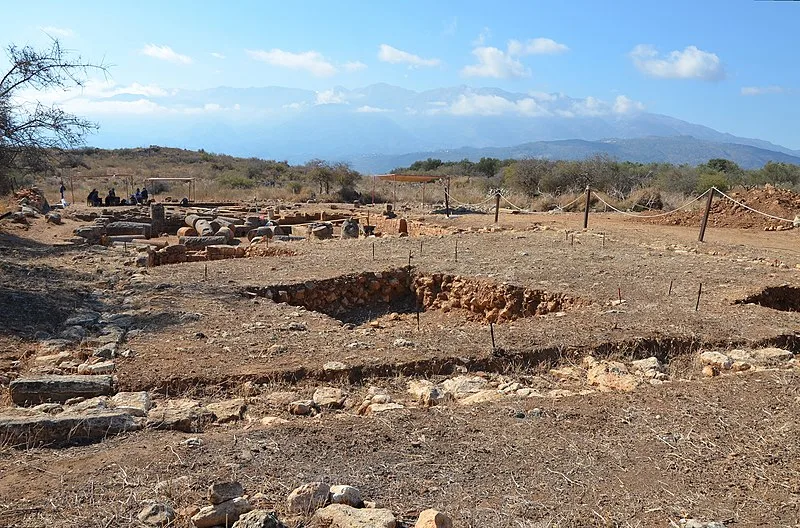
Aptera, Greece
Aptera was one of the most important city-states of ancient Crete, located near Souda Bay in western Crete. First mentioned as A-pa-ta-wa in Linear B tablets from the 14th-13th…
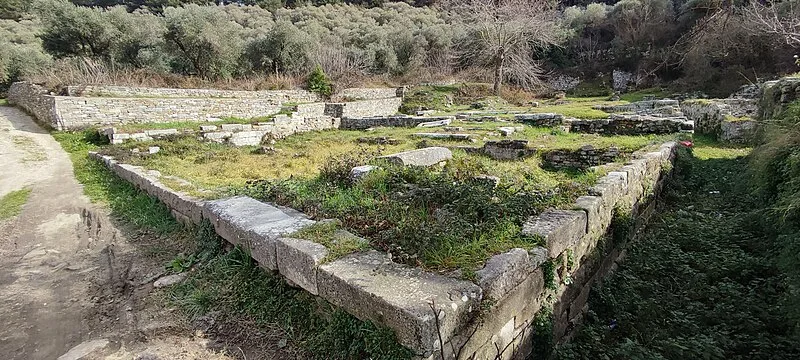
Archaeological Site of Ancient Thasos
Ruins of a prosperous colony on the north Aegean island of Thasos, founded around 680-650 BC by settlers from Paros led by Telesicles, father of the poet Archilochus. The city…
Archanes
Archanes is an archaeological site in central Crete representing a major Minoan settlement. The settlement was an important regional hub, connected by ancient roads to Juktas,…
Argissa Magoula
A Neolithic tell settlement on the western Thessalian plain near the Peneios River, with lowest occupation layers dating to c. 7000-6800 BCE. Excavated by Vladimir Milojcic from…
Argos, Peloponnese
One of the oldest continuously inhabited cities in the world, with settlement evidence from c. 5000 BCE on Aspida hill. Argos flourished as a Mycenaean center in the 14th-13th…
Argura
Argura (also Argissa or Argusa) was an ancient Greek polis in Pelasgiotis, Thessaly, situated on the Peneus River near Larissa. Modern scholarship identifies the site with Gremnos…
Arna, Greece
A village on the eastern slopes of the Taygetus mountains in Laconia at 700-850 m elevation. At the nearby Arkina site, Mycenaean-era chamber tombs and beehive tombs have been…
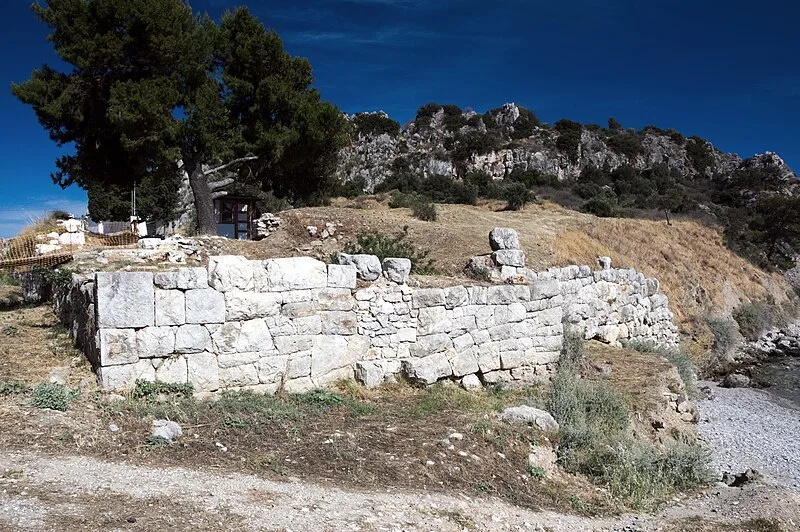
Asine
An ancient Greek city on the coast of the Argolid, mentioned by Homer in the Iliad as subject to Diomedes of Argos. Habitation spans from the Neolithic through the Bronze Age and…
Astale
Ancient harbour town on the north coast of Crete that served as the port for the inland city of Axus. The Stadiasmus Maris Magni places it 30 stadia from Amphimatrion and 300…
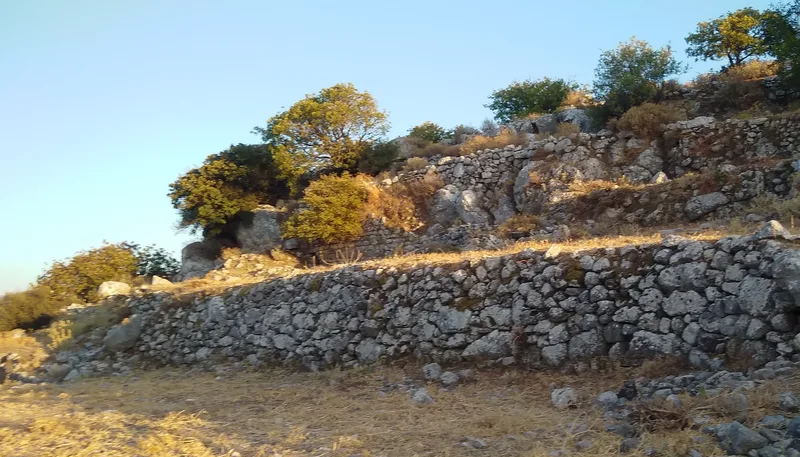
Axus
Axus (or Axos) was an ancient city on Crete, located inland on the slopes of Mount Ida with its harbour at Astale. The settlement appears in Mycenaean Linear B tablets as e-ko-so,…
Berbati Valley
The Berbati Valley is an archaeological site in the northeastern Peloponnese, northeast of Argos in Greece, with evidence of human activity extending back to the Paleolithic era.…
Biannus
Biannus (or Biannos, Bienna) was an inland polis (city-state) of ancient Crete, listed among the 22 cities of Crete in the 6th-century Byzantine geographer Hierocles. Located in…
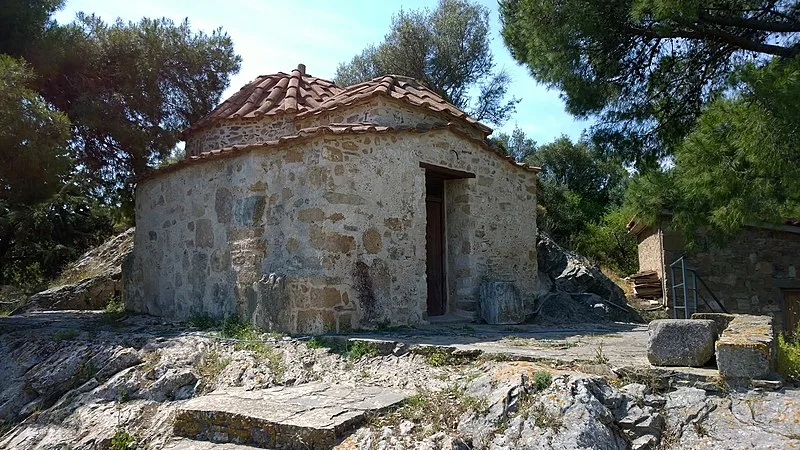
Brauron
(5th-3rd c. BC) Brauron was one of the twelve cities of ancient Attica, located on the eastern coast between Steiria and Halae Araphenides near the Erasinus River. The site is…
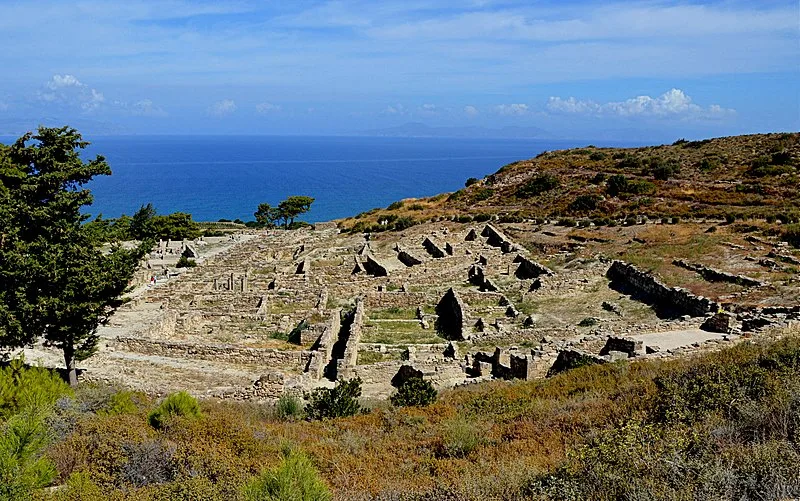
Camirus
Camirus (Kamiros) was one of three major Doric city-states on Rhodes, alongside Lindos and Ialyssos, with Mycenaean-era predecessors dating to the Late Bronze Age (1370-1070 BC).…
Chalai, Thessaly
Chalai (or Chalaion) was an ancient Greek settlement in Phthiotis, Thessaly, occupied from the Archaic to Classical periods (roughly 5th–3rd century BC). The town's name is not…
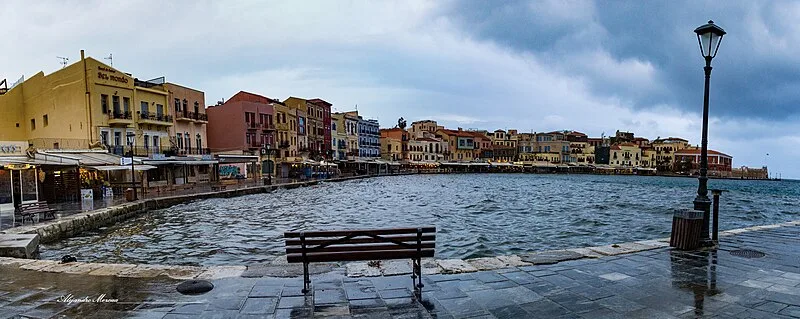
Chania
Chania, on Crete's northwest coast, is built upon the site of ancient Kydonia, one of the three most important city-states of Minoan civilization, allegedly founded by King Minos…
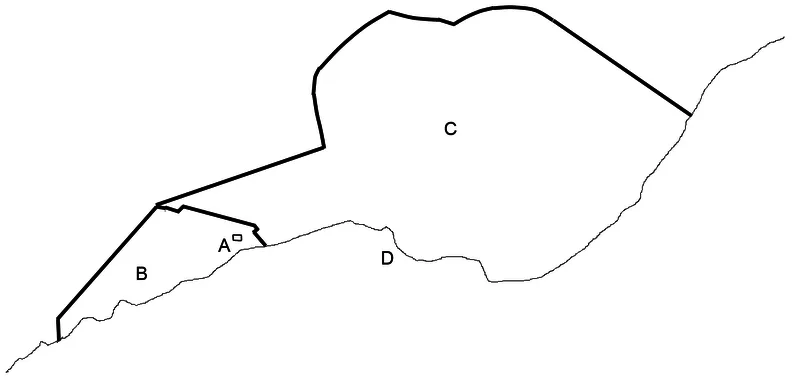
Chrisso, Phocis
Chrisso is a modern village in Phocis, Greece, situated north of the ancient city-state of Crissa, which controlled the Crissaean plain and gave its name to the Crissaean Gulf.…
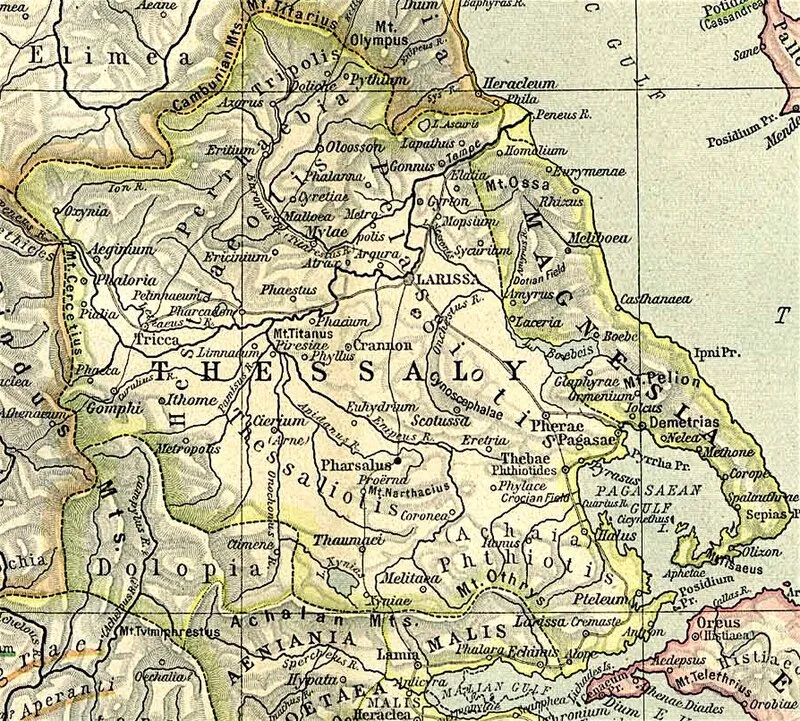
Cierium
Cierium (or Kierion) was an ancient Greek polis located in Thessaliotis, Thessaly. According to the Byzantine compiler Stephanus of Byzantium, it succeeded the Homeric city of…
Corycus, Crete
Corycus (or Korykos) was an ancient town in northwestern Crete, situated on the peninsula of the same name. The settlement is mentioned by the geographer Ptolemy in his works. The…
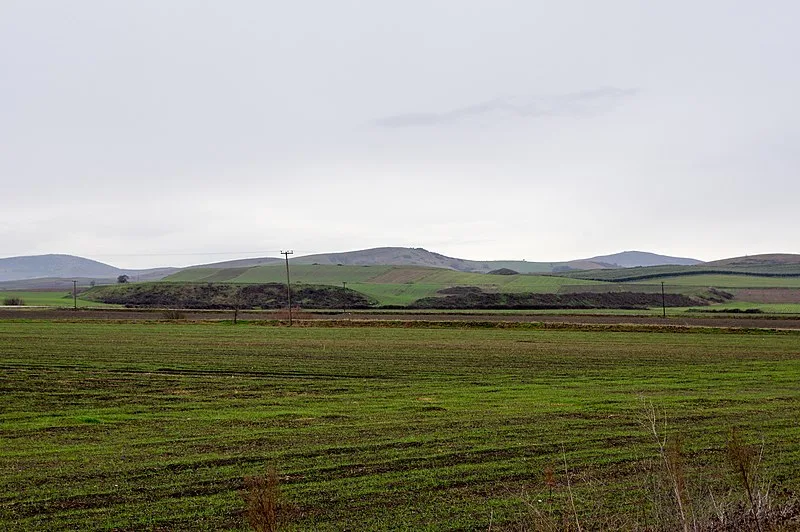
Cranon
Cranon (Κραννών) was an ancient Greek polis (city-state) in the region of Pelasgiotis, Thessaly, Greece. The settlement was situated southwest of Larissa at a distance of 100…
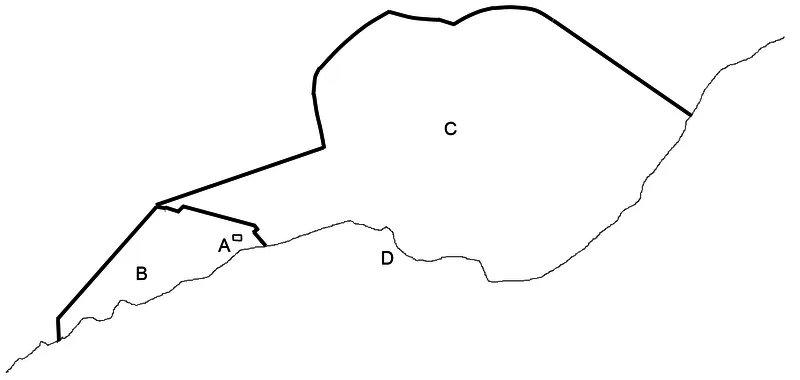
Crissa
Crissa (Krissa) was one of the most ancient cities in Greece, located southwest of Delphi on a spur of Mount Parnassus in Phocis. Founded according to myth by Chrissos, son of…
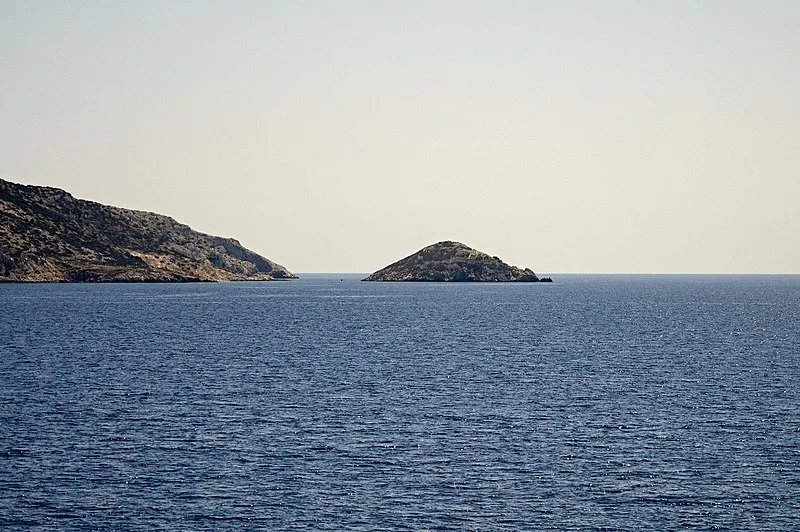
Daskalio
Daskalio is a tiny uninhabited islet in the Greek Cyclades, formerly a promontory of Keros before sea level rise separated them. Excavations led by Colin Renfrew from 1987 and…
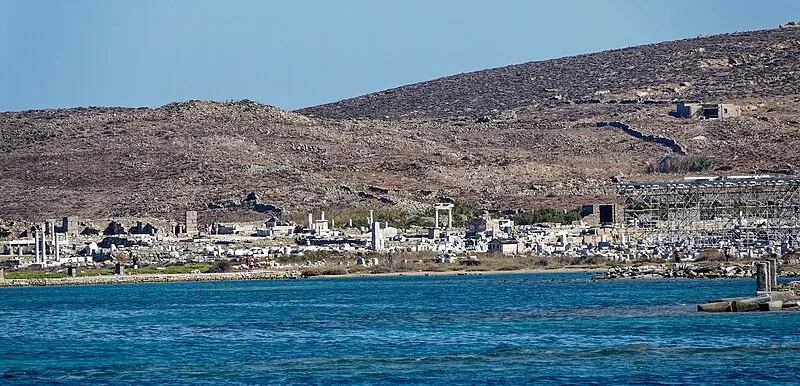
Delos
Delos, near Mykonos in the Cyclades, is one of the most important archaeological sites in Greece and a UNESCO World Heritage Site since 1990. Sacred as the mythological birthplace…
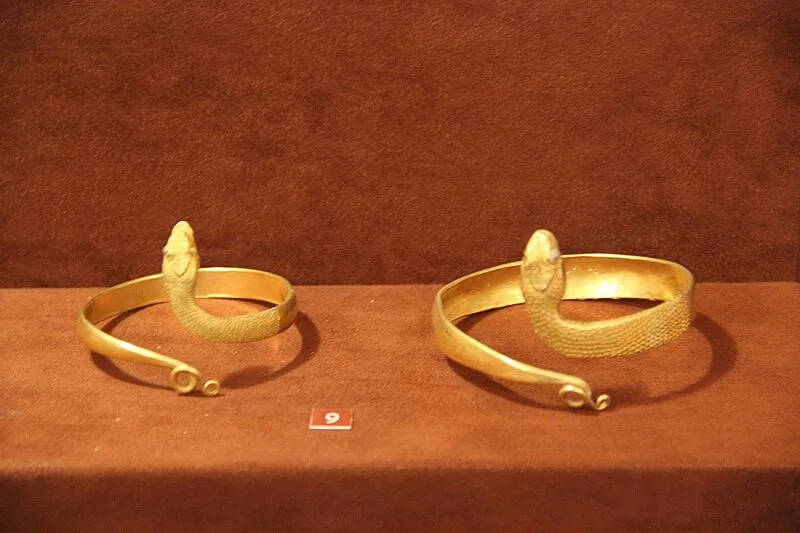
Demetrias
Demetrias was a major Greek city in Magnesia, ancient Thessaly (east central Greece), located at the head of the Pagasaean Gulf near modern Volos. Founded in 294 BC by Demetrius…
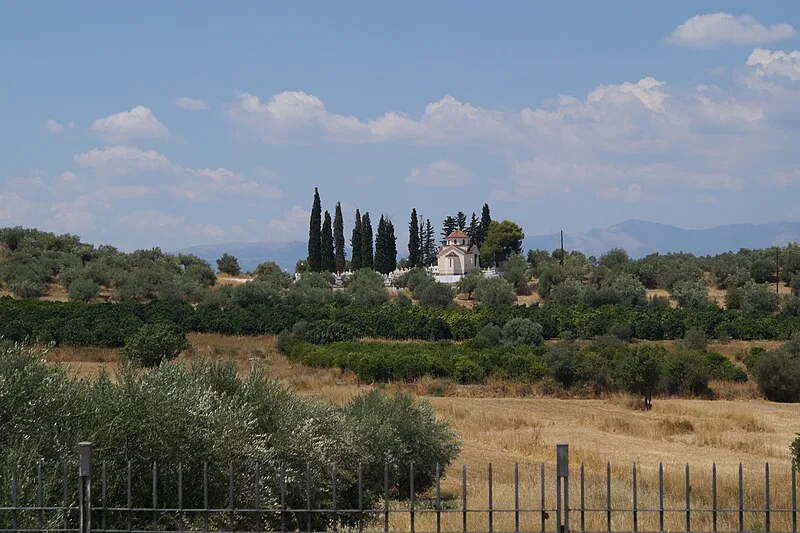
Dendra
Dendra is a major Mycenaean cemetery in the Argolid, Greece, about 1 km from the citadel of Midea. First excavated in 1926 by Swedish archaeologist Axel W. Persson, the site…
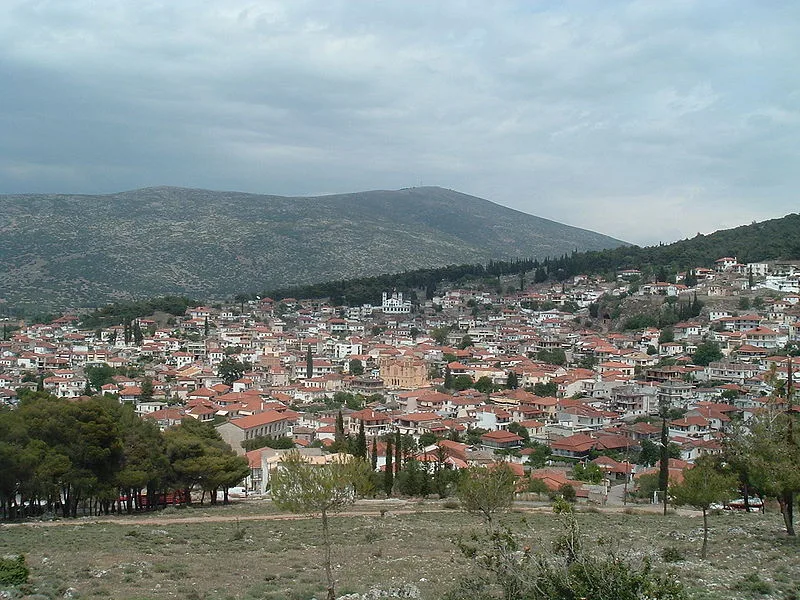
Desfina
Desfina is a town in southern Phocis, Greece, near the ruins of ancient Echedameia and Medeon -- two cities destroyed by King Philip II of Macedon during the Third Sacred War…
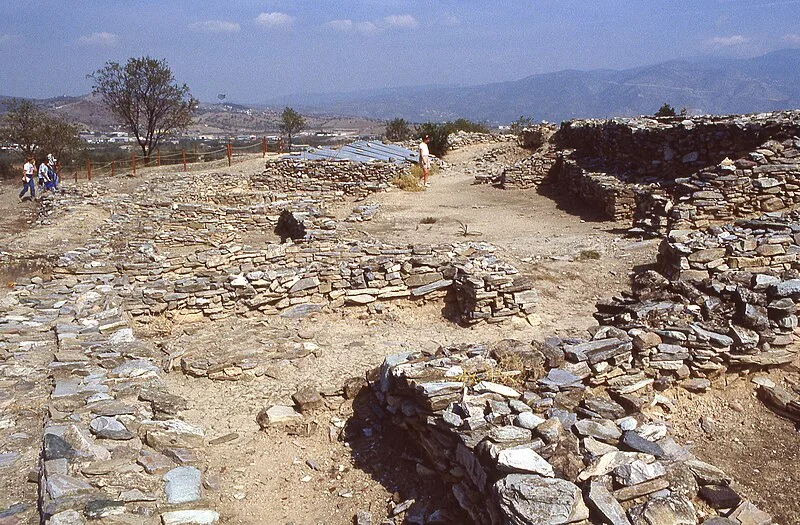
Dimini
Dimini is a prehistoric settlement near Volos in Thessaly, Greece, with remains dating from before 4500 BC. The site contains both a Neolithic settlement (5th-4th millennium BC)…
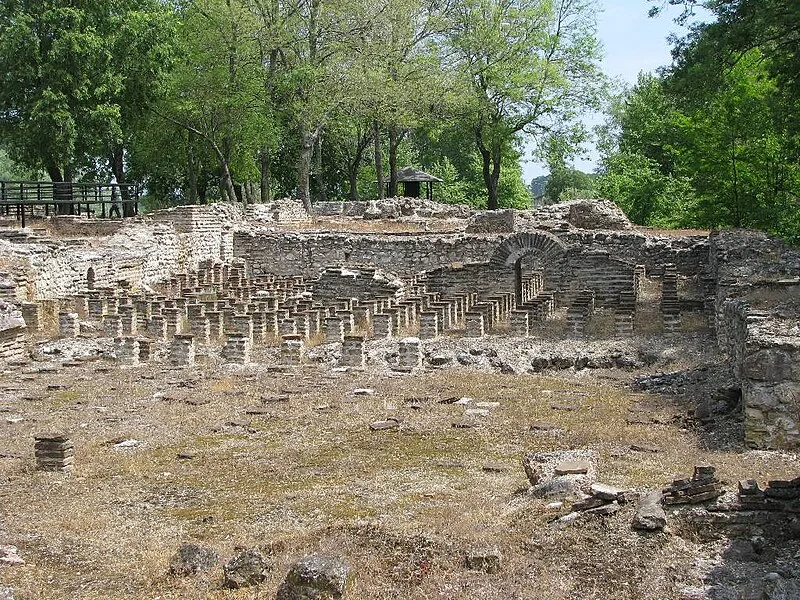
Dion, Pieria
Dion is an archaeological site at the foot of Mount Olympus in Pieria, Greece, 17 km from Katerini. It was home to a major ancient Macedonian sanctuary dedicated to Zeus,…
Dispilio
Dispilio is a Neolithic lakeside settlement on the shore of Lake Orestiada near Kastoria in western Macedonia, Greece. Discovered in 1932 when low water levels exposed wooden…
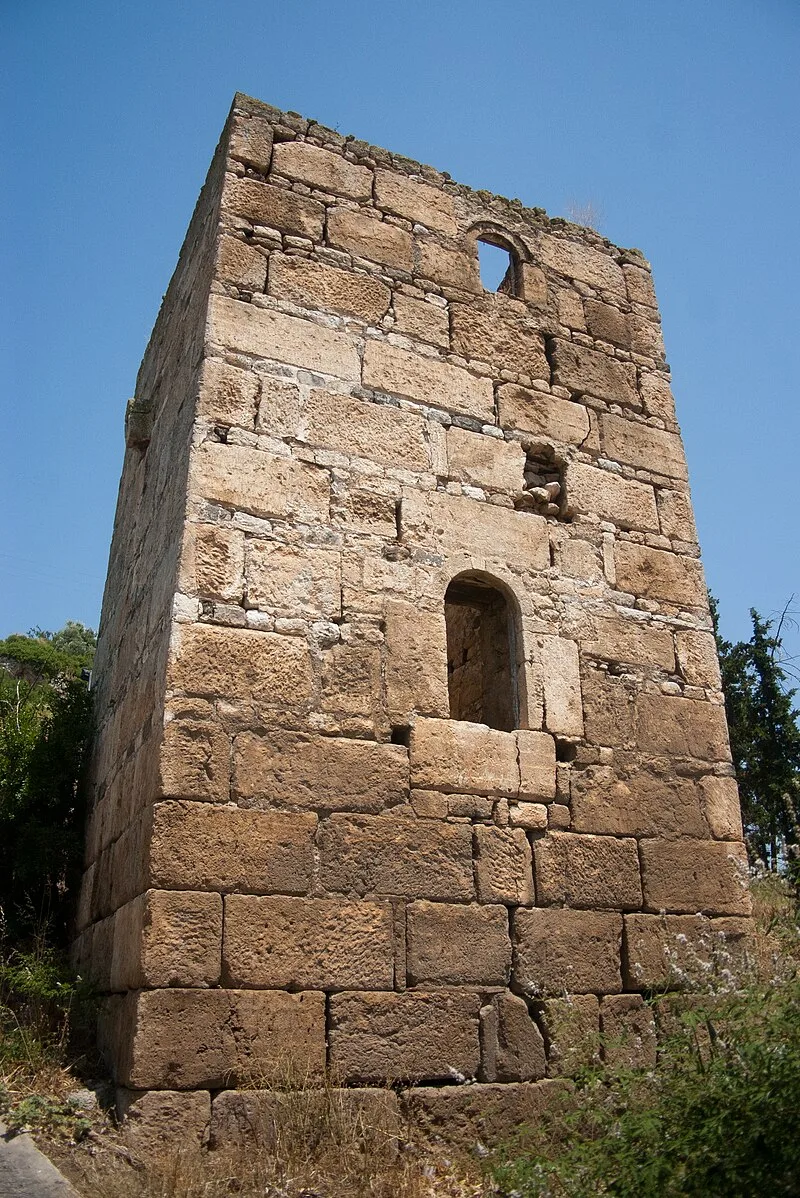
Echinus, Thessaly
Echinus (or Echinos) was an ancient Greek polis on the Malian Gulf between Lamia and Larissa Cremaste in fertile Phthiotid/Malis territory. Legend claims the city derived its name…
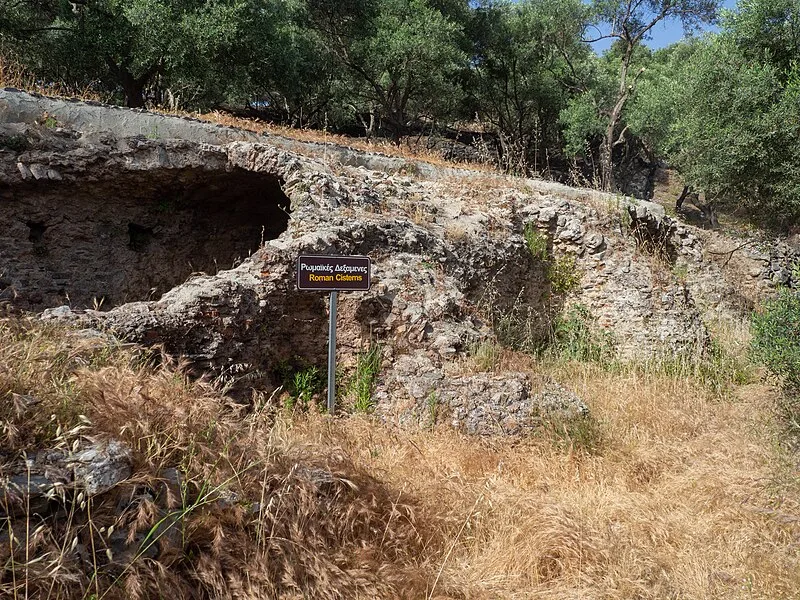
Elyrus
Elyrus (or Elyros) was an ancient Cretan city situated between Cydonia and Lissus on the island's south coast, featuring the harbour of Syia located 60 stadia west of Poecilassus.…
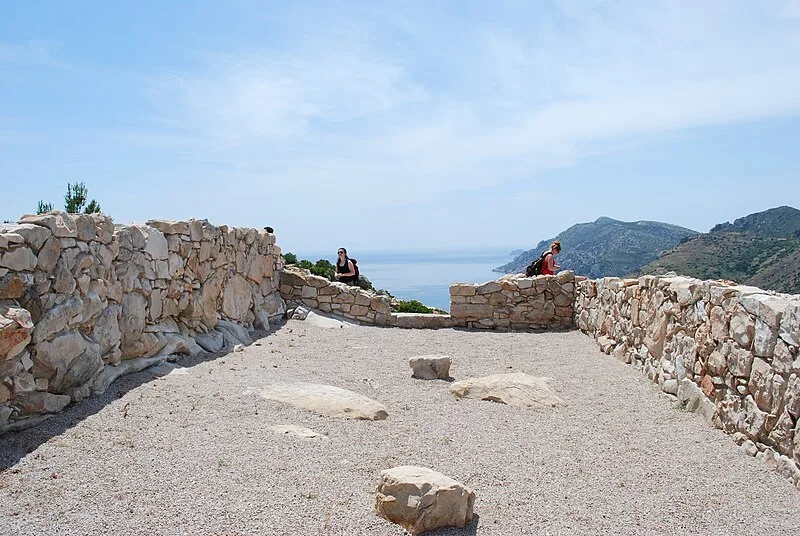
Emporio, Chios
Emporio is a prehistoric settlement on the southeastern coast of Chios, Greece, inhabited from the early Neolithic period around 6000 BC through the early Bronze Age. Excavations…
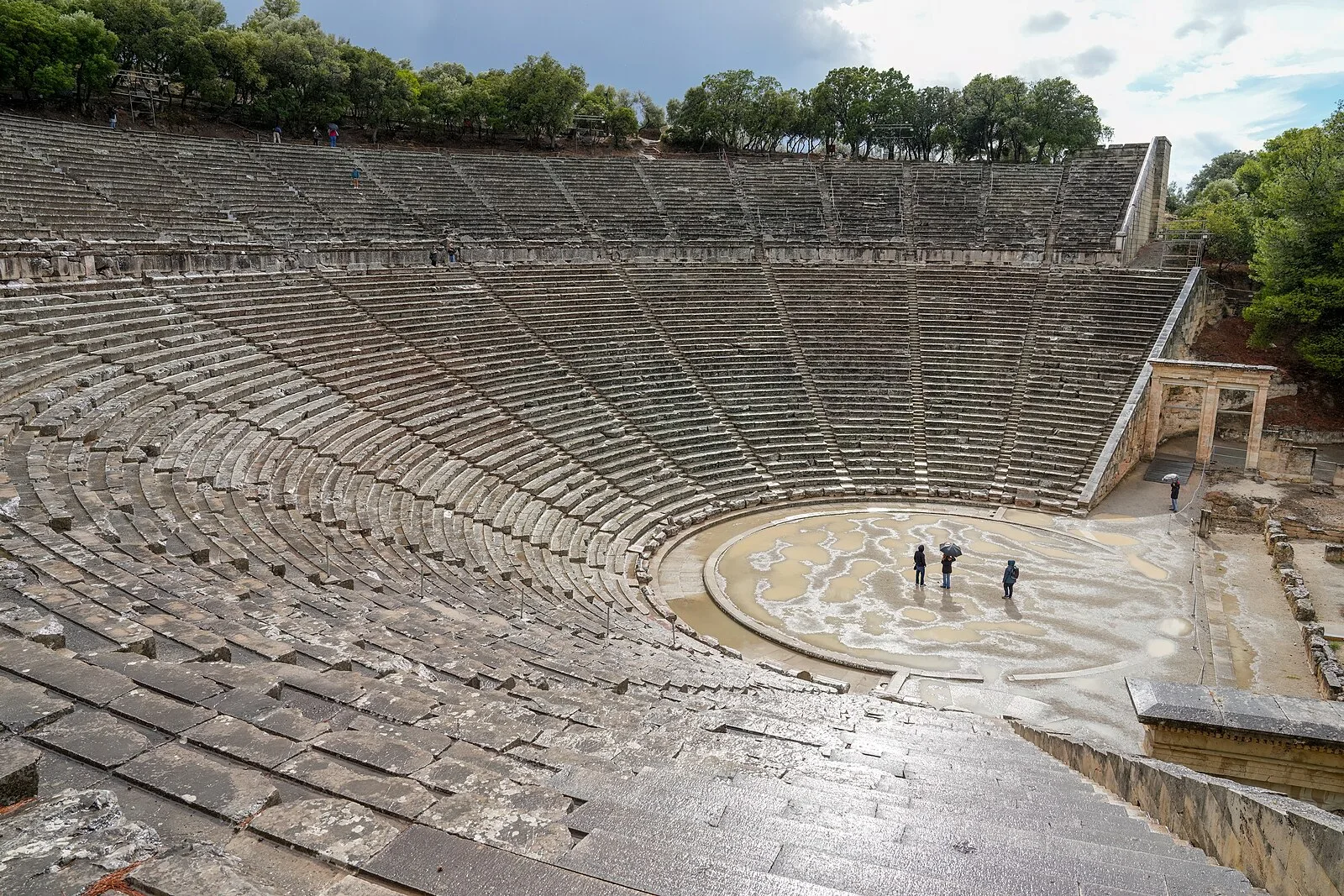
Epidaurus
Epidaurus was an ancient Greek city on the Argolid Peninsula, renowned for its Sanctuary of Asklepios, the most important healing centre of the ancient world. The cult evolved…
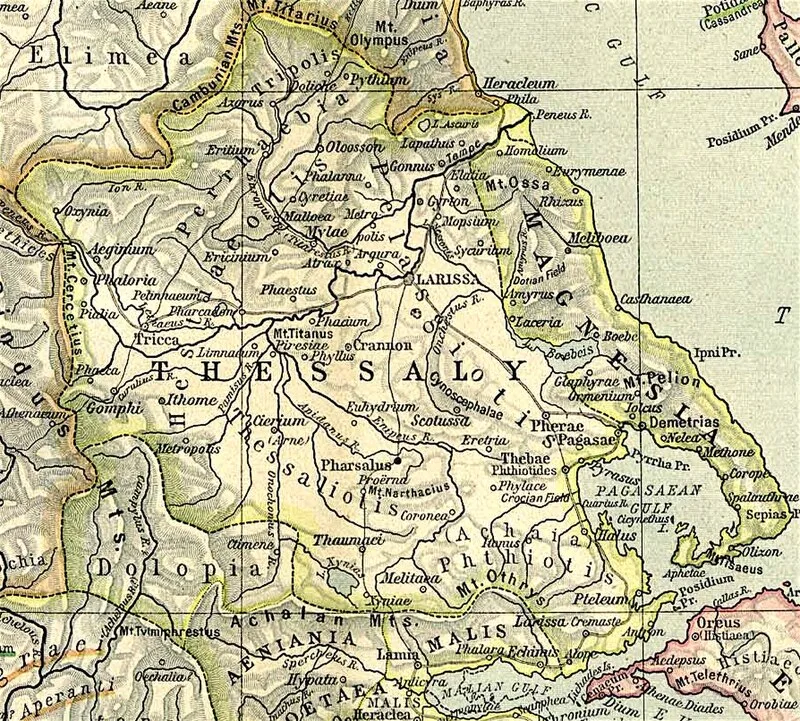
Eretria, Thessaly
Eretria was an ancient Thessalian town in the Phthiotis district, located near Pharsalus. During the Second Macedonian War, it was devastated by Philip V of Macedon in 198 BCE. In…
Eva, Arcadia
Eva (or Eua) was an ancient settlement in Arcadia, Greece, situated in the valley of the river Tanos below the north-eastern slopes of the Parnon mountain range, between modern…
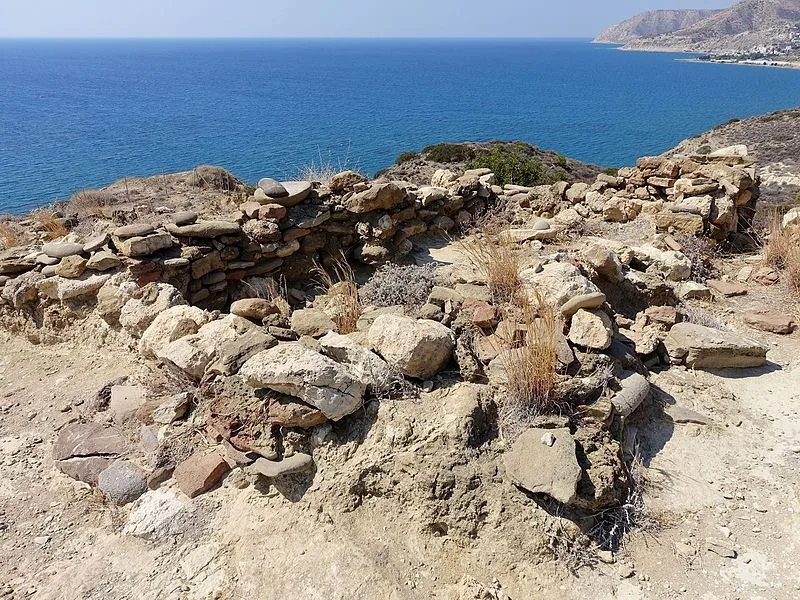
Fournou Korifi
Fournou Korifi is an Early Minoan settlement on a steep hilltop overlooking the Libyan Sea near Myrtos in southern Crete. First excavated in 1967 by Peter Warren, the roughly…
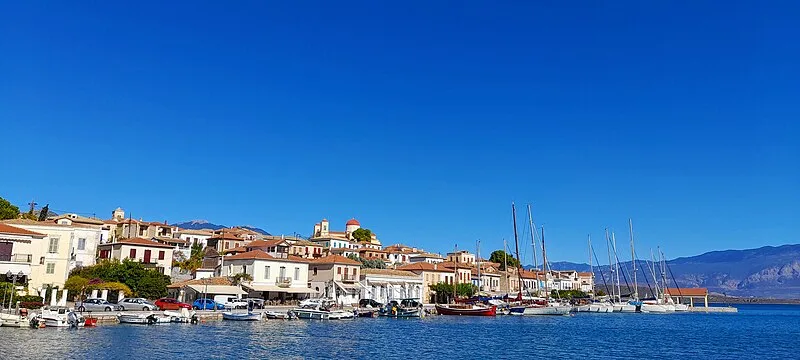
Galaxidi
Galaxidi is a town in Phocis, Greece, built on the site of ancient Haleion, a city of western Locris with habitation since Early Helladic times (c. 3200 BC). A significant…
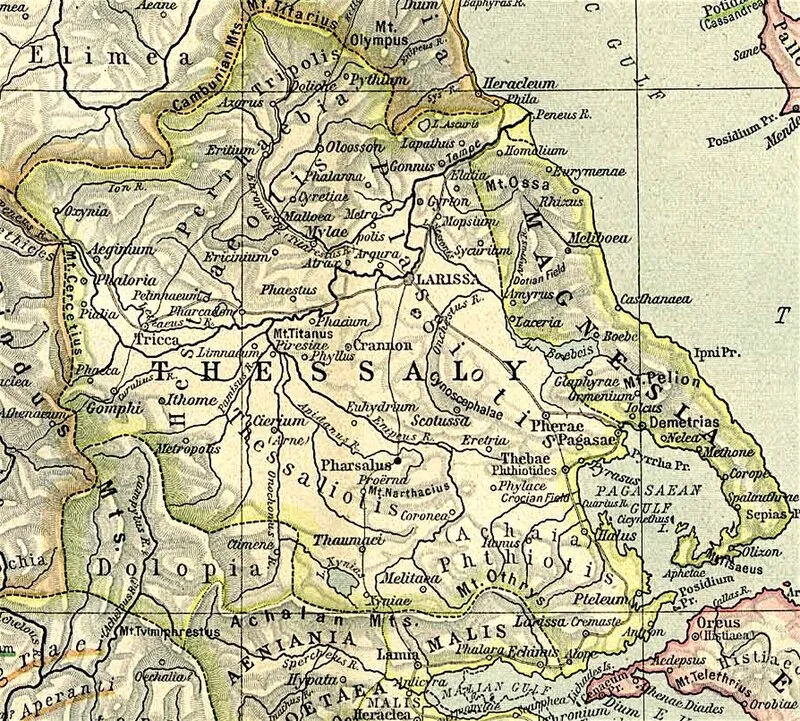
Glaphyrae
Glaphyrae was a settlement in Magnesia, ancient Thessaly, Greece, mentioned by Homer in the Catalogue of Ships alongside Boebe and Iolcus. After this Bronze Age reference, the…
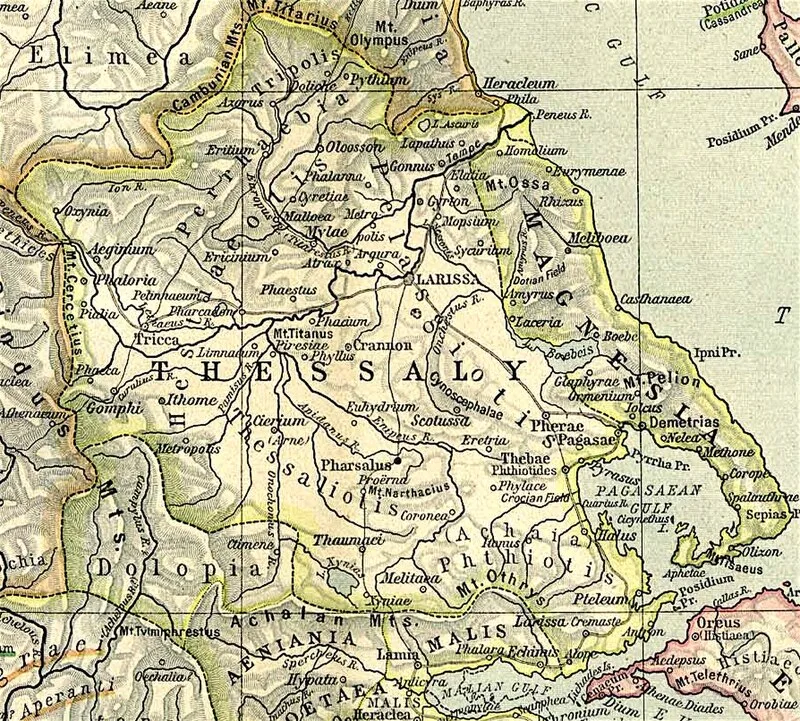
Gonnus
Gonnus (Γόννοι) was an ancient Greek polis of the Perrhaebi in Thessaly, situated on the northern bank of the Peneius River at the narrow entrance to the Vale of Tempe. Its…
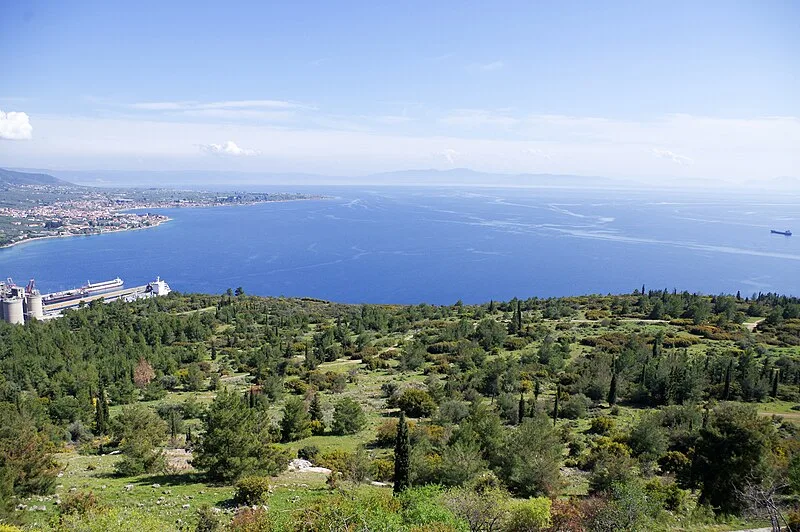
Goritsa, Greece
3rd-2nd millennium BC. Goritsa is a hill and archaeological site in Volos, Greece, immediately east of the city centre. Excavations in the early 1970s by a Dutch team revealed a…
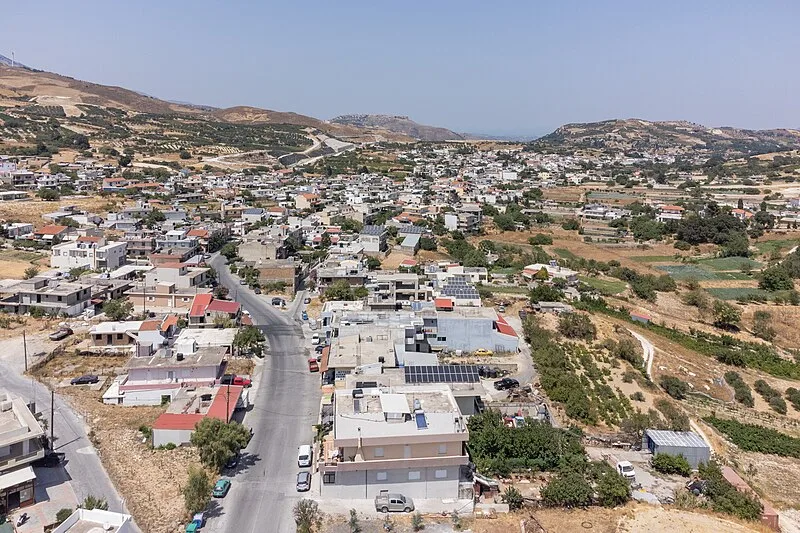
Gortyn
Gortyn is a major archaeological site in the Messara plain of southern Crete, Greece, first inhabited around 7000 BC. It became the administrative capital of the Roman province of…
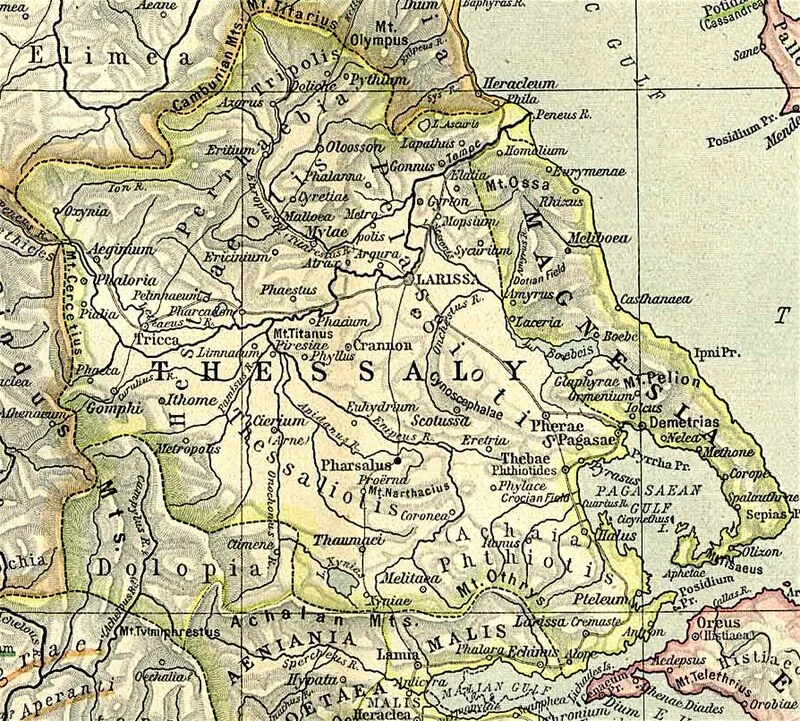
Gyrton, Thessaly
An ancient city-state of Perrhaebia in Thessaly, Greece, situated in a fertile plain between the Titaresius and Peneius rivers. Mentioned by Homer in the Iliad and described as…
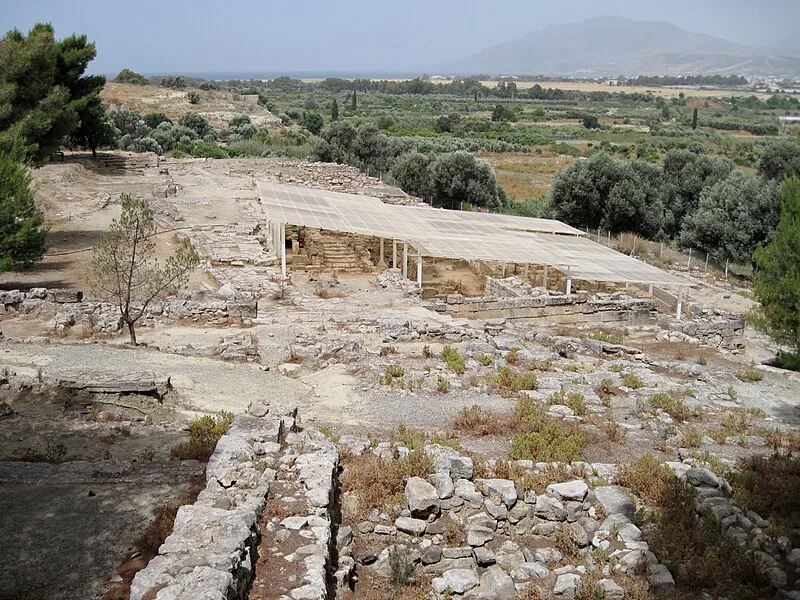
Hagia Triada
Hagia Triada is a Minoan archaeological site on Crete, featuring an extensive settlement with monumental NeoPalatial and PostPalatial period buildings, most notably the Royal…
Halae
Ancient town in East Opuntian Lokris, Greece, situated by the sea on the Bay of Atalante near modern Theologos. Excavations by Hetty Goldman and Alice Walker from 1911 to 1935…
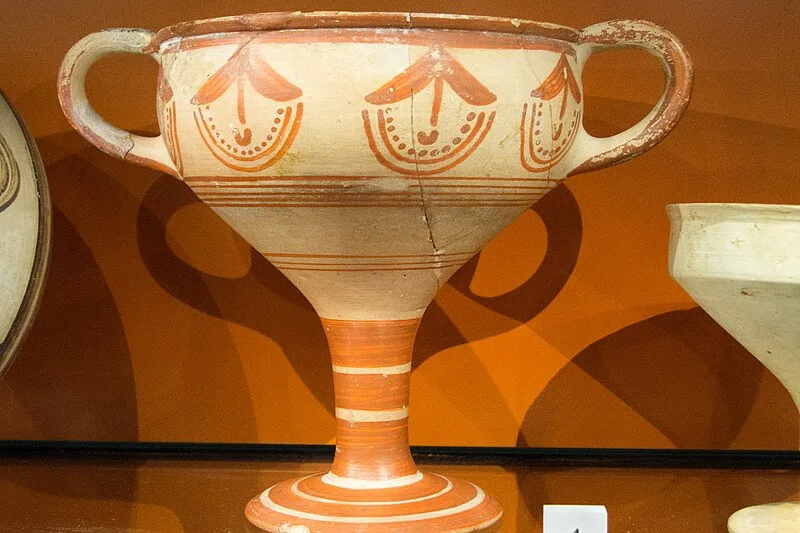
Ialysus
One of three ancient Doric city-states on the island of Rhodes, Greece, with its acropolis on Filerimos hill. Archaeological evidence reveals Minoan remains at nearby Trianda and…
Iklaina
Iklaina (Greek: Ίκλαινα) is a historic village in the municipal unit of Pylos, Messenia, Greece, situated in low hills approximately 10 km northeast of Pylos. The settlement…
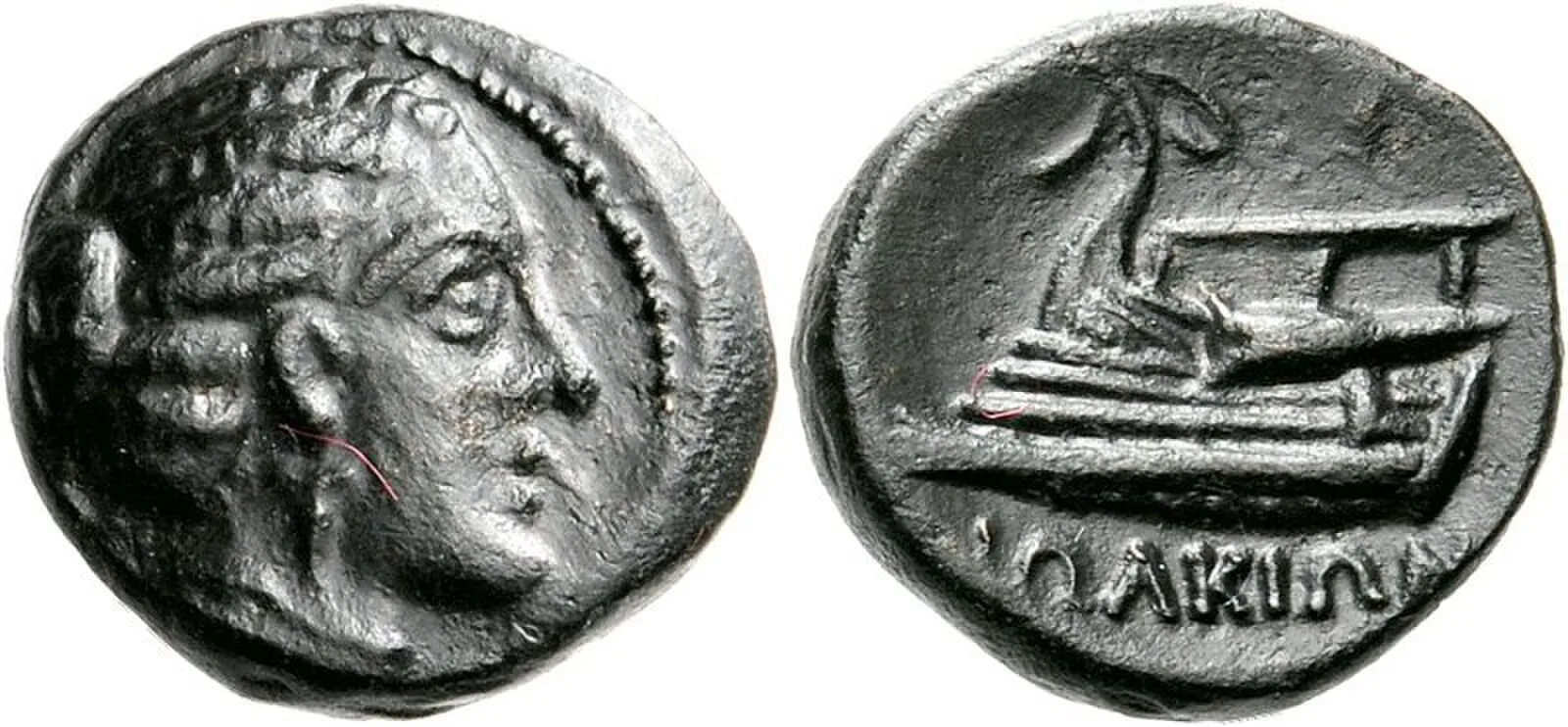
Iolcus
Iolcus is an ancient city in Magnesia, Thessaly, Greece, located in central Magnesia north of the Pagasitic Gulf. In Greek mythology, it was the kingdom where Jason, son of Aeson,…
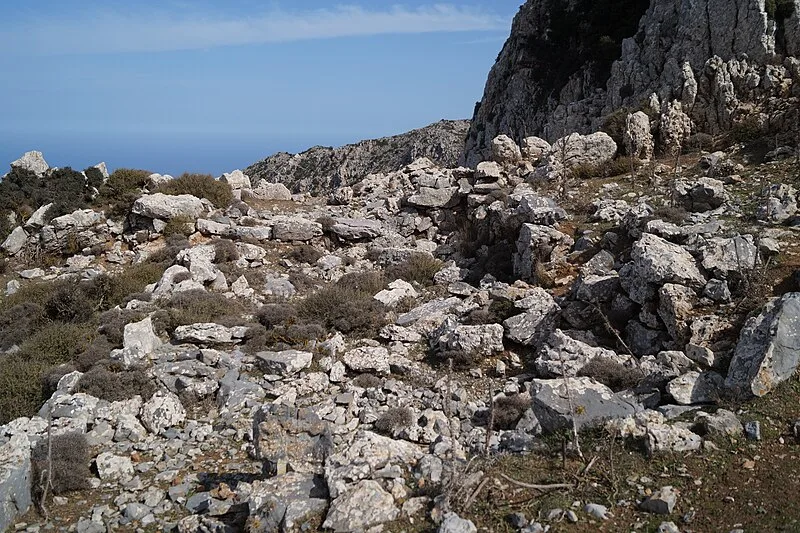
Karfi
Karfi is a Late Minoan IIIC settlement in the Dikti Mountains of eastern Crete, Greece, dating to approximately 1200–1100 BC at the onset of the Greek "Dark Ages." The site sits…
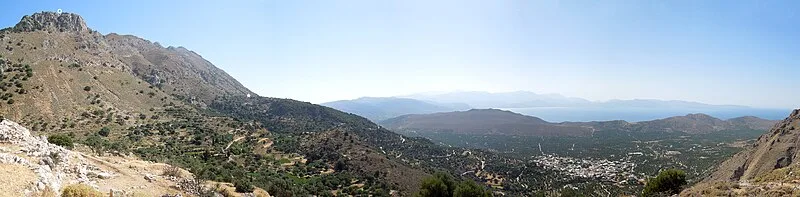
Kavousi Kastro
Early Bronze Age to Middle Bronze Age settlement on Crete's eastern coast, Kavousi Kastro occupies a fortified hilltop 1.4 km southeast of modern Kavousi village at 713 m…
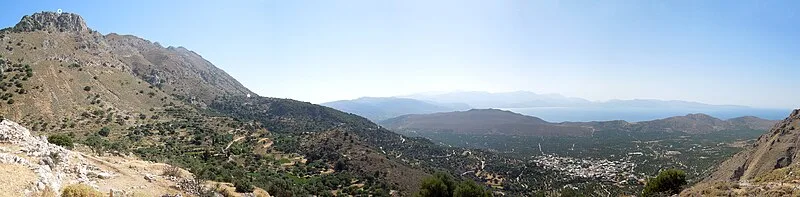
Kavousi Vronda
Kavousi Vronda is an archaeological site in eastern Crete, Greece, located about 1.25 km south of the modern village of Kavousi in the municipality of Ierapetra, Lasithi. Situated…

Kechries
Kechries (ancient Kenchreai) was the eastern port of ancient Corinth on the Saronic Gulf, handling ships from Asia Minor and the Aegean. Systematic occupation likely began in the…
Kephala
Kephala is a hill in northern Crete that hosted a Neolithic settlement. The settlement's footprint was larger than the later Bronze Age Palace of Knossos. Ancient settlers chose…
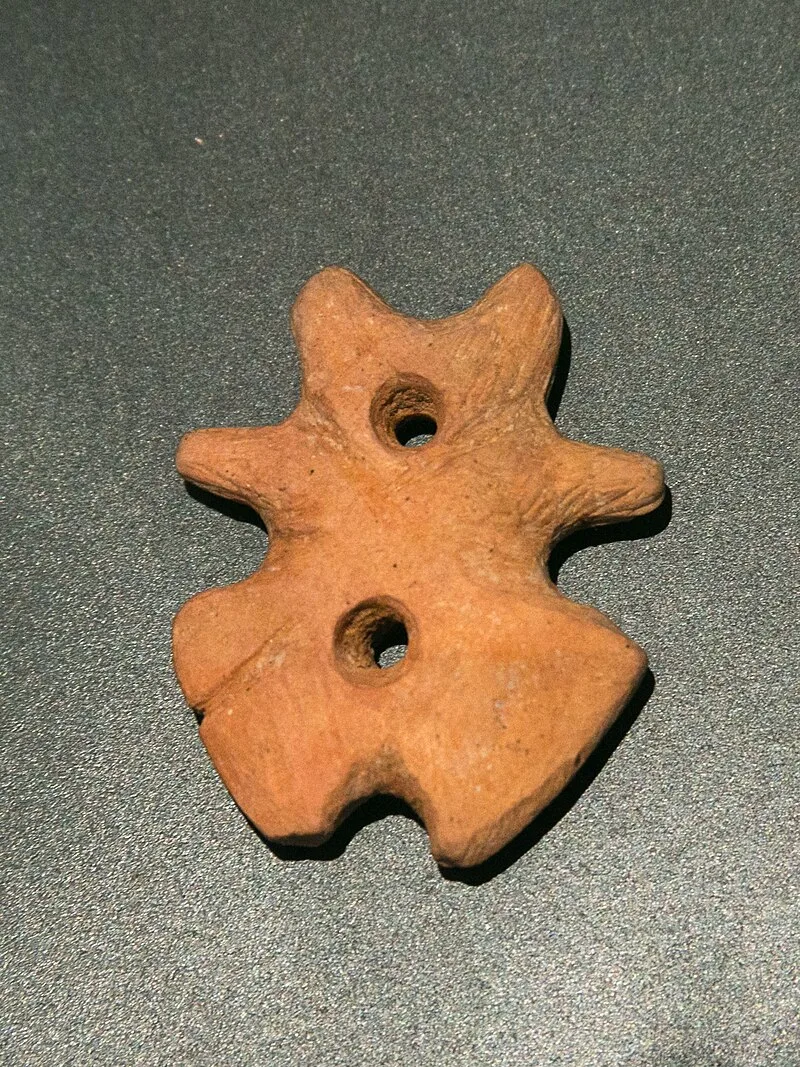
Kephala, Kea
Kephala is a Late/Final Neolithic settlement on the Greek island of Kea, dated to approximately 4600-4500 BC. Located on a rocky promontory, it is the only significant open…
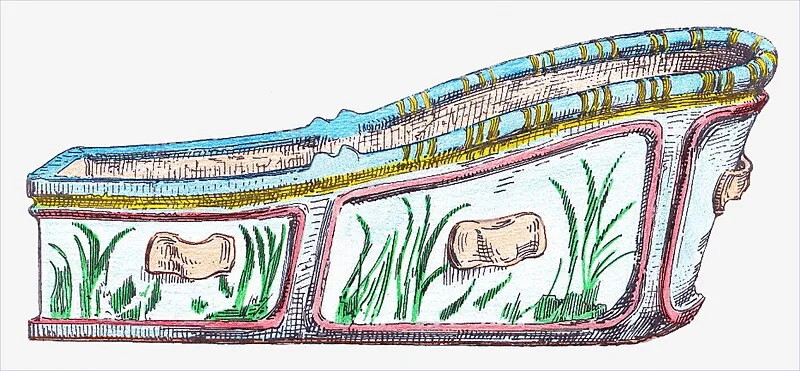
Knossos
Knossos is a Bronze Age archaeological site in Crete. The site was a major centre of the Minoan civilization and is considered by many to be the oldest city in Europe. It is…
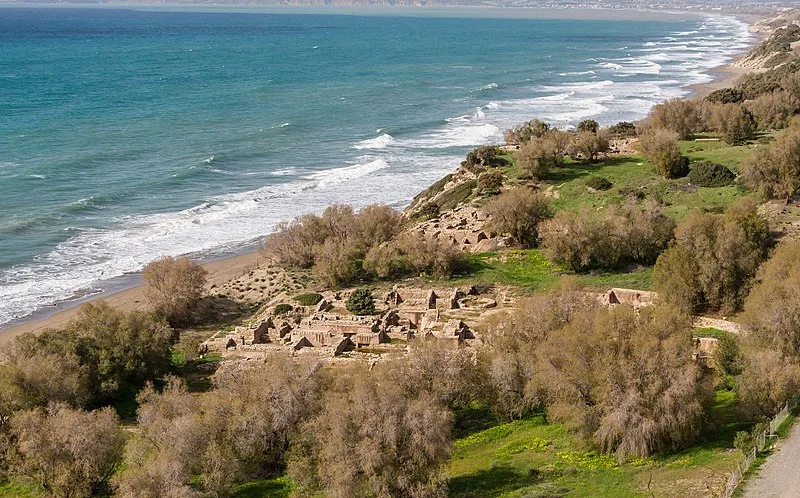
Kommos, Crete
Kommos is a Minoan harbour town in southern Crete, active c. 3100–1100 BC, serving as a port for the palace centres of Phaistos and Hagia Triada. After the Bronze Age, a sanctuary…
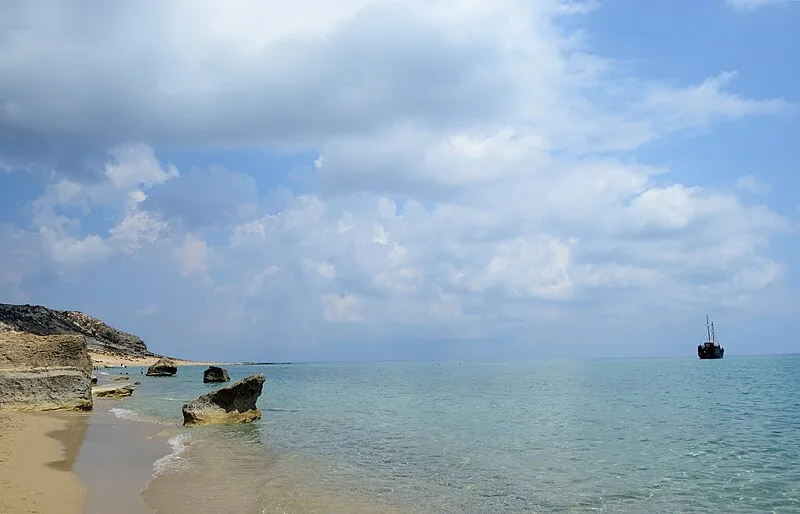
Koufonisi, Crete
Koufonisi is an uninhabited Greek islet in the Libyan Sea, 5.6 km south of cape Goudero on Crete's eastern coast. The island spans roughly 6 km long and 5.5 km across, with a…
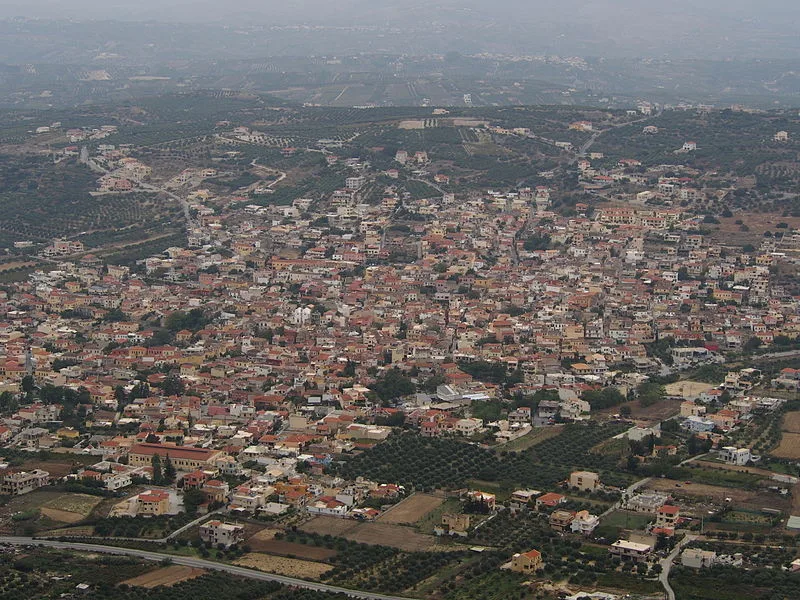
Lakkos
Lakkos is the archaeological site of an ancient Minoan settlement on Crete, located just south of Archanes. Excavations in the 1980s uncovered a bronze bull figurine and a bronze…
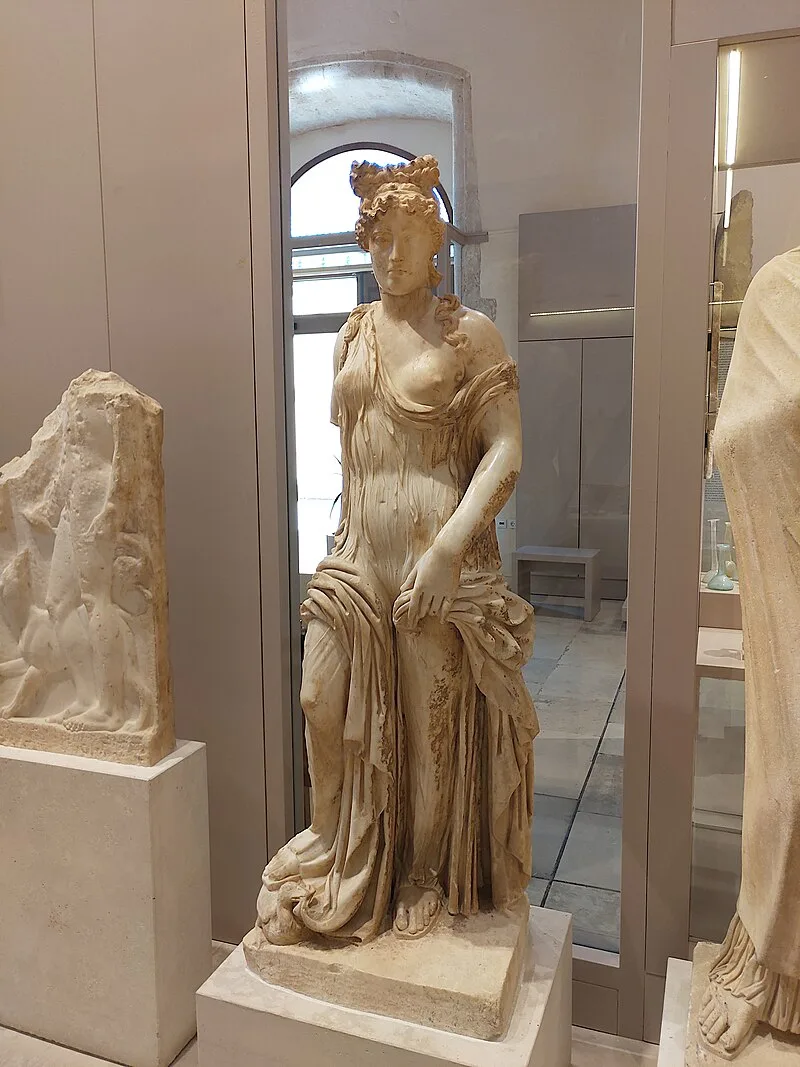
Lappa, Crete
Lappa was a powerful ancient city-state in Crete, located beneath modern Argyroupoli, 27 km south of Rethymno. According to Mycenaean tradition, the city was founded by Agamemnon.…
Lartos, Rhodes
Lartos was an ancient village on the southeast coast of Rhodes. The site is notable for a major marble formation known as lithos lartios, a distinctive gray-blue stone unique to…
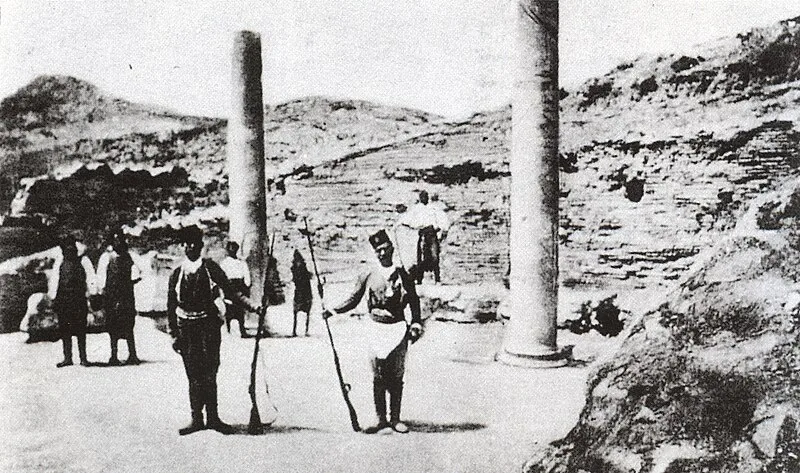
Leben, Crete
Leben (also Lebena) was an ancient maritime town on Crete's south coast, serving as the harbour of Gortyna. Habitation dates back to the Early Minoan period (ca. 2600-2000 BC),…

Lentas
A coastal settlement on the south coast of Crete, inhabited since the Neolithic and Early Minoan period (3rd millennium BC). Lentas served as one of the two harbours of Gortyn,…
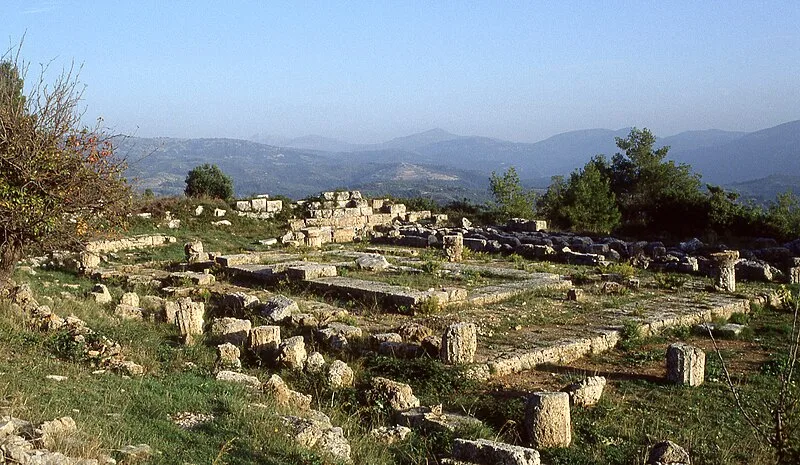
Lepreum
Lepreum was an ancient Greek city-state in Triphylia, a district of Elis in western Peloponnese. Located 40 stadia (approximately 7.4 km) from the sea at the western end of Mount…
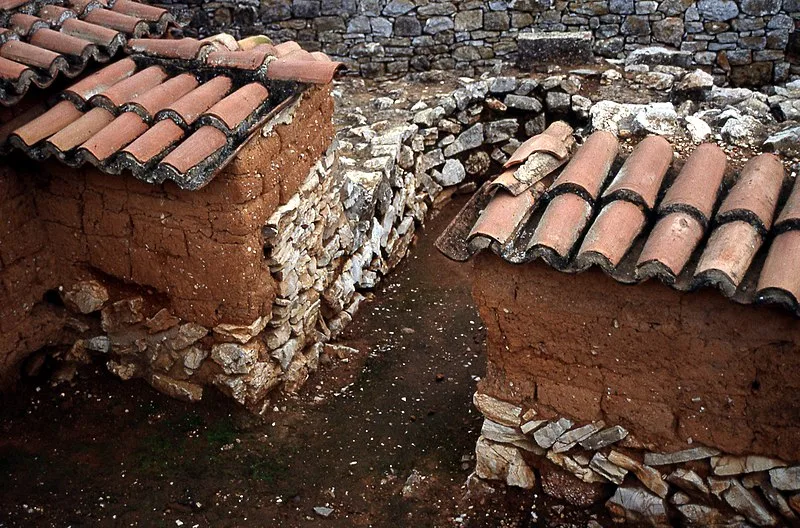
Lerna
A prehistoric settlement near the Argolic Gulf in the Peloponnese, continuously inhabited for approximately 5,000 years from the Neolithic to the Mycenaean period (6th-1st…
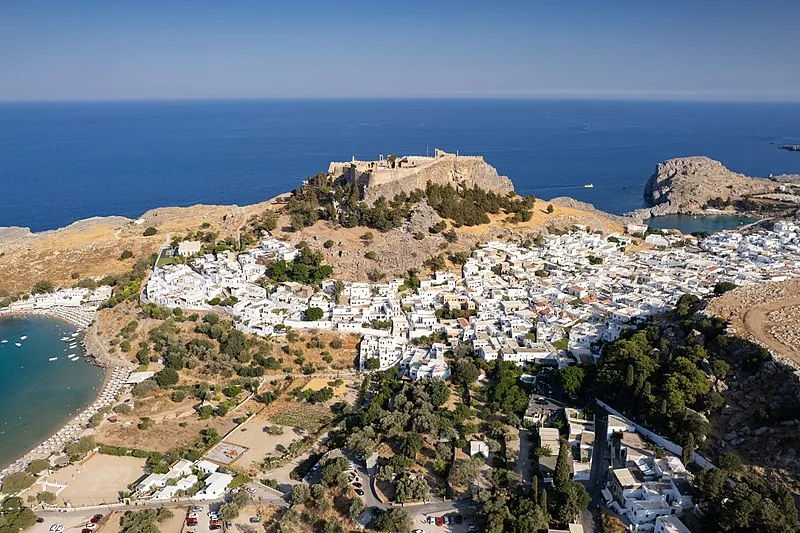
Lindos
Lindos is an ancient city and archaeological site on the eastern coast of Rhodes island in the Dodecanese, Greece. According to legend, it was founded by Dorian settlers led by…
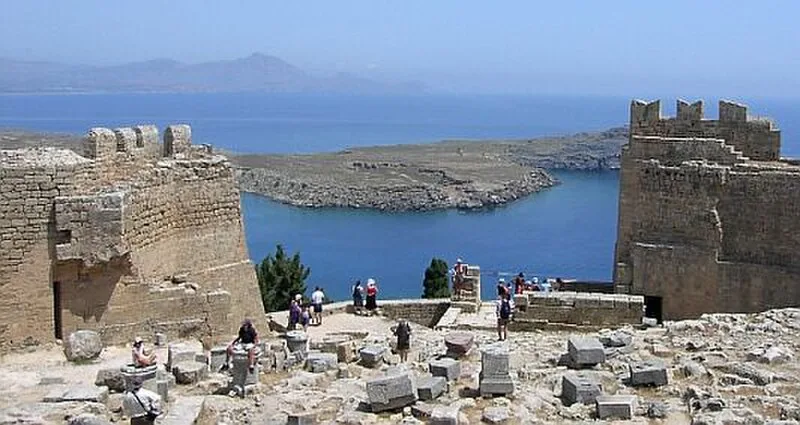
Lindus
Lindos (ancient Lindus) is an archaeological site on the eastern coast of Rhodes, Greece, and was one of the island's three original city-states before their unification in 408…
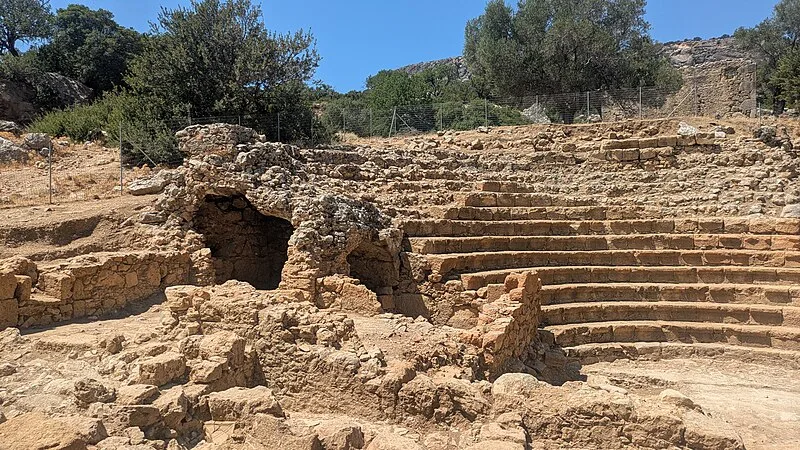
Lissus, Crete
Lissus (or Lissos) was an ancient Cretan port city on the island's southern coast, situated between Syia and Calamyde. The city served as one of the harbors for Elyrus.…
Lower Larymna
Lower Larymna was a port town in ancient Boeotia, Greece, situated on the shore of the Bay of Larmes near the mouth of the river Cephissus. It grew in importance after joining the…
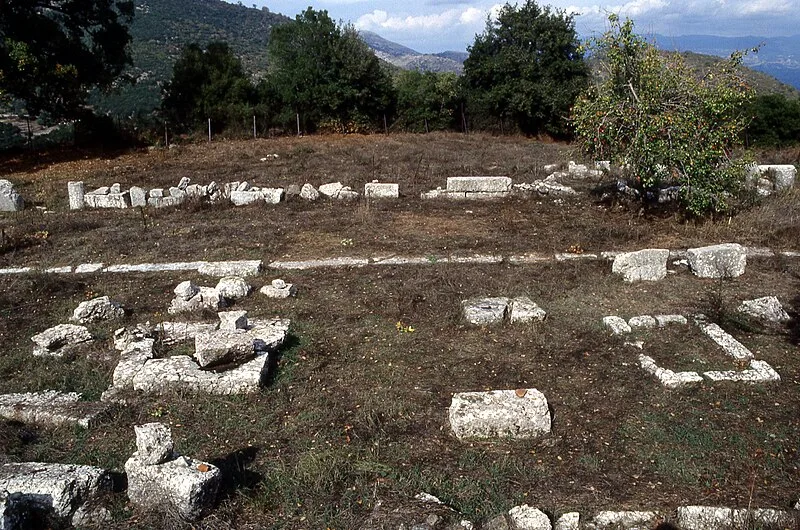
Lycosura
Lycosura was an ancient city in the Parrhasia region of south Arcadia, claimed by Pausanias to be the oldest city in the world, though archaeological evidence only confirms its…
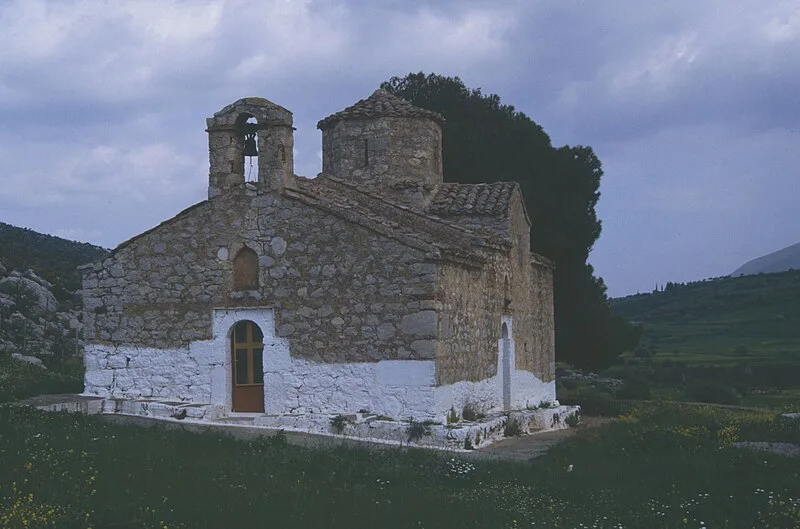
Lygourio
Lygourio is a small town in the Argolis prefecture of Greece, built at the foot of Mount Arachnaion at 370 m elevation. It lies near the UNESCO-listed Sanctuary of Asklepios at…
Magasa, Crete
Magasa (Greek: Μαγκασά) is a Neolithic settlement on the eastern part of Crete, Greece. Archaeological excavations uncovered large residential buildings composed of multiple…
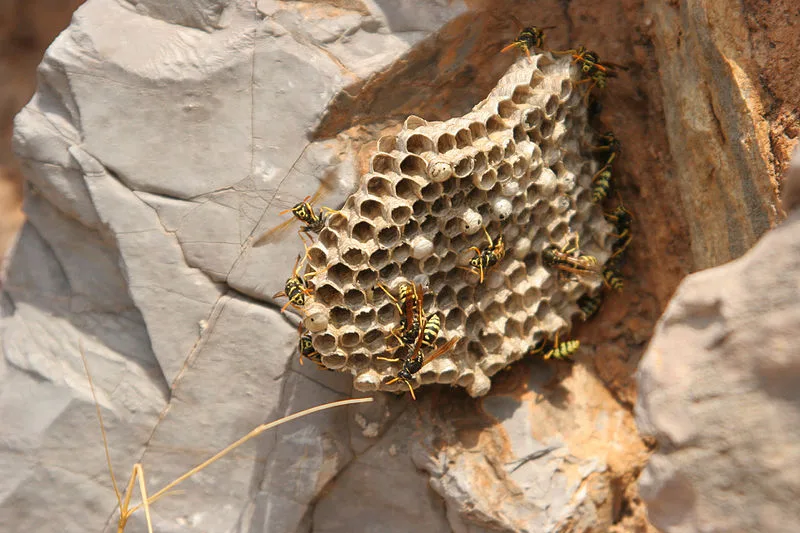
Malia, Crete
Malia is a Minoan archaeological site on Crete's northeastern coast, occupied from 3000 to 1500 BC. The ancient settlement ruins lie 3 km east of modern Malia town, covering…
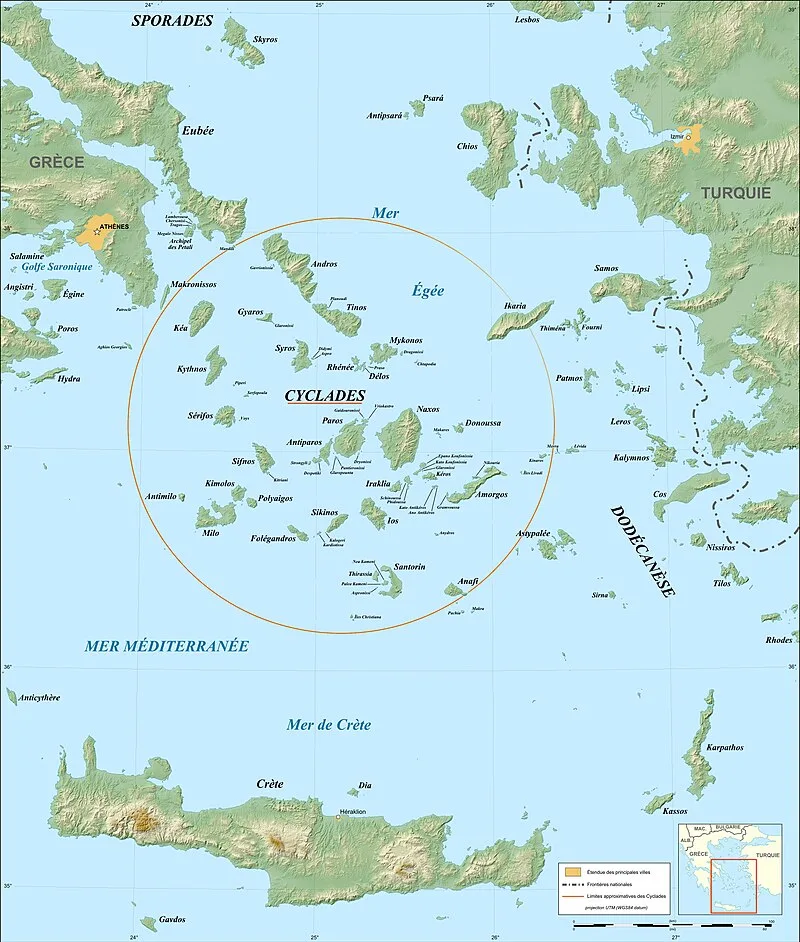
Manika, Greece
Manika was a major Early Helladic II settlement on Euboea, Greece, covering 50-80 hectares and housing an estimated 6,000-15,000 inhabitants, making it one of the largest Bronze…
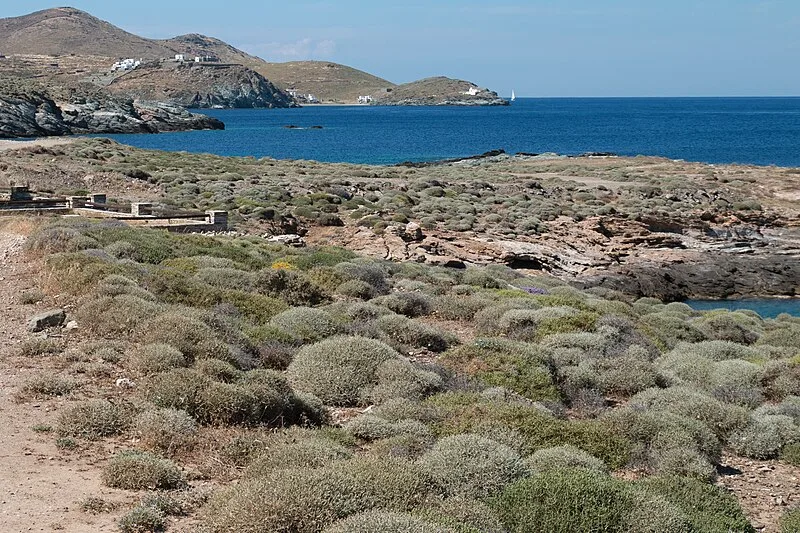
Maroulas, Kythnos
Maroulas is a Mesolithic settlement on Kythnos, Greece, dating to 8800–8600 BC, making it the oldest settlement in the Aegean island region. The site was identified as…
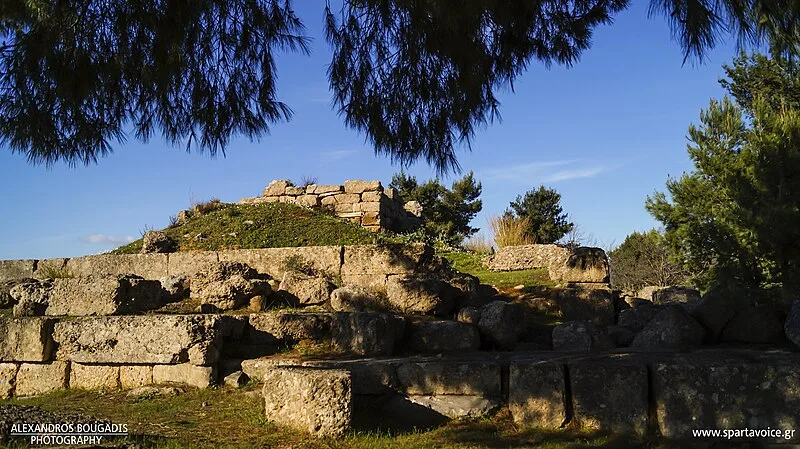
Menelaion
The Menelaion is an archaeological site on Profitis Ilias Hill, about 5 km from modern Sparta in Laconia, Greece. It preserves Mycenaean palace remains from c. 1550-1400 BC,…
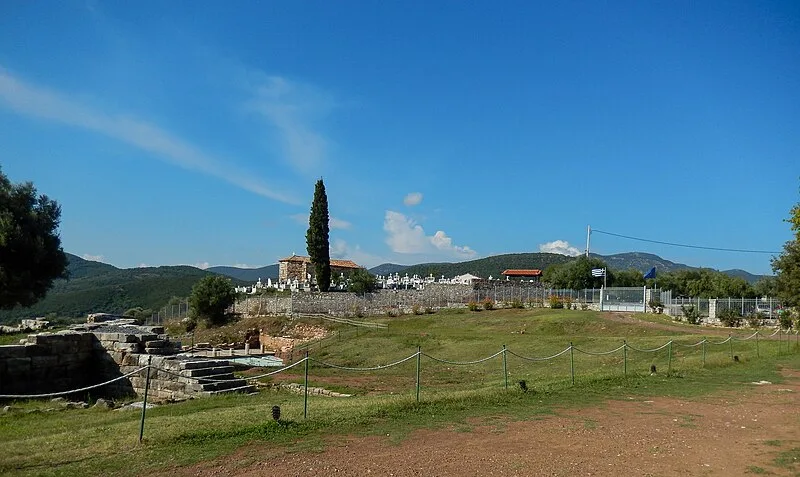
Messene
Ancient Messene was founded in 369 BC by Theban general Epaminondas following Sparta's defeat at the Battle of Leuctra (371 BC), as a fortified stronghold to prevent Spartan…
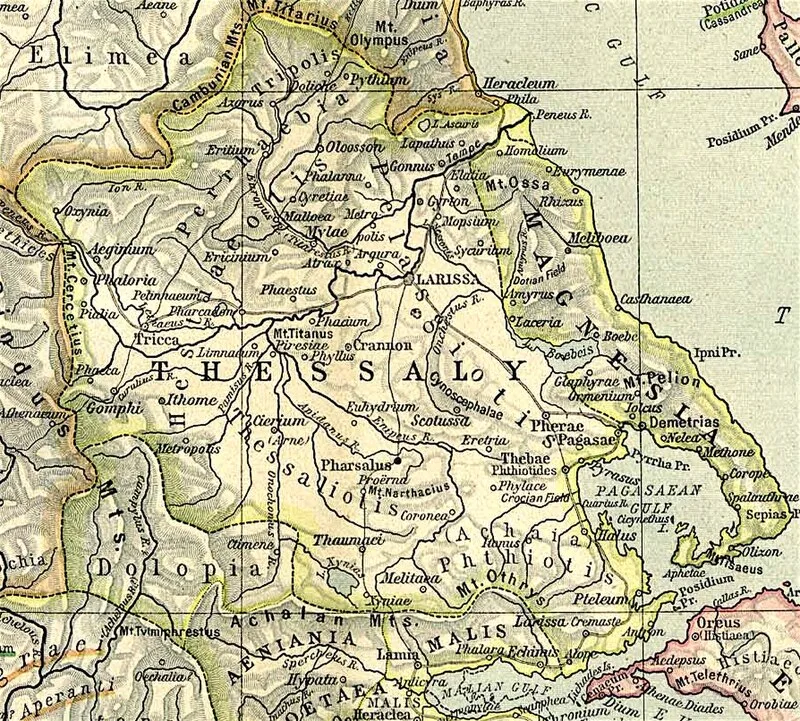
Metropolis, Thessaly
Metropolis was an ancient Greek polis (city-state) in Upper Thessaly, founded through the synoecism of three minor settlements, later incorporating additional towns including…
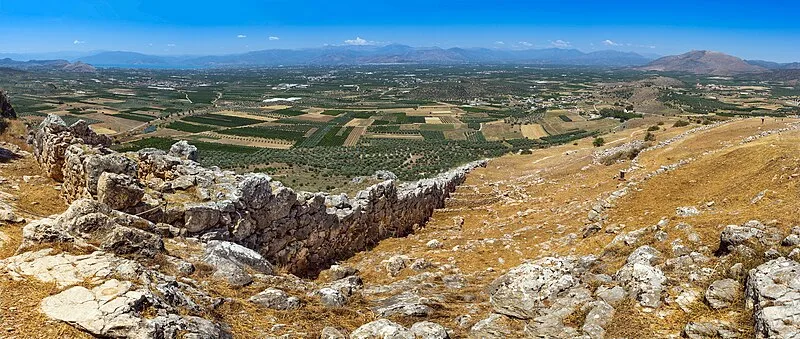
Midea, Argolid
Midea was one of the three principal Mycenaean centres in the Argolid alongside Mycenae and Tiryns, occupying the highest Mycenaean acropolis at 270m elevation. The citadel is…
Mitrou
Mitrou is a 3.6-hectare tidal islet in the Bay of Atalanti, East Lokris, Central Greece, continuously occupied from the Early Helladic II period (ca. 2650 BC) through the…
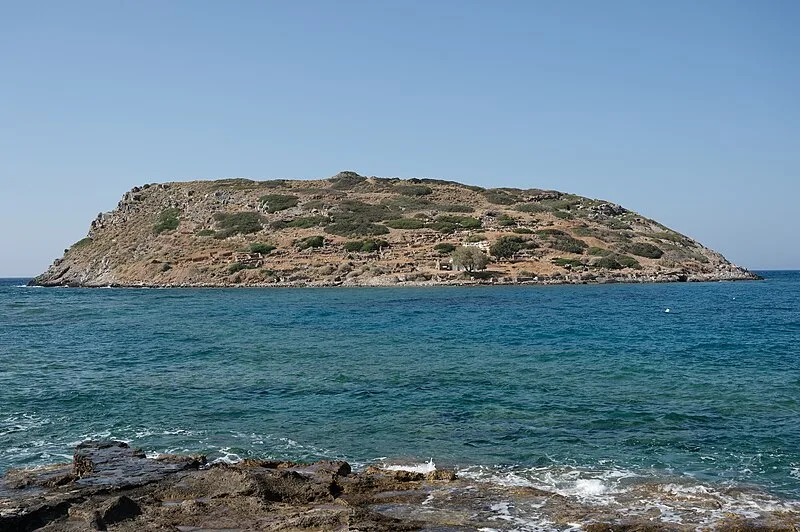
Mochlos
Mochlos (3100 BC–10th c. AD) is a small island in the Gulf of Mirabello, eastern Crete, with ruins of a Minoan settlement. Evidence suggests it was connected to the mainland in…
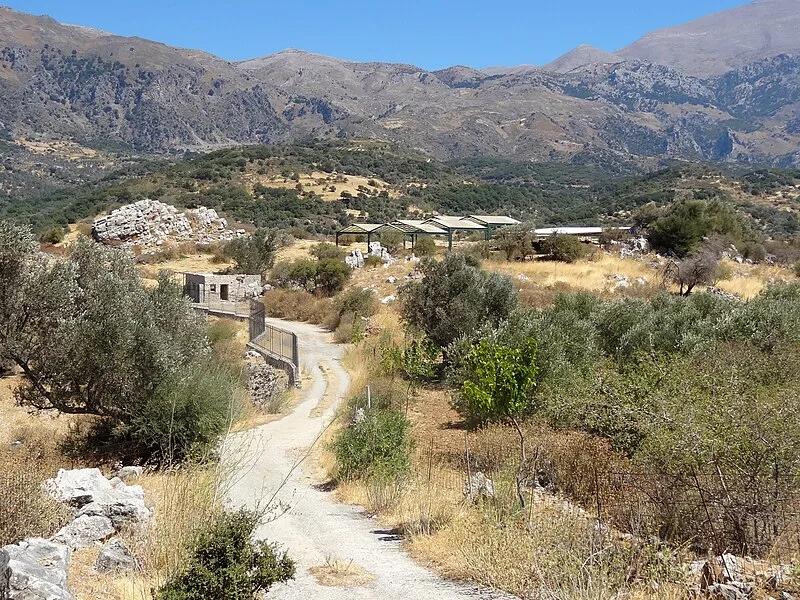
Monastiraki, Crete
Monastiraki is a Minoan archaeological site on the Amari plain in western Crete, 38 km from Rethymno. Constructed around 2000 BC during the Old Palace period, it was violently…
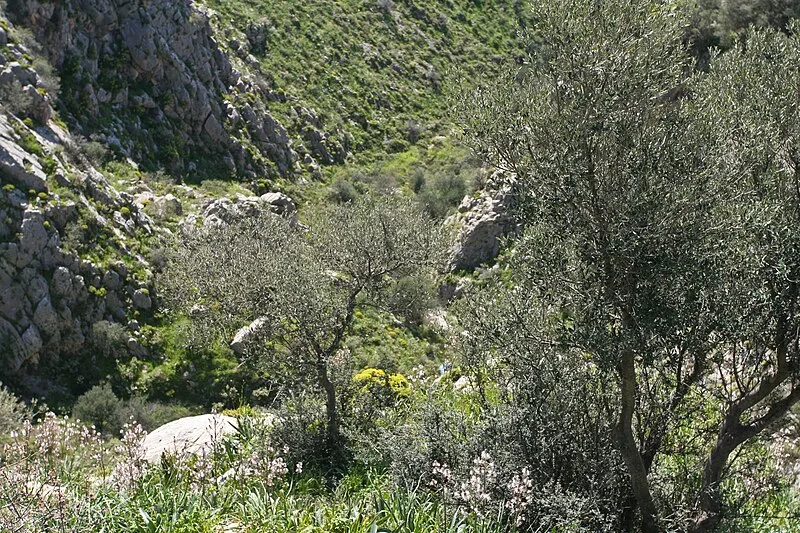
Mycenae
A major Bronze Age citadel in the Argolid, northeastern Peloponnese, Greece, and the center of the Mycenaean civilization that dominated the eastern Mediterranean from 1600 to…
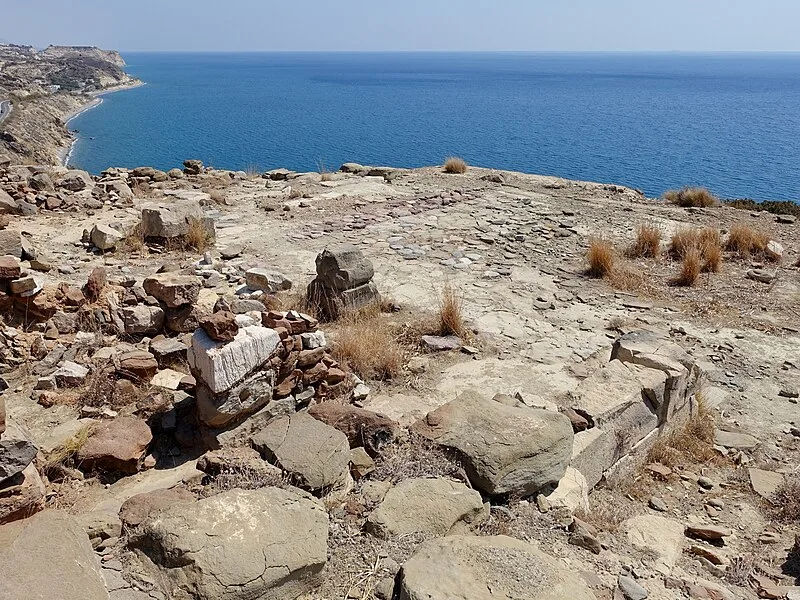
Myrtos Pyrgos
Pyrgos (also Myrtos-Pyrgos) is a Minoan archaeological site near Myrtos in the municipality of Ierapetra on the south coast of Crete. The site provides evidence of settlements…
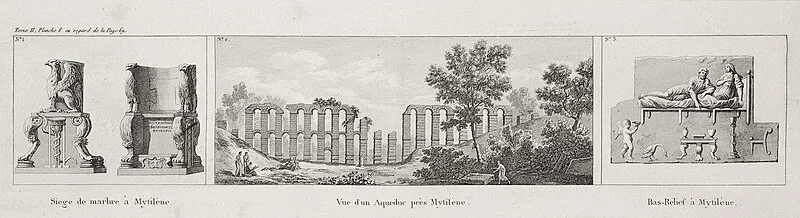
Mytilene
Mytilene is the principal city of the Greek island of Lesbos, originally situated on a small offshore islet later joined to the main island, creating a strategic double harbour…
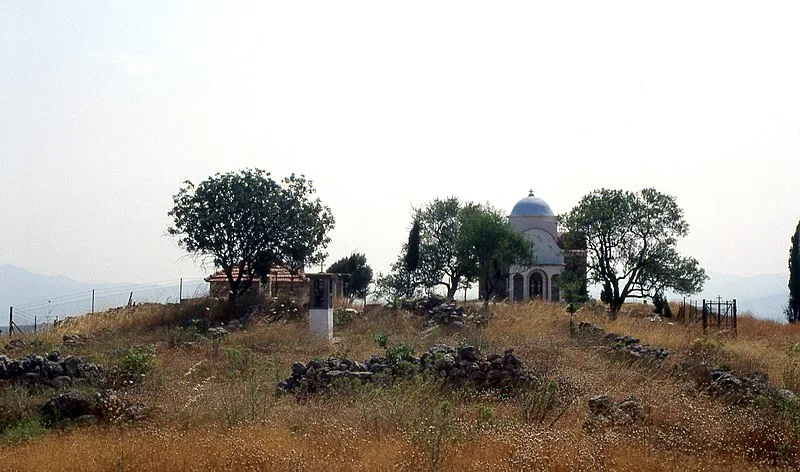
Nemea
Nemea is an ancient sanctuary and settlement in the northeastern Peloponnese, Greece, located in modern Corinthia. Once part of ancient Argolis under Cleonae, the site is famous…
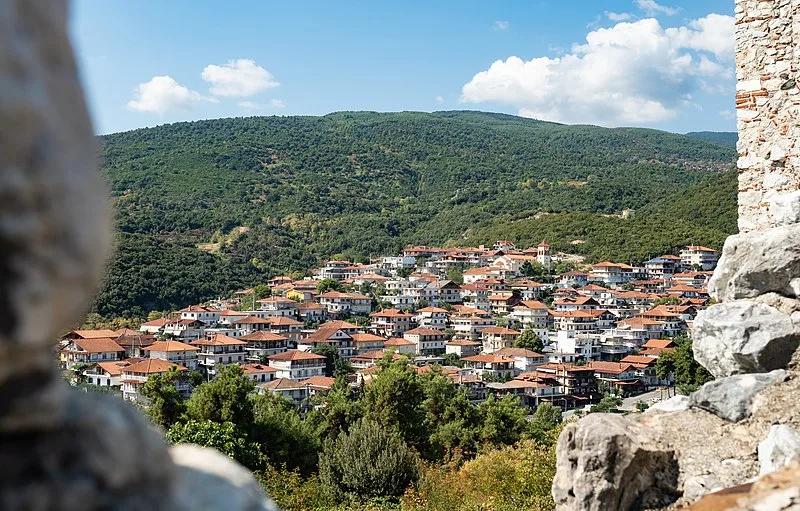
Neos Panteleimonas
A coastal settlement on the foothills of Mount Olympos in Pieria, Central Macedonia, Greece, within the municipality of Dio-Olympos. The area is rich in archaeological heritage,…
Oinochori
Oinochori is a mountain settlement in the municipal unit of Gravia, Phocis, Greece, situated at approximately 870-900 meters elevation on the slopes of Mount Oiti. Archaeological…
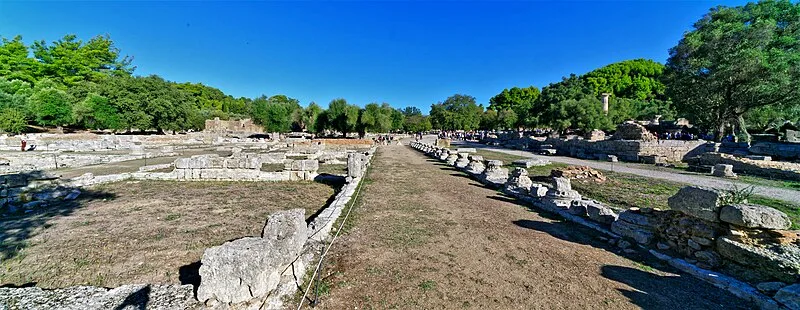
Olympia, Greece
Olympia, also known as Archaia Olympia, is an ancient Greek sanctuary in Elis on the Peloponnese peninsula that served as a major Panhellenic religious center. The site hosted the…
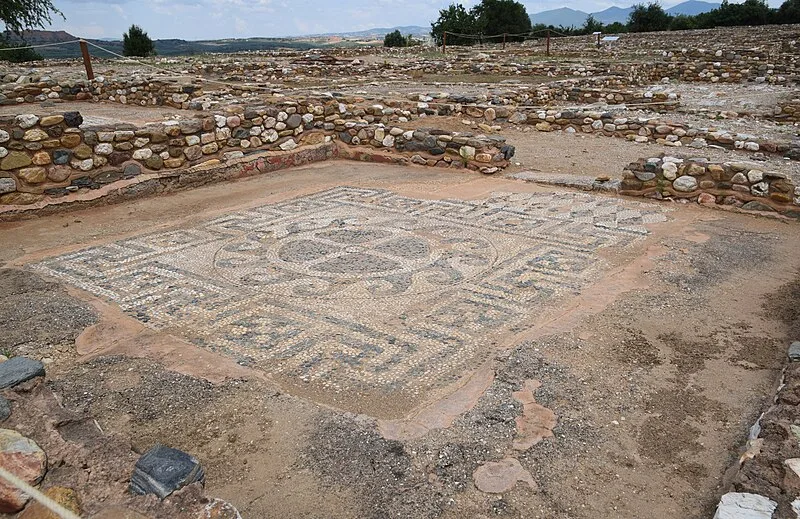
Olynthus
Olynthus was an ancient Greek city in Chalcidice, Greece, situated on two flat-topped hills rising 30-40 metres above a fertile plain at the head of the Gulf of Torone, near the…
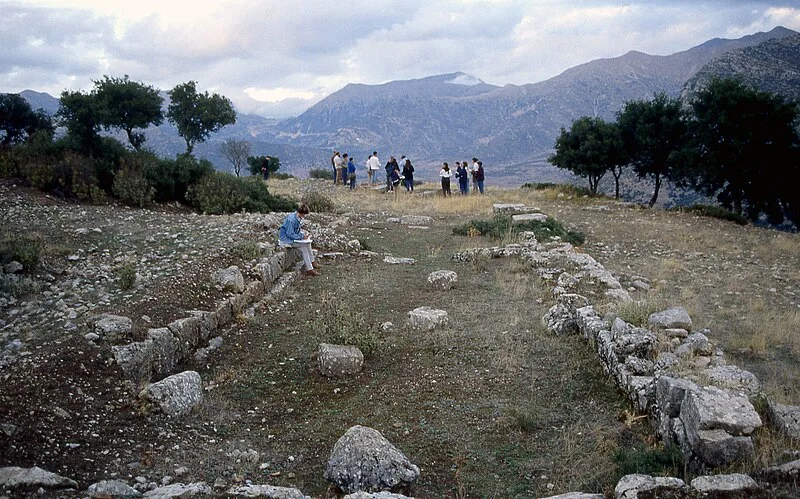
Orchomenus, Arcadia
An ancient city of Arcadia in the Peloponnese, originating as a prehistoric settlement and becoming one of the most powerful cities in western Arcadia alongside Tegea and…
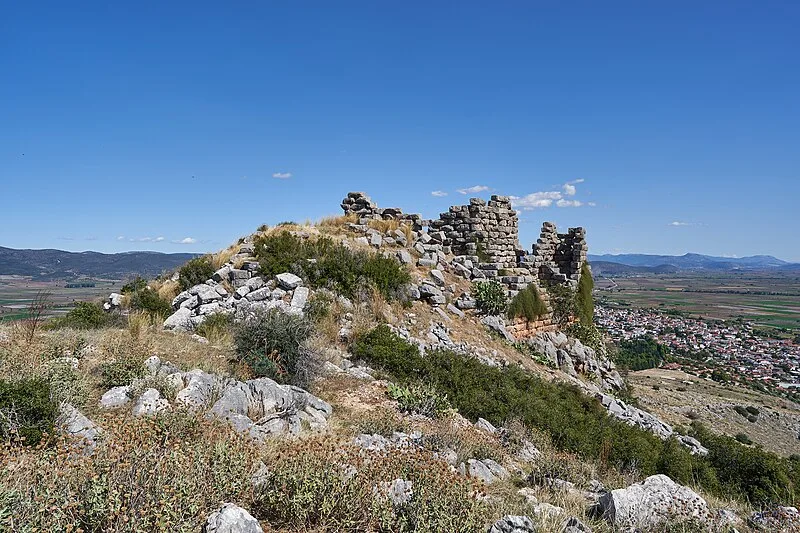
Orchomenus, Boeotia
A major Bronze Age center in Boeotia near the now-drained Lake Copais, traditionally linked to the legendary Minyans from Thessaly. The site was inhabited from the Neolithic…
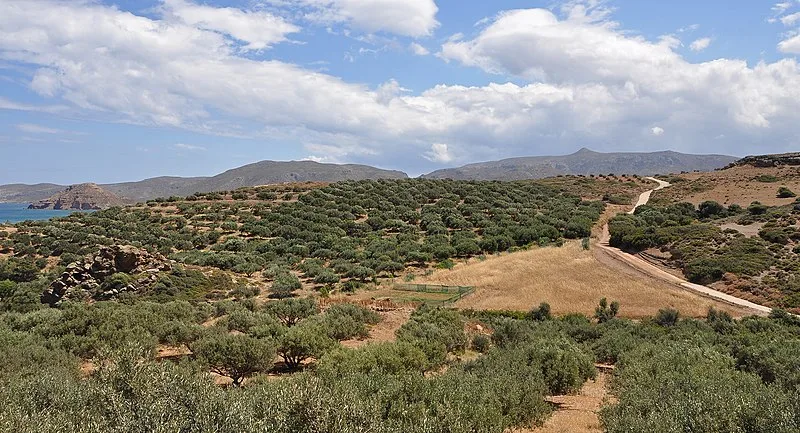
Palaikastro
Palaikastro, on Crete's eastern coast, was one of the largest Minoan settlements, spanning over 50,000 square metres and occupied from Early Minoan II to Late Minoan IIIB (c.…
Paos
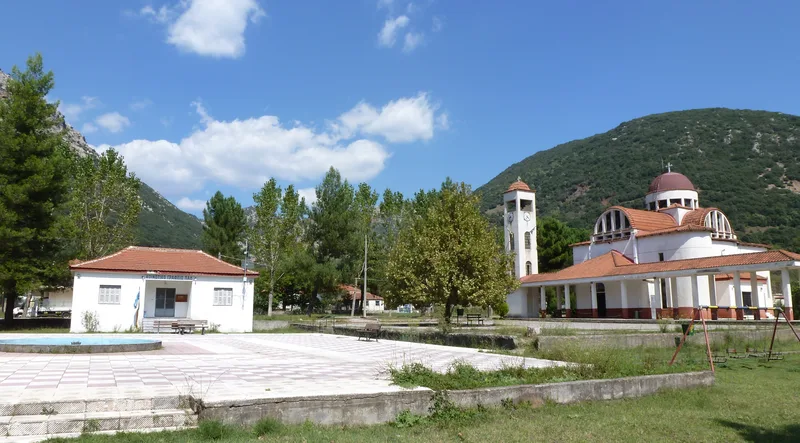
Paos is an ancient Greek settlement (kome) in Achaea, northwestern Peloponnese, situated on a hill at approximately 745 metres elevation near modern Paleos Paos village. First…
Paradeisos Archaeological Site
Paradeisos is a Late Neolithic archaeological site in Eastern Macedonia and Thrace, Northern Greece, on a flat hilltop at the west bank of the Nestos River. The site lies near the…
Pavlopetri
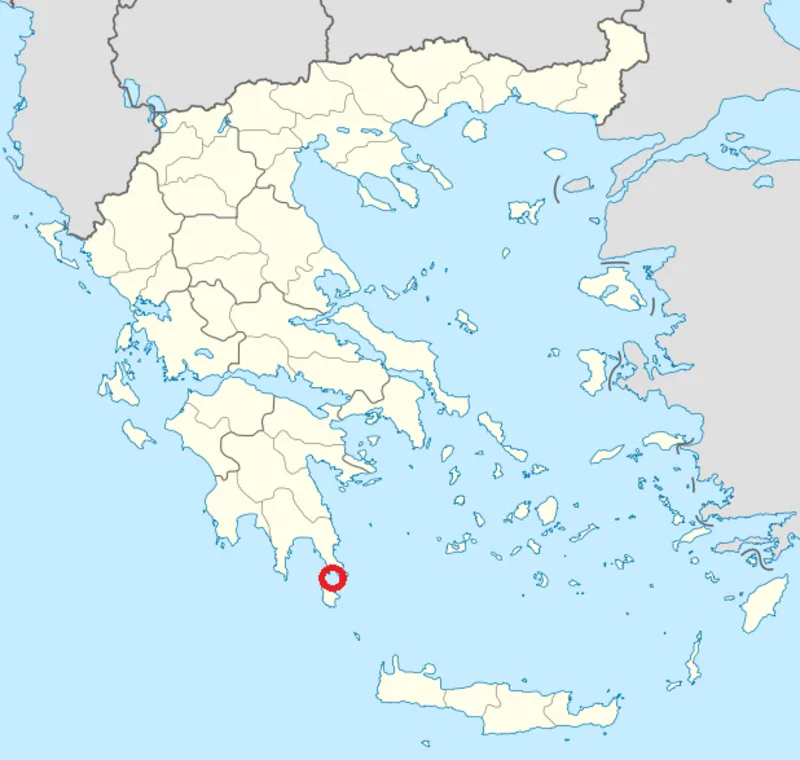
Pavlopetri, located in Vatika Bay off the coast of southern Laconia, Peloponnese, Greece, is the oldest known submerged city in the world, dating to approximately 2800 BC.…
Pellana
Pellana is an archaeological site approximately 24 km north of Sparta in Laconia, Greece, with remains spanning from the Early Bronze Age through the Byzantine period.…
Petras
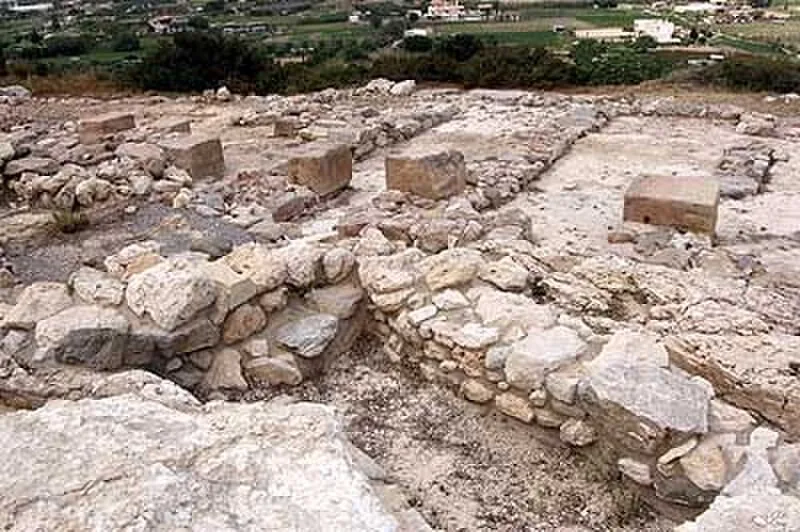
Petras is the archaeological site of a Minoan town on a low hill overlooking the Aegean Sea, 2 km southeast of Sitia in eastern Crete. First settled in the Neolithic period (c.…
Phaistos
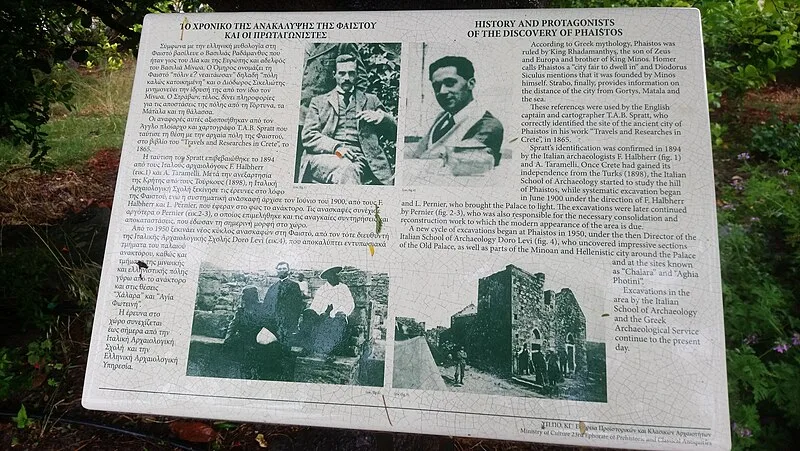
Phaistos is a Bronze Age archaeological site in south-central Crete, home to the second largest Minoan palace after Knossos. First inhabited around 3600 BCE, the first palace was…
Pheia, Elis
Pheia was an ancient port city of Elis on the western Peloponnese, situated on the isthmus of the Ichthys promontory at modern Katakolo. It served as a crucial harbour for the…
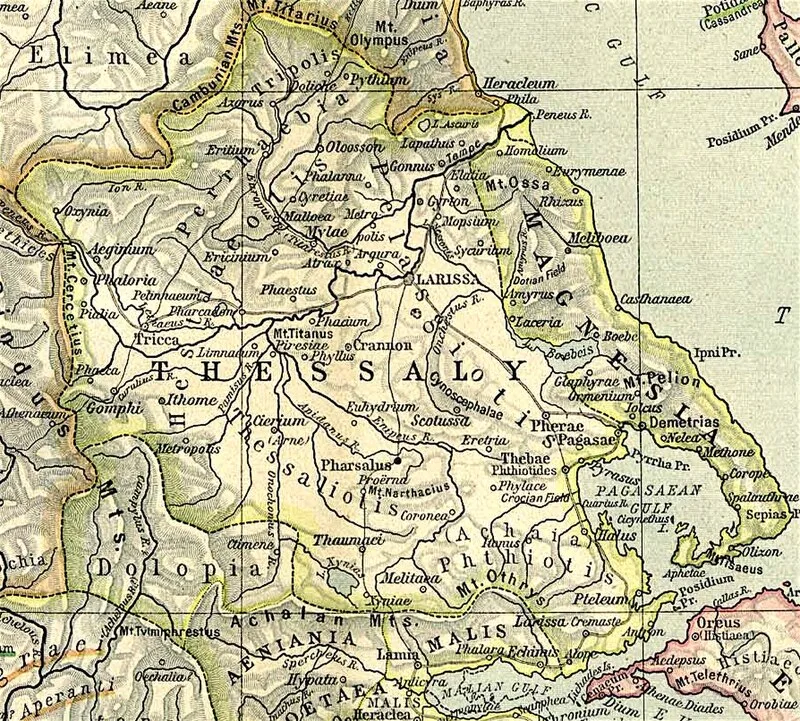
Phthiotic Thebes
Phthiotic Thebes (Thessalian Thebes) was an ancient city in Achaia Phthiotis, Thessaly, near modern Mikrothives on the Pagasetic Gulf. Inhabited since the Stone Age, it rose to…
Pigi Artemidos
Pigi Artemidos is a Bronze Age archaeological site at the foot of lower Mount Olympus, near Platamonas in the Pieria region of Greece. Discovered during road construction for the…
Prassa
Prassa is a Minoan archaeological site on Crete, discovered accidentally in 1939. Excavations began that year but were interrupted until 1951. Two Middle Minoan houses were…
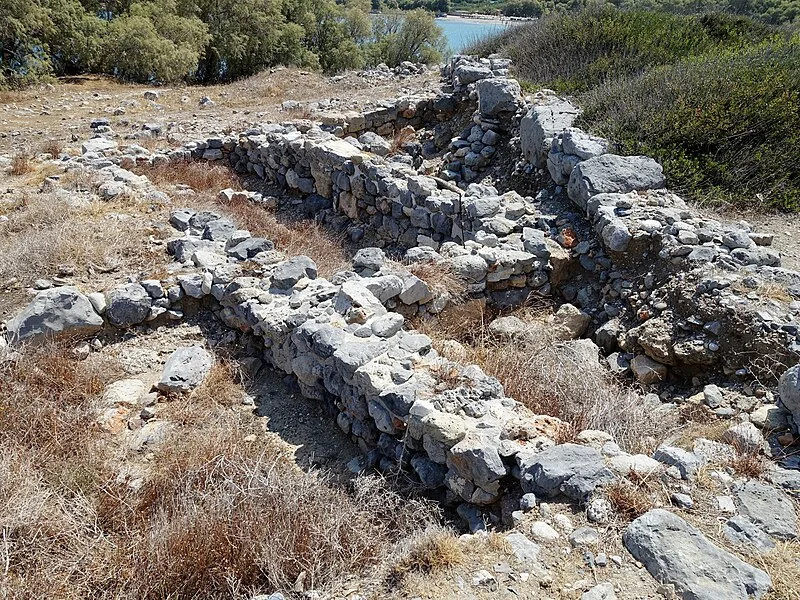
Priniatikos Pyrgos
Priniatikos Pyrgos is an archaeological site on a coastal promontory near the Istron River in eastern Crete's Lasithi regional unit, Greece. The nearest major town is Agios…
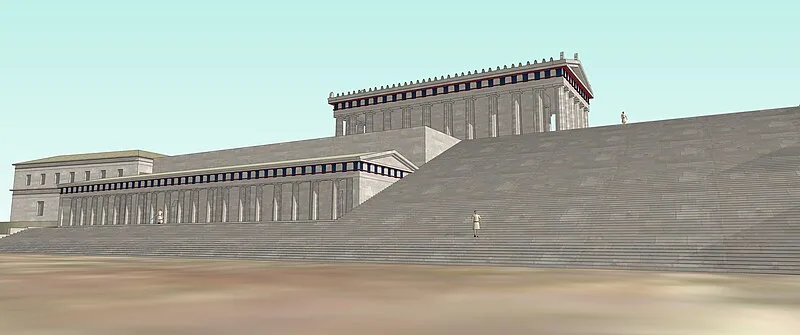
Prosymna
Prosymna was a town in ancient Argolis, Greece, in whose territory the celebrated Heraeum (temple of Hera) stood, situated between Mycenae and Midea. The site was inhabited from…
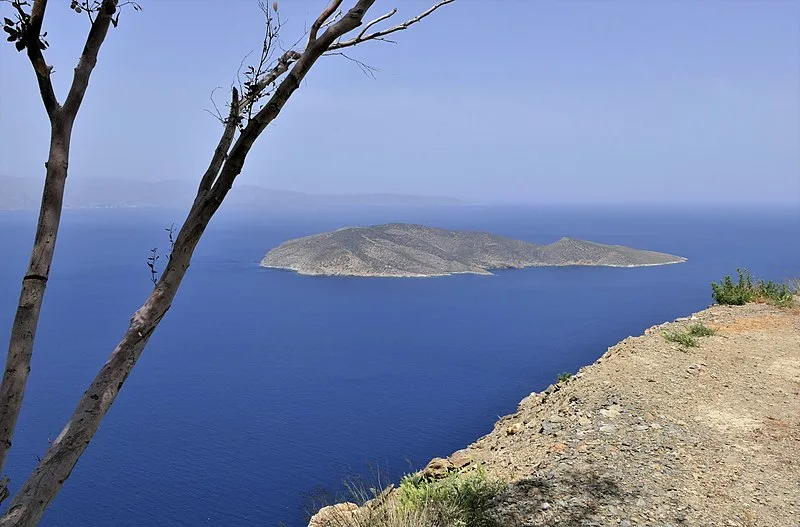
Pseira
Pseira is a small island in the Gulf of Mirabello, northeastern Crete, bearing the remains of a Minoan town first excavated by Richard Seager in 1906-1907. The settlement grew…
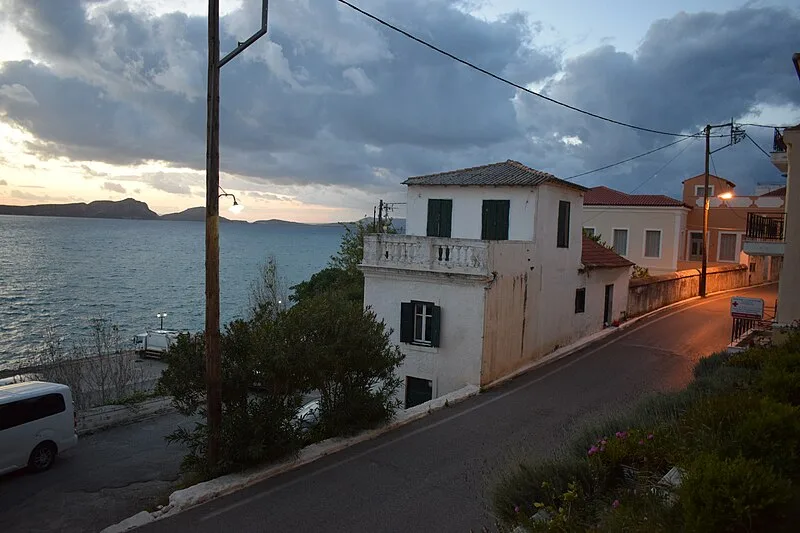
Pylos
Pylos is a town in Messenia, Peloponnese, Greece, with origins dating back to the Neolithic period. It was a significant Mycenaean kingdom, home to the Palace of Nestor, named…
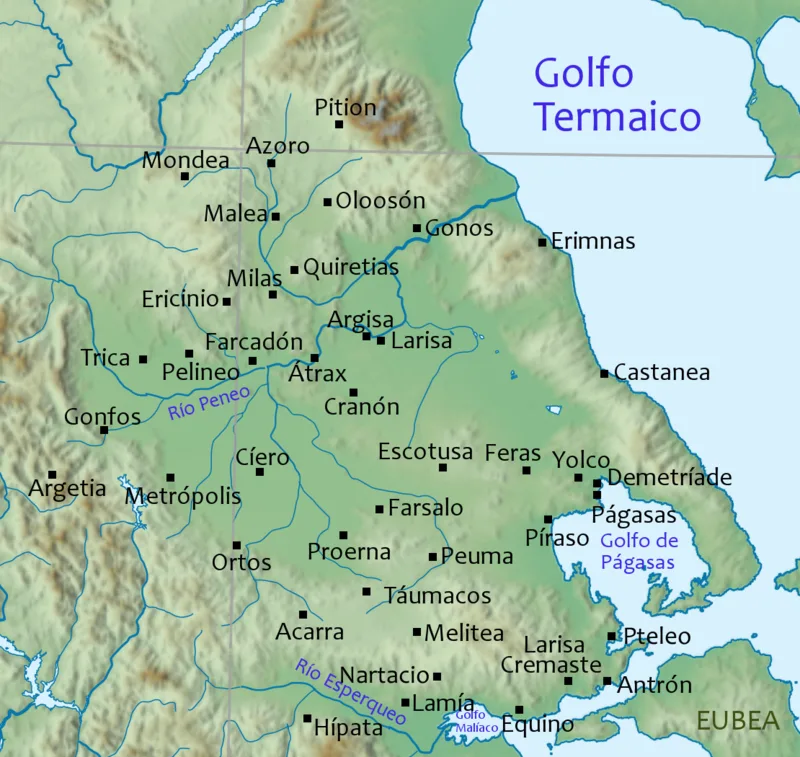
Pyrasus
Pyrasus (or Pyrasos) was an ancient Greek polis of Phthiotis in Thessaly, mentioned by Homer in the Catalogue of Ships as ruled by Protesilaus. The city was situated on the…
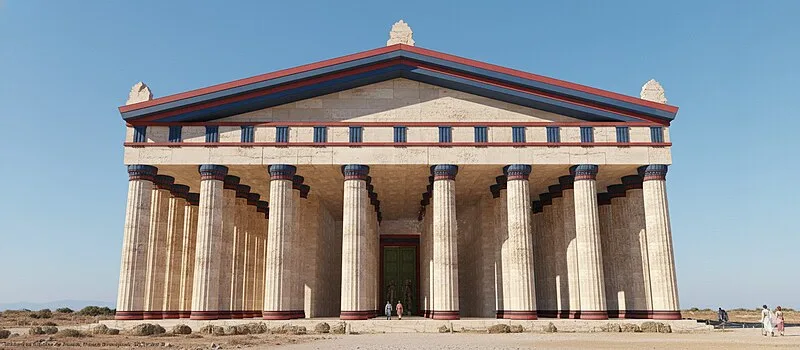
Pythagoreion
The Pythagoreion is the archaeological site of the ancient city of Samos on the island of Samos, Greece, inscribed as a UNESCO World Heritage Site in 1992 alongside the Heraion…
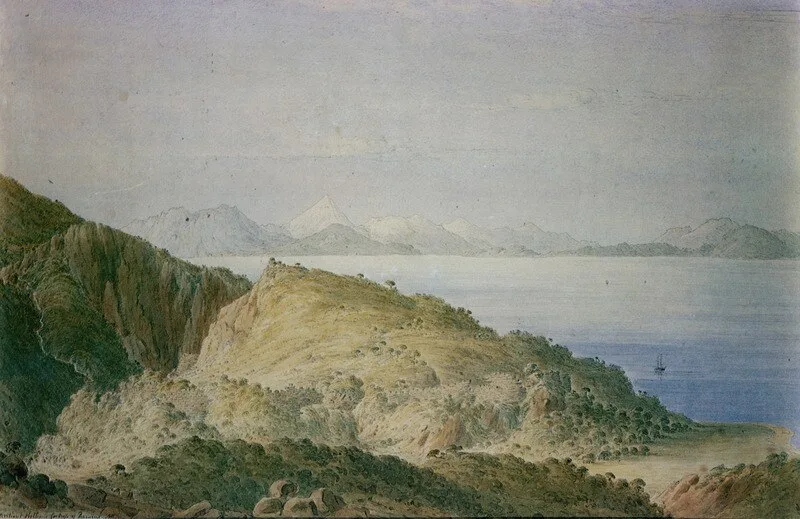
Rhamnous
Rhamnous was a fortified ancient Greek deme on Attica's northeast coast, about 55 km from Athens, guarding the Euboean Strait. Its sanctuary of Nemesis, the avenging goddess, was…
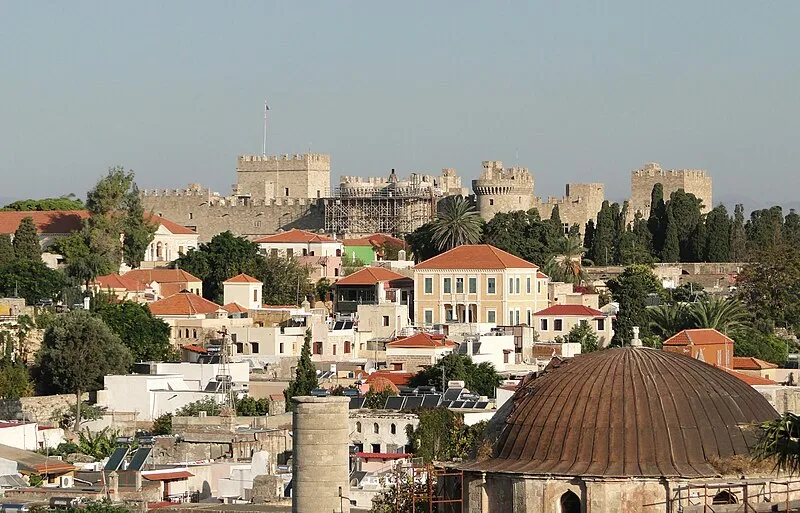
Rhodes - City
Rhodes is the principal city on the island of Rhodes in the Dodecanese, Greece, with a population of approximately 56,000 (nearly 90,000 in the metropolitan area). The city has…
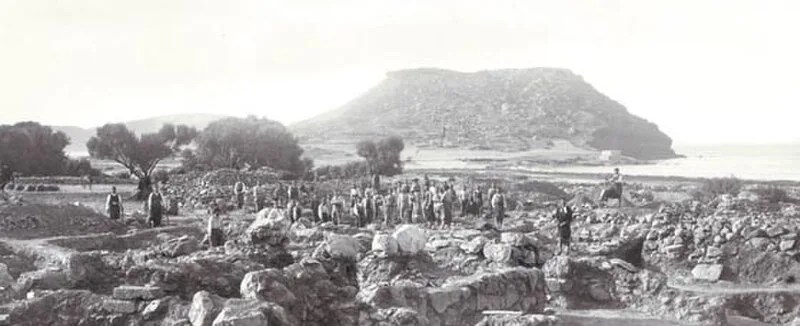
Roussolakko
Roussolakkos is the site of a major Minoan town near Palekastro in eastern Crete, occupied from Early Minoan IIA to Late Minoan IIIB (c. 2650-1200 BC). At its height around 1450…
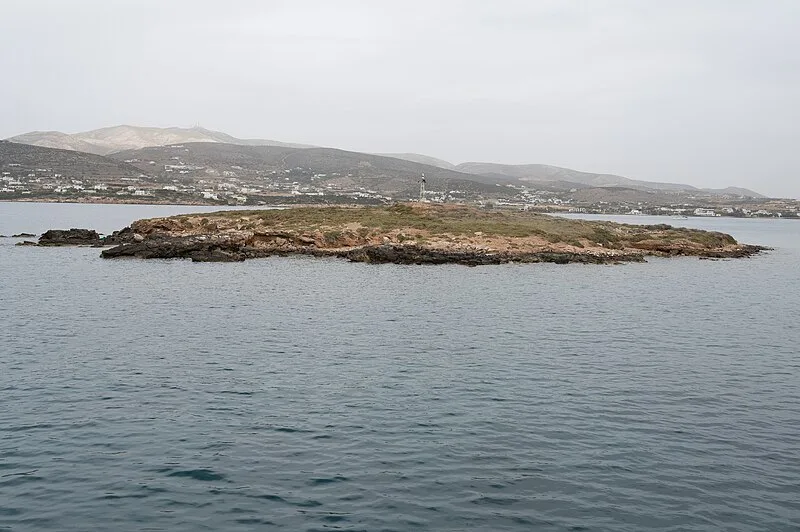
Saliagos
Saliagos is a Neolithic islet in the Cyclades, Greece. It represents the earliest known farming settlement in the Cyclades and is one of the oldest sites of the Cycladic culture.
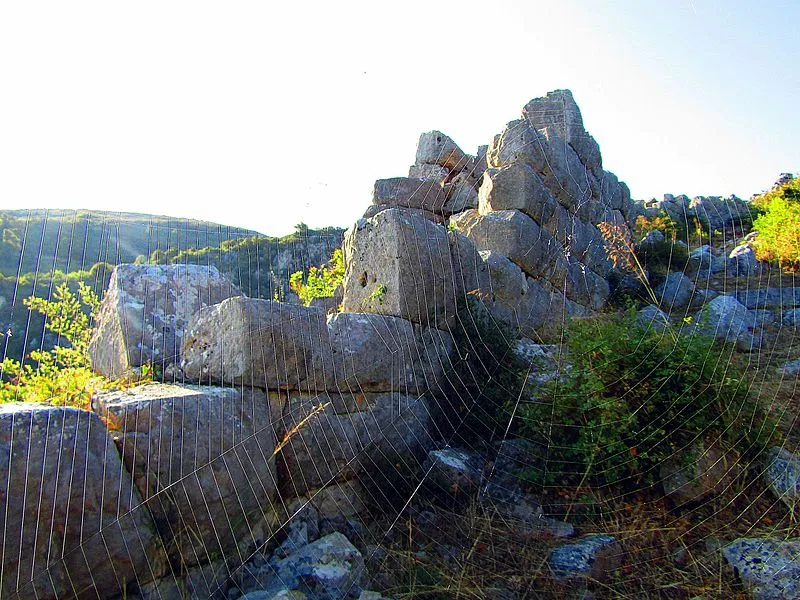
Samicum
Samicum (or Samikon) was an ancient town of Triphylia in Elis, Greece, situated near the coast roughly halfway between the mouths of the Alpheius and Neda rivers, and slightly…
Sesklo
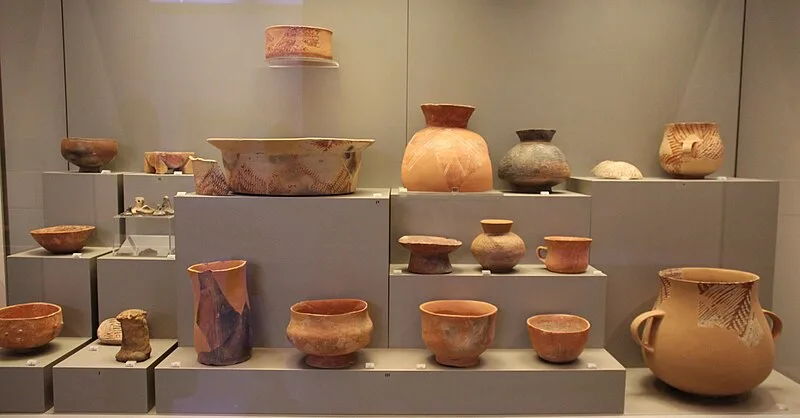
Sesklo is one of the largest prehistoric settlements in Europe, located on Kastraki Hill near Volos in Thessaly, Greece. Inhabited from the mid-7th to the 4th millennium BC, the…
Skarkos
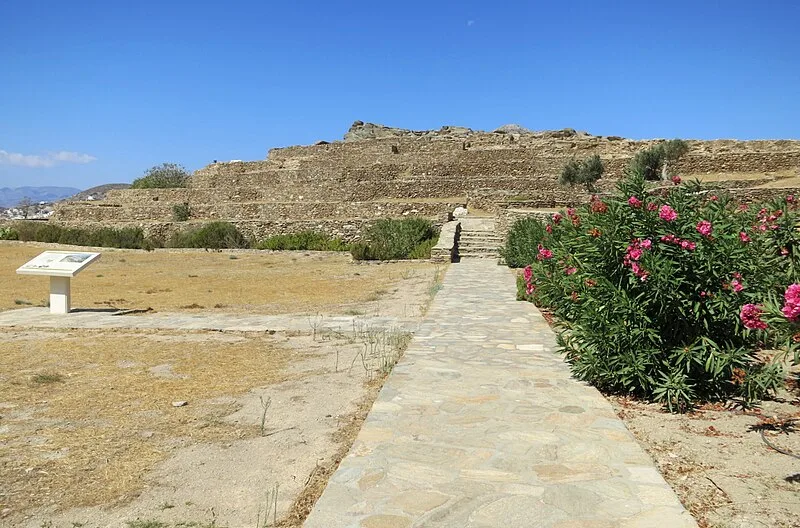
Skarkos is the largest, most important, and best-preserved Early Bronze Age Cycladic settlement known to date, located on the island of Ios in Greece. Built in a circular layout…
Sklavokampos
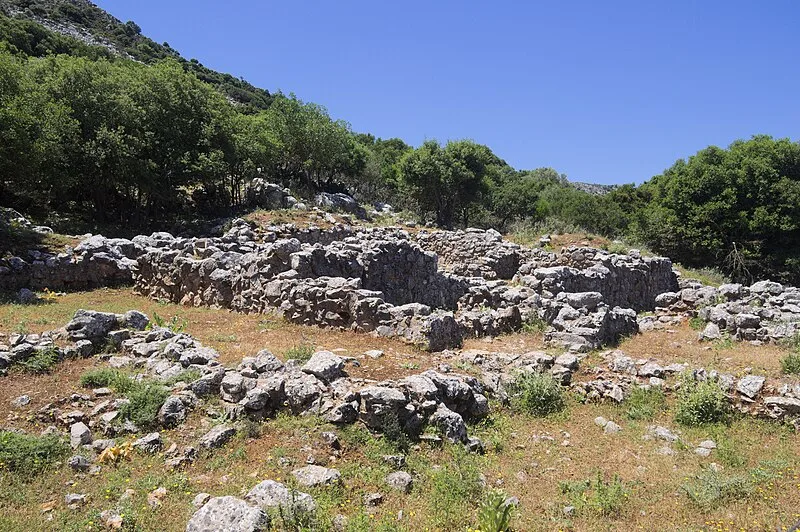
Sklavokampos (also Sklavokambos) is an archaeological site of a Minoan settlement in central Crete, located in the Malevizi municipality, approximately 13 kilometers southwest of…
Stilos - Archaeological Site
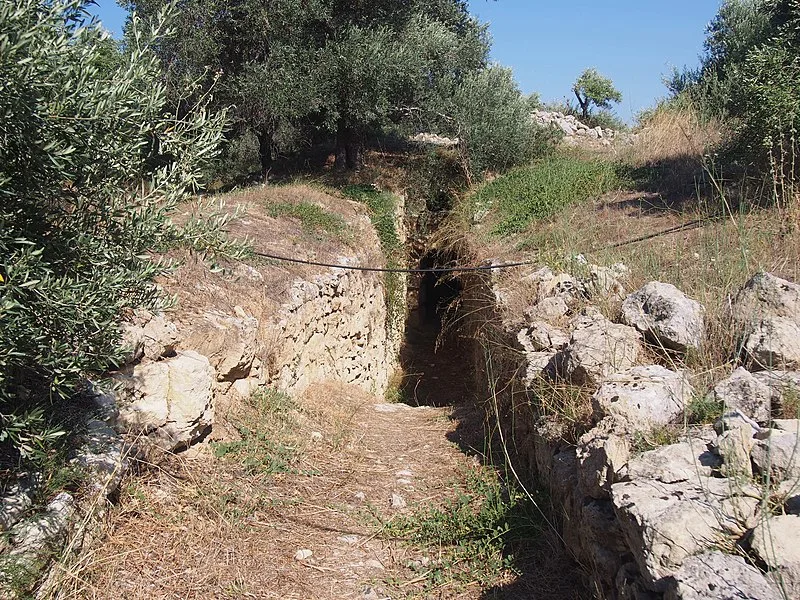
Stylos is an ancient Minoan settlement and cemetery near the modern village of Stylos in the Chania region of Crete, close to the important site of Aptera. Excavated by N. Platon…
Sycurium
Sycurium was an ancient town of Thessaly in the Pelasgiotis district, at the foot of Mount Ossa near the western end of the Tempe valley. During the Third Macedonian War (171 BC),…
Tegea
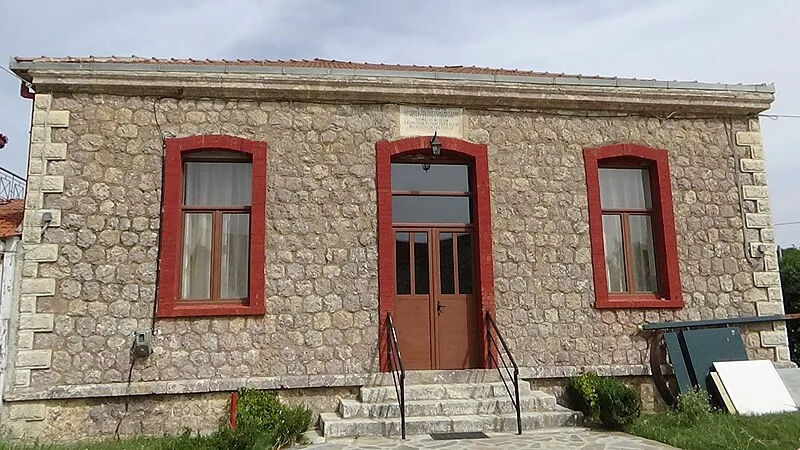
Tegea was one of the most ancient and powerful cities of Arcadia in the Peloponnese, Greece, centred on the renowned Temple of Athena Alea, one of the most important religious…
Temple of Aphrodite, Ancient Cassope
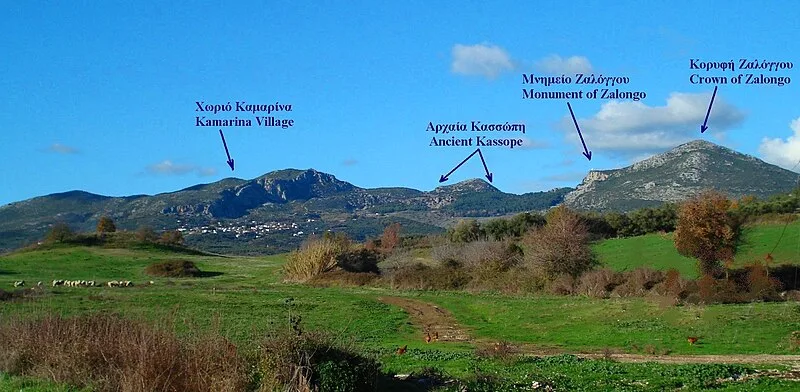
The Temple of Aphrodite at ancient Cassope (Kassope) in Epirus, Greece, is a peripteral hexastyle temple measuring 17.20 x 10.15 metres, located outside the city walls. Aphrodite…
Thebes, Greece
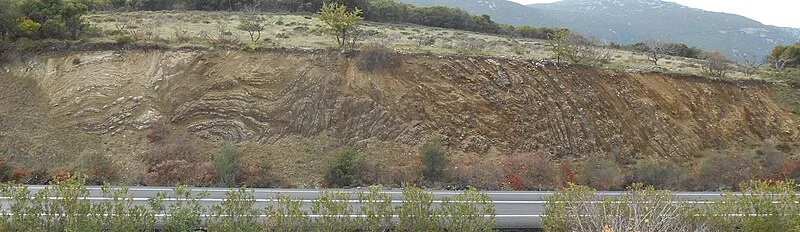
Thebes, one of the oldest continuously inhabited cities in the world, lies in Boeotia, central Greece. A ruined 15th-century BCE Minoan-style palace at the Cadmea citadel featured…
Toumba
Toumba (Greek: Τούμπα) describes mounds created by settlements in northern Greece during the Bronze Age (c. 3000–1100 BC) and early Iron Age (c. 1100–700 BC). Initially mistaken…
Tripiti - Archaeological Site
Tripiti (also Trypiti) is the archaeological site of an Early Minoan settlement in southern Crete, Greece, built on the rocky hill of Papouri, 135 meters above sea level near the…
Troullos
Troullos is a Minoan settlement site forming the easternmost section of the ancient town of Archanes in central Crete, active from Middle Minoan II to Late Minoan I (c. 1875-1450…
Tylissos
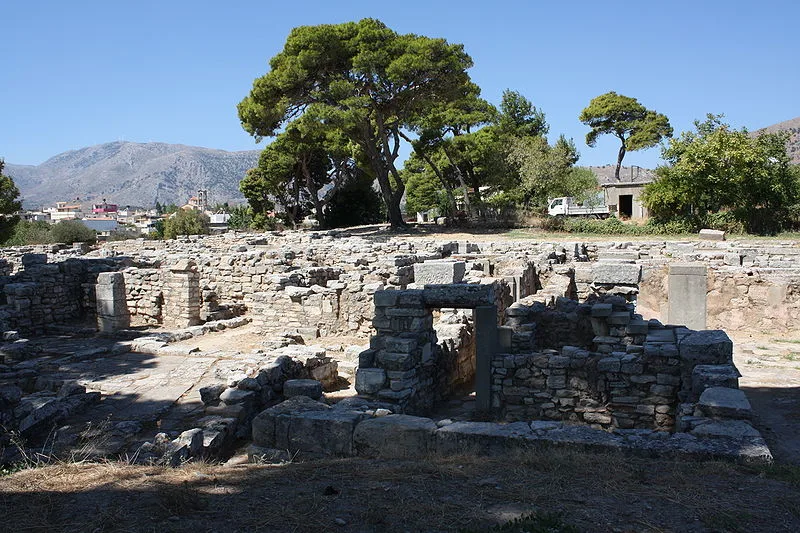
Tylissos is an ancient Minoan settlement 16 km west of Heraklion on Crete, strategically positioned to control routes between central and western Crete under the authority of…
Valtos Leptokaryas
Valtos Leptokaryas is a Bronze Age archaeological site north of the village of Leptokarya near Mount Olympus in northern Greece, containing three successive settlement phases…
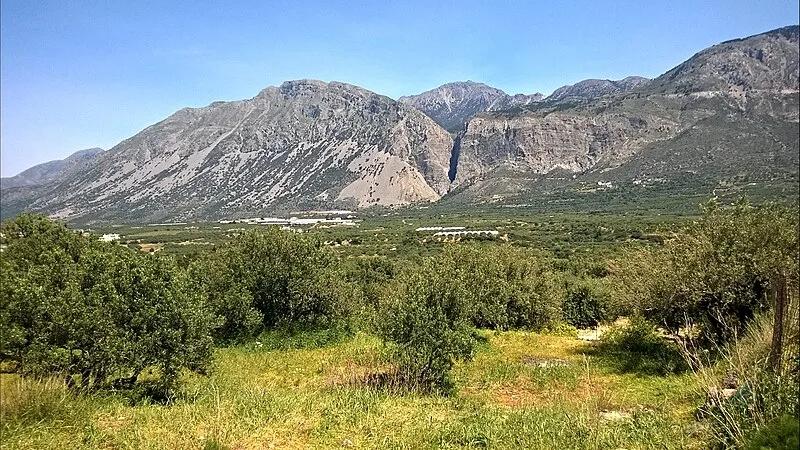
Vasiliki, Lasithi
Vasiliki is an Early Minoan settlement on hill Kastelli near Ierapetra, eastern Crete, occupied from c. 2600 BC and flourishing due to its strategic position controlling the…
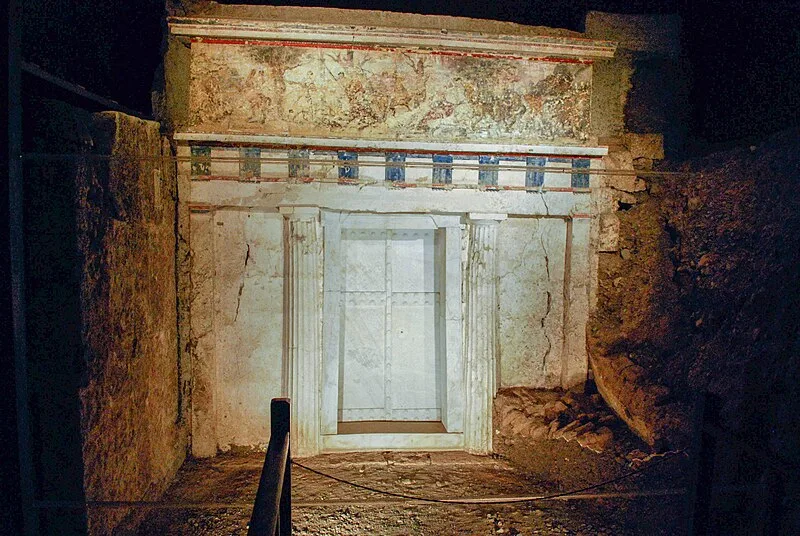
Vergina - Ancient Aigai
Vergina in northern Greece is the site of ancient Aigai, the first capital of the Kingdom of Macedon, designated a UNESCO World Heritage Site in 1996 as an exceptional testimony…
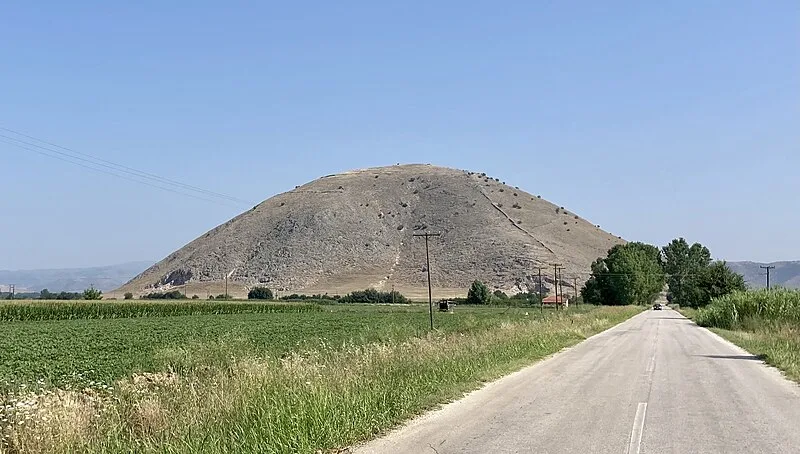
Vlochos Archaeological Site
Located at the northeast corner of the western Thessalian plain near Palamas, Greece, the Vlochos site is centered on the hill of Strongilovouni. A Greek-Swedish archaeological…
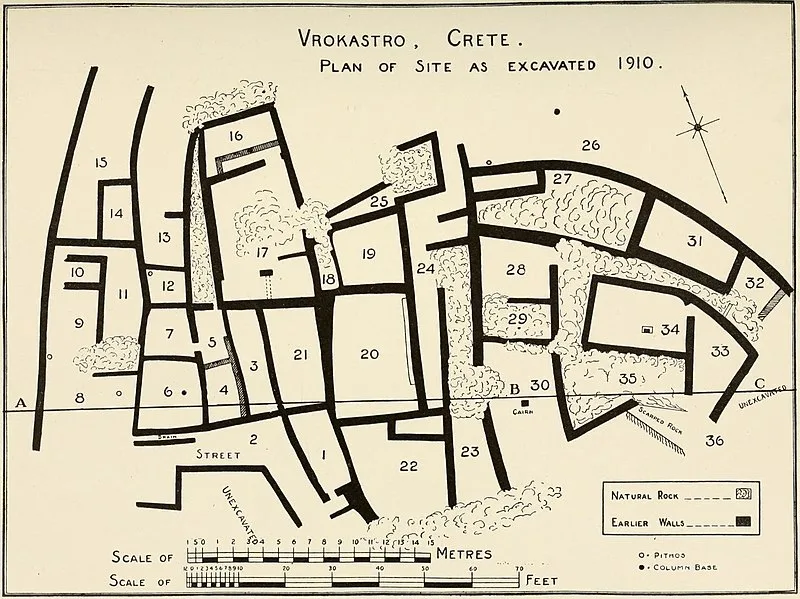
Vrokastro
Vrokastro was an ancient Minoan settlement in eastern Crete, Greece, dating from 3000 to 1500 BC. The mountain citadel overlooks the Gulf of Mirabello. It is located in the…
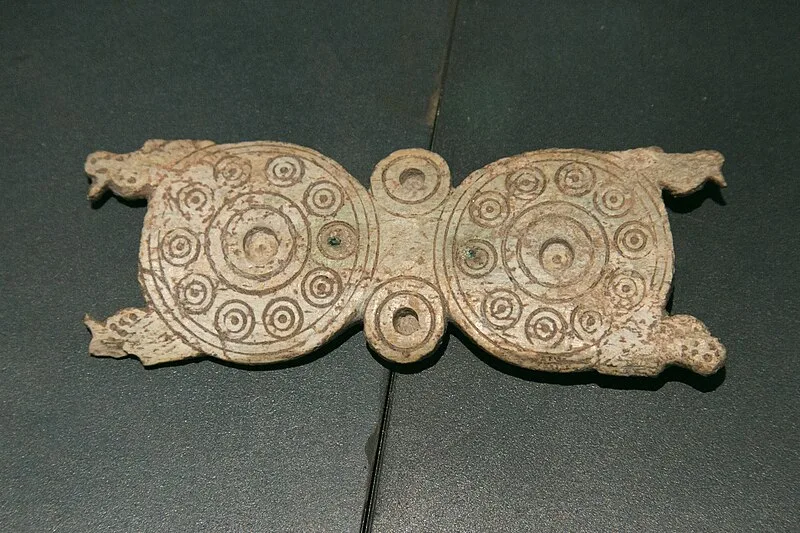
Vryokastro
Vryokastro, on the northwestern coast of Kythnos in the Cyclades, was the ancient capital from which the island takes its name. Inhabited continuously from the 12th century BC to…
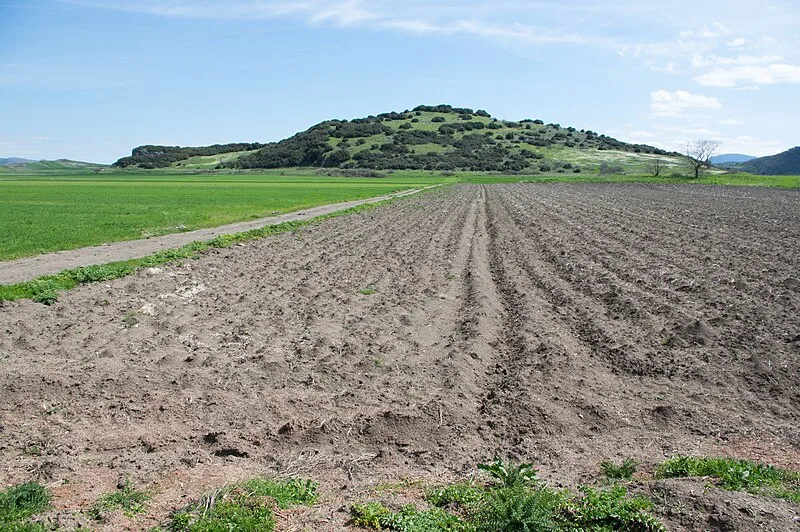
Xyniae
Xyniae was an ancient city in Achaea Phthiotis, Thessaly, Greece, strategically positioned on a promontory in Lake Xynias on the western slopes of Mount Othrys. It controlled…
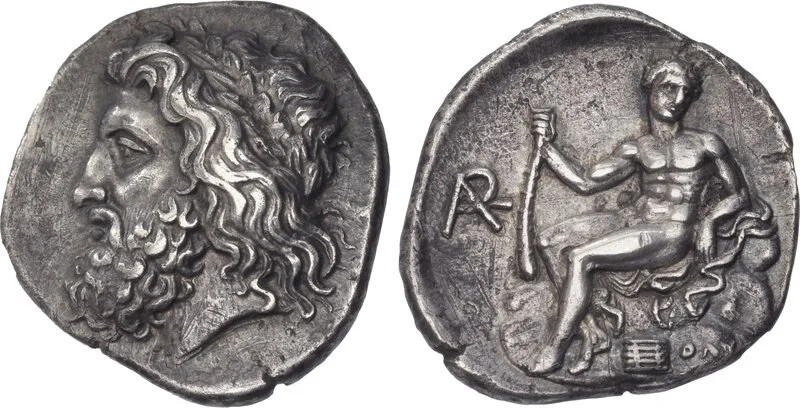
Ναός Σωτήρου Διός
Sanctuary of Zeus Soter erected c. 371 BC in the agora of Megalopolis, the Arcadian League capital founded after the Battle of Leuctra. The complex comprised a peristyle court (47…
Temple complex in Greece (73)
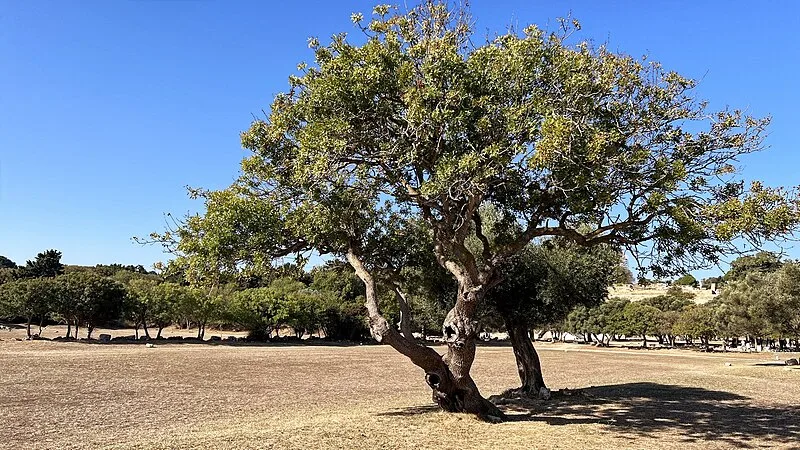
Acropolis of Rhodes
The Acropolis of Rhodes is an ancient temple complex dating from the 5th century BC, situated on Monte Smith approximately 3 kilometers southwest of modern Rhodes city center and…
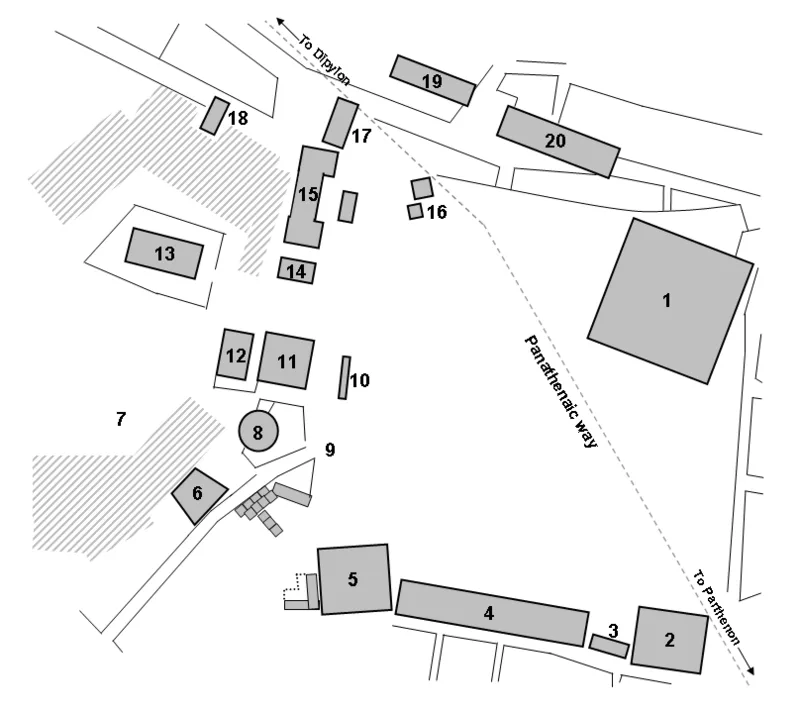
Altar of the Twelve Gods
The Altar of the Twelve Gods was a sacred sanctuary in ancient Athens, situated in the northwest corner of the Classical Agora. Established by Pisistratus the Younger during his…
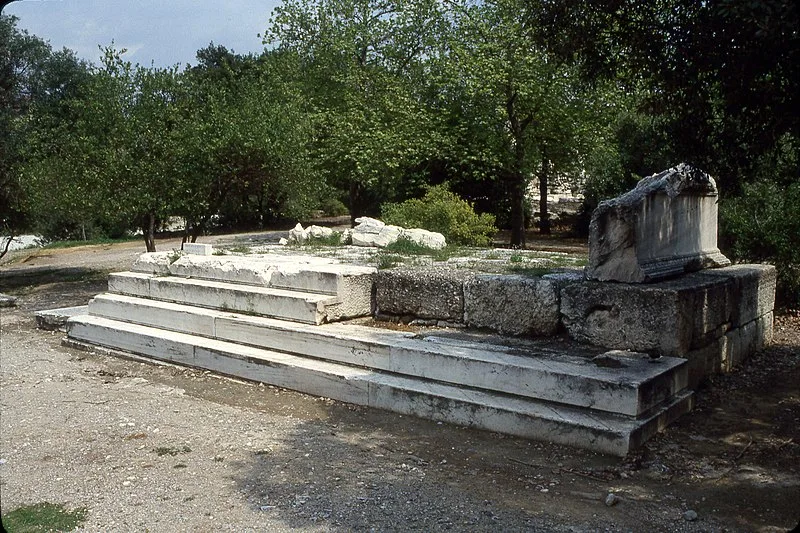
Altar of Zeus Agoraios
Built in the 4th century BC, the Altar of Zeus Agoraios is a white marble altar in the northwest Ancient Agora of Athens. Measuring 9m deep and 5.5m wide, it was among the first…
Anakeion
A 5th-century BC sanctuary in Athens dedicated to the Dioskouroi (Castor and Pollux), located on the east slope of the Acropolis near the cave of Aglauros. It served as a key…
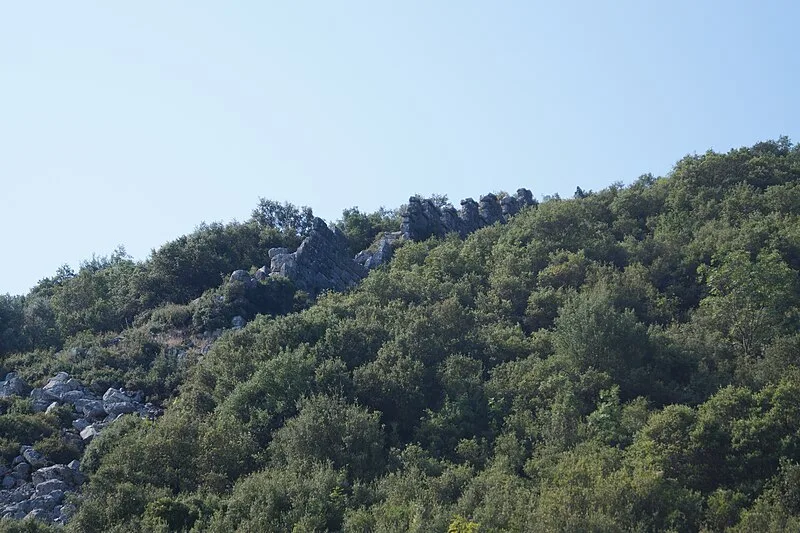
Ancient Lilaia
Ruins of an important Phocian city in central Greece, inhabited since the 3rd millennium BC and named after the nymph Lilaia, daughter of the river god Cephissus. Listed in…
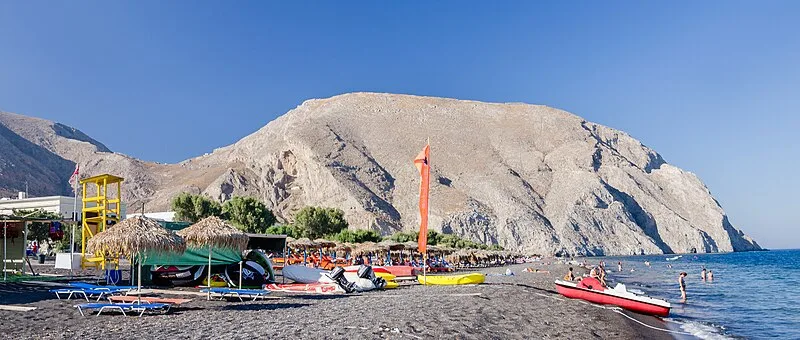
Ancient Thera
A Dorian settlement atop Mesa Vouno mountain (365 m) on Santorini, founded in the 9th-8th century BC by Spartan colonists led by King Theras, for whom the island was named. The…
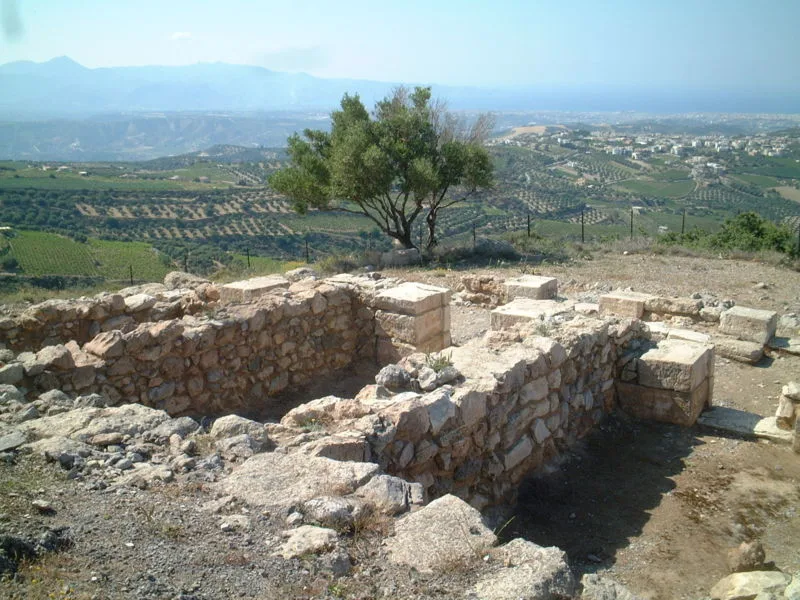
Anemospilia
A Minoan temple on the northern slope of Mount Juktas, Crete, about 7 km from Knossos, excavated in 1979 by Yannis Sakellarakis. The building consists of three rectangular rooms…
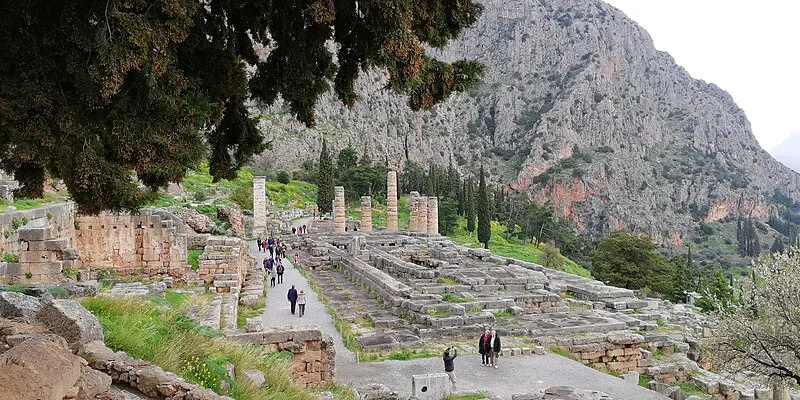
Apollo Temple, Delphi
The Temple of Apollo at Delphi was the centerpiece of the Panhellenic Sanctuary at Delphi, a sacred precinct in central Greece dedicated to Apollo, the god of prophecy, music, and…
Apollo Temple, Portara
The Portara is the monumental marble gateway of an unfinished Temple of Apollo on the islet of Palatia in Naxos harbour, begun in 530 BC by the tyrant Lygdamis. Intended to rival…
.webp)
Archaeological Area, Stymphalos
The Archaeological Area of Stymphalos in Arcadia, Greece, contains the ruins of a city refounded in the 4th century BC on a grid plan. Excavations have revealed houses, a theatre,…
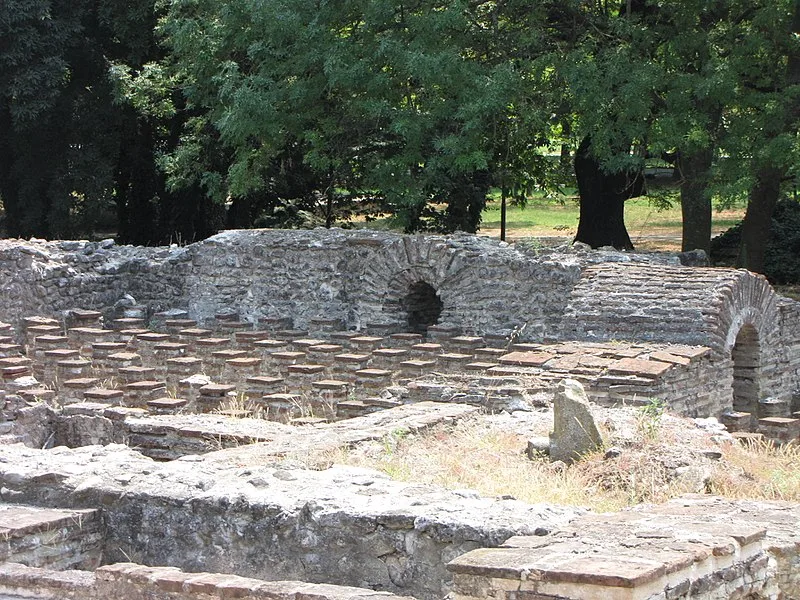
Archaeological Park of Dion
The Archaeological Park of Dion is the most important archaeological site at Mount Olympus in Greece, covering 150 hectares. It contains sanctuaries from the Hellenistic and Roman…
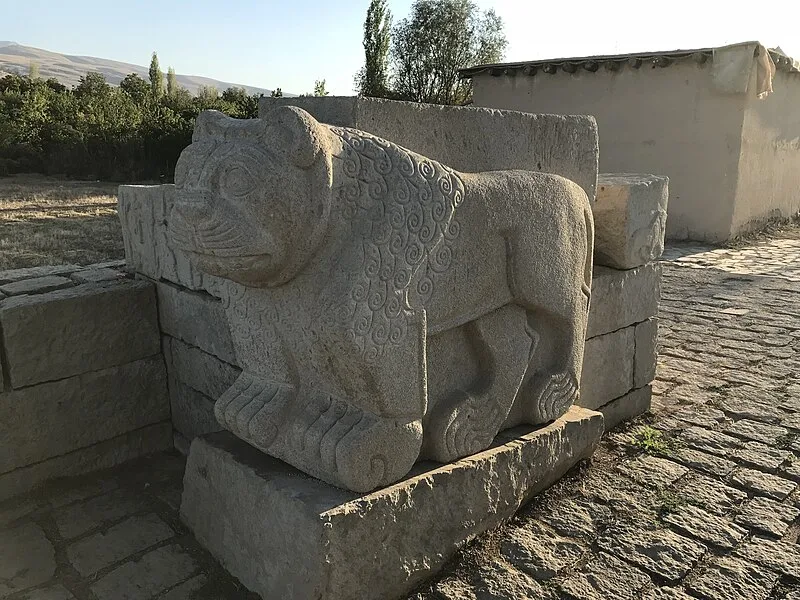
Archaeological Site, Argos
Argos, in the Peloponnese region of Greece, was a major Mycenaean settlement during the Late Bronze Age (1700-1100 BCE) and remained a prominent city throughout the Greek,…
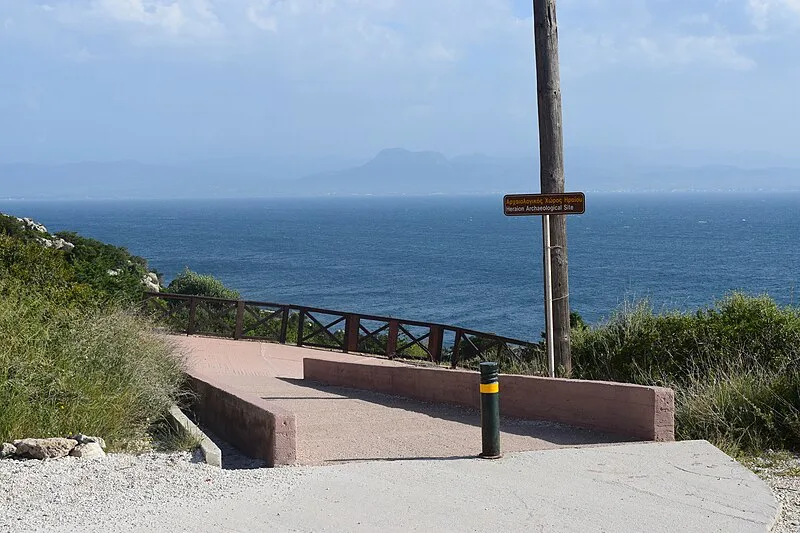
Archaeological Site, Heraion
Sanctuary of Hera at the tip of the Perachora peninsula on the Corinthian Gulf, founded in the 8th century BC. Two cult areas honoured Hera Akraia and Hera Limenia, with a…
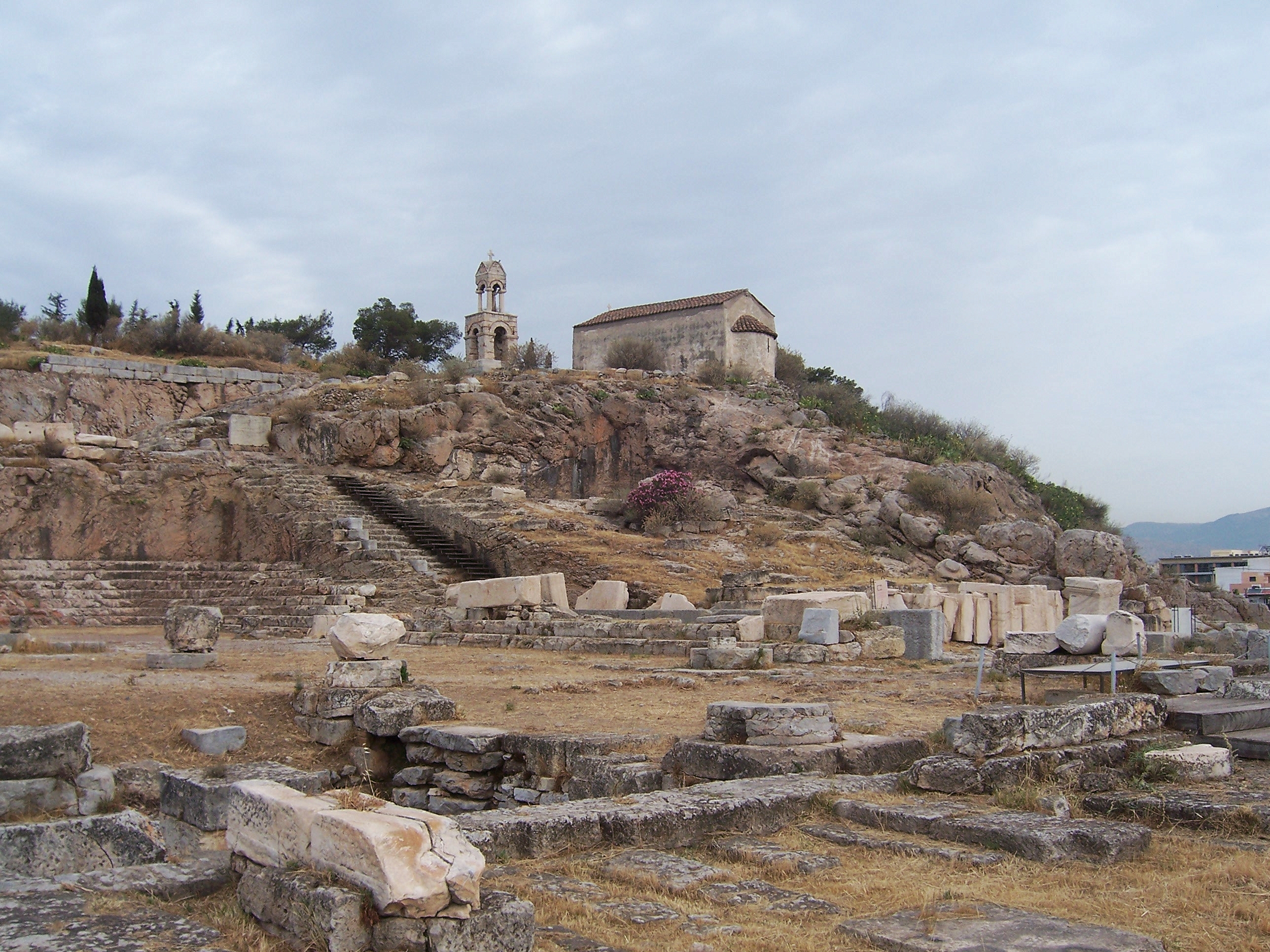
Archaeological Site of Eleusis
The Archaeological Site of Eleusis in Greece contains the sanctuary where the Eleusinian Mysteries were celebrated annually in honor of Demeter and her daughter Persephone. The…
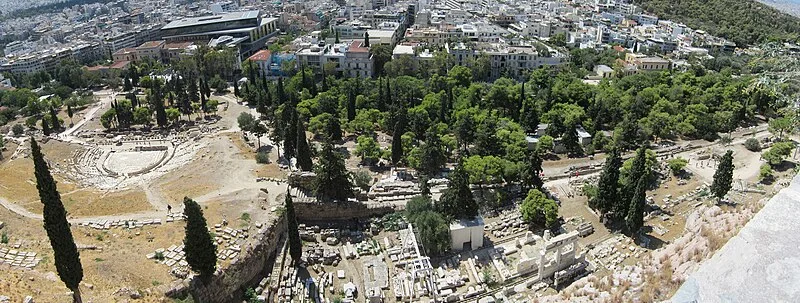
Asclepieion of Athens
A healing sanctuary on the south slope of the Acropolis, founded in 420/419 BC by Telemachos of Acharnai during the Peloponnesian War, likely prompted by the Athenian plague.…
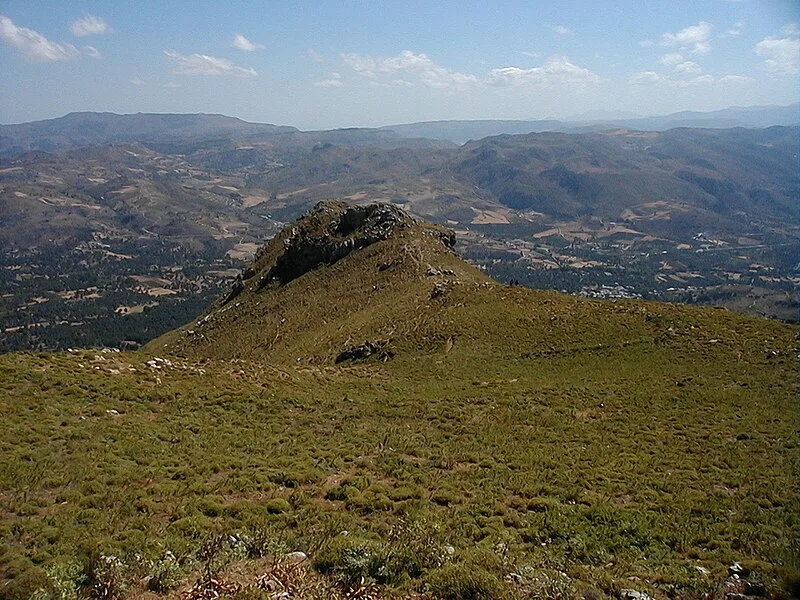
Atsipades
Minoan peak sanctuary in western Crete, identified in 1985 and excavated in 1989 by Alan Peatfield of the British School at Athens. Active from Early Minoan III to Middle Minoan…
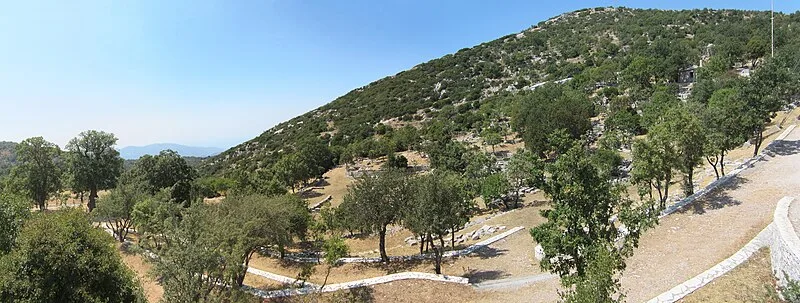
Bassae
Bassae is an archaeological site in Oichalia, a municipality in northeastern Messenia, Greece. In classical antiquity, it was part of Arcadia. The site lies near the village of…
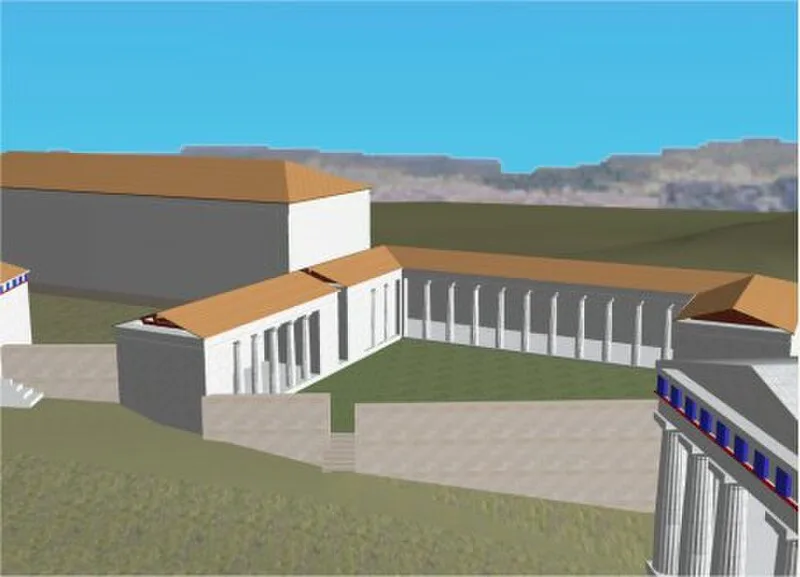
Brauroneion
The Brauroneion was the sanctuary of Artemis Brauronia on the Athenian Acropolis, situated in the southwest corner of the plateau between the Chalkotheke and the Propylaea.…
Delphinion
The Delphinion in Miletus was the sanctuary of Apollo Delphinios, protector of ports and ships, and served as the religious and political centre of the ancient city.…
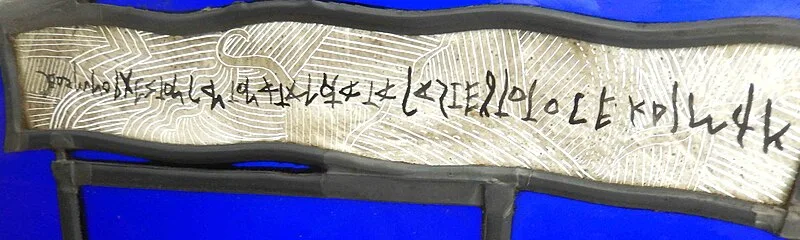
Dipylon
The Dipylon was the principal gateway in the ancient walls of Classical Athens, situated in the Kerameikos district. This monumental gate served as the starting point for the…
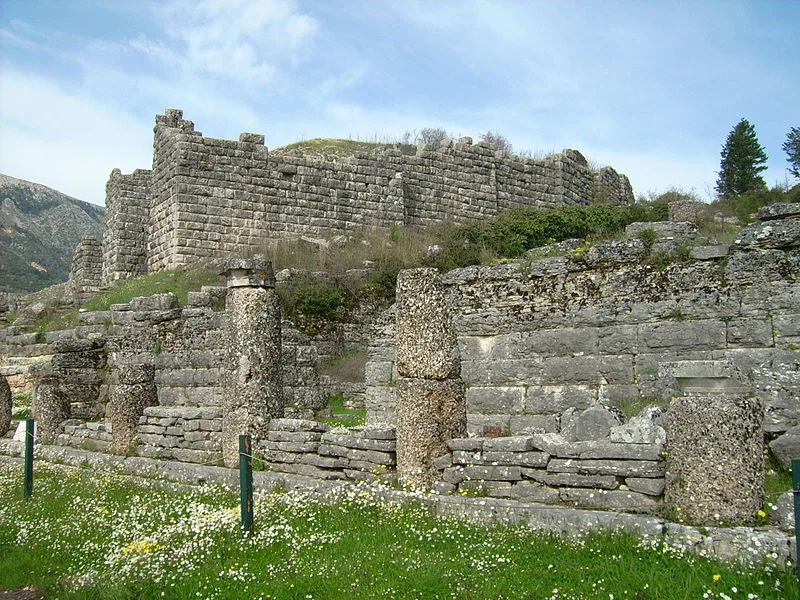
Dodona
Dodona was the oldest Hellenic oracle, possibly dating to the 2nd millennium BCE according to Herodotus. The earliest accounts in Homer describe Dodona as an oracle of Zeus.…
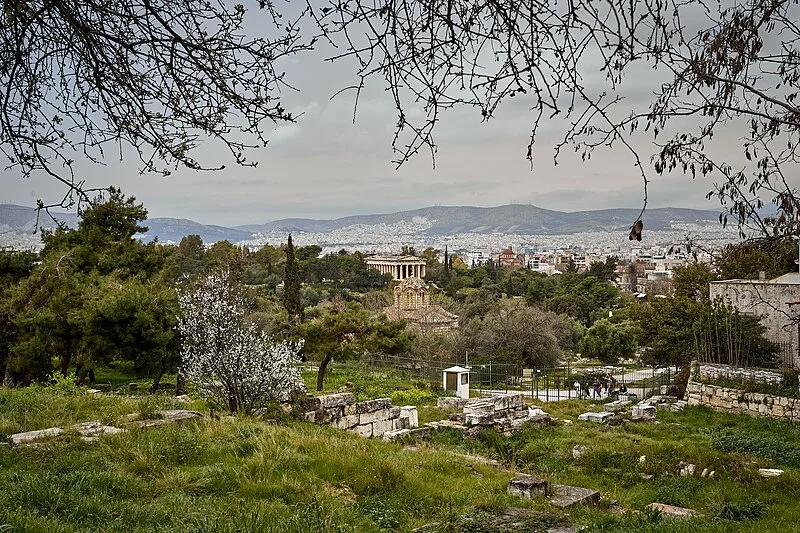
Eleusinion
Eleusinion (City Eleusinion) was a sanctuary on the lower north slope of the Acropolis in Athens, dedicated to Demeter and Kore (Persephone). It served as the central hub of the…
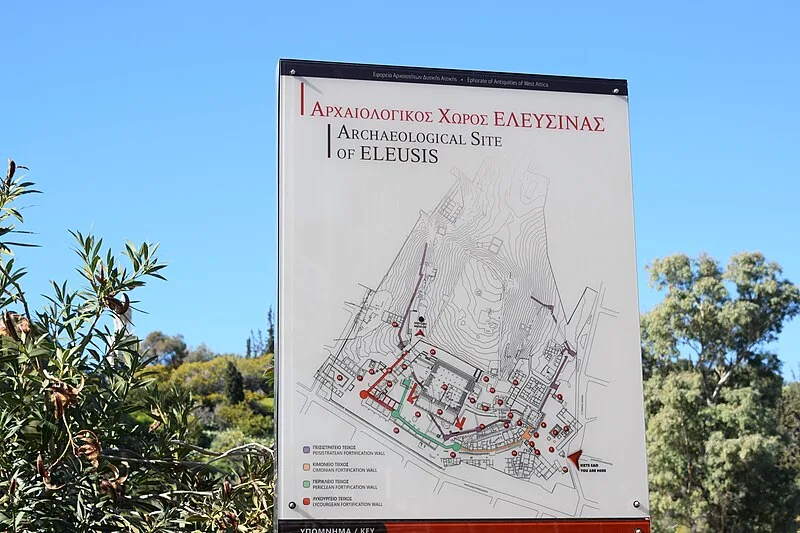
Eleusis
Eleusis was an ancient Greek city 23 km west of Athens, renowned as the site of the Eleusinian Mysteries -- among the most sacred initiation rites in the ancient world, held…
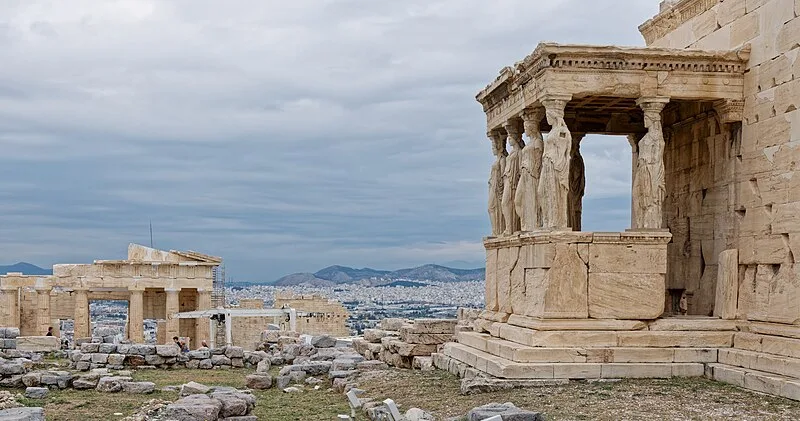
Erechtheion
The Erechtheion is an ancient Ionic temple built 421-406 BC on the north side of the Acropolis in Athens, probably designed by architect Mnesicles and completed under Philocles.…
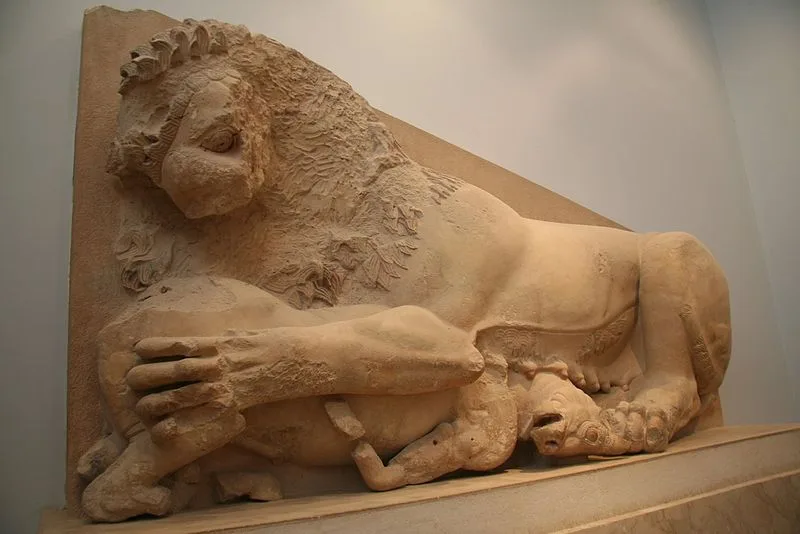
Hekatompedon Temple
The Hekatompedon (meaning 'hundred feet long') was an Archaic Doric temple on the Athenian Acropolis, built c. 570-550 BC from porous stone with white marble dust coating. The…
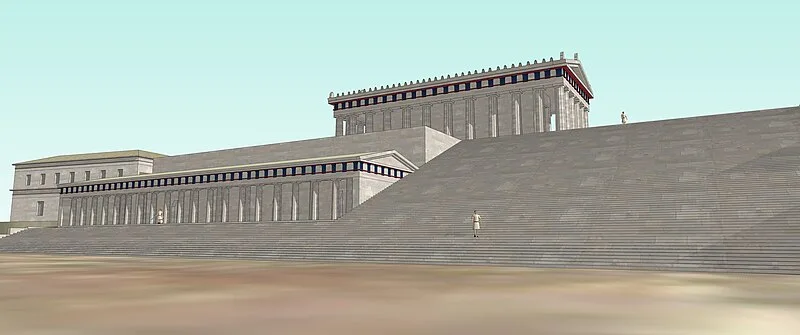
Heraion of Argos
The principal sanctuary of Hera in the ancient Greek world, situated on terraces 8 km northeast of Argos between Mycenae and Midea. The site was occupied from the 3rd millennium…
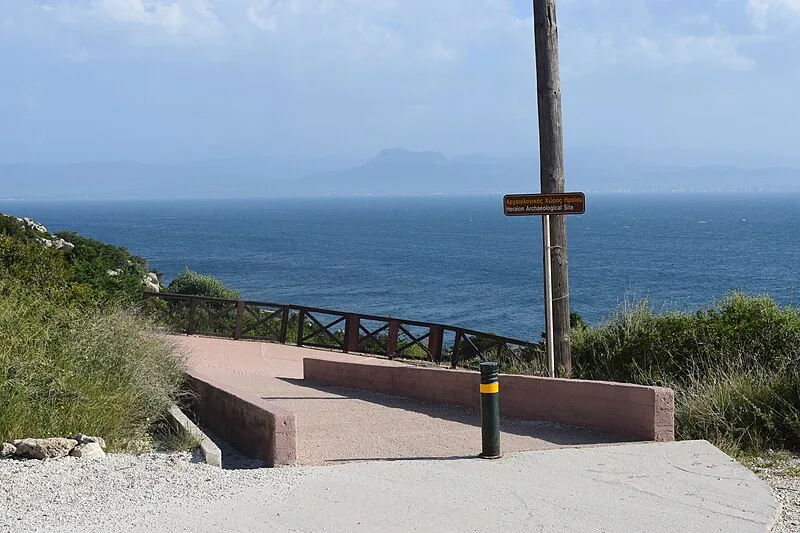
Heraion of Perachora
The Heraion of Perachora is an ancient sanctuary of the goddess Hera located in a small cove at the end of the Perachora peninsula on the Corinthian Gulf. The site features a…
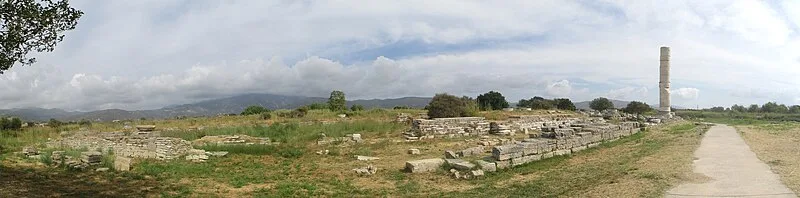
Heraion of Samos
The Heraion of Samos was a massive sanctuary dedicated to the goddess Hera on the island of Samos, situated 6 km southwest of the ancient city in the marshy Imbrasos river basin…
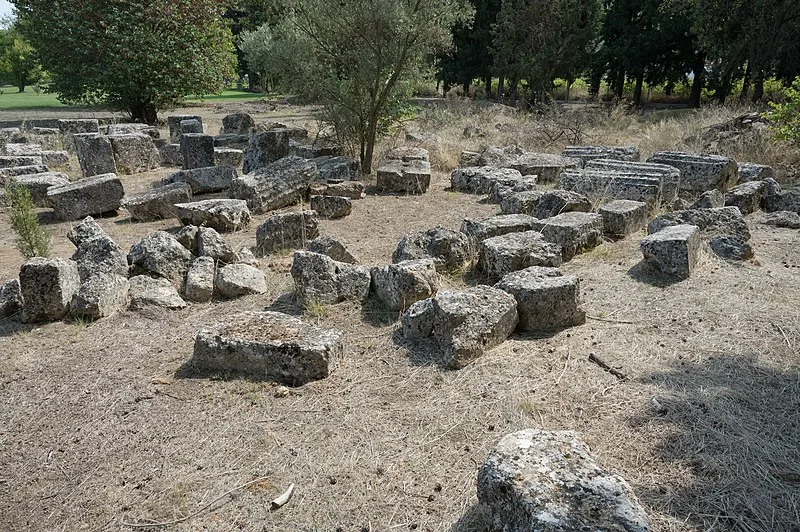
Heroon at Nemea
A hero shrine within the Panhellenic sanctuary of Zeus at Nemea in the northwest Argolid, Greece, dedicated to the mythological infant Opheltes. The heroon is an earthen mound 100…
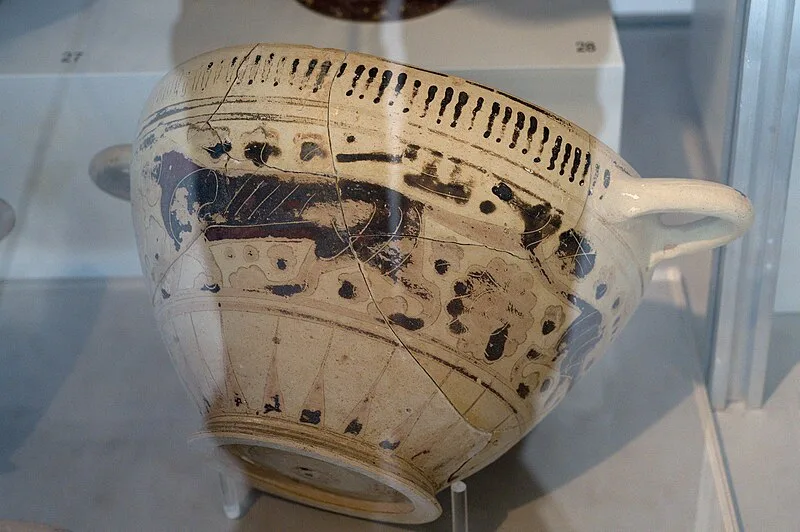
Isthmia - Sanctuary
Isthmia is an ancient sanctuary of Poseidon on the Isthmus of Corinth, Greece, famed for hosting the Isthmian Games founded in 584 BC, one of the four Panhellenic Crown Games. The…
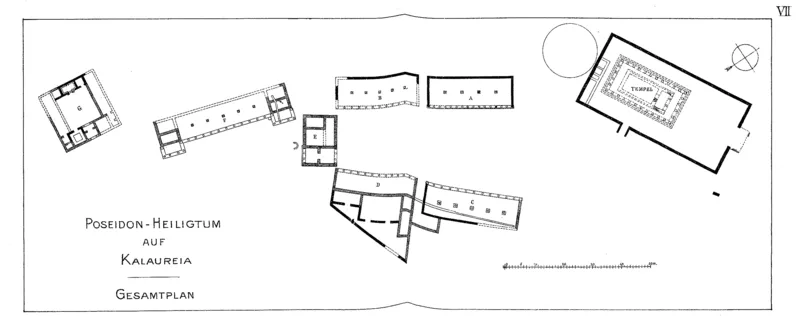
Kalaureia
Sanctuary of Poseidon on a plateau 200 m above sea level on the island of Poros in the Saronic Gulf, Greece. The center of an amphictyony of seven city-states including Athens,…
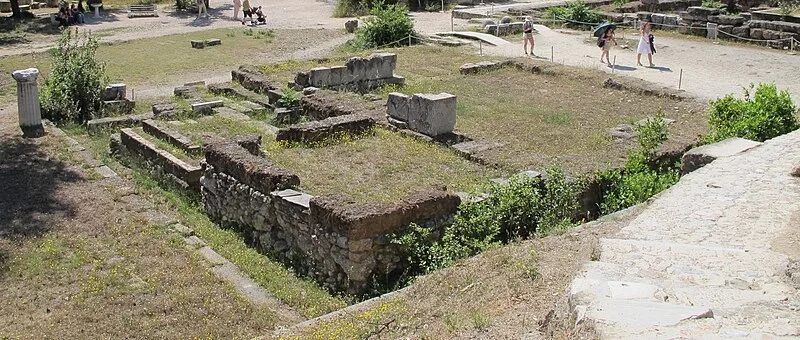
Metroon
The Metroon was an ancient Greek temple complex dedicated to a mother goddess—most commonly Cybele, but also Demeter or Rhea. Located on the west side of the Athenian Agora, it…
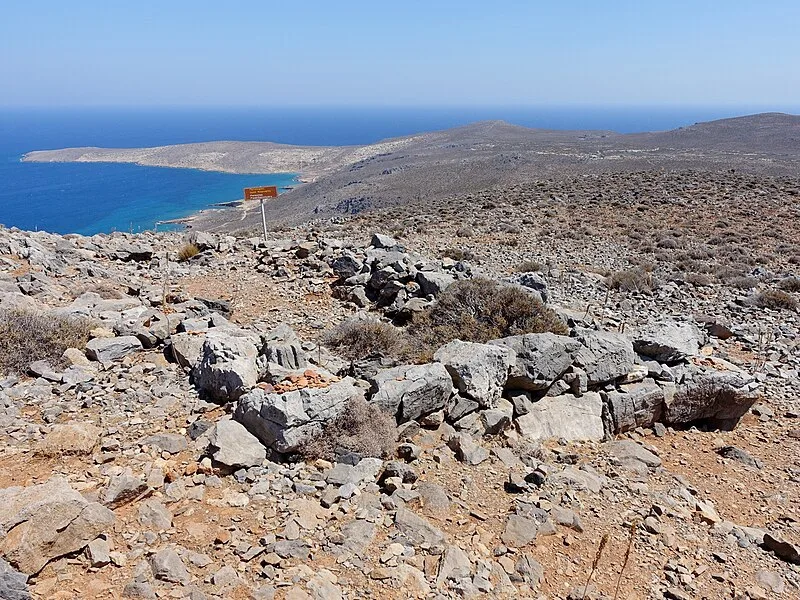
Minoan Modi
Modi (or Modhi) is a Minoan peak sanctuary located in eastern Crete, Greece, part of a dense cluster of hilltop ritual sites in the Siteia region. Archaeological excavations…
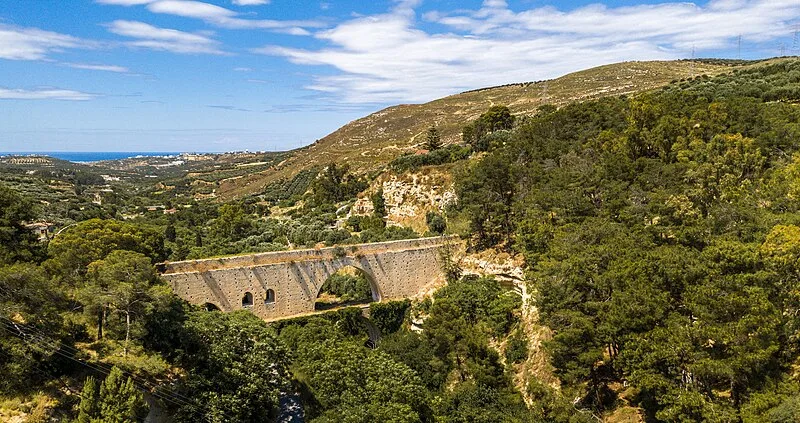
Mount Juktas
Mount Juktas in north-central Crete hosted one of the most important Minoan peak sanctuaries, first excavated by Arthur Evans in 1909 and systematically re-excavated by Alexandra…
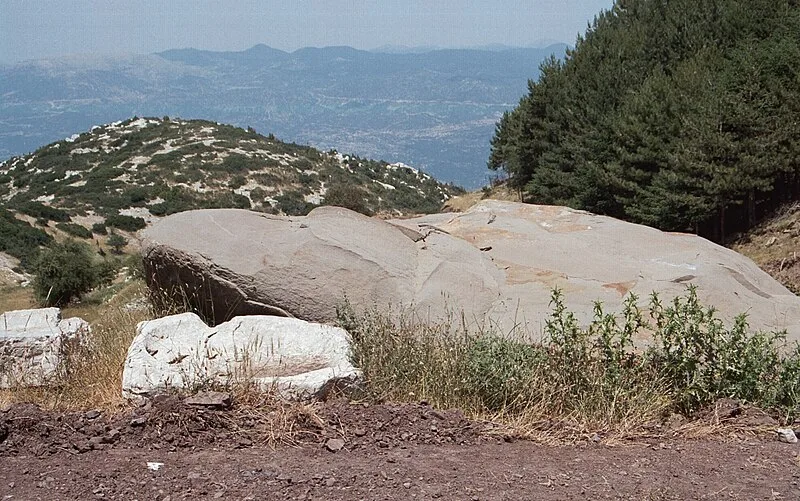
Mount Lykaion
Mount Lykaion in Arcadia, Greece, was one of the most important Zeus sanctuaries in the ancient world, sacred to Zeus Lykaios who was said to have been born there. At 1,382 metres…
Mount Thourion
Mount Thourion (Thurium Mons) was a conical hill in ancient Greece where a temple dedicated to the Muses may have stood. The site was lost to history until February 1990, when a…
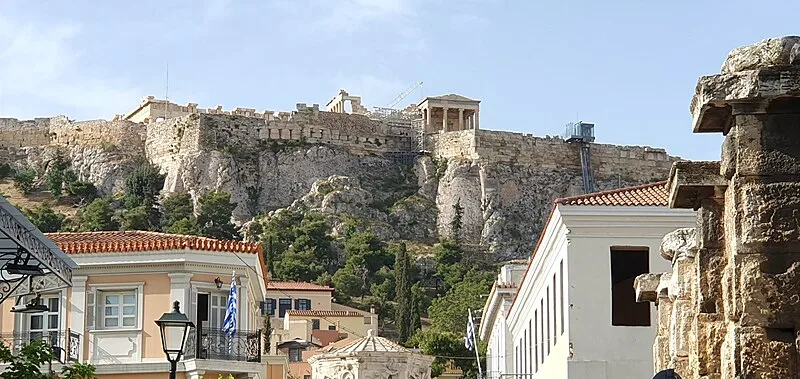
Older Parthenon
Built after 490 BC, the Older Parthenon was the first attempt to construct a sanctuary for Athena Parthenos on the Acropolis of Athens. It was erected on a massive limestone…

Old Temple of Athena
The Old Temple of Athena (Archaios Neos) was an archaic Doric limestone temple on the Acropolis of Athens, built c. 530-520 BC during the Peisistratid tyranny. Measuring…
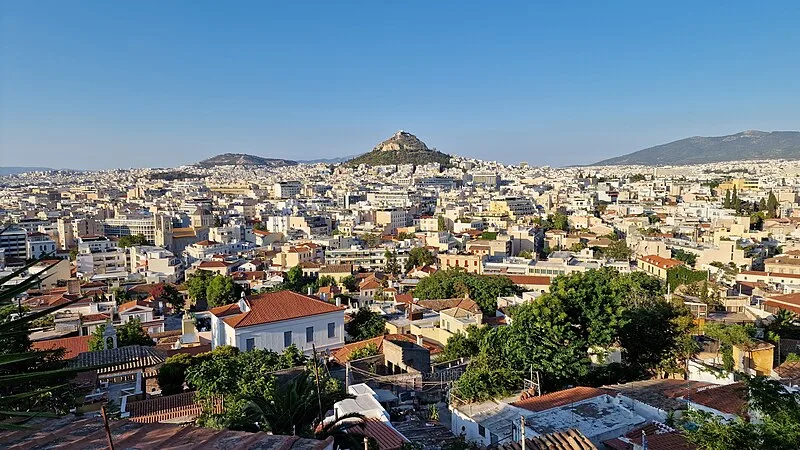
Parthenon
The Parthenon, built 447-432 BC on the Athenian Acropolis, is a former temple dedicated to the goddess Athena. Designed by architects Ictinus and Callicrates under the supervision…
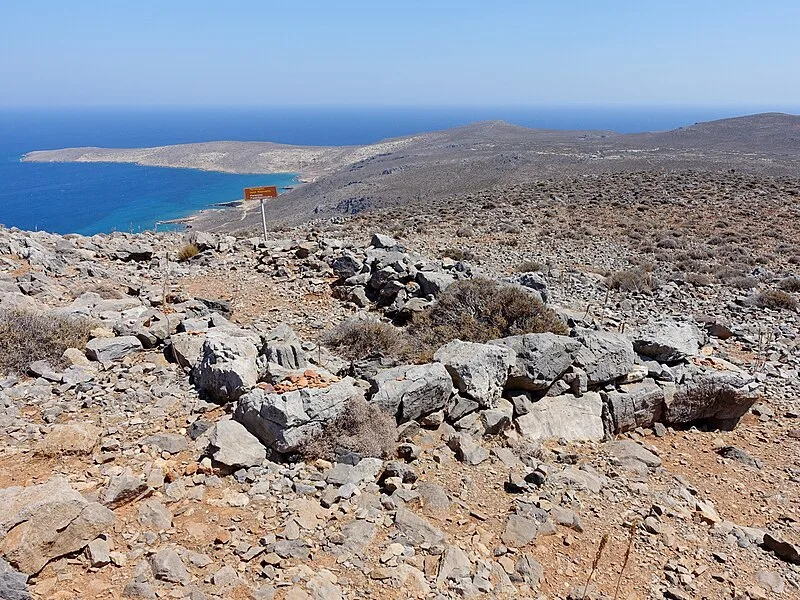
Petsofas
Petsofas is a Minoan peak sanctuary in eastern Crete, overlooking the palatial site of Palaikastro (Roussolakos). First excavated by John Myres in 1903, it was the earliest peak…
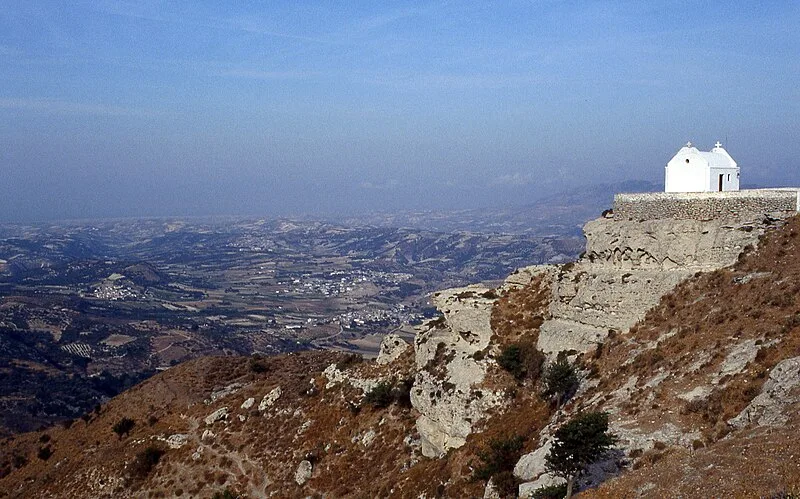
Prinias
Prinias is an archaeological site in Crete that has revealed a seventh-century BCE temple with striking similarities to ancient Egyptian architecture, including an Egyptianised…
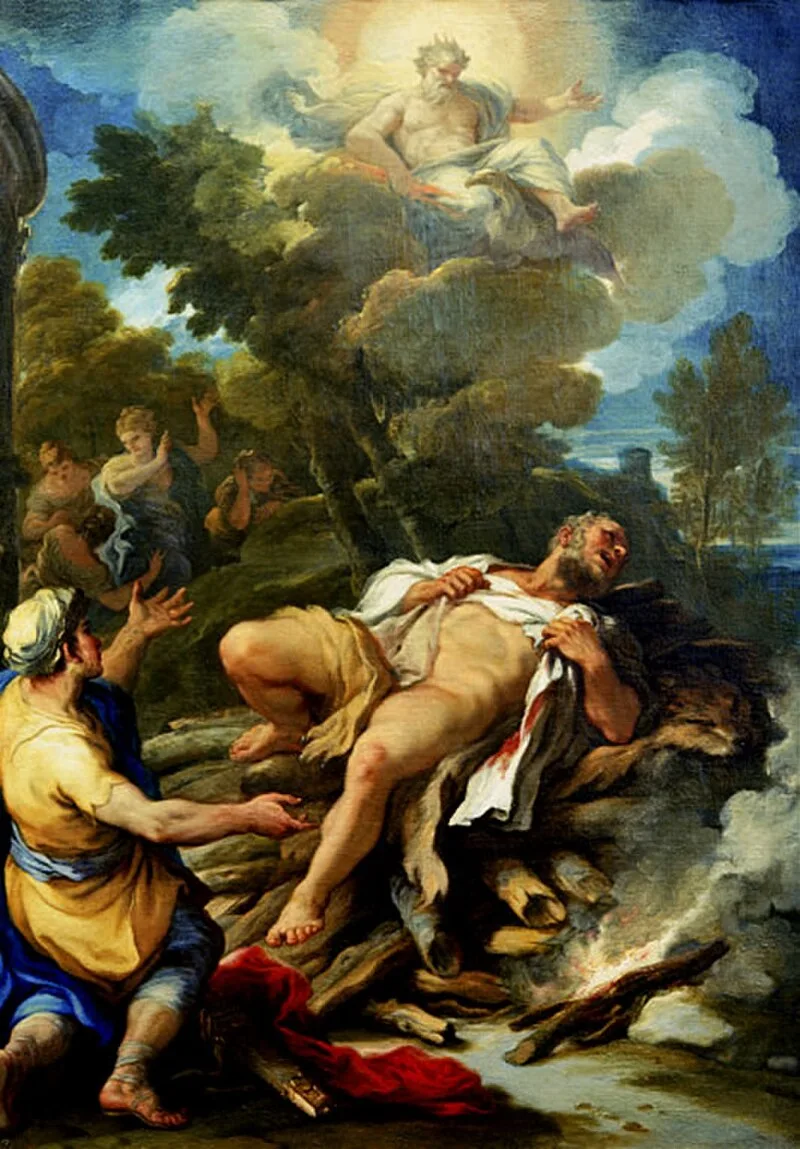
Pyre of Heracles
The Pyre of Heracles consists of ruins of a Doric temple dating to the 3rd century BC, situated on Mount Oeta in Phocis, Greece. According to mythology, this is the site where the…
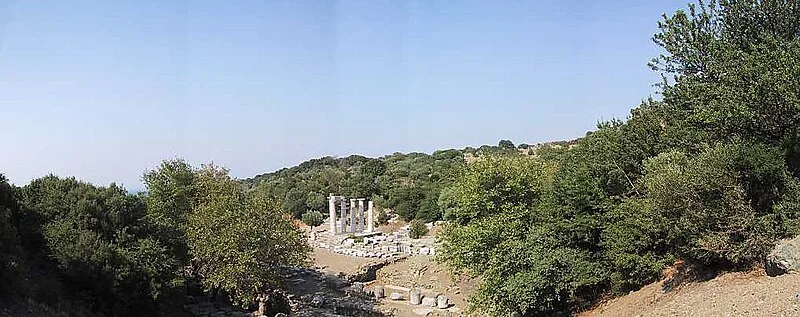
Samothrace Temple Complex
The Samothrace Temple Complex, known as the Sanctuary of the Great Gods, is one of the principal Pan-Hellenic religious sanctuaries on the island of Samothrace, with a mystery…
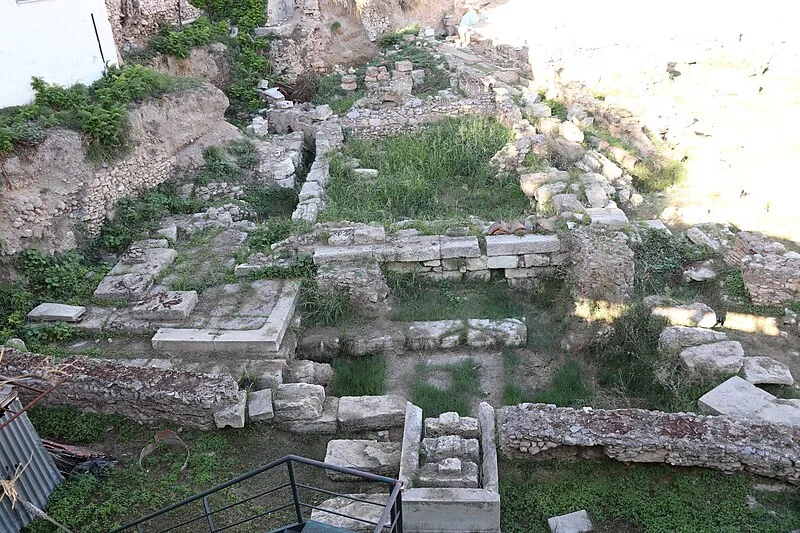
Sanctuary of Aphrodite Urania
The Sanctuary of Aphrodite Urania was located north-west of the Ancient Agora of Athens and dedicated to the goddess Aphrodite under her epithet Urania. The sanctuary was…
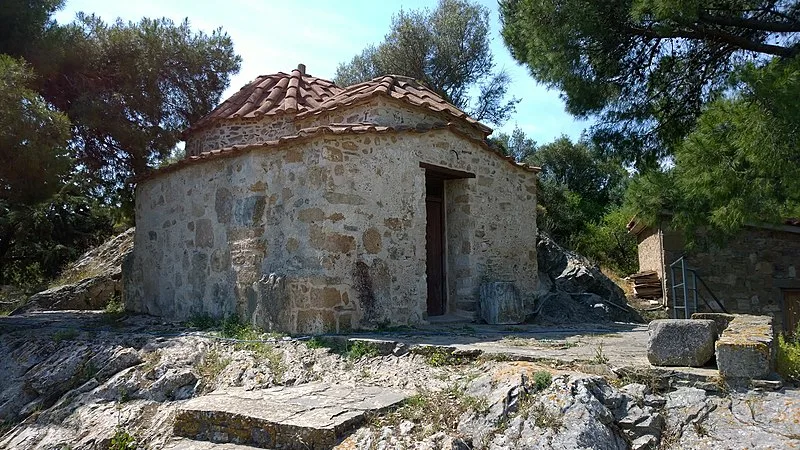
Sanctuary of Artemis, Brauron
The Sanctuary of Artemis at Brauron is one of the most important ancient Greek religious sites for women, located on the eastern coast of Attica near the Aegean Sea. A nearby hill…
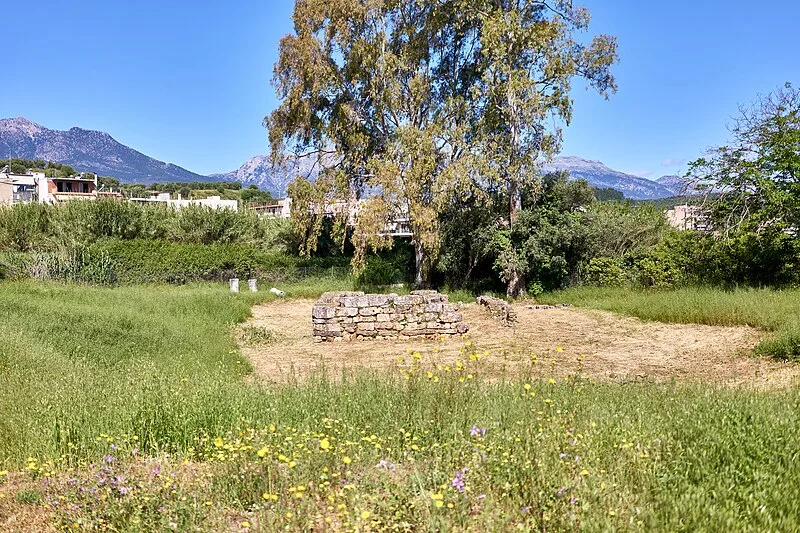
Sanctuary of Artemis Orthia
The Sanctuary of Artemis Orthia was one of the most important religious sites in Sparta, dedicated to the goddess Artemis. Used from the Archaic period (c. 700 BC) through the 4th…
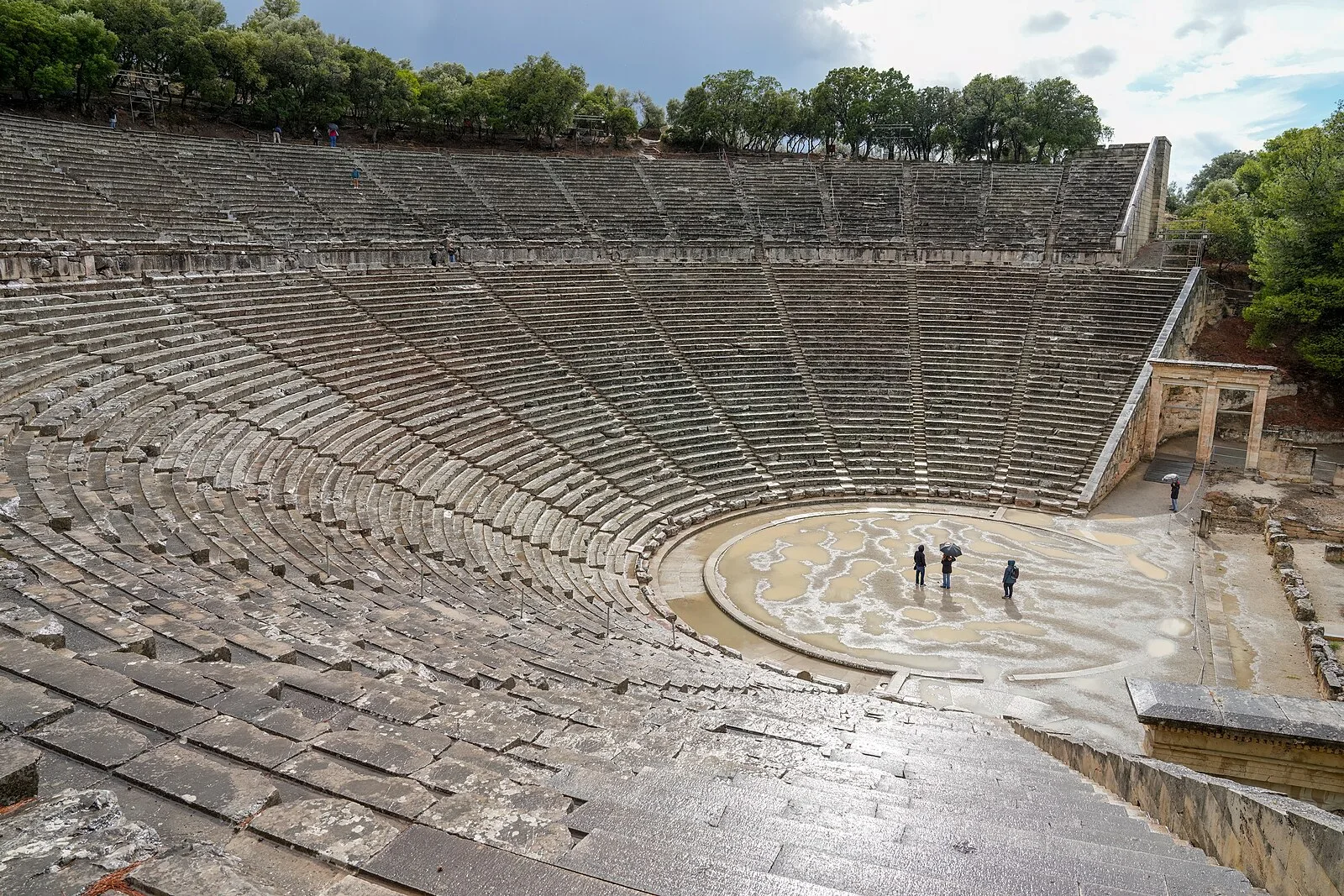
Sanctuary of Asclepius, Epidaurus
The Sanctuary of Asclepius at Epidaurus was the principal healing centre of the ancient Greek world, dedicated to the god of medicine. The main temple (380-375 BC) housed a…
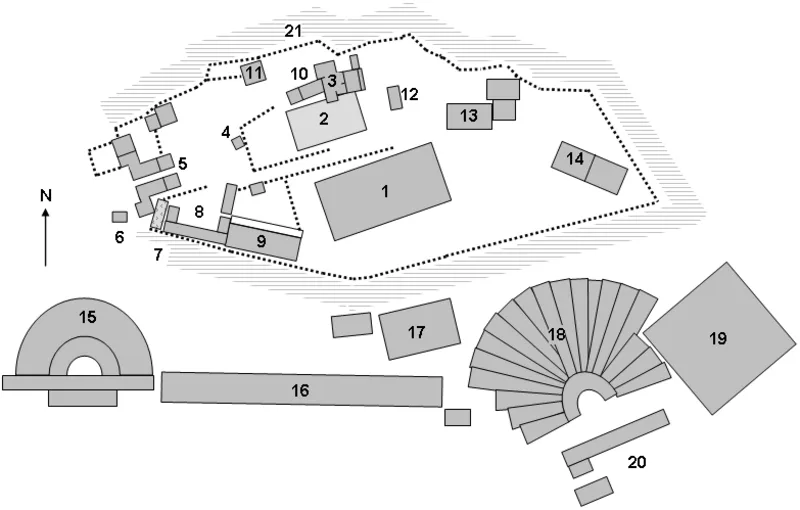
Sanctuary of Pandion
The Sanctuary of Pandion is an open-air walled sanctuary in the southeast corner of the Acropolis of Athens, measuring 40 by 17.5 metres, built around 450 BC during the Periclean…
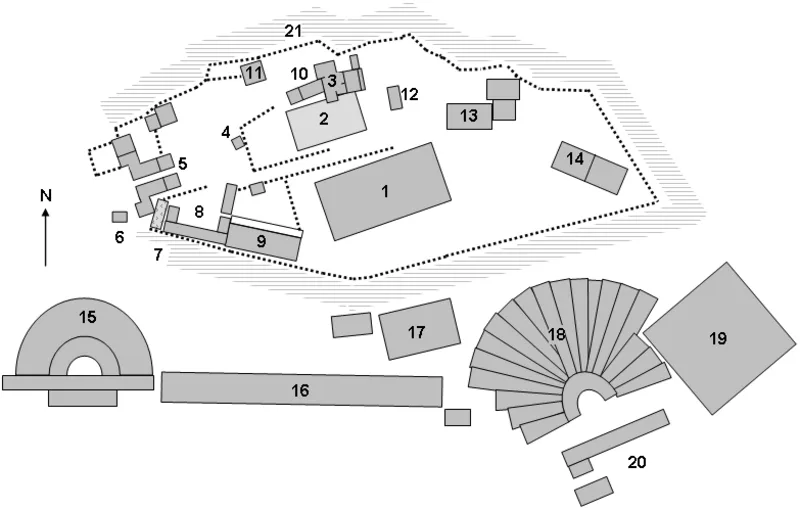
Sanctuary of Zeus Polieus
The Sanctuary of Zeus Polieus was a walled open-air sanctuary on the Acropolis of Athens dedicated to Zeus Polieus, the city protector, around 500 BC. Located east of the…
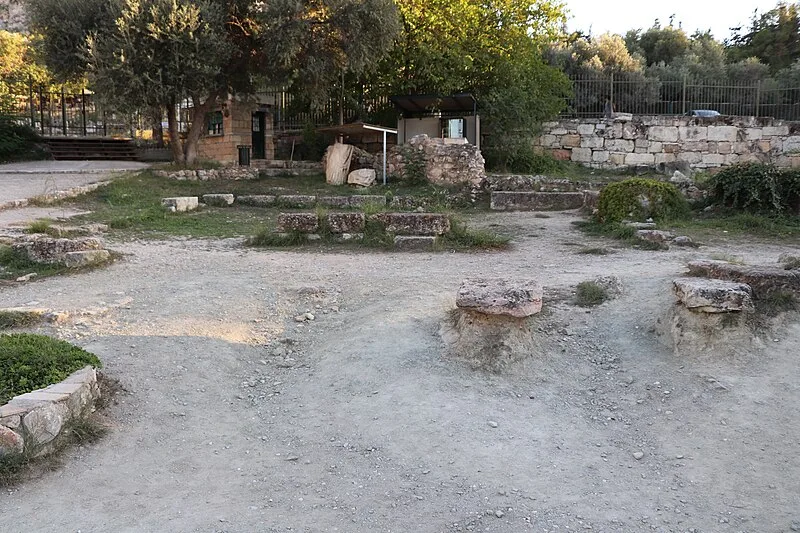
Southeast Temple of the Ancient Agora of Athens
The Southeast Temple is an Ionic octostyle prostyle temple built in the Ancient Agora of Athens during the first half of the 2nd century AD using spoliated architectural elements…
Southwest Temple of the Ancient Agora of Athens
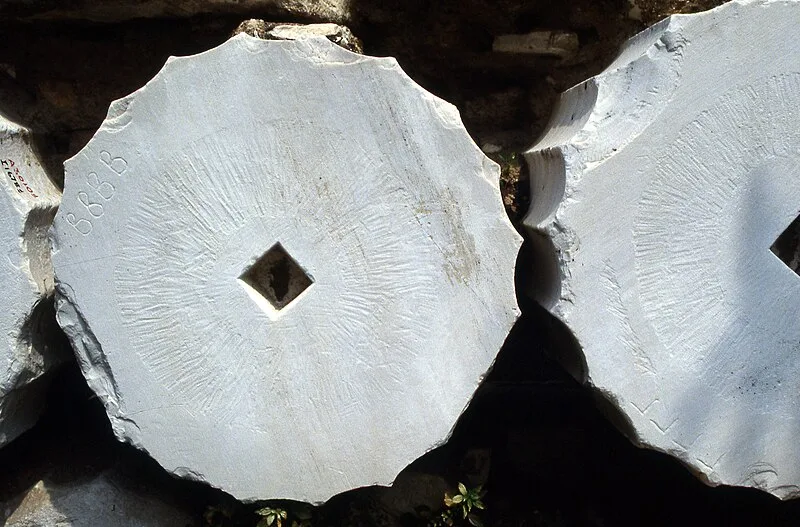
The Southwest Temple is a tetrastyle prostyle Doric temple in the Ancient Agora of Athens, built in the 1st century AD during Augustus's reign using spoliated materials from…
Spartia Temple
The Spartia Temple is an ancient Greek sanctuary at the foot of Spartia hill, north of Sesklo in the Magnesia region of Thessaly. A bronze omphalos phiale bearing an archaic…
Tempio di Zeus, Selinunte
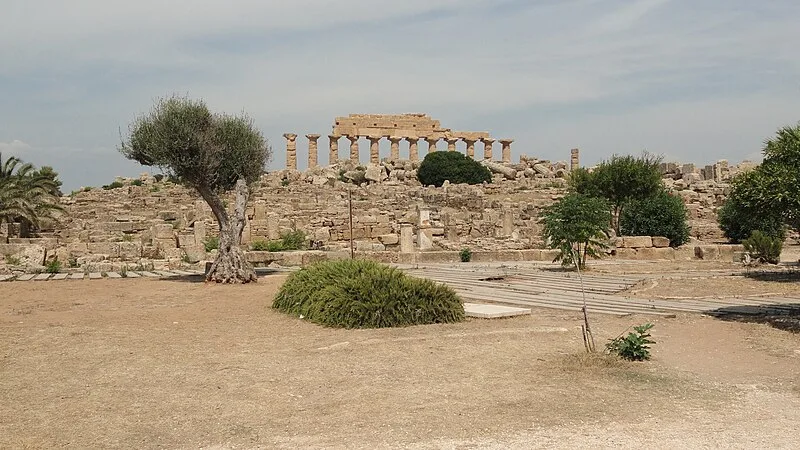
Selinunte was an ancient Greek city of Magna Graecia on the south-western coast of Sicily, situated between the valleys of the Cottone and Modione rivers.
Temple of Aphaia
The Temple of Aphaia is a Doric peripteral temple built c. 500-490 BC on a hilltop 160 metres above sea level on the island of Aegina in the Saronic Gulf, replacing an earlier…
Temple of Apollo, Delphi
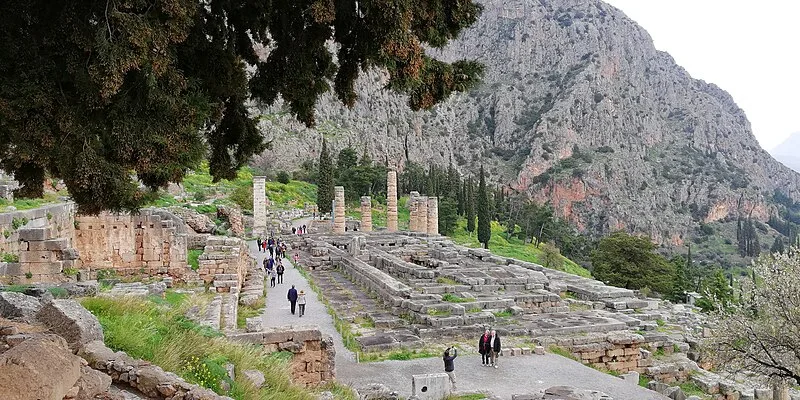
The Temple of Apollo at Delphi was the centerpiece of a Panhellenic sanctuary dedicated to Apollo, god of prophecy, music, and healing. Built in the 4th century BCE, it housed the…
Temple of Apollo Epicurius
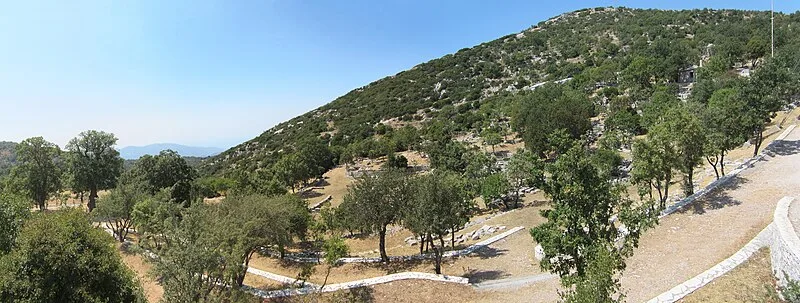
The Temple of Apollo Epicurius at Bassae, built 420-400 BC at 1,131 metres elevation on Mount Kotylion in the Peloponnese, is the earliest known temple to combine all three…
Temple of Apollo Patroos
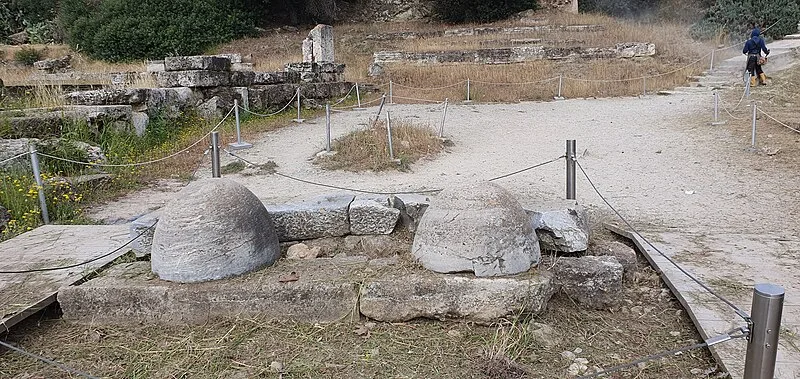
The Temple of Apollo Patroos is a small ruined temple on the west side of the Ancient Agora of Athens. The original temple was an apsidal structure, built in the mid-sixth century…
Temple of Apollo Zoster
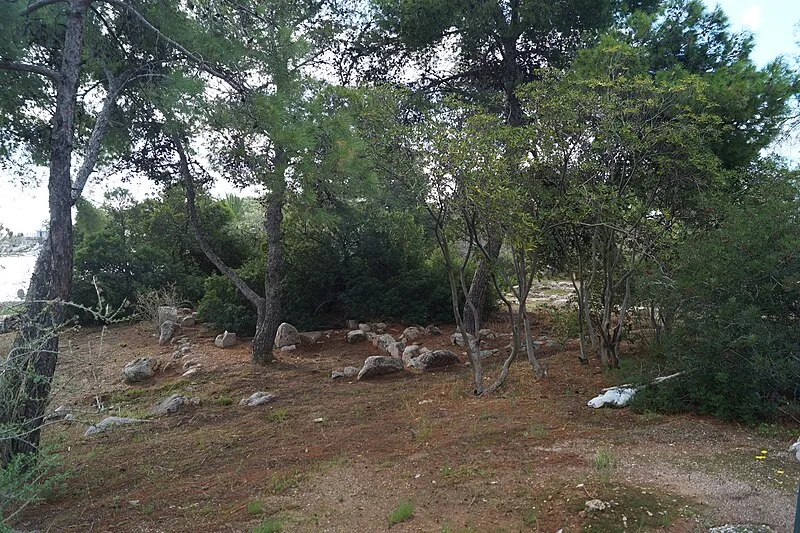
A 6th-century BC Greek temple on Cape Zoster at Vouliagmeni, near Athens. Named after the myth that Leto loosened her zoster (belt) here to give birth to Apollo and Artemis.…
Temple of Ares
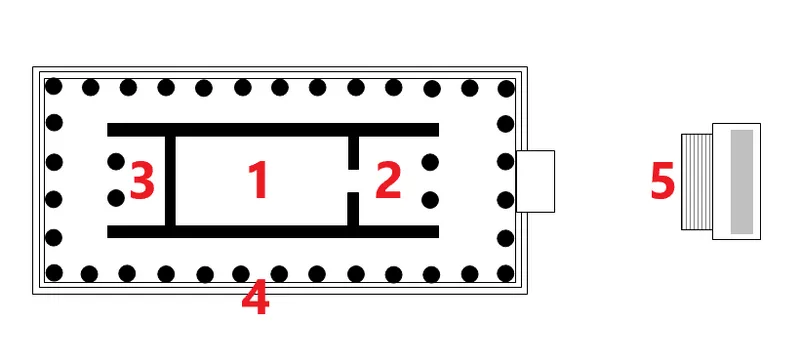
(4th c. BC) The Temple of Ares was a Doric hexastyle peripteral temple dedicated to the god of war, located in the northern part of the Ancient Agora of Athens. Archaeological…
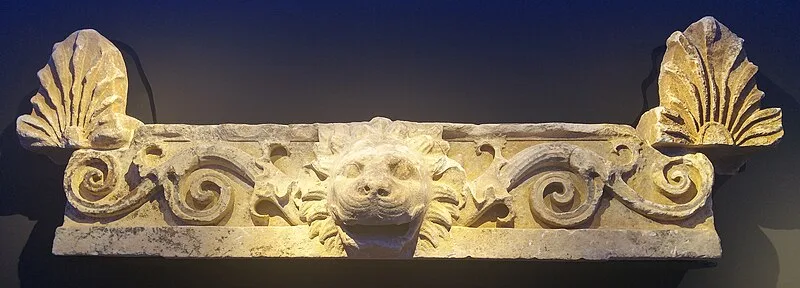
Temple of Athena Alea
The Temple of Athena Alea at Tegea was a sanctuary dedicated to Athena Alea — a syncretism of the Olympian goddess Athena and the local deity Alea. It was a significant Greek…
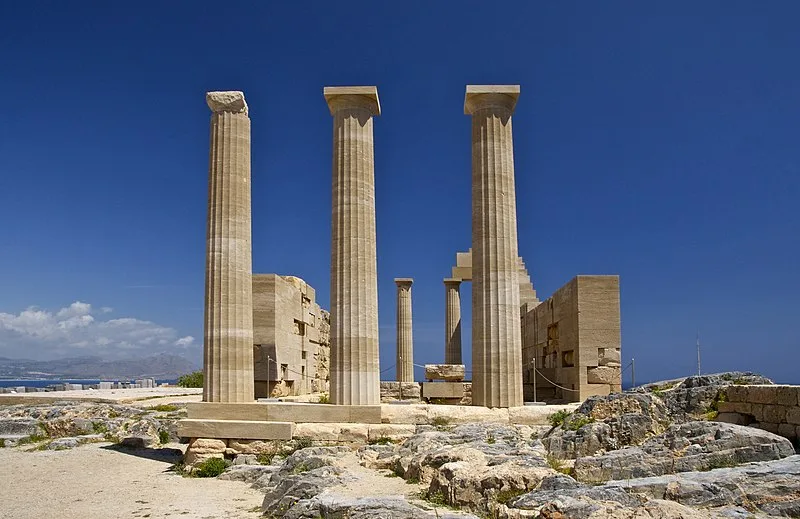
Temple of Athena Lindia
A major Pan-Hellenic sanctuary dedicated to the goddess Athena, perched atop the 116-metre-high Acropolis of Lindos on the eastern coast of Rhodes. Originally built in the 6th…
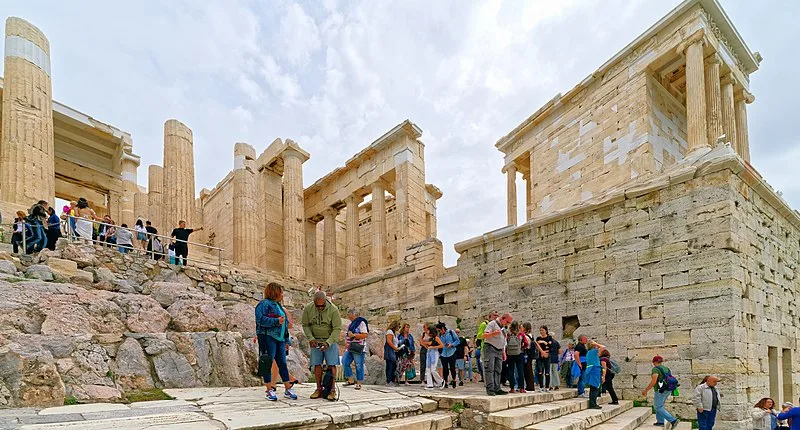
Temple of Athena Nike
The smallest and earliest fully Ionic temple on the Athenian Acropolis, designed by the architect Kallikrates and built between 426 and 421 BC. Positioned on a bastion at the…
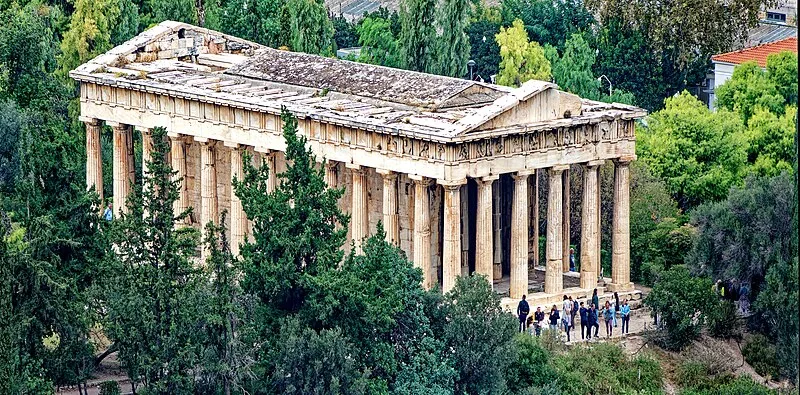
Temple of Hephaestus
The best-preserved ancient Greek temple, standing largely intact atop the Agoraios Kolonos hill overlooking the Ancient Agora of Athens. Built between 449 and 415 BC, this Doric…
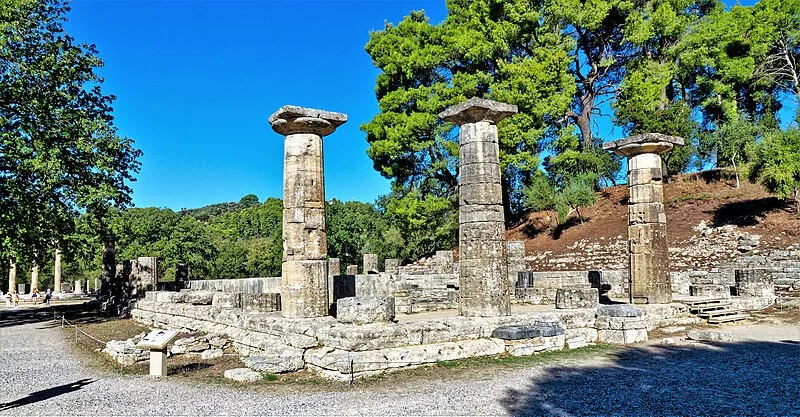
Temple of Hera, Olympia
The Temple of Hera (Heraion) at Olympia, Greece, is an ancient Archaic Greek temple dedicated to Hera, queen of the Olympic gods. Built ca. 580 BC, it is the oldest temple at…
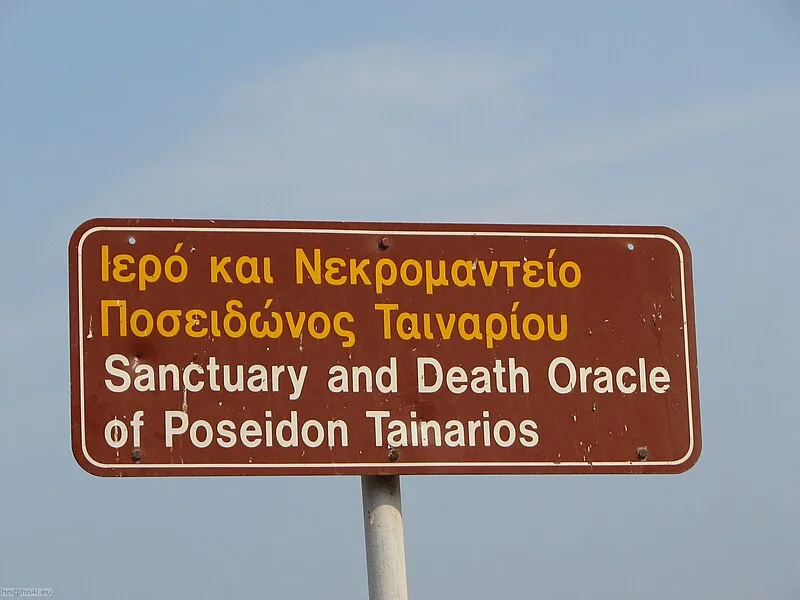
Temple of Poseidon, Tainaron
An ancient Greek sanctuary at the extreme tip of the Mani Peninsula, the southernmost point of mainland Greece, dedicated to Poseidon Asphaleios ("Poseidon of Safety"). Temple…
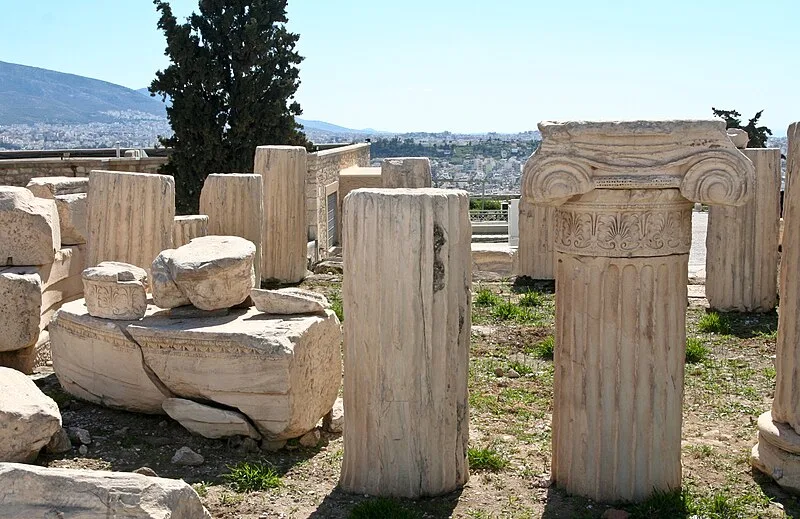
Temple of Roma and Augustus
The Temple of Roma and Augustus was a monopteral circular Ionic temple built on the Acropolis of Athens c. 19 BCE, likely coincident with Augustus' second visit to Athens. The…
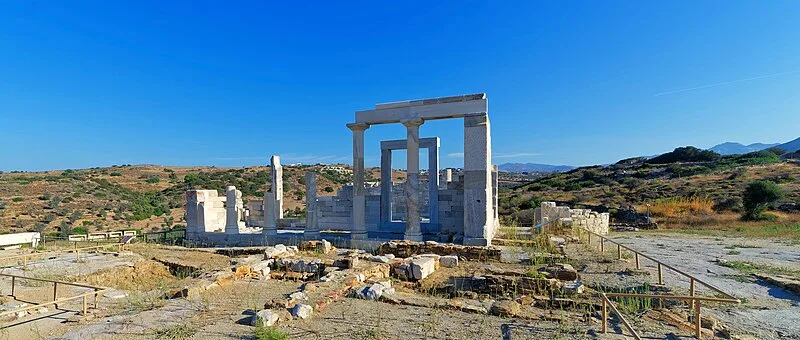
Temple of Sangri
The Temple of Sangri is a Late Archaic Greek temple on the Cycladic island of Naxos, located in the area of Gyroulas approximately 1.5 km south of Ano Sangri. Built around 530 BC,…
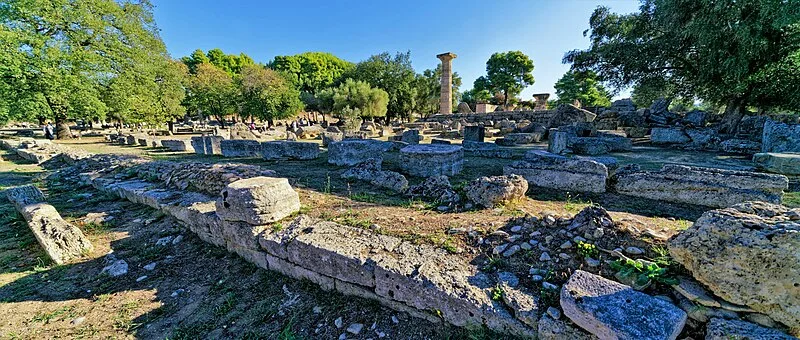
Temple of Zeus, Olympia
The Temple of Zeus at Olympia, designed by architect Libon of Elis, was built between 470 and 456 BC as the quintessential Doric order Greek temple. It featured six columns across…
The Acropolis of Ancient Thasos
The Acropolis of ancient Thasos crowns a hilltop at 137 metres above the town of Limenas on the island of Thasos, Greece, with origins dating to the 7th century BC when colonists…
Thermos, Aetolia
Thermos was an ancient Greek sanctuary in Aetolia, serving as the regular meeting place of the Aetolian League. Its focal point was the temple of Apollo Thermios, dating to…
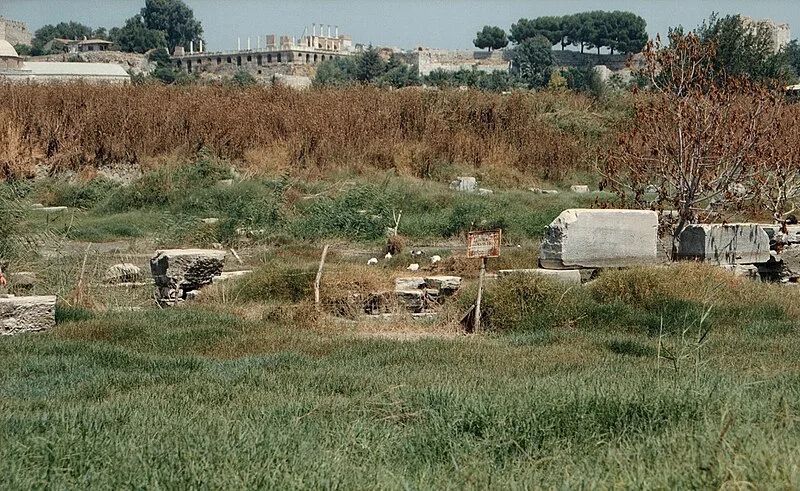
The Temple of Artemis
A Greek temple dedicated to a localised form of the goddess Artemis, located in Ephesus (near modern Selçuk, Turkey). The original structure was among the Seven Wonders of the…
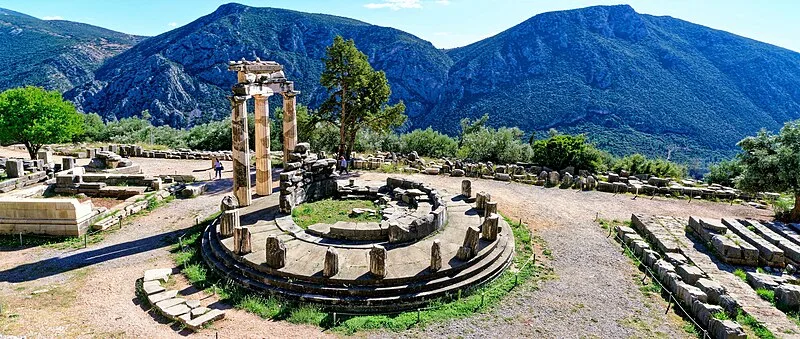
Tholos of Delphi
The Tholos of Delphi is a circular temple within the Sanctuary of Athena Pronaia, designed by architect Theodore the Phocaean between 380-370 BC. The structure featured 20 Doric…
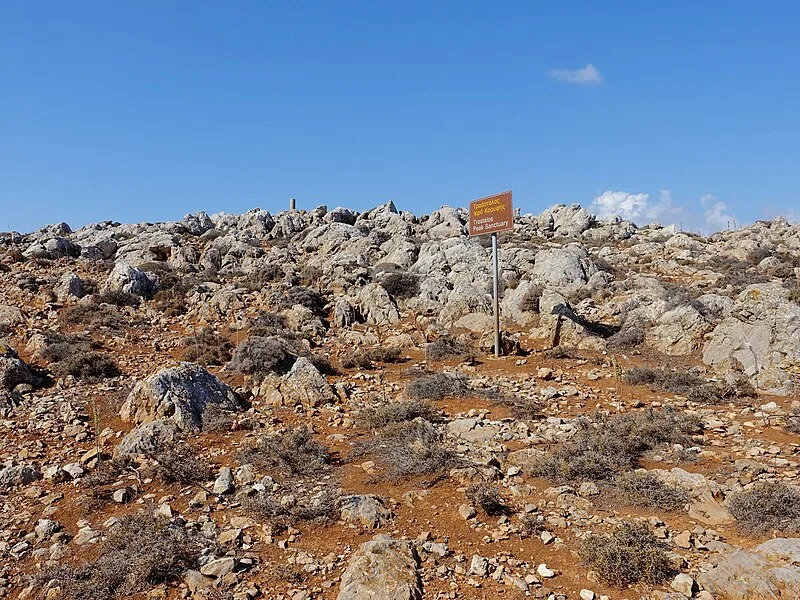
Traostalos
Traostalos is a Minoan peak sanctuary at 515 m altitude in eastern Crete, located 3.2 km from the palace of Zakros. First excavated in 1963-1964 by Kostis Davaras, with further…
Megalithic structures in Greece (37)
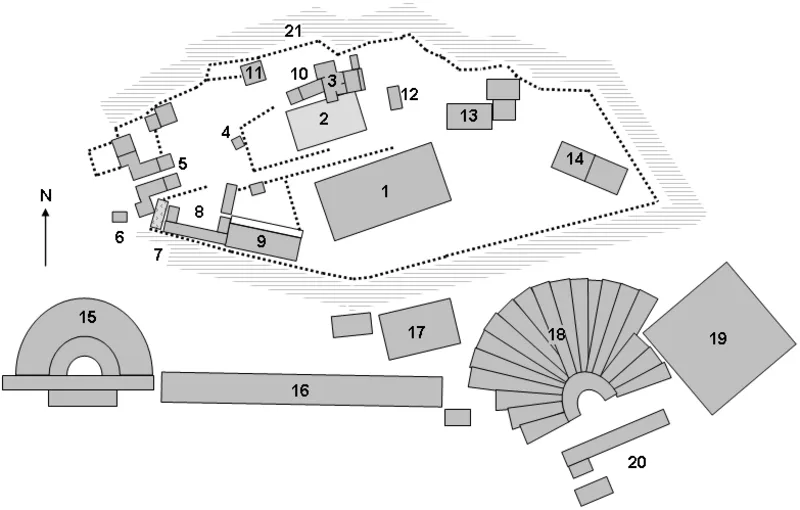
Altar of Athena Polias
The Altar of Athena Polias was a sacred structure on the Acropolis of Athens, situated between the Parthénon and the Érechthéion, near the altar of Zeus. Founded in 525 BCE by the…
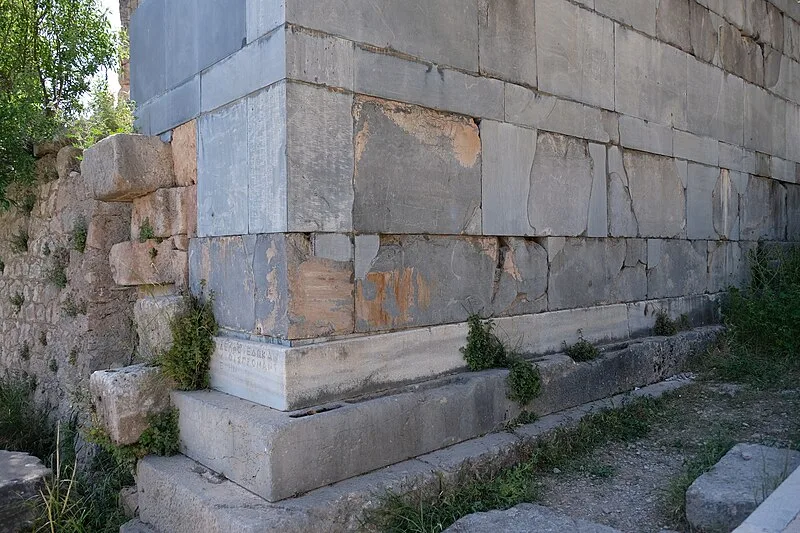
Altar of the Chians
The Altar of the Chians was the principal altar of the Temple of Apollo at Delphi, Greece, dedicated by the people of Chios after the temple's reconstruction in the 330s BC.…
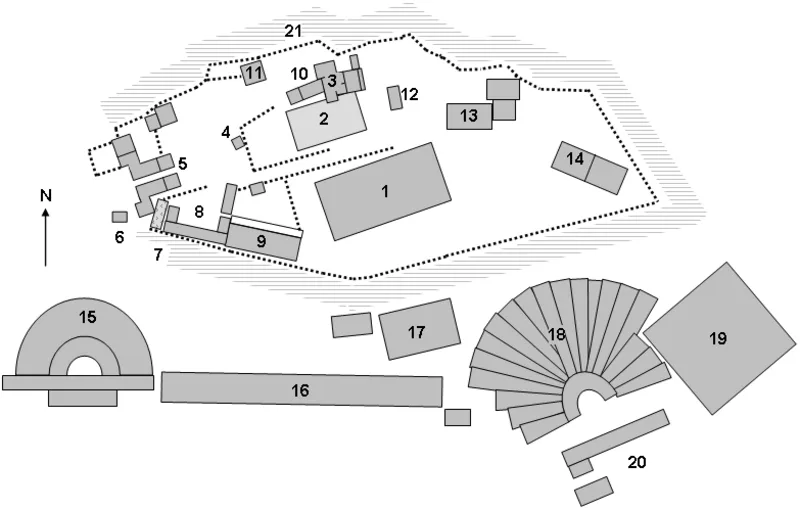
Arrephorion
A 5th-century BC building on the northwest edge of the Athenian Acropolis, identified by Wilhelm Dorpfeld in the 1920s as the residence of the Arrephoroi -- two aristocratic girls…
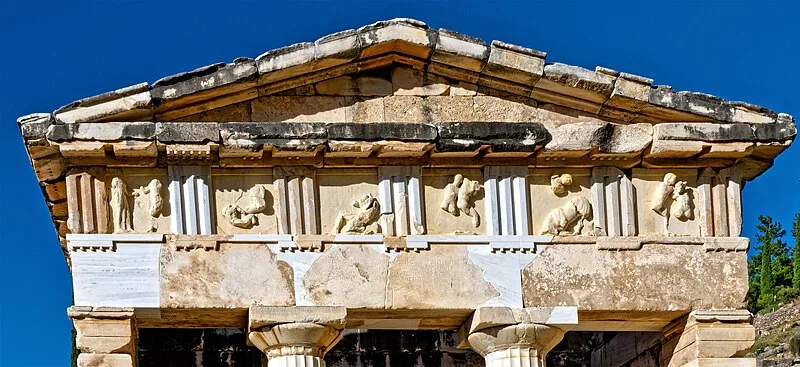
Athenian Treasury, Delphi
Small Doric treasury built entirely of Parian marble along the Sacred Way at Delphi, Greece, dating to circa 490 BC. Traditionally attributed to spoils from the Battle of…
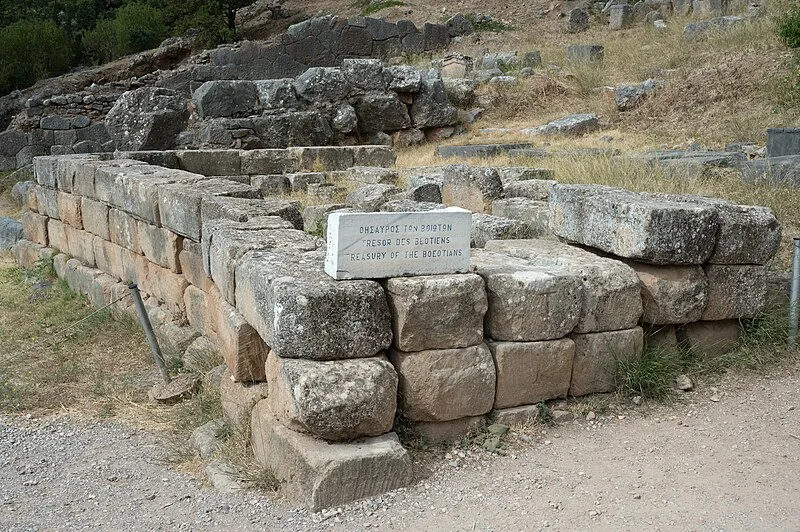
Boeotian Treasury
The Treasury of the Boeotians was a small temple-like building dedicated in the sanctuary of Apollo at Delphi during the late Archaic period, datable to the early 5th century BC.…
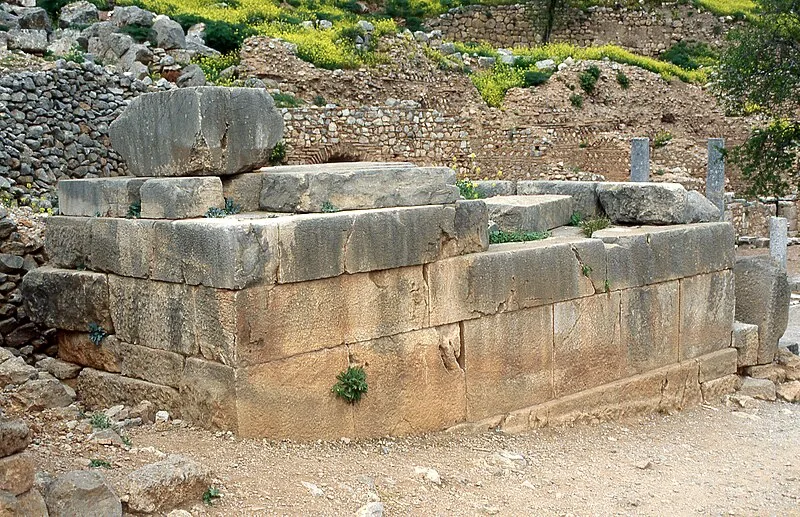
Bull of the Corcyreans
The Bull of the Corcyreans was a bronze statue dedicated around 480 BC by the citizens of Corcyra (modern Corfu) at the Sanctuary of Apollo in Delphi, Greece. According to…
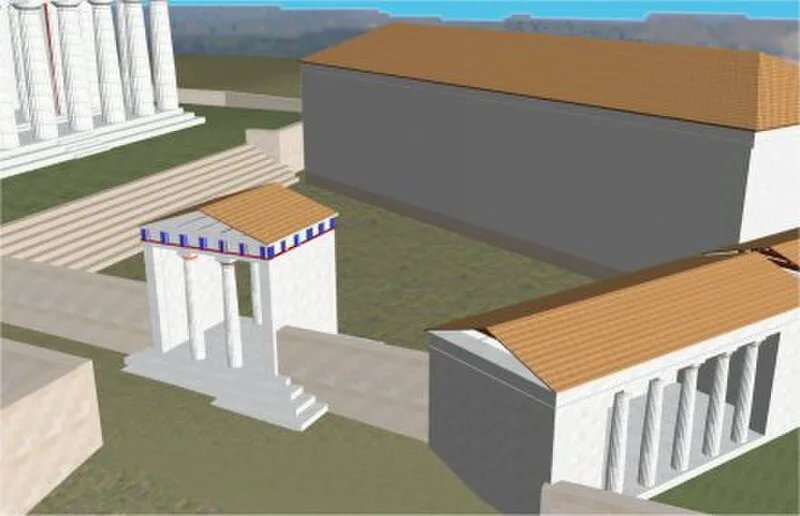
Chalkotheke
The Chalkotheke was a large rectangular treasury building on the Athenian Acropolis, erected soon after 400 BC to store bronze and metal possessions of the city. Located southwest…
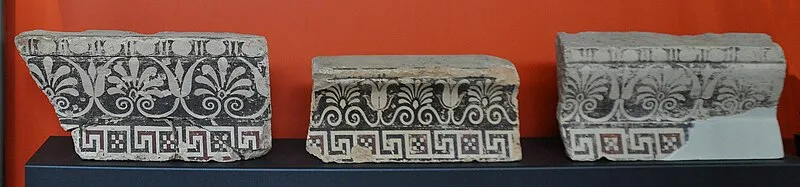
Cnidian Treasury
The Treasury of the Cnidians at Delphi was built c. 555-545 BC, before Cnidus fell to the Persians in 544 BC. The Ionic-order marble building measured 5.13 by 6.60 metres and…
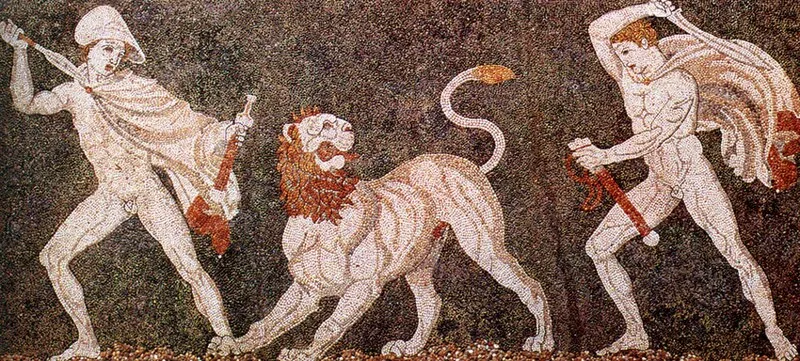
Craterus' ex voto
The ex voto of Craterus at Delphi was a monumental bronze sculptural group depicting a lion hunt involving Alexander the Great and his general Craterus, attributed to the renowned…
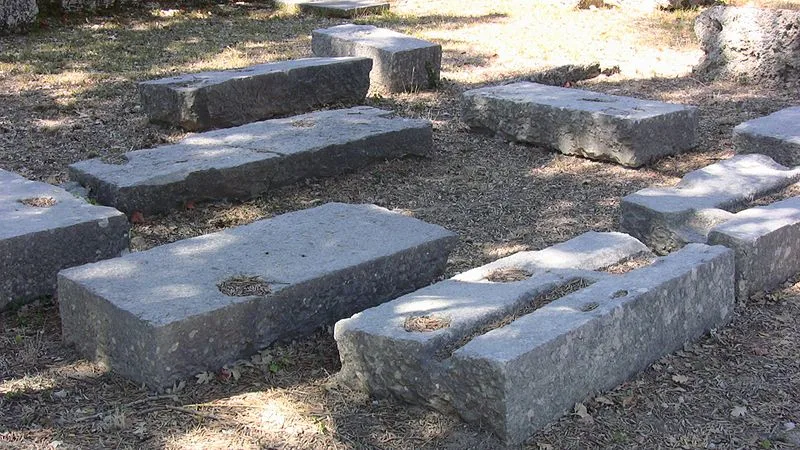
Echo Stoa
The Echo Stoa is a colonnaded walkway located within the sanctuary of Zeus at Olympia, Greece. The structure derives its name from a remarkable acoustic phenomenon: sounds uttered…
Ex voto of the Arcadians, Delphi
A monumental votive offering at the Sanctuary of Apollo in Delphi, dedicated by the Arcadians, particularly the Tegeates, after their victorious campaign in Laconia alongside the…
Ex voto of the Attalids, Delphi
The Ex voto of the Attalids at Delphi consists of monuments erected by the Attalid kings of Pergamon in the sanctuary of Apollo during the 3rd and 2nd centuries BC. These…
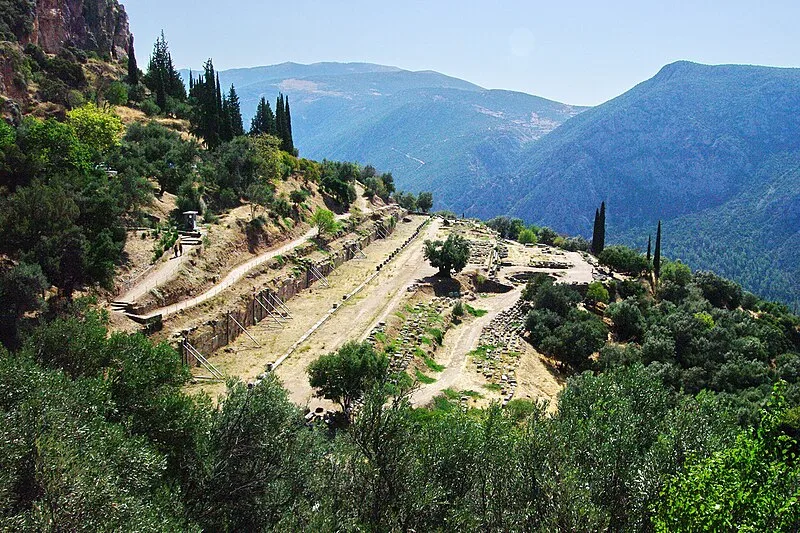
Gymnasium, Delphi
Built in the 4th century BC, the Gymnasium at Delphi is a Hellenistic athletic complex featuring the xystus (covered running track) and palaestra (wrestling ground), alongside…
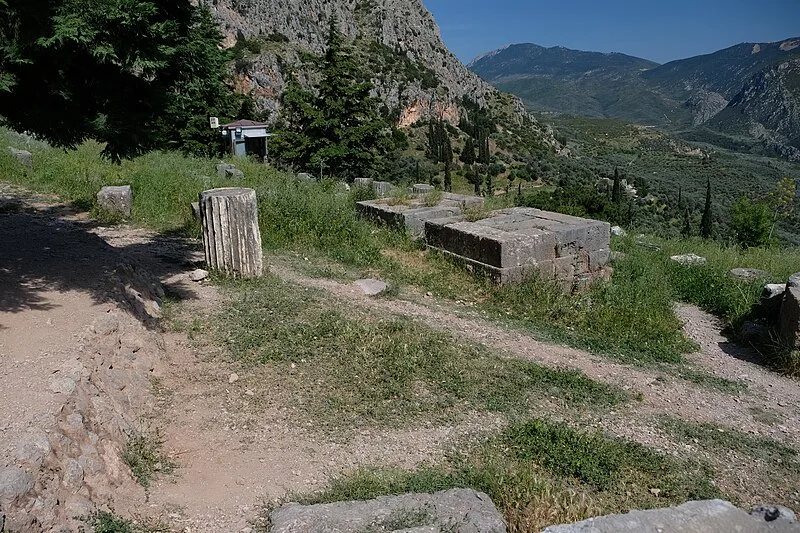
Halos, Delphi
The Halos was a circular open-air sanctuary situated in the northeastern section of the Sanctuary of Apollo at Delphi. Dating to the 4th century BC, this megalithic structure…
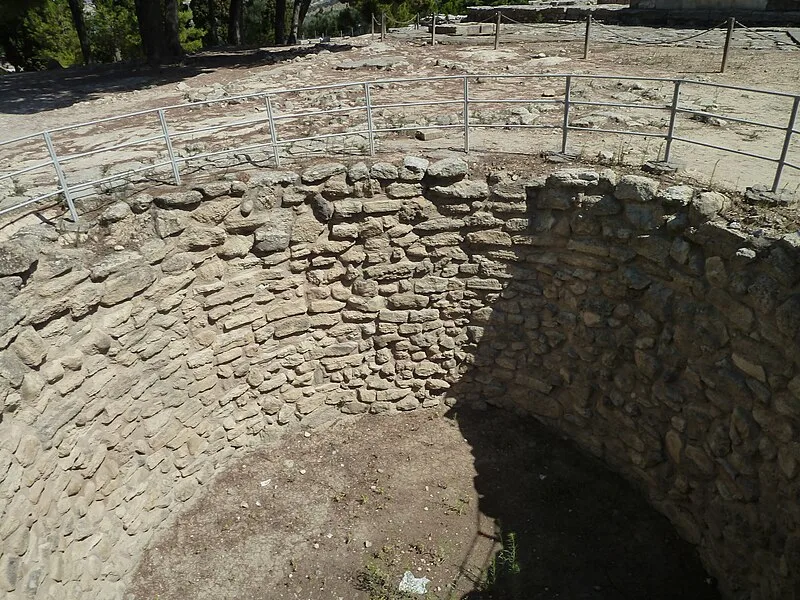
Kouloura
Kouloures are circular subsurface pits with stone walls found at Minoan palaces in Crete, including Knossos, Phaistos, and Malia. Arthur Evans discovered three at Knossos in 1903,…
Lesche of the Knidians
The Lesche of the Knidians was a clubhouse (lesche) at the Sanctuary of Apollo in Delphi, built in the second quarter of the 5th century BC. Today the structure is mostly…
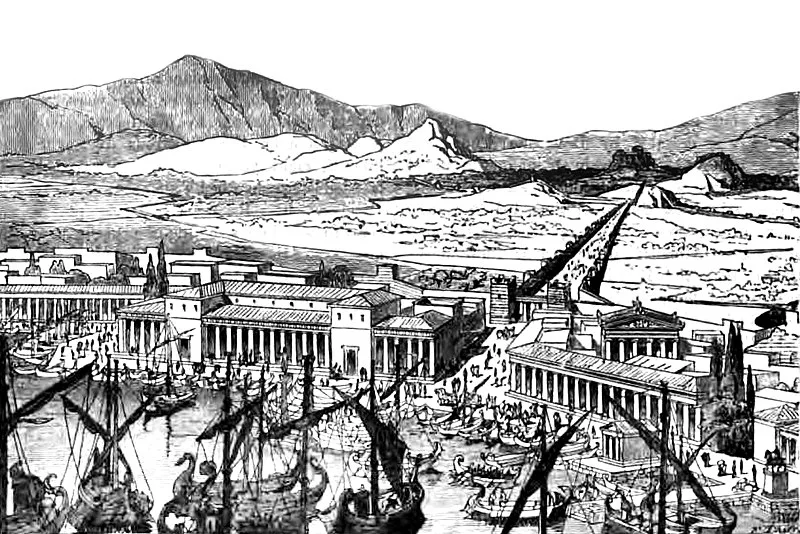
Makra Stoa
The Makra Stoa (Long Stoa) is an archaeological site in the ancient port city of Piraeus, Athens, built during the age of Pericles in the 5th century BC. Also known as the…
Megarian Treasury, Delphi
The Megarian Treasury was a votive building in the Sanctuary of Apollo at Delphi, situated north of the Siphnian Treasury along the Sacred Way. Originally built as a Doric distyle…
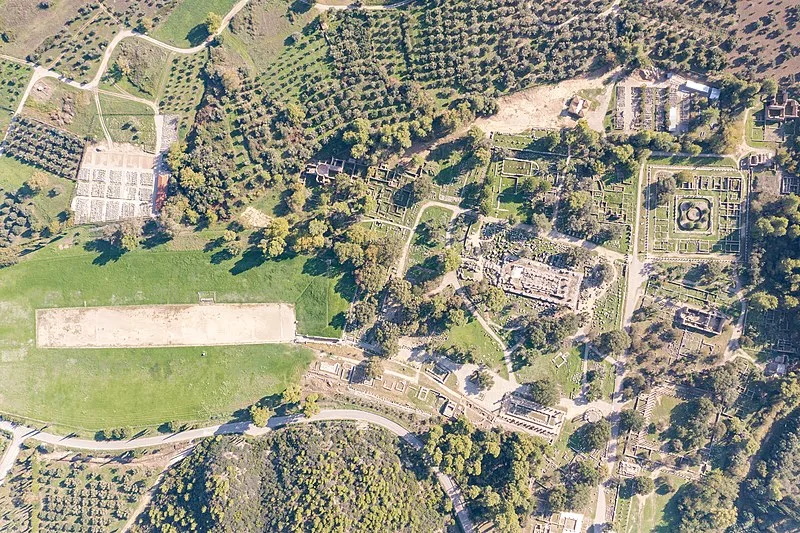
Megarian Treasury, Olympia
The Megarian Treasury at Olympia, dating to c. 520-510 BC, was built by the city-state of Megara on the north side of the sanctuary to store votive offerings. Constructed…
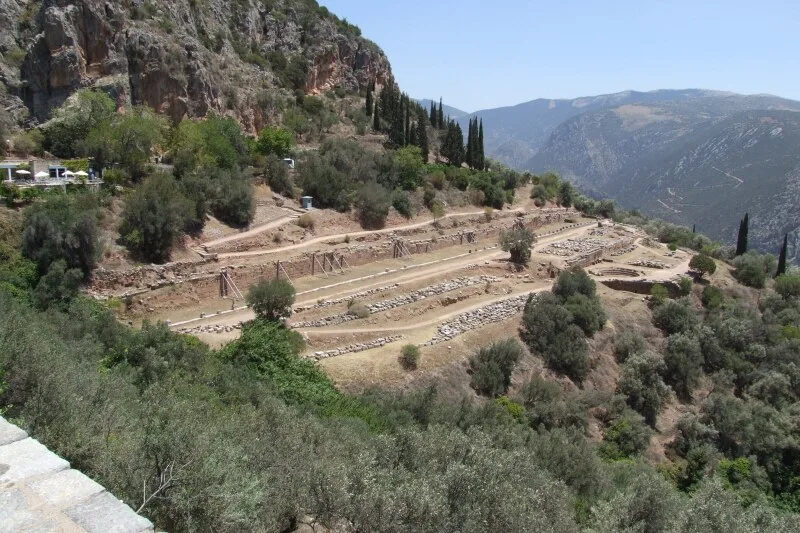
Palaestra at Delphi
The Palaestra at Delphi, part of a gymnasium within the sanctuary, is the oldest existing gymnasium in the Greek world, dating to the second half of the fourth century BC. Built…
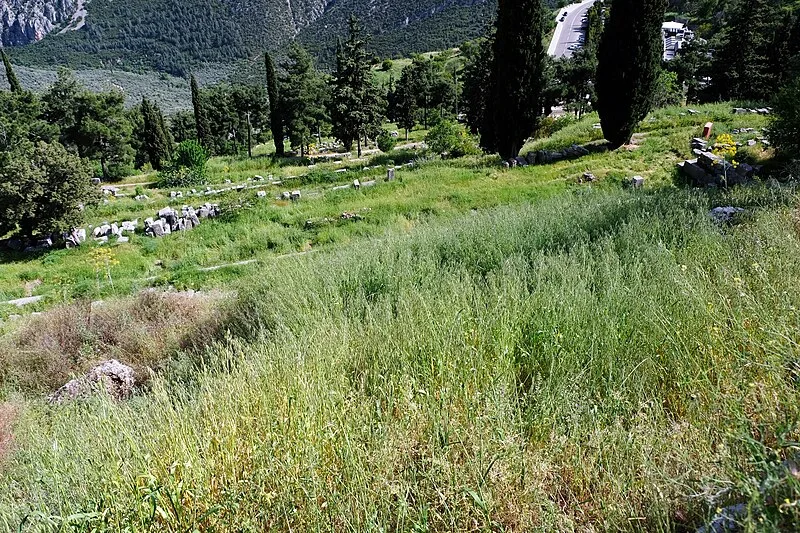
Portico of the Aetolians
The Portico of the Aetolians, also known as the Western Portico, is one of the largest buildings at Delphi, situated west of the sacred precinct of Apollo. Measuring 72.6 m long…
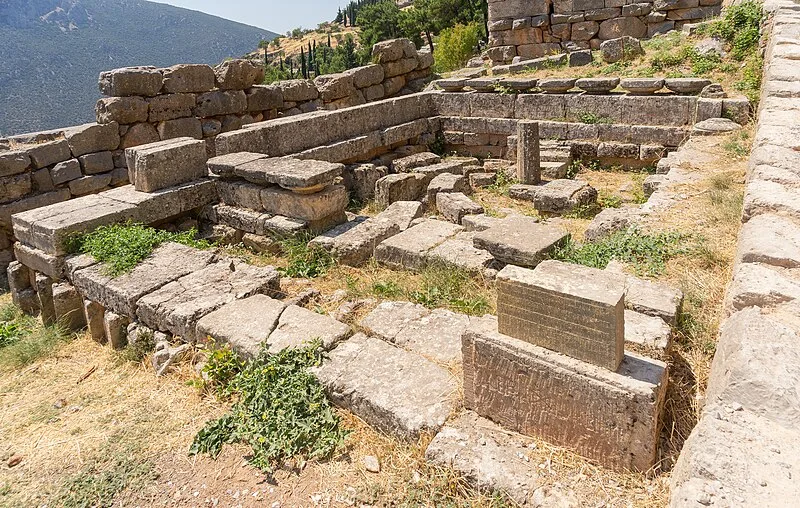
Sicyonian Treasury
The Treasury of the Sicyonians is a 6th-century BC structure within the sanctuary of Apollo at Delphi. It replaced two earlier buildings—a tholos and a monopteros—erected by…
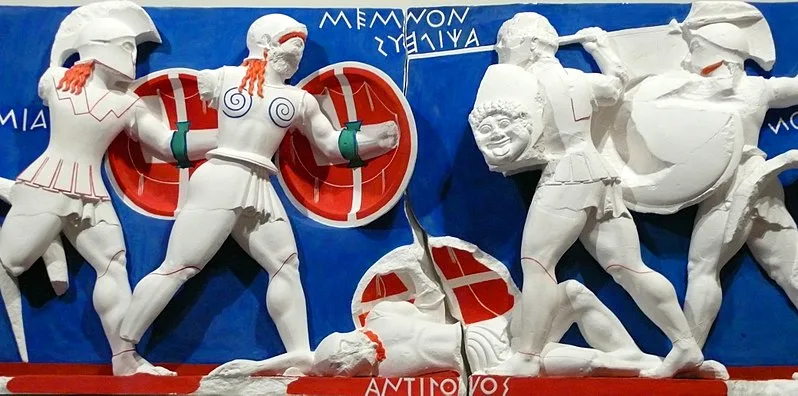
Siphnian Treasury
The Siphnian Treasury was a building at the Sanctuary of Apollo at Delphi, erected by the polis of Siphnos to house votive offerings and increase the prestige of the donor polis.…
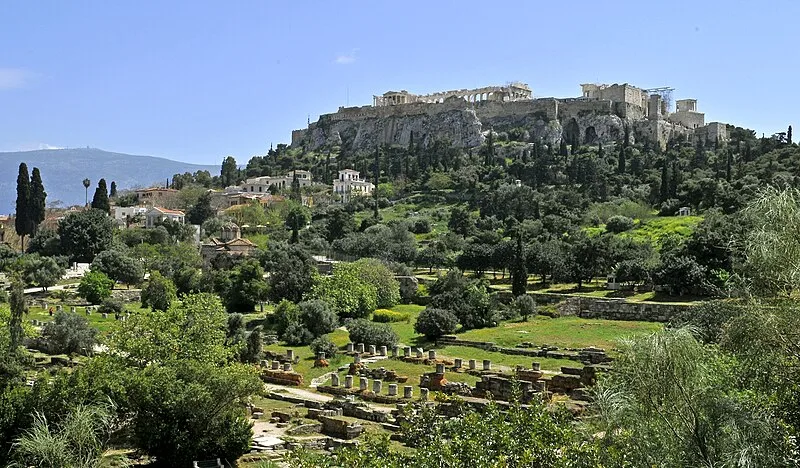
South Stoa I, Athens
The South Stoa I was a two-aisled stoa on the south side of the Athenian Agora, situated between the Aiakeion and the Southeast Fountain House. Built at the end of the 5th century…
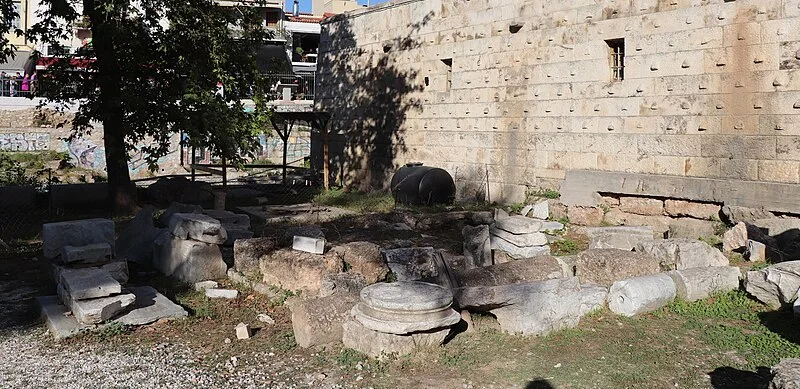
Square Peristyle
The Square Peristyle was a massive peristyle structure on the east side of the Ancient Agora of Athens, constructed around 300 BC. Among the largest peristyles built in Classical…
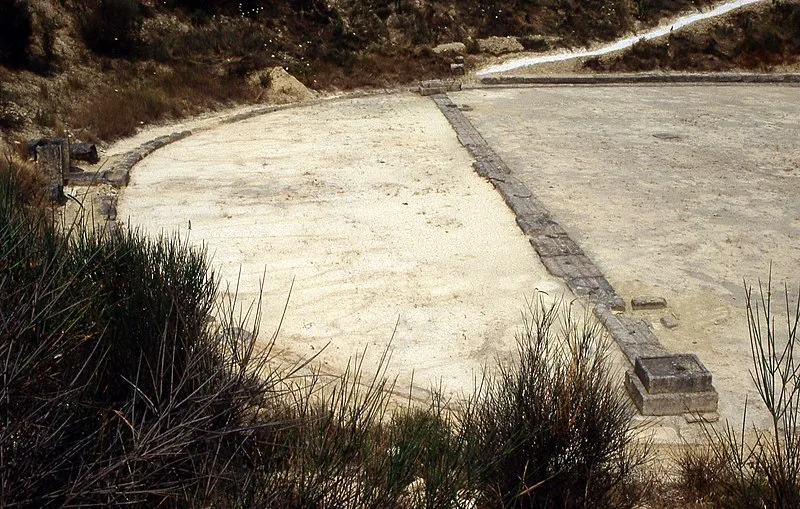
Stadium at Nemea
The Stadium at Nemea in the Corinthia region of Greece was built around 330 BC when the biennial Nemean Games returned from Argos. Its 600-foot clay track hosted foot races…
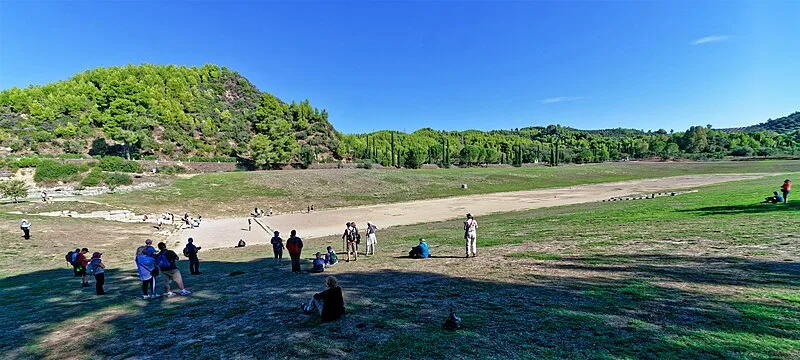
Stadium at Olympia
The Stadium at Olympia, east of the sanctuary of Zeus, hosted the athletic competitions of the ancient Olympic Games from 776 BC onward. It evolved through three phases: an…
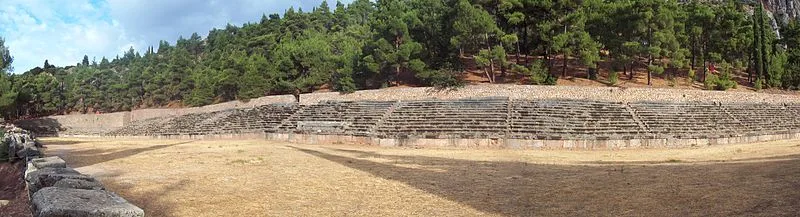
Stadium of Delphi
Built in the late 4th century BC or after Galatian attacks, the Stadium of Delphi sits on the highest point of the Archaeological Site of Delphi, overlooking the sanctuary of…
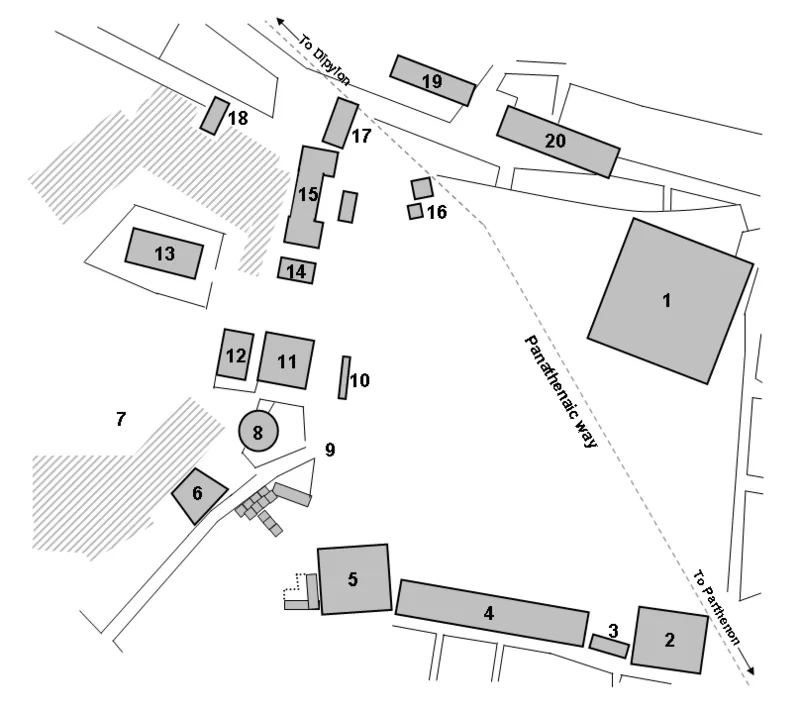
Stoa Basileios
Stoa Basileios (the Royal Stoa) was a modest Doric stoa situated in the northwestern corner of the Athenian Agora, constructed in the 6th century BC and substantially altered in…
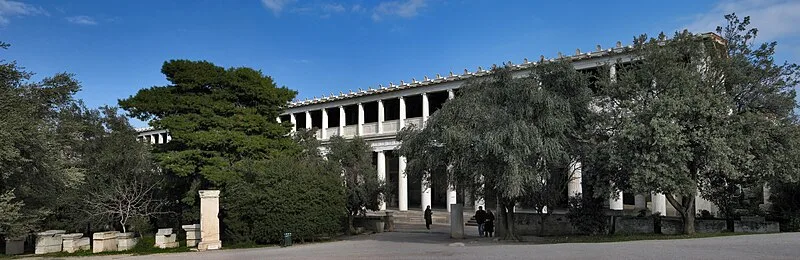
Stoa of Attalos
The Stoa of Attalos was a grand stoa (covered walkway) in the ancient Agora of Athens, built by King Attalos II of Pergamon between 159 and 138 BC. It was reconstructed from 1952…
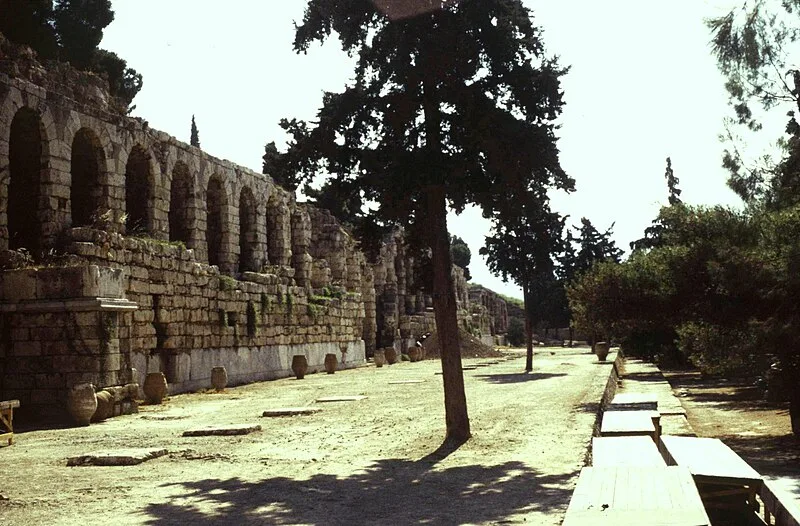
Stoa of Eumenes
The Stoa of Eumenes was a Hellenistic colonnade built on the south slope of the Acropolis in Athens, situated between the Theatre of Dionysus and the Odeon of Herodes Atticus.…
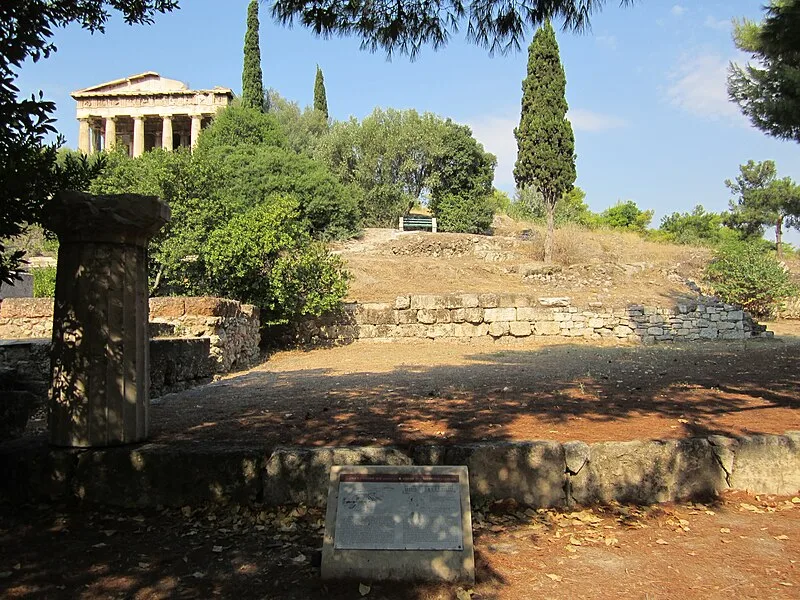
Stoa of Zeus
The Stoa of Zeus Eleutherios was a two-aisled stoa situated in the northwest corner of the Ancient Agora of Athens. Built c. 425–410 BC, it was dedicated to Zeus under his epithet…
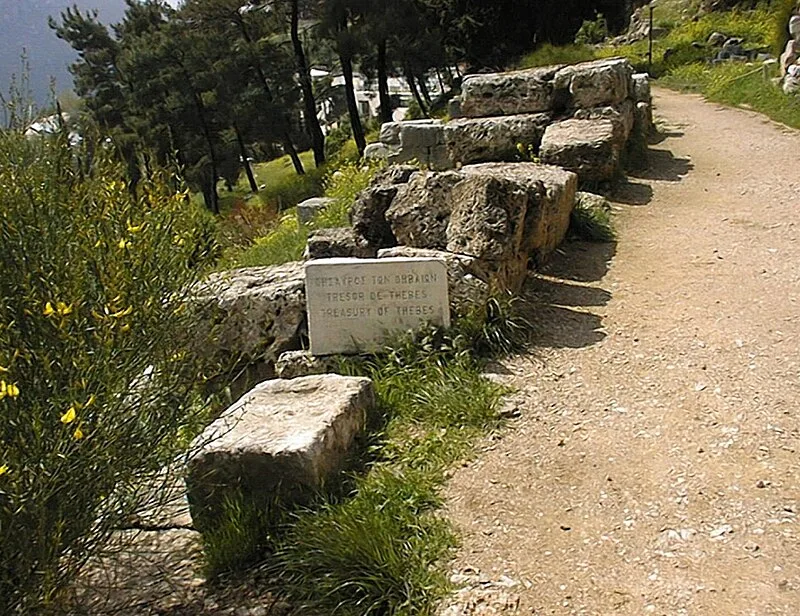
Theban Treasury, Delphi
The Treasury of the Thebans at Delphi was a Doric treasury built entirely of local limestone from the quarries of St. Elias near Chrisso. Located a few meters below the first turn…
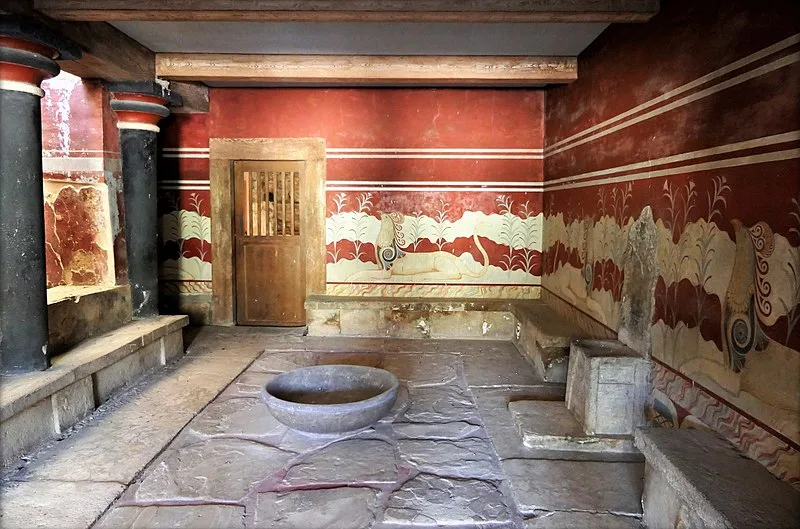
Throne Room, Knossos
A ceremonial chamber built during the 15th century BC within the Bronze Age palace of Knossos, Crete, considered the oldest throne room in Europe. Unearthed in 1900 by Arthur…
Treasury of Cyrene
The Treasury of Cyrene was probably the last treasury built within the sanctuary of Apollo at Delphi, dated to ca. 334-322 BC. Constructed in the Doric order with a distyle in…
Treasury of the Acanthians
The Treasury of the Acanthians at Delphi was built by citizens of Acanthos on the Chalcidice peninsula to commemorate their joint victory with the Lacedaemonians against Athens.…
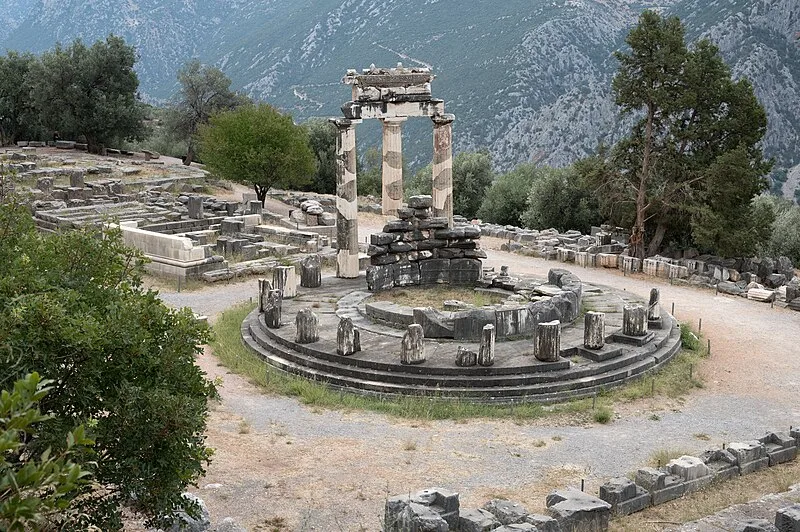
Treasury of the Massaliots, Delphi
The Treasury of the Massaliots was a 6th-century BC marble structure in the Sanctuary of Athena Pronaia at Delphi. It was a small temple in antis with two columns on its façade,…
Necropolis/tombs complex in Greece (24)
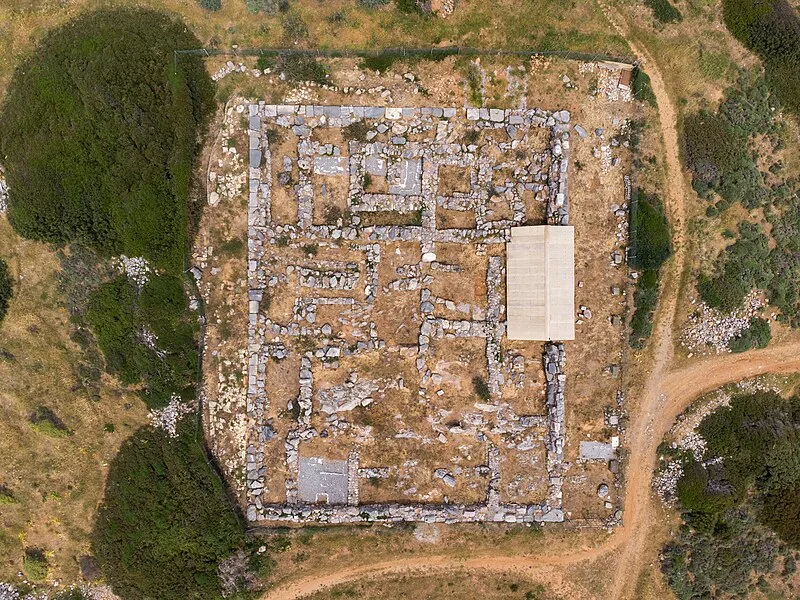
Chryssolakkos
Chryssolakkos (c. 3300–1100 BC) is an ancient Minoan necropolis near Malia on Crete, Greece. Its name means "pit of gold," referencing the rich burial goods found at the site. The…
Griffin Warrior Tomb
The Griffin Warrior Tomb is a Bronze Age shaft grave dating to c. 1450 BC, discovered in 2015 by University of Cincinnati archaeologists Jack Davis and Sharon Stocker near the…

Kasta Tomb
The Kasta Tomb, also known as the Amphipolis Tomb, is the largest ancient tumulus ever discovered in Greece, dating to the late 4th century BC. Enclosed by a nearly 497-meter…
Lycaean Tomb
The Lycaean Tomb is the only known Lycian-style tomb in Greece, located on the island of Kastellorizo (Megisti) in the Dodecanese. Dating to the 4th century BC, it features a…
Macedonian Tomb of Elafochori
The Macedonian Tomb of Elafochori is an underground burial monument near the village of Elafochori in the Evros prefecture of Thrace, Greece, dating to the late 4th or early 3rd…
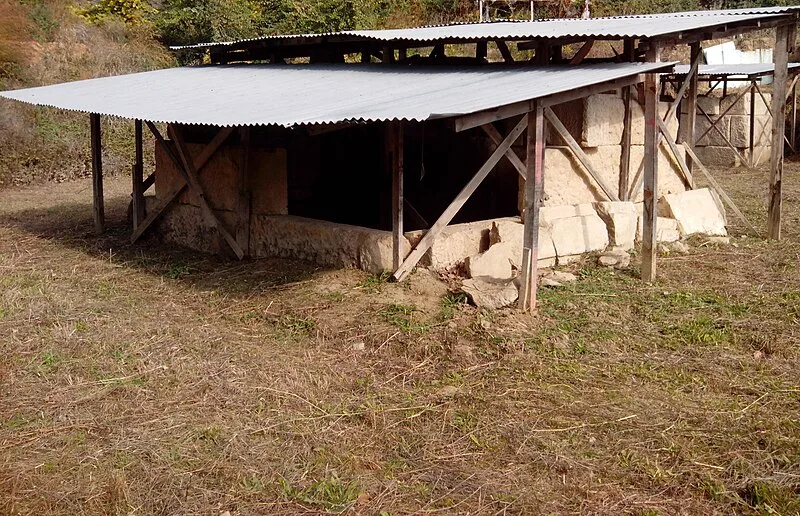
Macedonian Tombs, Katerini
The Macedonian Tombs at Katerini are a necropolis complex discovered during clay recovery operations north of Katerini, Greece. The two tombs were located approximately 3.7 km…
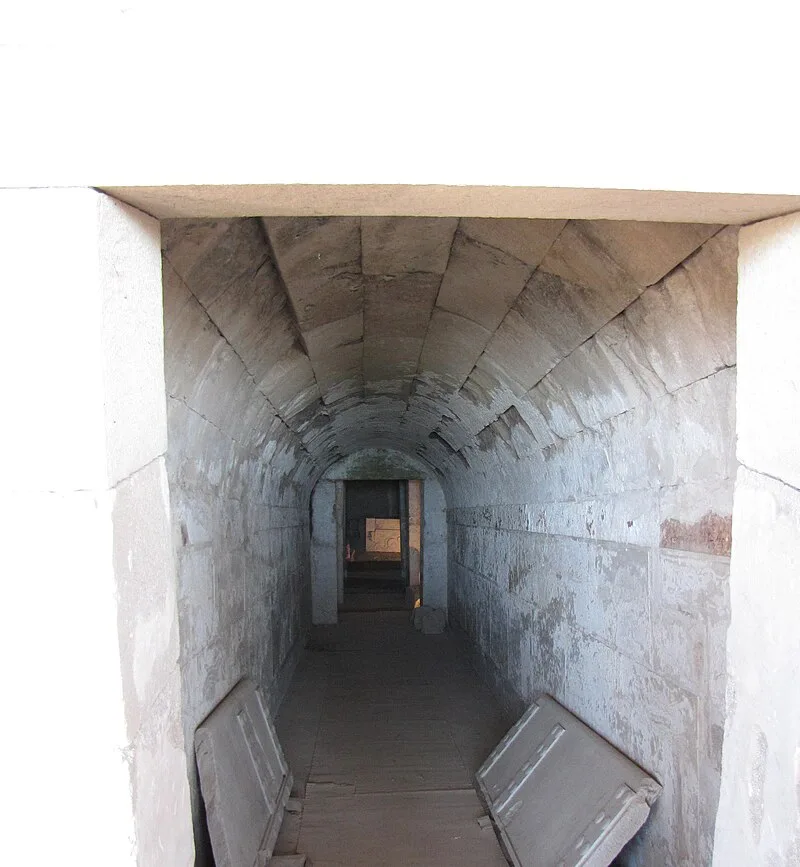
Macedonian Tombs, Korinos
The Macedonian Tombs at Korinos are a necropolis complex near the modern Greek village of Korinos, situated at the site of ancient Pydna. Tomb A, an important Macedonian tomb, was…
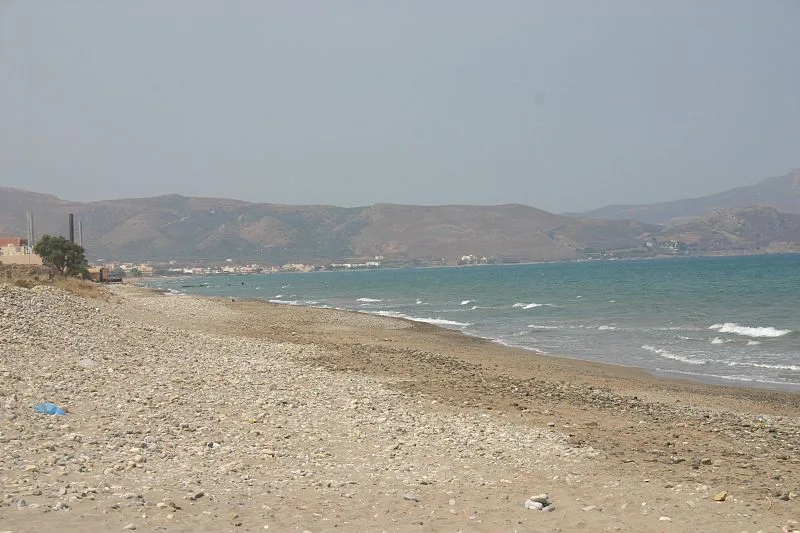
Maleme
A Late Minoan tholos tomb from the Late Bronze Age (c. 1450-1200 BC) is located on Kafkala hill near the village of Maleme in western Crete. The corbelled vault structure measures…
Nea Roumata Archaeological Site
Nea Roumata is an archaeological site of an ancient Minoan tomb near the village of Nea Roumata in Chania regional unit, Crete, Greece. The site features a small Early Minoan I…
Necropolises of Pydna
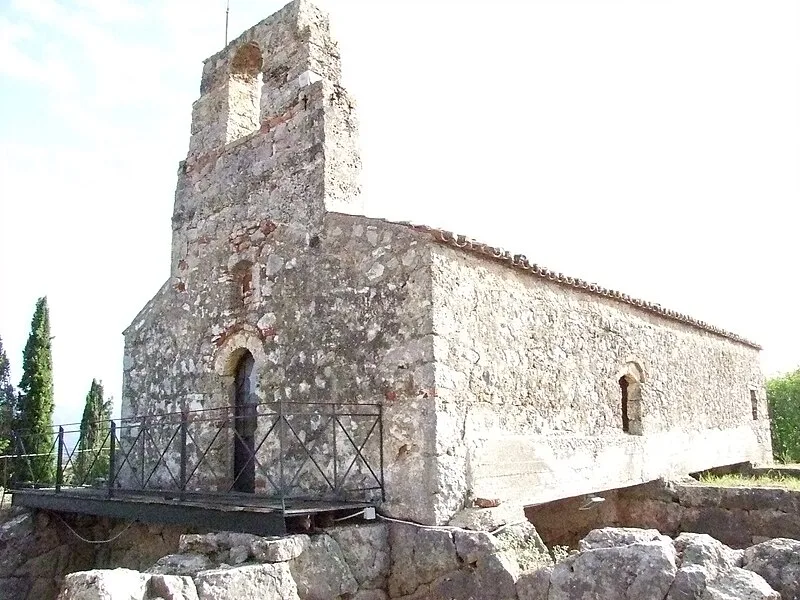
The Necropolises of Pydna contain Macedonian tombs situated around ancient Pydna along the historic road connecting Methone to Dion. The burial sites range from the Bronze Age to…
Nekromanteion of Acheron
An ancient Greek Oracle of the Dead in Epirus, devoted to Hades and Persephone, where pilgrims came to communicate with deceased ancestors. Located where the Acheron,…
Odysseus Palace
(1300 BC) Mycenaean archaeological complex on Ithaca believed to be the palace of Homer's Odysseus. The site occupies two levels accessed by a stairway carved into bedrock.…
Pigi Athinas
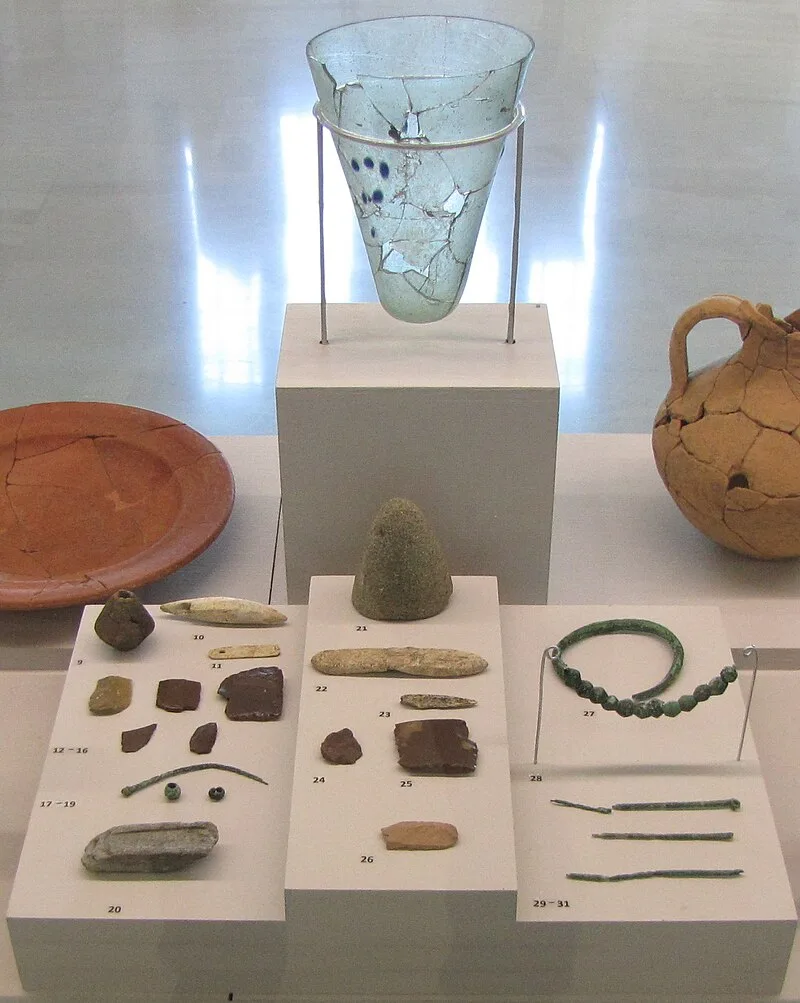
Pigi Athinas (Source of Athena) is an archaeological site at the eastern foot of Mount Olympus near Platamonas, Greece, with evidence of human presence from the early 7th…
Spathes
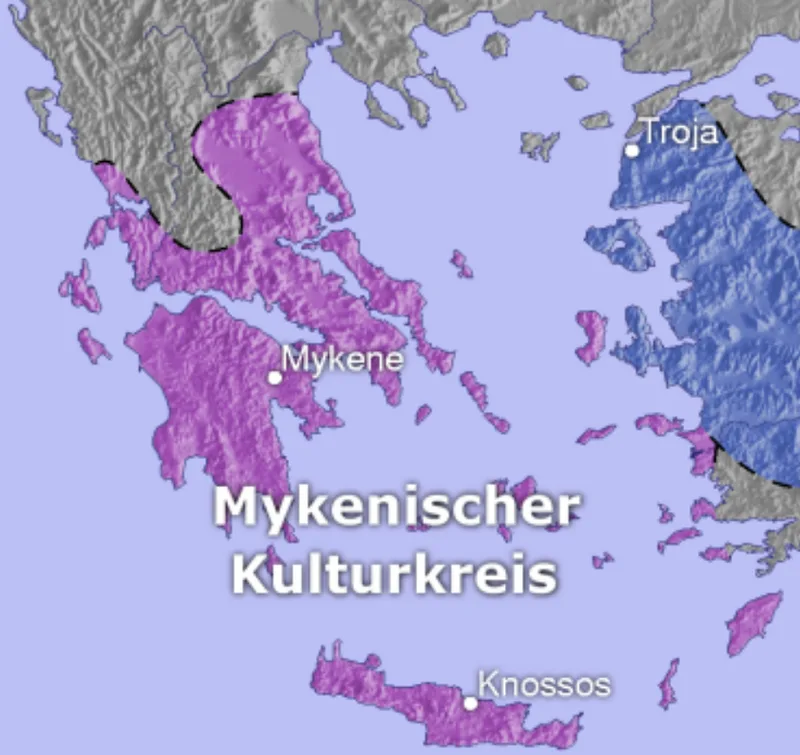
Spathes (Greek Σπάθες, "swords") is a Late Bronze Age necropolis on Mount Olympus, among the first archaeological sites discovered there. The oldest tombs date to the 14th century…
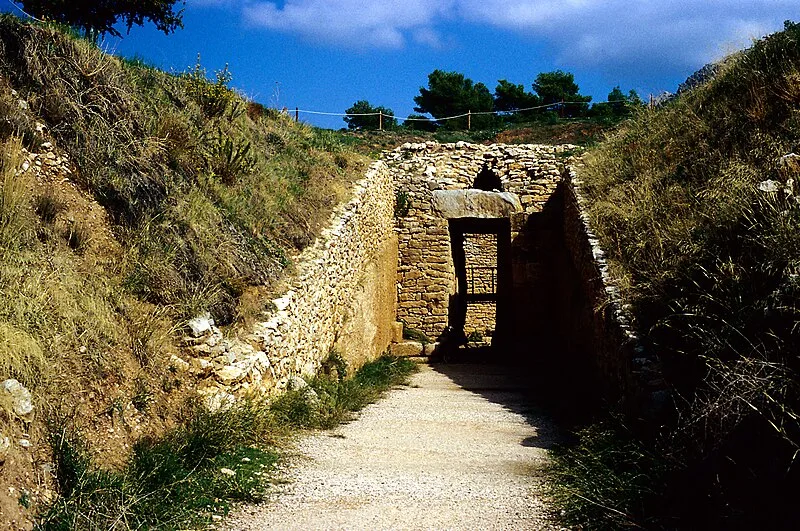
Tomb of Aegisthus
The Tomb of Aegisthus is a Mycenaean tholos tomb near the citadel of Mycenae, Greece, dating to approximately 1510-1450 BC (Late Helladic IIA). The corbelled beehive chamber…
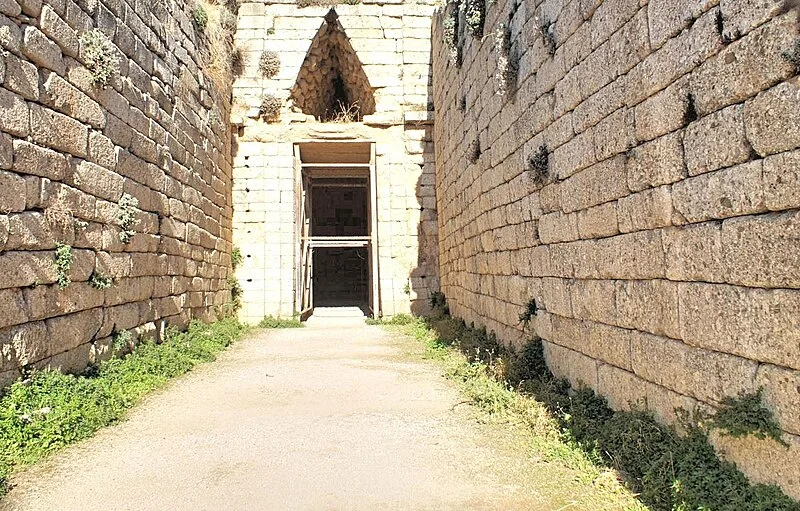
Tomb of Clytemnestra
The Tomb of Clytemnestra is a Mycenaean tholos (beehive) tomb constructed around 1250 BC in the Argolid region of Greece. Its monumental façade features carved stone lintels and…
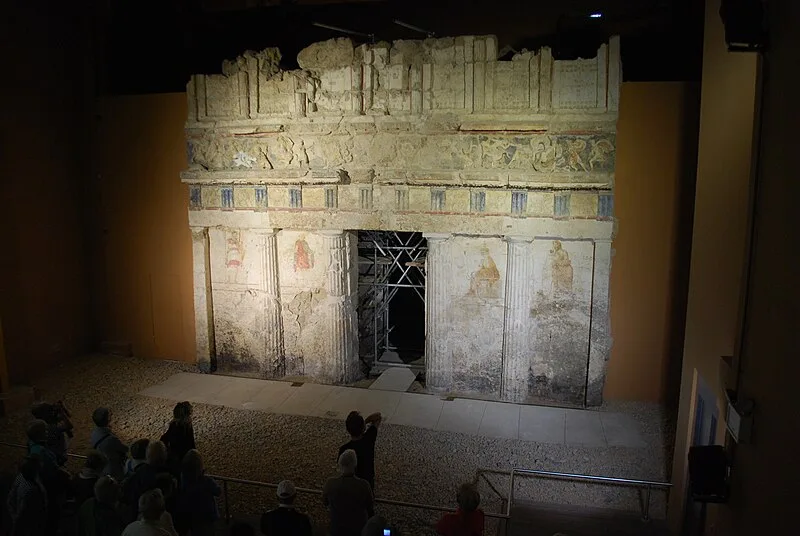
Tomb of Judgement, Lefkadia
Built at the beginning of the 3rd century BC, the Tomb of Judgement (also called the Great Tomb of Lefkadia) is an ancient Macedonian Hellenistic tomb in Mieza, near modern…
Tomb of Leonidas
The Tomb of Leonidas (Leonidaion) in Sparta, Greece, is the only surviving monument from the ancient Agora. The limestone edifice measures 12.5 x 8.30 m and dates to the late 5th…
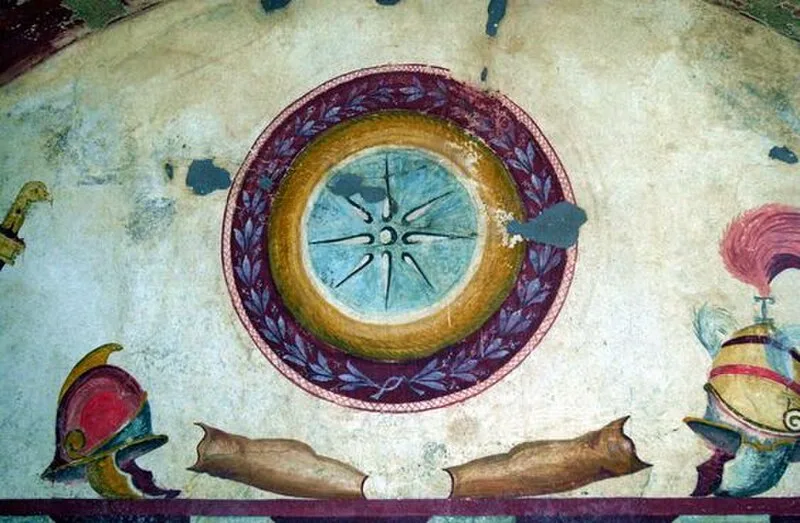
Tomb of Lyson and Kallikles
The Tomb of Lyson and Kallikles is a Hellenistic-era Macedonian necropolis near modern Lefkadia, Greece, celebrated for its exceptional painted wall decorations. Built around 250…
Tomb of Macridy Bey
(4th–3rd c. BC) The Tomb of Macridy Bey, also called the Tomb of Langadas, is an ancient Macedonian burial complex of the Classical or early Hellenistic period, situated at the…
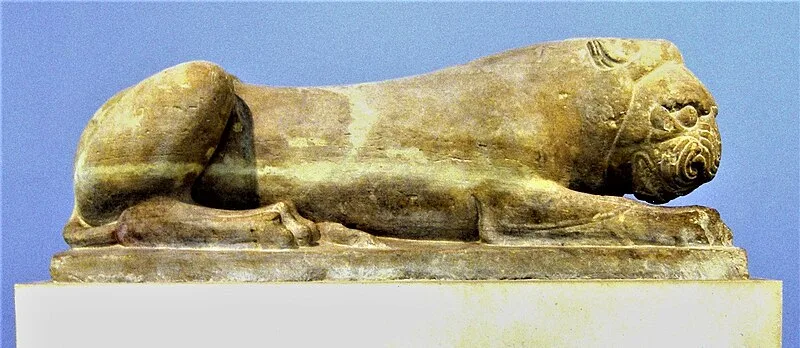
Tomb of Menecrates
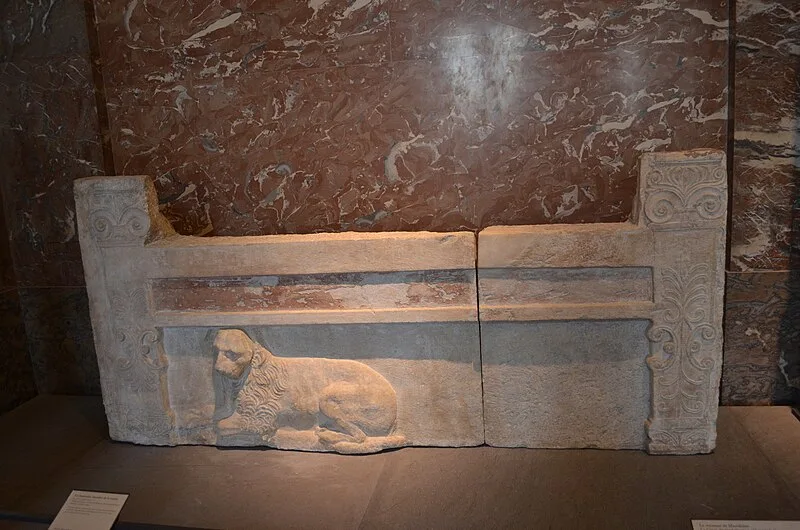
The Tomb of Menecrates is an Archaic-period cenotaph in Corfu, Greece, built around 600 BC in the ancient city of Korkyra. The tomb and its funerary lion sculpture were discovered…
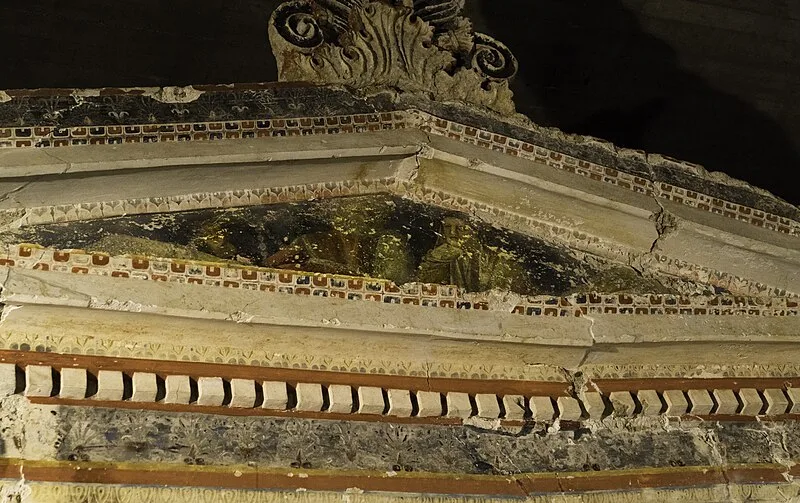
Tomb of the Palmettes
A Hellenistic-era Macedonian tomb at ancient Mieza (modern Lefkadia), built in the first half of the 3rd century BC. The two-chambered vaulted tomb features an Ionic facade with…
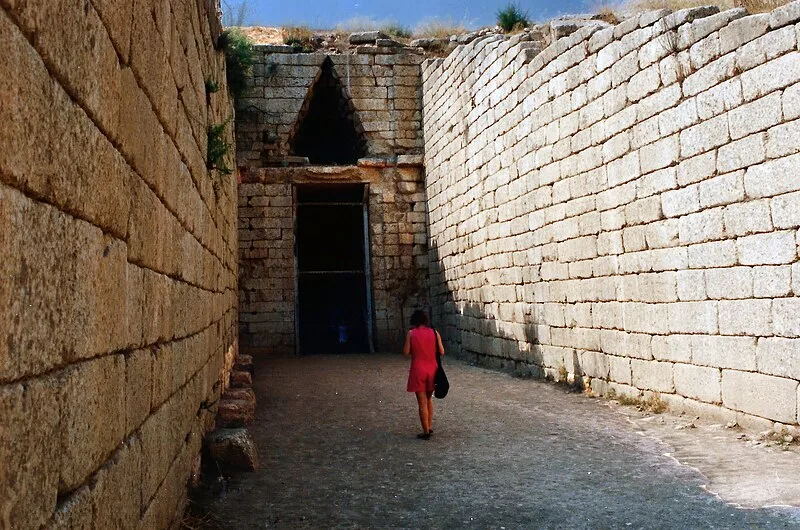
Treasury of Atreus
The Treasury of Atreus (Tomb of Agamemnon) is the largest and most elaborate tholos tomb of the Aegean Bronze Age, built between 1350 and 1250 BC at Mycenae. Its corbelled dome,…
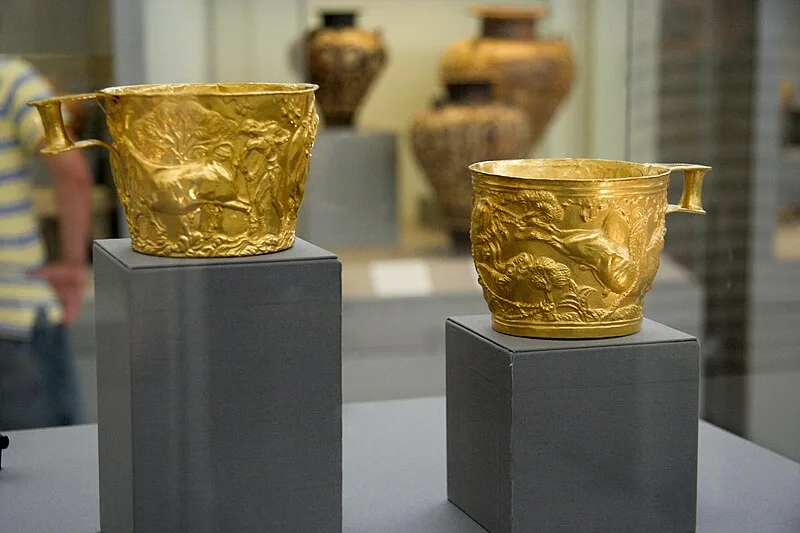
Vaphio
Vaphio is a Late Helladic (Mycenaean) necropolis in Laconia, Greece, located on the right bank of the Eurotas River approximately 8 km south of Sparta. The site is renowned for…
Cave Structures in Greece (16)
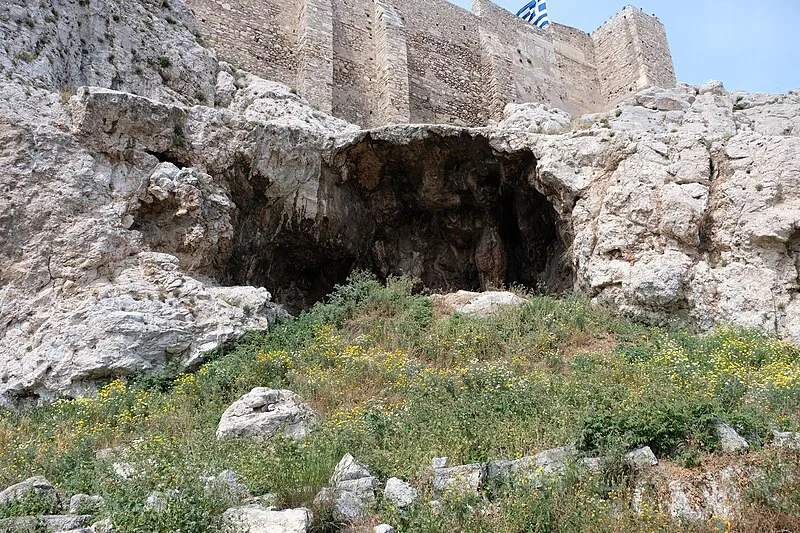
Aglaureion
The largest cave sanctuary on the Acropolis of Athens, with a 14-meter-wide entrance and 22-meter depth, dedicated to Aglauros, daughter of the mythical King Cecrops. It served as…
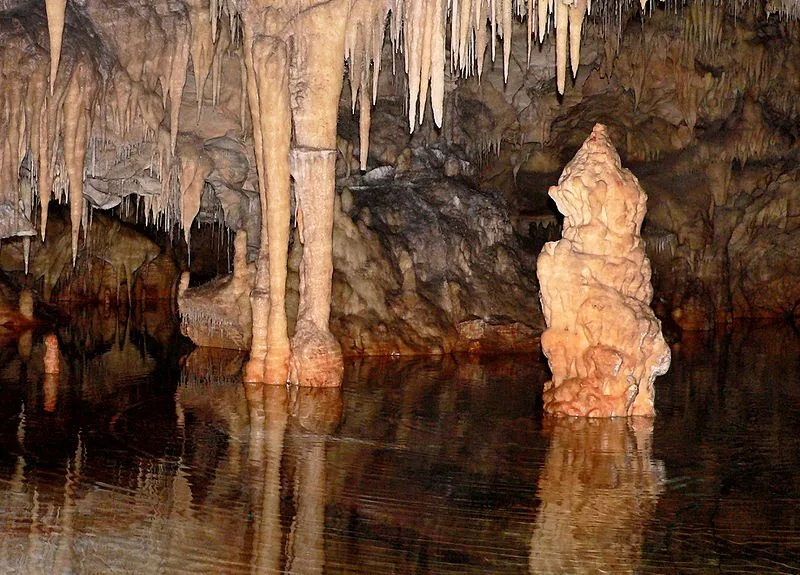
Alepotrypa Cave
Alepotrypa Cave is a major Neolithic site on the Mani Peninsula, Peloponnese, Greece, stretching 300 meters with six chambers ending in an underground lake. Used from roughly 6000…
Apidima Cave
Apidima Cave is a complex of five caves on the western shore of the Mani Peninsula in southern Greece. Archaeological excavations have yielded both Neanderthal and Homo sapiens…
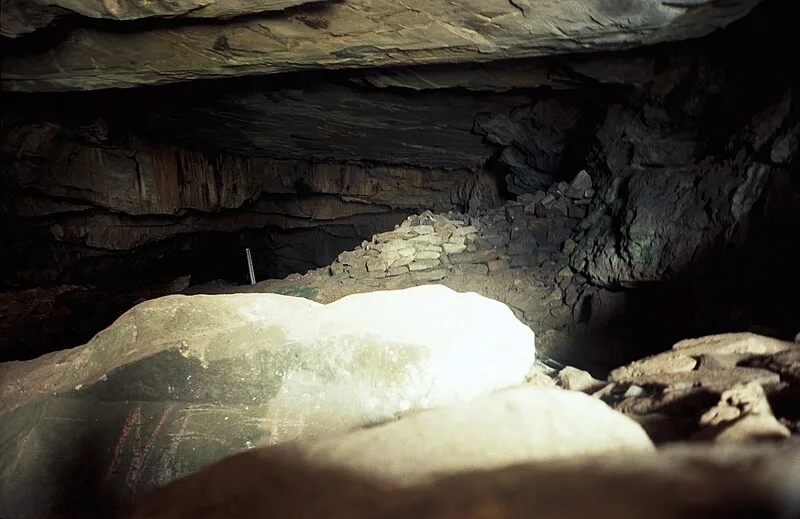
Cave of Zeus, Naxos
A large cave on the western slope of Mount Zas on Naxos, the highest peak in the Cyclades at 1,003 m, situated at 630 m elevation. The cave entrance widens to approximately 10…
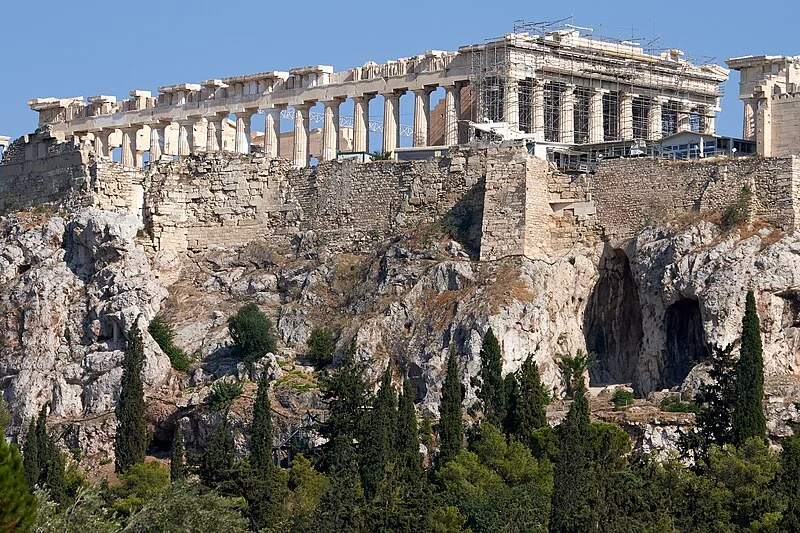
Cave Sanctuaries of the Acropolis of Athens
Natural fissures and cavities in the rock of the Acropolis hill in Athens that served as cult sites from the Archaic through Classical periods. On the northwest slope, three caves…
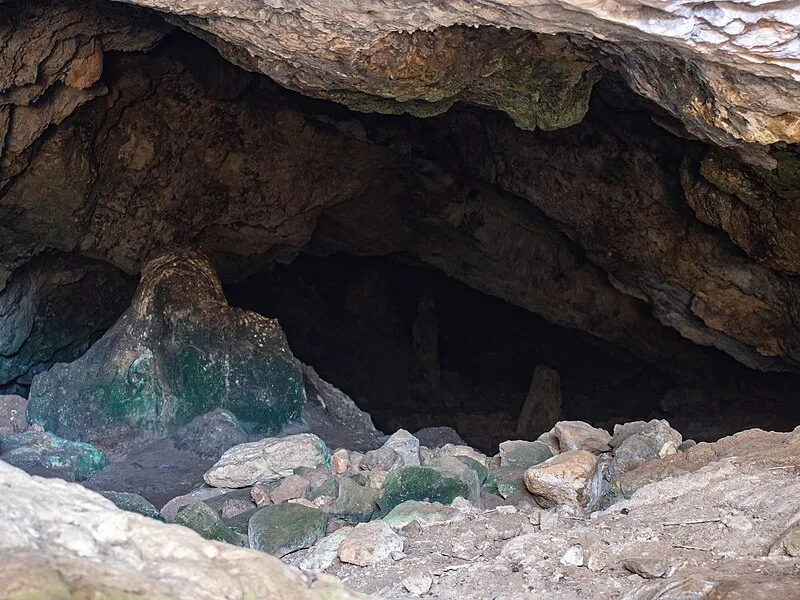
Eileithyia Cave
Eileithyia Cave, located one kilometre south of Amnisos on Crete, was a sacred cave dedicated to the goddess of childbirth, Eileithyia. The site was used from the Neolithic to the…
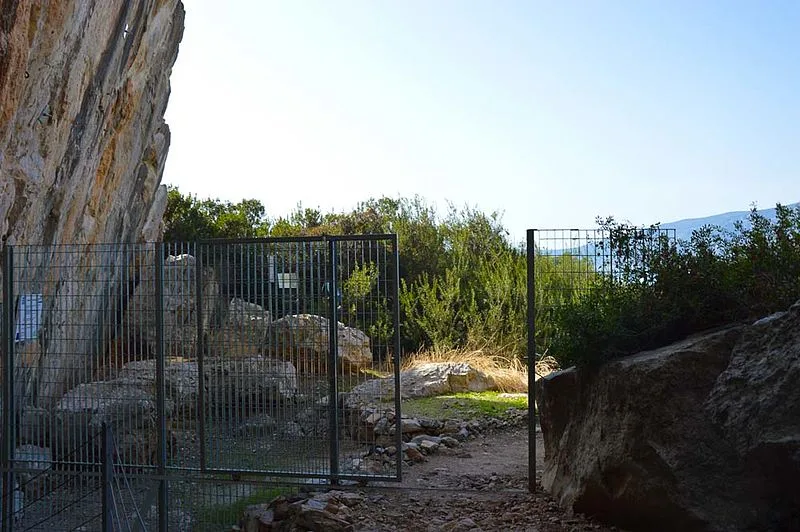
Franchthi Cave
Franchthi Cave is a major archaeological site overlooking Kiladha Bay in the Argolic Gulf, southeastern Greece, with human occupation spanning from c. 38,000 BC to 3,000 BC -- the…
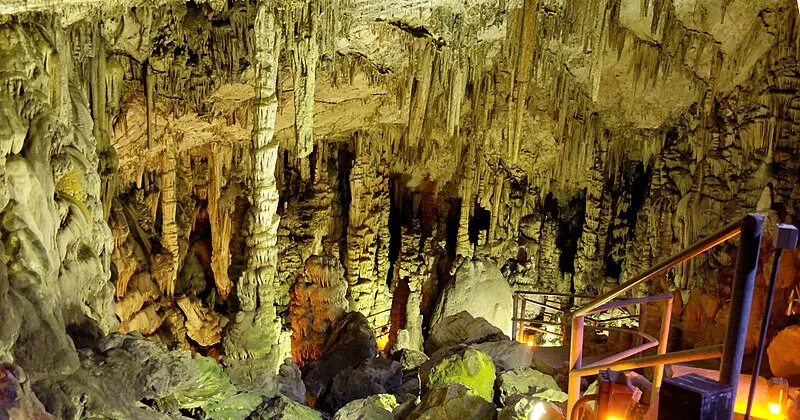
Idaean Cave
A sacred cave sanctuary on the eastern slopes of Mount Ida (Psiloritis) in Crete, at 1,538 m altitude, covering 800 sq m across three chambers. Venerated from 4000 BC to the 1st…
Kamares, Crete
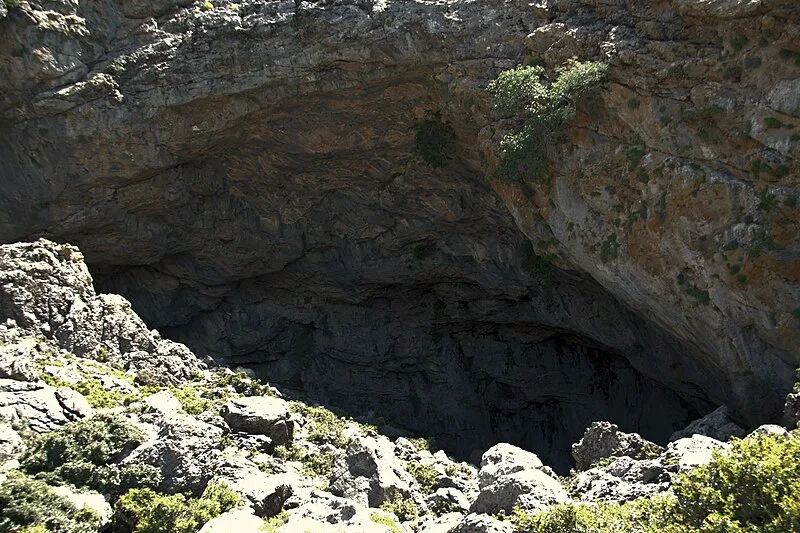
Kamares is a village in south-central Crete, Greece, home to Kamares Cave, a Minoan sacred cave in the Psiloriti Range. The cave sits slightly offset from a mountain saddle,…
Phyle Cave
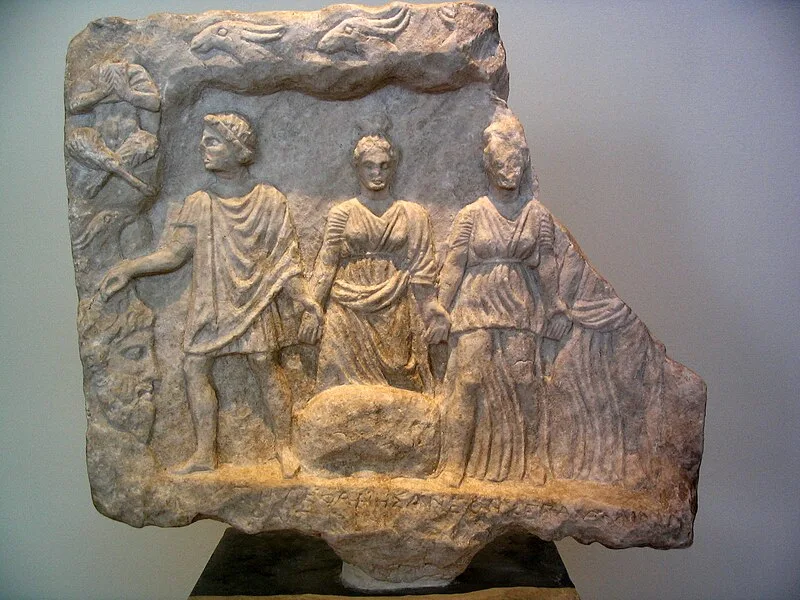
The Phyle Cave is a small cave on Mount Parnes near Fyli (Phyle), a suburb of Athens in Attica, Greece. In ancient Greece it served as a sanctuary dedicated to Pan and the nymphs.…
Psychro Cave
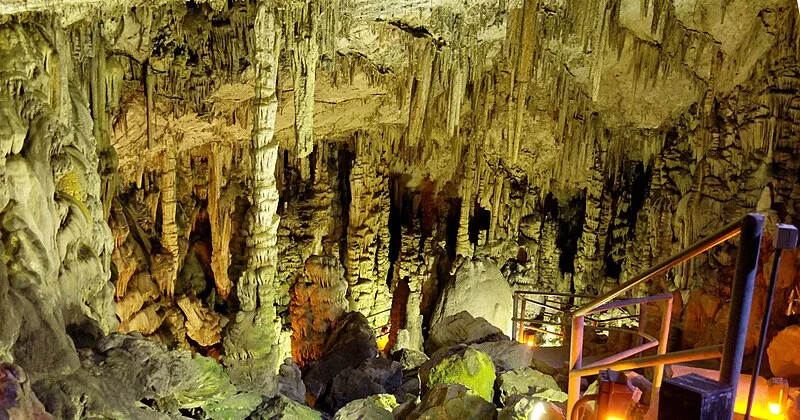
Psychro Cave is an ancient Minoan sacred cave on the Lasithi plateau in eastern Crete. It is traditionally associated with the Diktaean Cave, one of the legendary birthplaces of…
Skotino Cave
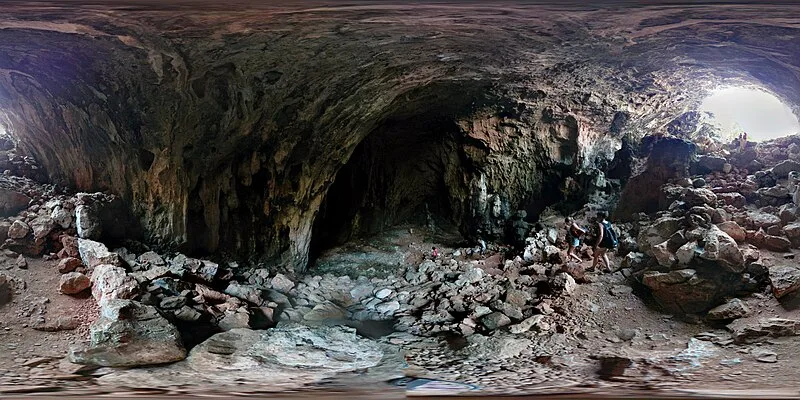
Skotino Cave is one of the largest and most impressive caves in Crete, Greece. It was used as a pagan sanctuary from the 3rd millennium BC until the Roman period, when it was…
Stravomyti Cave
Stravomyti Cave is a Minoan-era cave on the southwest slope of Mt. Juktas in Crete, Greece, at 400 metres above sea level. First used during the Neolithic period as a refuge and…
The Prison of Socrates
The so-called Prison of Socrates consists of rooms carved into bedrock on the Hill of the Muses (Philopappos Hill) in Athens. The preserved structure contains three interconnected…
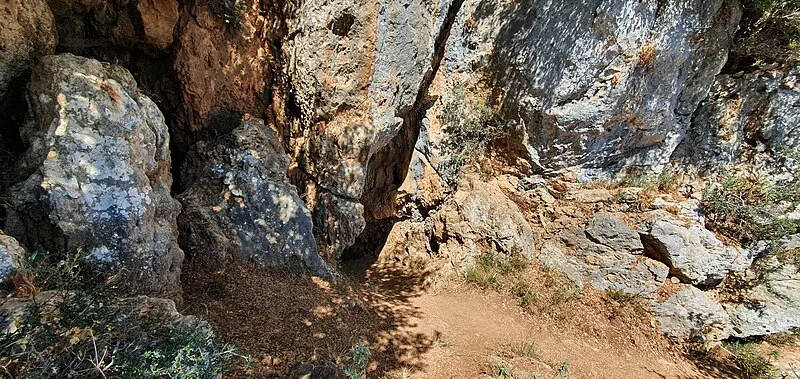
Trapeza, Crete
Trapeza Cave (also called Kronion Andron) is a Neolithic and Bronze Age sacred cave near the village of Tzermiado on the Lassithi Plateau in Crete. Excavated in 1936 and 1938, it…
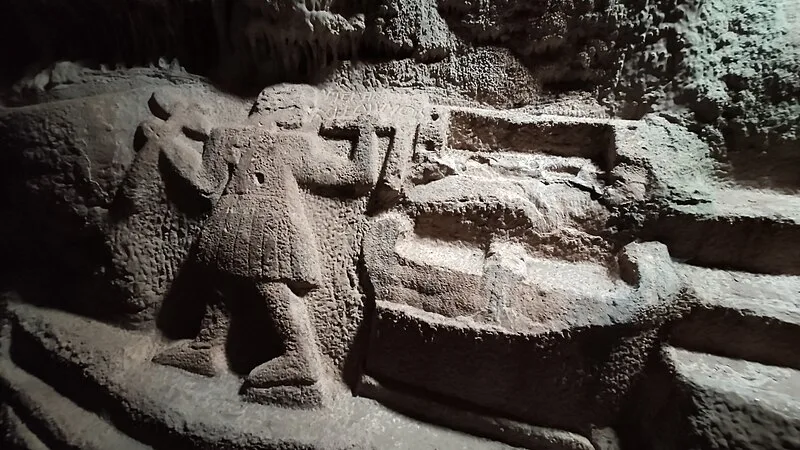
Vari Cave
The Vari Cave (Nympholyptos) is a small in Attica, Greece, dating to the 6th century BC. It served as a shrine dedicated to Apollo, Pan, and the Nymphs throughout classical…
Cemetery in Greece (15)
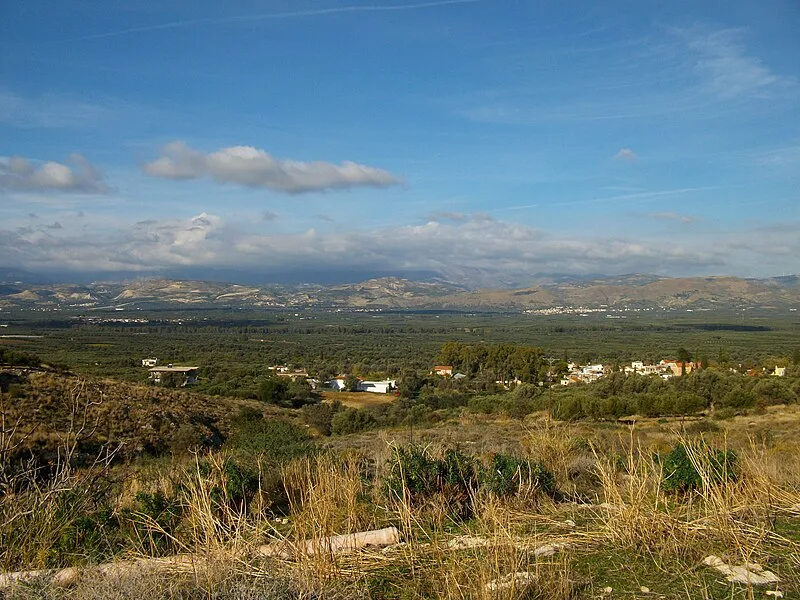
Apesokari
A Minoan cemetery in southern Crete featuring two tholos (circular) tombs dating from the Early Minoan II to Middle Minoan period, roughly 2600-1700 BC. Tholos A, about 4.85 m in…
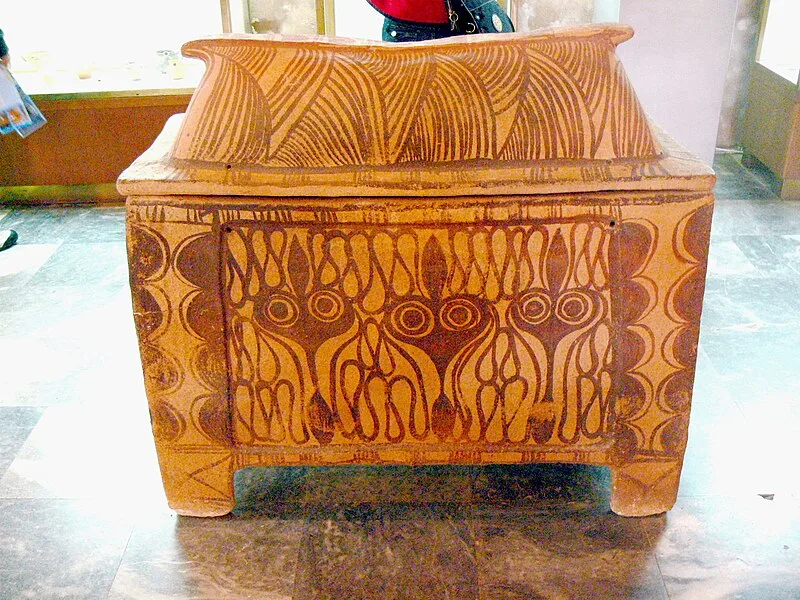
Armeni - Archaeological Site
A remarkably preserved Late Minoan cemetery near Rethymno, Crete, containing 232 rock-cut chamber tombs dating to c. 1420-1190 BC. Discovered by chance in 1965 and excavated since…
Catacombs of Milos
The Catacombs of Milos are an ancient underground Christian cemetery dating to the 1st-5th century AD, located on the island of Milos in the Cyclades, Greece. The subterranean…
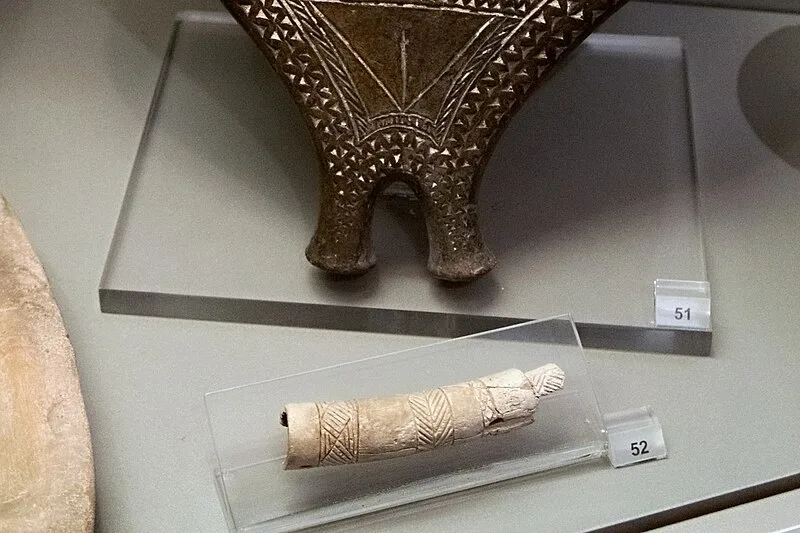
Chalandriani
Chalandriani is the largest Early Cycladic cemetery yet discovered, located on the island of Syros in Greece and dated to the Early Cycladic II period (Keros-Syros culture,…
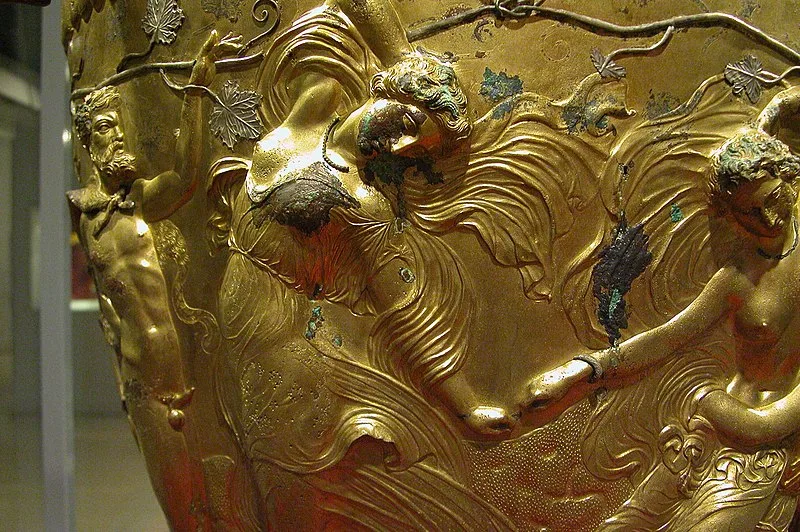
Derveni, Thessaloniki
Derveni is an archaeological site near Thessaloniki. Discovered in 1962, the largely undisturbed tombs date from the late 4th to early 3rd century BC. The most famous finds are…
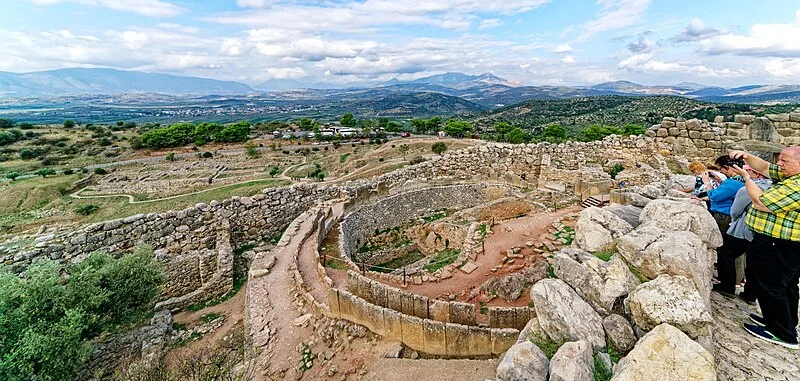
Grave Circle A, Mycenae
Grave Circle A is a 16th-century BC royal cemetery situated to the south of the Lion Gate, the main entrance of the Bronze Age citadel of Mycenae in southern Greece. This burial…
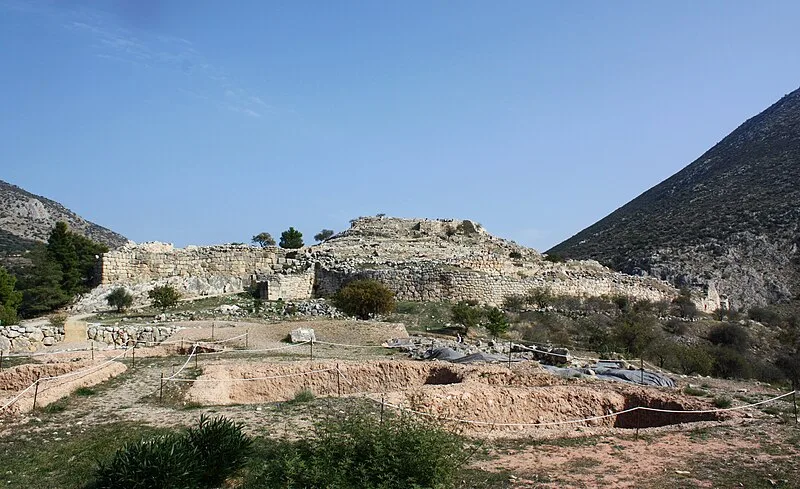
Grave Circle B, Mycenae
A royal cemetery dating to roughly 1700-1600 BC, situated 117 metres west of the Lion Gate outside the Bronze Age citadel of Mycenae in southern Greece. The circle has a diameter…
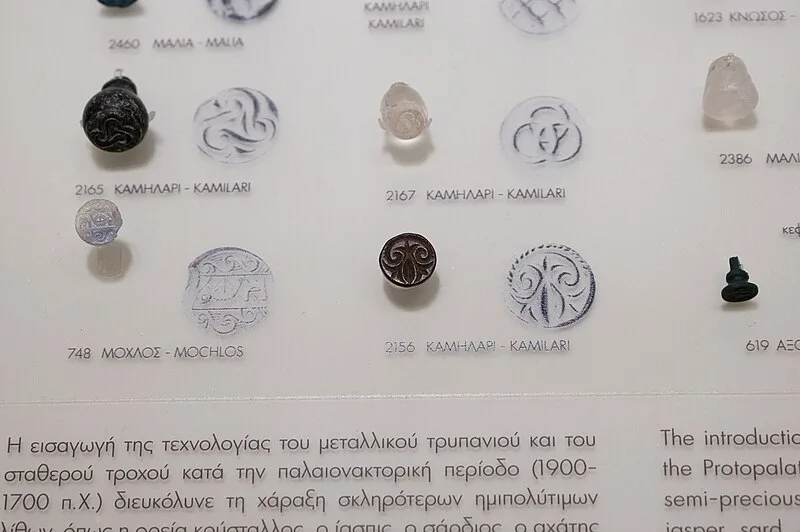
Kamilari
Kamilari is a Minoan tholos tomb cemetery on Crete, 3 km west of Phaistos, discovered in 1959 by Italian archaeologist Doro Levi and dated to c. 2000 BC. The main tomb (Tholos A)…
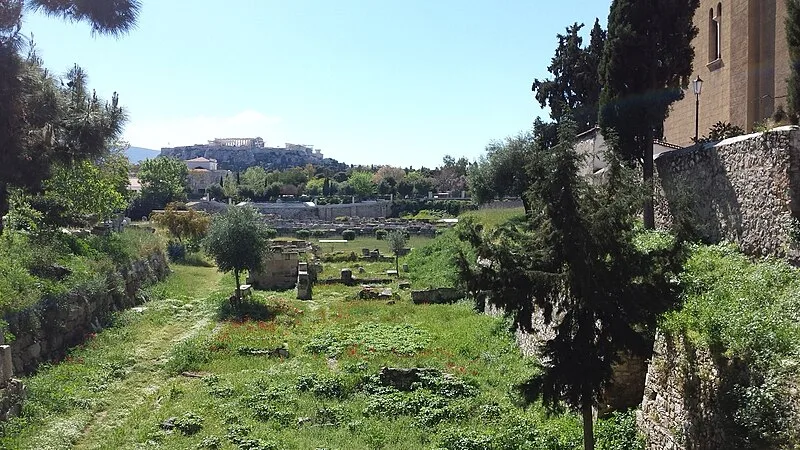
Kerameikos
Kerameikos (5th–6th c. BC) was the ancient potters' quarter of Athens, located northwest of the Acropolis. Its name derives from keramos (pottery), giving English 'ceramic'. The…
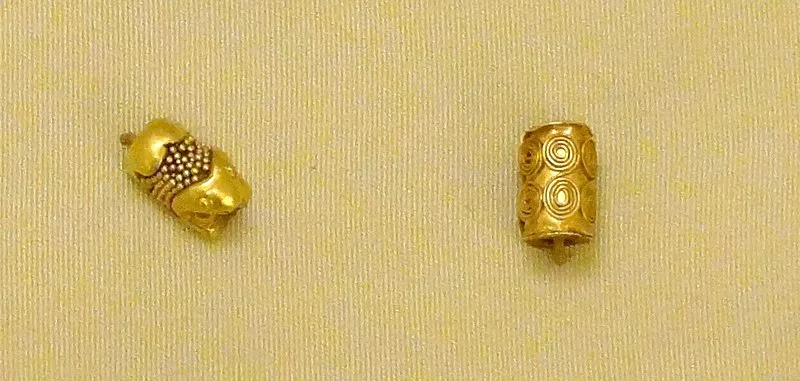
Koumasa
Koumasa is a Prepalatial Minoan cemetery on Crete. Located between Loukia and Koumasa at the southern edge of the Mesara Plain near the Asterousia Mountains. First excavated by…
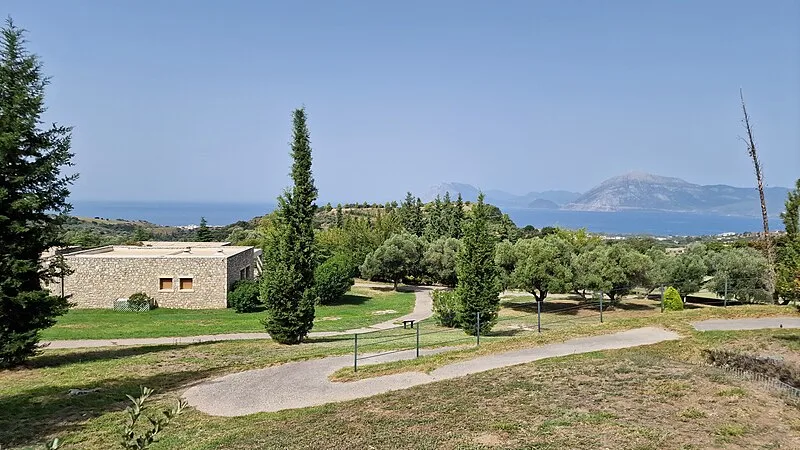
Mycenaean Cemetery of Voudeni
The Mycenaean Cemetery of Voudeni (1500-1050 BC) is part of the Patras Mycenaean Park in Western Greece, located 7 km northeast of Patras near the settlement of Voudeni. The site…
Odigitria
Odigitria is a Minoan cemetery in the Asterousia mountains of southern Crete, near the Odigitria Monastery. The site contains two tholos tombs (A and B), a rectangular building,…
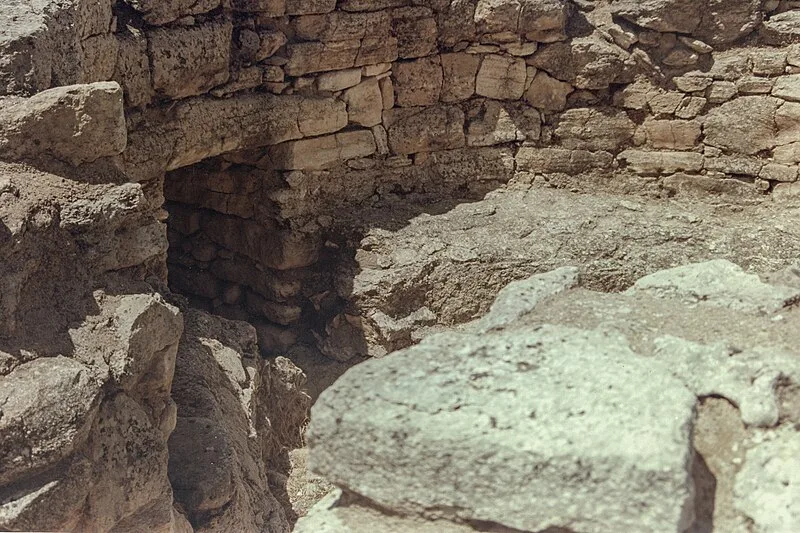
Phourni
Phourni is the most important Minoan cemetery on Crete, located on a hill northwest of Archanes, in use from approximately 2400 to 1200 BC. The 6,600 sq m necropolis contains 26…
Phylaki
Phylaki is an archaeological site near the modern village of Phylaki on Crete, featuring a Late Minoan IIIA tholos tomb discovered in 1981. The tomb is approached by an 11-metre…
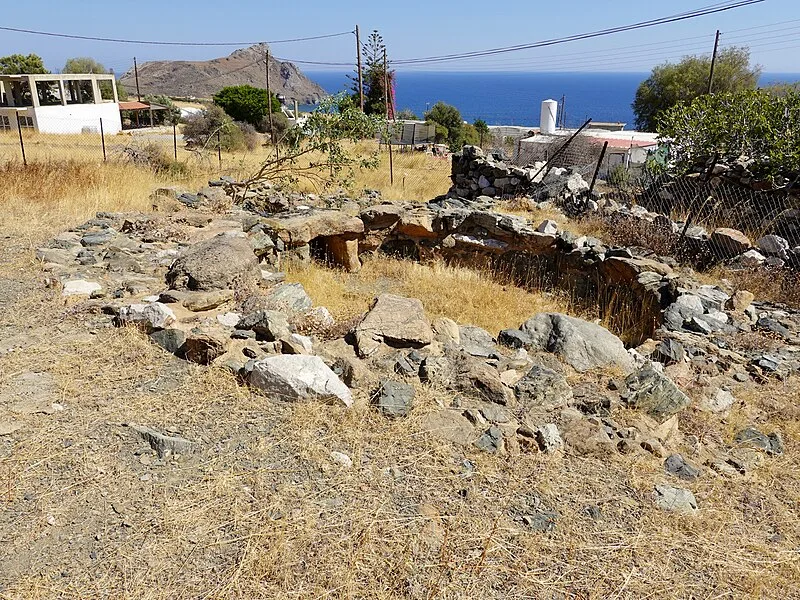
Yerokambos
An ancient Minoan cemetery on the south coast of central Crete, near the village of Lendas, south of the Asterousia mountains. Three tholos tombs have been excavated at the site:…
Megalithic stones in Greece (15)
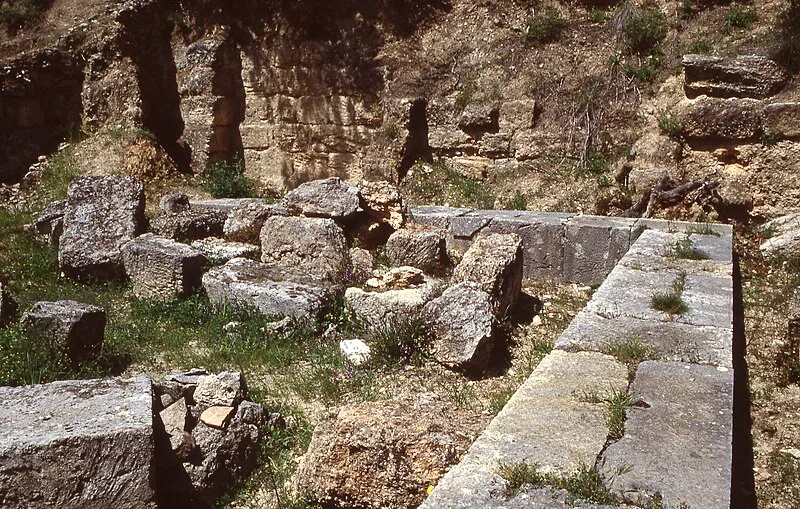
Amphiaraeion of Oropos
The Amphiareion of Oropos was a sanctuary dedicated to the hero Amphiaraos, situated in the hills 6 km southeast of the fortified port of Oropos in the northernmost point of…
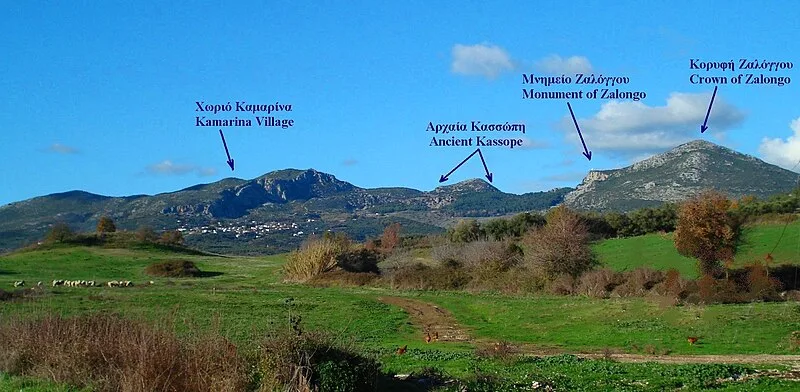
Ancient Cassope
Ancient Cassope was a fortified Greek city founded in the mid-4th century BC on the slopes of Mount Zalongo near modern Kamarina, serving as the capital of the Kassassopaeans, a…

Ancient Corinth
One of ancient Greece's most powerful city-states, occupied since before 3000 BC and flourishing from the 8th century BC as a major commercial center on the isthmus linking the…
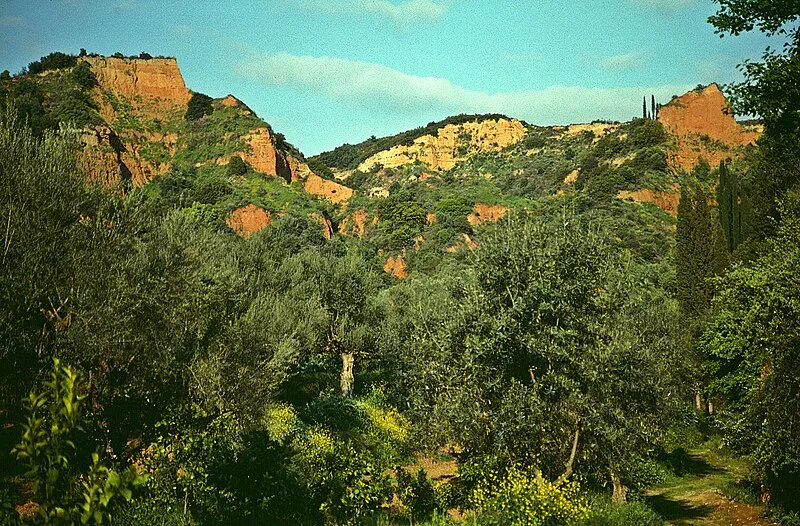
Ancient Sparta
The ruins of the powerful Greek city-state on the Peloponnese, with earliest settlement evidence from the 10th century BC when four villages merged into one community. Sparta…
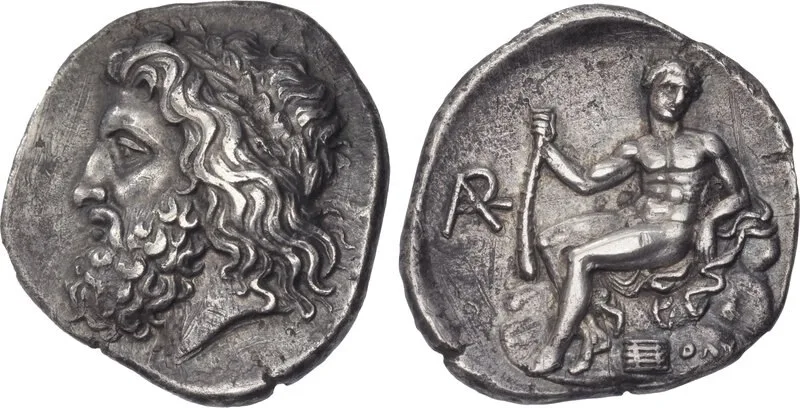
Ancient Theatre of Megalopolis
Built c. 370 BC as part of the founding of Megalopolis, capital of the Arcadian League established to counter Sparta. With a 131-meter diameter cavea and capacity of 20,000…
Arcadian Gate
Arcadian Gate (4th c. BC) is a monumental megalithic structure at Ancient Messene in Greece. One of the city's two original gates, it served as the western entrance through the…

Archaeological Site of Pnyx
Rocky hill less than 1 km west of the Acropolis where the Athenian democratic assembly (ekklesia) met from as early as 507 BC, making it one of the earliest known sites of…
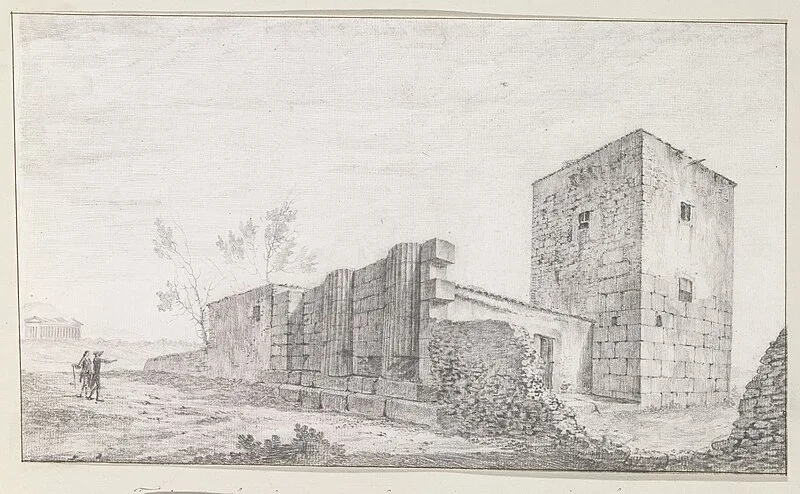
Asklepion, Kos
The Asklepion of Kos is an ancient healing sanctuary dedicated to Asclepius, the Greek god of medicine. Built in 357 BC, it served as one of the principal seats of the…
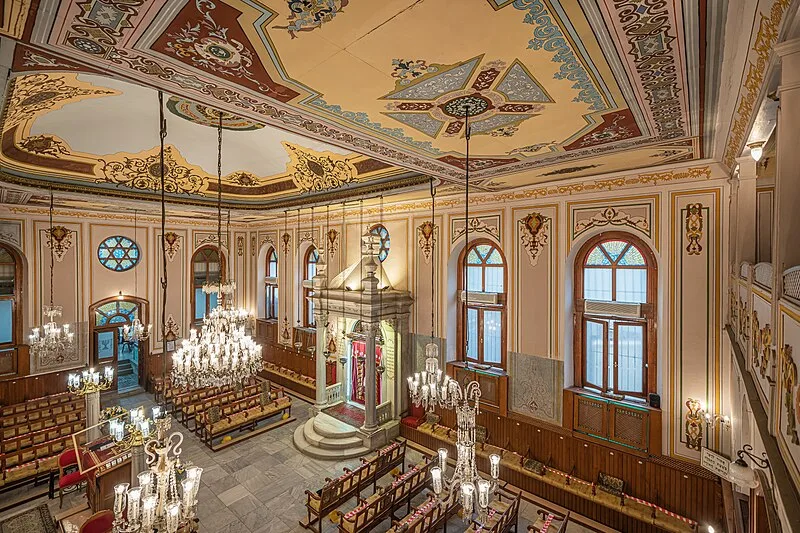
Bema
The Bema at the Pnyx in Athens is an ancient stone speakers' platform that served as the focal point of Athenian democracy from the 6th century BC onward. From this elevated…
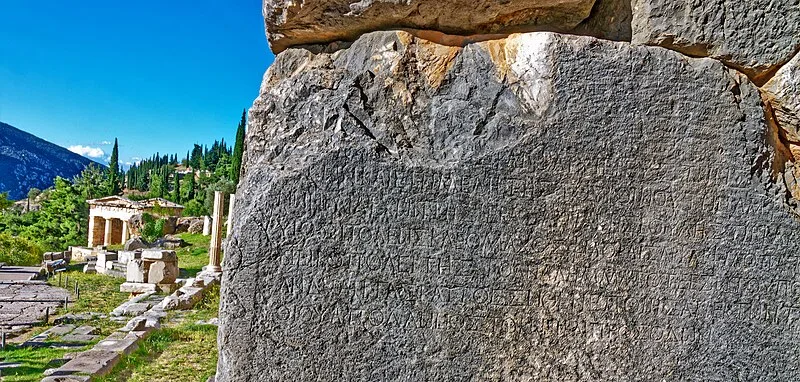
Delphi
Delphi, on the southwestern slope of Mount Parnassus, was the most important oracle site in ancient Greece and is now a UNESCO World Heritage Site (1987). The Greeks considered it…
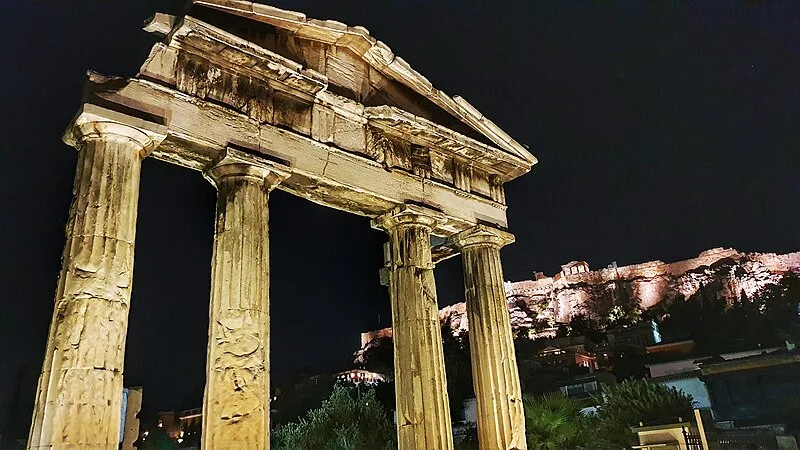
Gate of Athena Archegetis
The Gate of Athena Archegetis is a monumental Roman-era gateway on the west side of the Roman Agora in Athens, Greece. Constructed in 11 BC through donations by Julius Caesar and…
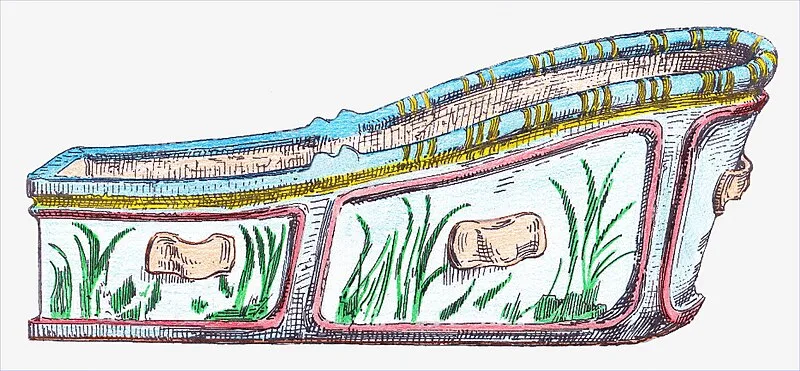
Minoan Palace of Knossos
Knossos is a Bronze Age archaeological site on Crete that served as a major centre of the Minoan civilization. It is famously associated with the Greek myth of Theseus and the…
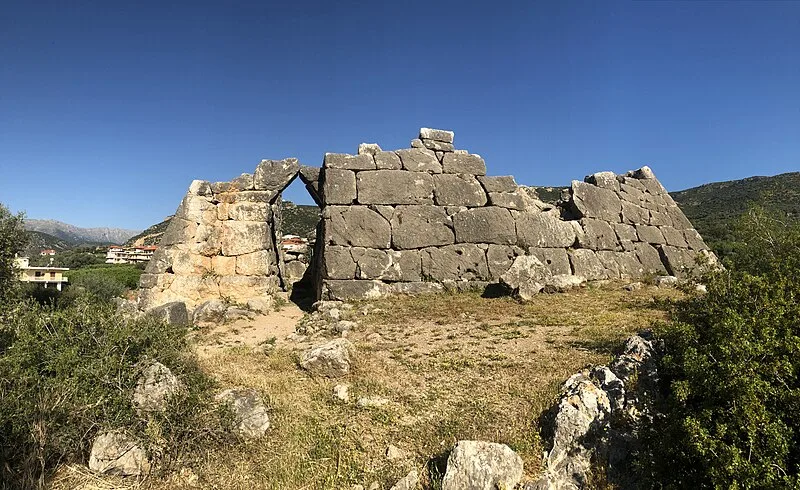
Pyramid of Hellenikon
The Pyramid of Hellenikon is an ancient structure in Argolid, Greece. Ancient geographer Pausanias described it as a tomb, while 20th-century researchers have proposed alternative…
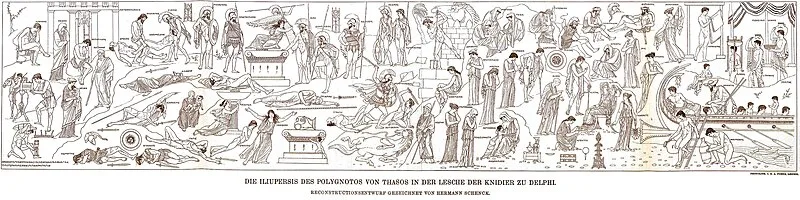
Stoa Poikile
The Stoa Poikile (Painted Portico) was a Doric stoa erected around 460 BC on the north side of the Ancient Agora of Athens. The stoa derived its name from the vibrant painted…
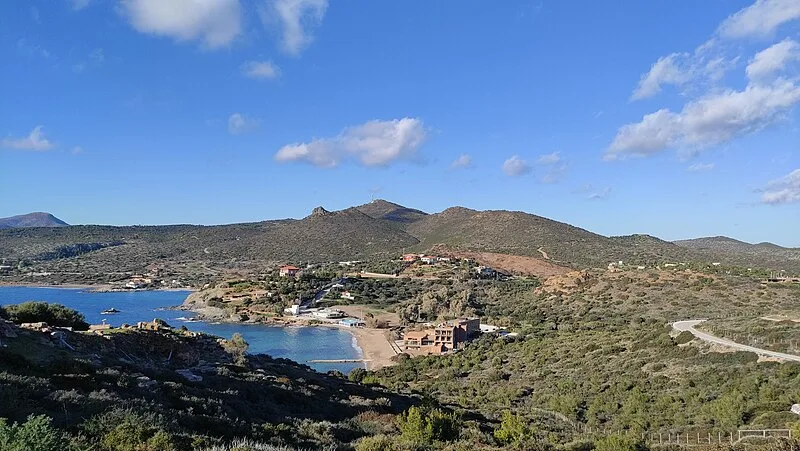
Temple of Poseidon, Sounion
A Doric temple crowning the promontory of Cape Sounion at the southernmost tip of Attica, built 444-440 BC under the statesman Pericles after the earlier archaic temple was…
Fortress/citadel in Greece (12)
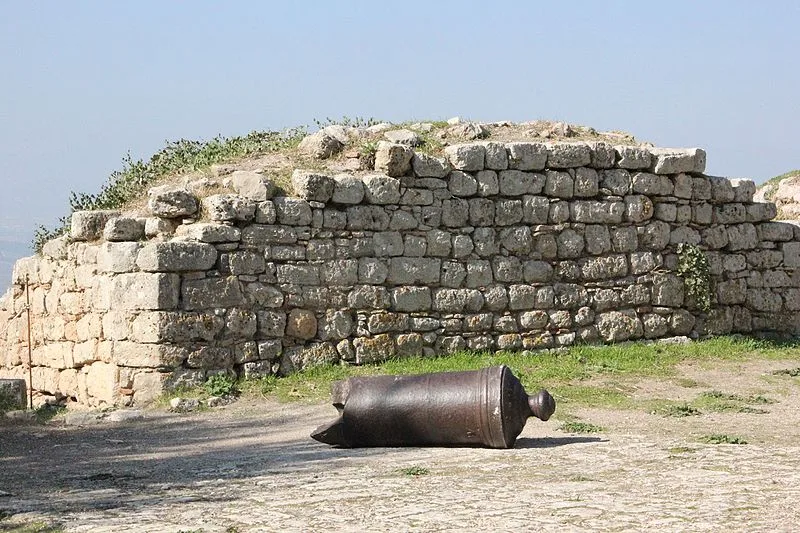
Acrocorinth
Acrocorinth is a monolithic rock fortress overlooking the ancient city of Corinth in Greece. It is the most impressive acropolis of mainland Greece. Located in Ancient Corinth,…
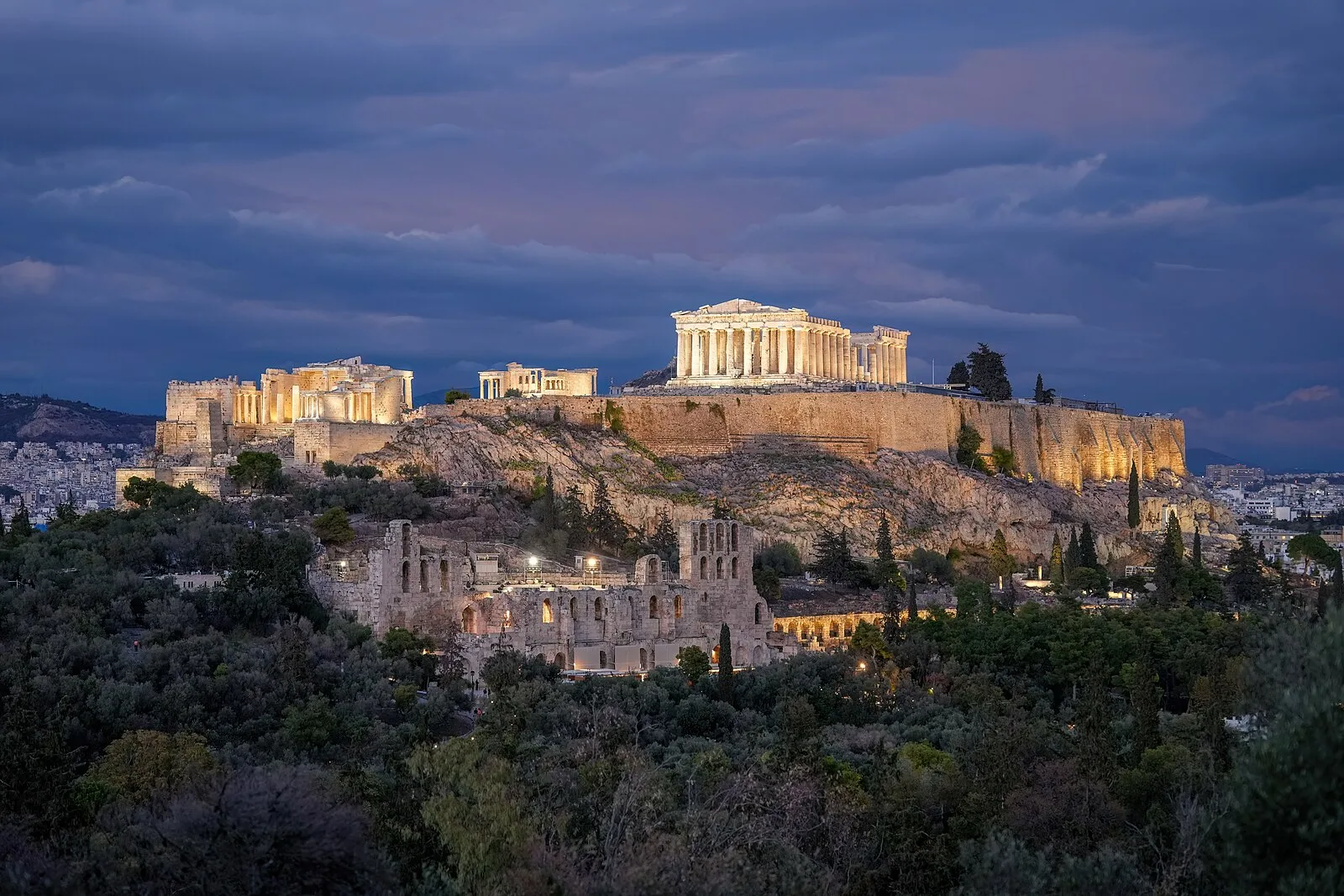
Acropolis of Athens
The Acropolis of Athens is an ancient citadel on a rocky outcrop above Athens, Greece, containing the remains of several ancient buildings of great architectural and historical…
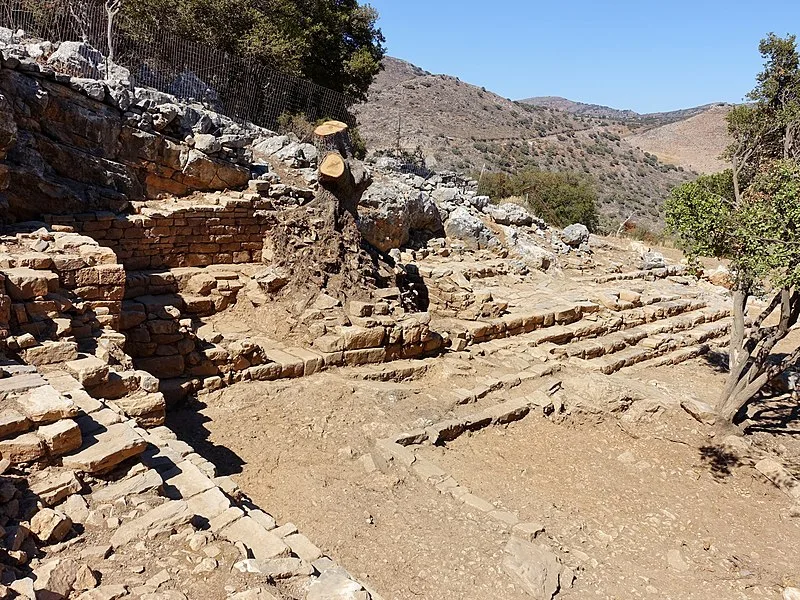
Dreros
A post-Minoan Greek city built on two hills near Neapoli in eastern Crete, founded in the Geometric period (8th century BC) and flourishing through the 6th century BC. Its Temple…
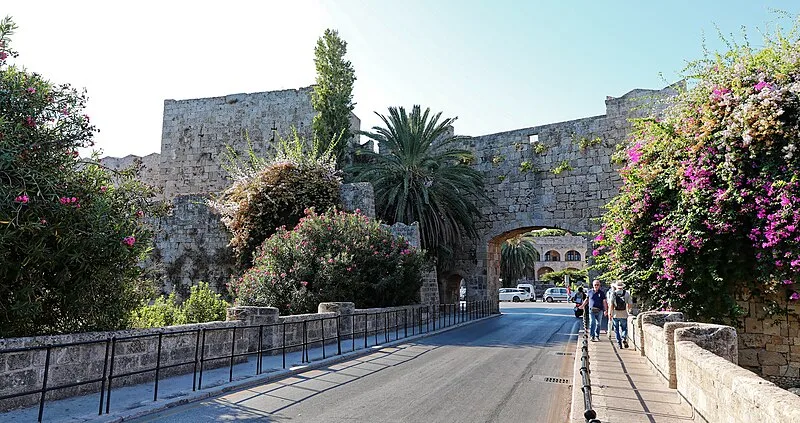
Fortifications of Rhodes
The fortifications of Rhodes are shaped like a defensive crescent around the medieval town, composed of a massive embankment wall encased in stone. They feature scarp, bastions,…
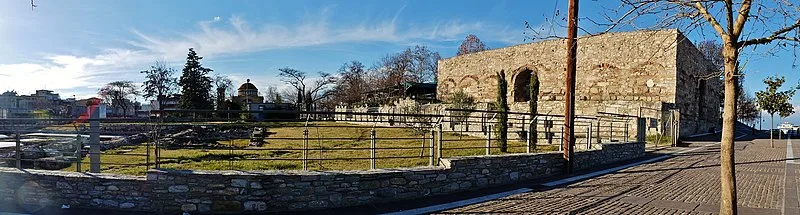
Frourio Hill
Frourio Hill is the ancient acropolis of Larissa, Greece, continuously inhabited since the city's earliest settlement. It served as the citadel in both antiquity and Byzantine…
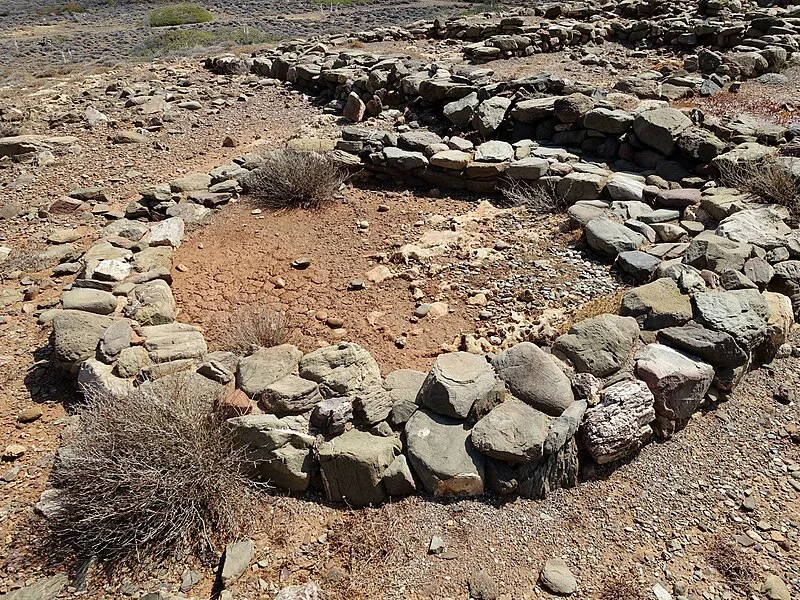
Hagia Photia
Hagia Photia is a fortified Minoan site in eastern Crete, located 5 km from Sitia.
Klaraki
Klaraki is a hill and archaeological site in Laconia near Sparta, Greece, adjoining the ridges of Bambakia along the Mousga Stream. Excavations have revealed traces of a fort,…
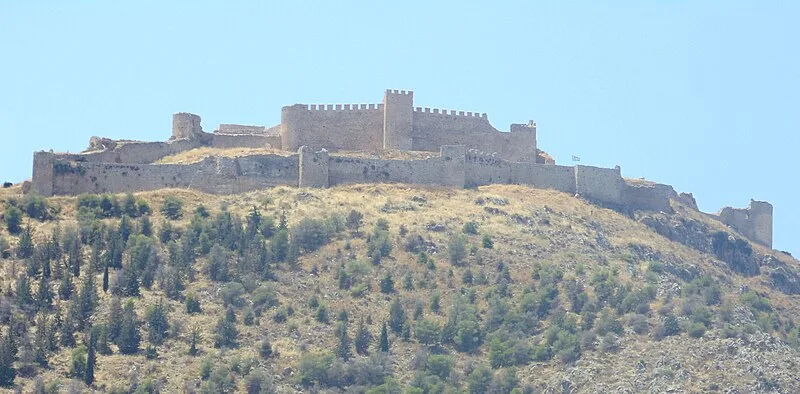
Larisa, Argos
Larisa is the ancient and medieval acropolis of Argos, situated on a high rocky hill west of the city center. According to geographer Strabo, the site takes its name from a group…
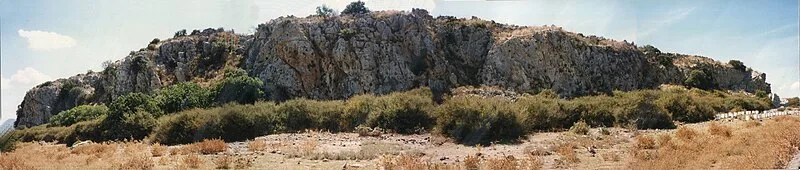
Mycenaean Acropolis of Gla
(1500-500 BC) Gla was a massive Mycenaean fortress in Boeotia, Greece, built on a limestone outcrop that jutted into Lake Kopais. The site covered more than ten times the area of…
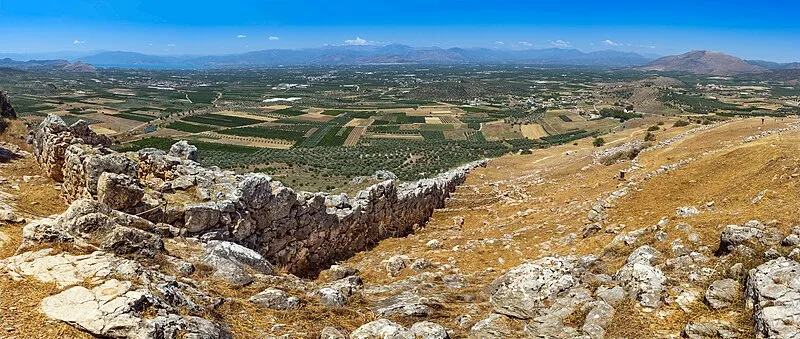
Mycenaean Acropolis of Midea
One of the three main Mycenaean centers in the Argolid alongside Mycenae and Tiryns, situated on a 270-meter conical hill -- the highest Mycenaean acropolis. Its massive cyclopean…
The Ancient Tower of Thimonia
The Ancient Tower of Thimonia is a structure located on the Greek island of Thassos, dating from approximately 650 to 480 BC. The site remains largely unstudied — no formal…
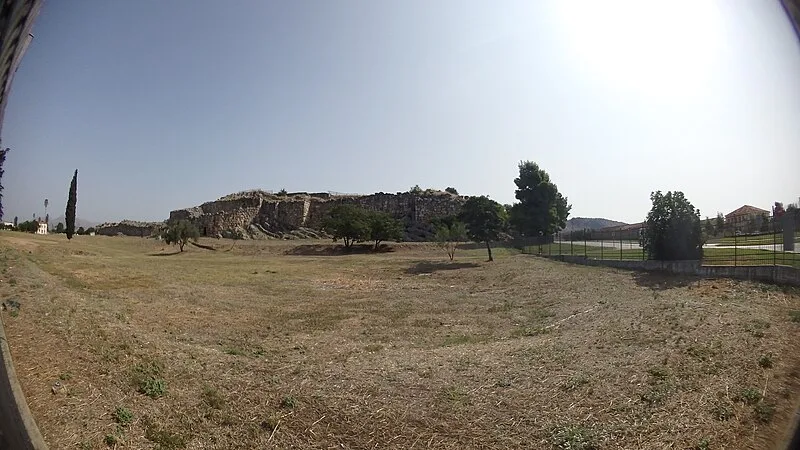
Tiryns
Tiryns is a Mycenaean fortress-citadel in Argolis, Peloponnese, Greece, located 20 km south of Mycenae. Occupation dates to 4500-3000 BC, with its peak between 1400-1200 BC when…
Monument in Greece (12)
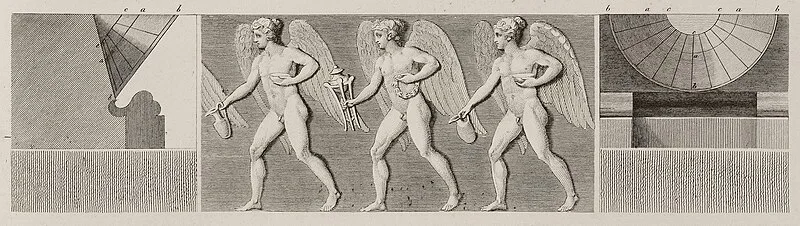
Choragic Monument of Thrasyllos
The Choragic Monument of Thrasyllos is a memorial building erected in 320–319 BCE on the artificial scarp of the south face of the Acropolis of Athens to commemorate the choregos…
Ex voto of the Lacaedemonians
The Ex voto of the Lacaedemonians was a monumental bronze sculptural group at Delphi, Greece, dedicated by the Spartans to commemorate their victory over Athens at the Battle of…
Ex voto of the Tarentines
A bronze sculptural offering dedicated at the Sanctuary of Apollo in Delphi around 473 BC by the Spartan colony of Taras (modern Taranto, southern Italy) to commemorate their…
Ex voto(s) of the Argives, Delphi
Several votive monuments dedicated by the city of Argos at the Sanctuary of Apollo in Delphi. The most notable is a semicircular pedestal erected after 369 BC to celebrate Argos's…
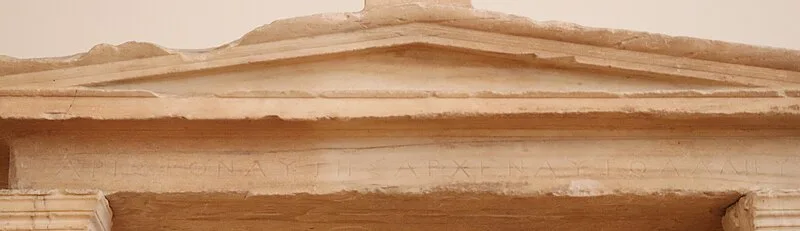
Funerary Naiskos of Aristonautes
The Funerary Naiskos of Aristonautes is a monumental grave marker dating to c. 350-325 BC, found near the Dipylon Gate in the Kerameikos cemetery of ancient Athens. Made of…
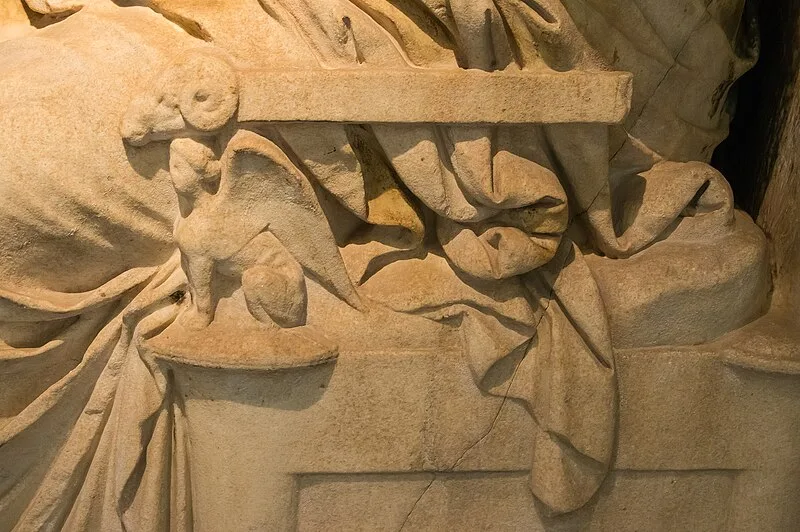
Funerary Naiskos of Demetria and Pamphile
The Funerary Naiskos of Demetria and Pamphile is a white marble tomb memorial erected c. 320 BC in the Kerameikos cemetery of Athens, honoring two deceased women. Carved in high…
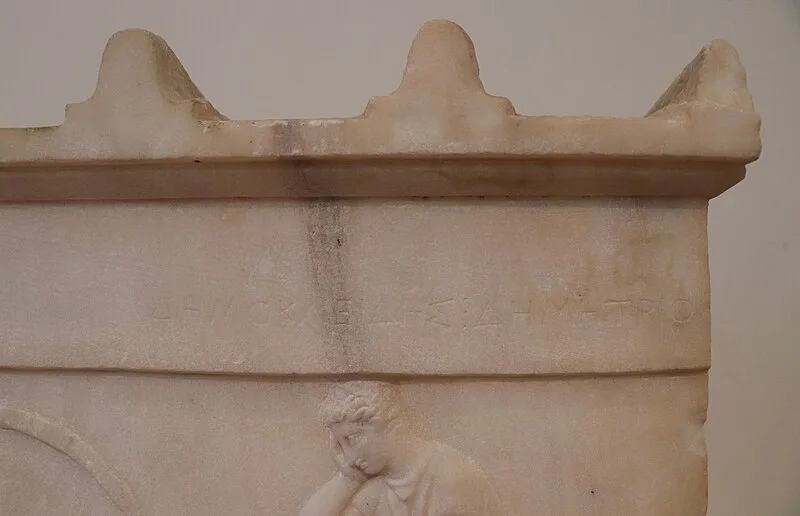
Funerary Stela of Demokleides
The Funerary Stela of Demokleides (NAMA 752) is a Pentelic marble relief from the early 4th century BC, discovered in 1881 in Piraeus. It depicts the hoplite Demokleides seated…
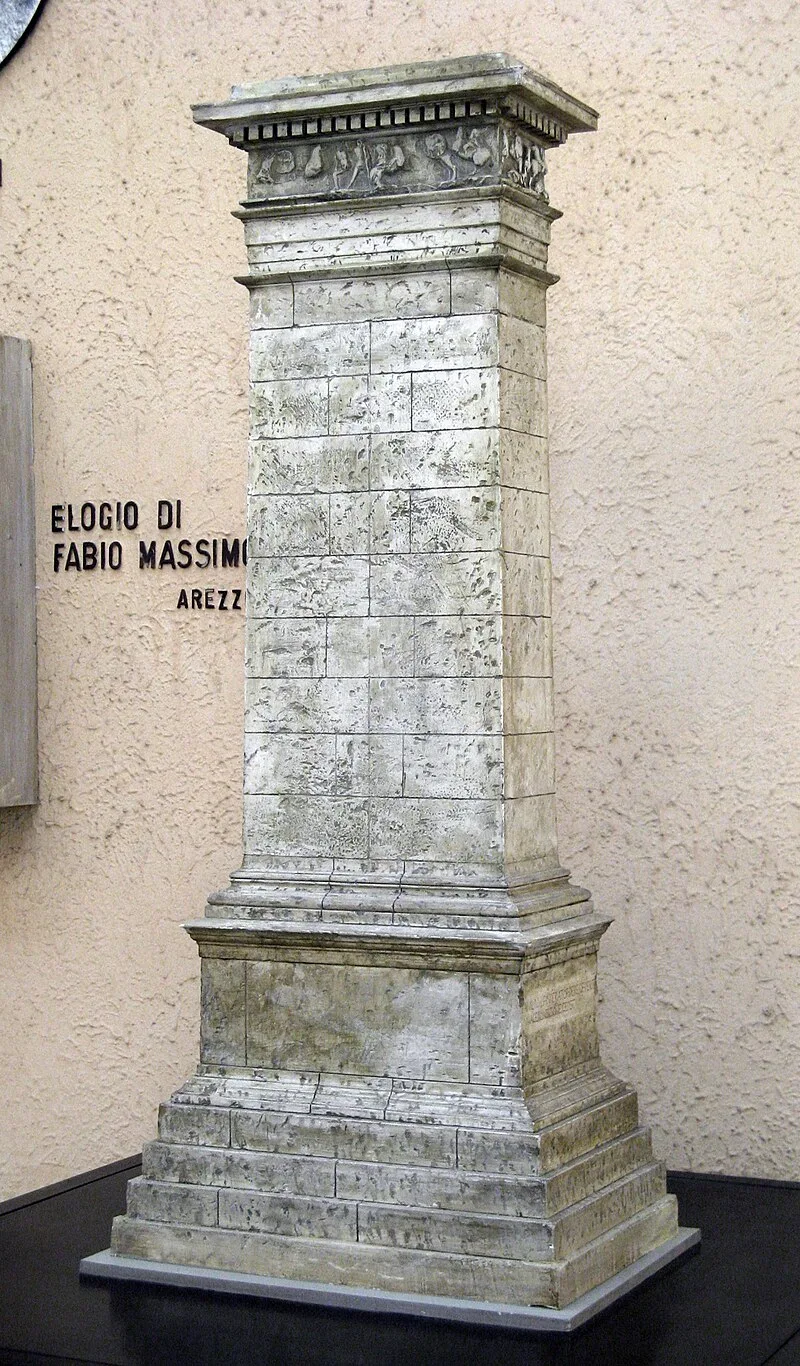
Monument of Aemilius Paullus
(2nd c. BC) The Monument of Aemilius Paullus was erected in the Sanctuary of Apollo at Delphi shortly after 167 BCE to commemorate Rome's victory over King Perseus of Macedon at…
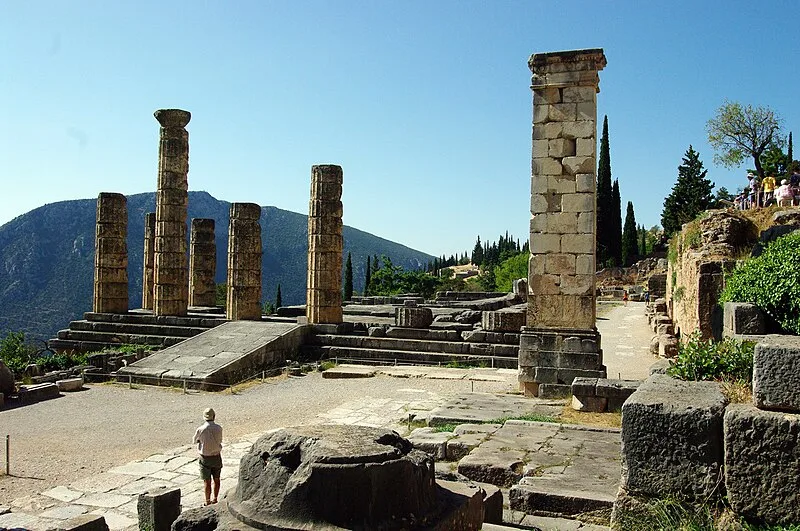
Monument of Prusias II
The Monument of Prusias II is a stele at Delphi's sanctuary of Apollo, one of the sanctuary's ex-voto offerings, constructed in honor of King Prusias II of Bithynia.
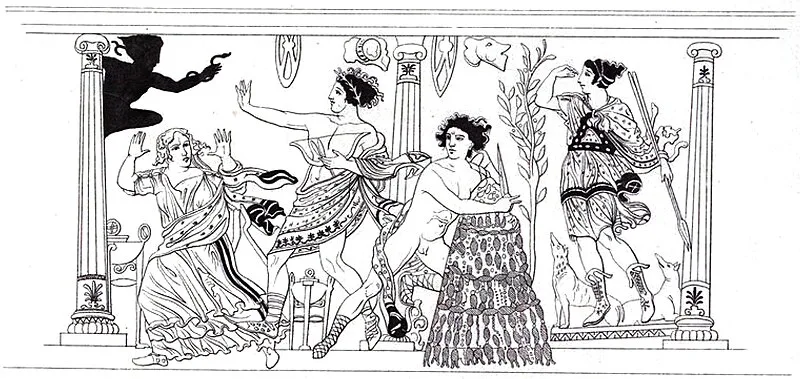
Omphalos of Delphi
The Omphalos of Delphi is an ancient marble monument discovered at the archaeological site of Delphi, Greece. According to Greek mythology, Zeus released two eagles from opposite…
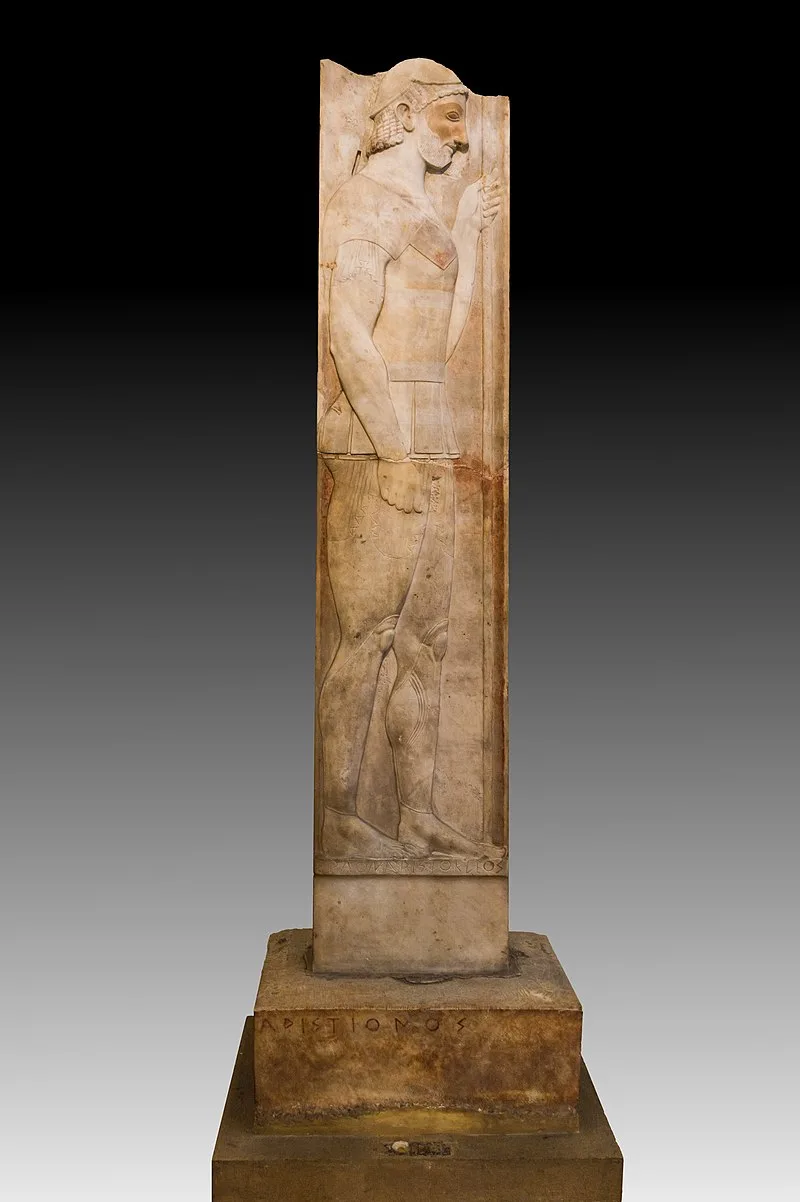
Stele of Aristion
The Stele of Aristion is a late Archaic Greek funerary monument dating to around 510 BC. Created by sculptor Aristokles from Pentelic marble, the stele stands 2.02 metres high and…
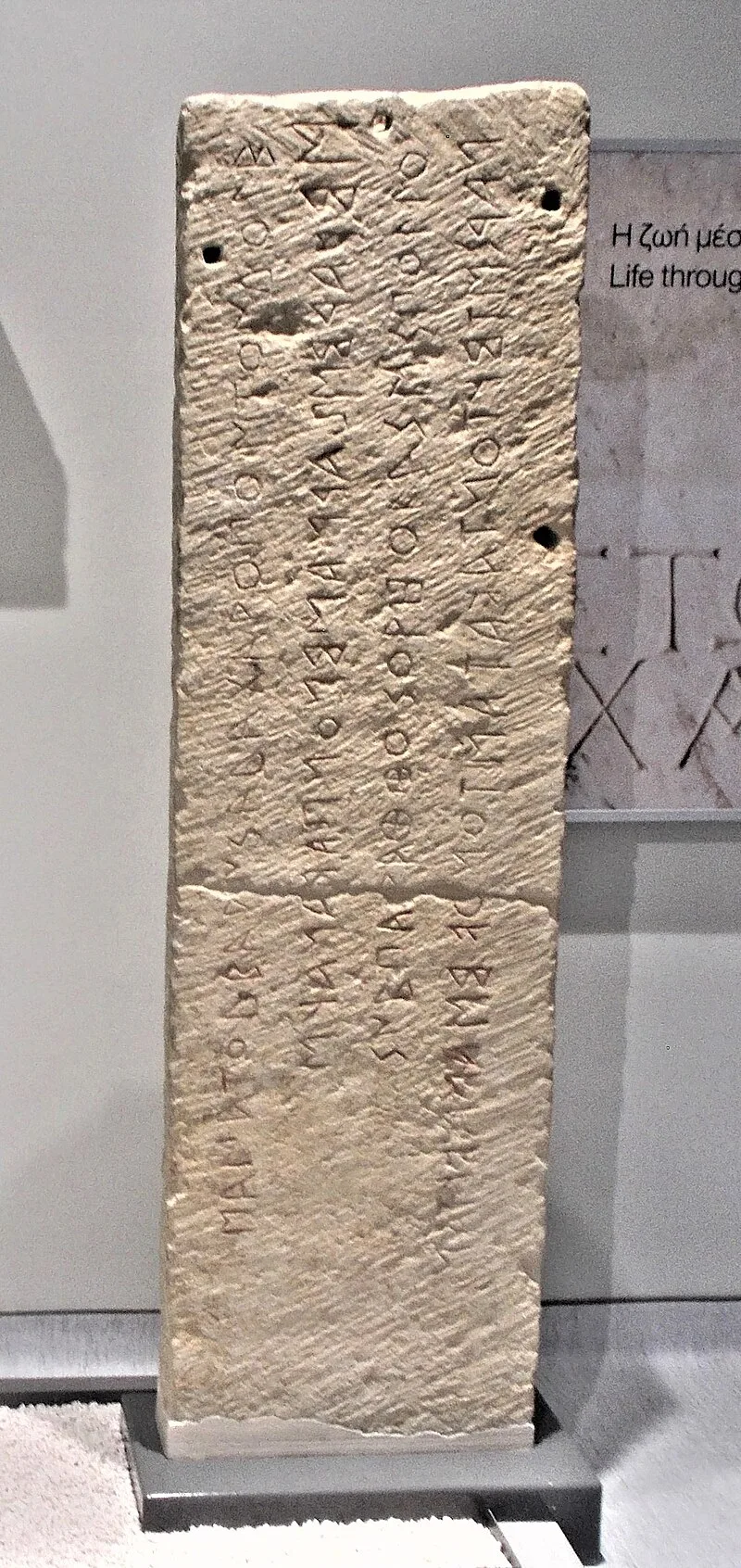
Stele of Arniadas
The Stele of Arniadas is an Archaic-period funerary stele discovered in 1846 at the necropolis of the Corfu Palaiopolis in the suburb of Garitsa, near the Tomb of Menecrates. The…
Residence/villa/farmhouse in Greece (10)
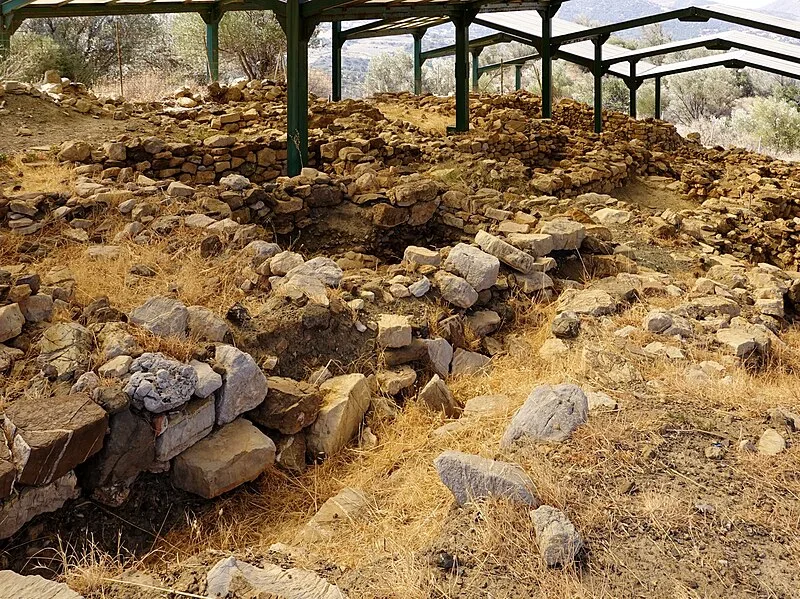
Apodoulou
Apodoulou is a Minoan settlement in the Amari basin of Crete, located 450 metres above sea level overlooking the Libyan Sea. The site was inhabited from the Late Neolithic period…
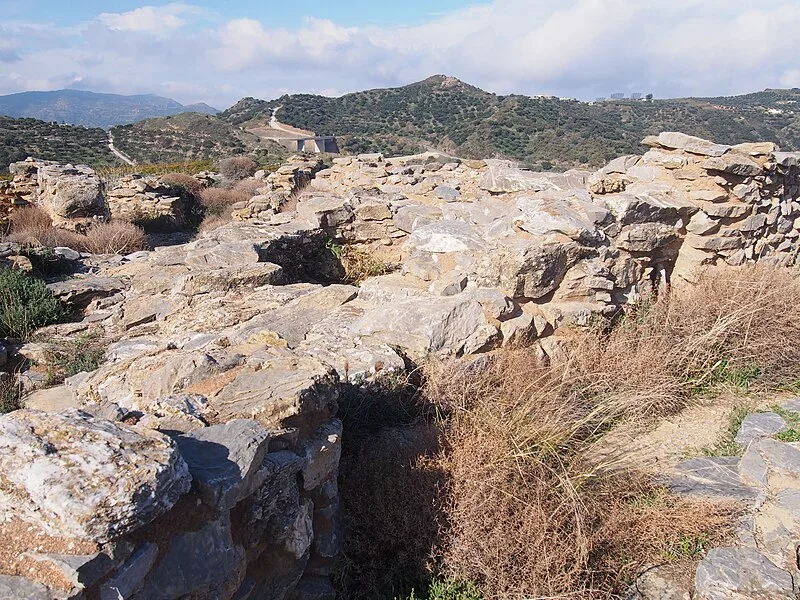
Chamaizi
Chamaizi is a unique Minoan archaeological site in eastern Crete featuring the only known oval-shaped building from the Middle Minoan period, dating to approximately the 20th…
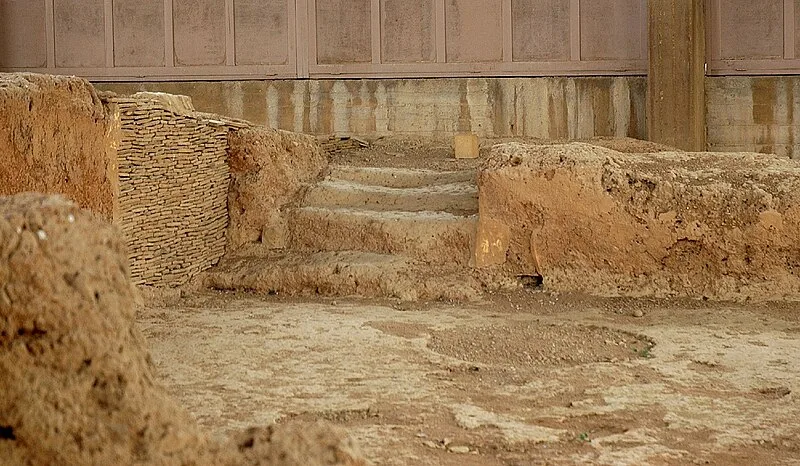
House of the Tiles
A monumental Early Bronze Age building at the archaeological site of Lerna in the Argolid, southern Greece, dating to the Early Helladic II period (c. 2500-2300 BC). This…
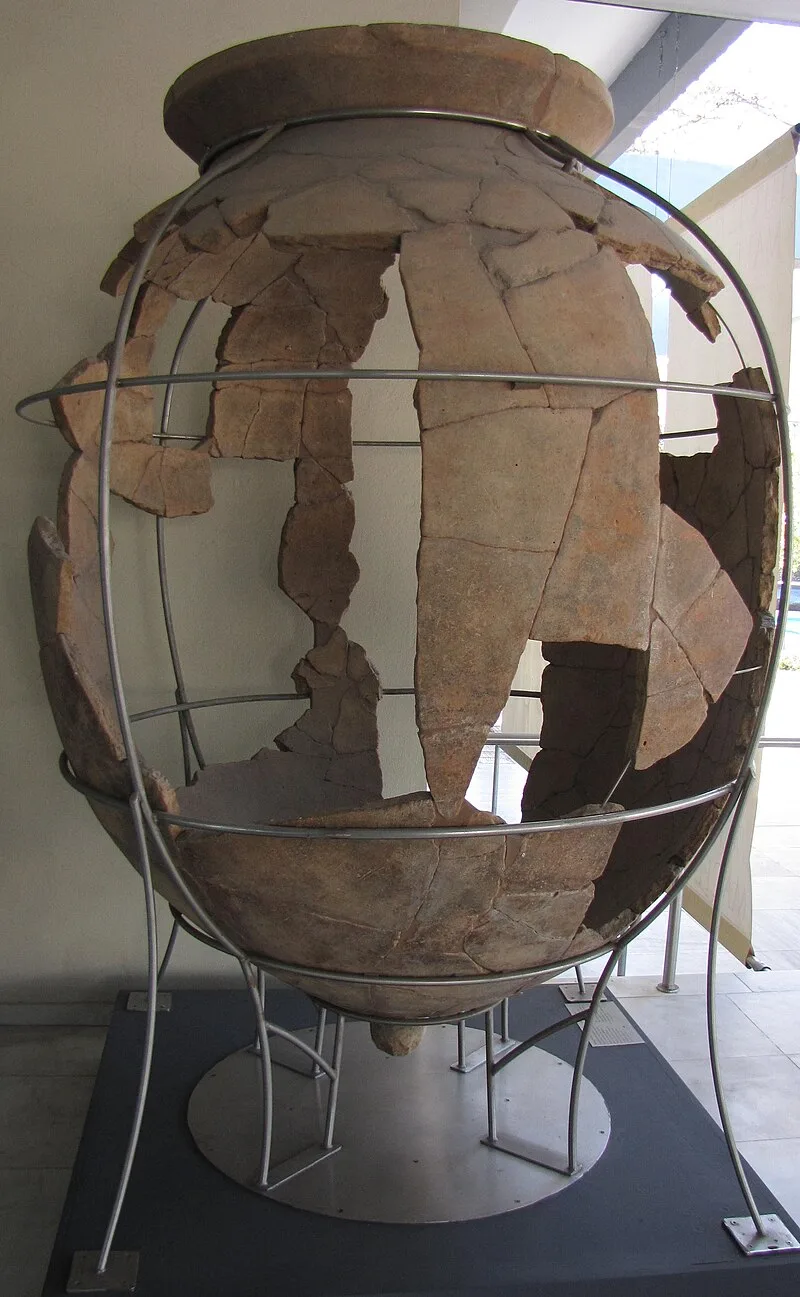
Kompoloi
Kompoloi is an ancient winery excavated in the plain of Leivithra near Skotina, Pieria, Greece, approximately 500 meters east of the A1 motorway. Excavated between 1997 and 2000,…
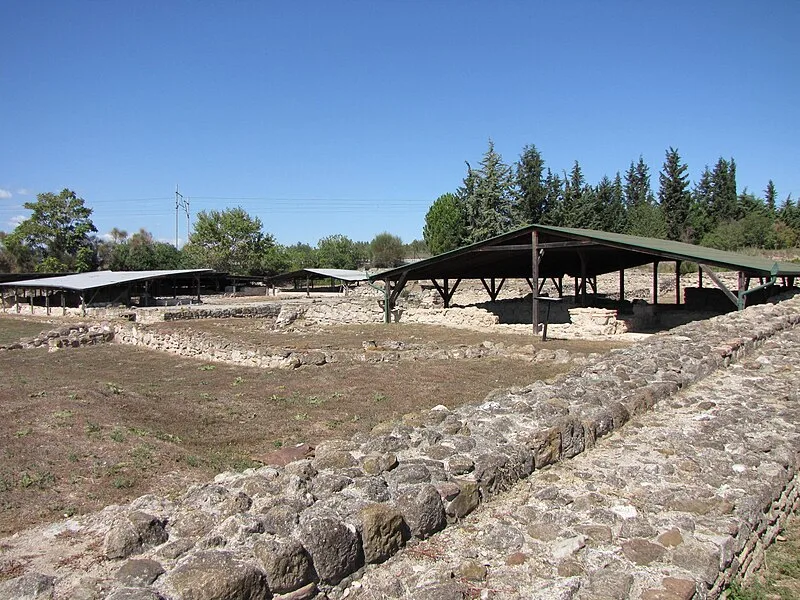
Louloudies
An early Byzantine fortified episcopal complex in Pieria, northern Greece, built in the last quarter of the 5th century on the road between Thessaloniki and Larissa. The 80 x 90 m…
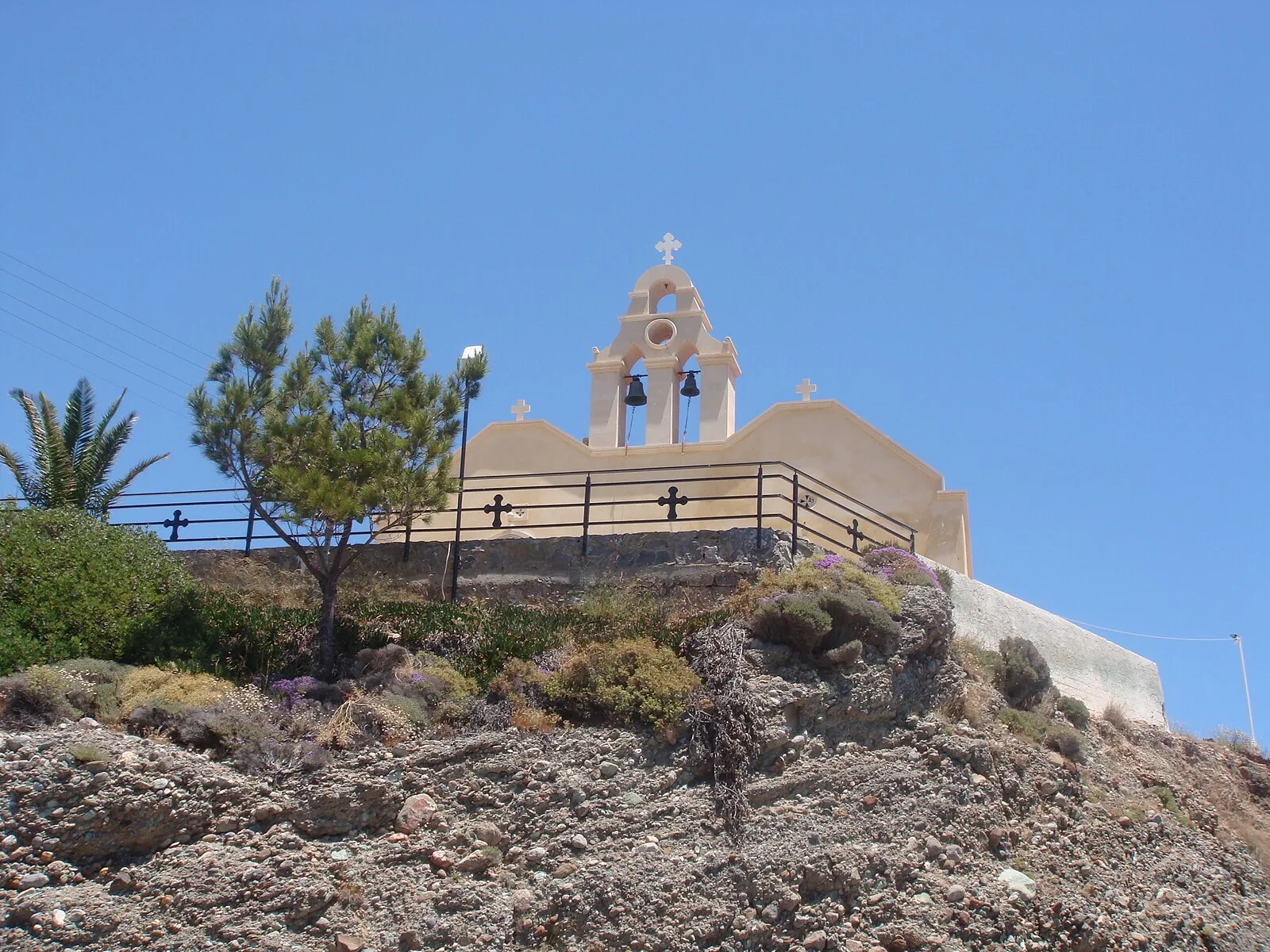
Makry Gialos
Makry Gialos is a Late Minoan villa site on the southeast coast of Crete, near Ierapetra in the Lasithi prefecture. Excavated by Kostis Davaras from 1971 to 1977, the mansion…
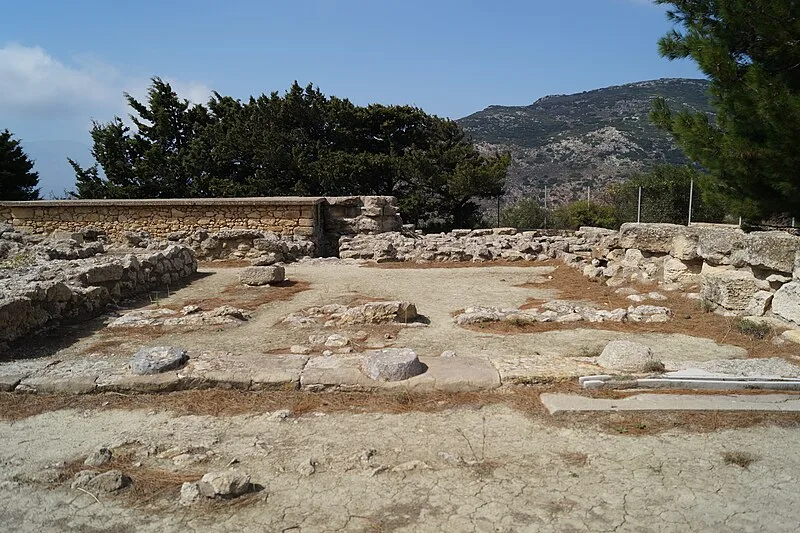
Tria Platania
Tria Platania (Greek Τρία Πλατάνια, 'Three Plane Trees') is an archaeological site in Greece where the remains of an ancient farmhouse were discovered during construction of the…
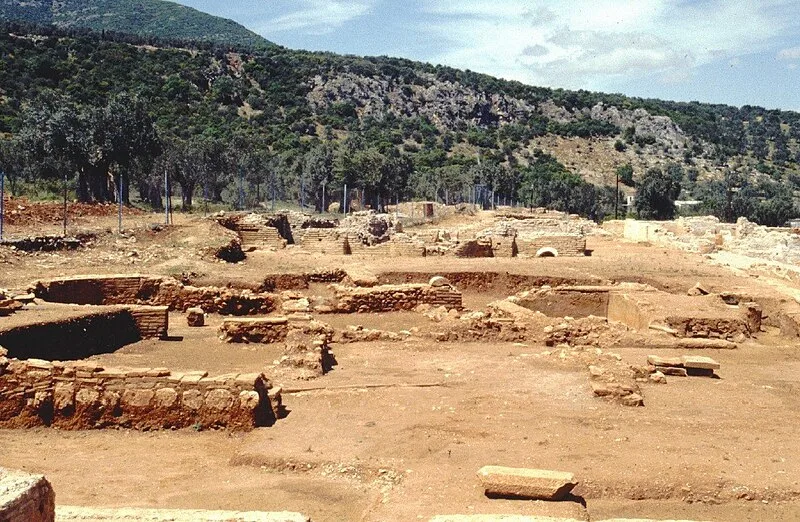
Vathypetro
4500-3000 BC) Vathypetro is an archaeological site on Crete, Greece, located 4 km south of the town of Archanes. It contains one of the world's oldest wine presses, discovered…
Villa of Herodes Atticus
The Villa of Herodes Atticus is a sprawling 20,000 sq m Roman estate near Astros in Arcadia, Greece, described as the largest Roman monument in the country. Initially built in the…
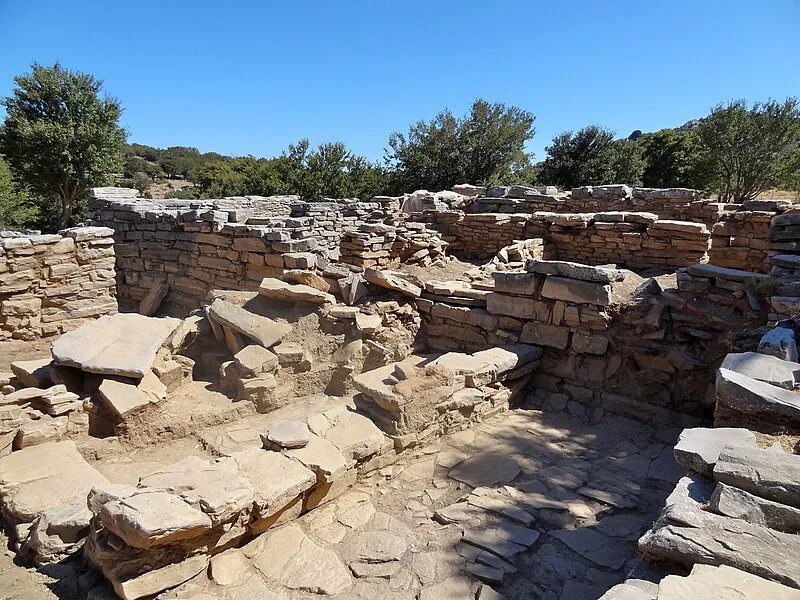
Zominthos
Zominthos is a Minoan palatial complex situated at 1,200 meters elevation on the northern foothills of Mount Ida (Psiloritis), Crete, discovered in 1982 by archaeologist Yiannis…
Theatre in Greece (10)
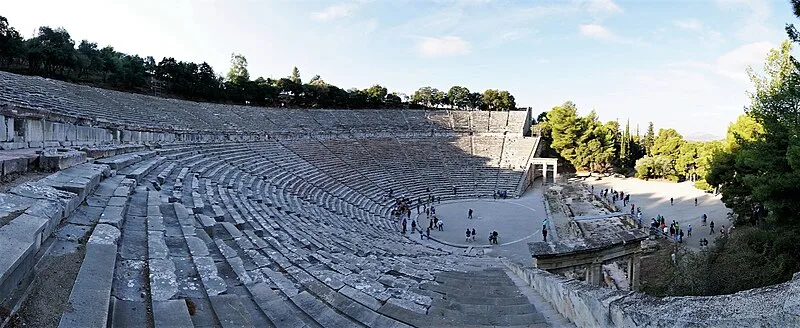
Ancient Theatre of Epidaurus
Designed by Polykleitos the Younger around 340-300 BC, this theatre at the Sanctuary of Asclepius seats 13,000-14,000 spectators and is considered the most acoustically perfect…
Ancient Theatre of Makyneia
A small 4th-3rd century BC theatre at the site of ancient Aitolian Makyneia, located at the Paliokastro site in western Greece. The theatre has a single cuneus with 14 tiers of…
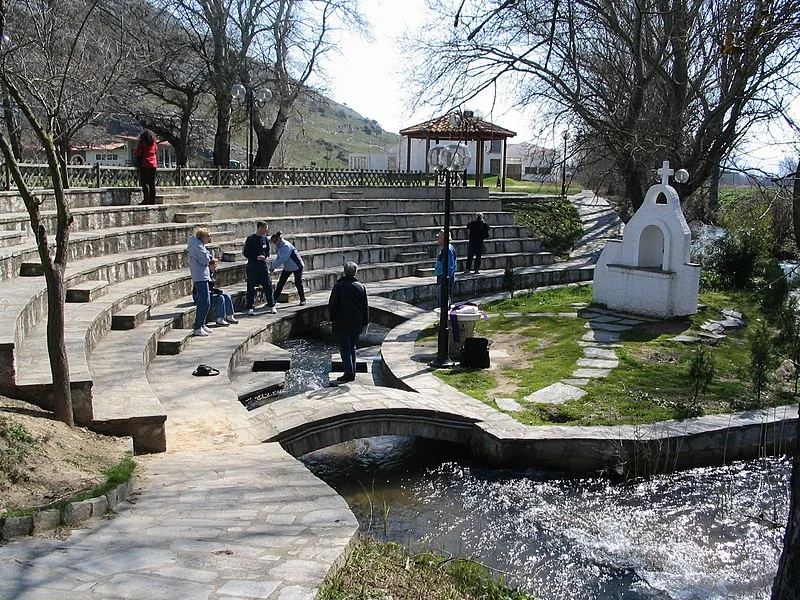
Ancient Theatre of Philippi
Originally built by Philip II of Macedon around 356 BC at the foot of the acropolis of Philippi, the city he founded to control nearby gold mines. The theatre was substantially…
Ancient Theatre of Thassos
The Ancient Theatre of Thassos is located at the northeastern end of the ancient city, built into a natural cavity of the hill in the Limena area. The oldest construction phase…

Argos Theatre
The Argos Theatre was constructed in 320 BC and carved into the slopes of Larissa Hill in Argos, Greece. One of the largest Hellenistic theatres in Greece, it underwent renovation…

First Ancient Theatre, Larissa
The First Ancient Theatre of Larissa, built in the early 3rd century BC during the reign of Philip V of Macedon, is the largest theater in Thessaly with a capacity of around…
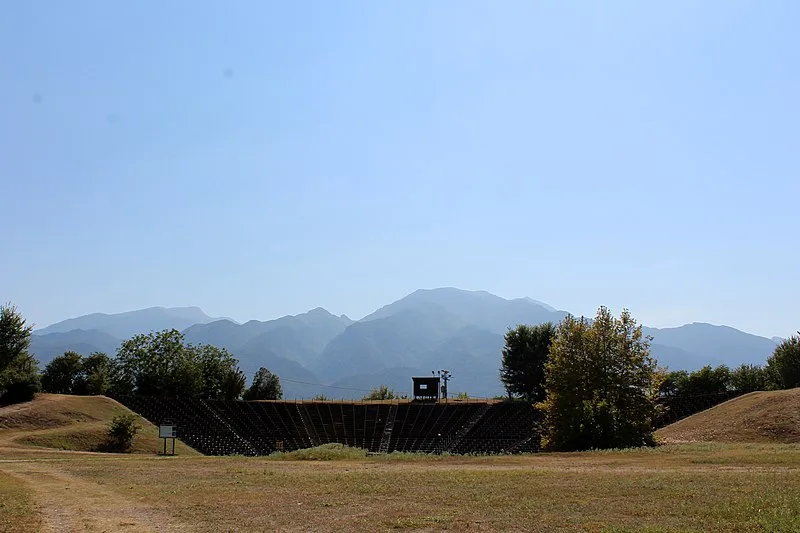
Hellenistic Theatre of Dion
The Hellenistic Theatre of Dion is the largest structure in the Archaeological Park of Dion at the foot of Mount Olympus in northern Greece. Originally built in the late 5th…
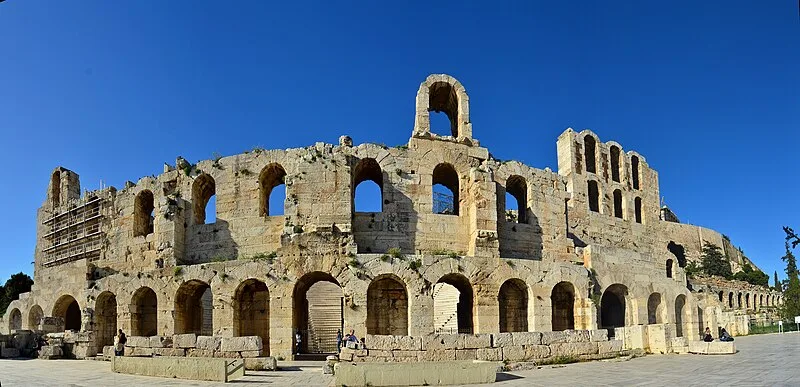
Odeon of Herodes Atticus
The Odeon of Herodes Atticus is a stone Greek theatre on the southwest slope of the Acropolis of Athens, Greece. Built in 161 AD by Herodes Atticus in memory of his wife, Aspasia…
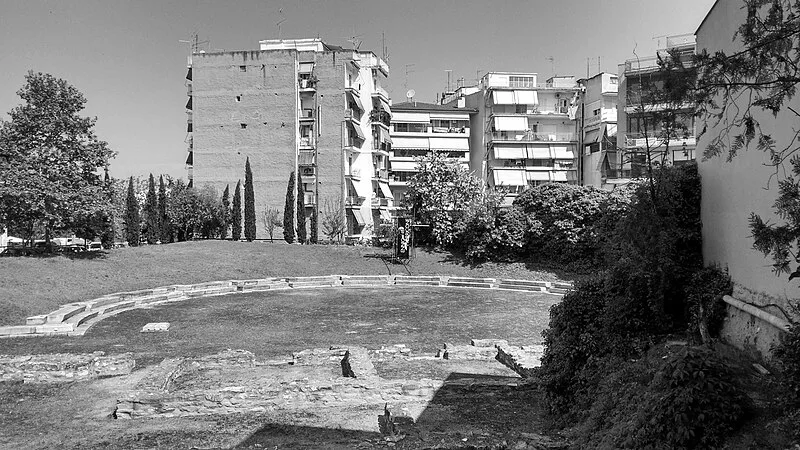
Second Ancient Theatre, Larissa
Built in the late 1st century BC, the Second Ancient Theatre of Larissa is an ancient Greek theatre located on the southwestern slopes of Pefkakia hill in Larissa, Thessaly,…
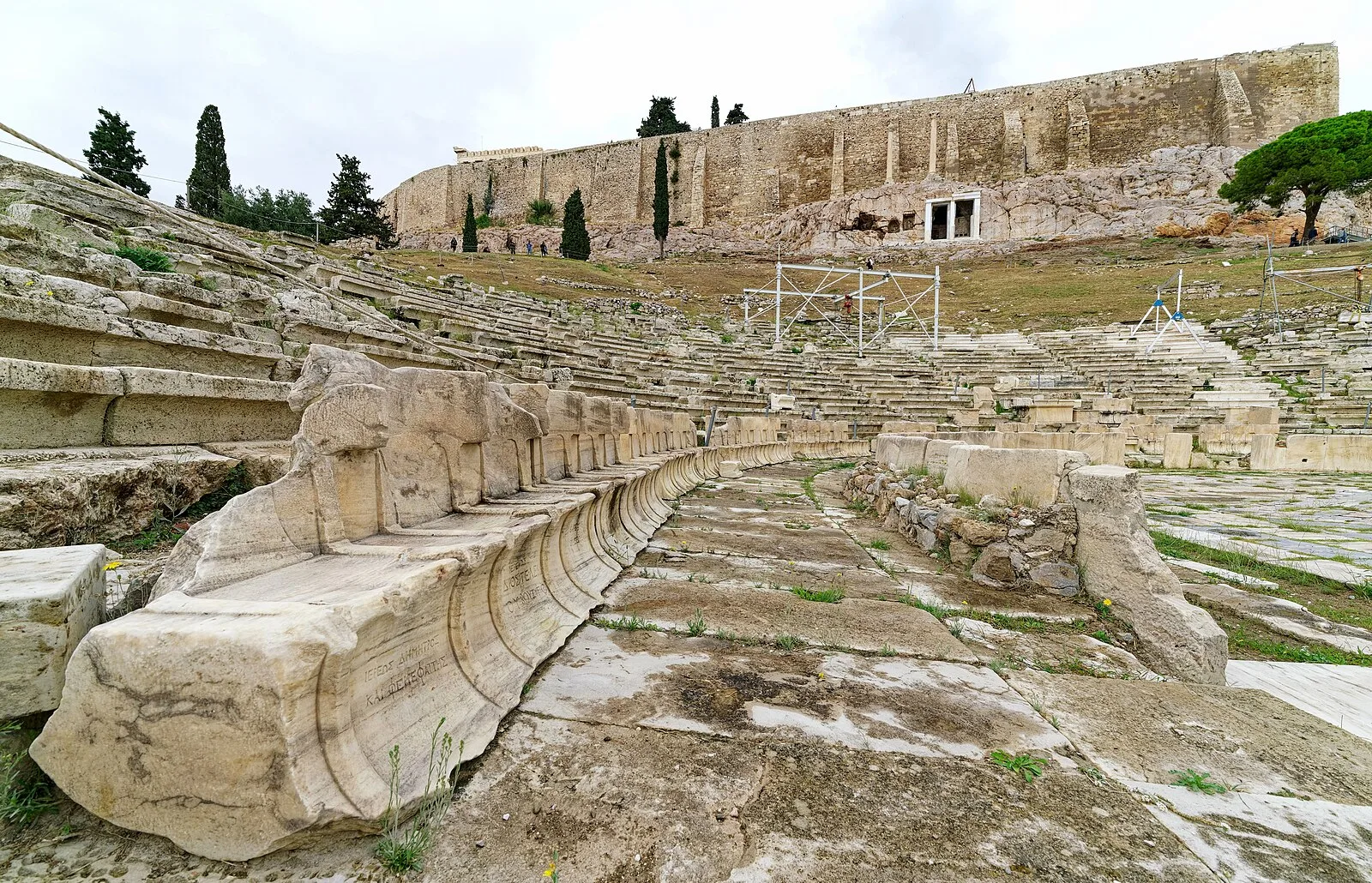
Theatre of Dionysus
The Theatre of Dionysus is an ancient Greek theatre in Athens, built on the south slope of the Acropolis as part of the sanctuary of Dionysus Eleuthereus. The first orchestra…
Gate/archway/bridge in Greece (5)
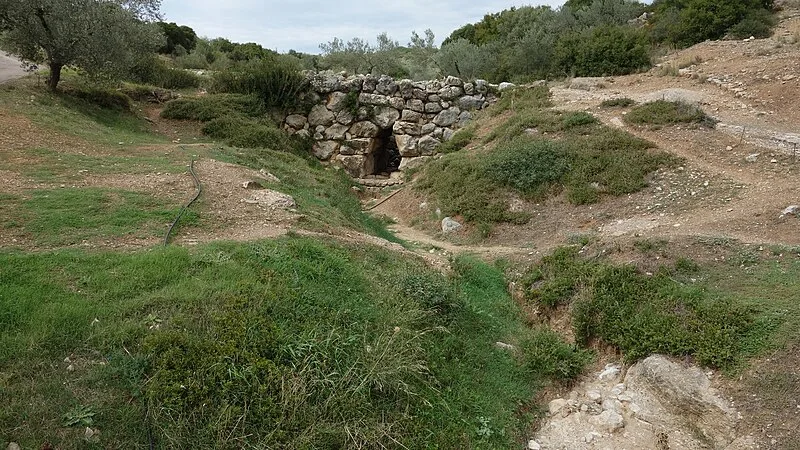
Arkadiko Bridge
The Arkadiko Bridge (Kazarma Bridge) is a Mycenaean stone arch bridge dating to ca. 1300 BC, located near the ancient road from Tiryns to Epidauros in Argolis, Peloponnese,…
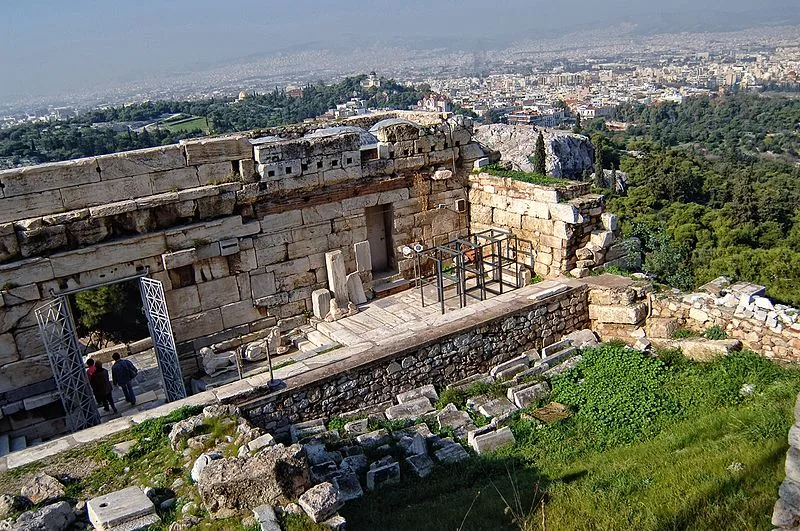
Beulé Gate
(Mid-3rd c. AD) The Beulé Gate is a fortified Roman gateway leading to the Propylaia of the Acropolis of Athens. Built in the mid-3rd century AD, possibly after the Herulian…
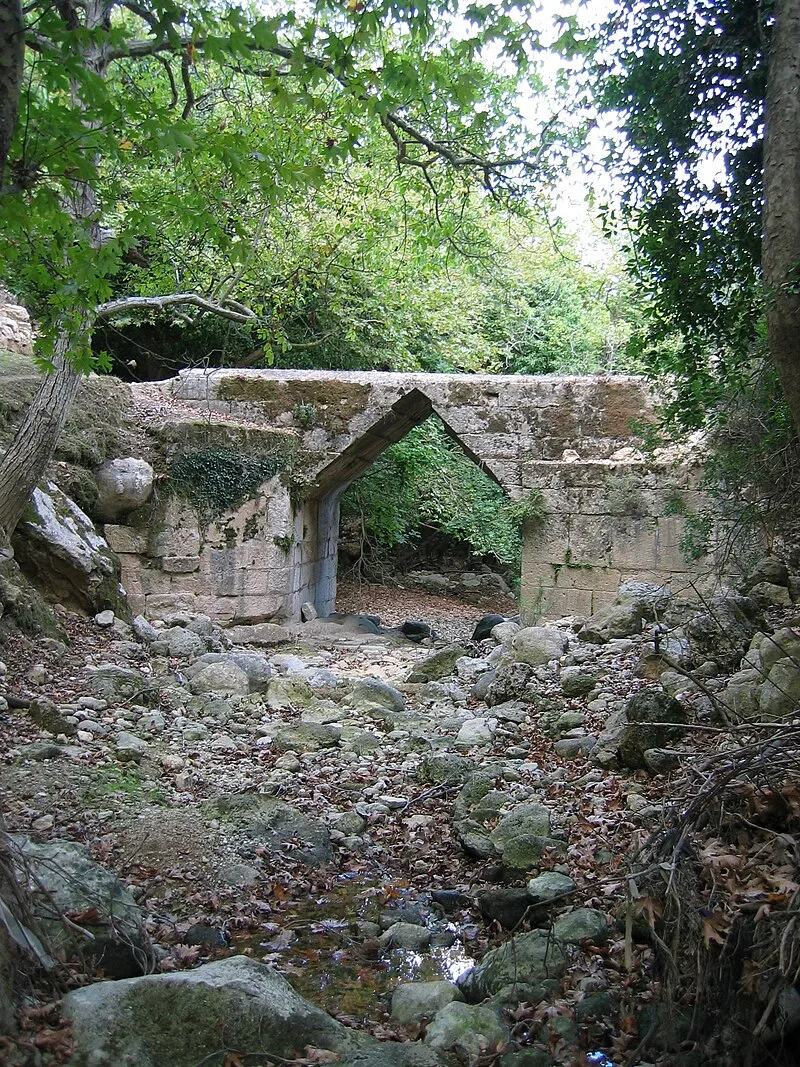
Eleutherna Bridge
The Eleutherna Bridge is a Hellenistic corbel arch bridge near the ancient city of Eleutherna in Crete, Greece, built in the 2nd century BC to cross the Halopotas river. Measuring…
Gate of Zeus and Hera
(5th c. BC) Ancient city gate complex in Thasos, North Aegean Islands, featuring massive limestone pillars and fortified walls. The site demonstrates architectural influences from…
Rhodes Footbridge
The Rhodes Footbridge is an ancient Greek arch bridge in the city of Rhodes, dating to the 4th century BC or early Hellenistic period. It represents the oldest known Greek bridge…
Other sites in Greece (30)
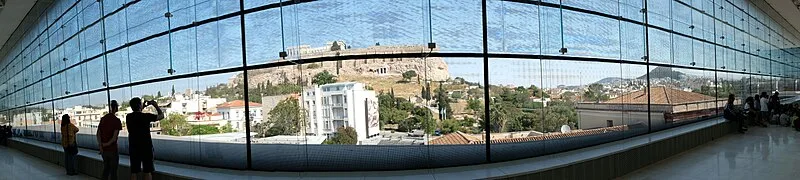
Acropolis Museum
The Acropolis Museum is a 21,000 sq m archaeological museum at the foot of the Athens Acropolis, designed by Bernard Tschumi and opened on 20 June 2009. It houses over 4,000…
Agios Vasileios, Laconia
A Mycenaean palace complex near Xerokambi in Laconia, Greece, discovered after a Linear B tablet was found accidentally near a Byzantine chapel in 2008. Excavations revealed a…
Ancient Eleon
A town in ancient Boeotia mentioned in Homer's Catalogue of Ships alongside Hyle and Peteon. Located near modern Arma, it has been excavated since 2011 by the Eastern Boeotia…
Ancient Stadium of Nemea
The Ancient Stadium of Nemea sits in an upland valley of Korinthia, Greece, just metres from the Temple of Zeus. Here, ancient Greek athletes competed in the stadion at the…
Archaeological Site Tomb Agamemnon
The Treasury of Atreus, also called the Tomb of Agamemnon, is a monumental tholos (beehive) tomb built c. 1250 BC at Mycenae. Its corbelled dome, 14.5 m in diameter and 13.2 m…
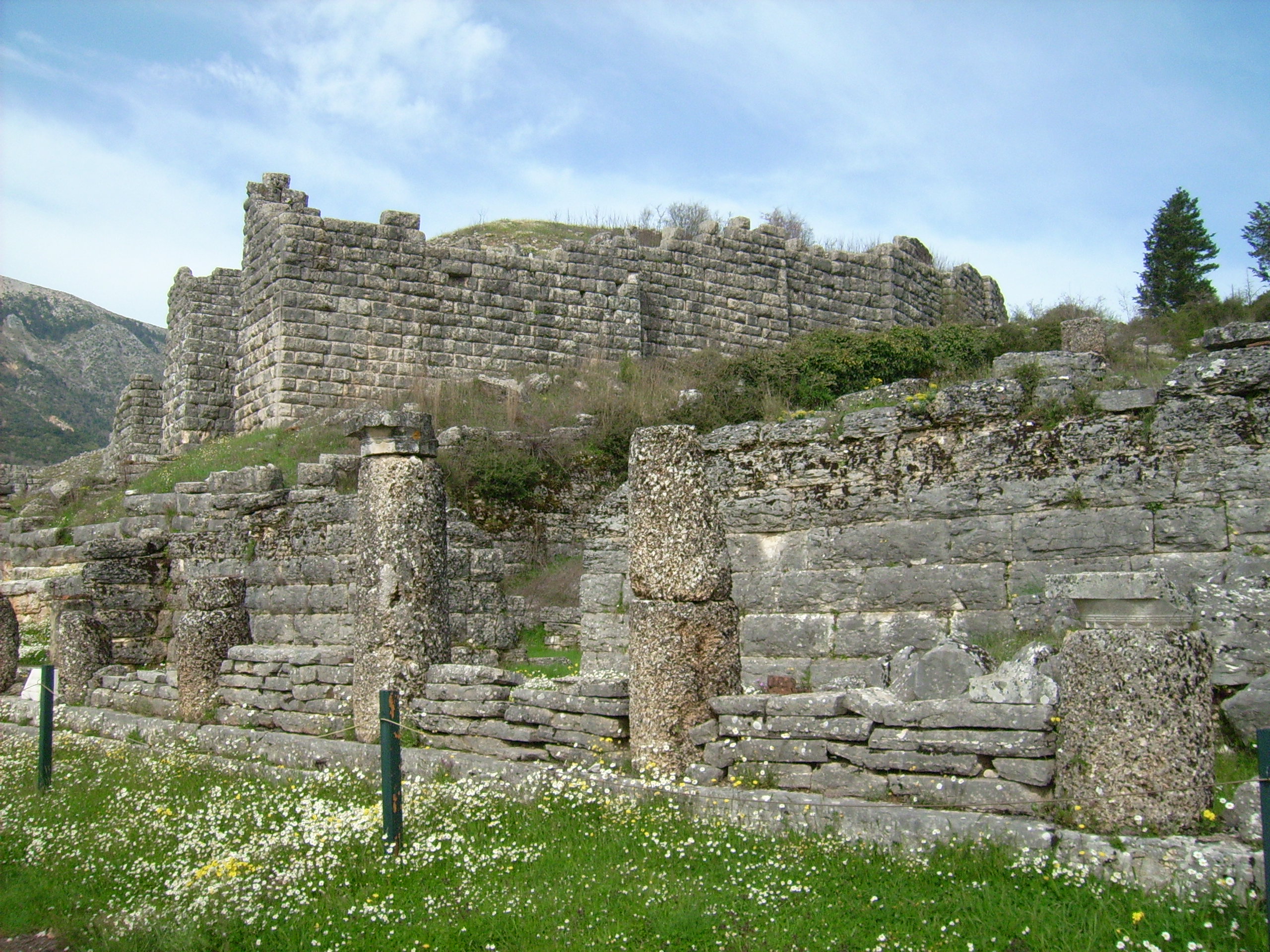
Archaeological Site of Dodoni
Oldest oracle in Greece, located 22 km southwest of Ioannina in Epirus, where priests called the Selloi interpreted the rustling of a sacred oak tree to deliver the prophecies of…
Archaeological Site of Kamiros
Kamiros was an ancient Dorian polis on Rhodes' northwest coast, 3 km west of modern Kalavarda. One of the three powerful cities of Rhodes alongside Lindos and Ialyssos, it was the…
Archaeological Site of Mycenae
Fortified citadel in the Argolid plain that dominated the eastern Mediterranean from the 15th to 12th century BC. Its Cyclopean walls, Lion Gate (c. 1250 BC), and Grave Circles…
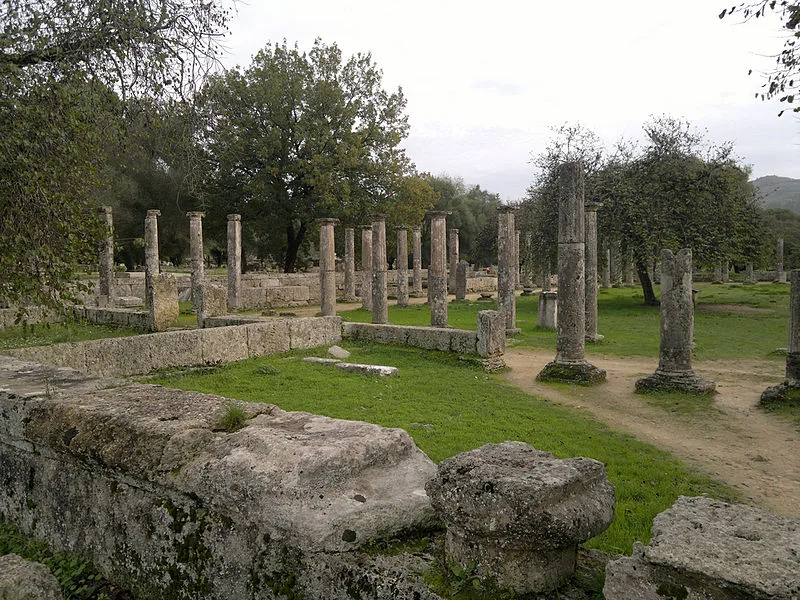
Archaeological Site of Olympia
The Archaeological Site of Olympia in Greece was a major religious sanctuary dedicated to Zeus on the western Peloponnese. The ancient Olympic Games, first traditionally dated to…
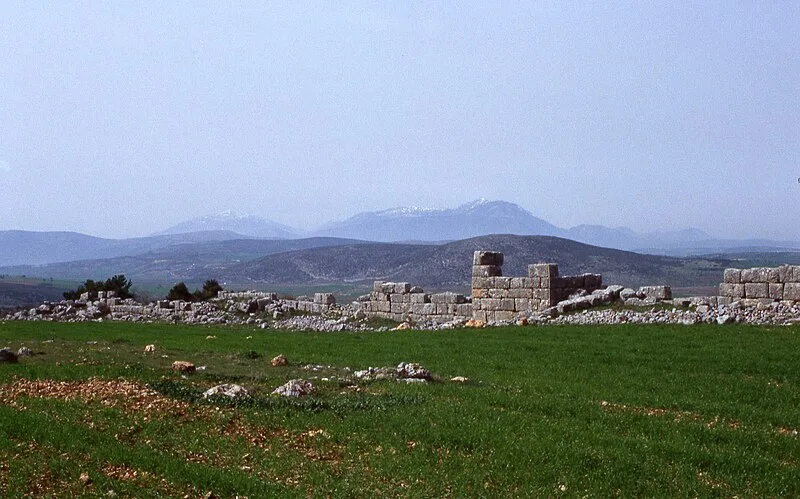
Archaeological Site of Plataea
Ancient Boeotian city on a ledge 300 m above sea level on the north slope of Mount Cithaeron. Allied with Athens from c. 519 BC, Plataea sent 1,000 soldiers to the Battle of…
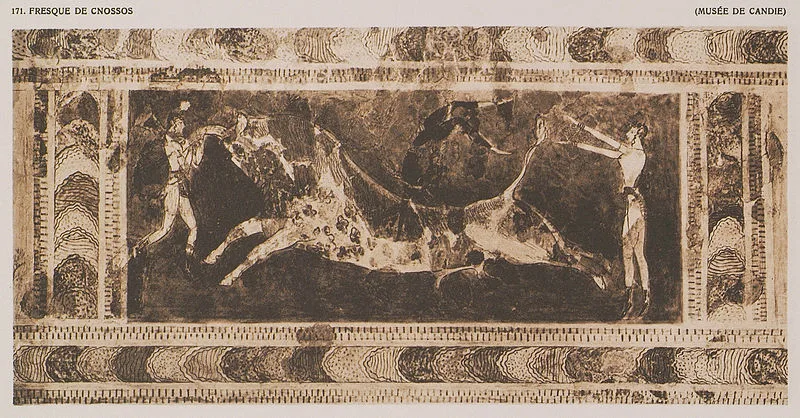
Bull-Leaping Fresco
(c. 1450-1400 BC) The Bull-Leaping Fresco is the most completely restored of several stucco relief panels originally located on the upper-story east wall of the Minoan palace at…
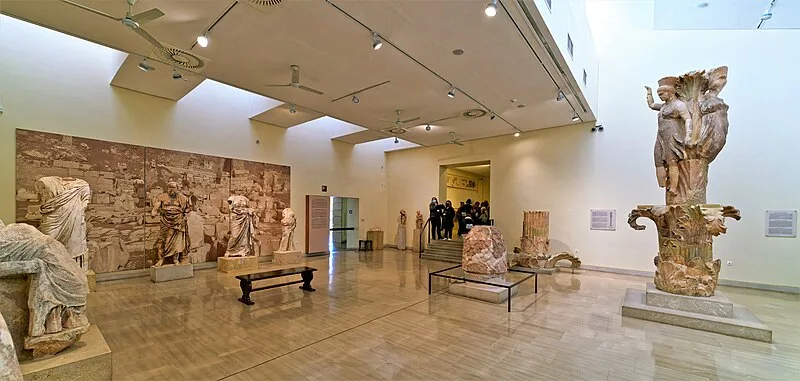
Delphi Archaeological Museum
Founded in 1903, Delphi Archaeological Museum is one of Greece's principal museums and among its most visited. Operated by the Greek Ministry of Culture, it houses artifacts…
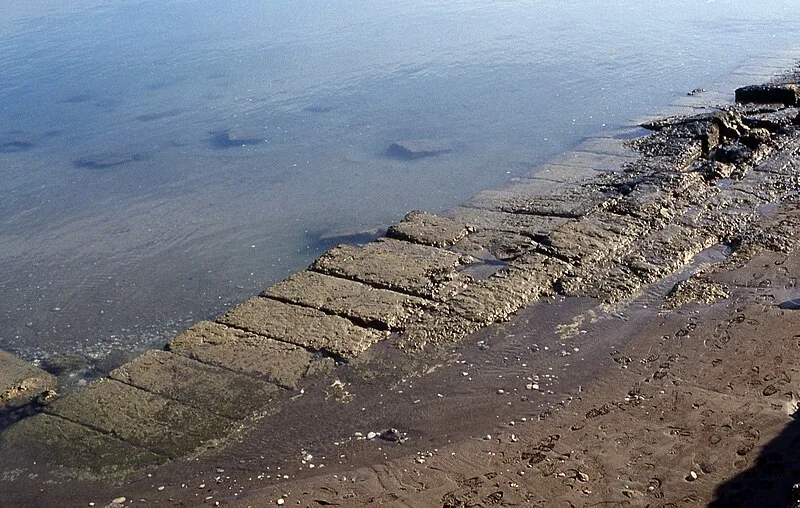
Diolkos
The Diolkos was a paved stone trackway across the Isthmus of Corinth, built around 600 BC under the tyrant Periander, enabling ships to be hauled overland between the Saronic and…
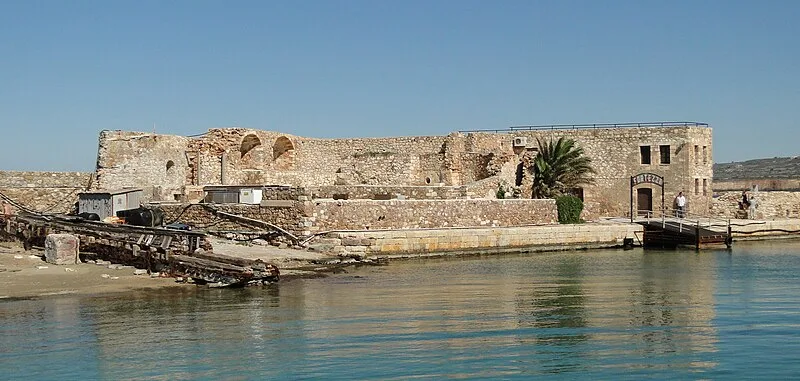
Fortifications of Chania
The Fortifications of Chania are defensive walls surrounding the city of Chania in Crete, Greece. The inner city walls originated in antiquity and were later rebuilt by the…
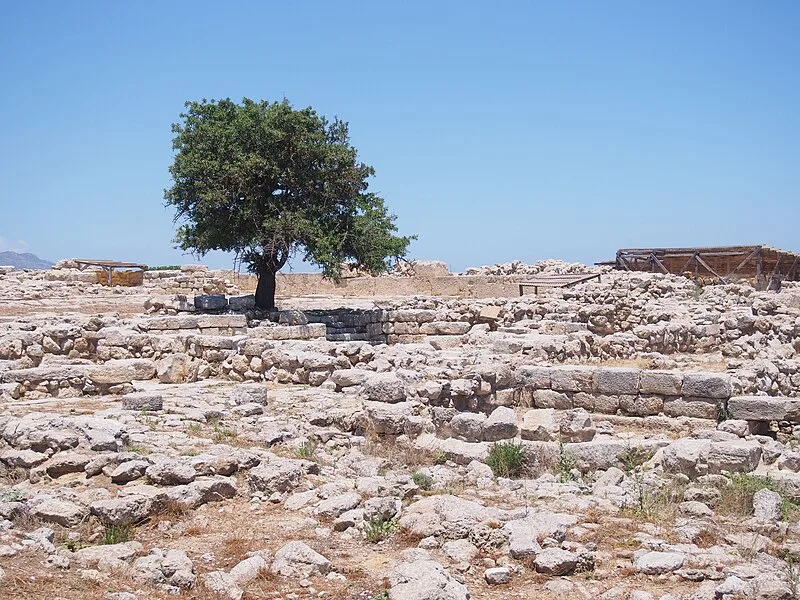
Galatas Palace
The Galatas Palace is a Minoan archaeological site on Crete, Greece, located about 30 kilometers southeast of Heraklion. Built on an older Protopalatial settlement dating to the…
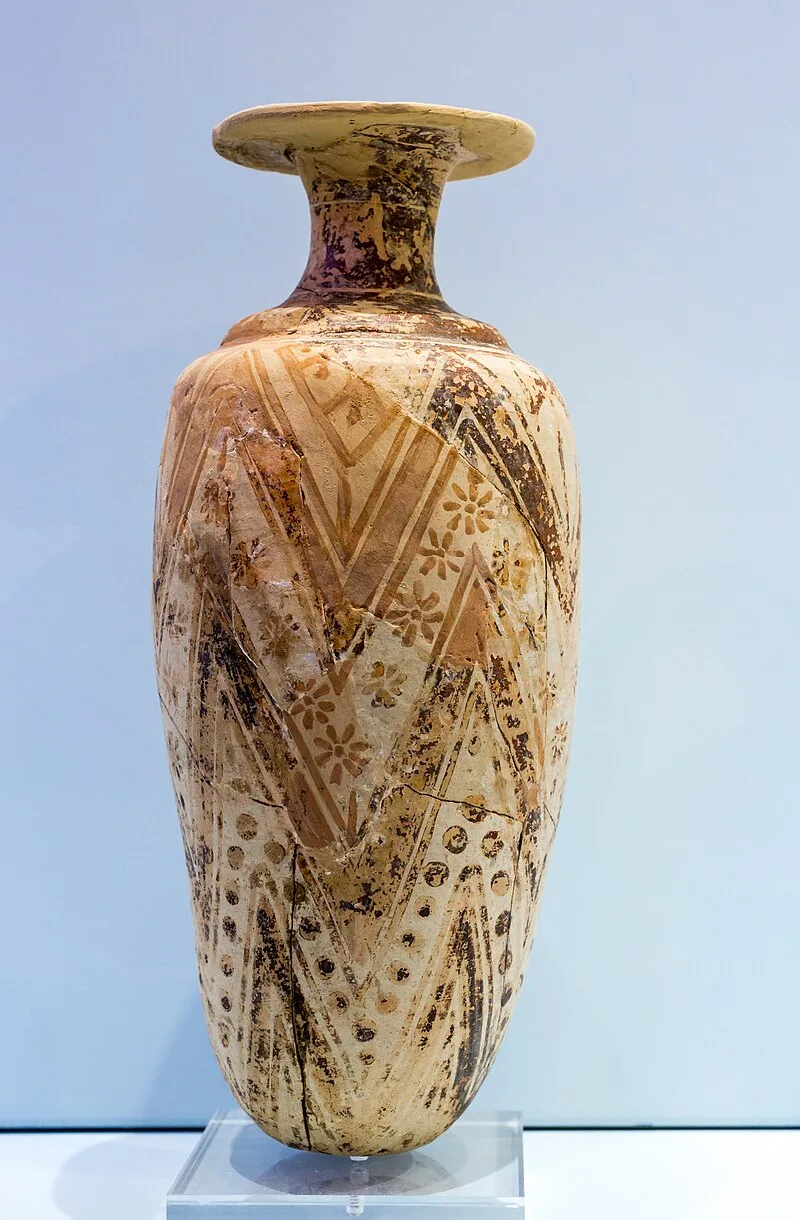
Gournia
Gournia is a Minoan town and palace complex in Lasithi, eastern Crete, often called the "Pompeii of Crete" for its exceptional preservation. It flourished from roughly 1550-1450…
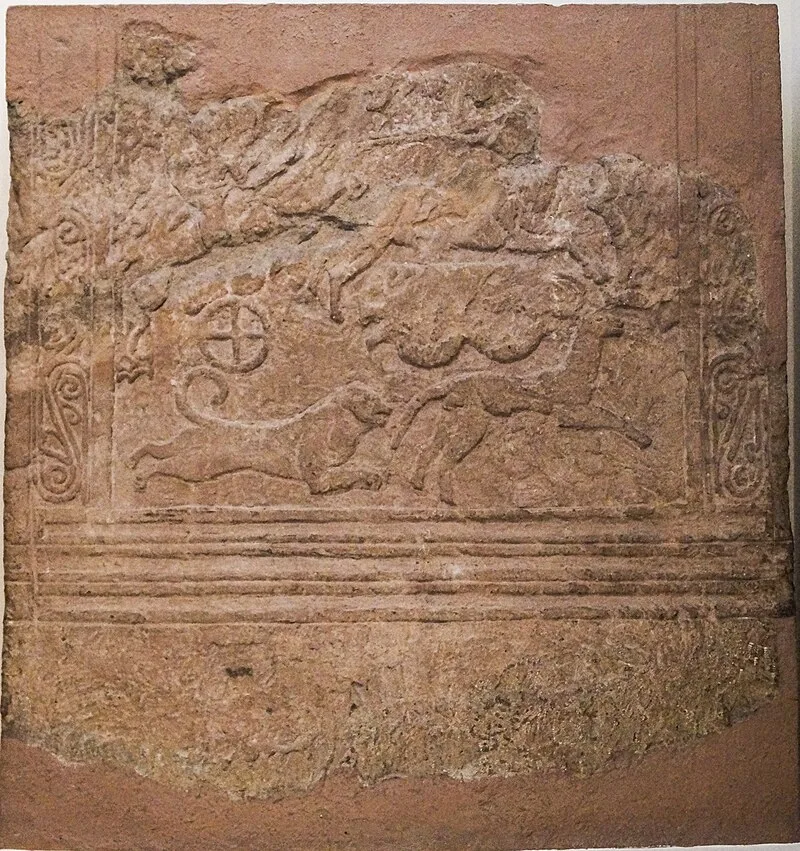
Grave Stelai from Grave Circle A, Mycenae
The Grave Stelai from Grave Circle A at Mycenae are a collection of at least 21 upright, rectangular limestone stelae that marked shaft grave burials from 1600-1500 BCE. Twelve…
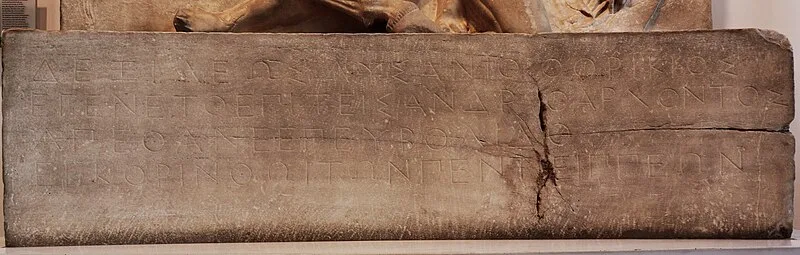
Grave Stele of Dexileos
The Grave Stele of Dexileos is a marble funerary monument commemorating an Athenian cavalryman who died fighting Sparta in the Corinthian War of 394 BC. Carved from expensive…
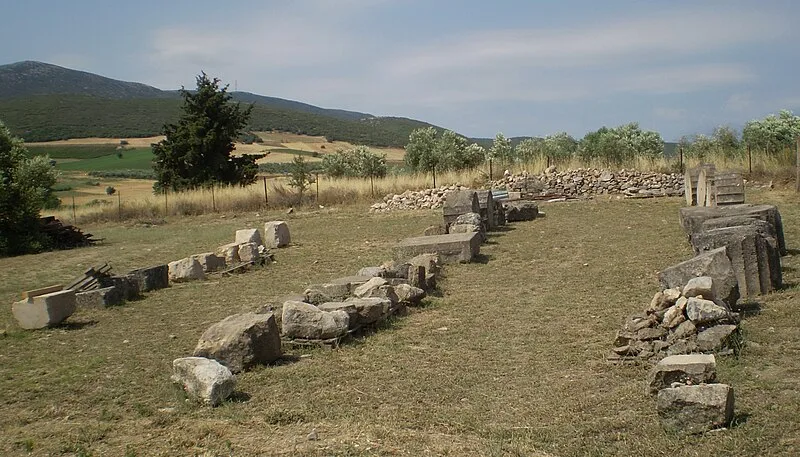
Kalapodi
Sanctuary in Phocis, Central Greece, identified as the Oracle of Apollo at Abae, which rivaled Delphi in fame. Excavations by the German Archaeological Institute revealed a…
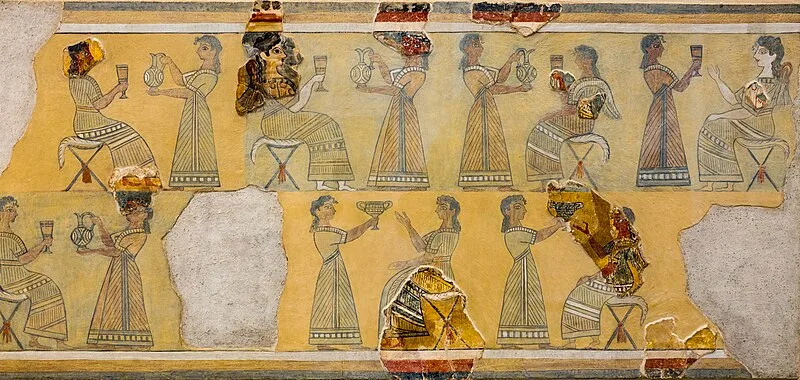
La Parisienne - Fresco
La Parisienne is a celebrated Minoan fresco fragment dating to c. 1400-1350 BC, part of the larger Camp Stool Fresco from the palace of Knossos. The figure depicts a woman in…
Markiani
Markiani is an Early Bronze Age fortified settlement on a hilltop on the south coast of Amorgos, Greece, and the first rural settlement of the Early Cycladic period to be…
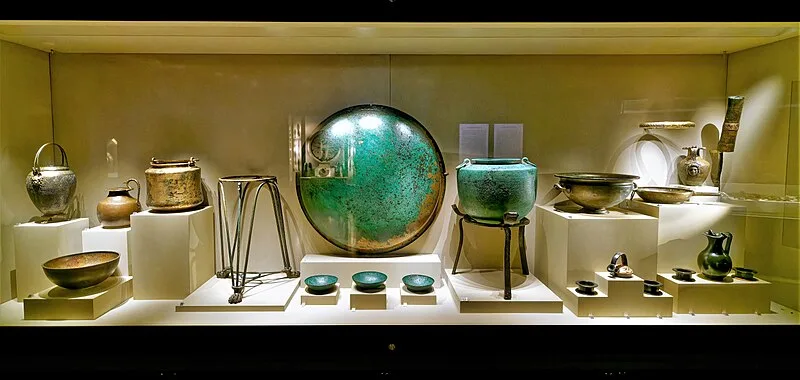
Museum of the Royal Tombs of Aigai, Vergina
The Museum of the Royal Tombs of Aigai (Vergina) is an underground museum in Greece, 75 km west of Thessaloniki, centered around the royal tombs of the ancient Kingdom of Macedon…
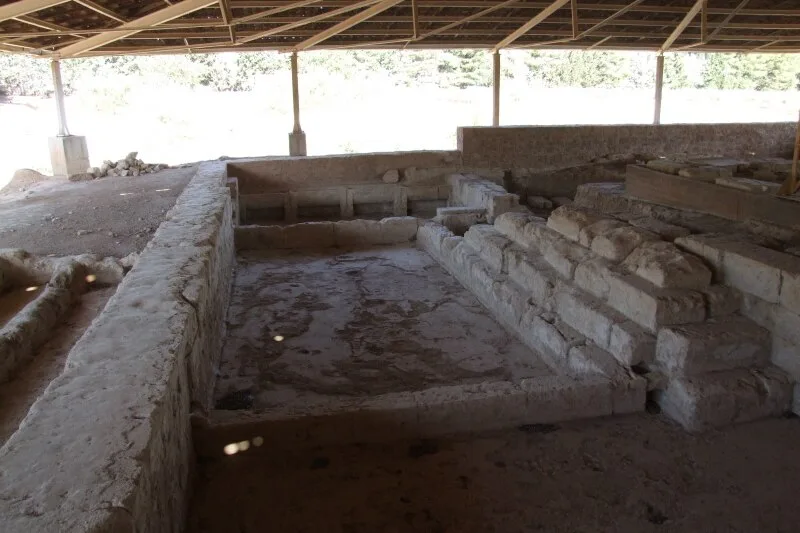
Nemean Baths
The Nemean Baths are an athletic bathing house located at the Panhellenic sanctuary of Nemea in Argolis, Greece. The baths occupy the southernmost portion of the Hellenistic…
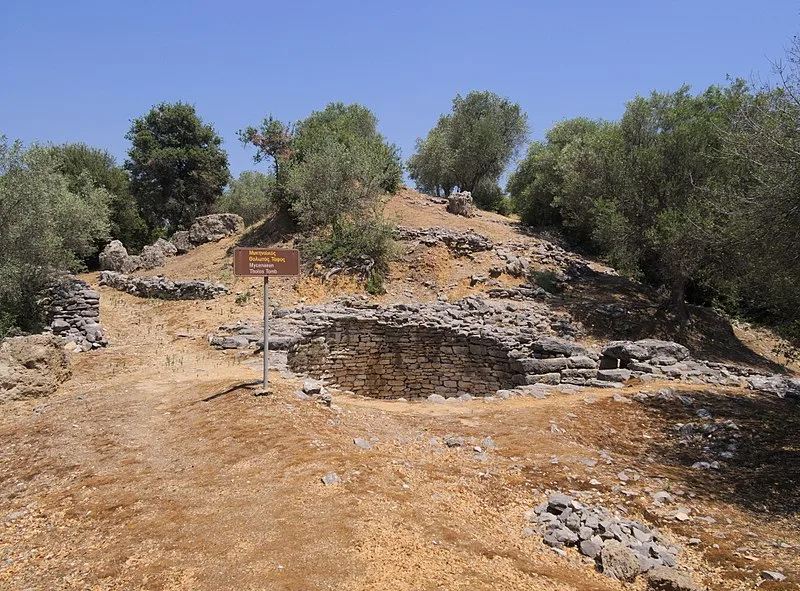
Nichoria
Nichoria is a Bronze Age settlement on a ridgetop in Messenia, southwestern Peloponnese, approximately 30 km northwest of the palace of Pylos. Inhabited from the Neolithic period…
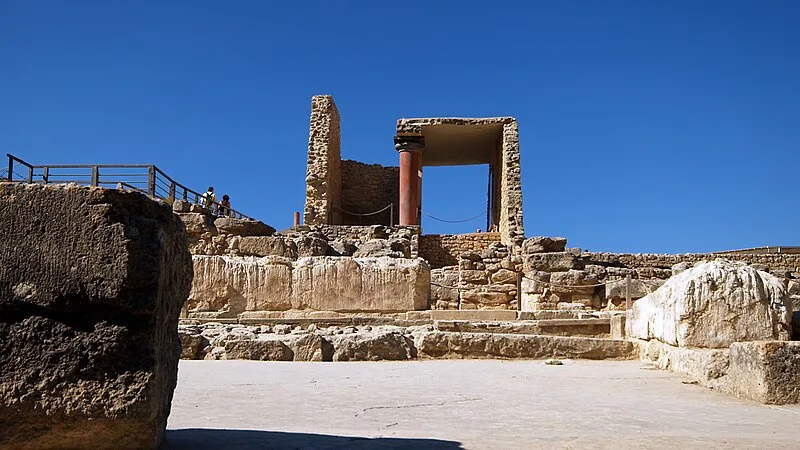
Prince of the Lilies
The Prince of the Lilies is a celebrated Minoan relief fresco excavated by Sir Arthur Evans from the palace of Knossos on Crete, dated to c. 1550 BC. The life-size figure wears a…
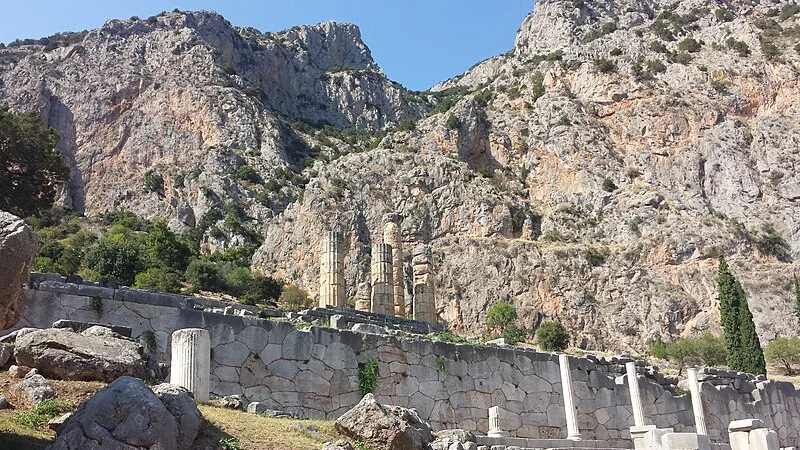
Stoa of the Athenians
Built 478-470 BC, the Stoa of the Athenians is a one-aisled Ionic portico in the Delphic Sanctuary, positioned south of the Temple of Apollo. Its northern wall is formed by the…
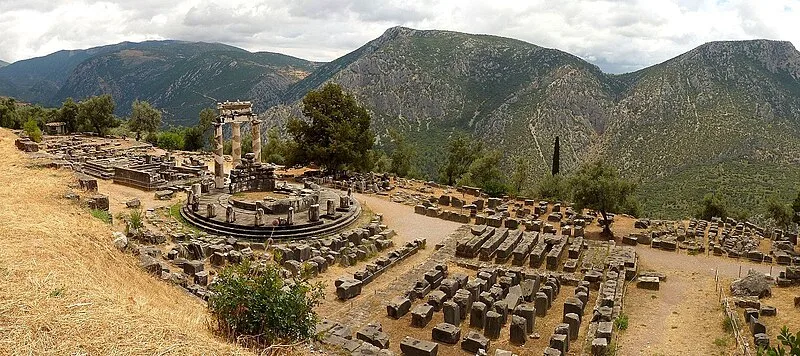
Temple of Athena Pronaia
(7th - 4th c. BC) The Temple of Athena Pronaia was a religious complex at ancient Delphi, located in the Sanctuary of Athena Pronaia alongside temples, treasuries, and the famous…
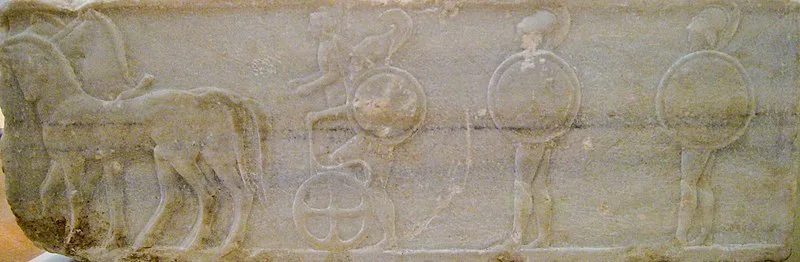
Themistoclean Wall
The Themistoclean Wall was completed in 479 BC under Athenian statesman Themistocles following the Persian Wars. Built with spolia from destroyed temples and statues due to the…
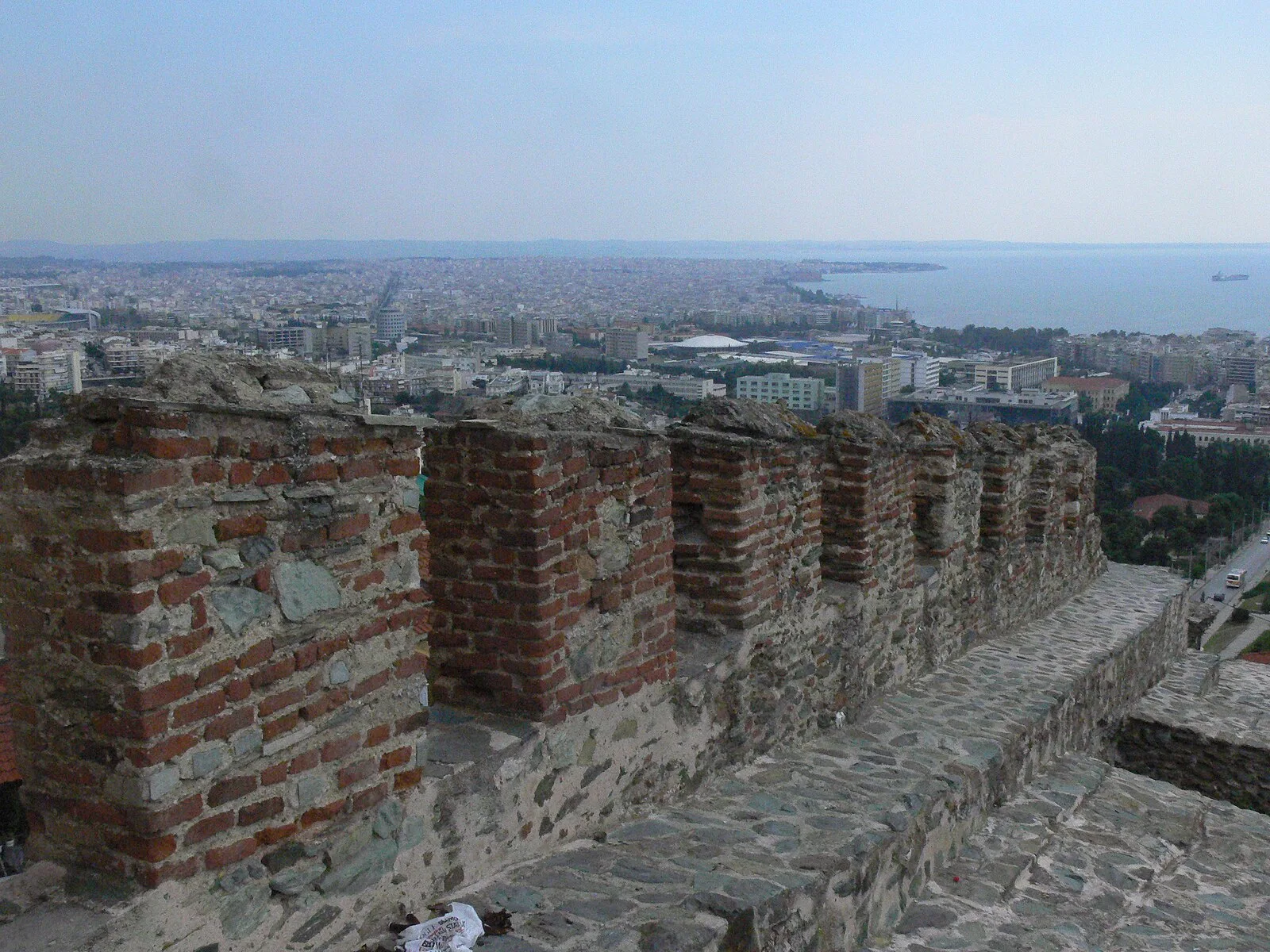
Western Walls of Thessalonica
The Walls of Thessalonica stretch approximately 4 km and formed the main defensive perimeter of the city. The walls date from the early Byzantine period, ca. 390, and incorporate…
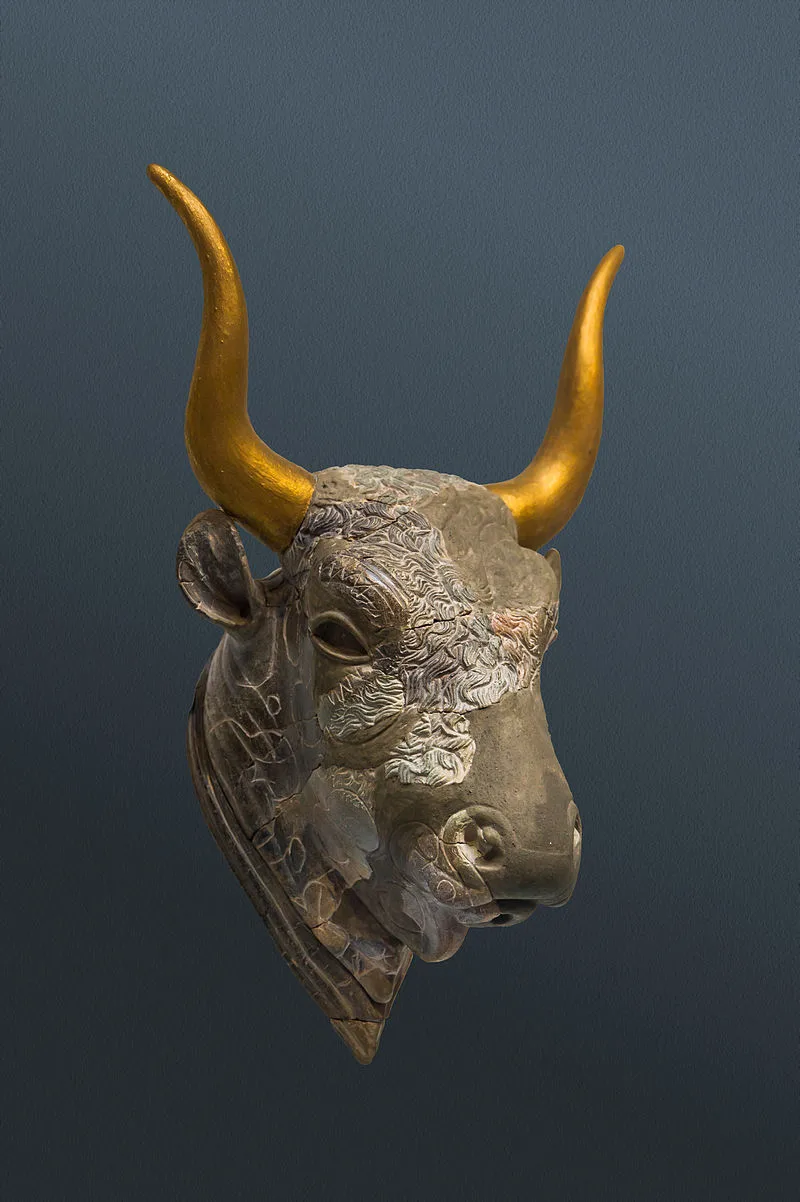
Zakros
Zakros is a Minoan palace complex on eastern Crete, the smallest of the known Minoan palaces yet a vital trade hub linking Crete to Egypt, Cyprus, and the Near East. First…
Keep exploring
Every site on this page sits on the globe, and the people who research them are on the Discord.
3D Globe · Sites by country · Story Archive · Research Library · Weekly Journal · Search