
 Greece
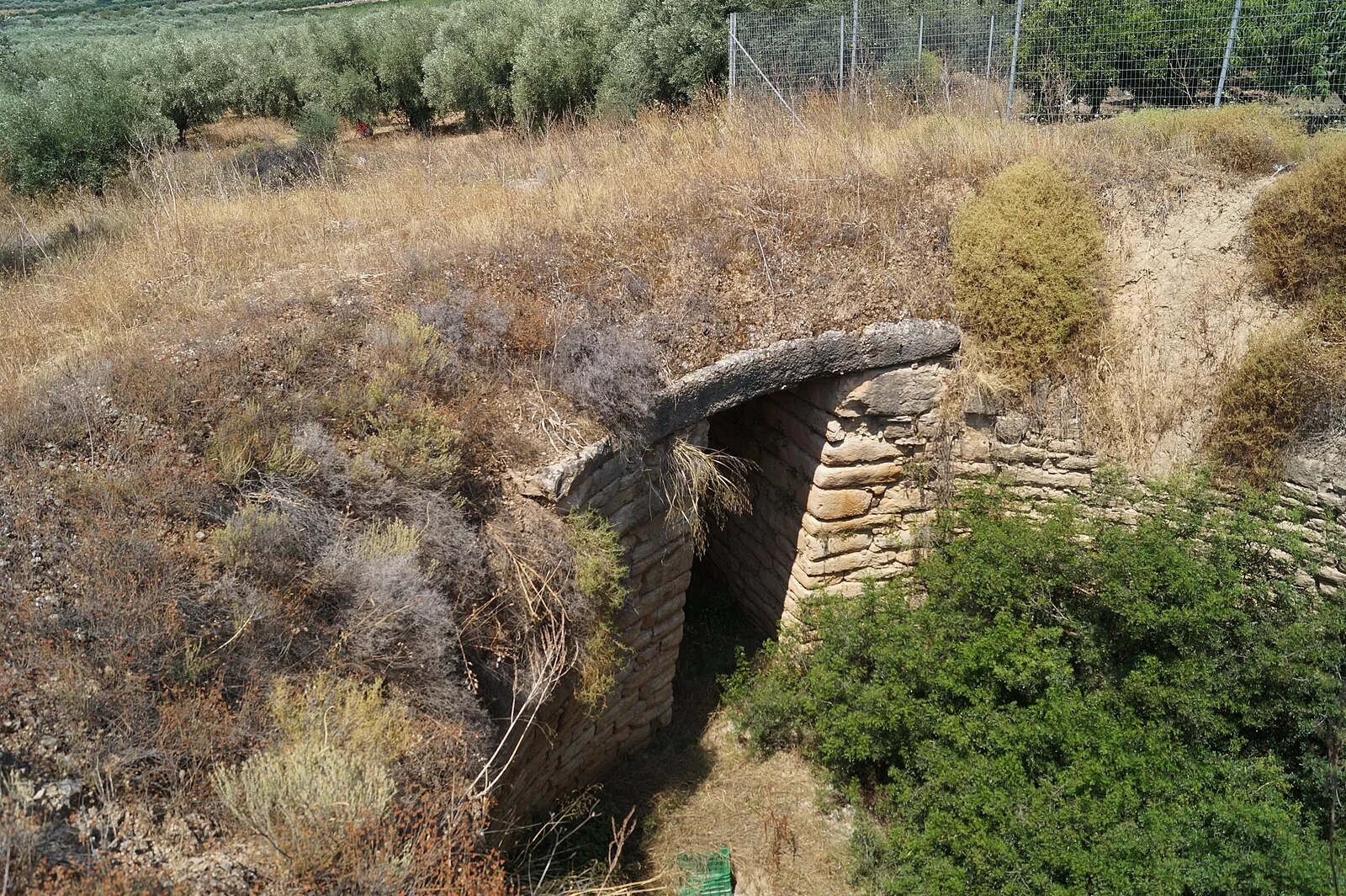
Prosymna was a town in ancient Argolis, in whose territory the celebrated Heraeum, or temple of Hera, stood [1]. The place was inhabited since the Neolithic period [1]. In 1878 Panagiotis Stamatakis found a beehive tomb that was built in the Mycenaean epoch and that was also reused in later periods [1]. Archaeological investigations continued under the auspices of the Swedish Institute at Athens in the 1930s and then during the 1980s and 1990s that found two settlement areas on two different sides of the Mastos hill slope, belonging to the Early and Late Helladic periods, respectively [1]. They have found chamber tombs and large amounts of pottery that testify that the place was an important center of production of this material for many centuries [1].
Text: Wikipedia – 'Prosymna' (revision of 2024-10-29), CC BY-SA 4.0 · sentences selected and shortened by an AI system · source →Prosymna
Also known as: Prosimna, Prosymna (Antike), Πρόσυμνα, Просимна
| Type | City/town/settlement |
|---|---|
| Period | 1500 - 500 BC |
| Country | Greece |
| Coordinates | 37.6836° N, 22.7833° E |