
 Greece
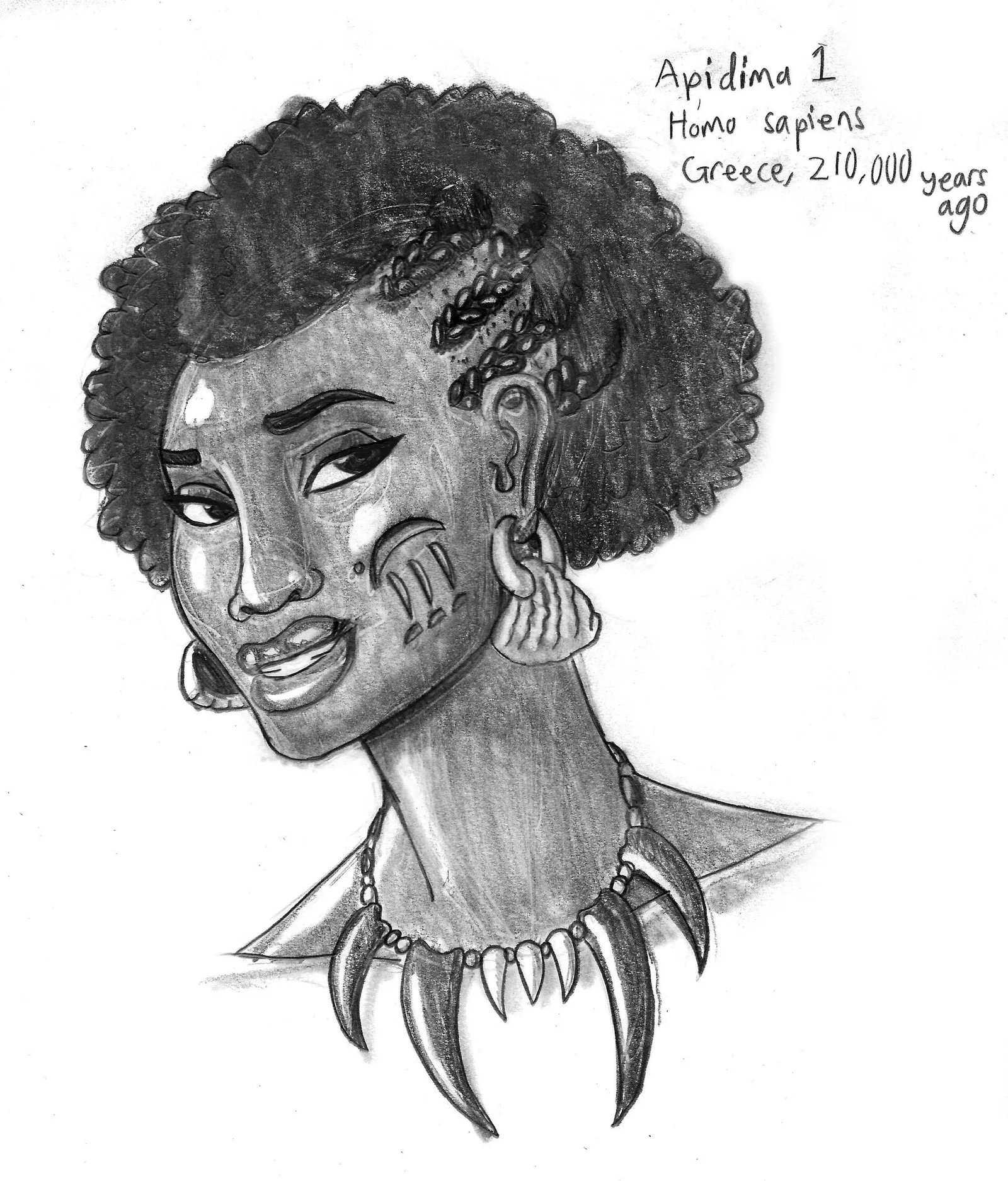
Apidima Cave is a complex of five caves located on the western shore of Mani Peninsula in southern Greece [1]. The scientific research programme at Apidima began in 1978 and is being conducted by the National Archaeological Museum of Greece in collaboration with the Laboratory of Historical Geology-Palaeontology of Athens University [1]. Researchers uncovered two significant fossils in Apidima Cave "A" in 1978 [1]. The two fossils are now referred to as Apidima 1 and Apidima 2 [1]. Research published in July 2019 indicates that the Apidima 2 skull fragment has Neanderthal morphology, and using uranium-thorium dating, was found to be more than 170,000 years old [1]. The Apidima 1 skull fossil was found to be older, dated—using the same method—to more than 210,000 years old [1].
Text: Wikipedia – 'Apidima Cave' (revision of 2026-09-21), CC BY-SA 4.0 · sentences selected and shortened by an AI system · source →Apidima Cave
Also known as: Apidima, Apidimagrotten, Apidima-Höhlen, Apidima (jeskyně), Apidima Mağarası, Caverna Apidima, Cueva de Apidima, Grotta di Apidima, grotte d'Apídima, Gua Apidima, Hang động Apidima, Höhlen von Apidima
| Type | Cave Structures |
|---|---|
| Period | 500 BC - 1 AD |
| Country | Greece |
| Coordinates | 36.6615° N, 22.3634° E |