

Archaeological Sites in Spain
City/town/settlement in Spain (94)
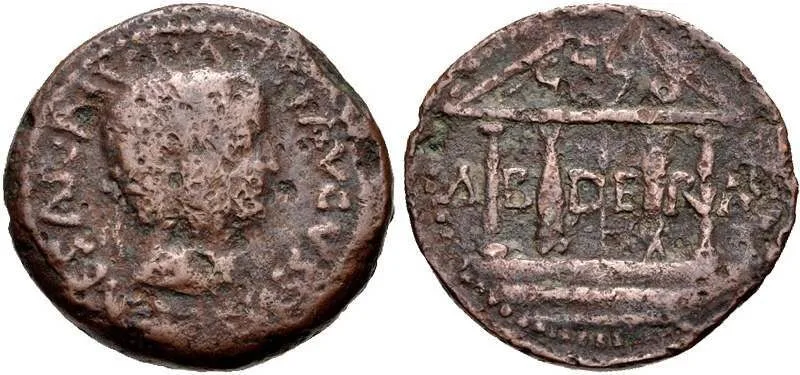
Abdera, Spain
Abdera was an ancient Carthaginian and Roman port on a hill above modern Adra on Spain's southeastern Mediterranean coast. Founded by Phoenicians in the 8th century BC, the…
Acci
Acci was an ancient Iberian settlement that became the Roman colony Colonia Julia Gemella Accitana, founded by Julius Caesar around 45 BC after the Battle of Munda to settle…
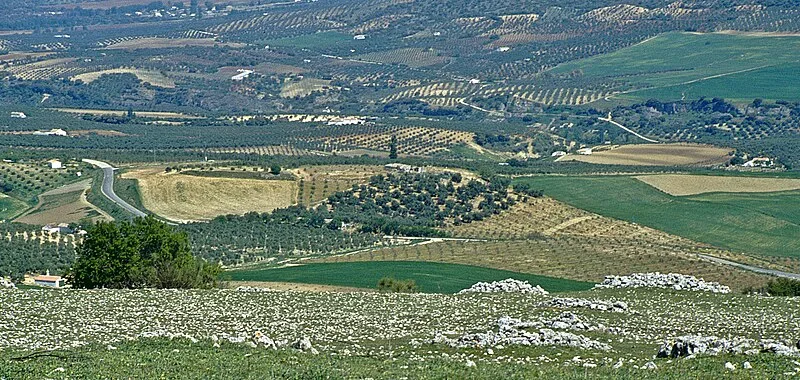
Acinipo
Acinipo is an archaeological site in Spain's Málaga province, about 20 km from Ronda. Settlement dates to approximately 3000 BCE, with evidence of continuous occupation through…
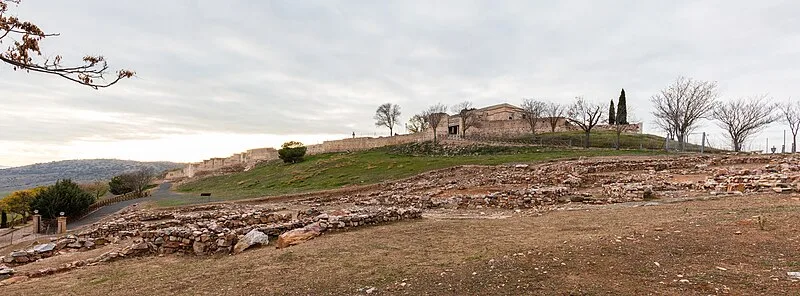
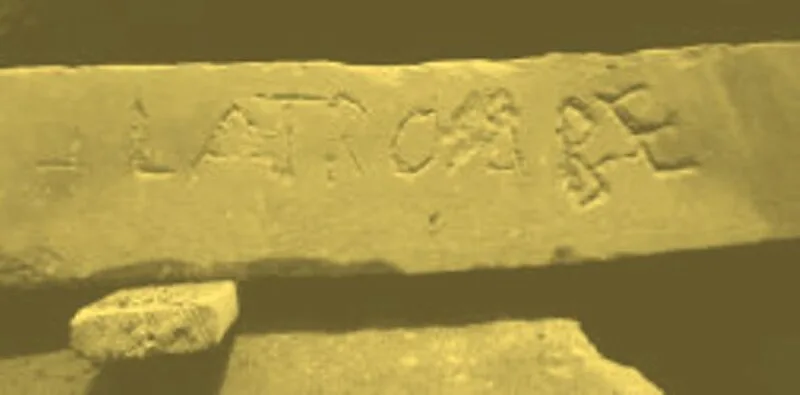
Alarcos
Alarcos is a Bronze/Iron Age Iberian oppidum and archaeological site in Spain's Campo de Calatrava region, standing 675 m above sea level on a quartzite hill with volcanic lithic…
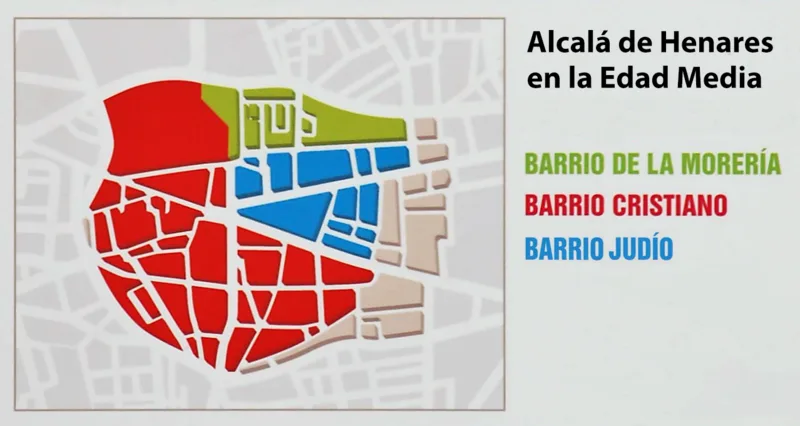
Alcalá de Henares
Alcala de Henares originated as Complutum, a Roman city founded in the 1st century BC near a pre-Roman Carpetanian settlement called Iplacea. With around 10,000 inhabitants, it…
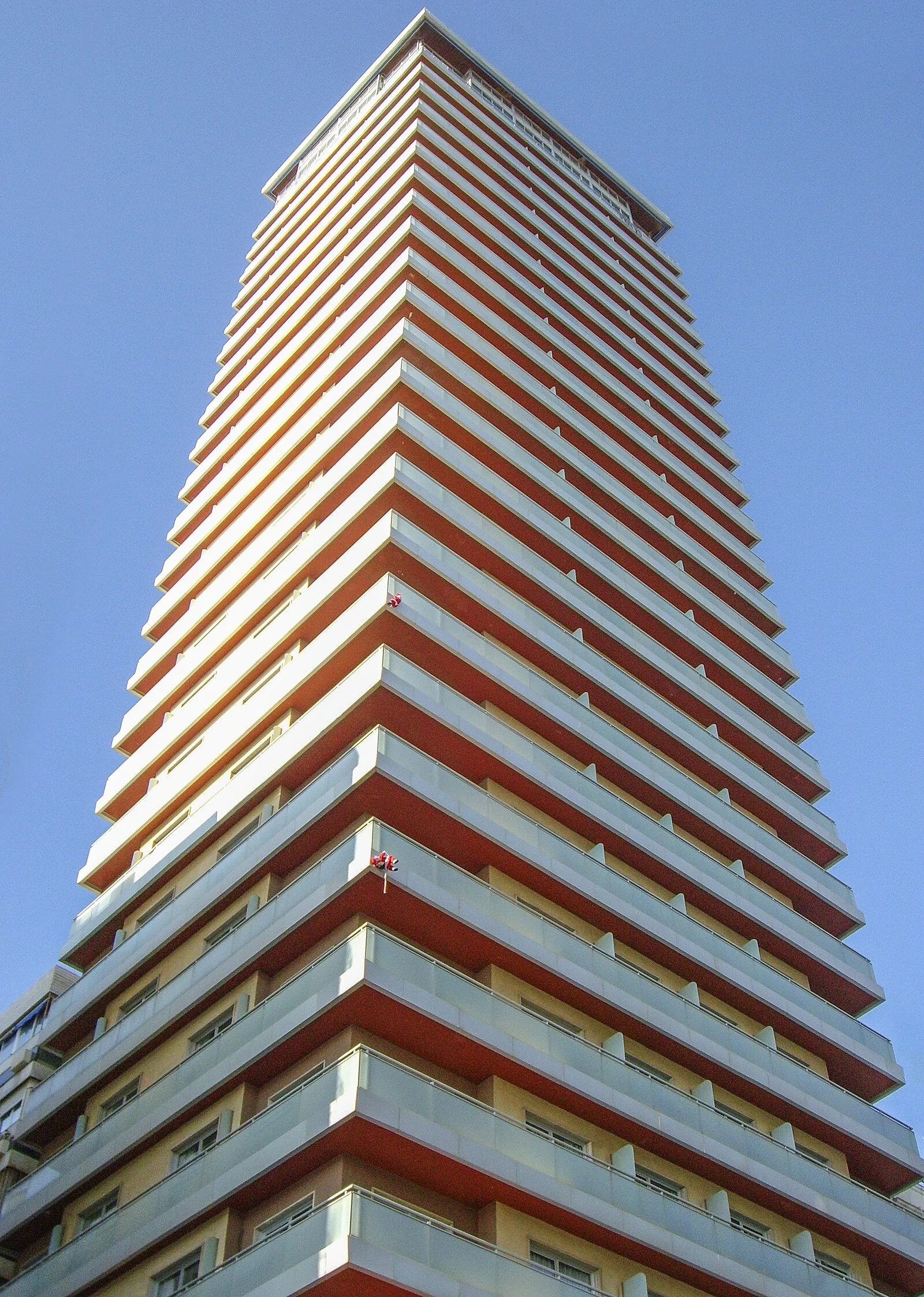
Alicante
Alicante is a historic Mediterranean port city in the Valencian Community, Spain, founded on the slopes of Mount Benacantil. The area has been continuously inhabited for over…
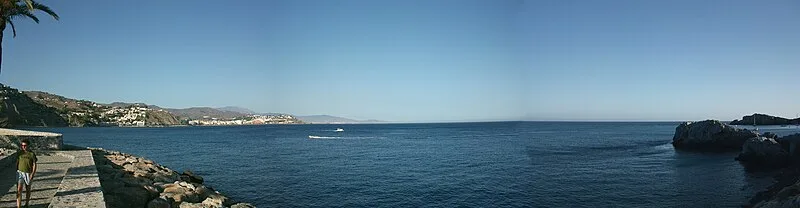
Almuñécar
Almuñécar is a Spanish city on the Mediterranean coast in the province of Granada. The municipality borders Nerja and is traversed by the Verde river. Archaeological evidence from…
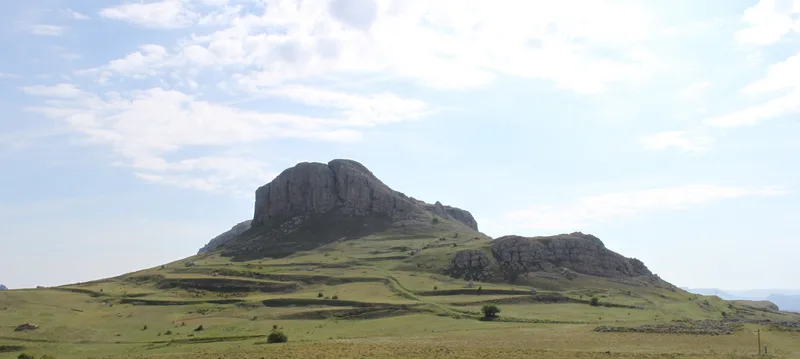
Amaya, Burgos
A hilltop settlement at roughly 1,000 m elevation in Sotresgudo, Burgos, northern Spain, with occupation dating to the Late Bronze Age Cogotas I culture. It served as one of the…
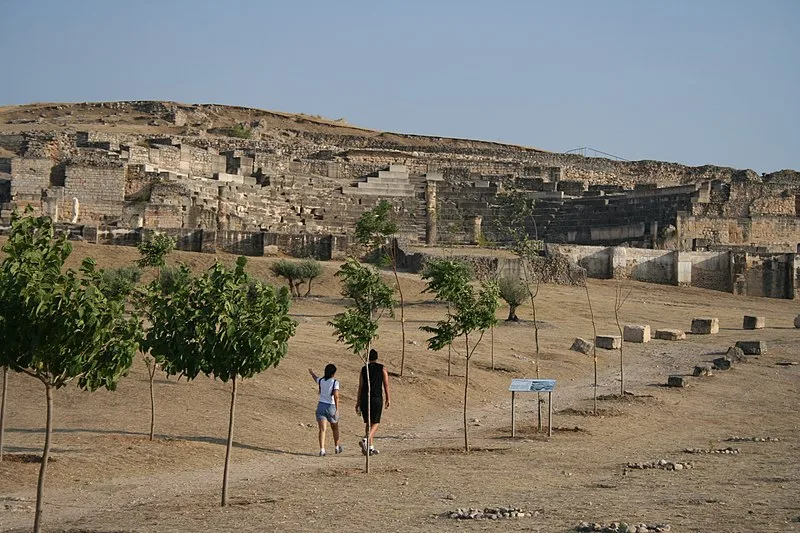
Archaeological Park of Segóbriga
Segóbriga is a former Roman city near Saelices in the province of Cuenca, Spain. It ranks among the most significant archaeological sites of the Spanish Meseta. The archaeological…
Archaeological Site of La Ribera de Algaida
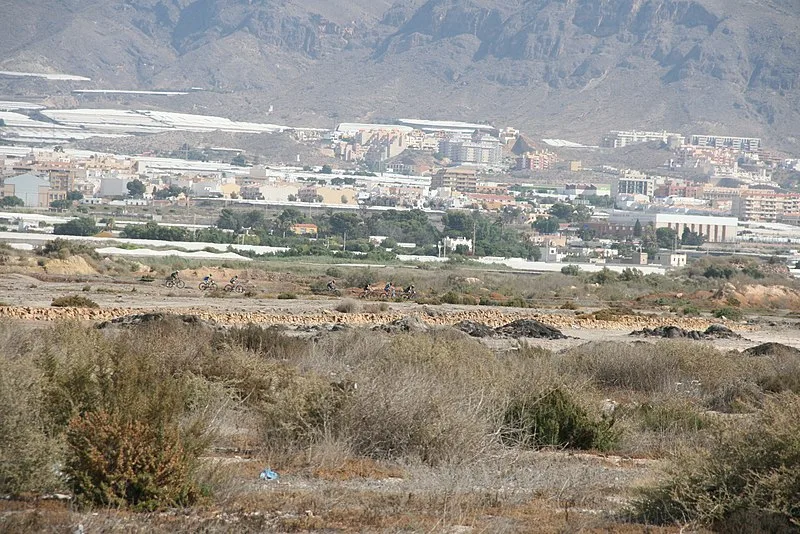
One of the most important archaeological sites in Almeria, Spain, spanning 20-30 hectares near Aguadulce and occupied from the late Copper Age through the Roman era. The…
Augusta Bilbilis
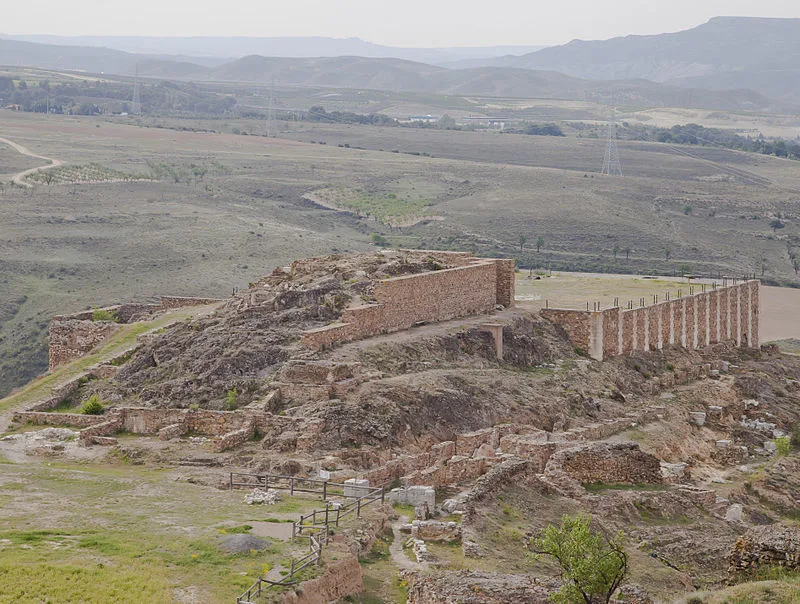
Augusta Bilbilis was a Roman municipium in Hispania Tarraconensis and became the birthplace of the renowned poet Martial around 40 AD. The modern town of Calatayud was established…

Augusta Emerita
Augusta Emerita, founded in 25 BC in modern Mérida, Spain, was a Roman colonia established by Emperor Augustus to resettle veteran soldiers from Legio V Alaudae, Legio X Gemina,…
Baelo Claudia
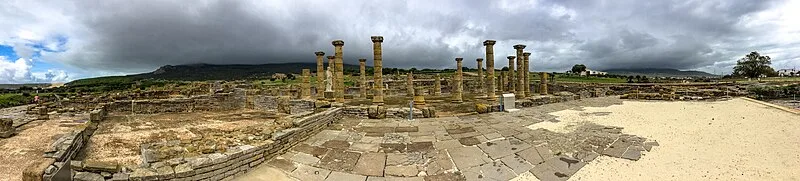
Baelo Claudia was an ancient Roman town in Hispania, situated on the shore of the Strait of Gibraltar, 22 km outside modern Tarifa in southern Spain. Originally a fishing village…
Barcelona
Barcino was a Roman settlement founded in the 1st century BC on the hill of Mont Tàber, becoming a small but thriving colony. The settlement developed typical Roman urban features…
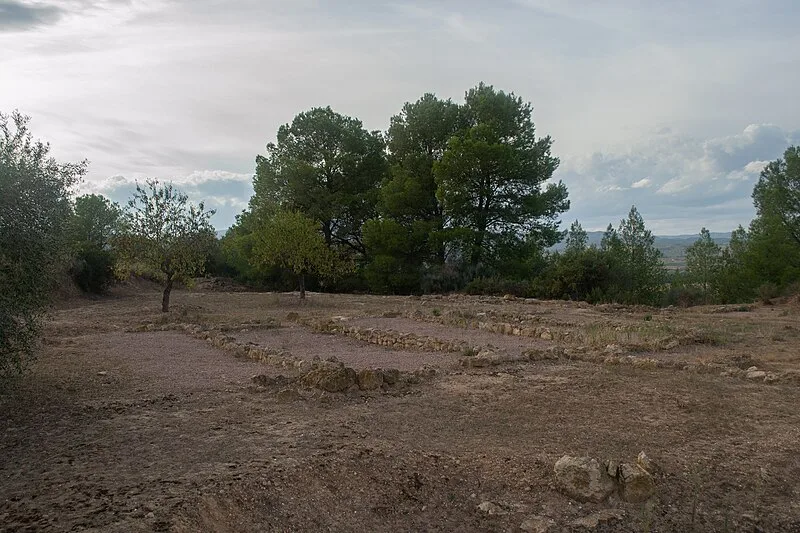
Barranc de Gàfols
Barranc de Gàfols (also called Pomeralet) is an archaeological site near Ginestar on the west bank of the river Ebro in Catalonia, Spain. It is one of the most significant Early…
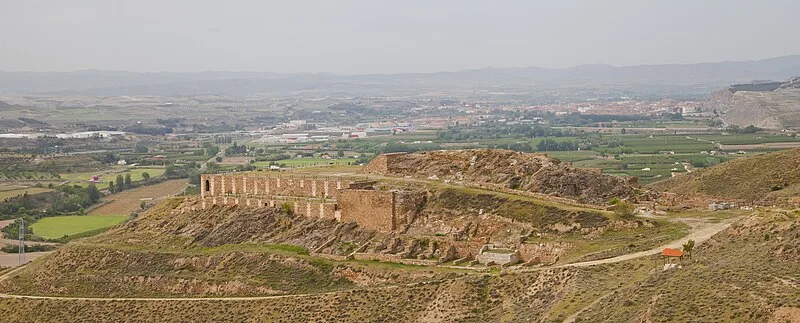
Bilbilis
Augusta Bilbilis was a Roman municipium in Hispania Tarraconensis, built on Cerro de Bambola near modern Calatayud, Spain. Originally a Celtiberian settlement, it was granted…
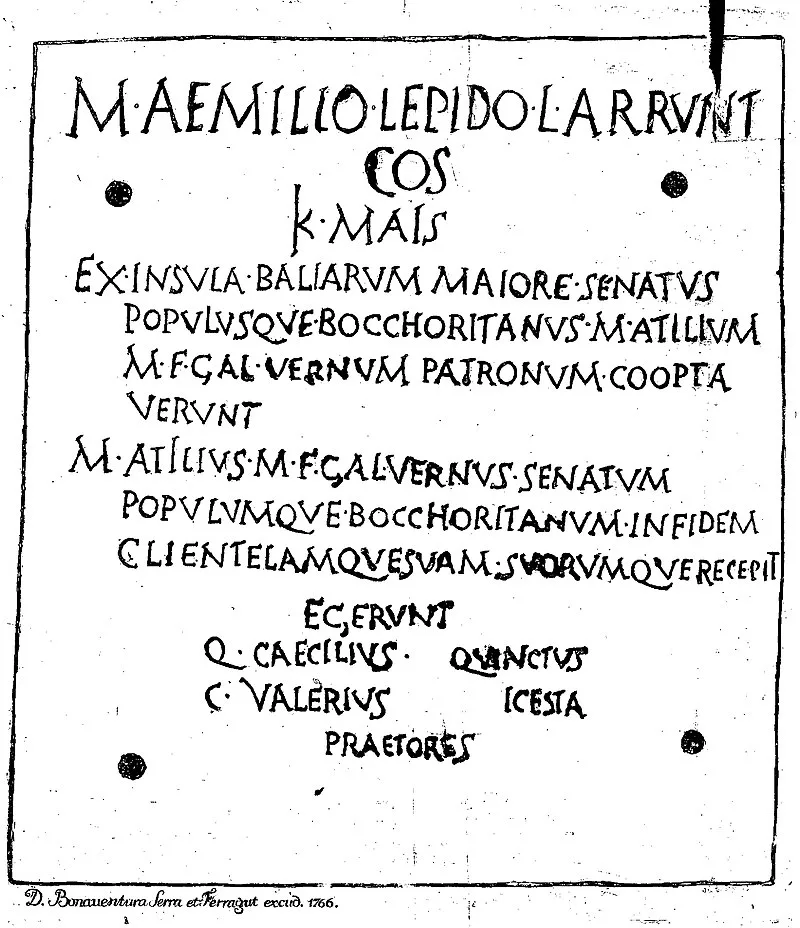
Bocchoris - City
Bocchoris was an ancient settlement in northern Majorca near modern Port de Pollenca, dating to c. 1400 BC during the island's Talayotic culture. Under Roman rule after the…
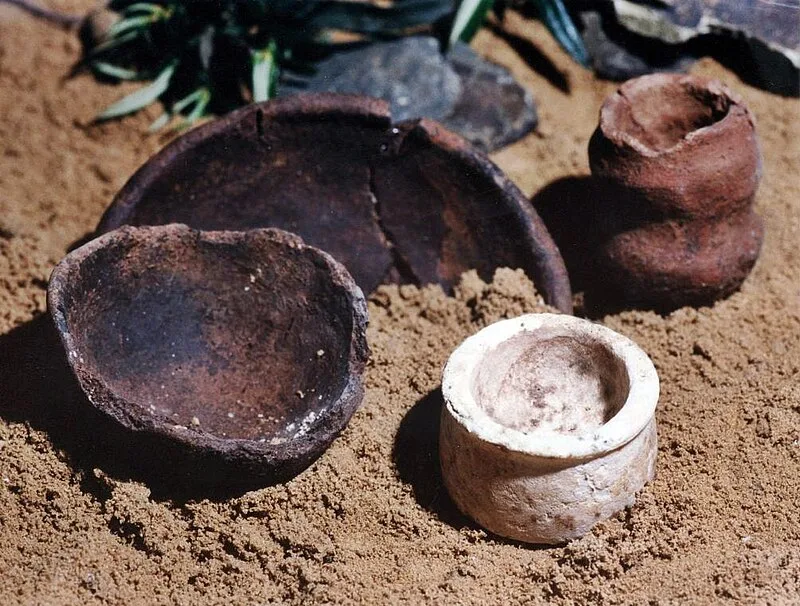
Cabezo Juré
Cabezo Jure is an archaeological site in Alosno, representing the first specialised copper industry in the Iberian Peninsula, dating to 2900-2200 BC. Excavations uncovered copper…
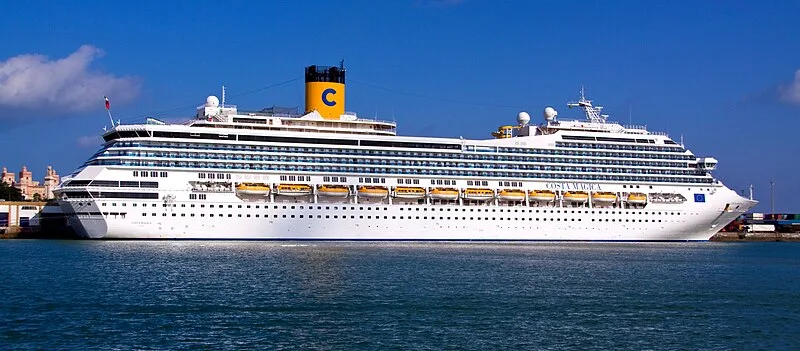
Cádiz
One of the oldest continuously inhabited cities in Western Europe, founded as Gadir ('enclosure') by Phoenician traders from Tyre, traditionally dated to c. 1100 BC, though the…
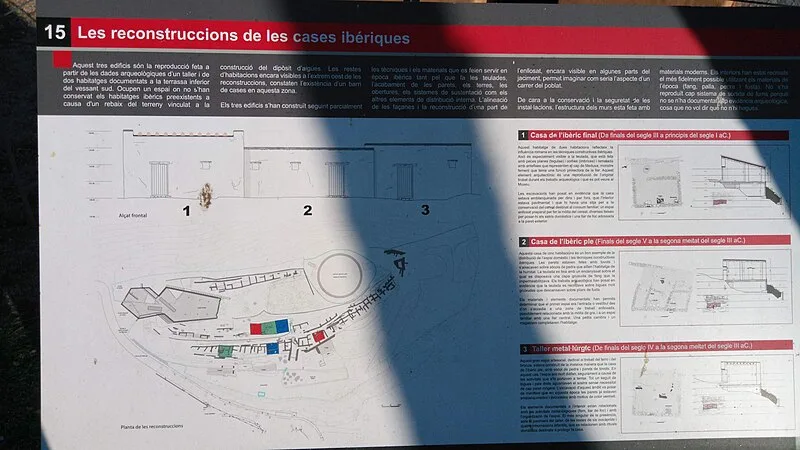
Ca n'Oliver Iberian Settlement and Museum
(6th c. BC) Ca n'Oliver is a large Iberian settlement on a Collserola hilltop overlooking the Vallès region in Cerdanyola del Vallès, Catalonia, Spain. Inhabited from the 6th…
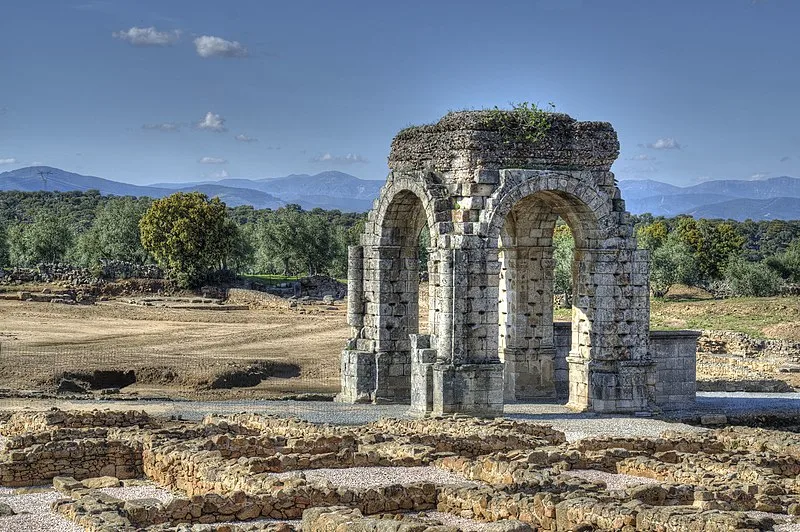
Cáparra
The Roman ruins of Cáparra lie in the Alagón River valley in northern Extremadura, Spain. Once a municipality of Roman Lusitania within the Conventus Iuridicus Emeritensis, it was…
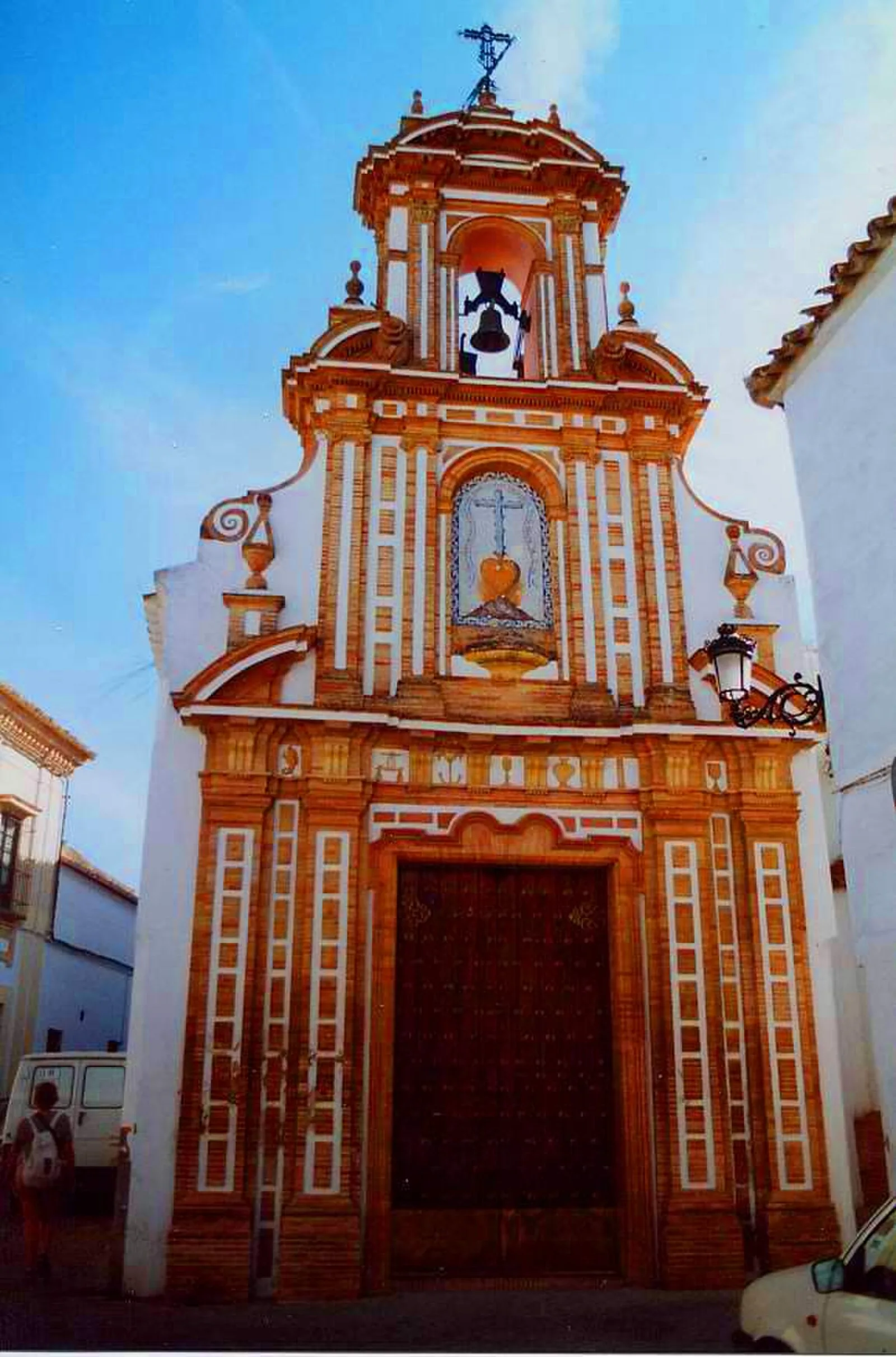
Carmona, Spain
Carmona is a town in Seville province, southwestern Spain, situated 33 km north-east of Seville on a ridge overlooking Andalusia's central plain. Originally founded as a…
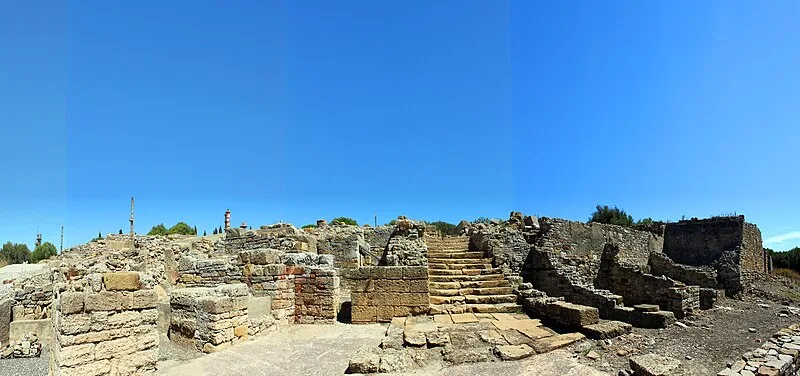
Carteia
Carteia was a Phoenician, Carthaginian, and Roman port city at the head of the Bay of Gibraltar near modern San Roque. Phoenicians first settled at nearby Cerro del Prado around…
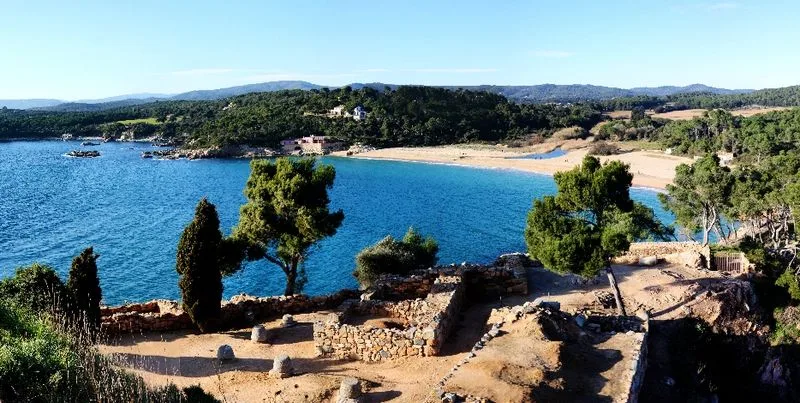
Castell de la Fosca
Castell de la Fosca (Punta del Castell) is an Iberian oppidum on a rocky promontory near Palamos on the Costa Brava, Catalonia. Inhabited from the 6th century BC to the 1st…
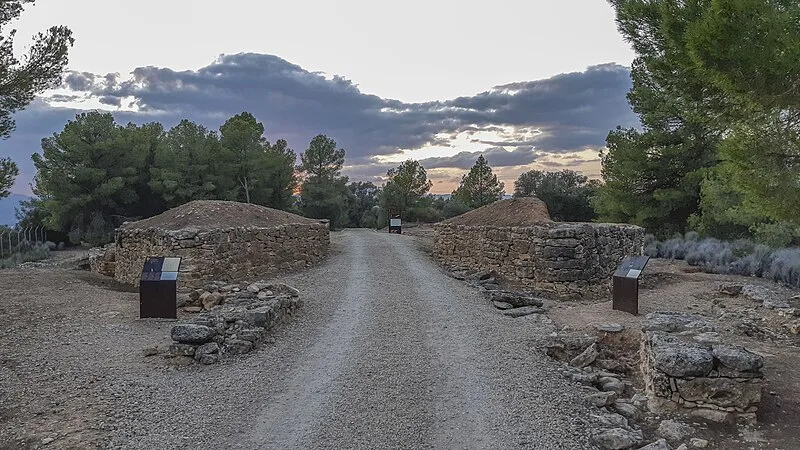
Castellet de Banyoles
The Castellet de Banyoles is an ancient Iberian city and archaeological site dating from the 3rd century BC, located in the modern town of Tivissa near the River Ebro in the…
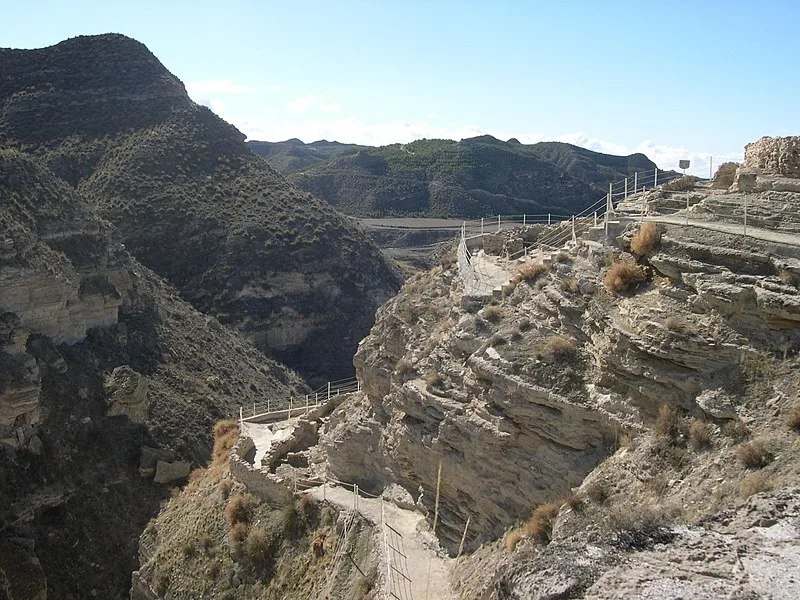
Castellón Alto
Castellon Alto is an Argaric culture Bronze Age settlement in Galera, Granada, occupied from c. 1900-1600 BC. The village was built on three natural terraces, with an upper…
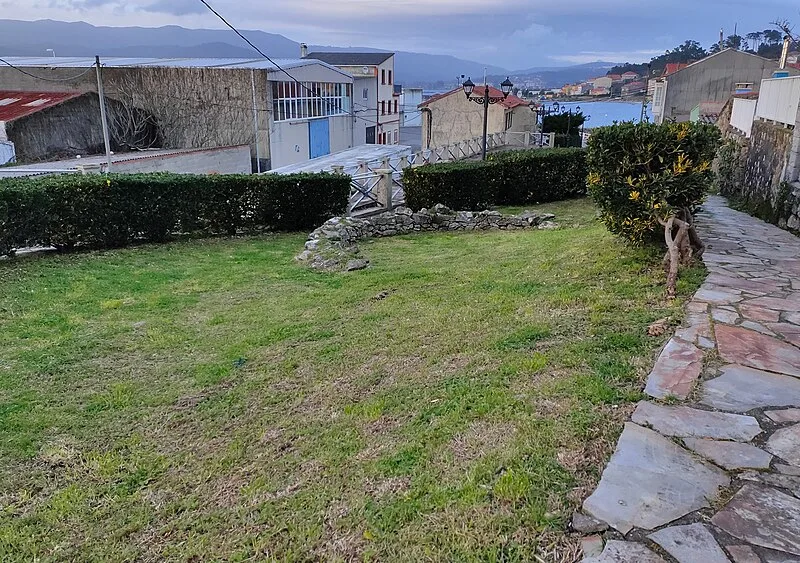
Castro de Achadizo
Castro de Achadizo is an Iron Age coastal castro in the parish of Castro, municipality of Boiro, A Coruna province, Galicia. Occupied primarily between the 6th and 2nd centuries…
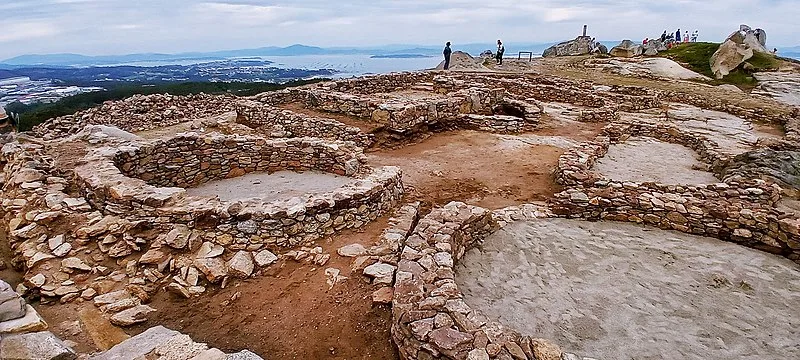
Castro de A Cidá
Castro de A Cida is an Iron Age hillfort in Ribeira, A Coruna province, Galicia, established over 2,500 years ago by communities of the castrexa (Castro) culture. One of the…
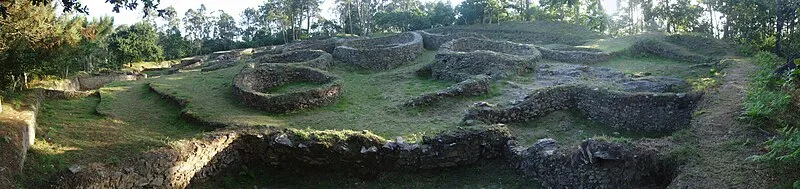
Castro de Borneiro
Castro de Borneiro is an Iron Age hillfort (castro) in Galicia, Spain, occupied from the 4th to the 1st century BC. One of the most representative archaeological sites of castrexa…
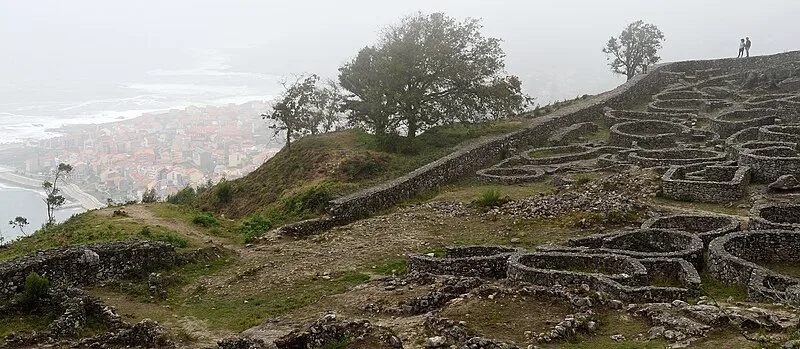
Castro of Santa Trega
The Castro of Santa Trega is a Castro-Roman settlement on Mount Santa Trega in A Guarda, Galicia, Spain, at 341 m above sea level overlooking the Mino River mouth. Covering about…
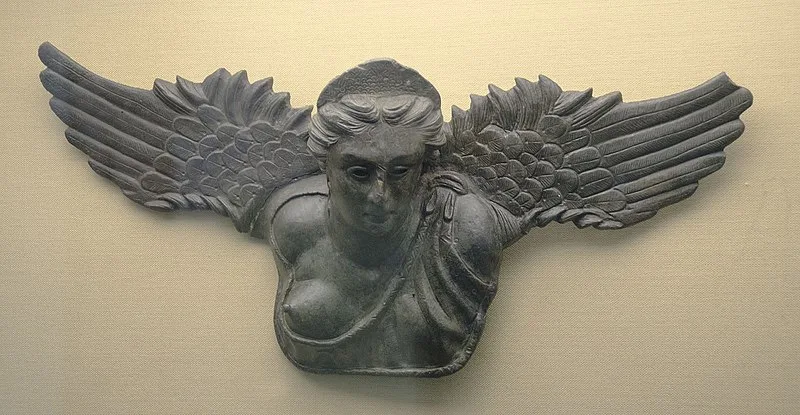
Castulo
Castulo was an ancient Iberian settlement in the province of Jaén, Andalusia, Spain, near modern Linares, occupied from the Neolithic period. By the 6th century BC, it served as…
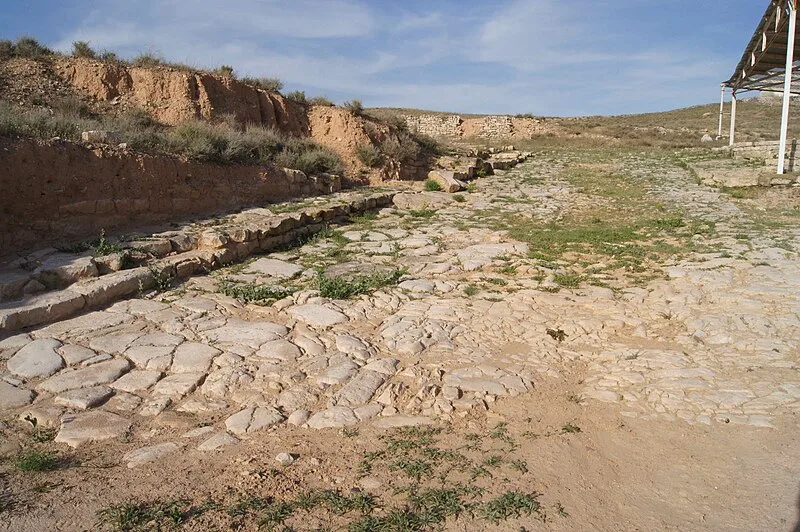
Celsa - Roman City
Celsa (Colonia Victrix Iulia Lepida) was a Roman city near modern Velilla de Ebro, Aragon, Spain, founded by Lepidus in 42 BC. Renamed Iulia Celsa after Lepidus's exile in 36 BC,…
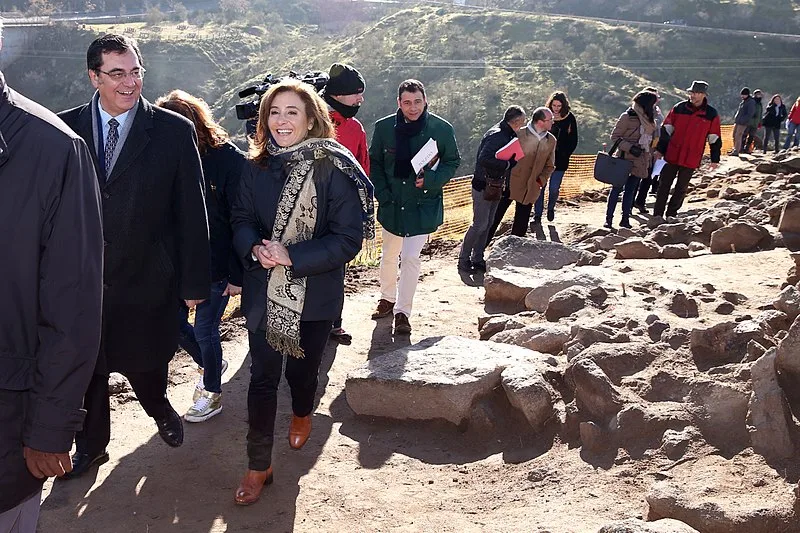
Cerro del Bu
The Cerro del Bu is a Chalcolithic archaeological site (4500-3000 BC) on the Bu hill in Toledo, Spain, occupying a promontory on the left bank of the Tagus river, south of Toledo…
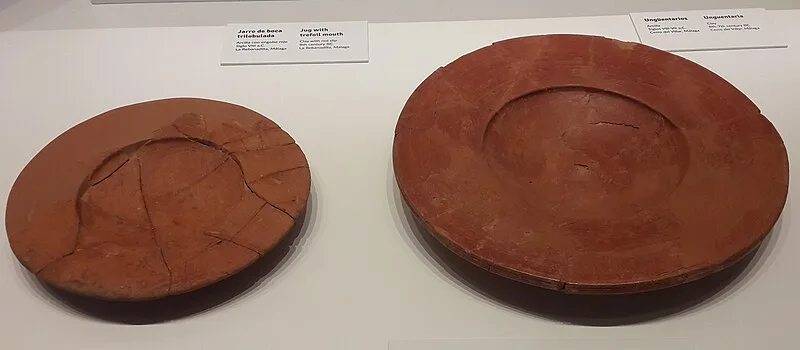
Cerro del Villar
Cerro del Villar was a Phoenician settlement at the mouth of the Guadalhorce river in southern Spain. Founded in the ninth or eighth century BC, it was abandoned around 584 BC.…
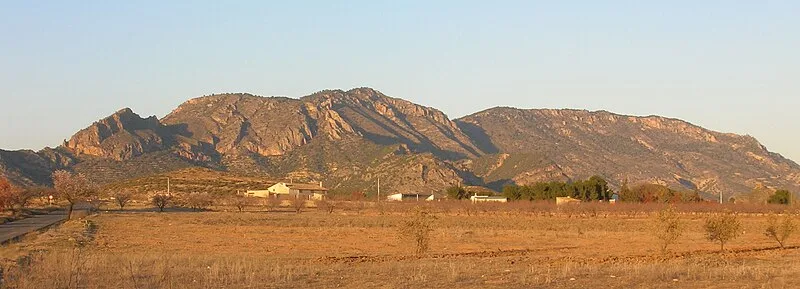
Cieza, Murcia
Cieza is a town in Murcia, Spain, on the Segura River, with archaeological evidence spanning from the Paleolithic through Iberian, Roman, Visigothic, and Arabic periods.…
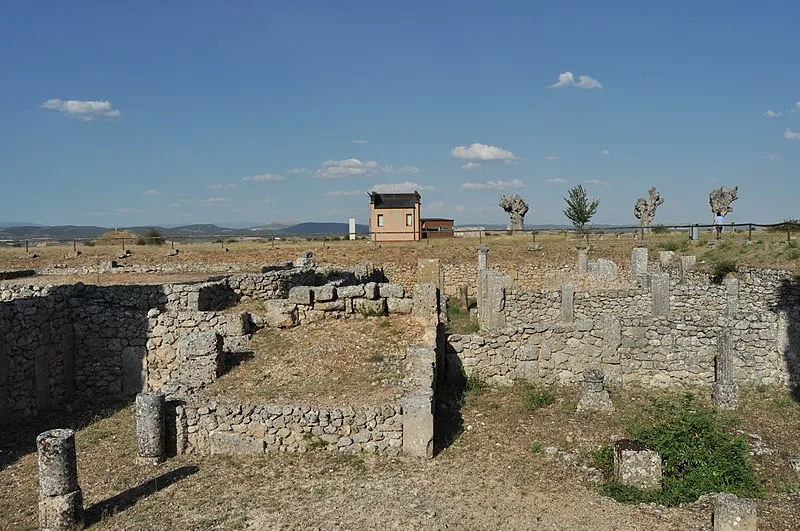
Clunia
Clunia (Colonia Clunia Sulpicia) was a major Roman city on the Alto de Castro near Peñalba de Castro, Burgos, at over 1,000 metres elevation. Founded ex novo under Emperor…
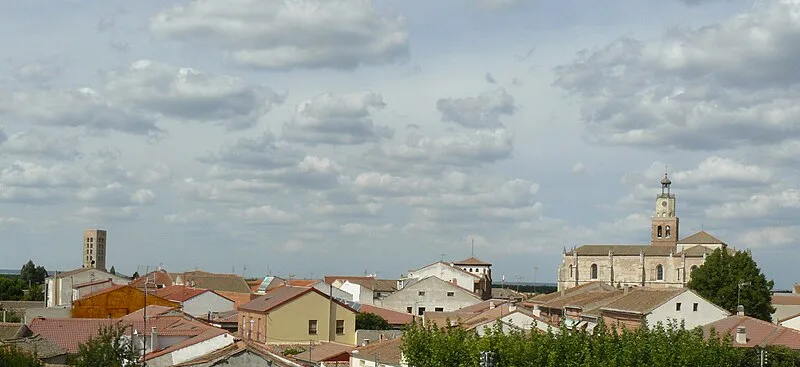
Coca, Segovia
Founded in the 1st century AD during Roman rule, Coca is a municipality in Segovia province, Castile and León, Spain. Located 50 kilometres northwest of Segovia and 60 kilometres…
_(cropped).webp)
Córdoba, Spain
(8th–5th c. BC) Ancient Iberian settlement on the Guadalquivir River, later becoming a major Roman city. The site was strategically located on the right bank of the Guadalquivir…
Dénia
Denia is a historic coastal city in Alicante province, Spain, with continuous habitation since prehistoric times. Iberian communities first settled on the slopes of Montgo…
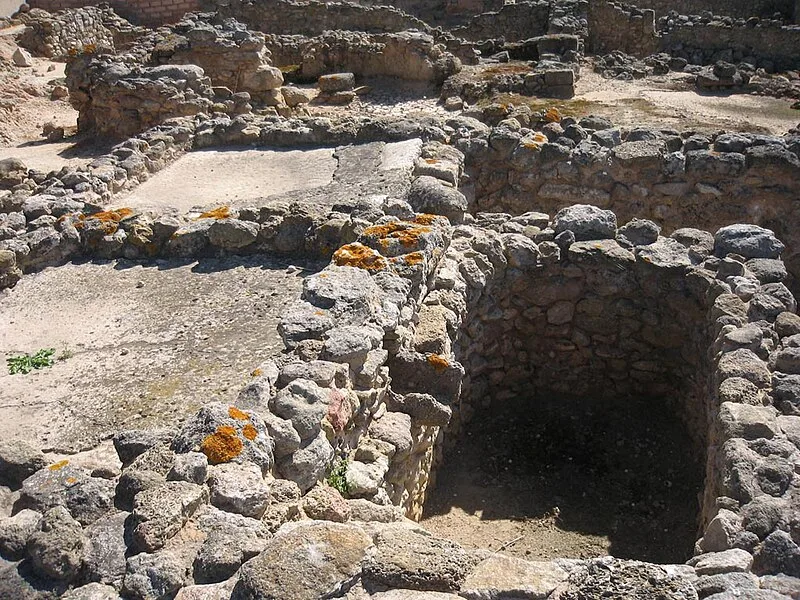
Doña Blanca - Archaeological Site
Doña Blanca is a 200-hectare archaeological tell in El Puerto de Santa María, Spain, near Sidueña, protected as an Asset of Cultural Interest since 1991.
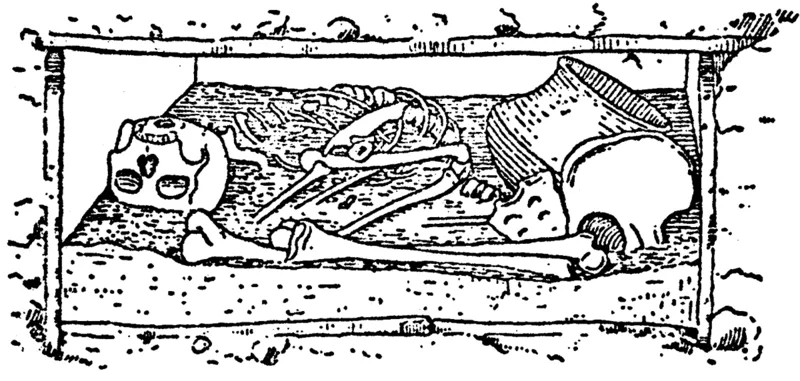
El Argar
El Argar is an Early Bronze Age archaeological site in the municipality of Antas, Almería, Spain, that gave its name to the Argaric culture (2200–1500 BC). Part of the…
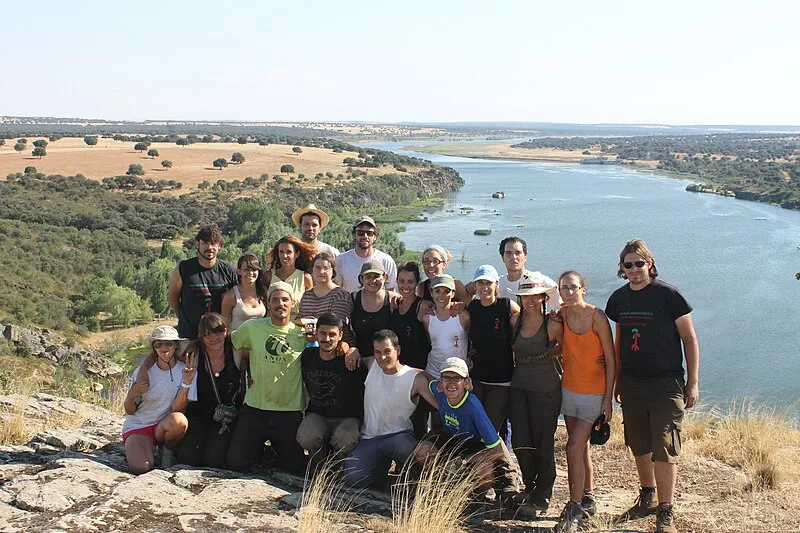
El Castillón
El Castillon is a fortified Late Roman settlement in Santa Eulalia de Tabara, Zamora, Spain, situated on the historical frontier between the Swabian and Visigothic kingdoms.…
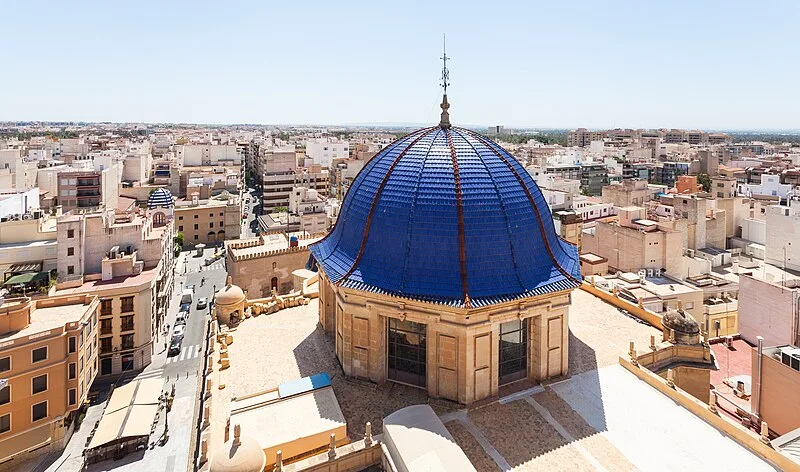
Elche
Elche (ancient Ilici) is a city in Alicante, Spain, whose predecessor settlement at L'Alcudia was founded by Greek Ionian colonists from Helike around 600 BC. The site is famous…

Empúries
Empúries (Greek: Emporion) was an ancient Greek city founded in 575 BC by colonists from Phocaea on the Mediterranean coast of Catalonia, Spain. After Hannibal's invasion of Gaul…
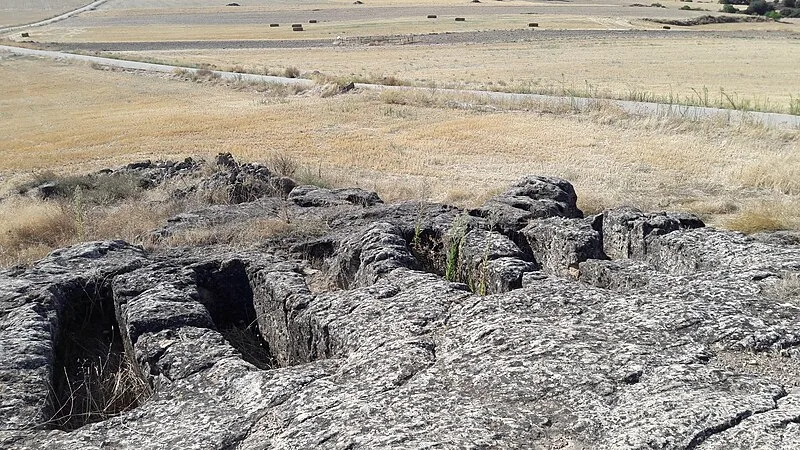
Ercavica
Ercavica was an important Roman city, flourishing from the 2nd century BC until the 1st century AD. The ruins sit on the hill of Santaver near Cañaveruelas, occupying a strategic…

Huelva
Located in southwestern Spain's Andalusia region, Huelva sits at the confluence of the Odiel and Tinto river estuaries on the Atlantic Gulf of Cádiz. Archaeological evidence…
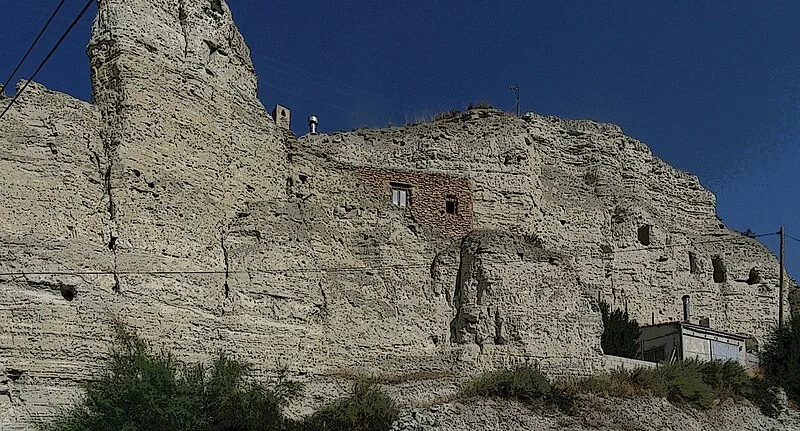
Huéscar
Huescar (Latin: Osca) is a municipality in Granada province, Spain, with settlement evidence spanning over 600,000 years in the surrounding Altiplano area. Under Roman rule, Osca…
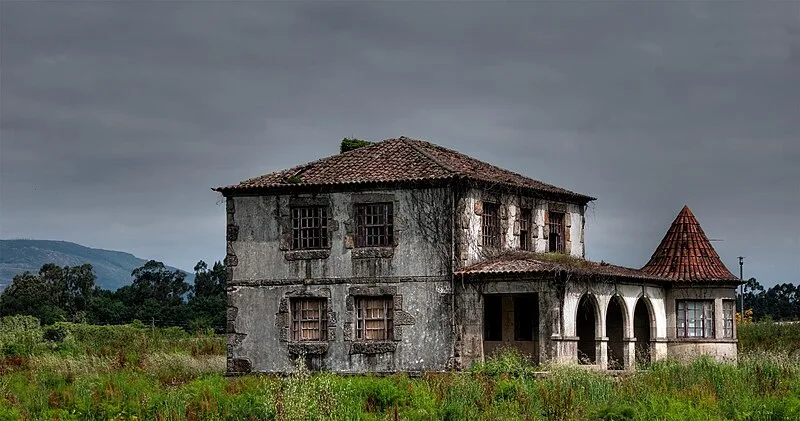
Iria Flavia
Ancient port settlement at the confluence of the Sar and Ulla rivers in Galicia, originally the main seat of the Celtic Capori tribe. Refounded as Iria Flavia under Emperor…
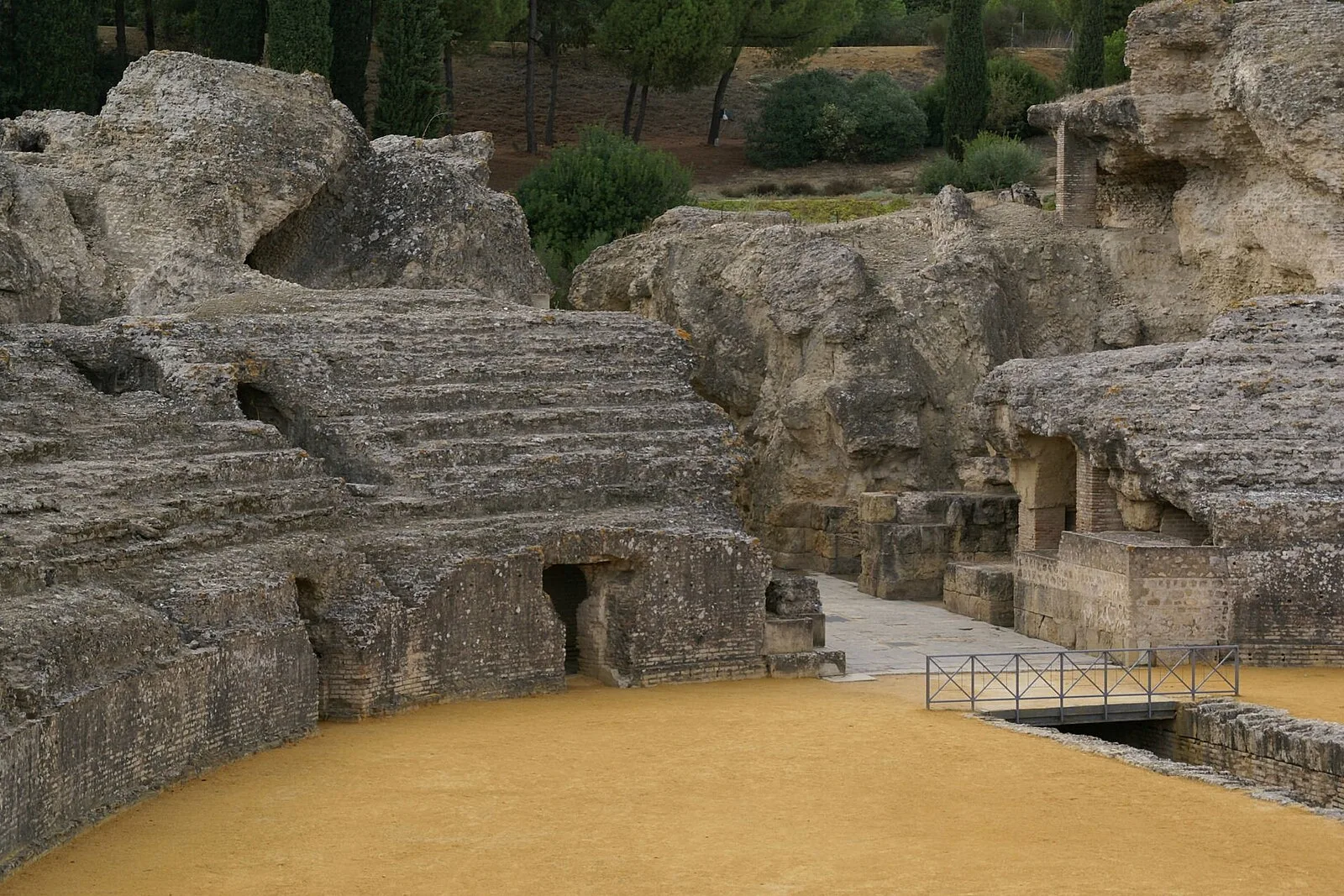
Italica
Italica was an ancient Roman city in Hispania, located near present-day Santiponce in Seville province, Spain. Founded in 206 BC by Roman general Scipio Africanus as a colonia for…
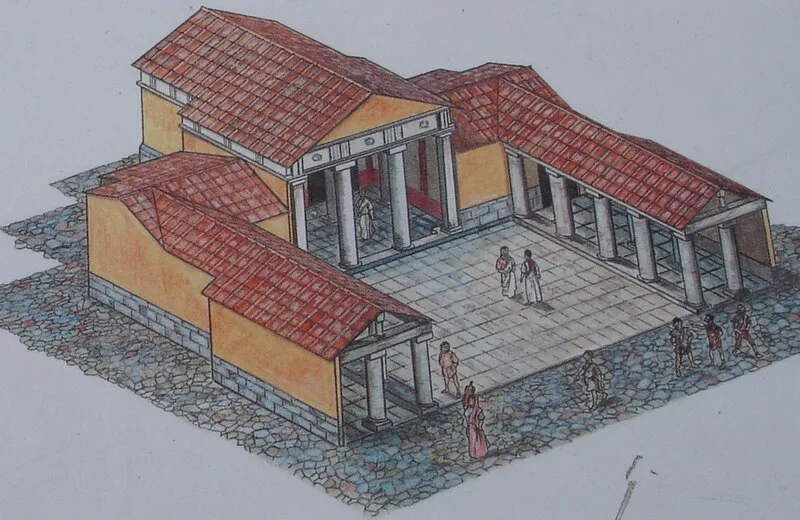
Juliobriga
Juliobriga was the most important urban centre in Roman Cantabria, as attested by Pliny the Elder, located at modern Retortillo in the municipality of Campoo de Enmedio, Spain.…
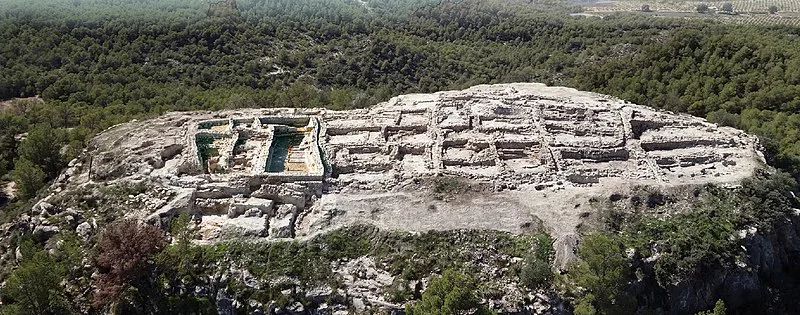
La Almoloya
La Almoloya is a Bronze Age site in Pliego, Murcia, Spain, and a principal center of the El Argar culture (c. 2200-1500 BC). Excavations by the Universitat Autonoma de Barcelona…
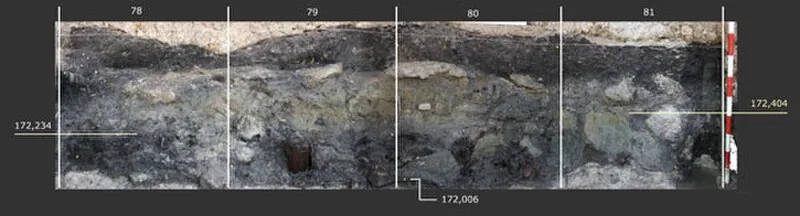
La Draga
Early Neolithic lakeshore settlement on Lake Banyoles in Catalunya, Spain, dating to the last quarter of the 6th millennium BC. La Draga is the only prehistoric lacustrine site…
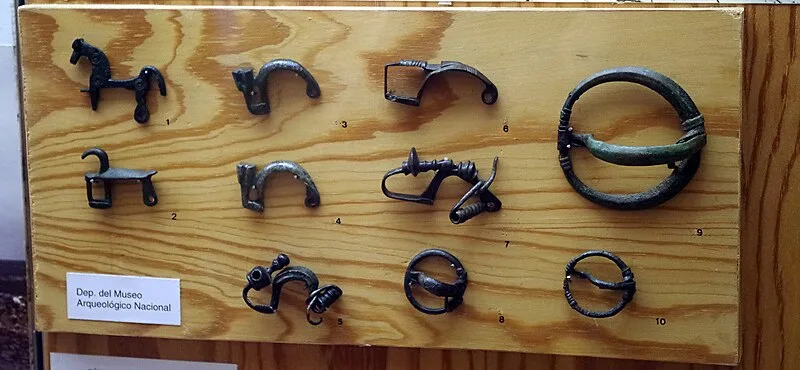
Las Cogotas
Las Cogotas is an archaeological site in Cardenosa municipality, province of Avila, Spain. The site was excavated by Galician archaeologist Juan Cabré in the 1920s. It gives its…

Lebrija
Lebrija is an ancient settlement in the Province of Seville, Andalusia, with human presence dating to the Bronze Age. Originally a port on the shores of the Lacus Ligustinus, it…
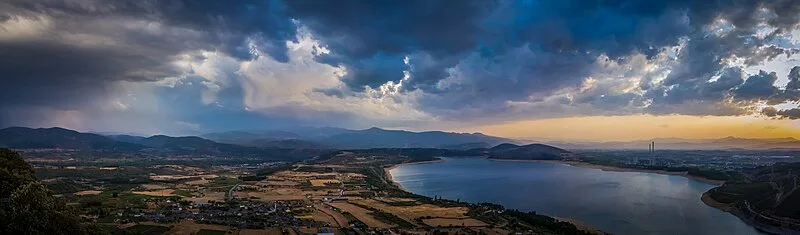
León, Spain
Founded as a military encampment of Legio VI Victrix around 29 BC during Augustus' Cantabrian Wars, Leon became a permanent fortress when Legio VII Gemina settled there in 74 AD…

Lleida
Lleida, known as Ilerda in antiquity, is one of the oldest cities in Catalonia with settlements dating to the Bronze Age. Originally the capital of the Iberian Ilergetes tribe…
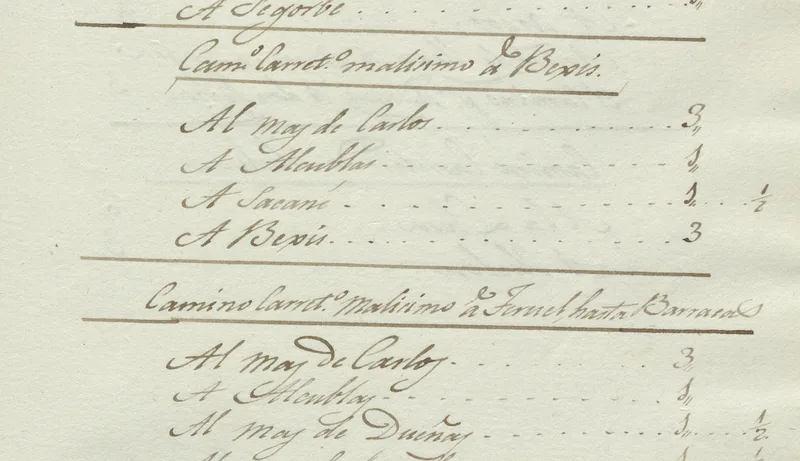
Llíria
Llíria, known as Edeta in antiquity, was the capital of the Iberian Edetani people, situated on the Tossal de Sant Miquel hilltop and inhabited from the 6th to 2nd century BC. The…
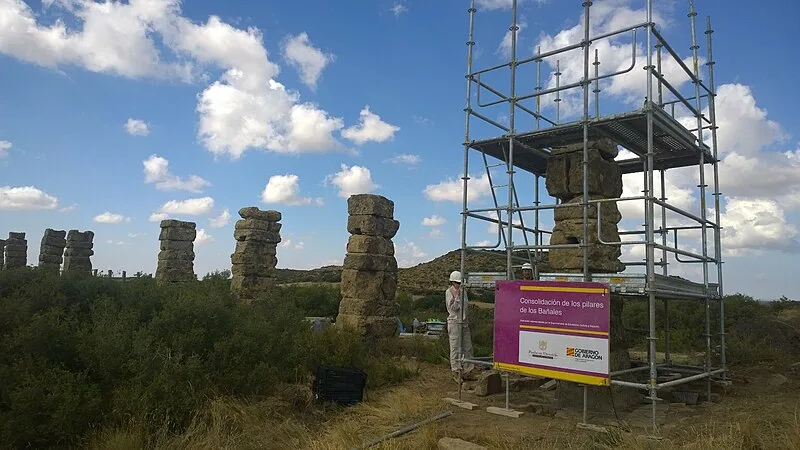
Los Bañales
A major Roman archaeological site spanning over 20 hectares in the municipality of Uncastillo, in the Cinco Villas region of Zaragoza, Spain. The settlement features monumental…
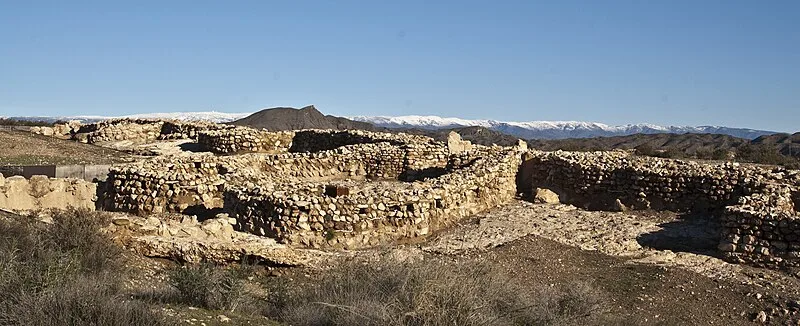
Los Millares
Los Millares is a Chalcolithic settlement in Santa Fe de Mondújar, Andalucía, Spain, located 17 km north of Almería. The site was inhabited from the fourth millennium BC to the…
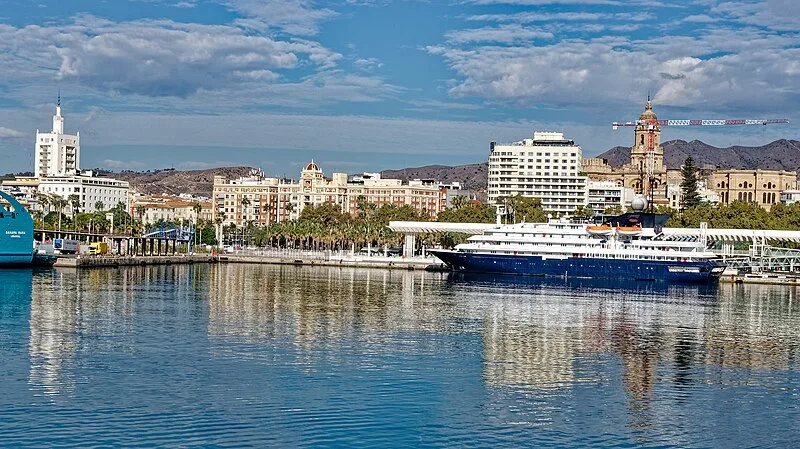
Málaga
Málaga is a city in Andalusia, southern Spain, and capital of the Province of Málaga. With a population of 592,346 in 2024, it is the 2nd-largest city in Andalusia and the…
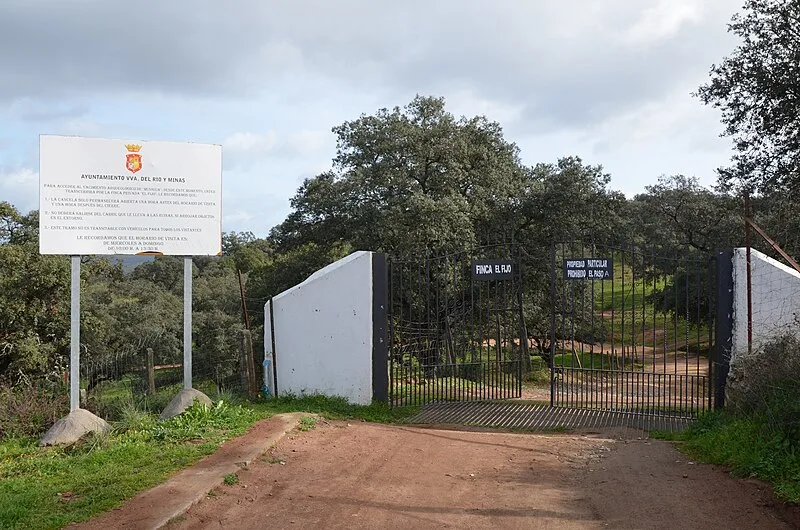
Munigua
Munigua is the site of the Roman city of Municipium Flavium Muniguense, located 8 km from Villanueva del Rio y Minas in Seville province, Spain. Its origins are pre-Roman, and it…
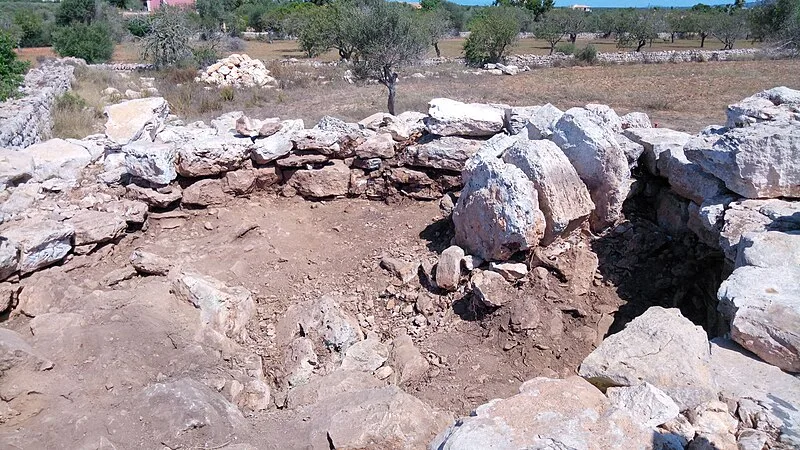
Na Nova
Na Nova is an Iron Age Talaiotic settlement on the island of Mallorca, Spain, situated near the resort of Cala Llombards. Dating to 3000–1500 BC, it represents the Talaiotic…
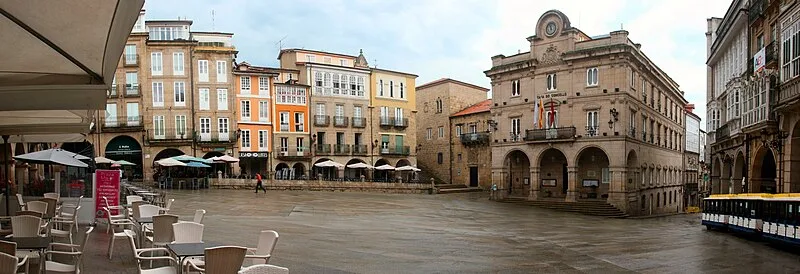
Ourense
Ourense is a city and capital of Ourense province in Galicia, northwestern Spain. The city is famous for its hot springs known as 'as Burgas', one of the greatest thermal…
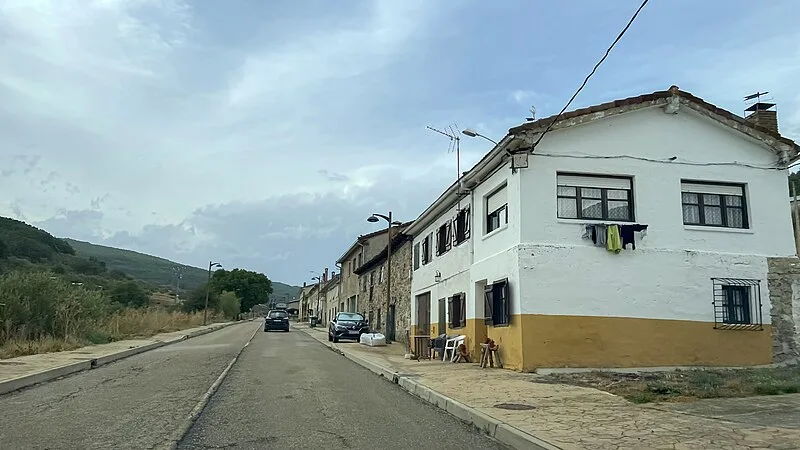
Palencia
Palencia, in Castile and Leon, Spain, occupies the site of ancient Pallantia, chief town of the Vaccaei people, mentioned by Strabo and Ptolemy. The fortified Celtiberian…
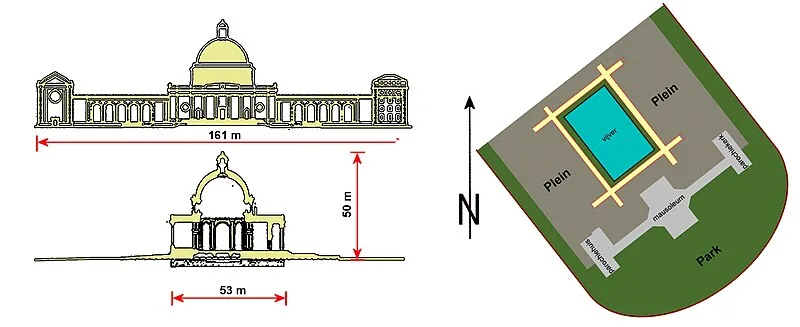
Pamplona
Pamplona originated as a Vascones settlement called Iruna before Roman general Pompey established a military camp here circa 75 BC, naming it Pompaelo. Located on the Ab Asturica…
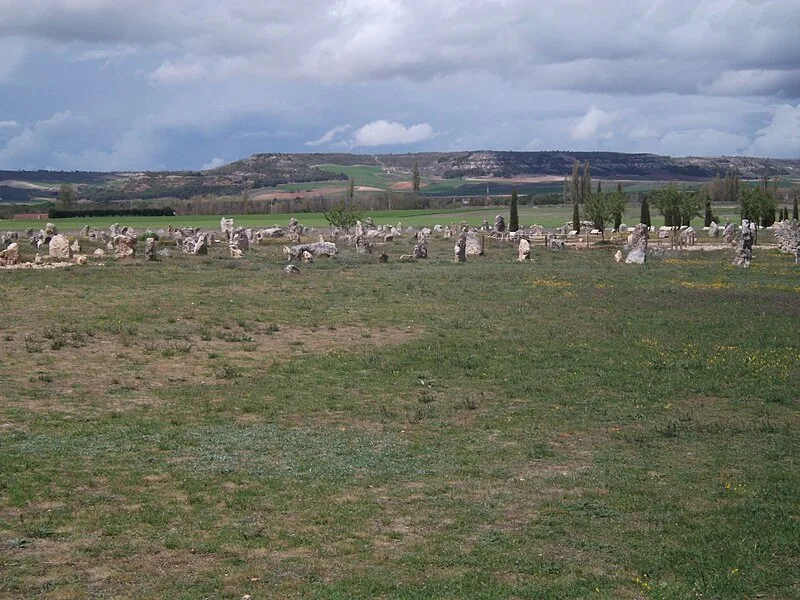
Pintia
Pintia is the remains of an ancient Vaccaei city near Padilla de Duero in the province of Valladolid, central Spain, founded approximately 2,400 years ago by Celtic peoples. The…
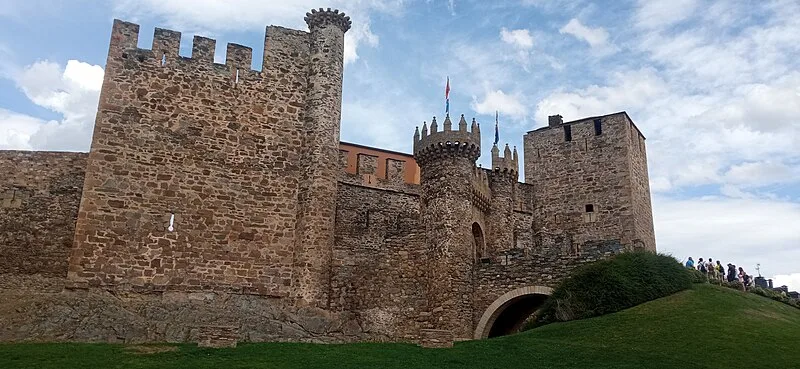
Ponferrada
Ponferrada is a city in the El Bierzo comarca of Leon province, Spain, originally inhabited by the Astures, a Hispano-Celtic Gallaecian people conquered by Emperor Augustus during…
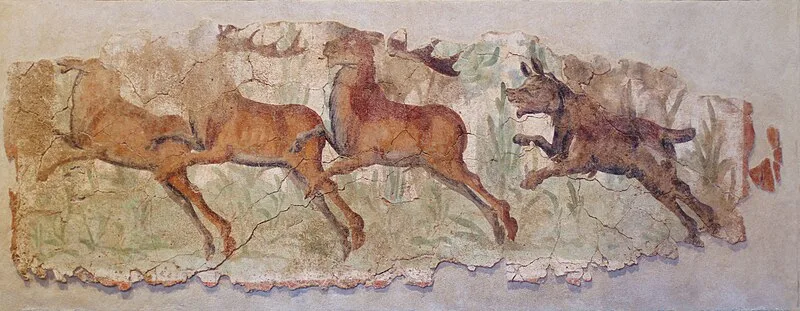
Provincial Forum of Tarraco
The Provincial Forum of Tarraco is a Roman archaeological complex in Tarragona, Catalonia, covering 18 hectares. Built from 73 AD by order of Emperor Vespasian, it served as the…
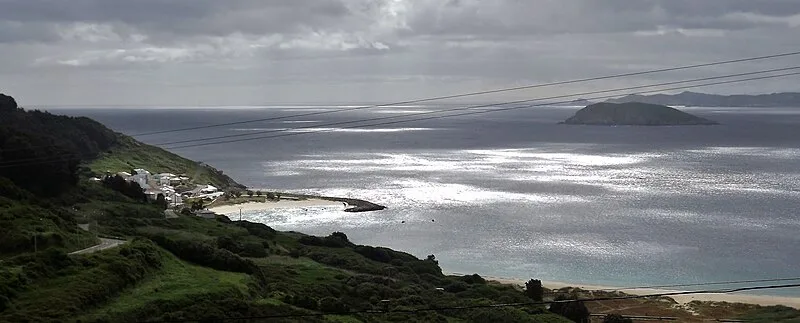
Punta de Estaca de Bares
Punta de Estaca de Bares is the northernmost point of the Iberian Peninsula in Galicia, Spain, with archaeological remains spanning the Early Iron Age to the Late Classical…
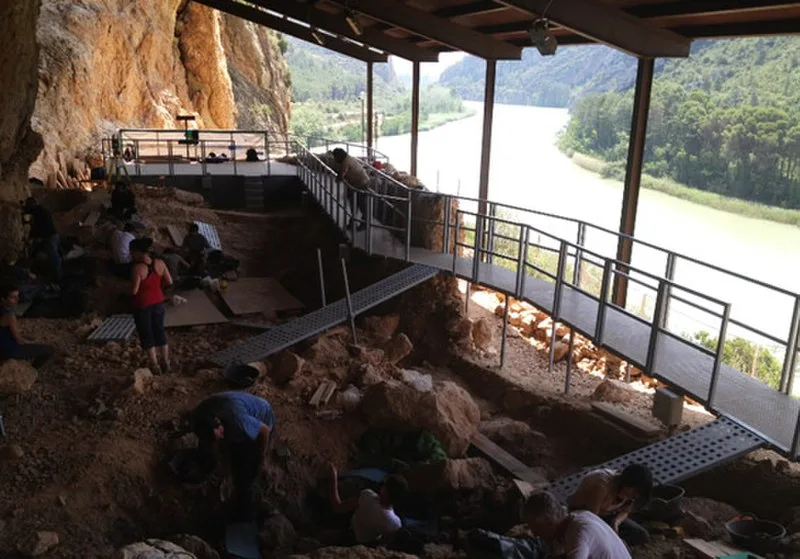
Roca dels Bous - Archaeological Site
Located in Sant Llorenç de Montgai in the Catalan Pyrenees, Spain, Roca dels Bous is a Middle Paleolithic archaeological site where Neanderthals lived approximately 50,000 years…
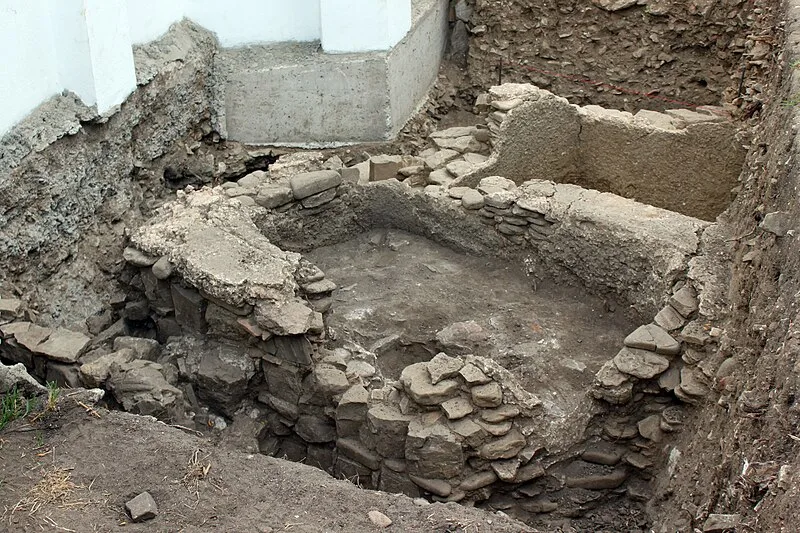
Roman Fish Salting Factory, Algeciras
A Roman fish salting factory established on the seafront of Algeciras, southeastern Spain, in the ancient fishing village of San Nicolas, part of the settlement known as Caetaria.…
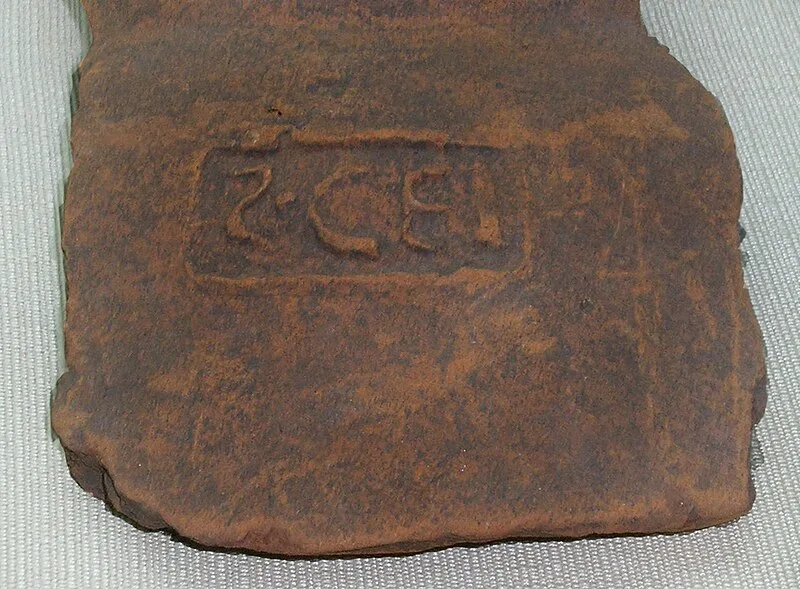
Roman Kilns of El Rinconcillo, Algeciras
The Roman kilns of El Rinconcillo in Algeciras, Spain. Part of the Portus Albus manufacturing complex, these kilns produced ceramic amphorae primarily used for transporting garum…
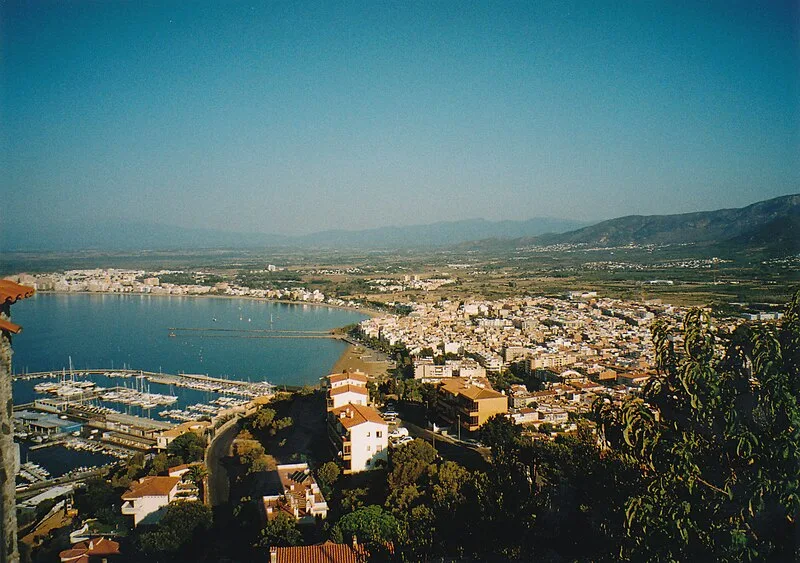
Roses, Girona
Roses is a coastal municipality in Catalonia, Spain, situated on the Costa Brava at the northern end of the Gulf of Roses. Archaeological evidence suggests the settlement was…
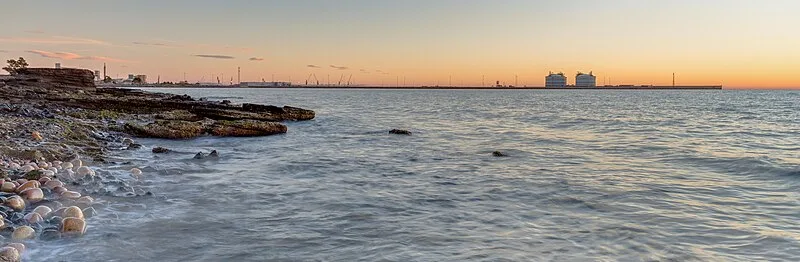
Sagunto
Sagunto, known in antiquity as Saguntum, is an ancient Iberian and Roman city in the Valencia province of eastern Spain. Originally settled by the Edetani tribe who called it…
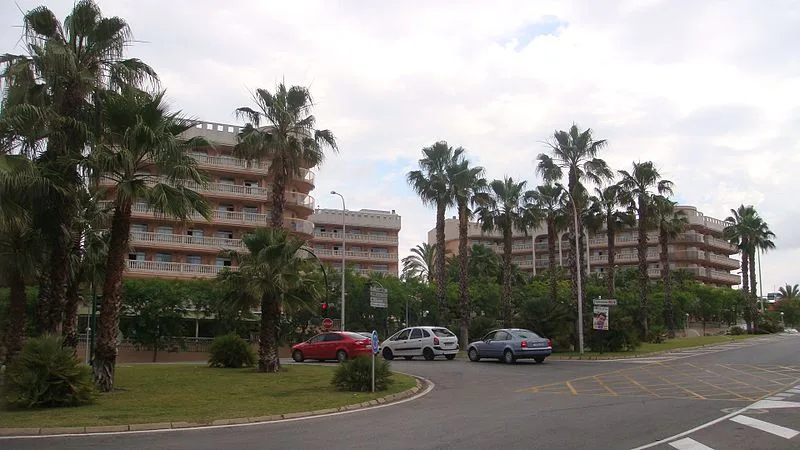
Salou
Salou is an ancient coastal settlement on Catalonia's Costa Daurada, first inhabited by Iberians before becoming a Greek-established port in the 6th century BC. Under Roman rule,…
Sanisera
Sanisera was a Roman city on the northern coast of Menorca in the Balearic Islands, established as a military camp in 123 BC during the conquest by Quintus Caecilius Metellus.…
Sant Martí d'Empúries
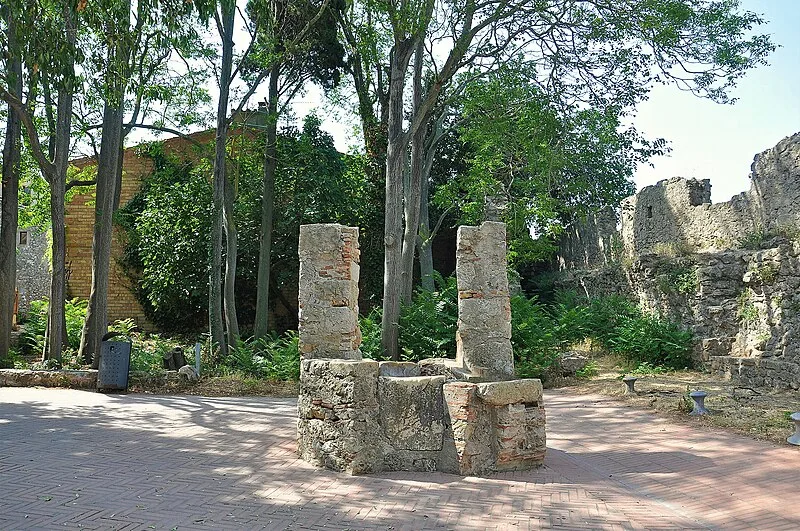
Sant Martí d'Empúries is an ancient settlement in Catalonia, Spain, located in the town of L'Escala beside the ruins of Empúries (Empòrion). Ancient Greeks established the…
Segeda
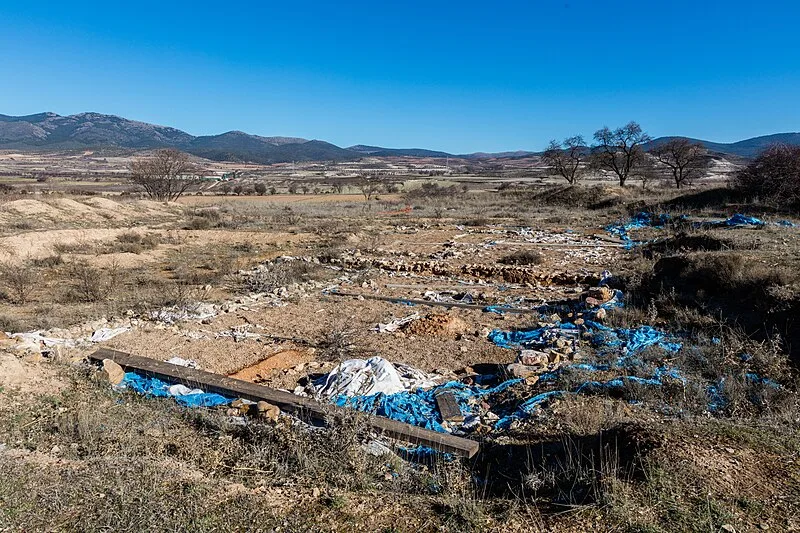
Segeda was the largest pre-Roman settlement in northern Iberia, spanning over 45 hectares between Belmonte de Gracian and Mara in Zaragoza, Aragon. A Celtiberian city of the Belli…
Segobriga
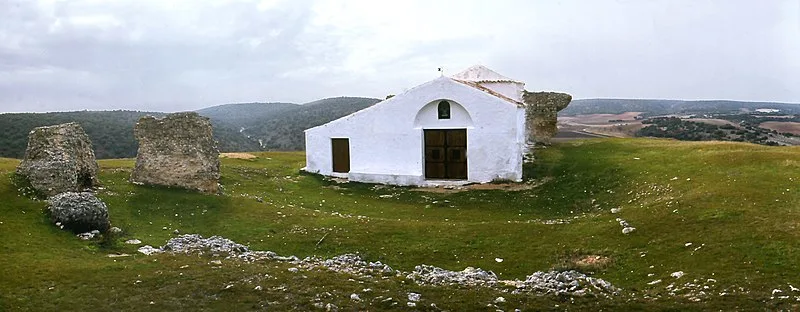
Segóbriga was a major Celtic and later Roman city strategically located on a hill near modern Saelices in central Spain. The settlement flourished from approximately 500 BC…
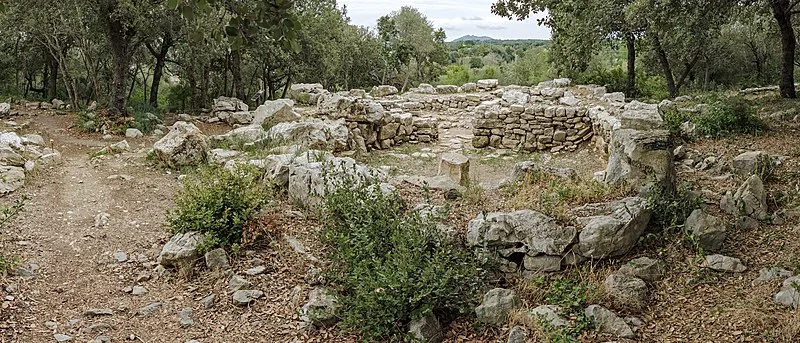
Ses Païsses
Ses Païsses is a Bronze Age talayotic settlement on the southeastern outskirts of Artà in northeastern Majorca, dating to 1500–500 BC. It is one of the most important and…
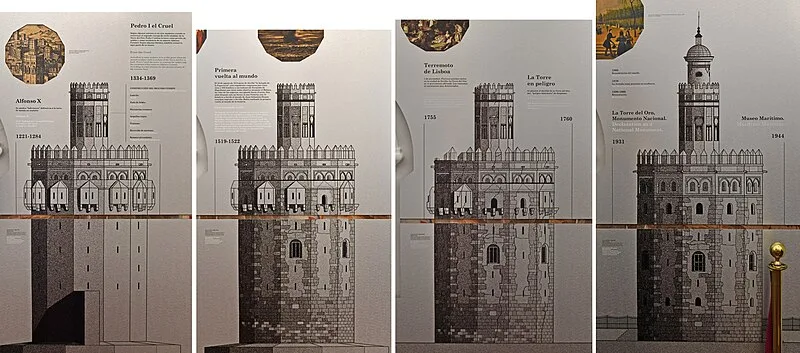
Seville
Seville's origins trace to the 8th-7th century BC, when Phoenician merchants established a trading post called Ispal on an island in the Guadalquivir River, strategically…
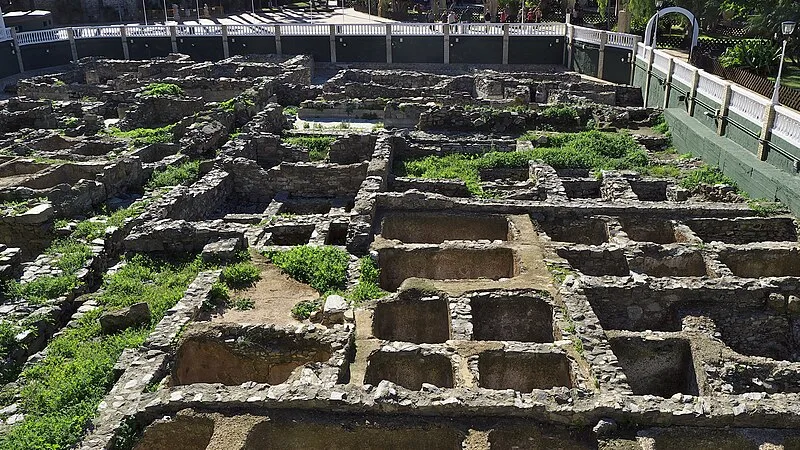
Sexi - Phoenician Colony
Sexi was a Phoenician colony established around 800 BC at modern Almunecar on Spain's Mediterranean coast, developing into a major port and fish-processing center. The colony…
Son Ferrer
Son Ferrer in Calvia, Mallorca, contains a stepped turriform monument with occupation spanning from the Early Bronze Age (c. 1800 BC) through the Late Iron Age. The monument was…
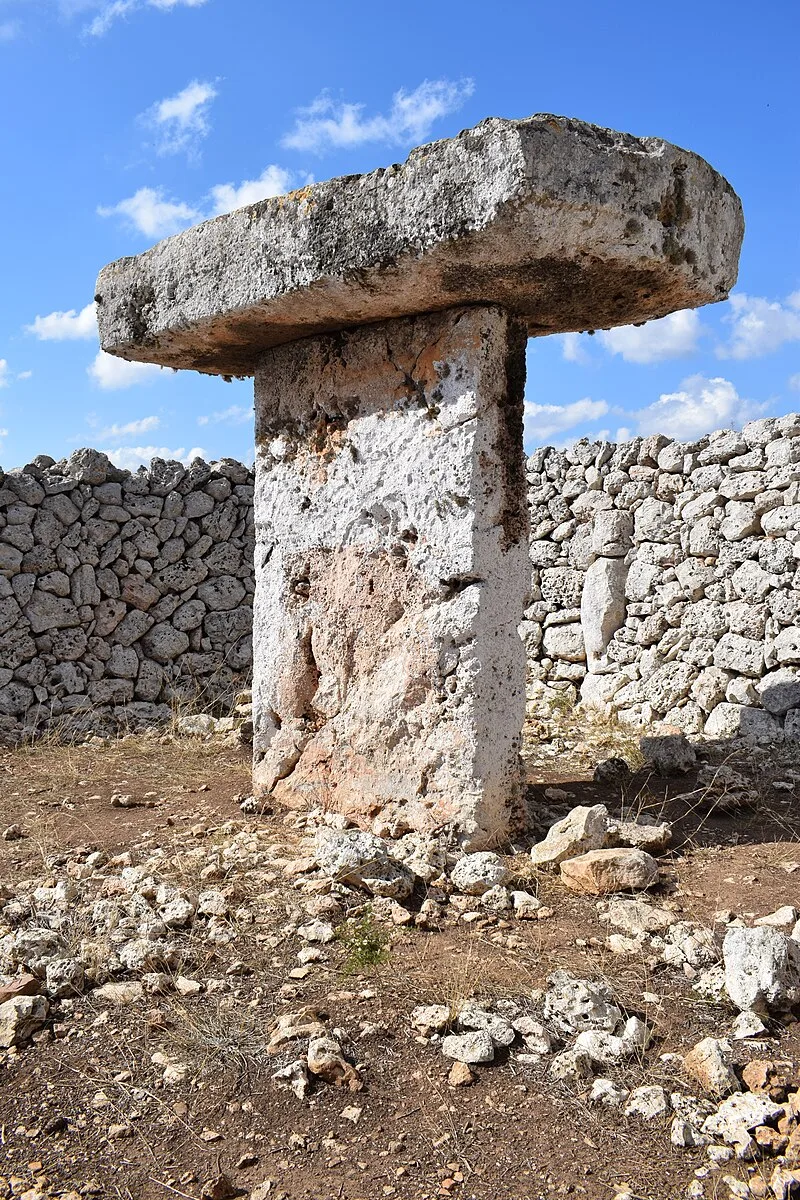
Talayotic Settlement of Torrellisar
The Talayotic settlement of Torrellisar is located near Alaior in Menorca, along the road to Cala en Porter. Though much altered by centuries of farming, the site retains a…
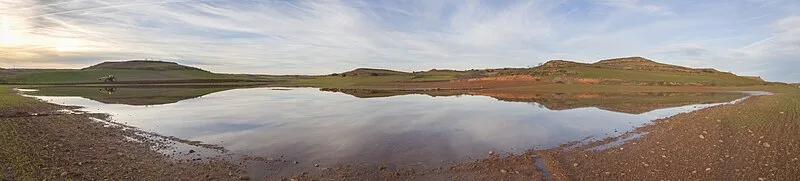
Tarazona
Tarazona, known in antiquity as Turiaso, was an important Celtiberian and Roman settlement on the river Queiles in Aragon, Spain. The city played a strategic role in the Roman…
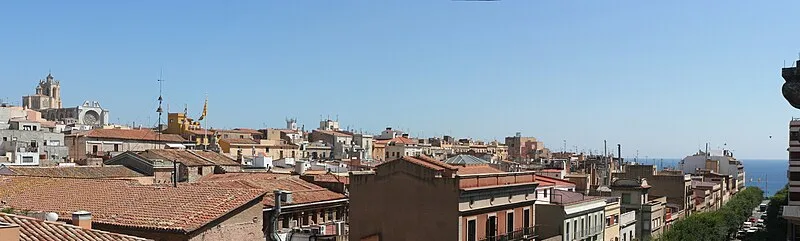
Tarragona
Tarragona, ancient Tarraco, is the oldest Roman settlement on the Iberian Peninsula and served as capital of the provinces of Hispania Citerior and Hispania Tarraconensis. Its…
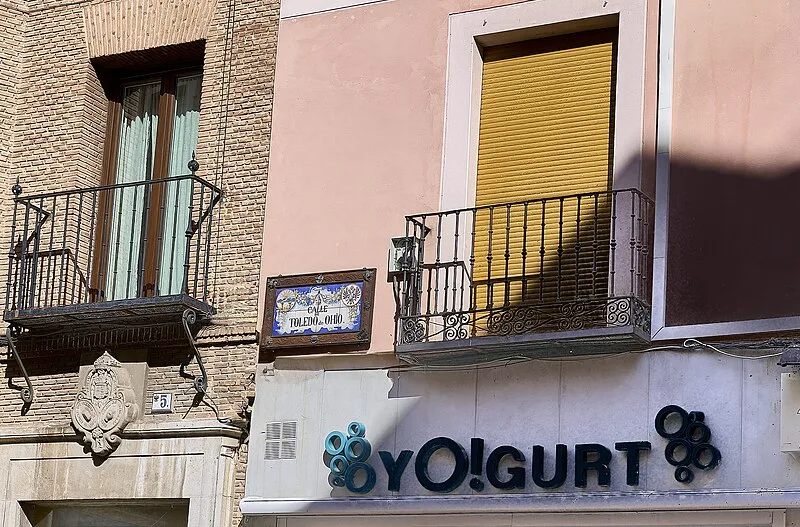
Toledo, Spain
Toledo is a UNESCO World Heritage city (1986) situated on the Tagus River in central Spain, with over 2,000 years of continuous habitation. Conquered by Rome in 193 BCE, it became…
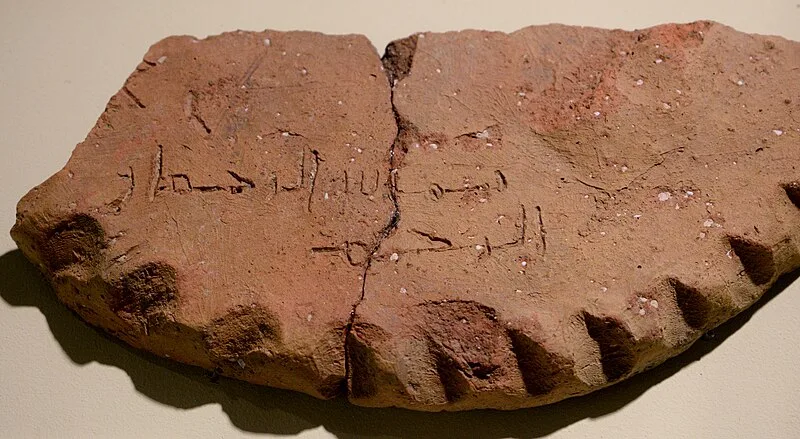
Tolmo de Minateda
Tolmo de Minateda is a multi-period archaeological park in Hellin, Albacete, Spain, occupying a 7-hectare rocky promontory at a strategic crossroads between the Meseta Central and…
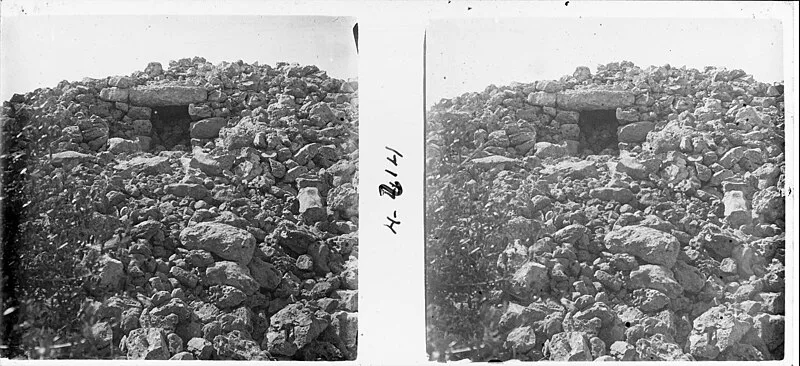
Torre d'en Galmés
Torre d'en Galmés is a Talayotic settlement on the island of Menorca, located between Alaior and Son Bou. The town originated at the start of the Talayotic era and continued…
Ulia
Ulia Fidentia was a Roman municipium in Hispania Baetica, located at modern Montemayor, Cordoba, Spain. During Caesar's Civil War (46-45 BC), when nearly all towns of Hispania…
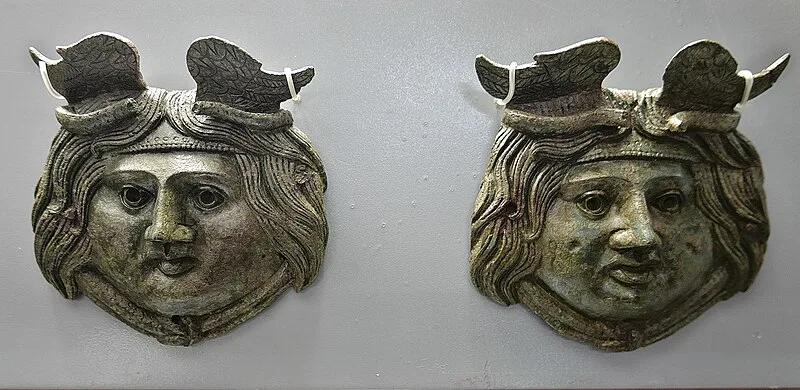
Uxama Argaela
Uxama Argaela was a Celtiberian city of the Arevaci on El Castro hill near modern El Burgo de Osma, Soria, Spain, covering 28 hectares when walled. It fought in the Celtiberian…
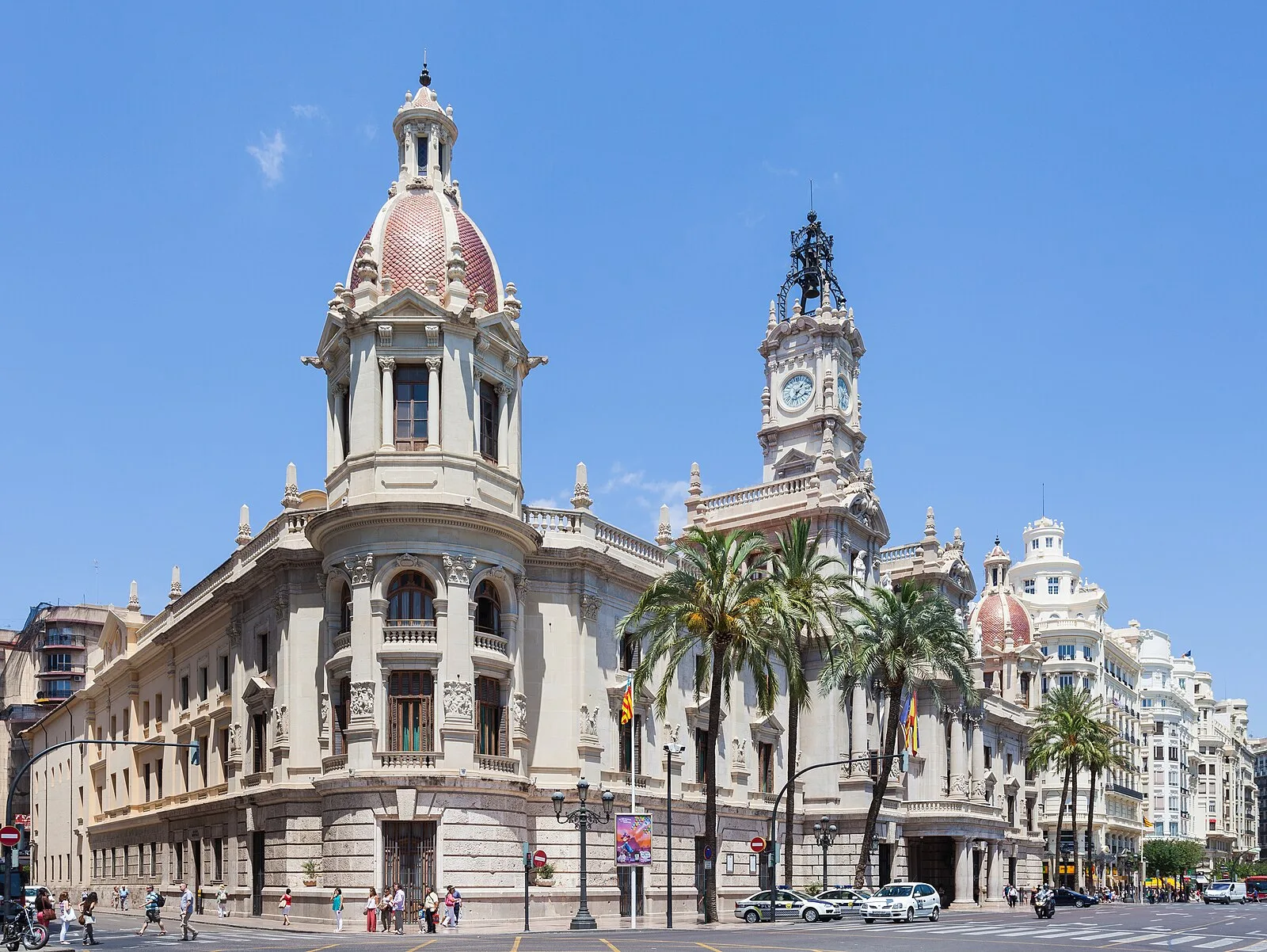
Valencia
Valencia is a historic city on the east coast of Spain on the banks of the Turia. Today it serves as the capital of the Valencian autonomous community and province, with a…
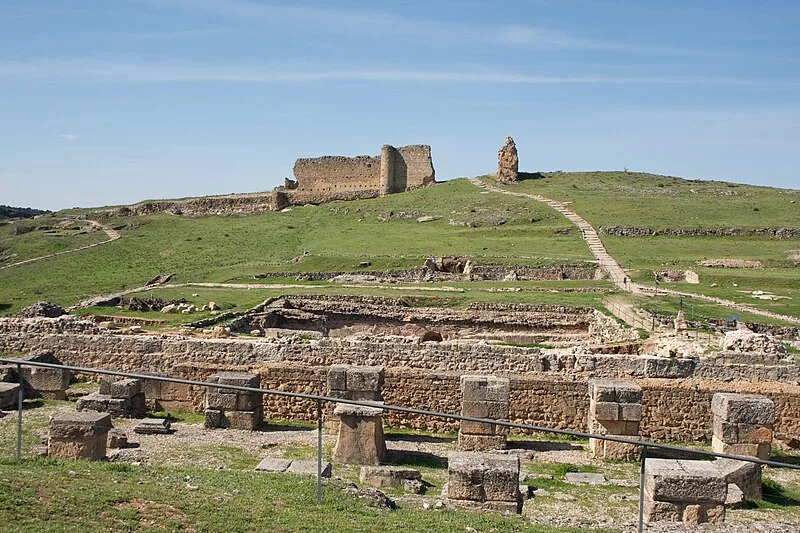
Valeria, Spain - Roman City
Valeria was an important Roman city founded between 93 and 82 BC by proconsul Gaius Valerius Flaccus, located at 1,000 metres elevation between the Gritos and Zahorra river gorges…
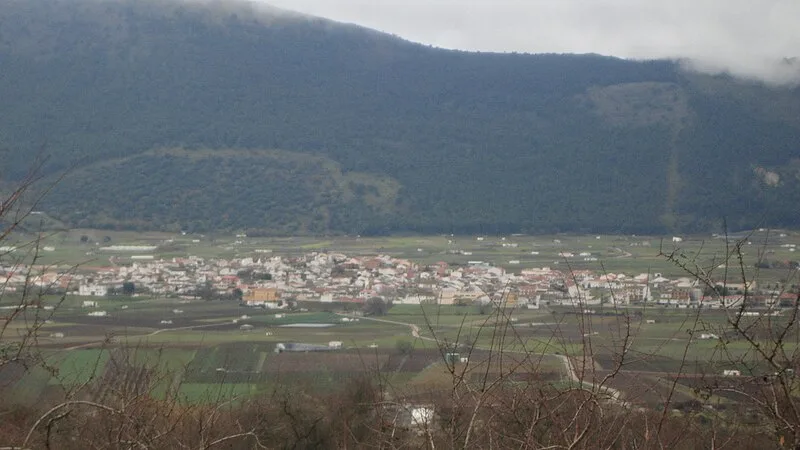
Zafarraya
The Cueva del Boquete de Zafarraya is a cave at 1,100 metres altitude in the Sierra Tejeda mountains of Malaga province, Spain, where a Neanderthal mandible was discovered in 1983…
Megalithic structures in Spain (29)
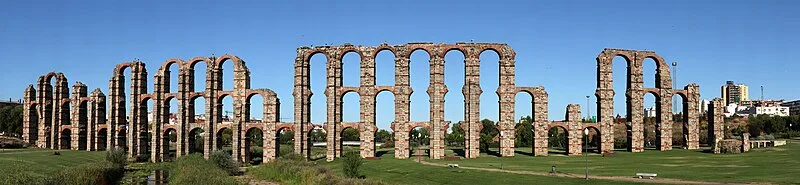
Acueducto de los Milagros
The Acueducto de los Milagros ("Aqueduct of Miracles") is a 1st-century AD Roman aqueduct built to carry water from the Proserpina reservoir to the colony of Augusta Emerita…
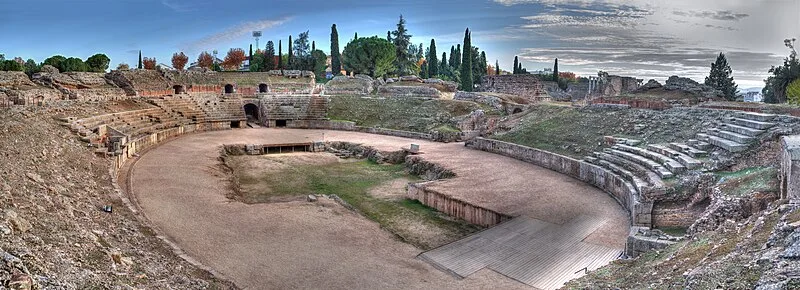
Amphitheatre of Mérida
A Roman amphitheatre completed in 8 BC in the colony of Emerita Augusta, capital of the province of Lusitania in modern Merida, Spain. The structure held approximately 15,000…
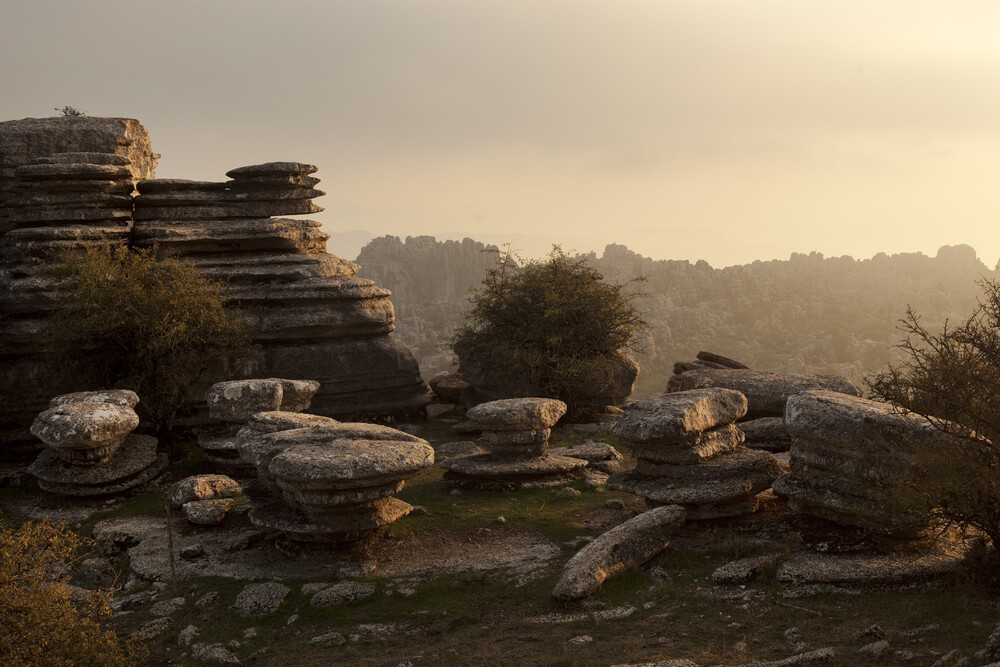
Archaeological Dolmens of Antequera
An archaeological site comprising three Megalithic monuments—the Menga and Viera Dolmens and the Tholos of El Romeral—built during the Neolithic and Bronze Age (c. 4500–1500 BC)…
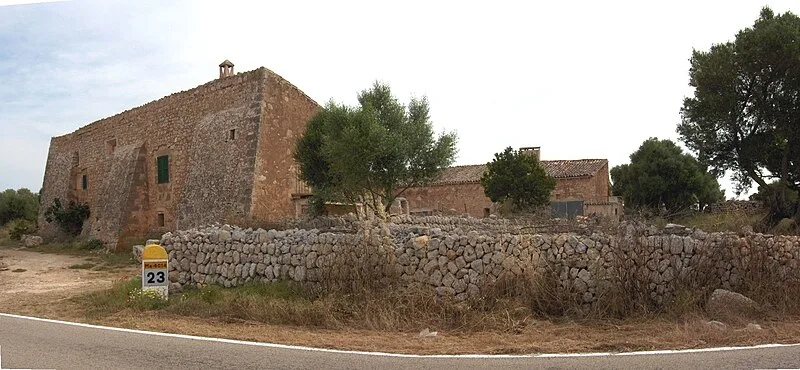
Capocorb Vell
Capocorb Vell is a talayotic village located in the municipality of Llucmajor on the island of Mallorca, Spain. It is one of the largest talayotic villages in Mallorca and one of…
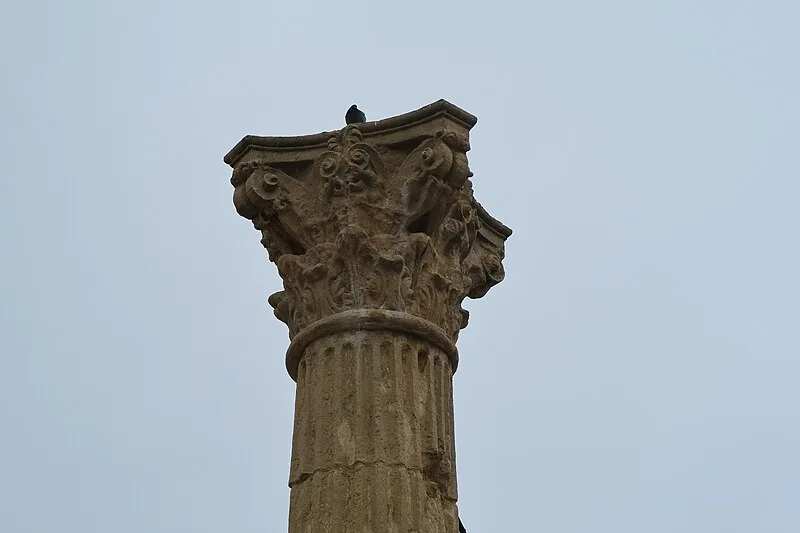
Colonial Forum of Tarraco
The Colonial Forum of Tarraco was the political, economic, and religious center of the Roman colony of Tarraco (modern Tarragona, Spain), active from the late Republic through the…
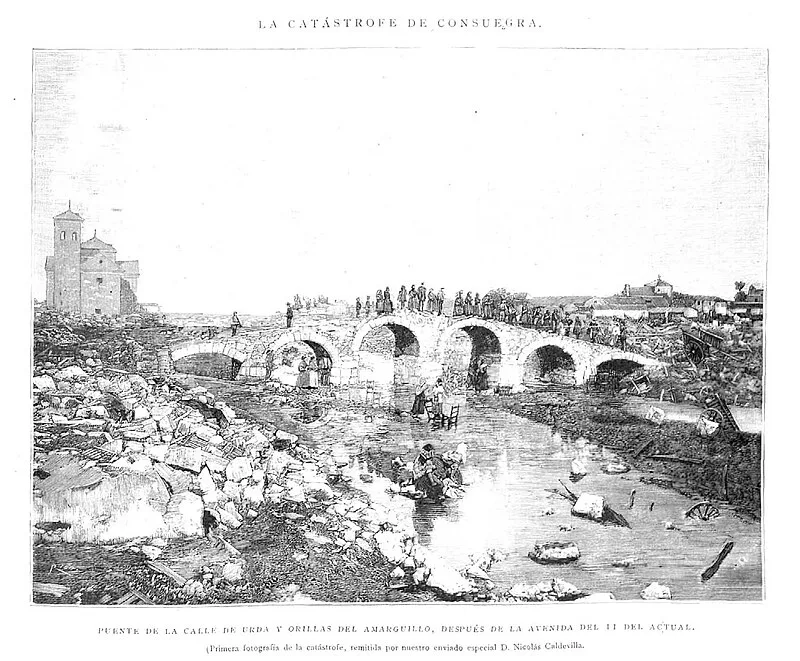
Consuegra Dam
The Consuegra Dam is a ruined Roman buttress dam on the River Amarguillo in Toledo province, Castilla-La Mancha, Spain, dating to the 3rd or 4th century AD. The structure was over…
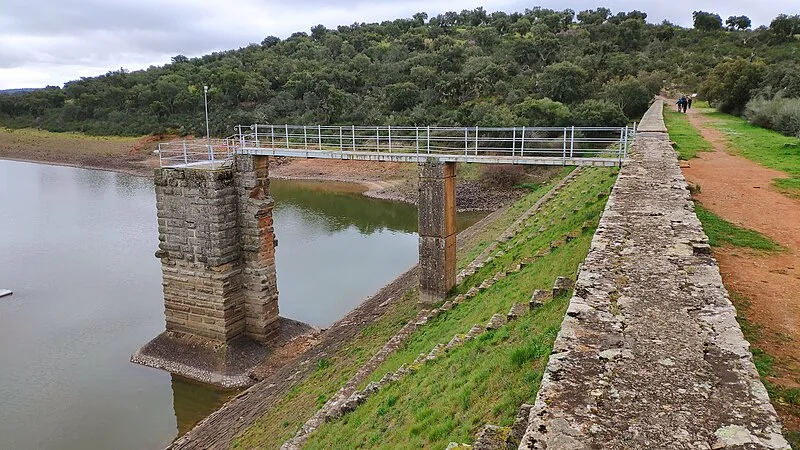
Cornalvo Dam
The Cornalvo Dam is a Roman gravity dam built in the 1st-2nd century AD to supply water to Augusta Emerita (modern Merida), capital of Lusitania province. Standing approximately…
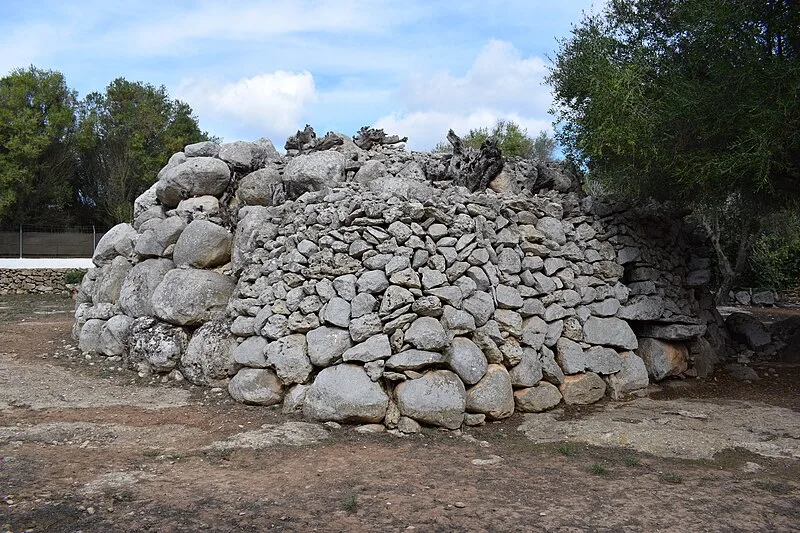
Eastern Biniac Naveta
Eastern Biniac is a Bronze Age funerary naveta on Menorca, Spain, dated to 1500-1000 BC, where collective inhumations were practised. The structure has a circular layout with…
Ermita de la Virgen del Pilar Dam
The Ermita de la Virgen del Pilar Dam was a Roman gravity dam located in Monforte de Moyuela, Teruel province, Aragon, Spain. Built in the 1st century AD, it is one of the oldest…
Esparragalejo Dam
The Esparragalejo Dam was a Roman multiple arch buttress dam located in Esparragalejo, Badajoz province, Extremadura, Spain. Built in the 1st century AD during the early Roman…
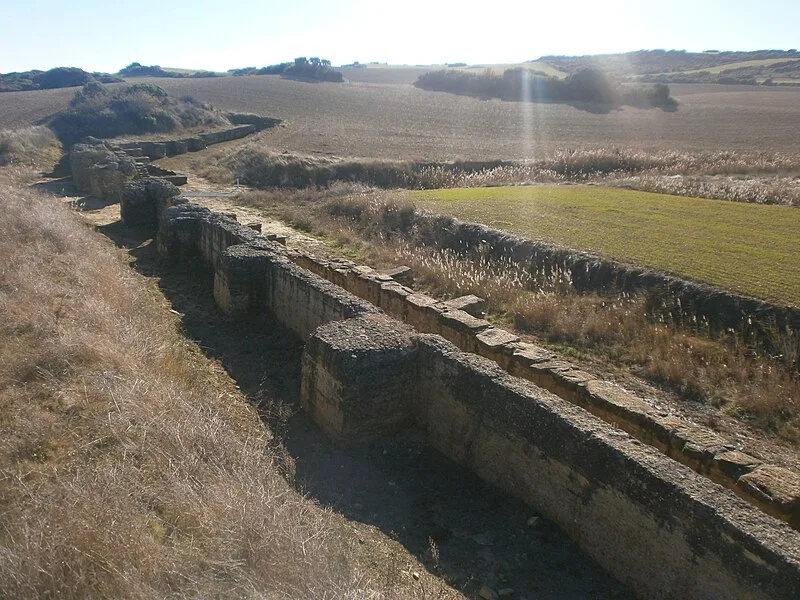
Iturranduz Dam
A Roman buttress dam complex in Navarra, Spain, consisting of two dams dating to the 2nd and 3rd-4th centuries AD respectively. The structure featured a notably thin 0.9 m dam…
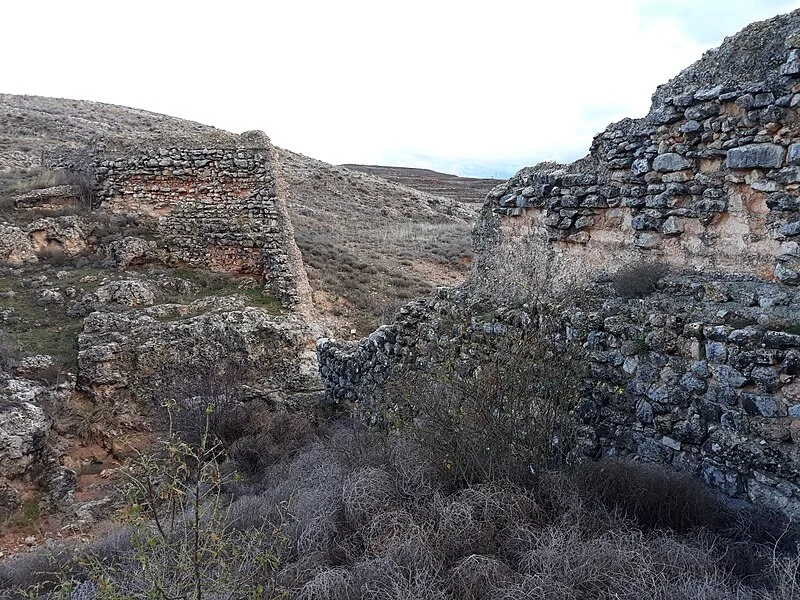
La Pared de los Moros
La Pared de los Moros was a Roman gravity dam in Teruel province, Aragon, Spain, constructed in the 3rd century AD.
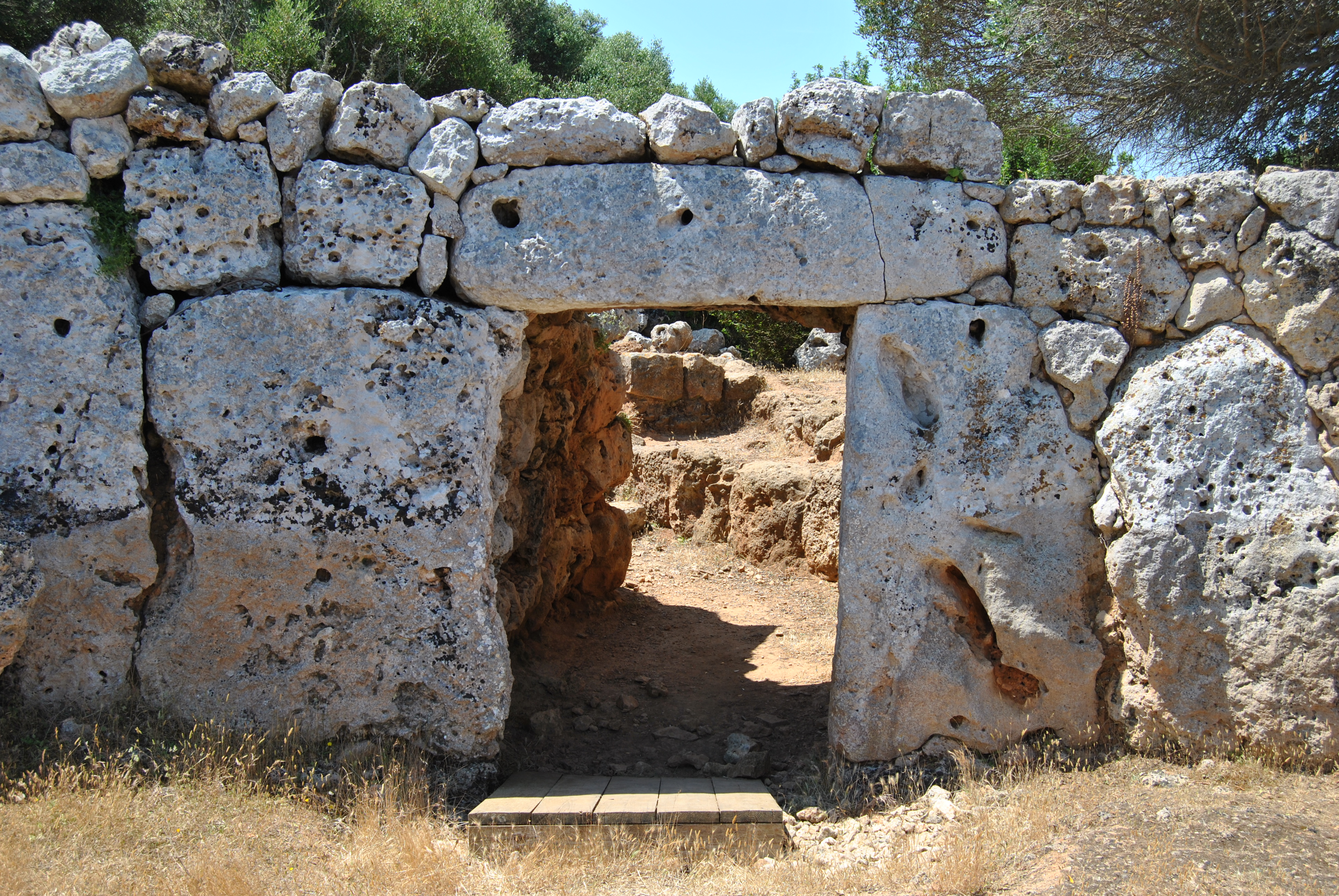
Poblat de Son Catlar
Son Catlar is a prehistoric settlement on the Balearic island of Menorca, Spain, with origins dating back to the pre-Talayotic period. During the post-Talayotic period (550–123…
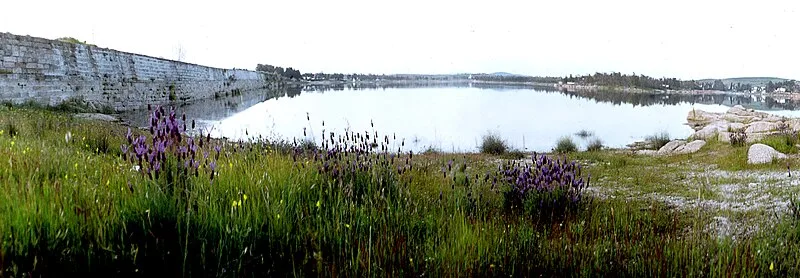
Proserpina Dam
The Proserpina Dam is a Roman gravity dam in Mérida, Spain, built in the 1st or 2nd century AD to supply water to Emerita Augusta, the capital of the Roman province of Lusitania.…
Puy Foradado Dam
The Puy Foradado Dam was a Roman gravity arch dam on the Rio Riguel in Zaragoza province, Aragon, Spain, dating to the 2nd or 3rd century AD. Part of the Los Banales hydraulic…
Quesera (Cheeseboard) de Zonzamas
A large basaltic rock carving at the archaeological complex of Zonzamas on Lanzarote, Canary Islands, interpreted as a prehistoric lunisolar calendar with 12 solar and 13 lunar…
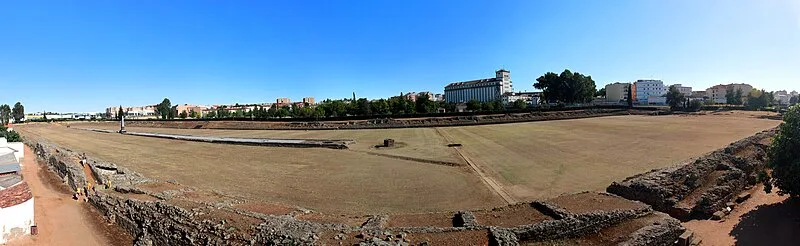
Roman Circus of Mérida
The Roman Circus of Mérida is a ruined chariot-racing arena in Emerita Augusta, capital of the Roman province of Lusitania (present-day Mérida, Spain). Modeled on the Circus…
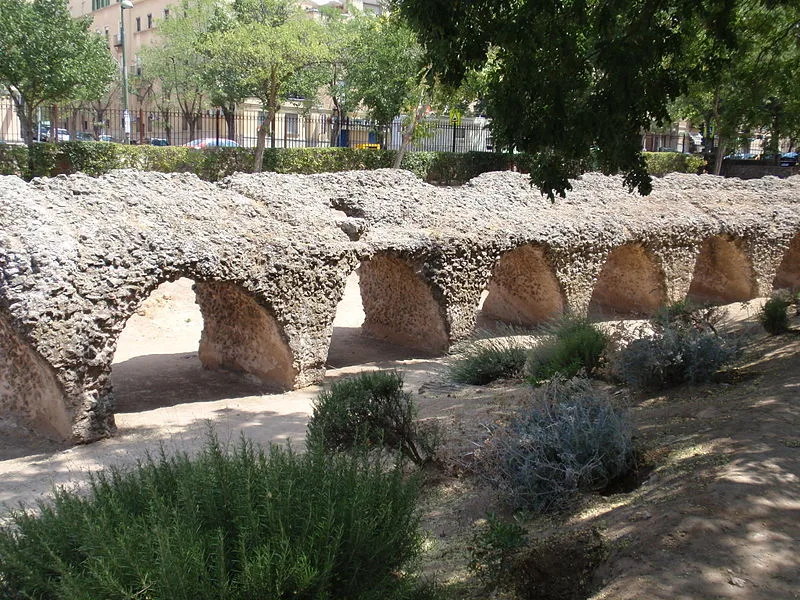
Roman Circus of Toledo
An ancient Roman circus in Toledo, Castile-La Mancha, Spain, built in the 1st century AD during the reign of Augustus or Tiberius. Measuring approximately 422 metres long and 112…
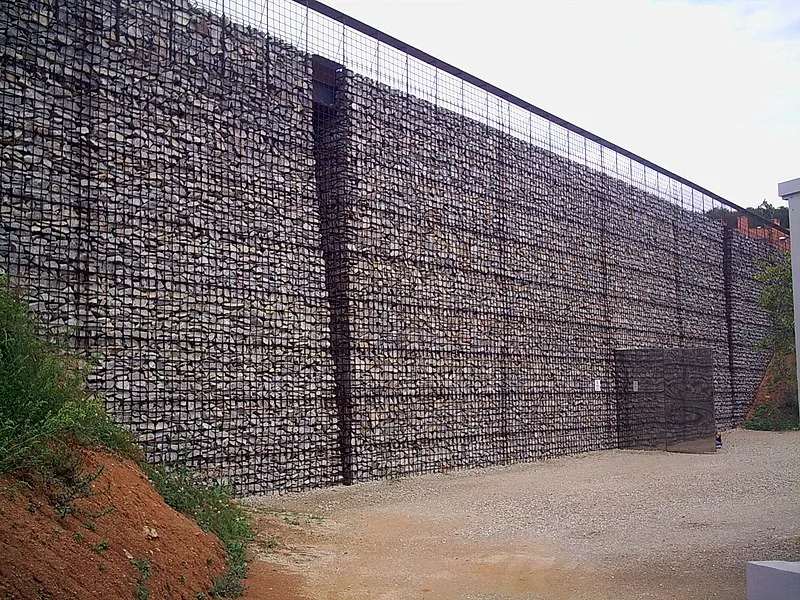
Roman Ovens of the Fornaca
Ancient Roman kilns at the Fornaca archaeological site in Vilassar de Dalt, Catalonia, Spain, dedicated to industrial production of ceramic materials from the 1st to 3rd centuries…
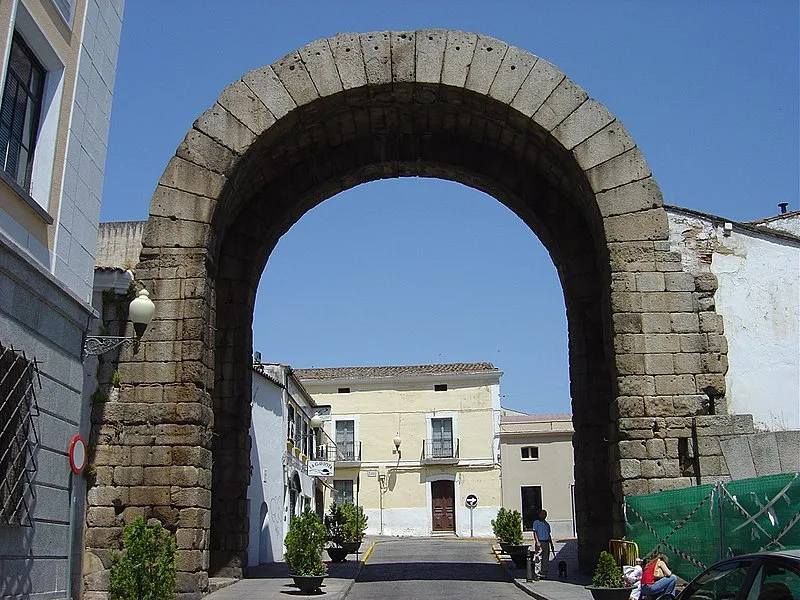
Roman Provincial Forum, Mérida
An archaeological area in Merida, Spain, representing the provincial forum of Emerita Augusta, founded in 25 BC as the capital of the Roman province of Lusitania. Built in the 1st…
Roman Vaults of Nuncio Viejo
Located beneath Calle Nuncio Viejo in the historic centre of Toledo, these Roman vaults consist of a system of walls and barrel vaults dating to the Roman era according to…
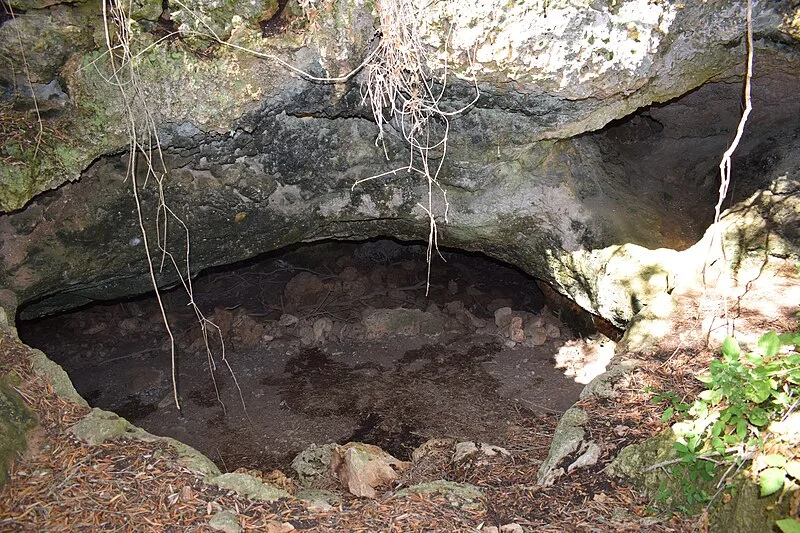
Sa Cudia Cremada
A Talayotic settlement on the outskirts of Mahon, Menorca, Spain, featuring three talayots (monumental tower structures), cyclopean walls, hypogea burial caves, and a recently…
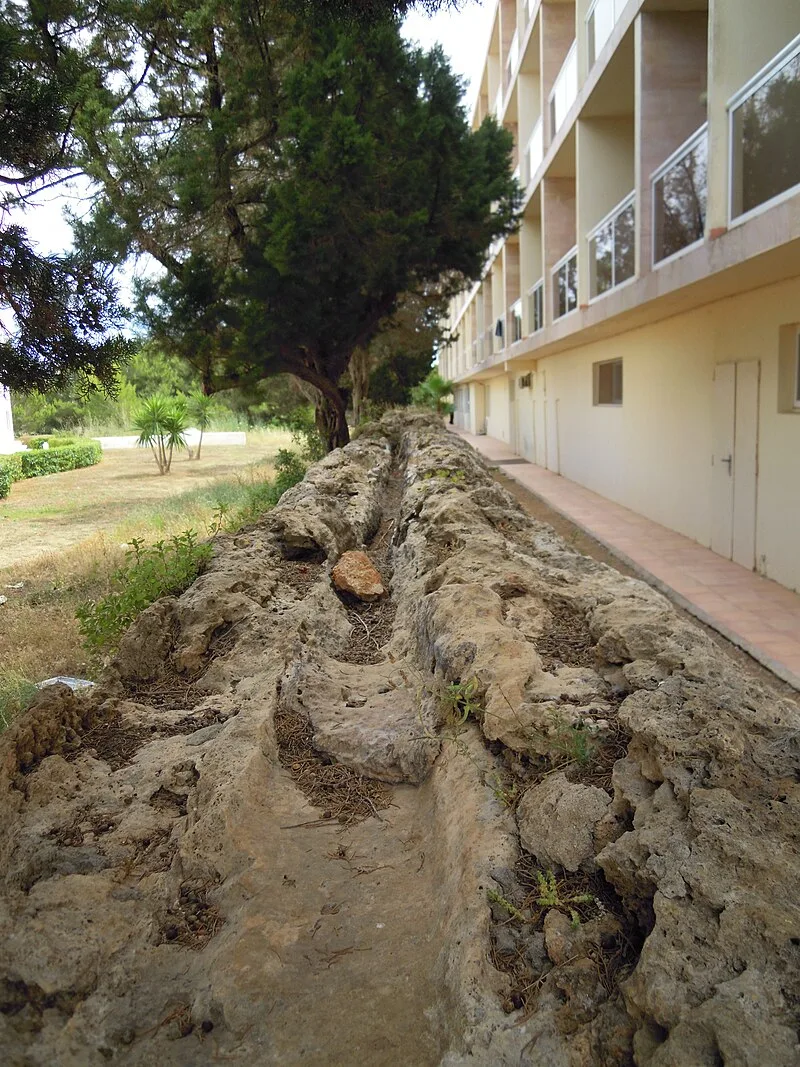
S'Argamassa Roman Fish Farm
Located 4.5 km along the coast east of Santa Eulària des Riu on Ibiza, this Roman fish farm and aqueduct system was constructed after Rome's 146 BC conquest of the island.
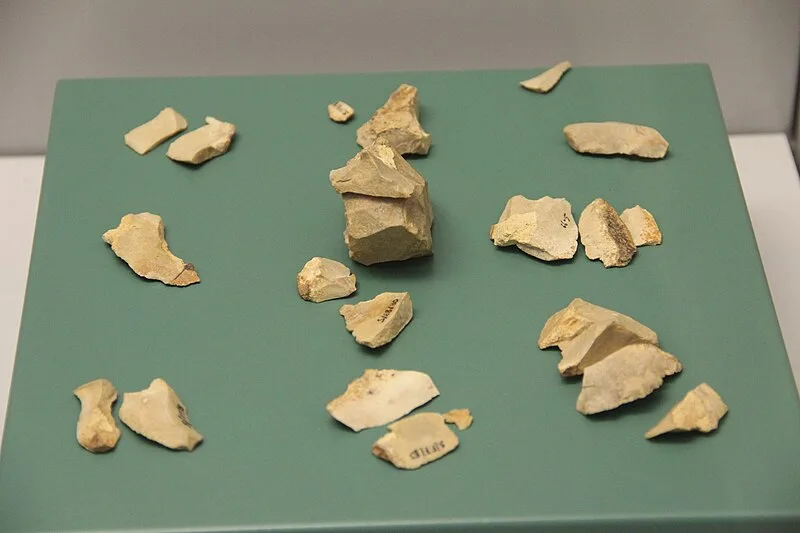
Sidrón Cave
The Sidrón Cave is a non-carboniferous limestone karst cave system located in the Piloña municipality of Asturias, northwestern Spain, where Paleolithic rock art and the fossils…
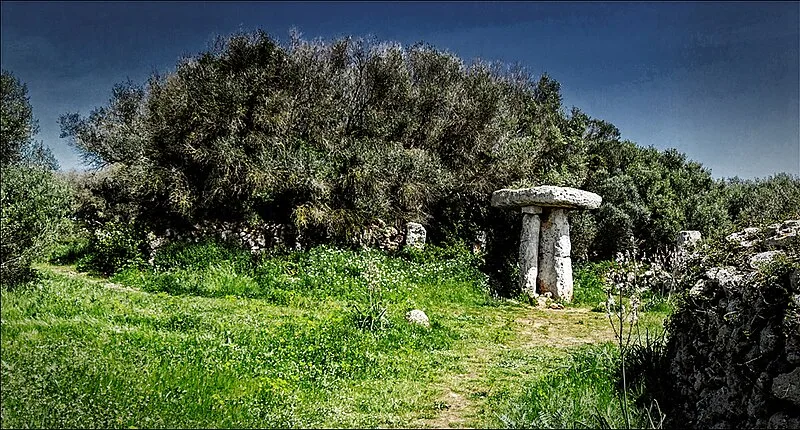
Talaiot y Taula de Trepucó
Trepuco is one of the largest Talayotic settlements in Menorca, covering over 4 hectares. Its central talayot measures more than 26 metres in diameter and 8 metres in height,…
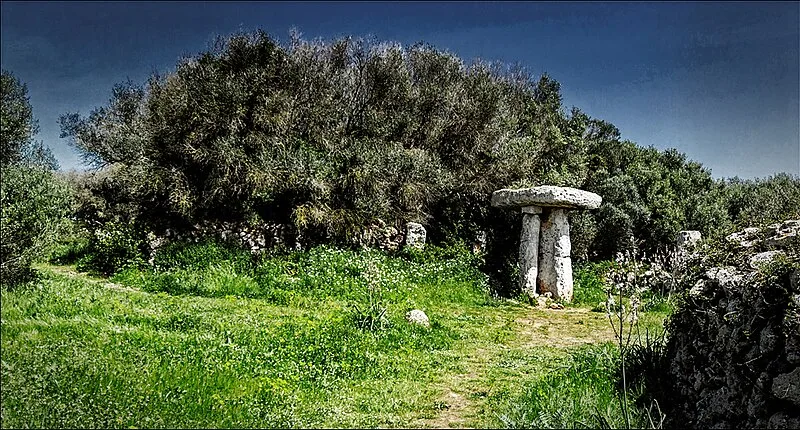
Taula
A taula is a megalithic structure on the Mediterranean island of Menorca. These monuments feature a vertical pillar supporting a horizontal capstone, reaching heights of up to 5…
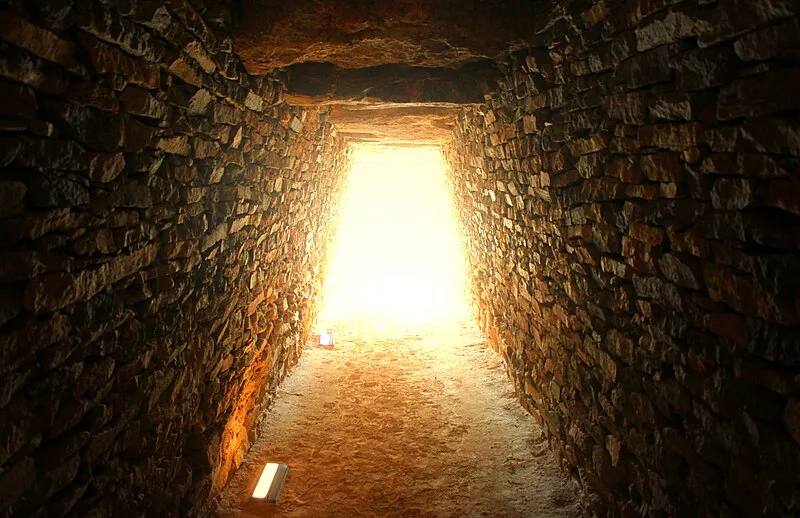
Tholos de El Romeral
Tholos de El Romeral is a megalithic beehive-shaped burial chamber located 2.5 km northeast of Antequera in Andalusia, Spain. Built around 1800 BC during the early Bronze Age, it…
Tholos de Montelirio
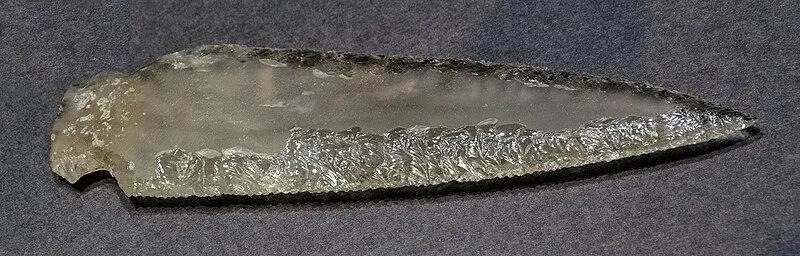
Tholos de Montelirio is a megalithic tomb in Seville Province, Spain, at Valencina de la Concepción. Built around 3000-2800 BC during the Copper Age, it was discovered in 1868,…
Torralba d'en Salort
Torralba d'en Salort is one of the best-preserved Talayotic settlements on Menorca, featuring two talayots, a hypostyle hall, dwellings, and the island's finest taula sanctuary.…
Cave Structures in Spain (24)
Abrigo de la Quebrada
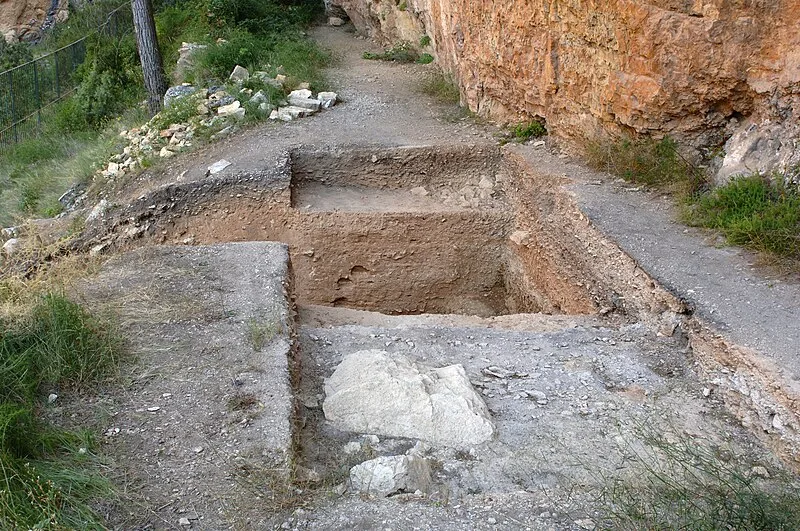
Abrigo de la Quebrada is a Middle Palaeolithic rock shelter in Chelva, Valencia, Spain, situated at 728 metres elevation on the left bank of the Barranco de Ahillas ravine. The…

Archaeological Site of Atapuerca
UNESCO World Heritage Site (2000) in Burgos province, northern Spain, containing the richest fossil record of early humans in Europe. The Gran Dolina cave yielded over 160 bone…

Atapuerca Mountains
Karstic hill formation near Burgos, northern Spain, containing some of the richest hominin fossil deposits in the world. The Sima del Elefante cave has yielded remains dating to…
Axlor
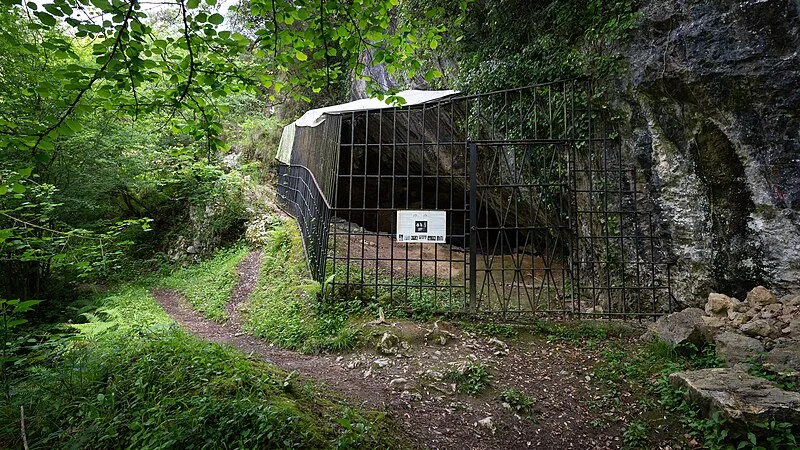
Axlor is a Middle Paleolithic (Mousterian) cave site in Dima, Biscay, Basque Country, Spain, with deposits dating back to around 85,000 BC. Discovered and excavated by…
Cave del Valle, Cantabria
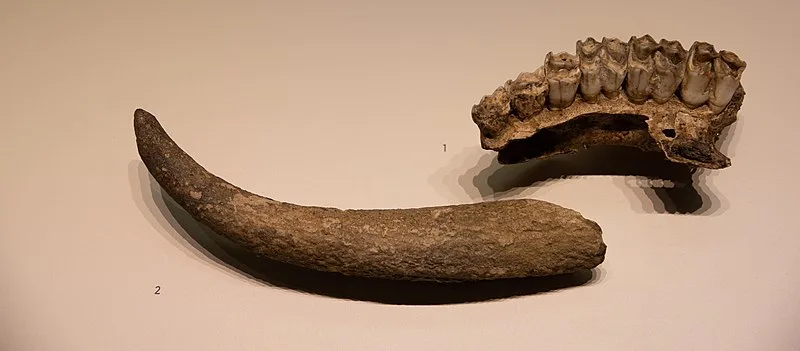
Prehistoric cave in the municipality of Rasines, Cantabria, northern Spain, serving as the source of the Rio Silencio. The underground system known as Caballos-Valle spans 60.2 km…
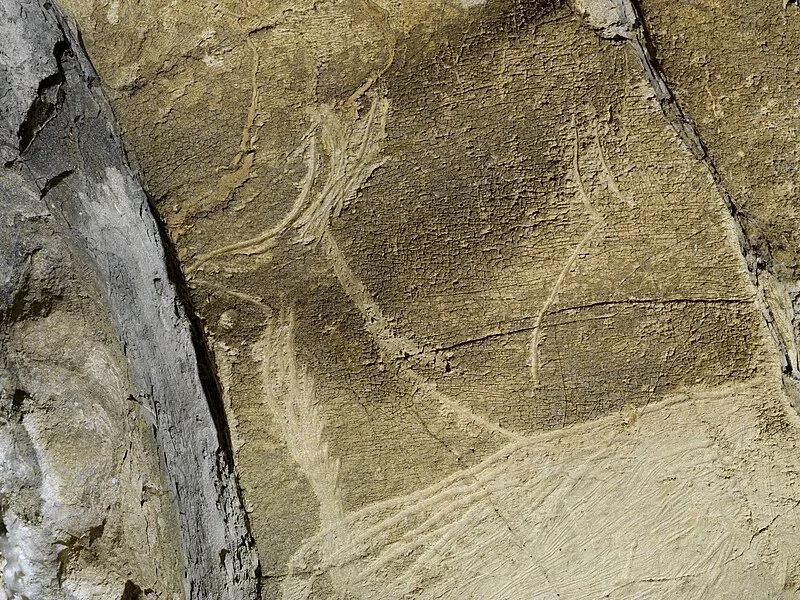
Cave of Altxerri
The Cave of Altxerri is located in the municipality of Aya (Gipuzkoa) in the Basque Country (Spain). The original grotto preserves rock paintings and engravings from the end of…
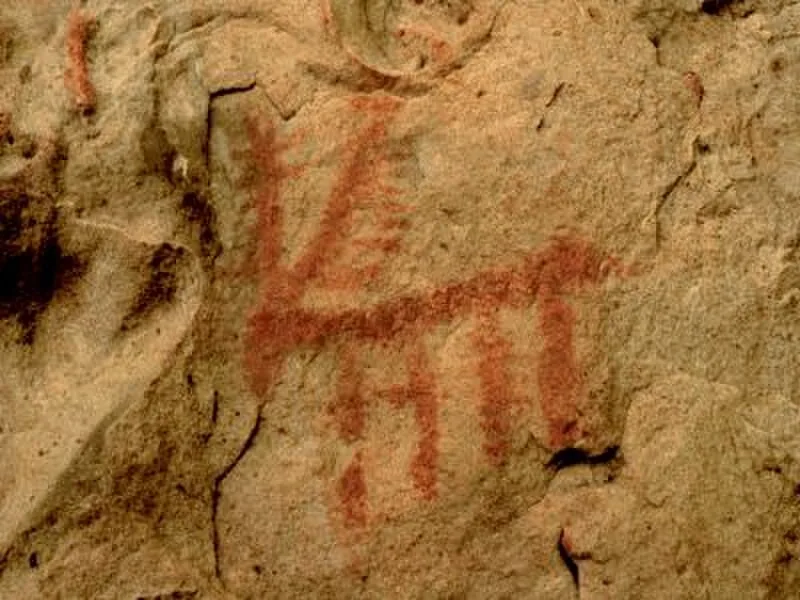
Cave of Bacinete
The Cave of Bacinete (Cueva de Bacinete) is located in Los Alcornocales Natural Park near Los Barrios in Andalusia, southern Spain. It contains prehistoric rock art depicting…
Cave of Bedmar
The Cueva de Bedmar is an archaeological site in the Magina mountain range natural park near Bedmar, Jaen province, Spain, with occupation spanning from the Middle Paleolithic to…
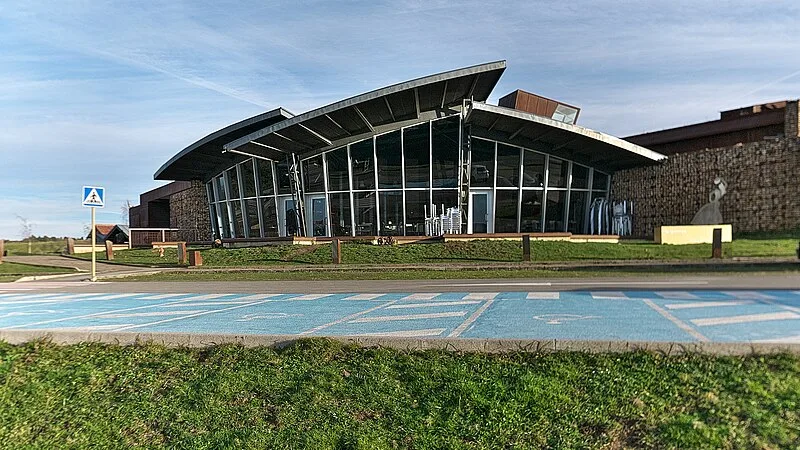
Cave of El Soplao
El Soplao is a cave in Cantabria, Spain, discovered in 1908 by miners working the La Florida zinc and lead mine. Spanning approximately 27 km in length, it contains the most…
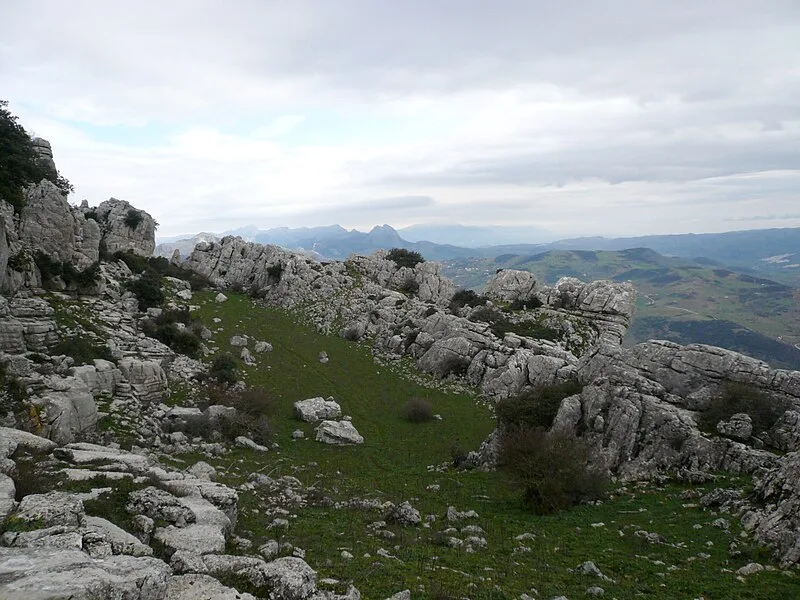
Cave of El Toro
The Cave of El Toro (Cueva del Toro) lies at 1,190 m elevation in the El Torcal de Antequera natural reserve near Malaga, Andalusia. It preserves a rich Early and Late Neolithic…
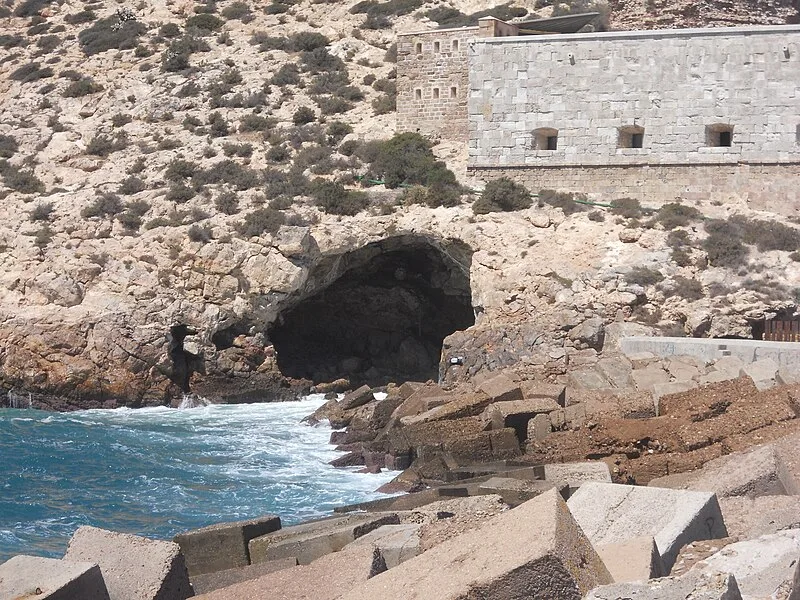
Cave of Los Aviones
The Cave of Los Aviones is a sea-level cave site near Cartagena in southeastern Spain, dating to the Middle Paleolithic period (before 4500 BC). It is renowned for yielding…
Cova Foradà
Cova Foradà is an archaeological cave site with Neanderthal remains near Oliva, in Valencia, Spain. The most complete Neanderthal skeleton ever found on the Iberian peninsula was…
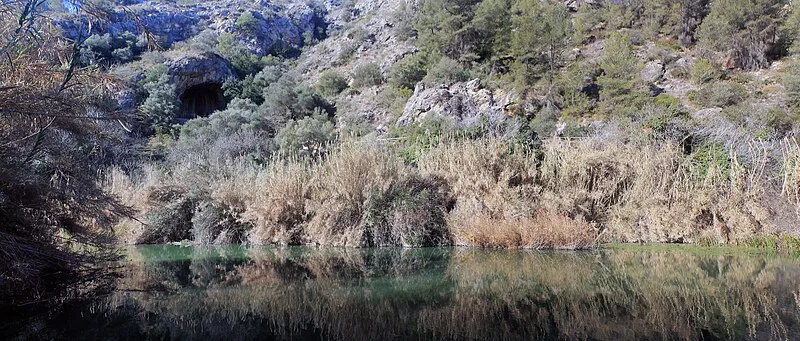
Cova Negra
Cova Negra is an archaeological site near the town of Xàtiva in the Province of Valencia, Spain, with remains that show sporadic and short-term occupation by Neanderthals in the…
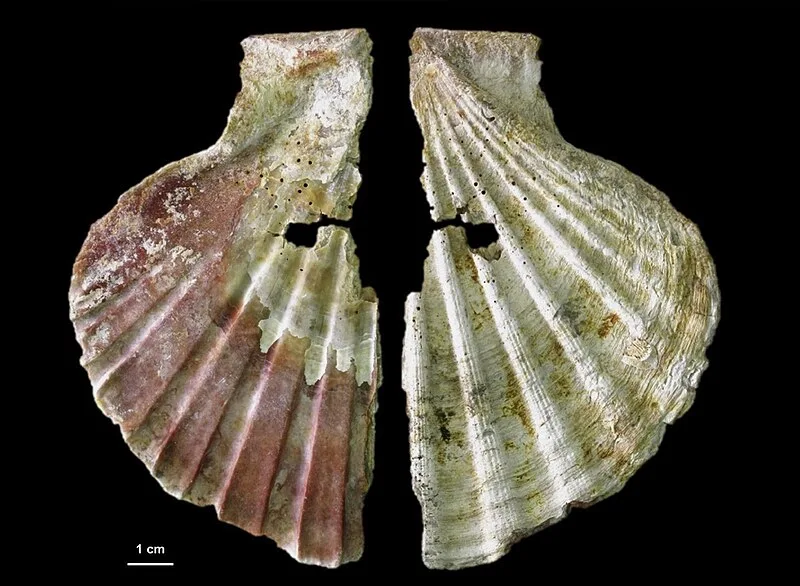
Cueva Antón
Cueva Antón is a paleoanthropological site in the Region of Murcia, southeastern Spain, located about 60 km inland from Cartagena near Mula. Eroded by the Río Mula, this Middle…
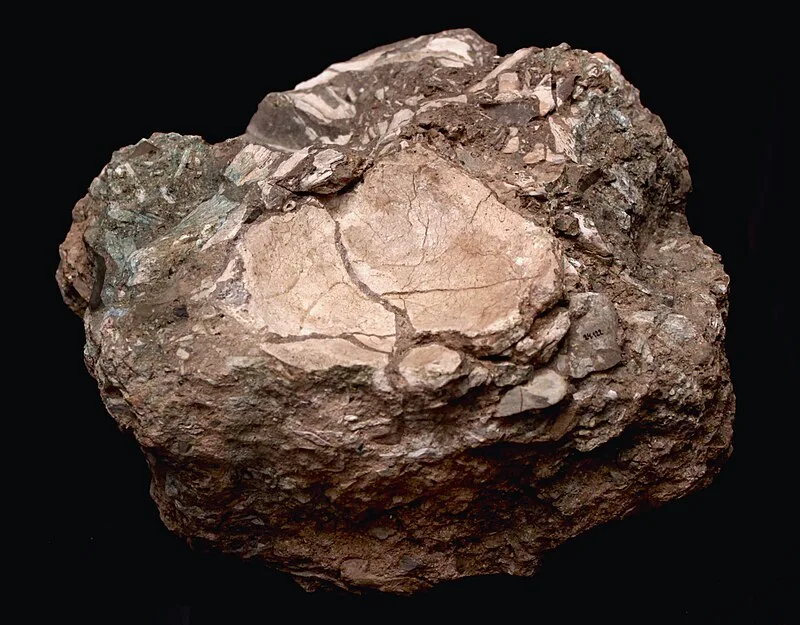
Cueva de Bolomor
Cueva de Bolomor (Bolomor Cave) is a karst cave near Tavernes de la Valldigna in the Valencian Community, Spain, occupied over three main periods between 350,000 and 120,000 years…
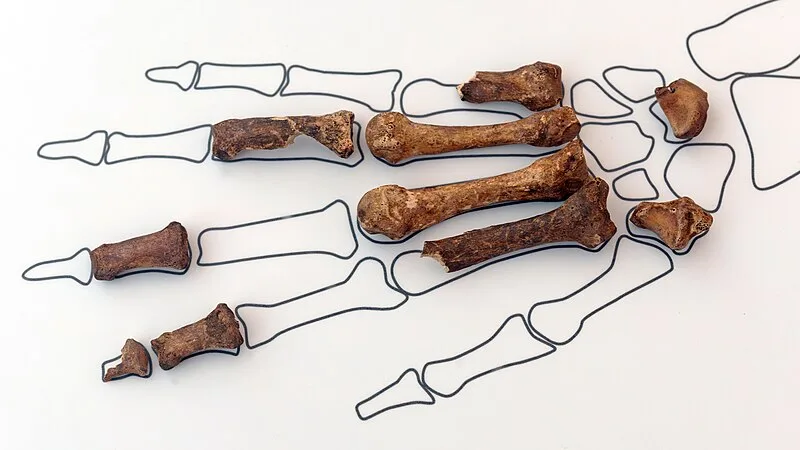
El Mirón Cave
El Mirón Cave is a large karst cave in the upper Asón River valley in eastern Cantabria, northern Spain, near the Basque border. The site, located near Ramales de la Victoria,…
El Salt
El Salt is a Middle Paleolithic cave site near Alcoy, Alicante, Spain, occupied by Neanderthals. Excavations have uncovered six Neanderthal teeth, fire pits, and flint tools…
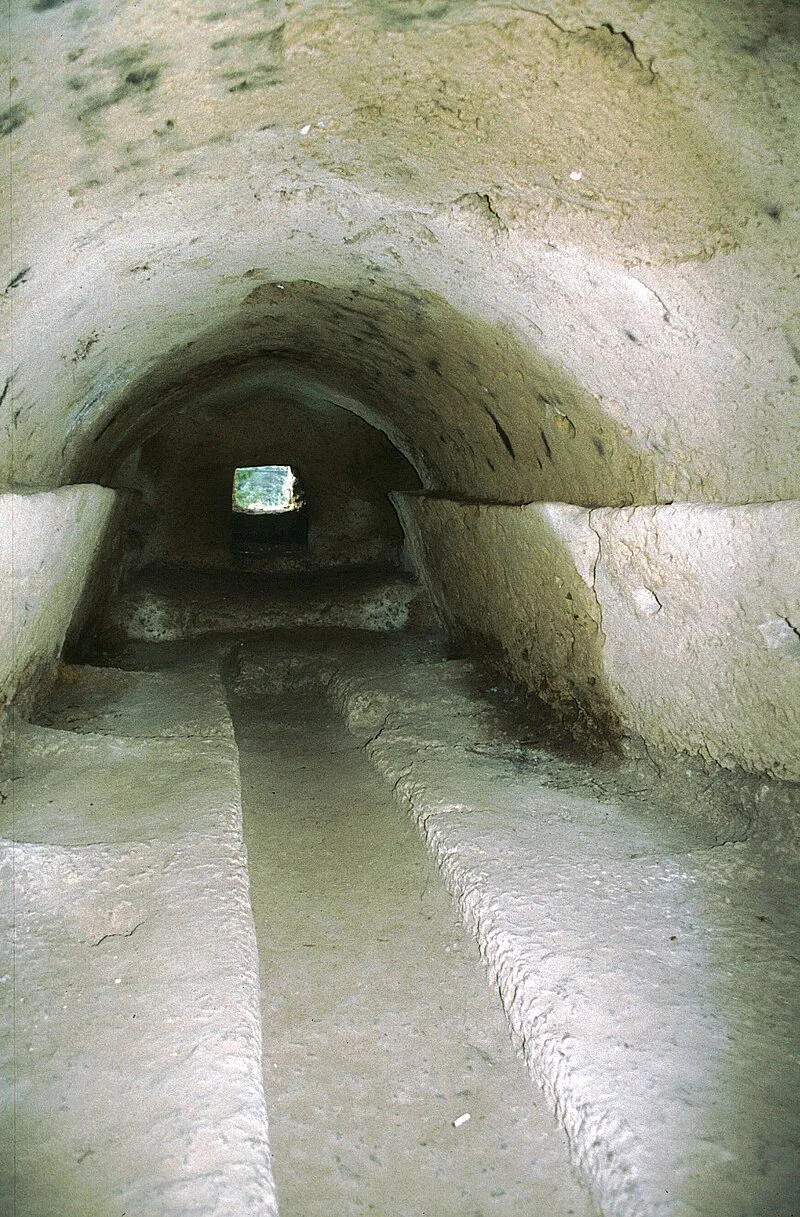
Hypogeum of Cala Sant Vicenç
A Bronze Age necropolis dating to 1700-1500 BC, located in Cala Sant Vicenc in the municipality of Pollensa on the Spanish island of Mallorca. The site contains artificial burial…
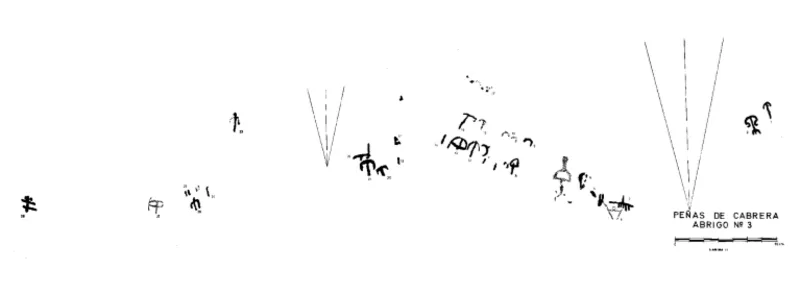
Peñas de Cabrera
The archaeological site Peñas de Cabrera contains numerous rock shelters with prehistoric rock art, located in the municipality of Casabermeja, Spain. The site features both…
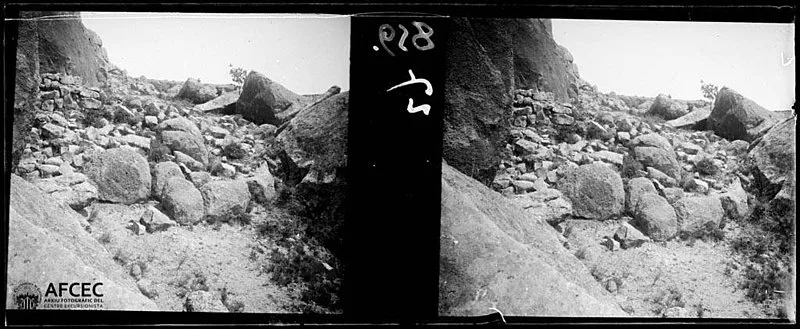
Roca dels Moros
Rock shelter in El Cogul, Catalonia, featuring prehistoric Levantine rock art and Iberian schematic paintings. The site contains inscriptions in Northeastern Iberian script and…
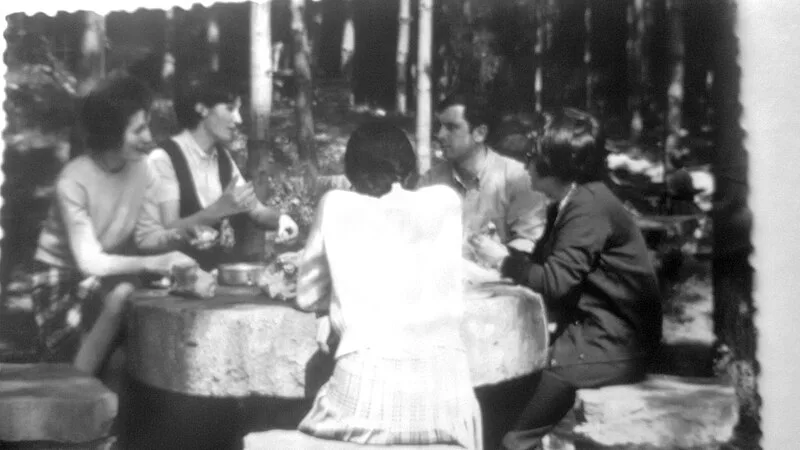
Santimamiñe Cave
Santimamine Cave in Kortezubi, Biscay, is one of the most important archaeological sites in the Basque Country, with a nearly complete occupation sequence from the Middle…
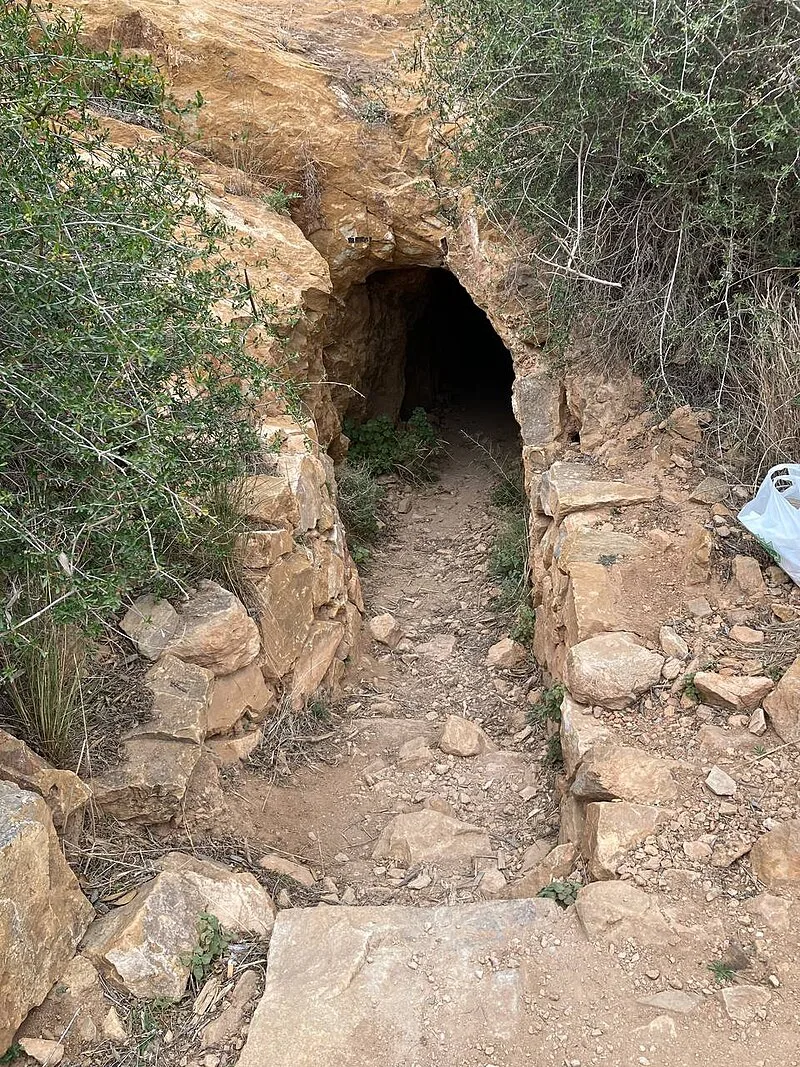
Sima de las Palomas
Sima de las Palomas is a cave shaft on Cabezo Gordo in the Murcia region of Spain, inhabited for tens of thousands of years by Neanderthals and other hominins. The shaft was…
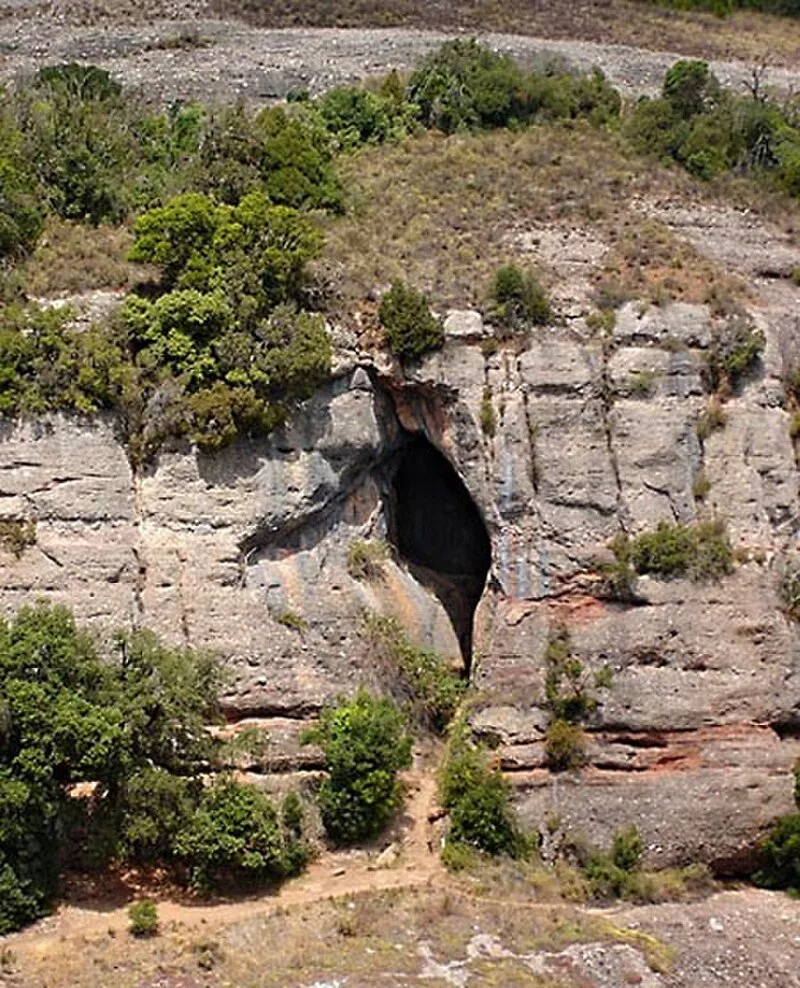
Simanya Cave
Simanya Cave (or Great Simanya Cave) is a karst cave in the Sant Llorenç del Munt massif, Sant Llorenç Savall, Vallès Occidental, Catalonia, Spain. The cave extends 372 meters…
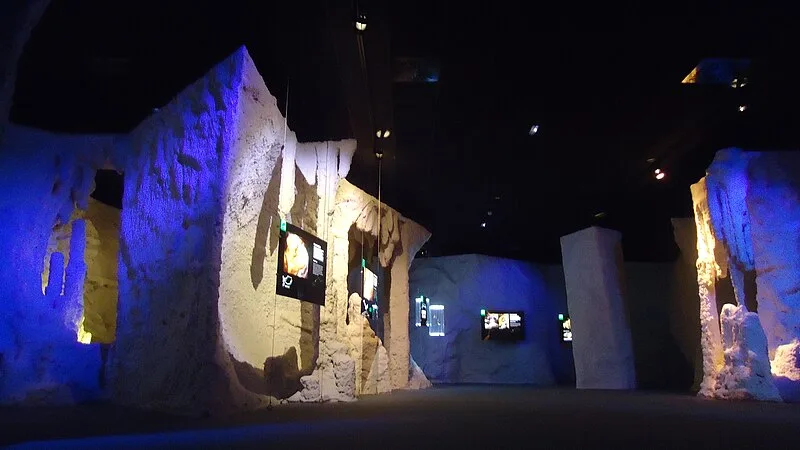
Tito Bustillo Cave
The Tito Bustillo Cave is a prehistoric rock shelter located in Ribadesella, Asturias, Spain. Inhabited by Cro-Magnon humans before 10,000 BC, the cave's entrance was sealed by a…
Gate/archway/bridge in Spain (17)
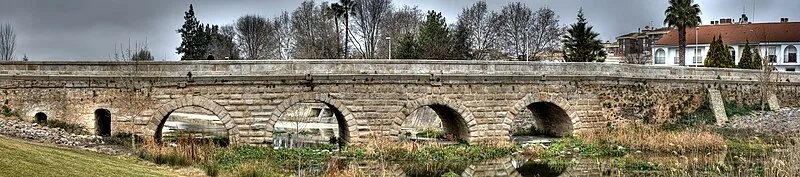
Albarregas Roman bridge
The Albarregas Roman Bridge is a 1st-century BC stone structure spanning the Albarregas River in Mérida, Spain. Built of granite as part of the ancient Vía de la Plata route, it…
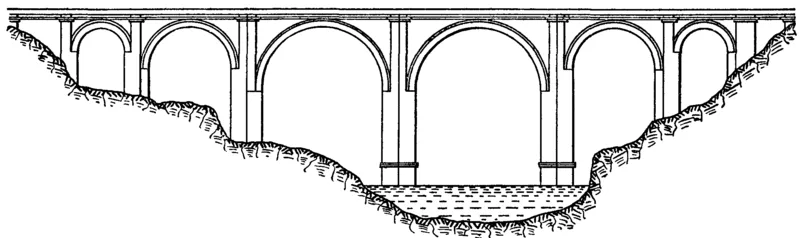
Alcántara Bridge
The Alcantara Bridge is a Roman stone arch bridge spanning the Tagus River in Extremadura, Spain, built between AD 104 and 106 on the orders of Emperor Trajan. Designed by…
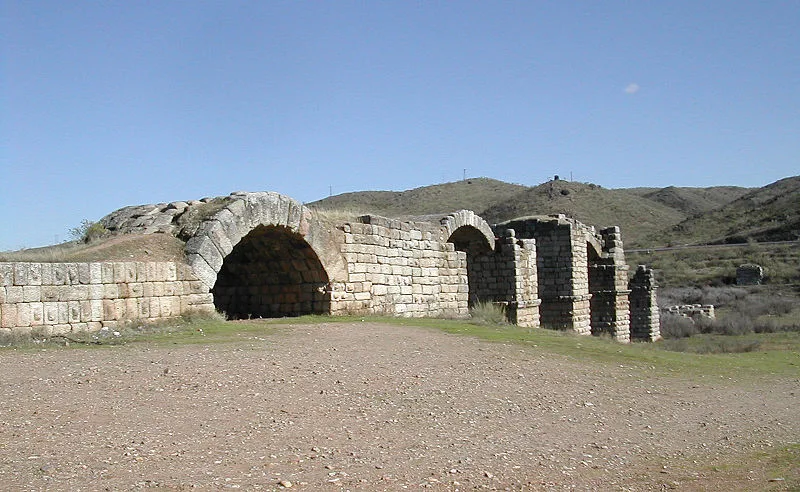
Alconétar Bridge
The Alconétar Bridge (Puente de Mantible) was a Roman segmental arch bridge located in Extremadura, Spain. Built in the early 2nd century AD during the reigns of emperors Trajan…
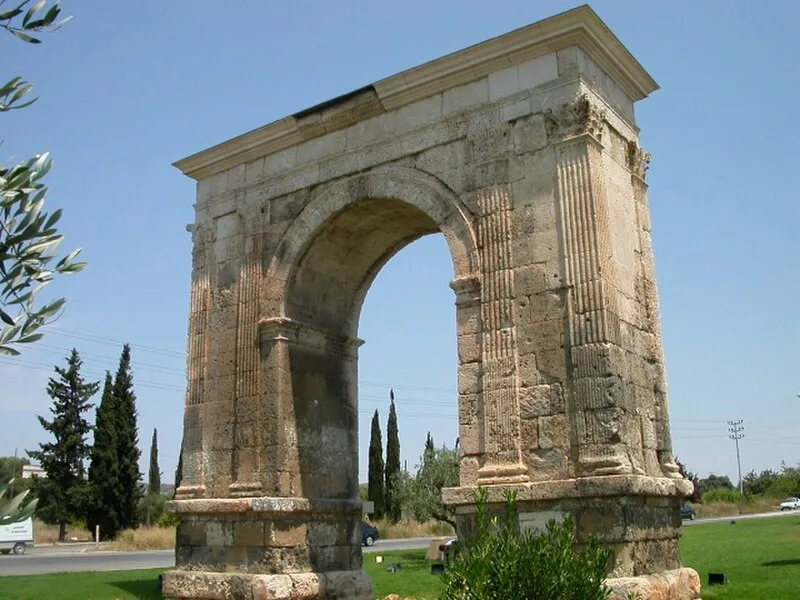
Arc de Berà
The Arc de Bera is a Roman triumphal arch erected around 13 BC during the reign of Augustus, located 20 km northeast of Tarragona, Catalonia, Spain. Built on the Via Augusta…
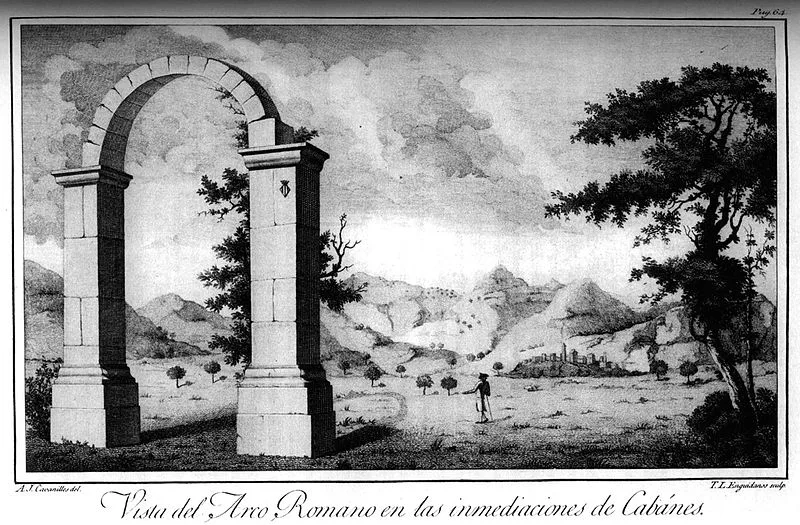
Arch of Cabanes
(2nd c. AD) The Arch of Cabanes is a Roman triumphal arch built in the 2nd century AD, located approximately 2 km from Cabanes, Spain, on the via Augusta. The arch stands in the…

Ciudad Romana de Cáparra
Caparra was a Roman city in Extremadura, Spain, originating as a pre-Roman Veton settlement in the province of Lusitania. Its most iconic monument is a tetrapylum -- a unique…
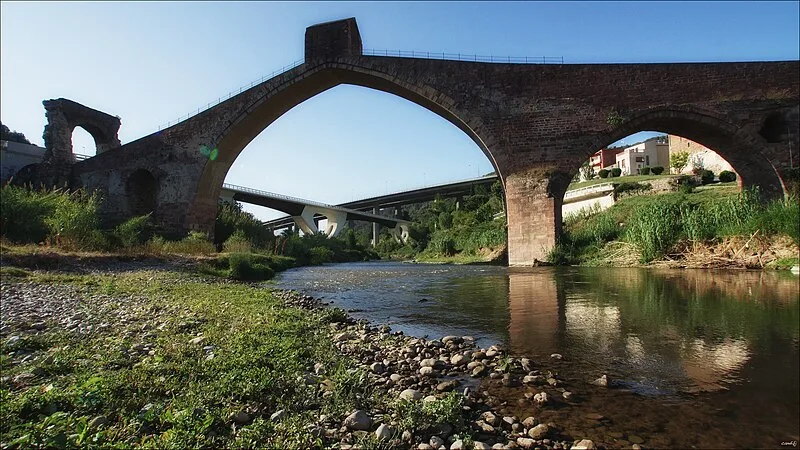
Pont del Diable
The Pont del Diable (Devil's Bridge) in Martorell, Catalonia, was originally built c. 10 BC by Roman legions III Macedonica, VI Victrix, and X Gemina as part of the Via Augusta…
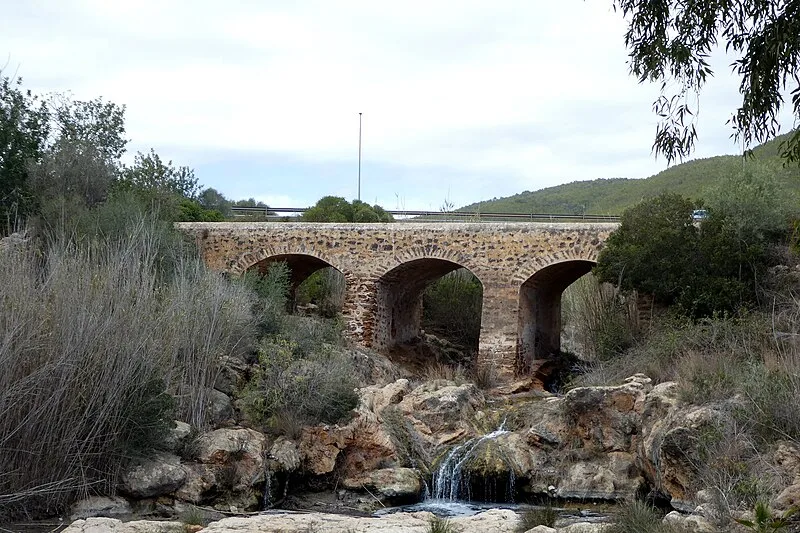
Pont Vell, Santa Eulària des Riu
An ancient bridge crossing the Riu de Santa Eularia, the only river on the Spanish island of Ibiza. Its origins are considered Roman, built during the island's Romanization period…
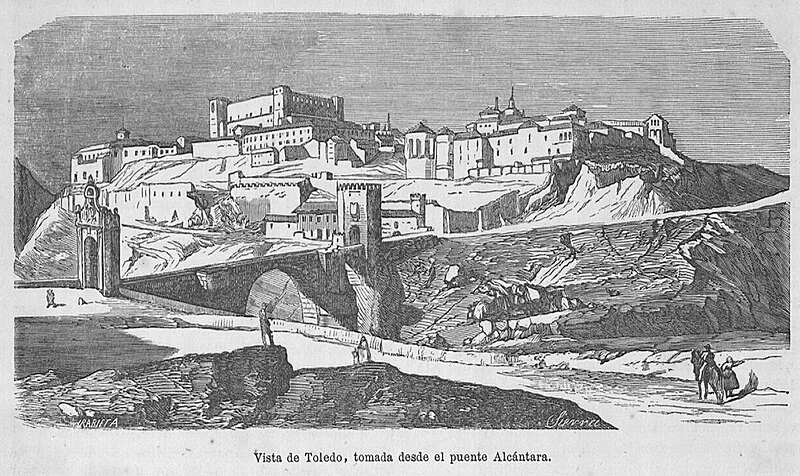
Puente de Alcántara
The Puente de Alcántara is a Roman arch bridge in Toledo, Spain, spanning the Tagus River at the foot of the Castillo de San Servando. Originally built with three arches when the…
Puente Romano de la Alcantarilla
The Puente Romano de la Alcantarilla is a 1st-century BC Ancient Roman bridge located in Spain.It was constructed to cross a stream, facilitating the passage of travelers and…
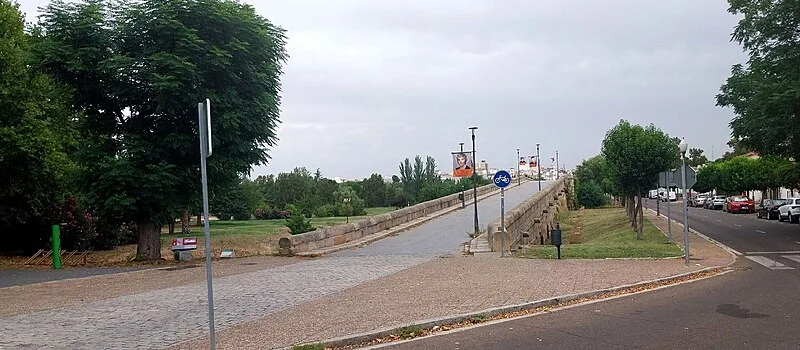
Puente Romano, Mérida
The Puente Romano is a Roman bridge over the Guadiana River at Mérida, southwest Spain, and the world's longest surviving bridge from antiquity. Originally built in the 1st…
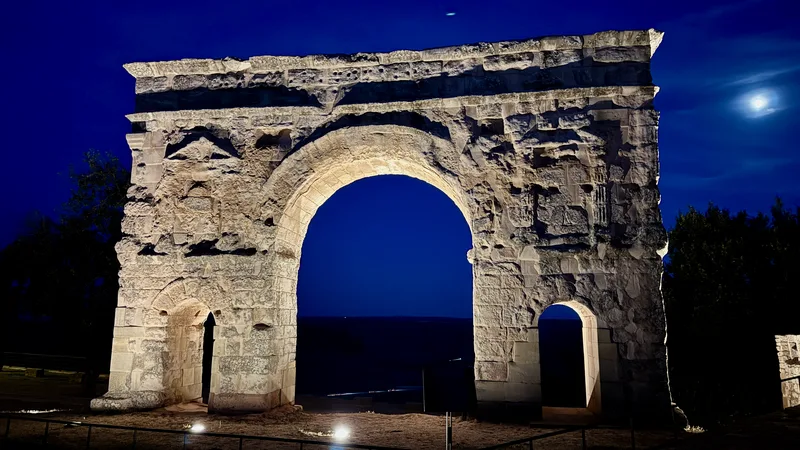
Roman Arch of Medinaceli
The Roman Arch of Medinaceli is a 1st-century AD Roman triumphal arch located in Medinaceli, Castile and León, Spain. Constructed in stone using opus quadratum, it was declared a…
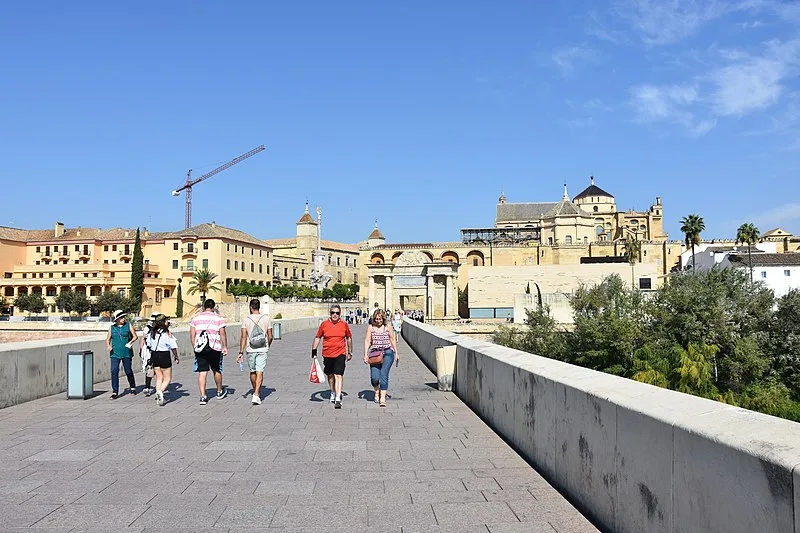
Roman Bridge of Córdoba
The Roman Bridge of Córdoba is a historic bridge in the Historic centre of Córdoba, Andalusia, southern Spain, originally constructed in the early 1st century BC across the…
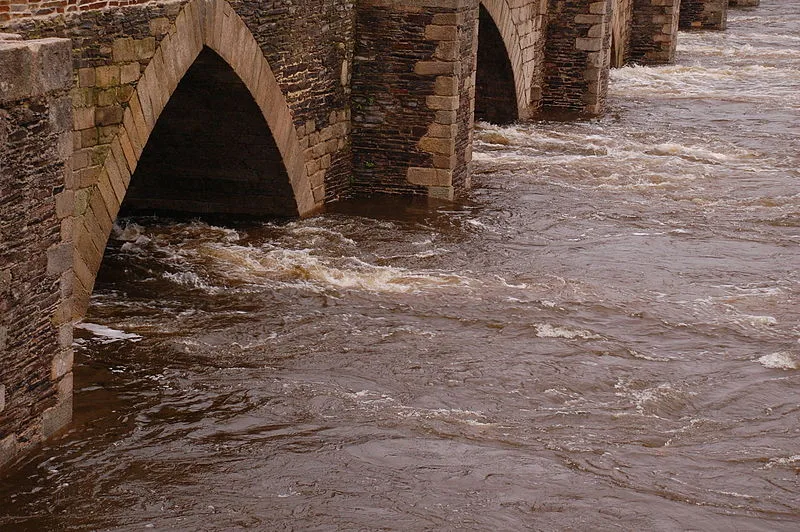
Roman Bridge of Lugo
A masonry arch bridge of Roman origin crossing the Minho river in Lugo, Galicia, Spain. Built in the early 1st century AD as part of Via XIX of the Antonine Itinerary connecting…
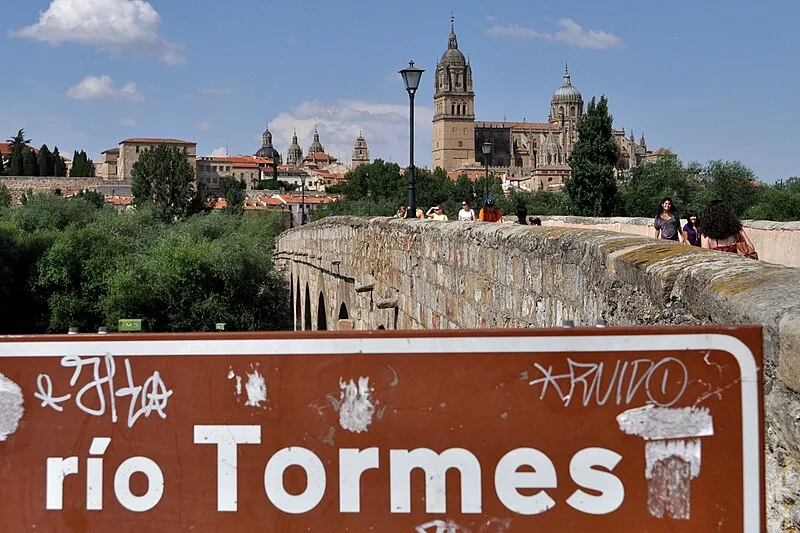
Roman Bridge of Salamanca
A Roman bridge crossing the Tormes River in Salamanca, Castile and Leon, Spain, also known as Puente Mayor del Tormes. Built between 27 BC and 79 AD, the 270-metre-long bridge…
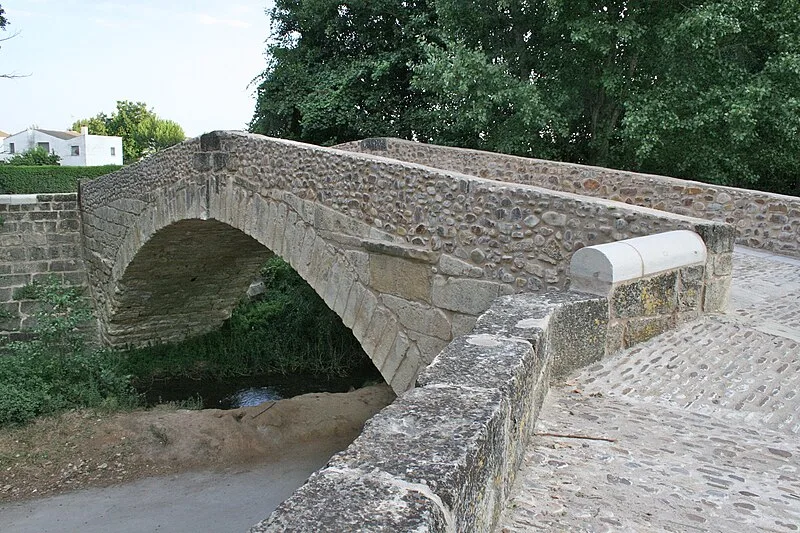
Roman Bridge of Talamanca de Jarama
A bridge of Roman origin in Talamanca de Jarama, Community of Madrid, Spain. The 150-metre structure features a large central arch and four smaller arches, built of limestone…

Trajan Arch
The Trajan Arch in Mérida, Spain, is a Roman monumental gateway dating to the 1st or early 2nd century AD, likely constructed during or shortly after the reign of Emperor Trajan…
Rock art in Spain (16)
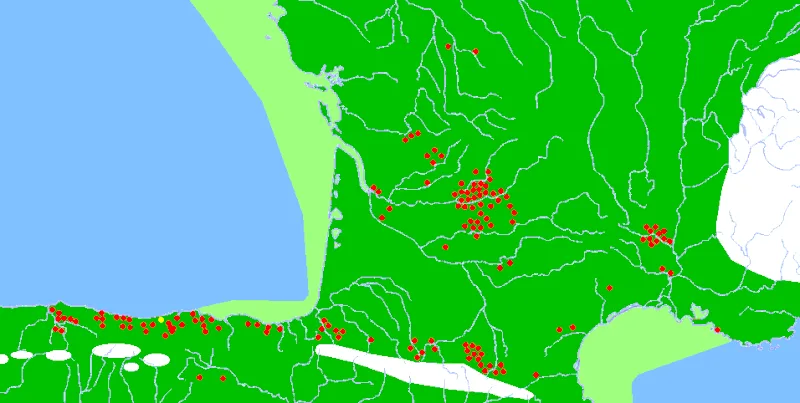
Cave of Altamira
The Cave of Altamira is a cave complex near Santillana del Mar in Cantabria, Spain, renowned for its prehistoric cave art. The cave features charcoal drawings and polychrome…
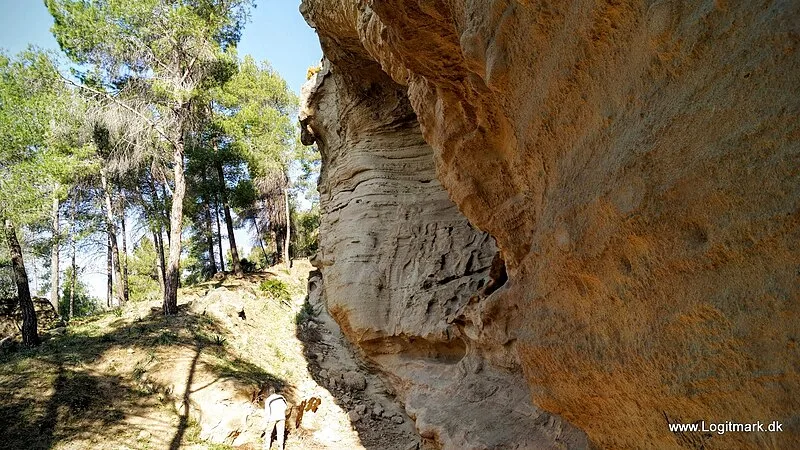
Cave of Ardales
The Cave of Ardales (Cueva de Ardales) in Malaga province was revealed by an earthquake in 1821. It contains over 1,000 paintings and engravings on walls, ceilings, and…
Cave of Chufín
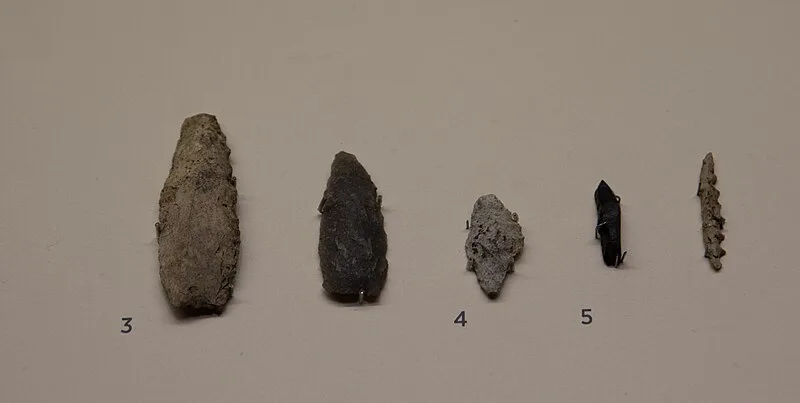
The Cave of Chufín is located in the town of Riclones in Rionansa, Cantabria, Spain, situated at the confluence of the Lamasón and Nansa rivers. Several caves adorned with…
Cave of El Castillo
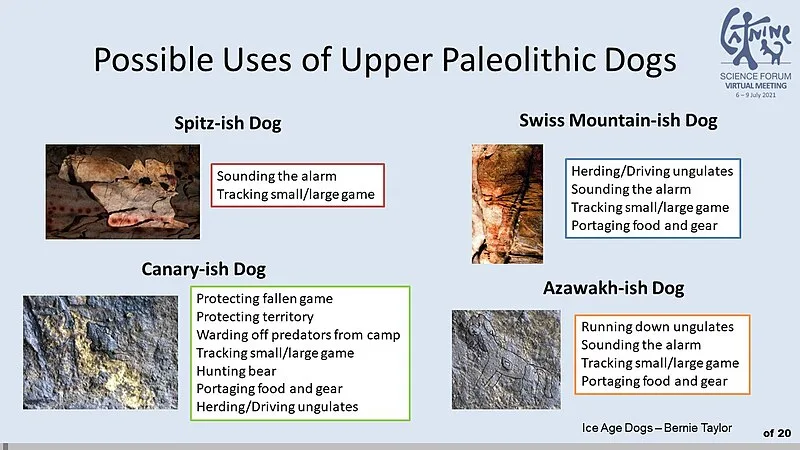
The Cave of El Castillo in Puente Viesgo, Cantabria, was discovered in 1903 by Hermilio Alcalde del Rio. Part of the Caves of Monte Castillo complex, it contains the oldest known…
Cave of La Pasiega
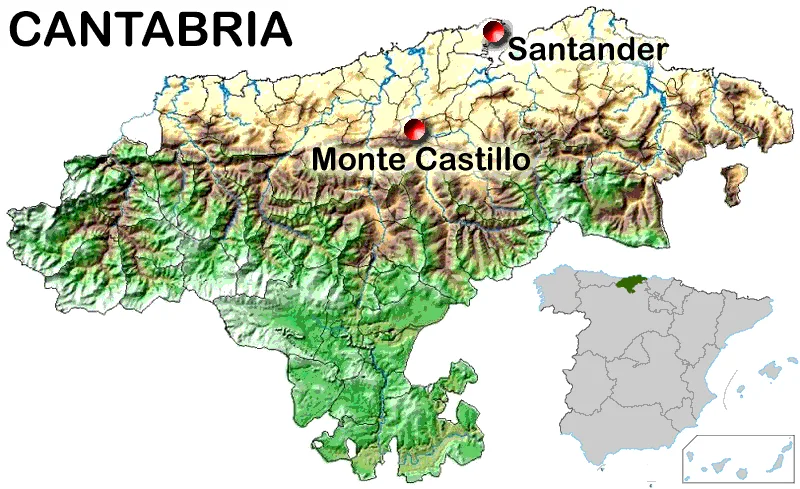
The Cave of La Pasiega in Puente Viesgo, Cantabria, was discovered in 1911 by Hugo Obermaier and Paul Wernert. Spanning approximately 400 metres with four main galleries, it…

Cave of Maltravieso
The Cave of Maltravieso in Caceres, Extremadura, was discovered in 1951 when a quarry explosion exposed the cavity. It contains 71 hand stencils created by blowing pigment around…
Caves in Cantabria
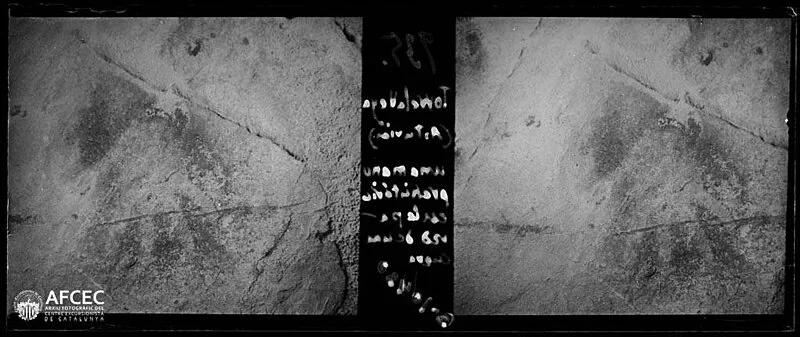
The Cantabrian caves contain some of Europe's oldest known cave art, with paintings dating back to at least 40,800 BC during the Upper Paleolithic period. The caves feature animal…
Caves of Monte Castillo
A complex of karstic caves on the slopes of Monte Castillo in Puente Viesgo, Cantabria, Spain, inscribed as a UNESCO World Heritage Site in 2008 under 'Cave of Altamira and…
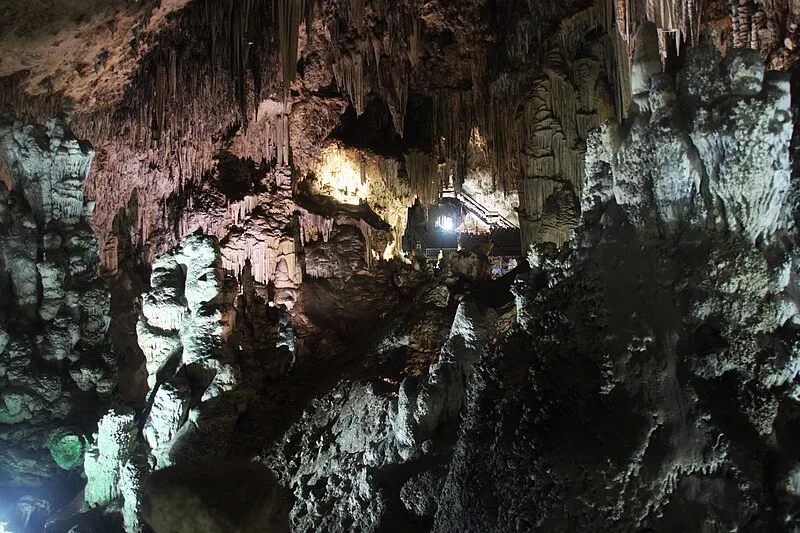
Caves of Nerja
The Caves of Nerja are a series of caverns near Nerja in Malaga province, stretching nearly 5 km. Rediscovered in 1959, research shows the caves have been visited for over 41,000…
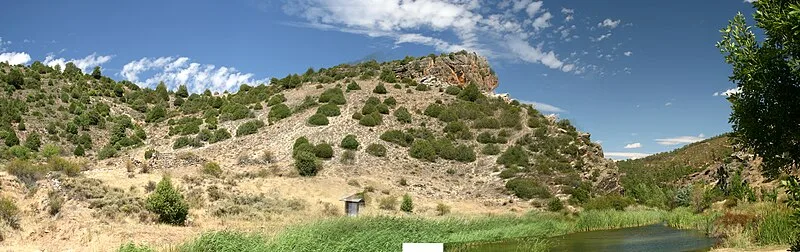
Cueva de los Casares
Cueva de los Casares is a cave in Riba de Saelices, Guadalajara, Spain, discovered in 1933. It contains Paleolithic cave paintings, most notably depicting what some scholars argue…
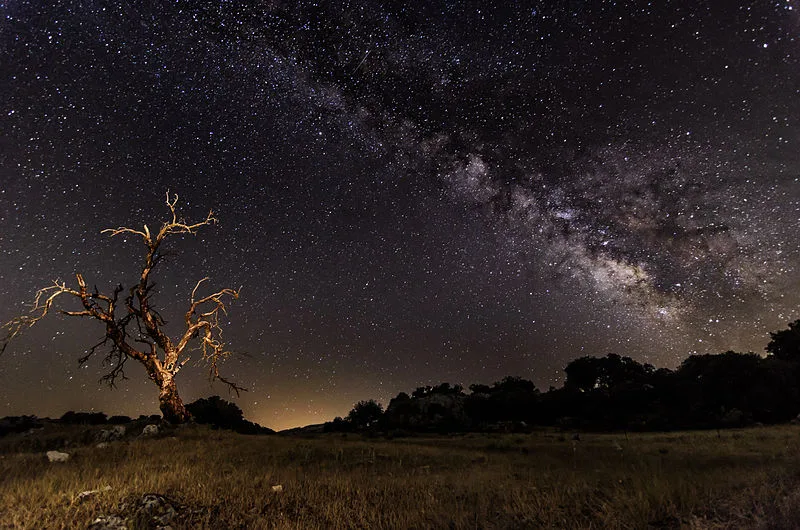
Cueva de los Murciélagos
Cueva de los Murcielagos is a cave system in the Sierras Subbeticas near Zuheros, Cordoba, Spain. Evidence of human occupation reaches back 35,000 years to the Middle…
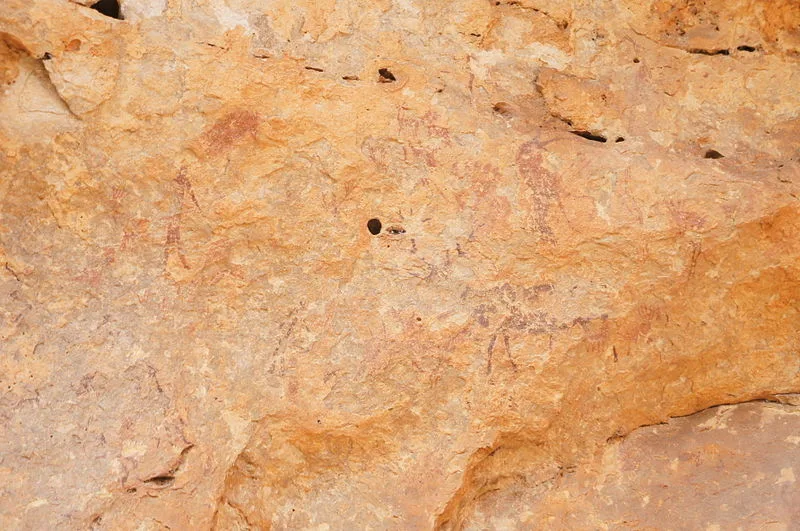
Cuevas de la Araña
The Coves de l'Aranya (Cuevas de la Araña) are a group of caves in Bicorp, València, eastern Spain, located in the valley of the river Escalona. These prehistoric rock art sites…
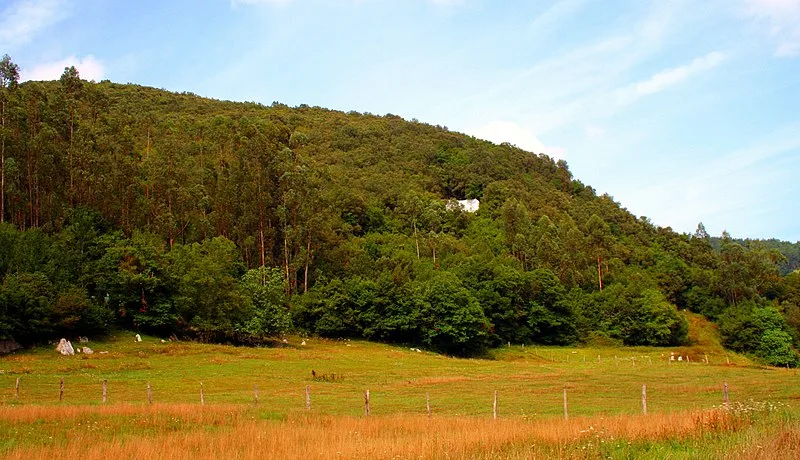
La Garma Cave Complex
The La Garma Cave Complex is a parietal art-bearing paleoanthropological cave system in Cantabria, Spain, located just north of the village of Omoño in the municipality of…
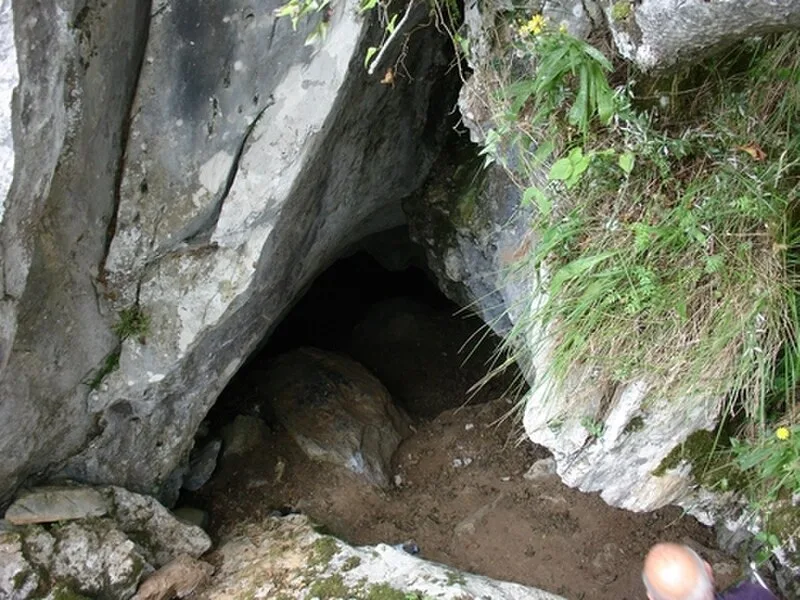
Praileaitz Cave
Praileaitz Cave (Basque: 'Rock of the Monk') is a Paleolithic cave site in Deba, Gipuzkoa, Basque Country. In August 2006, non-figurative cave paintings were discovered during…
.webp)
Prehistoric Rock Art Sites in the Côa Valley and Siega Verde
Prehistoric Rock Art Sites in the Côa Valley and Siega Verde is a UNESCO transboundary World Heritage Site spanning the Côa Valley in Portugal and Siega Verde in Spain. The site…
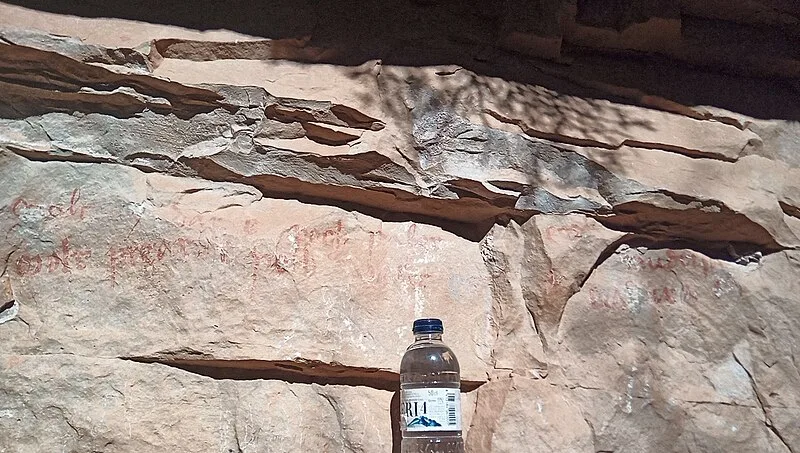
Rock Art of the Iberian Mediterranean Basin
A UNESCO World Heritage Site since 1998, comprising 758 prehistoric rock art sites across eastern Spain -- the largest group in Europe. Spanning six autonomous communities…
Necropolis/tombs complex in Spain (15)
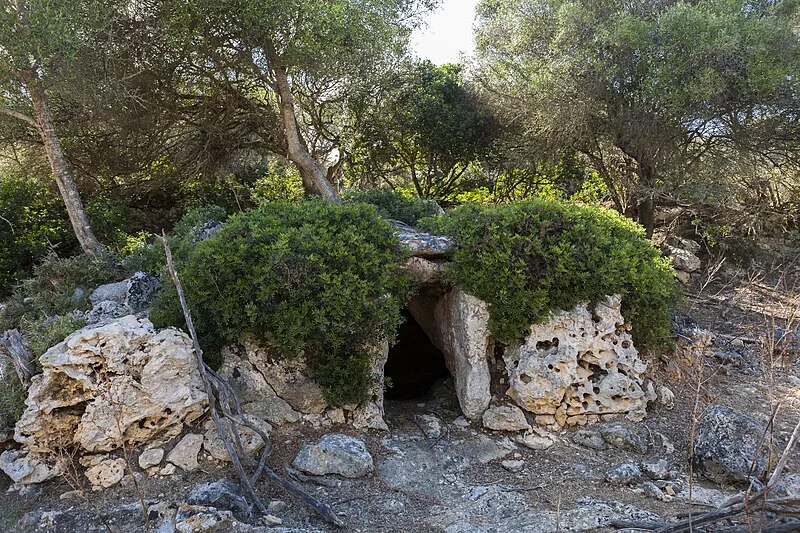
Biniai Nou Hypogea
The Biniai Nou hypogea are two Chalcolithic funerary tombs near Mahon on the island of Menorca, Spain, representing the oldest known buildings on the island. Their chambers are…
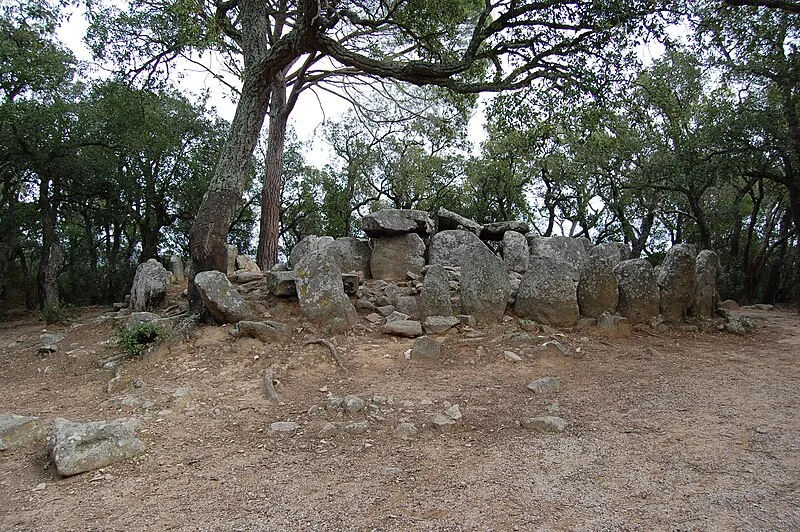
Cova d'en Daina
Cova d'en Daina is a Late Neolithic dolmen near Romanya de la Selva in Santa Cristina d'Aro, Catalonia, dated to 2700-2200 BC. Classified as a "Catalan gallery" or wide corridor…
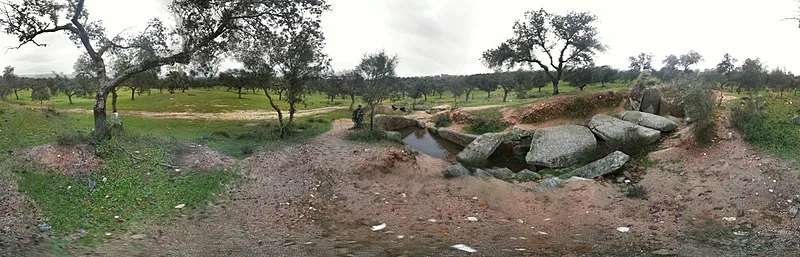
Dolmen de Lácara
The Dolmen del Prado de Lácara is a megalithic passage tomb located northwest of Mérida in Badajoz province, Spain. Built during the late Neolithic toward the end of the 4th…
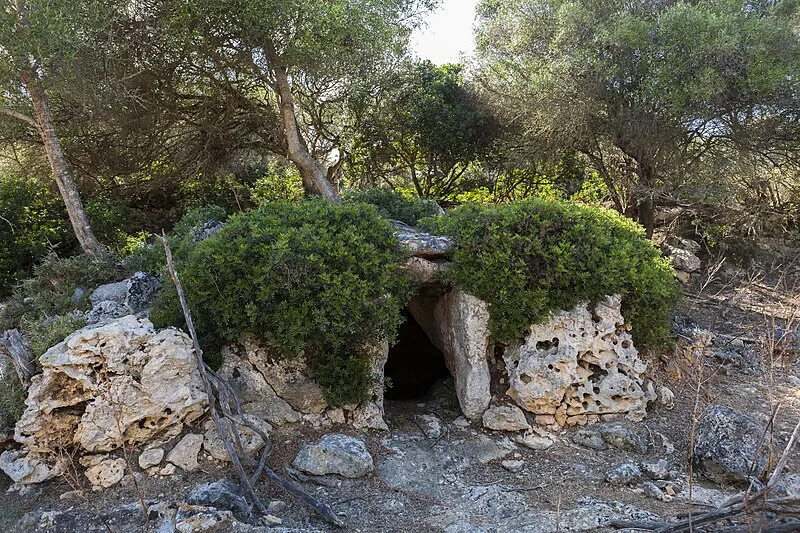
Hipogeo de Biniai nou
The Biniai Nou hypogea are two funerary hypogea located in Mahon. Constructed during the Chalcolithic period, these funerary chambers were carved directly into the rock, with…
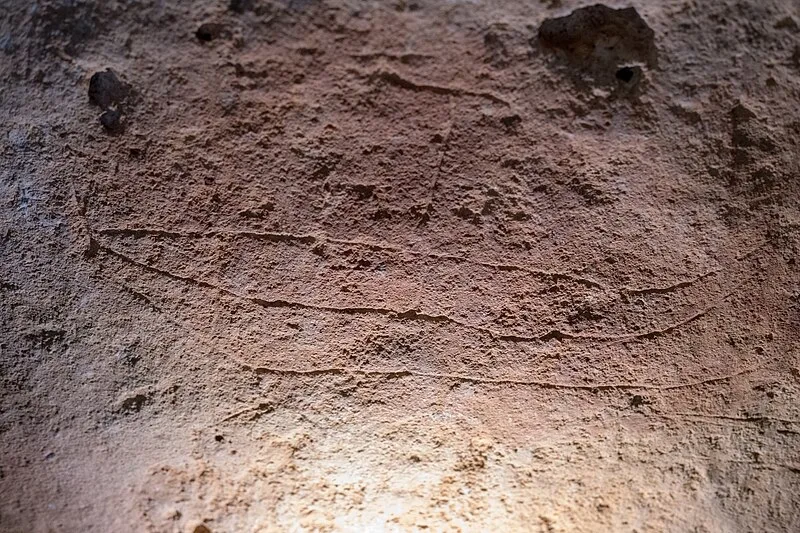
Hypogeum of Torre del Ram
The Hypogeum of Torre del Ram is a Bronze Age funerary underground chamber in Cala en Blanes, Ciutadella de Menorca, Spain. Built between 1700 and 1400 BC, it served as a…
Las Capellanías
Las Capellanias is a 3,000-year-old prehistoric funerary complex in Canaveral de Leon, Huelva, southwest Spain. Excavation began after road workers found a stela in 2018, led by…
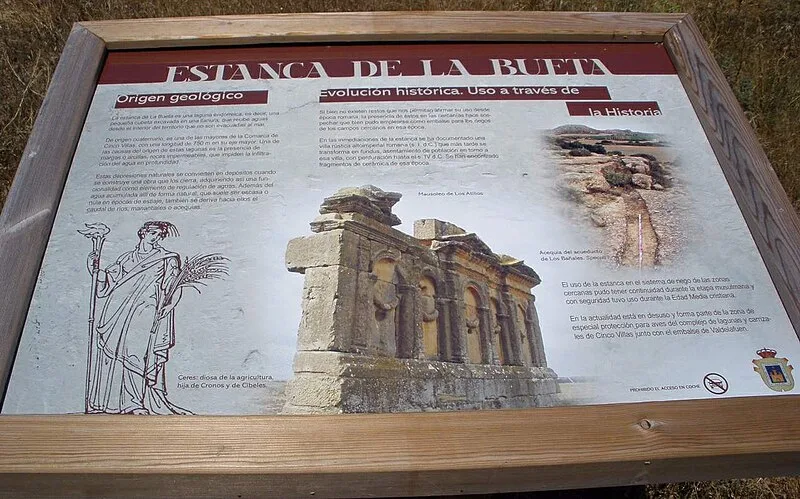
Mausoleum of the Atilii
The Mausoleum of the Atilii (Los Atilios) is a Roman funerary monument from the 2nd or 3rd century AD located in the municipal territory of Sadaba, Aragon, Spain. Built in…
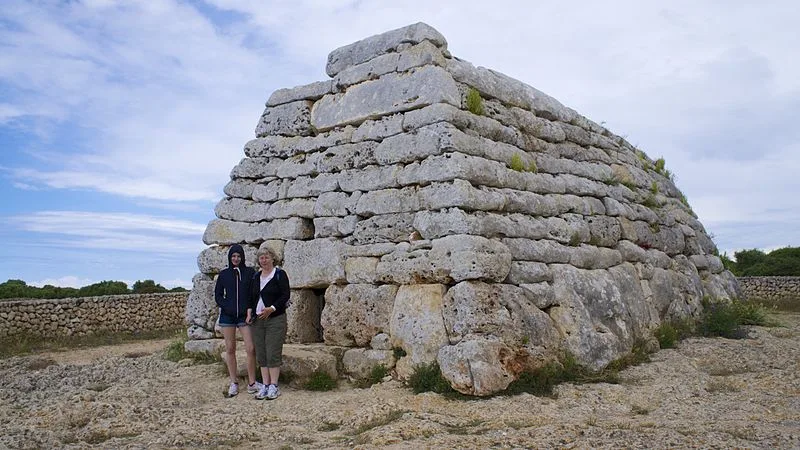
Naveta
A naveta is a form of megalithic chamber tomb unique to Menorca, Spain, dating to the Bronze Age Naviform period (c. 1600-1200 BC). Named for their resemblance to an upturned…
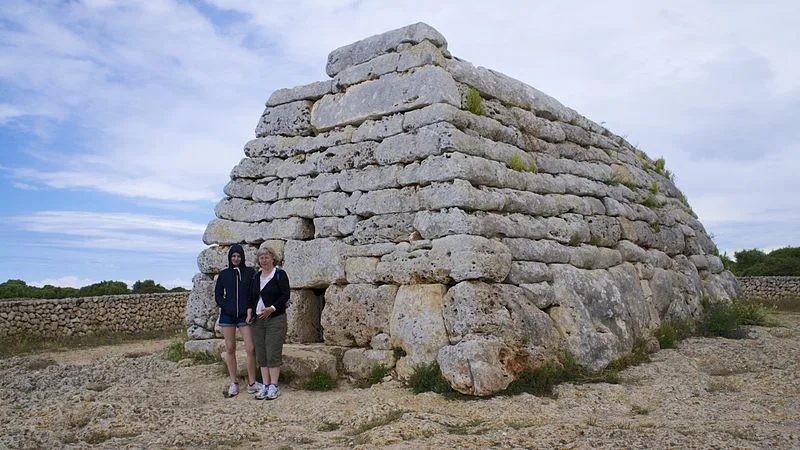
Naveta Biniac
Naveta Biniac is a prehistoric necropolis on the Balearic island of Menorca, Spain, comprising a complex of navetas—megalithic chamber tombs unique to this island. Built during…
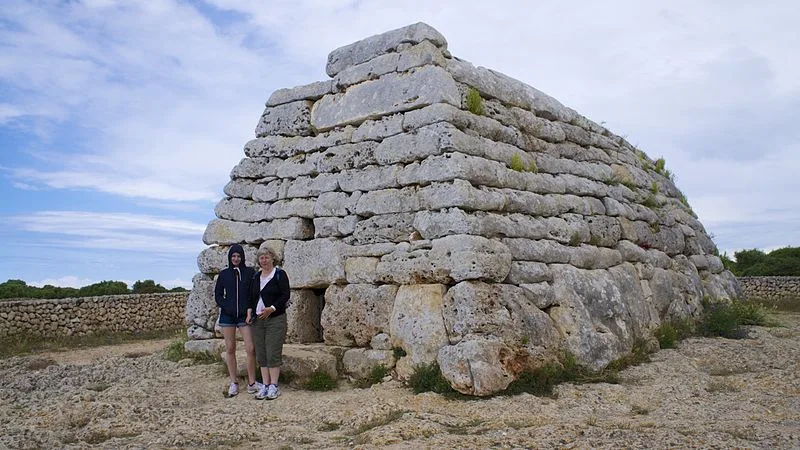
Naveta d'Es Tudons
Naveta d'Es Tudons is the most remarkable megalithic chamber tomb in Menorca, dating to 1200–750 BC. Located 4.8 km (3 mi) west of Ciutadella, near the Ciutadella-Mahón road, it…

Necròpolis de Son Morell Nou
Necròpolis de Son Morell Nou (Cala Morell) is a prehistoric burial complex on Menorca, Spain, comprising 14 artificial caves carved into coastal sandstone cliffs. Used…
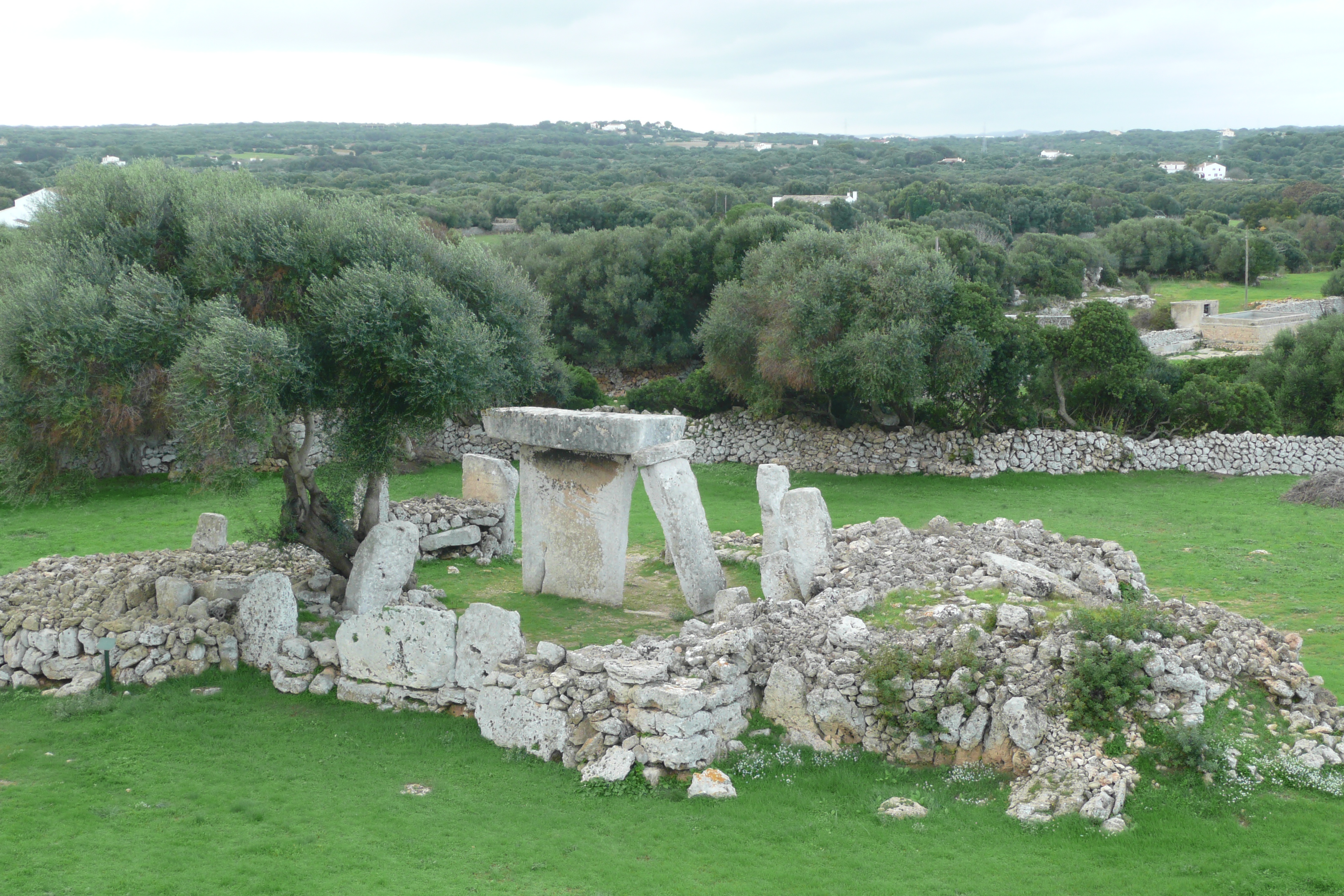
Poblat Talaiòtic de Talatí de Dalt
Talati de Dalt is a major Talayotic settlement on Menorca, Spain, located approximately 4 km from Mao, dating from around 1000 BC to the Roman conquest in 123 BC. Part of the…
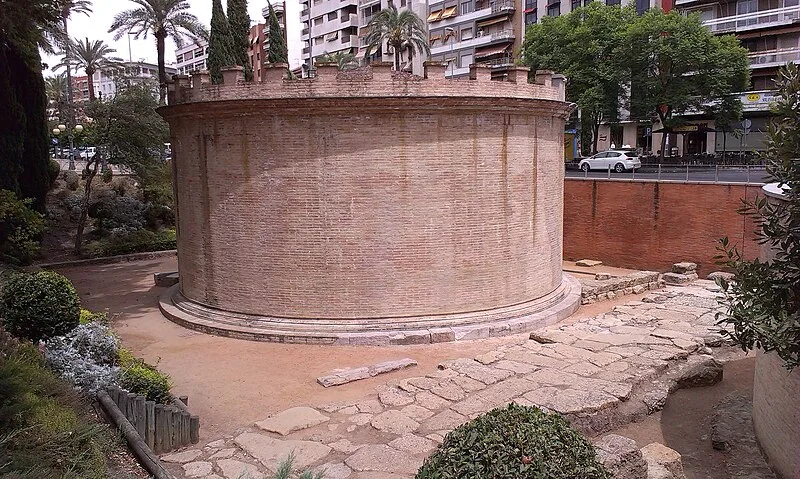
Roman Mausoleum of Córdoba
Two cylindrical Roman funerary monuments in the Jardines de la Victoria, Cordoba, dating to the mid-1st century AD and considered the most significant Roman funerary monuments in…
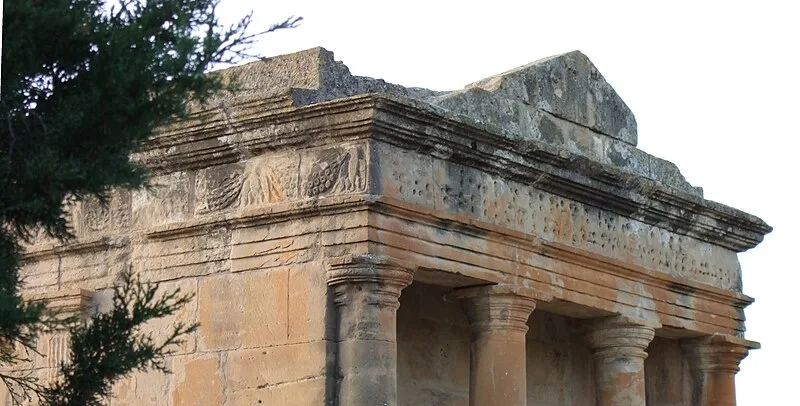
Roman Mausoleum of Fabara
2nd-century AD Roman mausoleum on the left bank of the Matarranya River near Fabara, Zaragoza Province. Possibly the best-preserved Roman tomb of its type in the entire Iberian…
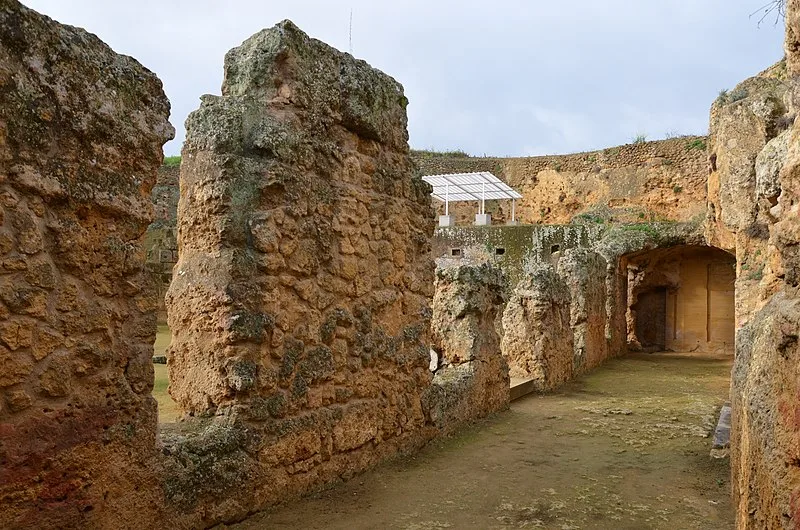
Tomb of Servilia
The Tomb of Servilia (1st-2nd century AD) is the largest tomb in the Roman Necropolis of Carmona, near Seville, Spain. Built on a Hellenistic model, it resembles a luxurious Roman…
Dolmen in Spain (10)
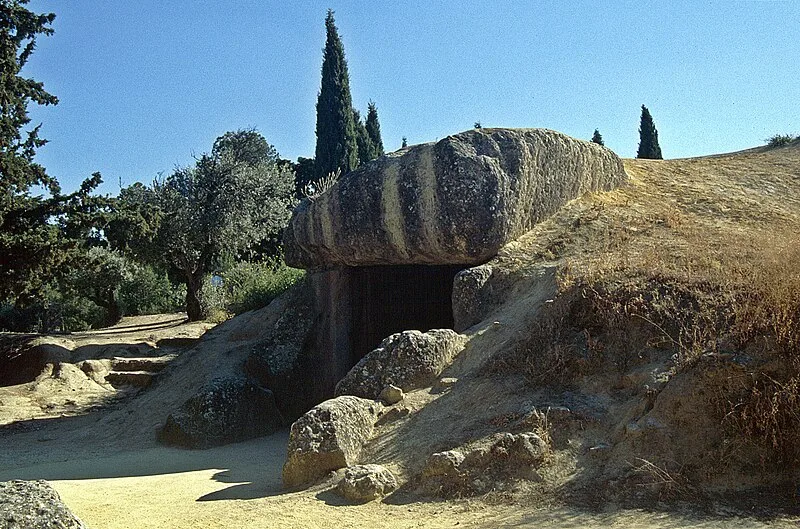
Antequera Dolmens Site
A UNESCO World Heritage Site (inscribed 2016) in Andalusia, Spain, comprising three megalithic monuments and two natural landmarks. The Dolmen of Menga (c. 3750-3650 BCE) is the…
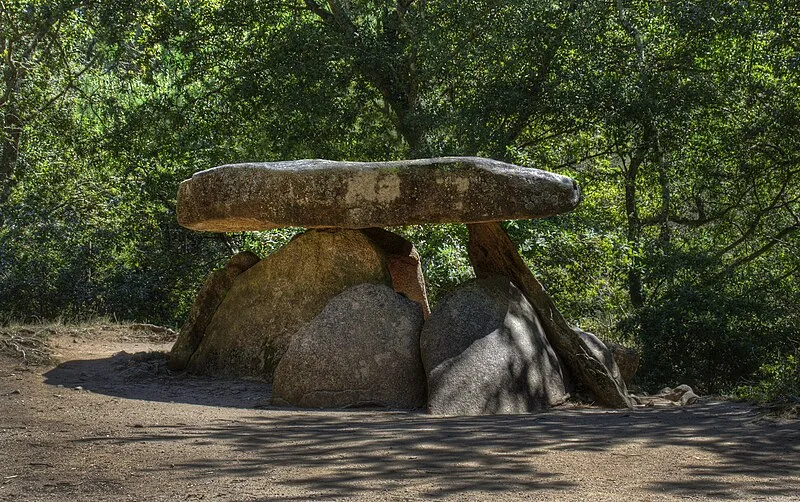
Dolmen de Axeitos
Dolmen de Axeitos is a Neolithic megalithic monument located in a forest park in the parish of Oleiros, municipality of Ribeira, in Galicia, northwestern Spain. Dated to 4000-3600…
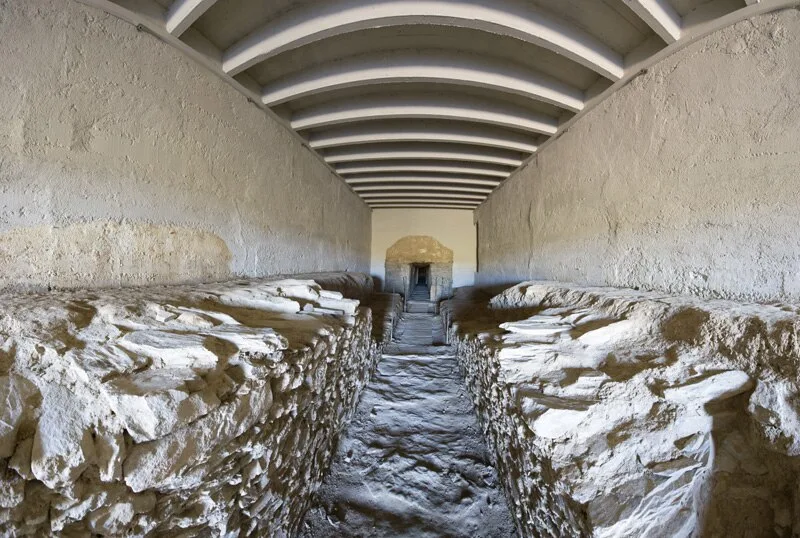
Dolmen de la Pastora
The Dolmen de la Pastora is a Chalcolithic passage grave at Valencina de la Concepcion near Seville, Spain. Its 43-metre gallery -- the longest on the Iberian Peninsula -- is…
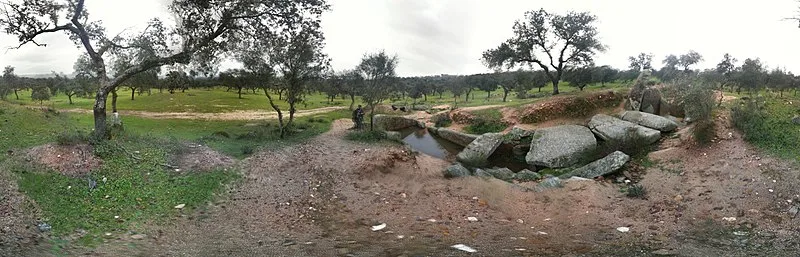
Dolmen del prado de Lácara
The Dolmen del prado de Lácara is a megalithic passage tomb located northwest of Mérida in Badajoz province, Spain, beside the EX-214 road connecting Aljucén with La Nava de…
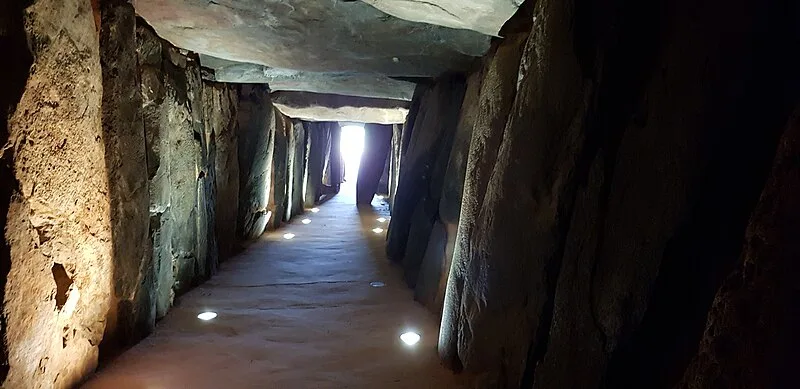
Dolmen de Soto
The Dolmen de Soto is a Neolithic passage tomb in Trigueros, Andalucia, Spain, dated to between 3000 and 2500 BC. Discovered in 1923 by Armando de Soto Morillas and excavated by…
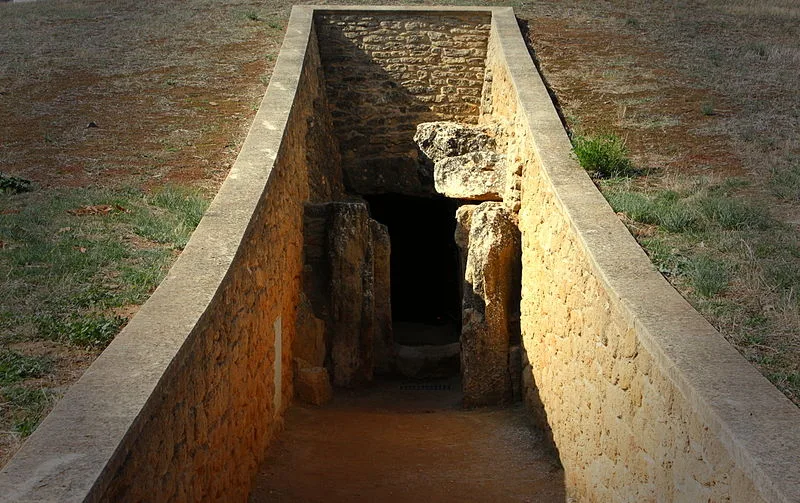
Dolmen de Viera
The Dolmen de Viera is a Copper Age megalithic corridor tomb near Antequera, Malaga, Spain, built c. 3510-3020 BC. Discovered in 1903 by brothers Antonio and Jose Viera, it…
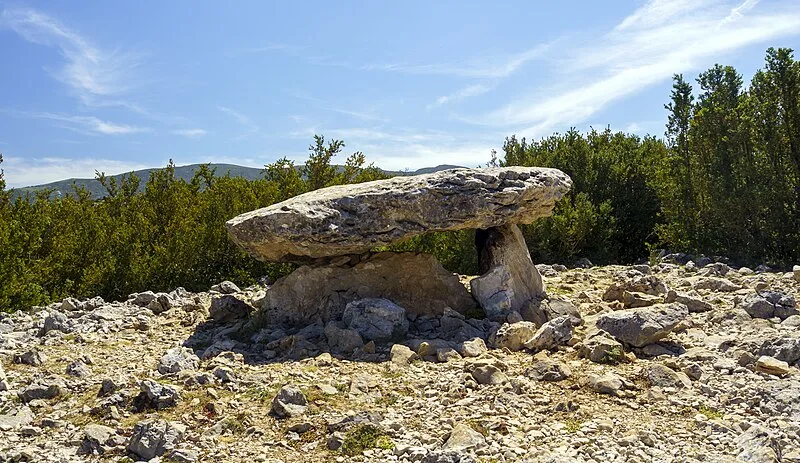
Dolmen Losa de la Mora
Dolmen Losa de la Mora is a well-preserved dolmen located in Rodellar, in the municipality of Bierge, in the Sierra de Guara at an altitude of 1,020 masl, dating from Neolithic…
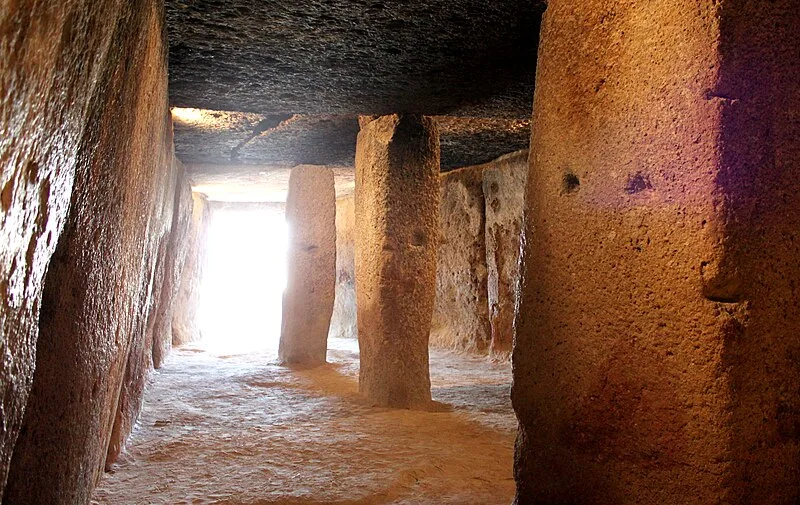
Dolmen of Menga
The Dolmen of Menga is one of Europe's largest megalithic structures, a Neolithic burial tumulus near Antequera, Spain, built c. 3750-3650 BC. It measures 27.5 m long, 6 m wide,…
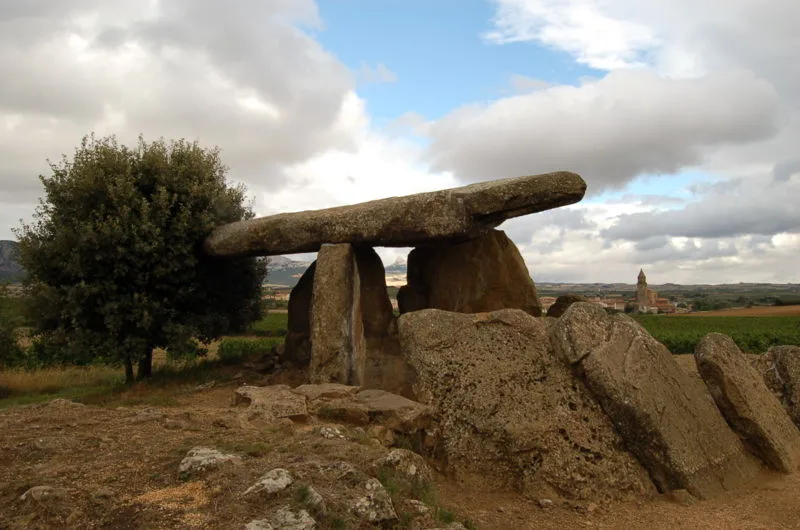
La Chabola de la Hechicera
La Chabola de la Hechicera (Basque: Sorginaren Txabola, 'The Witch's Hut') is a dolmen constructed between 3000 and 1500 BC in Elvillar, Álava, Basque Country, Spain. Three large…
Son Oleza
Son Oleza is a prehistoric Beaker culture dolmen and settlement near Valldemossa on Mallorca's northwest coast, occupied from c. 2500 to 1300 BC. Investigated by Professor Bill…
Reservoir/aqueduct/canal in Spain (10)
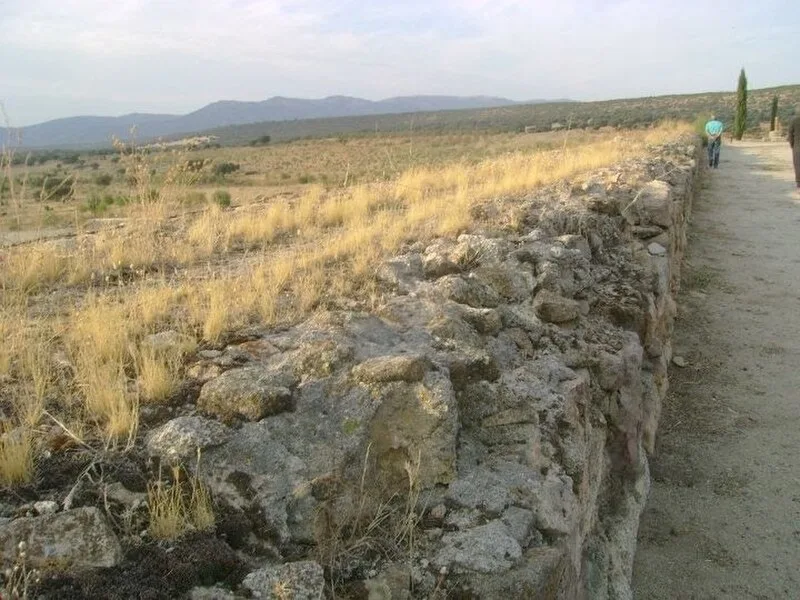
Alcantarilla Dam
The Alcantarilla Dam is a ruined Roman gravity dam near Mazarambroz in Toledo province, Spain, believed to date to the 2nd century BC, making it possibly the oldest known Roman…
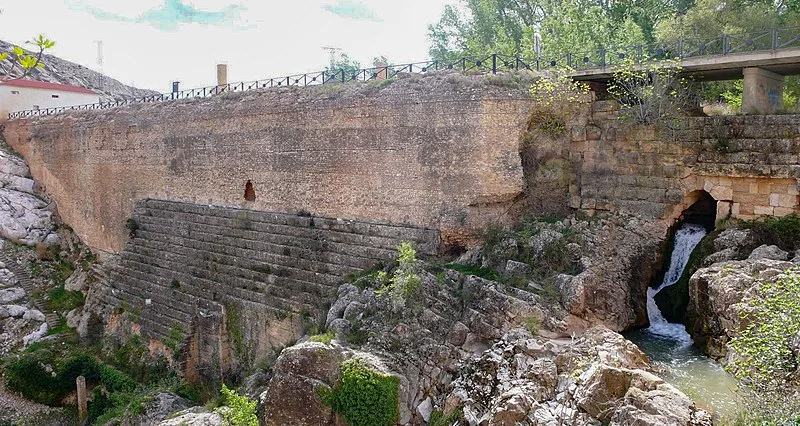
Almonacid de la Cuba Dam
The Almonacid de la Cuba Dam is a Roman gravity dam in Zaragoza province, Aragon, Spain, built during the 1st century AD under Emperor Augustus. Standing 34 meters tall, 120…
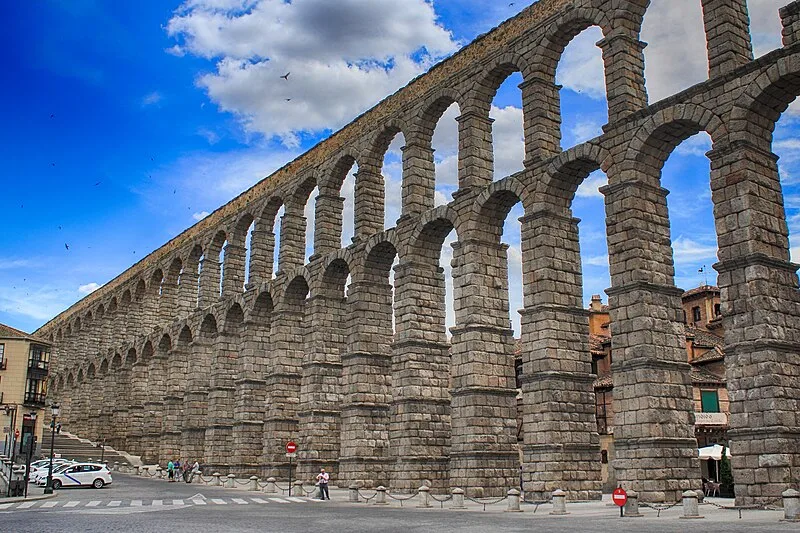
Aqueduct of Segovia
Built in the 1st century AD, the Aqueduct of Segovia is a Roman engineering masterpiece that transported water 17 km from mountain springs to the city. Its elevated section…
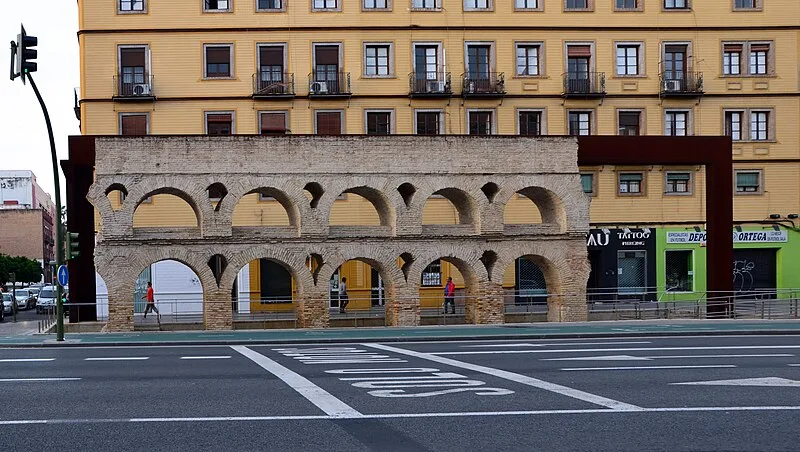
Caños de Carmona
The Caños de Carmona is a Roman aqueduct built in the 1st century BC to transport water from a spring at Irippo (modern Alcalá de Guadaíra) to the city of Hispalis (modern…
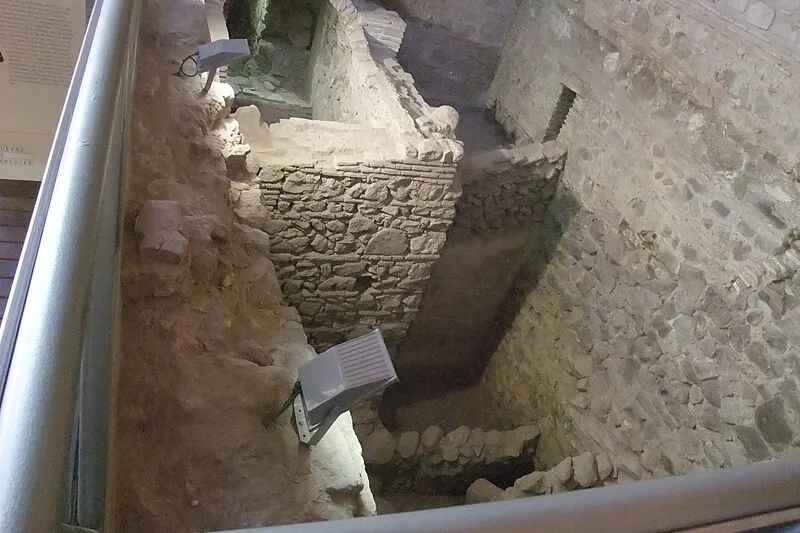
Cave of Hercules
The Cave of Hercules (Cueva de Hercules) is a subterranean Roman structure beneath the streets of Toledo, Spain, built around the second half of the 1st century AD. Featuring…
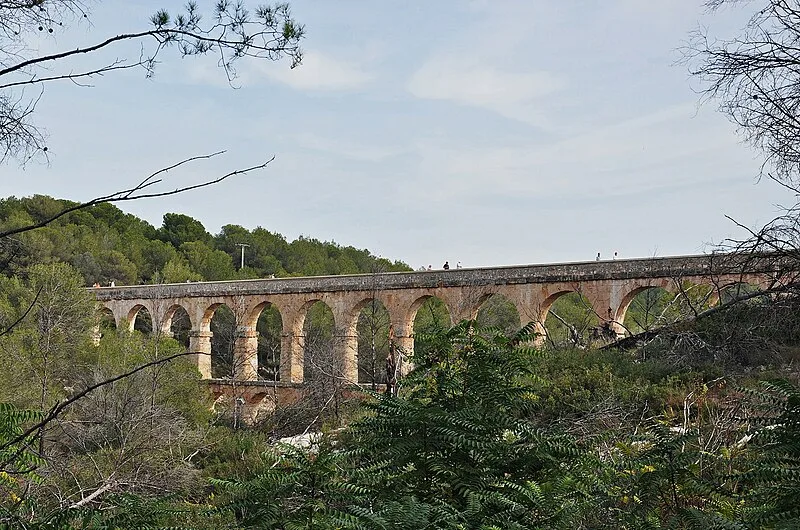
Les Ferreres Aqueduct
The Ferreres Aqueduct, also known as Pont del Diable, is a Roman bridge-aqueduct located 4 km north of Tarragona in Catalonia, Spain. Built during the late 1st century BC to early…
Muel Dam
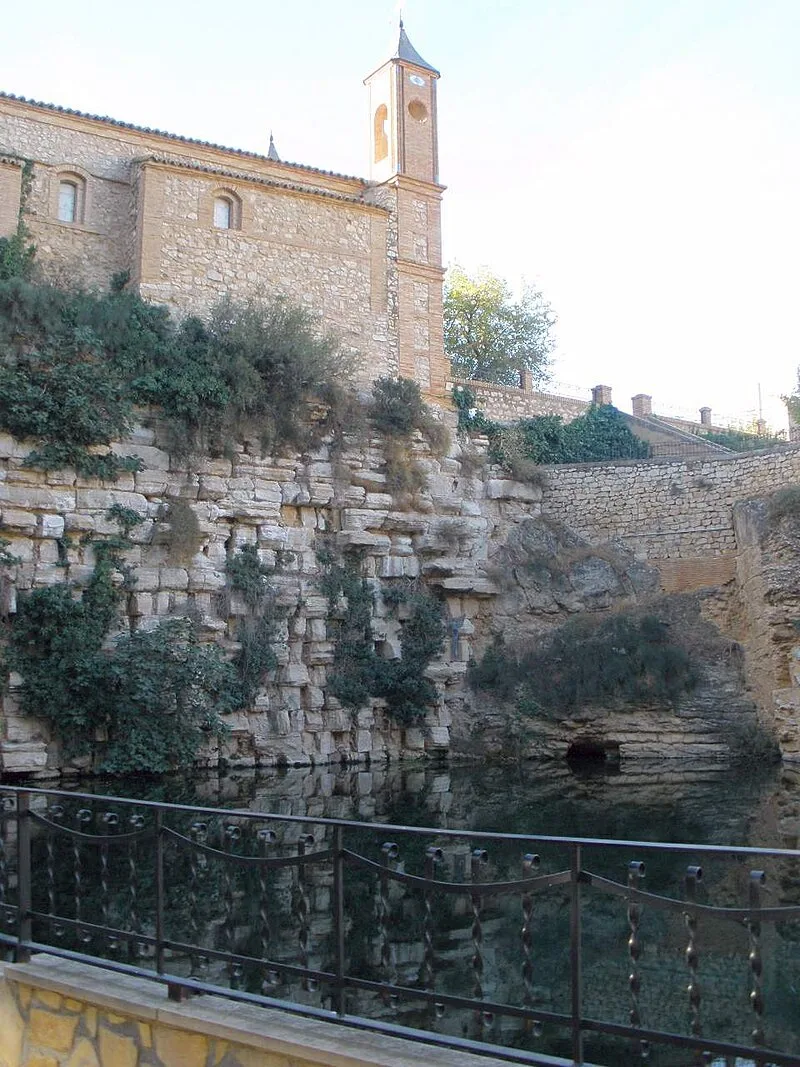
The Muel Dam was a Roman gravity dam built in the Zaragoza province of Aragon, Spain during the 1st century AD.
Roman Aqueducts of Toledo
Remains of two Roman aqueducts that supplied the city of Toletum (modern Toledo) in Castile-La Mancha, Spain. The main aqueduct was a 38-kilometre canal fed by a 21-metre-high dam…
Roman Remains under Alfonso X Street
The Roman remains under Alfonso X Street in Toledo, known as the "Chambers of Hacienda," are an underground water distribution network from the 1st century AD that supplied a…
San Lázaro Roman Aqueduct
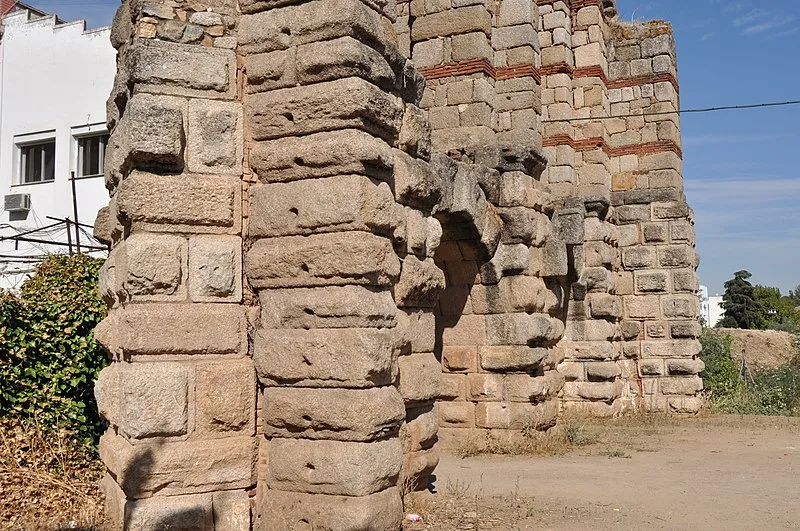
The San Lazaro Aqueduct is a 1st-century Roman aqueduct in Merida (ancient Augusta Emerita), capital of the Roman province of Lusitania. Originally extending nearly 1,000 metres,…
Temple complex in Spain (10)
Cerro de los Santos
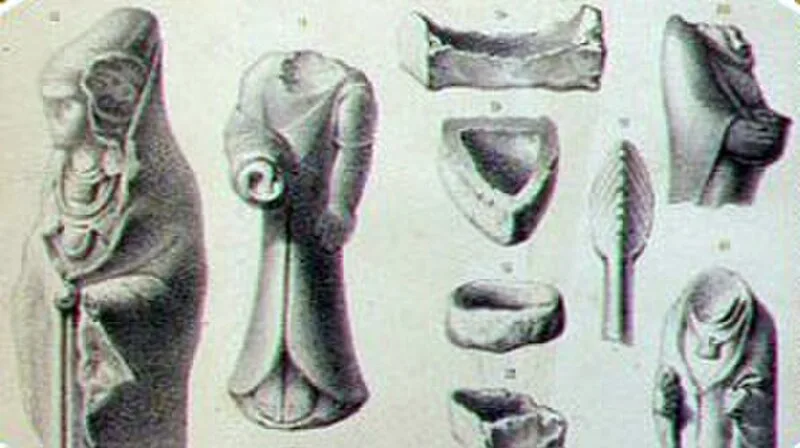
Cerro de los Santos is an Iberian religious sanctuary built in the 4th century BCE, located in southeastern Spain. The site lies beside an ancient road and was used from the…
Concordia - Remains of the Roman Temple of Augustus
The Roman Forum was the main public area of Emerita Augusta, founded in 25 BC by Emperor Augustus. The complex was later joined by the Provincial Forum in 50 AD. Together with…
Roman Temple of Alcántara
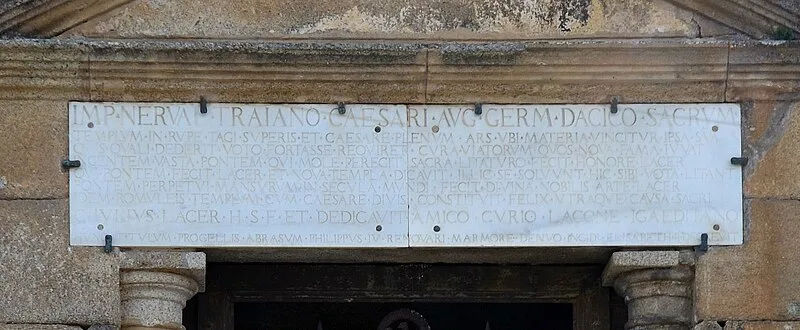
The Roman Temple of Alcántara is a 2nd-century AD sacred structure in Extremadura, Spain, standing beside the Alcántara Bridge. Along with the Temple of Vic, it is one of only two…
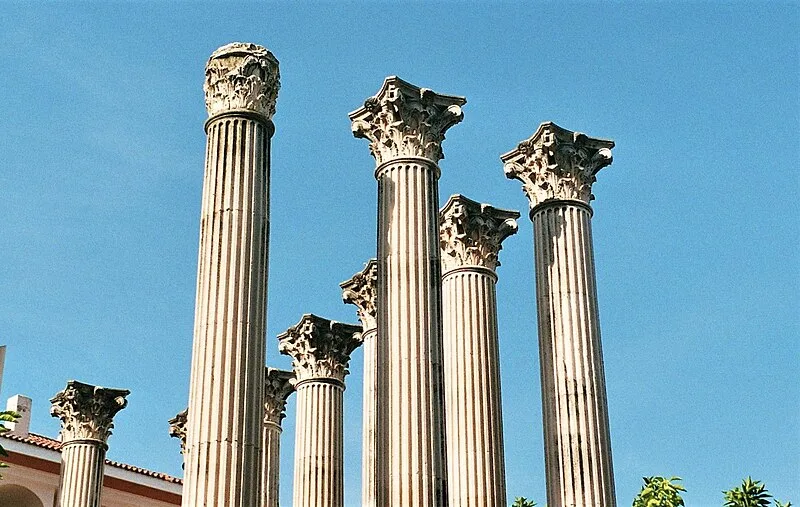
Roman Temple of Córdoba
(1st c. AD) The Roman temple of Córdoba, discovered in the 1950s during City Hall expansion, stands at the corner of Claudio Marcelo and Capitulares streets. It was possibly the…
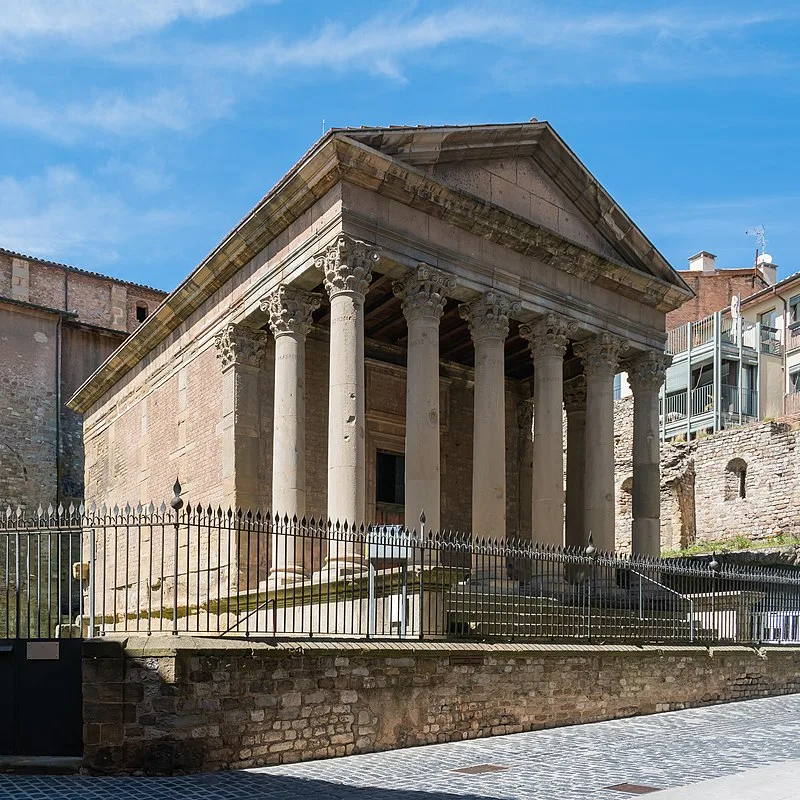
Roman Temple of Vic
A 2nd-century Roman temple in Vic, Catalonia, built during the Roman city of Ausa. It consists of a cella and an atrium with eight columns. Hidden for centuries within the Castell…
Ruinas Romanas de Mérida
The ruins of Emérita Augusta, a Roman city founded c. 25 BC by Emperor Augustus to settle veteran soldiers. The site features one of Spain's best-preserved Roman theatre…
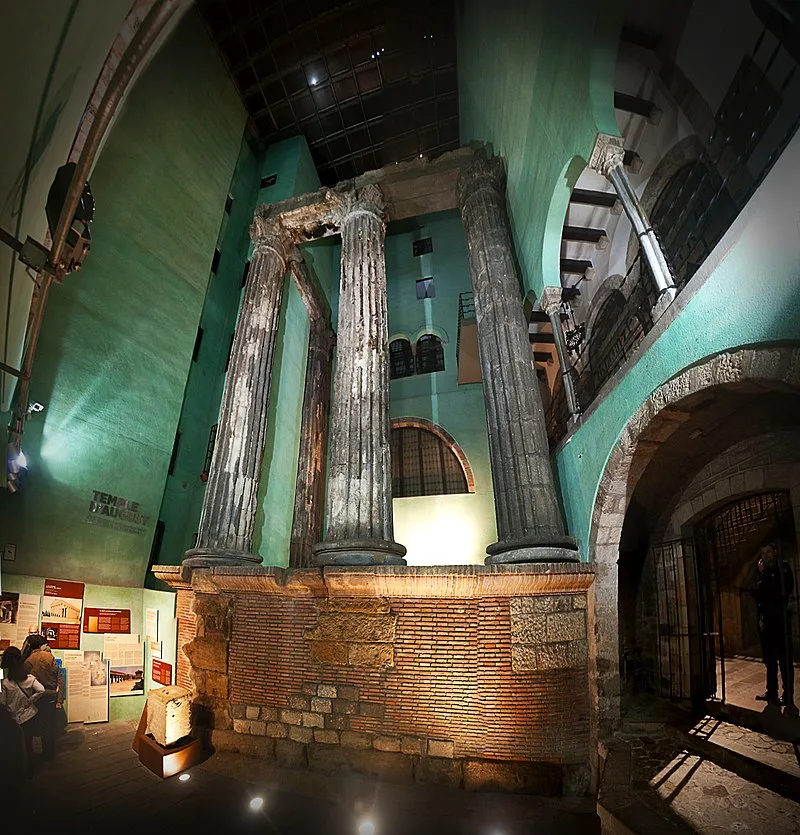
Temple of Augustus, Barcelona
Roman temple in Barcelona, built during the Imperial period in the colony of Barcino. It stood as the central building on Tàber Hill, at present-day Carrer del Paradís number 10…
Temple of Diana
(1st c. AD) The remains of an Ancient Roman temple built under Emperor Tiberius in the Roman capital of Lusitania. It is well-preserved, probably due to its incorporation into a…
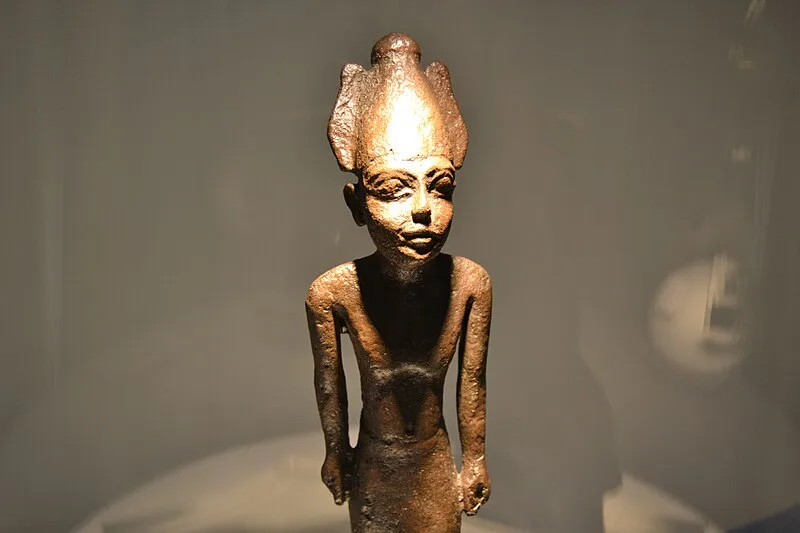
Temple of Hercules Gaditanus
A Phoenician sanctuary founded after 800 BC near ancient Gadir (modern Cadiz), originally dedicated to the Tyrian god Melqart. Under Roman rule it became the Temple of Hercules…
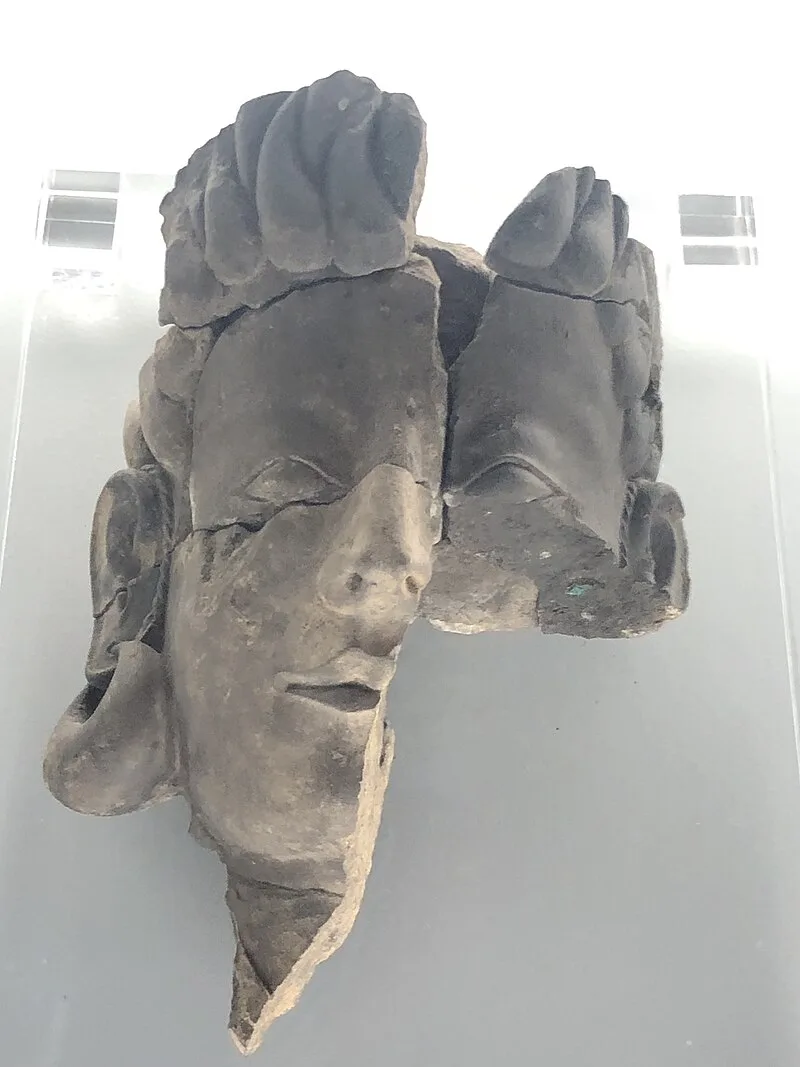
Turuñuelo
El Turuñuelo is a Tartessian archaeological site in Guareña, Badajoz, Spain, representing the late phase of this civilization in the Middle Guadiana Valley during the 5th century…
Fortress/citadel in Spain (9)
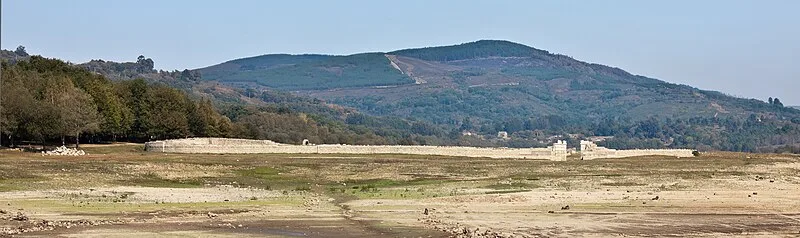
Aquis Querquennis
Aquis Querquennis is a Roman military fort in Ourense Province, Galicia, Spain, built c. 69-79 AD to house soldiers of Legio VII Gemina constructing the Via XVIII (Via Nova)…
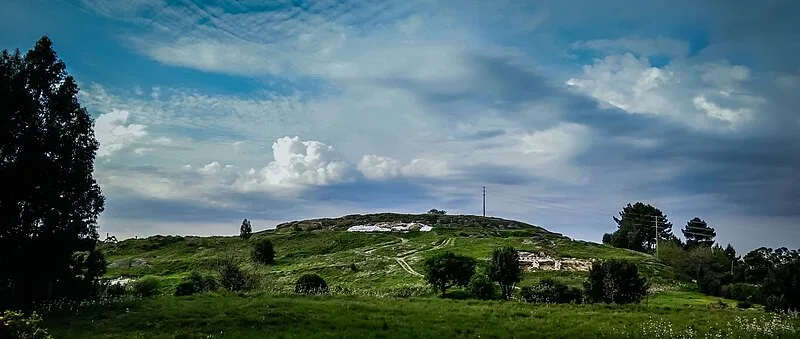
Castro de Elviña
Castro de Elvina is an Iron Age hillfort located south of the city of A Coruna, Galicia, built by the Gallaeci Celtic tribes. Declared a historic monument in 1962, the site…
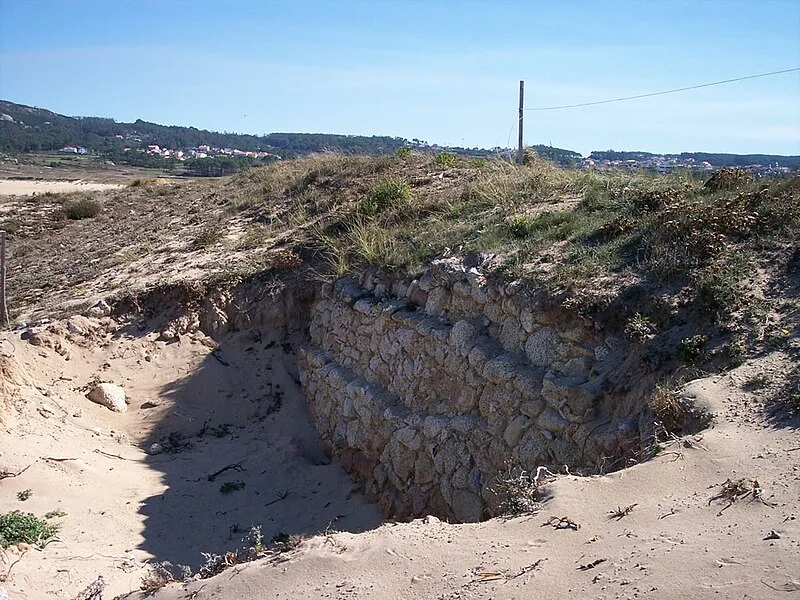
Castro de Porto de Baixo
Castro de Porto de Baixo is an Iron Age archaeological site within the Dunes of Corrubedo Natural Park in Galicia, Spain. It was inhabited between the 4th and 2nd centuries BC,…
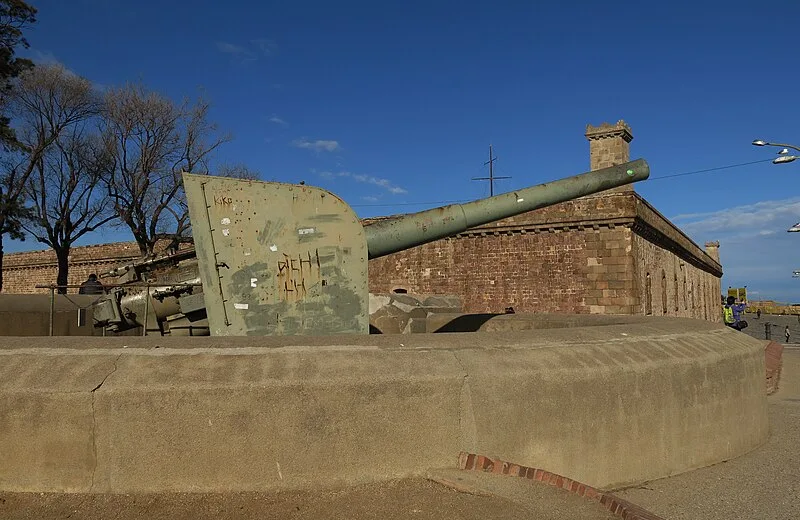
Montjuïc Castle
Montjuic Castle is a military fortress atop Montjuic hill in Barcelona, Spain, originally built in just 30 days during the Reapers' War in 1640. Redesigned by engineer Juan Martin…

Numantia
Numantia is an ancient Celtiberian settlement on Cerro de la Muela hill near Garray, Soria, Spain. Famous for its role in the Celtiberian Wars, the city resisted Roman forces for…
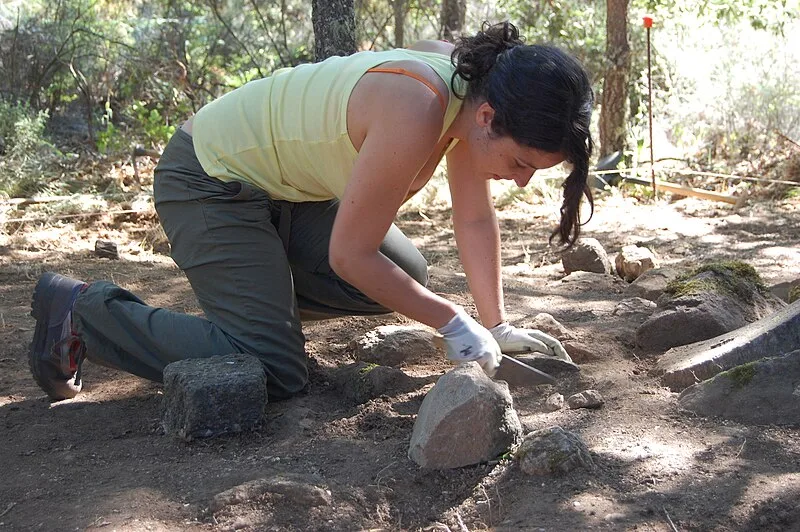
Peñas de la Cerca
Penas de la Cerca is an Iron Age hillfort dating to approximately the 7th century BC, located near Rionegrito de Sanabria in the province of Zamora, north-western Spain. The site…
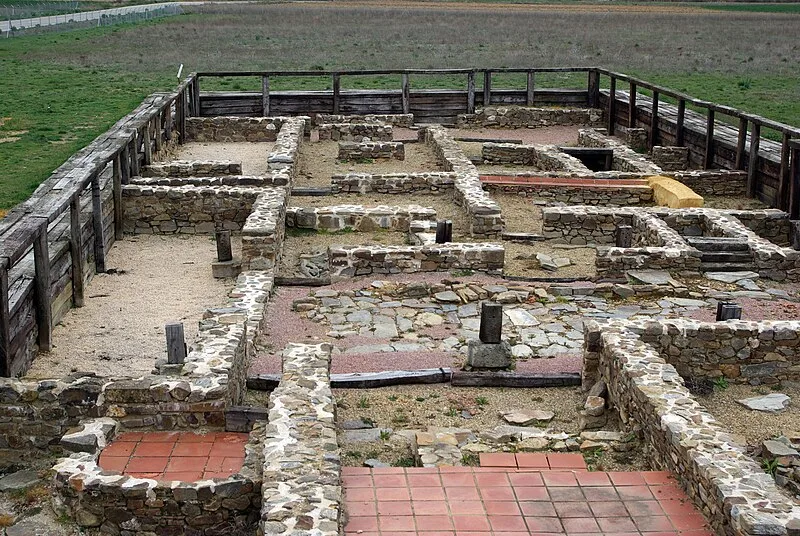
Petavonium
Petavonium was a Roman legionary fortress (castrum) established c. 25-19 BC in the Vidriales valley, Zamora province, Spain, during the Cantabrian Wars under Augustus. It housed a…
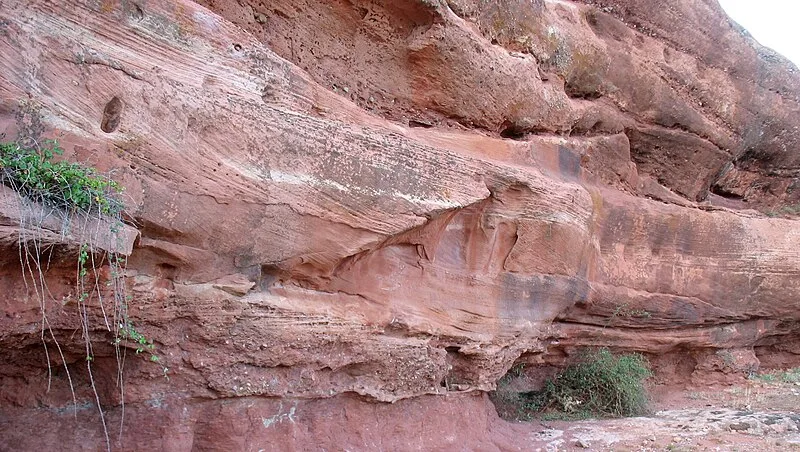
Termantia
Termantia, known today as Tiermes, is an archaeological site carved into sandstone hills in Montejo de Tiermes, Soria, Spain. Originally a Celtiberian Arevaci stronghold with a…
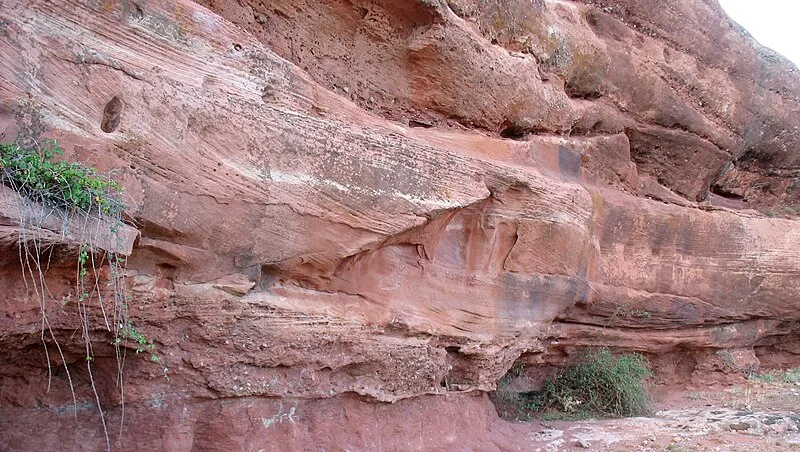
Tiermes Archaeological Site
An ancient Celtiberian and Roman city in Montejo de Tiermes, Soria, carved dramatically into red sandstone cliffs and sometimes compared to a Spanish Petra. Originally an Arevaci…
Residence/villa/farmhouse in Spain (9)
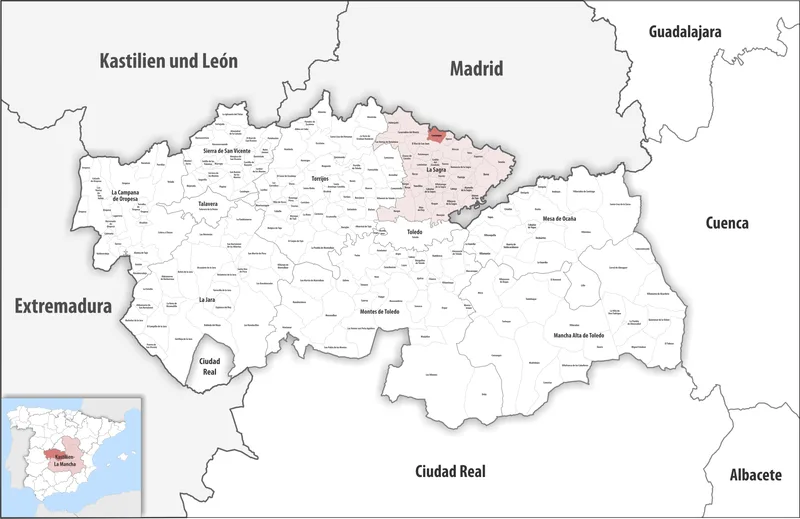
Carranque
Carranque Archaeological Park in Toledo province, Spain, preserves a lavish 4th-century Roman villa complex rediscovered in 1983 when a farmer's plough struck a mosaic. The site…
, centre d'interpretació.webp)
Els Munts - Roman Villa
A 2nd-century Roman villa located 12 km from Tarraco in Altafulla, Spain, Els Munts is renowned for its exceptionally preserved mosaics. The estate belonged to Caius Valerius…
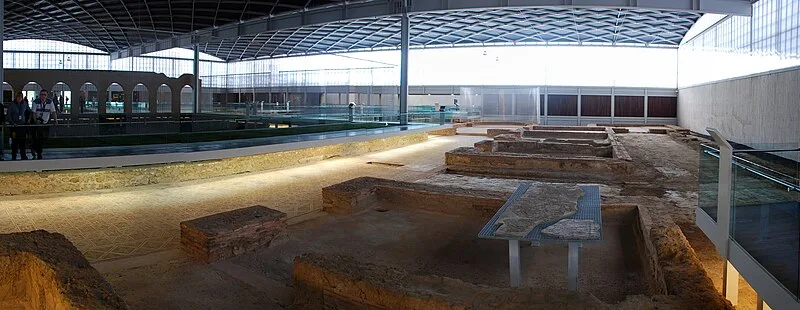
La Olmeda Roman Villa
La Olmeda is a palatial Late Roman villa in Pedrosa de la Vega, Palencia, Spain, discovered in 1968 when a farmer ploughed up a Roman bronze piece. The complex spans 3,000 square…
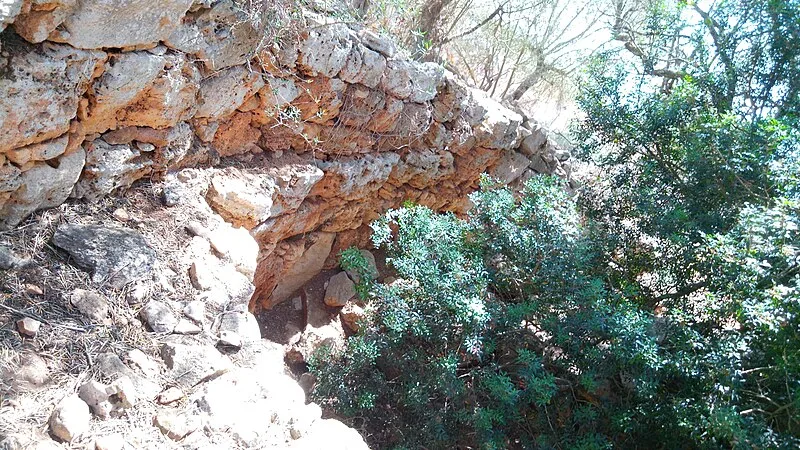
Naviforme
A naviforme was a prehistoric boat-shaped house built on the Balearic Islands of Spain during the Early Bronze Age or Pretalayotic Period. These large hut-like structures featured…
Roman Villa of Camino de Albalate
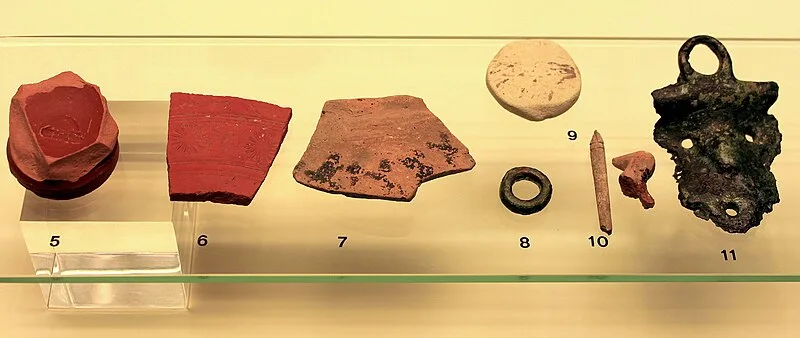
A Roman villa site near Calanda in Teruel province, Aragon, discovered in January 1964 by Antonio Bielsa Alegre in the Albalate orchard area. Now dismantled, it is one of the most…
Roman Villa of Can Llauder
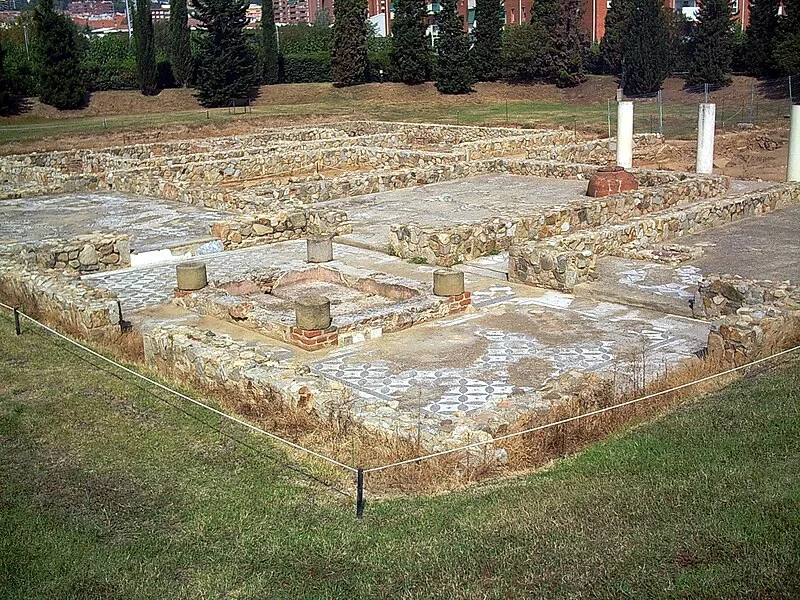
A Roman villa near Mataro (ancient Iluro), Barcelona, discovered in 1961 by Maria Ribas i Bertran and declared a National Historic-Artistic Monument in 1964. Built around the time…
Roman Villa of Centcelles
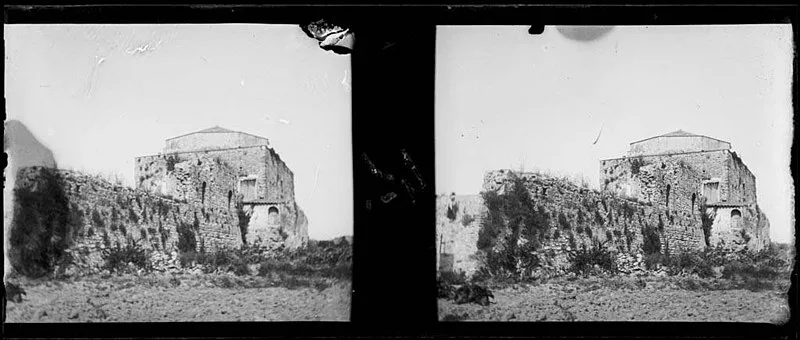
Roman villa and mausoleum in Catalonia, Spain, dating from the 1st to 5th century AD. Located in Constantí, 7 km from Tarragona near the Francolí river, it is one of the most…
Villar de Domingo García
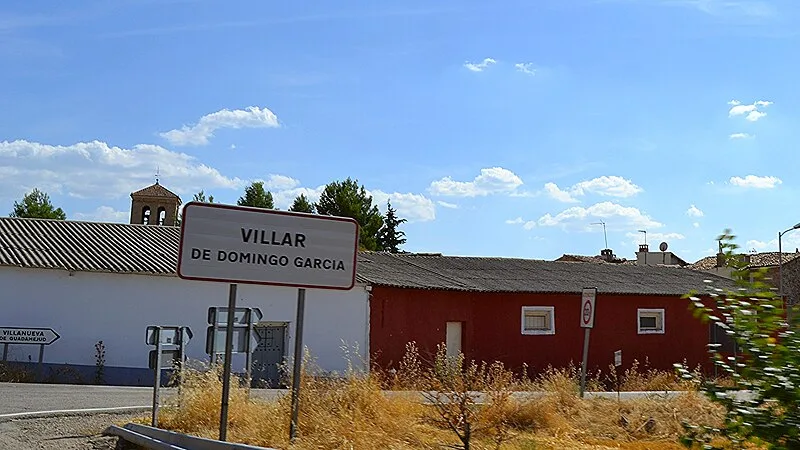
A late Roman villa near the town of Noheda in Cuenca province, Spain, dating from the 3rd to 5th centuries AD. Its triclinium contains one of the largest figural mosaic floors in…

Villa Romana de Río Verde
Villa Romana de Río Verde is a Roman villa on the coast of Marbella, Spain, at the mouth of the Río Verde river. The site represents the pars urbana (residential section) of an…
Theatre in Spain (9)
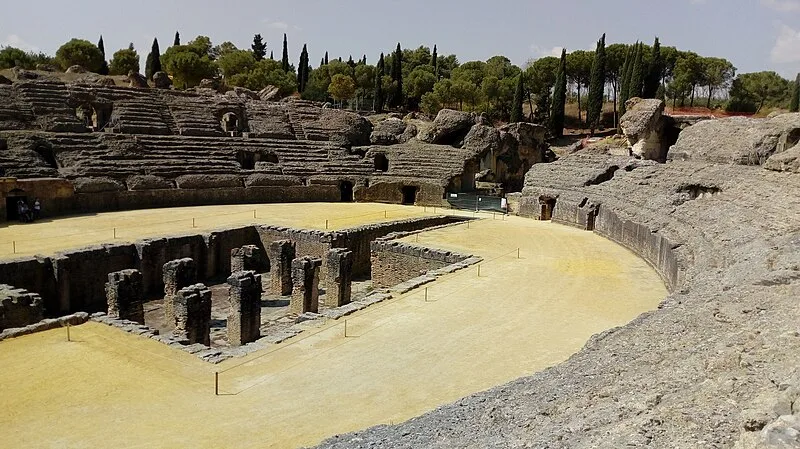
Roman Amphitheatre of Italica
The Roman Amphitheatre of Italica is a ruined amphitheatre in present-day Santiponce, Seville, Spain, located about 300 metres from the ancient city's northern entrance. Built…
Roman Theatre, Cádiz
Built in the 1st century BC by Lucius Cornelius Balbus Minor, this is the second-oldest stone Roman theatre in the Empire after Pompeii. With a cavea diameter exceeding 120…
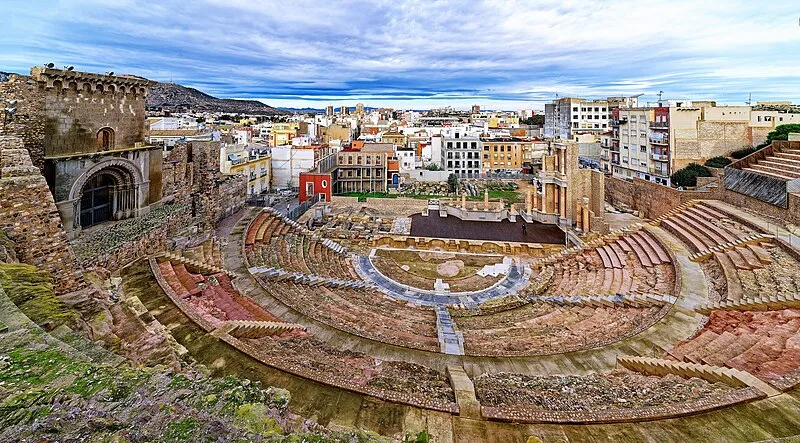
Roman Theatre, Cartagena
Built between 5 and 1 BC in the Roman colony of Carthago Nova, this theatre was dedicated to Gaius and Lucius Caesar, grandsons of Augustus. It seated approximately 6,000…
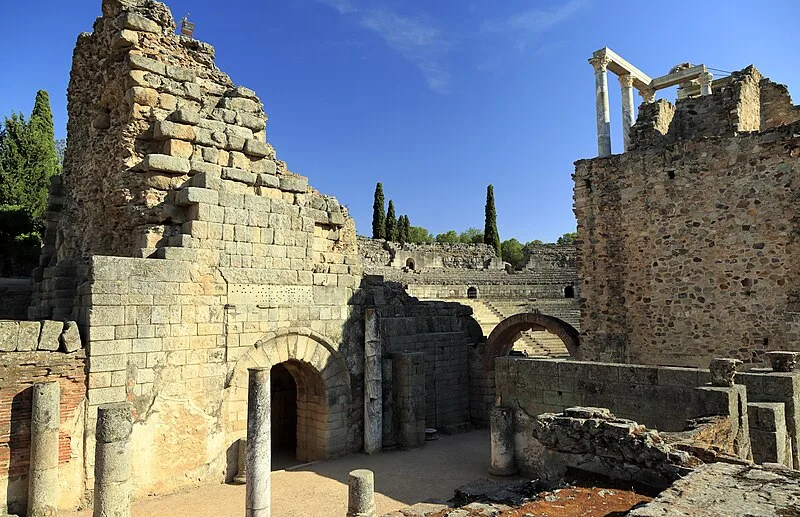
Roman Theatre, Mérida
Commissioned by consul Marcus Vipsanius Agrippa in 16-15 BC in Emerita Augusta, capital of Roman Lusitania (modern Merida, Spain). The semicircular cavea (86.63 m diameter) seated…
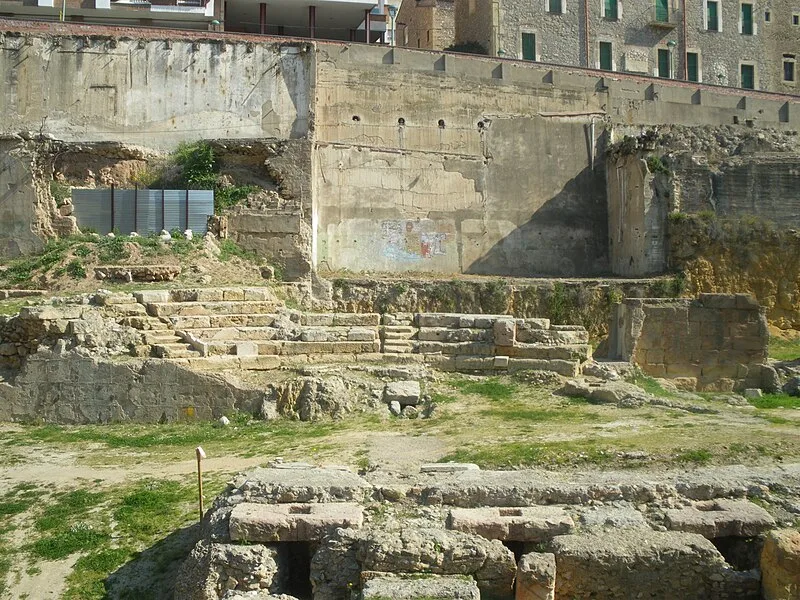
Roman Theatre, Tarraco
The Roman Theatre of Tarraco was a Roman theatre built in Tarraco –present-day Tarragona, Spain–, the capital of the Roman province of Hispania Tarraconensis. Constructed at the…
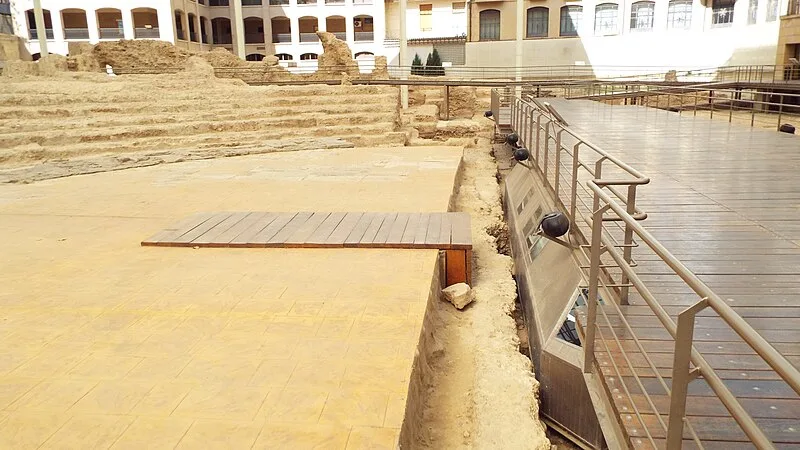
Roman Theatre, Zaragoza
Constructed during the reigns of Tiberius (14-37 AD) and Claudius (41-54 AD) in the Roman colony of Caesaraugusta, this theatre followed the model of the Theatre of Marcellus in…
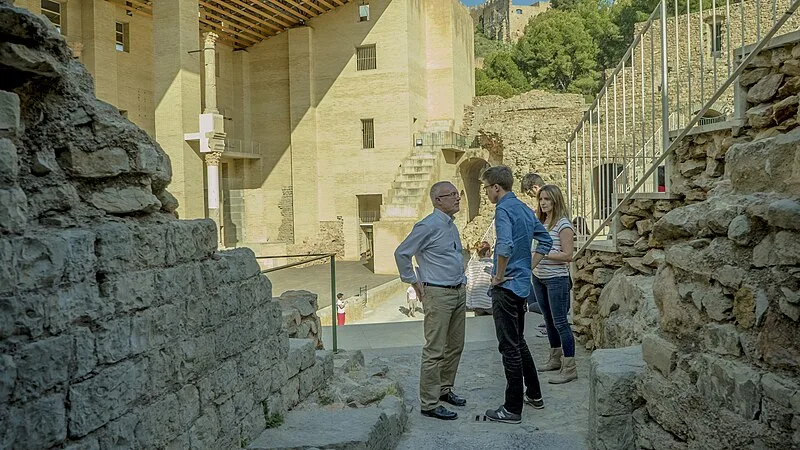
Sagunto Roman Theatre
The Roman Theatre of Sagunto, built in the 1st century AD during the reign of Emperor Augustus, sits on a hillside terrace below Sagunto Castle in Spain's Valencia province. The…
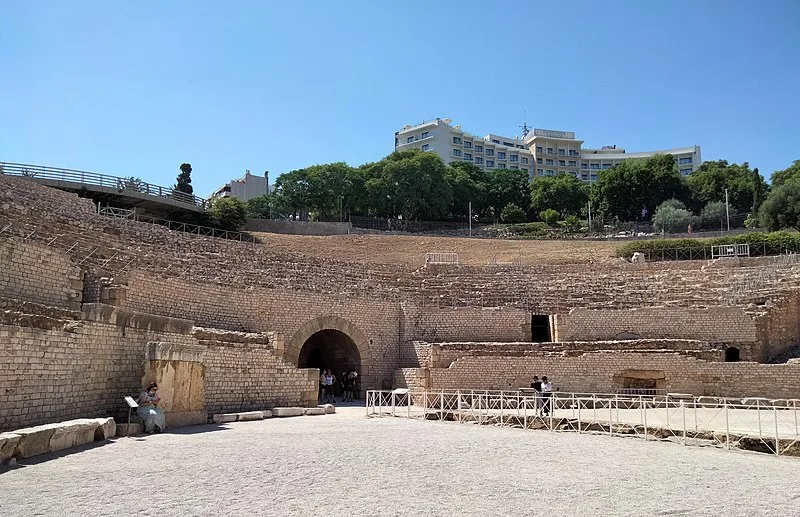
Tarragona Amphitheatre
The Roman Amphitheatre of Tarraco is a 2nd-century AD arena in Hispania Tarraconensis, the capital of Roman Spain. Built near the provincial forum, it measures 130 by 102 metres…
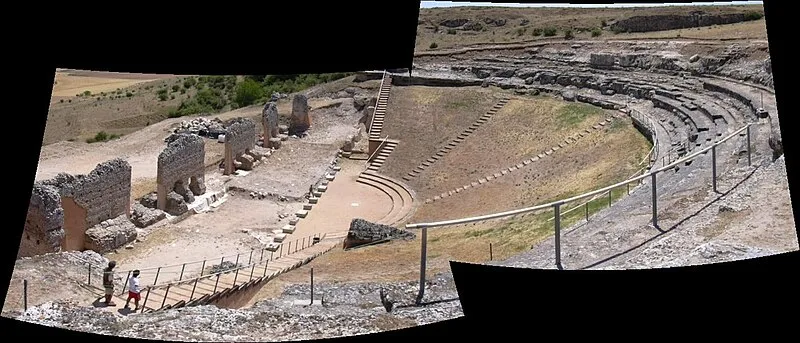
Theatre of Clunia Sulpicia
The Theatre of Clunia Sulpicia is a Roman theatre in the ancient city of Colonia Clunia Sulpicia, located between Coruna del Conde and Penalba de Castro in the province of Burgos,…
Other sites in Spain (30)
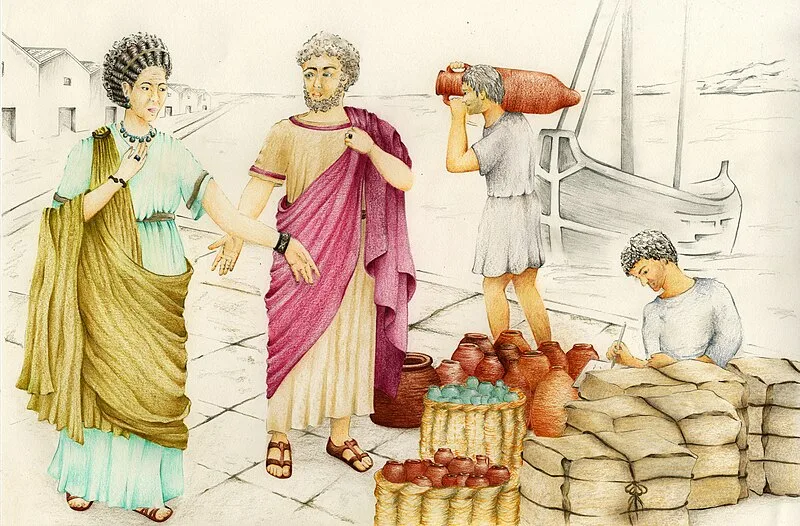
Archaeological Ensemble of Tárraco
The Archaeological Ensemble of Tarraco in Tarragona, Spain, was inscribed as a UNESCO World Heritage Site in 2000. Tarraco was the oldest Roman settlement on the Iberian…
Arlobi Menhir
The Arlobi Menhir is a megalithic monument in Gorbea Natural Park, Zuia, Álava, Basque Country, Spain. Discovered on 20 March 2004 by three archaeologists, it dates to the Albian…
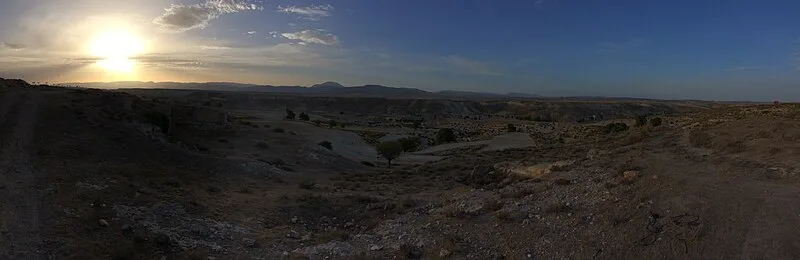
Barranco León
Barranco León is an archaeological site in Orce, Andalusia, Spain dating to 1.2–1.4 million years ago, representing one of the oldest hominin occupations in Western Europe. The…
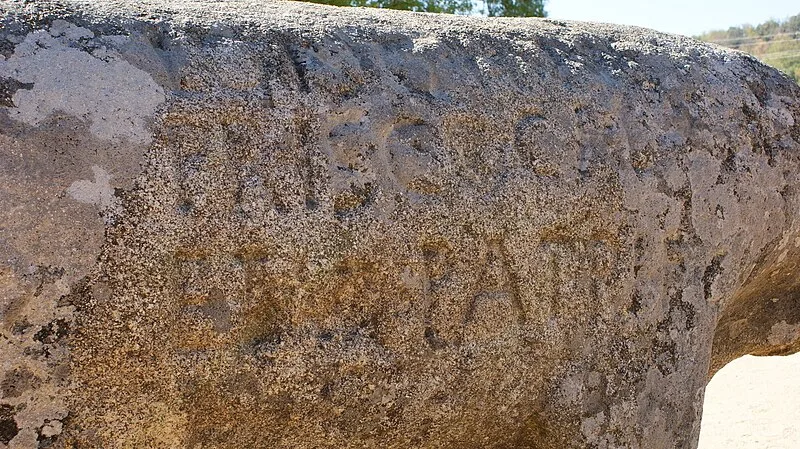
Bulls of Guisando
The Bulls of Guisando (Toros de Guisando) are four granite sculptures on the hill of Guisando in El Tiémblo, Ávila, Spain. Dating to the 2nd century BC, they are examples of the…
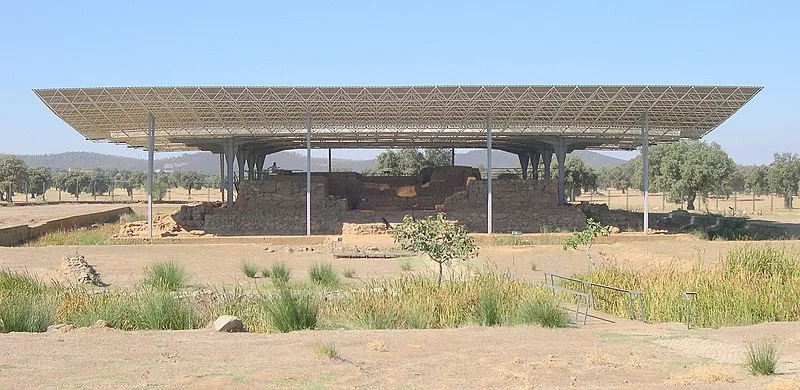
Cancho Roano
Cancho Roano is an archaeological site in Zalamea de la Serena, Badajoz, Spain, located in a small valley along the Cagancha stream. It is the best preserved Tartessian site,…
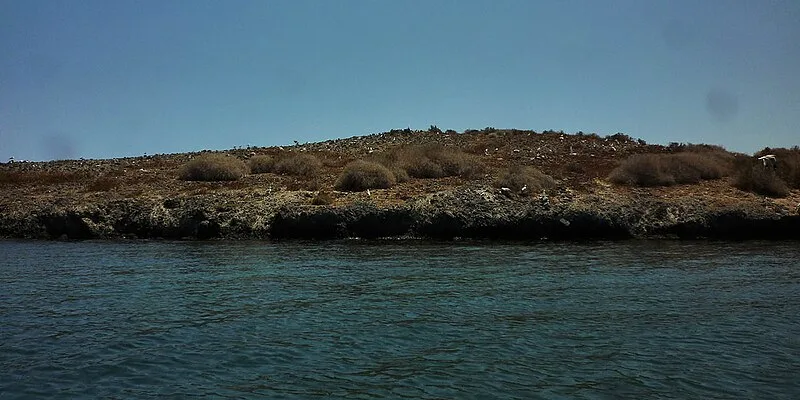
Cartagena, Spain
Cartagena is a city in southeastern Spain with over 2,300 years of history. Founded around 227 BC by Carthaginian general Hasdrubal the Fair as Qart Hadasht, it became a major…
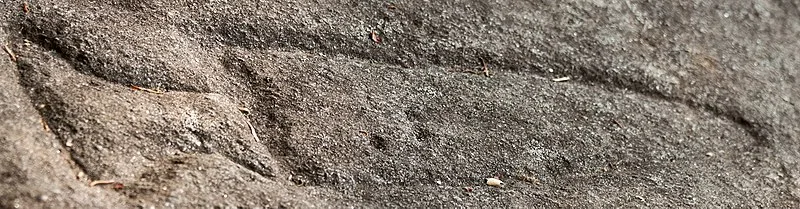
Castriño de Conxo
Castrino de Conxo is an archaeological site in Santiago de Compostela, Galicia, featuring Bronze Age petroglyphs discovered by Ramon Sobrino Buhigas in 1935. The granitic slab…
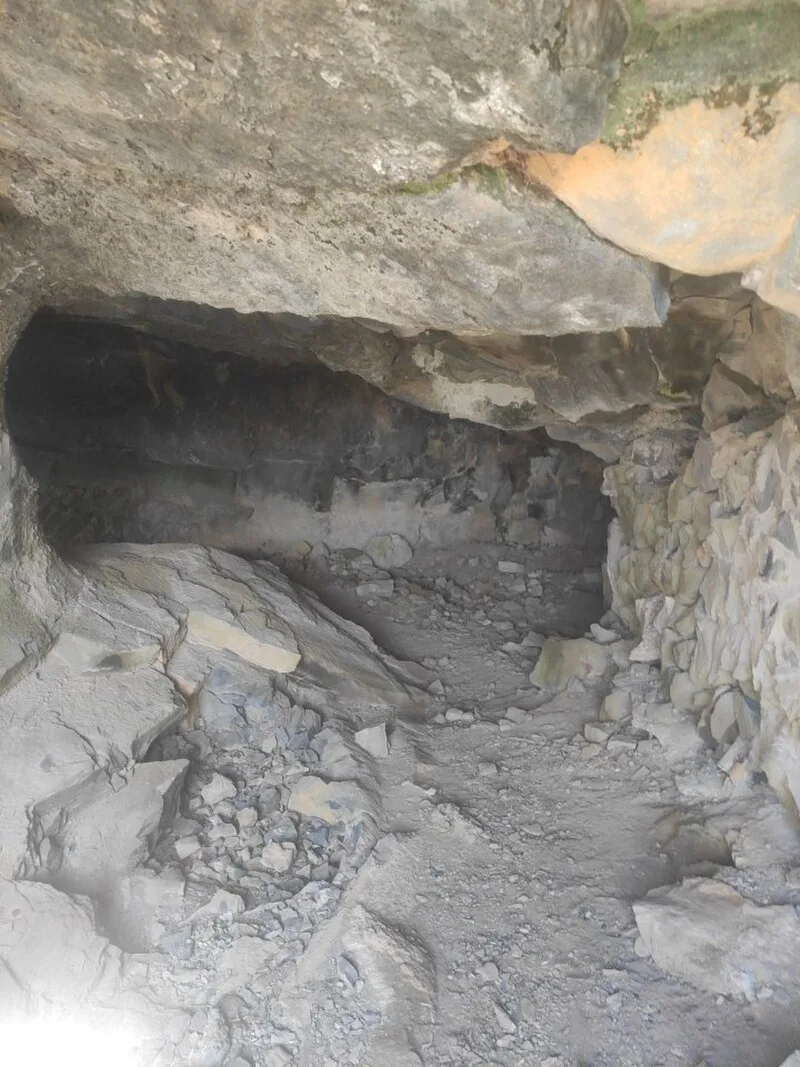
Cave of the Guanches
A protected archaeological site in the municipality of Icod de los Vinos on the north coast of Tenerife, Canary Islands, Spain, designated as a Bien de Interes Cultural. The cave…
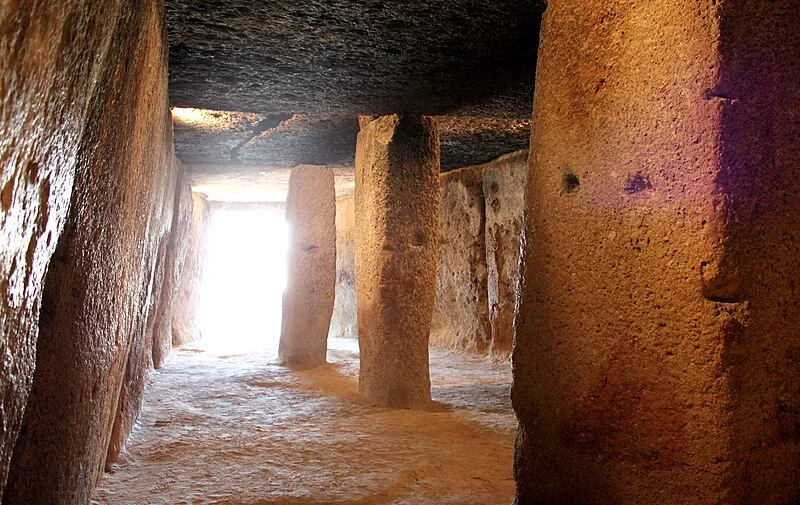
Dolmen de Menga
The Dolmen of Menga is a Neolithic megalithic burial mound near Antequera, Malaga, Spain, built between 3750 and 3650 BC. At nearly 30 metres long, 6 m wide, and 3.5 m high, it is…
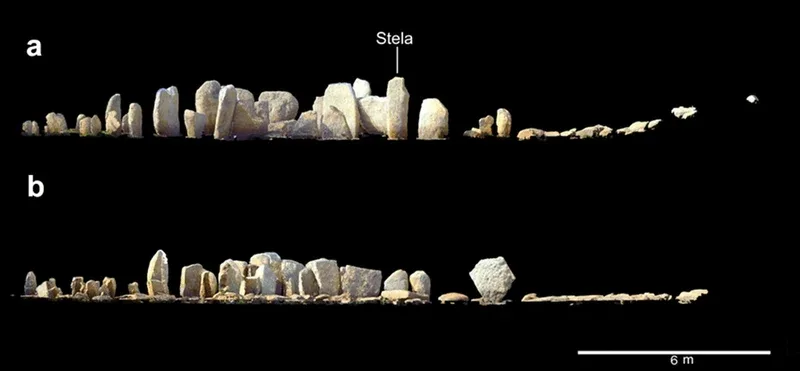
Dolmen of Guadalperal
The Dolmen of Guadalperal is a megalithic monument in eastern Extremadura, Spain, dating to around 3000 BC. Located in the Valdecañas reservoir on the Tagus River near Peraleda de…
El Oso, Ávila
A municipality in the Spanish province of Avila whose name ('the bear') derives from a megalithic stone sculpture outside its church. The monument is classified as a verraco, a…
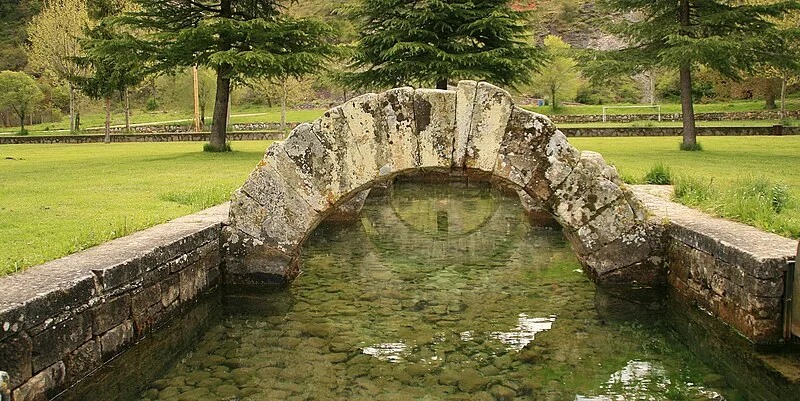
Fontes Tamarici
The Fontes Tamarici are three ancient springs mentioned by Roman author Pliny the Elder during the Roman conquest of Cantabria (1st c. BC). Located in what is now Palencia, Spain,…
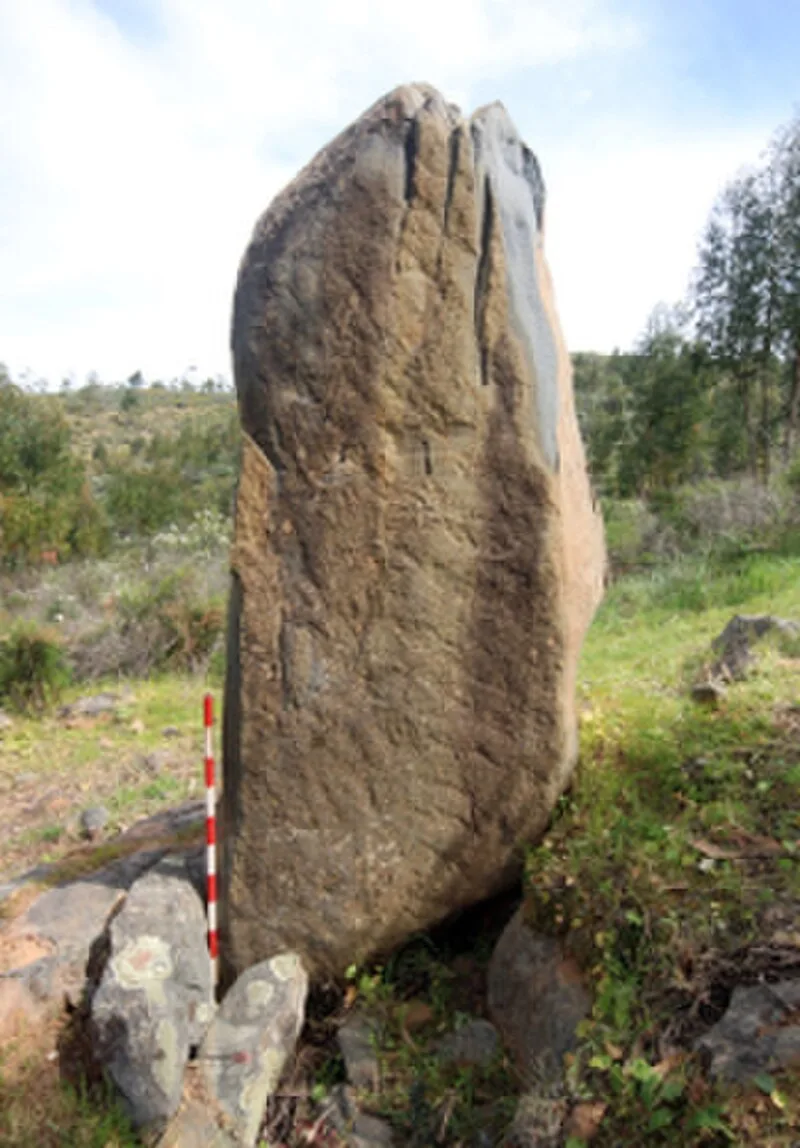
La Torre-La Janera Megalithic Site
Built before 4500 BC, La Torre-La Janera is one of Europe's largest megalithic sites. Discovered in 2018 when a farmer prepared land for avocado cultivation, the site in Huelva…
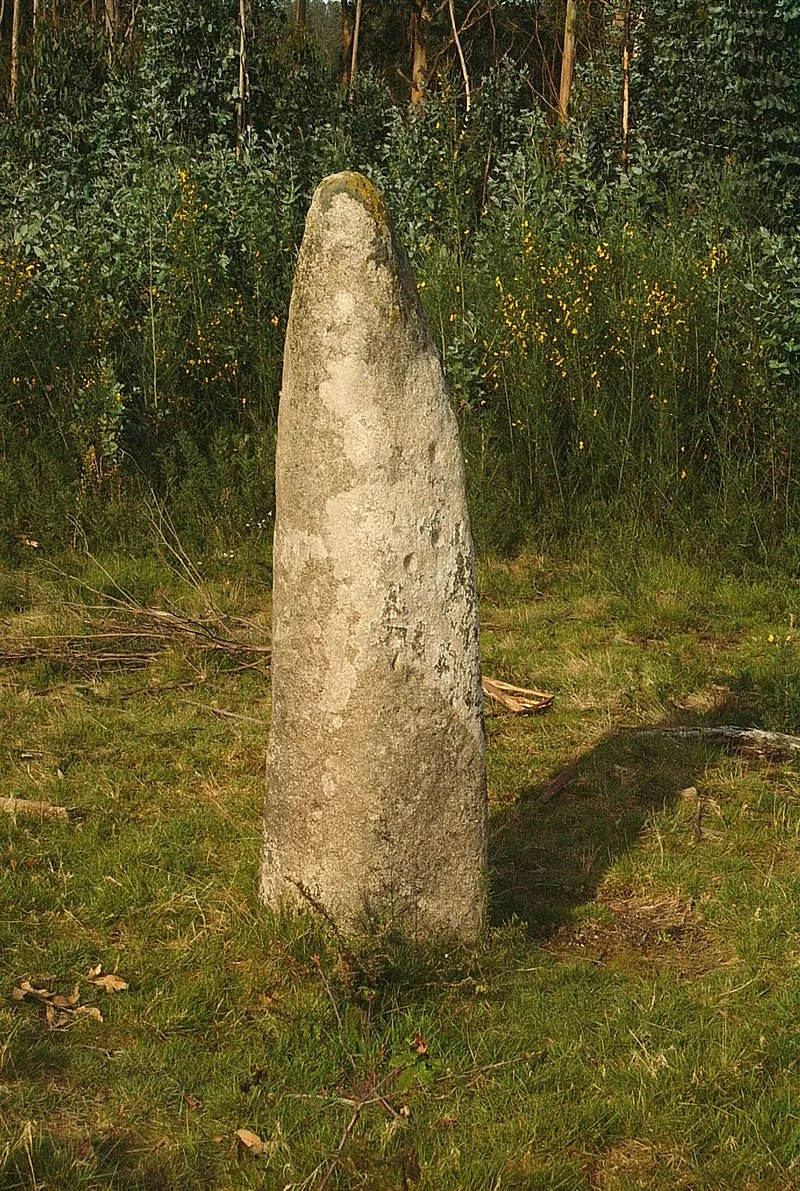
Lapa de Gargantáns
The Lapa de Gargantans is a Neolithic menhir situated in the parish of Gargantans, in the municipality of Morana, province of Pontevedra, Galicia, Spain. Discovered in 1958, it is…
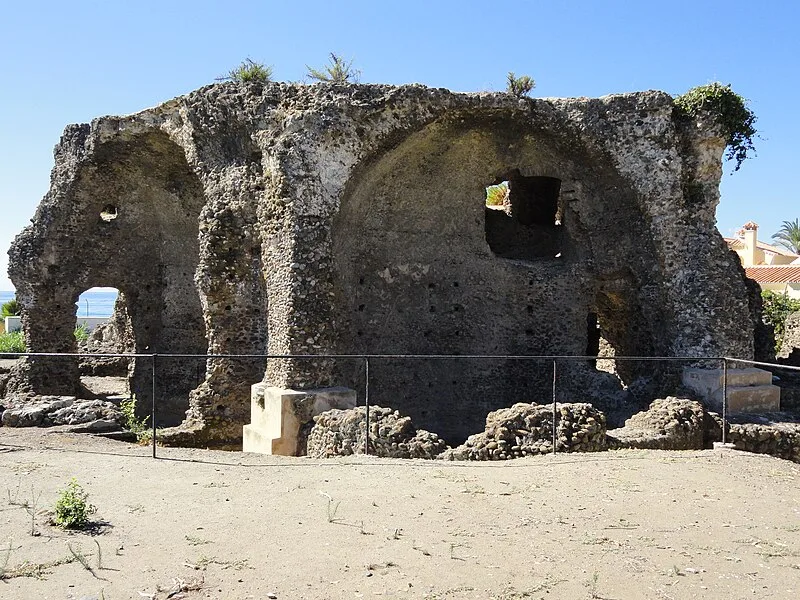
Las Bóvedas - Thermae
Located on the right bank of the Guadalmina river near San Pedro de Alcántara in Andalusia, these Roman baths (termas romanas) include massive barrel vaults (bóvedas) that give…
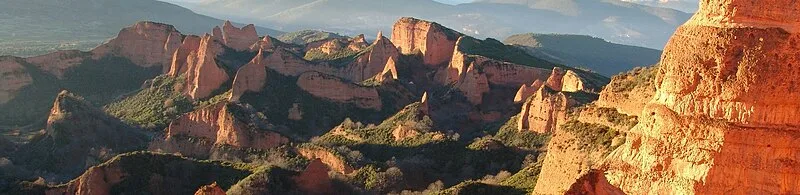
Las Médulas
Las Medulas is a historic gold-mining site near Ponferrada in Leon province, Spain, and was the most important and largest open-pit gold mine in the Roman Empire. Beginning in the…
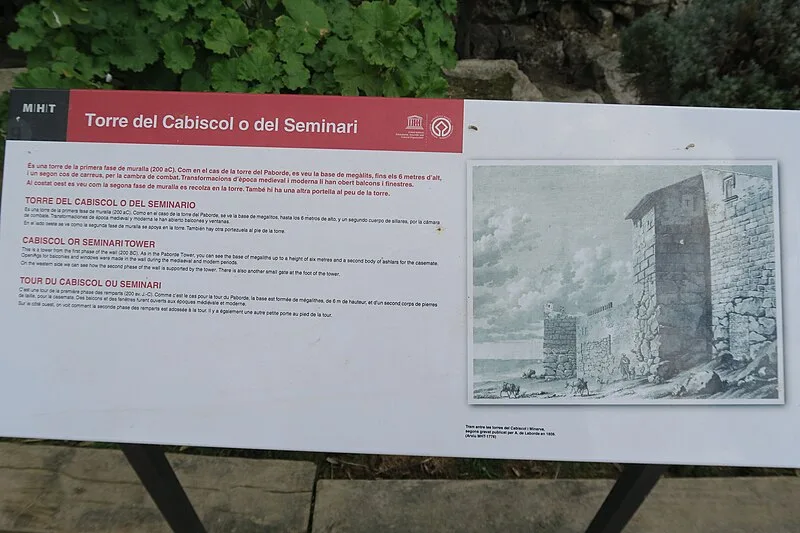
Passeig Arqueològic
The Passeig Arqueologic is an archaeological promenade along the ancient Roman walls of Tarraco (modern Tarragona, Catalonia, Spain), part of the UNESCO World Heritage…
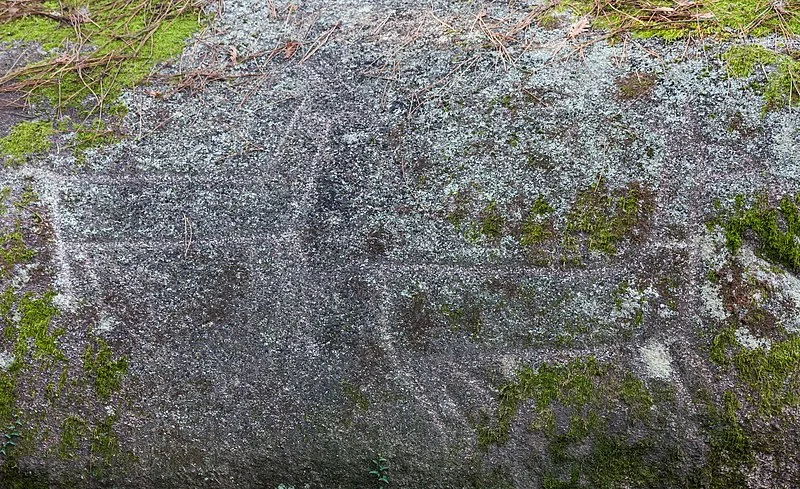
Pedra das Cabras
Pedra das Cabras (Stone of the Goats) is a Bronze Age petroglyph located near Figueirido in the municipality of Ribeira, in the Barbanza region of Galicia, Spain. Over 4,000 years…
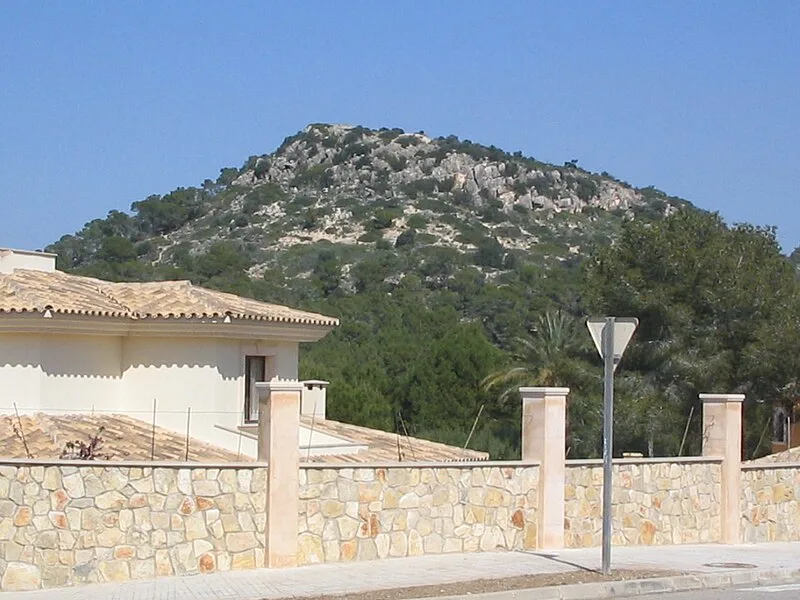
Puig de sa Morisca Archaeological Park
The Puig de sa Morisca Archaeological Park is located in Santa Ponsa in the municipality of Calvià on the island of Majorca, part of the Spanish autonomous community of the…
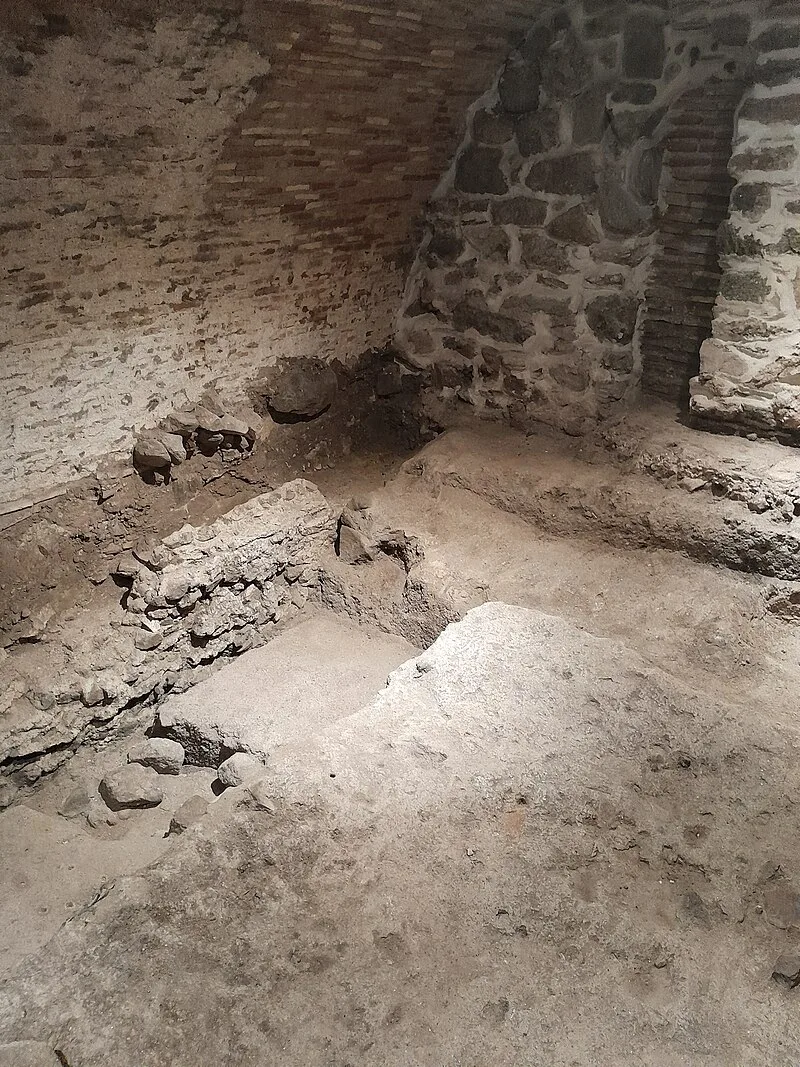
Roman Baths of Toledo
(Late 1st–mid-2nd c. AD) The Roman Baths of Toledo, also known as the Roman Thermae of Amador de los Ríos, are ruins of Roman thermae located in Toledo, Castile-La Mancha, Spain.…
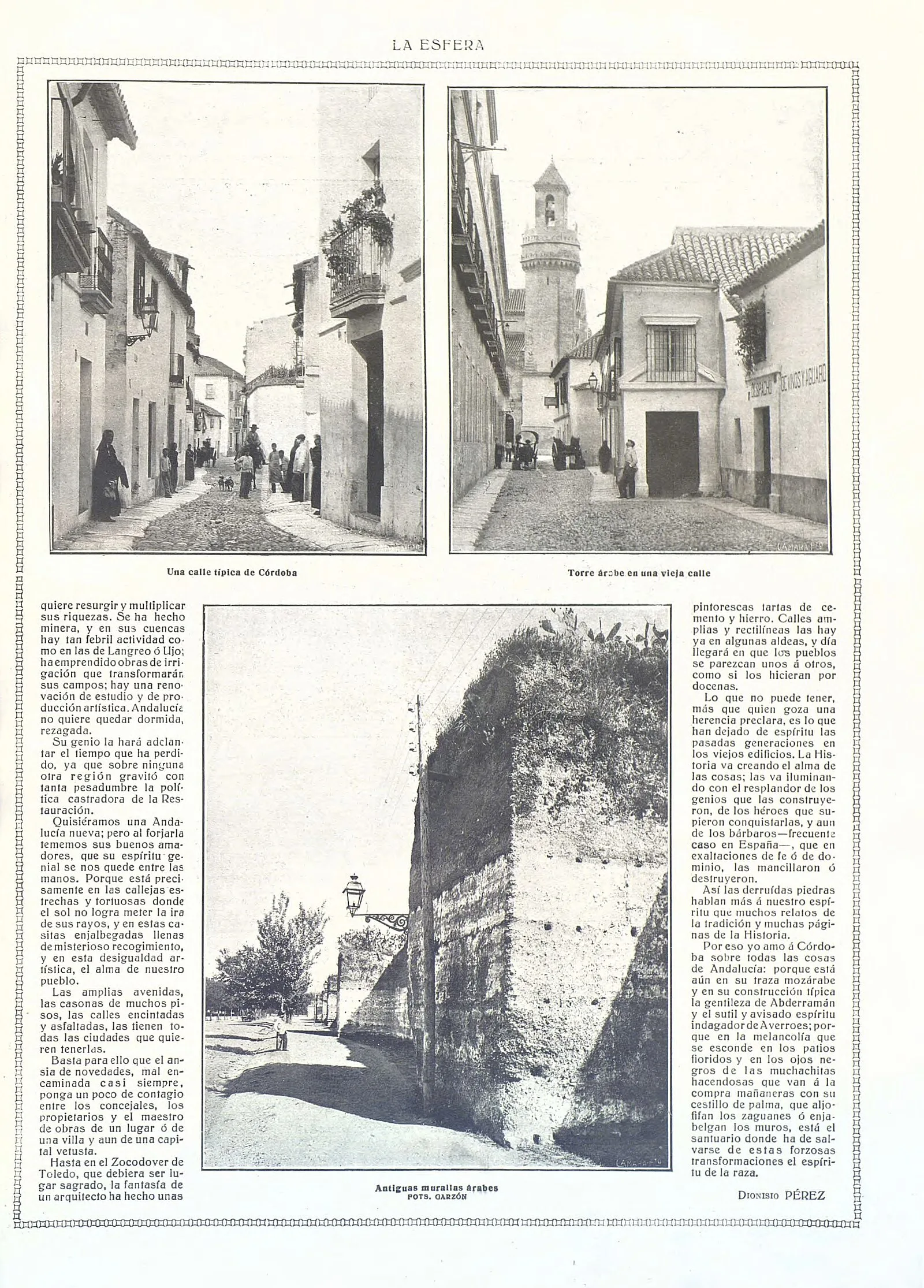
Roman Walls of Córdoba
The Roman Walls of Córdoba are ancient defensive fortifications from the Roman colony of Corduba, which served as capital of Hispania Baetica province. Built after Rome captured…
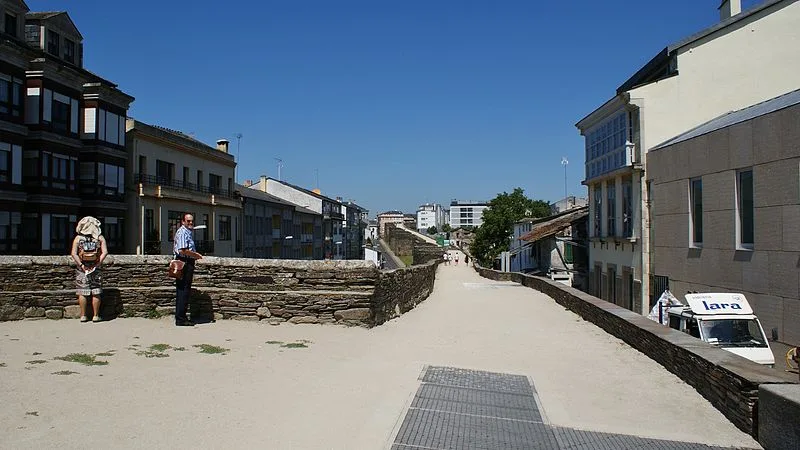
Roman Walls of Lugo
The Roman walls surrounding the Old Town of Lugo in Galicia, Spain, built between 263 and 276 AD to defend the town of Lucus Augusti. The fortifications stretch 2,117 m with…
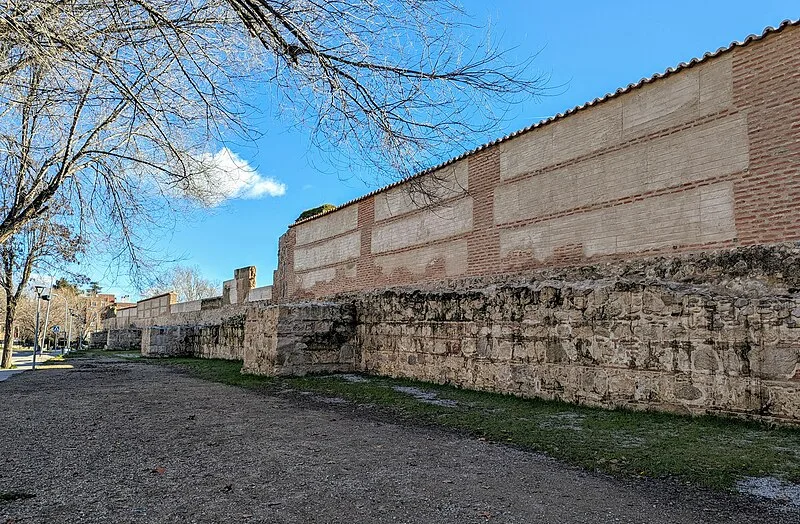
Ruins of Talamanca
Archaeological remains in Talamanca de Jarama, a fortified settlement northeast of Madrid designated a Bien de Interes Cultural. Founded by Emir Muhammad I before 860 AD as a…
.webp)
Siega Verde
Siega Verde is a Palaeolithic open-air rock art site in the province of Salamanca, Castile and Leon, Spain, preserving over 440 engravings on rocks eroded by the Agueda River.…
Stone of the Guanches
The Stone of the Guanches, also known as Stone of Taganana, is an engraved stone stele in the village of Afur near Taganana on Tenerife, Canary Islands. Made of red tuff volcanic…
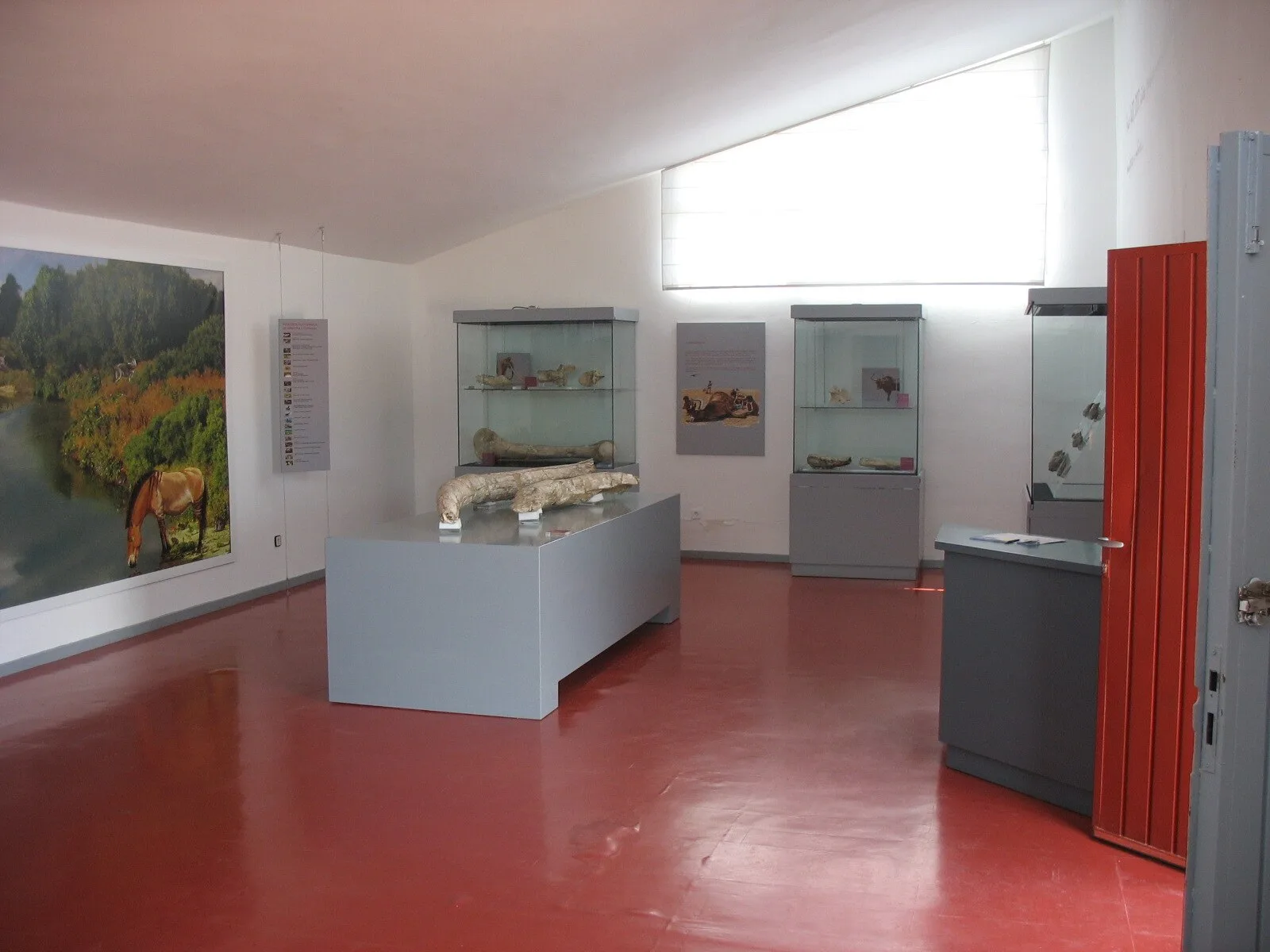
Torralba and Ambrona - Archaeological Site
Two Lower Paleolithic archaeological and paleontological sites in the Province of Soria, Castile and Leon, Spain, at least 350,000 years old. The sites preserve Acheulean stone…
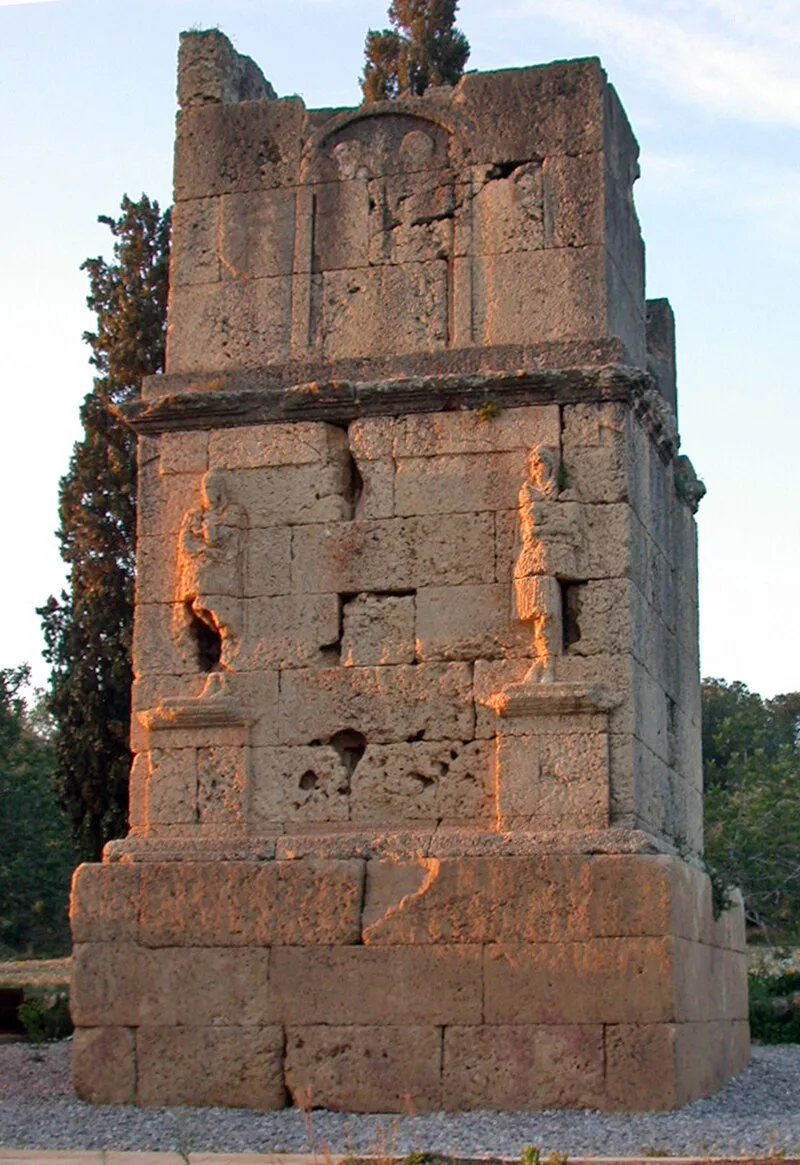
Torre dels Escipions
Torre dels Escipions is a Roman funerary tower built in the early 1st century AD along the Via Augusta, 6 km from ancient Tarraco (modern Tarragona), capital of Hispania Citerior.…
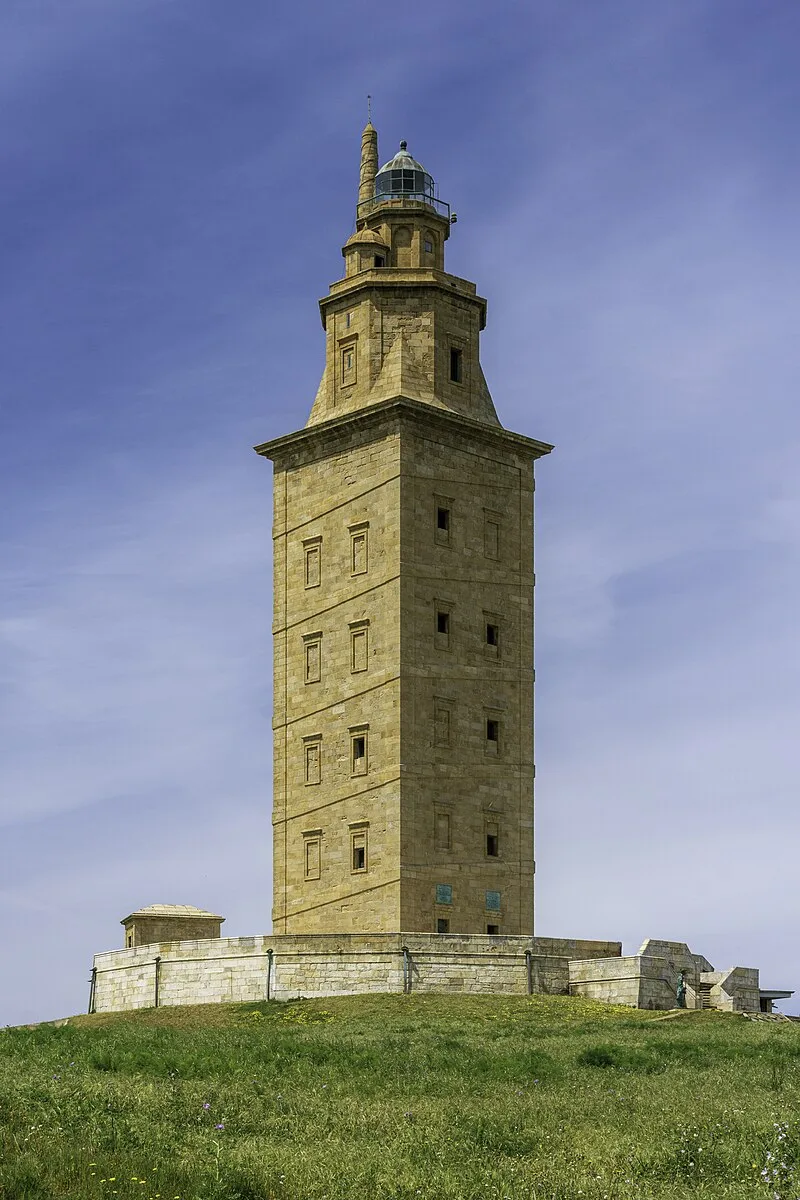
Tower of Hercules
Built in the 1st century, the Tower of Hercules is the oldest known extant Roman lighthouse, located on a peninsula about 2.4 km (1.5 mi) from the center of A Coruña, Galicia, in…
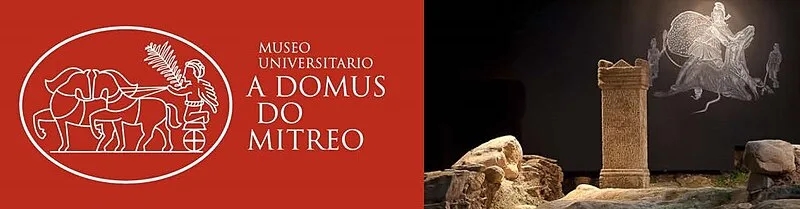
University Museum A Domus do Mitreo
The University Museum A Domus do Mitreo is a museum in Lugo, Spain, built on the site of the Pazo de Montenegro next to the Roman walls. Archaeological excavations uncovered a…
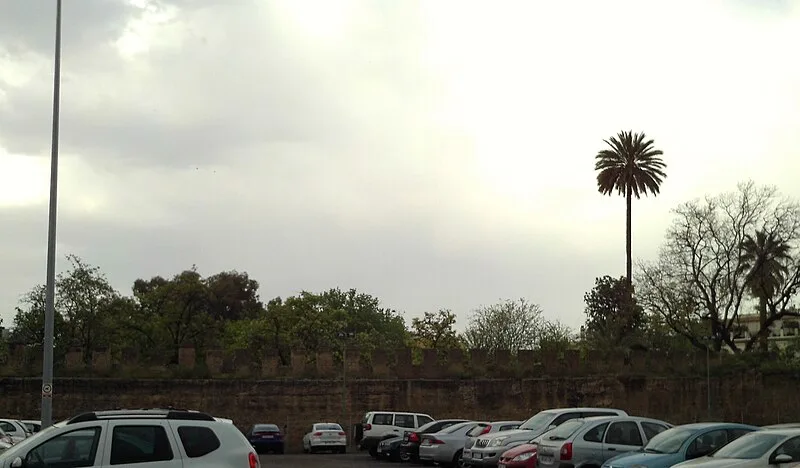
Walls of Seville
The Walls of Seville are defensive fortifications surrounding Seville's Old Town, originally constructed during the Roman period. Over centuries, they were maintained and modified…
Keep exploring
Every site on this page sits on the globe, and the people who research them are on the Discord.
3D Globe · Sites by country · Story Archive · Research Library · Weekly Journal · Search