
 Spain
SpainA UNESCO World Heritage Site since 1998, comprising 758 prehistoric rock art sites across eastern Spain -- the largest group in Europe. Spanning six autonomous communities (Andalusia, Aragon, Castilla-La Mancha, Catalonia, Murcia, and Valencia), the paintings date from approximately 8000 to 3500 BC. Known as Levantine art, the works appear in shallow open-air shelters and depict scenes of daily life including hunting, battle, and dancing, with the human figure as a central subject -- rare in earlier Palaeolithic art. The art progresses from naturalistic to increasingly stylised forms, predominantly using red pigment. The collection documents the critical transition from hunter-gatherer to sedentary farming societies.
Rock Art of the Iberian Mediterranean Basin
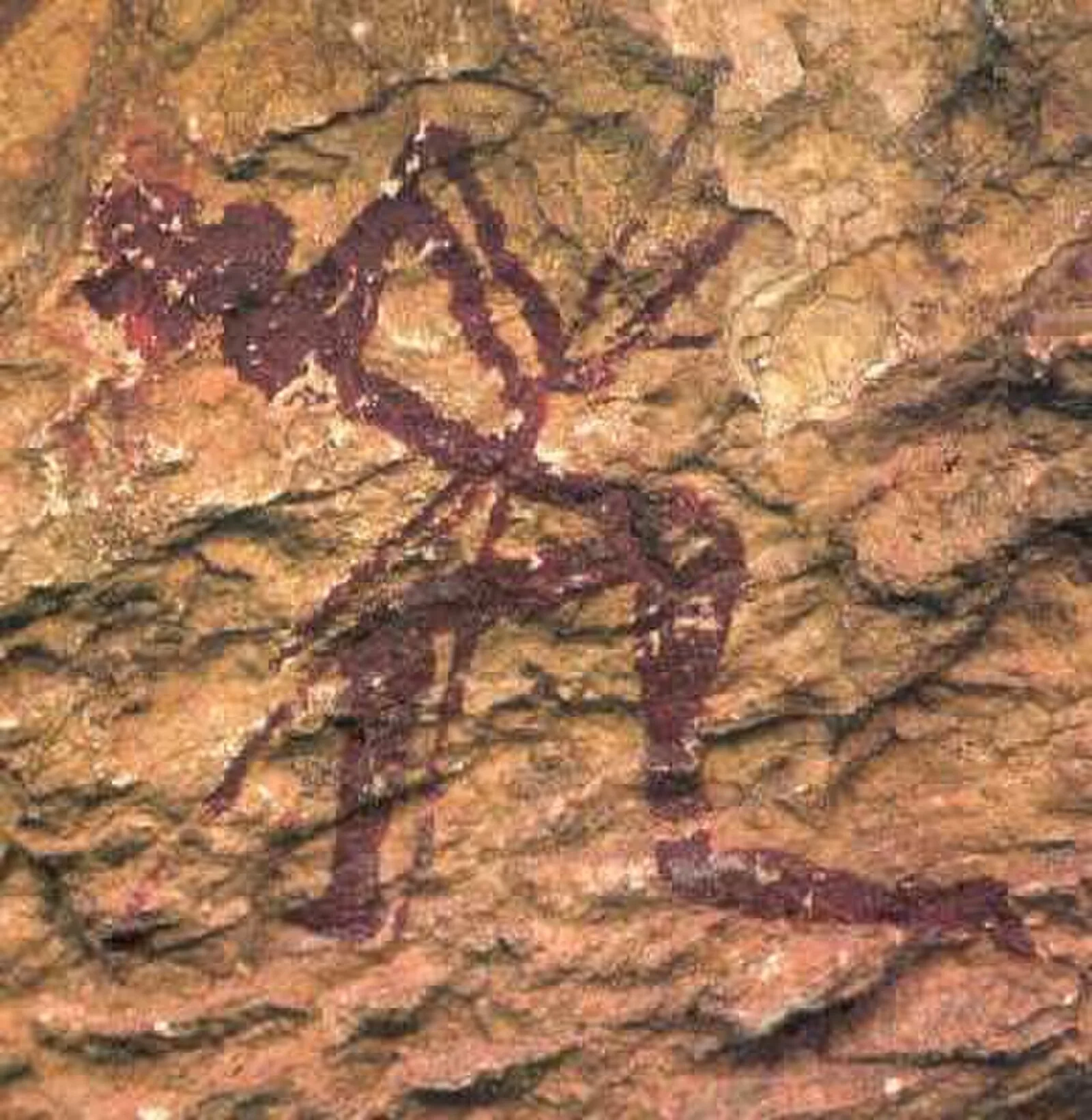
Also known as: Arte levantín, Arte Levantina, Arte rupestre da bacia mediterrânica da península Ibérica, Arte rupestre de la cuenca mediterranea de la peninsula Iberica, Arte Rupestre del Arco Mediterraneo de la Peninsula Ibérica, Arte rupestre do arco mediterráneo da Península Ibérica, Arte rupestre levantina, Art rupestre de l'Arc Mediterrani de la Península Ibèrica, art rupestre du bassin méditerranéen de la péninsule Ibérique, Felsmalereien in der spanischen Levante, İber Akdeniz Havzası'ndaki kaya sanatları, Itä-Espanjan kalliomaalaukset
| Type | Rock art |
|---|---|
| Period | < 4500 BC |
| Country | Spain |
| Coordinates | 39.7901° N, 1.0333° W |