
 Spain
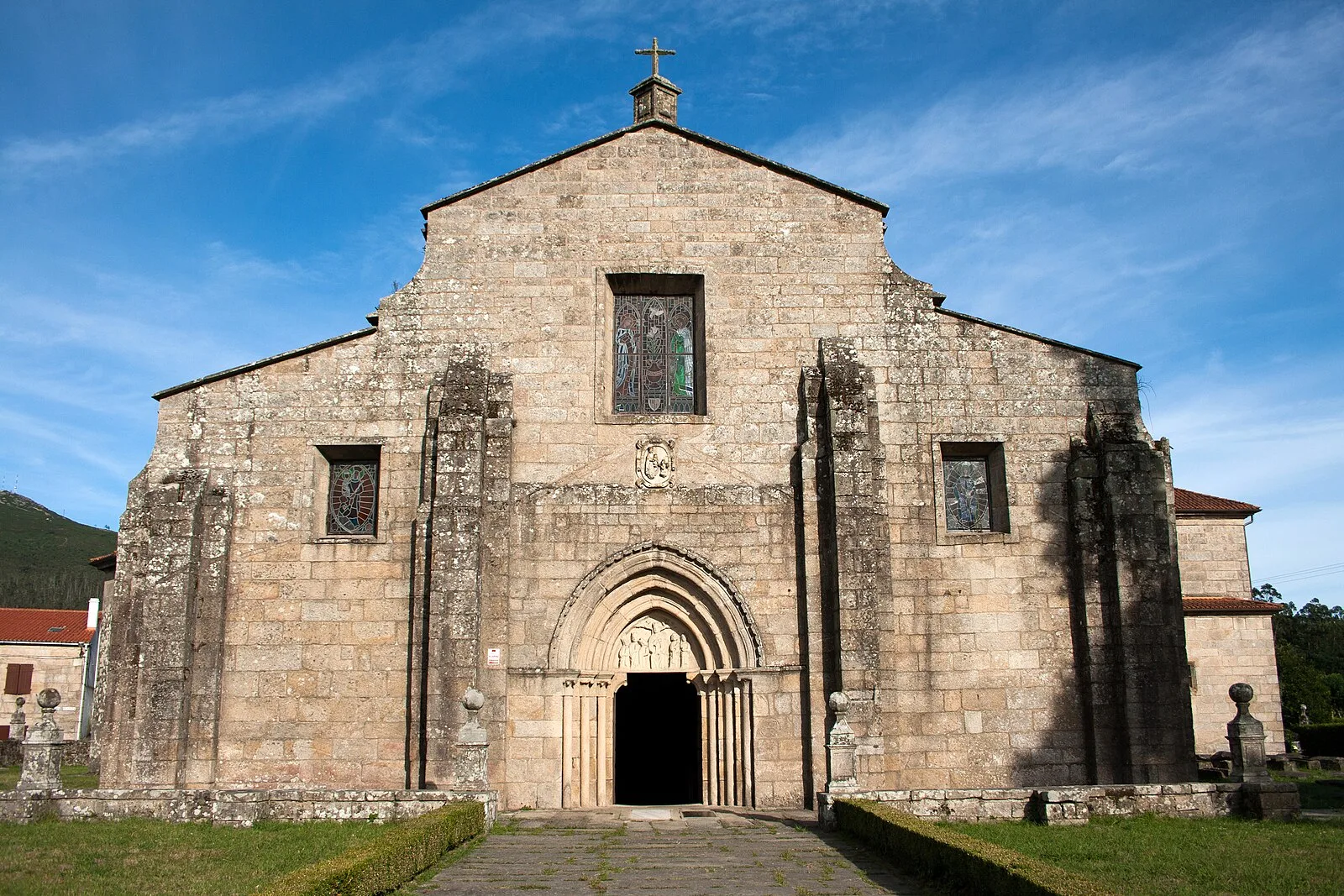
SpainIria Flavia or simply Iria in Galicia, northwestern Spain, is an ancient settlement and former bishopric in the modern municipality of Padrón, which remains a Catholic titular see [1]. Located at the confluence of the Sar and Ulla rivers, Iria was a port city, the main seat of the Celtic Capori tribe, on the road between Braga and Astorga [1]. The Romans rebuilt the road as via XVIII or Via Nova and refounded the Gallaecian port as Iria Flavia to compliment Roman emperor Vespasian [1]. No commercial or political rationale for siting a bishop at Iria Flavia seems to present itself, though excavations have identified a cult sanctuary dating to the second half of the sixth century [1].
Text: Wikipedia – 'Iria Flavia' (revision of 2026-06-16), CC BY-SA 4.0 · sentences selected and shortened by an AI system · source →Iria Flavia
Also known as: Iria, Iria Flavia, Padrón, Iria Flavia (Santa María), Santa María de Iria Flavia, Ирия-Флавия, イリア・フラビア, 伊里亚·弗拉维亚, 伊里亚‧福拉比亚
| Type | City/town/settlement |
|---|---|
| Period | 1 - 500 AD |
| Country | Spain |
| Coordinates | 42.7382° N, 8.6603° W |