
 Spain
SpainEastern Biniac is a Bronze Age funerary naveta on Menorca, Spain, dated to 1500-1000 BC, where collective inhumations were practised [1]. The structure has a circular layout with walls built using Cyclopean masonry [1]. It is classified as an "intermediate naveta," potentially representing a transitional form between earlier megalithic tombs and later elongated navetas [1]. Archaeologist Maria Luisa Serra Belabre conducted a brief excavation in the 1960s [1].
Eastern Biniac Naveta
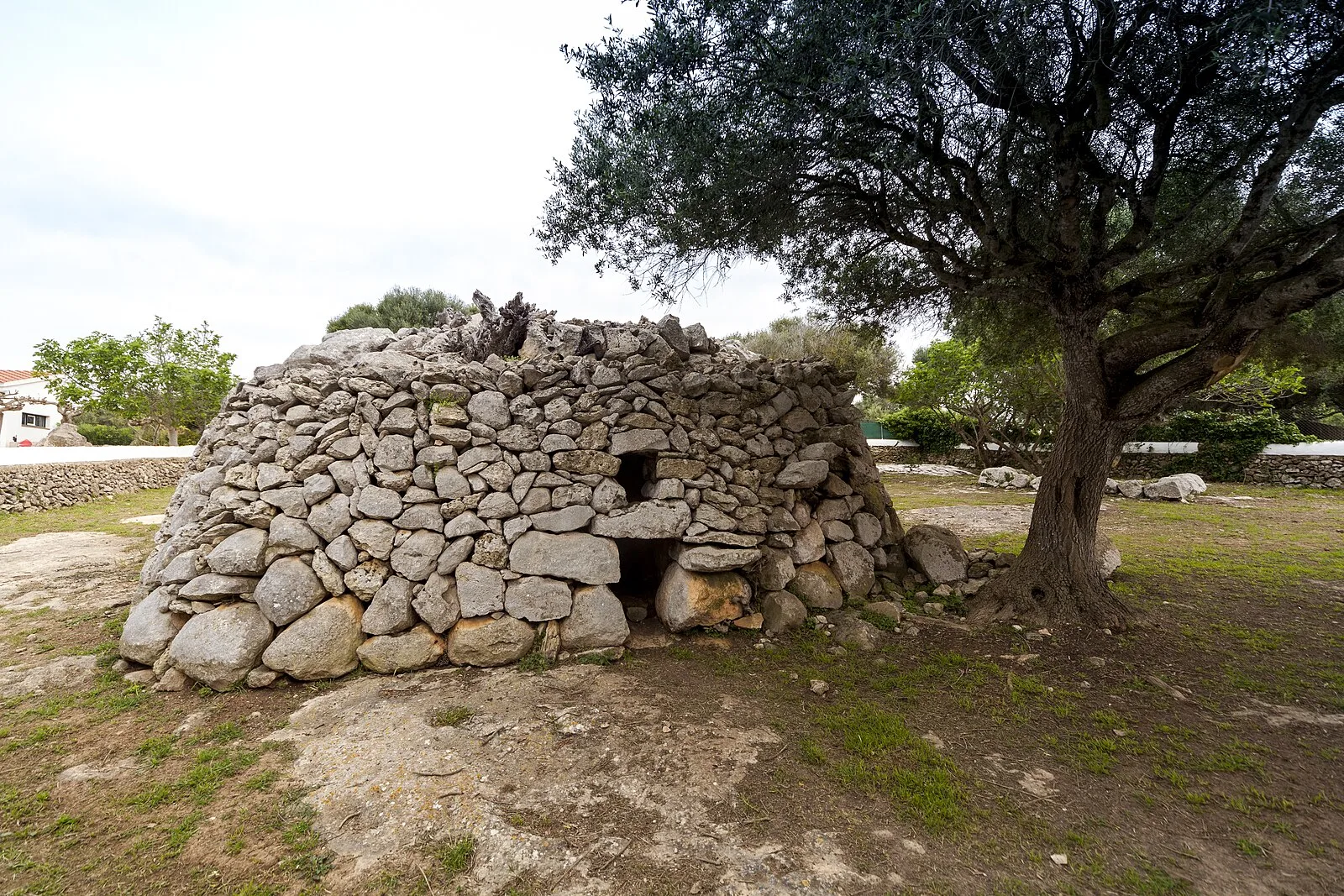
Also known as: Naveta de Biniac Oriental, Naveta oriental de Biniac-Argentina, Naveta von Biniac (Ost), Östliche Naveta von Biniac
| Type | Megalithic structures |
|---|---|
| Period | 1500 - 500 BC |
| Country | Spain |
| Coordinates | 39.9151° N, 4.1786° E |