
 Spain
Siega Verde is a Palaeolithic open-air rock art site in the province of Salamanca, Castile and Leon, Spain, preserving over 440 engravings on rocks eroded by the Agueda River [1] [2] [3]. Discovered in the late 1980s by Professor Manuel Santonja Gomez, the carvings date from the Upper Palaeolithic (ca. 22,000-8,000 BCE) and depict animals including equids, aurochs, deer, goats, bison, reindeer, and woolly rhinoceros [1] [2] [3]. In 2010, it was added as an extension to the Coa Valley Prehistoric Rock Art UNESCO World Heritage Site, together forming the most remarkable open-air Palaeolithic art ensemble on the Iberian Peninsula [1] [2].
Siega Verde
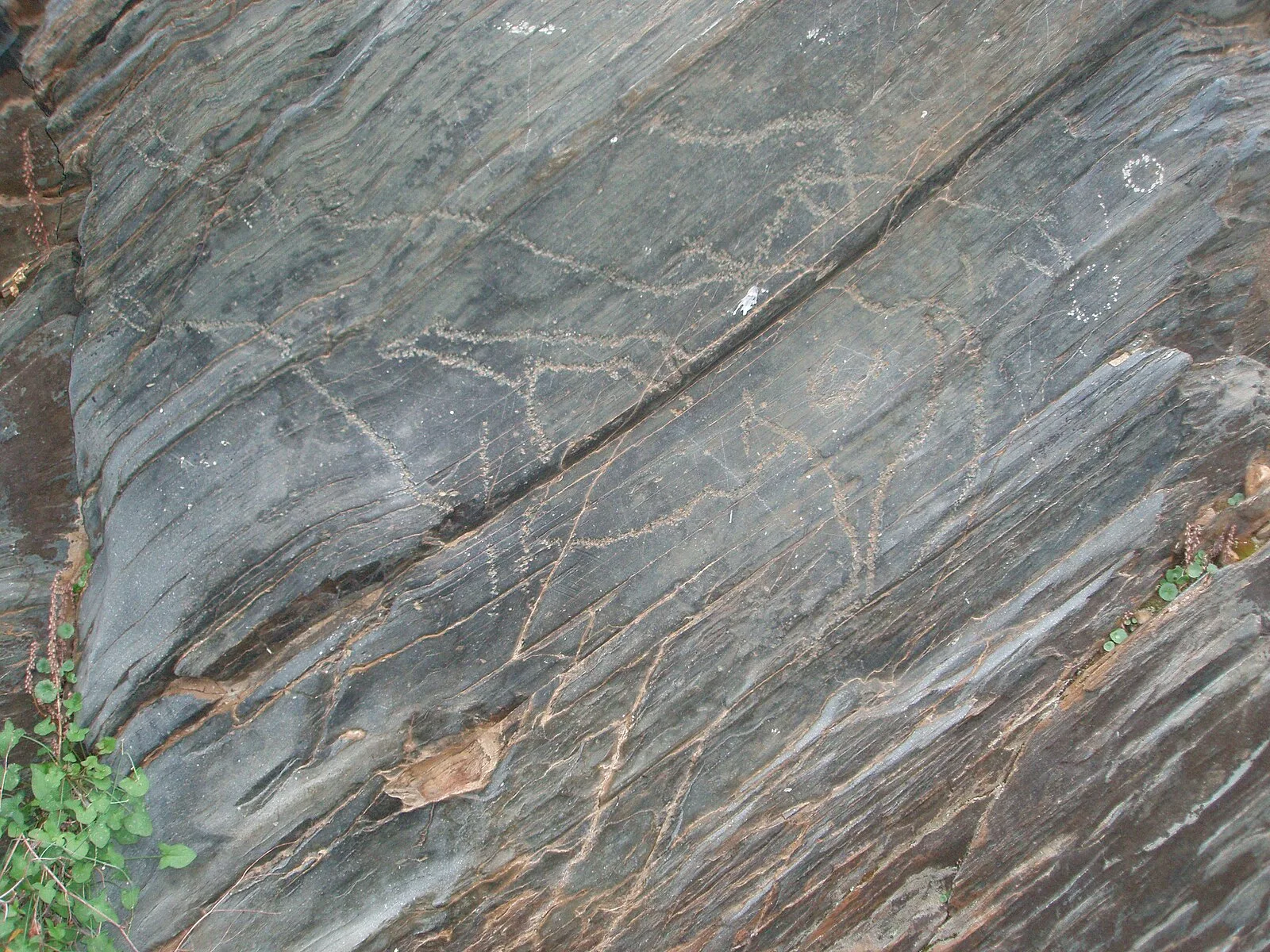
Also known as: Estación de Arte Rupestre de Siega Verde, Prehistoric Rock-Art Site of Siega Verde, Sites d’art rupestre préhistorique de Siega Verde, Sítios de arte rupestre de Siega Verde, Sitios de arte rupestre prehistórico de Siega Verde, სიეგა-ვერდე, סייגה ורדה, ग्रीन मऊ, सिगा वर्दे, シエガ・ベルデ, 席尔加•维德
| Type | Rock relief/carving |
|---|---|
| Period | < 4500 BC |
| Country | Spain |
| Coordinates | 40.6976° N, 6.6611° W |