
 Spain
SpainCave del Valle (Spanish: Cueva del Valle, The Valley's Cave), locally also known as La Viejarrona (Old Girl), is located near El Cerro Village in the municipality of Rasines in Cantabria, northern Spain [1]. The cave is the source of the Silencio River, a tributary of the Rio Ruahermosa, which in turn is a tributary of the Asón River [1]. Documented are Azilian harpoons and scrapers, Upper Magdalenian spear points and other bone tools [1]. Stone tools include chisels and various types of scrapers [1]. A perforated and decorated stick of archaeological interest was found at this site, but is now lost [1]. The cave of the valley is recognized as one of the longest explored caves in the world with more than 40 mi yet explored [1].
Text: Wikipedia – 'Cave del Valle (Cantabria)' (revision of 2026-07-18), CC BY-SA 4.0 · sentences selected and shortened by an AI system · source →Cave del Valle, Cantabria
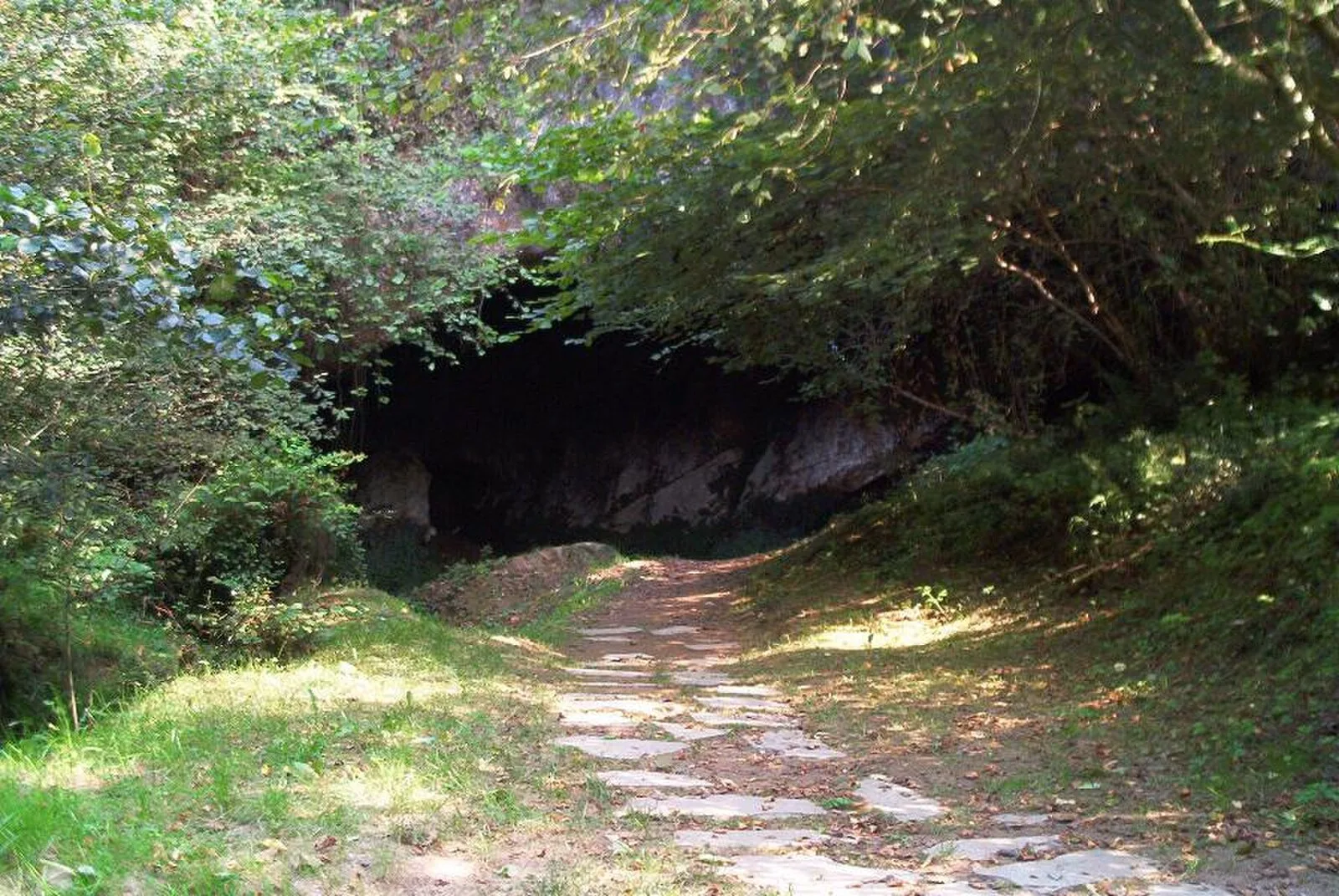
Also known as: Cave del Valle, Cave del Valle (Cantabria), Cova de la Vall, Cova del Valle, Cueva del Valle, grotte del Valle, Kaverno El Valle, Печера Вальє, Пещера Валье, מערת דל ואייה, كهف ديل فالي
| Type | Cave Structures |
|---|---|
| Period | < 4500 BC |
| Country | Spain |
| Coordinates | 43.2987° N, 3.4194° W |