
 Spain
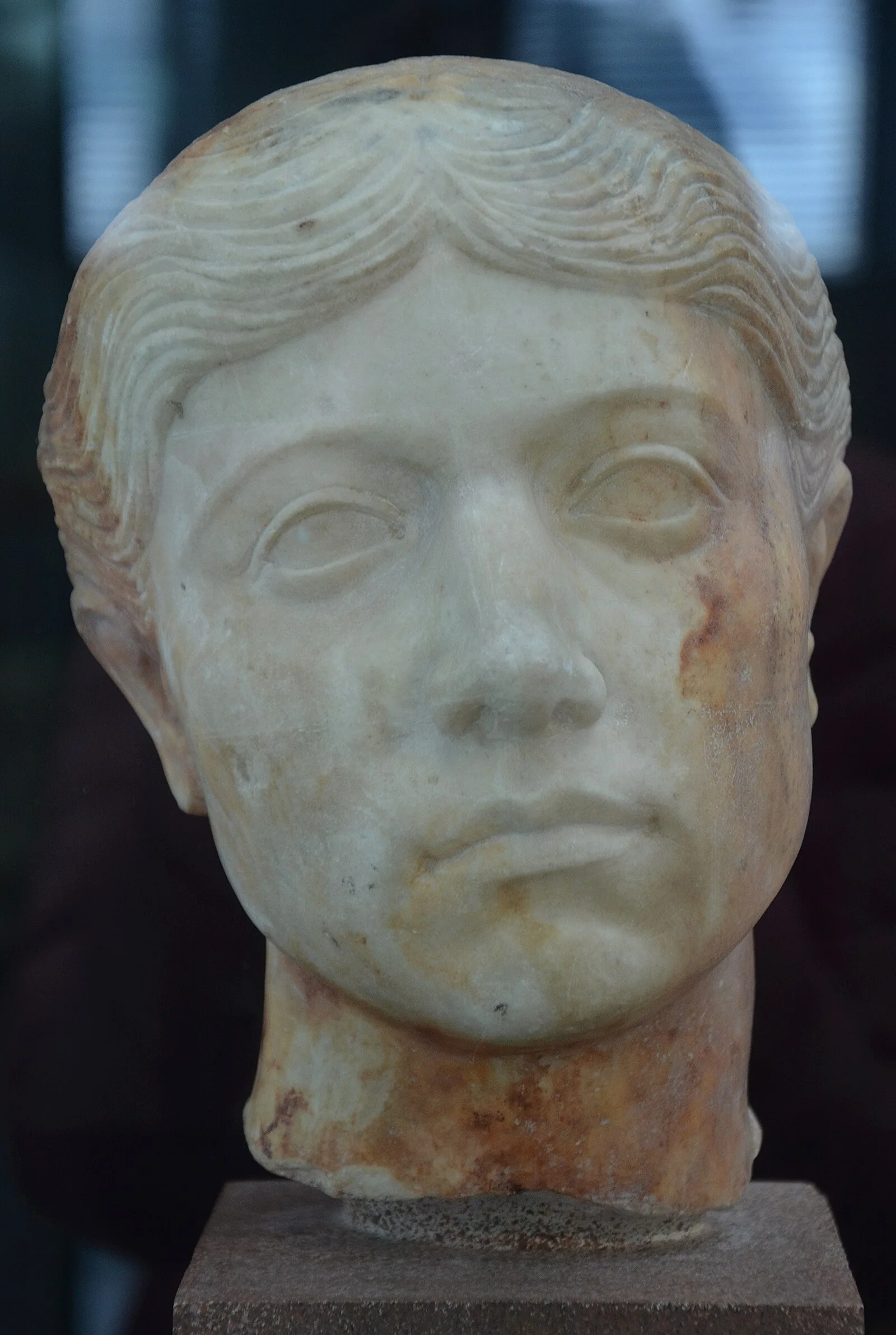
SpainThe Tomb of Servilia (1st-2nd century AD) is the largest tomb in the Roman Necropolis of Carmona, near Seville, Spain. Built on a Hellenistic model, it resembles a luxurious Roman villa with a large porticoed courtyard and underground gallery leading to a trapezoidal vaulted main chamber topped by a domed ceiling with an oculus. Discovered in 1885 by George Bonsor and Juan Fernandez Lopez, the tomb contained a marble statue of its namesake along with an altar, cinerary urns, a kitchen, a bath, and a well. The necropolis was first opened to the public in 1885 and remains one of the most important Roman burial sites in Iberia.
Tomb of Servilia
Also known as: Tumba de Servilia
| Type | Tomb |
|---|---|
| Period | 1 - 500 AD |
| Country | Spain |
| Coordinates | 37.4674° N, 5.6523° W |