
 Spain
SpainThe San Lázaro Roman aqueduct is a Roman aqueduct in the Roman colonia of Emerita Augusta –present-day Mérida, Spain–, capital of the Roman province of Lusitania [1]. It was built during the first century to supply water into the city [1]. It was declared Bien de Interés Cultural in 1912 [1]. It is part of the Archaeological Ensemble of Mérida, which is one of the largest and most extensive archaeological sites in Spain and that was declared a World Heritage Site by UNESCO in 1993 [1].
Text: Wikipedia – 'San Lázaro Roman aqueduct' (revision of 2026-06-21), CC BY-SA 4.0 · sentences selected and shortened by an AI system · source →San Lázaro Roman Aqueduct
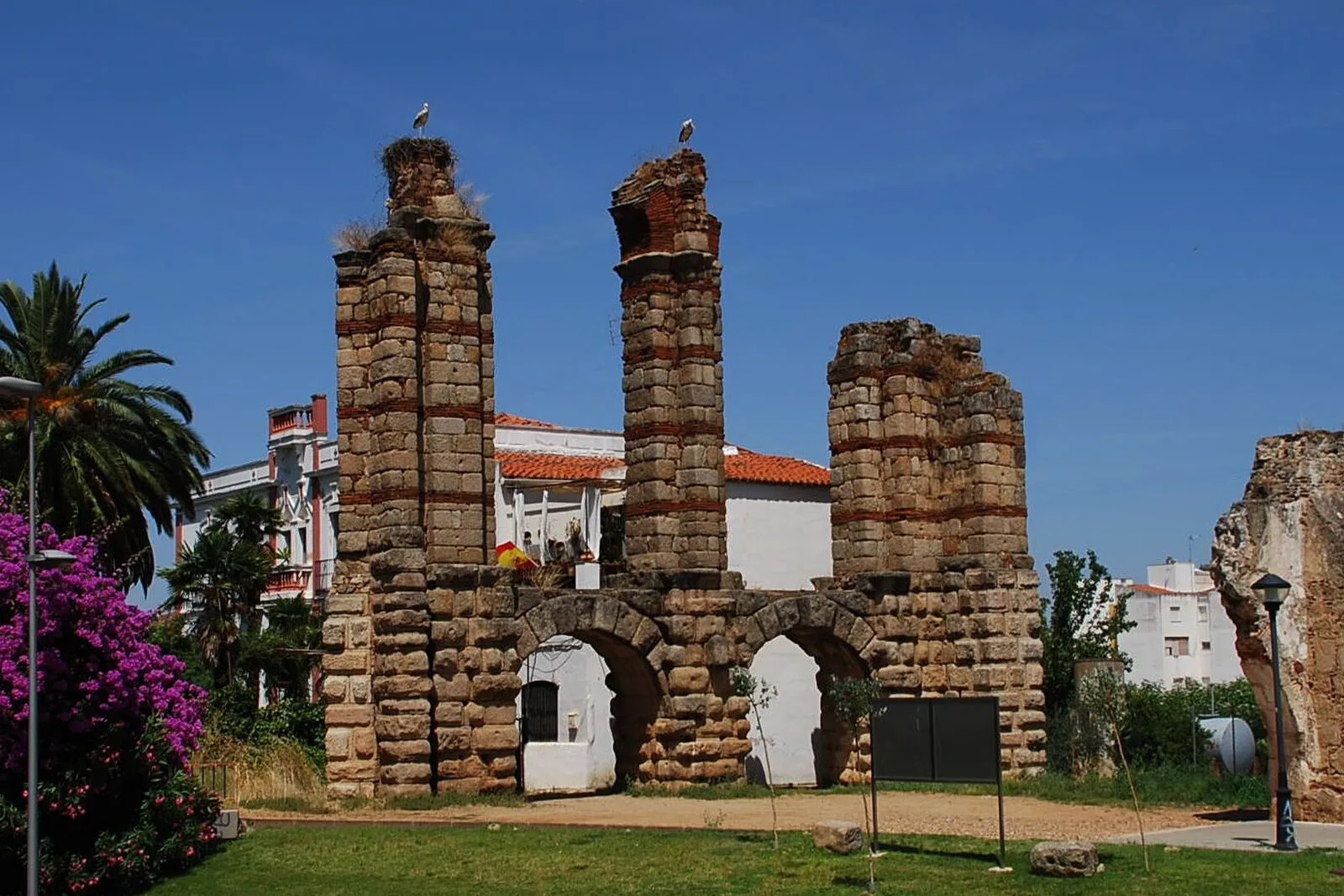
Also known as: Acueducto del rabo del Buey, Acueducto de San Lázaro, Acueducto romano de San Lázaro, Acueduto de San Lázaro, Aquädukt Rabo del Buey, Aqua Emeritensis (Laurentiana), Aqueduto de São Lázaro, Römischer Aquädukt San Lázaro, San Lazaro Su Kemeri, آبگذر رومی سان لاسارو, संत लज़ारो का रोमन जलसेतु
| Type | Reservoir/aqueduct/canal |
|---|---|
| Period | 1 - 500 AD |
| Country | Spain |
| Coordinates | 38.9203° N, 6.3354° W |