

Archaeological Sites in Italy
City/town/settlement in Italy (87)
Accua
Accua was a small town of ancient Apulia, located somewhere in the neighbourhood of Luceria, though its exact site remains unknown. The settlement is mentioned by Livy as one of…

Aeclanum
An ancient Samnite and Roman town on the Via Appia in southern Italy, about 25 km east of Beneventum near modern Mirabella Eclano. Originally a principal settlement of the Hirpini…
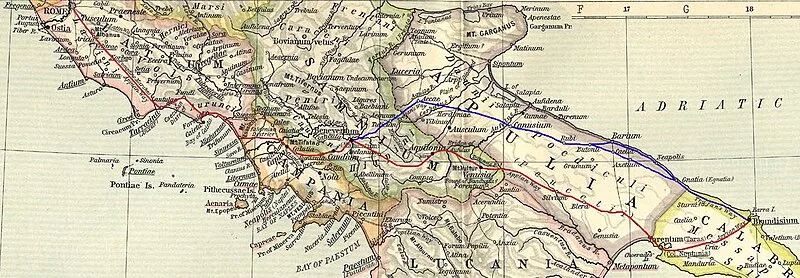
Aequum Tuticum
Aequum Tuticum was a Roman vicus in southern Italy, situated 35 km east-northeast of Beneventum beside Saint Eleuterio hamlet, overlooking Miscano Valley at 575 m elevation, about…
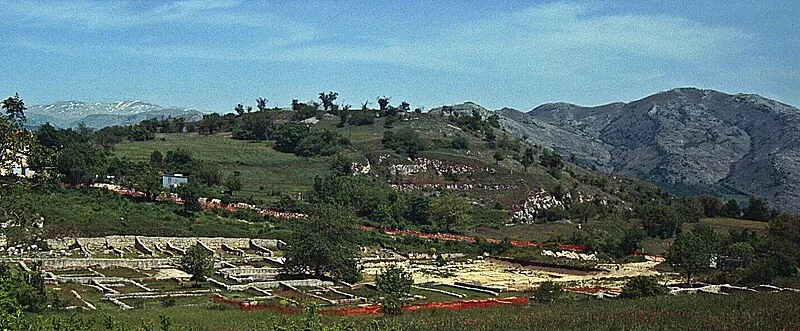
Alba Fucens
Alba Fucens was a major Roman colony founded in 303 BC at 1,000 m elevation at the foot of Monte Velino in Abruzzo, Italy. Rome sent 3,000 legionnaires to colonize the local…
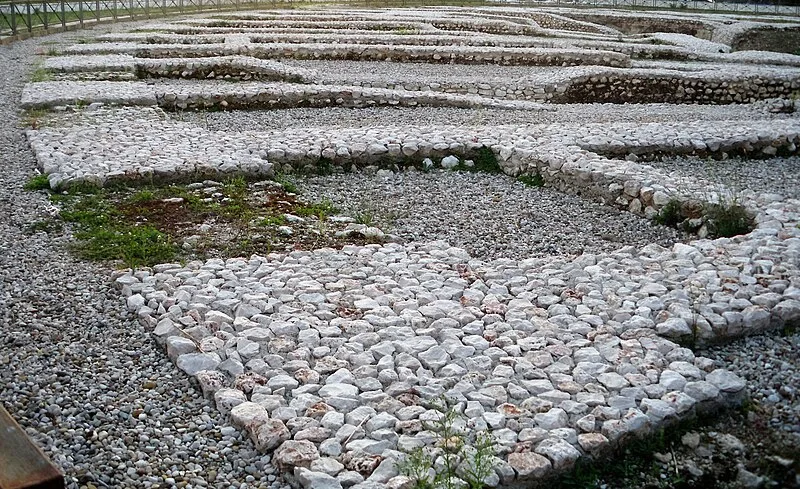
Allifae
Allifae (modern Alife) was an ancient Samnite city in the Volturno valley at the foot of Monte Matese, Italy. It minted its own coinage in the 4th century BC and was conquered by…
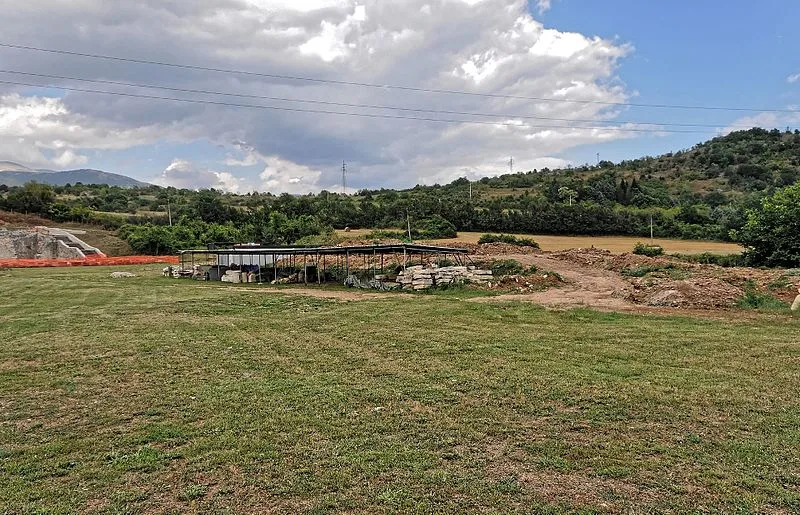
Amiternum
Ancient Sabine city in the upper Aterno valley of Abruzzo, Italy, located 9 km from modern L'Aquila. Birthplace of the historian Sallust in 86 BC. Defeated by Rome in 293 BC, the…
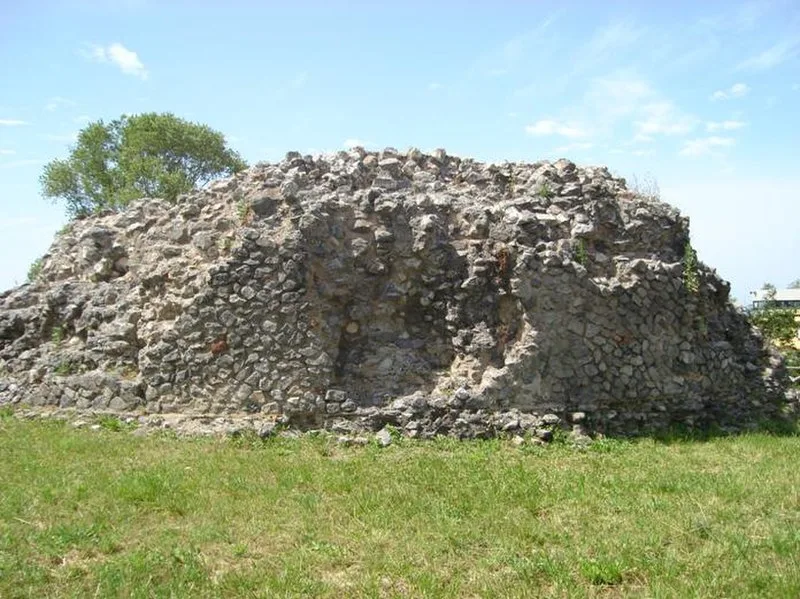
Ancient City of Blanda
An ancient Lucanian city, later known as Blanda Julia, located at Palecastro di Tortora in Calabria, Italy. Mentioned by Livy as a city conquered by Fabius Maximus from…
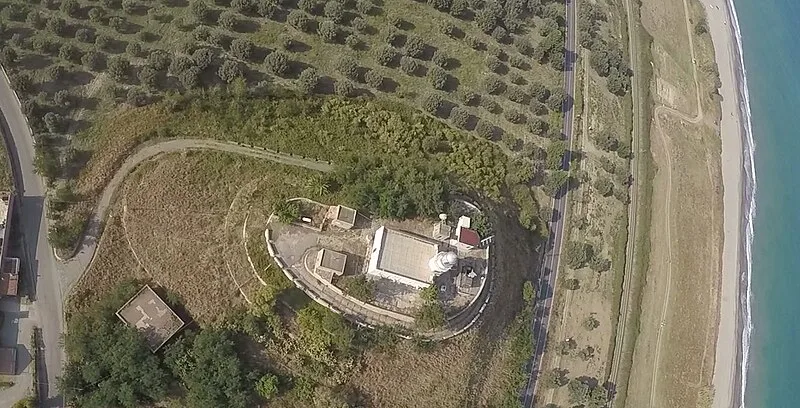
Ancient City of Caulonia
A Greek colony of Magna Graecia on the Ionian Sea near modern Monasterace, Calabria, Italy, and one of the first cities in the region to mint silver coins. Conquered and razed by…
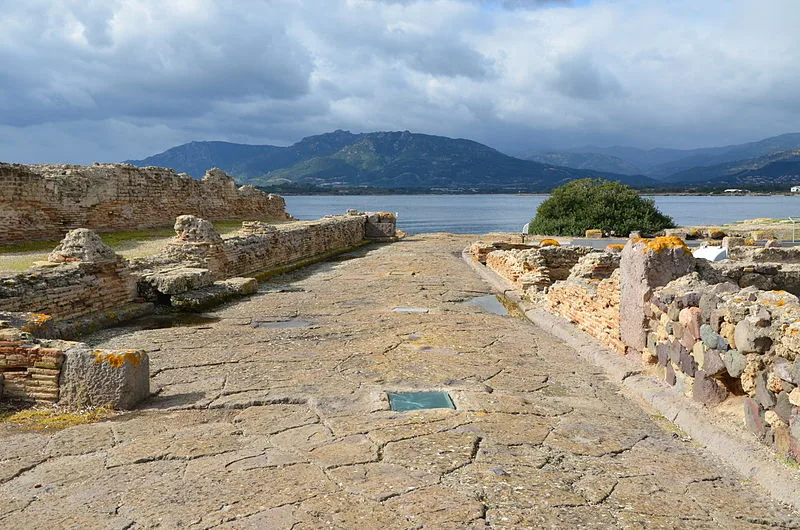
Ancient City of Nora
Nora is an ancient city on the peninsula of Capo Pula near Pula in Sardinia, Italy, dating from the 7th century BC to the 8th century AD. Originally a Phoenician and Punic…
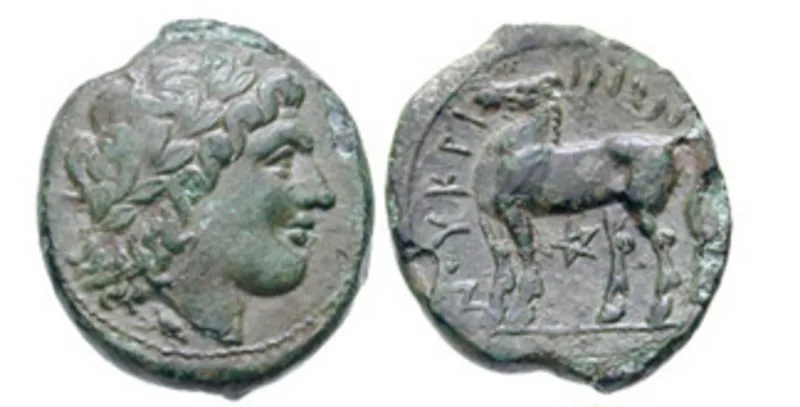
Ancient City of Terina
Terina was an ancient Greek city of Magna Graecia located on the north shore of the Gulf of Saint Euphemia in Calabria, approximately 20 km from modern Lamezia Terme. The site was…
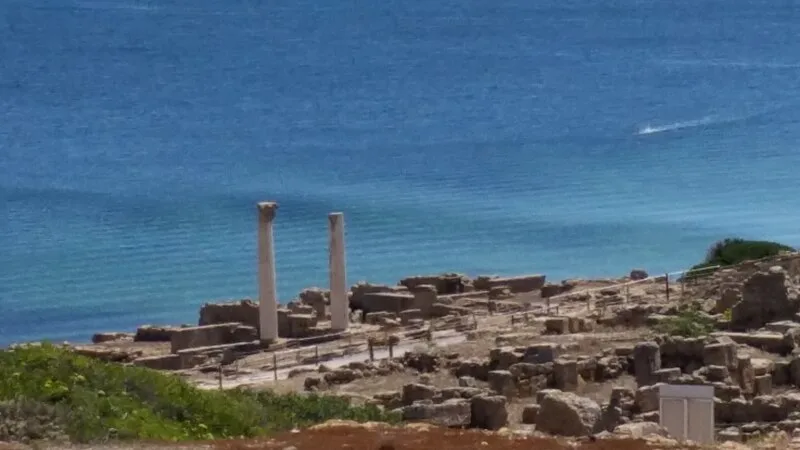
Ancient City of Tharros
Tharros was a major Phoenician-Punic city on the Capo San Marco peninsula in the Gulf of Oristano, western Sardinia, flourishing from the 8th century BC through the Roman period…

Area Archaeological Sa Mandra 'e Sa Giua
A Nuragic complex featuring a two-foil nuraghe with a main tholos tower backed by two secondary towers connected via an internal courtyard. The adjacent village contains circular…
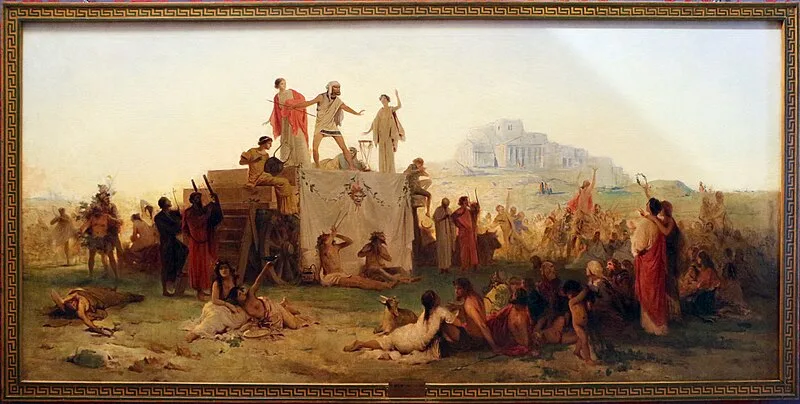
Atella
Atella was an ancient Oscan city in Campania, located 20 km north of Naples. One of the oldest cities in Campania, it was among the first to receive Roman citizenship (civitas).…
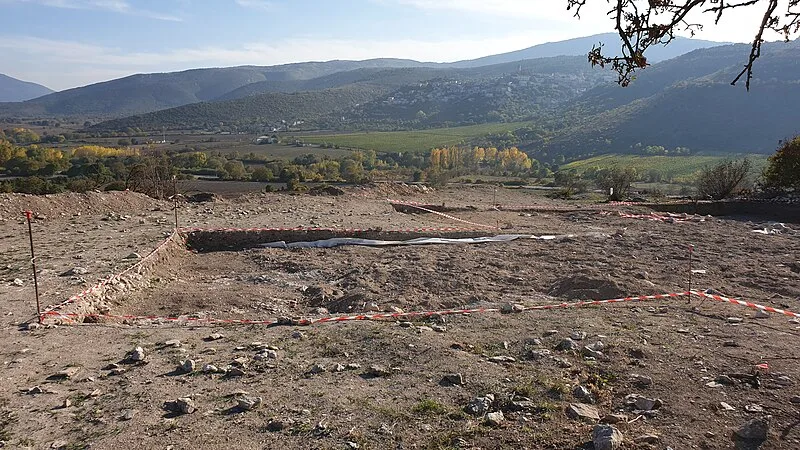
Aufina
Ancient city of the Vestini people in the Abruzzo region of central Italy, mentioned by Pliny as Aufinates Cismontani. Long identified with modern Ofena, recent excavations have…
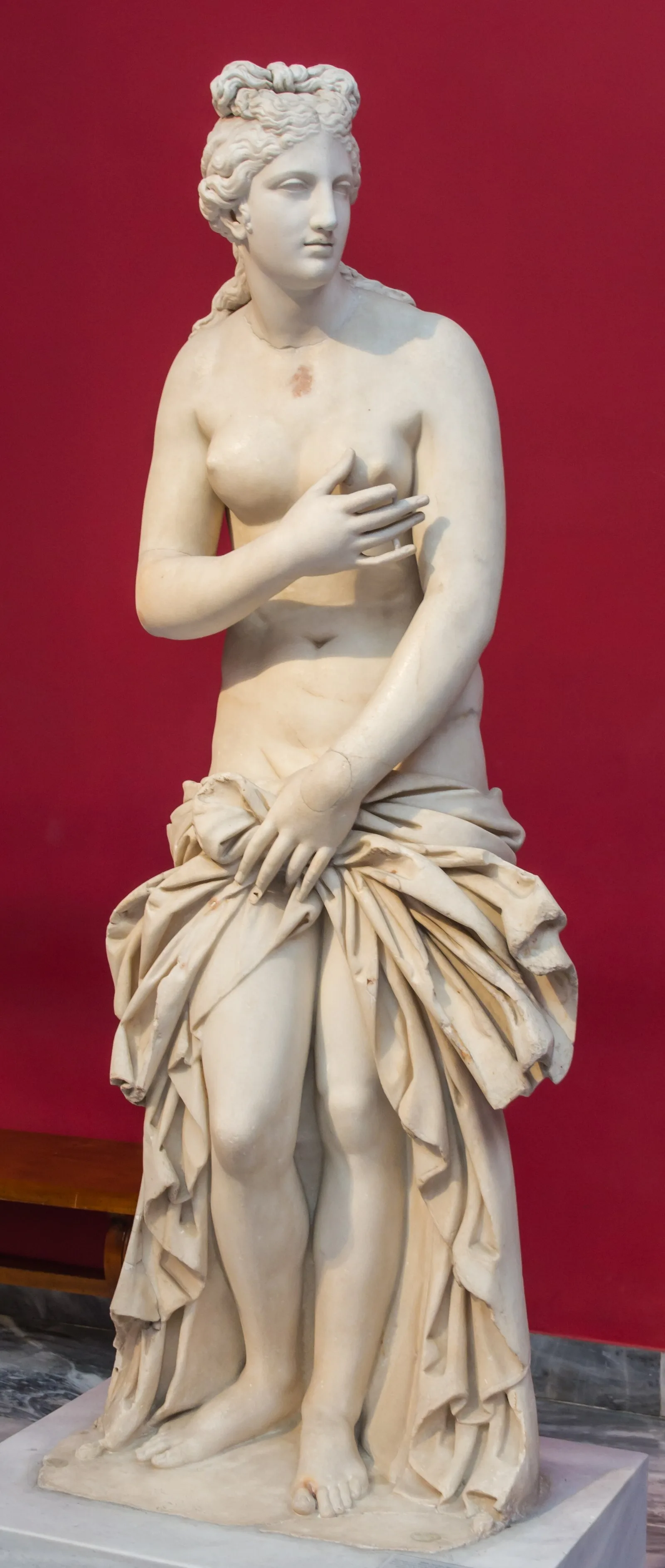
Baiae
Baiae was an ancient Roman resort town on the northwest shore of the Gulf of Naples, now within the comune of Bacoli. It flourished as a fashionable retreat from the late Republic…

Calatia
Cālātia was an ancient town of Campania, 10 km southeast of Capua on the Via Appia near the Via Popillia junction. Its ruins include walls from both the Samnite period in tuff and…
Cales
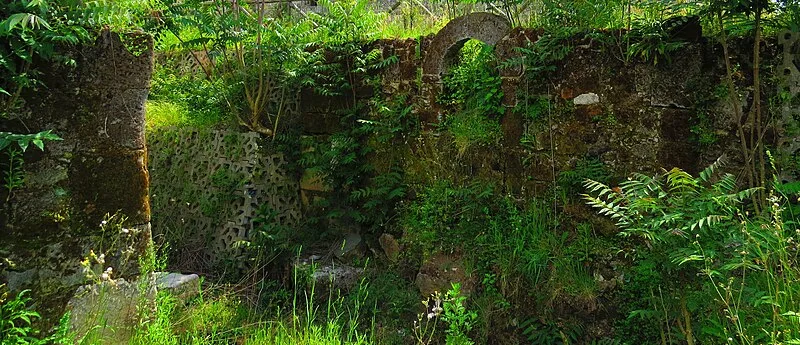
Cales was an ancient Aurunci city in northern Campania, on the Via Latina at modern Calvi Risorta. Archaeological evidence reveals Iron Age proto-urban settlement with contacts…
Cannae
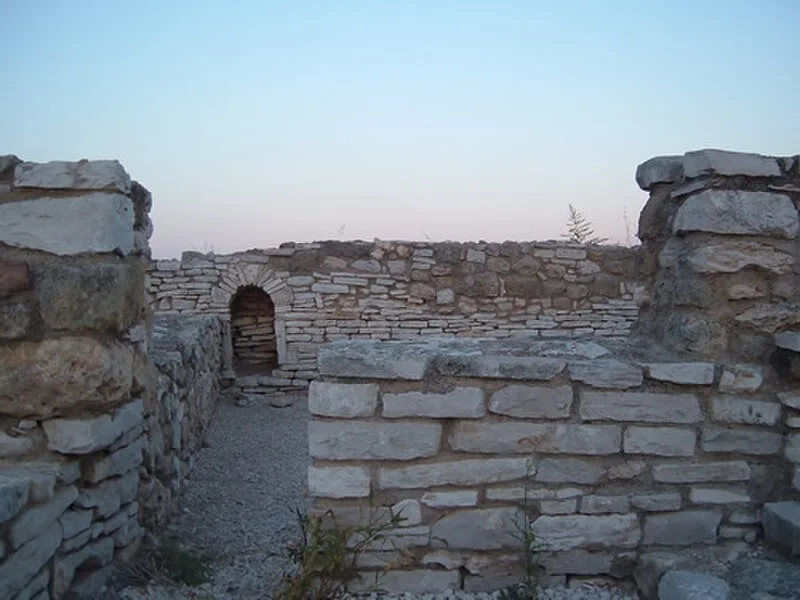
Cannae is an ancient village in Apulia, southeastern Italy, primarily known as the site of Hannibal's greatest victory over Rome on 2 August 216 BC during the Second Punic War.…
Casilinum
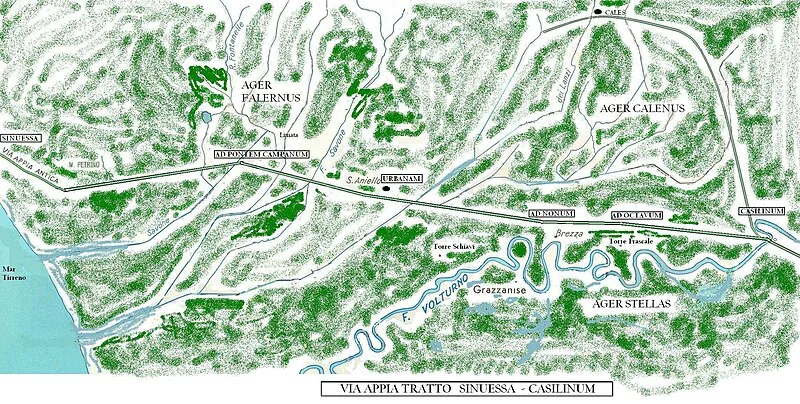
Casilinum was an ancient city of Campania, Italy, located where modern Capua now stands, approximately 29 km north of Naples. Probably founded around 600 BC by the Etruscans, its…
Castro, Apulia
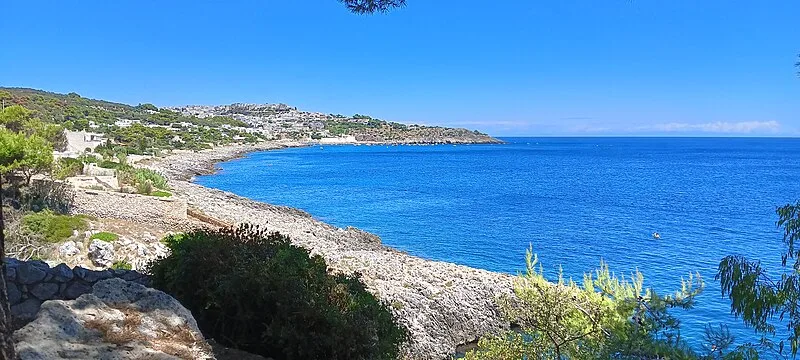
Castro, in the province of Lecce, Apulia, is the ancient Castrum Minervae mentioned by Virgil in the Aeneid as the first Italian landfall of Aeneas after fleeing Troy. The…
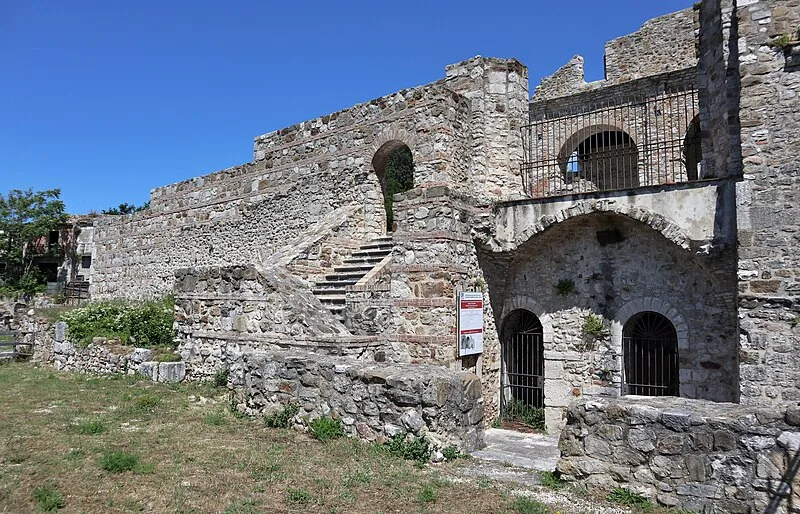
Compsa
Compsa was an ancient Hirpini city strategically positioned on a ridge 609 m above sea level near the sources of the Aufidus River, on the boundary of Lucania and not far from…
Coppa Nevigata
Coppa Nevigata is a multi-period archaeological site on the Apulian coast of the Gargano peninsula in Foggia province, southern Italy. The earliest occupation dates to the…
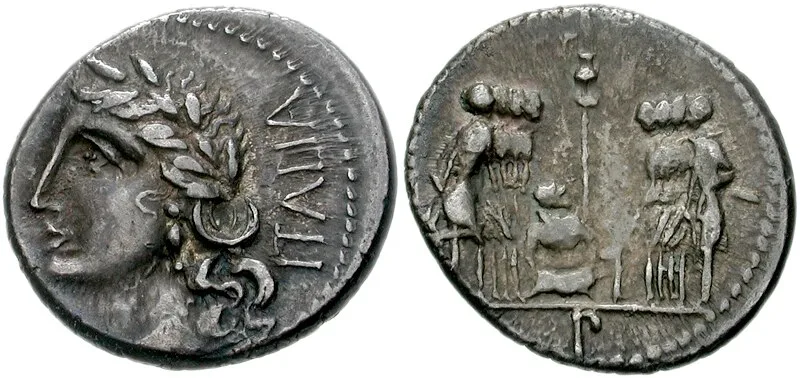
Corfinium
Corfinium was the principal city of the Paeligni tribe, located in the Aternus (Pescara) valley in Abruzzo, central Italy. In 90 BC, the Italic confederates chose it as their…
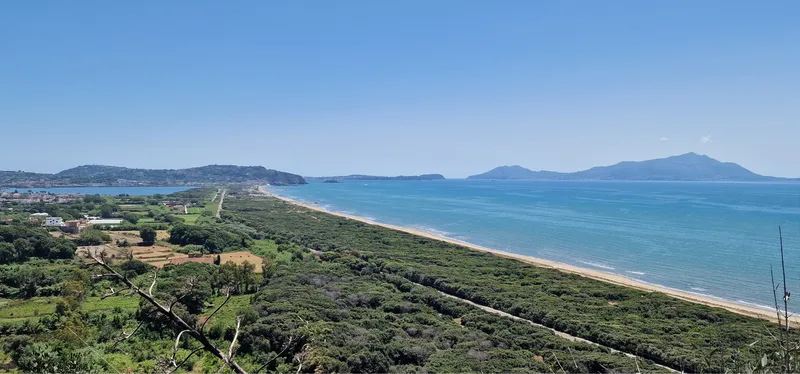
Cumae
Cumae was the first ancient Greek colony on mainland Italy, founded around 725 BC by Euboean settlers from Chalcis. It became a major power in Campania, spreading Greek culture…
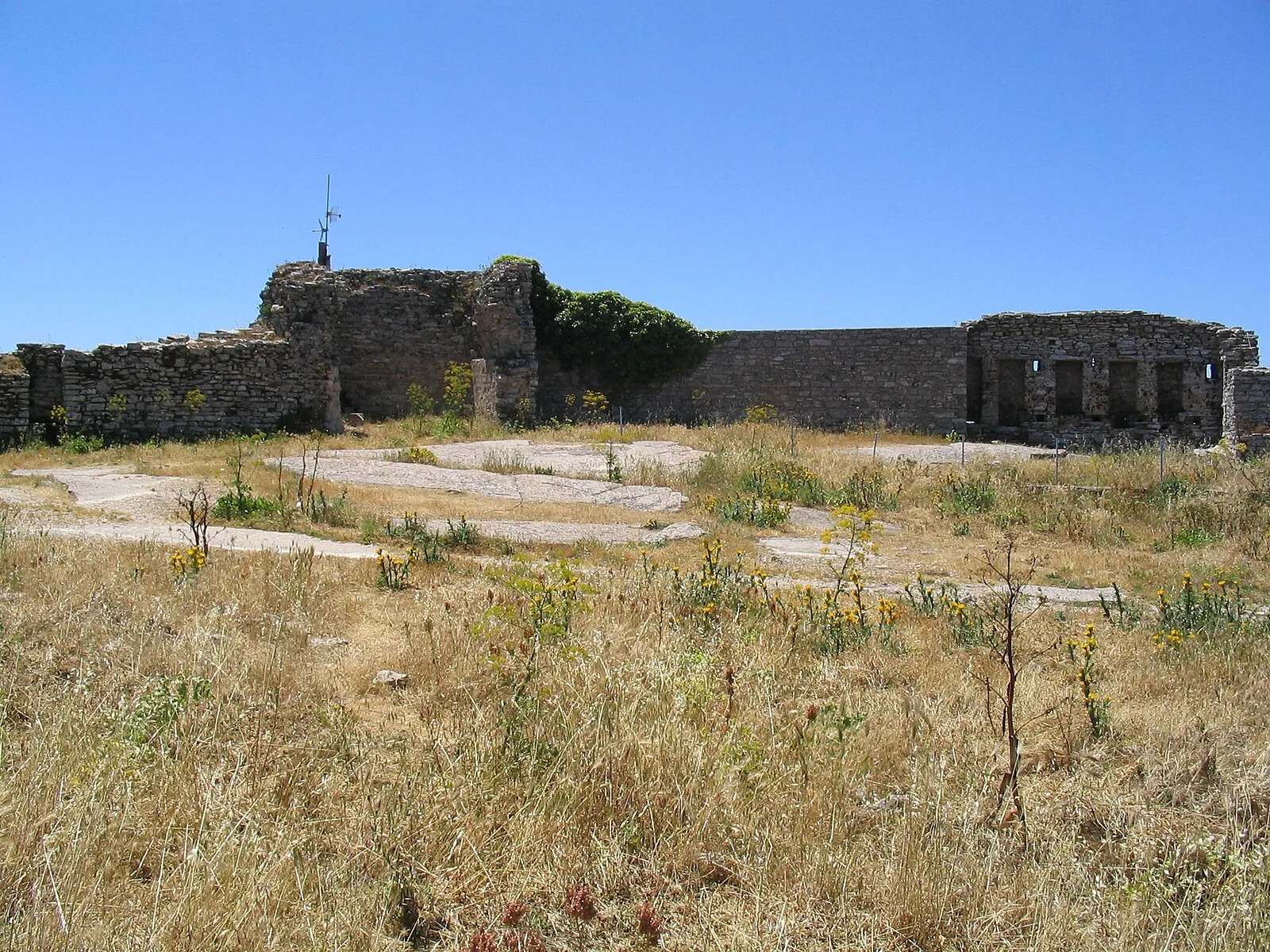
Eryx (Sicily)
Eryx was an ancient Elymian city atop Mount Eryx (750m) in western Sicily, at the site of modern Erice. Its summit hosted the Temple of Venus Erycina, described by Polybius as…
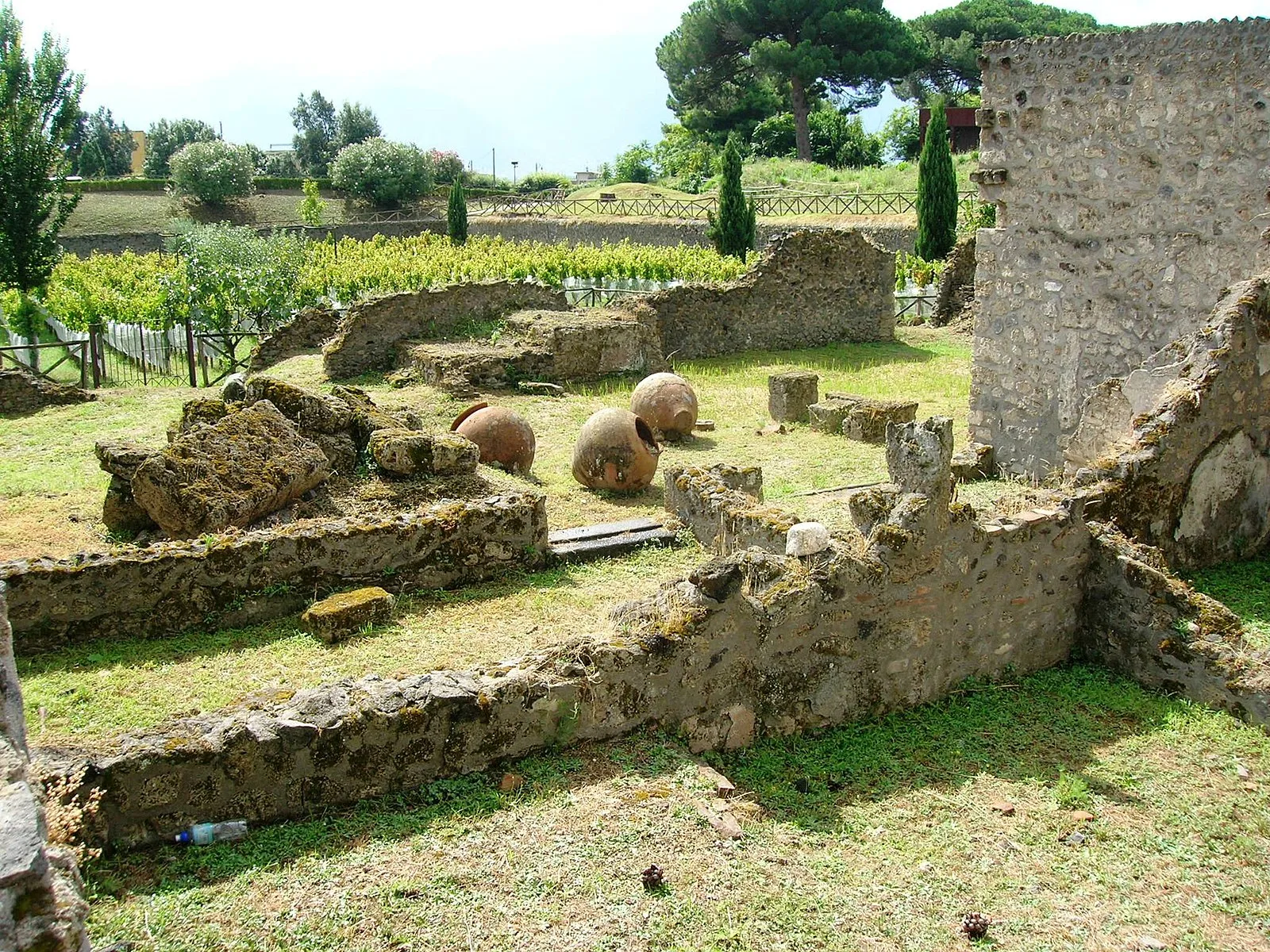
Garden of the Fugitives, Pompeii
Archaeological site in Regio I, Insula 21 of ancient Pompeii containing plaster casts of 13 victims of the 79 AD eruption of Mount Vesuvius. Discovered in 1961 under the direction…
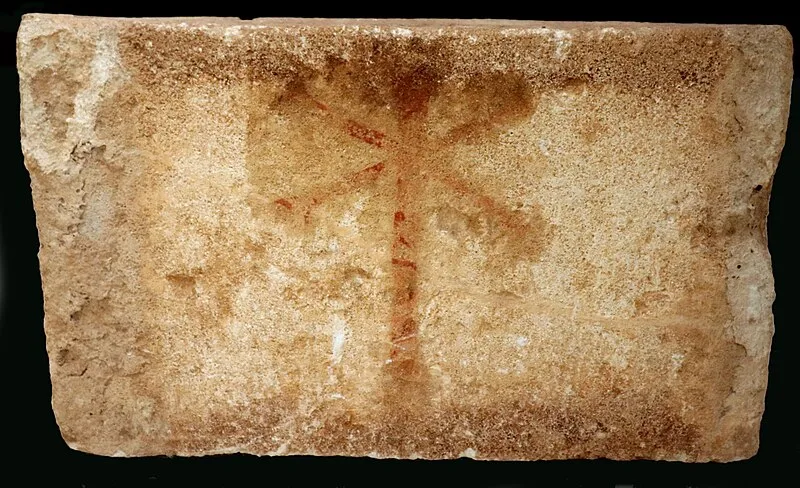
Gnatia
Egnazia (ancient Gnatia), near modern Fasano in Puglia, Italy, was a critical port city and center of Mediterranean commerce from the Bronze Age (15th century BC) through the…
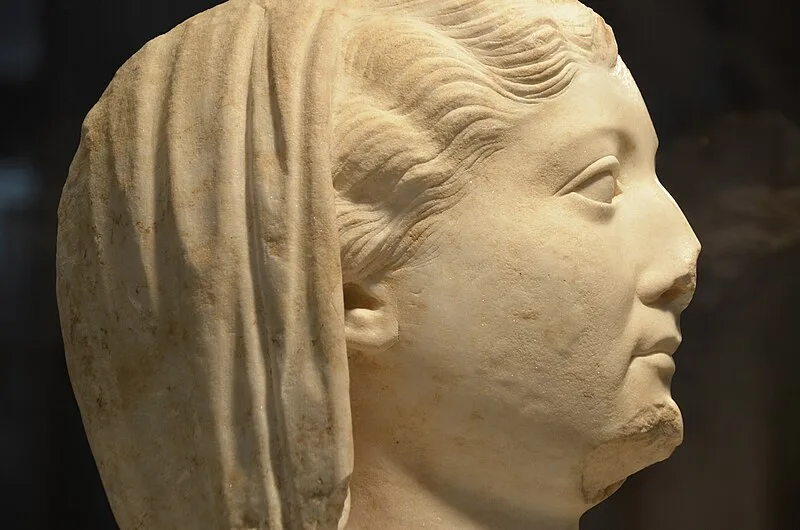
Grumentum
Grumentum was a Roman city in Lucania, southern Italy, founded in the early 3rd century BC as a strategic outpost during the Samnite Wars. It gained prominence in the Second Punic…
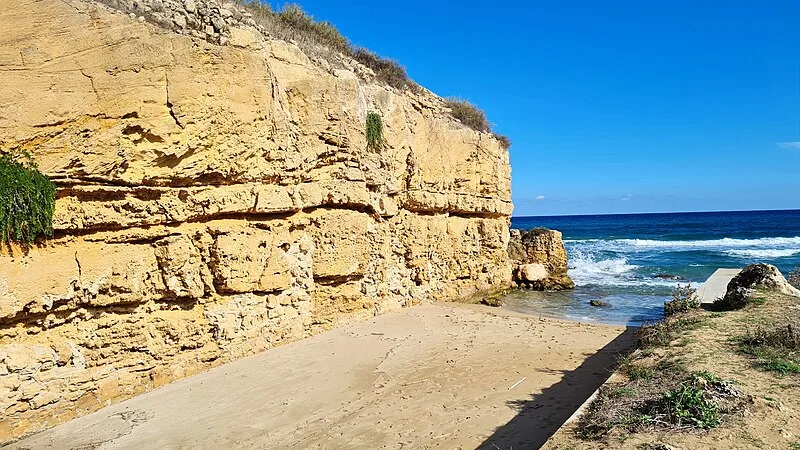
Helorus
Helorus (modern Eloro) was an ancient Greek colony of Syracuse founded in the late 8th century BC on the southeast coast of Sicily, connected to its mother city by the Via…
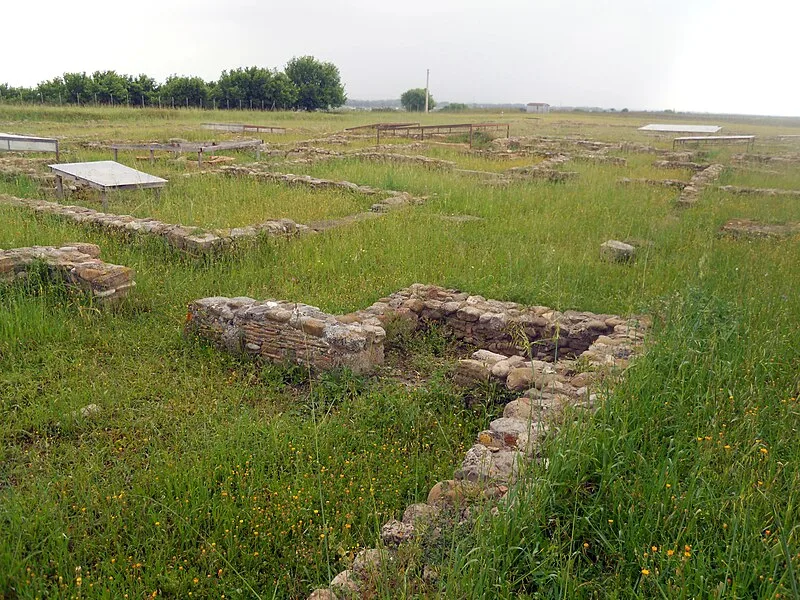
Heraclea Lucania
Heraclea was an ancient Greek colony of Magna Graecia, situated on the Gulf of Taranto between the rivers Aciris (modern Agri) and Siris (modern Sinni). The ruins are located in…

Heraclea Minoa
An ancient Greek colony on Sicily's southern coast atop the white cliffs of Capo Bianco, near the mouth of the Halykos River. Founded in the mid-6th century BC as an outpost of…
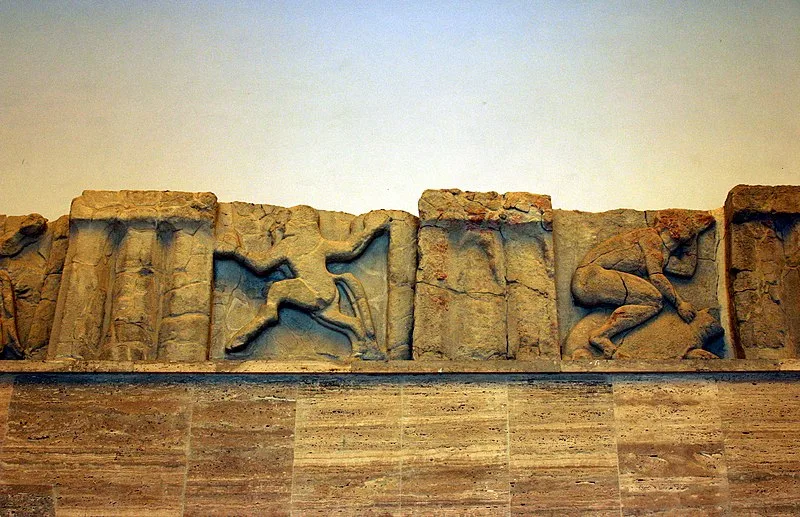
Heraion at Foce del Sele
The Heraion at Foce del Sele is an ancient Greek sanctuary dedicated to the goddess Hera in Magna Graecia, situated at the mouth of the Sele River approximately 8 km north of the…
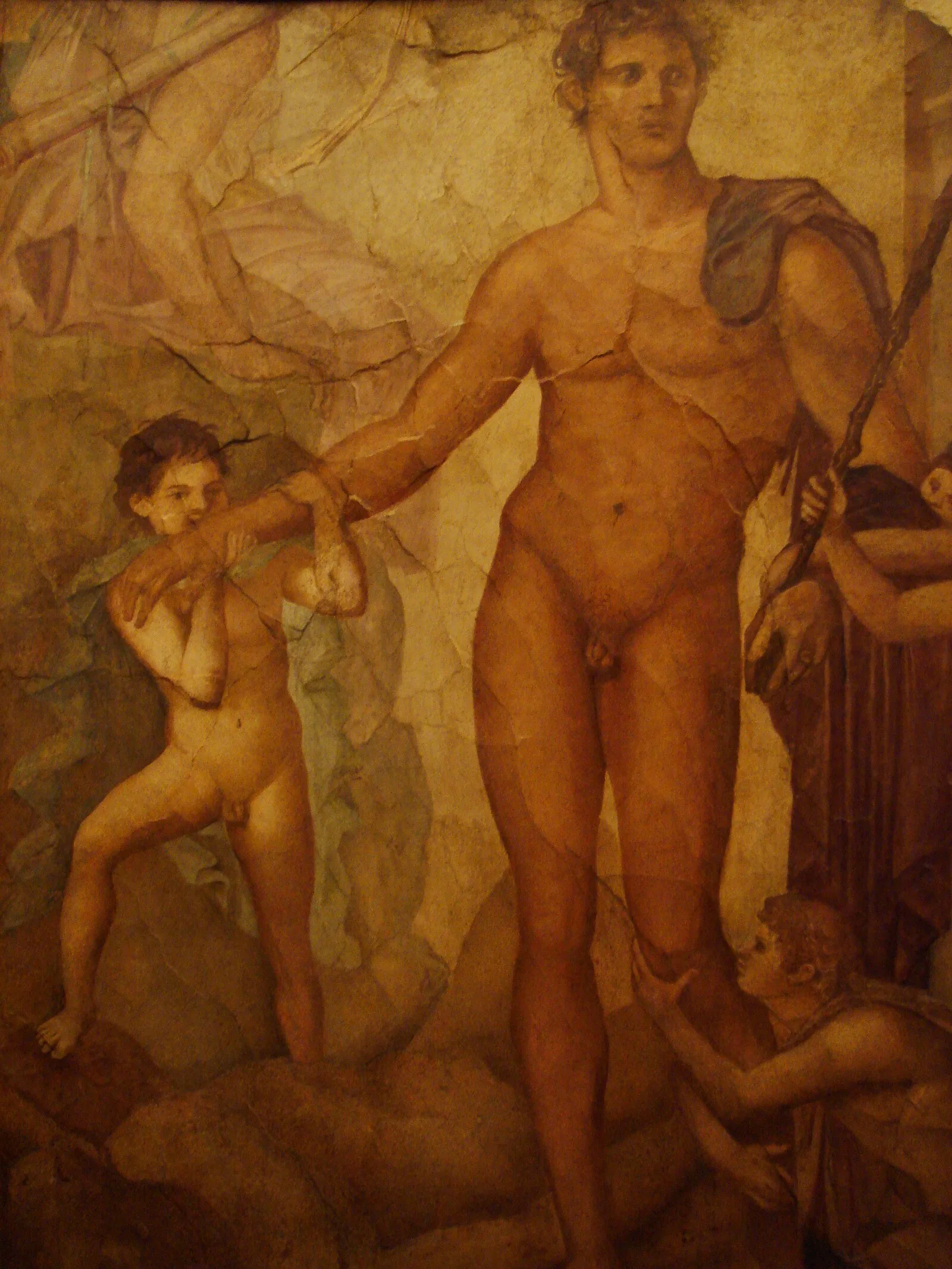
Herculaneum
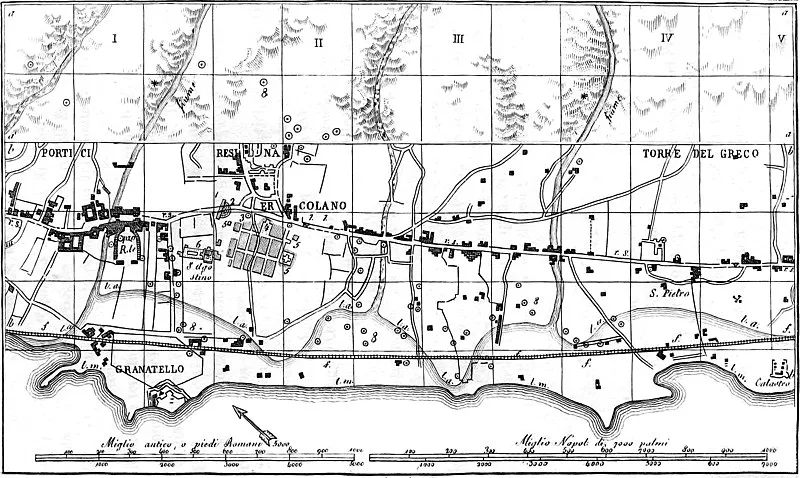
An ancient Roman town of 4,000-5,000 inhabitants buried under 15-18 metres of pyroclastic material by the eruption of Mount Vesuvius in 79 AD. Unlike Pompeii, the volcanic flows…
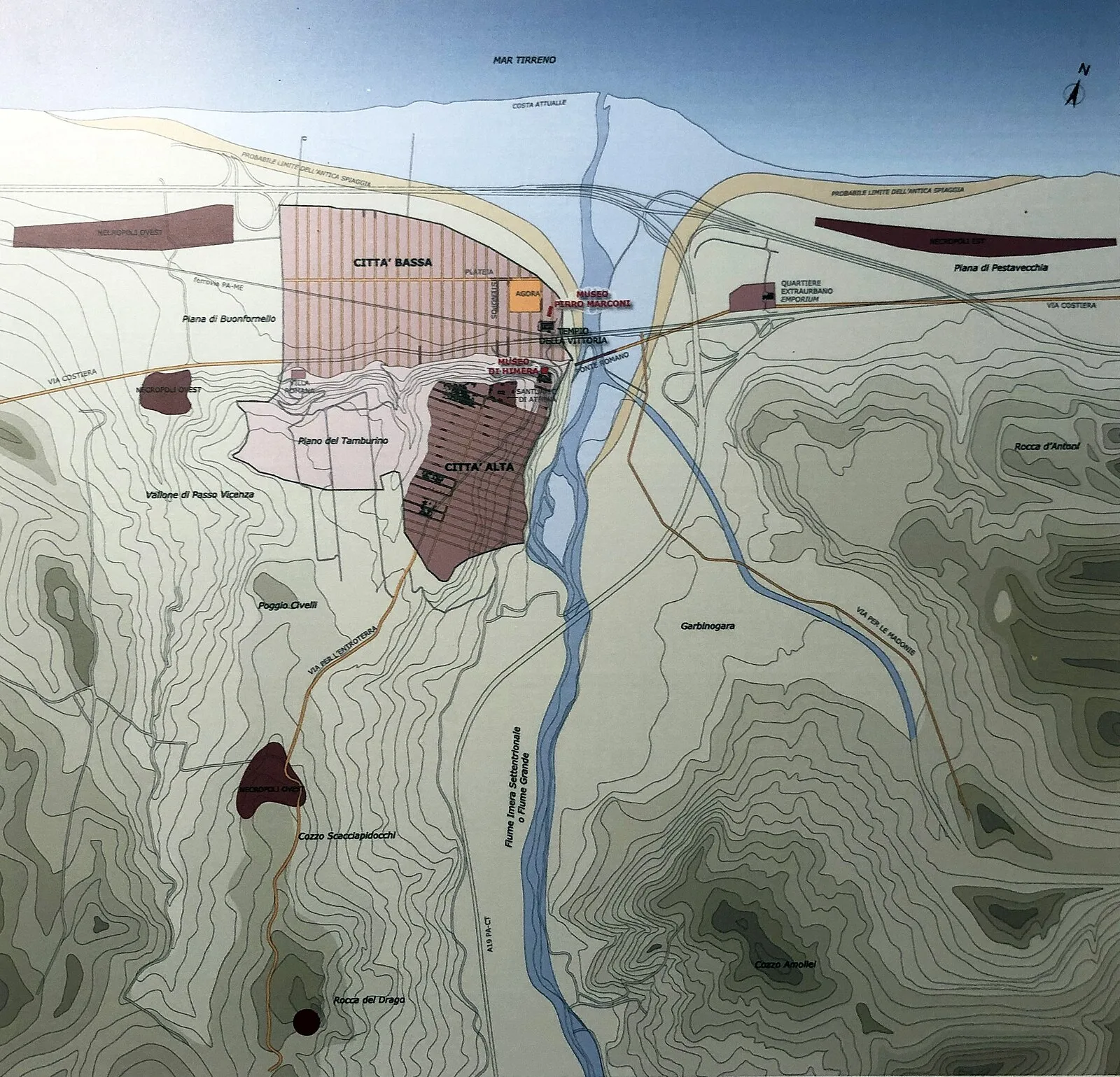
Himera
Himera was a large and important ancient Greek city situated on the north coast of Sicily at the mouth of the river of the same name, between Panormus and Cephaloedium in the…
Hybla Gereatis
An ancient city of Magna Graecia on the southern slope of Mount Etna in Sicily, identified with modern Paterno through the discovery of an altar dedicated to Venus 'Victrici…
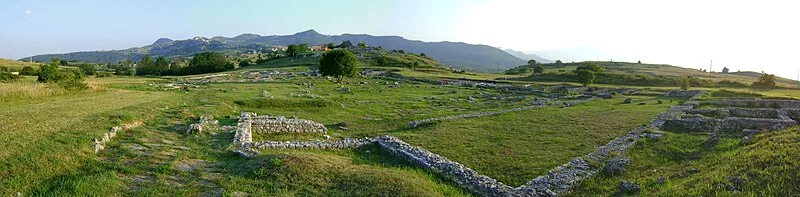
Juvanum
Juvanum (Iuvanum) was a chief city of the Caraceni Samnites, located on a plateau at about 1,000 m elevation near Montenerodomo in Chieti province, Abruzzo. Originally a fortified…
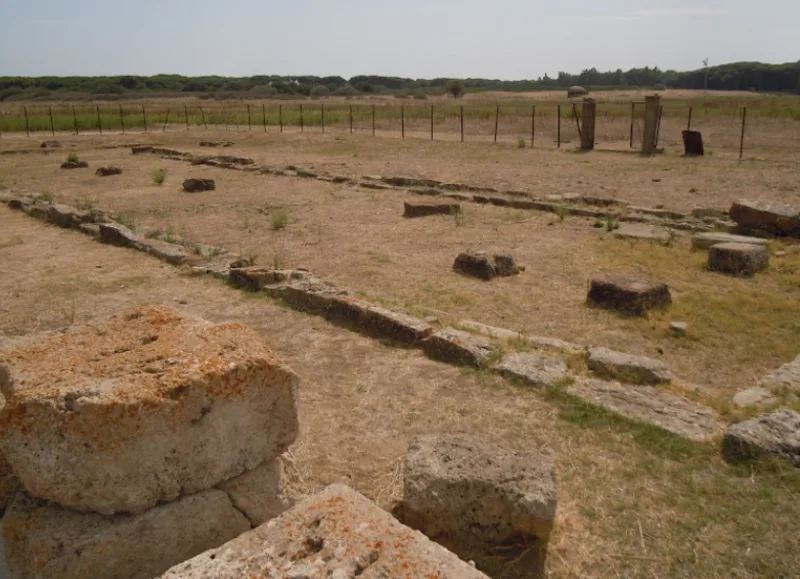
Krimisa
Krimisa was an ancient settlement in Magna Graecia, probably originating in the 7th century BC, situated in modern Calabria in the region of Punta Alice. It was inhabited by an…
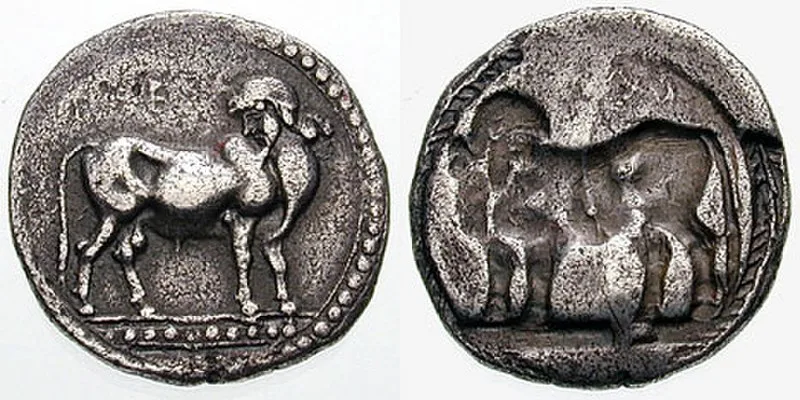
Laüs
Laüs was an ancient Greek colony of Magna Graecia founded by Sybaris at the mouth of the Lao River on the Tyrrhenian coast of southern Italy. The river marked the boundary between…
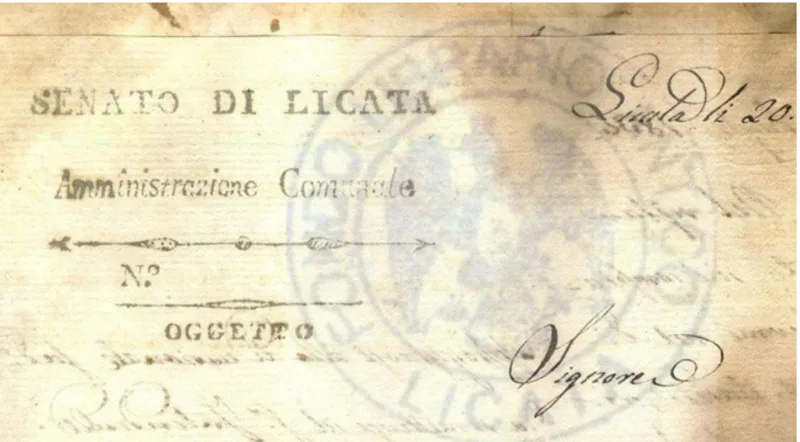
Licata
An ancient settlement on the south coast of Sicily at the mouth of the Salso River, with occupation from the Bronze Age through the Roman period. Monte Petrulla contains a…
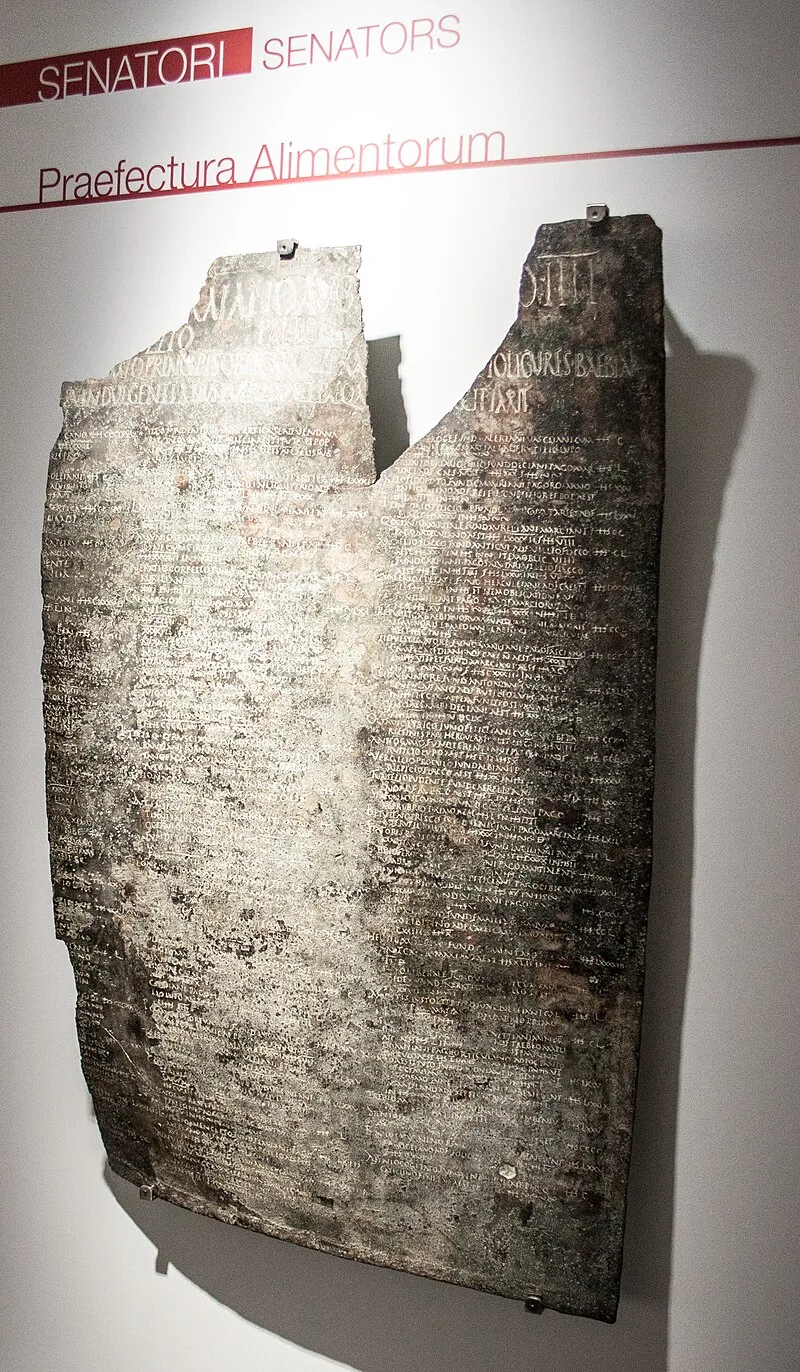
Ligures Baebiani
A Roman municipium near modern Circello in Campania, Italy, originating from the forced resettlement of 47,000 Ligurian Apuani tribespeople into Samnium in 180 BC following Rome's…
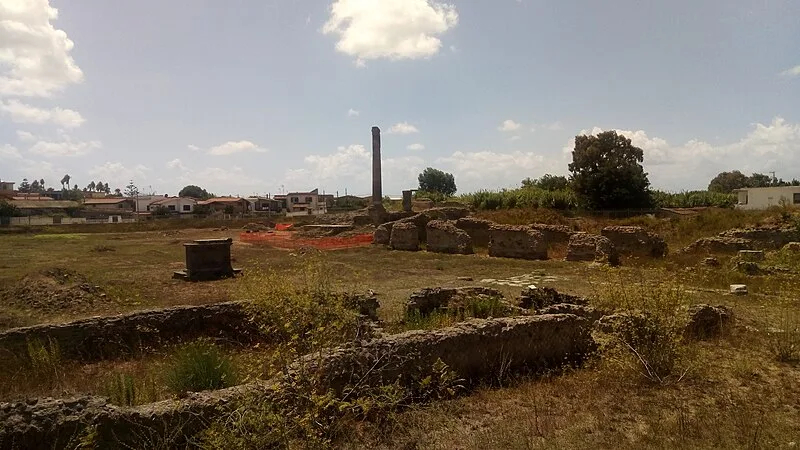
Liternum
Liternum was an ancient Roman colony in Campania, Italy, situated near Patria Lake on the low sandy coast between Cumae and the Volturnus River. Originally probably dependent on…

Lucus Angitiae
Lucus Angitiae was an Italic and Roman town and sanctuary in Abruzzo, centered on the temple of the goddess Angitia. The ruins now lie near modern Luco dei Marsi.
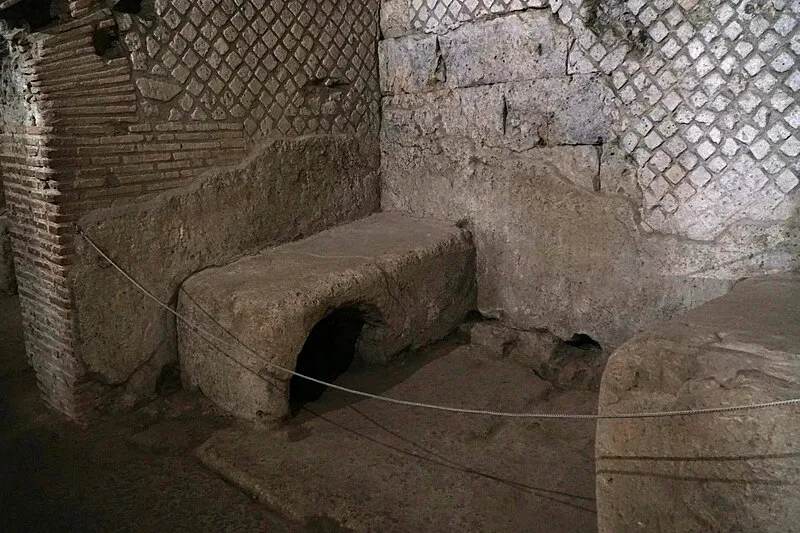
Macellum of Naples
The Macellum of Naples was the macellum (market building) of the Roman city of Neapolis, modern Naples, located today beneath the church of San Lorenzo Maggiore. First constructed…
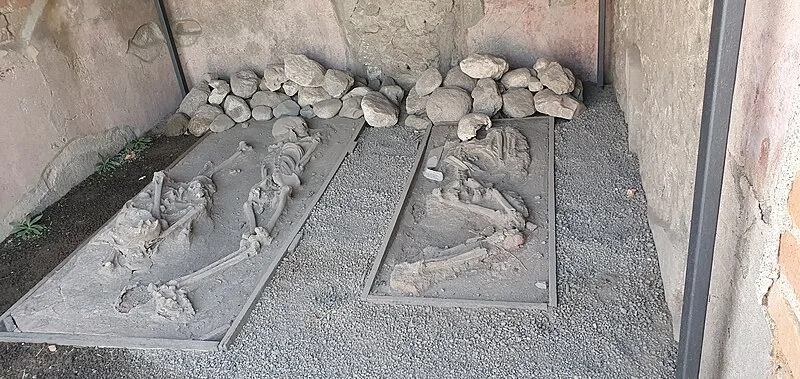
Macellum of Pompeii
The Macellum of Pompeii was a provision market (macellum) situated on the Forum, serving as one of the focal points of the ancient city. The building was constructed in several…
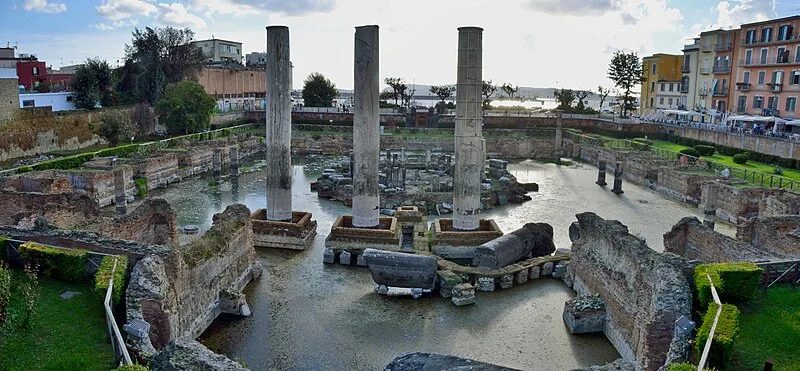
Macellum of Pozzuoli
The Macellum of Pozzuoli is a Roman marketplace from the late Flavian period (2nd century AD) in the ancient colony of Puteoli, southern Italy. Originally misidentified as a…

Megara Hyblaea
Megara Hyblaea was an ancient Greek colony of Magna Graecia in Sicily, situated near modern Augusta on the east coast, approximately 20 km north-northwest of Syracuse. The colony…
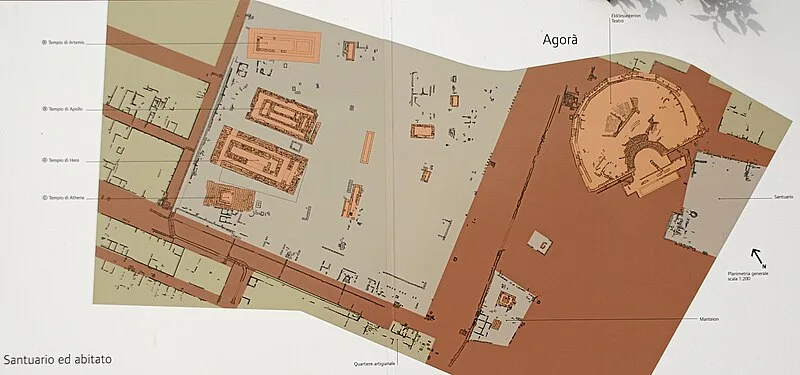
Metapontum
Metapontum was an Achaean colony founded around 630 BC on the Gulf of Taranto in Basilicata, southern Italy, becoming one of the most prosperous cities of Magna Graecia. Its…
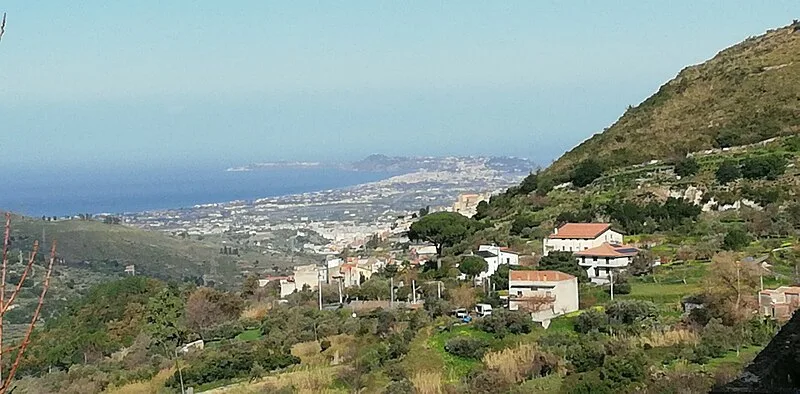
Milazzo
Milazzo occupies the site of ancient Mylae, a sub-colony of Zankle (Messina) founded in 717-716 BC on Sicily's northeastern coast. Archaeological evidence spans from the Middle…

Miseno
Misenum (modern Miseno) was the largest naval base of the Roman Empire, situated at the northwestern limit of the Bay of Naples in Campania, Italy. Marcus Agrippa established it…
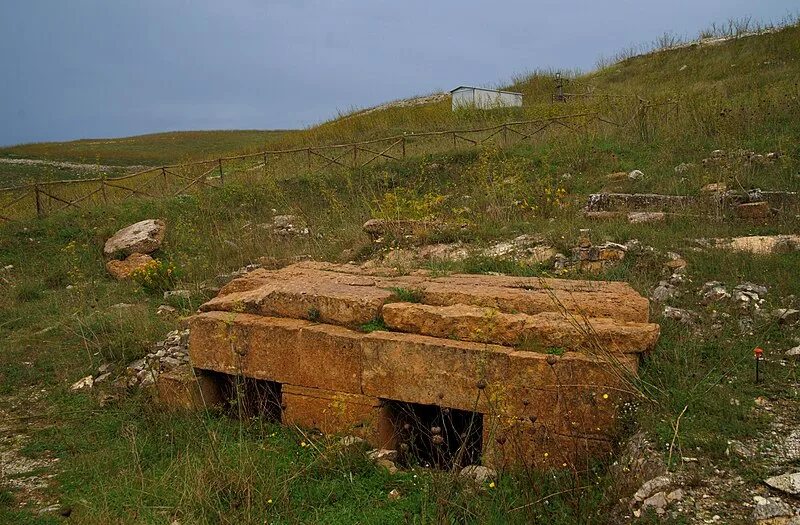
Monte Adranone
Monte Adranone is a mountain (900 m elevation) in Sambuca di Sicilia, Province of Agrigento, Sicily, bearing remains of the ancient Greek city of Adranon. Settled in the early 5th…
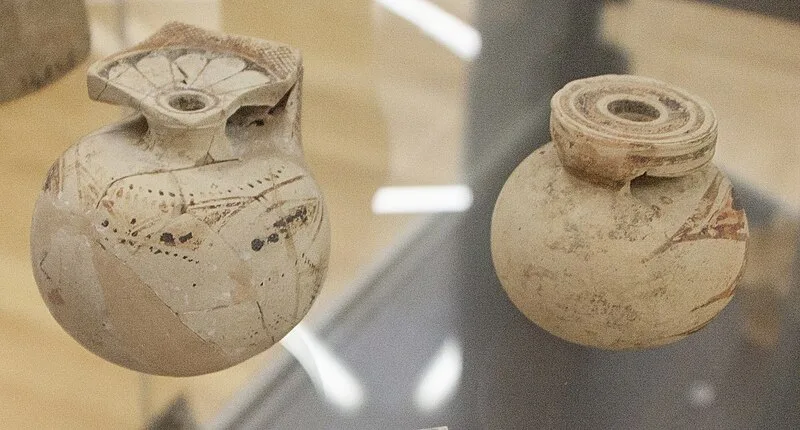
Monte Bubbonia
Monte Bubbonìa is an archaeological site in Sicily, Italy, featuring the remains of an ancient settlement on a 595-metre-high (1,952 ft) hill in the comune of Mazzarino,…
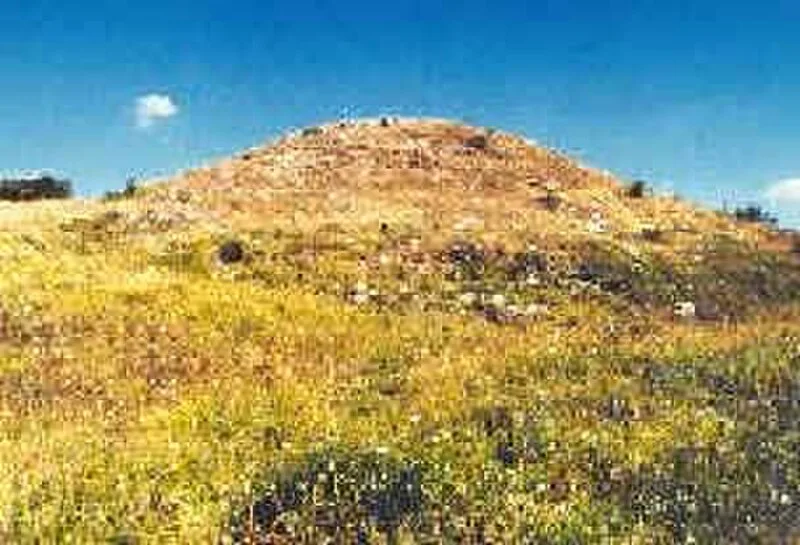
Monte Pruno
Monte Pruno is an archaeological site on a mountain (879 m) near Roscigno in the Cilento, Province of Salerno, southern Italy. Occupied from the 7th century BC by Oenotrian…

Motya
Motya was a Phoenician colony founded in the 8th century BC on San Pantaleo Island off western Sicily, growing to cover the entire 45-hectare island by the 6th century BC. Key…
Necropoli Etrusca di Norchia
Norchia is an ancient Etruscan city and necropolis near Vetralla in northern Lazio, established as a satellite settlement of the powerful city of Tarquinia along the Via Clodia.…
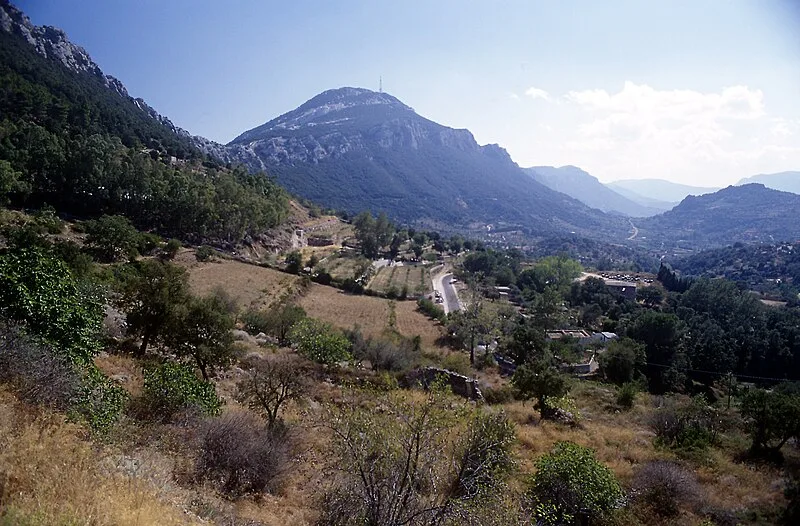
Nuragic Complex of Sa Sedda e Sos Carros
Sa Sedda 'e Sos Carros ("the passing point of the wagons") is a Nuragic archaeological complex in the Lanaittu Valley near Oliena, Sardinia, dating to the 12th-9th centuries BC.…
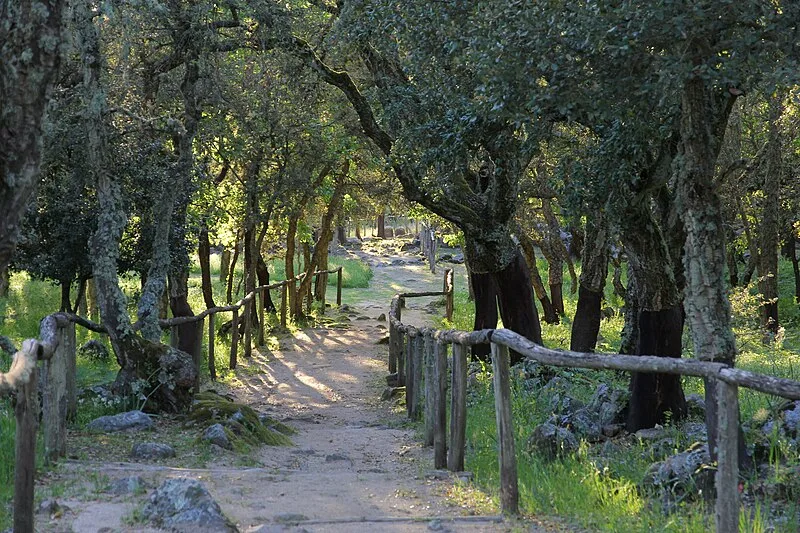
Nuragic Complex Romanzesu
Su Romanzesu is a major Nuragic sanctuary-village near Bitti, Sardinia, spanning over seven hectares on a plateau near the source of the river Tirso. Dating primarily to the Late…

Nuragic Village of Tiscali
The Nuragic Village of Tiscali is a Bronze Age settlement concealed within an enormous sinkhole atop Monte Tiscali in Sardinia's Supramonte region, near Dorgali. Inhabited from…
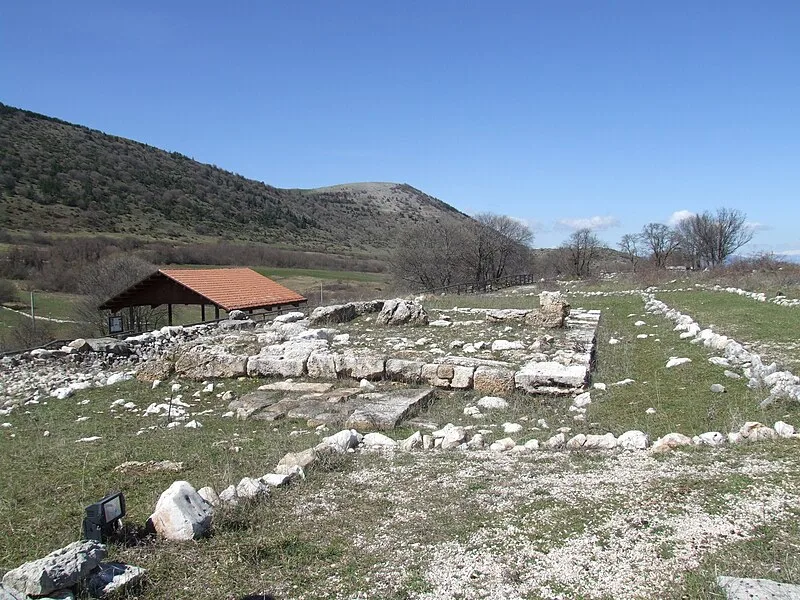
Ocriticum
Ocriticum was an Italic and Roman sacred site near modern Cansano in the Abruzzo region of Italy, flourishing from the late 4th century BC to the 2nd century AD. The site contains…
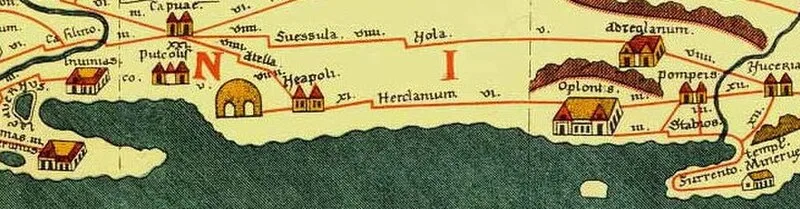
Oplontis
Oplontis is an ancient Roman archaeological site in Torre Annunziata, south of Naples, buried by the eruption of Mount Vesuvius in 79 AD. The site comprises two villas: Villa A…
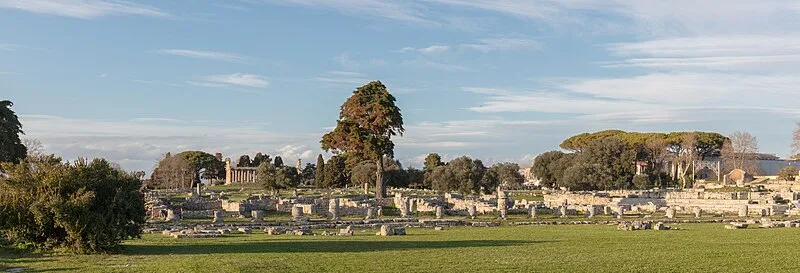
Paestum
Paestum was a major ancient Greek city on the Tyrrhenian Sea coast in Magna Graecia, southern Italy. Founded around 600 BC as Poseidonia by Greek colonists, it was conquered by…
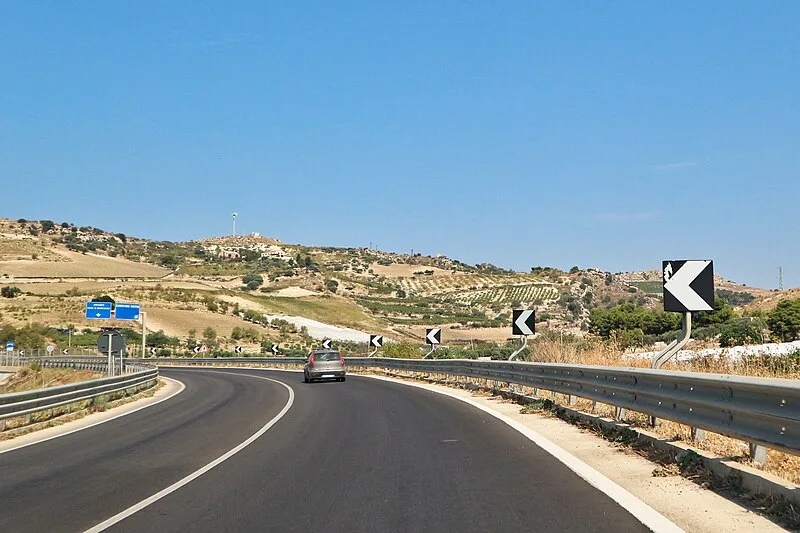
Palma di Montechiaro
Palma di Montechiaro is a town in the province of Agrigento, Sicily, where numerous Greek archaeological findings of Magna Graecia have been discovered. The area was inhabited…
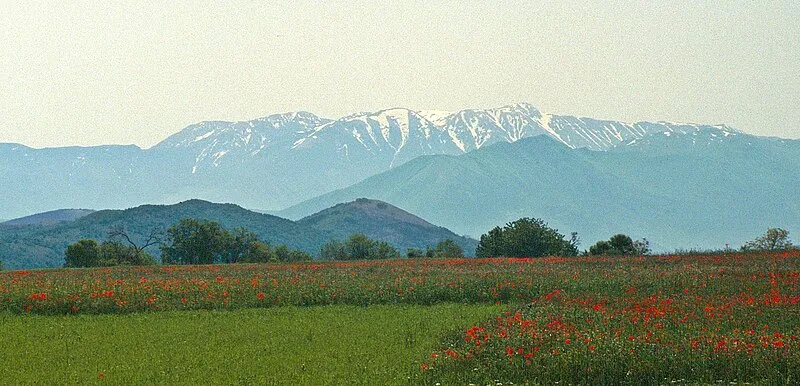
Peltuinum
Peltuinum was an ancient Italic city of the Vestini people, established in the 1st century BC on a plateau near modern Prata d'Ansidonia, about 20 km east of L'Aquila in Abruzzo,…
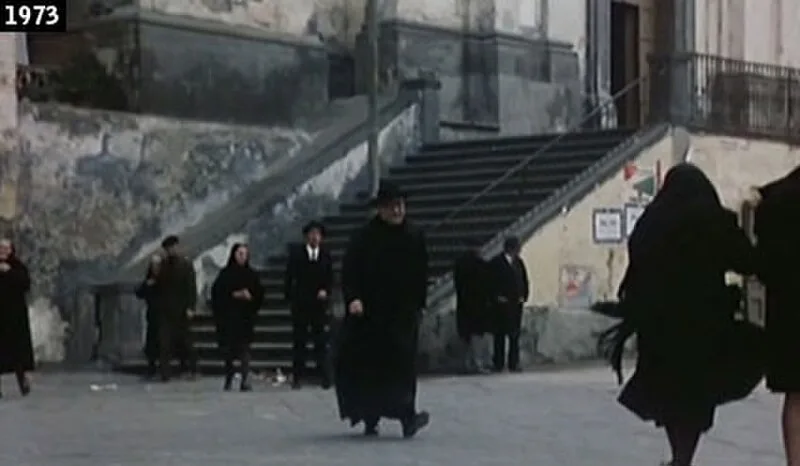
Pollena Trocchia
Pollena Trocchia, a municipality near Naples of Samnite-Etruscan origin, hosts a significant Roman bath complex at Masseria De Carolis, dating to the late 1st to early 2nd century…
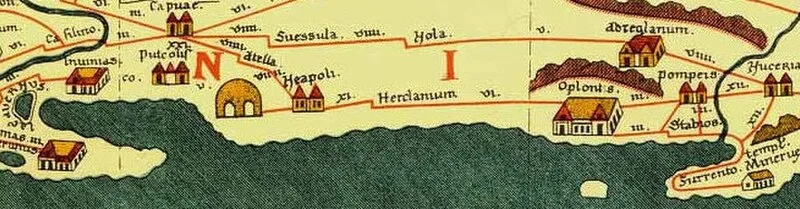
Pompeii
Pompeii was an ancient Roman city in Campania, Italy, first settled by Oscan-speaking peoples and influenced by Greek culture from the 8th century BC. Home to 10,000-20,000…
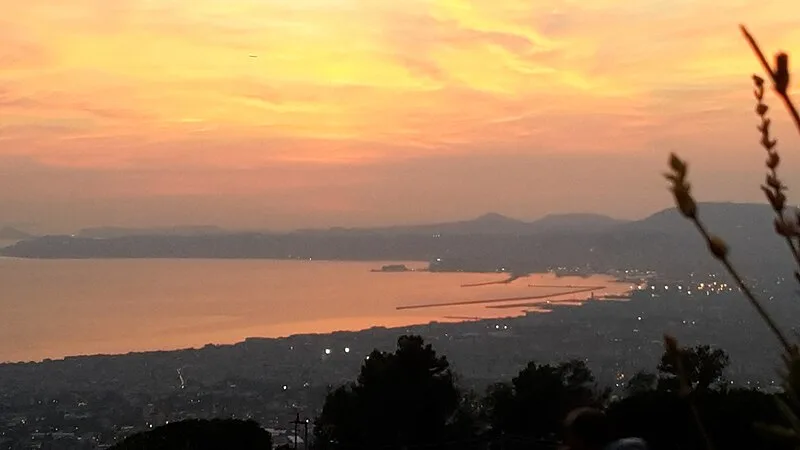
Posillipo
Posillipo is a district of Naples home to the Parco Archeologico di Pausilypon, centred on a 1st-century BC villa built by Publius Vedius Pollio spanning approximately 22 acres.…
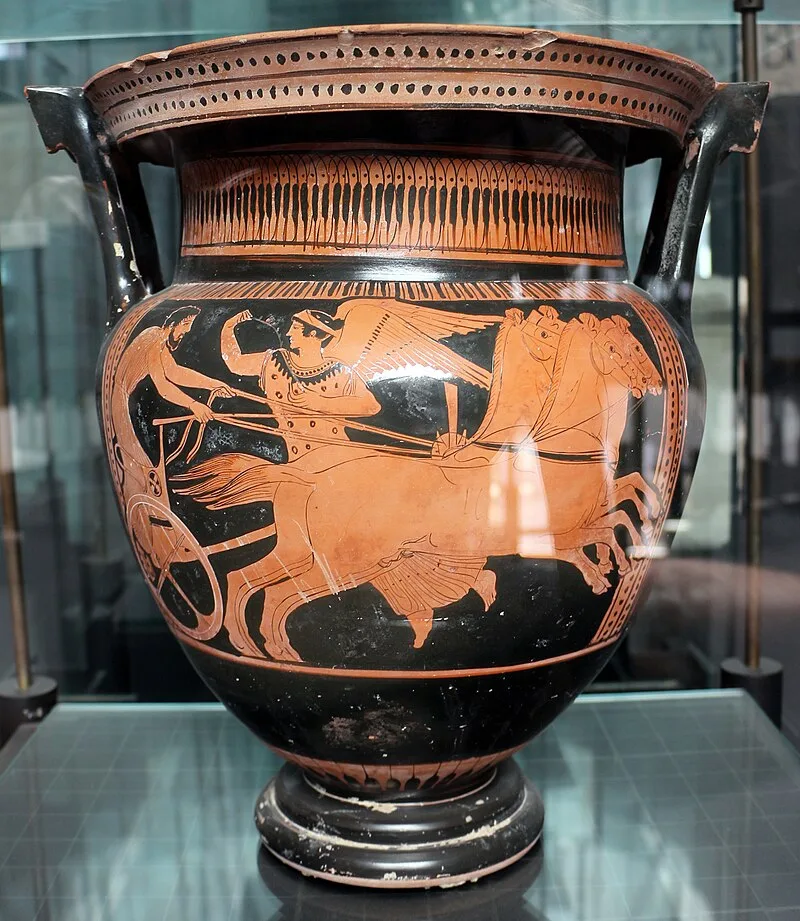
Rudiae
Rudiae was a Messapian settlement founded in the late 9th or early 8th centuries BCE. The site, located southwest of Lecce near San Pietro in Lama, is now an archaeological park.…
Salapia
Salapia was an ancient Daunian settlement in southeastern Italy, likely established around 900 BC near modern Cerignola and Manfredonia. The town was named after the salt marshes…
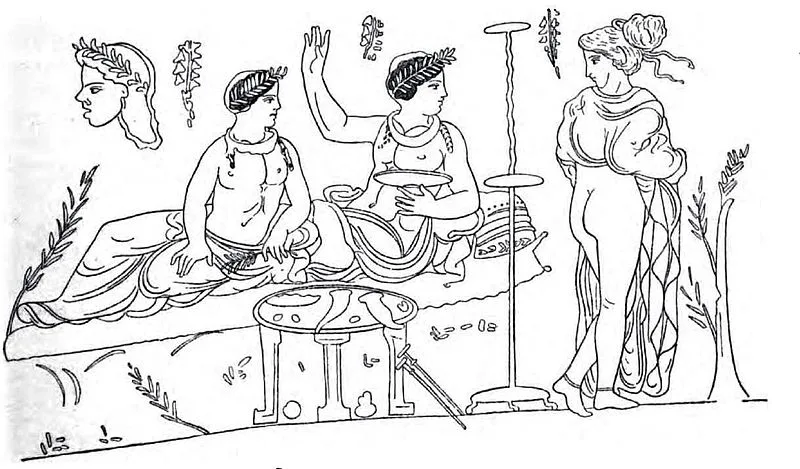
Saticula
Saticula was an ancient Samnite (Caudini) fortified settlement near the border of Campania in southern Italy, whose remains lie beneath the modern town of Sant'Agata de' Goti. In…
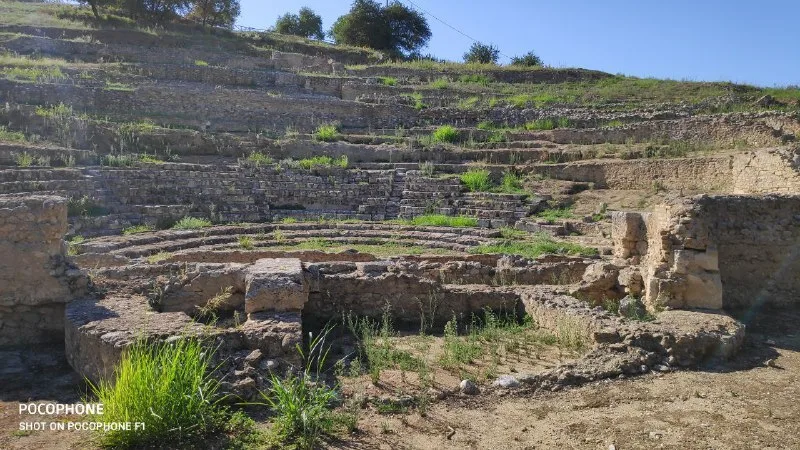
Scylletium
Scylletium (later Scolacium) was an ancient Greek colony of Magna Graecia on the Ionian coast of Calabria, Italy, near modern Catanzaro. Founded by Athenian settlers, it was taken…
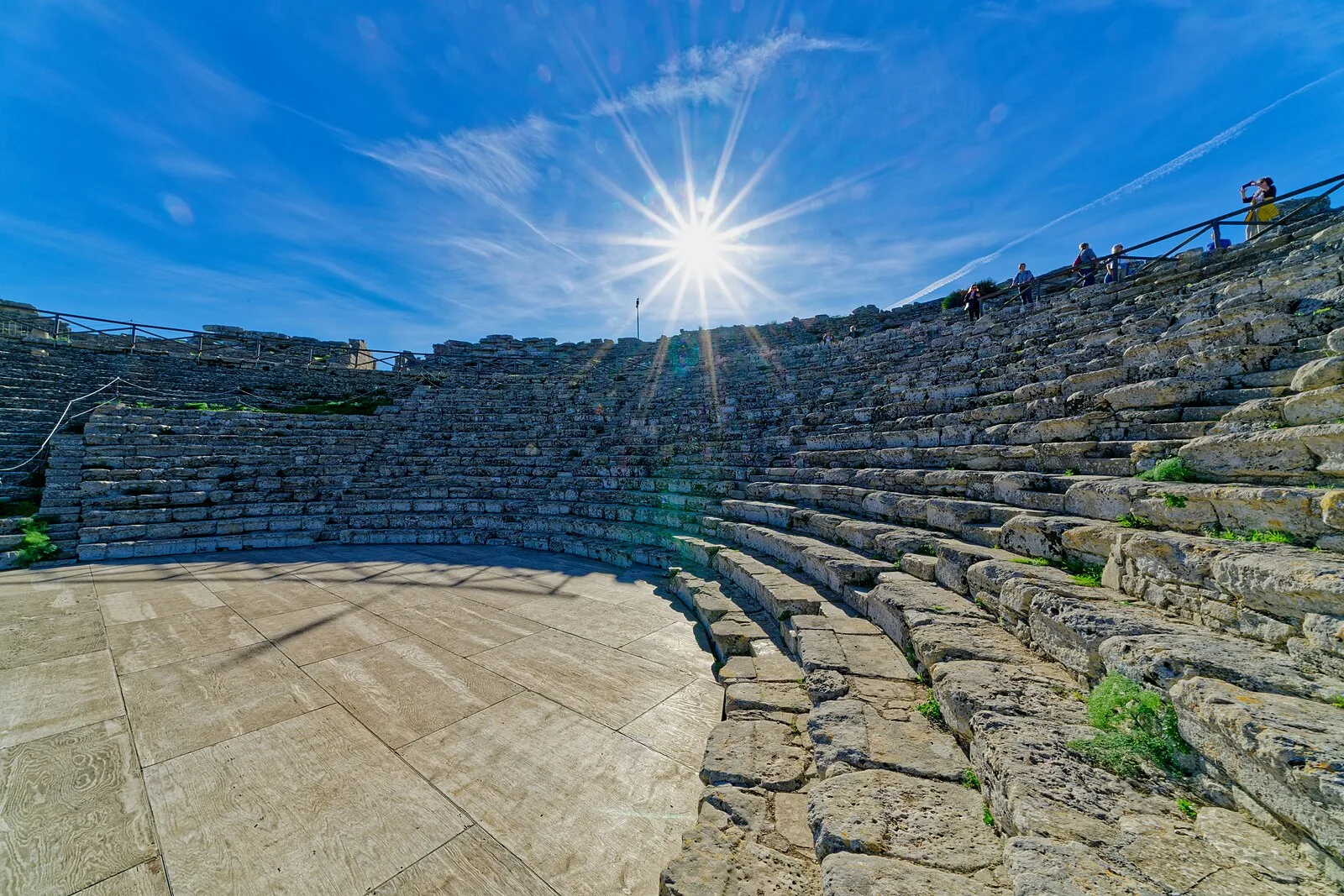
Segesta
Segesta was one of the principal cities of the Elymians, an indigenous Sicilian people. Located in northwestern Sicily near modern Calatafimi-Segesta in Trapani province, it was…
Selinunte Archaeological Park
Selinunte was a prosperous ancient Greek colony on the southwestern coast of Sicily, founded around 628 BC by settlers from Megara Hyblaea. At its peak before 409 BC, the city may…
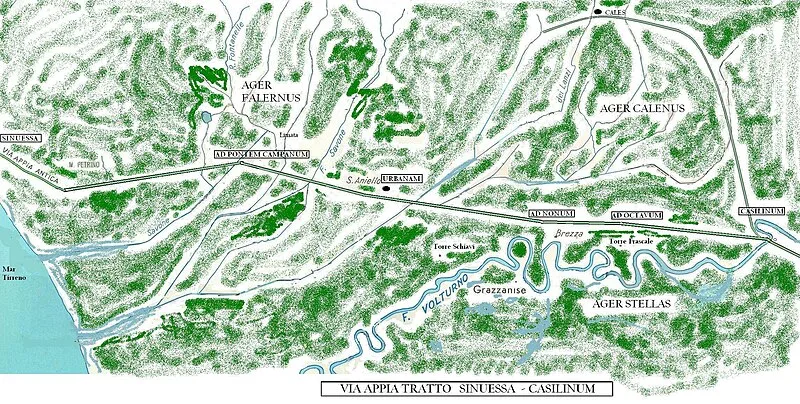
Sinuessa
Sinuessa was a Roman colony founded in 296 BC on the Tyrrhenian Sea coast of northern Campania, Italy, near the mouth of the Volturno River, to protect allied territories during…
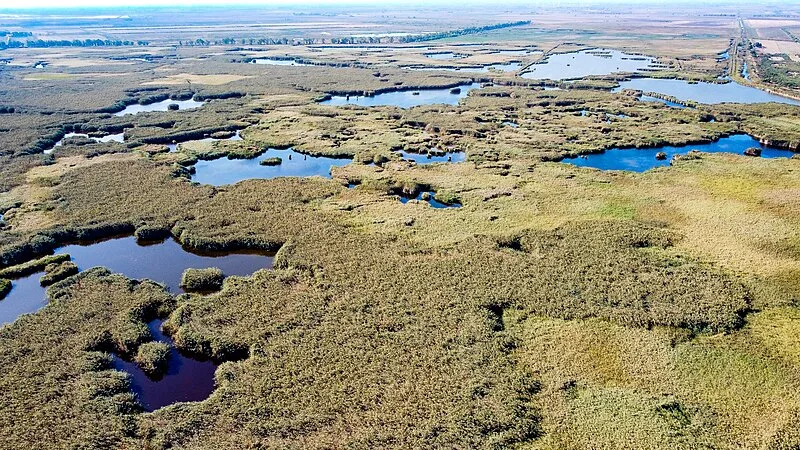
Siponto
Siponto was an ancient port town and bishopric of Magna Graecia in Apulia, southern Italy. The settlement was abandoned after earthquakes struck the region in the 13th century AD.…
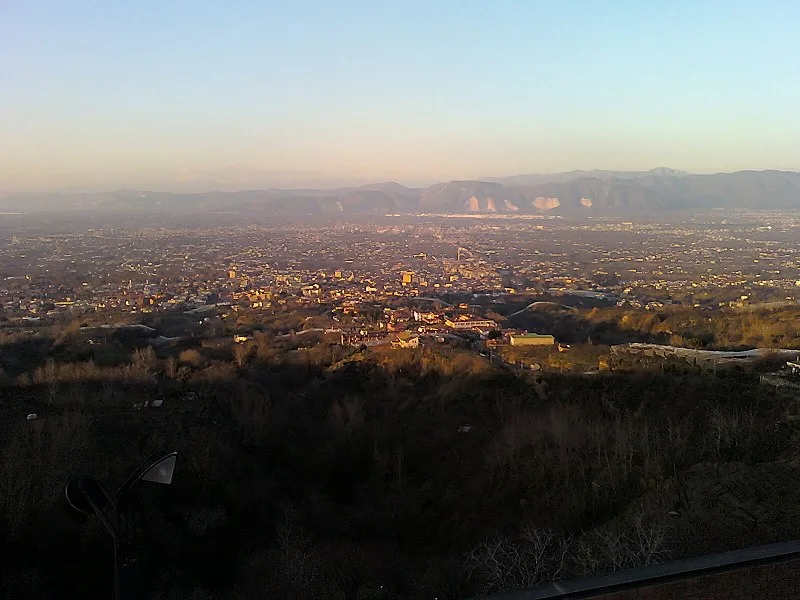
Somma Vesuviana
Somma Vesuviana hosts the remains of a monumental Roman villa on the northern flank of Vesuvius, buried by a volcanic eruption in AD 472. Discovered in the 1930s, the site was…
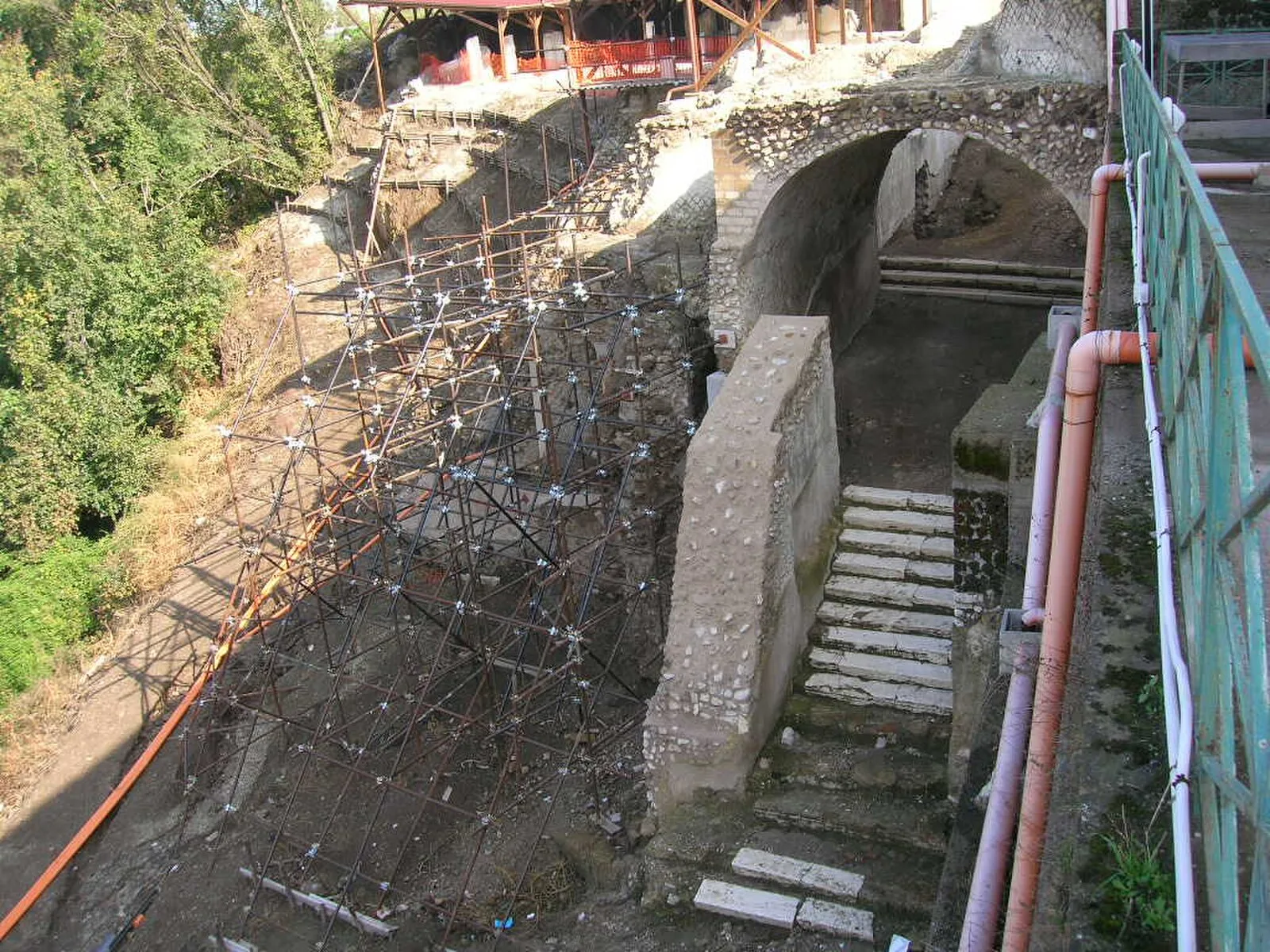
Stabiae
Stabiae was an ancient town on the Bay of Naples, originally settled by Oscan-speaking peoples and destroyed by Sulla in 89 BC during the Social War. It was rebuilt as a luxurious…
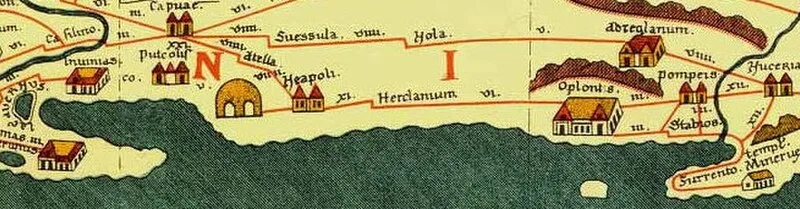
Suessula
Suessula was an ancient city of Campania, southern Italy, situated near the frontier with Samnium between Capua and Nola. It was the scene of a decisive Roman victory over the…
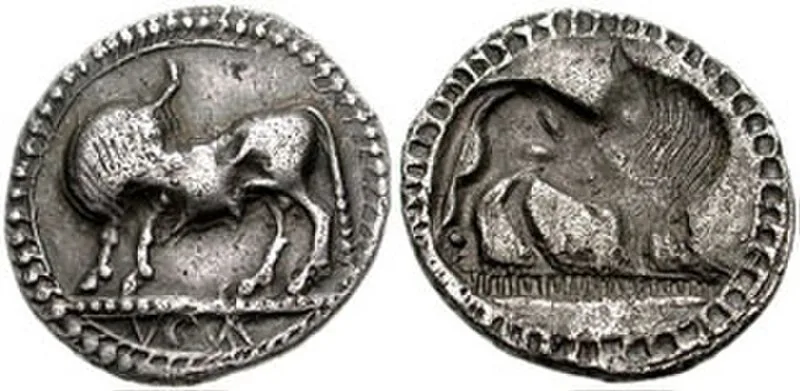
Sybaris
Sybaris was a major city of Magna Graecia, founded c. 720 BC by Achaean and Troezenian settlers on the Gulf of Taranto in modern Calabria. It grew into the wealthiest Greek colony…
Sybaris on the Traeis
Sybaris on the Traeis was an ancient Greek colony of Magna Graecia located on the Traeis river (modern Trionto) in southern Italy. It was founded around 444 BC by Sybarite…
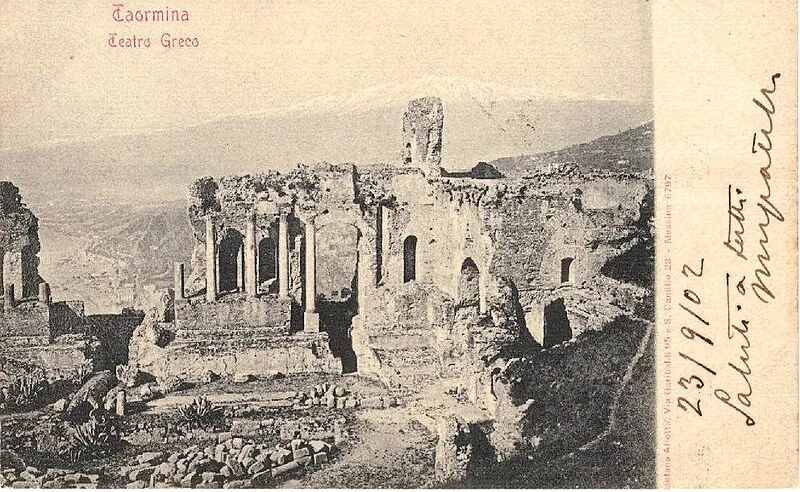
Taormina
Tapa Shotor was a large Sarvastivadin Buddhist monastery near Hadda, Afghanistan, now an archaeological site. According to archaeologist Raymond Allchin, Tapa Shotor provides key…
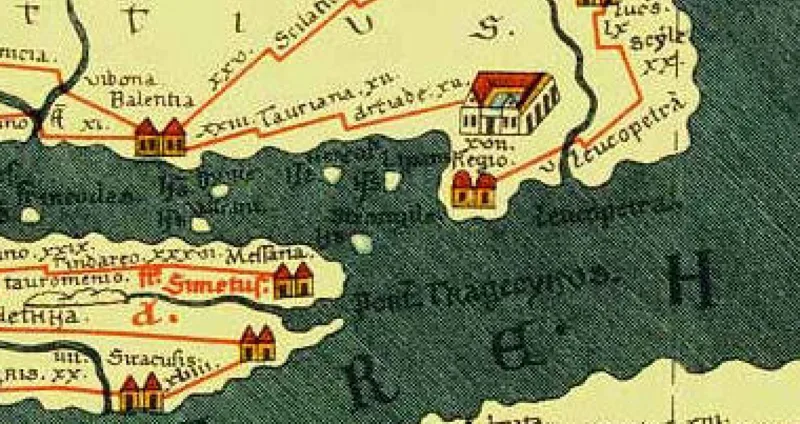
Tauriana
Tauriana is an ancient Bruttii city in southern Calabria, Italy, now preserved as the Archaeological Park of Tauriani in Palmi. Excavations since 1995 revealed Bronze Age huts…
 Æ Quadrans 116035.webp)
Thurii
Thurii was an ancient Greek colony of Magna Graecia founded in 443 BC by settlers from Athens and Sybaris, on the Gulf of Taranto near the site of the earlier city of Sybaris. The…
Timpone della Motta
The Timpone della Motta is a hill 2 km southwest of Francavilla Marittima in Calabria, Italy, inhabited since the Middle Bronze Age. During the Iron Age it hosted an Oenotrian…
Tindari
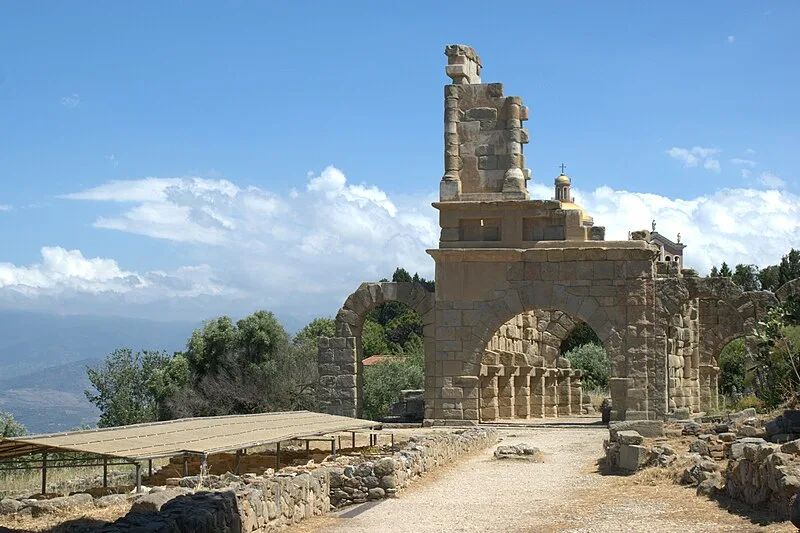
Ancient Tyndaris was a Greek colony founded by Dionysius of Syracuse in 397 BC on a prominent cliff in northern Sicily as a military outpost for Messenian exiles. The Greek…
Torre del Greco
Torre del Greco is a coastal town in the Metropolitan City of Naples, Italy, situated on the slopes of Mount Vesuvius between Herculaneum and Pompeii. In Roman times it served as…
Trebula Balliensis
Trebula Balliensis was an ancient city of Campania, now the village of Treglia in Pontelatone, Province of Caserta. First mentioned in 303 BC when the Trebulani received Roman…
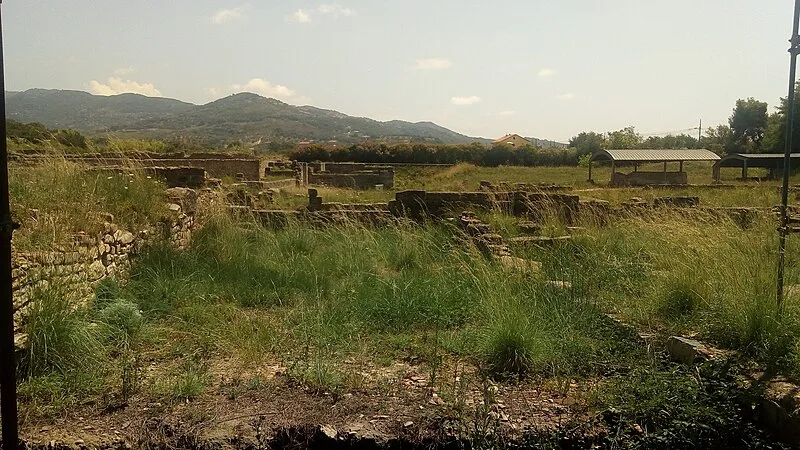
Velia
Velia, originally founded as Hyele around 535 BC by Phocaean Greeks fleeing Persian conquest, became one of the wealthiest cities of Magna Graecia thanks to its two ports and…
Vescia
Vescia was an ancient fortified city of the Ausones, part of the Auruncan Pentapolis alongside Ausona, Minturnae, Sinuessa, and Suessa. Located perhaps on the left bank of the…
Temple complex in Italy (27)
Chiesa Paleocristiana di San Lorenzo-
The Early Christian Basilica of San Lorenzo is a 4th-century church in Aosta, Italy, featuring a Latin cross plan whose arms terminate in apses of varying architectural types. The…

Fonte Sacra Su Tempiesu
A Nuragic sacred well temple near Orune in central Sardinia, dating to the Late Bronze Age (13th century BC) and used until the Early Iron Age. Standing 6.85m tall, it is the only…

Parco Archeologico Naturalistico di Santa Cristina
The archaeological park of Santa Cristina in Paulilatino, Sardinia, centers on one of the finest Nuragic sacred wells, dating to the Late Bronze Age (12th century BC). The well…
Porta Nord Acropoli
Porta Nord Acropoli is a 5th-century BC temple complex and acropolis in the Selinunte Archaeological Park, located on a hill between the Modione and Cottone rivers where the…
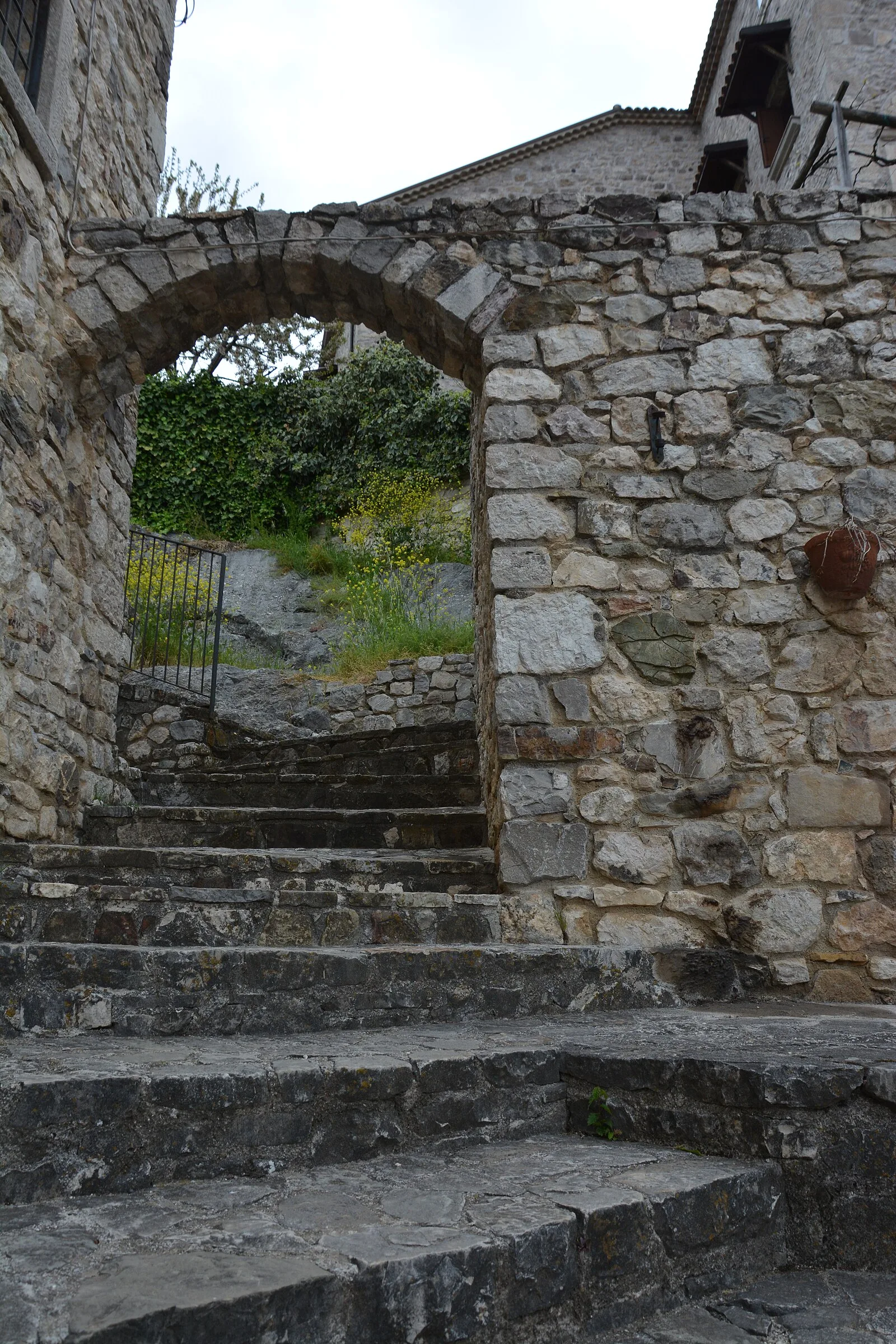
Rocca San Felice
The Ansanto Valley (Valle d'Ansanto) near Rocca San Felice in Campania hosts a sanctuary dedicated to Mefitis, an Oscan-Sabellian goddess of waters, fertility, and the threshold…
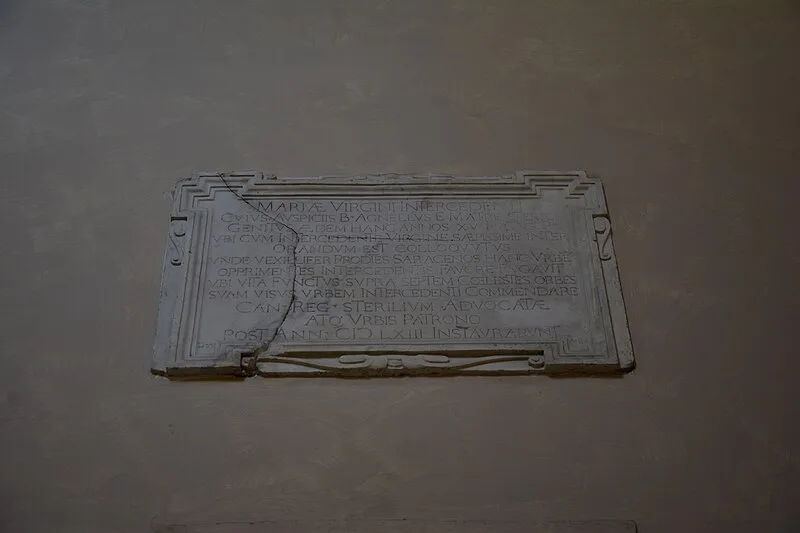
Sant'Agnello Maggiore
Sant'Agnello Maggiore, also called Sant'Aniello a Caponapoli, is a church in the historical centre of Naples built above the ancient Greek double curtain city walls of Neapolis…
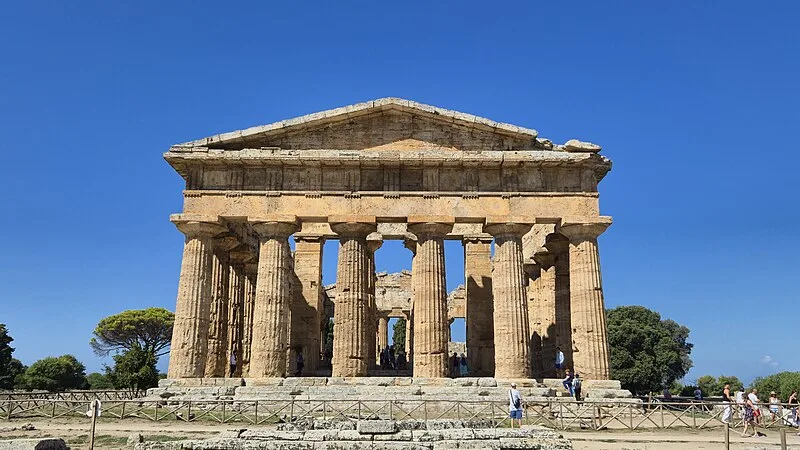
Second Temple of Hera, Paestum
The Second Temple of Hera (also erroneously called the Temple of Neptune or Poseidon) is a Greek temple of Magna Graecia in Paestum, Campania, Italy, built in the Doric order…
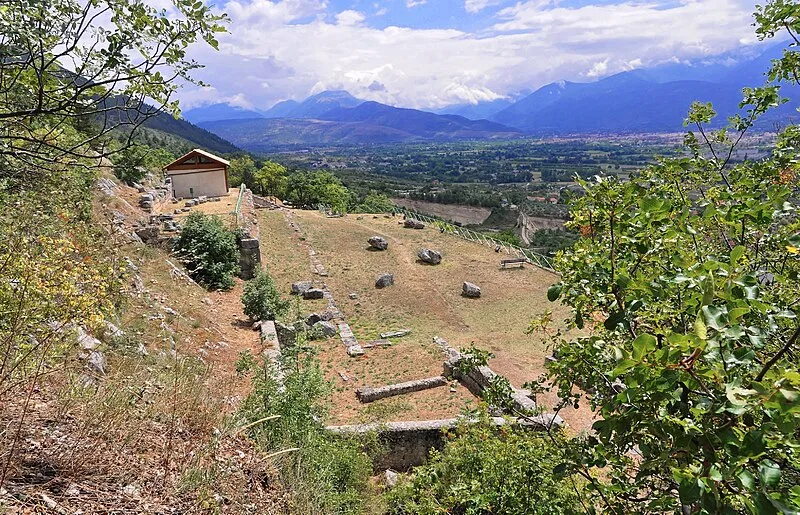
Shrine of Hercules Curinus
An Italic and later Roman sanctuary near Sulmona in the Abruzzo region of Italy, built on two terraces from different periods. The lower terrace features a 71 m long podium in…
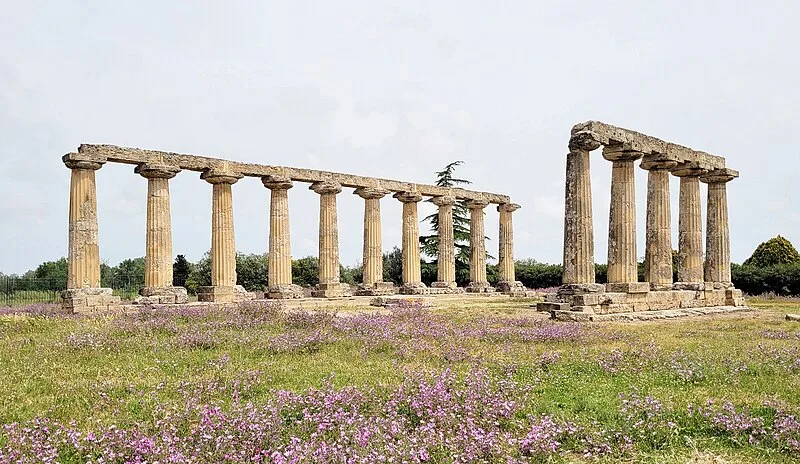
Tavole Palatine
The Tavole Palatine are the remains of a 6th-century BC hexastyle peripteral Greek temple in Magna Graecia, dedicated to the goddess Hera and the god Apollo. Located near the…

Tempio di Giunone
The Temple of Juno (Temple D) is a Greek temple in the Valley of the Temples at Agrigento, Sicily.
Tempio di Poseidone
The Temple of Hera II is a Greek temple in Paestum, Campania, Italy, built in the Doric order around 460–450 BC during the Classical period of Magna Graecia. It is located just…
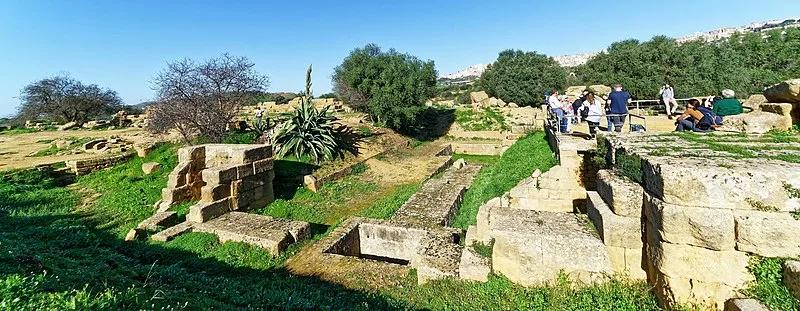
Tempio di Zeus Olympios
The Temple of Olympian Zeus in Agrigento, Sicily, was the largest Doric temple ever constructed, although it was never completed and now lies in ruins. It stands in the Valle dei…
Tempio Nuragico a Pozzo di Irru
The Sacred Well of Irru (Pozzo Sacro di Irru) is a Nuragic well temple near Nulvi in northern Sardinia, dating to the Bronze Age (11th century BC). The monument features a…
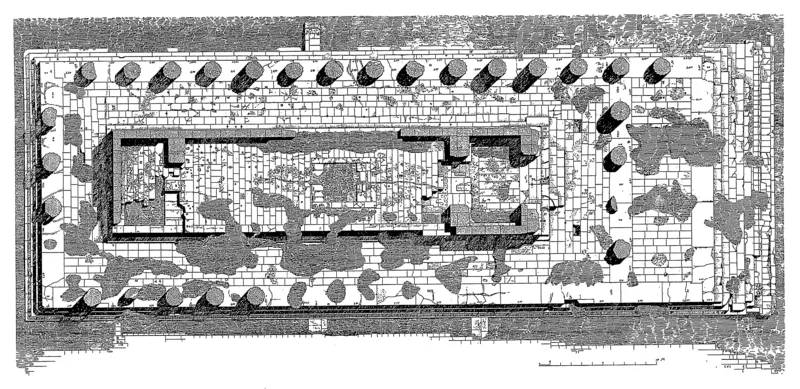
Temple C, Selinus
Temple C at Selinus (modern Selinunte) in Sicily is a Doric Greek temple built in the first half of the 6th century BC on the acropolis, almost certainly dedicated to Apollo. It…
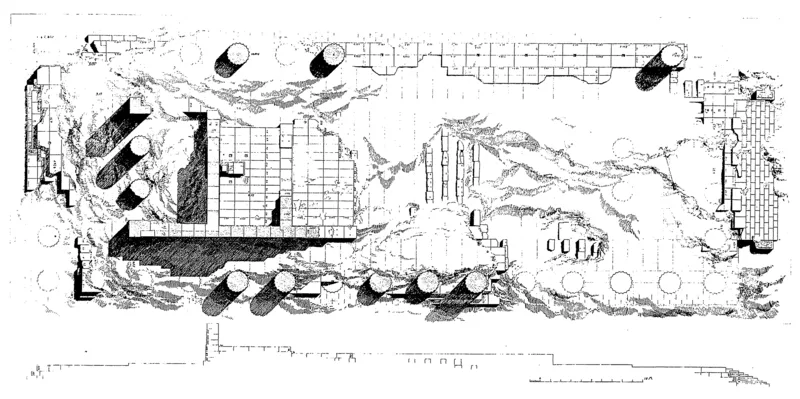
Temple E, Selinus
Temple E at Selinus is a Doric Greek temple in Sicily, one of the best-preserved structures at this Magna Graecia city. Located on the hill east of the acropolis, it was…
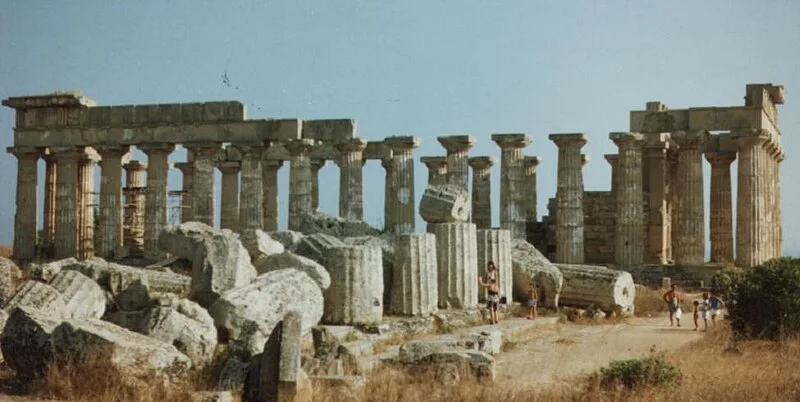
Temple F, Selinus
Temple F at Selinus (modern Selinunte) in Sicily is a Doric Greek temple on the East Hill, built between 550 and 540 BC and probably dedicated to Athena. It is the smallest of the…
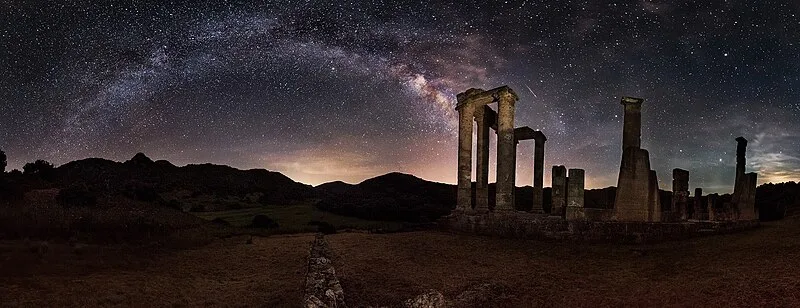
Temple of Antas, Fluminimaggiore
The Temple of Antas is a Carthaginian-Roman temple in Fluminimaggiore, southern Sardinia, Italy, built over a sanctuary dedicated to the god Sid Addir, later identified with the…
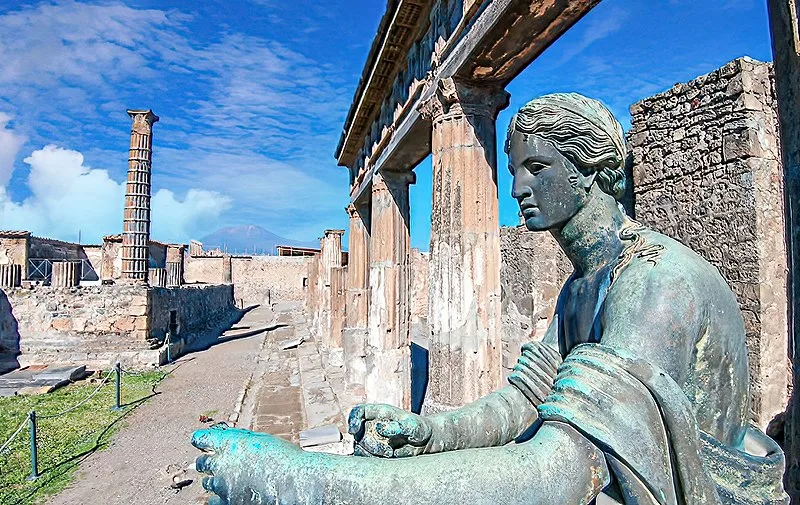
Temple of Apollo, Pompeii
The Temple of Apollo in Pompeii is the town's most important religious building, located in the forum and dating to c. 120 BC, though the cult of Apollo at this site goes back to…
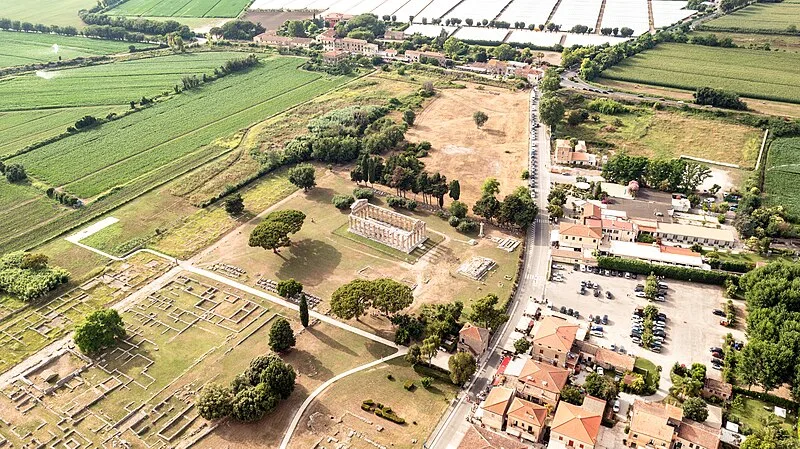
Temple of Athena, Paestum
The Temple of Athena is a Greek temple of Magna Graecia located at Paestum in the province of Salerno, Campania, southwestern Italy. Built around 500 BC, it was originally…
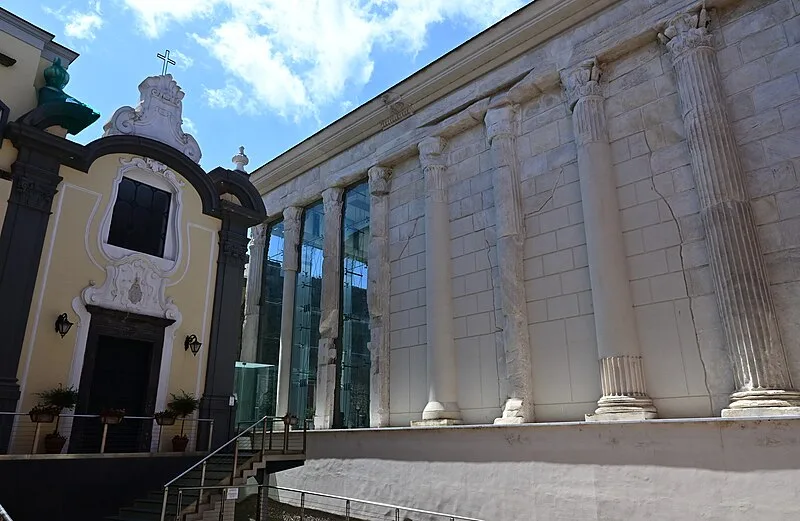
Temple of Augustus, Pozzuoli
A Roman temple in the Rione Terra district of ancient Puteoli (modern Pozzuoli), one of the most important ports of the Roman Mediterranean. Built as a pseudoperipteral hexastyle…
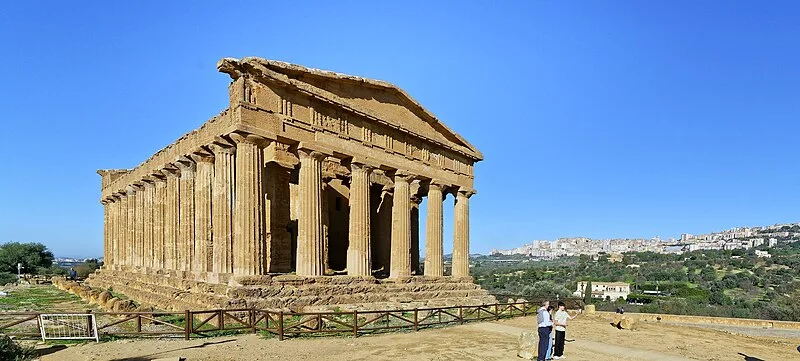
Temple of Concordia, Agrigento
An exceptionally well-preserved 5th-century BC Doric temple in the Valley of the Temples at Agrigento, Sicily, built around 440 BC during the Greek Classical period. The…
Temple of Diana, Cefalù, Sicily
The Temple of Diana is an ancient Greek temple in Cefalù, Sicily, dating to the Archaic period (c. 550–400 BC). Built using local sandstone megaliths, it was dedicated to a local…
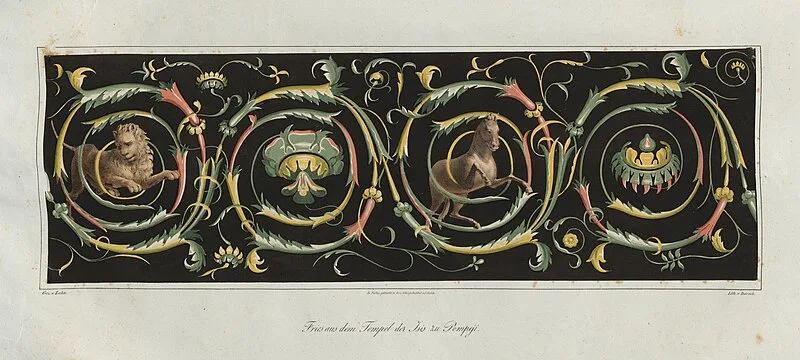
Temple of Isis, Pompeii
The Temple of Isis is a Roman temple in Pompeii dedicated to the Egyptian goddess Isis. This small and almost intact temple was one of the first discoveries during the excavation…
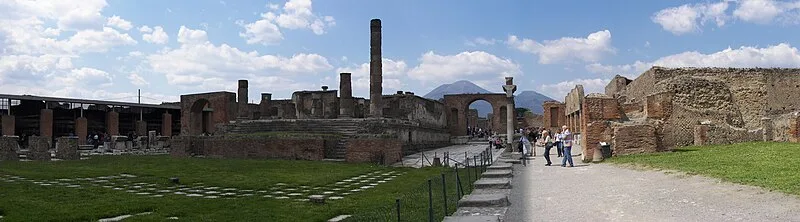
Temple of Jupiter, Pompeii
The Temple of Jupiter, also known as the Capitolium or Temple of the Capitoline Triad, was a major religious structure at the north end of Pompeii's forum. Built in the mid-2nd…
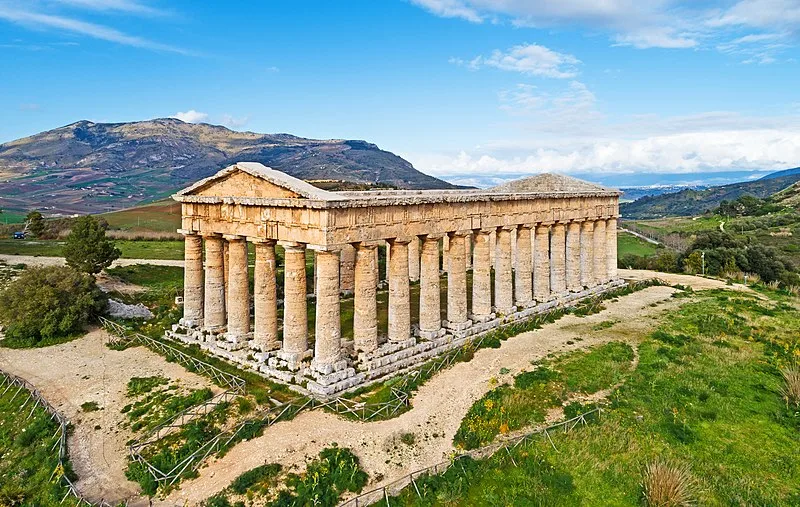
Temple of Segesta
The Temple of Segesta is an ancient temple built by the Elymians around 420 BC in the hilltop archaeological area of Calatafimi Segesta in western Sicily. The well-preserved…

Temple of Victory, Himera
The Temple of Victory (Greek: Nikē) is an ancient Greek temple in the archaeological area of Termini Imerese, Sicily, southern Italy. The temple dates to between 480 and 470 BC…
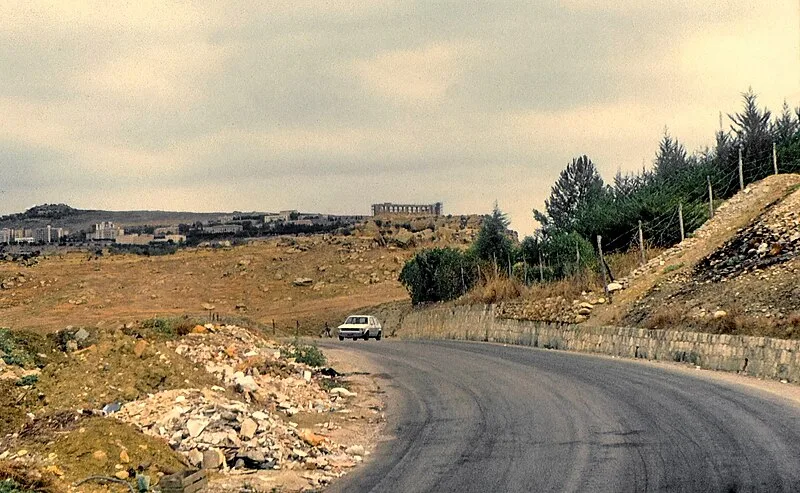
Valley of the Temples
The Valle dei Templi in Agrigento, Sicily, is a 1,300-hectare archaeological park -- Europe's largest -- preserving the ruins of ancient Akragas, a Greek colony founded in 580 BC.…
Residence/villa/farmhouse in Italy (23)
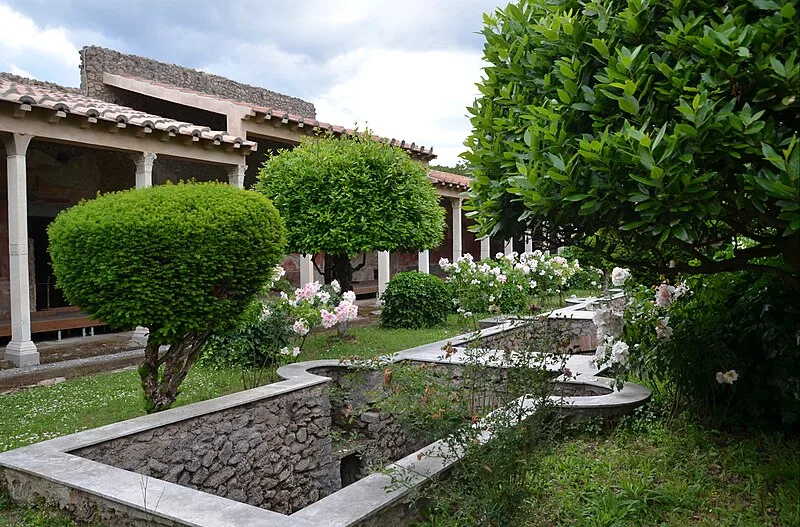
House of Julia Felix, Pompeii
The House of Julia Felix (Latin: praedia Iuliae Felicis) is a large Roman property located on the Via dell'Abbondanza in Pompeii, Italy. Originally the private residence of Julia…
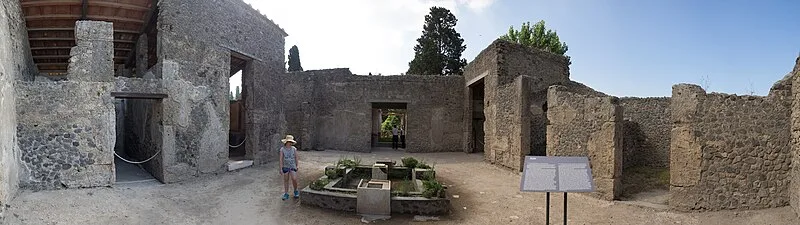
House of Loreius Tiburtinus, Pompeii
A palatial Roman residence in Pompeii formed by merging two Samnite-period structures (c. 3rd century BC), more correctly known as the House of Octavius Quartio after its true…
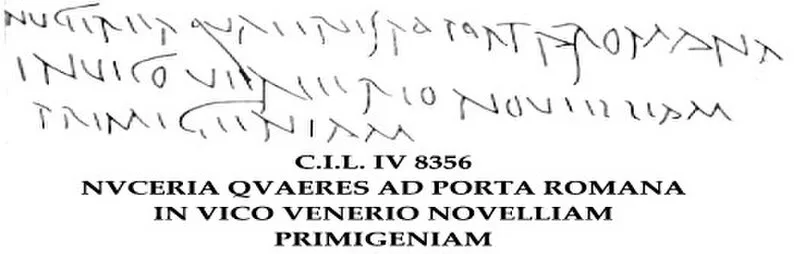
House of Menander, Pompeii
The House of Menander (Domus del Menandro) is one of the largest and most luxurious private residences discovered in Pompeii, covering approximately 1,800 square metres and…
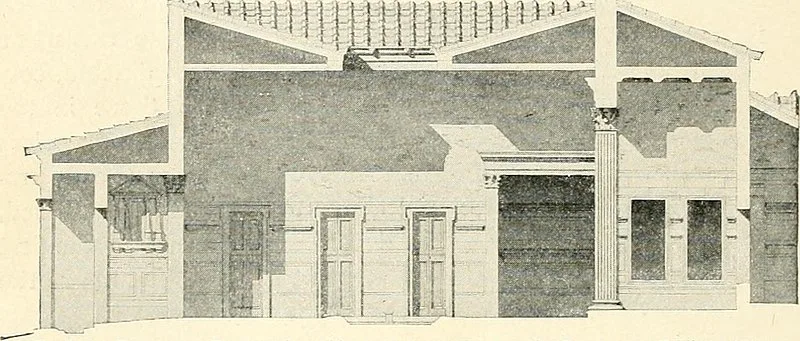
House of Sallust, Pompeii
One of the most important Samnite-era dwellings in Pompeii, with origins in the 4th century BC and major expansions in the 2nd century BC. Named after an electoral inscription on…
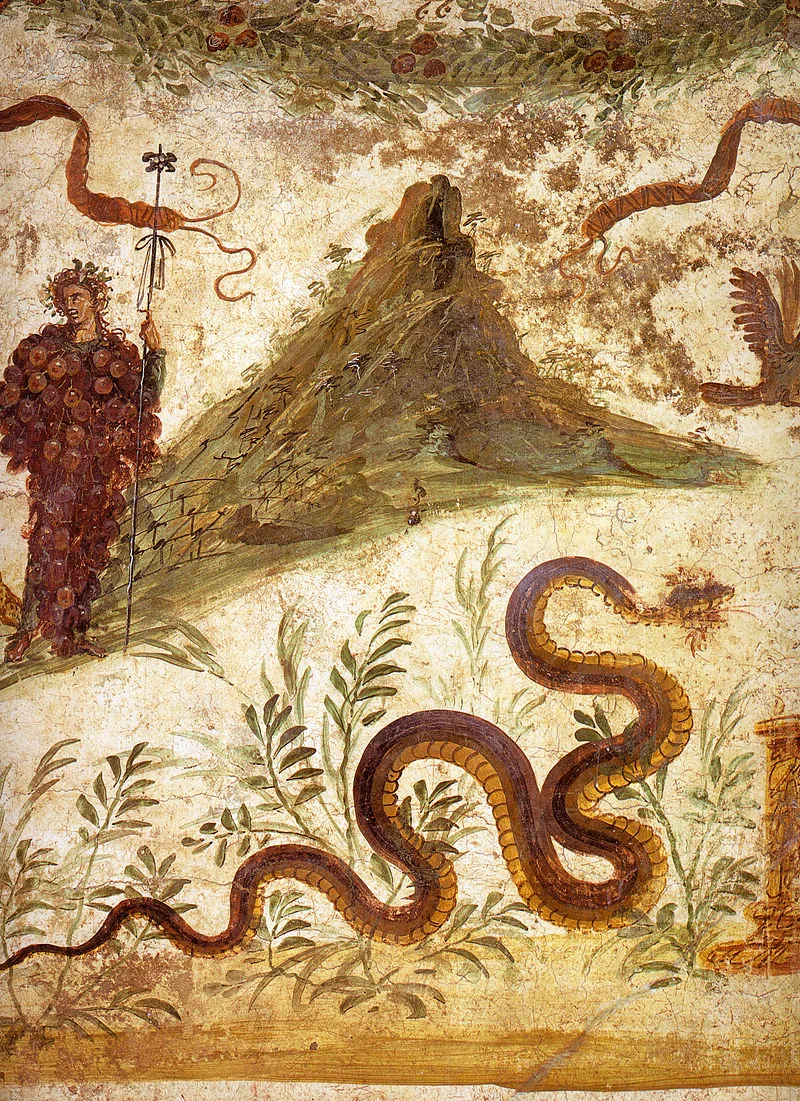
House of the Centenary, Pompeii
The House of the Centenary was a luxurious residence in Pompeii, built in the mid-2nd century BC and named for the 18th centenary of Vesuvius's 79 AD eruption. Among the largest…
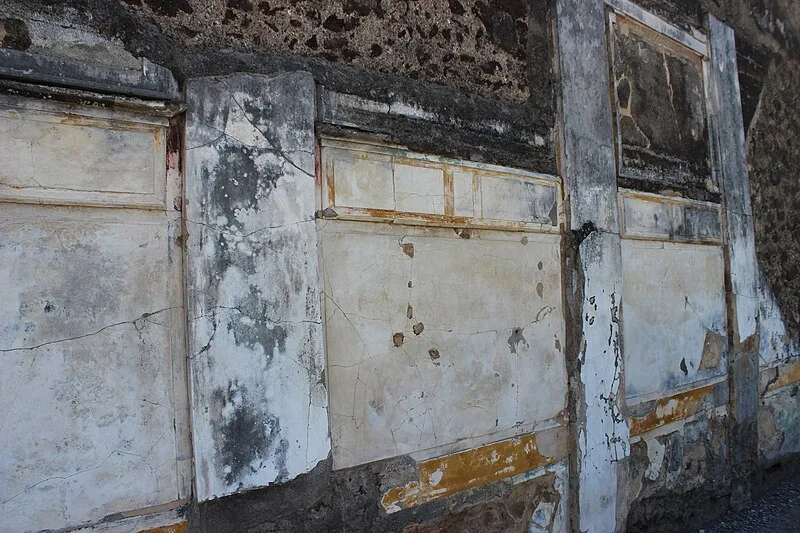
House of the Faun, Pompeii
The House of the Faun was a grand Hellenistic residence constructed in the 2nd century BCE during the Samnite period in Pompeii, Italy. Named after a bronze statuette of a dancing…
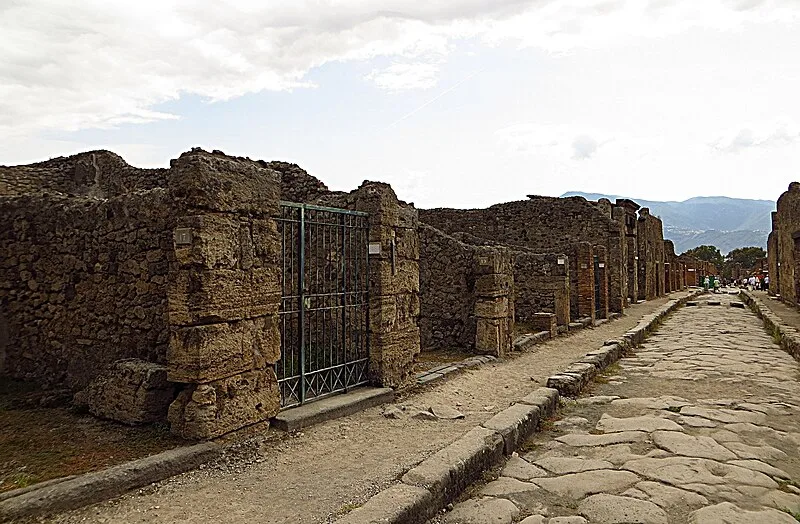
House of the Greek Epigrams, Pompeii
A mid-sized Roman residence (V 1,18) in Pompeii first excavated in 1748, with major work in 1875-76 revealing its full layout of 26 rooms following the classic axial…
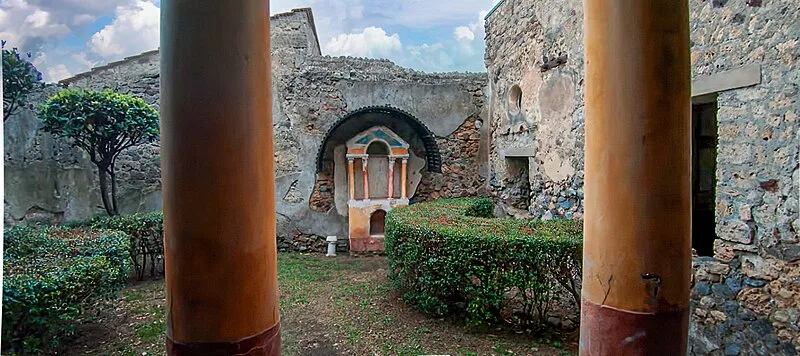
House of the Prince of Naples, Pompeii
The House of the Prince of Naples is a Roman domus (townhouse) in Pompeii, Italy, dating to the 3rd century BC. It takes its name from the Prince and Princess of Naples, who…
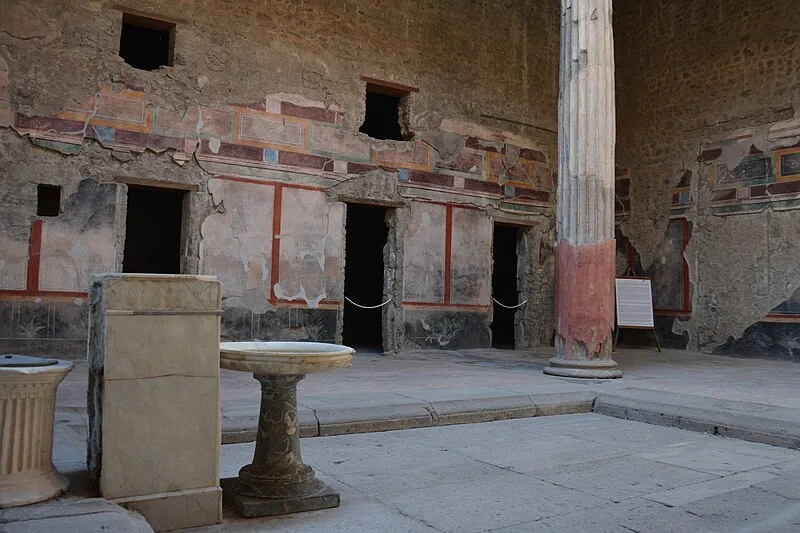
House of the Silver Wedding, Pompeii
The House of the Silver Wedding is the archaeological remains of a Roman domus in Pompeii, destroyed during the catastrophic eruption of Mount Vesuvius in 79 AD. Constructed…
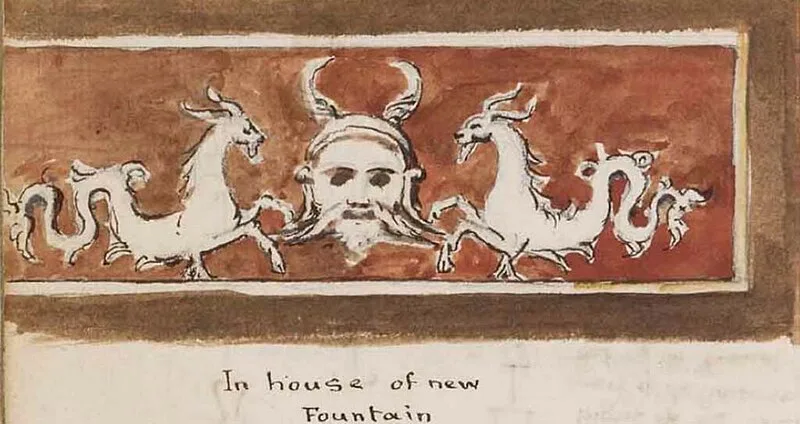
House of the Small Fountain, Pompeii
The House of the Small Fountain (also called House of the Second Fountain or House of the Landscapes) is a Roman residence in Pompeii, Italy, preserved by the eruption of Mount…
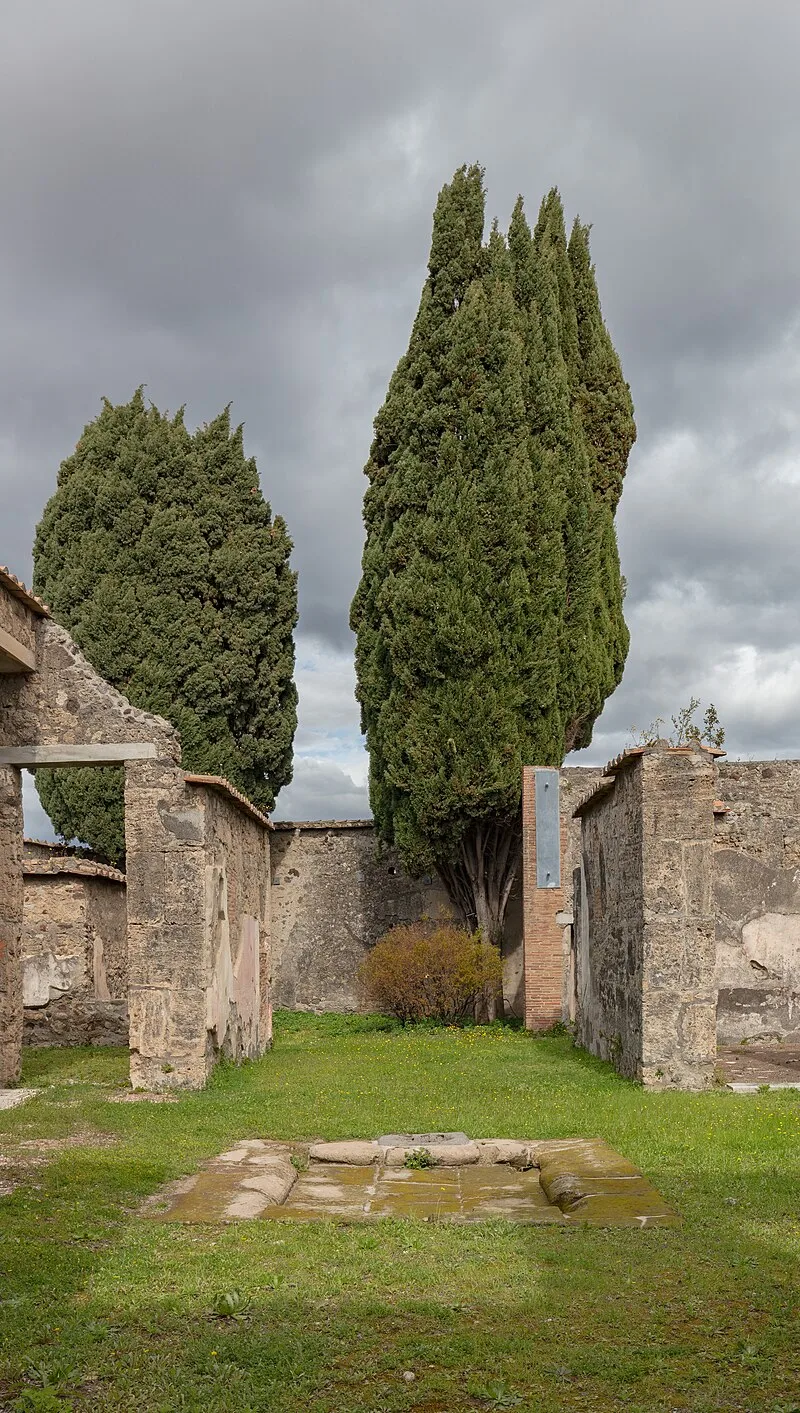
House of the Surgeon, Pompeii
One of Pompeii's most famous houses, excavated in 1770 by Francesco La Vega and named after surgical instruments (forceps, scalpels, probes) found during the dig. Built in opus…
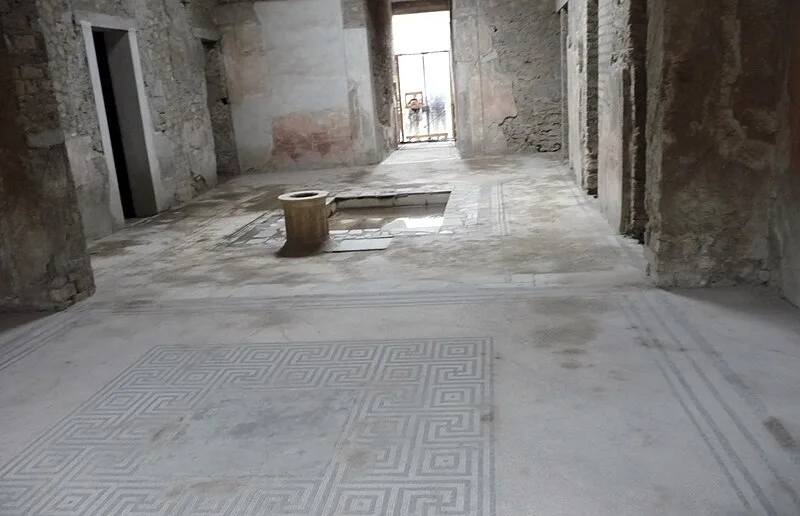
House of the Tragic Poet, Pompeii
A Roman house in Pompeii (Regio VI, Insula 8) discovered in November 1824 by archaeologist Antonio Bonucci, dating to the 2nd century BC. Famous for its entrance vestibule mosaic…
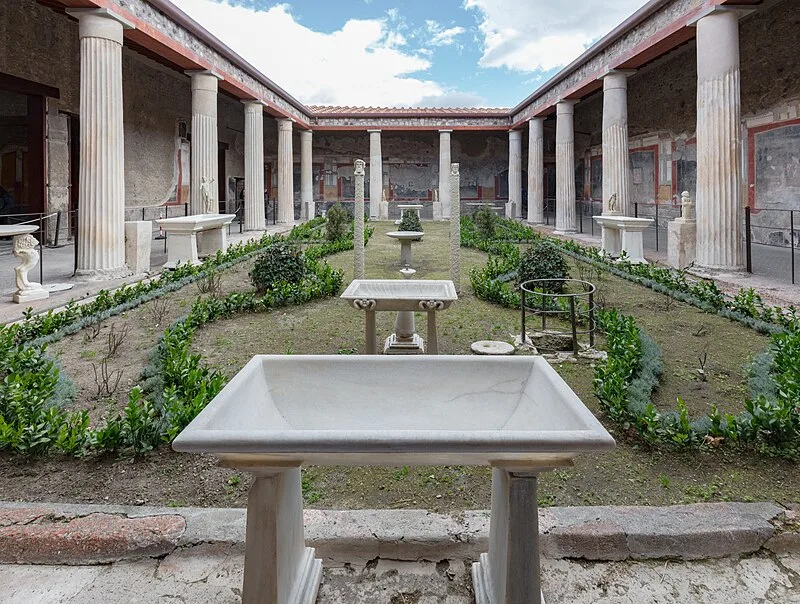
House of the Vettii, Pompeii
The House of the Vettii is a domus in the Roman town of Pompeii, preserved by the eruption of Mount Vesuvius in 79 AD. It is named for its owners, two successful freedmen—Aulus…
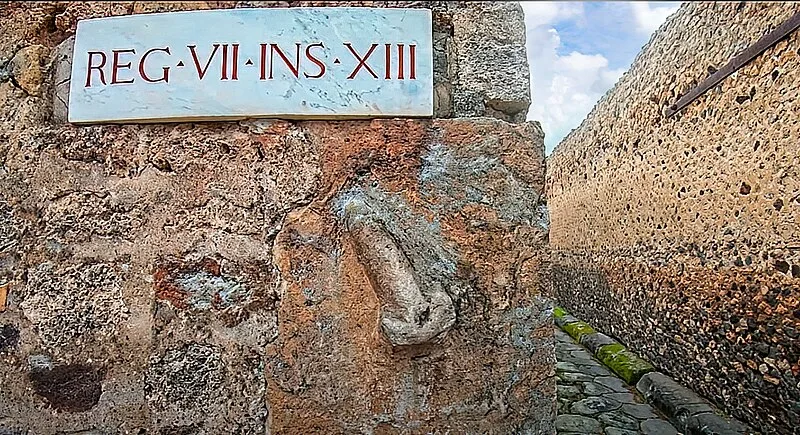
Lupanar of Pompeii
The Lupanar of Pompeii is the ruins of an ancient Roman brothel dating from the 3rd century BC to 79 AD. It is of particular interest for the erotic paintings on its walls, and is…
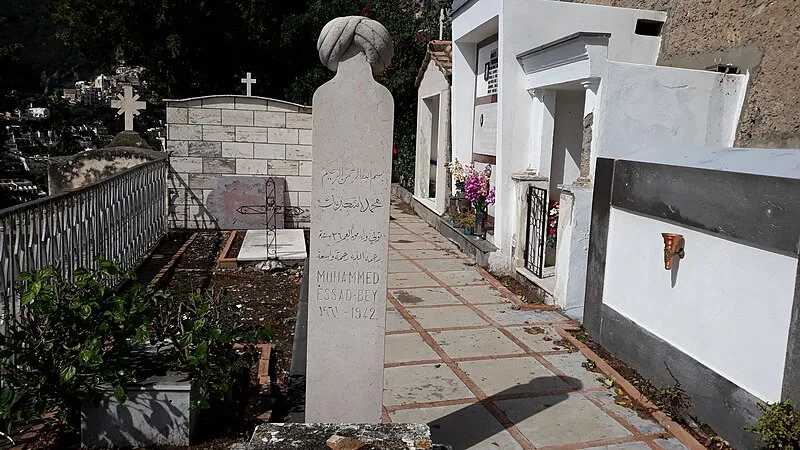
Positano
Beneath the Church of Santa Maria Assunta in Positano lies a 1st-century AD Roman villa, buried by the eruption of Mount Vesuvius in 79 AD after being damaged by the earthquake of…
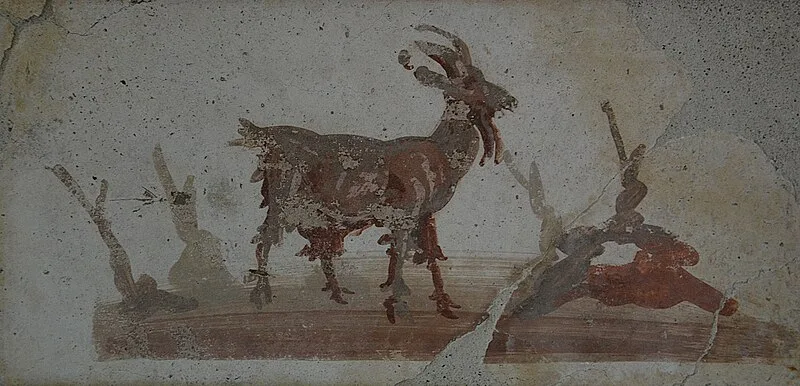
Villa Boscoreale
(1st c. AD) Villa Boscoreale refers to several Roman villas discovered in Boscoreale, Italy, buried and preserved by the catastrophic eruption of Mount Vesuvius in 79 AD alongside…
.webp)
Villa Jovis
Villa Jovis ("Villa of Jupiter") is a Roman palace on Capri, southern Italy, built by Emperor Tiberius and completed in 27 AD. Tiberius ruled primarily from this residence until…
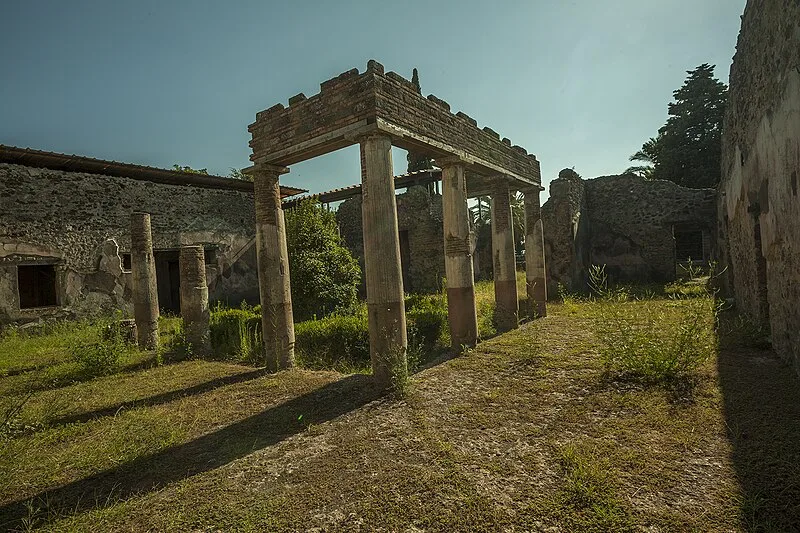
Villa of Diomedes
The Villa of Diomedes is one of the largest Roman villas at Pompeii, spanning 3,500 sq m across three levels cascading toward the ancient coastline. Excavated between 1771 and…
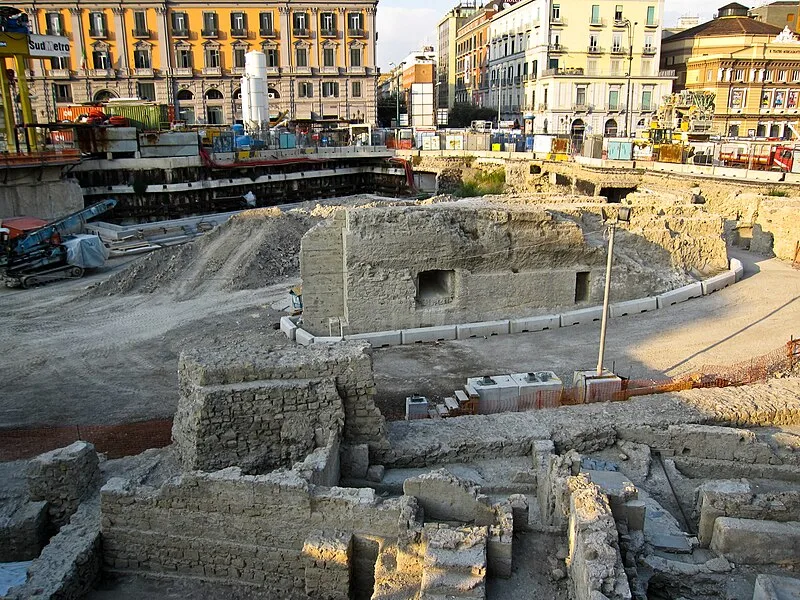
Villa of Lucullus
A lavish 1st-century BC Roman villa built by general Lucius Licinius Lucullus on the island of Megaride and Mount Echia in Naples. The complex featured thermal baths, private…
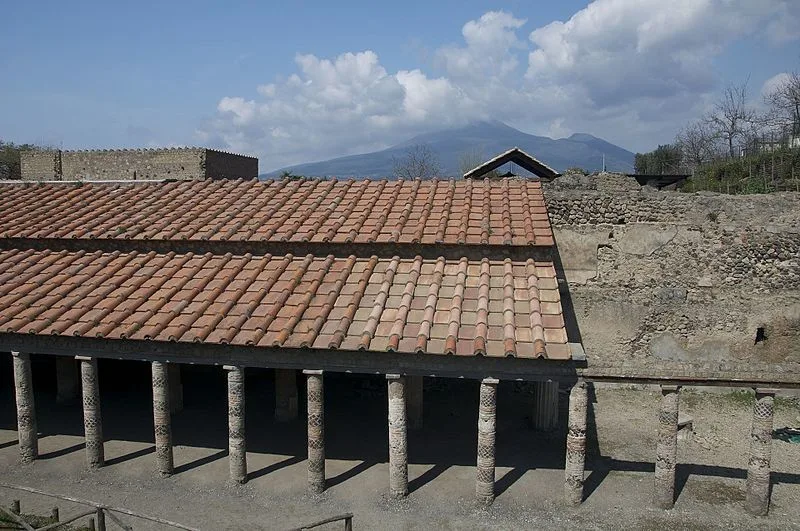
Villa of the Mysteries
The Villa of the Mysteries is a well-preserved suburban ancient Roman villa on the outskirts of Pompeii, southern Italy, built in the 2nd century BC. It is famous for the series…
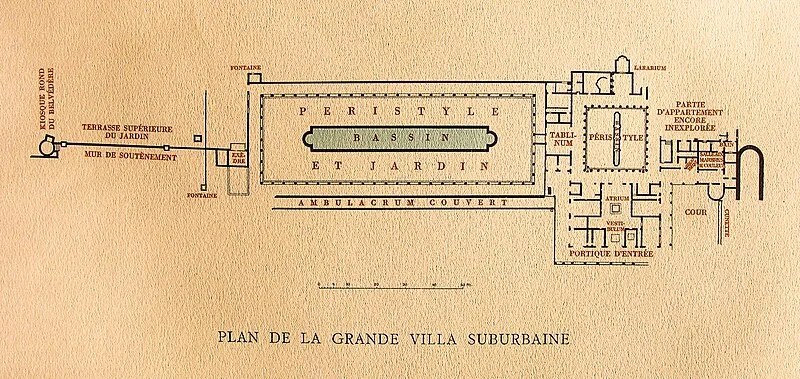
Villa of the Papyri
The Villa of the Papyri was an ancient Roman villa in Herculaneum (modern Ercolano), southern Italy. It is named after its unique library of papyri scrolls, discovered in 1750.…
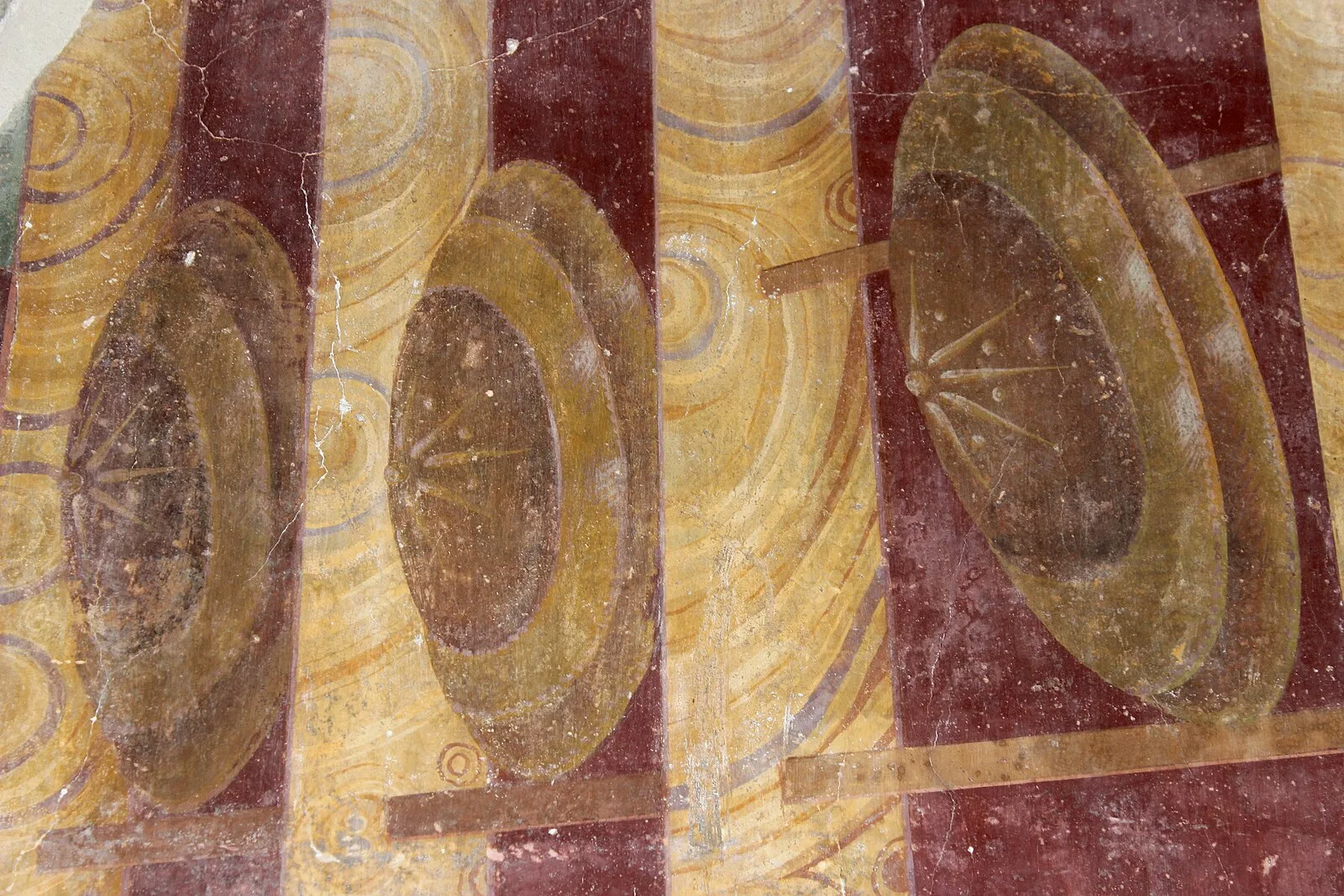
Villa Poppaea
A luxurious Roman seaside villa dating to the mid-1st century BC in Torre Annunziata, part of the ancient town of Oplontis, buried by the eruption of Vesuvius in 79 AD. The villa…
Villa Romana, Minori
A 1st-century BC Roman maritime villa in Minori on the Amalfi Coast, the largest Roman ruins found along this coastline, spanning over 230 square metres. Discovered in 1932, the…
Necropolis/tombs complex in Italy (19)
Archaeological Area Santu Pedrù
Necropolis of ten domus de Janas carved into trachytic tuff on a hill in the Nurra region, Sardinia, dating to the 4th millennium BC. These hypogeic tombs represent collective…
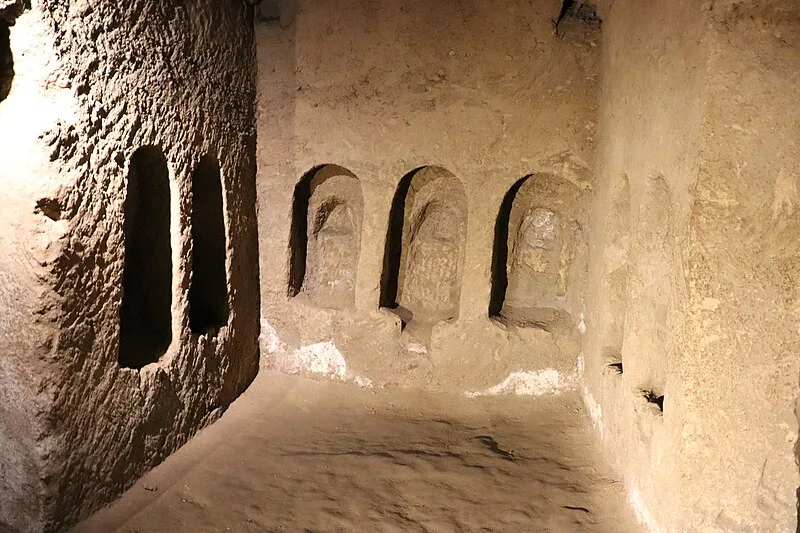
Catacombs of Saint Gaudiosus
The Catacombs of Saint Gaudiosus are the second-largest early Christian cemetery in Naples, Italy, built beneath the Basilica of Santa Maria della Sanita in the Rione Sanita…
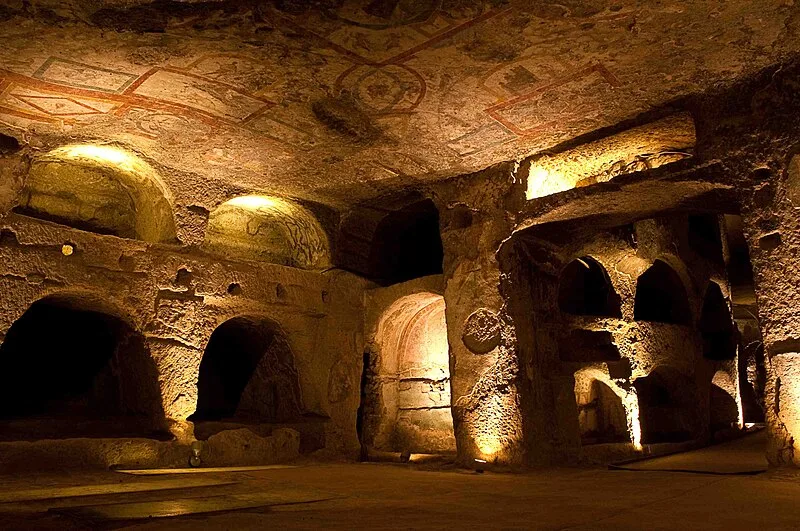
Catacombs of San Gennaro
(1st–5th c. AD) The Catacombs of San Gennaro are underground paleo-Christian burial and worship sites in Naples, Italy, carved out of tuff. Located on the slope leading to…
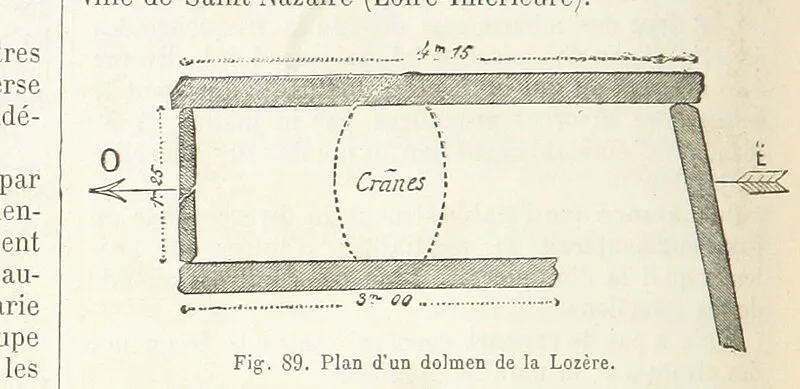
Dolmens of Sardinia
Sardinia hosts over 200 dolmens concentrated in the north-central part of the island, particularly around Nuoro, forming one of Western Europe's most important megalithic groups.…
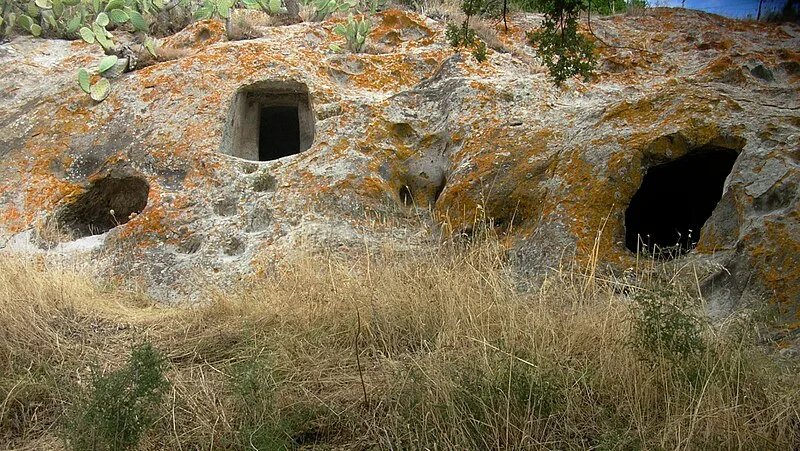
Domus De Janas Torre Argentina
Two pre-Nuragic rock-cut chamber tombs carved into a rocky coastal bank near Bosa, Sardinia, part of the Domus de Janas tradition dating to 3400-2700 BC. These "Houses of the…
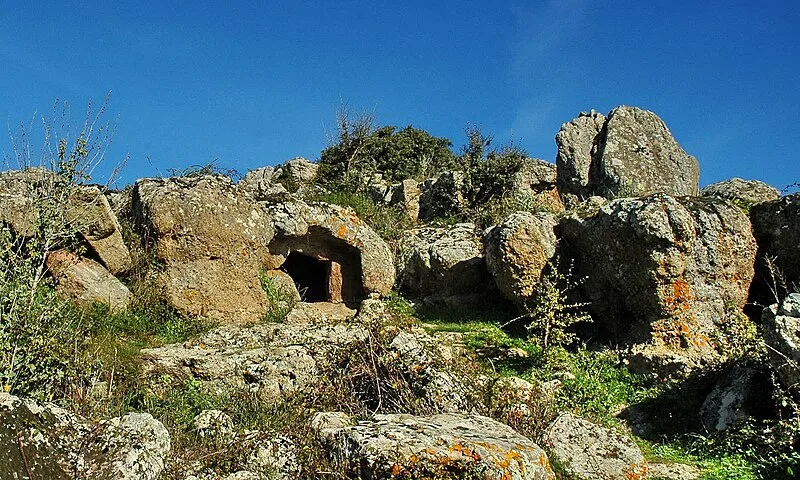
Giants' Graves
Giants' tombs are Sardinian megalithic gallery graves built during the Bronze Age (c. 1800-1000 BC) by the Nuragic civilization, with over 800 examples discovered across the…

Necropoli di Realmese
The Necropolis of Realmese is an Iron Age burial complex located 3 km northwest of Calascibetta in the Province of Enna, central Sicily. It comprises 288 rock-cut tombs carved…
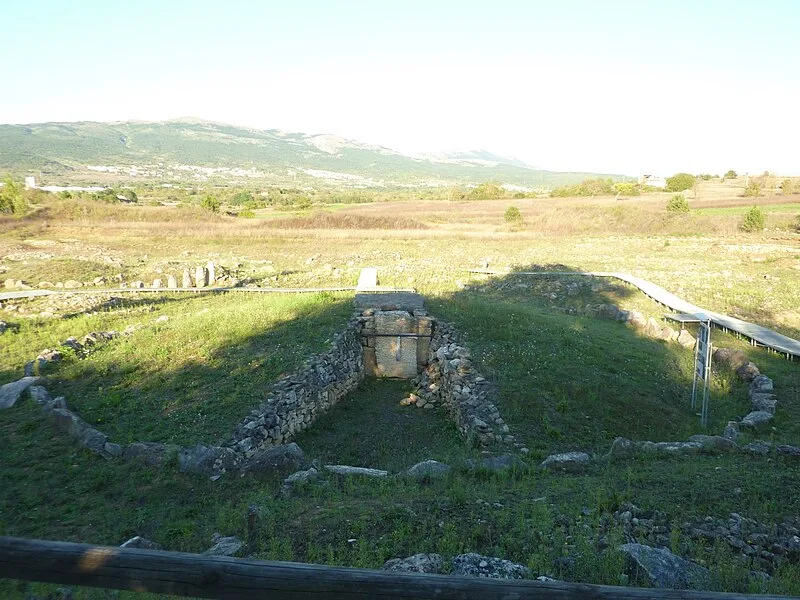
Necropolis of Fossa
The Necropolis of Fossa, known as "Abruzzo's Little Stonehenge," is an Italic burial ground in the commune of Fossa, Province of L'Aquila, discovered in 1992. Covering 3,500…
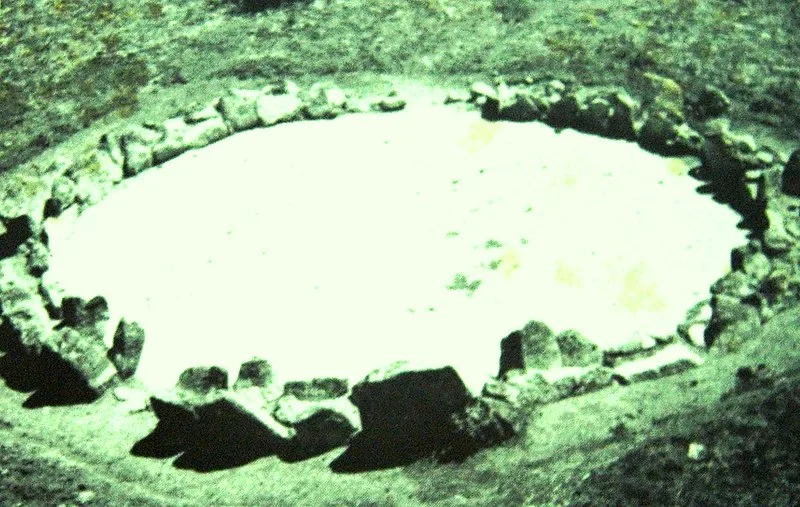
Necropolis of Li Muri
The Necropolis of Li Muri is a Neolithic burial complex in Arzachena, Sardinia, about 10 km from the Gulf of Arzachena. Discovered in 1939 and excavated by Salvatore Puglisi in…
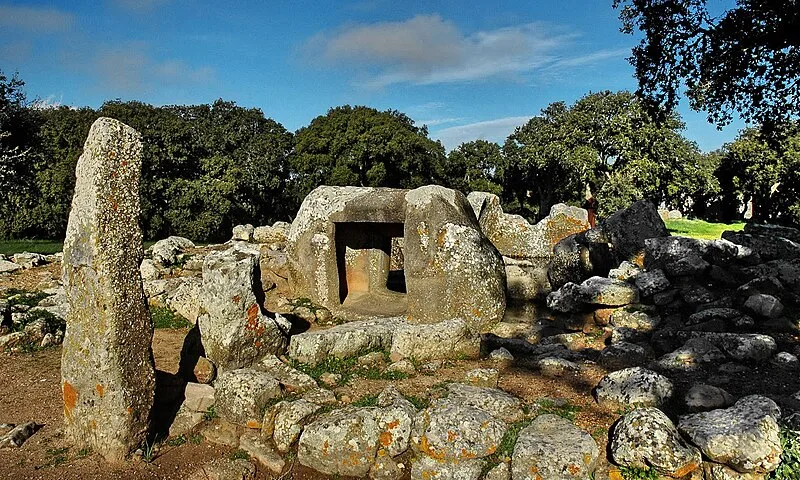
Necropolis of Pranu Muttedu
The Necropolis of Pranu Muttedu near Goni in southern Sardinia is one of the most important pre-Nuragic funerary complexes on the island, spanning a 200,000 sq m park. Dating to…
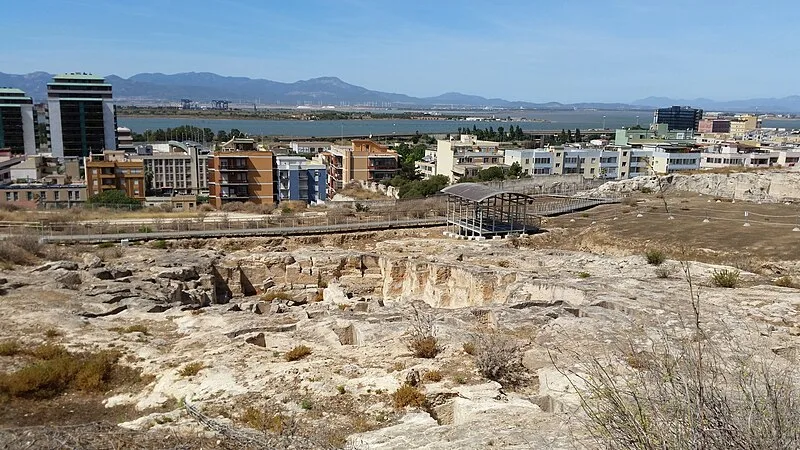
Necropolis of Tuvixeddu in Cagliari
The Necropolis of Tuvixeddu is a Punic necropolis dating from the 6th century BC to the 1st century AD, located on the hill of Tuvixeddu in Cagliari, Sardinia. Its name derives…
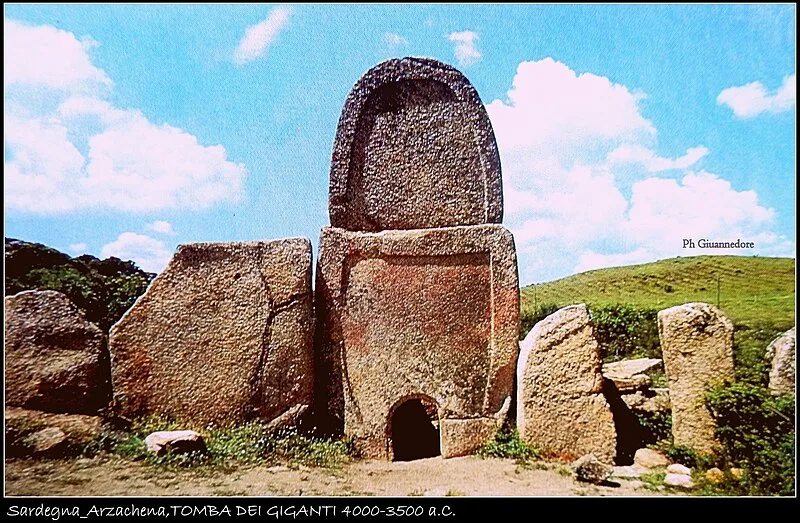
Tomba dei Giganti di Coddu Vecchiu
The Giants' Grave of Coddu Vecchiu is a Nuragic funerary monument near Arzachena in northern Sardinia, built in two phases during the Bronze Age. Originally an allee couverte…

Tomba dei Giganti di Laccaneddu
Tomba dei Giganti di Laccaneddu is a Neolithic necropolis in the Meilogu region of northwestern Sardinia, dating to roughly 3000–1500 BC. The funerary chamber, constructed with…

Tomba dei Giganti e Nuraghe Imbertighe
The Tomb of the Giants of Imbertighe is an archaeological monument located in the territory of Borore, Sardinia, Italy. The site rises on the basaltic plateau of Abbasanta, an…
Tomb of Funeral Beds - Necropolis of Banditaccia
The Tomb of Funeral Beds (Tomba dei Letti Funebri) is a 6th-century BC Etruscan tomb within Tumulo II at the Banditaccia Necropolis in Cerveteri, Italy, a UNESCO World Heritage…
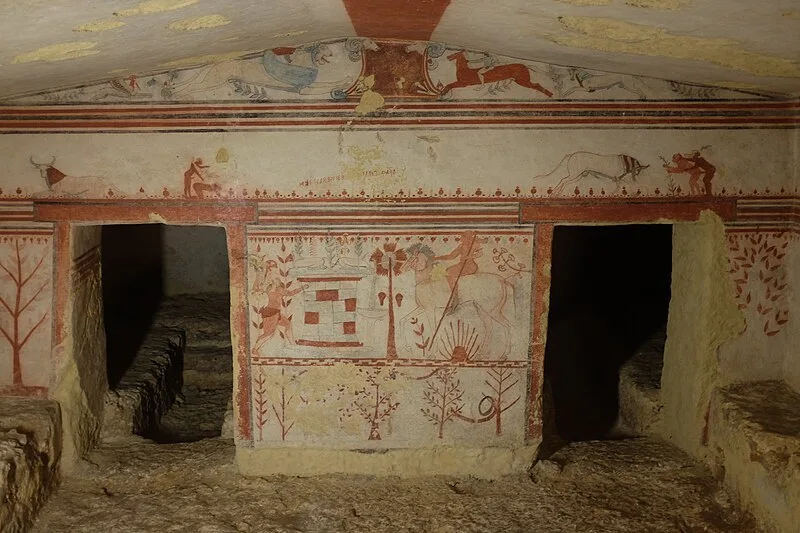
Tomb of the Bulls - Necropolis of Monterozzi
The Tomb of the Bulls is an Etruscan tomb in the Necropolis of Monterozzi near Tarquinia, discovered in 1892 and dated to 540–530 BC or 530–520 BC. According to an inscription,…
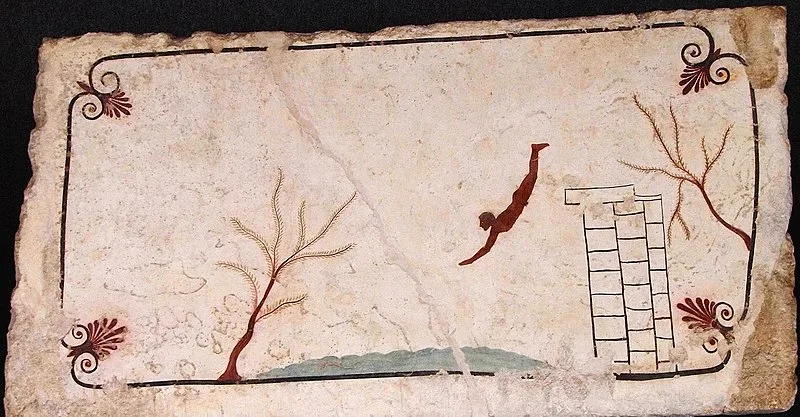
Tomb of The Diver, Paestum
The Tomb of the Diver, discovered at Paestum, Italy, is a rare Greek frescoed tomb dating to c. 500–475 BCE. Its ceiling depicts a solitary diver leaping into water, a unique…
Via degli Inferi - Necropoli Banditaccia
The Via degli Inferi is an ancient Etruscan road carved deeply into the tufa rock, connecting the city of Caere to the Banditaccia Necropolis at Cerveteri. Wall heights reach up…
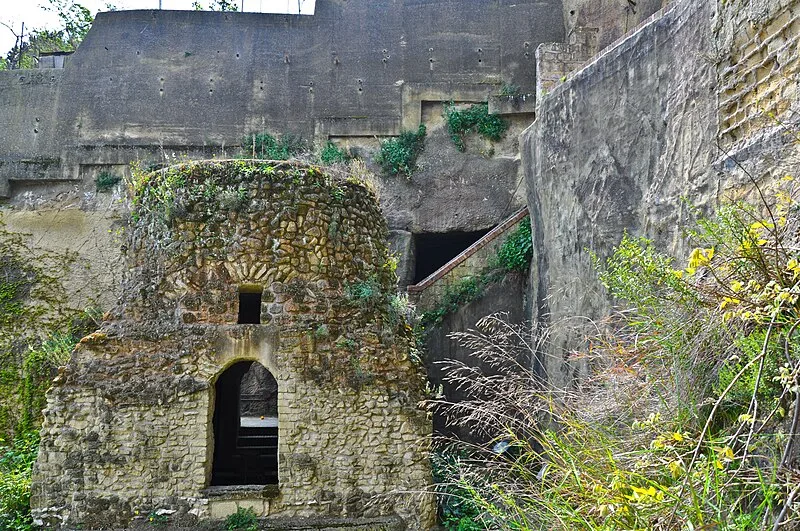
Virgil's Tomb
(1st c. BC) Virgil's Tomb is a Roman burial vault in Naples, said to be the final resting place of the poet Virgil. Located at the entrance to the ancient Roman tunnel known as…
Megalithic structures in Italy (15)
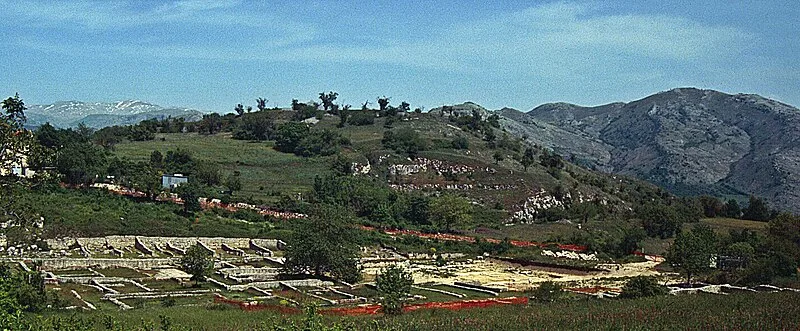
Amphitheatre Alba Fucens
A Roman amphitheatre measuring 96 by 79 metres at Alba Fucens, a Latin colony founded in 303 BC at 1,000 m elevation in Abruzzo, Italy. Built during the reign of Tiberius (14-37…
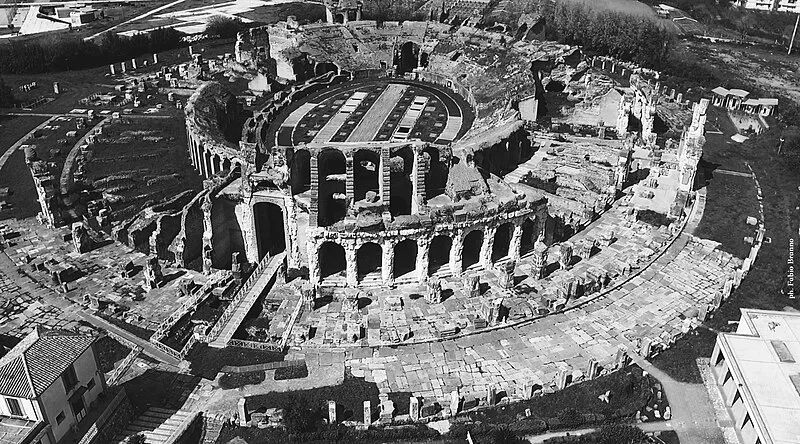
Amphitheatre of Capua
The second-largest Roman amphitheatre after the Colosseum, located in ancient Capua (modern Santa Maria Capua Vetere), and possibly the model for the Colosseum itself. Its axes…
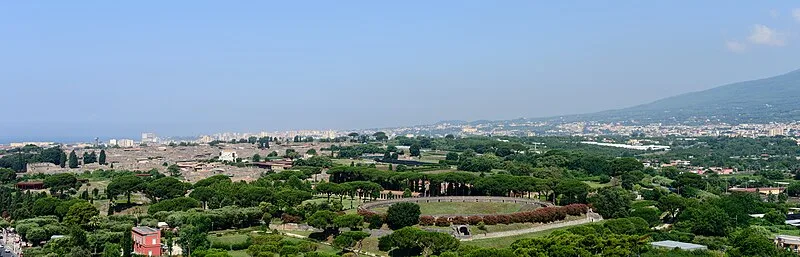
Amphitheatre of Pompeii
One of the oldest surviving Roman stone amphitheatres, built around 70 BC with private funds from Gaius Quinctius Valgus and Marcus Porcius shortly after Pompeii became a Roman…
Arzachena Archaeological Park
A Neolithic and Nuragic park in northeastern Sardinia comprising eight archaeological sites spanning the 5th to 2nd millennium BC. Its centrepiece, the Necropolis of Li Muri,…
Cloaca, Capri
The Cloaca is a Roman-era sewage system on the island of Capri, Italy. The surviving outlet is visible west of Marina Grande. It drained much of the island's northern side,…
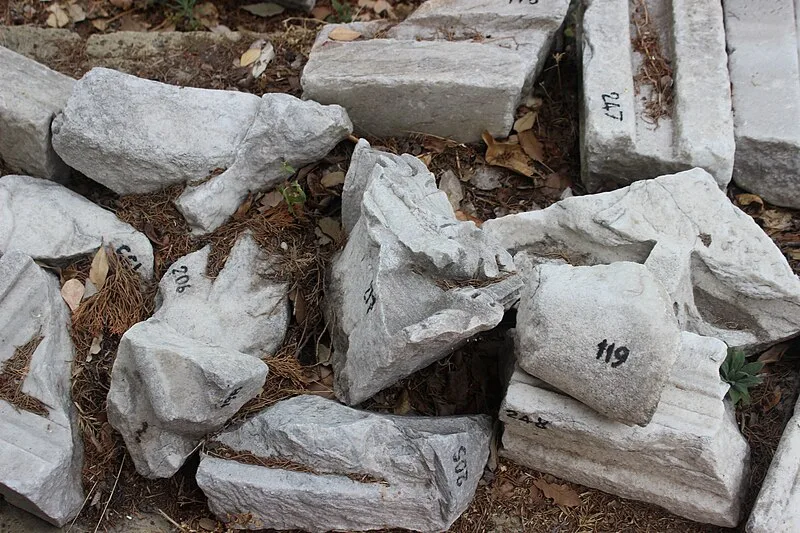
Flavian Amphitheatre, Pozzuoli
The Flavian Amphitheatre of Pozzuoli, built in the second half of the 1st century AD under emperors Nero, Vespasian, and Titus, is the third-largest Roman amphitheatre ever…
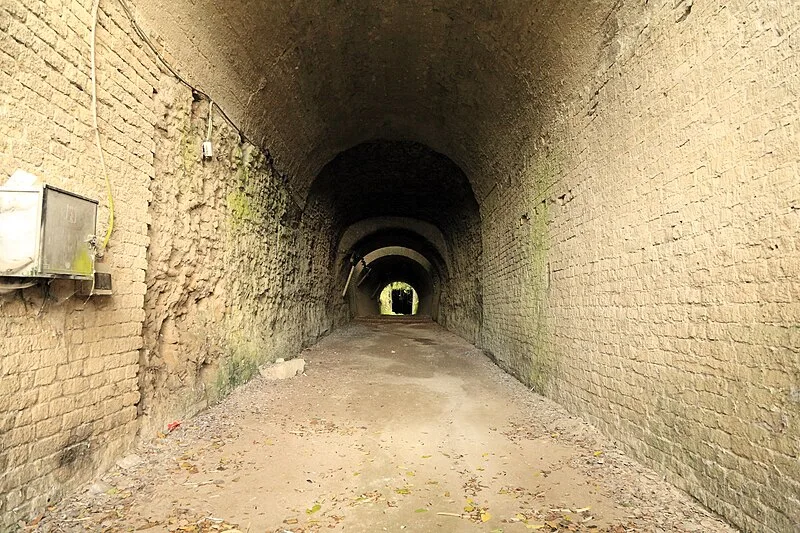
Grotta di Cocceio
The Grotta di Cocceio is an ancient Roman tunnel dating from 38-36 BC, stretching nearly 1 km through the tuff stone of Monte Grillo. It connected Lake Avernus with Cumae, linking…

Nuraghes of Sardinia
The nuraghe is the primary megalithic structure of ancient Sardinia, built during the Nuragic civilization that flourished between 1900 and 730 BC. More than 7,000 nuraghes have…

Pozzo Sacro del Predio Canopoli
The Pozzo Sacro di Predio Canopoli is a Nuragic sacred well in Perfugas, Sardinia, discovered in 1923 by landowner Domenico Canopoli and excavated by Antonio Taramelli. Dating to…
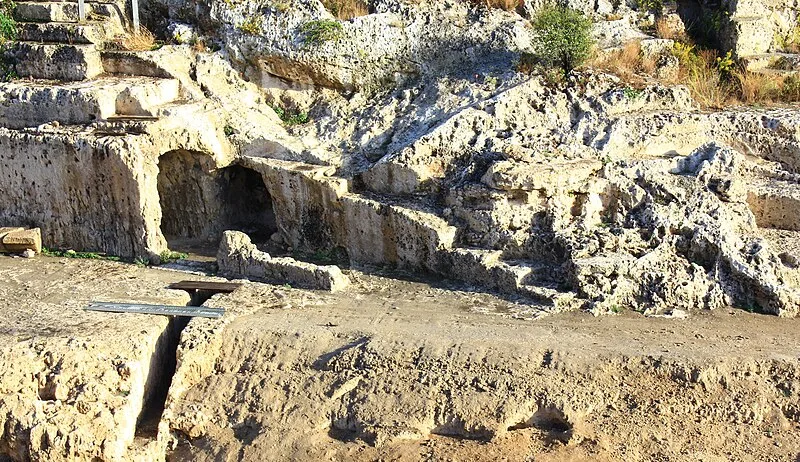
Roman Amphitheatre of Cagliari
(2nd - 5th c. AD) The Roman Amphitheatre of Cagliari is an ancient Roman amphitheatre located in Cagliari, southern Sardinia, Italy. Built in the 2nd century AD, the structure was…
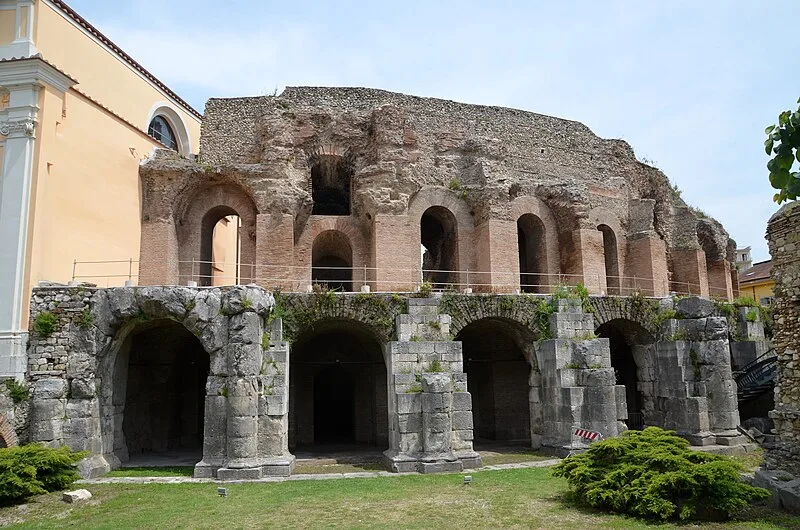
Roman Theatre, Benevento
The Roman Theatre in Benevento, southern Italy, was constructed in the 2nd century AD during the reign of Emperor Hadrian. It was built near the city's cardo maximus and abandoned…
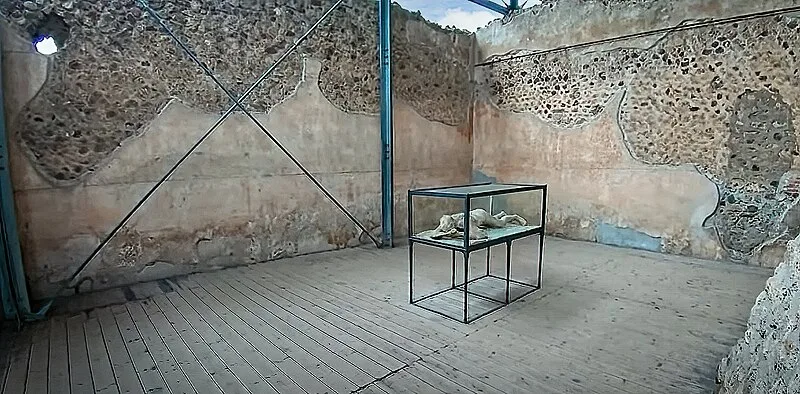
Stabian Baths, Pompeii
The Stabian Baths are an ancient Roman bathing complex in Pompeii, Italy, representing the oldest and largest of the five public baths in the city. Located centrally at the…
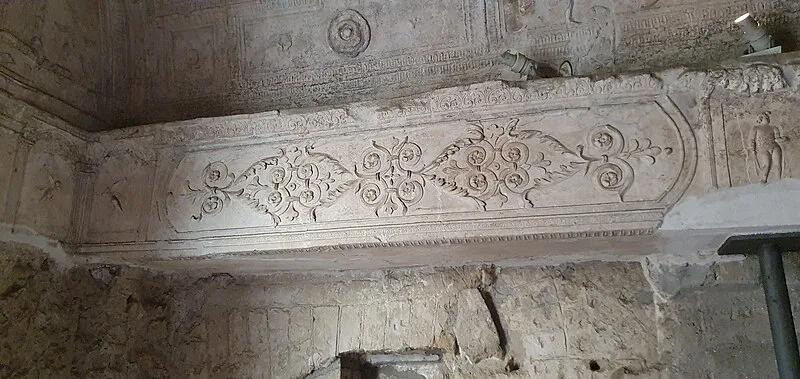
Suburban Baths, Pompeii
The Suburban Baths (Terme Suburbane) are a publicly owned Roman bathhouse in Pompeii, Italy, built outside the city walls near the Porta Marina, possibly under Emperor Tiberius…
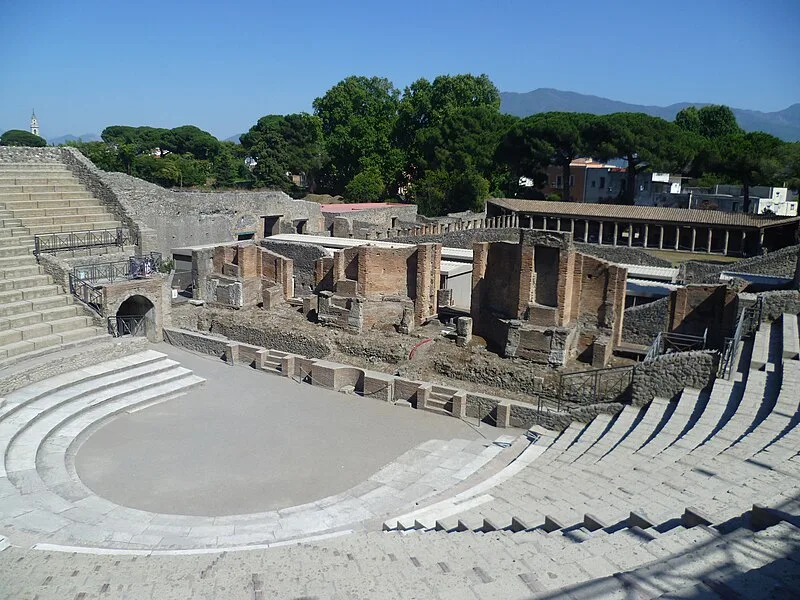
Theatre Area of Pompeii
The Theatre Area of Pompeii comprises the Large Theatre, the Odeon, and the Quadriporticum, forming the city's entertainment district in its southwest quarter. The Large Theatre,…
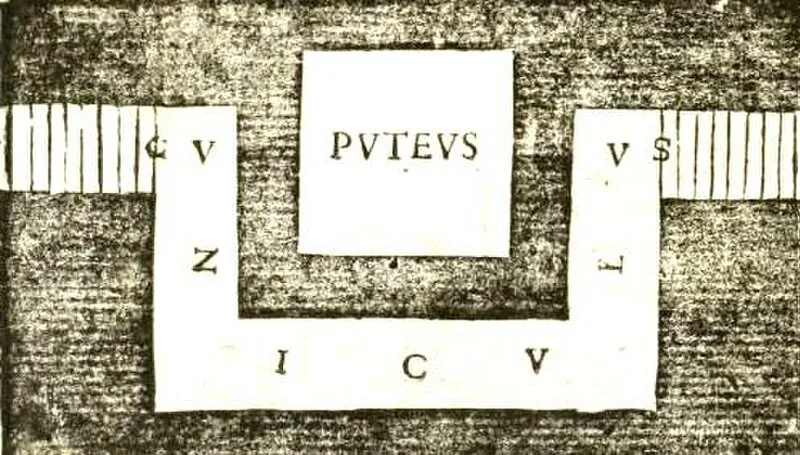
Tunnels of Claudius
The Tunnels of Claudius are a 6 km Roman engineering complex in Abruzzo, Italy, constructed by Emperor Claudius by 52 AD to partially drain Fucine Lake. The project employed…
Megalithic stones in Italy (8)
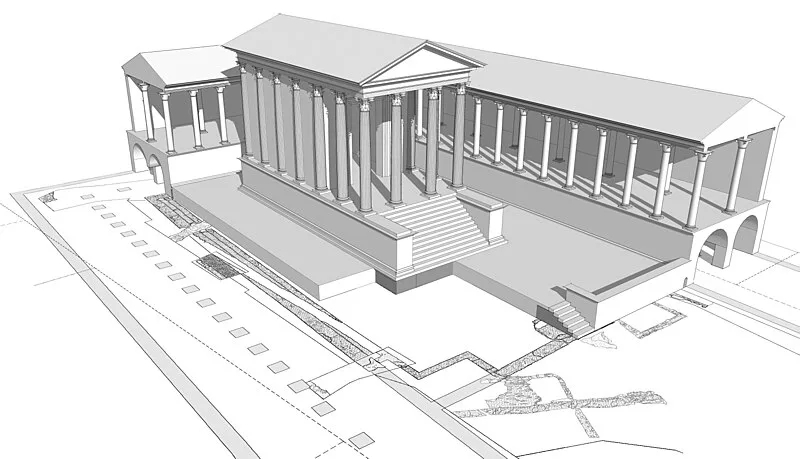
Augustòs Arch
The Arch of Augustus is a triumphal arch in Susa, Piedmont, built at the end of the 1st century BC to commemorate the renewed alliance between Emperor Augustus and Marcus Julius…
Menhirs of Sardinia
Sardinia contains approximately 740 menhirs, locally called "perdas fittas" (embedded stones), dating primarily to the Ozieri culture period (c. 3500-2500 BC). They range up to…

Merano
A municipality in South Tyrol, northern Italy, located in a mountain basin at the entrance to the Passeier Valley and Vinschgau. The area has been inhabited since the 3rd…
Pantelleria Vecchia Bank Megalith
The Pantelleria Vecchia Bank Megalith is a 12-metre-long, 15-ton monolith of calcirudite limestone discovered at 40 metres depth in the Sicilian Channel between Sicily and…
Parco Archeologico Antica Norba
Norba is an ancient Latin city situated above the modern town of Norma in Lazio, Italy, at over 460 metres elevation overlooking the Pontine Marshes. Founded as a Roman colony in…
Selva di Malano
Selva di Malano is an archaeological site in the Cimini Mountains foothills between Soriano nel Cimino and Bomarzo in Lazio, central Italy. The wild woodland contains rock-cut…
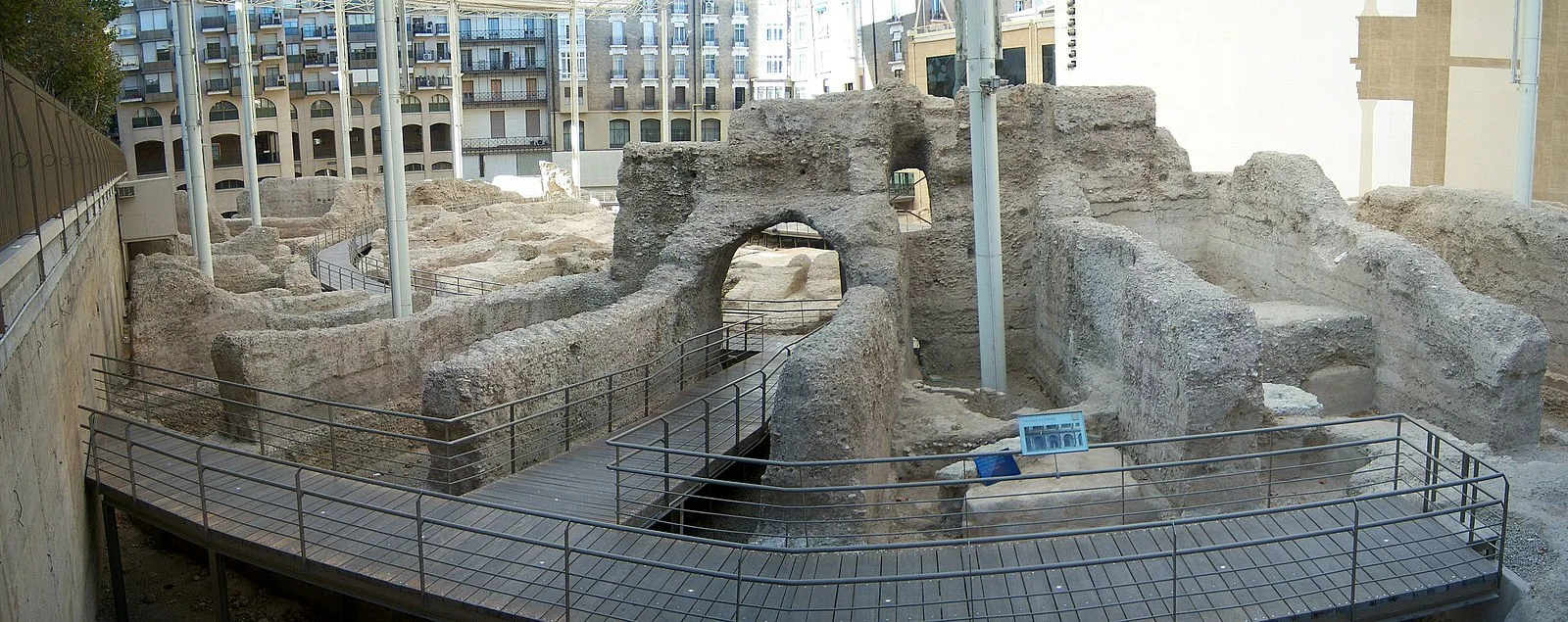
Teatro Romano
The Roman Theatre of Aosta (Teatro Romano) is an ancient theatre in the city of Aosta in the Aosta Valley, northern Italy, built between 20 and 30 AD during the Julio-Claudian…
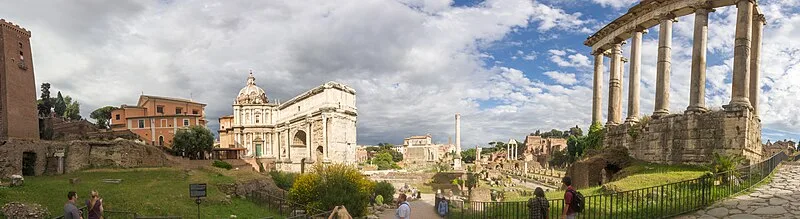
Trajan's Forum
Trajan's Forum was the last and largest of Rome's Imperial Fora, designed by Apollodorus of Damascus and dedicated in January 112 AD. Built with spoils from the Dacian Wars, the…
Cave Structures in Italy (7)
Domus de Janas S'Incantu
S'Incantu is a Neolithic cave tomb (pre-4500 BC) in Sardinia, Italy, known as the "Fairy's Houses" and called the "Queen of the Domus de Janas" for its exceptional beauty and…
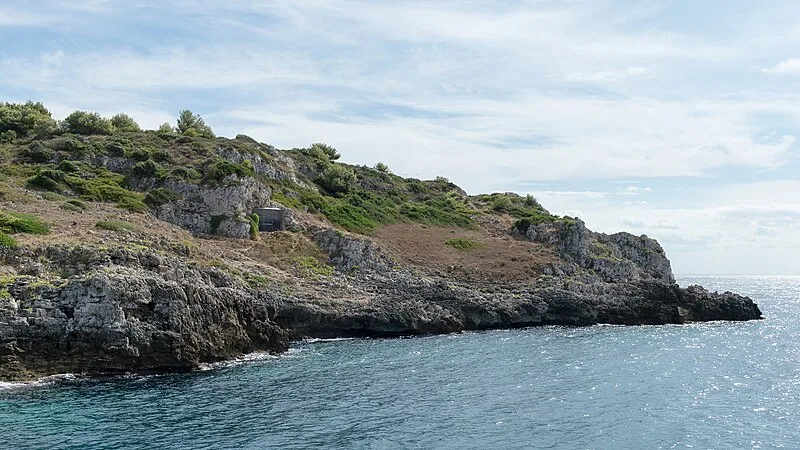
Grotta del Cavallo
Grotta del Cavallo is a limestone cave near Nardo in Apulia, southern Italy, situated 15m above sea level with a 7m-deep stratigraphic succession. Rediscovered in 1960 and…
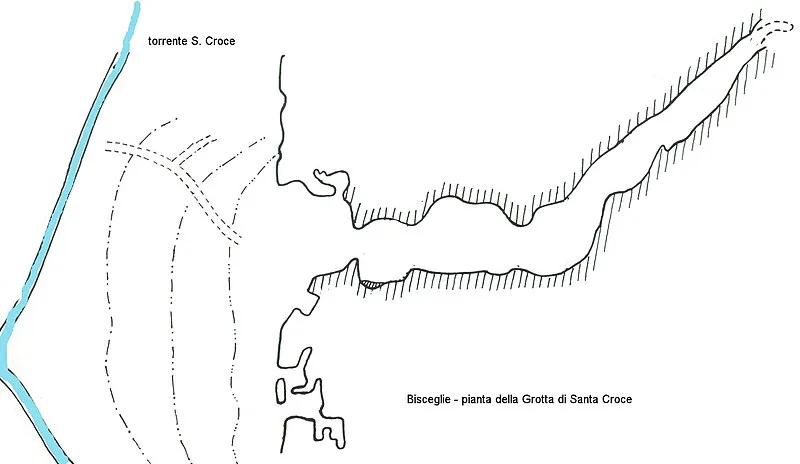
Grotta di Santa Croce
Grotta di Santa Croce is a 130m-long horizontal karst cave near Bisceglie in Apulia, Italy, sitting at 120m above sea level along the course of a former underground river. First…
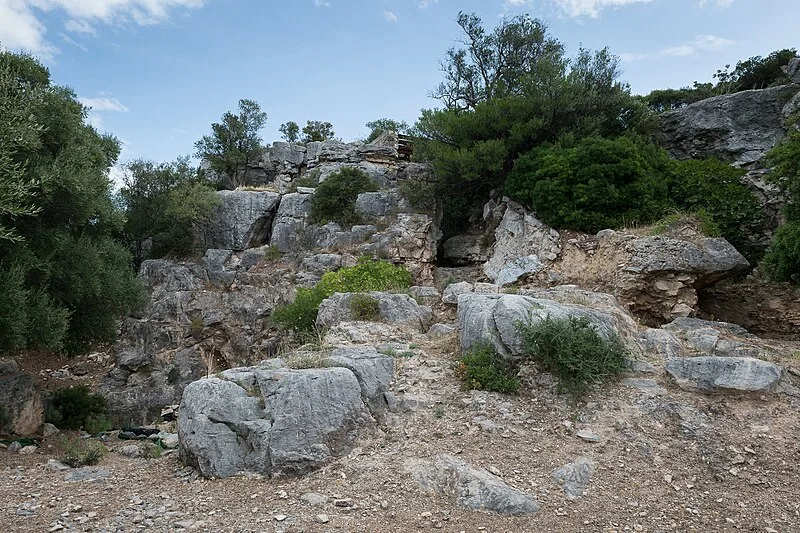
Paglicci Cave
Paglicci Cave, near Rignano Garganico in Apulia, is one of Europe's most important Paleolithic sites, with a 12-metre stratigraphic sequence spanning roughly 30,000 years of…
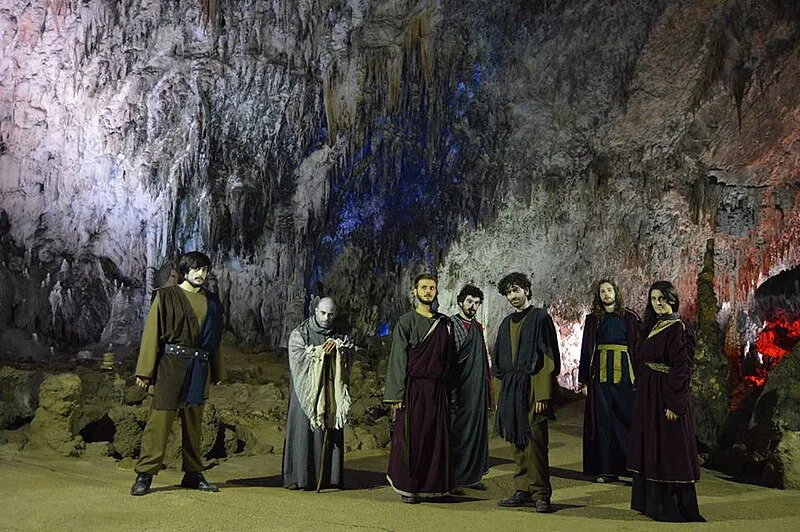
Pertosa Caves
The Pertosa Caves (Grotte di Pertosa-Auletta) are a karst cave system in the Alburni mountains of Campania, Italy, formed over 35 million years ago. They are the only caves in…
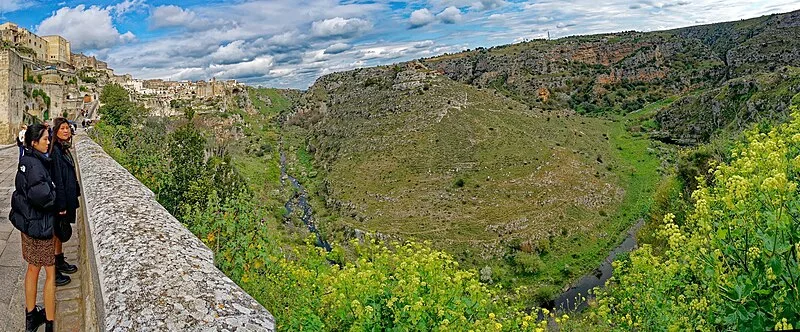
Sassi di Matera
Inhabited since 7000 BC, the Sassi di Matera comprise two districts—Sasso Caveoso and Sasso Barisano—in the city of Matera, Basilicata, Italy. These cave dwellings, carved…

Villaggio Bizantino
Rock-cut settlement near Calascibetta featuring cave dwellings, churches with colombariums, and millstones carved directly into the limestone. The complex shows evidence of…
Gate/archway/bridge in Italy (5)
Arch of Augustus
The Arch of Augustus (Arco di Augusto) is a Roman triumphal arch built in 27 BC in Rimini, Emilia-Romagna, Italy. The arch is one of the oldest surviving Roman arches.
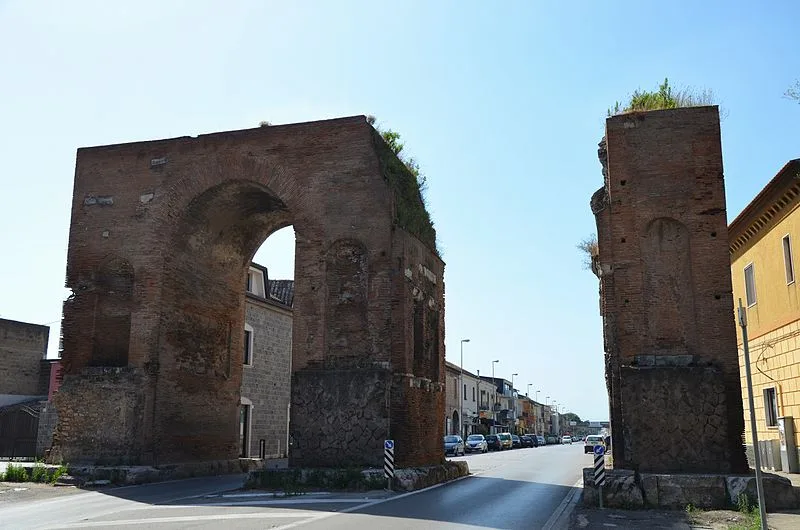
Arch of Hadrian, Capua
(1st–2nd c. AD) The Arch of Hadrian is a Roman triumphal arch in Santa Maria Capua Vetere, southern Italy. Originally a triple arch, only three pylons and one lateral arch survive…
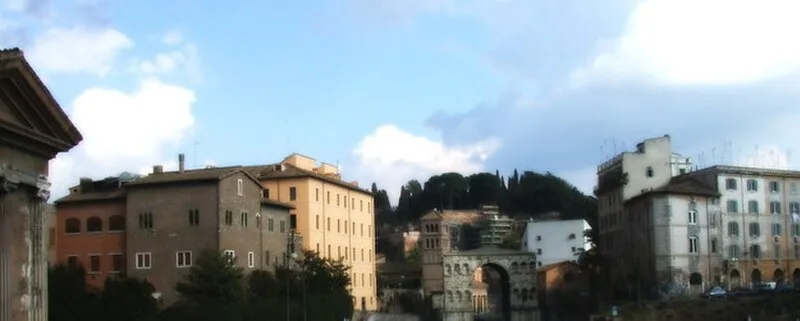
Arch of Janus
The only surviving quadrifrons (four-faced) triumphal arch in Rome, standing 16 m high on a 12 m square base in the Forum Boarium. Built in the early 4th century AD using spolia…

Arch of Trajan, Benevento
Erected 114-118 AD to celebrate Emperor Trajan's Dacian victories and the inauguration of the Via Traiana linking Benevento to Brindisi. The arch stands 15.6 m high and 8.6 m…
Larger Gate of the Aurelian Walls of Rome
Porta Maggiore was built by Emperor Claudius in 52 AD as a monumental arch carrying the Aqua Claudia and Anio Novus aqueducts across the Via Labicana and Via Praenestina. The…
Megalithic walls in Italy (5)
Acropolis of Alatri
The Acropolis of Alatri in Lazio, central Italy, features some of the finest Cyclopean polygonal masonry in the Mediterranean, with walls rising over 15 meters high built from…
Megalithic Wall, Gubbio
The ancient walls of Gubbio (Roman Iguvium) in Umbria, Italy, trace their origins to the Umbrian and Roman periods. The Iguvine Tables reference three city gates -- Trebulana,…
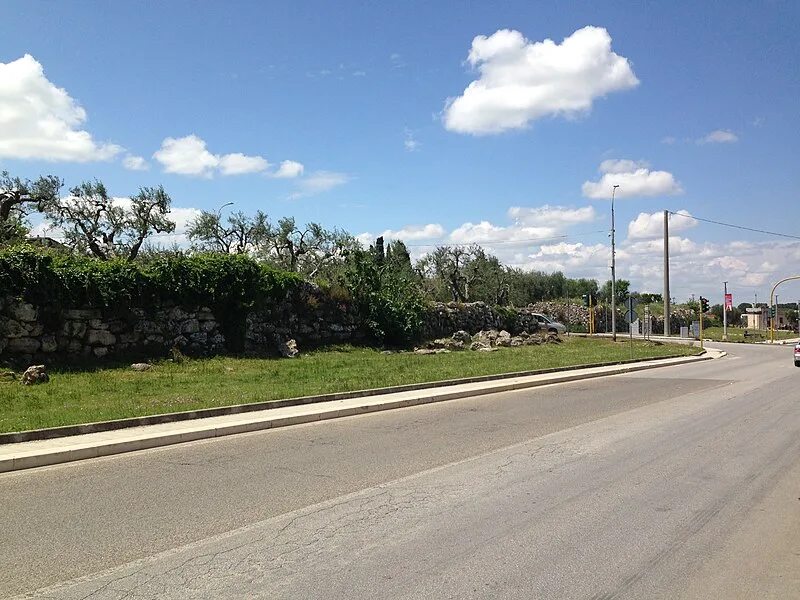
Megalithic Walls of Altamura
The Megalithic Walls of Altamura are defensive fortifications constructed in the 4th century BCE to protect the ancient city of Altamura in southern Italy. These monumental walls…
Pallanum - Mura Megalitiche (Paladine) di Pallanum
Pallanum is an archaeological site on Monte Pallano (1,020 m elevation) near Tornareccio in Abruzzo, Italy, featuring imposing megalithic walls in polygonal masonry dating to the…
Polygonal Walls (Mura Poligonali)
The Mura Poligonali of Amelia in Umbria are among Italy's most impressive pre-Roman fortifications, extending over 2 km around the historic centre with walls reaching 6 metres in…
Reservoir/aqueduct/canal in Italy (4)
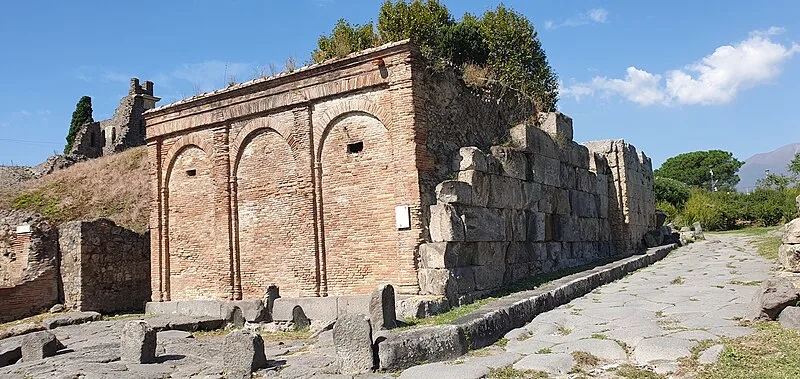
Aqua Augusta, Naples
The Aqua Augusta (or Serino Aqueduct) was one of the largest and most complex aqueduct systems in the Roman world, constructed during the Augustan period around 33 BC. Unlike…
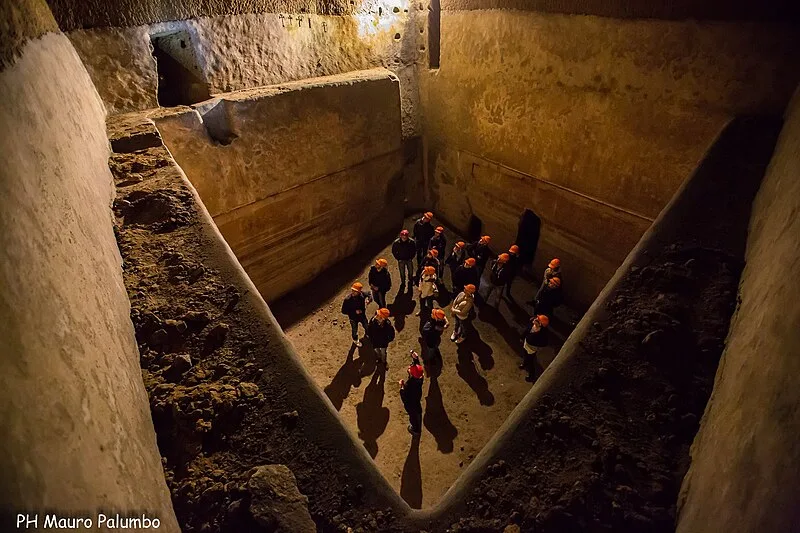
Bolla Aqueduct
The Bolla Aqueduct was an ancient underground water system in Naples, constructed around 400 BC by Greek colonists. The structure extended approximately 10 km (6.2 miles),…
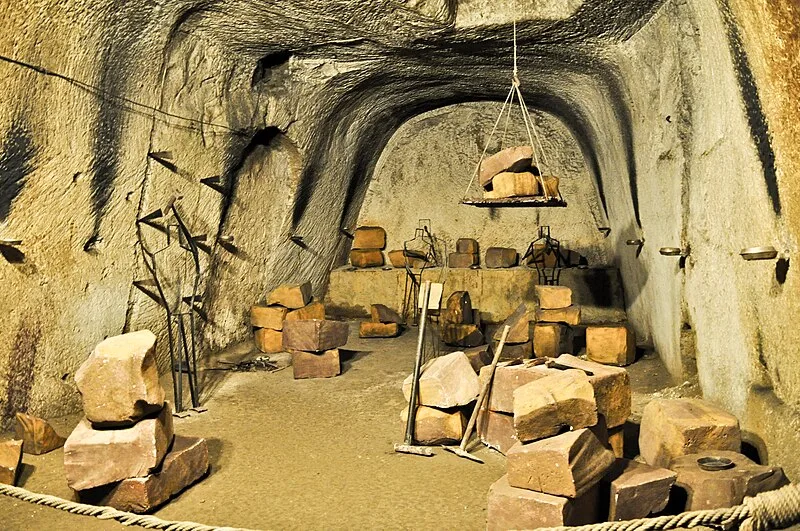
Naples Subterranean Structures
An extensive underground geothermal network and tunnel system lies beneath Naples and its surroundings, extending from Mount Vesuvius to include Pompeii and Herculaneum, and from…
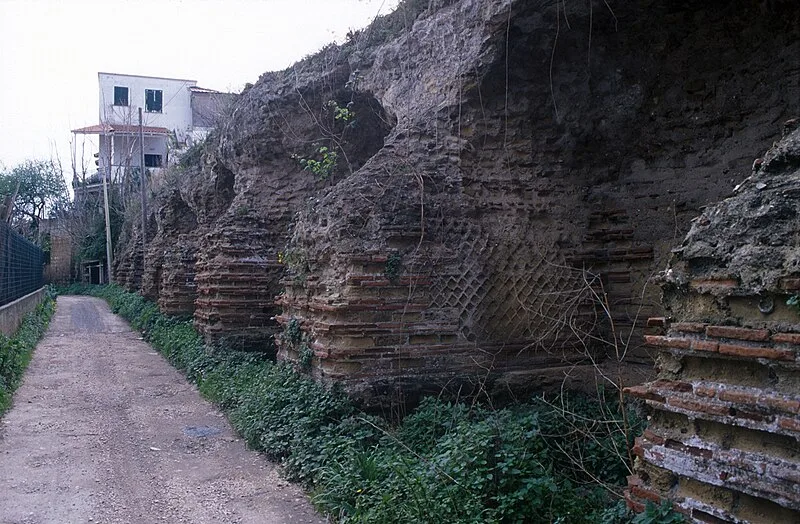
Piscina Mirabilis
The Piscina Mirabilis is a monumental Roman cistern built under Emperor Augustus on the Bacoli hill at the western end of the Gulf of Naples, Italy. Known as the "Water…
Fortress/citadel in Italy (3)
Cicerone Tower
The Torre di Cicerone is a fortified tower on the Acropolis of Arpino. It forms part of one of southern Lazio's most significant megalithic archaeological sites, featuring walls…
Monte Baranta Megalithic Complex
Monte Baranta is a pre-Nuragic megalithic complex near Olmedo in northwestern Sardinia, dating to the Copper Age Monte Claro culture (2500-2200 BC). Its crescent-shaped fortress,…
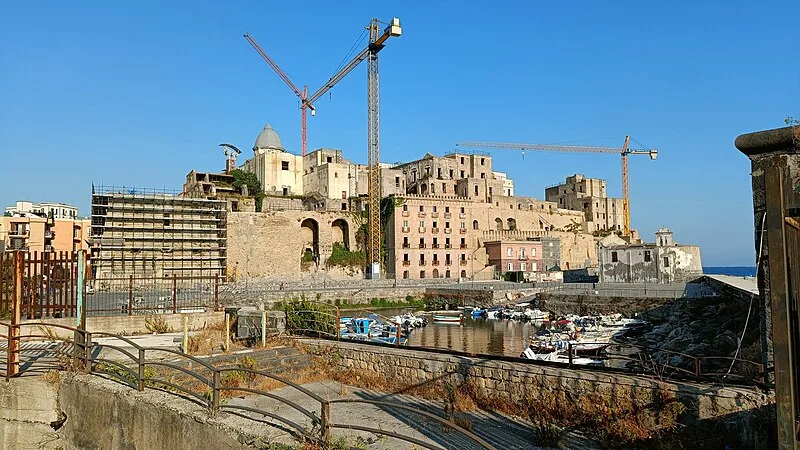
Rione Terra
Rione Terra is a historic quarter in Pozzuoli, Italy, occupying a tufa promontory above the Gulf of Pozzuoli in the Phlegraean Fields west of Naples. Originally the acropolis of…
Settlement in Italy (3)
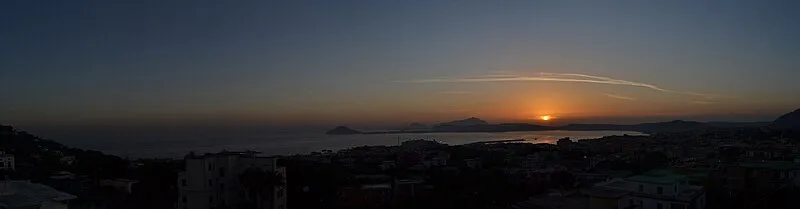
Pozzuoli
Pozzuoli, ancient Puteoli, was founded around 529 BCE as the Greek colony of Dicaearchia ('City of Justice') by Samian refugees fleeing the tyrant Polycrates. It became Rome's…

Roca Archaeological Site
3000-1500 BC Bronze Age settlement on Italy's Adriatic coast, near modern Melendugno and Lecce. Excavated since the late 1980s by the University of Salento, it features the…
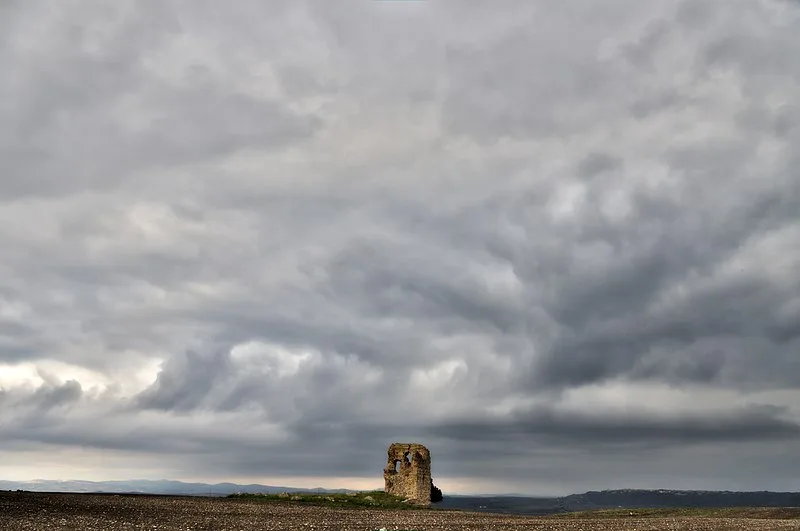
Teanum Apulum
Teanum Apulum was an ancient Apulian town near modern San Paolo di Civitate in southeastern Italy, located at a crossing of the Fortore river on the road between Larinum and…
Other sites in Italy (17)
Area Archeologica di Alba Fucens
A major Latin colony founded in 303 BC at 1,000 m elevation near Monte Velino, housing 6,000 families and serving as Rome's bulwark in central Italy. Its polygonal walls extend…
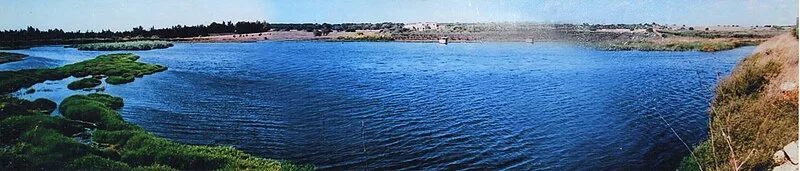
Cave di Cusa
Cave di Cusa is an ancient stone quarry in Sicily, Italy, located 3 kilometers south of Campobello di Mazara in the province of Trapani. The quarry extends 1.8 kilometers along an…
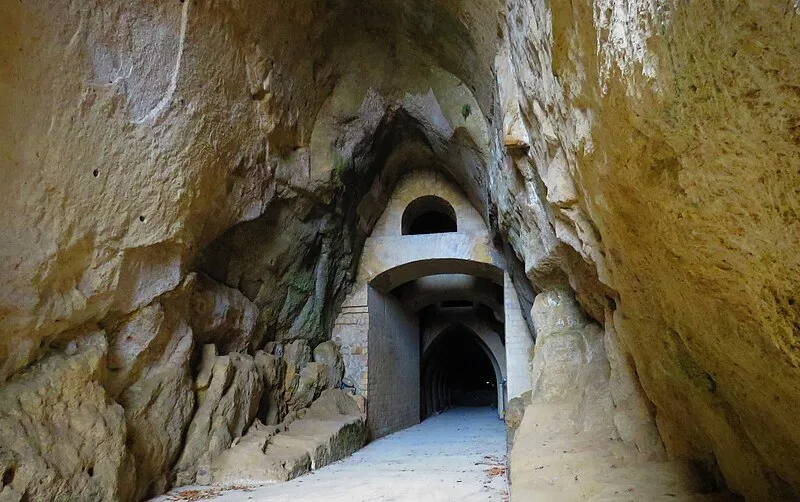
Crypta Neapolitana
The Crypta Neapolitana is an ancient Roman road tunnel over 700 metres long, built in c. 37 BC by architect Lucius Cocceius Auctus for Marcus Agrippa during the civil war between…

Dolmen of Chianca
The Dolmen della Chianca is a Neolithic megalithic tomb near Bisceglie in Puglia, Italy, dating to approximately 4000-3000 BC. Discovered on 6 August 1909 by Francesco Samarelli…
Etruscan Pyramid of Bomarzo
A megalithic rock-cut monument carved from a single block of volcanic tuff near Viterbo, Italy, standing approximately 5 meters high with five carefully carved steps. Dating to…
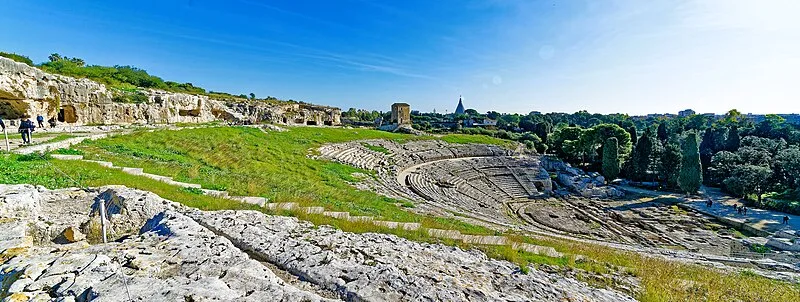
Greek Theatre of Syracuse
One of the largest theatres of the ancient Greek world, first built in the 5th century BC on the slopes of Temenite Hill in Syracuse, Sicily. The current Hellenistic structure…

La strada Romana delle Gallie ed il suo arco
The Via delle Gallie is a Roman consular road built under Emperor Augustus in the 1st century BC to connect Rome with the provinces of Transalpine Gaul through the Aosta Valley.…
Museo Archeologico Nazionale e Zona Archeologica di Luni
The National Archaeological Museum and archaeological zone of Luni preserve the remains of a Roman colony founded in 177 BC at the mouth of the Magra River on the Liguria-Tuscany…
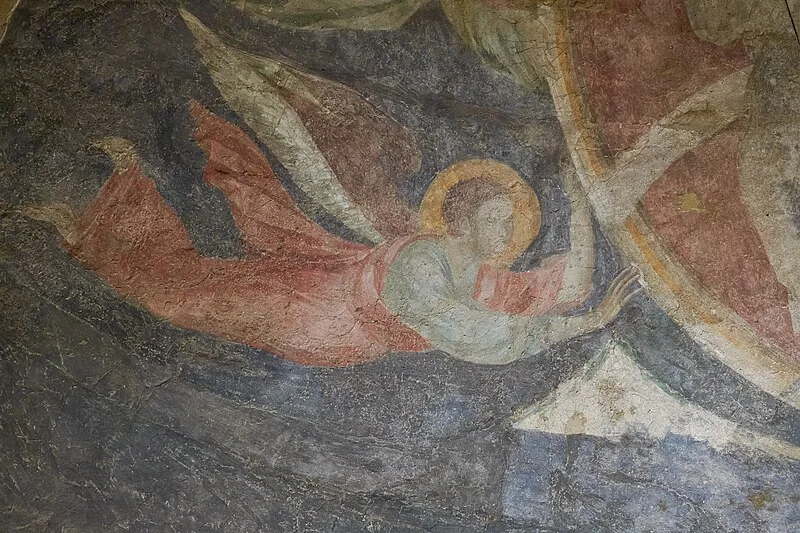
Museo Campano
The Museo Provinciale Campano di Capua (commonly called Museo Campano) is a provincial museum in Capua, southern Italy. Established in 1870 and opened to the public in 1874, it is…
Neapolis Archaeological Park
The Neapolis Archaeological Park in Syracuse, Sicily, is one of the largest archaeological areas in the Mediterranean, symbolizing the city's expansion under Gelon in the 5th…
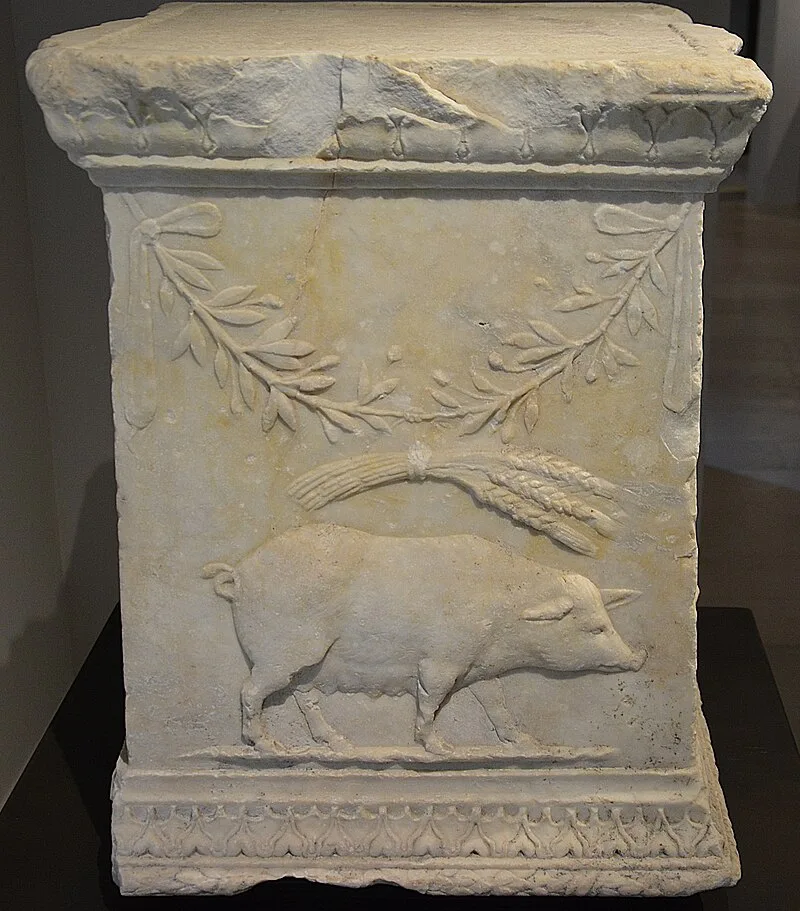
Palazzo a Mare
Palazzo a Mare ("Sea Palace") is a Roman imperial villa on the north coast of Capri, built by Augustus and later modified by Tiberius as one of his twelve island residences…
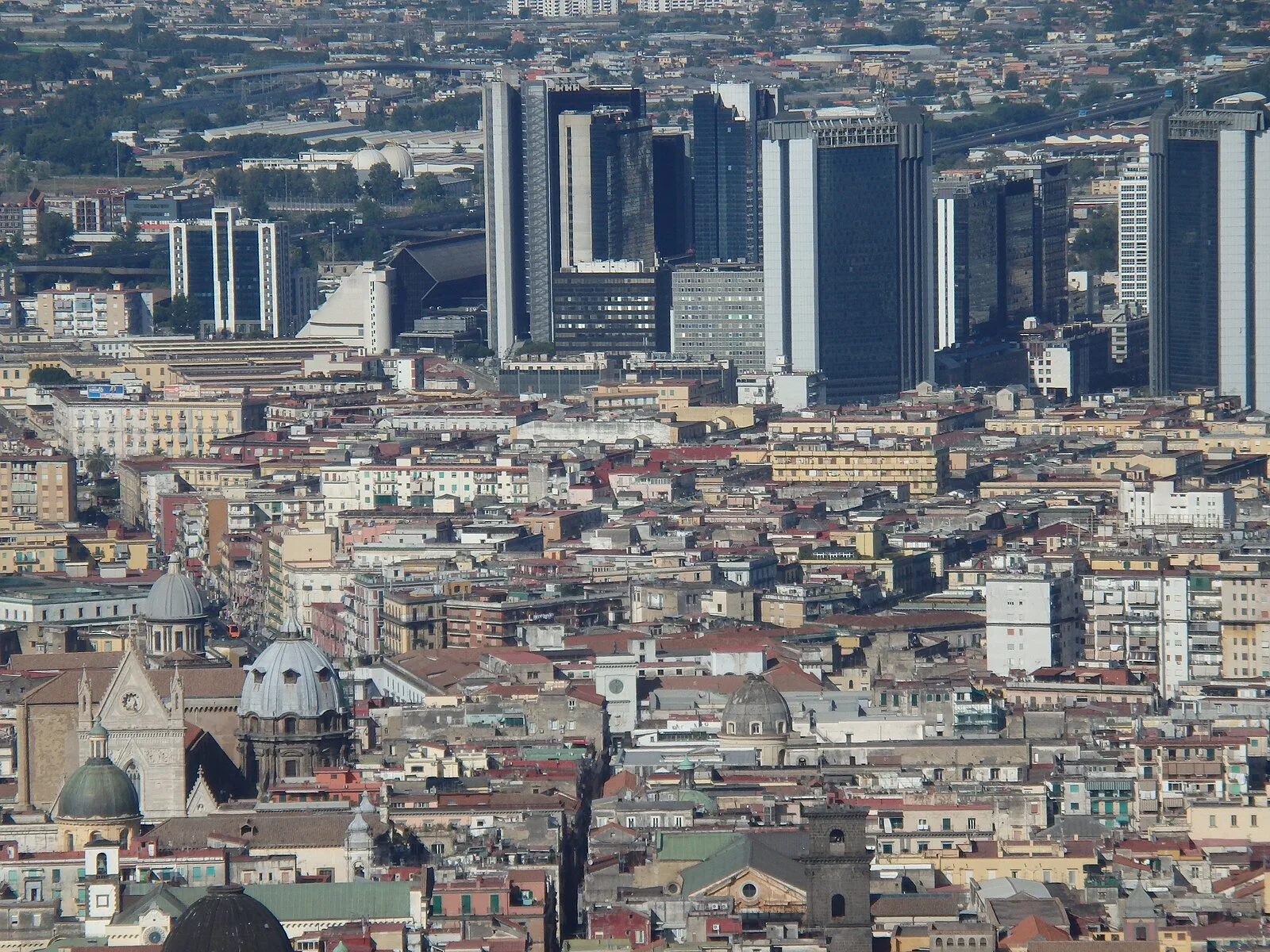
Poggioreale, Naples
Poggioreale is a neighbourhood of Naples where a vast ancient quarry was discovered by chance in 1987, following subsidence beneath the Pianto cemetery near the church of Santa…
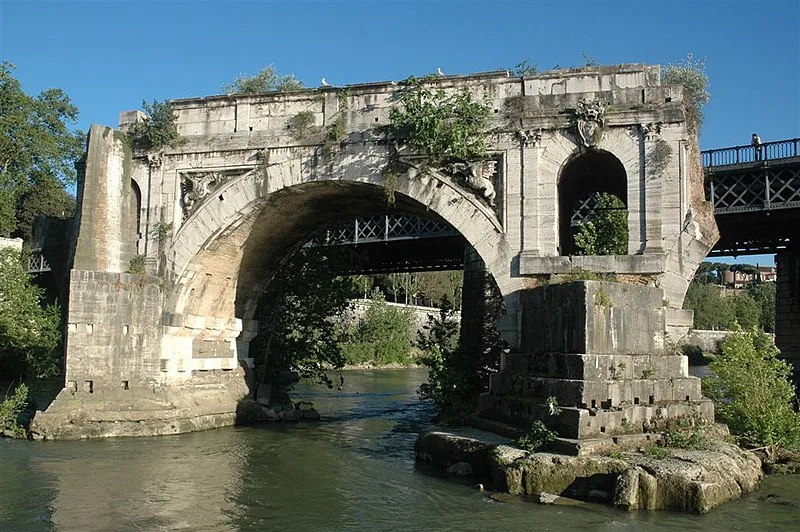
Ponte Emilio
The Pons Aemilius (Ponte Rotto) is the oldest Roman stone bridge in Rome, originally built in wood and rebuilt in stone in the 2nd century BC. It spanned the Tiber, connecting the…
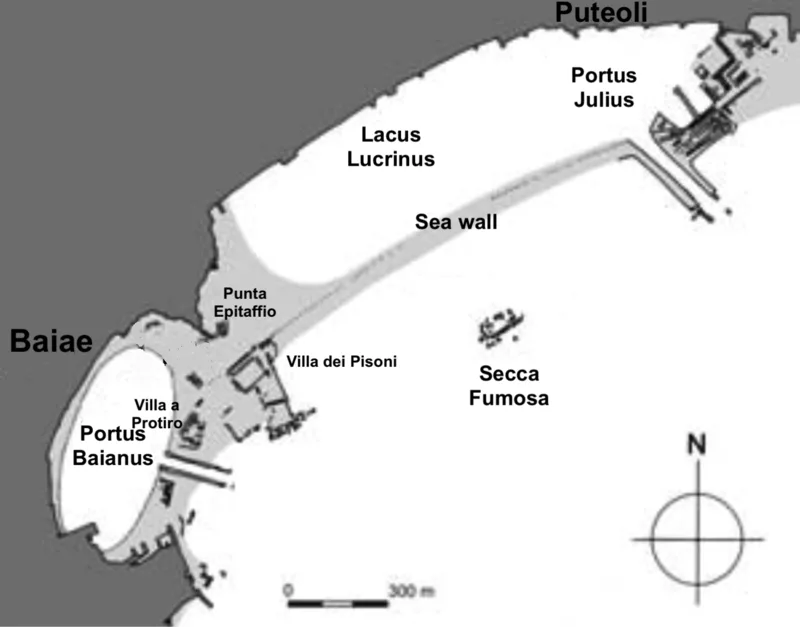
Portus Julius
Portus Julius was the first harbour specifically constructed to serve as a base for the Roman western naval fleet, the classis Misenensis. Located near Baiae on the Gulf of…
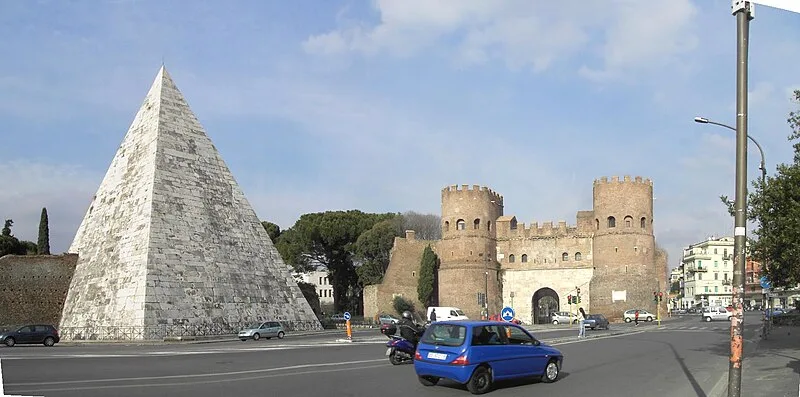
Pyramid of Caius Cestius
(18-12 BC) A Roman pyramid tomb built for Gaius Cestius, a member of the Epulones religious corporation. Built in the Nubian pyramid style, it stands at a fork between the Via…
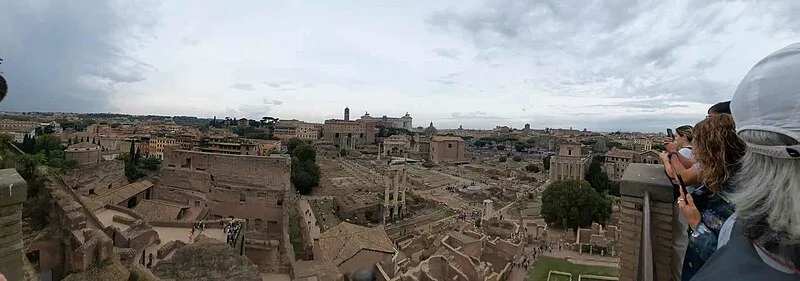
Roman Forum
The Roman Forum (Forum Romanum) is a rectangular plaza surrounded by ruins of ancient government buildings at the center of Rome, often called the most celebrated meeting place in…
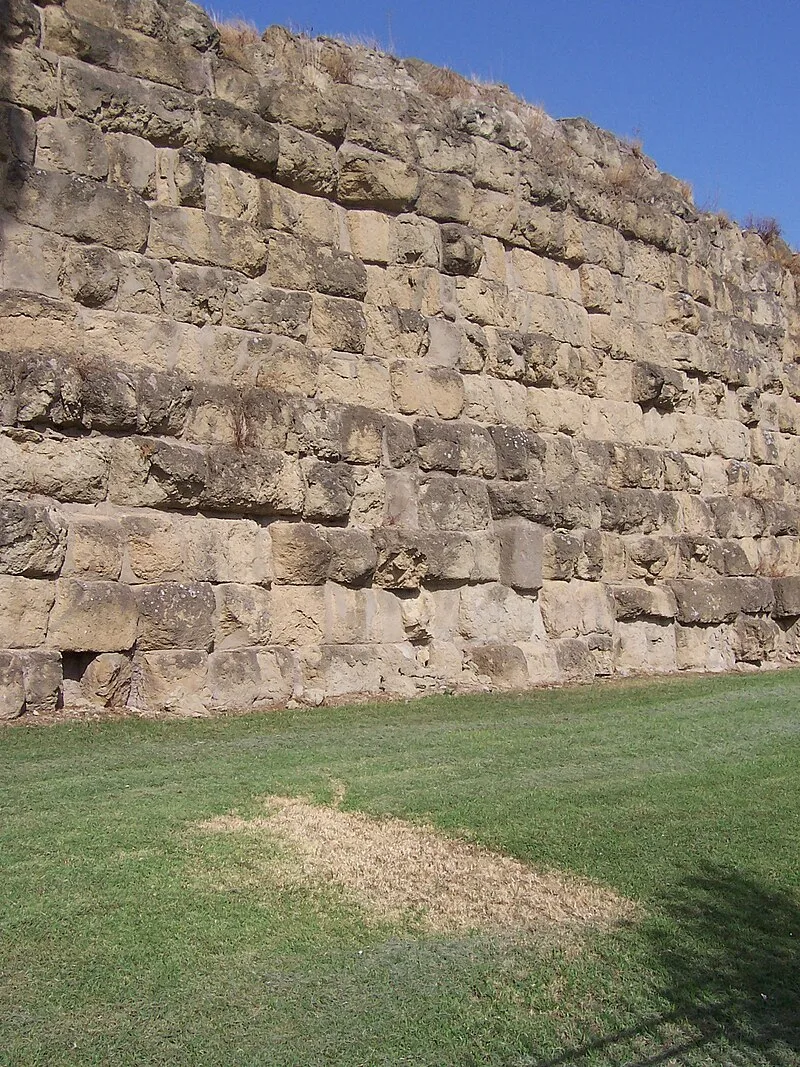
Roman Walls
Rome's ancient defensive walls comprise multiple systems built over centuries. The Servian Wall (4th century BC) stretched 11 km with tuff blocks up to 10 m high and 3.6 m thick,…
Keep exploring
Every site on this page sits on the globe, and the people who research them are on the Discord.
3D Globe · Sites by country · Story Archive · Research Library · Weekly Journal · Search