
 Italy
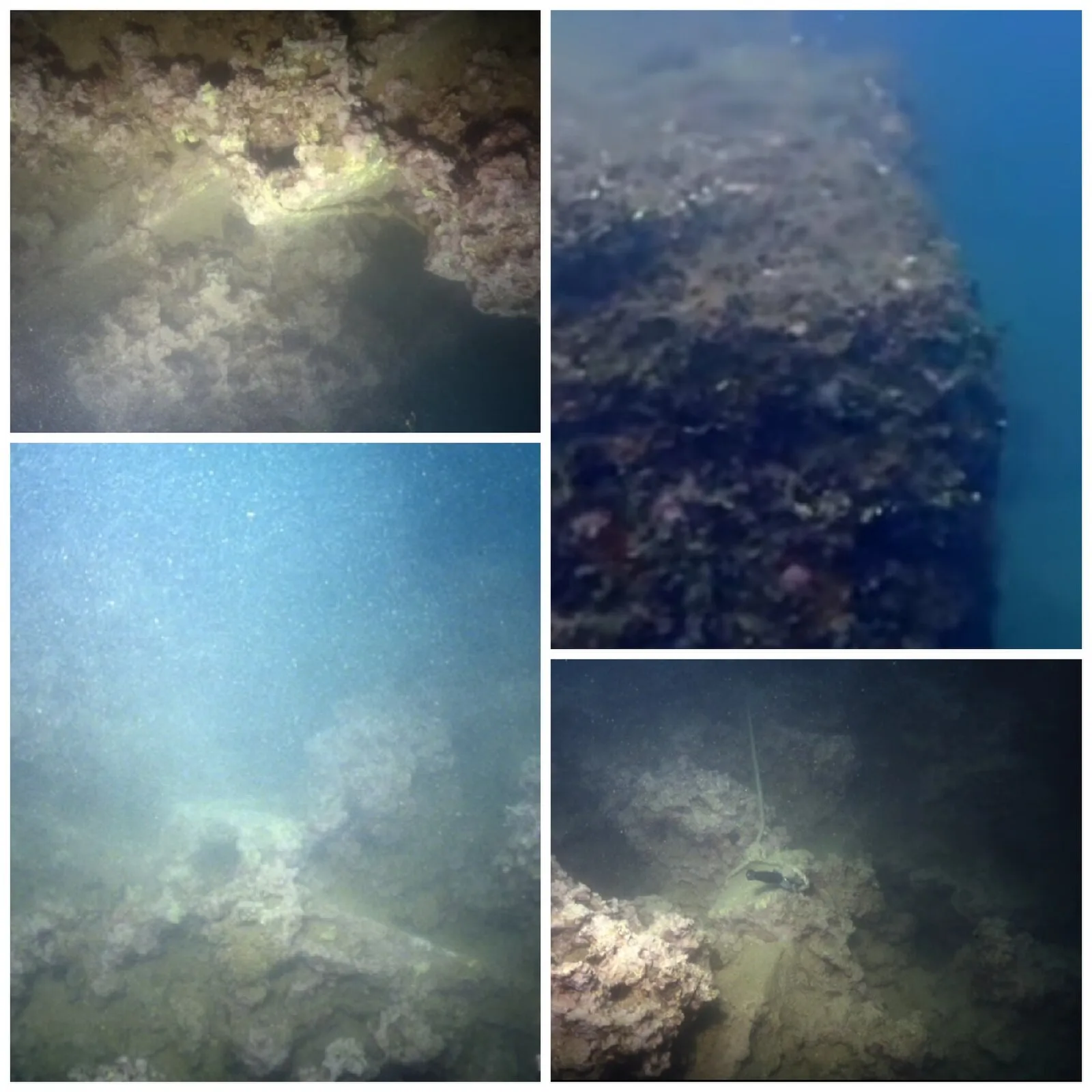
ItalySinuessa was a city of Latium, in the more extended sense of the name, situated on the Tyrrhenian Sea, about 10 km north of the mouth of the Volturno River [1]. It was on the line of the Via Appia, and was the last place where that great highroad touched on the sea-coast [1]. The ruins of the city are located in the modern-day comune of Sessa Aurunca [1]. At a short distance from Sinuessa were the baths or thermal springs called Aquae Sinuessanae which appear to have enjoyed a great reputation among the Romans [1]. Pliny tells us they were esteemed a remedy for barrenness in women and for insanity in men [1]. They are already mentioned by Livy as early as the Second Punic War; and though their fame was eclipsed at a later period by those of Baiae and other fashionable watering-places, they still continued in use under the Empire, and were resorted to among others by the emperor Claudius [1].
Text: Wikipedia – 'Sinuessa' (revision of 2026-08-18), CC BY-SA 4.0 · sentences selected and shortened by an AI system · source →Sinuessa
Also known as: Sinuesa, Синуеса, Синуэсса, Сінуесса
| Type | City/town/settlement |
|---|---|
| Period | 500 BC - 1 AD |
| Country | Italy |
| Coordinates | 41.1539° N, 13.8476° E |