
 Italy
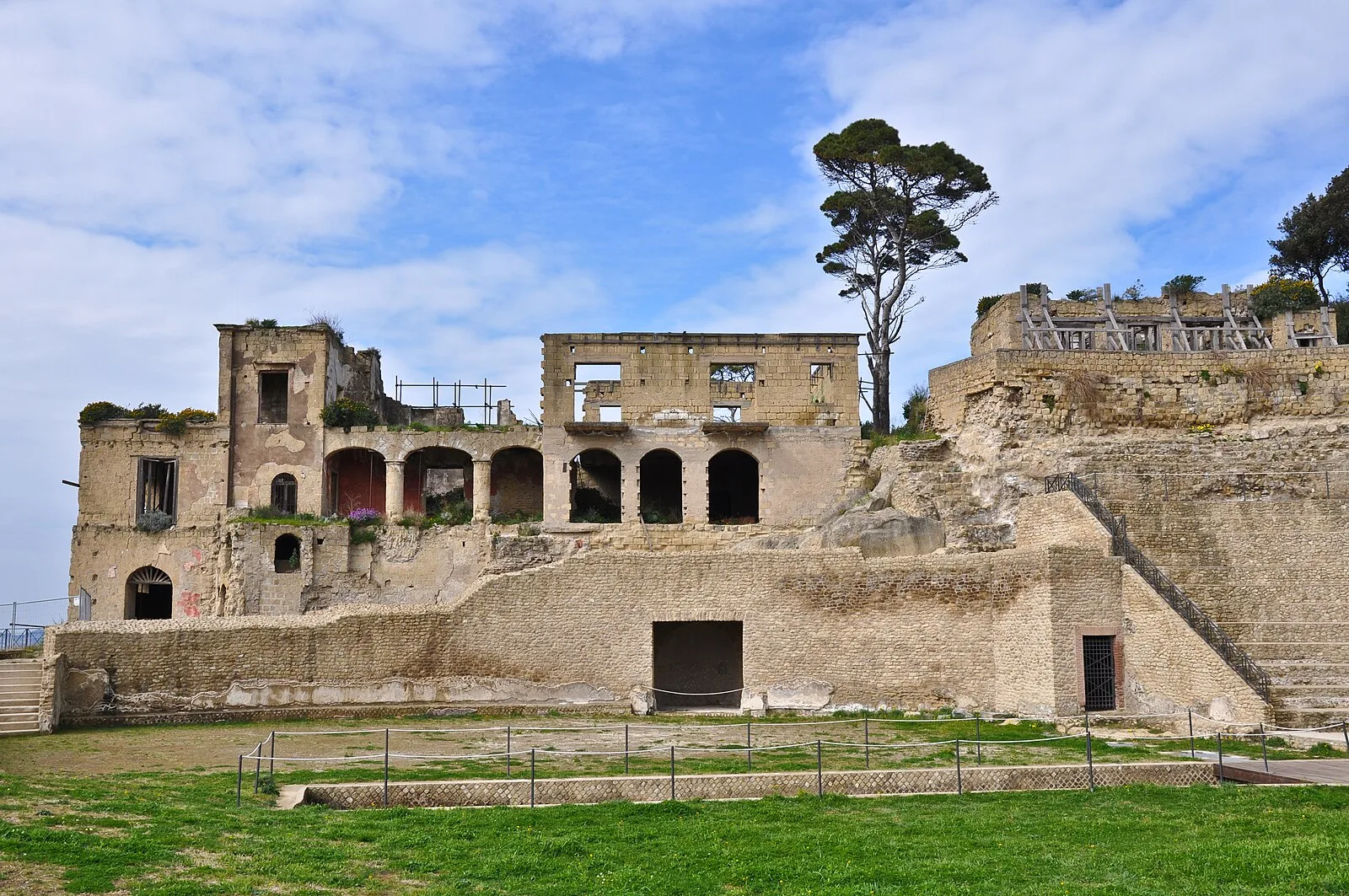
ItalyPosillipo is a rocky peninsula about 6 km long surrounded by cliffs with a few small coves with breakwaters at the western end of the Bay of Naples [1]. Posillipo is mentioned in ancient Greek and Roman sources [1]. As part of Magna Graecia, the Ancient Greeks first named it Pausílypon, meaning "respite from worry" [1]. Of ancient Pausilypon the most visible ruins are those of the notorious villa of Vedius Pollio, later to become an imperial villa [1]. The ruins of the Roman villa of Vedius Pollio include a 2000-seat theatre on the rocky promontory at the end of the Bay of Naples [1]. The villa was built in the first century BC by Publius Vedius Pollio [1]. On his death in 15 BC, the villa was bequeathed to Augustus, and remained in imperial possession for his successors at least until Hadrian [1]. The extraordinary 770 metre-long Grotta di Seiano or "cave of Sejanus" passes beneath the Posillipo hill and connected the imperial villa and other patrician villas nearby with the Phlegraean Fields and the towns and ports of Puteoli and Cumae [1].
Text: Wikipedia – 'Posillipo' (revision of 2026-09-07), CC BY-SA 4.0 · sentences selected and shortened by an AI system · source →Posillipo
Also known as: Pausilippe, Pausilypum, Pausylipus, Posillipo-fok, Posillipo (Neapel), Pusilleco, ΠΑΥΣΙΛΙΠΟΝ, Позиллипо, بوسيليبو, ポジッリポ, ポジリポ, 波西利波
| Type | City/town/settlement |
|---|---|
| Period | 500 BC - 1 AD |
| Country | Italy |
| Coordinates | 40.8044° N, 14.2039° E |