
 Italy
Beneath the Church of Santa Maria Assunta in Positano lies a Roman villa, buried by the eruption of Mount Vesuvius in 79 AD after being damaged by the earthquake of 62 AD [1] [2]. First described by Karl Weber in 1758, systematic excavations revealed the triclinium with mosaic floors and Fourth Pompeian Style frescoes [1] [3]. The site opened as the MAR (Roman Archaeological Museum) on 18 July 2018, allowing visitors to descend to explore the preserved villa attributed to Posides, a freedman of Emperor Claudius [3] [4].
Positano
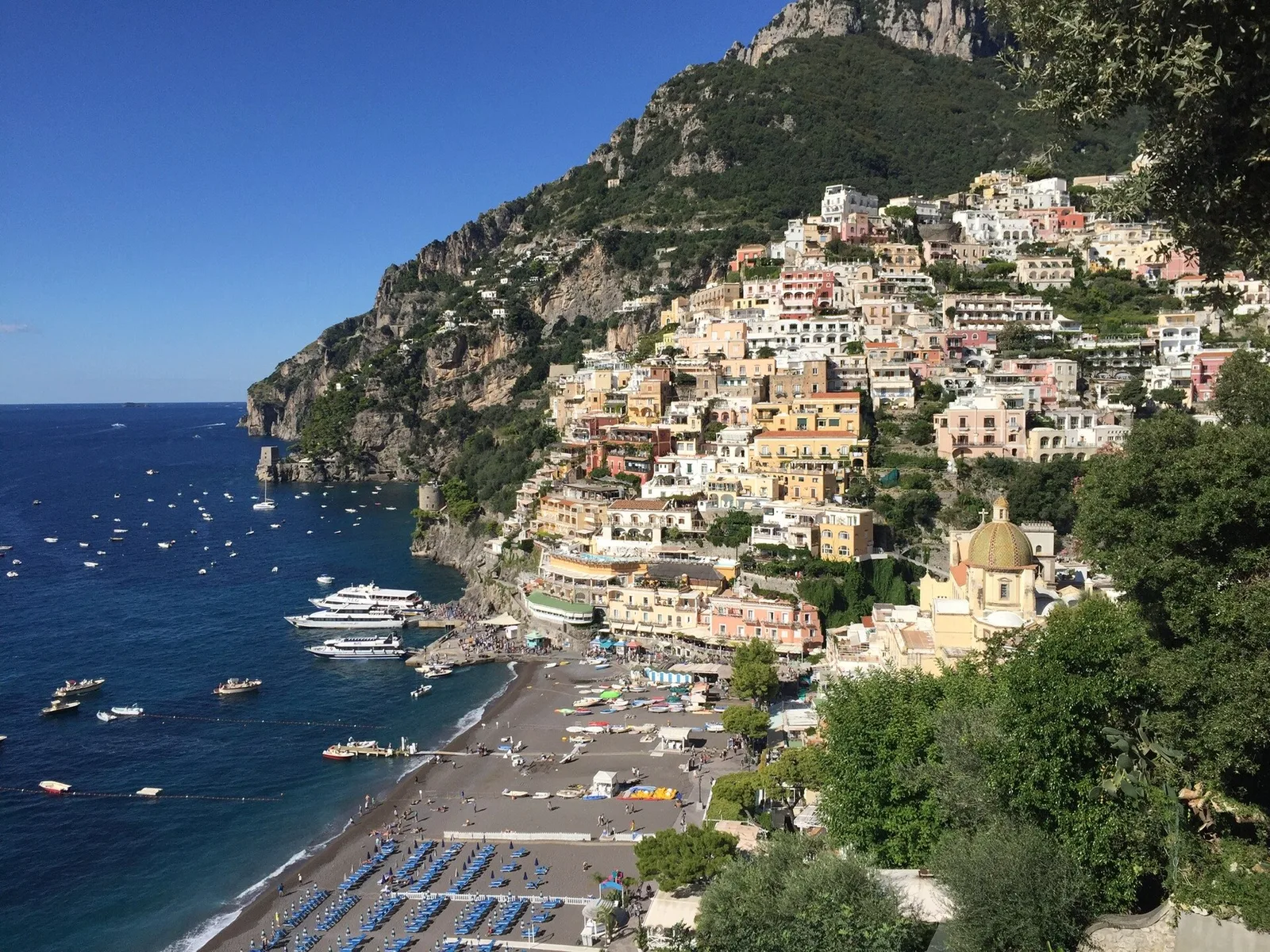
Also known as: 포시타노, Pausitanum, Posidianum, Positanas, Positano (munisipyo), Positano vald, Positanu, Pozitano, Pusitano, Ποζιτάνο, Пазітана, Позитано
| Type | Residence/villa/farmhouse |
|---|---|
| Period | 500 BC - 1 AD |
| Country | Italy |
| Coordinates | 40.6335° N, 14.4833° E |