
 Italy
ItalyThe Aqua Augusta (or Serino Aqueduct) was one of the largest and most complex aqueduct systems in the Roman world, constructed during the Augustan period around 33 BC [1]. Unlike typical Roman aqueducts that served a single city, this regional network supplied water to at least eight cities in the Bay of Naples, including Pompeii and Herculaneum [1] [2] [3]. The system was notable for its engineering complexity, significant length, and high cost [1].
Aqua Augusta, Naples
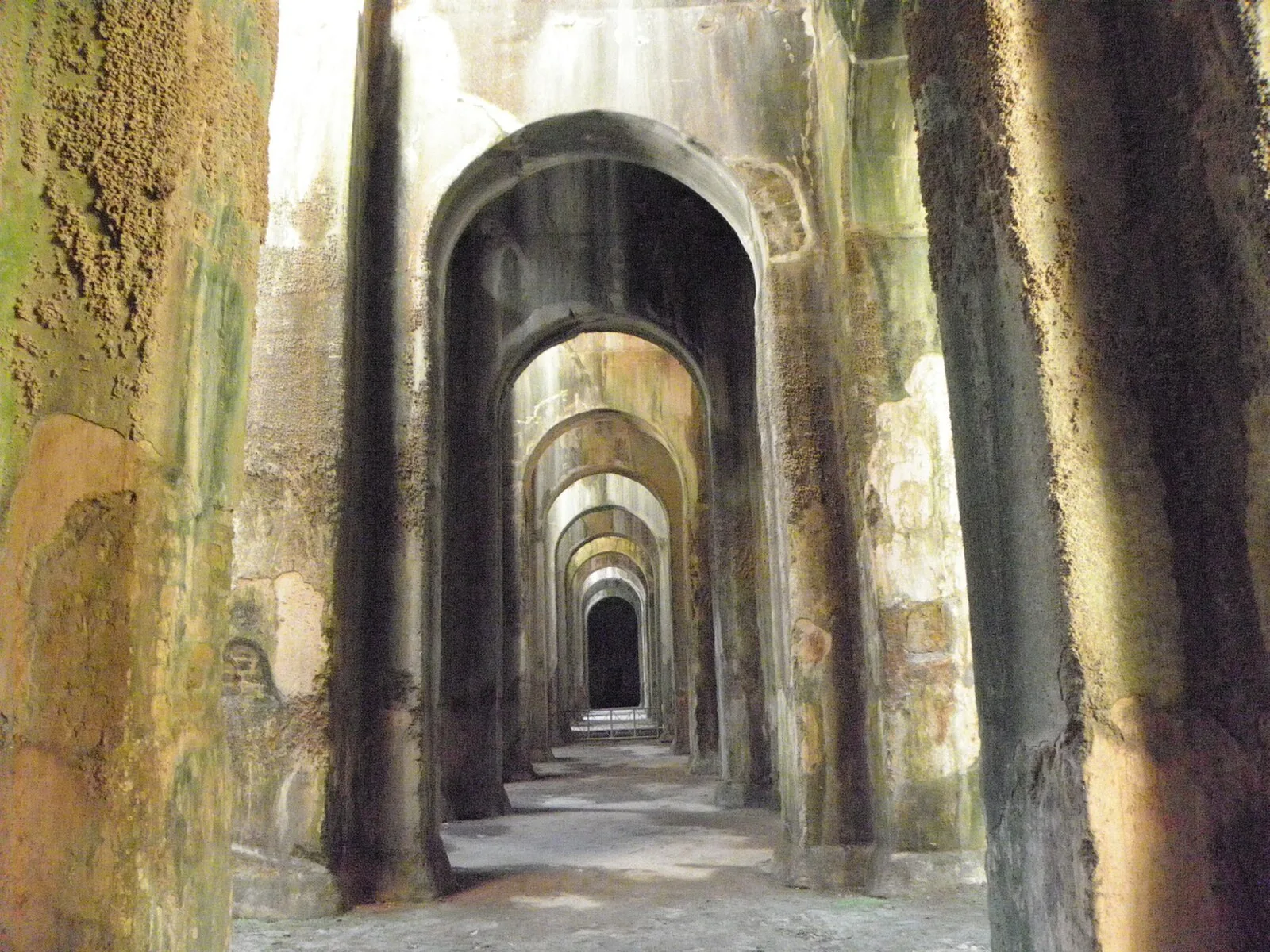
Also known as: acquedotto augusteo, acquedotto augusteo del Serino, acquedotto Claudio, Acquedotto del Serino, acquedotto romano del Serino, Aqua Augusta, Aqua Augusta (Campania), Aqua Augusta (Naples), Aqua Augusta (Nápoles), Aqua Augusta (Nàpols), Aqua Augusta (Napulj), aqueduc d'Auguste
| Type | Reservoir/aqueduct/canal |
|---|---|
| Period | 500 BC - 1 AD |
| Country | Italy |
| Coordinates | 40.7953° N, 14.0803° E |