

Archaeological Sites in France
City/town/settlement in France (36)

Aléria
Aléria is an ancient settlement on Corsica's eastern coast, founded by Phocaean Greeks around 566 BC according to Herodotus. The site became a major Etruscan trading post and…
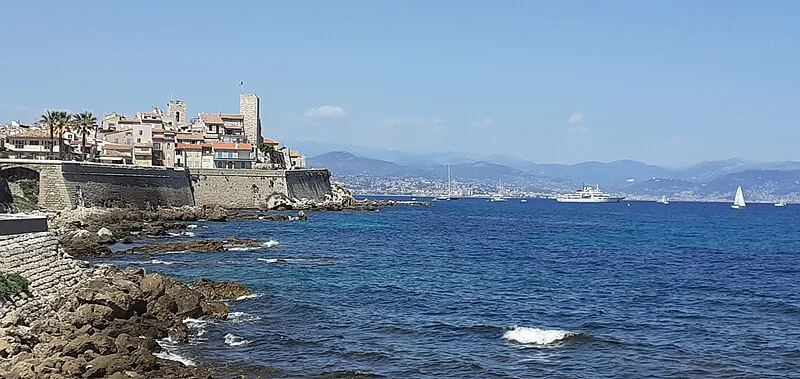
Antibes
Antipolis, meaning "opposite city" in reference to nearby Nikaia (Nice), was founded around 400 BC by Phocaean Greek colonists. Strategically positioned on a coastal promontory,…
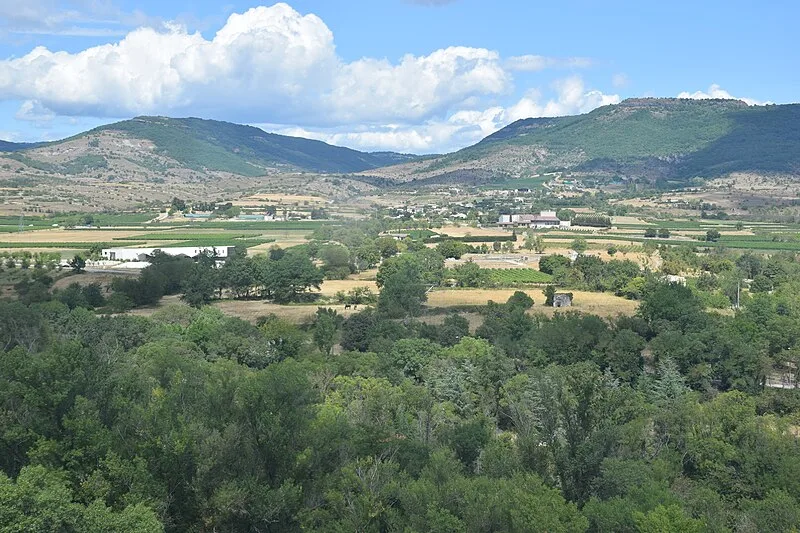
Archaeological Site of Alba-la-Romaine
Gallo-Roman city of Alba Augusta Helviorum in the Ardeche, capital of the Celtic Helvii people who allied with Rome after 121 BC. The site covers nearly 30 hectares and preserves…
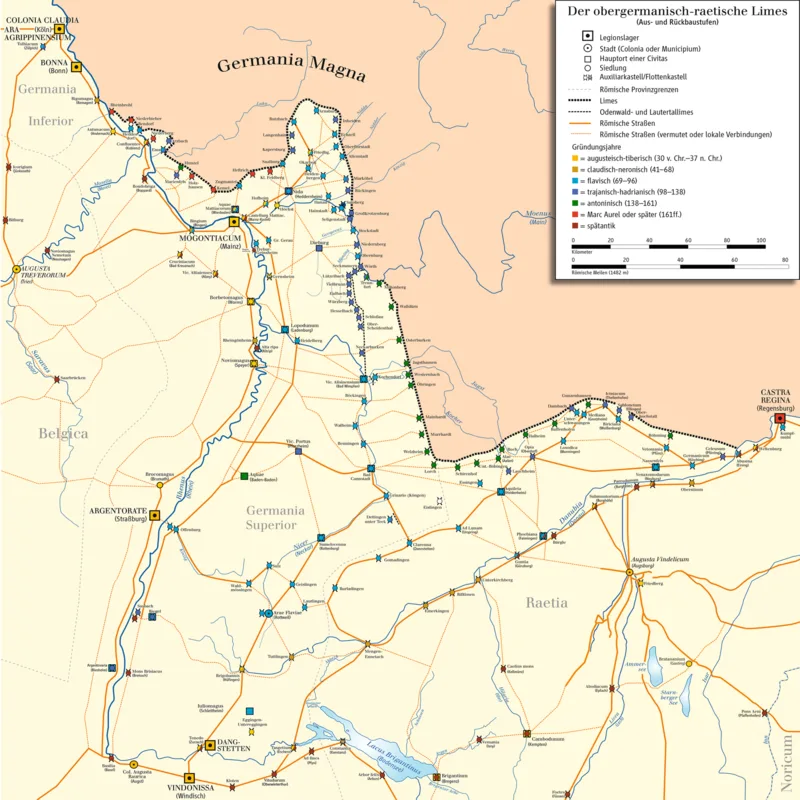
Argentovaria
(1st–5th c. AD) Argentovaria (also Ödenburg) was a late Roman military installation and civilian settlement near modern Biesheim in Alsace, France. The site was the subject of…
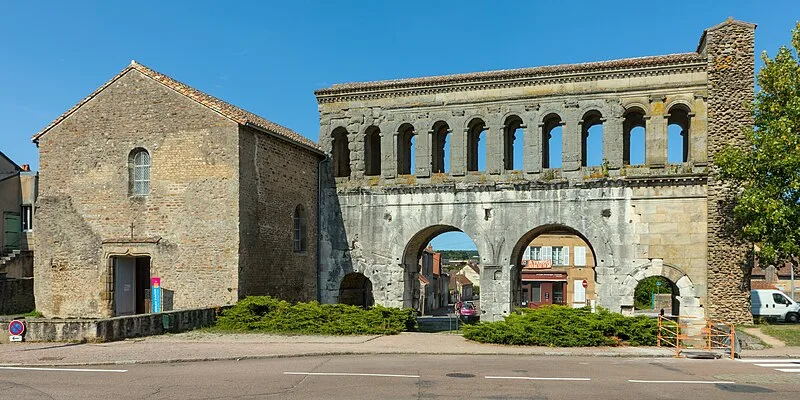
Autun
Autun (ancient Augustodunum) was founded during the Principate era by Emperor Augustus as the Roman capital of the Gallic Aedui tribe, replacing their earlier oppidum at Bibracte.…
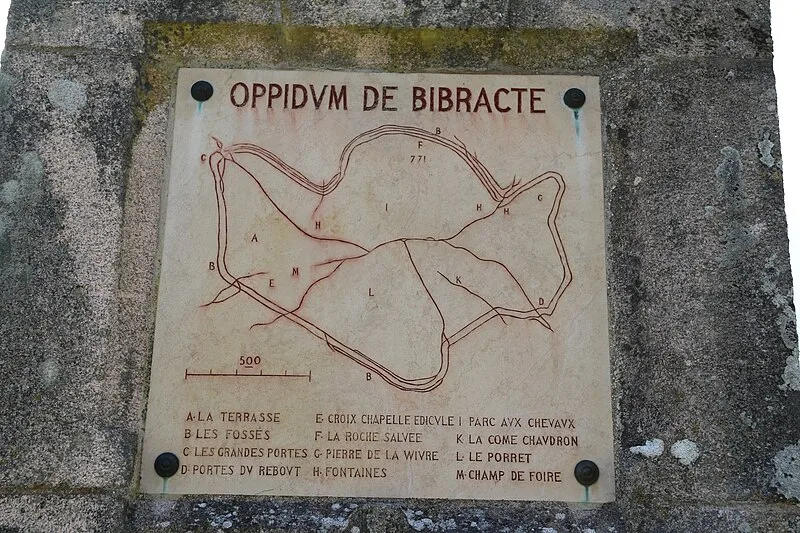
Bibracte
A fortified Gallic oppidum on Mont Beuvray in Burgundy, France, capital of the Aedui tribe, founded in the late 3rd century BC and spanning 200 hectares. In 58 BC, Caesar defeated…
Cahors
Cahors was founded as Divona Cadurcorum in the 1st century AD when Emperor Augustus established the city to administer the territory of the Cadurci, a Celtic people of Gaul. The…
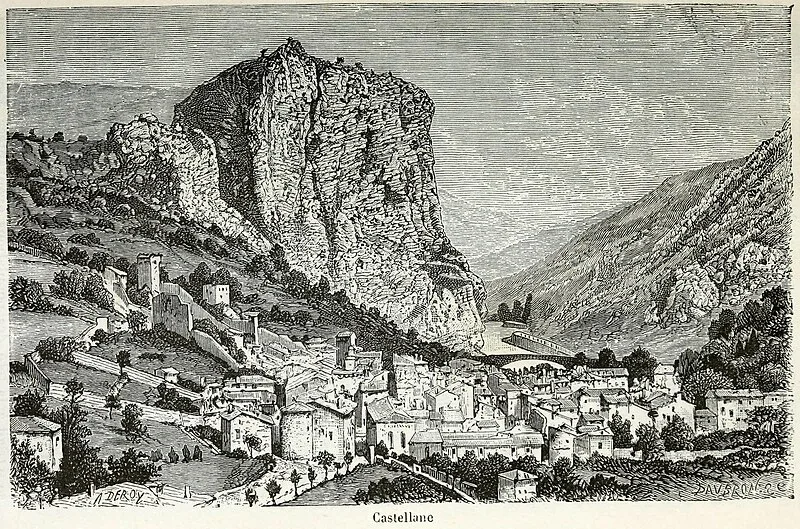
Castellane
Castellane is a commune in southeastern France where archaeological evidence traces human occupation back to 6000 BC. Neolithic nomads were the first known inhabitants, followed…
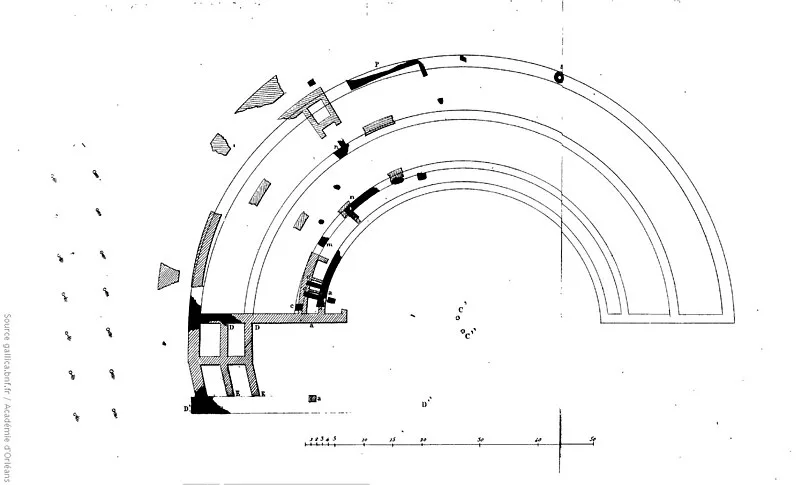
Cenabum
Cenabum was a Gallic oppidum and capital of the Carnutes tribe, located near present-day Orleans on the Loire River. The name derives from the Celtic root kena- (head), reflecting…
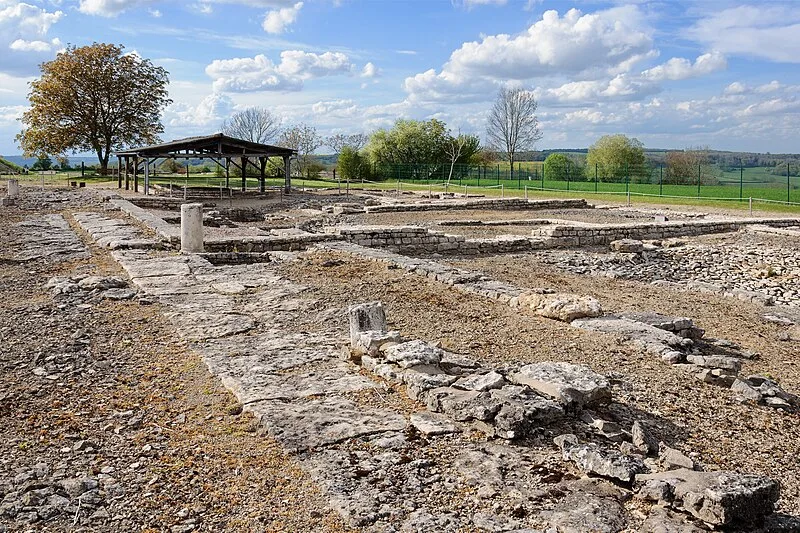
City of Alesia
Alesia was a Celtic oppidum and capital of the Mandubii tribe in Gaul. The settlement was conquered by Julius Caesar in 52 BC during the Gallic Wars, becoming the site of the…
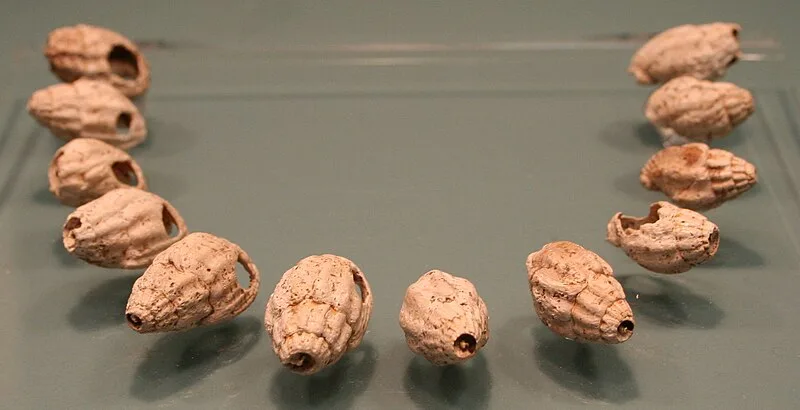
Combe-Capelle
Combe-Capelle is a Paleolithic and Epipaleolithic site in the Couze valley, Périgord, Southern France, with Henri-Marc Ami conducting excavations there from the late 1920s until…
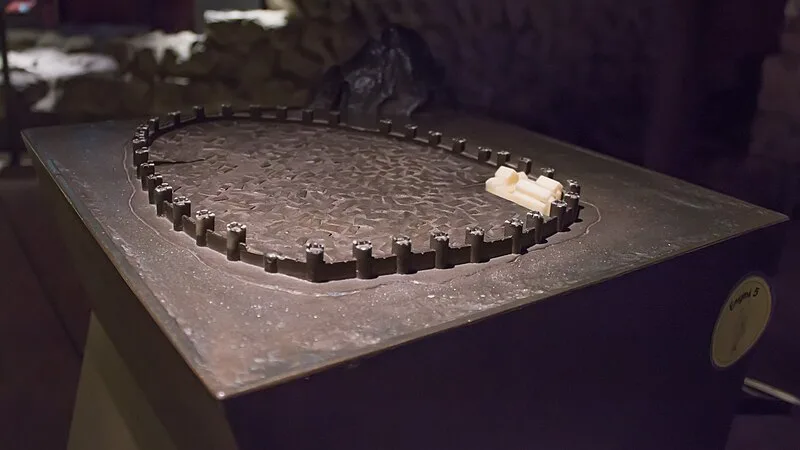
Cularo
Cularo was a Gallic settlement of the Allobroges tribe that evolved into modern Grenoble, France. The earliest reference dates to 43 BC in a letter from Munatius Plancus to…
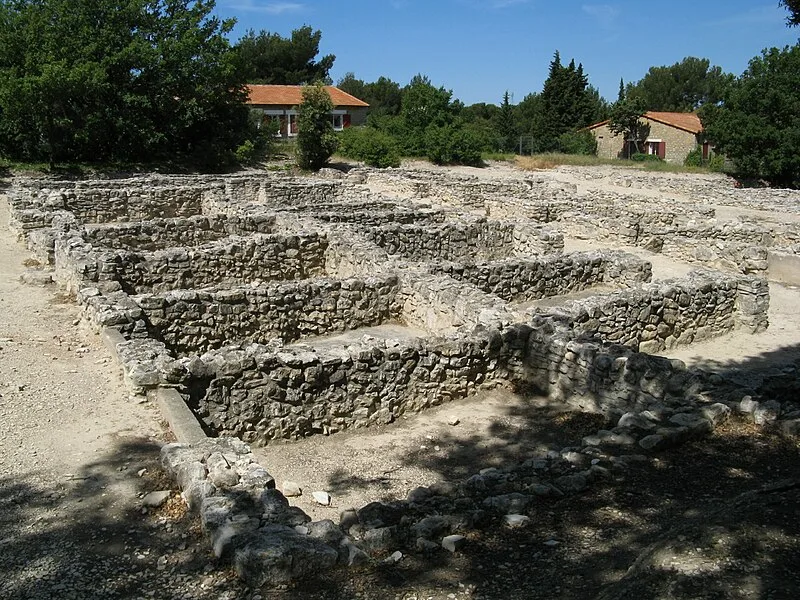
Entremont (Oppidum)
Entremont is a 3.5-hectare (8.6-acre) archaeological site 3 km from Aix-en-Provence at the southern tip of the Puyricard plateau. In the 2nd century BC, it served as the capital…
Fa'ahia
Fa'ahia is an early Polynesian settlement on the north-east coast of Huahine in the Society Islands, French Polynesia. Dating to between 700 and 1200 CE, it is one of the rare wet…
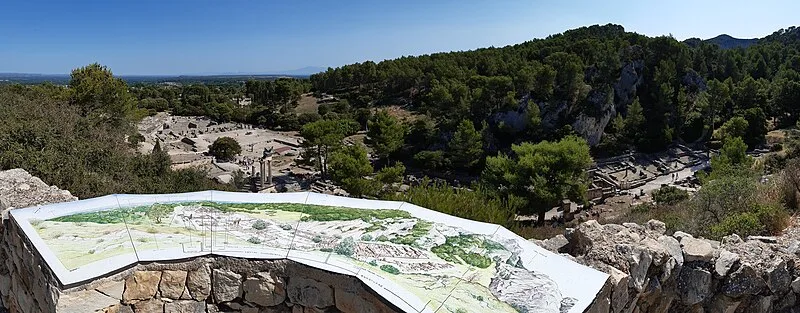
Glanum
Glanum was an ancient city in what is now southern France, situated below a gorge on the Alpilles mountains about 1 km south of modern Saint-Remy-de-Provence.
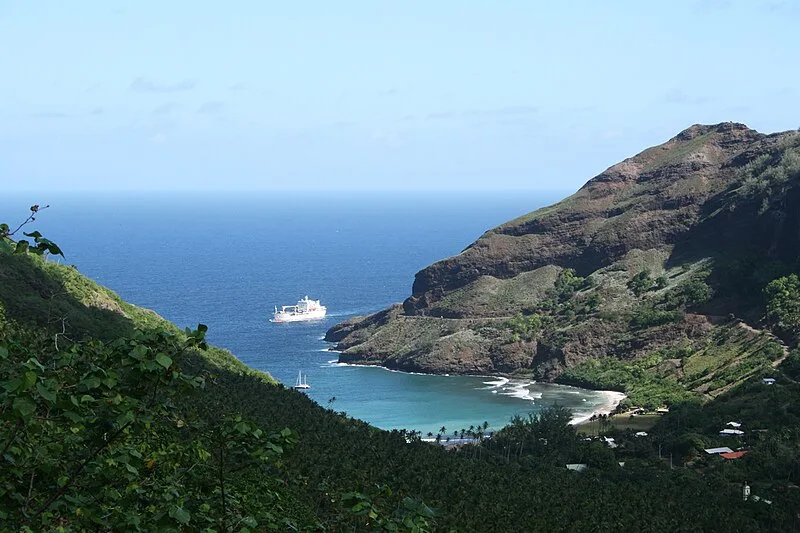
Hane, Marquesas Islands
A key archaeological site on the island of Ua Huka in the Marquesas Islands of French Polynesia, first excavated by Yosihiko H. Sinoto in 1964-65. The Hane dune site is considered…
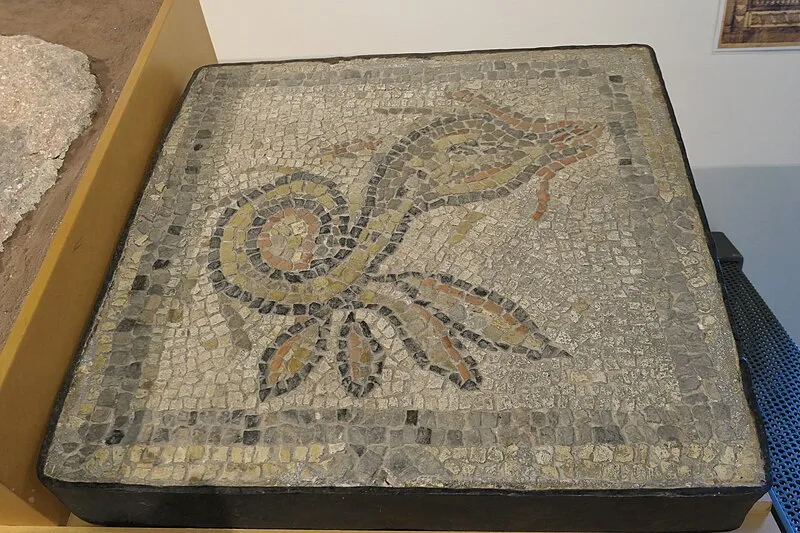
Jublains Archaeological Site
Jublains is the site of Noviodunum, the Roman capital of the Diablintes, a Gallic people whose territory roughly corresponded to modern Mayenne in northwestern France. Settled…
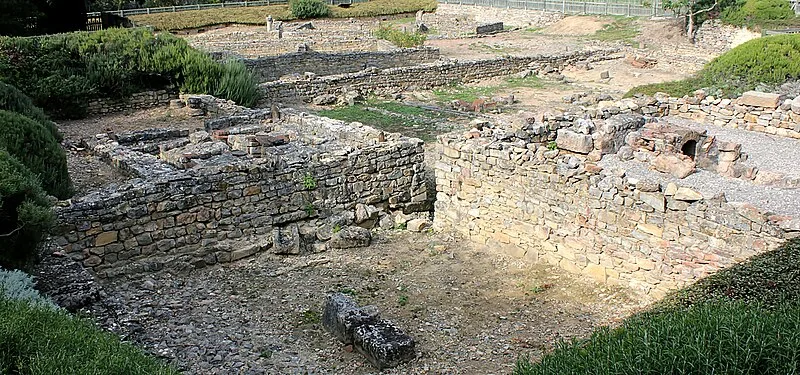
La Graufesenque
A major Gallo-Roman pottery production center located 2 km from Millau in Aveyron, France, at the confluence of the rivers Tarn and Dourbie. Known in antiquity as Condatomagus…
.webp)
Le Mas-d'Azil
Le Mas-d'Azil is a commune in Ariège, France, containing the Grotte du Mas d'Azil, the typesite for the prehistoric Azilian culture dating to around 9000 BC. This massive…
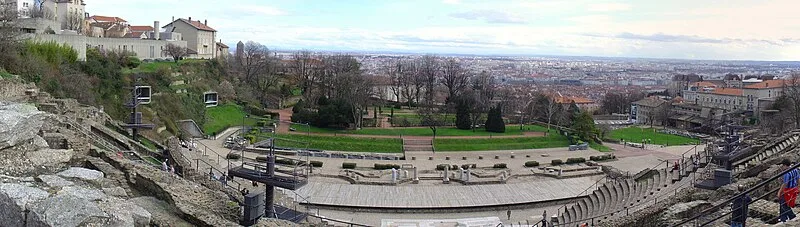
Lugdunum
Lugdunum, founded in 43 BC on an existing Gallic settlement, became the capital of the Roman province of Gallia Lugdunensis and one of the most important cities north of the Alps.…
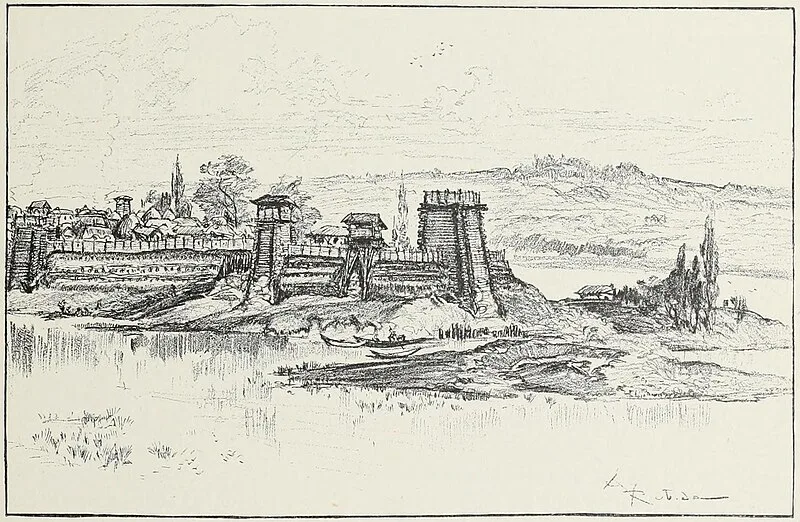
Lutetia
Lutetia was a Gallo-Roman town that predates modern Paris. Traces of Neolithic settlement (c. 4500 BC) have been found nearby, and a larger settlement was established around the…
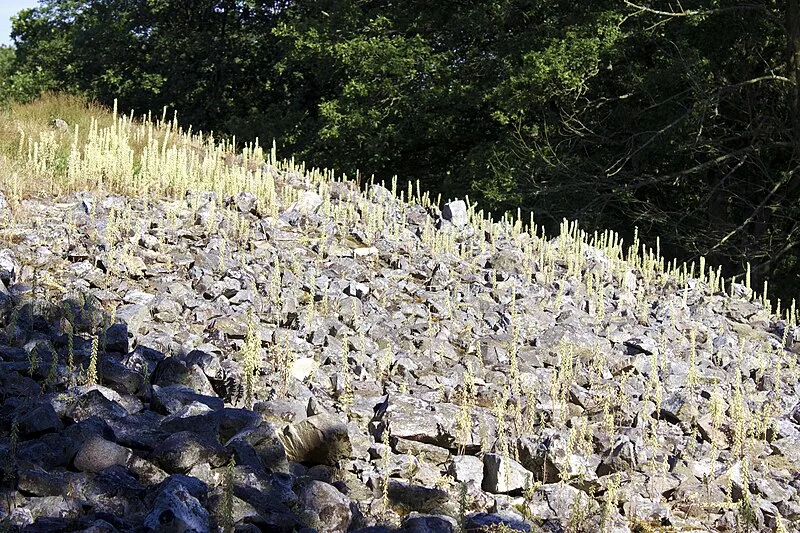
Merri, Orne
A commune in the Orne department, Normandy, France, notable for the Camp de Bierre, one of the largest fortified archaeological sites in western France. Occupying over 4 hectares…
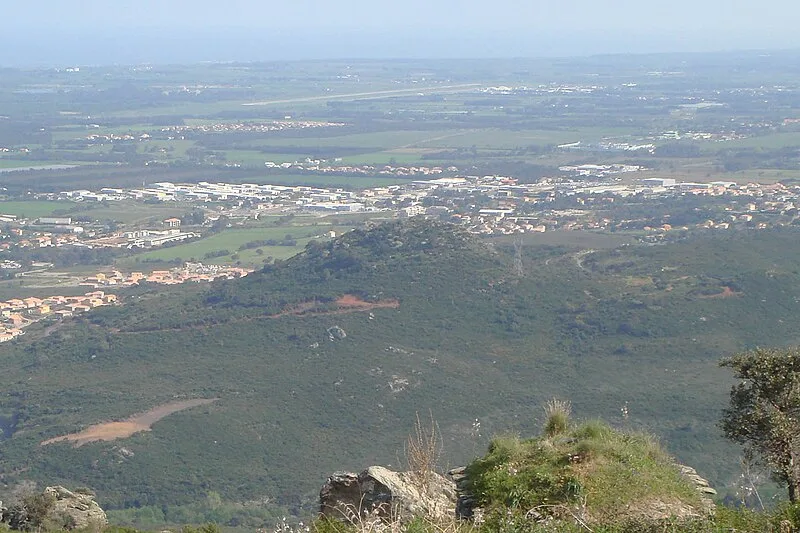
Monte Grossu
Monte Grossu is a Neolithic and Bronze Age archaeological site on the island of Corsica, France. Located in the commune of Biguglia, this 192-meter hill overlooks the Biguglia…
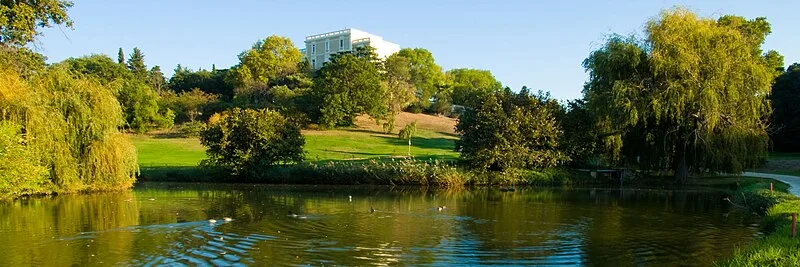
Nîmes
Nîmes, dubbed "the most Roman city outside Italy," originated as a Celtic settlement around 500 BC and became a Roman regional capital under Augustus in the 1st century BC. Its…

Nyons
Nyons is a commune in the Drome department of southeastern France, originally settled in the 6th century BC as Nyrax by a Gallic tribe, possibly the Segusiavi or Sequani.…

Olmeto
Olmeto is a commune in Corse-du-Sud on the island of Corsica, France, containing two notable archaeological sites: the Castellu de Cuntorba, a fortified prehistoric settlement…
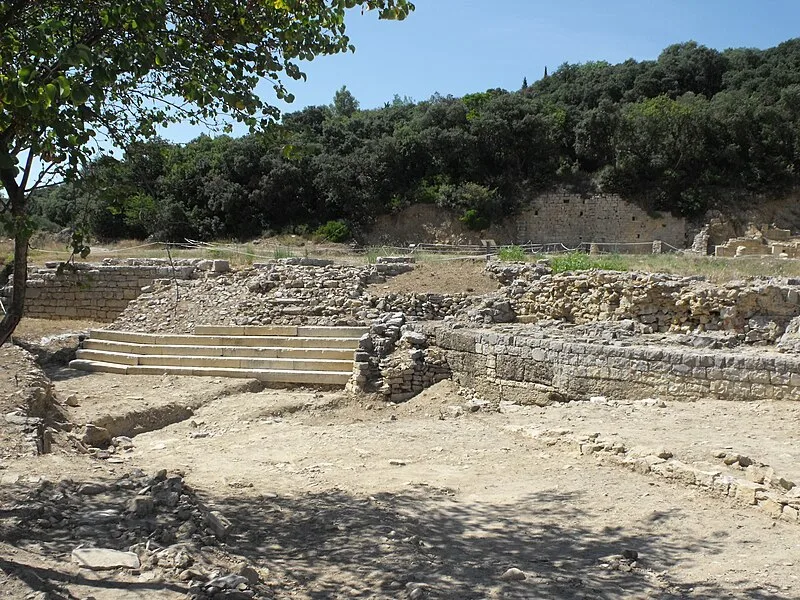
Oppidum d'Altimurium
The Oppidum d'Altimurium is an ancient Gallo-Roman hill-town near Murviel-les-Montpellier, France, founded in the 2nd century BC. Covering about 20 hectares at 190m altitude, it…
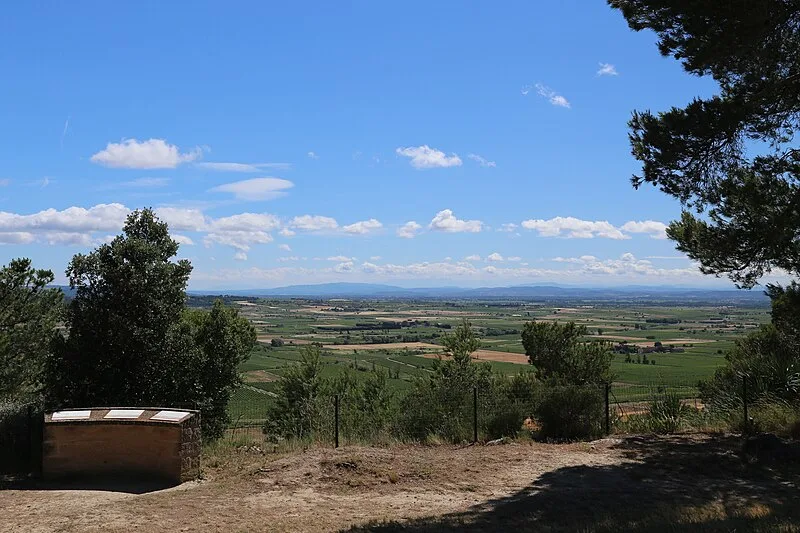
Oppidum d'Ensérune
The Oppidum d'Enserune is a major Gallic hill-town near Nissan-lez-Enserune, between Beziers and Narbonne in southern France, occupied continuously from the 6th century BC to the…
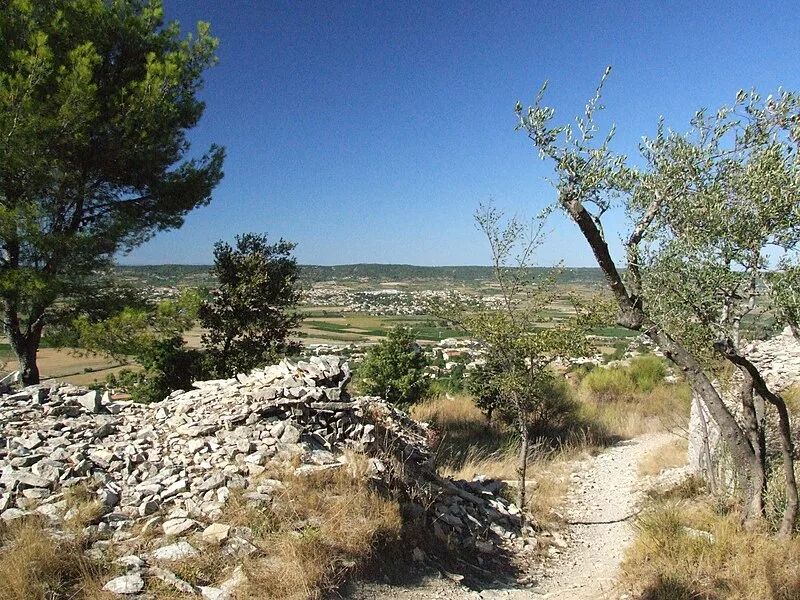
Oppidum de Roque de Viou
The Oppidum de Roque de Viou is a fortified Iron Age settlement on a hilltop overlooking the Vaunage valley, above Nages-et-Solorgues in Gard, Occitanie, France. Located in the…
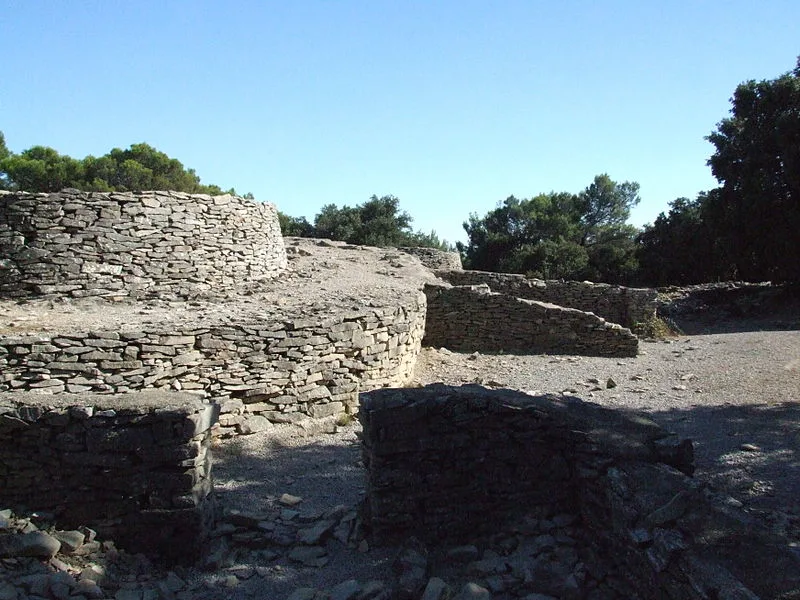
Oppidum des Castels
The Oppidum des Castels, also known as the Oppidum de Nages, is an Iron Age fortified settlement on a hilltop overlooking the Vaunage valley in Gard, France. Built by the Volques…
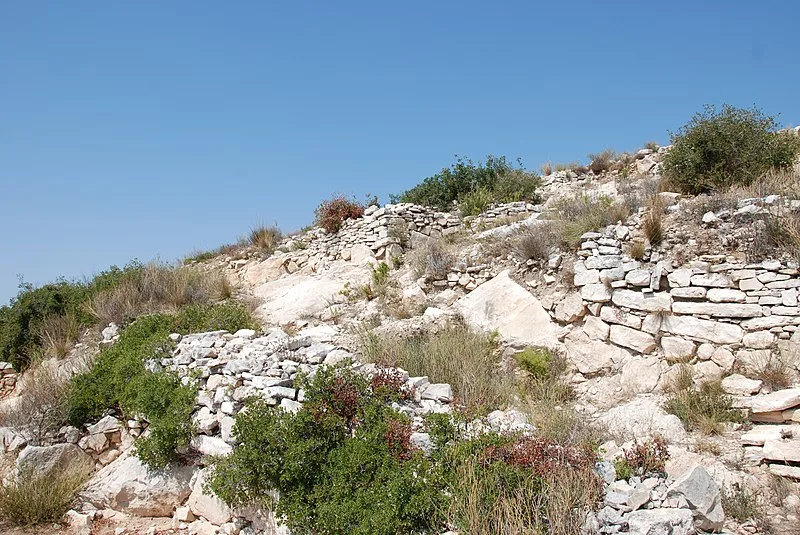
Oppidum de Verduron
The Oppidum de Verduron is a fortified Celto-Ligurian settlement on Verduron Hill in Marseille's 15th arrondissement, at 195m elevation. Founded in the late 3rd century BC and…
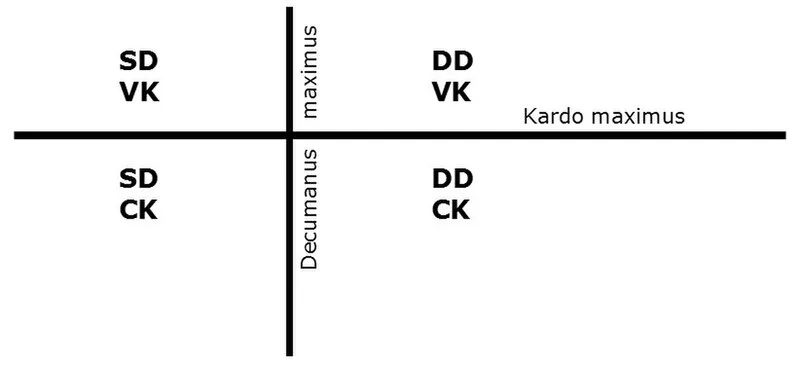
Orange, Vaucluse
Orange is a commune in Vaucluse, Provence-Alpes-Côte d'Azur, southeastern France, located about 21 km north of Avignon. Today it is Vaucluse's second-most populated city after…
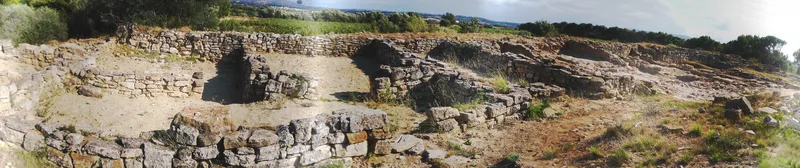
Pech Maho
Pech Maho is a fortified pre-Roman oppidum in Sigean, Aude, southern France, occupied from the mid-6th century to the late 3rd century BC. Built on a triangular limestone hill…
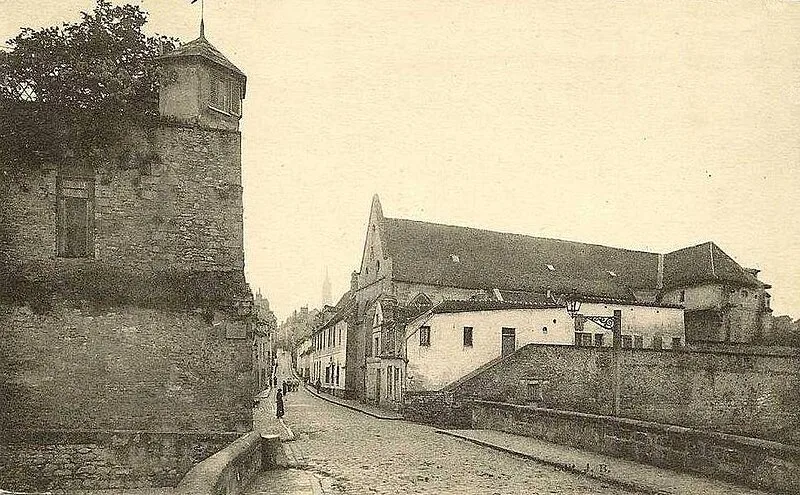
Ramparts of Senlis
The Ramparts of Senlis are Gallo-Roman city walls built in the 3rd century to defend Augustomagus against Alemanni and Frankish invasions. The wall stretches 800 metres and…

Vaison-la-Romaine
Vaison-la-Romaine, ancient Vasio Vocontiorum, is one of the most extensive Roman archaeological sites in France, located in the Vaucluse department of Provence. The two main…
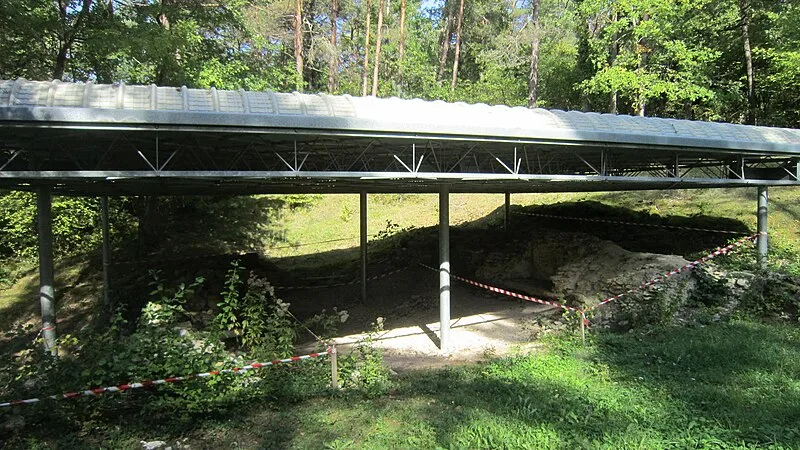
Vertillum
Vertillum is a Gallo-Roman settlement at modern Vertault in Cote-d'Or, eastern France, situated on a plateau spur 20 km northwest of Chatillon-sur-Seine. A Celtic oppidum of about…
Cave Structures in France (33)
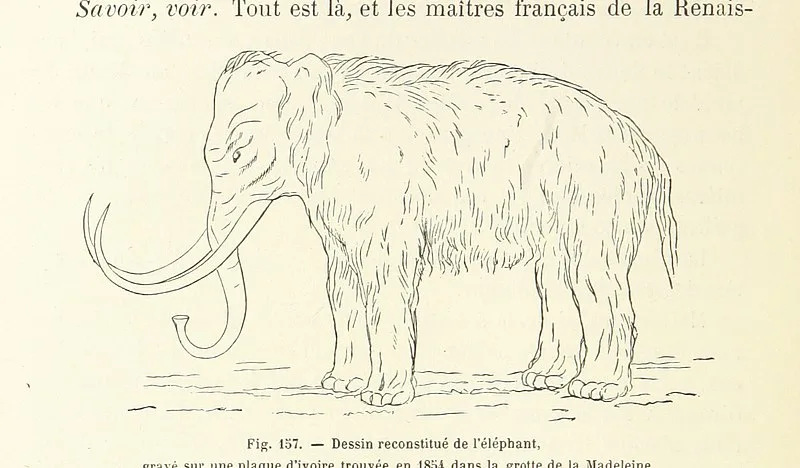
Abri de la Madeleine
Abri de la Madeleine is a rock shelter under an overhanging cliff near Tursac in the Dordogne department of southwestern France. It serves as the type site for the Magdalenian…
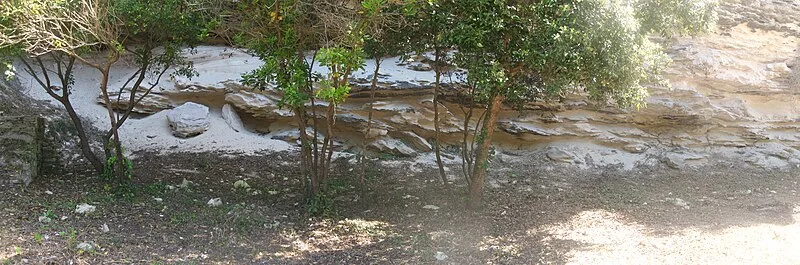
Araguina-Sennola
Araguina-Sennola is a prehistoric rock shelter in Bonifacio, Corsica, occupied during the Mesolithic, Neolithic, and Bronze Age as both a habitat and burial site. Its most famous…
Barry Troglodyte Village
The Barry Troglodyte Village is an archaeological site near Bollene in northwestern Vaucluse, France, perched on a forested hill overlooking the Rhone valley. It comprises a group…
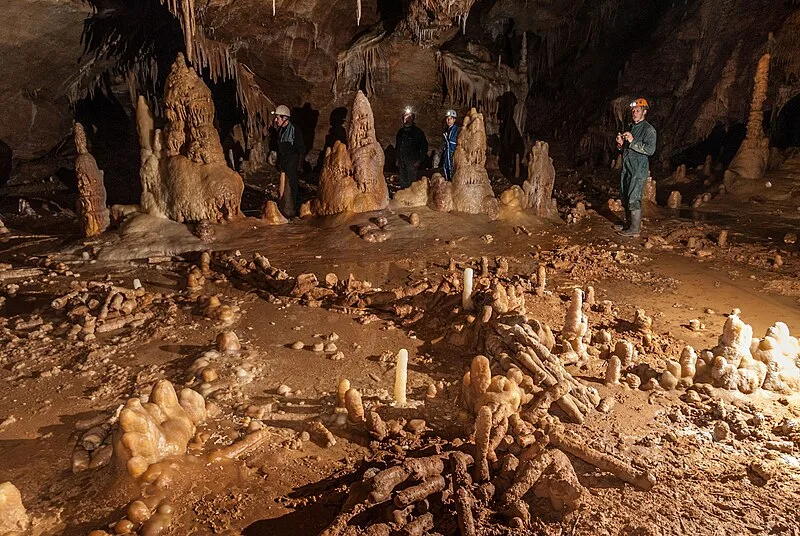
Bruniquel Cave
Bruniquel Cave is an archaeological site near the town of Bruniquel in southwestern France, famous for mysterious stone circle structures built by Neanderthals around 176,500…
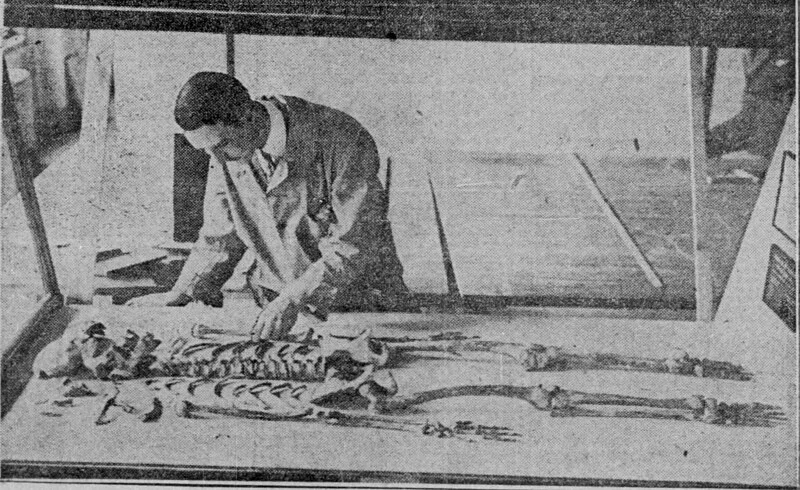
Cap Blanc Rock Shelter
Cap Blanc is a Magdalenian-era limestone rock shelter discovered in 1909 by Gaston Lalanne in the Vezere Valley, Dordogne. Its 13-metre frieze of relief sculptures, carved over…
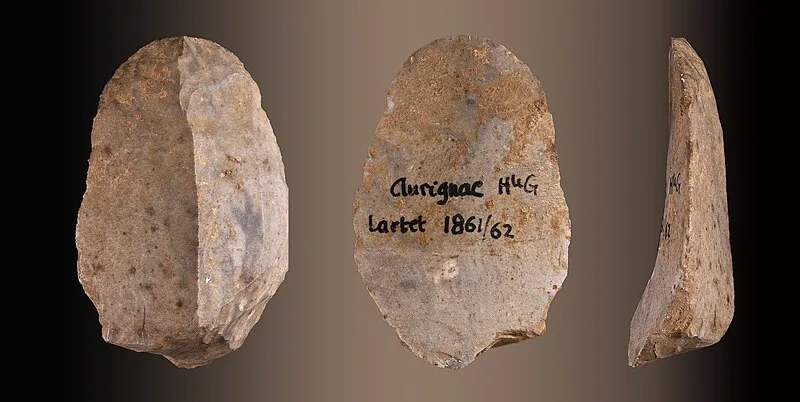
Cave of Aurignac
The Cave of Aurignac is an archaeological site in the commune of Aurignac, Haute-Garonne, southwestern France. Excavated since 1860, it is the type site of the Aurignacian…
Cave of Mayrières Supérieure
A prehistoric cave near Bruniquel in Tarn-et-Garonne, France, that once contained two 15,000-year-old bison paintings -- the only decorated cave in the department. In 1992,…
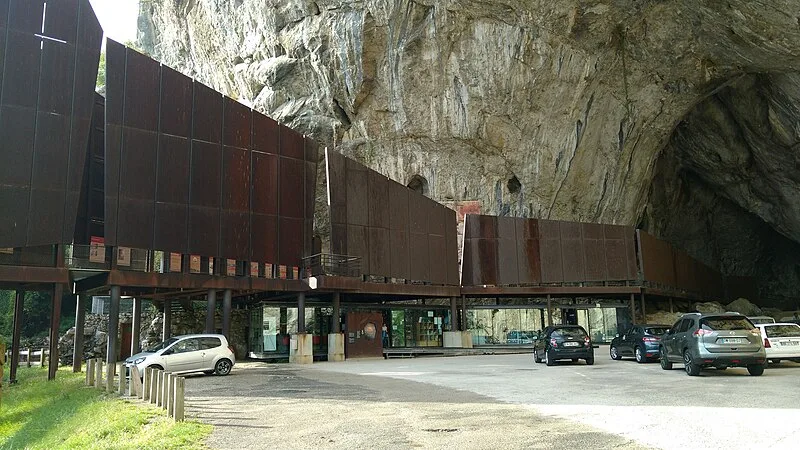
Cave of Niaux
A major Magdalenian cave complex in the Ariege department of southwestern France, with over 14 km of underground passages. Its celebrated Salon Noir chamber contains vivid…
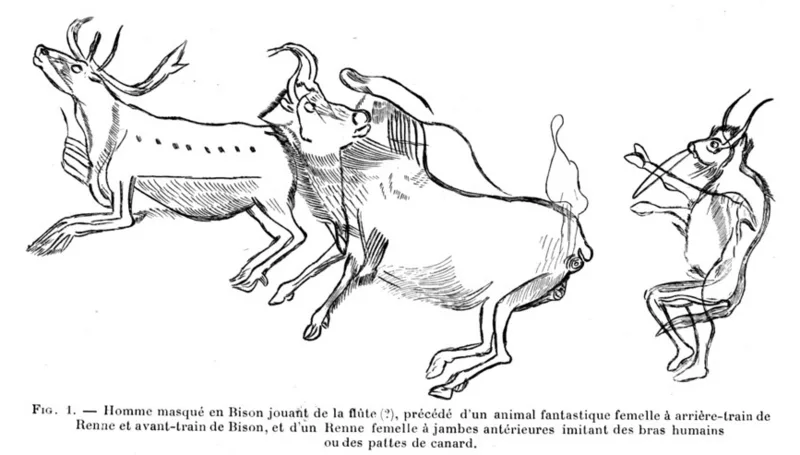
Cave of the Trois-Frères
A renowned Magdalenian cave in Montesquieu-Avantes, Ariege, southwestern France, discovered in 1914 by the three sons of Count Henri Begouen. The deep chamber known as the…
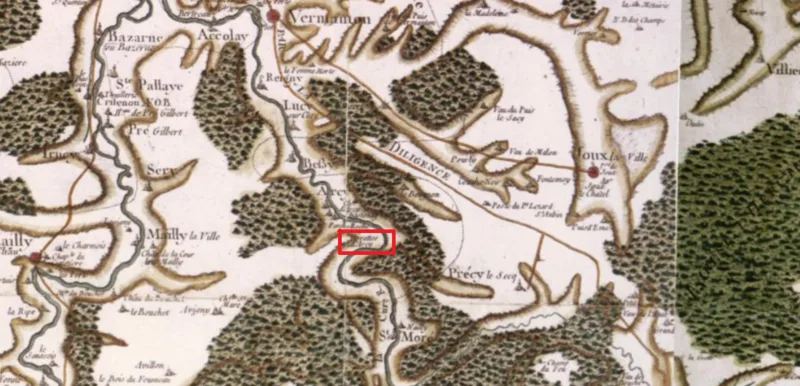
Caves of Arcy-sur-Cure
A system of 14 limestone caves in Burgundy, France, formed by the Cure river some 60 million years ago, constituting one of the richest archaeological assemblages in France with…
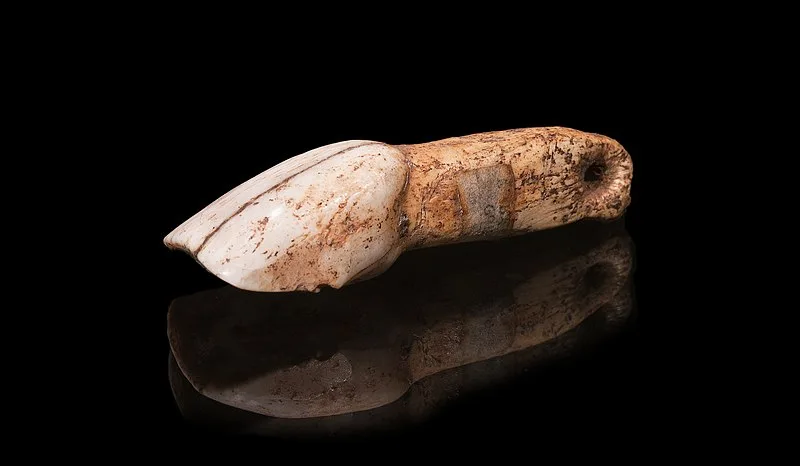
Caves of Gargas
The Caves of Gargas in southwestern France contain Upper Paleolithic cave art dating to approximately 27,000 years ago, making them among the oldest known artistic sites in…

Chauvet Cave
The Chauvet-Pont-d'Arc Cave in the Ardèche department of southeastern France contains some of the best-preserved figurative cave paintings in the world, with evidence of Upper…
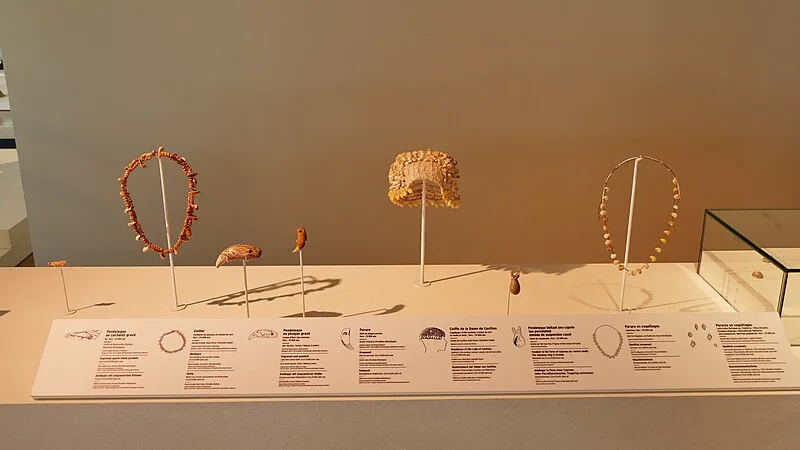
Cosquer Cave
Cosquer Cave is a decorated Paleolithic cave near Cap Morgiou in Marseille, France, with its entrance submerged 37 m underwater due to postglacial sea level rise. Discovered in…
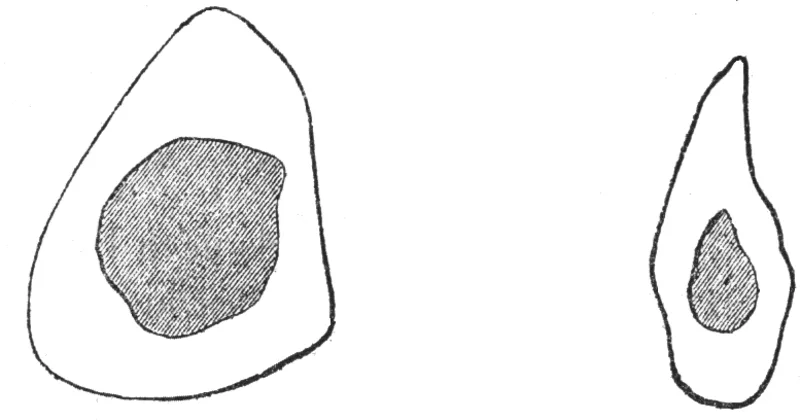
Cro-Magnon Rock Shelter
The Cro-Magnon rock shelter is a landmark Upper Paleolithic site in Les Eyzies, Dordogne, southwestern France. Discovered in March 1868 during railway construction, Louis Lartet…
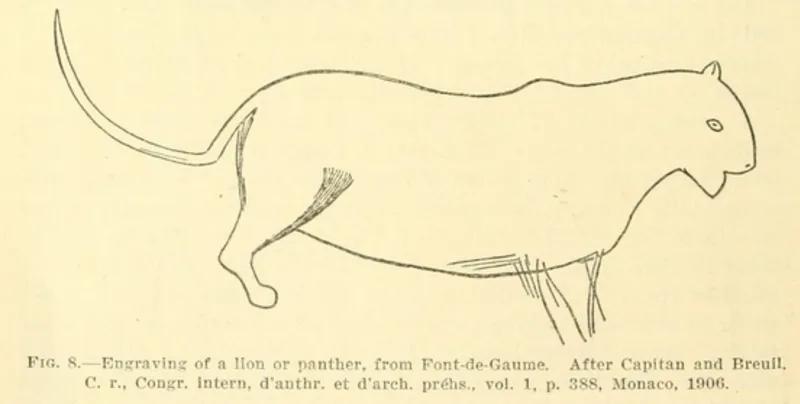
Font-de-Gaume
Font-de-Gaume is a cave near Les Eyzies-de-Tayac-Sireuil in the Dordogne department of southwest France. The cave contains prehistoric polychrome cave paintings and engravings…
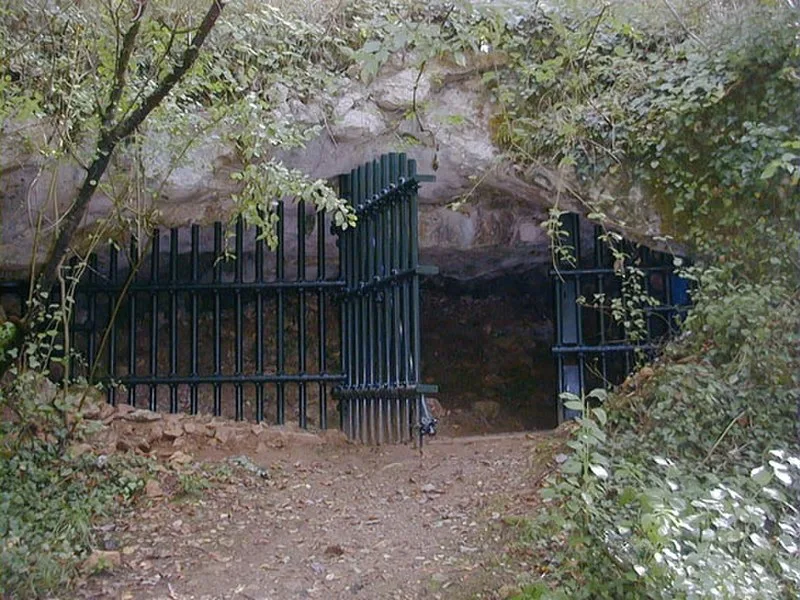
Grotte de Cussac
The Grotte de Cussac is a Paleolithic cave in France's Dordogne valley containing over 150 engraved artworks depicting bison, horses, mammoths, rhinoceroses, ibex, birds, and…
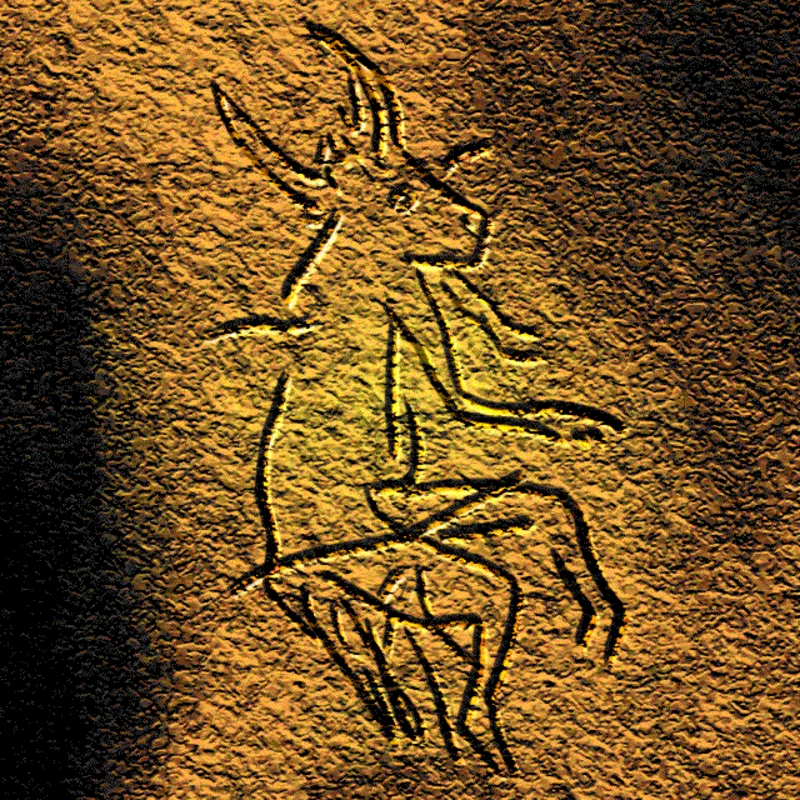
Grotte de Gabillou
The Grotte de Gabillou (also Grotte de las Agnelas) is a cave in Sourzac, Dordogne, Nouvelle Aquitaine, France, containing Paleolithic prehistoric ornaments. Its sediments date…
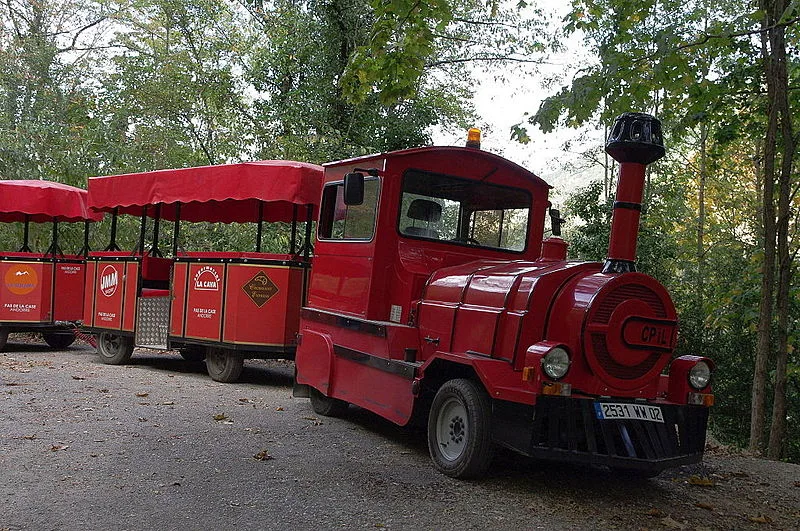
Grotte de Lombrives
Grotte de Lombrives is one of Europe's largest cave systems, spanning 39 km of passages across multiple levels in the Ariege Pyrenees. Excavations by Felix Regnault in the late…
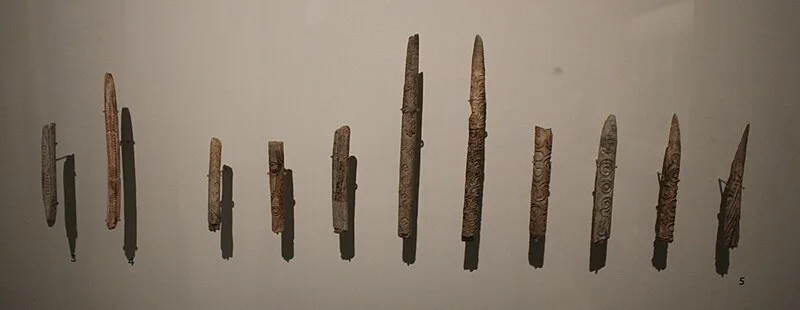
Isturitz and Oxocelhaya Caves
Isturitz and Oxocelhaya Caves in southwestern France contain a remarkable stratigraphy spanning Neanderthal and modern human occupation. Excavations revealed a Neanderthal…
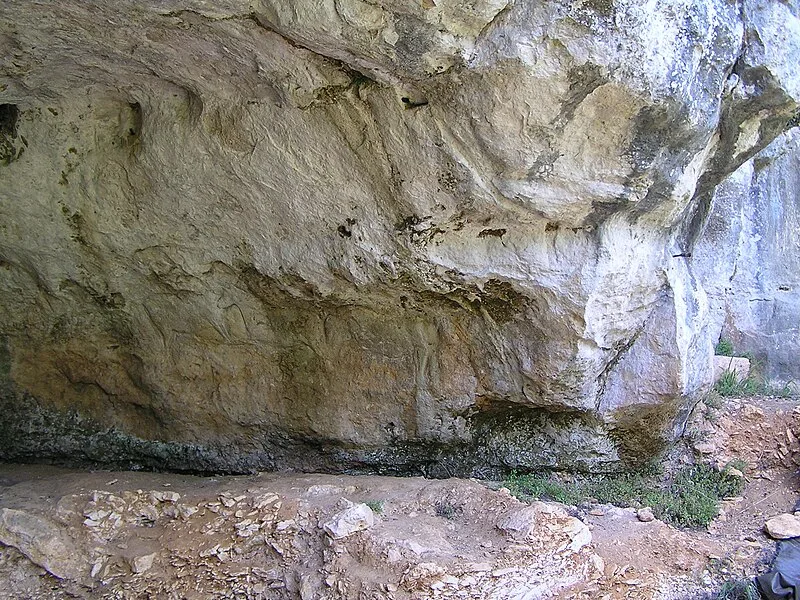
La Chaire a Calvin
La Chaire a Calvin is a Magdalenian rock shelter in the Gersac valley near Mouthiers-sur-Boëme, Charente, France. The shelter occupies a southeast-facing cliff and features a…
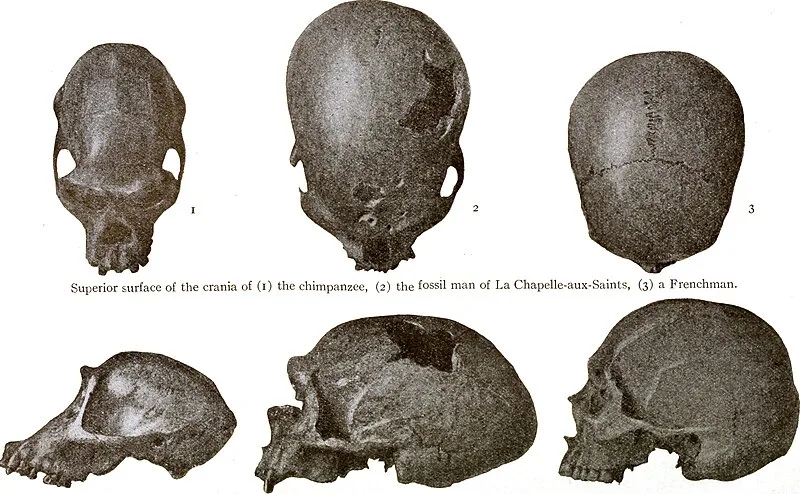
La Chapelle-aux-Saints
A cave site in Correze, central France, where the first recognized Neanderthal burial was discovered on 3 August 1908 by brothers Jean and Amedee Bouyssonie. The adult male…
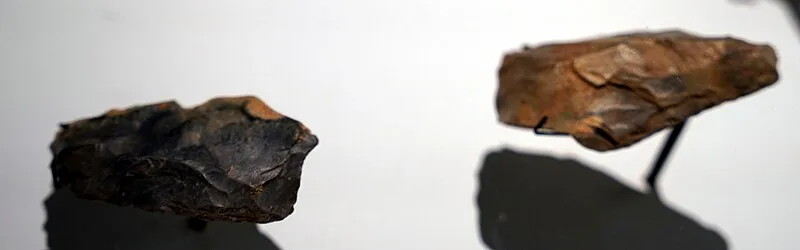
La Ferrassie
A major Palaeolithic rock shelter in Savignac-de-Miremont, Dordogne, France, where Neanderthal fossils were discovered between 1909 and 1921. Eight individuals were found…
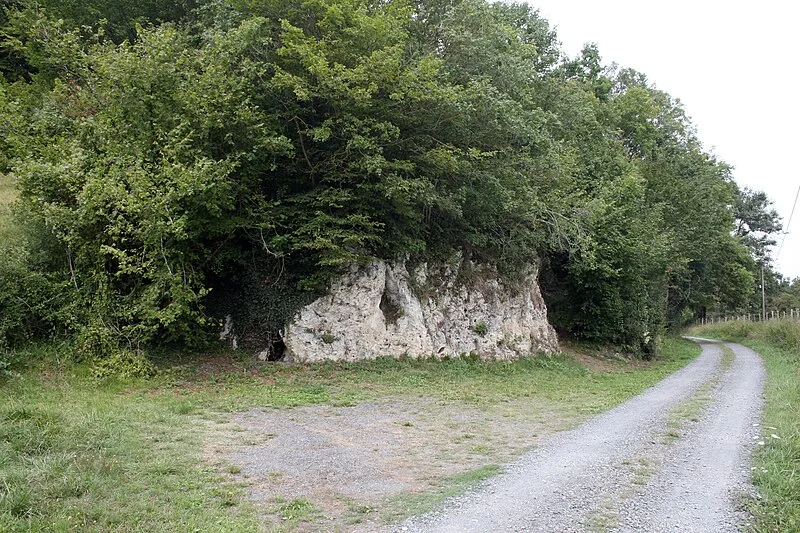
La Grotte des Fées
A Palaeolithic cave site in Chatelperron, Allier department, central France, serving as the type site for the Chatelperronian culture (c. 38,000-32,000 BP), a transitional…
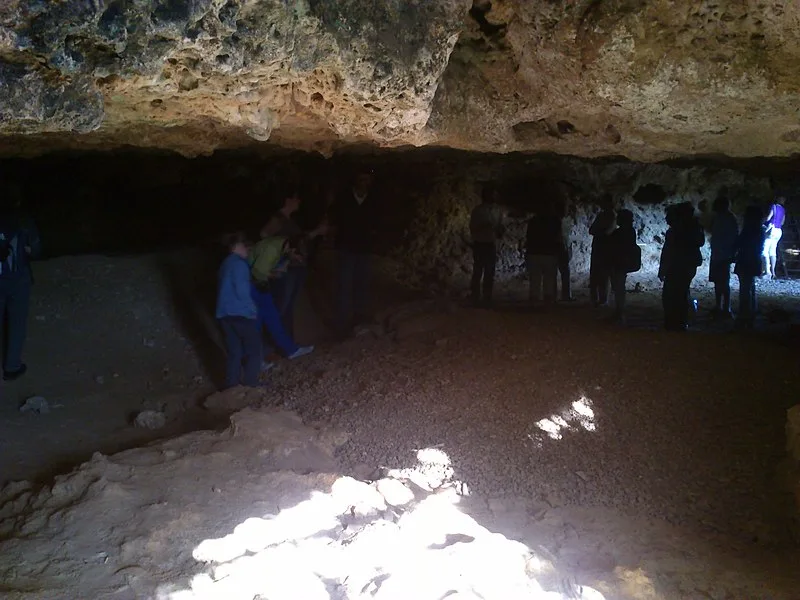
La Marche Cave
La Marche is a cave and archaeological site in Lussac-les-Châteaux, Vienne, western France. Carved etchings discovered in 1937 depict detailed humans and animals that may be…

Lascaux
Lascaux is a network of caves near Montignac in the Dordogne, southwestern France, containing approximately 600 paintings and 1,400 engravings dating to c. 17,000-15,000 BCE.…
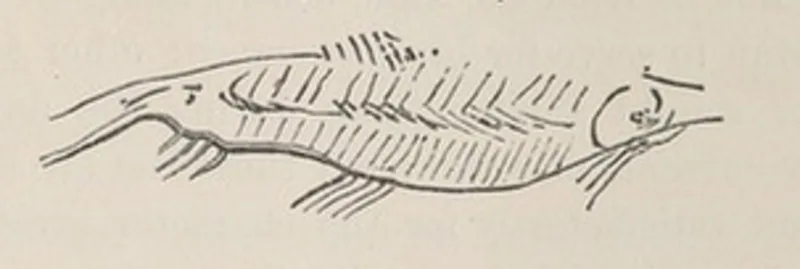
Laugerie-Basse
Laugerie-Basse is an Upper Paleolithic rock shelter site in the Vezere Valley, approximately 2 km upstream from Les Eyzies-de-Tayac-Sireuil in the Dordogne, France. Occupied…

Le Moustier
Le Moustier is an archaeological site comprising two rock shelters in Peyzac-le-Moustier, Dordogne, France. It is renowned for the discovery of a Homo neanderthalensis skeleton in…
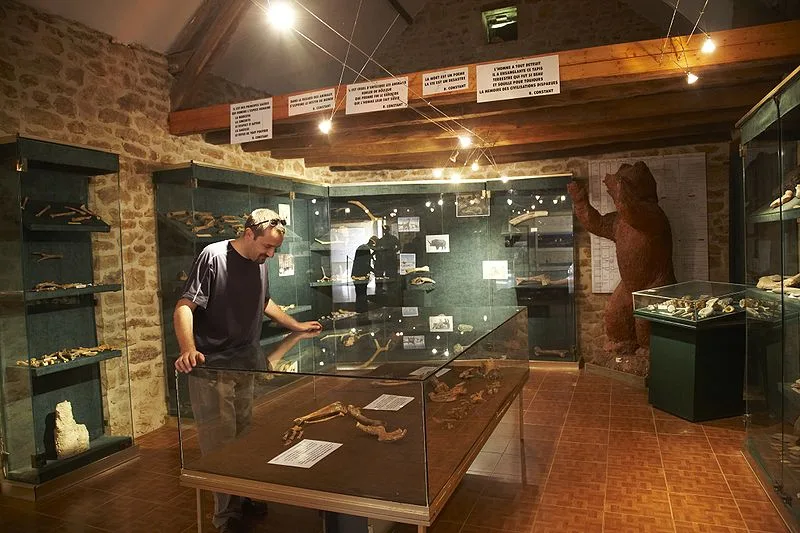
Le Regourdou
Regourdou is a cave structure in Dordogne, France, located 800 meters from the famous Lascaux cave complex. The site consists of a collapsed ancient karst cavity measuring 35…
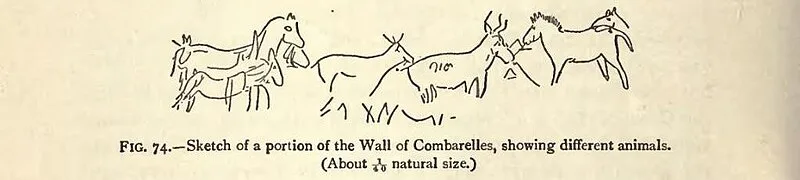
Les Combarelles
Les Combarelles is a cave in Les Eyzies de Tayac, Dordogne, France, inhabited by Cro-Magnon people between approximately 13,000 to 11,000 years ago. The cave holds over 600…
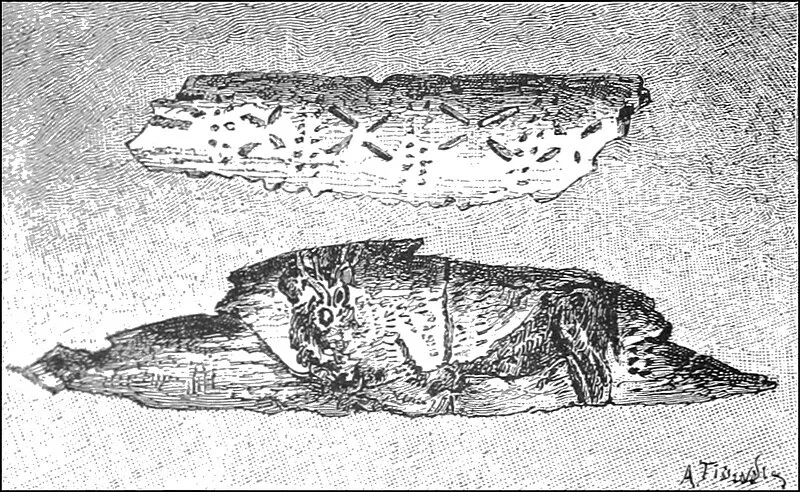
Marsoulas Cave
Marsoulas Cave is a Magdalenian-era decorated cave in Haute-Garonne, French Pyrenees, featuring a straight gallery about 100 metres long. Over 500 motifs have been documented,…
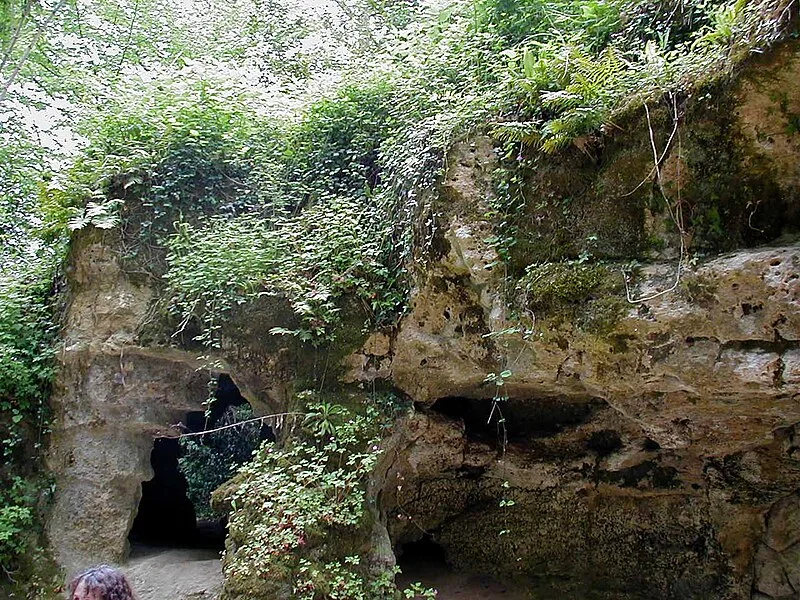
Pair-non-Pair Cave
The Pair-non-Pair Cave is located near the village of Prignac-et-Marcamps in the Gironde department of southwestern France. Discovered in 1881, the cave contains remarkable…
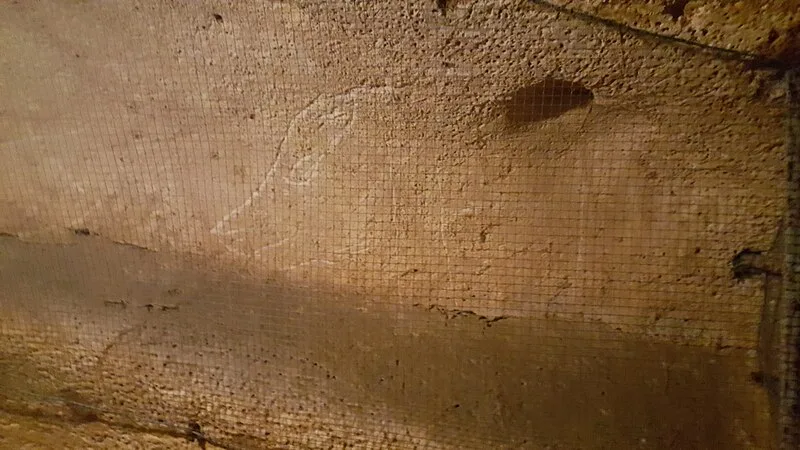
Pech Merle
Pech Merle is a prehistoric cave at Cabrerets in the Lot département of Occitania, France, about 32 km east of Cahors. It spans over 2 km across two levels, with 1,200 m open to…
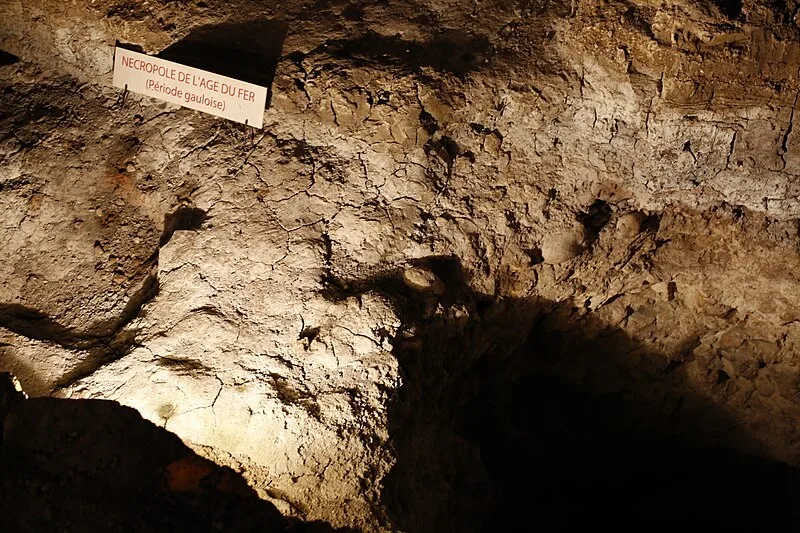
Rouffignac Cave
Rouffignac Cave, known as the "Cave of the Hundred Mammoths," is located in the Dordogne department of France and contains over 250 engravings and paintings dating to…
Megalithic structures in France (22)

Amphitheatre of the Three Gauls
The Amphitheatre of the Three Gauls was a Roman arena in Lugdunum (modern Lyon), France, part of the Sanctuary of the Three Gauls dedicated to the cult of Rome and Augustus. It…
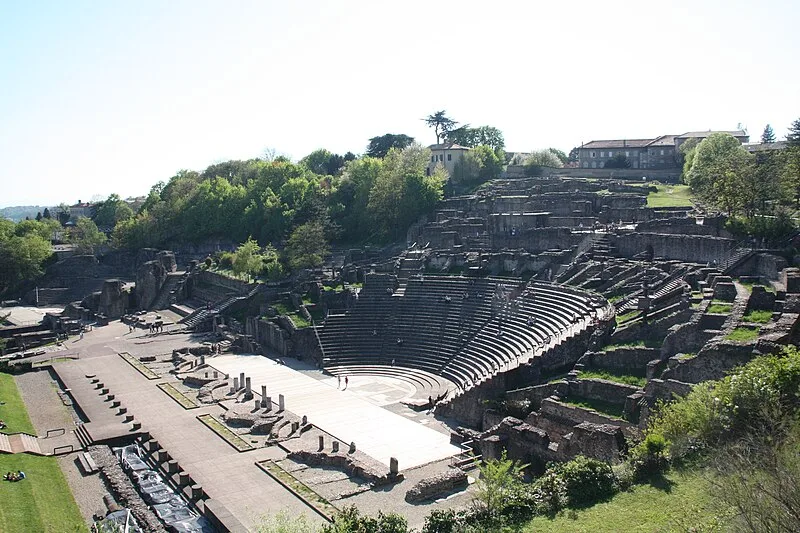
Ancient Theatre of Fourvière
The Ancient Theatre of Fourviere is a Roman theatre in Lyon, France, built on the hillside of Fourviere in the ancient city of Lugdunum. The theatre was constructed in two main…
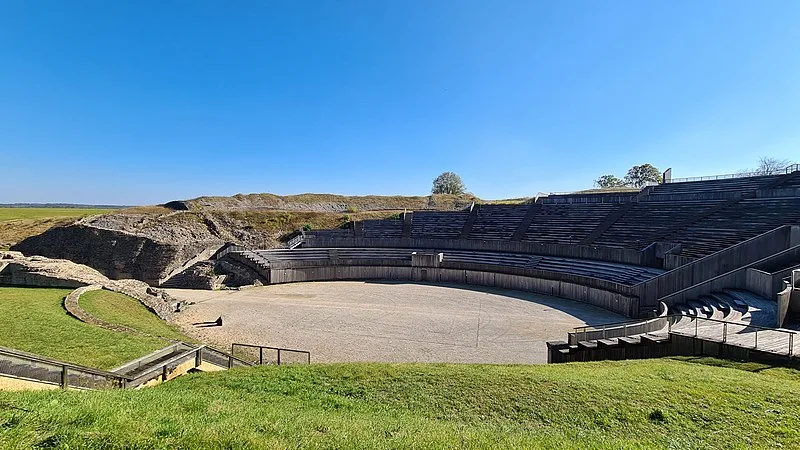
Archaeological Site of Grand
Gallo-Roman sanctuary of Apollo Grannus, the healing god, in the Vosges department of northeastern France, identified with Andesina on the Peutinger Table. Its 1st-century…
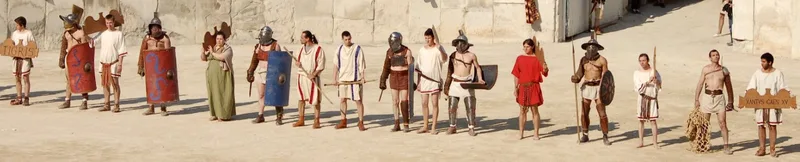
Arena of Nîmes
The Arena of Nîmes is a Roman amphitheatre in Nîmes, southern France, built around 100 AD, shortly after the Colosseum in Rome. It is one of the best-preserved Roman amphitheatres…
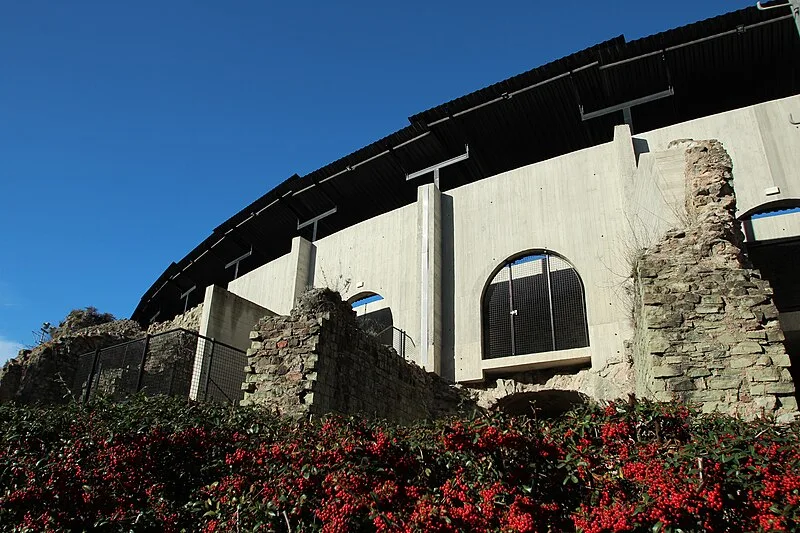
Arènes de Fréjus
A Roman amphitheatre in Frejus built in the late 1st century AD, measuring 113 m by 83 m externally with an arena of 69 m by 39 m. Originally seating 12,000 spectators, it hosted…
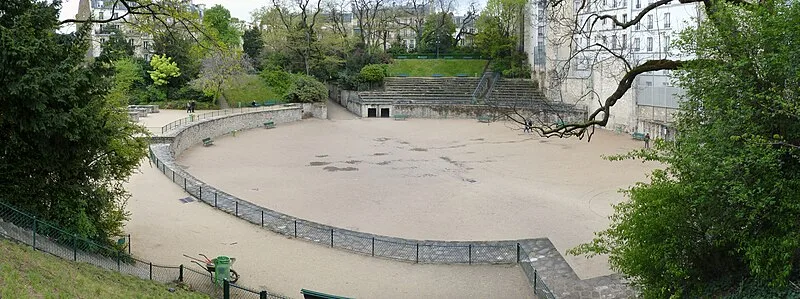
Arènes de Lutèce
A 1st-century AD Gallo-Roman amphitheatre in Paris, one of the city's most important ancient remains alongside the Thermes de Cluny. Its hybrid design combined a 41 m stage with…
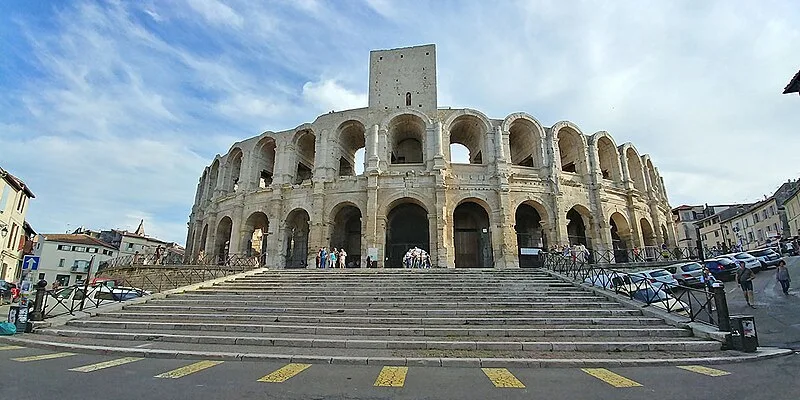
Arles Amphitheatre
A Roman amphitheatre built around 90 AD in southern France, measuring 136 m long with 120 arches across two tiers of Corinthian and Doric columns. It seated over 20,000 spectators…
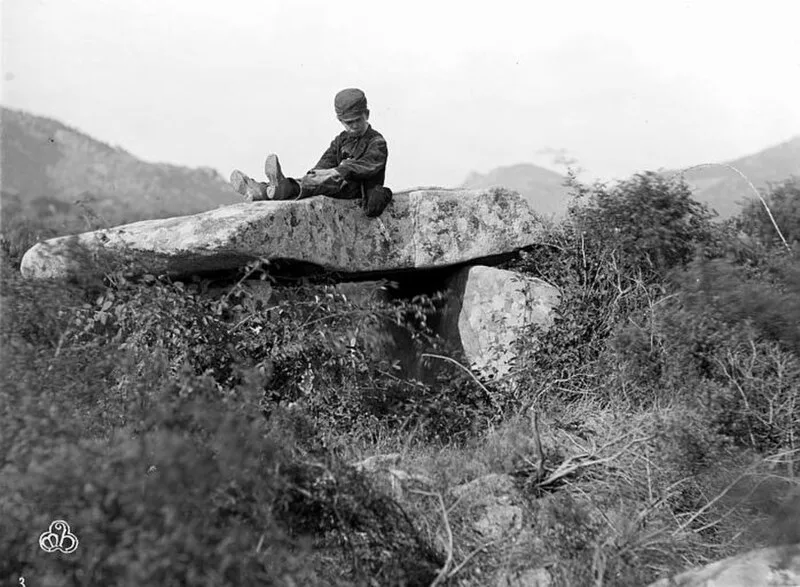
Bizzicu Rossu
Bizzicu Rossu is an archaeological site in Corsica, situated in the commune of Grossa on the island's western coast. The site features massive stone structures characteristic of…
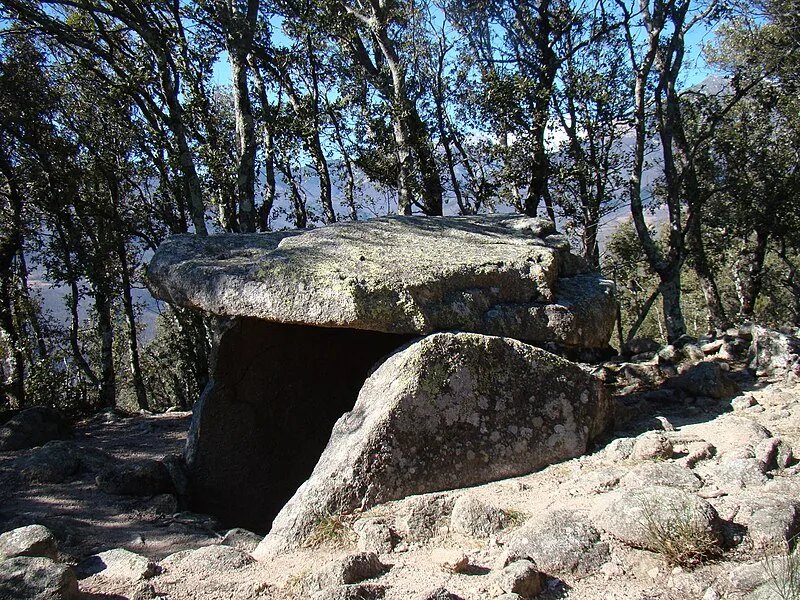
Caixa de Rotllan
The Caixa de Rotllan ("Roland's Tomb" in Catalan) is a Neolithic dolmen near Arles-sur-Tech in the Pyrenees-Orientales of southern France, dating to the second half of the 3rd…
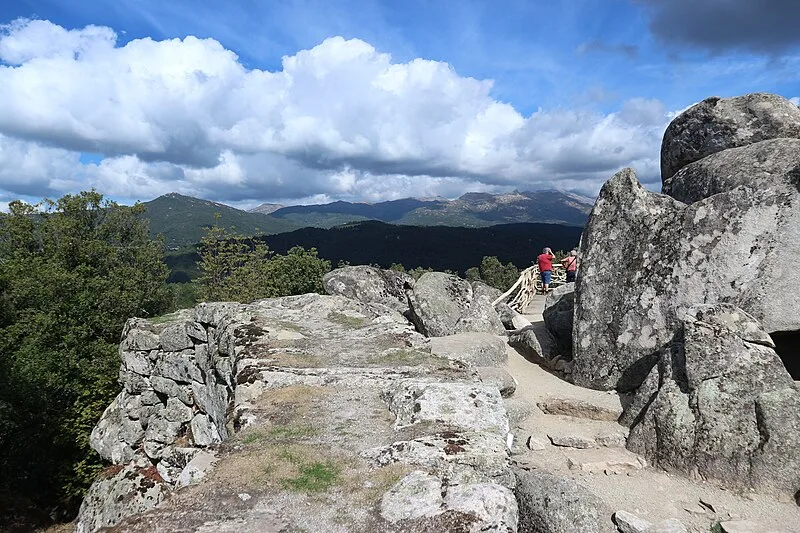
Cucuruzzu
Cucuruzzu (Cuccuruzzu) is a Bronze Age fortified settlement in southern Corsica, one of the island's rare casteddi, located in the commune of Levie. Dating from around 1800 to 800…
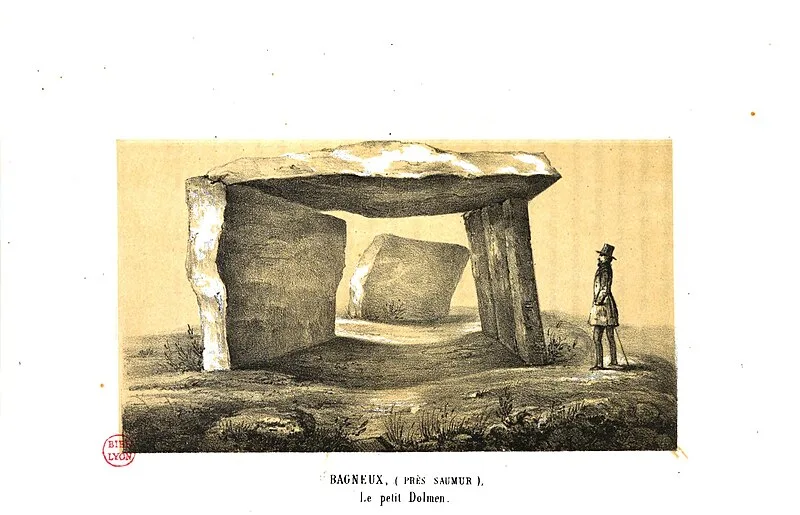
Dolmen de Bagneux
The Dolmen de Bagneux is a Neolithic megalith in Saumur, France, dating to approximately 3000 BC. It is one of the largest and best-preserved dolmens in France, with an interior…
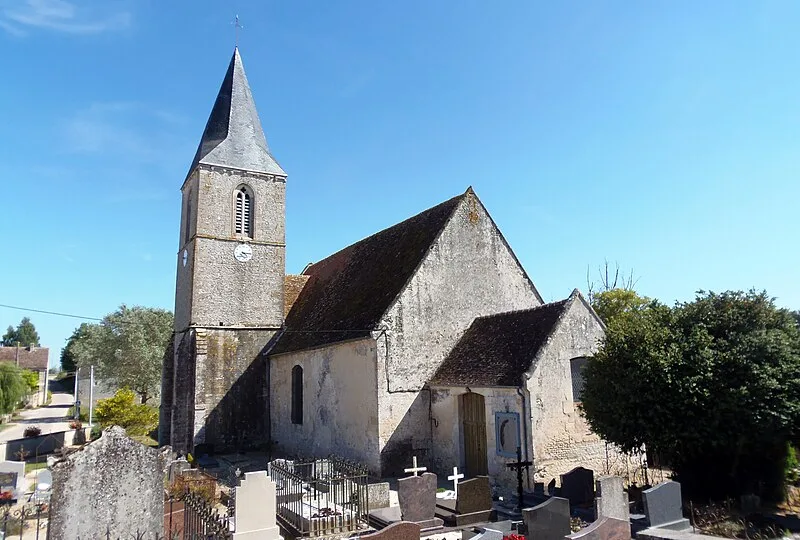
Fontaine-les-Bassets
A Neolithic dolmen known as Pierre Levee (also called Pierre Pleureuse or Pierre des Veuves) located in the commune of Fontaine-les-Bassets, Orne department, Normandy, France. The…
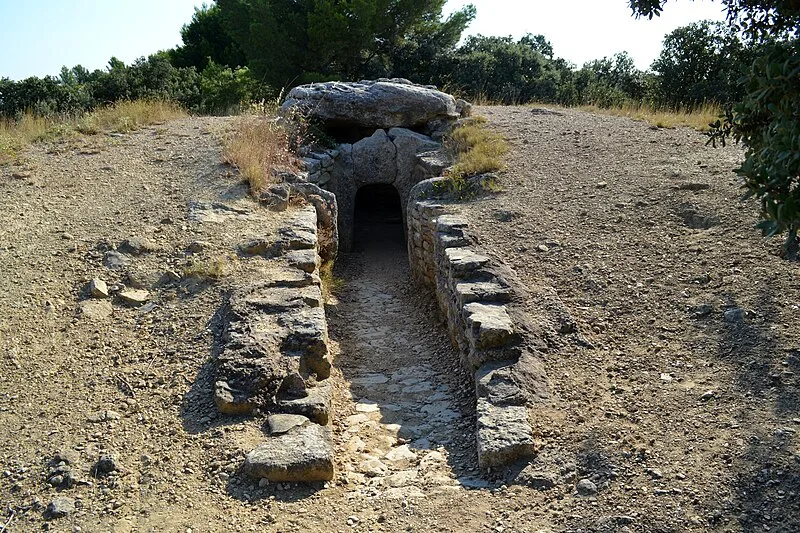
Gallardet Dolmen
Neolithic passage grave near Le Pouget in the Herault department of Languedoc, France, and one of the largest dolmens in the region. The monument features a 12-metre-long alley…
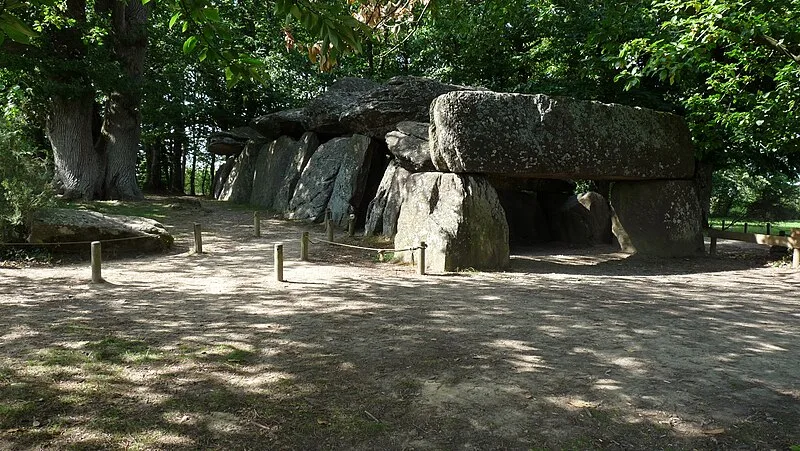
La Roche-aux-Fées
4500–3000 BC: La Roche-aux-Fées (The Fairies' Rock) is a Neolithic gallery grave in Essé, Brittany, France. Its name derives from a legend that fairies placed the stones. The…
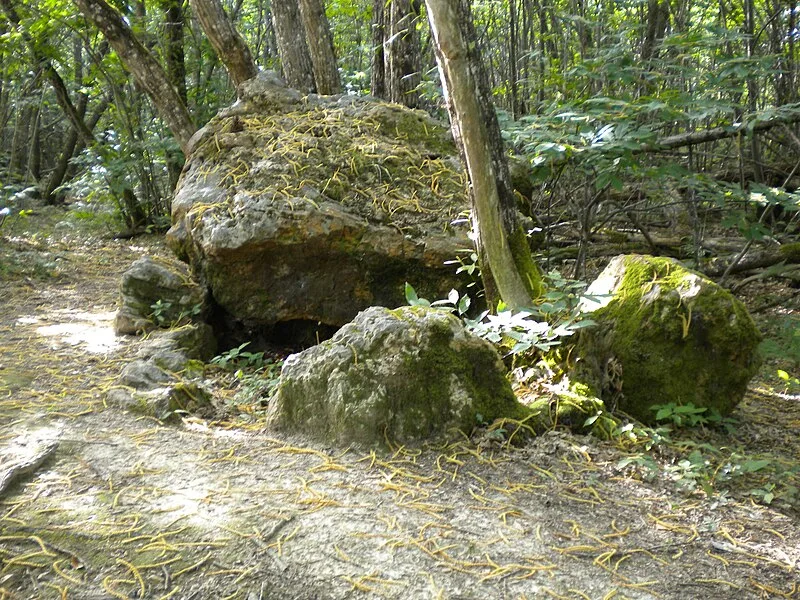
Peyre-Brune
Peyre-Brune is a Neolithic dolmen near Saint-Aquilin in the Dordogne, France, also known as Pierre-Brune or Dolmen of Belet. The rectangular single-chambered structure measures…
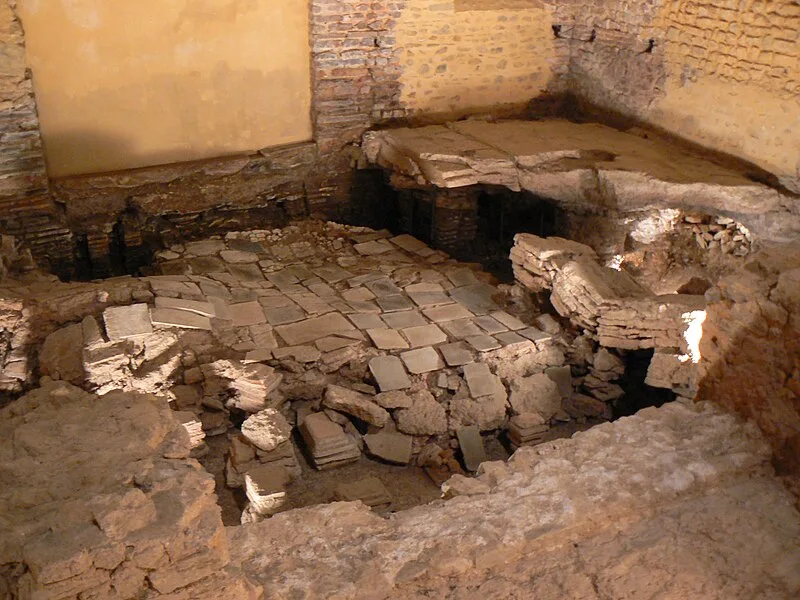
Romano-Gallic Baths of Entrammes
The Romano-Gallic Baths of Entrammes are a complex of Gallo-Roman thermal baths (thermae) located in Entrammes, Mayenne, France. The baths were partially incorporated into a…
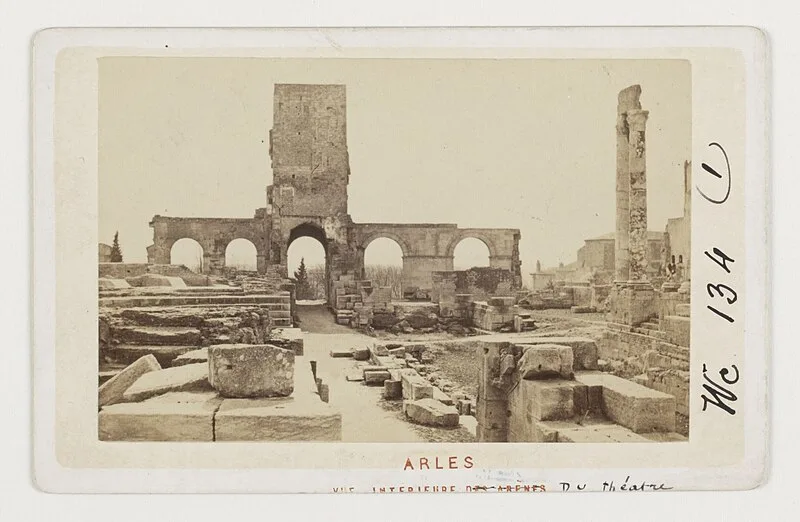
Roman Theatre of Arles
A 1st-century BC/AD Roman theatre in Arles, Provence, built during the reign of Augustus. It originally featured 33 rows of seating for 8,000 spectators. Part of the UNESCO World…
. Théâtre romain) - Fonds Trutat - 51Fi444.webp)
Roman Theatre of Orange
One of the best-preserved Roman theatres in the world, built in the 1st century AD in Orange (ancient Colonia Arausio), Vaucluse, France. It seated approximately 9,000 spectators…
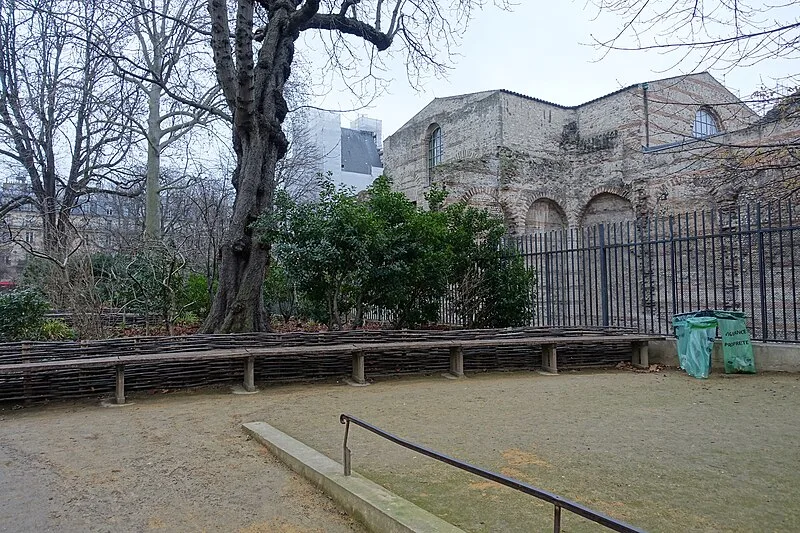
Thermes de Cluny
The Thermes de Cluny are the ruins of Gallo-Roman thermal baths in the heart of Paris' 5th arrondissement, built at the turn of the 1st or 2nd century AD. Covering approximately…
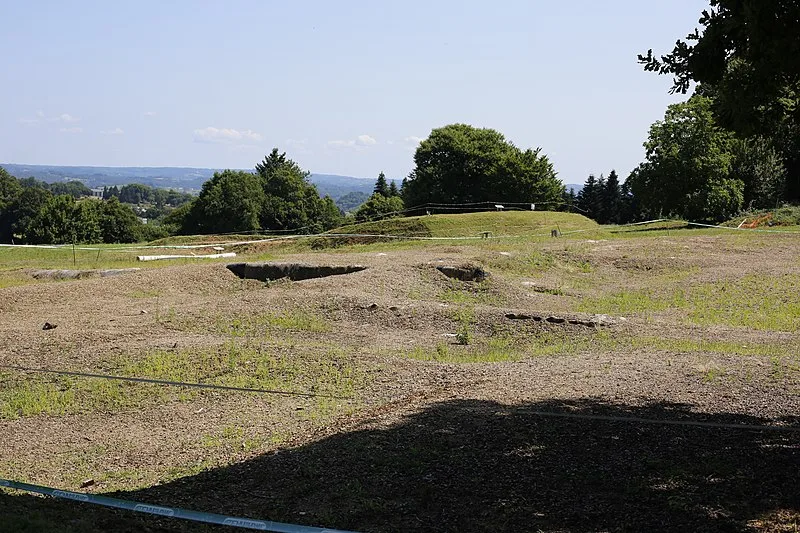
Tintignac
Tintignac is a hamlet near Naves in the Corrèze region of France, home to the archaeological remains of a Gallic and Gallo-Roman sanctuary dating from the 3rd century BC to the…
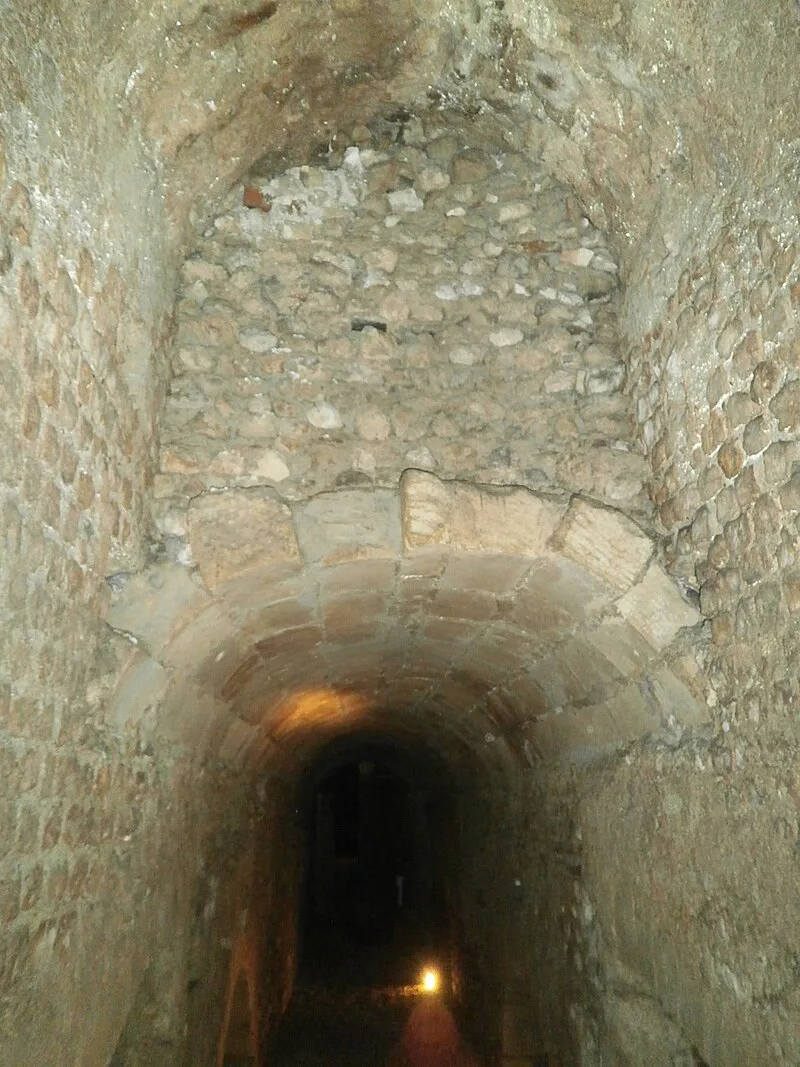
Tours Amphitheatre
The Tours Amphitheatre (1st c. AD) is a Roman amphitheatre in Tours, France, located behind the cathedral. Built when the city was called Caesarodunum, the enormous elliptical…
Tremeca
Tremeca is a Neolithic and Bronze Age dolmen burial chamber located approximately 600 meters northwest of the village of Casaglione in Corse-Sud, Corsica, France. The dolmen…
Megalithic stones in France (17)
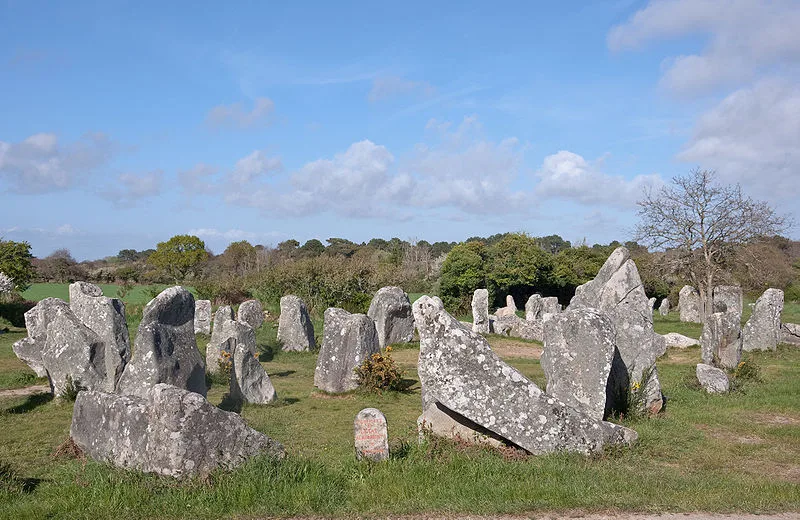
Alignements de Kerzerho
The Kerzerho alignments in Erdeven, Morbihan, Brittany are the second most important megalithic site in France after Carnac. Dating to the Neolithic period (c. 5000-2000 BC), the…
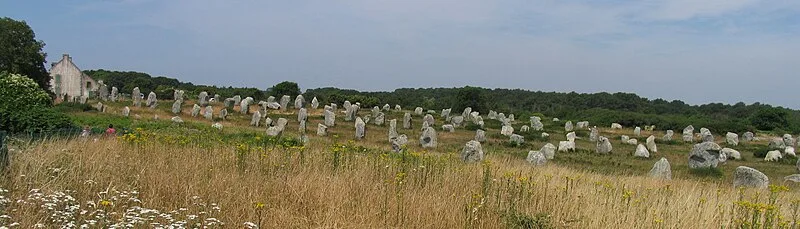
Carnac Stones
The Carnac Stones are the largest collection of megalithic monuments in the world, comprising over 3,000 standing stones erected between the 5th and 3rd millennia BC by Neolithic…
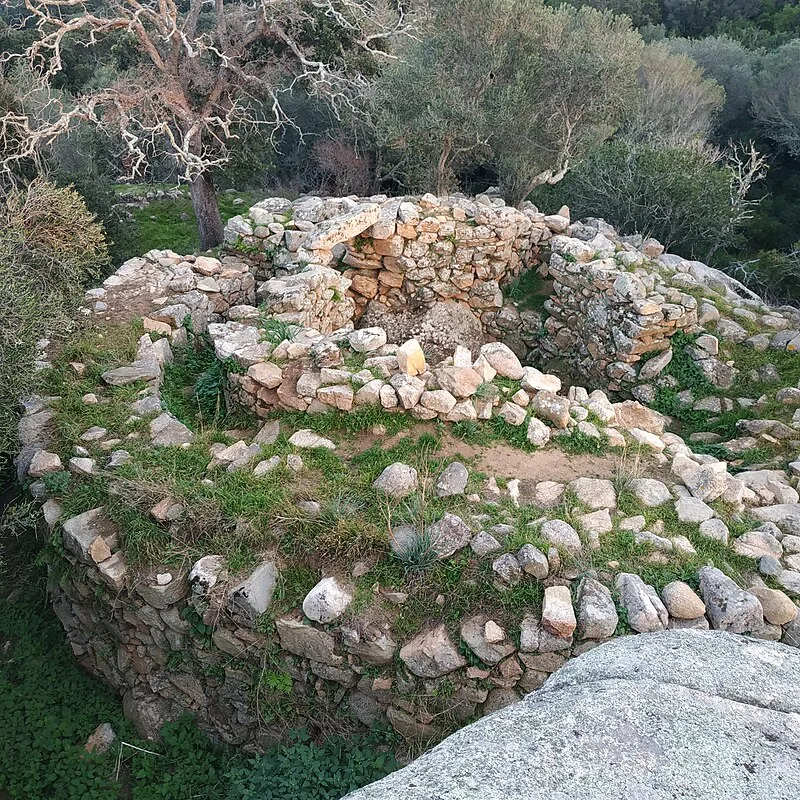
Casteddu di Tappa
Casteddu di Tappa is a Bronze Age archaeological site of the Torrean culture on a rocky promontory dominating the Caniccione valley near Porto-Vecchio, Corsica. Excavated by Roger…
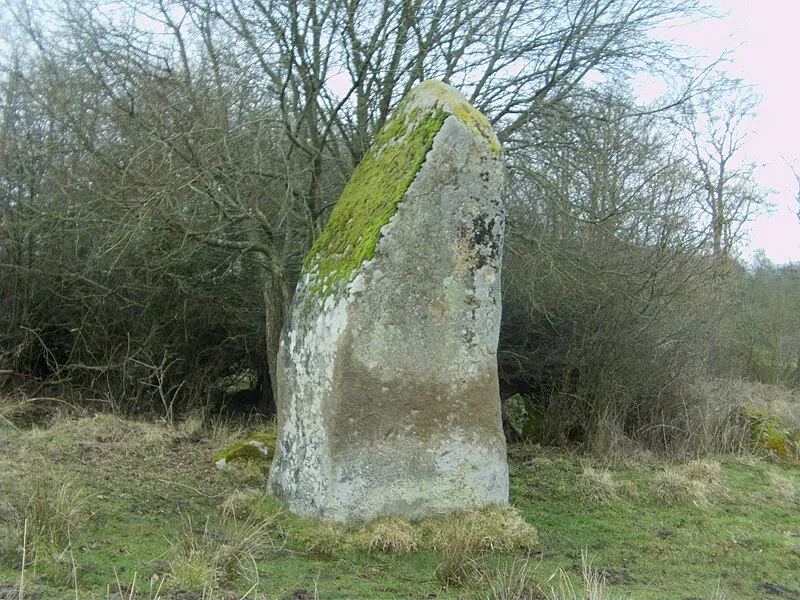
Craménil
Craménil is a commune in the Orne department in north-western France.
Erdeven
Erdeven hosts the Kerzerho alignments, the second largest megalithic site in Brittany after Carnac. Dating to the Neolithic period (5000-2000 BC), the site originally featured…
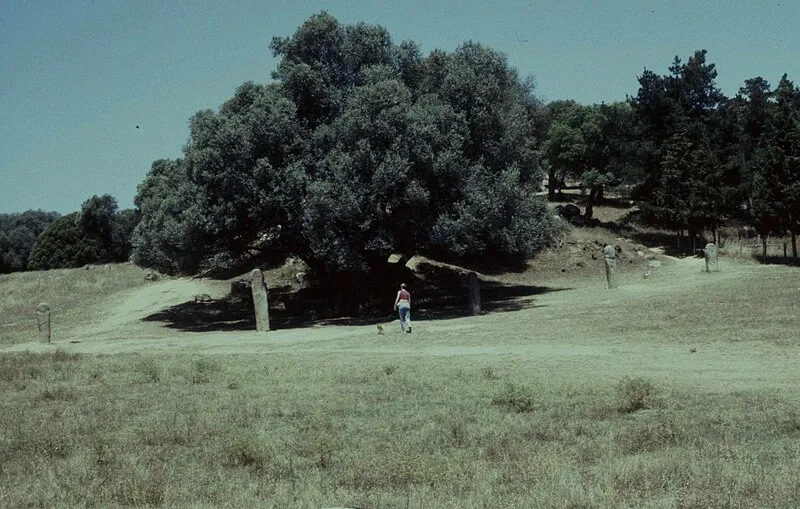
Filitosa
A major megalithic site in the Taravo Valley of southern Corsica, France, with evidence of occupation from approximately 6000 BC through Roman times. Discovered by Charles-Antoine…
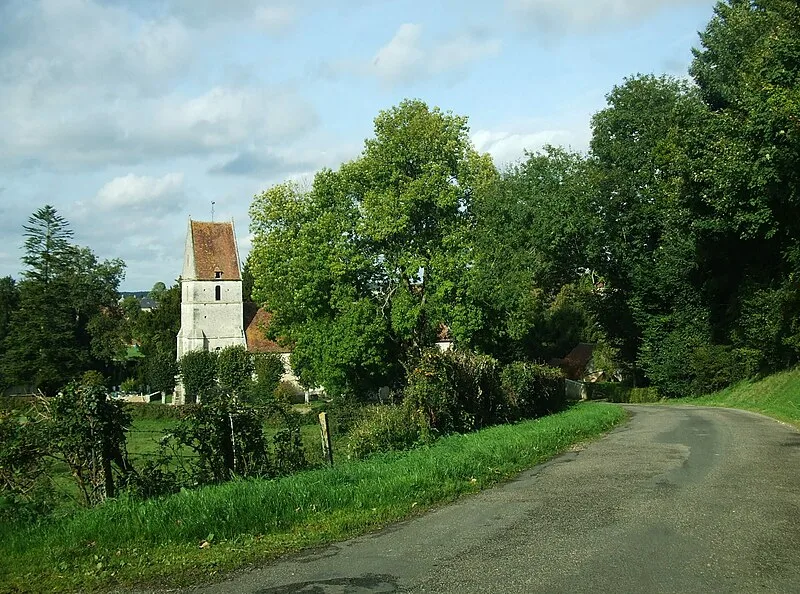
Habloville
A commune in the Orne department of Normandy, France, containing two significant Neolithic monuments. The Dolmen des Bignes is a stone table measuring 3.25 by 2.95 metres, located…
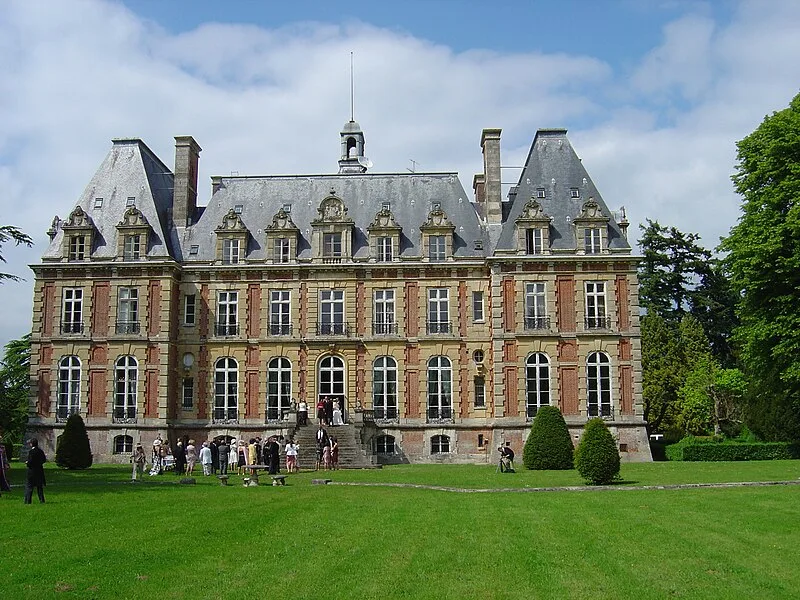
La Ferté-en-Ouche
A commune in the Orne department of northwestern France containing Neolithic megalithic monuments classified as Monuments Historiques. The site includes a menhir at…
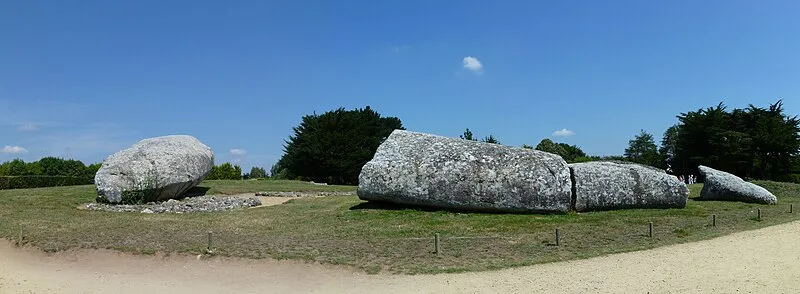
Locmariaquer Megaliths
The Locmariaquer megaliths are a Neolithic monumental complex in Brittany, France, dating to approximately 4700 BC. The site includes the Er-Grah tumulus passage grave, the Table…
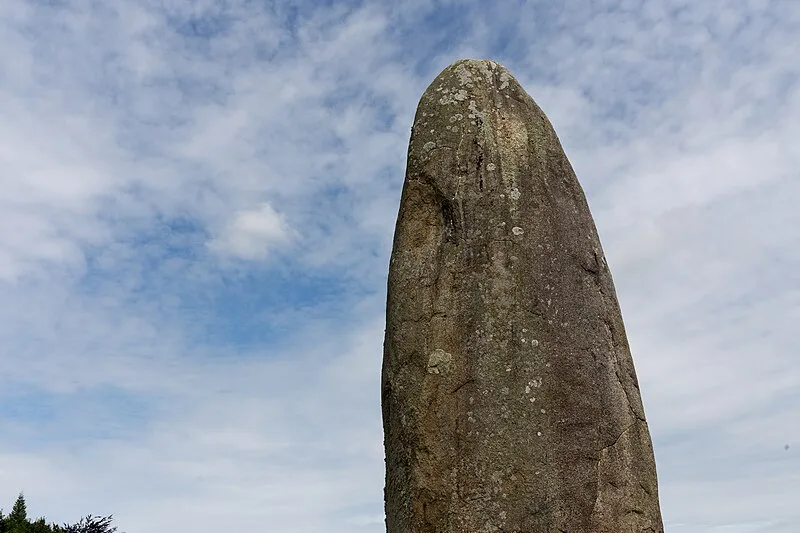
Menhir de Champ-Dolent
The Menhir de Champ-Dolent is a Neolithic standing stone located 2 km south of Dol-de-Bretagne in Ille-et-Vilaine, Brittany, France. Standing 9.3-9.5 m tall and weighing…

Menhir du Camp de César
A Neolithic standing stone in Avrillé, Vendée, also known as the "King of Menhirs." It stands 8.7 m tall (7 m above ground), making it the tallest menhir in Vendée. Carved from a…
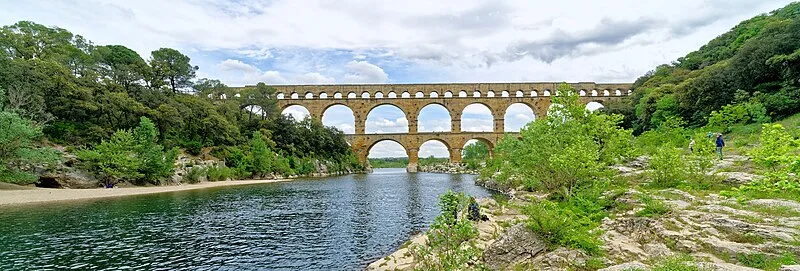
Pont du Gard
The Pont du Gard is an ancient Roman aqueduct bridge built in the first century AD to carry water over 50 km (31 mi) to the Roman colony of Nemausus (Nîmes). It crosses the river…
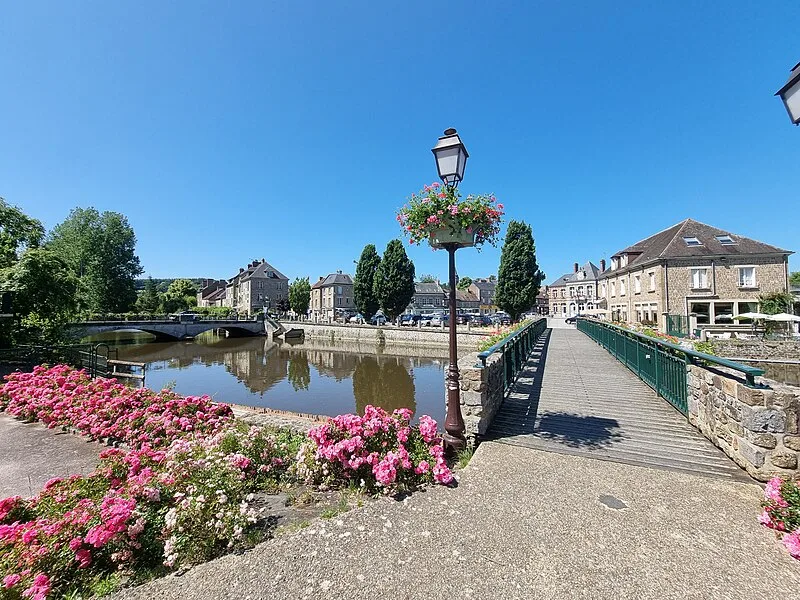
Putanges-le-Lac
Putanges-le-Lac is a commune in the Orne department of Normandy, France, whose territory includes the Neolithic standing stone known as La Droite Pierre. Located in the former…
Site Archéologique de Glanum
Glanum is an archaeological site in the Alpilles mountains featuring megalithic stones and later Roman ruins. The site served as a sanctuary at the crossroads of two ancient…
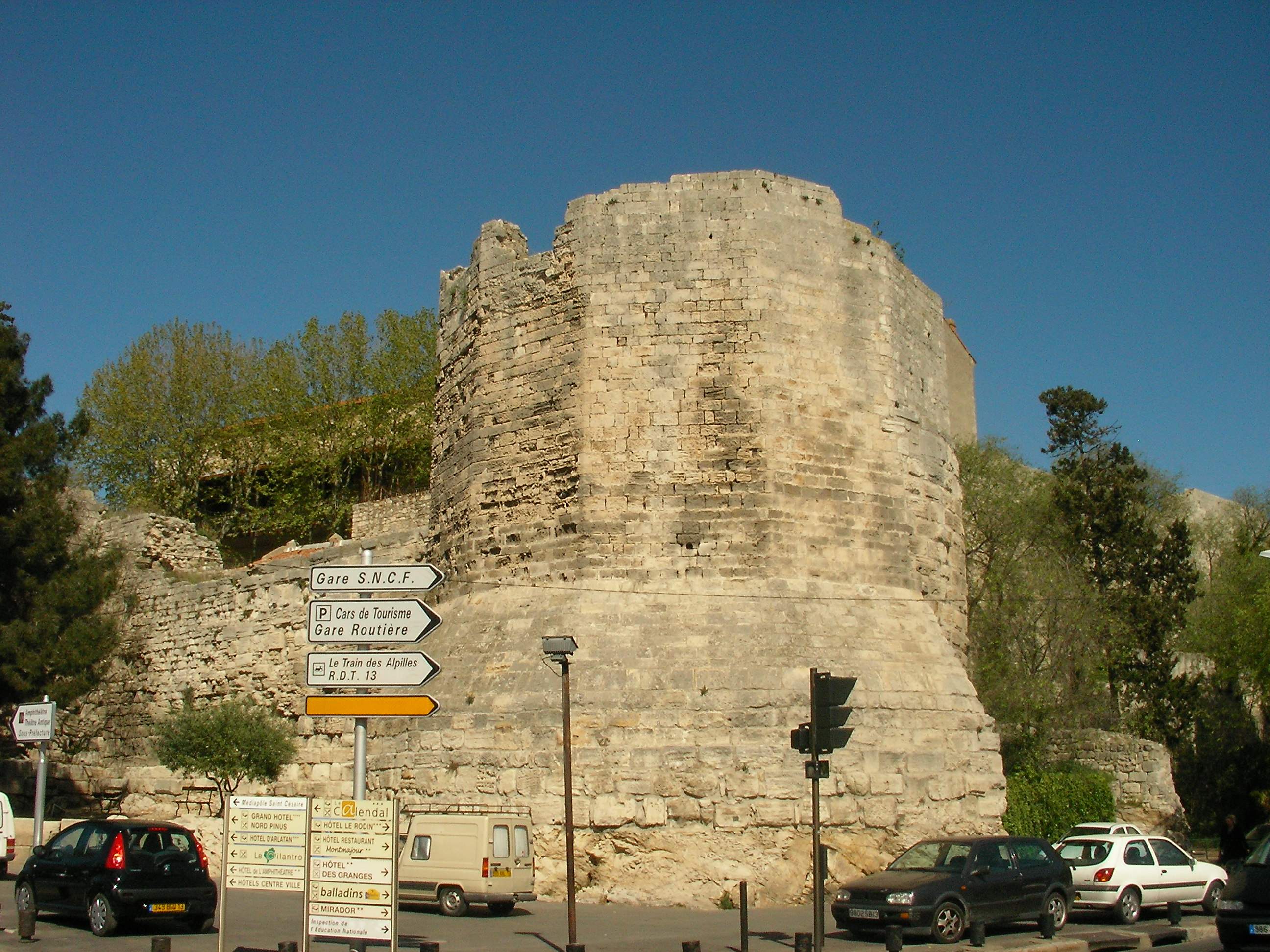
Tour des Mourgues
The Tour des Mourgues is a cylindrical stone tower in Arles, France, originally standing six metres tall as part of the ancient Roman colony's rampart system. Built in the 1st…
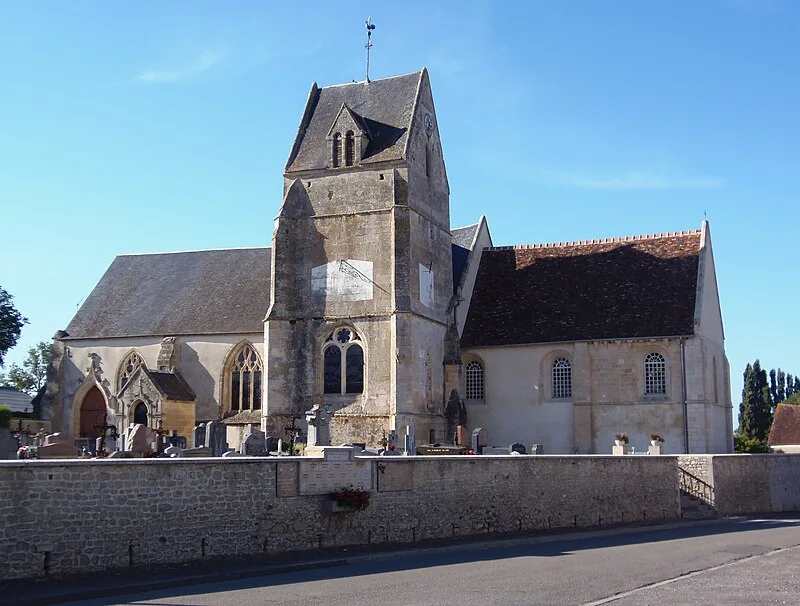
Tournai-sur-Dive
Tournai-sur-Dive is a commune in the Orne department of Normandy, France, home to the Menhir dit la Pierre au Bordeu, a Neolithic standing stone classified as a Monument…
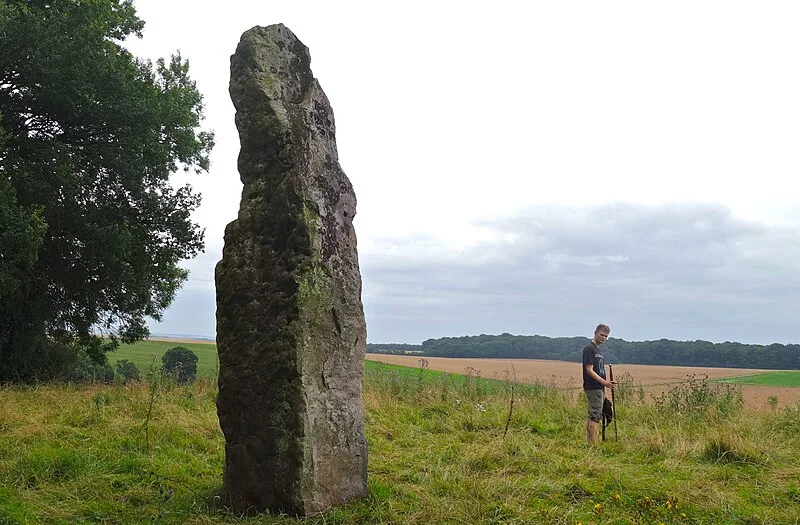
Verziau of Gargantua
The Verziau of Gargantua, also known as Haute-Borne, is a prehistoric menhir at Bois-les-Pargny in the Aisne department, northern France. The monolith stands 4.35 meters high and…
Gate/archway/bridge in France (12)
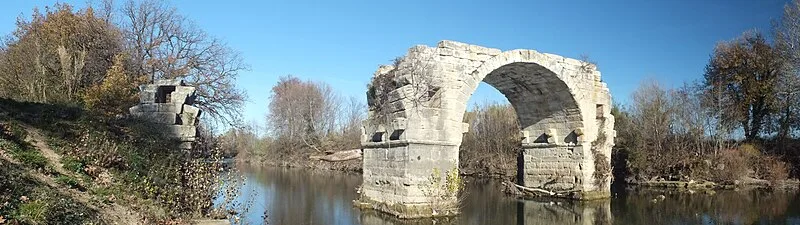
Pont Ambroix
The Pont Ambroix was a 1st-century BC Roman bridge in southern France, part of the Via Domitia, crossing the Vidourle river at the ancient settlement of Ambrussum between modern…

Pont de Bornègre
The Pont de Bornègre is a Roman bridge on the ancient aqueduct that carried water to Nîmes, built in the 1st century BC. Located between Saint-Maximin and Argilliers in southern…
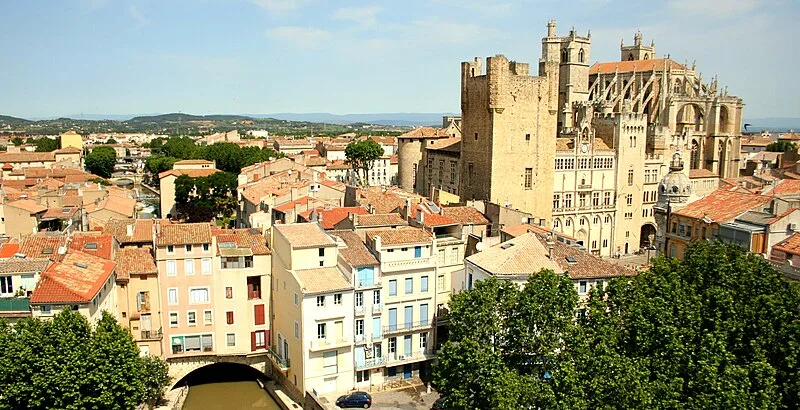
Pont des Marchands
A Roman bridge in Narbonne dating to the 1st century AD, originally featuring six arches over the Canal de la Robine. The Pont des Marchands is one of only a handful of bridges…
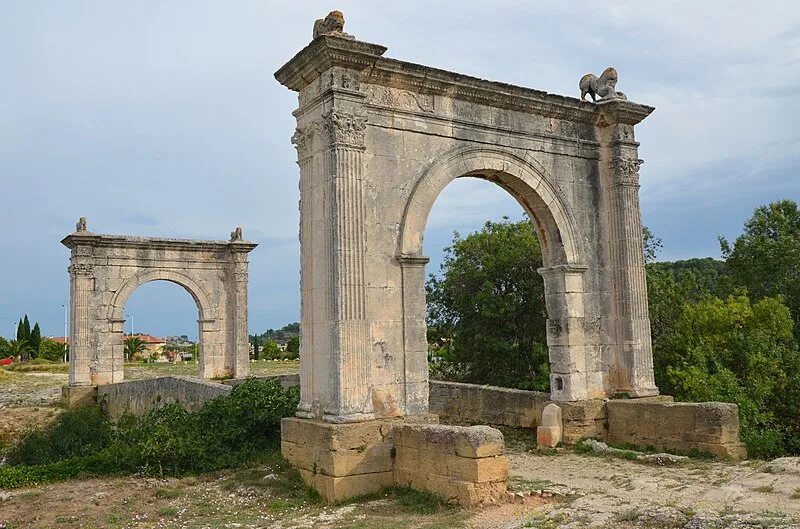
Pont Flavien
The Pont Flavien is a single-arch Roman bridge spanning the River Touloubre in Saint-Chamas, southern France, built from limestone around 12 BC during the Augustan period. It…
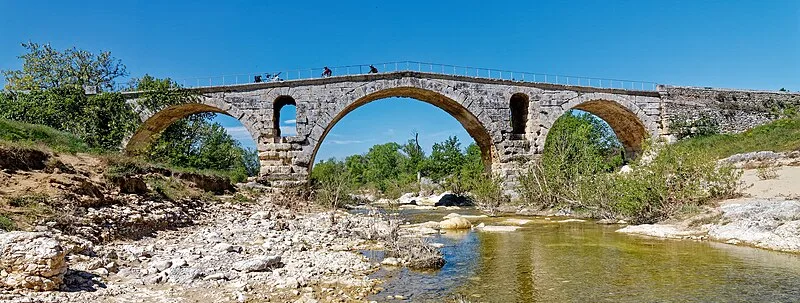
Pont Julien
The Pont Julien is a Roman stone arch bridge spanning the Calavon River in southeastern France. Built in 3 BC on the Via Domitia, the major Roman road linking Italy to Gaul, it…
Pont Serme
(1st–5th c. AD) The Pont Serme (also Pons Selinus or Pons Septimus) was a Roman bridge spanning 1,500 metres along the Via Domitia in what is now southern France. This massive…
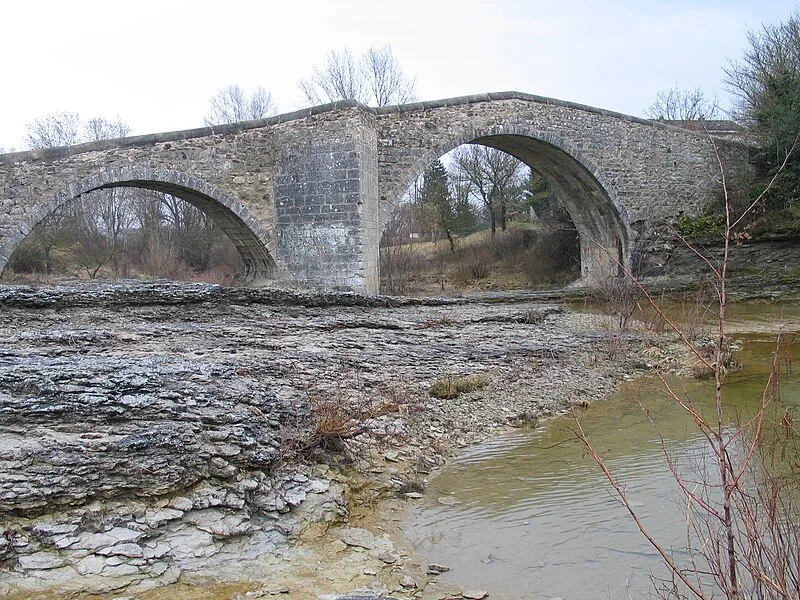
Pont sur la Laye
A stone arch bridge spanning the Laye stream near the town of Mane in Provence, France. The central arch dates to the late 1st or early 2nd century AD, making it one of…
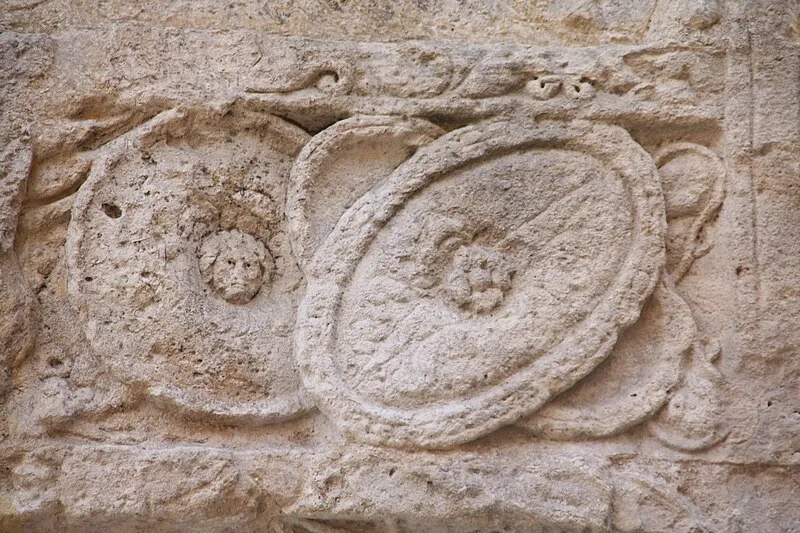
Porte Noire
The Porte Noire ("Black Gate") is a Gallo-Roman triumphal arch in Besancon, erected around 175 AD in honour of Emperor Marcus Aurelius. Standing at the southern end of the ancient…
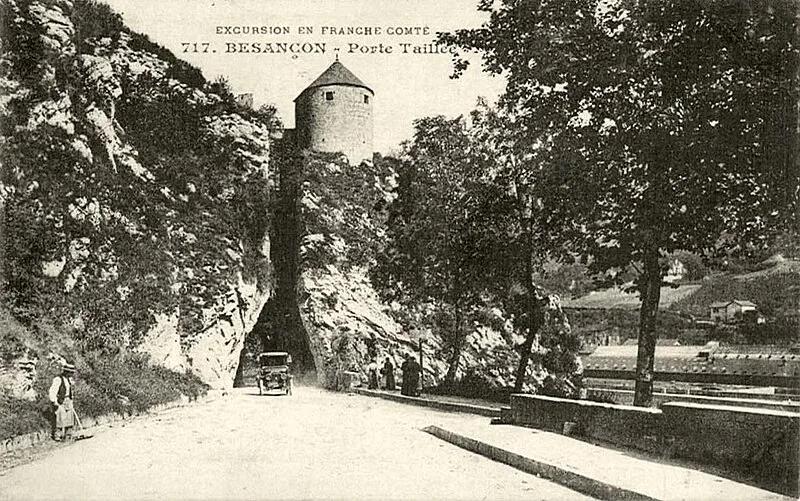
Porte Taillée
The Porte Taillée is a Roman-era city gate in Besançon, France, carved through Saint-Étienne hill. Constructed under Emperor Vespasian or Marcus Aurelius (late 1st to 2nd century…
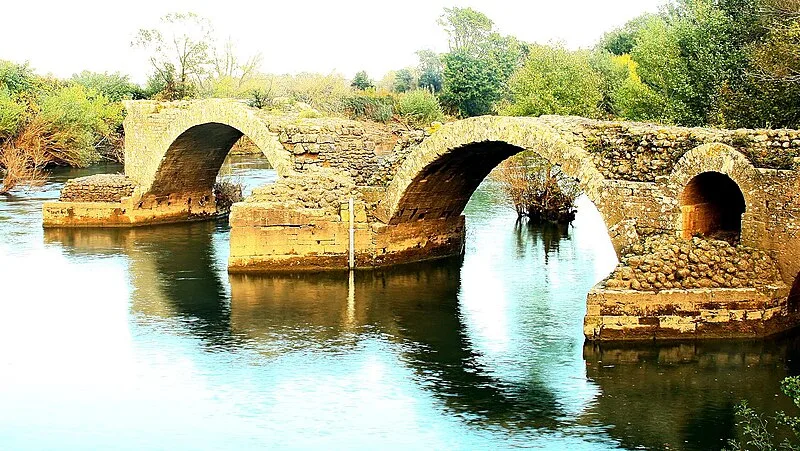
Roman Bridge, Saint-Thibéry
A partly surviving Roman bridge on the Via Domitia in Saint-Thibery, southern France, crossing the Herault river 17 km east of Beziers. Built during the reign of Augustus (30…
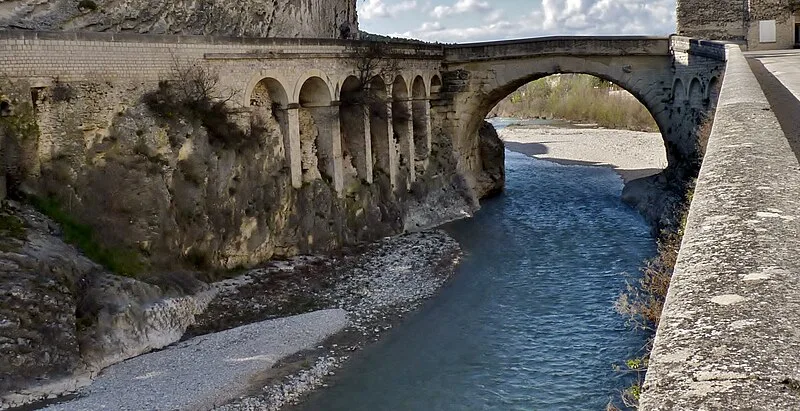
Roman Bridge, Vaison-la-Romaine
(1st c. AD) The Roman Bridge at Vaison-la-Romaine is an ancient stone bridge spanning the river Ouvèze in the town of Vaison-la-Romaine, France. Constructed by Romans in the 1st…
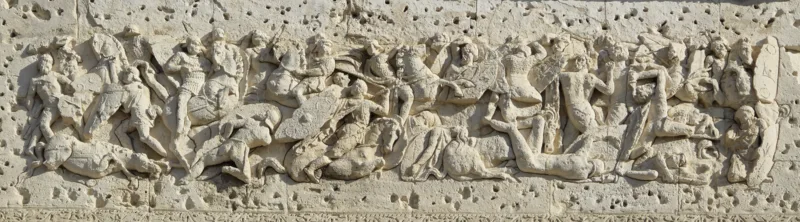
Triumphal Arch of Orange
The Triumphal Arch of Orange is a triumphal arch in Orange, southeast France. There is debate about its construction date, but current scholarship, based on the inscription,…
Temple complex in France (9)
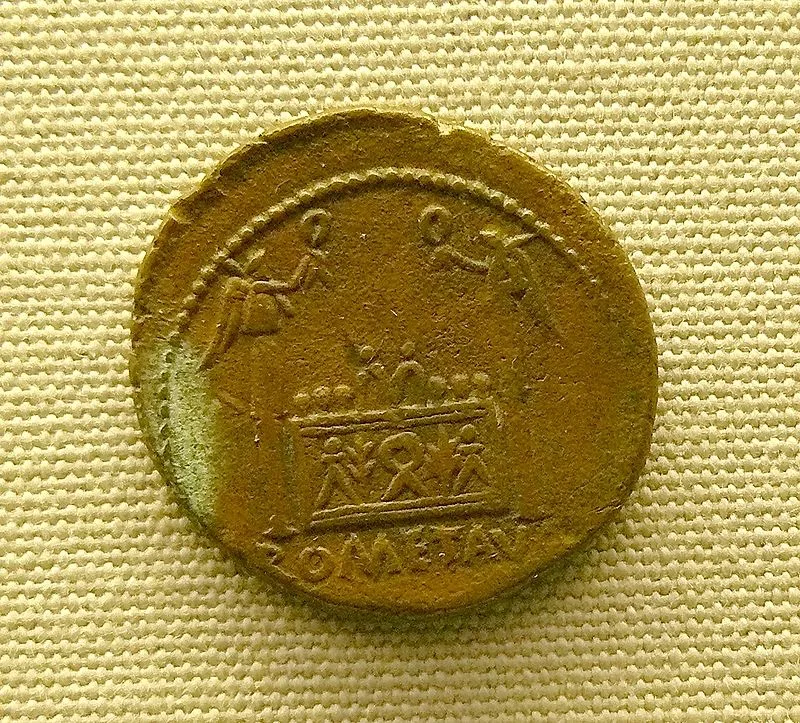
Ara trium Galliarum
The Ara trium Galliarum ("Altar of the Three Gauls") was a Roman sanctuary at Lugdunum (modern Lyon, France), founded in 12 BC by Drusus at the confluence of the Rhone and Saone…
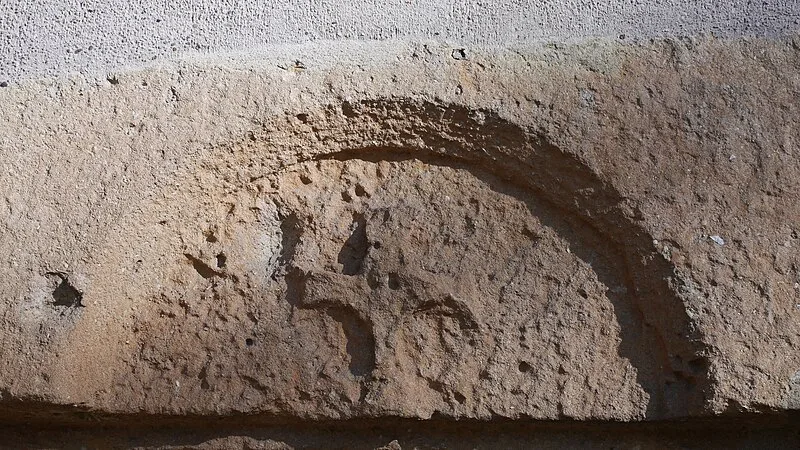
Basilica of Saint-Pierre-aux-Nonnains
The Basilica of Saint-Pierre-aux-Nonnains in Metz, France, is one of the oldest churches in Europe. Originally built in the 4th century AD as part of a Roman thermae (public…
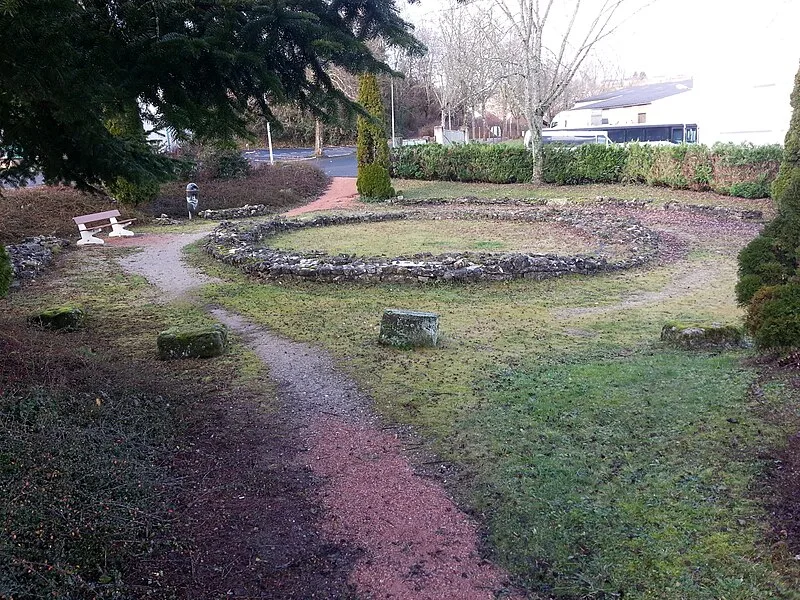
Fanum d'Aron
A Romano-Celtic temple (fanum) in Aurillac, Auvergne, France, discovered in 1970 and excavated 1977-1978. Unique for its circular cella surrounded by a sixteen-sided polygonal…
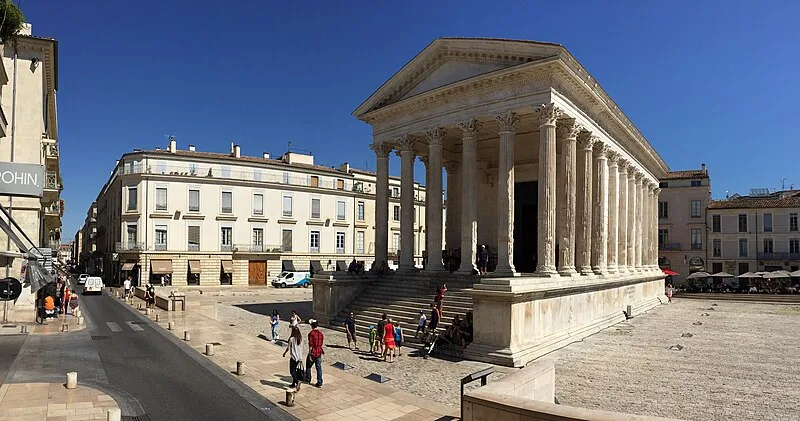
Maison Carré
The Maison Carree in Nimes, southern France, is one of the best-preserved Roman temples in the world. Construction began around 16 BC, and the temple was dedicated in the early…
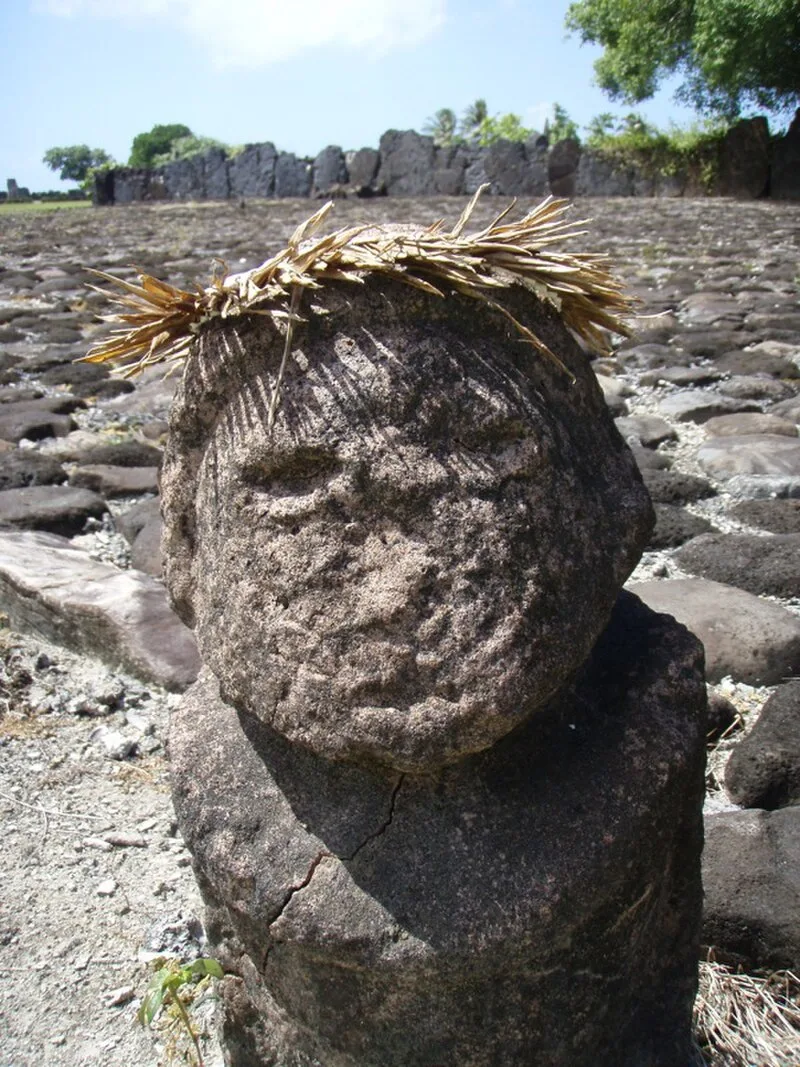
Taputapuatea Marae
Taputapuatea Marae is a monumental open-air temple complex on the southeastern coast of Raiatea, the second largest of the Society Islands in French Polynesia. Dedicated to the…
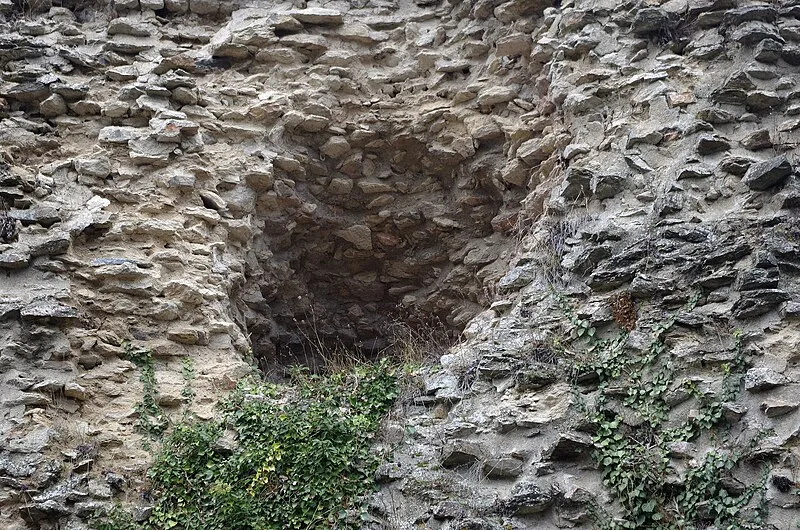
Temple of Janus, Autun
A Romano-Celtic religious structure in Autun, France, northwest of the ancient city of Augustodunum, dating to the second half of the 1st century AD. Despite its name, the…
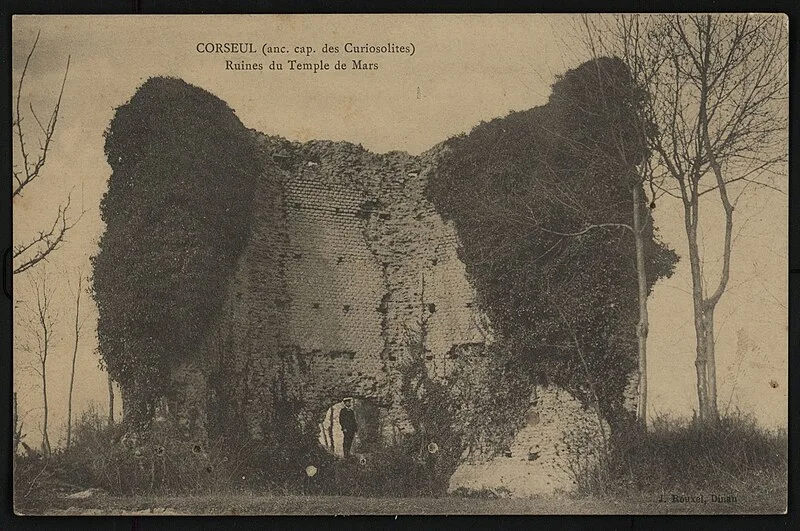
Temple of Mars, Corseul
The remains of the largest known Gallo-Roman temple in France, a Romano-Celtic fanum located at Haut-Becherel in Corseul, Brittany, constructed in the late 1st century AD. The…
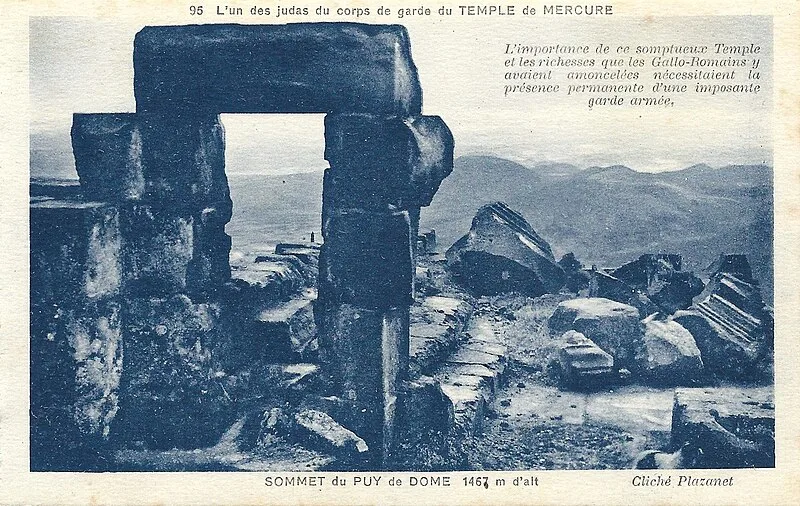
Temple of Mercury, Puy de Dôme
A Gallo-Roman temple built in the 2nd century AD atop the Puy de Dome volcano summit, replacing a smaller 1st-century temple that could not accommodate the many pilgrims.…
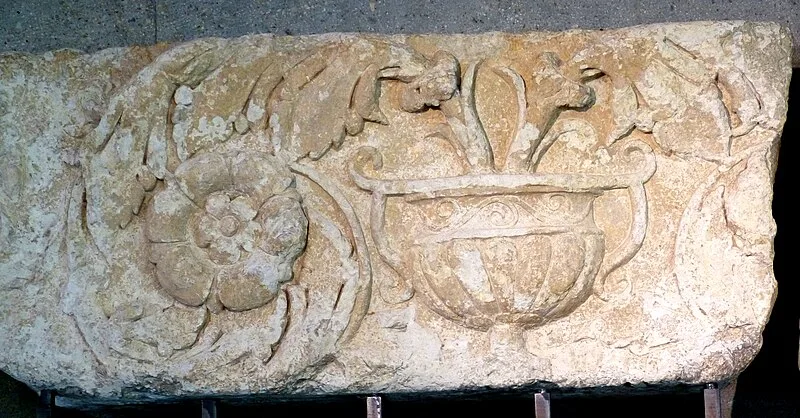
Tower of Vesunna
The Tower of Vesunna is the remains of a Gallo-Roman fanum (temple) dedicated to Vesunna, the tutelary goddess of the Petrocorii tribe. Built in the 1st or 2nd century AD in what…
Necropolis/tombs complex in France (7)
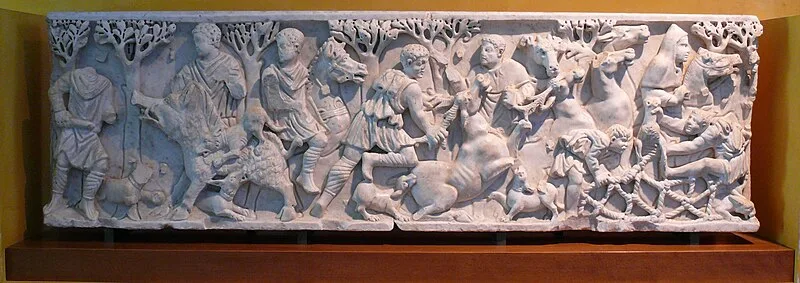
Alyscamps
Alyscamps is a large Roman necropolis located just outside the ancient walls of Arles, France. One of the most famous necropolises of the ancient world, the name derives from the…
Campu di Bonu
Campu di Bonu is an archaeological site in Corsica, France, located in the commune of Bisinchi. The site consists of two graves dating from the 3rd millennium BC.
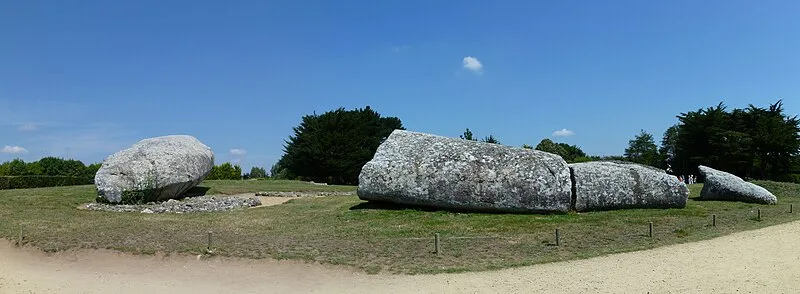
Er-Grah Tumulus
(3300 BC) The Er-Grah Tumulus is a Neolithic passage grave in Locmariaquer, Brittany, part of the Locmariaquer Megalithic Complex. Measuring 140 metres (459 ft) in length, it was…
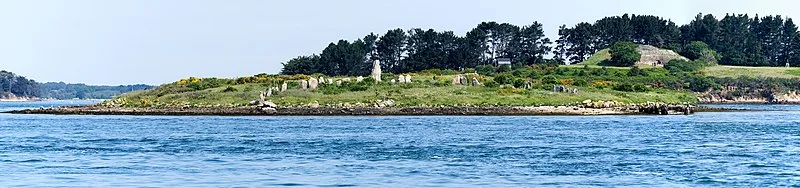
Gavrinis
Gavrinis is a small island in the Gulf of Morbihan, Brittany, France, home to a Neolithic passage tomb built c. 4200–4000 BC, making it one of the world's oldest surviving…
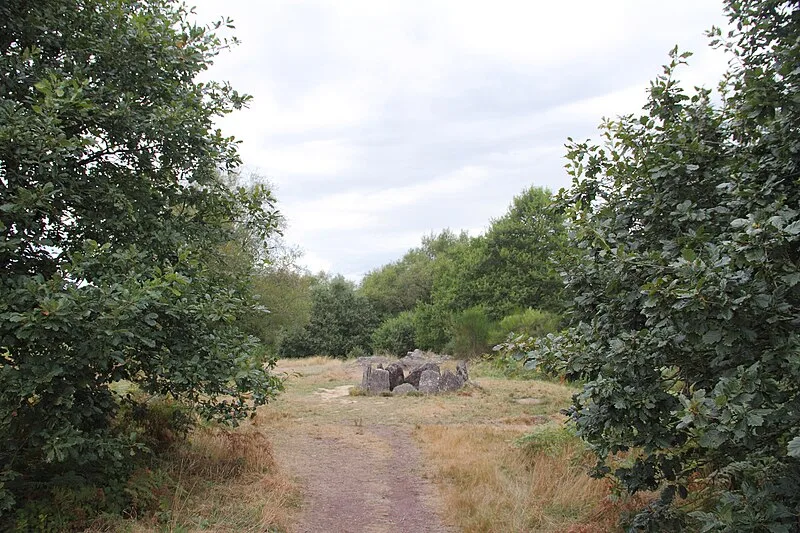
Hotié de Viviane
Hotie de Viviane is a Neolithic megalithic coffre (box tomb) in the Forest of Broceliande at Paimpont, Brittany, France. The chamber measures 2.9m long by 1.1-1.6m wide, built of…

Table des Marchand
La Table des Marchands est un dolmen situe sur le site megalithique de Locmariaquer, dans le departement du Morbihan, en Bretagne. Il fait partie du complexe megalithique de…

Tombeau de Merlin
The Tombeau de Merlin is a Neolithic megalithic monument over 5,000 years old, located in the Forest of Paimpont (identified with the legendary Broceliande) in Brittany, France.…
Mound/tumulus in France (6)
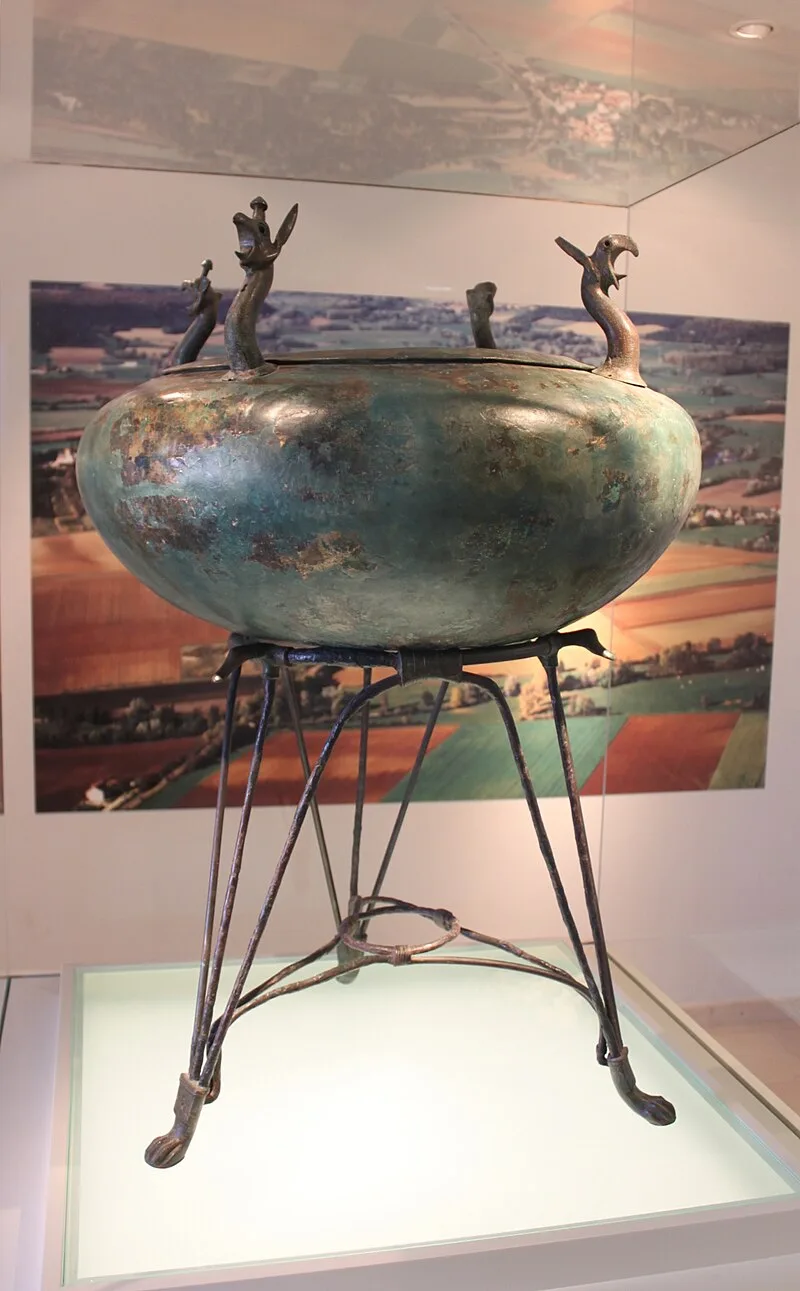
Graves of Sainte-Colombe-sur-Seine
Several Hallstatt-culture burial mounds from the 6th century BC near Sainte-Colombe-sur-Seine in the Cote-d'Or department of eastern France. Excavated in the 19th century at…
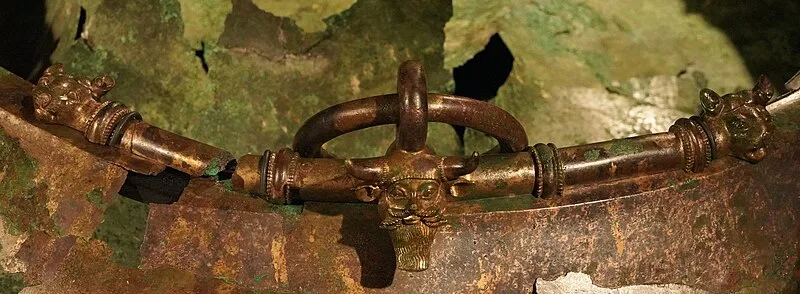
Lavau Grave
The Lavau Grave is a princely burial dating to the middle of the 5th century BC, located by the town of Lavau in the Aube department of north-central France.
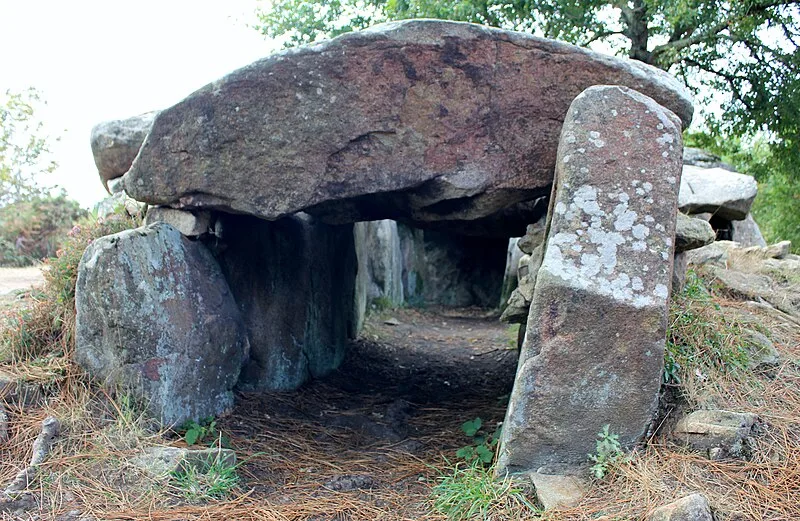
Mane Braz
Mane Braz is a Neolithic megalithic tomb complex located 2 km southeast of Erdeven in Brittany, France, dating to approximately 5000-3000 BC. The principal structure is a…
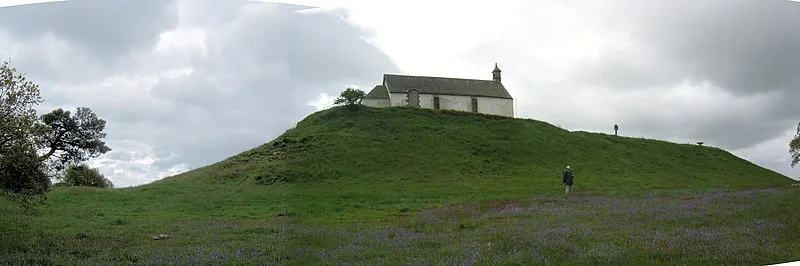
Saint-Michel Tumulus
The Saint-Michel Tumulus, located east of Carnac in Brittany, France, is the largest grave mound in continental Europe, measuring 125 metres long, 60 metres wide, and 10 metres…
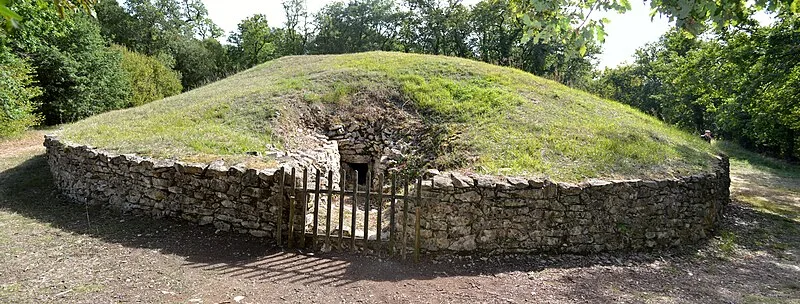
Tumulus of Bougon
The Tumulus of Bougon is a group of five Neolithic barrows in Nouvelle-Aquitaine, France, constructed over 1,200 years from 4700 to 3500 BC, representing one of the oldest known…
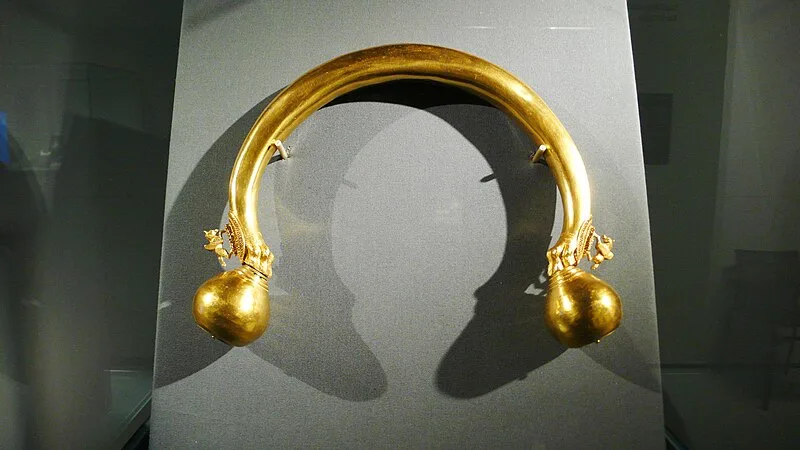
Vix Grave
A richly furnished Celtic burial mound near the village of Vix in Burgundy, France, dating to circa 500 BC during the late Hallstatt period. Discovered in 1953 by Rene Joffroy,…
Megalithic in France (5)
Apazzu
Apazzu is a prehistoric megalithic site in the Sartenais region of southern Corsica, near Sartène. The site features a stone alignment and a burial mound (tertre) dating to…
Cardiccia
Cardiccia is a megalithic dolmen (locally called a stazzona) in the commune of Sartene, southern Corsica, dating to the Late Neolithic or Early Bronze Age (c. 4000-2000 BC). At…

Cauria
Megalithic archaeological site on the plateau of Cauria near Sartene in southern Corsica, covering 60 hectares with three major monument groups dating from the 5th millennium BC…
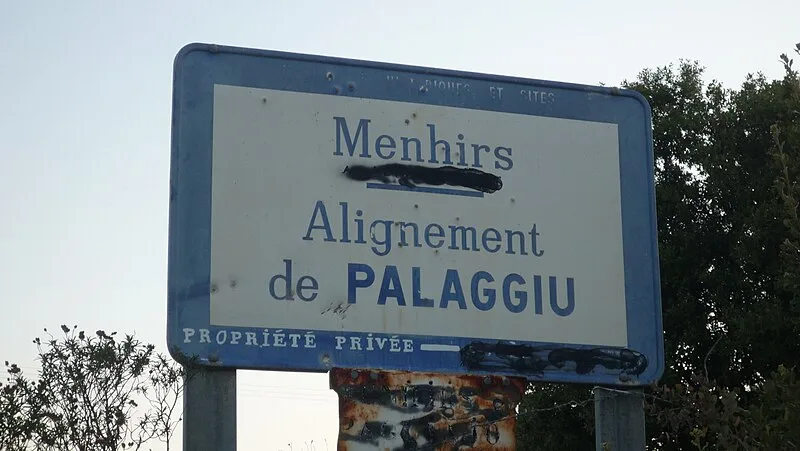
Paddaghju
Paddaghju (also known as Palaghju or Palaggiu) is a megalithic alignment site in the commune of Sartene, southwestern Corsica. Dating back approximately 4,000 years to the late…
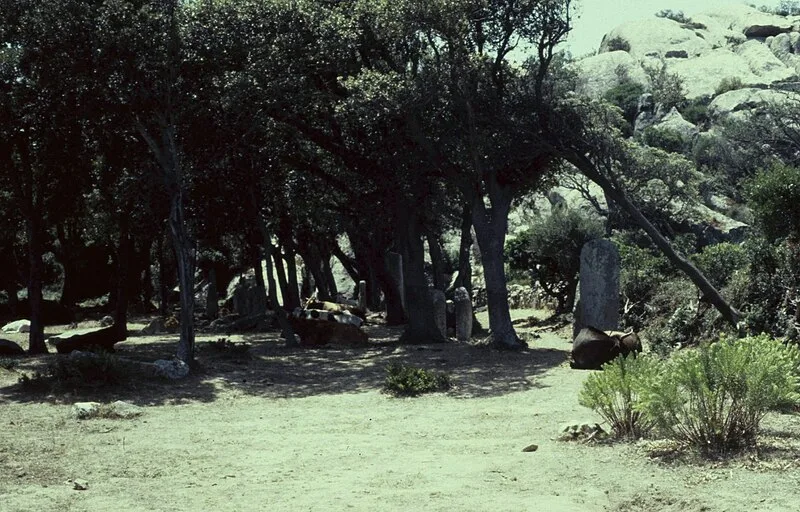
Rinaghju
Rinaghju (also Renaghju) is a megalithic alignment on the Cauria plateau in the commune of Sartene, southern Corsica, part of a complex that includes the Stantari alignments and…
Reservoir/aqueduct/canal in France (5)

Aqueduct of Luynes
The Aqueduct of Luynes is a Gallo-Roman bridge aqueduct located in Luynes, France. The structure originally stretched 1,825 metres in an almost straight line, with 525 metres of…
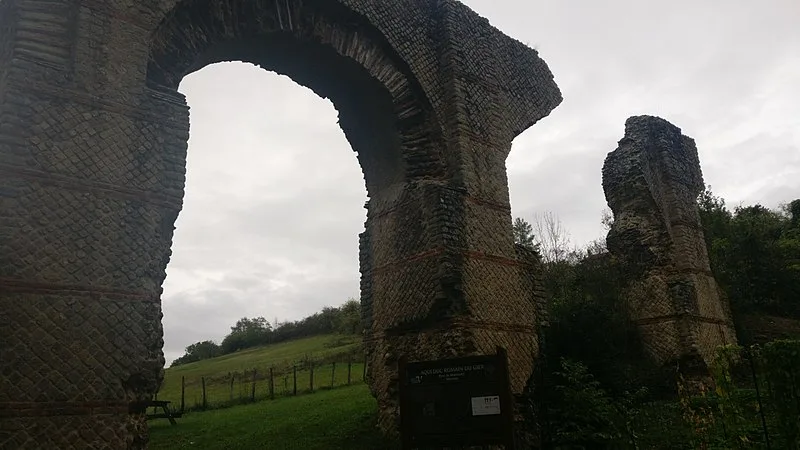
Aqueduct of the Gier
(1st c. AD) The Aqueduct of the Gier is an Ancient Roman aqueduct probably constructed in the 1st century AD to provide water for Lugdunum (Lyon), in what is now eastern France.…
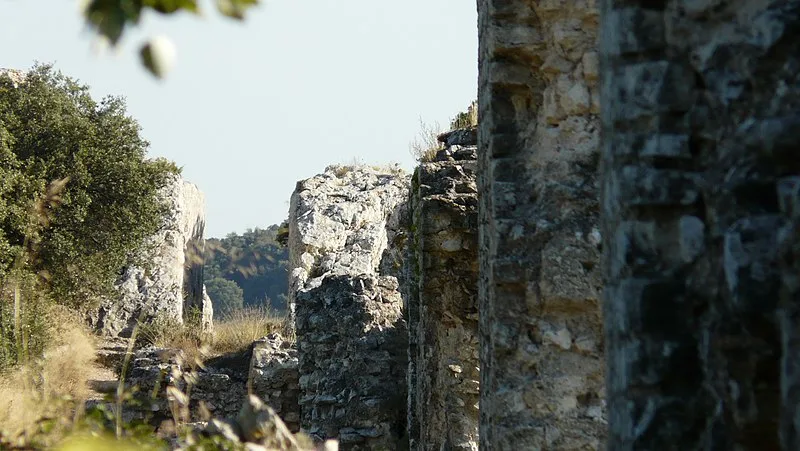
Barbegal Aqueduct and Mills
The Barbegal Aqueduct and Mills was a Roman watermill complex in southern France, near Arles, dating to the 2nd century AD. The site features 16 overshot water wheels arranged in…
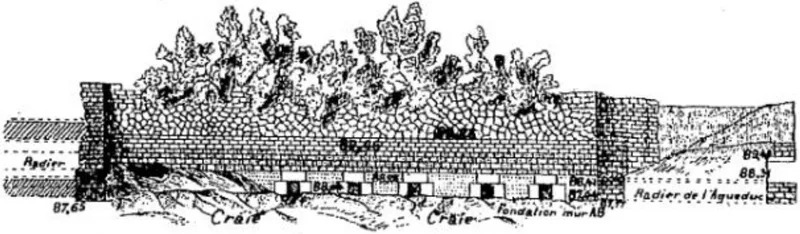
Roman Aqueduct of Paris
The Roman Aqueduct of Paris was a major engineering system built to supply water to Lutetia (Roman Paris). Constructed in the late 2nd century AD, this gravity-fed aqueduct…
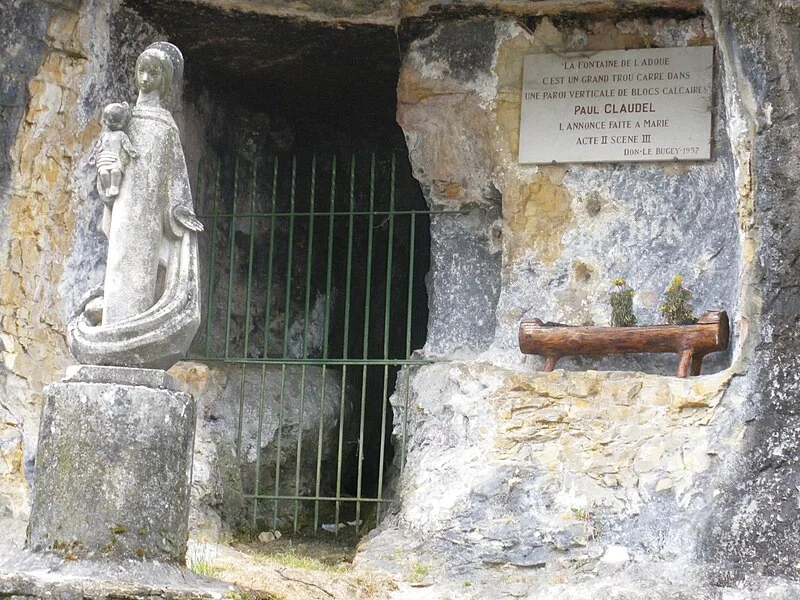
Roman Aqueduct of Vieu
A Roman underground aqueduct located in Vieu in the Ain department, Auvergne-Rhone-Alpes region, France. The subterranean structure stretches from Champagne-en-Valromey to the…
Settlement in France (5)
Casteddu di Puzzonu
Casteddu di Puzzonu (Punta di Casteddu) is a protohistoric archaeological site in the commune of Sartene, southwestern Corsica, occupying a steep granite summit at 228m elevation…
Currachjaghju
Currachjaghju is an Early Neolithic archaeological site in the commune of Levie in southern Corsica, France. Dating to the Cardial and Epi-Cardial culture period (c. 6000-5000…
Monte Lazzu
Monte Lazzu is a Neolithic archaeological site on the heights of Tiuccia near Casaglione in western Corsica, France, commanding views over the Liamone plain and the Gulf of…
Presa-Tusiu
Presa-Tusiu is a multi-period archaeological site in the commune of Altagène, Corsica, excavated by François de Lanfranchi from 1990-1992. The site spans three cultural phases:…
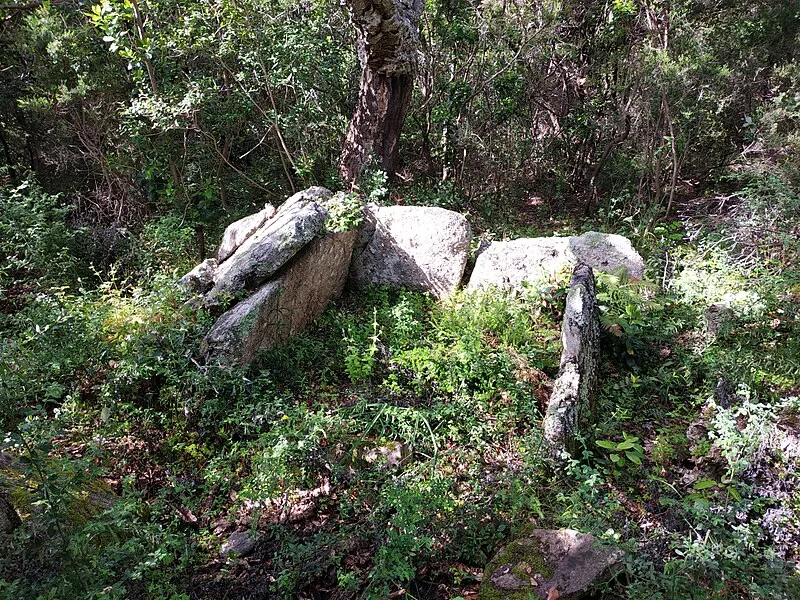
Pughjaredda
Pughjaredda (also spelled Poghjaredda) is a megalithic archaeological site in the commune of Sotta, southern Corsica, dating to the Middle Neolithic period (ca. 5000-4000 BC). The…
Archaeological site in France (3)
A Figa
A Figa (Corsican for "The Fig") is a Middle Neolithic rock shelter near Punta di Murtoli in the commune of Sartene, southern Corsica. Radiocarbon dating places its primary…
Gritulu
Gritulu is an archaeological site in the commune of Luri, Haute-Corse, Corsica, France. The site remains undated, with its original period and cultural affiliation unknown. It is…
Vasculaghju
Vasculaghju (also Vasculacciu) is a Neolithic burial and settlement site in the commune of Sotta, southern Corsica, dating from approximately 8800-2000 BC. The site is significant…
Other sites in France (20)
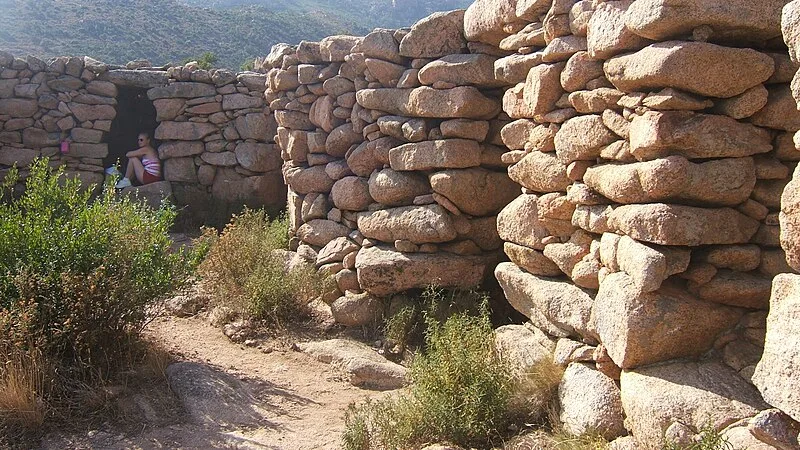
Araghju
Araghju (Castellu d'Araghju) is a Bronze Age site of the Torrean culture in southern Corsica, located near the commune of San-Gavino-di-Carbini.
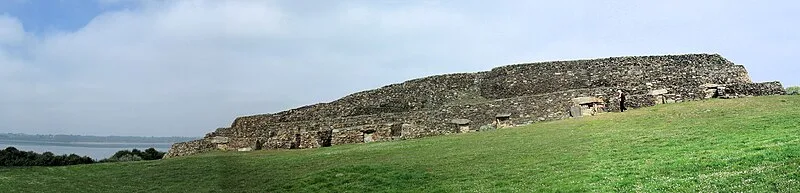
Barnenez
The Cairn of Barnenez is a Neolithic monument located near Plouezoc'h on the Kernéléhen peninsula in northern Finistère, Brittany, France. Dating to approximately 4000 BC, it is…
Ceccia
Ceccia is a Bronze Age archaeological site in Porto-Vecchio, southern Corsica, dating to approximately 1350 BC. The Torrean casteddu stands on a rocky outcrop overlooking the…

Cirque Romain de Vienne
Built at the end of the 2nd century AD, this Roman circus complex in Vienne, France, is known from 19th-century excavations. Only a unique vestige survives today — the so-called…
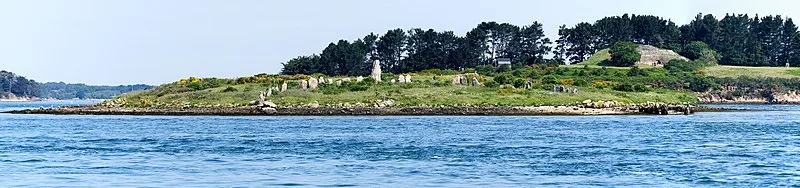
Er Lannic
Er Lannic is a small islet in the Gulf of Morbihan, Brittany, containing two semi-circular megalithic enclosures comprising around 114 standing stones. The northern enclosure…
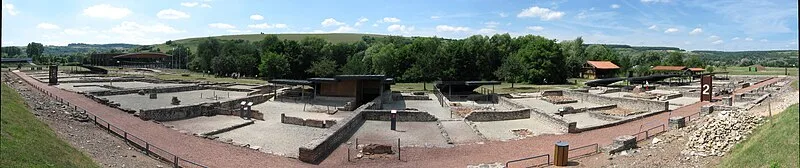
European Archaeological Park of Bliesbruck-Reinheim
The European Archaeological Park of Bliesbruck-Reinheim is a cross-border museum straddling the French-German border in Bliesbruck (Moselle) and Gersheim (Saarland). Created in…
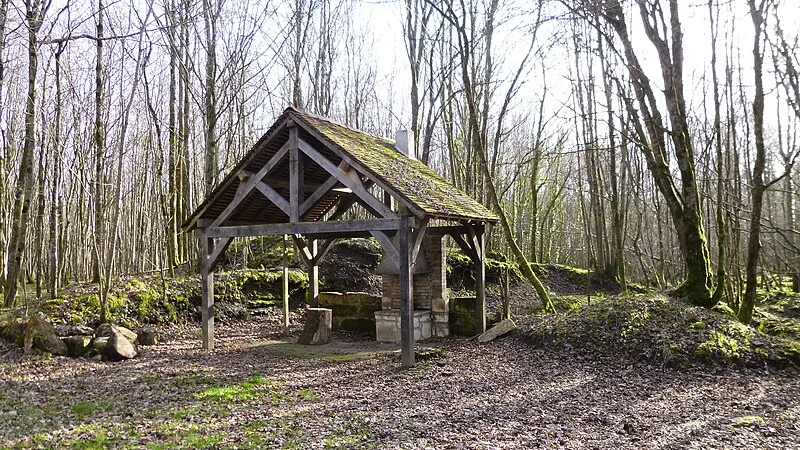
Ferrier of Tannerre-en-Puisaye
The ancient Ferrier of Tannerre-en-Puisaye is an iron mining and working site in Burgundy, France, dating from the Gallic and Gallo-Roman periods (7th century BC to 5th century…
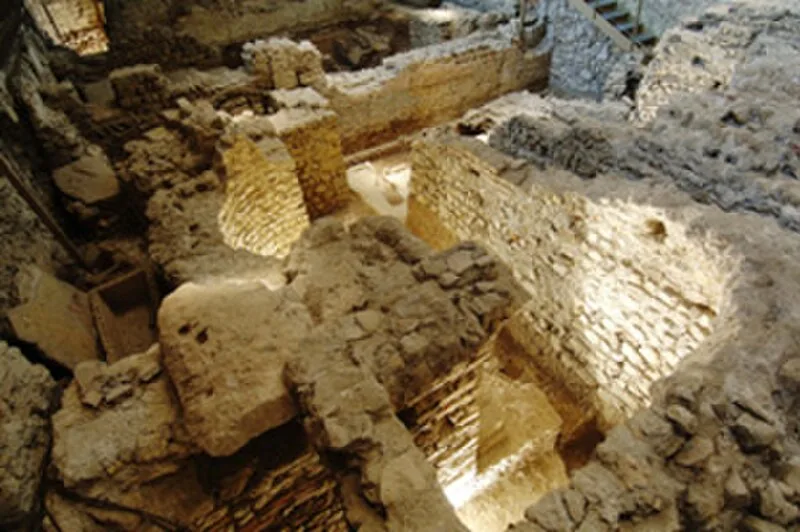
Grenoble Archaeological Museum
The Musee archeologique Saint-Laurent occupies a historic parish church at the foot of the Bastille in Grenoble, showcasing 1,500 years of religious and funerary history. The site…
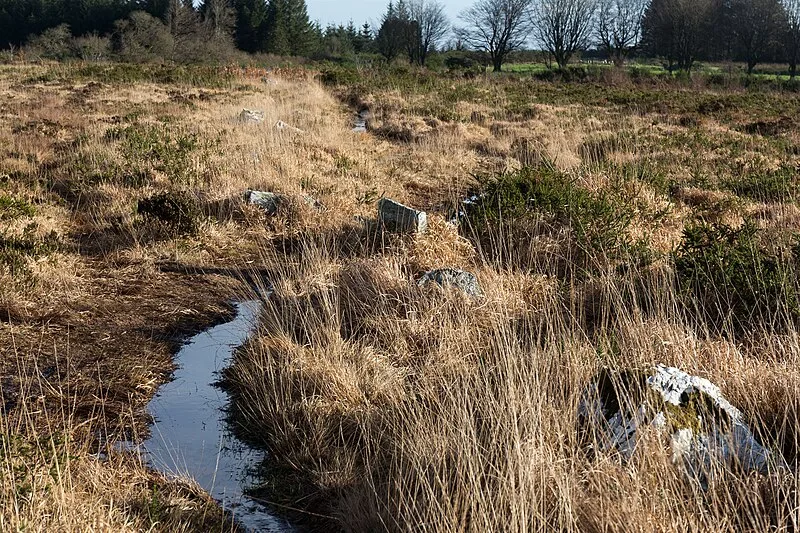
La Noce de Pierres
La Noce de Pierres (Breton: An Eured Ven) is a prehistoric alignment of 77 standing stones located at the foot of Menez Michael (Saint-Michel-de-Brasparts) in the hills of…
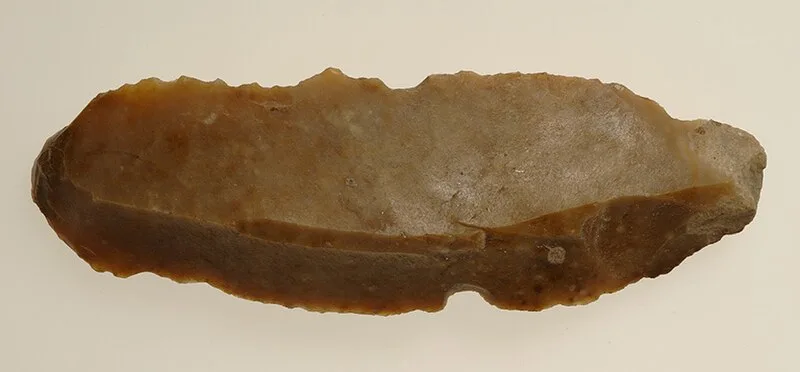
Le Grand-Pressigny
A major Chalcolithic flint mining and production centre in the Indre-et-Loire department of central France, active around 3000 BC during the Final Neolithic. The site produced…
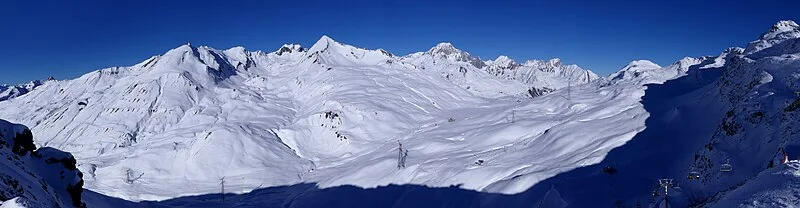
Little St Bernard Pass
The Little St Bernard Pass hosts a prehistoric stone circle (cromlech) at 2,188 metres elevation on the France-Italy border, south of Mont Blanc. The circle measures approximately…

Mercantour National Park
Mercantour National Park, established in 1979, is a French national park located in the Alpes-de-Haute-Provence and Alpes-Maritimes departments. The park welcomes approximately…
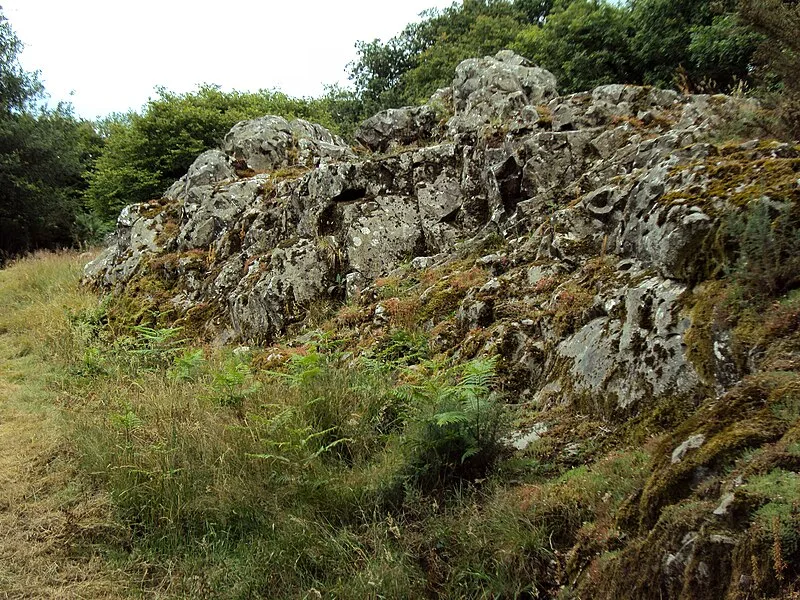
Quelfénnec
A Neolithic dolerite quarry in the commune of Plussulien, Cotes-d'Armor, Brittany, discovered in 1964 by prehistorian Charles-Tanguy Le Roux and excavated until 1976. Active from…
_-_Hygie_-_inv.Ra_34_k_-_Musée_Saint-Raymond.webp)
Roman Villa of Chiragan
One of the largest and most luxurious Roman villas in Gaul, located on the Garonne riverbank near Martres-Tolosane, roughly 60 km southwest of Toulouse. Occupied from the 1st to…
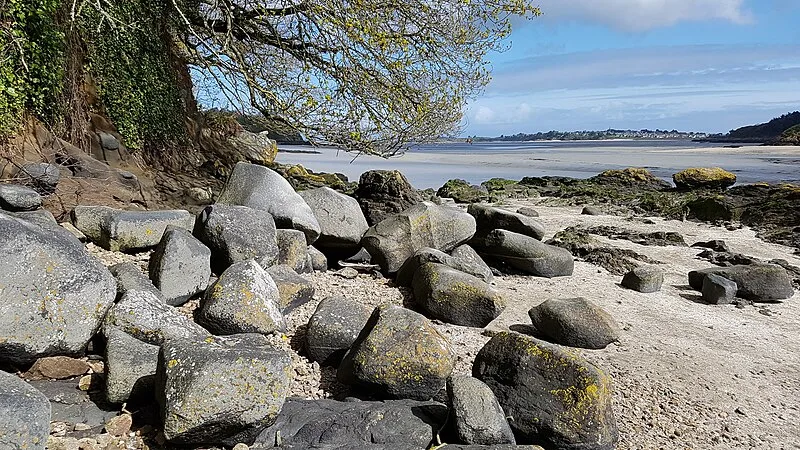
Singing Stones of Brittany
The Singing Stones of Brittany (French: Les pierres sonnantes du Guildo) are amphibolite rocks located at Saint-Cast-le-Guildo in the Côtes-d'Armor department of Brittany, France.…
Tivulaghju
Tivulaghju is a megalithic site in the commune of Porto-Vecchio, Corsica, first excavated in 1960 by Roger Grosjean and Jean Liegeois. The site contains megalithic cists…
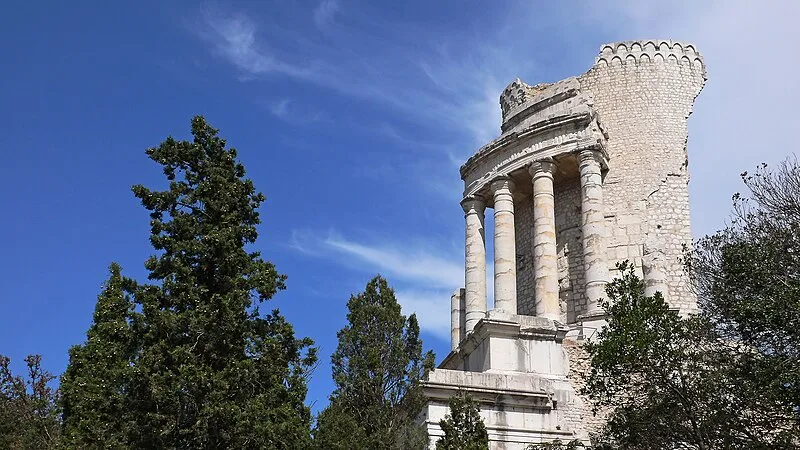
Tropaeum Alpium
The Tropaeum Alpium (Trophy of the Alps) is a Roman victory monument in La Turbie, France, built around 6 BC to celebrate Emperor Augustus's conquest of 45 Alpine tribes during…
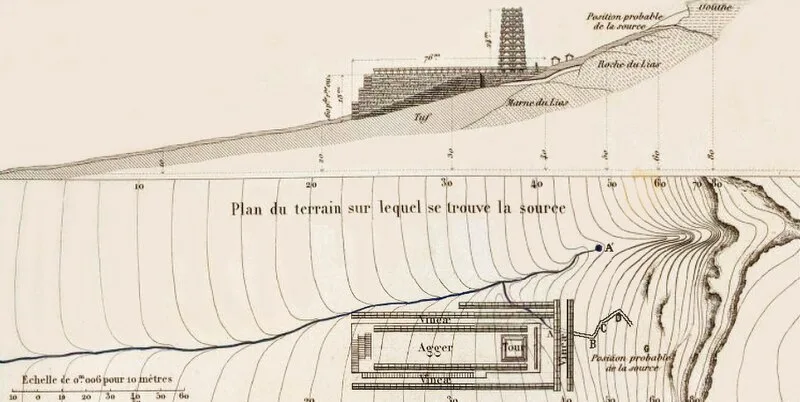
Uxellodunum
Uxellodunum is an Iron Age hill fort (oppidum) perched above the Dordogne River near Vayrac in France's Lot department. The stronghold was situated within the territory of the…
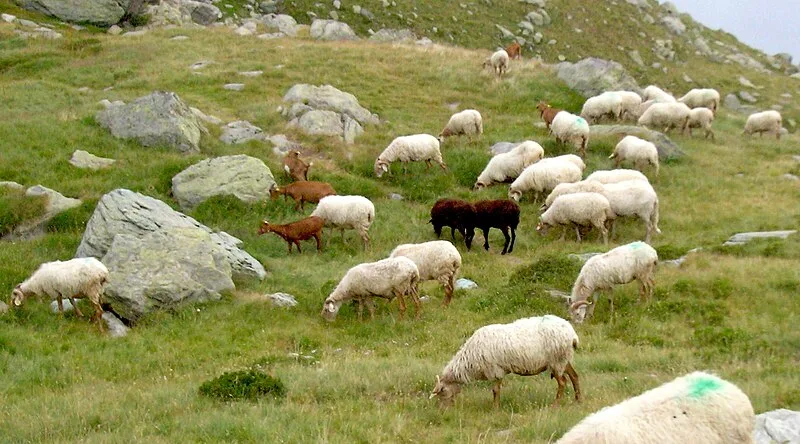
Vallée des Merveilles
The Vallee des Merveilles in the Mercantour National Park of southern France contains over 35,000 Bronze Age rock engravings spread across 40 square kilometres, making it Europe's…
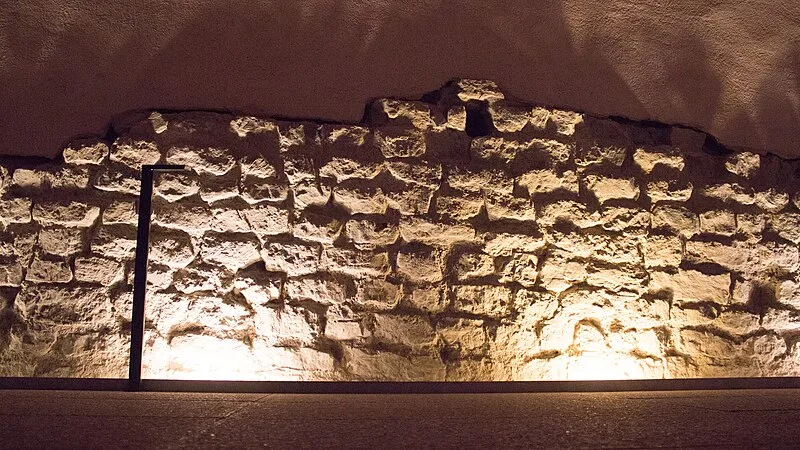
Vestiges of the Gallo-Roman Wall, Grenoble
The Vestiges of the Gallo-Roman wall are the remains of a fortification built in Grenoble (ancient Cularo) at the end of the 3rd century under Emperors Diocletian and Maximian,…
Keep exploring
Every site on this page sits on the globe, and the people who research them are on the Discord.
3D Globe · Sites by country · Story Archive · Research Library · Weekly Journal · Search