
 France
The Roman Aqueduct of Paris was a major engineering system built to supply water to Lutetia (Roman Paris). Constructed in the late 2nd century AD, this gravity-fed aqueduct transported water over approximately 26 km (16.1 mi) from sources in the south. The channel was carved primarily underground with a constant gradual slope, with one spectacular section raised on monumental arches to cross the Bièvre valley. Unlike the Seine's water, the aqueduct delivered higher quality water to the Roman city [1].
Roman Aqueduct of Paris
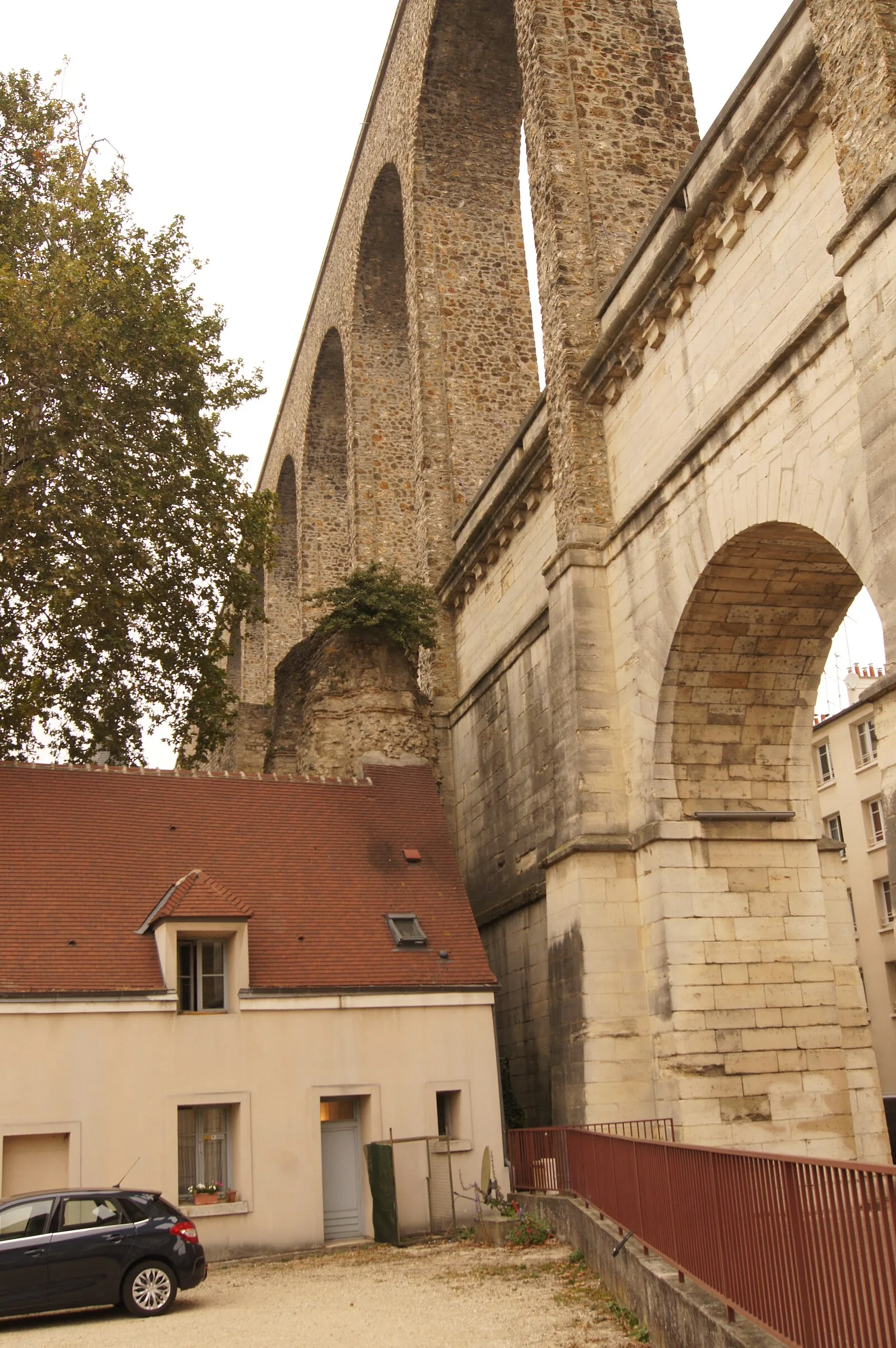
Also known as: Akvadukt Lutetia, Aqueduc de Lutèce, Aqueduct of Lutetia
| Type | Reservoir/aqueduct/canal |
|---|---|
| Period | 1 - 500 AD |
| Country | France |
| Coordinates | 48.8570° N, 2.3524° E |