
 France
The Jublains archeological site is a cluster of ruins, mostly dating back to Ancient Rome, in the current French commune of Jublains in the département of Mayenne in the Pays de la Loire [1]. Roman imperial authorities built a city named Noviodunum on the site of a temple of the Celtic Diablintes, which became the capital of this people in the Augustan administrative reorganization [1]. The difficulties the city experienced beginning in the 3rd century can be read in the fortifications built in that period, which are still the most impressive features of the site [1]. In late antiquity the settlement lost its status as a capital when the Diablintes were absorbed into the Cenomani culture [1]. The city named Noviodunum (Gaulish: "new fortress") was the most important Diablintes settlement and was mentioned by Ptolemy and included in the Tabula Peutingeriana, where it was erroneously labelled Nu dionnum [1]. The settlement had declined sharply by the 4th century; the coins and imported ceramics found at the site date no later than the reign of Constantine or Magnentius [1].
Text: Wikipedia – 'Jublains archeological site' (revision of 2026-08-21), CC BY-SA 4.0 · sentences selected and shortened by an AI system · source →Jublains Archaeological Site
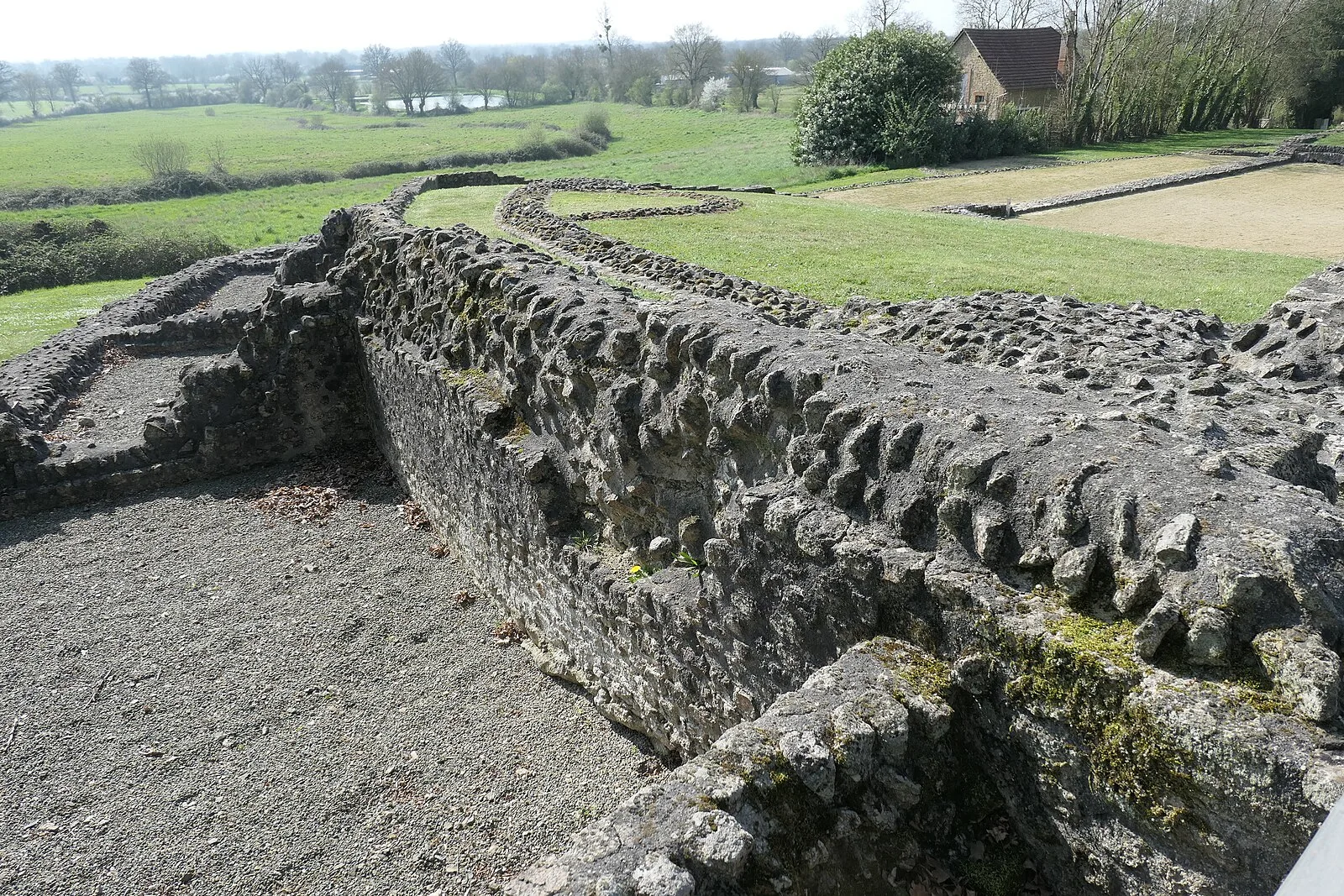
Also known as: Archaeological site of Jublains, arheološko najdišče Jublains, Jublains archeological site, site archéologique de Jublains, موقع جوبلان الأثري
| Type | City/town/settlement |
|---|---|
| Period | 1 - 500 AD |
| Country | France |
| Coordinates | 48.2592° N, 0.4977° W |