
 France
The Rouffignac cave, in the French commune of Rouffignac-Saint-Cernin-de-Reilhac in the Dordogne département, contains over 250 engravings and cave paintings dating back to the Upper Paleolithic [1]. The Rouffignac cave was mentioned in 1575 by François de Belleforest [1]. Famous archeologists such as Henri Breuil, André Glory and Édouard-Alfred Martel had visited the cave in the early 20th century, but it was only in 1956 that Louis-René Nougier and Romain Robert, two prehistorians from the Pyrenees, rediscovered and confirmed the cave art [1]. The artistic representations in the cave were mainly executed as engravings or black contour drawings [1]. Reconnaissance excavations in front of the entry of the cave found traces of human occupations (several fireplaces, animal bones and stone tools) dating back to the Mesolithic and to the Neolithic [1].
Text: Wikipedia – 'Rouffignac Cave' (revision of 2026-07-19), CC BY-SA 4.0 · sentences selected and shortened by an AI system · source →Rouffignac Cave
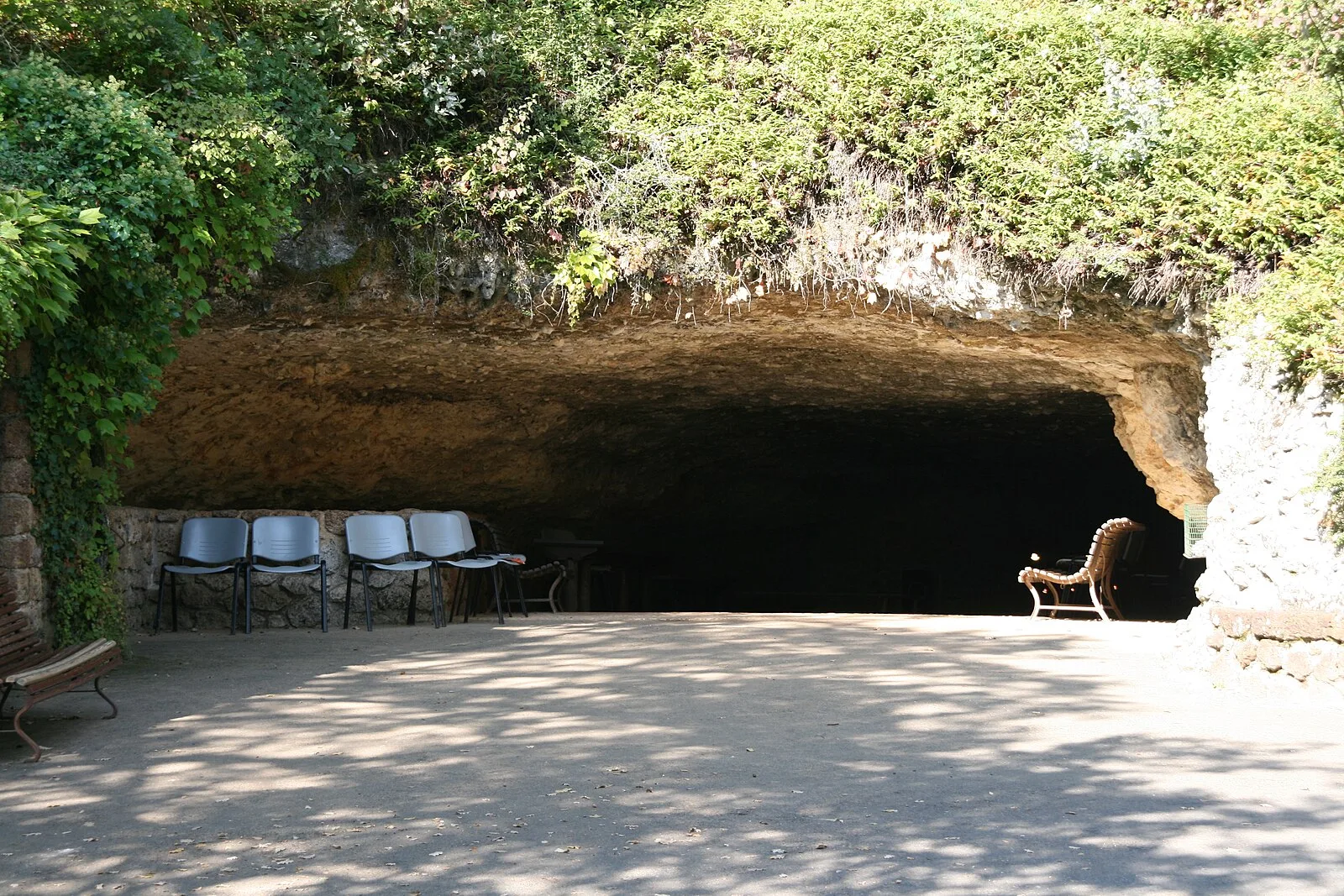
Also known as: Bauma de Rofinhac, Cova de Rouffignac, Cueva de Rouffignac, grotte de Cro de Granville, grotte de Miremont, Grotte de Rouffignac, Höhle von Rouffignac, Jaskinia Rouffignac, Pećina Rouffignac, Rouffignac-barlang, Rouffignacgrottan, Пећина Руфињак
| Type | Cave Structures |
|---|---|
| Period | < 4500 BC |
| Country | France |
| Coordinates | 45.0091° N, 0.9875° E |