
 France
Lascaux is a network of caves near the village of Montignac, in the department of Dordogne in southwestern France [1]. Over 600 parietal wall paintings cover the interior walls and ceilings of the cave [1]. The paintings represent primarily large animals, typical local contemporary fauna that correspond with the fossil record of the Upper Paleolithic in the area [1]. They are the combined effort of many generations [1]. With continued debate, the age of the paintings is now usually estimated at 17,000 to 22,000 years [1]. On 12 September 1940, the entrance to the Lascaux Cave was discovered on the La Rochefoucauld-Montbel lands by 18-year-old Marcel Ravidat when his dog investigated a hole left by an uprooted tree [1]. The cave contains nearly 6,000 figures, which can be grouped into three main categories: animals, human figures, and abstract signs [1].
Text: Wikipedia – 'Lascaux' (revision of 2026-09-15), CC BY-SA 4.0 · sentences selected and shortened by an AI system · source →Lascaux
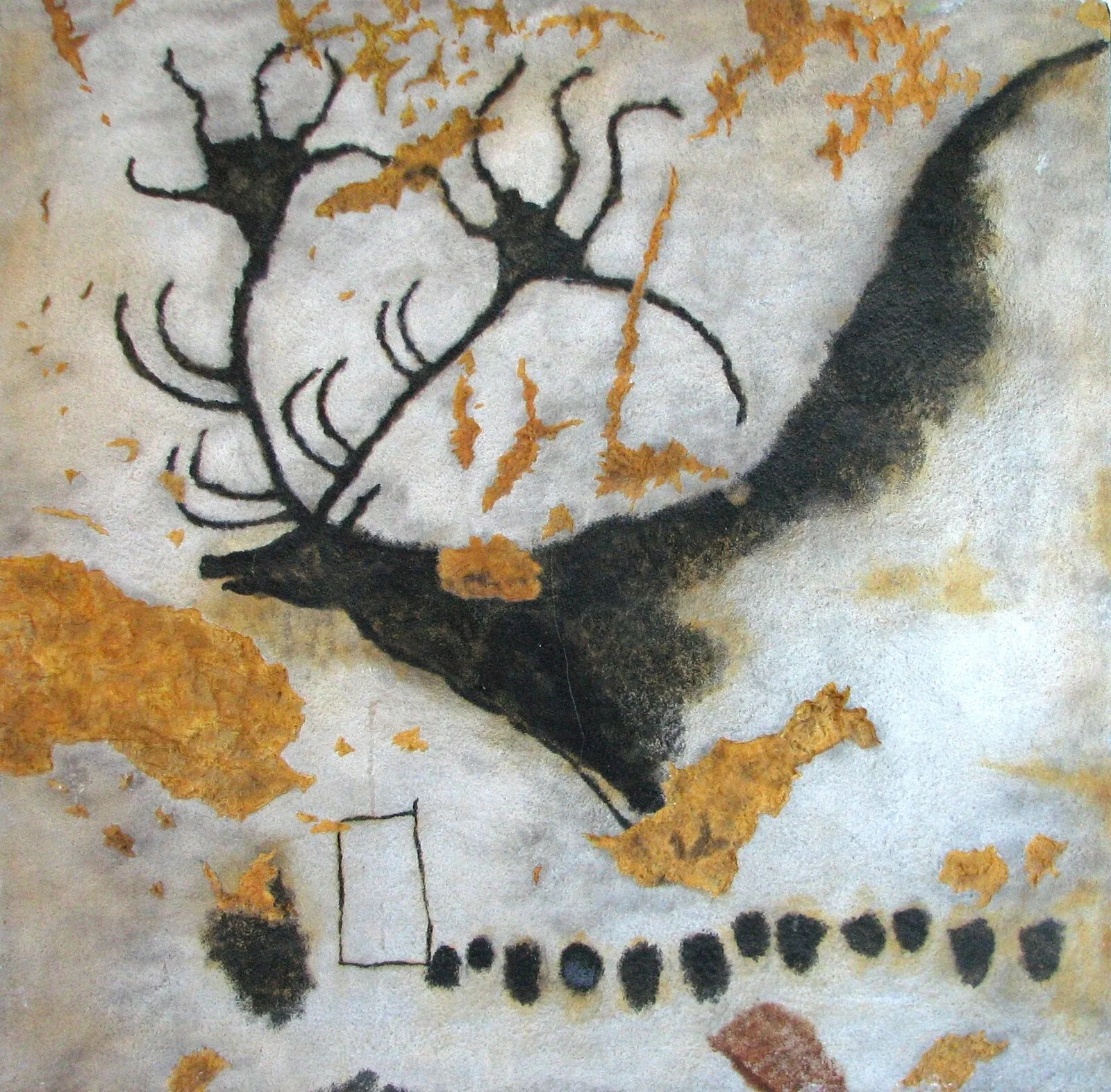
Also known as: 라스코 동굴, Bauma de Las Caus, Cova de Lascaux, Coves de Lascaux, Coves de les Caus, Cóvołi de Lascaux, Cueva de Lascaux, Groto Lascaux, Grotta di Lascaux, grotte de Lascaux, Grotte di Lascaux, Grottekeningen van Lascaux
| Type | Cave Structures |
|---|---|
| Period | < 4500 BC |
| Country | France |
| Coordinates | 45.0538° N, 1.1701° E |