
 France
The ancient ferrier of Tannerre-en-Puisaye, located in the village of Tannerre-en-Puisaye in Burgundy, France, is a historic site used for mining and working of iron [1]. The works date from the Gallic and Gallo-Roman times [1]. It is one of two largest ferriers in France and one of the largest in Europe [1]. The whole ferrier is spread over 30 ha surface [1]. Three Gallo-Roman wells have been found, each 1.20 m wide and providing 2 m3 per hour [1]. Tannerre's ferrier, and iron extraction in the area, was active from the Iron Age up to the Middle Ages, with most production taking place during the Roman occupation [1]. In the early times the ore was picked straight from ground surface, with no digging involved [1]. Iron was produced in bloomeries made of clay, using the technique of « direct iron reduction », and forge-wrought on the spot [1].
Text: Wikipedia – 'Ferrier of Tannerre-en-Puisaye' (revision of 2026-07-18), CC BY-SA 4.0 · sentences selected and shortened by an AI system · source →Ferrier of Tannerre-en-Puisaye
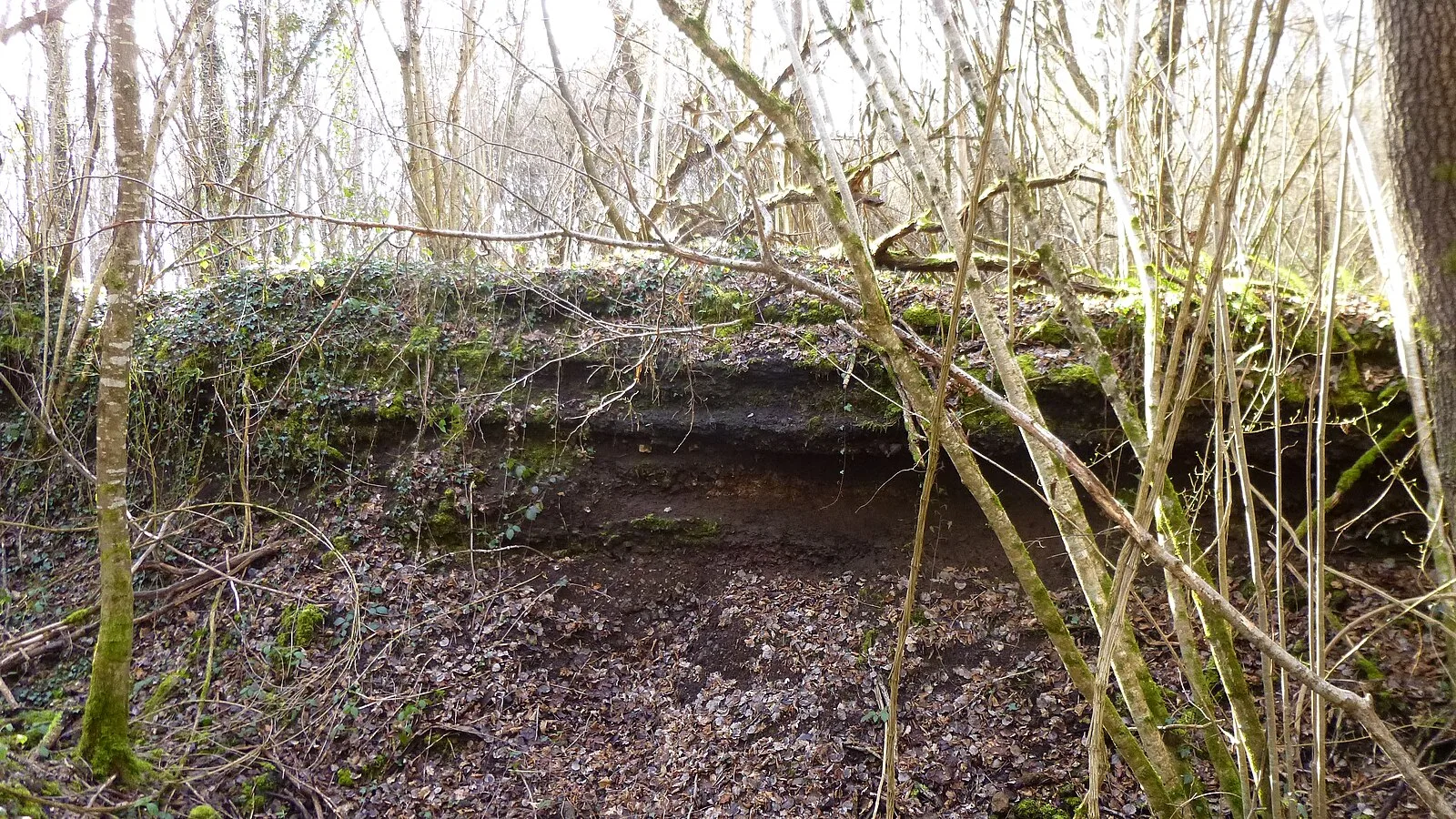
Also known as: Ferrier antique de Tannerre-en-Puisaye
| Type | Mine/quarry |
|---|---|
| Period | 1500 - 500 BC |
| Country | France |
| Coordinates | 47.7375° N, 3.1388° E |