

Archaeological Sites in Mexico
City/town/settlement in Mexico (101)
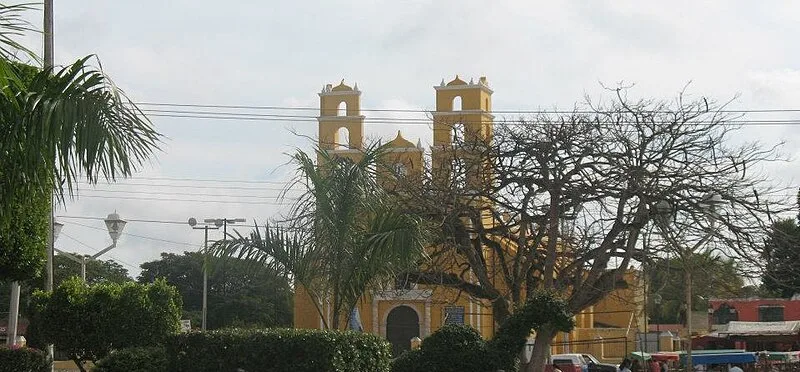
Acanceh
Acanceh is an ancient Maya archaeological site in the Mexican state of Yucatán, located approximately 21–25 kilometres from Mérida, the state capital. The modern town of Acanceh…
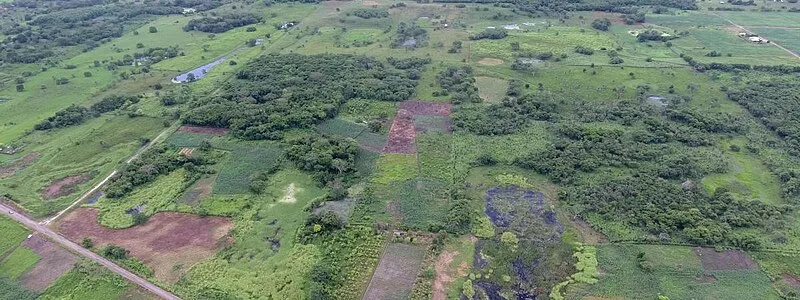
Aguada Fénix
Aguada Fénix is a Preclassic Maya archaeological site in Tabasco, Mexico, near the Guatemala border, discovered by aerial lidar survey in 2020. The massive earthen platform…
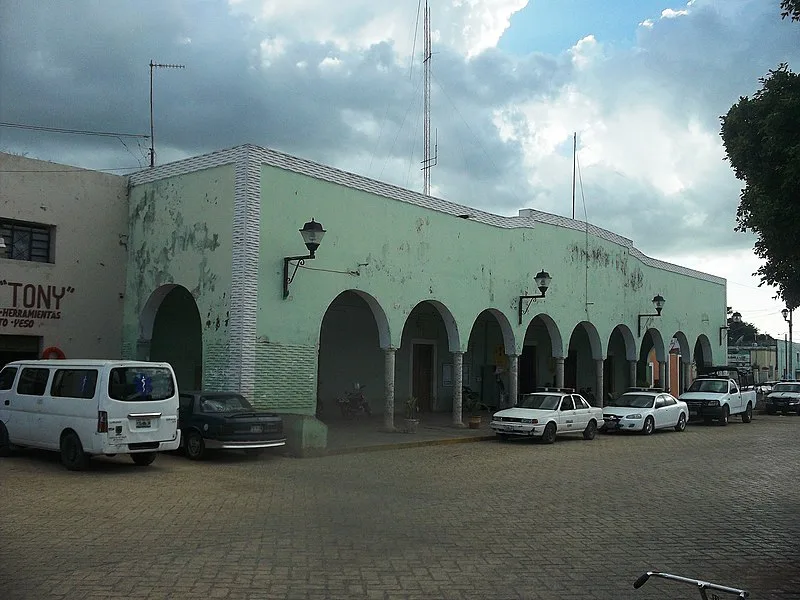
Aké (Yucatan)
Aké was a major Maya city in Yucatán, Mexico, flourishing from approximately 500 to 1000 AD. The site, meaning 'place of vines' in Yucatec Maya, spanned roughly 4 square…

Archaeological Site of Xcalumkín
Classic Maya city in the hills of northern Campeche, occupied from c. 300 BC but flourishing between 600 and 1000 AD. Its buildings display all three phases of Puuc architecture:…
:focal(886x599:887x600)/https://tf-cmsv2-smithsonianmag-media.s3.amazonaws.com/filer_public/f4/b7/f4b7949f-b95f-4db6-981f-002c71f12b47/mexican_frieze.jpg)
Atzompa
Zapotec elite residential complex located 4 km north of Monte Alban in Oaxaca, occupied during periods IIIB-IV (c. 650-850 AD). The site features high-status palatial units…
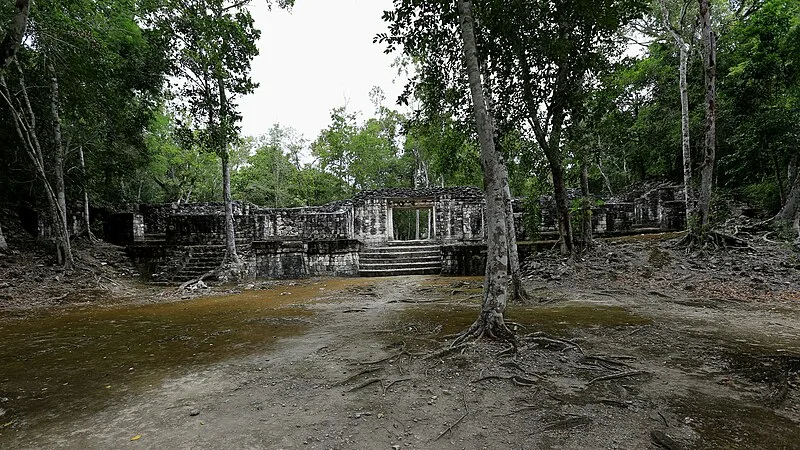
Balamkú
Balamkú is a small Maya archaeological site in Campeche, Mexico, featuring elaborate plaster facades dating to the Early Classic period. It has one of the largest surviving stucco…
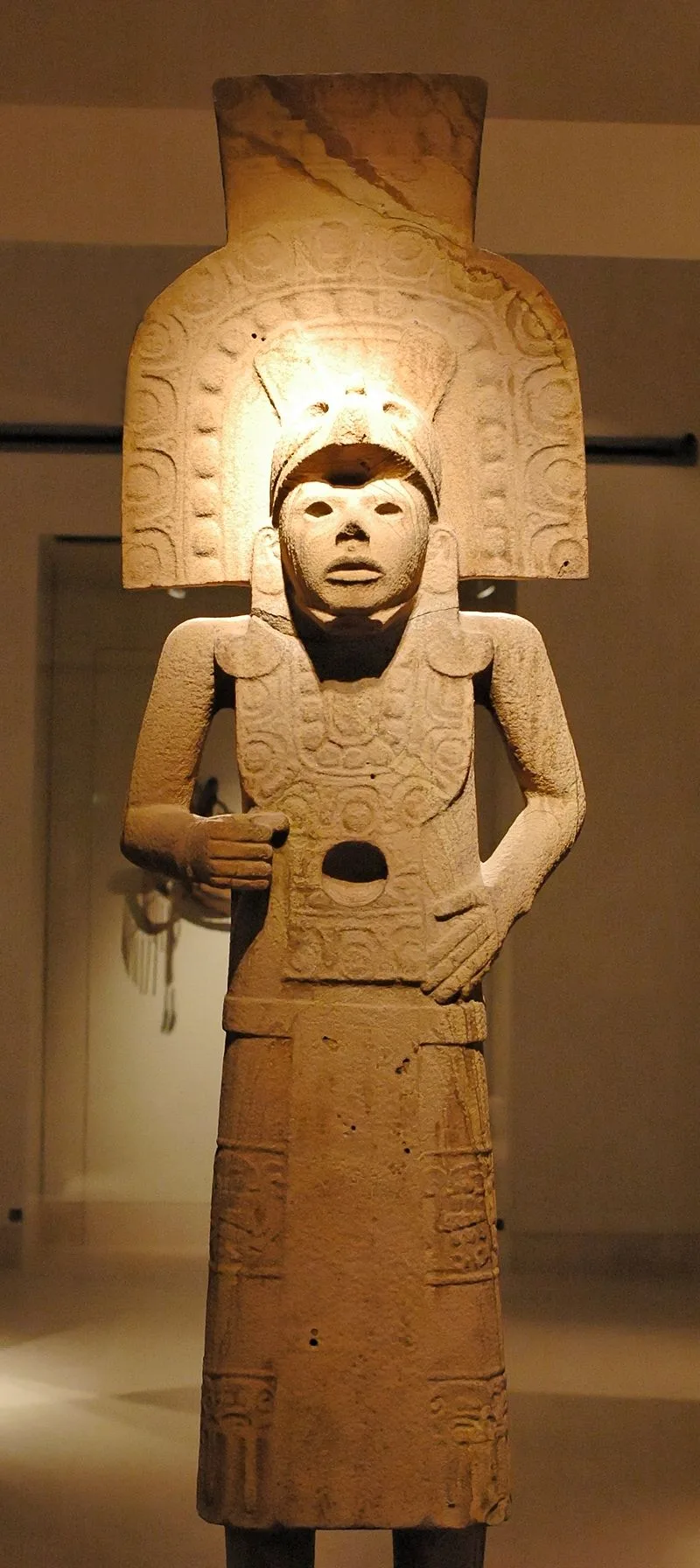
Balcon de Montezuma
Late Classic (600-900 CE) farming village located 18 km south of Ciudad Victoria in the Sierra Madre Oriental of Tamaulipas, Mexico, at 1,200 m elevation. The site comprises over…
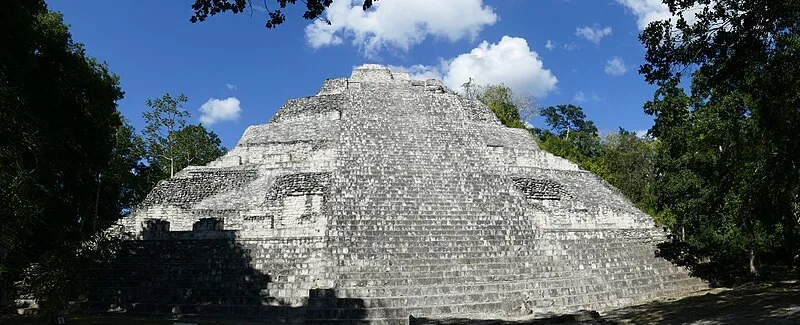
Becan
Becan is a Maya city in Campeche, Mexico that flourished from approximately 550 BC to 1200 AD. Its most distinctive feature is a massive surrounding ditch and ramparts, unusual…
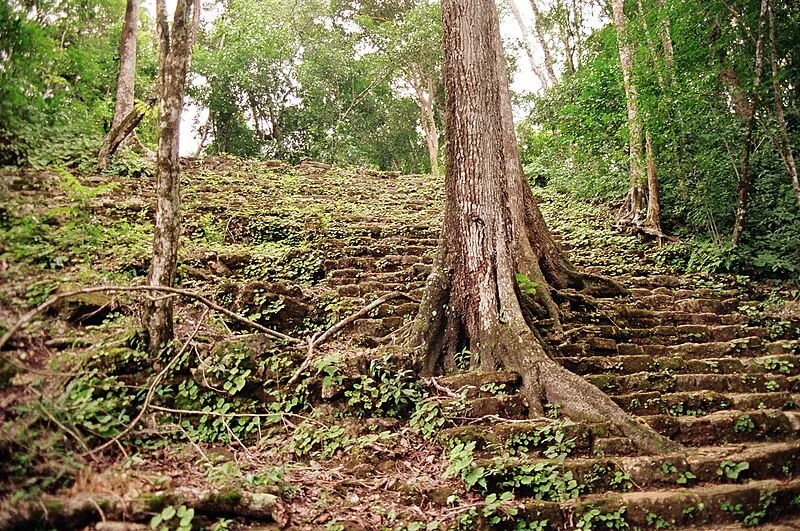
Bonampak
Bonampak is a small ancient Maya city in Chiapas State, Mexico, dating to the Late Classic period (c. 580–800 AD). Located approximately 30 km south of Yaxchilan, it functioned as…
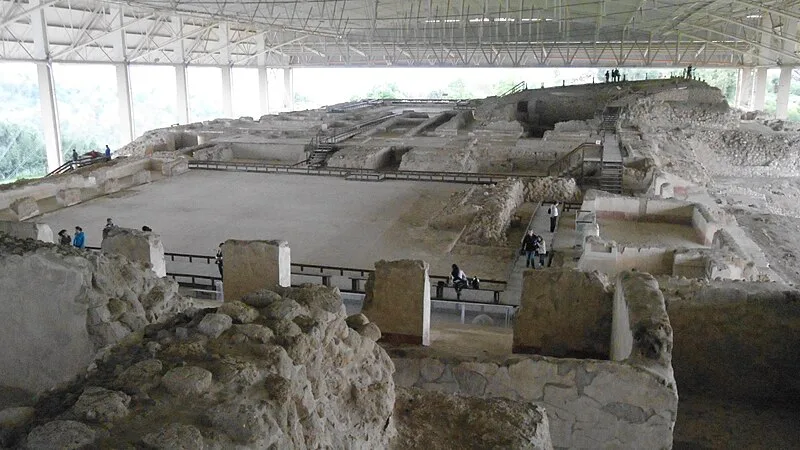
Cacaxtla
Cacaxtla is an archaeological site in southern Tlaxcala, Mexico, that flourished 650-900 CE as a major trade hub with a population of up to 10,000 people. The site features a…

Calakmul
Calakmul, meaning "City of the Two Adjacent Pyramids" in Maya, is a major archaeological site deep in the tropical forests of Campeche, Mexico. Occupied from approximately 600 BC…

Cañada de la Virgen
Canada de la Virgen is an Otomi archaeological site in San Miguel de Allende, Guanajuato, Mexico, occupied from approximately 540 to 1050 AD. Construction likely began after the…

Careyeros Hill
Careyeros Hill is a ridgetop archaeological site in Nayarit, Mexico, featuring drystone constructions dating to approximately 200 BC. The complex includes an astronomical…
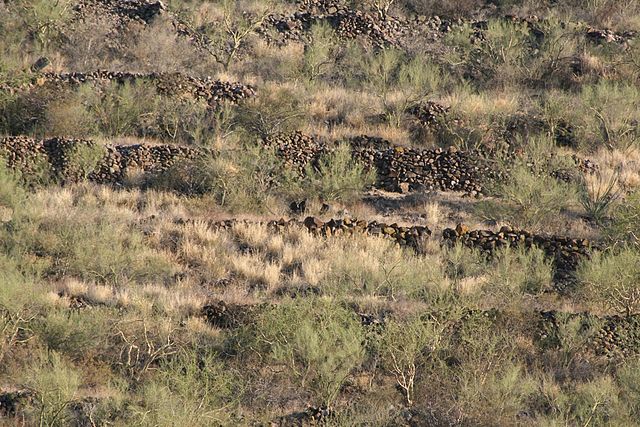
Cerro De Trincheras
Cerro De Trincheras is a pre-Columbian terraced town site in Sonora, Mexico, dating to 1350-1450 AD. Built on a hillside overlooking the Sonoran Desert, the settlement features…

Chacchoben
Chacchoben (Maya for "Place of Red Maize") is a Maya ruin site in Quintana Roo, Mexico, approximately 177 km south of Tulum. Archaeological evidence places the earliest human…
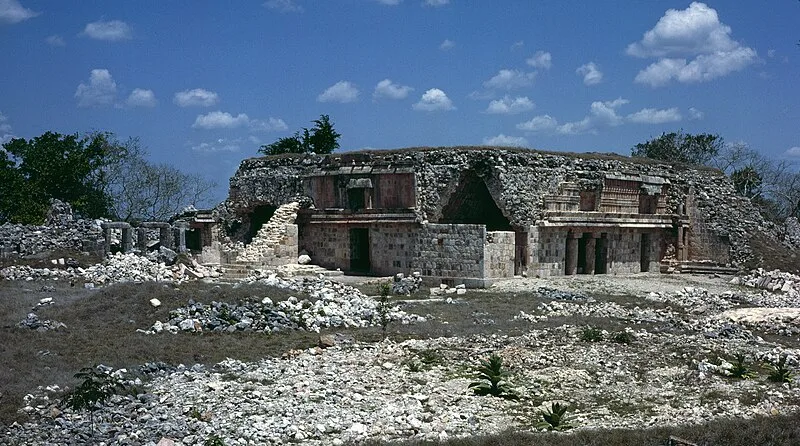
Chacmultun
Chacmultun (Maya for "Red Stone Mounds") is a Maya archaeological site in the Puuc region of Yucatan, Mexico, 130 km southeast of Merida. Inhabited from 300 BC to 1500 AD, the…
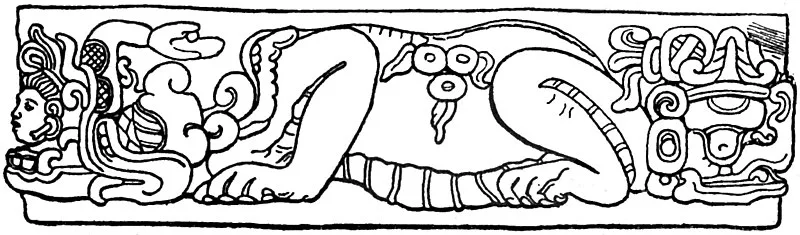
Chactún
Chactún is a Classic period Maya archaeological site in Campeche, Mexico, located within the Calakmul Biosphere Reserve. The site covers approximately 54 acres (22 ha) in the…
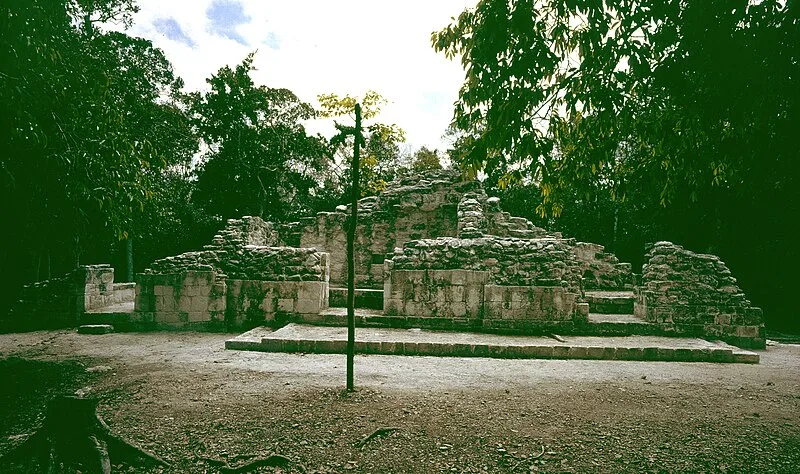
Chicanná
Chicanná was a Maya city that flourished during the Classic period (roughly 300–1100 AD). The site takes its name from Structure II, whose Maya name translates as "House of the…
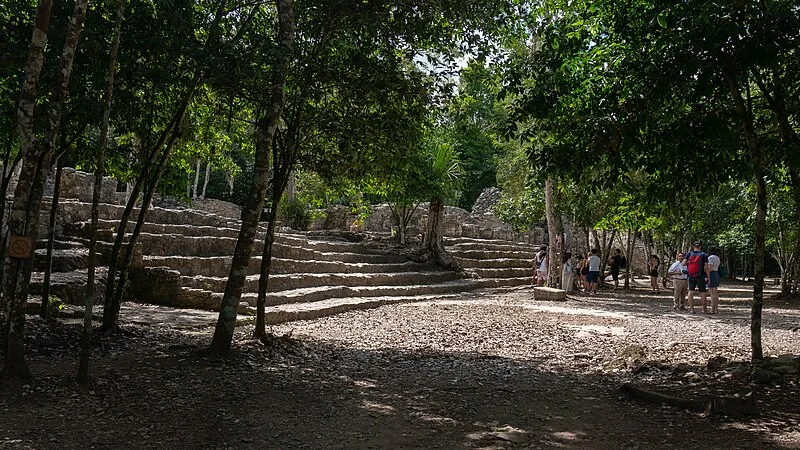
Cobá
Coba is an ancient Maya city on Mexico's Yucatan Peninsula, first settled around 50 BC and peaking between 600-900 AD with an estimated 50,000 inhabitants spread across 60 sq km.…
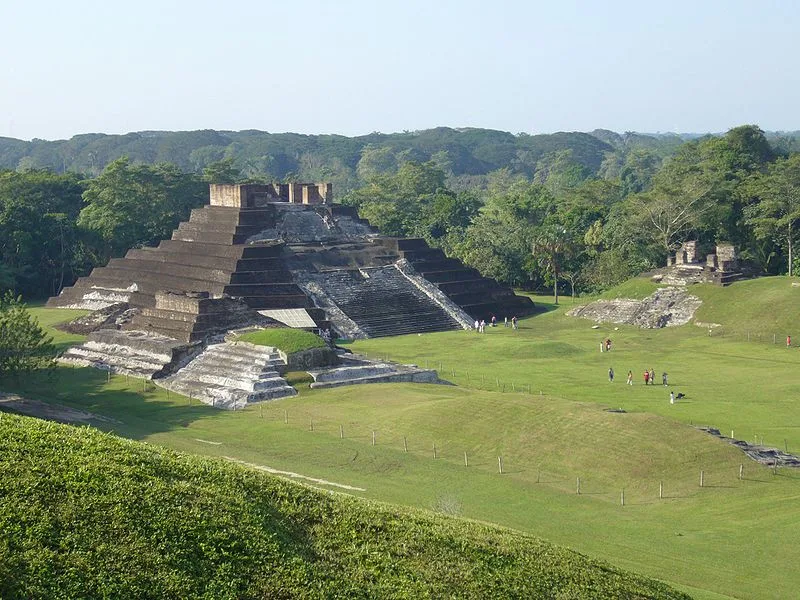
Comalcalco
Comalcalco is an ancient Maya archaeological site in the State of Tabasco, Mexico, adjacent to the modern city of Comalcalco and near the southern coast of the Gulf of Mexico. It…
Conchalito
Conchalito is an archaeological site in La Paz, Baja California Sur, Mexico. The site features a high concentration of pre-Hispanic burials belonging to the Pericu people,…
Cueva del Maguey
Cueva del Maguey is a cliff dwelling site in the Sierra of Durango, Mexico, situated at 2,600 metres elevation in a remote pine forest. Dating to around 1425 AD, the site was home…
Dainzú
Dainzú is a Zapotec archaeological site in the eastern Central Valleys of Oaxaca, 19-20 km southeast of Oaxaca de Juárez. First occupied 700-600 BC, it reached its main phase…

Dzibanché
Dzibanche is a major Maya archaeological site in southern Quintana Roo, Mexico, spanning 40 km2 and dating from the Middle Preclassic (850-400 BC) through the Late Postclassic…
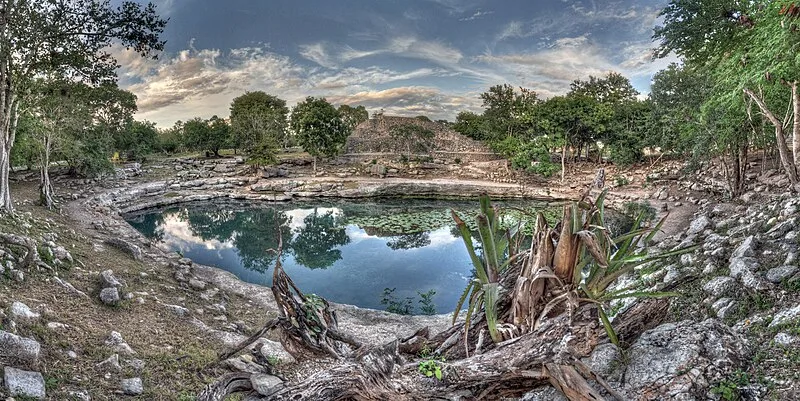
Dzibilchaltun
Dzibilchaltun is a Maya archaeological site 16 km north of Merida in Yucatan, Mexico, occupied continuously from approximately 1500 BC until the Spanish conquest in the 16th…
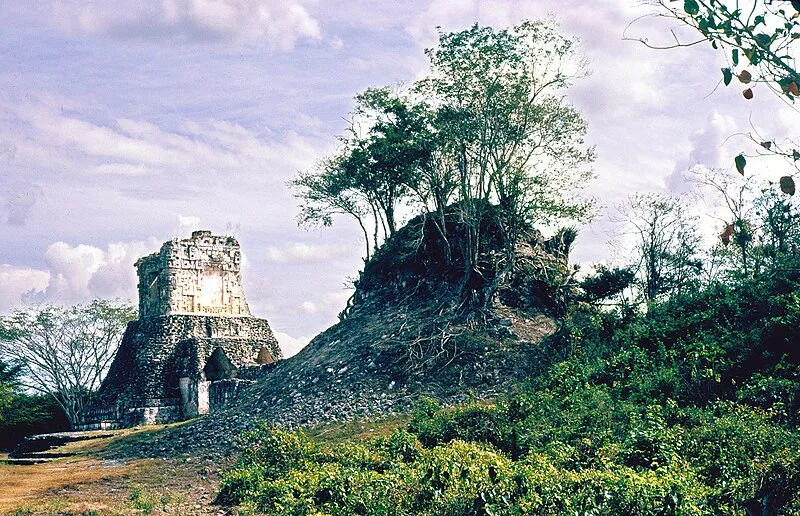
Dzibilnocac
Dzibilnocac is a Maya archaeological site in Campeche, Mexico, in the central Chenes region near the community of Vicente Guerrero. Initial occupation dates to around 500 BC…
Edzna
Edzna ('House of the Itzaes') is a Maya archaeological site in Campeche, Mexico, first settled around 600-400 BC and occupied for over 1,500 years until approximately 1450 AD. It…

Ekʼ Balam
Ek Balam ('Black Jaguar') is a Maya archaeological site 25 km north of Valladolid in Yucatan, Mexico, with origins in the Middle Preclassic period (700-300 BC). It served as the…
El Palenque
A Zapotec centre near San Martin Tilcajete in the Valley of Oaxaca, Mexico, dating to the Late Monte Alban I phase (300-100 BC). Excavations by Redmond and Spencer uncovered the…
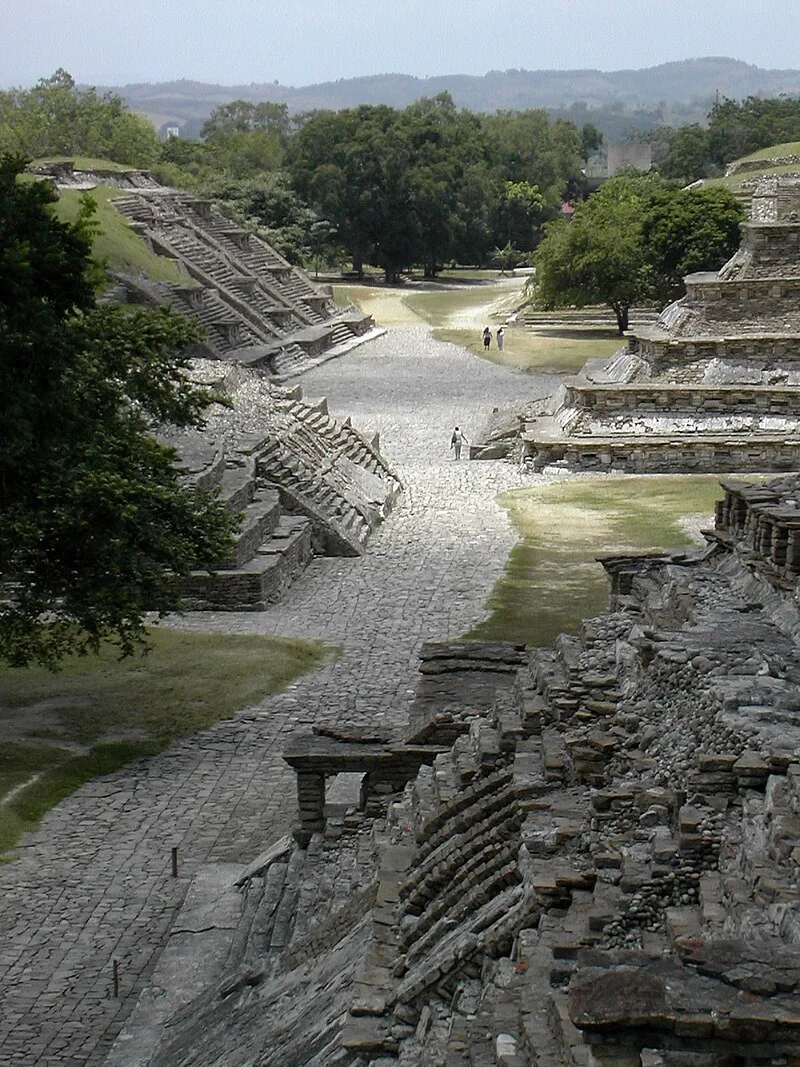
El Tajín
El Tajín is a pre-Columbian archaeological site in southern Mexico and was one of the largest and most important cities of the Classic era of Mesoamerica. Part of the Classic…
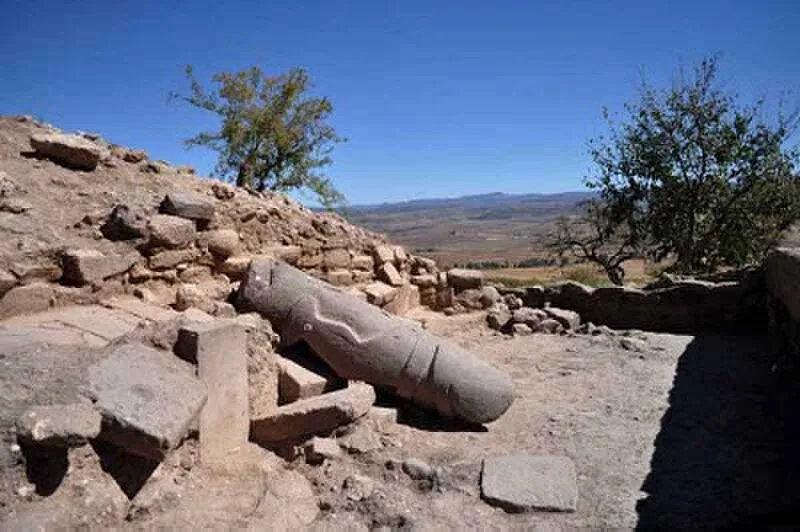
El Teul Archaeological Zone
One of the oldest continuously occupied sites in northern Mesoamerica, located on Cerro del Teul in southern Zacatecas, Mexico, with habitation spanning from c. 200 BC to 1531 AD.…
El Tigre (Campeche)
El Tigre/Itzamkanac is a Chontal Maya archaeological site in the Candelaria river basin of Campeche, Mexico. Itzamkanac means 'Place of the Iguana/Crocodile House' in the Chontal…
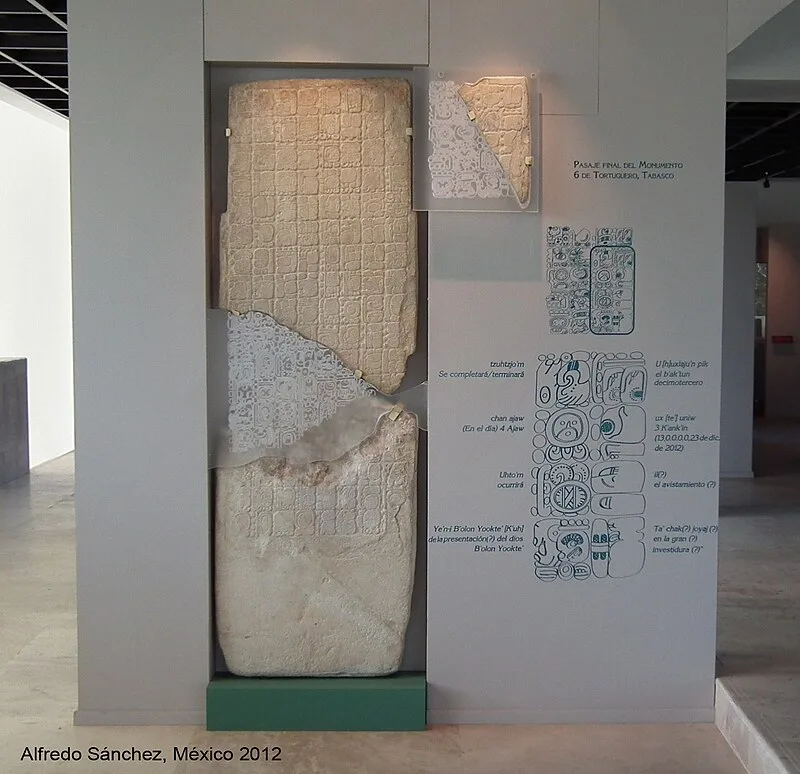
El Tortuguero
Located in southernmost Tabasco, Mexico, El Tortuguero was a Classic period Maya city (500-1000 AD) that used the B'aakal emblem glyph, the same title used by the powerful site of…
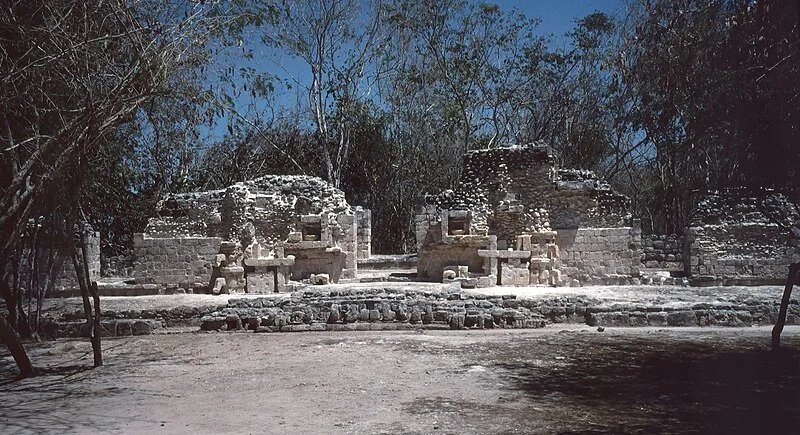
Hochob
Hochob, meaning 'place of the corncobs' in Maya, is an archaeological site in Campeche, Mexico, built on a natural hill elevated roughly 30 metres above the surrounding terrain.…
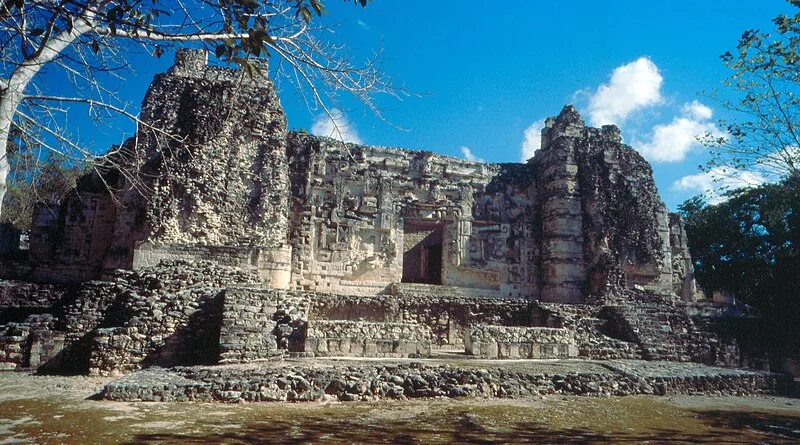
Hormiguero
Hormiguero ("anthill") is a Maya archaeological site in Campeche, Mexico, with 84 identified structures spread along a southwest-northeast axis. Occupied from the Late Preclassic…
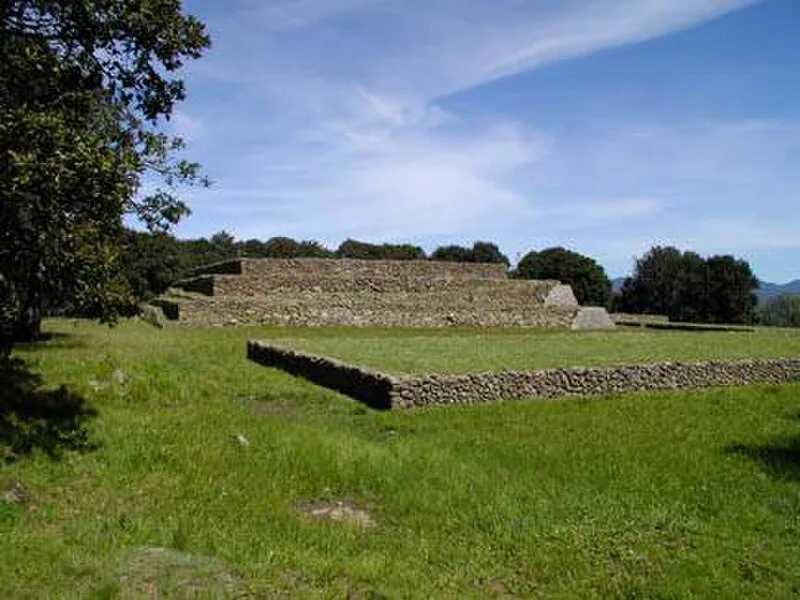
Huamango
Huamango is an Early Postclassic archaeological site (c. 900-1100 AD) located on the San Miguel plateau near Acambay in the State of Mexico, at approximately 2,850 meters…
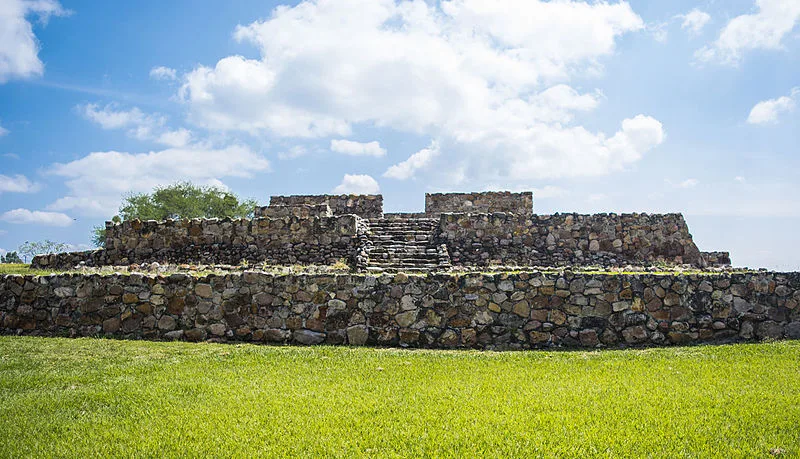
Huandacareo
Huandacareo (Purepecha: "place of judgments"), locally known as La Nopalera, is a Purepecha ceremonial and administrative center about 50 km north of Morelia, Michoacan, Mexico,…

Ihuatzio
A major Purepecha archaeological site in Michoacan, Mexico, meaning "place of the coyote" in the Purepecha language. First settled by Nahua-speaking groups around 900 AD, then…

Izamal
An ancient Maya city in Yucatan, Mexico, continuously inhabited since about 700 BC, covering a minimal urban area of 53 sq km. It is thought to contain the largest pyramid by…

Izapa
A large pre-Columbian archaeological site in Chiapas, Mexico, occupied from 1500 BC to 1200 AD with its apogee during the Late Formative period (300 BC-250 AD). Considered a…

Kabah
Maya archaeological site in the Puuc region of Yucatan, Mexico, part of the Uxmal UNESCO World Heritage Site. Settlement began around 400 BC, with peak development between 750-950…
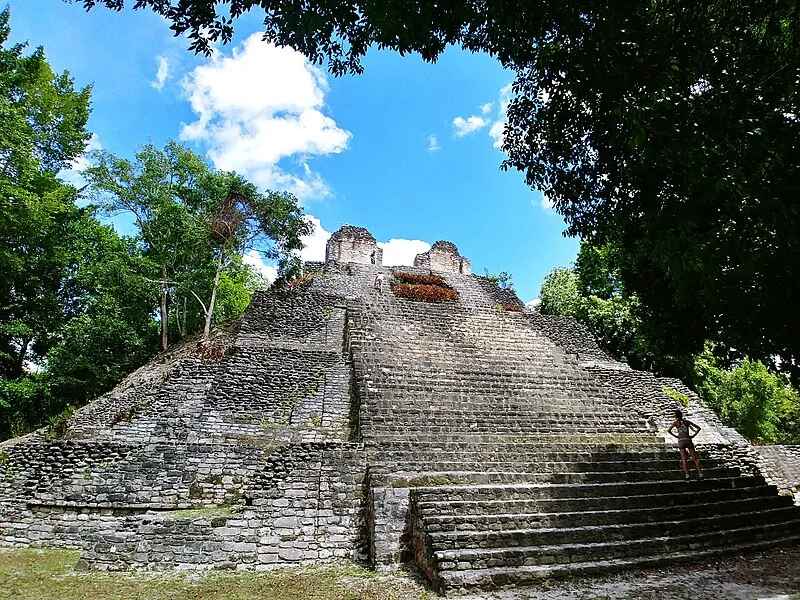
Kinichná
Kinichná es una zona arqueológica maya ubicada al sur del estado de Quintana Roo, México, que forma parte del complejo monumental de Dzibiché. La ciudad floreció entre los siglos…
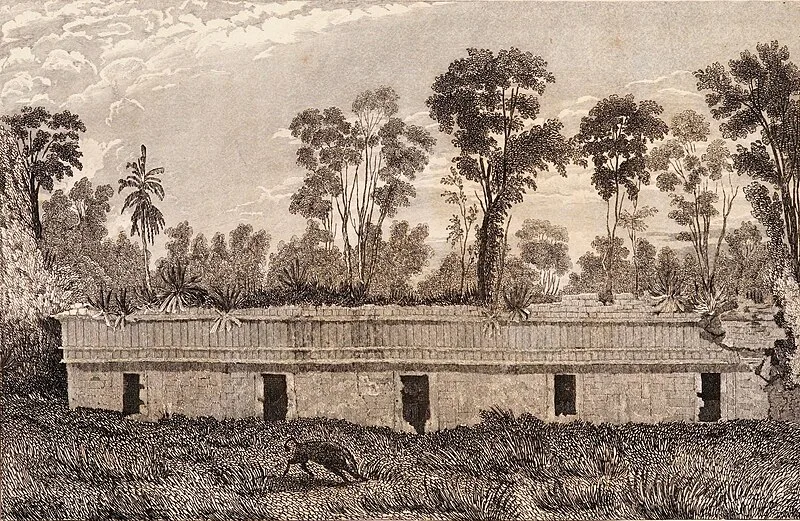
Kiuic
Kiuic is a Maya archaeological site in the Puuc region of Yucatan, Mexico, with occupation spanning from c. 800 BC to its abandonment around 880 AD. The name derives from the Maya…
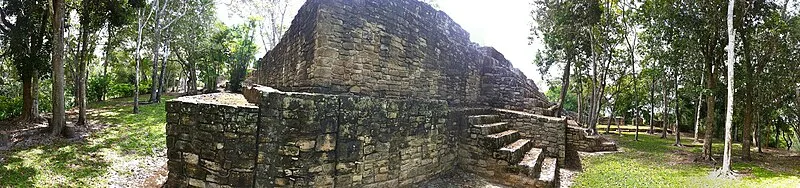
Kohunlich
Kohunlich is a large Maya archaeological site in Quintana Roo, Mexico, spanning 21 acres of dense subtropical rainforest with nearly 200 largely unexcavated mounds. First reported…
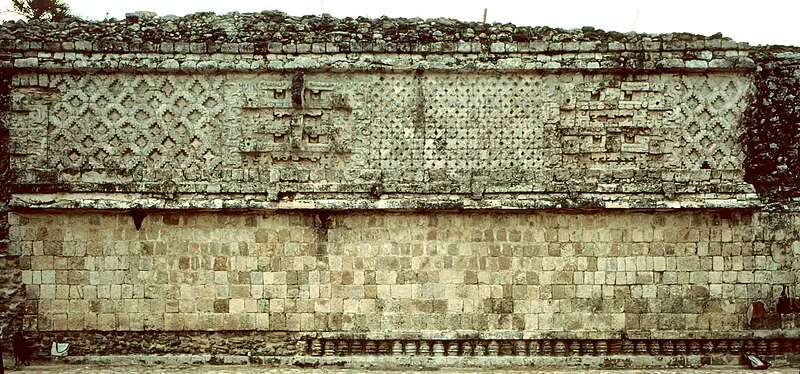
Kulubá
Kulubá is an ancient Maya civilization city and archaeological site located in Tizimín Municipality, northeast Yucatan, Mexico. The site, spanning approximately 6 km (3.7 mi) in…
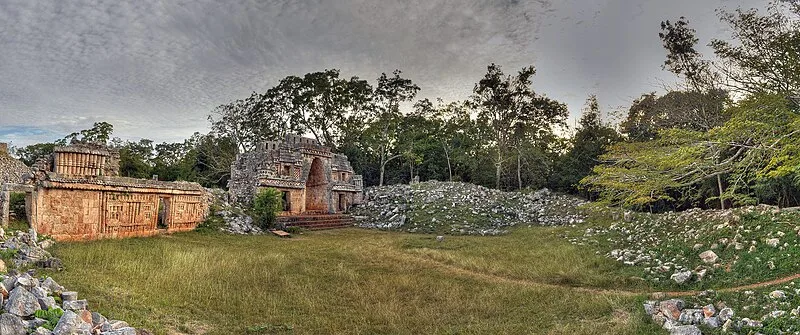
Labna
Labna is a Maya archaeological site in the Puuc Hills of Yucatan, Mexico, built between 600-900 AD in the Classic period. At its 9th-century peak, about 3,000 people inhabited the…

Lagartero
A Maya archaeological site located on islands within the Lagos de Colon lake system in the Municipality of La Trinitaria, southeastern Chiapas, Mexico, near the Guatemalan border.…
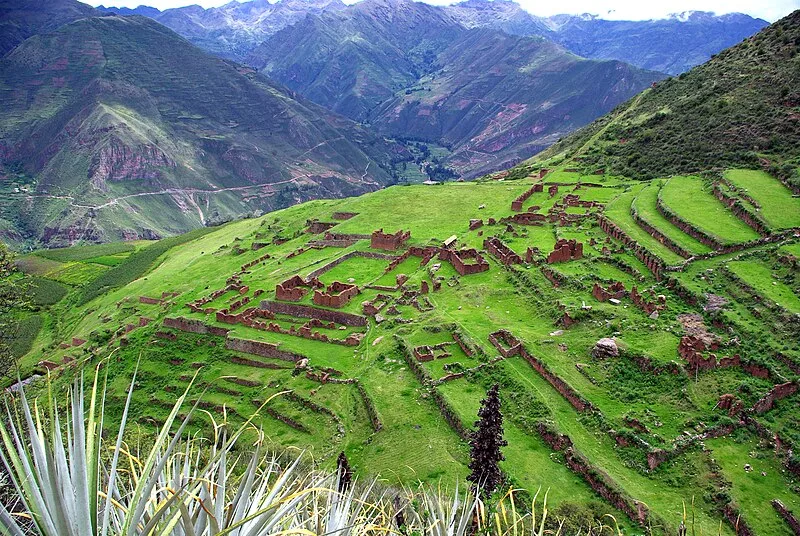
Lamay
Lamay is an ancient Maya architectural complex forming part of the larger Dzibanche settlement in southern Quintana Roo, Mexico, about 1.1 km northwest of the main group. The…
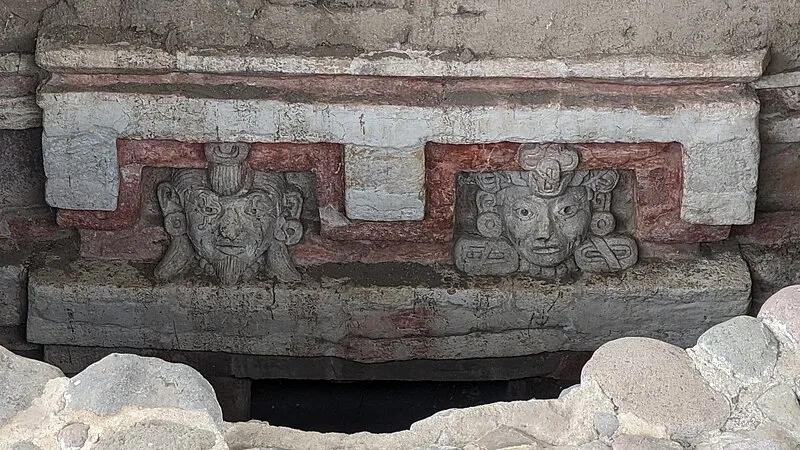
Lambityeco
Lambityeco is a Zapotec archaeological site in the Valley of Oaxaca, Mexico, occupied from around 700 BC to 750 AD. The settlement comprised about 200 mounds across 188 acres,…
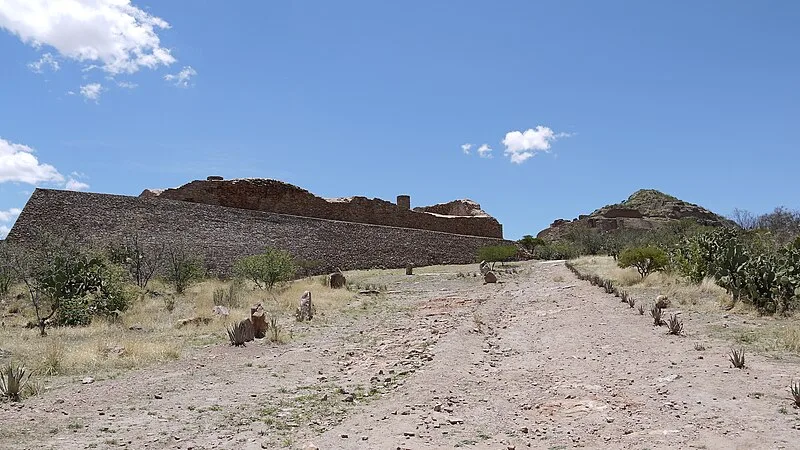
La Quemada
La Quemada is a Mesoamerican complex in the Malpaso Valley of Zacatecas, Mexico, active from the 4th to 12th centuries AD with its peak between 600-850 AD when it controlled 220…
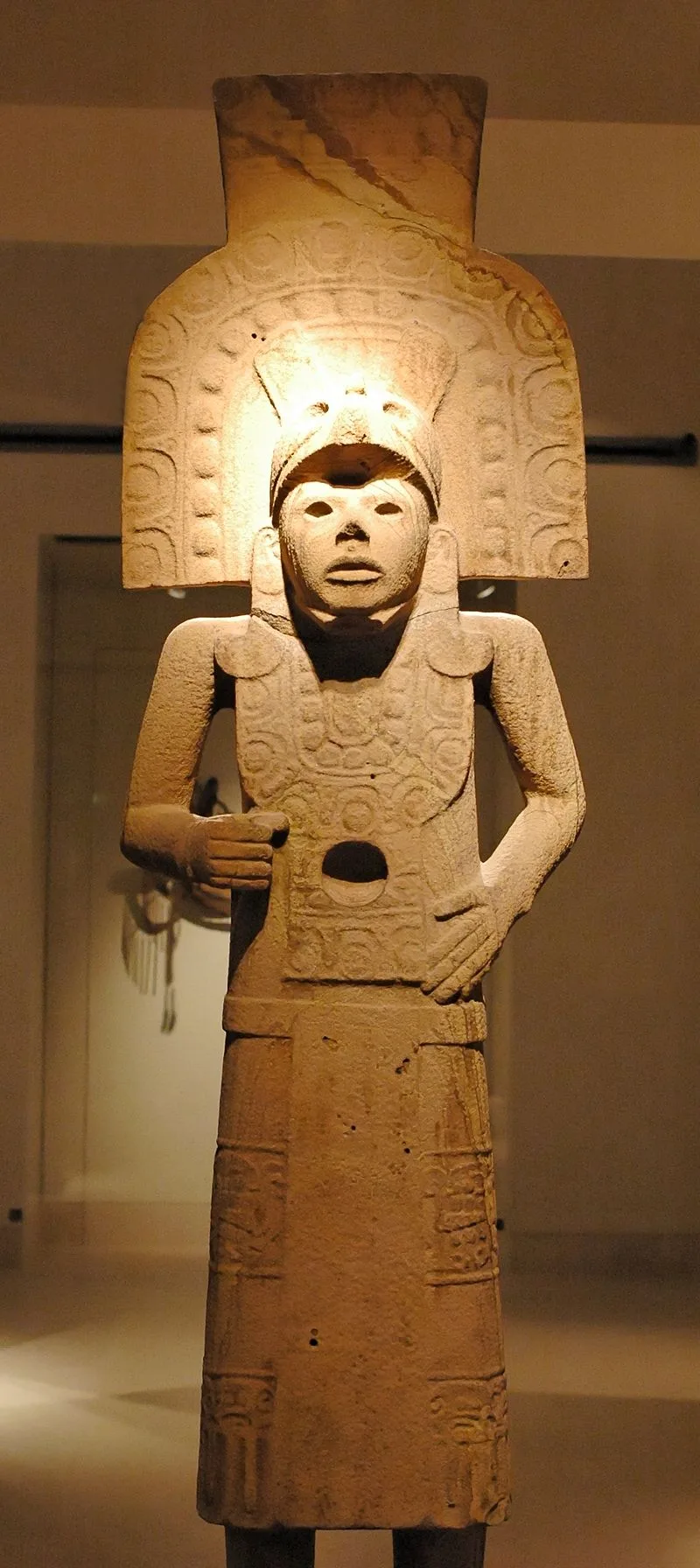
Las Flores
Las Flores is an archaeological site of the Huastec civilization located in modern Tampico, Tamaulipas, Mexico, dating to 500–1000 AD. The site features structures and artifacts…
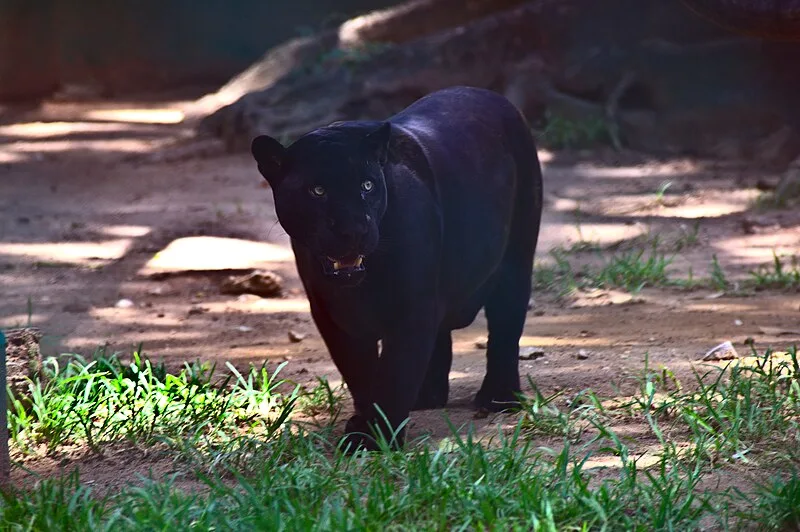
La Venta
La Venta is a major Olmec archaeological site in Tabasco, Mexico, that flourished between approximately 900 and 400 BC as the most prominent settlement in Mesoamerica. Its…
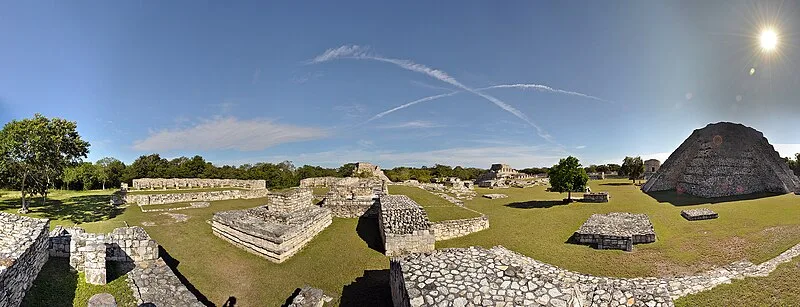
Mayapan
Mayapan was a major Pre-Columbian Maya city in the Yucatan Peninsula, serving as the political and cultural capital of the Maya from the 1220s until the 1440s. Located about 2 km…
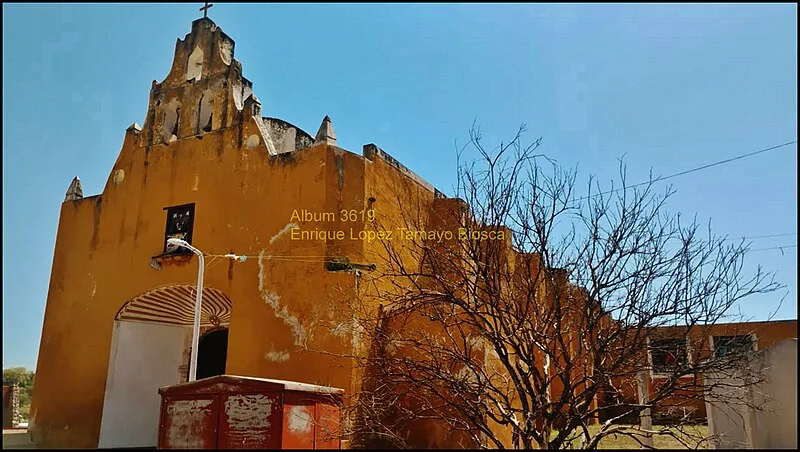
Miramar
Miramar (also known as Old Bolonchén) is an archaeological site in the Maya region of Campeche, Mexico. Located near the modern town of Bolonchén de Rejón, about 120 km east of…
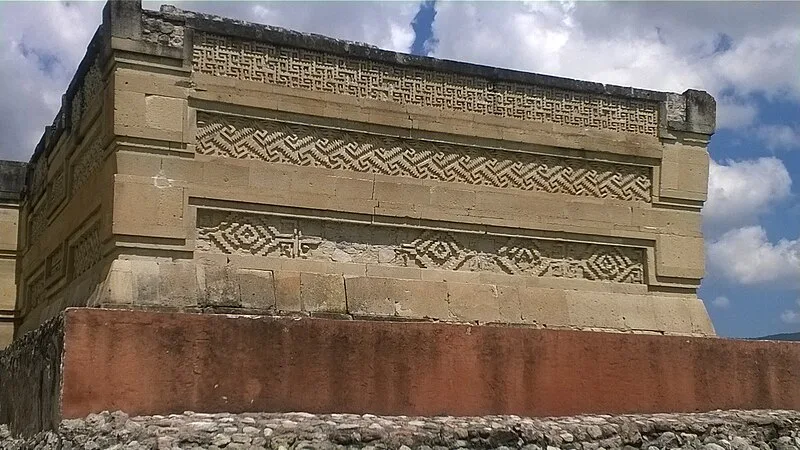
Mitla
Mitla is the second most important archaeological site in Oaxaca, Mexico, and the foremost center of the Zapotec culture. Its Nahuatl name Mictlan means "place of the dead," while…
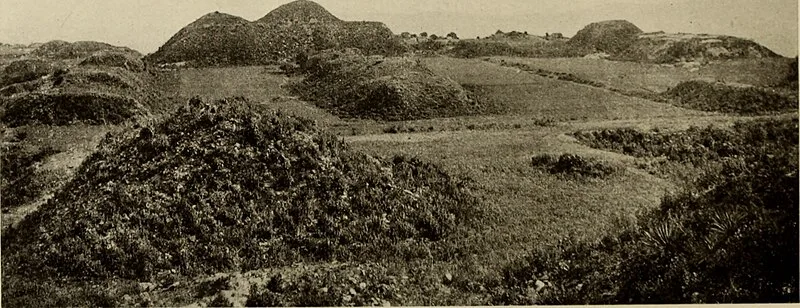
Monte Alban
Monte Alban is a monumental pre-Columbian site in Oaxaca, Mexico, founded around 500 BC as the capital of the Zapotec civilization on a strategically leveled hilltop. It grew from…
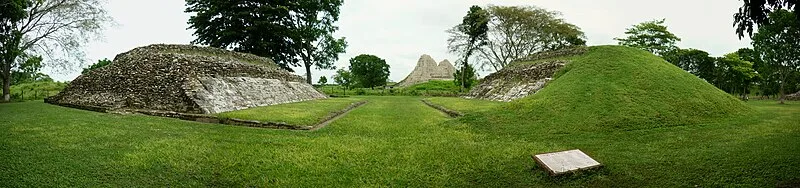
Moral-Reforma
Moral-Reforma is a Maya archaeological site in Balancan municipality, Tabasco, Mexico, occupying 87 hectares along the San Pedro Martir River. Settled from 300 BC, the city peaked…
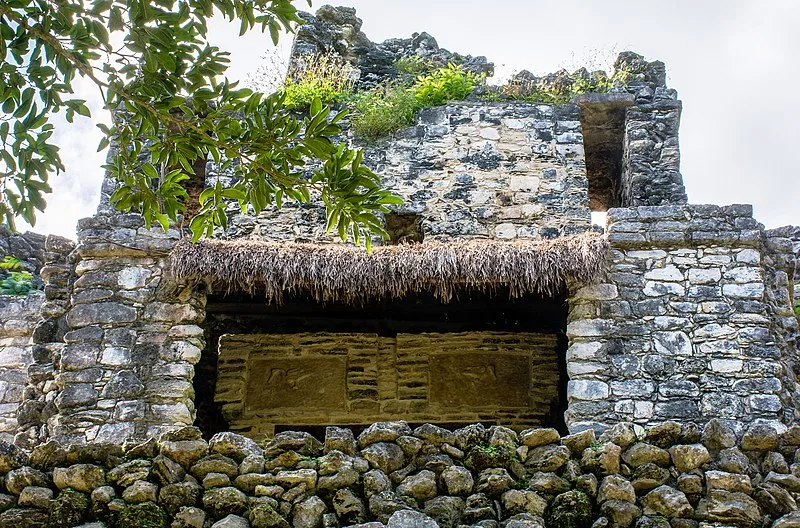
Muyil
Muyil (350 BC–1500 AD) was one of the earliest and longest inhabited ancient Maya cities on the eastern Yucatan Peninsula. Located 15 km south of Tulum in Quintana Roo, Mexico, it…
Ndachjian-Tehuacán
Ndachjian-Tehuacán is an archaeological zone in Puebla, Mexico, dating to 500–1000 AD and built by the Popoloca people. The site features a temple complex with a large pyramid and…
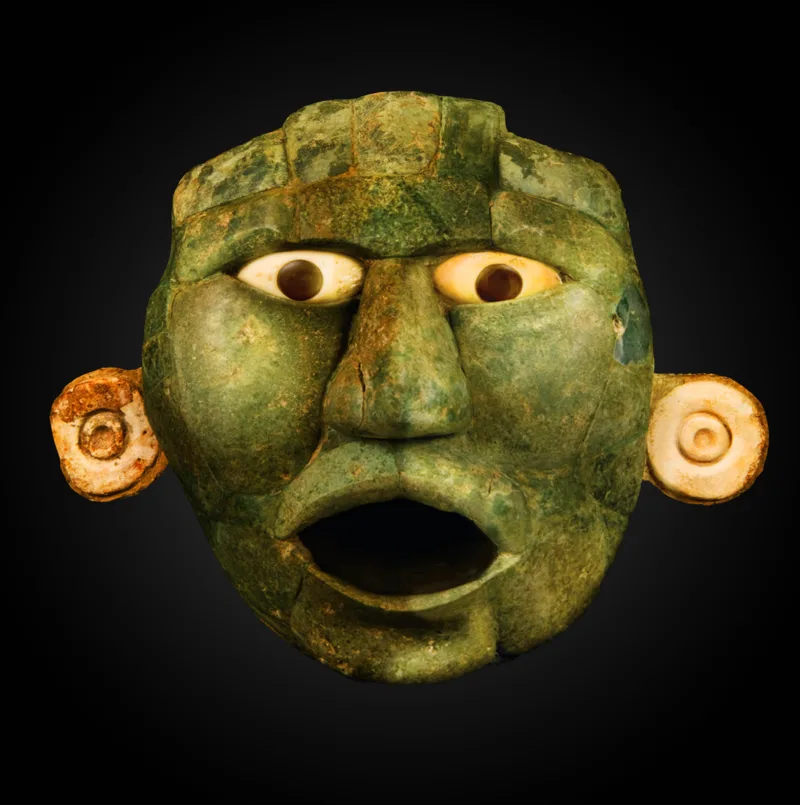
Noh Kah
Noh Kah is an ancient Maya city covering approximately 84 acres in the jungles of southern Quintana Roo, Mexico, near the Rio Hondo and the Belize border. Dating to the Early…

Oxkintok
Oxkintok is a major pre-Columbian Maya city in the Puuc region of Yucatan, Mexico, first inhabited during the Middle Preclassic period (500-300 BC) and reaching its peak during…
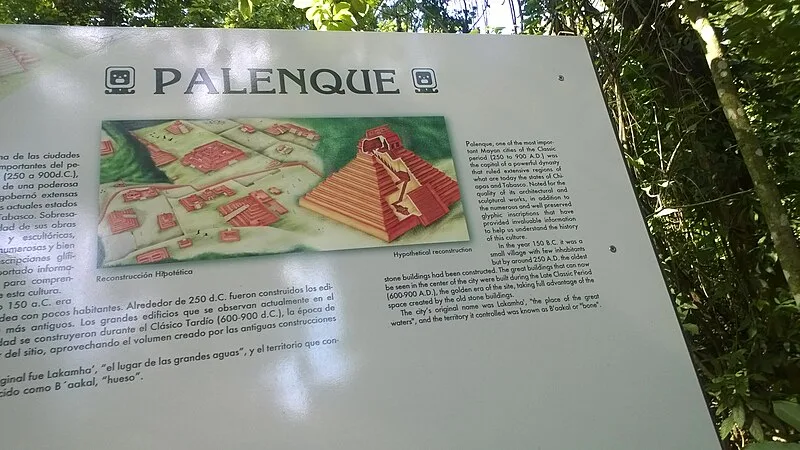
Palenque
(226 BC - 799 AD) Palenque was a Maya city-state in southern Mexico that flourished from circa 226 BC to circa 799 AD. Located near the Usumacinta River in the Mexican state of…

Paquime
Paquime (Casas Grandes) is a major prehistoric settlement in Chihuahua, Mexico, attributed to the Mogollon culture and designated a UNESCO World Heritage Site in 1998. Flourishing…
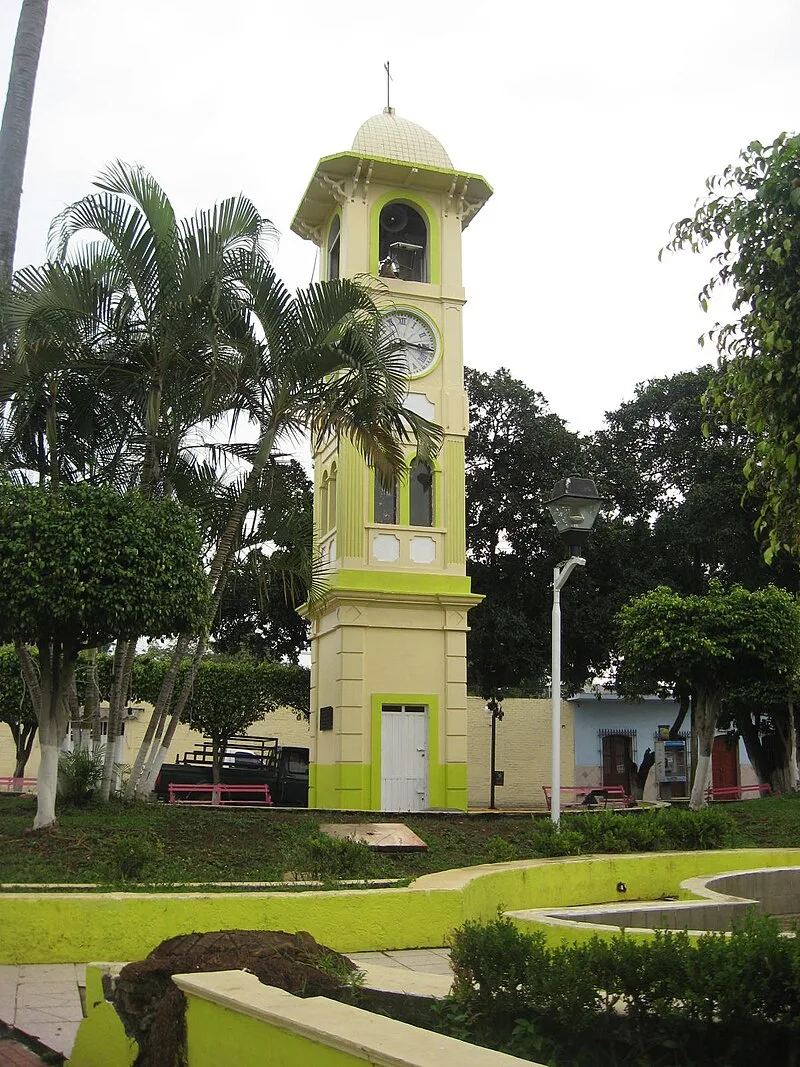
Paso del Macho
Paso del Macho is a Middle Preclassic Maya village in the eastern Puuc region of Yucatan, Mexico, with occupation beginning in the early Middle Preclassic (c. 900-600 BC).…
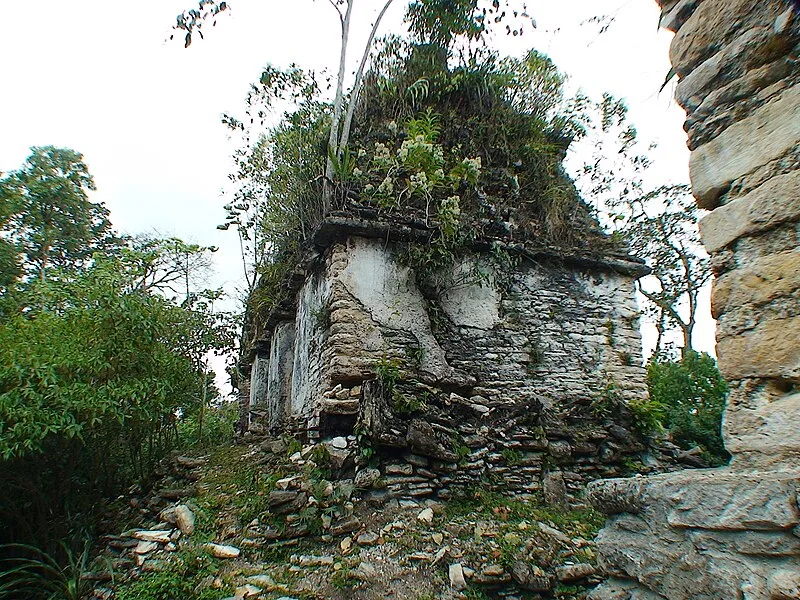
Plan de Ayutla
Plan de Ayutla (Sak tz'i) is a pre-Columbian Maya archaeological site in the municipality of Ocosingo, Chiapas, Mexico. The ruins are notable for having the earliest urban remains…
Purepecha Digs
The Purepecha Digs is a late Archaic period settlement and burial site in Michoacan State, Mexico, dating to approximately 2570-2320 BC and containing the oldest known burial site…
Purépecha Proto Urban Site
A Purepecha (Tarascan) proto-urban settlement in Michoacan, Mexico, dating to AD 1000-1520. The site covers approximately 5 square kilometers and contains over 1,300 documented…
Sacapu Angamuco
A major Purepecha urban settlement in the Lake Patzcuaro Basin of Michoacan, Mexico, spanning roughly AD 900 to 1350. LiDAR mapping revealed over 40,000 building foundations…
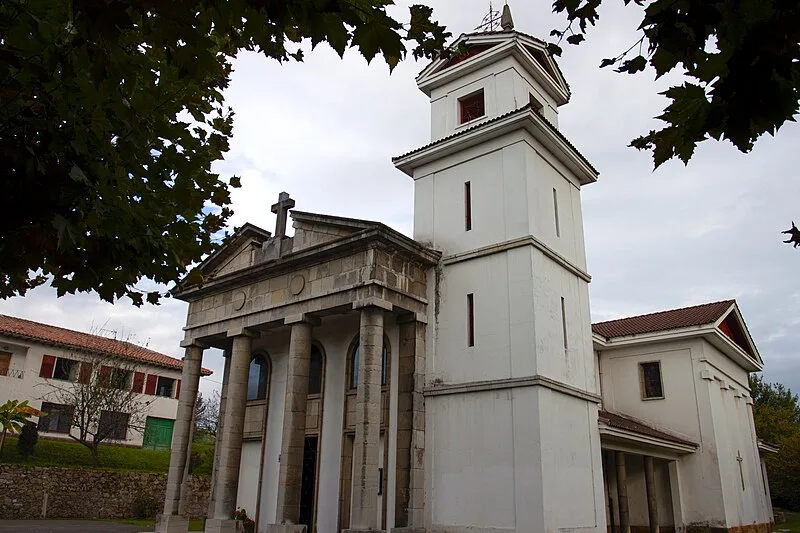
San Claudio
San Claudio is a Maya archaeological site in the municipality of Tenosique, Tabasco, Mexico, situated in the transition zone between the Guatemalan Petén highlands and the Gulf of…
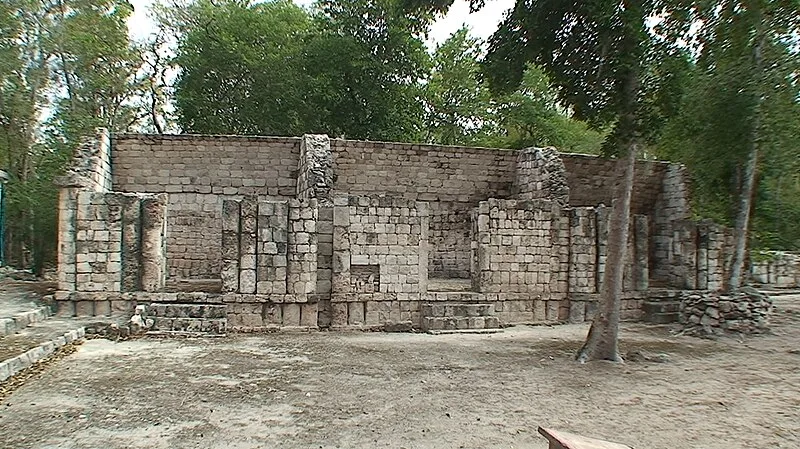
Santa Rosa Xtampak
Santa Rosa Xtampak is a major Maya archaeological site in Campeche, Mexico, and the former capital of the Chenes region. Settled from the early 4th century BC, it flourished…
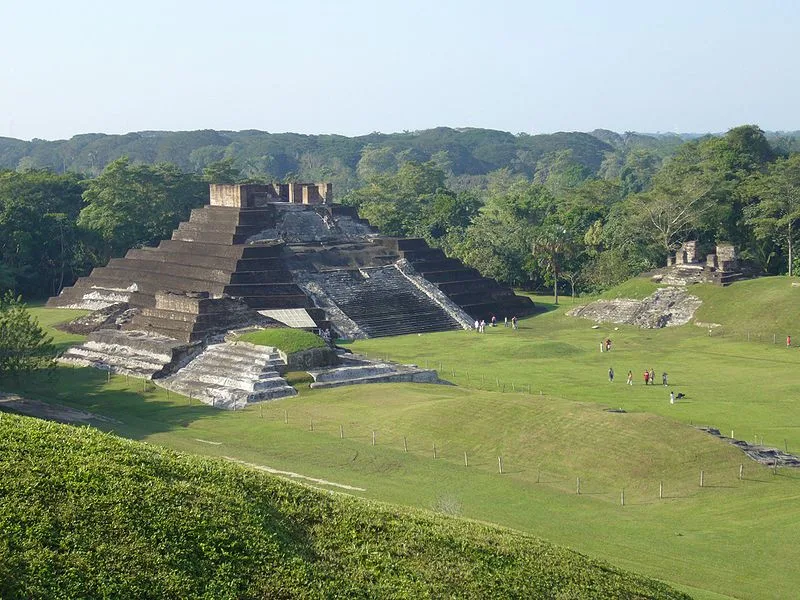
Tabasqueno
El Tabasqueno is a Chenes Maya archaeological site in Hopelchen municipality, Campeche, first documented by explorer Teobert Maler in 1887. Founded around the 2nd century AD, it…
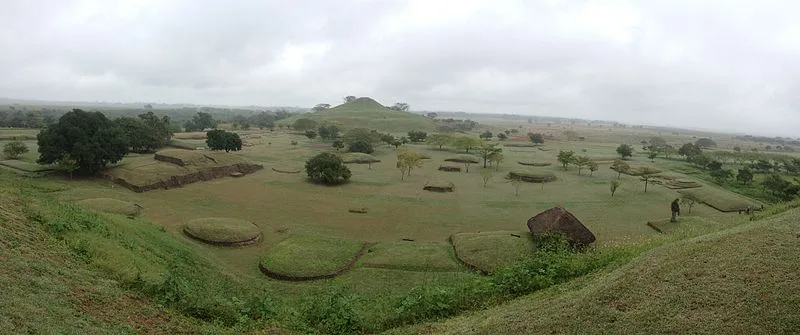
Tamtoc
Tamtoc is a major Huastec archaeological site in the municipality of Tamuin, San Luis Potosi, Mexico, spanning approximately 200 hectares with over 70 structures. Three occupation…
Tayata
Tayata is an ancient settlement in Oaxaca's Mixteca Region of southwestern Mexico. Occupied from approximately 1000 BC to 300 BC, it predates the Classical Period Mixteca culture…
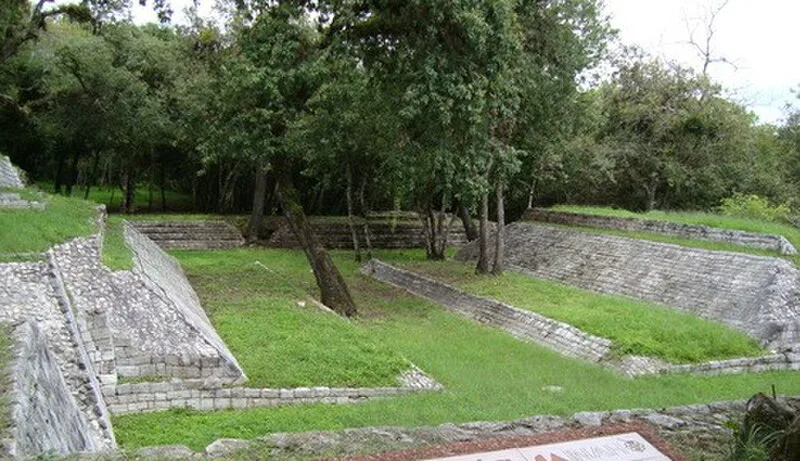
Tenam Puente
Tenam Puente is a Maya archaeological site in the eastern Chiapas Highlands, 12 km south of Comitan, Mexico, strategically positioned to control trade routes between the…

Teotihuacan - Tetitla
Tetitla is an elite residential compound located 500 meters west of the Avenue of the Dead at Teotihuacan, inhabited from 350 to 550 CE. The complex contains 120 painted walls…
Tepoztlan
Tepoztlan is home to El Tepozteco, an Aztec temple perched at 2,310 meters atop Tepozteco Hill in Morelos, Mexico. The temple was dedicated to Tepoztecatl, the god of pulque, and…
Teteles de Santo Nombre
Teteles de Santo Nombre is an ancient town in Puebla, Mexico, occupied for over a millennium from 400 BC to 600 AD. The site features two restored pyramidal structures standing 7…
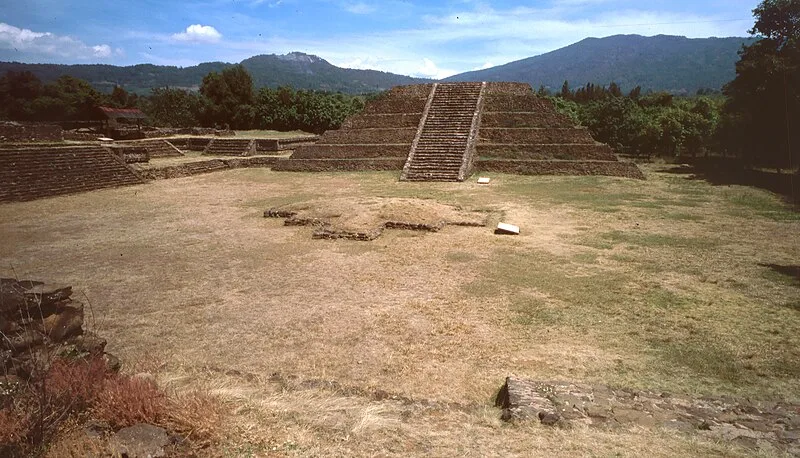
Tingambato
Tingambato (also Tinganio, meaning "place where the fire begins" in Purepecha) is an archaeological site in Michoacan, Mexico, between Patzcuaro and Uruapan. Its first stage began…
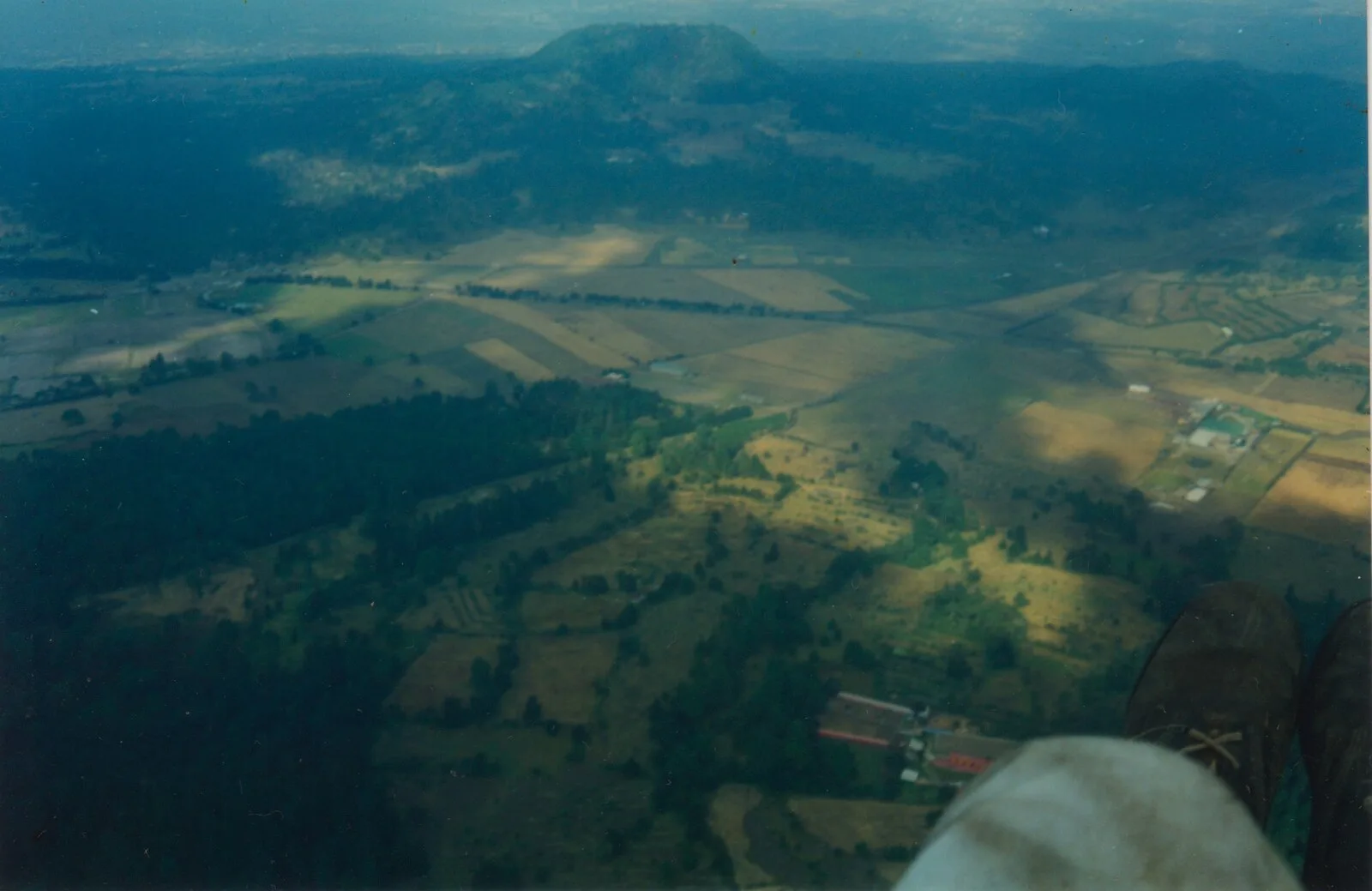
Tlalpan
Tlalpan, a borough in southern Mexico City, yielded a remarkable 2,400-year-old burial during salvage excavations by INAH. The circular grave contained ten skeletons -- men,…
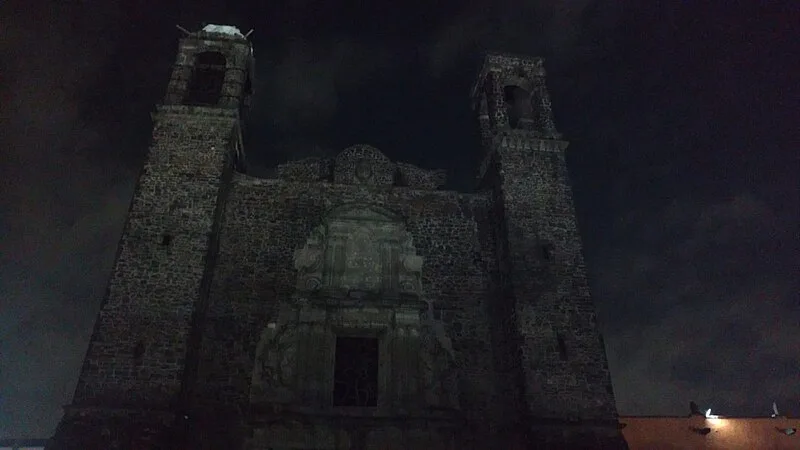
Tlatelolco
Tlatelolco is a major archaeological site in Mexico City centered on the Plaza de las Tres Culturas, preserving remains of the pre-Columbian Mexica city-state founded in 1337. Its…
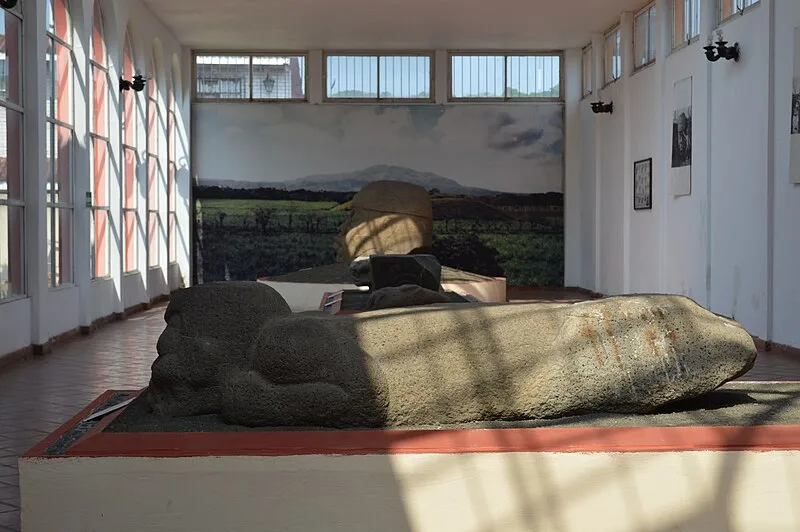
Tres Zapotes
Tres Zapotes is a major Mesoamerican archaeological site in the Gulf Lowlands of Veracruz, Mexico, occupied from approximately 1200 BC to 1200 AD. One of three great Olmec…

Tula
Tula is the ancient capital of the Toltec Empire in Hidalgo, Mexico, flourishing from approximately 900 to 1150 AD with an estimated population of 60,000. The site's centerpiece…
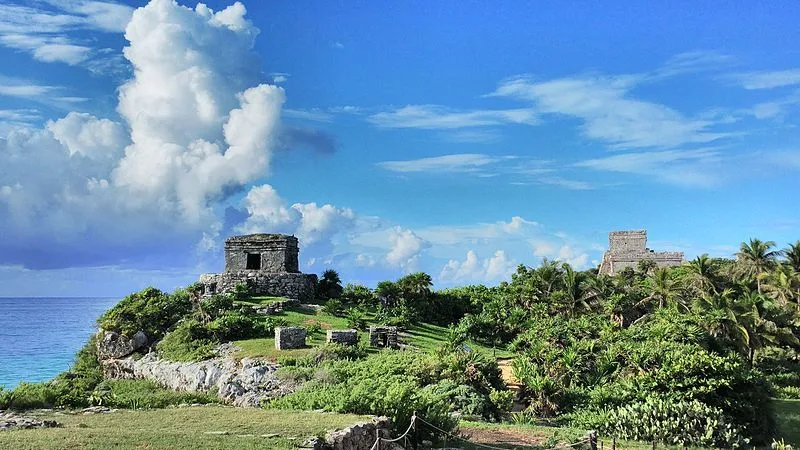
Tulum
Pre-Columbian Maya walled city and major port for Coba, Tulum flourished on the Caribbean coast of the Yucatán Peninsula from the 13th to 15th centuries. The ruins sit atop…
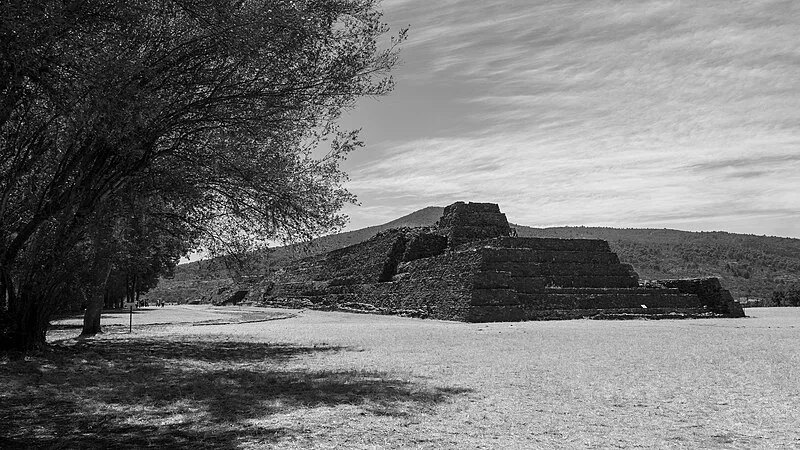
Tzintzuntzan
Tzintzuntzan was the ceremonial center of the pre-Columbian Purépecha Empire, located on the shores of Lake Pátzcuaro in present-day Michoacán. The site name means 'place of…
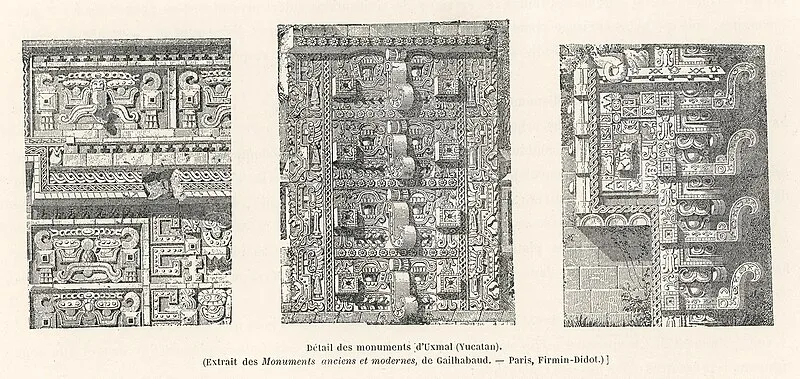
Uxmal
Uxmal is an ancient Maya city in Yucatan, Mexico, and the foremost example of Puuc architectural style, inscribed as a UNESCO World Heritage Site in 1996. Flourishing during the…
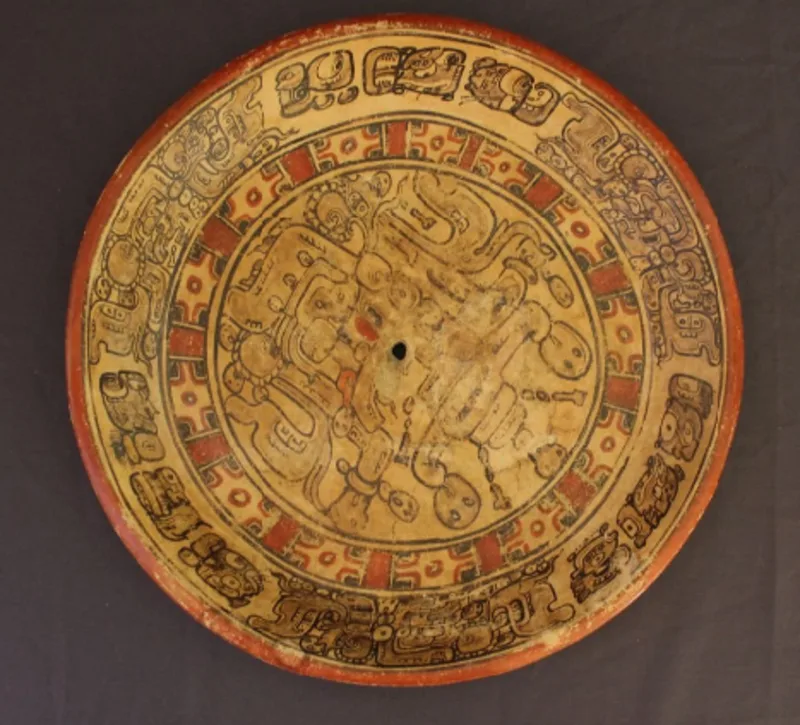
Uxul
Uxul is an ancient Maya settlement in Campeche, Mexico, dating from the Preclassic to the Classic period (1–500 AD). It was a powerful city with monumental architecture, including…

Xcambo
Xcambó is a Maya archaeological site on the northeast coast of Yucatán, Mexico. During the Classic period (250–600 AD), it functioned as a major coastal city and salt production…
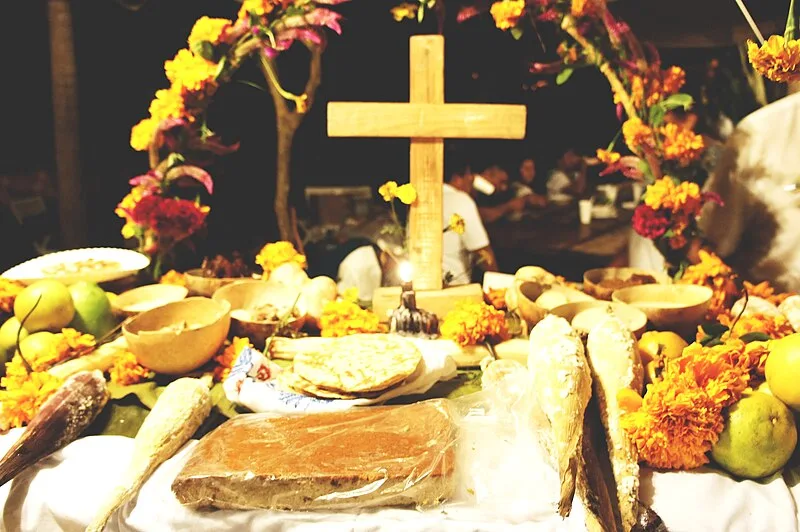
Xcaret
Xcaret is a Maya civilization archaeological site on the Caribbean coastline of the Yucatán Peninsula in Quintana Roo, Mexico. The site was occupied by the pre-Columbian Maya and…
Xelha
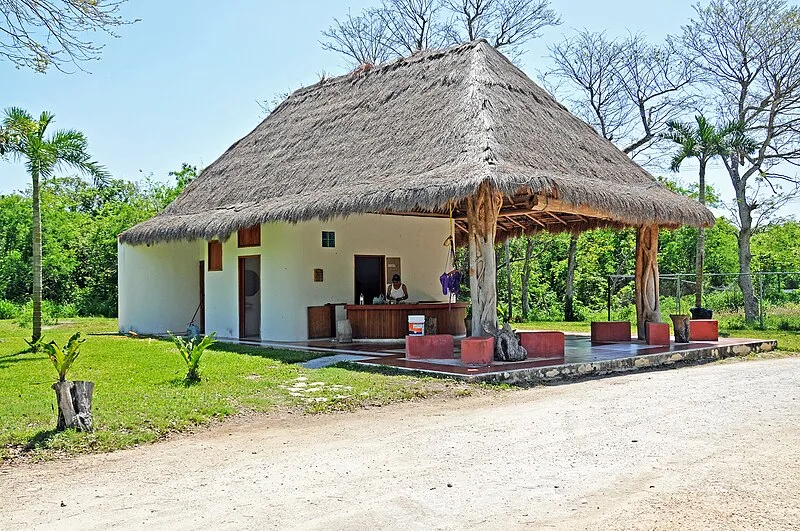
Xelha (meaning 'water inlet' in Mayan) is an archaeological site on the Caribbean coast of Quintana Roo, Mexico, initially settled around 600 BC. It served as one of the key ports…
Xiol (Mérida)
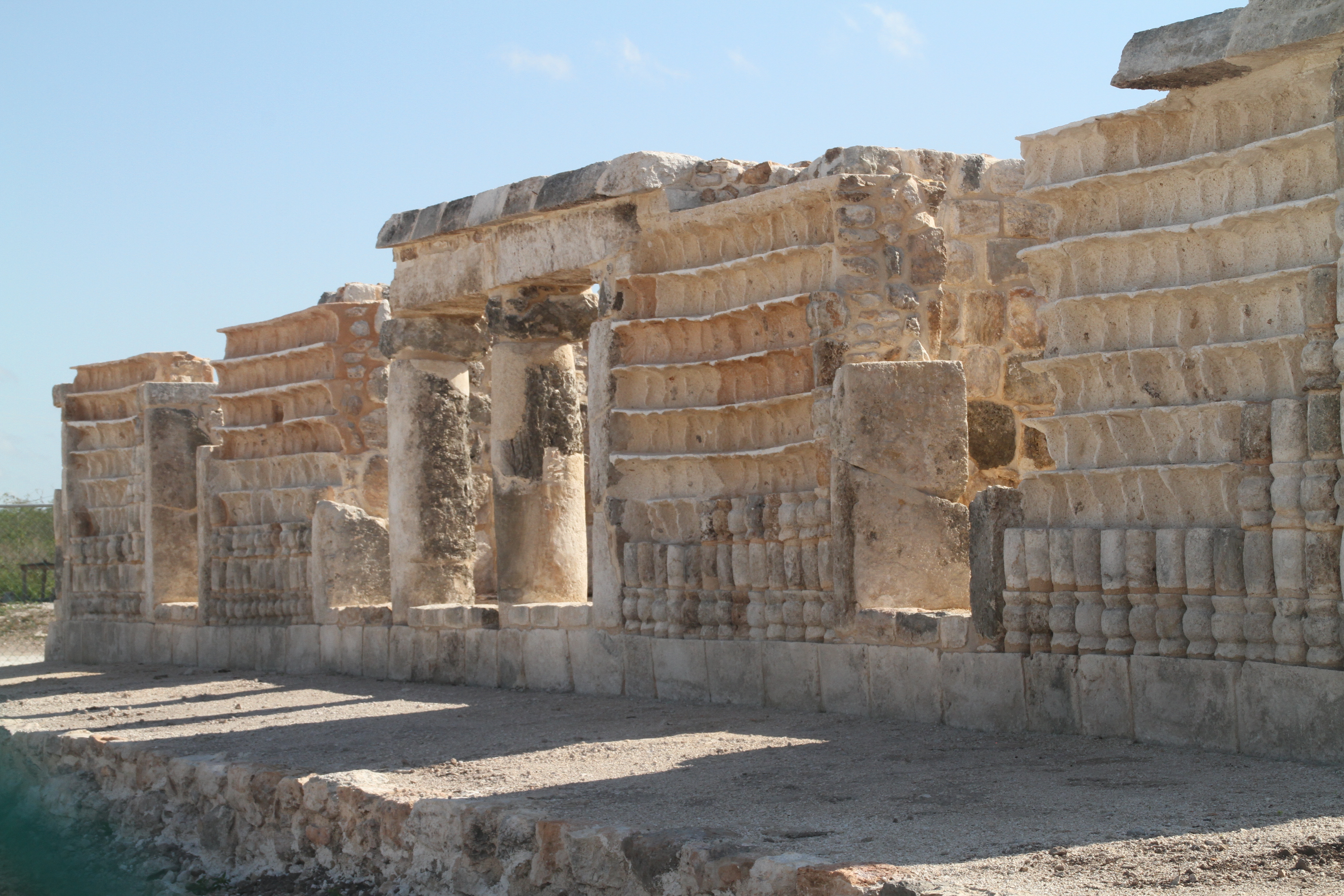
Xiol ('Spirit of Man' in Mayan) is a Maya archaeological site in the municipality of Kanasin, about 12km from Merida, Yucatan, Mexico. Built between 600 and 900 AD, it was home to…
Xlapak
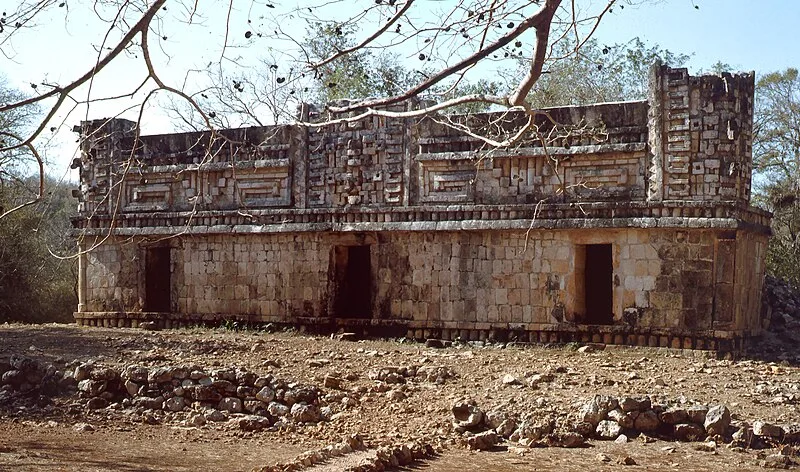
Xlapak, meaning 'Old Walls' in Maya, is a small archaeological site in the Puuc Hills of Yucatan, Mexico, dating to the Late Terminal Classic period (750-900 AD). Located between…
Xochicalco
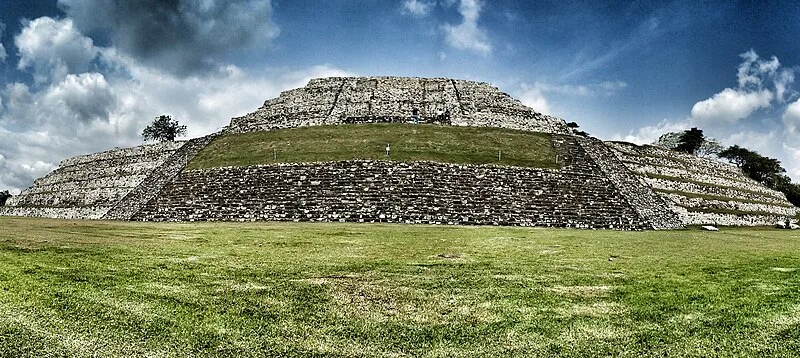
Xochicalco, meaning 'House of Flowers' in Nahuatl, is a fortified hilltop city in Morelos, Mexico, founded around 650 AD after Teotihuacan's collapse. A UNESCO World Heritage Site…
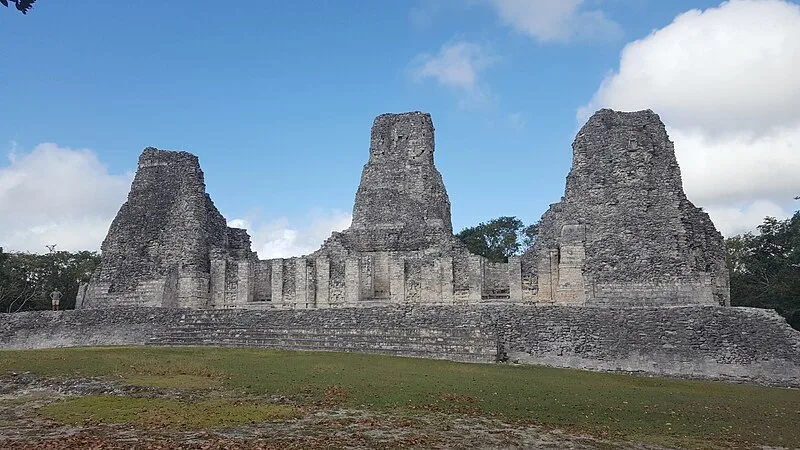
Xpuhil
Xpuhil is a Maya archaeological site in Campeche, Mexico, near the modern town of Xpujil within the Calakmul Biosphere Reserve along Federal Highway 186. The site name means…
Xtojil Cenote
Xtojil Cenote is a small Maya settlement near Libre Union in Yucatan, Mexico, approximately 20 km from Chichen Itza. Archaeological excavations uncovered a dozen Maya burial sites…
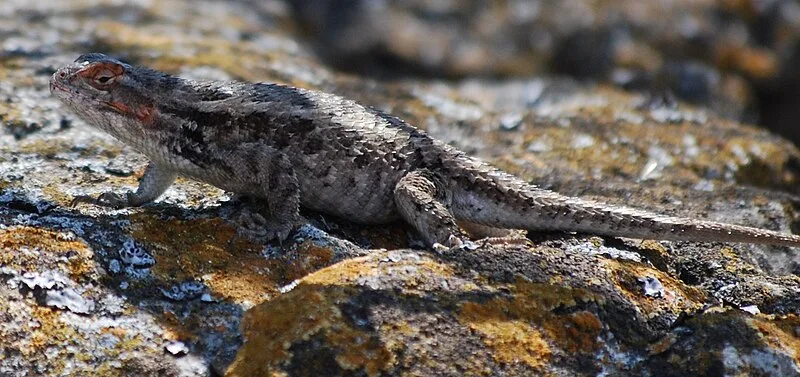
Yagul
Yagul, meaning 'Old Tree' in Zapotec, is an archaeological site in Oaxaca, Mexico, first occupied around 500-100 BC, with most visible structures dating to the Postclassic period…
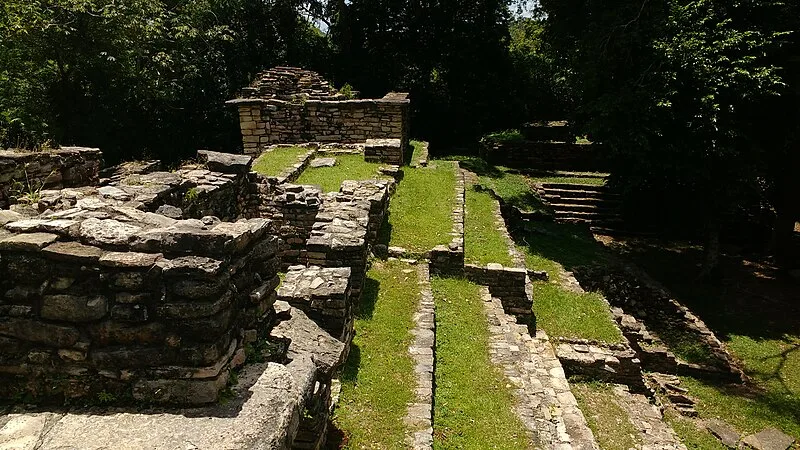
Yaxchilan
Ancient Maya city on the Usumacinta River in Chiapas, Mexico (fl. 250-830 AD). Yaxchilan was one of the most powerful Classic-era Maya states, dominating the Usumacinta region…
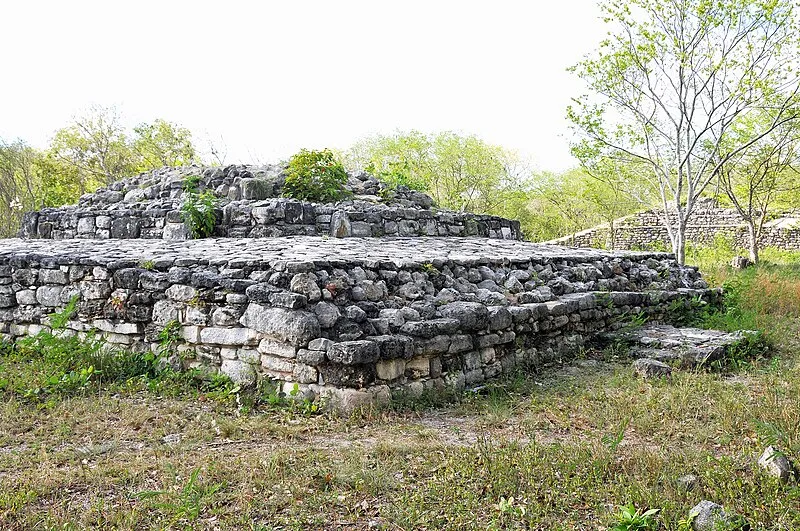
Yaxuna
Yaxuna is a Maya archaeological site in the municipality of Yaxcabá, Yucatán, Mexico.
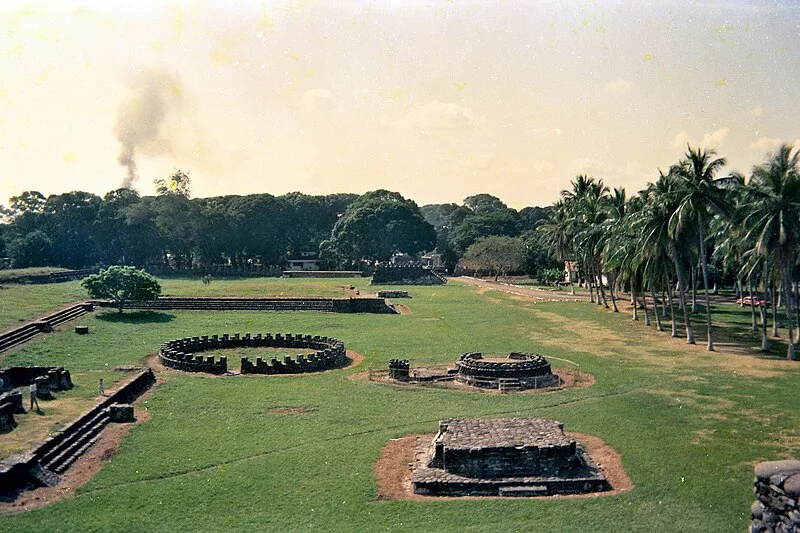
Zempoala
Cempoala (also spelled Zempoala, Nahuatl for 'Place of Twenty Waters') was the largest city on the Gulf of Mexico and the capital of the Totonac kingdom of Totonacapan during the…
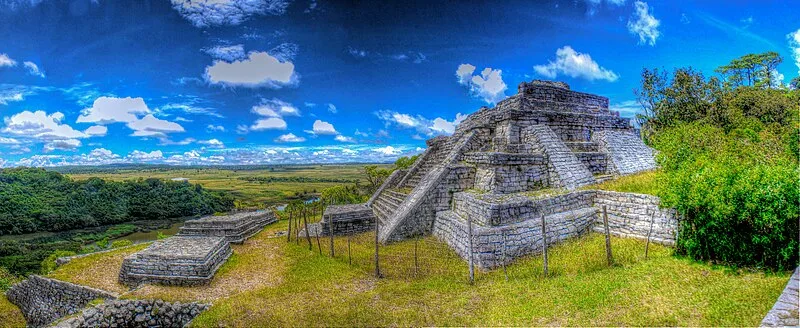
Zona Arqueológica Chinkultic
Chinkultic (Maya for 'stepped cenote') is an ancient Maya archaeological site in Chiapas, Mexico, covering over 2,000 acres within the Lagunas de Montebello National Park. The…
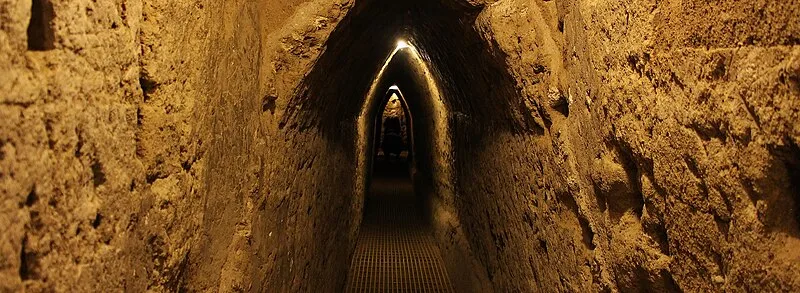
Zona Arqueológica de Cholula
Cholula was a powerful pre-Columbian religious center in Mesoamerica, with origins tracing to at least the 2nd century BC and earlier village settlements predating this by…
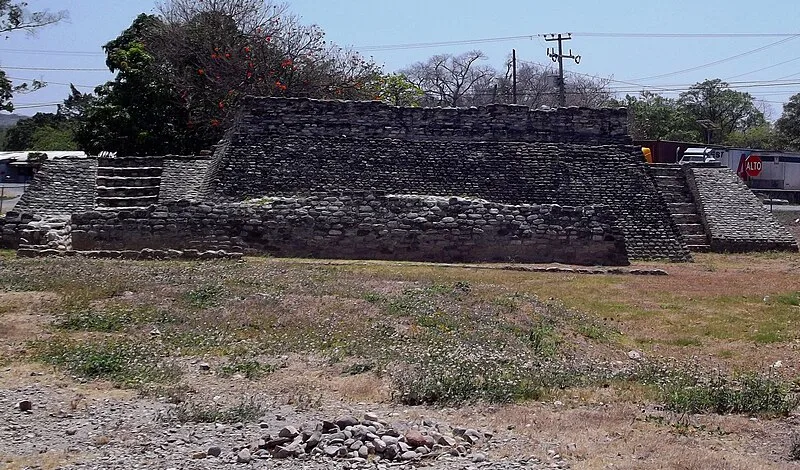
Zoque Culture Archaeological Zone
The Zoque Culture Archaeological Zone at Chiapa de Corzo, Chiapas, is one of the oldest continuously occupied sites in Mesoamerica, first settled around 1250 BC. Between 800 and…
Pyramid complex in Mexico (17)

Chiapa de Corzo
Chiapa de Corzo is a major Mesoamerican archaeological site in Chiapas, Mexico, settled by the Zoque people, descendants of Mixe-Zoquean speakers from the Olmec tradition. Rising…
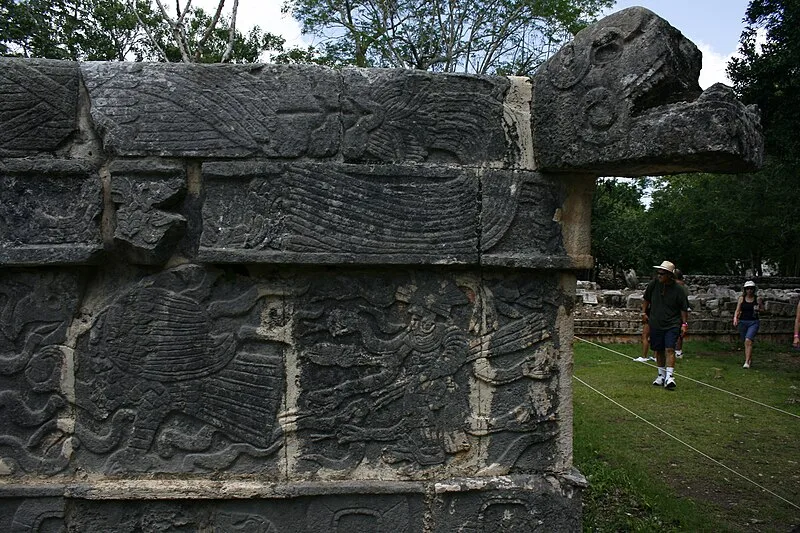
Chichén Itzá
Chichen Itza is a major Maya archaeological site in Yucatan, Mexico, first settled c. 550 CE and reaching its peak as a religious, military, and commercial centre with…
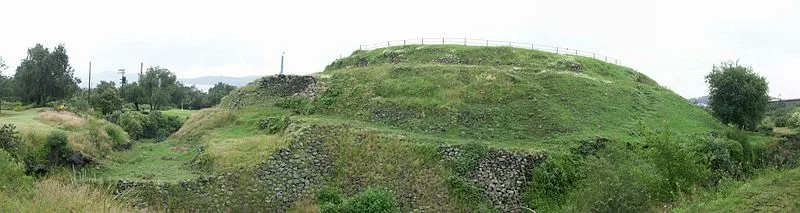
Cuicuilco
Cuicuilco is a Mesoamerican archaeological site in present-day southern Mexico City, with earliest occupation dating to around 1200 BC. Its circular temple pyramid, measuring 135…
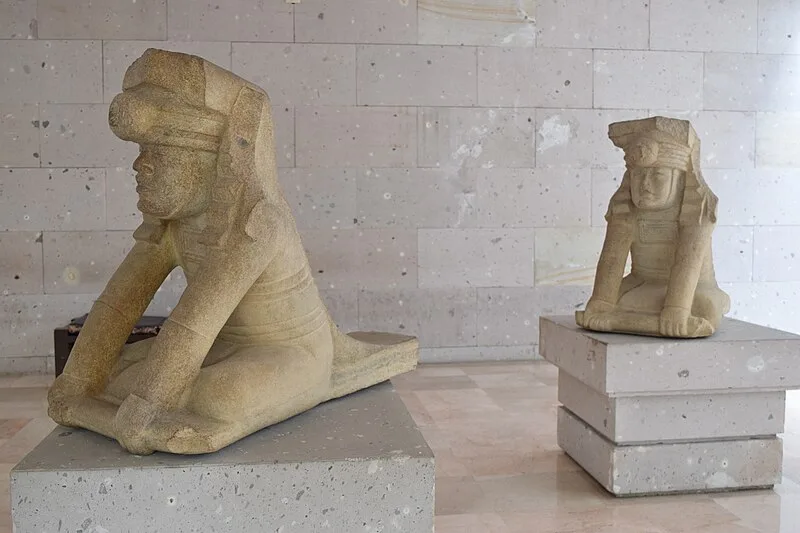
El Azuzul
El Azuzul is an Olmec archaeological site in Veracruz, Mexico, located a few kilometers south of the San Lorenzo Tenochtitlán complex and generally considered contemporary with…
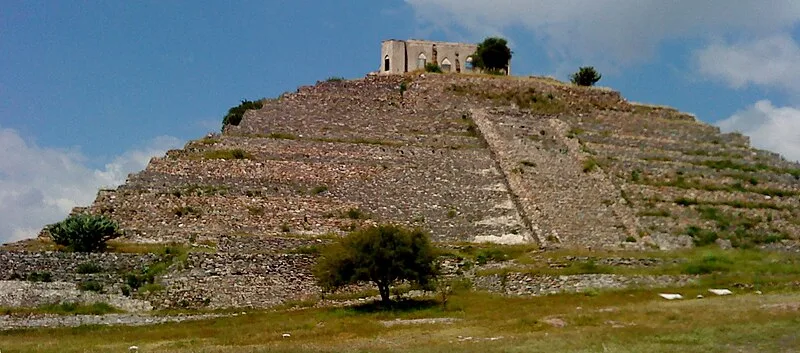
El Cerrito
El Cerrito is an archaeological site in Queretaro, Mexico, featuring the largest pyramid in north-central Mexico at 30 meters high. Established as a farming settlement in the…
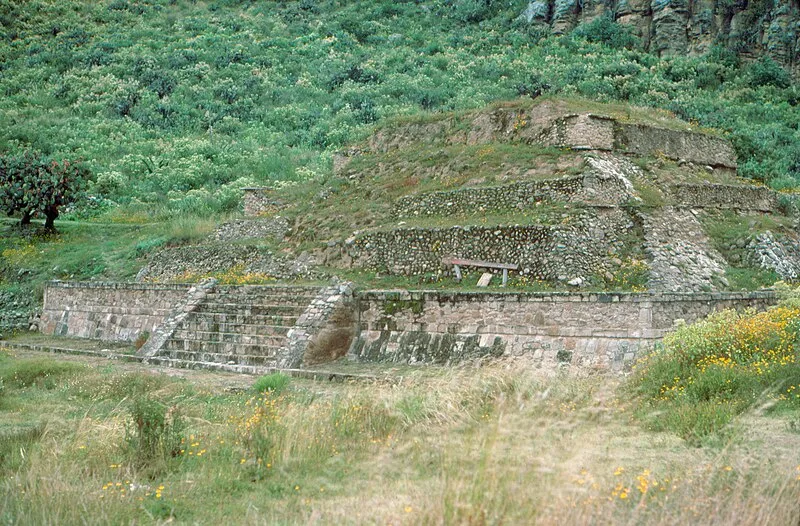
Huapalcalco Pyramid
Huapalcalco ("place of the wooden house") is an archaeological site 5 km north of Tulancingo, Hidalgo, Mexico, with evidence of human occupation dating to 9000 BCE including cave…

Tenayuca
Tenayuca was a powerful pre-Columbian city in the Valley of Mexico that flourished during the Postclassic period (1000–1500 AD). Situated on the former shoreline of the western…
Teotihuacan
Teotihuacan is an ancient Mesoamerican city located 40 km northeast of modern Mexico City. Settled by 400 BCE and peaking around 500 CE, it covered 20 sq km with a population…
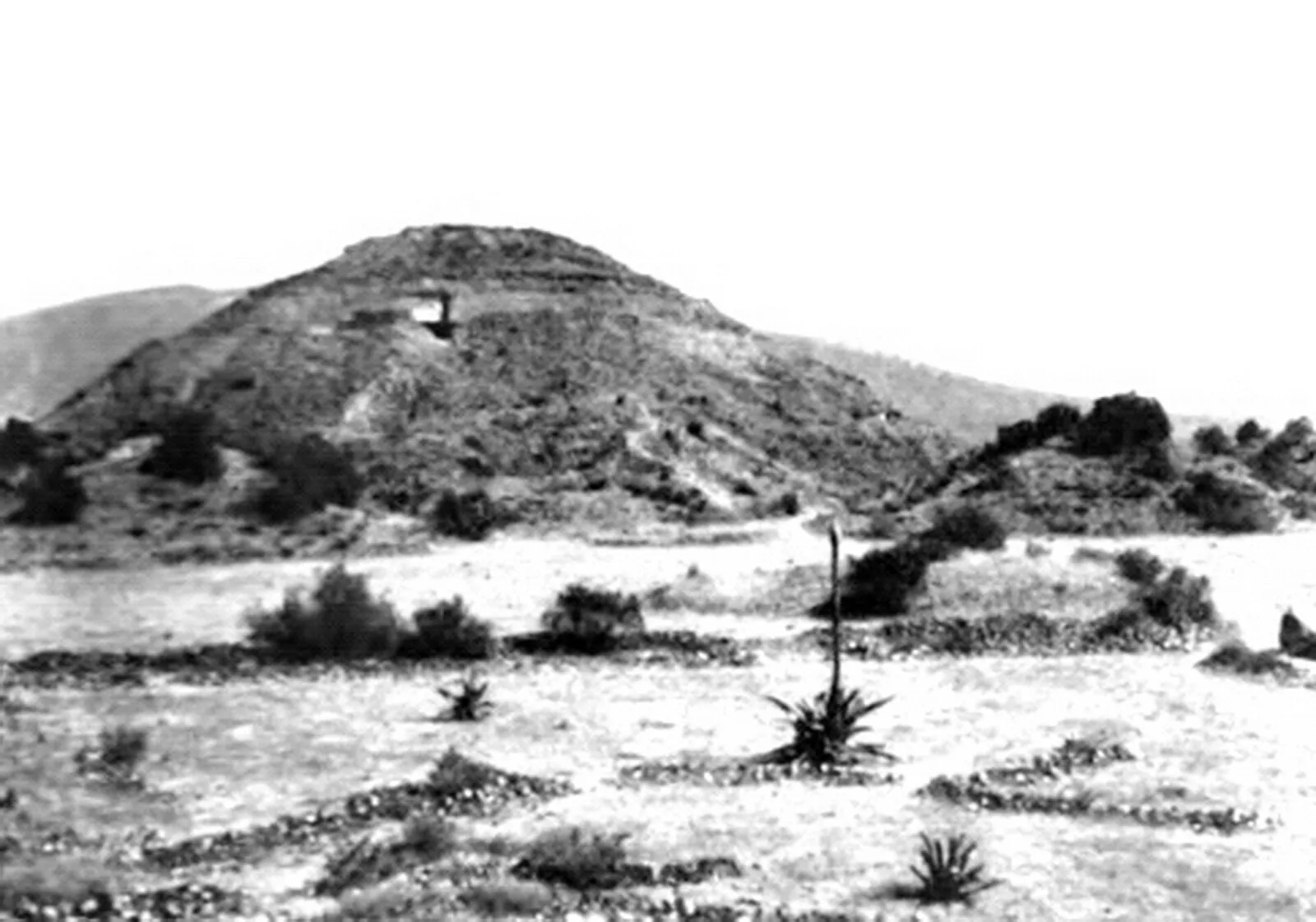
Teotihuacan - Pyramid of the Moon
Built between 1-500 AD, the Pyramid of the Moon is the second-largest pyramid in Teotihuacan, after the Pyramid of the Sun. Located in modern-day San Martín de las Pirámides,…
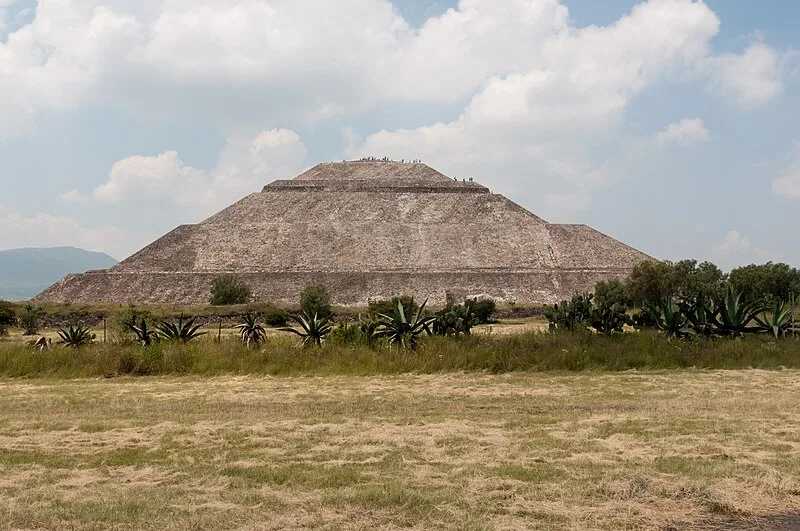
Teotihuacan - Pyramid of the Sun
The Pyramid of the Sun is the largest structure at Teotihuacan, rising 66 meters above ground level with a base measuring roughly 220 by 230 meters, constructed from approximately…
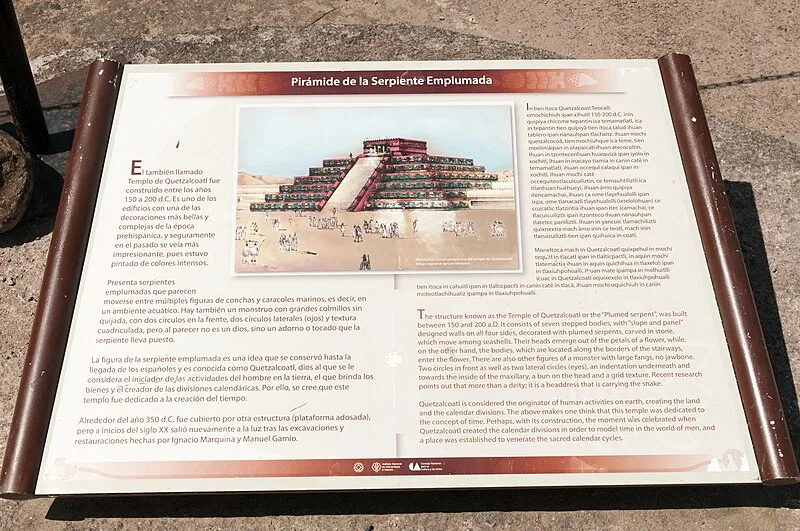
Teotihuacan - Temple of Quetzalcoatl
The Temple of the Feathered Serpent is the third largest pyramid at Teotihuacan, located within the Ciudadela complex at the south end of the Avenue of the Dead. Built between 150…
Tepeapulco Pyramid
Tepeapulco Pyramid is a four-tiered stepped pyramid located in the Hidalgo region of central Mexico. Built by the Teotihacan civilization between 100 BC and 150 AD, the structure…
Tipitarillo Yacata
Tipitarillo Yacata is a pre-Columbian pyramid complex located near the village of Tipitarillo in the Michoacán region of western Mexico. The monument is a Yacata-type pyramid…
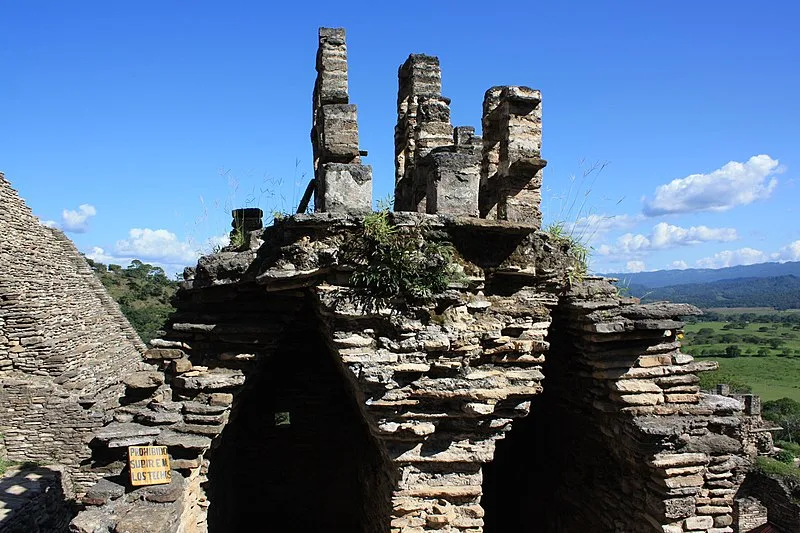
Tonina
A major Maya city in the highlands of Chiapas, Mexico, whose seven-tiered acropolis rises over 70 metres, making it one of the tallest pyramids in Mexico. Flourishing during the…
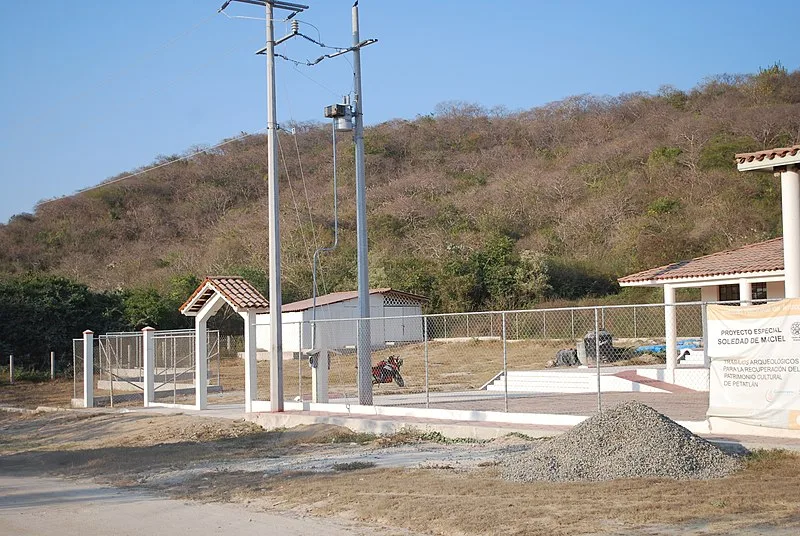
Xihuacan
Xihuacan is a Mesoamerican archaeological site on the Costa Grande of Guerrero, Mexico, near La Soledad de Maciel, Zihuatanejo and Petatlán. Occupied for over 3,000 years by three…

Xochitecatl
Xochitecatl is a purely ceremonial site atop a volcanic dome in Tlaxcala, Mexico, begun around 800 BC. Its largest structure, the Pyramid of the Flowers, rivals the Pyramid of the…
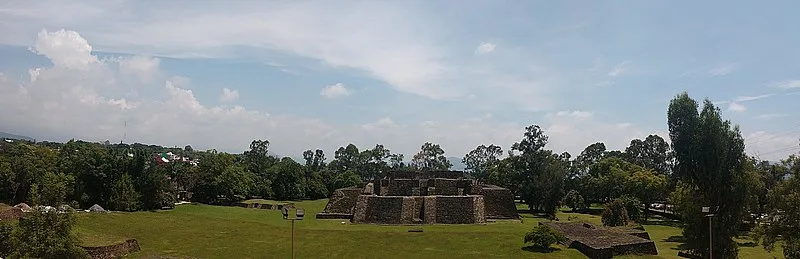
Zona Arqueológica Teopanzolco
Teopanzolco is an Aztec pyramid complex in Morelos, Mexico, now embedded within the modern city of Cuernavaca due to urban expansion. The archaeological site preserves structures…
Temple complex in Mexico (13)
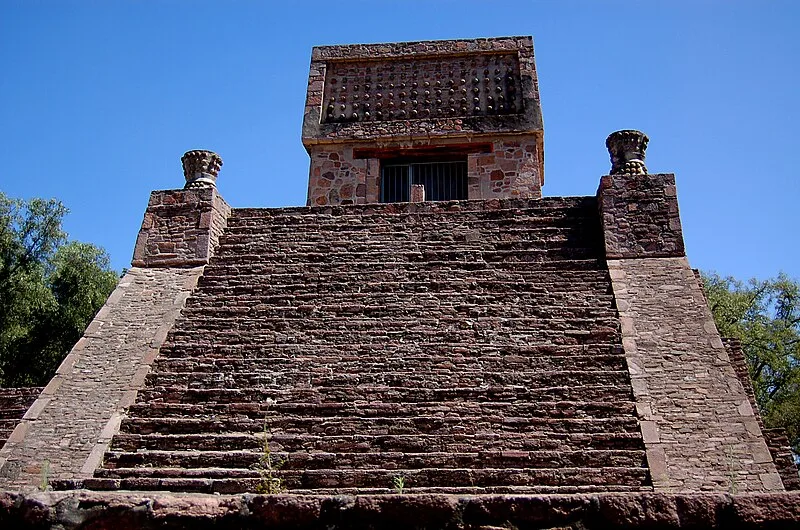
Acatitlan
Acatitlan is an archaeological zone of the early Aztec culture located in the town of Santa Cecilia, in the municipality of Tlalnepantla de Baz in the State of Mexico, about 10 km…
Chichén Viejo
Chichen Viejo ('Old Chichen') is a Maya elite residential complex located about one kilometre south of El Castillo within the broader Chichen Itza site. Measuring roughly 150 by…
Copalita Eco-Archaeological Park
Pre-Hispanic archaeological site in Mexico's Oaxaca region featuring a ball court and two uncovered temples. The complex includes a museum and jungle trail to a clifftop lookout…
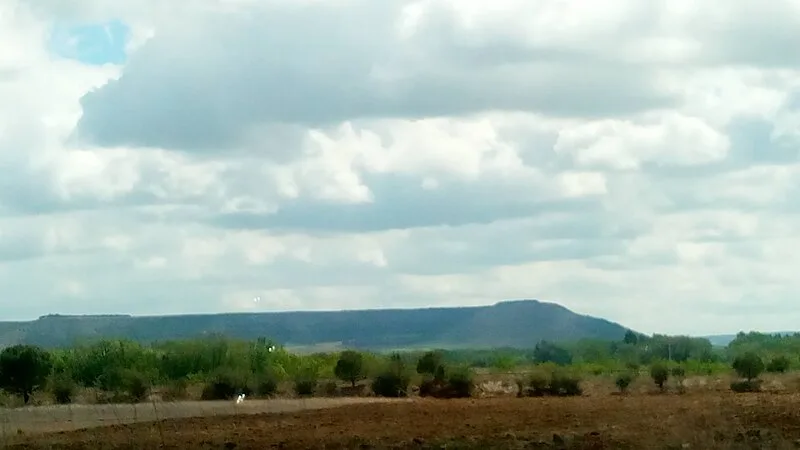
El Cedral
El Cedral is the oldest Maya settlement on Cozumel island, Mexico, dating to around 800 AD and serving as the island's capital and largest community. Once a bustling center of…
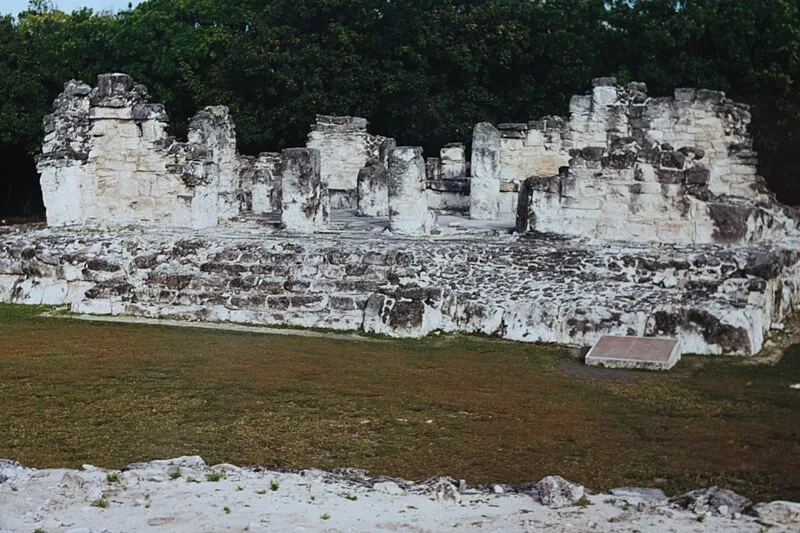
El Rey Zona Arqueologica
A post-Classic Maya archaeological site in Cancun's Hotel Zone, Quintana Roo, Mexico, discovered in 1923 by Raymond Merwin and Samuel Lothrop. Originally called Kin Ich Ahau Bonil…
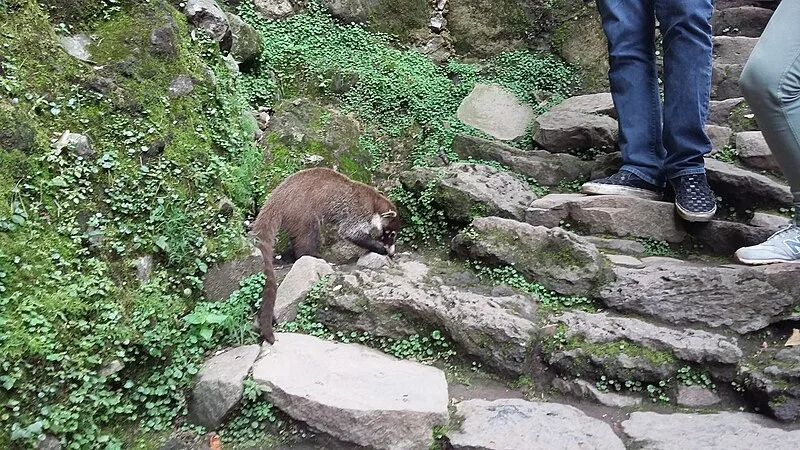
El Tepozteco
An Aztec temple perched at 2,310 metres atop the Sierra de Tepoztlan in Morelos, Mexico, dedicated to Tepoztecatl, god of pulque and chief of the Centzon Totochtin (400 divine…
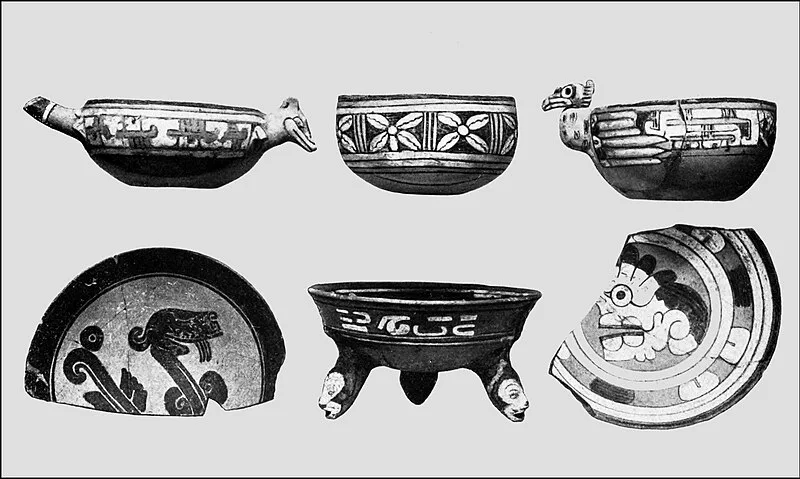
Isla de Sacrificios
Isla de Sacrificios is a small island in the Gulf of Mexico near Veracruz, visited between 1000 BC and 1519 AD by the Remojadas culture and later the Totonacs. Named in 1518 when…
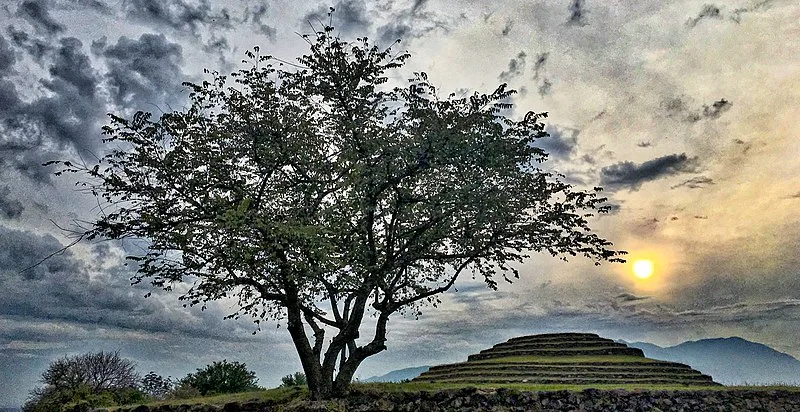
Los Guachimontones
Los Guachimontones is the largest Late Formative to Classic period pre-Columbian archaeological site in Jalisco, Mexico, located in the hills above the town of Teuchitlán that…
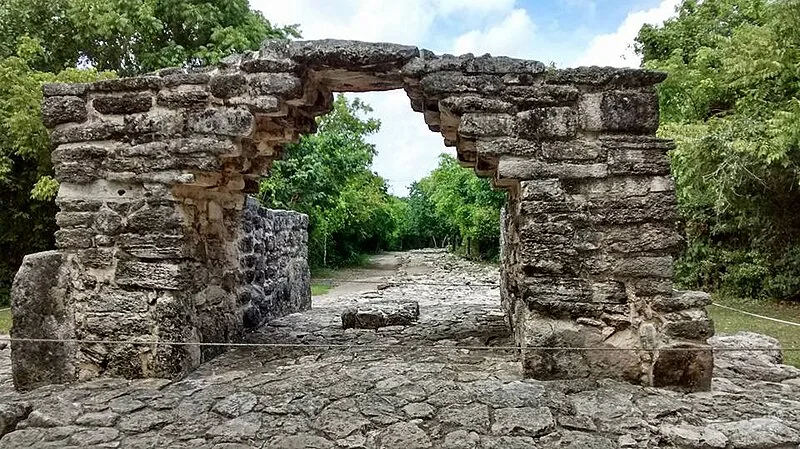
San Gervasio
San Gervasio is the most important Maya archaeological site on Cozumel Island, located in the Mexican state of Quintana Roo. It served as a major pilgrimage sanctuary dedicated to…
Tahtzibichen Labyrinth
The Tahtzibichen Labyrinth is the remains of an ancient temple in Yucatan, Mexico. This natural cave labyrinth contains stone temples, small pyramids, and a causeway. Most…
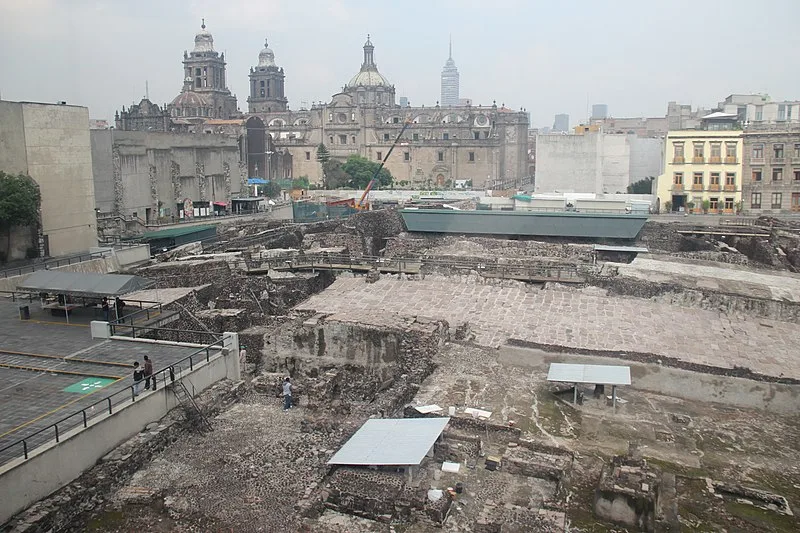
Tenochtitlan - Templo Mayor
The Templo Mayor was the main temple of the Mexica people in their capital city of Tenōchtitlan, now Mexico City. Its architectural style belongs to the late Postclassic period of…
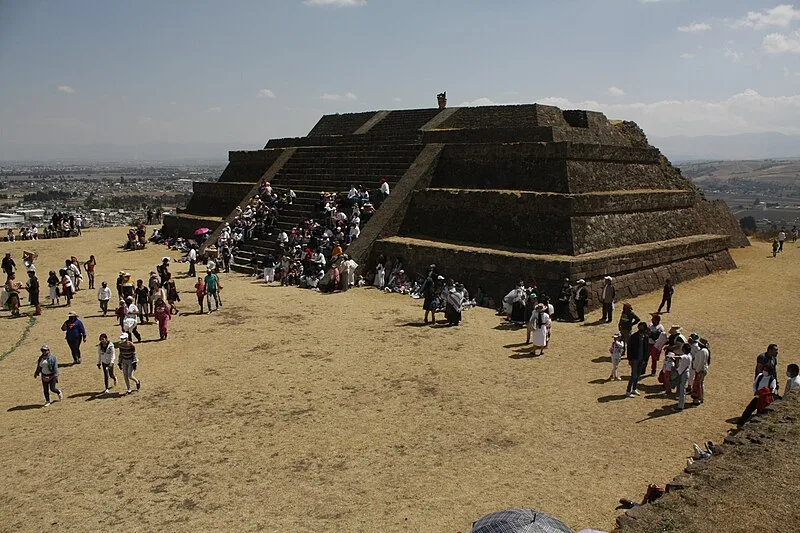
Teotenango
Teotenango, meaning "Place of the Divine Walls" in Nahuatl, is a fortified hilltop city atop Cerro Tetepetl in the southern Toluca Valley, about 40 miles southwest of Mexico City.…
Xaman-Ha
Xaman-Ha was a significant coastal Maya settlement strategically positioned in present-day Playa del Carmen's Playacar area. Operating during the Post Classic period…
Cave Structures in Mexico (10)
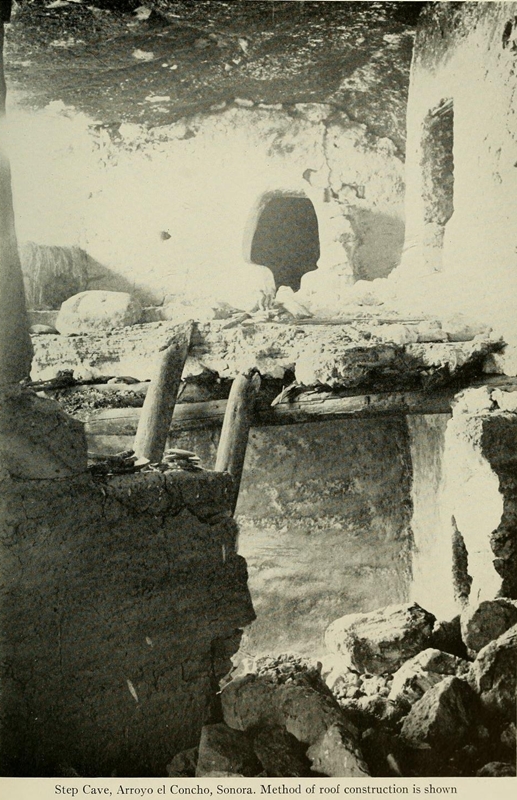
Arroyo el Concho
A collection of cave and cliff dwellings in the Sierra Madre region of Chihuahua, Mexico, dating to approximately 900-1100 AD. The site contains pottery sherds, chipped stone…
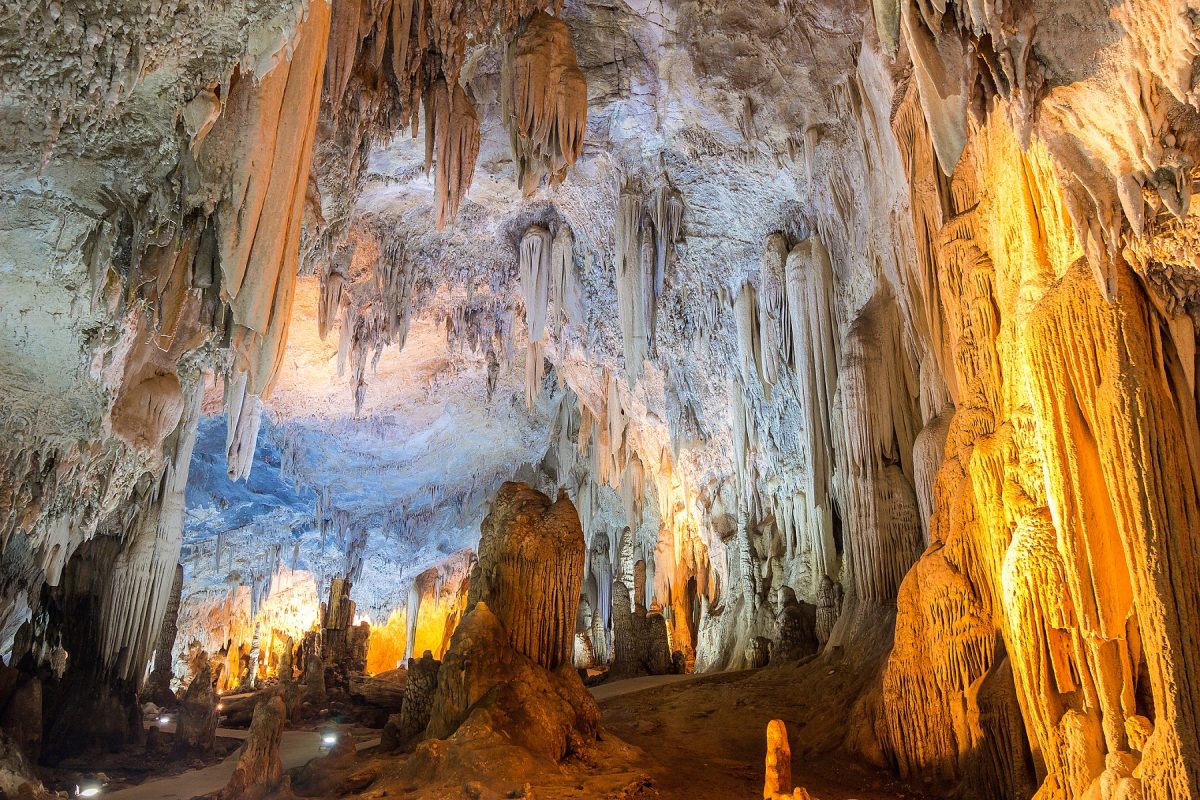
Balankanche Cave
Sacred Maya cave located approximately 4 km southeast of Chichen Itza in Yucatan, Mexico. Used for over two thousand years for rituals dedicated to the rain god Chaac and, in the…
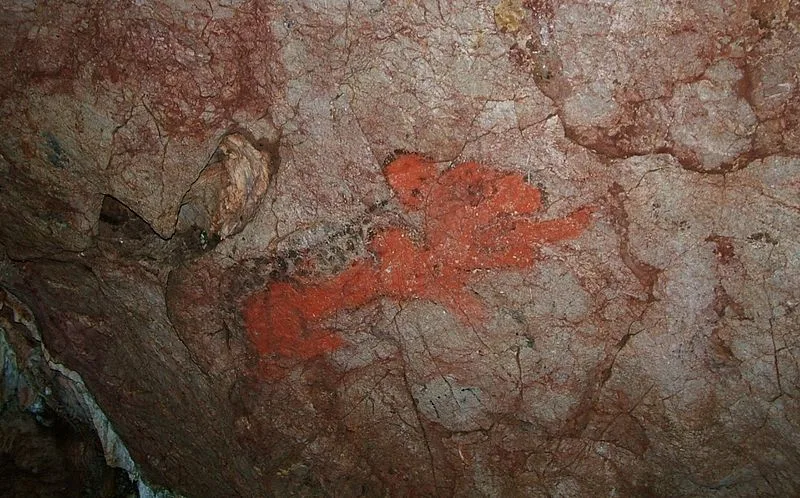
Grottos of Juxtlahuaca
Juxtlahuaca is a cave system in Guerrero, Mexico, containing some of the earliest sophisticated painted art in Mesoamerica, dated to the Early Preclassic period (ca. 1200-900 BC).…
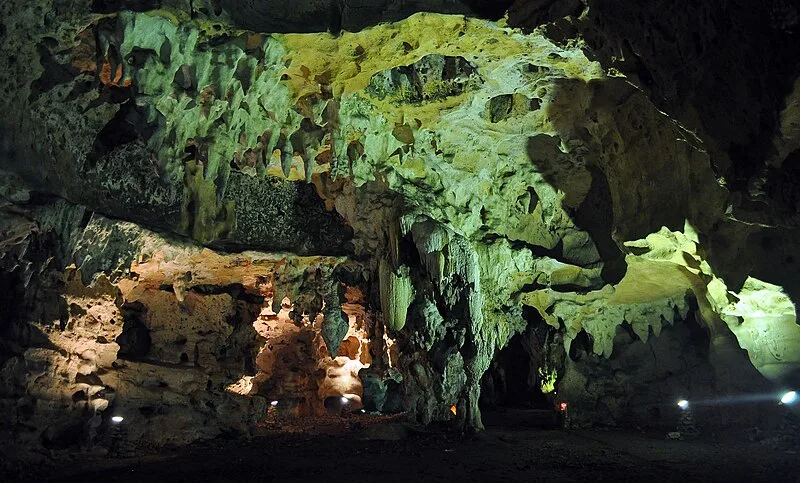
Grutas de Loltún
Loltún Cave is an archaeological cave site in the Yucatán Peninsula, Mexico, located approximately 7 km south of Oxkutzcab. The cave contains Maya rock art dating to the Late…

Hoyo Negro Cenote
Hoyo Negro ("Black Hole") is a submerged cenote within the Sac Actun cave system near Tulum, Quintana Roo, Mexico. Discovered in 2007 by divers, it contained the skeleton of…
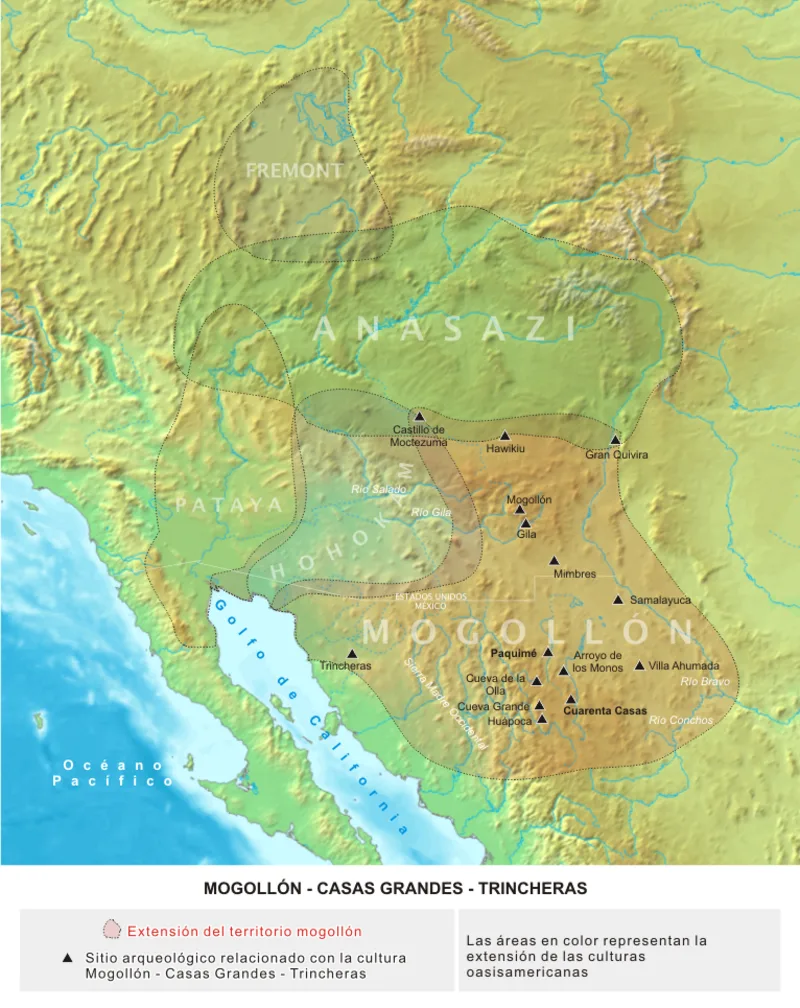
Madera Caves
The Madera Caves are a series of archaeological cave sites in the Ciudad Madera region of Chihuahua, Mexico, used by the Paquimé culture from 500 to 1000 AD. Located in the Sirupa…
Nuevo Ojo de Agua Cave
Nuevo Ojo de Agua Cave is a pre-Columbian burial site in Chiapas, Mexico. 167 human remains deposited in the cave, dating to approximately 900 AD. The bodies were discovered by…
San Manuel Cenote
San Manuel Cenote is a natural sinkhole in Mexico's Yucatan Peninsula containing a 20-metre-deep (65.6 ft) body of water within a cave system, dating to 1–500 AD. Access requires…
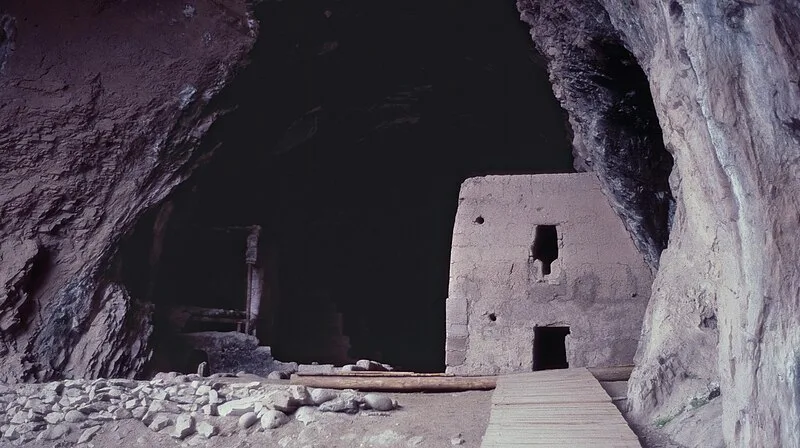
Valley of the Caves, Chihuahua
Cuarenta Casas (Spanish for 'Forty Houses') is a Mogollon culture archaeological site in Chihuahua, Mexico, dating to 500–1000 AD. The site features cliff dwellings constructed…
Xihuatoxtla
Xihuatoxtla is a rock shelter in the Rio Balsas valley, Guerrero, Mexico, formed beneath a massive boulder. Archaeological excavations have uncovered grinding tools and knapped…
Museum in Mexico (7)
Mérida Anthropological Museum
The Museo Regional de Antropologia de Yucatan, housed in the Palacio Canton on Paseo de Montejo in Merida, Mexico. Built between 1904 and 1911 in Beaux Arts style for Governor…
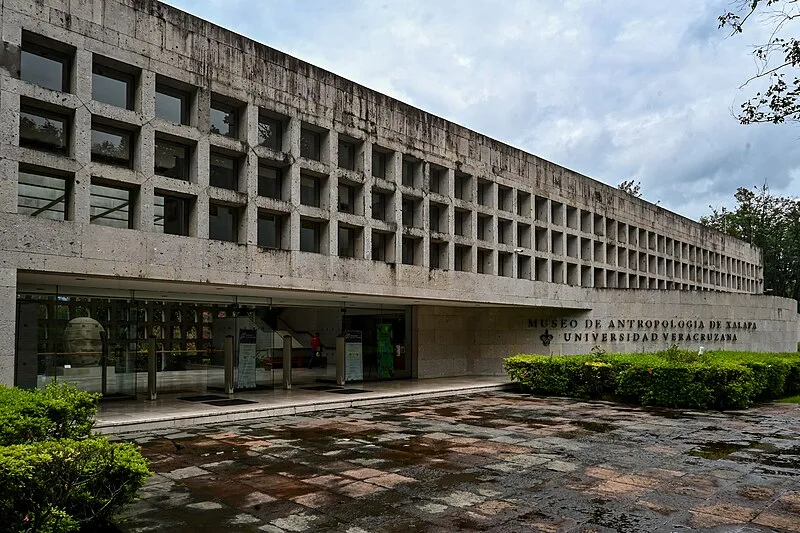
Museo de Antropologia de Xalapa
(1937) The Museo de Antropología de Xalapa is an anthropological museum in Xalapa, Veracruz, eastern Mexico, part of Veracruzana University. The museum houses artifacts from…
Museo de la Arquitectura Maya
The Museum of Maya Architecture is housed in the Baluarte de Nuestra Senora de la Soledad, a coastal fort completed in 1692 as the largest of eight bastions defending San…
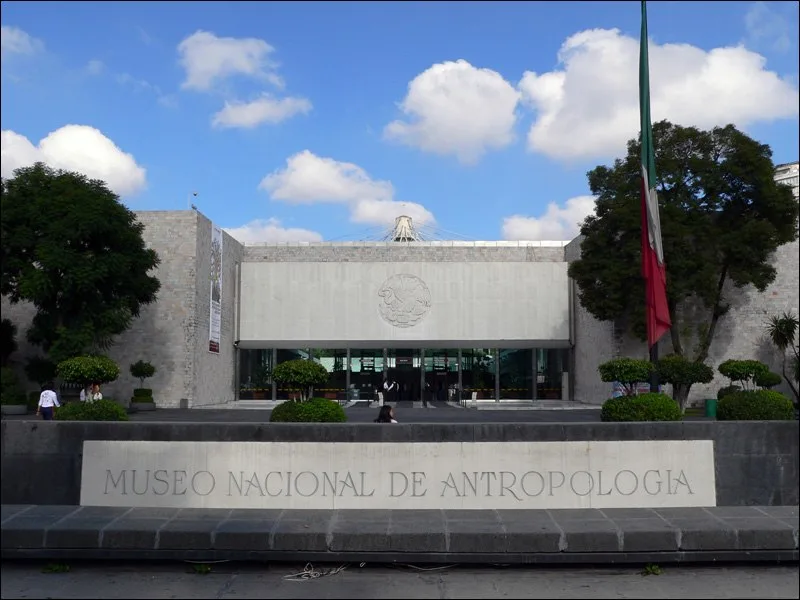
Museo Nacional de Antropología
The Museo Nacional de Antropologia in Mexico City is the largest and most visited museum in Mexico, located within Chapultepec Park. Designed by architect Pedro Ramirez Vazquez,…
Museo Regional de Antropologia Carlos Pellier
Opened on February 16, 1980, in Villahermosa, Tabasco, this museum is named after the Tabascan poet Carlos Pellicer Camara. It houses approximately 10,000 archaeological pieces,…
Museo Regional de Campeche
The Museo Regional de Campeche, housed in the 18th-century Fuerte de San Miguel fortress, opened in 1986 as the Museo Arqueológico de Campeche. This two-story building displays a…
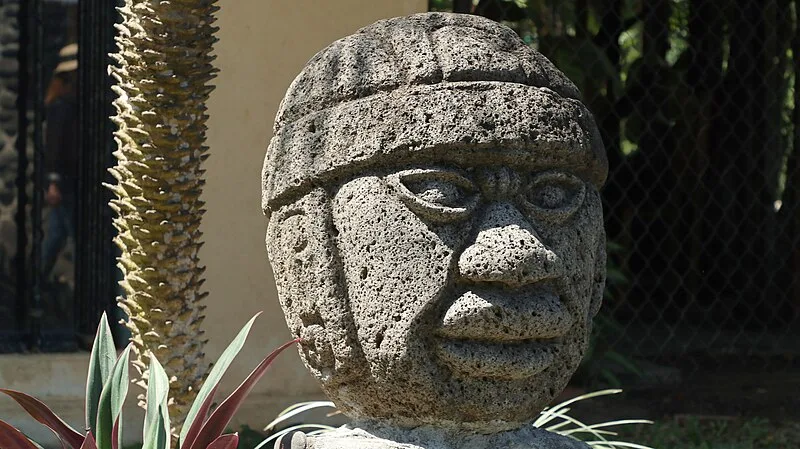
San Lorenzo Tenochtitlán Museum
San Lorenzo Tenochtitlan is the collective name for three related Olmec archaeological sites in southeastern Veracruz, Mexico. It was the first Olmec centre to demonstrate…
Necropolis/tombs complex in Mexico (3)
La Florida (Zacatecas) Shaft Tomb
La Florida Shaft Tomb is a significant archaeological necropolis located near the farming village of La Florida in Zacatecas, Mexico, dating from 500-1000 AD. This 1,600-year-old…
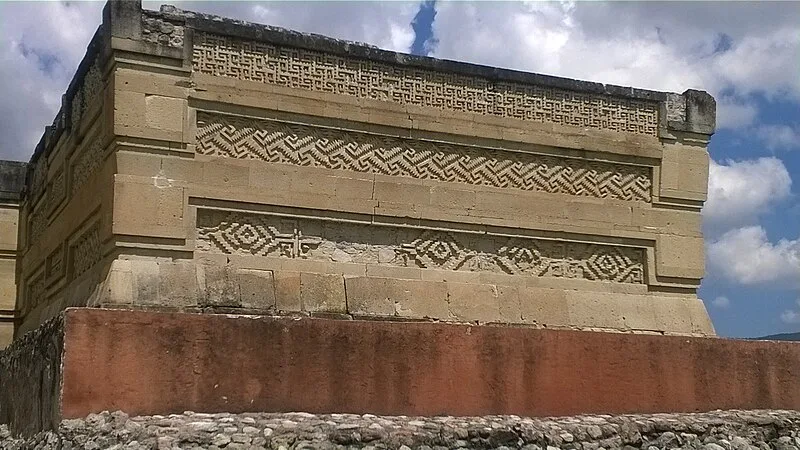
Mitla, Entrance to Tomb 1
Tomb 1 at Mitla is located within the Group of Columns, accessible via the central patio in front of the northern building's staircase. The tomb features a cruciform plan with a…
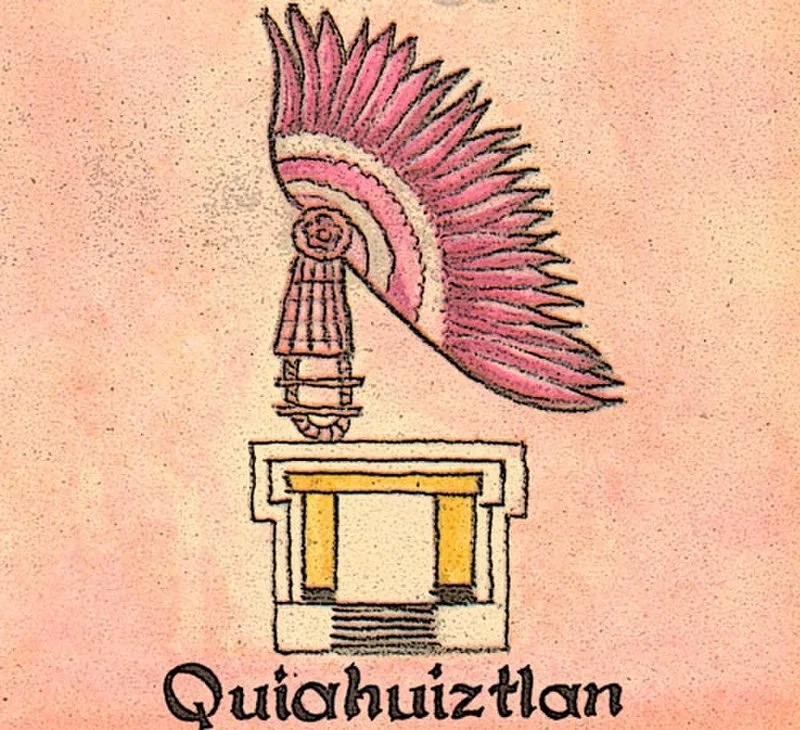
Quiahuiztlan
An ancient Totonac city, cemetery, and fortress perched on Cerro de los Metates in Actopan municipality, Veracruz, overlooking the Gulf of Mexico. The site flourished from the…
Rock art in Mexico (3)
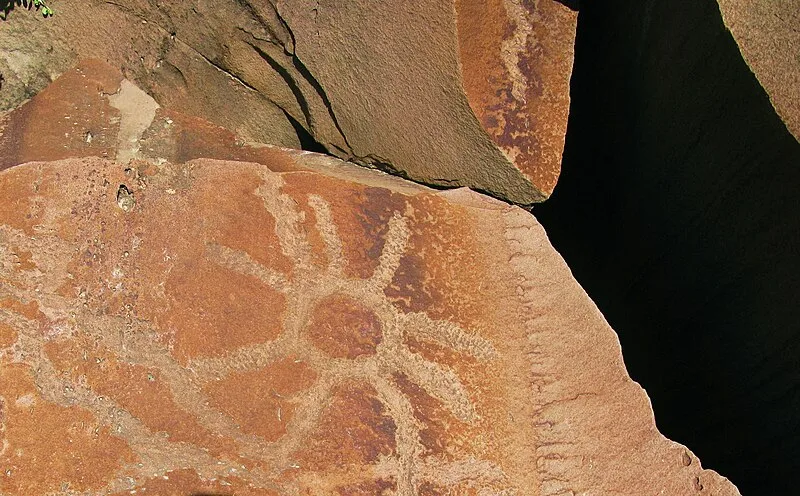
Boca de Potrerillos
Boca de Potrerillos is a rock art site in the Sierra Madre Oriental, 14 km from Mina, Nuevo León, featuring one of Mexico's largest concentrations of prehistoric engravings across…
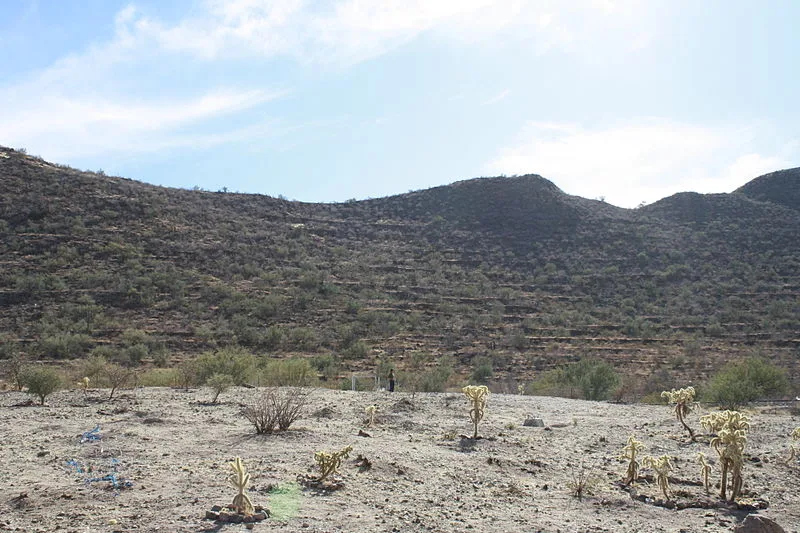
La Pintada
La Pintada is an archaeological site in the Sierra Libre, about 60 km south of Hermosillo, Sonora, Mexico, considered one of the most important cave painting areas in northwestern…
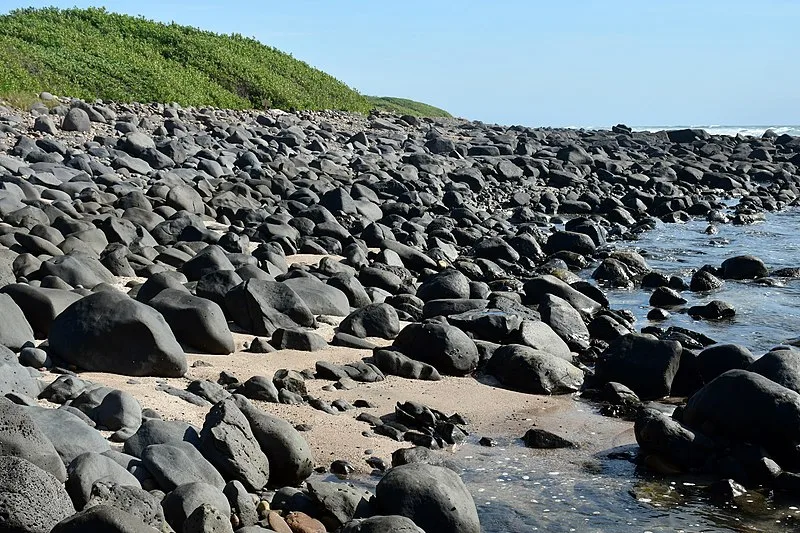
Las Labradas
Las Labradas is an archaeological site on the coast of San Ignacio municipality in southern Sinaloa, Mexico, containing the largest concentration of petroglyphs in the country…
Castle/palace in Mexico (2)
Teotihuacan - Palace Atelelco
Palace Atetelco is an archaeological complex within the ancient city of Teotihuacán, located in the Valley of Mexico northeast of modern-day Mexico City. This apartment-style…
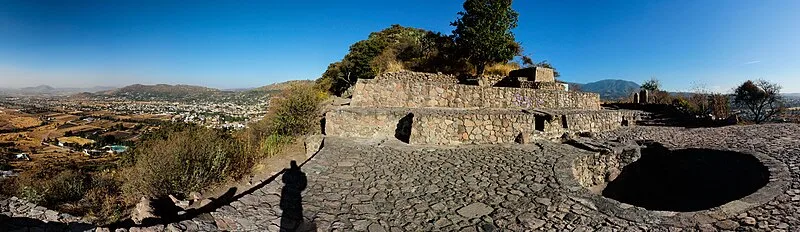
Texcotzingo
Texcotzingo is a 15th-century Aztec hilltop complex of botanical gardens, baths, and a royal retreat located about 32 km northeast of Mexico City. Designed by the poet-king…
Rock relief/carving in Mexico (2)

Chalcatzingo
Chalcatzingo is a Formative Period (1500–500 BCE) archaeological site in Mexico's Valley of Morelos, renowned for its extensive Olmec-style monumental art and iconography. The…
Ojo de Agua
Ojo de Agua is an Early Formative period (1200-1000 BC) archaeological site on the Pacific coast of Chiapas, Mexico, in the ancient province of Soconusco. Covering approximately…
Sculptured stone in Mexico (2)
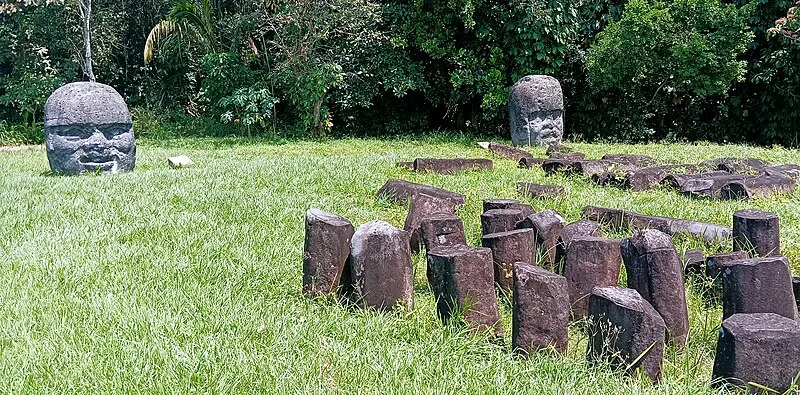
La Cobata
La Cobata is an Olmec sculptured stone artifact from ancient Mesoamerica, discovered in 1970 as the fifteenth colossal head recorded. This massive basalt sculpture measures…

Parque Museo La Venta
Parque Museo La Venta is an open-air museum in Villahermosa, Tabasco, Mexico, created in 1958 by artist Carlos Pellicer Camara to preserve Olmec artifacts threatened by petroleum…
Cemetery in Mexico (1)
Geological interest in Mexico (1)
Other sites in Mexico (5)
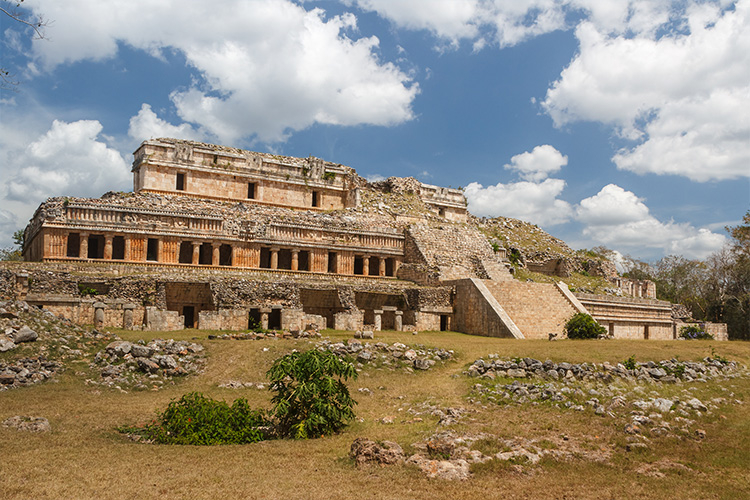
Archaeological Zone of Sayil
Sayil was a Maya city of the Terminal Classic period (800-1000 AD) located in the Puuc region of Yucatán, Mexico. Its centerpiece is El Palacio, a three-story palace stretching 85…

Cantil de las animas
A 4-metre-long petroglyph panel in Nayarit, Mexico, carved between 850 and 1350 AD by the Aztlan culture. The panel features fertility symbols including rain clouds, sectioned…
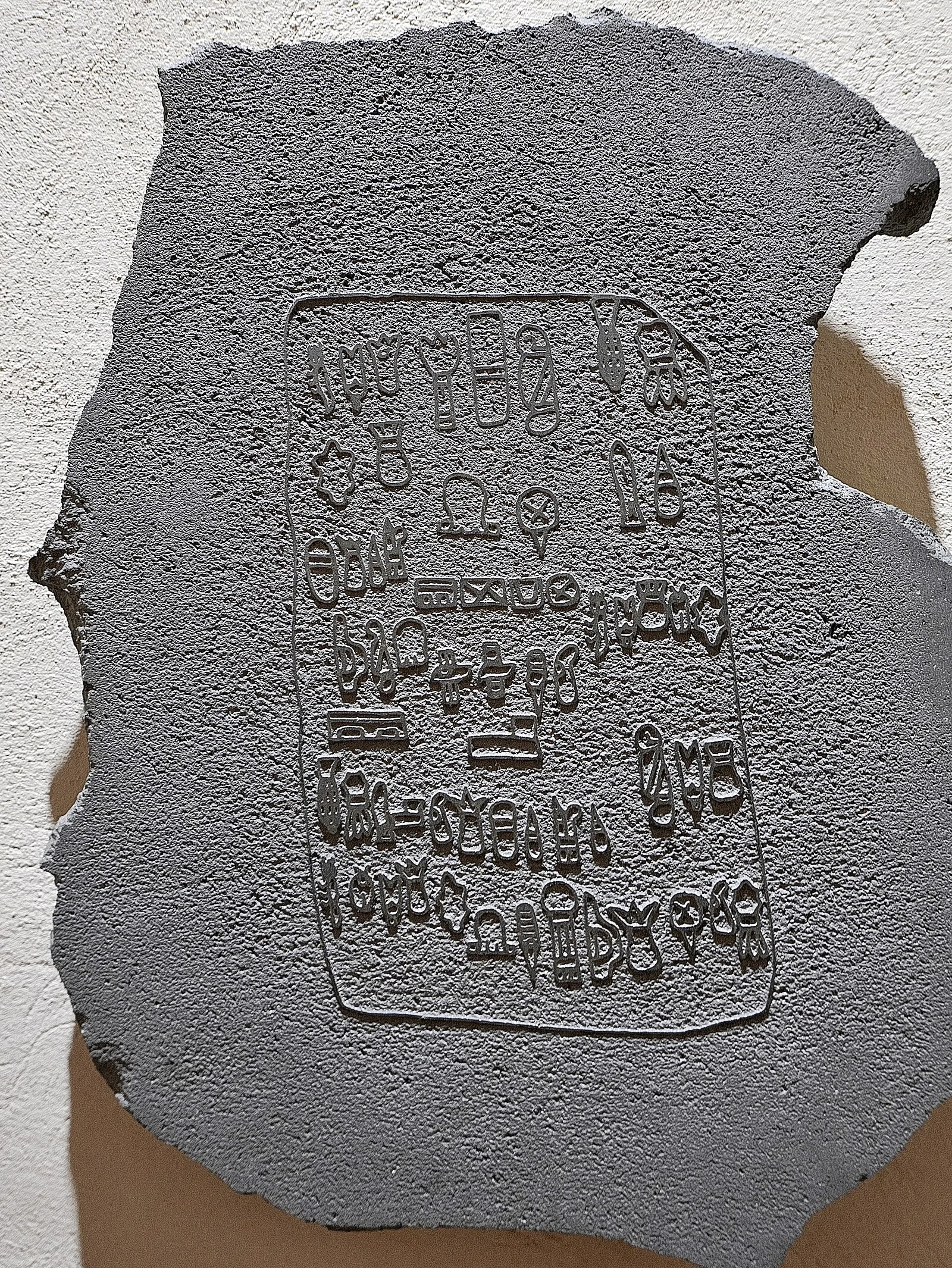
Cascajal Block
The Cascajal Block is a serpentine tablet discovered in the late 1990s by road builders at Lomas de Tacamichapa, Veracruz, Mexico, in the ancient Olmec heartland. Weighing 11.5 kg…
Cuatro Cienegas Footprints
Two sets of well-preserved human footprints discovered in tufa sediments within the Cuatrociénegas Basin represent the oldest known footprints in Mexico. U-series dating yielded…
Tubuco
Tubuco is the first discovered pre-Columbian port on Mexico's Gulf Coast, dating to 900-1200 AD. Excavations began in October 2012. In the northeast section, archaeologists…
Keep exploring
Every site on this page sits on the globe, and the people who research them are on the Discord.
3D Globe · Sites by country · Story Archive · Research Library · Weekly Journal · Search