
 Mexico
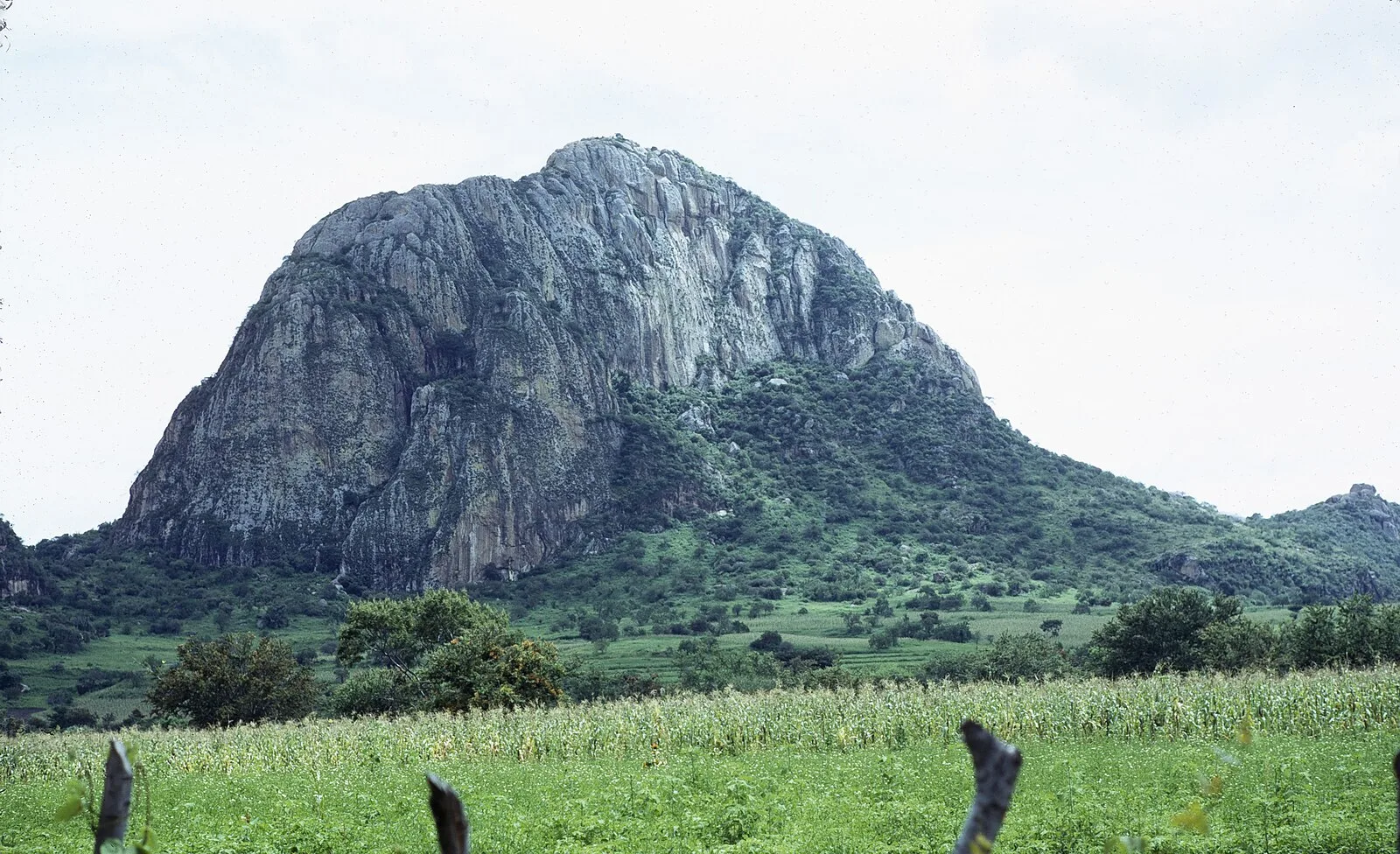
Chalcatzingo is a Mesoamerican archaeological site in the Valley of Morelos dating from the Formative Period of Mesoamerican chronology [1]. The site is well known for its extensive array of Olmec-style monumental art and iconography [1]. Located in the southern portion of the Central Highlands of Mexico, Chalcatzingo is estimated to have been settled as early as 1500 BCE [1]. The inhabitants began to produce and display Olmec-style art and architecture around 900 BCE [1]. At its height between 700 BCE and 500 BCE, Chalcatzingo's population is estimated at between five hundred and a thousand people [1]. By 500 BCE it had gone into decline [1]. Chalcatzingo is situated near two large granodiorite hills in the Amatzinac River Valley [1]. Chalcatzingo contains what may be the earliest representation of a woman in Mesoamerican monumental art on Monument 21 [1].
Text: Wikipedia – 'Chalcatzingo' (revision of 2026-08-11), CC BY-SA 4.0 · sentences selected and shortened by an AI system · source →Chalcatzingo
Also known as: Чалькацинго, צ'אלקאצינגו
| Type | Rock relief/carving |
|---|---|
| Period | 1500 - 500 BC |
| Country | Mexico |
| Coordinates | 18.6776° N, 98.7706° W |