
 Mexico
Colima's shaft tombs are part of the Western Mexico shaft tomb tradition, dating primarily from 500 BC to 600 AD. These underground mortuary structures feature vertical shafts dug 3-20 meters into volcanic tuff, accessed through cylindrical tunnels sometimes with carved tepetate staircases. The Comala phase (200-400 AD) represents peak usage, with tombs containing elaborate offerings including polished ceramic vessels with distinctive brown-red slip, anthropomorphic and zoomorphic figurines, obsidian weapons, and bone instruments. Colima is especially renowned for its ceramic dog figurines, believed to represent spiritual guides for the deceased in the afterlife. Multiple burials per chamber indicate family or lineage use over generations, with the labor and quality of grave goods confirming exclusive elite use.
Colima - Eastern Shaft Tomb
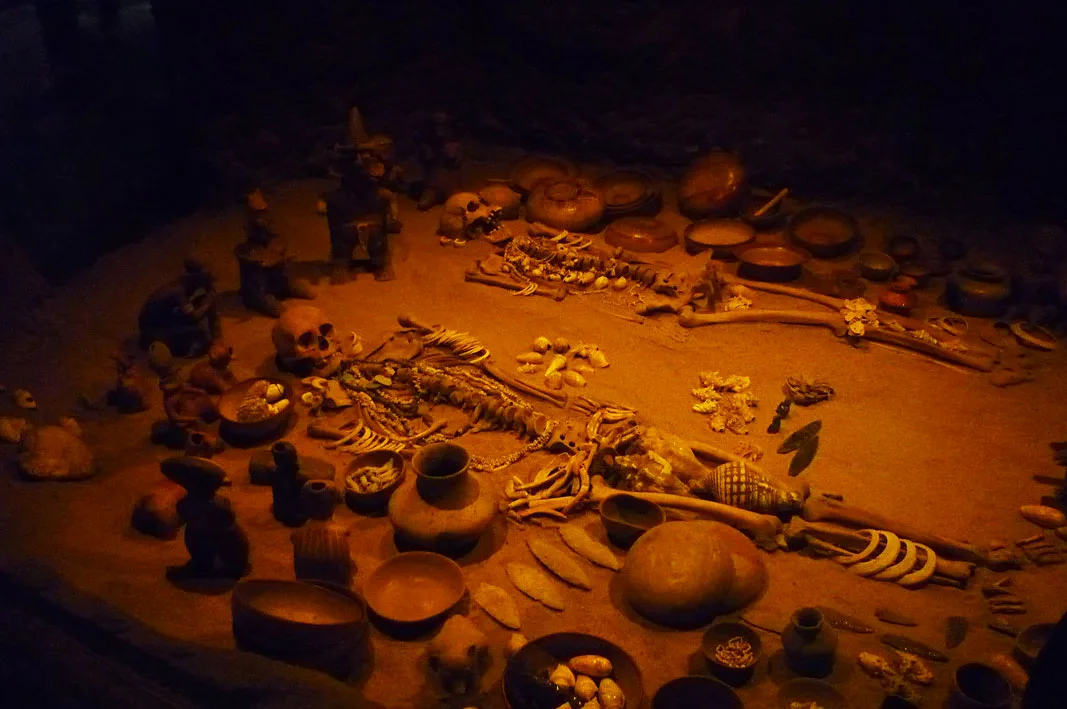
Also known as: 콜리마주, Colima, Colima (állam), Colima (Bundesstaat), Colima (Bundesstoot), Colima Chiu, Colima (delstat), Colima (estat), Colima (État), Colima (fylki), Colima Istadu, Colima (jimbo)
| Type | Tomb |
|---|---|
| Period | 1 - 500 AD |
| Country | Mexico |
| Coordinates | 19.2402° N, 103.7239° W |