
 Mexico
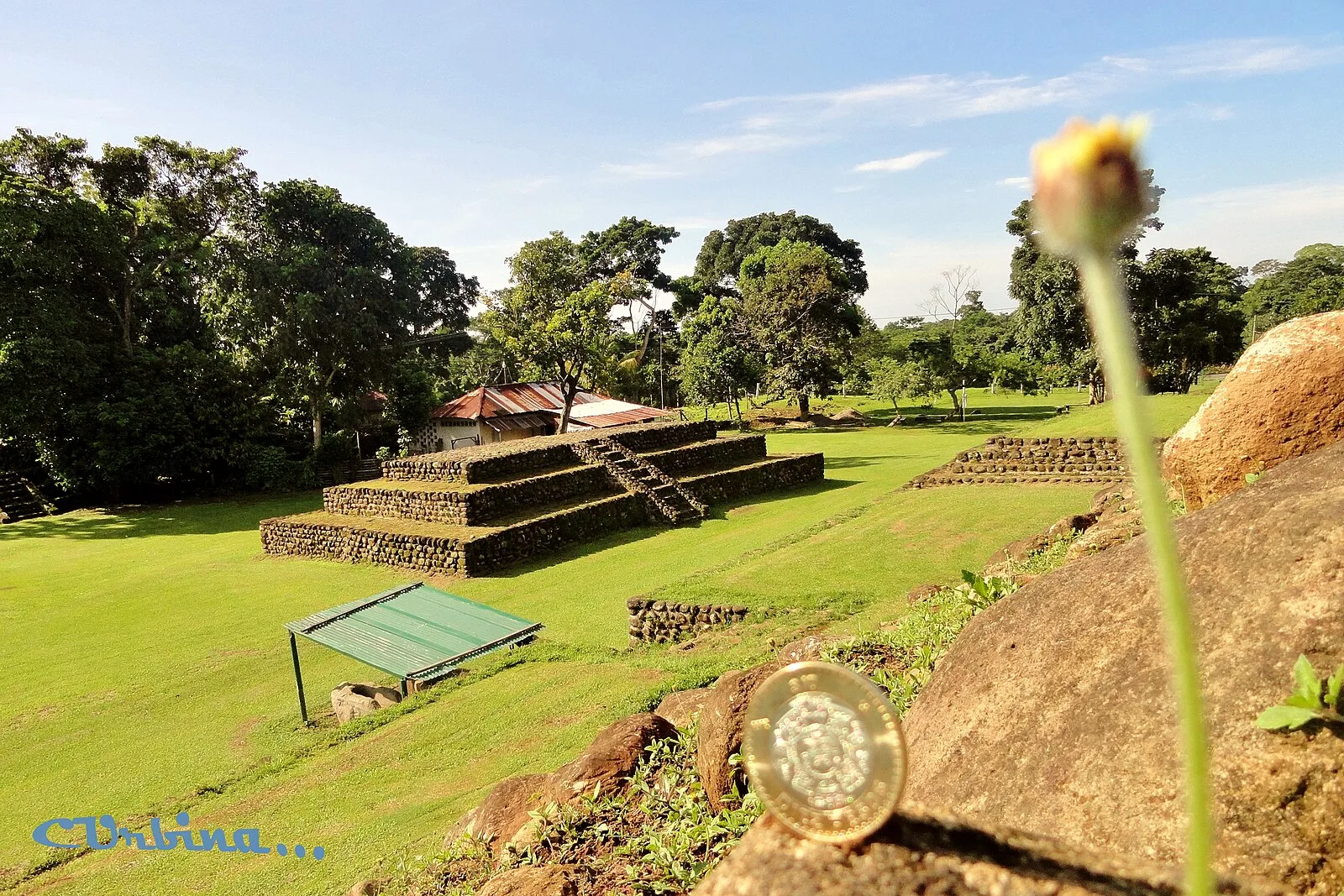
Izapa is a very large pre-Columbian era archaeological site located in the Mexican state of Chiapas; it is best known for its occupation during the Late Formative period [1]. The site is situated on the Izapa River, a tributary of the Suchiate River, near the base of Volcán Tacaná [1]. Izapa remained occupied through the Early Postclassic period, until approximately 1200 CE [1]. The New World Archaeological Foundation project at Izapa mapped 161 total mounds [1]. Izapa's Formative period core (850–100 BCE) has six major plazas [1]. The art found at the site includes sculptures of stelae and also altars that look like frogs [1]. Lowe and colleagues dated the majority of Izapa's monuments to the Guillen phase, from approximately 300 to 50 BCE, on the basis of ceramic and radiocarbon dates [1].
Text: Wikipedia – 'Izapa' (revision of 2026-08-11), CC BY-SA 4.0 · sentences selected and shortened by an AI system · source →Izapa
Also known as: Isapa, Изапа, Исапа, Ісапа, איסאפה, ايزابا, ایزاپا, イサパ, 伊萨帕
| Type | City/town/settlement |
|---|---|
| Period | 1500 - 500 BC |
| Country | Mexico |
| Coordinates | 14.9236° N, 92.1800° W |