
 Mexico
Hochob, meaning 'place of the corncobs' in Maya, is an archaeological site in Campeche, Mexico, built on a natural hill elevated roughly 30 metres above the surrounding terrain [1] [2]. The site was first reported by explorer Teobert Maler, who visited in 1887 and published photographs in Globus magazine in 1895 [1].
Hochob
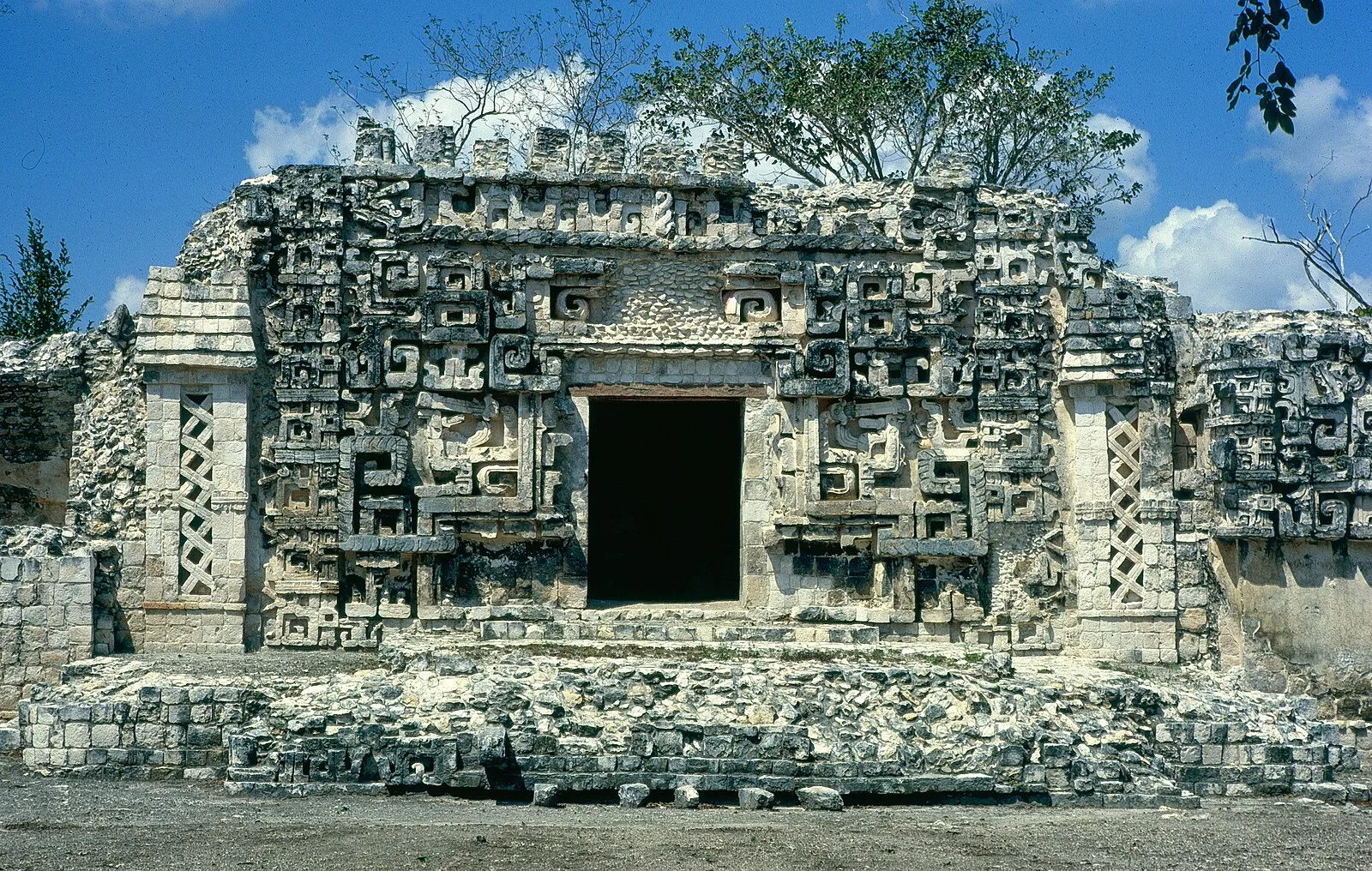
Also known as: هوچوب, هوکوب
| Type | City/town/settlement |
|---|---|
| Period | 1 - 500 AD |
| Country | Mexico |
| Coordinates | 19.4090° N, 89.7710° W |