
 Mexico
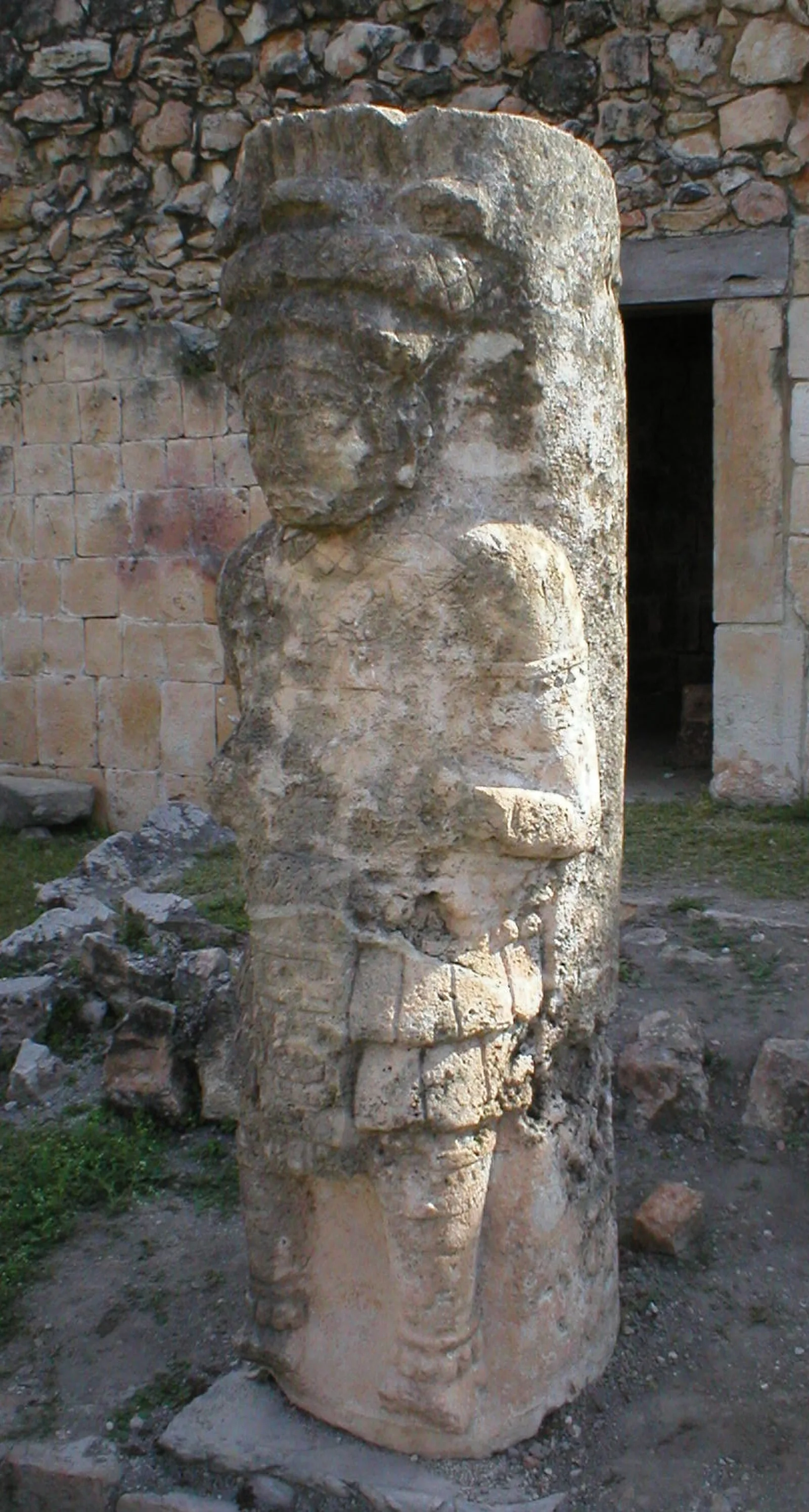
Oxkintok is a pre-Columbian Maya archaeological site in the Puuc region of Yucatán state, in southeastern Mexico [1]. The site of Oxkintok was first described in the 16th century by Brother Antonio de Ciudad Real, who noted the proximity of the site to the Puuc mountain range and the large ruined structures [1]. In 1842, John Lloyd Stephens and Frederick Catherwood explored Oxkintok, including The Labyrinth [1]. The first actual excavations were funded by the University of Pennsylvania and directed by H.E. Mercer in February 1895 [1]. The site has provided evidence of habitation from the Late Preclassic through the Late Postclassic periods of Maya prehistory [1]. However, Oxkintok became a major center between the Early Classic and Terminal Classic periods [1]. It is well known as possessing a very early Long Count date in 475 CE (on the lintel of Structure 6 in the "Canul" group) [1]. The latest dated monument at the site records a date in 859 CE [1].
Text: Wikipedia – 'Oxkintok' (revision of 2026-01-02), CC BY-SA 4.0 · sentences selected and shortened by an AI system · source →Oxkintok
Also known as: Oxkintoc, Ошкинток, Ошкінток, ოშკინტოკი
| Type | City/town/settlement |
|---|---|
| Period | 1500 - 500 BC |
| Country | Mexico |
| Coordinates | 20.5617° N, 89.9533° W |