

Archaeological Sites in Germany
City/town/settlement in Germany (24)
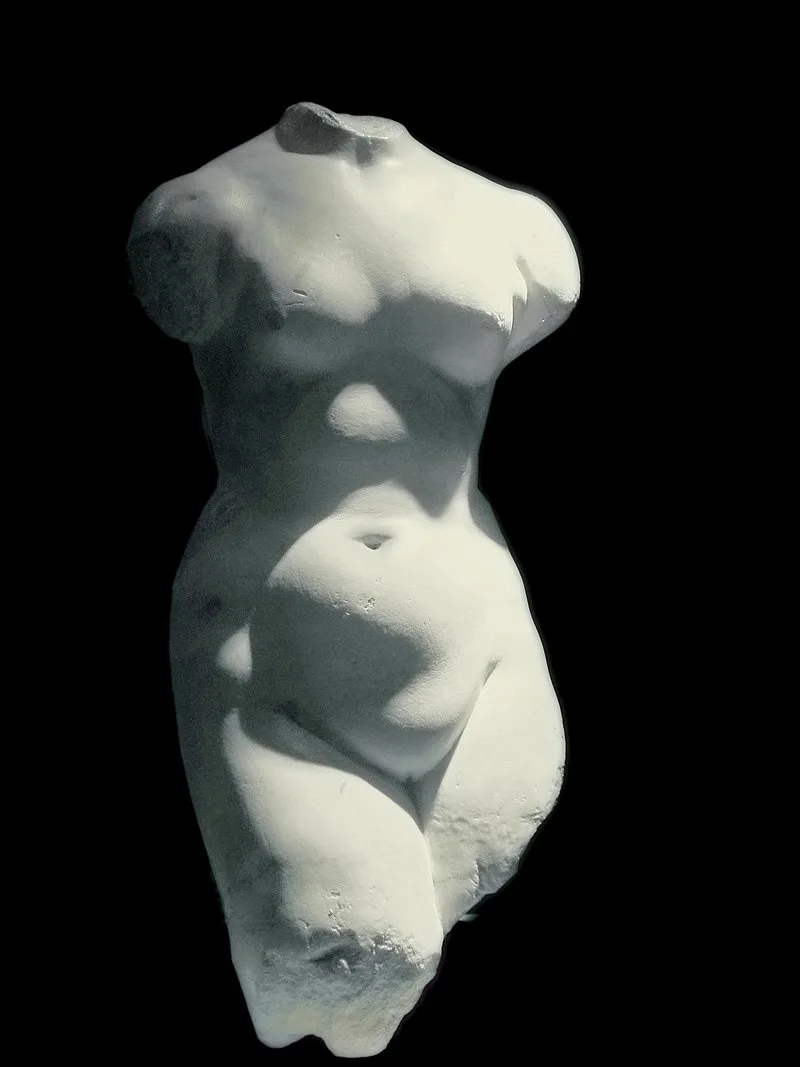
Abodiacum
Abodiacum was a Roman road vicus (settlement) in the area of Epfach, part of Denklingen in Upper Bavaria, Germany. The settlement existed from approximately 30 BCE to 640 CE,…
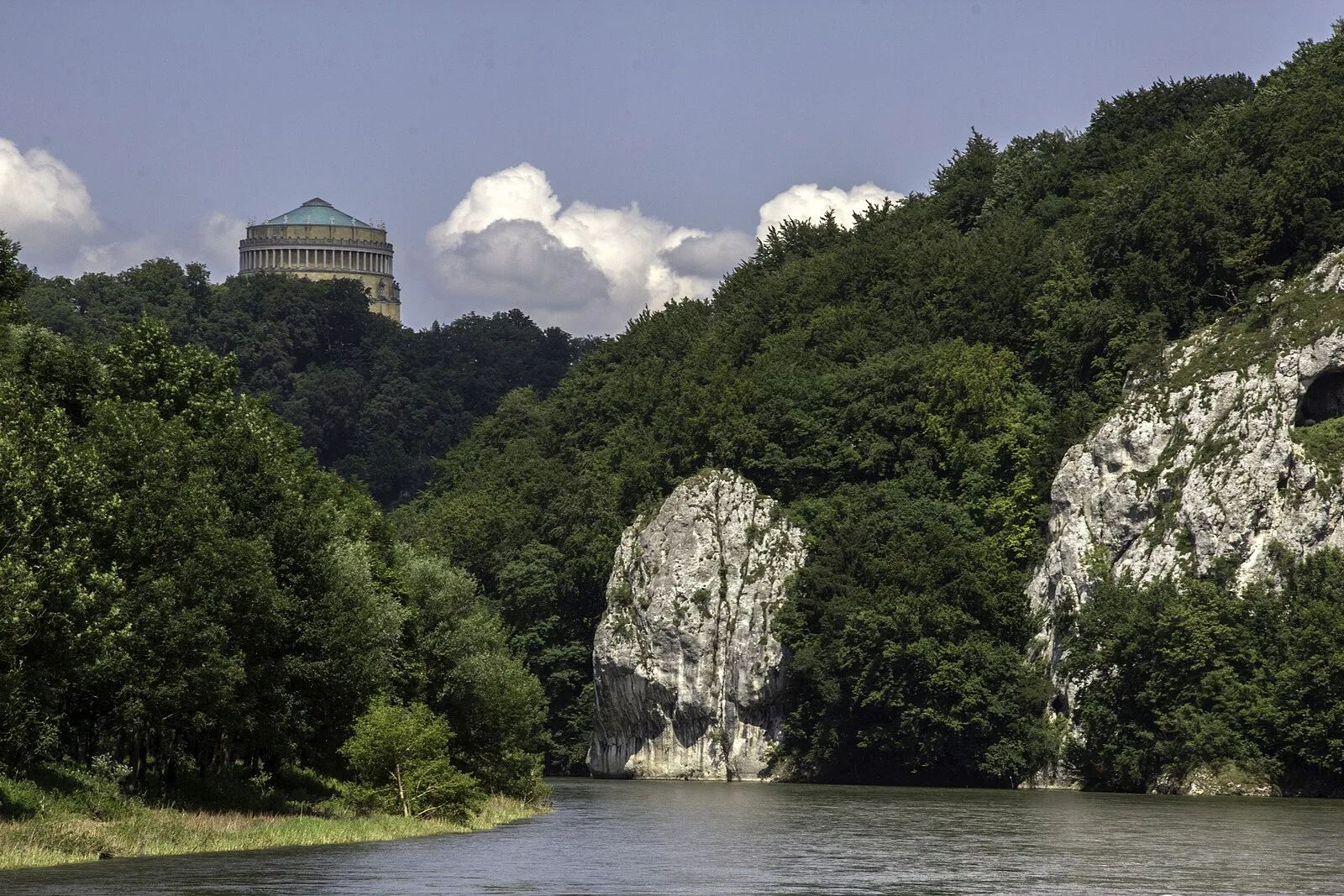
Alcimoennis
Alcimoennis is the name attached to a Celtic oppidum on the Michelsberg hill above modern Kelheim in Bavaria, Germany, at the confluence of the Danube and Altmuhl rivers. Covering…
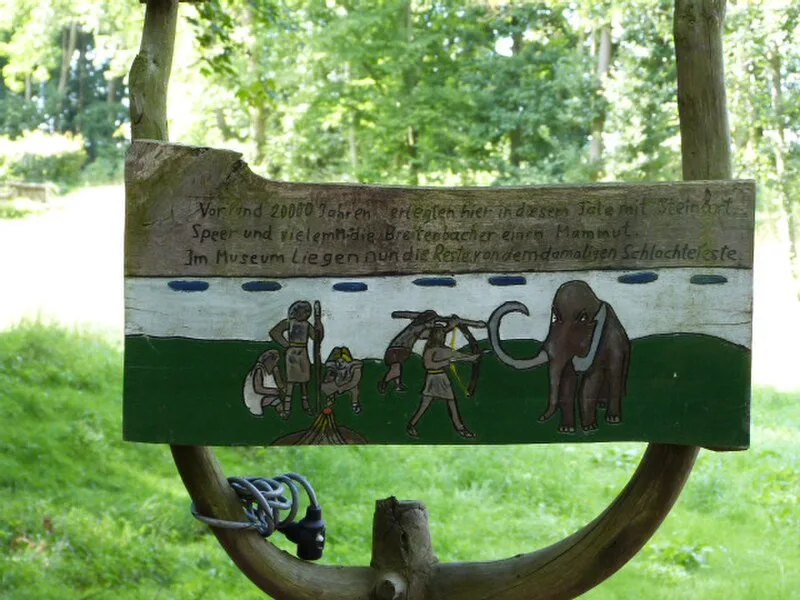
Breitenbach - Archaeological Site
Breitenbach is a major Aurignacian open-air settlement near Breitenbach village in Saxony-Anhalt, Germany, dating to the early Upper Paleolithic, the period of initial modern…
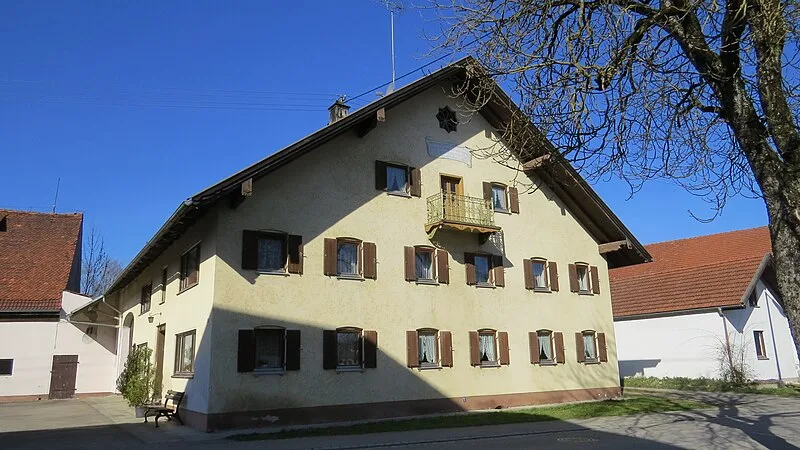
Epfach
Epfach, known in antiquity as Abodiacum, was a Roman road station in Upper Bavaria at the strategic intersection of the Via Claudia Augusta and the salt road from Salzburg. A…
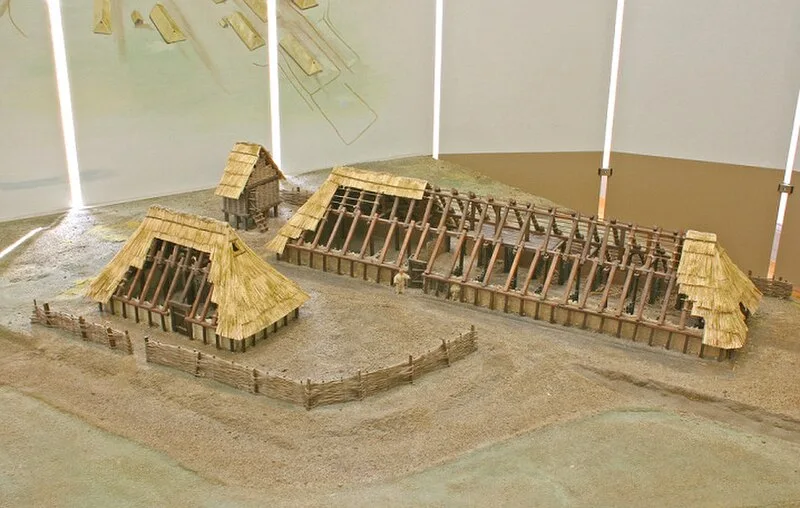
Feddersen Wierde
Feddersen Wierde is a former Iron Age wierde settlement on marshland along the Weser estuary, 14 km north of Bremerhaven, Germany, inhabited from the 1st to 5th centuries AD. By…
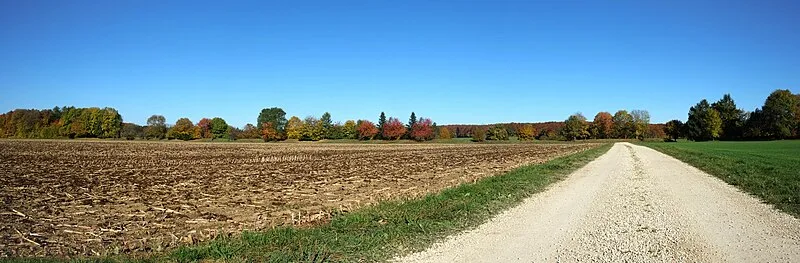
Heidengraben
Heidengraben is the remains of a massive Celtic oppidum (fortified settlement) on the Swabian Jura plateau in Baden-Württemberg, spanning the Reutlingen and Esslingen districts.…
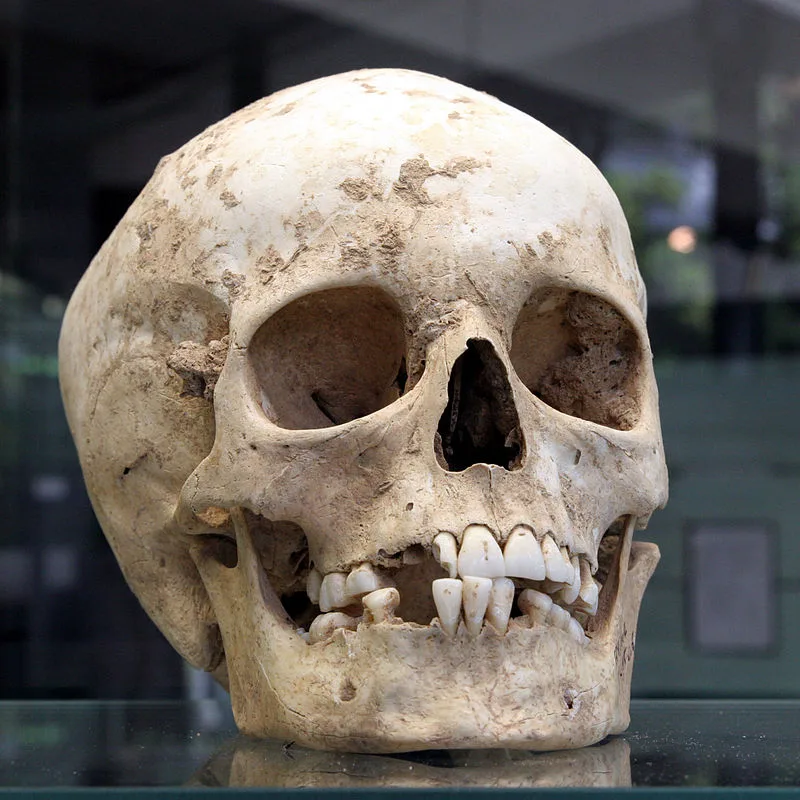
Herxheim - Archaeological Site
A Neolithic ritual centre and mass grave of the Linear Pottery culture (LBK), dating to 5300-4950 BC. The site contained scattered remains of over 1,000 individuals from diverse…
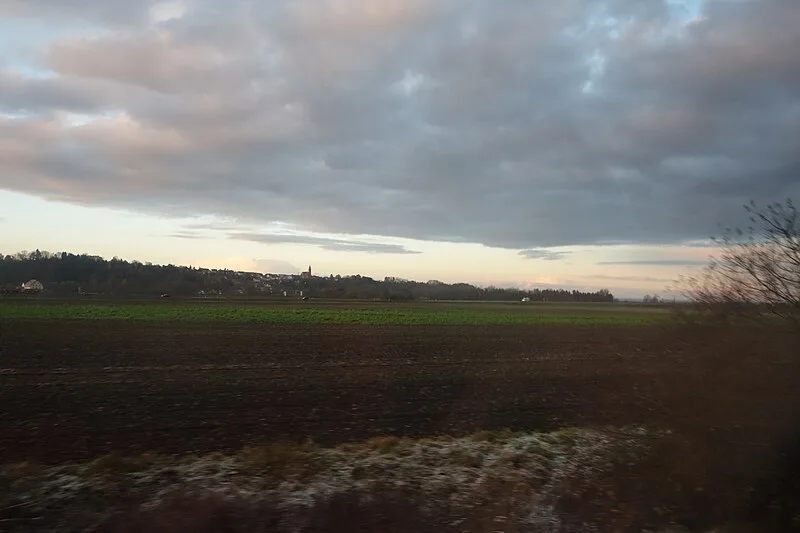
Hundersingen
(600–400 BC) Hundersingen is a village within the municipality of Herbertingen in the administrative district of Sigmaringen, Baden-Württemberg, Germany. The settlement lies on…
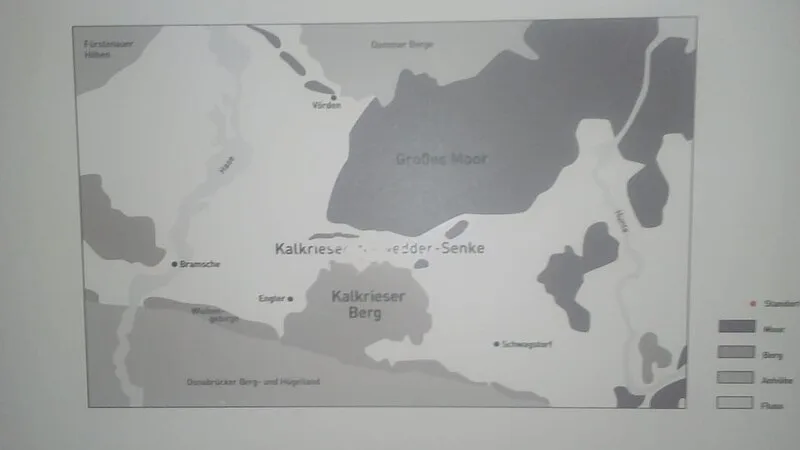
Kalkriese
Kalkriese is the probable site of the Battle of the Teutoburg Forest (9 AD), where Germanic leader Arminius ambushed and destroyed three Roman legions under Varus. The site was…
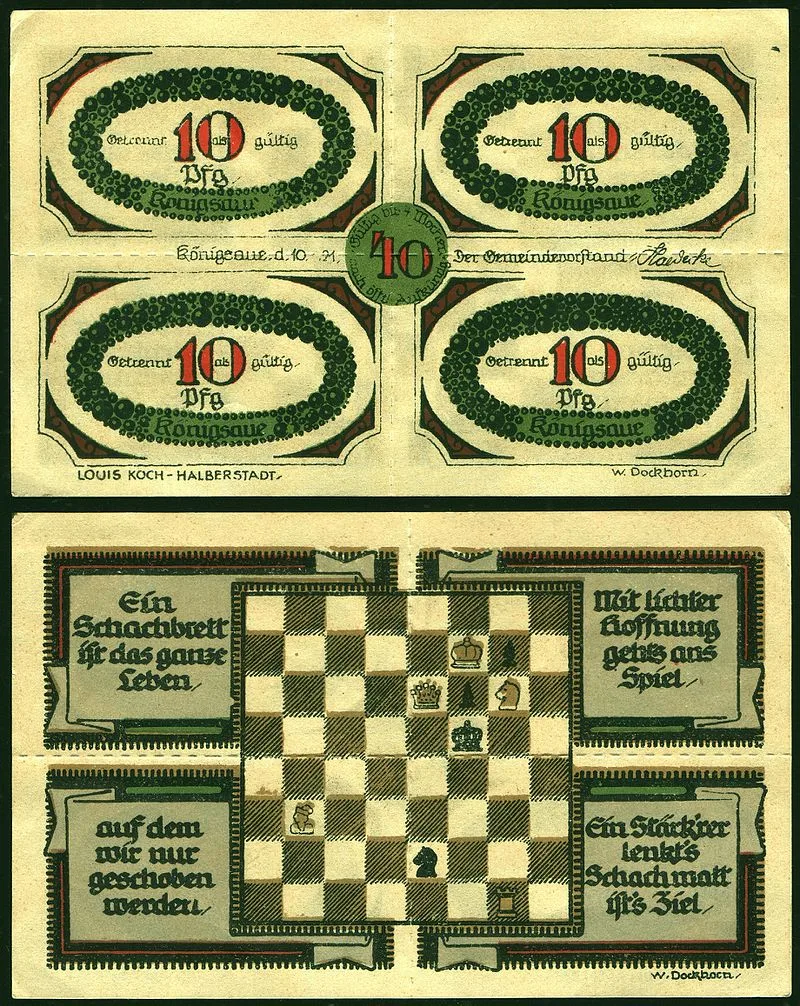
Königsaue
Konigsaue is a Middle Palaeolithic site in Saxony-Anhalt, Germany, discovered in 1963 by Dieter Mania during rescue excavations in an open-pit lignite mine. Dating to…
Langweiler - Archaeological Site
Langweiler is a Bandkeramik archaeological site in the Merzbach Valley on the Aldenhovener Plateau of western Germany, dating to 5300-4900 BC. Systematic excavations from 1973 to…
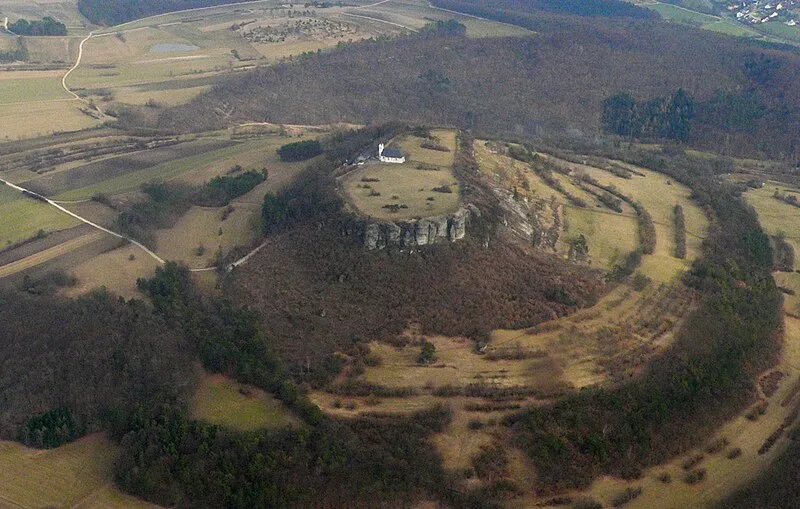
Menosgada
Menosgada was a Celtic metropolis on the Upper Main river, mentioned by the Greek geographer Ptolemy. It was probably located on the hill known today as the Staffelberg in…
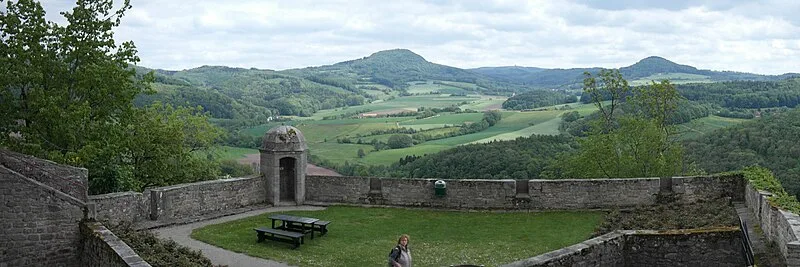
Milseburg
Milseburg is an extinct volcano rising 835 metres (2,740 ft) in the Hessian Rhön Mountains, making it the region's second-highest peak. The hill, located east of Fulda near…
Navalia
Navalia was an ancient settlement mentioned by the Greek geographer Claudius Ptolemy in his 2nd-century AD Geographia. The name derives from the Latin word for "dock" or "wharf",…
Niederstotzingen
Niederstotzingen is notable for the nearby Vogelherd Cave in the Lone Valley, one of the most important Paleolithic sites in Europe. Excavated by Gustav Riek in 1931, the cave…
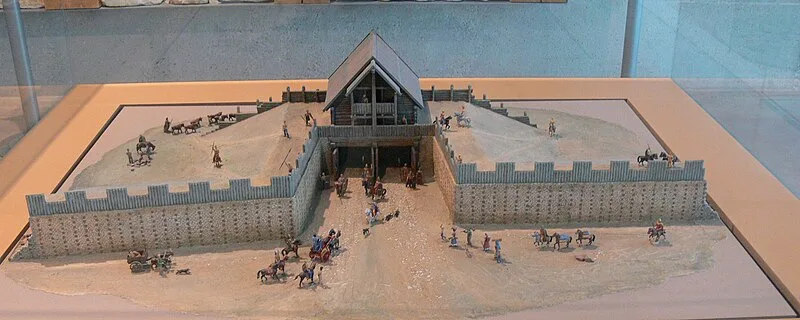
Oppidum of Manching
The Oppidum of Manching was a large Celtic proto-urban settlement at modern-day Manching, near Ingolstadt, in Bavaria, Germany. Founded in the 3rd century BC, it existed until c.…
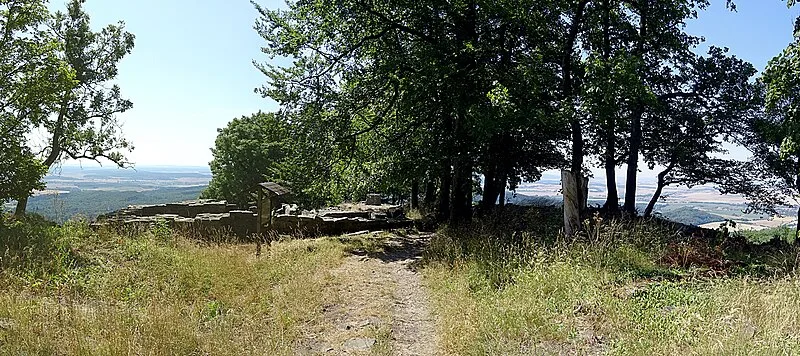
Oppidum Steinsburg
The Oppidum Steinsburg is the remains of a major Celtic fortified settlement on the Kleiner Gleichberg in South Thuringia, Germany. Dating to approximately 2,500 years ago, it…
Passau
Passau is a city in Lower Bavaria, Germany, known as the Dreiflüssestadt ("City of Three Rivers") where the Danube is joined by the Inn from the south and the Ilz from the north.…

Regensburg
Regensburg is a city in eastern Bavaria at the confluence of the Danube, Naab and Regen rivers, marking the Danube's northernmost point. Founded as an imperial Roman river fort in…
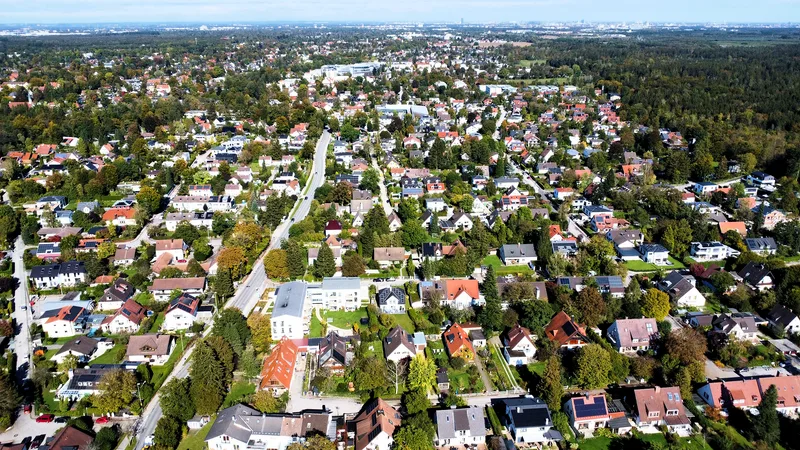
Stockdorf
Stockdorf is the largest district in the municipality of Gauting in Upper Bavaria, Germany, situated along the Wurm River. Settlements in the area trace back to the early Bronze…
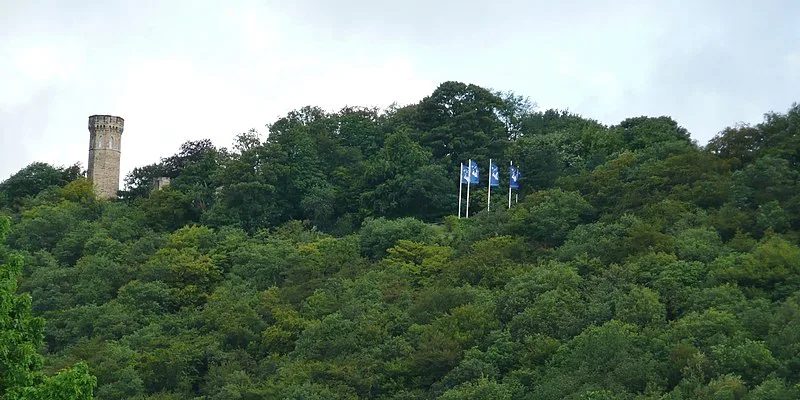
Syberg
The Syberg is a 240-metre hill in southern Dortmund, part of the Ardey Hills, with archaeological remains spanning from the Neolithic era through the Middle Ages. Around 700 AD,…
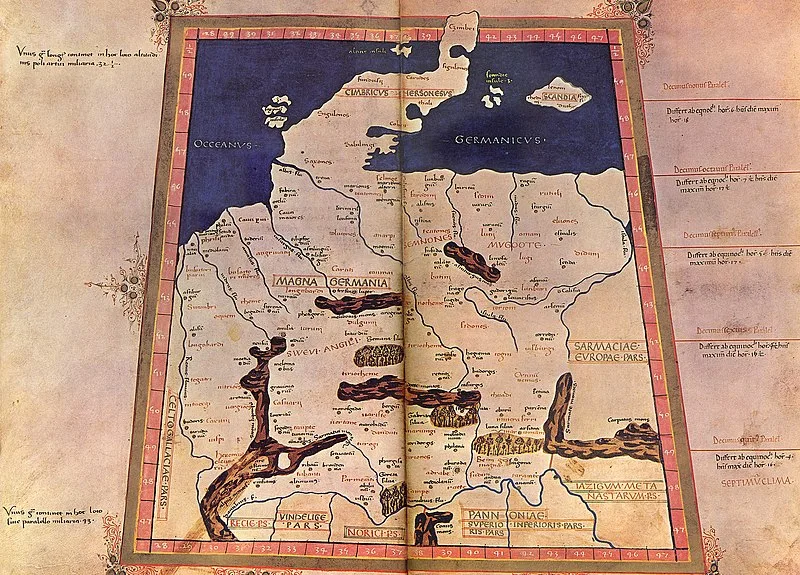
Treva
Treva is the historical name of a Roman-era settlement at the site of modern Hamburg, Germany, first recorded by Claudius Ptolemy in the 2nd century AD. Under Augustus, Roman…
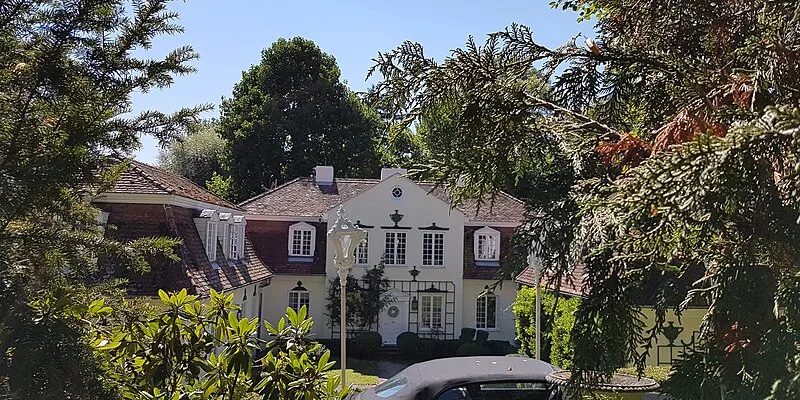
Türkenfeld
Turkenfeld is a municipality in the district of Furstenfeldbruck, Bavaria, located about 37 km west of Munich. The area shows evidence of continuous human habitation from the…
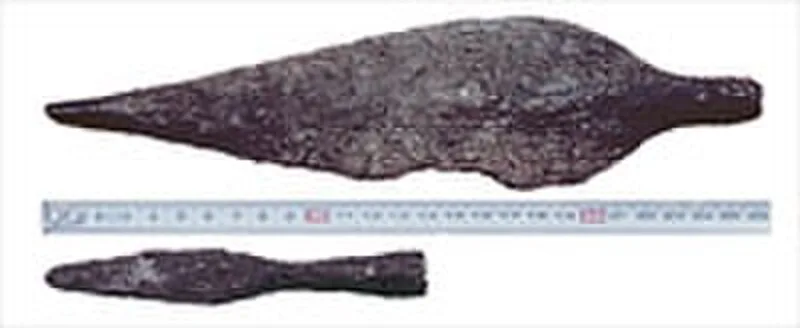
Vicus Wareswald
Vicus Wareswald is a Gallo-Roman settlement in the Wareswald Wood in northern Saarland, Germany, situated at the crossroads of two important trade routes. Founded in the 1st…
Fortress/citadel in Germany (15)
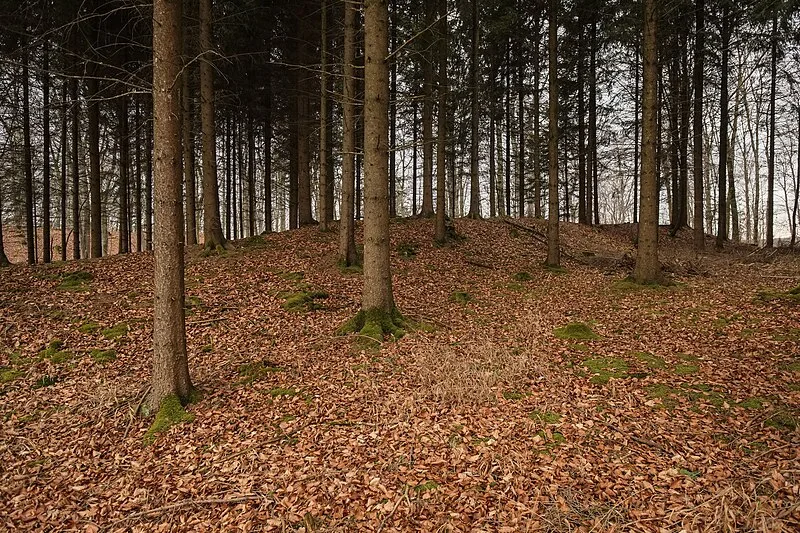
Alte Burg, Langenenslingen
Alte Burg is a large Celtic hillfort in Langenenslingen, Baden-Württemberg, dating to the 7th century BC. The tongue-shaped plateau covers approximately 2 hectares and is…
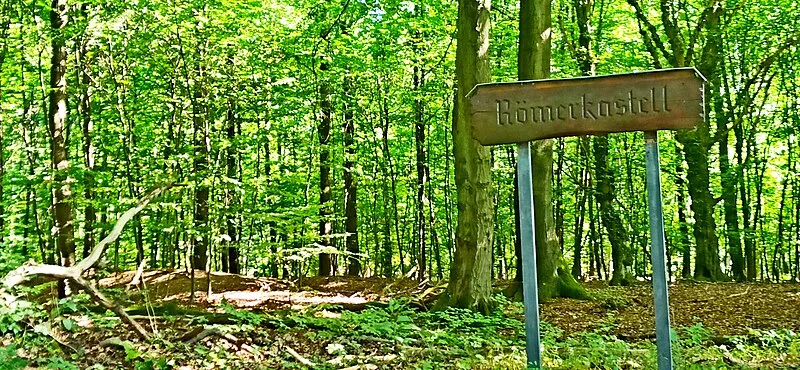
Am Forsthofweg
(1st-2nd c. AD) Am Forsthofweg was a Roman castellum (small fort) situated along the Upper Germanic-Raetian Limes. The site was inscribed as a UNESCO World Heritage Site in 2005…

Babilonie
The Babilonie is a hillfort of the La Tène culture (500 BC–1 AD) located at 255.6 metres above sea level on the northern edge of a rounded hill in the Wiehen Hills, above the…
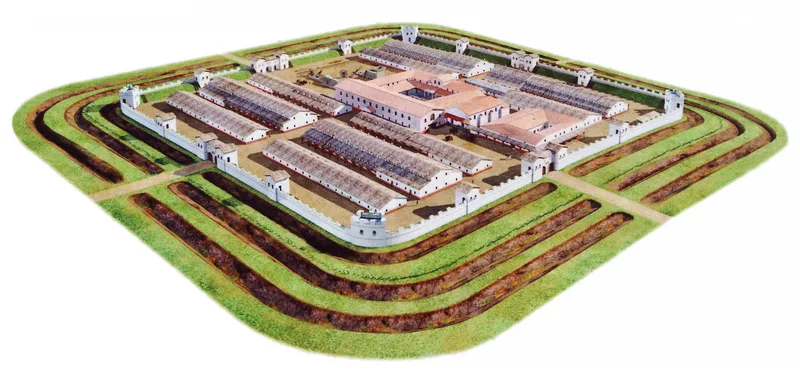
Biriciana
Biriciana is a Roman ala castellum at modern Weissenburg in Middle Franconia, Bavaria, part of the Upper Germanic-Rhaetian Limes UNESCO World Heritage Site. Originally built in…
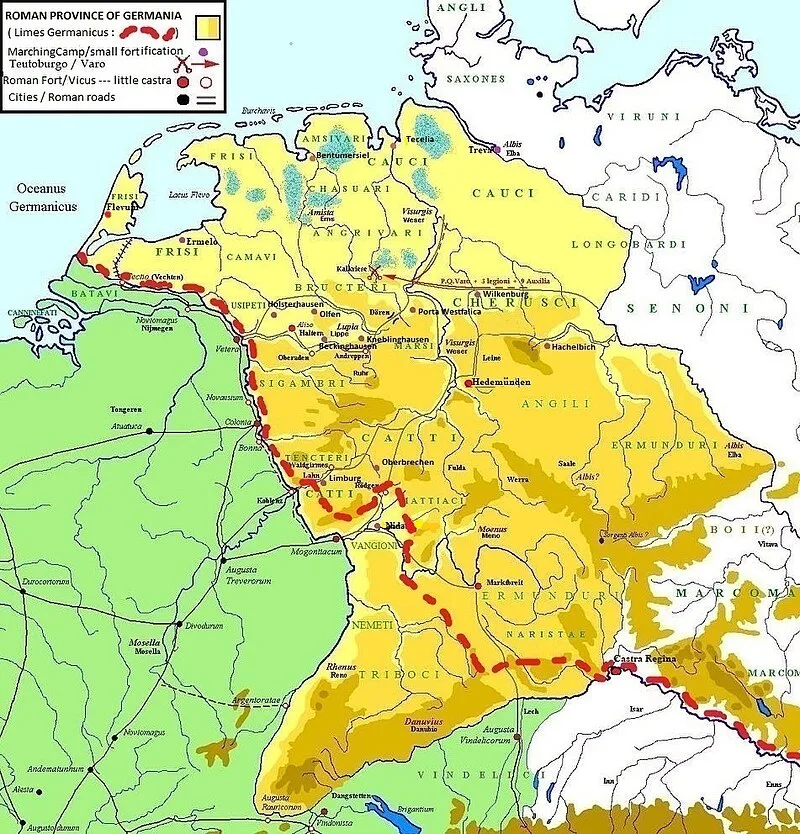
Flevum
Flevum was a Roman castrum and naval base in Frisia, identified with modern Velsen in the Netherlands, controlling the Oer-IJ, the northernmost outlet of the Rhine. Flevum I was…
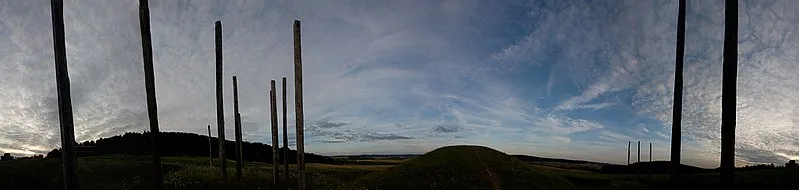
Glauberg
The Glauberg is a Celtic hillfort (oppidum) in Hesse, Germany, featuring a fortified settlement and burial mounds. It served as a princely seat during the late Hallstatt and early…
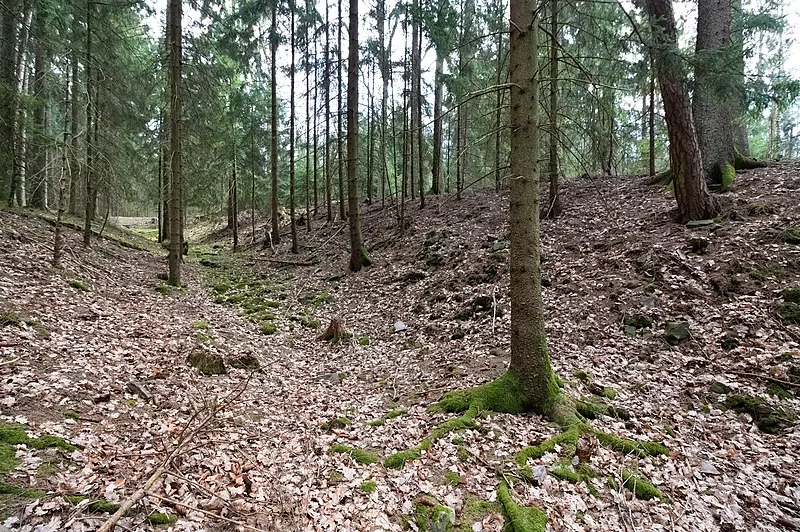
Heidetrank Oppidum
The Heidetrank Oppidum near Oberursel in the Taunus mountains is one of Europe's most important Celtic oppida, dating to the late La Tene period. Enclosed by a 10 km rampart with…
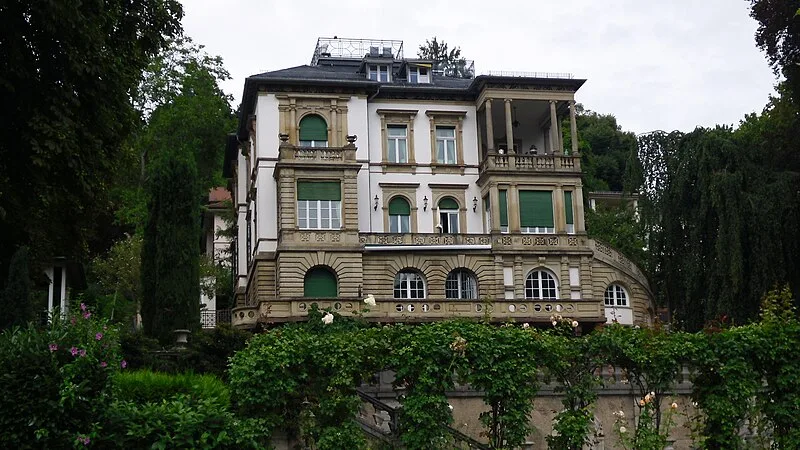
Heiligenberg, Heidelberg
Heiligenberg is a 440-metre hill above Heidelberg, Germany, crowned by a Celtic hill fort. The site later hosted a Roman sacred precinct and medieval monasteries. Its summit also…
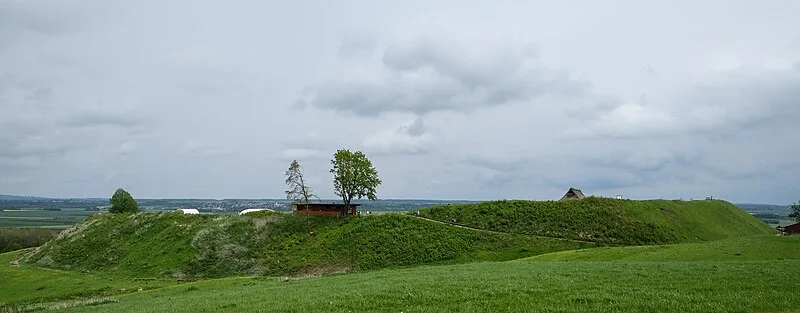
Heuneburg
The Heuneburg is a prehistoric Celtic hillfort on the Danube river in Hundersingen near Herbertingen, Baden-Württemberg, Germany. It ranks among the most significant early Celtic…
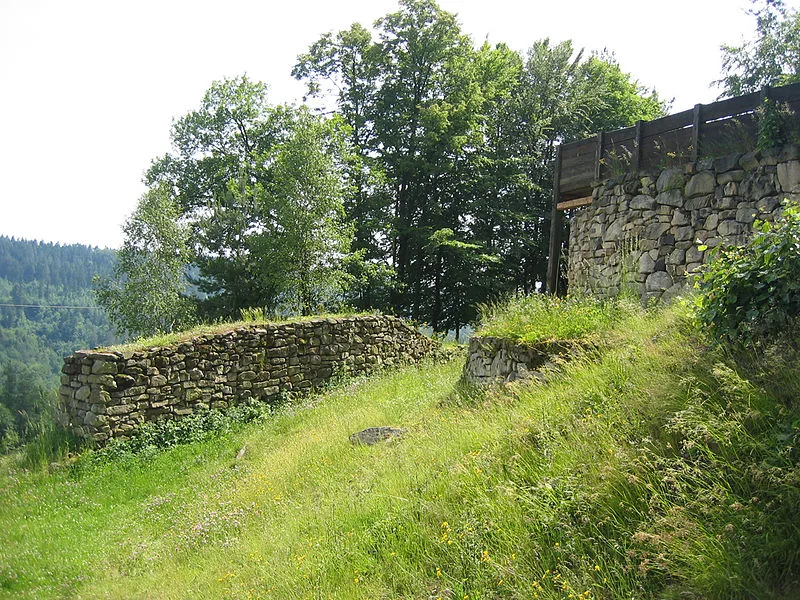
Heunischenburg
A late Urnfield period stone fortification near Kronach in Upper Franconia, Germany, with its heyday in the 9th century BC, making it the oldest known stone fortification north of…
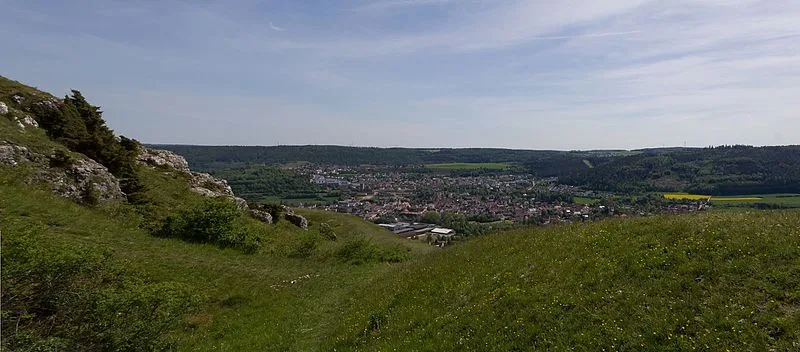
Ipf Mountain
(1200-300 BC) A Celtic princely seat on a 668m conical hill near Bopfingen on the western edge of the Nordlinger Ries. First fortified during the Urnfield period, the Ipf reached…
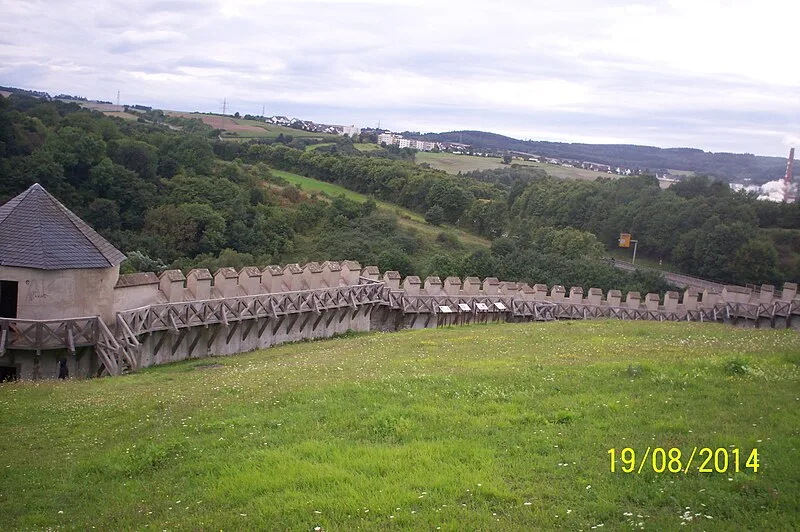
Katzenberg Hillfort
Katzenberg Hillfort is a Roman refuge fortress near Mayen, Germany, established in the early 4th century around 300 AD. It was constructed following the collapse of the Roman…
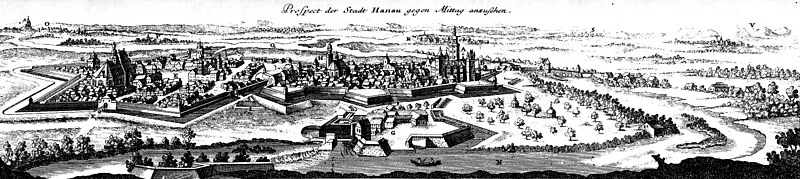
Limes Germanicus
The Limes Germanicus was a Roman frontier defense system separating the Empire from Germanic tribes from 83 to about 260 AD. It spanned Germania Inferior, Germania Superior and…
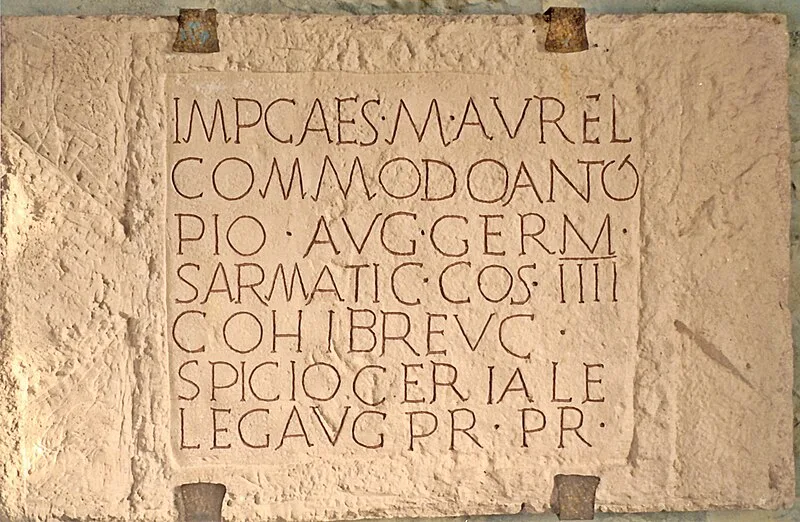
Pfünz Roman Fort
Pfünz Roman Fort (Castra Vetoniana) was a Roman cohort camp built c. 90 AD on a 42-metre-high Jurassic hillspur in Bavaria, strategically positioned between the Altmühl valley and…
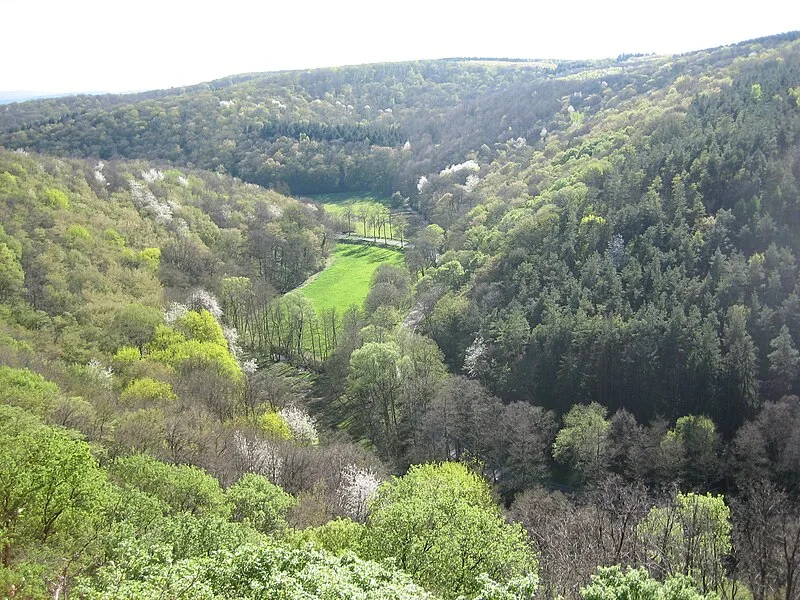
Teufelsrutsch
Teufelsrutsch ("Devil's Slide") is a densely wooded porphyry knoll in Rhenish Hesse, Rhineland-Palatinate, Germany, offering views over the Wiesbach valley. The remains of a…
Earthwork in Germany (9)
Alb Limes
The Alb Limes is a Roman frontier fortification of the late 1st century AD running nearly 135 km across the Swabian Jura in southern Germany, from Rottweil (Arae Flaviae) to…
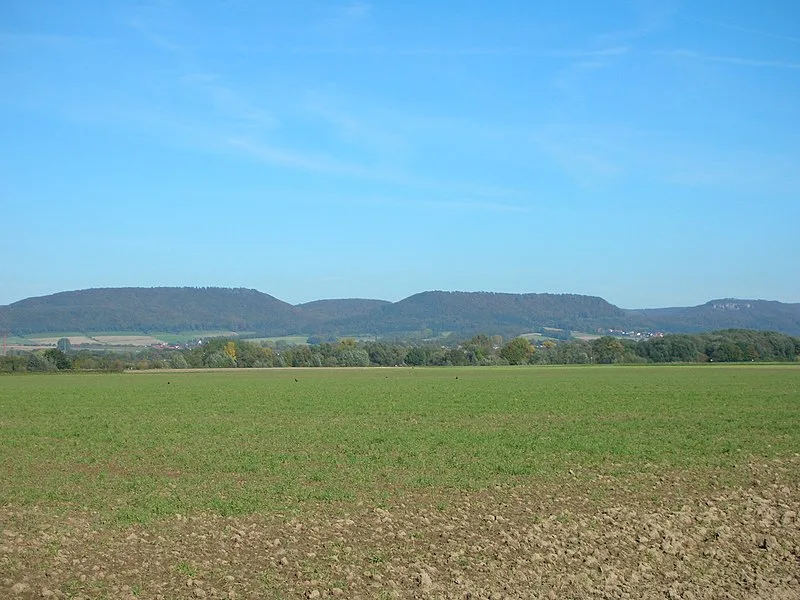
Amelungsburg, Süntel
The Amelungsburg is a former Celtic ringfort (hillfort) on the Amelungsberg hill in the Süntel ridge, Lower Saxony, Germany, dating to 500 BC–1 AD. The site covers approximately…
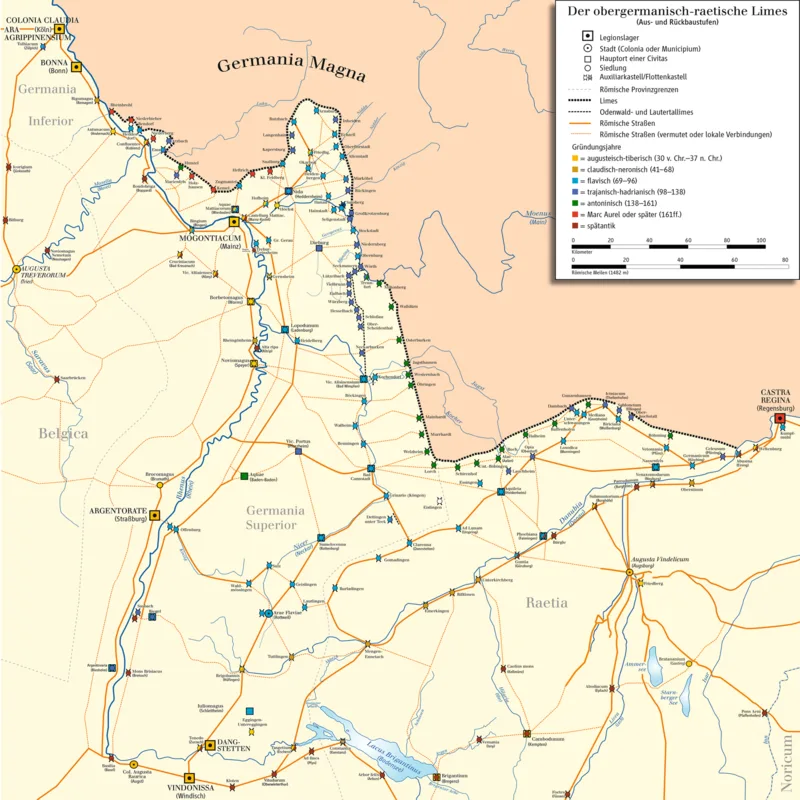
Danube - Iller - Rhine Limes
The Danube-Iller-Rhine Limes (DIRL) was a large-scale Late Roman defensive system built after the abandonment of the Upper Germanic-Rhaetian Limes in the late 3rd century CE.…
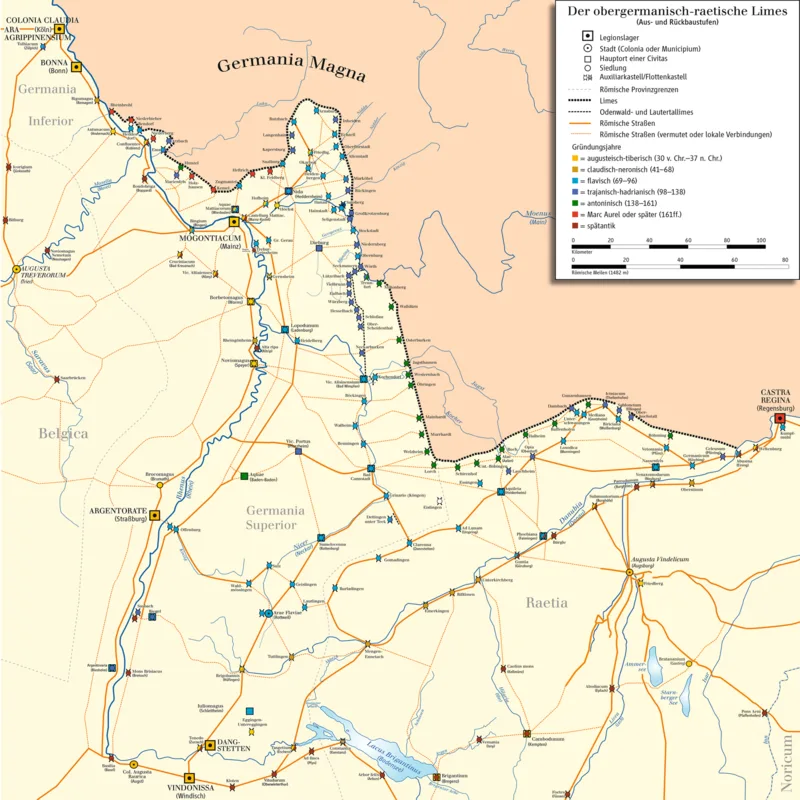
Danubian Limes
The Danubian Limes (Donaulimes) refers to the Roman military frontier along the River Danube, stretching across modern Bavaria, Austria, Slovakia, Hungary, Croatia, Serbia,…
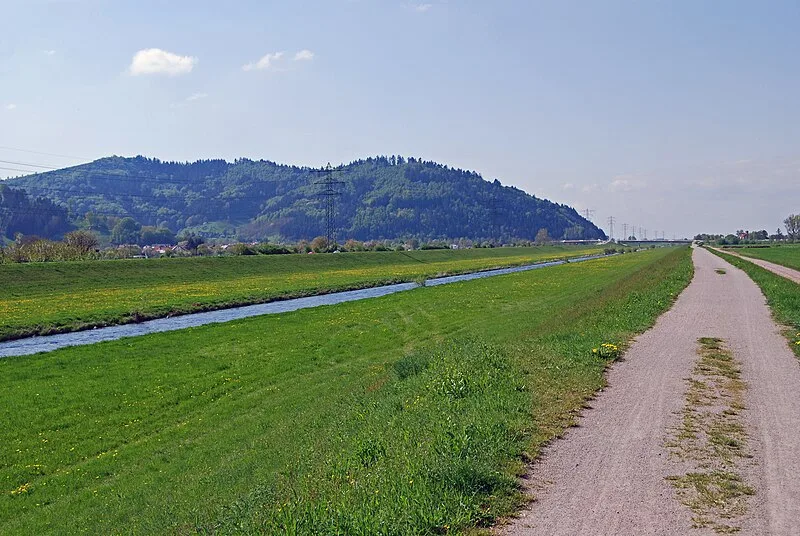
Geißkopf, Central Black Forest
The Geißkopf is a foothill, 359 metres above sea level (NHN), near Berghaupten in Baden-Württemberg, Germany. During the Migration Period (4th-5th century AD), a Roman or Germanic…
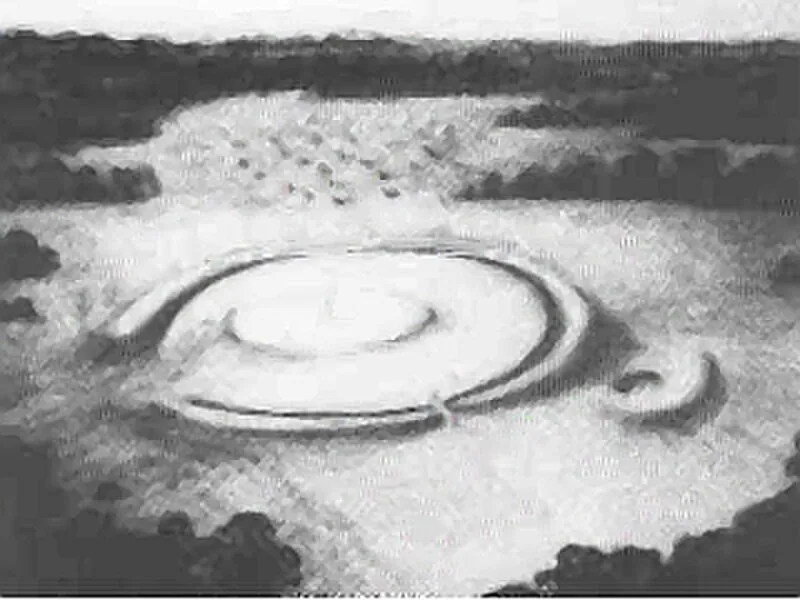
Goloring
The Goloring is a Bronze Age henge monument near Koblenz, Germany, dating to the Urnfield culture (1200-800 BC). It features a circular ditch 175 m in diameter with an outer…
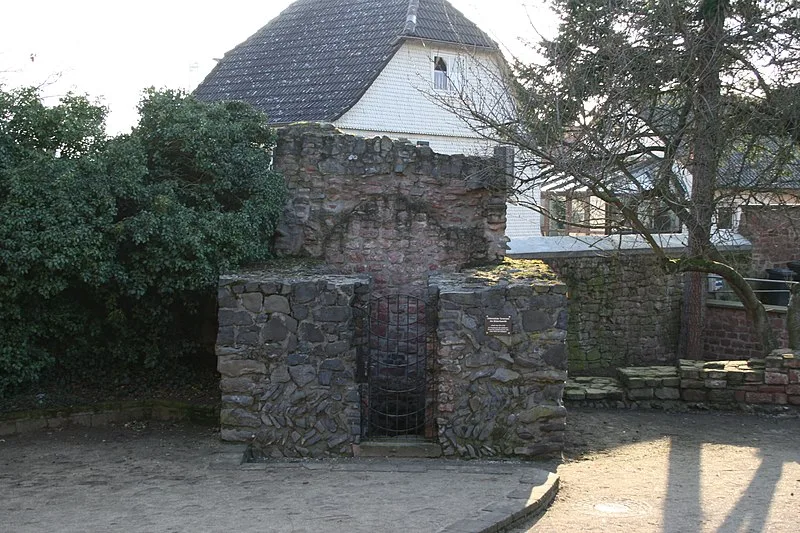
Main Limes
The Main Limes (Nasser Limes) was established around 90 AD as part of the Upper Germanic-Rhaetian Limes, forming the Roman frontier along approximately 50 km of the River Main…
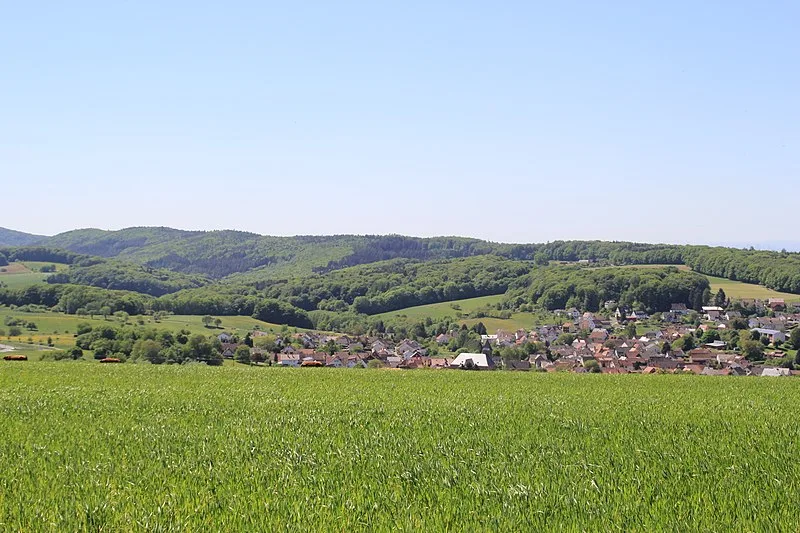
Schanzenkopf - Schwedenschanze
Schanzenenkopf (365m), also known as Schwedenschanze, is a hill in the Spessart mountains of Bavaria, Germany, northeast of Dörsthöfe in the Michelbach district of Alzenau. The…
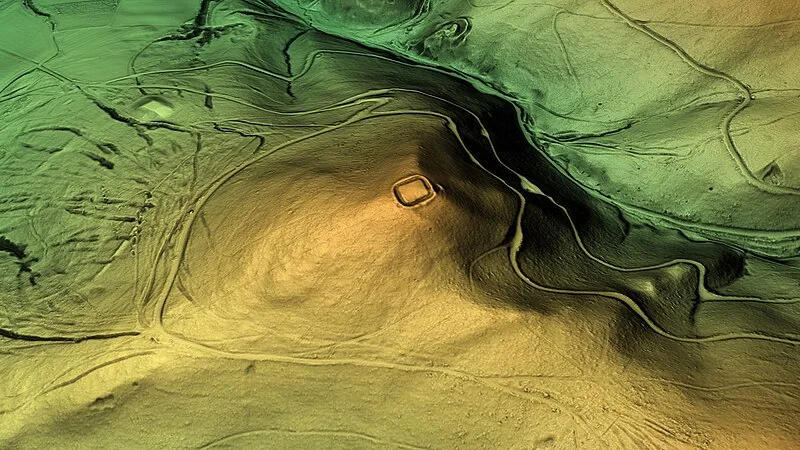
Schanzenkopf - Spessart
Schanzenkopf is a wooded hill in the Spessart mountains of Bavaria, Germany, located in the district of Aschaffenburg. Rising to 343 meters (1,125 ft) above sea level, it forms…
Dolmen in Germany (7)
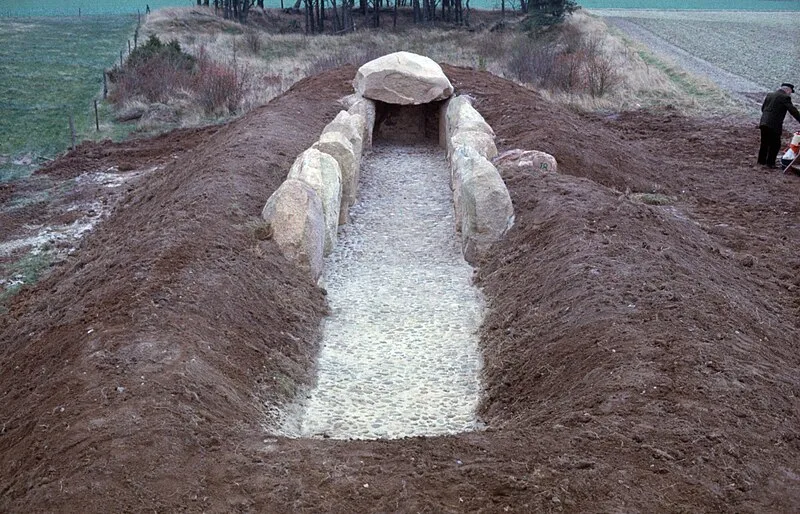
Dohnsen, Siddernhausen - Dolmen
The Dohnsen-Siddernhausen dolmen (German: Großsteingrab) is a Neolithic megalithic burial monument located on a low elevation between the villages of Dohnsen and Siddernhausen…
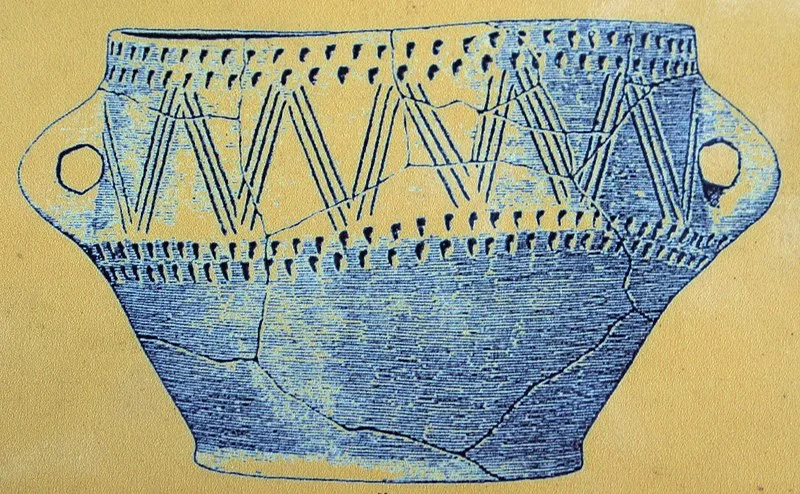
Goldbusch
Goldbusch is a great dolmen (Großdolmen), a Neolithic megalithic tomb, located between Altensien and Moritzdorf on the German Baltic Sea island of Rügen. Built between 3500 and…
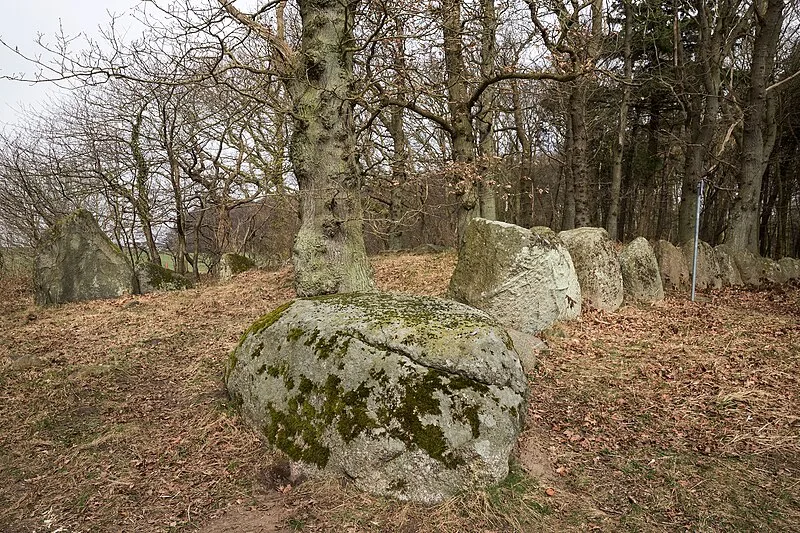
Great Dolmen of Dwasieden
The Great Dolmen of Dwasieden (German: Großdolmen von Dwasieden) is a megalithic tomb in the borough of Sassnitz on Rügen, Germany's largest island. Built by the Funnelbeaker…

Harhoog
A Neolithic megalithic tomb from the Funnelbeaker culture, dating to approximately 3000 BC, located near Keitum on the island of Sylt in Schleswig-Holstein, Germany. Classified as…
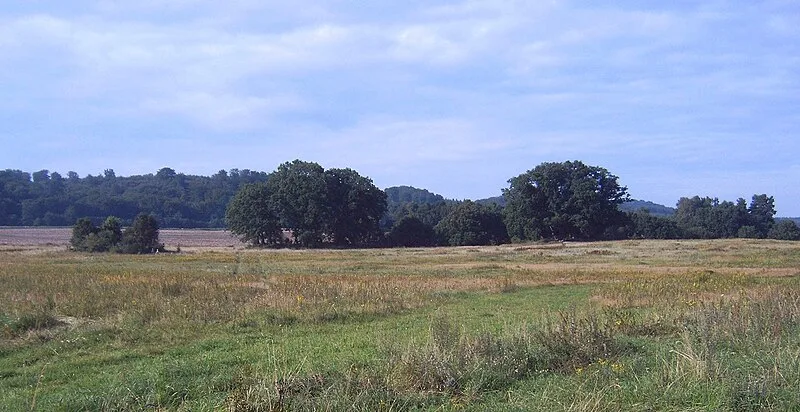
Lancken - Granitz Dolmens
The Lancken-Granitz Dolmens are a group of seven megalith tombs on Rügen Island, northern Germany, erected during the Middle Neolithic by the Funnelbeaker culture and used through…
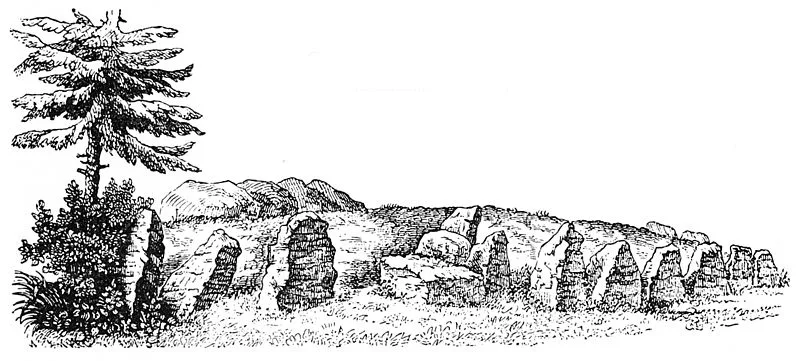
Megaliths in Mecklenburg-Vorpommern
In Mecklenburg-Vorpommern, Germany, up to 5,000 megalithic tombs were erected between 3500 and 3200 BC by the Neolithic Funnelbeaker (TRB) culture, with over 1,000 surviving today…
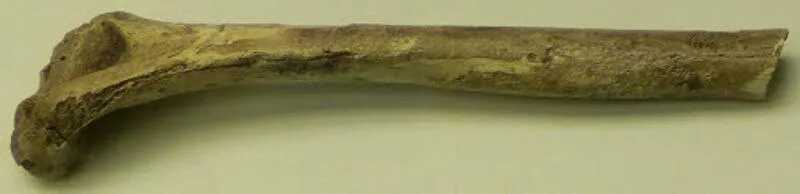
Sieben Steinhäuser
(3500–2800 BC) The Sieben Steinhäuser is a group of five dolmens on the Lüneburg Heath in the NATO training area of Bergen-Hohne, in Lower Saxony, northern Germany. The stones are…
Mound/tumulus in Germany (7)
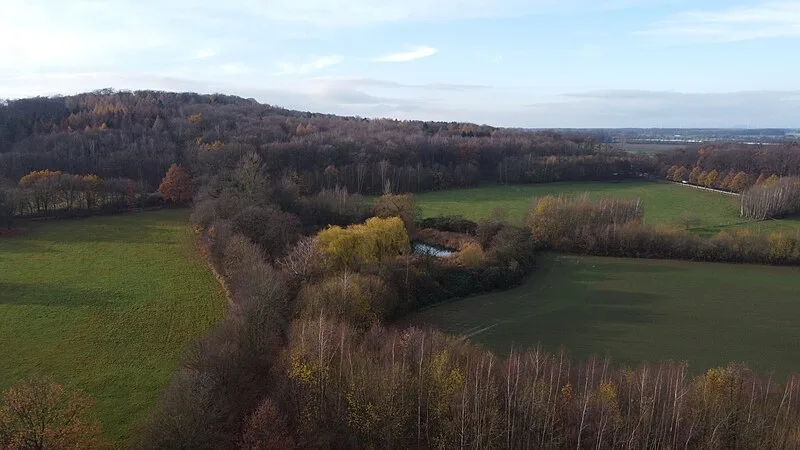
Benther Berg
Benther Berg is a ridge in Calenberg Land near Benthe in the Hanover Region of Lower Saxony, Germany, rising to 173.3 meters above sea level.
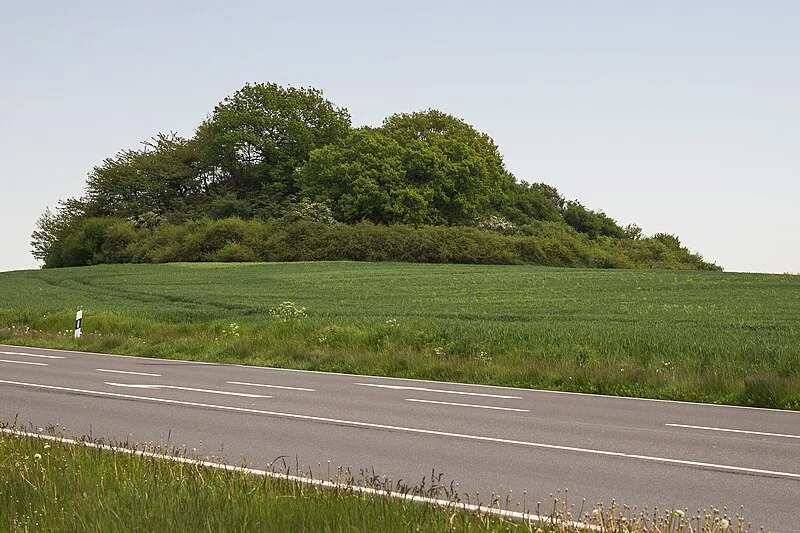
Dobberworth
The Dobberworth (also Dubberworth) is one of the largest prehistoric tumuli in northern Germany, located near Sagard on the island of Rugen. Standing approximately 12-15 m tall…
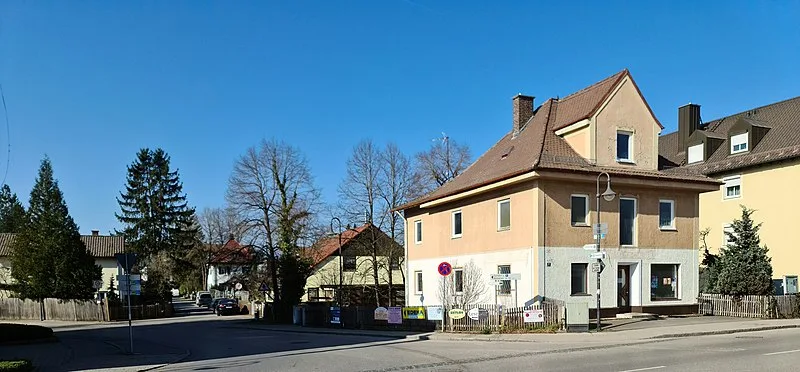
Gilching
Gilching is a municipality in the Starnberg district of Bavaria, Germany, 22 km west of Munich, with archaeological evidence stretching back to the Bronze Age. Celtic tumuli and…
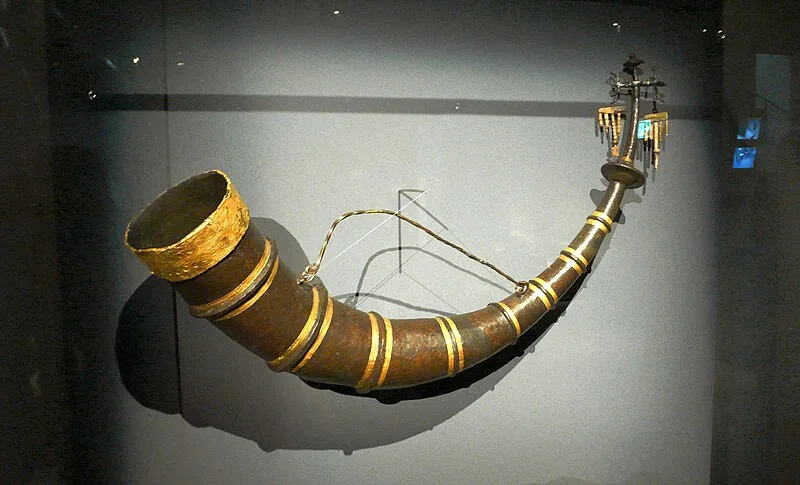
Hochdorf Chieftain's Grave
The Hochdorf Chieftain's Grave is a richly-furnished Celtic burial chamber in Baden-Württemberg, Germany, dating to 530 BC during the Hallstatt culture period. It was discovered…
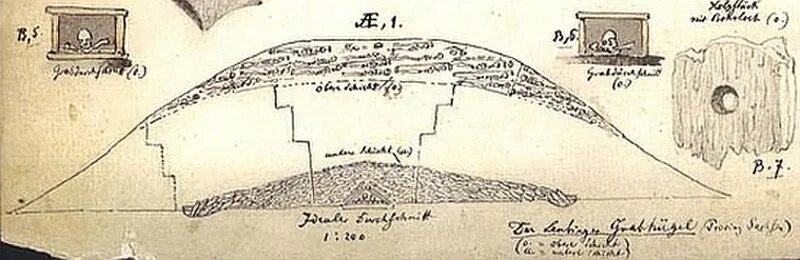
Leubingen Tumulus
The Leubingen Tumulus (German: Furstengrab von Leubingen) is an Early Bronze Age "princely" grave dating to approximately 1940 BC. Located near the Kyffhauser hills in Leubingen,…
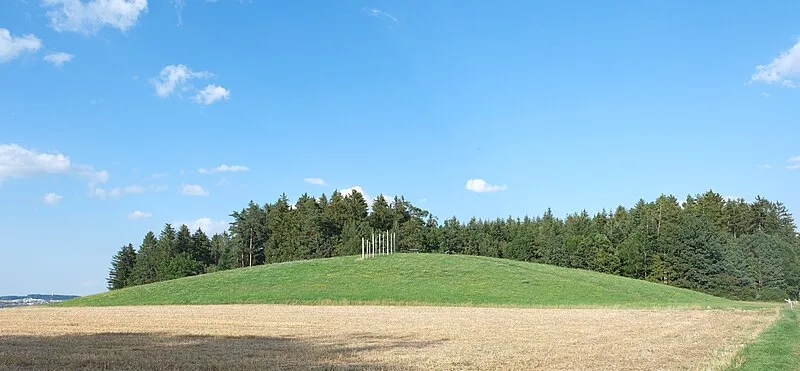
Magdalenenberg
Magdalenenberg is the largest Hallstatt-period tumulus in Central Europe, located near Villingen-Schwenningen in Baden-Wurttemberg, Germany. Originally 10-12 m high and 104 m in…
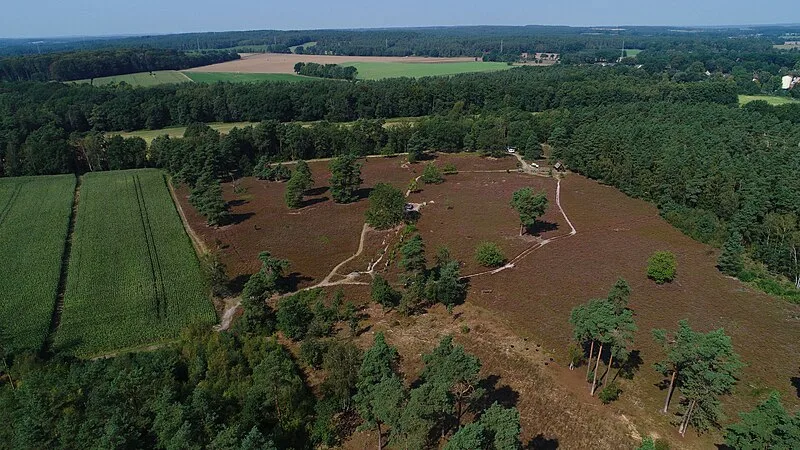
Oldendorfer Totenstatt
(4500–3000 BC) The Oldendorfer Totenstatt is a group of six Neolithic burial mounds and megalithic sites in the Luhe valley near Oldendorf, Lower Saxony, Germany. It comprises…
Museum in Germany (7)
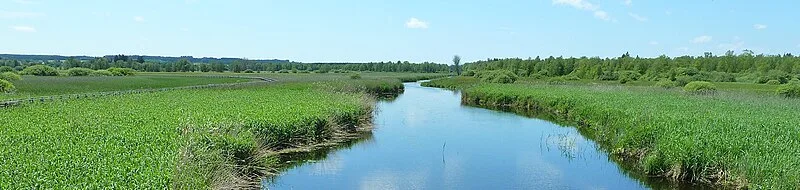
Federsee
A lake near Bad Buchau in Upper Swabia, southern Germany, surrounded by one of the largest connected moorlands in the region at 33 sq km. The Federsee basin is renowned for…
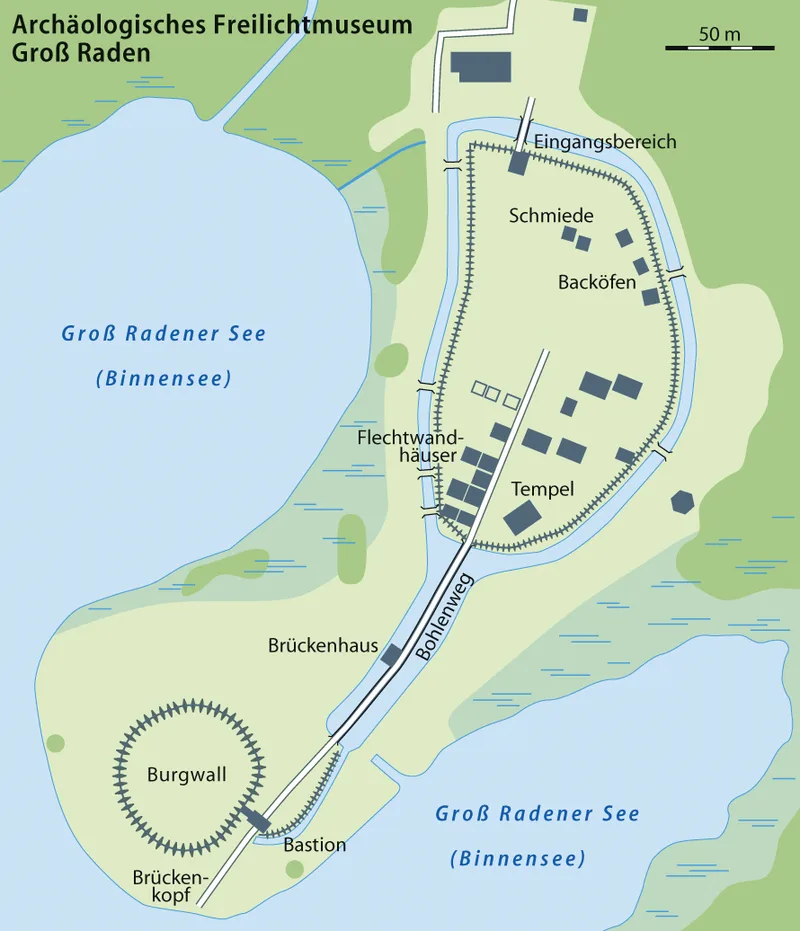
Groß Raden Archaeological Open Air Museum
The Groß Raden Archaeological Open Air Museum lies about 1 km northeast of the village of Groß Raden in Mecklenburg-Vorpommern, bordering the lake Radener See. The site features a…
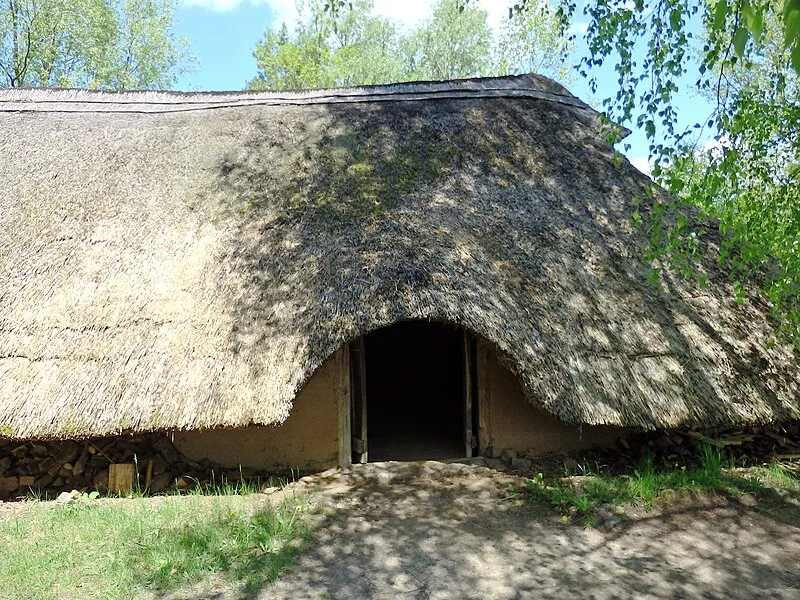
Hitzacker Archaeological Centre
The Hitzacker Archaeological Centre is an open-air museum in Lower Saxony, Germany, and the first museum in Germany dedicated exclusively to the Bronze Age. It was founded in 1990…
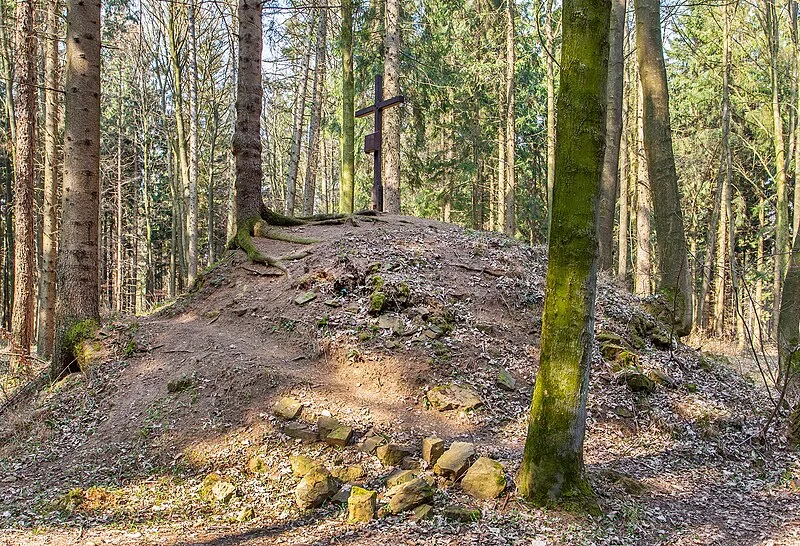
Kalkrieser Berg
The Kalkrieser Berg (157 m) is a hill in Lower Saxony where the Varusschlacht Museum and Park opened in 2002 to preserve the likely battlefield of the Teutoburg Forest (9 AD). In…
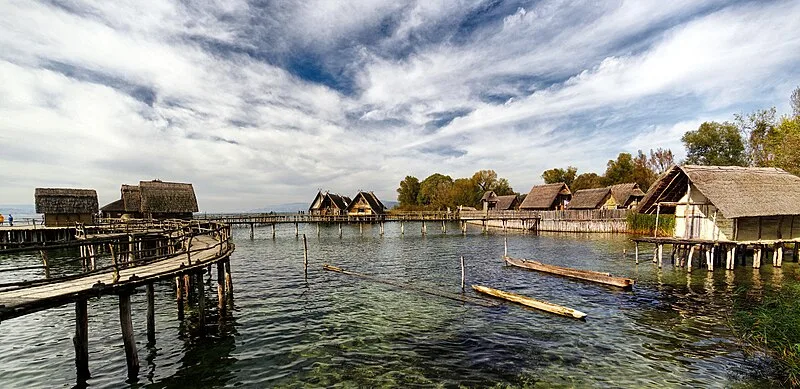
Pfahlbaumuseum Unteruhldingen
Pfahlbaumuseum Unteruhldingen is an archaeological open-air museum on Lake Constance (Bodensee) in Unteruhldingen, Germany, featuring reconstructions of Neolithic and Bronze Age…

Schöningen Spears
The Schöningen spears are a set of ten wooden weapons from the Palaeolithic Age, excavated between 1994 and 1999 from the 'Spear Horizon' in the open-cast lignite mine in…
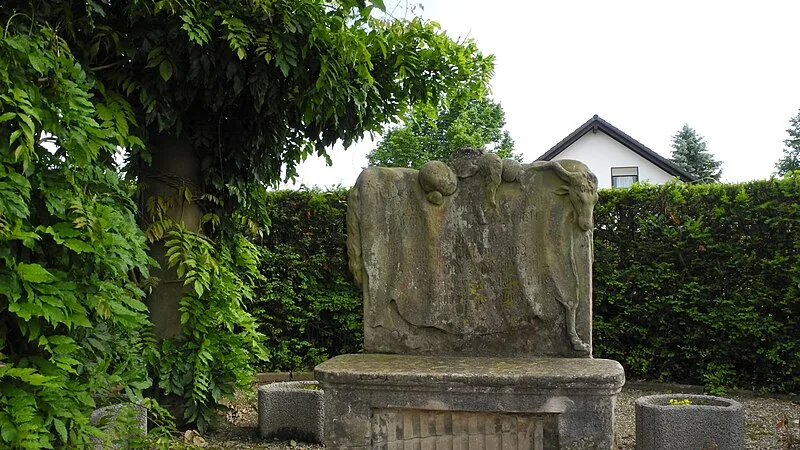
Schwarzenacker Roman Museum
Schwarzenacker Roman Museum is an archaeological open-air museum in Homburg, Saarland, Germany, displaying the remains of a Gallo-Roman vicus founded under Emperor Augustus and…
Necropolis/tombs complex in Germany (7)
Altendorf Megalithic Tomb
A Late Neolithic gallery grave of the Wartberg culture near Naumburg in northern Hesse, Germany, dating to c. 3400 BC. The tomb held remains of at least 250 individuals of all…
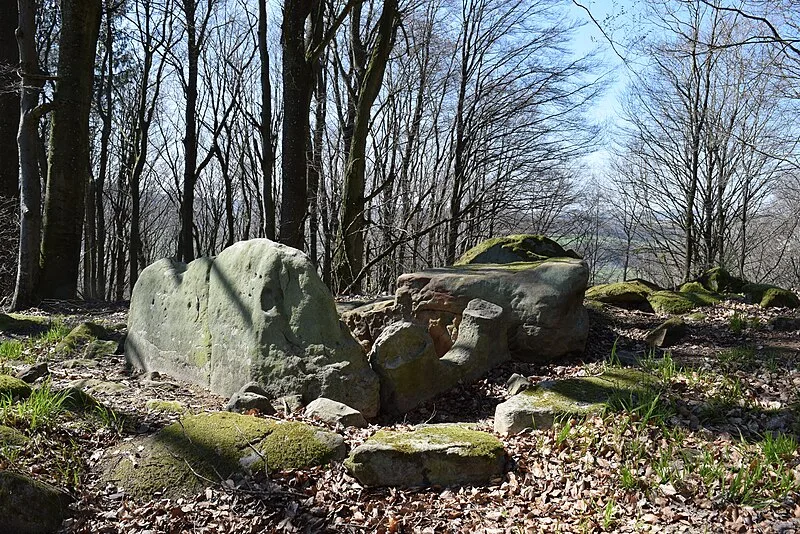
Hartberg Megalithic Tomb
A late Neolithic gallery grave erected around 3000 BC on the western slope of the Hartberg near Schankweiler, approximately 10 km southwest of Bitburg in Rhineland-Palatinate,…
Lohra Megalithic Tomb
The Lohra tomb (German: Steinkammergrab von Lohra) was a megalithic monument outside Lohra near Marburg in north central Hesse, Germany, dating to the Late Neolithic period,…
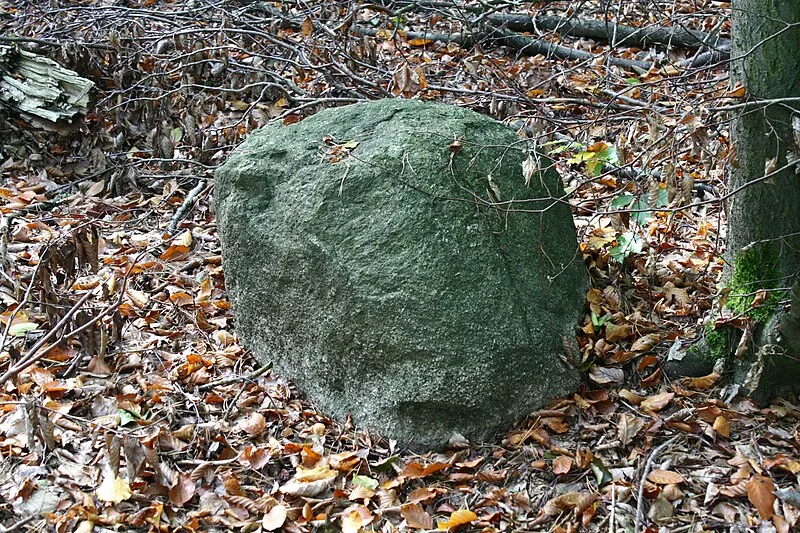
Megalithic Tombs in Haldensleben Forest
The Megalithic Tombs in Haldensleben Forest form the largest concentration of megalithic monuments in central Europe, with approximately 80 Neolithic graves in a 5x5 km area…
Niedertiefenbach - Megalithic Tomb
The Niedertiefenbach tomb (Steinkistengrab von Niedertiefenbach) is a gallery grave located near the village of Niedertiefenbach, about 2 km north of Beselich in Hesse, Germany.…
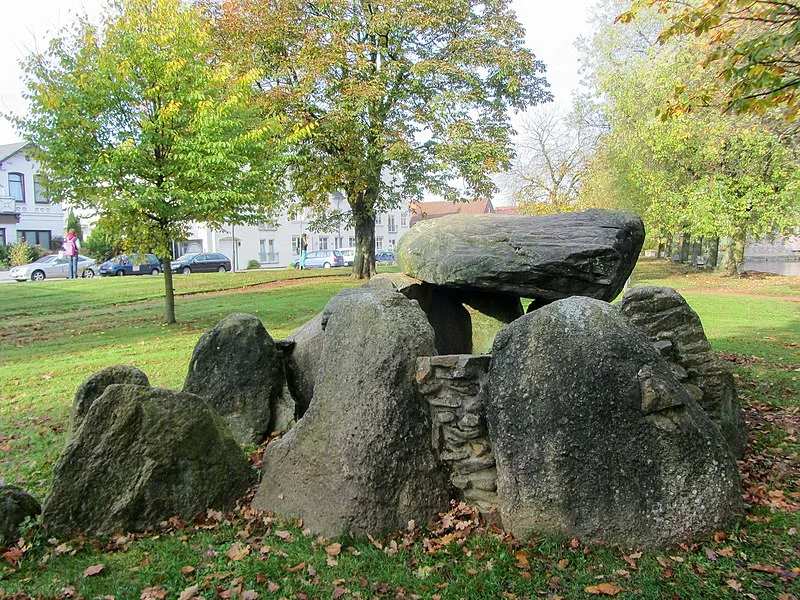
Schalkholz Passage Grave
The Schalkholz Passage Grave is a Neolithic megalithic burial site of the Funnelbeaker culture in Schleswig-Holstein, Germany. Built between 3500-2800 BC, it features a passage…
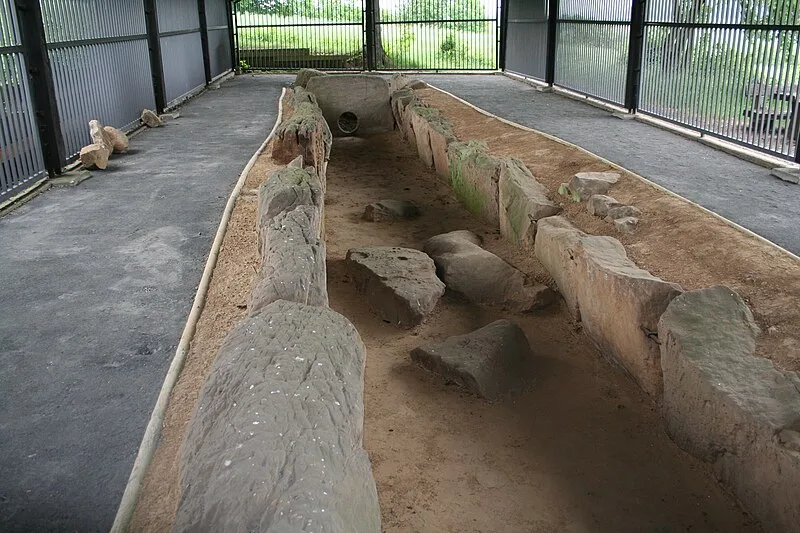
Züschen - Megalithic Tomb
The Züschen tomb (Steinkammergrab von Züschen) is a Late Neolithic burial monument near Fritzlar, Hesse, Germany. Built between 4500-3000 BC, it is classified as a gallery grave…
Megalithic stones in Germany (4)
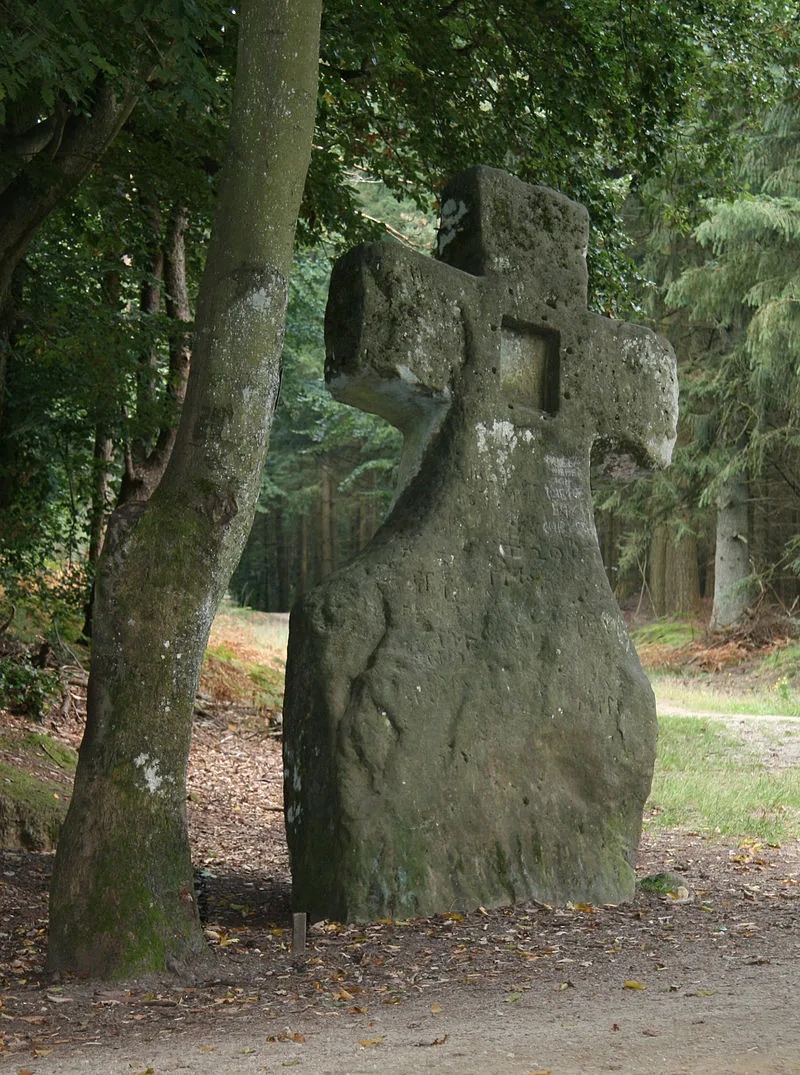
Fraubillen Cross
The Fraubillen Cross (Fraubillenkreuz) is a roughly 5,000-year-old Neolithic menhir that was resculpted into a Christian cross, standing 3.5 metres high on the Ferschweiler…
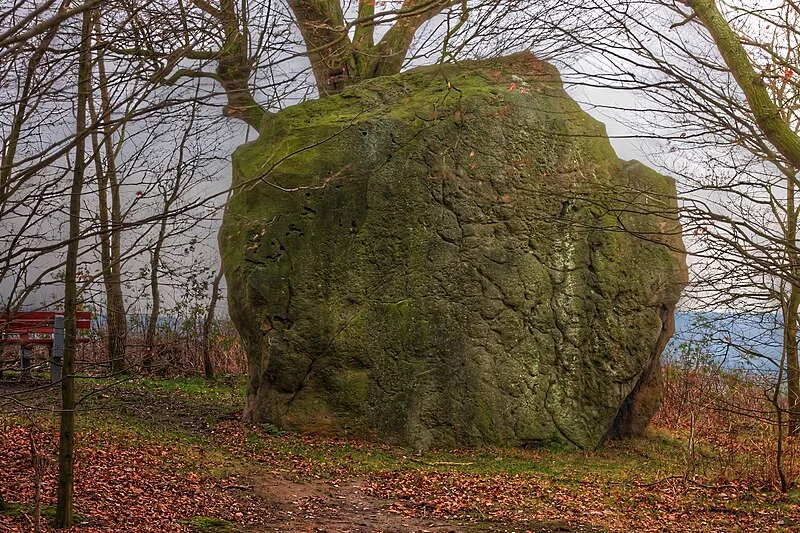
Riesenstein, Wolfershausen
The Riesenstein (German for 'giant's stone') is a megalithic menhir located near Wolfershausen in Hesse, Germany. It is the largest megalith in the district of Schwalm-Eder-Kreis.
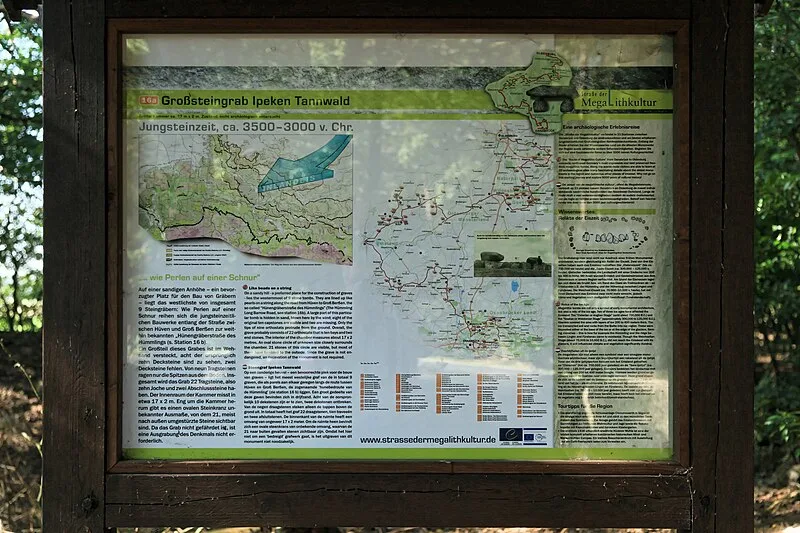
Route of Megalithic Culture
The Route of Megalithic Culture (Straße der Megalithkultur) is a 310 km tourist route in North-West Germany connecting Osnabrück to Oldenburg. Signposted with brown road signs, it…
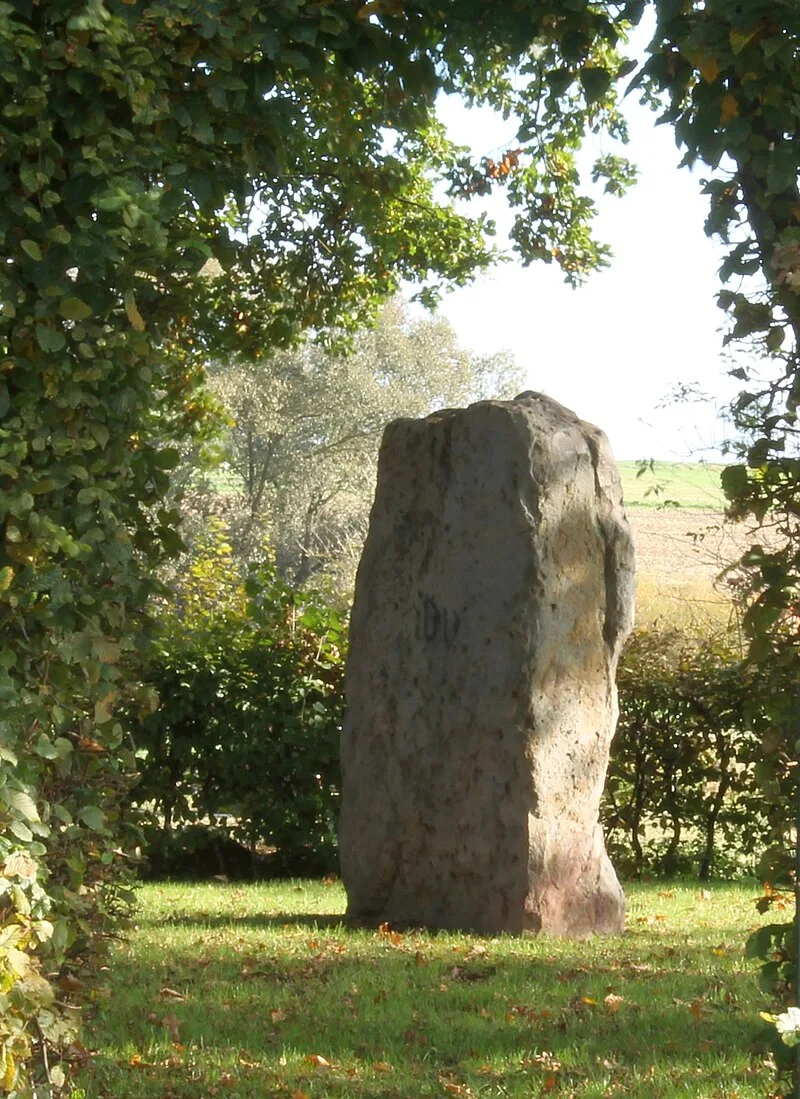
Wotanstein, Hesse
The Wotanstein (Wotan's Stone) is a menhir near the village of Maden in Schwalm-Eder-Kreis, Hesse, Germany. Standing 2.12m high and weighing approximately 3.7 tons above ground…
Bath in Germany (3)
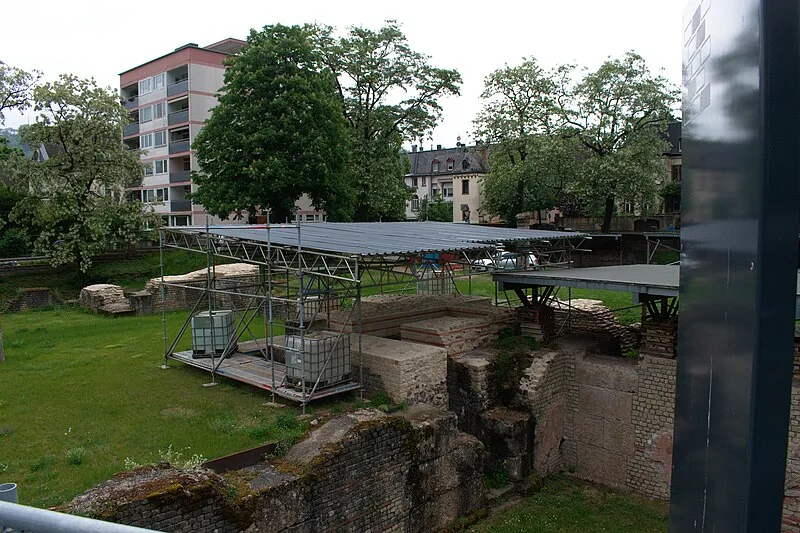
Barbara Baths
The Barbara Baths (Barbarathermen) are the remains of a massive Roman bath complex in Trier (Augusta Treverorum), Germany, built in the 2nd century AD. Sprawling over 42,000…
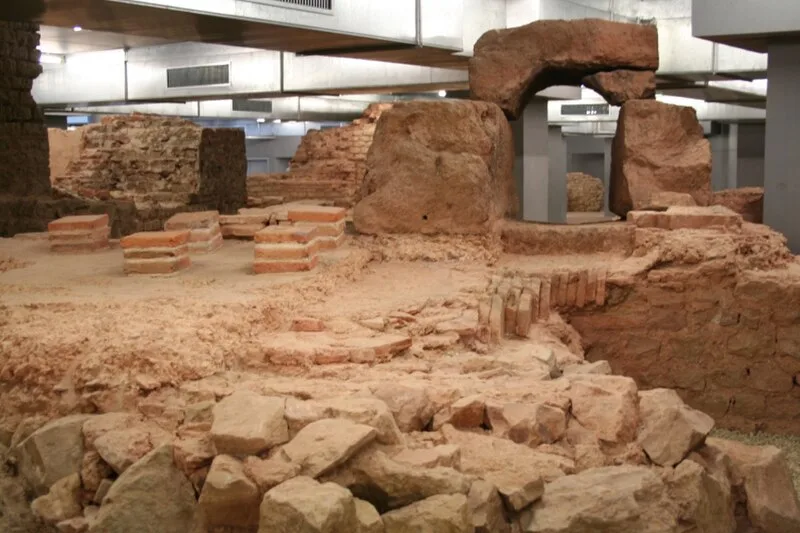
Forum Baths, Trier
The oldest bath complex in Roman Augusta Treverorum (modern Trier), with construction beginning in the second half of the 1st century AD adjacent to the Roman Forum. The baths…
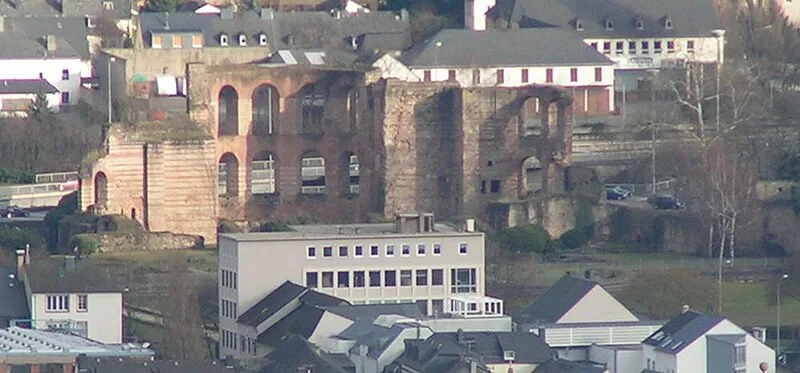
Trier Imperial Baths
The Trier Imperial Baths (Kaiserthermen) are a large Roman bath complex in Trier, Germany, constructed in the early 4th century AD during Constantine I's reign. When built, Trier…
Cave Structures in Germany (3)
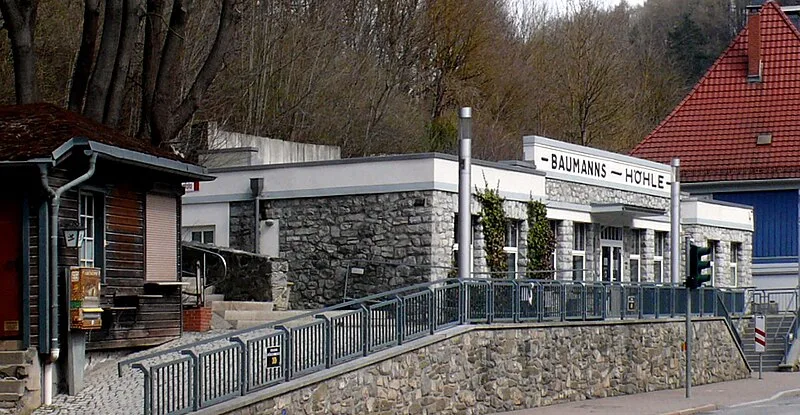
Baumann's Cave
Baumann's Cave (Baumannshohle) in Rubeland, Harz district, is Germany's oldest show cave, formed in Devonian limestone dating back over 350 million years. The cave has been used…
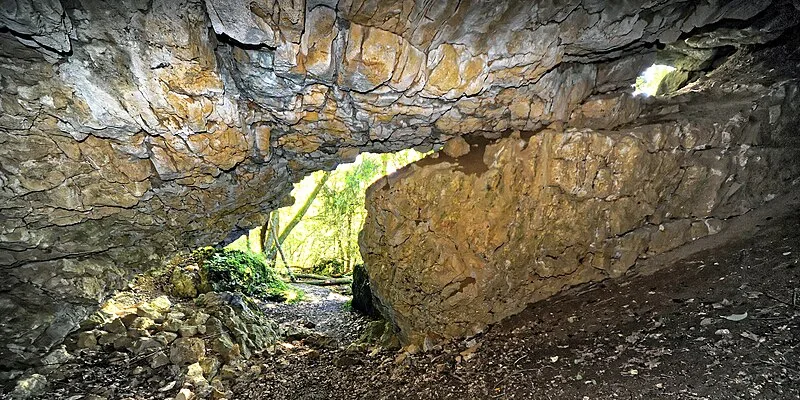
Caves and Ice Age Art in the Swabian Jura
The Caves and Ice Age Art in the Swabian Jura are a collection of six caves in southern Germany used by Ice Age humans for shelter approximately 33,000 to 43,000 years ago. These…
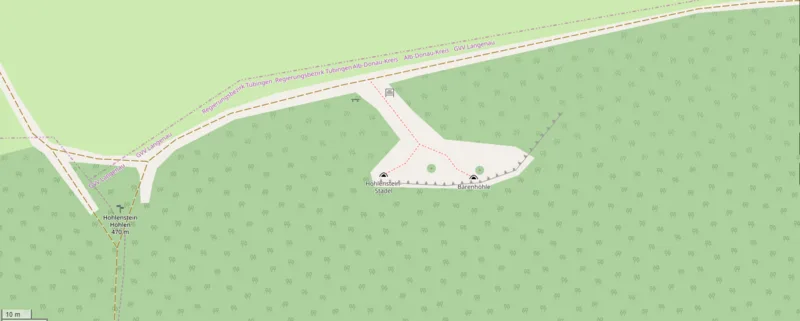
Hohlenstein-Stadel
Hohlenstein-Stadel is a cave in the Lonetal valley of the Swabian Jura, Germany, renowned as the discovery site of the Lowenmensch (Lion-Man), a mammoth ivory figurine dated to…
Barrow in Germany (2)

Bonstorf Barrows
The Bonstorf Barrows are the remains of a barrow cemetery on the Lüneburg Heath in Lower Saxony, dating to 3000–1500 BC. The site originally comprised numerous burial mounds, with…
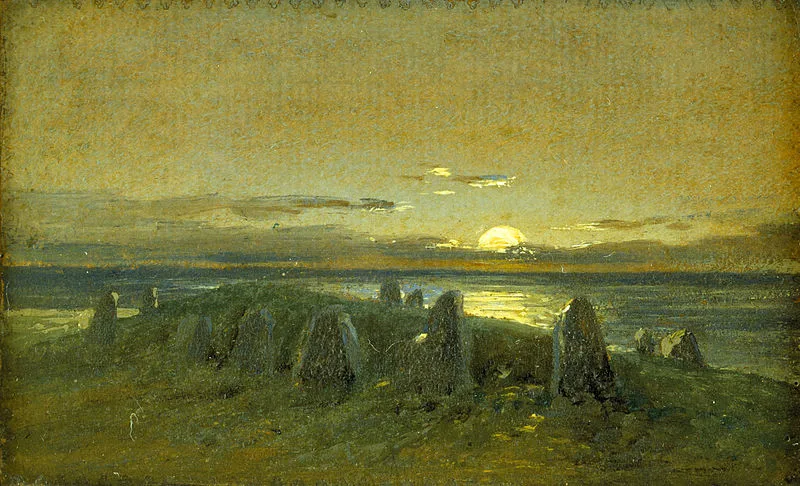
Nobbin
A village on the Wittow peninsula of Rugen island in the German Baltic Sea, best known for the Riesenberg megalithic tomb dating to the Funnel Beaker Culture (c. 4100-2800 BC).…
Gate/archway/bridge in Germany (2)
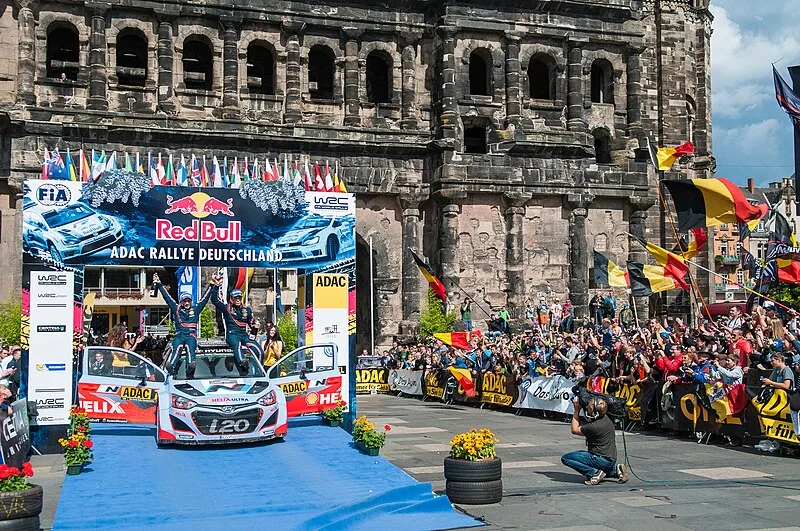
Porta Nigra
The best-preserved Roman city gate north of the Alps, located in Trier, Germany. Built around 170 AD from approximately 7,200 sandstone blocks weighing up to 6 tonnes each, held…
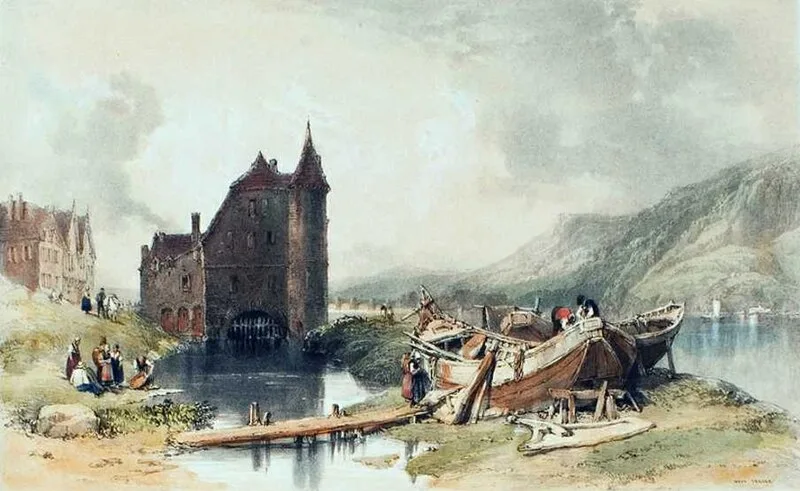
Roman Bridge, Trier
The Roman Bridge (Römerbrücke) spans the Moselle in Trier, Germany. Its nine stone pillars date to the 2nd century AD, replacing wooden predecessors from at least 17 BC. It is…
Other sites in Germany (17)
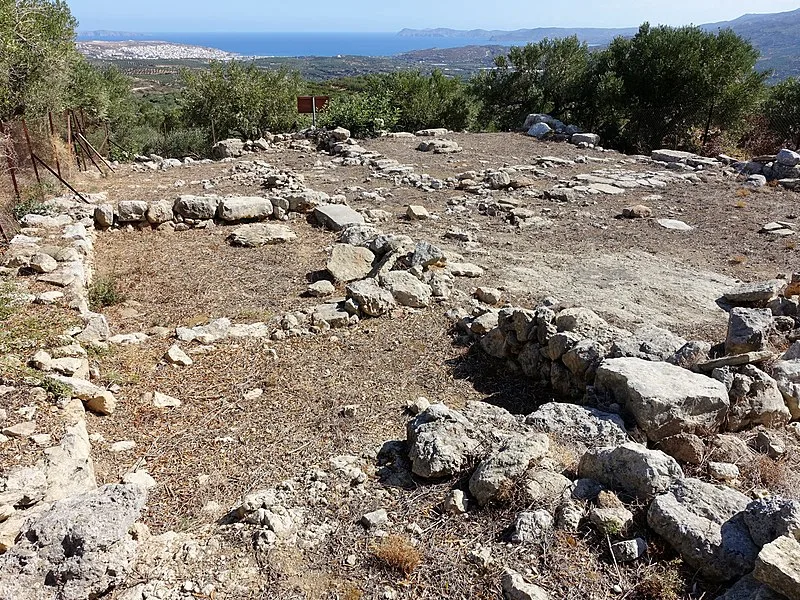
Achladia
Achladia is an archaeological site featuring an ancient Minoan villa on eastern Crete. The villa was excavated by Nicholaos Platon in the 1950s. The building covers 270 square…
Ara Ubiorum
The Ara Ubiorum was a Roman sanctuary in the Oppidum Ubiorum (modern Cologne, Germany), erected in the last decade of the 1st century BC and dedicated to the goddess Roma and the…
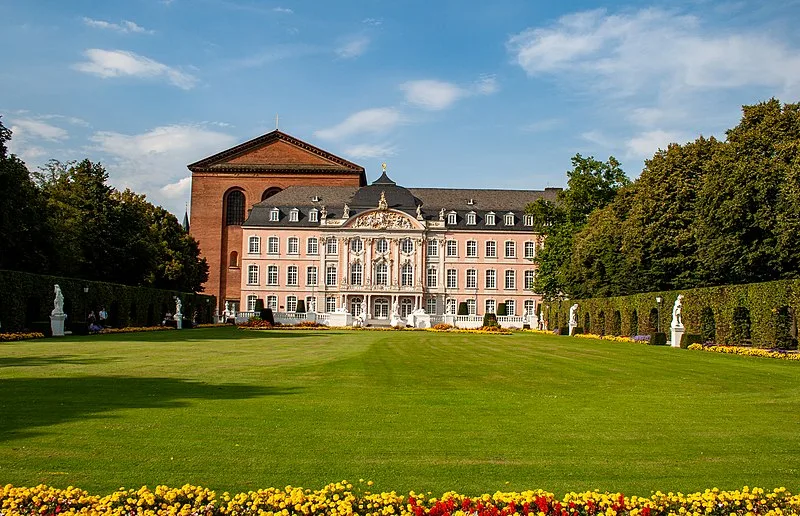
Basilica of Constantine
The Aula Palatina, also called Basilica of Constantine, in Trier, Germany, is a Roman palace basilica and early Christian structure built between AD 300 and 310 during the reigns…
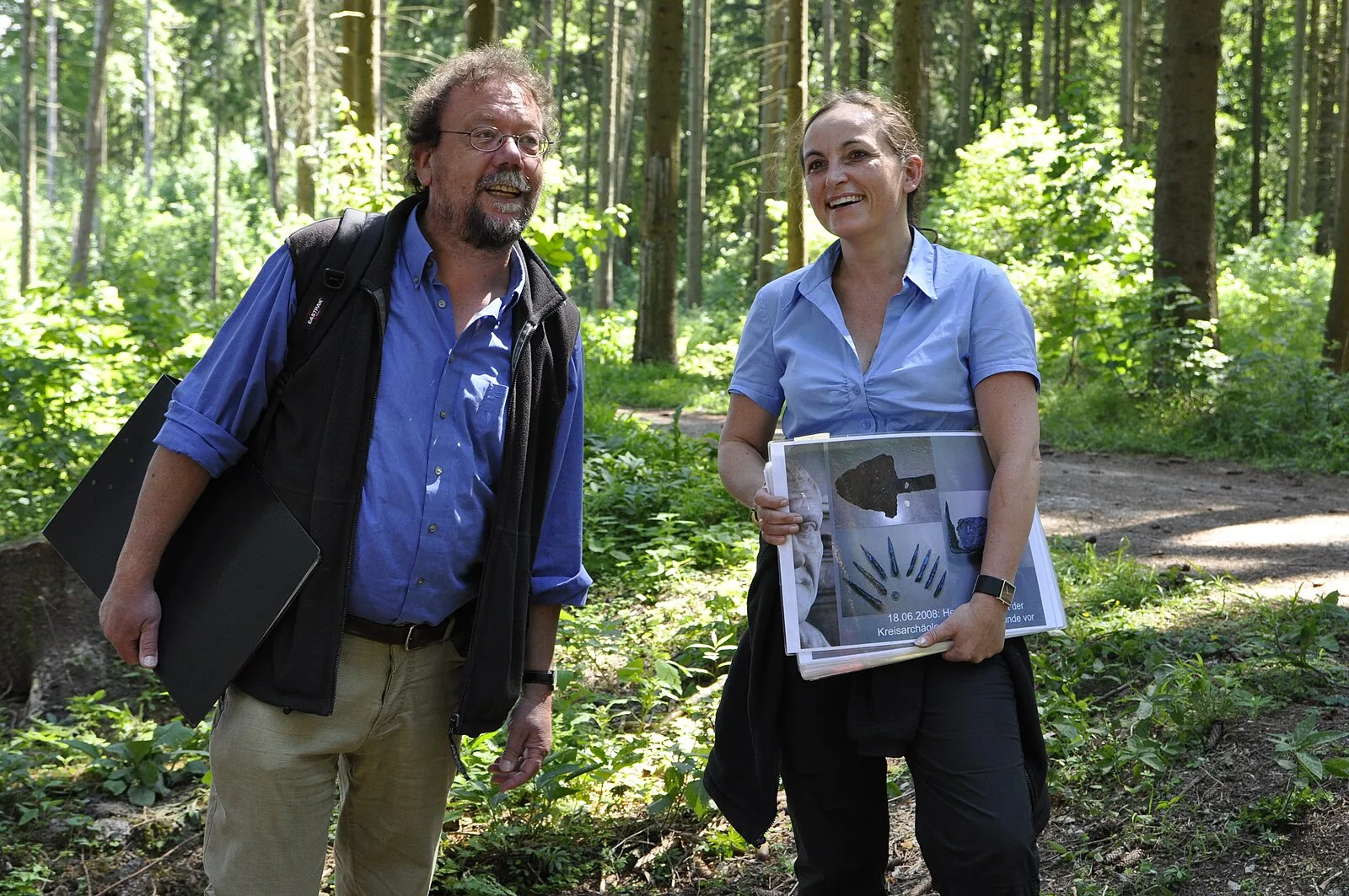
Battle at the Harzhorn
The Battle at the Harzhorn was a 3rd-century clash between Roman legionary forces and Germanic tribes near Kalefeld in Lower Saxony, Germany, dated to approximately 230-235 AD…
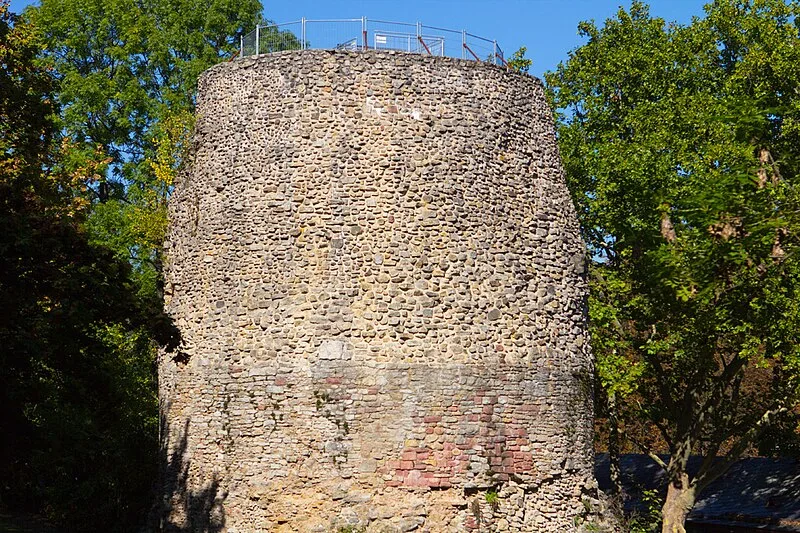
Drususstein
The Drususstein is a nearly 20-metre-high Roman masonry block located on the grounds of the citadel in Mainz, Germany, originally cased in marble. Erected in 9 BC by Roman troops,…
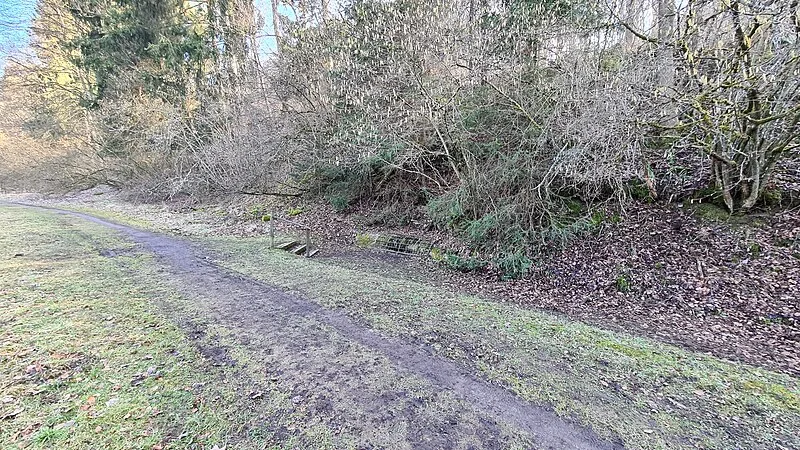
Eifel Aqueduct
The Eifel Aqueduct, constructed in AD 80, was the longest Roman water supply system north of the Alps, carrying water approximately 95 km from the Eifel mountains to Colonia…
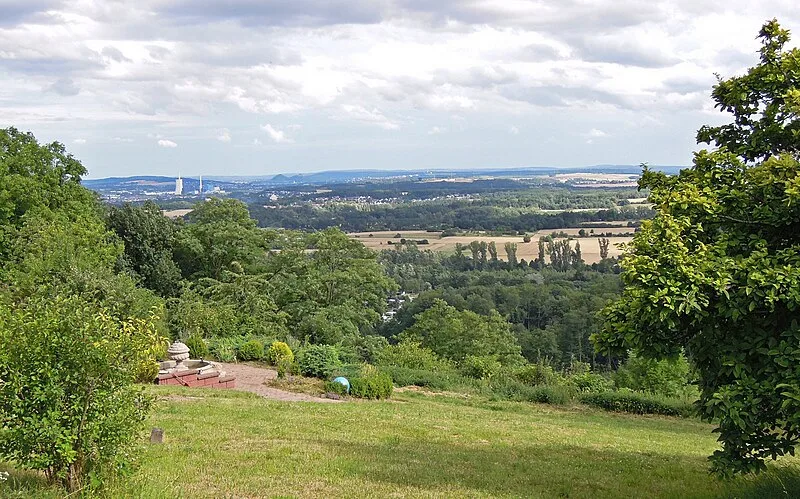
Emilianus - Stollen
The Emilianus-Stollen is a Roman copper mine in the St Barbara district of Wallerfangen, Saarland, Germany, active during the 2nd and 3rd centuries AD. Romans extracted azurite to…
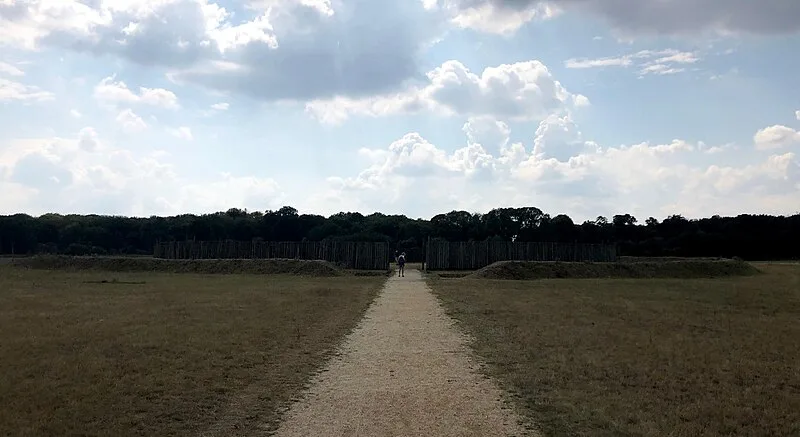
Goseck Circle
The Goseck Circle is a Neolithic circular enclosure in Saxony-Anhalt, Germany, radiocarbon dated to approximately 4900 BC, making it one of the oldest known solar observatories.…
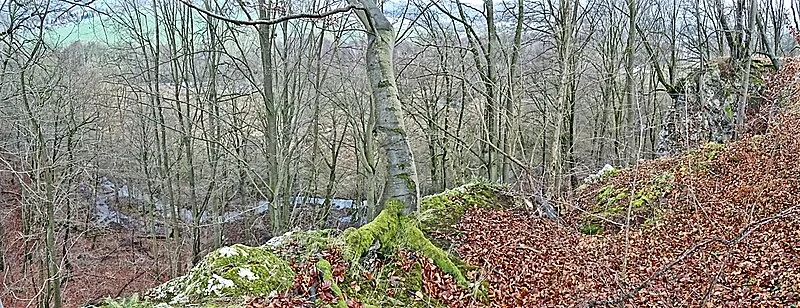
Grasburg, Rottleberode
A prehistoric refuge castle in the form of a hillfort with a rampart and ditch system, located in the Alter Stolberg woodland between Stempeda and Rottleberode in the South Harz…
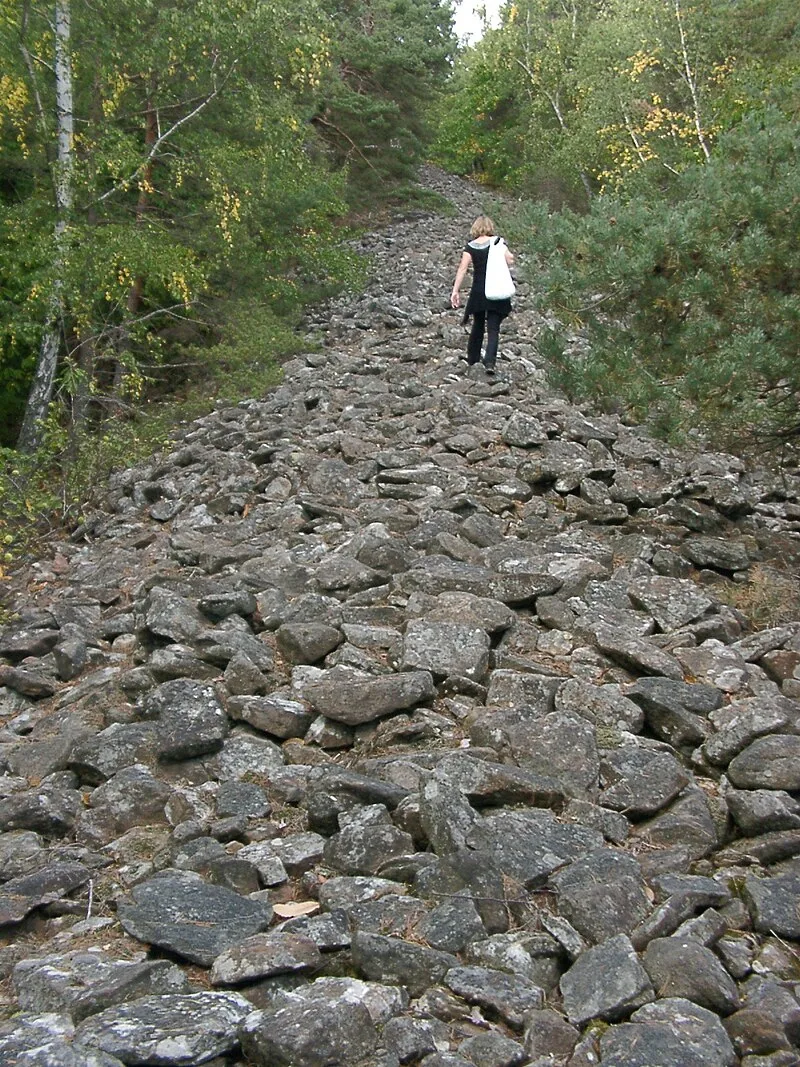
Heidenmauer, Palatinate
The Heidenmauer ("heathen wall") is a Celtic circular rampart near Bad Dürkheim in Rhineland-Palatinate, Germany. At 2.5 km in length, it is one of the largest surviving Celtic…
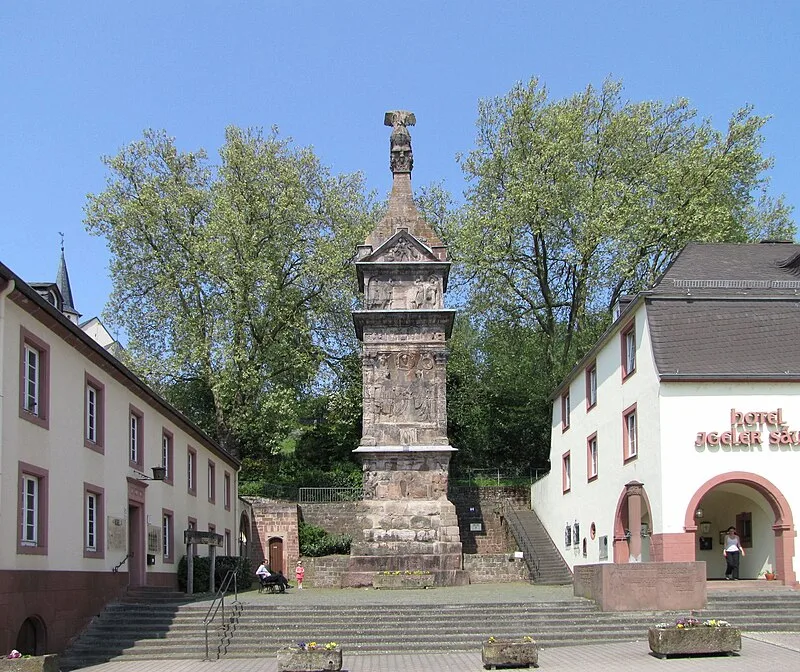
Igel Column
A 23-metre-tall Roman funerary monument in Igel, 8 km south of Trier along the Moselle River, dated to c. 250 AD. Built of red and red-grey sandstone by the wealthy Celtic cloth…
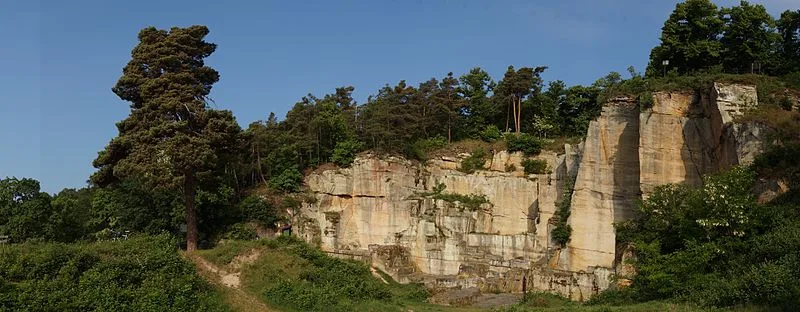
Kriemhildenstuhl
The Kriemhildenstuhl is a Roman quarry near Bad Durkheim in the Palatinate Forest, Rhineland-Palatinate, Germany, worked by the 22nd Legion stationed at Mogontiacum (Mainz) around…
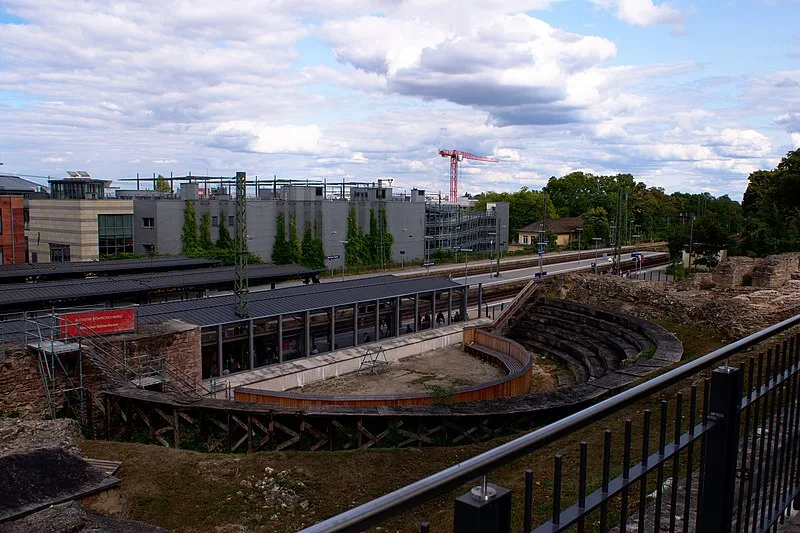
Roman Theatre, Mainz
The largest Roman theatre north of the Alps, built in the 1st century AD at Mogontiacum (modern Mainz), with a 116-metre diameter, 42-metre stage width, and capacity of…
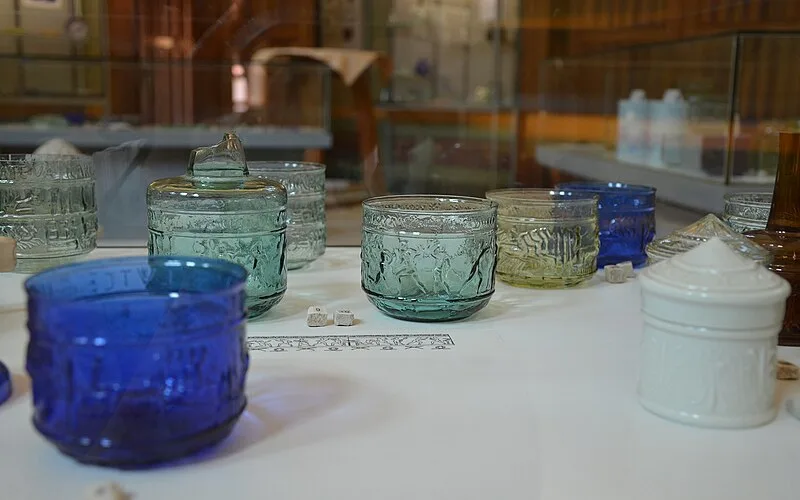
Roman Villa Borg
(2nd - 3rd c. AD) The Roman Villa Borg is a reconstructed villa rustica near the villages of Borg and Oberleuken in the municipality of Perl, Saarland, Germany. Discovered at the…
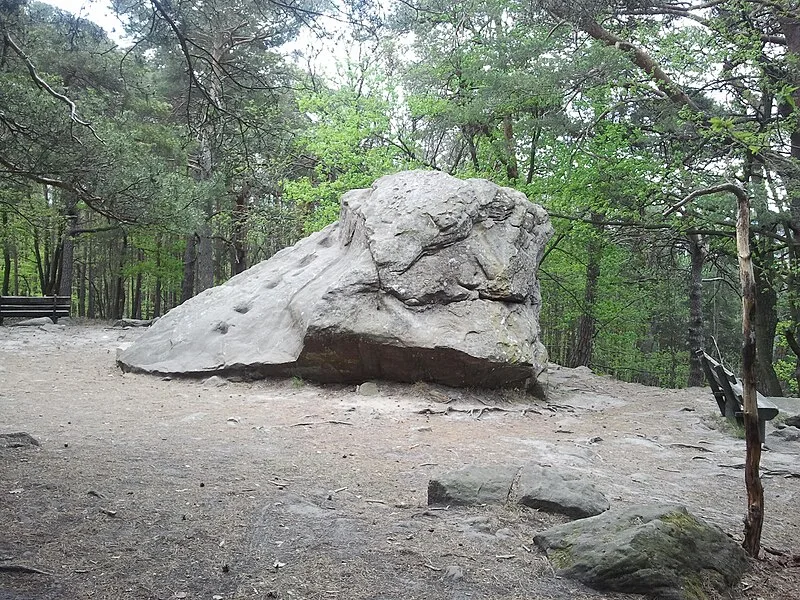
Teufelsstein, Haardt
The Teufelsstein is a sandstone monolith approximately 2.5 metres tall and 4 metres wide, situated atop a 317 m hill near Bad Durkheim in the Palatinate Forest. Five steps are…
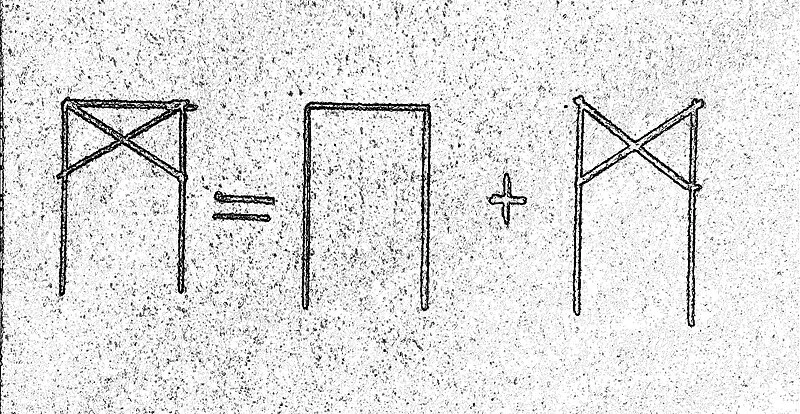
Thorsberg Moor
Thorsberg Moor is a peat bog in Schleswig-Holstein, Germany, where the Angle tribe deposited votive offerings for approximately four centuries. The site has yielded extraordinary…
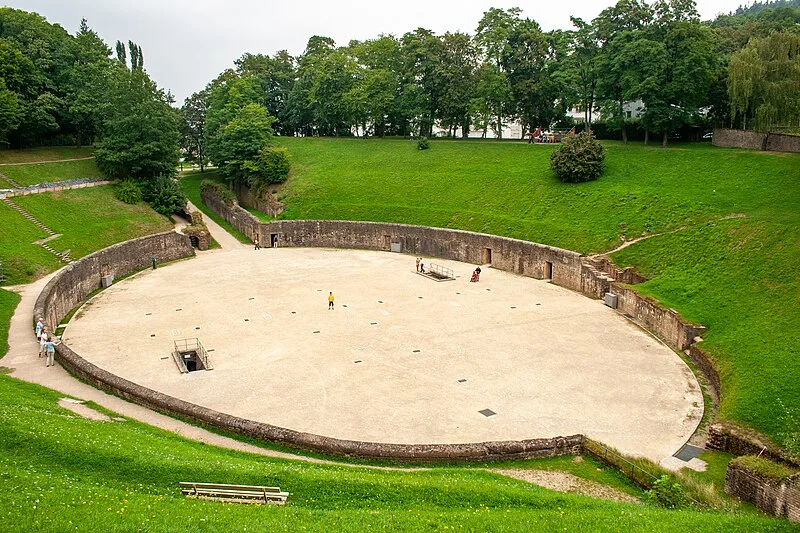
Trier Amphitheatre
The Trier Amphitheatre is a Roman amphitheatre in Trier, Germany, built in the mid-2nd century AD during the rule of Antoninus Pius. Measuring 120 by 145 meters and dug into the…
Keep exploring
Every site on this page sits on the globe, and the people who research them are on the Discord.
3D Globe · Sites by country · Story Archive · Research Library · Weekly Journal · Search