
 Germany
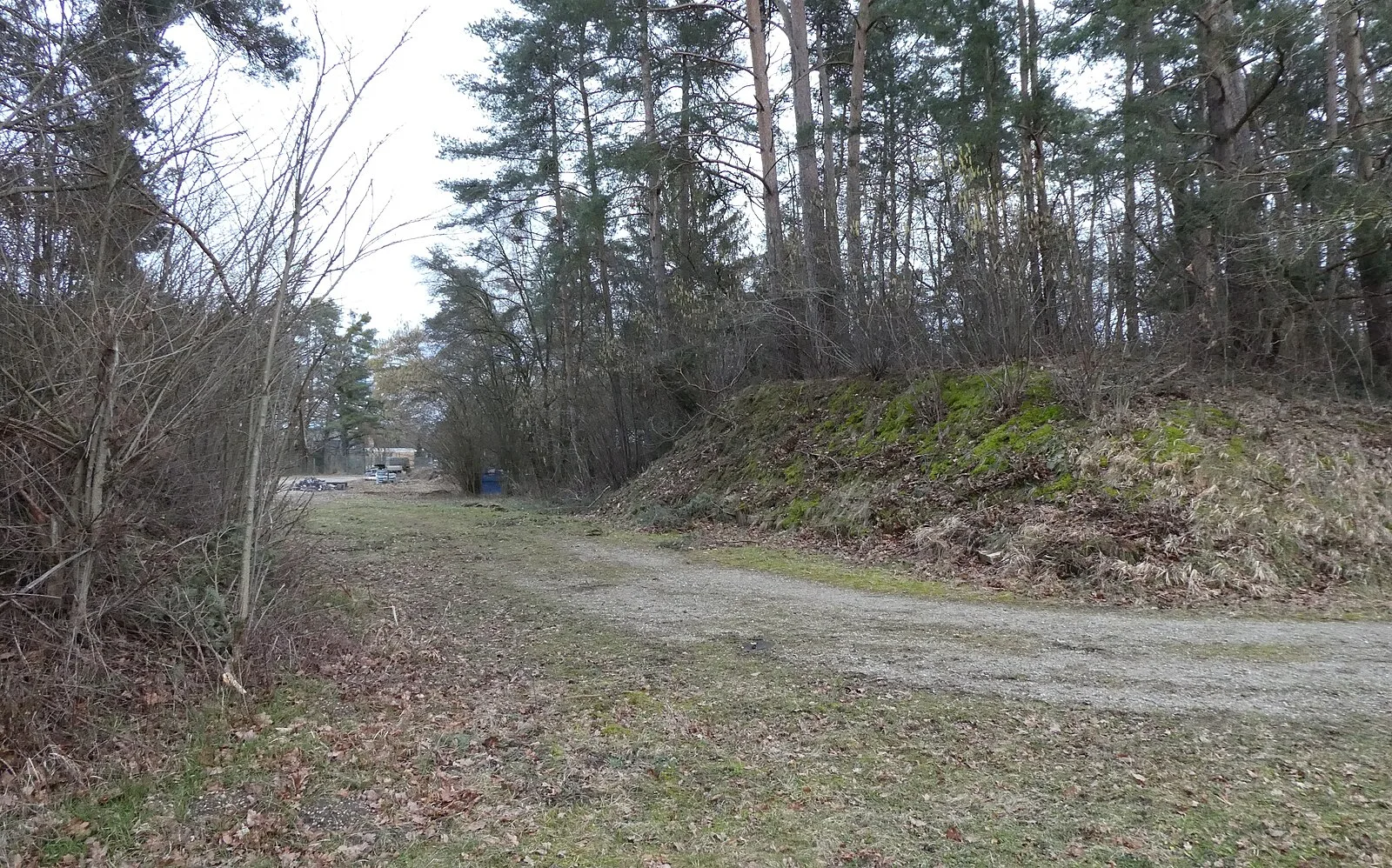
The Oppidum of Manching was a large Celtic proto-urban or city-like settlement at modern-day Manching, near Ingolstadt in Bavaria, Germany [1]. The Iron Age town was founded in the 3rd century BC and existed until c. 50–30 BC [1]. It reached its largest extent during the late La Tène period, when it was 380 hectares in size [1]. Manching was probably the most important centre of trade and economy in the late La Tène period [1]. Manching was a centre of production for glass beads and bracelets [1]. Finds like Baltic amber and Mediterranean wine amphorae show that Manching was part of trade networks spanning all of Europe [1]. The collapse of Celtic economic systems caused by Gaius Julius Caesar's conquest of Gaul is now seen as the cause of Manching's ultimate demise [1].
Text: Wikipedia – 'Oppidum of Manching' (revision of 2026-08-07), CC BY-SA 4.0 · sentences selected and shortened by an AI system · source →Oppidum of Manching
Also known as: Oppidum de Manching, Oppidum di Manching, Oppidum Manching, oppidum van Manching, Oppidum von Manching, Опидум Манхинг
| Type | City/town/settlement |
|---|---|
| Period | 500 BC - 1 AD |
| Country | Germany |
| Coordinates | 48.7167° N, 11.5167° E |