
 Germany
The Eifel Aqueduct was one of the longest aqueducts of the Roman Empire [1]. The aqueduct, constructed in AD 80, carried water some 95 kilometres from the hilly Eifel region of what is now Germany to the ancient city of Colonia Claudia Ara Agrippinensium (present-day Cologne) [1]. The construction was almost entirely below ground, and the flow of the water was produced entirely by gravity [1]. The aqueduct began at a spring in the area of Nettersheim in the Urft river valley [1]. For the 180 years of the aqueduct's use, from AD 80 to 260, the aqueduct required constant maintenance, improvement, cleaning, and freeing from limestone accretions [1]. The Eifel aqueduct was destroyed by Germanic tribes in 260 during an attack on Cologne, and was never brought back into operation, even though the city continued to exist [1].
Text: Wikipedia – 'Eifel Aqueduct' (revision of 2026-07-14), CC BY-SA 4.0 · sentences selected and shortened by an AI system · source →Eifel Aqueduct
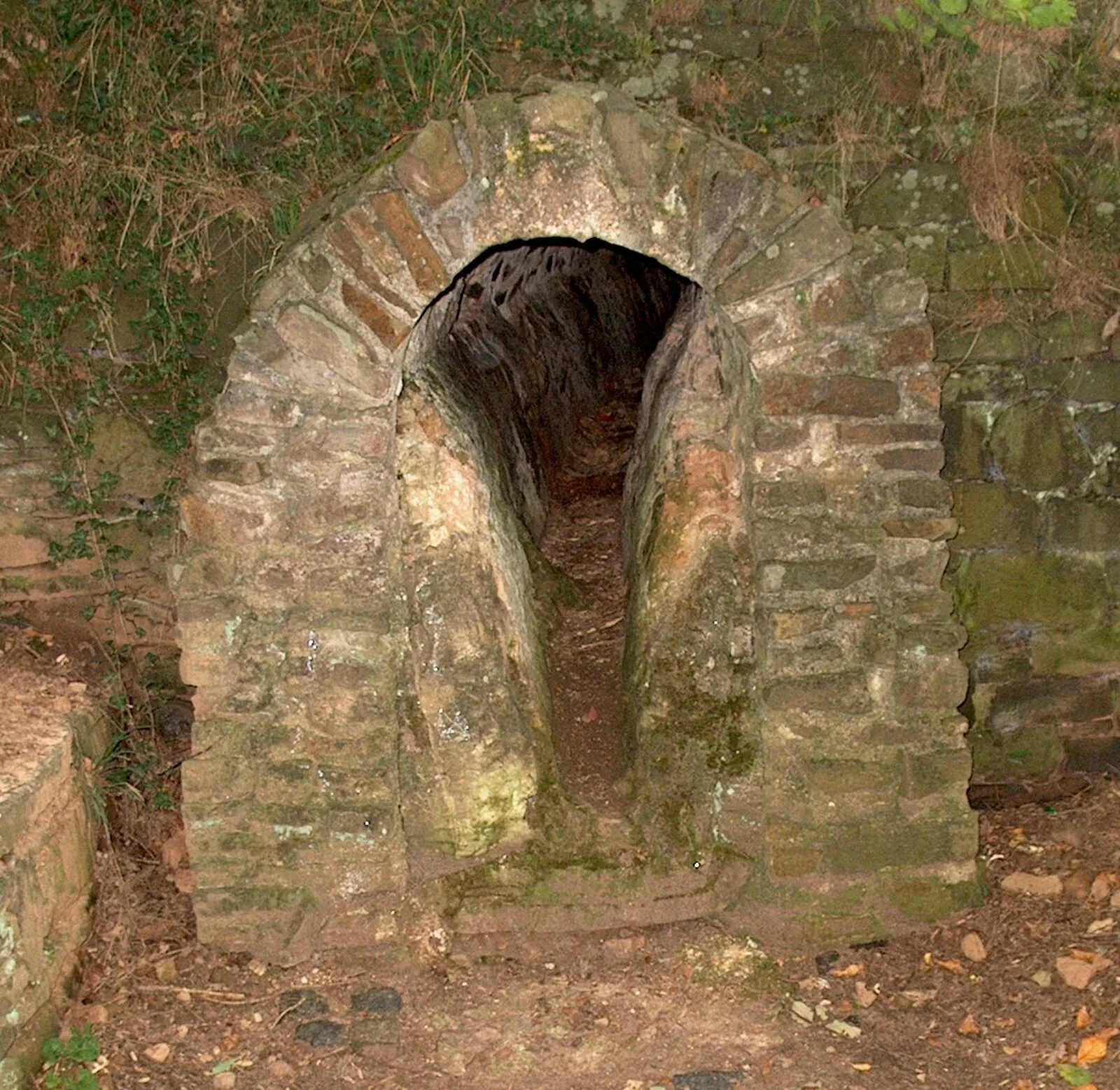
Also known as: Acquedotto Eifel, Acueducto de Eifel, Apeductul din Eifel, Aquaeductus Arduennus, aqueduc de l'Eifel, Aqüeducte d'Eifel, Eifelakvedukten, Eifelaquaduct, Eifelski akvadukt, Eifelwasserleitung, Römerkanal, Römische Wasserleitung nach Köln
| Type | Reservoir/aqueduct/canal |
|---|---|
| Period | 1 - 500 AD |
| Country | Germany |
| Coordinates | 50.5127° N, 6.6108° E |