

Archaeological Sites in Portugal
Dolmen in Portugal (21)
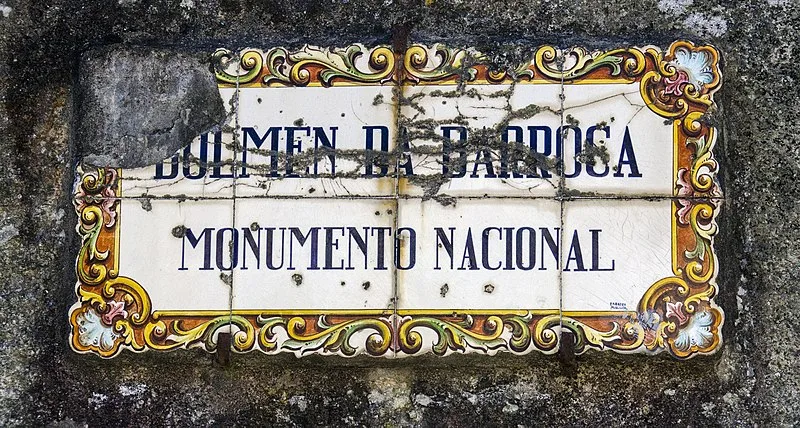
Anta da Barrosa
A Neolithic megalithic dolmen in Vila Praia de Ancora, Caminha municipality, Viana do Castelo District, Portugal, dating to the late 4th millennium BC. Also known as Lapa dos…
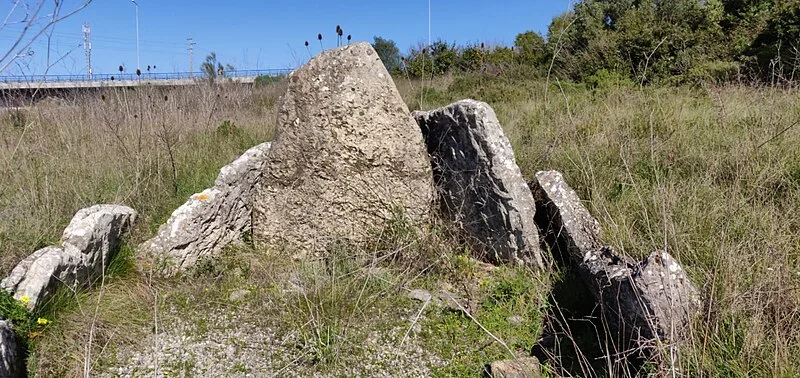
Anta da Estria
(4500 - 3000 BC) The Anta da Estria is a megalithic dolmen situated between Belas and Queluz in the Lisbon District of Portugal. Based on radiocarbon datings of human remains, it…
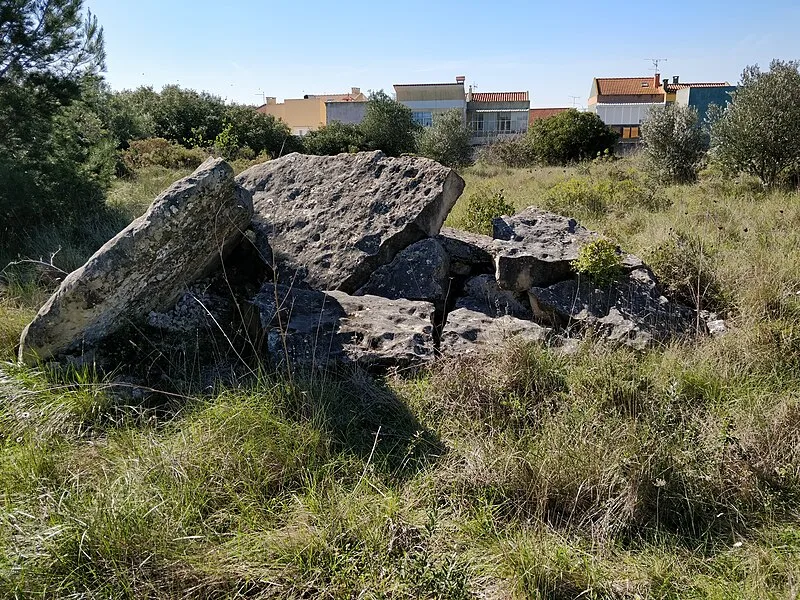
Anta da Pedra dos Mouros
4500–3000 BC. The Anta da Pedra dos Mouros (Stone of the Moors), also known as Anta do Senhor da Serra, is a Neolithic-Chalcolithic dolmen near Belas and Queluz in the Lisbon…
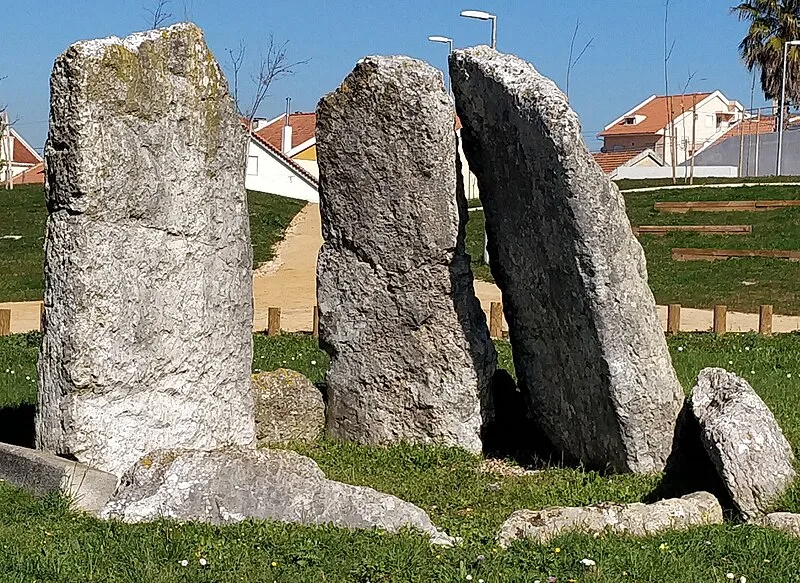
Anta das Pedras Grandes
A Late Neolithic megalithic dolmen in Canecas, Odivelas municipality, Lisbon District, Portugal, dating to approximately 4500-2000 BC. The polygonal burial chamber with a short…
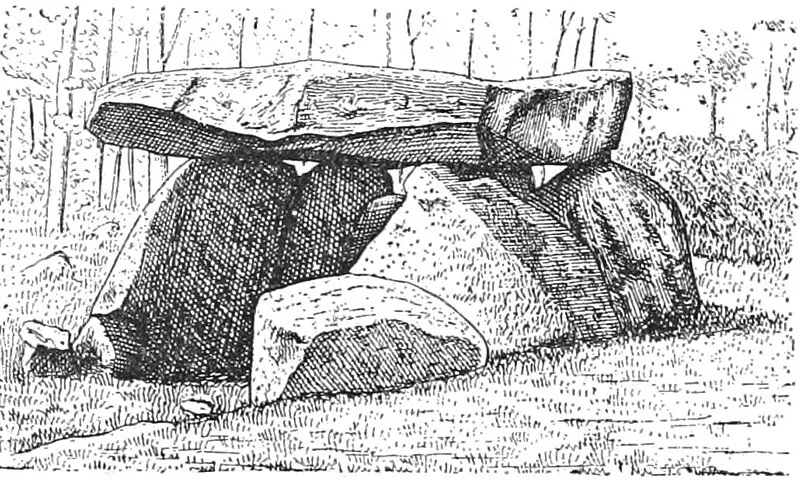
Anta da Vidigueira
A megalithic dolmen southwest of Freixo village in Redondo municipality, Evora District, Alentejo, Portugal, built between the late Neolithic and Chalcolithic periods (late 4th to…
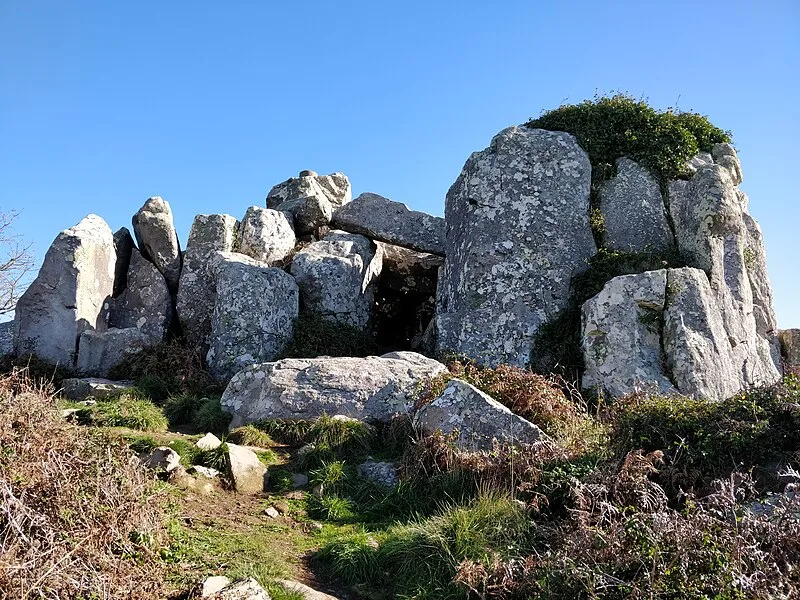
Anta de Adrenunes
4500-3000 BC: The Anta de Adrenunes is a Neolithic dolmen in Sintra, Portugal, perched at 426m on a hill within the Sintra-Cascais Natural Park. The monument features a 5m-high…
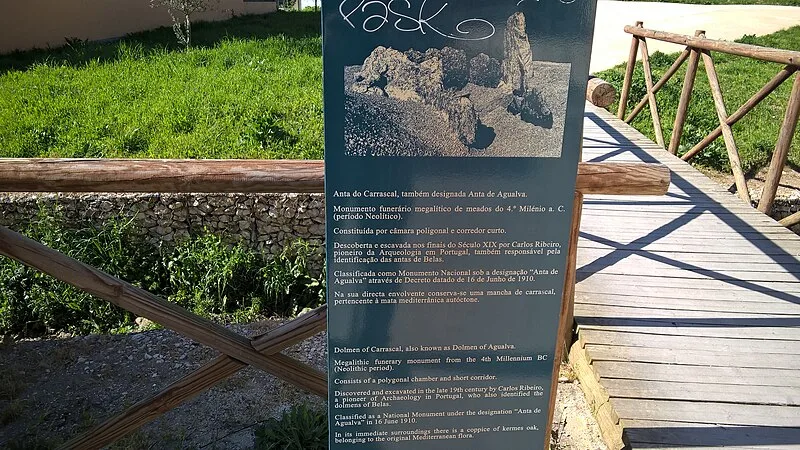
Anta de Agualva
A neo-Chalcolithic megalithic dolmen approximately 5,000 years old, located in an urban area of Agualva-Cacem, Sintra municipality, Lisbon District, Portugal. Also known as Anta…
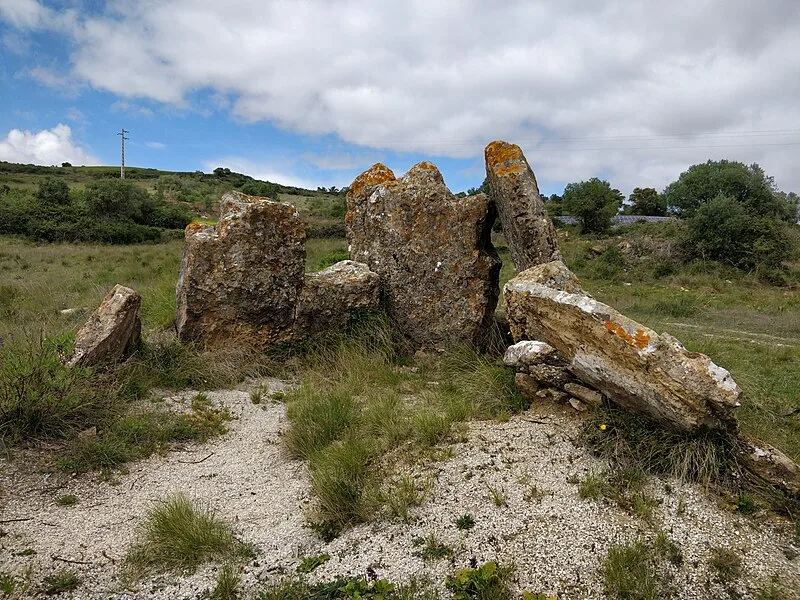
Anta de Carcavelos
The Anta de Carcavelos is a Chalcolithic-period dolmen located near Carcavelos village in the municipality of Loures, Lisbon District, Portugal. Dating to 4500–3000 BC, it served…
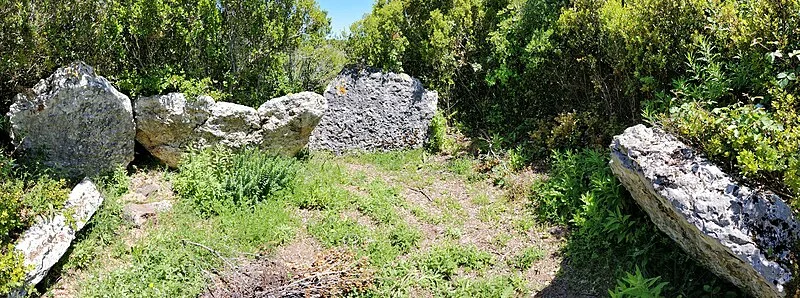
Anta do Alto da Toupeira
A Neolithic-Chalcolithic dolmen in the parish of Lousa, Loures municipality, Lisbon District, Portugal, approximately 5.5 metres long and 5 metres wide. Also called Anta de…
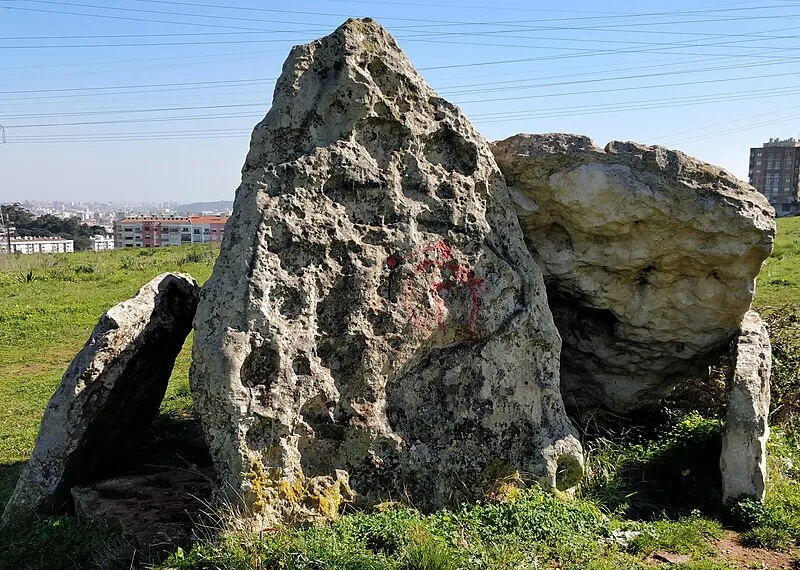
Anta do Monte Abraão
A megalithic dolmen in Monte Abraao parish, Queluz, Sintra municipality, Lisbon District, Portugal, dating to the Late Neolithic to early Chalcolithic (4000-2500 BC). First…
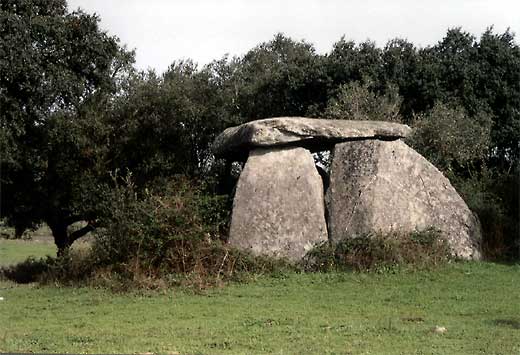
Anta do Paço da Vinha
Anta do Paço da Vinha is a megalithic dolmen in São Bento do Mato, Évora, Portugal, built during the Neolithic-Chalcolithic period (4500-3000 BC). The monument features a…
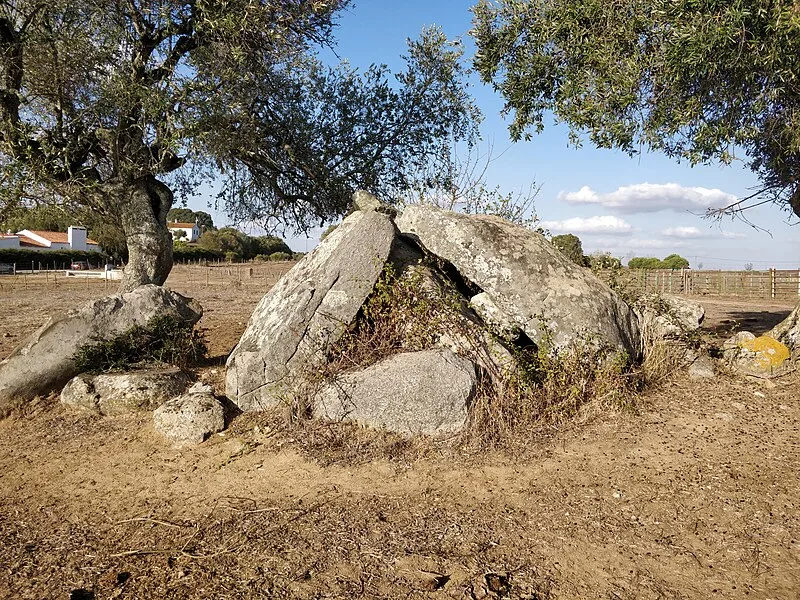
Antas da Valeira
Antas da Valeira comprises two Chalcolithic dolmen (burial chambers) located about 100 metres apart in a farm field near the village of Nossa Senhora da Graça do Divor in the…
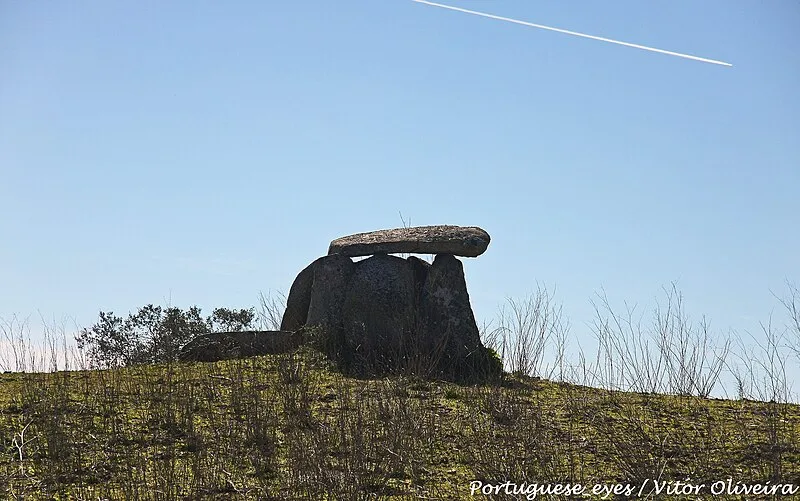
Antas do Barrocal
A set of nine Neolithic dolmens at Monte do Barrocal in the parish of Nossa Senhora da Tourega, Evora District, Alentejo, Portugal. Only Dolmen No. 1, classified as a National…
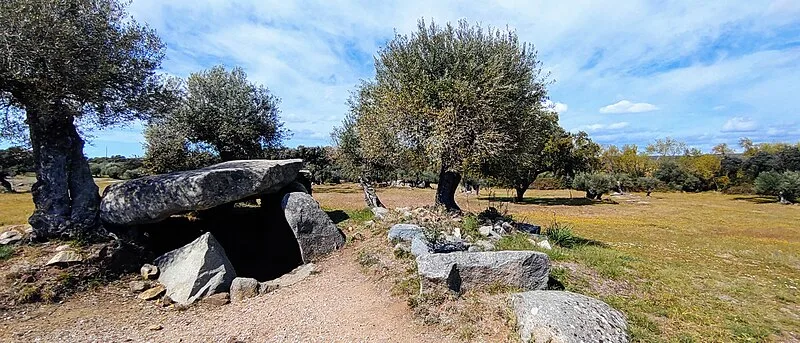
Antas do Olival da Pêga
The Antas do Olival da Pêga are two Neolithic dolmens near Telheiro in Reguengos de Monsaraz, Alentejo, Portugal. Built between 4500–3000 BC, they were used from the Late…

Capela de São Dinis
The Anta de Pavia is a Neolithic dolmen erected between the 4th and 3rd millennia BC, composed of seven enormous granite orthostats topped by a massive capstone. It is one of the…
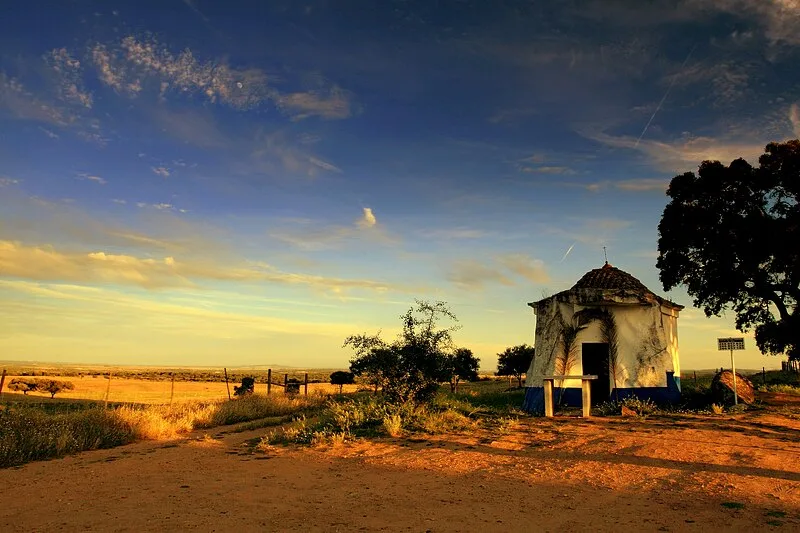
Dolmen-Chapel of São Brissos
The Dolmen-Chapel of Sao Brissos is a Neolithic dolmen converted into a Christian chapel, located in the parish of Santiago do Escoural, Montemor-o-Novo, Portugal. The dolmen…
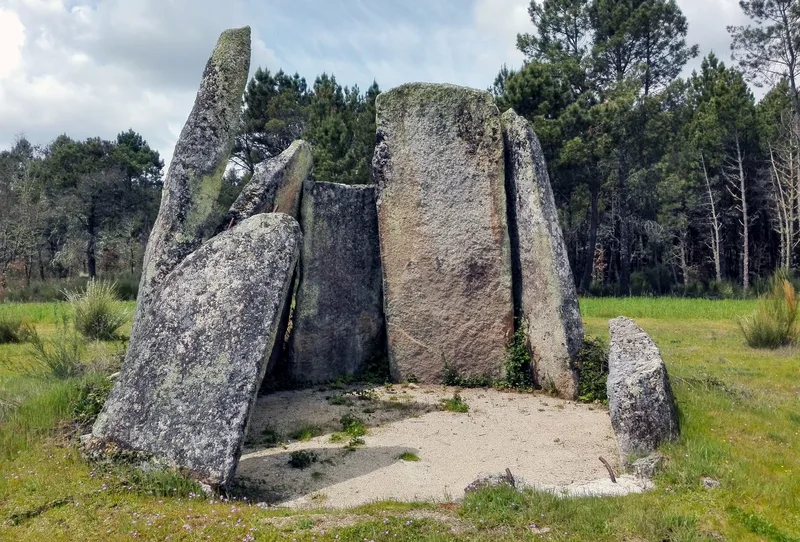
Dolmen of Carapito I
The Dolmen of Carapito I (Anta de Carapito I) is a megalithic monument in the parish of Carapito, municipality of Aguiar da Beira, Guarda District, Portugal, dating to…
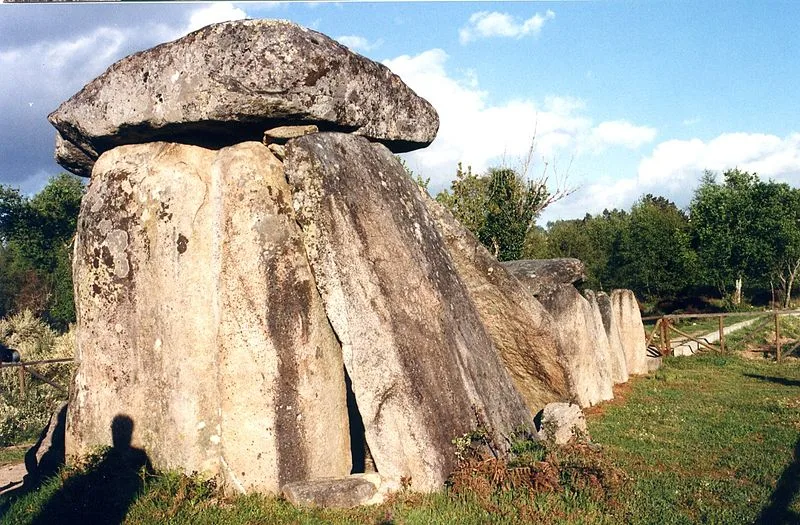
Dolmen of Cunha Baixa
The Dolmen of Cunha Baixa is a megalithic Beaker monument in the parish of Cunha Baixa, municipality of Mangualde, Portugal, constructed between 3000 and 2500 BC. Discovered in…
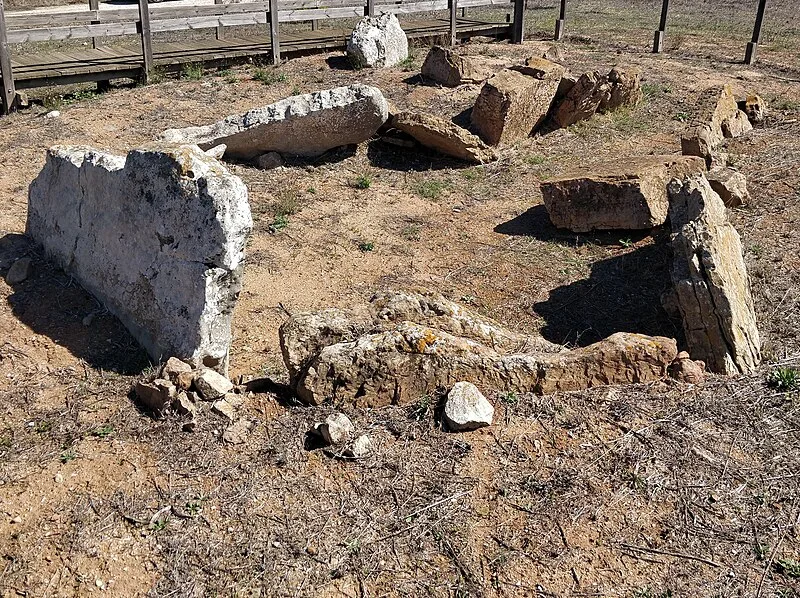
Dolmen of Pedra Branca
The Dolmen of Pedra Branca is a Late Neolithic and Chalcolithic burial tomb in Vale de Figueira, parish of Melides, Grandola municipality, Setubal District, Portugal. Built c.…
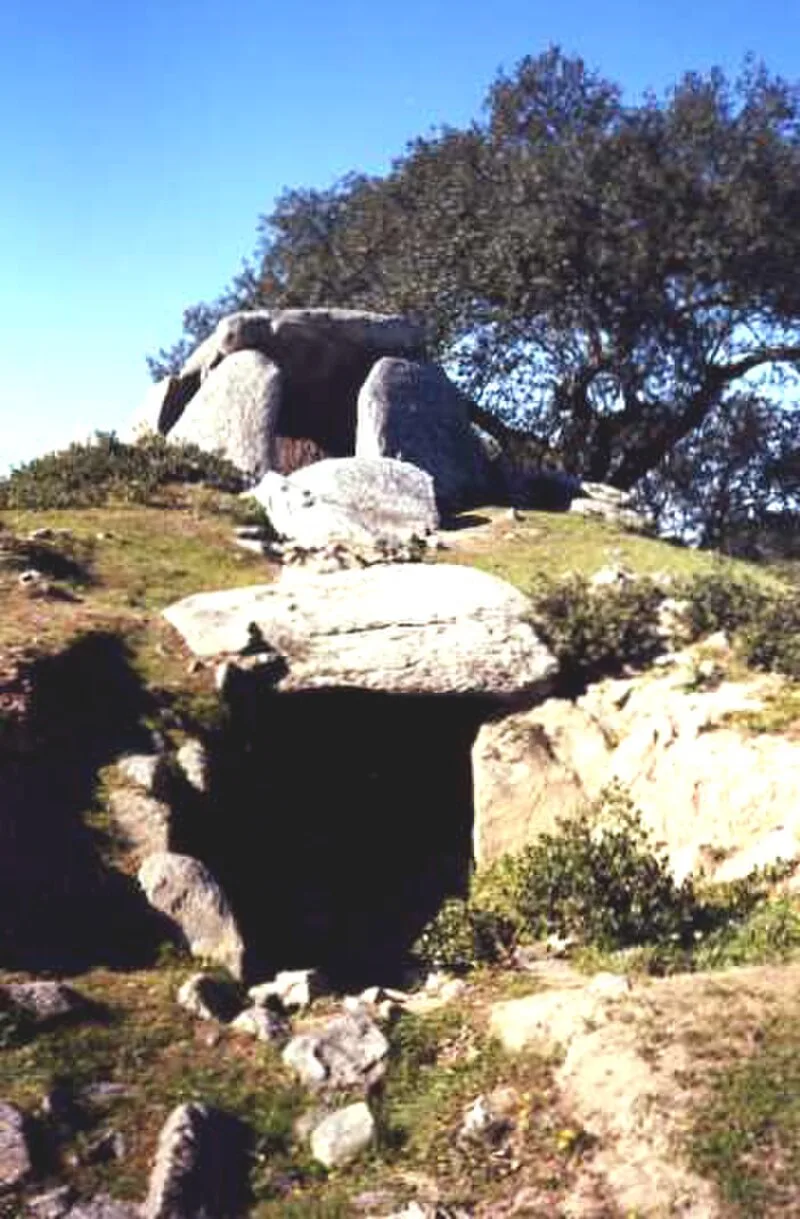
Great Dolmen of Comenda da Igreja
The Great Dolmen of Comenda da Igreja is a Neolithic megalithic funerary monument in the civil parish of Nossa Senhora do Bispo, Montemor-o-Novo municipality, central Alentejo…
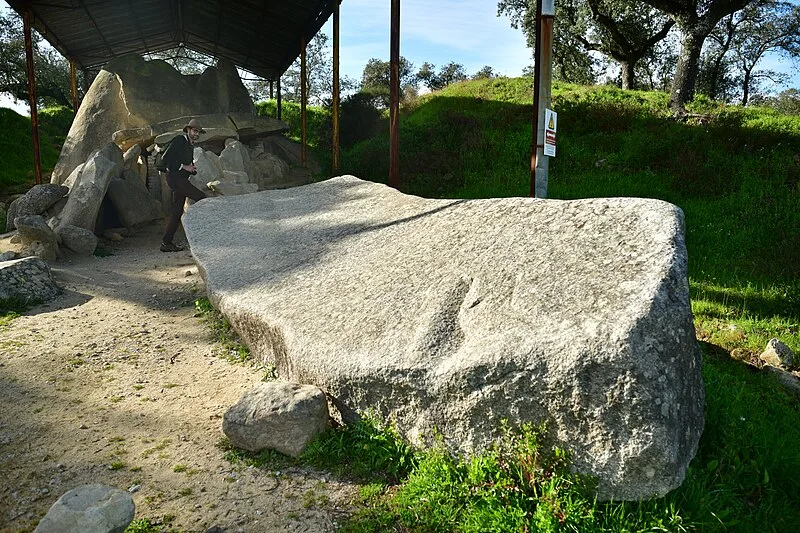
Great Dolmen of Zambujeiro
The largest standing dolmen in Europe, located near Evora in Portugal and dated to approximately 4000-3000 BC. The megalithic tomb features seven massive pillars rising over 7…
Residence/villa/farmhouse in Portugal (21)
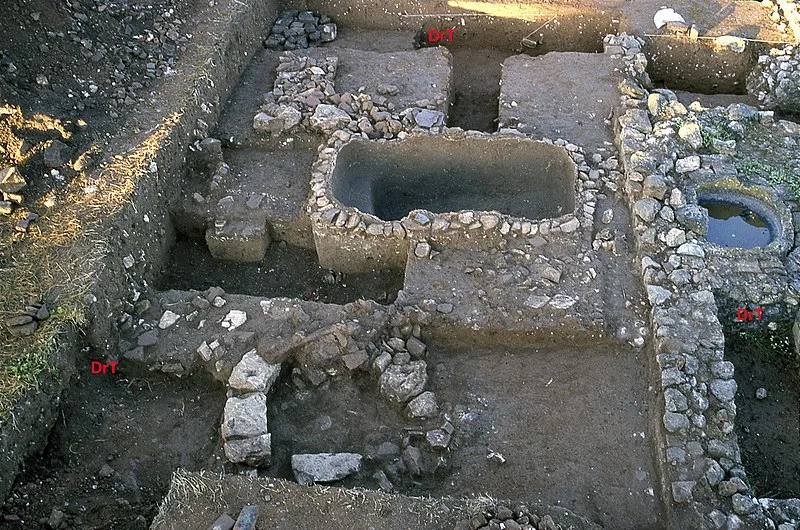
Roman Ruins of Cerro da Vila
The Roman Ruins of Cerro da Vila are the remains of a 1st-century Roman maritime villa near Vilamoura in the Algarve, occupied successively by Romans, Visigoths, and Arabs. The…
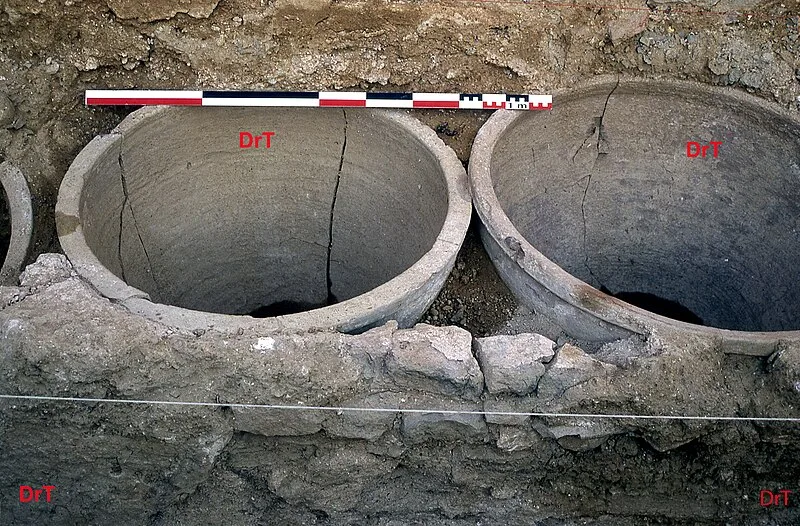
Roman Ruins of Milreu
The Roman Ruins of Milreu, classified as a National Monument, are the most prominent evidence of Roman presence in the Algarve, located in Estoi near Faro. Built in the 1st…
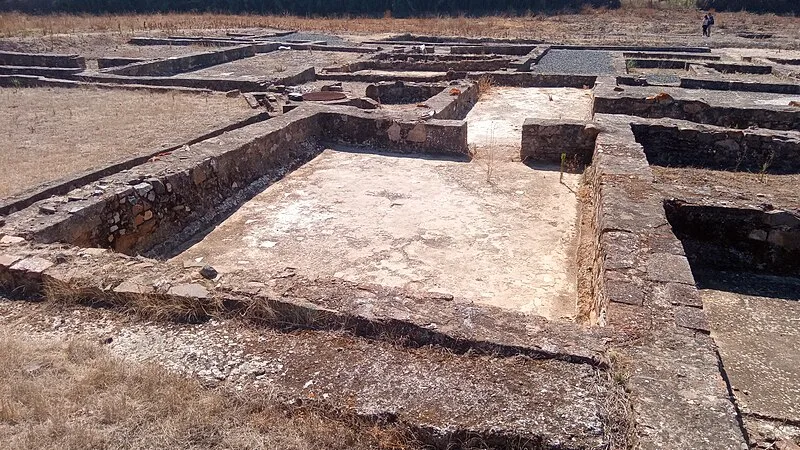
Roman Ruins of Pisões
The Roman Ruins of Pisoes are a villa rustica classified as a Property of Public Interest, located about 10 km southwest of Beja in the Alentejo region. Accidentally rediscovered…
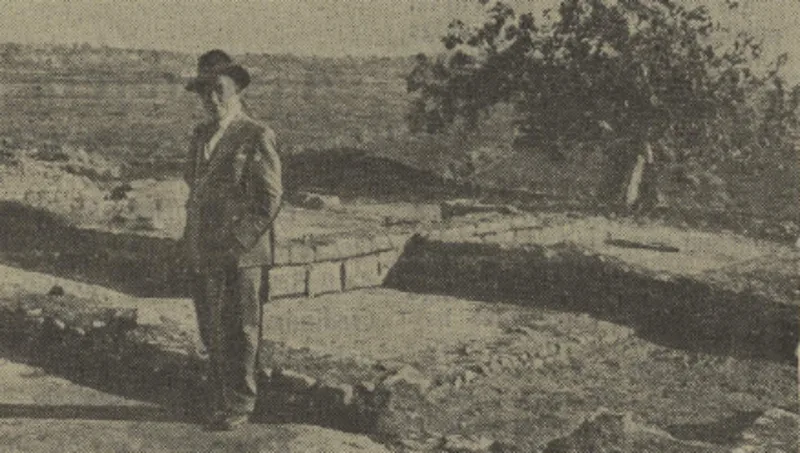
Roman Ruins of Quinta da Abicada
Roman villa ruins located in Mexilhoeira Grande, near Alvor, Portimão, Algarve, Portugal. The site was part of the colony of Ipses in Lusitania, one of only three communities in…
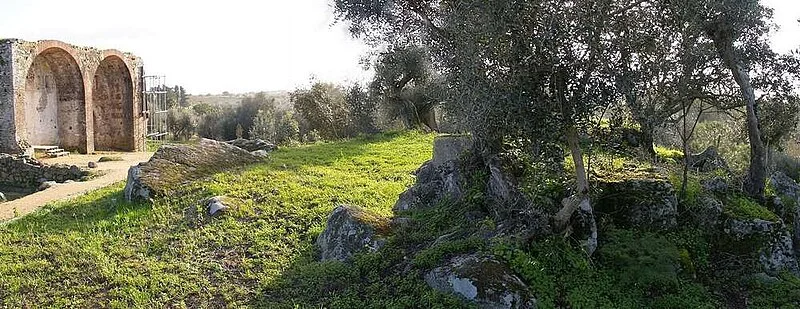
Roman Ruins of São Cucufate
The Roman Ruins of Sao Cucufate are one of the most important Roman remains in Portugal, located in Vila de Frades in the municipality of Vidigueira in the southern Alentejo.…
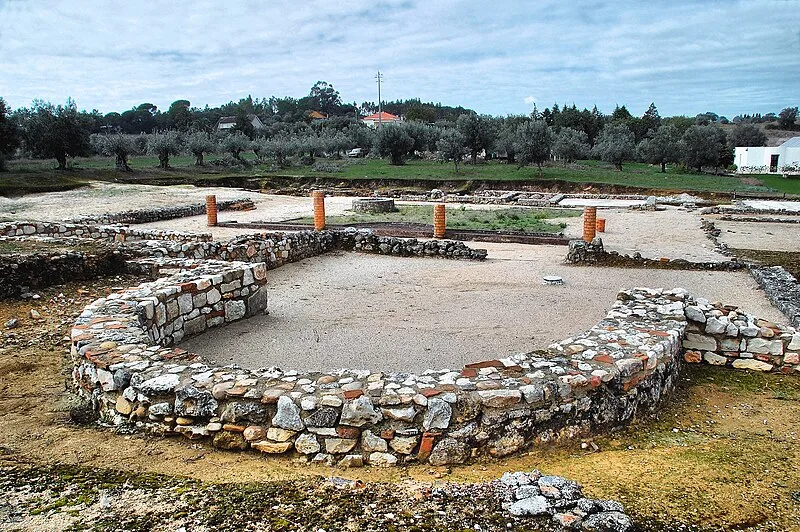
Roman Ruins of Villa Cardillio
(1st–4th c. AD) Villa Cardillio is a Roman villa and farmstead in Santa Maria parish, Torres Novas, central Portugal, named after an onsite mosaic pavement whose meaning remains…
Roman Villa of Almoinhas
A Roman villa in the parish of Loures, near Lisbon, occupied from the 1st to 5th century AD and considered one of the most important Roman-period sites in the Lisbon Metropolitan…
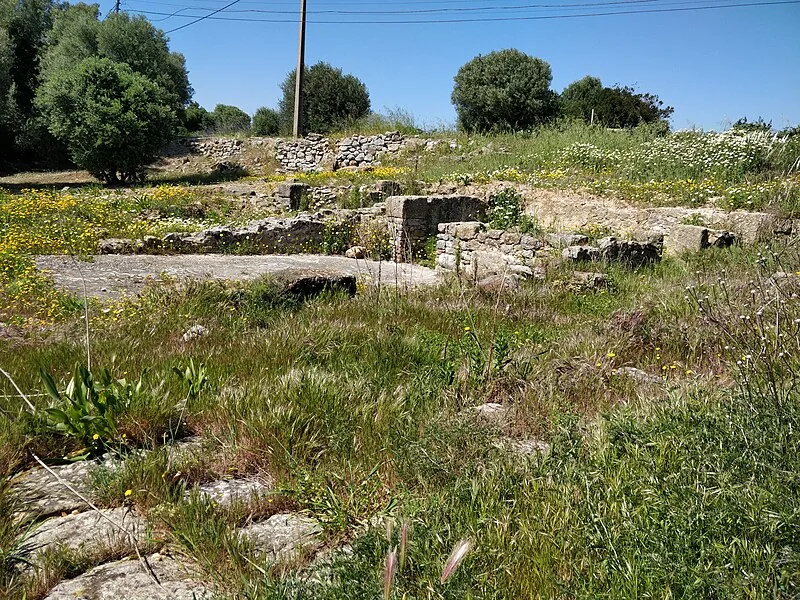
Roman Villa of Alto da Cidreira
A Roman villa in Alcabideche, Cascais, known since the 1890s but not systematically excavated until 1980-1981 by archaeologists Guilherme Cardoso and Jose d'Encarnacao. The site…
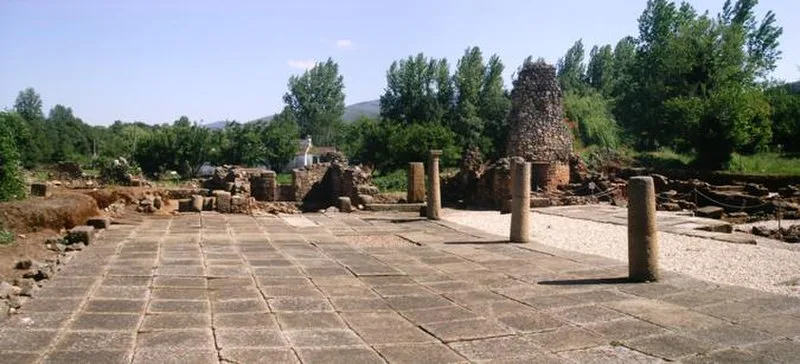
Roman Villa of Ammaia
A substantial Roman town founded in the 1st century AD within the Serra de Sao Mamede Nature Park near Marvao, in the province of Lusitania. Ammaia occupied approximately 25…
Roman Villa of Freiria
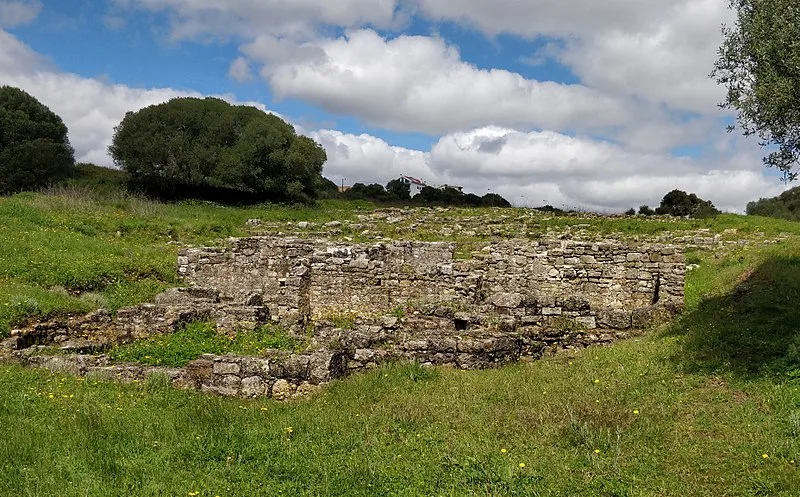
A wealthy Roman villa in Sao Domingos de Rana, Cascais, occupied from the Iron Age through the 5th century AD. Excavated between 1985 and 2002, the site revealed a peristyle domus…
Roman Villa of Frielas
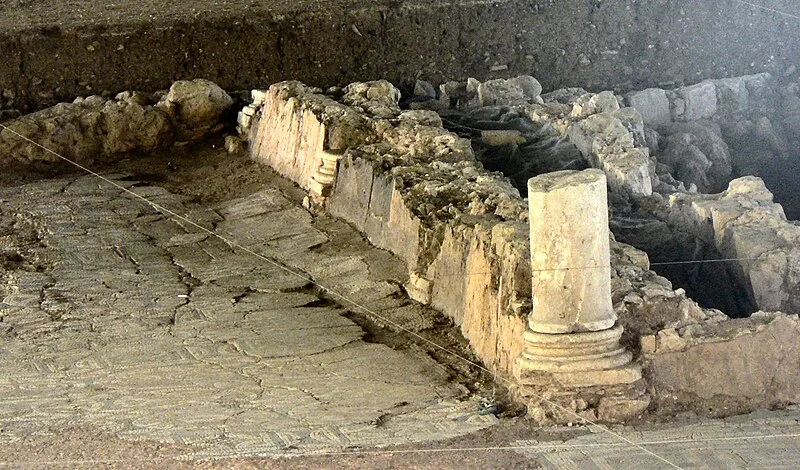
The Roman Villa of Frielas is located in the parish of Frielas, municipality of Loures, within the Lisbon District of Portugal. The villa fell under the territory of Olisipo, the…
Roman Villa of Outeiro de Polima
A Roman villa in Sao Domingos de Rana, Cascais, dating from the 1st century BC to the 3rd century AD. First documented by Virgilio Correia in 1913, the site was excavated in 1999…
Roman Villa of Quinta da Bolacha
The Roman Villa of Quinta da Bolacha is a 3rd-4th century AD Roman villa located in the civil parish of Falagueira-Venda Nova, municipality of Amadora, Portugal. The site is…
Roman Villa of Rabaçal
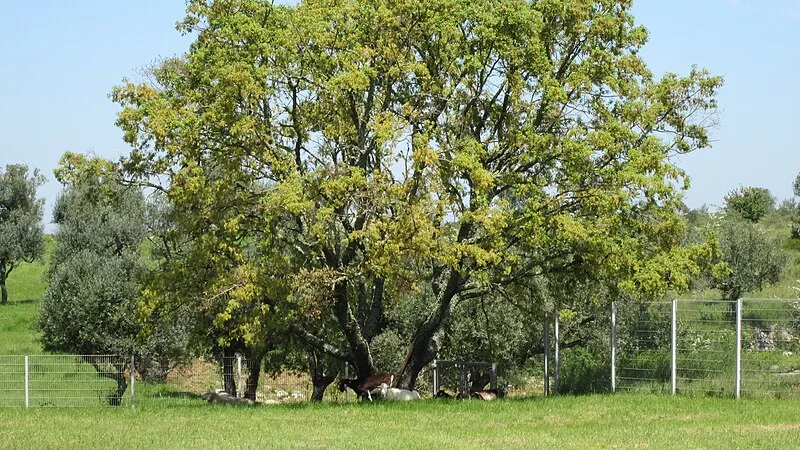
A 4th-century Roman villa near Penela, 12 km south of Conimbriga, along the ancient road from Olisipo (Lisbon) to Bracara Augusta (Braga). Excavations begun in 1984 uncovered a…
Roman Villa of Santo André de Almoçageme
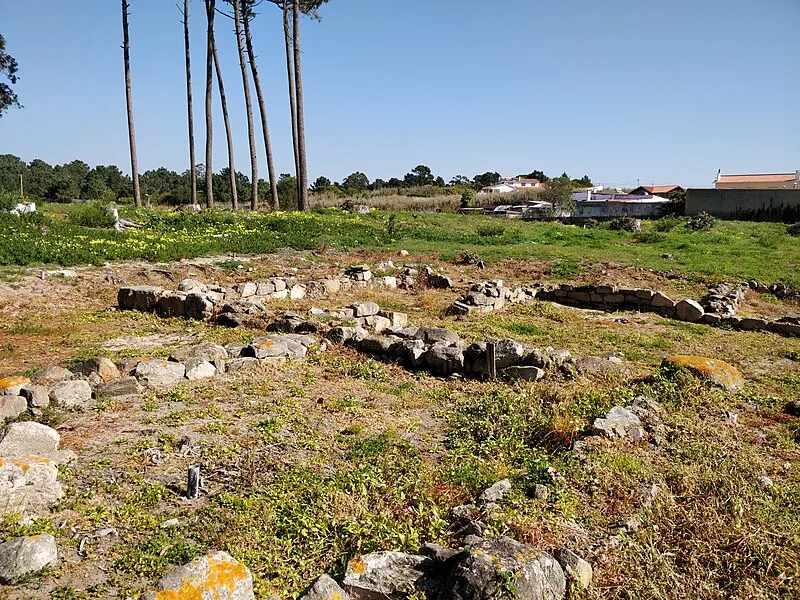
A Roman villa in Colares, Sintra, occupied from the 1st century AD until at least the mid-5th century. A funerary inscription and mosaic were first discovered in 1905, with…
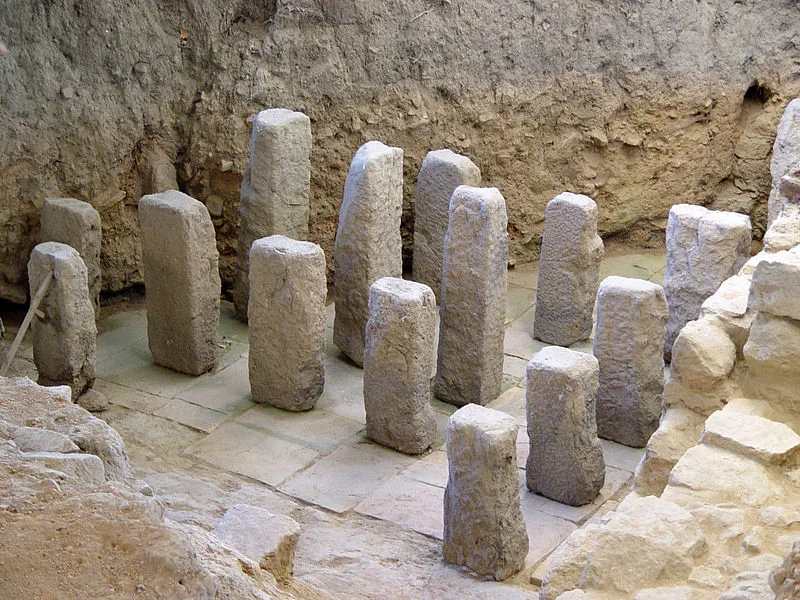
Roman Villa of Sendim
A Roman villa rustica in Lugar do Agrelo, Sendim, Felgueiras, discovered in 1992 during house construction. Occupied from the 1st to the 6th century AD, the villa was structured…
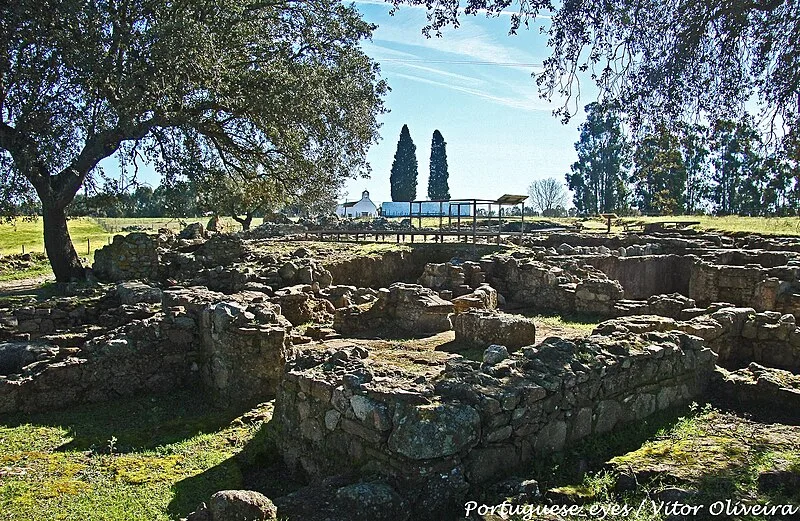
Roman Villa of Tourega
The Roman Villa of Tourega is located in the parish of Nossa Senhora da Tourega in the Évora District of Alentejo, Portugal. During Roman occupation it was part of the province of…
Roman Villa of Vale do Mouro
A large Roman settlement in Coriscada, Meda, covering approximately 2 hectares, one of the largest villas in Portugal. The site shows Neolithic origins with silica and quartz…
Roman Villa of Vilares
An archaeological site in Alcabideche, Cascais, discovered in the early 21st century during residential development. Excavations between 2007 and 2008 revealed remnants of a Roman…
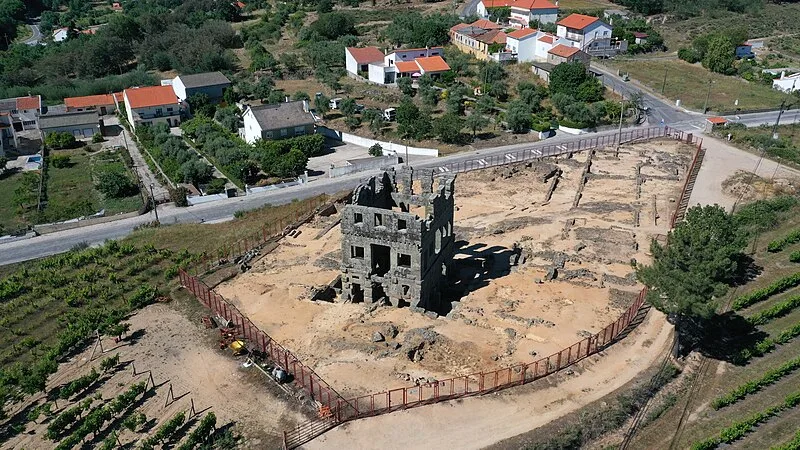
Tower of Centum Cellas
The Tower of Centum Cellas is a 12-metre-high pink granite structure near Belmonte, Portugal, dating to the 1st century AD. A dedicatory altar identified the owner as Lucius…

Villa of Torre de Palma
The Villa Lusitano-Romana de Torre de Palma is a Roman villa near Monforte in Portugal, in the Roman province of Lusitania. It is considered one of the largest villas in the…
Fortress/citadel in Portugal (16)
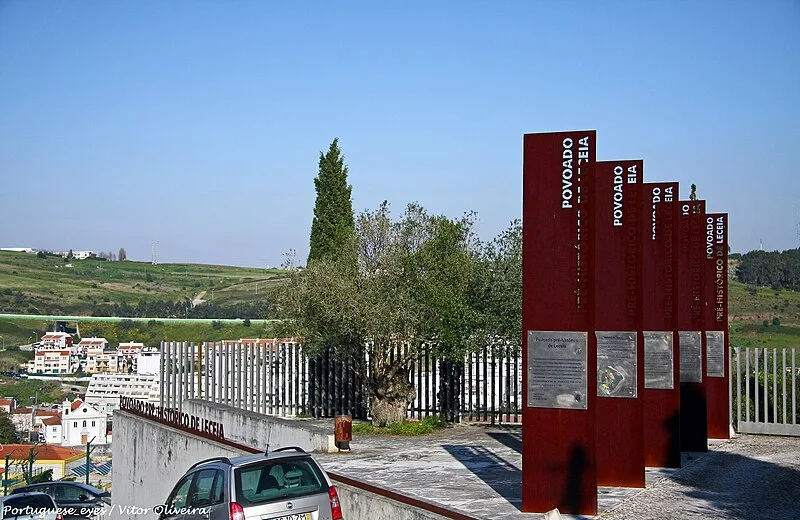
Castro de Leceia
Castro de Leceia is a fortified prehistoric settlement in the civil parish of Barcarena, municipality of Oeiras, Portugal. First reported in 1878 by Carlos Ribeiro in what is…
Castro de Sabroso
Castro de Sabroso is an Iron Age fortified settlement atop a hill near the Ave River in Guimaraes, northern Portugal, dating to the second half of the 1st millennium BC. Covering…
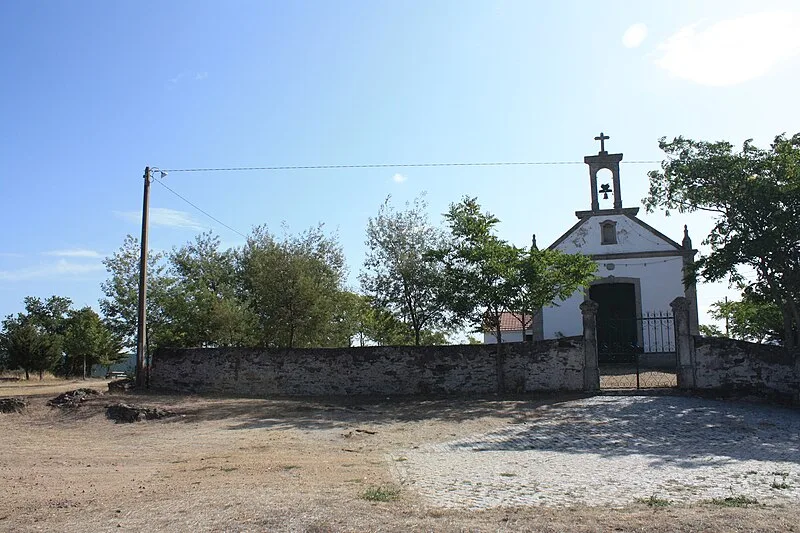
Castro de Sacóias
Castro de Sacóias is an Iron Age fortified settlement in Baçal, Bragança, Portugal. Located on two gentle hills at the same elevation east of Sacoias village. Only small walls,…
Castro of Castelo Velho
The Castro of Castelo Velho is a Chalcolithic fortified settlement in the civil parish of Terena, municipality of Alandroal, Alentejo Central, Portugal. The site features an…
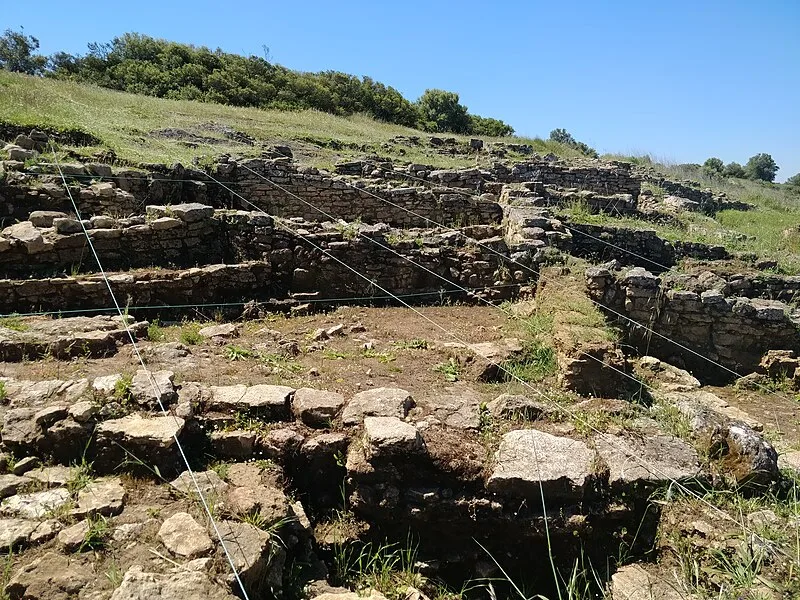
Castro of Chibanes
The Castro of Chibanes is a fortified hilltop settlement in the Arrábida Nature Park, on Serra do Louro in Palmela municipality, Setúbal District, Portugal, approximately 25 km…
Castro of Cidadelhe
The Castro of Cidadelhe is a fortified settlement in Mesao Frio, Vila Real district, Portugal, with proto-historic origins and subsequent Roman and Medieval occupation. Founded as…
Castro of Monte Castelo
The Castro of Monte Castelo is a fortified settlement in Guifoes, Matosinhos, on a hillside beside the Leca River in northern Portugal, covering approximately 8 hectares. Occupied…
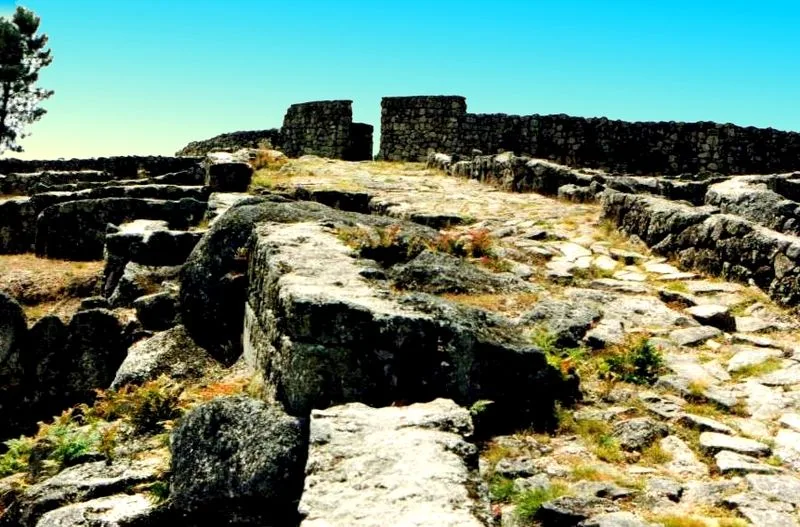
Castro of Monte Mozinho
The Castro of Monte Mozinho, known as the "Dead City," is a fortified settlement in Oldro~es, Penafiel, Porto district, and the largest Roman castro in the Iberian Peninsula at 20…
Castro of Monte Valinhas
The Castro of Monte Valinhas, also called Castro of Sao Joao de Valinhas, is an archaeological site in Santa Eulalia parish, Arouca, Portugal, occupied over more than 2,000 years.…
Castro of Vieito
The Castro of Vieito is a Castro culture settlement on the right bank of the Lima River estuary in Perre, Viana do Castelo, Portugal. Occupied for roughly a century during initial…
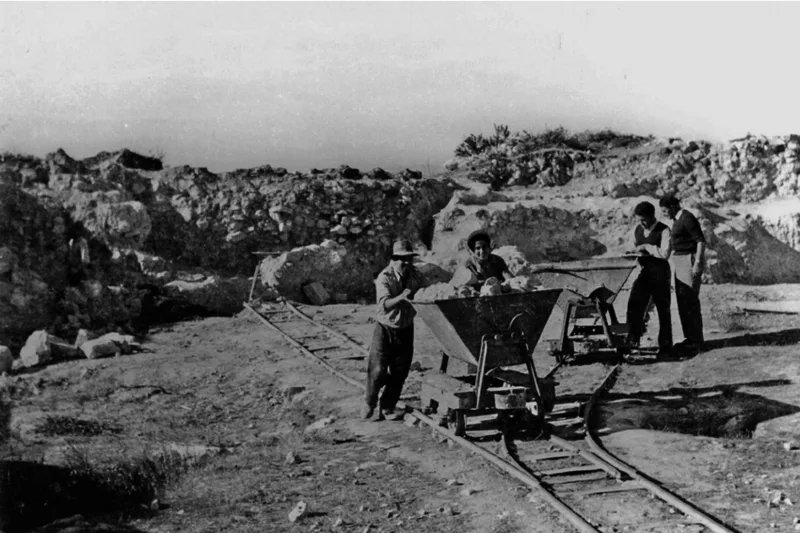
Castro of Vila Nova de São Pedro
The Castro of Vila Nova de São Pedro is a Chalcolithic fortified settlement in Azambuja, Portugal, dating to 2600-1300 BCE. The site is renowned for the discovery of thousands of…
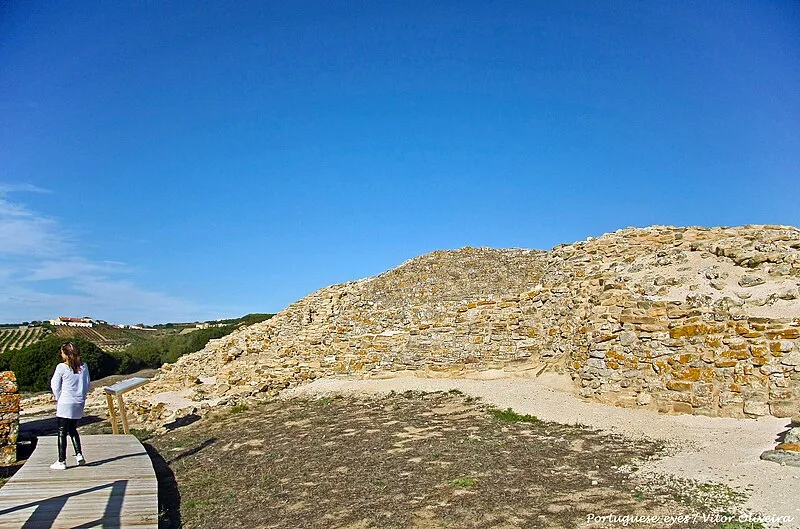
Castro of Zambujal
The Castro of Zambujal is a Chalcolithic fortified settlement near Torres Vedras, about 50 km northwest of Lisbon, Portugal, first occupied at the beginning of the 3rd millennium…
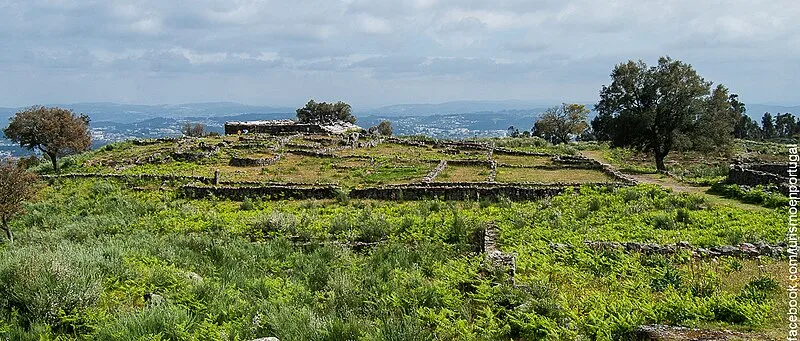
Citânia de Sanfins
Citania de Sanfins is a major Castro culture archaeological site in Sanfins de Ferreira, Pacos de Ferreira, Portugal, covering approximately 18 hectares. Construction developed in…
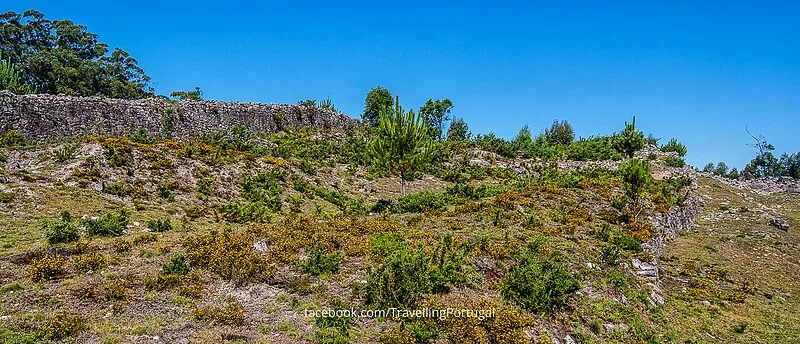
Citânia de Santa Luzia
The Citânia de Santa Luzia is a fortified Castro culture settlement in Areosa, Viana do Castelo, Portugal, dating from the Iron Age with continued Roman-period occupation. First…

Forte de Nossa Senhora da Graça
An 18th-century star fort on Monte da Graca (404m), 1km north of Elvas, Portugal, officially named Forte Conde de Lippe. Designed by Count Wilhelm von Schaumburg-Lippe and built…
Forte de Santa Luzia
A 17th-century star-shaped fortress in Elvas, Alentejo, Portugal, constructed 1641-1648 to defend the border town during the Portuguese Restoration War. The first stone was laid…
Megalithic stones in Portugal (10)
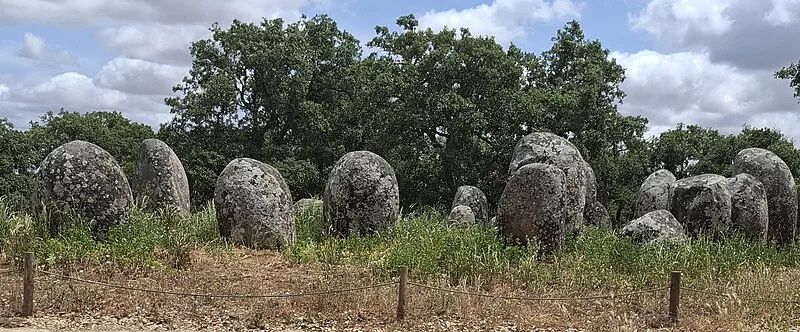
Almendres Cromlech
The Cromlech of the Almendres is a megalithic complex in the municipality of Évora, Alentejo, Portugal, located 4.5 km WSW of Nossa Senhora de Guadalupe village. It is the largest…
Barreira Megalithic Complex
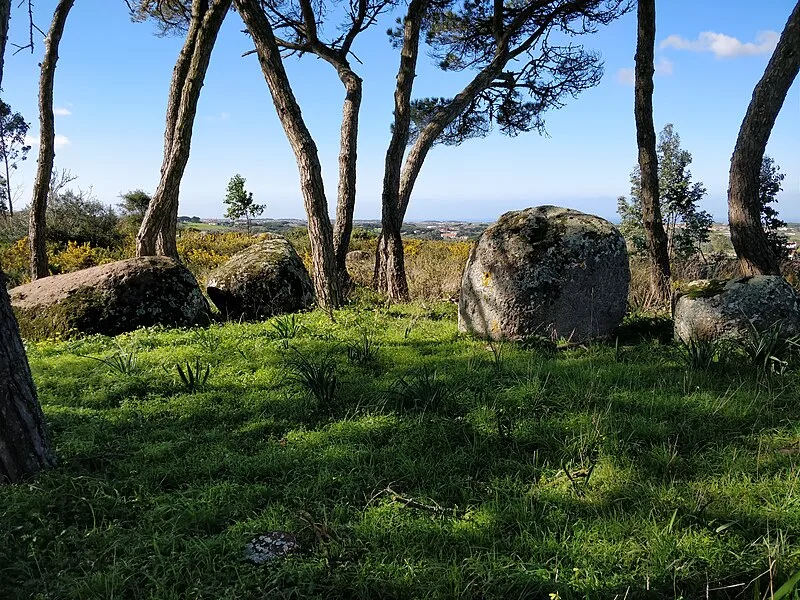
The Barreira Megalithic Complex is a prehistoric site in the Sintra municipality, Lisbon District, Portugal, situated on a wooded hill overlooking the village of Odrinhas. It…
Menhir of Bulhoa
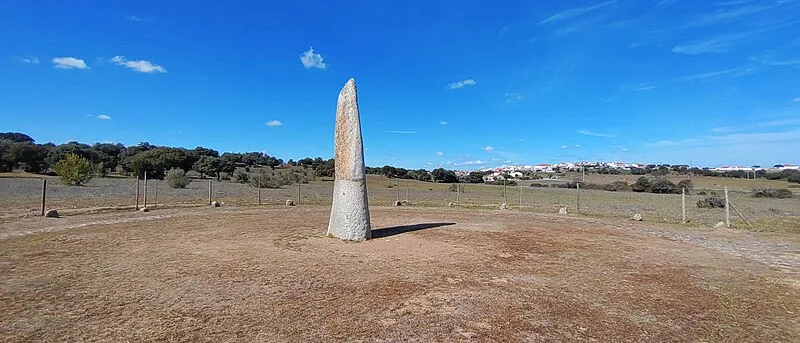
A granite megalithic standing stone near Monsaraz in Reguengos de Monsaraz, Evora district, Portugal, dating to approximately 4000-2500 BC. Originally 4 metres tall, it was only…
Menhir of Meada
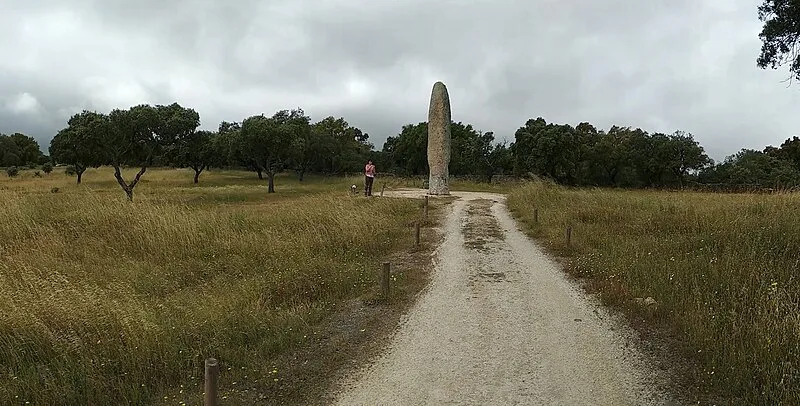
The Menhir of Meada is believed to be the largest megalithic monument in the Iberian Peninsula entirely carved by humans. Standing in the Serra de São Mamede Natural Park in…
Menhir of Outeiro
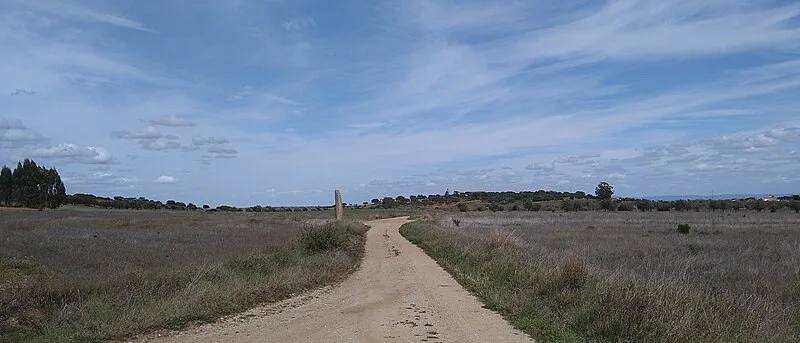
The Menhir of Outeiro, also called Penedo Comprido, is a megalithic monument in the Alentejo region of Portugal, situated midway between Outeiro and Barrada villages near…
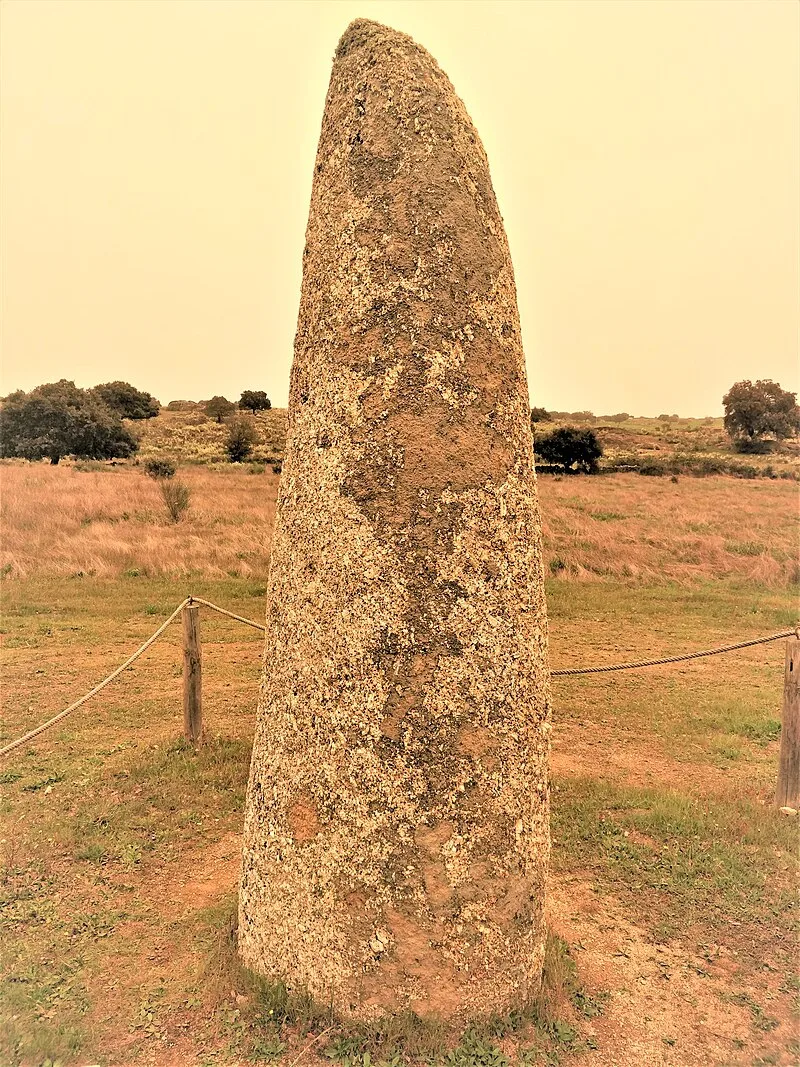
Menhir of Patalou
The Menhir of Patalou is a megalithic standing stone located in the Nisa municipality, Portalegre District of Portugal, approximately 5 km from the town of Nisa. Dating to the 5th…
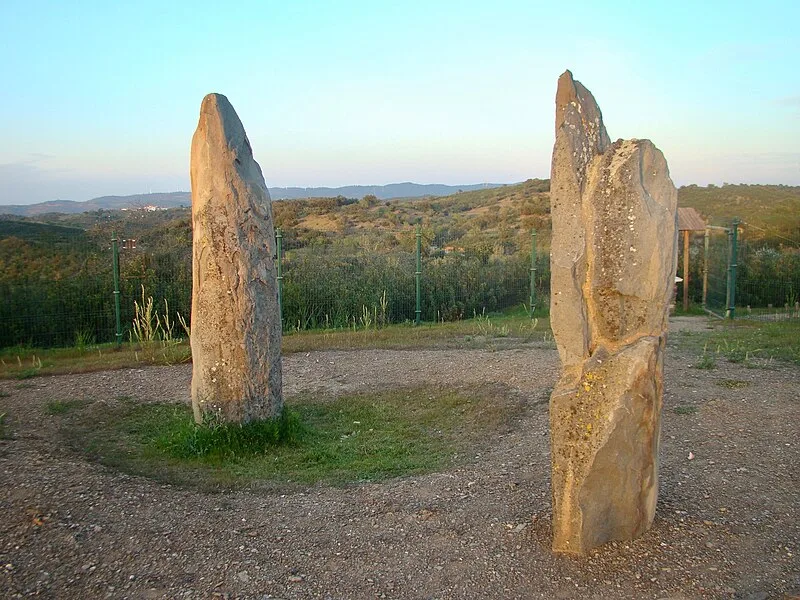
Menhirs of Lavajo
A group of menhirs in the parish of Alcoutim e Pereiro, Algarve, Portugal, likely erected during the second half of the 4th millennium BC. The largest stands over 3 metres tall…
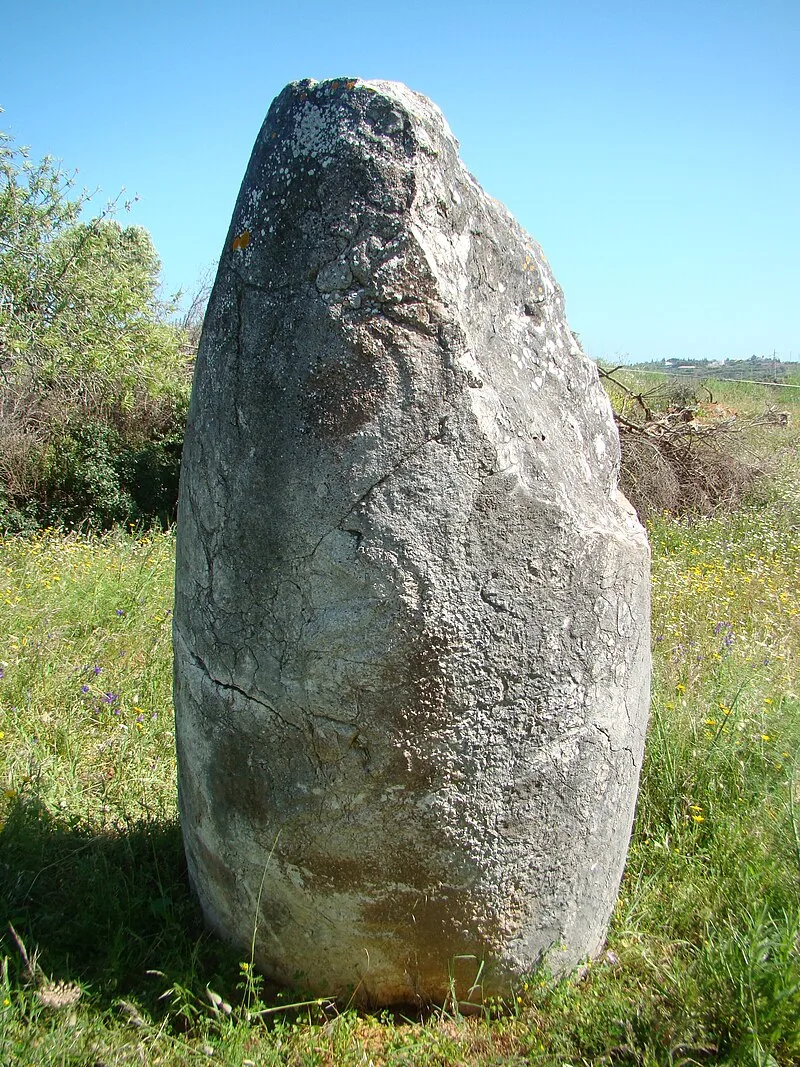
Menir da Cabeça do Rochedo
A Neolithic limestone menhir located on a hill near Portelas, approximately 5 km north of Lagos in the Algarve, Portugal. The cylindrical, obelisk-shaped stone features faint…
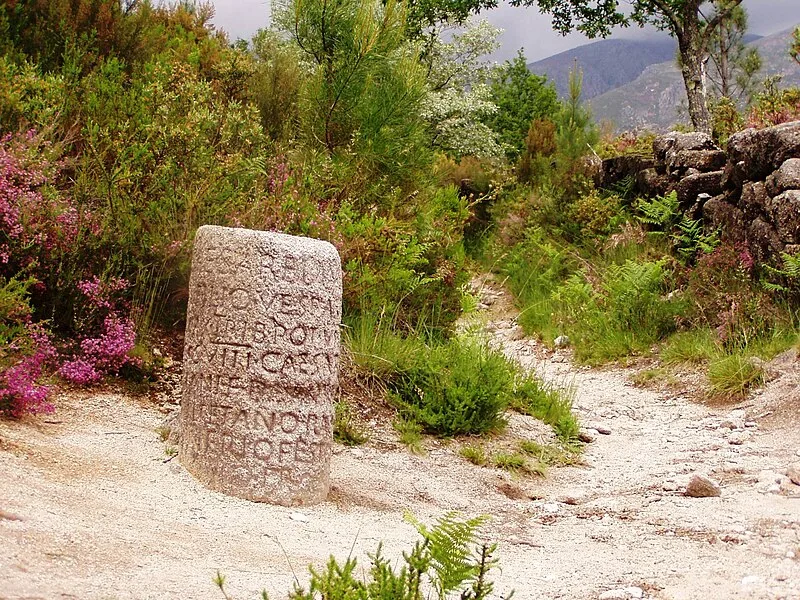
Roman Milestones of Braga
A series of ancient Roman road markers in Braga, northern Portugal, associated with the Via de Braga a Guimaraes that connected Bracara Augusta to surrounding settlements in the…
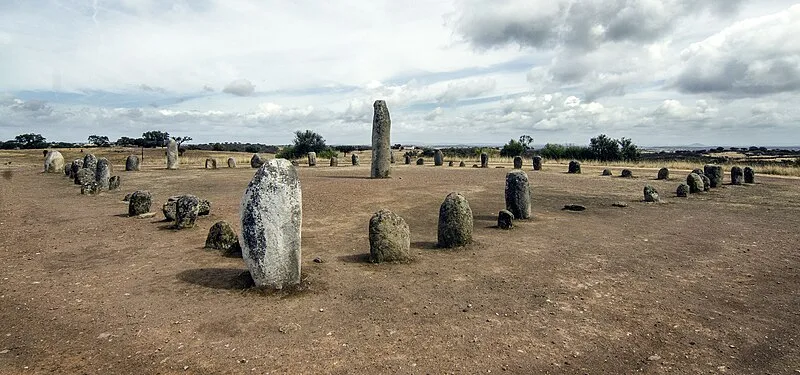
Xerez Cromlech
The Xerez Cromlech is a megalithic complex dating to the 5th or 4th millennium BCE, located near Monsaraz in the Alentejo region of Portugal, close to the Spanish border. Due to…
Gate/archway/bridge in Portugal (8)
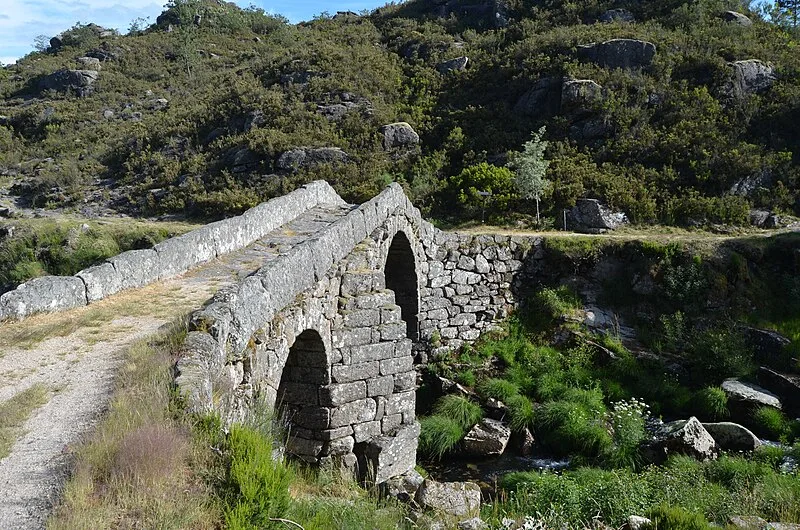
Ponte da Cava da Velha
A Roman bridge in Castro Laboreiro, Melgaco, within Portugal's Peneda-Geres National Park. Built in the 1st century AD to connect the Roman road leading to Spain via Portela do…
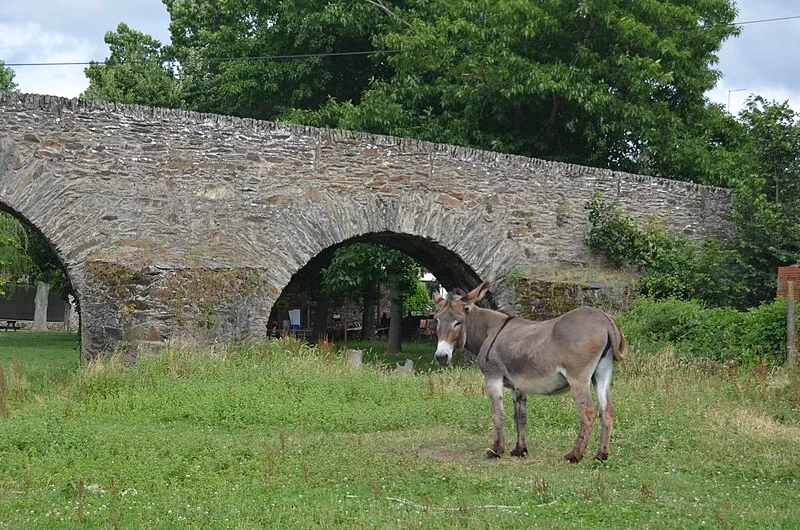
Ponte de Gimonde
A Roman stone bridge in the village of Gimonde, crossing the River Onor approximately 7 km east of Braganca in northeastern Portugal. The bridge features an easel-shaped tray…
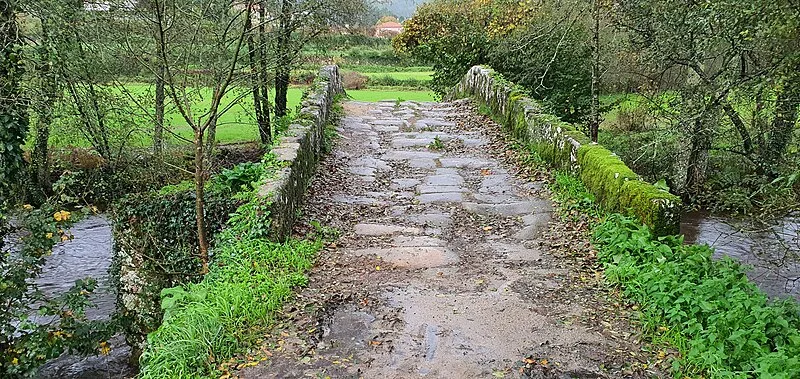
Ponte de Rubiães
A Roman-medieval bridge spanning the River Coura in Rubiaes, Paredes de Coura, northern Portugal. Part of the Portuguese Way of St. James, the bridge retains Roman voussoirs near…
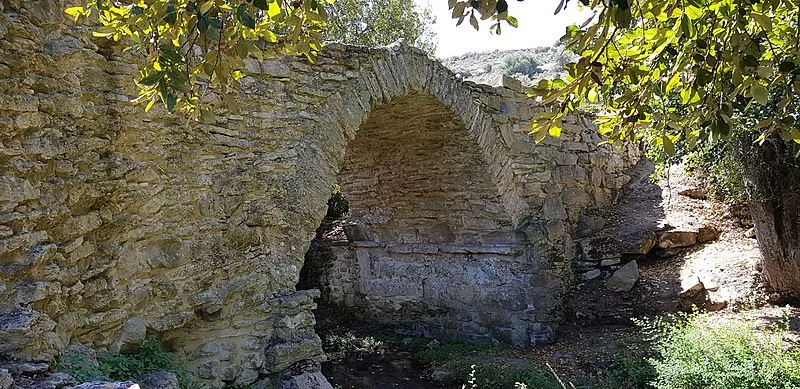
Roman Bridge of Catribana
A Roman bridge near the village of Catribana in the parish of Sao Joao das Lampas, municipality of Sintra, Lisbon District, Portugal. The single-arch bridge crosses the Bolelas…
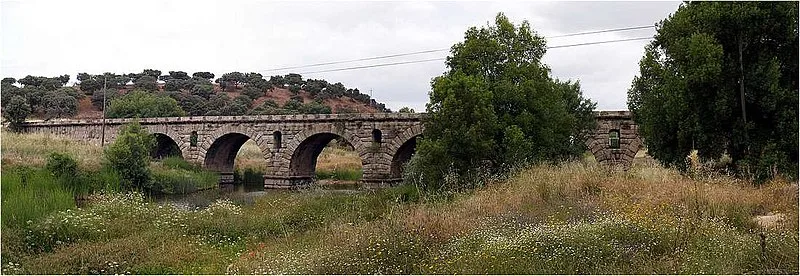
Roman Bridge of Vila Formosa
A monumental Roman bridge crossing the Seda stream near the village of Seda in Alter do Chao, Portalegre District, Portugal. Built at the end of the 1st century AD, it is…
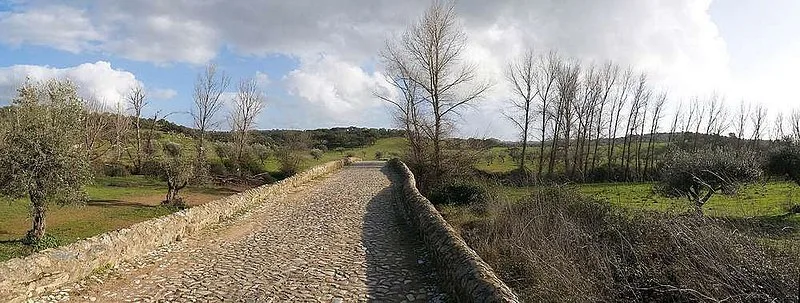
Roman Bridge over the Ribeira de Odivelas
A Roman bridge near Vila Ruiva in the municipality of Cuba, Beja District, Portugal. The original granite structure dates to between the 1st century BC and 1st century AD, with…
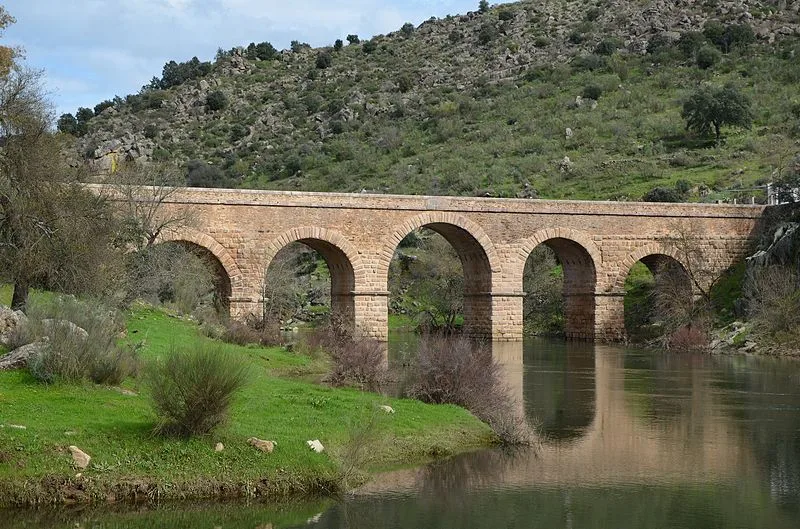
Segura Bridge
Segura Bridge is a Roman bridge spanning the Erges River on the Portugal-Spain border, connecting Segura (Idanha-a-Nova, Portugal) to Alcántara, Spain. It has five arches, of…
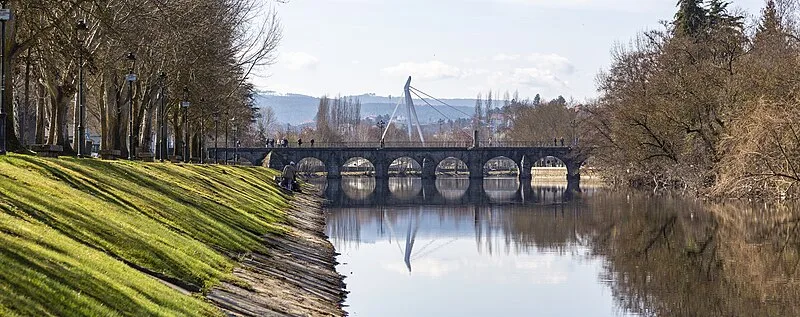
Trajan's Bridge, Chaves
Trajan's Bridge in Chaves is a Roman granite bridge spanning the Tamega River in northern Portugal, constructed at the end of the 1st or beginning of the 2nd century AD under…
Cave Structures in Portugal (7)
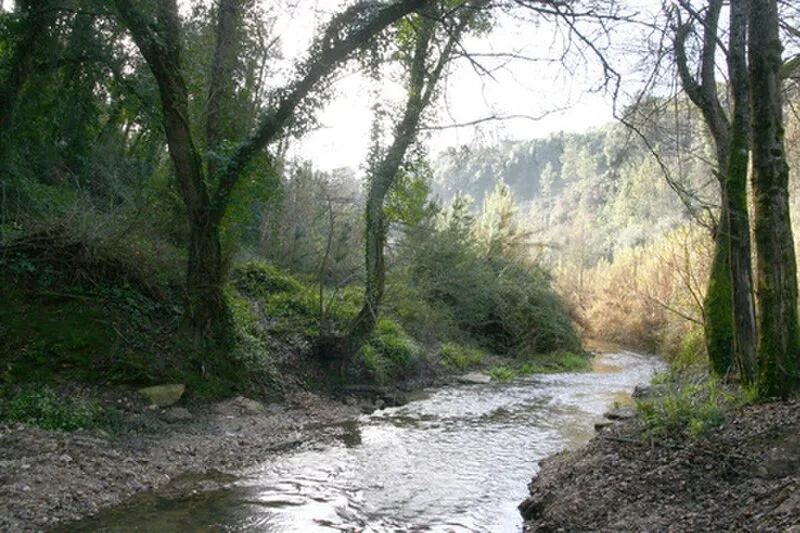
Abrigo do Lagar Velho
Abrigo do Lagar Velho is a rock shelter located 13 km from Leiria's centre in central Portugal. The site is known for the discovery of a 24,000-year-old Cro-Magnon child, the…
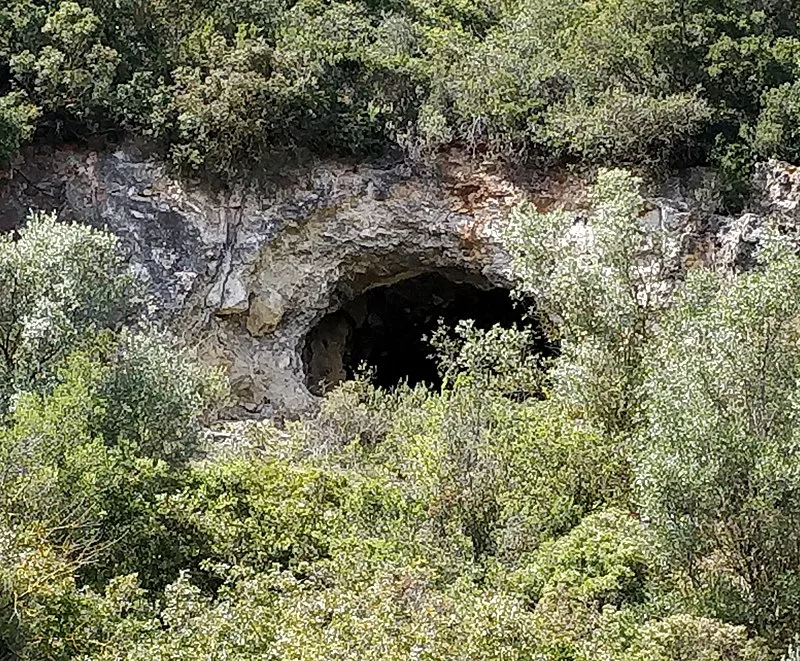
Cave of Pedra Furada
The Cave of Pedra Furada is a small cave located in the municipality of Vila Franca de Xira, approximately 20 km north of Lisbon, Portugal. The cave was formed through…
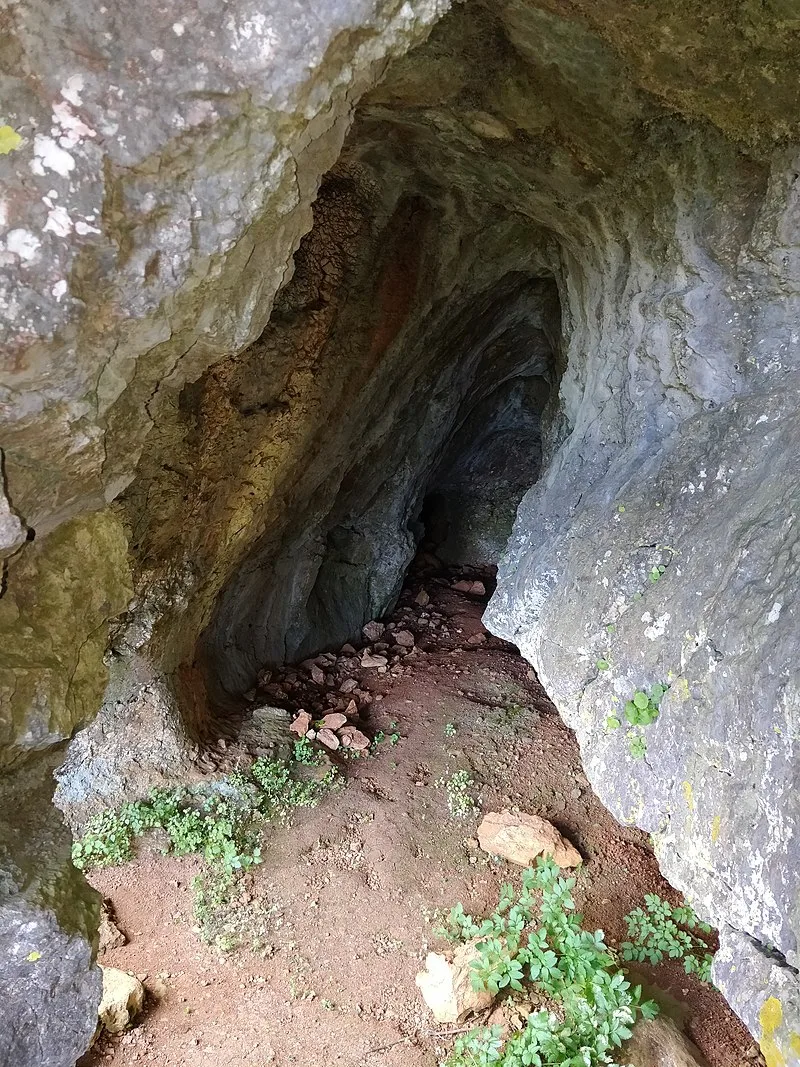
Cave of Pego do Diabo
The Cave of Pego do Diabo (Loca do Gato) is a small karst cave in Turonian limestone located 250m above sea level in Loures municipality, ~20km north of Lisbon, Portugal.…
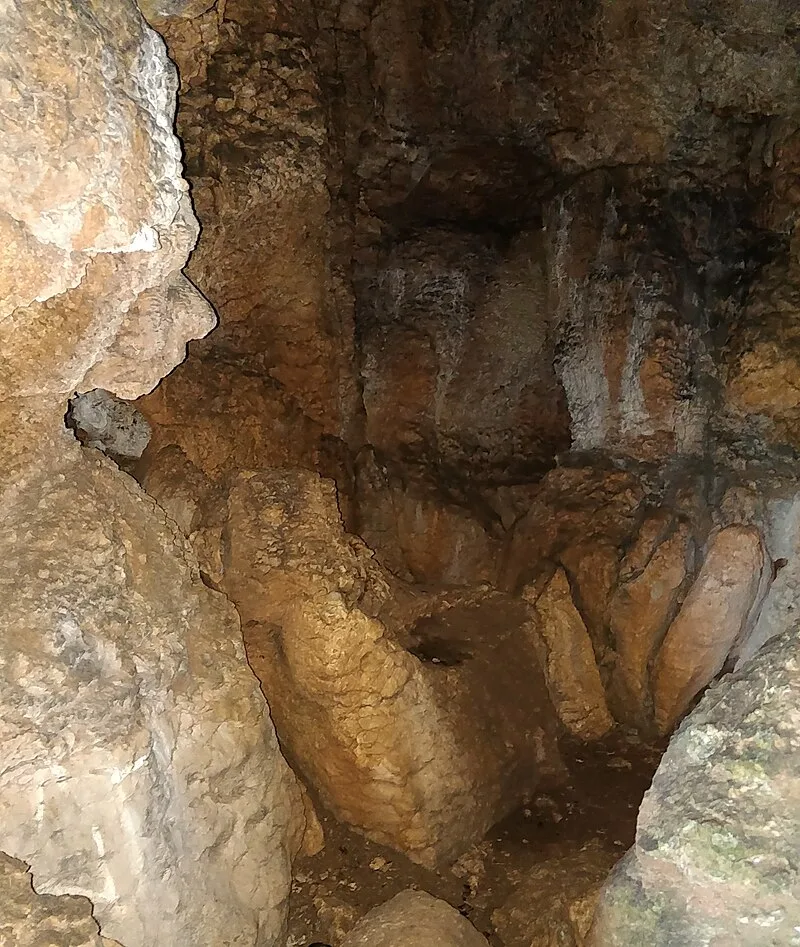
Cave of Salemas
A solutional cave near the village of Lousa in Loures municipality, Lisbon District, Portugal, situated in a Cretaceous limestone outcrop. First explored in 1959 by L. Albuquerque…
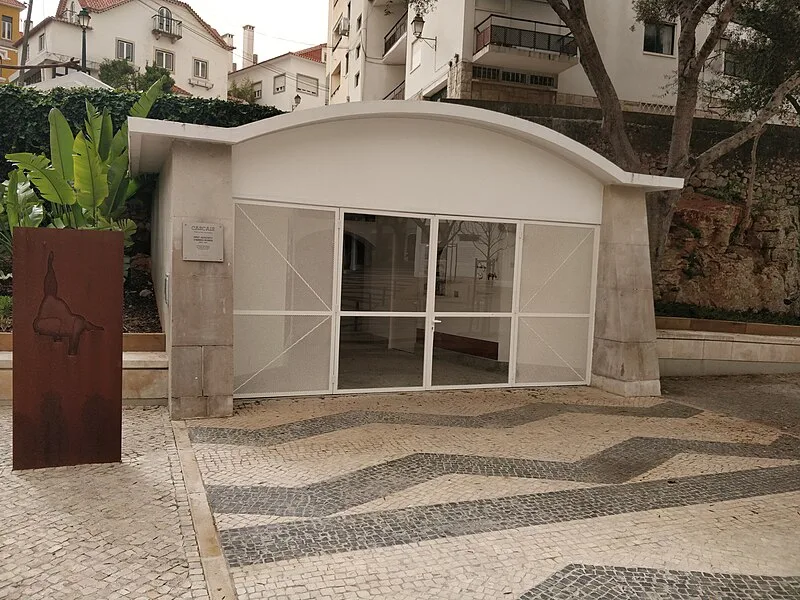
Caves of Poço Velho
The Caves of Poco Velho are two natural caves with interconnected galleries in central Cascais, Lisbon district. Formed 1.6 million years ago by water seeping into limestone, they…
Columbário Fenício
A Phoenician rock-cut burial chamber featuring small square niches (columbaria) used for storing cinerary urns, dating to the period of Phoenician colonization of the Iberian…

Santuário Rupestre de Panóias
The Sanctuary of Panoias is a Gallo-Roman rock sanctuary near Vila Real in northern Portugal, dating to the late 2nd to early 3rd century AD. It was dedicated to the infernal god…
City/town/settlement in Portugal (6)
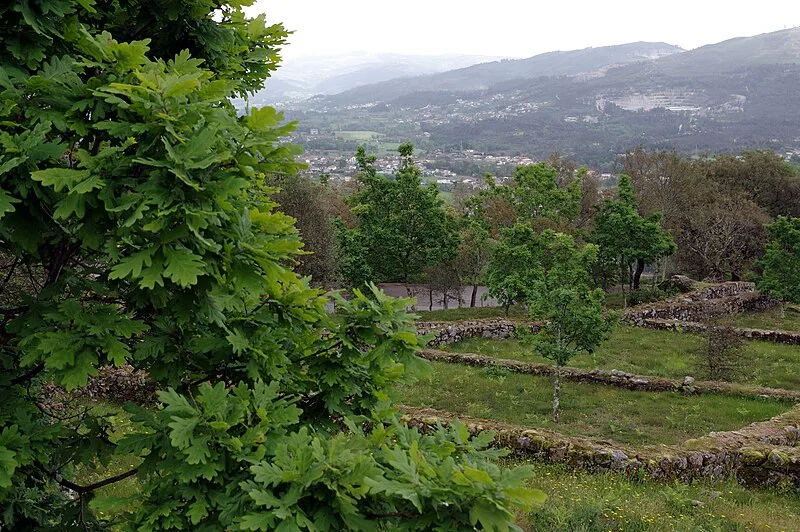
Citânia de Briteiros
Citania de Briteiros is an Iron Age hillfort of the Castro culture on Monte de Sao Romao, about 15 km northwest of Guimaraes, Portugal. Covering roughly 50 acres, it housed over…
.webp)
Cividade de Âncora
Cividade de Ancora (also known as Cividade de Afife) is a Castro culture hillfort on Monte da Suavidade, at the border of the municipalities of Viana do Castelo and Caminha in…
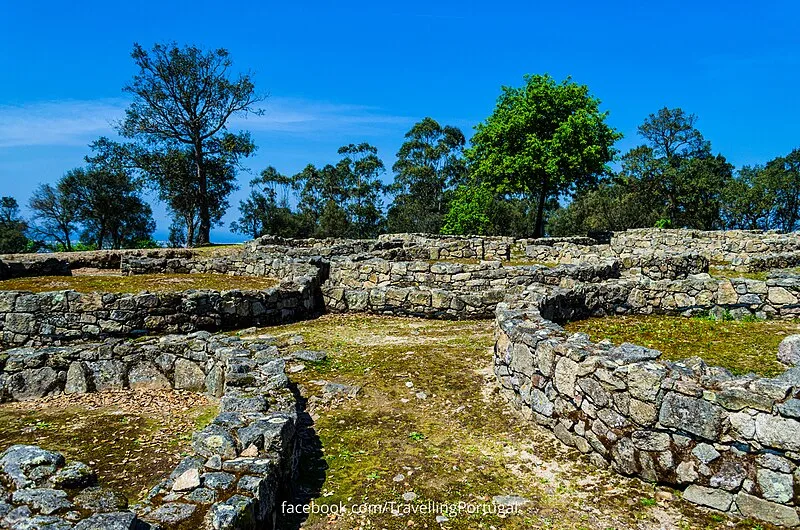
Cividade de Terroso
Cividade de Terroso was one of the oldest and largest Castro culture settlements on the northwestern Iberian coast, near present-day Povoa de Varzim, Portugal, with occupation…
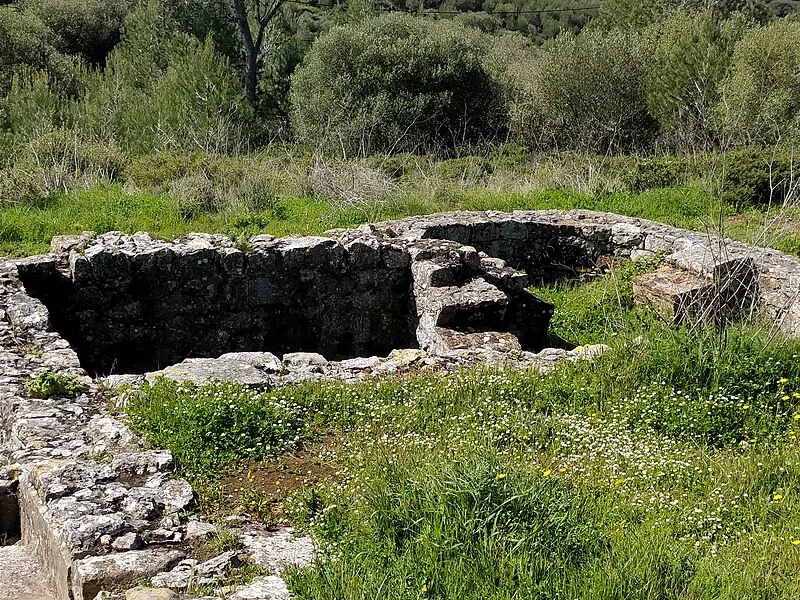
Roman Ruins of Casais Velhos
The Roman Ruins of Casais Velhos are remains of a 2nd-century Roman villa in Cascais, Lisbon District, situated on a hillside overlooking the Cresmina Dune. The site includes an…
Ruínas Romanas da Bobadela
The Roman ruins of Bobadela are located in the parish of Bobadela, municipality of Oliveira do Hospital, Portugal. The site includes the remains of a Roman amphitheatre. Notable…

Tongobriga
Ruins of a Galician-Roman city near the village of Freixo in Marco de Canaveses, approximately 54 km east of Porto in northern Portugal. Built in the late 1st century AD over an…
Necropolis/tombs complex in Portugal (6)
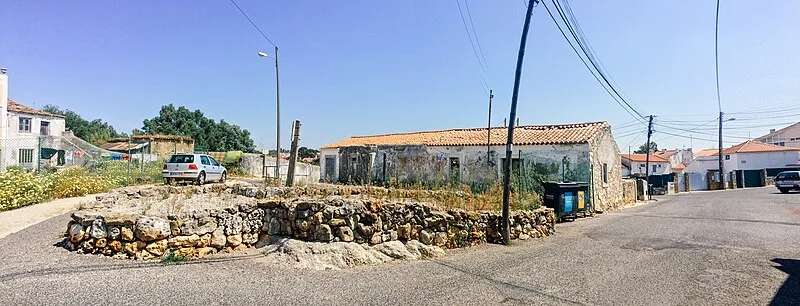
Artificial Caves of Alapraia
A Chalcolithic necropolis of four subterranean hypogea in Estoril, near Lisbon, created by excavating marlstone with stone tools during the 3rd millennium BC. The chambers measure…
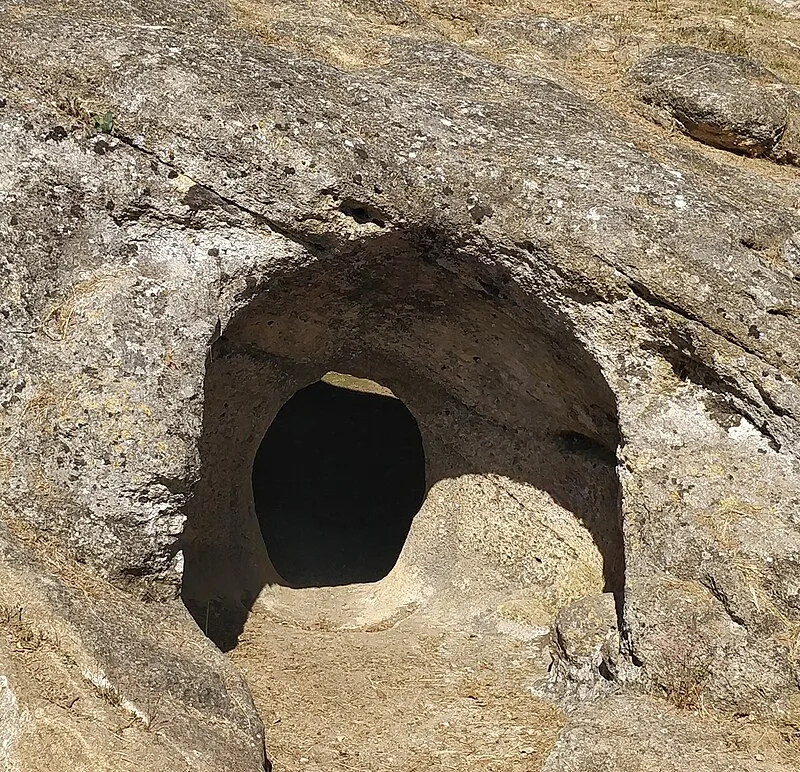
Artificial Caves of Casal do Pardo
Four Neolithic rock-cut hypogea in Palmela, 25 km south of Lisbon, carved from soft Miocene limestone around 3000 BC and reused until c. 2000 BC. The first such tombs discovered…
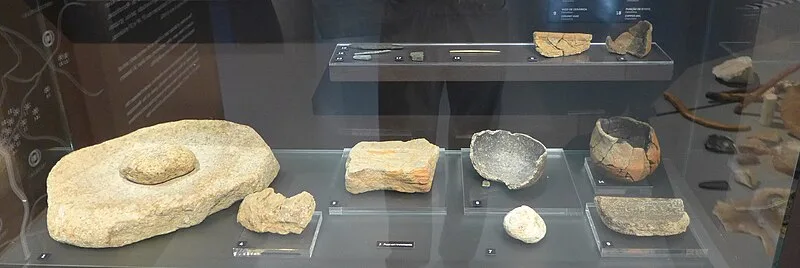
Megalithic Monuments of Alcalar
The Megalithic Monuments of Alcalar comprise a Calcolithic necropolis with multiple burial tombs, situated in the Algarve region of Portugal.
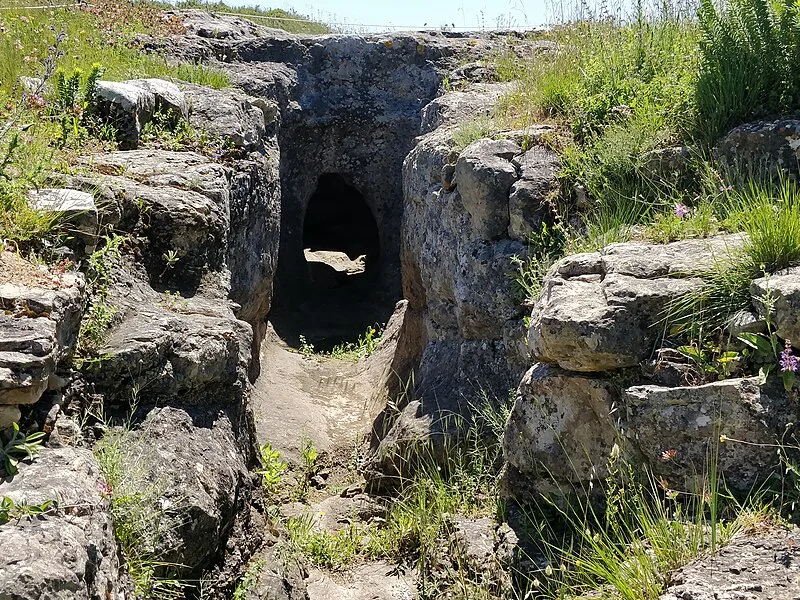
Necropolis of Carenque
The Necropolis of Carenque is a late Neolithic burial complex in Amadora, Portugal, comprising three well-preserved collective tombs carved into smooth limestone outcrops. These…
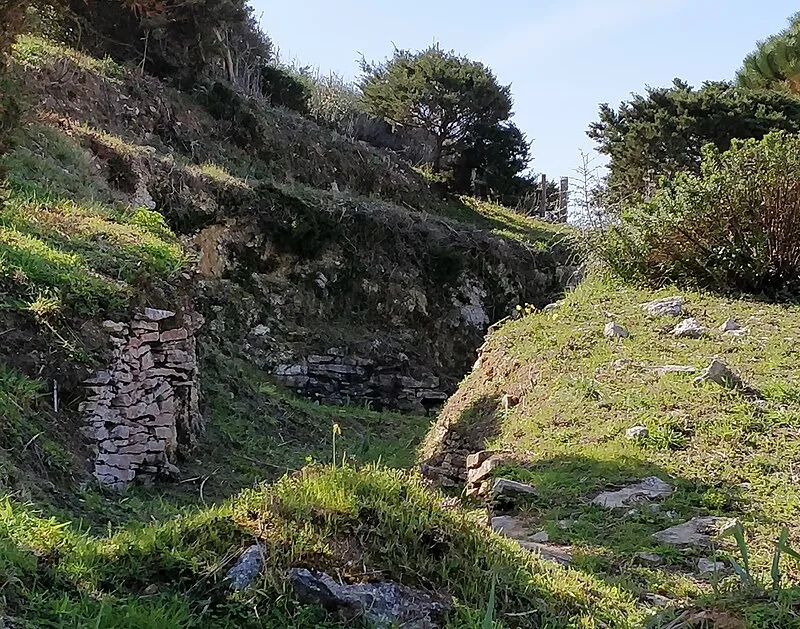
Praia das Maçãs Prehistoric Monument
The Praia das Maçãs Prehistoric Monument (Tholos of Outeiro das Mós) is a necropolis combining an artificial Neolithic cave with a Chalcolithic domed beehive tomb, dating to…
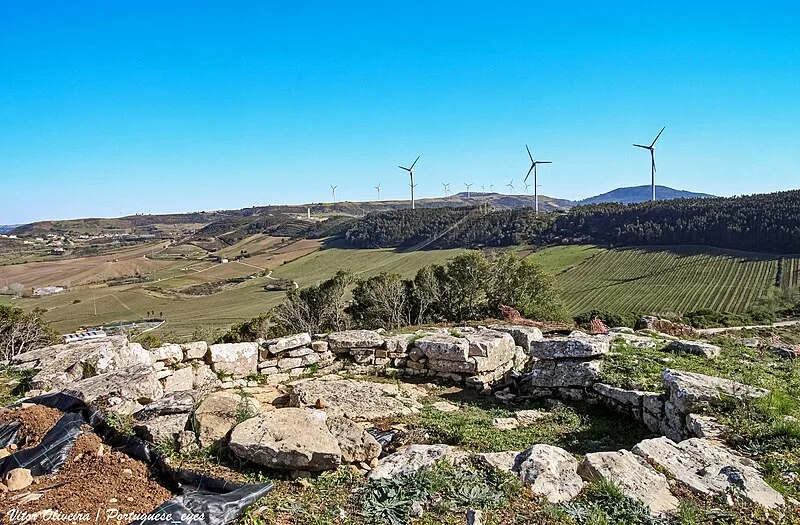
Tholos do Barro
The Tholos do Barro is a Chalcolithic domed tomb constructed of block masonry, located on Monte da Pena near Barro village in Torres Vedras, Portugal. Dating to 2500–2200 BC, this…
Megalithic structures in Portugal (3)
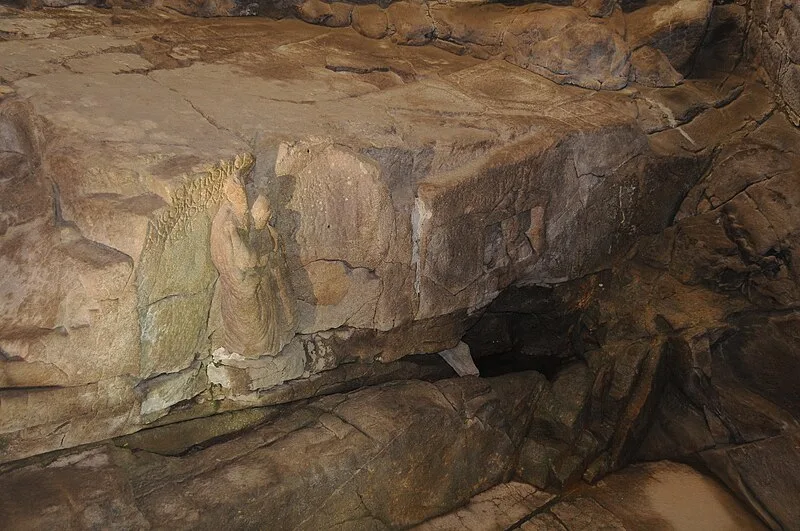
Fountain of the Idol
The Fountain of the Idol (Fonte do Idolo) is a 1st-century Roman granite fountain in Braga, northern Portugal, built within the territory of ancient Bracara Augusta. Commissioned…
Rocha da Mina
A pre-Roman Iron Age sanctuary carved into a 12-metre schist spur beside a meander of the Lucefece River in Alandroal, Evora district, Portugal. The ritual complex features carved…
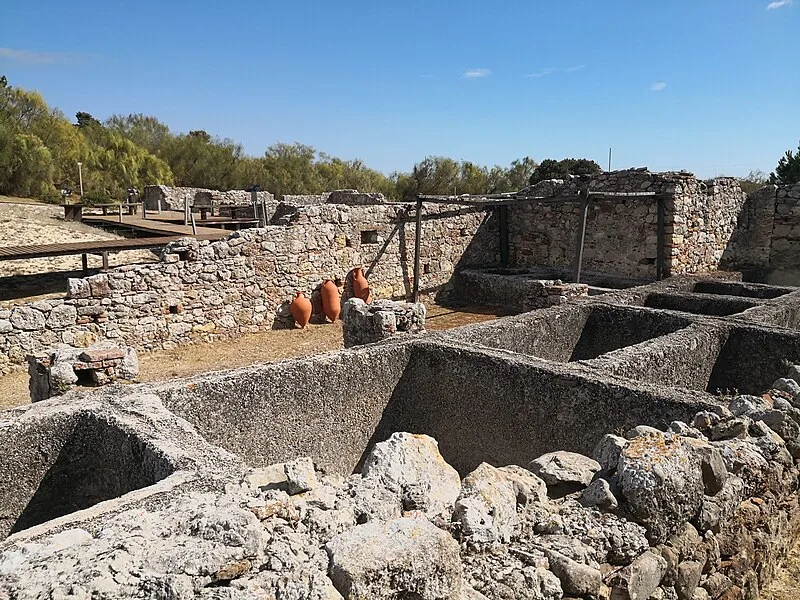
Roman Ruins of Tróia
The Roman Ruins of Tróia is an archaeological site on the left bank of the River Sado, on the Tróia Peninsula opposite Setúbal, in Setúbal District, Portugal. The complex includes…
Reservoir/aqueduct/canal in Portugal (3)
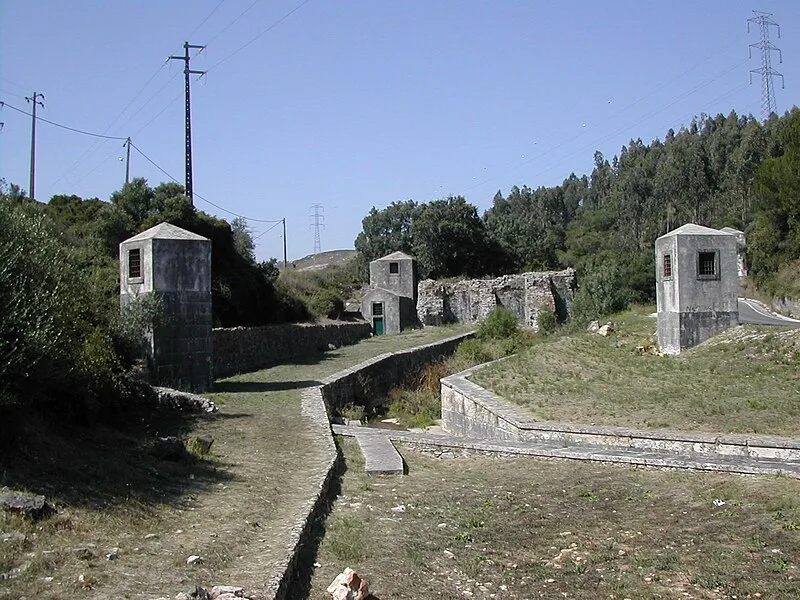
Roman Dam of Belas
The Roman Dam of Belas is a 3rd-century structure located in the civil parish of Queluz e Belas, Sintra municipality, Portugal. Constructed to supply water to the ancient city of…
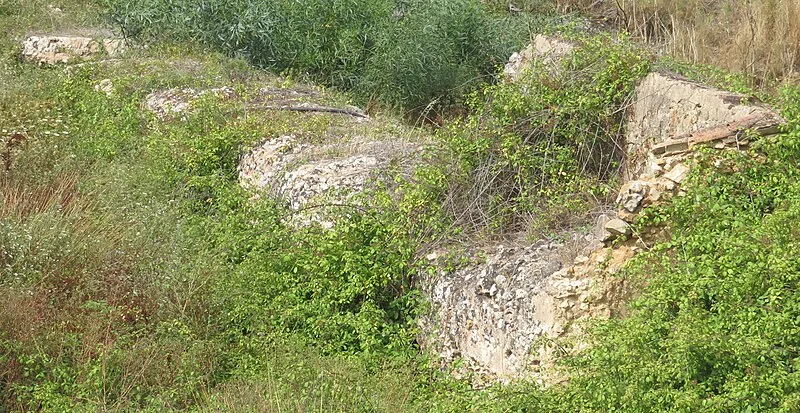
Roman Dam of Fonte Coberta
The Roman Dam of Fonte Coberta is an archaeological site in São Sebastião, Lagos, Algarve, Portugal. Built in the 1st century AD during Romanization of Hispania, the dam features…
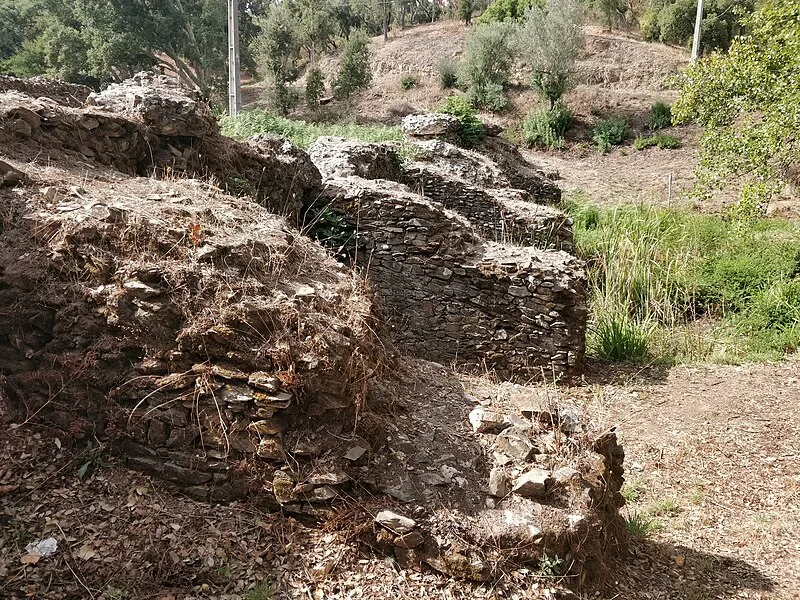
Roman Dam of Pego da Moura
A small Roman buttress dam in the municipality of Grandola, Setubal District, Portugal, constructed during the Roman occupation. Built in two phases, it consists of a rectilinear…
Temple complex in Portugal (3)
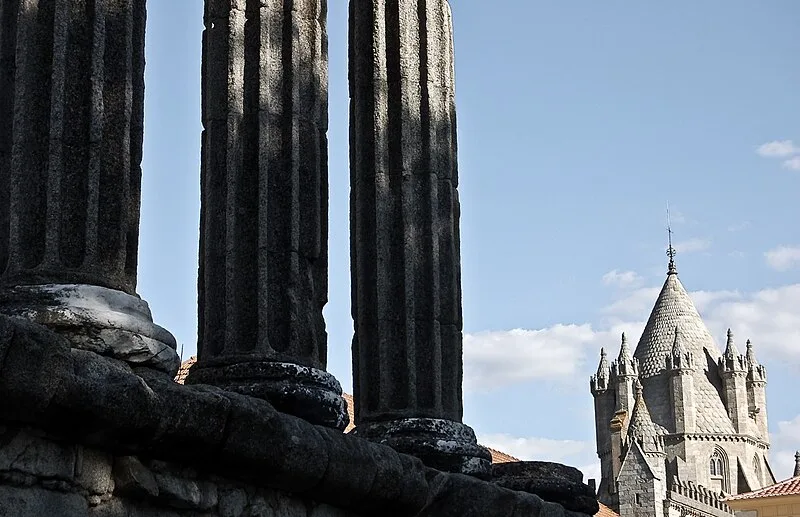
Roman Temple of Évora
The Roman Temple of Evora, often incorrectly called the Temple of Diana, was built in the 1st century AD and consecrated to the Imperial cult of Emperor Augustus in the forum of…
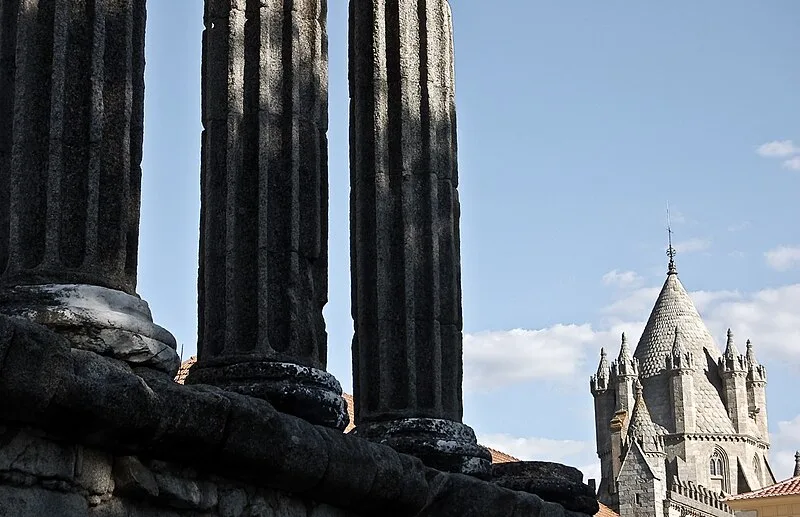
Templo Romano Évora
An ancient Roman temple in Évora, Portugal, also known as the Templo de Diana. Part of the city's UNESCO World Heritage-listed historic centre, it represents one of the most…
Torre de Almofala
Torre de Almofala is a Roman monument in Figueira de Castelo Rodrigo, Portugal, originally constructed as a temple probably in the 2nd century AD, believed to have been inspired…
Bath in Portugal (2)
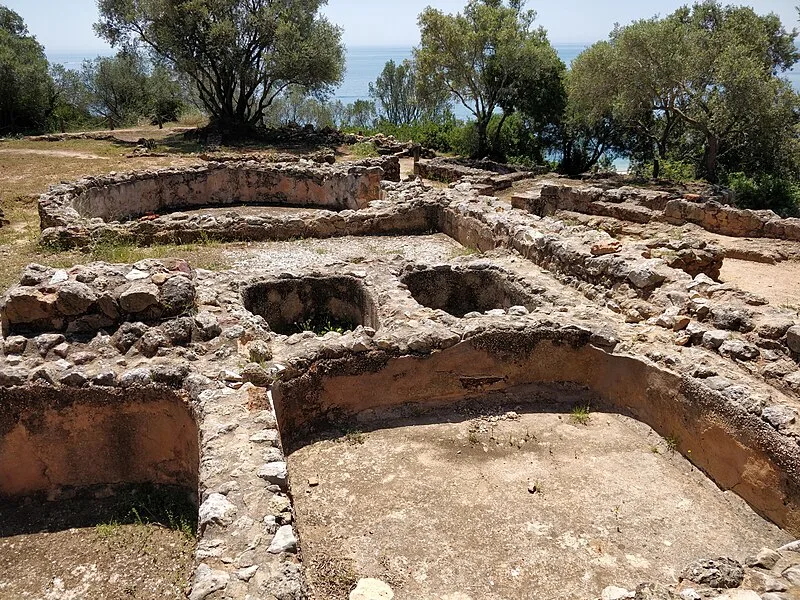
Roman Ruins of Creiro
The Roman Ruins of Creiro are the remains of a fish-salting factory and baths situated in the Arrabida Natural Park above Creiro Beach in the Setubal District of Portugal. First…
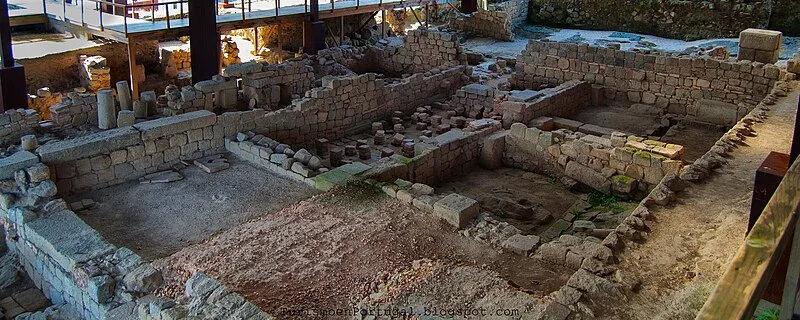
Roman Thermae of Maximinus
The Roman Thermae of Maximinus are the archaeological ruins of monumental public baths in Braga, Portugal, integrated into the urban renewal of Bracara Augusta, the Roman…
Other sites in Portugal (7)
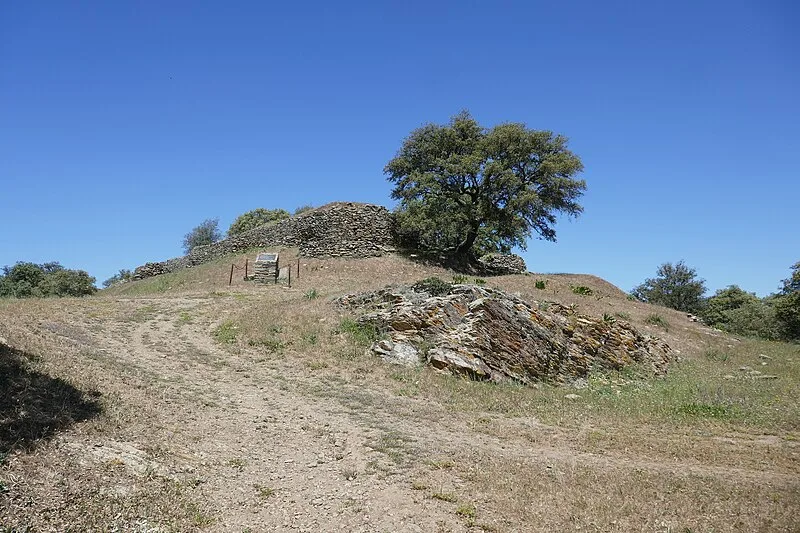
Castle of Cola
The Castle of Cola (Castelo de Cola) is an Iron Age fortified settlement and later Islamic redoubt in the Alentejo region of southern Portugal, classified as a National Monument.…
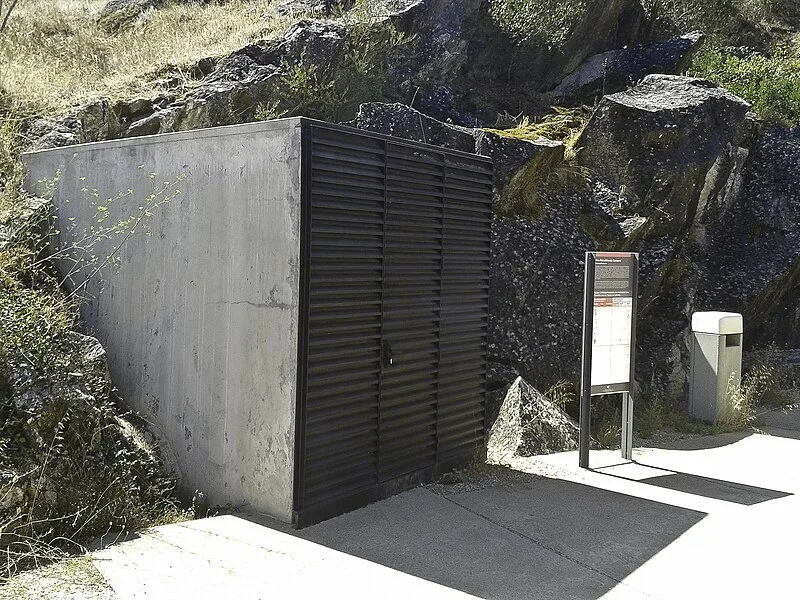
Escoural Cave
Escoural Cave in Montemor-o-Novo, Portugal, discovered in 1963, is the first site in Portugal where prehistoric art was identified and the westernmost location in Europe with…
Nossa Senhora da Boa Estrela
Nossa Senhora da Boa Estrela is a 7-meter-high bas-relief sculpture carved directly into a granite rockface at Covao do Boi in Serra da Estrela, Portugal, at an altitude of 1,850…
Prehistoric Rock-Art Site of Pala Pinta
The Prehistoric Rock-Art Site of Pala Pinta is a rock shelter in Alijó, Portugal, in the parish of Carlão e Amieiro. The paintings cover a granite surface 12 metres long and 2.5…
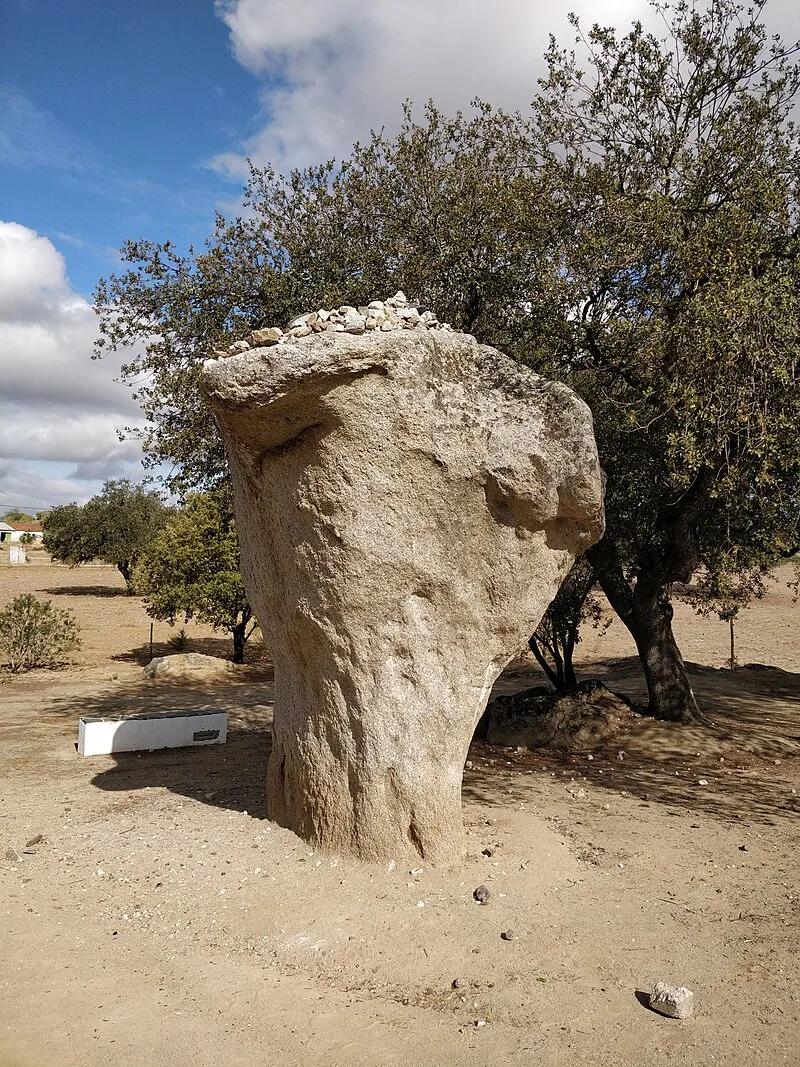
Rocha dos Namorados
A large mushroom-shaped granite outcrop over 2 metres high in the parish of Corval, Reguengos de Monsaraz, Evora district, Portugal. Sometimes classified as a menhir, it appears…
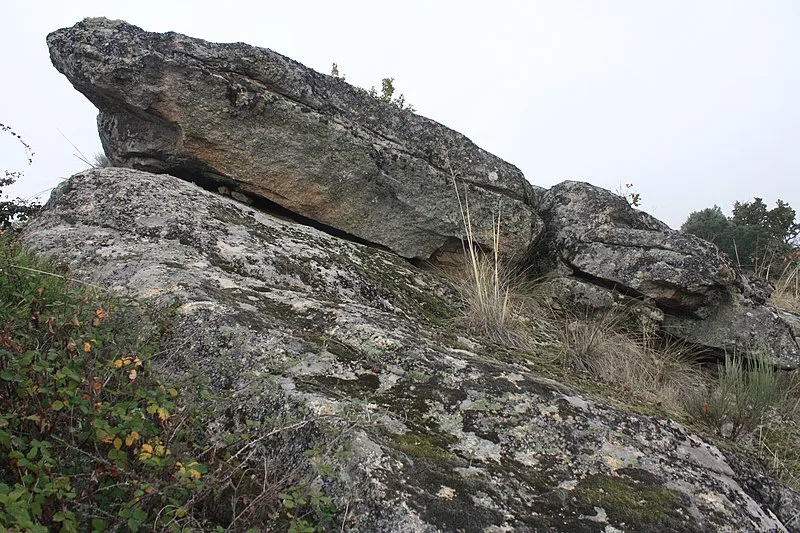
Rock Shelter of Solhapa
A prehistoric rock shelter in Duas Igrejas, Miranda do Douro, Portugal, within the International Douro Natural Park. A huge granite slab has protected Bronze Age engravings of…
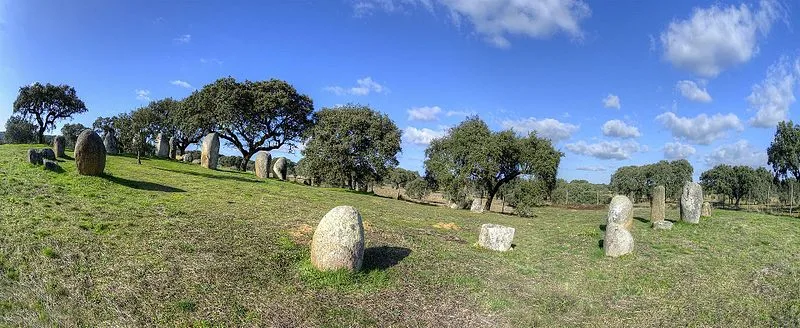
Vale Maria do Meio Cromlech
The Vale Maria do Meio Cromlech is a megalithic stone circle in the Evora district of Portugal's Alentejo region, dating to the 6th-5th millennium BC. Identified in 1993 by Manuel…
Keep exploring
Every site on this page sits on the globe, and the people who research them are on the Discord.
3D Globe · Sites by country · Story Archive · Research Library · Weekly Journal · Search