
 Portugal
The Prehistoric Rock-Art Site of Escoural Cave is a structure known for its Paleolithic-era rock-art and funerary burial site, located in the Portuguese municipality of Montemor-o-Novo, in the civil parish of Santiago do Escoural [1]. The earliest vestiges of human occupation date back to 50,000 years B.C., associated with the interior of the cave [1]. The first occupants of the cave came from groups of Neanderthal hunter-gatherers, who used the cave as a temporary shelter in order to hunt [1]. Based on bone evidence within the cave, these groups hunted nearby aurochs, deer and horse [1]. Elements of rock art also pertain to the Upper Paleolithic (40,000 to 10,000 years B.C.) or final parts of the Neolithic period, when the interior was used as a funerary site, while a small settlement inhabited the area in the exterior [1]. During the Chalcolithic period, a human settlement existed within the cave, developing into a fortified site by the end of Copper Age [1].
Text: Wikipedia – 'Escoural Cave' (revision of 2026-06-29), CC BY-SA 4.0 · sentences selected and shortened by an AI system · source →Escoural Cave
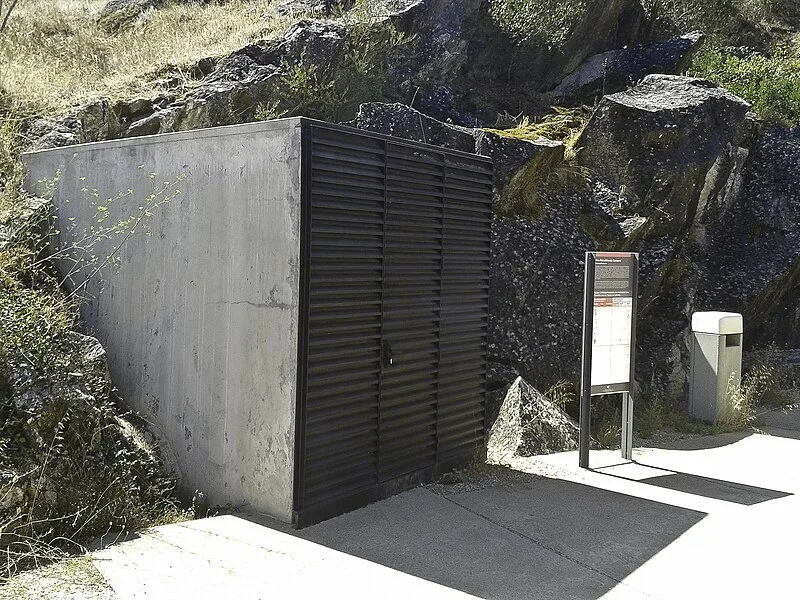
Also known as: Cueva del Escoural, Estação arqueológica situada na Herdade da Sala (Gruta do Escoural), Gruta do Escoural, كهف إسكورال, كهف اسكورال
| Type | Rock art |
|---|---|
| Period | < 4500 BC |
| Country | Portugal |
| Coordinates | 38.5438° N, 8.1375° W |