
 Portugal
A substantial Roman town founded in the 1st century AD within the Serra de Sao Mamede Nature Park near Marvao, in the province of Lusitania [1] [2]. Ammaia received its civitas statute in 44-45 AD [1]. Rich in minerals including quartz and gold, the town featured a forum, public baths, running water, and a bridge over the river Sever, serving as a waypoint connecting Lisbon, Evora, Santarem, and Merida [1] [2] [3]. Declared a National Monument in 1949, the site was only properly identified as Ammaia in the 1930s by Leite de Vasconcelos [1] [4]. Excavations since 1994 have covered just 3,000 m2 of the town, with artifacts including glass objects, coins, and jewelry displayed in the on-site Quinta do Deao museum [1] [3] [5].
Roman Villa of Ammaia
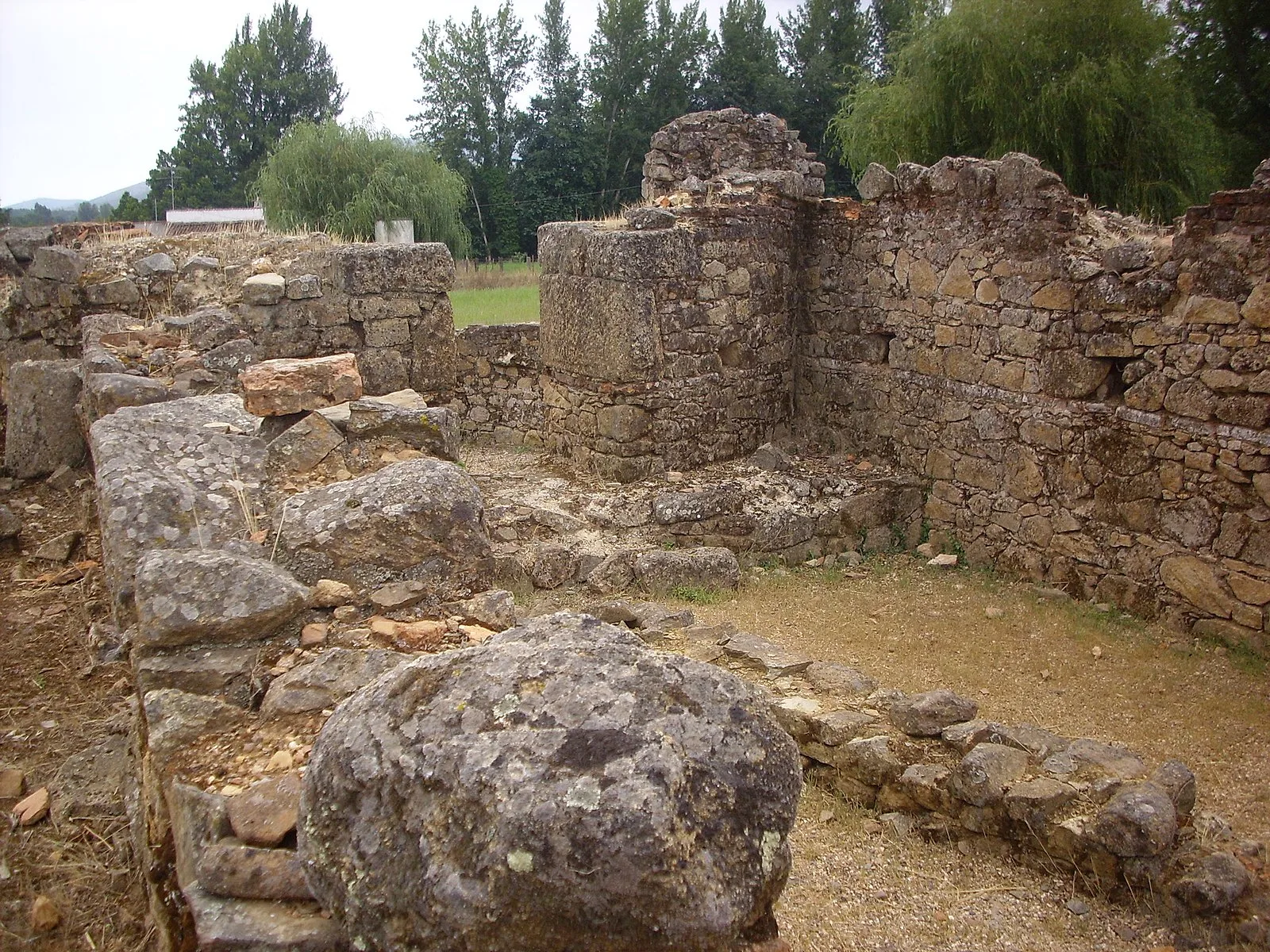
Also known as: Ammaia, Cidade romana de Ammaia - ruínas romanas, Ruínas romanas situadas na freguesia de São Salvador de Aramenha, incluindo a parte da via romana e a ponte denominada Ponte Velha que se encontra junto às mesmas, Villa romana di Ammaia
| Type | City |
|---|---|
| Period | 500 BC - 1 AD |
| Country | Portugal |
| Coordinates | 39.3695° N, 7.3864° W |