
 Portugal
The Castro de Leceia or Leceia Eneolithic Station is an archeological site of the Castro culture located in the Portuguese civil parish of Barcarena in the municipality of Oeiras [1]. The area was first occupied during the end of the Neolithic (4th millennium BCE) and throughout the Chalcolithic [1]. The Castro was first dug and reported in 1878 by Carlos Ribeiro, who presented his results to the Lisbon Academy of Sciences in what may be considered the first monograph dedicated to a pre-historical Portuguese settlement [1]. The last interventions date to 2003 [1]. The site is classified as a public interest monument since 1963 [1].
Text: Wikipedia – 'Castro de Leceia' (revision of 2026-03-21), CC BY-SA 4.0 · sentences selected and shortened by an AI system · source →Castro de Leceia
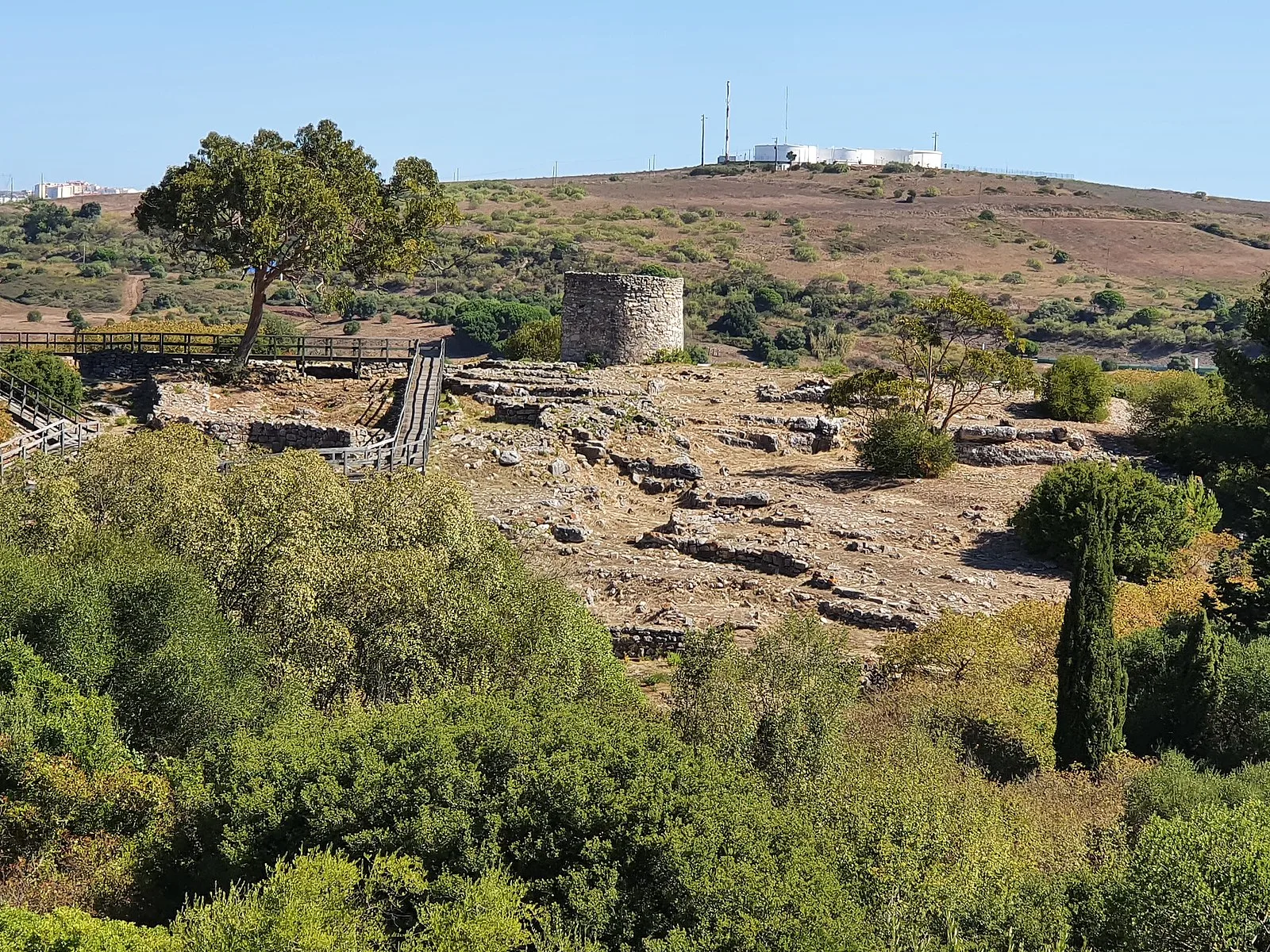
Also known as: Estação Eneolítica de Leceia, Kastro de Leseya, Leceia, Povoado calcolítico de Leceia
| Type | Fortress/citadel |
|---|---|
| Period | 4500 - 3000 BC |
| Country | Portugal |
| Coordinates | 38.7282° N, 9.2816° W |