

Archaeological Sites in Pakistan
City/town/settlement in Pakistan (35)
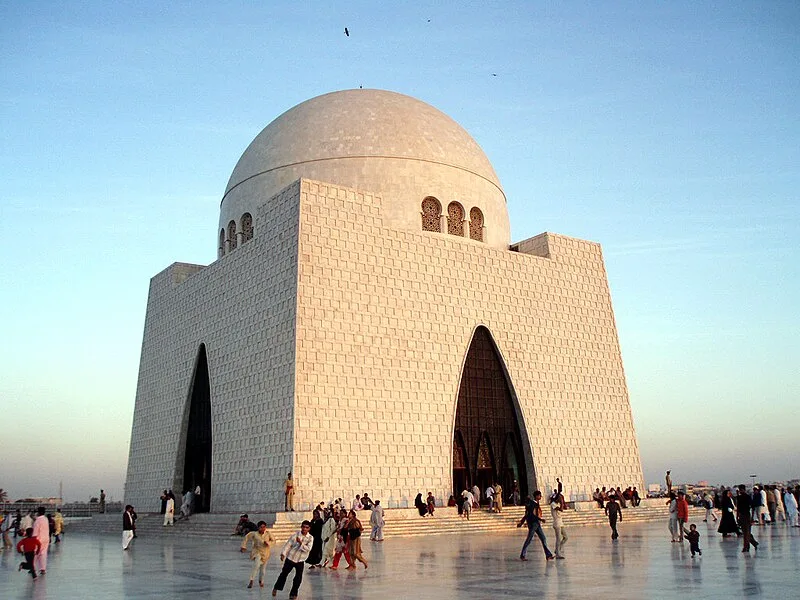
Allahdino
Allahdino is the smallest known Indus Valley Civilization site, a 1.4-hectare unfortified Harappan settlement located 40 km east of Karachi, Pakistan. Excavated by Walter…
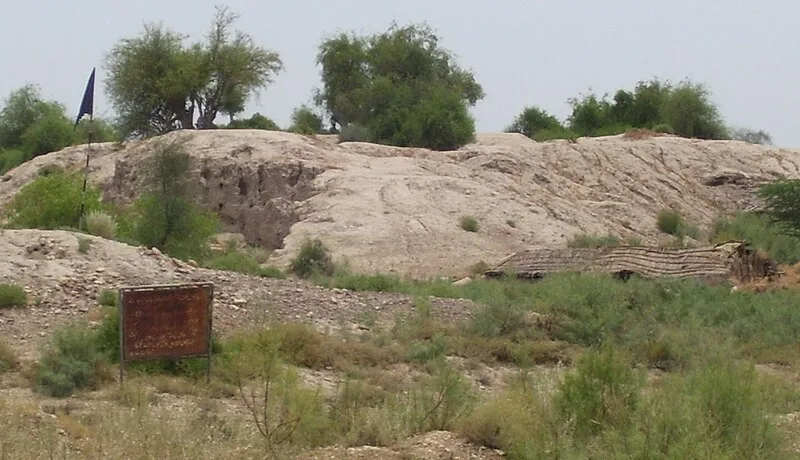
Amri, Sindh
A pre-Harappan and Harappan archaeological site in Sindh, Pakistan, located south of Mohenjo-daro, serving as the type site for the Amri culture of the 4th millennium BC. First…
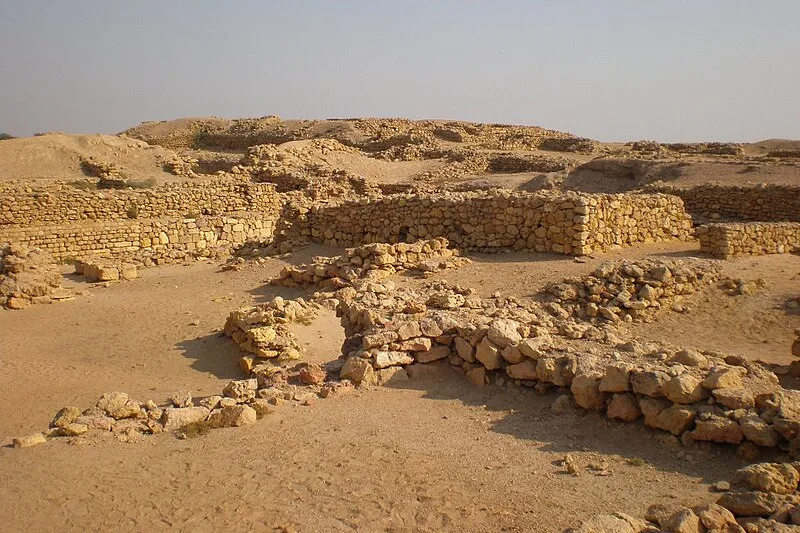
Banbhore
Banbhore is an ancient city dating to the 1st century BCE, located in Sindh, Pakistan on the N-5 National Highway east of Karachi. It originated during the Scytho-Parthian era and…
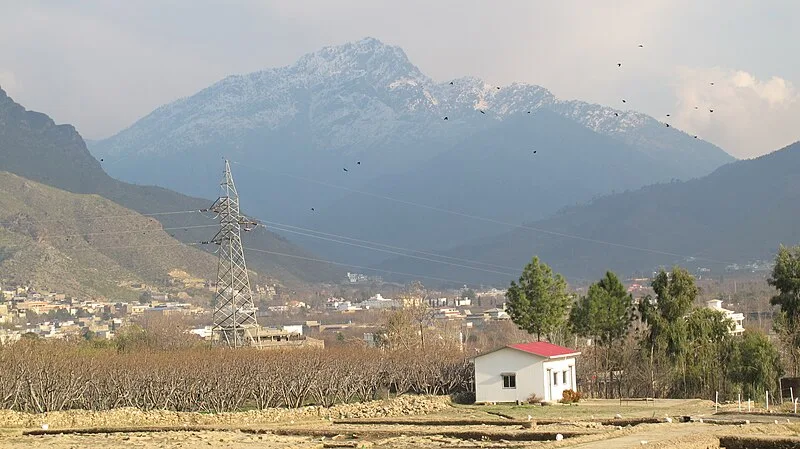
Barikot
Barikot is a town in the middle course of the Swat River in Khyber Pakhtunkhwa, Pakistan, situated about 20 km from Mingora and the Butkara Stupa. The site contains an ancient…
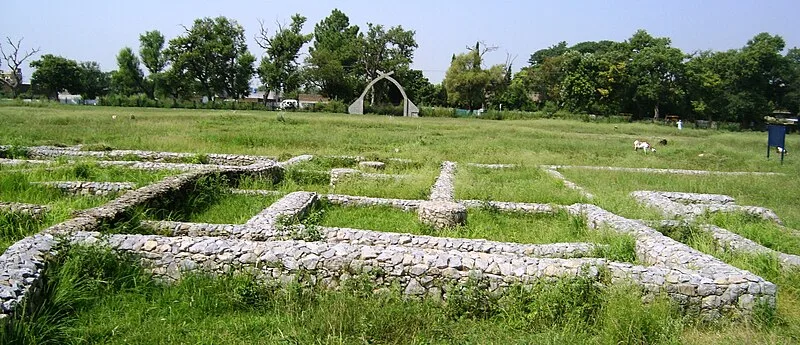
Bhir Mound
The Bhir Mound is an archaeological site in Taxila, Punjab province, Pakistan, containing some of the oldest ruins of Ancient Taxila. Dated to 800-525 BC, its earliest layers bear…
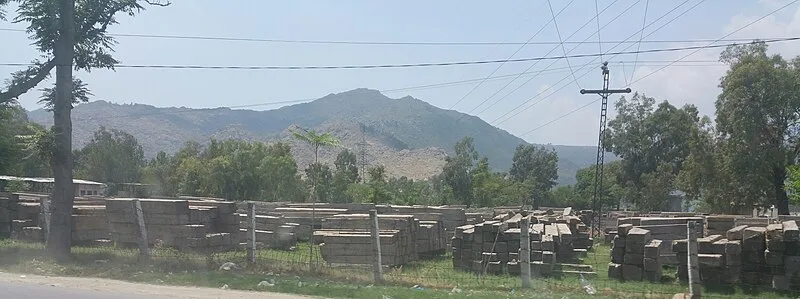
Chakdara
Chakdara is a historically significant town in Pakistan's Lower Dir District that has been an important center for approximately 3,500 years, with remains of the Gandhara grave…
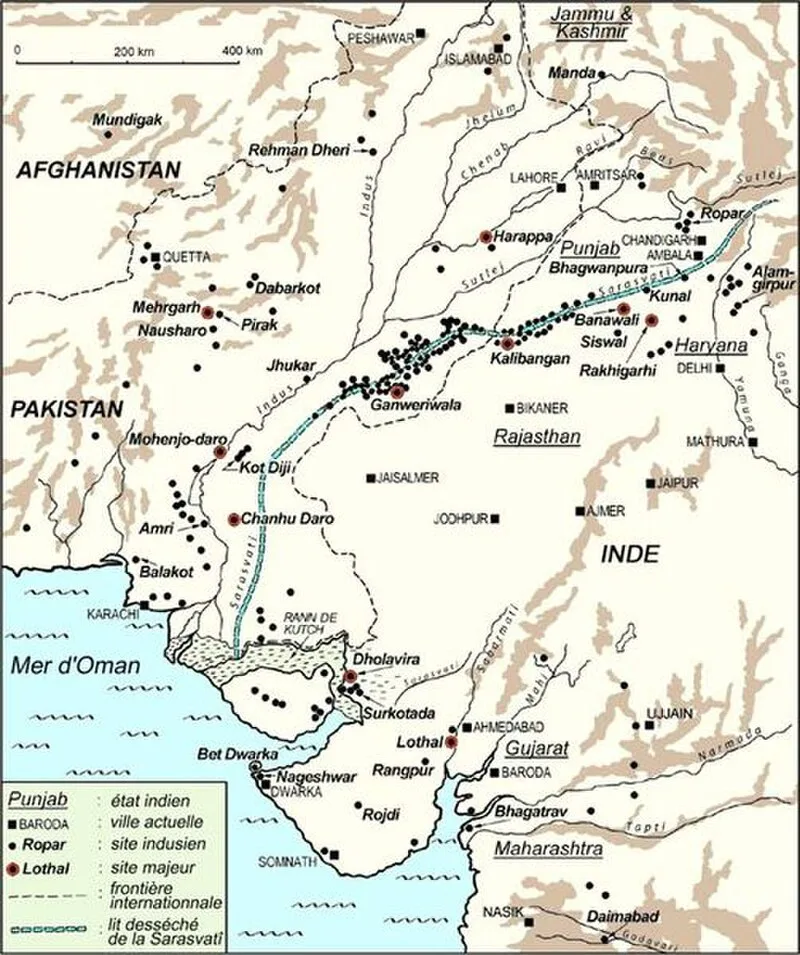
Chanhudaro
Chanhu-daro is an archaeological site of the Indus Valley civilization, located 130 km south of Mohenjo-daro in Sindh, Pakistan. The settlement was inhabited between 4000 and 1700…
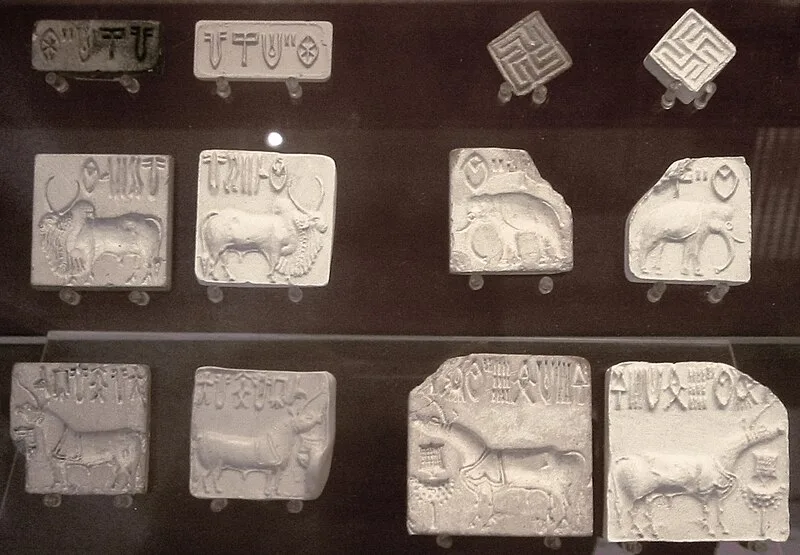
Ganweriwal
Ganweriwal (3000–1500 BC) was one of the largest cities in the Indus Valley civilisation, located in the Cholistan Desert of Punjab, Pakistan. The site was rediscovered in the…
Harappa
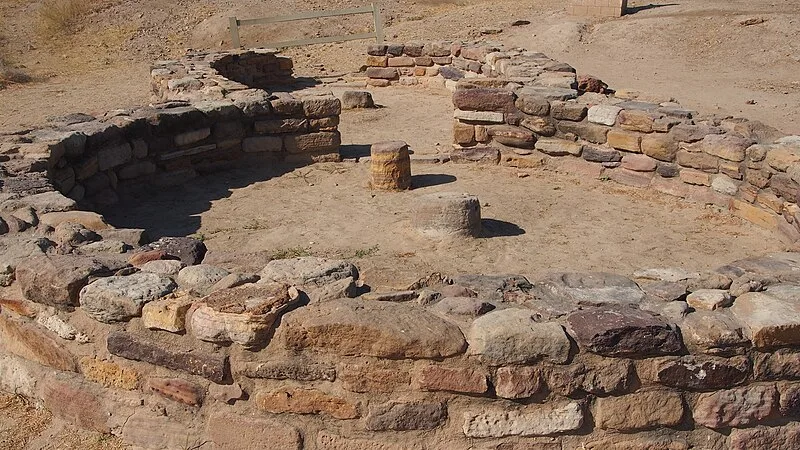
The type site of the Bronze Age Indus Valley Civilisation, located in Punjab, Pakistan, on the left bank of the now-dry Ravi River. First excavated in 1921 under Sir John Hubert…
Hathial
Hathial is a large ancient archaeological site in Taxila, Pakistan, situated next to Bhir Mound and just south of Sirkap. Excavations uncovered red burnished ware and various…
Judeir-jo-daro
Judeir-jo-daro (also Damb Judeir) is a Mature Harappan period (c. 2600-1900 BCE) archaeological site in the Kachhi plain of Nasirabad District, Balochistan, Pakistan. The site…
Kot Bala
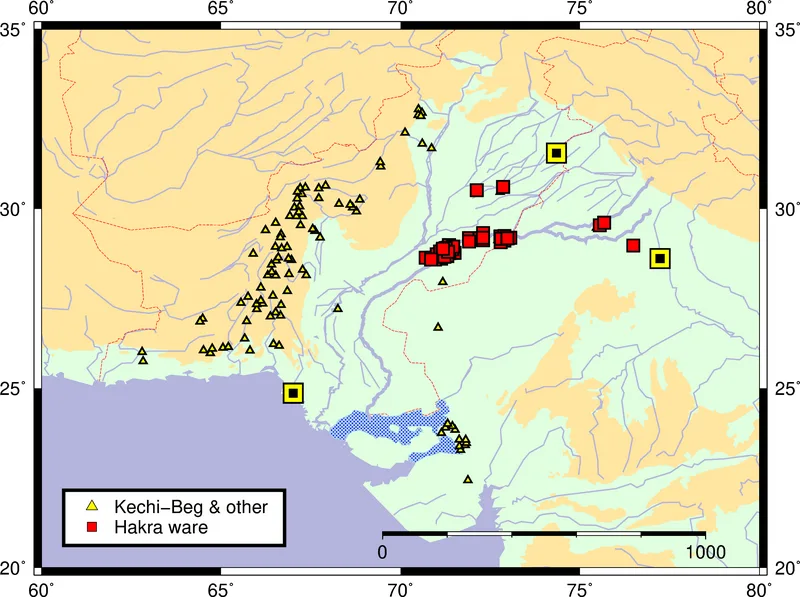
Kot Bala (Balakot) is an archaeological site in Lasbela District, Balochistan, Pakistan, about 55 miles north of Karachi on Sonmiani Bay. Dating to c. 4000 BC, it is one of five…
Kot Diji
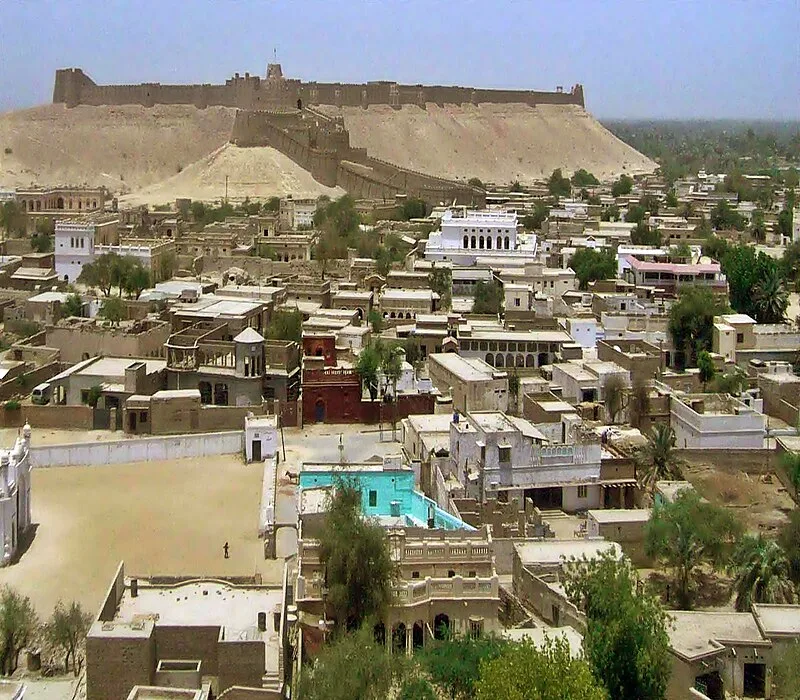
Kot Diji is an archaeological site representing an early phase of the Indus Valley Civilization, with occupation dating to approximately 3300 BCE. Located about 45 km south of…
Kulachor
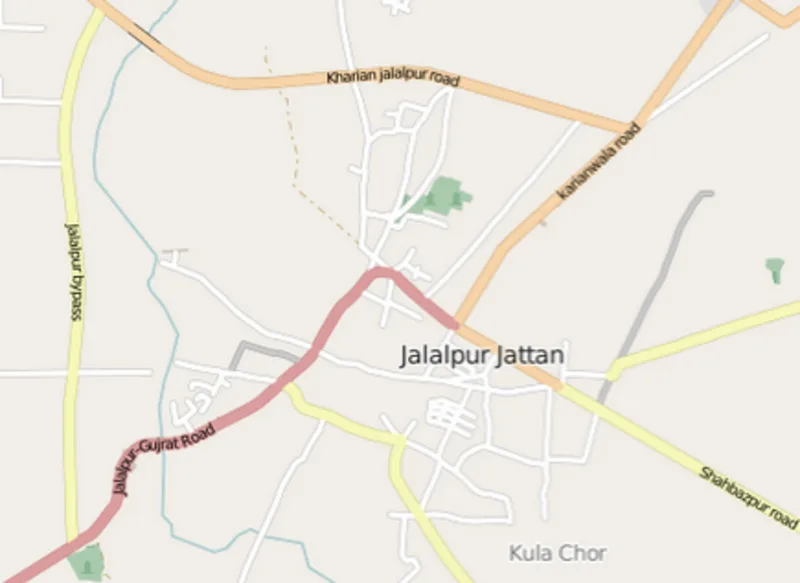
Kulachor is an ancient settlement in Gujrat District, Punjab, Pakistan, located approximately 16 kilometers northeast of Gujrat city, adjacent to Jalalpur Jattan. Founded around…
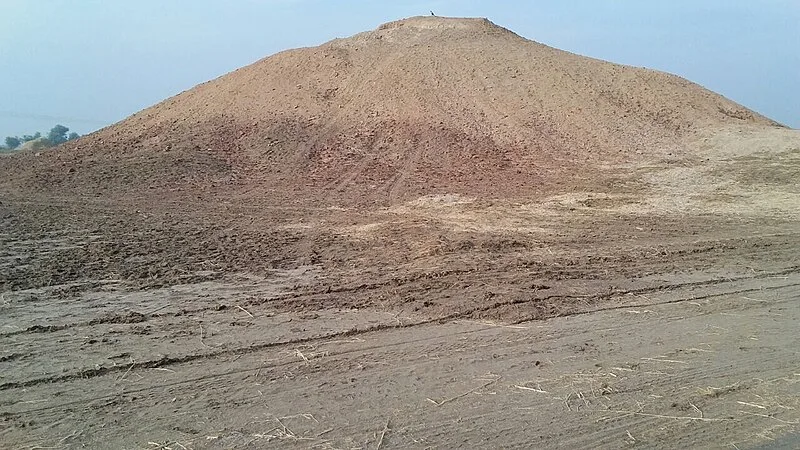
Lohum Jo Daro
Lohum Jo Daro is an archaeological site in Dadu District, Sindh, Pakistan, dating to 4500-3000 BC. Located near Piaro Goth railway station on the Indus River floodplain, it…
Lower Swat Valley
The Lower Swat Valley in Pakistan's Khyber Pakhtunkhwa contains major archaeological sites spanning 3,000 years, concentrated around Barikot, Odigram, and Saidu Sharif. Barikot is…
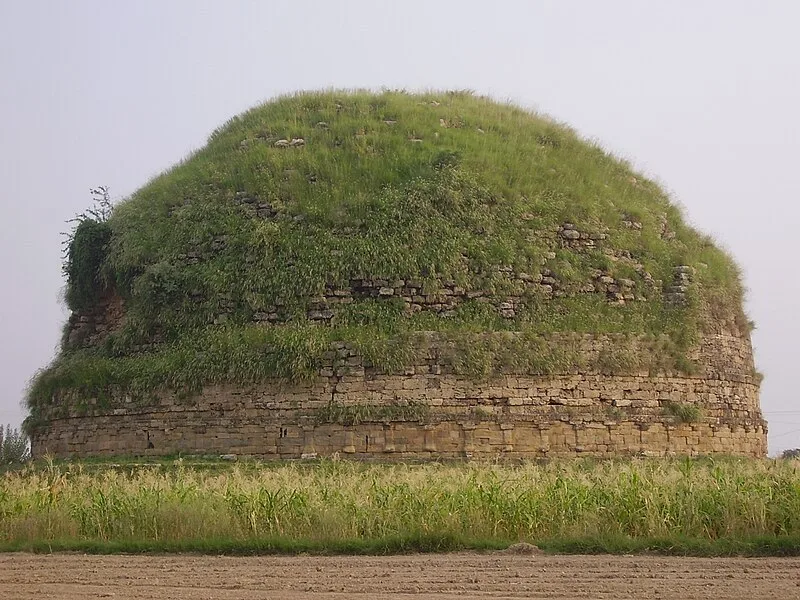
Mankiala
Mankiala is a village in the Rawalpindi District of Punjab, Pakistan, known for the nearby Manikyala Stupa -- a Gandhara-era Buddhist monument commemorating the legend of Buddha…

Mehrgarh
Mehrgarh is a Neolithic archaeological site on the Kacchi Plain of Balochistan, Pakistan, near the Bolan Pass and west of the Indus River. Discovered in 1974 by the French…
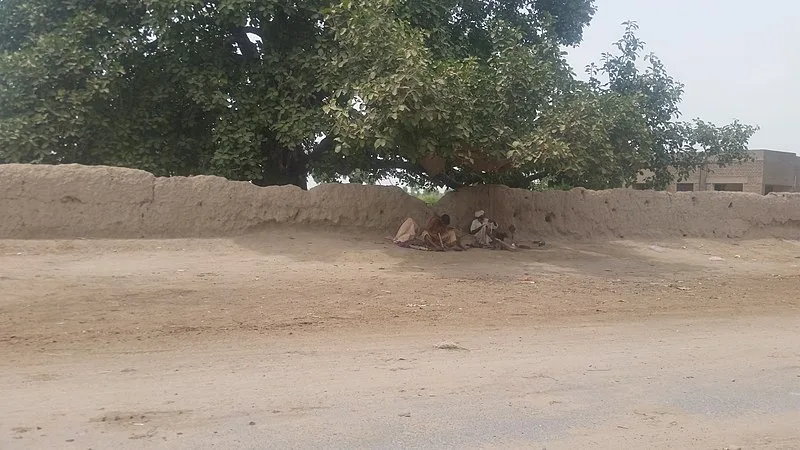
Mian Khan
190 BC: Mian Khan is an ancient village in Katlang Tehsil, Mardan District, Khyber Pakhtunkhwa, Pakistan. Following an archaeological excavation in 2014, it was identified as the…
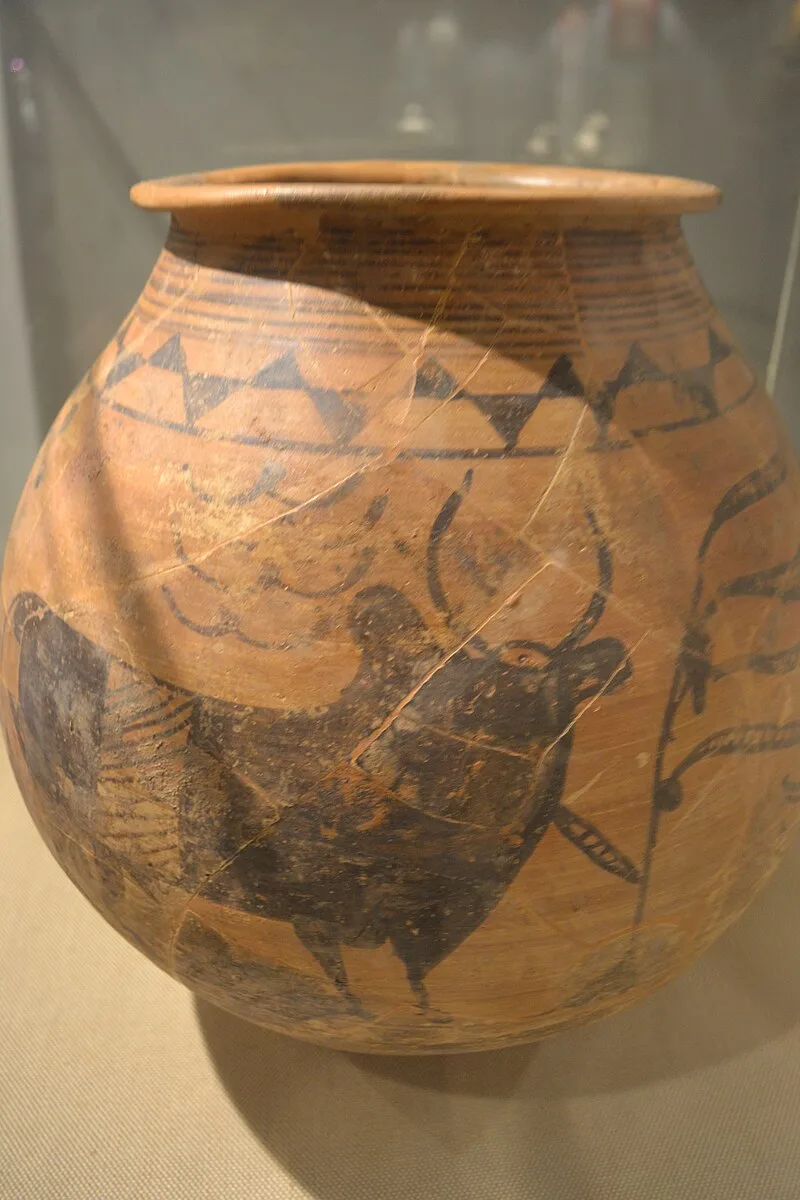
Nausharo
Nausharo is an archaeological site in Balochistan, Pakistan, 6 km from the major site of Mehrgarh. Excavated between 1985 and 1996 by a French team under Jean-Francois Jarrige, it…
Nindowari
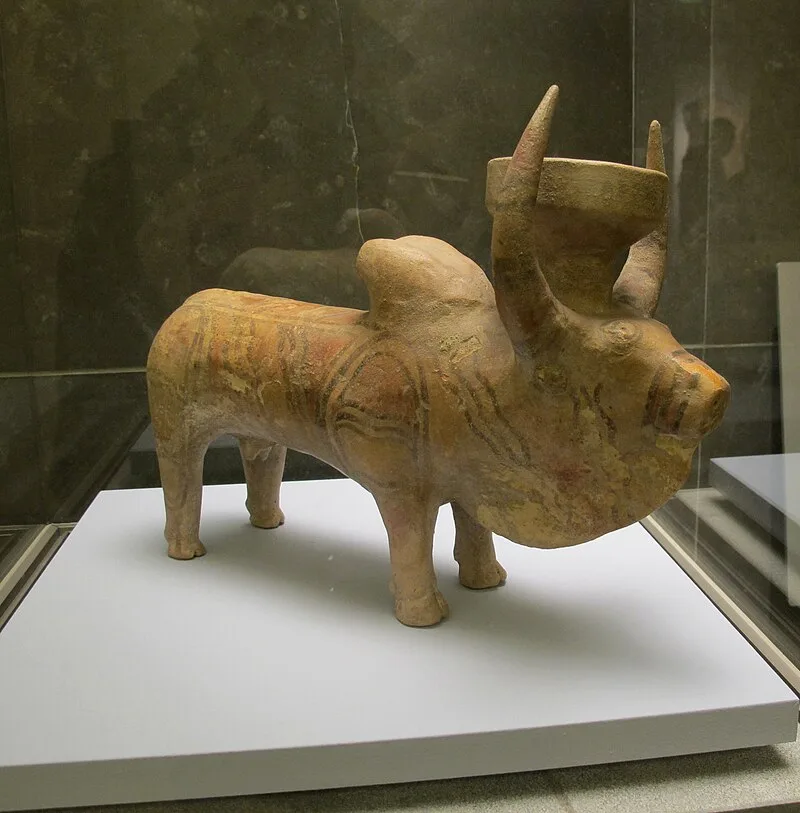
Nindowari (also Nindo Damb) is a Chalcolithic archaeological site in Khuzdar District, Balochistan, Pakistan, situated on the right bank of the Kud River, a tributary of the…
Pir Shah Jurio
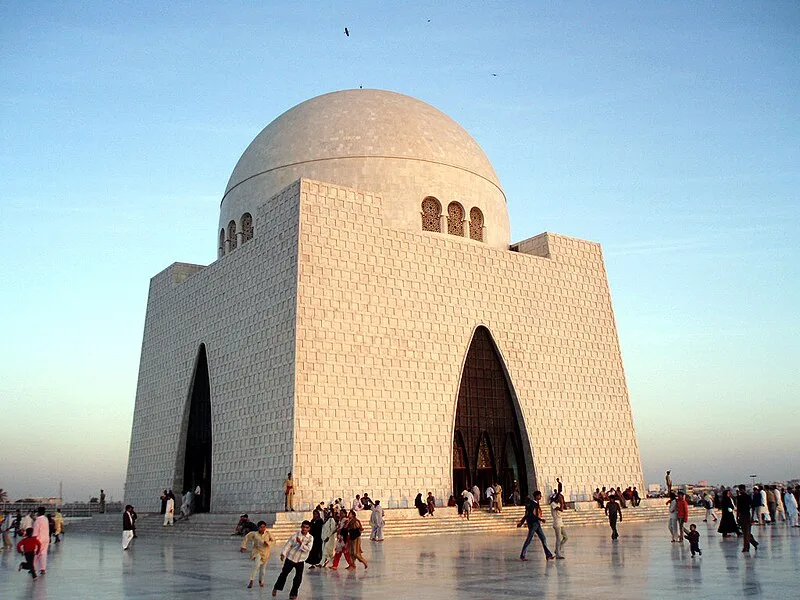
4500-3000 BC) Pir Shah Jurio is an Indus Valley civilization archaeological site located in Sindh, Pakistan, near Karachi at the mouth of the Hub River. Discovered by…
Pushkalavati
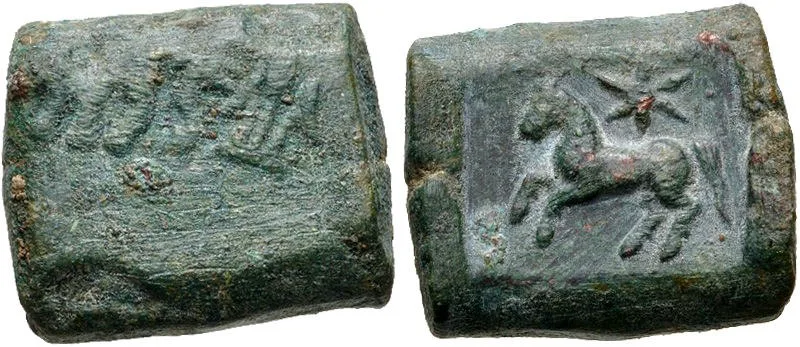
Pushkalavati was the capital of the ancient region of Gandhara, located in present-day Pakistan. Its ruins sit on the outskirts of modern Charsadda in Khyber Pakhtunkhwa, 35-42 km…
Ranigat
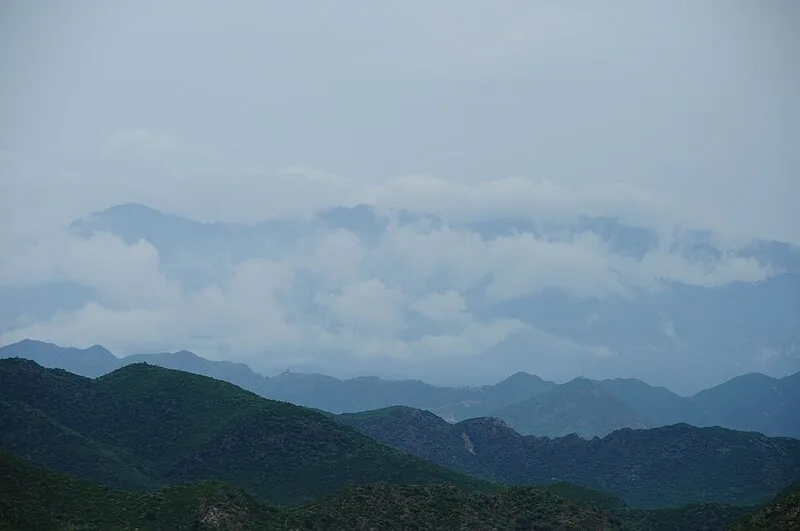
Ranigat is a 2,500-year-old Buddhist archaeological site of the Gandhara civilization, spread over 4 square kilometres in the Buner District of Khyber Pakhtunkhwa, Pakistan. The…
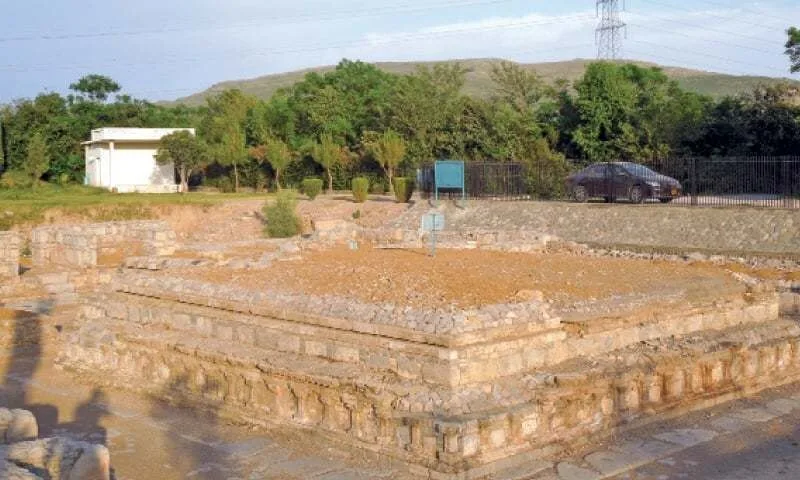
Rehman Dheri
Rehman Dheri is a Pre-Harappan archaeological site near Dera Ismail Khan in Khyber Pakhtunkhwa, Pakistan. It is one of the oldest urbanized centers discovered in South Asia,…
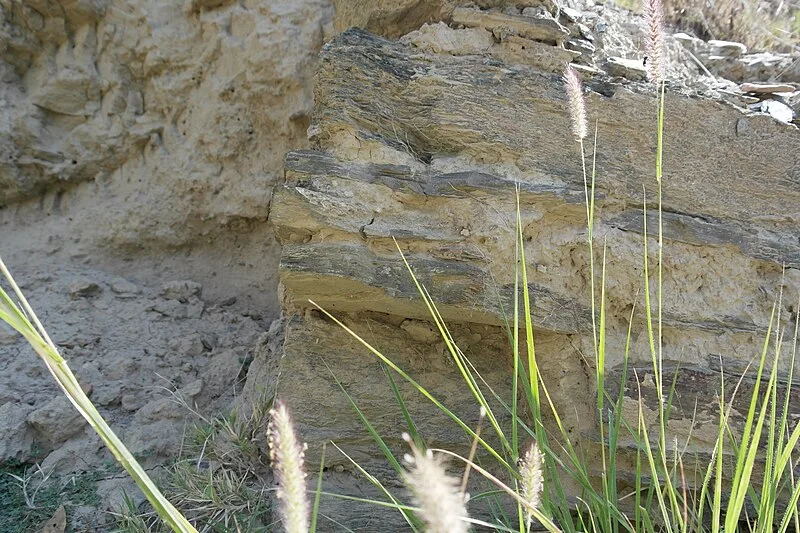
Seri Bahlol
Seri Bahlol (also Sahr-i-Bahlol) is an archaeological site in Mardan District, Khyber Pakhtunkhwa, Pakistan, comprising the ruins of a small fortified Gandharan town built during…
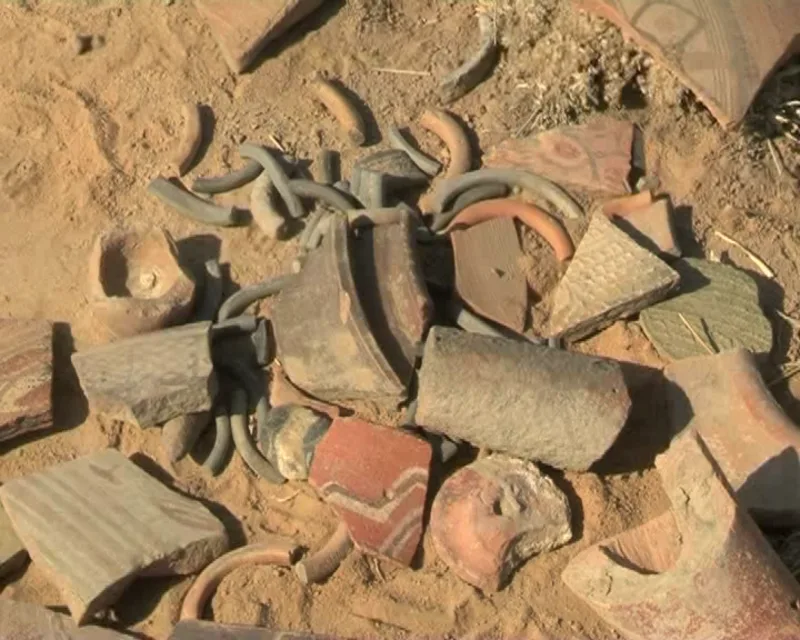
Sheri Khan Tarakai
Sheri Khan Tarakai is an ancient settlement in Bannu District, Khyber-Pakhtunkhwa, Pakistan, occupied from approximately 5000 BC to 2500 BC.
Siraj-ji-Takri
Siraj-ji-Takri is a Buddhist archaeological site along the western limestone terraces of the Rohri Hills in the Khairpur District of Upper Sindh, Pakistan. Its ruins are visible…
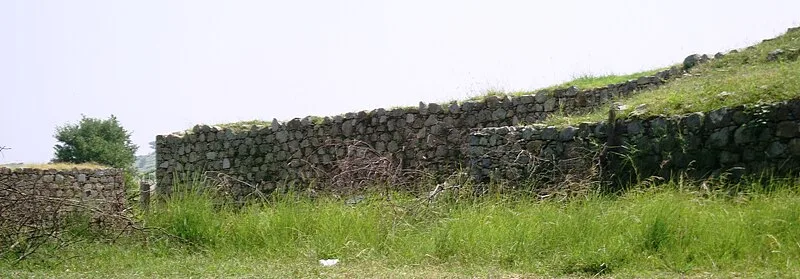
Sirkap Remains
Sirkap is an archaeological city opposite ancient Taxila in Punjab, Pakistan, formally established by the Greco-Bactrian Greeks in the 2nd century BC following a Hippodamian…
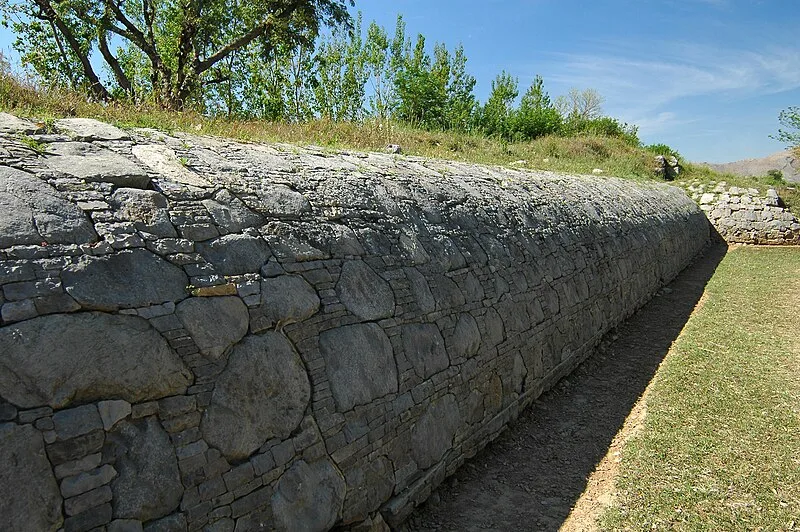
Sirsukh
Sirsukh is the last of the three great ancient cities of Taxila, founded during the Kushan era after 80 AD in Punjab, Pakistan. Its massive defensive walls stretch approximately 5…
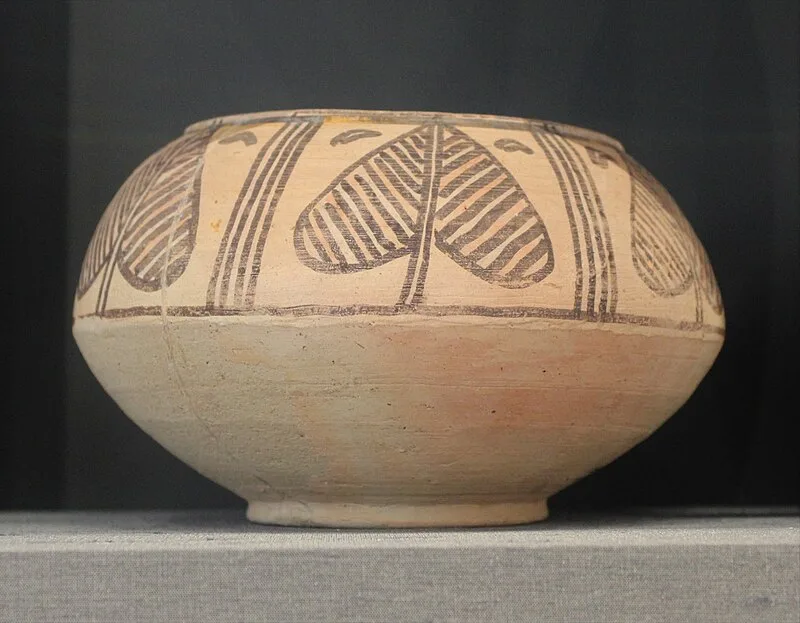
Sohr Damb
Sohr Damb ('Red Mound') is an archaeological site near Nal in central Balochistan, Pakistan, occupied from approximately 3800-2300 BC. The 4.5-hectare site gave its name to the…
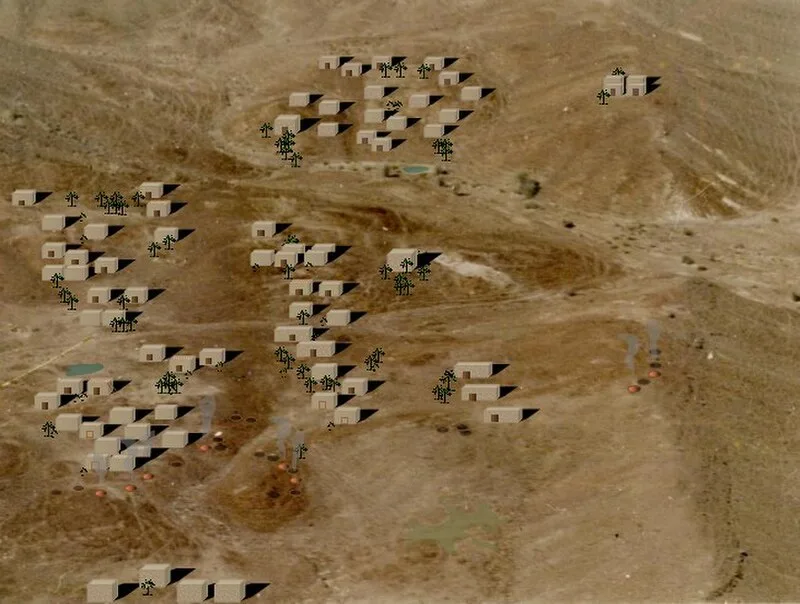
Sokhta Koh
Sokhta Koh is a Harappan (Indus Valley) settlement on the Makran coast in Balochistan, Pakistan, located about 24 km north of Pasni. First surveyed by American archaeologist…
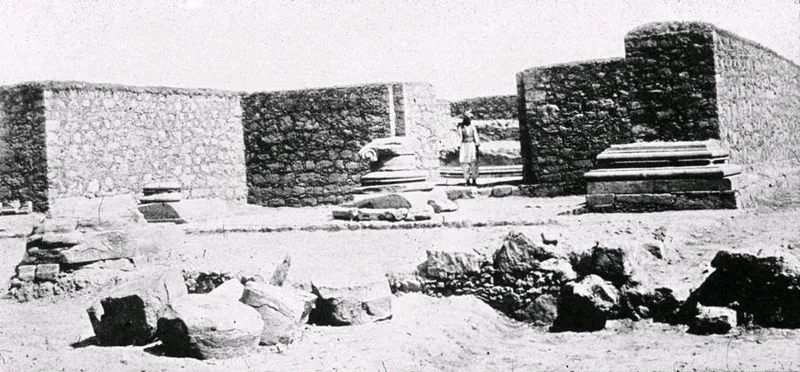
Taxila
Taxila is a UNESCO World Heritage Site (1980) in Punjab, Pakistan, comprising ruins of three successive cities -- Bhir Mound, Sirkap, and Sirsukh -- spanning from the 5th century…
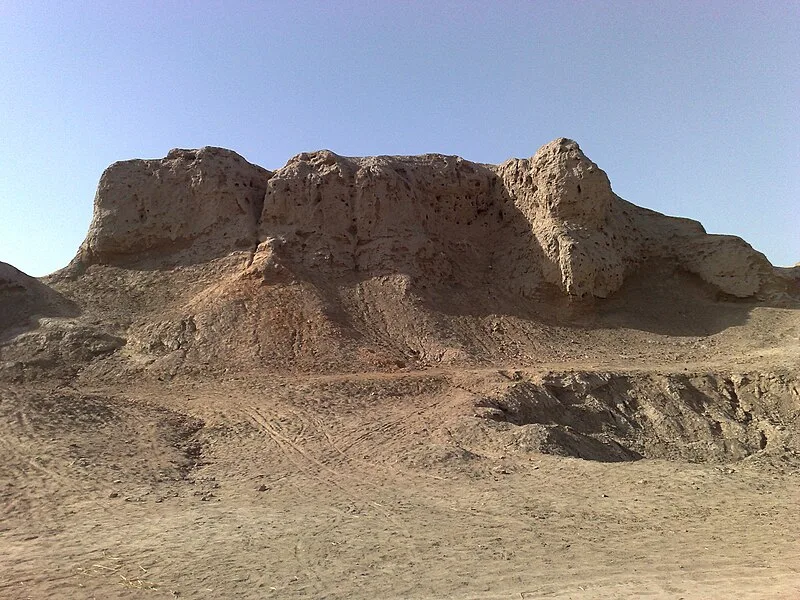
Tulamba
Tulamba is an ancient settlement in Punjab, Pakistan, located on the eastern bank of the Ravi River between Abdul Hakeem and Mian Channu. Archaeological excavations have revealed…
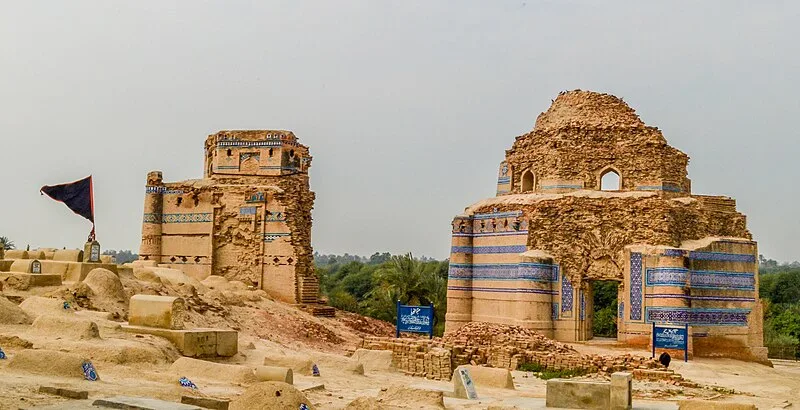
Uch
Uch (Uch Sharif) is a historic city in Pakistan's Punjab province that may have been founded as Alexandria on the Indus by Alexander the Great during his 4th-century BC invasion.…
Temple complex in Pakistan (23)
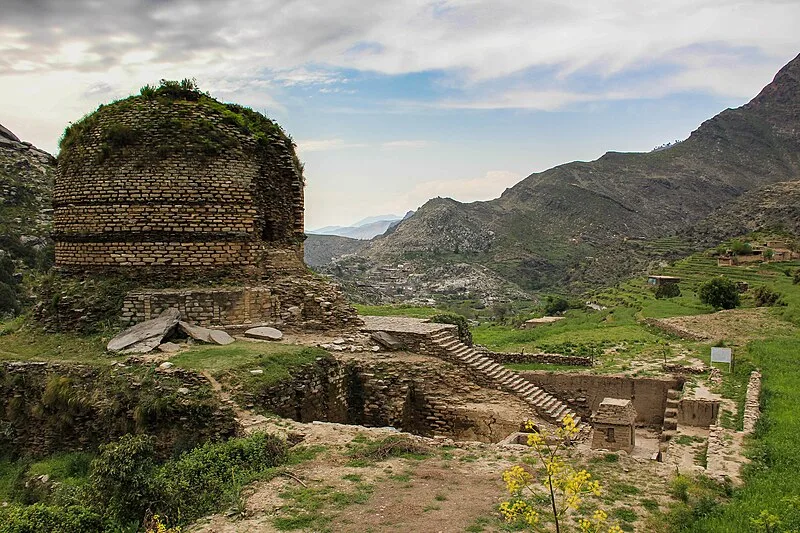
Amluk-Dara Stupa
A monumental Buddhist stupa in the Swat valley of Pakistan, part of the ancient Gandhara civilization. First documented by Aurel Stein in 1926, the stupa was built in the 3rd…
Baho Dheri
3rd–5th century AD Buddhist temple complex in Swabi District, Khyber Pakhtunkhwa, Pakistan. Excavations have yielded over 400 antiquities. The site is identified as the largest…
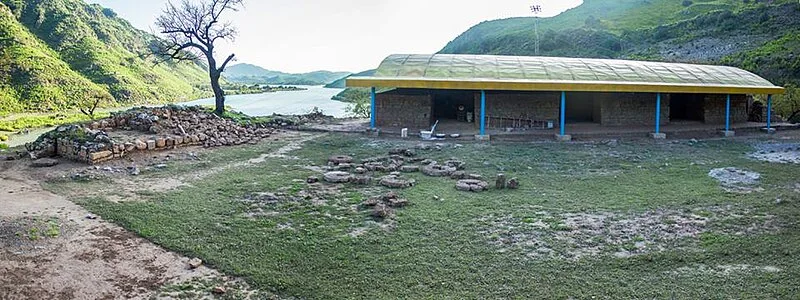
Bhamala Stupa
A ruined Buddhist stupa and National Heritage Site near Haripur, Pakistan, dating to the 2nd-5th century AD. Its cruciform plan -- the largest surviving example in the…
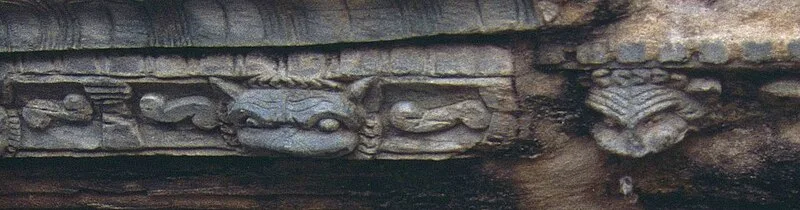
Butkara Stupa
The Butkara Stupa is a significant Buddhist monument near Mingora in Swat Valley, Pakistan. Originally possibly commissioned by Emperor Ashoka, it is now generally dated to the…
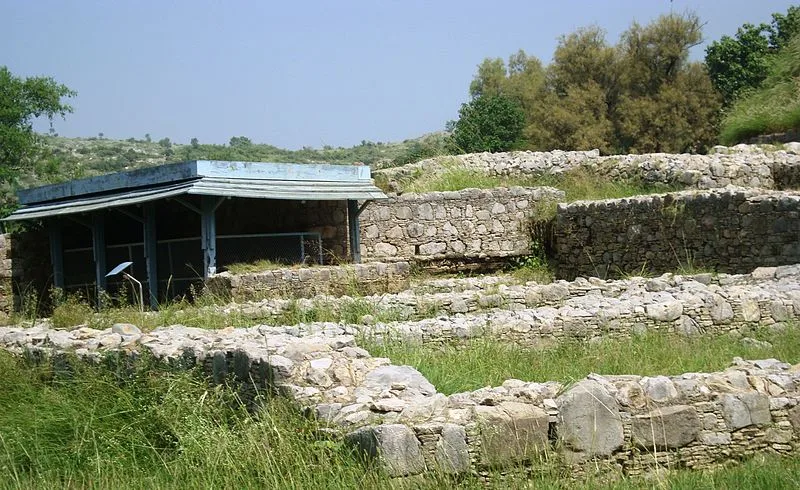
Dharmarajika Stupa
The Dharmarajika Stupa, also called the Great Stupa of Taxila, is a Buddhist monument in Punjab, Pakistan. Built in the 3rd century BCE by Emperor Ashoka over relics of the…
Gumbat Stupa
A 2nd-century CE Buddhist stupa in the Kandag Valley of Swat, Gandhara, first recorded by A. Stein in 1930. The main stupa has a 17-metre square plinth and the remains spread…
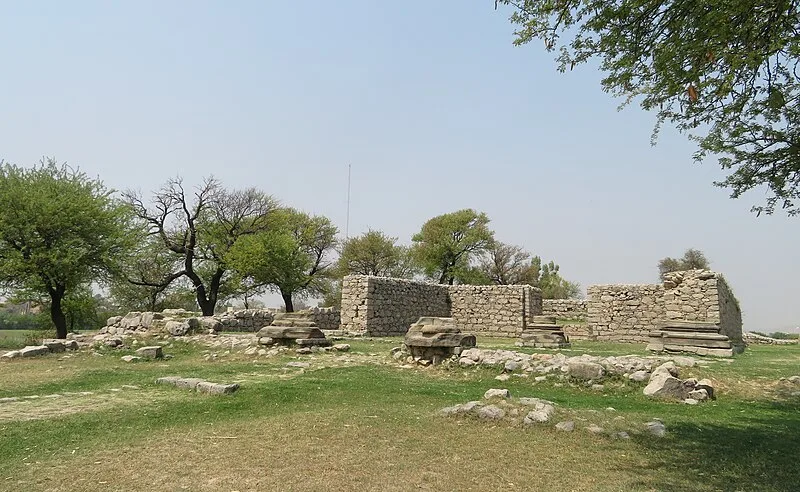
Jandial
Jandial is an ancient Hellenistic temple near Taxila, Pakistan, dating to the 1st–2nd century BC. Located 630 meters north of Sirkap's northern gate, it features a Greek temple…
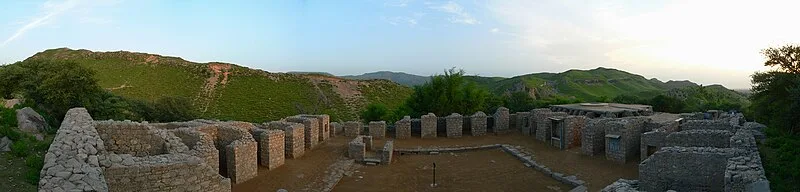
Jaulian
Jaulian is a ruined Buddhist monastery complex from the 2nd century CE, situated on a hilltop in Taxila, Pakistan.
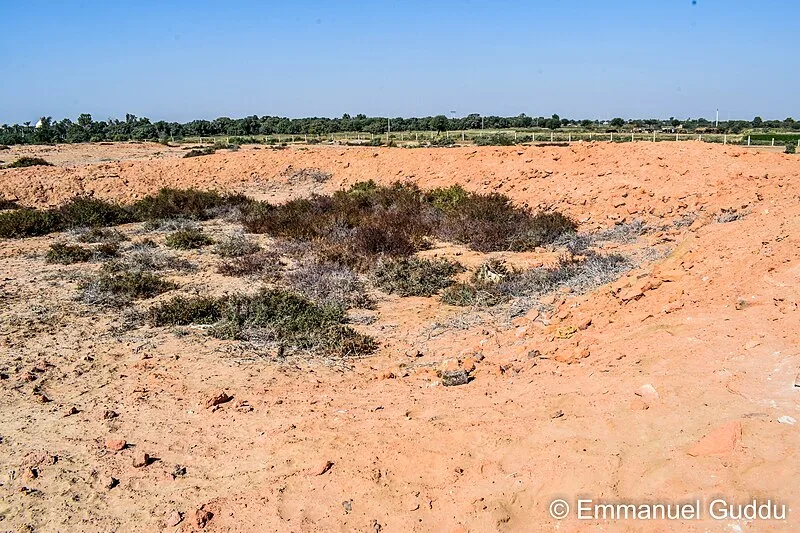
Kahu-Jo-Darro
(1st-5th c. AD) Kahu-Jo-Darro is an ancient Buddhist stupa at the Mirpurkhas site in Sindh, Pakistan. The temple complex covers 30 acres (120,000 m²) and was excavated before…
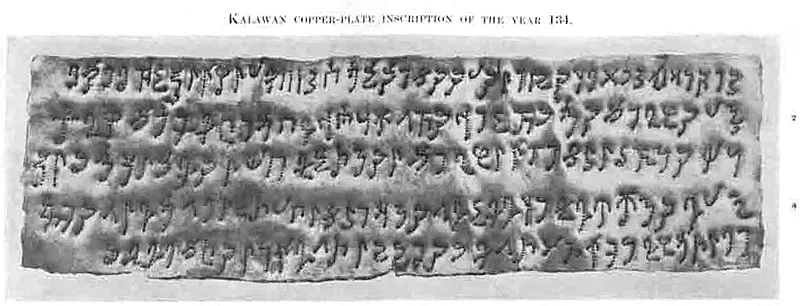
Kalawan
One of the largest Buddhist establishments in the Taxila archaeological complex, Pakistan, part of the UNESCO World Heritage Site. Located about 2 km from the Dharmarajika stupa,…
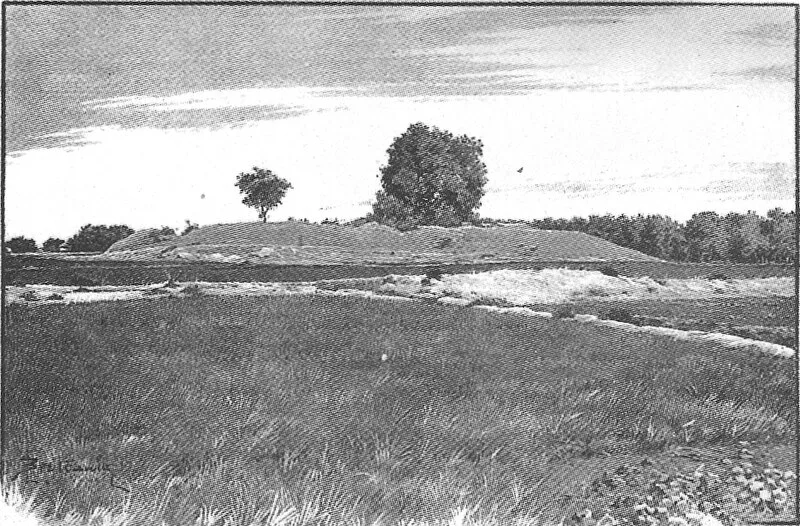
Kanishka Stupa
The Kanishka Stupa was a monumental Buddhist stupa built c. 127 CE by Kushan emperor Kanishka I at Purushapura (modern Peshawar, Pakistan), standing over 400 feet (c. 123 m) tall…
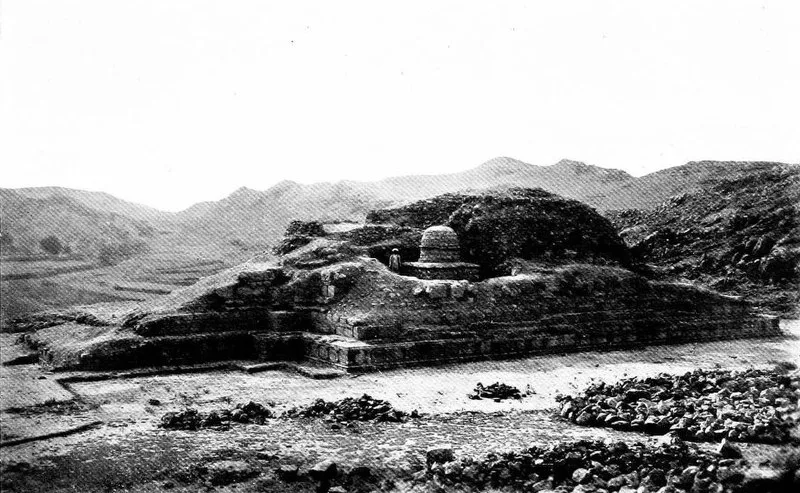
Kunala Stupa
Kunala Stupa is a Kushan-era Buddhist stupa and monastery complex located on a hill approximately 200 meters south of Sirkap, overlooking the ancient Indo-Greek city. Situated to…
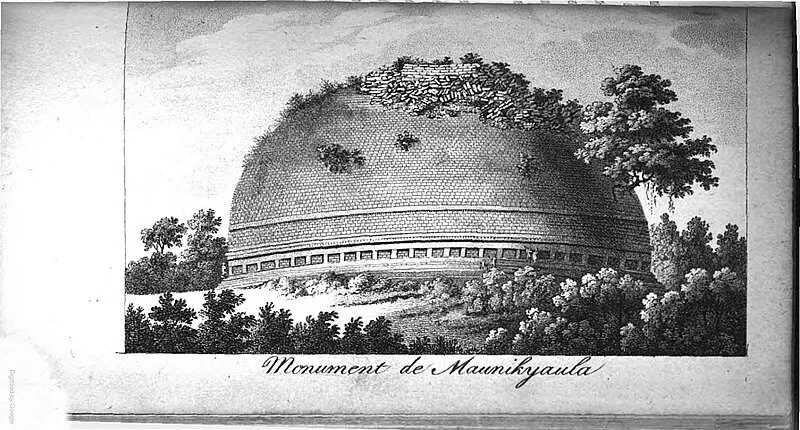
Manikyala Stupa
The Manikyala Stupa is a Gandhara-era Buddhist stupa near the village of Tope Mankiala in Pakistan's Punjab province, approximately 35 km from Islamabad. Built during the reign of…
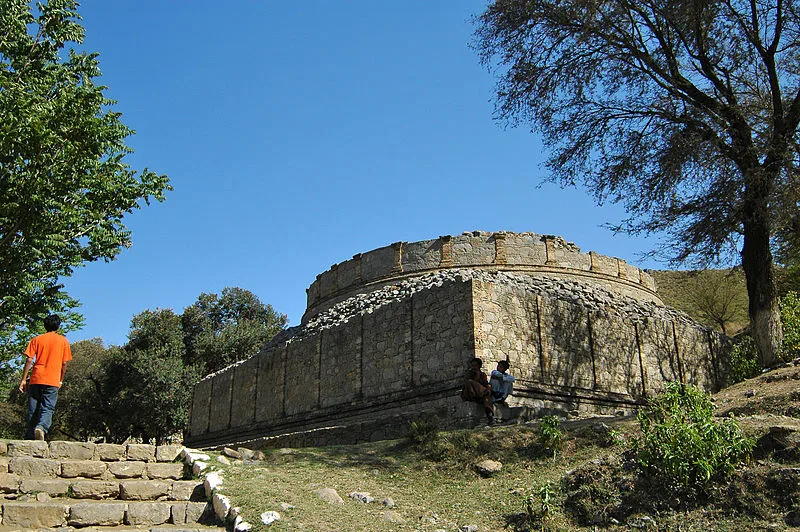
Mohra Muradu
Mohra Muradu is an ancient Buddhist stupa and monastery complex near Taxila in Punjab, Pakistan, part of the UNESCO World Heritage Site of Taxila since 1980. Built in the 2nd…
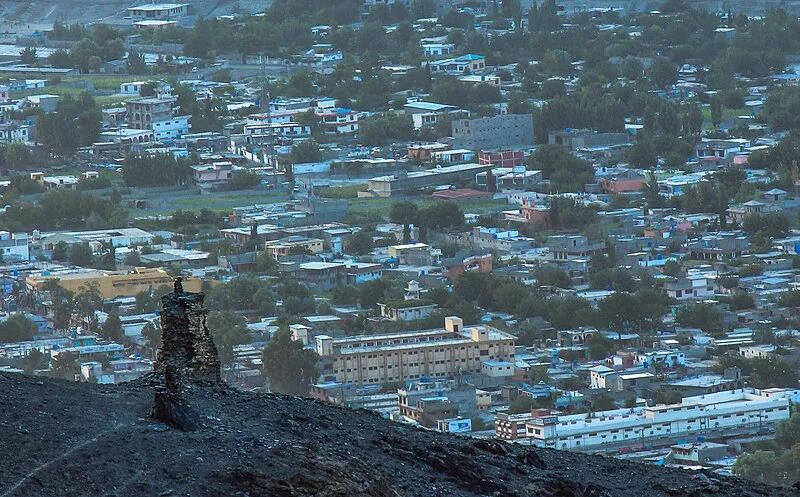
Mughal Minar
Mughal Minar is an archaeological site in Gilgit, Gilgit-Baltistan, Pakistan. The site originally functioned as a Stupa, a hemispherical structure used for Buddhist worship and…
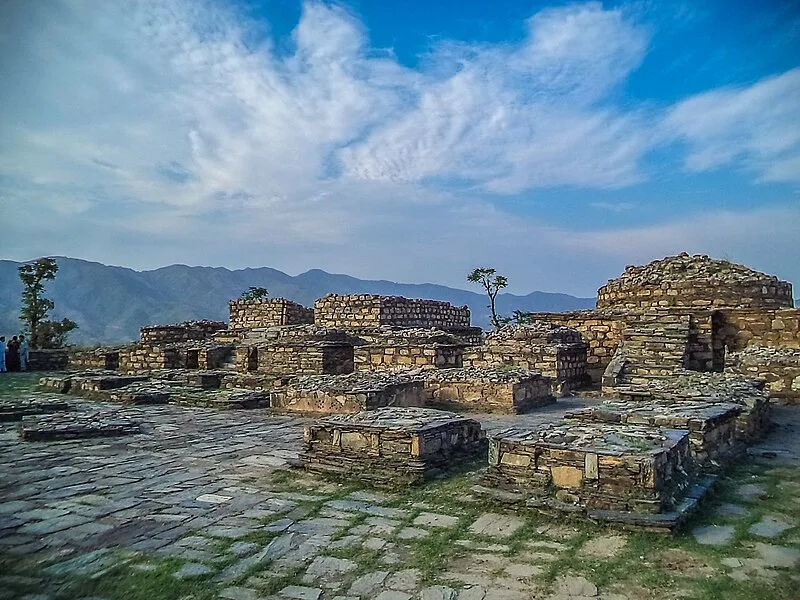
Nemogram Stupa
(2nd–3rd c. AD) Nemogram Stupa is a Buddhist temple complex on the right bank of the Swat River, 45 km west of Saidu Sharif and 22 km from Birkot in Pakistan's Swat Valley. The…
Noorpur Stupas
5th c. BC – 1st c. AD temple complex in Gilgit, Gilgit-Baltistan, Pakistan, featuring ancient stupas that represent early Buddhist religious architecture in the region.
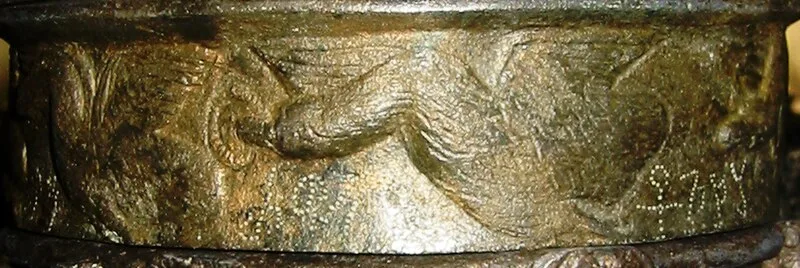
Shaji-ki-Dheri
Shaji-ki-Dheri is the site of the Kanishka Stupa, a monumental Buddhist structure built by Kushan Emperor Kanishka in the 2nd century CE, located about 6 km from Peshawar,…
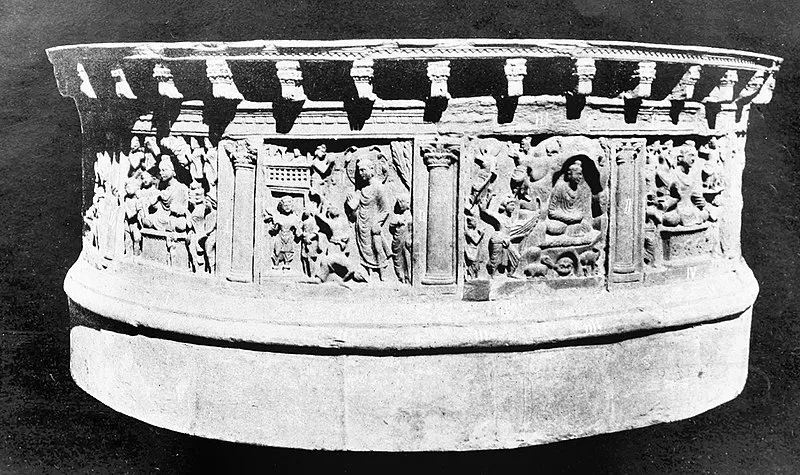
Sikri Stupa
Built 3rd-4th century AD, the Sikri Stupa is a Kushan-period Buddhist temple complex in Gandhara featuring 13 carved narrative panels depicting events from the life of Buddha…
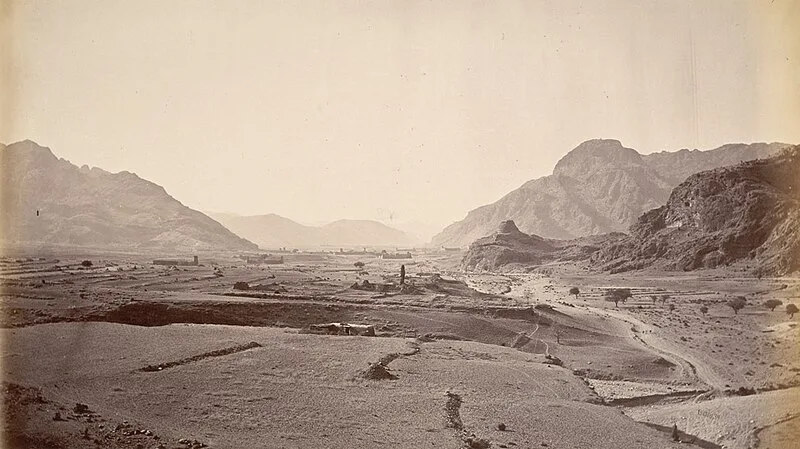
Sphola Stupa
(2nd–5th c. AD) Sphola Stupa is a Buddhist monument in the Khyber Pass, Khyber Pakhtunkhwa, Pakistan, situated on a high rocky ledge about 25 km from Jamrūd. The ruined structure…
Sudheran-Jo-Thul
Sudheran-Jo-Thul is a Buddhist stupa near Tando Muhammad Khan in Sindh, Pakistan, situated on a mound revealing the remains of a large ancient city. Known locally as the Tower of…
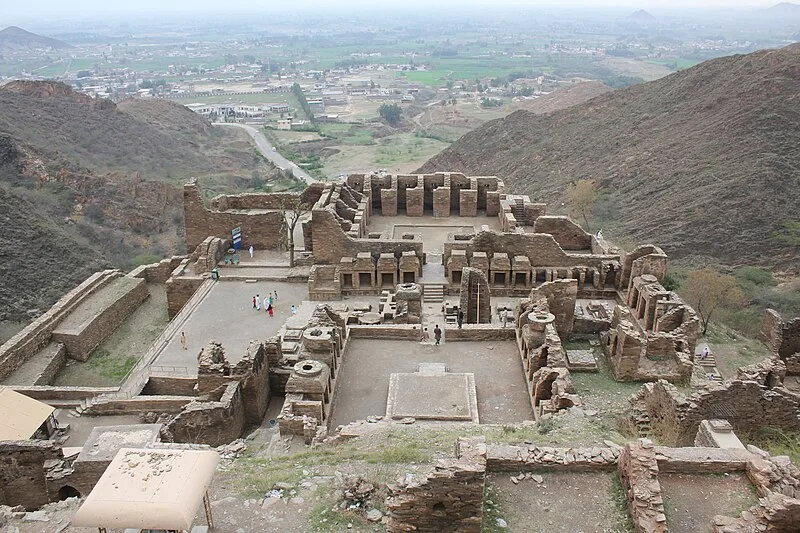
Takht-i-Bahi
Takht-i-Bahi is an Indo-Parthian Buddhist monastery complex in Mardan, Khyber-Pakhtunkhwa, Pakistan, ranking among the most significant Buddhist relics in ancient Gandhara.

Thul Hairo Khan
Thul Hairo Khan is a Buddhist stupa built between the 5th and 7th centuries CE near Johi in Sindh, Pakistan. The structure measures 15 metres (50 ft) in height and 9 metres (30…
Fortress/citadel in Pakistan (13)
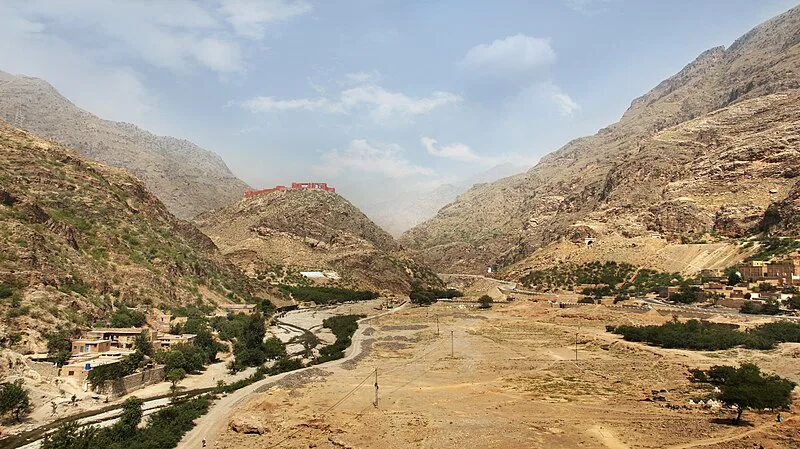
Ali Masjid Fort
Ali Masjid Fort is a 19th-century fortress perched above Ali Masjid, the narrowest point of the Khyber Pass in Khyber Pakhtunkhwa, Pakistan. Originally constructed in 1837 by Emir…
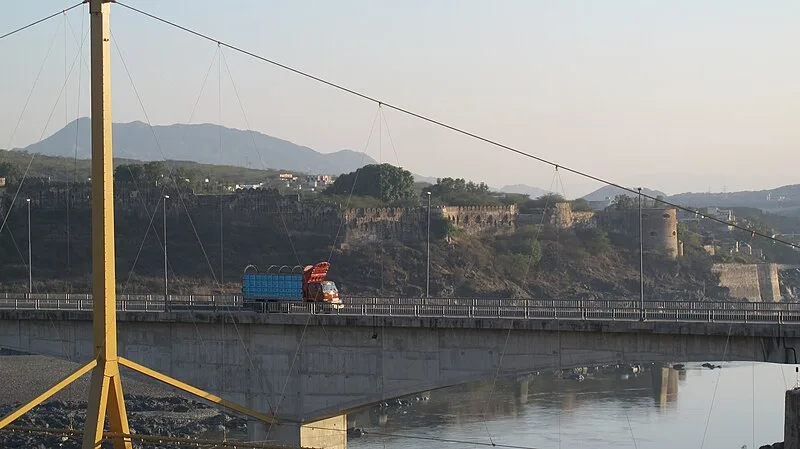
Attock Fort
Mughal fortress built in 1581-1583 on the orders of Emperor Akbar, under the supervision of Khwaja Shamsuddin Khwafi, to guard the strategic Indus River crossing against Afghan…
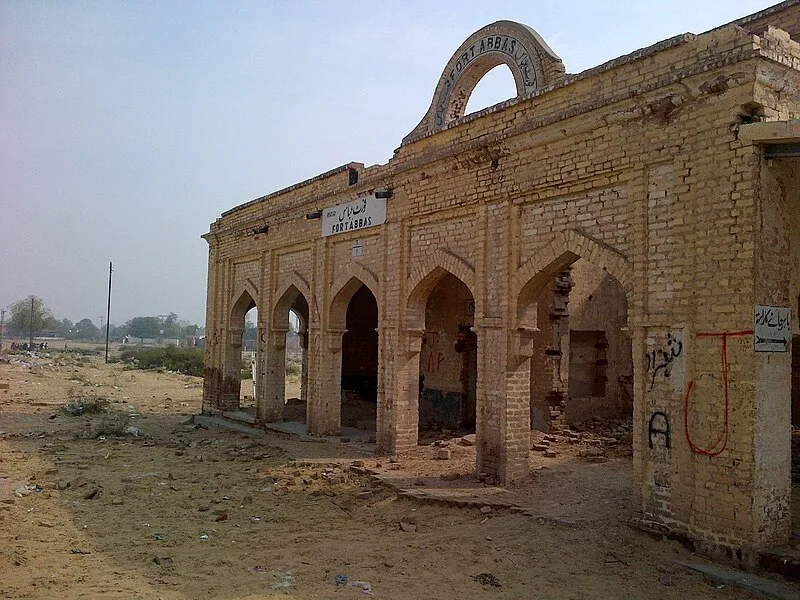
Fort Abbas
Fort Abbas is a town and archaeological site in Bahawalnagar District, Punjab, Pakistan, located in the Cholistan Desert south of Haroonabad near the India-Pakistan border. The…
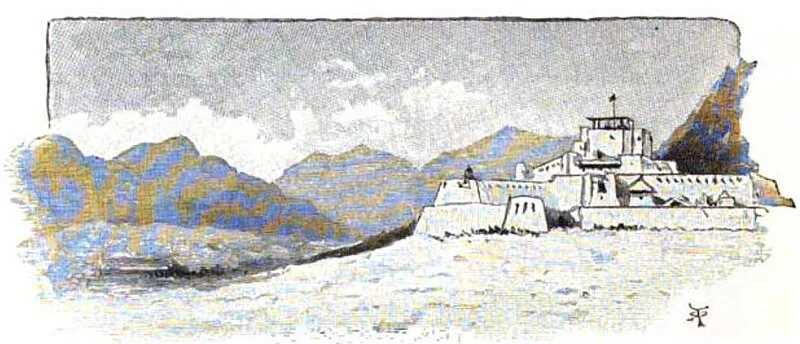
Jamrud Fort
Jamrud Fort, also known as Fatehgarh, stands at the eastern entrance to the Khyber Pass near Peshawar, Pakistan. Built in 1836 by Sikh general Hari Singh Nalwa with 3-metre-thick…
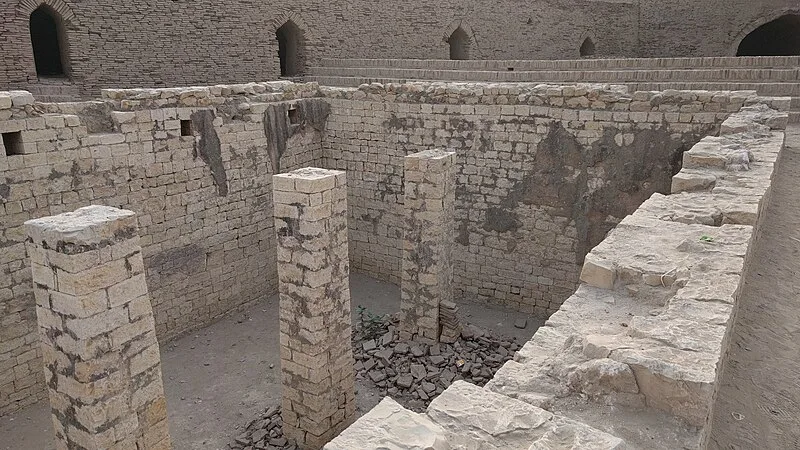
Kot Diji Fort
Kot Diji Fort, formally Fort Ahmadabad, is an 18th-century Talpur citadel built between 1785 and 1795 by Mir Sohrab Khan. Located in Khairpur District, Sindh, Pakistan, about 25…
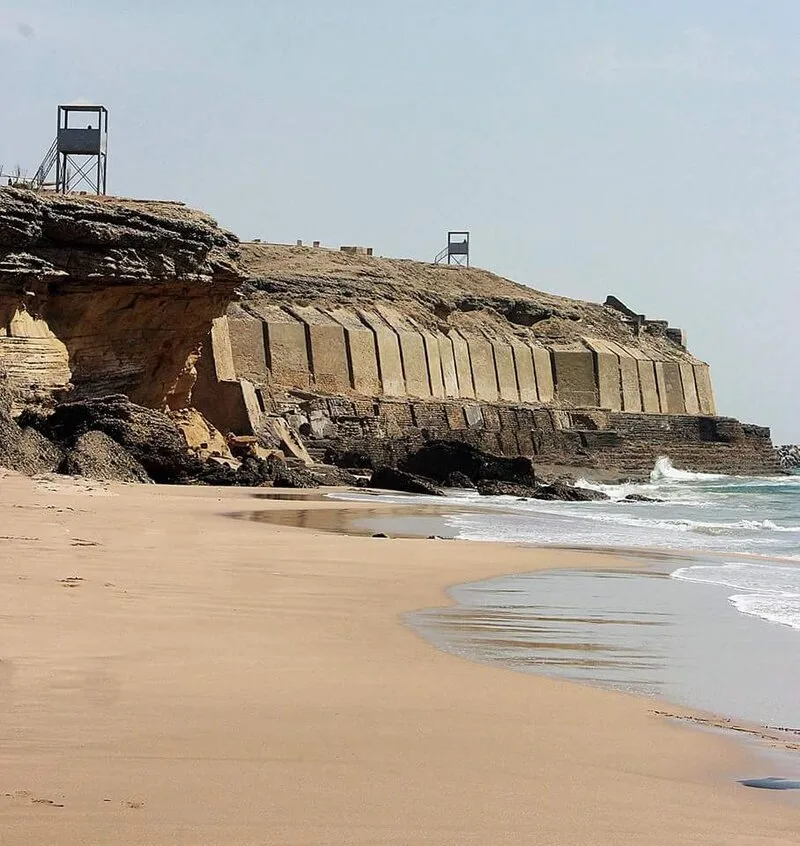
Manora Fort, Karachi (Qasim Fort)
Manora Fort is a fort in Karachi, Pakistan, built to protect the harbour of Karachi. Originally erected as a mud fortress by the Talpur Mirs in 1797, the fort was captured by the…
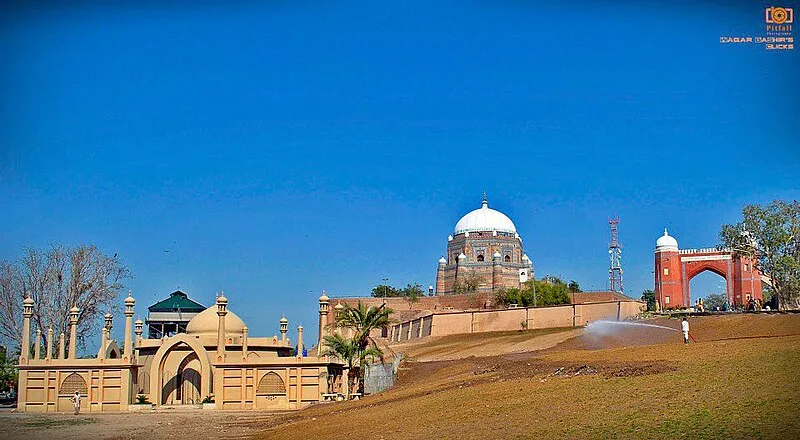
Multan Fort
Multan Fort was a historic fortress in present-day Multan, Pakistan. According to some estimates, the original fort was constructed by the Katoch Rajput Dynasty between 800 and…
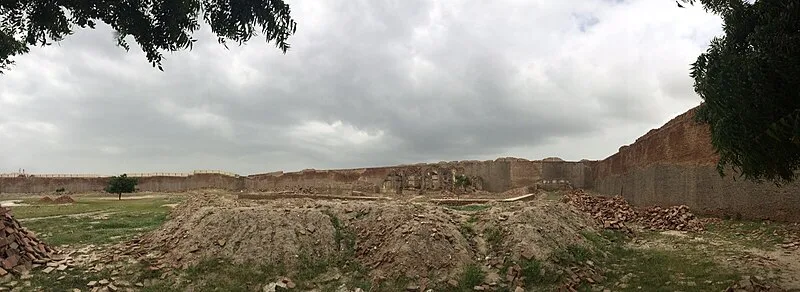
Naukot Fort
Naukot Fort is a fortification built in 1814 by Mir Karam Ali Khan Talpur in Tharparkar District, Sindh, Pakistan. Known as "The Gateway to the Thar Desert," it was constructed…
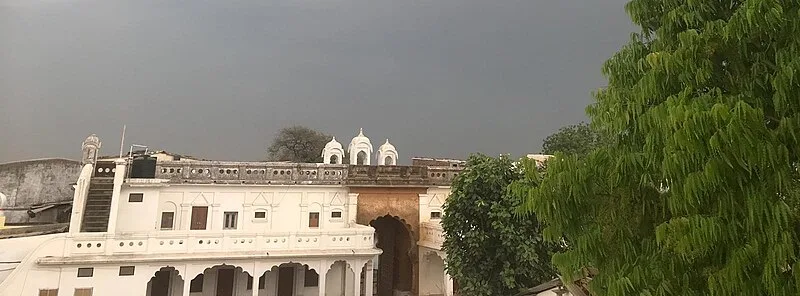
Salamgarh
Salamgarh, also known as Islamgarh, is an old fortified settlement now a neighbourhood of Jalalpur Jattan in Punjab, Pakistan. Local traditions attribute the fort's construction…
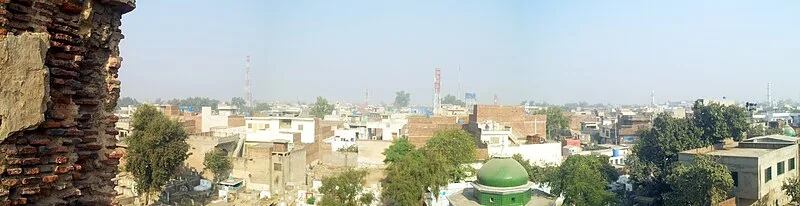
Sheikhupura Fort
Sheikhupura Fort is a Mughal-era fort built in 1607 CE near Sheikhupura in Punjab, Pakistan, commissioned by Emperor Jahangir as a royal hunting lodge adjacent to the Hiran Minar…
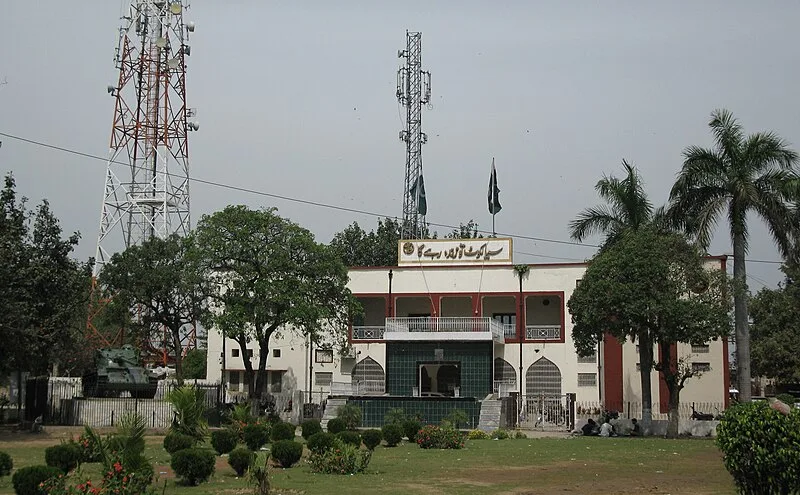
Sialkot Fort
An ancient fort in ruins in the Sialkot district of Pakistan, standing on the site of Sagala, capital of the Indo-Greek Kingdom under King Menander I in the 2nd century BC.…
Sirnikot
Sirnikot is a Buddhist archaeological site on the left bank of the Indus River in Naushahro Feroze District, Sindh, Pakistan. The fort exhibits late Bronze Age Harappan…
Sutkagan Dor
Sutkagan Dor is the westernmost known archaeological site of the Indus Valley civilization, located about 480 km west of Karachi on the Makran coast near Gwadar, close to the…
Mound/tumulus in Pakistan (10)
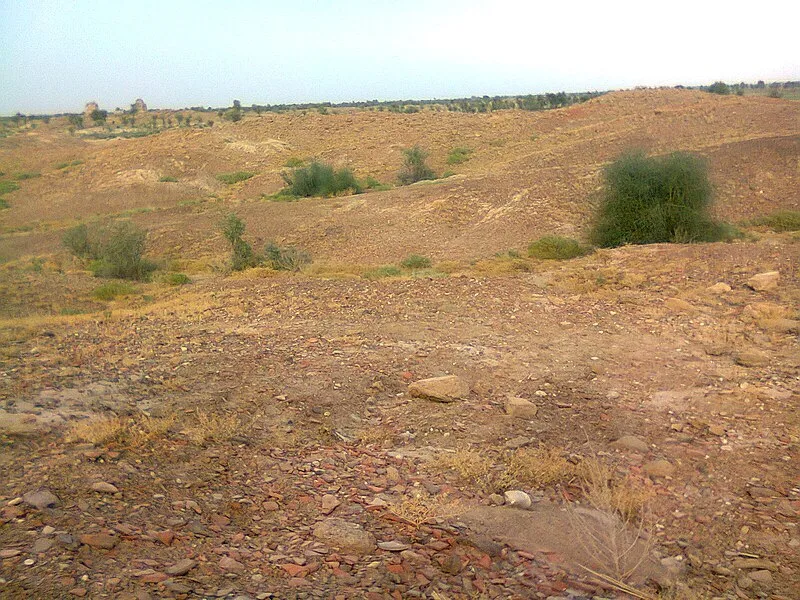
Ali Murad Mound
Ali Murad Mound is a Harappan-era archaeological site in the Dadu District of Sindh, Pakistan, explored and named by archaeologist N.G. Majumdar. Atop the mound, an ancient hamlet…
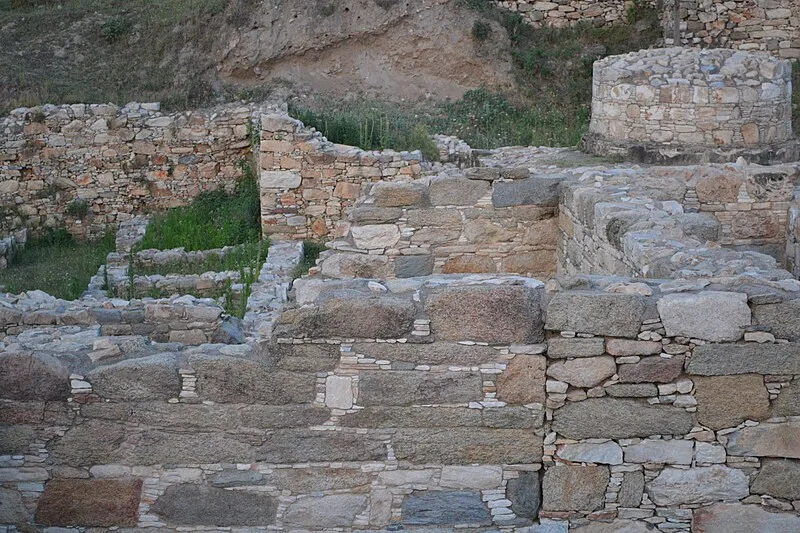
Aziz Dheri
Aziz Dheri is an ancient Buddhist archaeological site featuring mounds located in Swabi District, Khyber Pakhtunkhwa, Pakistan. The site, situated approximately 33 kilometers east…
Dabarkot
Dabarkot (Dabar Kot) is a large tell site of the Indus Civilization in the Loralai district of Balochistan, Pakistan, dating back to the fifth millennium BC. The mound measures…
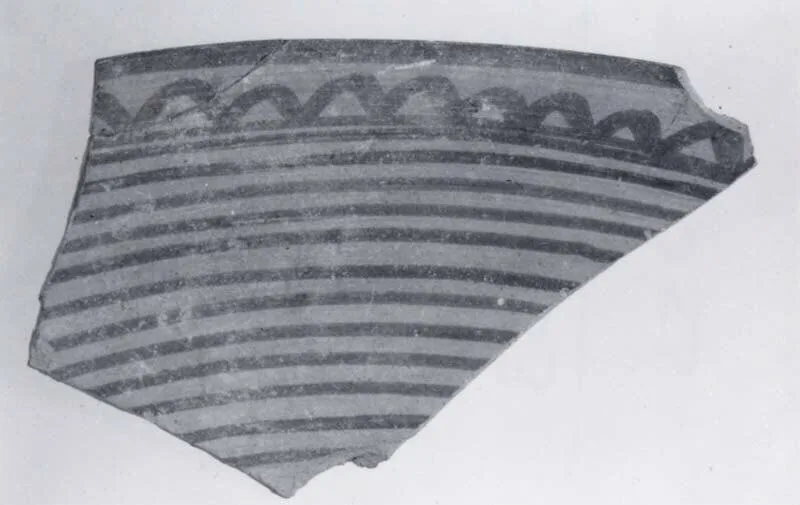
Damb Sadat
Damb Sadat (Sadaat) is an archaeological mound in the Quetta Valley of Balochistan, Pakistan, located 12 km south of Quetta city. The oval-shaped site, 73 m in circumference and…

Ghazi Shah Mound
Ghazi Shah Mound is an ancient archaeological site in Johi Tehsil, Dadu District, Sindh, Pakistan, among the earliest Indus Valley civilization settlements dating back 4000-6000…
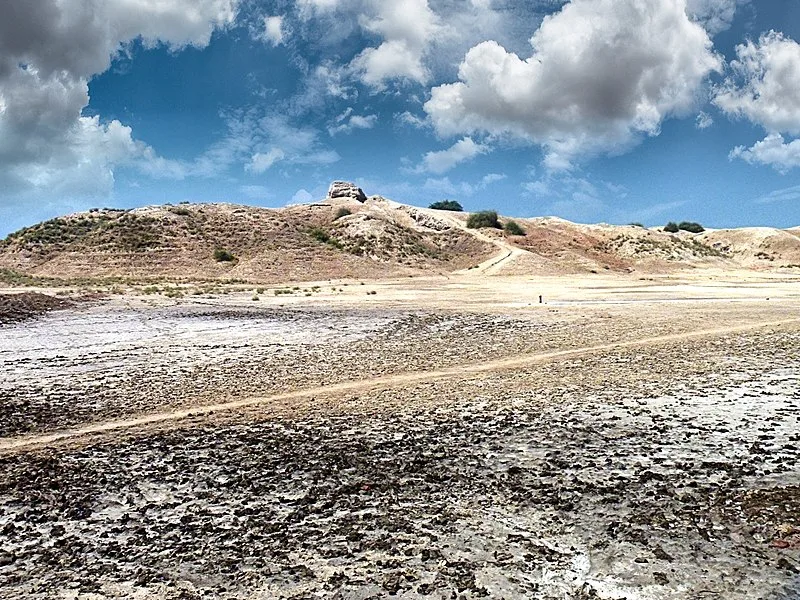
Jhukar-jo-Daro
Jhukar-jo-Daro is a Chalcolithic mound site in Larkana District, Sindh, covering approximately 10 hectares with two main mounds separated by 300 feet. Excavated by N.G. Majumdar…
Lakhan-Jo-Daro
Lakhan-Jo-Daro is one of the largest cities of the Indus Valley civilization, located near Sukkur in Sindh, Pakistan, roughly 120 km southwest of Mohenjo-Daro. Covering over 300…
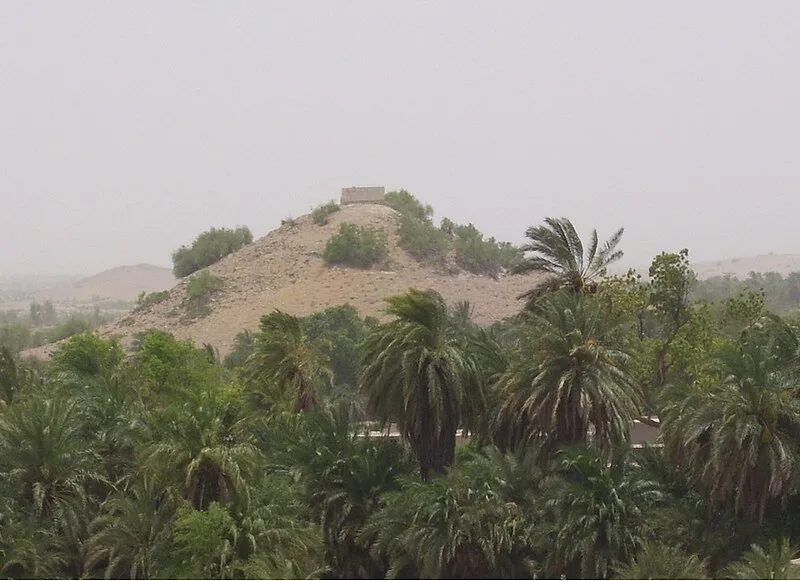
Lakhmir Mound
Lakhmir Mound, locally known as Lakhmir-Ji-Mari, is a Chalcolithic archaeological site in the Naig Valley of Sindh, Pakistan, about 45 km from Sehwan Sharif. The mound consists of…
Periano Ghundai
(4300-3500 BC) Periano Ghundai, meaning "Hill of Fairies," was an archaeological mound in Zhob District, Balochistan, Pakistan, located 3 km west of Zhob. Excavated in 1924 by Sir…
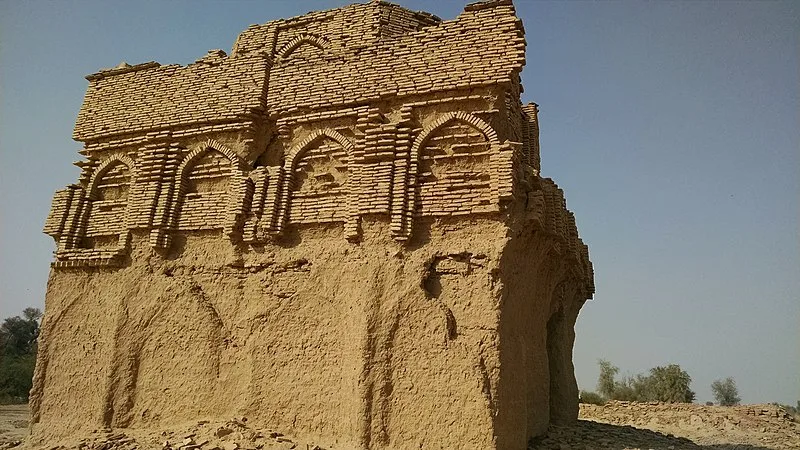
Pirak
Pirak is an Indus Valley civilization archaeological mound in Balochistan, Pakistan, situated 20 km south of Sibi on the eastern bank of the Nari River. The tumulus rises 8 meters…
Rock relief/carving in Pakistan (5)
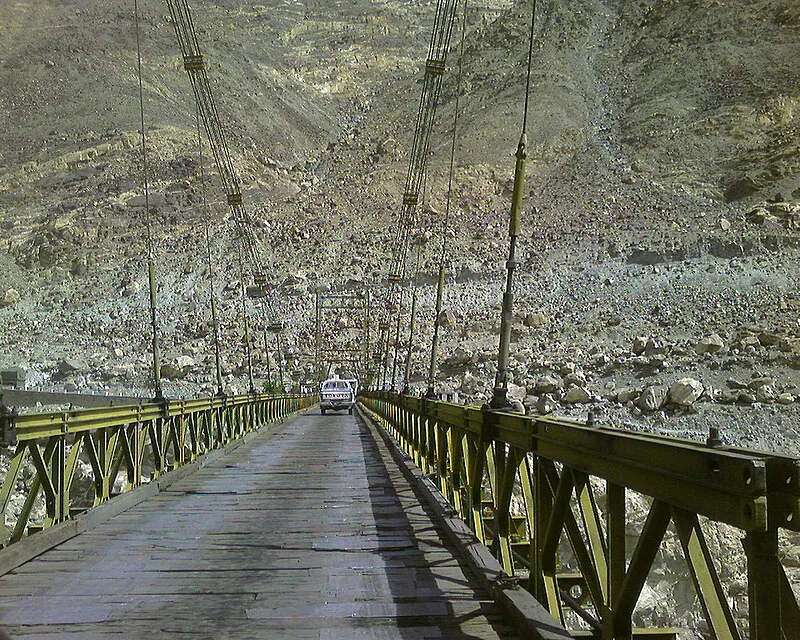
Alam Bridge Inscriptions
The Alam Bridge inscriptions are ancient rock carvings located near the Alam Bridge in northern Pakistan, dating to around the 3rd century BC. The inscriptions are written in both…
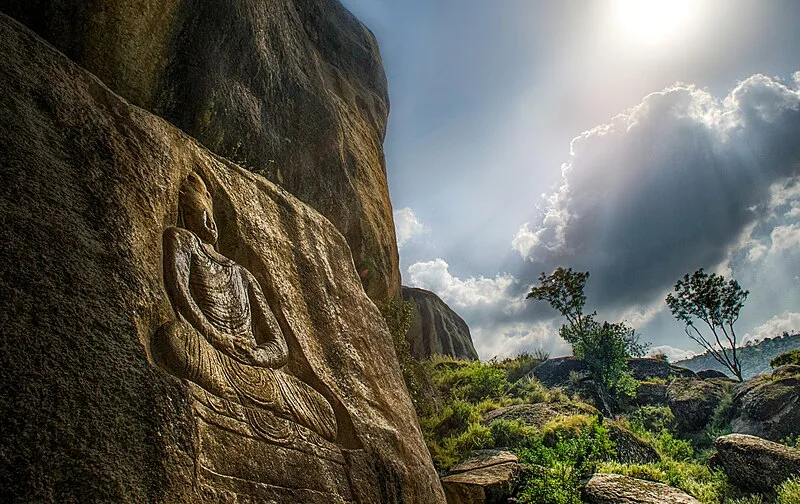
Buddhist Rock Carving in Manglawar
The Buddhist rock carvings of Manglawar Valley in Swat, Pakistan, 9 km northeast of Mingora, include multiple reliefs and sculptures along a sacred landscape of monasteries that…
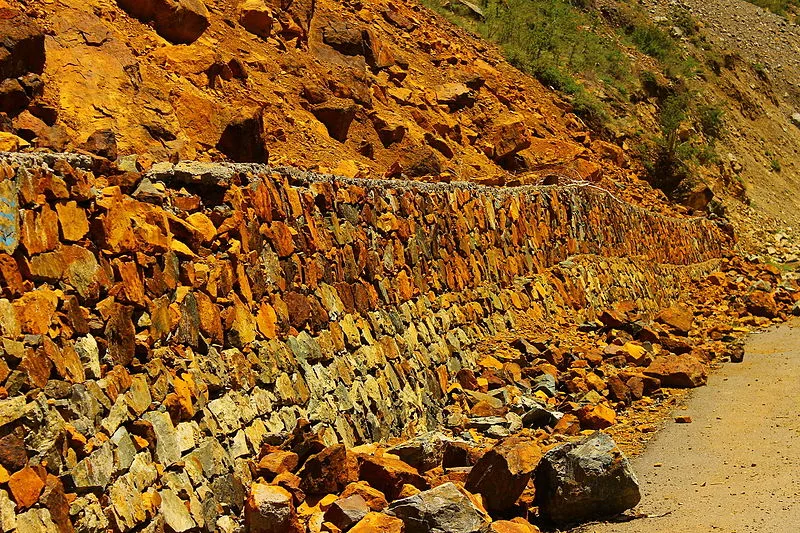
Keno Daas Rock Carvings
Keno Daas is a rock carving site located just outside Gilgit toward the Hunza Valley in Gilgit-Baltistan, Pakistan. The carvings are part of a vast collection of petroglyphs and…
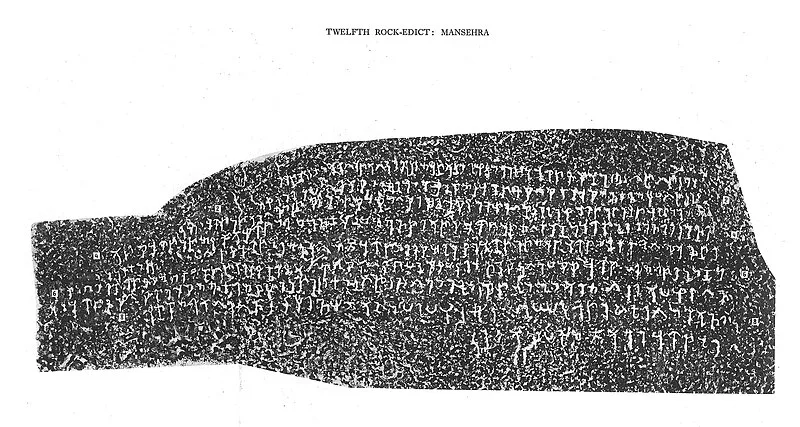
Mansehra Rock Edicts
The Mansehra Rock Edicts are fourteen inscriptions of Mauryan emperor Ashoka (r. c. 272-235 BC) carved into three granite boulders in Mansehra, Khyber Pakhtunkhwa, Pakistan.…
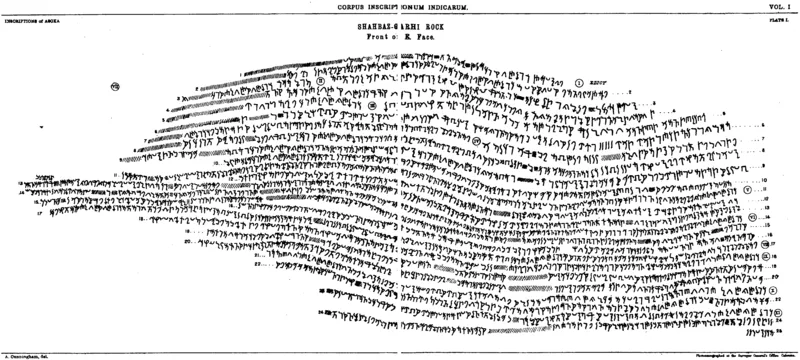
Shahbaz Garhi
Shahbaz Garhi is a historic site in Mardan District, Khyber Pakhtunkhwa, Pakistan, situated at an altitude of 293 metres.
Cave Structures in Pakistan (3)
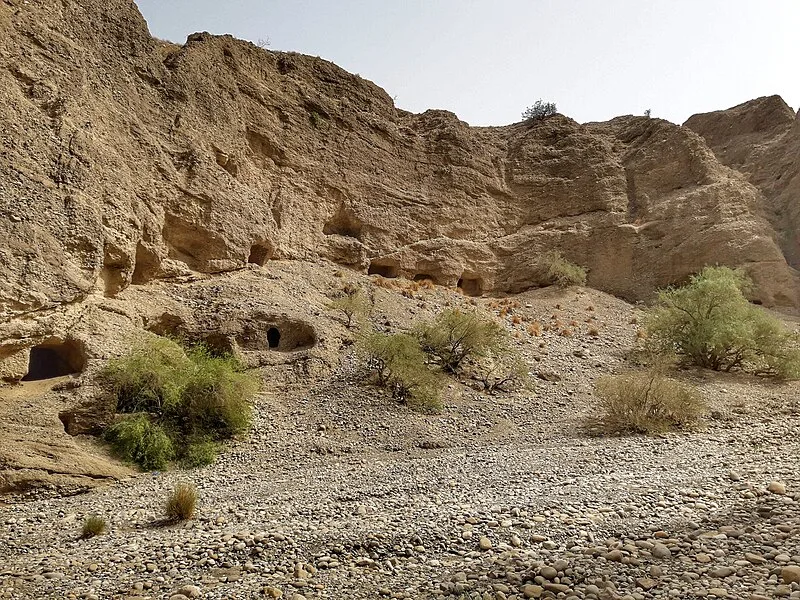
Gondrani (Shehr-e-Roghan)
Gondrani, also known as Shehr-e-Roghan, is an ancient cave city in Lasbela District, Balochistan, Pakistan, located about 20 km north of Bela. The caves are carved into…
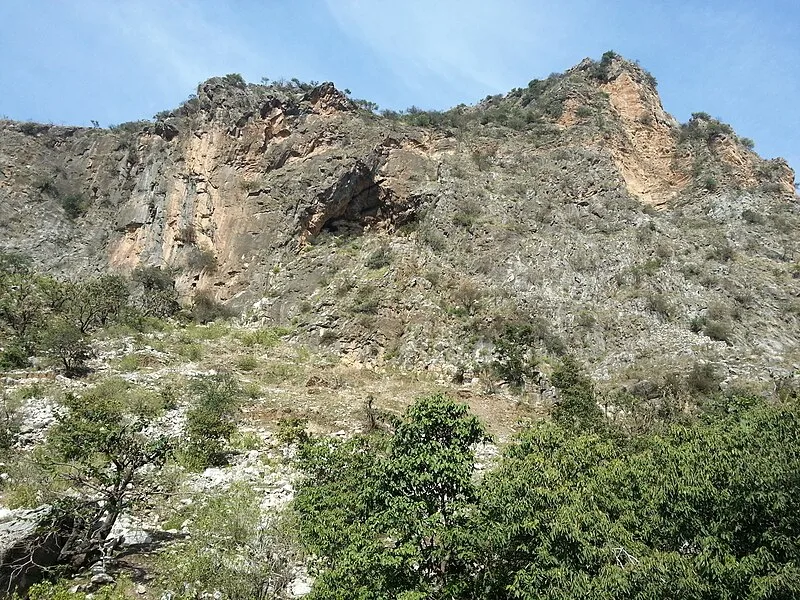
Kashmir Smast
The Kashmir Smast caves are natural limestone caves in the Babuzai Sakrah mountains, Katlang Valley, Mardan, northern Pakistan. Artificially expanded from the Kushan to the Shahi…
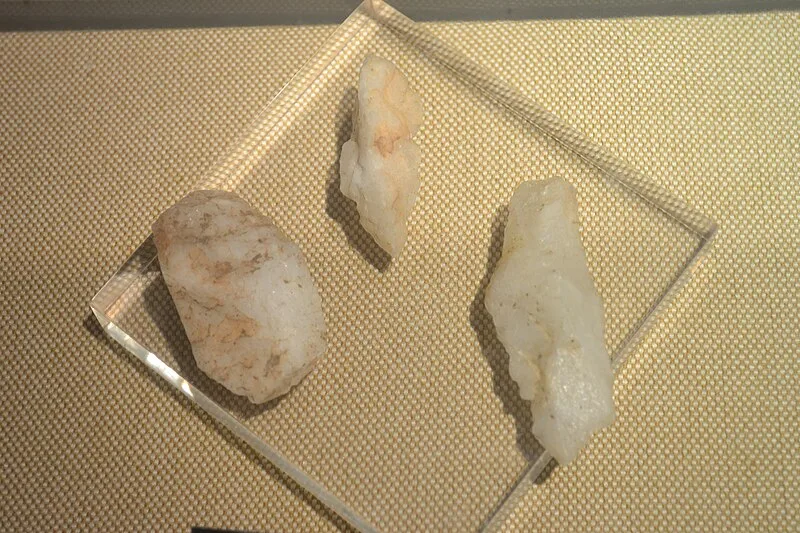
Sanghao Cave
Sanghao Cave is a Paleolithic site near Mardan in northern Pakistan, excavated by Ahmad Hasan Dani. It was the first stratified Upper Paleolithic site discovered in Pakistan,…
Necropolis/tombs complex in Pakistan (2)
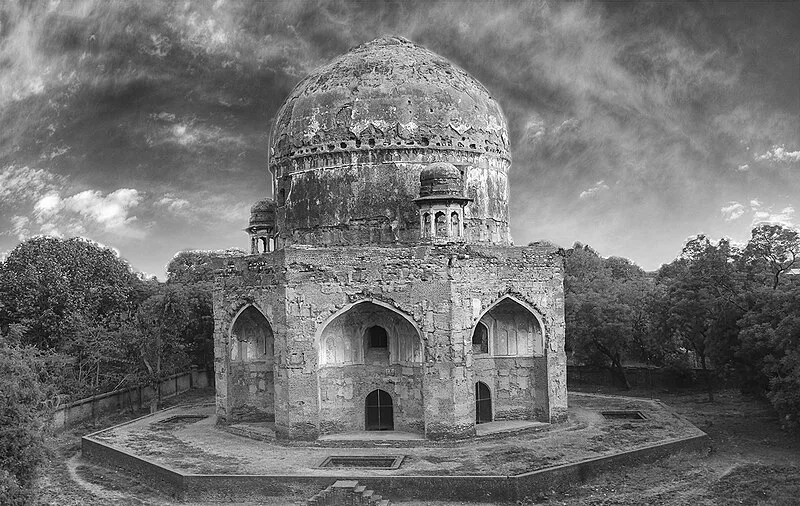
Tomb of Ali Mardan Khan
The Tomb of Ali Mardan Khan is a Mughal-era mausoleum in Lahore, Pakistan, built around 1657. The octagonal structure rests on a high podium in a garden setting, featuring high…
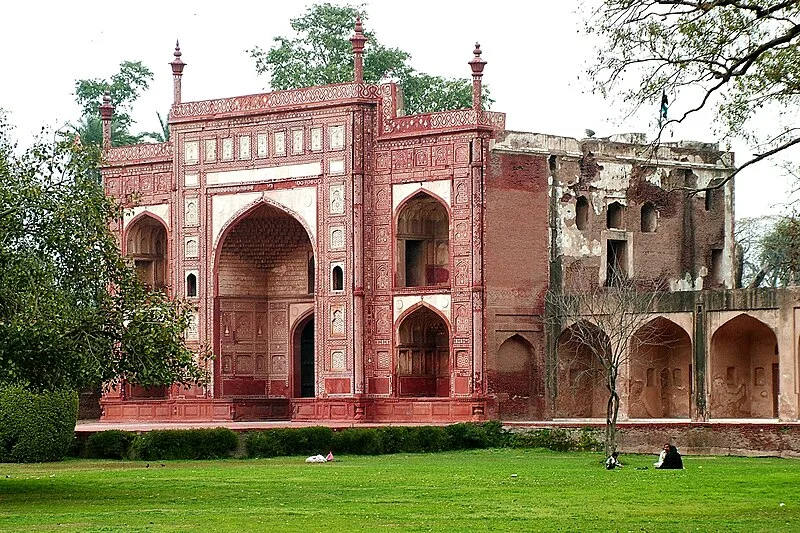
Tomb of Jahangir
The Tomb of Jahangir is a 17th-century mausoleum built for the Mughal Emperor Jahangir, completed in 1637 AD. Located in Shahdara Bagh near Lahore, Pakistan, along the western…
Geological interest in Pakistan (1)
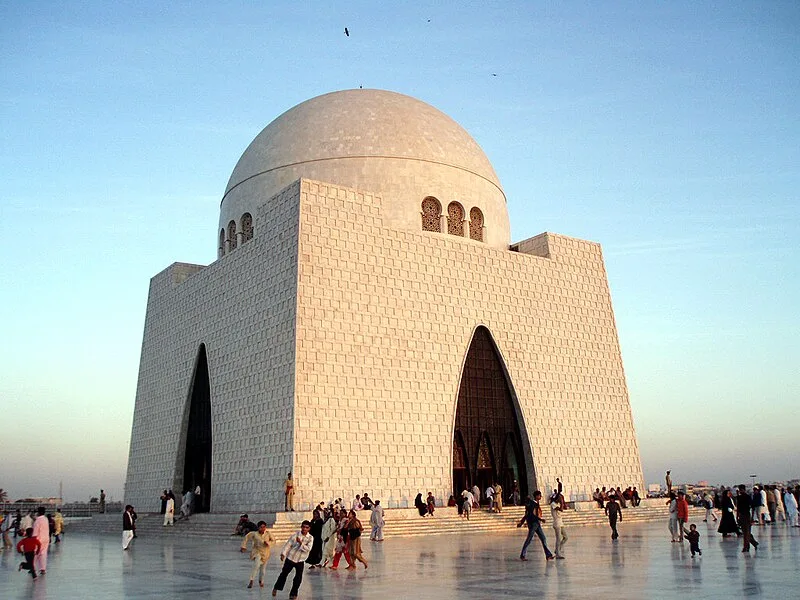
Infrastructure in Pakistan (1)

Petroglyphs in Pakistan (1)
Rock art in Pakistan (1)
Keep exploring
Every site on this page sits on the globe, and the people who research them are on the Discord.
3D Globe · Sites by country · Story Archive · Research Library · Weekly Journal · Search