
 Pakistan
According to archeologists, Ranigat remained the center of Buddhist art and culture for centuries [1]. 'Rani' is an Urdu word that means 'queen', while 'gat' is a Pashto word that means a 'huge rock', hence the archaeological site of Ranigat, meaning "Queen's Rock" [1]. The referenced rock is on top of a mountain that is visible from far away [1]. The site of Ranigat is situated on top of a ridge, where the remains of the region's largest Buddhist monastic complex reside [1]. Under excavation by a joint UNESCO-Japanese team since the 1980s, the site has had issues related to vandalism [1].
Text: Wikipedia – 'Ranigat' (revision of 2026-09-06), CC BY-SA 4.0 · sentences selected and shortened by an AI system · source →Ranigat
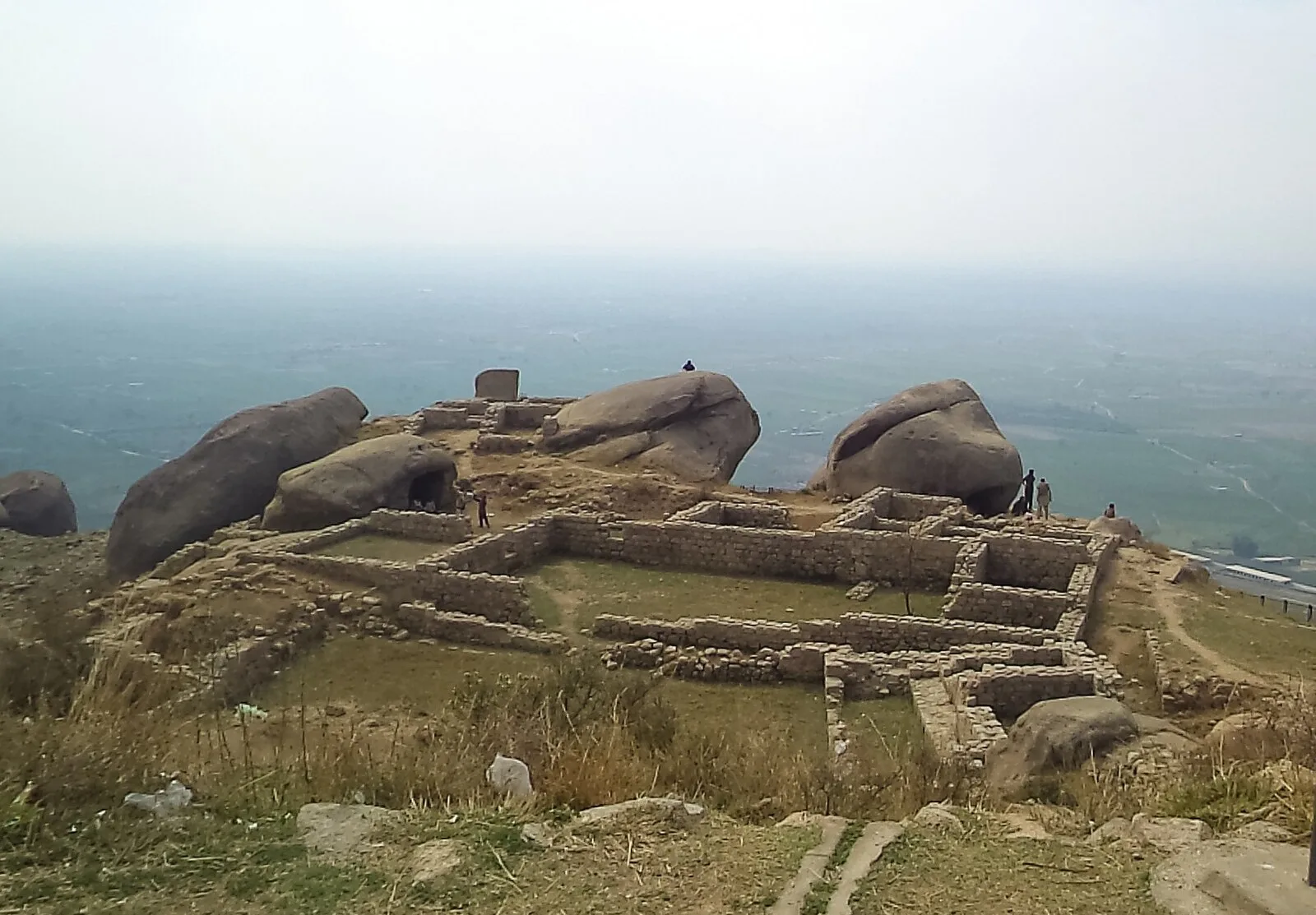
Also known as: Rani Gat, Rani Gat - Buddhist Ruins, Rani Gatt, راني ګاټ, راني ګټ, راني گاټ, راني گټ, رانیگات, رانی گٹ, راڼي ګاټ, راڼيګاټ, راڼي ګټ
| Type | Monastery |
|---|---|
| Period | 1 - 500 AD |
| Country | Pakistan |
| Coordinates | 34.2308° N, 72.4488° E |